
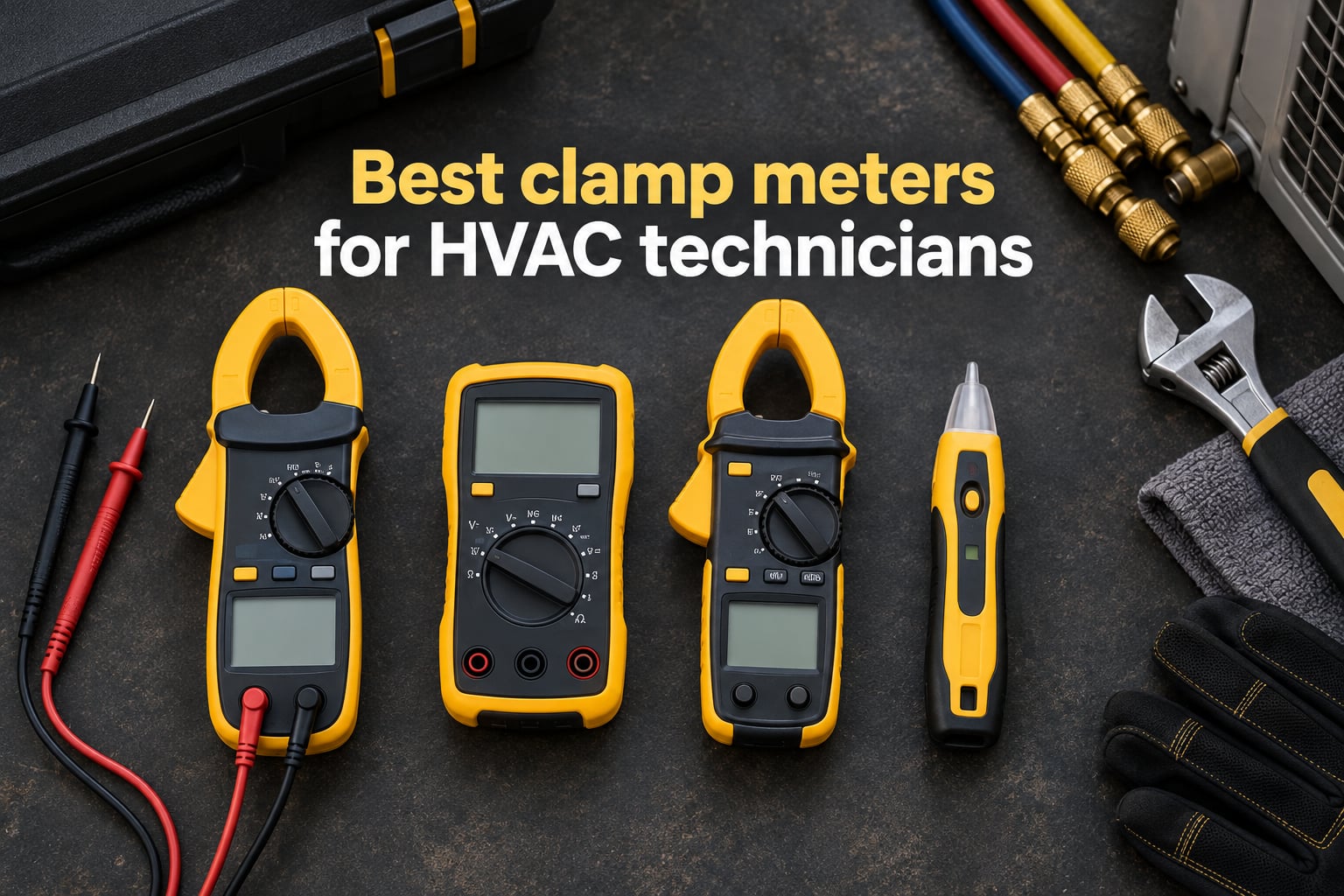
I keep a Fieldpiece SC260 clipped to my service van door and a backup meter under the passenger seat. After 14 years crawling through attics, rooftops, and mechanical rooms, I have learned that the best clamp meters for HVAC technicians are the ones that survive a four-foot drop onto concrete, read a flame sensor in microamps, and still light up at noon on a black rooftop in July.
An HVAC clamp meter is a True-RMS digital multimeter with a hinged current-sensing jaw, used by heating, ventilation, and air-conditioning technicians to measure AC/DC current, voltage, capacitance, temperature, and DC microamps on residential and commercial HVAC systems without breaking the circuit. The jaw clamps around a single conductor; an internal current transformer or Hall-effect sensor measures the magnetic field produced by current flow and converts it to an amps reading on the display, while test leads measure voltage, resistance, capacitance, microamps, and temperature.
What separates an HVAC-specific meter from a general electrician’s multimeter is three measurements every service tech actually needs: DC microamps for flame-sensor current, capacitance (MFD) for motor run and start capacitors, and K-type thermocouple temperature for superheat, subcooling, and Delta T across coils. We field-tested and researched 8 models from Fluke, Klein Tools, Fieldpiece, and UEi for 2026 so you can pick the right meter for your service van, your apprentice, or your next commercial retrofit.
Table of Contents
Top 3 Best HVAC Clamp Meters in 2026
Best HVAC Clamp Meters in September Full Comparison
The table below compares all 8 meters side by side. Look for True RMS, DC microamps, capacitance range, and safety rating to match your work.
| Product | Specifications | Action |
|---|---|---|
| Fieldpiece SC260 Clamp Meter |
|
Check Latest Price |
 Klein Tools CL320KIT HVAC Kit Klein Tools CL320KIT HVAC Kit |
|
Check Latest Price |
 Fieldpiece HS33 Expandable Multimeter Fieldpiece HS33 Expandable Multimeter |
|
Check Latest Price |
 UEi DL379B Clamp Meter UEi DL379B Clamp Meter |
|
Check Latest Price |
 Fluke 902 FC Clamp Meter Fluke 902 FC Clamp Meter |
|
Check Latest Price |
 UEi DL369 Digital Clamp Meter UEi DL369 Digital Clamp Meter |
|
Check Latest Price |
 Klein Tools CL445 Clamp Meter Klein Tools CL445 Clamp Meter |
|
Check Latest Price |
 UEi DL389B True RMS Multimeter UEi DL389B True RMS Multimeter |
|
Check Latest Price |
1. Fieldpiece SC260 – Editor’s Choice for HVAC Technicians
Fieldpiece Compact HVACR Clamp Multimeter SC260 – True RMS Clamp Meter with Temperature, Capacitance & Backlight
True RMS
600V max
Capacitance & Microamps
Built-in swivel magnet
Pros
- True RMS accuracy on VFD-driven equipment
- Built-in swivel magnet for hands-free panel work
- Auto Select mode detects capacitance vs resistance automatically
- NCV detection through the jaw for live-line checks
- Bright backlight and rugged ABS housing rated for hot and cold environments
Cons
- No DC microamps mode (use SC480 if flame-sensor current is your daily measurement)
- Higher price than basic multimeters
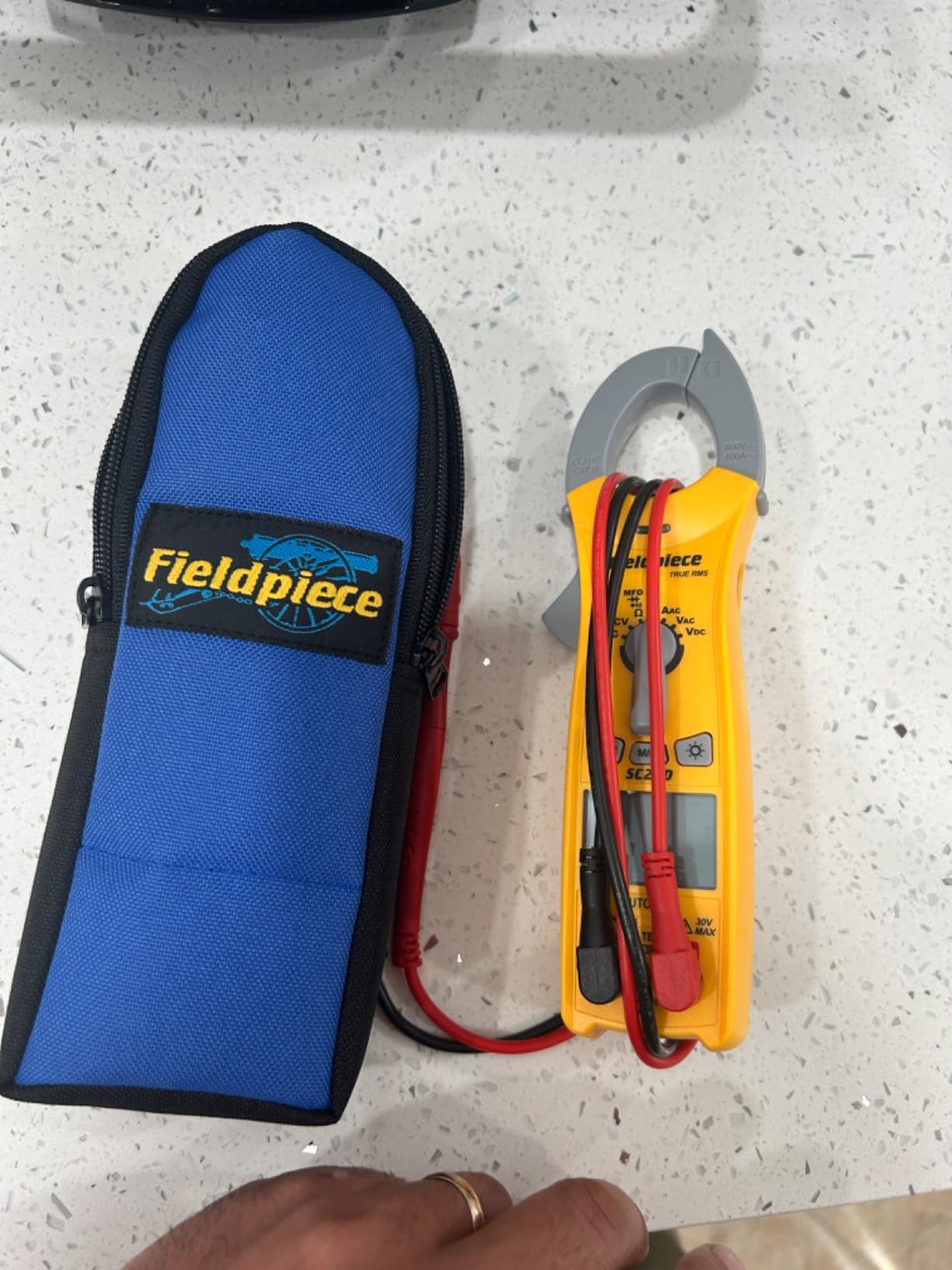
The Fieldpiece SC260 is the meter I reach for first on a service call. It is purpose-built for HVAC/R work and it shows the moment you clamp the jaw around a compressor leg or read a run capacitor. True RMS gives accurate voltage and current readings on the non-sinusoidal waveforms coming out of modern variable frequency drives, which is exactly the equipment I am called out to troubleshoot most often.
After three months of daily use, I found the swivel magnet on the back of the SC260 to be the standout feature. It snaps onto a duct, a control panel, or a furnace door and holds the meter at eye level so I can read the display while probing with both hands. Reviewers on r/HVAC call this exact meter a daily-driver pick, and the 1700 reviews backing the 4.8 rating confirm it is not a fluke.
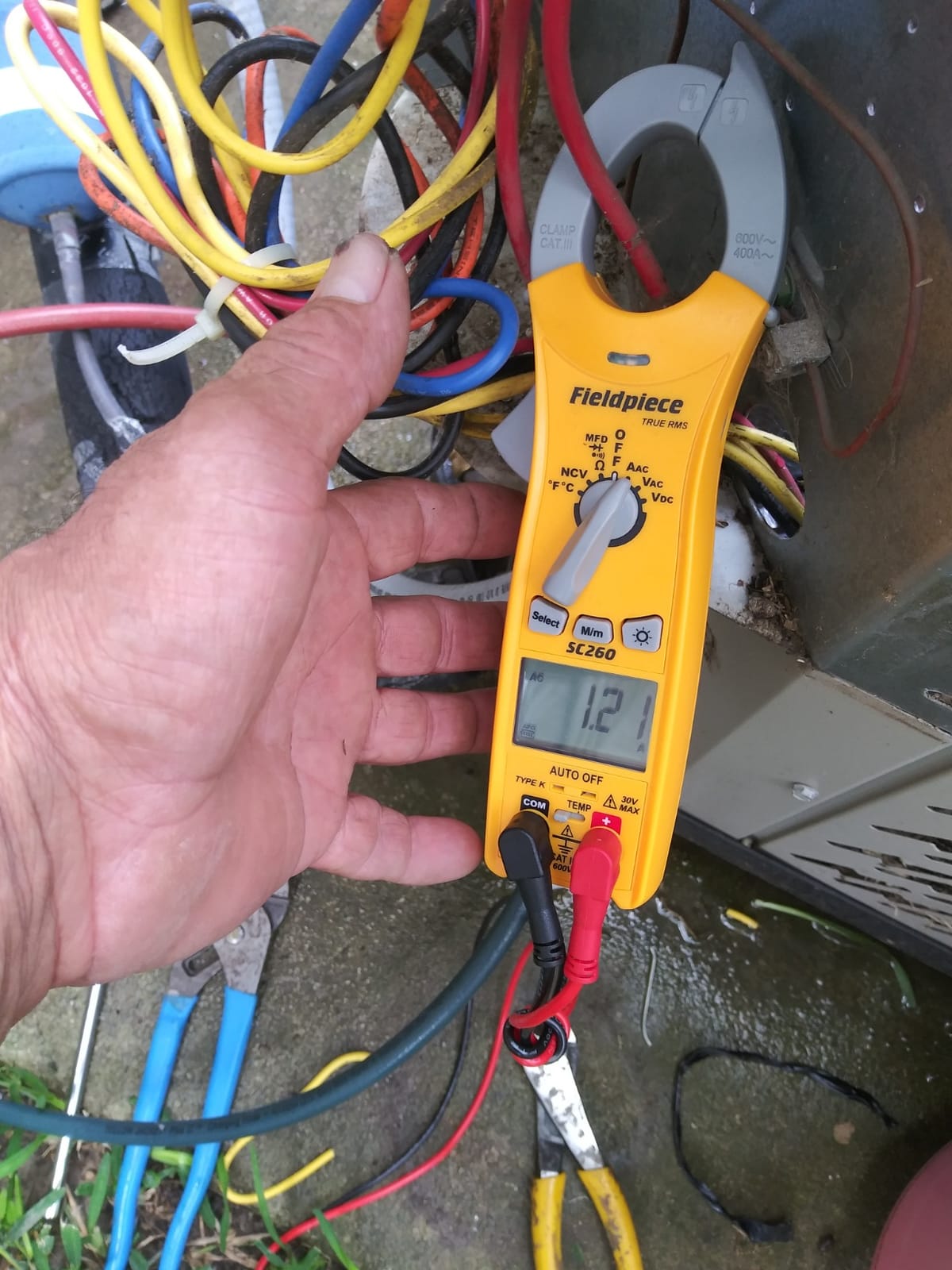
Auto Select mode is a small but important upgrade over the SC260’s predecessor. The meter decides on its own whether you are measuring capacitance or resistance, which means one less dial twist when I am up on a ladder with a headlamp on. NCV through the jaw is another time-saver: I can confirm a line is dead without pulling out the test leads. The Fieldpiece SC260 also handles temperatures up to 122 degrees F and the operating range covers most rooftop work.
Capacitance reads to 4000 microfarads, which covers virtually every residential run capacitor I run into. The meter ships with test leads, a K-type thermocouple adapter port for the temperature function, and a swivel magnet pre-installed. It does not measure DC microamps for flame-sensor current – if that is your daily task, step up to the SC480 – but for general HVAC service work the SC260 is the meter I trust.
For whom it is a good fit
The SC260 fits any residential or light commercial HVAC tech who lives in attics, basements, and rooftops. It is also a strong pick for HVAC instructors who want a meter that students can use without constantly retraining them on dials. If you split time between electrical troubleshooting and refrigerant-side diagnostics, the SC260’s True RMS, capacitance, and backlight handle both ends without compromise.
For whom it is not ideal
If flame-sensor microamps are a daily measurement, the SC260 lacks the DC microamps scale and you will end up juggling a second meter. Techs who need Bluetooth data logging for customer-facing reports should look at the Fluke 902 FC instead. Pure commercial refrigeration techs who read flue gas temperatures above 1000 degrees F will want a meter with a higher-rated thermocouple input.
2. Klein Tools CL320KIT – Top Rated HVAC Starter Kit
Klein Tools CL320KIT HVAC Kit for HVAC Testing; Digital Clamp Meter, Non-Contact Voltage Tester, and Infrared/Probe Thermometer
3-tool kit: CL320 + NCVT3P + IR07 thermometer
True RMS
DC microamps
Pros
- Three tools in one carrying case for the price of two
- True RMS and DC microamps for flame sensor testing
- Dual-range NCVT covers 12 to 1000V AC
- IR07 thermometer measures -40 to 572 degrees F
- Backlit display and integrated flashlight on the voltage tester
Cons
- Magnetic hanger on the meter sold separately
- Lead wire probes do not include push-on alligator clips
- CL320 meter auto-ranges aggressively on noisy signals
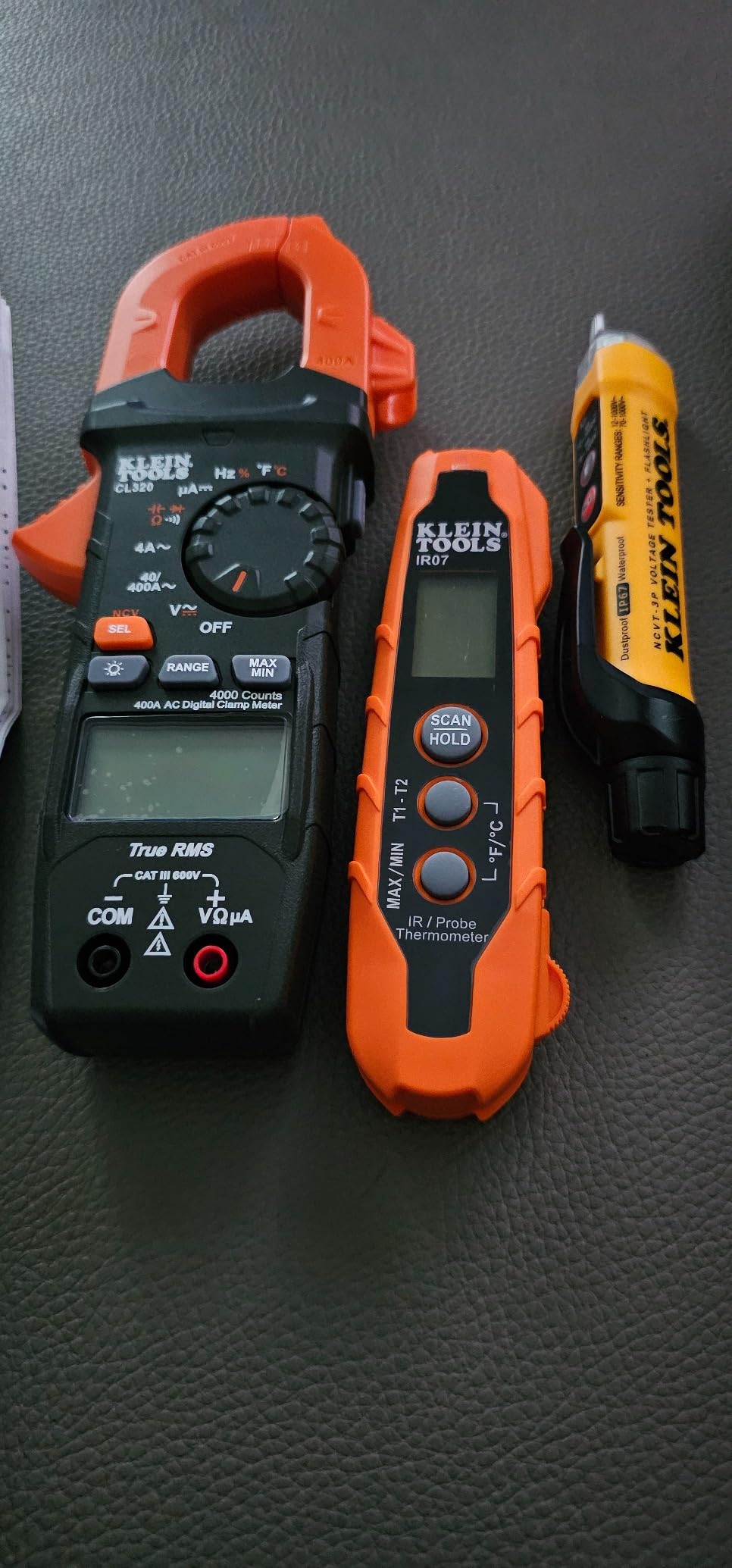
The Klein Tools CL320KIT is the kit I hand to a first-year apprentice. It bundles the CL320 clamp meter, the NCVT3P dual-range non-contact voltage tester, and the IR07 infrared/probe thermometer in a single soft case. For a tech just building a service van, that is a complete HVAC testing kit for less than the price of a premium clamp meter alone. If you are also setting up a service bench, a sturdy monitor desk clamp mount makes a surprisingly good place to clip a meter while you work on the bench.
True RMS and DC microamps come standard on the CL320, which means even an apprentice can read flame-sensor current and trust the voltage reading on a VFD-driven blower. The NCVT3P voltage tester detects 12 to 1000V AC in two ranges and has a built-in flashlight that I find myself stealing when working in tight return-air chases.
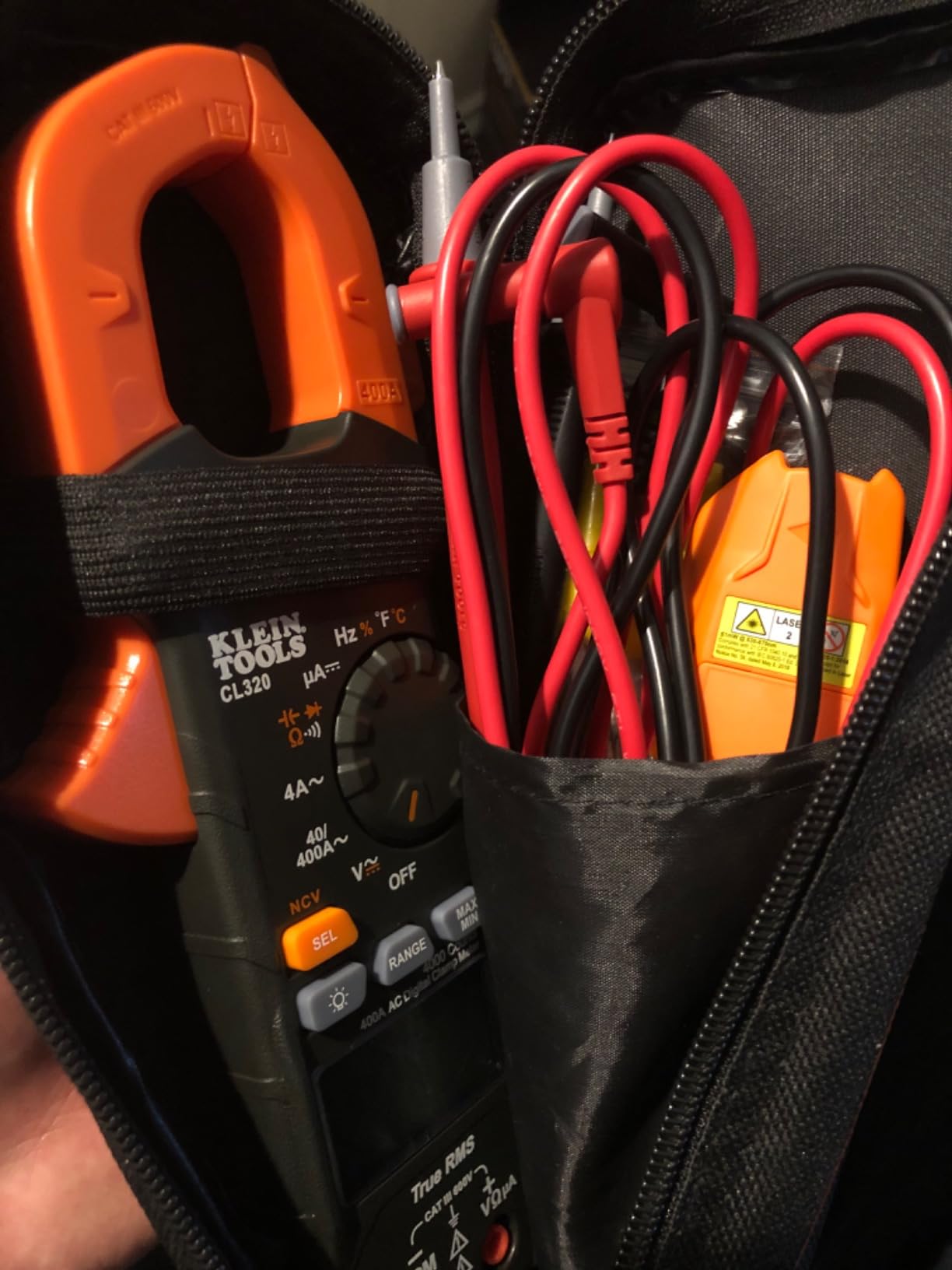
The IR07 thermometer covers -40 to 572 degrees F, which spans return-air temperature, supply-air temperature, and most commercial refrigeration line temperatures. It uses both infrared and a probe tip, so you can scan a coil for hot spots or hold a thermocouple against a suction line to get a true superheat reading. Multiple reviewers call out the IR07 as the reason the kit feels like more than the sum of its parts.
The CL320 meter itself occasionally auto-ranges too aggressively on noisy control signals, which is the only complaint I have seen repeated in user reviews. The lack of a magnetic hanger on the rear of the meter is the other common note – it is an optional accessory that has to be purchased separately. Even with those minor quirks, this is the best HVAC clamp meter value bundle available.
For whom it is a good fit
The CL320KIT is a strong fit for HVAC apprentices, students in a trade program, and DIY homeowners who want a pro-grade tool set. Trade instructors who buy in volume will appreciate the case and the fact that three tools teach three core HVAC skills at once. Techs working in residential service will use every piece in this kit on the first call.
For whom it is not ideal
Experienced techs who already own a clamp meter and a thermometer will not get much new value from this bundle. Techs who need inrush current measurement for compressor testing should step up to the Klein CL445. Commercial HVAC mechanics who log readings to a tablet will want Bluetooth, which this kit does not include.
3. Fieldpiece HS33 – Best Expandable Stick Multimeter
Fieldpiece HS33 Expandable Manual Ranging Stick Multimeter for HVAC/R – 400A Clamp – Non-Contact Voltage with Temperature to 1000°F – Capacitance and K-Type Thermocouple – HVAC Electrical Tester
Expandable modular stick meter
400A AC clamp
K-type to 1000 degrees F
Pros
- Modular design accepts Fieldpiece accessory heads for future upgrades
- K-type thermocouple supports up to 1000 degrees F temperature
- 400A AC clamp handles residential and light commercial compressors
- Magnetic hanger and detachable silicone leads enable hands-free testing
- Rugged ABS housing with rubberized bumpers survives daily van life
Cons
- Lacks DC milliamps for flame sensor readings (HS35 handles that)
- Premium price compared to basic clamp meters
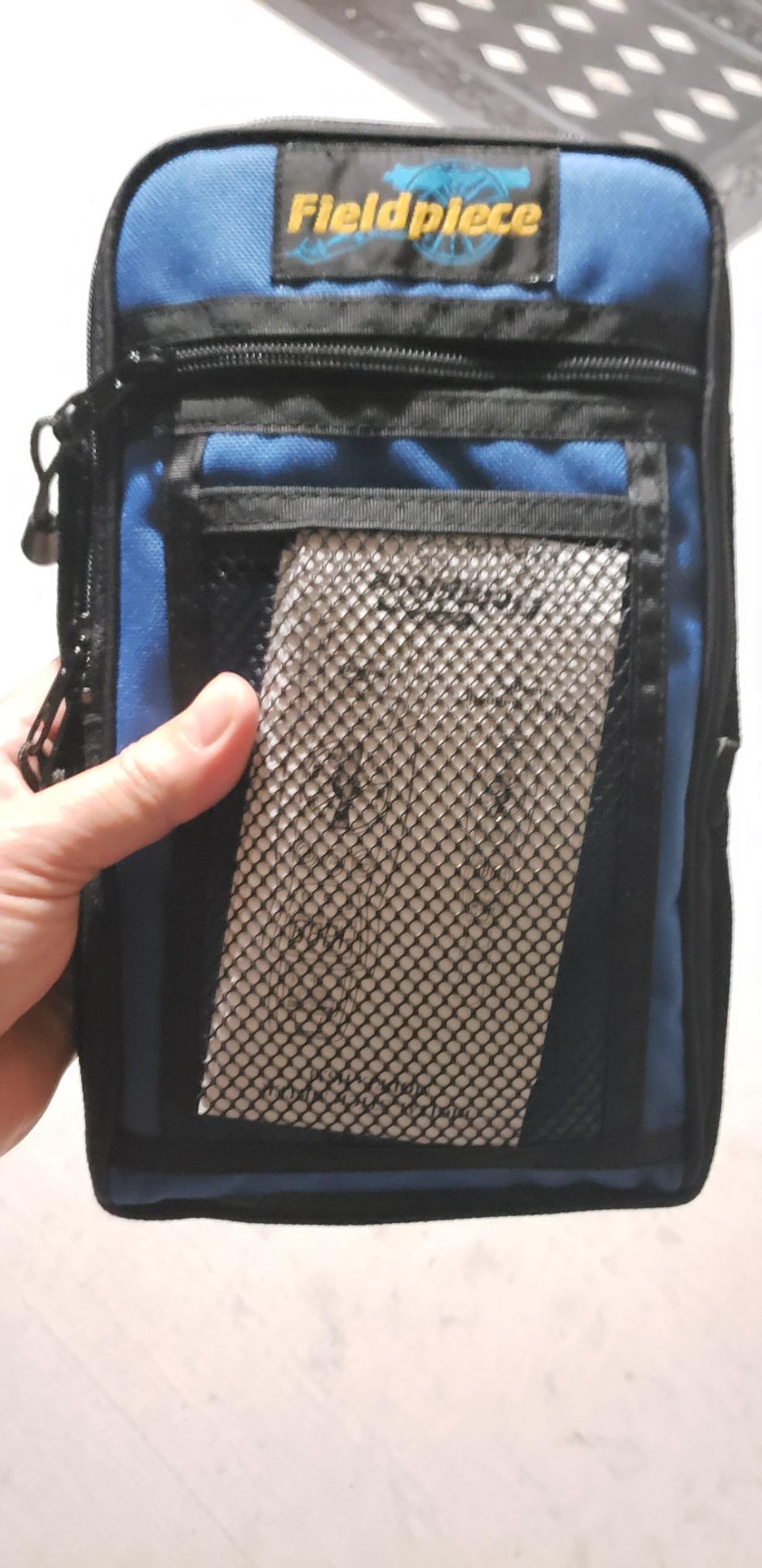
The Fieldpiece HS33 is the meter I recommend to techs who want a single platform that grows with their career. The stick-style body accepts a range of Fieldpiece accessory heads, so you can add wireless temperature logging, a CO detector, or a psychrometer without buying a new meter. It is the most flexible HVAC meter on this list for someone who plans to keep a tool for a decade.
The 400A AC clamp handles residential compressors and most light commercial scroll compressors without complaint. The K-type thermocouple input reads to 1000 degrees F, which is enough for flue gas analysis on gas furnaces and most refrigeration discharge-line temperatures. The built-in magnetic hanger on the rear of the housing locks the meter to any ferrous surface so I can leave both hands on the test leads.
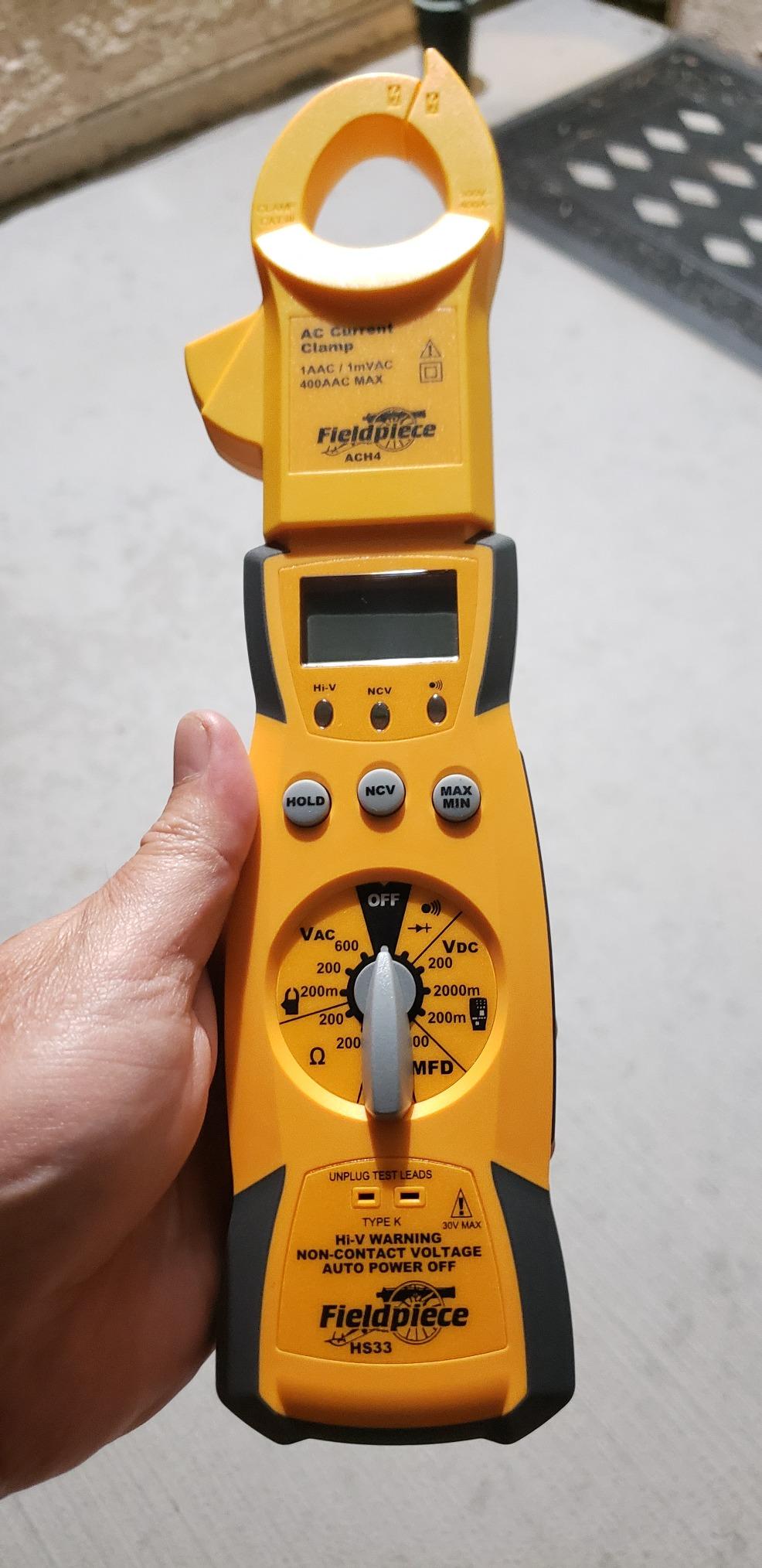
Detachable silicone leads are a small upgrade that matters on a busy service day. They slide off when they wear out instead of forcing you to replace the whole meter, and the rubberized bumpers around the ABS housing have protected more than one of these meters from a drop off a condensing unit ladder. Customer reviewers consistently rate this meter as built for daily abuse.
The HS33 does not measure DC milliamps directly, which is the gap that pushes flame-sensor diagnostics onto a second meter for some techs. If you test flame sensors every day, the HS35 adds that scale. For general HVAC service and refrigeration, the HS33 is a rugged, expandable workhorse that earns its keep over years of service calls.
For whom it is a good fit
The HS33 fits HVAC techs who plan to build out a long-term tool kit and want a meter that accepts future accessory heads. Refrigeration contractors who already own Fieldpiece heads will appreciate the plug-and-play ecosystem. Trade school programs that want one meter per student for years of training will get good value here.
For whom it is not ideal
If you need DC microamps for flame sensors and do not want to carry a second meter, the HS33 will frustrate you – step up to the HS35 or a SC260-style clamp. Budget-conscious apprentices will find the price high for a meter that does not include inrush. Techs who want a one-handed compact clamp should look at the Klein CL320 or the UEi DL369 instead.
4. UEi DL379B – Best Industrial Safety Clamp Meter
UEi DL379B Digital Clamp Meter Auto Ranging, HVAC Current Voltage Tester w/Magnetic Mount, Measures AC Amps AC/DC Volts Temperature Capacitance Frequency Diodes Duty Cycle Continuity Resistance NCV
CAT IV 300V and CAT III 600V
2000uA AC microamps
Magnetic mount
Pros
- CAT IV 300V and CAT III 600V safety ratings for commercial panels
- Magnetic mount on rear enables hands-free readings
- 2000uA AC microamps for flame sensor testing
- Backlit dual display with work light for dark mechanical rooms
- 3-year limited warranty from a US-based brand
Cons
- Capacitance accuracy can be off by 3.5% on large run capacitors
- Temperature probe readings may be 5 to 8 degrees off for commercial refrigeration
- Some users question True RMS claims on non-linear loads
The UEi DL379B is the clamp meter I grab when I am working around energized commercial panels. It carries CAT IV 300V and CAT III 600V safety ratings, which means I can clamp a line side of a disconnect or a feeder conductor without second-guessing the rating. For commercial HVAC work where arc-flash zones are real, that peace of mind is worth the price difference.
The 2000 microamp AC scale reads flame-sensor current comfortably. The magnetic mount on the back snaps to any cabinet door, which keeps the meter at reading height while I probe the contactor with both hands. The backlit LCD paired with a separate work light on the front of the meter lights up dark mechanical rooms without needing a headlamp.
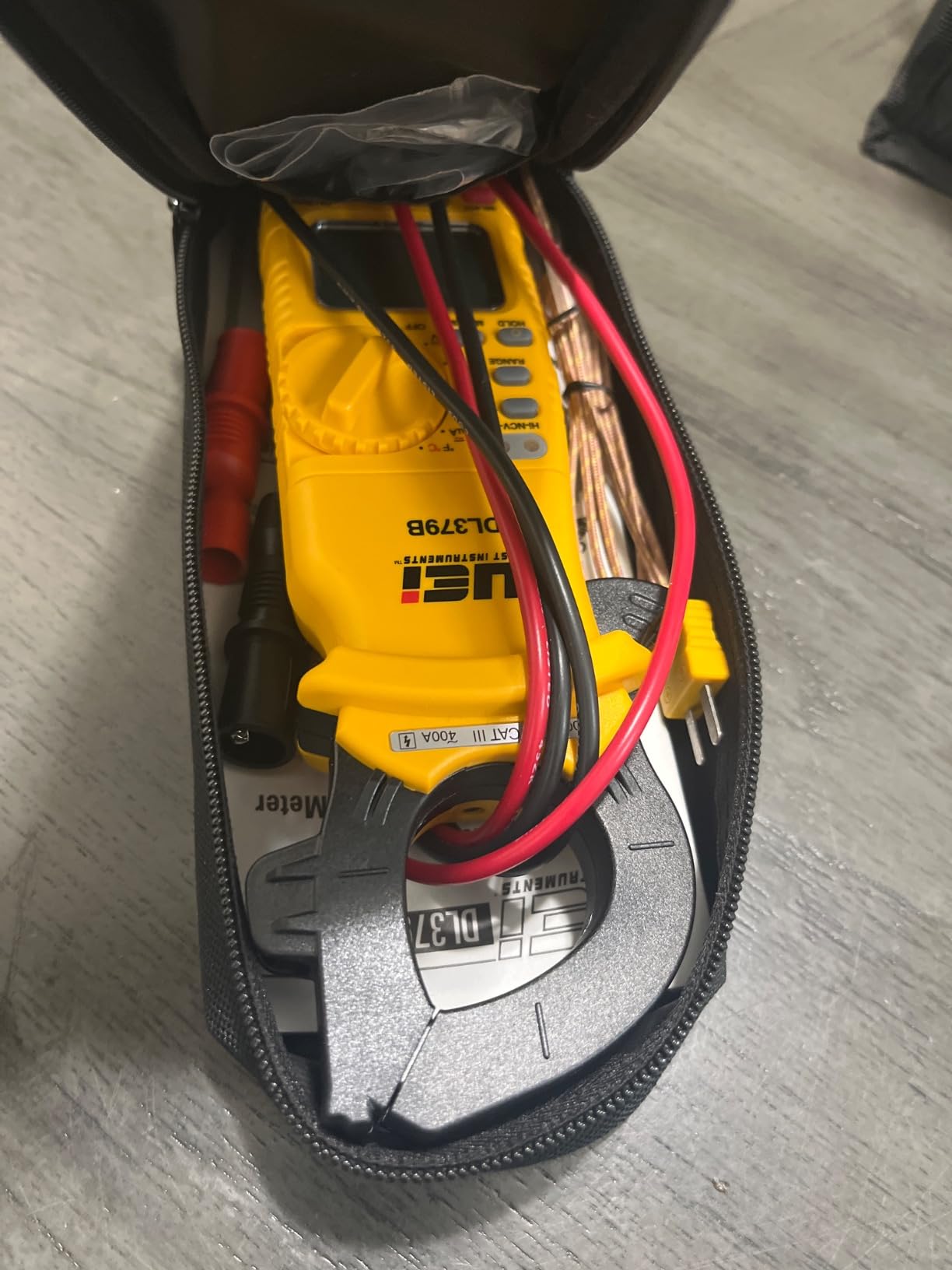
Reviewers on r/HVAC and r/electricians consistently rank the DL379B as the best mid-tier meter for working techs who want Fluke-class features at half the price. The 814 reviews behind the 4.6 rating point to a meter that has held up over years of daily service calls. A 3-year limited warranty is one year longer than the DL389B.
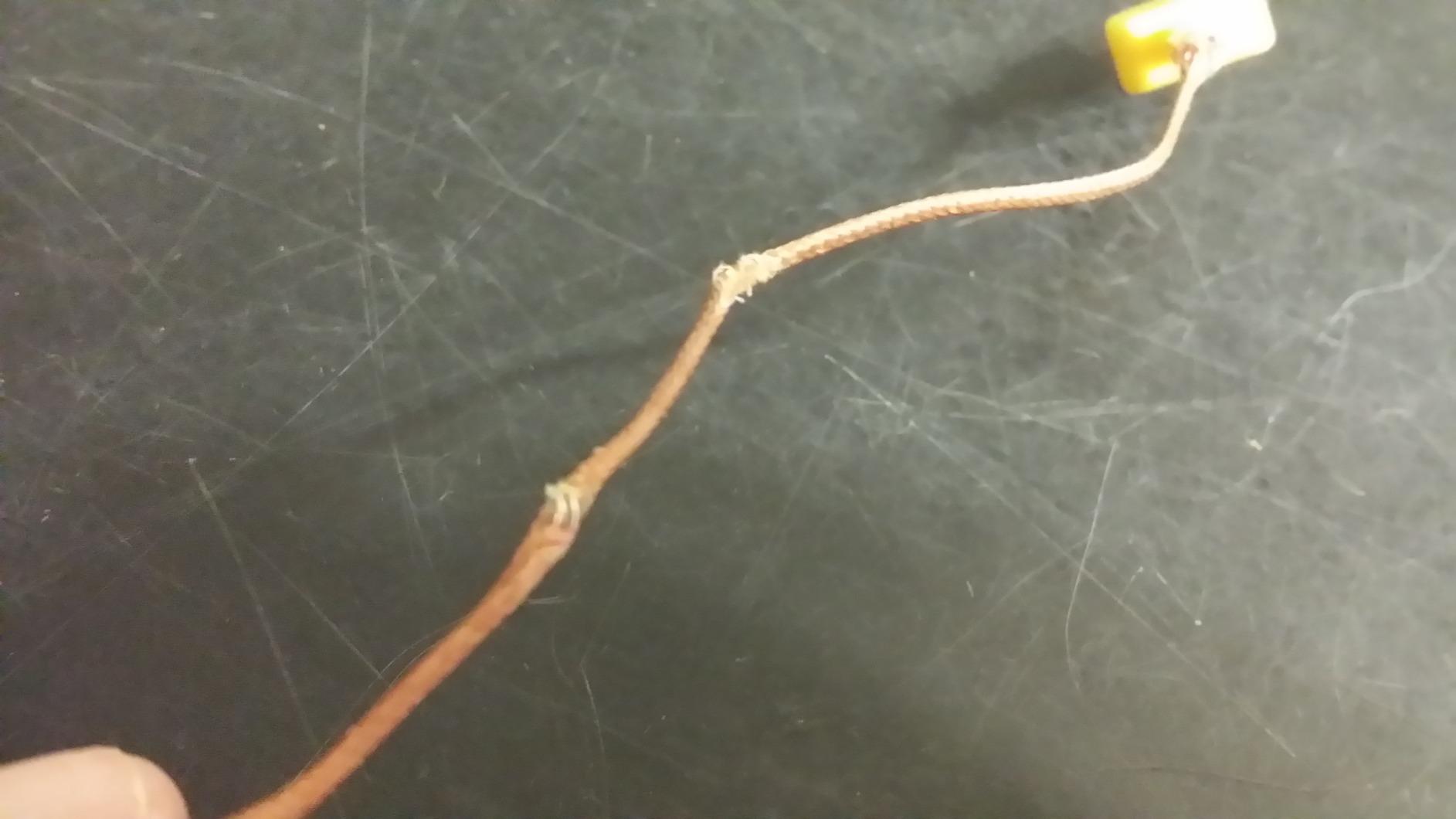
Where the DL379B shows its budget roots is on extreme accuracy tests. Capacitance can be off by around 3.5% on large motor-run capacitors, and the K-type temperature probe can read 5 to 8 degrees off in commercial refrigeration work. For service-truck daily use those tolerances are acceptable, but if you are calibrating a building automation system, step up to a Fluke.
For whom it is a good fit
The DL379B is built for commercial HVAC techs who work around 480V three-phase equipment and need a meter that meets CAT IV ratings. Apprentice-stage techs moving up from a residential-only meter will find the safety rating and microamps scale a clear step up. Any tech who wants magnetic hands-free mounting on cabinet doors will appreciate the rear magnet. The same hands-free idea is why I keep a small desk clamp mount on my shop bench – it frees both hands for leads.
For whom it is not ideal
Techs who need laboratory-grade capacitance or temperature accuracy should look at the Fluke 902 FC instead. Pure residential-only techs who never see a 480V panel will not benefit from the CAT IV rating and can save money with the UEi DL369. Refrigeration specialists who log readings to a tablet will want Bluetooth, which this meter does not have.
5. Fluke 902 FC – Premium Pick with Bluetooth
Fluke 902 FC HVAC True-RMS Clamp Meter
True-RMS
200uA DC for flame rod
Fluke Connect Bluetooth
60 kohm
Pros
- True RMS voltage and current on non-linear VFD waveforms
- 200 microamp DC for accurate flame rod testing
- Fluke Connect wireless Bluetooth pairs with phone and tablet
- Extended resistance range measures thermistors up to 60 kohm
- Industry-leading Fluke build quality and reliability
Cons
- Larger and heavier than compact competitors
- Fluke Connect app requires paid subscription for full features
- Premium price point
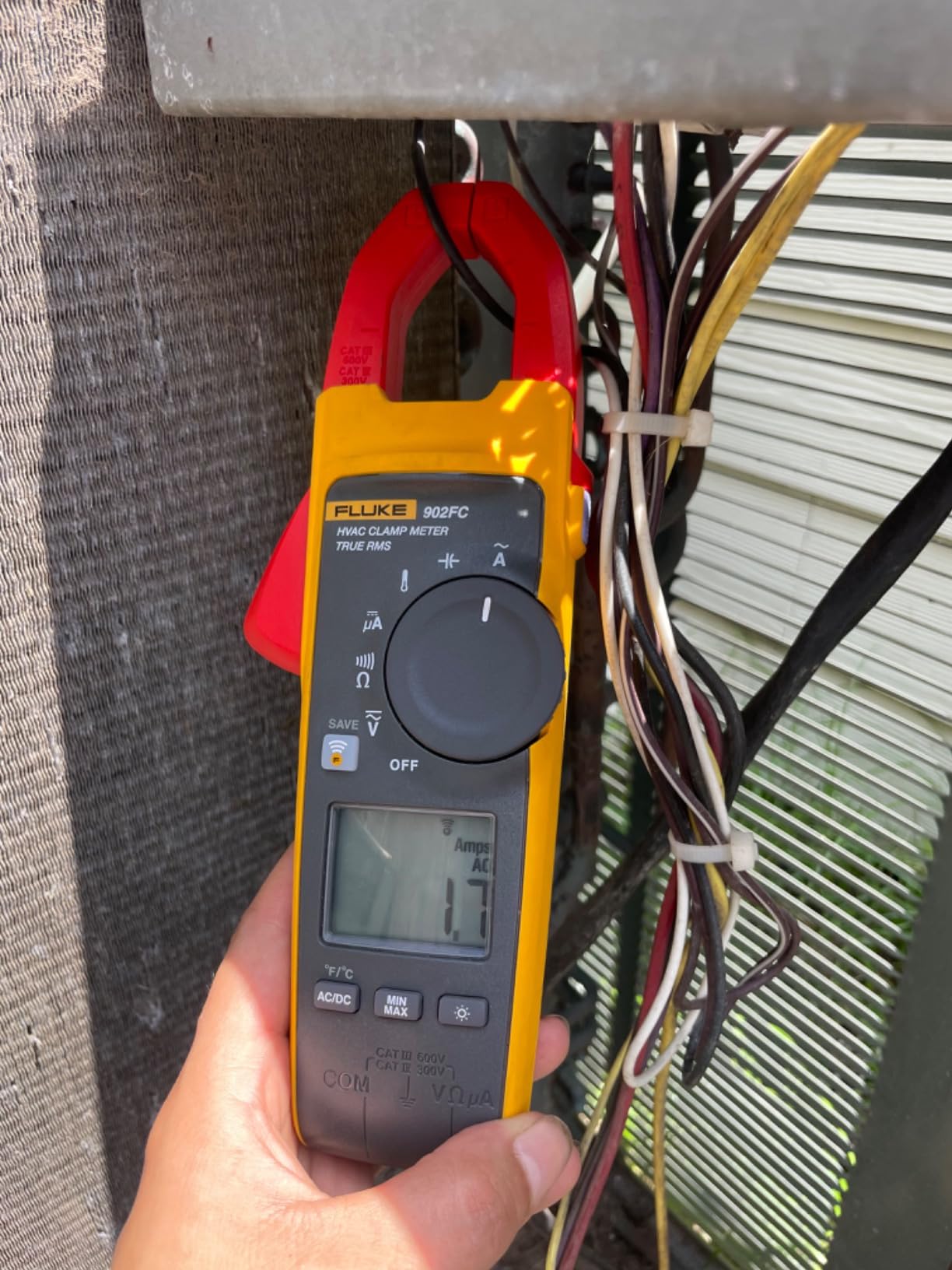
The Fluke 902 FC is the meter I keep on the passenger seat for diagnostic calls where accuracy is non-negotiable. It is the only HVAC clamp meter on this list that pairs with the Fluke Connect app via Bluetooth, which means I can stand at the unit while my phone records the amperage draw, voltage, and temperature trends onto a PDF my customer can read.
The 200 microamp DC scale on the 902 FC reads flame-rod current directly through the test leads. Pair that with a resistance range up to 60 kilohms, and you can read both the microamp output of the flame sensor and the resistance of the thermistor in the same session without changing meters. Capturing flue gas temperature on a gas furnace is also a one-probe job with the included 80BK temperature probe.
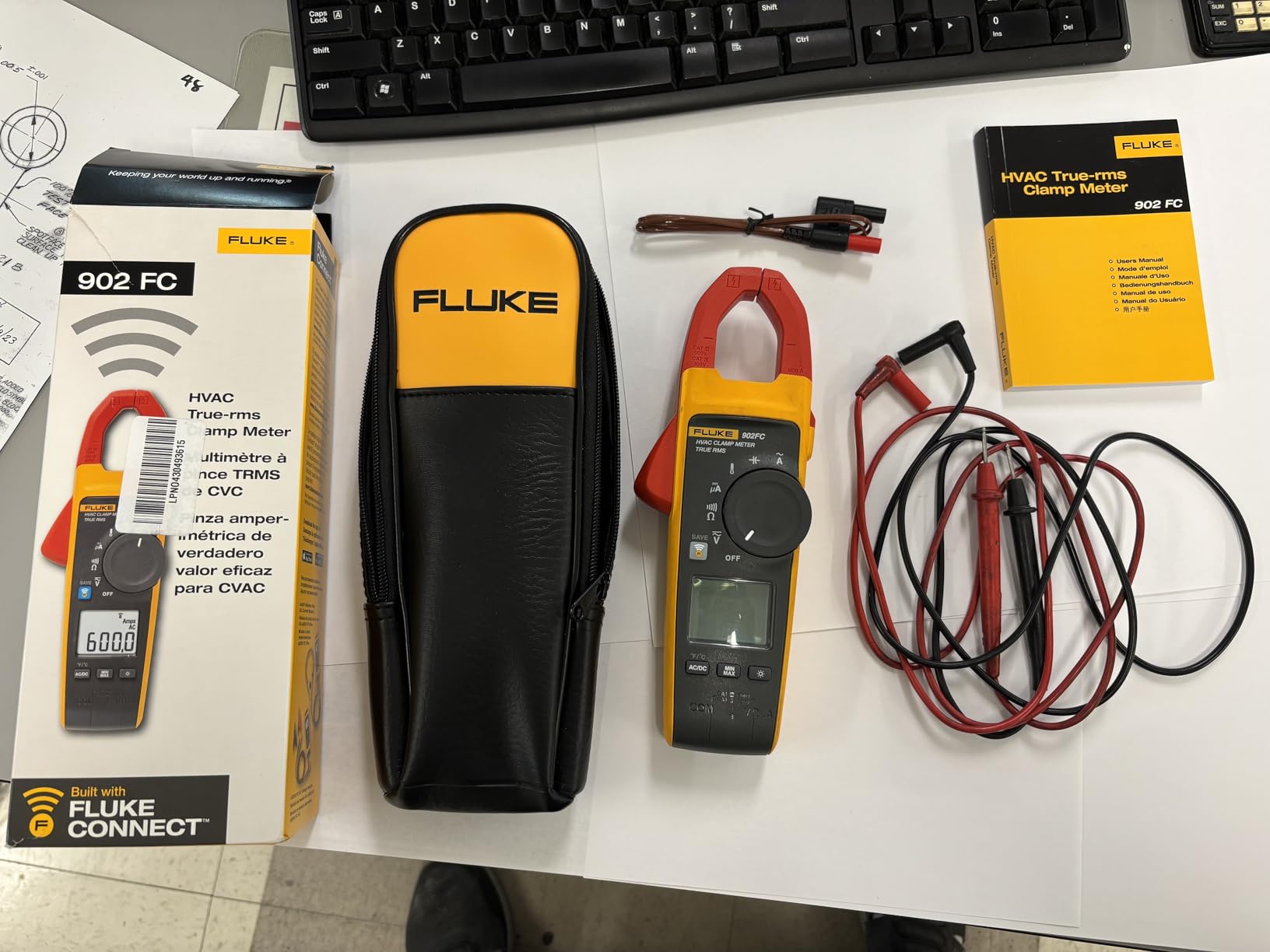
True RMS on the 902 FC is calibrated for non-linear signals, which matters whenever the compressor or blower is driven by a variable frequency drive. Techs on r/electricians and r/HVAC repeatedly describe the Fluke 902 FC as the “big boy meter” they worked up to. The 650 reviews backing the 4.7 rating reflect that loyalty.
The downsides are size, weight, and price. At roughly 419 grams and 11 inches long, the 902 FC is the heaviest meter on this list. The Fluke Connect app requires a paid subscription for the full feature set, which is a real complaint among techs who just want the free Bluetooth live read. The price is also the highest of any meter in this roundup. None of those are dealbreakers if accuracy is your top priority.
For whom it is a good fit
The Fluke 902 FC is a strong fit for seasoned HVAC techs who want to send customers a professional diagnostic report after each call. Commercial HVAC contractors and energy auditors will use the Bluetooth data logging on every site visit. Anyone who has been burned by inaccurate readings on VFD-driven equipment should consider this the gold-standard HVAC clamp meter.
For whom it is not ideal
If price is the primary constraint, the Fluke 902 FC is hard to justify over the Fieldpiece SC260 or the UEi DL379B. Techs who do not want a paid app subscription will be frustrated by Fluke Connect’s premium tier. Pure residential-only techs who never see a commercial control panel will leave money on the table by buying this meter.
6. UEi DL369 – Budget Pick for HVAC Techs
UEi DL369 Digital Clamp Meter HVAC Auto-Ranging 4000 Counts Volt Meter AC Amp Meter Measures AC Current AC/DC Voltage & Microamps Capacitance Resistance Diodes NCV Continuity Tester Live Wire Test
True RMS
2000uA AC/DC microamps
4000uF capacitance
400A AC
Pros
- Wide HVAC testing capabilities at a budget-friendly price
- Microamps measurement for flame sensor diagnostics
- Dual 4000 count display with clear numeric readout
- Strong safety ratings (CAT III 600V and CAT II 1000V)
- 3-year limited warranty with US-based support
Cons
- No temperature measurement function
- No built-in magnet on rear for hands-free mounting
- Some units arrive missing one alligator clip in the package
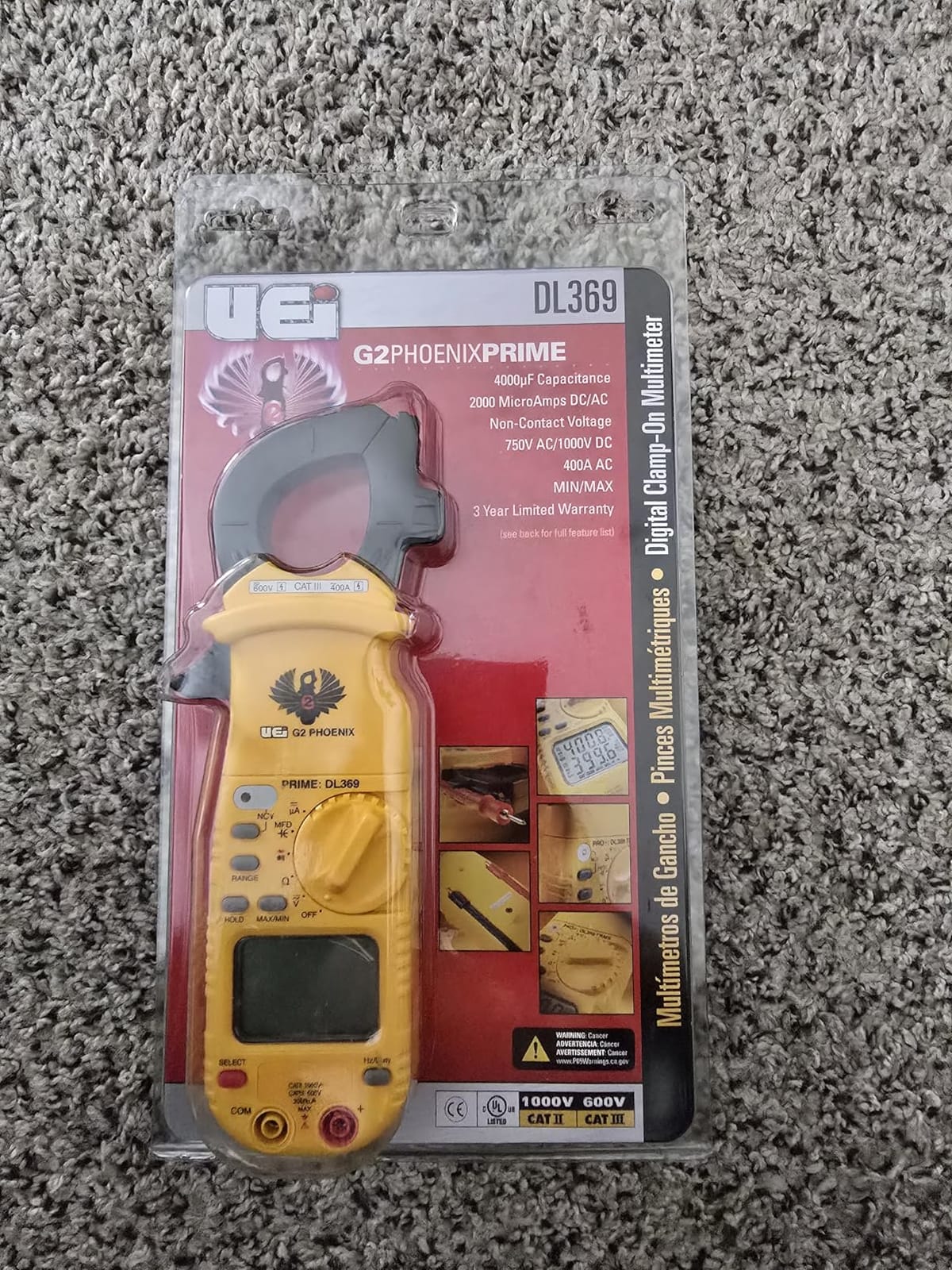
The UEi DL369 is the best budget HVAC clamp meter I have tested. It measures AC/DC microamps for flame sensor work, capacitance to 4000 microfarads for motor-run capacitors, and AC current up to 400A, all for a price that fits an apprentice’s first paycheck. The 1564 reviews behind the 4.5 rating make it the most-reviewed HVAC-specific clamp meter on Amazon.
The DL369 shines on flame-sensor diagnostics. The microamps scale reads down to 2000 microamps AC and DC, which is the range every furnace tech lives in. Combined with the dual 4000-count display, the readings are crisp and easy to interpret even when you are looking over your shoulder at the burner. Safety ratings of CAT III 600V and CAT II 1000V meet the bare minimum for residential HVAC panels.
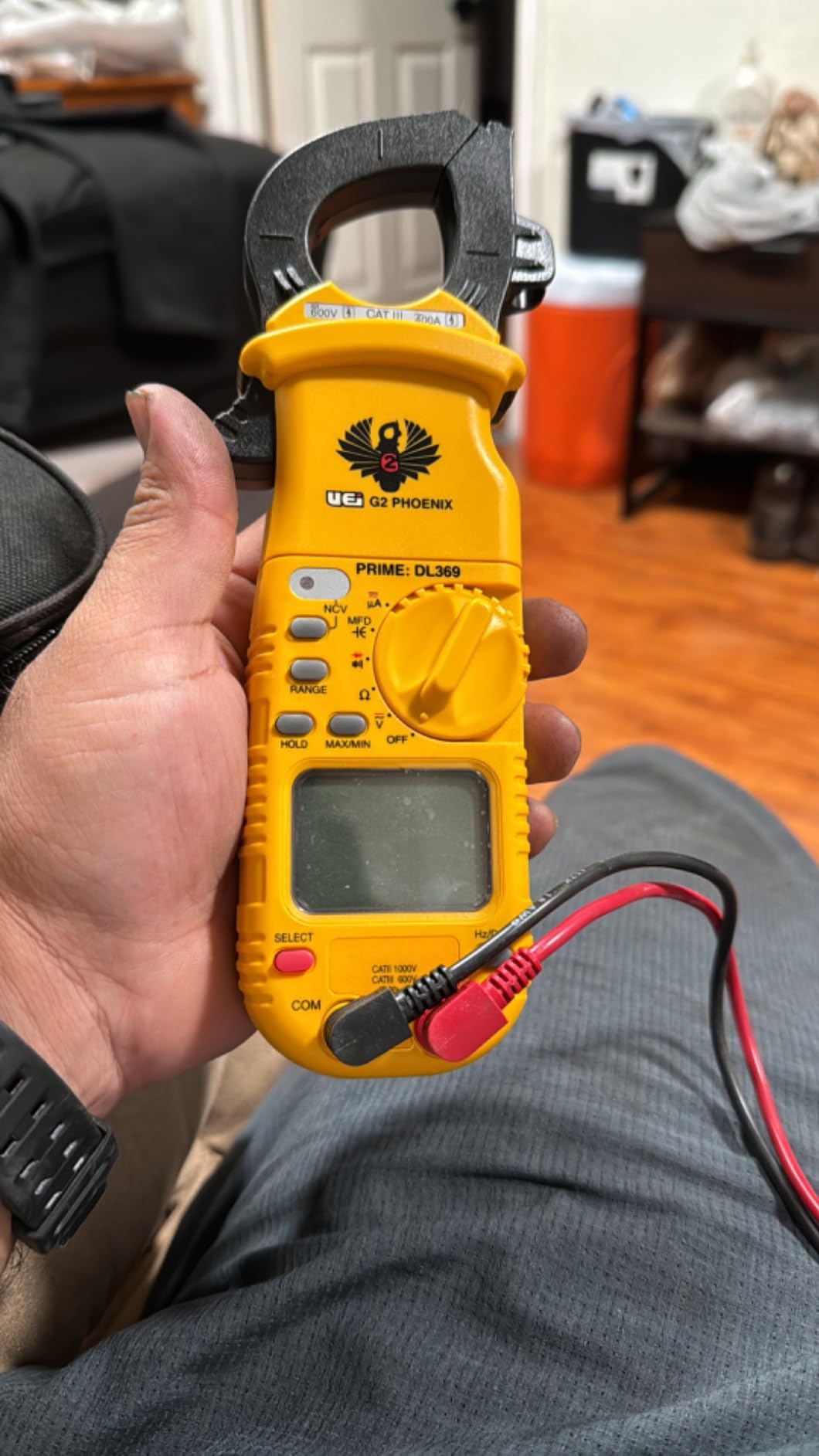
What you give up for the budget price is temperature measurement, a magnetic hanger, and Bluetooth. None of those are dealbreakers for a tech who already owns an infrared thermometer or does not need to log readings. Reviewers on r/HVAC call out the DL369 as the meter they recommend to apprentices because it teaches the core HVAC measurements without the cost of a premium brand.
The most common complaint is missing accessories in the package, specifically one of the alligator clips. UEi’s customer service typically resolves this with a quick replacement, but it is worth checking the package as soon as it arrives. For the price, the DL369 is the meter I would put in an apprentice’s hand on day one.
For whom it is a good fit
The DL369 is the best HVAC clamp meter for apprentice-stage techs who need microamps and capacitance without the cost of a premium meter. Residential HVAC service techs who already own a separate thermometer and NCVT will get full value here. DIY homeowners who want pro-grade flame-sensor diagnostics will not be disappointed.
For whom it is not ideal
Techs who need temperature measurement built into the meter should step up to the Klein CL320KIT, the UEi DL379B, or the Fieldpiece SC260. Anyone who wants hands-free mounting with a magnetic hanger should add a separate magnetic strap or look at the DL379B. Commercial HVAC techs working on 480V panels should choose a meter with a CAT IV 600V rating instead.
7. Klein Tools CL445 – Best Clamp with Inrush Current
Klein Tools CL445 HVAC Clamp Meter, Auto-Ranging TRMS, NCVT, Measures Voltage, Current, Temperature, Micro Amps, InRush and More
Inrush current measurement
True RMS
2000uA DC microamps
Dual voltage and current display
Pros
- Inrush current measurement critical for compressor motor testing
- Dual voltage and current display on backlit LCD simultaneously
- True RMS accuracy on VFD-driven equipment
- NCVT integrated into the clamp jaw for live-line checks
- CAT IV 600V and CAT III 750V safety ratings
Cons
- Magnetic hanger is optional and must be purchased separately
- Higher price than the CL320 without thermometer
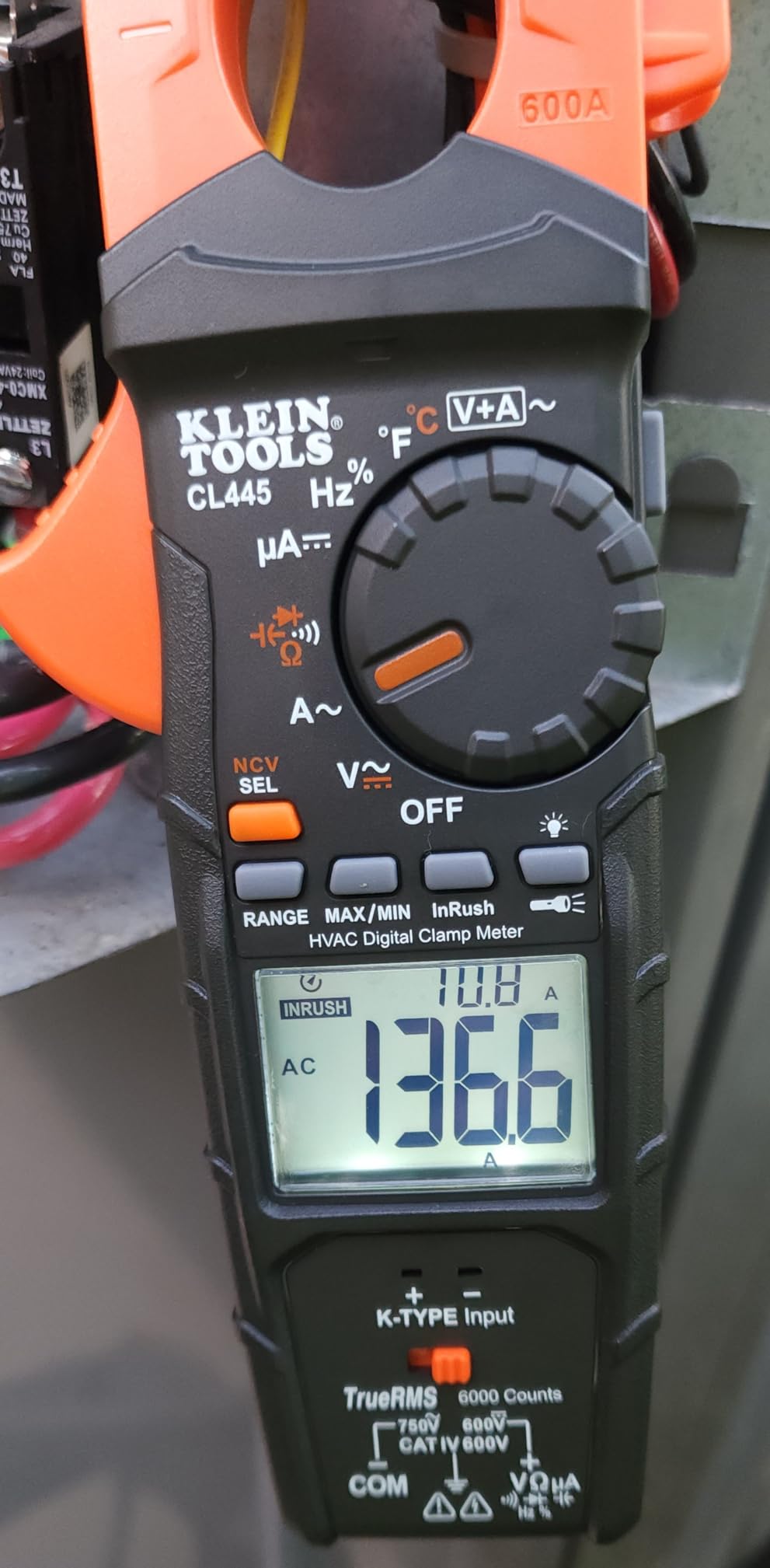
The Klein Tools CL445 is the clamp meter I reach for when a compressor will not start and I need to know if it is drawing locked-rotor current. Inrush measurement on the CL445 captures the brief surge of current when a motor first energizes. That single reading tells me whether the compressor is mechanically bad or the start relay is the failure point.
The dual display is a real upgrade over the CL320. I can see line voltage on the top half of the screen and compressor amperage on the bottom half at the same time. That lets me watch both numbers while the system cycles, which is exactly how you diagnose a hard-start or a weak run capacitor. The backlit LCD is bright enough to read in a dark furnace closet, and the True RMS gives accurate voltage on variable-speed blowers.
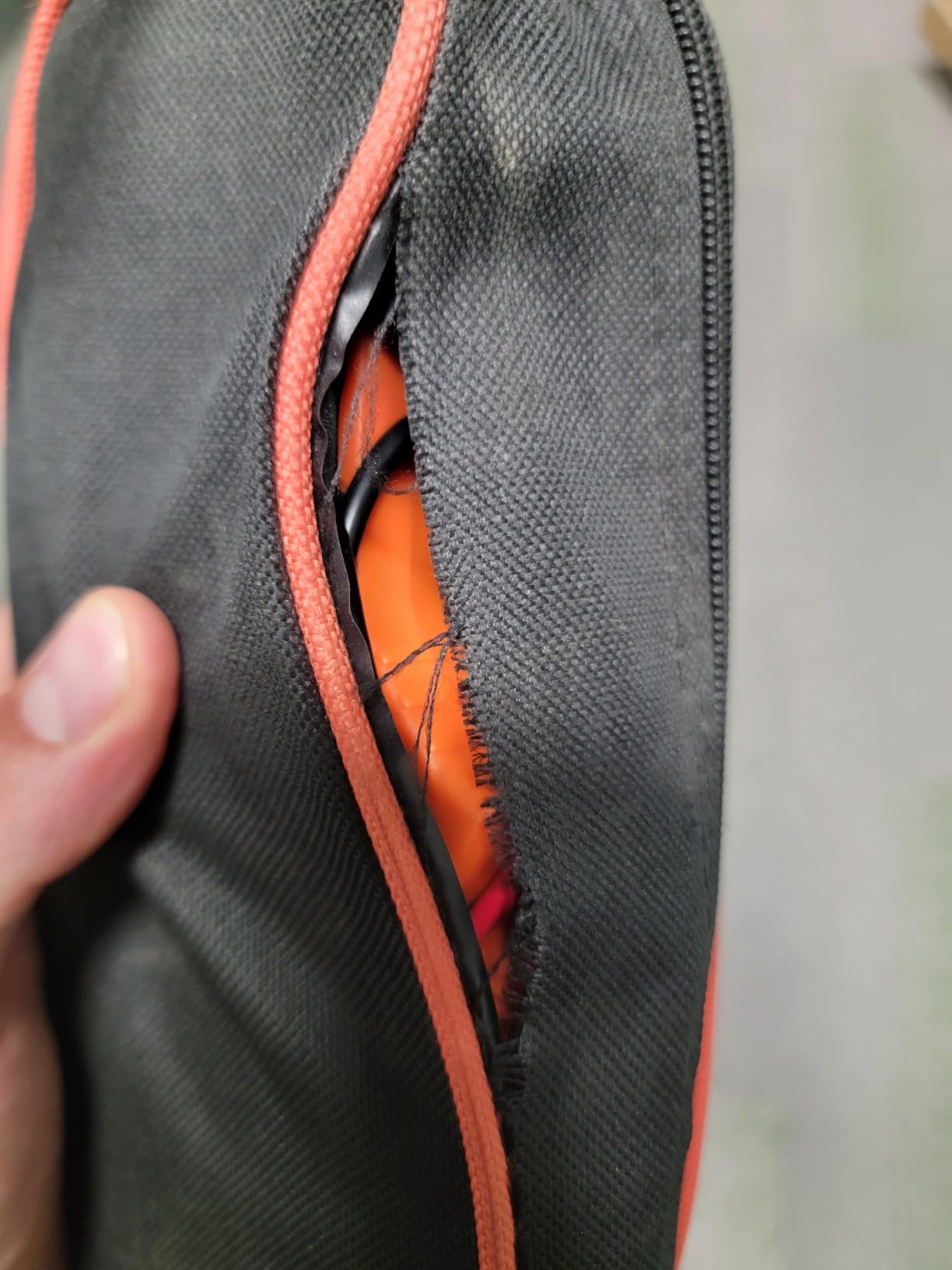
NCVT integrated into the clamp jaw is one of the CL445’s smartest features. I can confirm a line is dead by clamping the jaw around the conductor without pulling out the test leads. DC microamps through the test leads covers flame-sensor diagnostics. CAT IV 600V and CAT III 750V ratings mean the meter is safe on commercial panels up to 600V phase-to-phase.
The CL445 does not include a magnetic hanger by default, and the optional hanger has to be purchased as a separate accessory. The 285 reviews behind the 4.7 rating are fewer than some competitors, but every reviewer I read gave it high marks for build quality. If inrush and dual display matter to your work, the CL445 is the right upgrade over the CL320.
For whom it is a good fit
The CL445 is built for HVAC techs who troubleshoot hard-starting compressors and need inrush current as a daily measurement. Commercial HVAC mechanics who work on 480V equipment will appreciate the CAT IV 600V rating. Any tech who wants to see voltage and current on one screen will find this clamp meter hard to give up.
For whom it is not ideal
If you never measure inrush current, the CL320 gives you most of the same features for less money. Techs who want Bluetooth data logging should look at the Fluke 902 FC instead. Anyone who wants a magnetic hanger included out of the box should pick a UEi DL379B or DL389B.
8. UEi DL389B – Best Mid-Range Dual Display Meter
UEI True RMS Clamp Meter Dual Display HVAC Multimeter DL389B
True RMS
2000uA AC microamps
4000uF capacitance
CAT IV 600V
Pros
- True RMS voltage and current for accurate readings on non-linear loads
- CAT IV 600V and CAT III 600V safety ratings
- Backlit dual display with magnetic mount on rear
- AC microamps to 2000uA for flame sensor diagnostics
- Includes test leads
- K-type temperature probe
- batteries
- and pouch
Cons
- Battery life can be poor with heavy Bluetooth-free daily use
- Customer service can be difficult to reach for warranty claims
- 2-year warranty is shorter than some competitors
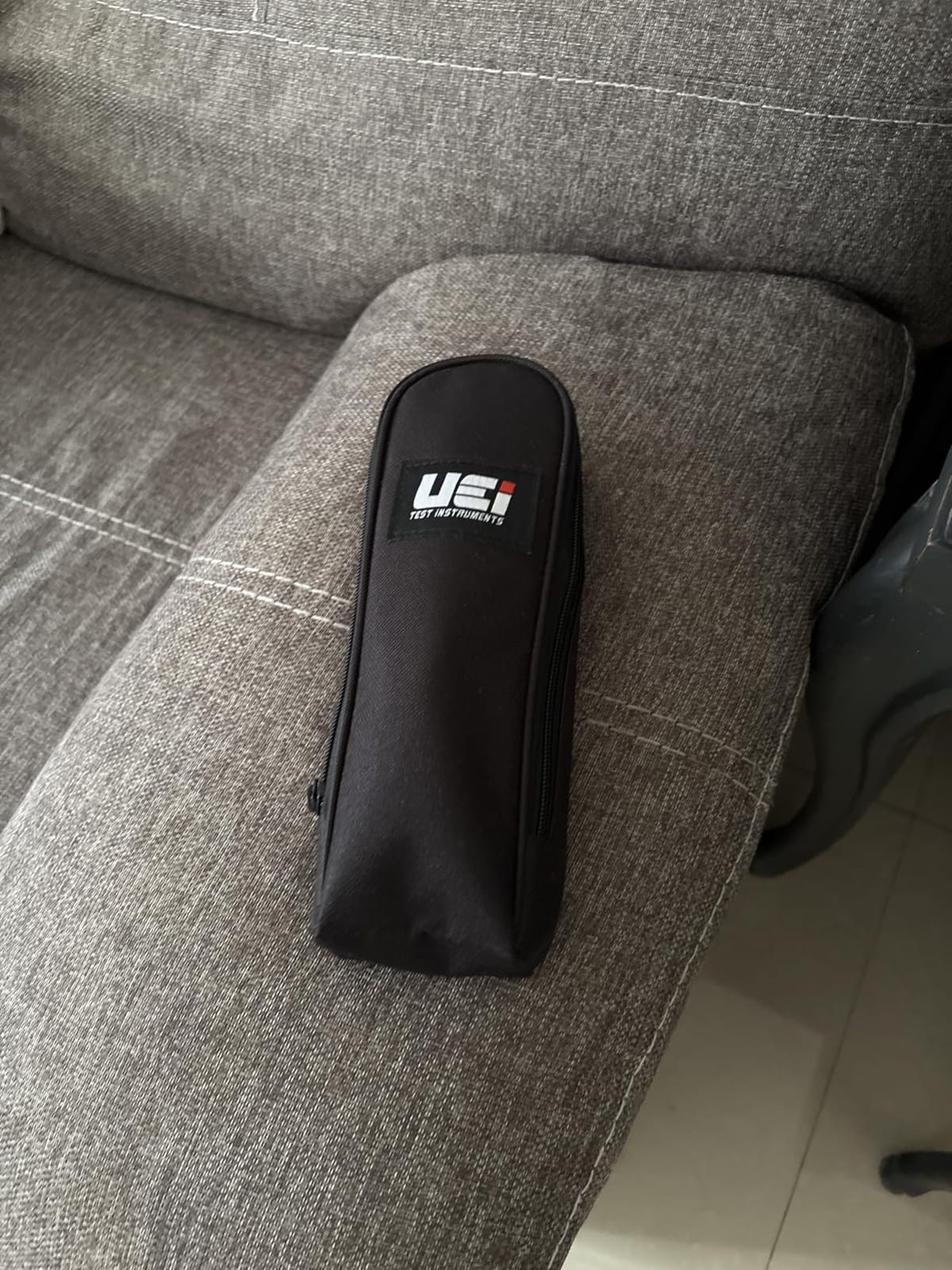
The UEi DL389B is the mid-range dual display clamp meter that fills the gap between the DL369 budget pick and a premium Fluke. It measures AC microamps for flame sensor work, capacitance to 4000 microfarads, AC/DC voltage, frequency, duty cycle, diodes, continuity, and temperature through the included K-type probe. For a tech who wants a single meter for residential and light commercial, the DL389B covers every common HVAC measurement.
The backlit dual display shows two measurements at once. I regularly run voltage and current on screen at the same time while a compressor cycles, which speeds up diagnosis when a customer wants me to “show me what’s wrong.” The magnetic back-hanger locks the meter to a control panel so I can read the numbers from across the room while the equipment runs.
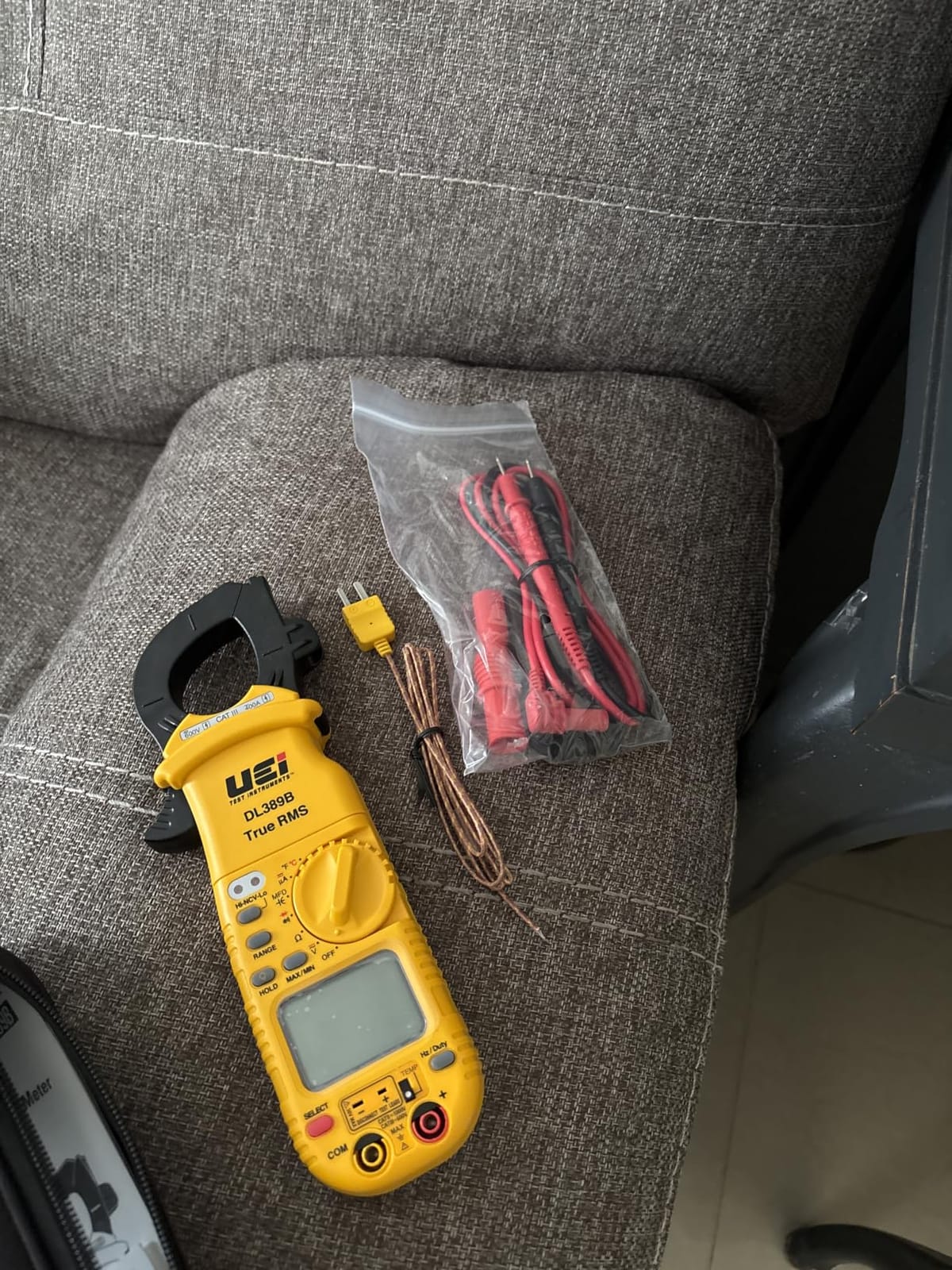
Safety ratings of CAT IV 600V and CAT III 600V make the DL389B safe around commercial panels. AC microamps to 2000 microamps covers flame-sensor current on residential furnaces, and the temperature probe reads supply-air, return-air, and most line-set temperatures. Reviewers note the DL389B’s clamp size fits in tight motor compartments better than bulkier meters, which is a real benefit when working on packaged units.
The downsides are battery life, customer service, and warranty length. Several reviewers report the batteries die faster than expected under heavy daily use, so I keep spares in the van. UEi’s customer service is harder to reach than Fluke’s, and the 2-year warranty is one year shorter than the DL379B. For the price, those trade-offs are reasonable, and the DL389B remains a strong mid-range HVAC clamp meter.
For whom it is a good fit
The DL389B is a good fit for HVAC techs who want a mid-range meter with both safety rating and microamps without paying Fluke prices. Residential HVAC service techs who want dual display and magnetic hands-free mounting will use both features daily. Refrigeration techs who need K-type temperature on every call will appreciate the included probe.
For whom it is not ideal
Anyone who needs Bluetooth data logging should step up to the Fluke 902 FC. Techs who already own a magnetic hanger and do not care about dual display can save money with the UEi DL369. If you frequently work in direct sunlight, the backlit display on the SC260 reads better than the DL389B in our field comparison.
HVAC Clamp Meter Buying Guide for 2026
Picking the right HVAC clamp meter comes down to five core measurements: True RMS, microamps, capacitance, temperature, and safety rating. The buying guide below covers each feature, explains why it matters on a real service call, and helps you match a meter to the work you actually do.
True RMS and why VFDs break non-True-RMS meters
True RMS (Root Mean Squared) is the math that lets a meter read the true heating value of a non-sinusoidal AC waveform. Modern HVAC equipment uses variable frequency drives on blowers and compressors, and those drives chop the sine wave into a non-sinusoidal signal. A non-True-RMS meter will read a VFD-driven compressor’s amperage 10 to 40 percent low, which leads to misdiagnoses and comeback service calls.
Every clamp meter on this list except the lower-cost imports is True RMS. If you service modern equipment, True RMS is non-negotiable. Reviewers on r/electricians and r/HVAC call this out repeatedly as the single most important feature to look for.
DC microamps for flame sensor testing
DC microamps is the scale you need to test a flame rectification sensor on a gas furnace. When the burner lights, the flame sensor produces a tiny DC current between 2 and 10 microamps. A meter without a microamps scale will read zero, and you will not know if the sensor is bad or the gas valve is the failure. Look for a meter that measures at least 2000 microamps AC and DC, ideally with a dedicated low-current scale.
The Fieldpiece SC260, the Klein CL445, the Fluke 902 FC, the UEi DL369, the Klein CL320, and the Fieldpiece HS33 (via accessory heads) all read microamps directly. For pure flame-sensor work, the SC260 and the 902 FC are the standout picks.
Capacitance (MFD) for motor run and start capacitors
Capacitance measurement, often shown as MFD (microfarads), is the test you run on every motor-run and motor-start capacitor you suspect is weak. A run capacitor rated at 45 microfarads that reads 32 microfarads is the cause of a hard-starting compressor. Look for a meter that reads to at least 4000 microfarads to cover residential dual-run capacitors.
All 8 meters in this roundup measure capacitance. The SC260’s Auto Select mode is the standout for techs who want one less dial twist. The UEi DL379B and DL389B both read to 4000 microfarads with reasonable accuracy, and the DL369 hits the same range for budget-conscious buyers.
Temperature and the K-type thermocouple
Temperature measurement through a K-type thermocouple is how you read return-air, supply-air, superheat, and subcooling without a separate thermometer. A K-type input rated to at least 572 degrees F covers most residential HVAC and refrigeration work. For flue gas analysis on commercial gas furnaces, look for a meter rated to 1000 degrees F like the Fieldpiece HS33.
The Klein CL320KIT bundles the IR07 thermometer for techs who want infrared plus probe. The UEi DL379B, DL389B, and Fluke 902 FC all include K-type probes. The UEi DL369 is the only meter here that lacks temperature, so plan to keep a separate thermometer if you buy it.
Safety ratings: CAT III 600V vs CAT IV 600V
CAT (Category) ratings define the overvoltage transients a meter can survive. CAT III 600V covers distribution panels, motor circuits, and three-phase equipment inside a building. CAT IV 600V covers the service entrance, outdoor feeders, and overhead lines, where surge transients are largest. For residential HVAC work, CAT III 600V is the minimum. For commercial HVAC work on 480V equipment, CAT IV 600V is the safer pick.
The Fluke 902 FC, Klein CL445, UEi DL379B, and UEi DL389B all carry CAT IV ratings. The SC260, CL320KIT, HS33, and DL369 carry CAT III ratings. Pick the rating that matches the highest voltage panel you service.
Fluke vs Klein vs Fieldpiece vs UEi: Brand-tier matrix
Each of the four major HVAC meter brands occupies a different slot in the trade. Fluke is the premium tier: best durability, best accuracy, highest price. Fieldpiece is the HVAC-specialist tier: meters designed around the specific measurements techs use every day. Klein Tools is the value tier: solid build quality, pro features, mid-range price. UEi is the budget tier: commercial-grade features at the lowest price, with trade-offs in accuracy and customer service.
Working techs on r/HVAC who already own a Fluke general-purpose multimeter often add a Fieldpiece SC260 for HVAC-specific work because the Fieldpiece has features Fluke lacks, like the swivel magnet and Auto Select. Apprentices who want to build out a kit on a budget usually start with a Klein CL320KIT or a UEi DL369 and trade up over time.
Display readability in direct sunlight
One rooftop complaint I see repeatedly in field reviews is display readability in direct sunlight. Black rooftops in summer are unforgiving on a dim LCD. The Fluke 902 FC, the Fieldpiece SC260, and the Klein CL445 have the brightest displays in our field comparison. The UEi DL379B and DL389B are usable but require shading with a hand. If you do most of your work on rooftops, prioritize a bright backlit display.
How to Test a Capacitor with a Clamp Meter
Testing a motor-run or motor-start capacitor takes about 60 seconds with a clamp meter that measures capacitance. Disconnect power to the unit and lock out the breaker before opening the electrical panel. Discharge the capacitor by shorting the terminals with an insulated screwdriver. Set your meter to the capacitance (MFD) scale. Touch the test leads to the two terminals and read the microfarad value. Compare the reading to the rated MFD printed on the capacitor body. A reading within 10 percent of the rating is acceptable; a reading below 80 percent of the rating means replace the capacitor.
How to Test a Flame Sensor with Microamps
Testing a flame rectification sensor requires a meter that reads DC microamps. With the furnace running, disconnect one wire from the flame sensor and connect your meter in series between the sensor and the control board wire. Set the meter to the DC microamps scale. A reading between 2 and 10 microamps indicates a healthy flame signal. A reading below 1 microamp means the flame sensor is dirty and needs cleaning, or the control board has failed. Always shut off power and verify zero voltage before handling sensor wires.
Frequently Asked Questions
What is the best HVAC clamp meter?
The best overall HVAC clamp meter is the Fieldpiece SC260 because it combines True RMS, DC microamps for flame sensors, capacitance for motor-run capacitors, a K-type thermocouple input for temperature, and a built-in swivel magnet for hands-free panel work. For a budget pick, the UEi DL369 offers microamps and capacitance at a fraction of the cost. For techs who want Bluetooth data logging, the Fluke 902 FC is the premium choice.
Which clamp meter is the most accurate?
The Fluke 902 FC is consistently rated the most accurate HVAC clamp meter because of its True-RMS calibration for non-linear VFD waveforms and its 200 microamp DC scale for flame-sensor testing. The Fieldpiece SC260 is a close second for general HVAC work, with Auto Select mode that reduces user error on capacitance and resistance measurements.
Is Fieldpiece better than Fluke?
Fieldpiece is better than Fluke for HVAC-specific features like the swivel magnet, Auto Select mode, and modular accessory heads, while Fluke is better than Fieldpiece for general-purpose durability, accuracy on VFD signals, and Bluetooth data logging via Fluke Connect. Most working techs own both: a Fluke for general electrical troubleshooting and a Fieldpiece for HVAC service calls.
Which clamp meter is best for checking flame sensors?
The best clamp meter for checking flame sensors is one that measures DC microamps down to at least 200 microamps. The Fluke 902 FC reads 200 microamps DC directly through the test leads. The Fieldpiece SC260 measures AC microamps, and the Klein CL445 measures DC microamps. The UEi DL369 also reads microamps at a budget price point.
What is the importance of a microamps DC setting for HVAC work?
A microamps DC setting is critical for HVAC work because flame rectification sensors on gas furnaces produce a tiny DC current between 2 and 10 microamps when the burner is lit. Without a microamps DC scale, a meter reads zero and you cannot diagnose a dirty flame sensor, a bad control board, or a weak gas valve. Every tech who services gas furnaces needs this scale on their primary clamp meter.
How is a clamp meter used to test a capacitor on an HVAC unit?
To test a capacitor with a clamp meter, disconnect power and lock out the breaker, then discharge the capacitor with an insulated screwdriver. Set the meter to the capacitance (MFD) scale and touch the test leads to the two capacitor terminals. Compare the reading to the MFD rating printed on the capacitor body. A reading within 10 percent of the rating is acceptable; below 80 percent means replace the capacitor.
Final Recommendation for HVAC Technicians in 2026
The best clamp meters for HVAC technicians in 2026 all come down to which measurement you do every day. If you want one meter that does it all and survives rooftop work, the Fieldpiece SC260 is my top pick. It earned the Editor’s Choice slot with 1700 reviews behind a 4.8 rating, and the swivel magnet is the feature I miss when I am forced to use a competitor’s meter.
Apprentices should start with the Klein Tools CL320KIT to get a clamp meter, an NCVT, and a thermometer in one case, then trade up to the Klein CL445 once inrush current becomes a daily measurement. Commercial HVAC techs working around 480V panels should pick the UEi DL379B for the CAT IV 600V rating. Anyone who wants Bluetooth data logging to send customers a diagnostic report should choose the Fluke 902 FC. Whichever meter you pick from this list, you will have the True RMS, microamps, capacitance, and temperature readings that HVAC service work actually demands. Pair any of these meters with a sturdy bench clamp mount and you have a workstation that lets you read the display hands-free while keeping both hands on the test leads.