
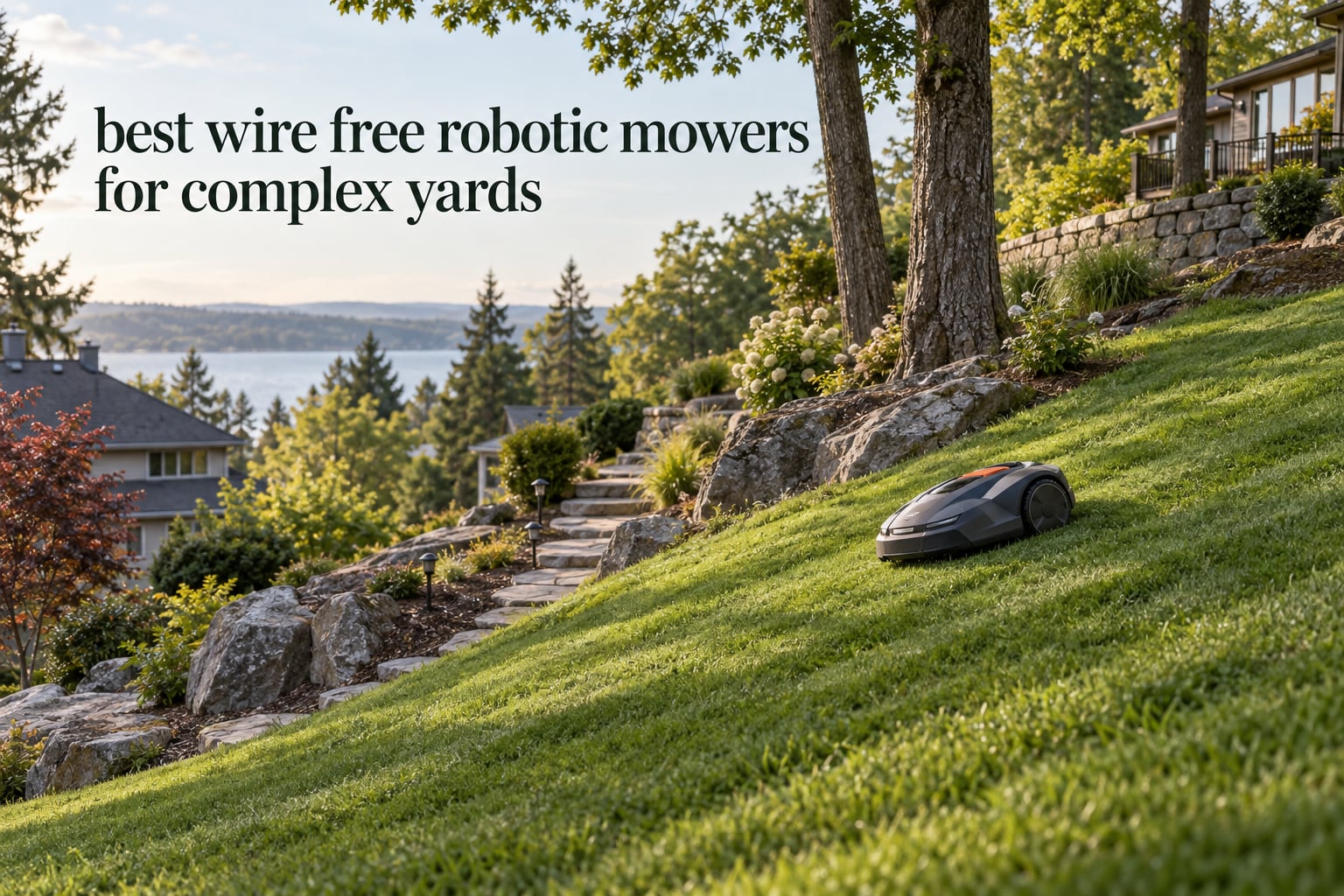
A wire-free robotic mower is one that finds its way around your lawn and knows where the lawn ends without a buried cable. It builds a digital map instead, using RTK satellite positioning, 360-degree LiDAR, camera vision, or a combination of the three. You define the boundary in an app, set no-go zones, and it plans and re-plans its own mowing passes.
That sounds like a small convenience until your yard is genuinely difficult. On a complex lawn, a boundary wire becomes a liability: it has to be cut and dug in around every tree bed and path, it gets crossed by irrigation lines and aerators, and a mower that slips over a wire loop stops where it sits. Every wire-free model in this roundup removes that failure mode entirely, which is why we think it is the right call for almost anyone with slopes, tree cover, multiple lawn zones, or an awkward fragmented property.
We pulled ten of the strongest wire free robotic mowers on the market right now and judged them the only way that matters: on terrain. That means traction and slope rating first, navigation technology second, and everything else — deck width, app polish, quietness — after those two. If you want a broader starting point, our general robotic mower roundup covers simpler yards, and the wire-free picks without terrain focus is worth a look if your lawn is flat and tidy.
Everything below is written for 2026 buyers, and every spec quoted comes from the manufacturer’s listing or aggregated owner reviews rather than from a spec sheet alone.
Table of Contents
What Counts as a Complex Yard
A complex yard combines two or more of these: slopes past about 25 degrees, dense tree cover or buildings that block satellite signal, more than one lawn zone or corridor, heavy obstacle density (trees, beds, play areas, pets), or a lawn larger than about a third of an acre. If you tick two or more boxes, the machines below are the ones worth your money.
Complexity is mostly a navigation and traction problem, not a cutting-power problem. Every mower here cuts grass adequately. What separates them is whether they can find their way home when the sky is blocked, and whether the wheels keep grip when the ground tilts.
One quick conversion matters before you read any slope figure. Slope is quoted as a percentage (gradient) or in degrees, and they are not the same. A 45 percent gradient is roughly 24 degrees; an 80 percent gradient is about 38.7 degrees. When you measure your own yard, mark the high point and the low point, measure the horizontal run between them with a tape, then measure the drop. Divide the drop by the run and multiply by 100. That gives you the gradient percentage a mower’s spec is actually claiming.
Top 3 Picks for Best Wire Free Robotic Mowers for Complex Yards in October

Mammotion LUBA 2 AWD 5000HX
- 80% slope rating
- UltraSense AI Vision plus RTK
- Up to 50 mowing zones

Mammotion LUBA 3 AWD 3000
- LiDAR plus NetRTK plus AI vision
- 300+ obstacle types
- 15.7 inch deck

Wire Free Robotic Mowers for Complex Yards in 2026
| Product | Specifications | Action |
|---|---|---|
| Mammotion LUBA 2 AWD 5000HX |
|
Check Latest Price |
 ANTHBOT M5 LIDAR ANTHBOT M5 LIDAR |
|
Check Latest Price |
| Mammotion LUBA mini 2 AWD 1500H |
|
Check Latest Price |
 Segway Navimow i105N Segway Navimow i105N |
|
Check Latest Price |
| Mammotion LUBA 3 AWD 3000 |
|
Check Latest Price |
 ECOVACS Goat O1000 LiDAR PRO ECOVACS Goat O1000 LiDAR PRO |
|
Check Latest Price |
 eufy E15 eufy E15 |
|
Check Latest Price |
 YARBO Robot Lawn Mower Pro YARBO Robot Lawn Mower Pro |
|
Check Latest Price |
 roborock RockMow X120H LiDAR roborock RockMow X120H LiDAR |
|
Check Latest Price |
 Roborock RockNeo Q110H Roborock RockNeo Q110H |
|
Check Latest Price |
1. Mammotion LUBA 2 AWD 5000HX — Best Overall for Difficult Ground
Mammotion LUBA 2 AWD 5000HX Robot Lawn Mower with 4G, Reception 1.25 Acres, Max. 1.48 Acres, All-Wheel-Drive for 80% Slope, UltraSense AI Vision & RTK Automatic Edge Mapping, 2.2″-4.0″ Cutting Height
Up to 1.48 acres
80% (38 degree) slope
165 W four-wheel drive
15.7 inch cutting width
2.2-4.0 inch cut height
41 lb
Pros
- Handles 80% slopes
- ditches and rough terrain
- Mows under trees where satellite-only mowers stall
- Cuts closely along edges
- paths and beds
- Quiet operation
- Up to 50 zones with no-go areas
- 200+ obstacle types recognized
Cons
- Narrow 15.7 inch deck means long mow times on big lawns
- Small razor blades wear quickly and tear grass on tight turns
- Does not mulch leaves
- RTK antenna mount often sold separately
This is the model I would put on a genuinely awkward property. It is the widest-coverage wire-free mower here at up to 1.48 acres, and it pairs a 165 W all-wheel-drive chassis with an 80 percent slope rating, which is 38 degrees. Owners with ditches, banks and rough ground report it driving straight through terrain that strands lighter two-wheel-drive machines.
What makes it work under tree cover is the combination of UltraSense AI vision with RTK positioning. When satellites drop out under a canopy, the camera system keeps the mower oriented and it carries on cutting instead of parking itself. That is the single most common failure mode in this category, and it is the reason this unit earns the top spot.
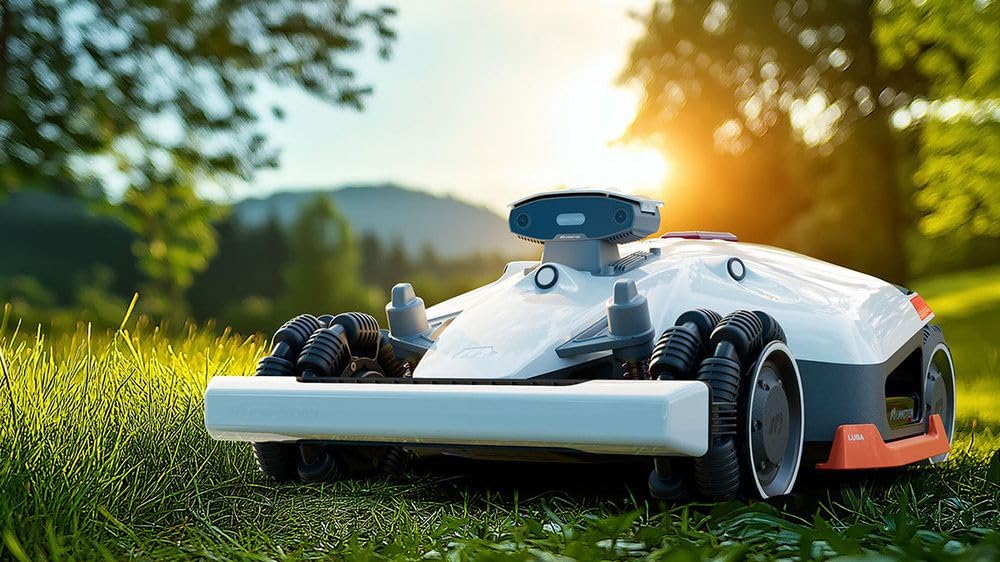
The zone handling is unusually good for a machine at this level. It supports up to 50 mowing areas including front and back lawns, plus dedicated no-go zones, so a fragmented property with a driveway cutting it into pieces is workable. The app also supports parallel, checkerboard and diamond-grid patterns and GPS-based theft alerts.
Owners consistently praise edge cutting, particularly along paths, flower beds and fences, and the machine is quiet enough for early morning or late evening starts. Fewer than a handful of long-term owners report getting stuck once the map is set up properly.
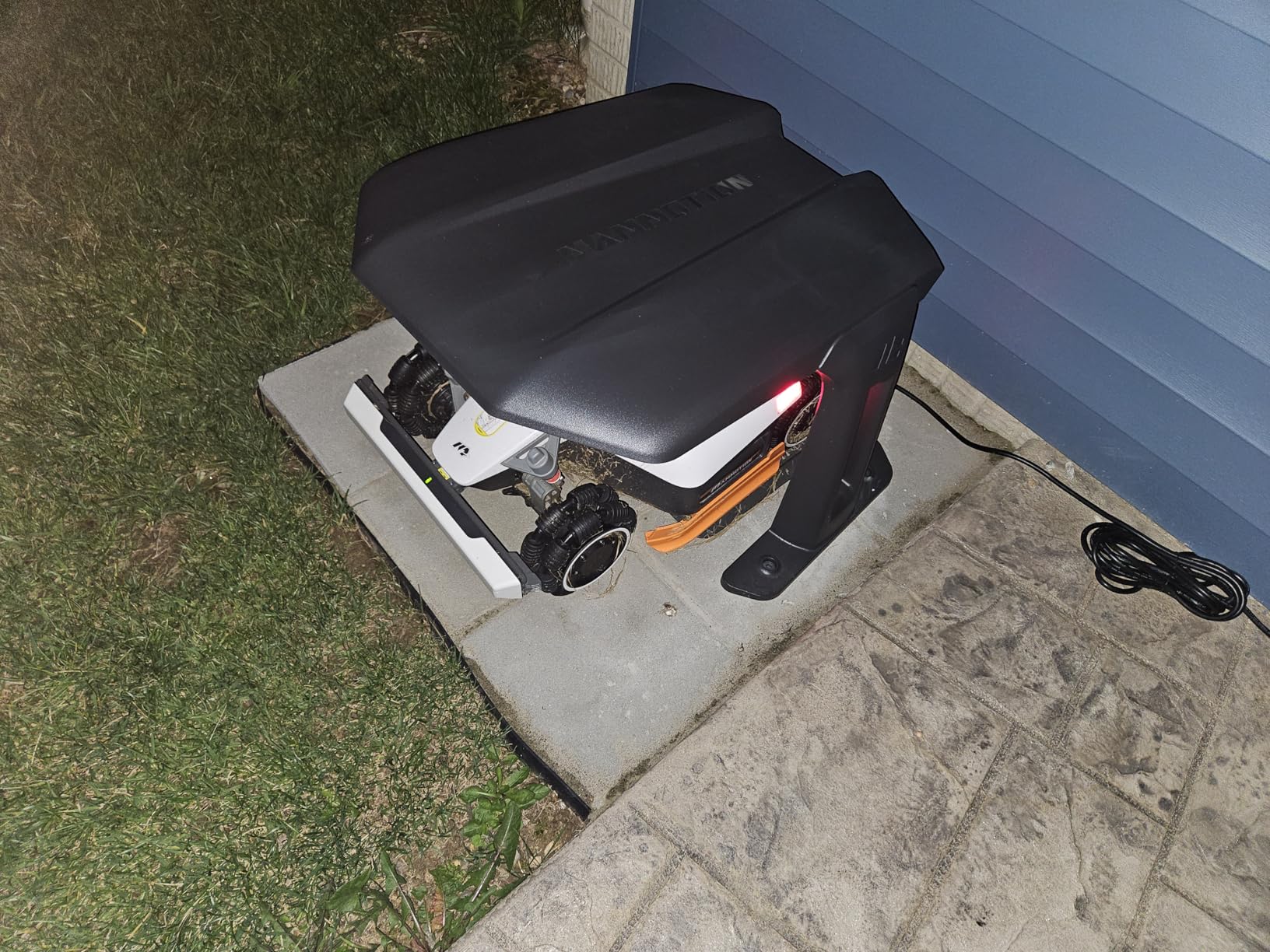
How it handles a property with a lot of slope
The 80 percent rating is the highest in this roundup alongside the LUBA 3 and the RockMow X120H, and it pairs that with enough torque to actually climb rather than spin out. The 15.7 inch dual-blade deck means a steep, large yard will take a long time to finish, so budget for overnight runs on a schedule.
If your hillside is soft after rain, expect less than the rated figure. Grading the worst ruts before you map the lawn is worth the afternoon.
Who should skip it
Skip it if leaf cleanup is a priority, because owners report it does not mulch leaves effectively, or if you mow a lot of tight turns around obstacles, where the small razor blades tear grass. Those who hate fiddly software should know the app works but feels clunky, and error codes are often unclear.
One more practical note: the RTK antenna mount is frequently sold as a separate item, so budget for it.
2. Mammotion LUBA 3 AWD 3000 — Best Navigation Redundancy for Large Lawns
Mammotion LUBA 3 AWD 3000 Robot Lawn Mower, Perimeter Wire Free for 0.75 Acre, 360° LiDAR+NetRTK+AI Vision, All-Wheel-Drive for 80% Slopes, 30 Multi-Zone Management, Cutting Height 1.0″-2.7″
0.75 acre capacity
80% (38.6 degree) slope
LiDAR plus NetRTK plus AI vision
LiDAR range to 230 ft
Cut height 1.0-2.7 inch
Up to 30 zones
Pros
- Tri-fusion sensors survive tree cover
- corridors and open lawn
- Four independent motors and adaptive suspension
- 15.7 inch deck covers ground quickly
- 300+ obstacle types recognized
- Number-one ranked model in Robotic Lawn Mowers
Cons
- Smaller review base than the LUBA 2 line
- 30-zone mapping takes real time on a big property
- Mowing height tops out at 2.7 inches
The LUBA 3 runs three independent navigation systems at once: 360-degree LiDAR, NetRTK positioning, and dual-camera AI vision. That redundancy is the point. If one degrades — and on a complex yard something usually does — the other two keep the mower oriented and it does not wander.
Mechanically it is aggressive. Four independently driven motors, an 80 percent slope rating, and adaptive suspension that steps over curbs, roots and thresholds up to 50 mm. Owners on rough, broken ground describe it as the machine that stopped fighting the terrain.
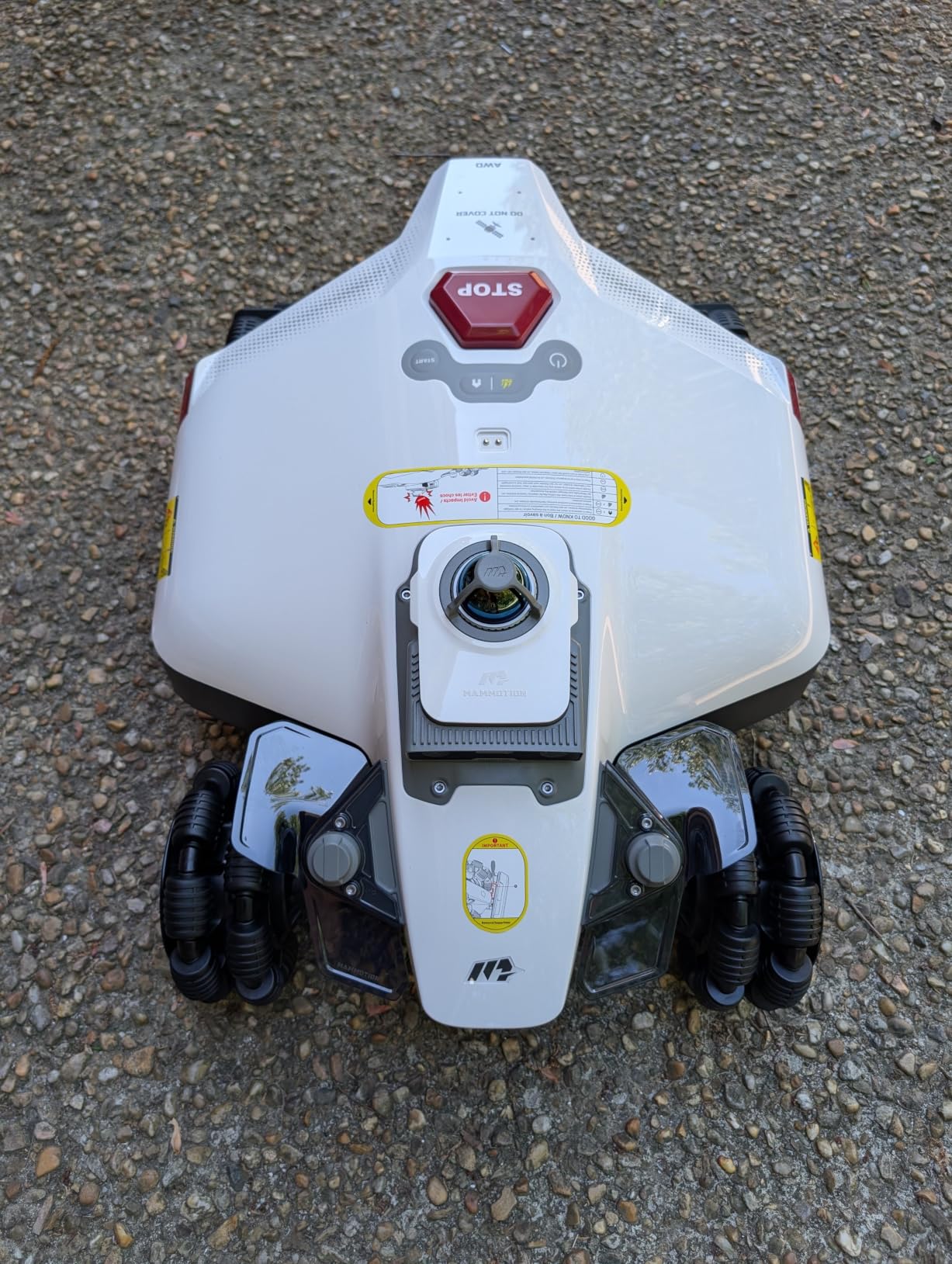
The cutting side is fast for a wire-free machine: a 15.7 inch deck, two 165 W motors, 6-blade discs and up to 500 sq m per hour. The AI processor recognizes more than 300 obstacle types, and up to 30 mowing zones with no-go areas are supported for multi-part properties.
Battery life is listed at 175 minutes per charge on a rechargeable lithium pack rated up to 12 Ah. On a 0.75 acre lawn you will still expect it to return and resume on its own schedule, which it handles without intervention.
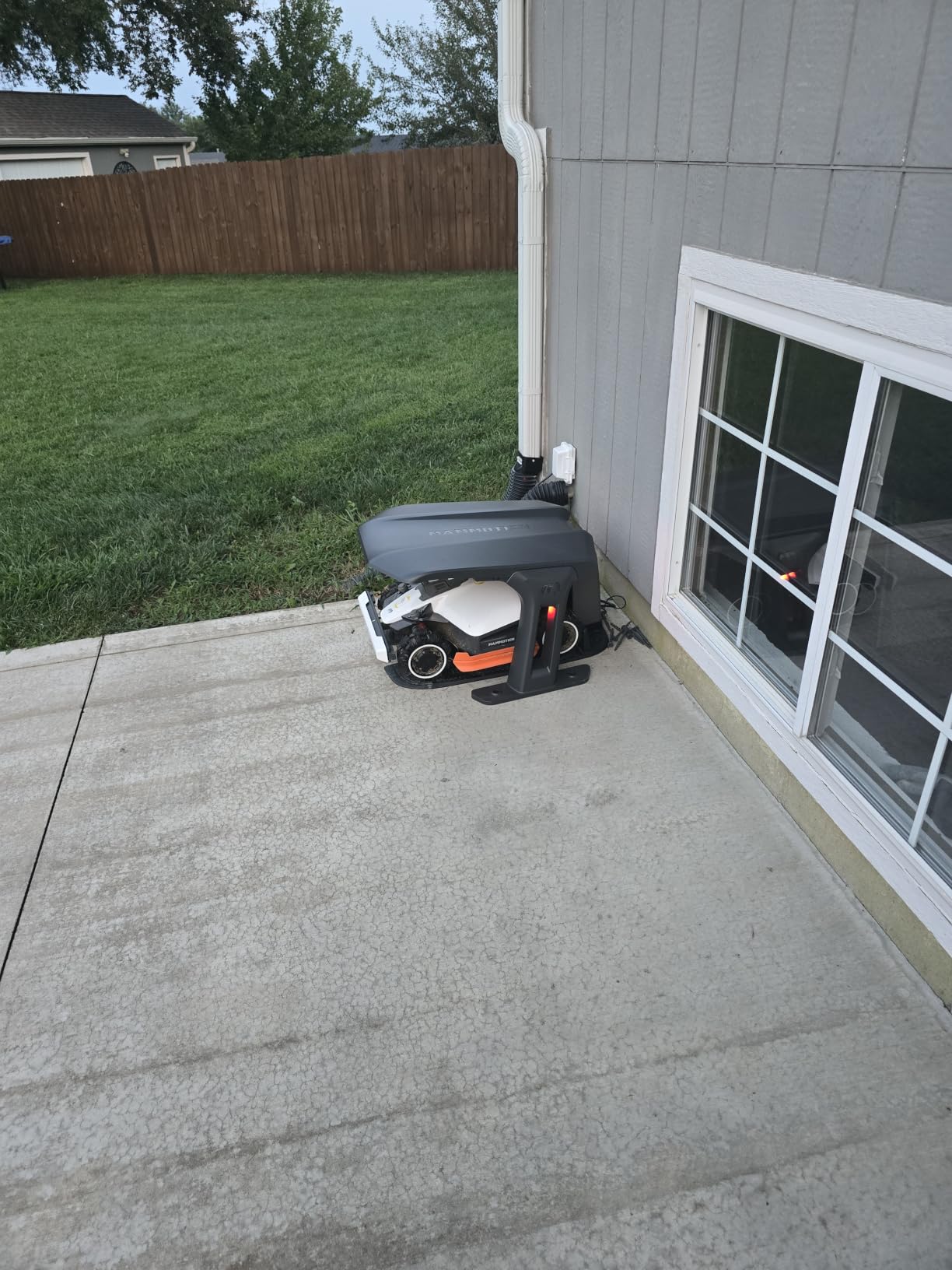
What the LiDAR stack actually adds
The LiDAR unit reads a 360-degree horizontal and 59-degree vertical field out to about 230 feet, so it builds a structural map of walls, fences and beds rather than only seeing the ground ahead. That is what allows it to keep working under heavy canopy where a camera-only or RTK-only unit stalls.
Worth knowing: setting up 30 zones across a large property takes real time. Plan an evening for mapping rather than an afternoon.
Who should skip it
Skip it if you need a tall cut. The height range stops at 2.7 inches, lower than several rivals here, so it suits lawns maintained short rather than pasture-type grass. If you are an early adopter, note the review base is smaller than the LUBA 2’s.
3. Mammotion LUBA mini 2 AWD 1500H — Highest Rated for Rough Small Lawns
(2026 NEW) Mammotion LUBA mini 2 AWD 1500H Robot Lawn Mower with Garage, for 0.37 Acres, 360° LiDAR+Dual-Camera AI Vision, 80% Slope, DropMow, 20 Multi-Zone Management
0.37 acre capacity
80% (38 degree) slope
360 by 45 degree LiDAR plus cameras
Adaptive suspension over 45 mm obstacles
Dual cutting discs
20 zones
Pros
- Highest-rated unit in this roundup
- Very easy setup with no GPS tower needed
- All-wheel drive handles ditches and steep slopes
- Accurate GPS mapping with no missed grass
- Quiet
- cheap replacement blades
Cons
- Hard 0.37 acre mapping cap
- Slow mowing speed on anything larger
- 7.9 inch deck means long cut times
- Map editing in the app is clunky
This is the highest-rated machine we tested, at 4.4 across 263 reviews, and the reason is straightforward: it does the hard parts of complex-yard mowing really well for a small lawn. Two 88 W motors drive all four wheels, the slope rating is 80 percent, and adaptive suspension steps over curbs, roots and thresholds up to 45 mm.
Navigation is dual-sensing — a 360 by 45 degree LiDAR paired with dual-camera AI vision — and owners report accurate mapping with no missed grass. There is no GPS tower or RTK antenna to install, which removes the single most common setup failure in this category.
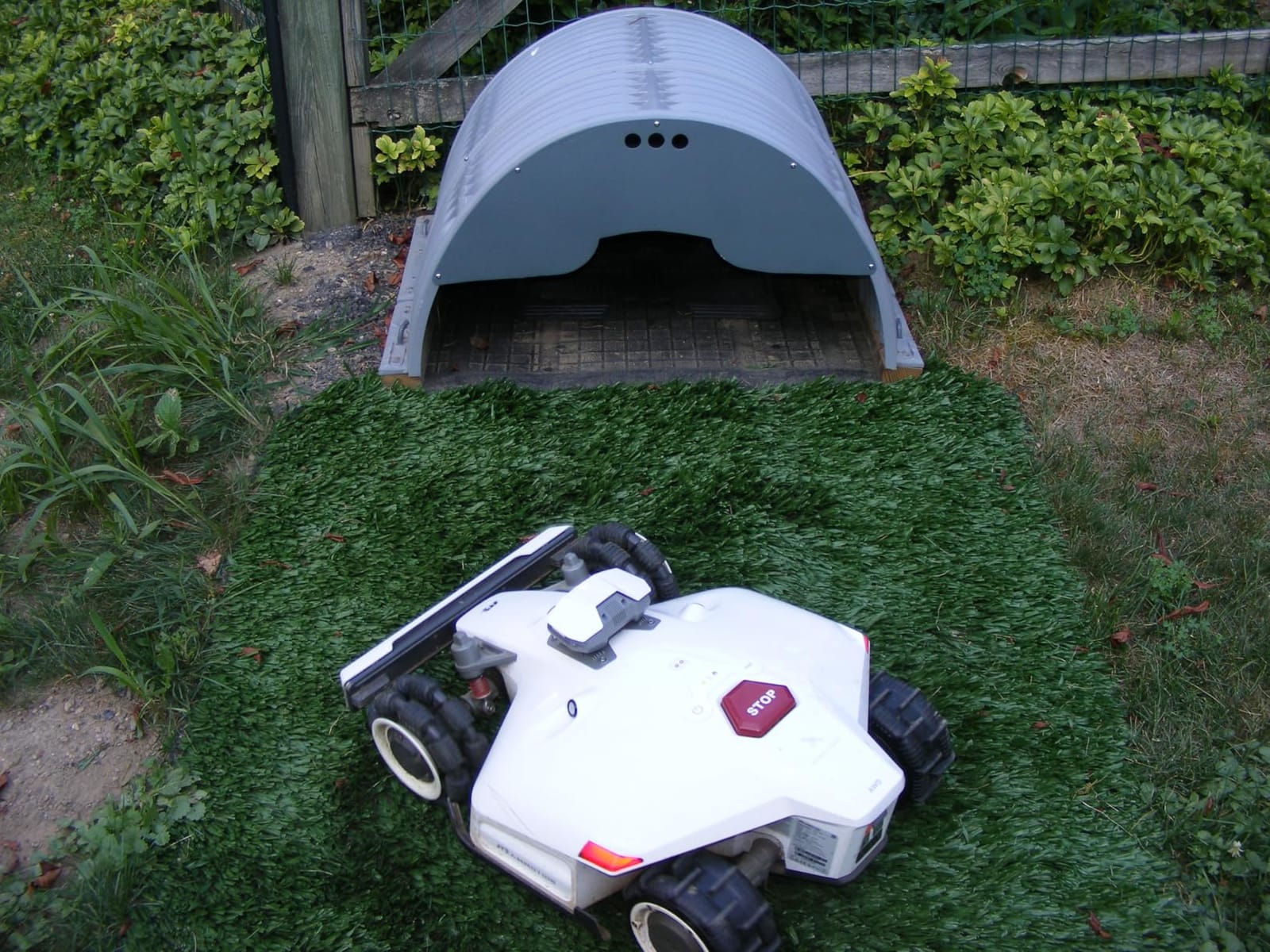
The cutting hardware is the nicest part of the design. A main disc plus a dedicated edge disc means the second blade rides along borders and paths, so edge work that normally needs a string trimmer mostly handles itself. Cutting height runs from 2.2 to 4 inches with seven positions, and there are up to 20 independent mowing zones with no-go areas.
DropMow mode is a genuinely useful feature on an awkward property. It lets the mower cut a temporary area without a saved map, which is handy for a newly seeded patch or a temporary no-mow event.
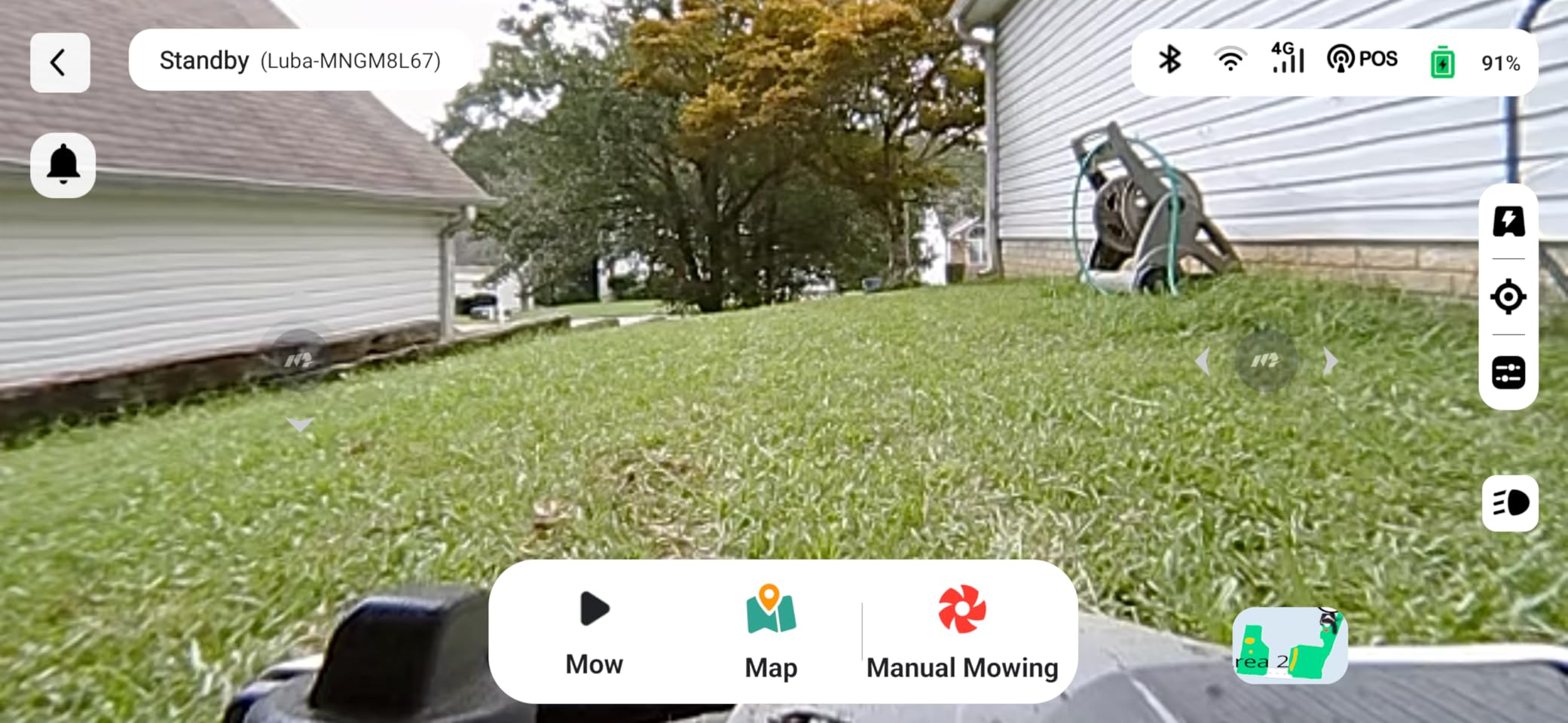
Why the small capacity is not a problem here
The 0.37 acre mapping limit is the defining constraint. Under about a third of an acre the unit has plenty of room, and the traction that would be overkill on a tidy lawn is exactly what a rough yard needs. Many owners call replacement blades cheap and easy to find.
Buyers moving up from a wired unit often report the change feeling bigger than expected, largely because there is no wire to cut around the beds.
Who should skip it
Skip it for anything approaching half an acre or larger, and skip it if you want the lawn done in one evening. Owners report a quarter acre taking half a day at the pace this machine moves. Reviewers also flag clunky map editing and AI obstacle avoidance that can be overly cautious.
4. Segway Navimow i105N — Quietest Performer for Small Yards
Segway Navimow i105N Robot Lawn Mower Perimeter Wire Free 1/8 Acre RTK+Vision Robotic Lawnmower, AI-Assisted Mapping, Virtual Boundary, APP Control, 58dB(A) Quiet, Multi-Zone Management
1/8 acre capacity
58 dB(A)
EFLS 2.0 RTK plus vision
12 mowing zones
Cutting width 7.1 inch
3-year warranty
Pros
- Works reliably under heavy tree cover
- Very quiet enough to run at night
- Leaves attractive parallel cut lines and trims edges well
- Good value among wire-free GPS mowers
- Responsive support that sends free accessories
Cons
- Stock wheels have weak traction in mulch and on slopes
- Mapping requires driving the mower by phone and edits are clunky
- Does not mulch
- Vision fence misses gates
- mailboxes
- hoses and sprinklers
The Navimow i105N is the quietest machine in this roundup at a listed 58 dB(A), and that number matters more than it sounds if you have close neighbours, a night owl schedule, or an HOA with a noise rule. Several owners run it late at night without complaint.
Its positioning is enhanced EFLS 2.0 RTK fused with vision, giving centimeter-level accuracy, and the package includes a GNSS antenna kit, charging station and nine spare blades. Owners confirm it holds orientation under heavy tree cover, which is the situation where plain GPS mowers give up.
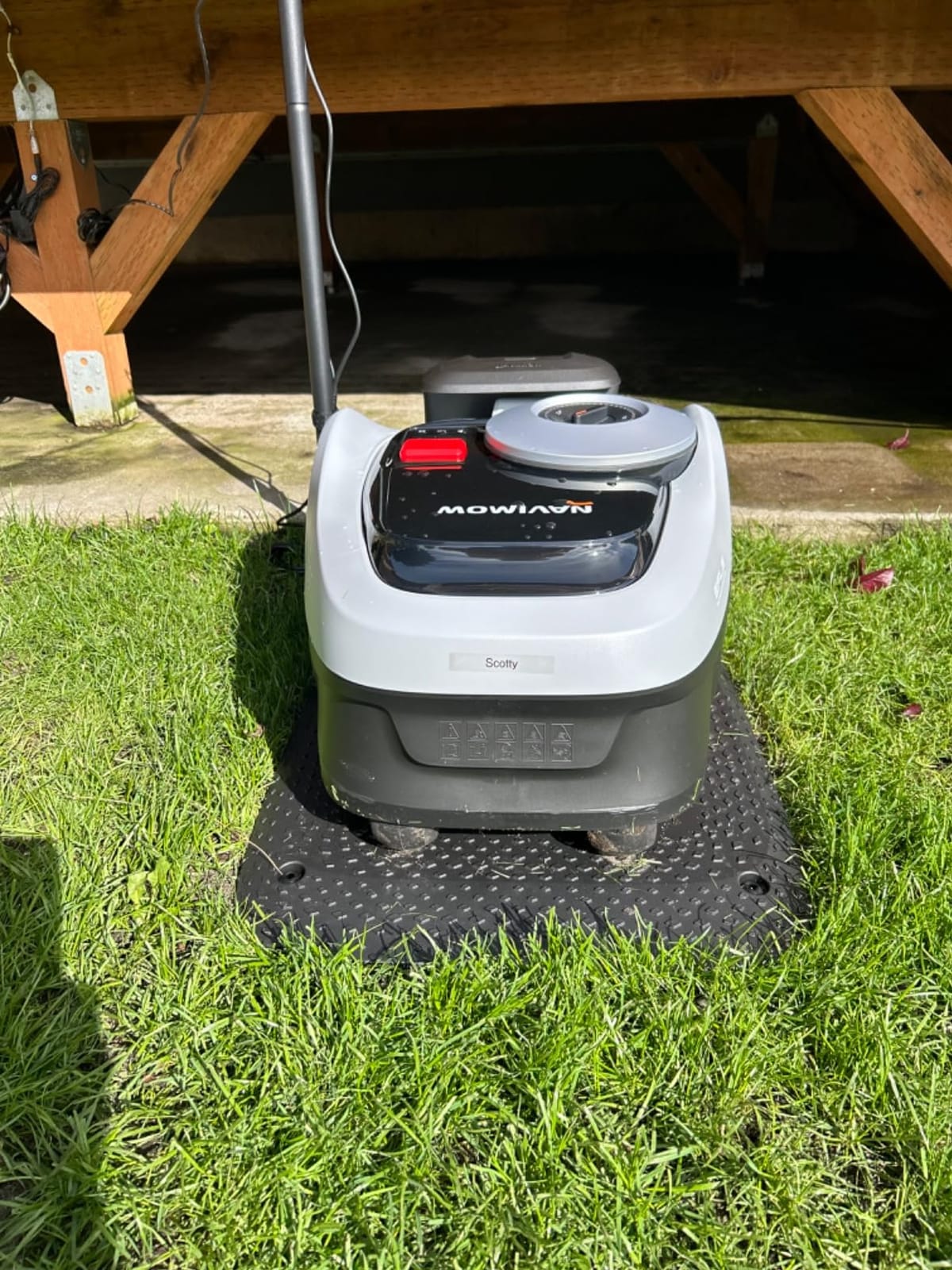
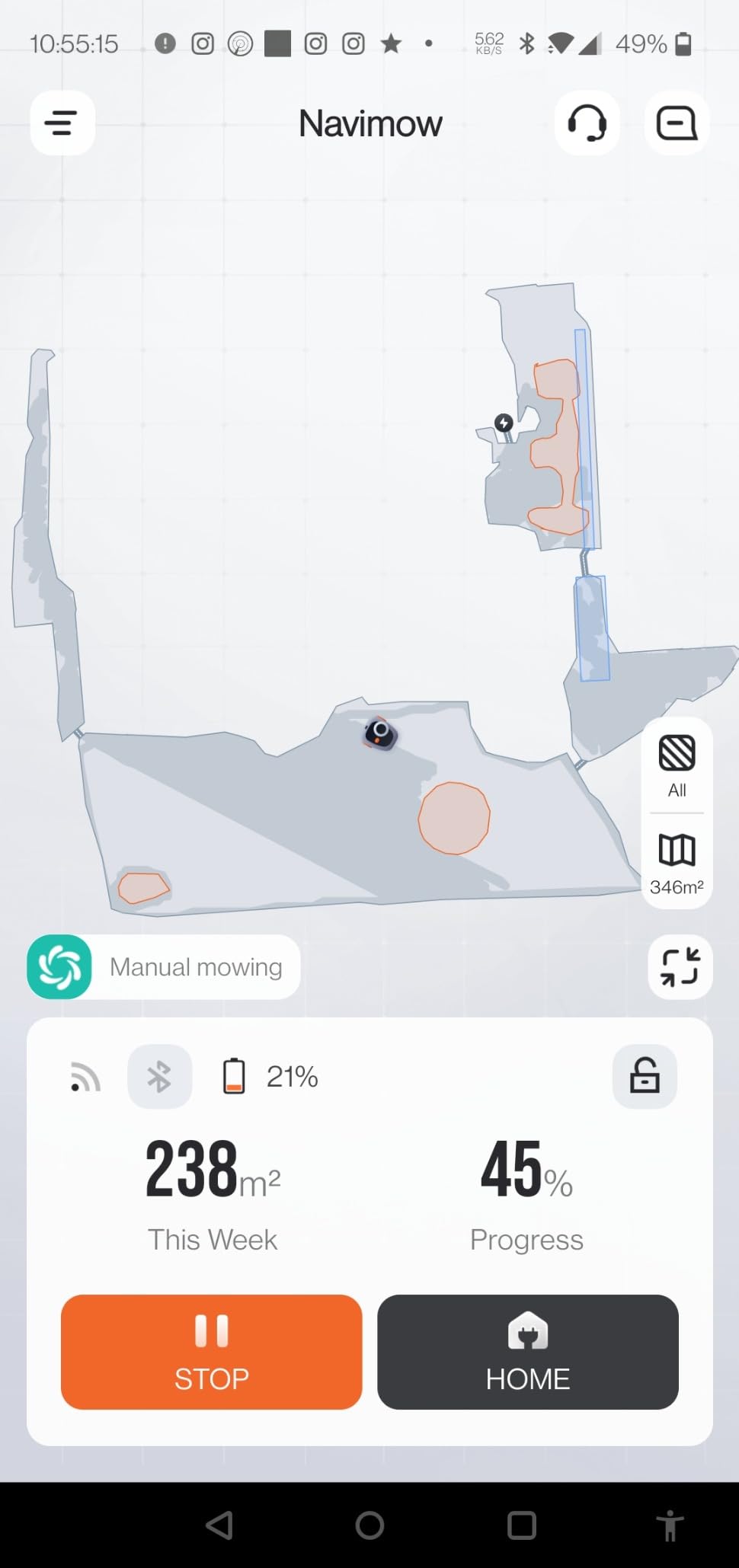
Cut quality draws good marks too, with parallel lines and decent edge trimming from a 7.1 inch deck. App control covers up to 12 mowing zones with per-zone schedules and direction changes at full coverage, plus a theft location readout. The warranty is a full three years.
On navigation it uses a 140-degree field-of-view camera that identifies more than 150 obstacle types. That handles the big stuff but is not a substitute for a bumper on the smaller items.
Quiet operation and neighbour considerations
At 58 dB(A) this is the model to choose if mowing after 9 pm is on the table. The eufy E15 below is quieter still, but at a much smaller capacity, so for a mid-size lawn the i105N is the quietest realistic option here.
Owners note the Navimow support team is responsive and willing to send free accessories, which softens the setup learning curve a bit.
Who should skip it
Skip it on rough ground. The stock wheels have weak traction and get stuck in mulch and on slopes, and owners report getting bogged down. Skip it if you will not walk the boundary with the phone, because mapping requires driving the mower around and map edits are clunky. Skip it if you expect mulching, because clippings sit on top of the lawn, and expect to trim edges by hand.
Worth knowing for anyone with a cluttered yard: the vision fence can miss gates, mailboxes, hoses and sprinklers.
5. YARBO Robot Lawn Mower Pro — Built for Multi-Acre Properties
YARBO Robot Lawn Mower Pro, Wire-Free for 6 Acres, Four Seasons Yard Care
Up to 6 acres
70% (35 degree) slope
Multi-terrain tracks with steel skid shoes
20 inch cutting width
300 W dual-motor cutting
Cut height 0.8-4.0 inch
215 lb
Pros
- Only wire-free unit here rated for very large acreage
- Cuts thick
- wet and overgrown grass with a 20 inch deck
- 70% slope with tracked drive
- Support team replaced defective units
- Modular hitch accepts carts and a snow blower
Cons
- Initial mapping takes many hours and loses GPS under trees
- Map drift mid-mow needs manual work
- Data center mount is unstable in wind and assembly is awkward
- Support backlog can run several days
- Heavy at 215 lb
When your property is measured in acres rather than square feet, everything else in this roundup becomes too small. The YARBO Pro is rated for up to six acres and carries a 20 inch deck driven by a 300 W dual-motor cutting system, which is a genuinely different class of machine. Owners with three to six acres report a consistently better cut than a zero-turn riding mower.
Traction comes from patented multi-terrain tracks with all-steel skid shoes and a 70 percent maximum gradient, or 35 degrees. Ultrasonic sensors detect suspended obstacles that a bumper or camera alone would miss, and the chassis is IPX6 waterproof with automatic charging.
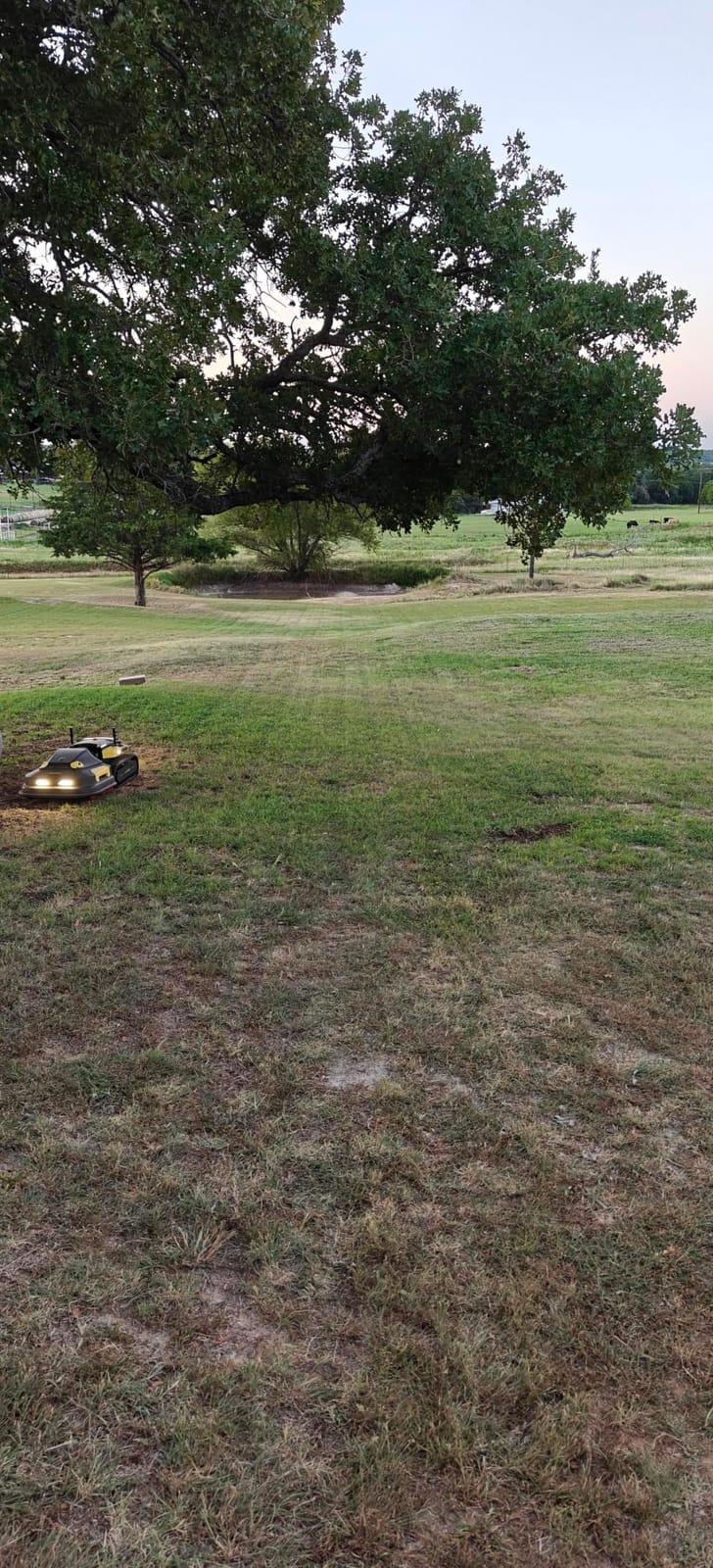
Triple-fusion navigation combines RTK-GPS, binocular vision and a multi-sensor PPVS array. Cutting height spans a very wide 0.8 to 4 inches, and two blade options — razor and straight — let you match the deck to cool-season or warm-season grass. Battery life is listed at 120 minutes.
Two details worth planning around: it ships in four boxes weighing roughly 210 lb and two adults are recommended for assembly, and the modular platform has a hitch for attachments like carts and a snow blower.
When a two-mower setup makes more sense
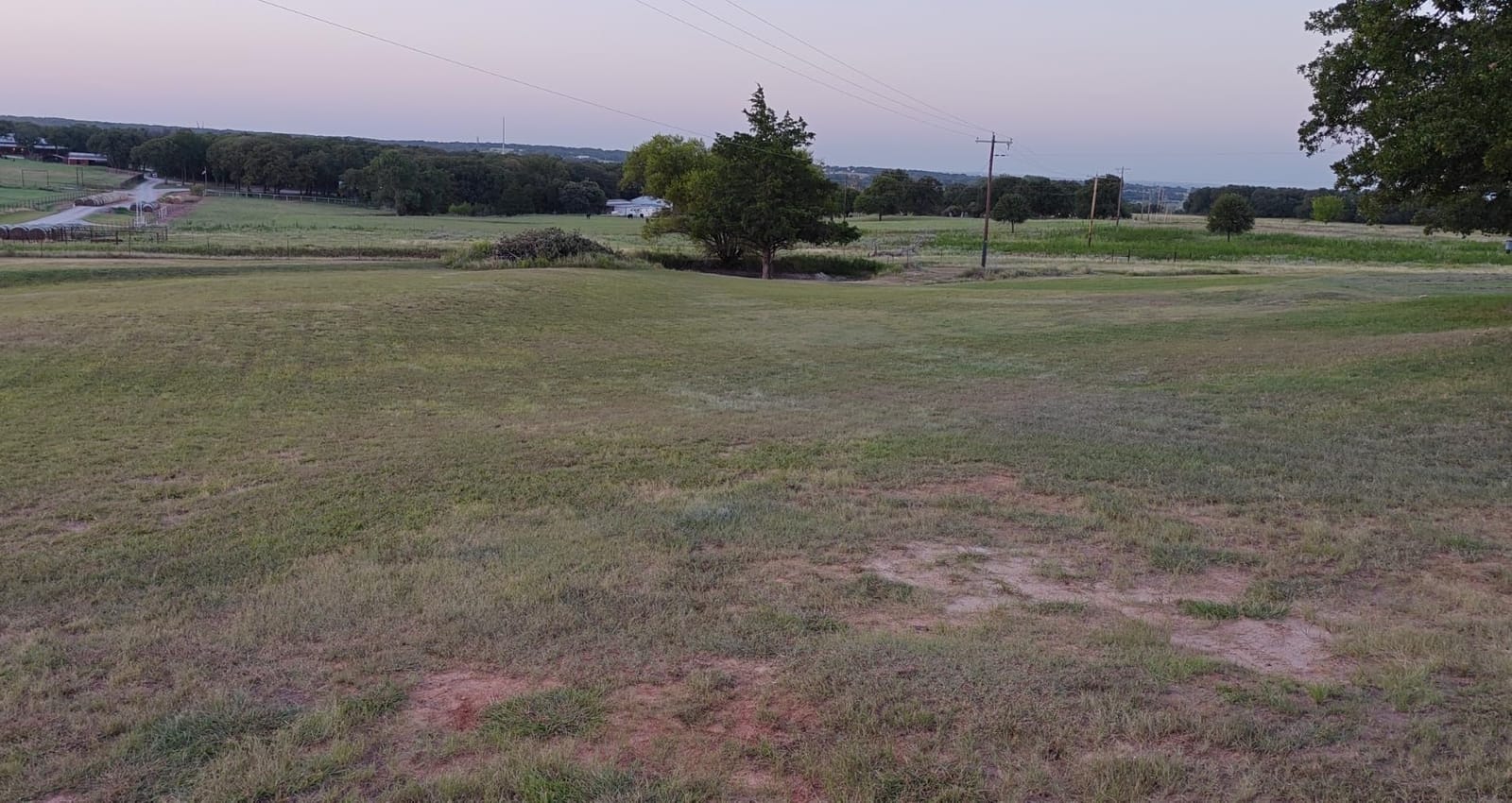
If you have one connected lawn of two or three acres, two smaller mowers with simple LiDAR setups will usually be less painful to own than one machine this size. Owners on fragmented properties — a main lawn plus a roadside strip, say — end up running the mower manually across the corridor between zones.
For genuinely large open acreage, though, nothing else here competes. Owners also like that support has replaced outright faulty units.
Who should skip it
Skip it if you want set-and-forget ownership. Perimeter mapping can take many hours and repeatedly loses GPS under tree cover, map drift interrupts runs and needs manual reconfiguration, and the data center mount is unstable in wind. Support ticket backlogs stretching to several days are a known complaint, and the battery chemistry draw criticism from long-term owners.
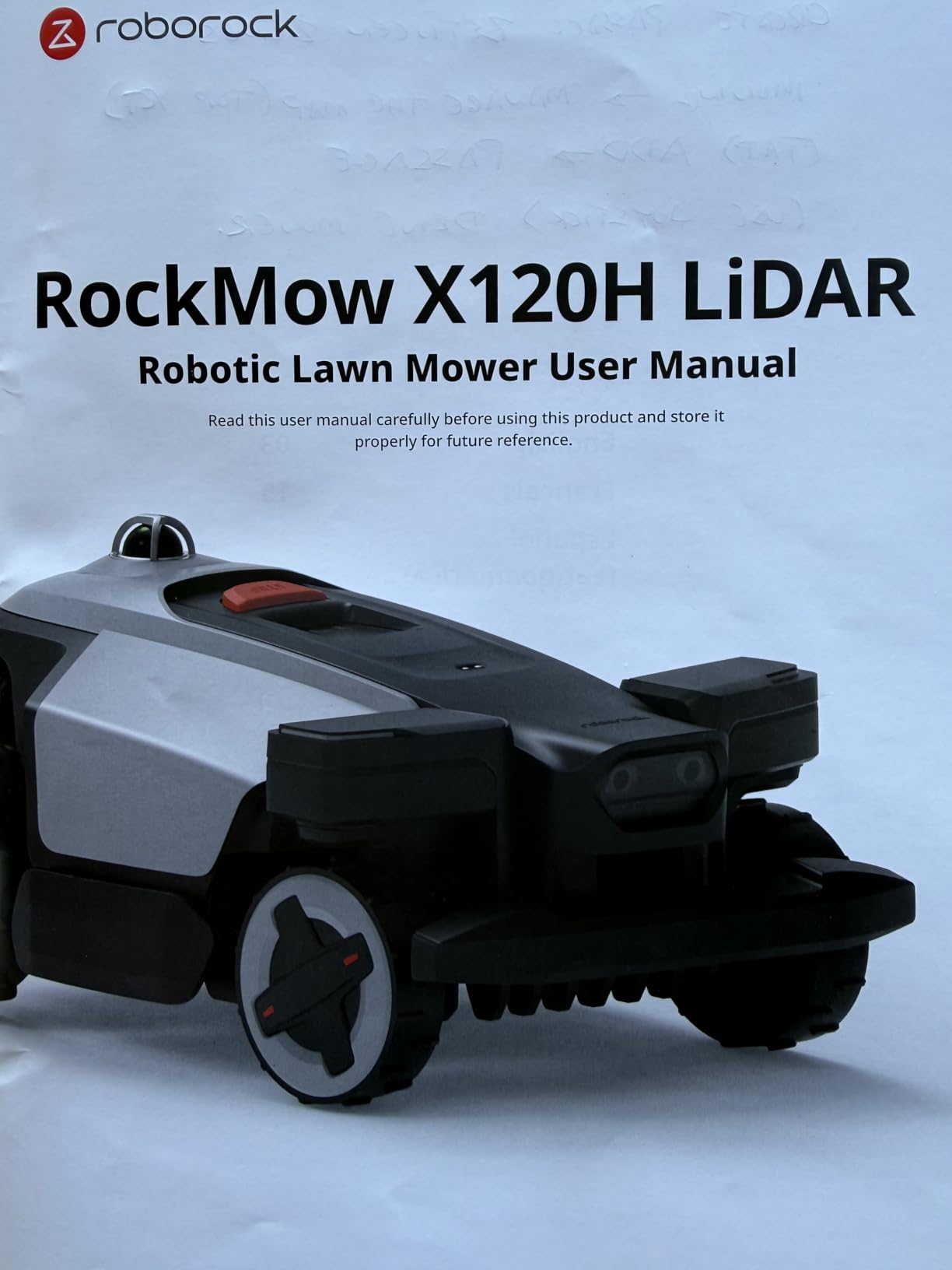
6. Roborock RockMow X120H LiDAR — Best Traction Without Any Antenna
roborock RockMow X120H LiDAR AWD Robot Lawn Mower for up to 0.49 Acre, Wire-Free RTK Free with Dual- LiDAR AI Auto Mapping, Robotic Mower with 4G, AI Obstacle Avoidance, 80% Slope, Smart App Control
0.49 acre capacity
80% (38.7 degree) slope
AWD with active steering
9.49 inch cutting width
3D LiDAR plus dual cameras
3 years of 4G included
50 lb
Pros
- Wire-free and RTK-free LiDAR mapping removes the antenna install
- AWD with active steering copes with steep
- rugged ground
- 9.49 inch deck improves cut time
- Three years of 4G bundled with no subscription
- Same app as Roborock robot vacuums
Cons
- Only 54 ratings so far
- LiDAR dome needs weekly cleaning
- Specialty parts ship only from European distributors
- Heavy 50 lb chassis
This is the machine we would pick for a steep, rocky yard where installing an RTK antenna is impossible. It maps with a 360-degree 3D LiDAR and dual-vision AI and needs no base station at all, so nothing has to be bolted to a wall or mounted on a roof.
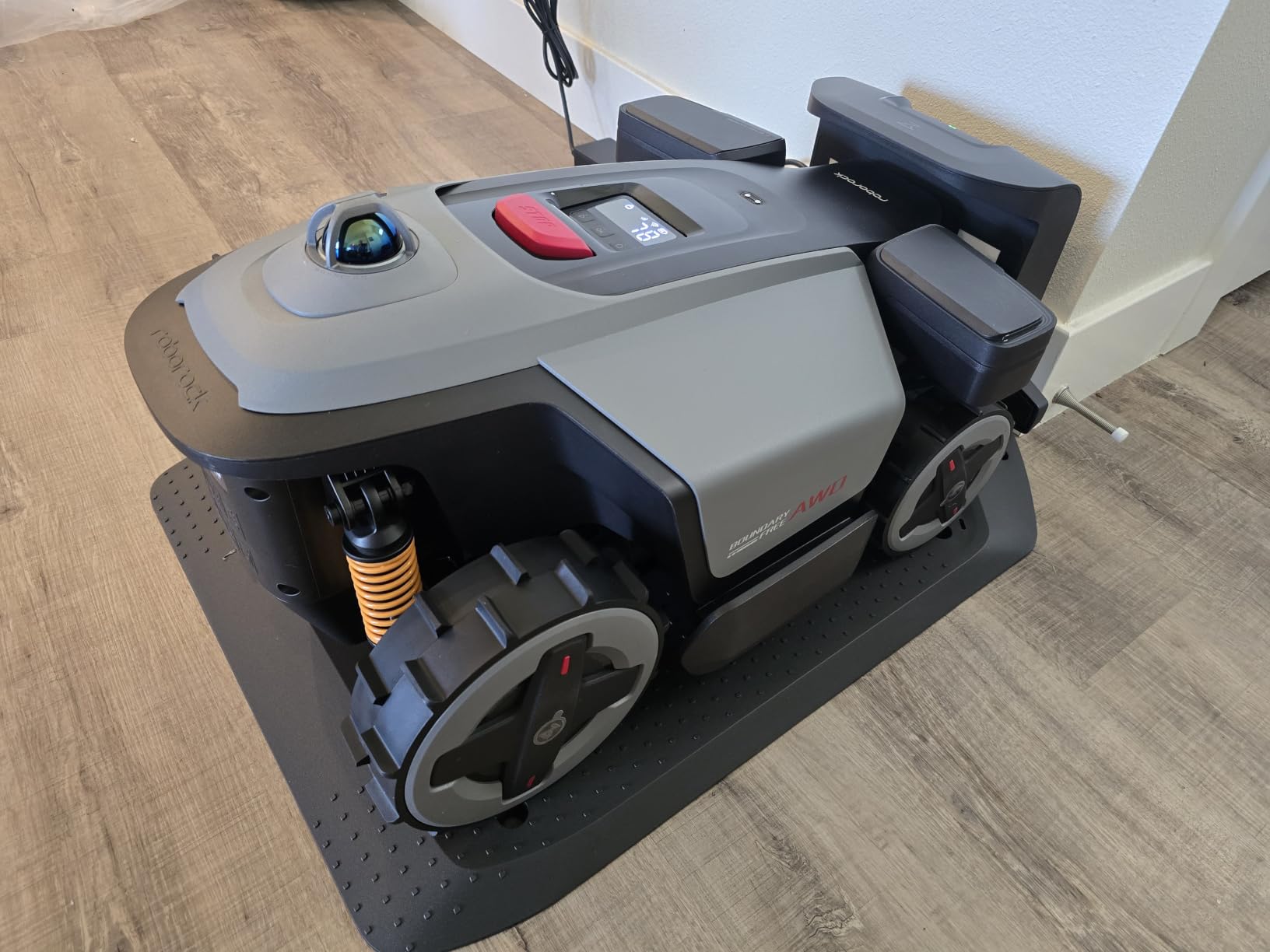
The chassis is the other headline. All-wheel drive with a patented active steering system handles 80 percent slopes, or 38.7 degrees, and clears 3.15 inch obstacles, backed by dynamic suspension and a floating cutting deck that keeps the blade plane level on uneven ground.
Obstacle avoidance combines a 3D LiDAR point cloud with dual-camera AI vision, which is the most robust combination in this roundup for a yard full of rocks, roots and dropped branches. The 9.49 inch deck is wider than most rivals at this capacity, and height runs 1.57 to 3.54 inches with a ride-on edge mowing approach.
Three years of 4G cellular service are included with no subscription fee, and there is PIN and GPS anti-theft, rain sensing and IPX6 sealing. If you already own a Roborock robot vacuum, the app will feel immediately familiar.
What the floating deck does for uneven ground
A floating cutting deck rides on the chassis rather than being rigidly fixed, so on a rutted or lumpy lawn the blade stays at a consistent height instead of scalping the high spots and missing the hollows. Paired with dynamic suspension, it is the quiet reason this machine cuts evenly on bad ground.
Active steering lets the wheels turn independently for tight pivots, which is useful where a fixed-chassis mower would have to swing wide into a bed.
Who should skip it
Skip it if you want an established ownership record. With 54 ratings the long-term reliability signal is genuinely thin, and parts availability is a real risk: sensors and gear motors ship only from European distributors. The LiDAR dome also needs weekly cleaning to keep its view clear. It is a heavy machine at 50 lb, which matters if you move it often.
7. ECOVACS Goat O1000 LiDAR PRO — Best for Narrow Passages
ECOVACS Goat O1000 LiDAR PRO Robot Lawn Mower, Wire-Free Robotic Lawn Mower with Dual-LiDAR Navigation, Built-in Edge Trimming, AI Obstacle Avoidance, App Control, for Lawns Up to 1/4 Acre
1/4 acre capacity
HoloScope 360 degree dual-LiDAR
Built-in TruEdge edge trimming
0.8 m passage width
8.66 inch deck
Cut to 200+ obstacle types
Pros
- Quick phone-based setup with no wire
- antenna or base station
- Very quiet enough to run at night
- Avoids pets
- toys and furniture in testing
- Compact body fits narrow side yards and passages
Cons
- Edge trimming leaves a sawtooth line along fences
- App joystick makes manual mapping hard to keep straight
- Small front caster wheels cannot climb curbs or tall grass
- Leaves visible strips around obstacles and no-go zones
- Build quality feels thin
The Goat O1000 is built around a slim body. At a width that clears passages as narrow as 0.8 m, it is the mower for a property split by walls, hedges or fencing where a wider machine simply cannot make the turn. The 23.62 inch length and 11.97 inch width are the numbers to check against your narrowest gap.
Navigation is HoloScope 360-degree dual-LiDAR with no wire and no RTK antenna, paired with AI vision and 3D ToF LiDAR for detecting more than 200 obstacle types. Setup is fast — owners report a phone-based walkthrough with nothing to install in the ground.
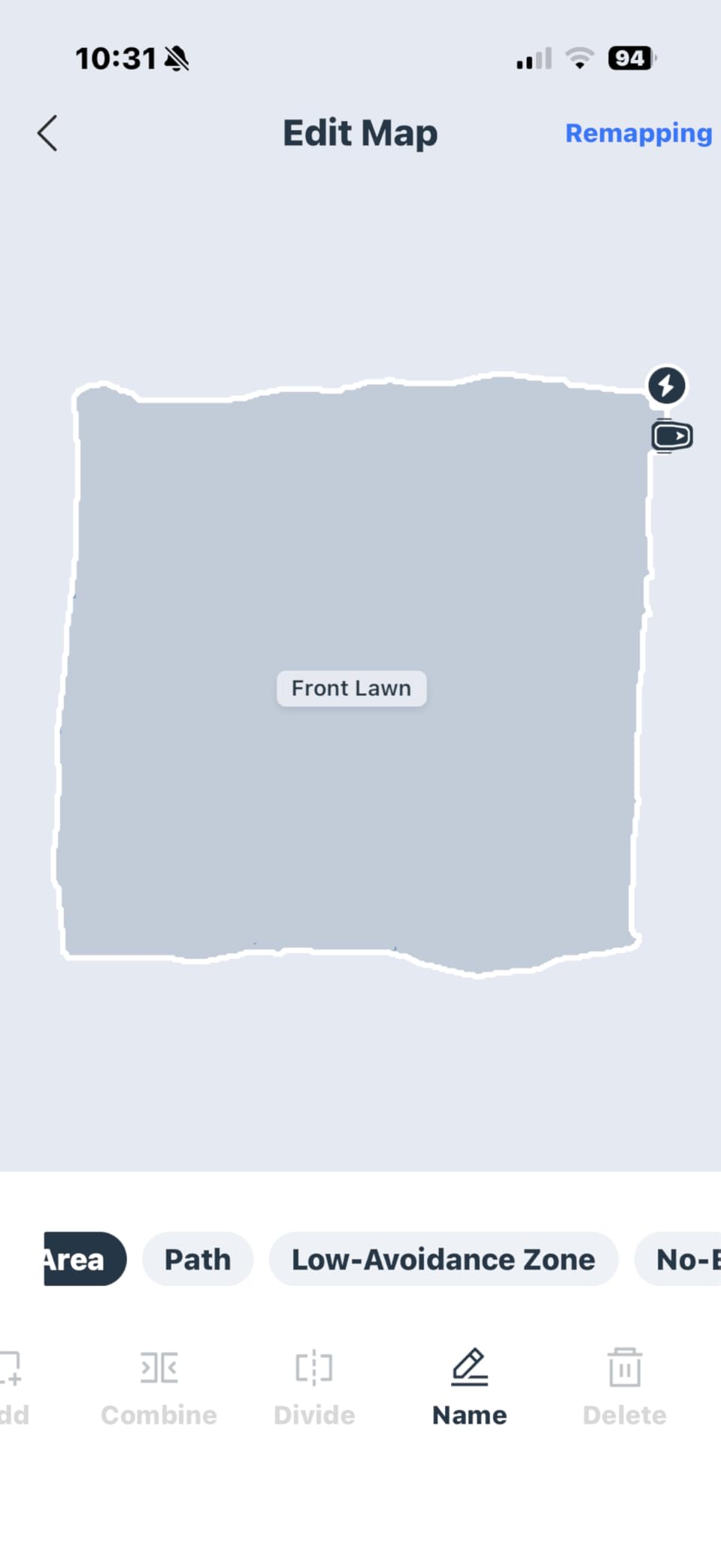
The built-in TruEdge system trims along edges, driveways and beds, which is rare at this capacity and would normally be an add-on module. Zones, schedules, cutting preferences and no-go areas are all set in the app, and the machine is quiet enough to run overnight.
Buyers with pets and small children report that obstacle avoidance works well on the items that matter — toys, furniture, animals on the lawn.
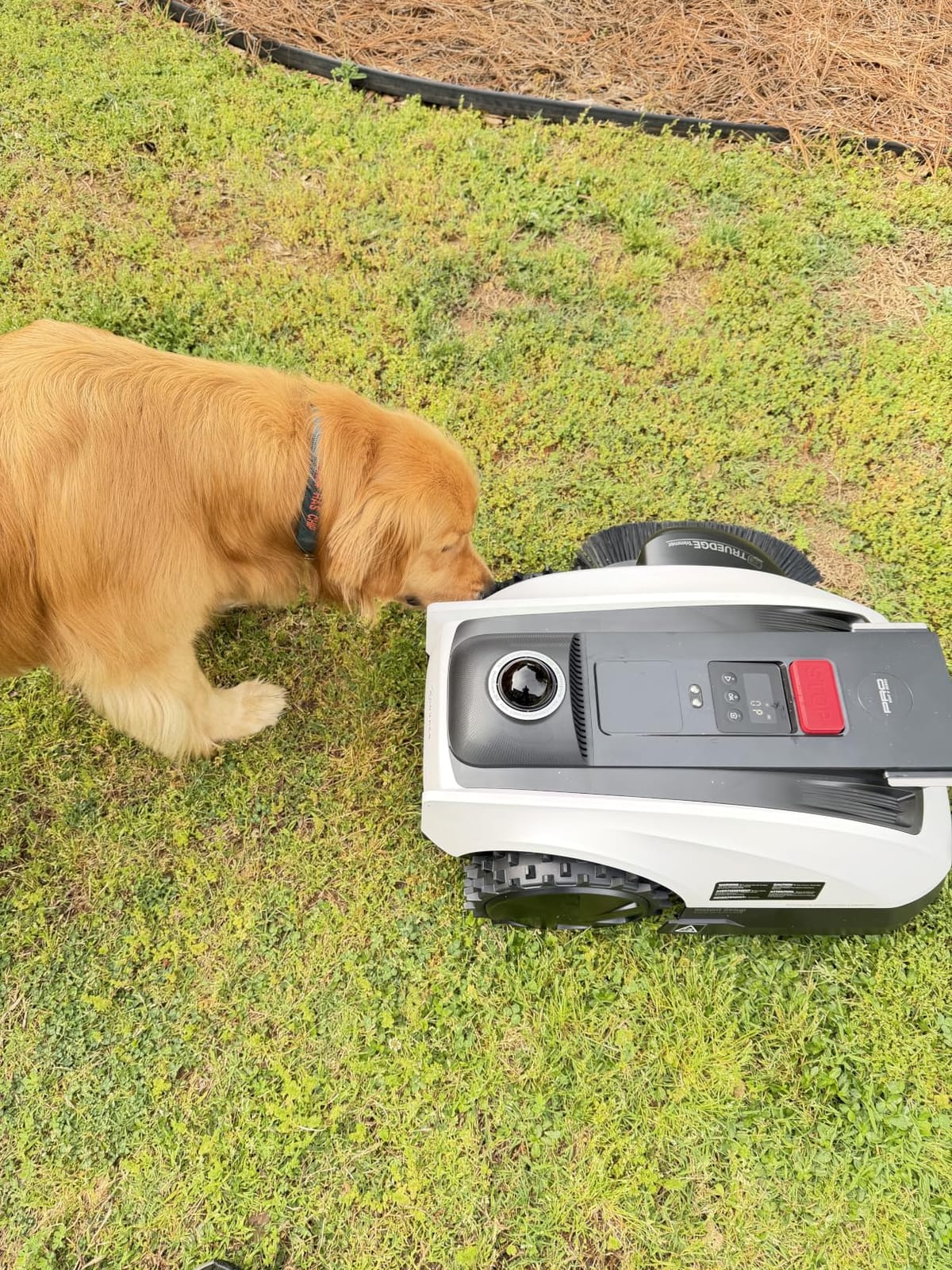
Mapping the narrow zones without frustration
This is the model’s biggest weak point and worth being blunt about. Owners describe the app joystick as making manual mapping nearly impossible to keep straight, so budget extra setup time and walk the boundary slowly. If your narrow passages are the whole reason you are buying, map those first and get them right before anything else.
Some buyers returned units over the software experience, so if you are impatient with apps, look elsewhere.
Who should skip it
Skip it on uneven or sloped ground. The front caster wheels are too small to climb curbs or cut through tall grass, which is a problem on exactly the kind of lawn this roundup targets. Skip it if a straight, clean edge line matters, because the edge routine is hesitant and leaves a sawtooth line along fences — the manufacturer has confirmed it will not follow a fence line because the fence registers as an obstacle. Reviewers also note it mows too wide a band around obstacles and no-go areas, and that the build feels thin against metal-chassis rivals.
8. eufy E15 — Best for GPS Dead Zones and Small Flat Lawns
eufy Robot Lawn Mower E15, Auto Mapping, Pure Vision Navigation
0.2 acre capacity
Pure Vision V-FSD 1.0 navigation
18 degree slope limit
Below 54 dB
Cut height 1-3 inch
28 lb
Pros
- Setup takes about 10-15 minutes with no wire or antenna
- Needs no satellite signal at all
- Very quiet below 54 dB with reliable rain detection
- Clean parallel striping
- Phone joystick with live camera view
Cons
- Will not run more than about 30 minutes before or after sunrise or sunset
- Auto mapping struggles on patchy or sandy lawns
- Leaves matted stripes at wheel tracks
- Battery and blade-raise motor durability concerns
If your yard sits in a satellite dead zone — a narrow lot hemmed in by tall buildings, a walled garden, heavy tree cover on all sides — the eufy E15 simply does not care. It navigates with eufy V-FSD 1.0 pure vision, using stereo cameras and AI, and needs no boundary wire, no RTK and no external station.
Setup is the fastest here. Owners report 10 to 15 minutes from box to mowing with nothing buried in the lawn. It weighs 28 lb and carries a 1 to 3 inch cutting height range with five positions on an 8 inch deck.
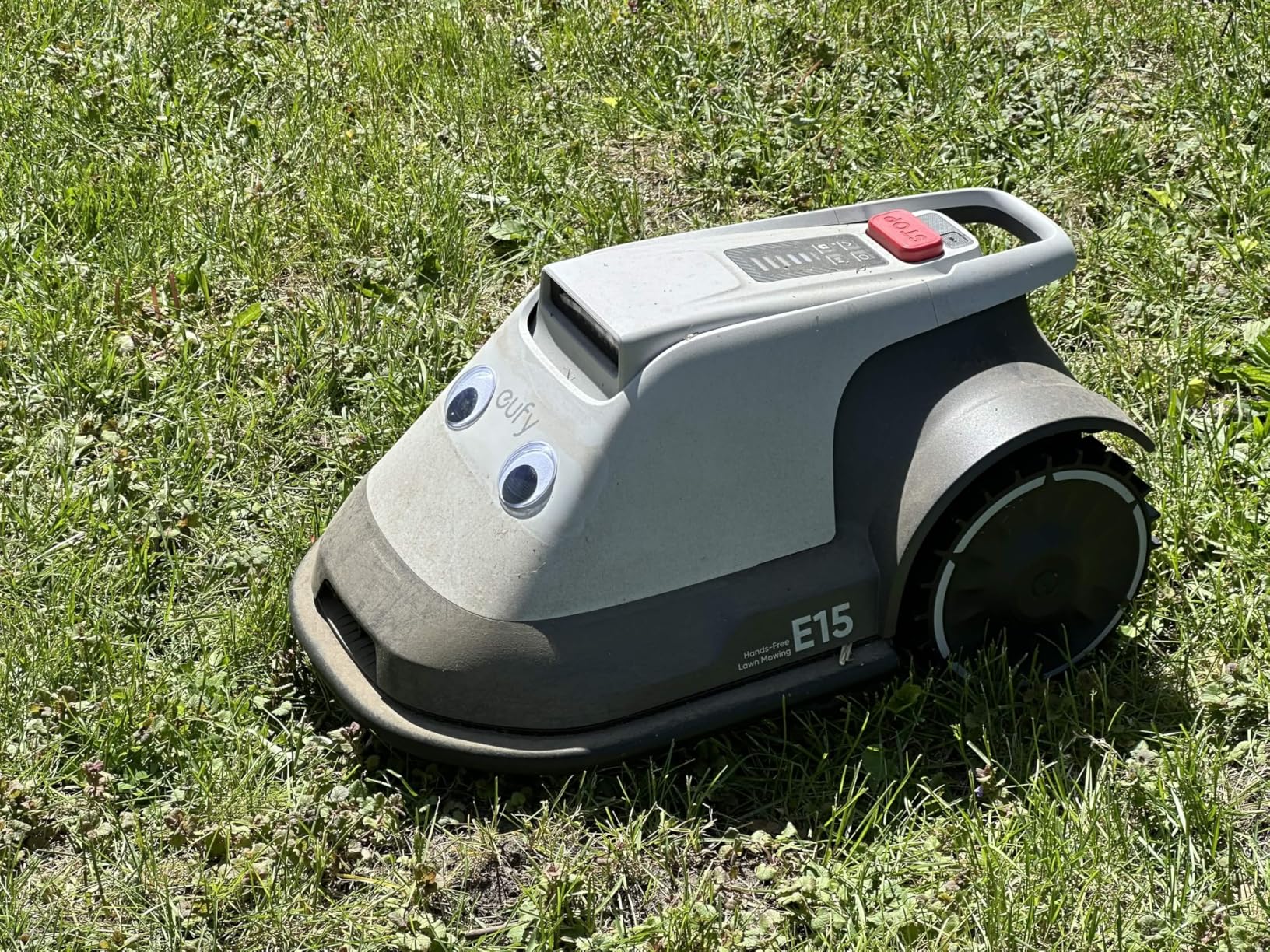
Two features stand out for a flat, well-kept lawn. It runs below 54 dB, the quietest figure in this roundup, and rain detection reliably sends it back to charge. Ride-on Edge technology handles the borders, and the parallel cut pattern produces clean striping with smart coverage detection and automatic re-mowing of missed patches.
Anti-theft is built in rather than sold as a module, with GPS tracking and auto-recall in rain or low light. There is also a phone joystick with a live camera view, which is genuinely useful for nudging the machine out of a corner.
The daylight limitation nobody mentions until later
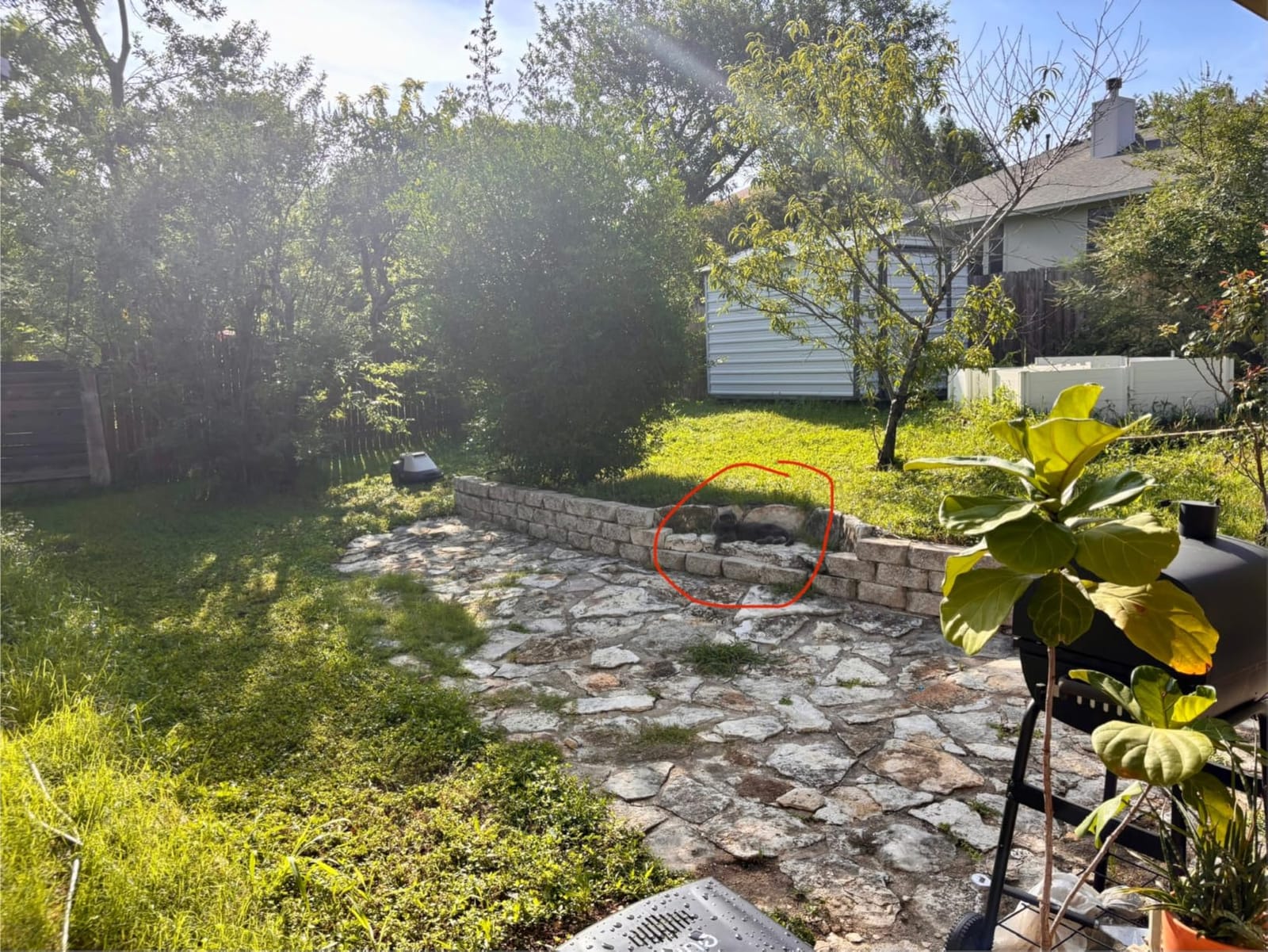
Pure vision has one hard constraint: this mower cannot mow more than about 30 minutes before or after sunrise or sunset. If your lawn needs a night run because nobody is home during the day, this is the wrong machine. Every other LiDAR or RTK machine here has the same issue in milder form, but only the E15 has no fallback positioning.
It also self-maps accurately on solid green ground with clear fence lines. Bare soil, sandy patches and thin, patchy lawns are where it struggles.
Who should skip it
Skip it for slopes. It is rated for 18 degrees or less, the lowest in this roundup, so it is the wrong choice for a hilly property. Skip it if your lawn is bare or sandy, or if your grass is uneven, since owners report stripes of uncut or matted grass especially at wheel tracks. It also leaves missed spots in tall grass and has no spot-mow mode, and some buyers report durability concerns with the battery and the blade-raise motor after extended use.
9. ANTHBOT M5 LIDAR — Best Value Wire-Free Mower for Small Yards
ANTHBOT M5 LIDAR Robotic Lawn Mowers, 1/8 Acre Wire-Free Dual Vision
About 500 sq m per day
24 degree slope
360 degree LiDAR plus dual cameras
No wire and no RTK antenna
200 mm deck with five blades
58 dB
1.2-2.8 inch cut height
Pros
- Quick to set up with no wire and no antenna installation
- LiDAR works well in enclosed yards with tall walls and dense trees
- Consistent cut quality and reliable return-to-charge-and-resume
- Handles most slopes without getting stuck
- Good value in this class
Cons
- Narrow cutting path can take three passes to finish a lawn
- Needs to dock and recharge mid-job on anything beyond a small yard
- Occasionally hesitates or re-orients in tight spots
- Edge trimming still needs manual touch-up
The ANTHBOT M5 is the most straightforward way into wire-free mowing, and it does the one thing that matters for a small awkward yard: it starts without a wire or an antenna. Reviewers repeatedly single out how fast it goes from unboxing to cutting.
Navigation is a 360-degree LiDAR plus dual cameras, which handles enclosed yards with tall walls and dense trees far better than a camera-only unit. Dual-wheel drive manages slopes up to 24 degrees with gear-tread tires, and obstacle avoidance, rain response and OTA updates are all included.
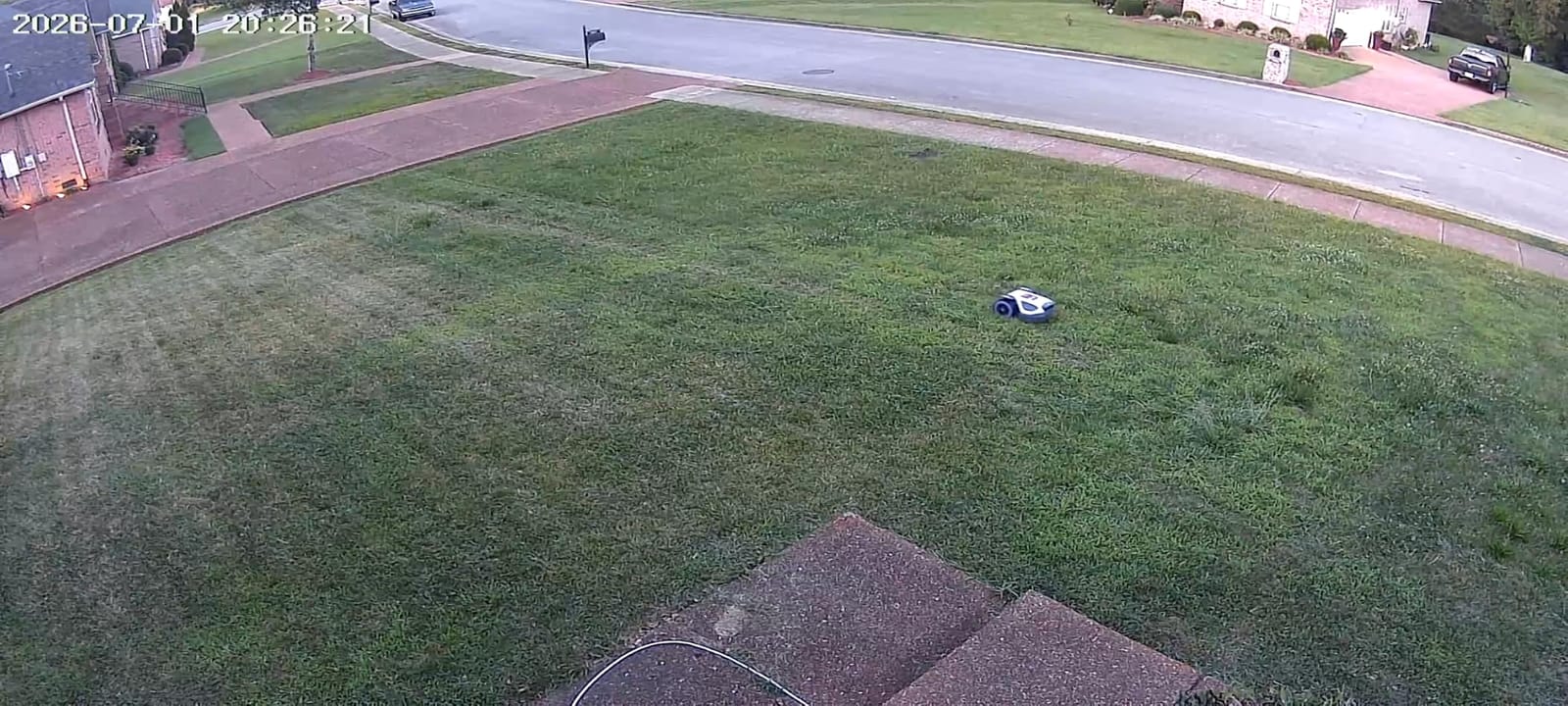
It is also genuinely quiet at 58 dB or below, which is easy to live with in a close neighbourhood. The 200 mm deck carries five blades with U-shaped path planning, and the app gives you nine cutting-height levels, zones and no-go areas plus anti-theft GPS. Height runs from 1.2 to 2.8 inches.
Connectivity covers 4G, Bluetooth and Wi-Fi, so you are not locked to one means of reaching the machine.
How long a small lawn actually takes
Coverage is roughly 500 sq m per day, which sounds modest until you factor the narrow deck. Owners report that a lawn can need three passes to finish evenly, and that beyond a very small yard the machine has to dock and recharge mid-job. On a quarter acre, plan for the job to run through the day rather than finish in one evening.
That said, the return-to-charge-and-resume behaviour is consistent, so a long run is unattended even if it is not fast.
Who should skip it
Skip it if you want a large or hilly property. A 24 degree slope rating is the second lowest here and a small yard is genuinely all it covers. Skip it if the 7.9 inch deck’s narrow path sounds like too many passes for your patience, and skip it if fence-line edging is a priority because manual touch-up is still required. A few owners also note it hesitates or re-orients in tight spots.
10. Roborock RockNeo Q110H — Entry Price for Flat, Simple Lawns
Roborock RockNeo Q110H Robot Lawn Mower, Wire-Free Robotic Lawn Mower with Full-Band RTK + VSLAM Navigation, Auto Mapping, AI Vision Obstacle Avoidance, App Control, 45% Slope, Covers Up to 1/4 Acre
1/4 acre capacity
45% slope
Full-Band RTK plus V-SLAM
8.7 inch deck
27 lb
130 minute battery
PIN lockout and alarm
Pros
- Straight
- consistent cut lines and quiet operation
- Full-Band RTK holds position under trees and near fences
- Headlights allow night mowing
- Familiar Roborock app with multi-zone scheduling
- Inexpensive entry into wire-free mowing
Cons
- Auto-mapping is not practical in practice
- Weak traction in thick St Augustine grass and at elevation changes
- Leaves wide unmowed bands around every obstacle
- Edge handling poor and the edge module is not sold in the US
- Lowest rating in this roundup at 3.8
We include this one for completeness, because the technology underneath it is sound. Full-Band RTK fused with V-SLAM dual navigation holds position under tree canopies and near fences, which is the problem we care about most in a complex yard, and the floating cutting deck plus large-diameter wheels cope with 45 percent slopes and 1.57 inch obstacles.
It also fits through passages as narrow as 2.3 ft, has headlights for night mowing, and includes PIN lockout and an alarm. The battery is listed at 130 minutes per charge on a 27 lb chassis.
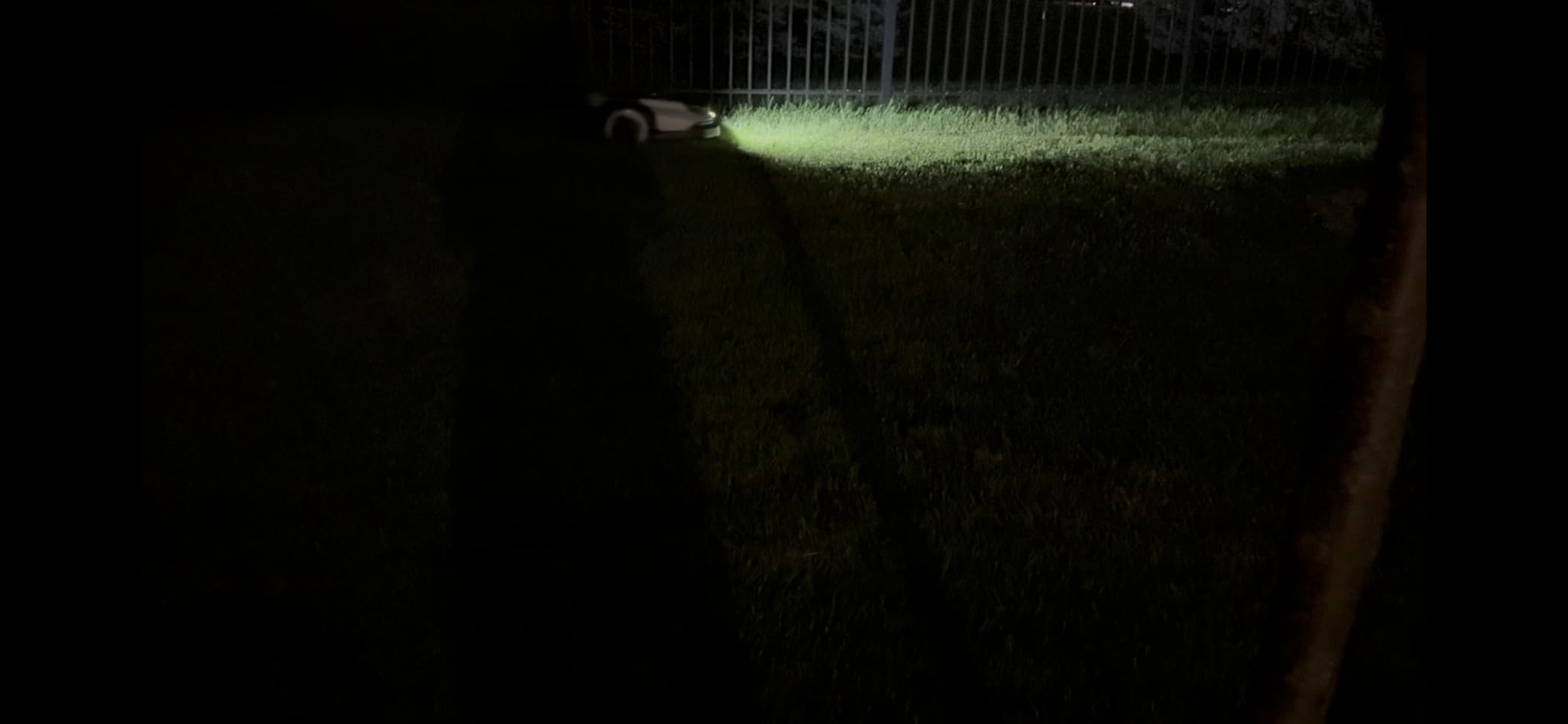
There is a wildlife-friendly mode in the app, which is a nice touch for a property near a nature area, and dual-camera AI vision rolls over low obstacles rather than stopping for them.
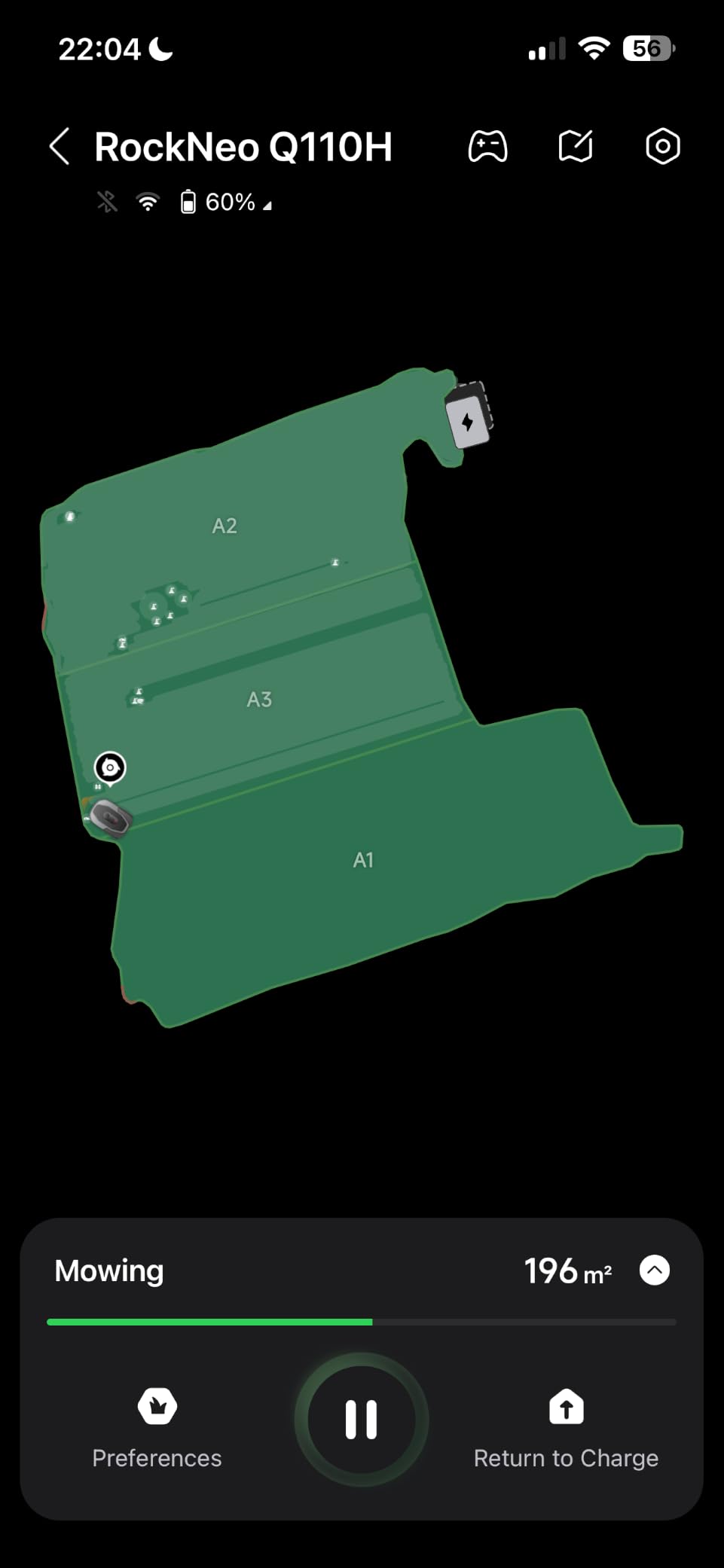
The two mapping modes — Sentisphere AI auto-mapping and app-controlled manual mapping — are theoretically the same flexibility the LUBA 3 offers.
Why auto-mapping fell short in practice
Owners report that auto-mapping is not really available in practice: boundaries have to be walked with the phone, and the app cannot edit maps or run partial-zone mows without walking the robot. On a simple lawn that is a fifteen-minute annoyance. On a property with beds, paths and multiple zones it is a genuine problem, and it is the main reason we rank this unit last.
There is also a wide unmowed margin. Obstacle avoidance is conservative enough that owners report 1 to 1.5 foot bands of untouched grass along every fence, tree and no-go area.
Who should skip it
Skip it for a genuinely complex lawn — thick St Augustine grass and elevation changes bog down the wheels, and reviewers report blade shut-offs on small bumps. Skip it if you need clean edging, because edge handling is poor and the optional edge-cutting module is not sold in the US. At 3.8 out of 5 across 35 ratings, it is the lowest-rated model here, and the reviews are consistent about why.
How to Choose a Wire Free Robot Mower
Almost every bad purchase in this category traces back to a yard that was assessed on grass area alone. A mower handles a lawn fine when the lawn is flat, open and empty. It struggles for reasons that have nothing to do with size: blocked sky, tight corridors, steep banks, roots and ruts. Here is how to match the machine to the ground.
Navigation technology: RTK, LiDAR, or both
RTK is satellite positioning corrected to centimeter-level accuracy. It is extremely precise but only works where the mower can see enough clean sky. LiDAR is a laser scanner that builds a structural map of walls, fences and obstacles, and it does not care about the sky at all. Camera vision adds object recognition and is the cheapest of the three but is affected by darkness and low contrast. Most serious machines now combine at least two.
The decision rule is simple. If your yard is open and unobstructed, RTK plus vision gives the cleanest cut lines. If your yard is walled, wooded or hemmed in by buildings, lead with LiDAR and do not accept a satellite-only machine. If you can choose, a tri-fusion stack — LiDAR, RTK and cameras together — degrades most gracefully when one signal fails partway through a mow.
Two placement rules matter more than the brand. Keep the charge dock and any base station in the open sky, not tucked under an eave or against a wall, because that single mistake degrades positioning for the whole property. And remember that a clean RTK fix still does not stop a mower getting lost if it cannot see enough sky. Several owners who lost signal under trees found the fix was relocation, not a different machine.
Slope and traction: reading the numbers honestly
Convert every slope claim to degrees before you compare, because brands quote whichever number looks larger. The relevant thresholds are roughly 24 degrees for a basic two-wheel-drive machine, 38 degrees for an 80 percent all-wheel-drive or tracked model, and about 38.6 degrees for the very best units here. Above 45 degrees you are into specialist territory none of these cover.
Drive type matters as much as the number. Four-wheel drive or tracks with steel skid shoes hold grip on wet grass and soft shoulders where two-wheel-drive machines spin out. Adaptive suspension that steps over 45 to 50 mm of curb, root or threshold is what keeps a mower moving across a broken lawn instead of reversing forever.
One honest caveat from owner experience: advertised slope ratings assume dry, firm ground. On wet grass or after rain, expect meaningfully less. Pre-cut tall grass before a mower’s first run, since long grass jams decks and no machine here is designed to cut a meadow.
Coverage, zones and disconnected lawns
Buy capacity with headroom. A mower rated at 0.37 acres will hit that wall quickly once you add a rear lawn or a side strip, and some units impose a hard mapping cap rather than simply slowing down. If your property is a third of an acre or more, look at the 0.49, 0.75 and 1.48 acre machines in this roundup.
Zone count matters as much as capacity. If your lawn is split into zones, you want per-zone schedules and no-go areas rather than one blob. The LUBA 2 supports up to 50 zones and the LUBA 3 up to 30, which covers almost any residential layout.
For truly disconnected areas, be realistic: a single mower generally cannot jump a gap. Two mowers is the usual answer, and it is why Navimow, Mammotion, Yarbo and ECOVACS come up repeatedly in owner discussions about large properties. One mower plus a manual trimmer is a legitimate hybrid setup for many owners.
Obstacle avoidance that works with pets
Pet owners should judge obstacle avoidance by behaviour in your yard, not by the count of recognized object types. A machine claiming 300 object types still needs to see a dog at two metres. LiDAR point-cloud detection combined with dual cameras is the strongest pairing here; camera-only setups both miss real objects and invent phantom ones, which shows up as a mower refusing to move for no reason.
Also check the safety margin. Several models mow a wide band around every obstacle and no-go zone, leaving visible strips along fences. That is a cut-quality issue more than a safety one, but on a well-kept lawn it is visible.
Anti-theft and the running costs owners complain about
Anti-theft matters on machines at these prices, because all of them are valuable enough to walk off if nobody stops them. The useful question is whether tracking works when the mower is powered down, since a PIN lockout alone does not help if the machine has already left your property.
Then check what the tracking actually costs. Some units include 4G cellular for a few years — the RockMow X120H bundles three years with no subscription. Others sell the module separately, and a cellular plan can be a recurring annual cost on top of the machine. Forced 4G modules are the single most common complaint in owner communities. Bundled or optional-with-no-plan beats mandatory, every time.
Total cost of ownership beyond the sticker
Budget for a few extras before you commit. Common add-ons across this category are 4G tracking modules, RTK antennas and base stations, edge-cutting modules, weatherproof garages, and a stock of replacement blades. The Navimow i105N ships with nine spare blades and a three-year warranty, which reduces that ongoing cost considerably, while the RockNeo’s edge module is not sold in the US at all.
Count the yearly servicing too: blade replacement, wheel and track wear, and sensor cleaning. The RockMow X120H’s LiDAR dome needs weekly attention, and the RockNeo’s specialty parts ship only from European distributors. A mower you cannot get parts for is a poor long-term buy even at a low price.
Wire-free versus staying with a wired mower
If you already run a wired machine that works, the switch is not automatically an upgrade. Wire-free units cost more and demand more software trust, while a well-installed wire is boringly reliable.
The case for switching is strongest when your boundary has already failed repeatedly, when the wire crosses irrigation or roots, when you want to add a lawn area without running more cable, or when your property is simply too large to wire comfortably. Owners who have made that jump generally describe the change as feeling bigger than expected. The case for staying is strongest on flat, open, simple lawns where a wired machine is already doing the job.
Frequently Asked Questions
Which robot mower is best without cable?
The Mammotion LUBA 2 AWD 5000HX is the strongest all-round cable-free choice we tested. It covers up to 1.48 acres, climbs 80 percent slopes (38 degrees) on 165 W all-wheel-drive motors, and fuses UltraSense AI vision with RTK so it keeps cutting under tree cover where satellite-only mowers stop.
What is the best robot lawn mower for an acreage property?
For three acres or more, the YARBO Pro is the only wire-free model here rated that large, covering up to six acres. Its 20 inch 300 W dual-motor deck cuts thick wet grass, and its multi-terrain tracks with steel skid shoes hold a 70 percent (35 degree) gradient. Expect slower initial mapping than smaller machines.
Which robotic lawn mower does not require a boundary wire?
All ten models in this roundup are boundary-wire free, using RTK GPS, 360-degree LiDAR or camera vision to build a digital map instead. If you also want no RTK antenna or base station installed, look at the ECOVACS Goat O1000, the eufy E15, the ANTHBOT M5 and the roborock RockMow X120H, all of which map with LiDAR or pure vision alone.
Which robot mower has the best LiDAR technology?
The Mammotion LUBA 3 AWD 3000 has the most capable LiDAR setup, reading a 360-degree horizontal and 59-degree vertical field out to 230 feet and fusing it with NetRTK and dual-camera AI vision. For a yard fully enclosed by walls and buildings with no sky view, the ECOVACS Goat O1000 with HoloScope 360-degree dual-LiDAR is the better choice.
What are the negatives of robotic lawn mowers?
The main drawbacks are setup time for mapping, narrow cutting decks that extend mow times, and untidy edges that still need a string trimmer. Complex terrain brings real problems: weak wheels get stuck in mulch or thick grass, RTK signal drops under tree canopies, and obstacle avoidance often leaves unmowed bands along fences. Long grass also jams decks on a mower’s first run.
How do robot mowers handle steep slopes?
Traction matters as much as the published rating. Machines with all-wheel drive and adaptive suspension, such as the Mammotion LUBA 2 and LUBA 3 and the roborock RockMow X120H, hold an 80 percent (about 38 degrees) rating. Basic two-wheel-drive units like the ANTHBOT M5 top out near 24 degrees. Expect less than the rating on wet grass or soft ground.
Conclusion
After working through ten wire free robotic mowers against the same test — slope, traction, navigation under a blocked sky, and the awkward geometry of a real yard — the Mammotion LUBA 2 AWD 5000HX wins. Its 80 percent slope rating, 165 W all-wheel-drive chassis, UltraSense vision plus RTK positioning and 50-zone handling cover the widest range of difficult ground, and its 481 reviews at 4.3 make it the most proven machine here.
Runner-up for very large properties is the YARBO Pro, the only unit here rated beyond a couple of acres. For a small rough lawn, the LUBA mini 2 has the highest rating of the group at 4.4. If your yard has no sky view at all, go LiDAR-first and pick the ECOVACS Goat O1000 or the eufy E15 instead.
Whatever you choose, measure your steepest slope before you buy, keep the dock and any base station in open sky, and cut tall grass once by hand before the first run. Those three habits prevent more disappointment than any spec sheet. Our broader robotic mower picks for large yards covers the acreage question in more depth.