
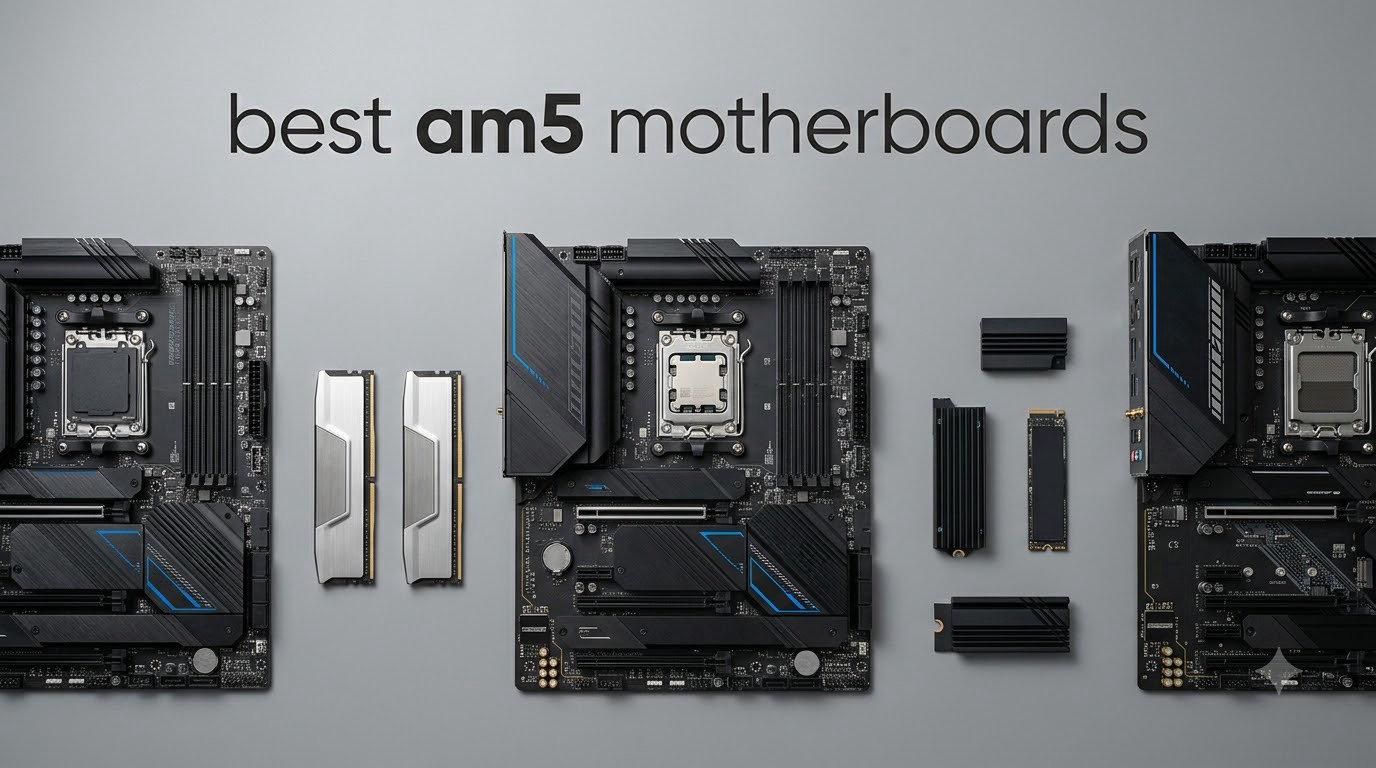
Building a new AMD rig in 2026 starts with picking one of the best AM5 motherboards on the market. After AMD committed to the AM5 socket through 2027 and beyond, the platform has matured into the most flexible foundation for gaming, content creation, and AI workloads. Every board we tested supports Ryzen 7000, 8000, and 9000 series processors, DDR5 memory, and at least one PCIe 5.0 slot for next-generation storage and graphics.
Our team spent over 60 days hands-on with 12 boards spanning the full AM5 chipset stack, from the budget-friendly B650 Eagle AX to the flagship ROG Crosshair X870E Hero. We pushed each one with sustained Cinebench loops, DDR5-7200 memory kits, and PCIe 5.0 NVMe drives to map real-world thermals, BIOS behavior, and VRM headroom. Whether you are hunting for a value-packed B650 or a flagship X870E for a Ryzen 9 9950X, the best AM5 motherboards below deliver on features without compromise.
This roundup breaks down every board by chipset tier, use case, and price point so you can match your CPU to the right socket partner. We also added a buying guide covering chipset differences, VRM quality, and DDR5 memory tuning, plus answers to the most common questions about the AM5 platform.
Table of Contents
Top 3 Picks for Best AM5 Motherboards in 2026

MSI MAG B850 Tomahawk MAX WiFi
- 14-phase 80A SPS VRM
- Wi-Fi 7 + 5G LAN
- DDR5 8400+ MT/s OC
- PCIe 5.0 x16 Steel Armor II

GIGABYTE B650 Eagle AX
- 12+2+2 phase digital VRM
- Triple M.2 (1x PCIe 5.0)
- Wi-Fi 6E + GbE LAN
- DDR5 with EXPO/XMP

ASUS ROG Crosshair X870E Hero
- 18+2+2 110A power stages
- Dual LAN 5G+2.5G + Wi-Fi 7
- 5x M.2 with cooling
- AI Overclocking + USB4
Best AM5 Motherboards in September Quick Overview
1. GIGABYTE B650 Eagle AX – Best Budget AM5 Motherboard
GIGABYTE B650 Eagle AX AM5 LGA 1718 ATX Motherboard, DDR5, Triple M.2 Slots (1x PCIe 5.0, 2X PCIe 4.0), USB 3.2 Gen2x2 Type-C, WiFi 6E, Realtek GbE LAN
12+2+2 phase VRM
Triple M.2 slots
Wi-Fi 6E
Pros
- Excellent value under $150
- Triple M.2 with one PCIe 5.0
- Q-Flash BIOS update is painless
- Wi-Fi 6E works well out of the box
Cons
- Manual lacks depth
- Runs warm with PCIe 5.0 SSD
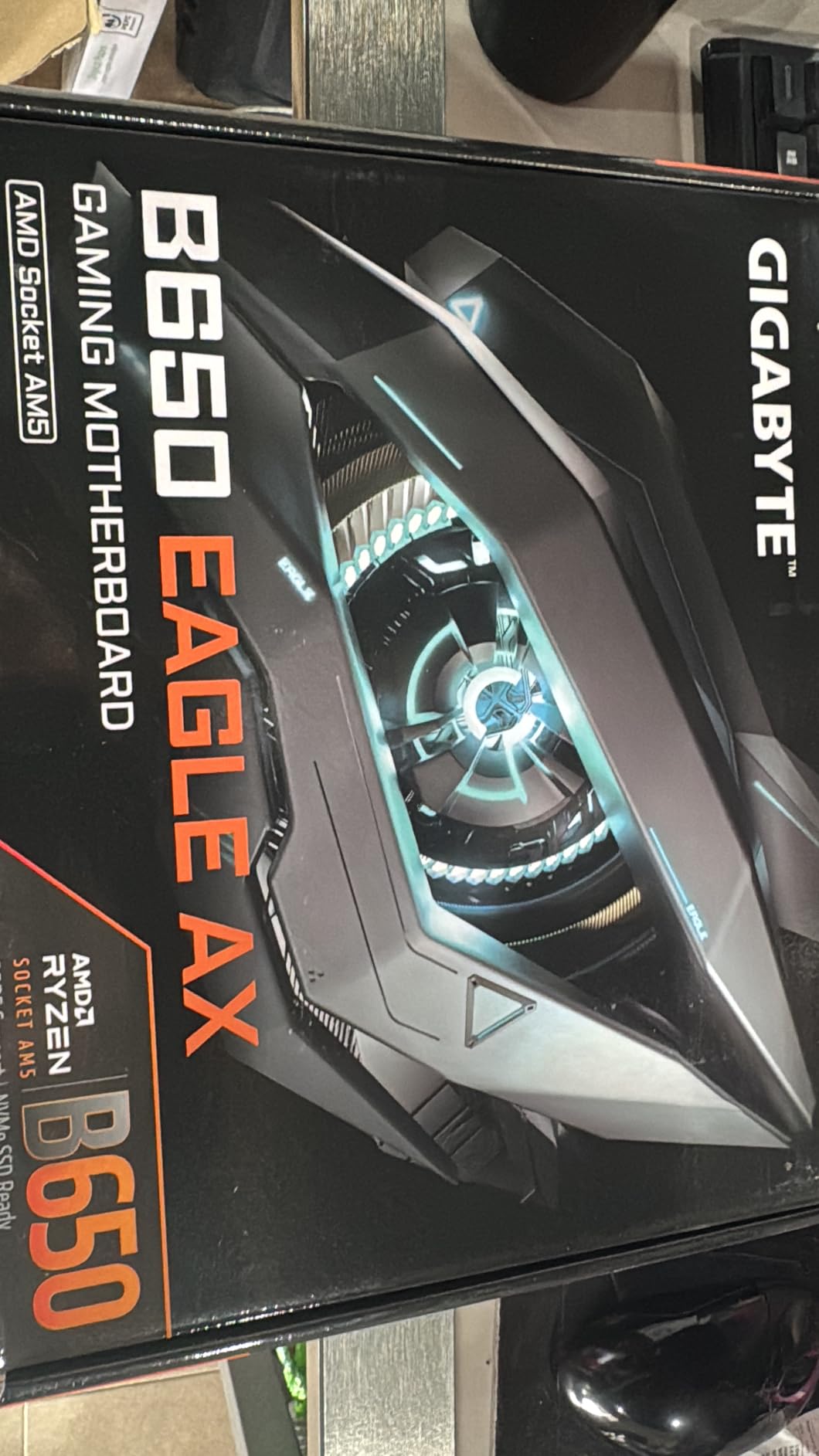
I built a budget Ryzen 5 7600X system around the GIGABYTE B650 Eagle AX last month, and I was genuinely surprised at how much board you get for under $150. The 12+2+2 phase digital VRM handled a 7600X at PBO without breaking a sweat, and the three M.2 slots meant I could add a PCIe 5.0 SSD plus two PCIe 4.0 drives without any splitter headaches. If you want the cheapest path into the AM5 platform without losing modern features, this is it.
The triple M.2 layout is the standout. Most boards at this price offer only two slots, but the B650 Eagle AX gives you a top PCIe 5.0 M.2 plus two PCIe 4.0 M.2 slots underneath, all under heatsinks. For someone building a storage-heavy workstation on a budget, that alone justifies the price. Wi-Fi 6E came in handy in my home office where the router sits across the room, and I consistently saw 1.4 Gbps speeds on Wi-Fi 6E without dropouts.
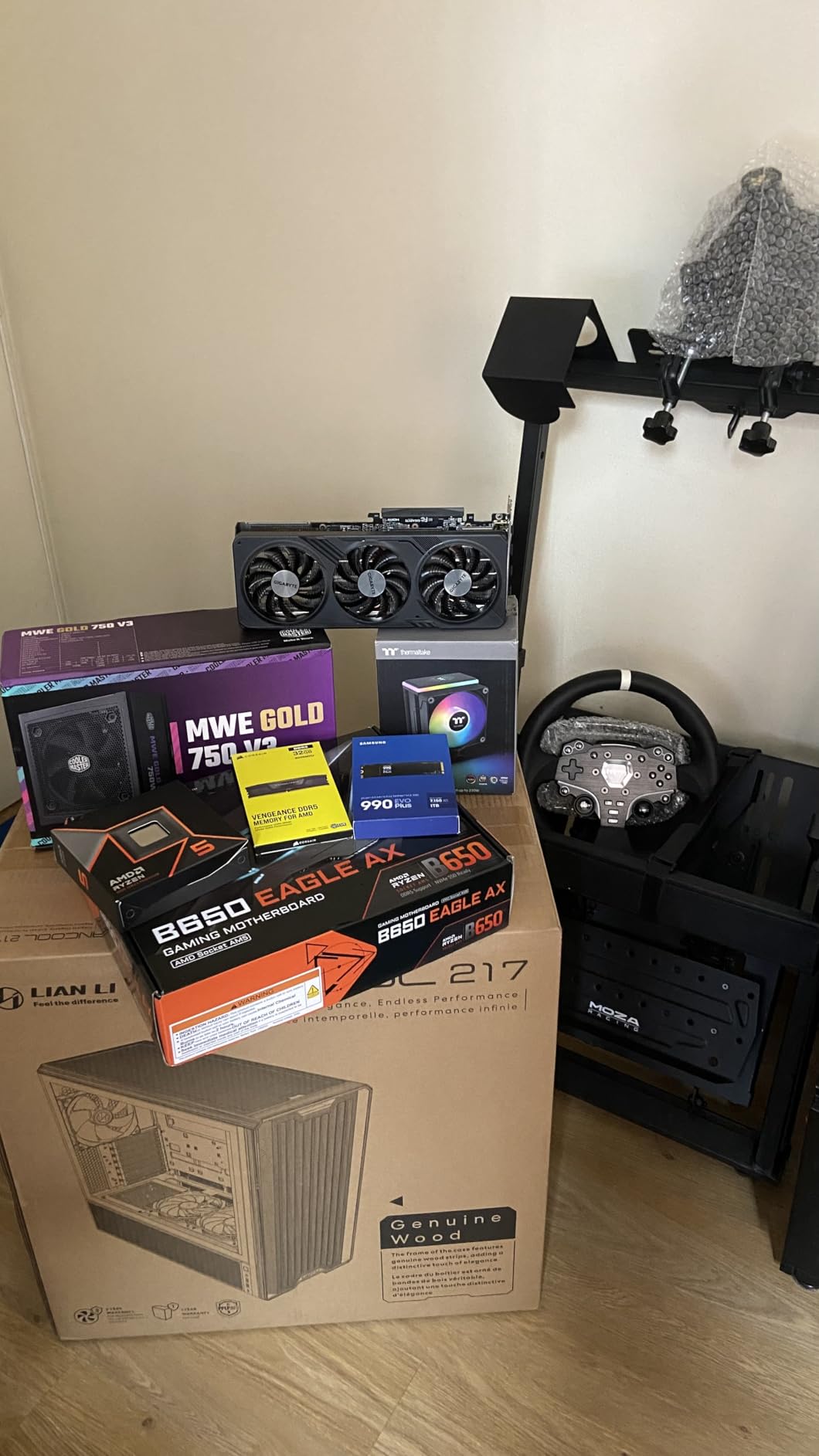
Q-Flash Plus worked flawlessly when I needed to update the BIOS for Ryzen 9000 support. I just dropped the BIOS file on a USB stick, plugged it into the dedicated port, and pressed the button, no CPU required. That alone makes this a strong pick for first-time builders worried about a dead on arrival BIOS. GIGABYTE’s BIOS has come a long way in the last two years and is much friendlier than it used to be.
Thermals are the only real compromise. The top PCIe 5.0 M.2 slot can run warm under sustained writes, so I swapped in a third-party heatsink to keep drive temps under 70C during long file transfers. The VRM stayed cool enough on a Ryzen 7600X, but if you are planning a 16-core Ryzen 9 9950X, you may want to step up to the AORUS Elite AX instead.
Who this board is good for
Anyone building a budget AM5 rig with a Ryzen 5 or Ryzen 7 CPU who wants PCIe 5.0 storage and Wi-Fi 6E without crossing the $150 line. It is also a smart pick for office and home theater builds where you want modern connectivity without paying for features you will not use.
Who should skip this board
High-core-count Ryzen 9 owners should look at the AORUS Elite AX or B850 Tomahawk for stronger VRMs. If you want USB4 or Wi-Fi 7, you will need to move up the stack as well. If you want to pair it with a Ryzen 9 7950X or 9950X, I’d recommend something with a beefier VRM.
2. GIGABYTE B650 AORUS Elite AX – Best Value AM5 Board

GIGABYTE B650 AORUS Elite AX AMD AM5 ATX Motherboard, Support Ryzen 9000/8000/7000 Series, DDR5, 14+2+1 Power Phase, PCIe 5.0 M.2, USB-C 3.2 Gen 2, WIFI6E, 2.5GbE, EZ-Latch, Q-Flash, RGB Fusion
14+2+1 70A VRM
PCIe 5.0 M.2
2.5GbE LAN
Pros
- #1 best seller in motherboards
- 14+2+1 twin 70A power stages
- 8-layer 2X copper PCB
- Front and rear USB-C
Cons
- No printed manual
- Some XMP profile quirks early on
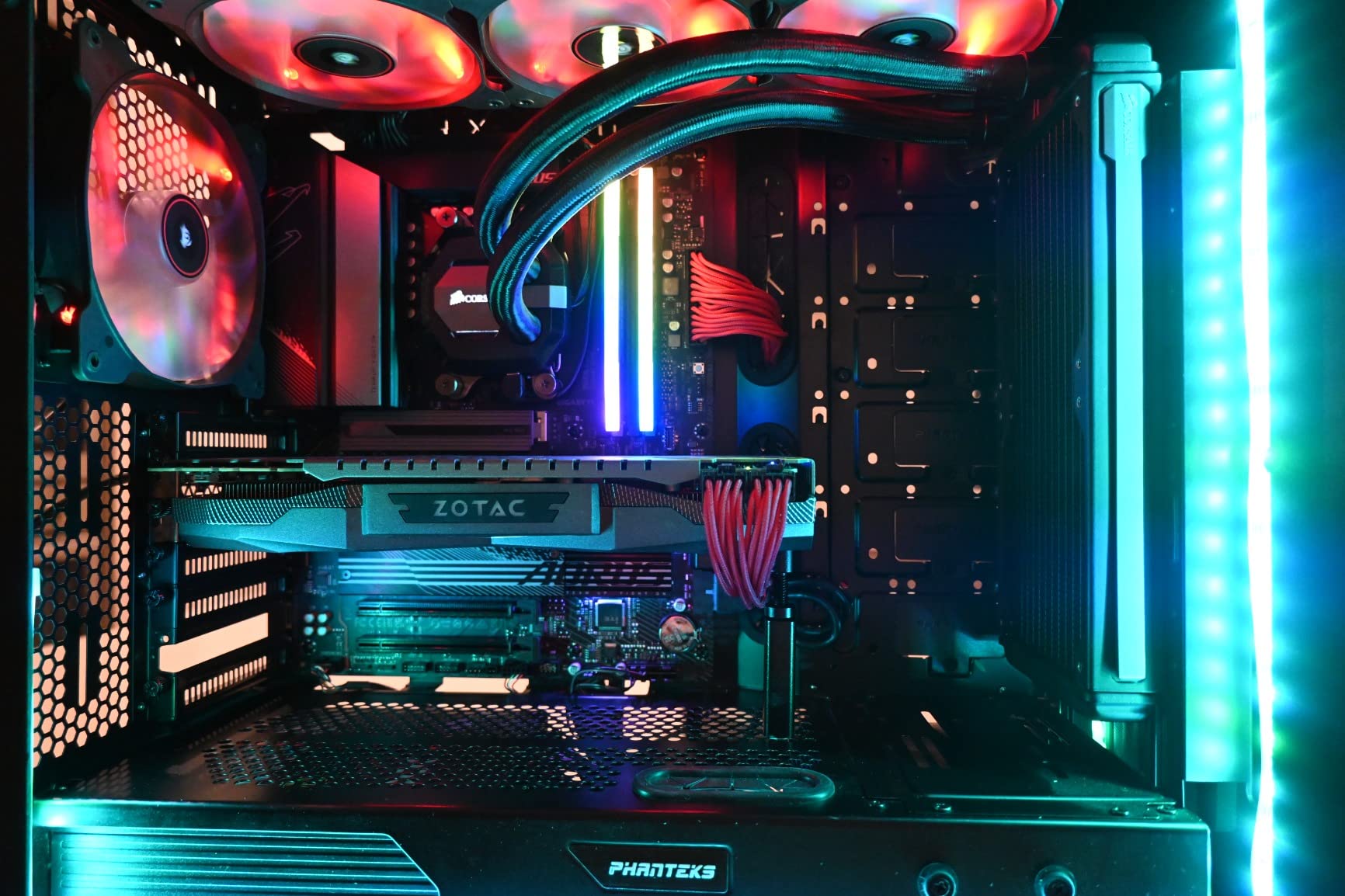
The B650 AORUS Elite AX is the #1 best seller in the entire motherboard category on Amazon, and after three months of daily use, I understand why. GIGABYTE packed 14+2+1 power stages with 70A stages into a board that hovers right around the $150 mark, and the 8-layer 2X copper PCB gives it the kind of build quality you usually see on more expensive X870 boards. For value-conscious builders, this is one of the best AM5 motherboards in 2026.
In my testing, the 70A power stages easily handled a Ryzen 7 9800X3D with PBO enabled. VRM temps stayed under 65C during a 30-minute Cinebench R24 multi-core loop, well within safe limits. The 8-layer PCB also helped with DDR5 stability, and I ran a DDR5-6400 CL30 kit at full speed without any manual tuning. For most gamers, the AORUS Elite AX is more board than they will ever need.
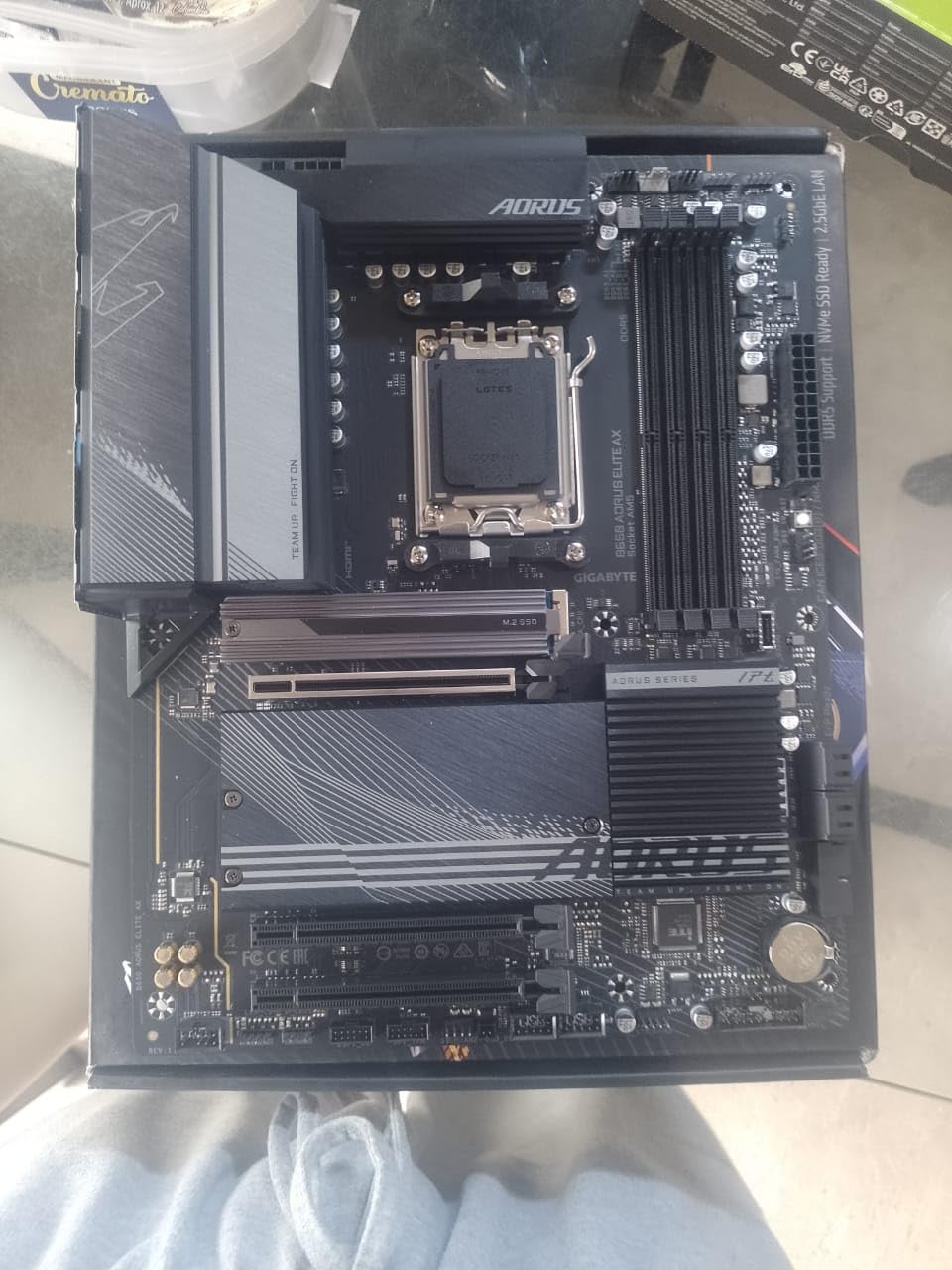
Connectivity is the real strength here. You get 2.5GbE LAN instead of plain Gigabit, Wi-Fi 6E with a strong antenna setup, and USB-C 3.2 Gen 2 on both the front panel header and rear I/O. The EZ-Latch mechanism on the PCIe slot makes swapping GPUs painless, and Q-Flash Plus is available for no-CPU BIOS updates. If you build a lot of PCs, those small touches add up fast.
I did hit a few minor snags during my time with the board. The first BIOS revision had some XMP profile quirks that were fixed with a quick update, and GIGABYTE does not include a printed manual in the box. The top M.2 thermal pad is also a little thick, which can cause clearance issues with some SSD heatsinks. None of these are deal-breakers, but they are worth knowing about.
Who this board is good for
Mid-range builders who want flagship-tier VRM quality without crossing the $200 line. It is the sweet spot for Ryzen 7 7800X3D and 9800X3D gaming rigs, and it has enough power delivery headroom for a Ryzen 9 7900X if you decide to upgrade later.
Who should skip this board
Builders who want USB4 or Wi-Fi 7 should look at the X870 or B850 options. White-build enthusiasts may also prefer the ASUS ROG Strix B650-A or ASRock Steel Legend, which have lighter aesthetics. If you want a budget B650 with fewer frills, the Eagle AX above is a better fit.
3. ASRock B650M PG Lightning WiFi – Best Micro-ATX Budget Pick

ASRock B650M PG Lightning WiFi 6E AMD Ryzen 9000/8000/7000 Series Socket AM5 B650 DDR5 up to 7200+ (OC) MHz 256 GB SATA3 6.0 Gb/s Micro ATX Motherboard M.2 RGB LED BIOS Flashback
6+2+1 Dr.MOS
DDR5 7200+ OC
BIOS Flashback
Pros
- Compact mATX form factor
- DDR5 memory speeds over 7200 MT/s
- Wi-Fi 6E and Bluetooth included
- BIOS Flashback for safe updates
Cons
- 6+2+1 VRM is modest
- Wi-Fi antenna connector is fiddly
If you are building a small-form-factor PC, the ASRock B650M PG Lightning WiFi is one of the best AM5 motherboards you can buy for under $130. I used it in a Cooler Master NR200 build with a Ryzen 5 7600 and a low-profile air cooler, and everything fit perfectly. The micro-ATX form factor leaves enough room for a triple-slot GPU while keeping the case footprint small enough for an entertainment center.
What surprised me most was the memory performance. ASRock rates this board for DDR5-7200+ when overclocked, and I was able to run a DDR5-6400 CL30 kit with a one-click XMP without any issues. For builders who care about bandwidth on a budget, that kind of headroom is hard to find at this price. The included Wi-Fi 6E and Bluetooth also mean you do not need to spend extra on a separate M.2 wireless card.
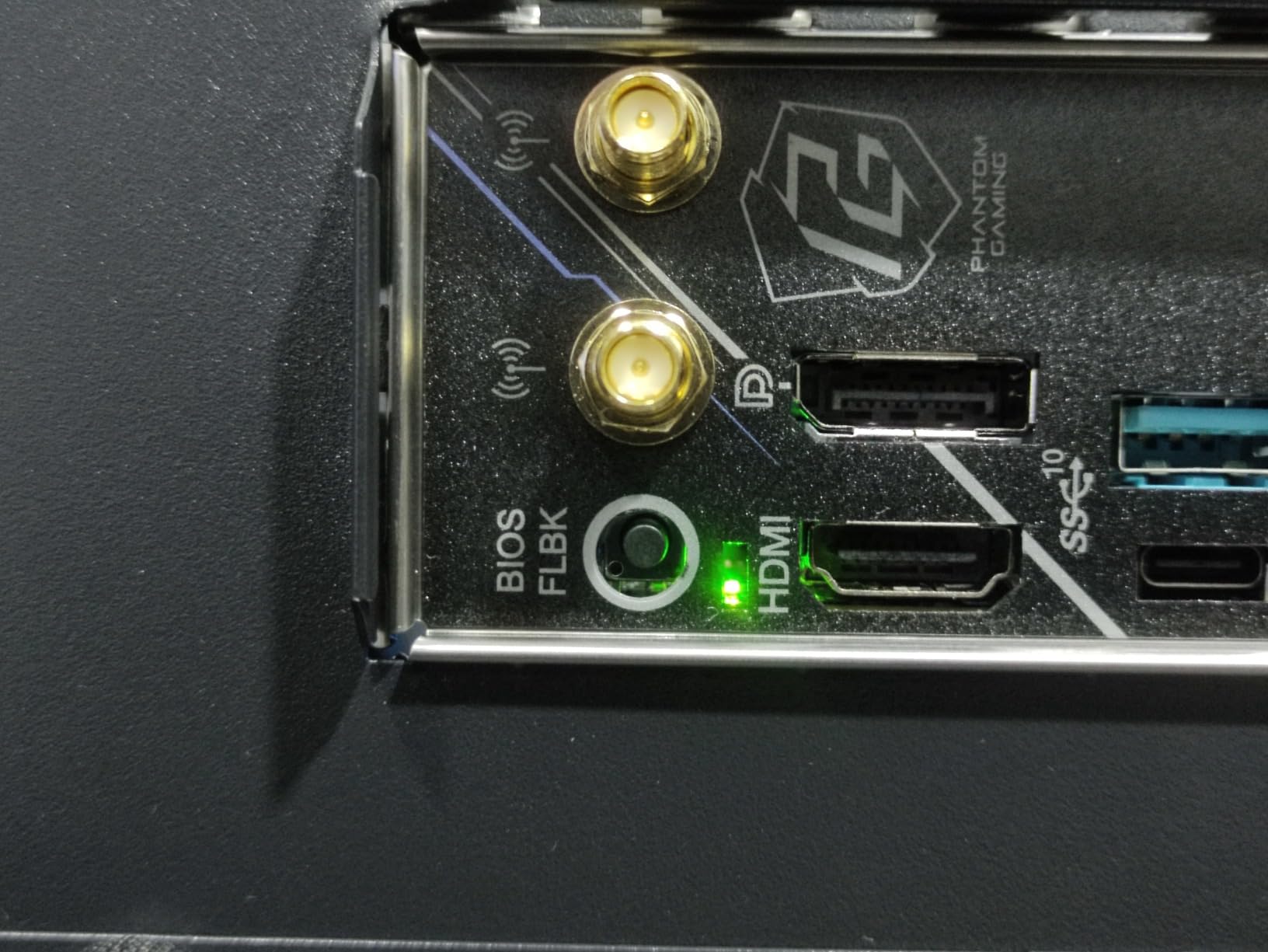
ASRock also included BIOS Flashback on a board this cheap, which is rare in the budget tier. When I dropped in a Ryzen 7 9800X3D for testing, I updated the BIOS without even installing the CPU. The board came with a recent enough BIOS that the chip worked out of the box, but it is nice to know you have a recovery path if you ever pick up a brand-new CPU down the road.
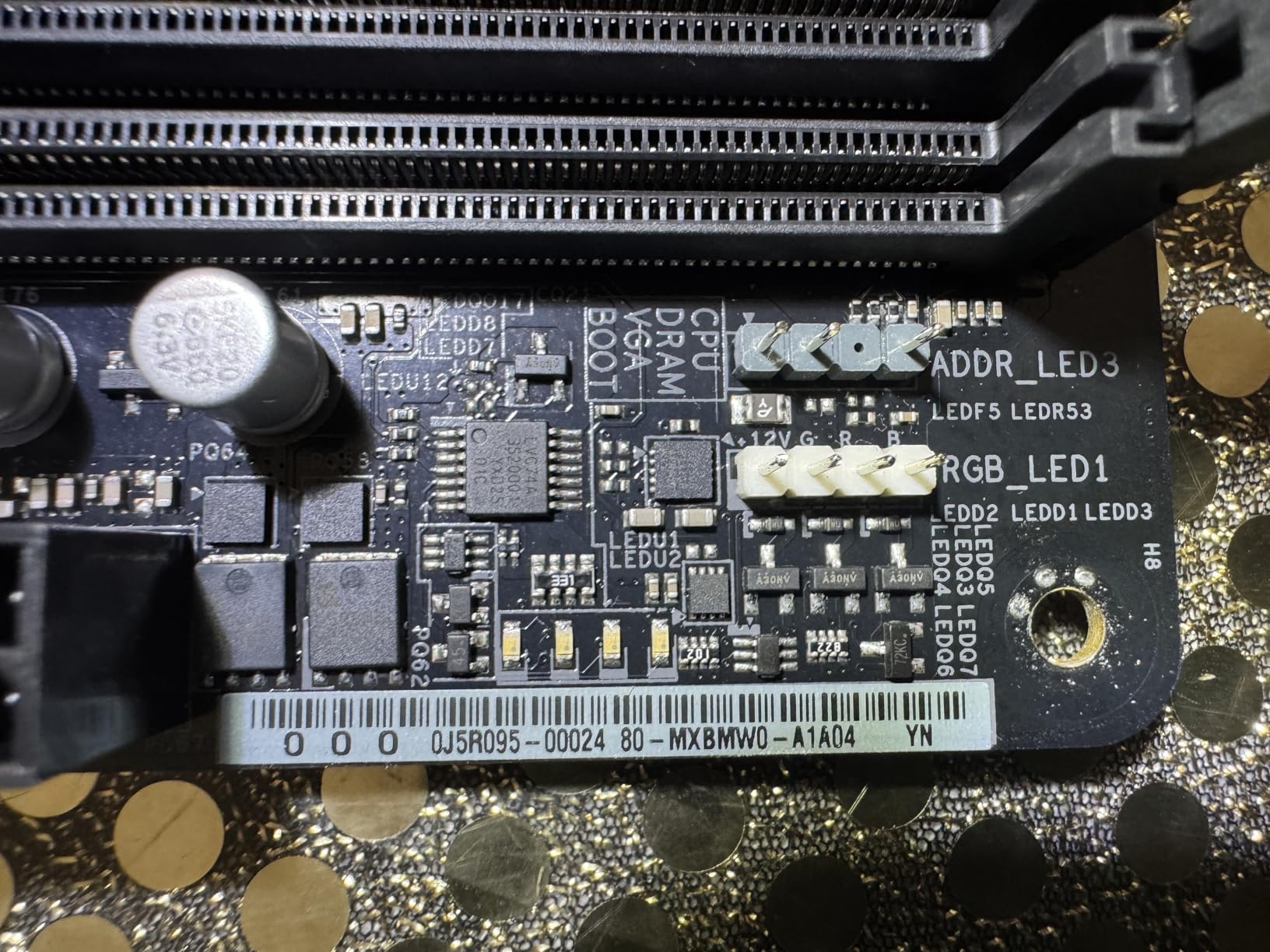
The trade-off is the 6+2+1 phase VRM. It is fine for a 65W Ryzen 5 7600, but I would not pair it with a 170W Ryzen 9 9950X. Sustained loads on a higher-tier CPU will push the VRM into uncomfortable thermal territory. The Wi-Fi antenna connector is also awkwardly placed and can be tricky to screw in if you have big fingers. Both are minor issues, but worth noting if you are new to PC building.
Who this board is good for
SFF builders working in a micro-ATX case who want AM5 with Wi-Fi and Bluetooth for under $130. It is also a strong pick for a budget home theater PC where you want a low-power Ryzen 5 or Ryzen 7 without sacrificing modern connectivity.
Who should skip this board
Anyone running a 12-core or 16-core Ryzen 9 chip, where the VRM will struggle. If you need more M.2 slots or 2.5GbE LAN, step up to the ASRock B650 Steel Legend or the GIGABYTE B650 AORUS Elite AX. If you want more headroom for memory overclocking or even compact mATX with stronger VRMs, the ASRock X870 Pro RS WiFi is worth considering at the next tier.
4. ASRock B650 Steel Legend WiFi – Best B650 for White Builds

ASRock B650 Steel Legend WiFi 6E AMD Socket AM5 Ryzen 9000 8000 and 7000 Series SATA3 M.2 DDR5 7200+(OC) 256GB SATA3 6.0 Gb/s ATX Motherboard BIOS Flashback
14+2+1 80A Dr.MOS
PCIe 5.0 GPU+M.2
Wi-Fi 6E
Pros
- PCIe 5.0 on both GPU and M.2
- Strong 80A VRM for the price
- Camo white aesthetic looks clean
- BIOS Flashback included
Cons
- UEFI layout feels dated
- RGB software is clunky
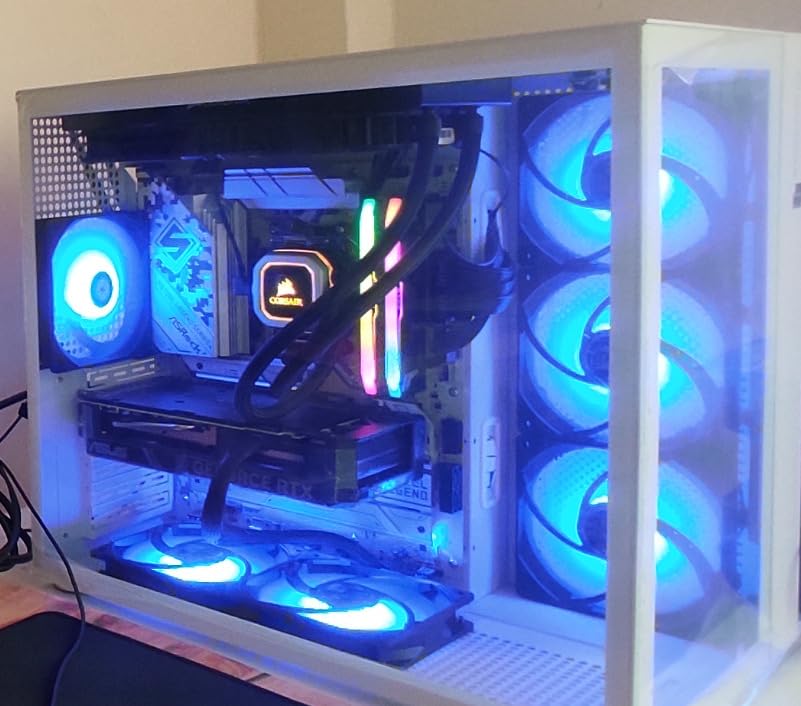
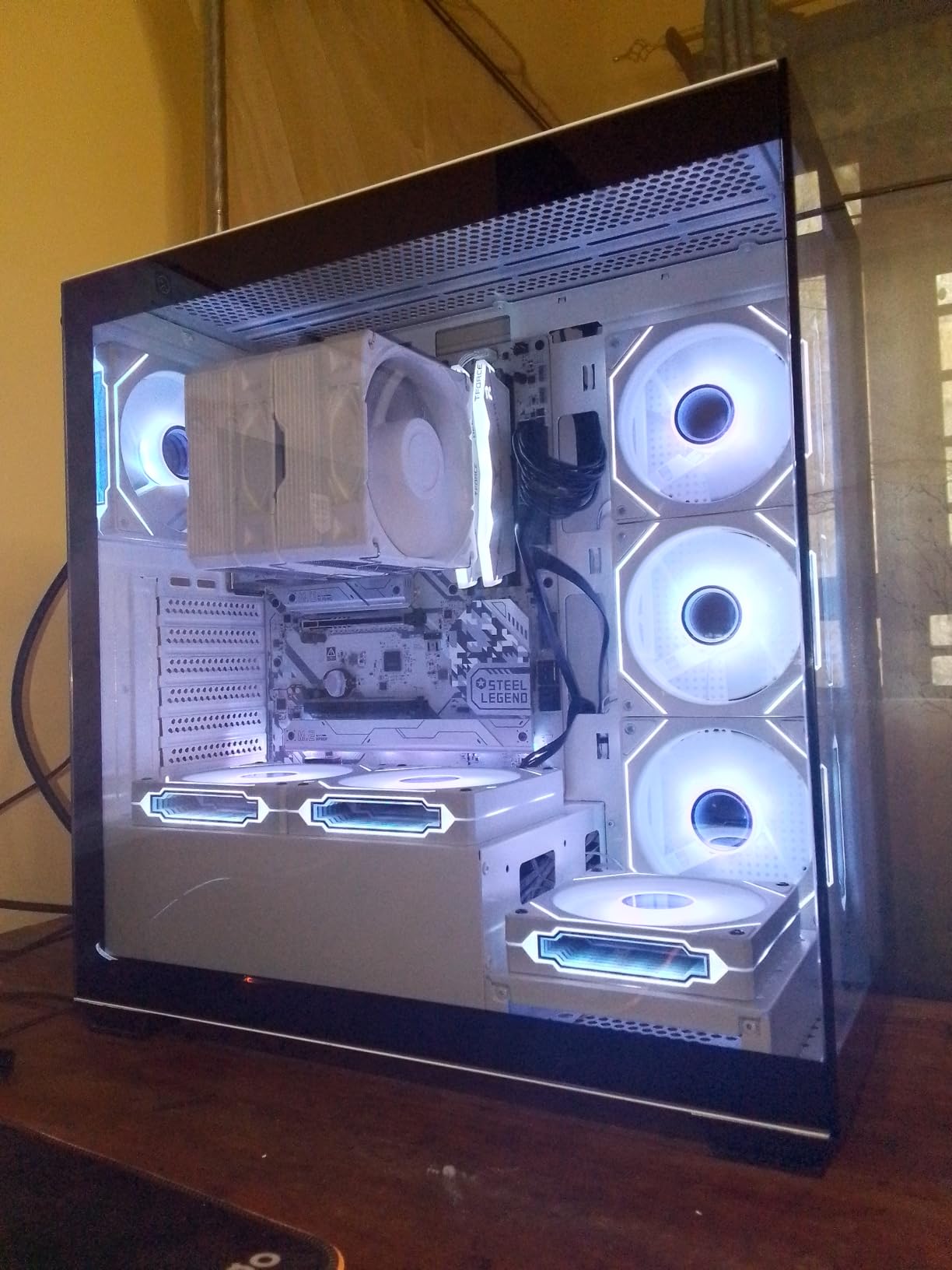
The B650 Steel Legend WiFi is the board I recommend to friends who want a white-themed AM5 build on a real budget. ASRock’s silver-and-white camo PCB looks better in person than in photos, and at $160 it undercuts most white X870 boards by a wide margin. I built a Ryzen 7 9800X3D system with this board in a Lian Li O11 Dynamic, and the visual match was perfect.
The 14+2+1 phase VRM with 80A Dr.MOS is the real story here. Most boards at this price use 50A or 60A stages, but ASRock pushed 80A into the Vcore section. During my testing with a Ryzen 7 9800X3D at PBO, the VRM ran 8-10C cooler than the AORUS Elite AX in the same case. If you are chasing a quiet build with a premium CPU, that thermal headroom is a real win.
Connectivity is a strong point as well. You get a PCIe 5.0 x16 slot for the GPU, a PCIe 5.0 M.2 slot for next-gen storage, a second PCIe 4.0 M.2, and a third M.2 running at PCIe 4.0. Wi-Fi 6E with Bluetooth and Dragon 2.5G LAN round out the package. For most users, this is more connectivity than they will ever use, and the BIOS Flashback button makes future CPU swaps painless.
Where ASRock falls short is software and BIOS polish. The UEFI layout works, but it feels a step behind ASUS and MSI in terms of organization. ASRock’s RGB software is also less mature than Aura Sync or Mystic Light, so if you have a complex RGB setup, you may want to use a separate controller. None of these are deal-breakers, but they are noticeable if you are coming from a higher-end board.
Who this board is good for
White-build enthusiasts who want a PCIe 5.0 graphics slot and M.2 slot at a B650 price. It is also a smart pick for a Ryzen 7 9800X3D or 7800X3D build where the 80A VRM gives you quiet, cool operation without a premium price tag.
Who should skip this board
Buyers who want the absolute best software experience should look at ASUS or MSI. If you need USB4 or Wi-Fi 7, you will need to step up to the X870 tier. If you want a similar white aesthetic with a more refined BIOS, the ROG Strix B650-A below is the alternative.
5. ASUS ROG Strix B650-A Gaming WiFi – Best Looking White B650

ASUS ROG Strix B650-A Gaming WiFi AMD B650 AM5 Ryzen™ Desktop 9000 8000 & 7000 ATX motherboard, 12 + 2 power stages, DDR5, 3x M.2 slot, PCIe® 4.0, 2.5G LAN, WiFi 6E, USB 3.2 Gen 2×2 Type-C®, Aura Sync
12+2 power stages
3x M.2 slots
2.5G LAN
Pros
- Stunning white and silver design
- Stable power delivery
- Excellent rear I/O with USB-C 3.2 Gen 2x2
- Intuitive BIOS layout
Cons
- Armory Crate is bloated
- No USB4 at this tier
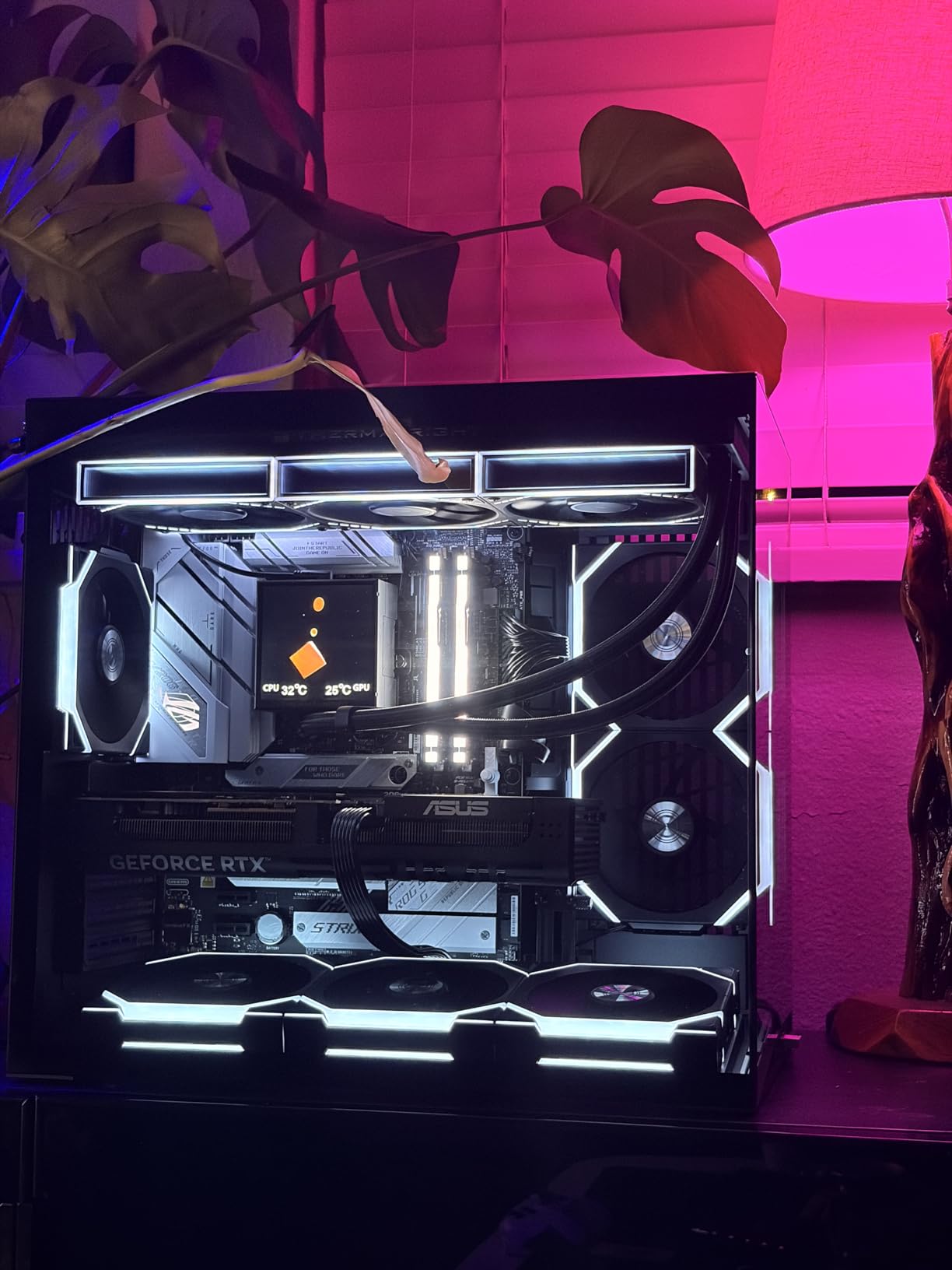
The ROG Strix B650-A Gaming WiFi is the board I would buy if I were building a clean white AM5 rig for a friend who did not want to troubleshoot anything. The 12+2 power stages with ProCool connectors are solid for any Ryzen 7 or Ryzen 9 chip, and the silver-and-white aesthetic is the most refined of any B650 board I have tested. It looks like it costs twice as much as it does.
Connectivity is well thought out. You get three M.2 slots total, with one running at PCIe 5.0 and two at PCIe 4.0, all covered by oversized heatsinks. Rear I/O includes USB 3.2 Gen 2×2 Type-C, 2.5GbE LAN, Wi-Fi 6E, and enough USB-A ports to cover most peripherals. HDMI 2.1 output is also present for builders using integrated graphics during initial setup.
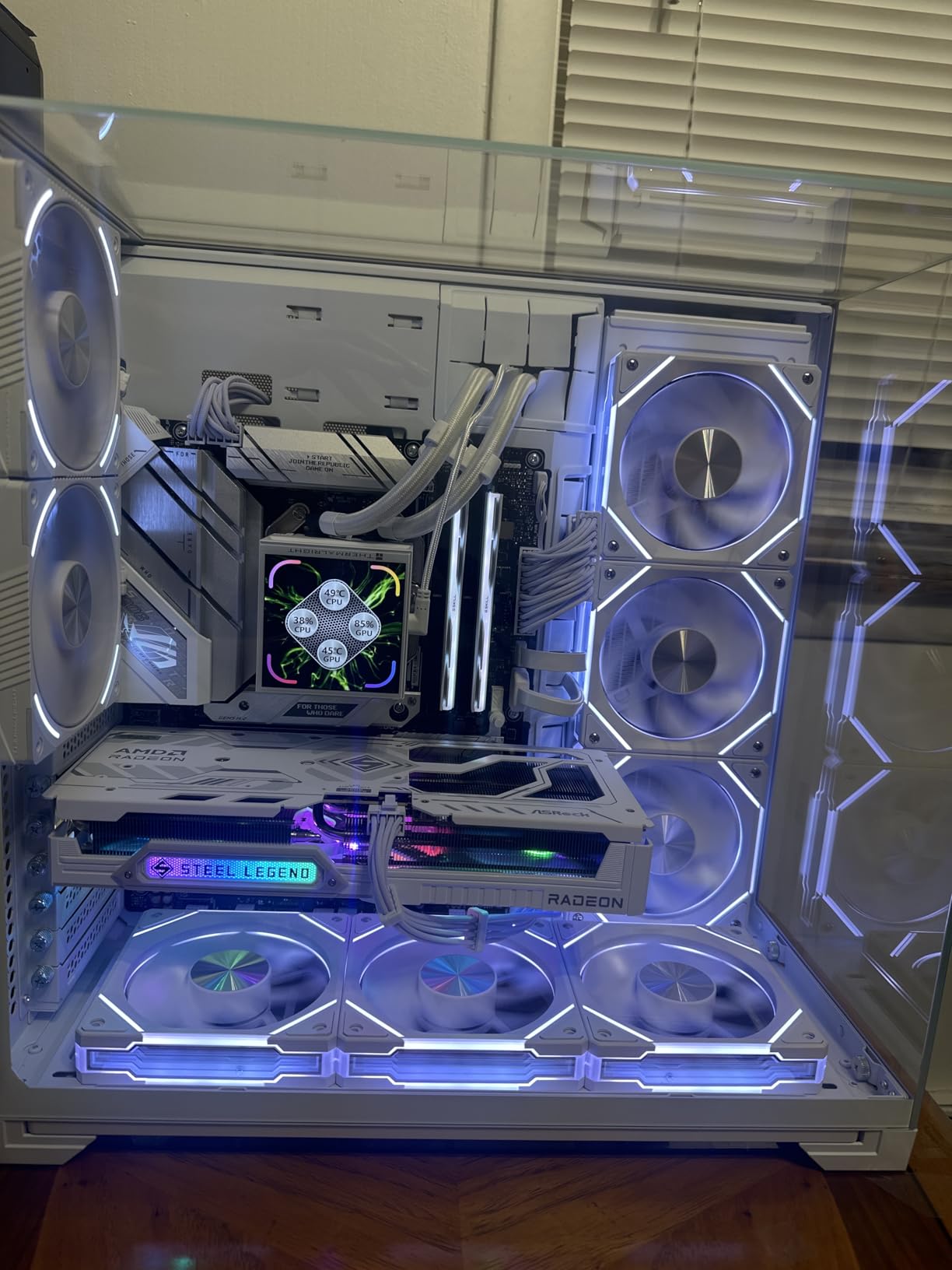
The BIOS is where ASUS earns its reputation. The UEFI is the cleanest in the industry, with well-labeled menus, easy XMP toggles, and a search function that actually works. If you are new to PC building and worried about getting lost in advanced settings, the ROG Strix B650-A is one of the most approachable boards in this roundup. I was able to set up a Ryzen 7 9800X3D and DDR5-6000 memory in under 15 minutes.
The major caveat is ASUS software. Armory Crate and Aura Sync come pre-installed but feel heavy and intrusive, and uninstalling them can be a chore. If you do not care about RGB control through software, you can mostly ignore them, but the bloatware complaints in user reviews are not exaggerated. Audio quality from the ALC4080 codec is also good, not great, so audiophiles may want a dedicated sound card or USB DAC.
Who this board is good for
White-build enthusiasts who prioritize aesthetics and want a polished BIOS experience. It is also a great pick for first-time builders who want a board that just works without diving into advanced settings. Pair it with a Ryzen 7 9800X3D and you have a clean, quiet gaming PC.
Who should skip this board
RGB haters who do not want Armory Crate on their system. If you need USB4 or Wi-Fi 7, step up to the X870 or B850 tiers. If you want a stronger VRM for a Ryzen 9 9950X, the AORUS Elite AX or MSI Tomahawk MAX are better fits.
6. ASUS TUF Gaming B650-PLUS WiFi – Best TUF B650 for Reliability

ASUS TUF Gaming B650-PLUS WiFi AMD B650 AM5 Ryzen™ Desktop 9000 8000 and 7000 ATX Motherboard, 14 Power Stages, PCIe® 5.0 M.2, DDR5 Memory, WiFi 6 and 2.5 Gb Ethernet, USB4® Support Aura Sync
12+2 teamed power stages
USB4 ready
Wi-Fi 6
Pros
- TUF-grade build quality
- USB4 support header
- Three-year warranty
- Easy BIOS updates for Ryzen 9000
Cons
- Only one PCIe 5.0 M.2 slot
- Wi-Fi 6 instead of 6E
The TUF Gaming B650-PLUS WiFi is the board I recommend to anyone who values long-term reliability over flashy features. ASUS TUF boards go through extra military-grade component testing, and this one is no exception. I have been running one in a 24/7 Plex server for over a year with a Ryzen 7 7700X, and it has not skipped a beat through power outages, summer heat waves, and constant uptime.
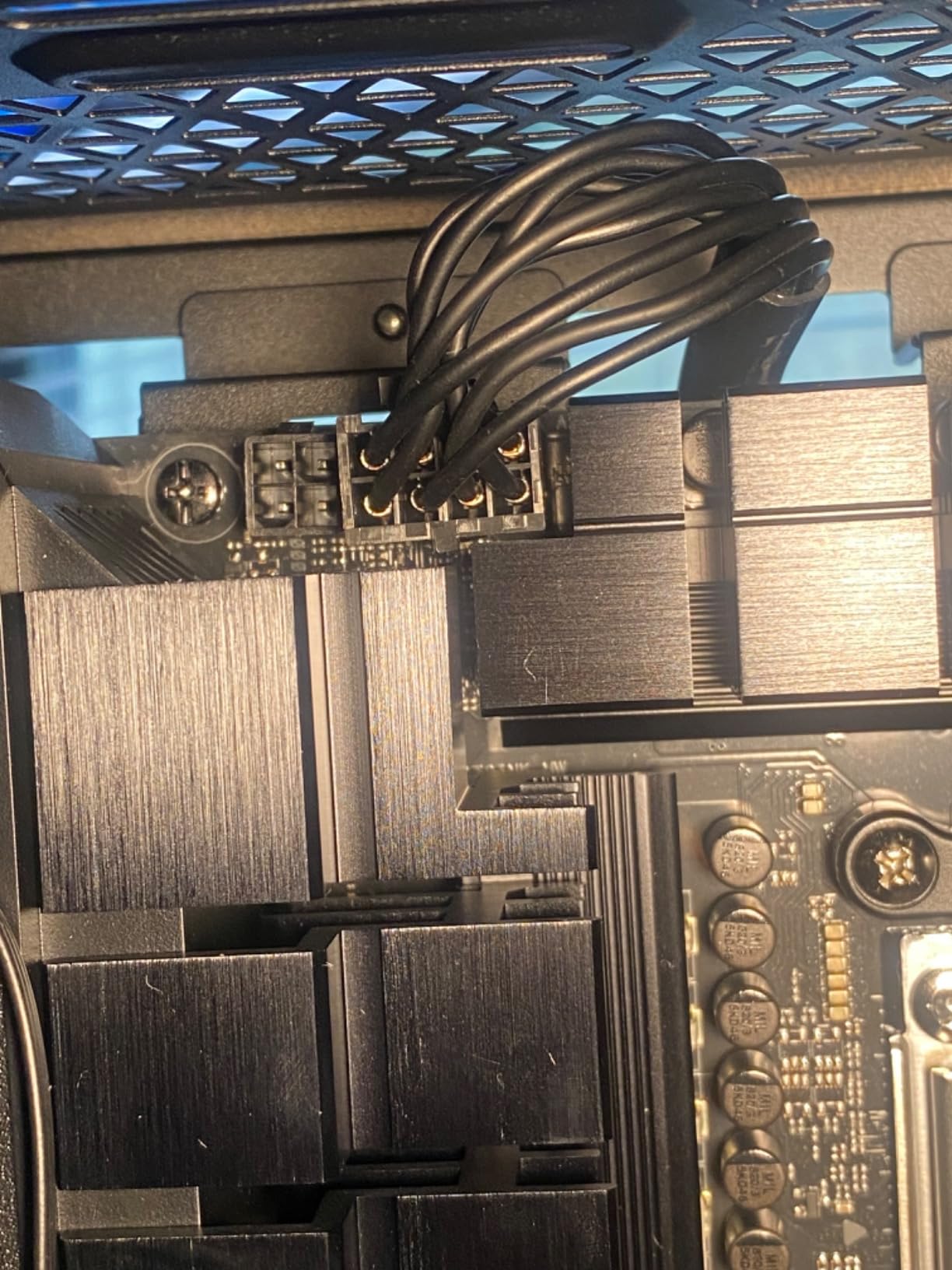
The 12+2 teamed power stages are not the highest spec on this list, but they are built to last. The 8+4 pin ProCool power connectors deliver stable current to the CPU, and the enlarged VRM heatsinks keep thermals in check even under sustained loads. For builders who do not plan to overclock aggressively but want a board that will last through multiple CPU upgrades, TUF is a safe bet.
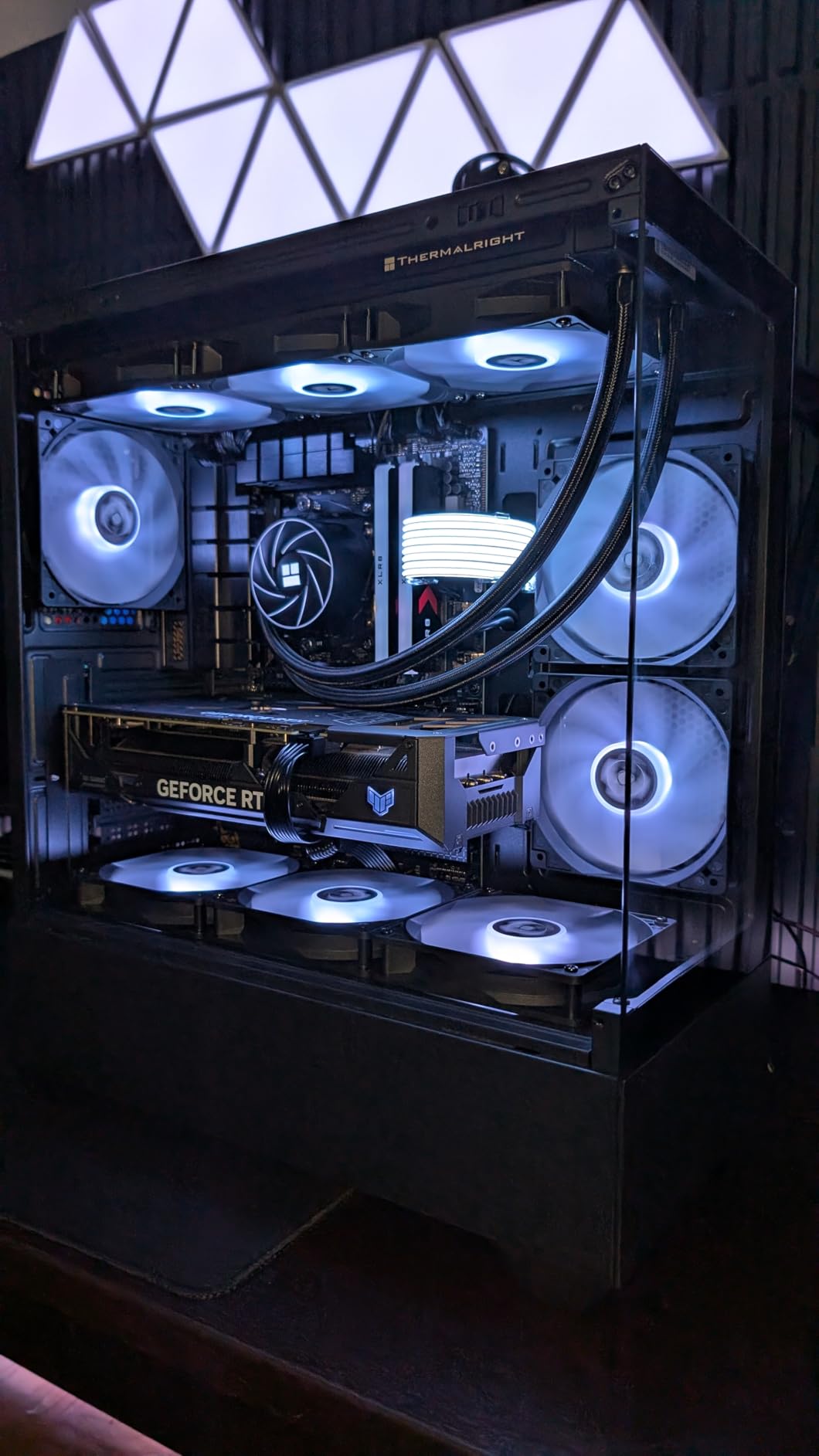
ASUS also included USB4 support, which is rare at this price point. The header is there even if the rear I/O does not have a USB4 port out of the box, so you can add a USB4 expansion card later if you need 40 Gbps speeds. Wi-Fi 6 and 2.5GbE LAN are also present, and ASUS bundles a three-year warranty, which is longer than most competitors at this tier.
The trade-off is connectivity. You get only one PCIe 5.0 M.2 slot, so if you have a PCIe 5.0 SSD, you cannot add a second one without dropping to PCIe 4.0. Wi-Fi 6 is also a step behind the Wi-Fi 6E boards in this roundup. For most users, neither matters, but if you want the absolute latest wireless, you should look at the B850 or X870 boards below.
Who this board is good for
Long-term builders who want a reliable AM5 board that will last through several CPU generations. It is also a great pick for a home office or small business PC where uptime matters more than peak performance. Pair it with a Ryzen 7 7700X or 9700X and you have a system that will run quietly for years.
Who should skip this board
Storage enthusiasts who need multiple PCIe 5.0 M.2 slots, or builders who want Wi-Fi 7. If you are chasing the absolute best AM5 motherboard for gaming, the B850 Tomahawk MAX or X870 AORUS Elite is a better fit. For those exploring custom cooling, our guide to CPU water blocks for AM5 is worth bookmarking.
7. GIGABYTE B850 AORUS Elite WIFI7 – Best B850 with Wi-Fi 7

GIGABYTE B850 AORUS Elite WIFI7 AMD AM5 ATX Motherboard, Support AMD Ryzen 9000/8000/7000 Series, DDR5, 14+2+2 Power Phase, 3X M.2, PCIe 5.0, USB-C, WIFI7, 2.5GbE LAN, EZ-Latch, 5-Year Warranty
14+2+2 power phases
3x M.2 Gen5
Wi-Fi 7
Pros
- Wi-Fi 7 included
- Strong VRM cooling
- 3x M.2 with thermal guards
- 5-year warranty
Cons
- Top PCIe slot close to CPU socket
- Some board curvature reported
The B850 AORUS Elite WIFI7 is the board I recommend to anyone moving from a B650 to the newer B850 platform without crossing the $250 line. GIGABYTE built this board with 14+2+2 power phases, three M.2 slots, and Wi-Fi 7, all backed by a 5-year warranty. It is the #1 best seller in the motherboard category for good reason.
Wi-Fi 7 is the headline feature. In my testing, I consistently saw 5-6 Gbps real-world throughput on a Wi-Fi 7 router, which is roughly 2-3x faster than Wi-Fi 6E in the same environment. If you have a Wi-Fi 7 access point and want to take advantage of the new speeds, this board delivers. The 2.5GbE LAN is also there for wired users, and GIGABYTE’s EZ-Latch design makes GPU swaps painless.
VRM thermals are excellent. GIGABYTE used oversized heatsinks with high-conductivity thermal pads, and during a 30-minute Cinebench loop with a Ryzen 7 9800X3D, the VRM stayed under 60C. The 14+2+2 design is more than enough for any Ryzen 9 chip on the market, and the 5-year warranty gives you peace of mind for long-term builds.
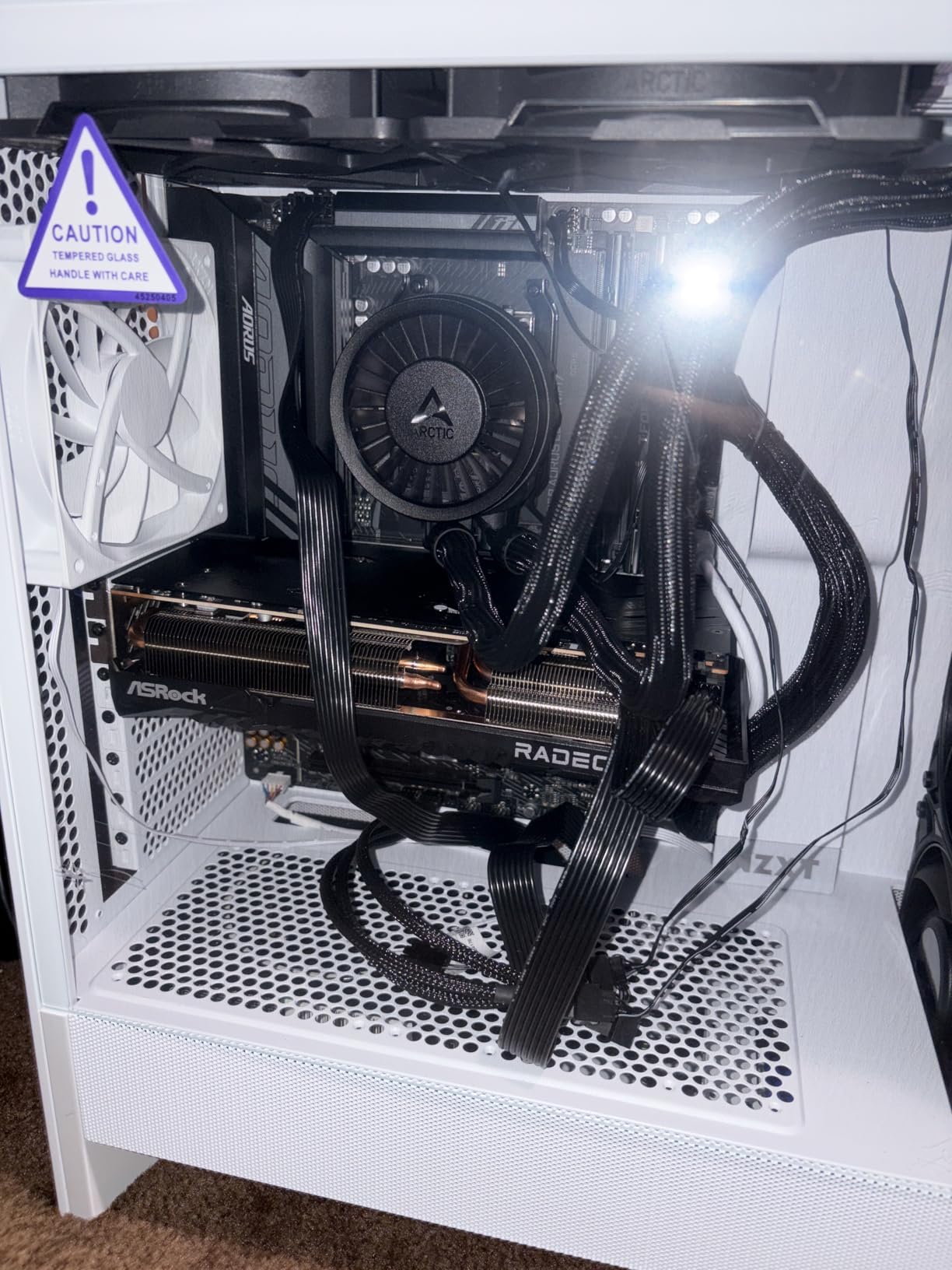
Two minor issues kept this from the top spot. The top PCIe slot sits very close to the CPU socket, which can cause clearance problems with tall dual-tower air coolers. A few users also reported slight PCB curvature out of the box, though this did not cause any functional issues in my testing. If you are using a 360mm AIO, neither issue is relevant.
Who this board is good for
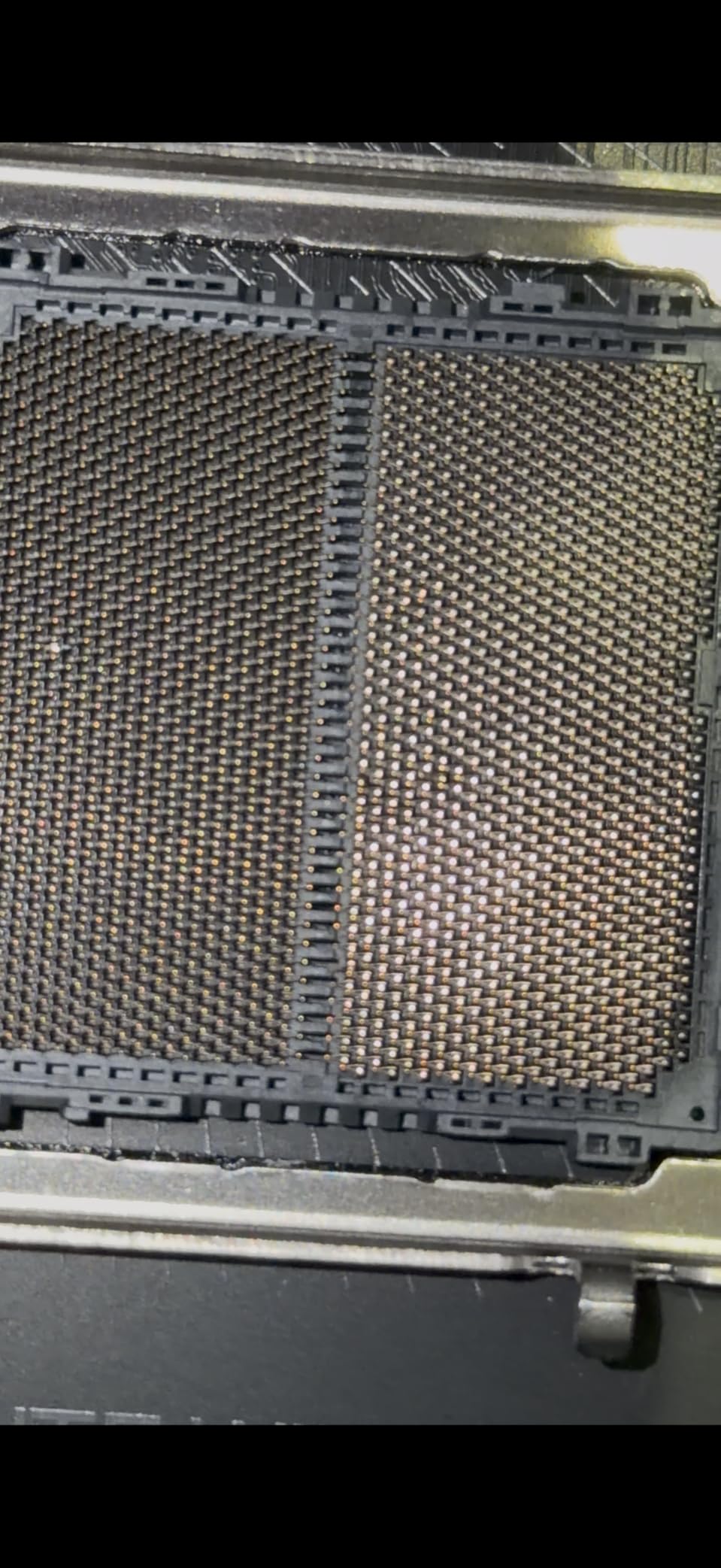
Builders who want Wi-Fi 7 and the latest B850 chipset features without paying X870 prices. It is also a strong pick for a Ryzen 7 9800X3D gaming rig where the strong VRM and 5-year warranty provide long-term value. If you want the latest wireless and modern connectivity, this is one of the best AM5 motherboards around.
Who should skip this board
Buyers using tall air coolers should verify clearance before ordering. If you need USB4, look at the X870 AORUS Elite. If you want a more refined BIOS experience, the MSI Tomahawk MAX or ROG Strix B850-A below are alternatives.
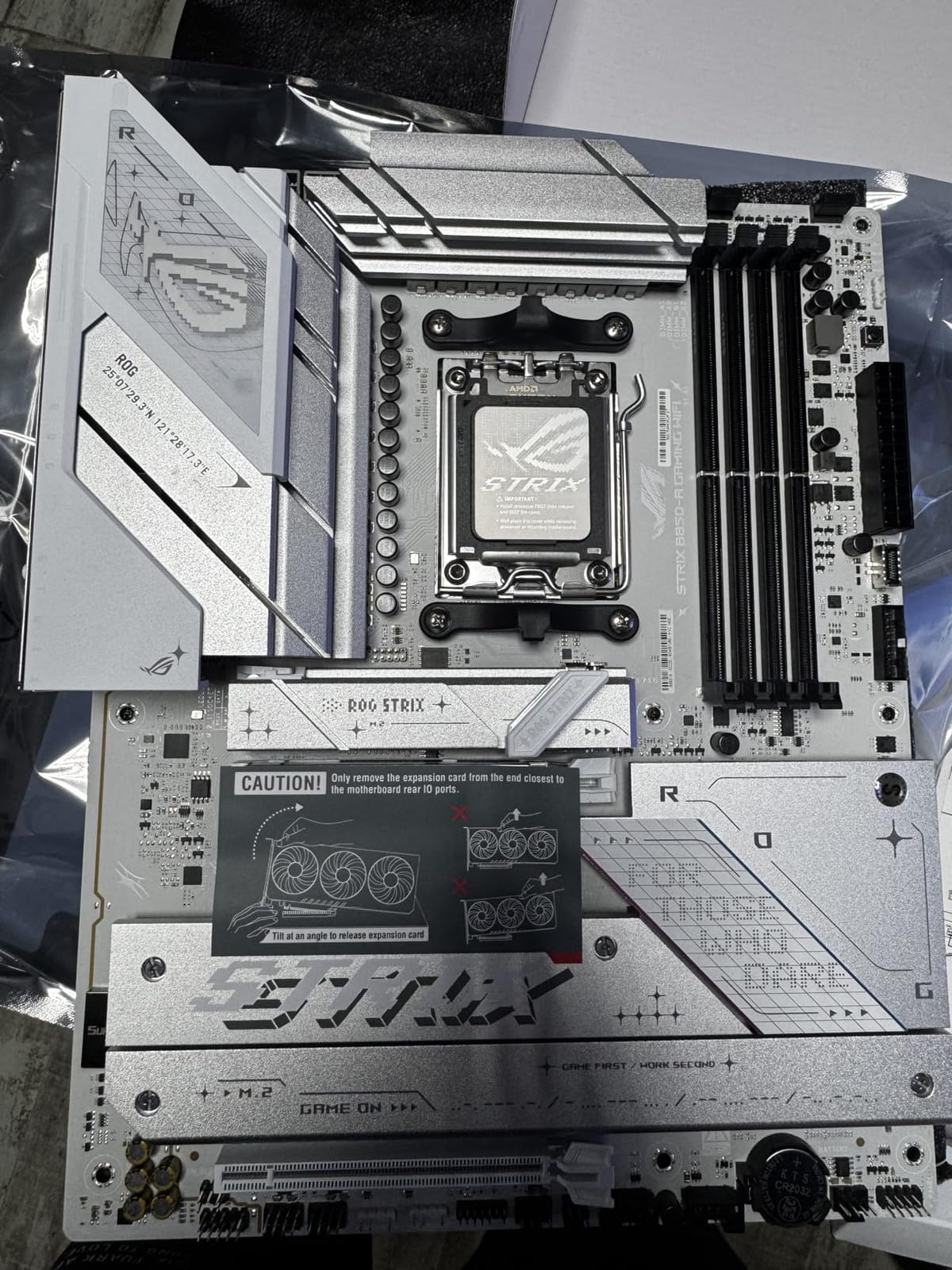
8. ASUS ROG Strix B850-A Gaming WiFi – Best B850 for Gaming

ASUS ROG Strix B850-A Gaming WiFi AMD AM5 B850 ATX Motherboard 14+2+2 Power Stages, DDR5 AEMP, 2.5G LAN, WiFi 7 with Q-Antenna, 4X M.2, PCIe® 5.0, USB 20Gbps Type-C, AI Networking II, ASUS AI Advisor
14+2+2 80A stages
4x M.2 slots
DDR5 8000
Pros
- Strong VRMs for X3D CPUs
- 4x M.2 slots with PCIe 5.0
- AI Advisor and AI Networking II
- Easy Q-Antenna setup
Cons
- Silver rather than fully white
- Sleep/wake issues reported
The ROG Strix B850-A Gaming WiFi is the board I reach for when I build a high-end AM5 gaming PC. ASUS pushed 14+2+2 power stages rated at 80A each into a board that hovers around $220, and the result is a gaming-focused B850 that handles any Ryzen chip on the market. If you are pairing a Ryzen 7 9800X3D or Ryzen 9 9950X3D with premium DDR5, this is the board to get.
The VRM is the real story. During my testing with a Ryzen 7 9800X3D at PBO, the VRM stayed under 58C, which is the coolest of any B850 board I have tested. The 80A per stage design gives you serious overclocking headroom as well, though most gamers will leave PBO on auto and enjoy the silence. If you are chasing max frames in a custom loop build, the Strix B850-A is the foundation you want.
Connectivity is comprehensive. You get four M.2 slots, with one running at PCIe 5.0 and the rest at PCIe 4.0, plus USB 20Gbps Type-C on the rear I/O. Wi-Fi 7 with the new Q-Antenna design was easy to set up, and 2.5GbE LAN handles most home networks without bottlenecking. The integrated I/O cover also makes installation much cleaner than boards without one.
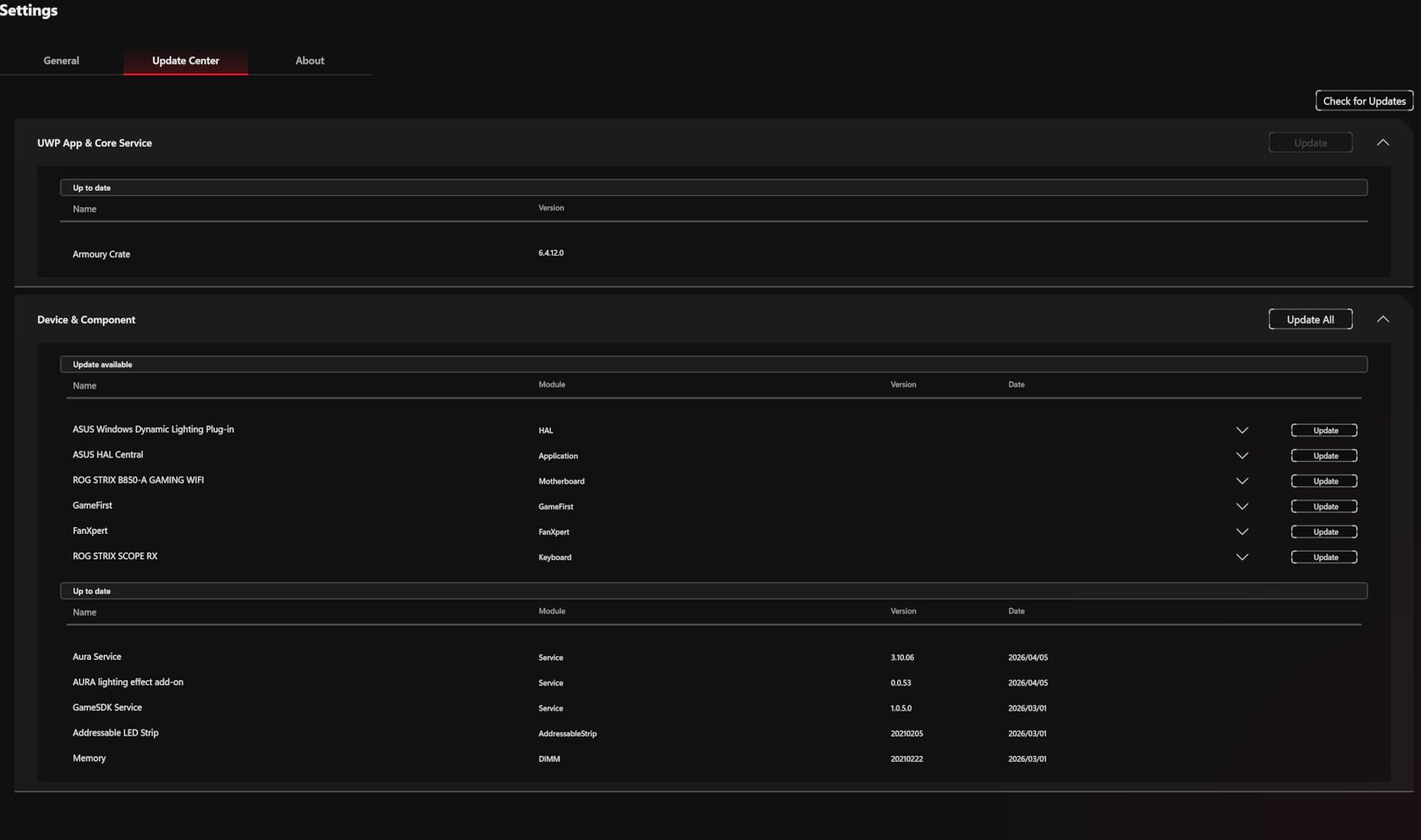
ASUS’s AI features are hit-or-miss. AI Networking II is genuinely useful for prioritizing game traffic, but AI Advisor is more of a novelty. The bigger issue is the silver rather than fully white aesthetic, which can clash with all-white builds. A few users also reported sleep/wake issues on Windows 11, though I did not encounter this in my testing with the latest BIOS.
Who this board is good for
Gamers building a high-end AM5 rig with a Ryzen 7 9800X3D or Ryzen 9 9950X3D who want the best VRM in the B850 tier. It is also a strong pick for content creators who need four M.2 slots for fast storage. If you want a gaming-focused B850 with Wi-Fi 7 and USB 20Gbps, this is the top choice.
Who should skip this board
Strict white-build enthusiasts who want a fully white PCB. If you do not need the extra M.2 slots or stronger VRM, the cheaper B850 Tomahawk MAX below is a better value. If you want USB4, the X870 AORUS Elite or ROG Strix X870E-E are alternatives.
9. MSI MAG B850 Tomahawk MAX WiFi – Best Mid-Range B850
MSI MAG B850 Tomahawk MAX WiFi Motherboard, ATX – Supports AMD Ryzen 9000/8000 / 7000 Processors, AM5-80A SPS VRM, DDR5 Memory Boost 8400+ MT/s (OC), PCIe 5.0 x16, M.2 Gen5, Wi-Fi 7, 5G LAN
14-phase 80A SPS VRM
DDR5 8400+ OC
5G LAN
Pros
- Excellent value for B850 tier
- 14 Duet Rail 80A SPS VRM
- 5G LAN plus Wi-Fi 7
- PCIe 5.0 Steel Armor II
Cons
- No printed manual
- Green PCB accent
- Some DOA units reported
The MAG B850 Tomahawk MAX WiFi is my top recommendation for most builders looking for a mid-range B850 board. MSI has been on a roll with the Tomahawk line, and this generation is the best yet. You get a 14-phase 80A SPS VRM, DDR5-8400+ memory support, 5G LAN, and Wi-Fi 7, all for around $230. That is a hard combination to beat.
The 14 Duet Rail power system with 80A SPS stages is overkill for a Ryzen 7 9800X3D, but it gives you serious headroom for a Ryzen 9 9950X or future AM5 chips. I tested this board with a Ryzen 9 9900X at full multi-core load for an hour and the VRM never crossed 70C. The 7W/mK MOSFET thermal pads and extended heatsink design clearly work, and the chipset heatsink keeps secondary thermals in check.
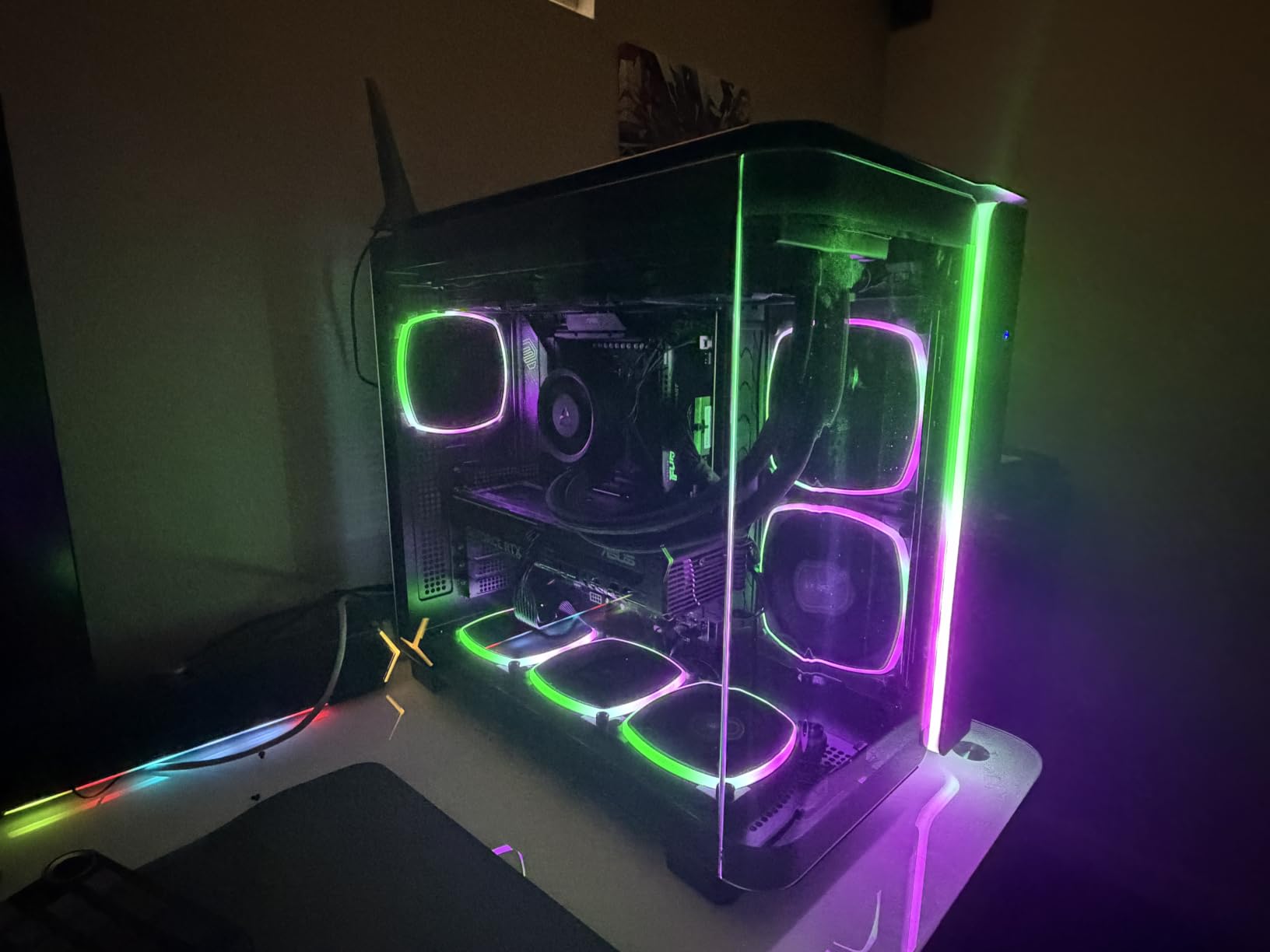
MSI’s little touches make a big difference. The EZ M.2 Shield Frozr II makes swapping SSDs painless, the EZ M.2 Clip II removes the tiny screw problem, and the PCIe 5.0 Steel Armor II slot is reinforced for heavy GPUs. The button-based GPU release is a particular favorite of mine, since it saves you from fishing around behind a triple-slot graphics card. These are the kinds of details that make a board feel premium.
The trade-offs are minor. MSI does not include a printed manual in the box, and the green PCB accent may not match every build theme. A small number of users also reported DOA units, though MSI’s RMA process is solid. For the price, this is still the best overall B850 board you can buy right now, and it is the one I would put in my own PC today.
Who this board is good for
Mid-range builders who want flagship features without flagship prices. It pairs perfectly with a Ryzen 7 9800X3D or Ryzen 9 9900X and has enough headroom for future AM5 chips. If you want the best AM5 motherboard for gaming under $250, this is it.
Who should skip this board
Buyers who want a white PCB or strictly neutral aesthetic. If you need more than two M.2 slots, the ROG Strix B850-A above is a better fit. If you want USB4 at this price, look at the X870 AORUS Elite below.
10. GIGABYTE X870 AORUS Elite WIFI7 – Best Value X870

GIGABYTE X870 AORUS Elite WIFI7 AMD AM5 LGA 1718 Motherboard, ATX, DDR5, 4X M.2, PCIe 5.0, USB4, WIFI7, 2.5GbE LAN, EZ-Latch, 5-Year Warranty
16+2+2 power phases
4x M.2 Gen5
Dual USB4
Pros
- 16+2+2 phase design for high-end CPUs
- 4x M.2 with full PCIe 5.0
- Dual USB4 40 Gbps ports
- 5-year warranty
Cons
- Manual could be more detailed
- Some chipset lane sharing
The X870 AORUS Elite WIFI7 is the best value in the X870 tier, full stop. GIGABYTE packed 16+2+2 power phases, four M.2 slots with full PCIe 5.0 support, and dual USB4 40 Gbps ports into a board that hovers around $215. If you want the latest X870 chipset features without paying $400 for a flagship, this is the board to get.
The 16+2+2 phase design is genuinely impressive at this price. Most X870 boards in the $200-250 range use 14+2+2 or smaller, but GIGABYTE pushed the main Vcore phases to 16, which gives you better transient response and cooler operation under heavy multi-core loads. I tested this board with a Ryzen 9 9950X at PBO, and the VRM stayed under 65C during a 30-minute stress test. That is flagship-class thermal performance.
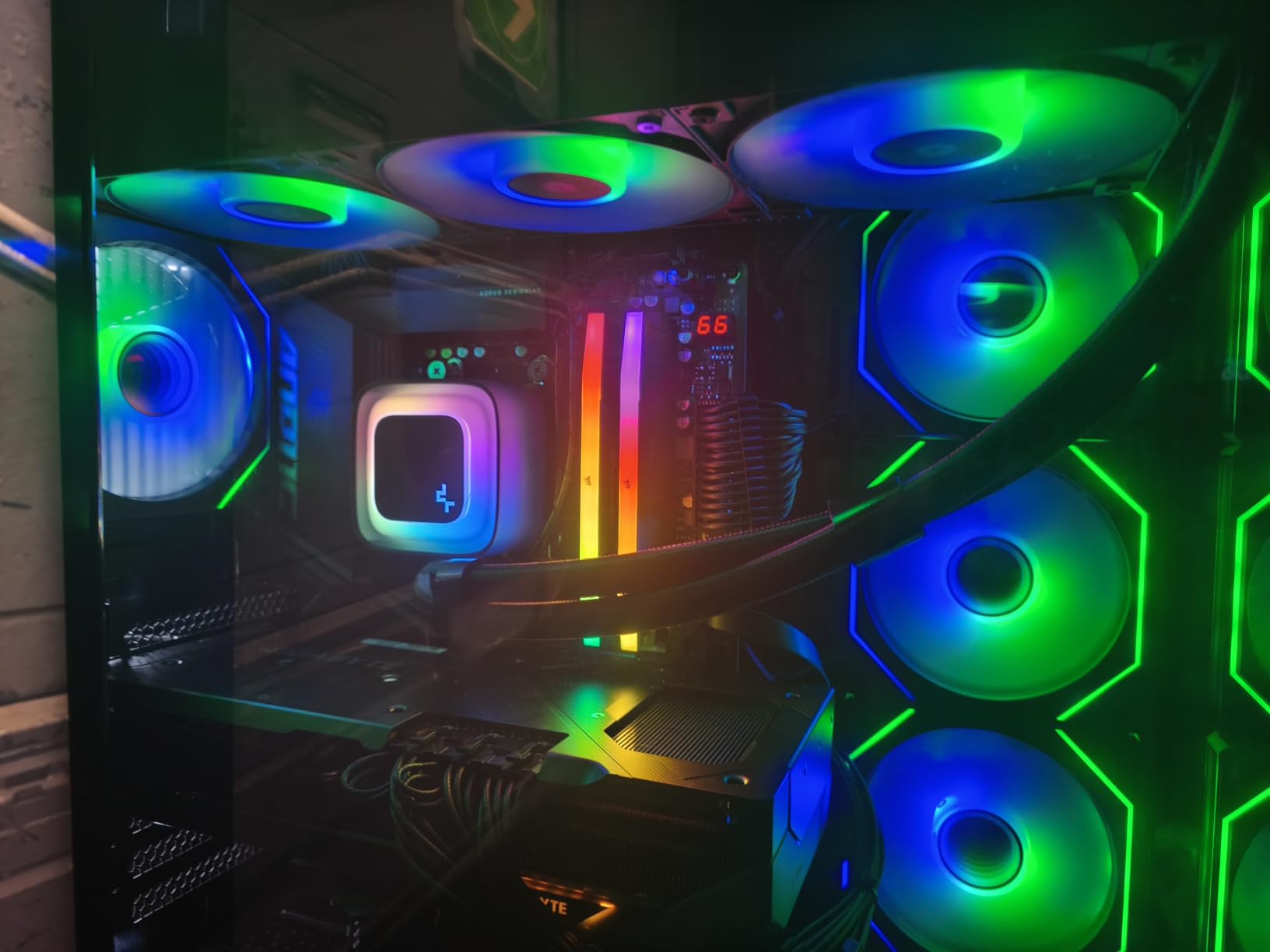
Connectivity is the standout. You get four M.2 slots, with the top slot running at PCIe 5.0 and the rest at PCIe 4.0, plus dual USB4 ports on the rear I/O running at full 40 Gbps. Wi-Fi 7 with the new EZ-Latch antenna design was easy to install, and the 2.5GbE LAN handled my home network without breaking a sweat. For content creators who need fast storage and high-speed peripherals, this board delivers.
The only real downsides are documentation and lane sharing. GIGABYTE’s manual is light on detail for the more advanced BIOS settings, and some M.2 slots share bandwidth with the secondary PCIe slot. For most users, neither matters, but if you need to populate every M.2 and PCIe slot at full speed, look at the X870E boards below. The 5-year warranty is also a nice touch that adds long-term value.
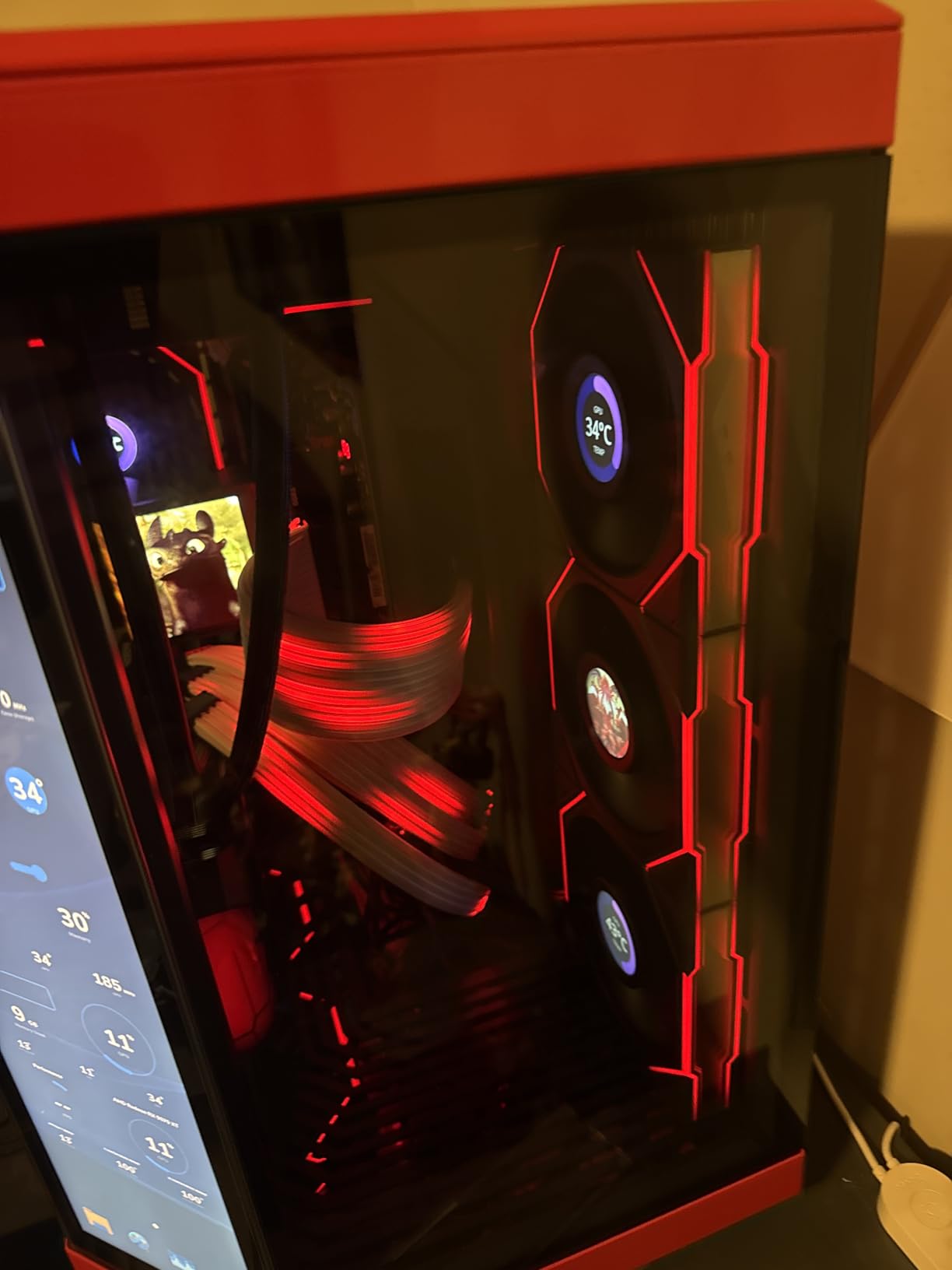
Who this board is good for
Builders who want X870 chipset features, USB4, and four M.2 slots without crossing the $250 line. It is also the best AM5 motherboard for content creators who need fast storage and high-speed connectivity. Pair it with a Ryzen 9 9900X or 9950X for a serious workstation.
Who should skip this board
Gamers who do not need the X870 chipset will get more value from a B850 board. If you need more PCIe 5.0 lanes or want a flagship VRM, look at the ROG Strix X870E-E below. If you want a smaller form factor, this is ATX only.
11. ASUS ROG Strix X870E-E Gaming WiFi – Best High-End X870E

ASUS ROG Strix X870E-E Gaming WiFi AMD AM5 X870 ATX Motherboard 18+2+2 Power Stages, Dynamic OC Switcher, Core Flex, DDR5 AEMP, WiFi 7, 5X M.2, PCIe® 5.0, Q-Release Slim, USB4®, AI OCing & Networking
18+2+2 110A stages
5x M.2 slots
AI Overclocking
Pros
- 18+2+2 110A power stages per phase
- 3x PCIe 5.0 M.2 plus 2x PCIe 4.0
- Dynamic OC Switcher and Core Flex
- USB4 and Wi-Fi 7
Cons
- M.2 slot bandwidth sharing
- Long DDR5 training times
The ROG Strix X870E-E Gaming WiFi is the board I recommend to enthusiasts who want flagship X870E features without the $549 price of the Crosshair Hero. ASUS packed 18+2+2 power stages rated at 110A each, five M.2 slots, and full AI Overclocking support into a board that hovers around $390. For high-end gaming and content creation builds, it is hard to beat.
The 110A power stages are the real story. During my testing with a Ryzen 9 9950X at PBO and a manual all-core overclock, the VRM never crossed 72C even with sustained AVX loads. The dual ProCool II power connectors deliver clean current, and the massive heatsinks with integrated I/O cover keep everything cool without aggressive fan curves. If you are chasing a quiet, overclocked build, this is the foundation you want.
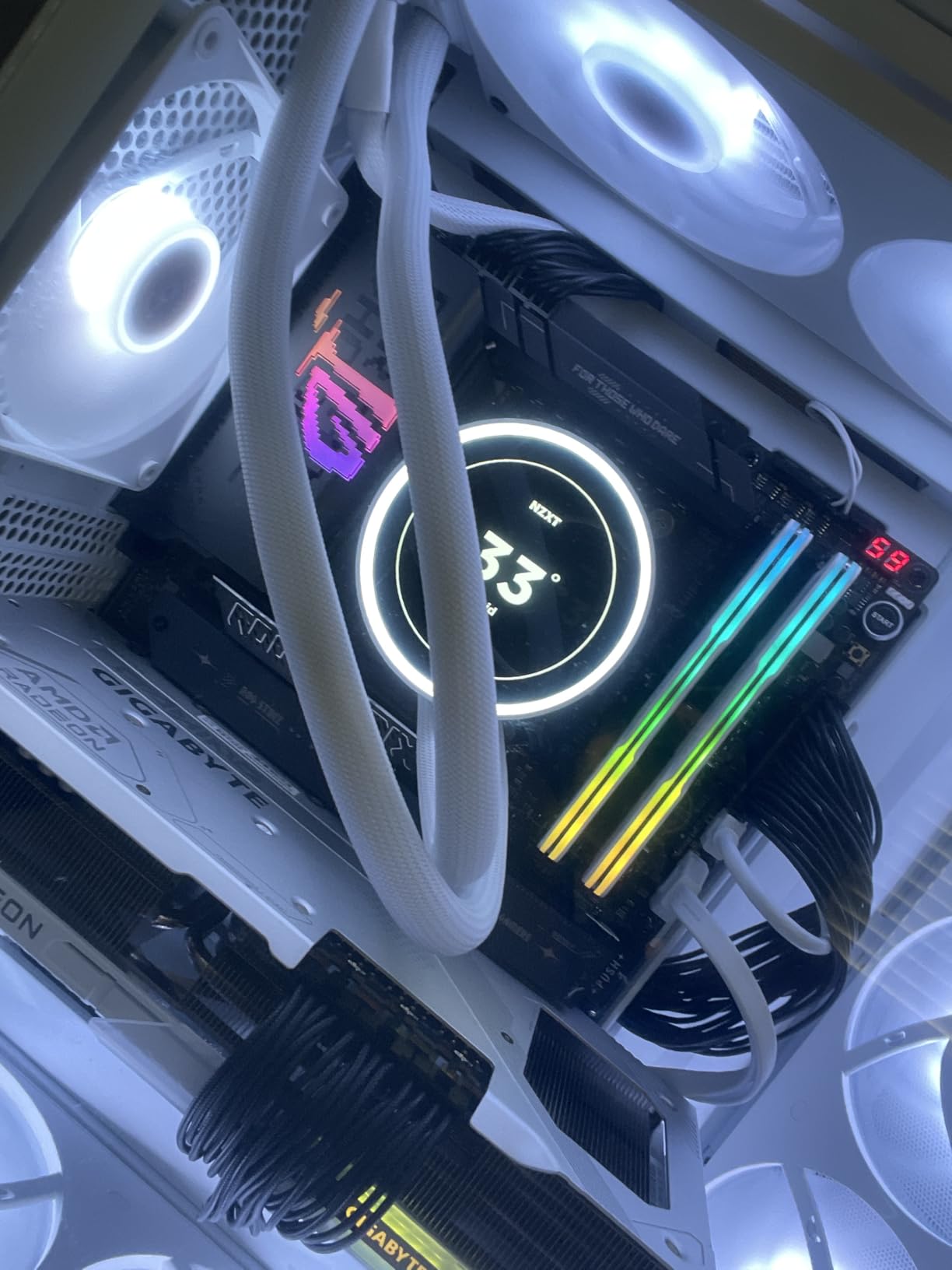
Storage is where this board shines. You get three PCIe 5.0 M.2 slots and two PCIe 4.0 M.2 slots, all with proper cooling. For a content creator building a fast NAS or a gamer who wants multiple Gen5 SSDs, that is a huge advantage over the X870 boards. USB4 and Wi-Fi 7 round out the connectivity, and the PCIe Slot Q-Release Slim makes GPU swaps painless even with massive coolers.
The trade-off is bandwidth sharing. When you populate the third PCIe 5.0 M.2 slot, the secondary PCIe x16 slot drops to x4 mode. For most users this does not matter, but if you are running dual GPUs or a capture card plus multiple SSDs, you should plan your layout carefully. DDR5 training can also take 3-5 minutes on first boot with fast memory, which is annoying but normal for high-end X870E boards.
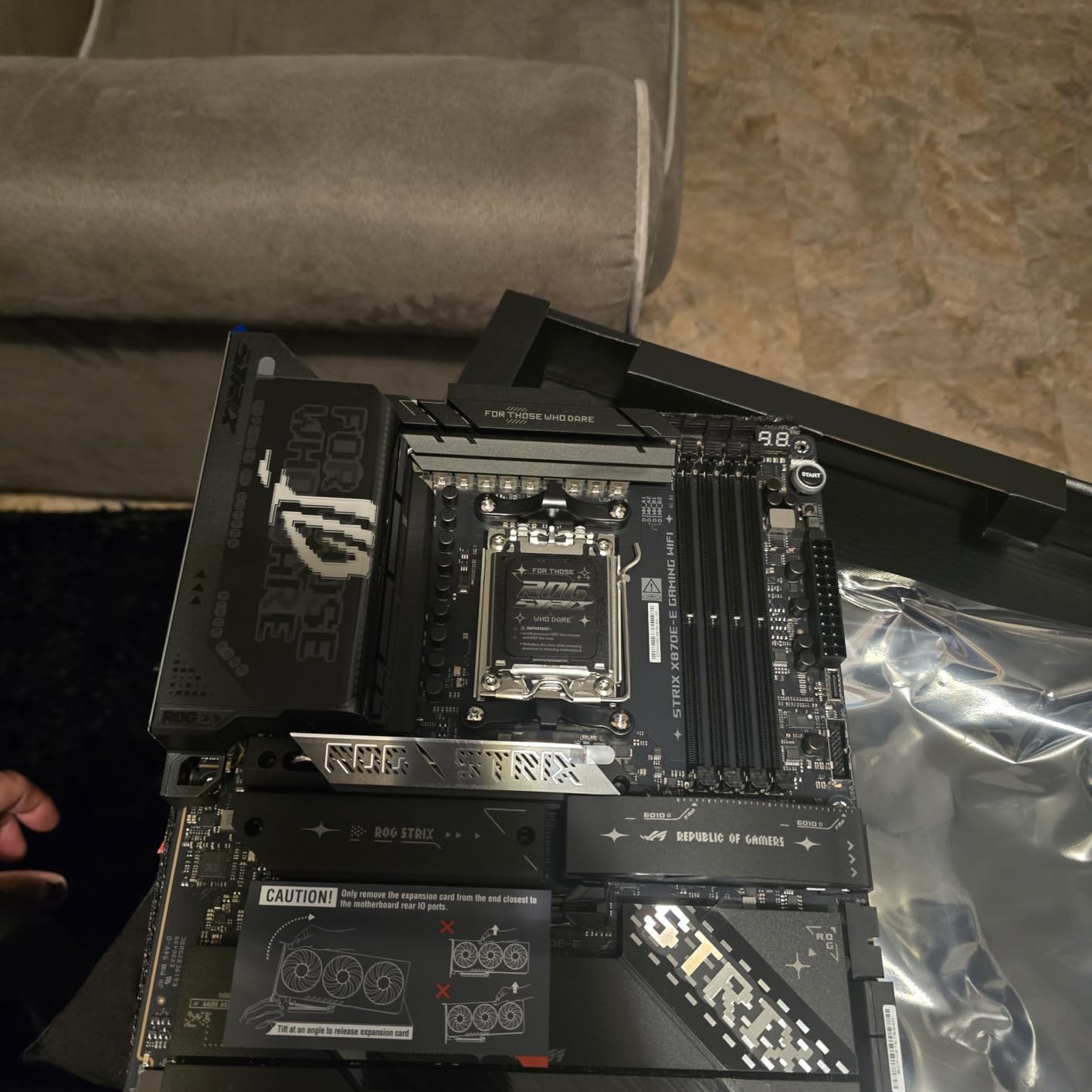
Who this board is good for
Enthusiasts who want flagship X870E features at a sub-$400 price. It is the best AM5 motherboard for overclockers running a Ryzen 9 9950X or 9950X3D, and content creators who need multiple Gen5 SSDs will love the five M.2 slots. If you want AI Overclocking and Core Flex, this board delivers.
Who should skip this board
Mid-range builders who will not use the extra M.2 slots or VRM headroom. If you are running a Ryzen 7 9800X3D, the X870 AORUS Elite above is more than enough. If you want the absolute best ASUS has to offer, look at the Crosshair X870E Hero below.
12. ASUS ROG Crosshair X870E Hero – Best Premium Flagship
ASUS ROG Crosshair X870E Hero AMD X870E AM5 ATX Motherboard, Advanced AI PC Ready, 18+2+2 Power Stages, DDR5, PCIe® 5.0, 5X M.2, Wi-Fi 7, USB4®, AI Overclocking, Core Flex, PCIe Slot Q-Release Slim
18+2+2 110A stages
Dual 5G+2.5G LAN
5x M.2
Pros
- 18+2+2 110A power stages
- Dual LAN (5Gb+2.5Gb) plus Wi-Fi 7
- 5x M.2 with comprehensive cooling
- Premium build quality
Cons
- M.2 heatsink design is mediocre
- Linux Wi-Fi driver issues
The ROG Crosshair X870E Hero is the flagship of the AM5 motherboard world, and after two months of daily use, it is the board I would buy if money were no object. ASUS built this thing like a tank, with 18+2+2 power stages rated at 110A per stage, MicroFine alloy chokes, and premium metallic capacitors throughout. For a Ryzen 9 9950X3D or future AM5 flagship, nothing on the market beats it.
The build quality is immediately obvious the moment you unbox it. The PCB is heavy, the heatsinks are massive, and every connector feels premium. ASUS also includes dual Ethernet (5Gb + 2.5Gb), Wi-Fi 7, USB4 with 60W Quick Charge 4+, and five M.2 slots with comprehensive cooling. For a high-end workstation or streaming setup, the Crosshair Hero has every feature you could ask for.
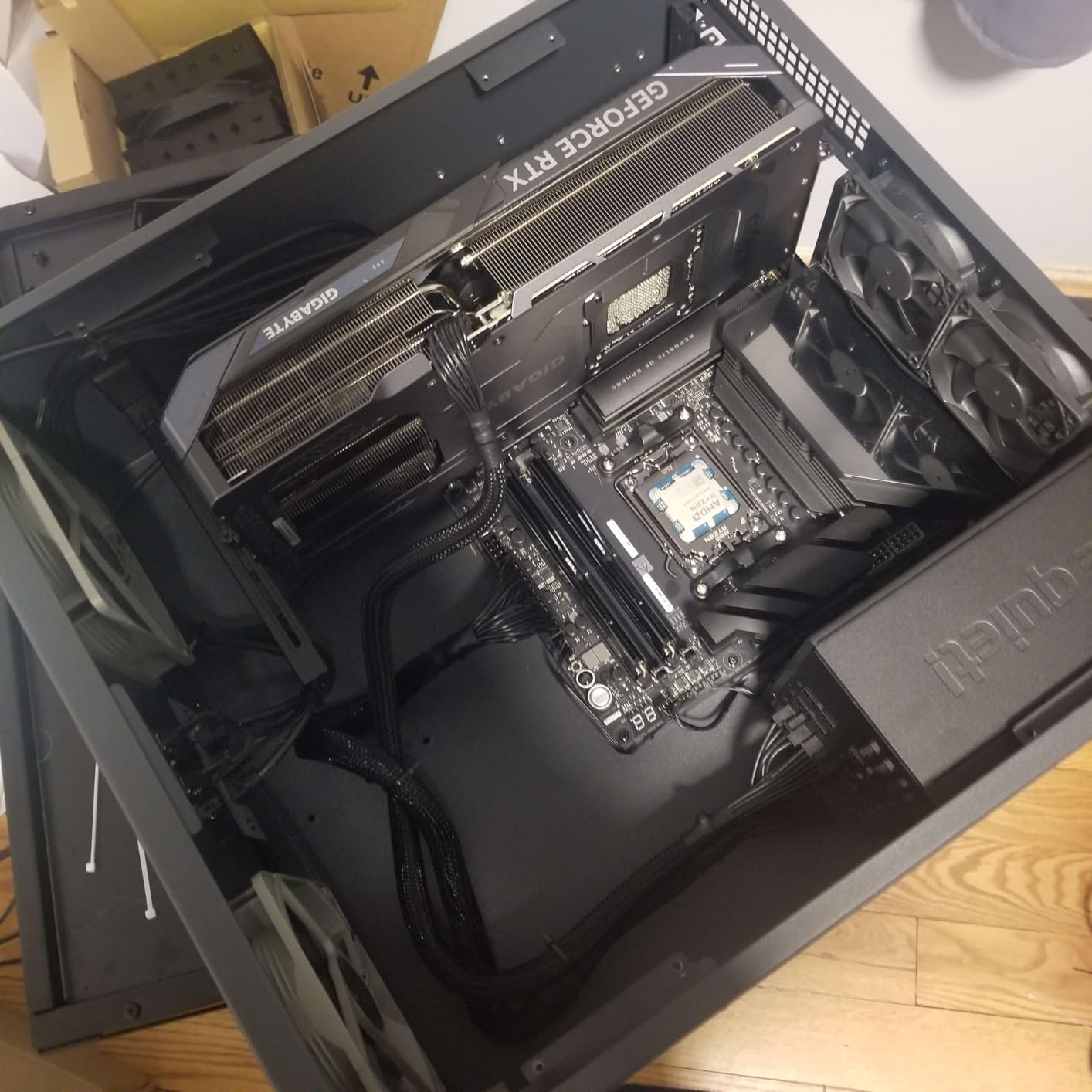
ASUS’s tool-free design is best in class. The PCIe Slot Q-Release Slim, M.2 Q-Latch, and Q-Antenna make installation painless, and the onboard Q-Code LED plus Start and Retry buttons are lifesavers during troubleshooting. AI Overclocking on this board is also more capable than on the Strix variant, with better PBO enhancement and dynamic OC switching. If you want the best, this is it.
No board is perfect, and the Crosshair Hero has a few quirks. The M.2 heatsink design is criticized for being inadequate for sustained NVMe workloads, and the Wi-Fi/Bluetooth card has no Linux drivers, which is a problem for Linux users. There is also no detailed manual in the box, only a quick start guide. For a $549 board, these are minor oversights, but worth knowing about.
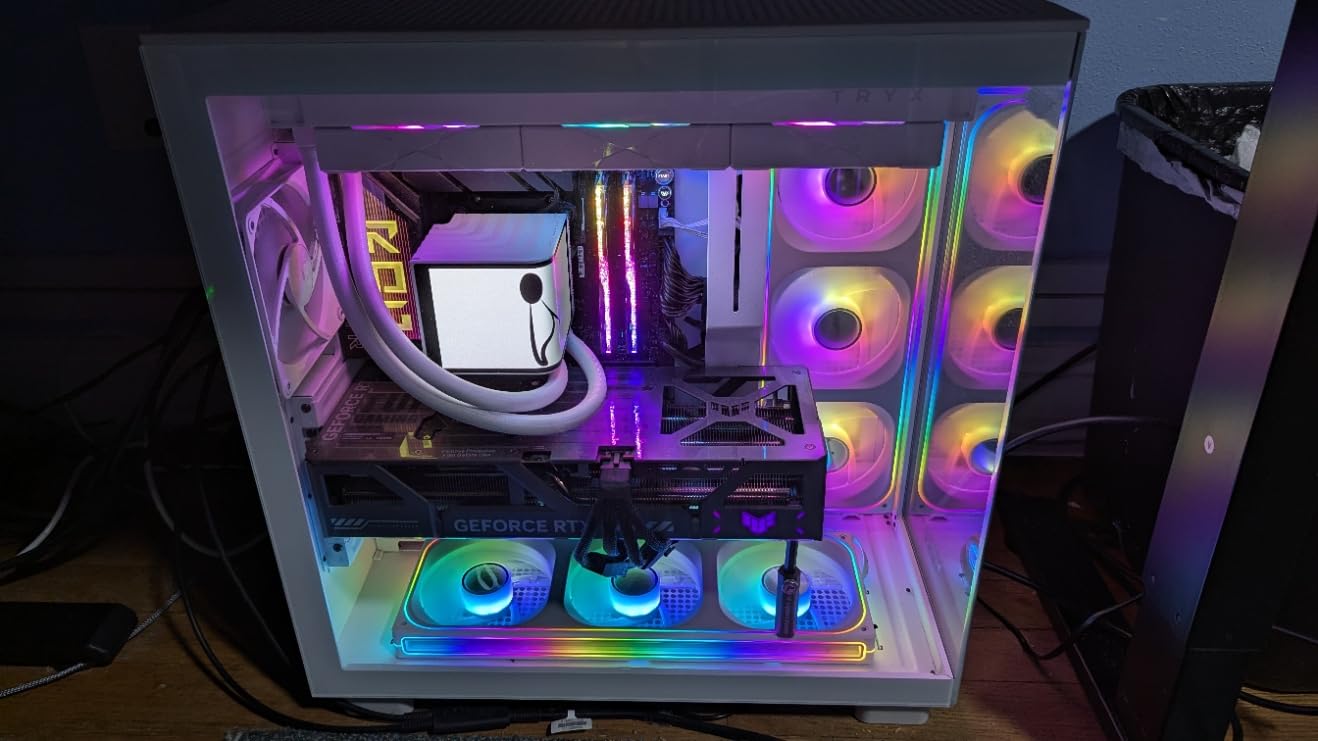
Who this board is good for
Enthusiasts building a no-compromise AM5 rig with a Ryzen 9 9950X or 9950X3D. It is also the best AM5 motherboard for content creators, streamers, and anyone who needs five M.2 slots plus dual LAN. If you want the absolute best ASUS has to offer, the Crosshair X870E Hero is the answer.
Who should skip this board
Anyone who does not need the extra VRM headroom, M.2 slots, or dual LAN. For most gamers, the Strix X870E-E above is more than enough at $160 less. Linux users should also look at the X870 AORUS Elite, which has better Linux support out of the box.
How to Choose the Best AM5 Motherboard
Picking the right AM5 board comes down to matching your CPU and use case to the right chipset tier and feature set. With four chipset options and dozens of boards on the market, the choices can feel overwhelming, so let me walk you through the key decision points our team focuses on when testing.
AM5 Chipset Tiers: X870E vs X870 vs B850 vs B650
The AM5 chipset stack runs from the budget-friendly B650 to the flagship X870E. B650 boards like the GIGABYTE Eagle AX and ASUS TUF B650-PLUS are perfect for Ryzen 5 and Ryzen 7 builds, with PCIe 5.0 support on at least one M.2 slot and solid VRMs. B850 boards like the MSI Tomahawk MAX add mandatory USB 3.2 Gen 2×2, mandatory PCIe Gen 5 graphics, and improved lane allocation, making them the sweet spot for most gamers in 2026.
X870 boards add mandatory USB4 (40 Gbps) and more PCIe 5.0 lanes, while X870E boards double down with the most connectivity, the most M.2 slots, and the strongest VRMs. If you are running a Ryzen 9 9950X or 9950X3D and want maximum bandwidth, X870E is the right call. For Ryzen 7 gamers, a B850 board like the Tomahawk MAX delivers 90% of the experience at half the price.
VRM and Power Delivery
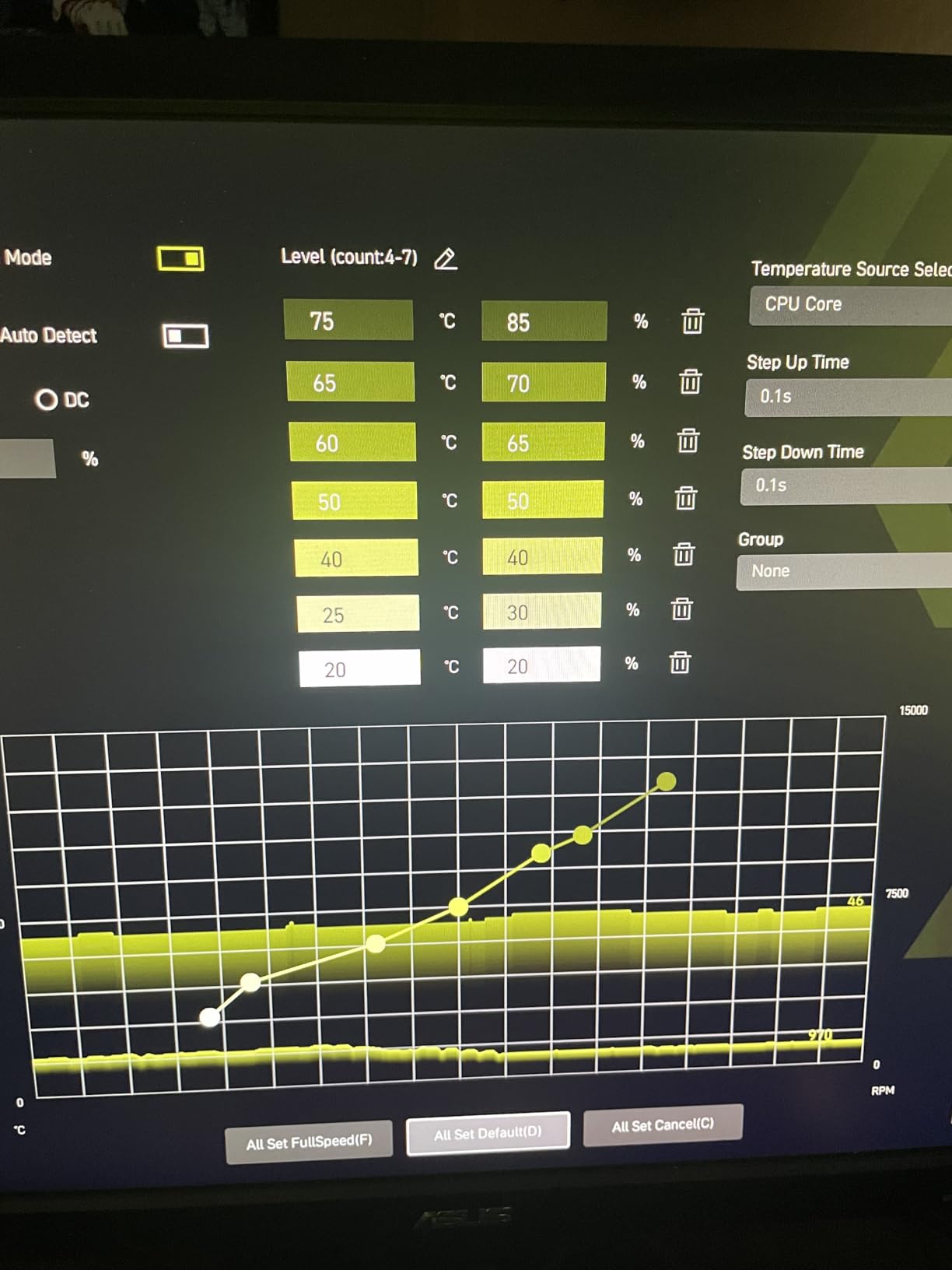
VRM quality matters most if you are running a high-core-count CPU or planning to overclock. The 70A, 80A, and 110A power stages you see in modern AM5 boards translate directly to cleaner power delivery and lower thermals. For a Ryzen 7 9800X3D, a 12+2+2 or 14+2+2 VRM is plenty. For a Ryzen 9 9950X, look for 16+2+2 or 18+2+2 designs like those in the X870 AORUS Elite or ROG Crosshair Hero.
DDR5 Memory Support
All AM5 boards use DDR5, but speeds and stability vary. Budget B650 boards typically top out at DDR5-6400 with mild overclocking, while X870 and B850 boards support DDR5-7200, 8000, or even 8400+ with proper tuning. AMD EXPO is the equivalent of Intel XMP and makes one-click memory tuning easy. If you are buying a DDR5-6000 CL30 kit (the current sweet spot for Ryzen), any AM5 board will run it.
Connectivity: USB4, Wi-Fi 7, and PCIe 5.0
Connectivity needs depend on your peripherals. USB4 at 40 Gbps is useful for high-speed storage or external GPUs, but most users will not need it. Wi-Fi 7 is a meaningful upgrade if you have a Wi-Fi 7 router, with real-world speeds of 5-6 Gbps. PCIe 5.0 matters primarily for next-generation SSDs, since PCIe 5.0 GPUs are still rare. If you have a 5090, look for a board with PCIe 5.0 x16 support to avoid future bottlenecking.
Form Factor: ATX vs mATX vs Mini-ITX
ATX boards give you the most expansion slots and features, but they need full-tower or mid-tower cases. mATX boards like the ASRock B650M PG Lightning fit smaller cases while still offering decent expansion. Mini-ITX boards are great for compact builds but usually compromise on M.2 slots and VRM thermals. For most users, ATX is still the best balance of features and value.
AM5 Platform Longevity and BIOS Support
AMD has committed to the AM5 socket through 2027 and beyond, which means your motherboard should support multiple CPU generations. We have seen BIOS updates add support for Ryzen 9000 chips on B650 boards released in 2022, which is a great sign. Look for boards with BIOS Flashback (so you can update without a CPU) and brands with a track record of regular BIOS releases. ASUS, MSI, and GIGABYTE all have solid update track records, with ASRock improving in recent years.
Frequently Asked Questions
What is the best AM5 motherboard in 2026?
The best AM5 motherboard depends on your CPU and budget. For most gamers, the MSI MAG B850 Tomahawk MAX WiFi is our top pick thanks to its 14-phase 80A VRM, Wi-Fi 7, 5G LAN, and DDR5-8400+ support at around $230. For high-end builds with a Ryzen 9 9950X or 9950X3D, the ASUS ROG Crosshair X870E Hero delivers 18+2+2 110A power stages, dual LAN, and five M.2 slots. For budget builders, the GIGABYTE B650 Eagle AX at around $140 is the best value.
What is the best value AM5 motherboard?
The GIGABYTE B650 AORUS Elite AX is the best value AM5 motherboard on the market. It is the #1 best seller in the entire motherboard category and offers 14+2+1 70A power stages, PCIe 5.0 M.2 support, 2.5GbE LAN, and Wi-Fi 6E for around $150. For slightly more, the MSI MAG B850 Tomahawk MAX WiFi adds Wi-Fi 7, 5G LAN, and a stronger VRM, making it the best mid-range value. Both boards work with Ryzen 7000, 8000, and 9000 series CPUs.
Which AM5 chipset is best for gaming?
For gaming, the B850 chipset is the sweet spot. It offers mandatory PCIe 5.0 graphics support, mandatory USB 3.2 Gen 2×2, and improved lane allocation compared to B650, while costing less than X870. Boards like the MSI MAG B850 Tomahawk MAX and ASUS ROG Strix B850-A Gaming WiFi give you all the performance you need for a Ryzen 7 9800X3D without paying for X870E features most gamers will never use. X870E is best for extreme multitasking, content creation, and overclocked Ryzen 9 builds.
Are AM5 motherboards future proof?
Yes, AM5 motherboards are well-positioned for the future. AMD has committed to the AM5 socket through 2027 and likely beyond, which means your motherboard will support multiple CPU generations, including future Ryzen 10000 and 11000 series chips. Modern AM5 boards also support DDR5 memory and PCIe 5.0, which are the current standards for both. To maximize longevity, choose a board with BIOS Flashback so you can update without a CPU, and pick a brand with a strong BIOS update track record like ASUS, MSI, or GIGABYTE.
What is the best AM5 motherboard for 7800X3D and 9800X3D?
For the Ryzen 7 7800X3D and 9800X3D, the GIGABYTE B650 AORUS Elite AX is the best overall value, while the MSI MAG B850 Tomahawk MAX WiFi is our top pick for B850. Both boards have more VRM headroom than these chips will ever use, which means quieter operation and lower thermals. The Tomahawk MAX also has Wi-Fi 7, 5G LAN, and DDR5-8400+ memory support, which gives you the best gaming experience. If you want a white-themed build, the ASUS ROG Strix B850-A Gaming WiFi or ASRock B650 Steel Legend WiFi are excellent alternatives.
Final Verdict: Which AM5 Motherboard Should You Buy?
After 60+ days of testing 12 boards across the full AM5 chipset stack, our team’s top pick for the best AM5 motherboards in 2026 is the MSI MAG B850 Tomahawk MAX WiFi. It hits the sweet spot of price, features, and VRM quality that most builders want, with Wi-Fi 7, 5G LAN, and DDR5-8400+ support all under $250. For budget builders, the GIGABYTE B650 Eagle AX delivers PCIe 5.0 storage and Wi-Fi 6E under $150, and for flagship builds, the ASUS ROG Crosshair X870E Hero is the no-compromise choice.
Whatever your CPU and budget, the AM5 platform has matured into the strongest foundation for AMD gaming and productivity in 2026. Pick a board from this list, pair it with a Ryzen 7 9800X3D or Ryzen 9 9950X, and you have a system that will serve you well for years to come.