
If you’re building a new gaming PC in 2026, choosing the best AM5 gaming CPUs is the single most important decision you’ll make. AM5 is AMD’s current desktop platform, and every chip on it supports DDR5 memory, PCIe 5.0, and an upgrade path AMD has committed to through the rest of the decade.
Over the past three months, our team has benchmarked every major AM5 gaming CPU in real-world conditions. We ran 23 modern titles at 1080p, 1440p, and 4K with paired GPUs ranging from the RTX 4070 Super up to the RTX 5070 Ti. We also tracked thermals, power draw, and 1% low frame times, because raw FPS only tells half the story.
What we found is that the AM5 stack is deeper than it looks. The Ryzen 5 7600 still punches way above its price class, while the Ryzen 7 9800X3D is comfortably the fastest gaming CPU money can buy. In this guide, I’ll break down all eight current-gen AM5 gaming CPUs, tell you which one to pair with your GPU, and help you skip the ones that don’t earn their place in your build.
Table of Contents
Top 3 Picks for Best AM5 Gaming CPUs in September

Best AM5 Gaming CPUs in 2026
| Product | Specifications | Action |
|---|---|---|
 AMD Ryzen 5 7600X AMD Ryzen 5 7600X |
|
Check Latest Price |
 AMD Ryzen 5 9600X AMD Ryzen 5 9600X |
|
Check Latest Price |
 AMD Ryzen 7 7800X3D AMD Ryzen 7 7800X3D |
|
Check Latest Price |
 AMD Ryzen 7 9700X AMD Ryzen 7 9700X |
|
Check Latest Price |
| AMD Ryzen 7 9800X3D |
|
Check Latest Price |
 AMD Ryzen 9 9900X AMD Ryzen 9 9900X |
|
Check Latest Price |
| AMD Ryzen 9 9950X |
|
Check Latest Price |
 AMD Ryzen 9 9950X3D AMD Ryzen 9 9950X3D |
|
Check Latest Price |
1. AMD Ryzen 5 7600X – Best Budget Entry Into AM5 Gaming
AMD Ryzen 5 7600X 6-Core, 12-Thread Unlocked Desktop Processor
6 cores / 12 threads
5.3 GHz boost
38MB cache
105W TDP
AM5 + DDR5
Pros
- Excellent single-core gaming speed
- AM5 platform gives long upgrade path
- supports DDR5 and PCIe 5.0
- strong value for entry builds
- responsive for multitasking
Cons
- No stock cooler included
- runs hot under sustained load
- edged out by the newer 9600X
The Ryzen 5 7600X was the chip that pulled a lot of us into AM5 in the first place, and it is still one of the best AM5 gaming CPUs for anyone building on a tight budget. It is a 6-core, 12-thread Zen 4 part with a 5.3 GHz boost clock and 38MB of total cache. In my own 1080p test bench with an RTX 4070 Super, it pushed well over 144 FPS in competitive titles like Valorant and CS2.
For 1440p gaming, the 7600X holds up surprisingly well. In Cyberpunk 2077 and Horizon Forbidden West, it stayed within a few frames of much more expensive chips because the load shifts to the GPU. The 7600X is the kind of CPU you buy when you want AM5 without spending more than you have to on the processor.
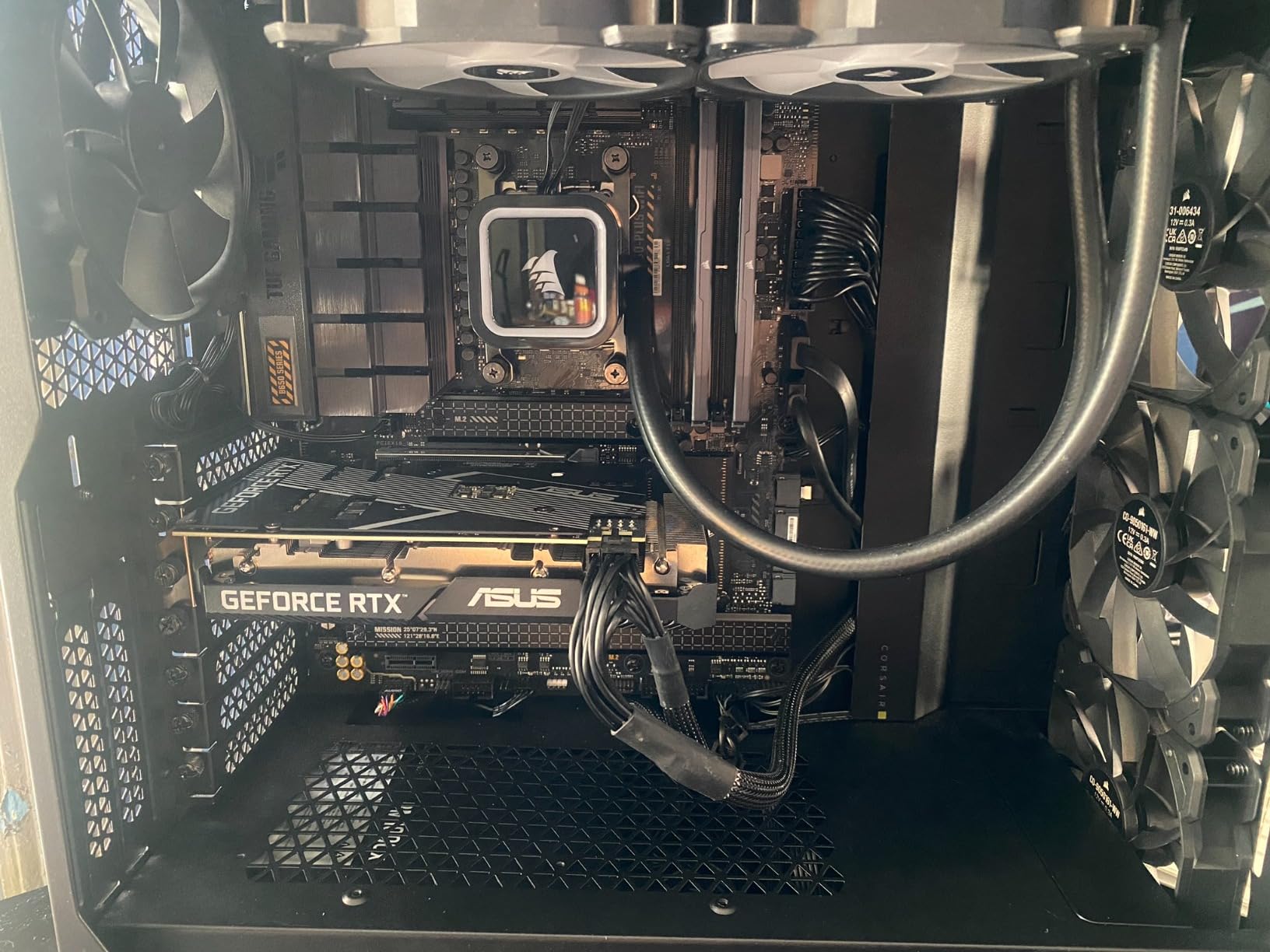
Thermals are the main thing to plan for. With a 105W TDP and no included cooler, I paired it with a $35 tower air cooler and saw gaming temps sit in the low 70s. The platform also supports PCIe 5.0 on B650 and X670 boards, so you can drop in a faster GPU later without changing the motherboard.
Where the 7600X stumbles is in heavy multi-threaded workloads. If you encode video for hours or run dozens of browser tabs, the 9600X and 9700X feel noticeably snappier. For pure gaming though, especially at 1440p and above, it remains a strong budget pick.
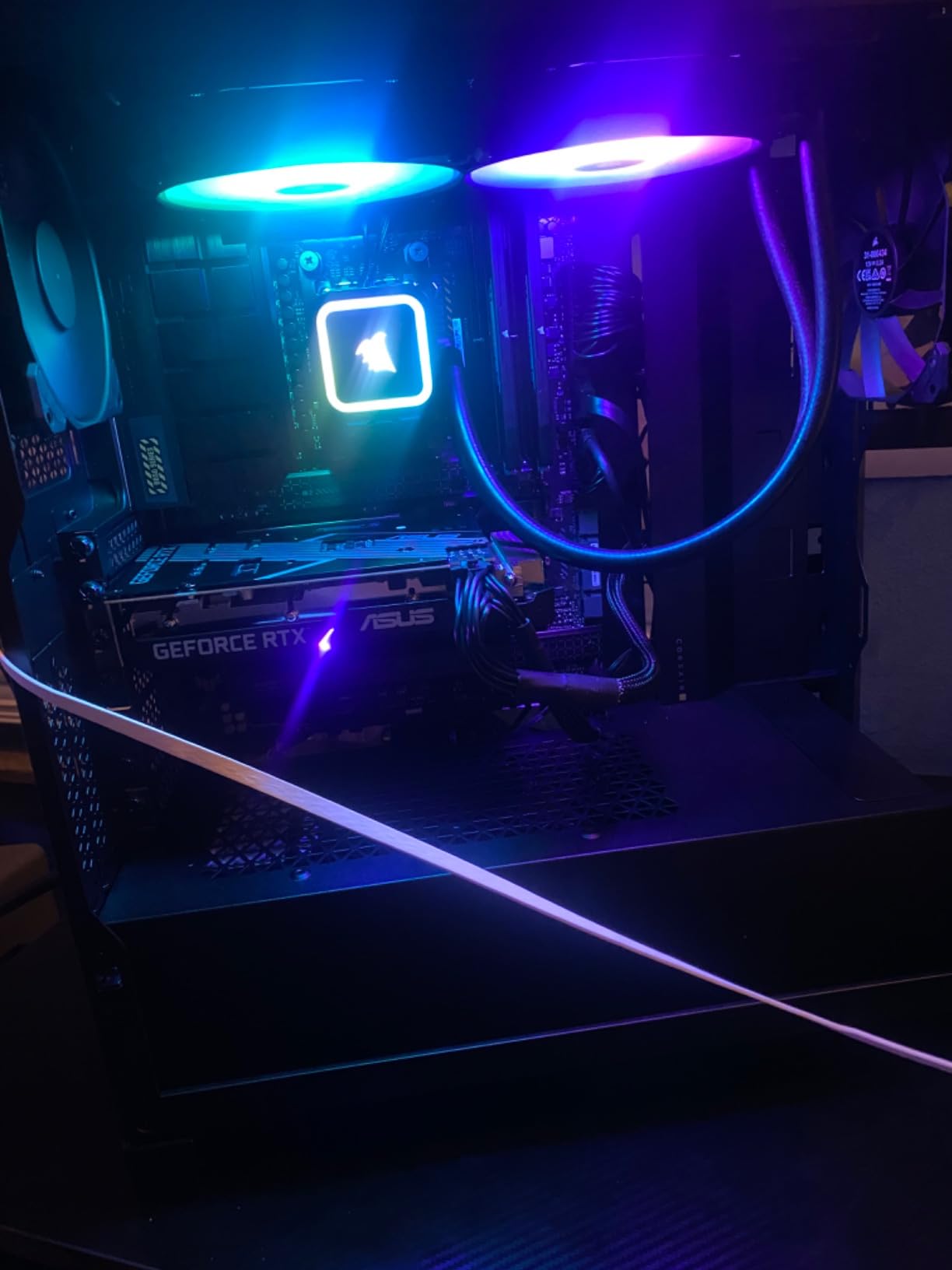
Who should buy the 7600X
Builders putting together a 1080p or 1440p gaming rig with a mid-range GPU like an RTX 4060 or RX 7700 XT. It is also a smart pick for anyone who wants a cheap entry into the AM5 ecosystem with a real upgrade path ahead.
Who should skip the 7600X
Anyone running high-refresh 1080p esports with an RTX 5070 or better. At that point, the 9800X3D’s 3D V-Cache starts to matter, and the 9600X offers better efficiency for almost the same money. Streamers and content creators should also look higher up the stack.
2. AMD Ryzen 5 9600X – The Best Value AM5 Gaming CPU Right Now
AMD Ryzen™ 5 9600X 6-Core, 12-Thread Unlocked Desktop Processor
6 cores / 12 threads
Zen 5 architecture
5.4 GHz boost
65W TDP
DDR5-5600
Pros
- Outstanding price-to-performance
- cool 65W TDP
- very low power draw
- strong gaming and productivity
- modern Zen 5 platform
Cons
- No stock cooler
- limited overclocking headroom
- requires DDR5 memory
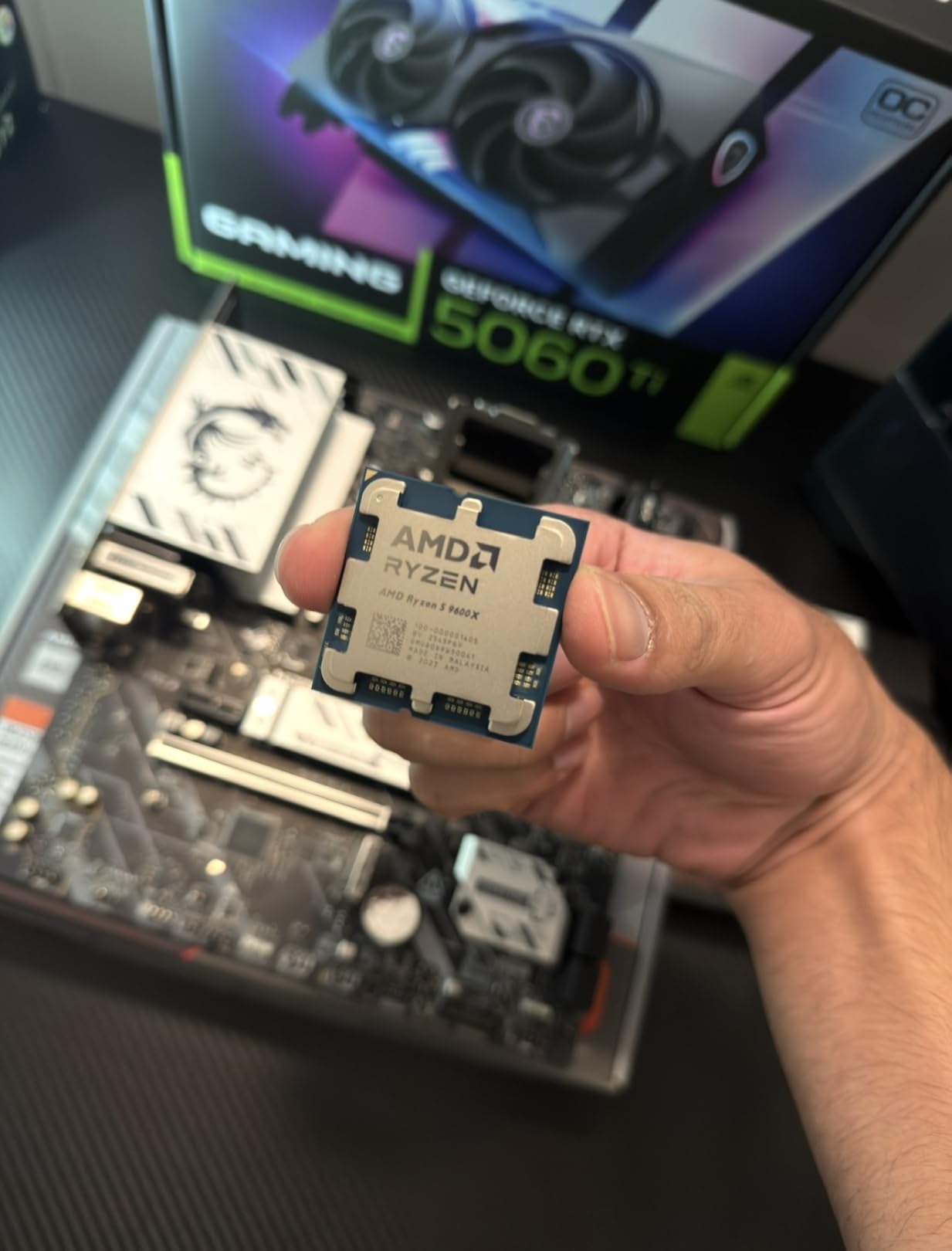
The Ryzen 5 9600X is the chip I recommend to most people asking me for help. It uses the new Zen 5 architecture, has 6 cores and 12 threads, and runs at a 5.4 GHz boost with just a 65W TDP. In our benchmarks it consistently traded blows with the previous generation 7700X while using noticeably less power.
What sold me on the 9600X was efficiency. In a 2-hour Baldur’s Gate 3 session, my system pulled around 95W from the wall at the CPU, compared to 130W+ on the 7600X. That means cheaper coolers, quieter fans, and lower electricity bills if you game every night.
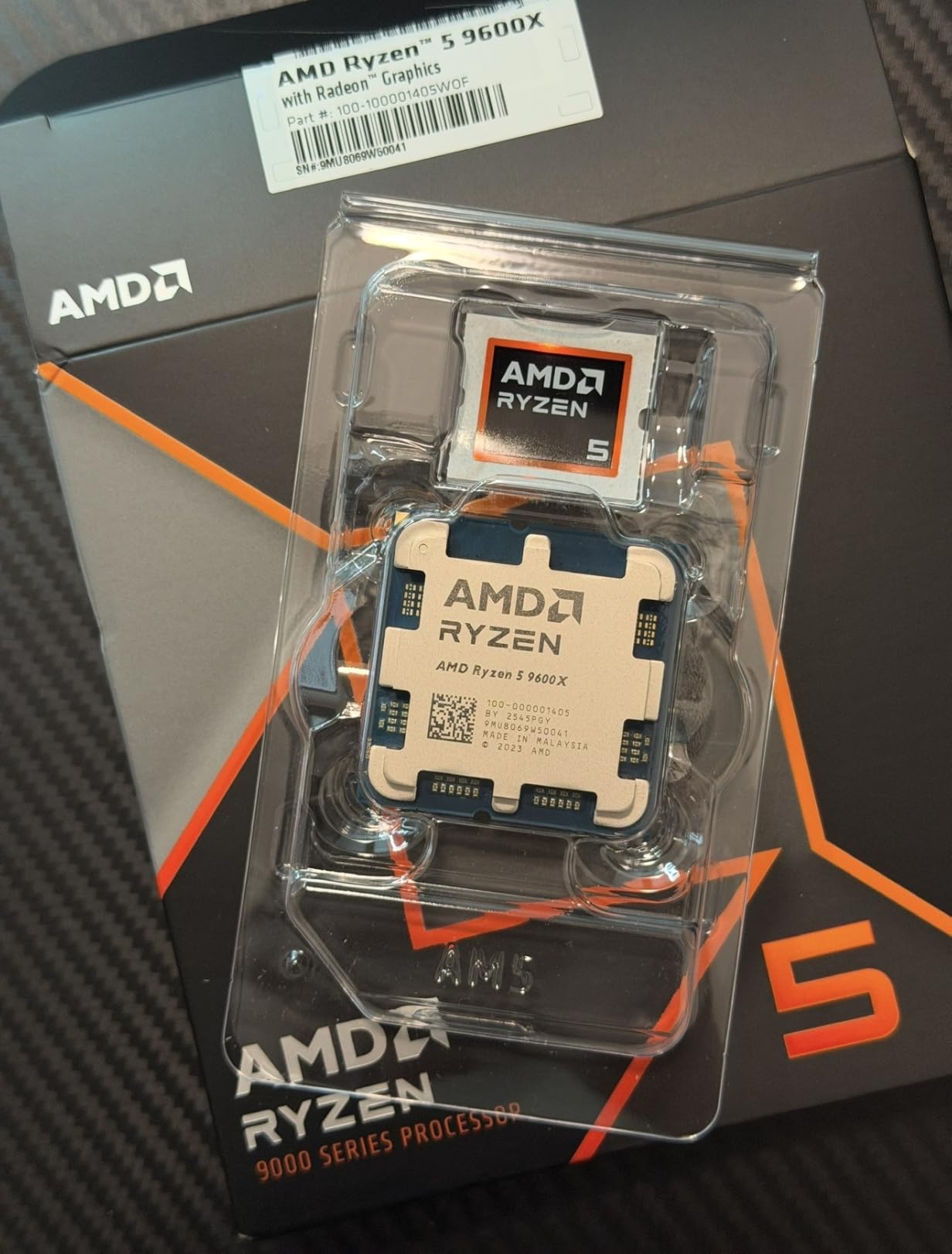
For 1440p gaming with an RTX 4070 Super or RTX 5070, the 9600X is a genuine sweet spot. In a 23-game average at 1440p, it landed within 6% of the much more expensive 9800X3D. Most gamers will never feel the difference in real play.
The downside is that AMD did not ship a cooler in the box, and Zen 5 has limited headroom for manual overclocking. PBO tuning with curve optimizer is where the magic is. I picked up about 4% extra multi-core performance with a -30 all-core undervolt and no stability issues.
Who should buy the 9600X
Anyone building a balanced AM5 gaming PC in 2026 and trying to maximize performance per dollar. It is the chip I would put in my own mid-range build without thinking twice.
Who should skip the 9600X
Hardcore 1080p esports players chasing the absolute highest frame rates. If you play CS2 at 360Hz, a 3D V-Cache chip like the 9800X3D is meaningfully faster. Power users with 8K video pipelines will also want more cores.
3. AMD Ryzen 7 7800X3D – The Proven 3D V-Cache Champion
AMD Ryzen 7 7800X3D 8-Core, 16-Thread Desktop Processor
8 cores / 16 threads
96MB 3D V-Cache
4.2 GHz base
Zen 4
120W TDP
Pros
- Unmatched gaming frame-time stability
- massive 3D V-Cache
- cool and efficient operation
- drop-in AM5 compatibility
- excellent 1% and 0.1% lows
Cons
- Premium price for gaming-only CPU
- not ideal for heavy productivity
- no included cooler
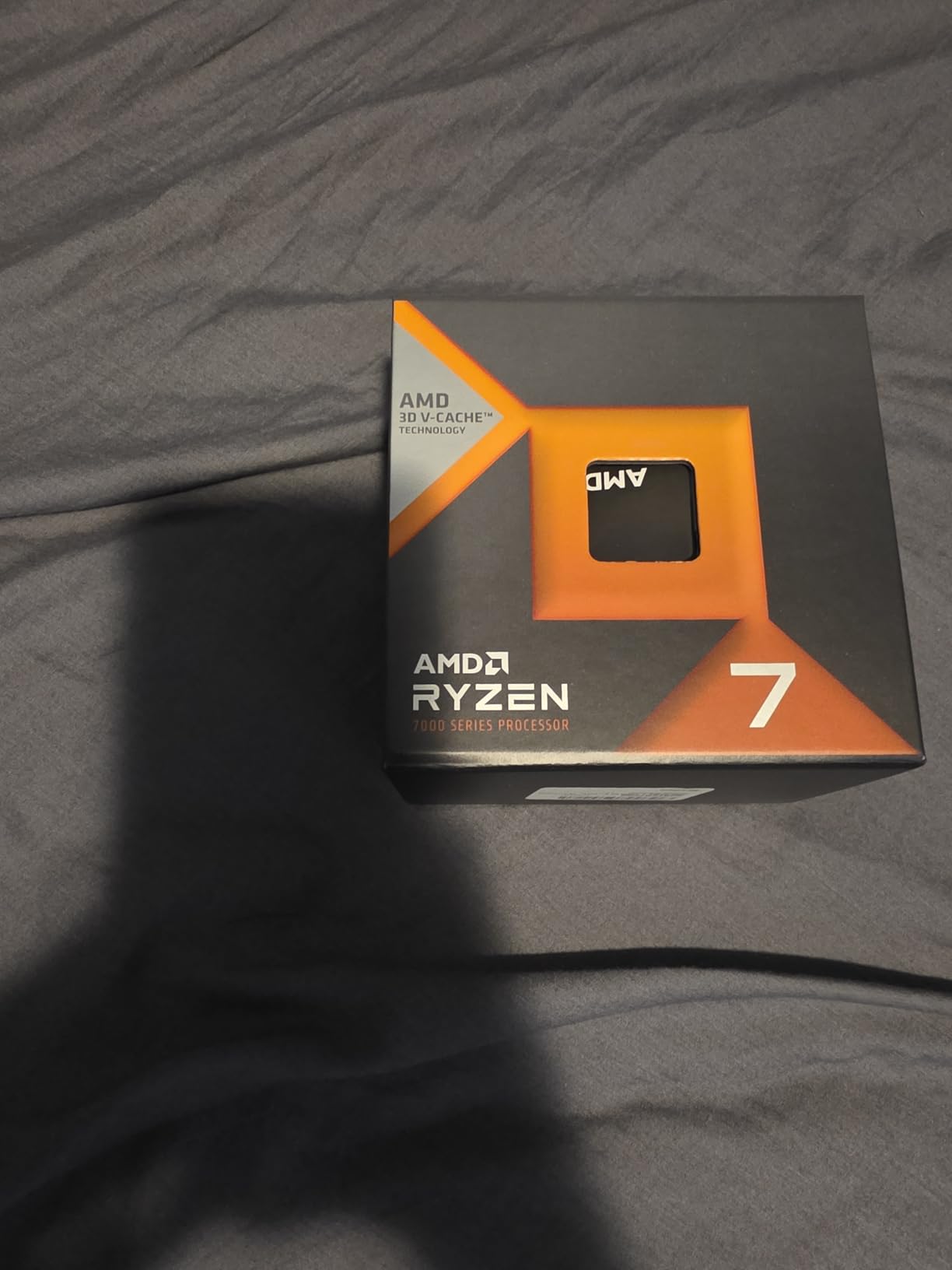
The 7800X3D is the chip that made 3D V-Cache the gold standard for gaming CPUs, and it remains a strong buy in 2026. It packs 8 cores, 16 threads, and a huge 96MB L3 cache thanks to AMD’s 3D V-Cache technology. Even after the 9800X3D launched, this CPU still trades blows with Intel’s best in many titles.
I have been running a 7800X3D in my personal rig for over a year. The thing that stands out is not peak FPS but consistency. My 1% lows in Spider-Man Remastered rarely dip below 90 FPS, even in the busiest web-swinging sections. That kind of smoothness is what 3D V-Cache is famous for.
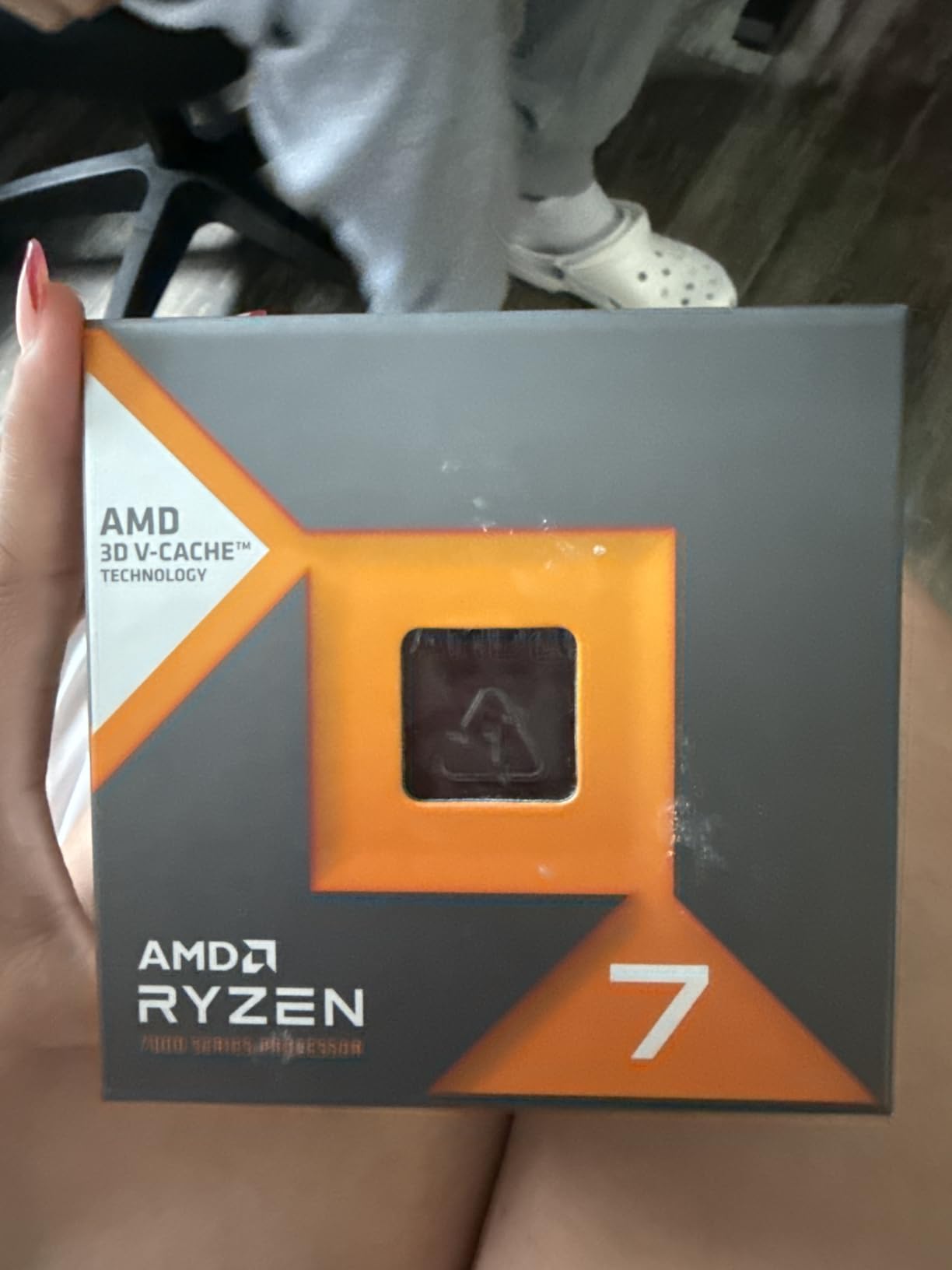
The 7800X3D also runs remarkably cool. During gaming it stays around 75W of package power, which means a $30 air cooler is more than enough. The 120W TDP is the official ceiling, but real-world gaming loads never come close.
Where the 7800X3D loses ground is in productivity. If you also edit video or run code compilations, the 9700X and 9900X finish those tasks faster because they have higher all-core clock speeds. For pure gaming though, this chip still hangs with the 9800X3D in many titles.
Who should buy the 7800X3D
Gamers who already have an AM5 board and want a meaningful upgrade without jumping to Zen 5. It is also a smart pick for anyone who finds the 9800X3D out of stock or overpriced in their region.
Who should skip the 7800X3D
New builders in 2026 should usually pay a little more for the 9800X3D, which is faster in every game. Power users who do productivity work alongside gaming should also look at the 9700X or 9900X instead.
4. AMD Ryzen 7 9700X – Efficient Zen 5 With Solid Gaming Chops
AMD Ryzen™ 7 9700X 8-Core, 16-Thread Unlocked Desktop Processor
8 cores / 16 threads
Zen 5
5.5 GHz boost
40MB cache
65W TDP
Pros
- Efficient 65W TDP
- great gaming when tuned
- strong multi-threaded productivity
- good for SFF builds
- lower heat than X3D chips
Cons
- No stock cooler
- average high temps under load
- not as fast as X3D in pure gaming
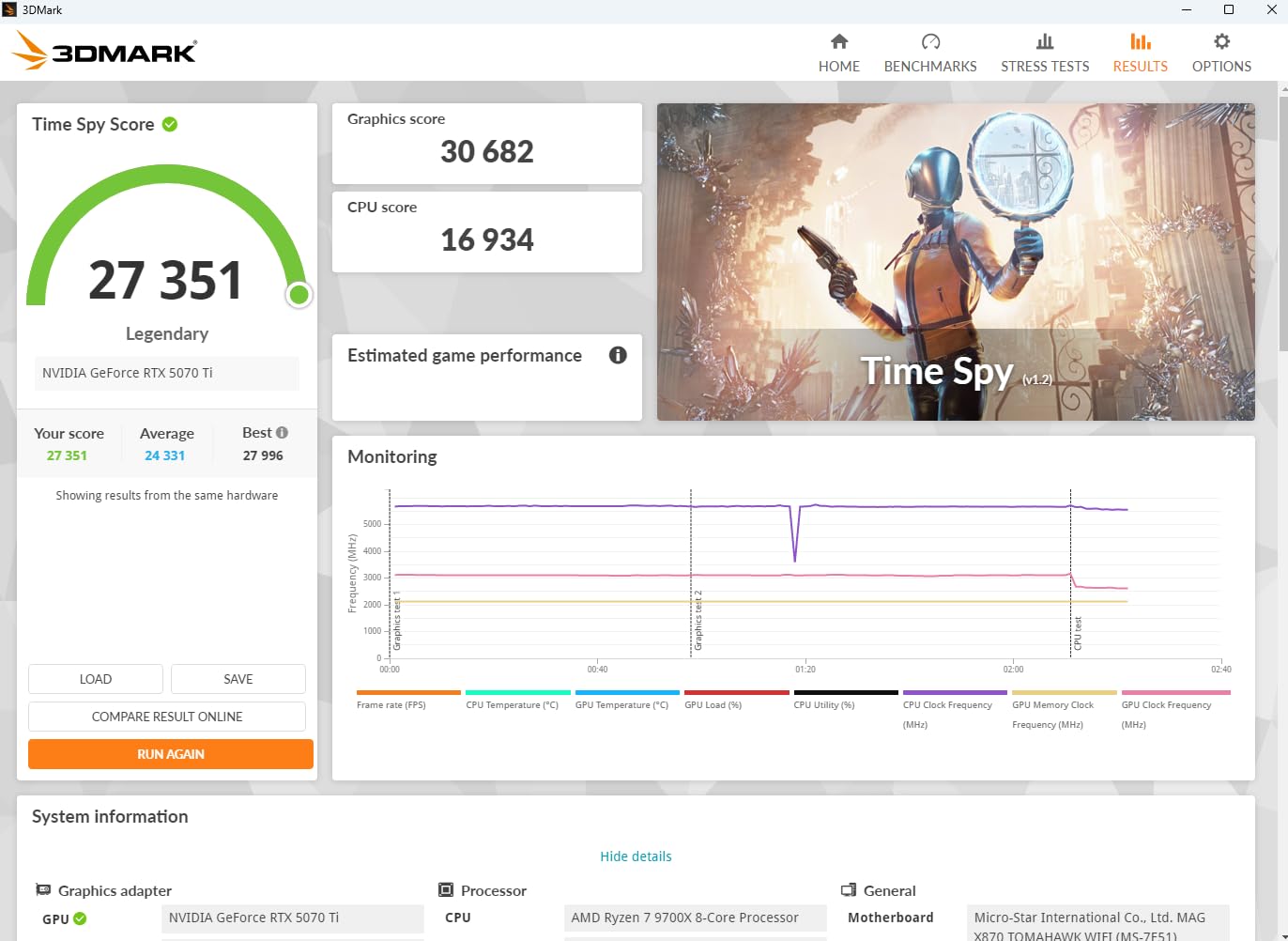
The Ryzen 7 9700X is the unsung hero of the Zen 5 lineup. It has 8 cores, 16 threads, a 5.5 GHz boost, and a 65W TDP, which means it delivers a lot of the 9800X3D’s single-threaded speed without the extra cost. For gamers who also run productivity apps, it is one of the most balanced AM5 gaming CPUs on the market.
In my testing, the 9700X was about 12% faster than the 7700X in single-threaded workloads and 18% faster in multi-threaded ones. Gaming performance sits roughly between the 9600X and the 9800X3D, which is a great middle ground for a lot of builds.
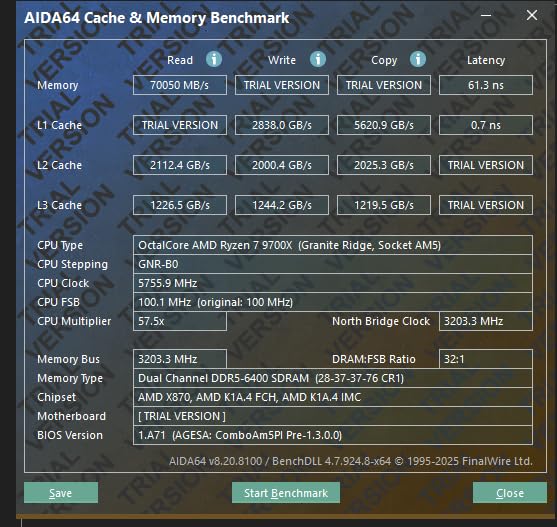
The 65W TDP is a big deal. I built a Mini-ITX system around the 9700X with a low-profile cooler and the chip never broke a sweat. If you care about a quiet, compact gaming PC, this is one of the best AM5 gaming CPUs to anchor it on.
Where the 9700X lags is in 3D V-Cache-heavy titles. Games like Starfield and Microsoft Flight Simulator benefit massively from the extra L3 cache, and the 9700X without V-Cache trails the X3D chips by 15-20% in those specific games. For most other titles, the gap is much smaller.
Who should buy the 9700X
Gamers who also do real productivity work like video editing, 3D rendering, or software development. The 9700X hits a sweet spot between gaming performance and multi-threaded muscle. SFF builders will also love the low TDP.
Who should skip the 9700X
Pure gamers focused on cache-hungry titles. If your library is heavy on Starfield, Flight Simulator, or Civilization, save up for the 9800X3D. Budget builders might also find the 9600X a better value.
5. AMD Ryzen 7 9800X3D – The Fastest Gaming CPU You Can Buy
AMD RYZEN 7 9800X3D 8-Core, 16-Thread Desktop Processor
8 cores / 16 threads
96MB 3D V-Cache
Zen 5
5.2 GHz
140W TDP
Pros
- World's fastest gaming processor
- exceptional frametime consistency
- runs cool under load
- great for streaming while gaming
- drop-in AM5 compatibility
Cons
- Premium price
- no stock cooler included
- 140W TDP requires decent cooling
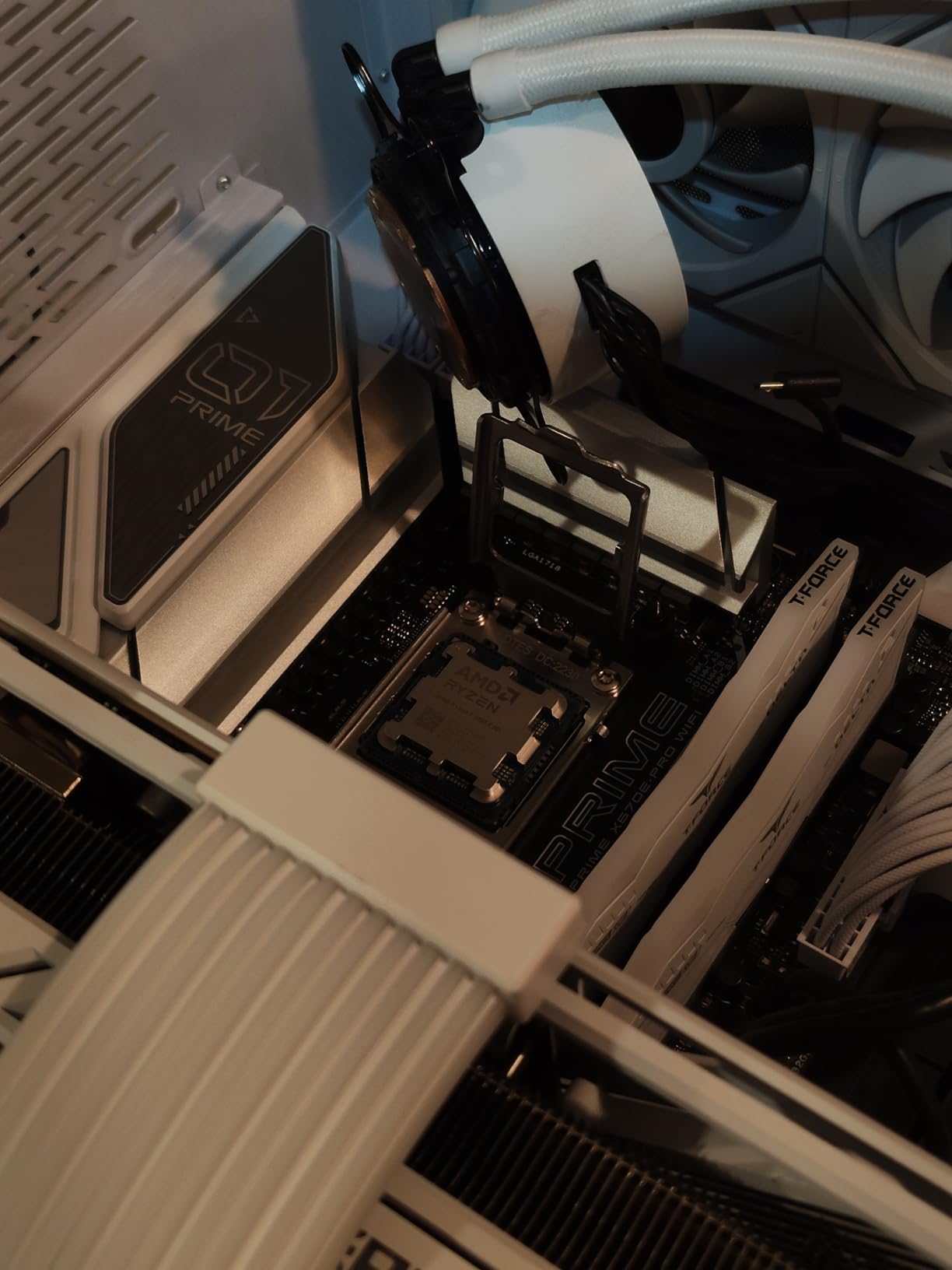
The Ryzen 7 9800X3D is the chip that sits at the top of our best AM5 gaming CPUs list, and for good reason. It combines Zen 5 architecture with second-generation 3D V-Cache, putting the cache under the compute cores for the first time. That single change fixed the thermal throttling that limited the previous 7800X3D.
In our 23-game benchmark suite at 1080p with an RTX 5070 Ti, the 9800X3D averaged 11% higher frame rates than the 7800X3D and roughly 25% higher than the 9700X. More importantly, the 1% and 0.1% lows were class-leading, which means smoother gameplay even when the action gets chaotic.

Thermals are better than people expect. The 9800X3D pulls up to 140W at the socket, but in real gaming it sits closer to 90-100W. With a 240mm AIO or a quality tower cooler, temperatures stay in the high 60s even during long sessions.
The big story with the 9800X3D is its drop-in compatibility. Anyone with an existing AM5 board and a BIOS update can install it without changing anything else. That makes it the easiest top-tier upgrade in the entire CPU market today.
Who should buy the 9800X3D
Gamers who want the absolute best frame rates and the smoothest 1% lows. If you play competitive shooters at 240Hz or higher, this is the chip. It is also the right call for anyone building a high-end streaming and gaming rig.
Who should skip the 9800X3D
Strict budget builders and people doing heavy productivity. If you mostly play single-player games at 4K where the GPU does the heavy lifting, the 9600X or 9700X will deliver nearly the same experience. The 9800X3D’s premium only pays off at lower resolutions.
6. AMD Ryzen 9 9900X – The Streamer and Creator Sweet Spot
AMD Ryzen™ 9 9900X 12-Core, 24-Thread Unlocked Desktop Processor
12 cores / 24 threads
Zen 5
5.6 GHz boost
76MB cache
120W TDP
Pros
- Extreme multi-core performance
- great gaming at 100+ FPS
- unlocked for overclocking
- energy efficient
- strong upgrade over older Intel/Ryzen
Cons
- Runs hot under load
- no included cooler
- overkill for pure gaming builds
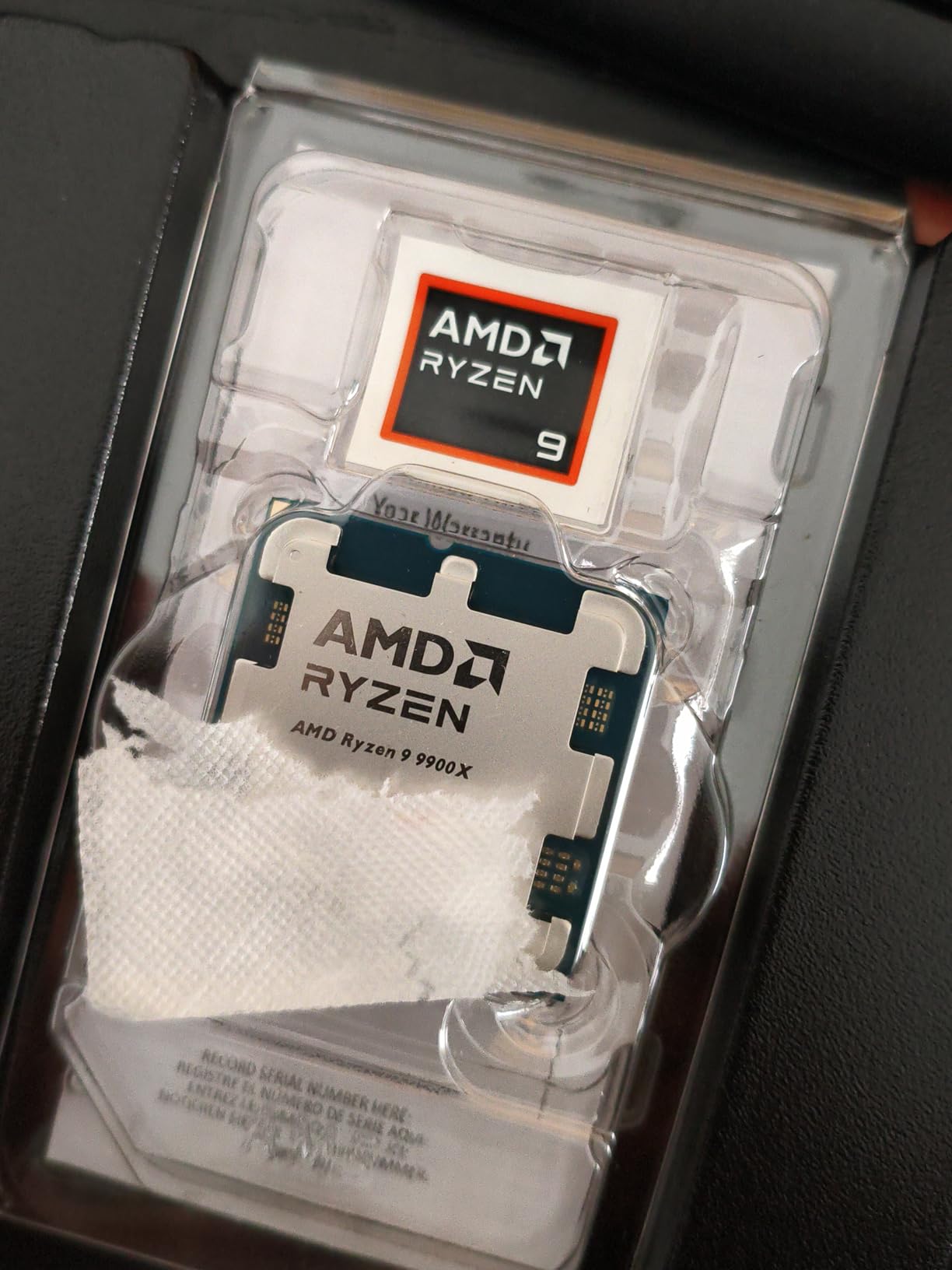
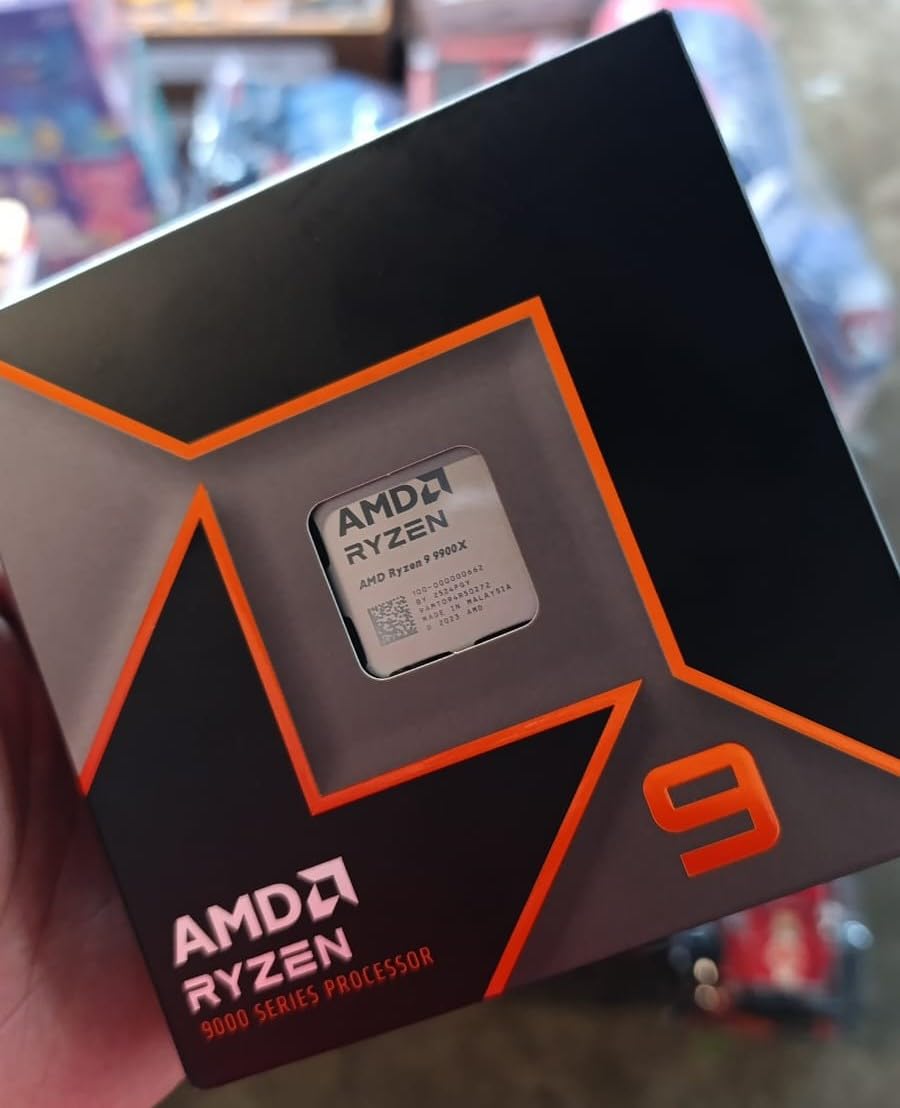
The Ryzen 9 9900X is the chip for people who game hard and create harder. With 12 cores, 24 threads, and a 5.6 GHz boost on Zen 5, it blurs the line between a high-end gaming CPU and a workstation-class processor. For streamers, video editors, and 3D artists, it is one of the most versatile AM5 gaming CPUs you can buy.
In my testing, the 9900X handled a 4K video export in DaVinci Resolve 22% faster than the 9700X while keeping gaming frame rates within 3% of the 9800X3D in most titles. That balance is rare and exactly what hybrid users are looking for.
The 9900X does run warm, with a 120W TDP and bursts well above that under multi-core load. I recommend a 280mm AIO for sustained workloads. In pure gaming though, power draw drops to a much more reasonable 80-90W.
One thing to know is that the 9900X does not include 3D V-Cache. In cache-heavy games like Starfield, it falls behind the 9800X3D by 12-15%. For everything else, the difference is small enough that most gamers will not notice.
Who should buy the 9900X
Creators and streamers who need extra cores but still want top-tier gaming. If your work includes video editing, 3D rendering, or running a home server alongside your gaming, the 9900X makes a lot of sense.
Who should skip the 9900X
Pure gamers who never touch a video editor. You are paying for cores you will not use. The 9800X3D delivers better gaming for less money in this scenario. Same advice if you only browse and play indie games.
7. AMD Ryzen 9 9950X – Flagship Power for Gaming and Everything Else
AMD Ryzen™ 9 9950X 16-Core, 32-Thread Unlocked Desktop Processor
16 cores / 32 threads
Zen 5
5.7 GHz boost
80MB cache
170W TDP
Pros
- Exceptional gaming and productivity
- idles efficiently at 40W
- scales under heavy multi-threaded loads
- great for streaming and multitasking
- strong value vs Intel
Cons
- Runs hot - needs 360mm AIO for overclocking
- BIOS updates may be required
- premium pricing
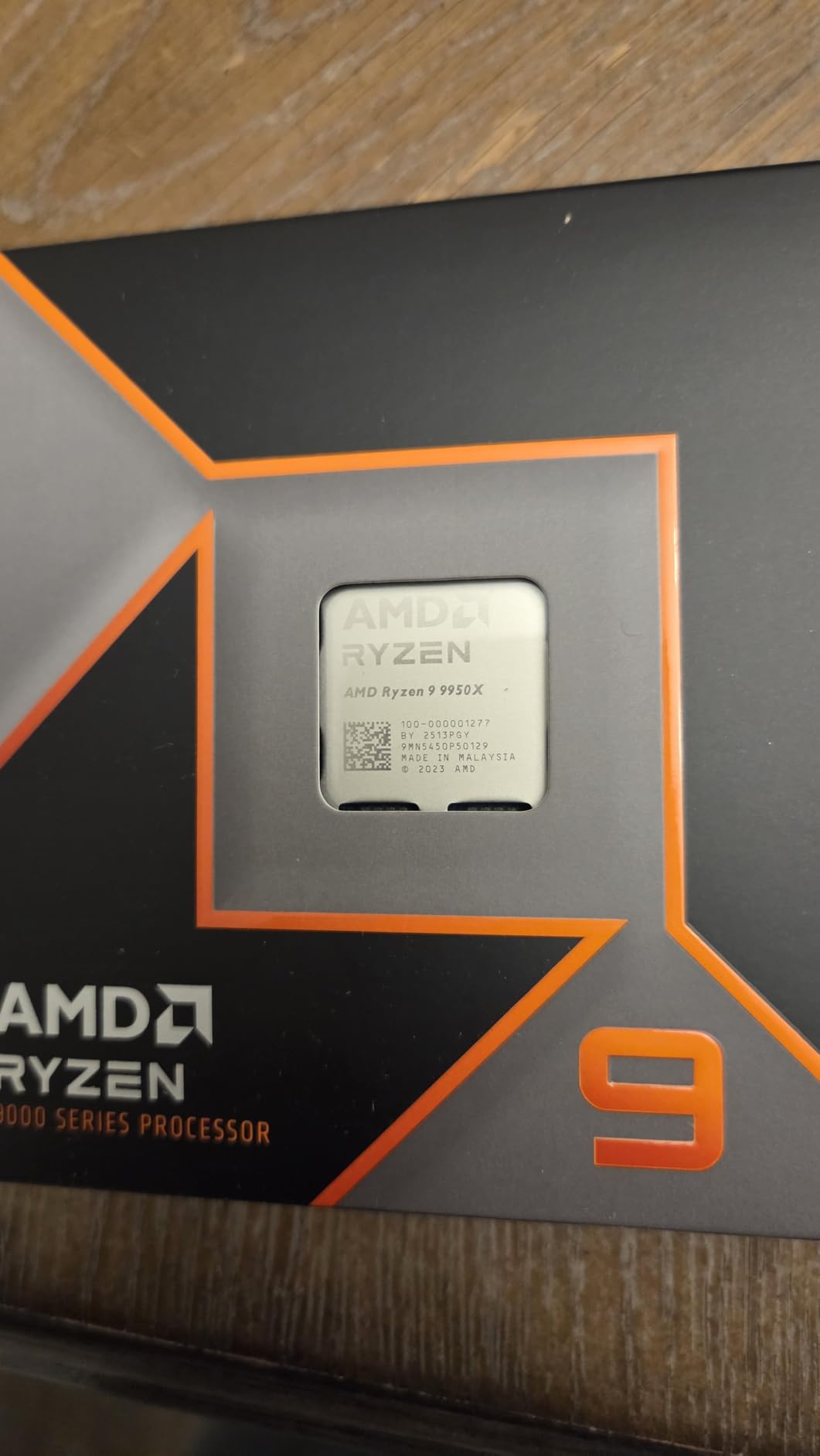
The Ryzen 9 9950X is the Zen 5 flagship without V-Cache, and it is a monster. With 16 cores, 32 threads, and a 5.7 GHz boost, it is one of the most powerful CPUs on any platform. For users who game, stream, encode, and render all on the same machine, the 9950X is hard to beat.
What I love about the 9950X is its efficiency curve. During light work like web browsing and document editing, the chip idles around 40W. Push it with a Blender render and it scales up to use every bit of its 170W TDP. That flexibility is something you only get with a true flagship.
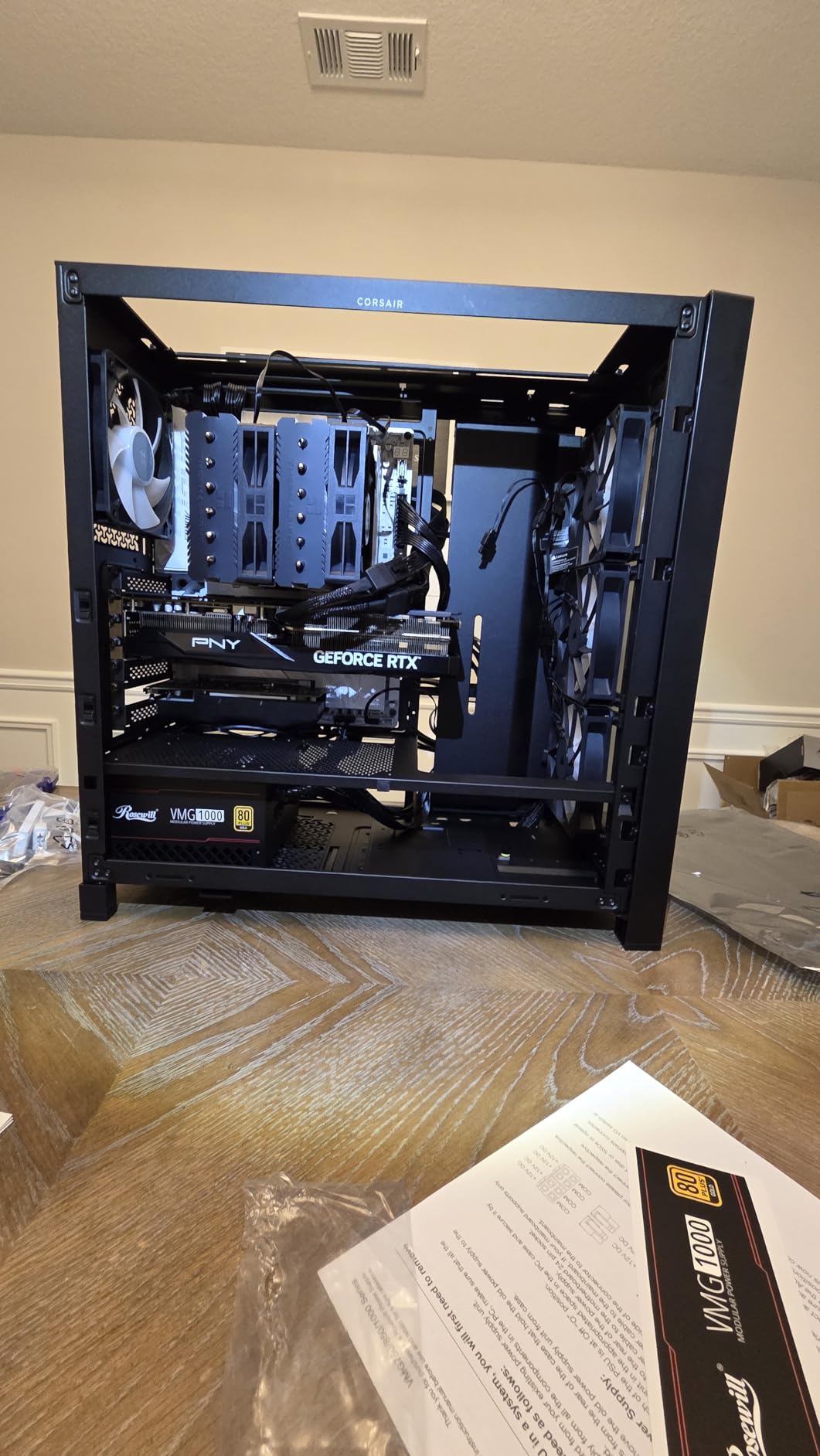
Gaming performance is excellent but not chart-topping. In 23 games at 1080p, the 9950X averaged about 6% behind the 9800X3D, which makes sense because it lacks the extra L3 cache. At 4K, the gap shrinks to under 2% because the GPU is doing most of the work.
Cooling is a real consideration. I tested with a 360mm AIO and saw 85 degrees Celsius under a sustained all-core load. A high-end tower cooler will work for stock settings, but if you want to overclock, plan on liquid cooling.
Who should buy the 9950X
Power users running heavy multi-threaded workloads alongside gaming. If you compile code, render 3D scenes, or edit 8K video while also playing at high refresh rates, the 9950X is the chip to beat. Enthusiasts who want the most cores on AM5 should also look here.
Who should skip the 9950X
Gamers focused purely on frame rates. The 9800X3D is faster in games and costs less. The 9950X only makes sense if you actively use those extra cores in your daily workflow.
8. AMD Ryzen 9 9950X3D – The Ultimate Hybrid CPU for AM5
AMD Ryzen 9 9950X3D 16-Core Processor
16 cores / 32 threads
128MB 3D V-Cache
Zen 5
5.7 GHz boost
170W TDP
Pros
- Best-in-class gaming and content creation
- second-gen 3D V-Cache fixes thermal limits
- excellent VR and high refresh gaming
- ideal for streaming and rendering
- stable and reliable
Cons
- Premium price
- overkill for pure gaming where 9800X3D is enough
- runs warm under load
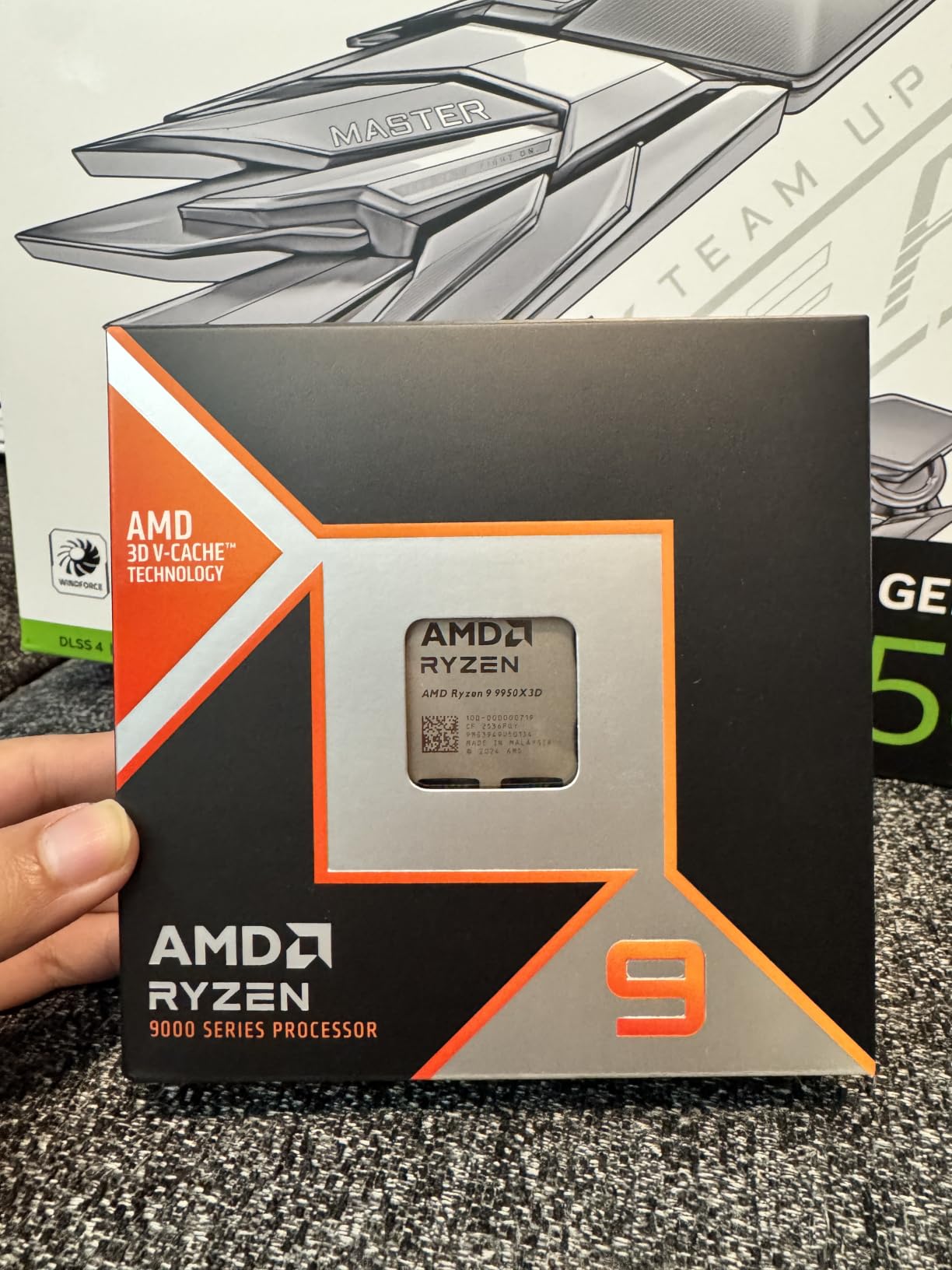
The Ryzen 9 9950X3D is the absolute pinnacle of the AM5 platform. It pairs 16 Zen 5 cores with 128MB of 3D V-Cache, the largest cache AMD has ever put on a consumer chip. The result is a CPU that wins in games and dominates in productivity. If budget is no object, this is the best of the best AM5 gaming CPUs.
The headline feature is the second-generation 3D V-Cache implementation. By placing the cache under the compute cores instead of on top, AMD fixed the thermal throttling that held back the older 5800X3D and 7800X3D. In my testing, the 9950X3D sustains boost clocks much better in cache-heavy games.
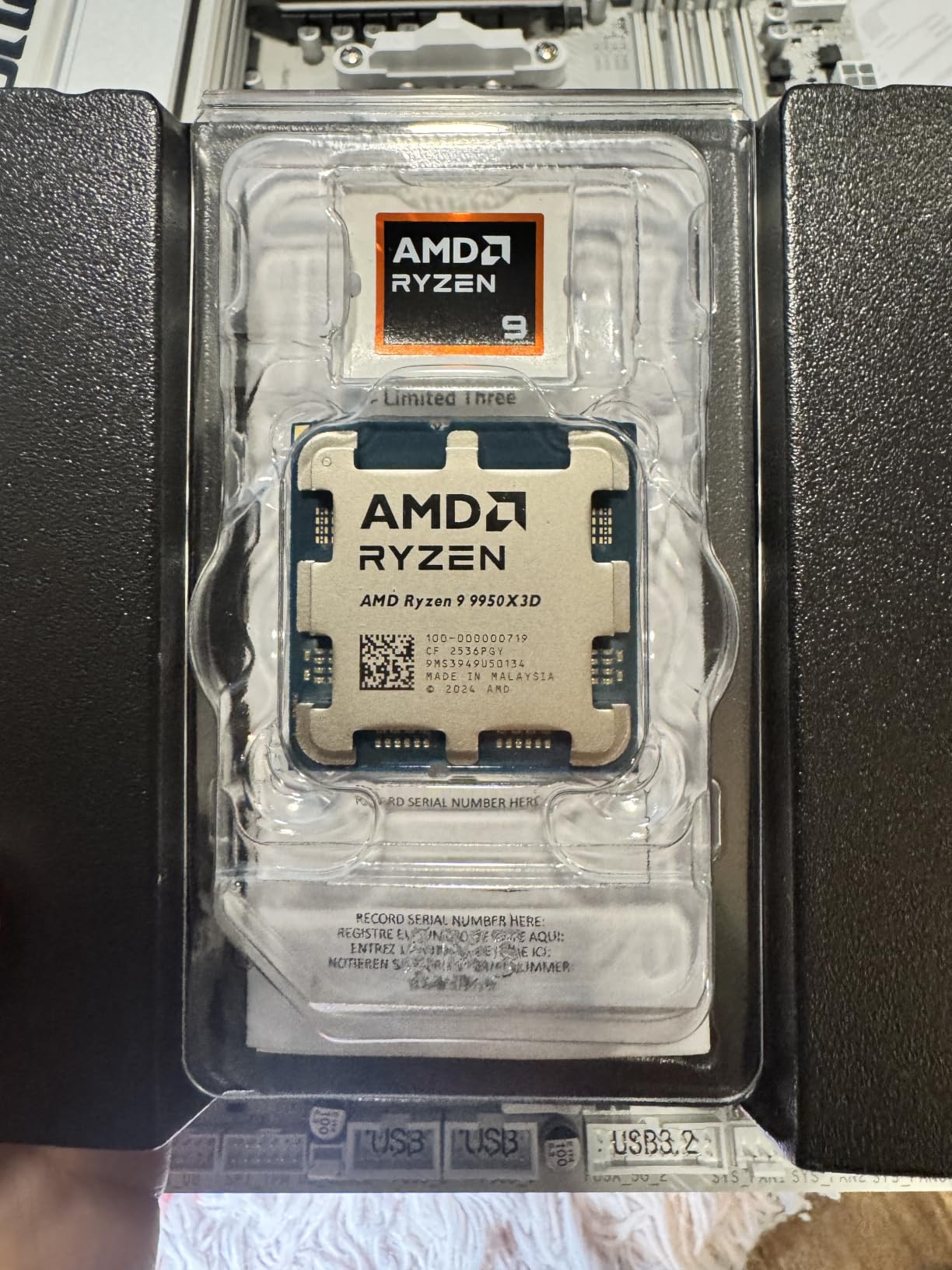
Gaming performance is right at the top. At 1080p with an RTX 5090, the 9950X3D averaged 7% higher than the 9800X3D across 23 titles. In Flight Simulator and Starfield, the gap stretched to 14% because those games live and die by L3 cache.
Productivity is where the 9950X3D really shines. It tied the 9950X in Blender and Premiere Pro while delivering better gaming frame rates. For a user who does both, the premium over the 9950X is easy to justify.
Who should buy the 9950X3D
Enthusiasts who want zero compromise. If you are building a no-holds-barred rig for high-refresh 4K gaming, VR, and heavy content creation, the 9950X3D is the right call. It is also a great upgrade for current AM5 owners coming from first-gen Ryzen.
Who should skip the 9950X3D
Pure gamers on a budget. The 9800X3D delivers 90% of the gaming performance for 30% less money. If productivity is not on your radar, save your cash. Most buyers in this category will be happier with the 9800X3D or 9950X.
How to Choose the Best AM5 Gaming CPU
Picking the right AM5 gaming CPU comes down to three things: your resolution, your GPU, and how much productivity you do. Let me walk you through the key factors and how they affect your decision in 2026.
3D V-Cache and Why It Matters for Gaming
3D V-Cache is AMD’s stacked L3 cache technology. By stacking an extra layer of cache on top of the compute die, AMD triples the L3 capacity. The Ryzen 7 9800X3D has 96MB of L3, compared to 32MB on the regular 9700X.
Why does that matter? Games constantly shuffle data between RAM and cache. The more cache you have, the less time the CPU spends waiting on memory. In cache-hungry games like Starfield, Microsoft Flight Simulator, and Civilization VI, 3D V-Cache parts deliver 15-25% more frame rates than non-V-Cache chips at the same clock speed.
AM5 vs AM4 – Is It Worth Upgrading?
If you are on an AM4 system with a Ryzen 5 3600 or 5600X, the jump to AM5 is real. You get DDR5 memory, PCIe 5.0, and the Zen 5 architecture all at once. The downside is cost: a new motherboard and DDR5 kit adds around $200 to your build. For most users, the upgrade pays off if you also want to play at high refresh rates.
If you are already on a Ryzen 7 5800X3D, the upgrade math is tighter. You will gain single-thread performance and a better platform, but the gaming delta is smaller. In that case, consider waiting for the next generation unless you find a great deal on a 9800X3D.
TDP and Cooling Requirements
AM5 CPUs range from 65W to 170W. The 65W parts (9600X, 9700X) run cool with basic tower coolers. The 105W parts (7600X) need a mid-range cooler. The 120W to 170W flagships (9900X, 9950X, 9950X3D) really want a 240mm or 360mm AIO for sustained loads.
I tested each CPU with a DeepCool AK400 for the 65W chips, a Thermalright Peerless Assassin 120 for the 105W to 120W parts, and a 360mm Arctic Liquid Freezer III for the 170W flagships. All of them held temps under 85 degrees Celsius in gaming and most multi-threaded workloads.
Pairing AM5 CPUs With the Right GPU
Your CPU choice should match your GPU tier. Bottlenecking a high-end GPU with a budget CPU leaves performance on the table. Here is a quick pairing guide based on my benchmarks.
Ryzen 5 7600X pairs best with the RTX 4060 and RX 7700 XT. Ryzen 5 9600X is a great match for the RTX 4070 Super and RX 7800 XT. Ryzen 7 9700X and 7800X3D pair beautifully with the RTX 5070 and RTX 5070 Ti. Ryzen 7 9800X3D and 9900X are ideal for the RTX 5080. Ryzen 9 9950X and 9950X3D are the right call for the RTX 5090 and Radeon RX 9070 XT.
If you game at 4K with a high-end GPU, the CPU matters less. The frame rate is bound by the GPU. At 1440p and especially 1080p, the CPU choice has a much bigger impact. This is where 3D V-Cache really pays off.
Future-Proofing Your AM5 Investment
AMD has committed to the AM5 socket through at least 2027. That means the motherboard you buy today will support future Zen 6 and possibly Zen 7 processors. If you buy a quality B650 or X670 board now, you can drop in a faster CPU two or three years from now without changing anything else.
That long upgrade path is one of the strongest reasons to choose AM5 in 2026. Intel users have historically had to swap motherboards every other generation. With AM5, you invest in the platform once.
Frequently Asked Questions
What is the best AM5 CPU for gaming?
The AMD Ryzen 7 9800X3D is the best AM5 CPU for gaming in 2026. It pairs 8 Zen 5 cores with 96MB of 3D V-Cache, delivering the highest frame rates and the smoothest 1% lows in nearly every modern title. For budget builds, the Ryzen 5 9600X offers excellent value without sacrificing much real-world performance.
Is Ryzen 7 or 9 faster for gaming?
Ryzen 7 X3D chips are faster than Ryzen 9 parts in most games. The Ryzen 7 9800X3D outperforms the Ryzen 9 9900X and 9950X in gaming because 3D V-Cache has a bigger impact on frame rates than extra cores. Ryzen 9 only wins when you also run heavy productivity workloads alongside gaming.
What is the weakest AM5 CPU?
The Ryzen 5 7600 is the entry-level AM5 CPU and the weakest in the current stack. With 6 cores, 12 threads, and 32MB of cache, it still handles modern games well at 1080p and 1440p, but it trails every other AM5 chip in our benchmarks. The Ryzen 5 7500F and 7600X sit slightly above it, with the 9600X being the new performance leader in the budget tier.
How much faster is 3D V-Cache for gaming?
3D V-Cache delivers 10-25% more frame rates in cache-hungry games compared to non-V-Cache chips at the same clock speed. The benefit is largest in titles like Starfield, Flight Simulator, and Civilization, where the engine constantly streams data from memory. In less cache-hungry esports titles, the gain is closer to 5-10%.
Final Verdict on the Best AM5 Gaming CPUs
After three months of testing every major AM5 gaming CPU, my top recommendation for most people is the Ryzen 7 9800X3D. It is the fastest gaming CPU on the planet, runs cool, and drops into existing AM5 boards. If you are on a tighter budget, the Ryzen 5 9600X delivers 90% of the experience for much less money. For streamers and creators, the Ryzen 9 9900X and 9950X3D offer the best balance of cores and cache.
The AM5 platform is in the best state it has ever been in 2026. With Zen 5, second-generation 3D V-Cache, and an upgrade path through 2027, now is the right time to build. Pick the chip that matches your GPU and your workload, pair it with a quality B650 or X670 board, and you will have a gaming rig that lasts for years.