
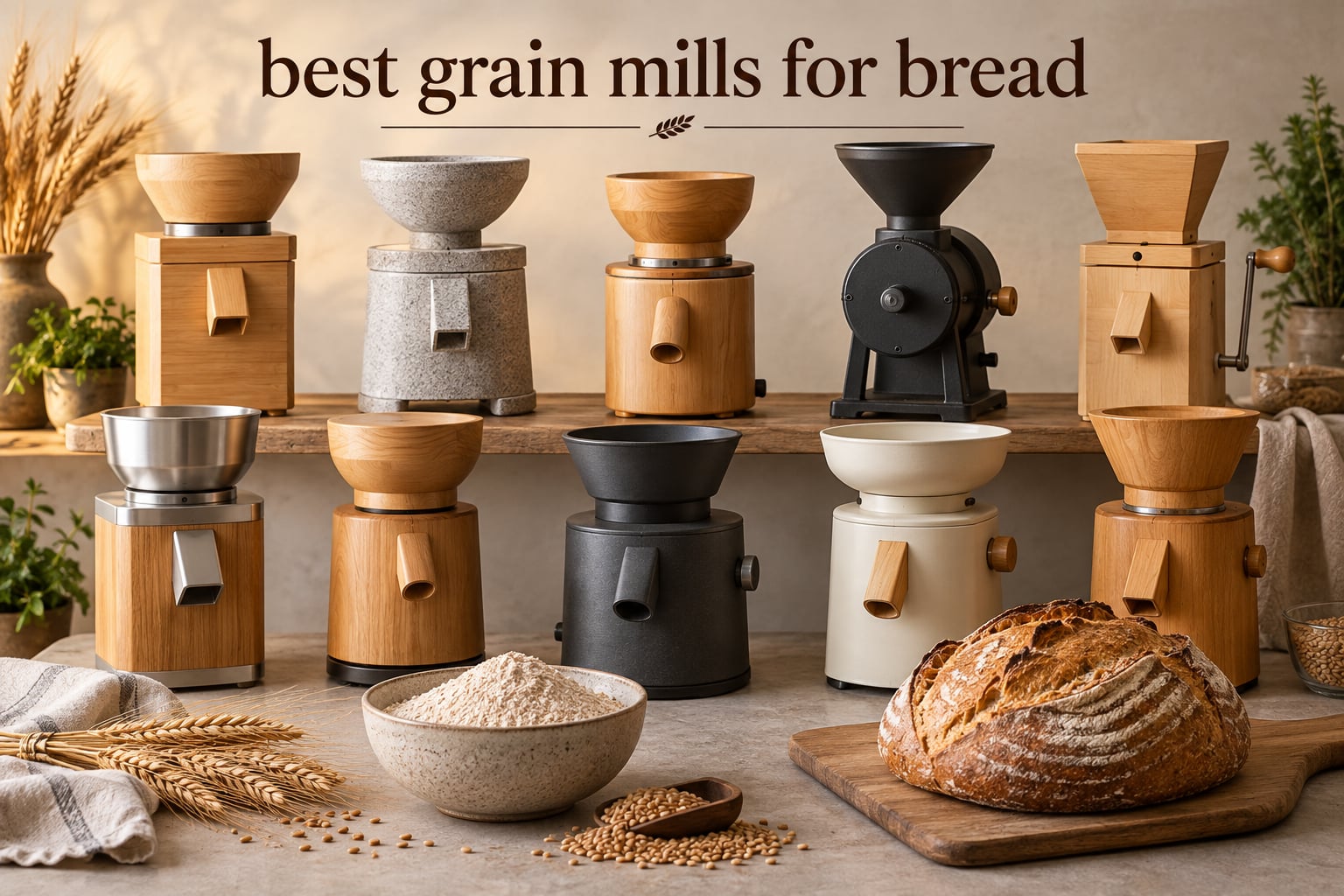
Most home bakers discover the same thing the week they first mill their own wheat: a bag of grocery-store whole wheat is coarser than they assumed, and it makes denser bread than they hoped for. Fineness is the whole game, and it is exactly what separates the mills that are worth owning from the ones that only look like a good idea on the counter.
That is what this guide is about. We looked at ten grain mills for bread, read through close to 12,000 owner reviews between them, and compared the details that actually change your loaf: grind adjustment range, batch size, how hot the flour gets, how long the motor can run before it needs to cool down, and what happens to your counter, your ears, and your mixer. If you want the short version, the LEJIEYIN 750g mill is the one most people in our research ended up happy with, the Kitchen Mill is the dedicated fine-flour machine, and the Victoria is the manual option when you would rather not own another appliance.
A note before we start: most mills in this category are blade or impact grinders, not true stone burr mills. That is a real difference and we are not going to paper over it. We explain what it means for bread in the buying guide, and we flag it again in every review where it applies.
Table of Contents
Top 3 Best Grain Mills for Bread Flour in 2026
All 10 Grain Mills Side by Side in September
| Product | Specifications | Action |
|---|---|---|
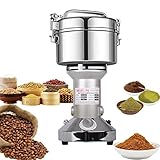 LEJIEYIN 750g Electric Mill LEJIEYIN 750g Electric Mill |
|
Check Latest Price |
 The Kitchen Mill The Kitchen Mill |
|
Check Latest Price |
 Victoria Manual Cast Iron Mill Victoria Manual Cast Iron Mill |
|
Check Latest Price |
 Corona Manual Grain Mill Corona Manual Grain Mill |
|
Check Latest Price |
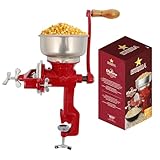 Estrella Manual Grain Mill Estrella Manual Grain Mill |
|
Check Latest Price |
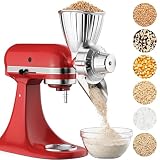
 GVODE Mixer Attachment Mill GVODE Mixer Attachment Mill |
|
Check Latest Price |
 INSELY 150g Electric Mill INSELY 150g Electric Mill |
|
Check Latest Price |
 OKF 550g Electric Mill OKF 550g Electric Mill |
|
Check Latest Price |
 COFUN Mixer Attachment Mill COFUN Mixer Attachment Mill |
|
Check Latest Price |
 Coolcook Mixer Attachment Mill Coolcook Mixer Attachment Mill |
|
Check Latest Price |
1. LEJIEYIN 750g Electric Mill – Our Top Overall Pick
Grain Mill Grinder 750g High Speed Electric Stainless Steel Grinder Cereals Corn Flour Pulverizer Powder Machine for Dry Spice Herbs Grains Coffee Rice Pepper
2000W at 25000 RPM
750g bowl
50-300 mesh
Overload protection
Pros
- Big 750g bowl cuts down repeat cycles
- Fine flour in short cycles
- Stainless steel throughout
- Overload auto shut-off with reset
Cons
- Runs hot and needs 5-10 min cool downs
- Hopper is not removable for cleaning
- Loud
- Screws and rivets trap flour residue
The reason this leads the list is simple volume of feedback. With more than 3,600 owner reviews on an electric standalone mill, the patterns here are hard to argue with: the flour comes out fine, the motor has real power for its size, and the 750g bowl means fewer repeat cycles than the smaller machines in this group.
That batch size matters more for bread than any other spec on this page.
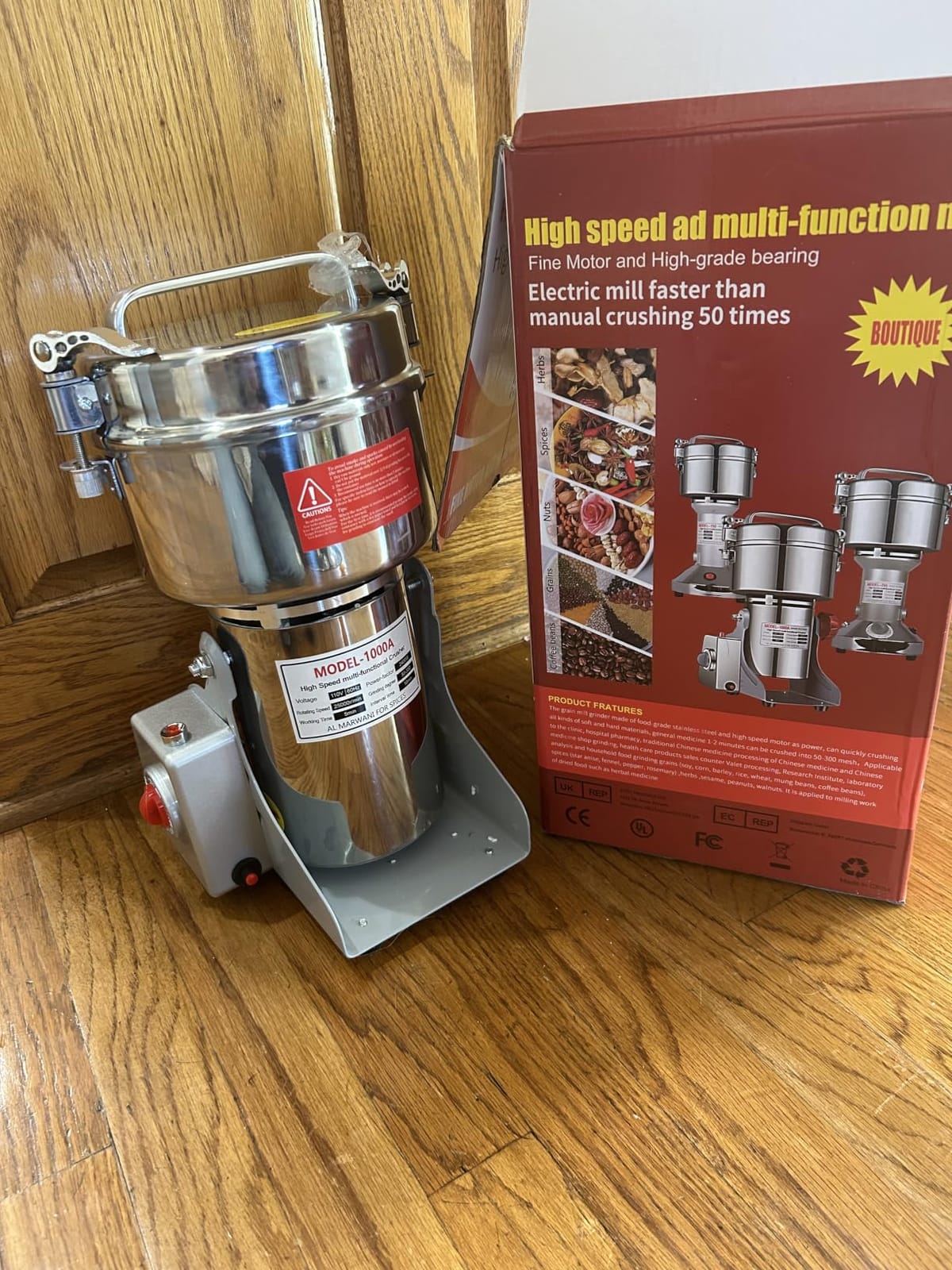
The 2000W motor spins a three-blade system at 25,000 RPM and the brand rates fineness at 50 to 300 mesh. The double-edged result is speed and a genuinely fine powder, and also heat, which is the trade-off you need to plan for.
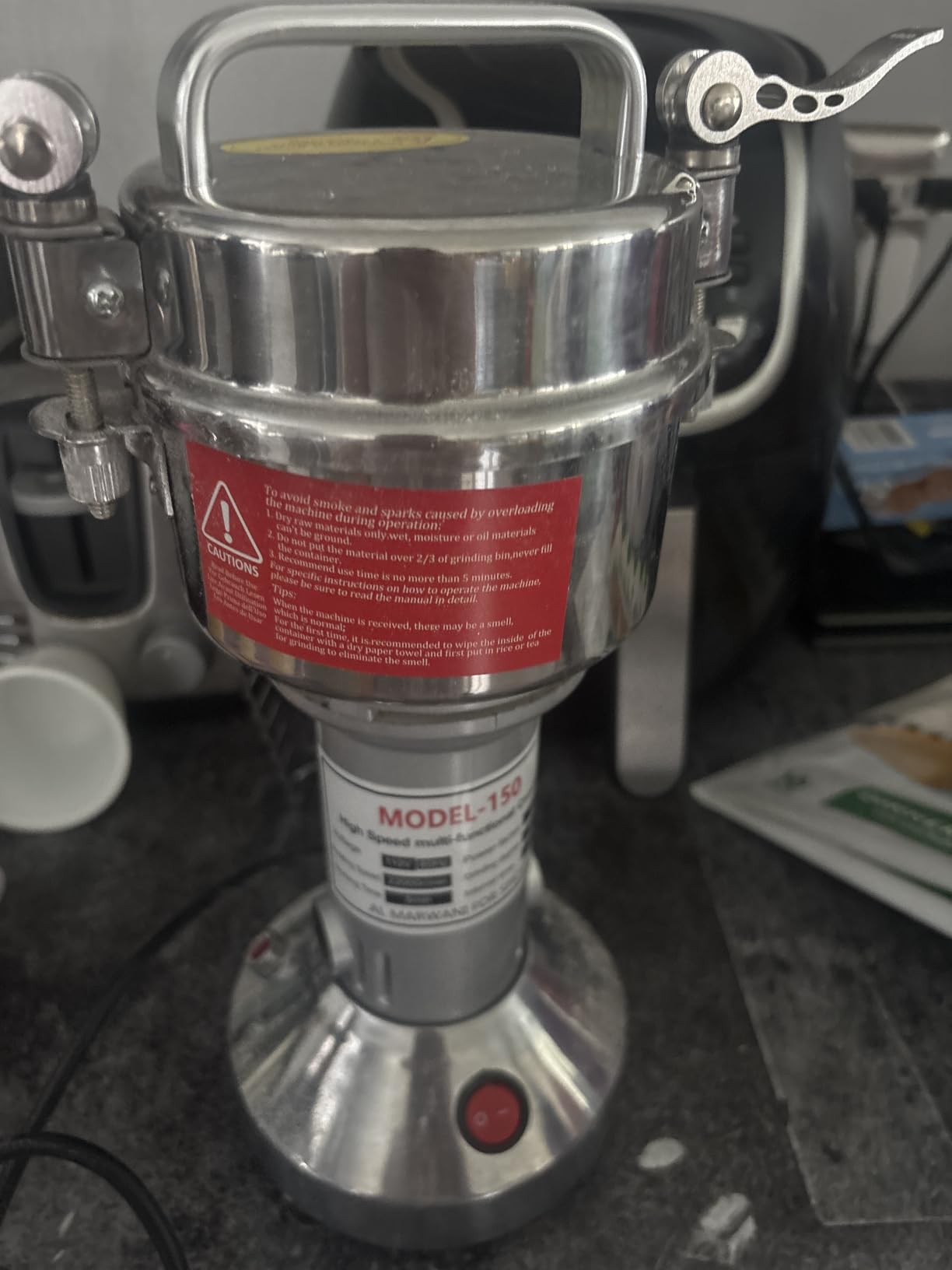
Owners are consistent about the cooling rule. The manufacturer caps continuous run time at three minutes with a five to ten minute cool down, and reviews repeatedly warn that ignoring this is how the motor gets damaged. Treat it as a machine that grinds in bursts, not one that can be loaded and forgotten.
Who this suits
A home baker who wants one bowl-sized batch per session, already understands that blade mills generate heat, and wants stainless steel rather than plastic in the grinding path. It also handles spices, coffee and rice well, so it earns its counter space beyond bread.
Who should skip it
Anyone who wants a quiet appliance or who will grind all afternoon. A true stone burr mill runs cool and quiet by design, and this one does neither. If your priority is a low hum and cool flour, this is the wrong category entirely.
2. The Kitchen Mill – Built for Fine Bread Flour Specifically
Kitchen Mill – Electric Grain Mill – High Speed Wheat, Corn, Grain Grinder, Flour Mill – Assembled in the USA – Stainless Steel Milling Chamber
1000W motor
Stainless micronetic chamber
3.8 lb capacity
Assembled in the USA
Pros
- Purpose-built for fine flour
- Stainless steel milling chamber
- Adjustable grind settings
- Up to 24 cups of flour in under 10 minutes
- Clear see-through mill pan
Cons
- Very loud
- Side latches can be hard to secure
- Hopper clogs with soft grains like oats
- Motor runs hot on extended use
Of everything we looked at, this is the one whose stated purpose is the closest to bread. The marketing claim is 24 cups of flour in under ten minutes, and the milling chamber is a stainless steel micronetic design rather than a coated blade bowl.
It is also the only machine here with a warranty split that tells you what the company thinks is long-lived: eight years limited on the plastics and motor, lifetime on the grinding mechanism.
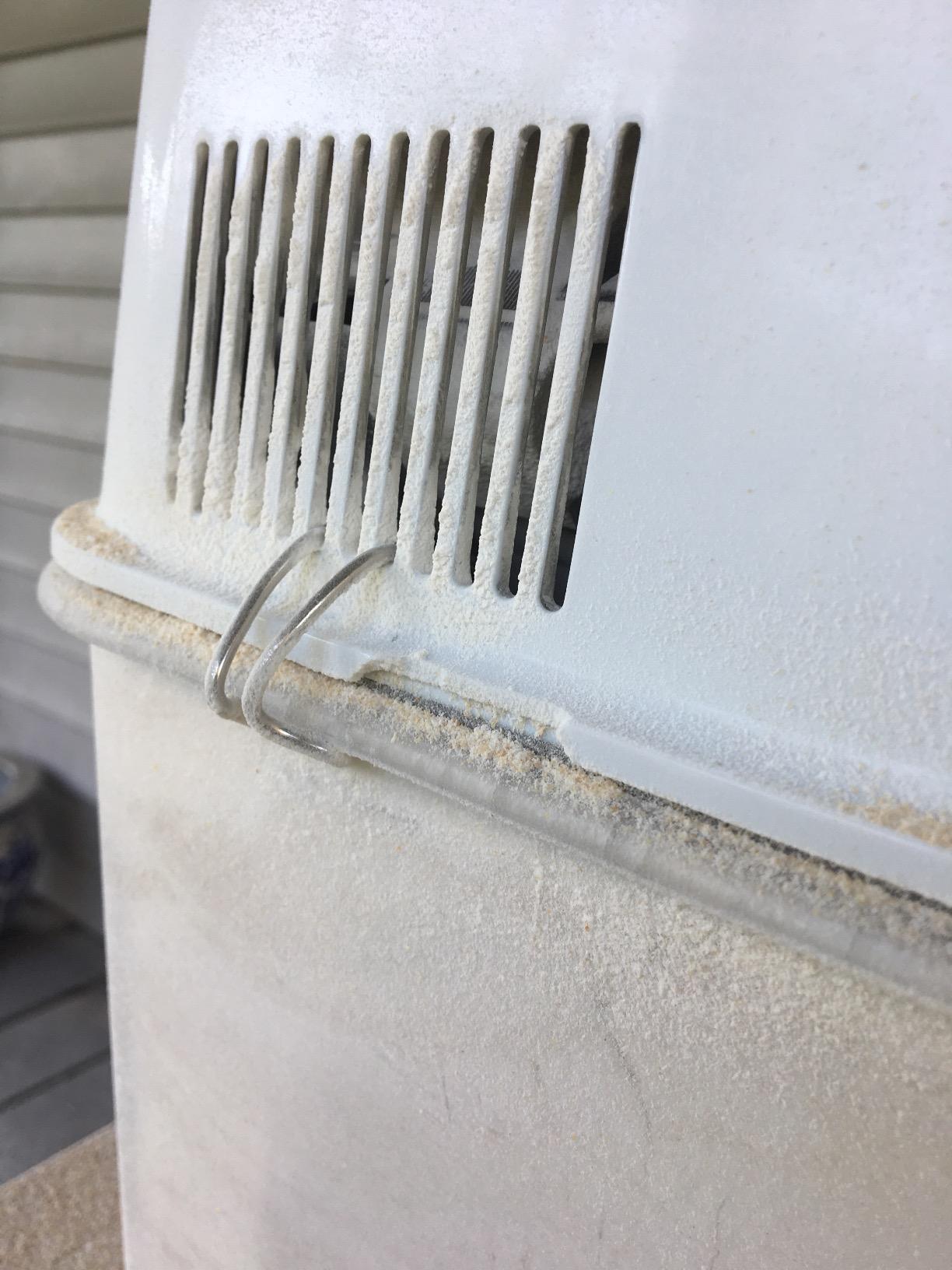
Owners frequently mention longevity. Multiple reviews describe ten-plus years of use, which is a longer track record than anything else in this roundup can point to, and the general verdict is fine flour produced quickly with little fuss.
Cleaning is a brush, not a wash, which suits anyone who does not want to take a grain mill apart at the sink. It handles wheat, corn, rice, popcorn, beans and legumes, though soft grains such as oats are the known clog point.
Who this suits
A baker who wants a machine dedicated to bread and treats fine texture as the priority. If you have ever been disappointed by gritty flour, this is the mill in the group designed around that complaint.
Who should skip it
People sensitive to noise. Loud operation is the single most repeated complaint in the reviews, and reviewers themselves recommend hearing protection. Two smaller gripes are the side latches, which some owners find fiddly to secure, and the 10 by 8.5 by 7.75 inch footprint, which is not a small counter commitment.
3. Victoria Cast Iron Manual Mill – The Best Reviewed Here
Victoria Manual Cast Iron Grain Mill 2400g with High Hopper
Cast iron with double tin plating
2400g hopper
Manual
90 day limited warranty
Pros
- Most reviewed mill in this roundup
- High-capacity hopper
- Durable cast iron body
- Adjustable coarseness
- No electricity required
Cons
- Will not produce superfine bread flour
- Needs physical effort to mill
- Clamp may not fit thick countertops
- 4.4 lb is heavy to hold in place
With 4,561 owner reviews, this is the most proven design in the group, and the version has been made in Colombia since 1939. The cast iron body is double tin plated and the hopper holds 2400g, the largest grain capacity of anything here.
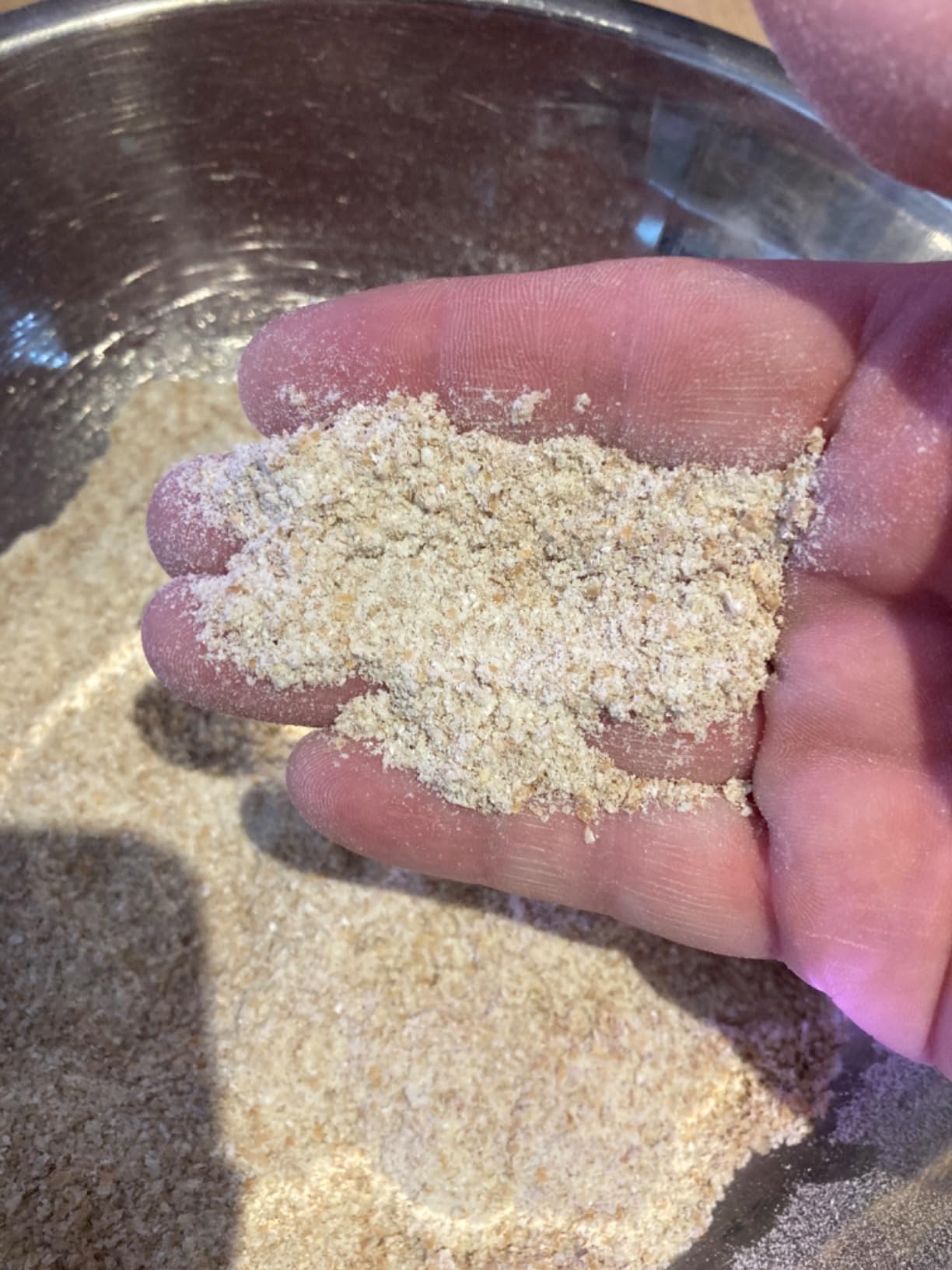
Be clear-eyed about the limitation. The grinding discs are white iron, and the manufacturer states plainly that it is not suitable for superfine flour. If your goal is sandwich bread crumb, this mill will not get you there.
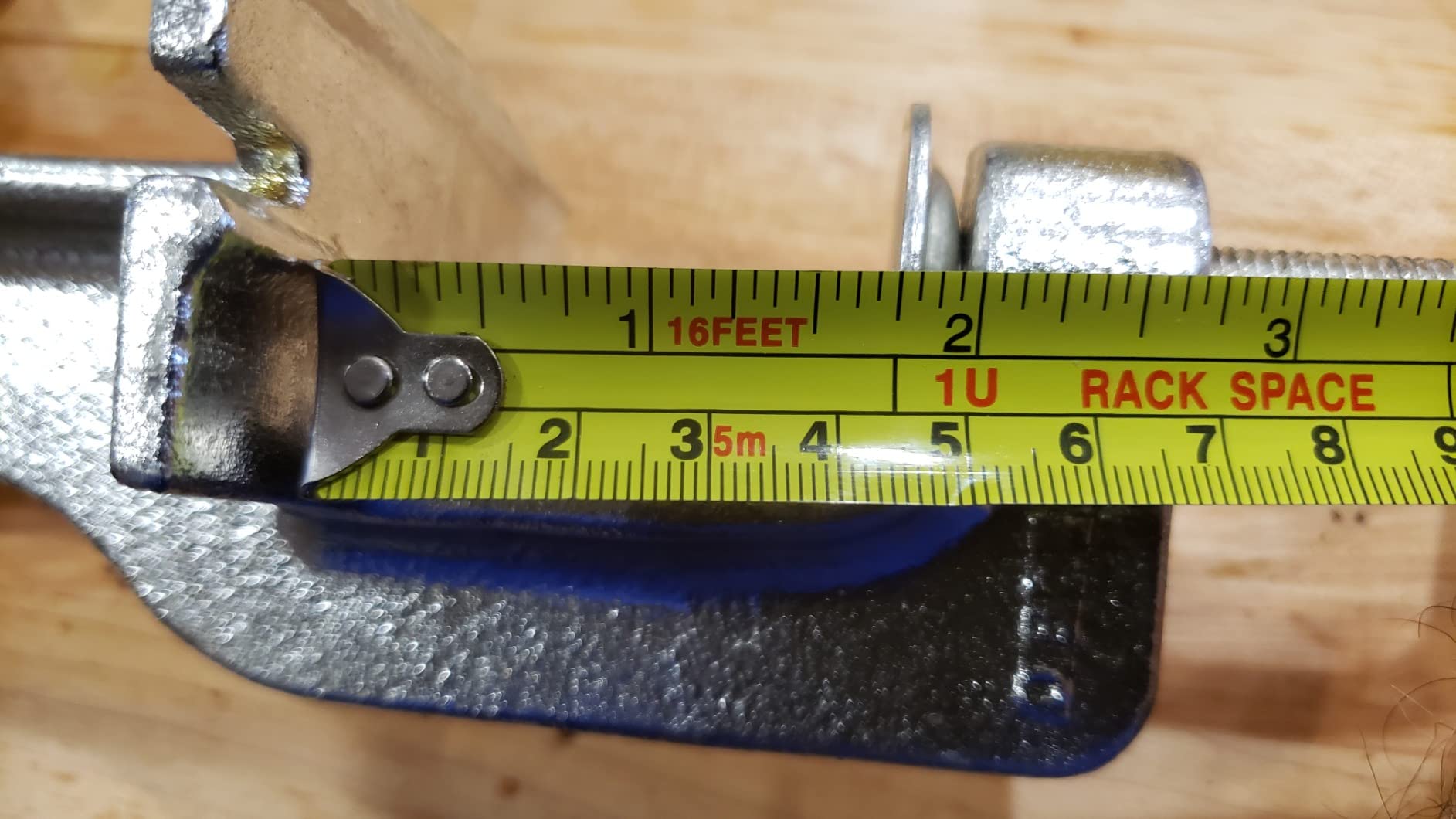
What it does extremely well is coarse work: cracked grains, cornmeal, whole kernels, coffee and spices. The coarseness adjusts with a screw, and the clamp fits surfaces from half an inch to two inches thick.
Owners who have had one for years describe it as a tool rather than an appliance. It does not heat anything, it never needs a cord, and it outlasts trend cycles.
Who this suits
Bakers who mostly want cracked grain, cornmeal and grits, and who like the idea of an appliance that cannot break because of a power surge. The hopper is big enough to crack a serious amount of corn in one sitting.
Who should skip it
Anyone whose bread depends on fine flour. The first few sessions also produce loose chrome or tin flakes that work out of with use, and the wing-nut adjustment takes practice to get right. If fine texture is your goal, spend the extra and get an electric fine mill.
4. Corona Manual Mill – Heavy Duty for Coarse Grains
Corona Manual Grain Mill, Molino para Moler Maiz, Cast Iron Grinder
Cast iron with tin plating
1.9 quart hopper
Manual
Colombian made
Pros
- Heavy-duty cast iron construction
- Adjustable from coarse to fine
- Large hopper
- Securing clamp
- Works without power
Cons
- Will not make fine bread flour
- Break-in period sheds metal flakes
- Clamp limited to 1.45 inch surfaces
- 9.4 lb is the heaviest here
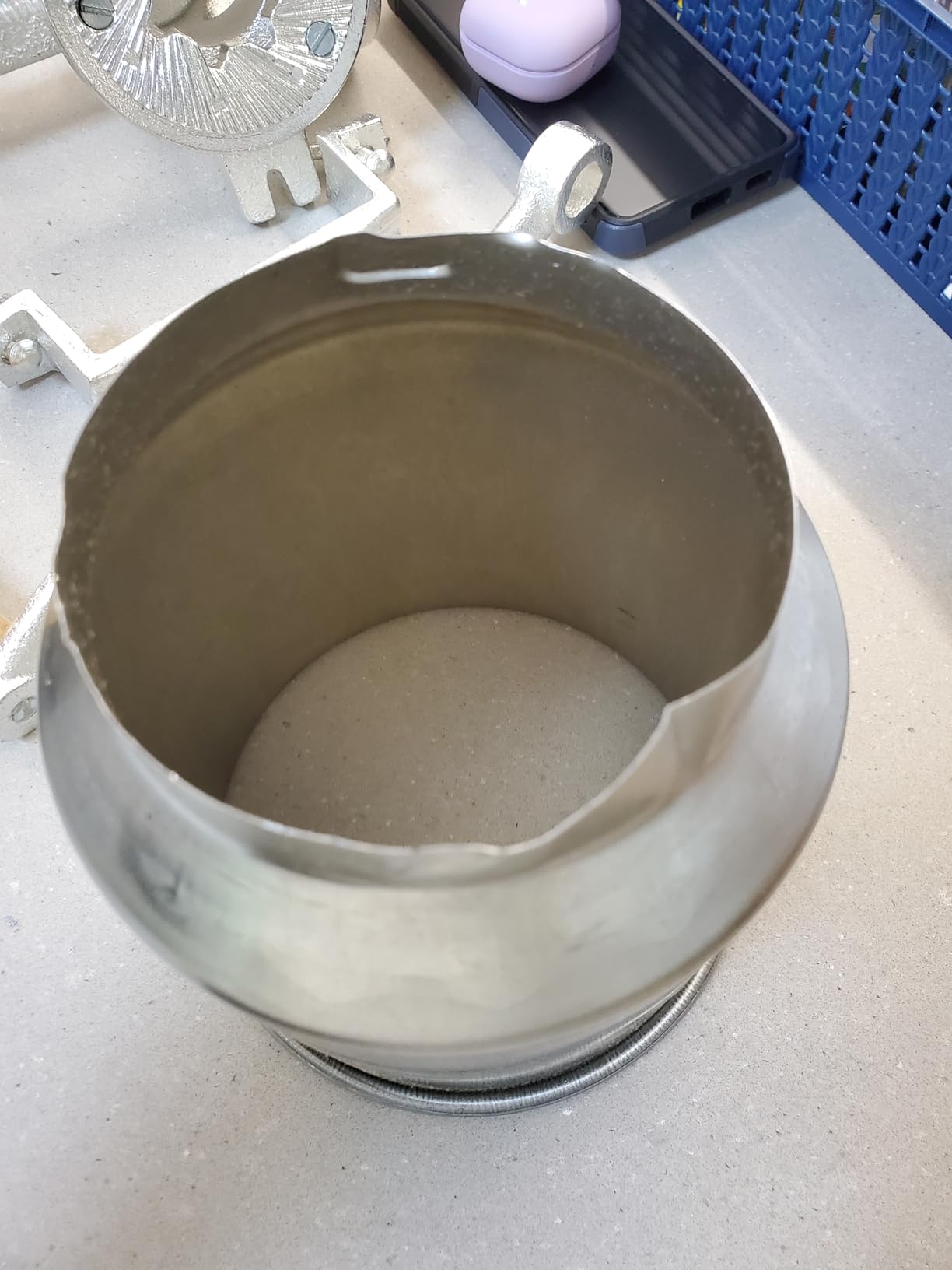
The Corona is the classic hand mill shape: a tall cast iron body, tin plating for food contact, and a clamp that grips your counter. Grind coarseness adjusts with screws on the body, and the hopper takes 1.9 quarts.
Like the Victoria, the manufacturer lists it as unsuitable for superfine flour. Its range runs from coarse cracked grain up to a medium meal, which is useful for corn, rice and coarse wheat.
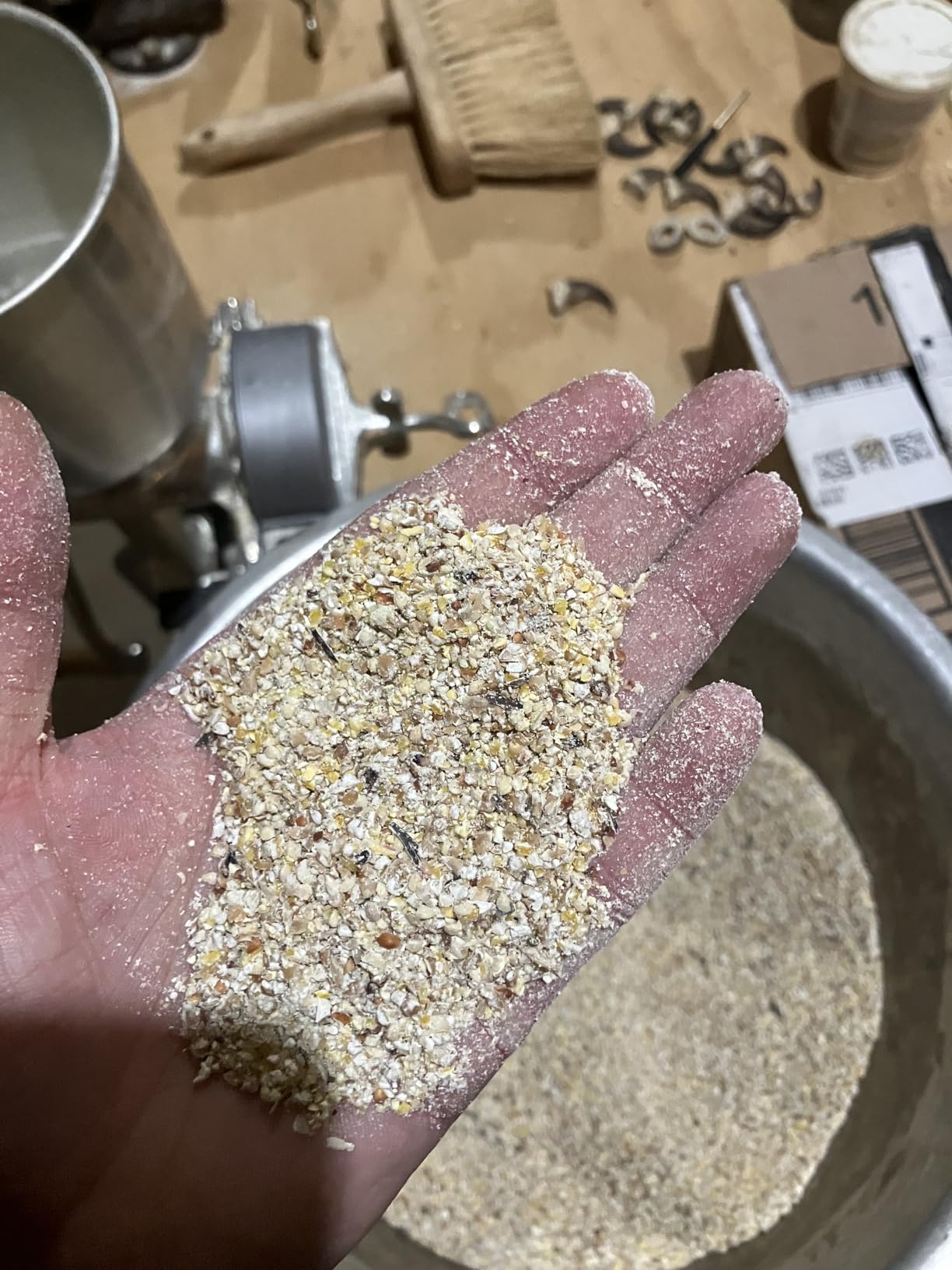
Two things show up repeatedly in owner feedback. The first is a break-in period where new metal flakes appear in the early output, and every experienced owner says to run it until they stop. The second is weight, and at 9.4 pounds it is the heaviest mill in this roundup, which is a feature when you want stability and a nuisance when you want to move it.
Deep cleaning means disassembly, so it suits people who are comfortable taking a grinder apart and rinsing the parts.
Who this suits
Corn and nixtamal makers, and anyone who wants cracked grain for granola, cereal or coarse bread toppings. The clamp arrangement holds well on standard kitchen counters.
Who should skip it
Fine-flour bakers, for the same reason as the Victoria. The tighter 1.45 inch clamp limit also rules out thick butcher-block counters, and some owners note the rubber pad lets it shift a little during hard grinding.
5. Estrella Manual Mill – A Traditional Molino With Removable Parts
Estrella Manual Grain Mill, Molino para Moler Maiz, Cast Iron Grinder
Enamelled cast iron
5 inch hopper
Manual
Colombian made
Pros
- Well-aligned grinding plates
- Removable parts make cleaning easy
- Large clamping pad for stability
- Good for nixtamal and corn
Cons
- Will not grind fine flour
- Clamp ridges can resist securing
- No splash guard
- Slides on smooth surfaces
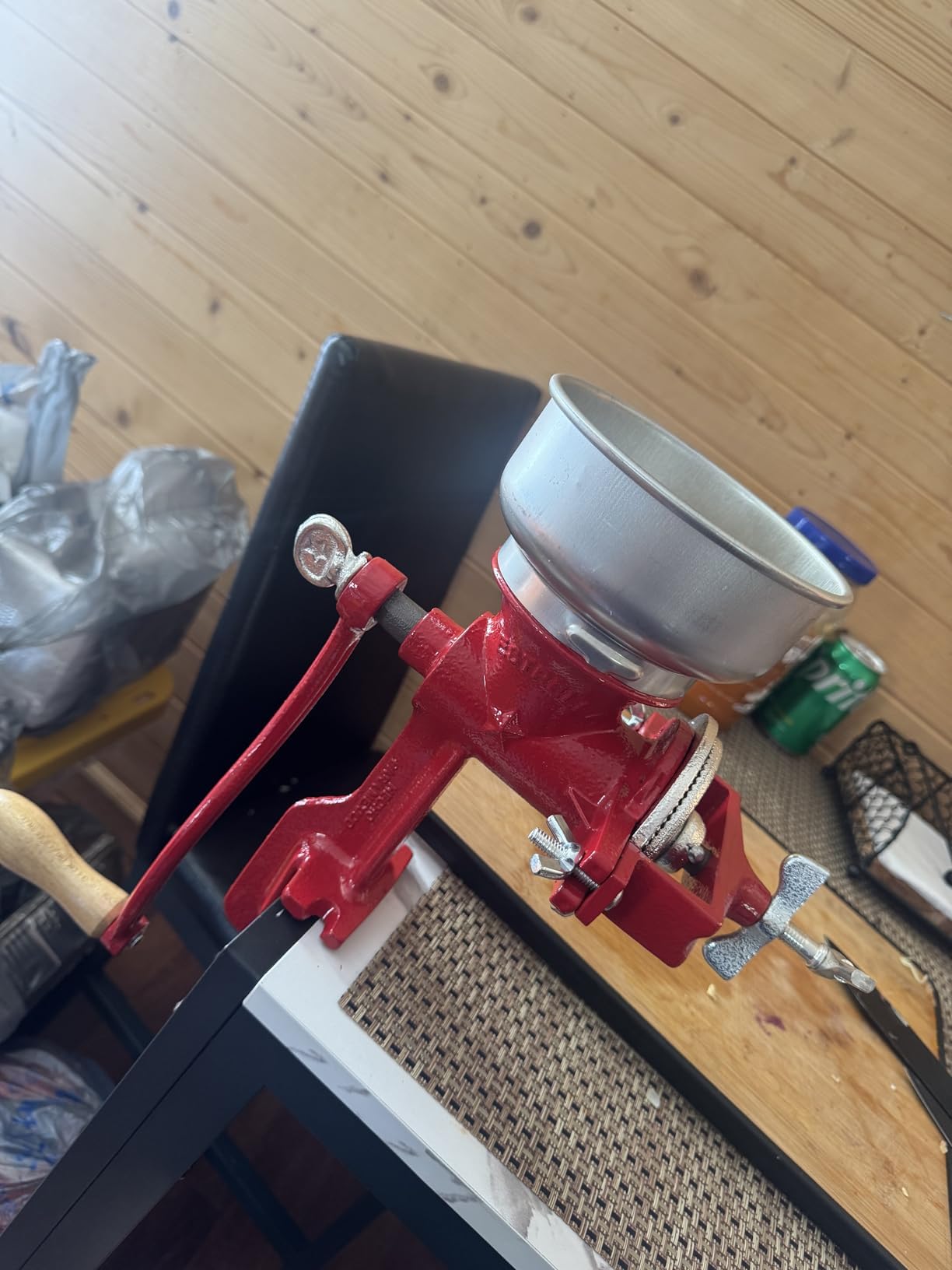
The Estrella is the one you leave on the counter because it looks good. The red enamel finish over cast iron is a traditional Mexican molino, and it clamps to countertops up to 1.5 inches thick.
Owners consistently praise the alignment of the grinding plates, which is the mechanical detail that separates a satisfying manual mill from a frustrating one. Parts come apart for cleaning, which is rarer than it should be in this category.
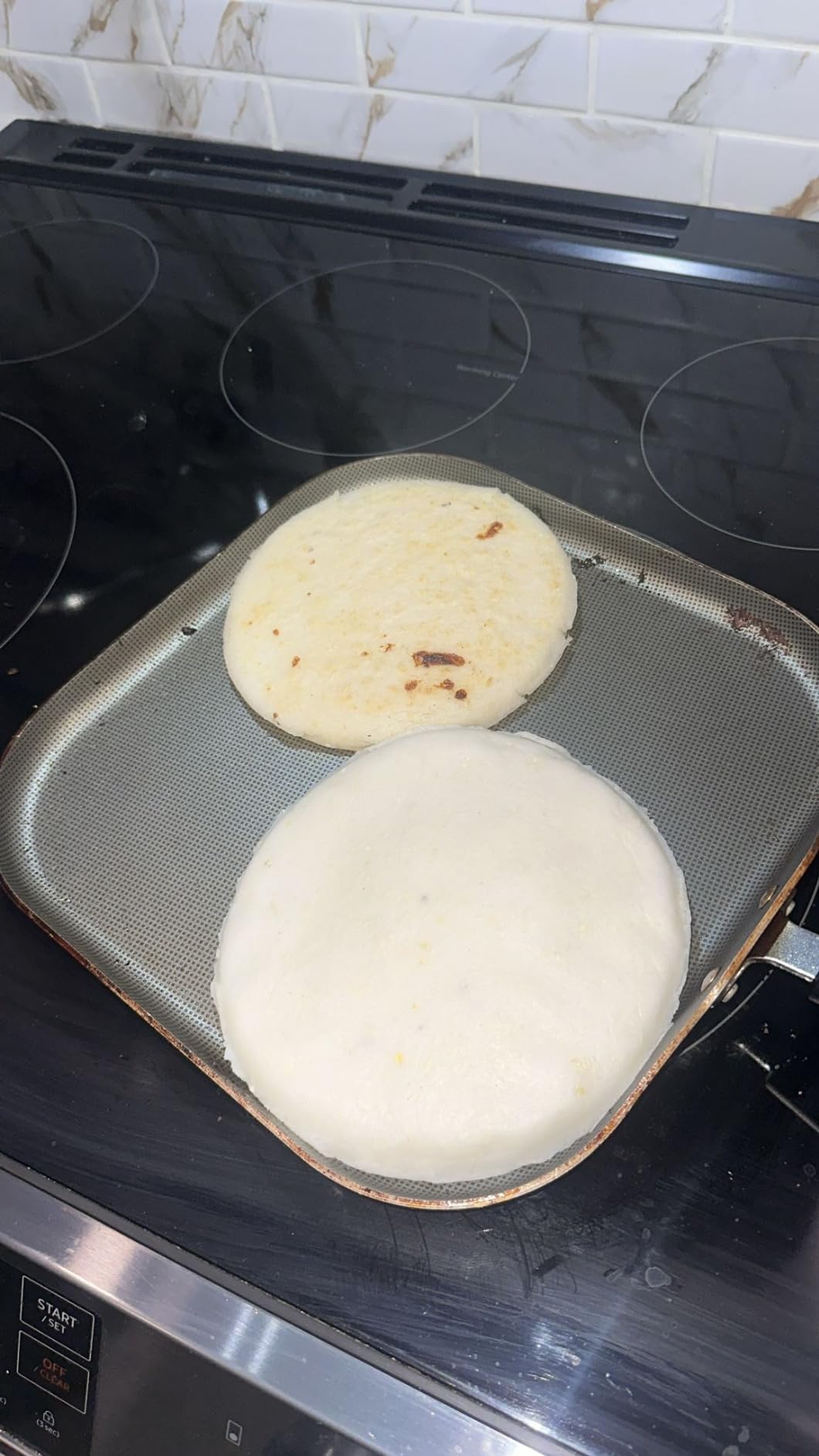
The intended use is corn, and specifically nixtamal for masa. The 5 inch hopper is smaller than the Victoria’s, so corn work means more trips, but the plate alignment keeps the output even.
Grind settings adjust across a range that owners call good for spices and coffee as well as grain. It is a versatile tool that happens to be attractive, which is not nothing in a kitchen.
Who this suits
Home cooks making masa, nixtamal, cornmeal or fine spices, and anyone who wants a grinder they can take apart and wash properly. If it lives on an open shelf, this is the one.
Who should skip it
Fine bread flour, and anyone on a smooth countertop, since the missing rubber grip lets it slide. There is also no splash guard, so wetter material can splatter, and the clamp ridges are a known fiddly spot.
6. GVODE Grain Mill Attachment – Fits Your Existing Mixer
GVODE Grain Mill Attachment for KitchenAid Stand Mixer, 9 Grind Levels
Die-cast aluminum alloy
9 grind levels
10 cups per session
Fits all KitchenAid mixers
Pros
- Turns a mixer you already own into a mill
- All-metal chamber that detaches for cleaning
- Tool-free power hub install
- 9 settings from ultra-fine to coarse
Cons
- Finest setting is not powder-fine
- Metal construction generates heat
- Adjustment can be clunky
- Attachment can loosen mid-use
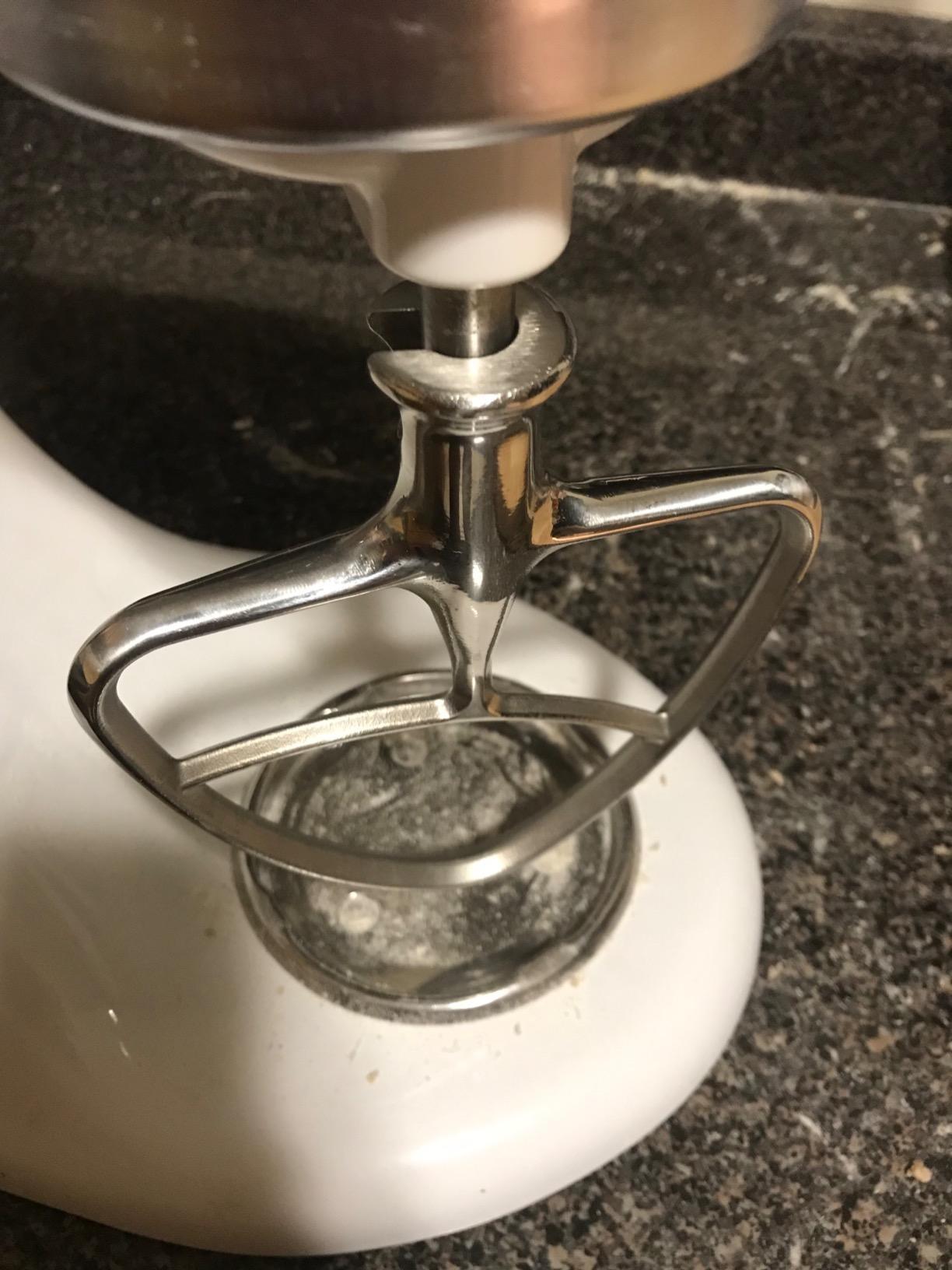
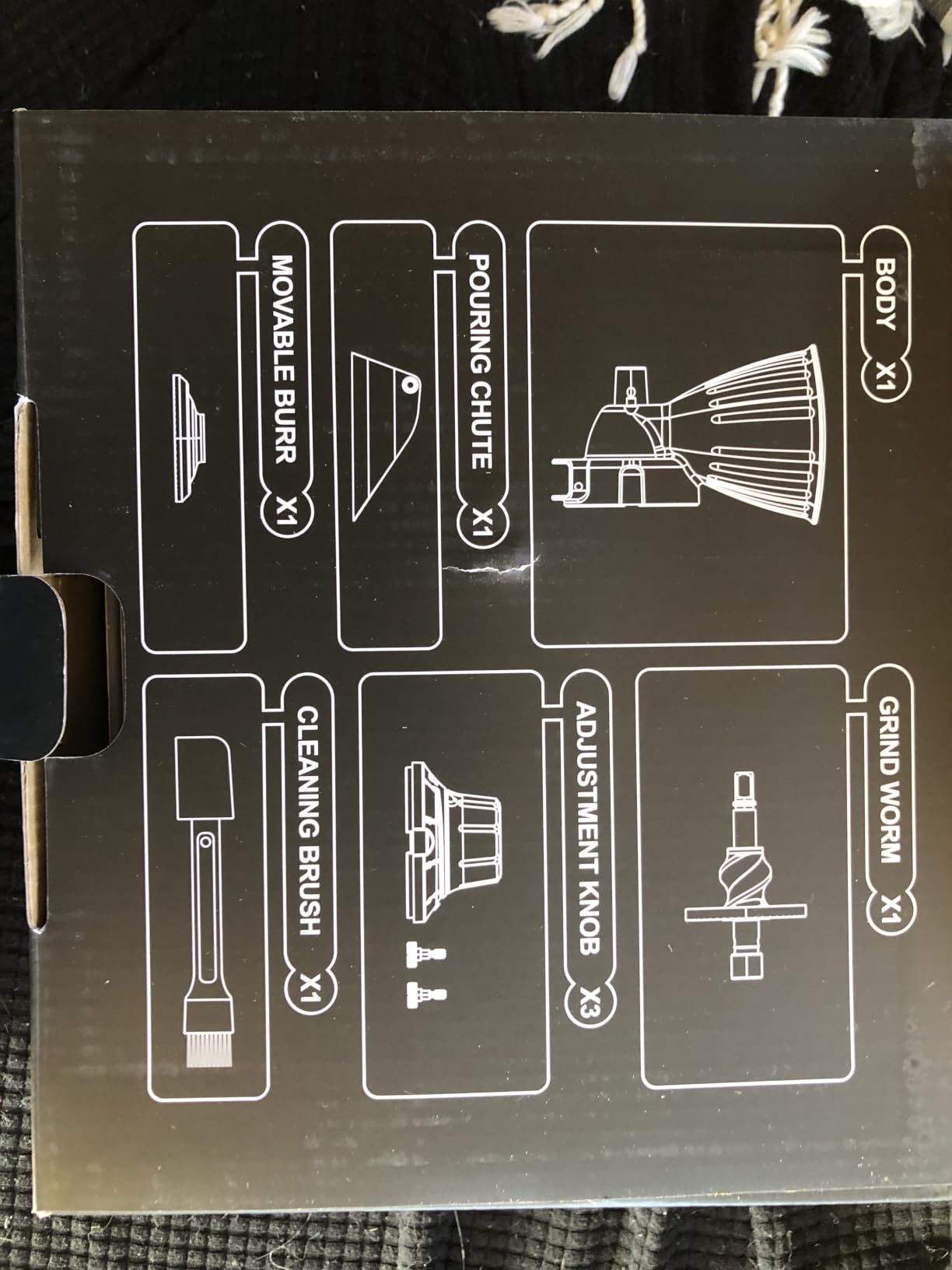
Attachment mills sit in a category of their own. If a stand mixer is already on your counter, a die-cast aluminum attachment at 3.3 pounds converts it into a grain mill for a fraction of what a standalone machine costs.
This one offers nine grind levels from ultra-fine to coarse, a detachable grinding chamber, and a stated maximum of 10 cups per session. Installation is tool-free at the power hub and it fits all KitchenAid stand mixer models.
Owner feedback splits on one point. Many are happy with the flour quality for bread, while others say the finest setting still stops short of true powder, so a second pass is the common workaround.
There is a safety note worth repeating from the forums: attachment mills draw more from a mixer motor than a mixer was designed to give continuously. Monitor it, and do not leave a long grind running unattended.
Who this suits
Mixer owners who want to try milling without adding a second appliance, and anyone with limited counter space. The detachable chamber makes cleanup far easier than a fixed bowl.
Who should skip it
Serious bread bakers chasing a very fine, very consistent flour. Oily grains like peanuts and soybeans are excluded by the manufacturer, and a loosening attachment mid-grind is the most reported mechanical complaint.
7. INSELY 150g Electric Mill – The Budget Test Purchase
Grain Mill 150g,flour mill grinder for home,Electric Stainless Steel Grain Grinder for Wheat,Spices,coffee,Corn and Other Dry Food Grinders for Kitchen
1000W at 25000 RPM
150g capacity
50-300 mesh
Spare blades included
Pros
- Least expensive way to test home milling
- Three-layer stainless blades
- Spare blades and carbon brushes included
- Compact and light
Cons
- 150g is a very small batch
- Overheats quickly and needs constant cool downs
- Timer cuts out every 15 seconds
- Blades can arrive dull
This is the honest entry point. At 150g of grain per run, you are milling in small portions, and the manufacturer caps continuous use at three minutes with a five to ten minute cool down.
That is the whole argument in one line. It is a grinder for deciding whether you like fresh flour, not a machine for a weekly bread habit.
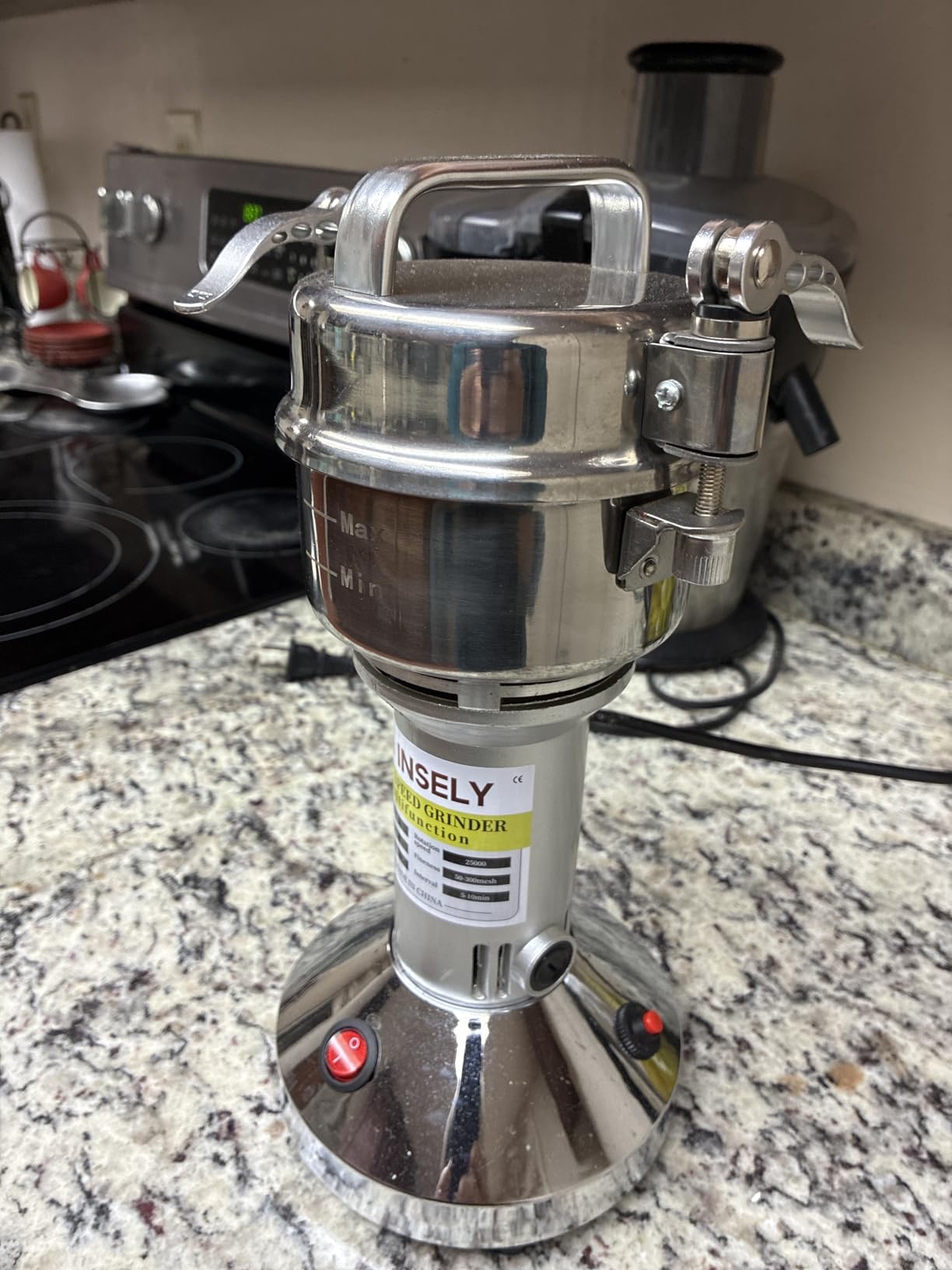
What you get is a 1000W motor at 25,000 RPM, three-layer stainless blades, and a stated 50 to 300 mesh range in under a minute. Spare blades and spare carbon brushes are in the box, which is generous at this level.
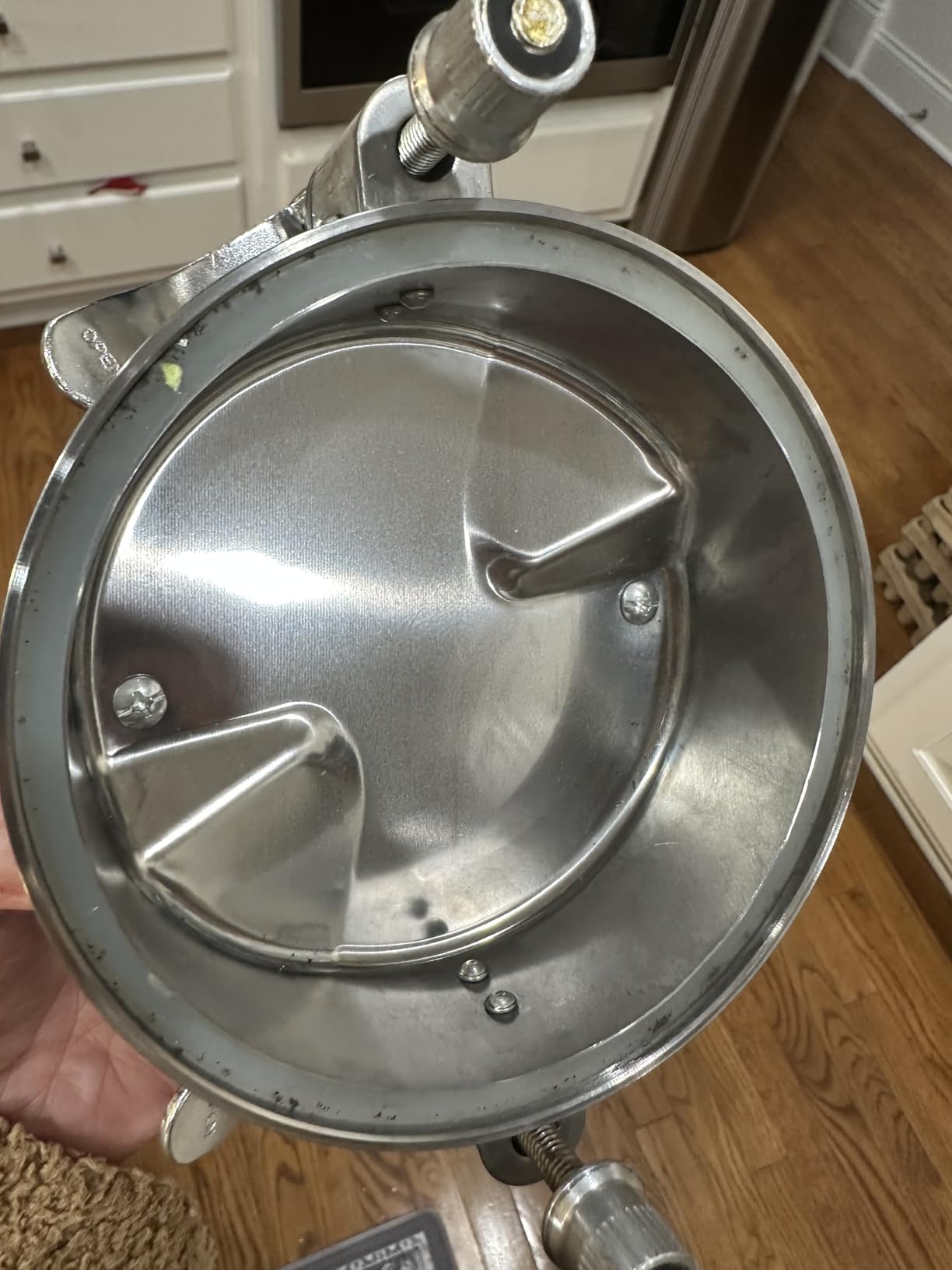
Owners report a recurring pattern: the auto timer cuts out roughly every 15 seconds, blades sometimes arrive dull, and cleaning is a chore because residue settles in the housing.
Who this suits
Curious beginners. If you want to know whether milling your own flour changes how you like bread, this tells you for very little money, and it also handles spices and coffee well in small quantities.
Who should skip it
Anyone baking a full loaf regularly. The 150g bowl means repeated short cycles with cool downs between, which is a long way from a usable bread workflow.
8. OKF 550g Electric Mill – Compact With a Timer
550g Grain Mill, 304 Stainless Steel Spice Grinder, 2000W High-speed Commercial Flour Mill, Superfine Flour Mill Grinder for Home, Grain Mill for Flour
2000W pure copper motor
550g capacity
70-300 mesh
Timer function
Pros
- Timer gives better control over fineness
- 2000W copper motor has real pull
- 304 stainless steel body
- Spare blades and brushes included
Cons
- Maximum 5 minutes continuous before cooldown
- Difficult to clean thoroughly
- Blades can arrive dull
- Not for oily or wet ingredients
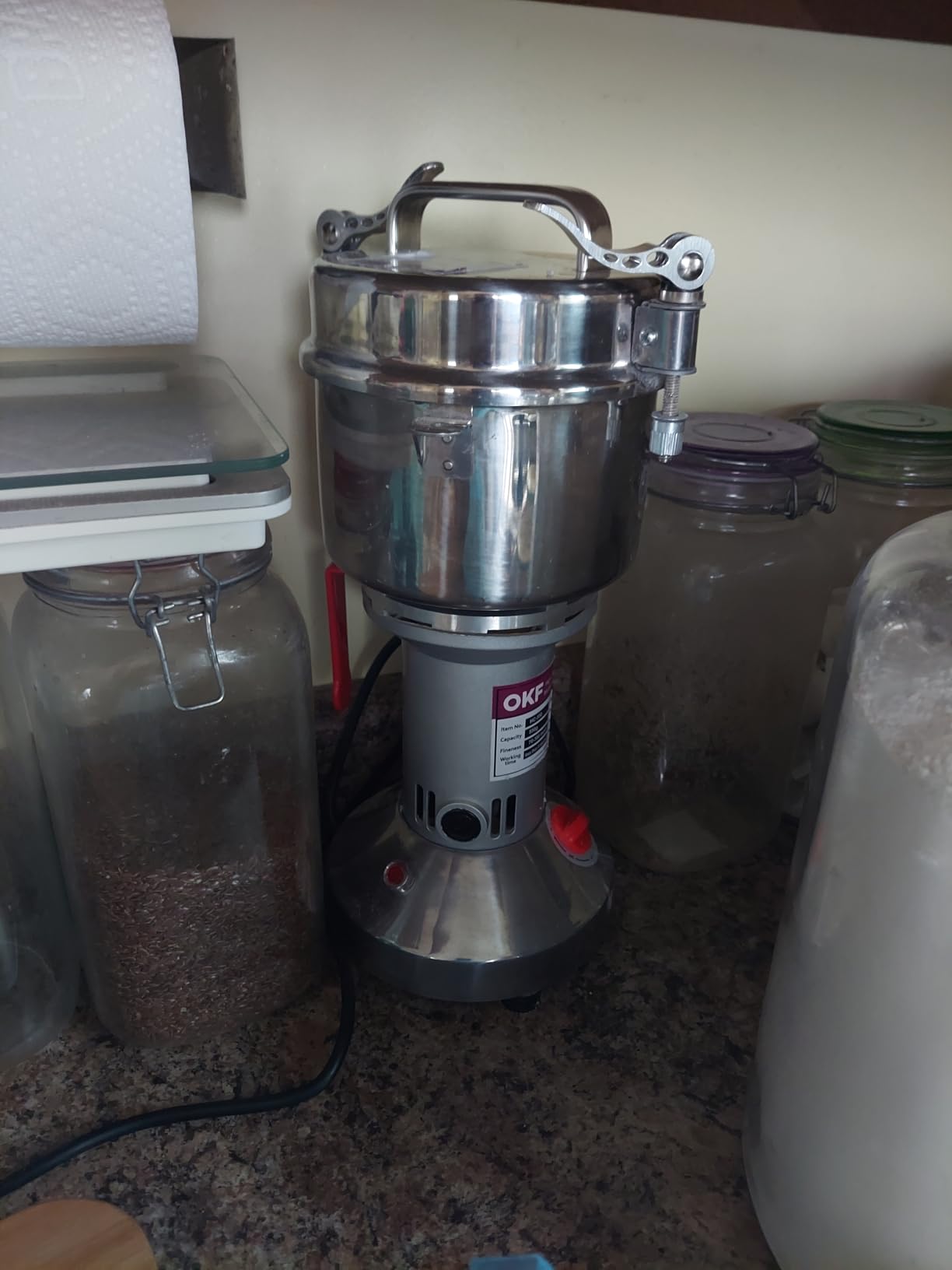
The OKF sits between the two electric standalone mills in this group, and the feature that separates it is the timer. Grind control by the clock makes it easier to reproduce the same fineness twice in a row, which matters when you are dialing in a dough.
It uses a 2000W pure copper motor spinning at 28,000 RPM with a three-blade system, and the stated fineness range is 70 to 300 mesh. The body is 304 stainless steel at 7.7 pounds.
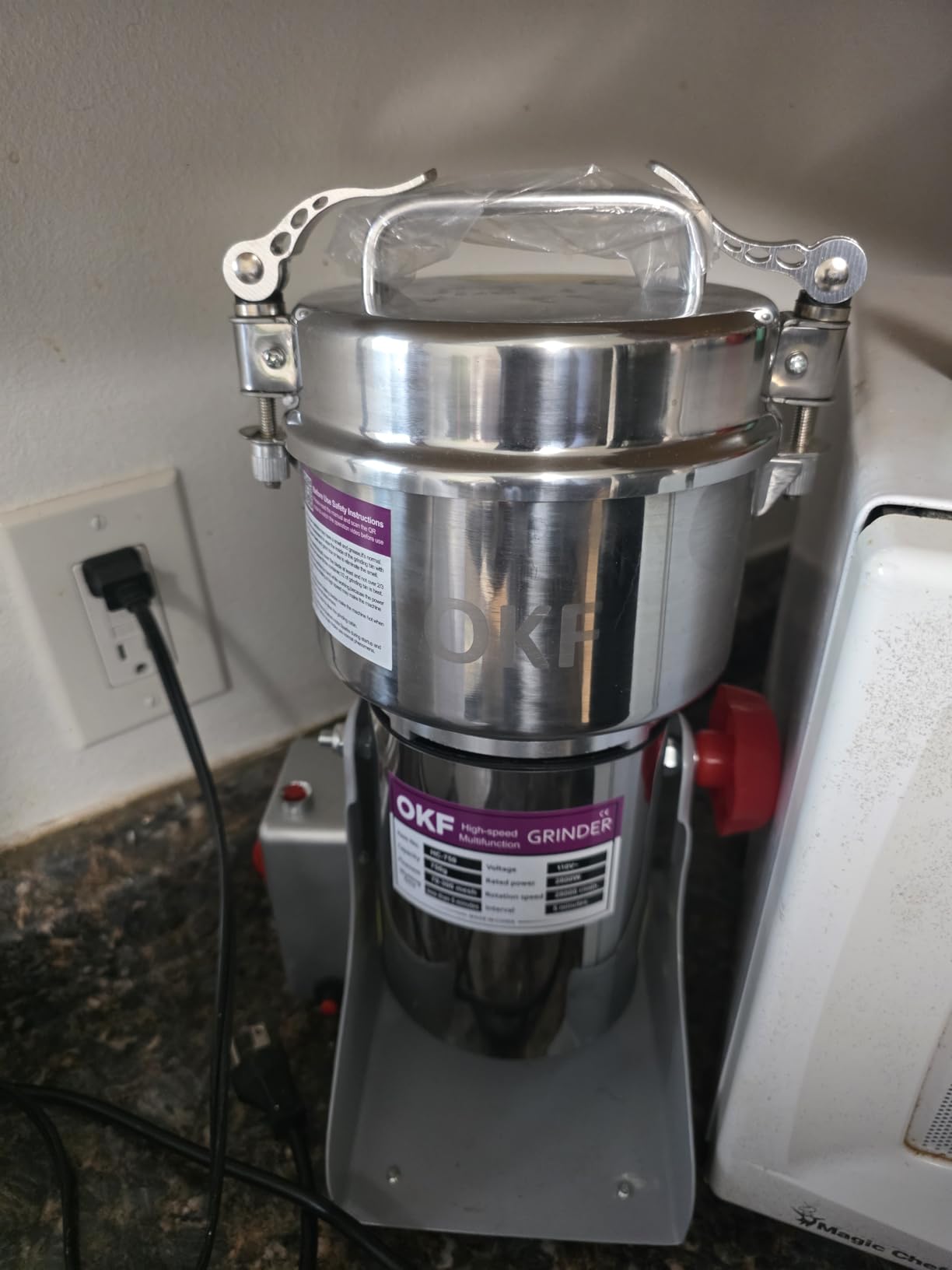
Owner guidance is almost unanimous on one point: respect the five minute maximum and then allow a five to ten minute cool down. Reviews warn that running it continuously is how the motor burns out, and that warning repeats in nearly every longer review.
Against that, users generally like the value and say it mills wheat berries into fine flour effectively. The included spare blades and brushes soften the fact that cleaning is described as thorough work.
Who this suits
Bakers who want more control than a fixed-speed grinder gives, and who will pay attention to duty cycles. A 550g bowl is a reasonable middle ground between a test machine and a full loaf.
Who should skip it
Anyone who mills oily or wet ingredients, which the manufacturer excludes, and anyone who wants a machine they can run continuously. Factory blade sharpness also varies, according to several reviews.
9. COFUN Mixer Attachment Mill – The Highest Rated Here
COFUN Grain Mill Attachment for Kitchen Aid Mixer
Die-cast aluminum alloy
9 grind levels
Fits all KitchenAid mixers
2.65 lb
Pros
- Highest owner rating in this roundup
- Easy tool-free install and cleaning
- All-metal chamber detaches for washing
- Good flour for bread
Cons
- May need a second pass for the finest flour
- Not dishwasher safe
- Some reviews appear to cover a different attachment
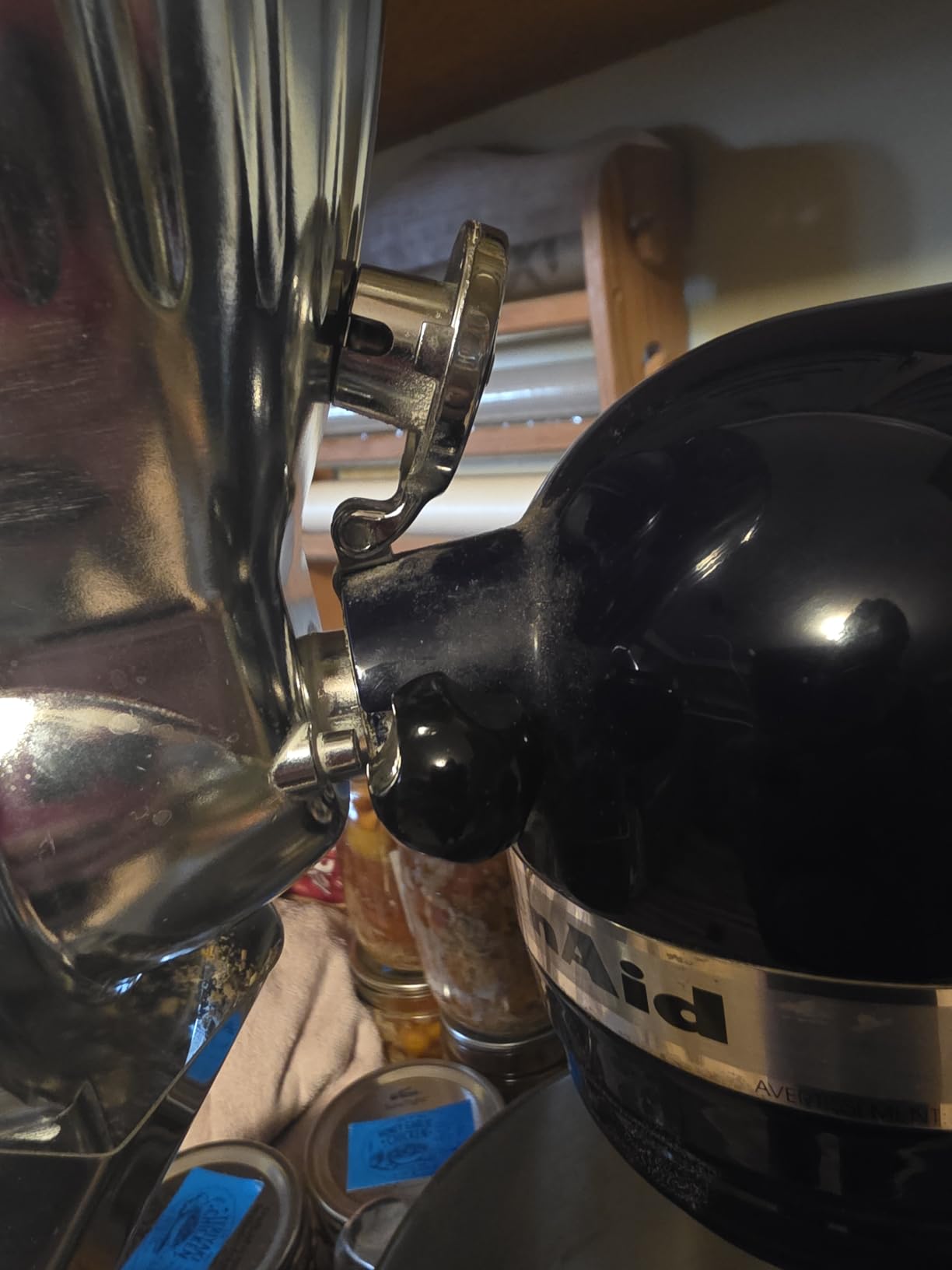
At 4.6 stars this has the highest average owner rating of the ten mills here, though its 232 reviews are the smallest pool, so read the score with that in mind. Mechanically it sits alongside the other attachments: die-cast aluminum, nine grind levels, tool-free power hub fitting across KitchenAid household mixers.
It weighs 2.65 pounds, so it is easy to attach, detach and put away, which is the practical argument for attachments in general.
Owners say it produces genuinely usable bread flour and that the chamber comes apart for cleaning without fuss. Hand washing only, and no dishwasher, but the parts are simple enough to rinse.
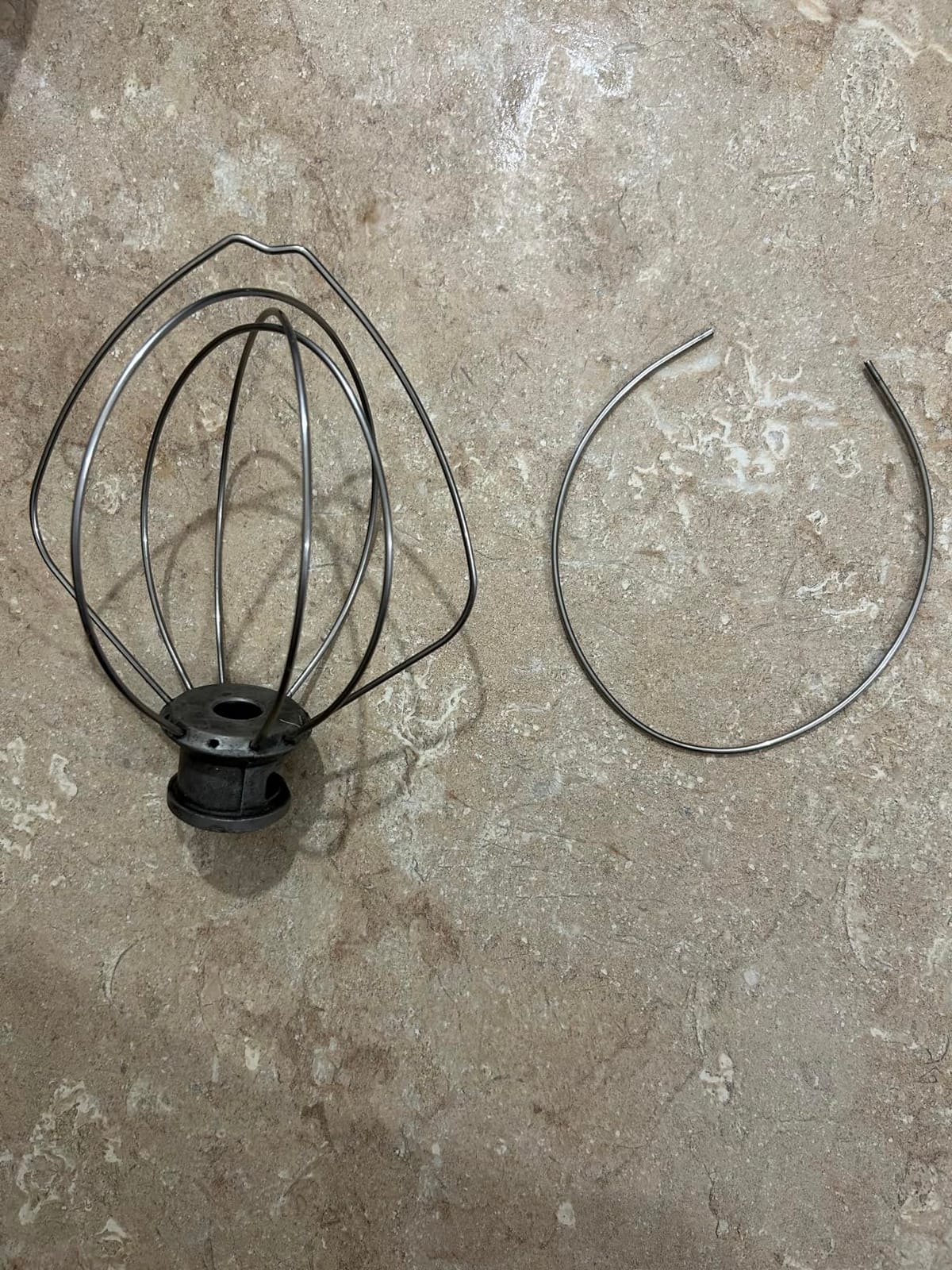
One oddity to know about before you buy: some reviews attached to this listing appear to be about a whisk attachment instead. It is worth filtering for reviews that mention flour when you read them.
Who this suits
Mixer owners starting out. The combination of a lightweight body, a detachable all-metal chamber and nine settings is a low-commitment way into home milling.
Who should skip it
Bakers who need powder-fine flour in one pass, since a second pass is often reported as necessary. It is also for dry, low-oil grains only, which rules out soybeans and similar ingredients.
10. Coolcook Mixer Attachment Mill – 10 Cups Per Session
Grain Mill Attachment for KitchenAid, Food-Grade All-Metal 9 Levels
Food-grade die-cast aluminum
9 grind levels
10 cup per session
Fits all KitchenAid models
Pros
- Stated 10 cup session capacity
- Removable grinding chamber
- Good control across 9 levels
- All-metal construction
Cons
- Adjustment screw can loosen during use
- Berries and flour can spew when it loosens
- Often needs two passes for fine flour
- 30-45 minute cool down after long use
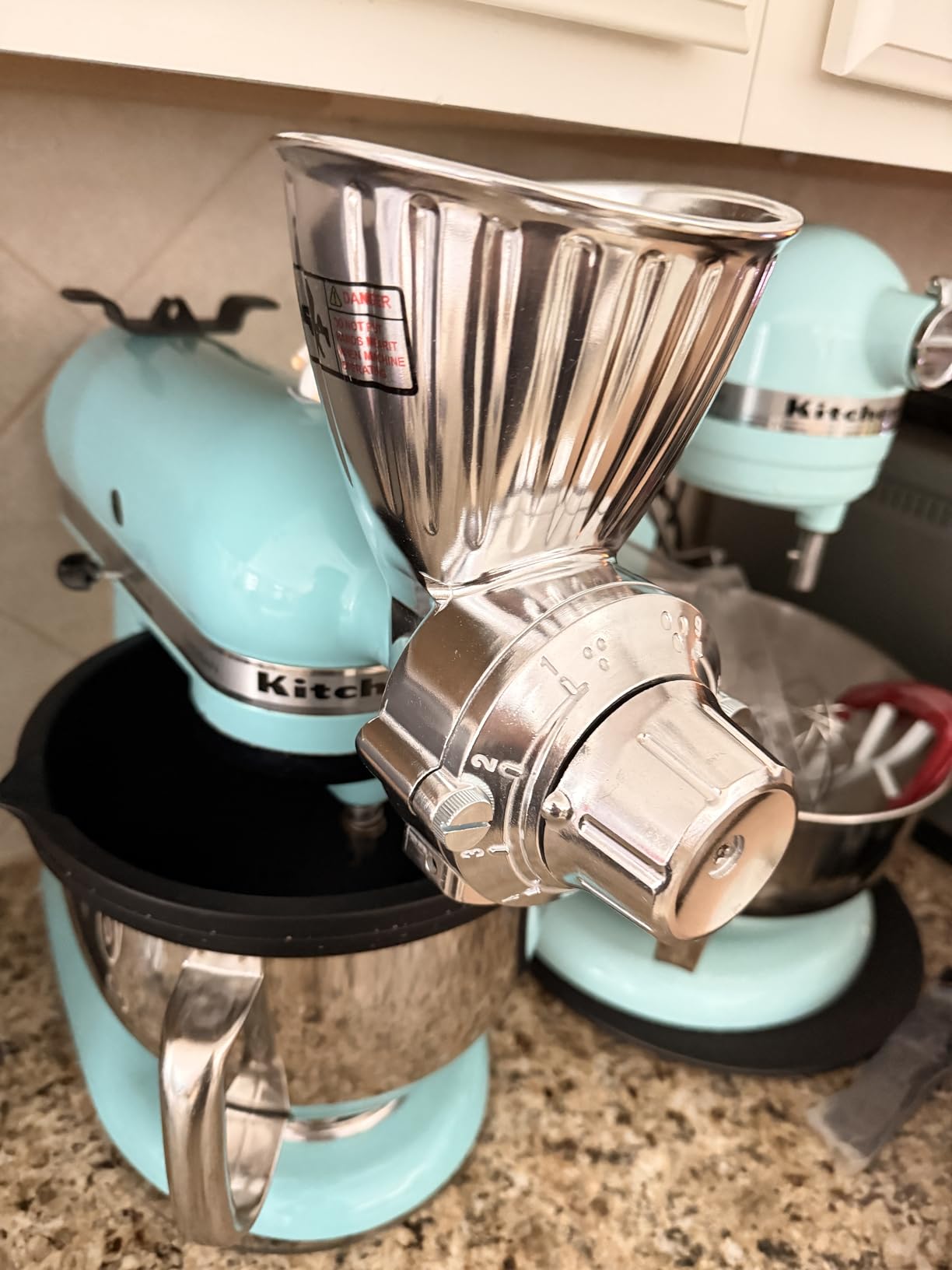
The Coolcook closes out the list as the other well-reviewed attachment, and it states a 10 cup maximum per session, or 2.4 liters, with nine grind levels numbered 1 for ultra-fine through 9 for coarse.
It fits all KitchenAid models at the tool-free power port, and the grinding chamber removes for cleaning. At 2.72 pounds it is comparable in weight to the other attachments.
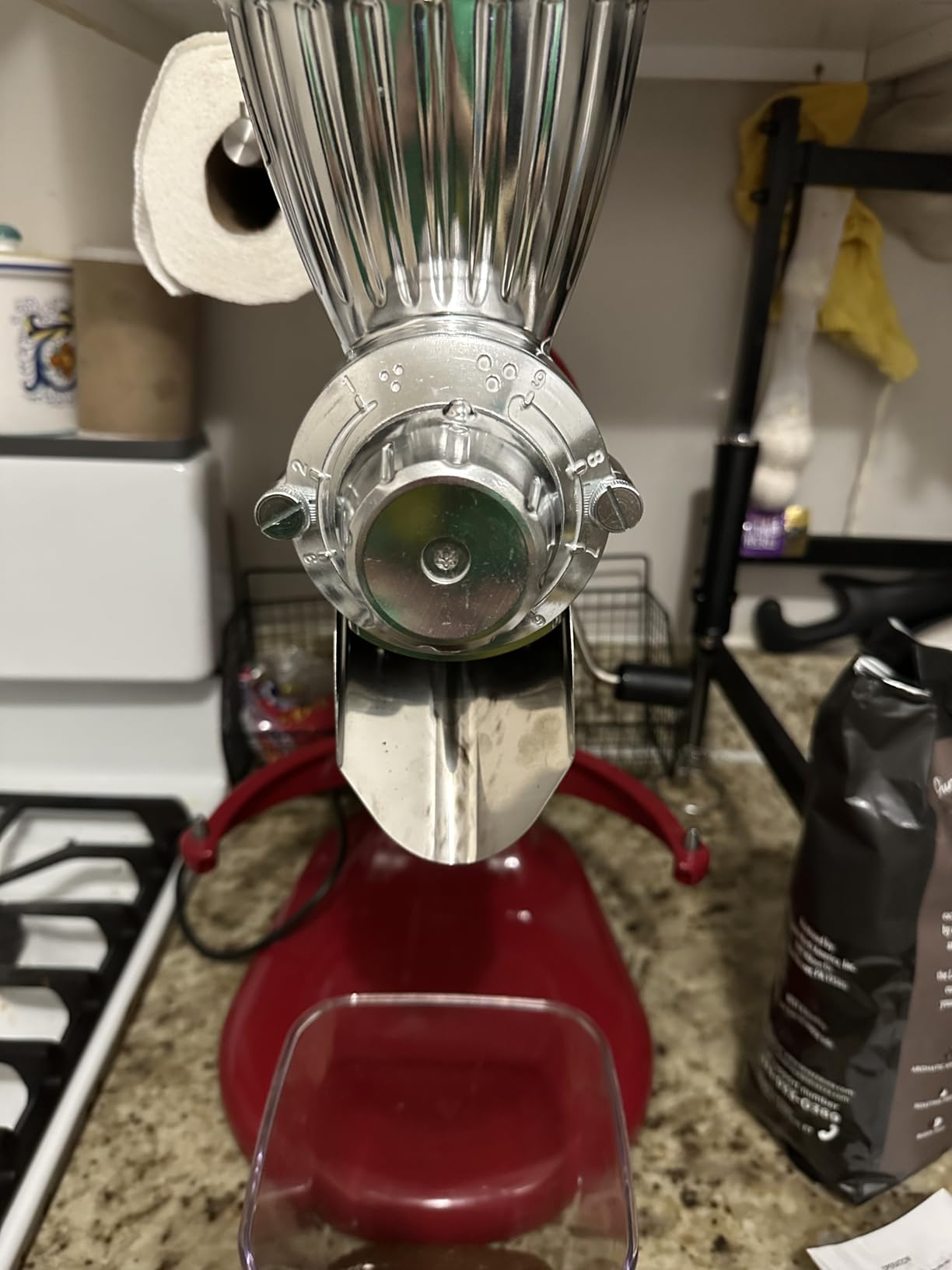
Its most discussed weakness is the side adjustment screw loosening during a grind, which owners say can send berries and flour spraying out. Several reviews treat it as a monitoring requirement rather than a defect, and others report units that fit loosely on the hub right from the start.
Like its attachment rivals, it needs a cool down of 30 to 45 minutes after prolonged use, and many owners run it twice for the finest flour.
Who this suits
Mixer owners who want to mill a full bowl of flour in one go rather than in small bursts, and who work close enough to monitor the adjustment screw.
Who should skip it
Anyone who will walk away during a grind, because loosening hardware is the known failure mode. Two-pass grinding for fine flour is normal here, and noisy operation is widely reported.
Stone Burr vs Impact and Blade Mills: Which Grinds Better Bread Flour?
For bread flour, a stone burr mill wins on texture, flavor and flour temperature, because cool slow crushing produces a consistent fine particle and little friction heat. A blade or impact mill wins on speed, price and powder fineness, and its higher motor speed is exactly what raises the flour temperature.
That said, none of the ten mills in this roundup is a true stone burr machine. Every one is either a blade grinder, an impact-style mill, a hand-crank burr mill that produces coarse output, or a mixer attachment using metal grinding elements. Read the flour texture claims in that light.
The mills here split cleanly into three camps. The electric standalone blade mills, such as the LEJIEYIN and the Kitchen Mill, produce the finest powder but run hot. The manual cast iron mills, including the Victoria, Corona and Estrella, run cool and quietly but are explicitly not designed for superfine flour. The attachments, including the GVODE, COFUN and Coolcook, are the cheapest path to trying this and the least consistent at the fine end.
How to Choose a Grain Mill for Bread
Eight questions decide this purchase, and only the first one is about brand.
How fine does it actually go? Look for a stated mesh or fineness range. A range that starts above 100 mesh will always be too coarse for a light sandwich loaf.
What is the real batch size? Compare capacity to your actual loaf. A 150g bowl means several cycles; a 750g bowl means one.
What are the duty cycle limits? Every motor in this roundup has a maximum continuous run time, from three minutes up to five. Exceeding it is the most common cause of early failure in owner reviews.
How hot does the flour get? Higher RPM means more heat. Freezing your grain before milling is a common workaround for keeping the exit temperature down.
How loud is it? Loud operation is the most repeated complaint across the electric models here, and reviewers often recommend hearing protection.
Will it handle what you plan to grind? Oily and wet grains are excluded by several manufacturers. Stick to dry grain if that is all you need.
How hard is it to clean? Removable chambers and detachable grinding parts matter more over five years than any single spec on the box.
Do you already own a stand mixer? If so, an attachment is the sensible first test. If not, a standalone machine is the more honest long-term buy.
Which grains to mill for bread
Hard red winter wheat is the classic bread grain and the best place to start. Hard white wheat works and bakes lighter. Spelt and einkorn are ancient wheats with weaker gluten, so they suit flatter loaves more than high-risen ones, and kamut brings a strong nutty flavor with a dense crumb. Rye makes sense for dense rye bread, and it is stickier dough to handle.
For any of these, run the mill fine and check the flour between your fingers. If you feel grit, turn it finer and re-mill. Fine whole-grain flour absorbs water more evenly, and that is what produces a lighter loaf with a more open crumb.
Is milling your own flour cheaper?
Usually not, for most home bakers. Flour yield runs roughly 80 to 90 percent of the weight of the berries, so 50 pounds of wheat berries gives you around 40 to 45 pounds of flour once bran and germ are accounted for. Add the mill, and only high-volume baking makes the arithmetic work in your favor.
The real argument for milling is not cost. It is texture, flavor, and access to heritage wheats that never reach a retail shelf.
Adjusting dough for fresh flour
Fresh flour behaves differently, and beginners often blame the mill when the dough is the problem. It absorbs more water and ferments faster because the starch is freshly cracked, so expect to increase hydration and shorten your proof times at first.
An autolyse, or simply resting the flour and water before adding starter and salt, gives the newly exposed starch time to hydrate and takes a lot of the edge off. If you are not using a stand mixer to handle stiff whole-grain dough, our guide to the best stand mixers for bread dough is worth a look before your first heavy whole-grain bake.
Frequently Asked Questions
What are good grains to mill for bread?
Hard red winter wheat is the standard bread grain and the best starting point. Hard white wheat also works and bakes a lighter loaf. Spelt and einkorn have weaker gluten and suit flatter breads, kamut adds a nutty flavor and a denser crumb, and rye is the traditional choice for dense rye bread. Mill each one fine and check for grit between your fingers.
How much flour will 50 lbs of wheat berries make?
About 40 to 45 pounds of flour, because milling loses some weight to bran and germ. In practical terms that is roughly 11 to 12 five-pound bags of bread flour equivalent from a 50 pound sack of berries.
Is it cheaper to mill my own grains?
Not usually, for most home bakers. A mill plus organic berries only pays off at high baking volume, since flour yield runs roughly 80 to 90 percent of berry weight. The real benefits are finer texture, better flavor and access to heritage wheats that are not sold at retail.
What type of grain mill is best for bread flour?
A stone burr mill, because cool slow crushing gives the most consistent fine particle and the lowest flour temperature. Of the mills in this roundup, none is a true stone burr machine, so the electric blade mills get closest on fineness while the manual cast iron mills do not reach fine enough for a light loaf.
How fine should bread flour be ground?
Fine enough that you feel no grit between your fingers. Fine whole-grain flour absorbs water more evenly, which gives a lighter loaf with a more open crumb. If the flour feels sandy, advance the setting finer and re-mill the batch.
How long can I run these mills before they need to cool down?
Between three and five minutes of continuous use, depending on the model, followed by a five to ten minute cool down. The mixer attachments need longer, around 30 to 45 minutes after extended use. Running past the limit is the most common cause of early motor failure in owner reviews.
Is a stand mixer grain mill attachment worth it?
It is worth it as a low-cost way to test whether you enjoy milling, and the three attachments reviewed here are the cheapest route in. Expect to run a second pass for the finest flour, keep an eye on the adjustment hardware, and never leave a long grind unattended.
Do I need to sift flour from a grain mill?
Only if your flour feels gritty after milling. The manual cast iron mills in this roundup are not designed for superfine output, so their results usually benefit from sifting or a second pass, while the electric blade mills produce fine powder directly.
Final Verdict: Which Grain Mill for Bread Should You Buy?
For most bread bakers reading this, the LEJIEYIN 750g mill is the pick, because it combines a large bowl with by far the deepest owner feedback of any standalone machine here. If fine texture is the only thing you care about, the Kitchen Mill is built for that job and carries a lifetime warranty on its grinding mechanism.
Own a stand mixer already? Start with the GVODE attachment. Mill mostly corn and cracked grain? The Victoria has more owner feedback behind it than anything else on this page. Still deciding whether home milling is for you? The INSELY costs the least of anything we reviewed.
Whichever you choose, respect the duty cycle, mill finer than feels safe, and adjust your hydration upward for the first few bakes. If you want the machine to do the heavy mixing after that, read our stand mixer comparison for bread dough or our bread maker reviews to round out the setup.