
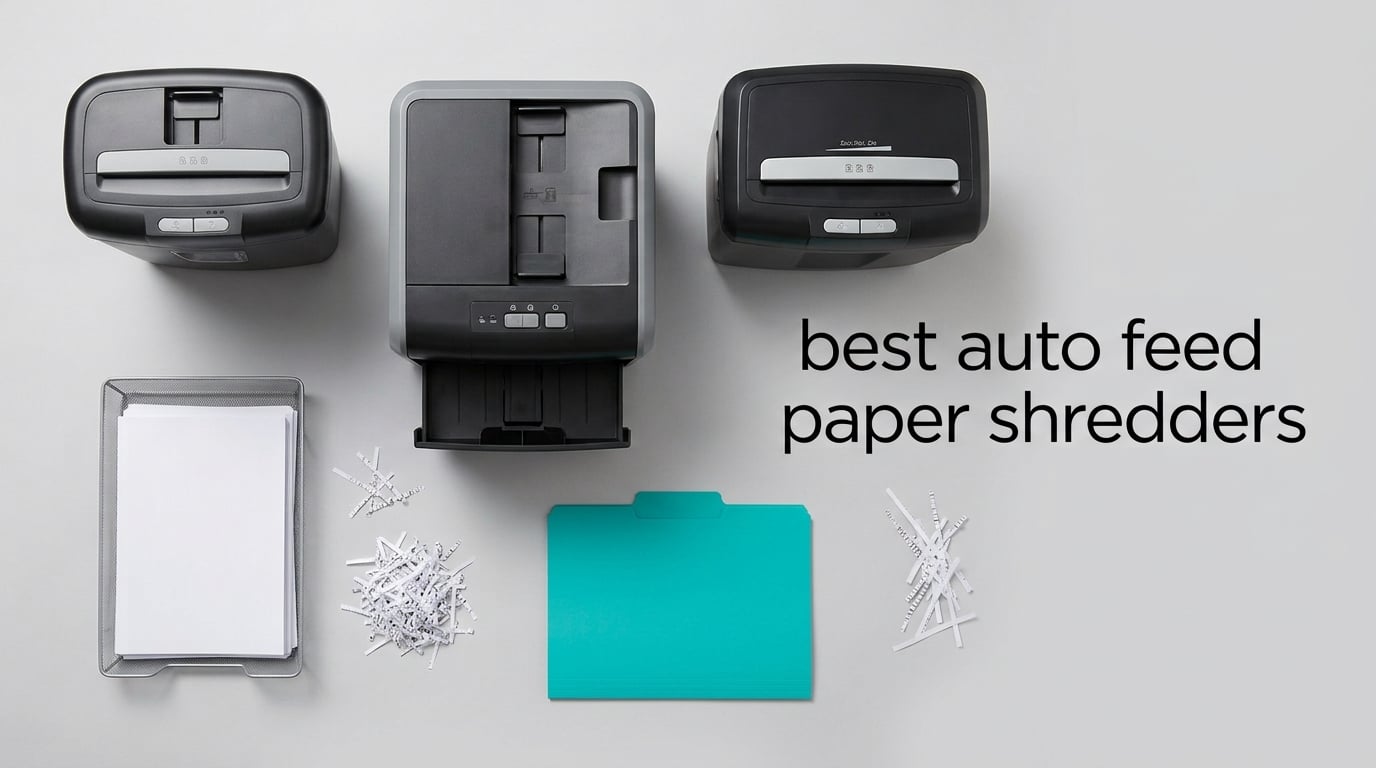
Looking for the best auto feed paper shredders? The Amazon Basics 200-Sheet Auto Feed Cross-Cut is the one we would put in a home office or a small team today: it holds 200 sheets in the tray, runs for 60 minutes at a time, and has more verified owner feedback behind it than any other machine on this list. For higher security paperwork, the Aurora 200-Sheet P-5 micro-cut is the step up.
An auto feed paper shredder is the machine that pulls sheets in one at a time from a top tray while you walk away, instead of forcing you to hold every page against a slot. That difference sounds small until you are twenty minutes into a box of year-old bank statements with a headache forming behind your eye.
We spent weeks going through the spec sheets, warranty terms, and long-form owner feedback on twelve of the strongest auto-feed models on the market right now, and we grouped them by the job each one does well. The result covers everything from a 60-sheet apartment unit to a 400-sheet commercial P-5 machine. If you want a broader look first, our general best paper shredders guide covers manual-feed and strip-cut options too.
Table of Contents
Top 3 Picks for Auto Feed Paper Shredders in September
These three cover the widest range of needs. The Amazon Basics 200-sheet is the do-everything default, the Bonsaii 200-sheet is the quiet one, and the Aurora 200-sheet is the one to buy when the documents in that box would end you in trouble if they were reassembled.

Amazon Basics 200-Sheet Auto Feed
- 200 sheet tray and 60 min run time
- Cross cut P-4 security
- 8.5 gallon pull out bin on casters
Aurora 200-Sheet P-5 Micro-Cut
- P-5 micro cut at 2x12 mm
- 60 min continuous run time
- 200 sheet tray
All 12 Auto Feed Paper Shredders at a Glance in 2026
Every machine below shreds hands-free from a top tray. What separates them is cut security, how long they run before cooling down, how quiet the manufacturer rates them, and how much the bin holds before somebody has to carry it to the kitchen.
| Product | Specifications | Action |
|---|---|---|
| Amazon Basics 200-Sheet Auto Feed Cross-Cut |
|
Check Latest Price |
 Bonsaii 200-Sheet Auto Feed Micro-Cut Bonsaii 200-Sheet Auto Feed Micro-Cut |
|
Check Latest Price |
 Bonsaii 120-Sheet Autofeed Micro-Cut Bonsaii 120-Sheet Autofeed Micro-Cut |
|
Check Latest Price |
 Amazon Basics 150-Sheet Micro-Cut Shredder Amazon Basics 150-Sheet Micro-Cut Shredder |
|
Check Latest Price |
| Aurora 200-Sheet P-5 Micro-Cut |
|
Check Latest Price |
 BONSEN 300-Sheet Auto Feed Micro Cut BONSEN 300-Sheet Auto Feed Micro Cut |
|
Check Latest Price |
 Aurora AU120MA 120-Sheet Micro-Cut Aurora AU120MA 120-Sheet Micro-Cut |
|
Check Latest Price |
 Fellowes AutoMax 100M Micro-Cut Fellowes AutoMax 100M Micro-Cut |
|
Check Latest Price |
 Fellowes AutoMax 100MA Micro-Cut Fellowes AutoMax 100MA Micro-Cut |
|
Check Latest Price |
 Wingwise 60-Sheet Auto Feed Shredder Wingwise 60-Sheet Auto Feed Shredder |
|
Check Latest Price |
 Aurora AU110MB 110-Sheet Micro-Cut Aurora AU110MB 110-Sheet Micro-Cut |
|
Check Latest Price |
 kitnery 400-Sheet P-5 Micro-Cut kitnery 400-Sheet P-5 Micro-Cut |
|
Check Latest Price |
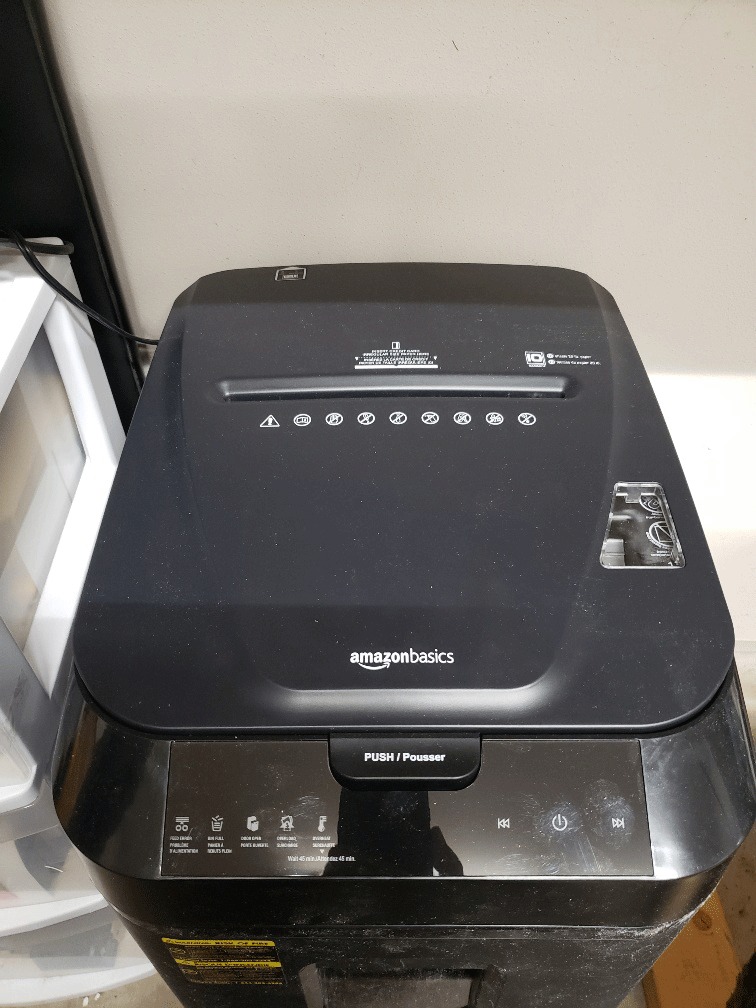
1. Amazon Basics 200-Sheet Auto Feed Cross-Cut Shredder – Best Overall
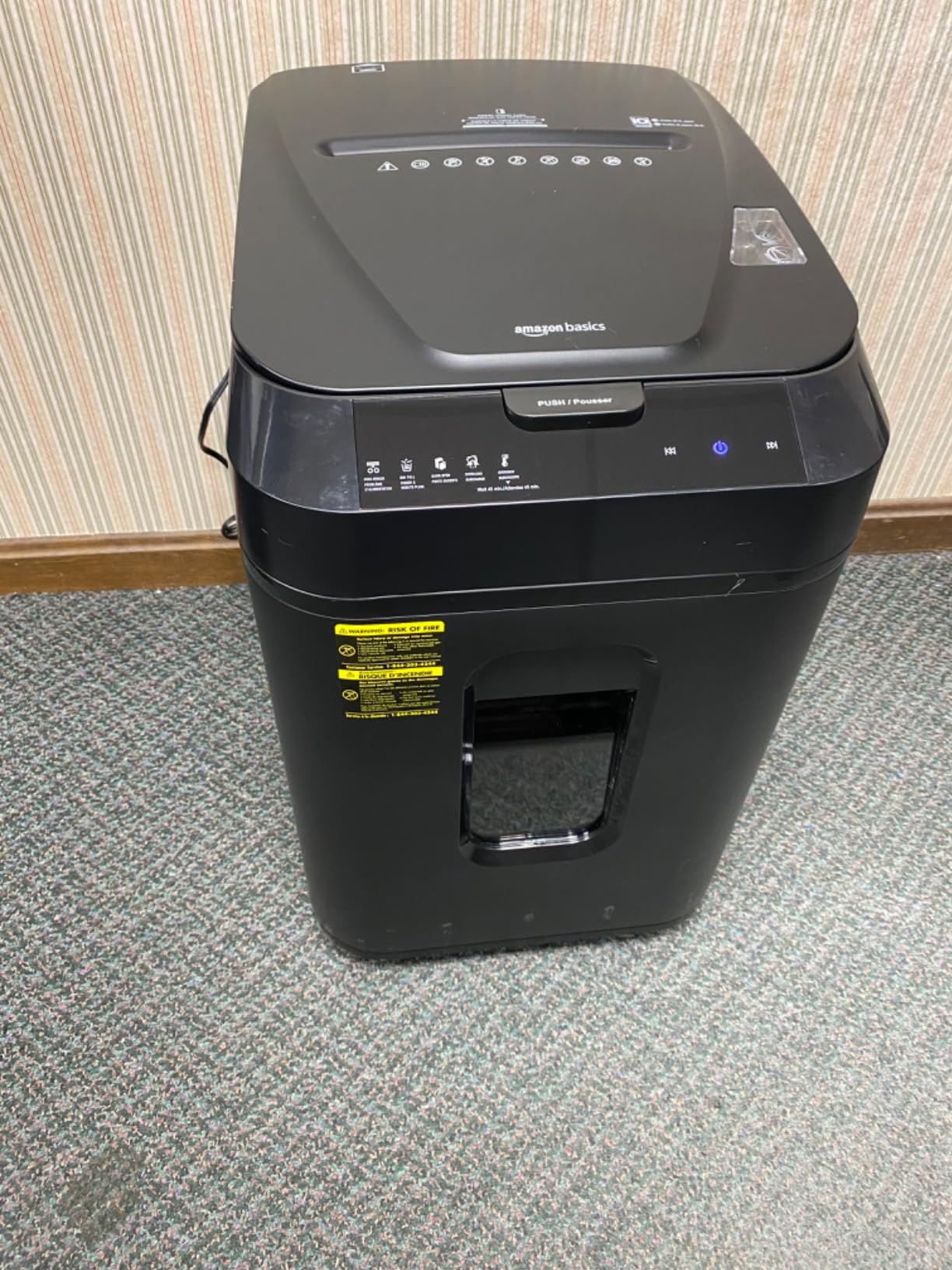
Amazon Basics 200-Sheet Auto Feed Cross-Cut Paper Shredder, High Security P-4, Anti-Jam, 8.5 Gallon Pullout Bin, Black
200 sheet auto feed, 10 sheet manual
Cross cut P-4 at 4x20 mm
60 min run time, 8.5 gallon bin
Pros
- Handles large stacks hands-free without constant supervision
- Anti-jam auto reverse with forward and reverse modes
- 8.5 gallon pull out bin on casters
- LED status indicators and sleep mode
- Very few durability complaints for its class
Cons
- Cross cut pieces are a lower security level than micro cut output
- Feed slot is narrow so sheets need careful alignment
- Sensor needs paper pushed in fairly deep before it starts
This is the machine we keep coming back to because of one number: 78726 reviews averaging 4.3 stars. That is a deeper pool of real-world feedback than anything else in the category, and when you read across it, the same pattern holds. People load a stack, walk away, and come back to confetti.
The tray takes 200 sheets and the motor runs for 60 minutes before it needs a 45-minute cooldown, which covers a full box of documents in one pass. The four-mode control switch gives you auto and on, off, forward, and reverse, so a jam is usually a button press rather than a fishing expedition. LED indicators flag feed error, bin full, door open, overload, and overheat.
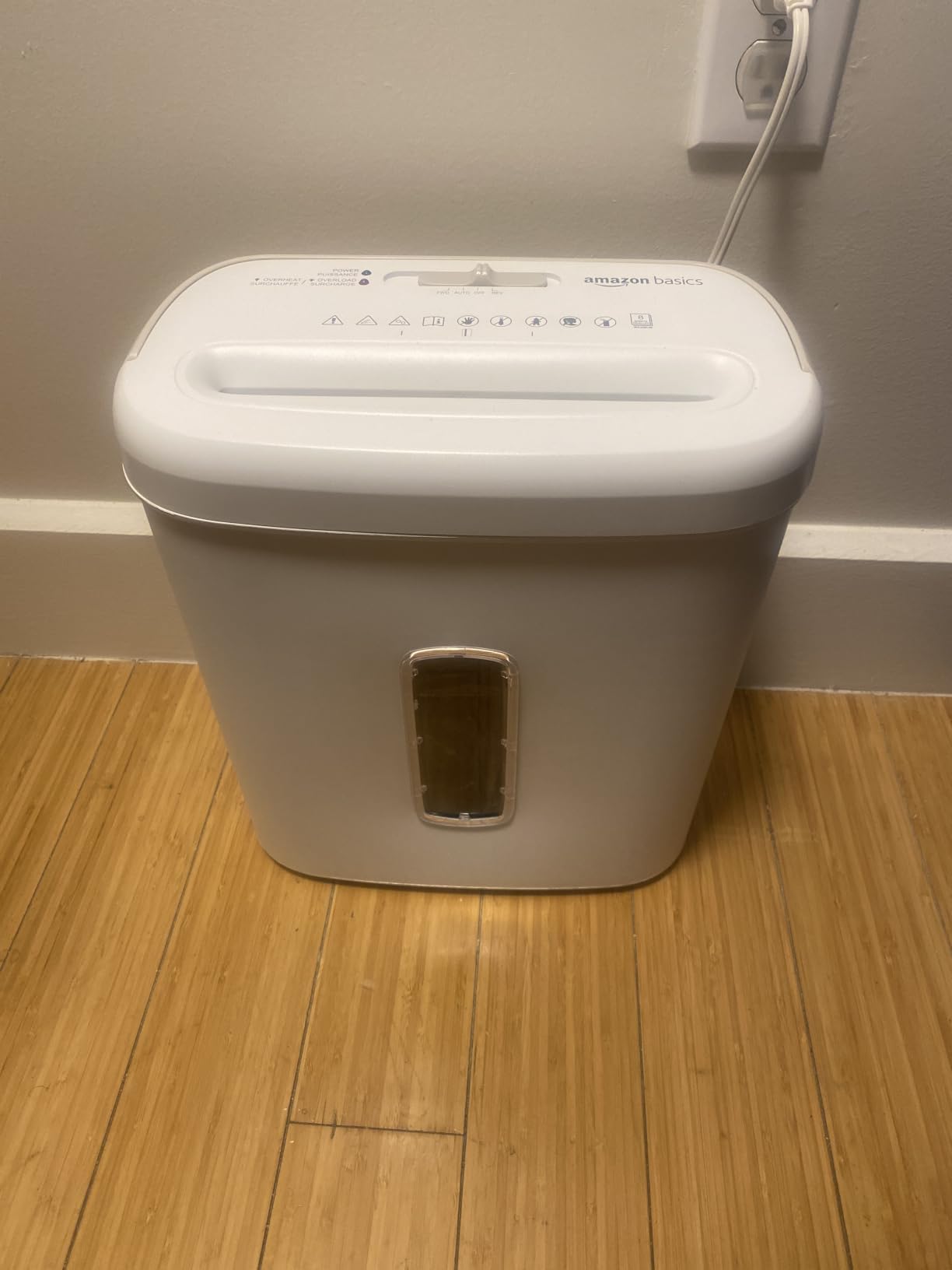
Worth knowing before you buy: this is cross cut, producing pieces of about 5/32 by 25/32 inches. That is plenty to stop casual reconstruction of a utility bill or a junk mail offer, but it is a coarser pattern than the micro-cut machines in this list. If your paperwork includes account numbers or medical details, read the security section further down.
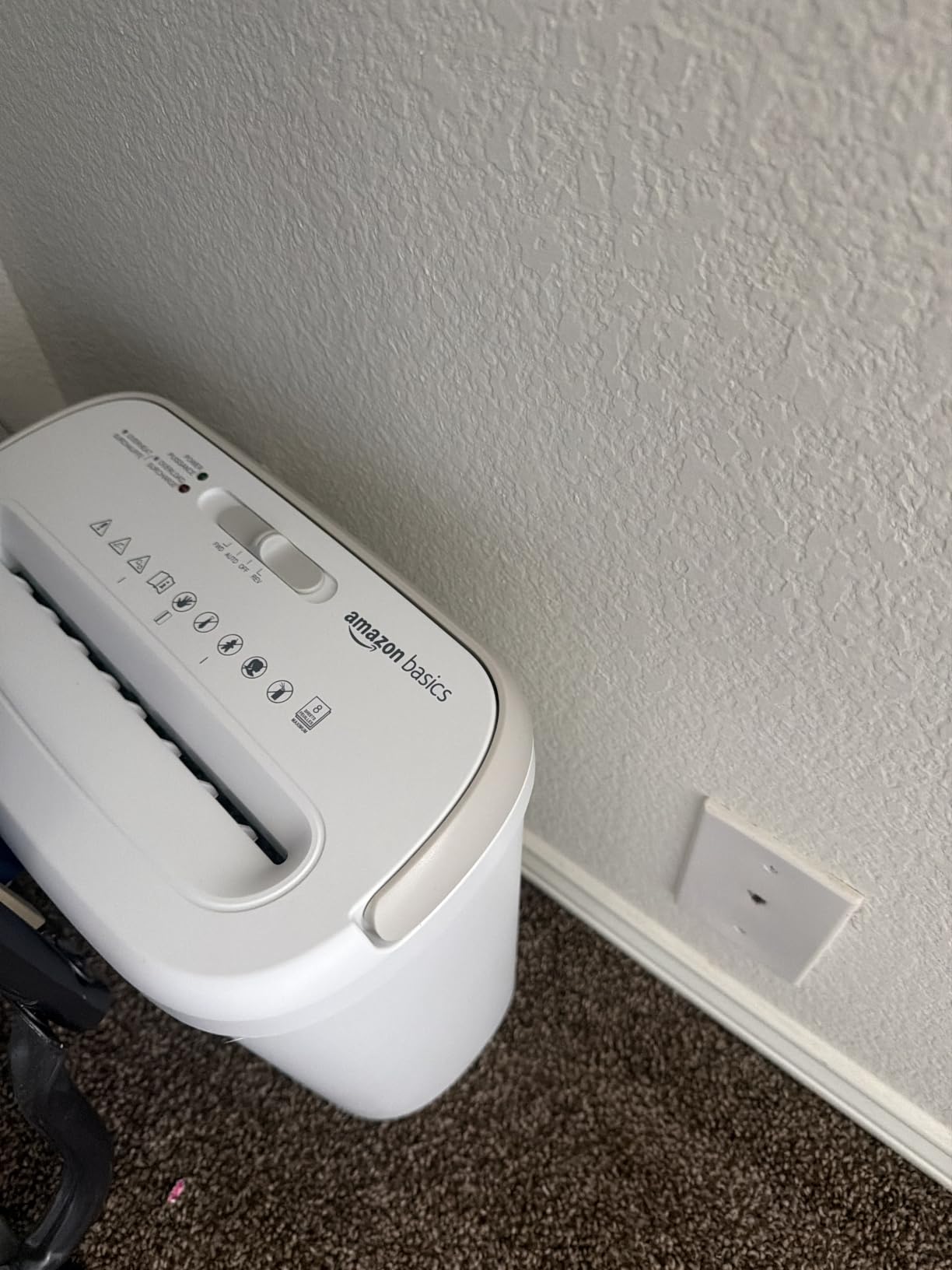
The 8.5 gallon pull-out bin sits on casters, so emptying it is a two-second job rather than a chore. Owners do report shreds and paper dust escaping behind the bin when it is overfilled, so empty it at the fill line rather than at the top. The other small friction point is the feed slot, which is narrow enough that a crooked stack will not pull in cleanly on the first try.
When this shredder is the right call
This is the pick for anyone destroying more than roughly two reams a month, and the default answer for a home office with mail, bank statements, and school paperwork piling up. At 32.9 pounds it needs floor space next to a desk rather than a shelf, but it rolls out of the way when you need the floor, and shredding two or three times a week hands you back roughly 20 minutes a session.
When to pick something else
Skip it if your documents are the kind that get you sued or audited, since cross-cut residue is easier to reassemble than micro-cut residue. It is also the wrong machine for a mixed paper job: users report the auto feed stalling on bent or mixed-weight sheets, and the sensor wants paper pushed in fairly deep before it detects the load. Sort the stack and it behaves.
2. Bonsaii 200-Sheet Auto Feed Micro-Cut Shredder – Best for Quiet Workspaces
Bonsaii 200-Sheet Auto Feed Micro Cut Heavy Duty Paper Shredder for Office
200 sheet auto feed, 12 sheet manual
Micro cut P-4 at 4x12 mm
58dB, 60 min run time, 8.1 gallon bin
Pros
- Very quiet for its throughput
- Chews through years of backlogged paperwork
- 60 minute continuous run time with cooling support
- Enclosed bin keeps paper dust contained
- Includes lubricant sheets
Cons
- Auto feed takes letter size paper only
- Feed is sensitive to one stray sheet at the tray edge
- Some internal plastic parts can wear with heavy use
The Bonsaii 200-sheet is the one we would put in a room where people take calls. Rated at 58dB, it is quiet enough that reviewers describe the paper crinkle as louder than the motor, and the 4.6 rating across 6989 reviews puts it near the top of the entire list on owner satisfaction.
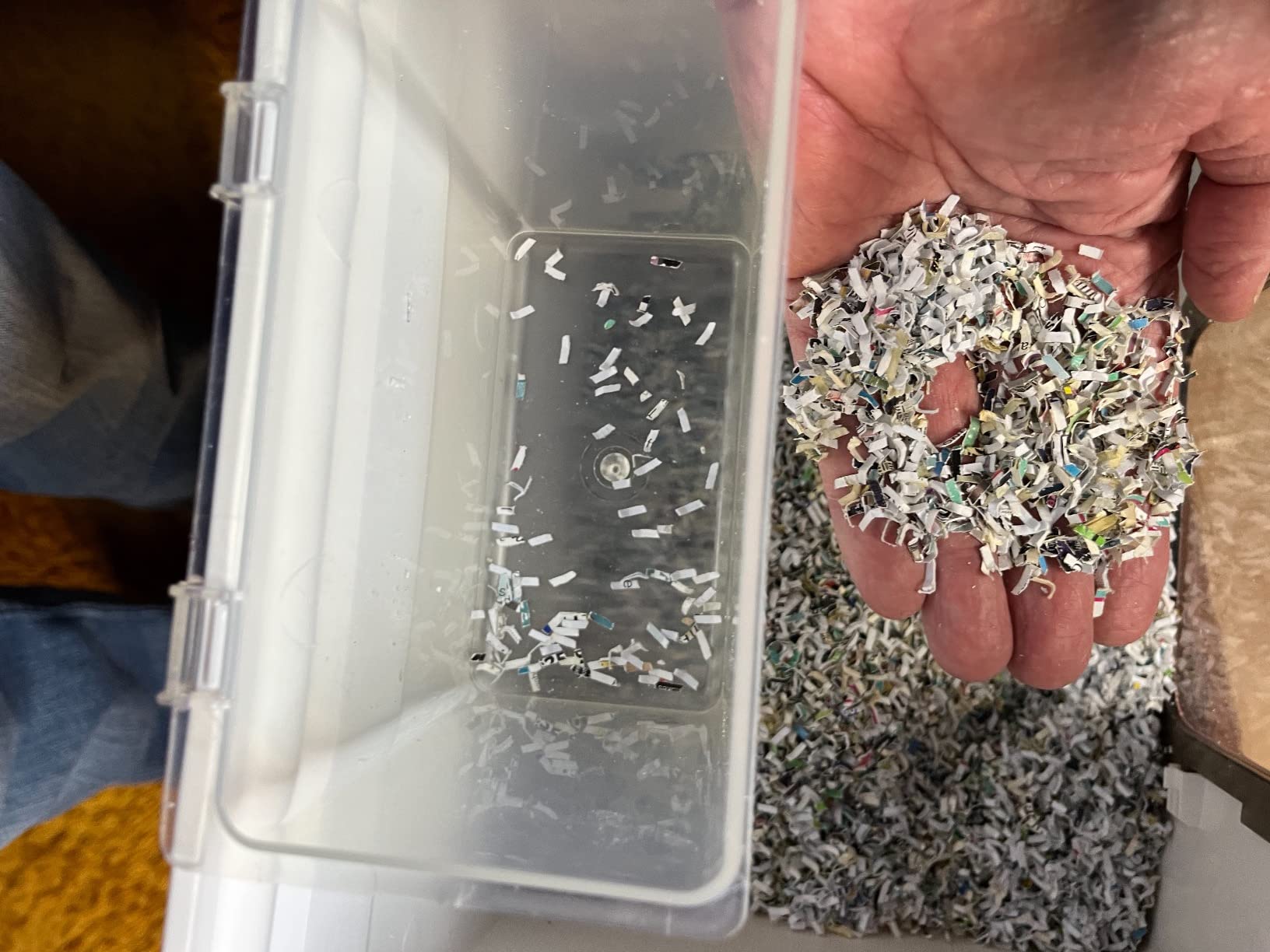
You get micro-cut P-4 security here, meaning pieces of about 5/32 by 15/32 inches, which is a meaningful jump in shred quality over cross cut. The tray still holds 200 sheets and the run time is a full 60 minutes, so you are not trading security for throughput. Manual mode handles 12 sheets at a time plus credit cards, staples, and paper clips.
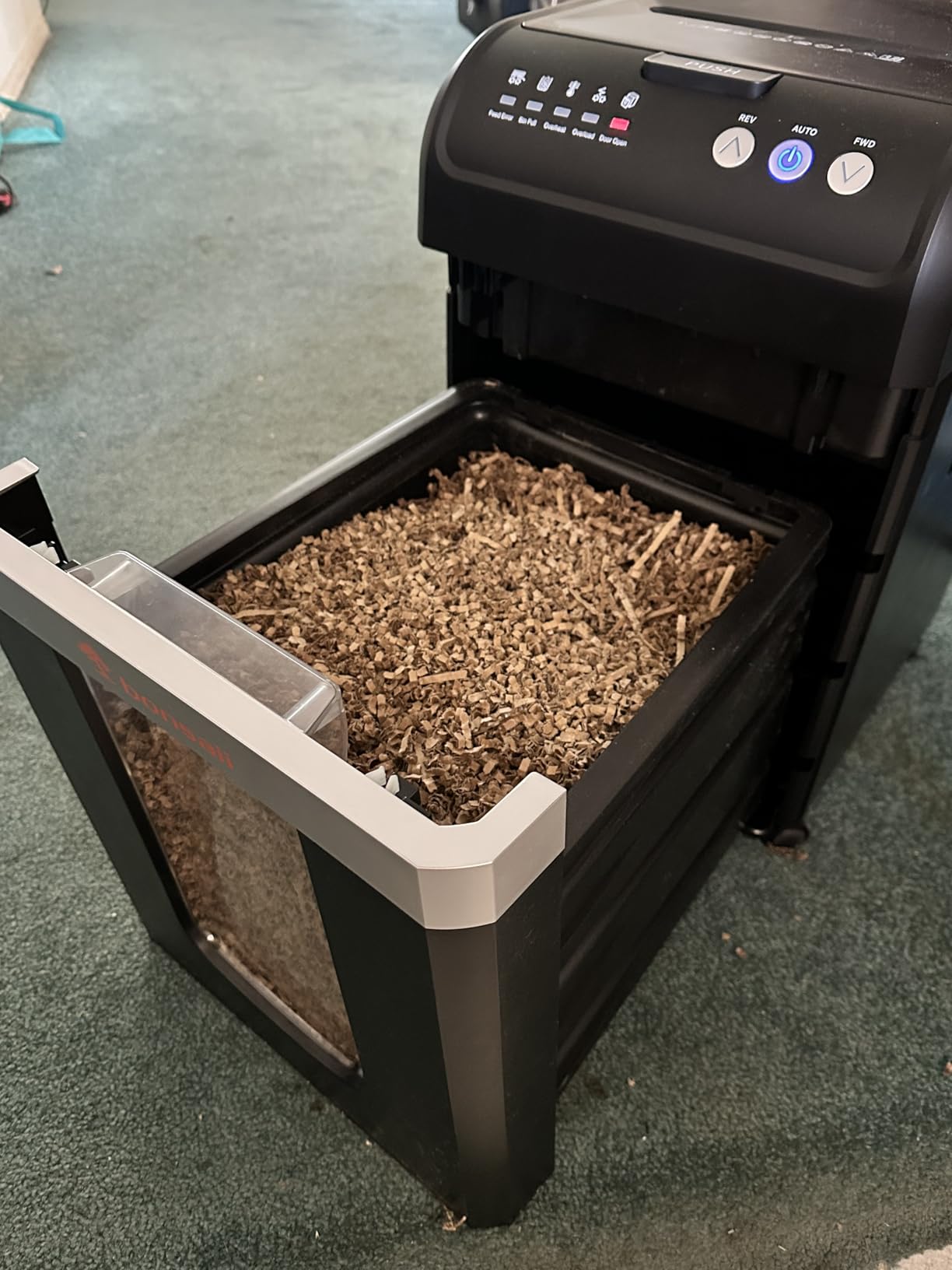
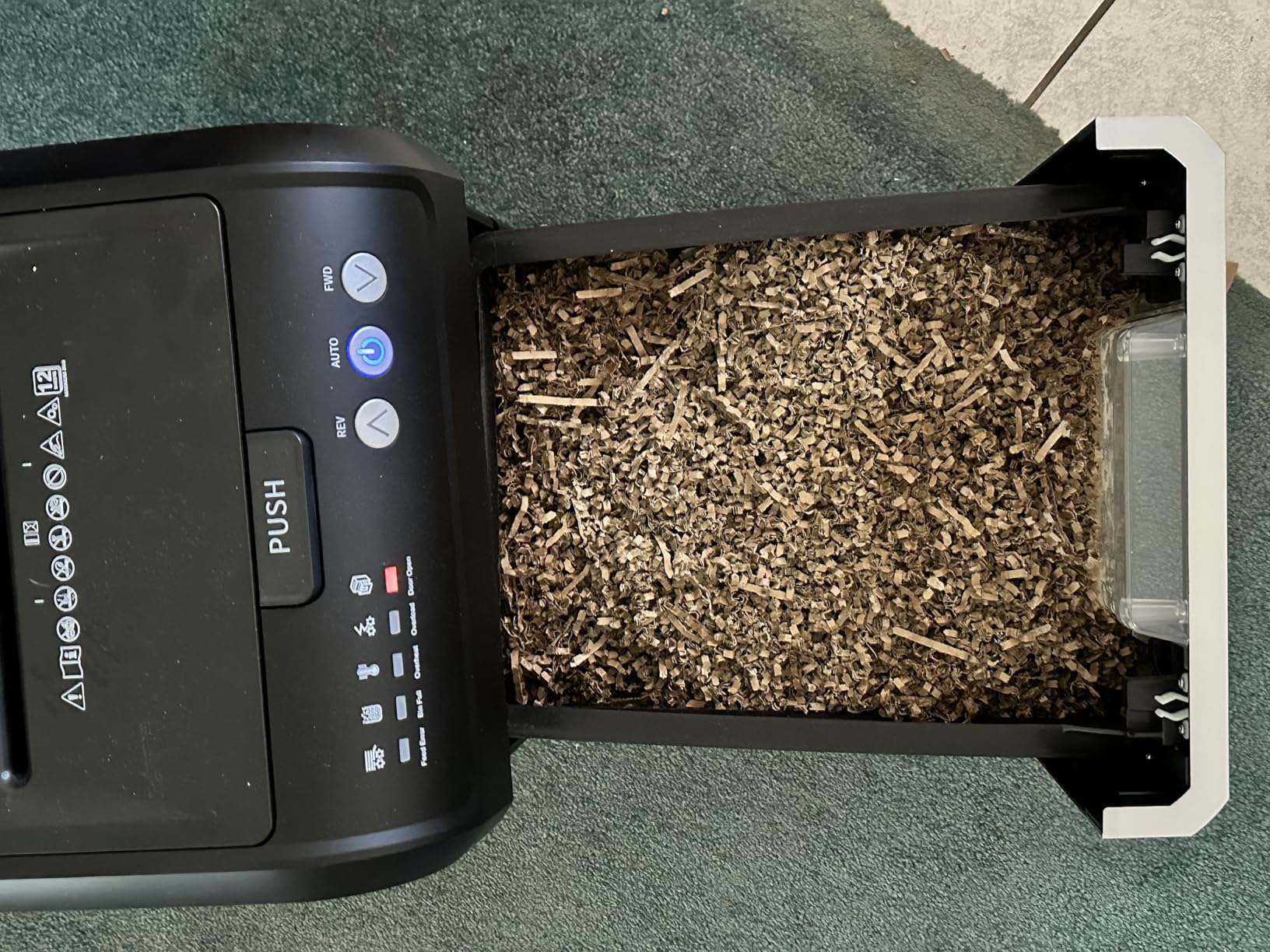
What stands out in the owner feedback is longevity. Multiple reviewers describe this machine chewing through accumulated years of mail and statements without stalling, and customer support is repeatedly praised for responding when a part fails. The 8.1 gallon enclosed bin on four wheels contains the fine paper dust that micro-cut machines generate.
The trade-off is tray discipline. The auto feed is built for letter-size sheets, so legal and odd-sized pages have to go through the manual slot one batch at a time. The feed is also sensitive to a single sheet sitting at the far edge of the tray, which is a habit worth unlearning before you load it up.
When this shredder is the right call
Choose this machine when noise is a live constraint: a shared office, a hybrid working setup, or a home where the shredder runs near a desk. It is also the better security option within the same class as the cross-cut default, which makes it the smarter buy when your documents are sensitive. For a team clearing years of archived paperwork, a 200-sheet tray with 60 minutes of run time is hard to argue with.
When to pick something else
It is the wrong choice for a job that is mostly legal-size or mixed-format documents, because those all end up in the slow manual feed, and the 8.1 gallon bin needs emptying mid-session more often than the 8.5 gallon models. Some owners with heavy daily use also report internal plastic components beginning to wear over time, so a machine with a serviceable cutter head is the better long-term bet.
3. Aurora 200-Sheet P-5 Micro-Cut Shredder – Best for High Security
Aurora Commercial Grade 200-Sheet Auto Feed High Security Micro-Cut Paper Shredder/ 60 Minutes/Security Level P-5
200 sheet auto feed, 10 sheet manual
P-5 micro cut at 2x12 mm
60 min run time, 8.5 gallon bin
Pros
- Highest security level available in this group
- 60 minute run time clears years of files
- Handles stapled pages in the auto tray
- Quiet motor and easy rolling casters
- Responsive warranty replacement after a gear failure
Cons
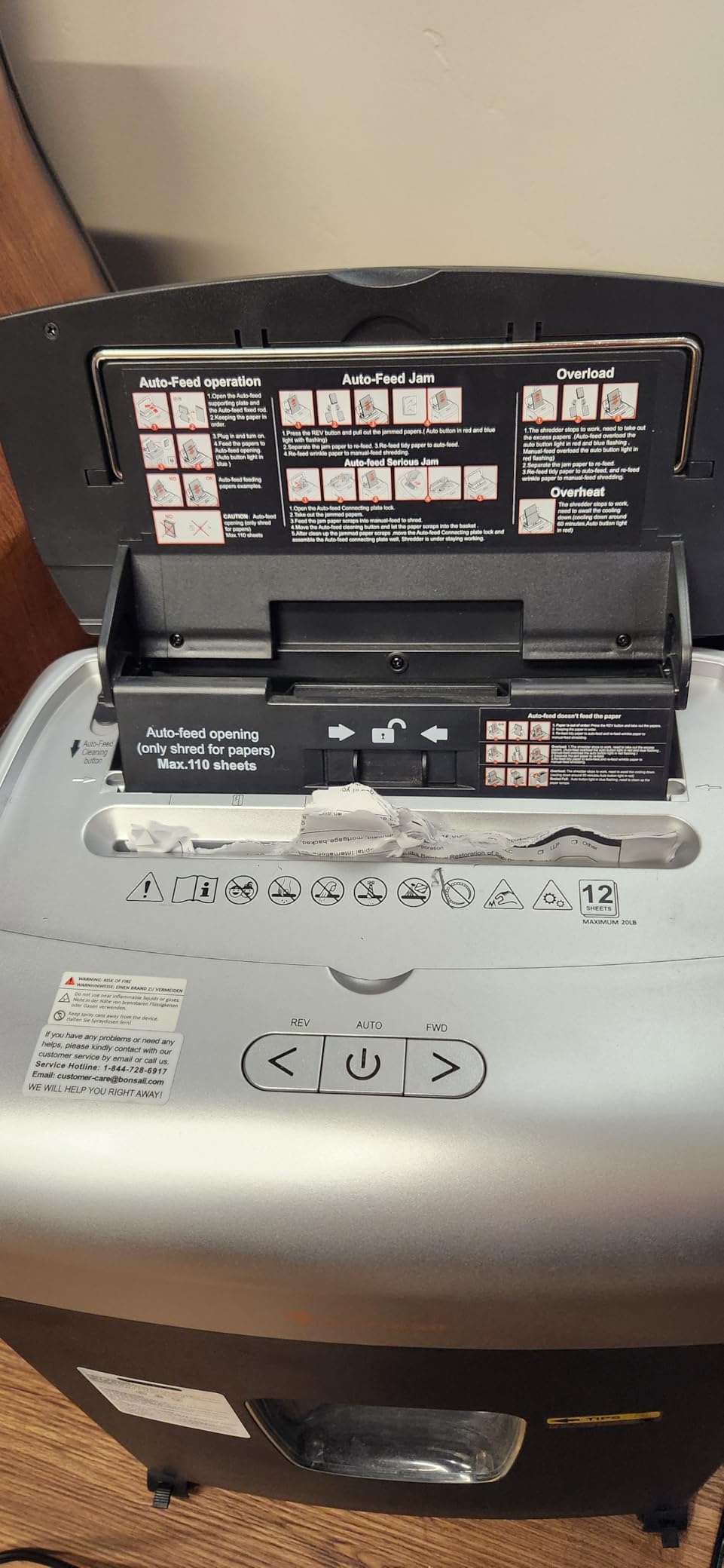
- Auto feed stalls on bent or creased paper
- No viewing window so stalls are invisible
- Over 38 pounds and hard to reposition
Security is the entire argument for this one. At P-5 micro-cut, the blade pattern is 2 by 12 millimeters, producing roughly 2592 particles from a single letter sheet. That is the point where shredded documents stop being reassembleable in practice, and it is the level most compliance guidance points to for medical, legal, and financial records.
Everything else is built to match. The tray holds 200 sheets, the machine runs for 60 minutes straight, and auto-reverse pulls the paper back out when it detects a jam. Owners with deep archives report the run time clearing filing-box quantities in a single sitting, and the motor is quiet for a machine doing this much work.
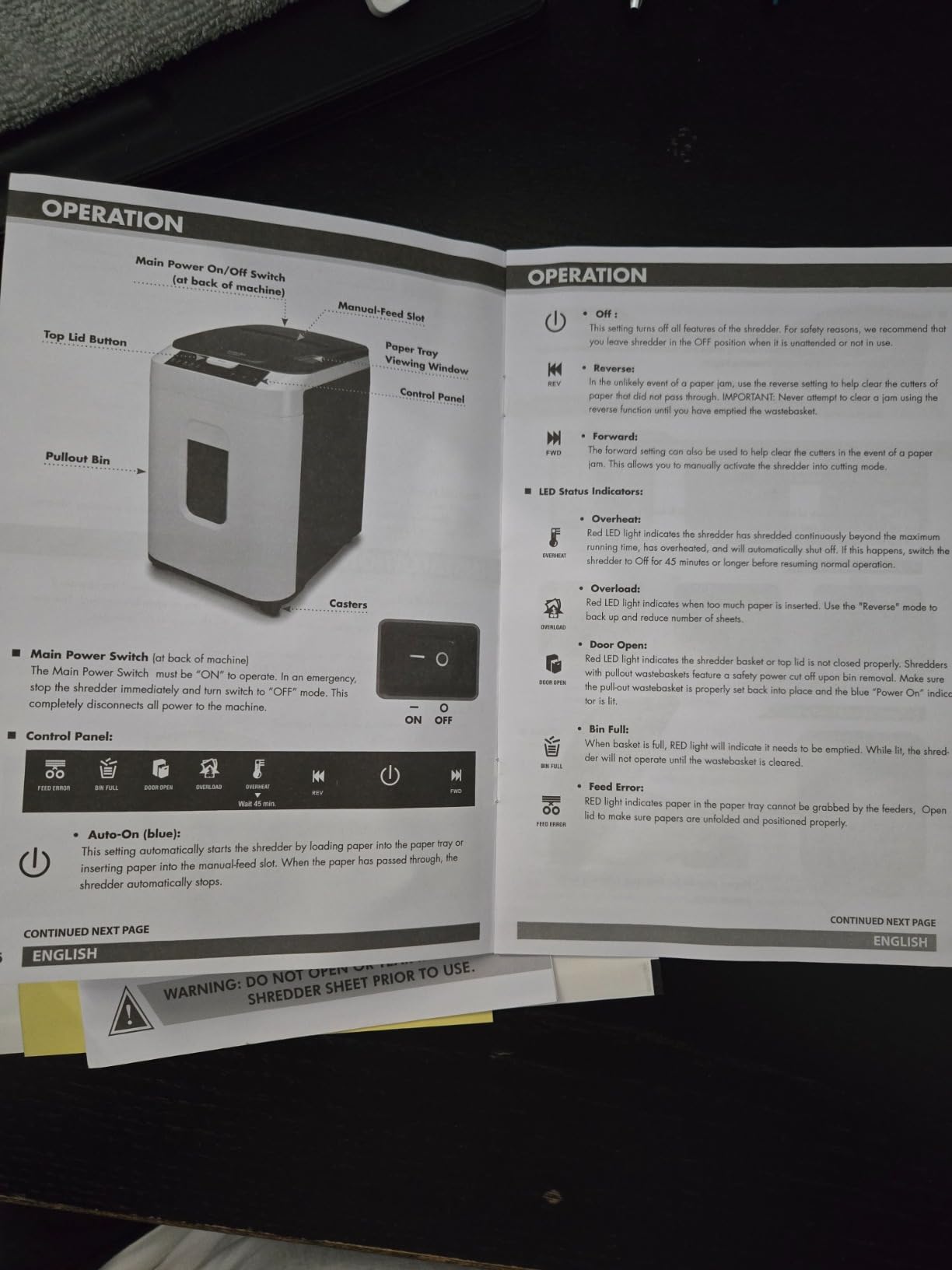
One detail that matters more than the spec sheet suggests: this model draws paper in a way that copes with stapled pages in the auto tray. That removes the single most common complaint about auto-feed machines, which is that they only accept loose paper. Warranty service is also worth noting, with at least one owner reporting a total gear failure replaced free at the three-month mark.
The catch is that auto feed is fussy. Bent, creased, or non-letter-size sheets cause stalls, and because there is no window into the cutting head, a stall just looks like noise from the outside. Learn the reverse control before you need it. The other drawback is weight: at over 38 pounds, this is not a machine you reposition every week.
When this shredder is the right call
This is the pick for a law practice, a medical office, an HR department, or an accountant handling client records where a P-4 shred would be a liability. The 60-minute run time also suits a scheduled quarterly purge of records nobody wants to keep longer than they must. Budget for the bin, though: P-5 output is fine and fluffy, so the 8.5 gallon basket fills faster than the sheet count suggests.
When to pick something else
Choose a P-4 micro-cut machine instead if your paperwork is routine confidential material rather than regulated records, and avoid it in a small or shared room because the footprint is large and the weight makes it a two-person move. If your documents arrive in mixed sizes constantly, the fussy auto feed will cost you time that a 200-sheet P-4 model would not.
4. Bonsaii 120-Sheet Autofeed Micro-Cut Shredder – Best for Small Offices
Bonsaii 120-Sheet Autofeed Micro-Cut 30-Min Run Heavy Duty Paper Shredder
120 sheet auto feed, 12 sheet manual
Micro cut P-4 at 4x12 mm
30 min on, 60 min off, 6 gallon bin
Pros
- P-4 micro cut confetti for confidential documents
- Compact footprint for its sheet capacity
- 6 gallon pull out bin rolls on 360 degree casters
- 62dB suits a shared office
- Support responds within 24 hours
Cons
- 30 minute auto run time is short for big backlogs
- Cards and staples must use the manual slot
- 6 gallon bin fills quickly with micro cut output
This is the model we recommend for a team of roughly five to ten people who shred every week but never have an archive to clear. The 120-sheet tray is big enough to walk away from, and micro-cut P-4 security means the output is small enough for the documents most small offices deal with.
Its selling point is proportion. At 14.45 inches wide and just under 20 inches tall, it fits where the bigger machines will not, and the 6 gallon pull-out bin sits on 360-degree casters so you can roll it out, empty it, and roll it back. The shredding speed of 71 inches per minute keeps the 120 sheets moving at a reasonable pace.
At 62dB it sits in the middle of the noise range, quiet enough for a shared office but not the quietest machine here. The duty cycle is 30 minutes on and 60 minutes off in auto mode, with a separate 10 minute manual window, and the cooling period is genuinely long. Plan your shredding session around that rather than trying to power through a box.
Owners rate the build and appearance as well above what the price suggests, and the company commits to a support response within 24 hours. The repeated reservation is the 30-minute run window: if you inherit a decade of records in one go, you will be waiting out a cooldown more than once.
When this shredder is the right call
It fits a small office, a home business, or a study where the volume is steady but modest, since a 120-sheet tray matches a monthly client document drop and micro-cut output keeps the paperwork unreadable. It is also a sensible first auto-feed machine: it teaches the load-and-walk habit without the commitment of a commercial unit, and the casters let you store it out of the way between sessions.
When to pick something else
Do not buy it for a records purge, because the 30-minute run time plus a 60-minute cooldown turns one large box into a two-stage job and the 6 gallon bin fills quickly with fine micro-cut output. Any staples, clips, or credit cards also have to go through the manual slot, and in manual mode the run window is only 10 minutes.
5. Amazon Basics 150-Sheet Micro-Cut Shredder – Best for Long Duty Cycles
Amazon Basics 150-Sheet Autofeed Micro-Cut Paper and Credit Card Shredder, High Security Level P-4 with 8.5-Gallon Bin, 60-Minute Continuous Run Time, Black
150 sheet auto feed, 10 sheet manual
Micro cut P-4 at 4x12 mm
60 min on, 45 min off, 8.5 gallon bin
Pros
- Long 60 minute run cycle beats most rivals
- Full stack processed hands-free in minutes
- Micro cut pieces that are hard to reassemble
- 8.5 gallon bin on 360 degree casters
- Rear power rocker locks out top controls
Cons
- Cross bar across the bin blocks bag liners
- Shreds pile at the back so the full light fires late
- Top feeder sometimes misses the last few pages
The defining spec on this Amazon Basics model is the 60 minutes on and 45 minutes off cycle. Almost every rival in this group cuts auto run time to 30 minutes, so if you have a real backlog this machine finishes the job in one sitting while the others are cooling down.
You also get P-4 micro-cut security here, producing 5/32 by 15/32 inch pieces roughly six times smaller than standard cross-cut output. The 150-sheet tray processes a full stack hands-free in minutes, staples included, and the manual throat takes 10 sheets at a time plus credit cards. The rear master power rocker disables the top touch controls, which matters in a shared room.
Owners consistently report years of reliable use, which is the strongest argument for this machine. Micro-cut security, a large bin, and a long duty cycle are the three things people write home about. It is one of the few auto-feed units where durability, not capacity, is the headline.
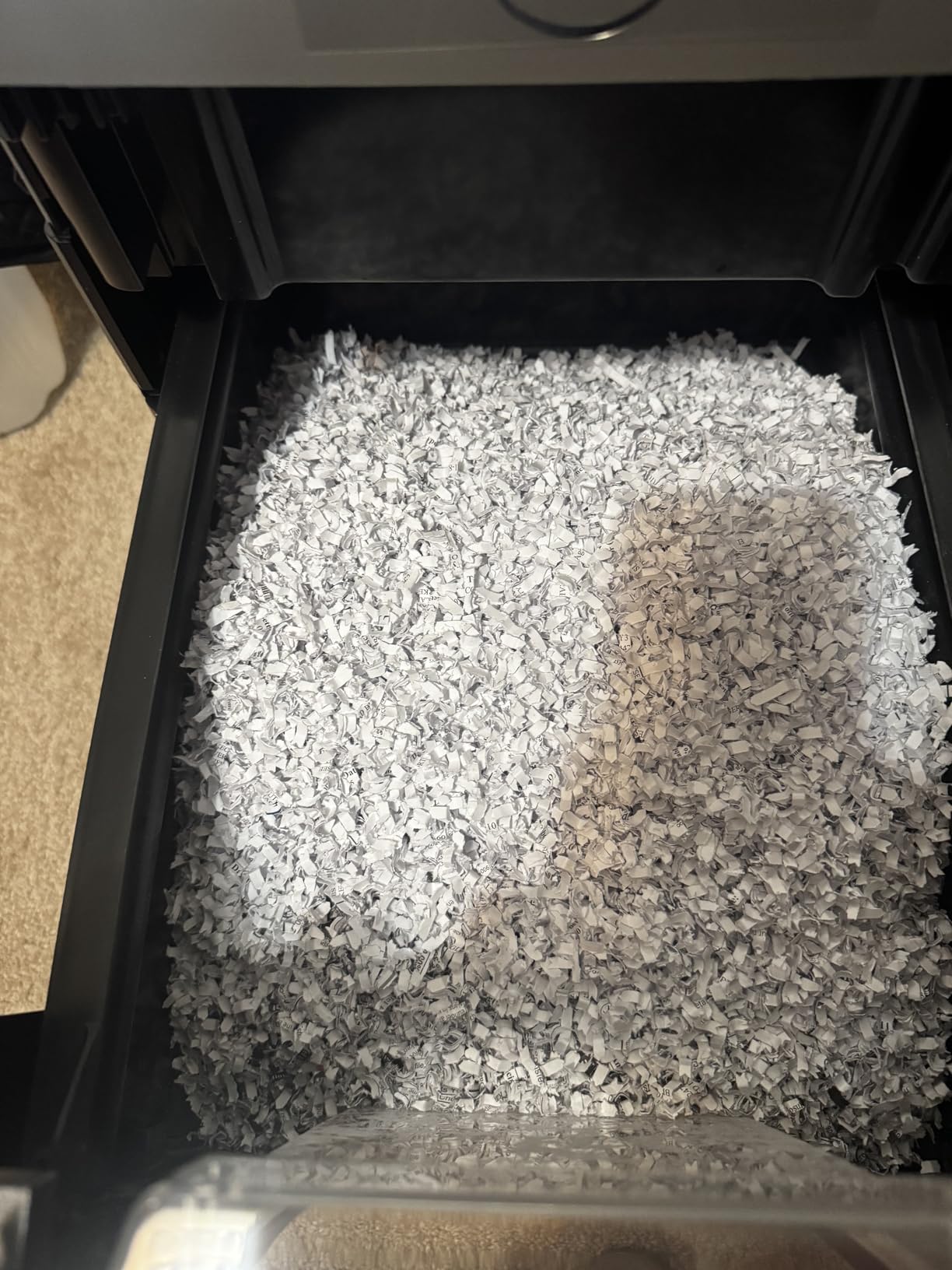
The bin design is where the complaints live. A cross bar across the top of the 8.5 gallon bin stops you lining it with a standard trash bag, and shreds collect at the rear of the bin, which means the bin-full light fires late and material spills when you pull the bin out. Check the level visually rather than trusting the indicator.
When this shredder is the right call
Pick it when throughput over a long session matters more than a small footprint, since a team clearing quarterly records, a nonprofit destroying donor files, or an accountant between tax seasons will finish in one pass instead of three. It is also a good fit for anyone who wants micro-cut security without moving to a commercial machine, since the output is small enough for sensitive material and the auto feed does not need staples removed first.
When to pick something else
Skip it in a tight space, since at 18.3 inches deep and 22.8 inches tall, weighing 33.6 pounds, it barely fits under a tall desk. Mixed paper is the other problem: the top feeder stalls on bent or mixed-weight sheets, at least one report describes the drive mechanism jamming as a result, and it misses the last few pages of a stack more often than it should. Feed uniform, flat paper and it is dependable.
6. BONSEN 300-Sheet Auto Feed Micro-Cut Shredder – Best for Large Batches
BONSEN 300-Sheet Auto Feed Micro Cut Heavy Duty Paper Shredder for Office
300 sheet tray, 12 sheet manual feed
Micro cut P-4 at 4x12 mm
60 min auto, 58dB, 8.1 gallon bin
Pros
- Largest tray in this group at 300 sheets
- 60 minute auto run time
- 58dB works in a shared office
- Full LED indicator set for jams and full bin
- Auto sleep after 10 minutes
Cons
- Larger and heavier than home office models
- Costs more than 120 to 200 sheet alternatives
- Auto mode takes paper only so mixed jobs use the manual slot
The BONSEN 300-sheet exists for one reason: to hold a whole box of paperwork in the tray at once. At 300 sheets, it is the largest capacity in this group short of a true commercial machine, and it pairs that tray with a full 60 minutes of auto run time.
Security is P-4 micro-cut at 5/32 by 15/32 inches, which is the right level for financial and legal paperwork. The 58dB rating keeps it workable in a shared office, and the LED indicator set covers feed error, bin full, door open, overload, and overheat, so you always know why it stopped.
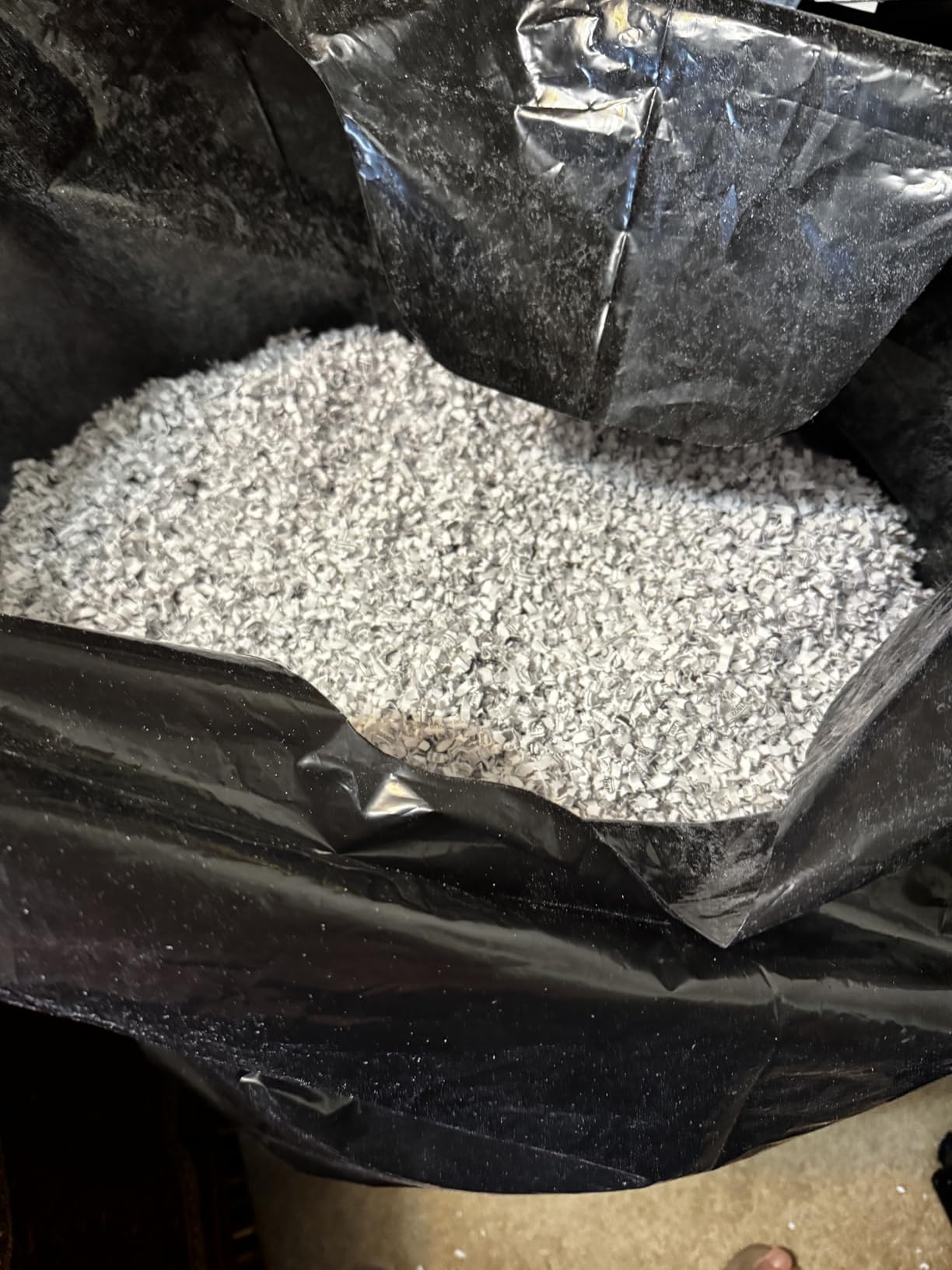
Manual mode handles 12 sheets plus credit cards, staples, and clips, with a 30-minute manual run window. An advanced cooling system supports the advertised 60 minutes in auto mode rather than throttling back early, which is a real difference from models that promise more than they deliver.
The honest caveat is the review base. With 558 ratings, there is less long-term durability data here than on the Amazon Basics and Bonsaii units, and buyers mostly describe it in terms of raw capacity. If you need confidence that it will still run in five years, a machine with a much longer warranty is the safer route.
When this shredder is the right call
This is the right machine for a mid-sized office that destroys records in volume: a property management company, a dental or veterinary practice, a legal office clearing closed case files. Loading 300 sheets and walking away beats topping up a 150-sheet tray three times, and it is a good middle step when a 400-sheet tray is more machine than you need.
When to pick something else
Placement is the first problem: at 16.2 inches wide and 20.1 inches tall, it is bigger and heavier than home-office models and needs real floor space near where the filing happens. It also costs more than the smaller alternatives for the same security level, so if your weekly volume is light you are paying for tray capacity you never fill. And auto mode is for paper only, so any job with mixed material still takes twice as long through the manual slot.
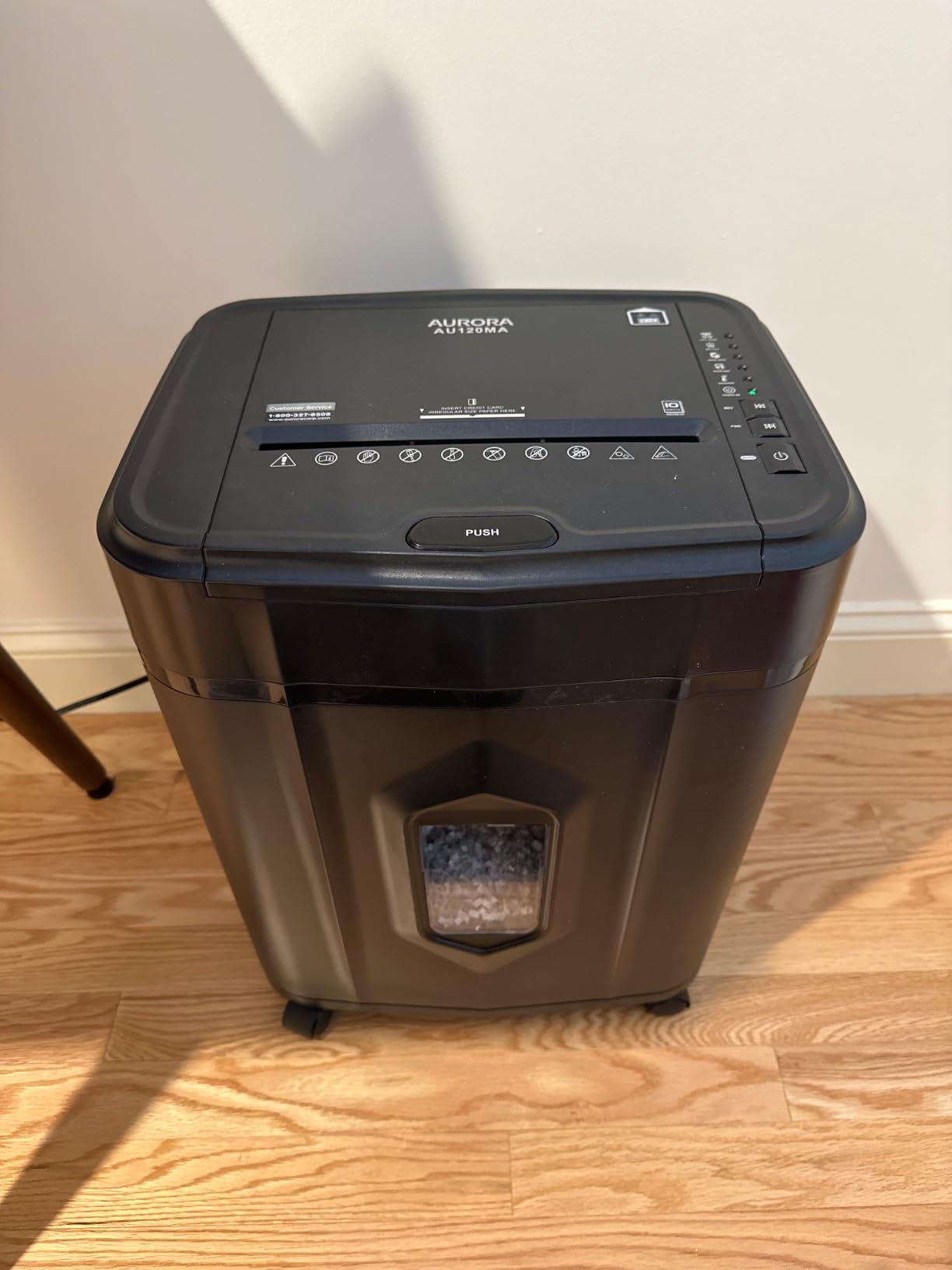
7. Aurora AU120MA 120-Sheet Auto Feed Shredder – Best for Home Offices
Aurora AU120MA 120-Sheet Auto Feed High Security Micro-Cut Paper Shredder / 30 Minutes (Black)
120 sheet auto feed, 10 sheet manual
P-4 micro cut at 5/32 x 15/32 inch
30 min run, 14 liter bin
Pros
- P-4 micro cut for paper and credit cards
- Covers most small office jobs hands-free
- Automatic start and stop with jam prevention reverse
- Ultra quiet operation with full LED status lights
- Compact 24 pound body
Cons
- 30 minute run time is short for large backlogs
- 14 liter bin is small for a 120 sheet tray
- Auto feed takes letter size paper only
This is the model most often recommended for a home office, and it earns that. At 24.3 pounds and 14.41 inches wide, it is one of the lighter auto-feed machines here, and the 120-sheet tray is genuinely large for someone processing a few hundred statements a month.
Security is P-4 micro-cut, which shreds paper and credit cards into 5/32 by 15/32 inch pieces. Automatic start and stop, jam-prevention auto reverse, and overload protection are all present, and the 5-gallon pull-out bin reports standby, overheat, bin full, overload, feed error, and door open on the LED panel.
Owners frame it as a genuine step up from a small manual shredder, and the quiet motor is the most repeated positive comment. The jam-prevention reverse is described as doing its job without needing to be triggered, which is what you want from a machine you walk away from.
Two numbers define the limits. Run time is 30 minutes, which covers a normal household month but not a purge. And a 5 gallon bin against a 120-sheet tray means you are emptying it more often than the 8.5 gallon machines in this list. The one-year warranty is also the shortest tier most brands offer here.
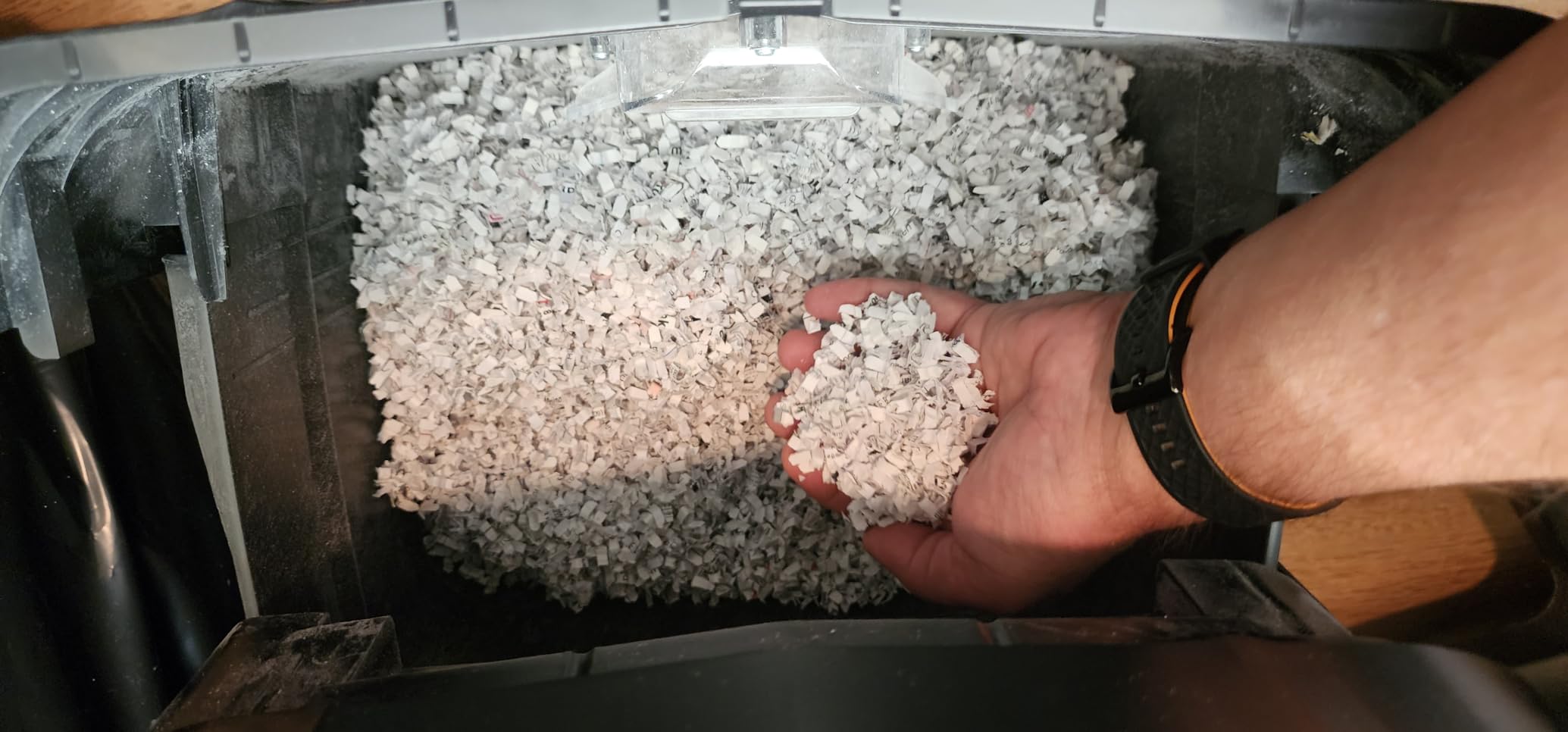
When this shredder is the right call
It suits a remote worker, a home business, or a small study where a bigger machine is physically out of place, because the footprint and weight mean you can actually keep it in the room rather than hiding it in a closet between shredding sessions. Micro-cut output at P-4 also means you can shred medical paperwork, pay stubs, and bank statements without worrying about casual reconstruction, which is the whole reason remote workers shred at all.
When to pick something else
Do not buy it for a document project, because 30 minutes of run time and a 5 gallon bin turn a single large shredding day into several restarts and the letter-size-only auto feed slows you further. If your shared space is very tight or you need a machine that can be locked against a curious child, keep looking: this one uses a simple button control with no physical key.
8. Fellowes AutoMax 100M Micro-Cut Shredder – Best Warranty Coverage
Fellowes AutoMax Micro-Cut 100M Commercial Office Auto Feed 2-in-1 Paper Shredder with 100-Sheet Capacity, Black
100 sheet auto feed, 10 sheet manual
Micro cut at 5/32 x 25/64 inch
6 gallon bin with full indicator
Pros
- Longest warranty in the group at 2 years and 7 years on the cutter
- Micro cut particles for strong document security
- Quiet enough that paper sounds louder than the motor
- Handles clips staples and cards through manual feed
- 100 sheet hopper lets you load and walk away
Cons
- 6 gallon bin fills fast relative to shredding speed
- Staples and clips should be removed before auto feeding
- Occasional jams on multi page grabs
Warranty is the differentiator here. A 2-year machine warranty and a 7-year cutter warranty is the longest coverage on this list by a wide margin, and it changes the maths for anyone planning to keep a shredder for five years or more. A cutter head that can be covered is a machine you do not throw away when a blade dulls.
Performance is respectable rather than class-leading. The 100-sheet auto hopper lets you load a stack and walk away, micro-cut output measures 5/32 by 25/64 inches for solid document security, and the manual feed handles paper clips, staples, and credit cards. Auto reverse detects a forming jam and stops and reverses the feed, which is the feature owners in community discussions cite most often as the one that earns trust.
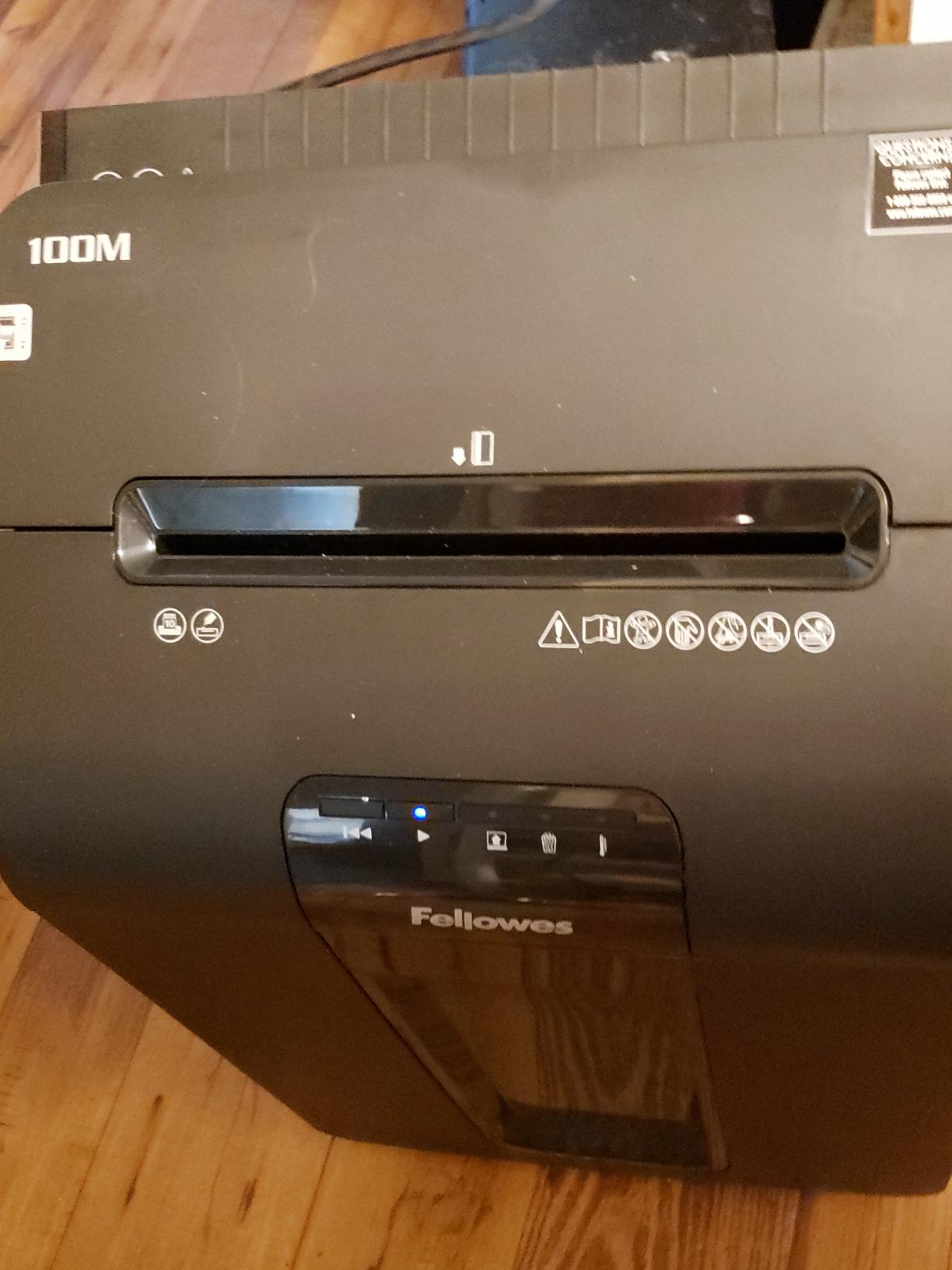
Noise is a genuine strength. Owners describe the machine as quiet enough that the paper crinkle is louder than the motor, and that is a common remark about Fellowes machines specifically. The bin-full LED indicator is a small touch that matters when the bin sits under a desk.
The recurring complaint is the 6 gallon bin. It is the smallest here relative to how quickly this machine shreds, which makes emptying the actual bottleneck in daily use. A smaller number of owners also report overheating sooner than the stated run time, or a unit that would not power on out of the box.
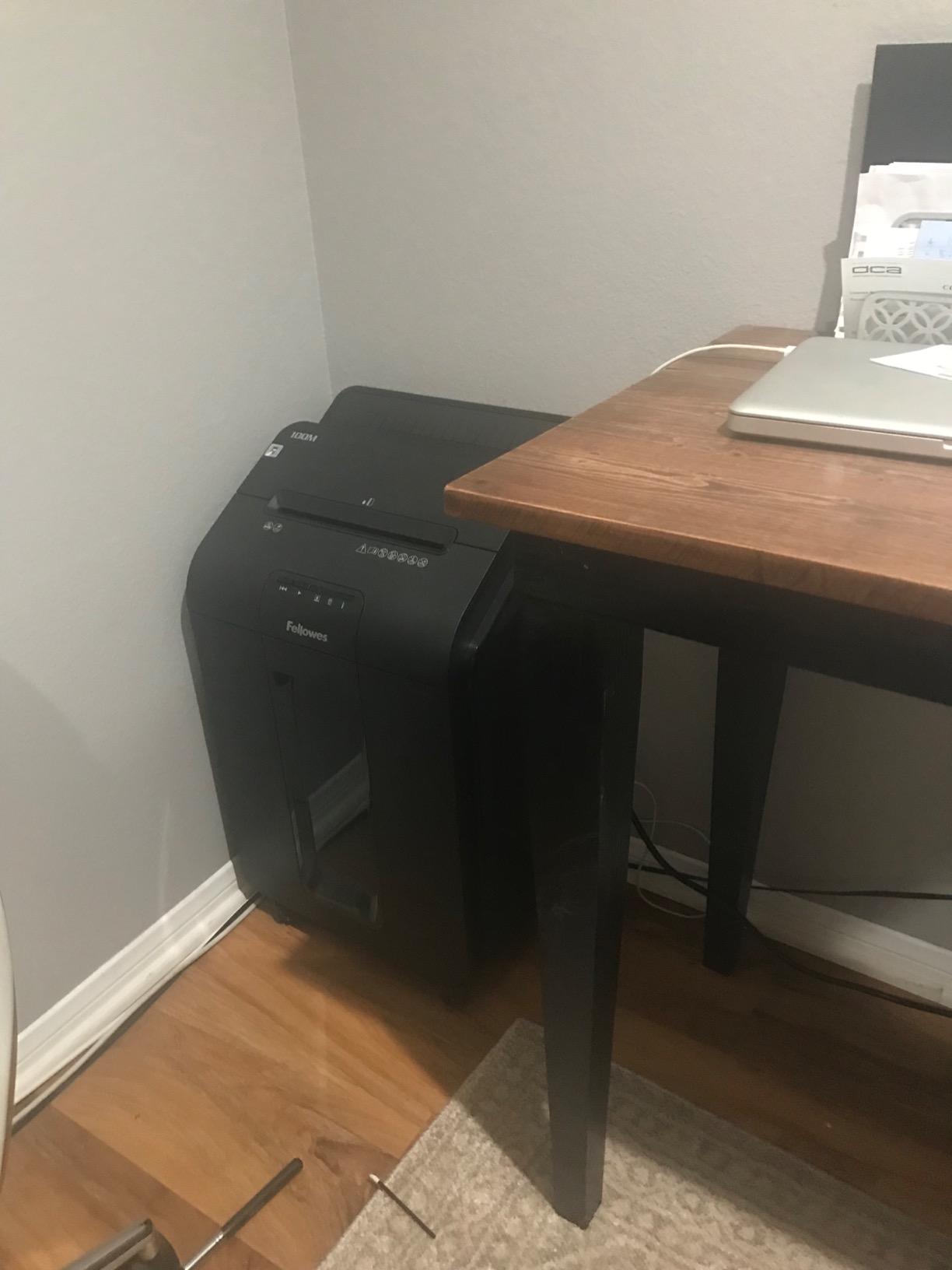
When this shredder is the right call
Buy it if you keep documents for years rather than months, or if your organisation’s procurement rules reward long warranty terms, since a practice that plans to run the same machine in five offices for a decade is buying the cutter warranty rather than the tray. It is also a sensible pick for shared rooms where auto-reverse reliability and quiet operation matter more than tray size.
When to pick something else
Skip it if volume is the priority, since a 100-sheet tray with a 6 gallon bin means you will be refilling and emptying more often than owners of the 200-sheet machines in this roundup. Check your ceiling height first, too: at 26.4 inches tall this is the tallest unit here and it will not go under most desks. And if you plan to auto-feed stapled documents, take the staples out, because owners report better results on loose paper.
9. Fellowes AutoMax 100MA Shredder – Best for Compact Spaces
Fellowes AutoMax 100MA 100-Sheet Micro-Cut Autofeed 2-in-1 Paper Shredder for Office/Small Office
100 sheets auto shredded in 5 minutes
P-4 micro cut, 10 min auto run
4.5 gallon bin with full sensor
Pros
- Highest rated Fellowes unit in the group
- Shreds a full 100 sheet tray in about 5 minutes
- Jam free auto reverse cuts interruptions
- Compact metal body for its capacity
- Shredder oil included in the box
Cons
- Smallest bin here at 4.5 gallons
- Short run times of 10 minutes auto and 7 minutes manual
- 75dB is the loudest rated spec in this comparison
The 100MA is the machine to buy when a full-size auto-feed unit will not physically fit. At 9.81 inches wide and 20.25 inches tall with a metal body, it is roughly a third narrower than most of the machines in this list, and it holds a 4.5 rating across 390 reviews.
It is fast for its size. Owners report a full 100-sheet tray cleared in about five minutes, with jam-free auto reverse handling misfeeds so you are not constantly restarting. Security is P-4 micro-cut, and the manual slot takes credit cards, paper clips, and staples. and a bin-full sensor stops you guessing, with shredder oil included in the box.
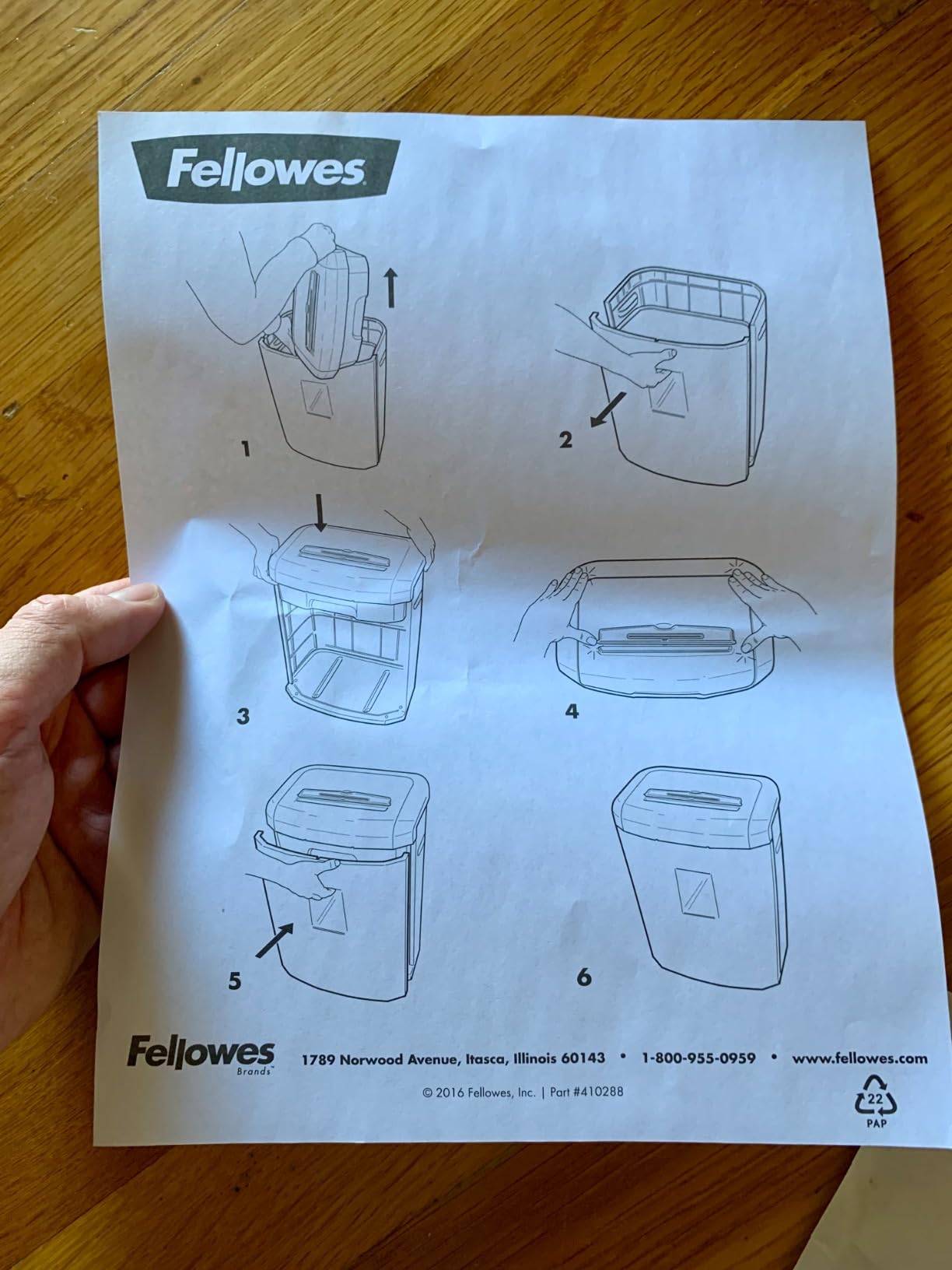
What you give up is capacity and patience. The 4.5 gallon bin is the smallest in this comparison and needs frequent emptying, and the run times are 10 minutes in auto mode and 7 minutes manually. That is fine for a household processing a stack at a time and frustrating for anyone with a backlog.
The 75dB rating is also the loudest spec here, and it is worth taking seriously if you work from home next to a desk or share a wall with someone on calls. The one-year warranty is shorter than the 100M’s coverage, so treat this as the space-constrained option rather than the value option.
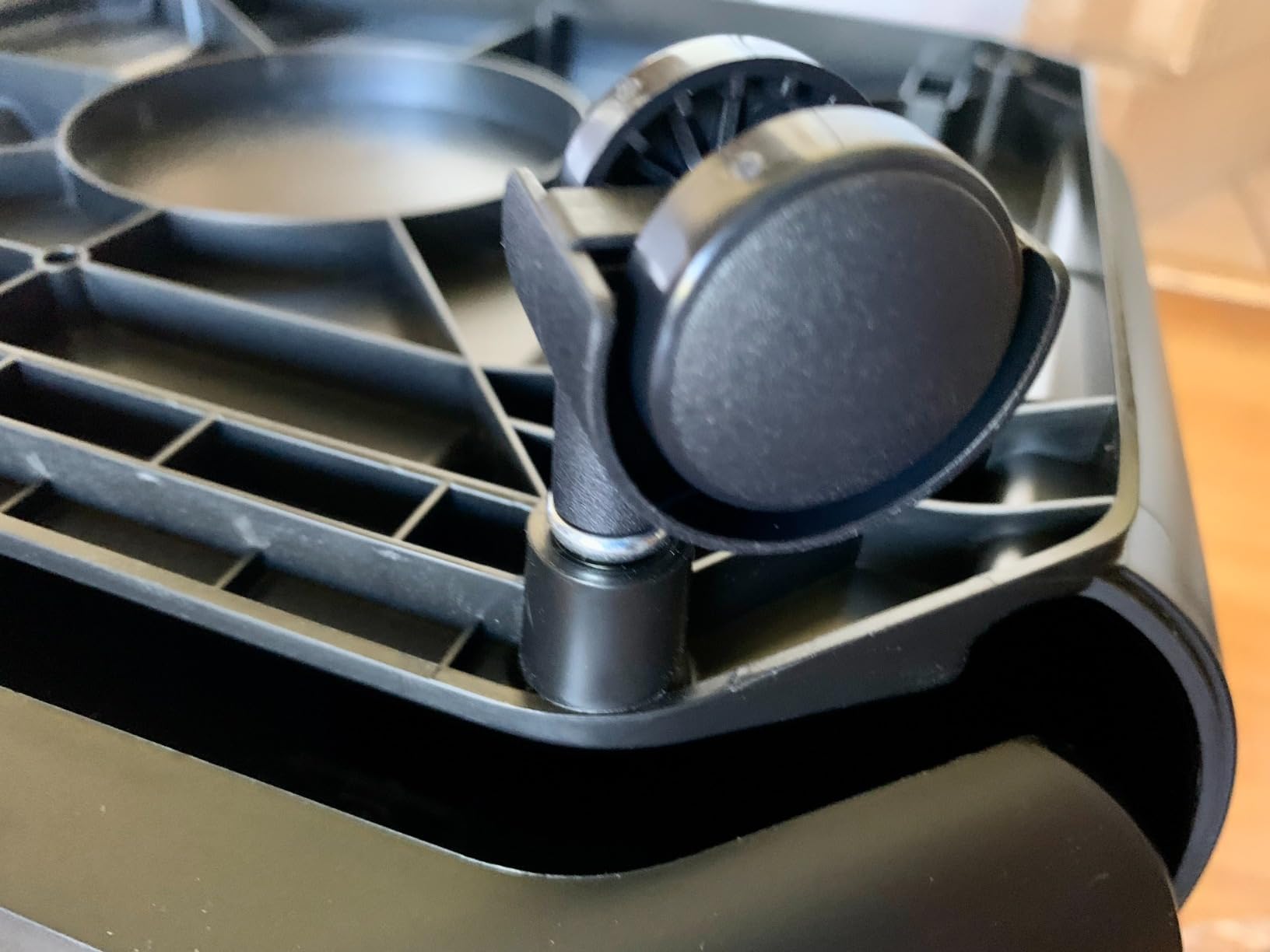
When this shredder is the right call
It fits a closet, a narrow cabinet run, or a reception area where floor space is the binding constraint, and the metal construction makes it feel more durable in a shared space than the plastic-bodied units at the same size. For a remote worker shredding a few hundred pages a month, five-minute tray clears are genuinely convenient and the bin-full sensor keeps the small capacity manageable.
When to pick something else
Do not buy it for volume work, since ten minutes of auto run time, a 4.5 gallon bin, and no cooling window means you will be stopping and restarting constantly on anything bigger than a stack. And if you take calls from the same room, the 75dB rating is the loudest here, so prioritise a machine rated in the high 50s and accept a larger footprint instead.
10. Aurora AU110MB 110-Sheet Shredder – Best for Apartment Living
Aurora High Security AU110MB 110-Sheet Auto Feed Micro-Cut Paper and Credit Card Shredder with 4 Gallon Pullout Basket / 30 Minutes/Security Level P-4 (White/Black)
110 sheet auto feed, 10 sheet manual
P-4 micro cut at 5/32 x 9/16 inch
30 min run, 4 gallon basket
Pros
- 4.6 stars with 82 percent five-star reviews
- Light body at 17.4 pounds with a narrow 8.7 inch depth
- Micro cut output packs down compactly
- Moving casters and a pull out basket
- Full LED status set including power
Cons
- Smallest bin here at 4 gallons
- 30 minute continuous run time
- No physical key lock on the power control
This is the smallest and lightest machine in the group, holding a 4.6 rating with 82 percent five-star reviews, and at 17.4 pounds with an 8.7 inch depth it moves between rooms without being a two-person job.
Security is P-4 micro cut at 5/32 by 9/16 inches, which is finer than most competitors in this size class, and the fine output packs down compactly so a small bin goes further than you would expect. The 110-sheet auto tray plus 10-sheet manual feed handles paper and credit cards, with automatic start and stop, jam prevention auto reverse, and overload protection.
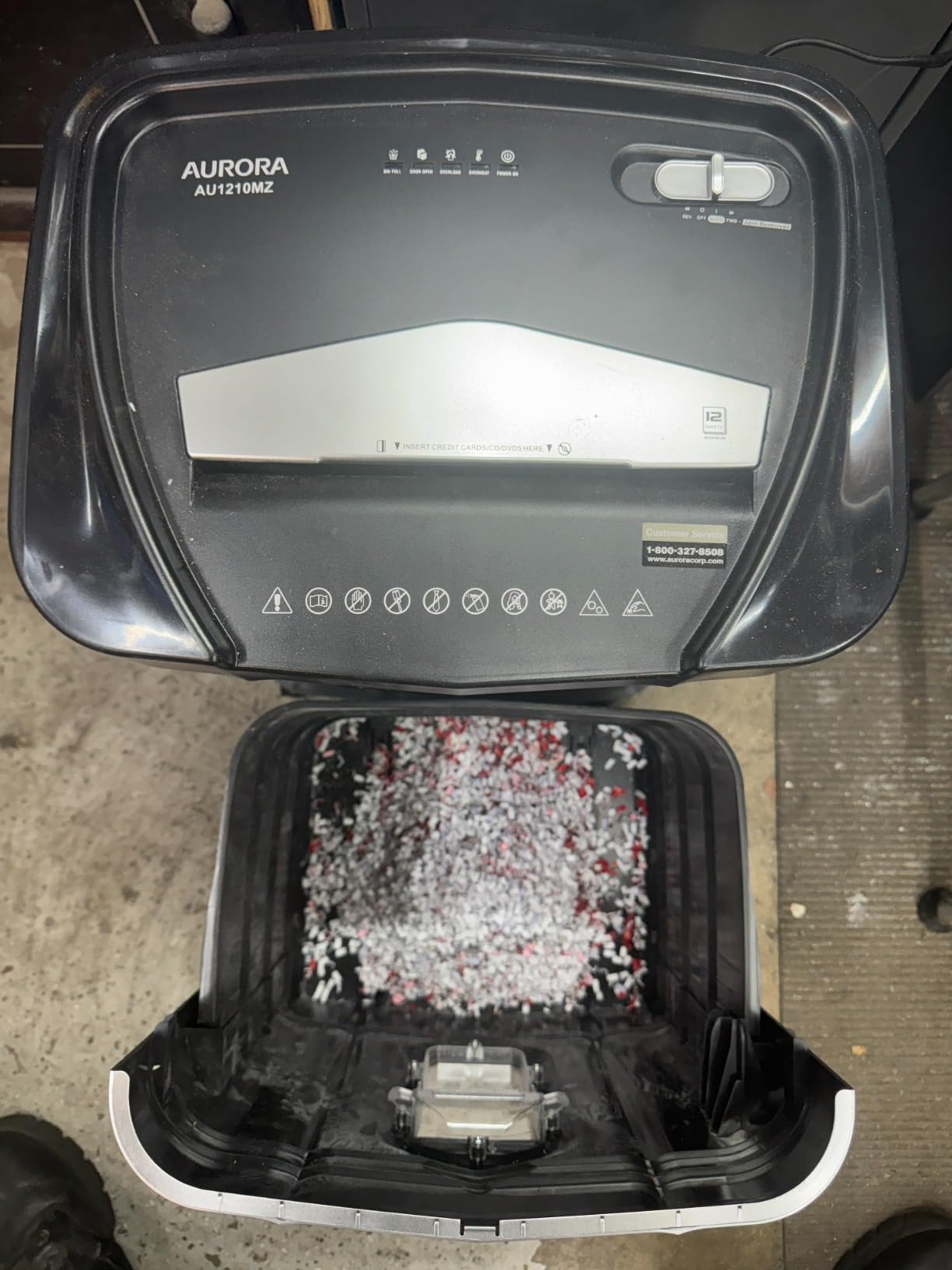
Owners consistently praise the quiet motor and the casters, and the LED panel is unusually complete for this class, reporting feed error, bin full, door open, overload, overheat, and power status. The pull-out basket makes emptying simple even with a small capacity.
Two things to weigh. The 4 gallon basket is the smallest here, so you will empty it more than you expect, and there is no physical key lock, just a button a child can press. The auto feed also prefers a uniform page size and will stall if a smaller page is mixed into the stack.
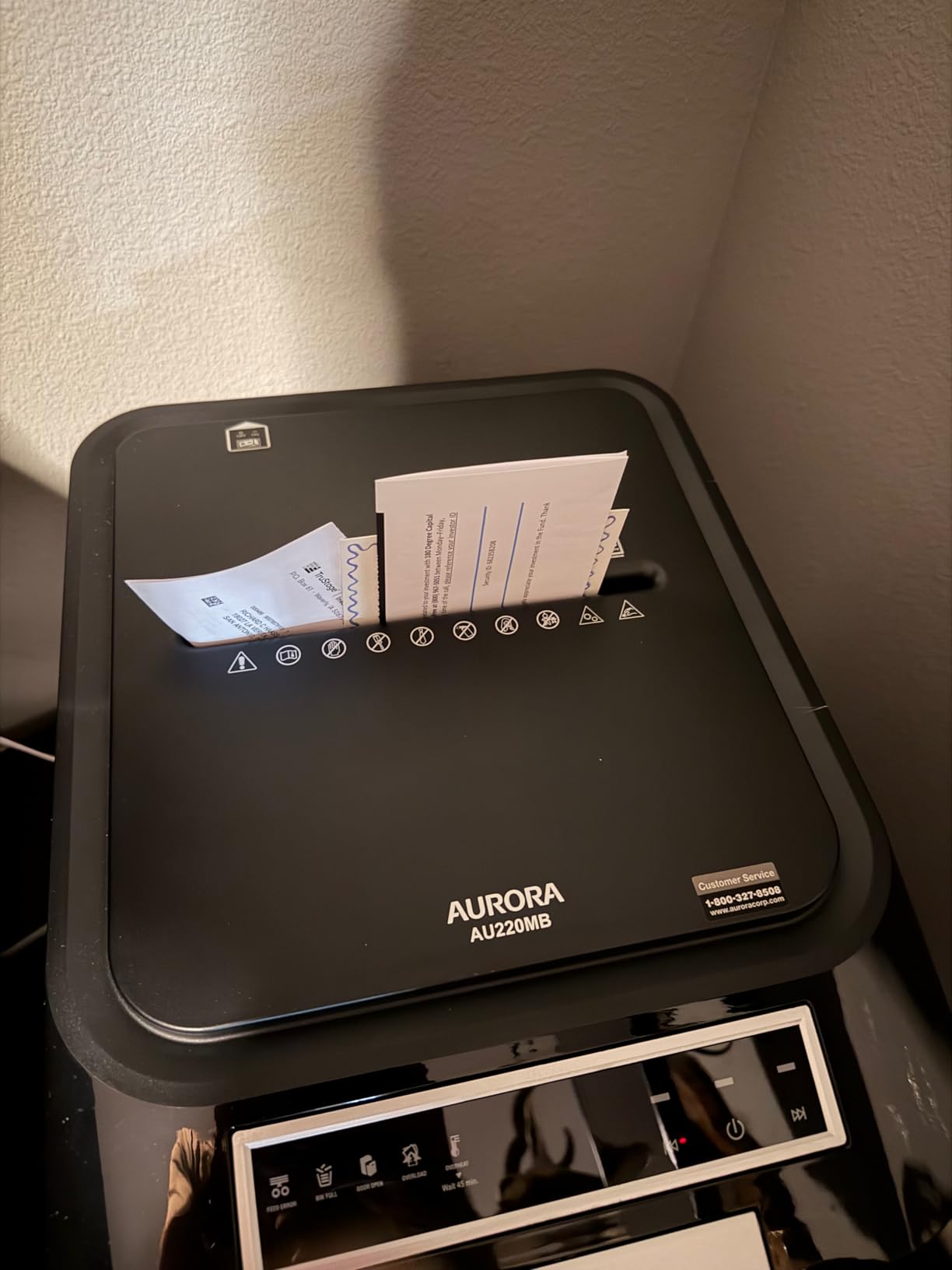
When this shredder is the right call
Apartment living, dorm rooms, and small home offices are the obvious fits, since at 13.4 inches wide and 18.8 inches tall it goes in a closet or under a desk-adjacent cabinet that nothing else in this list would fit into. It is also a good first auto-feed purchase for a household that shreds monthly, because the body is light enough to reposition alone and micro-cut output means you do not have to think about the security level.
When to pick something else
Volume defeats it, since a 4 gallon basket and a 30-minute run window mean frequent emptying and micro-cut output is fluffy enough to fill the basket sooner than the sheet count suggests. Skip it in a family space with small children unless you place it out of reach, since there is no key lock, and sort your paperwork first if a smaller page wedged among larger ones will stall the tray.
11. Wingwise 60-Sheet Auto Feed Shredder – Budget Pick
Wingwise 60 Sheets Auto Feed Paper Shredder for Home Office
60 sheet auto feed, 8 sheet manual
Cross cut P-4 at 4x30 mm
40 min run, 5.8 gallon bin, 52dB
Pros
- Quietest rated operation here at 52dB
- Lowest entry point into auto feed shredding
- 60 sheet tray plus 8 sheet manual mode
- Dedicated slot for CDs and credit cards
- 5.8 gallon bin holds roughly 400 sheets
Cons
- Lowest rated model here at 4.0 stars
- Auto feeder reliability is inconsistent across units
- Heats up quickly and has no cooling fan
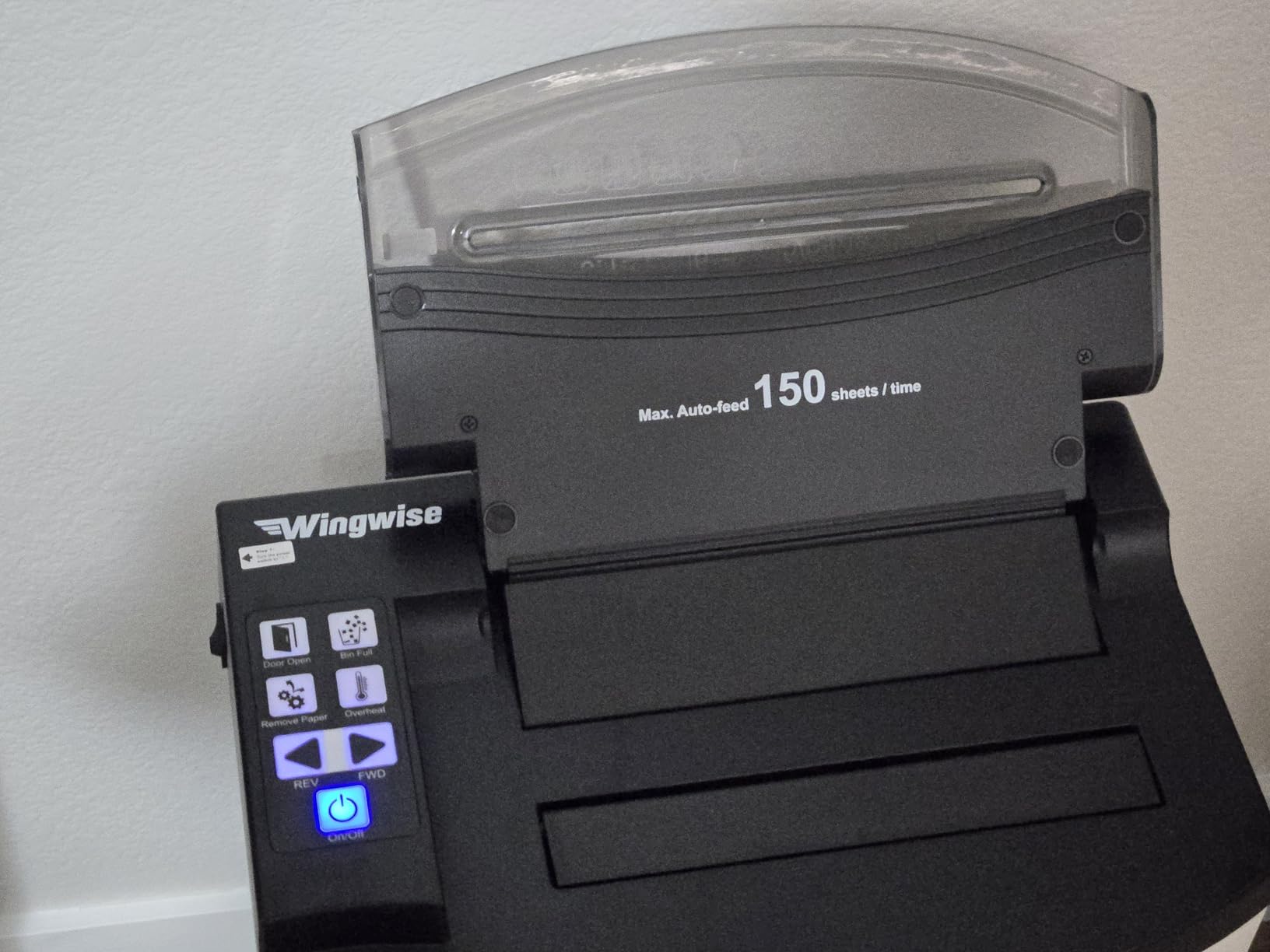
The Wingwise is the cheapest way into auto-feed shredding, and at 52dB it carries the lowest noise rating in this comparison. For a first shredder in a dorm, a flat, or a home office where cost decides everything, the trade-off is defensible.
It handles 60 sheets in the tray and 8 at a time manually, runs for 40 minutes on auto feed, and cuts cross-cut P-4 at 4 by 30 millimeters. A dedicated slot takes CDs and credit cards without any preparation, which is unusual at this end of the market, and the 5.8 gallon bin holds roughly 400 sheets. Shredding speed is 2.5 meters per minute.
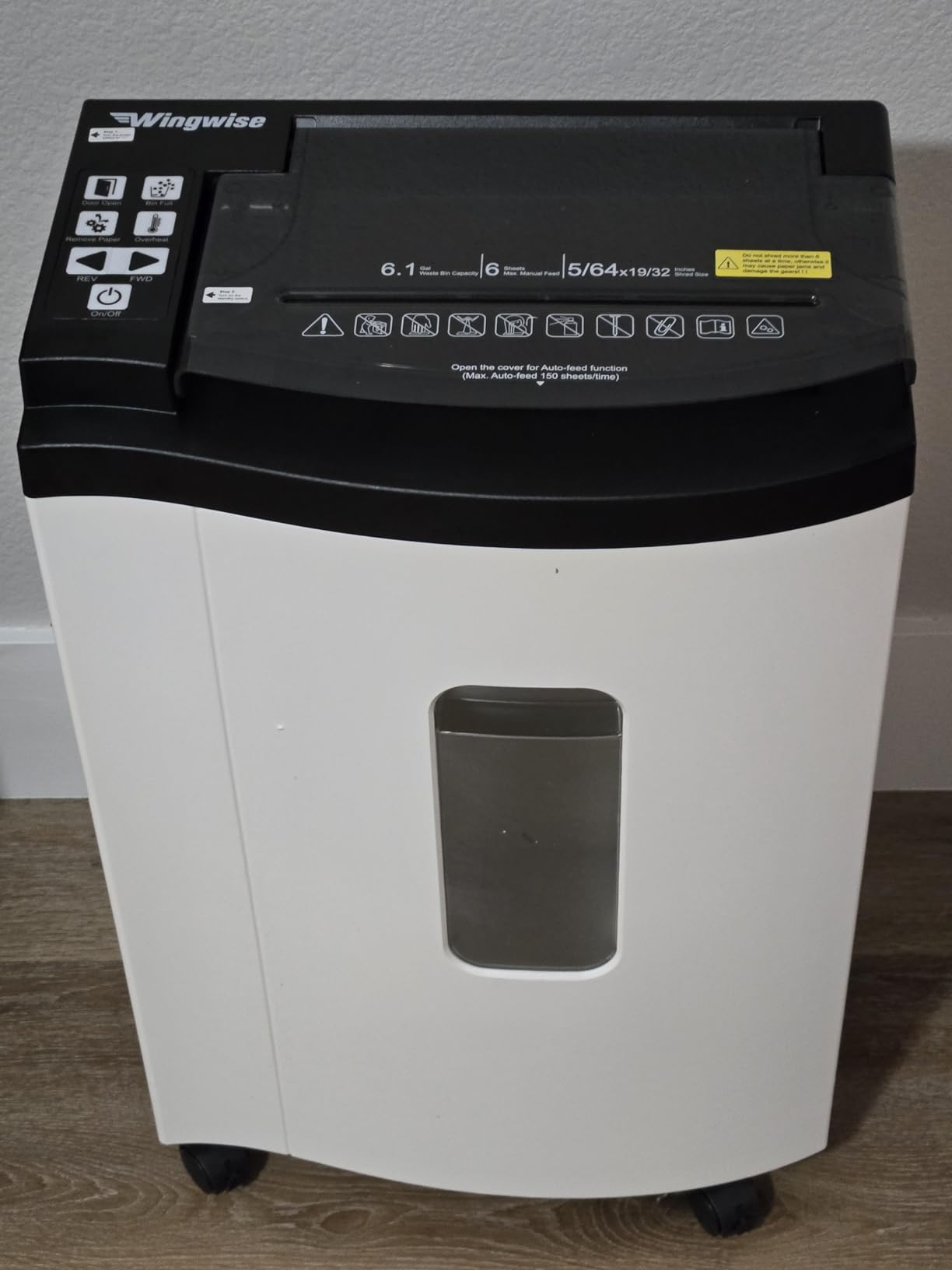
Owner feedback is sharply split, and that is worth taking seriously. People who get a working unit praise the price, the quietness, and the adequate 60-sheet capacity. Others report an auto feeder that stalls after a handful of pages, rapid overheating with no cooling fan, and a cross-cut output that expands and fills the bin far faster than micro-cut would.
The 4.0 rating is the lowest here, with 18 percent one-star reviews, and the bin has no full sensor, so overfilling happens unnoticed until shreds spill everywhere. Narrow strips can also feed crookedly and cause corner jams. Treat this as a stopgap machine for low-volume home use rather than an office investment.
When this shredder is the right call
It suits a student, a renter, or anyone who shreds a handful of documents a month and wants hands-free operation without a large outlay, because if the machine only has to handle junk mail, offer letters, and old bank statements, the 60-sheet tray is adequate. The 52dB rating also makes it a quiet choice for a small shared space, and the CD and credit card slot saves you from cutting those up separately.
When to pick something else
Skip it if the documents matter. Cross cut at 4 by 30 millimeters is coarser than every other machine here, and the strip output is lighter than micro-cut confetti, so it fills the bin faster per sheet.
It is also a poor fit for a busy office or a records project. No cooling fan, no bin sensor, and inconsistent feeder reliability mean you will babysit it, which defeats the entire point of auto feed.
12. kitnery 400-Sheet P-5 Micro-Cut Shredder – Best for Bulk Archives
Kitnery Heavy Duty Paper Shredder 400-Sheet Auto Feed P5 Micro Cut
400 sheet auto feed, 8 sheet manual
P-5 micro cut at 2x12 mm
30 min run, 50 liter pull out bin
Pros
- Largest auto feed tray here at 400 sheets
- P-5 micro cut for the strongest security here
- 50 liter bin cuts emptying during long sessions
- Runs under 56dB for a work call in the next room
- Handles staples without prep
Cons
- Only 30 minute run time despite the huge tray
- Bulky 24.6 inch tall body with a large bin footprint
- Under 100 reviews so long term data is thin
When the job is an archive, the 400-sheet tray is the number that matters. You can load an entire ream-like batch once, and with 87 percent five-star ratings the people doing that are broadly satisfied. This is the pick for a small business or medical office that periodically destroys years of files at once.
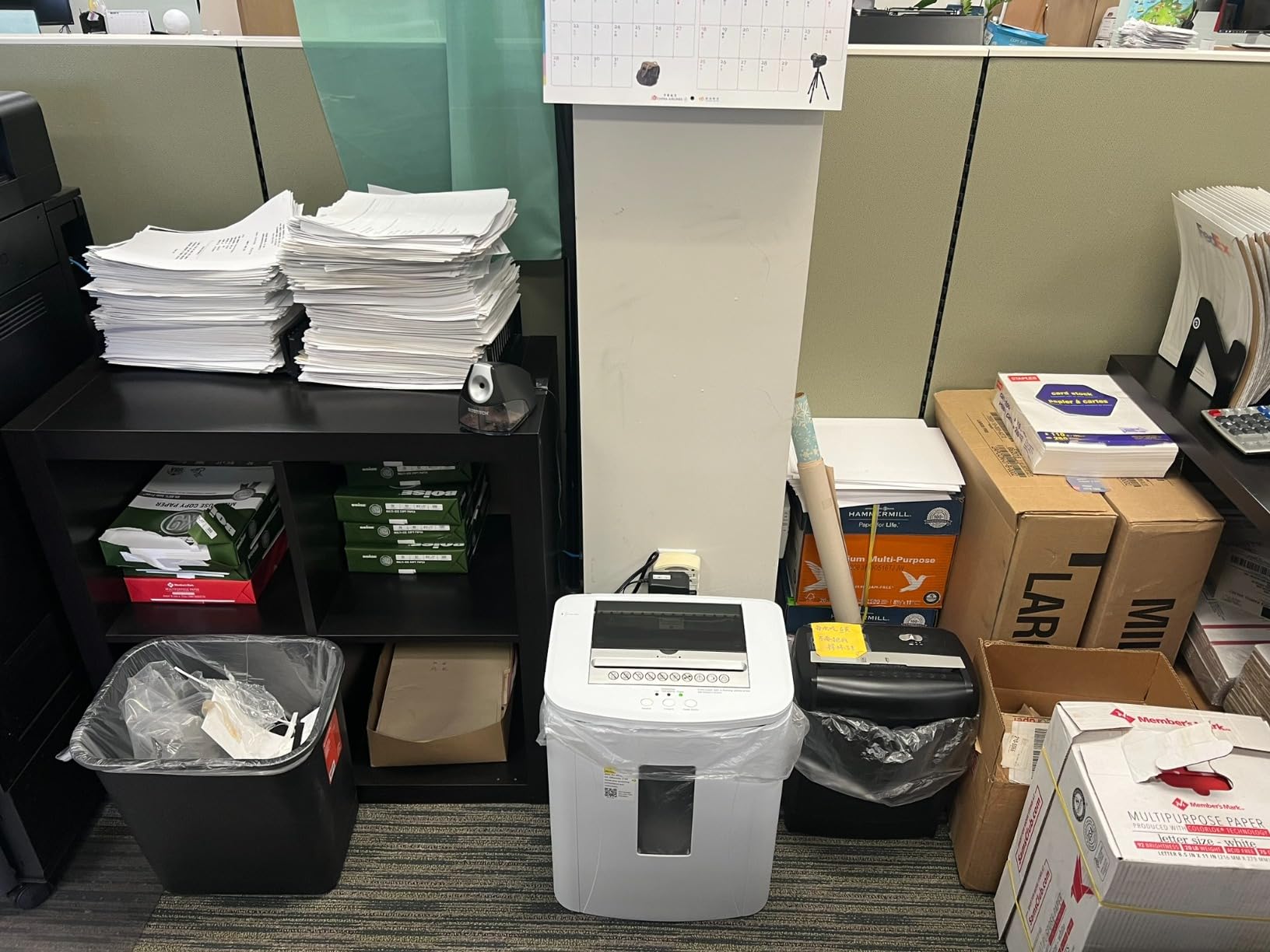
Security is P-5 micro cut to 2 by 12 millimeters, the same particle size as the Aurora 200-sheet, so you get top-tier shred quality on a much larger tray. The 50 liter pull-out bin means you are not emptying it three times during a session, the fill-level window tells you when it is getting full, and the wheels have front brakes so it stays put on a hard floor.
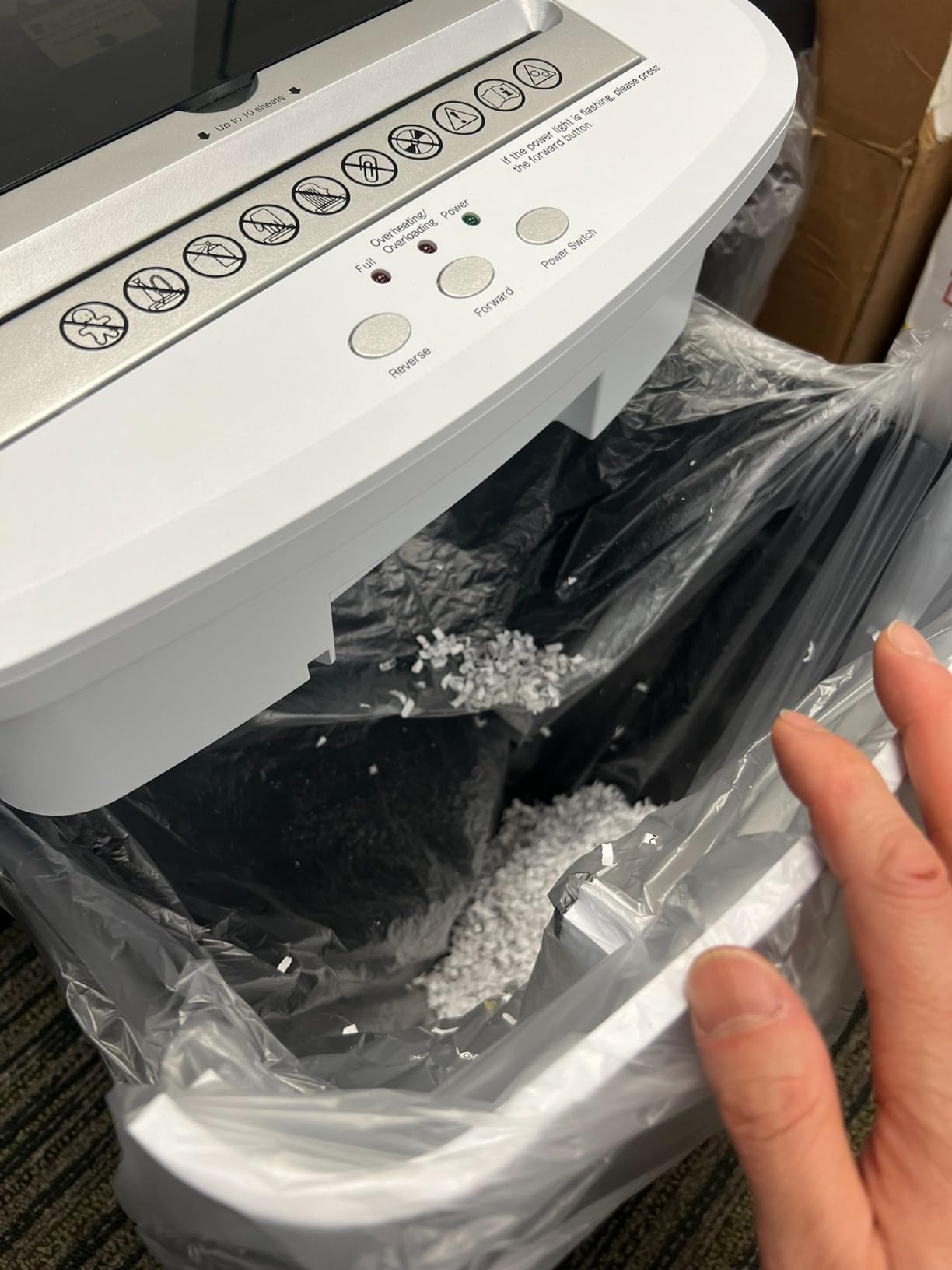
At under 56dB, owners say it is quiet enough to take a work call in the next room, which is unusual for a machine this size. The 8-sheet manual slot accepts paper, credit cards, and stapled documents without prep, and reviewers mention the build survives being dropped during unboxing.
The mismatch to know about is run time. Thirty minutes of continuous operation is modest against a 400-sheet tray, so a full load takes more than one session. The body is also bulky at 24.6 inches tall, and with only 100 reviews there is limited long-term reliability data. One durability complaint exists against a lower-capacity sibling model in the same line.
When this shredder is the right call
Small businesses, clinics, and property managers with storage units full of old paper records are the obvious fits, because when you are destroying filing boxes rather than envelopes, tray capacity and bin volume decide the outcome and this machine wins both. It is also a reasonable commercial-lite option for a team that needs P-5 security and quiet operation without moving to a full-duty machine.
When to pick something else
Do not buy it for a small room, since at 24.6 inches tall with a large bin footprint it needs a dedicated corner and is not a machine you move between spaces. If you want proven longevity, look elsewhere: one hundred reviews is a thin base for a heavy-duty purchase, the warranty terms are not listed, and the Fellowes 100M with its 7-year cutter coverage is the safer structure.
Is an Auto Feed Paper Shredder Worth the Upgrade?
Yes, but only past a threshold. If you shred less than roughly two reams a month, a manual-feed micro-cut shredder costs less and does the same job on the security level. Our general shredder guide covers those models in more depth.
The maths is simple. Hand-feeding a sheet takes about five seconds of your attention, and a full 250-sheet ream is more than twenty minutes of standing at the machine, one page at a time. An auto-feed model handles the same ream in a single unattended load. For a household shredding four reams a month, that is roughly an hour and a half of standing, hands, and eye strain handed back to you.
Three situations make the upgrade an obvious call: you routinely deal with stapled or multi-page documents, your paperwork is sensitive enough that you want a finer cut than a budget cross-cut gives you, or more than one person in the office handles confidential material. Add to that the safety benefit, which nobody mentions: hand-fed sheets left in the throat of a running machine is a genuine injury risk, and auto feed removes it.
Security Levels Explained: P-4 vs P-5 and What Your Documents Need
The P-scale describes particle size, and it is the only spec on these machines that has real consequences.
P-4 micro cut produces pieces of roughly 4 by 12 millimeters. That is small enough to defeat casual reassembly and it is the right level for most confidential business material, medical paperwork, and financial records. P-5 micro cut halves the width to about 2 by 12 millimeters, producing roughly 2592 particles per letter sheet, and is the level most compliance guidance points to for regulated records. Cross cut at 4 by 20 or 4 by 30 millimeters is coarser again and is better thought of as deterring casual exposure than destroying information.
The practical question is not which level is best but which level you are required to hit. Legal, medical, and financial operations tend to have internal policies written around a specific level, and if your policy says P-5, a P-4 machine does not satisfy it no matter how good the rest of the specs are.
If you want the full breakdown of particle sizes and what each one resists, our micro-cut paper shredder guide goes deeper on the security question.
What Can and Cannot Go In the Auto-Feed Tray
Every machine here shreds more than paper, but the auto tray is the wrong place for most of it. Community discussions about this category keep circling the same frustration: people load stapled batches or envelopes into a tray designed for clean paper and wonder why the machine stalls.
The rule that prevents most jams: keep the auto tray to loose, flat, letter-size paper. Staples, paper clips, credit cards, and anything with a plastic window belong in the manual throat at the front, which is built for exactly that. The Amazon Basics 200-sheet is unusually forgiving of staples in the tray, and the Aurora 200-sheet P-5 copes with them too, but treat that as a tolerance rather than a specification.
Never feed envelopes with plastic windows, cardboard, laminated sheets, or thick document covers through any opening. Cardboard and laminates are the leading cause of the destroyed-shredder reports that show up repeatedly in owner feedback.
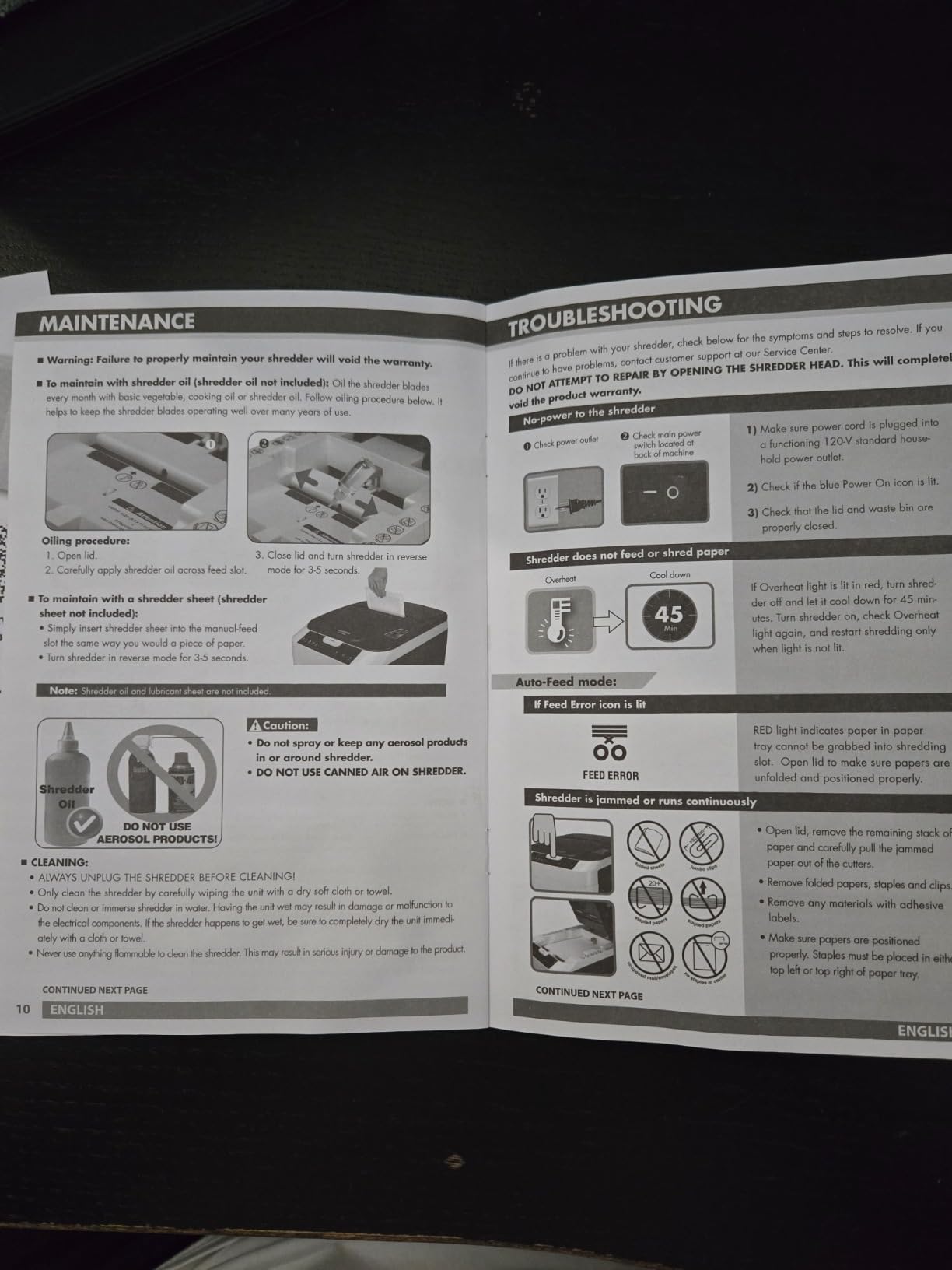
When a jam does happen, use the control switch. Move it to reverse for three or four seconds and the feed pulls the paper back out on its own, which is what auto reverse is for. Pulling paper out by hand while the blades are turning is how people lose fingers, and forcing a jammed sheet out by hand is how people damage the drive.
Run Time, Duty Cycle, Noise and Bin Size: How to Read the Specs
Run time is the number people underweight. It is the period the motor can run before a thermal cutoff forces a cooldown, and it is not a measure of how much paper the tray holds. The 400-sheet kitnery machine has the largest tray here and a 30-minute run time, so a full load needs more than one session. The Amazon Basics 150-sheet runs 60 minutes on and 45 minutes off, which is why it finishes a backlog in one pass while others wait.
Match run time to your real job. A household destroying a month of mail never touches 30 minutes. A records purge needs 60 minutes or you will be babysitting cooldown cycles. Anything past 60 minutes of continuous shredding belongs in a commercial machine with an active cooling system rather than a domestic one.
Noise ratings are worth reading sceptically. The spread here runs from 52dB on the Wingwise to 75dB on the Fellowes 100MA, and those figures are measured under laboratory conditions at a fixed distance. In a real room, hard floors and open ceilings add several decibels, and the difference between a normal conversation at about 60dB and a shredder at 58dB is much smaller on the page than it is in your ear during a call.
Bin capacity is the spec that quietly decides how you will actually experience the machine. Micro-cut output is fluffy and fills a bin faster than the sheet count implies, while cross-cut packs down tighter. Between 8 and 8.5 gallons, you are emptying roughly weekly in an office; under 5 gallons, you are emptying daily. If your shredding volume is real, buy the bigger bin even if the tray is smaller. For high-volume machines in particular, our heavy duty paper shredder guide covers the larger formats.
One maintenance point belongs here too, because it is the number one cause of premature shredder failure. Oil the blades on a schedule, roughly every 30 to 60 minutes of cumulative run time, using the lubricant sheets that ship with most of these machines. Skipping oiling dulls the blades, which increases the strain on the drive, and several manufacturers tie it to warranty terms. Owners who oil regularly tend to report years of service; owners who do not tend to report a dead machine in year two.
How We Picked the Best Auto Feed Paper Shredders
We built this list around published specifications and the pattern of what owners actually report after months of use, rather than around marketing copy alone. For every machine we compared auto-feed tray capacity against the run time that supports it, the cut type and particle size, bin volume, rated noise, warranty terms, and the physical footprint.
Then we read the long-form feedback, because the specifications do not tell you that a bin design blocks a liner or that a feed stalls on mixed paper. Wherever owners repeatedly described the same problem, that went into the cons. Where warranty terms differ meaningfully, as they do between the two Fellowes machines here, we weighted that in the verdict.
Where the numbers are close, we favoured the machine with the deeper review base, since a 4.3 rating across tens of thousands of owners tells you more about long-term behaviour than a 4.6 across a hundred. That is why the Fellowes 100MA, rated slightly higher than the Amazon Basics 200-sheet, is not our top pick.
One thing we could not verify is the manufacturers’ decibel claims in a real room. We report the rated figures and tell you how to read them, but treat every number on this page as a lab figure rather than a promise about your office.
Frequently Asked Questions
Is an automatic paper shredder worth it?
Yes, once you pass roughly two reams a month. Hand-feeding 250 sheets takes more than twenty minutes of standing at the machine one page at a time, while an auto-feed model clears the same ream in one unattended load. Below that threshold a manual micro-cut shredder costs less and does the same job.
What is the quietest auto feed paper shredder?
Among the twelve machines here, the quietest rated option is the Wingwise 60-sheet at 52dB. The best balance of quiet operation and real capacity is the Bonsaii 200-sheet at 58dB, which also offers micro-cut security. The loudest rated unit in this comparison is the Fellowes AutoMax 100MA at 75dB. Treat all of these as lab figures measured at a fixed distance.
What is the difference between P-4 and P-5 security in auto feed shredders?
P-4 micro cut produces pieces of about 4 by 12 millimeters, which defeats casual reassembly and suits most confidential business material. P-5 micro cut halves the width to about 2 by 12 millimeters, producing roughly 2592 particles per letter sheet, and is the level most compliance guidance points to for regulated medical, legal, and financial records. If your organisation has a written policy naming a level, that policy decides the question.
Can auto feed paper shredders handle staples and credit cards?
Handle them, yes, but the auto tray is built for loose, flat, letter-size paper. Staples, clips, and credit cards should go through the manual throat at the front of the machine. Several models in this list tolerate stapled pages in the tray, but treating that as a specification rather than a tolerance prevents most jams.
What is the best auto feed paper shredder for a home office?
The Amazon Basics 200-Sheet Auto Feed Cross-Cut is our overall pick for a home office because of its 200-sheet tray, 60-minute run time, and the deepest pool of verified owner feedback in the category. If your space is tight, the Aurora AU110MB is lighter and narrower, and the Fellowes AutoMax 100MA fits the narrowest footprint of all at the cost of a smaller bin.
How long do auto feed paper shredders last?
Longevity tracks maintenance more than brand. Oil the blades every 30 to 60 minutes of cumulative run time using the supplied lubricant sheets, and machines routinely last years. Owners who skip oiling tend to report a failed drive or dulled blades within a couple of years. Warranty terms also indicate confidence: the Fellowes AutoMax 100M carries 2 years on the machine and 7 years on the cutter.
How do I oil my paper shredder?
Switch the control to off and unplug the machine, then run it briefly to clear the cutting head. Apply lubricant oil directly to the blades along the throat, following the sheet or bottle that came with the machine, and run the shredder for a few seconds to distribute it. Never use cooking oil or aerosol lubricants, and never oil a machine that is plugged in.
The Verdict on the Best Auto Feed Paper Shredders in 2026
After working through all twelve, the Amazon Basics 200-Sheet Auto Feed Cross-Cut is the best auto feed paper shredder for most people in 2026. The 200-sheet tray, 60-minute run time, and 78726 owner reviews make it the safest possible choice, and cross-cut output is enough for anything short of regulated material.
Buy the Bonsaii 200-sheet instead if noise or security decides it, since micro-cut P-4 at 58dB is better on both counts for the same class of machine. Buy the Aurora 200-sheet P-5 when the documents themselves are the risk. And buy the Fellowes AutoMax 100M if you would rather have a cutter head covered for seven years than a bigger tray.
Whichever one you pick, oil the blades on schedule and keep the auto tray for clean paper. That habit will do more for how long the machine lasts than any spec on this page.