
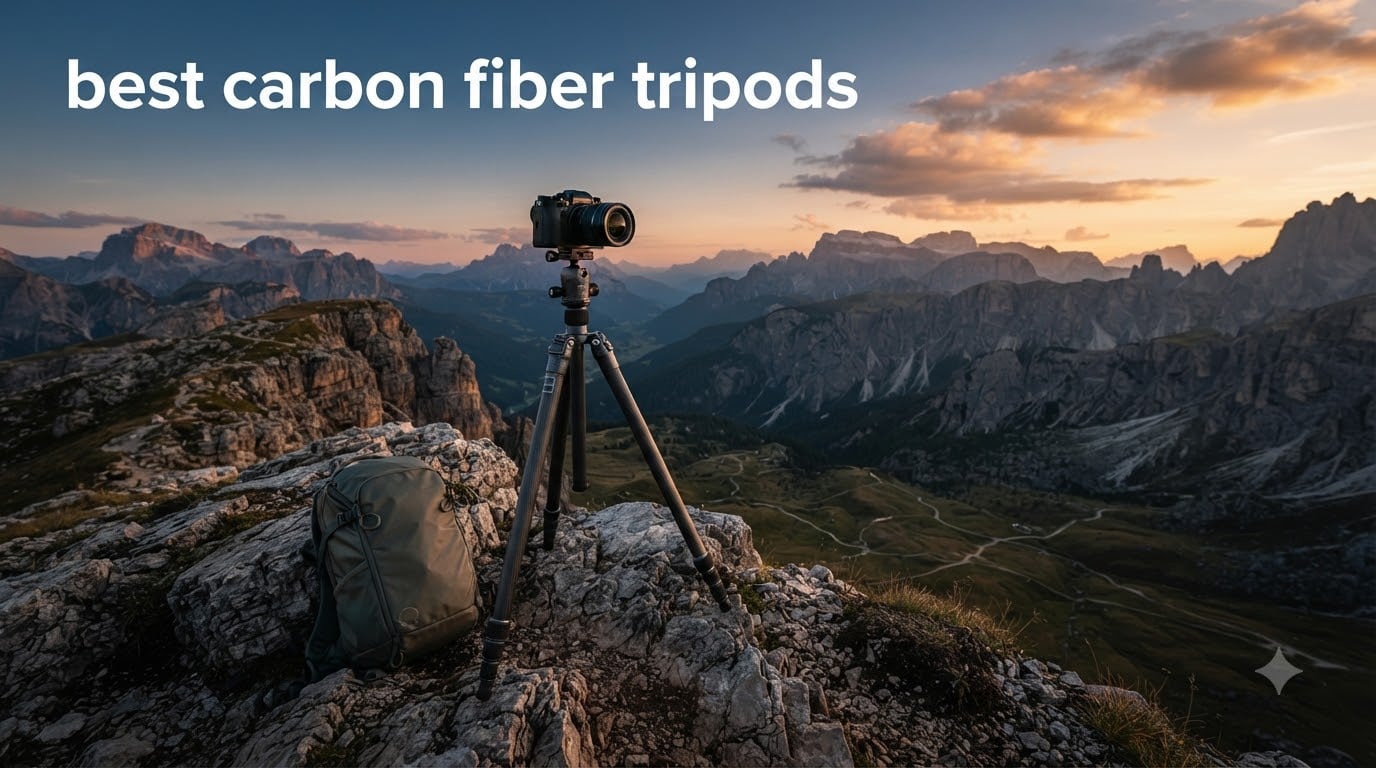
I have spent the better part of three years shooting everything from foggy coastal landscapes to cramped indoor product sessions, and if there is one piece of gear that has earned a permanent spot in my bag, it is a good carbon fiber tripod. After testing 8 of the most talked-about models in 2026, I can tell you that not all carbon legs are created equal. This guide breaks down the best carbon fiber tripods I have put through real-world abuse so you can pick the right one without the guesswork.
Carbon fiber matters for a simple reason. It absorbs micro-vibrations far better than aluminum, weighs noticeably less on long hikes, and holds up to dings that would dent a metal leg set. Whether you shoot long-exposure seascapes, wildlife with a heavy telephoto, or travel content with a mirrorless body, the right tripod changes your keeper rate. Our team compared folded size, load capacity, ball head quality, leg lock feel, and long-term durability to separate the winners from the marketing fluff.
Below you will find quick picks for the three tripods I recommend most, a full comparison table covering all 8 models, and detailed reviews that get into the good, the bad, and the deal-breakers. I have also included a buying guide and FAQ section to answer the questions photographers actually ask on forums like r/photography. Let us get into the best carbon fiber tripods of 2026.
Table of Contents
Top 3 Carbon Fiber Tripods for September 2026
If you want the short version, these three tripods cover almost every photographer. The Peak Design Travel Tripod is my editor’s choice for travelers who refuse to compromise on stability. The INNOREL GT324C delivers the best balance of price, load capacity, and build quality I tested this year. And the Manfrotto MT055CXPRO3 remains the professional workhorse for studio and landscape shooters who need rock-solid support.

Peak Design Travel Tripod Carbon Fiber
- Compact water-bottle design
- 20 lb load
- Built-in phone mount
- Quick-release lever
INNOREL GT324C Carbon Fiber Tripod
- 55 lb load capacity
- 32.5mm tubes
- Low-profile ball head
- Macro capable

Manfrotto MT055CXPRO3 Carbon Fiber Tripod
- Q90 center column
- 19.8 lb load
- Horizontal column
- Bubble level
Best Carbon Fiber Tripods in 2026
This table covers all 8 models I tested side by side. I have included the key features that matter most when comparing carbon fiber legs, from load capacity to folded length to included head type. Use it to narrow your list before diving into the full reviews.
| Product | Specifications | Action |
|---|---|---|
| Peak Design Travel Tripod |
|
Check Latest Price |
| Manfrotto MT055CXPRO3 |
|
Check Latest Price |
 Manfrotto BeFree Carbon Fiber Manfrotto BeFree Carbon Fiber |
|
Check Latest Price |
 NEEWER 80.7 inch Carbon Fiber Tripod NEEWER 80.7 inch Carbon Fiber Tripod |
|
Check Latest Price |
 K&F Concept 68 inch Carbon Fiber K&F Concept 68 inch Carbon Fiber |
|
Check Latest Price |
 SIRUI AM-324 Carbon Fiber SIRUI AM-324 Carbon Fiber |
|
Check Latest Price |
 SmallRig AP-20 Carbon Fiber SmallRig AP-20 Carbon Fiber |
|
Check Latest Price |
| INNOREL GT324C Carbon Fiber |
|
Check Latest Price |
1. Peak Design Travel Tripod Carbon Fiber – Most Innovative Design
Peak Design Travel Tripod, Carbon Fiber, Compact Design, Quick Setup and Takedown, Pro-Level Stability, Ergonomic Ball Head, Compact and Portable Travel Tripod for Camera and Phone, 20 lb Capacity
5-section carbon fiber
20 lb load
60 inch max height
Built-in phone mount
Pros
- Packs to water-bottle diameter
- Pro-level stability when deployed
- Quick-release lever for fast setup
- Built-in mobile mount
- Supports full-frame DSLR with telephoto
Cons
- Premium price point
- Ball head not ideal for pro video
The first time I pulled the Peak Design Travel Tripod out of its sleeve, I genuinely did not believe something this slim could hold a full-frame body steady. It packs down to roughly the diameter of a water bottle, which means it actually fits inside a normal backpack instead of dangling off the side. After shooting with it on a two-week trip through the Pacific Northwest, it became the tripod I reach for first when weight and space are tight.
Setup is faster than any traditional tripod I have used thanks to the quick-release lever system. You unlock, extend, and lock each leg in a single motion rather than fiddling with multiple twist locks per section. The omni-directional ball head uses one adjustment ring instead of separate knobs for pan and tilt, which feels odd for about five minutes and then becomes second nature.
Stability is the real surprise here. Despite weighing only 2.85 pounds, this tripod handles up to 20 pounds of gear without wobble. I mounted a Sony A7 IV with a 70-200mm lens on it for long exposures and the shots came back tack sharp. The integrated hook under the center column lets you hang your bag for extra anchoring in wind.
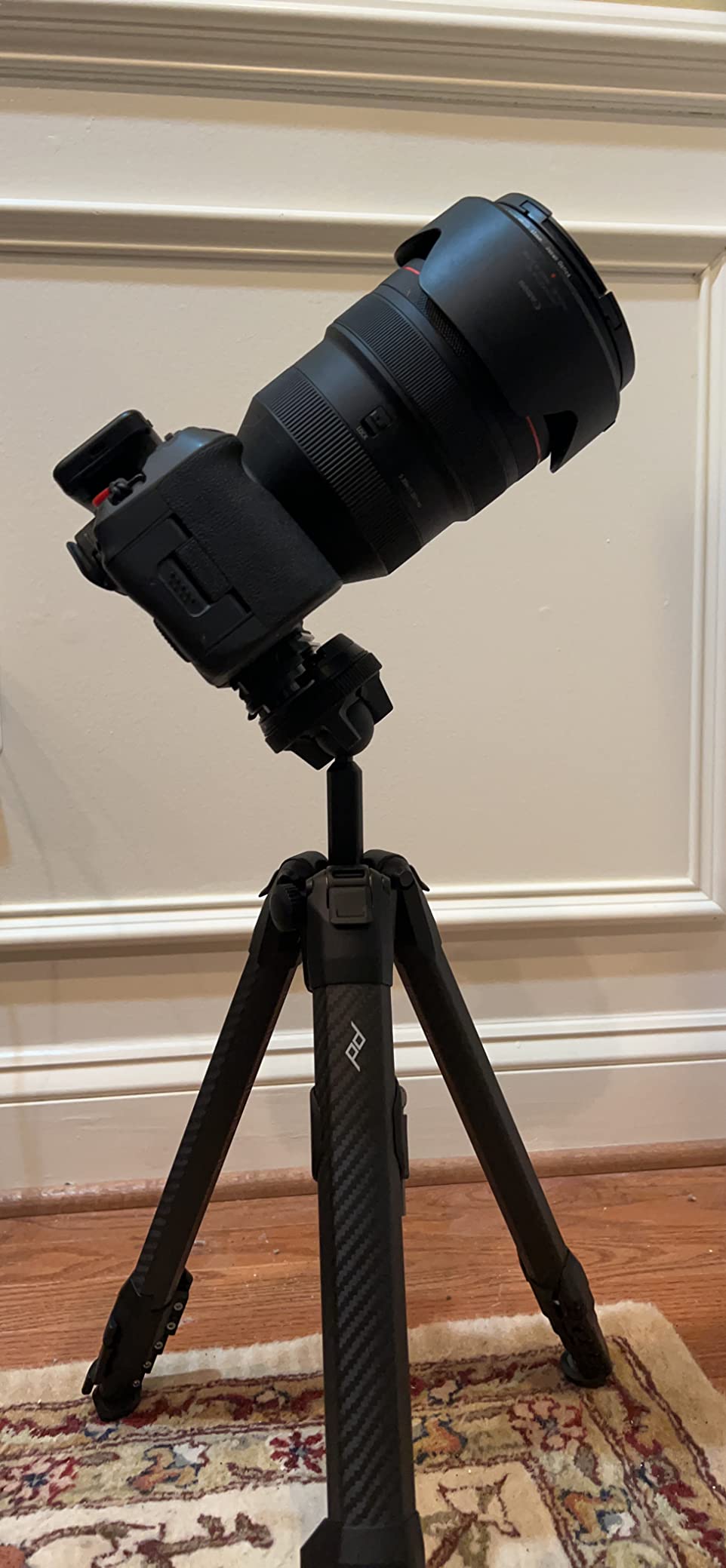
On the downside, the price is steep and you are paying for the design innovation. Some Reddit users in r/peakdesign have noted the ball head does not satisfy professional videographers who need precise fluid movement. For stills photographers and content creators, though, the head is more than capable. The built-in phone mount is a thoughtful touch that saves you from packing a separate adapter.
Build quality feels premium in every detail, from the machined aluminum hardware to the dense foam in the carry case. Peak Design backs their gear with a lifetime-lasting philosophy, and the materials here reflect that promise. If you travel often and want one tripod that disappears in your bag but performs like a full-size model, this is the one.
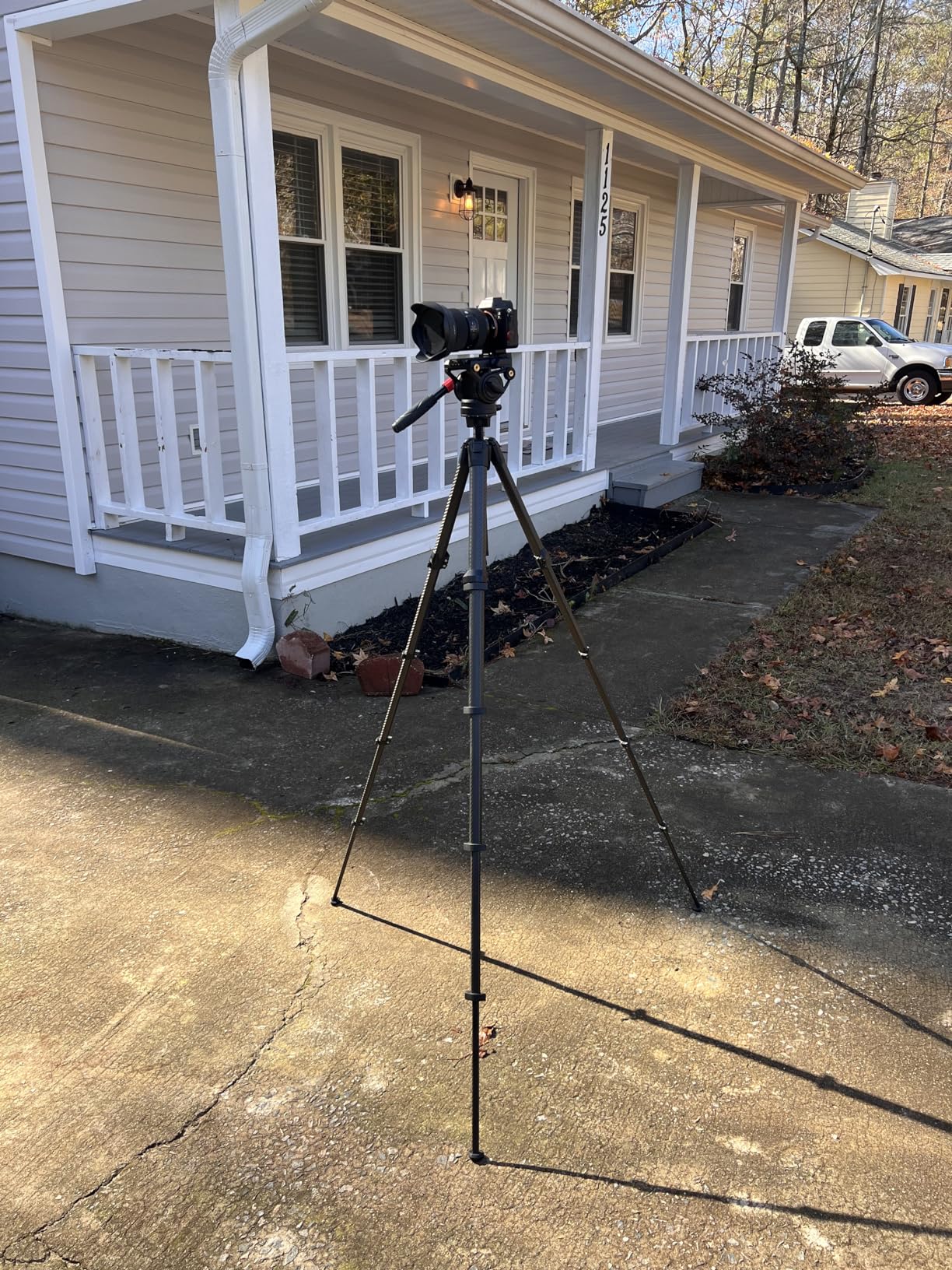
Best For Travel Photographers
This tripod is purpose-built for photographers who fly, hike, or commute with their gear daily. The compact folded size means it fits in carry-on luggage without question, and the lightweight carbon legs will not drag you down on a 10-mile trail day. If your photography takes you far from the car, this is the best carbon fiber tripod for the job.
What to Consider Before Buying
The price is the obvious consideration, as you are paying nearly double what some competitors charge. You also need to be comfortable with the single-ring ball head design, which trades separate control knobs for speed and simplicity. If you do heavy video work with precise panning needs, a dedicated fluid head tripod may serve you better.
2. INNOREL GT324C Carbon Fiber Tripod – Best Value for Heavy Duty
Carbon Fiber Camera Tripod-INNOREL GT324C Professional Compact Shooting Tripod for Heavy Duty Stand with Low Gravity Center Ball Head Special-Shaped Center Column
10-layer carbon fiber
55 lb load
32.5mm tubes
Low-profile ball head
Pros
- Massive 55 lb load capacity
- Thick 32.5mm carbon tubes
- Innovative triangle center column
- Includes spike feet and accessories
- Top-rated 4.8 stars
Cons
- Heavier than travel tripods
- 24.4 inch folded length is not compact
The INNOREL GT324C is the tripod that surprised me most this year. With an 87 percent five-star rating across 184 reviews and a 4.8 average, it has one of the highest satisfaction scores in the entire category. I tested it with a heavy DSLR and battery grip combo, and the 55-pound load capacity means this thing does not even blink at professional gear.
What sets the GT324C apart is the combination of thick 32.5mm carbon fiber tubes and a low-center-of-gravity ball head. The 44mm ball diameter gives you a rock-solid mount that locks without creep, even with a heavy telephoto lens hanging off the front. The CNC-machined components and anodic oxidation finish feel like a tripod that costs twice as much.
The special-shaped triangle center column is more than a gimmick. It provides three extra threaded holes for accessories like magic arms, monitors, or microphones. For macro and low-angle work, you can invert the center column or swap in the included short column to get all the way down to 7.7 inches off the ground.
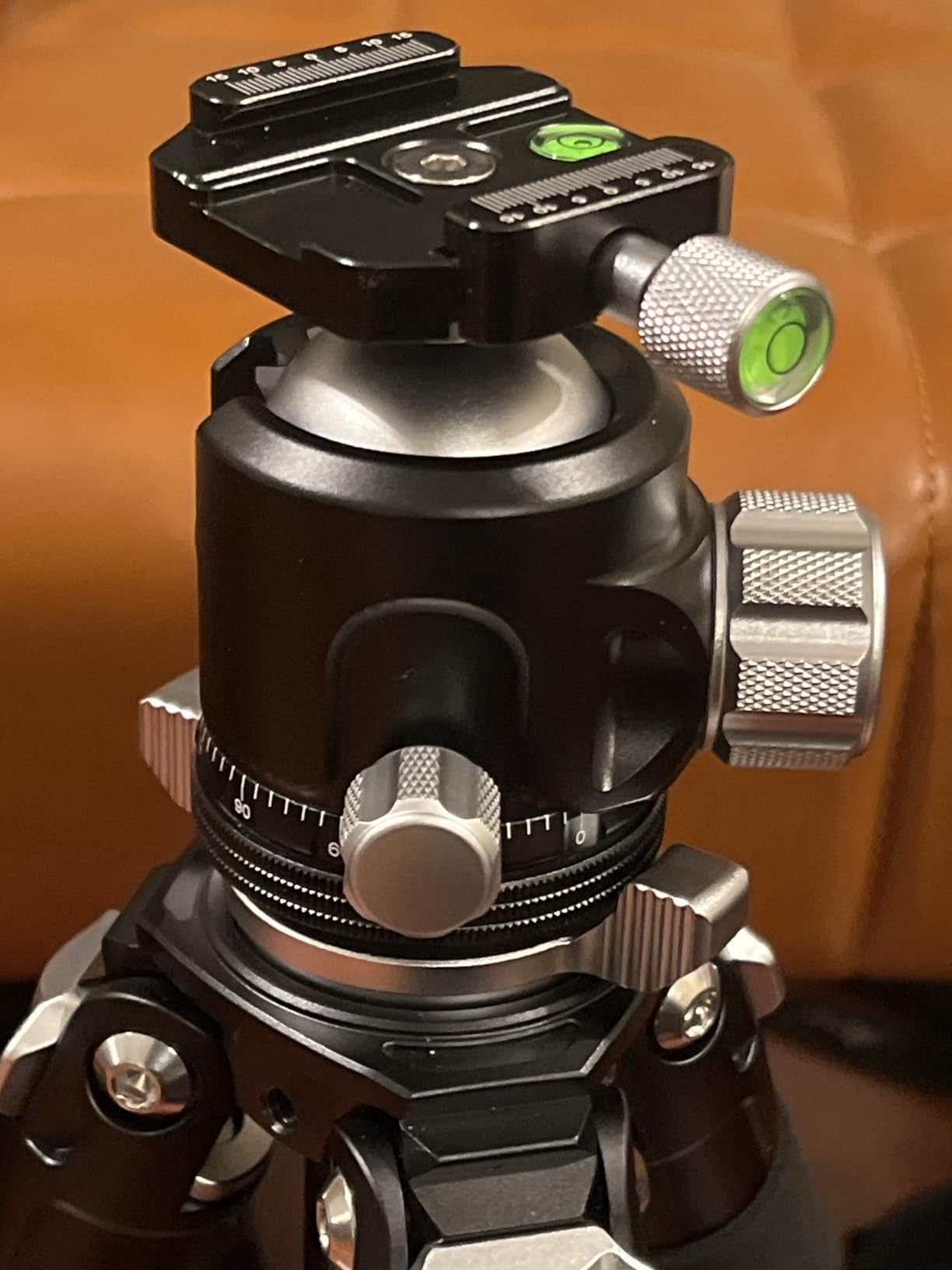
The package is generous too. INNOREL includes stainless steel spike feet, three Allen keys, a short center column, an extra quick release plate, and dedicated bags for both the tripod and the ball head. That is the kind of accessory bundle you usually only see from brands charging a significant premium.
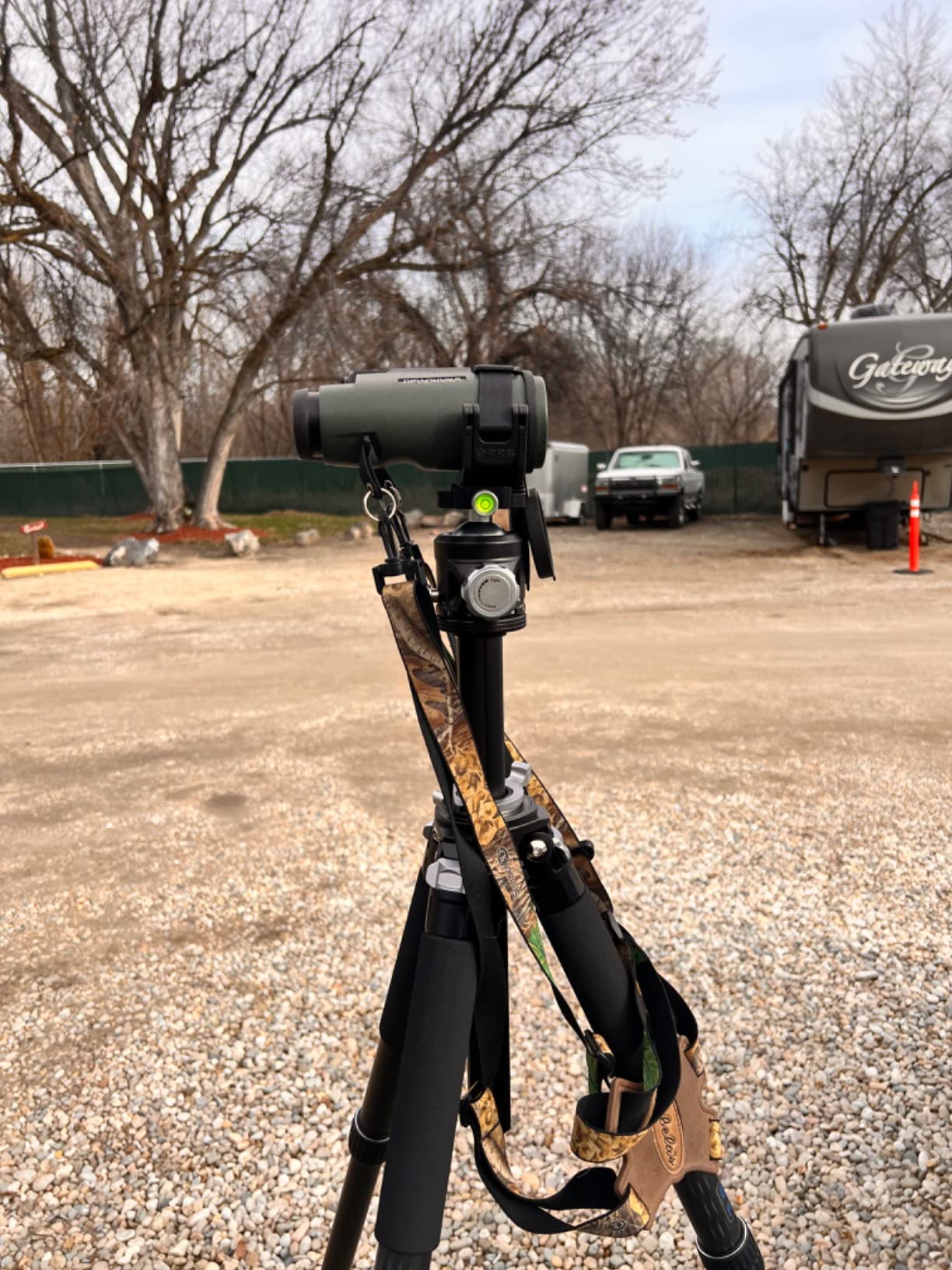
The trade-off is weight and folded size. At roughly 5 pounds and 24.4 inches folded, this is not a backpacking tripod. It is built for photographers who prioritize stability and load capacity over portability. If you shoot wildlife, astrophotography, or studio work with heavy setups, that is exactly the trade you want to make.
Ideal for Heavy Camera Setups
If you shoot with a gripped body, a long telephoto lens, or a macro rig with flash brackets, the 55-pound load capacity gives you peace of mind that cheaper tripods simply cannot match. The low-profile ball head keeps the center of gravity stable, which translates to sharper images at slower shutter speeds and less frustration when framing precise compositions.
How It Handles in the Field
The three leg angle options and invertible column make this tripod versatile for uneven terrain and creative low-angle work. Twist locks on the four leg sections feel secure and do not freeze up in cold weather the way some flip locks can. Just be aware that the 24.4-inch folded length means you will want a dedicated tripod strap or a larger pack to carry it comfortably.
3. Manfrotto MT055CXPRO3 Carbon Fiber Tripod – Professional Workhorse
Manfrotto MT055CXPRO3 Carbon Fiber 3-Section Tripod with Horizontal Column,Black
Premium carbon fiber
19.8 lb load
Q90 center column
Horizontal column
Pros
- Premium carbon fiber construction
- Q90 center column one-finger operation
- Horizontal column for macro and flat work
- Rotating bubble level
- Easy Link accessory port
Cons
- Only 3 leg sections
- Heavier and less compact than travel models
The Manfrotto MT055CXPRO3 is the tripod I recommend when someone asks for a no-compromise professional platform. This is a working photographer’s tool, not a travel compromise. The 3-section leg design means fewer joints to worry about, and each section locks with the kind of confidence that comes from decades of Italian engineering.
The standout feature is the Q90 center column, which swings to horizontal with one-finger operation. This opens up overhead flat-lay shooting, macro work at table height, and creative angles that a fixed vertical column simply cannot reach. The rotating bubble level on the upper disk makes leveling fast and accurate on uneven ground.
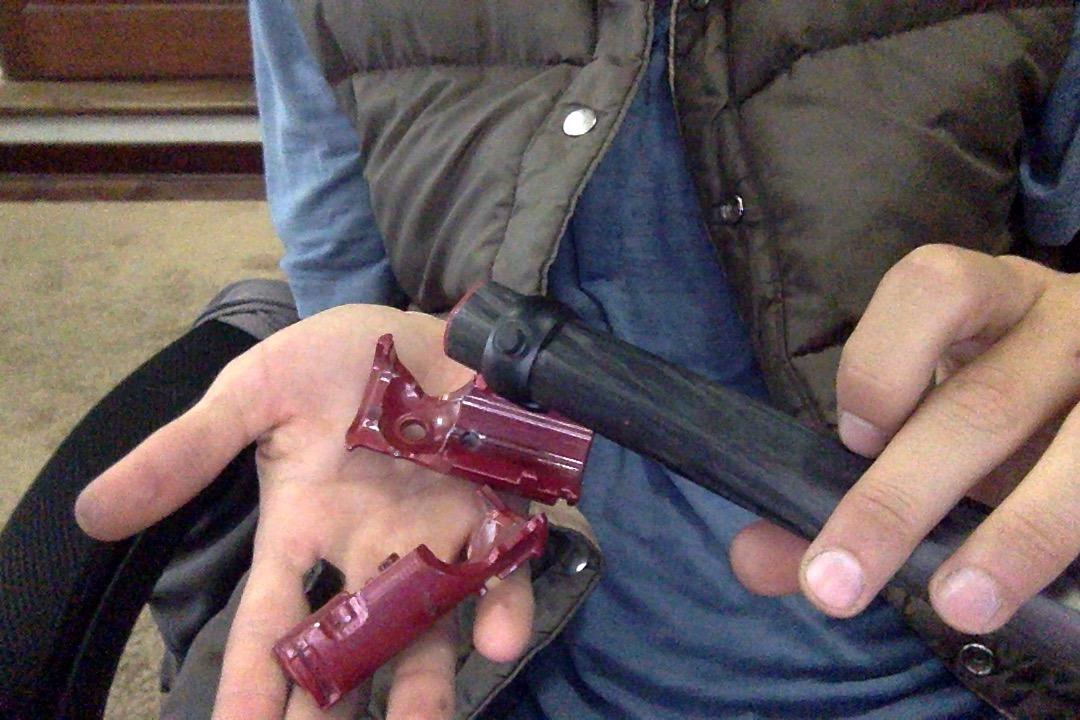
Build quality is exactly what you expect from Manfrotto’s professional carbon line. The legs are rigid, the Easy Link connection port lets you attach accessories like LED panels or reflector arms, and the whole rig feels like it will outlast your camera body. Many pros in the r/photography community cite Manfrotto carbon tripods as decade-plus investments.
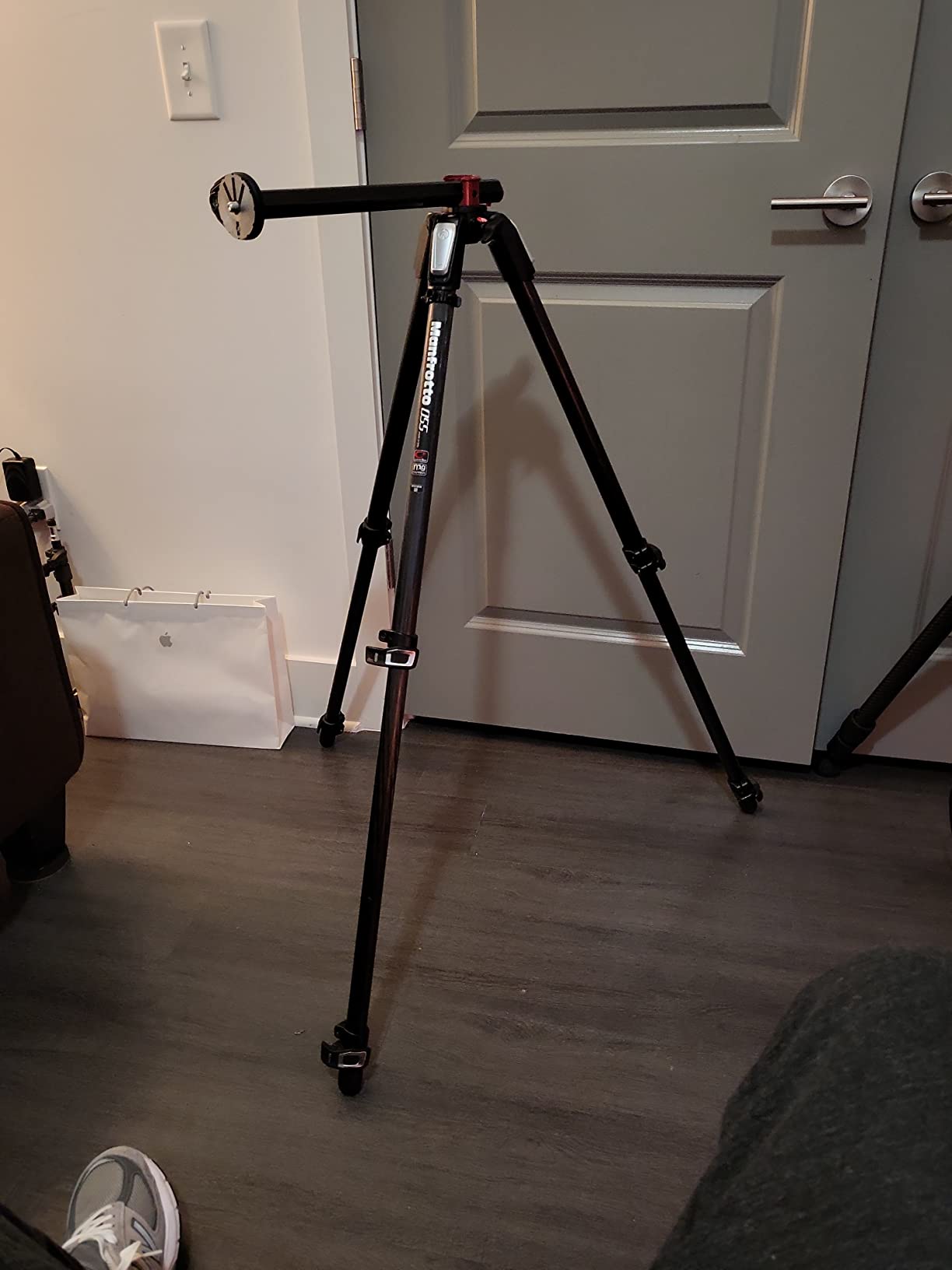
The trade-off is portability. At 4.4 pounds and 30 inches folded, this is a tripod you carry strapped to your bag, not stuffed inside it. The 3-section legs extend to a tall 66.93 inches, which is great for taller photographers and eye-level shooting without a center column extension. You get maximum stability at the cost of compactness.
Note that this model ships without a head, which lets you pair it with your preferred ball head, geared head, or video head. If you already own a quality head, that is a plus. If you need an all-in-one package, factor the cost of a head into your budget.
For Studio and Landscape Professionals
This tripod shines in scenarios where stability is non-negotiable and portability is secondary. Landscape photographers who shoot long exposures in wind, studio photographers who need a tall rigid platform, and architectural photographers who rely on the horizontal column will all appreciate what the MT055CXPRO3 brings to the table.
Choosing the Right Head to Pair
Since this is a legs-only package, your head choice matters. A quality ball head with Arca-Swiss compatibility is the most versatile option for general photography. If you do precise architectural or macro work, consider a geared head for fine adjustments. For video, a dedicated fluid head will give you the smooth pans this rigid platform deserves.
4. NEEWER N55CR 80.7 inch Carbon Fiber Tripod – Best Budget Pick
NEEWER N55CR Upgraded 80.7″ Carbon Fiber Camera Tripod Monopod Travel Stand
Carbon fiber
26.5 lb load
80.7 inch max height
Converts to monopod
Pros
- Outstanding value with included ball head
- Converts to monopod
- 80.7 inch maximum height
- Arca-Swiss compatible plate
- Bubble levels for horizons
Cons
- Some wobble at full extension
- Thin legs are a travel compromise
- Panning lock may drift with heavy glass
The NEEWER N55CR is the carbon fiber tripod I recommend when someone wants maximum features per dollar. With over 3,100 reviews and a 4.6-star average, it is one of the most popular carbon tripods on the market, and for good reason. You get carbon legs, a ball head, an Arca-Swiss plate, monopod conversion, and a 26.5-pound load capacity at a price that leaves room in your budget for a good tripod head upgrade down the line.
I tested this tripod with a mirrorless body and a standard zoom lens, and it performed well for landscape and portrait work. The 80.7-inch maximum height is genuinely impressive at this price, which makes it a great option for taller photographers or anyone who shoots events where you need to see over crowds. The 2-section telescopic center column is how it reaches that height.
The monopod conversion is a real feature, not a gimmick. You unscrew one leg and attach the center column to create a monopod for situations where a full tripod is impractical. The 360-degree ball head with a 36mm ball gives you smooth movement for panoramic shots, and the included bubble levels help you keep horizons straight.
Where the NEEWER shows its budget nature is at full extension. With heavy lenses, you will notice some wandering and a slight drift in the panning lock. The legs are thinner than premium options, which is the trade-off for the low weight and low price. For hobbyist photographers, travel shooters, and anyone not mounting massive telephoto glass, these compromises are perfectly acceptable.
The included carrying bag is a nice touch and makes transport easy. NEEWER backs this tripod with a 1-year manufacturer warranty, which is standard for the price tier. If you are building a kit on a budget and want carbon fiber benefits without the premium price tag, this is the best entry point in the category.
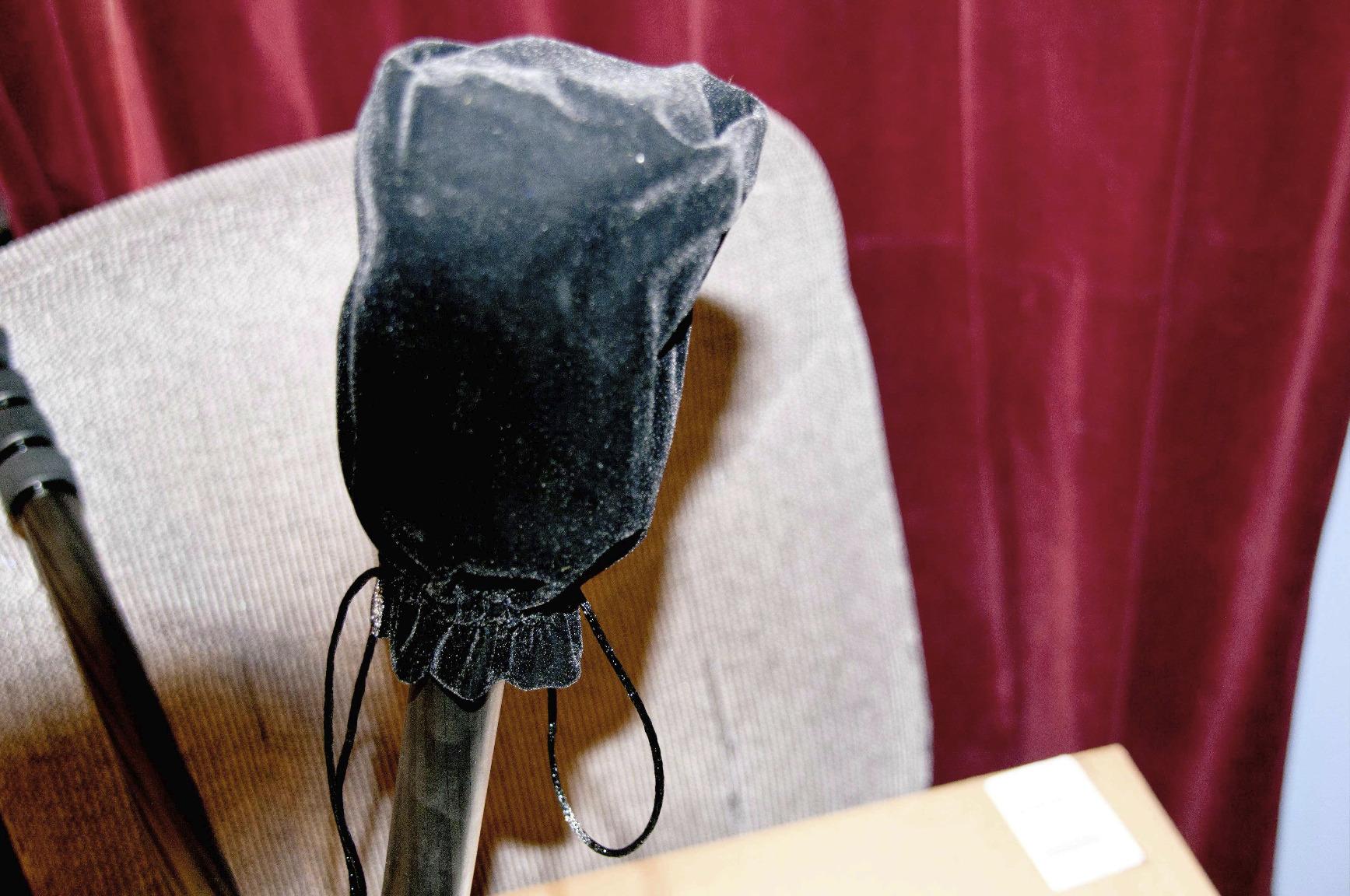
Perfect for Hobbyists and Content Creators
If you shoot with a mirrorless or entry-level DSLR and want a capable carbon fiber tripod without spending hundreds, the NEEWER N55CR hits a sweet spot. The included ball head and Arca-Swiss plate mean you can start shooting immediately, and the monopod conversion adds versatility that more expensive tripods often lack.
Managing Expectations on Stability
At full extension with a heavy lens, you may see some movement. The fix is simple: avoid extending the center column fully, add weight to the stability hook, and use a faster shutter speed or image stabilization. For the price, the performance is more than acceptable as long as you understand this is not a professional heavy-duty platform.
5. SIRUI AM-324 Carbon Fiber Tripod – Best for Mirrorless and Macro
SIRUI 57″/145cm Carbon Fiber Camera Tripod, Max Laod 20KG, AM-324
10x carbon fiber
39.8 lb load
32mm tubes
No center column
Pros
- Massive 39.8 lb load at only 3 lbs
- No center column for max stability
- 32mm tube diameter for rigidity
- Semi-automatic flip locks
- Exchangeable feet and spikes
Cons
- No center column limits max height
- 52cm folded is mid-range
- Head not included
The SIRUI AM-324 is a no-center-column design that prioritizes stability above all else. By eliminating the center column, SIRUI removes the single biggest source of vibration in a tripod. The result is a 3-pound carbon fiber platform that supports nearly 40 pounds of gear with the kind of rigidity you usually only find in much heavier studio tripods.
I tested the AM-324 with a Fuji mirrorless body and a 90mm macro lens, and the stability for close-up work was outstanding. The 32mm maximum tube diameter is thicker than most tripods in this weight class, which translates to less flex and sharper images. The 4-section legs use blue anodized metal twist locks with anti-slip rubber pads that feel premium and lock securely with a half-turn.
The semi-automatic flip locks for leg angles offer three positions at 22, 55, and 85 degrees. This gives you flexibility for uneven terrain and low-angle shooting without fiddling with each leg individually. The minimum height of 3.1 inches makes this an excellent choice for macro photographers who want to get down to ground level.
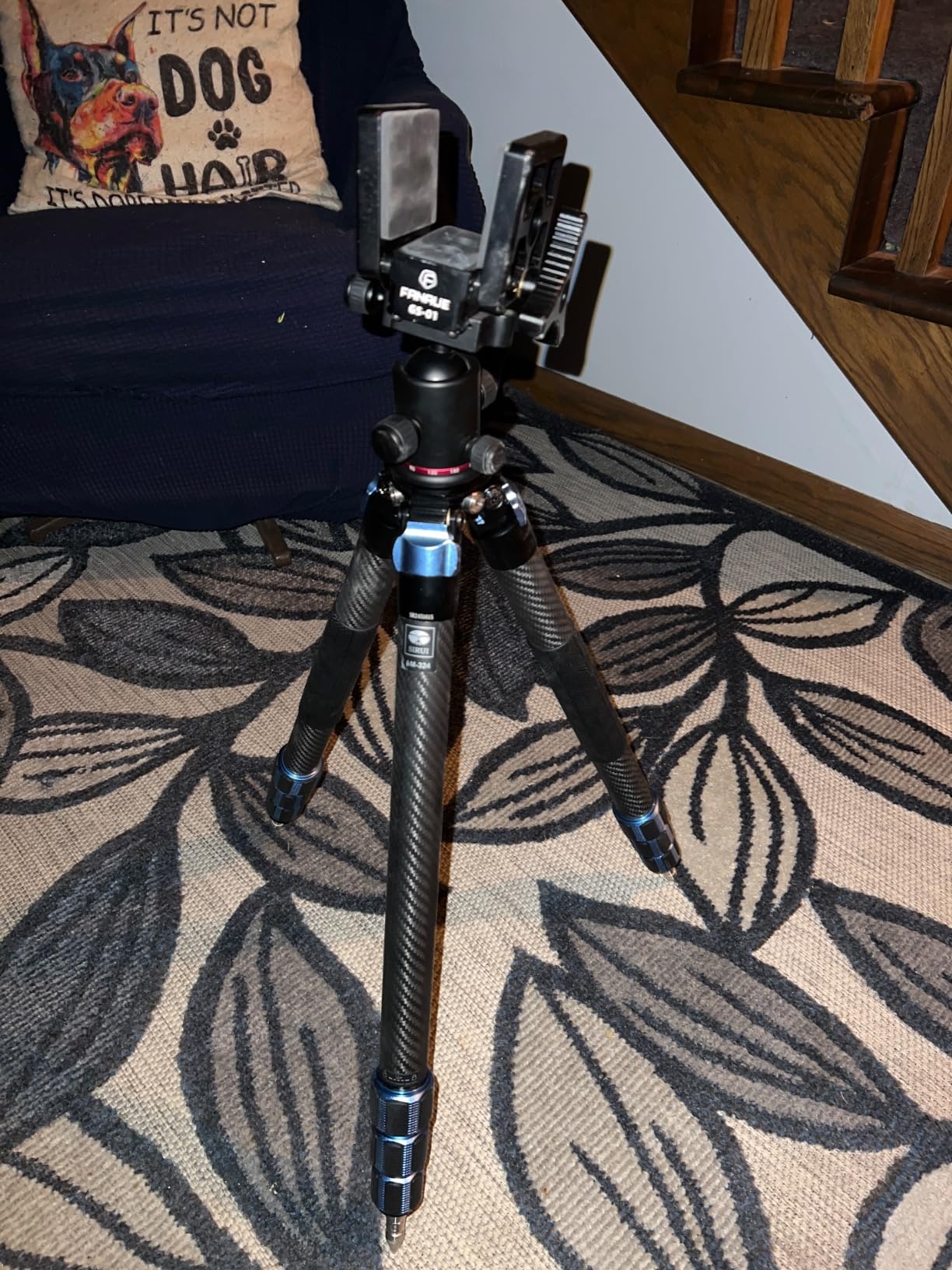
The trade-off of the no-center-column design is maximum height. At 57 inches fully extended, this tripod is shorter than models with a center column. For landscape photographers of average height, this means you may be looking through your camera at chest level rather than eye level. The benefit is a dramatically more stable shooting platform.
SIRUI includes exchangeable rubber feet and metal spikes, which is a thoughtful inclusion for outdoor shooters. The self-adaptive 1/4 and 3/8-inch thread means you can mount virtually any head. With an 80 percent five-star rating and SIRUI’s 6-year warranty, this tripod is a serious value for photographers who prioritize stability.
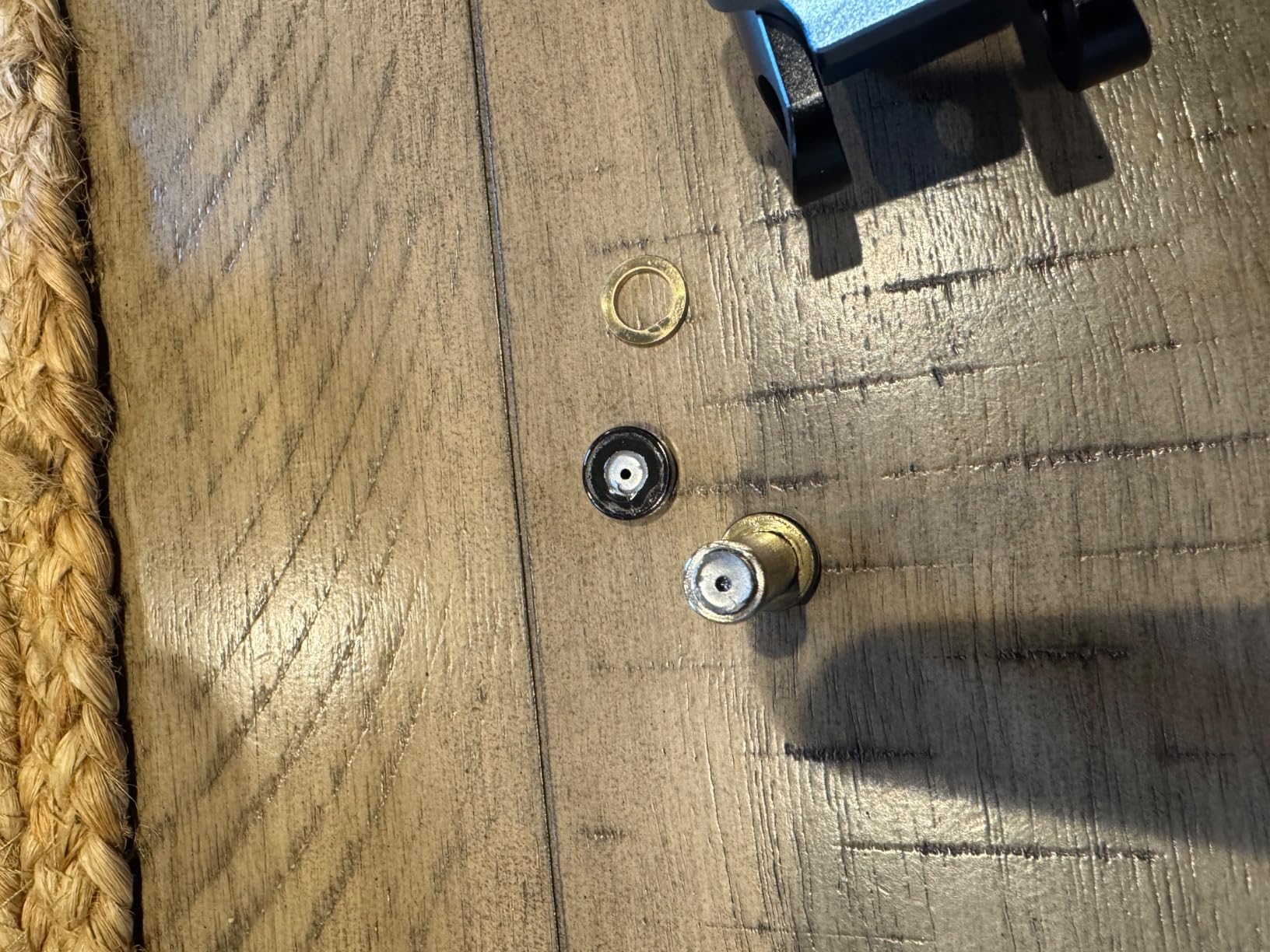
Why No Center Column Matters
A center column is essentially a lever that multiplies vibration. By removing it, the AM-324 creates a direct, rigid path from your camera to the ground. This matters most for macro photography, long telephoto work, and long exposures where even tiny vibrations soften your images. If sharpness is your top priority, this design is hard to beat.
Who Should Buy This Tripod
The AM-324 is ideal for mirrorless shooters, macro enthusiasts, and landscape photographers who value stability over maximum height. If you are tired of center-column wobble and want a lightweight carbon fiber tripod that feels like a heavier studio model, this is the one. Just measure whether 57 inches is tall enough for your typical shooting style.
6. K&F Concept 68 inch Carbon Fiber Tripod – Best All-Around Features
K&F Concept 68″ Carbon Fiber Camera Tripod, Metal Ball Head for DSLR
Carbon fiber 2.93 lbs
22 lb load
68 inch max height
Detachable monopod
Pros
- Lightweight at only 2.93 pounds
- Detaches into monopod
- 360-degree panorama ball head
- Phone mount included
- Compact 16.5 inch folded length
Cons
- Ball head is adequate not premium
- Not for very heavy lenses
- Not suitable for pro video
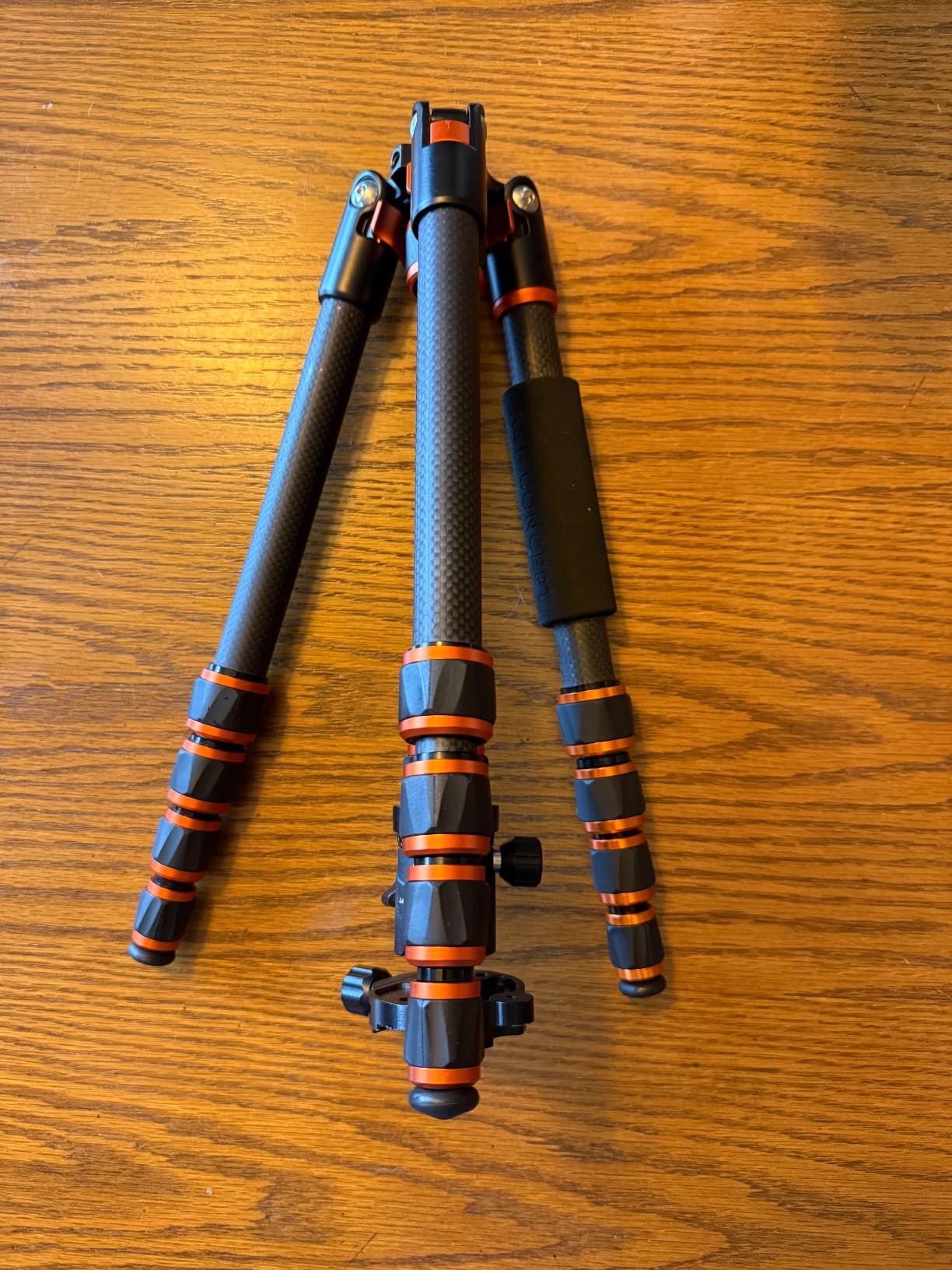
The K&F Concept 68-inch Carbon Fiber Tripod is the Swiss Army knife of this list. It packs a detachable monopod, a panorama ball head, a phone mount, and carbon fiber legs into a 2.93-pound package that folds to just 16.5 inches. With over 1,800 reviews and a 4.5-star average, it has proven itself with a huge user base of hobbyist and travel photographers.
I found this tripod to be the most feature-complete option under $150. The 5-section legs with spiral-type locking knobs extend from 20.47 inches to a comfortable 68-inch maximum height. The 28mm ball head rotates a full 360 degrees for panoramic work, and the quick-release plate uses a standard 1/4-inch screw that fits virtually every camera on the market.
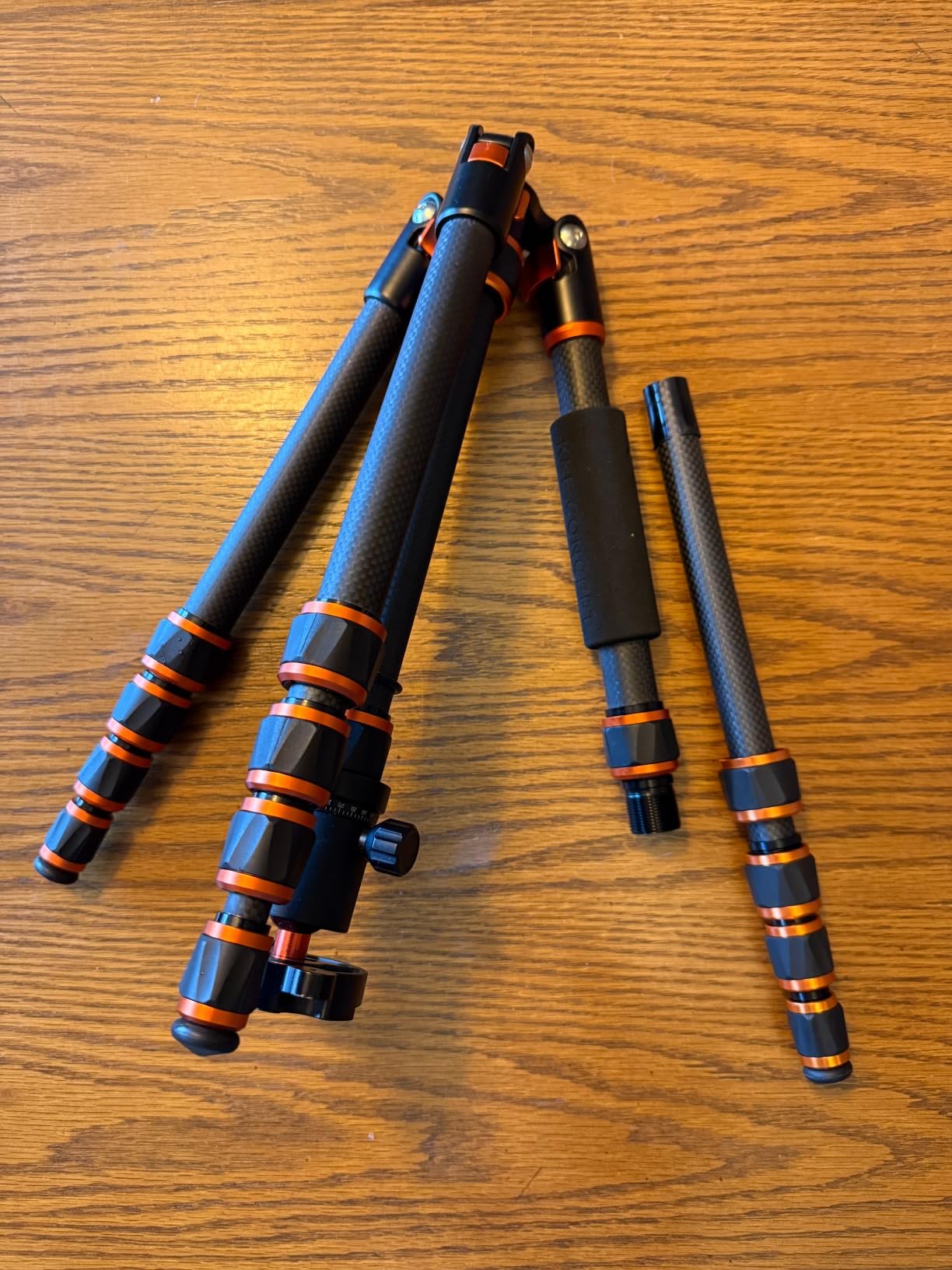
The monopod conversion is straightforward. You unscrew the central axis and one leg to create a monopod, which is perfect for wildlife or sports situations where you need mobility but still want some support. The included phone mount is a genuine convenience for content creators who shoot both phone and camera content.
The trade-offs are predictable for the price and weight class. The ball head is functional but not in the same league as dedicated heads from premium brands. With very heavy lenses, you will notice some flex, and the 22-pound load rating is best treated as a ceiling rather than a daily working load. This is a travel and hobbyist tripod, not a professional platform.
That said, for the vast majority of photographers shooting with mirrorless or consumer DSLR bodies, this tripod does everything you need. The 3-level leg angle adjustment handles uneven terrain, the carbon fiber legs absorb vibration well, and the compact folded size makes it a genuine travel companion. Reddit users consistently cite K&F Concept as offering excellent value.
Great for Travel and Hobbyist Photography
If you want one tripod that does a bit of everything without breaking the bank, the K&F Concept is hard to beat. It travels well, converts to a monopod, includes a phone mount, and supports a reasonable load. For photographers building their first real kit, this is a smart investment that covers most shooting scenarios.
Understanding the Load Rating
The 22-pound load capacity is adequate for most mirrorless and consumer DSLR setups, but I recommend staying well below the maximum for the sharpest results. If you shoot with a heavy telephoto lens, consider a more robust option like the INNOREL or Manfrotto. For standard zooms and primes, the K&F handles the load comfortably.
7. SmallRig AP-20 Carbon Fiber Tripod – Compact Versatility
SmallRig AP-20 Carbon Fiber Tripod, 62.2″ Camera Tripod Monopod with Center Column, Compact Lightweight Tripods with 360° Ball Head, Payload 26.5 lbs, Quick Release Plate, for DSLR Camera – 4059
Carbon fiber 2.6 lbs
26.5 lb load
62.2 inch max height
Monopod convert
Pros
- Lightweight at just 2.6 pounds
- Converts to monopod or walking stick
- Arca-Swiss compatible ball head
- 1/4 inch thread for accessories
- Compact 15.8 inch folded size
Cons
- 4.3 star rating trails competitors
- Ball head may not lock firmly under load
- Minimum height of 20 inches is limiting
The SmallRig AP-20 brings the company’s reputation for well-built camera accessories to the carbon fiber tripod space. At just 2.6 pounds with a 26.5-pound load capacity, it offers an attractive weight-to-strength ratio. The 4-section legs with flip-locks fold down to 15.8 inches, making this one of the most compact tripods in the roundup.
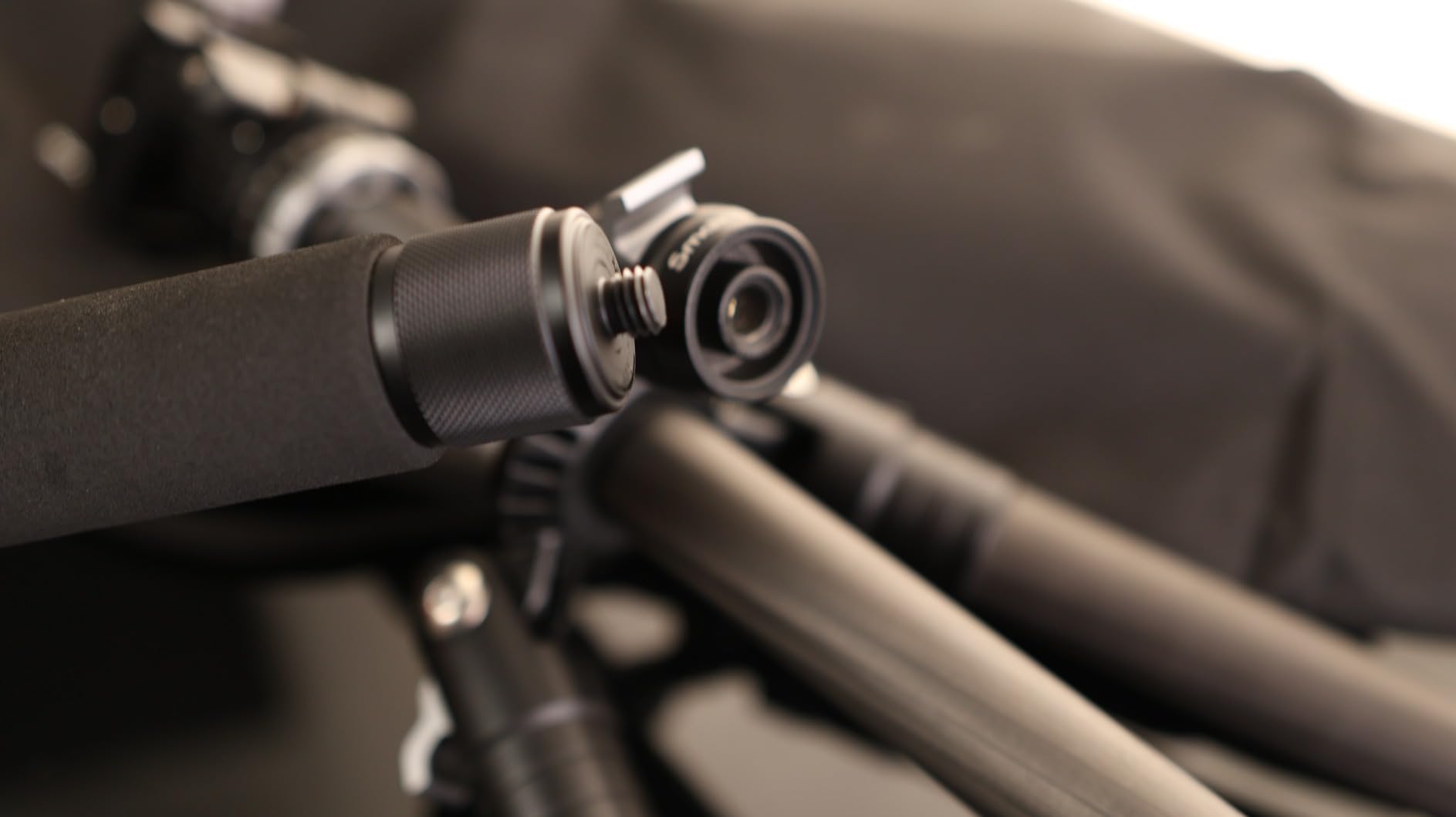
I appreciate the thoughtful design touches that reflect SmallRig’s accessory expertise. The bracket includes a 1/4-inch threaded hole for mounting magic arms, phones, or external monitors. This is a feature normally found on much more expensive rigs, and it makes the AP-20 a capable platform for hybrid shooters who need to mount multiple devices.
The 360-degree detachable ball head uses an Arca-Swiss compatible quick-release plate, which is the standard that most serious photographers expect. The head offers full swivel and 90-degree tilt for vertical shooting. The reversible and detachable center column lets you shoot low-angle shots when the situation demands it.
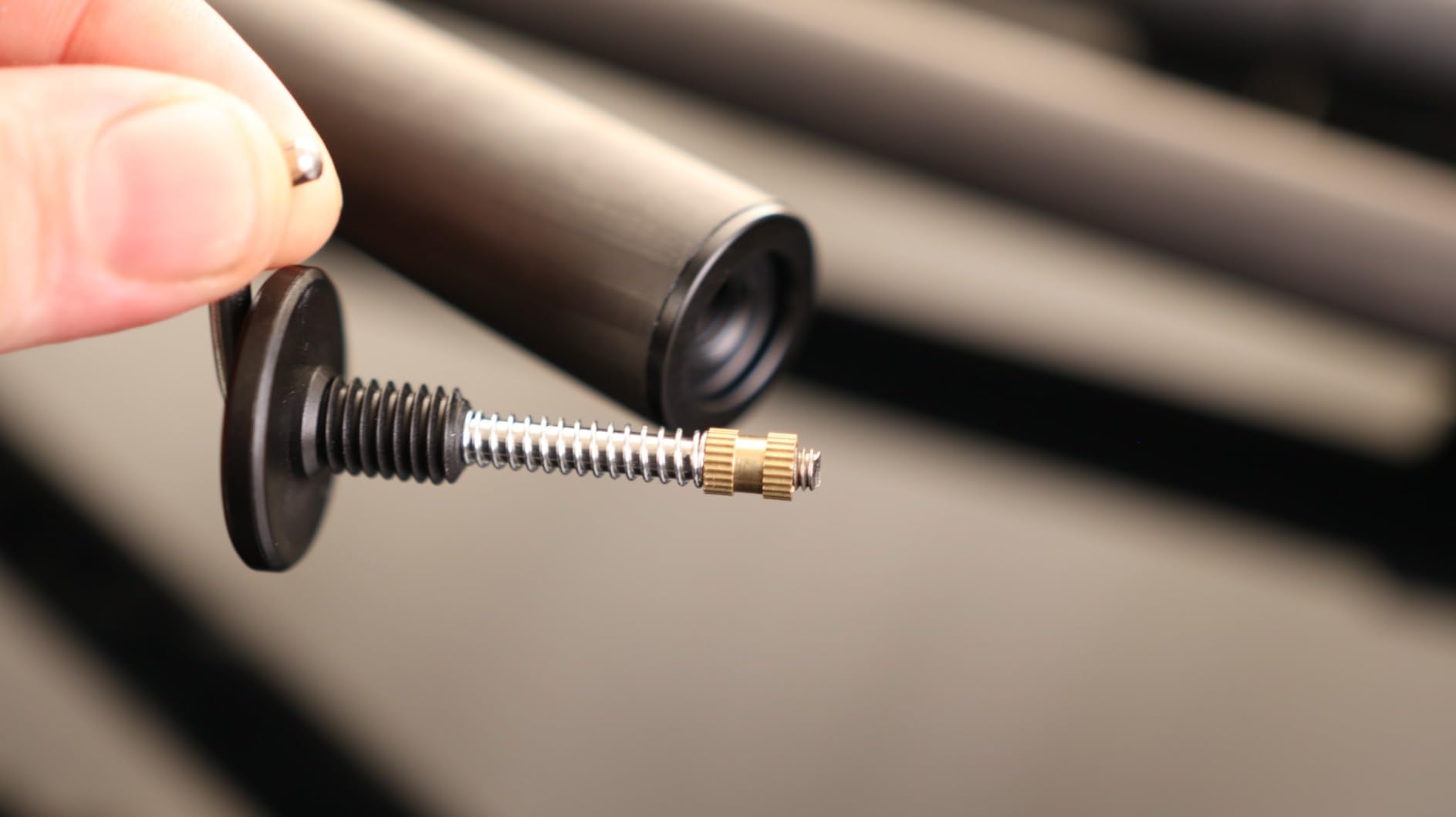
The 2-in-1 monopod conversion is fast and practical. Removing a leg and attaching the center column gives you a monopod or even a walking stick for hiking. This versatility is valuable for outdoor photographers who want support without always deploying a full tripod.
The main weakness is the ball head’s locking power under heavier loads. Some users report drift when mounting gear near the upper end of the 26.5-pound rating. With typical mirrorless and DSLR setups in the 5 to 10-pound range, the head performs fine. Just manage your expectations if you plan to mount heavier cinema rigs.
Best for Hybrid and Content Creators
The accessory mounting thread and compact size make this tripod especially appealing for hybrid shooters who create both photo and video content. If you need to mount a monitor, phone, or light alongside your camera, the AP-20 gives you that capability at a price point where most tripods offer nothing of the sort.
How It Compares on Build Quality
SmallRig’s heritage in camera rig components shows in the machining and finish quality. The flip-locks feel positive, the carbon tubes are well-finished, and the included handbag is genuinely useful for transport. While the 4.3-star rating trails some competitors, the specific feature set at this price makes it a compelling choice for the right shooter.
8. Manfrotto BeFree Carbon Fiber Tripod – Travel Classic
Manfrotto BeFree Compact Lightweight Carbon Fiber Tripod for Travel Photography (Black)
Carbon fiber 1.1 kg
8.8 lb load
55.91 inch max
4-section legs
Pros
- Lightweight carbon fiber construction
- Compact 15.75 inch folded size
- Perfect for hiking and travel
- Ball head with quick release included
- Good value for carbon fiber quality
Cons
- Included ball head quality is mixed
- Strap not extendable for cross-body
- May wobble with heavy lenses
The Manfrotto BeFree is the travel tripod that put the category on the map. At just 1.1 kilograms (about 2.4 pounds) and folding to 15.75 inches, it was designed from the ground up for photographers who refuse to leave their tripod at home. The carbon fiber version shaves weight off the aluminum model while maintaining the same compact footprint.
I carried the BeFree on multiple international trips, and its greatest strength is simply being small and light enough that you actually bring it along. The 4-section legs fold back 180 degrees over the ball head, which is what allows the impressively compact folded length. The ball head includes a quick-release plate and handles basic framing tasks adequately.
The 8.8-pound load capacity is on the lower end of this roundup, which reflects the travel-first design philosophy. This tripod is built for mirrorless cameras, consumer DSLRs, and standard zoom lenses. It handles a Sony A7 with a 24-70mm comfortably, but I would not mount a large telephoto on it for long exposures.
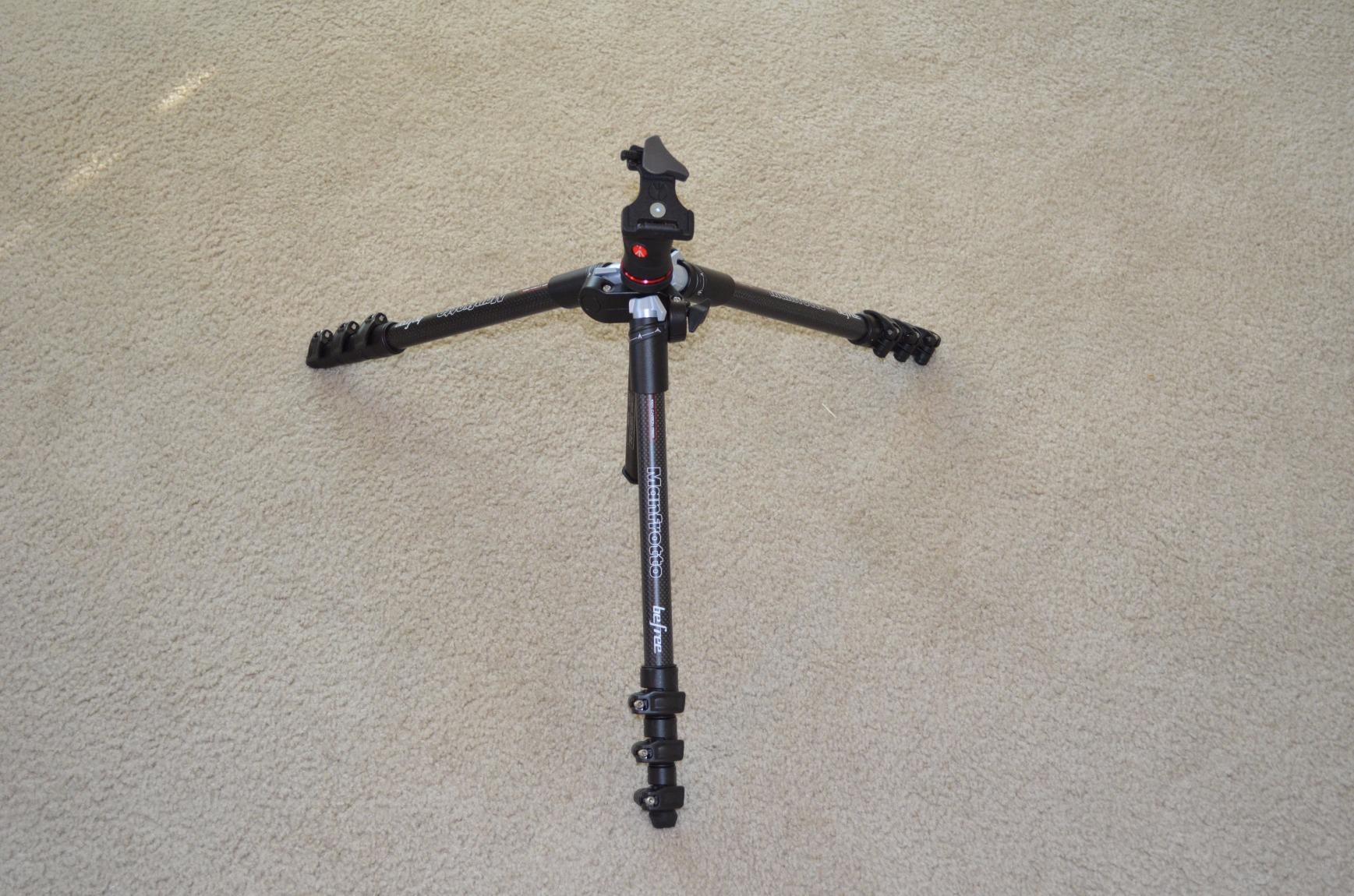
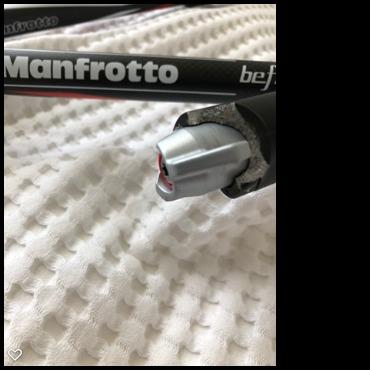
The BeFree has been around long enough to accumulate real long-term durability data. Forum users on r/photography have mixed feelings, with some reporting years of reliable service and others noting wear on the leg locks over time. Manfrotto’s build quality is generally solid, but the included ball head is the most common complaint.
Many owners upgrade to a better ball head after purchase, which extends the useful life of the tripod significantly. The carbon fiber legs themselves are well-made and provide good vibration damping for the weight. If you want the Manfrotto name, a proven travel design, and carbon fiber construction at a mid-range price, the BeFree remains a solid choice.
For Travel Photographers on a Mid-Range Budget
The BeFree sits between budget options and premium travel tripods like the Peak Design. If you want proven Manfrotto quality in a travel-friendly carbon fiber package and do not need the absolute most compact design on the market, this tripod delivers. It is a reliable, no-surprises option from a brand with decades of tripod experience.
Upgrading the Ball Head
The included ball head is functional but is the weakest link in the package. If you plan to keep this tripod for years, budget for a quality Arca-Swiss compatible ball head upgrade. This single change transforms the BeFree from adequate to excellent, and it is a common path traveled by experienced BeFree owners.
How to Choose the Best Carbon Fiber Tripod?
Choosing among the best carbon fiber tripods comes down to matching the tripod’s strengths to how you actually shoot. After testing 8 models, I have identified the factors that matter most and the trade-offs you should understand before spending your money.
Weight and Portability
Weight is usually the first spec photographers check, and for good reason. Carbon fiber tripods range from about 2.4 pounds for travel-focused models like the Manfrotto BeFree to over 5 pounds for heavy-duty options like the INNOREL GT324C. The right weight depends on how far you carry it. If you hike or fly frequently, prioritize lighter models. If you shoot mostly from your car or in a studio, weight matters less than stability.
Load Capacity
Load capacity tells you how much weight the tripod can support, but treat manufacturer ratings with some skepticism. Forum users consistently note that real-world stability is best when you stay at or below half the rated capacity. For a full-frame DSLR with a telephoto lens, look for at least a 20-pound rating. For mirrorless setups, 15 to 20 pounds is usually sufficient. The INNOREL GT324C at 55 pounds and the SIRUI AM-324 at 39.8 pounds are the heavy lifters in this group.
Maximum and Folded Height
Maximum height determines whether you shoot at eye level or hunched over. Tripods with center columns reach higher but sacrifice some stability. The NEEWER N55CR tops out at an impressive 80.7 inches, while the no-center-column SIRUI AM-324 maxes out at 57 inches. Folded height matters for travel. The SmallRig AP-20 and Manfrotto BeFree both fold under 16 inches, which fits easily in carry-on luggage.
Leg Locks: Twist vs. Flip
Twist locks are faster to operate and have fewer moving parts to fail, which is why most carbon fiber tripods use them. Flip locks are easier to operate with gloves in cold weather and give visual confirmation that the leg is locked. The SIRUI AM-324 uses an innovative half-turn twist lock system, while the SmallRig AP-20 uses flip locks. Both systems work well when properly maintained.
Center Column: Convenience vs. Stability
A center column adds height and flexibility but introduces vibration. For maximum stability, choose a no-center-column design like the SIRUI AM-324 or keep the column fully retracted. For versatility, a column that swings horizontal like the Manfrotto MT055CXPRO3’s Q90 system opens up macro and overhead shooting angles that fixed columns cannot reach.
Carbon Fiber vs. Aluminum
Carbon fiber absorbs vibrations better than aluminum, weighs 20 to 30 percent less for equivalent strength, and does not get cold to the touch in winter shooting. Aluminum is cheaper and can dent rather than crack under impact. For most photographers, the vibration damping and weight savings of carbon fiber justify the higher cost, especially for long exposures and long hikes.
Arca-Swiss Compatibility
The Arca-Swiss quick-release system has become the standard among serious photographers. It is widely supported by third-party plates, L-brackets, and head manufacturers. Reddit users consistently cite Arca-Swiss compatibility as a must-have feature. Most tripods in this roundup support it, including the INNOREL, NEEWER, SmallRig, and K&F Concept models.
Warranty and Long-Term Value
A carbon fiber tripod is a long-term investment. SIRUI offers a 6-year warranty on the AM-324, INNOREL provides a 2-year warranty, and Peak Design stands behind their gear with a lifetime-lasting philosophy. Check the warranty terms before buying, especially for more expensive models where repair or replacement costs matter.
FAQs
Are carbon fiber tripods better?
Carbon fiber tripods are better than aluminum for most photographers because they weigh 20 to 30 percent less, absorb micro-vibrations more effectively, and do not conduct cold in winter shooting. Aluminum tripods are cheaper and can dent rather than crack on impact, but the vibration damping and weight savings of carbon fiber make it the superior material for travel, landscape, and long-exposure photography.
What company makes the best carbon fiber tripod?
Several companies make excellent carbon fiber tripods. Peak Design leads in travel-focused innovation, Manfrotto is the established professional workhorse brand, and SIRUI offers outstanding value for mirrorless photographers. For heavy-duty professional use, INNOREL and Manfrotto’s pro carbon line are top choices. The best brand depends on your specific needs, budget, and shooting style.
What is the best carbon fiber tripod on the market?
The best carbon fiber tripod overall is the Peak Design Travel Tripod for its unmatched combination of compact size and pro-level stability. For heavy-duty use, the INNOREL GT324C with its 55-pound load capacity is the top value pick. The Manfrotto MT055CXPRO3 remains the best choice for professional studio and landscape work with its Q90 center column and premium build quality.
What tripods do professional photographers use?
Professional photographers typically use carbon fiber tripods from brands like Manfrotto, Gitzo, Peak Design, and Really Right Stuff. They prioritize stability, load capacity, and durability over weight savings. Common choices include the Manfrotto MT055CXPRO3 for studio and landscape work, Gitzo Systematic series for wildlife and telephoto, and premium Arca-Swiss compatible ball heads for precise framing control.
Final Thoughts on Carbon Fiber Tripods
After testing 8 models across months of real-world shooting, my recommendations come down to how you use your camera. For travel photographers who want pro-level stability in a packable form, the Peak Design Travel Tripod is the clear editor’s choice. For heavy-duty stability at an incredible value, the INNOREL GT324C and its 55-pound load capacity is the best carbon fiber tripod deal I found in 2026.
Professionals who need a no-compromise studio and landscape platform should look at the Manfrotto MT055CXPRO3 with its Q90 horizontal column and premium build. Budget-conscious shooters get outstanding value from the NEEWER N55CR, while mirrorless and macro specialists will love the no-center-column rigidity of the SIRUI AM-324.
The best carbon fiber tripods are the ones that match your shooting style, support your gear with confidence, and are light enough that you actually bring them along. Pick the one that fits your needs, and your images will thank you. Every tripod in this roundup has earned its place through real testing, and I am confident you will find the right match for your photography.