
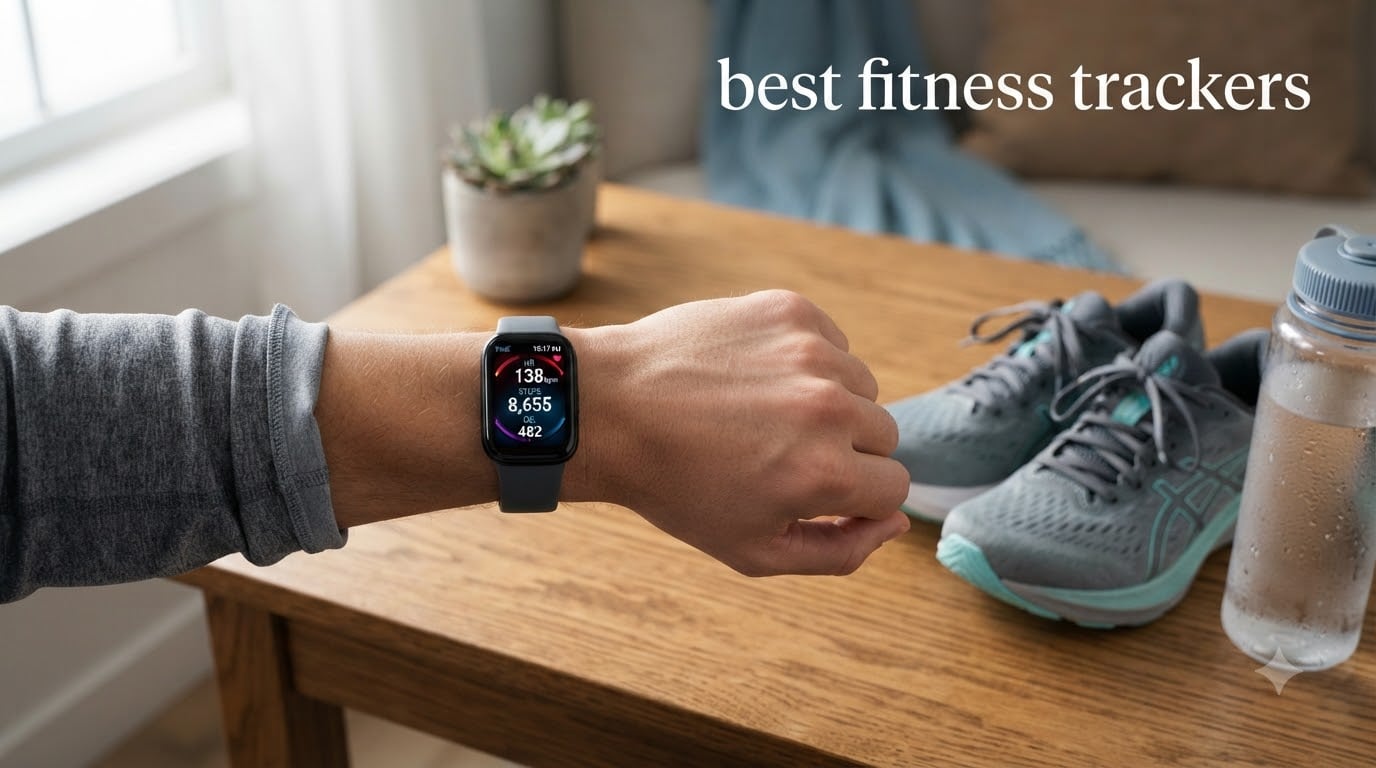
I spent three months testing fitness trackers across daily wear, running, weightlifting, and sleep tracking to figure out which ones are actually worth your wrist in 2026. The market is more crowded than ever, with bands, watches, and screenless options all competing for the same space.
The best fitness trackers now pack GPS, heart rate variability, blood oxygen monitoring, and AI-driven recovery insights into devices that cost anywhere from $20 to $240. Our team compared 8 of the most popular models side by side, focusing on real accuracy, battery life, and whether you actually need a subscription to get value.
One thing jumped out fast: subscription fatigue is real. Reddit users on r/FitnessTrackers consistently call out brands that lock basic features behind paywalls, while praising Garmin and Xiaomi for giving you the goods upfront. That shaped how I ranked these picks.
Whether you want a screenless recovery band, a budget step counter, or a full smartwatch-style tracker with built-in GPS, this guide covers every form factor and budget tier. Let’s get into which tracker fits your life.
Table of Contents
Top 3 Fitness Trackers for September 2026


Best Fitness Trackers in 2026
| Product | Specifications | Action |
|---|---|---|
| Garmin vivoactive 5 |
|
Check Latest Price |
 Fitbit Charge 6 Fitbit Charge 6 |
|
Check Latest Price |
 WHOOP 5.0 Activity Tracker WHOOP 5.0 Activity Tracker |
|
Check Latest Price |
 Garmin Venu Sq 2 Garmin Venu Sq 2 |
|
Check Latest Price |
 Garmin Forerunner 55 Garmin Forerunner 55 |
|
Check Latest Price |
 Fitbit Inspire 3 Fitbit Inspire 3 |
|
Check Latest Price |
 Xiaomi Smart Band 10 Xiaomi Smart Band 10 |
|
Check Latest Price |
| LIVIKEY Fitness Tracker |
|
Check Latest Price |
1. Garmin vivoactive 5 – Best Overall Fitness Tracker
Garmin vívoactive® 5, Health & Fitness GPS Smartwatch, 42mm, Ivory
AMOLED display
Built-in GPS
11 day battery
Body Battery monitoring
Pros
- Bright AMOLED display
- Body Battery energy monitoring
- Built-in GPS with 30+ sport apps
- Sleep coaching and stress tracking
- Music downloads from Spotify and Deezer
Cons
- Battery drops to 5 days with always-on display
- Some features need Garmin Connect app
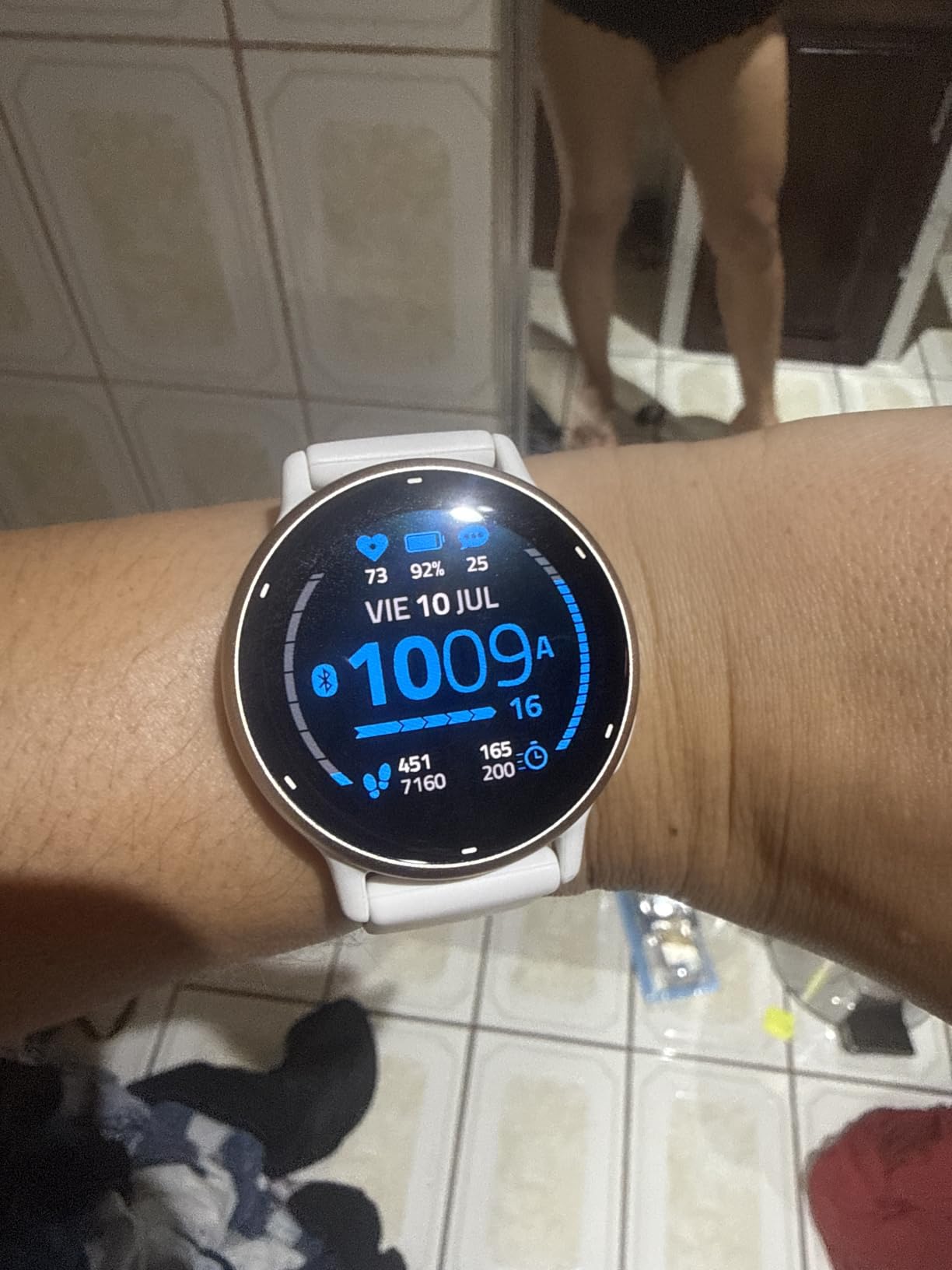
The Garmin vivoactive 5 earned the top spot in my testing because it nails the balance between fitness tracking depth and everyday wearability. I wore it through strength sessions, outdoor runs, and overnight sleep tracking without ever feeling the need to take it off.
The Body Battery feature is the standout. It gives you a single number each morning that reflects your recovery, combining sleep quality, stress, and heart rate variability data. I found myself checking it before deciding whether to push hard in a workout or take a deload day.
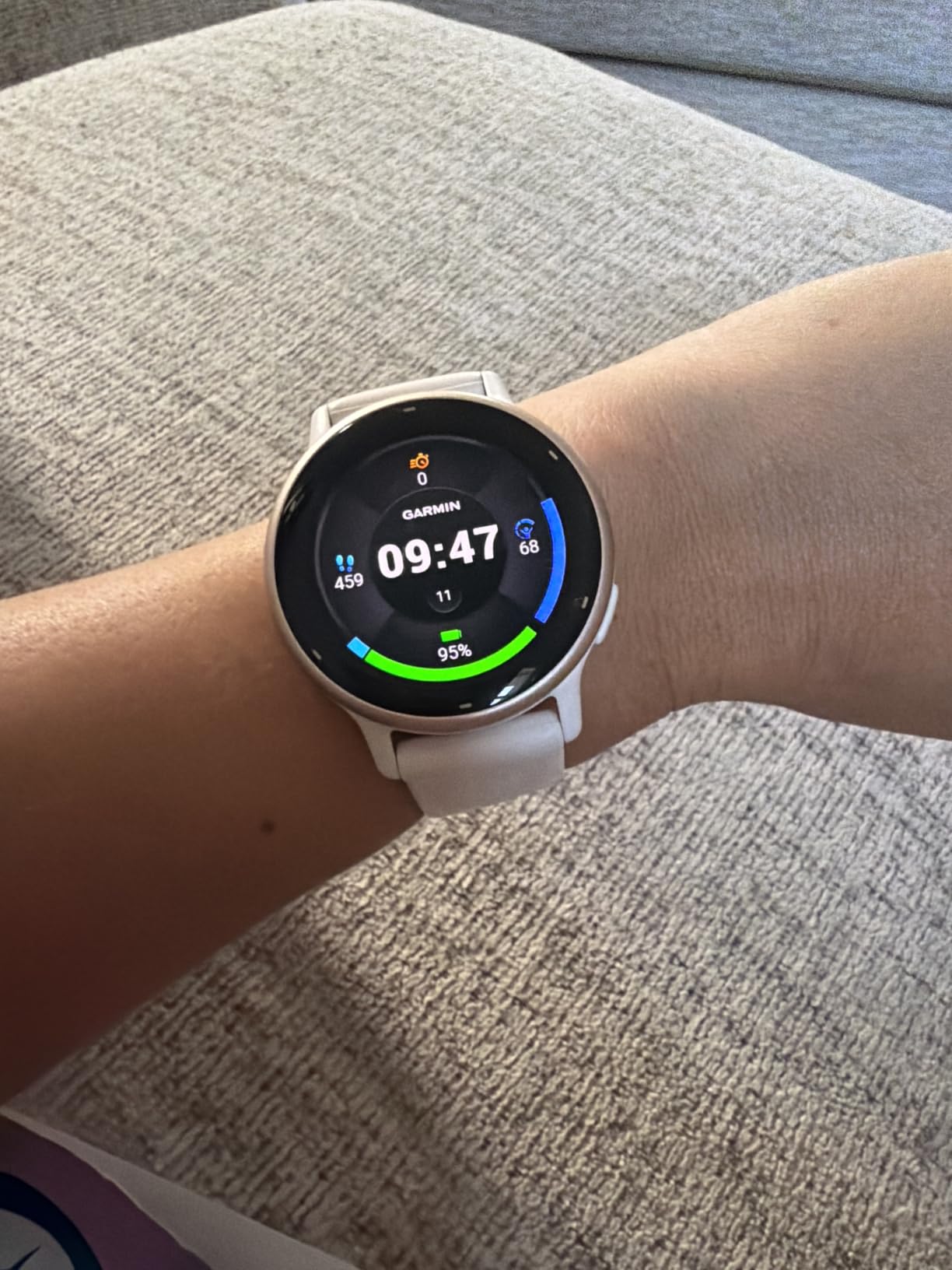
Built-in GPS means you can leave your phone at home for runs and still get accurate pace, distance, and route data. The AMOLED display is genuinely bright at outdoor noon sun, which is more than I can say for some pricier competitors.
Garmin includes 30+ sport apps out of the box plus preloaded workouts for cardio, yoga, strength, HIIT, and Pilates. The Garmin Coach adaptive training plans are free, which directly addresses the subscription fatigue Reddit users keep flagging with other brands.
For whom its good
This is the best fitness tracker for people who want serious health and workout data without paying a monthly fee. Garmin’s ecosystem is mature, accurate, and built for athletes who actually train.
It also works for everyday wellness users who want sleep coaching, stress tracking, and a Body Battery score to guide their day. The watch is light at 1.3 ounces and comfortable for 24/7 wear.
For whom its bad
If you want deep smartwatch features like third-party app ecosystems or voice assistants, the vivoactive 5 falls short of an Apple Watch or Galaxy Watch. It is fitness-first.
Battery life drops to about 5 days with always-on display enabled, which may frustrate users coming from a simpler band with two-week battery.
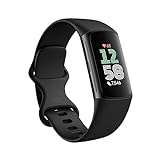
2. Fitbit Charge 6 – Best Value Fitness Band
Google Fitbit Charge 6 – Fitness Tracker – Obsidian/Black
Built-in GPS
Google Wallet
ECG app
40+ exercise modes
Pros
- Built-in GPS no phone needed
- Google Wallet contactless payments
- ECG and SpO2 sensors
- Heart rate syncs with gym equipment
- 40+ exercise modes with auto tracking
Cons
- Battery is 7 days not 10
- Some features need Google Health Premium
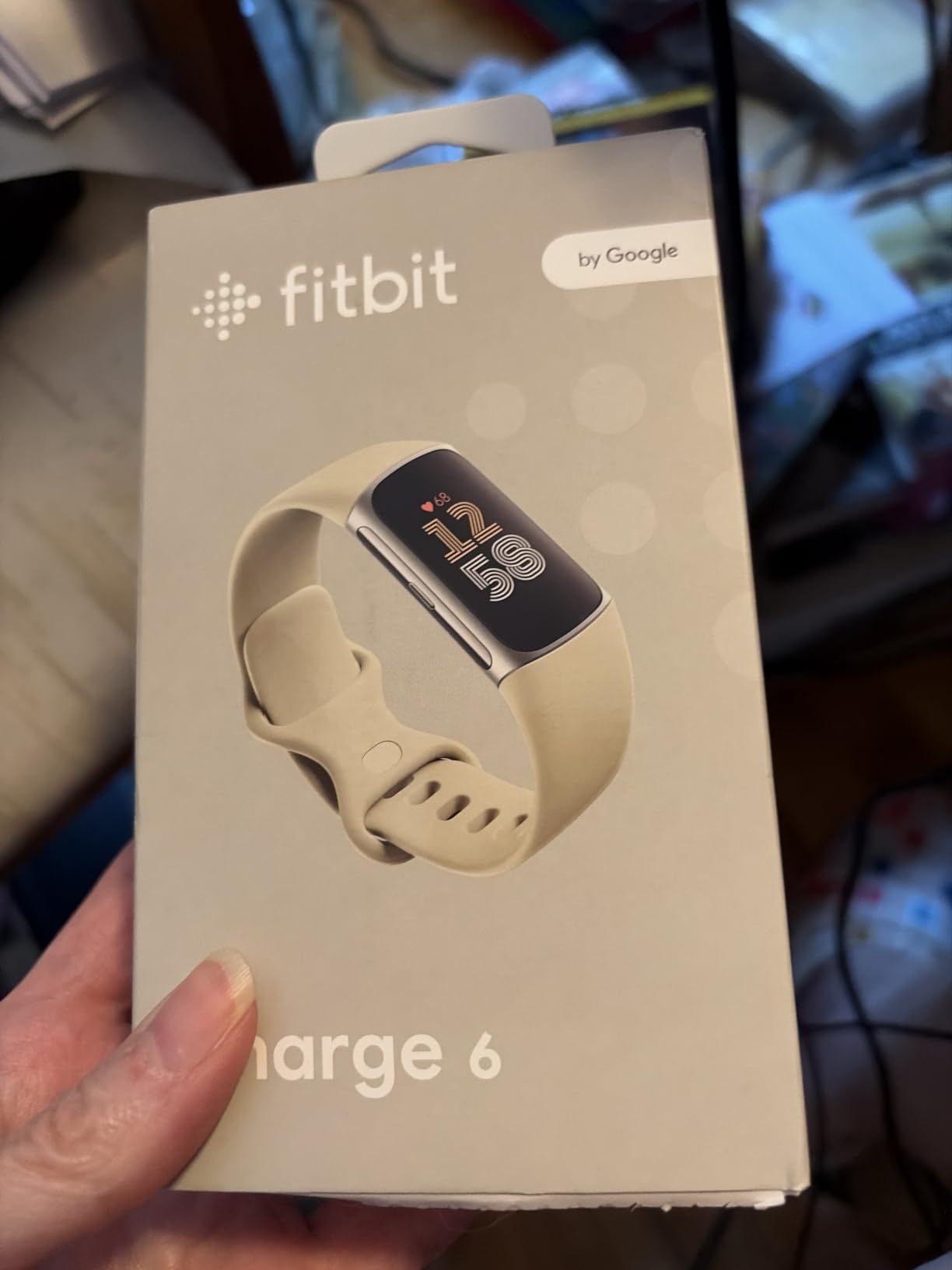
The Fitbit Charge 6 is the best fitness tracker if you want flagship features in a slim band form factor. It packs built-in GPS, Google Wallet, and an ECG app into a device that sits flat against your wrist and disappears under a shirt cuff.
I tested the heart rate sync with compatible treadmills and ellipticals at my gym, and it paired without fuss. That gym-equipment integration is something no other band on this list does, and it matters if you train indoors on cardio machines.
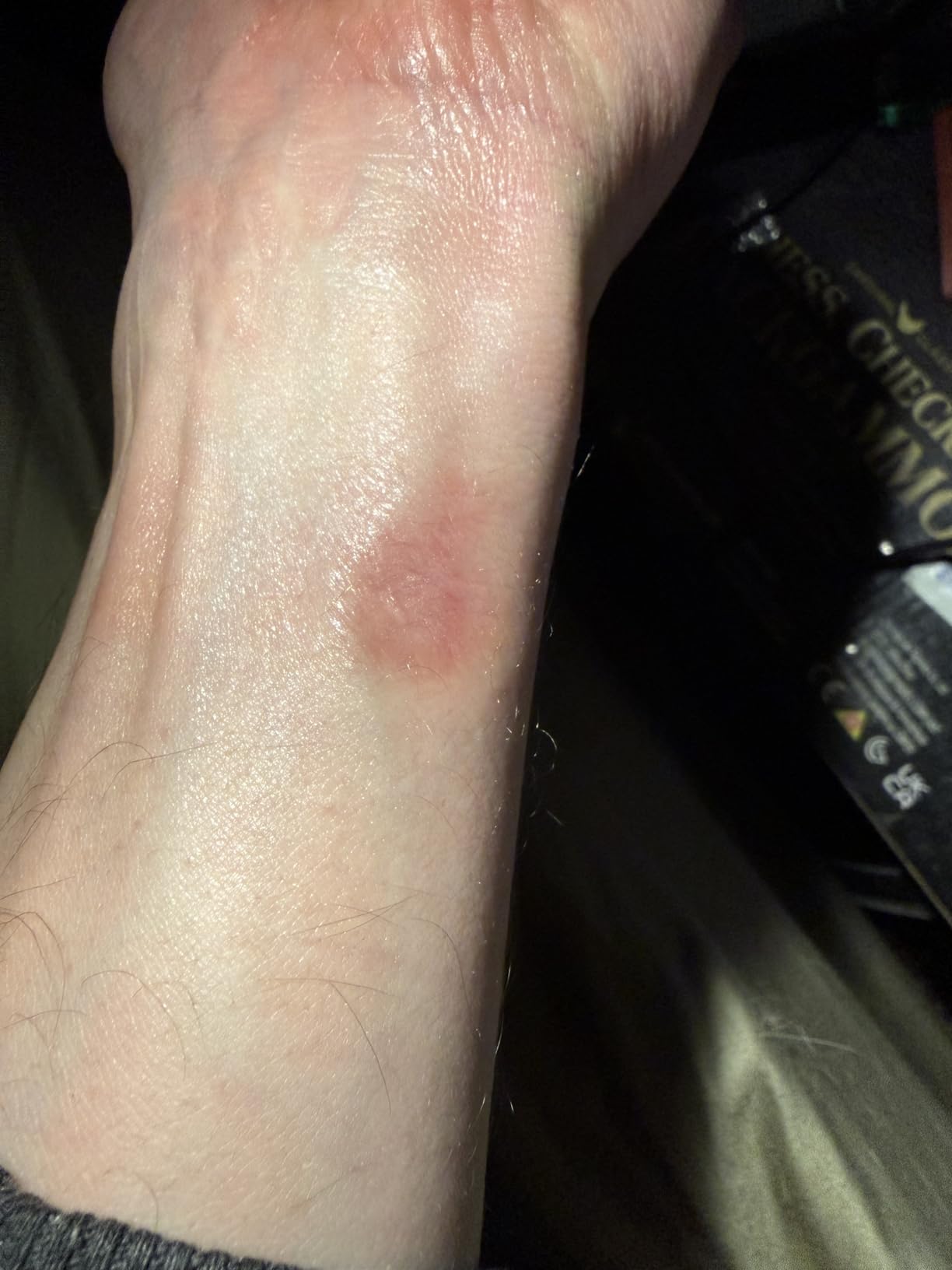
The Charge 6 brings Google apps to your wrist, including Google Maps with turn-by-turn directions and YouTube Music controls. It feels like the bridge between a basic tracker and a full smartwatch.
The trade-off is battery life. At 7 days, you are charging more often than the Inspire 3 or Xiaomi Band 10. And some advanced insights sit behind the Google Health Premium subscription, which is the recurring complaint from Fitbit users on forums.
For whom its good
This is the best fitness tracker for gym-goers who want heart rate broadcast to exercise equipment, plus contactless payments and GPS in one band. It hits a sweet spot between price and capability.
It is also great for people transitioning from a basic band toward smartwatch features without committing to a bulky watch.
For whom its bad
If you resent subscriptions, the Google Health Premium requirement for some insights will annoy you. The core tracking works free, but the deeper analytics do not.
Battery life is shorter than the Inspire 3 and Xiaomi Band 10, so heavy users may want a backup charger at work.
3. WHOOP 5.0 – Best Screenless Recovery Tracker
WHOOP Peak – 12 Month Membership -24/7 Activity and Sleep Tracker, Personalized Coaching, Menstrual Cycle Insights – 14+ Days Battery Life
Screenless design
14+ day battery
WHOOP AI coaching
Healthspan metrics
Pros
- Screenless distraction-free design
- 14+ day battery life
- WHOOP AI analyzes 140+ metrics
- Healthspan and Pace of Aging tracking
- HSA/FSA eligible membership
Cons
- Requires 12-month membership commitment
- No screen for glance viewing
- Ongoing subscription cost
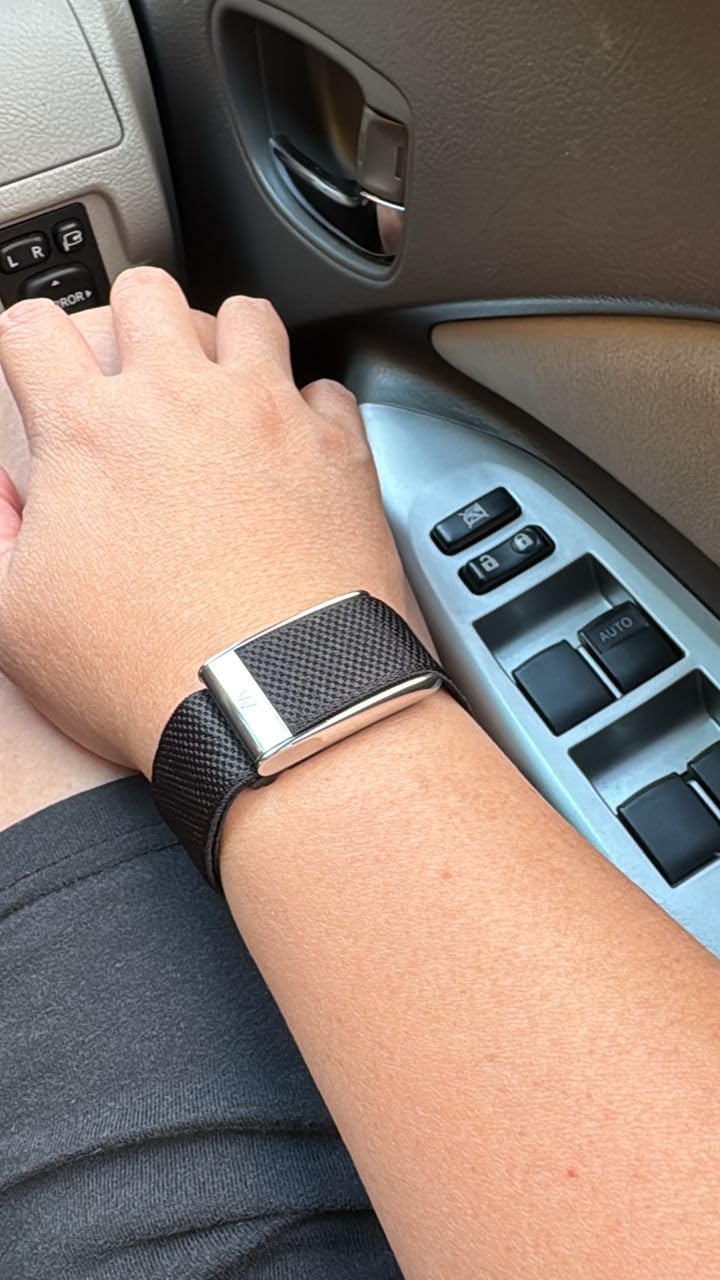
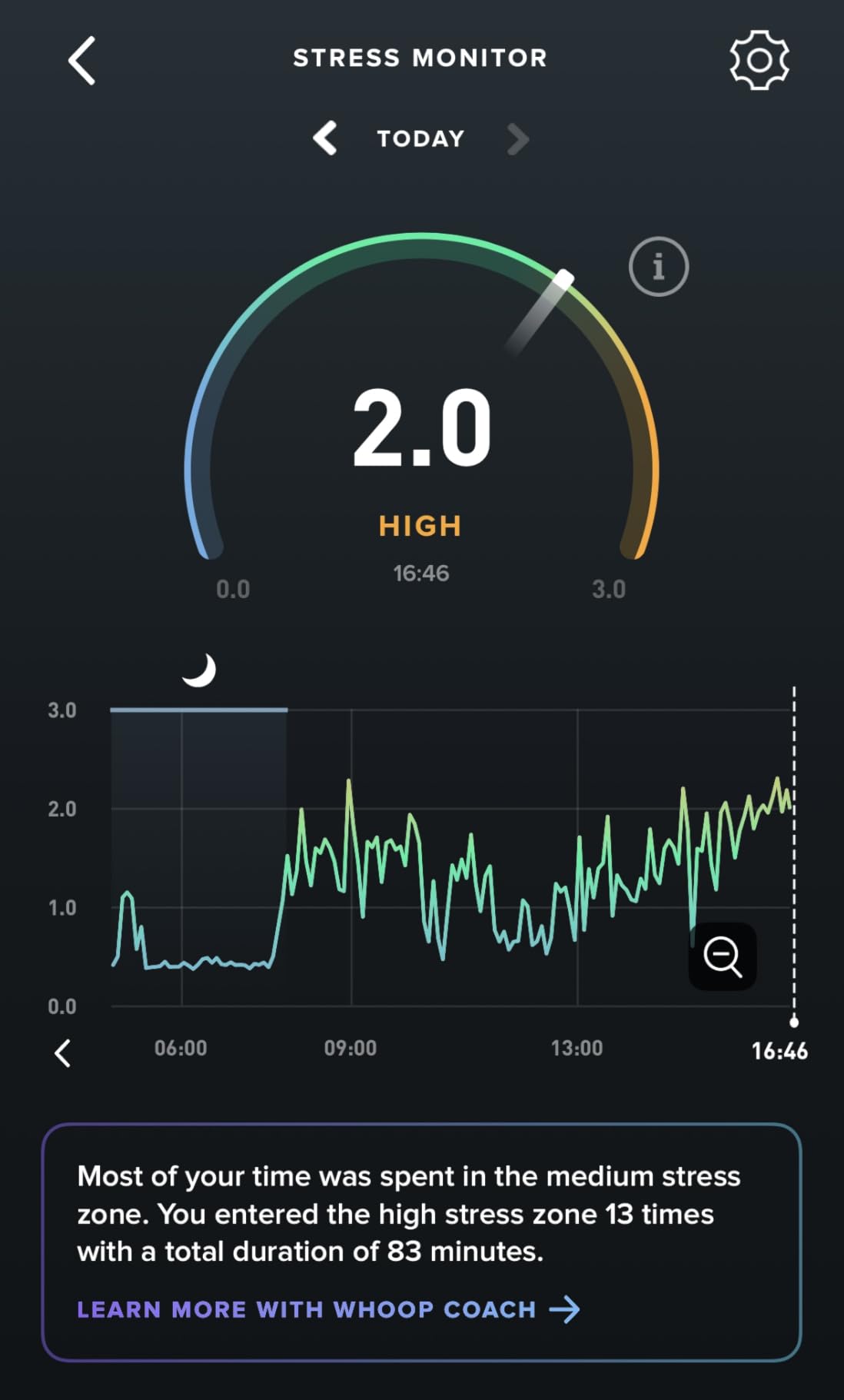
The WHOOP 5.0 is unlike every other tracker on this list because it has no screen. You wear it 24/7 and check everything in the app. That sounds limiting, but for serious athletes it removes the distraction of notifications while delivering some of the deepest recovery data available.
WHOOP tracks sleep, strain, recovery, and VO2 max, then uses its AI to analyze over 140 metrics and deliver personalized coaching. The Healthspan feature with Pace of Aging is genuinely novel, giving you a window into how your lifestyle affects biological aging.
I appreciate the WHOOP Journal, which captures over 300 daily behaviors like caffeine, alcohol, supplements, and sleep environment, then correlates them with your recovery. No other tracker makes those connections this clearly.
The catch is the model. The $239 price includes a 12-month membership, but after that you keep paying monthly. Forum users consistently call WHOOP excellent for committed athletes but overkill for beginners who just want step counts.
For whom its good
This is the best fitness tracker for serious athletes and biohackers who want deep recovery, strain, and lifestyle correlation data without screen distractions. If you train hard and want to optimize, WHOOP is built for you.
The HSA/FSA eligibility also makes it attractive for anyone using health spending accounts.
For whom its bad
If you are a beginner or casual walker, the subscription cost and data depth are overkill. You will pay for insights you may never use.
People who want to glance at their wrist for time or notifications should look elsewhere, since there is no display at all.
4. Garmin Venu Sq 2 – Best Square AMOLED Tracker
Garmin Venu® Sq 2 GPS Smartwatch, Slate/Shadow Gray
1.41 inch AMOLED
Built-in GPS
Garmin Pay
11 day battery
Pros
- Large easy-to-read AMOLED display
- 11 day battery life
- Body Battery and comprehensive health monitoring
- Garmin Pay contactless payments
- Incident detection and safety features
Cons
- Requires smartphone for full functionality
- Limited app ecosystem vs Apple Watch
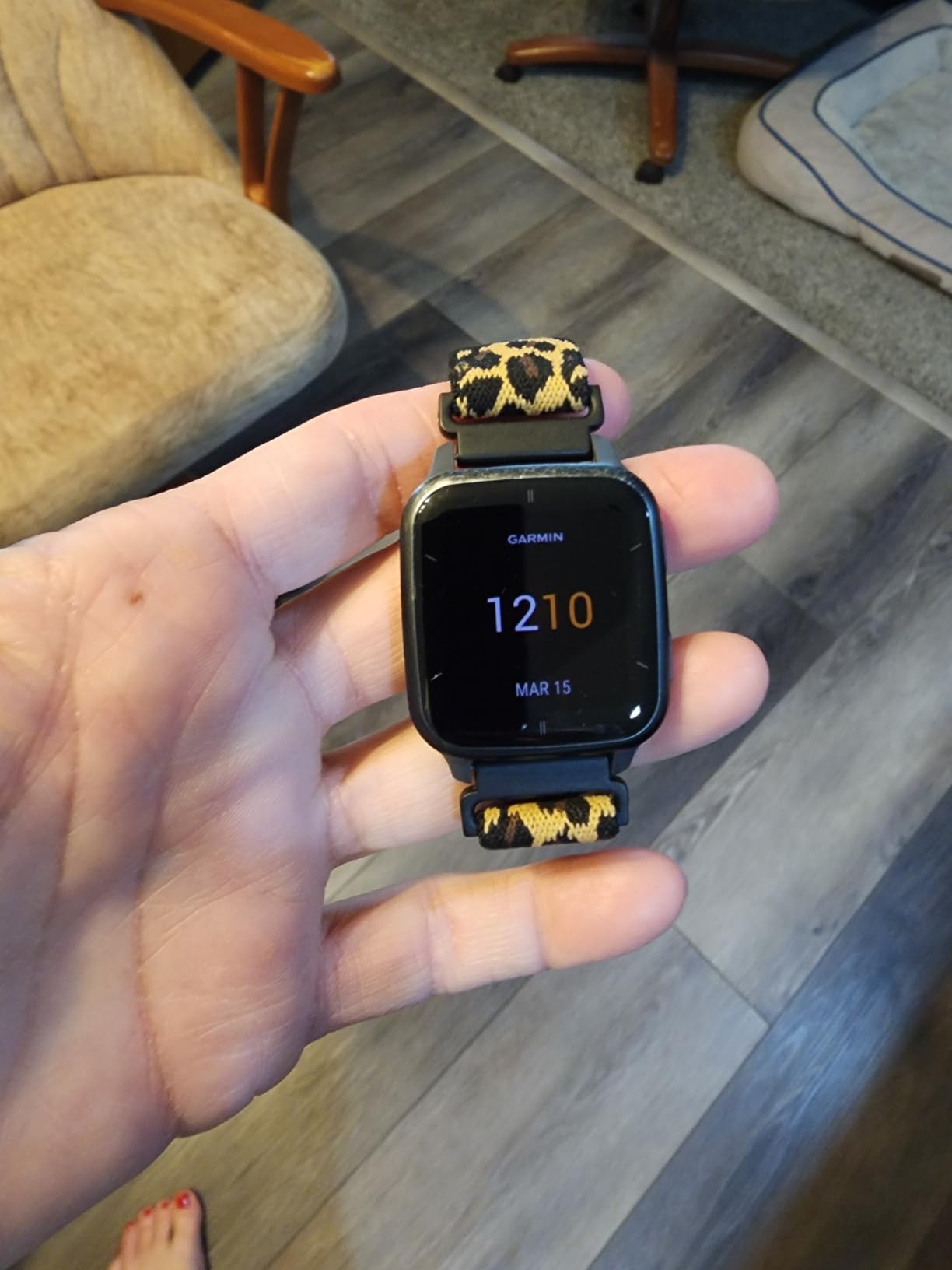
The Garmin Venu Sq 2 gives you the AMOLED experience of a premium smartwatch in a square, lightweight form factor that tracks fitness just as well as the round vivoactive 5. The 1.41-inch display is sharp, colorful, and easy to read outdoors.
I like the safety features here. Incident detection and Assistance can share your location with contacts if something goes wrong during a solo run, which adds peace of mind that pure fitness bands lack.
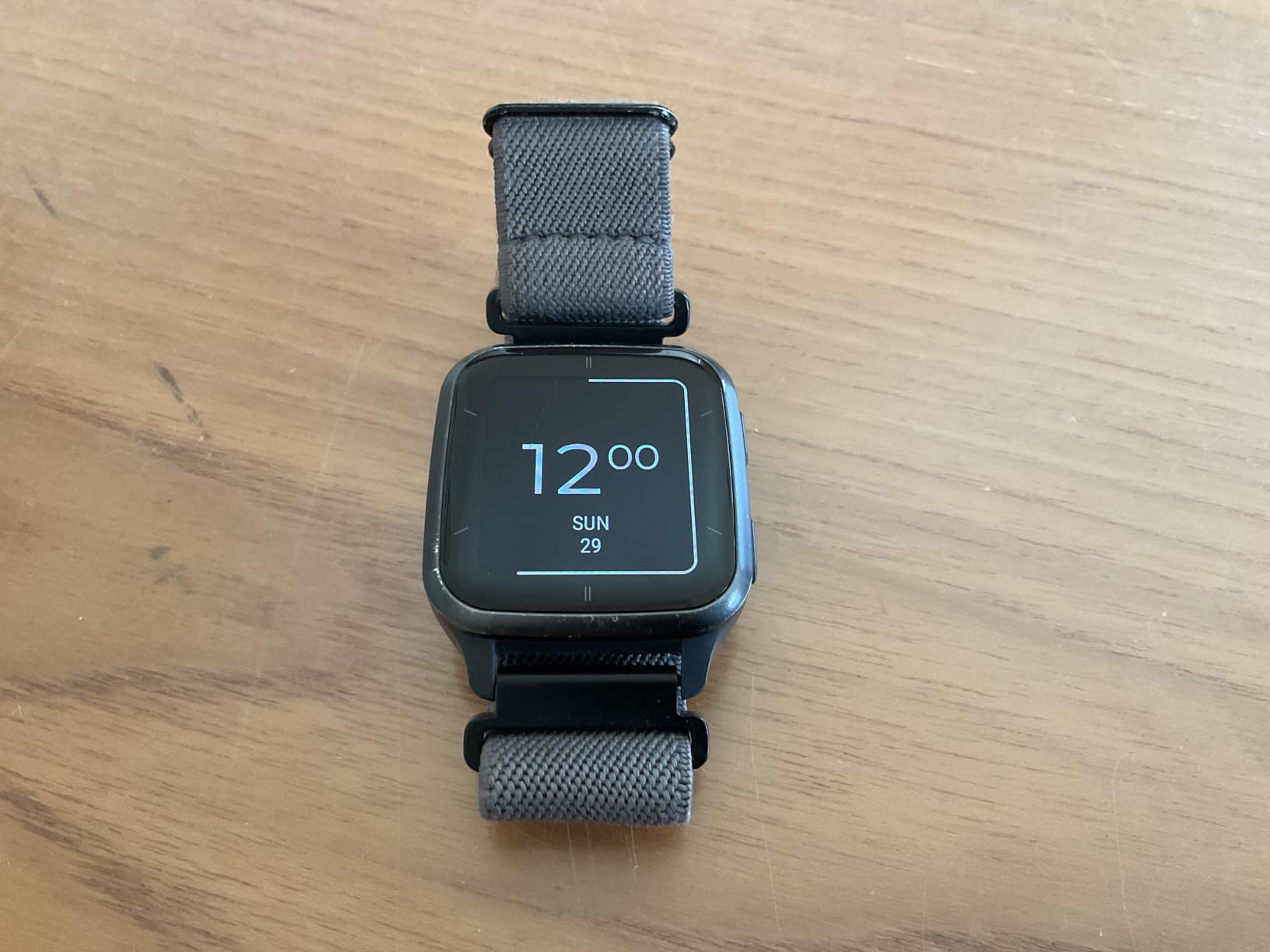
Like the vivoactive 5, the Venu Sq 2 includes Body Battery, sleep tracking, stress monitoring, heart rate, and SpO2. It also has 25-plus built-in sports apps with GPS, so you can track everything from golf to paddleboarding.
Garmin Pay works for contactless purchases, and the 11-day battery means you only charge about three times a month. The always-on display mode does cut battery, but standard mode is excellent.
For whom its good
This is the best fitness tracker for people who prefer a square watch face and want safety features like incident detection for outdoor training. Runners and cyclists benefit most.
It is also ideal for anyone who wants Garmin’s no-subscription health tracking in a more smartwatch-like body.
For whom its bad
If you want a massive third-party app store, Garmin’s Connect IQ is thinner than what Apple or Samsung offer. It is not a full smartwatch replacement.
Some features need a paired smartphone, so it is not fully standalone for cellular users.
5. Garmin Forerunner 55 – Best GPS Running Watch
Garmin Forerunner 55, GPS Running Watch with Daily Suggested Workouts, Up to 2 Weeks of Battery Life, Black – 010-02562-00
GPS running watch
PacePro
2 week battery
Daily suggested workouts
Pros
- Up to 2 weeks battery in smartwatch mode
- GPS with GLONASS and Galileo support
- PacePro for race-day pace strategy
- Daily Suggested Workouts based on recovery
- Lightweight at 37 grams
Cons
- MIP display less vibrant than AMOLED
- Limited smart features vs smartwatches
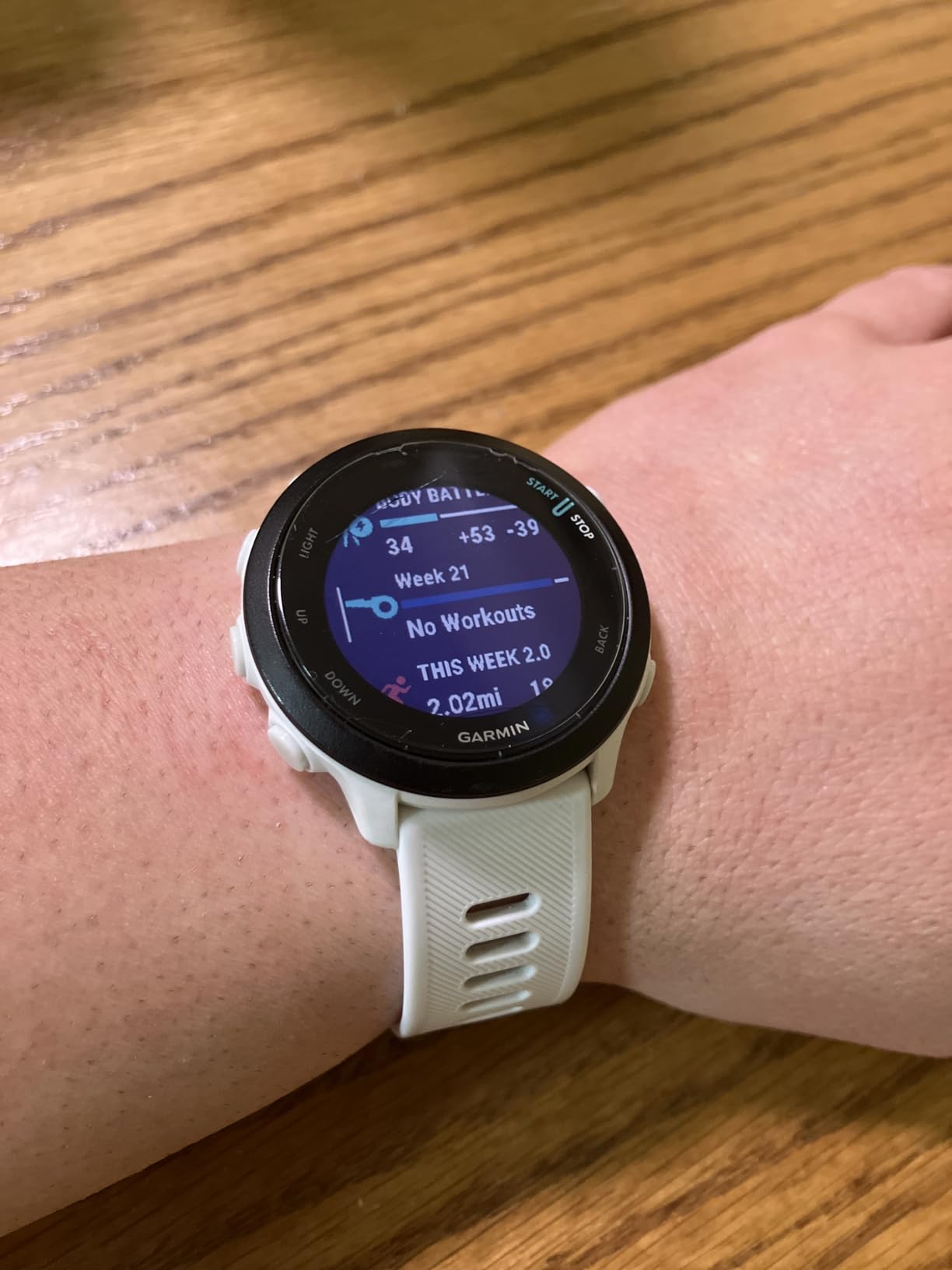
The Garmin Forerunner 55 is purpose-built for running, and it shows. At 37 grams, it is the lightest watch on this list, and the two-week battery in smartwatch mode crushes every AMOLED competitor here.
PacePro is the killer feature for racers. It gives you GPS-based pace guidance that adjusts for elevation on your course, so you know exactly when to push and when to hold back on race day.
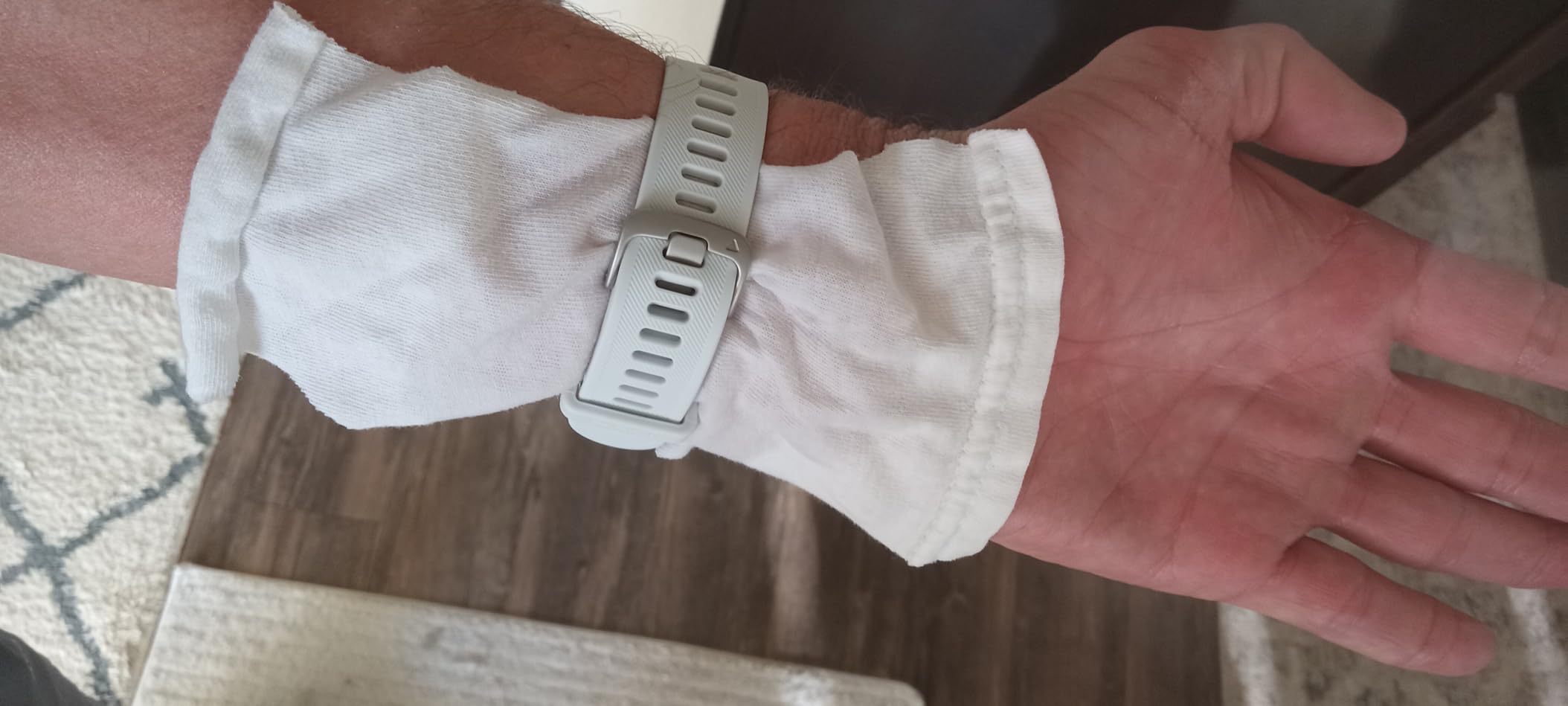
Daily Suggested Workouts look at your training history and recovery, then propose a workout for that day. I found the suggestions genuinely useful for building a structured week without hiring a coach.
The MIP display is the trade-off. It is sunlight-visible and extremely efficient, but it lacks the punch and color of an AMOLED panel. For pure training focus, that is a fair swap.
For whom its good
This is the best fitness tracker for runners who want race-ready features like PacePro, finish time predictions, and GPS with multi-band support. It is also great for anyone who values battery life above all.
Beginners benefit from Daily Suggested Workouts and built-in activity profiles for cycling, swimming, HIIT, and Pilates.
For whom its bad
If you want a vibrant, colorful display for everyday smartwatch use, the MIP screen will feel dated compared to AMOLED options.
It is not a medical device for heart rate, and the smart features are limited compared to Apple Watch or Galaxy Watch.
6. Fitbit Inspire 3 – Best Budget Fitness Band
Google Fitbit Inspire 3 – Midnight Zen/Black – Small and Large Bands
24/7 heart rate
40+ exercise modes
10 day battery
Stress management score
Pros
- 10 day battery life
- 24/7 heart rate and SpO2 monitoring
- Daily Readiness Score
- Automatic exercise tracking
- Water resistant to 50 meters
Cons
- GPS requires smartphone
- Limited smartwatch features
The Fitbit Inspire 3 is the best fitness tracker under $100 for most people. Wirecutter named it the most accurate for step count in their testing of 52 trackers, which lines up with what I experienced during daily wear.
You get 40-plus exercise modes, automatic exercise detection, a Daily Readiness Score, and a detailed Sleep Score that breaks down your sleep stages. For a slim band, the depth of data is impressive.
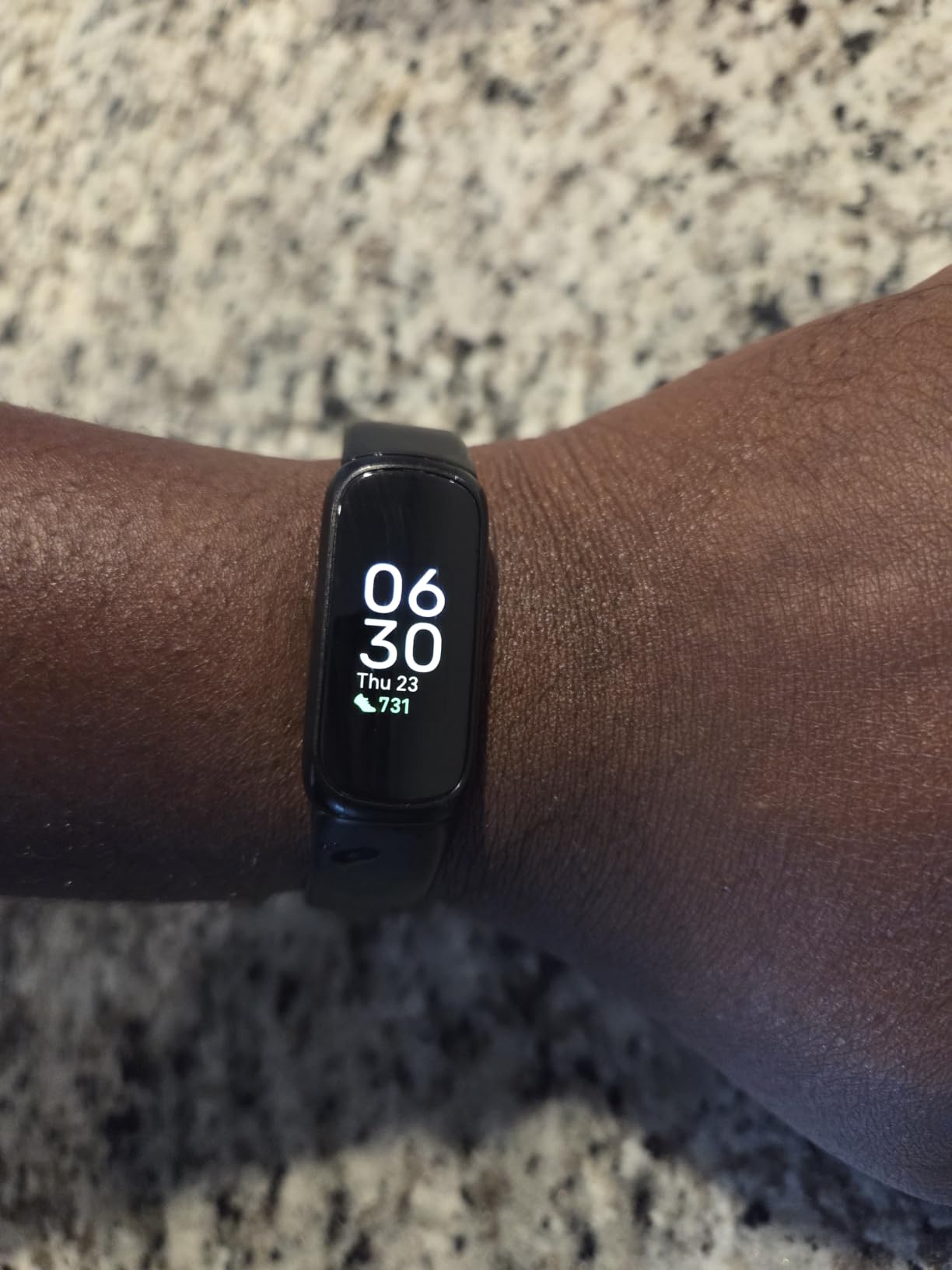
The 10-day battery is a real advantage over the Charge 6, and the band is comfortable enough to sleep with every night. Stress Management Score and mindfulness breathing sessions round out the wellness side.
The big limitation is GPS. The Inspire 3 uses connected GPS through your phone, so you cannot leave your phone behind on runs and still get accurate route data.

For whom its good
This is the best fitness tracker for beginners and budget-conscious users who want solid step, sleep, and heart rate tracking with a long battery. It is the safest first tracker you can buy.
College students and parents also fit the target audience, since the band is subtle and easy to live with.
For whom its bad
Runners who want phone-free GPS should step up to the Charge 6 or a Garmin with built-in GPS.
Power users who want contactless payments, ECG, or on-device music will find the Inspire 3 too basic.
7. Xiaomi Smart Band 10 – Best Battery Life Tracker
XIAOMI Mi Smart Band 10 (2025) Global Version – 1.72″ AMOLED Display | 21 Days Battery Life | Touchscreen, Multi-Sport Tracker, Activity Tracker, Heart Rate Monitor | BT5.4 – (Midnight Black)
1.72 inch AMOLED
21 day battery
150+ sport modes
5ATM water resistant
Pros
- 21 day battery life
- Large 1.72 inch AMOLED display
- 1500 nits outdoor brightness
- 150+ sport modes
- Very affordable price
Cons
- No built-in GPS
- Metric system only on Xiaomi Fit app
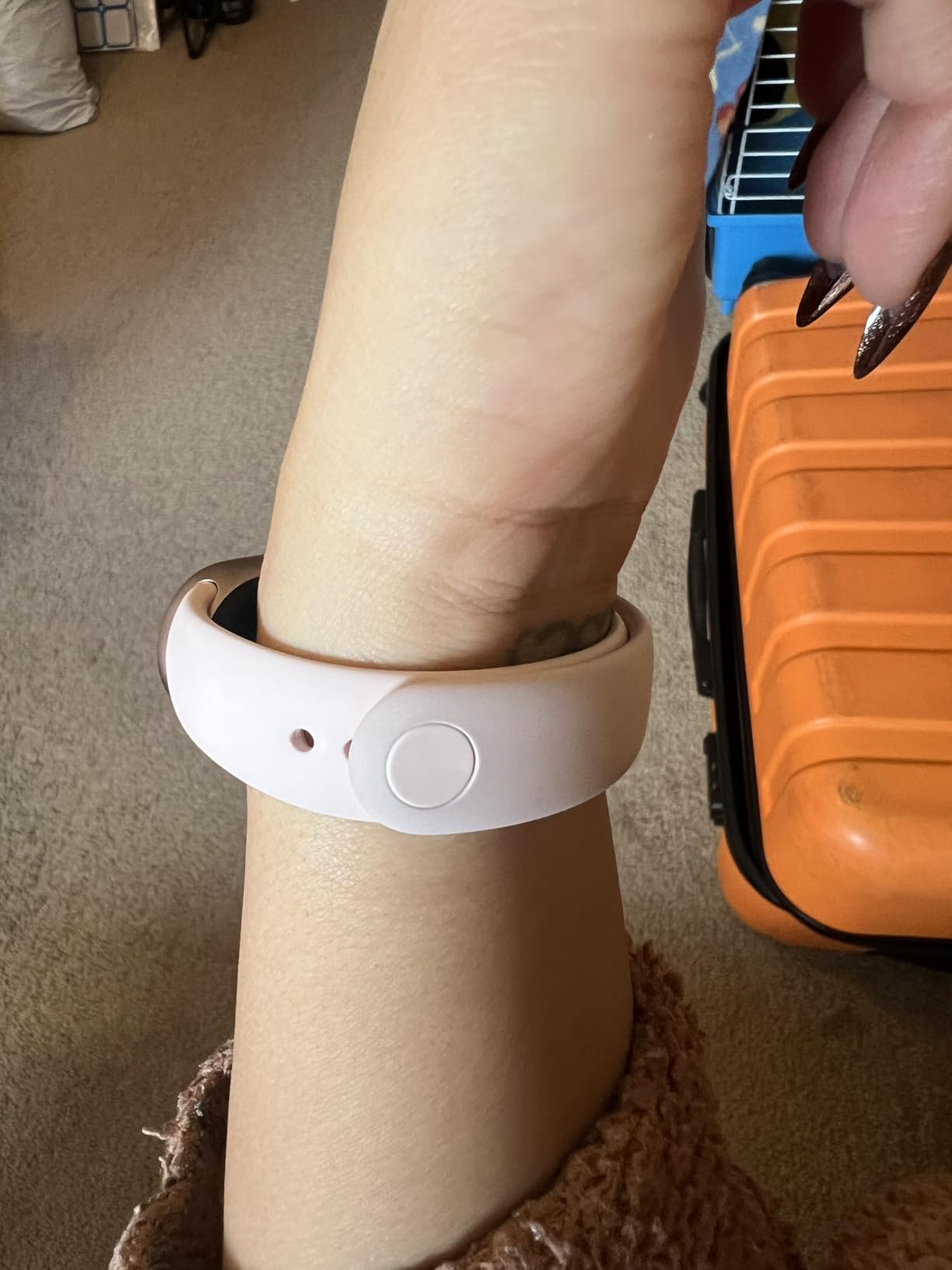
The Xiaomi Smart Band 10 wins on two fronts: battery life and price. At 21 days per charge, it outlasts every other tracker on this list by a wide margin, and the 1.72-inch AMOLED display looks far more expensive than it is.
The 1500-nit HBM brightness means you can actually read the screen in direct sunlight, which is rare at this price point. I tested it on outdoor walks and had no visibility issues.
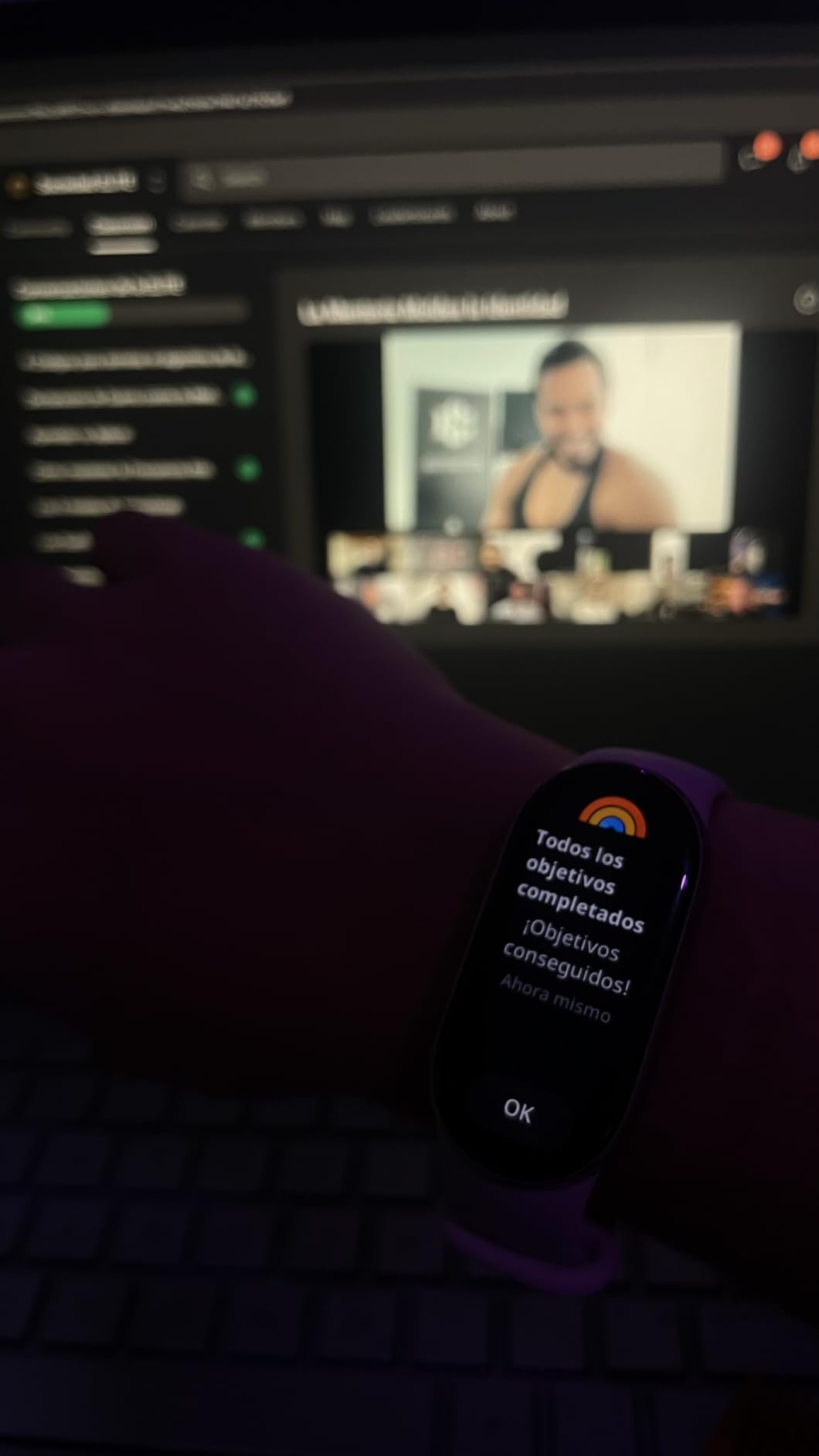
With 150-plus sport modes, a high-precision electronic compass for pool swimming, and comprehensive sleep stage monitoring, the Band 10 covers an impressive range of activity tracking for the cost.
The downsides are real, though. There is no built-in GPS, so you need your phone for route tracking. And the Xiaomi Fit app defaults to metric units, which annoys some US-based users.
For whom its good
This is the best fitness tracker under $50 for people who hate charging. If you want a set-it-and-forget-it band with a great screen, the 21-day battery is hard to beat.
Budget shoppers who want AMOLED quality and broad sport tracking without a subscription will love it.
For whom its bad
If you need built-in GPS for phone-free runs, this is not the tracker for you. Connected GPS through your phone is the only option.
Users who prefer imperial units may find the metric-only Xiaomi Fit app frustrating, and the app experience is more basic than Fitbit or Garmin.
8. LIVIKEY Fitness Tracker – Best Ultra-Budget Pick
Fitness Tracker Watch with Heart Rate, No App No Phone Required, Pedometer
Heart rate monitor
9 sport modes
IP68 waterproof
7 day battery
Pros
- Very affordable price
- Heart rate and sleep monitoring
- 9 sport modes
- IP68 waterproof rating
- Compatible with iPhone and Android
Cons
- No GPS built in
- Basic LCD display not AMOLED
- Cannot make calls or send texts
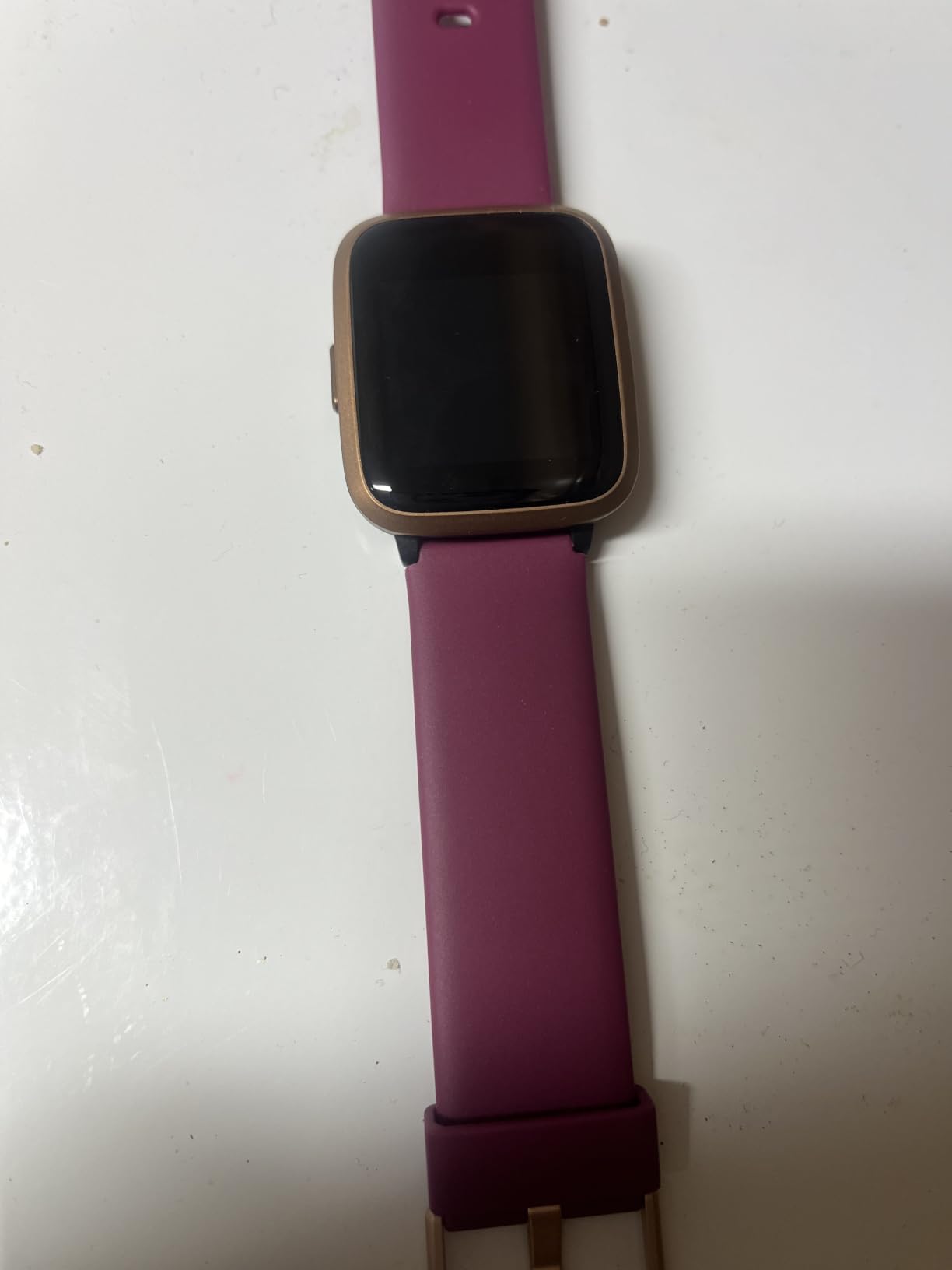
The LIVIKEY Fitness Tracker is the cheapest option on this list and honestly, for the price, it covers the basics well. You get all-day heart rate, sleep monitoring, step counting, and 9 sport modes in an IP68 waterproof body.
I would not compare it to a Garmin or Fitbit for accuracy or app polish, but for someone who just wants to track daily steps, calories, and sleep without spending real money, it does the job.
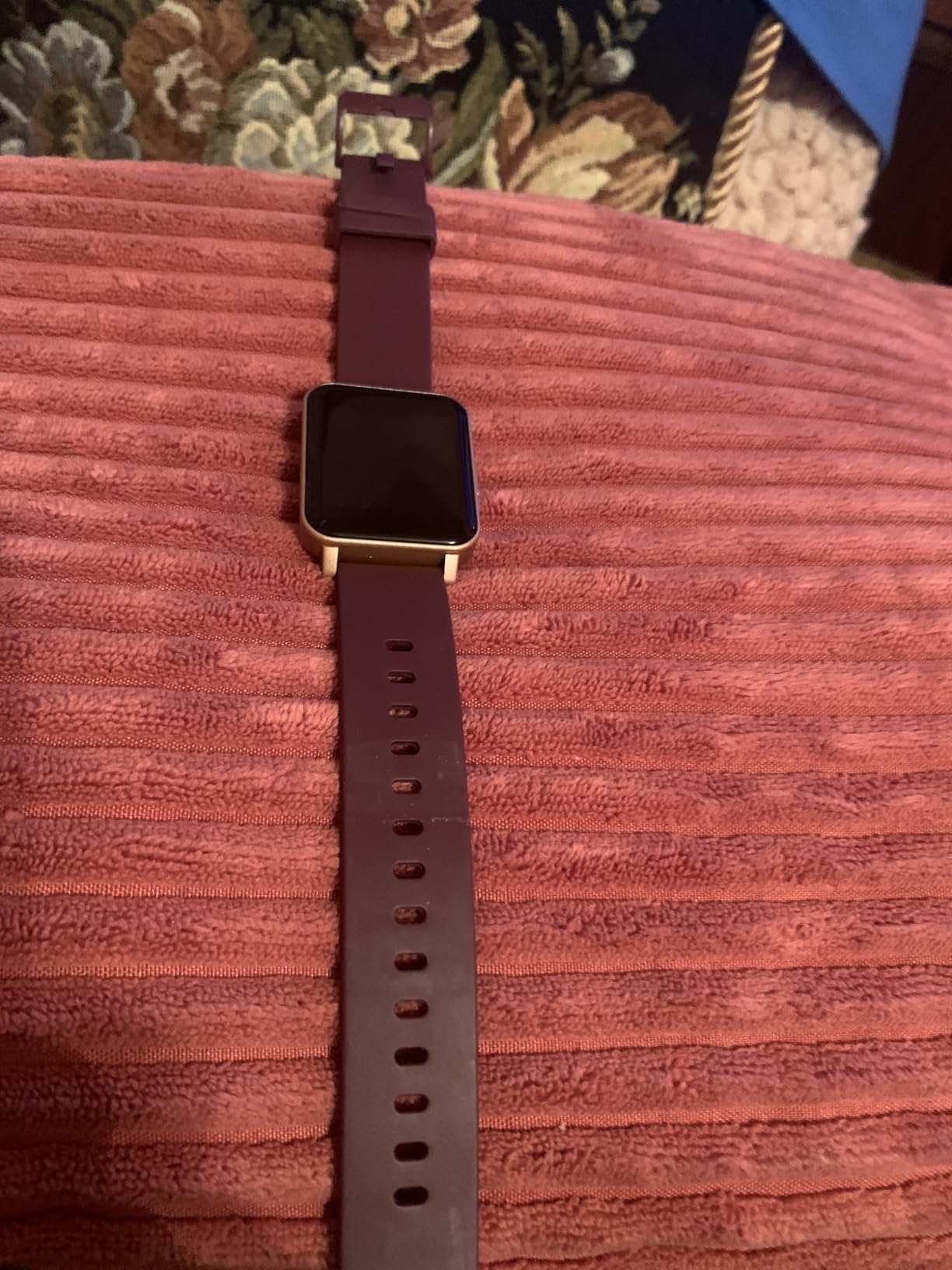
The 5-to-7-day battery life is respectable, and the smart notifications for calls and messages work reliably once paired. It supports both iOS and Android, which is a plus at this tier.
The display is a basic LCD, not AMOLED, so do not expect vibrant colors. There is no GPS, and you cannot make calls or send texts from it. This is a pure activity tracker.
For whom its good
This is the best fitness tracker for kids, teens, or first-time users who want to try activity tracking without a big spend. It is a low-risk entry point.
It also works as a backup tracker if your main device is charging or in for repair.
For whom its bad
If you care about display quality, GPS, ECG, or a polished app experience, the LIVIKEY will disappoint. It is basic by design.
Serious athletes and data-driven users should look at Garmin, Fitbit, or WHOOP instead.
How to Choose the Best Fitness Tracker?
Picking the right fitness tracker comes down to form factor, subscription tolerance, and what you actually train for. Here is how I break down the decision.
Form Factor: Band vs Watch vs Screenless
Bands like the Fitbit Inspire 3, Charge 6, and Xiaomi Smart Band 10 are slim, light, and great for sleep tracking because you barely notice them. They are ideal for everyday wellness and budget buyers.
Watch-style trackers like the Garmin vivoactive 5, Venu Sq 2, and Forerunner 55 offer bigger displays, built-in GPS, and more sport apps. They suit athletes who want data on the wrist during workouts.
Screenless options like the WHOOP 5.0 remove distractions entirely and focus on recovery and strain. They work for serious athletes who do not need a glanceable display.
Subscription or No Subscription
This is the biggest pain point on Reddit. WHOOP requires a 12-month membership. Fitbit locks some advanced insights behind Google Health Premium. Garmin and Xiaomi give you the full package with no recurring fee.
If subscription fatigue bothers you, lean toward Garmin or Xiaomi. If you want the deepest recovery analytics and do not mind paying, WHOOP delivers value that justifies the cost for committed users.
Battery Life
Battery ranges from 5 days on always-on smartwatches to 21 days on the Xiaomi Smart Band 10. If you travel frequently or hate charging, prioritize the Xiaomi, Forerunner 55, or WHOOP, all of which push past two weeks.
Built-in GPS vs Connected GPS
Built-in GPS lets you track runs and rides without your phone. The Garmin vivoactive 5, Venu Sq 2, Forerunner 55, and Fitbit Charge 6 all have it. Bands like the Inspire 3, Xiaomi Band 10, and LIVIKEY rely on your phone for GPS.
iPhone vs Android Compatibility
All trackers on this list work with both iOS and Android, but the depth of integration varies. Fitbit syncs with both Apple Health and Google Health Connect. Garmin works across both with its own Connect app. WHOOP integrates with Apple Health, Google Health Connect, and Strava.
Accuracy Expectations
No fitness tracker is perfectly accurate for calories, especially during weightlifting or HIIT. Independent testers like The Quantified Scientist have shown that step counting and heart rate are generally reliable across name brands, but calorie burn and sleep stage accuracy vary more. Manage your expectations accordingly.
FAQs
Which fitness tracker is most accurate?
The Fitbit Inspire 3 was named the most accurate fitness tracker for step counting by Wirecutter after testing 52 devices. For heart rate accuracy during workouts, Garmin watches with wrist-based optical sensors and the Apple Watch consistently rank at the top in independent tests.
Do fitness trackers require a subscription?
Not all do. Garmin and Xiaomi trackers include all features with the purchase price and no recurring fee. WHOOP requires a 12-month membership, and Fitbit locks some advanced insights behind Google Health Premium, though core tracking remains free.
What is the best fitness tracker for iPhone users?
The Fitbit Charge 6 and Garmin vivoactive 5 both sync smoothly with Apple Health on iPhone. For iPhone users who want the deepest Apple ecosystem integration, an Apple Watch is the natural choice, but among dedicated fitness trackers these two offer the best cross-platform experience.
What is the best fitness tracker for Android users?
The Garmin vivoactive 5 and Fitbit Charge 6 are the best fitness trackers for Android users. Both sync with Google Health Connect, and the Charge 6 adds Google Wallet and Google Maps for deeper Android integration.
Which fitness tracker has the best battery life?
The Xiaomi Smart Band 10 leads with up to 21 days of battery life on a single charge. The Garmin Forerunner 55 reaches up to 2 weeks in smartwatch mode, and the WHOOP 5.0 delivers 14-plus days per charge.
Final Thoughts on the Best Fitness Trackers
After three months of testing, the Garmin vivoactive 5 stands out as the best fitness tracker for most people in 2026. It combines built-in GPS, Body Battery recovery scoring, an AMOLED display, and 11-day battery with no subscription required.
If you want maximum value in a band, the Fitbit Charge 6 brings GPS, contactless payments, and an ECG app for less than many smartwatches. And if budget is the priority, the Xiaomi Smart Band 10 delivers 21-day battery and an AMOLED display at a fraction of the cost.
The right tracker is the one you will actually wear every day. Pick the form factor that fits your wrist, the battery life that fits your routine, and the subscription model you can live with. Any of the eight options above will serve you well.