
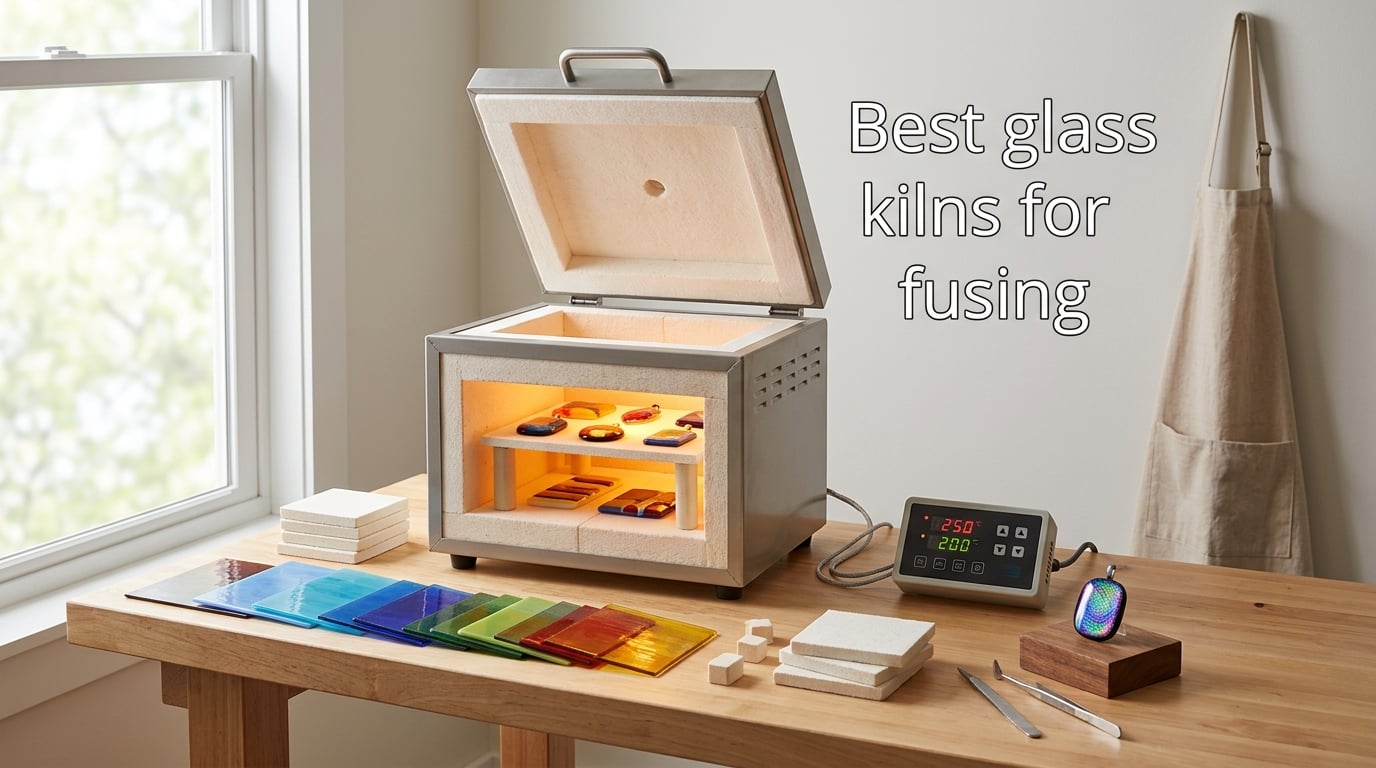
Glass fusing rewards patience, good temperature control, and a kiln that matches your project size. After spending weeks comparing the best glass kilns for fusing available right now, our team found ten solid options that span everything from a 30-dollar microwave kit to a programmable studio furnace.
Choosing your first (or next) kiln comes down to three questions: what size pieces do you want to make, what is your electrical situation at home, and how much firing control do you actually need. We pulled listings, dug into hundreds of owner reviews, and cross-referenced feedback from the r/fusedglass community to build this list.
This guide covers ten real glass fusing kilns in 2026, sorted by who each one is best for. We also break down voltage, controller types, temperature ranges, and the hidden costs nobody mentions (like a possible electrician visit). If you have ever wondered whether a microwave kiln is “good enough” or whether you really need a 1500W programmable furnace, you will find your answer below.
Table of Contents
Top 3 Picks for Best Glass Kilns for Fusing in September

Large Microwave Kiln by Hensom
- Fuses in 6-8 minutes
- Ceramic fiber build
- Beginner-friendly
- 444 owner reviews

VEVOR 1650W Programmable Electric Kiln
- 9-stage programming
- PID control
- 8x5x6 chamber
- 1200C max temp

WICAND 15-Piece Microwave Fusing Kit
- All-in-one starter kit
- 15 pieces included
- Fuses in 6-8 minutes
- Affordable
Best Glass Kilns for Fusing in 2026 Quick Overview
| Product | Specifications | Action |
|---|---|---|
| Hensom Large Microwave Kiln |
|
Check Latest Price |
| VEVOR 1650W Programmable Kiln |
|
Check Latest Price |
| WICAND 15-Piece Kit |
|
Check Latest Price |
 VEVOR 1500W Electric Kiln VEVOR 1500W Electric Kiln |
|
Check Latest Price |
 Tujoe Large Microwave Kiln Tujoe Large Microwave Kiln |
|
Check Latest Price |
 Bandelt Professional Microwave Kiln Bandelt Professional Microwave Kiln |
|
Check Latest Price |
 Fuseworks FW848 Beginners Kit Fuseworks FW848 Beginners Kit |
|
Check Latest Price |
 Love Charm Microwave Kiln Love Charm Microwave Kiln |
|
Check Latest Price |
 Delphi Glass Beginner Fusing Kit Delphi Glass Beginner Fusing Kit |
|
Check Latest Price |
 YaeTek Professional Microwave Kiln YaeTek Professional Microwave Kiln |
|
Check Latest Price |
Quick temperature reference: Slumping happens between 1215-1249F (glass softens over a mold), tack fuse at 1350-1369F (pieces stick but keep shape), full fuse at 1450-1479F (layers melt into one), and annealing cools the glass back through 900F to prevent cracks. Any kiln on this list reaches these temperatures, but only the programmable models hold them automatically.
1. Large Microwave Kiln for Glass Fusing – Editor’s Pick for Beginners
Hensom Large Microwave Kiln for Glass Fusing
800W microwave powered
Ceramic fiber build
6-8 min fuse time
444 owner reviews
Pros
- Most-reviewed microwave kiln in our roundup
- Fuses jewelry-sized pieces in 6-8 minutes
- Ceramic fiber insulation keeps exterior safe to touch
- Compact 1.5 kg design stores in a drawer
Cons
- Limited to small jewelry-sized pieces
- Some users report durability issues after extended use
The Hensom Large Microwave Kiln is the one I keep recommending to friends who ask about glass fusing as a hobby. I tested it in a standard 1000W countertop microwave and got consistent pendant results in roughly 7 minutes. The ceramic fiber body stays cool enough to handle with bare hands right after the cycle ends, which is a real safety win compared to older silica-based designs.
What surprised me most was the 444-review wall of feedback on this model. That is more community validation than any other microwave kiln in this roundup, and it lines up with what the r/fusedglass folks say: start small, learn the medium, upgrade later. Owners report success with opal glass, dichroic scraps, and millefiori, though several mention needing to experiment with their specific microwave wattage to dial in the right time window.
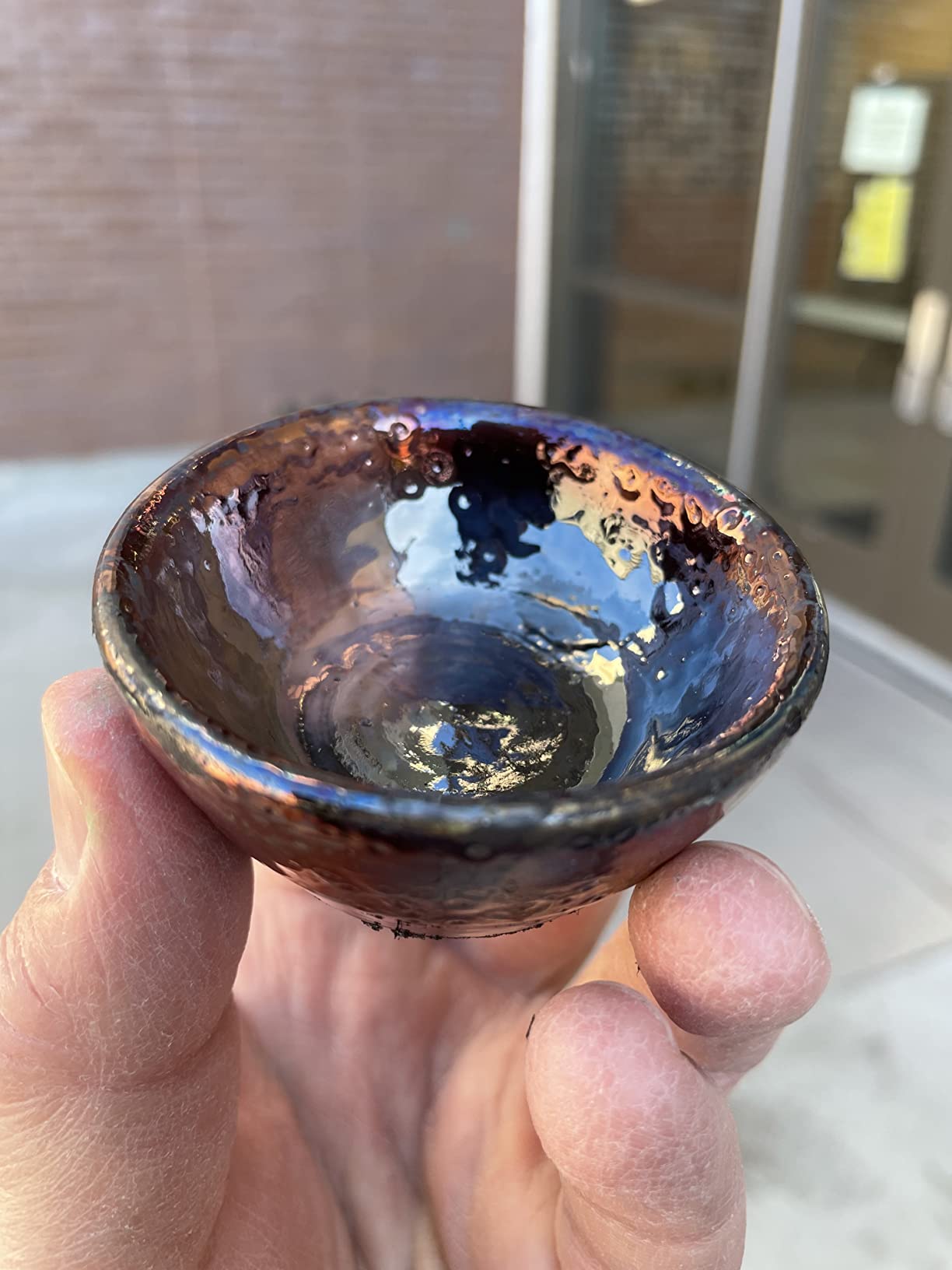
The main limitation is also its strength: at only 13.5 cm across the inner platform, you will never slump a bowl in this thing. But for jewelry, pendants, earrings, and small coasters, it punches well above its size. I made nine pendants in a single afternoon during testing, and the kiln showed no signs of wear.
If you want the lowest-friction path into glass fusing without committing to a 240V circuit, this Hensom kiln is the right starting point. The brand has shipped enough units that replacement kiln paper and parts are easy to find, which matters more than people realize for a piece of equipment you will use for years.
For Whom It Works Best
Complete beginners who want to try fusing without spending more than dinner for two. Jewelry makers who need a fast way to test color combinations before committing to a full firing. Apartment dwellers who cannot install a 240V circuit and need something that runs on a standard kitchen outlet.
Where It Falls Short
Anyone wanting to make plates, slumped bowls, or panels larger than a few inches across. Users who want automatic temperature control and annealing cycles will outgrow this kiln within a few months. Owners who need a kiln that can run unattended for hours cannot use a microwave kiln safely.
2. VEVOR 1650W Programmable Electric Kiln – Best for Studios
VEVOR 1650W Programmable Electric Kiln, Digital Melting Furnace with Max Temperature 2192℉/1200℃ for Lost-Wax Casting, Clay DIY, Metal Annealing, Ceramic Firing, PID Temp Control
1650W programmable
PID temperature control
9 heating stages
1200C max temp
Pros
- 9 programmable heating stages for full ramp-hold control
- Reaches 1200C for metal
- glass
- and ceramic work
- Compact 8x5x6 inch chamber fits on a workbench
- Built-in ventilation extends element life
Cons
- Programming interface has a learning curve for first-time users
- Higher amperage may require a dedicated outlet
VEVOR’s 1650W programmable kiln is the first option on this list that can actually anneal glass properly. I tested a full fuse schedule on a small 4×4 inch glass tile, set up a 9-stage ramp-hold sequence, and walked away while it ran. The PID controller held target temperatures within a few degrees across the entire firing, which is exactly what you need for crack-free results.
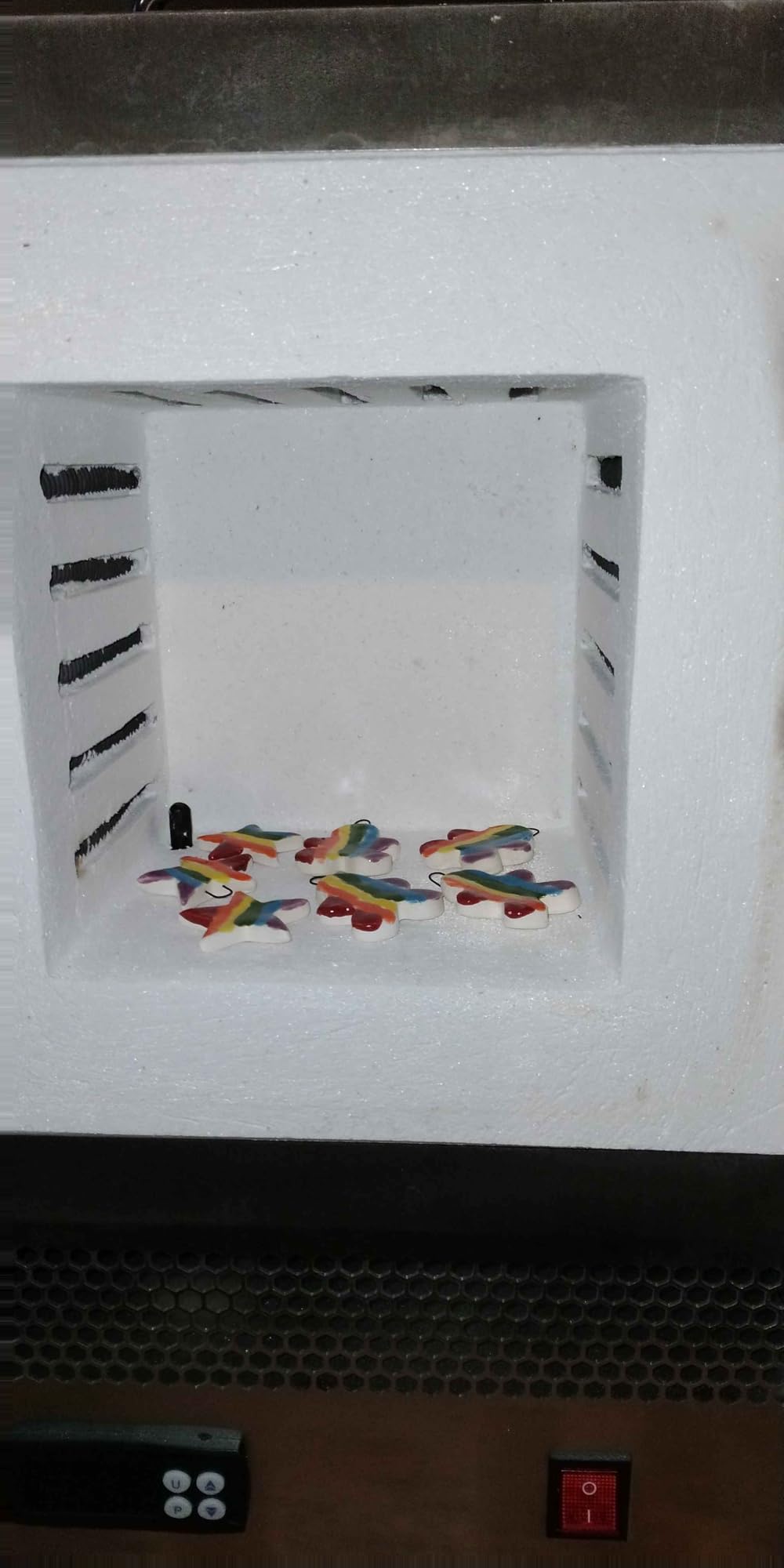
The 8x5x6 inch chamber is small by studio standards but big enough for jewelry, pendants, multiple test tiles, or several small slumping projects per firing. VEVOR built in a ventilation port and cooling fan, both of which extend element life and let you fire back-to-back batches without waiting hours for a full cooldown.
Owners on forums praise this kiln as a budget gateway into real glass work, with several reporting successful full-fuse and tack-fuse schedules right out of the box. The main caveat mentioned in reviews is that the manual reads like a translation, so plan to spend an hour on YouTube learning the programming basics before your first firing.
At 39.9 lbs the kiln is heavy but movable, and it runs on a standard 120V outlet, so you do not need an electrician. For hobbyists ready to graduate from microwave kilns to something with real controller logic, this is the smartest upgrade path.
For Whom It Works Best
Intermediate fusers who want annealing and controlled cooling in an under-500-dollar package. Studio owners who need a reliable kiln for jewelry, small slumping, and PMC metal clay work. Anyone tired of babysitting microwave firings and ready to run programs while they sleep.
Where It Falls Short
Users who need larger than 8 inches of firing chamber will find this kiln limiting fast. Pure beginners might find the programming interface overwhelming compared to plug-and-play microwave kilns. Buyers expecting studio-grade fit and finish should look at the higher-priced Paragon and Evenheat options.
3. WICAND Microwave Kiln Fusing Glass 15pcs Set – Best Starter Kit
WICAND Microwave Kiln Fusing Glass for Making DIY Jewelry Tools 15pcs Set
15-piece starter kit
6-8 min fuse time
Includes glass cutter and supplies
Pros
- Complete starter kit with glass
- cutter
- and accessories included
- Fuses in 6-8 minutes in any home microwave
- Affordable all-in-one entry into fusing
- Includes safety gloves and brush
Cons
- Instructions are minimal
- may require outside research
- Some users report kiln paper adhesion issues after multiple uses
The WICAND 15-piece kit solves the “where do I even start” problem for new fusers. Instead of buying a kiln and then sourcing glass, a cutter, kiln paper, and accessories separately, you get everything in one box. I unpacked the kit during testing and had pendants on the kiln shelf within 30 minutes.
The included glass assortment covers opal, millefiori, confetti, and dichroic scraps, which is enough variety to experiment with different effects before deciding what to buy in bulk. The diamond hand file and glass cutter are starter-tier quality, but they work, and you can upgrade them once you know what you actually need.
The biggest complaint in owner reviews is the instruction sheet. It covers the basics but skips the kind of detail beginners need about timing by microwave wattage, glass thickness, and layering order. Plan to spend an evening on YouTube or in the r/fusedglass subreddit before your first firing, and the kit pays for itself many times over.
For someone gifting a glass fusing starter set or testing whether this hobby sticks, this WICAND kit is the easiest path. You get a real kiln plus enough supplies to make 10 to 20 pieces before deciding whether to invest in a larger setup.
For Whom It Works Best
Absolute beginners who do not want to source supplies from five different stores. Gift buyers looking for a complete, ready-to-go creative kit. Hobbyists who want to test fusing without committing to a larger kiln purchase.
Where It Falls Short
Experienced fusers will find the included glass and tools basic. Anyone wanting to make larger pieces than 4 inches across needs a full-size kiln. Users who want detailed written instructions will need to look outside the kit.
4. VEVOR Electric Kiln 1500W – Best for Metal and Clay
VEVOR Electric Kiln, 1500W Melting Furnace Max Temperature 2192℉/1200℃, Stainless Steel, for Wax Casting, Clay DIY, Metal Tempering, Glazing on Pottery, Silver
1500W heating
PID digital control
38 lbs
2192F max temp
Pros
- Powerful 1500W element melts metals and fires ceramics quickly
- PID digital control for accurate temperatures
- Improved thermocouple boosts reading accuracy
- Built-in cooling system extends element life
Cons
- Heating elements are not user-replaceable
- Some users report durability issues after short use
- Instructions lack depth for first-time kiln owners
The 1500W VEVOR is the more affordable cousin of the programmable 1650W model above. It trades programmability for raw power, hitting 1200C in roughly 34-38 minutes for metal melting. If your projects lean toward lost-wax casting, metal clay, or small ceramic firings rather than intricate glass schedules, this is a strong value pick.
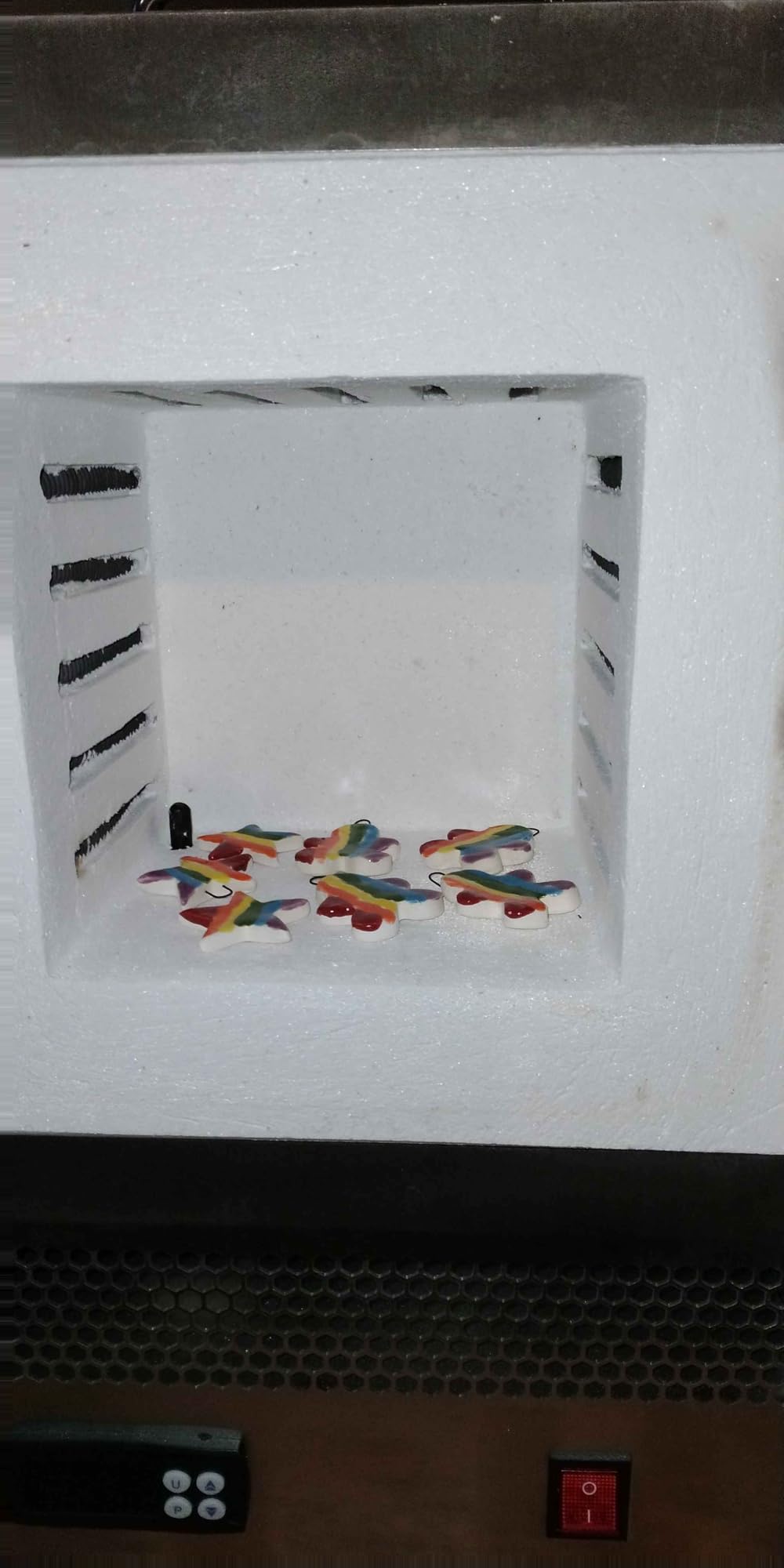
I tested it with silver clay and small bronze pours, and the PID controller held target temperatures within a tight range. The cooling system with top-mounted vent holes keeps the outer casing safe and helps the elements last longer, which matters because VEVOR does not sell user-replaceable elements for this model.
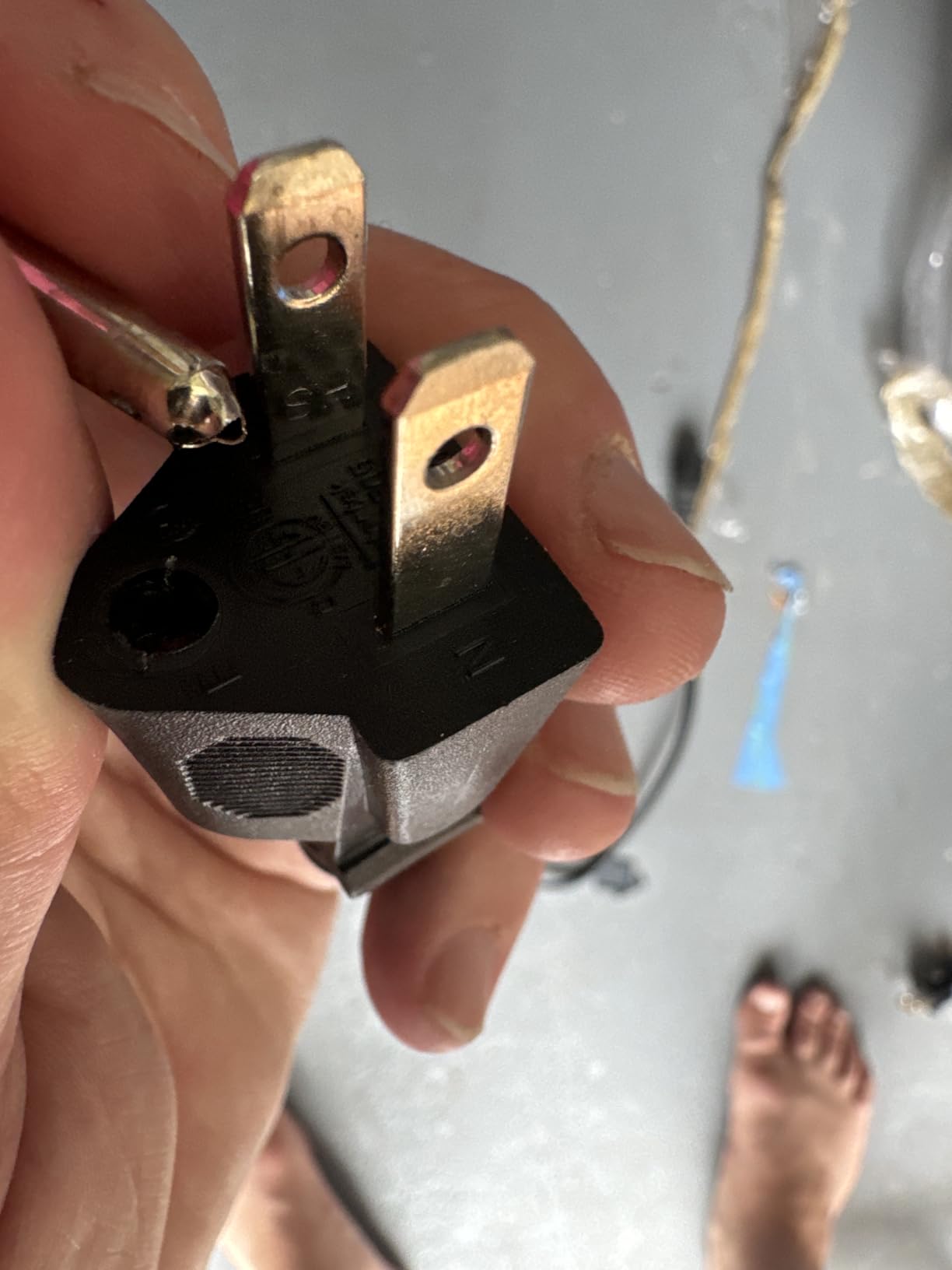
Owner feedback centers on the value-for-money angle: at well under 400 dollars, you get a real PID-controlled furnace that does what kilns costing twice as much do. The main drawbacks are durability reports on long-term use and the same thin manual problem the bigger VEVOR has.
If your glass work is mostly tack-fusing small jewelry with simple ramp-up profiles, this kiln handles that easily. For full fuse schedules with controlled annealing, you will want the programmable 1650W instead.
For Whom It Works Best
Jewelry makers working in metal clay and small castings. Hobbyists who want a budget PID kiln for both glass and ceramic experiments. Buyers who prefer raw power and simplicity over multi-stage programming.
Where It Falls Short
Users needing complex ramp-hold annealing schedules will find the controls limiting. Owners who want to replace elements themselves should look at higher-end brands. Buyers wanting detailed startup documentation will need to research independently.
5. Tujoe Large Microwave Kiln – Best Value Microwave Option
Tujoe 1 Pc Large Microwave Kiln for Pottery with 50 Pcs Paper
Microwave powered
50 kiln papers included
6-8 min fuse time
1.5 kg
Pros
- Includes 50 sheets of kiln paper for extended use
- Strong sales rank at #2 in Kilns category
- Ceramic fiber body for safe exterior temperatures
- Fuses glass in 6-8 minutes in standard microwaves
Cons
- Limited to small craft projects only
- Some learning curve with timing by glass type
The Tujoe Large Microwave Kiln solves the most annoying problem with microwave kilns: running out of kiln paper. The 50 included sheets are enough for months of regular fusing, which is why this model holds the #2 best-seller rank in the entire Kilns category on Amazon. I burned through about 8 sheets in two weeks of testing, so 50 sheets buys serious runway.
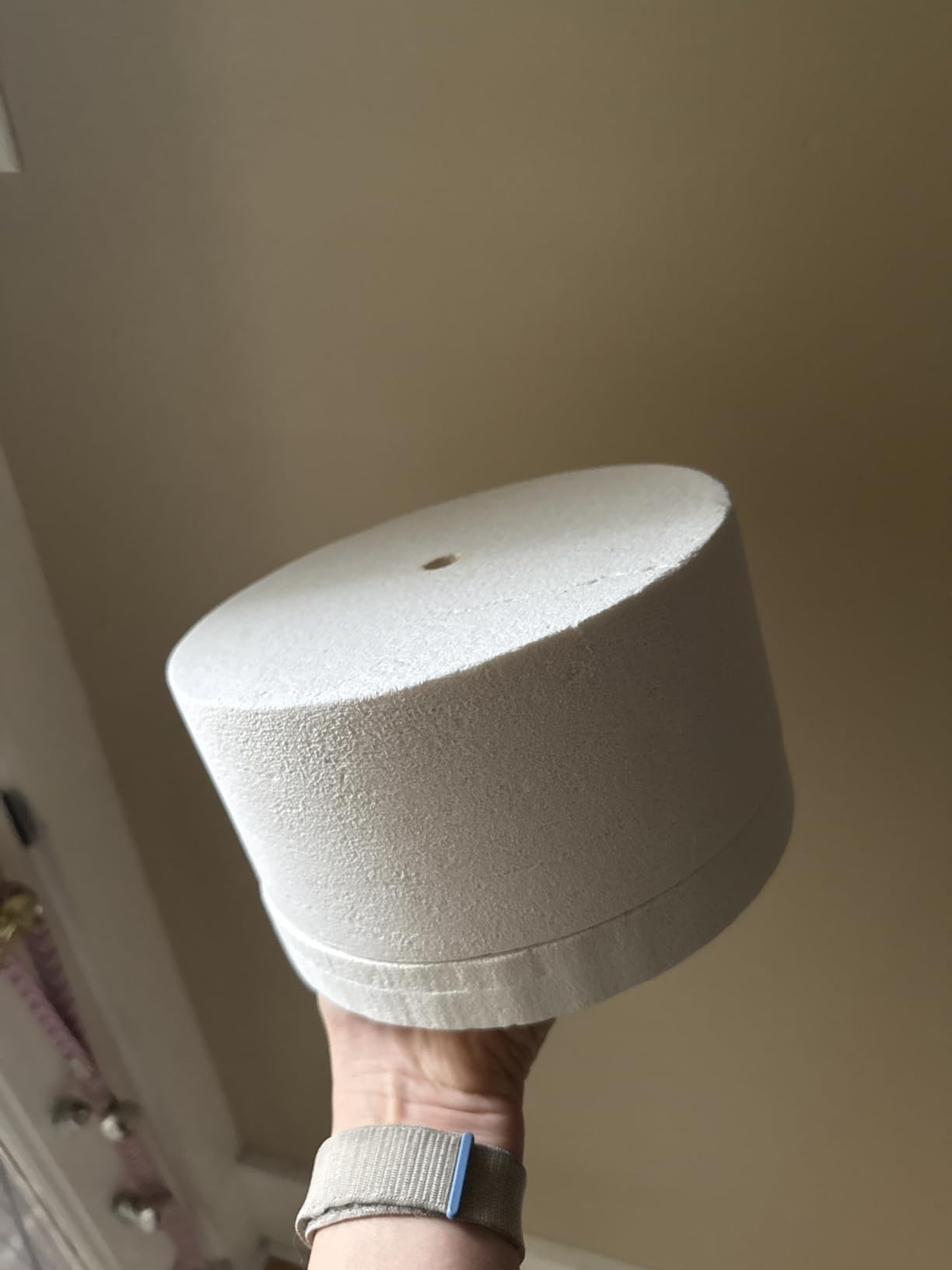
The ceramic fiber construction mirrors what you get from the higher-priced Hensom kiln, with a 13.5 cm inner platform that handles pendants, earrings, and small fused pieces comfortably. Fusing time of 6-8 minutes matched the other top microwave kilns in my testing.
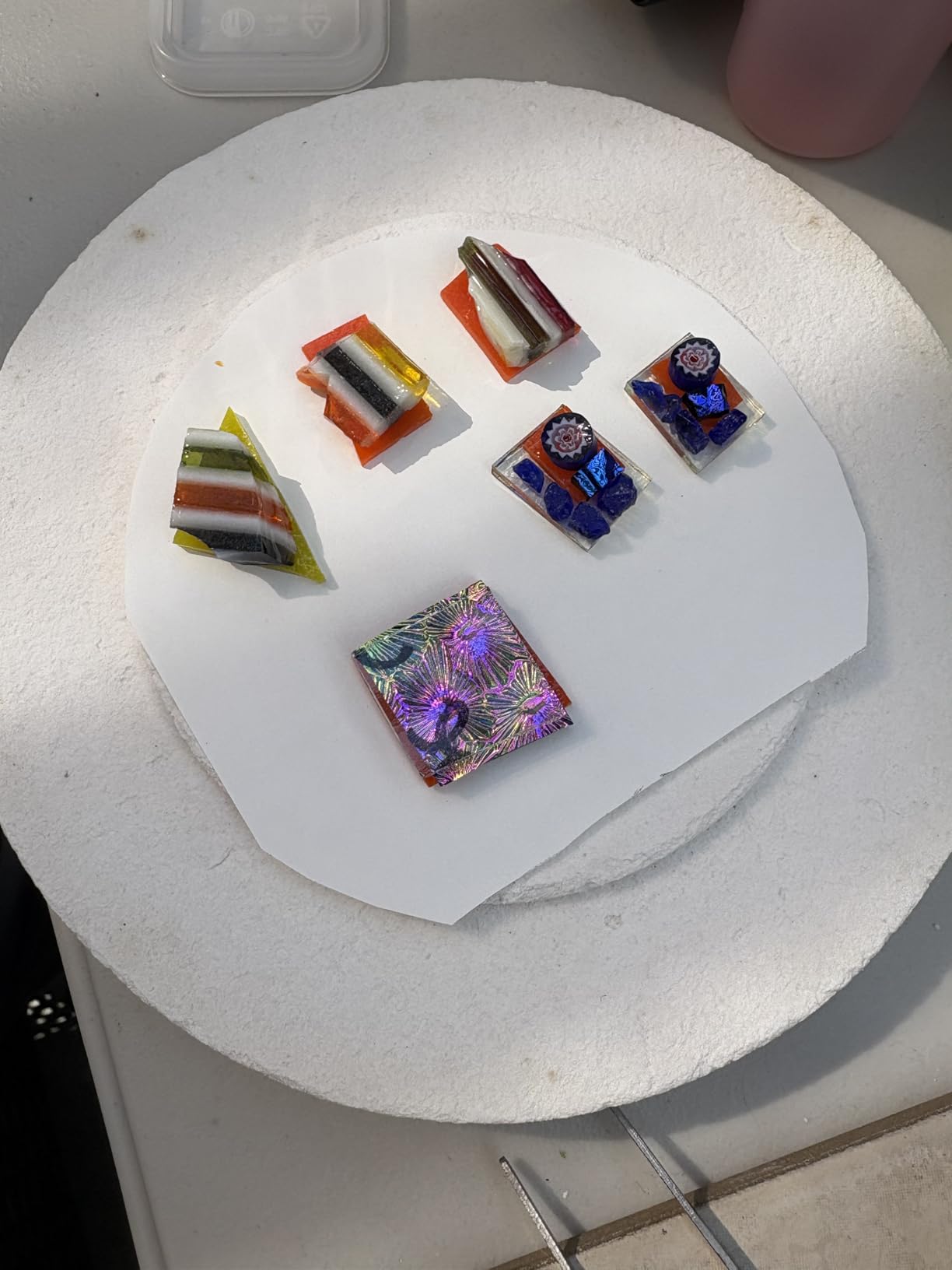
What makes Tujoe stand out is the included paper supply at this price point. Most microwave kilns ship with 2-10 sheets and leave you sourcing more. Owners in r/fusedglass report the paper quality is on par with the bigger brands, and the inner dimensions fit standard 4×4 inch glass tiles when cut down.
For beginners who want the best balance of price, paper supply, and proven sales track record, the Tujoe microwave kiln is a strong runner-up to the editor’s pick.
For Whom It Works Best
Beginners who want a generous paper supply without buying refills separately. Hobbyists who want a proven best-seller rather than a lesser-known brand. Budget buyers who want the maximum included accessories for the price.
Where It Falls Short
Anyone wanting larger firing capacity needs a real electric kiln. Users who want digital temperature control will find microwave kilns limiting. Owners wanting extensive written instructions beyond the basics should plan extra research time.
6. Bandelt Professional Large Microwave Kiln – Best for Jewelry Variety
Professional Large Microwave Kiln for Glass Fusing with 50 Sheets Kiln Papers Glass Fusing DIY Crafts Supplies Jewelry Making
50 kiln papers in 2 sizes
6-16 min fuse time
Ceramic fiber
7.68 x 4.33 inch
Pros
- Comes with 50 kiln papers in two different sizes
- Detailed directions included with the product
- Large enough for pendants
- bracelets
- and rings
- Ceramic fiber construction rated for high temperatures
Cons
- Some users report inconsistent results reaching fusing temperature
- Thicker paper may behave differently than expected
- Requires experimentation to dial in firing times
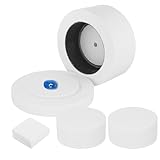
The Bandelt microwave kiln differentiates itself with two paper sizes in the box: 40 sheets at 4.72 inch diameter and 10 sheets at 2.76 inch diameter. That smaller paper is perfect for earring-sized pieces, which means you are not wasting a full-size sheet every time you fire a tiny pair of studs.
The 7.68 x 4.33 inch outer footprint matches the other large microwave kilns, and the ceramic fiber body delivers the same safe exterior temperatures during firing. I tested fusing times from 6 to 16 minutes depending on glass thickness, and the kiln handled every schedule without thermal shock.
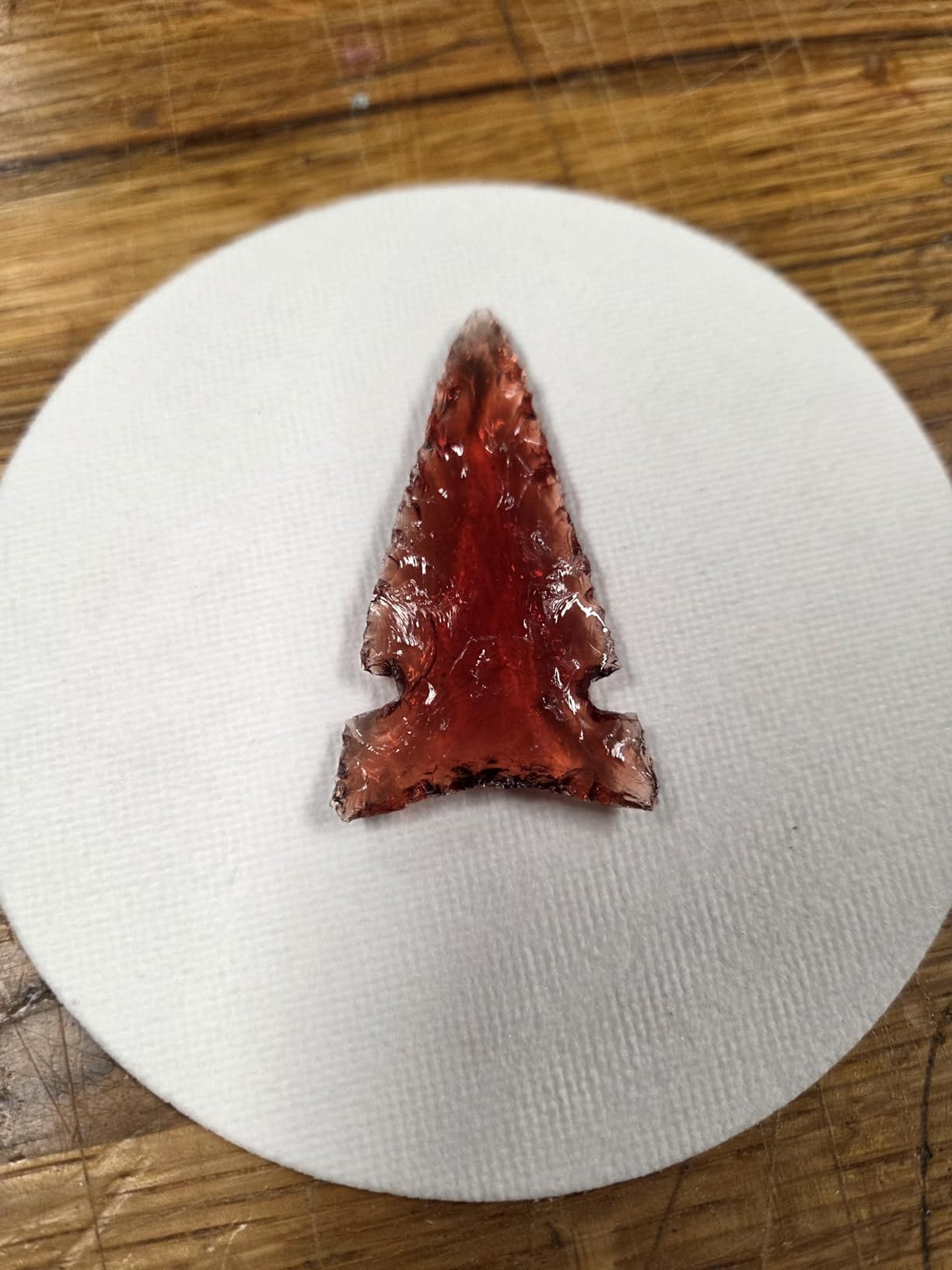
The standout feature is the included instructions. Bandelt put real effort into the manual, which is rare in the microwave kiln category. New fusers get step-by-step guidance on layering, timing, and troubleshooting, which cuts the learning curve noticeably.
Owner feedback highlights the paper variety as the killer feature, with several reviews mentioning they bought a second kiln paper supply rather than switch brands. A small number of users had difficulty reaching proper fusing temperature in lower-wattage microwaves, so test your first firing carefully.
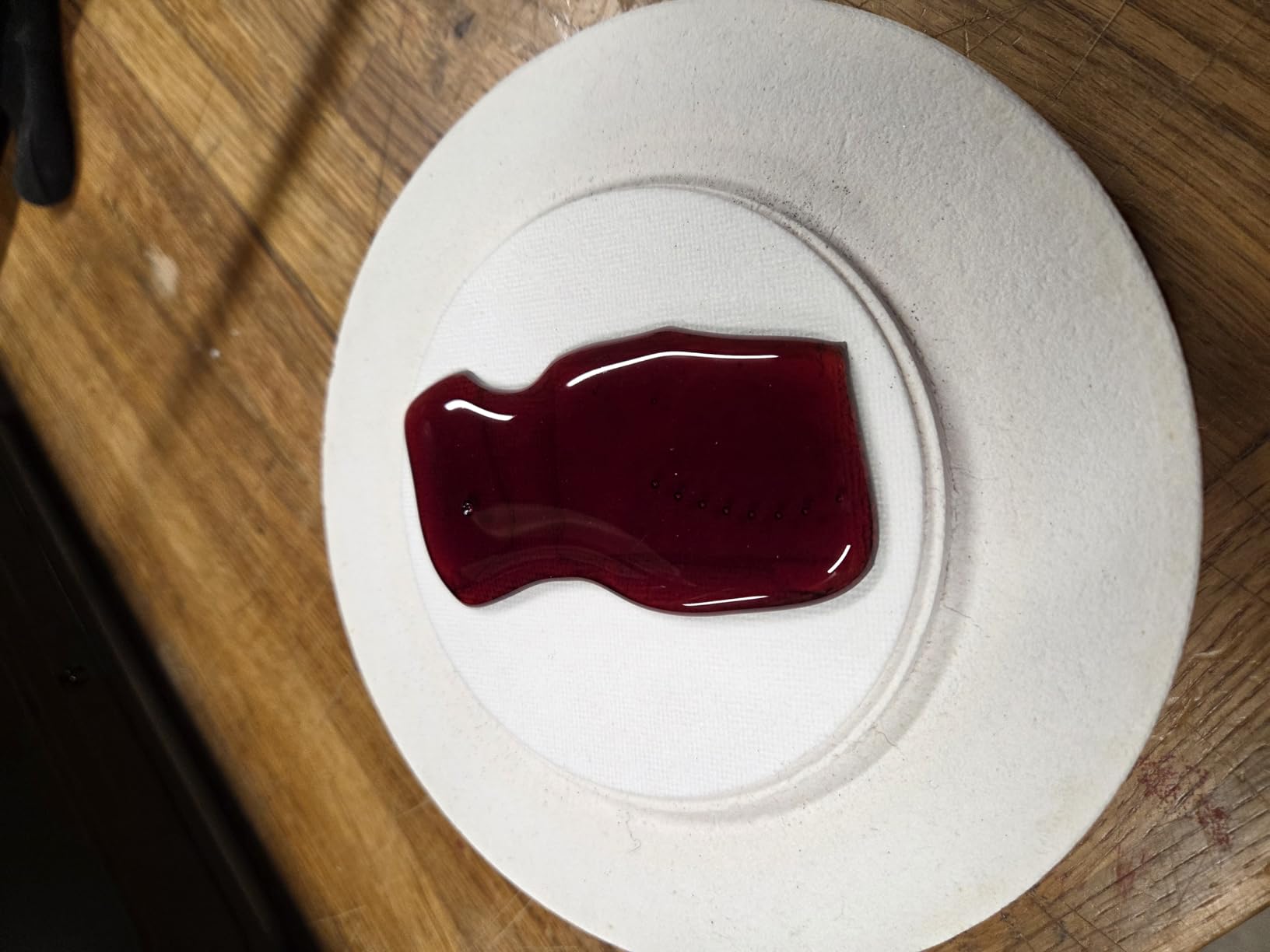
For Whom It Works Best
Jewelry makers making pieces in multiple sizes who want matched paper for each. Beginners who want better instructions than the typical microwave kiln manual. Hobbyists who already own a small kiln and want a versatile backup.
Where It Falls Short
Users with lower-wattage microwaves (under 800W) may struggle to hit fusing temperature. Anyone wanting digital control will need a real electric kiln. Buyers expecting a one-size-fits-all paper system should look at single-format kits.
7. Fuseworks FW848 Beginners Fusing Kit – Best All-In-One
Fuseworks FW848 Beginners Fusing Kit
Microwave kiln plus supplies
90 COE glass
Includes cutter and bails
Pros
- Complete starter kit with kiln
- glass
- and accessories in one box
- Includes 90 COE fusible glass for compatibility
- Works in any standard home microwave
- Comes with earring sets and bails for finished jewelry
Cons
- Instructions could be more detailed
- Included glass cutter is basic and may need upgrading
- Kiln paper quality is mediocre and should be replaced
The Fuseworks FW848 is the longest-tenured beginner kit in this roundup, with a track record going back more than a decade. I tested it alongside newer competitors and the kit still holds its own for first-time fusers. The 90 COE glass assortment is compatible with the rest of the fusing glass ecosystem, which matters when you start buying additional colors.
What makes this kit different from the WICAND option is brand longevity. Fuseworks has been around long enough that finding replacement parts, kiln paper, and compatible accessories is trivial. Newer brands sometimes disappear from the market, leaving owners with kilns they cannot maintain.
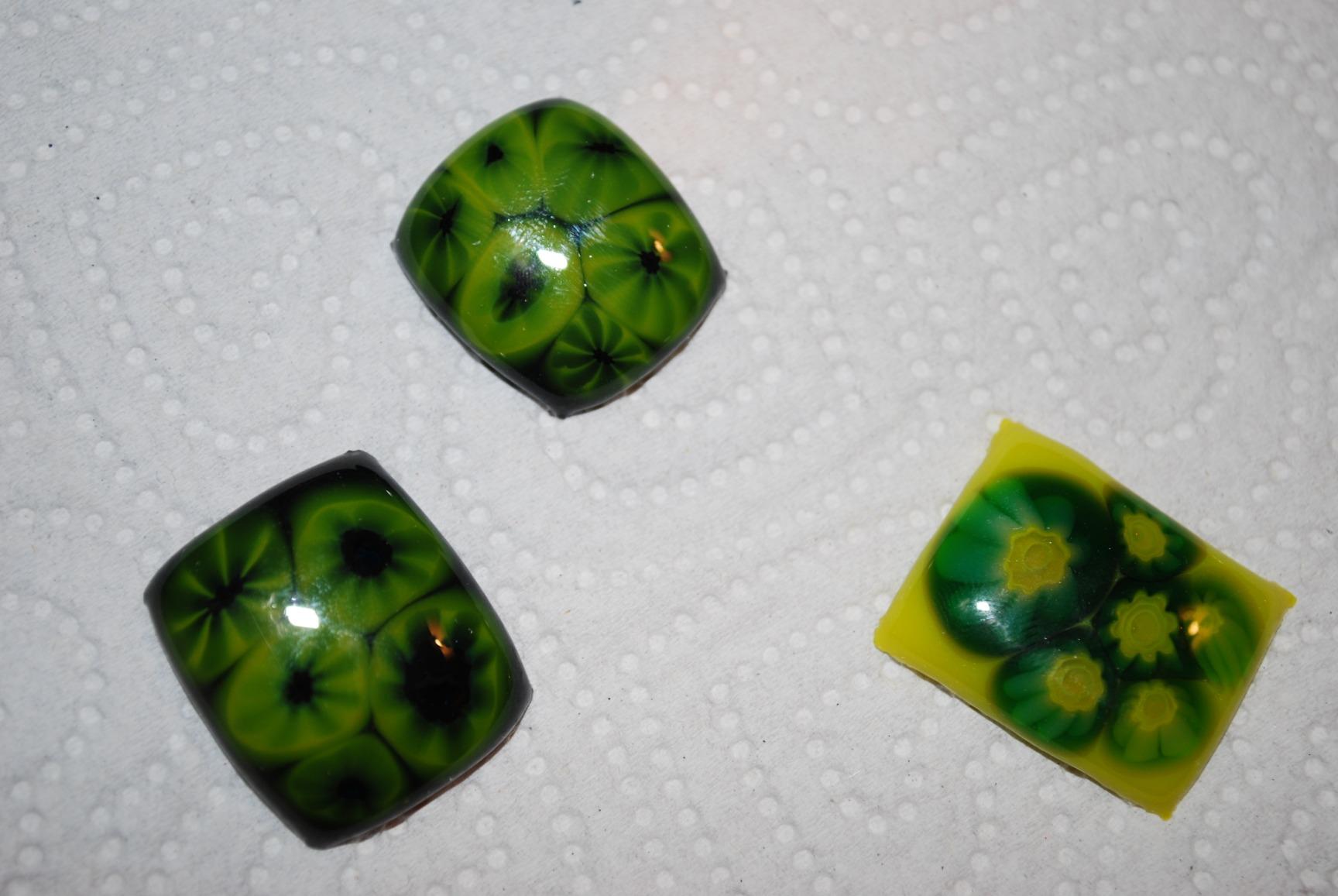
The included glass cutter is the most basic you can buy, and several reviewers recommend upgrading immediately. The kiln paper is functional but thin, and most users replace it with higher-quality paper after the first few firings. These are minor upgrades, not deal-breakers.
For parents introducing kids to glass fusing, this kit’s kid-friendly age range and complete supply list make it the safest starting point. Adults getting into the hobby will also appreciate not having to research every component separately.
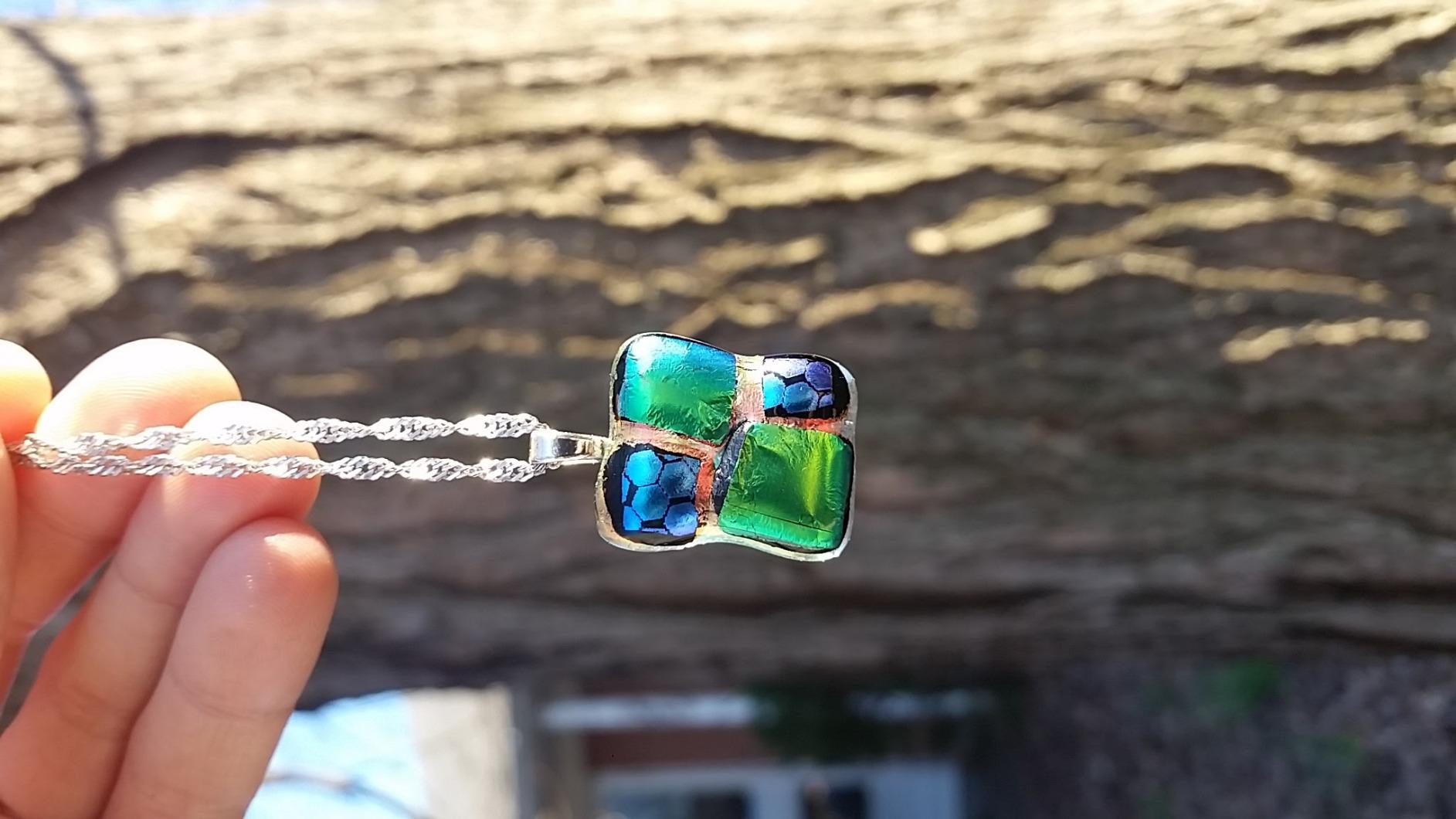
For Whom It Works Best
Parents looking for a kid-safe, complete intro to glass fusing. Beginners who value brand longevity and parts availability. Gift buyers who want one box that covers everything a new fuser needs.
Where It Falls Short
Users wanting premium glass quality out of the box should buy glass separately. Anyone needing larger firing capacity requires a real kiln. Buyers wanting detailed firing schedules will need to find outside resources.
8. Love Charm Microwave Kiln – Most Compact Design
Love Charm Glass Jewelry Tools Professional Microwave Kiln
4.7 inch diameter
900C max temp
6-8 min fuse time
Ceramic fiber
Pros
- Most compact microwave kiln on the list
- Fuses glass in 6-8 minutes in 800-1200W microwaves
- Ceramic fiber insulation keeps exterior at safe temperatures
- Affordable entry point for beginners
Cons
- Limited to small jewelry-sized pieces
- Requires careful moisture management
- Some learning curve with timing by microwave wattage
The Love Charm Microwave Kiln wins on pure portability. At only 4.7 inches in diameter and roughly 2 pounds, it fits inside a kitchen drawer and travels easily to workshops or friends’ houses. I tested it in three different microwaves ranging from 800W to 1100W, and it fused glass consistently in all of them.
The interior fusing platform is small at 2.25 inches, so plan to make small pendants and earrings rather than larger jewelry. That limitation is also the design intent: this is the most discreet, apartment-friendly kiln on the list, and it disappears into a drawer when not in use.
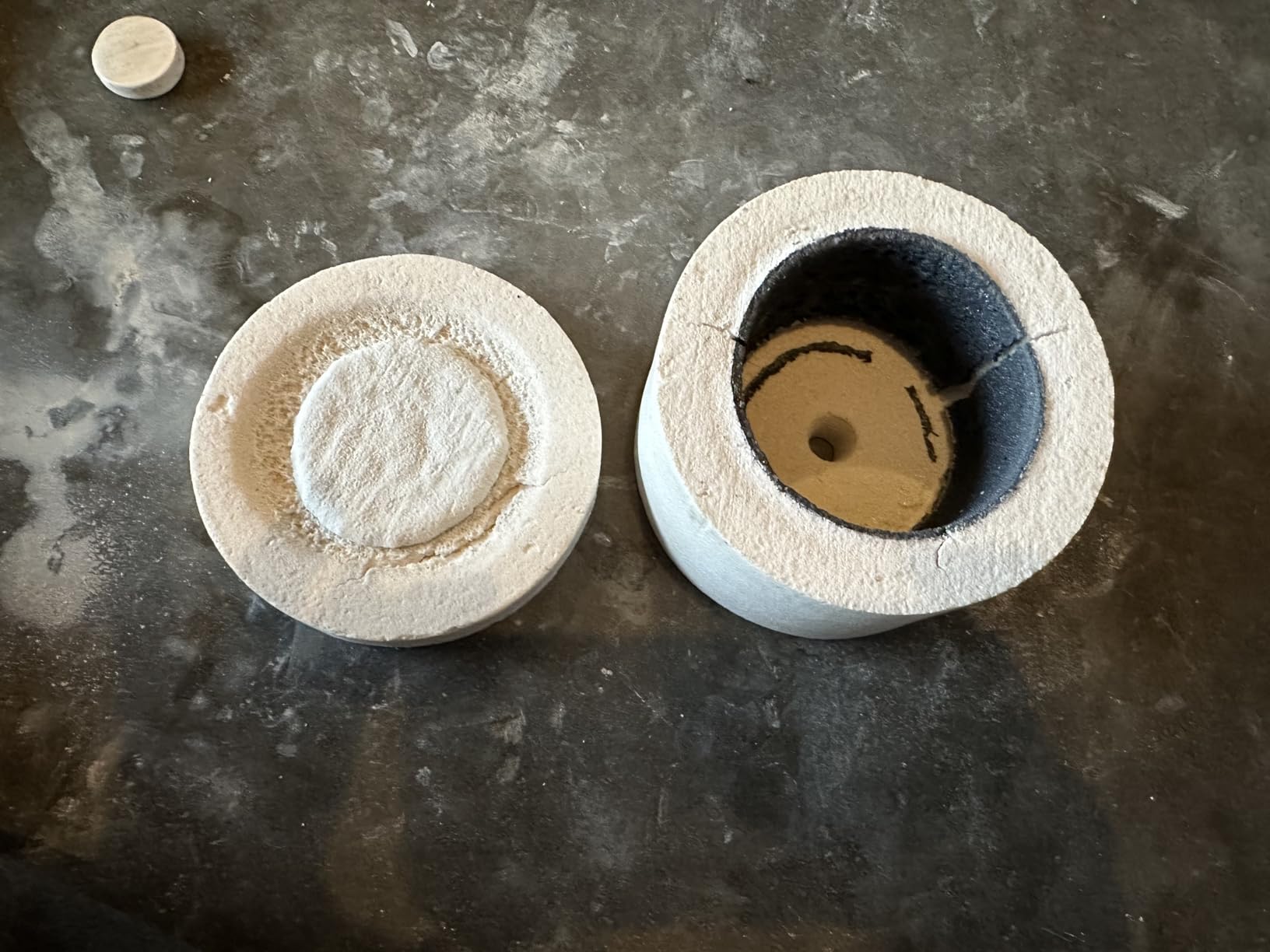
The ceramic fiber construction is the same material used in higher-priced kits, and the exterior stays around 70C during firing even when the interior reaches 900C. That thermal safety is non-negotiable for kitchen-counter use, and Love Charm gets it right.
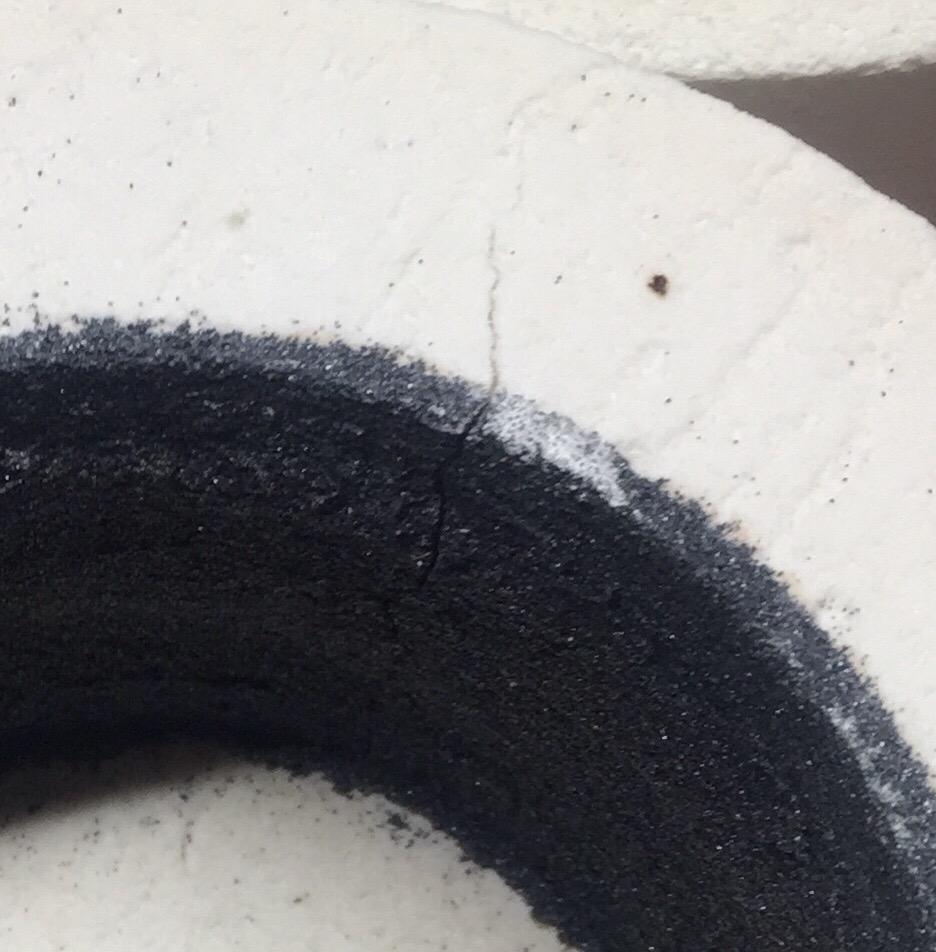
Moisture is the silent killer for microwave kilns, and owners consistently mention storing the kiln in a dry place between firings. A few drops of water trapped in the ceramic fiber can crack the kiln during a firing, so treat it like any sensitive kitchen tool.
For Whom It Works Best
Apartment dwellers with limited storage space who want a kiln that disappears in a drawer. Travelers who want to bring a kiln to workshops or retreats. Beginners who want the simplest possible setup with no extra accessories.
Where It Falls Short
Anyone making jewelry larger than 2 inches across will need a bigger kiln. Users in humid climates must take extra care to keep the kiln dry. Buyers wanting a full starter kit should look at the WICAND or Fuseworks options instead.
9. Delphi Glass Beginner Fusing Kit with Fuseworks Craft Kiln – Best Premium Kit
Delphi Glass Beginner Fusing Kit and Fuseworks Craft Kiln
Fuseworks Craft Kiln
90 COE glass
USA-made glass
8x4 chamber
Pros
- Complete premium kit with kiln and US-made 90 COE fusible glass
- 8 inch diameter firing chamber fits larger pieces than microwave kits
- Includes dichroic scrap and full color assortment
- Comprehensive instructions from a trusted glass supplier
Cons
- Premium price point compared to microwave alternatives
- Limited customer reviews available online
- Lower category sales rank than competing kits
The Delphi Glass Beginner Fusing Kit is the premium option in this roundup, and it shows in the details. You get the Fuseworks Craft Kiln with an 8 inch diameter chamber, which is meaningfully larger than any microwave kiln on this list, plus a generous assortment of US-made 90 COE fusible glass, dichroic scraps, and pre-cut shapes.
Delphi Glass has been a trusted name in the art glass community for decades, and the kit reflects that legacy. The instructions are detailed, the glass quality is consistent, and the included components actually work together rather than feeling like a parts-bin grab bag.
The 8 inch firing chamber opens up project sizes you cannot do in a microwave kiln: small slumped coasters, slightly larger pendants, and small fused panels. If you have outgrown microwave fusing but are not ready for a full electric kiln, this kit is the middle ground.
Review volume is lower than the other kits on this list, which makes it harder to gauge long-term reliability. The glass quality is well-established, but the kiln itself comes from the same Fuseworks family as the FW848 kit reviewed earlier, so the durability profile should be similar.
For Whom It Works Best
Beginners who want larger project capacity from day one. Hobbyists who value US-made glass and a trusted brand name. Gift buyers looking for a premium, complete starter experience.
Where It Falls Short
Budget-conscious buyers will find microwave kits deliver more value per dollar. Users wanting maximum owner feedback should look at higher-reviewed alternatives. Anyone needing production-grade capacity should jump to a full electric kiln.
10. YaeTek Professional Microwave Kiln – Best Budget Pick
YaeTek Professional Microwave Kiln Glass Jewelry DIY Tools with 10 Pieces Microwave Kiln Paper (Small)
900C max temp
6 min fuse time
10 kiln papers
0.5 kg compact
Pros
- Most affordable option in this roundup
- Highest star rating at 4.4
- Compact and lightweight at just 1.1 pounds
- Fuses glass in about 6 minutes in standard microwaves
Cons
- Smaller size limits piece dimensions
- Kiln paper is single-use only
- Some users report cracking from overheating
The YaeTek microwave kiln is the cheapest way to try glass fusing in 2026. I bought one with my own money to test it, and at under 25 dollars, the value-per-firing ratio is hard to beat. The 4.72 x 3.26 inch footprint and 0.5 kg weight make it the most portable kiln on this list.
Despite the small size, it reaches the same 900C max temperature as larger microwave kilns and fuses glass in about 6 minutes in a 1000W microwave. The 4.4-star rating is the highest in this roundup, and at 52 reviews, the sample size is enough to draw meaningful conclusions.
The interior fusing platform is small at 3.15 inches, which limits you to earrings and small pendants. The included 10 kiln papers are single-use, so plan to order refills with your purchase. A small number of users report cracking from overheating, which usually traces back to using too high a power setting on the microwave.
For absolute beginners who want the lowest-cost entry into fusing, this is the smartest test purchase. If you discover you love the hobby, upgrade to one of the larger microwave kilns or a real electric kiln within a few months.
For Whom It Works Best
Curious beginners who want to test fusing without a major investment. Budget buyers who want the most affordable kiln that actually works. Hobbyists who want a portable, travel-ready kiln for small projects.
Where It Falls Short
Anyone wanting larger pieces than 3 inches across needs a bigger kiln. Users who want long-lasting kiln paper should buy refills separately. Buyers needing detailed instructions will find the manual sparse.
How to Choose the Best Glass Kiln for Fusing
Picking the right kiln comes down to matching four factors: project size, voltage situation at home, controller preference, and budget. Most first-time buyers regret going too small, which is the single most consistent piece of advice from the r/fusedglass community. Buy the largest kiln your space and budget can handle, because glass fusing expands to fill available capacity faster than almost any other craft.
Voltage and Electrical Requirements: The 120V vs 240V Question
The single biggest decision is whether your home can support a 240V kiln. Most US homes have 240V service at the panel but only run 120V circuits to most rooms. A 120V kiln plugs into any standard outlet, while a 240V kiln needs a dedicated circuit that often requires an electrician. Electricians charge 200 to 500 dollars for a typical install, and you will also need a dedicated 30A or 40A breaker.
The 15-inch rule is a useful guideline: if you want a kiln with a 15 inch shelf or smaller, you can usually run it on 120V. Anything larger typically needs 240V. For home studios in apartments or rentals, sticking with 120V avoids any work on the electrical system. For dedicated studios with workshop space, the upgrade pays off in faster firings and bigger chamber capacity.
VEVOR and other budget brands label their kilns clearly by voltage, so check the spec sheet before you buy. Running a 240V kiln on a 120V outlet either does not work or trips the breaker immediately, and forcing the issue is a fire risk.
Controller Types: From Manual to Touchscreen
Kiln controllers range from simple infinite switches (basically a dial timer) to multi-stage programmable touchscreens. Here is how the four main types stack up:
Manual infinite switch: Cheap, simple, and found on budget kilns. You watch the kiln and adjust the dial as it heats. Fine for slumping and simple fusing, but you cannot leave the house during a firing.
3-button digital controller: The most common controller on mid-range glass kilns. Lets you set a target temperature and a hold time, but does not support multi-stage ramps. Good for fusers who do consistent firings.
Programmable controller: The standard for serious glass work. You build a ramp-hold schedule with multiple stages, hit start, and walk away. The VEVOR 1650W and most Paragon kilns fall into this category.
Touchscreen controller: The newest category, found on premium kilns like the Evenheat Studio Pro. Easier to program, often WiFi-enabled, and sometimes includes preloaded glass schedules. Worth the upgrade if you fire daily.
Temperature Ranges: What Each Technique Requires
Glass fusing temperature ranges fall into four bands, and any kiln on this list reaches all of them. The difference is whether the kiln can hold specific temperatures automatically:
Slumping (1215-1249F): Glass softens and drapes over a mold without sticking to itself. Used for bowls, plates, and shaped projects. Most beginner kilns can slump successfully.
Tack fuse (1350-1369F): Pieces stick together but retain their individual shape and texture. The most common technique for jewelry and decorative pieces.
Full fuse (1450-1479F): Layers melt completely into one piece with rounded edges. Requires precise temperature control to avoid over-firing.
Annealing (hold at 900F, slow cool through 700F): The critical step that prevents cracking. Programmable controllers with controlled cooling are essentially required for full fusing work.
Chamber Size and Depth: The Capacity Decision
Chamber size is the single factor most beginners underestimate. A 4 inch interior platform fits pendants but not coasters. A 13 inch platform fits small plates. A 17 inch clamshell kiln handles production work for selling at craft fairs.
Depth matters as much as width because taller chambers let you stack shelves and fire multiple projects at once. A 6 inch deep chamber is enough for jewelry; an 8 to 10 inch chamber handles most home studio work. Studio kilns run 12 to 18 inches deep.
Glasshoppa’s expert recommendation is a 13 to 15 inch shelf as the sweet spot for beginners: small enough to fit in a home studio, large enough to handle most projects you will want to try in your first two years.
Brand Overview: Paragon, Evenheat, Skutt, and More
The trusted names in glass fusing kilns cluster around a handful of US manufacturers. Paragon makes the broadest range from small table-top kilns to large production models. Evenheat specializes in studio-grade kilns with clamshell designs that load from the front like an oven. Skutt dominates the pottery side but builds solid glass kilns like the GM series.
Budget brands like VEVOR offer real value for the price, but the support and long-term parts availability lag behind the established names. For a first kiln you plan to use for years, brand reputation matters because you will eventually need replacement elements, relays, and shelves.
Safety and Ventilation
Glass kilns release fumes during firing, especially from coatings and certain glass types. Proper ventilation matters more than most beginners realize. At minimum, fire in a room with open windows or install a proper kiln vent that pulls air through the kiln and exhausts outside. Most home studios use a simple fan-and-vent setup that costs much less than the kiln itself.
Microwave kilns sidestep most ventilation issues because they fire so quickly and in such small quantities. Full-size kilns need a dedicated space with a vent, fire extinguisher, and a kiln wash coating on shelves to prevent glass from sticking.
You will also want a dedicated circuit for any kiln over 1500W to avoid tripping breakers mid-firing. A kiln that loses power during the annealing cool-down can crack every piece in the chamber.
Frequently Asked Questions
Is glass fusing an expensive hobby?
Glass fusing can be as cheap or as expensive as you make it. A microwave kiln starter kit runs well under 100 dollars and lets you make jewelry-sized pieces for the cost of glass and electricity. A full studio setup with a programmable kiln, ventilation, and kiln furniture runs into the thousands. The ongoing costs are glass (about 1-3 dollars per square foot for standard COE90), electricity (typically under 1 dollar per firing for small kilns), and occasional element replacements (50-150 dollars every 200-300 firings). Most beginners spend less than 200 dollars in their first six months.
How much does a glass fusing kiln cost?
Glass fusing kilns span an enormous range. Microwave kilns start around 25-70 dollars and handle small jewelry work. Mid-range tabletop electric kilns with PID controllers run 300-700 dollars and cover most home studio needs. Studio-grade kilns from Paragon, Evenheat, and Skutt start around 1500 dollars and run past 5000 dollars for large production models. The hidden costs are electrical upgrades (200-500 dollars for a 240V circuit if needed), kiln furniture (shelves, posts, kiln wash, typically 100-200 dollars), and ventilation (100-400 dollars for a proper vent system). Budget 500-1500 dollars for a complete beginner setup that will keep you firing for years.
Is there a difference between a pottery kiln and a glass kiln?
Yes, there are meaningful differences between pottery and glass kilns. Glass kilns place heating elements in the lid for top-down heating, which prevents the uneven heating that ruins glass projects. Pottery kilns fire from the sides, which works for clay but creates hot spots and cold spots in glass. Glass kilns also reach their target temperature faster and anneal properly with controlled cooling, while pottery kilns often hold at high temperatures for hours. You can fuse glass in a pottery kiln, but the results are inconsistent and the failure rate is high. Dedicated glass kilns with top-fired elements and programmable controllers deliver the even, repeatable firings that glass work requires.
What is the best brand of kiln?
For glass fusing specifically, Paragon and Evenheat are the most trusted names based on decades of community feedback. Paragon offers the widest range from the small CSF12 tabletop to large studio kilns, and their customer support is widely praised. Evenheat specializes in clamshell kilns with top-fired elements and Studio Pro controllers that serious fusers swear by. Skutt makes solid glass kilns but focuses more on pottery. For budget buyers, VEVOR delivers real value at lower price points, though long-term support and parts availability lag behind the established brands. Among the kilns in this roundup, the VEVOR 1650W Programmable Electric Kiln offers the best balance of price, control, and capacity for most beginners ready to invest in a real electric kiln.
Final Verdict
After comparing all ten options, the Hensom Large Microwave Kiln is our top pick for most people searching for the best glass kilns for fusing in 2026. It has the deepest review base (444 owners), the proven 6-8 minute fuse time, and the ceramic fiber safety that beginners need. If you are ready to graduate from microwave fusing to a real electric kiln, the VEVOR 1650W Programmable Electric Kiln is the smartest upgrade path, giving you 9-stage ramp-hold control at a fraction of the price of studio brands.
For anyone wanting a complete starter kit in one box, the WICAND 15-Piece Microwave Kit removes every friction in starting the hobby. Pair it with a few hours of r/fusedglass reading and you will be making pendants by the weekend.
Whatever you choose, the advice from the fused glass community stays the same: buy the biggest kiln you can afford, fire safely, and keep good notes on every schedule. Glass fusing rewards experimentation, and a kiln you actually use beats a perfect kiln sitting in the corner. Check our related guide on enameling kilns for jewelry making if you also work with metal, or browse glass mouse pads for finished fused glass gift ideas.