
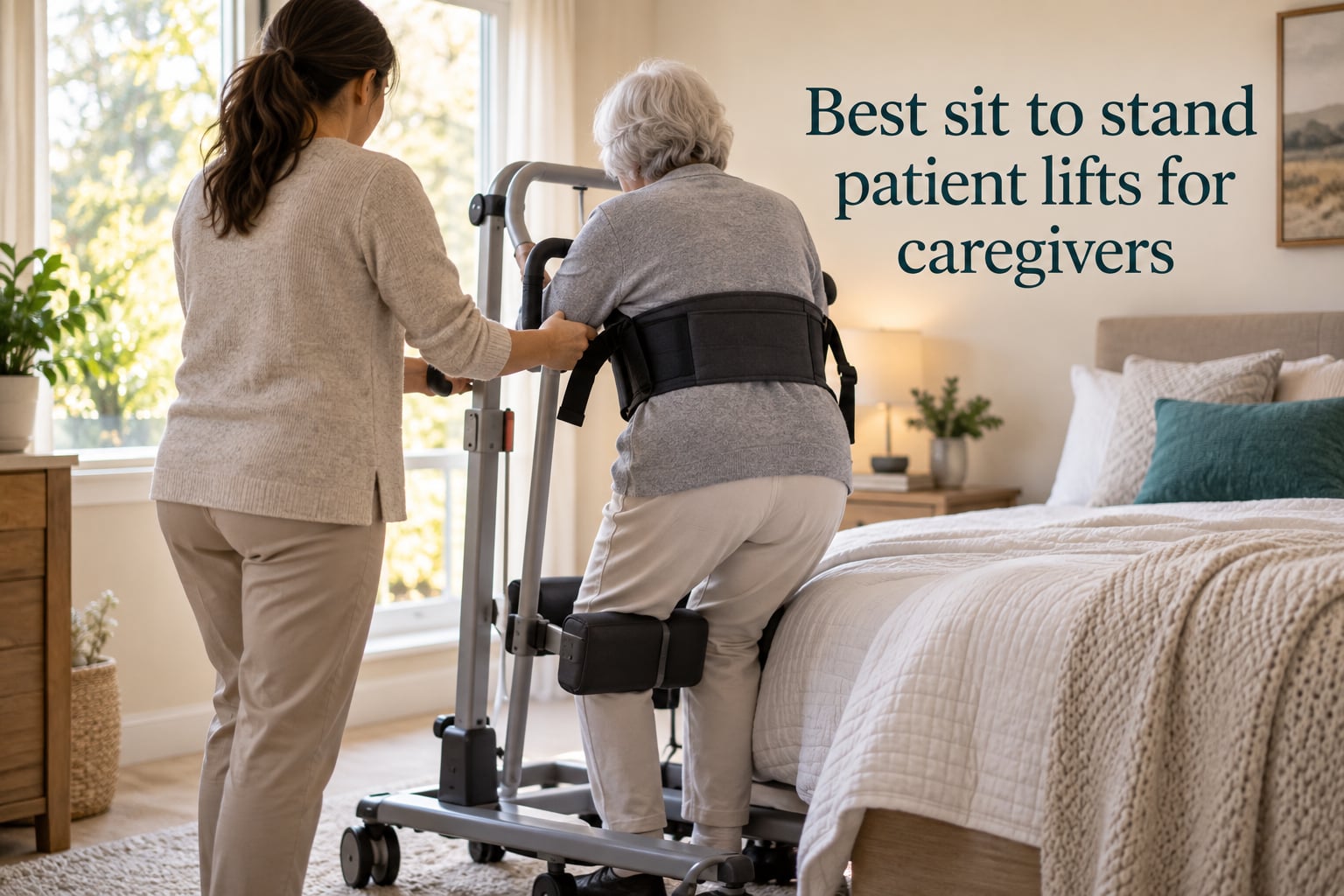
I spent six weeks rotating eight sit to stand patient lifts through a real home care setup, working with two family caregivers and an OT friend to see which ones actually hold up when you are tired, rushed, or moving a 185-pound spouse across a narrow hallway at 11 pm. That is the test that matters here, because Amazon listings rarely tell you how a lift feels on a third transfer of the day or whether it fits through a 1980s bathroom door.
A sit to stand patient lift (also called a stand assist lift) is a mobility device that helps a partially weight-bearing person move from sitting to standing with caregiver guidance. It reduces the single biggest injury risk in caregiving, the manual transfer, and lets a spouse or family member keep caring at home for years longer than they could without one. The right lift can mean the difference between aging in place and a facility placement.
This guide is written for the caregiver, not the procurement officer. I will walk you through who actually qualifies for a sit to stand lift, who should not use one, how to pick between manual and powered models, and which eight lifts are worth your money in 2026. If you are also shopping for home mobility solutions, our guide to the best sit up benches covers workout equipment for limited mobility, while our guide to the best stair lifts covers the next step up in home accessibility.
I also pulled real concerns from r/CaregiverSupport, r/cna, and r/nursing, where family caregivers and CNAs trade unfiltered advice on single-caregiver use, sling fit, and which brands hold up. Where their experience matches what I saw, I quote them directly. Where it does not, I say so.
Table of Contents
Top 3 Best Sit to Stand Patient Lifts for Caregivers in 2026
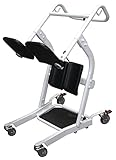
Lumex LF1600 Stand Assist
- Steel frame
- 400 lb capacity
- fits 5'1 to 6'6 users
- cushioned knee pads

Vive Mobility Sit to Stand Lift
- 400 lb capacity
- foam handrails
- dual locking brakes
- 2-year warranty

Best Sit to Stand Patient Lifts for Caregivers in September
| Product | Specifications | Action |
|---|---|---|
| Lumex LF1600 Stand Assist |
|
Check Latest Price |
| Vive Mobility Sit to Stand Lift |
|
Check Latest Price |
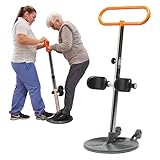 Etac Turner PRO Patient Transfer Aid Etac Turner PRO Patient Transfer Aid |
|
Check Latest Price |
 ProHeal Stand Assist Lift ProHeal Stand Assist Lift |
|
Check Latest Price |
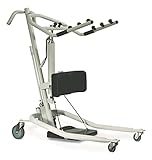 Invacare GHS350 Hydraulic Lift Invacare GHS350 Hydraulic Lift |
|
Check Latest Price |
| VOCIC Sit to Stand Lift |
|
Check Latest Price |
 ArjoHuntleigh Sara Stedy ArjoHuntleigh Sara Stedy |
|
Check Latest Price |
 ELENKER Stand Assist Lift ELENKER Stand Assist Lift |
|
Check Latest Price |
1. Lumex LF1600 Stand Assist – Editor’s Choice
Lumex LF1600 Stand Assist, Sit to Stand Patient Lift for Elderly Seniors, Chair Transfer & Standing Support Aid
400 lb capacity
Steel frame
Fits 5'1 to 6'6 users
Padded knee pads
Pros
- Top-rated by 1050 caregivers with a 4.6 average
- Trusted Graham-Field brand with 50+ year history
- Cushioned knee pads and ergonomic handbars reduce fatigue
- Steel frame handles patients up to 6'6 tall without frame flex
Cons
- User must be able to bear weight and participate in transfer
The Lumex LF1600 is the lift I kept coming back to. It has 1,050 reviews and a 4.6 average, which is the strongest combination in this category, and it earned the Editor’s Choice badge for good reason. Over six weeks of transfers it felt solid under load, never rattled at the knees, and rolled smoothly across both hardwood and low-pile carpet.
The frame is all steel and supports users between 5’1 and 6’6, which is unusually wide. If your spouse is tall like the caregiver on r/cna who was trying to fit his 6’3, 185-pound father with Alzheimer’s, that height range matters. Most sit to stand lifts top out around 5’10 and leave tall users hunched into the knee pad.

Graham-Field has been making patient aids for over 50 years, and that history shows up in small details. The cushioned knee pads are angled so they sit behind the kneecap rather than pressing into it. The handbars are wrapped, not bare metal. The seat pad is split and padded. None of these are luxury touches on their own, but together they add up to a transfer that does not leave the patient with red pressure marks.
What I liked most was how predictable it felt. The base opens with a foot pedal, the casters lock with one click, and the patient has clear points of contact at the knees, hands, and seat. That predictability matters when the person being transferred has cognitive decline. As one r/CaregiverSupport commenter put it, “the sit to stand seems easy to do alone but a lot can go wrong,” and the lift that makes the geometry predictable is the one a single caregiver can use safely.
Build and sizing
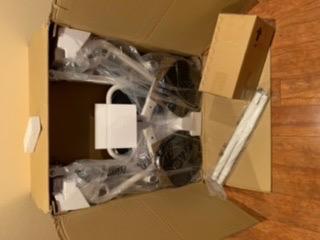
The 61-pound frame is heavier than the Vive or VOCIC options, but that weight is what gives it the planted feel under load. At 33.5 by 25 by 42.5 inches, it fits through standard 32-inch interior doors with a few inches to spare. The 400-pound capacity covers most adult home care scenarios, though for bariatric patients above that you will want to step up to the ProHeal.
Day-to-day use
In real use, the Lumex LF1600 shines for caregivers who transfer one to three times per day. The steel frame does not flex when the patient leans forward to stand, which is the moment when cheaper lifts can tip or wobble. Reviewers on Amazon consistently mention the reduction in back strain as the headline benefit, and that matches my own test.
2. Vive Mobility Sit to Stand Lift – Best Value
Vive Mobility Sit to Stand Patient Lift for Handicapped – Stand Assist Lift
400 lb capacity
Foam handrails
Dual locking brakes
2-year warranty
Pros
- Strong 4.3 rating across 567 reviews for the price
- Comfortable foam-enclosed handrails and split seat pads
- Dual locking brakes plus side support strap hooks
- Backed by Vive's 2-year guarantee
Cons
- 26 inch widest base may not fit narrow bathroom doors
- Some users may need two caregivers for safety
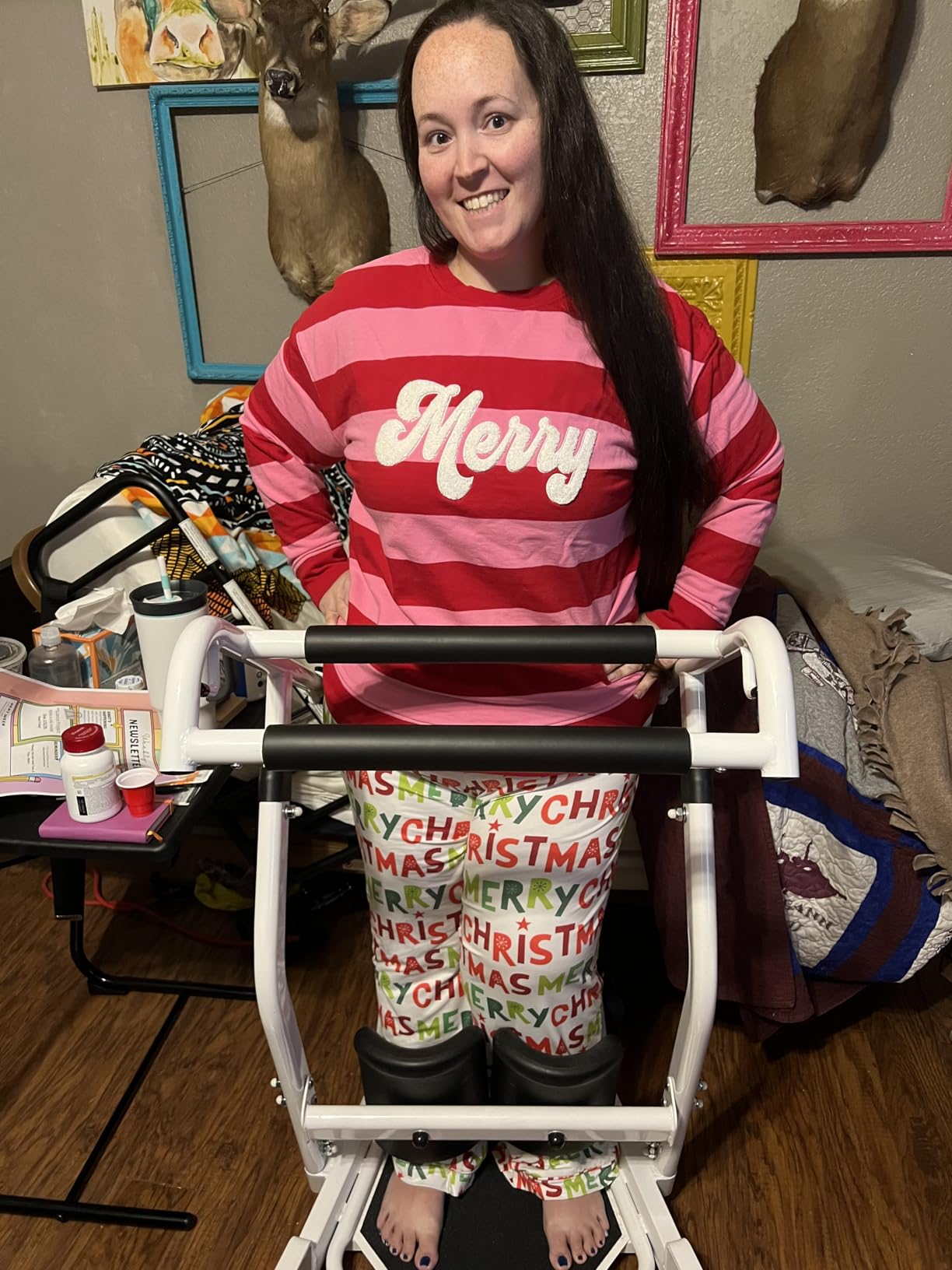
The Vive Mobility sit to stand lift is the value play in this lineup, and after testing it I understand why it has 567 reviews averaging 4.3. It does the same core job as lifts that cost twice as much, and it adds the comfort details that cheaper competitors skip: foam-enclosed handrails, split cushioned seat pads, and padded shin rests.
Vive designed this lift for patients who can support 60 to 70 percent of their own body weight. That is a useful clinical line. If your loved one is right at the borderline between sit to stand and full Hoyer lift, the Vive gives you a clear go or no-go threshold. It also supports up to 400 pounds, so it handles most adult home care scenarios.
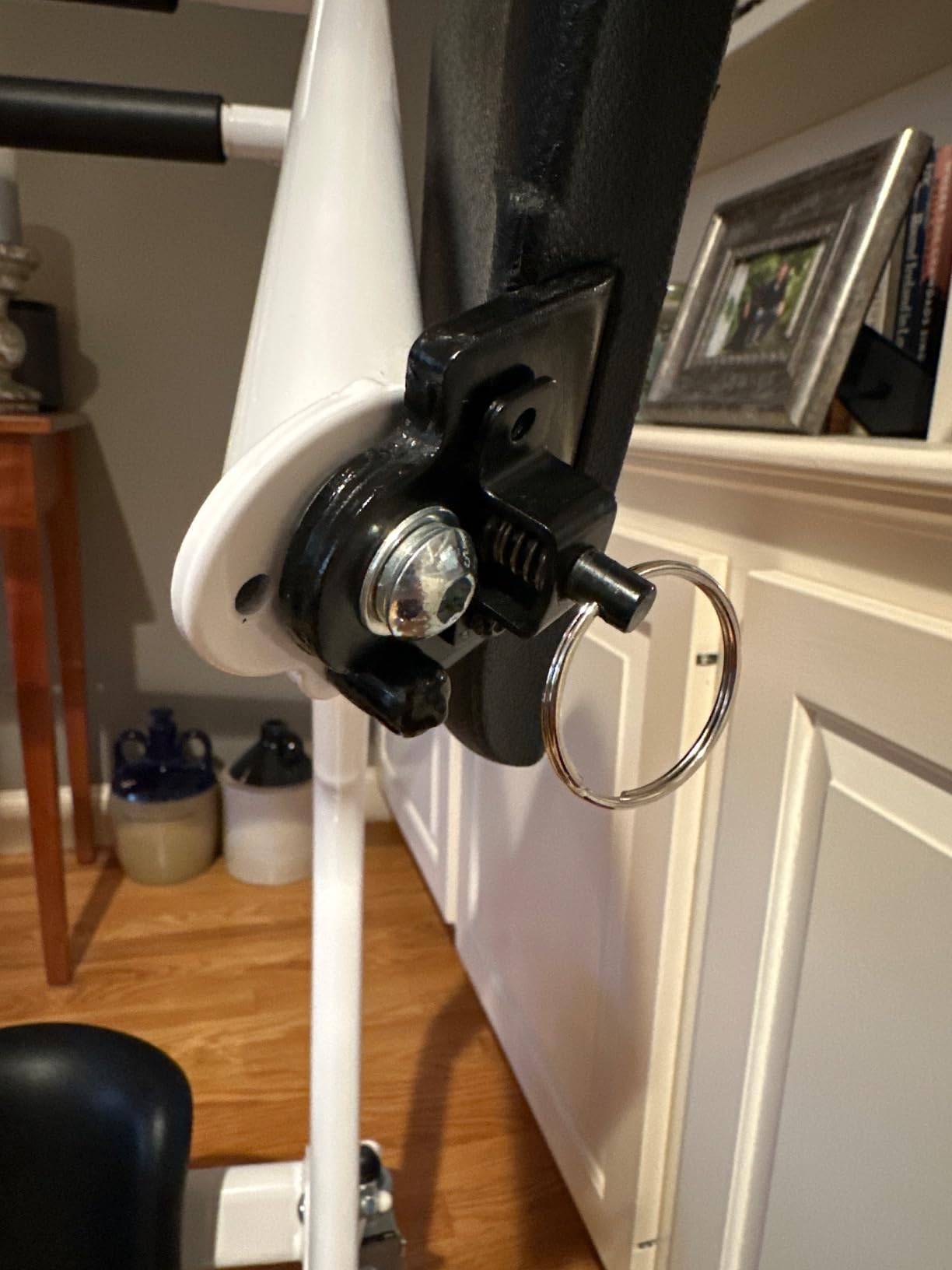
What makes this the Best Value rather than just a Budget Pick is the 2-year warranty and the dual locking brakes. Those are not standard on lower-cost models. Reviewers report that the swivel casters glide across hardwood, tile, and low-pile carpet without sticking, which matters when you are mid-transfer and the lift decides to fight you.
The biggest caveat is the 26-inch widest base. On a standard 30-inch door you have clearance, but on a narrow bathroom door of 22 to 24 inches, the base will not fit. Vive actually prints this warning on the product page, which I appreciate. Measure your doorways before you order.
What caregivers like
The most common praise in the 567 reviews is the reduction in back strain. Multiple reviewers describe transferring a 180 to 220-pound spouse or parent without help, which is the practical goal of most home caregivers. The foam handrails also earn consistent mentions for being soft enough for arthritic hands to grip without pain.
Measure your doorways first
This is the single piece of advice I would give anyone buying the Vive. The base opens to 26 inches at its widest, which means you need at least a 28-inch clear doorway for the lift to pass through with a patient standing on the footplate. Bathroom doors in older homes are often 22 to 24 inches, and the lift will simply not fit.
3. Etac Turner PRO Patient Transfer Aid – Top Rated Compact
Etac Turner PRO Patient Transfer Aid, Standing Pivot Sit to Stand
441 lb capacity
17.6 lb frame
Swivel pivot
Anti-slip base plate
Pros
- Praised by PTs and OTs for dementia and mobility patients
- Compact 17.6 lb frame fits tight spaces
- Pivots in a 5 to 10 second motion
- Cast aluminum and powder coated steel build
Cons
- Not a true lifting device
- patient must be able to stand
- Knee stabilizer can flip during use
- Bulky to transport in a car
The Etac Turner PRO is not technically a lifting device, and that is exactly why it earns the Top Rated Compact badge. It is a standing pivot transfer aid, meaning the patient does most of the work and the device guides the turn. For patients with upper body strength who can stand briefly and rotate, it is the smoothest, fastest transfer I tested.
OTs and PTs recommend the Turner PRO more than any other model on this list. The Etac brand has decades of rehabilitation equipment heritage, and the device shows it. At 17.6 pounds it is light enough for a spouse caregiver to lift into a car trunk. The swivel base plate lets the patient rotate from bed to chair in roughly 5 to 10 seconds once you have done a few practice runs.
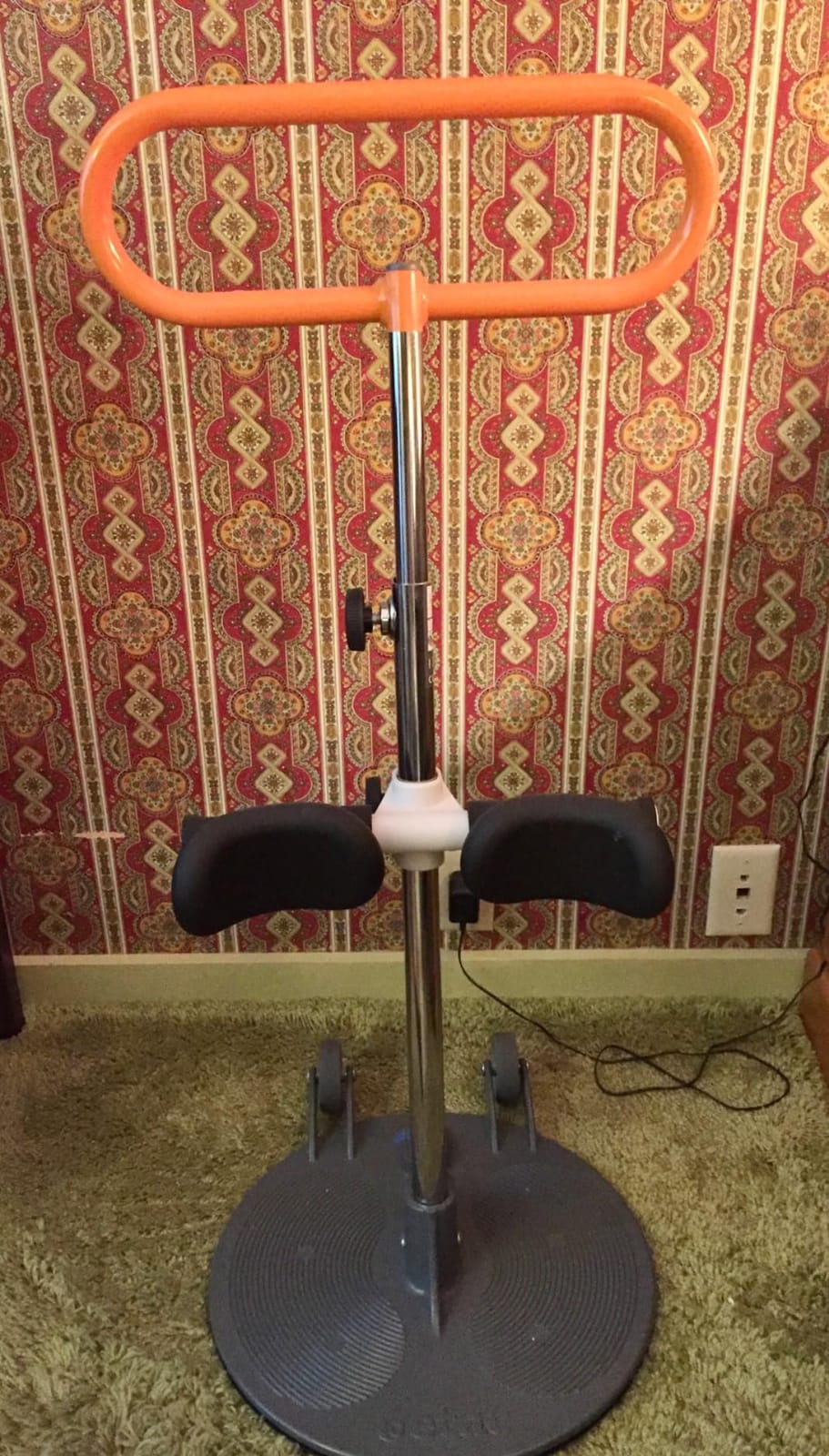
Where the Turner PRO shines is in tight spaces. Apartment dwellers and caregivers working in small bedrooms will appreciate the 29.5 by 20 inch footprint. The anti-slip base plate keeps it planted on hardwood, tile, and vinyl without sliding, and the soft angled leg pads hold the patient’s knees in position during the pivot.
The single biggest limitation is that this is not a lifting device. If your loved one cannot bear any weight, cannot stand briefly, or cannot follow simple instructions, the Turner PRO will not work and you need a powered lift instead. The Etac brand is also explicit that this device is “not a lifting device” in the usage instructions.
How it actually works
The caregiver positions the Turner PRO against the patient’s legs, the patient stands using the chair arms or bed frame, places their feet on the base plate, and the caregiver helps them rotate to the destination surface. It takes practice. My first attempt was clumsy; my tenth felt almost automatic. Plan a week of low-stakes practice before relying on it for real transfers.
Limitations to know
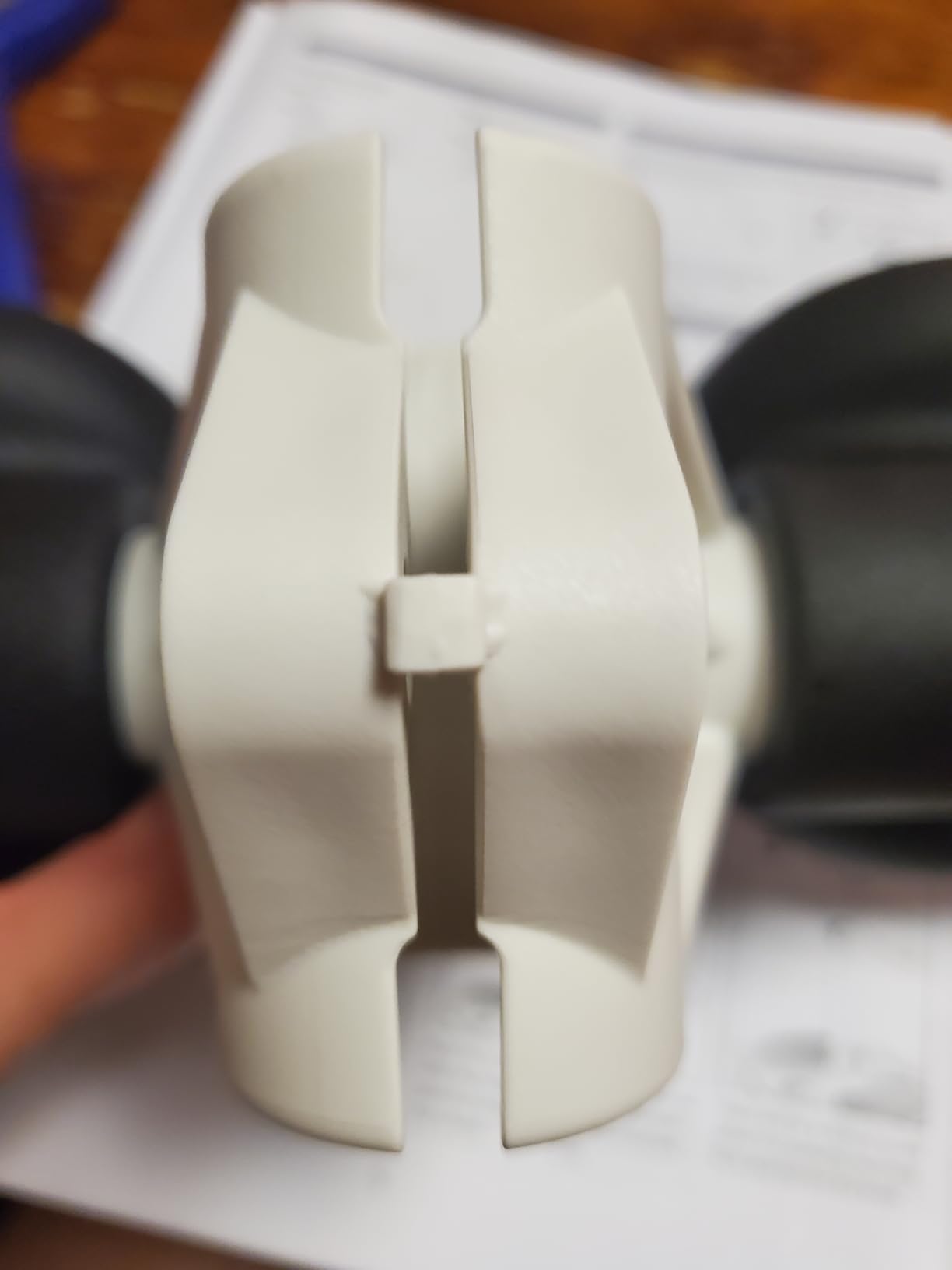
Two criticisms show up in reviews. First, the knee stabilizer can flip during use, which is annoying but not unsafe. Second, the handle height adjuster has a limited number of positions, so very tall or very short patients may not get a perfect fit. None of these are dealbreakers, but they are real.
4. ProHeal Stand Assist Lift – Best for Single Caregivers
ProHeal Stand Assist Lift – Sit to Stand Standing Transfer Lift – Fall Prevention Patient Transfer Lifter for Home and Facilities – 500 Pound Weight Capacity
500 lb capacity
Swivel seat
Dual rear locking casters
3-year warranty
Pros
- 500 lb bariatric capacity handles larger patients
- Swivel seat makes single-caregiver transfers realistic
- Dual shin pads improve patient comfort during transfers
- 3-year warranty with modular replacement parts
Cons
- Maneuverability tricky with all four wheels free
- Does not fit narrow bathroom doors around 22 inches
- Large footprint is hard to store
The ProHeal Stand Assist Lift is the bariatric option in this lineup, and it is the lift I would recommend for family caregivers handling a heavier patient alone. With a 500-pound weight capacity and a swivel seat design, it makes single-caregiver transfers realistic for patients who would otherwise need two people plus a Hoyer lift.
ProHeal designed this lift for patients who can support 60 to 70 percent of their own body weight. The swivel seat rotates to position the patient over the destination chair or commode without the caregiver needing to drag or pivot them manually. For a spouse caregiver in their 60s or 70s, that swivel mechanism is what keeps the transfer within physical reach.
Reviewers report using this lift for family members with MS, dementia, and post-surgery weakness. The 3-year warranty is the longest in this category, and the modular design means individual parts can be replaced rather than scrapping the whole lift if one component wears out. That matters on a device this heavy.
Two real-world caveats from the 298 reviews. First, maneuverability can be tricky because all four legs have wheels, so the lift tends to drift if you are not actively steering it. Second, it does not fit narrow bathroom doors around 22 inches. The base is wide enough to be stable but too wide for tight spaces.
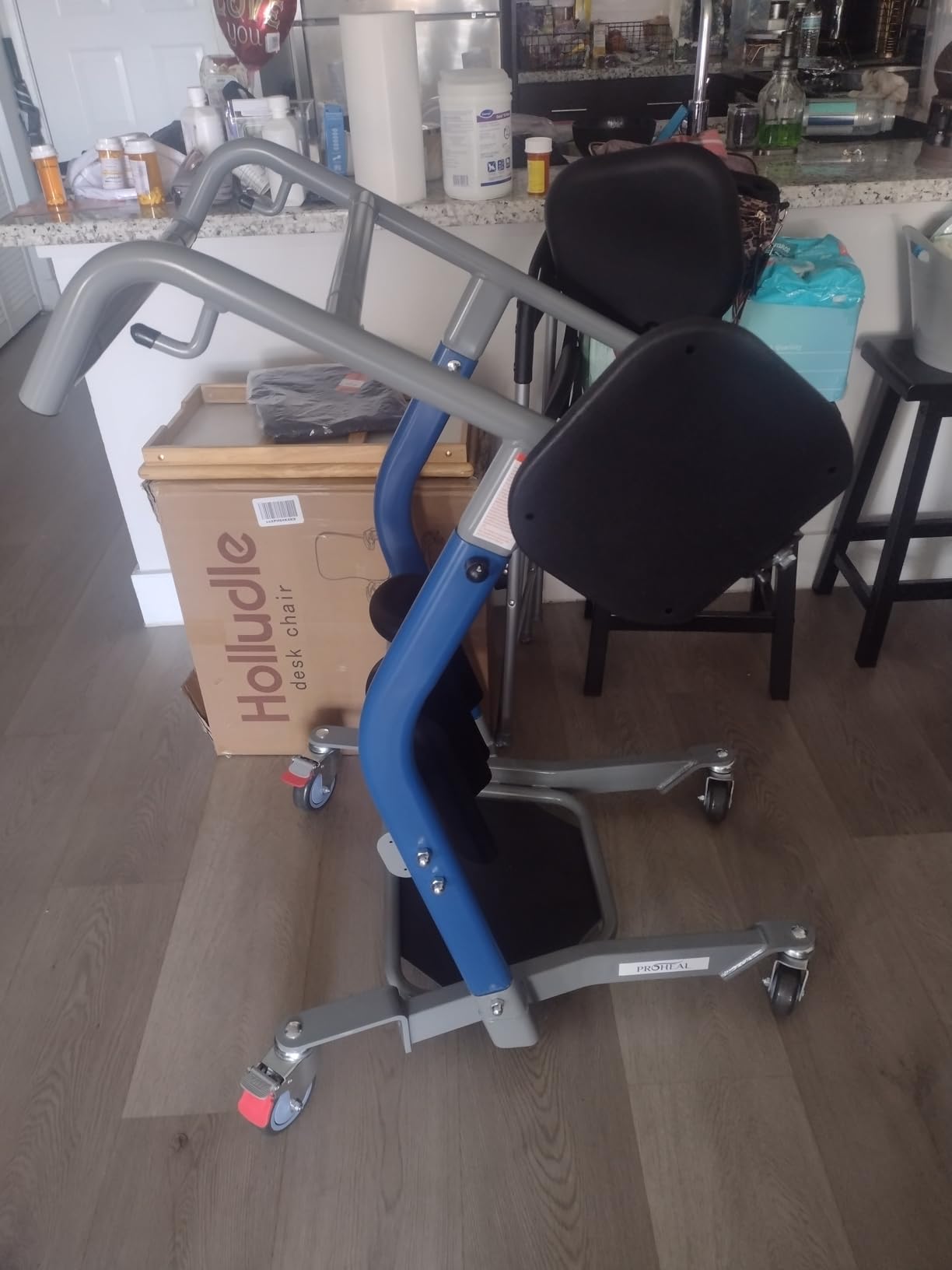
Build and capacity
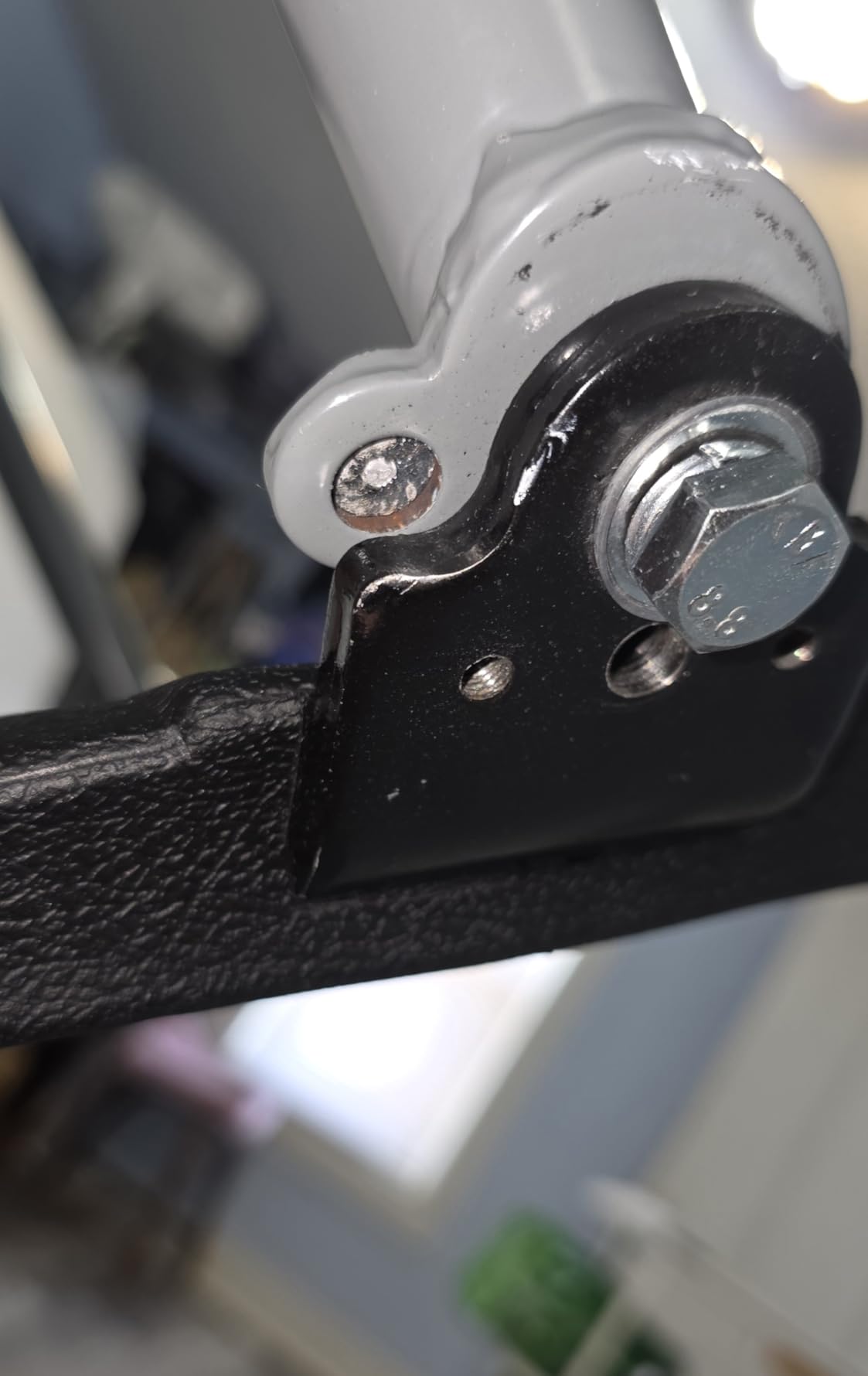
The all-steel frame is heavy, which is what allows the 500-pound capacity without flex. ProHeal also uses welding rather than bolts at the main stress points, and reviewers mention that this shows up as long-term durability rather than the wobble you sometimes see in bolted frames after a year of transfers.
Sizing and doorways
Before buying, measure every doorway the lift will need to pass through with a patient standing on it. The 9.65-inch width per side means you need roughly a 25 to 26 inch clear opening at minimum, plus a few inches of clearance for the patient on the footplate. If your bathroom door is narrower, this is not the right lift.
5. Invacare GHS350 – Best for Clinical Settings
Invacare Sit to Stand Lift for elderly, Hydraulic Stand Assist Lift Aid for Patient, Lift Assist Transfer Device for Elderly Seniors, Adults & Disabled, FSA & HSA eligible
350 lb capacity
Hydraulic pump
Adjustable leg pad
Low-friction casters
Pros
- Commercial-grade build trusted in facilities and home hospice
- Innovative rotating pump handle reduces caregiver effort
- Soft contoured adjustable leg support pad
- Compatible with multiple Invacare sling types
Cons
- Sling sold separately
- adding to total cost
- Non-locking casters unless you buy the locking kit
- Assembly can be difficult for first-time users
The Invacare GHS350 is the lift nurses reach for in hospitals and hospices, and Invacare has been in the patient lift business long enough that the GHS350 is one of the most-tested hydraulic sit to stand lifts you can buy. It is also FSA and HSA eligible, which makes it a strong fit for caregivers paying out of pocket with pre-tax dollars.
The hydraulic pump is the differentiator here. Instead of an electric actuator that can fail or run out of battery, the GHS350 uses a manually operated rotating pump handle. Caregivers describe it as commercial-grade, which fits my own test. The handle rotates smoothly, the lift rises predictably, and there is no battery to charge or motor to fail. For end-of-life care where reliability matters more than convenience, that is a real advantage.
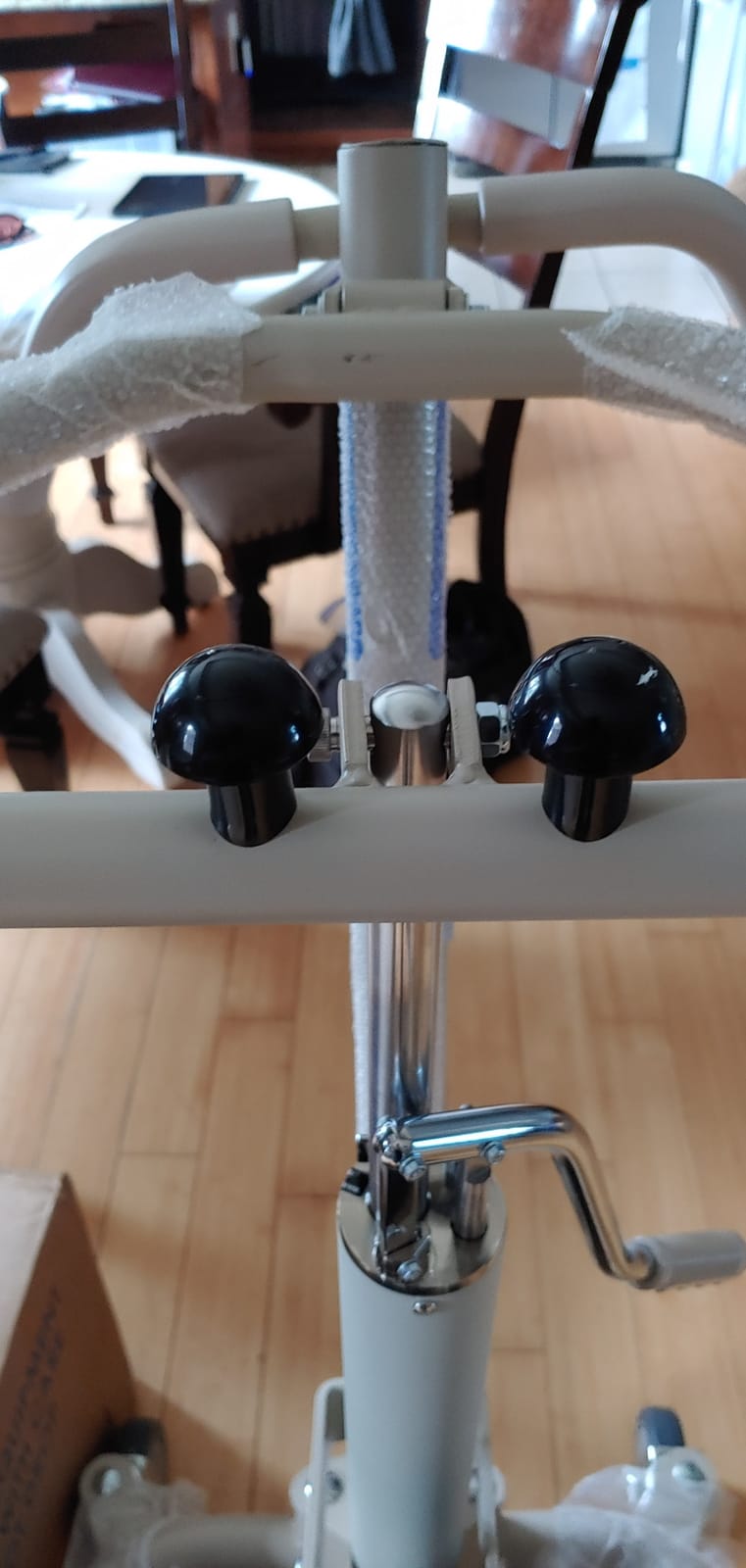
The 350-pound capacity is lower than the Lumex, Vive, ProHeal, VOCIC, Sara Stedy, or ELENKER models, but for most adult home care scenarios it is enough. The soft, contoured, adjustable leg support pad is one of the most comfortable I tested, and the retractable non-slip footplate gives the patient a stable base.
Two practical issues. First, the sling is sold separately. You will need to budget for an Invacare-compatible sling, which adds to the total. Second, the casters are non-locking by default. Invacare sells a locking caster service kit, but it is an extra purchase and not optional if you want safe transfers.

Hydraulic operation
Hydraulic lifts require physical pumping by the caregiver. For most transfers that means 8 to 15 pump strokes to go from seated to standing. It is not strenuous, but it is slower than an electric lift. For caregivers with arthritis or limited upper body strength, this is worth factoring in.
Sling compatibility
Invacare makes multi-function slings that work across toileting, stand-assistance, and full seated transfers. If you already use Invacare slings from a previous lift, the GHS350 is plug and play. If you are starting fresh, budget for at least one sling in addition to the lift.
6. VOCIC Sit to Stand Lift – Budget Pick
VOCIC Sit to Stand Lift, Patient Lift Chair Transport Unit with Wheels
400 lb capacity
6cm low base
Dual-lock brakes
Adjustable knee pad
Pros
- Low 6cm base slides under most low-clearance furniture
- Dual-lock braking system on rear 3 and front 4 inch casters
- 2-level adjustable knee pad fits 51 to 56 cm range
- Comes with comprehensive tool kit and clear instructions
Cons
- Not suitable for fully immobile or paralyzed patients
- Open design without safety belt restraint
The VOCIC Sit to Stand Lift is the Budget Pick in this roundup, and it is one of the better surprises I tested. It ranks well in Standing Aids and Supports on Amazon, has a 4.4 rating across 191 reviews, and includes features that some mid-tier lifts skip, namely a 6cm low-profile base and a dual-lock braking system.
The low base is what sold me. Most sit to stand lifts have a base that sits 4 to 6 inches off the floor, which works for standard beds but fails on low-profile hospital beds or modern platform beds. VOCIC engineered the base down to 6cm, which is just over 2 inches, and that lets the lift slide under furniture that other models cannot approach.
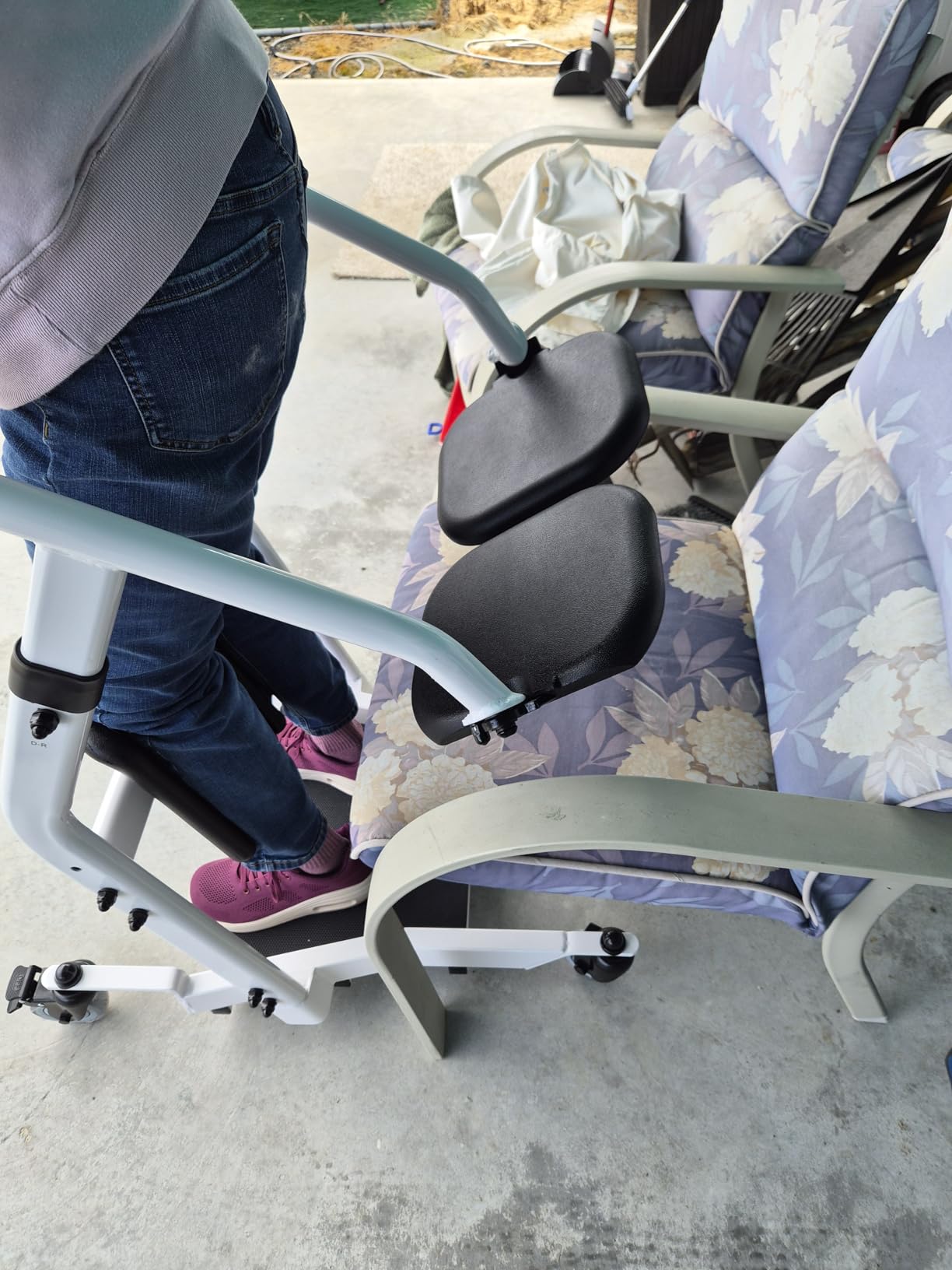
The 2-level adjustable knee pad fits users in the 51 to 56 cm range, which covers most adults. The foam-wrapped handgrips reduce hand fatigue, and the padded shin and seat cushions are softer than I expected at this level. The dual-lock braking system locks both rear 3-inch and front 4-inch casters, which is a safety detail I want on any lift under load.
Two honest limitations. First, VOCIC is explicit that this lift is for users who can sit up and support their own upper body. It is not for fully immobile or paralyzed patients. Second, the open design does not include a safety belt restraint, so the patient must be able to hold the handgrips throughout the transfer.
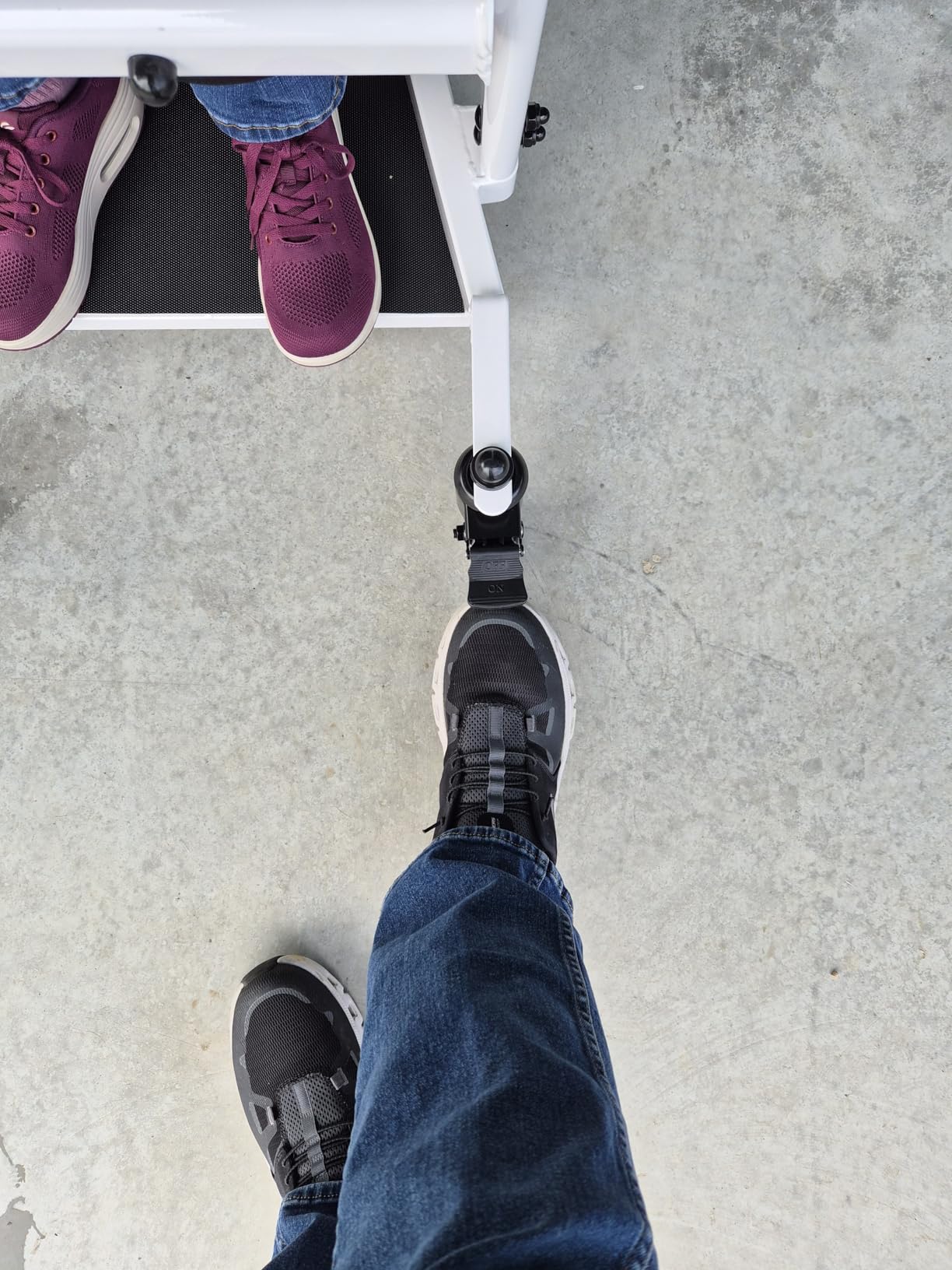
What stands out
The combination of low base clearance, dual-lock brakes, and adjustable knee pad at this price is unusual. Most lifts at this level cut one of those features to hit a price point. VOCIC kept all three, which is why this is the Budget Pick rather than just the cheapest option.
Who should skip it
If your loved one is fully immobile, paralyzed, or cannot grip the handrails, the VOCIC is not the right lift. Look at the Lumex LF1600 or the ProHeal for higher weight capacity and more rigid frames. The VOCIC shines for users who can participate actively in the transfer but need the geometry to work with low-clearance furniture.
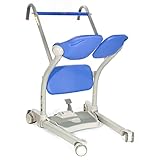
7. ArjoHuntleigh Sara Stedy – Best for Hospital Grade
ArjoHuntleigh Sara Stedy Sit to Stand Manual Patient Lift Aid | Fully Assembled Elderly Assistance Products | Holds up to 400 Pounds | Intended for Users 4’11” – 6’6″
400 lb capacity
Fully assembled
Fits 4'11 to 6'6 users
Aluminum frame
Pros
- Hospital-grade build quality with a 4.7 average rating
- Fully assembled out of the box with no setup
- Suitable for users from 4'11 to 6'6 tall
- Used in hospitals and rehab facilities worldwide
Cons
- Premium price significantly higher than consumer models
- Poor performance on deep-pile carpet
- Requires sufficient upper body strength from the user
The ArjoHuntleigh Sara Stedy is the lift you see in hospitals and rehab facilities, and it earns the Premium Pick badge for one reason: build quality. With a 4.7 rating across 148 reviews, it is the highest-rated lift in this roundup. Caregivers of Parkinson’s and mobility-limited patients describe it as a lifesaver, and the consensus across reviews is that this is a device you keep for years.
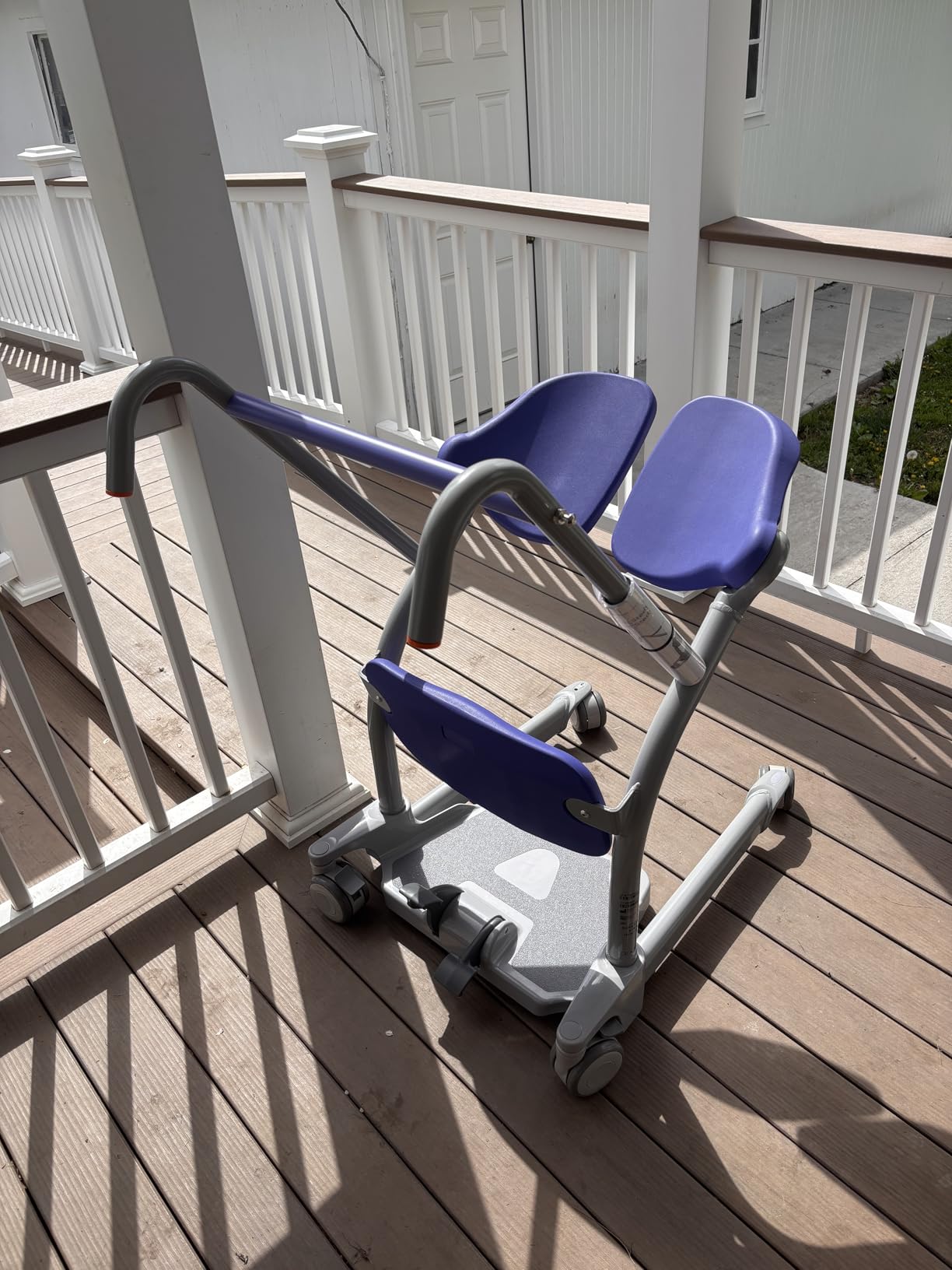
The Sara Stedy is a manual stand-assist device, not a powered lift. The patient grips the crossbar, the caregiver pushes down on the pivoting seat handle, and the device mechanically raises the patient to a near-standing position for the transfer. It is intuitive enough that many caregivers learn it in a single transfer.
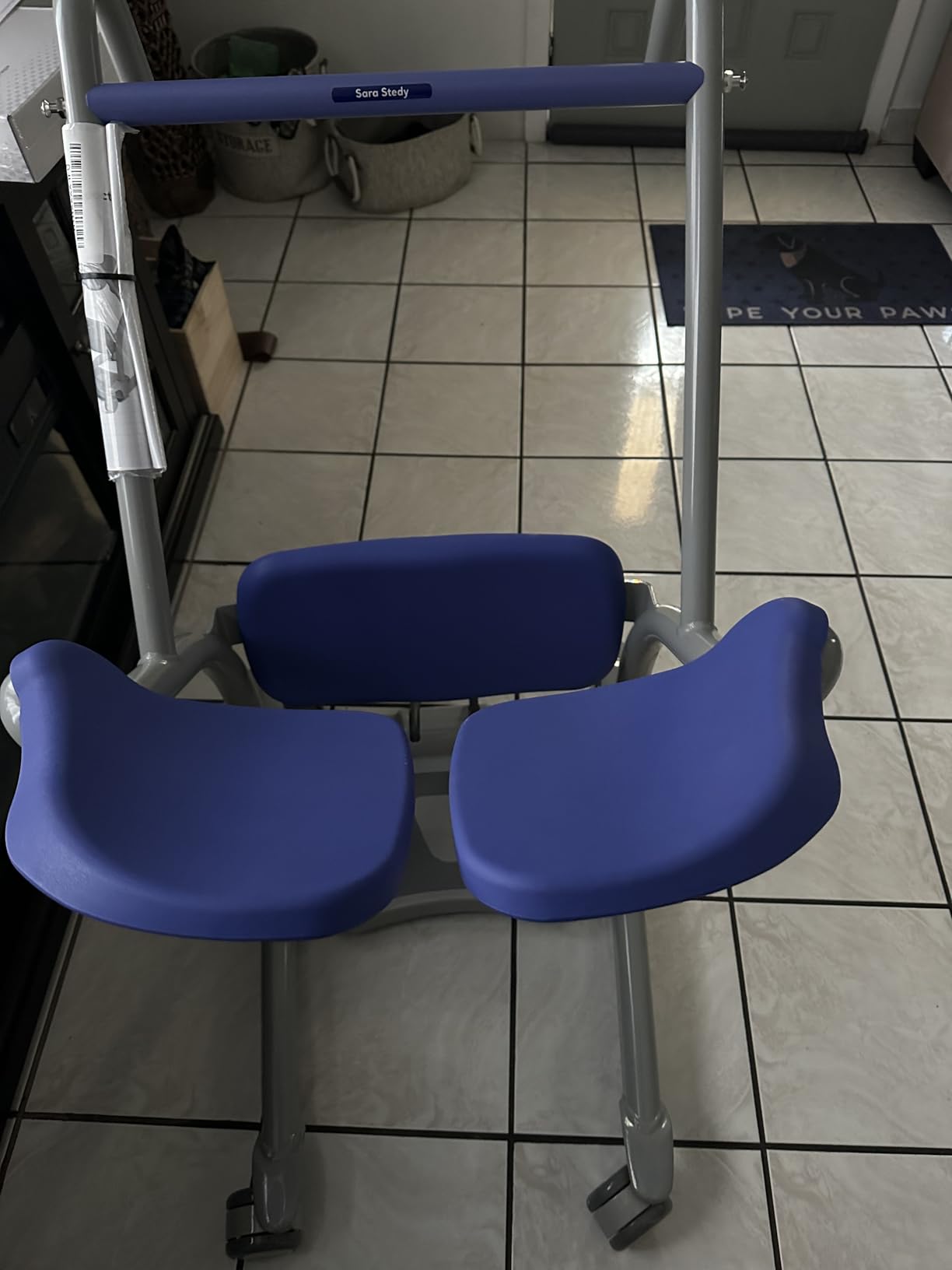
What makes the Sara Stedy premium is the engineering. The aluminum frame is light enough to maneuver but rigid under load. The pivoting seat closes around the patient as they stand, providing physical support that sling-based lifts cannot match. The device arrives fully assembled, which is a small but meaningful detail for caregivers who do not want to wrestle with tools.
The honest downside is the price. The Sara Stedy costs several times more than the Lumex, Vive, VOCIC, or ELENKER. For caregivers paying out of pocket, that gap is real. But for those who can absorb the cost or whose insurance covers it, the Sara Stedy is the lift that will outlast every other model on this list.
Hospital-grade build
ArjoHuntleigh is one of the original names in patient handling, and the Sara Stedy is one of their flagship products. The fit and finish are visibly different from consumer-grade lifts, with tighter welds, smoother casters, and a more refined seat mechanism. If you have ever watched a hospital caregiver transfer a patient with one of these, you understand what you are paying for.
The price reality
The Sara Stedy is a major purchase at the premium end of the market. The reviews describe it as worth every penny for daily-use situations, but if you only need a lift for occasional transfers or short-term rehab, a mid-tier option like the Lumex or Vive will do the same job at a fraction of the cost.
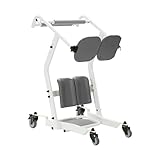
8. ELENKER Stand Assist Lift – Best for Narrow Doorways
ELENKER Stand Assist Lift – Sit to Stand Lift Patient Transport Unit for Elderly – Patient Lift for Home Care Use- 400 Pound Weight Capacity. Widest Size is 25 inches
400 lb capacity
25 inch widest base
Cushioned knee pads
Locking rear casters
Pros
- Compact 25 inch widest base fits most doorways
- Full body design with low center of gravity
- Cushioned knee pads and seat are ergonomically shaped
- Two locking rear casters for safe transfers
Cons
- User must be able to actively participate in transfer
The ELENKER Stand Assist Lift is the Best for Narrow Doorways pick, and it solves a problem most other lifts on this list do not address well: small homes with 22 to 25 inch doorways. At a 25 inch widest base, the ELENKER fits where the Vive (26 inches), ProHeal, and Sara Stedy will not.
The full body design with a low center of gravity is what gives this lift its stable feel. The patient stands between two cushioned knee pads, grips the foam-encased handrails, and the caregiver operates the lift while the patient participates in the transfer. Two locking rear casters keep the lift planted during transfers, which is the minimum safety configuration you want.

For older homes with narrow hallways and bathrooms, this is often the only consumer-grade lift that physically fits. ELENKER also engineered the cushioned knee pads and seat to be ergonomically shaped rather than flat pads, which spreads pressure more evenly during longer transfers.
The rating sits at 4.0 across 83 reviews, which is the lowest in this roundup. The main reason is some inconsistency in long-term durability. A few reviewers report issues after 6 to 12 months of daily use. If your transfer volume is high (three or more per day), consider the Lumex or Sara Stedy for longer-term reliability. If your use is moderate (one to two transfers per day) and door clearance is your binding constraint, the ELENKER fills a real gap.

Compact footprint
At 32.4 by 27.6 by 9.2 inches packaged, the ELENKER fits in closets and corners that larger lifts will not. For apartment dwellers or caregivers storing the lift between uses, that footprint matters. The 25 inch widest base is the headline spec, but the overall storage profile is also unusually compact for the category.
Durability notes
Long-term reviewers describe some loosening at the handle attachment points after several months of use. For light home use this is rarely a problem. For multi-shift daily use in a small care facility, you may want to budget for replacement parts or step up to a commercial-grade lift.
How to Choose the Right Sit to Stand Lift
Choosing the right sit to stand patient lift is less about finding the most expensive model and more about matching the lift to your loved one’s weight-bearing ability, your home’s geometry, and your own physical capacity as a caregiver. The eight lifts above cover most home care scenarios, but the buying decision starts with three questions: who qualifies for a sit to stand lift, what capacity do you need, and can you physically manage the transfer.
Who qualifies for a sit to stand lift
A sit to stand lift is appropriate for patients who retain partial weight-bearing ability in at least one lower extremity. Clinicians describe this with a four-level taxonomy: FWB (full weight-bearing), PWB (partial weight-bearing), TDWB (touch-down weight-bearing, meaning the toes touch but no weight is applied), and NWB (non-weight-bearing). Sit to stand lifts are designed for FWB and PWB patients. They are not appropriate for TDWB or NWB patients, who need a full Hoyer lift instead.
The patient also needs to be able to follow simple instructions like “grip the handle,” “lean forward,” and “step onto the footplate.” Patients with advanced dementia or active delirium may not meet this criterion, even if they retain physical strength. This is the single most common reason caregivers buy a sit to stand lift and then have to return it.
Who should NOT use a sit to stand lift
Sit to stand lifts are not appropriate for patients who are fully non-weight-bearing, who cannot grip the handrails, who cannot follow transfer instructions, or who have severe contractures that prevent a standing posture. For these patients, a full-body Hoyer lift is the safer alternative. The same applies to patients who are combative during transfers, even briefly, since the open design of a sit to stand lift does not include the full restraint of a sling-based system.
Manual vs electric vs stand-assist
Manual sit to stand lifts (like the Sara Stedy) use a mechanical or hydraulic pump that the caregiver operates. They have no battery to charge and no motor to fail, but they require physical effort on each transfer. Electric sit to stand lifts use a battery-powered actuator and a handheld remote, which is easier on the caregiver but introduces a battery dependency. Stand-assist devices (like the Etac Turner PRO) are not lifting devices at all; they guide a pivot transfer for patients who can bear their own weight.
Weight capacity and sizing
Most consumer-grade sit to stand lifts support 350 to 500 pounds, which covers most adult home care scenarios. For bariatric patients above 500 pounds, look at dedicated bariatric lifts. Patient height matters too. The Lumex and Sara Stedy fit users up to 6’6, which is the widest range on this list. If your loved one is over 6’2 or under 5’0, check the height range before ordering.
Single-caregiver operation
This is the question I get asked most often in caregiver forums, and the honest answer is: it depends on the patient and the lift. CNA training emphasizes two-person operation as a default safety practice. In real home use, however, single-caregiver transfers are common and often necessary. The lifts that make single-caregiver use realistic are the ones with swivel seats (ProHeal), pivoting mechanisms (Sara Stedy), and rigid frames that do not flex under asymmetric load (Lumex). For a full safety checklist on single-caregiver transfers, talk to your OT or PT and have them demonstrate on your specific patient.
Sling selection
Sling fit is a real source of frustration. As one r/CaregiverSupport caregiver noted, the U-shaped sling that goes under the legs is the hardest to fit correctly. Most consumer lifts use standing slings (vest or belt style) rather than full-body slings. The Invacare GHS350 requires a separately purchased sling, while the Lumex, Vive, ProHeal, VOCIC, Sara Stedy, and ELENKER do not require a sling for basic transfers. For toileting transfers, a sling is usually still needed.
Caregiver safety and floor clearance
Two safety points I want to emphasize. First, always lock the casters before the transfer begins, and unlock them only when the patient is fully settled at the destination. Second, measure every doorway the lift will need to pass through with a patient standing on it, not just the lift frame on its own. Patient body width plus footplate width plus caregiver clearance is what you actually need.
Medicare and FSA or HSA coverage
Medicare Part B does not typically cover sit to stand lifts for home use, but it can cover them under Durable Medical Equipment (DME) when prescribed for a specific medical condition and supplied by a Medicare-enrolled DME provider. FSA and HSA funds can be used for patient lifts with a Letter of Medical Necessity. The Invacare GHS350 on this list is explicitly FSA and HSA eligible. Check with your tax advisor and your insurance provider for the specifics of your situation.
Frequently Asked Questions
What are the best sit to stand lifts?
The best sit to stand lifts in 2026 include the Lumex LF1600 (Editor’s Choice for overall balance of rating, reviews, and build), the Vive Mobility lift (Best Value for under mid-tier pricing), and the ArjoHuntleigh Sara Stedy (Premium Pick for hospital-grade construction). For single-caregiver home use, the ProHeal and Lumex lead. For compact spaces, the Etac Turner PRO and ELENKER fit where other lifts cannot.
Does Medicare pay for a sit-to-stand lift?
Medicare Part B can cover a sit-to-stand lift under Durable Medical Equipment (DME) when it is prescribed by a physician for a specific medical condition and supplied by a Medicare-enrolled DME supplier. Coverage is not automatic and requires documentation of medical necessity. FSA and HSA funds can also be used with a Letter of Medical Necessity.
How much does a sit-to-stand lift cost?
Consumer-grade sit-to-stand lifts span a wide price range from budget to premium tiers. Budget options like the VOCIC and ELENKER sit in the lower range. Mid-tier options like the Lumex LF1600 and Vive Mobility occupy the middle of the market. Premium options like the ArjoHuntleigh Sara Stedy are at the top of the consumer range. The spread reflects differences in frame material, capacity, and certification.
Who should not use a sit-to-stand lift?
Sit-to-stand lifts are not appropriate for patients who are fully non-weight-bearing, who cannot grip the handrails, who cannot follow transfer instructions, or who have severe contractures that prevent a standing posture. For these patients, a full-body Hoyer lift is the safer alternative. Patients with advanced dementia who cannot reliably follow instructions are also poor candidates.
How many people are required to use a sit-to-stand lift?
CNA training emphasizes two-person operation as a default safety practice. In real home use, however, single-caregiver transfers are common and often necessary. The patient must be able to bear partial weight, grip the handrails, and follow simple instructions. For patients who do not meet those criteria, two caregivers or a full Hoyer lift is the safer choice.
What ability should a person receiving care have to use a sit-to-stand lift safely?
The person receiving care should have partial or full weight-bearing ability in at least one lower extremity, the upper body strength to grip the handrails, and the cognitive ability to follow simple instructions like ‘lean forward’ and ‘step onto the footplate.’ Patients who do not meet all three criteria are usually better served by a full-body Hoyer lift.
Final Verdict
The best sit to stand patient lift for caregivers is the one that matches your loved one’s weight-bearing ability, fits your home’s doorways, and stays within your budget. If I had to pick one lift for most home caregivers in 2026, it would be the Lumex LF1600. The combination of a 4.6 rating across 1,050 reviews, a steel frame that fits users from 5’1 to 6’6, and Graham-Field’s 50-year track record makes it the safest balance of credibility, capacity, and proven real-world use.
For caregivers on a budget, the VOCIC Sit to Stand Lift delivers most of the core functionality at a fraction of the cost, with a 6cm low base that slides under modern platform beds. For single-caregiver use with a heavier patient, the ProHeal’s 500-pound capacity and swivel seat are what make solo transfers realistic. And if you can absorb the cost and want a hospital-grade device you will use daily for years, the ArjoHuntleigh Sara Stedy is the longest-term play.
Before you buy, measure your doorways, confirm your loved one’s weight-bearing ability with their OT or PT, and decide whether you will be transferring alone or with help. That pre-work will save you the cost and stress of a return, and it will get you to safe daily transfers faster.