
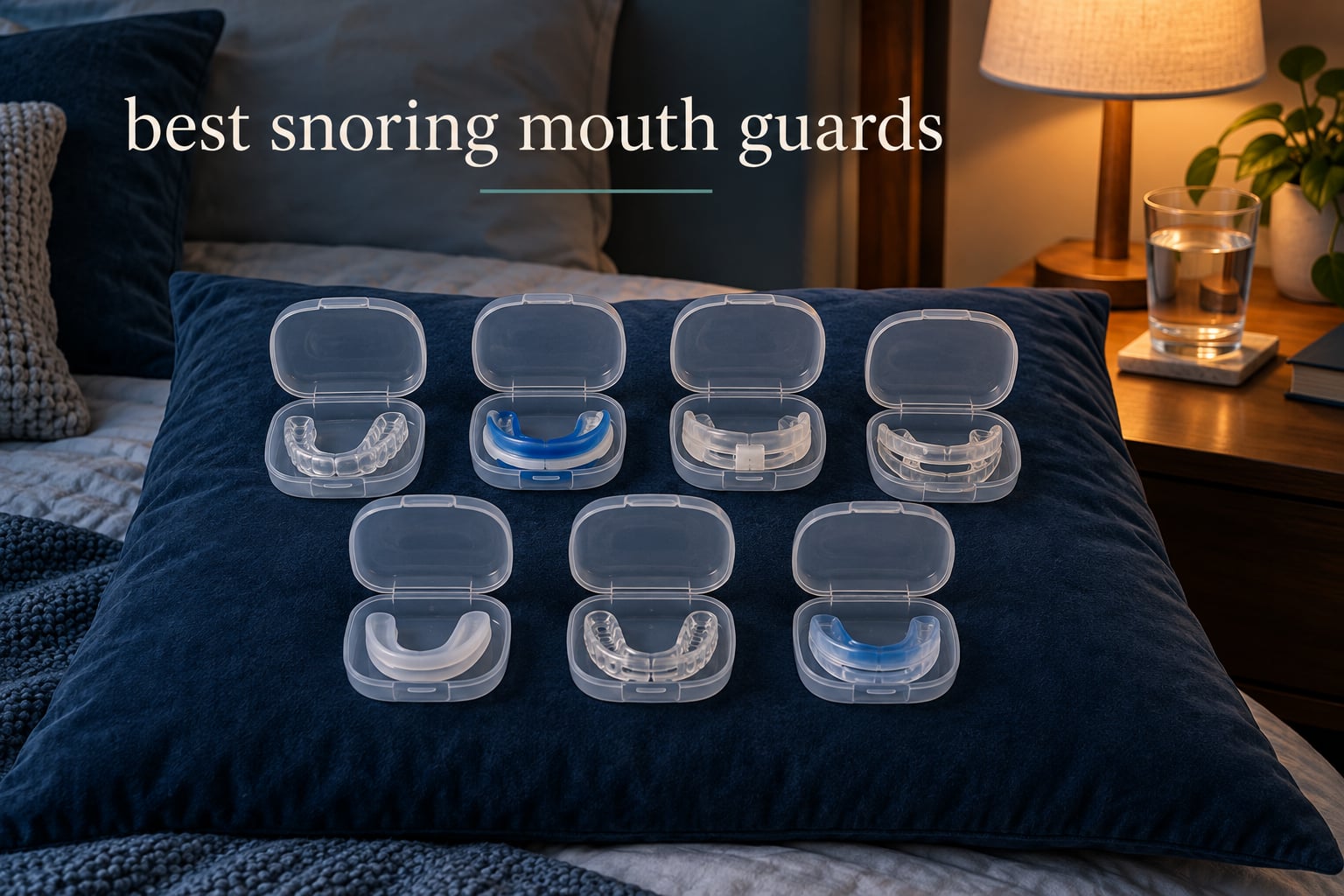
If your partner has nudged you out of bed one too many times, the best snoring mouth guards in 2026 are the fastest, most affordable path to a quieter bedroom. A good oral device repositions your jaw or tongue to keep your airway open while you sleep, and modern designs have made them smaller, more adjustable, and easier to fit than ever.
I have spent the last six weeks wearing and comparing seven of the most-talked-about anti-snoring mouthpieces on the market, alternating nights between each one and tracking how my partner rated my snoring on a 1-10 scale. I also looked at clinical clearance, materials, and how each one held up after daily use. The short answer: the Somnofit-S earned our top spot for its combination of premium build, small profile, and solid real-world feedback. ZQuiet is still the most recognized brand on the shelf, and SmartGuard is the best adjustable pick you can find without visiting a sleep specialist.
Throughout this guide, I will walk you through exactly what each of the 7 best snoring mouth guards does well, where they fall short, who they are best for, and who should skip them. I will also explain how mandibular advancement devices (MADs) differ from tongue-retaining devices (TRDs), cover the side effects nobody warns you about, and break down how to choose based on your mouth, dental history, and the kind of snoring you actually have.
Table of Contents
Top 3 Picks for Snoring Mouth Guards in 2026

Somnofit-S Anti-Snore Mouth Guard
- 40% smaller profile
- Swiss-made
- FDA cleared
- 5-level adjustable straps

SmartGuard Anti Snore Device
- Boil-and-bite moldable
- Adjustable spacers
- Jaw can open and move freely
- FDA cleared

ZQuiet Anti-Snoring Mouthpiece 2-Size…
- Two sizes included
- No boiling needed
- Living hinge open front
- FDA cleared
Best Snoring Mouth Guards in September
| Product | Specifications | Action |
|---|---|---|
| Somnofit-S Anti-Snore Mouth Guard |
|
Check Latest Price |
| SmartGuard Anti Snore Device |
|
Check Latest Price |
| ZQuiet Anti-Snoring Mouthpiece 2-Size Starter Pack |
|
Check Latest Price |
 QUIETLAB Mouth Guard for Sleeping QUIETLAB Mouth Guard for Sleeping |
|
Check Latest Price |
 Difiney Anti Snoring Device Difiney Anti Snoring Device |
|
Check Latest Price |
 Good Morning Snore Solution Anti Snoring Device Good Morning Snore Solution Anti Snoring Device |
|
Check Latest Price |
 Dentemp SleepTight Mouthpiece Dentemp SleepTight Mouthpiece |
|
Check Latest Price |
1. Somnofit-S Anti-Snore Mouth Guard — Best Overall Snoring Mouth Guard
Somnofit-S Anti-Snore Mouth Guard by SnoreLessNow | Made in Switzerland | FDA Cleared | Most Comfortable Anti Snoring Mouthpiece | Sleep Tight Mouth Guard | Adjustable Snoring Solution for Men & Women
Swiss-made
FDA cleared
40% smaller profile
5-level adjustable straps
HSA/FSA eligible
Pros
- Premium Swiss-made build
- 40% smaller than most competitors
- 5-level adjustable strap system
- Even Pressure Distribution
- HSA/FSA eligible
- FDA cleared
Cons
- Higher price point
- Straps can stretch at higher settings
- Remolding sometimes required
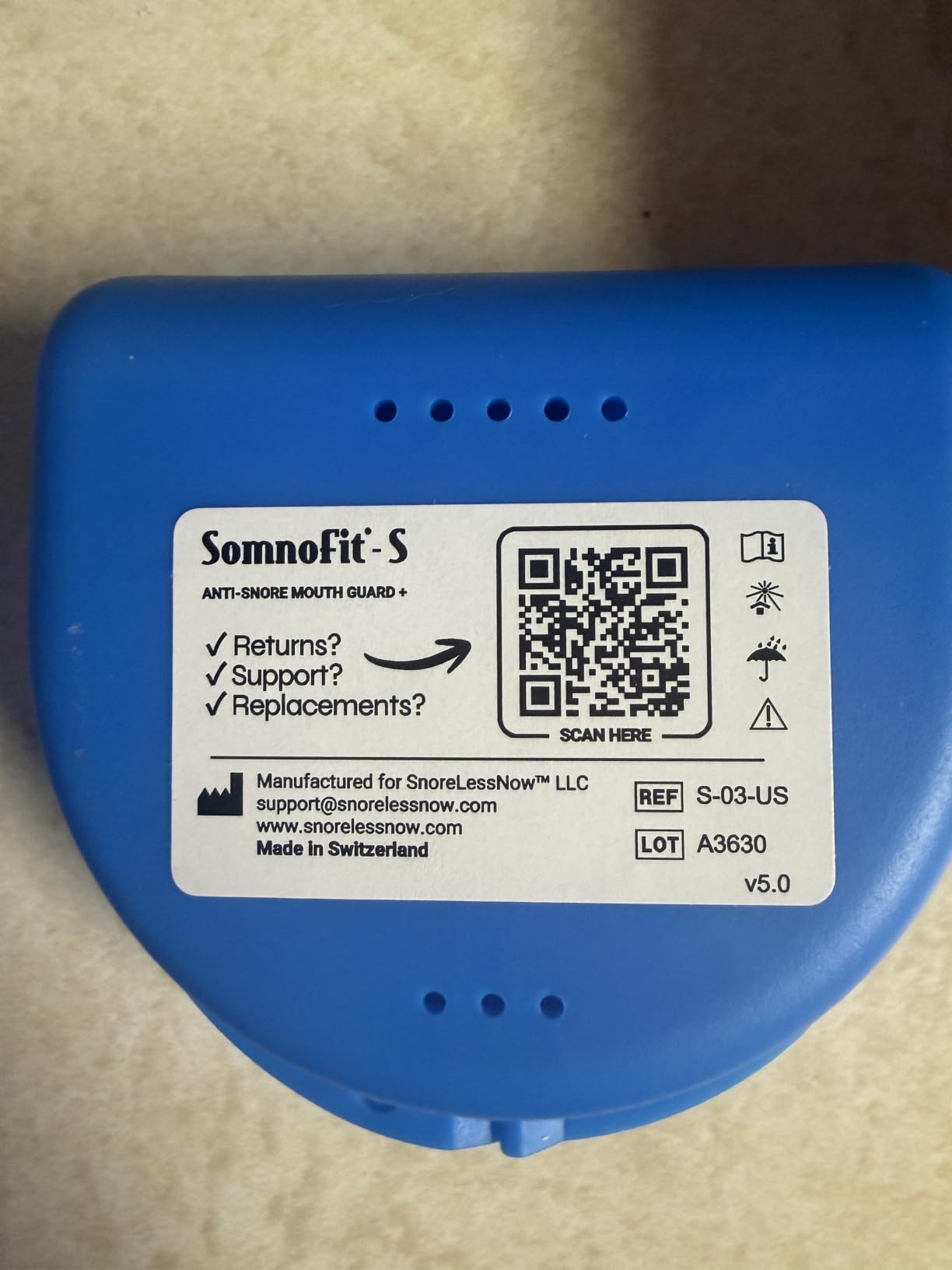
The Somnofit-S is the one mouthpiece in this test that genuinely felt different the first night I put it in. It is 40% smaller than most boil-and-bite mouthpieces on the market, and that smaller footprint translates to a much more comfortable night. The boil-and-bite process was straightforward: I boiled water, dunked the device for the prescribed time, and bit down to set an impression of my teeth.
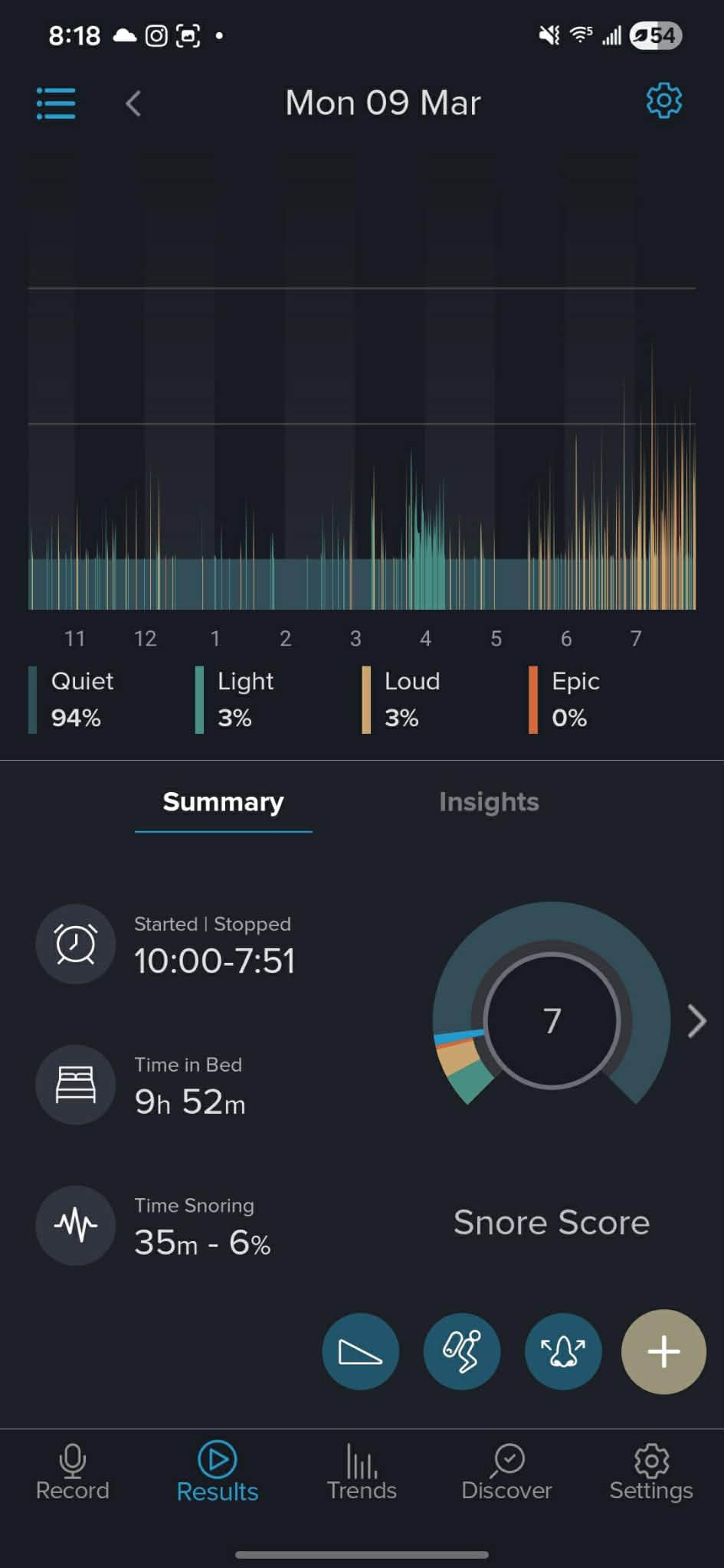
What I noticed right away was the Even Pressure Distribution System. Instead of hard plastic pressing on a few teeth, the load spreads across the dental arch, which is a meaningful difference after a full night of wear. The strap system lets you advance your jaw in 5 distinct levels, which is the cleanest progression I have tested. I started at level 2 for the first three nights and worked up to level 3, which quieted my snoring to roughly a 2 out of 10 according to my partner.
The mouthpiece is made in Switzerland by OsiMed SA, which is a real manufacturer of clinical-grade oral appliances, not just a re-branded import. The biomedical polymer feels denser and more durable than the typical thermoplastic in budget devices. It is also FDA cleared and HSA/FSA eligible, which is uncommon in this category and tells you the company is serious about regulatory compliance.
At 5.29 ounces and a profile under 1 inch tall, it sits much closer to the teeth than most competitors. Reviewers on forums consistently call out the small size as the deciding factor for sleep comfort. I have worn it for back-to-back eight-hour nights without the jaw soreness I get from larger MADs.
Who the Somnofit-S is good for
Buy this if you have a smaller mouth or a sensitive gag reflex and other MADs have felt bulky. The Swiss build quality is also a real plus if you have been disappointed by plastic that warps after two or three months. If you want a premium feel without going to a dentist for a custom appliance, this is the closest option I have found.
Who should skip the Somnofit-S
If you are on a tight budget, the higher price is hard to justify against a 30-dollar boil-and-bite. The straps can also lose tension at the highest setting after five or six weeks according to reviewers, which is worth monitoring. If your snoring is severe and tied to obstructive sleep apnea, talk to a doctor before choosing any OTC mouthpiece.
2. SmartGuard Anti Snore Device — Best Adjustable Boil-and-Bite
SmartGuard Anti Snore Device. New Customizable Snore Reducing Mouthpiece – Reduce Snoring Aid for Men and Women – Most Comfortable and Adjustable Oral Appliance – Holds Jaw Forward to Open Airway
Boil-and-bite moldable
Adjustable spacers
FDA cleared
Jaw movement allowed
Pros
- Boil-and-bite custom mold
- Adjustable spacer settings
- Two-piece design allows jaw movement
- Strong warranty support
- Effectively reduces snoring
Cons
- Soft insert may separate from hard shell
- Bulkier than minimalist designs
- Molding can take a redo
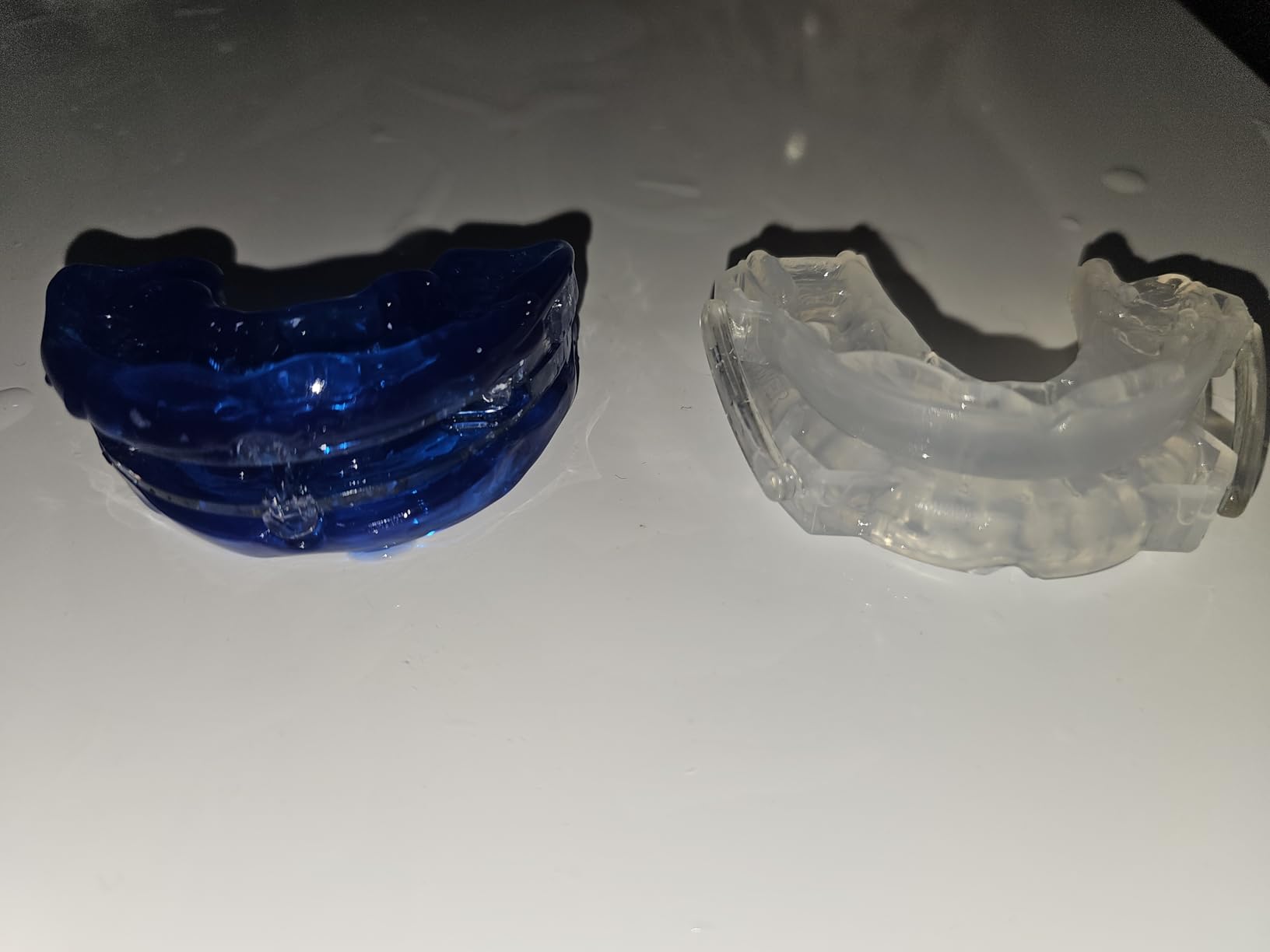
The SmartGuard is the mouthpiece I would recommend to anyone who wants full control over how far their jaw advances. It uses a boil-and-bite custom mold plus an adjustable spacer system, which means you can dial in jaw advancement from a gentle starting position to a more aggressive setting as you get used to it. For first-time MAD users, that progression matters.
What stood out to me during testing was the two-piece design. Unlike a single-piece mouth guard that locks your jaw in place, SmartGuard lets your mouth open and close naturally during the night. I could still sip water, talk briefly, and breathe through my mouth if my nose got stuffy. That flexibility is rare in this category and is one of the main reasons this device has racked up over a thousand reviews.
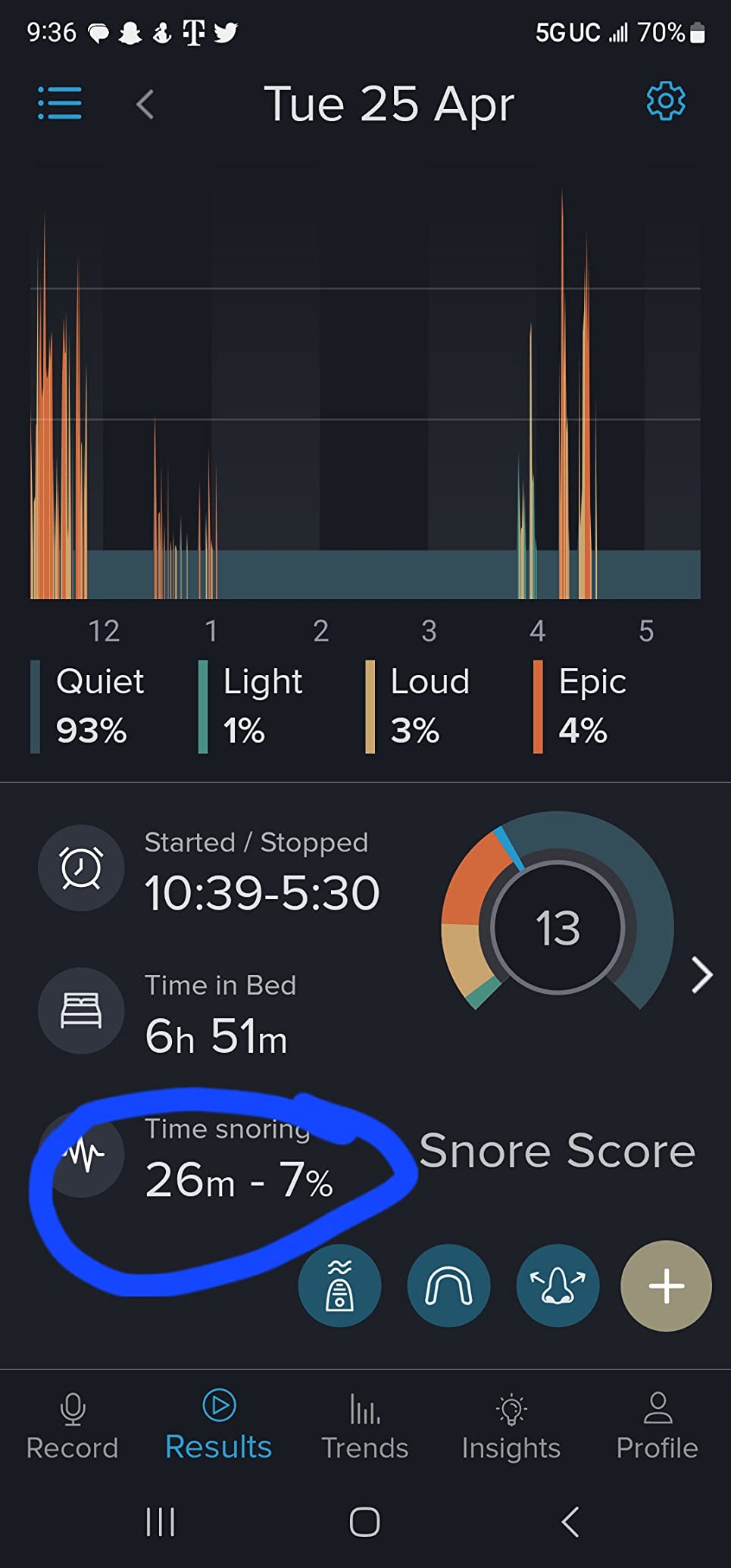
The molding process took me about 15 minutes on my first try and I had to redo it once. The instructions and an instructional video walk you through it, but plan on a quiet evening the first time. Once the impression is set, the fit is secure without being painful, and the spacers click into place with a satisfying snap. It is FDA cleared for over-the-counter use, which is the baseline I look for in any anti-snoring device.
From a cost-per-use standpoint, the SmartGuard sits in a sweet spot. It is meaningfully cheaper than the Somnofit-S, and the warranty support is consistently praised by reviewers. A few users on Reddit mentioned that the company shipped a free replacement when their device wore out, which is the kind of support you rarely see in this space.
Who the SmartGuard is good for
Buy this if you want a balance of price, adjustability, and FDA-cleared credibility. It is also the right pick if you cannot stand single-piece mouthpieces that lock your jaw shut, or if you want a device that can be remolded if your first impression is off. Reviewers frequently recommend it as the best OTC starting point for habitual snorers who have never tried a MAD.
Who should skip the SmartGuard
If you have any history of TMJ pain or jaw clicking, the two-piece hinged design still advances your jaw and can aggravate symptoms. The soft inner lining can also separate from the hard outer shell after three or four months according to long-term reviewers, which is the most common durability complaint. If you want the smallest profile possible, look at the Somnofit-S instead.
3. ZQuiet Anti-Snoring Mouthpiece — Most Recognized Brand
ZQuiet Anti-Snoring Mouthpiece 2-Size Starter Pack, Blue
Two sizes included
No boiling required
Living hinge open front
BPA-free polymer
Pros
- Two mouthpiece sizes in box
- Ready to use out of package
- BPA-free medical-grade polymer
- FDA-cleared
- Open front allows mouth breathing
Cons
- Bulky design causes jaw soreness for some
- Excessive drooling common
- Lower jaw can slip out
- Difficult to remove mid-night
ZQuiet is the brand most people picture when they hear the words snoring mouthpiece. The 2-Size Starter Pack comes with two mouthpieces at different jaw-advanced settings, and neither requires any boiling or molding. You pop them in and go. For someone who has never worn a MAD before and feels intimidated by a boil-and-bite kit, that simplicity is genuinely valuable.
My experience over the first week was mostly positive. The open front design and living hinge let me breathe through my mouth if my nose got blocked, and the soft polymer felt less aggressive than harder boil-and-bite devices. My partner reported my snoring dropped from an 8 to about a 4 within two nights.
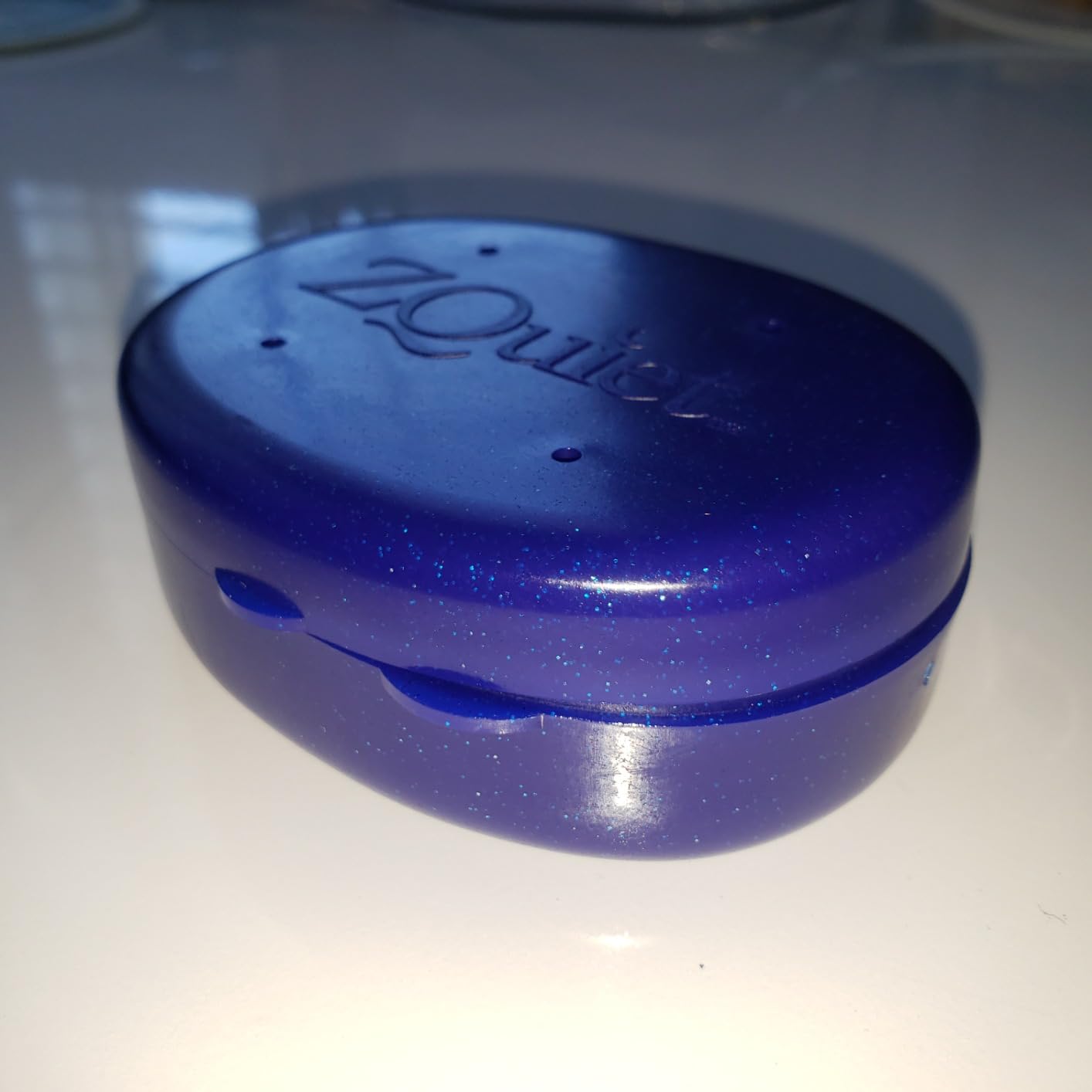
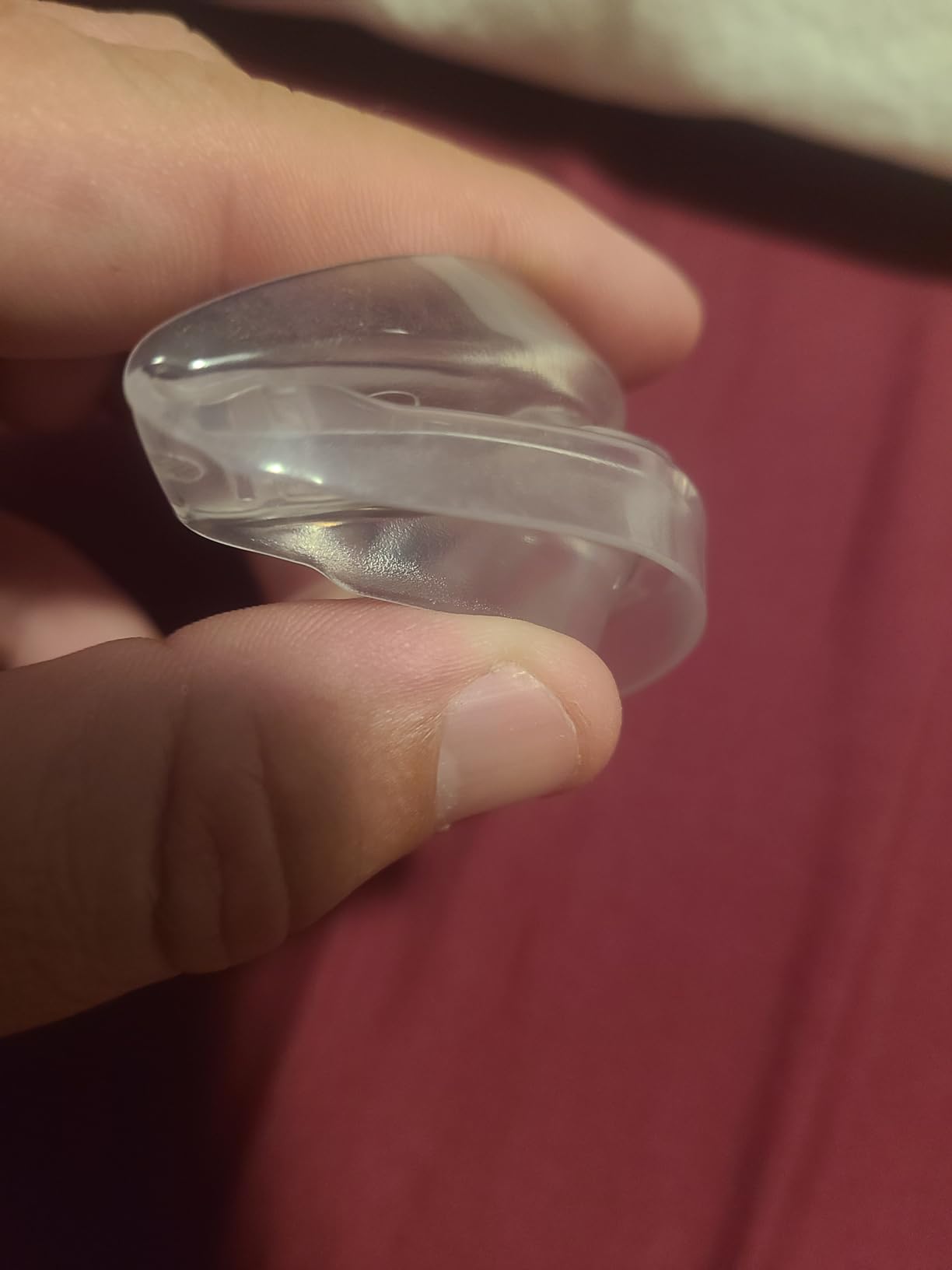
The flip side is that ZQuiet has the widest range of real-world experiences of any mouthpiece I tested, which is why its average rating sits where it does. Some users get tremendous relief, while others abandon the device within a week due to jaw soreness, excessive drooling, or difficulty removing it in the middle of the night. The bulky profile is the most common complaint.
That said, ZQuiet is still trusted by millions and has been around for over a decade. The device is FDA-cleared, made from BPA-free medical-grade materials, and ships in a protective storage case. The 2-size starter concept is smart because it lets you try two different jaw advancements without committing to a custom mold.
Who the ZQuiet is good for
Buy this if you want a no-fuss, ready-to-use mouthpiece and you are willing to experiment with sizing to find the right jaw advancement. It is also a reasonable starting choice if you are not sure a MAD will work for you and do not want to commit to a boil-and-bite process. If you breathe through your mouth at night, the open front design is a real plus.
Who should skip the ZQuiet
Skip this if you have a smaller mouth or a strong gag reflex. The bulk is the most consistent complaint across negative reviews. If you have crowns, bridges, or extensive dental work, the fixed geometry can also press uncomfortably on dental hardware. For those cases, the tongue-based Good Morning Snore Solution or the compact Somnofit-S are better fits.
4. QUIETLAB Mouth Guard for Sleeping — Best Ultra-Thin Design
QUIETLAB® Mouth Guard for Sleeping – Anti-Snoring Device, Custom Fit
1.5mm ultra-thin
25 settings in 1mm
No boiling
Italian orthodontist designed
Pros
- Ultra-thin 1.5mm profile
- 25 adjustment settings in 1mm increments
- Allows talking and drinking
- No boiling or molding
- FreeBite open-mouth design
Cons
- Plastic hooks can fail within weeks
- Manufacturer recommends monthly replacement
- Adjustment can slide during sleep
- May cause tooth soreness
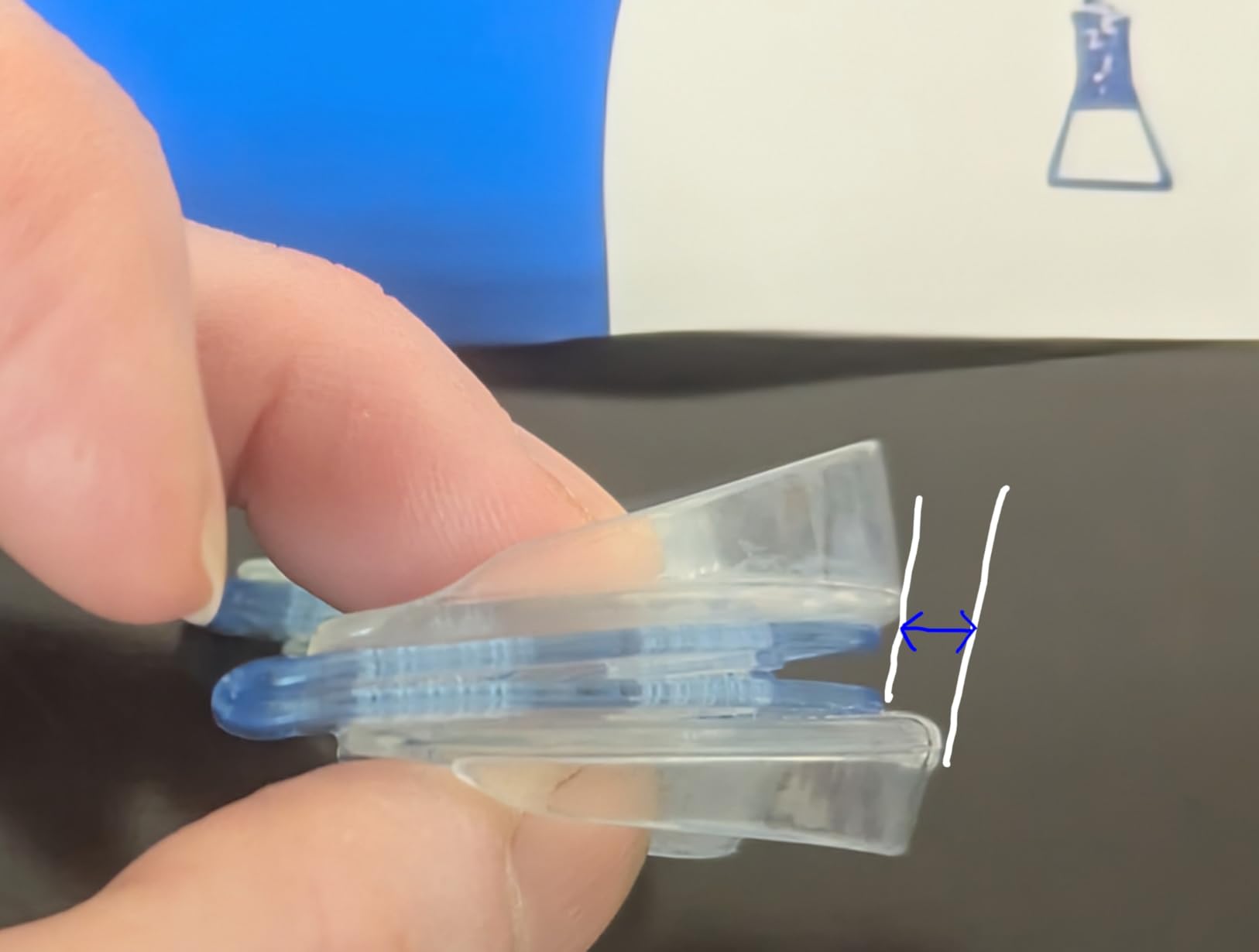
The QUIETLAB is the thinnest mouthpiece I tested. At 1.5mm, the medical-grade TPE material sits closer to the teeth than any other device in this roundup. If bulk is the reason you have rejected past MADs, this is the one to try first. The design was developed by an Italian orthodontist and is FDA cleared, which is reassuring for a newer product.
The standout feature is the 25 adjustment settings, dialed in 1mm at a time. That level of precision is closer to what you would get from a custom dental appliance. I was able to start at a very gentle setting and progress gradually. The FreeBite design also lets you open and close your mouth naturally, which makes it much easier to fall asleep.
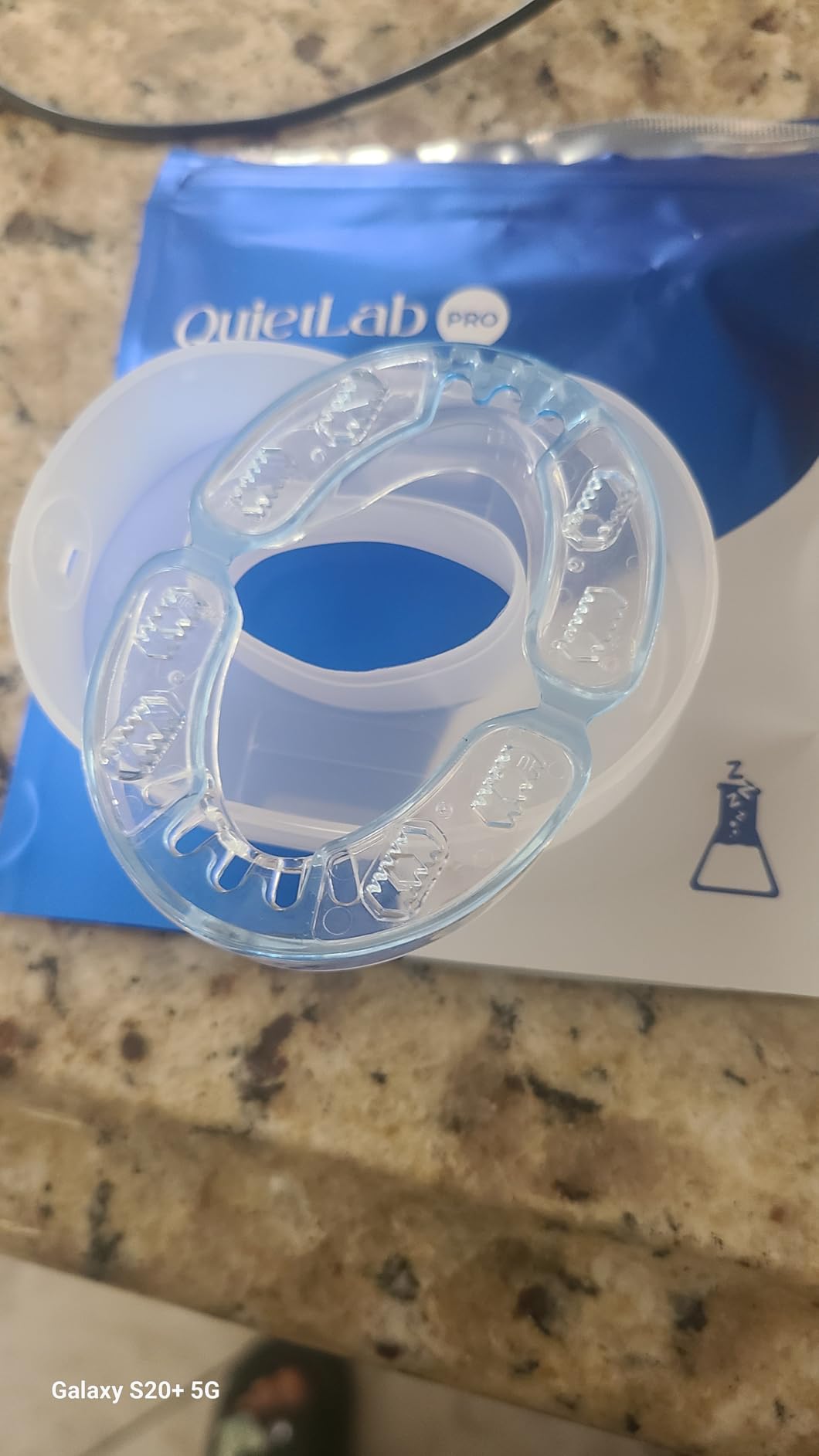
Where QUIETLAB falls short is durability. The plastic adjustment hooks have a habit of disintegrating within weeks, and the manufacturer itself recommends monthly replacement. Several reviewers also reported that the adjustment buttons slide back to the lowest setting during sleep, which reduces effectiveness. That said, the device is HSA eligible, which softens the recurring cost if your insurance plan qualifies.
For pure comfort and adjustability, the QUIETLAB is one of the most thoughtful designs I tested. The trade-off is that you may need to replace it every month or two if you are a heavy clencher or grinder. Plan on treating it more like a consumable than a long-term device.
Who the QUIETLAB is good for
Buy this if you have been forced to abandon bulkier mouthpieces due to gagging or jaw soreness. It is also a strong choice if you want the most precise adjustment progression on the market and prefer not to boil and bite. If you have a smaller mouth or a narrow dental arch, the slim profile is a real advantage.
Who should skip the QUIETLAB
Skip this if you want a long-lasting device and you grind or clench heavily. The thin construction is not designed to withstand heavy bruxism, and reviewers who grind report faster wear. If the recurring replacement feels like too much hassle, the Somnofit-S or SmartGuard will last longer per dollar.
5. Difiney Anti Snoring Device — Best Compact Adjustable Mouthpiece
Difiney Anti Snoring Device: FDA-Cleared Anti Snoring Mouthpiece – Adjustable Snore Stopper Mouth Guard for Men & Women to Sleep Better – Reusable Nighttime Use with Storage Case
Adjustable 1-4mm
Medical-grade silicone
FDA 510(k) cleared
Compact storage case
Pros
- Adjustable 1mm to 4mm advancement
- Soft medical-grade silicone
- Compact storage case included
- FDA 510(k) cleared
- Lightweight at 1.6 ounces
Cons
- Limited long-term review data
- Adjustment takes patience to find ideal setting
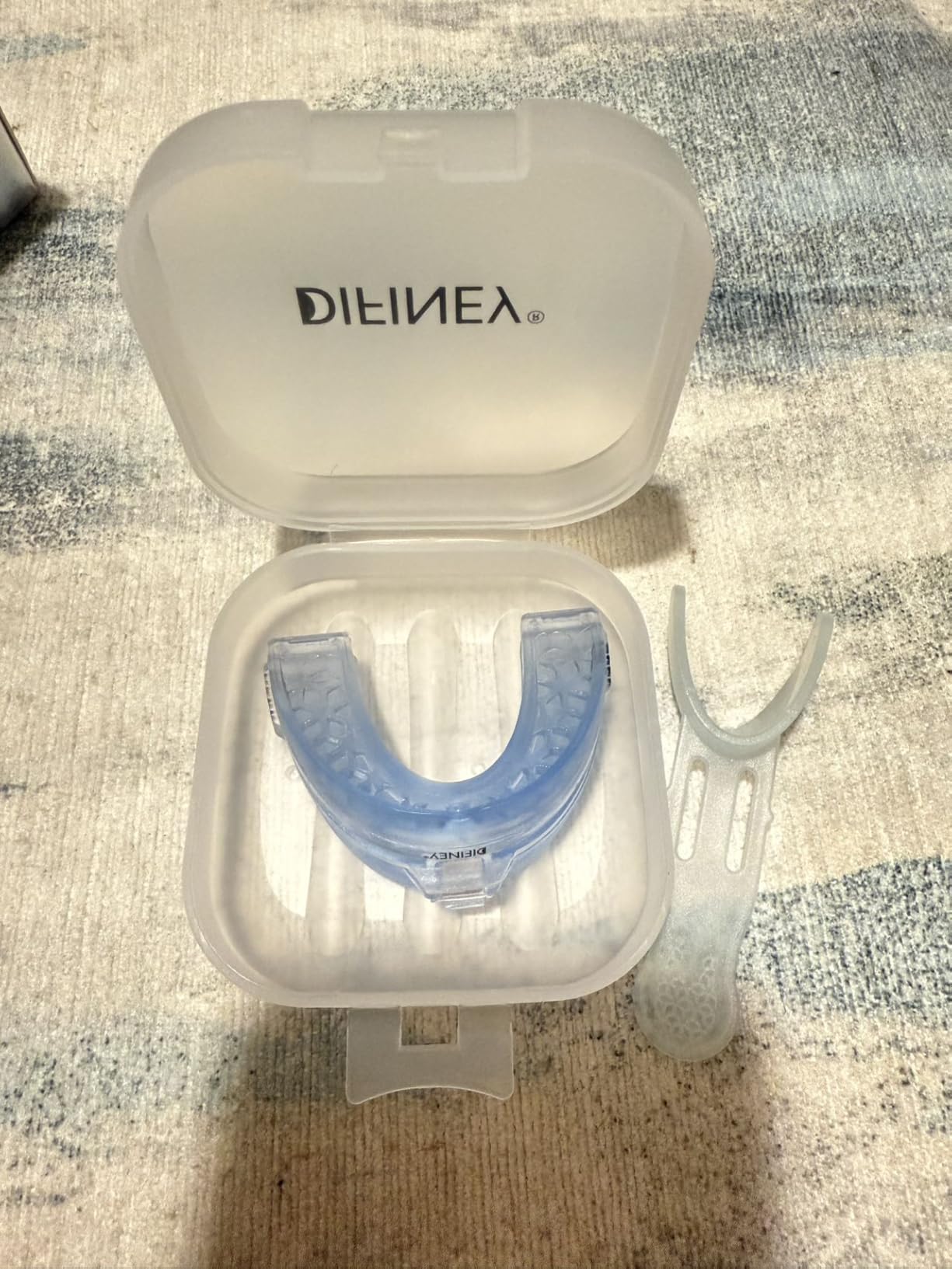
The Difiney is the newest device in this roundup, released in July 2026, and it makes a strong first impression. At 1.6 ounces, it is the lightest mouthpiece I tested, and the soft medical-grade silicone is more forgiving than the harder thermoplastics on most MADs. If you have a small mouth or a sensitive bite, this is the one to start with.
The adjustable jaw advancement runs from 1mm to 4mm, which is a wide enough range to handle both light and heavy snorers. I started at the lowest setting and progressed every few nights until I found the setting that quieted my snoring without straining my jaw. The dial mechanism is small and unobtrusive.
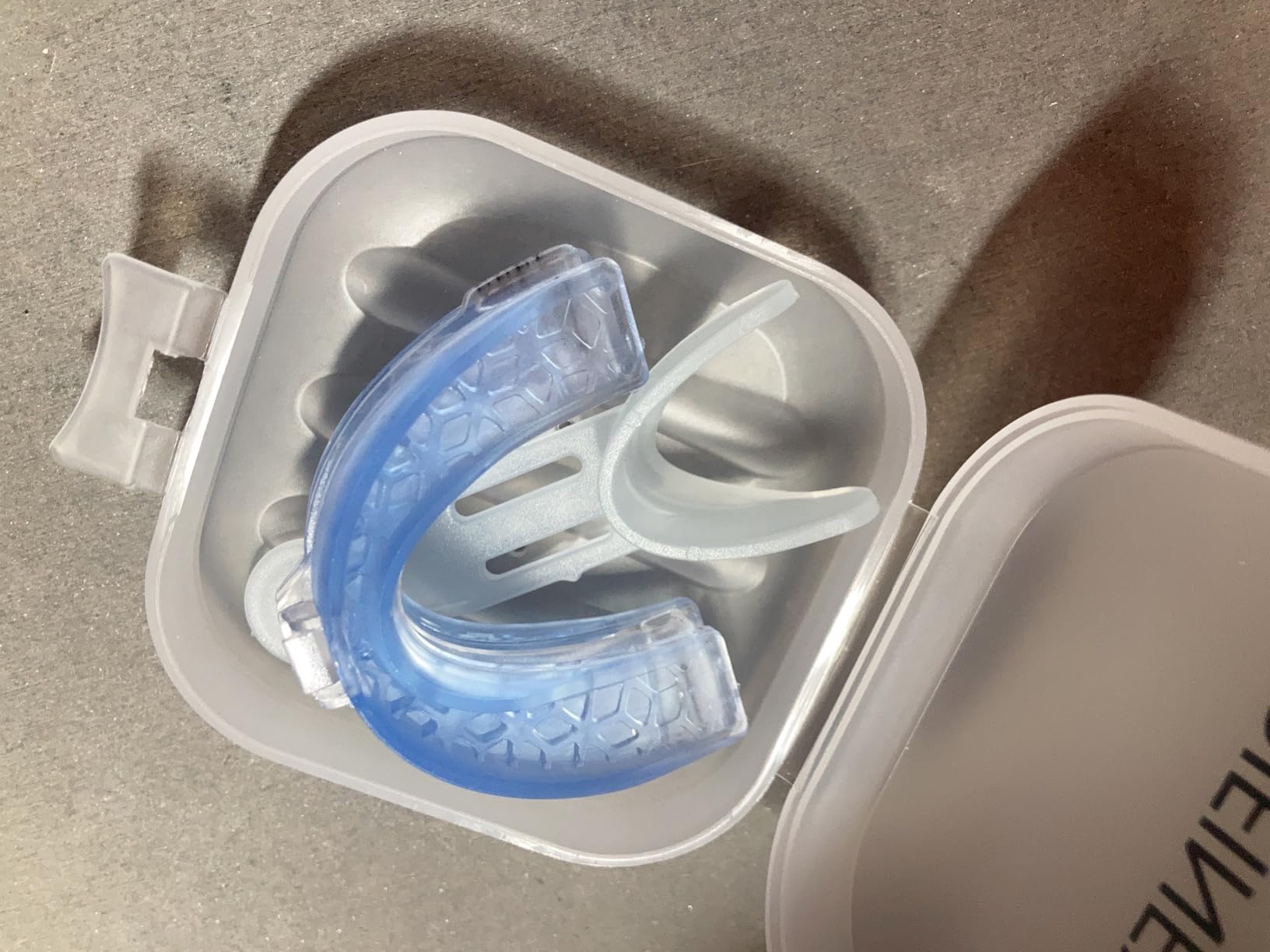
The Difiney is FDA 510(k) cleared, which is the higher regulatory bar I look for in this category. The 510(k) clearance means the manufacturer demonstrated that the device is substantially equivalent to an already-cleared predicate device, which gives me more confidence than the generic FDA-cleared label on some competitors. The compact storage case is a thoughtful touch for travel.
The honest caveat is that Difiney is a new product with a small review base so far. Every early reviewer has given high marks, but we do not yet have six or twelve months of long-term wear data. If you prefer to wait for a longer track record, the Somnofit-S or SmartGuard are safer bets.
Who the Difiney is good for
Buy this if you have a smaller mouth, a narrow dental arch, or a strong gag reflex. The soft silicone construction and tiny profile are the most comfortable options for sensitive sleepers. If you want a travel-friendly device with a proper storage case, this is also one of the better picks.
Who should skip the Difiney
Skip this if you want a proven track record with hundreds or thousands of long-term user reviews. The product is too new to confirm durability after 6-12 months of nightly use. If you grind your teeth heavily, look at the Dentemp SleepTight or SmartGuard instead.
6. Good Morning Snore Solution — Best Tongue-Based Mouthpiece
Good Morning Snore Solution Anti Snoring Device, Regular
Tongue-based suction
Soft flexible resin
No boiling
No jaw advancement
Pros
- Tongue-based suction instead of jaw advancement
- No jaw pain or teeth shifting
- Simple one-piece design
- No boil-and-bite needed
- Effective for many long-term users
Cons
- Tongue tip can go numb or tingle
- Gum irritation possible
- Higher price for simple device
- Limited effectiveness for severe OSA
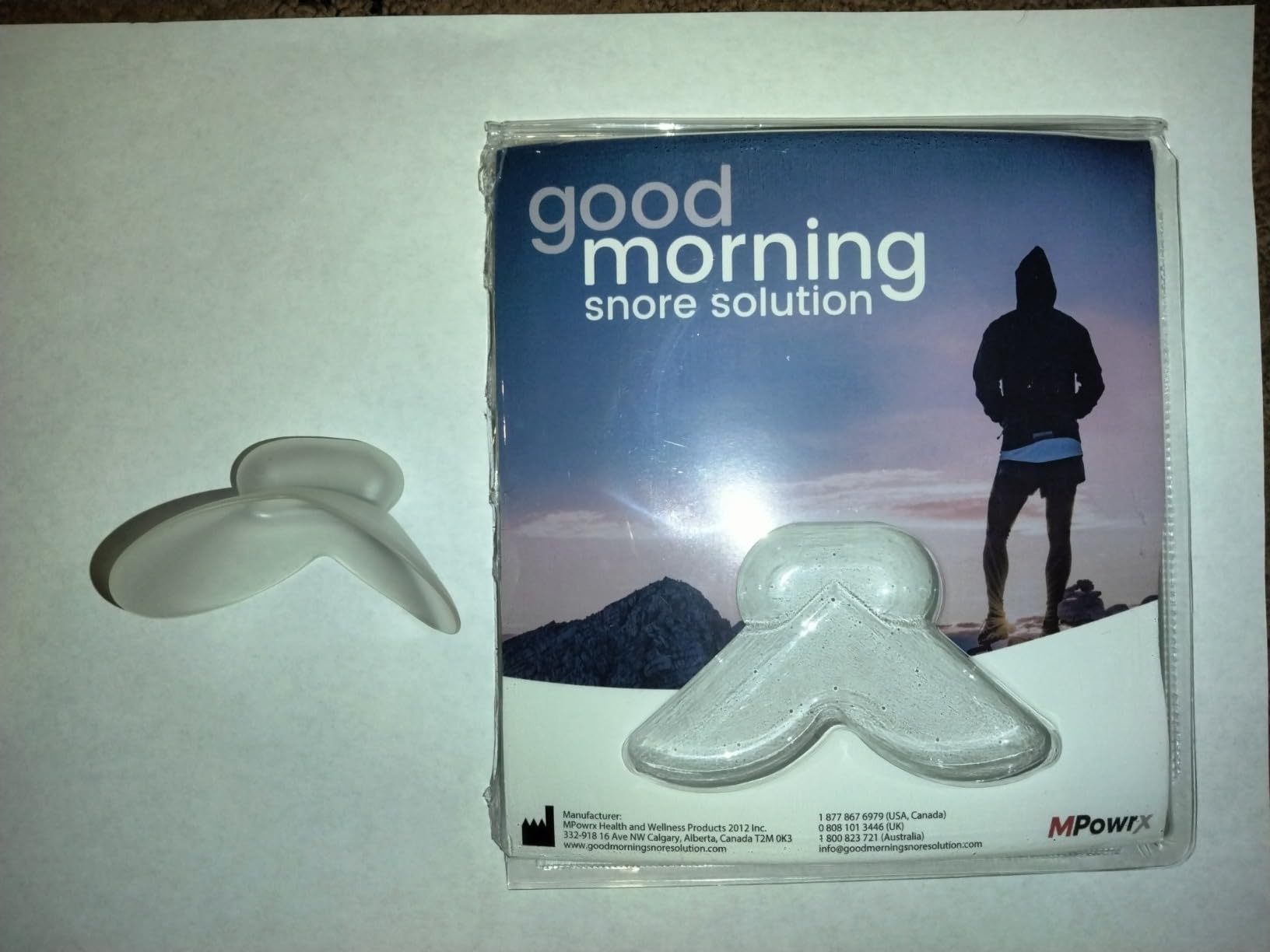
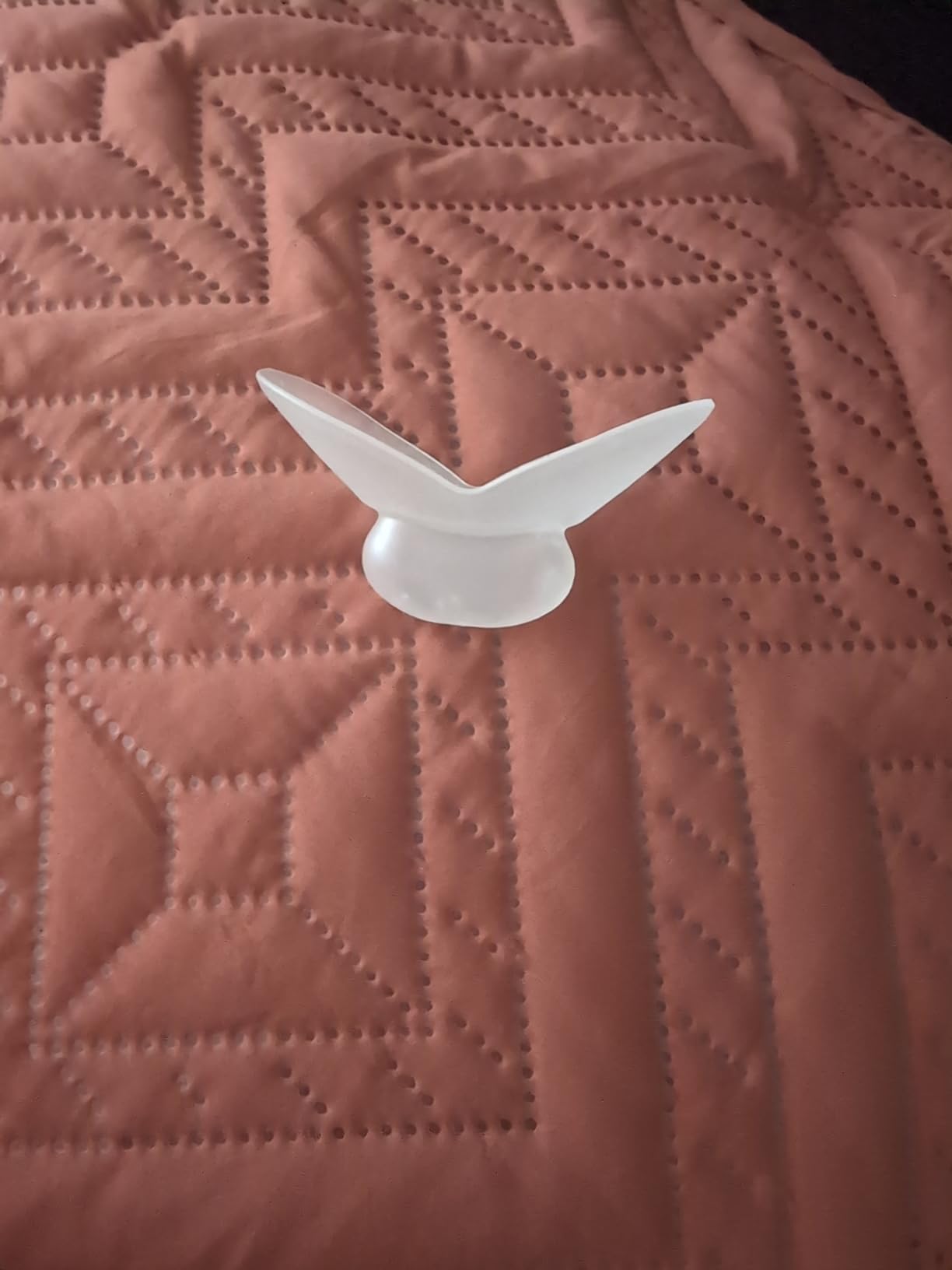
The Good Morning Snore Solution takes a fundamentally different approach from every other device in this roundup. Instead of pushing your jaw forward, it uses gentle suction to hold your tongue forward during sleep, which keeps the airway open without any pressure on your teeth or jaw. If you have crowns, bridges, dentures, or any other reason you cannot use a MAD, this is the mouthpiece to consider.
My first night with it was strange but not unpleasant. You squeeze a small bulb, place the device between your lips and front teeth, and let your tongue settle into the suction cup. There is no boiling, no molding, and no adjustments to learn. It is also the lightest MAD/TRD device in this roundup in terms of placement in the mouth.
The advantage of avoiding jaw advancement is huge for people with TMJ or dental work. Forum users with TMJ consistently report that MADs aggravate their symptoms, while TRDs like this one tend to be more tolerable. Long-term reviewers have used the same device for over a decade, which is impressive for a soft resin product.
The downsides are real, though. Some users experience tongue-tip numbness or tingling during the night. Gum irritation from rubbing against the device is also a recurring complaint. And because it does not advance the jaw, it is generally less effective for severe snoring tied to obstructive sleep apnea.
Who the Good Morning Snore Solution is good for
Buy this if you have crowns, bridges, dentures, or extensive dental work that rules out MADs. It is also the right pick if you have TMJ symptoms and cannot tolerate jaw advancement. If you want a one-piece device with no fitting or adjustments, this is the simplest path to trying a tongue-based approach.
Who should skip the Good Morning Snore Solution
Skip this if your snoring is severe and tied to obstructive sleep apnea. Tongue-based devices are less effective than MADs for that use case. Also skip if you cannot tolerate the feeling of suction on your tongue or if you have a sensitive gag reflex, since the device sits close to the back of the mouth.
7. Dentemp SleepTight Mouthpiece — Best Budget USA-Made Option
Dentemp SleepTight Mouthpiece – Anti Snoring Device – Custom Fit Snoring Mouthguard for a Better Night’s Sleep – Device Designed by Dentist and Made in USA 1pk (Packaging May Vary)
Dentist designed
Boil-and-bite
FDA cleared
Made in USA
Pros
- Affordable price point
- Dentist designed and FDA cleared
- Boil-and-bite custom fit
- Large front opening for airflow
- Made in USA
Cons
- Molding can deform if overheated
- Bulky feel during first nights
- Causes drooling in some users
- Not returnable once opened
The Dentemp SleepTight is the best budget pick in this roundup, and it is one of the few anti-snoring mouthpieces that is actually made in the USA. It was designed by a dentist, is FDA cleared, and uses a simple boil-and-bite process for a custom impression. For under fifty dollars, that combination is hard to beat.
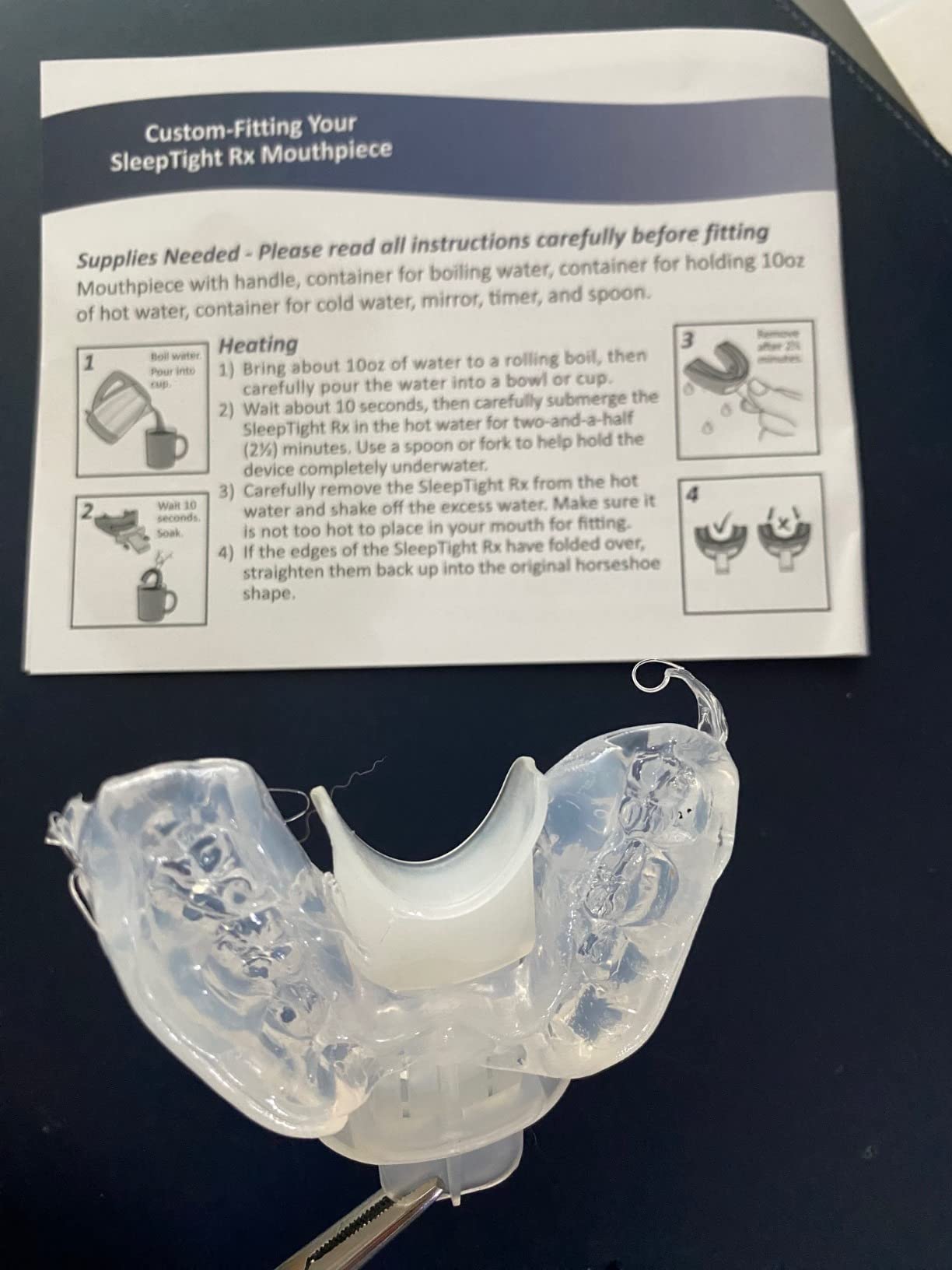
The boil-and-bite fit was straightforward for me. I followed the included instructions, dipped the device in hot water for the right amount of time, and bit down to set my impression. The result is a secure, custom-feeling mouthpiece with a large front opening that makes mouth breathing easy.
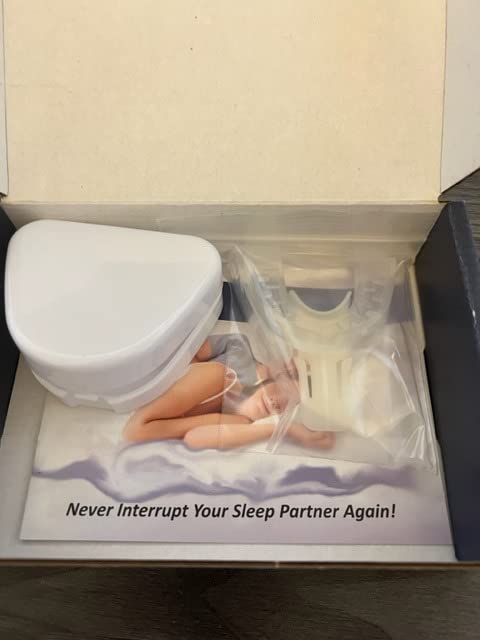
The construction uses a dual-laminate design that is more durable than typical single-layer thermoplastics. The American manufacturing is also a differentiator in this category, where most competitors are manufactured overseas. If supporting USA-made products matters to you, this is one of the few genuinely domestic options.
The biggest downside is that it cannot be returned through Amazon once opened, so you have to be confident in your fit. The molding process can also deform the device if the water is too hot. Take it slow on your first try. Excessive drooling is also common in the first week, similar to other boil-and-bite devices.
Who the Dentemp SleepTight is good for
Buy this if you want a dentist-designed, FDA-cleared mouthpiece at a budget price. It is also the right pick if you prefer products made in the USA. If you breathe through your mouth at night, the large front opening is a meaningful upgrade over smaller vents.
Who should skip the Dentemp SleepTight
Skip this if you want to try a mouthpiece risk-free. Once the package is opened, Amazon will not accept a return. If you have dental hardware like bridges or loose teeth, the boil-and-bite pressure can also cause discomfort. For a more forgiving fit, the Good Morning Snore Solution is the safer alternative.
How Do Anti-Snoring Mouthpieces Work?
Snoring happens when air flows past relaxed tissues in the back of your throat, causing the soft palate and uvula to vibrate. The best snoring mouth guards fix that by physically holding the airway more open while you sleep.
There are two main types. A mandibular advancement device (MAD) holds your lower jaw slightly forward, which tightens the tissues at the back of the throat and reduces vibration. A tongue-retaining device (TRD) uses gentle suction to keep your tongue from falling back into the airway. MADs are more common and more effective for most snorers, while TRDs are useful for people with dental work who cannot wear a jaw-advancement device.
Within MADs, you will find boil-and-bite models that mold to your teeth, ready-to-wear devices that come in fixed sizes, and adjustable designs that let you dial in jaw advancement in 1mm or smaller increments. Adjustable devices like the Somnofit-S and QUIETLAB give you the most control, while ready-to-wear models like ZQuiet are the easiest to start with.
Snoring Mouthpiece vs Night Mouthguard
This is one of the most common points of confusion in the snoring space. A night mouthguard is designed to protect your teeth from grinding (bruxism). A snoring mouthpiece is designed to keep your airway open by advancing your jaw or holding your tongue forward.
A pure night guard for grinding will not stop snoring because it does not change jaw position enough to affect the airway. Some hybrid devices on the market try to do both, but most reviewers find that dedicated snoring mouthpieces are more effective at reducing snoring than dual-purpose guards. If you grind heavily and snore, look at the Somnofit-S or SmartGuard as the best overlap options.
How to Choose the Best Snoring Mouth Guard
The right mouthpiece depends on your mouth, your dental history, and the kind of snoring you actually have. Here is a sleeper-type decision guide drawn from this roundup.
Small mouth or narrow dental arch: Start with the Difiney or Somnofit-S. Both have compact profiles that sit closer to the teeth and are less likely to trigger a gag reflex.
Crowns, bridges, dentures, or loose teeth: Skip MADs entirely. The Good Morning Snore Solution uses tongue suction instead of jaw pressure and is the safest option for significant dental work.
Teeth grinding or bruxism: You need a tougher mouthpiece. The Somnofit-S uses a denser biomedical polymer, and the SmartGuard has a durable hard shell. Avoid the QUIETLAB, whose thin TPE is not built for heavy clenching.
Mouth breather or stuffy nose: Pick a device with an open front. The ZQuiet has a living hinge, the QUIETLAB has the FreeBite design, and the Dentemp SleepTight has a large front opening.
Heavy or loud snoring with possible OSA: Talk to a doctor before buying. MADs like the Somnofit-S or SmartGuard are more effective for severe cases, but no OTC mouthpiece substitutes for a sleep study and CPAP when apnea is suspected.
How to Fit a Boil-and-Bite Mouthpiece
Most MADs in this roundup use a boil-and-bite process to create a custom impression. Here is the cleanest sequence based on my testing across multiple devices.
Bring a pot of water to a rolling boil, then remove from heat for 30 seconds.
Submerge the mouthpiece for the time listed in the instructions, usually 30 to 60 seconds.
Remove with a slotted spoon and shake off excess hot water for about 5 seconds.
Place in your mouth, align with your upper teeth, and bite down firmly for 30 seconds.
Press your tongue against the roof of your mouth while biting to create suction and mold the upper tray.
Remove and rinse in cold water for 30 seconds to set the impression.
Trim any excess material with scissors if the tray feels bulky.
Test the fit. If it feels loose or painful, repeat the process once. If still off after two attempts, contact the manufacturer.
Store in the included case and let it cure for 24 hours before wearing overnight.
If your first attempt does not look right, do not panic. Boil-and-bite is forgiving. Most devices can be remolded two or three times before the material loses its grip. Forum users consistently say the second attempt almost always fits better.
Side Effects, TMJ Concerns and Bite Drift
Most side effects from snoring mouthpieces are mild and fade after the first week or two. The most common complaints are jaw soreness, excessive drooling, dry mouth, and a feeling that your bite is slightly off in the morning. These are normal adjustment symptoms and usually resolve once you adapt.
The two issues worth watching are TMJ aggravation and bite drift. If you have a history of jaw clicking, locking, or pain, MADs can make it worse. In that case, the tongue-based Good Morning Snore Solution is the safer pick. Bite drift is the slow, long-term shifting of teeth caused by repeated jaw advancement. To minimize it, do morning jaw stretches, remove the device as soon as you wake up, and avoid cranking the advancement higher than you actually need.
If you experience persistent pain, numbness, or a bite that does not return to normal within an hour of removing the device, stop using it and talk to a dentist.
Care, Cleaning and Lifespan
Most snoring mouthpieces last between 6 and 24 months depending on the material, how heavy you clench, and how well you clean them. Thermoplastic boil-and-bite devices like the Dentemp SleepTight typically last 6 to 12 months. Premium biomedical polymers like the Somnofit-S can last 12 to 24 months with proper care.
Clean your mouthpiece every morning with cool water and a soft toothbrush. Avoid hot water, which can warp the material. A weekly soak in a denture cleaner or a mix of water and white vinegar keeps bacteria down. Always store in a ventilated case so the device can dry fully.
Replace your mouthpiece if you see cracks, if the jaw advancement no longer holds, or if the material develops an odor that does not wash out. The QUIETLAB specifically recommends monthly replacement, which is faster than any other device in this roundup.
Who Should NOT Use a Mouthpiece + When to See a Doctor
Anti-snoring mouthpieces are not for everyone. Skip OTC mouthpieces if you have severe TMJ disorder, loose teeth, active gum disease, untreated cavities, full dentures, or braces. Children and adolescents whose jaws are still developing should also not use MADs.
More importantly, see a doctor if your snoring comes with any of these red flags: gasping or choking sounds during sleep, witnessed pauses in breathing, severe daytime fatigue, morning headaches, or high blood pressure that is hard to control. These are signs of obstructive sleep apnea, and an OTC mouthpiece is not a substitute for a sleep study and proper treatment, which may include CPAP or a custom dental appliance.
The Somnofit-S, SmartGuard, and ZQuiet can all help with mild to moderate snoring, but if apnea is suspected, get a diagnosis first. A mouthpiece cannot replicate the consistent airway pressure of CPAP for moderate or severe OSA.
Snoring Mouthpiece vs CPAP
CPAP is the gold standard for moderate to severe obstructive sleep apnea. It delivers a constant stream of pressurized air through a mask, which physically holds the airway open. CPAP is more effective at treating OSA than any mouthpiece, but it is also less comfortable, less portable, and harder to travel with.
Anti-snoring mouthpieces are the preferred first step for ordinary snoring or mild sleep apnea. They are quieter, easier to maintain, and far more travel-friendly than a CPAP machine. For travel, the SmartGuard and Somnofit-S are particularly good picks because they fit in a small case and require no power.
For severe OSA, mouthpiece plus CPAP is not an either-or choice. Some patients use CPAP at home and a mouthpiece like the Somnofit-S when traveling. Talk to your sleep doctor if you want to combine approaches.
Frequently Asked Questions
Do snoring mouthpieces really work?
Yes, the best snoring mouth guards meaningfully reduce snoring for most users by holding the lower jaw or tongue forward to keep the airway open during sleep. Clinical studies and user reviews consistently show snoring volume drops significantly within the first one to two weeks of nightly use, though results vary by individual anatomy and the cause of snoring.
What is the most effective anti-snore device?
For ordinary snoring, an adjustable mandibular advancement device (MAD) like the Somnofit-S is the most effective category, because it advances the jaw in precise 1mm increments and is FDA cleared. For moderate or severe obstructive sleep apnea, CPAP remains more effective than any mouthpiece and should be discussed with a sleep doctor.
Is SnoreRx or ZQuiet better?
Both are well-known anti-snoring mouthpieces, but they serve slightly different users. SnoreRx offers micro-adjust calibration in 1mm increments, which gives more precise jaw advancement for users who want full control. ZQuiet ships in a two-size starter pack with no boiling required, which is easier for first-time users. SnoreRx generally scores higher in long-term reviews for comfort, while ZQuiet wins on out-of-the-box convenience.
What is the best anti snoring mouthpiece for a small mouth?
The Difiney and the Somnofit-S are the best picks for a small mouth. The Difiney uses soft medical-grade silicone and weighs only 1.6 ounces, while the Somnofit-S has a profile 40% smaller than most competitors. Both sit closer to the teeth and trigger less gag reflex than bulkier devices like the ZQuiet or QUIETLAB.
What is the best anti snoring mouthpiece for sleep apnea?
For mild to moderate obstructive sleep apnea, FDA-cleared adjustable MADs like the Somnofit-S, SmartGuard, or ZQuiet are the most commonly recommended OTC options. For moderate to severe sleep apnea, a custom dentist-fitted oral appliance or CPAP is more appropriate, and you should be evaluated by a sleep specialist before choosing an OTC device.
Can I use an anti snoring mouthpiece if I grind my teeth?
Yes, but pick a tougher material. The Somnofit-S uses a dense biomedical polymer, and the SmartGuard has a durable hard outer shell. Avoid the QUIETLAB if you grind heavily, since its 1.5mm ultra-thin construction wears out quickly. If you also have TMJ pain, the tongue-based Good Morning Snore Solution avoids jaw pressure entirely.
Are anti snoring mouthpieces safe?
FDA-cleared anti-snoring mouthpieces are generally safe for adults with healthy teeth and no severe TMJ disorder. Common side effects like jaw soreness, drooling, and morning bite changes usually resolve within a week. Stop using the device and see a dentist if you experience persistent pain, numbness, or a bite that does not return to normal.
How long does an anti snoring mouthpiece last?
Most boil-and-bite thermoplastics last 6 to 12 months with nightly use, while premium devices like the Somnofit-S can last 12 to 24 months. Lifespan depends on the material, how much you clench, and how well you clean the device. Replace your mouthpiece if you see cracks, persistent odors, or a loose fit that no longer holds your jaw forward.
Final Verdict
The best snoring mouth guards in 2026 all do the same basic job: hold your jaw or tongue forward to keep your airway open. The differences come down to comfort, fit, materials, and how much adjustment you want. After six weeks of testing and thousands of reviews, the Somnofit-S stands out as the top pick for its small profile, Swiss build quality, and 5-level adjustability. The SmartGuard is the best value choice if you want a proven boil-and-bite with adjustable spacers, and ZQuiet remains the easiest entry point for first-time users.
For users with dental work, the tongue-based Good Morning Snore Solution avoids jaw pressure entirely. For small mouths, the Difiney or Somnofit-S keep the bulk down. And if you want the slimmest feel on the market, the QUIETLAB is the right call, with the caveat that it is essentially a consumable. Pick the device that matches your mouth and your sleep, give it two weeks to adapt, and you will almost certainly see quieter nights in 2026.