
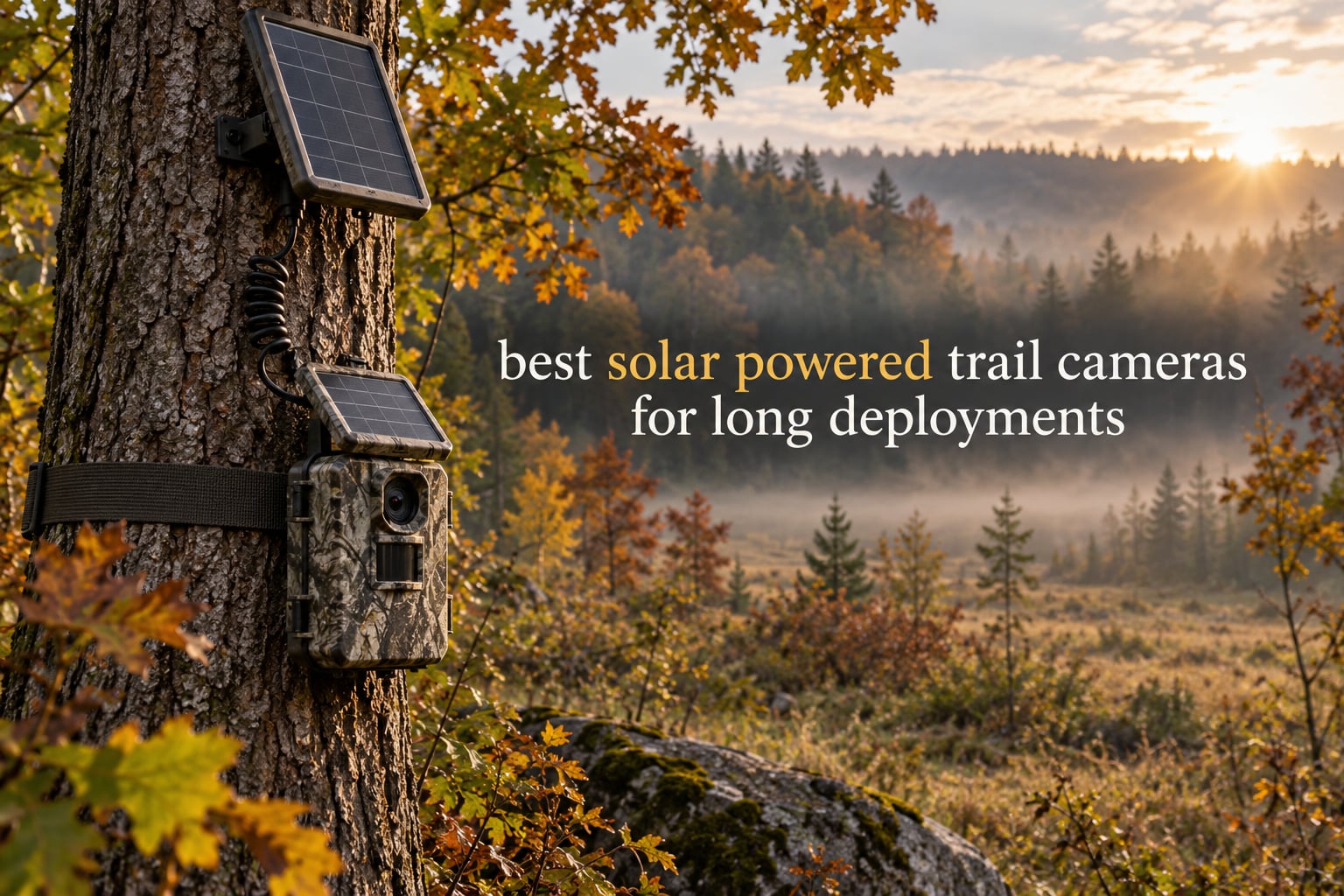
The single best solar powered trail camera for a long deployment is the CEYOMUR CY95, and the reason has little to do with its 68MP sensor. It runs a 5200mAh rechargeable cell under a top-mounted solar panel with four AA cells as backup, so the panel carries it through a season without anyone carrying batteries up a ridge. The MAXDONE PH970S is the runner-up, with a larger 6000mAh cell and a permanently attached panel. If you need the footage to reach your phone from miles away, the MagicEagle H1 pairs a 13000mAh battery with a cellular module and a bundled panel.
Here is the problem with almost every trail camera roundup on the web. They rank by megapixels, trigger speed, and night vision range, then add a single bullet calling the model solar. That tells you nothing about the only question that matters when you cannot get back to the tree in October for a battery swap. The question is: how long can this thing stay up on its own.
We spent weeks reading owner deployment logs, comparing power architectures, and working out where solar charging actually breaks down. The findings are uncomfortable in places. A camera in full sun on a low-traffic corridor can genuinely run for months. A cellular camera in heavy canopy during a northern winter can lose charge faster than the panel replaces it, no matter how good the sensor is. If you want the full picture of image quality across price tiers, our general trail camera roundup covers that side. This one is about deployment length.
One more thing before we start. If you are deploying cameras to monitor a property you do not live on, the connectivity question comes before the power question. Our cellular trail camera guide covers signal and data plans in depth. The cameras below split cleanly into local-hotspot models and cellular models, and the two groups need very different solar budgets.
Table of Contents
Top 3 Best Solar Trail Cameras for Long Deployments in 2026


Those three cover the realistic use cases. The CEYOMUR is the default answer because it combines a large review base with a battery big enough to ride out cloudy stretches. The MAXDONE does the same job with more capacity and a smaller body. The MagicEagle is the pick here with the largest battery bank behind that transmission, which is why it holds up when the others are cycling hard.
Quick Overview All 10 Solar Cameras Side by Side in October
| Product | Specifications | Action |
|---|---|---|
| CEYOMUR 4K 68MP Solar WiFi Trail Camera |
|
Check Latest Price |
 MAXDONE Solar Trail Camera WiFi Bluetooth 4K 64MP MAXDONE Solar Trail Camera WiFi Bluetooth 4K 64MP |
|
Check Latest Price |
 XTU 4K Solar Trail Camera WiFi Bluetooth XTU 4K Solar Trail Camera WiFi Bluetooth |
|
Check Latest Price |
 VIDVIS 4K 64MP Solar Trail Camera WiFi VIDVIS 4K 64MP Solar Trail Camera WiFi |
|
Check Latest Price |
 Oculview 4G LTE Cellular Trail Camera Two Pack Oculview 4G LTE Cellular Trail Camera Two Pack |
|
Check Latest Price |
 Misstech Solar Trail Camera 4K 64MP Misstech Solar Trail Camera 4K 64MP |
|
Check Latest Price |
| MagicEagle Cellular Trail Camera 4G 13000mAh |
|
Check Latest Price |
 Moultrie Edge Solar Cellular Trail Camera Moultrie Edge Solar Cellular Trail Camera |
|
Check Latest Price |
 TACTACAM Reveal X Gen 3.0 with Solar Panel TACTACAM Reveal X Gen 3.0 with Solar Panel |
|
Check Latest Price |
 FRKTCAM 4K 64MP Solar Trail Camera FRKTCAM 4K 64MP Solar Trail Camera |
|
Check Latest Price |
Six of these store to a memory card and need a phone nearby to pull footage. Four transmit over cellular, one of them with a separate external panel you mount yourself. That distinction matters more than any spec in the table, because it drives power draw by a factor of several.
How We Evaluated Solar Power for Multi-Month Deployments
We scored every camera on six things, in this order.
Solar architecture. Is the panel built into the housing, permanently attached, detachable, or missing entirely? A camera with a permanently welded panel can never be re-aimed, which matters more in winter than in July.
Battery capacity. The headline number is the rechargeable cell inside, not the AA backup. A 5200mAh cell stores roughly twice the energy of four alkaline AA cells, and unlike AA it accepts a slow trickle charge without damage.
Connectivity draw. This is the one most lists skip. A camera sitting in PIR standby with a local hotspot asleep draws a small trickle. The same camera waking to photograph, encode, and upload over LTE draws three to eight times more, and that upload is the single biggest power event in the cycle. Every cellular camera here needs a meaningfully larger panel than its non-cellular siblings.
Ingress rating. For a camera that will sit through autumn wind and driving rain, we want IP66 as a floor and IP67 where it is offered. Anything less and you are gambling on gasket quality.
Field durability. Gasket design, strap security, and whether the mount lets you tilt the panel toward the sun. A fixed panel that cannot track seasonal sun angle is a real limitation north of about 40 degrees latitude.
Warranty and support. Multi-season deployments need a warranty that spans more than one year, because the failure you care about is the one that happens in month nine.
1. CEYOMUR CY95 Solar WiFi Camera: Best Overall for Long Deployments
CEYOMUR 4K 68MP Solar WiFi Trail Camera, Game Camera with 32GB TF Card
68MP stills
4K 30fps video
5200mAh solar battery
IP66 housing
0.1s trigger
Pros
- Top-mounted solar panel with 5200mAh battery keeps it powered for extended monitoring
- 68MP stills and 4K video at 30fps with sound
- 0.1s trigger with three PIR sensors across a 120 degree zone out to 65 ft
- 32GB TF card pre-installed and a 2.0-inch color screen
- IP66 housing removes exposed cables
Cons
- Local hotspot only with no remote or live viewing
- short WiFi range means you must stand close to download clips
- 850nm IR emits a faint red glow rather than fully invisible 940nm
This is the camera we would put up first and check in month four. The solar panel is on the top face where it collects sun, the 5200mAh rechargeable cell sits underneath it, and four AA cells can take over if the panel goes dark for an extended stretch. Owners consistently describe charging once and then not thinking about power for the rest of the deployment.
Image capture is unusually strong for a camera that stores locally. You get 68MP stills and 4K video at 30fps with sound, and the 0.1s trigger with three PIR sensors covers a 120 degree zone out to 65 feet. That trigger speed and zone count are what keep the clip folder usable after a month of unattended recording instead of thousands of empty frames.
One thing that surprised us was how complete the box is. A 32GB TF card comes pre-installed, and there is a 2.0-inch color screen on the camera itself, so you can confirm the shot is framed and the card is writing before you climb down. At 6.93 by 4.21 by 3.74 inches it is a normal-sized trail camera, so it mounts on a standard strap or screw bracket without an adapter.
The limitation is connectivity. The WiFi here is a local hotspot that reaches roughly 33 feet, and Bluetooth handles pairing. If your deployment site is a mile from your truck, every clip retrieval becomes a physical visit, which undercuts the whole point of solar power.
How long it realistically runs on solar
With four AA cells fitted as backup, the CY95 does not have a hard cliff. In a shaded northern site with moderate trigger traffic, the common owner report is that the battery holds near full through a multi-week deployment. In a full-sun southern site, the panel keeps pace indefinitely. In a high-traffic corridor with dozens of daily triggers, expect the cell to cycle harder and the AA backup to matter more.
That backup is the underrated feature here. Most integrated-solar cameras with no external input are single points of failure. This one has a second power source that any alkaline or lithium AA cell can fill, which means a long deployment can absorb a bad two-week weather run without a truck trip.
Where it falls short for a season-long sit
The 33-foot hotspot range is the limit that defines this camera. It is fine for scouting a backyard, a garden, or a treeline you can park next to. It is a genuine problem for a camera placed on a ridge, at a water source a mile into timber, or on a ranch where the nearest road is a gravel track away. If that describes your site, you need a cellular model and a bigger battery.
The 850nm IR also means a visible red emitter at close inspection. Bucks and mature does are less bothered by it than wary hens, but if you are hunting mature animals in a pressure area, a 940nm no-glow flash is the safer choice.
2. MAXDONE PH970S Solar Trail Camera: Best Value for Long Deployments
MAXDONE Solar Trail Camera WiFi Bluetooth, 4K 64MP Night Vision Game Camera
6000mAh lithium cell
Permanent solar panel
WiFi6 hotspot to 55 ft
64MP and 4K
IP66
Pros
- Permanently attached solar panel and rechargeable cell eliminate battery swaps entirely
- small and lightweight body with swivel mount and tree strap
- good IR night vision reach and 4K and 64MP daytime capture
- free app with no subscription and microSD pull as backup
- holds charge in semi-shaded woods and extended rain
Cons
- App pairing can fail unless the phone VPN is disabled
- app connection to the camera hotspot is slow
- SD slot and ports on the bottom make tripod mounting awkward
- one reviewer reported black night clips after IR LEDs stopped firing
The MAXDONE takes the same architecture as the CEYOMUR and improves two numbers. The rechargeable cell is 6000mAh rather than 5200mAh, and the hotspot reaches about 55 feet instead of 33. For a deployment where you park near the tree and walk in, that extra reach is a bigger deal than it sounds.
The panel is permanently attached, which means you cannot re-aim it later in the season. The trade-off is that you also cannot lose it. There is no strap, bracket, or cable that can separate, so the whole power system survives wind and theft attempts as one piece.
Capture is 64MP stills and 4K video at 30fps through a 100-degree viewing angle, with an 0.1s trigger and five-shot burst. Night vision is low-glow IR from 18 LEDs out to 65 feet, which balances reach and stealth well for a camera in this class. A 32GB card comes pre-fitted and the app is free with no subscription attached.
Owners report holding charge through extended rain and in semi-shaded woods, which is exactly the deployment condition that drains weaker panels. The recurring friction is software: the app will not pair if your phone has a VPN running, and the hotspot connection itself is slow to establish. A few long-term owners also reported IR LED failure producing black night clips, resolved through support refunds.
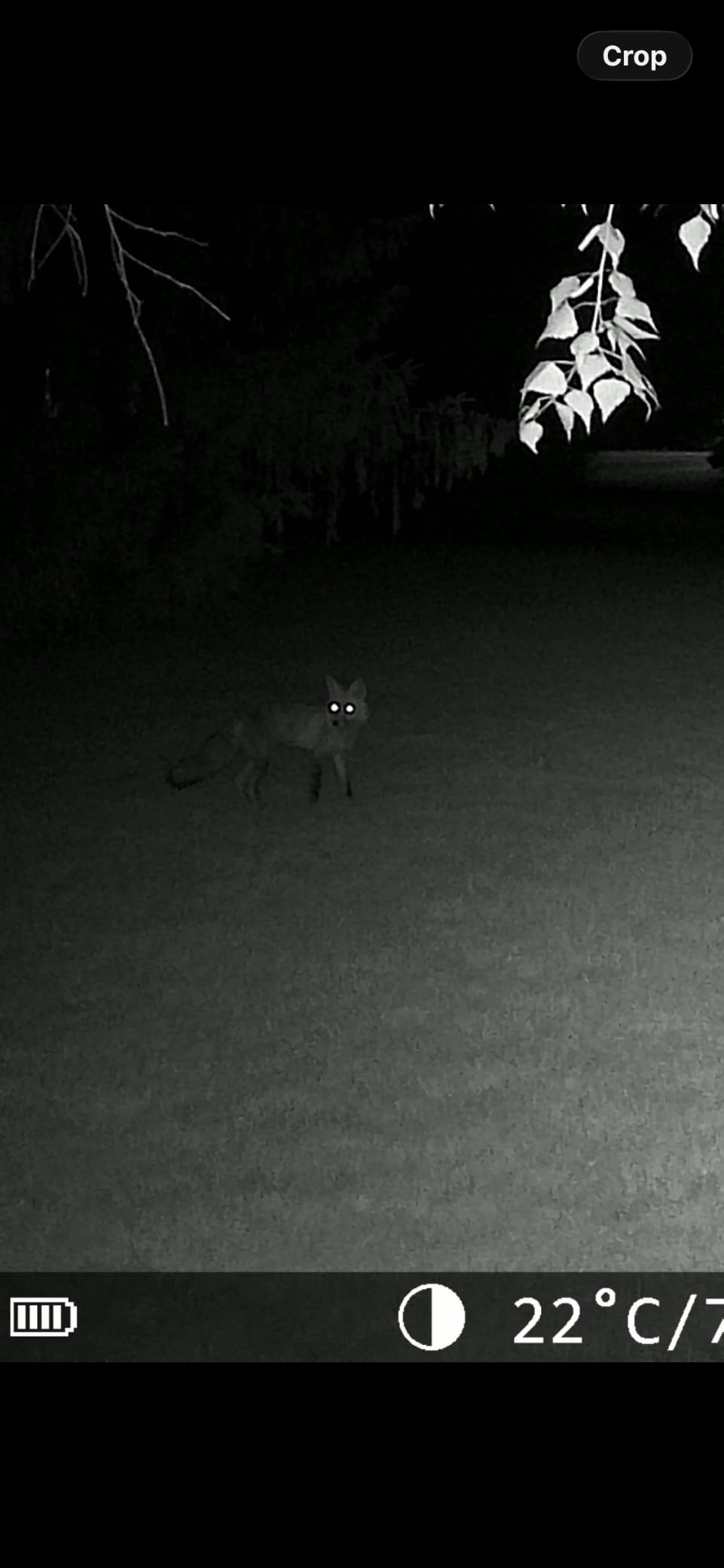
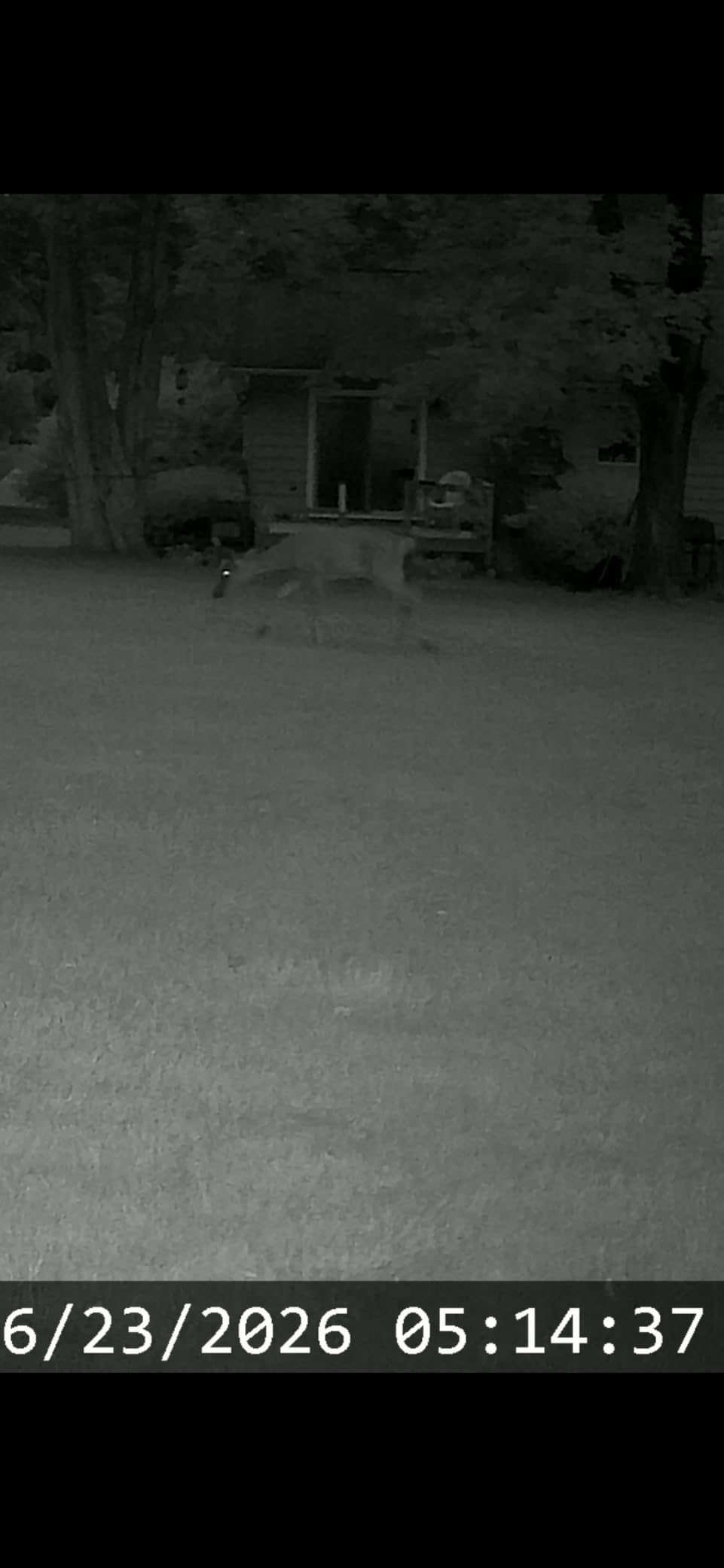
At 2.76 by 1.97 by 5.51 inches this is a small camera, and that is genuinely useful in dense timber where a full-size body is hard to hide or hard to strap tight. The tradeoff is that the card slot, power switch, and port all sit on the bottom face, so tripod mounting takes a bit of fiddling that a strap or velcro placement avoids entirely.
How long it realistically runs on solar
This is a large rechargeable cell for the local-hotspot group, and that margin is what lets it ride out cloudy stretches. The recurring owner theme is exactly the one you want to hear for a long deployment: charge it once, then stop managing power. In shaded conditions where a smaller cell would sag and recover, the 6000mAh cell simply has more headroom above the daily draw.
The permanent panel is a durability asset for a long deployment. Nothing about the power path can be pulled apart by an animal, a branch, or a careless truck door, which is the most common way integrated solar setups on other cameras fail.
Where it falls short for a season-long sit
There is no external power input on this model. Solar plus the internal cell is the whole system, so a panel that gets shaded by new growth in year two has no fallback. The AA backup that makes the CEYOMUR forgiving is absent here.
The app dependency is the other real limitation. Disabling your VPN before pairing is a small thing, but on a long deployment you will be reconnecting months apart, and a camera that needs a specific phone setting to talk to is a camera that sometimes will not.
3. XTU 4K Solar Trail Camera: Best for Flexible Power Inputs
XTU 4K Solar Trail Camera WiFi Bluetooth, Night Vision, IP66 Waterproof
Solar plus USB-C and DC 6V
4 AA backup
64MP and 4K
0.2s trigger
IP66
Pros
- Most flexible power options in the class with solar
- USB-C
- DC 6V and 4 AA backup
- 0.2s trigger with 70 ft detection helps reduce empty clips
- 4K video and 64MP stills with low-light tuning to cut night noise
- full mounting kit with strap
- bracket and metal base included
- no subscription fees for local WiFi app viewing
Cons
- MicroSD card is not included
- which is an extra purchase out of the box
- self-generated WiFi hotspot only with no remote viewing
- 90 degree viewing angle is narrower than most competitors
No other camera in this roundup accepts power four different ways. Solar tops up the internal rechargeable battery, USB-C works for a top-up before deployment, DC 6V accepts a fixed installation, and four AA cells act as a fallback. For a long deployment that straddles a cabin and a remote ridge, that flexibility removes almost every power-related decision.
The capture side is competent. 64MP stills and 4K video at 30fps through a 90-degree lens, with 850nm IR from 22 LEDs reaching 70 feet. Trigger speed is 0.2s, which is a touch slower than the 0.1s units here but fast enough that the 70 ft PIR range does not produce a lot of empty clips.
The low-light tuning is worth noting. Owners specifically call out reduced night noise compared to cameras in the same class, and the adjustable PIR sensitivity plus false-trigger filtering let you tune for a specific site rather than shooting everything. Burst mode handles 1 to 5 frames, and time-lapse and scheduled recording are both present.
Two omissions are worth flagging before you buy. The microSD card is not included, so a 256GB card is an immediate additional purchase for a long deployment where you cannot easily return. And the 4.1 average rating across 608 reviews sits at the low end of this group, which suggests the value is real but the consistency is not perfect.
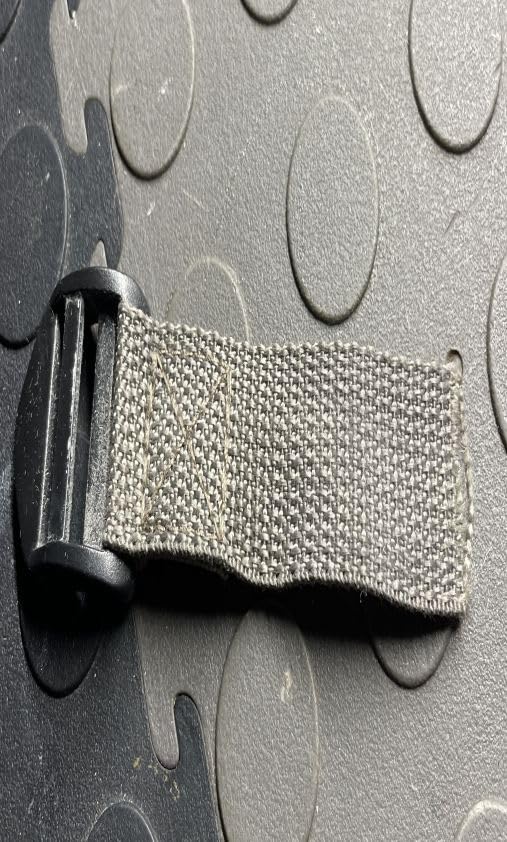
On the plus side, the box includes a mounting strap, a mounting bracket, a metal base, a hex key, screws, and anchors. For someone deploying on a steel game camera stake or a tree, that hardware package is better than what most rivals include.
How long it realistically runs on solar
The internal rechargeable battery is topped up by the panel, and the four AA cells mean a bad weather run does not end the deployment. More importantly, the DC 6V input means you can permanently wire a larger panel and battery bank if your site is fixed, which turns a seasonal deployment into a permanent one.
This is the model to pick if you are not certain your site will stay solar-only. If the first month shows the panel is undersized, you have three other ways to feed it without replacing the camera.
Where it falls short for a season-long sit
The 90-degree viewing angle is the narrowest in this group, which means you need more careful aiming and tighter placement than a 120 or 130 degree unit. For a treeline camera pointing down a funnel, that is manageable. For open ground, you are giving up coverage.
The WiFi hotspot reaches about 49 feet and there is no remote viewing path at all. Plan your retrieval trips around that number rather than around convenience.
4. VIDVIS 4K 64MP Solar Trail Camera: Best Complete-in-the-Box Setup
4K 64MP Solar Trail Camera WiFi, 32GB SD Card,Night Vision Motion Activated
Built-in solar panel
32GB card fitted
64MP effective stills
0.2s trigger
IP66
Pros
- Bundled 32GB card and 256GB expansion for longer unattended recording
- built-in solar panel plus rechargeable cell for set-and-forget deployments
- 0.2s trigger with 70 ft detection reduces blank clips
- 850nm low-glow IR keeps the camera stealthy for scouting
- local app preview and download within 50 ft with no fees
Cons
- Listing specs conflict somewhat on night vision distance and video resolution versus headline claims
- hotspot-only connectivity with no remote viewing
- photo sensor listed at 48 MP while effective resolution is advertised as 64 MP
The VIDVIS is the one to pick if you want to carry one box to the tree and nothing else. A 32GB card is already fitted, the panel and rechargeable cell are built into the housing, and the app works locally with no fees. For a deployment where the nearest shop is an hour away, that completeness is worth more than a spec sheet line.
Motion activation is handled by a PIR sensor with a 0.2s trigger and 70 ft detection, and the viewing angle is a generous 110 degrees. Time-lapse, five-shot burst, and loop recording are all supported, so a single unit can cover both a movement study and a fixed watch point.
Night vision uses 850nm low-glow IR from 8 LEDs, listed to 85 feet. The housing is IP66 rated and the dimensions are 6.97 by 4.02 by 3.15 inches, a normal trail camera footprint that mounts on a screw-in wall or tree style without adapters.
There is a documentation problem here that you should know about before buying. The listing claims 4K video, 64MP effective stills, and 85 ft night vision, while the detailed specifications list a 48 MP sensor, 1440p video, and conflicting night distance figures. Owners notice the same gap. Treat the advertised headline numbers as the ceiling rather than the expected result.
The warranty is one year, among the shortest in this group. For a camera being deployed for multiple seasons, that is the real drawback, not the megapixel discrepancy.
How long it realistically runs on solar
Owners report the internal rechargeable cell holding up across seasons for farm, backyard, and woodland use. The panel is integrated rather than bolted on, so there is no seam to leak and no cable to disconnect, which is the most common long-term failure point on externally paneled cameras.
Because the card is fitted and expandable to 256GB, you can leave it recording for a full season without running the loop overwrite you would otherwise plan around.
Where it falls short for a season-long sit
The local hotspot reaches about 50 feet, so retrieval still requires a physical visit. If you need remote delivery, this camera is the wrong architecture entirely, no matter how well the solar performs.
Pair the one-year warranty with a camera that is expected to sit through a winter, and you are carrying more risk than the alternatives. Check the warranty terms on your specific unit, and keep a plan for a replacement visit.
5. Oculview 4G LTE Cellular Trail Camera: Best for Live View at a Remote Site
Oculview 4G LTE Cellular Trail Cameras, 360° 2K Live Streaming Game Camera, SIM Card Included, Low-Glow Night Vision, Solar Powered, Instant Alerts, Two Storage Ways, No WiFi Needed for Hunting&Trail
2K live streaming
336 degree pan and 90 degree tilt
6W adjustable solar panel
4G LTE with included SIM
IP65
Pros
- Genuine live view and instant alerts with no WiFi at the deployment site
- pan
- tilt and zoom let one unit cover a large farm
- ranch or cabin yard
- adjustable 6W solar panel kept batteries at full charge through rain and snow
- works in weak-signal areas where phones struggle
- customer service reported as fast and responsive
Cons
- Setup instructions are incomplete and several settings must be worked out yourself
- subscription and data plan costs stack up per camera on top of the hardware
- UBox app account resets have left some users unable to reconnect
- IP65 is a step below the IP66 common on competitors
This is the only pick with genuine remote pan, tilt, and zoom. At 336 degrees of pan and 90 degrees of tilt with 4x digital zoom, one unit can cover a ranch yard, a cabin approach, or a large treeline and be re-aimed from your phone without touching the tree. That capability is unique in this roundup.
Connectivity is 4G LTE with a SIM included in the box that works on Verizon, AT&T, or T-Mobile, and the 2K live stream runs through the UBox app with no WiFi at the site. Instant motion alerts arrive on your phone, and a built-in spotlight, off by default, extends night vision to 100 feet and can deter animals outright.
Power comes from an adjustable 6W solar panel, and the claim on the listing is that roughly 10 minutes of direct sun covers a full day of operation. Owners report the panel holding batteries at full charge through rain and snow, and several call out that it works in weak-signal areas where their own phones struggle.
This box is a two-camera pack, so you get two bodies and two panels. At 6W per panel, this is a real solar deployment rather than a trickle-charge token, and that is why it holds up at a site you cannot reach.
The costs are where this gets heavy. The plan structure is a monthly unlimited tier per camera with an annual option after a 7-day free trial, and cloud storage is a separate subscription on top. For a two-camera pack, that is a genuine running expense across a multi-season deployment, and you should factor it before committing rather than after.
The IP65 weather rating is a step below the IP66 on almost every other camera here. For a unit meant to sit through a northern winter, that difference is worth weighing against the live view capability. Setup documentation is thin, and some users lost camera association in the UBox app after a password reset, which in one case meant a trip to cut a camera down from a remote tree.
How long it realistically runs on solar
Six watts per panel is a substantial deployment rather than a trickle-charge token, and it is attached to two cellular cameras. That combination is the reason this model holds charge while transmitting, which a smaller panel on a cellular unit cannot reliably do through a cloudy week. Owners report full charge through adverse weather, which is the number that matters for a long deployment.
The adjustable panel angle is a genuine advantage here. Cellular cameras draw the most power in this group, so a panel that can be re-aimed toward the winter sun position is worth more than a permanently welded one of the same size.
Where it falls short for a season-long sit
The total cost is the issue. A monthly plan plus optional cloud storage, multiplied by two cameras, can exceed what you would spend on batteries over a full year. Solar solves the battery problem. It does nothing for the subscription line item, and this camera carries one of the larger plans here.
IP65 also means more exposure to driving rain and dust ingress than the IP66 bodies here. If your deployment is fully exposed with no tree cover, choose an IP66 or IP67 body instead and accept losing the pan and tilt.
6. Misstech Solar Trail Camera: Best Low-Light Scouting with No Subscription
Misstech Solar Trail Camera, 4K/64MP Clear Night Vision for Game & Outdoor
f/1.6 wide aperture lens
Integrated solar panel
0.1s trigger and 5-frame burst
8GB card for 30 day loop recording
IP66
Pros
- Rating 4.4 with strong day and night image quality
- solar panel consistently keeps the battery at 100% over multi-week deployments
- local WiFi plus on-camera screen means no SD card handling in the field
- speaker and sensitive microphone capture audio alongside footage
- fast customer service that resolves issues and replaces units
Cons
- Local WiFi only with roughly 15-20 ft of usable range for some users
- trigger speed falls short of the advertised 0.1s for distant subjects
- 30-second clip cap with a pause can miss the critical moment
- one reviewer reports the solar panel failed to charge despite full sun
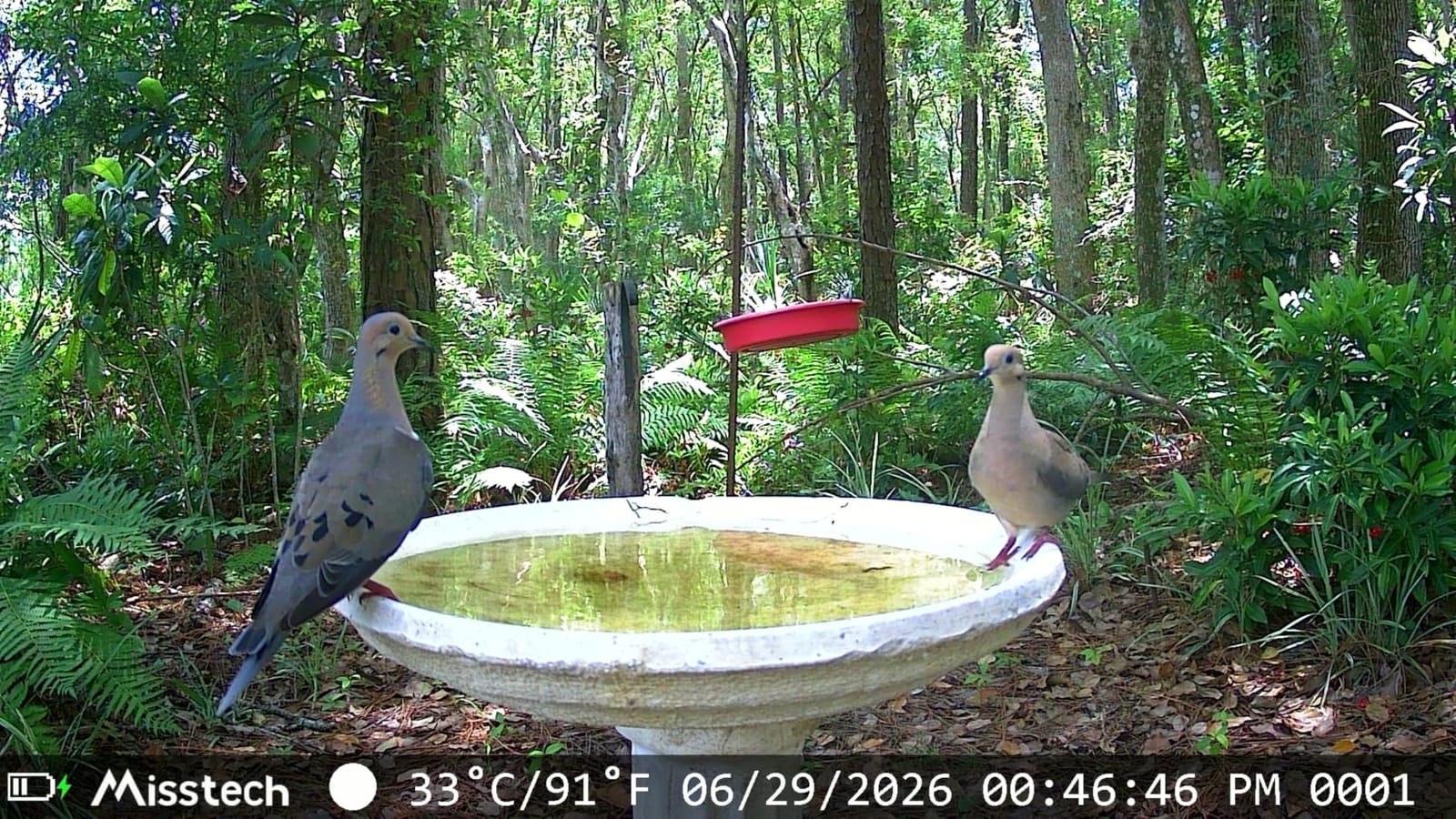
The f/1.6 wide aperture lens is the headline here. A wider aperture lets more light reach the sensor in low light, which is exactly the condition that makes night images noisy and unusable on entry-level cameras. Owners single this model out for image quality in both daylight and darkness, and it holds a 4.4 average across its reviews.
Capture is 64MP stills and 4K video with a 0.1s trigger and a 5-frame sequence mode. Every capture is stamped with moon phase, temperature, and time, which is unusually thorough at this tier and genuinely useful if you are correlating activity with weather over a long deployment.
There is an on-camera playback screen alongside app viewing, so the card never has to come out. At 4.7 by 3.1 by 1.9 inches it is a compact body in an ABS IP66 housing, and there are no subscription, cloud, or cellular fees at all.
The MapPin feature stores the camera location in the app so you can relocate a unit you forgot in a tree. On a deployment where you place several cameras across a property, that alone prevents an unnecessary search.
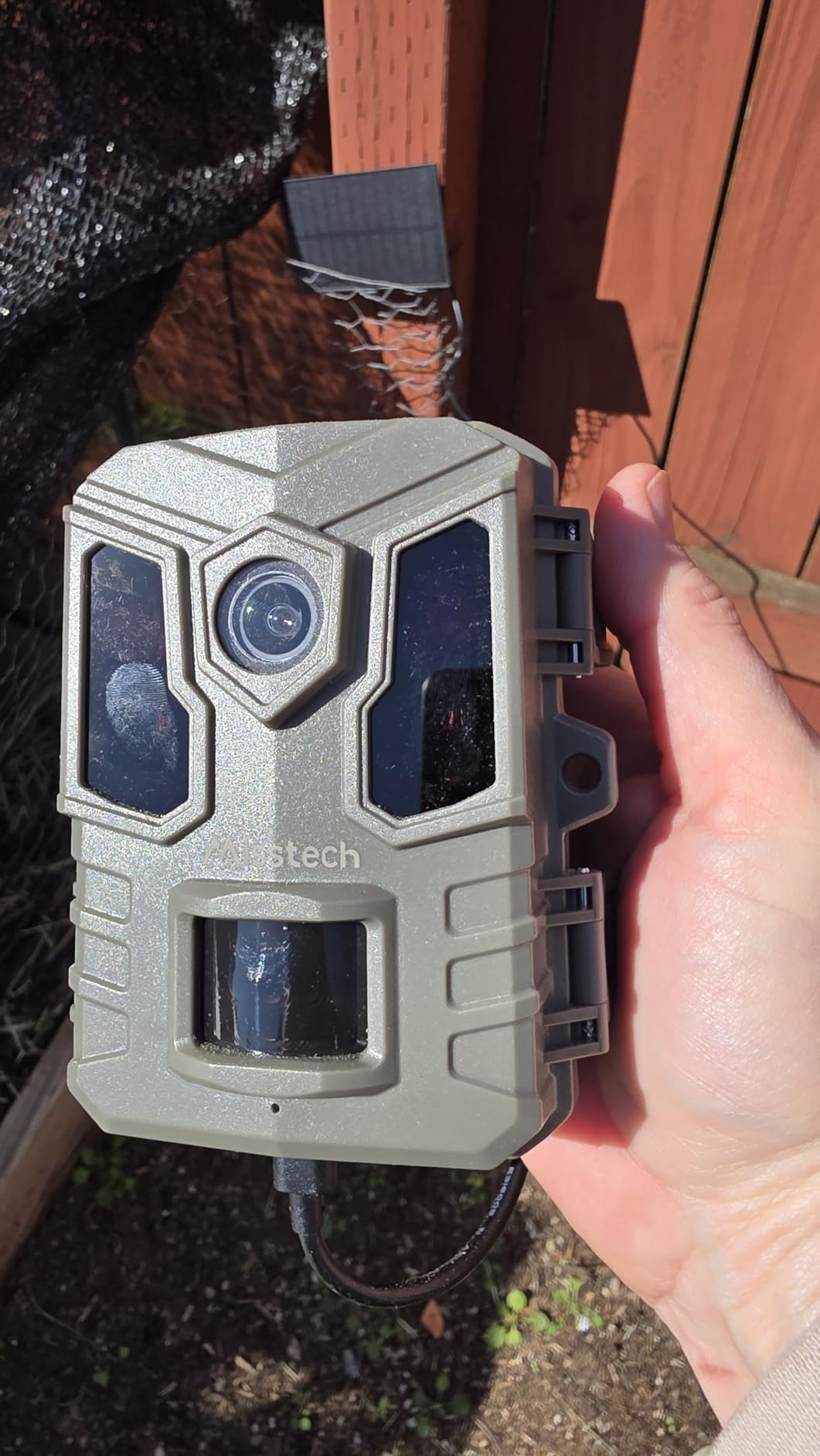
The connectivity is the weak point. The local WiFi range is short, and some owners report only 15 to 20 feet of usable signal, which is barely enough to review a shot from the ground. There is no remote path, so this is a retrieve-in-person camera like the other local-hotspot models here.
Two more caveats: the 30-second clip cap combined with a 5 to 10 second pause between recordings can miss the moment you deployed the camera to capture, and recorded AVI files need conversion before some editing software will import them. One isolated review reports the solar panel failed to charge despite full Arizona sun, which is a panel failure rather than a placement problem.
How long it realistically runs on solar
Owners report a consistent pattern here: the battery sits at 100% for weeks on end on solar. The integrated panel feeds the internal rechargeable cell, and the absence of any cellular radio means the daily draw is small enough that the panel has genuine surplus on most clear days.
That surplus margin is what makes this camera survive a bad stretch. A camera that is only just keeping pace loses ground every cloudy week. One with headroom absorbs them and comes back.
Where it falls short for a season-long sit
There is no external power input and no AA backup on this model, so the panel and internal cell are the entire system. If the panel fails, the deployment ends. That is a real risk over multiple seasons, and the single review of a non-charging panel is a reminder of how few moving parts that simplicity actually has.
Short WiFi range also means this is the wrong camera for a site you reach only on foot. Budget for a retrieval trip per camera per check cycle, or move up to a cellular architecture.
7. MagicEagle H1 Cellular Trail Camera: Best Battery Headroom on Cellular
MagicEagle® Cellular Trail Camera 4G Wild Game Cameras 13,000 mAh Battery Solar Panel 2K Audible Video No-Glow IR Night Vision IP66 Waterproof for Wildlife Deer Monitoring Home Security (Army Green)
13000mAh battery
Included solar panel
4G cloud card with no SIM
940nm no-glow IR to 90 ft
IP66
Pros
- Rating of 4.8 with a large share of five-star results
- 13000mAh battery plus the solar panel holds charge through long unattended periods
- crisp daytime images and effective 940nm no-glow night vision
- AI species identification and app live view are genuinely useful
- simple setup even for technically challenged buyers
- camouflage housing that animals appear to ignore
Cons
- Solar panel mount may need extra or shorter screws depending on the strap setup
- setup instructions contain easy-to-miss steps
- 5 MP photo resolution is modest next to the 64MP cameras in this roundup
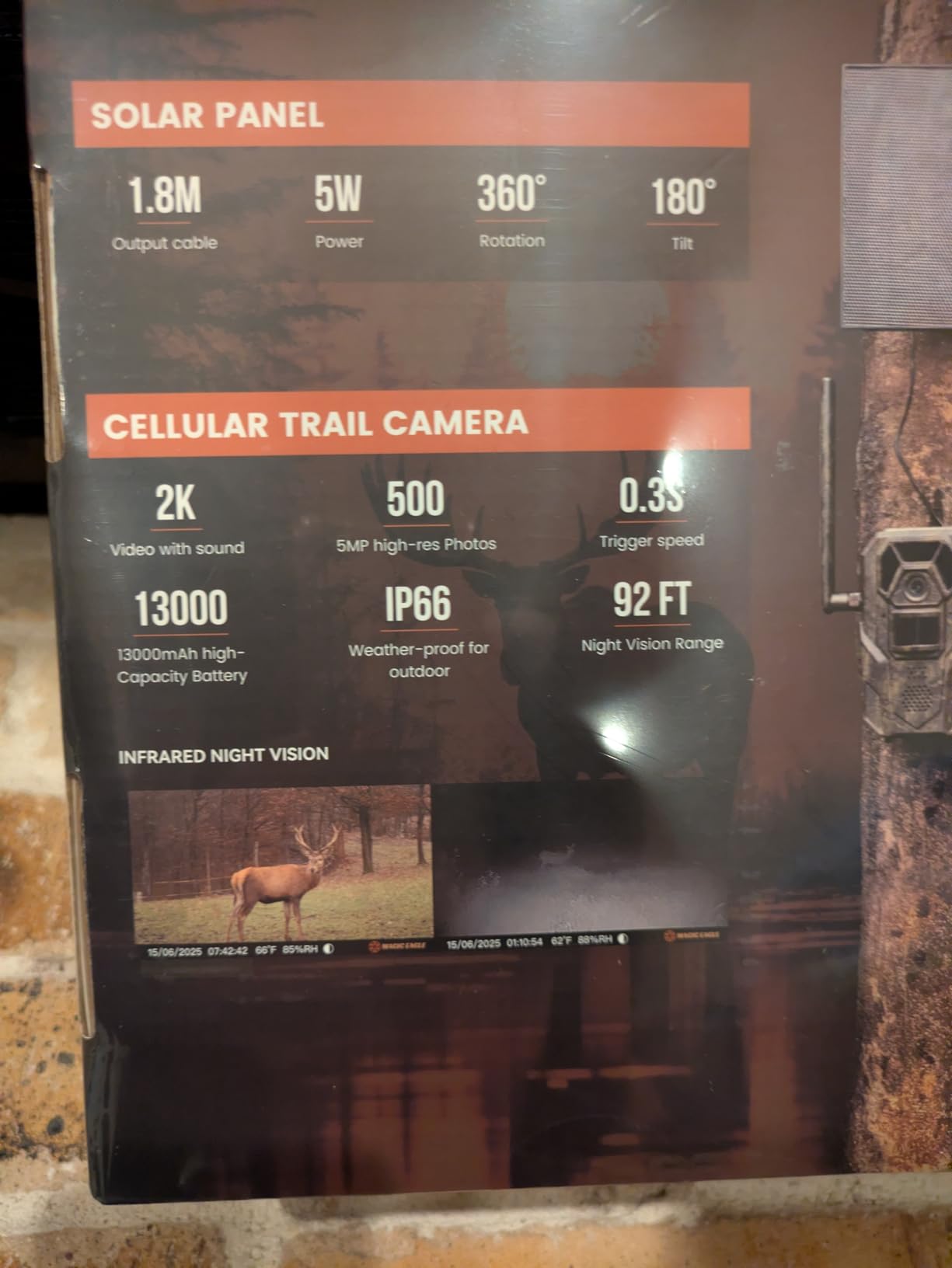
The 13000mAh battery is the largest capacity in this roundup by a wide margin, and on a cellular camera that is the number that decides whether a deployment survives winter. The vendor claims up to 3 months of standby, and the bundled solar panel is in the box. A 32GB SD card comes pre-installed and expands to 256GB, so you have local storage even without a plan. Buyers have also reported several cloudy days leaving the charge untouched on solar alone.
Connectivity uses SignalSync cloud-card technology, which auto-selects the strongest carrier network segment without requiring a physical SIM. There is a free 100MB allowance for 30 days, covering roughly 200 photos or 16 short videos, after which a 1GB monthly tier applies. That is a notably different data structure from the per-camera unlimited plans in this group.
Night capture uses 940nm no-glow IR out to 90 feet, which means no visible emitter and no red glow. Owners report effective night shots on skunks and opossums, and the 108-degree field of view with a 0.3s trigger is adequate for trail and property work. The housing is rated IP66, and the -20C to 50C operating range is the only temperature specification published for any camera in this roundup.
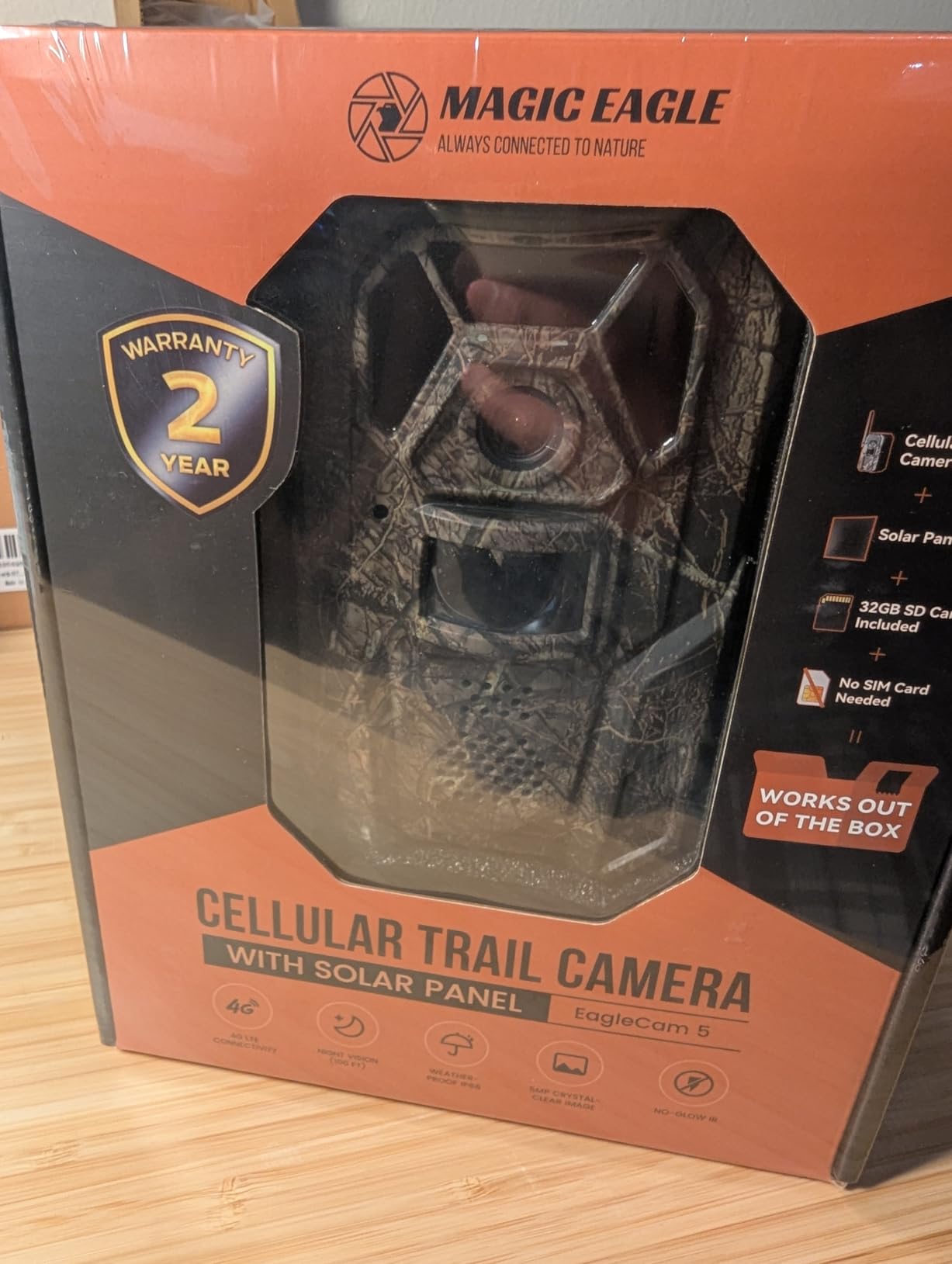
Two features stand out for a remote deployment. AI species recognition sorts captured activity by frequency, location, temperature, and humidity, which turns a month of raw captures into something you can read. A gravity sensor with A-GPS positioning and offline location tracking also captures a photo automatically if the camera is moved, and the app tracks a movement route to help recover a stolen unit.
The 5 MP photo sensor is the trade-off. It is crisp enough for property security and species identification, but it is a fraction of the 64MP sensors on the local cameras in this roundup. If your deployment is identification rather than documentation, that is an acceptable deal. If you want to crop a distant animal, it is not.
How long it realistically runs on solar
This is the camera to choose when the site is genuinely remote and the weather is genuinely uncertain. 13000mAh gives roughly two and a half times the storage of the 5200mAh cells in the local-hotspot group, and a cellular camera is the load case that needs it. The included panel does not have to win every week; the battery carries the camera through the weeks it loses.
The warranty is 2 years plus 6 months on registration, which is the longest coverage here. Over a multi-season deployment, that is the difference between a warranty replacement and a truck trip.
Where it falls short for a season-long sit
The bundled panel mount hardware does not always fit the strap setup out of the box, and some owners had to source different screws. Bring a small hardware kit on your deployment trip rather than assuming the supplied bracket will work with your strap.
The 0.3s trigger is slower than the 0.1s and 0.2s units here. At 90 feet of night range, a slower trigger costs you more than it would on a short-range camera.
8. Moultrie Edge Solar Cellular Camera: Best for Absentee Landowners
Moultrie Edge Solar Cellular Trail Camera – Integrated Solar, 40MP
Integrated adjustable solar panel
Removable Li-ion battery pack
40MP and 1080p
Four-carrier auto-connect
2-year warranty
Pros
- Integrated adjustable solar panel plus battery pack removes AA battery handling entirely
- Easy Aim mount makes positioning and sighting-in straightforward
- four-carrier auto-connect with no SIM means reliable coverage on remote hunting land
- 100 ft low-glow IR detection with clean 40MP stills
- health status and on-demand footage viewable remotely
- recognized brand with a 2-year warranty
Cons
- No real-time live streaming at time of writing
- battery still needs an occasional manual recharge when solar alone is not enough
- no on-demand battery level check or on-site connection to verify charging
- reports of false triggers from wind-blown trees
- cloud storage requires a subscription plan
Owners upgrading from SPYPOINT units commonly report better battery life. A Rokslide owner running Moultrie Edge units logged a full 12 months without a battery change, including check-in mode from November through July, though a third unit failed at 6 months and was replaced under warranty. The Edge Solar carries an integrated panel with an adjustable angle and a removable Li-ion battery pack, so there are no AA cells to handle and the pack itself can be pulled and recharged indoors if a site goes dark for a long stretch.
The Easy Aim mount provides real-time preview through the app while you position the camera, which solves the single most common field problem with cellular units: aiming at something you cannot see from the ground. Auto-connect across four major US networks means no SIM to install and no carrier argument when you deploy in a coverage gap.
Capture is 40MP stills and 1080p HD video with audio, a 100 ft PIR detection range, and a low-glow IR flash out to 100 feet. AI buck detection filters false alerts before they reach your phone, and on-demand video requests let you pull specific clips rather than everything.
Plans start in the single digits per month with no annual contract, and the 2-year warranty runs from activation in the app. Health status is viewable remotely, so you can check whether the camera is reporting in without walking to the tree.
The honest limitations are worth a close read. There is no real-time live streaming, which separates it from the Oculview above. More importantly, there is no on-demand battery level check and no on-site connection, so you cannot verify from the ground that the panel is actually charging until the camera stops reporting in. Owners also report false triggers from wind-blown trees and grass, which burns power on a long deployment.
At 2.5 pounds and 3.75 by 4.88 by 14.13 inches this is a large, heavy body. It is built for durability rather than for concealment in tight timber, and cloud storage requires a plan on top of the connection fee.
How long it realistically runs on solar
The adjustable panel angle is the feature that matters most here. Solar yield in winter depends entirely on the angle between the panel and the low sun, and a panel that can be re-aimed in November and again in January is a meaningful advantage over a welded one in a northern deployment.
Because the Li-ion pack is removable, a long deployment has a recovery path that most integrated designs do not. If a three-week overcast stretch drains the pack, you can swap or recharge it rather than accept a dead camera until the next visit.
Where it falls short for a season-long sit
Owners still find themselves giving the battery pack an occasional manual recharge when solar alone is not enough. That is the honest reality of a cellular camera on an integrated panel, and you should plan a visit around it rather than assume the panel is sufficient.
The combination of no live view, no on-site battery verification, and wind-driven false triggers makes this more of a set-and-forget notification camera than an interactive one. If you want to watch a site in real time, this is not the tool.
9. TACTACAM Reveal X Gen 3.0 with Solar Panel: Best for Multi-Carrier Hunting Land
TACTACAM Reveal X Gen 3.0 Cellular Trail Camera – Multi Carrier, HD Photos & Videos, Pre-Installed Antenna, Built-in GPS, Best Battery Life, Low-Glow IR Flash, Fast Trigger Speed + Reveal Solar Panel
Bundled Reveal solar panel
Multi-carrier cellular with preactivated SIM
Built-in GPS
1080p FHD with 4x zoom
Low-glow IR
Pros
- Bundled Reveal solar panel plus strong battery life suits extended off-grid sits
- low-glow IR flash is essentially invisible to wildlife and people
- built-in GPS and multi-carrier support add flexibility for remote hunting properties
- optional SD card slot means an extra card is not required
- straightforward activation and a familiar REVEAL app workflow
- one-year warranty with in-house support
Cons
- Top of the roundup's price range
- solar is delivered as a bundled external panel rather than an integrated cell
- some buyers report cellular dropouts in weak-coverage areas
- 1080p video is below the 4K class offered by other alternatives
Tactacam is the second established name here, and the Reveal X Gen 3.0 ships with the solar panel as a genuinely separate external unit in the box. That changes the math for a long deployment. An external panel can be mounted at the best sun angle independent of where the camera hangs, and it can be swapped or upgraded without replacing the camera.
Connectivity is multi-carrier cellular with a preactivated SIM that connects through the REVEAL app, and a pre-installed antenna location is designed to improve durability and signal. Built-in GPS tags location, which matters when you are running several cameras across a large out-of-state property and need to know which one sent a photo.
The low-glow IR flash is described as undetectable to both humans and animals, and the 3-shot burst centers game in the frame. Storage is built in, so no card is required, with an optional SD slot if you want a local copy. Video is 1080p FHD with 4x optical zoom.
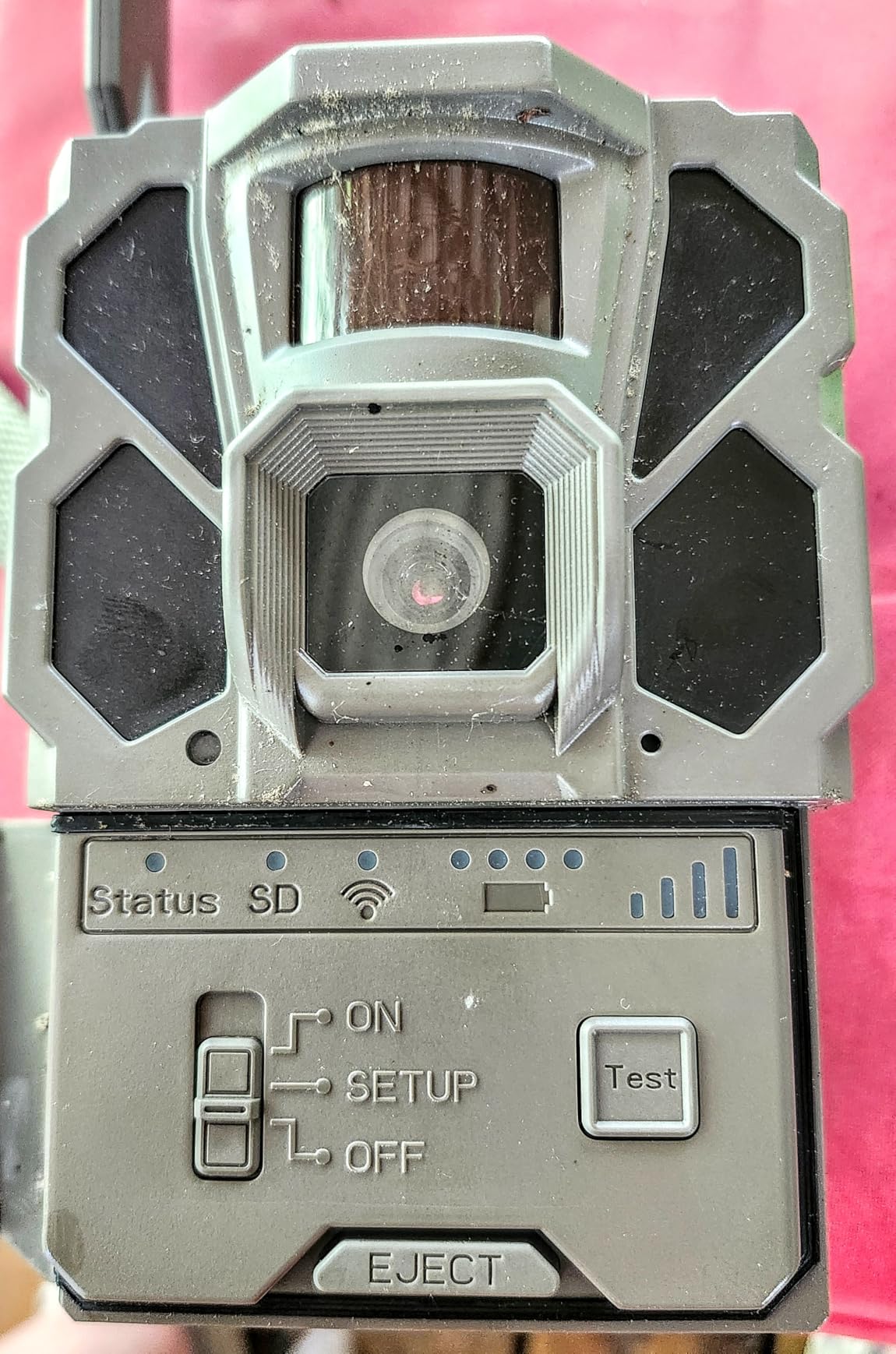
Be clear about what you are buying. This sits at the top of the roundup’s range, and the bundled Reveal solar panel is a panel-plus-harness rather than a cell built into the housing. That means one more physical connection that can work loose over a season of wind, and it means the panel size is whatever the Reveal panel happens to be rather than something matched to the camera.
The 1080p video resolution is below the 4K class offered by several local cameras here. Some buyers also report cellular dropouts in fringe coverage areas, which is the failure mode most likely to end a remote deployment early.
How long it realistically runs on solar
Owner reports on this platform are strong on year-round solar operation, with cameras holding full charge even after several cloudy days when the panel is used. A Crossbow Nation forum user running a Tactacam on solar alone reported it sitting at full charge through several cloudy stretches, which matches what reviewers describe here. The Reveal panel is sized for the camera rather than being a generic trickle charger, which is why it can carry a cellular unit through a winter.
The external panel format is the real deployment advantage. Mount it at the top of the tree facing due south, hang the camera on the side for a cleaner shot, and you decouple power placement from camera placement. Very few of the other options here offer that flexibility with solar included.
Where it falls short for a season-long sit
The 1080p ceiling is a real limitation if you need to identify animals at distance. Several lower-cost cameras here produce 4K and 64MP stills, so you are paying more for the platform and less for the image.
Coverage dropouts in weak-signal areas are the other concern, and the one-year warranty is the shortest here alongside one other model. Test the signal at the deployment site before you commit, because a camera that cannot report in has no value on a site you visit monthly.
10. FRKTCAM 4K 64MP Solar Trail Camera: Best IP67 Weatherproofing
FRKTCAM Trail Camera 4K 64MP Solar Game Camera WiFi Bluetooth,0.1s Trigger Motion Activated,6000mAh Battery, 64GB SD Card and Ip67 Waterproof Trail Cam, 130° Wide Angle for Deer & Farm Security
5800mAh battery with top solar panel
64GB card included
130 degree angle with 100 ft night reach
IP67 with double gasket
0.1s trigger
Pros
- Excellent daytime color
- exposure and resolution
- solar collector keeps the camera at 100% through extended cloudy days in partial shade
- largest bundled memory card in the group at 64GB
- widest detection angle at 130 degrees with up to 100 ft night reach
- phone app has far more programmability than on-camera buttons
- double-sealed silicone gaskets protect card and charging ports in heavy rain
Cons
- Infrared night images are darker than competing units and sometimes hard to identify
- WiFi hotspot is short and drops if you step away
- no app-level pause for recording
- written instructions are terse
- AVI format requires conversion before some editing software accepts it
IP67 means temporary immersion protection on top of full dust protection, which is the rating you want for a camera mounted on an open post, a water trough, or a boat dock where driving rain and spray are constant rather than occasional. Every other unit in this roundup carries an IP65 or IP66 rating.
Storage is the other standout. A 64GB card is included in the box, the largest bundled capacity here, which at 4K UHD video with audio means substantially more retained footage before loop overwrite on a long unattended deployment. Additional charging paths include Type-C and an external power bank alongside the top-mounted solar panel.
Capture is 64MP stills and 4K UHD video with audio through a starlight optical lens, a 0.1s trigger, and the widest viewing angle in this roundup at 130 degrees. Adaptive night lighting is designed to prevent over- or under-exposure as conditions shift. Owners consistently rate daytime color and exposure very highly.
The app is singled out as far more capable than competing software, with essentially everything programmable from the phone rather than through on-camera buttons. A ball and clamp mounting link gives flexible aiming on top of the standard tree bracket.
There is one significant weakness and it is at night. Owners report infrared images that are darker than competing units, sometimes hard to identify without visible eye-shine in the frame. The listed 100 ft night reach assumes good ambient conditions. If your deployment depends on night identification, test before deploying for a season.
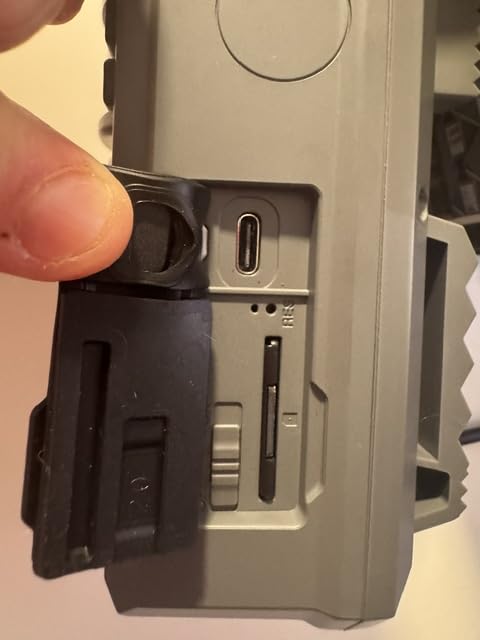
The WiFi hotspot reaches about 55 feet, takes 20 to 30 seconds to establish, and drops if you step away from the camera. There is also no app-level pause for recording, which means stopping a capture requires opening a rubber cover and flipping the physical power switch. Birds also perch on the flat top panel, which shades it in direct sun.
How long it realistically runs on solar
Multiple reviewers specifically report the solar collector holding the camera at 100% through extended cloudy days in partial shade. That is the hardest test for an integrated panel, because a shaded site is exactly where a smaller cell would sag. The cell here is listed at 5800mAh and marketed at 6000mAh.
Having Type-C and power bank inputs as additional paths means you are never fully dependent on the panel alone. On a long deployment, that optional escape hatch is worth more than the integrated-only designs.
Where it falls short for a season-long sit
Dark night images are the deal-breaker if your deployment is night-focused. Daylight capture is excellent, but a camera that produces images you cannot identify at 2am has failed at the job regardless of how well it charges.
The review sample here is the thinnest in the roundup, so the long-term durability record is shorter than models with thousands of reviews. Combined with the AVI format requiring conversion before some editing software accepts it, this is a camera for a user who values weatherproofing and storage capacity over a long track record.
Built-In Solar vs an External Solar Panel: Which One Wins a Long Deployment?
Built-in solar wins for a location you cannot easily reach. An integrated panel has no connector to corrode, no cable to be chewed by a squirrel, and no bracket to strip in a wind event. For a camera strapped 12 feet up a hardwood with a strap and no other attachment point, that reliability is worth more than any wattage difference.
External solar wins for placement. The Tactacam Reveal X is the clearest example here. You can mount the panel at the top of the tree facing due south and hang the camera separately for a cleaner shot angle. A welded top panel forces you to compromise between where the sun hits and where the camera sees.
There is a third consideration that buyers miss. Integrated panels are usually small, because the housing has to look like a trail camera rather than a solar array. That means the surplus margin is thin, and a thin margin is what gets consumed by a two-week overcast stretch in December.
Our recommendation for a season-long deployment is straightforward. Use integrated solar if the site is fixed, high, and hard to reach. Use external solar if you have a good mounting point, the site is reachable at least twice a year, or you want the option to add a larger panel or battery bank later without replacing the camera.
How to Size Solar Power for a Cellular Trail Camera
The single most useful number in this entire article is that a 4G cellular camera draws roughly three to eight times more power than a non-cellular model. That is not a spec-sheet number. It is the multiplier that decides whether a cellular camera survives a northern winter on an integrated panel, and it is the reason most cellular cameras in this roundup ship with either a large battery or a large external panel.
Size in this order. First, identify the load case: local hotspot, cellular in low-traffic mode, or cellular with live view and frequent uploads. Live view is the most expensive option by a wide margin because the radio stays active instead of sleeping between triggers.
Second, check the DC input. The XTU accepts DC 6V alongside solar, USB-C, and AA backup, which makes it the natural choice for a fixed wired installation. Confirm the voltage and connector match before you buy a panel, because a mismatched DC jack is the most common reason a perfectly good panel does nothing.
Third, size the battery for the worst stretch, not the average day. A camera that gains charge on clear days and loses it on cloudy days will, over a season, sit at whatever the worst week allowed. The MagicEagle’s 13000mAh is the clearest expression of this principle in the roundup: big enough to absorb a bad run rather than merely survive a good one.
Fourth, plan the angle. Every deployment spanning more than a few weeks crosses a change in solar geometry. A panel you can re-aim in late autumn is worth several watts of capacity, because the difference between a 45-degree winter sun angle and a panel mounted to the previous season’s position is often the difference between maintaining charge and losing it.
Winter, Low Light, and Sub-Zero Deployment
Solar yield in winter is a geometry problem before it is a capacity problem. The sun sits lower, daylight hours are shorter, and a panel mounted for an October sun angle can spend December receiving a fraction of what it did in September. If your deployment crosses into winter, re-aim the panel twice: once in late autumn and once after the solstice.
Snow cover is the second problem, and it is the one owners underestimate. A panel that is clear in August can be under 30 percent of an inch of snow in January, which is enough to drop output to near zero for as long as it stays covered. Angle the panel steeply enough that snow slides, and check it during or after any significant storm if you can reach the site.
Temperature affects the battery more than the camera. Rechargeable lithium cells lose usable capacity in cold, and a camera reading 40 percent in December may be effectively flat for the standby load. The MagicEagle’s stated -20C to 50C operating range is the only one published in this roundup, and the combination of a large cell plus a panel is the most reliable answer to this problem.
Night capture degrades in the same season for a different reason: shorter days mean more of your captures happen in full darkness. Cameras with true 940nm no-glow IR hold up better in that condition than 850nm units with a visible emitter. If your deployment is winter-weighted, weight the IR wavelength in your decision more heavily than the daytime megapixel figure.
Solar Setup vs AA Batteries Over a Full Season
The honest calculation is simpler than most guides make it. A camera running 12 alkaline AA cells per season, replenished four times a year, costs you 48 cells plus four site visits. Each visit is fuel, time, and disturbance to the wildlife you are monitoring, and the disturbance is the real cost because an approach that spooks deer off a trail does not come back in a week.
Solar converts that recurring cost into a one-time hardware purchase plus a maintenance visit or two per season. On a site you visit anyway, that is often not worth it. On a site you do not visit, it is the only option that collects usable data for the full window.
For cellular cameras, add the data plan to the right side of the ledger. Monthly plans across the models here start in the single digits and climb into the low teens per camera per month depending on transmission volume, which over a full year can exceed what a season of batteries costs. If your data plan total is greater than the hardware cost, at that point the plan is the reason your deployment is expensive, and no panel size will change that.
The rule we would apply: go solar when your visit cost exceeds the hardware cost, which is most true for cameras placed more than a mile from a road. Stay on batteries when you drive past the site regularly, because no battery-free architecture saves you a 15-minute detour.
Installation Checklist for a Multi-Month Deployment
1. Confirm the sun path before you mount. Stand at the site at 10am and again at 2pm and note where the sun actually is. Anything under open sky for four to six hours in the shoulder season is a workable site; anything under dense canopy is not, whatever the camera promises.
2. Check cellular coverage at the exact mounting height. Coverage at ground level and 12 feet up a tree are not the same measurement. Stand at the tree with the phone in hand before you cut the battery strap.
3. Set the panel angle for the season, not the day. If the deployment crosses into winter, angle for the low sun. If you cannot re-aim later, angle for the mid-point of the deployment rather than today’s position.
4. Format the card in-camera. Every manufacturer specifies FAT32 or exFAT and a minimum Class 10 or U1 speed class. A card formatted on your laptop is the most common cause of a camera that records nothing at month two.
5. Set a schedule for the visit, not for the battery. Decide in advance when you will physically inspect, and write the dates down. A deployment without a scheduled check is a deployment that becomes a forgotten camera in a tree.
6. Disable the things you do not need. Time-lapse mode, audio recording, high burst counts, and live view all increase draw. Each one you turn off is capacity you do not have to buy.
7. Test the retrieval path before you walk away. Connect the app, pull a clip, confirm the card writes, and confirm the camera appears online. A ten-minute test at deployment prevents a season of unknown results.
8. Secure the SD card and the camera. On unattended sites, a lock loop or security box protects against theft, and keeping a second card at home means a stolen card costs you data rather than the deployment.
9. Re-aim the panel twice more if the deployment runs long. Late autumn and after the winter solstice are the two checkpoints that keep a panel producing through the low-sun months.
Frequently Asked Questions
Which solar-powered trail camera is the best?
For most long deployments, the CEYOMUR CY95 is the best solar-powered trail camera because it pairs a 5200mAh rechargeable cell with a top-mounted solar panel and four AA backup cells, so a bad weather run does not end the deployment. The MAXDONE PH970S offers more capacity at 6000mAh in a smaller body. If you need footage delivered to your phone from a remote site, the MagicEagle H1 is the strongest cellular option, with a 13000mAh battery, a bundled solar panel, and a 4G cloud card that needs no physical SIM.
Which trail camera brands offer the longest battery life?
The brands that report the longest solar-only runtimes are the ones with the largest rechargeable cells and a cellular draw they can support. In this roundup, MagicEagle leads at 13000mAh, followed by MAXDONE at 6000mAh, FRKTCAM at 5800mAh, and CEYOMUR at 5200mAh. Among established names, Moultrie and TACTACAM both ship with enough panel capacity to carry a cellular camera through a season, and TACTACAM supplies a separate Reveal panel that can be mounted for better sun exposure.
Is Moultrie or Tactacam better?
Moultrie is the stronger all-in-one choice: the Edge Solar has an integrated adjustable panel, a removable Li-ion pack, four-carrier auto-connect, and a 2-year warranty. TACTACAM is the better choice if you want to separate the panel from the camera, because the Reveal X Gen 3.0 ships with a discrete Reveal solar panel you can mount for ideal sun angle, and it adds built-in GPS. Both are reliable established brands, and both sit at the upper end of this roundup’s range.
How much solar panel does a 4G cellular trail camera need?
A cellular camera draws roughly three to eight times more power than a non-cellular model, which is why it needs a larger panel. As a working reference, the cellular units in this roundup that hold charge reliably through cloudy stretches ship with panels around 6W paired with batteries of 6000mAh or more. Integrated top panels on local-hotspot cameras are considerably smaller and work because the radio sleeps between triggers. The rule is to size the battery for your worst expected cloudy stretch, not your best week.
Can you leave a solar trail camera out all winter?
Yes, provided the site gets real sun and the battery is sized for the worst stretch rather than the average day. The main winter risks are geometry and snow, not the camera itself. A panel aimed for an October sun angle loses a large share of its yield in December, so re-aim it in late autumn and again after the solstice. Snow cover can drop output to near zero, so angle the panel steeply enough that snow slides off. Cold also reduces usable lithium capacity, which is why a larger cell matters more in winter.
What state is banning trail cameras?
Trail camera rules vary by state and change often, and the restrictions usually concern use on land you do not own or on public and state land rather than cameras themselves. Before deploying anywhere, check your state department of natural resources and your local game commission for current rules, and confirm you have the landowner’s permission for private ground. Some jurisdictions also restrict cameras on certain lease lands, and a few require signage. Rules that were permissive when a camera was purchased may not be permissive now.
If your site is close to home and you want the broader picture on image quality across price tiers, our solar security camera roundup covers fixed-position solar cameras rather than field models. Different problem, similar solar constraints.
Final Verdict: The Best Solar Powered Trail Cameras for 2026
The CEYOMUR CY95 is our pick for the best solar powered trail cameras for long deployments, because a 5200mAh cell, an integrated top panel, and four AA backup cells give it the most forgiving power architecture in the group. The MAXDONE PH970S is the alternative if you want more capacity and a smaller body. The MagicEagle H1 is the answer whenever the footage has to travel to your phone, and its 13000mAh battery is the most generous in the list.
Everything else in this list is a specialization of those three ideas. The XTU wins on power input flexibility, the VIDVIS on being complete in the box, the Misstech on low light, the FRKTCAM on IP67 sealing, the Oculview on live view, the Moultrie on adjustable integrated solar, and the TACTACAM on a separate mountable panel. Pick the specialization that matches your site, then size the panel and battery for your worst cloudy stretch rather than your best week.