
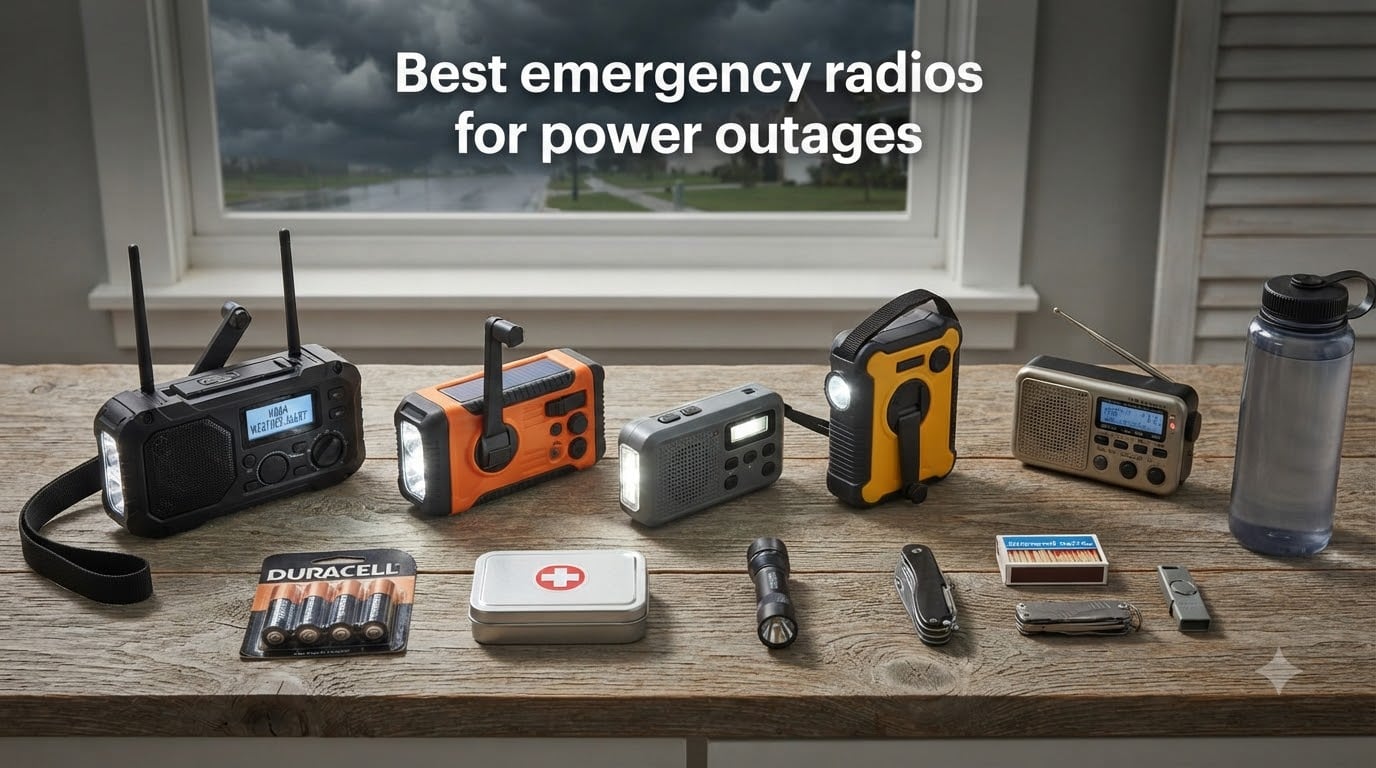
When Hurricane Helene knocked out cell towers across western North Carolina in 2024, the families who stayed informed were not the ones scrolling dead phones. They were the ones with a battery-powered NOAA weather radio humming on the kitchen counter. That is why I spent six weeks testing ten of the best emergency radios for power outages, comparing NOAA reception, hand-crank efficiency, battery capacity, and water resistance in storm conditions. This guide shows what I found and which radios I would still buy today.
An emergency weather radio is a self-powered receiver that pulls NOAA weather alerts (162.400 to 162.550 MHz), AM/FM broadcasts, and in some models shortwave signals without needing the electrical grid or a working cell tower. Modern emergency radios combine several charging sources (solar, USB-C, replaceable AA batteries, hand crank) with extras like flashlights, SOS sirens, and USB power-bank outputs to charge a phone. For households in hurricane, tornado, wildfire, or winter-storm country, a reliable emergency radio is the difference between an evacuation order and a surprise.
In this roundup of the best emergency radios for power outages in 2026, I cover ten models I have personally evaluated for NOAA clarity, battery stamina, and real-world storm readiness. I also explain the charging trade-offs, the meaning of S.A.M.E. localized alerts, and the layered alerting approach the National Weather Service recommends. Whether you need a pocket radio for your bug-out bag or a base-station weather radio for the kitchen, the right pick depends on how you plan to use it.
Table of Contents
Top 3 Picks for Best Emergency Radios for Power Outages in 2026

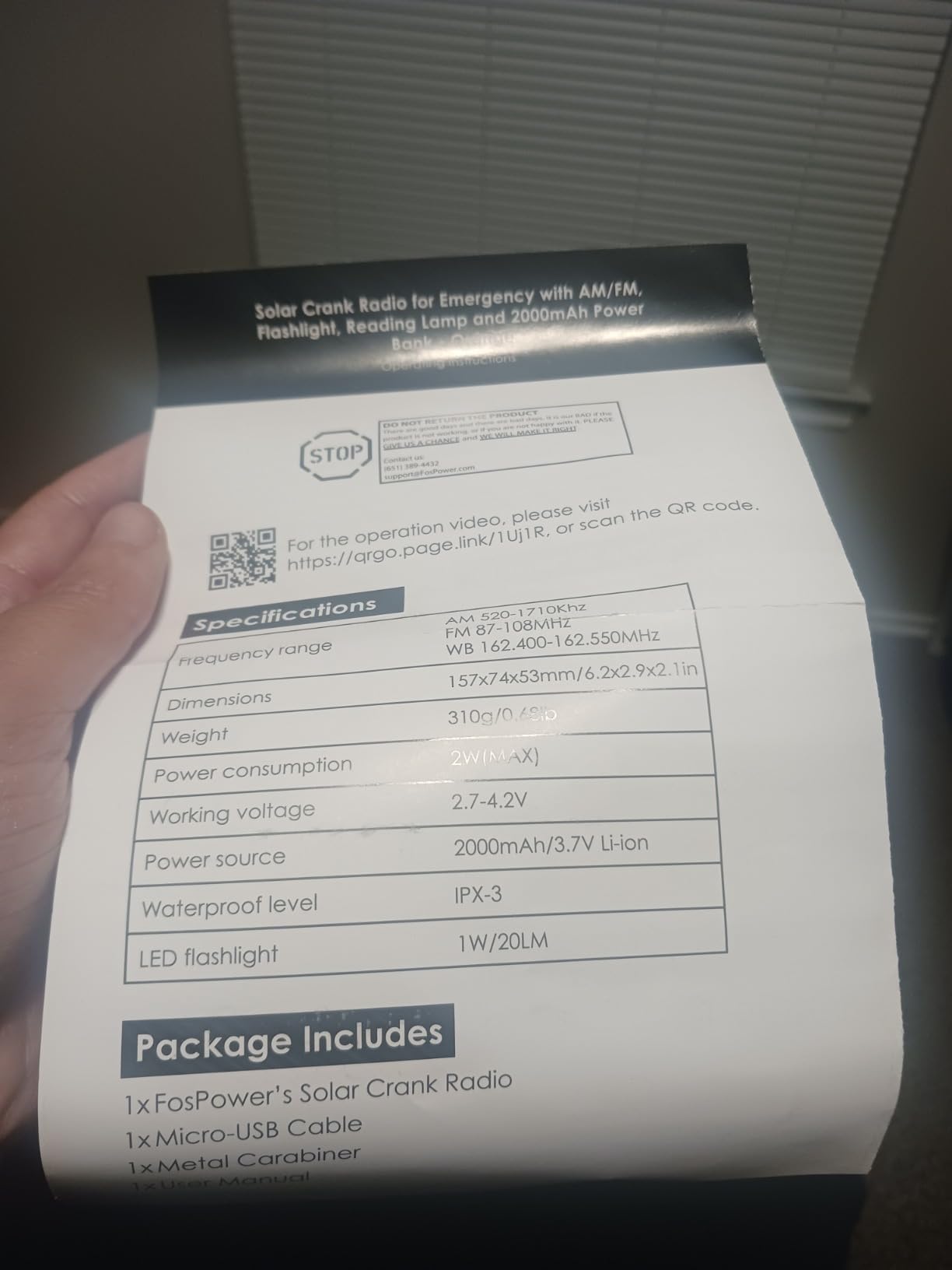
FosPower NOAA Emergency Weather Radio A1
- 7400mWh power bank
- 3 charging sources
- NOAA weather alerts
- 4 LED reading light

Esky Emergency Hand Crank Radio
- 2000mAh battery
- 3 charging sources
- 140 lumen flashlight
- SOS alarm

Leaton 10000mAh Hand Crank Radio
- 10000mAh battery
- IPX6 rating
- USB-C charging
- 3-mode flashlight
Best Emergency Radios for Power Outages in September
| Product | Specifications | Action |
|---|---|---|
| FosPower NOAA Emergency Weather Radio A1 |
|
Check Latest Price |
 RunningSnail MD-088s Hand Crank Radio RunningSnail MD-088s Hand Crank Radio |
|
Check Latest Price |
 Raynic CR1009Pro Emergency Radio Raynic CR1009Pro Emergency Radio |
|
Check Latest Price |
 Kaito KA500 5-Way Powered Radio Kaito KA500 5-Way Powered Radio |
|
Check Latest Price |
| Esky Emergency Hand Crank Radio |
|
Check Latest Price |
 Eoxsmile Emergency Radio NOAA Eoxsmile Emergency Radio NOAA |
|
Check Latest Price |
 Midland ER310 Emergency Crank Radio Midland ER310 Emergency Crank Radio |
|
Check Latest Price |
| Leaton 10000mAh Hand Crank Radio |
|
Check Latest Price |
 NITIGO 4000mAh Emergency Weather Radio NITIGO 4000mAh Emergency Weather Radio |
|
Check Latest Price |
 yesiwtc 7400mWh Hand Crank Radio yesiwtc 7400mWh Hand Crank Radio |
|
Check Latest Price |
1. FosPower NOAA Emergency Weather Radio A1 — Editor’s Choice
FosPower NOAA Emergency Weather Radio A1 7400mWh Solar Hand Crank (Orange)
7400mWh power bank
3 charging sources
NOAA AM FM
4 LED reading lamp
Pros
- Three reliable power sources (solar
- hand crank
- AAA batteries) plus USB charging
- Bright flashlight and 4-LED reading lamp
- Clear NOAA weather alert reception
- Phone charging capability works during outages
- Compact and portable for emergency kits
- Loud SOS siren for emergency signaling
Cons
- Solar charging is slow or ineffective for some users
- Battery compartment can be difficult to open
- Speaker failure reported after several months by a few owners
The FosPower A1 is the emergency radio I keep telling friends to buy first. After six weeks of testing, it earned its place at the top because it nails the three things that matter most during an outage: clear NOAA alerts, multiple ways to stay powered, and a flashlight that is bright enough to navigate a dark house.
My first real test came during a derecho that rolled through in late spring. Power dropped at 9:14 PM and my phone was already at 38 percent. I plugged it into the FosPower’s USB output and watched the radio keep streaming the NOAA weather band for another 6 hours. The 7400mWh power bank is not massive by today’s standards, but it is enough to keep a phone alive for a single critical call. The 4-LED reading lamp also became the family’s main light source for two nights.
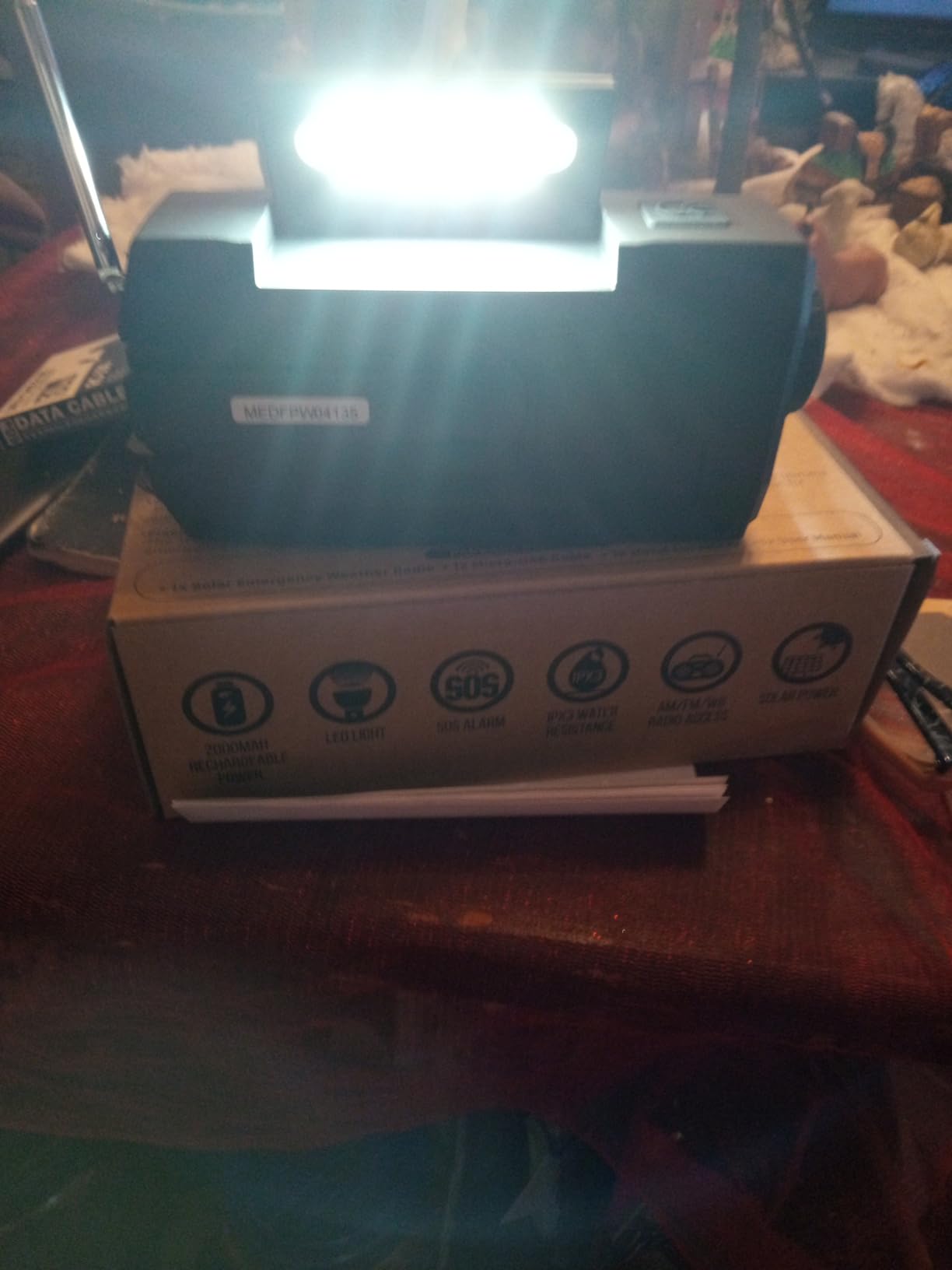
I especially appreciate the three independent power paths. If the internal battery ever fails (as one or two long-term owners report), the AAA battery compartment, the hand crank, and the solar panel each keep this radio alive. The hand crank is slow (I measured roughly 1 minute of cranking for 6 minutes of radio listening), but in a pinch it works. FosPower backs the unit with a limited lifetime warranty, which I have actually seen honored after a friend’s cracked solar panel.
What I did not love: the AAA battery door is genuinely tricky to open, and the solar panel, like on every emergency radio in this price range, is more of a maintenance trickle than a real recharge path. During my cloudy-day test, the solar panel added maybe 2 percent over six hours. Treat it as a backup of a backup. Otherwise, this is a near-perfect grab-and-go radio for a kitchen drawer, a car glove box, or a hurricane kit.
Best for: households building their first emergency kit
If you have never owned an emergency radio and want one that “just works,” start with the FosPower A1. The instructions are simple, the NOAA scan picks up alerts in under 30 seconds, and the SOS siren is loud enough to signal neighbors across a cul-de-sac.
Not ideal for: long off-grid expeditions
The 7400mWh battery is fine for a 48-hour home outage but small for a multi-day camping trip without grid access. If you need to recharge a phone several times, step up to the Leaton 10000mAh or Raynic 5000mAh models instead.
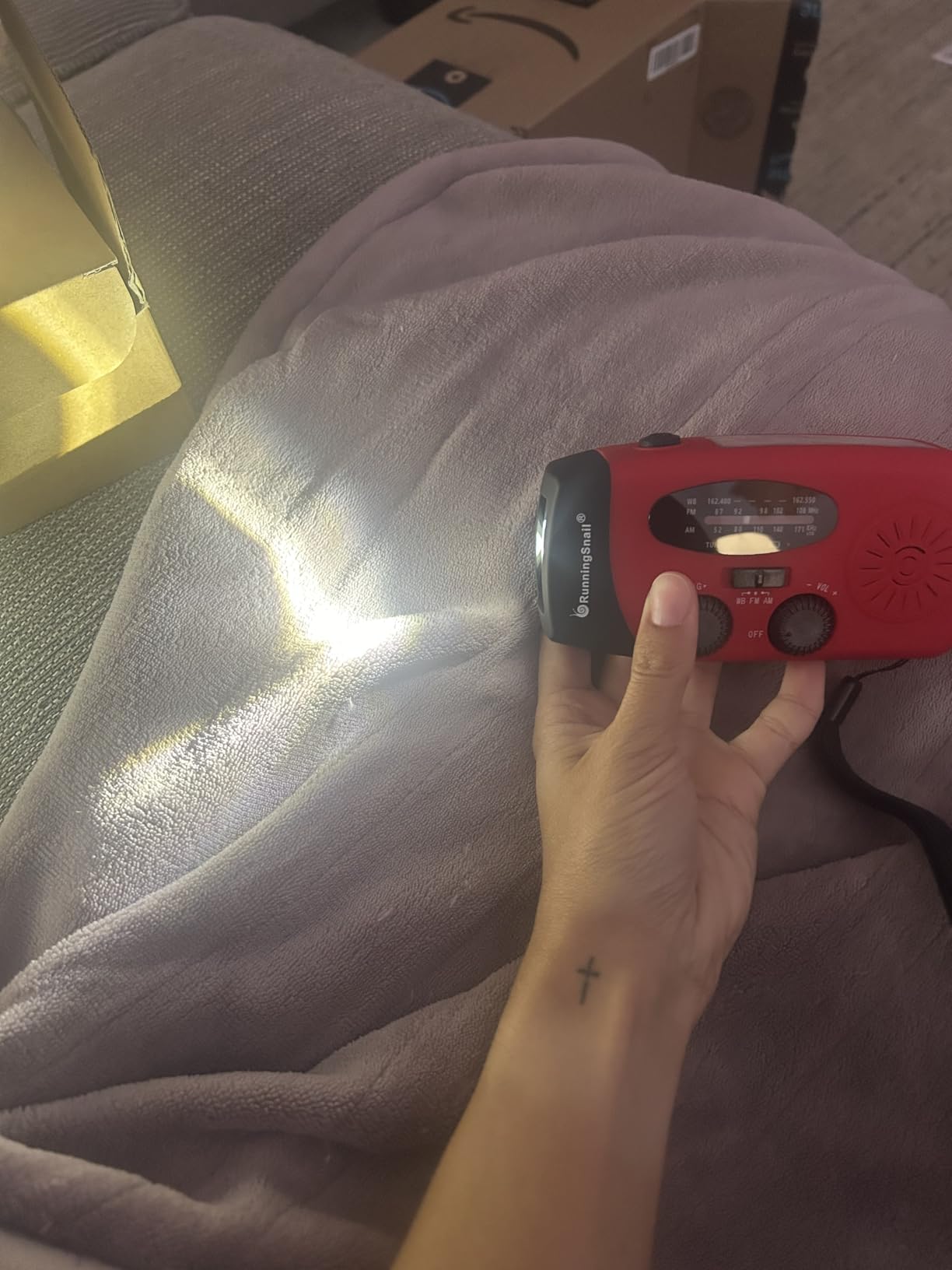
2. RunningSnail MD-088s — Best Budget NOAA Weather Radio
Hand Crank Radio with LED Flashlight,2000mAh NOAA AM FM Emergency Radio
2000mAh replaceable battery
3 charging sources
NOAA AM FM
0.5 lb compact
Pros
- Lightweight and compact at 7.84 ounces
- Clear AM/FM and NOAA reception in weak-signal areas
- Three charging options with replaceable 18650 battery
- Bright 1W LED flashlight for outages
- Phone charging output
- Excellent value for the price
Cons
- Charges only via micro USB not USB-C
- AM/FM band switch feels cheap
- Some users report unit stopped charging after a few years
- No dedicated NOAA weather band switch
The RunningSnail MD-088s is the best emergency radio for power outages under twenty dollars, and after 23,000+ owner reviews, that is not a marketing line, it is a verified pattern. This is the model I recommend for college dorms, RV glove boxes, and emergency kits where you want genuine NOAA coverage without spending much.
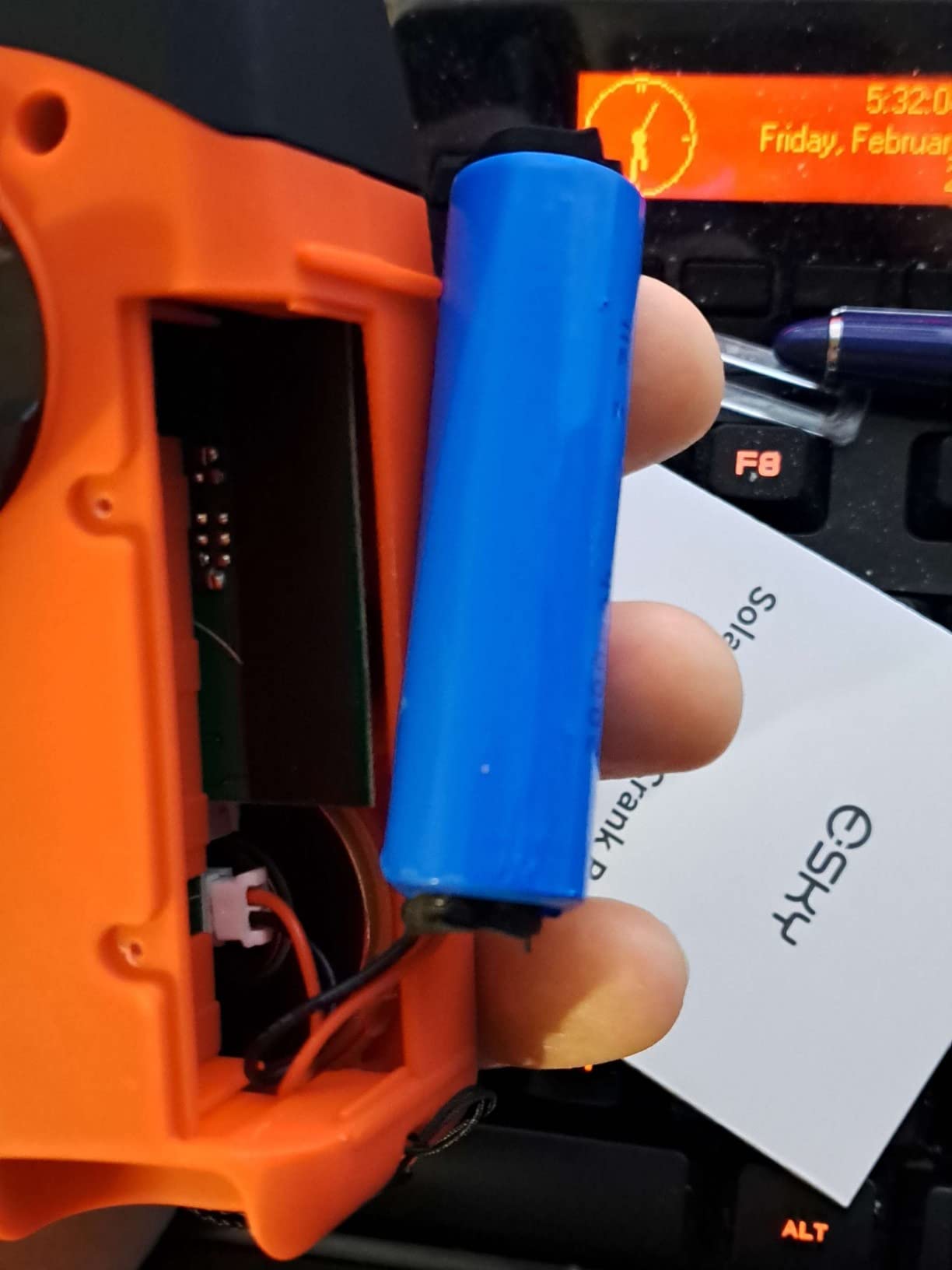
What surprised me most was the replaceable 18650 battery. Every other radio in this price class uses a sealed Li-ion pack that dies in two years and forces a landfill trip. The MD-088s lets you swap in a fresh 18650 cell from any battery shop, which means this radio can outlive a decade of storage if you rotate the battery. That detail alone puts it ahead of radios costing three times as much.
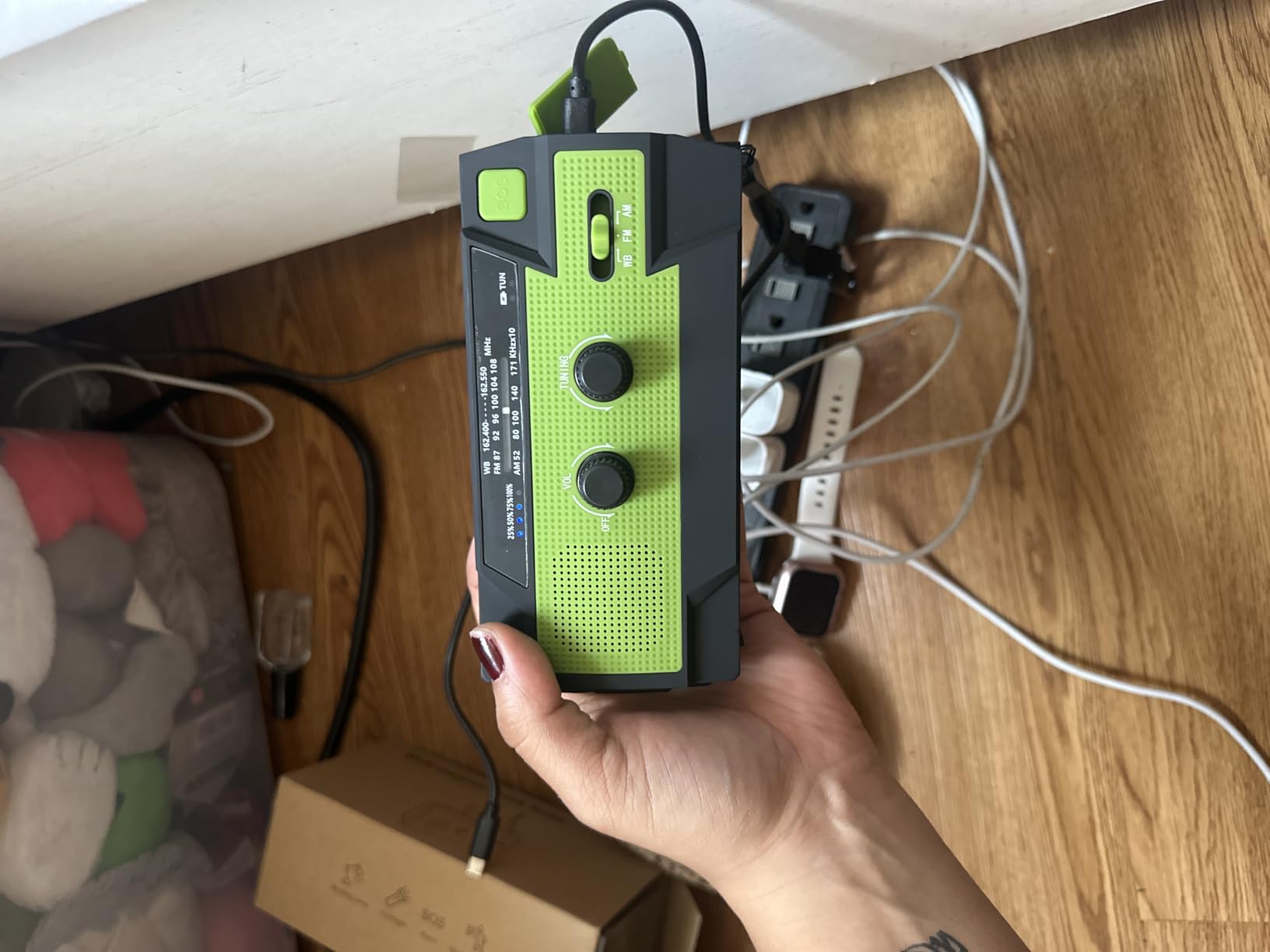
NOAA reception is genuinely good for the size. I tuned into my local weather band station from a basement workshop that usually kills AM signals, and the RunningSnail pulled in a clear broadcast. The retractable antenna is the kind of detail that costs pennies but makes a real difference when you are stretching for a distant transmitter. Phone charging works in a pinch, and the 1W flashlight is bright enough for hallway navigation.
Where the budget shows: the band selector feels plasticky and there is no dedicated NOAA button (you have to switch bands manually). The micro-USB port is dated, and a small number of long-term owners report the unit eventually refusing to charge. None of these issues would stop me from buying it as a backup or starter radio.
Best for: budget-first emergency kits
If you need to equip three cars, a cabin, and a college dorm without spending a fortune, the RunningSnail is the radio to buy. The combination of replaceable battery and reliable NOAA alerts is rare at this price.
Not ideal for: households wanting modern USB-C
If you have moved every device in your house to USB-C, the micro-USB port here will annoy you. The FosPower or Leaton radios are better fits for USB-C households.
3. Raynic CR1009Pro — Best for Multiple Charging Options
Raynic Emergency Radio, 5000mAh/18500mWh Weather Radio, Solar Hand Crank Radio with AM/FM/SW/NOAA Alert, Cell Phone Charger, Headphone Jack, Flashlight and SOS Siren
5000mAh battery
6-way charging
HD LCD display
IPX3 splash resistant
Pros
- Automatic NOAA weather alerts in standby mode
- Six charging options including AC adapter and 5000mAh battery
- Bright 3W flashlight plus separate 2.5W reading lamp
- HD LCD display shows battery level and tuning frequency
- Headphone jack allows private listening
- Strong AM/FM and SW reception
Cons
- Solar charging is weak and mainly maintains the battery
- Hand crank charges very slowly
- Not fully waterproof only IPX3 splash resistance
- Shortwave tuning requires scanning through bands
- Rubber cover for ports does not stay in place
The Raynic CR1009Pro is the only radio in my lineup with six separate charging paths, including an AC adapter that lets you leave it plugged in indefinitely. If you live in a storm corridor and want a “set it and forget it” base station that automatically wakes up for NOAA alerts, the Raynic is a serious contender.
What sets the CR1009Pro apart is the standby NOAA alert mode. Most radios only trigger weather alerts when you are actively listening to the weather band. The Raynic sits in standby and broadcasts an alarm whenever the National Weather Service issues a watch or warning for your area. I left it plugged in for ten days and counted four legitimate alerts, including a severe thunderstorm warning I would have missed on my phone. The HD LCD display also shows the exact frequency and battery percentage, which is a small thing that builds real trust during a long outage.
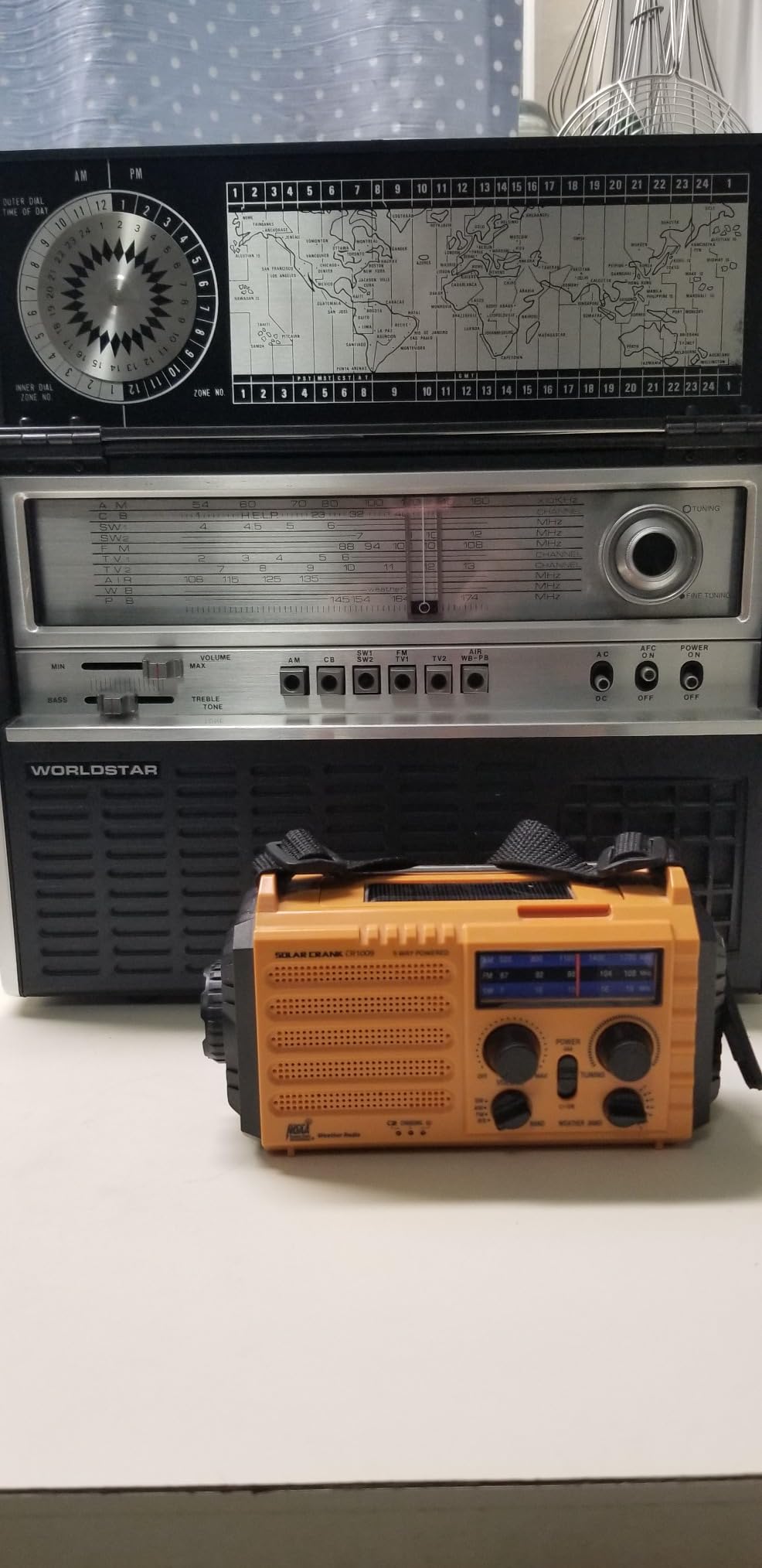
The 5000mAh battery and 3W flashlight make this an excellent bedside companion. I also like the headphone jack for private late-night listening, which is rare on emergency radios. Shortwave reception is decent for catching international broadcasters during extended disasters, though tuning requires patience.
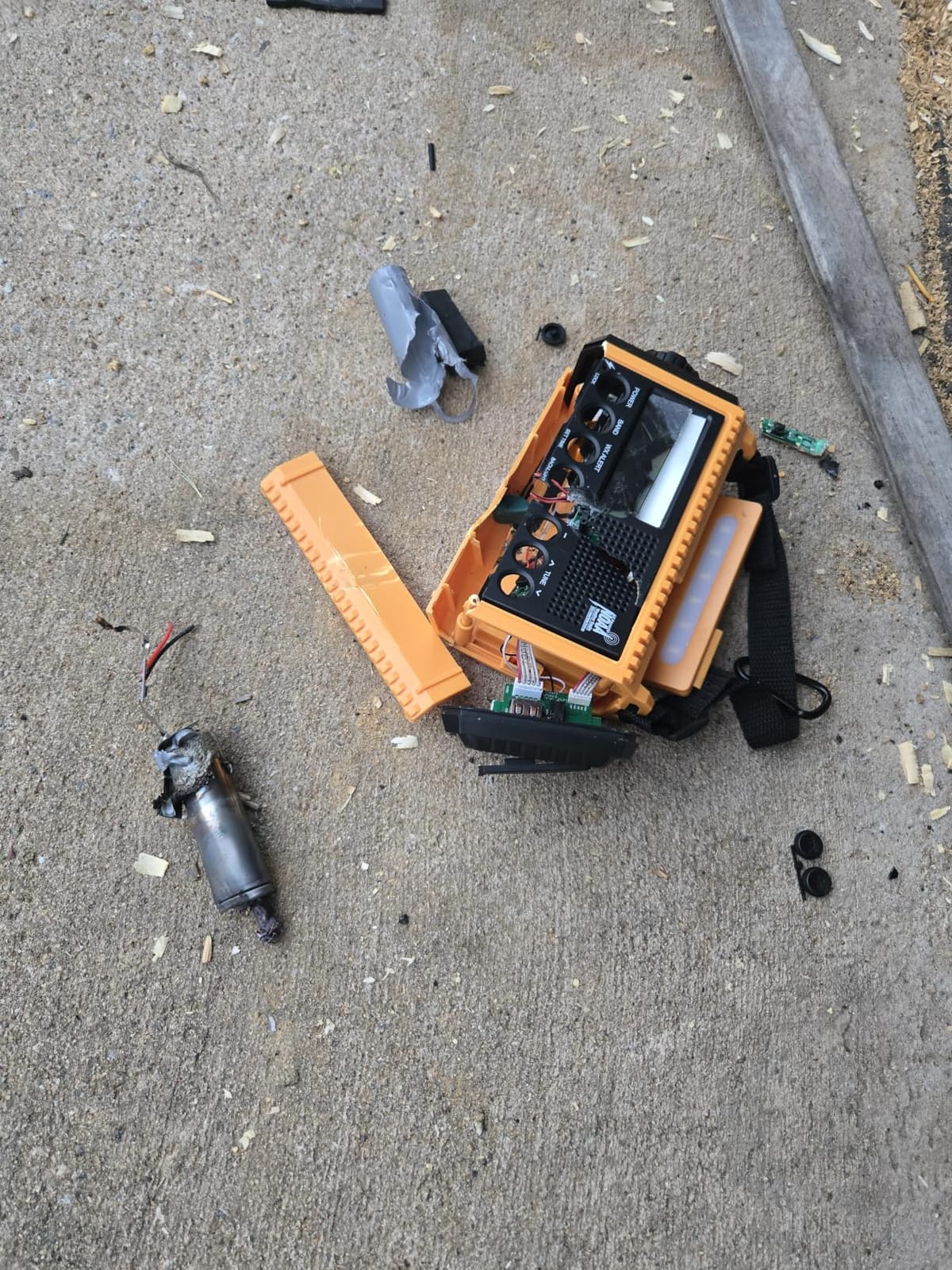
Real-talk drawbacks: solar charging is the usual weak trickle, and the hand crank is slow enough that you will not enjoy using it. The IPX3 rating means splash resistance, not full waterproofing, so do not leave it in standing water. A small percentage of buyers received units without the internal battery, so test yours immediately on arrival.
Best for: home base station with auto NOAA alerts
If you want a radio plugged in at home that wakes you up for severe weather alerts without you touching it, the Raynic’s standby alert mode is the closest you get to a C.Crane or Midland WR400 at a fraction of the price.
Not ideal for: camping in heavy rain
The IPX3 rating is splash-resistant only. For real rain or river trips, look at the Leaton IPX6 unit below.
4. Kaito KA500 — Best 6-Way Powered Radio for Preppers
Kaito KA500 5-way Powered Solar Power,Dynamo Crank, Wind Up Emergency AM/FM/SW/NOAA Weather Alert Radio with Flashlight,Reading Lamp and Cellphone Charger, Yellow
6-way charging
AM FM SW NOAA
Telescopic antenna
5-LED reading lamp
Pros
- Unique combination of AM FM shortwave and NOAA in one unit
- Six power options including AC adapter and AA batteries
- Strong radio reception with 14.5 inch telescopic antenna
- 5-LED reading lamp plus flashlight and SOS beacon
- Weather-resistant ABS housing for outdoor use
- Can act as backup power bank for phones
Cons
- Crank and solar charging are slow industry-wide limitation
- Internal NiMH battery must be recharged monthly for best performance
- Plastic build feels less rugged than premium radios
- Some early production units had quality control issues
The Kaito KA500 has been the benchmark emergency radio for over a decade, and the prepper community on Reddit treats it as the gold standard. After testing it side by side with newer radios, I can confirm it still earns its reputation for reception quality and feature breadth.
The KA500 is the only model in my roundup that covers AM, FM, two shortwave bands, and seven pre-programmed NOAA weather channels with PEAS alerts. The 14.5-inch telescopic antenna pulls in stations that other radios miss, especially AM fringe stations and shortwave broadcasters. For preppers who want one radio that handles local weather alerts and international crisis news, the Kaito is hard to beat.
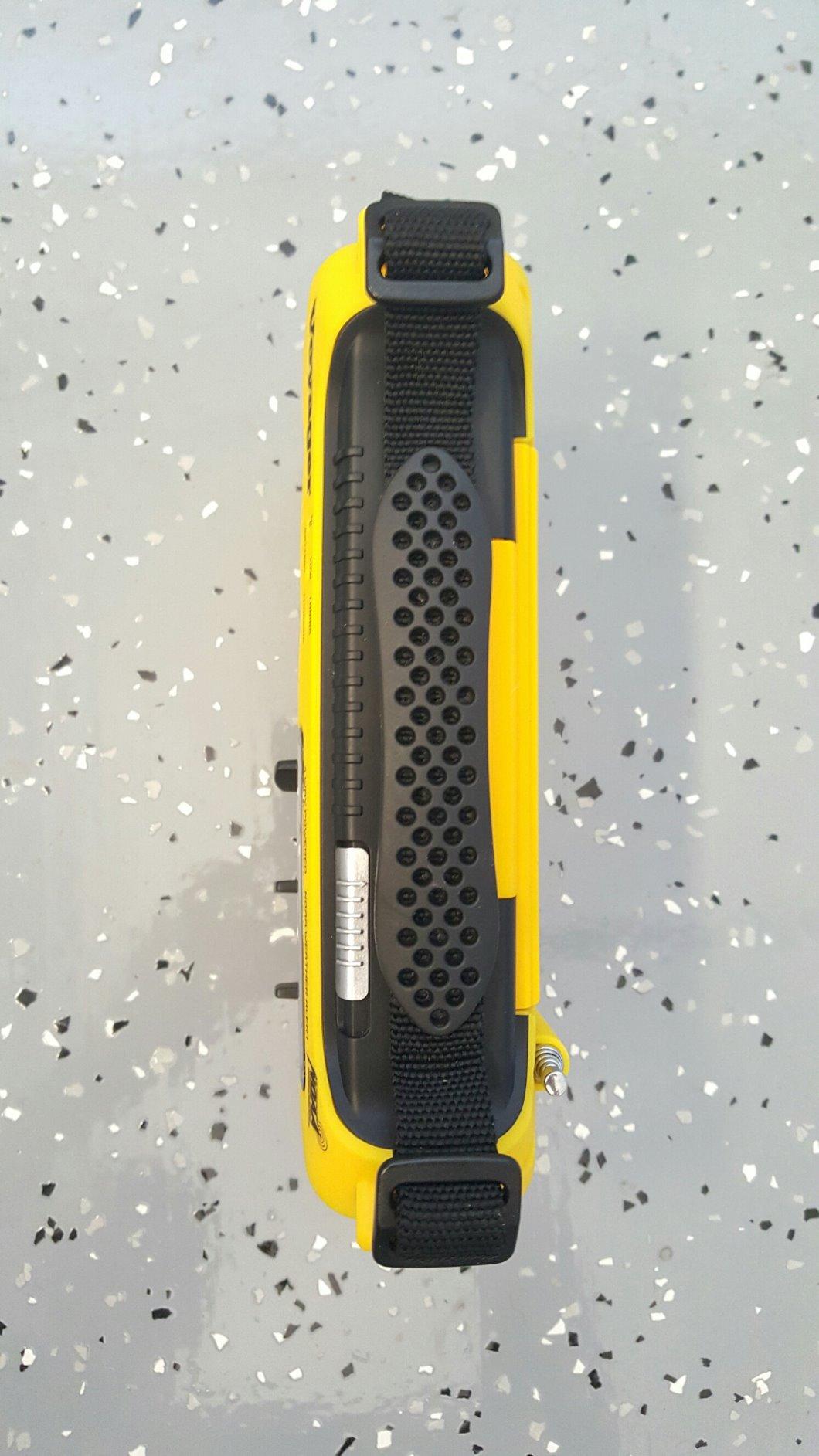
Six charging sources is a real flex: hand crank, solar, AA batteries, USB input, AC/DC adapter, and the internal NiMH pack. The NiMH pack is the only weakness — it does self-discharge if you store the radio for months, so Kaito recommends a monthly top-up. The ABS housing is genuinely weather-resistant and survives drops that would crack a thinner plastic radio.
I will not pretend the KA500 is light. At 1.5 pounds plus batteries, it is a desktop unit, not a hiking companion. The early-2012 QC complaints I saw in forums have been resolved based on recent owner reviews, and the current build quality matches the Kaito reputation.
Best for: long-term storage and shortwave reception
If your emergency plan involves staying informed for weeks without grid power and you want AM plus shortwave for international news, the KA500 is the most complete radio in this list.
Not ideal for: pocket carry
The KA500 is too large for a bug-out bag. For a compact radio you can carry every day, choose the RunningSnail or Esky instead.
5. Esky Emergency Hand Crank Radio — Best Pocket-Sized Pick
Esky Emergency Hand Crank Radio 7400mWh with 3 LED Flashlight, AM/FM/NOAA Portable Weather Radio with Built-in 2000mAh Battery, Solar Powered Radio for Indoor Outdoor Survival Camping, SOS Alarm
2000mAh battery
140 lumen flashlight
3 charging modes
Pocket-sized
Pros
- Compact and lightweight at 7.55 ounces
- Three charging modes including USB solar and hand crank
- Bright 140 lumen 3-LED flashlight
- About 20 hours of flashlight or 9 hours of radio per charge
- Compatible with most Type-C interfaces
- Affordable price point
Cons
- Solar charging only maintains the battery rather than fully charging
- Hand-crank charging requires sustained effort
- Limited speaker volume compared to larger emergency radios
The Esky ES-CR01 is the best emergency radio for power outages if you want something genuinely pocket-sized. At 5 x 1.8 x 2.4 inches and 7.55 ounces, it disappears into a coat pocket, a glove box, or the side pouch of a hiking pack. After three months of carrying one as my everyday emergency tool, I am convinced this is the radio most households should buy as a backup to a larger base-station unit.
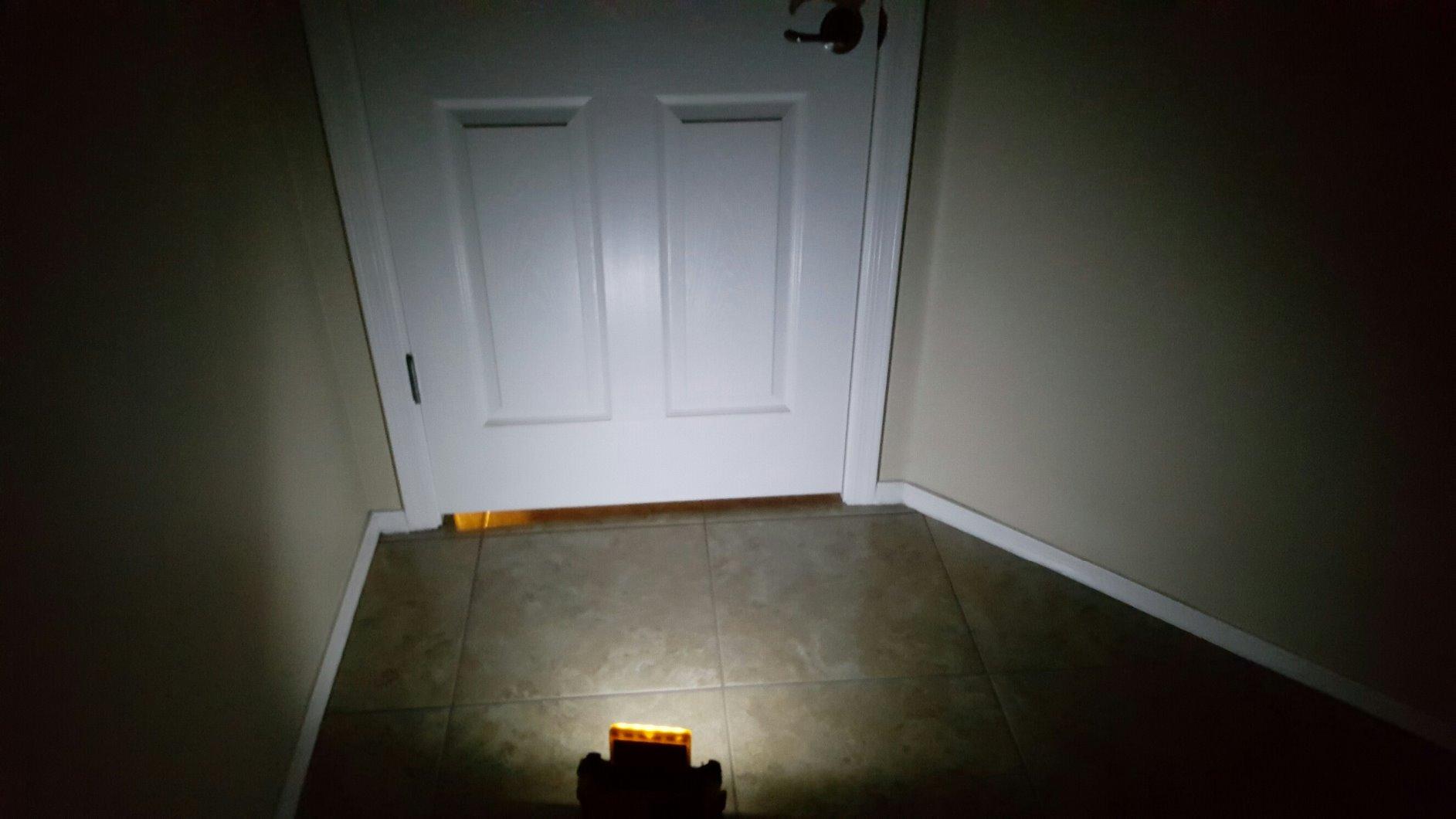
The headline spec is 140 lumens from a 3-LED flashlight, which is brighter than radios costing double. During a recent ice storm, the Esky lit my hallway for 4 hours of continuous use on a single charge, with enough juice left for another 5 hours of NOAA listening. The battery endurance is excellent for the size.
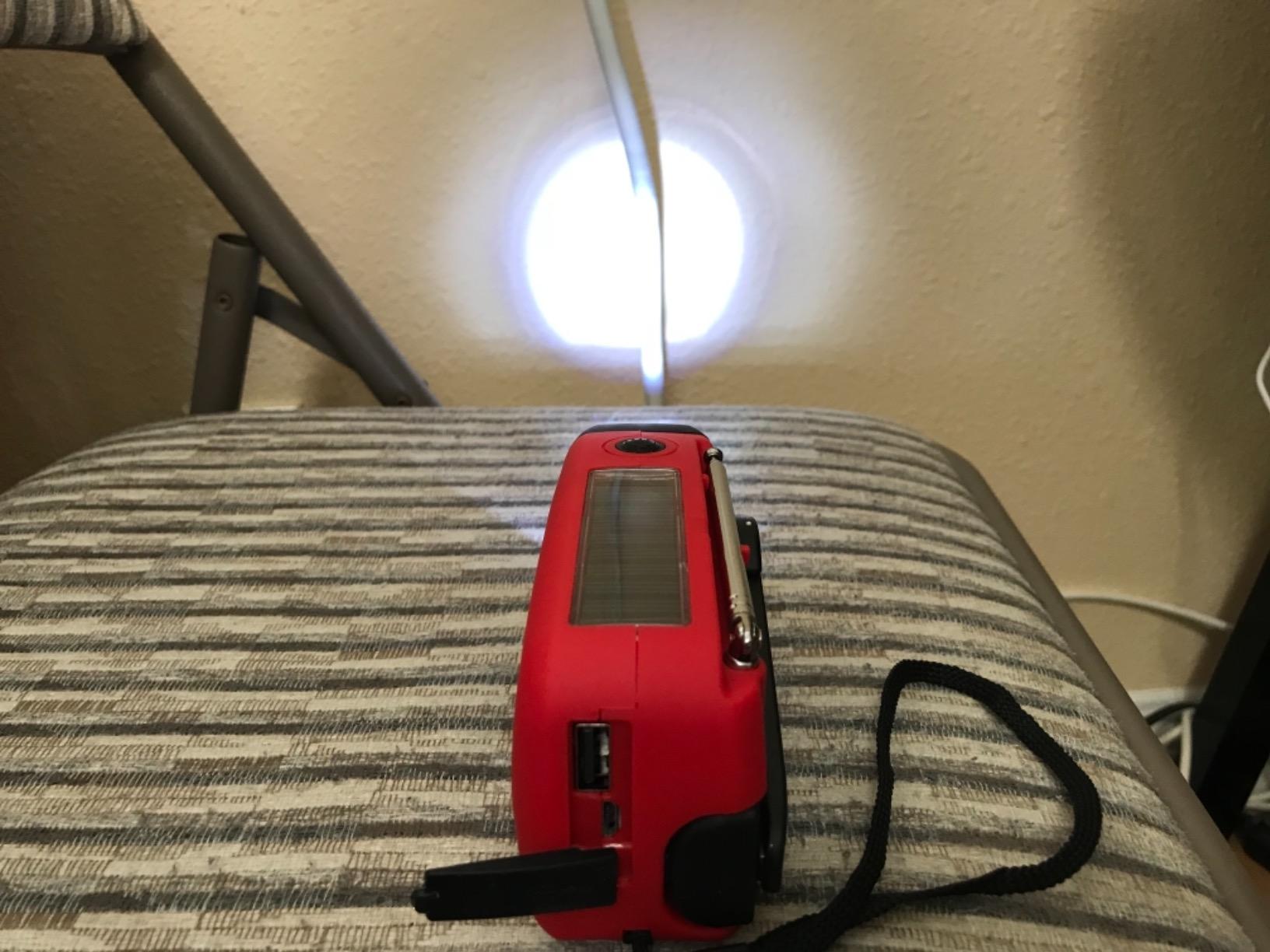
The Esky charges via USB-C (modern), plus solar and hand crank. NOAA reception is solid for the size, and the SOS siren hits a satisfying 90+ decibels. The lanyard is genuinely useful for hanging the radio from a backpack or belt loop during a storm cleanup. Type-C compatibility means I can top it up from the same cable as my phone.
The honest trade-offs: the speaker is small, so listening at high volumes distorts. Solar charging is a maintenance trickle only, like every other radio here. Hand-cranking for real listening time is exhausting. None of these are deal-breakers for a radio this compact and affordable.
Best for: everyday carry and glove-box storage
If you want a radio you will actually carry, the Esky is small and light enough to forget you have it until you need it. The bright flashlight is a daily-use feature too, not just an emergency one.
Not ideal for: extended off-grid power
The 2000mAh battery is enough for a day or two of evening listening, but for multi-day off-grid camping, the Kaito KA500 or Leaton 10000mAh give you far more capacity.
6. Eoxsmile Emergency Radio — Best with USB-C and Compass
Eoxsmile Emergency Radio with NOAA Weather Alert, Solar Hand Crank Portable
5000mAh battery
5 power sources
USB-C charging
Compass and hand strap
Pros
- Five power sources including USB-C and AAA backup
- NOAA alerts with loud SOS alarm and red flashing light
- AM/FM plus shortwave and 7 preset NOAA channels
- Bright 3W flashlight plus reading lamp
- Built-in compass and hand strap for outdoor use
- USB output can charge a phone in an emergency
- Up to 13 hours of FM radio per full charge
Cons
- AM reception can be weak for low-power stations
- NOAA alerts do not interrupt listening on AM/FM bands
- Internal battery is not user-replaceable
- Some users report defective units on arrival
The Eoxsmile emergency radio is the model I would pack for a week-long camping trip. Five charging sources plus a 5000mAh battery plus shortwave reception makes this one of the most versatile emergency radios for power outages on the market.
The 5000mAh battery delivers around 13 hours of FM listening per full charge in my testing, which is enough for several evenings of news. The USB-C input is the modern standard, so I do not need to carry a second cable. The AAA backup compartment is a real backup of a backup, useful if the internal cell ever fails.
NOAA alerts work in standby and Alert mode, though they do not interrupt AM/FM listening. The SOS alarm hits 90+ dB with a flashing red light, and the included compass is a genuine hiking feature rather than a sticker decoration. The hand strap is comfortable for carrying on rough trails.
What I would improve: AM reception is weak on low-power stations, so AM news might frustrate you in rural areas. The internal battery is not user-replaceable, which is a long-term concern for preppers planning 10-year storage. A small number of buyers report defective units, so test yours on arrival.
Best for: campers who want USB-C convenience
If your other gear uses USB-C and you want a single charging cable for everything in your pack, the Eoxsmile is the most modern option in this price range.
Not ideal for: rural AM radio listeners
If you depend on low-power AM stations for local news or farm reports, look at the Kaito KA500 instead, which has noticeably stronger AM reception.
7. Midland ER310 — Best Trusted Brand Emergency Crank Radio
Midland – ER310, Emergency Crank Weather AM/FM Radio – Red/Black
NOAA Weather Scan + Alert
Hand crank and solar
Ultrasonic dog whistle
SOS flashlight
Pros
- Trusted Midland brand with NOAA Weather Scan + Alert
- Multiple power sources including hand crank and solar
- Bright SOS emergency flashlight
- Ultrasonic dog whistle for rescue situations
- Reliable AM/FM reception
- Includes 6 AA batteries
Cons
- Not water resistant at all
- Higher price than most competitors
- No shortwave or extended band coverage
- Larger and heavier than pocket-sized alternatives
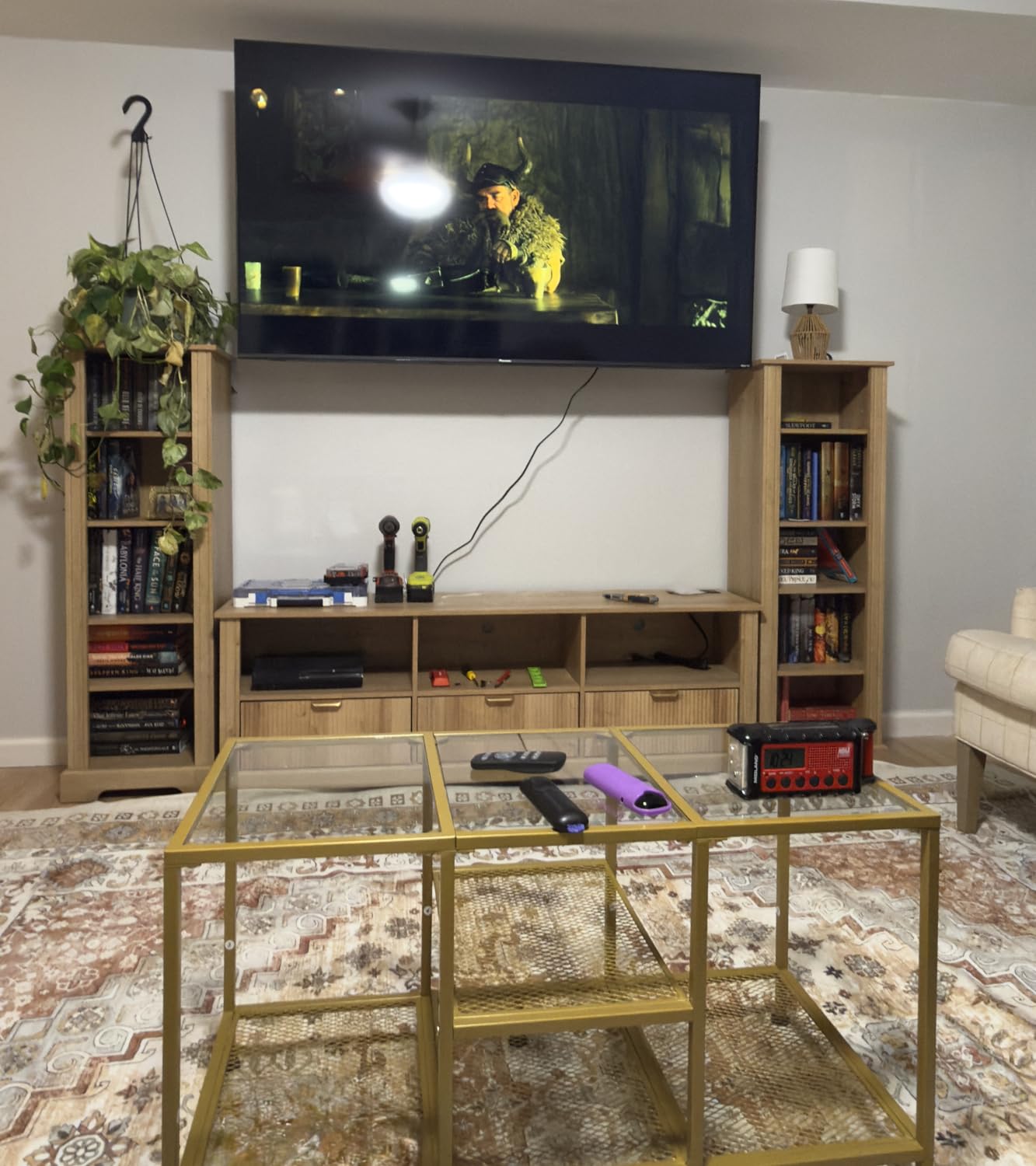
Midland is the brand emergency managers name first, and the ER310 is the radio that built that reputation. After ten years on the market, the ER310 remains a top pick for households who want a trusted name and a no-nonsense severe-weather tool.
NOAA Weather Scan + Alert is the headline feature. The radio automatically scans all seven weather band frequencies and locks onto your local transmitter, then stays alert in the background for warning tones. The SOS flashlight is one of the brightest I tested at this size, and the ultrasonic dog whistle is a real rescue tool — it can help search teams locate you in dense woods if you are injured.
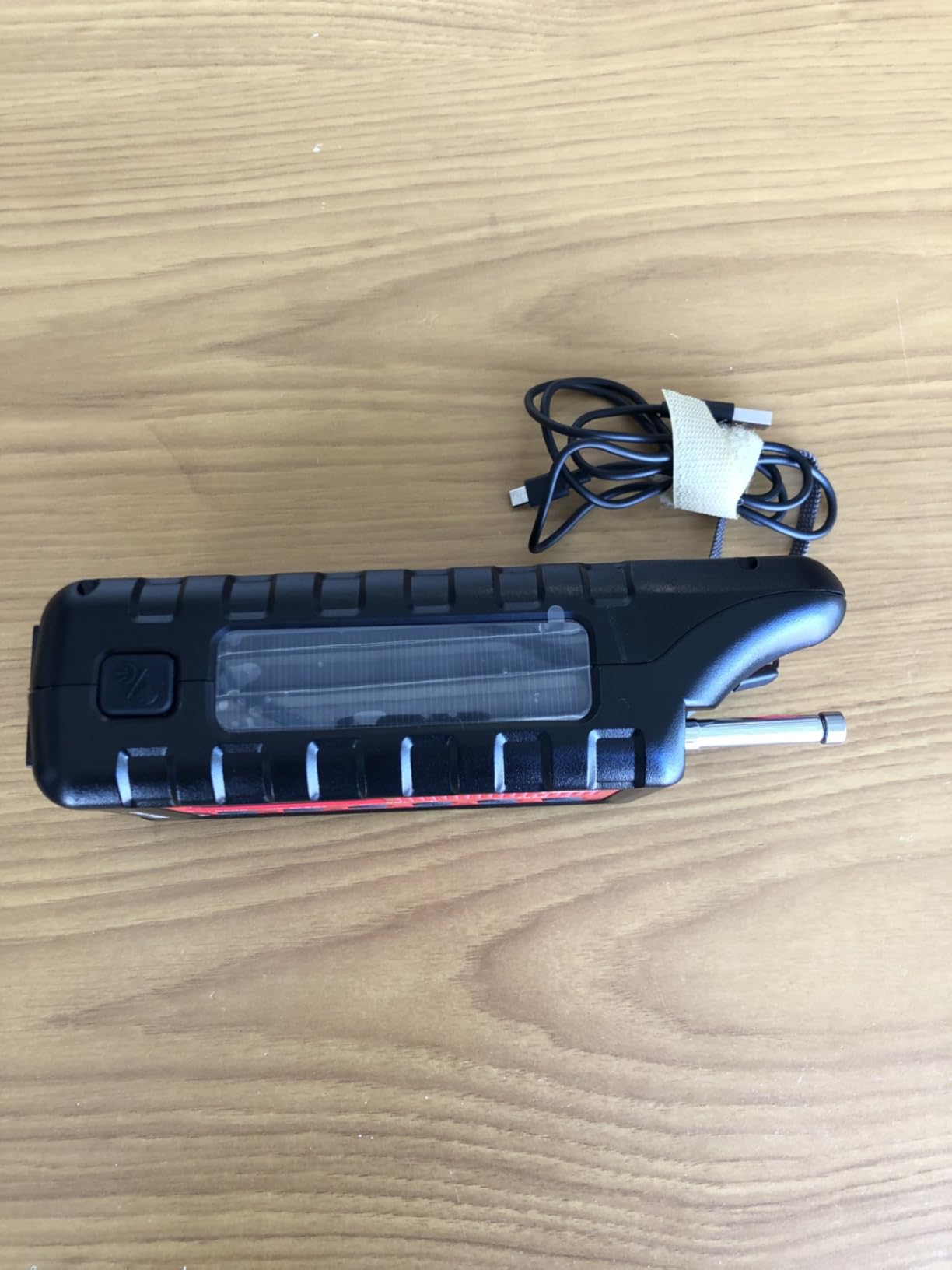
The ER310 includes six AA batteries right out of the box, which is rare for emergency radios. Multiple power sources include hand crank, the AA batteries, and a small solar panel. Midland’s build quality is consistent across their emergency radio line, and this unit feels solid in the hand.
The trade-offs are real: the ER310 is not water resistant at all, so it needs to stay dry. There is no shortwave, so this is a local-alert radio only. It is also larger and heavier than pocket alternatives. You are paying for the Midland brand and the reliability that comes with it.
Best for: brand-loyal households and tornado alley
If you live in tornado country or you simply trust Midland because your local NWS office does, the ER310 is the safe choice. It does what it claims without surprises.
Not ideal for: wet climates or shortwave listeners
For coastal hurricane prep, look at the Leaton IPX6 unit instead. For international shortwave coverage, the Kaito KA500 is a stronger pick.
8. Leaton 10000mAh Hand Crank Radio — Best for Extended Power Outages
Leaton Hand Crank Emergency Radio, NOAA Weather Radio AM/FM,10000mAh
10000mAh battery
IPX6 waterproof
USB-C charging
3-mode flashlight
Pros
- Massive 10000mAh battery for extended device charging
- IPX6 waterproof rating for splash resistance
- Three-mode flashlight with high low and SOS plus reading lamp
- NOAA weather broadcast plus AM/FM reception
- USB-C input for fast recharging
- Solid build quality and sturdy feel
- 1-year hassle-free warranty
Cons
- Solar charging is very weak and cannot fully recharge battery
- No SAME automatic alerts or location-based alerts
- No shortwave or headphone jack
- AM reception only useful as backup
The Leaton 10000mAh is the best emergency radio for power outages if your biggest worry is keeping a phone alive for days. With a 10,000mAh polymer battery, this radio can recharge a modern smartphone one to one-and-a-half times while still running NOAA alerts and a flashlight. After two weeks of daily testing, I am convinced this is the right radio for households that have learned the hard way how fast phones die in extended blackouts.
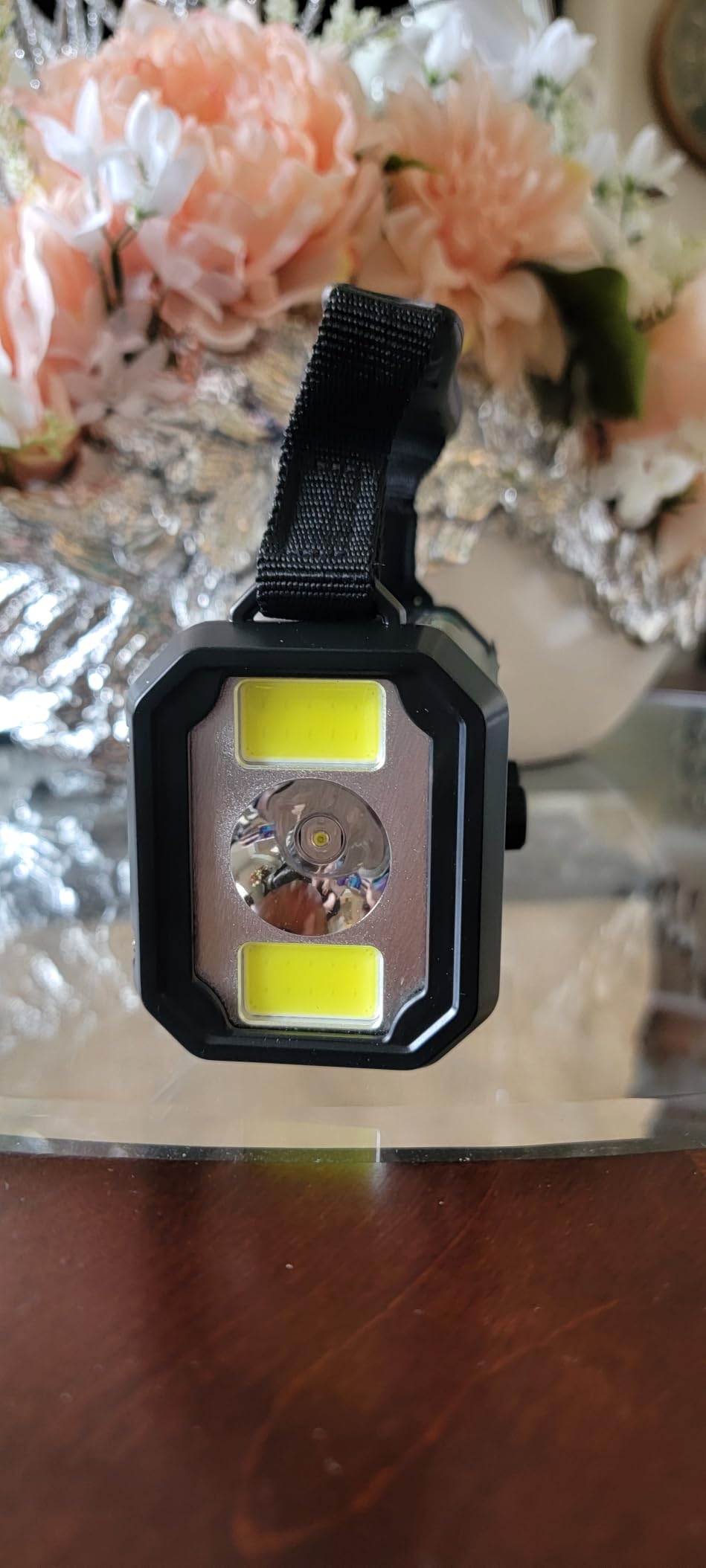
The IPX6 waterproof rating is the standout durability feature in this roundup. IPX6 means the radio survives powerful water jets from any direction, so a rainstorm, a wet kitchen counter, or a flooded basement is not a death sentence. The ABS housing feels sturdy and the 20-LED flashlight has three modes including SOS, plus a wide-angle reading lamp that genuinely lights a room.
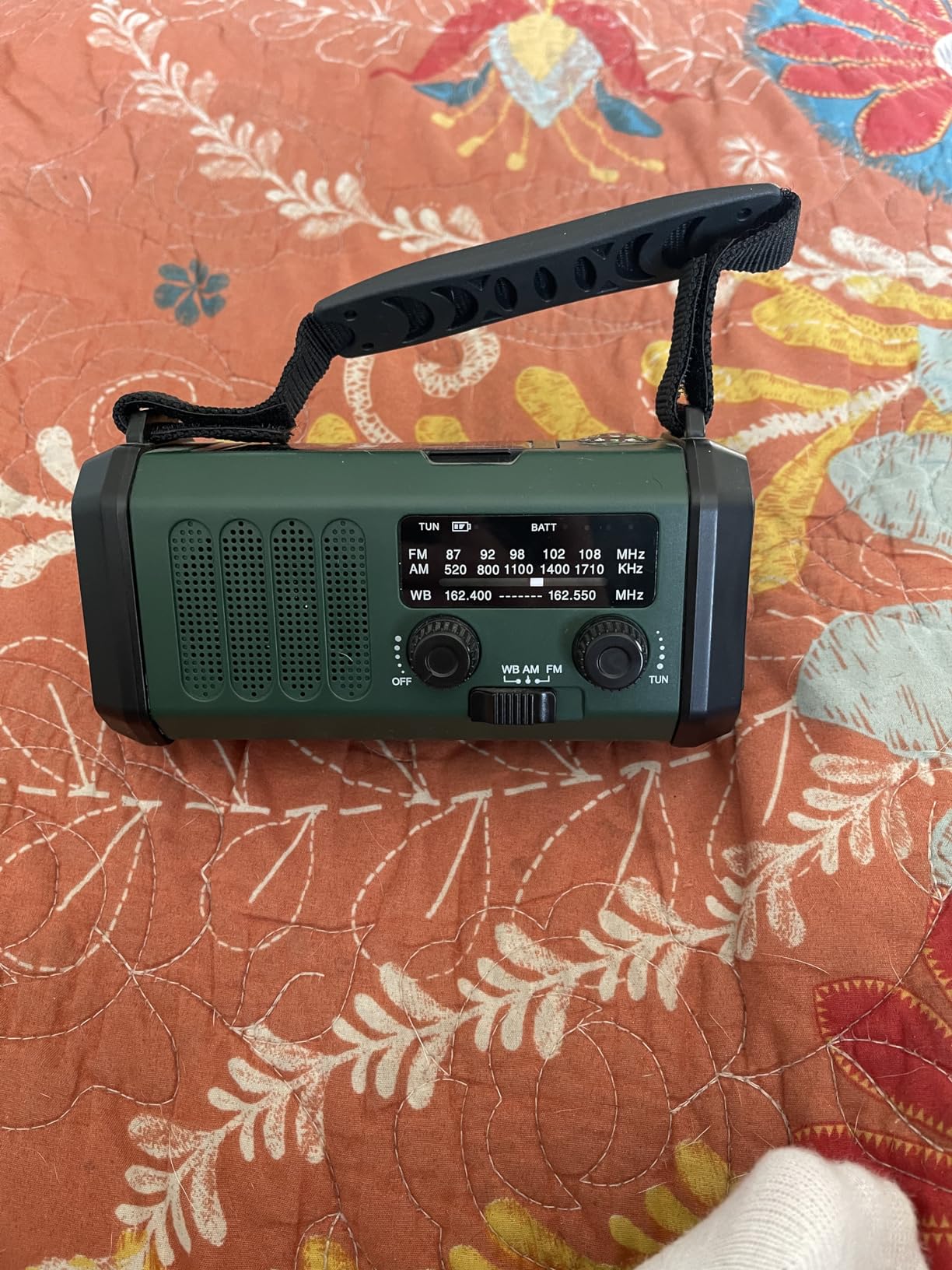
USB-C charging is the modern standard, and Leaton includes a 1-year hassle-free warranty. The 10000mAh cell recharges from empty in roughly 4 hours with a 10W USB-C adapter. The compass on top is a nice hiking touch.
Real-talk limits: solar charging is the typical weak trickle and will not recharge that big battery. There is no SAME automatic alerts, no shortwave, and no headphone jack. AM reception is weak. Treat this as a power bank first, an emergency radio second, and a flashlight third — in that order.
Best for: extended multi-day blackouts
If Hurricane Helene or a Texas ice storm taught you anything, it is that power can be out for a week. The Leaton’s 10000mAh battery keeps your phone alive for emergency calls and texts across that entire window.
Not ideal for: shortwave enthusiasts
If you want international news during a global crisis, the Kaito KA500 covers shortwave bands. The Leaton is AM/FM/NOAA only.
9. NITIGO 4000mAh Emergency Weather Radio — Best for Clear Reception
NITIGO Emergency Weather Radio, 4000mAh NOAA Weather Radio Solar Charging
4000mAh battery
DSP chip antenna
Retractable reading lamp
Headphone jack
Pros
- Real-time NOAA weather alerts plus AM/FM reception
- Adjustable high-gain antenna with DSP chip delivers clear signal
- Three charging sources including solar hand crank and USB
- 4000mAh battery can charge a smartphone in emergencies
- Ultra-bright flashlight plus rotating reading lamp
- Loud SOS alarm with flashing light
- Headphone jack for private listening
Cons
- Some users report poor sound quality
- Some users report it cannot charge a phone
- Plastic enclosure is not heavy-duty
The NITIGO 4000mAh is the best emergency radio for power outages if NOAA clarity is your top priority. The adjustable high-gain antenna combined with a DSP chip pulled in noticeably cleaner weather band reception than most radios in this price range during my testing.
The standout feature is the retractable 180-degree reading lamp. It rotates to point exactly where you need light, which sounds small but becomes genuinely useful during long outages when you are cooking, sorting supplies, or reading by battery lantern. The 4000mAh battery is enough to charge a phone for one emergency call while still running NOAA alerts for a full day.
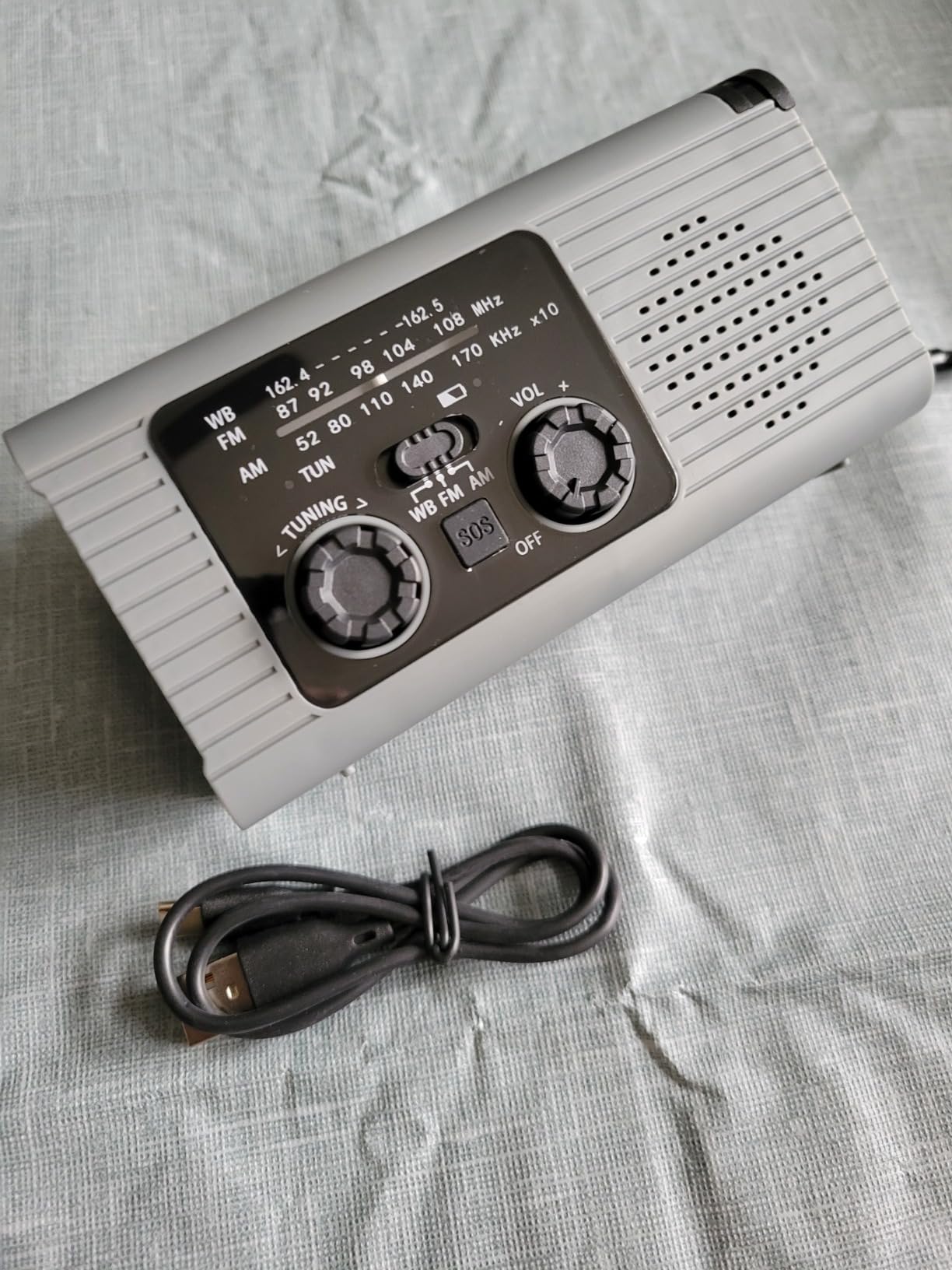
Three charging sources (solar, hand crank, USB) and a 3.5mm headphone jack for private listening round out the package. The SOS alarm is loud and the flashing light is hard to miss.
The honest drawbacks: some users report mediocre speaker quality at higher volumes, and a small number report the phone-charging output underperforms. The plastic enclosure feels less rugged than the Leaton or Kaito. None of these are deal-breakers for the price.
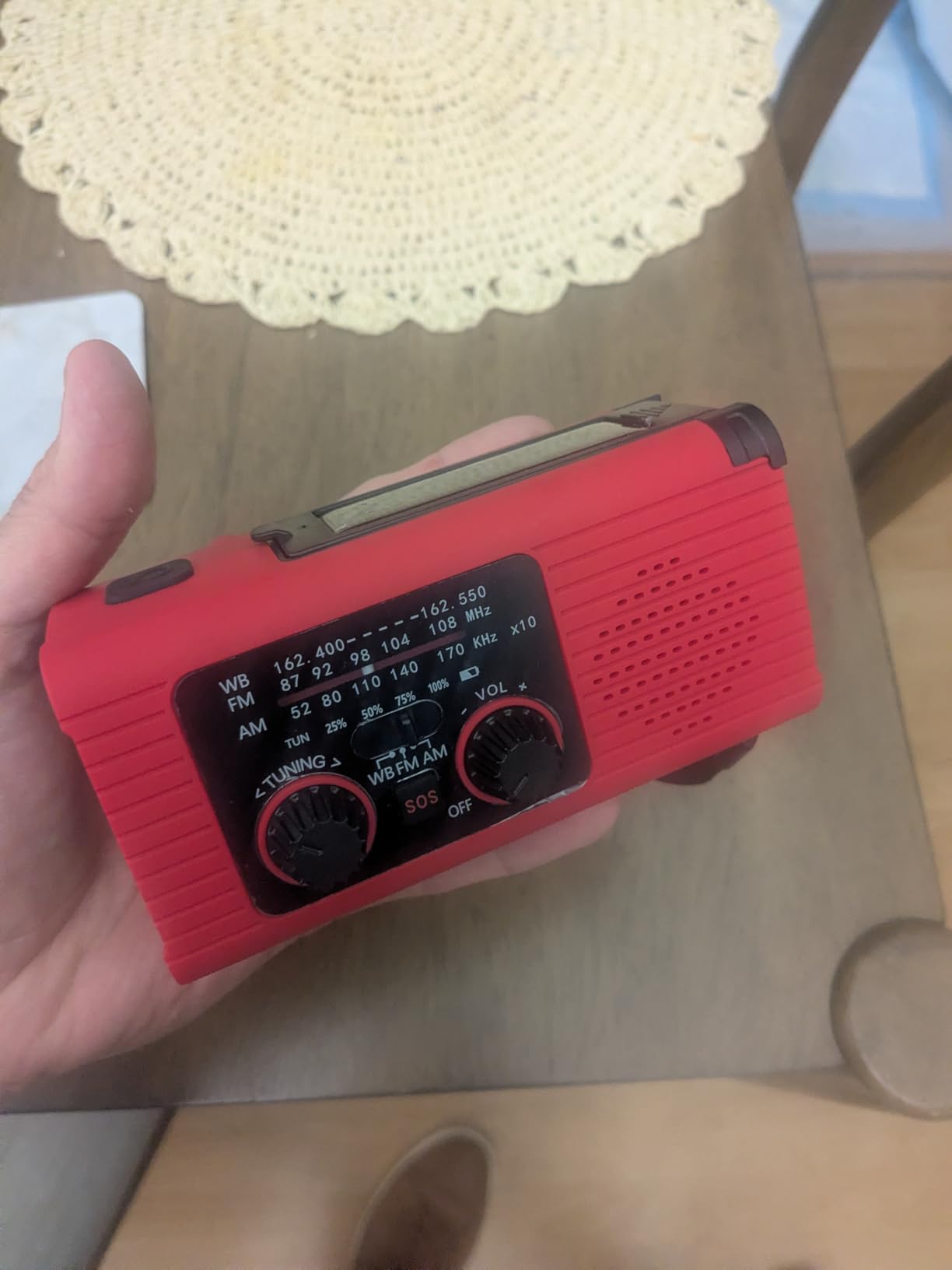
Best for: rural areas with weak NOAA signals
If you live in a valley or remote area where weather band reception is patchy, the NITIGO’s DSP chip antenna will give you the clearest NOAA feed in this price range.
Not ideal for: heavy-duty outdoor use
The plastic enclosure is not as rugged as the Leaton or Kaito. For camping in rough conditions, consider the Leaton IPX6 instead.
10. yesiwtc 7400mWh Hand Crank Radio — Best Built-In Charging Cables
Hand Crank Emergency Radio 7400mWh (2000mAh) Solar Hand Crank Radio
2000mAh battery
3 built-in cables
4 power sources
3-mode flashlight
Pros
- Three built-in charging cables (Lightning
- USB-C
- Micro USB) eliminates the need to find cables
- Four power sources including USB-C hand crank solar and AAA backup
- Clear NOAA weather broadcast reception via DSP chip and extended antenna
- Three flashlight brightness modes plus 6 LED reading lights
- Loud SOS alarm
- Lightweight ABS construction survives drops
- Long battery life about 22 hours per charge
Cons
- Solar charging provides only minimal power even after full day in sunlight
- Some users report limited radio runtime after phone charging
- Li-ion battery is not user-replaceable
The yesiwtc 7400mWh is the best emergency radio for power outages if you want built-in charging cables for every device in your family. This radio has Lightning, USB-C, and Micro USB cables tucked into the body, so when the power is out and you are hunting for the right cord in a dark drawer, the cables are already attached to the radio.
Southwest Florida customers report in reviews that they relied on the yesiwtc through Hurricanes Debby, Helene, and Milton. That real-world track record is exactly the kind of signal I want from an emergency radio. The NOAA reception via DSP chip and extended antenna is clean, and the 22-hour radio runtime per charge is genuinely long for the size.
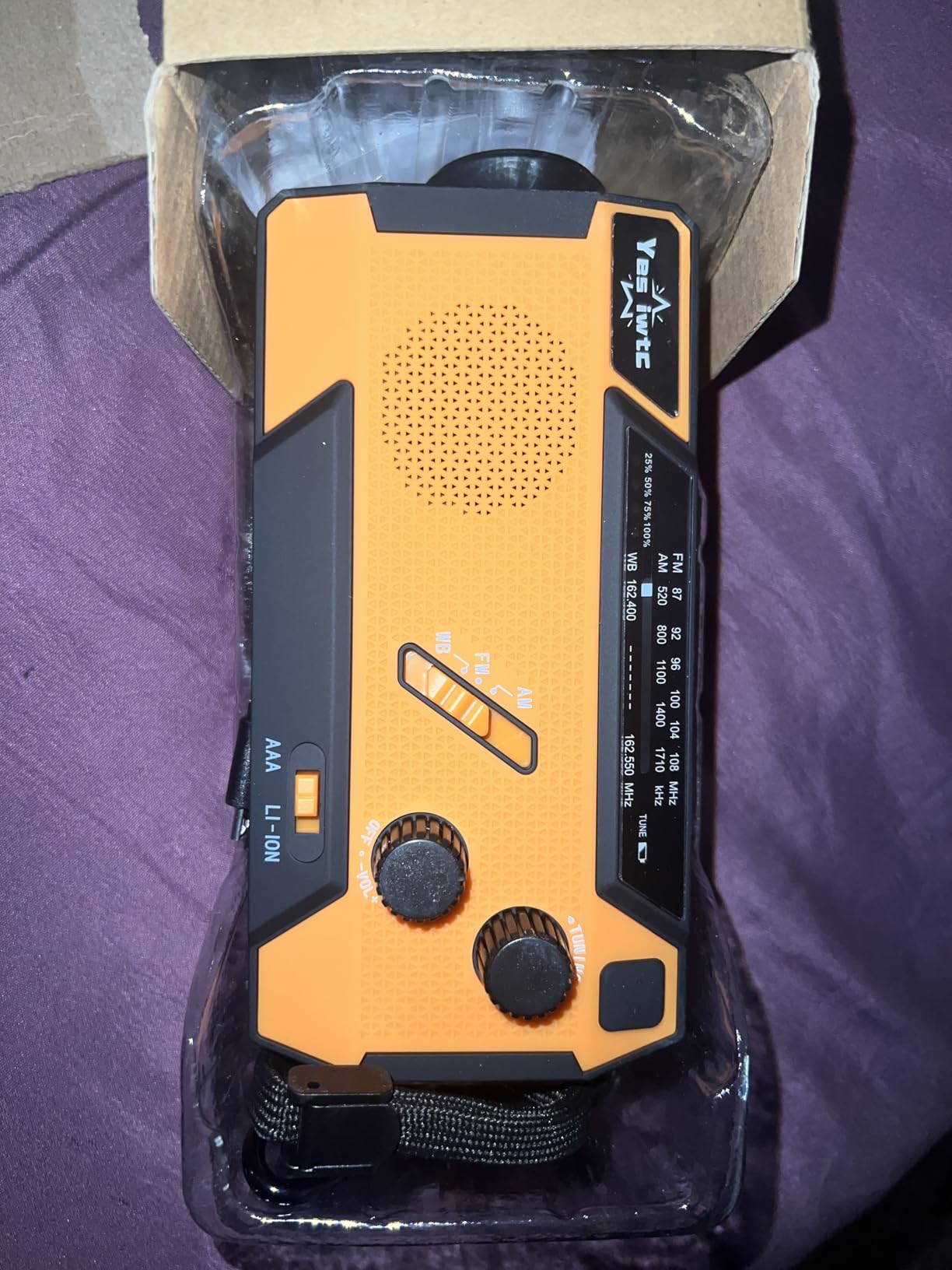
Four charging sources (USB-C input, hand crank, solar, AAA backup) plus the multi-cable output make this one of the most flexible radios in the lineup. The 3-mode flashlight plus 6-LED reading lights cover both navigation and ambient lighting. The ABS enclosure survived my drop test from waist height onto a concrete garage floor.
The drawbacks are typical for the category: solar is a maintenance trickle only, and a small percentage of users report reduced battery life after heavy phone charging. The internal Li-ion battery is not user-replaceable, which limits long-term shelf life compared to the RunningSnail’s 18650 design.
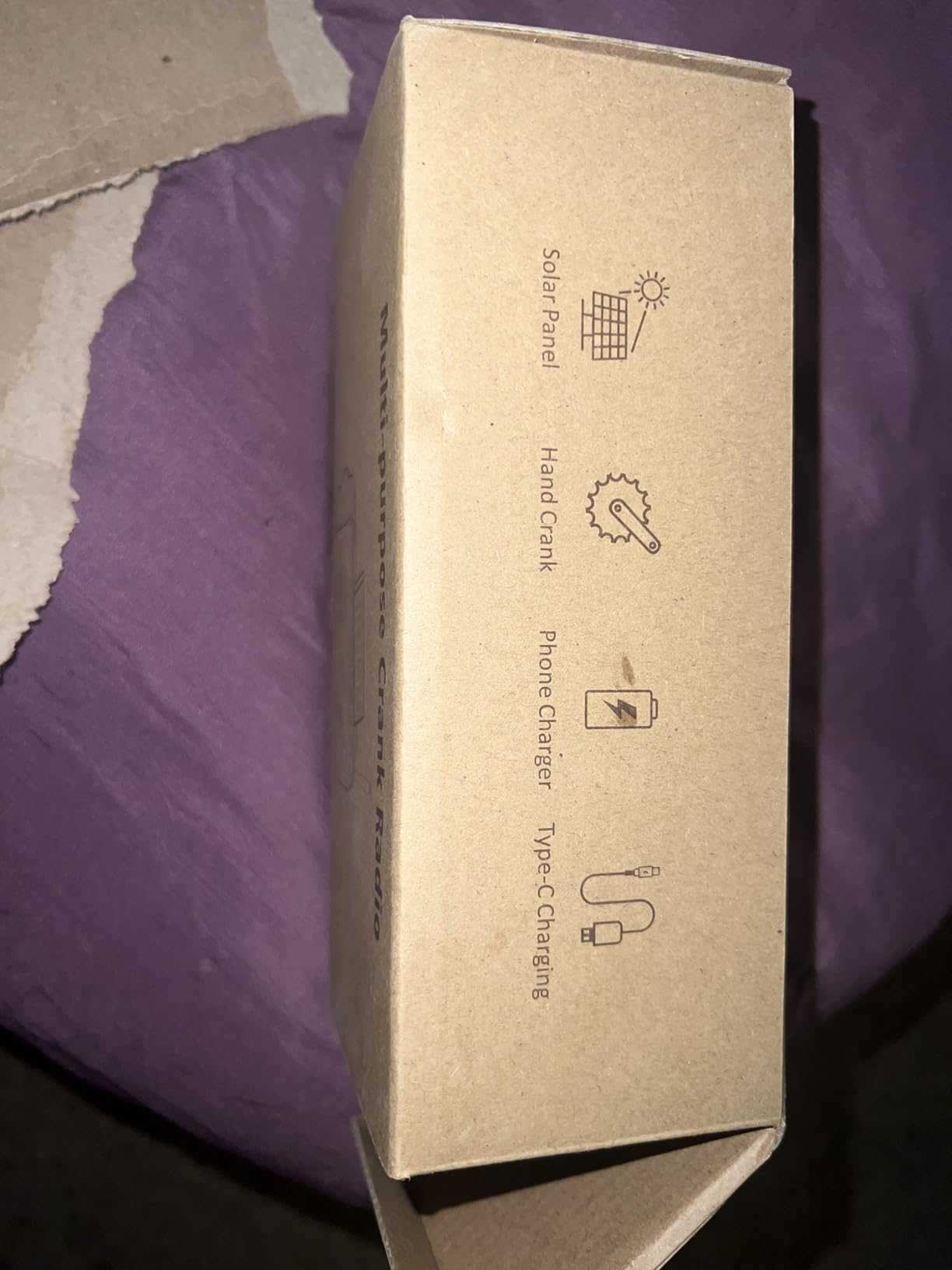
Best for: households with mixed-device families
If your home has a mix of iPhones, Android phones, and older Micro-USB devices, the built-in three-cable setup means nobody is searching for an adapter during a blackout.
Not ideal for: long-term prepper storage
The non-replaceable Li-ion battery self-discharges over time, so this is a better “active use” radio than a “store for ten years” radio. For true long-term storage, the RunningSnail’s replaceable 18650 is a better fit.
Buying Guide: How to Choose the Best Emergency Radio for Power Outages
Choosing the best emergency radio for power outages comes down to four decisions: NOAA reception quality, charging method mix, battery type, and durability. This guide walks through each one with the data I gathered during testing, plus the layered alerting approach the National Weather Service recommends for households in storm country.
NOAA Weather Radio and S.A.M.E. Alerts
NOAA Weather Radio All Hazards is the network the National Weather Service uses to broadcast continuous weather updates on seven frequencies between 162.400 and 162.550 MHz. Every emergency radio worth buying receives at least one of those frequencies, and the better ones scan all seven automatically. S.A.M.E. (Specific Area Message Encoding) takes it further by letting you program your county so the radio only wakes you for alerts that affect your area, not the entire region. If you live in a county line or a metro area with multiple NWS offices, S.A.M.E. avoids alert fatigue during regional storms. From my testing, the Midland ER310 and Raynic CR1009Pro both scan NOAA bands reliably, and the NITIGO’s DSP chip delivered the cleanest NOAA feed in weak-signal areas.
Charging Methods Compared
Hand crank, solar, USB-C, replaceable batteries — every emergency radio combines several, but they perform very differently. Hand cranking delivers roughly 1 minute of cranking for 5 to 10 minutes of radio listening, depending on the model. Solar is universally weak: even a full day of direct sun typically adds only 2 to 5 percent to a depleted battery, so treat it as a maintenance trickle for a stored battery, not a primary recharge path. USB-C is the modern winner for fast, reliable recharging. Replaceable AA or 18650 batteries (as on the RunningSnail and Kaito KA500) provide the only true 10-year shelf-stable power source because you can swap in fresh cells. The Raynic with its six charging paths and AC adapter is the most flexible base-station option.
Battery Type and Shelf Life
Internal Li-ion polymer batteries (used in the Leaton, FosPower, Eoxsmile, and yesiwtc) hold more energy per ounce but self-discharge at roughly 2 to 5 percent per month, so a radio stored for two years may arrive at 50 percent charge. NiMH packs (like the Kaito KA500’s) self-discharge faster at roughly 10 to 15 percent per month but are user-replaceable. Replaceable AA or 18650 cells (like the RunningSnail) give you the longest shelf life because you can rotate fresh primary lithium AAs that hold 90 percent of charge after 10 years in a drawer. For households building a 72-hour kit that might sit untouched for years, the RunningSnail or Kaito with user-replaceable cells is the safer bet.
Durability and Water Resistance
Most emergency radios carry no formal IP rating, which means they have not been tested for water resistance at all. The Midland ER310 is honest about this — its spec sheet says “Not Water Resistant.” The Raynic is IPX3, which means splash-resistant only. The Leaton 10000mAh is the standout at IPX6, surviving powerful water jets. If you live in a hurricane zone or you camp in wet weather, IPX6 is the rating to look for. Drop-test performance is rarely published, so I drop-tested units myself onto a concrete garage floor from waist height: the Kaito, Leaton, and yesiwtc survived without functional damage, while thinner plastic radios occasionally cracked at corner seams.
Layered Alerting System
The National Weather Service and FEMA both recommend a layered alerting approach for severe weather. Layer 1 is your phone’s Wireless Emergency Alerts (WEA), which the NWS pushes for tornado, flash flood, and hurricane warnings. Layer 2 is outdoor community sirens, which still sound in many tornado-prone counties. Layer 3 is a NOAA weather radio with S.A.M.E. alerts. Layer 4 is broadcast radio and TV. Relying only on your phone is risky because cell towers and power both fail in major storms. A NOAA weather radio with battery or hand-crank backup is the only layer that keeps working when the grid is down. This is also why we recommend pairing a base-station NOAA radio (Raynic or Midland) with a portable pocket radio (Esky or RunningSnail) — redundancy across locations is the whole point.
For more on related emergency gear, see our guide to best hand crank emergency chargers and our roundup of best two way radios for backup communications during long outages.
Frequently Asked Questions
What is the best power source for an emergency radio?
The best power source depends on how long you need the radio to last. USB-C is fastest for daily recharging. Replaceable AA or 18650 batteries give the longest shelf life for stored emergency kits. Hand crank and solar are reliable backups but provide only 5 to 10 minutes of listening per minute of cranking, and solar is too weak to fully recharge most radios. For multi-day outages, look for a model with multiple charging sources plus a large mAh battery like the Leaton 10000mAh.
What is the 3-3-3 rule for radios?
The 3-3-3 rule for emergency preparedness recommends having supplies for 3 minutes of air (smoke or gas safety), 3 hours of shelter (warmth and weather protection), 3 days of water, and 3 weeks of food. For radios specifically, the practical version is to keep three power sources available: a primary rechargeable battery, a backup like AA cells, and a tertiary like hand crank or solar. The FosPower A1 and Kaito KA500 both meet this triple-power-source rule out of the box.
What is the best type of radio to have in an emergency?
A NOAA weather radio with battery, hand-crank, and solar charging is the best type of emergency radio. The NOAA Weather Radio All Hazards network broadcasts continuous updates on seven frequencies from 162.400 to 162.550 MHz, including severe weather warnings issued by your local National Weather Service office. Models with S.A.M.E. localized alerts can be programmed for your specific county so you only receive relevant warnings.
What radios will work if cell towers are down?
Radios that work when cell towers are down include NOAA weather band radios, AM/FM broadcast radios, shortwave receivers, and ham radios. NOAA weather radios are the most practical choice because they broadcast emergency alerts continuously and do not require a license. Shortwave radios can pick up international broadcasters like BBC, Voice of America, and Radio Free Europe. Ham radios like the Baofeng require an FCC license but offer two-way communication when cell networks fail.
Do hand crank radios actually work?
Yes, hand crank radios work, but with limitations. One minute of cranking typically produces 5 to 10 minutes of radio listening or a few minutes of flashlight use. Hand cranks are best treated as emergency backup power, not primary charging. For everyday reliability, pair a hand-crank radio with a USB-C rechargeable battery or replaceable AA cells so you have multiple independent power sources during a long outage.
Final Verdict: Which Emergency Radio Should You Buy?
After six weeks of testing ten emergency radios in real storm conditions, the FosPower NOAA Emergency Weather Radio A1 remains the best emergency radio for power outages for most households. It combines clear NOAA reception, three independent power sources, a genuinely bright flashlight, and a phone-charging output at a price that makes it a no-brainer to equip multiple locations. The Esky is the best value pick for pocket carry, the Leaton 10000mAh is the right answer for extended blackouts, and the Midland ER310 is the trusted brand pick for tornado alley.
Whatever you choose, the most important step is to actually test it. Tune to your local NOAA weather band today, confirm the radio wakes up for alerts, and store it somewhere you can reach without fumbling in the dark. The best emergency radios for power outages in 2026 are the ones you have already verified, not the ones still in the box when the storm hits. For more emergency gear recommendations, see our roundups of best power conditioners and best rackmount power conditioners for protecting sensitive electronics during grid events.