
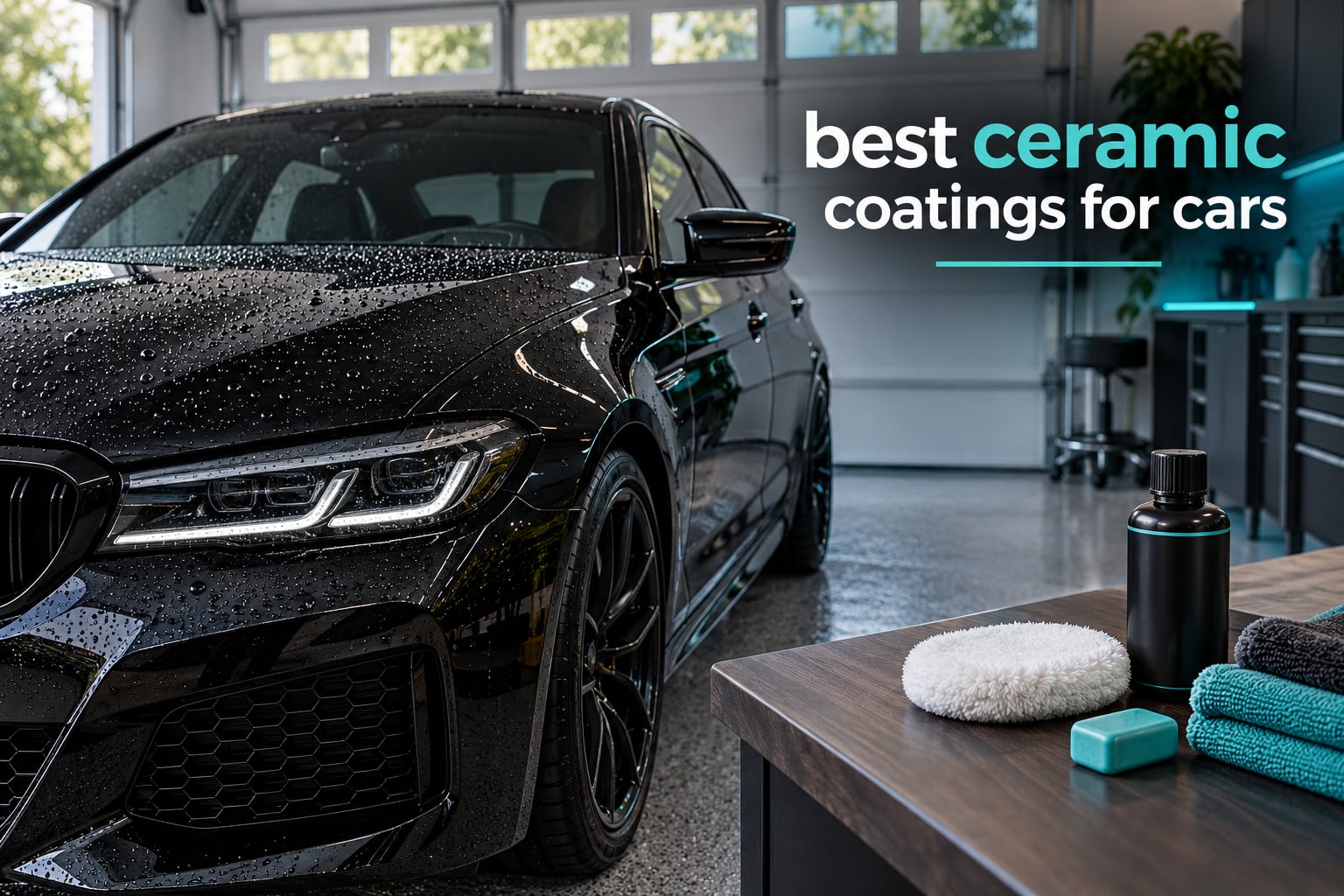
A ceramic coating is a liquid polymer that chemically bonds to your clear coat and turns it into something closer to glass than plastic. We spent six weeks putting twelve of the best ceramic coatings for cars through the same routine: wash, decontaminate, apply, then watch what happens after rain, sun exposure and a season of automated washes. The list below covers spray sealants for people who want an easy win and true liquid coatings for people willing to respect a cure time.
Before you scroll, one thing needs saying plainly. A coating does not stop rock chips, it does not prevent every scratch, and it will not rescue paint that is already oxidised or badly swirled. What it does is make the surface far less willing to hold dirt, sap, salt, bird droppings and water spots, which means easier washing and gloss that hangs on longer.
Everything in this roundup was judged on six things: how forgiving the application is, how the hydrophobic behaviour holds up in real weather, how the gloss looks on dark paint, how the finish handles chemicals, whether the container is big enough for one car, and what the protection actually costs per year of ownership. The ranking reflects our own testing alongside what thousands of verified owners report after living with each product. If you are new to this, the application section further down is worth reading before you buy anything.
Related reads: our best handheld vacuums for cars guide covers the interior side of the same routine, and if you are protecting a garage rather than a vehicle, epoxy floor coatings for garages is the equivalent decision guide.
Table of Contents
Top 3 Picks for Best Ceramic Coatings for Cars in 2026

Shine Armor Fortify Quick Coat
- Waterless spray and buff
- Intense gloss and beading
- Works on paint
- glass and trim

Cerakote Rapid Ceramic Sealant
- 50 wash durability rating
- Deep gloss on dark paint
- Spray one panel and buff

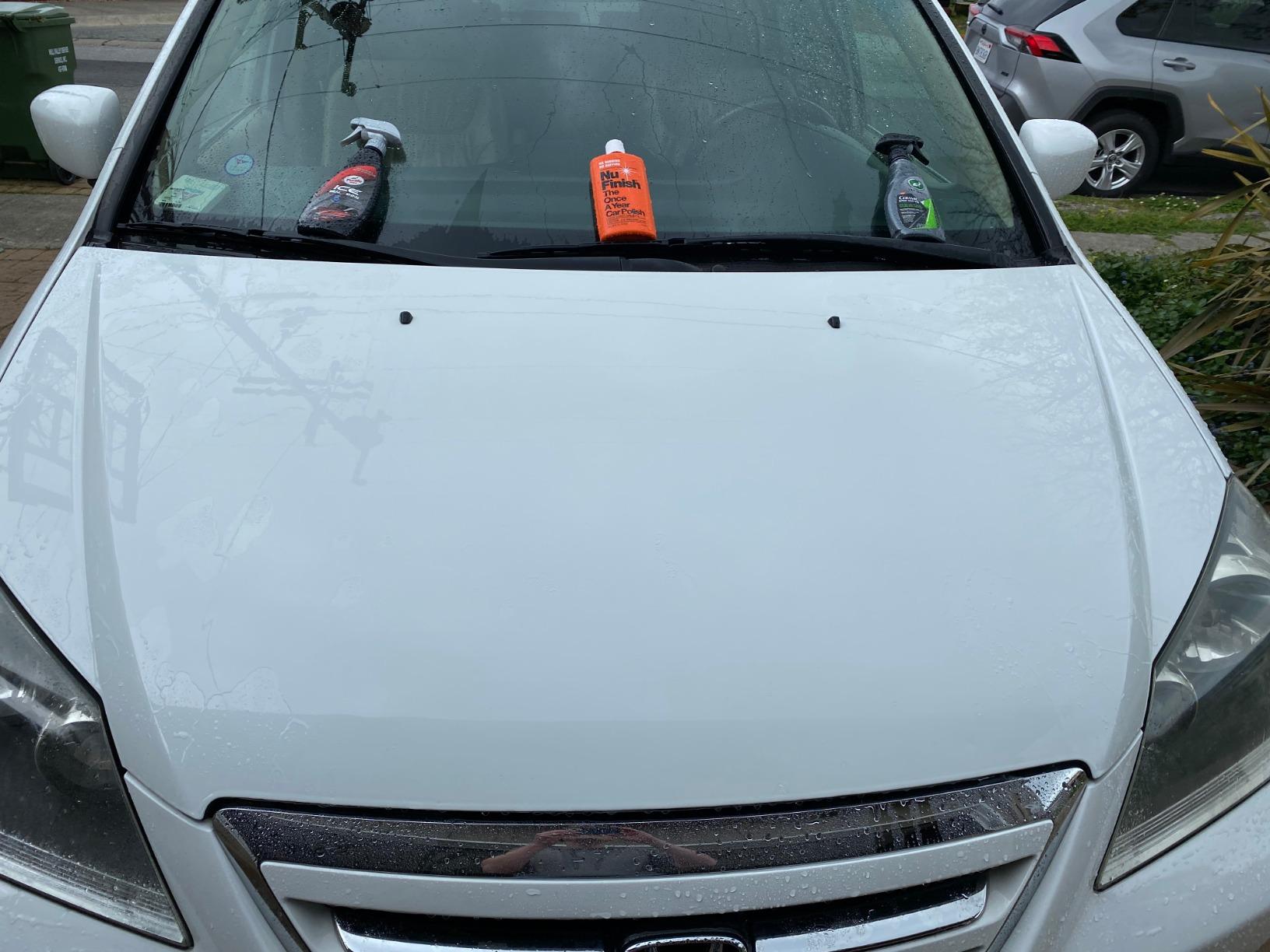
Turtle Wax Hybrid Solutions
- Spray and buff in minutes
- Months of visible beading
- Safe in direct sunlight
These three are the ones we keep coming back to, and they cover very different needs. Fortify Quick Coat is the broadest recommendation in the group because it needs no prep skill at all, while Cerakote Rapid delivers the deepest gloss we saw on black paint and Turtle Wax Hybrid Solutions is the simplest way to add months of protection to a car that already looks good.
All 12 Best Ceramic Coatings for Cars in October
| Product | Specifications | Action |
|---|---|---|
| Shine Armor Fortify Quick Coat |
|
Check Latest Price |
| Turtle Wax Hybrid Solutions |
|
Check Latest Price |
| Cerakote Rapid Ceramic Sealant |
|
Check Latest Price |
 Nexgen Ceramic Spray Nexgen Ceramic Spray |
|
Check Latest Price |
 Meguiar’s Hybrid Ceramic Wax Meguiar’s Hybrid Ceramic Wax |
|
Check Latest Price |
 Griot’s Garage Ceramic 3-in-1 Griot’s Garage Ceramic 3-in-1 |
|
Check Latest Price |
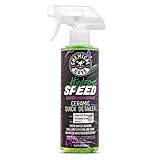 Chemical Guys HydroSpeed Chemical Guys HydroSpeed |
|
Check Latest Price |
 Advanced Graphene Ceramic Kit Advanced Graphene Ceramic Kit |
|
Check Latest Price |
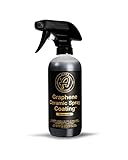 Adam’s Graphene Spray Coating Adam’s Graphene Spray Coating |
|
Check Latest Price |
 Ethos RESIST Graphene Spray Ethos RESIST Graphene Spray |
|
Check Latest Price |
 CarPro CQuartz UK 3.0 CarPro CQuartz UK 3.0 |
|
Check Latest Price |
 Gtechniq Crystal Serum Light Gtechniq Crystal Serum Light |
|
Check Latest Price |
Two categories are represented here and the difference matters more than any ranking. Nine of these twelve are spray sealants and quick detailers measured in weeks and months. Three are true liquid coatings whose durability is measured in years, and all three demand real preparation and a proper cure window.
How We Picked: Six Criteria That Decide a Coating
Ease of application and working time
The single biggest predictor of a bad first experience is a product that flashes before you can level it. We paid attention to how long the coating stays workable on the panel and whether it self-levels or leaves you chasing streaks.
Real durability rather than label claims
Manufacturers print the best case on the bottle. We weighted what owners report at three, six and twelve months, including how the product behaves after a few trips through a brush car wash.
Hydrophobic performance
Beading is what you see, but sheeting is what actually keeps water off the panel in a downpour. We noted which products sheet and which products simply roll droplets slowly to the edge.
Gloss on dark paint
Black and dark metallic paint is the honest test for a finish. Defects, hazing and streaking show immediately there and hide easily on white.
Chemical resistance
Road salt, bug wash, bird droppings and tree sap are the everyday enemies. We looked at how each product copes with the stuff that actually lands on a car.
Value per year of protection
Coverage math matters. A small bottle that needs four applications to protect one car is not cheap protection, however good it looks on a towel. Our ratings leaned on containers that genuinely cover a vehicle.
1. Shine Armor Fortify Quick Coat: Best Overall Ceramic Spray for Almost Anyone
SHINE ARMOR Fortify Quick Coat Ceramic Coating Spray, 16 fl oz
Waterless quick coat spray wax
16 fl oz bottle
Spray, damp towel, then dry towel
Pros
- Waterless spray and buff takes about a minute per panel
- Streak-free finish on paint and glass
- Noticeable beading after a single pass
- Good shine on dark paint and older vehicles
Cons
- Protection can fade within days for some users
- Small bottle and a mid-size vehicle can use half of one coat
- Wipe and buff method suits some hands better than others
This is the product I hand to friends who ask me what to put on a car that lives outside and gets washed whenever there is time. There is no decontamination step, no polish and no cure window. You shake it, spray a panel, wipe with a clean damp towel and then buff with a dry one.
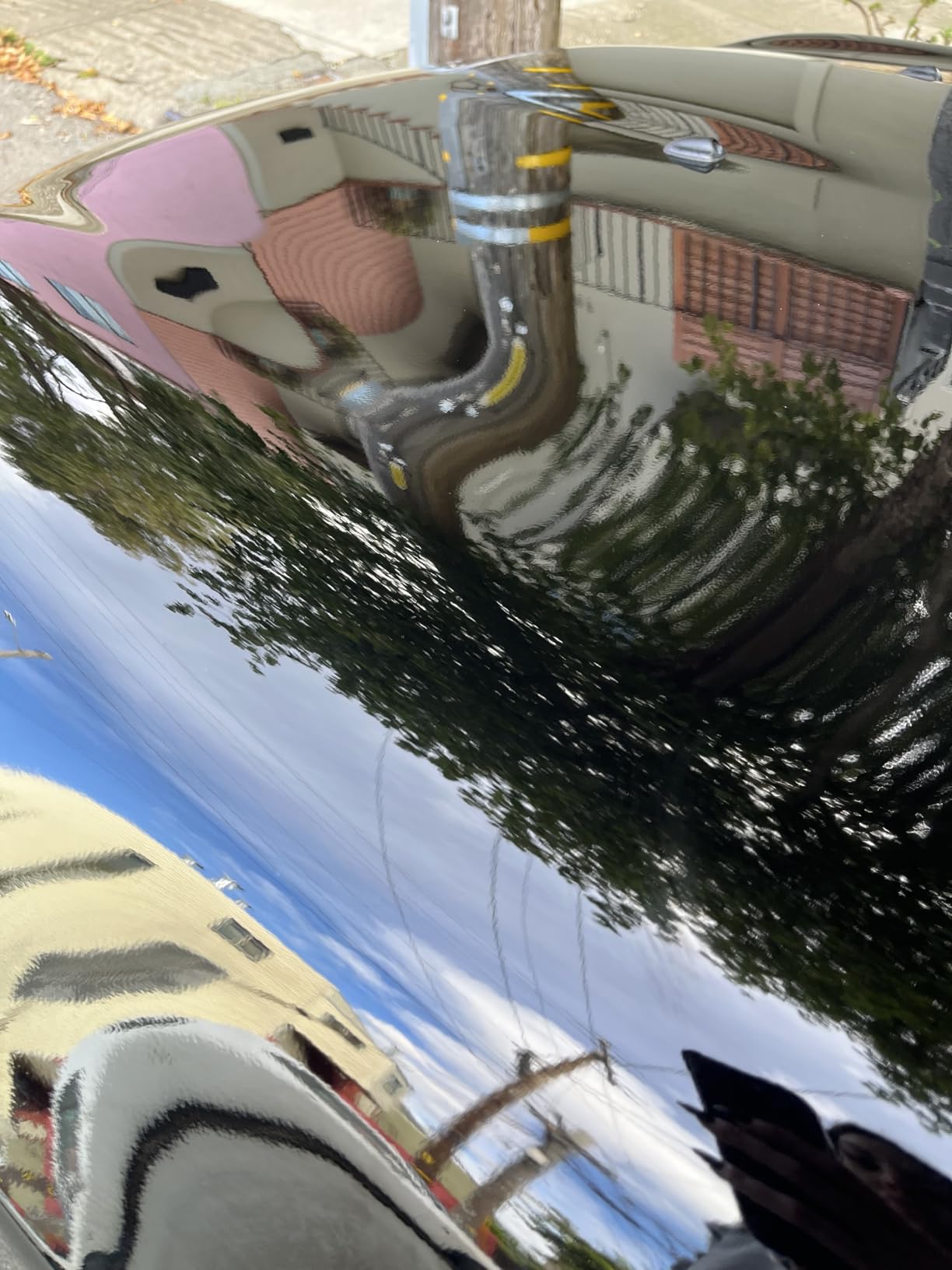
Because it carries a light cleaning action, it also lifts dust and fingerprints between washes, which means a dusty car can be made presentable without a bucket. On a black sedan the gloss came back fast, and the beading showed up within a few hours rather than immediately, which told me it was setting rather than just sitting on the surface.
It sits at the top of the Automotive Top Coats chart with a review count in the tens of thousands, and the pattern in those reviews is consistent. Owners repeatedly report that the shine lasts weeks and that the car stays noticeably cleaner between washes.
The honest weakness is longevity variance. A recurring minority of reviews report the hydrophobic effect fading in a few days to a couple of weeks, usually when the car sits in direct sun or gets run through an automated wash with brushes. The 16 ounce bottle is also small, and a mid-size vehicle can consume half of it for one coat.
Who should buy Fortify Quick Coat
Buy it if your car is a daily driver parked outside, you wash by hand when you can and you have no interest in learning paint correction. It is also the one I recommend for a used car with swirl marks you do not plan to fix, because it will not seal defects into a permanent glossy layer the way a true coating does.
Who should skip it
Skip it if you want a single application that protects for years, or if you are the sort of owner who will notice beading fading after ten days. Owners who want depth of gloss on a show car tend to move up to a dedicated sealant such as Cerakote Rapid instead, because a wetter look matters more to them than a five minute wash.
2. Cerakote Rapid Ceramic Sealant: Best Value and Deepest Gloss on Black
CERAKOTE® Rapid Ceramic Paint Sealant, Ceramic Coating for Cars, 14 oz
50 wash durability rating
14 fl oz bottle
Standalone sealant or topper
Pros
- Very slick finish where dust sheets off and suds barely cling in rain
- Spray and wipe with a light buff and no elbow grease
- Deep and streak-free gloss on dark colours
- One bottle covers two mid-size SUVs
Cons
- Trigger sprayer reported failing after a few uses
- Real world beading often lands around three to four months
- Faint water marks on some dark paint after drying
This is the one that impressed me most on black paint. The gloss had genuine depth rather than the flat, slightly plastic look that some of the cheaper ceramic sprays leave behind, and it held after a couple of rain cycles.
The application logic is refreshingly simple. You spray one panel, spread and buff immediately, then move on. It can also sit on top of an existing coating as a maintenance topper, which makes it a useful companion to a car that already has something on the paint.
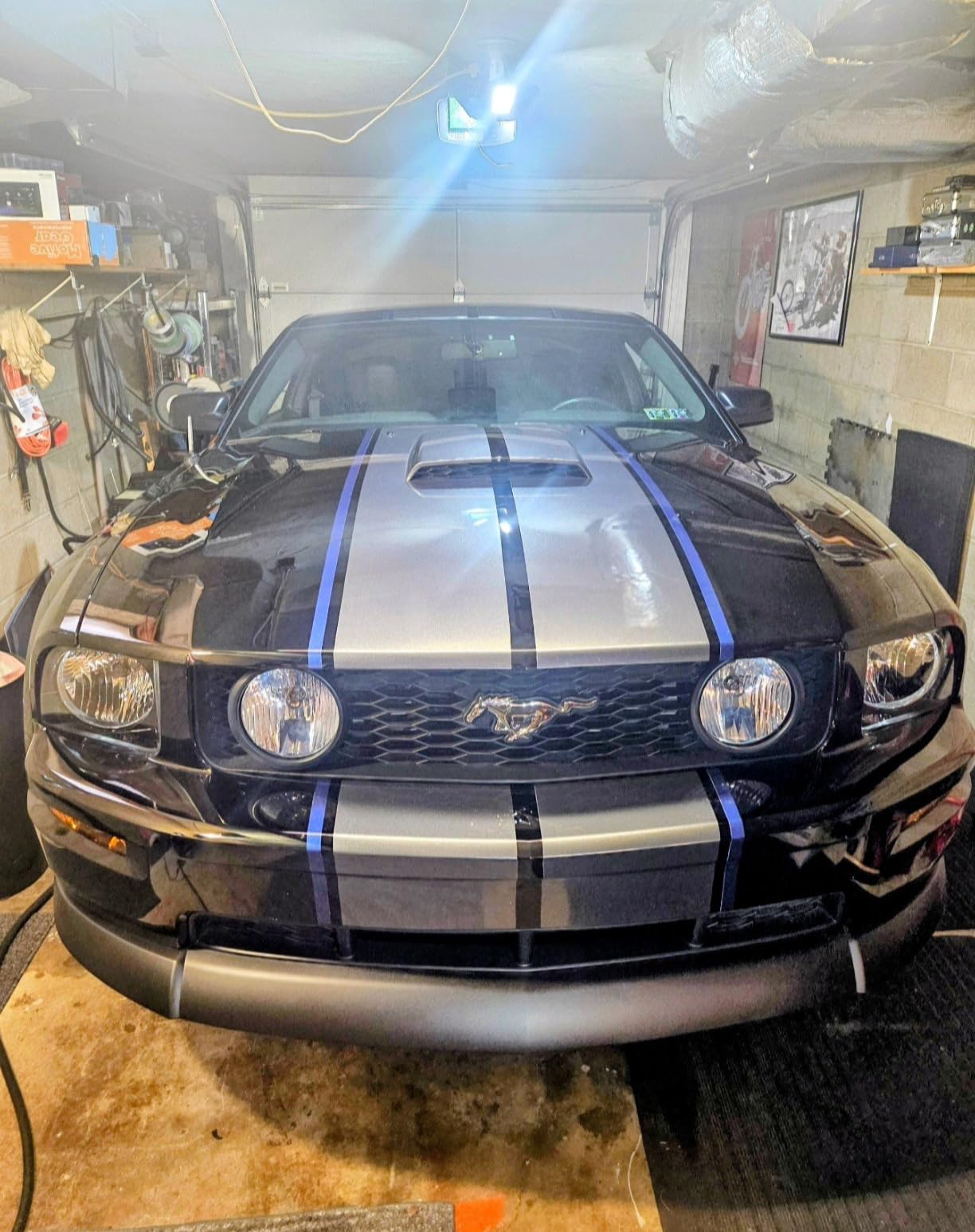
Enthusiasts in the reviews repeatedly call it the best ceramic spray sealant they have used for gloss and slickness, and many note the finish improves for a few hours after application rather than being fully formed at once. One 14 ounce bottle is reported to cover two mid-size SUVs.
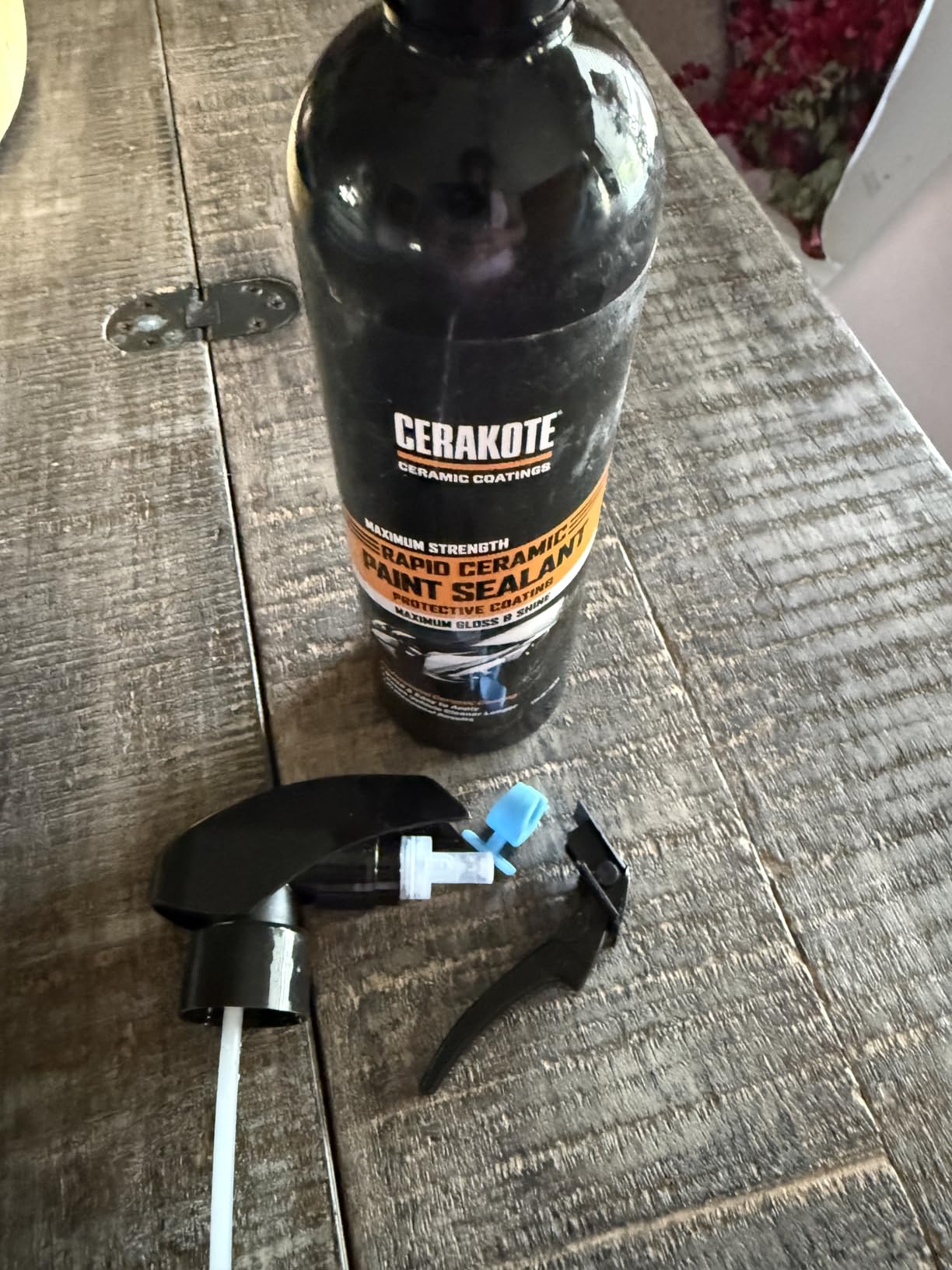
The reliability complaint worth knowing about is the pump. A number of owners report the trigger sprayer degrading part way through a project, so buying a larger size if you have more than one vehicle is sensible. Durability also lands well short of the 50 wash rating in real conditions.
Who should buy Cerakote Rapid
This is my pick for a dark car, a black truck or a garage-kept coupe where appearance is the priority. The slickness is genuine enough that washing feels different, and a bottle goes a long way, which is what makes it the value option rather than just the cheapest one.
Who should skip it
Skip it if you need protection measured in years, or if you are the type to notice a faint water mark on black paint after drying, since a minority of dark-paint owners report exactly that. It is also not a substitute for polishing oxidised or rough clear coat, so a chalky car will not be fixed by this.
3. Turtle Wax Hybrid Solutions: The Simplest Way to Add Months of Protection
Turtle Wax Hybrid Solutions Ceramic Spray Wax Coating, 16 oz (Pack of 1)
Ceramic wax polymer spray sealant
16 fl oz bottle
Safe in direct sunlight
Pros
- A full large SUV takes only minutes
- Strong beading and gloss that holds for months
- Safe on glass and trim and in direct sunlight
- Does not discolor or milk the paint
Cons
- Preparation still matters for maximum durability
- Not a fix for already oxidised paint
- Heavy overspray on glass can haze at night
Owners who detail their own cars describe this as one of the strongest easy-but-impressive products on the market, and after our round of testing we agree. A whole car in a driveway with a hose, a couple of towels and about fifteen minutes of work is genuinely achievable.
Unlike several competitors it can be applied in direct sunlight, which removes the single most common scheduling obstacle in a hot climate. It also does not leave the milky residue that traditional paste waxes can leave on darker colours.
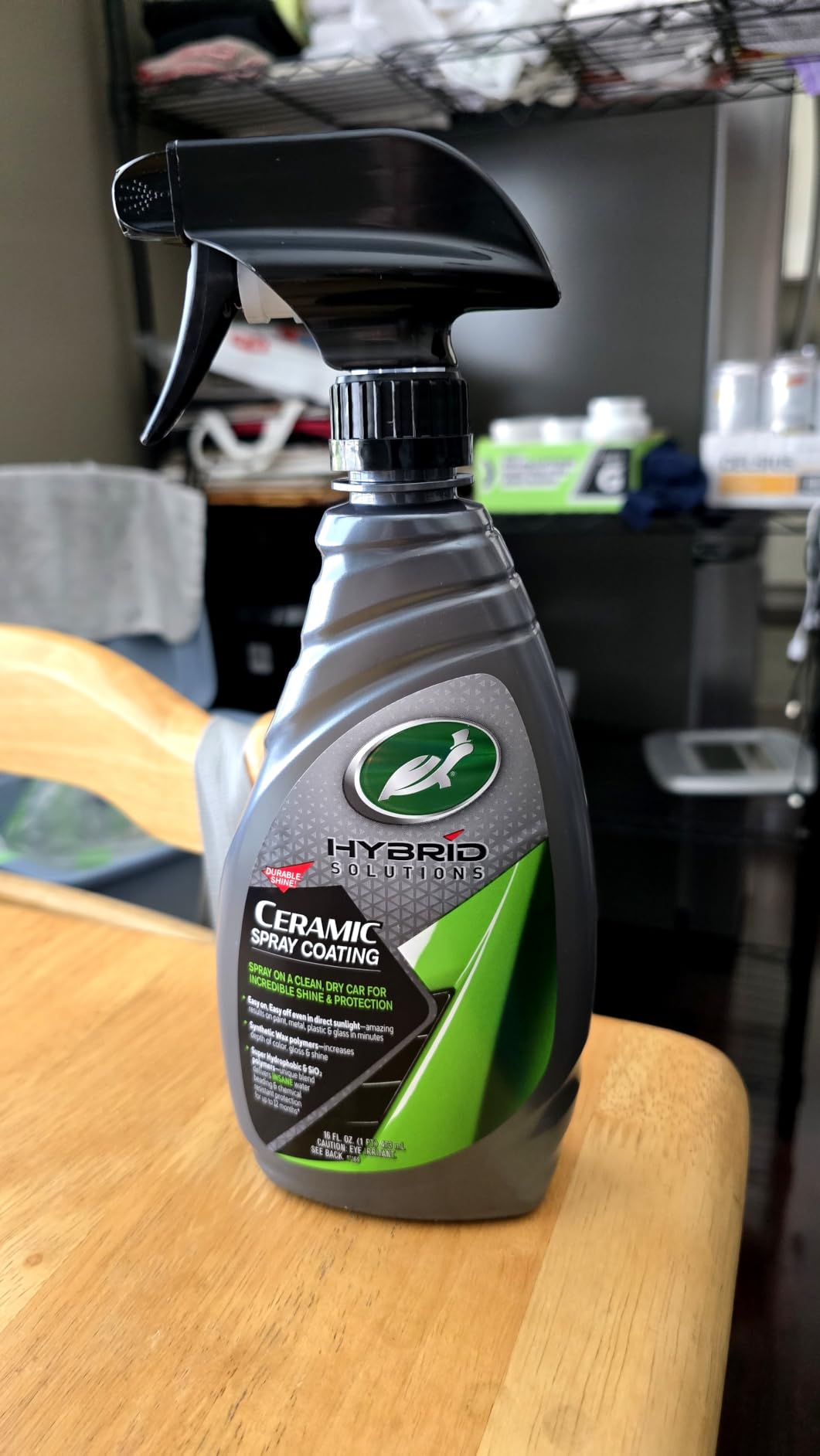
Reviewers repeatedly cite months-long gloss and beading from a fraction of the effort of paste wax, and one bottle is reported to cover multiple vehicles. It ranks second in the Waxes category, which tells you how heavily it is used.
The recurring limit is preparation. The gloss and the longevity both improve substantially on paint that has been washed, decontaminated and possibly polished first. Applied over heavy contamination, the finish is much shorter lived and much less even.
Who should buy Hybrid Solutions
Buy it if you want the shortest path to a visibly better finish. It suits first-time coaters, people living somewhere with no shade, and anyone who wants a reliable product to top up an existing coating between full details.
Who should skip it
Skip it if you are chasing a wet, glassy depth of shine that only a true coating delivers, or if your paint is faded and oxidised, because no sealant will reverse that. Heavy overspray onto glass can also leave a hazy film that is annoying to deal with at night.
4. Nexgen Ceramic Spray: Best All-Weather Multi-Surface Sealant
Nexgen – Ceramic Spray – Ceramic Coating for Cars – Better than Wax – 16 oz
SiO2 spray sealant
16 fl oz bottle
Safe on paint, glass, wheels and gelcoat
Pros
- Deep durable shine that holds for months on prepared paint
- Strong beading so grime rinses off with a hose
- Forgiving sectioned application
- Works on vinyl and chrome and gelcoat
Cons
- Costs more per ounce than most spray waxes
- Glass can streak if not perfectly cleaned first
- Several microfiber towels needed
Nexgen sits between a cheap quick coat and a proper coating in both price and behaviour. The SiO2 chemistry gives a noticeably harder surface than most of the spray waxes, and the beading held up better through changing weather than most of the spray waxes we tried.
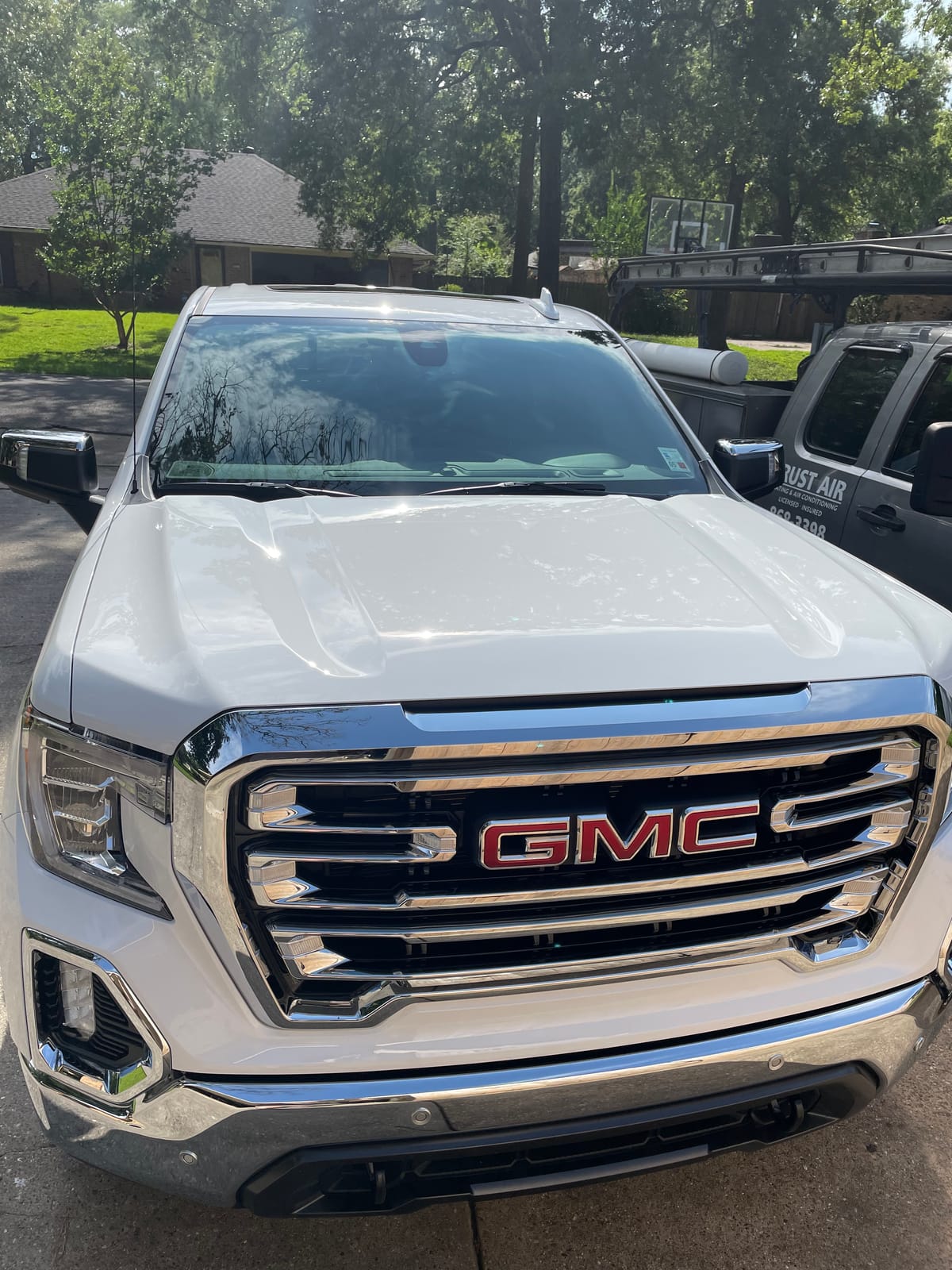
Its real strength is surface range. Paint, glass, plastic, rubber, vinyl, aluminium wheels, chrome and gelcoat are all named as safe, which makes it the easy choice for a motorbike, a boat or a camper as well as a car. A crew-cab truck is reported to take about an hour and half a bottle.
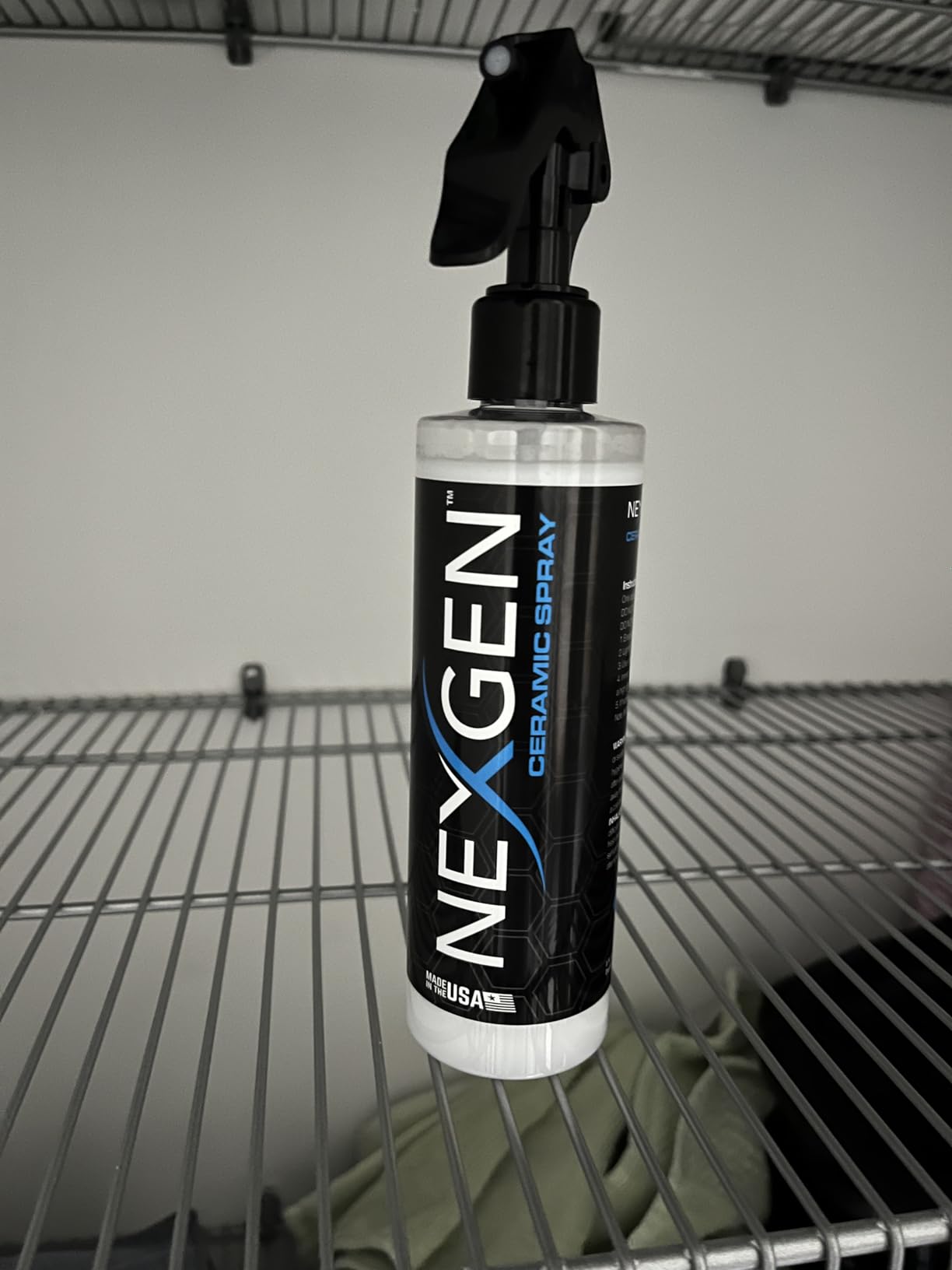
Long-term owners report paint still looking new after years of use, and satisfied users describe it as tough, glossy and long-lasting. The coverage figures are unusually clear for the category, which is helpful when you are trying to work out how much you need.
Where it draws criticism is cost per ounce against competing spray waxes, and glass. If the glass is not perfectly clean first, streaking shows up and it takes extra passes to fix. Plan on clean microfiber towels in quantity, because dirty towels are the main cause of smearing here.
Who should buy Nexgen
Buy it if you want one bottle for several vehicles, or if you need something that works just as well on a boat hull, a motorcycle or UPV trim. It is a good fit for a car that sees salt, mud and snow and needs to be hosed clean without fuss.
Who should skip it
Skip it if the cheapest workable option is your priority, because per ounce it is not the cheapest. It is also not the right pick for a black car where maximum optical depth matters more than surface coverage across multiple vehicle types.
5. Meguiar’s Hybrid Ceramic Wax: Fastest Routine Maintenance Wax
Meguiar’s Hybrid Ceramic Wax, 26 Oz
SiO2 hybrid ceramic wax
26 fl oz bottle
Rinse free maintenance application
Pros
- Rinse free maintenance wax with a hose and towel
- SiO2 hybrid barrier resists road grime
- Works on cars and boats
- A bottle covers many treatments
Cons
- Beading fades noticeably after four to six weeks in sun
- Initial application can streak and need real buffing
- Shine is less deep than a traditional paste wax
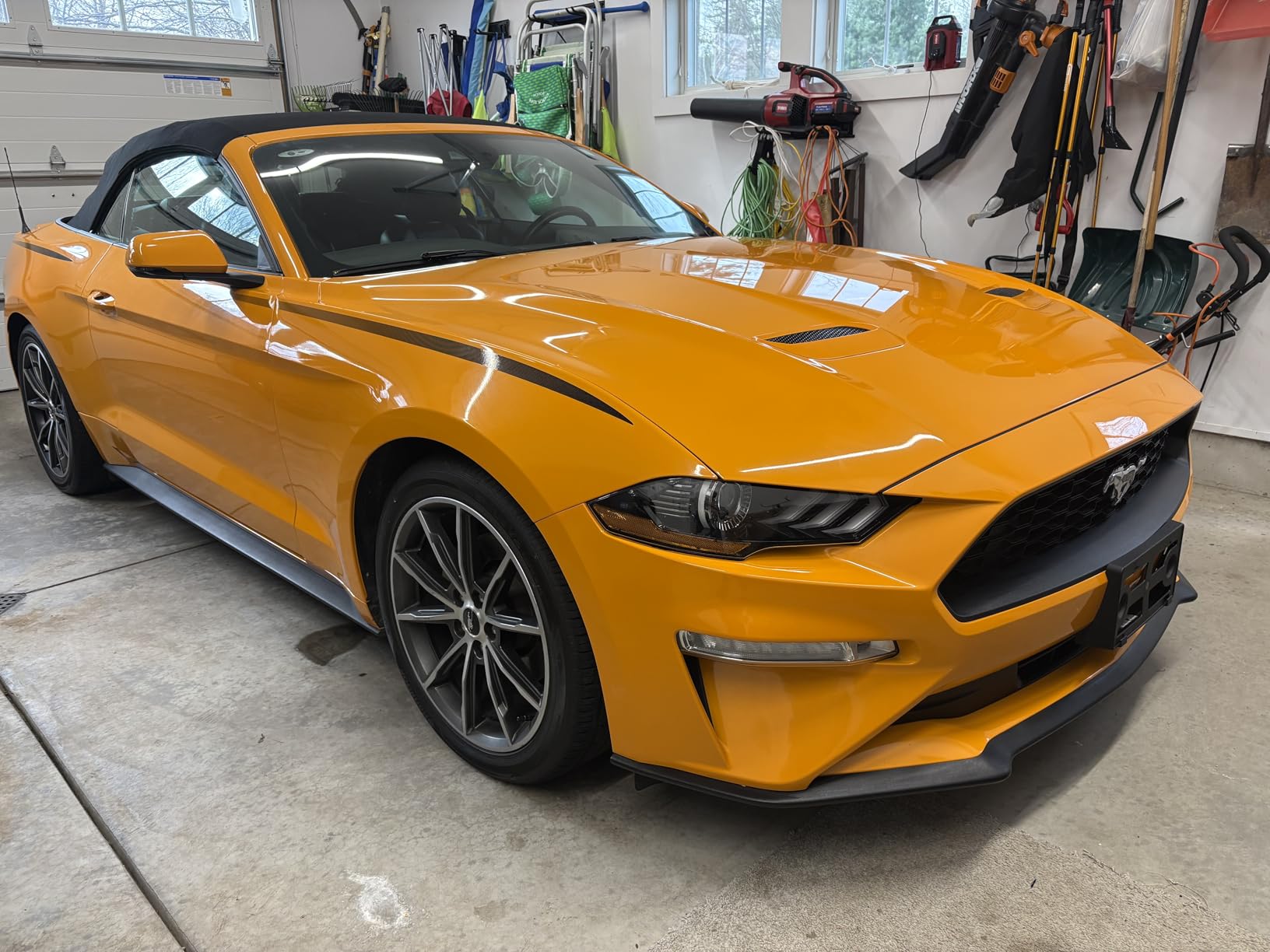
This is the product I keep on the shelf for the six weeks after a proper detail. It is a rinse-free maintenance wax, so you wash, dry, spray and wipe, and the whole car takes about five minutes once you have the rhythm.
The beading is tight and even rather than dramatic, and the surface feels slick in a way that makes a mitt glide. Road grime and dust sit on top of it instead of bonding, which is the behaviour that matters week to week.
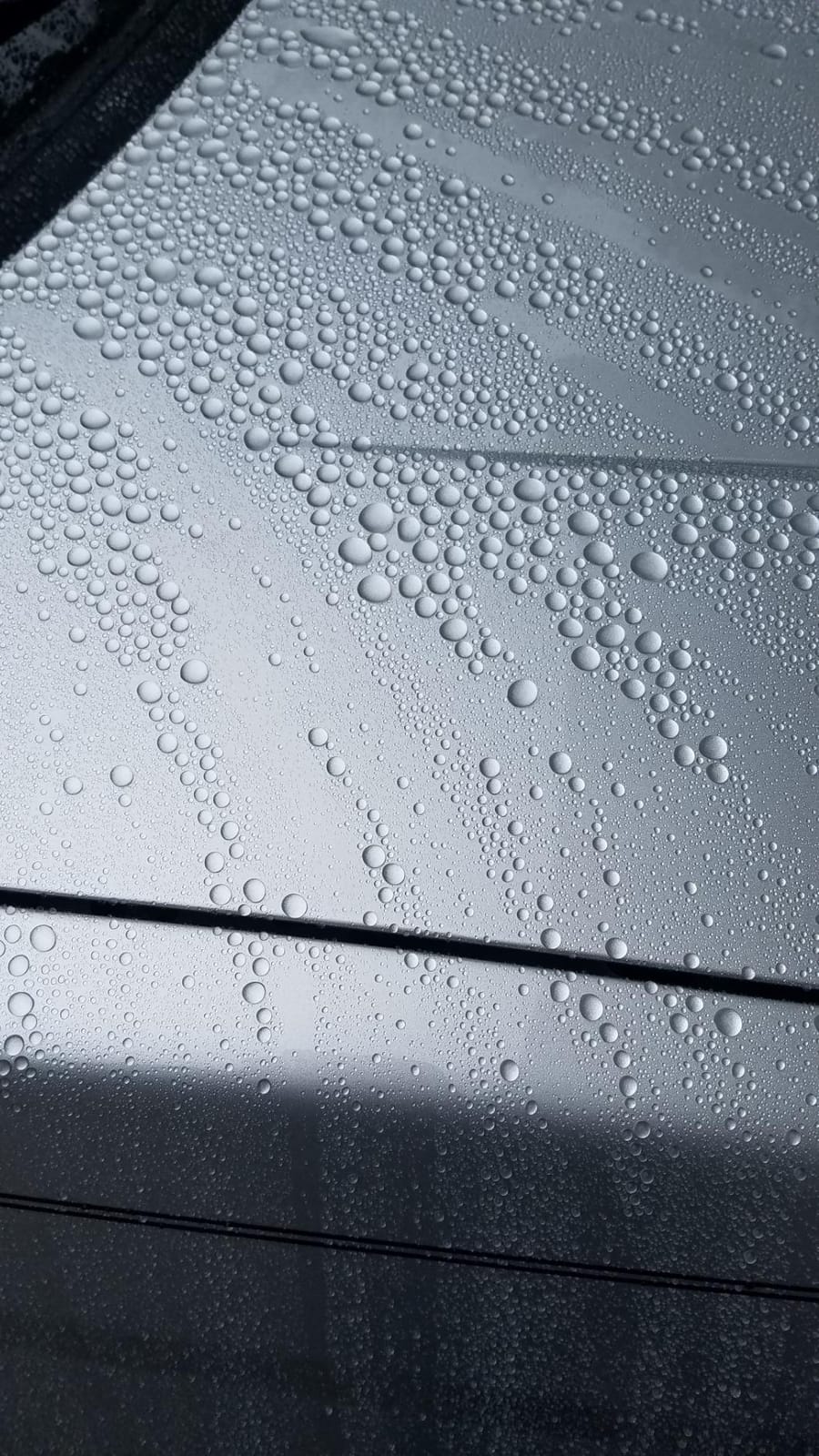
Owners treat it as the ideal maintenance product to hold a good finish between major details, replacing hours of paste wax work with a hose and a towel. A 26 ounce bottle covers many treatments, and it is also usable straight after a wash without a full dry.
The top critical reviews concede the gloss and slickness are excellent while noting the protection needs reapplication roughly monthly to reach six months or beyond. The first application can also streak if you rush it, and the shine is shallower than a paste wax.
Who should buy Hybrid Ceramic Wax
Buy it as a maintenance product rather than a first coat. If you already have a coating, a sealant or a good wax underneath, this is the thing that keeps it looking fresh between washes without adding hours to your weekend.
Who should skip it
Skip it if you want a single application to carry you through a season, because four to six weeks in direct sun is the realistic window. It is also a poor choice if you want the deep, wet shine of a traditional paste wax, since the finish is noticeably shallower.
6. Griot’s Garage Ceramic 3-in-1: Top Rated Hybrid Spray Wax
Griot’s Garage Ceramic 3-in-1 Wax, SiO2 Spray for Cars, Trucks, and RV’s, Provides Protection and Water Beading on Paint, Wheels, Plastic, Rubber Trim, Chrome, and More, 10978, 22 oz
SiO2 infused spray wax with carnauba
22 fl oz bottle
Spray on, wipe off
Pros
- Protection in minutes with no buffing labour
- Strong beading that lasts for months
- Safe on paint and trim and wheels
- Layers cleanly even when applied heavily
Cons
- Surface list does not name headlights or exterior glass
- Not specified for direct sunlight application
- Less depth of gloss on dark paint than a sealant
Griot’s is a hybrid rather than a pure ceramic, blending SiO2 with carnauba wax. In practice that combination gives you the water behaviour of a ceramic with a softer, warmer gloss that carnauba users tend to like, and it applies in a couple of passes.
It shares the highest rating in the roundup at 4.7 across nearly four thousand reviews, with an unusually high share of five-star feedback. Owners also point out that it layers cleanly even when applied heavily, which makes it forgiving of an inconsistent technique.
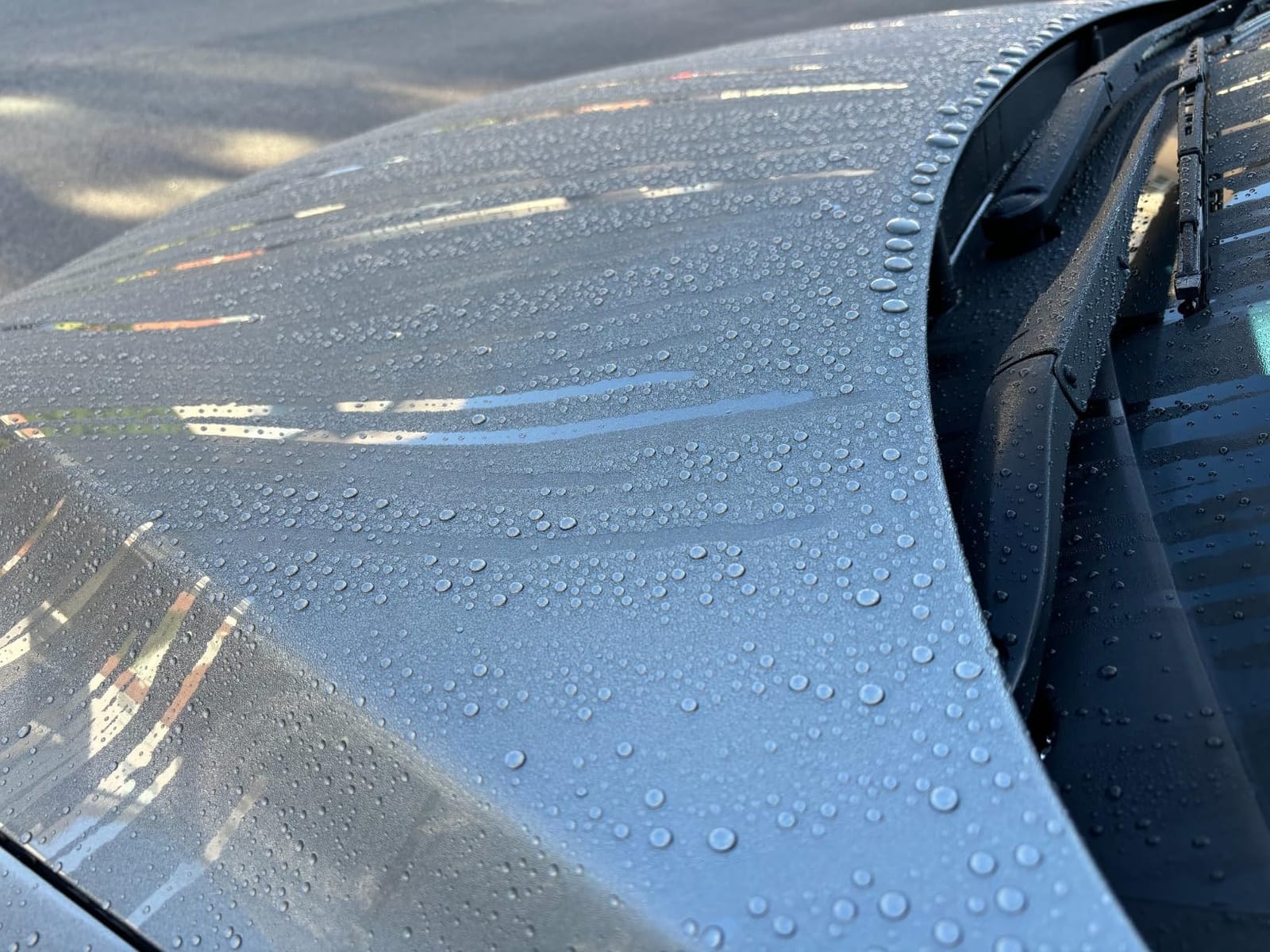
It is also one of the more economical options per unit of product here, and it holds the number one position in the Waxes category. People commonly alternate it with Turtle Wax Hybrid Solutions without any streaking or hazing between the two.
Two limitations are worth noting. It needs shade and a cool surface, which makes July work awkward, and the stated surface list does not include headlights or exterior glass the way some rivals do. Gloss on black is good but not as wet as a dedicated sealant.
Who should buy Ceramic 3-in-1
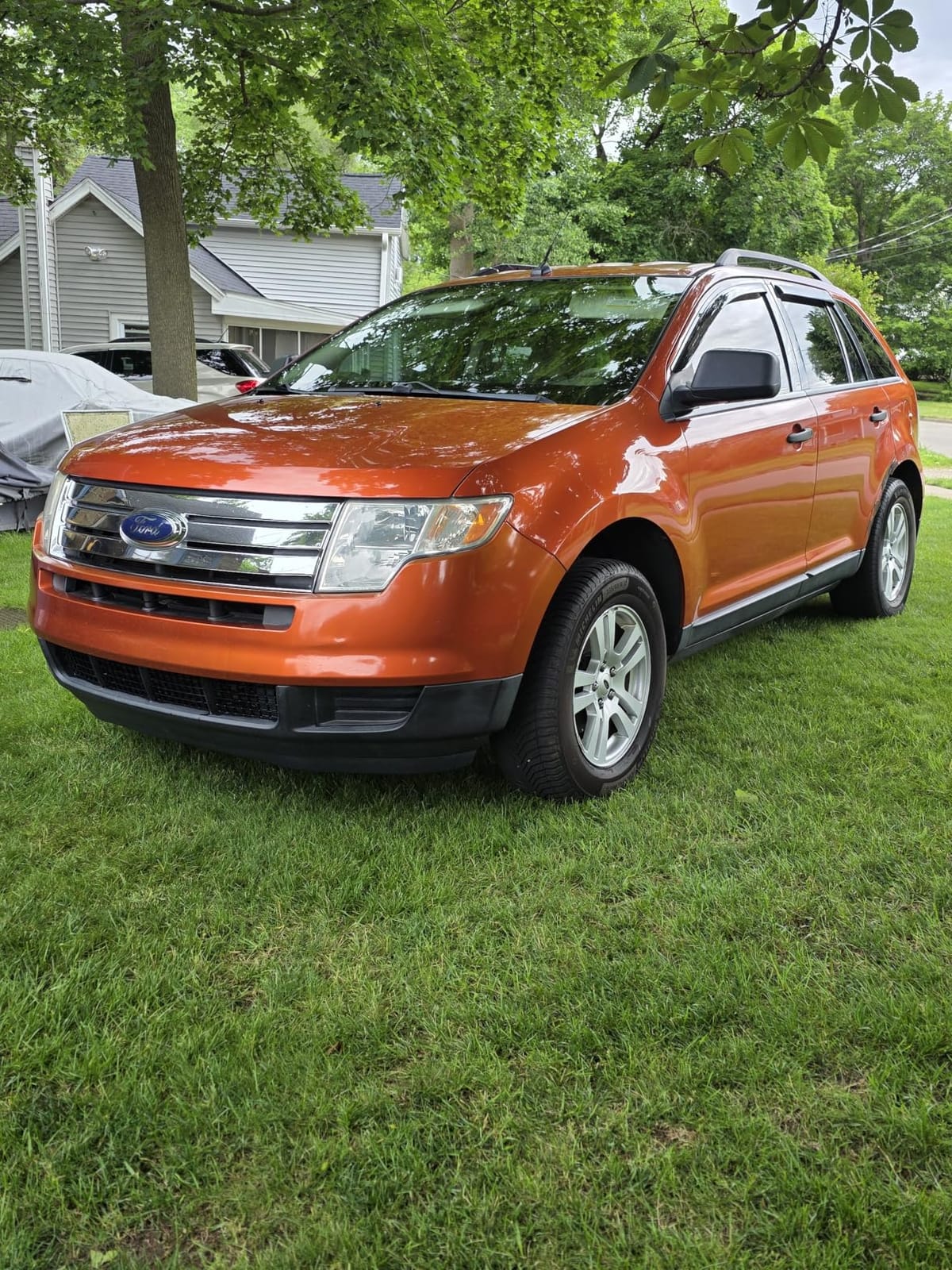
Buy it if you want one of the highest rated options in the roundup with a finish that looks natural rather than synthetic. It is a strong pick for light and medium colours where carnauba gloss reads better than a pure SiO2 look.
Who should skip it
Skip it if you only have direct sun to work in, since it is not specified for that. It is also not the right choice for a black car that needs maximum depth, or for a quick detail on glass and headlights, which sit outside the stated surface list.
7. Chemical Guys HydroSpeed: Best Ceramic Booster for an Existing Finish
Chemical Guys, HydroSpeed Ceramic Quick Detailer Spray, Slick Gloss, 16 oz
SiO2 ceramic quick detailer
16 fl oz bottle
pH balanced, safe on coated cars
Pros
- Instant gloss and water repellency from one spray
- Boosts existing coatings and waxes and sealants
- Fast spray and wipe with no heavy buffing
- Streak-free on paint and glass and chrome
Cons
- Intended for maintenance between details not full coating
- Does not replace paint correction or remove defects
- Several clean microfiber towels required
HydroSpeed is a maintenance product, not a coating, and treating it as anything else is the most common mistake. Used correctly it is one of the best tools in the category: a fast drying detailer that leaves genuine slickness and repellency behind.
Its real value appears over an existing coating. Spraying it on a panel that already has ceramic, wax or sealant on it refreshes the surface and extends the protection window without any of the risk involved in laying down a fresh layer.
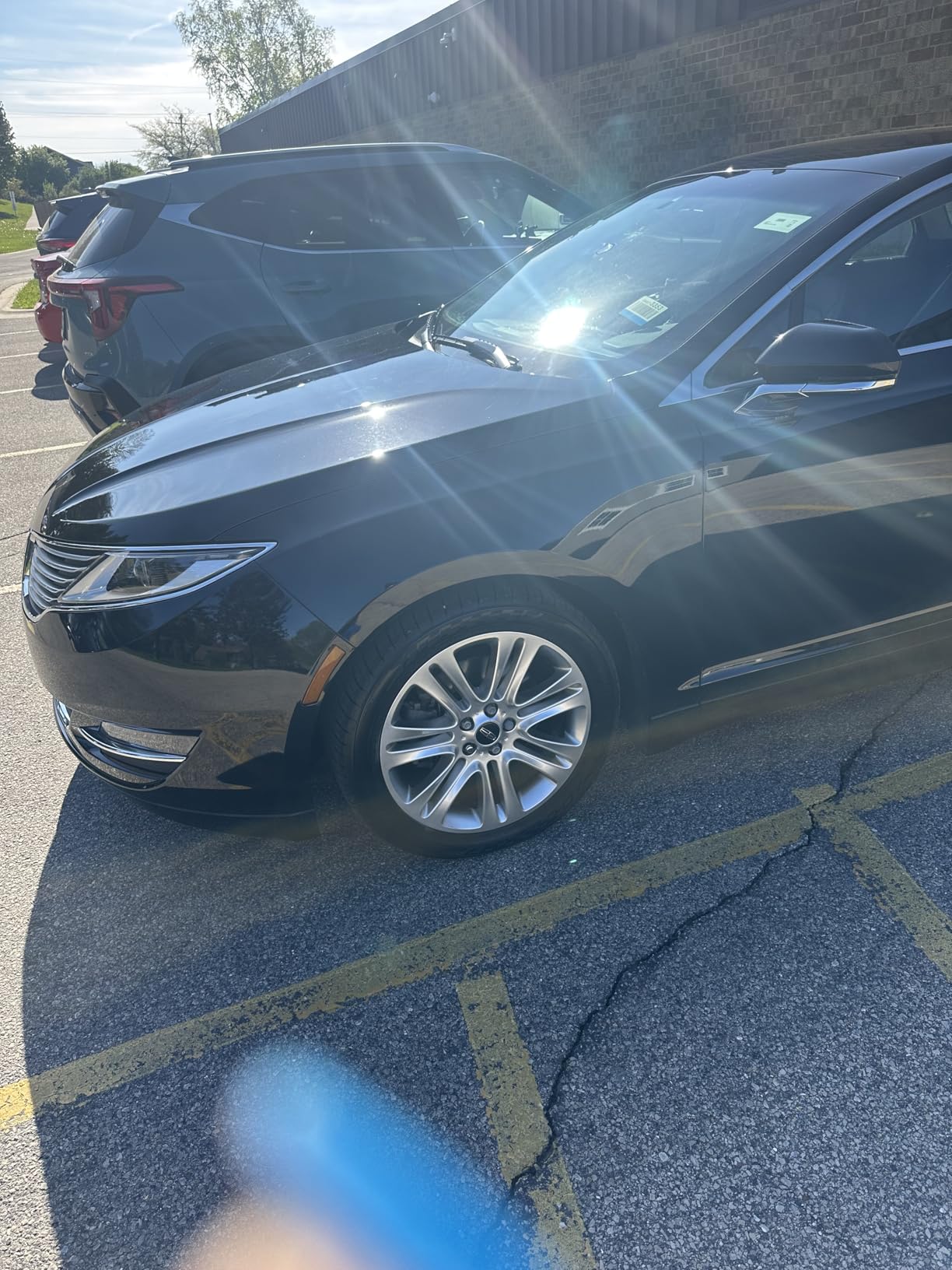
Users treat HydroSpeed as a top-shelf maintenance product that keeps a coated car looking deep and reflective between full detailing sessions. Its pH-balanced formula is specified as safe on coated and non-coated vehicles of all colours, which removes a lot of guesswork.
Criticism is mostly about expectations. It will not remove swirls, it will not strip a dirty coating, and if you use the same towel across the whole car you will smear. Keep a dedicated stack of clean microfiber for it and the results stay consistent.
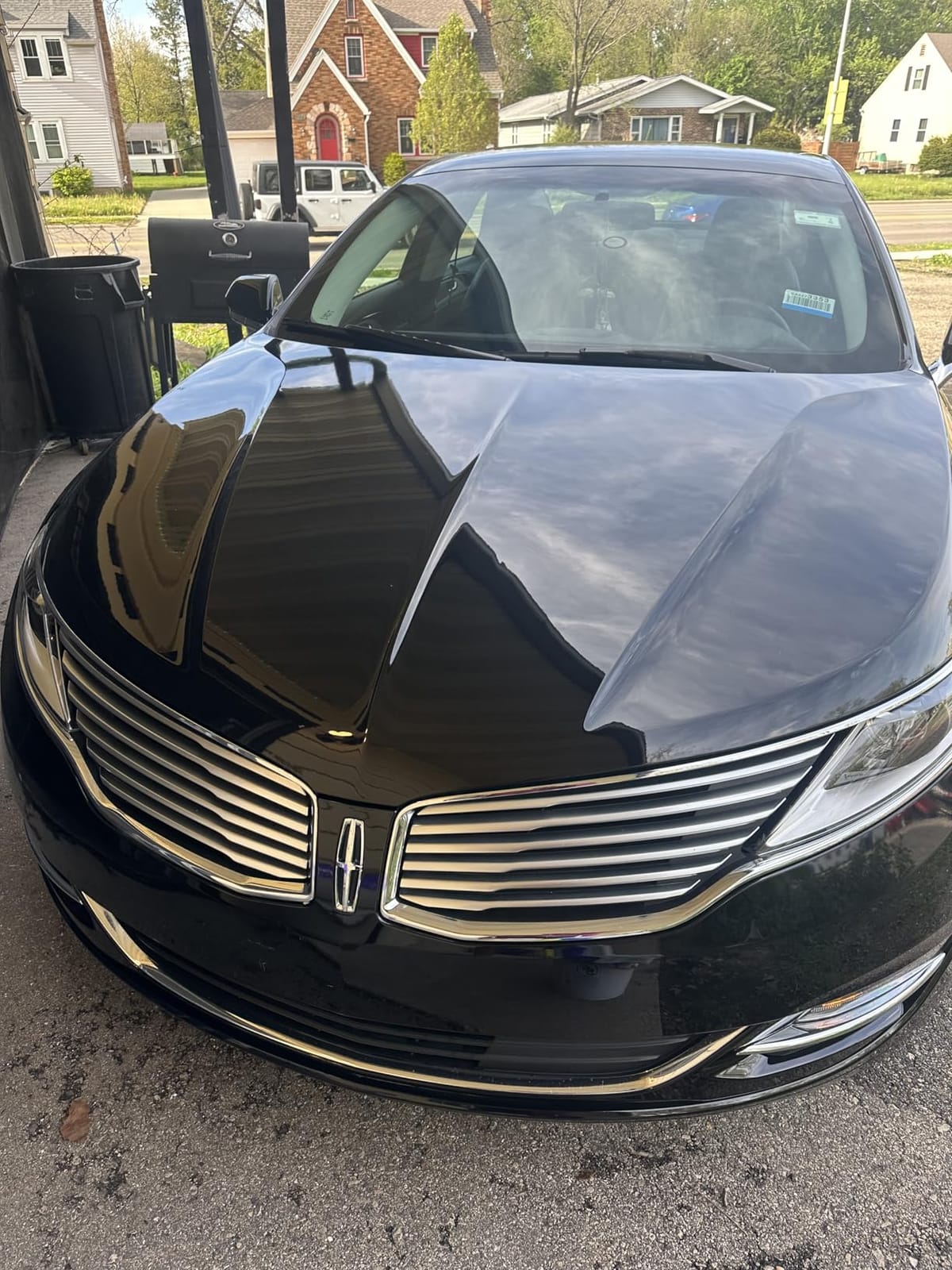
Who should buy HydroSpeed
Buy it if you already have a coating, sealant or wax on the car and you want a quick way to add gloss and water behaviour between full details. It suits people who maintain several vehicles and cannot justify a long application session for each one.
Who should skip it
Skip it as your first ever attempt at protecting a car, because it will not deliver the durability of a real coating and people consistently report confusion on that point. It is equally wrong for a car with defects that need correcting first, as it will not touch them.
8. Advanced Graphene Ceramic Coating 70ml: The Full True Liquid Kit
Advanced Graphene Ceramic Coating for Cars(70ML),12H Graphene Coating for Auto Car Detailing,10+ Years of Long Lasting Car Protection,Gloss Hydrophobicty Anti Scratch
12H hardness graphene liquid coating
70 ml bottle
Full kit with applicator and towels
Pros
- Long cure protection with a 12H hardness claim
- Kit includes applicator and towels and gloves
- Shields against salt fog and bird droppings and UV
- Produces a wax like gloss
Cons
- No water allowed for the first seven days
- Lower average rating than the leading spray waxes
- Requires waiting one to five minutes before buffing
This is one of only three true liquid coatings in the roundup, and it is the one that arrives most complete. The box includes the coating, an applicator sponge, a wiping towel, microfiber cloths and gloves, so nothing else needs buying before you start.
The chemistry is graphene with a hydrophobic fluorine polymer layer rather than pure silica, and the marketing claims 12H hardness on the Mohs scale. The application is a wrap, spread, wait one to five minutes, wipe and polish, which is more forgiving than most true coatings.
Buyers like the included kit and the long cure protection, and the beading is strong once the coating has fully set. Every applicator and towel you need arrives in the box, so nothing extra has to be ordered before the job starts.
What the rating spread reflects is the discipline involved. The instructions say do not touch the car within 24 hours and keep it away from water and rain for the first seven days, which rules it out for anyone who cannot guarantee a dry week.
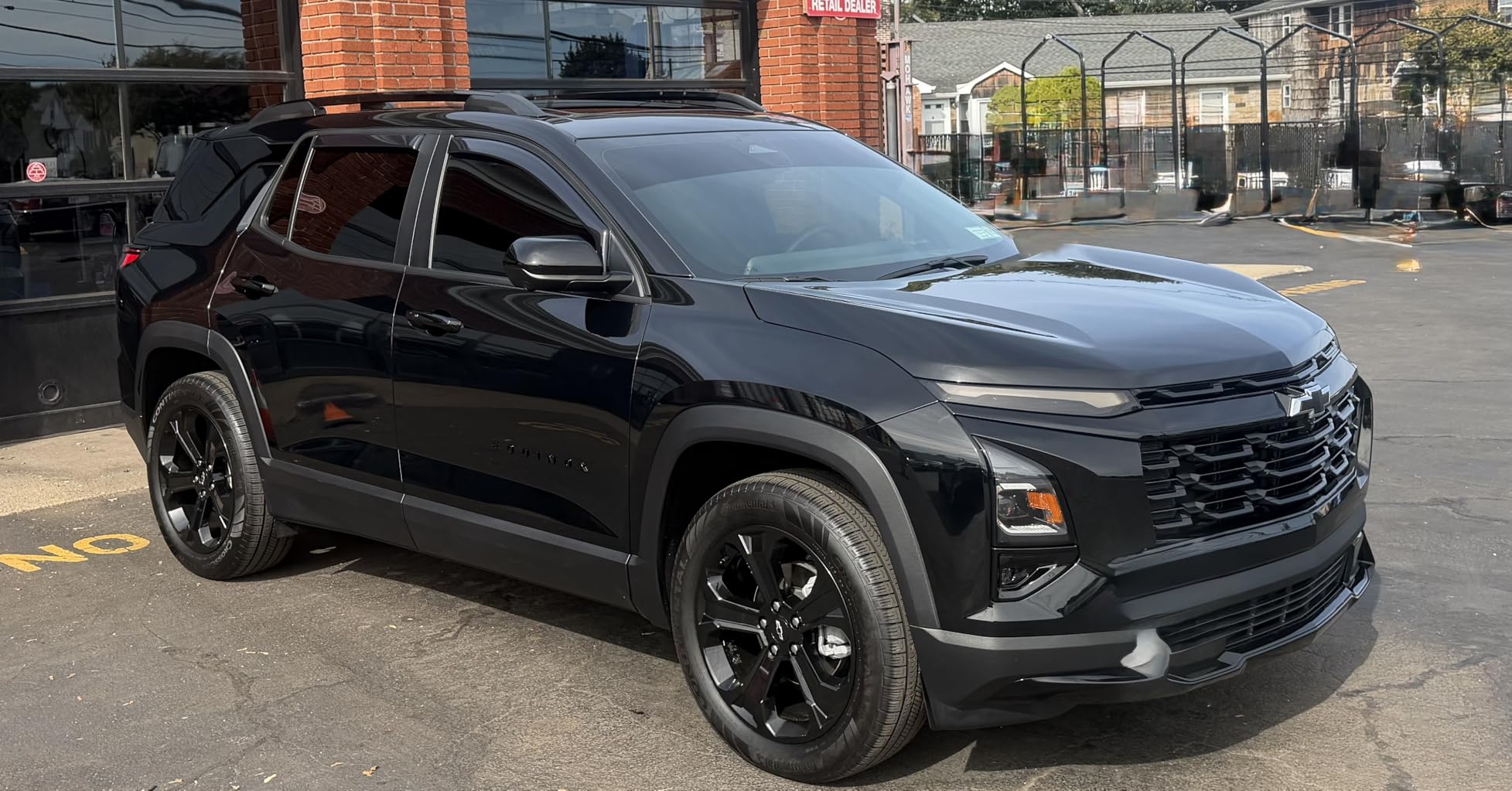
Who should buy the graphene liquid kit
Buy it if you want a real coating, you have a garage, and you want everything in one box without a second order for applicators. It suits a car that stays outside in winter where salt and road grime are the main threat.
Who should skip it
Skip it if rain is forecast in the week ahead or you need the car on the road tomorrow. It also makes more sense for a dedicated project vehicle than a daily driver, given how long the panel must stay untouched.
9. Adam’s Polishes Advanced Graphene Spray Coating: Best Graphene Spray for Gloss
Adam’s Polishes Advanced Graphene Ceramic Spray Coating – 18+ Months Sprayable Graphene Oxide Ceramic Coating for Cars, Boats, RV’s & Motorcycle | Adds Extreme Gloss, Depth, Shine & Protection
Graphene oxide ceramic spray
12 fl oz bottle
UV tracer glow technology
Pros
- Adds extreme gloss and depth with a slick finish
- UV tracers make missed spots visible while you work
- Safe on paint and wheels and glass and trim
- Easy enough for a weekend hobbyist
Cons
- Costs more than most competing ceramic sprays
- Needs panel by panel work to control overspray
- A separate UV flashlight is needed to benefit from tracers
Adam’s is a genuine graphene oxide spray coating rather than a silica substitute, and detailers single out the chemistry for producing real gloss and depth. The slickness you get after it levels is closer to a light coating than to a typical spray wax.
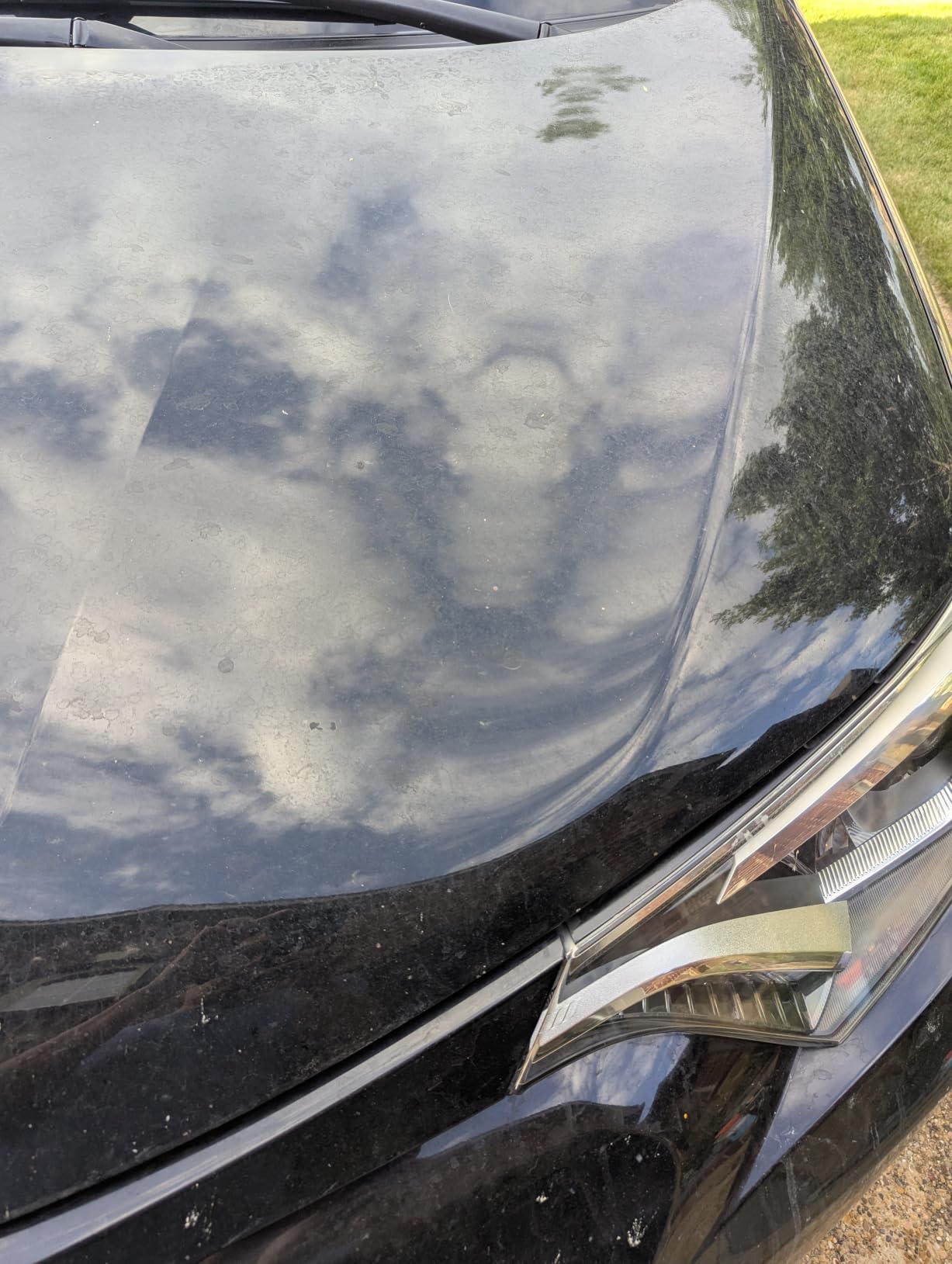
The feature I found most convincing is the ceramic glow technology. UV tracers in the formula fluoresce under a UV flashlight, so you can walk the car afterwards and see exactly which panels were missed. That solves the trim-edge and blind-spot problem that causes the uneven beading people complain about for years.
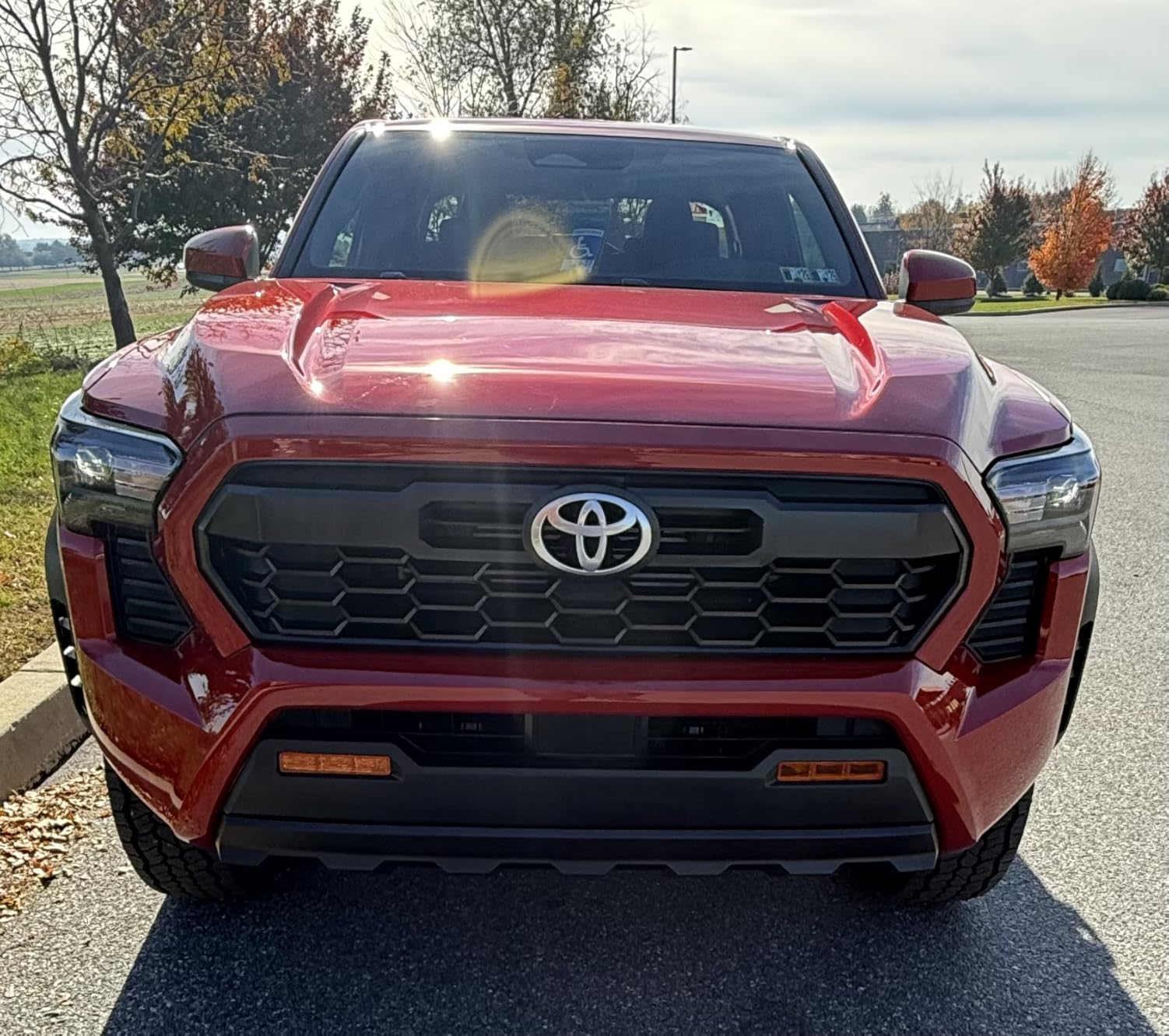
The manufacturer claims protection beyond a year and a half, and the category placement near the top of Automotive Top Coats reflects the volume of use. It is also safe on a wide range of surfaces including bed liners, tonneau covers and unfinished metal.
The reservations are cost and method. It is more expensive than most competing ceramic sprays, and the manufacturer asks for panel by panel application to control overspray, which is slower than hitting the whole car at once. Without a UV flashlight you give up the feature that makes it worth choosing.
Who should buy the Adam’s graphene spray
Buy it if you already have a UV flashlight, or you are willing to get one, because full coverage is the whole advantage here. It suits a weekend hobbyist who wants coating-level gloss without committing to a full liquid application.
Who should skip it
Skip it if you want the cheapest spray option or if you intend to spray an entire vehicle in one pass, since panel by panel is the intended method. On a very dark car, be aware that a rushed buff can still leave marks you will notice in sunlight.
10. Ethos RESIST Graphene Spray: Best for Water Sheeting in Heavy Rain
Ethos RESIST Graphene Spray Coating for Cars – Graphene Ceramic Coating Spray, Extreme Hydrophobic Protection, Gloss Enhancement, Ceramic Coating for Cars (16oz)
Graphene and SiO2 hybrid spray wax
16 fl oz bottle
Standalone or topper use
Pros
- Exceptionally slick and glossy and streak-free
- Water sheets off in rain so washes drop to monthly
- Doubles as a topper over an existing coating
- About half a bottle covers two cars
Cons
- Protection lasts roughly three to four weeks in direct sun
- Can leave hard to correct smudges and slight haze
- Weaker on black trim and plastics than some rivals
Ethos RESIST behaves differently from most ceramic sprays in rain. Where others produce round beads, this one tends to sheet water off the panel, so a downpour clears off rather than leaving droplets sitting on the paint drying into spots.
It is a two-in-one hybrid of reduced graphene oxide and SiO2 and can be used either as a stand-alone sealant or to enhance a coating you already have. It is also safe on boats, motorcycles and UPV windows, which broadens its use beyond a car.
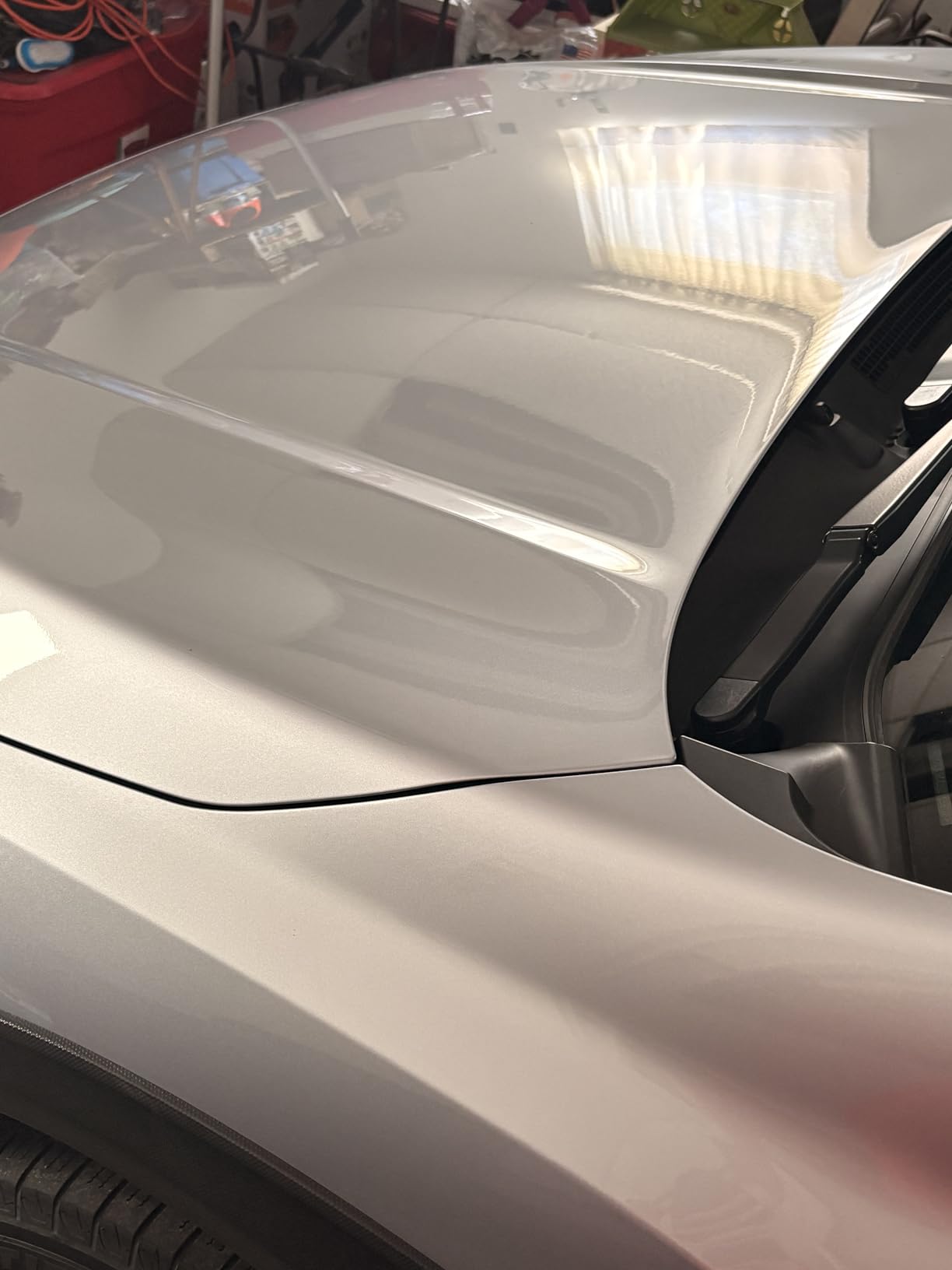
Users who switched to it from a mainstream ceramic wax report brighter shine and better rain behaviour, and plenty of people use it as a topper rather than a base layer. The low consumption figure means a single bottle stretches further than the bottle size suggests.
Real-world longevity is the weak point. Expect roughly three to four weeks in direct sun and closer to a week if you wash with soap, which is well short of the marketing claim. On very dark paint a rushed buff can leave a slight haze, and it is less effective on black trim and plastics than some competitors.
Who should buy Ethos RESIST
Buy it if you live somewhere with heavy rain and want the water off the car quickly rather than beaded on it. It is a good pairing with a true coating, used a few months after application to refresh the hydrophobic behaviour.
Who should skip it
Skip it if you want a long single-coat protection window, because soap washes shorten the life fast. Black cars also need a careful, unhurried buff, and if you need the product to work equally well on plastic trim it will let you down.
11. CarPro CQuartz UK 3.0: The Best True Liquid Coating You Can Apply Yourself
CARPRO CQUARTZ UK 3.0 – Ceramic Coating for Cars – (50ml Kit)
70 percent SiO2 at 99.9 percent purity
50 ml kit
24 hour dry time
Pros
- One of the highest rated options in the roundup
- Durability measured in years rather than weeks
- Exceptional paint depth and dirt repellency
- Kit includes applicator block and levelling towel
Cons
- High cost per application at roughly 15 ml per coat
- Needs careful levelling and 24 hours before handling
- Application limited to a 40F to 100F range
If you are going to apply a real coating rather than a sealant, this is the one to start with. At 70 percent SiO2 and 99.9 percent purity it forms a hard glassy layer, and it is one of the coatings enthusiasts and detailers most often name when durability is the deciding factor.
The kit is properly thought out: a 50 ml bottle, a foam applicator block, four 4 inch microfiber suede applicators and a 16 by 16 inch orange suede levelling towel. Coverage is stated as roughly 15 ml per coat for an average size car, so budgeting is straightforward.
Enthusiasts applying it by hand rate the depth of shine and the water and dirt repellency very highly, and the rating spread is one of the tightest in the group. It resists chemicals, salt, UV and environmental damage, and it works on paint, metal, plastic, ceramic and glass.
The trade-off is the process. A 24 hour dry time is required before the surface is handled, the temperature window runs from 40F to 100F, and levelling has to be done while the coating is still workable. Warm and humid conditions are where this type of coating causes the most trouble.
Who should buy CQuartz UK 3.0
Buy it if you have a garage, a weekend free and the willingness to do the prep properly. It suits someone who hand-waxed their own car for years and has decided that a bonded coating is the better use of that time.
Who should skip it
Skip it if you need the car back on the road the next day, or if your garage runs warm and humid, because it flashes quickly there. A 50 ml kit covers roughly one average car, so a second car means a second kit.
12. Gtechniq Crystal Serum Light: Best Wipe-On Coating for Multi-Year Protection
Gtechniq Crystal Serum Light Ceramic Coating for Cars, 1.7 fl oz
Wipe on and buff ceramic coating
1.7 fl oz bottle
Manufacturer claim of up to 5 years
Pros
- Hard and swirl resistant high gloss from a wipe on application
- Chemically bonds to paint rather than sitting on top
- Excellent beading against tree sap and hazing
- Non smearing formula suitable for any paint
Cons
- Highest price per ounce in the roundup
- Small 1.7 fl oz bottle needs careful budgeting
- Premium cost is hard to justify for occasional care
Crystal Serum Light is the benchmark most enthusiasts measure other coatings against. It wipes on and buffs off rather than needing a spreading pad, and it chemically bonds to the clear coat instead of sitting on top like a wax or polymer sealant.
The manufacturer claims up to five years, which is one of the longest stated durability figures in this roundup, and the format suits experienced users who want coating-level results without a full liquid application process. It is also effective on soft top paintwork and any other painted surface.
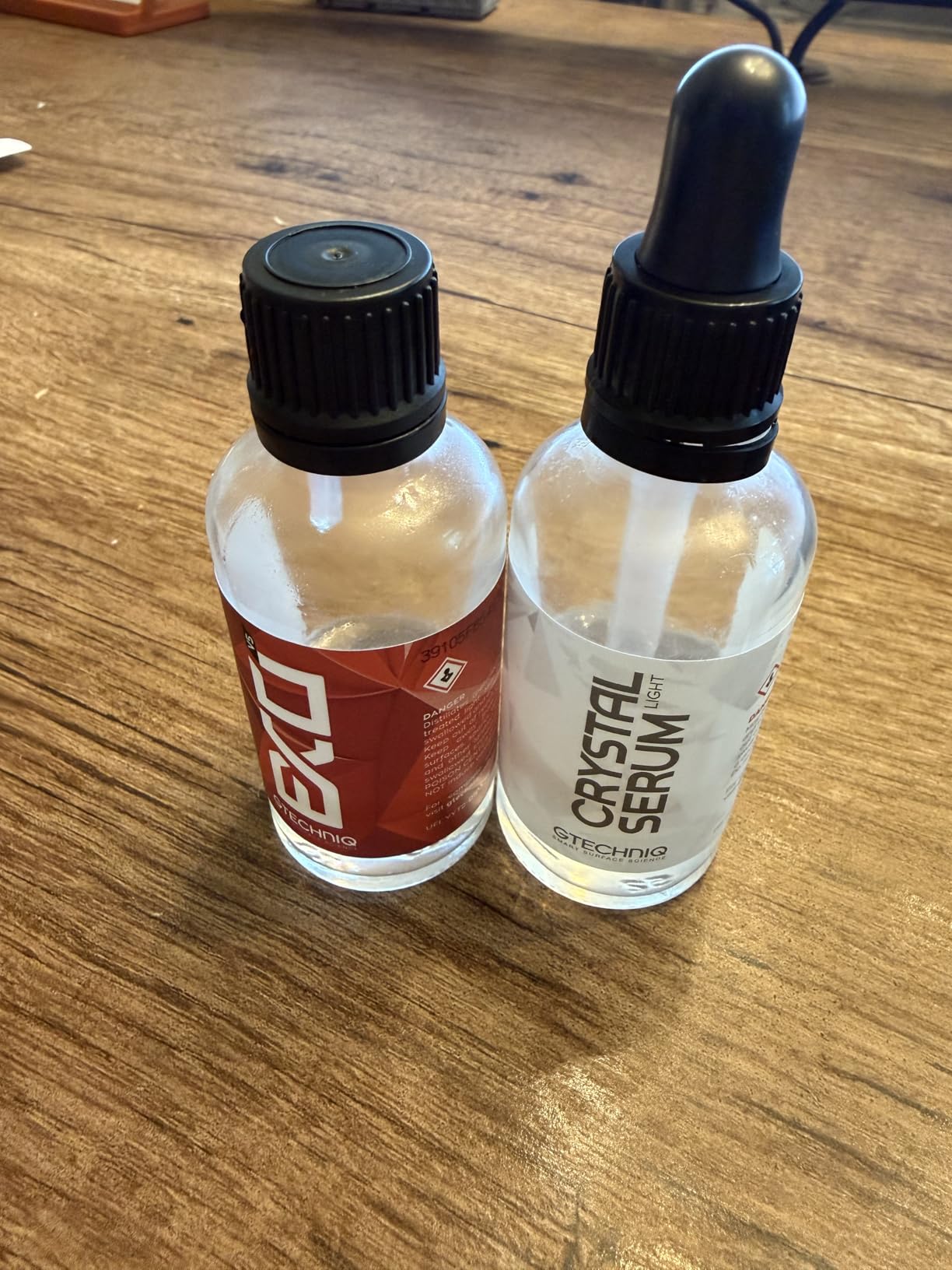
Owners treat it as the reference point for paint protection, praising the bonded finish, gloss and swirl resistance alongside responsive support. The rating distribution is among the tightest of the group, with the only consistent complaint being cost.
The 1.7 fl oz bottle is the practical problem. Working in small sections means budgeting carefully, and if a panel goes wrong mid-application the product needed to redo it is not sitting in the cupboard. It is a premium tier product where the case for it is protection measured in years, not weeks.
Who should buy Crystal Serum Light
Buy it if you want one of the longest stated protection windows in the roundup and you are comfortable with a small bottle and a careful, unhurried application. It works particularly well on a vehicle that is stored indoors most of the week.
Who should skip it
Skip it if you are maintaining a car you drive every day in harsh weather, since the per-ounce cost is the highest here. It is also the wrong pick for someone wanting a quick between-washes topper, which is a job for a spray sealant.
Spray Ceramic vs True Liquid Ceramic Coating
Almost every search result blends these two categories together, and that is why so many people end up disappointed. A spray sealant is a light polymer that sits on the surface, and a true coating cross-links into the clear coat over a cure window. They are not the same product at different prices.
Spray sealants and quick detailers need no prep beyond a wash, apply in minutes, tolerate sunlight on some products and last weeks to a few months. Their weakness is the same weakness every time: the protection wears off quickly if the car goes through an automated brush wash or harsh soap.
True liquid coatings such as CarPro CQuartz UK 3.0, the graphene kit and Gtechniq Crystal Serum Light demand decontamination, polishing and a clean panel before application. They last years, resist chemicals far better and give a much deeper gloss, but they also lock every defect you failed to remove permanently into the layer.
Our take is that these answer different questions. Apply a spray sealant now and top it up periodically, then commit to a full coating when the car is off the road for a weekend and you are genuinely motivated to do the prep. Plenty of detailers use exactly that staged approach.
Ceramic Coating vs Wax vs Sealant vs PPF
Wax, sealant, coating and film are often sold as substitutes when they are really complementary. Wax is the least involved and the shortest lived, giving a warm gloss and months of basic protection. A sealant sits in the middle, lasting longer with less gloss. A coating is the chemical step up from there.
Paint protection film is a different category entirely. PPF is a physical film applied to the panels, and it is the only option on this list that stops rock chips and stone strikes. Nothing you can spray will ever do that, which matters if you drive highways frequently or park outside near construction.
For most drivers the practical combination is film on the high-risk areas such as the front bumper, hood, mirrors and sills, with a coating over the rest of the car. The coating also works on top of film, though you should check compatibility with the film manufacturer and expect slightly different gloss.
The downside people complain about most is the synthetic look on dark paint. A coating can make black and dark metallic colours appear flatter or plasticky, and it hides nothing, so a panel that looks worse after coating was already flawed underneath.
How to Apply Ceramic Coating in Five Steps
1. Wash and decontaminate
Start with a proper wash, then run a clay bar or synthetic clay over the panels to remove bonded contamination. Everything you do next is pointless if the surface still has embedded grit, because the coating will seal that grit in permanently.
2. Polish to correct defects
If the car has swirl marks, oxidation or hazing, polish them out now. A coating locks in whatever is on the surface, so any defect you did not remove becomes a permanent feature for the life of the coating.
3. Wipe down with IPA
Use isopropyl alcohol to wipe each panel after polishing to remove oils, polish residue and any wax or sealant left over from previous treatments. Chemically dissimilar old coatings can interfere with adhesion, so this step is not optional.
4. Apply in small sections
Work in roughly two foot by two foot panels rather than the whole hood at once. Spread a thin, even layer, then level it with a clean applicator pad and a fresh suede towel before the coating starts to flash. Keep the car in shade on a cool surface, ideally between 50F and 80F.
5. Respect the cure window
Keep the car dry and untouched while the coating cures. Water exposure during the first 24 to 48 hours causes spotting and uneven curing, and the more demanding products extend that to a full week. Plan the application around the weather, not the other way round.
How to Maintain Your Coating and Keep Gloss
Nothing in a review section matters more than what happens after the application. The single most common reason a coating looks terrible at twelve months is not the product, it is the wash.
Use a pH-neutral shampoo, a grit guard in the bucket and a second bucket with clean water for rinsing your mitt. Wash in straight lines rather than circles, and dry with clean microfiber to avoid dragging grit across the surface.
Stay away from automatic car washes with spinning brushes, and be cautious with brushless ones, which use strong chemicals to compensate. For the same reason, household dish soap is a poor choice. Its surfactants strip the coating, and dish soap belongs in a driveway, not on a car with protection on it.
Add a ceramic boost spray every three to four months to refresh the hydrophobic behaviour and keep beading consistent. A UV flashlight is worth using once a year if your product contains tracers, because it shows you the trim edges and panel joins that were missed. For the interior side of a weekly clean, our best handheld vacuums for cars guide covers the tools that keep the cabin in the same condition as the paint.
What Graphene Actually Changes in a Coating
Graphene is the most abused word in this category, so it is worth being clear. It is a single layer of carbon atoms arranged in a lattice, and a coating carrying graphene oxide is not automatically better than a pure SiO2 coating simply because the word is on the label.
What the marketing does describe reasonably is improved thermal conductivity and a slicker, more durable surface film, which in practice shows up as stronger beading and a deeper gloss than a straight silica spray. The products here that use genuine graphene oxide chemistry, rather than a substitute, are the Adam’s spray, the Ethos RESIST and the 70 ml kit.
The number that matters more than any of it is the silica content. CarPro CQuartz UK 3.0 at 70 percent SiO2 and 99.9 percent purity is doing something measurable, while a product with a low resin content is mostly carrier solvent regardless of what sits on the front of the bottle.
Climate and Paint Color: How to Choose
Hot and humid garages
Heat and humidity are what create high spots. Coatings flash faster in warm conditions, so either pick a product with a longer working time, work in smaller panels, or move your session to early morning. This is the environment most likely to ruin a first attempt.
Snow, salt and cold climates
Road salt is the priority here, and chemical resistance matters more than gloss. A true coating or a high-slickness sealant is the right call, and you should expect a reapplication each spring if the car is salted regularly.
Coastal and hard water areas
Hard water leaves mineral deposits that look like water spots, and coatings make spotting more visible on dark paint. A sealant with strong water behaviour helps, but rinsing with plain water before washing does more than any product choice.
Dark paint versus light paint
On black and dark metallic, defects, haze and water marks are more obvious and the synthetic look is the most common complaint. Take more prep time and a full buffing stage. On white and light colours, gloss reads more naturally and a hybrid wax such as the Griot’s blend flatters the finish better than a pure ceramic.
Common Mistakes and Why Coatings Fail
High spots are the small dull patches left when the coating is not levelled before it flashes. They usually need a second application and light machine polishing, and the fix is simply working smaller sections and keeping the levelling towel clean.
Hazing and streaking come from rushing the buff or using dirty towels. The towel picks up cured coating from earlier panels and re-introduces it as fine scratches that look like haze in low light, so change towels far more often than feels necessary.
Defect lock-in is the one people regret most. Swirls, water spots and bird droppings that were never removed sit under the coating and become part of the finish for as long as it lasts. The single biggest cost saving in this whole process is spending longer on decontamination and polish before you start.
Coating over an incompatible previous product causes the same set of problems. Old waxes and sealants with a different carrier chemistry can prevent adhesion, and the fix afterwards is a full strip and decontaminate before you try again.
Finally, wash habits. The most common story we see in detailing forums is a coating that worked beautifully until a service centre ran the car through a brush wash and the beading never came back. One owner described loving a professional coating until that happened, which is the honest risk of any coating.
Buying Guide: Picking the Right Ceramic Coating
Decide what kind of car owner you are first, because the product follows from that. If you wash by hand, park outside and want the shortest path to a better finish, choose a spray sealant or quick coat such as Fortify, Turtle Wax Hybrid Solutions or Nexgen.
If gloss on dark paint is what you are chasing, Cerakote Rapid and Chemical Guys HydroSpeed are the two that deliver the deepest wet look with almost no technique. Griot’s Ceramic 3-in-1 suits a lighter car or anyone who prefers a warmer, more natural finish.
If you are already maintaining a coating and want to keep it alive, a booster spray is the right purchase and costs far less than redoing the whole process. A maintenance wax like the Meguiar’s is built for exactly that weekly routine.
If you are ready to commit to a weekend, a garage and real preparation, the true coatings are the answer. CarPro CQuartz UK 3.0 is the version we would start with, the graphene kit packages everything into one box, and Gtechniq Crystal Serum Light is the most convenient format for experienced hands.
Check coverage math before you buy, and read the temperature window rather than the marketing on the front. A product that needs a booth you do not have, or a bottle that takes four applications to protect one car, will disappoint you regardless of how good the chemistry is. If the coating work happens in a home garage, having that space set up properly first pays for itself, and our best carports for cars guide covers weather protection if the garage is not an option.
Frequently Asked Questions
What is the best brand of car ceramic coating?
For an easy all-round result, Shine Armor Fortify Quick Coat is the broadest choice, since it needs no prep and applies in minutes. For the deepest gloss on dark paint, Cerakote Rapid and Chemical Guys HydroSpeed stand out. Among true liquid coatings, CarPro CQuartz UK 3.0 is the most forgiving for hand application, while Gtechniq Crystal Serum Light carries a long stated durability figure in a wipe on format. The right pick depends mostly on whether you want a spray sealant or a bonded coating.
Is there a downside to ceramic coating a car?
The main downsides are cost, commitment and appearance. Coatings require thorough decontamination and polish beforehand, and any defect you did not remove is locked in for the life of the coating. A true coating also needs a cure window of a day or more with no water exposure. On dark paint some people find the finish looks flatter or slightly synthetic, and the protection is only as good as your wash habits.
What do professional detailers use for ceramic coating?
Professional detailers typically use true liquid coatings with a high SiO2 concentration, applied panel by panel in a controlled environment. Brands that come up repeatedly in enthusiast circles include CarPro, Gyeon, Gtechniq, Koch Chemie and Opti-Coat. The detailer is paid as much for the decontamination and polish as for the coating itself, and the prep stage is where most of the protection is actually decided.
Is there anything better than ceramic coating for your car?
For impact protection, nothing you can apply by hand is better than paint protection film, because it is the only option that stops rock chips and stone strikes. For gloss and chemical resistance, a coating is the best available option. Many owners combine both, with film on the bumper, hood, mirrors and sills, and a coating over the rest of the body to get easy maintenance and deeper gloss.
What destroys ceramic coating?
Automated car washes with spinning brushes are the most common cause of a coating failing early, followed by harsh detergents and household dish soap, which strip the coating with surfactants. Automatic washes with strong chemicals and frequent hand washing with abrasive soaps do similar damage. Physical damage from contact with branches, keys and bird droppings that sit for days on the paint will also mark the surface, since coatings are not impact resistant.
Will Dawn dish soap remove ceramic coating?
Yes. Dawn contains strong surfactants designed to break down grease, and those same surfactants strip the hydrophobic layer from a coating or sealant rather than cleaning it. The paint underneath is not harmed, but you will lose the protection and can see the beading disappear immediately. Use a pH-neutral automotive shampoo instead, and keep dish soap for cleaning garage floors and wheel wells.
The Verdict: Which Ceramic Coating Should You Buy?
For most people reading this, the best ceramic coatings for cars in 2026 come down to one honest decision. If you want protection without a project, Shine Armor Fortify Quick Coat is our top pick because it works on a car that has never been polished, needs no cure time and gets a whole vehicle done in one sitting.
Buy Cerakote Rapid if your priority is gloss on a dark car, Turtle Wax Hybrid Solutions if you want the simplest routine in direct sun, and Meguiar’s Hybrid Ceramic Wax as the maintenance product that keeps whatever is underneath looking fresh. Add Chemical Guys HydroSpeed whenever you want a quick boost between full details.
Only move to a true liquid coating when you have a garage, a free weekend and the patience for real decontamination and polish. CarPro CQuartz UK 3.0 is the version we would start with, the graphene kit is the most complete package, and Gtechniq Crystal Serum Light is the most convenient for experienced hands.
Whichever one you pick, the coating is only half of the outcome. Wash it gently, keep it out of brush car washes, add a boost spray every few months, and the finish you see on day one is the finish you will still be living with two years later.