
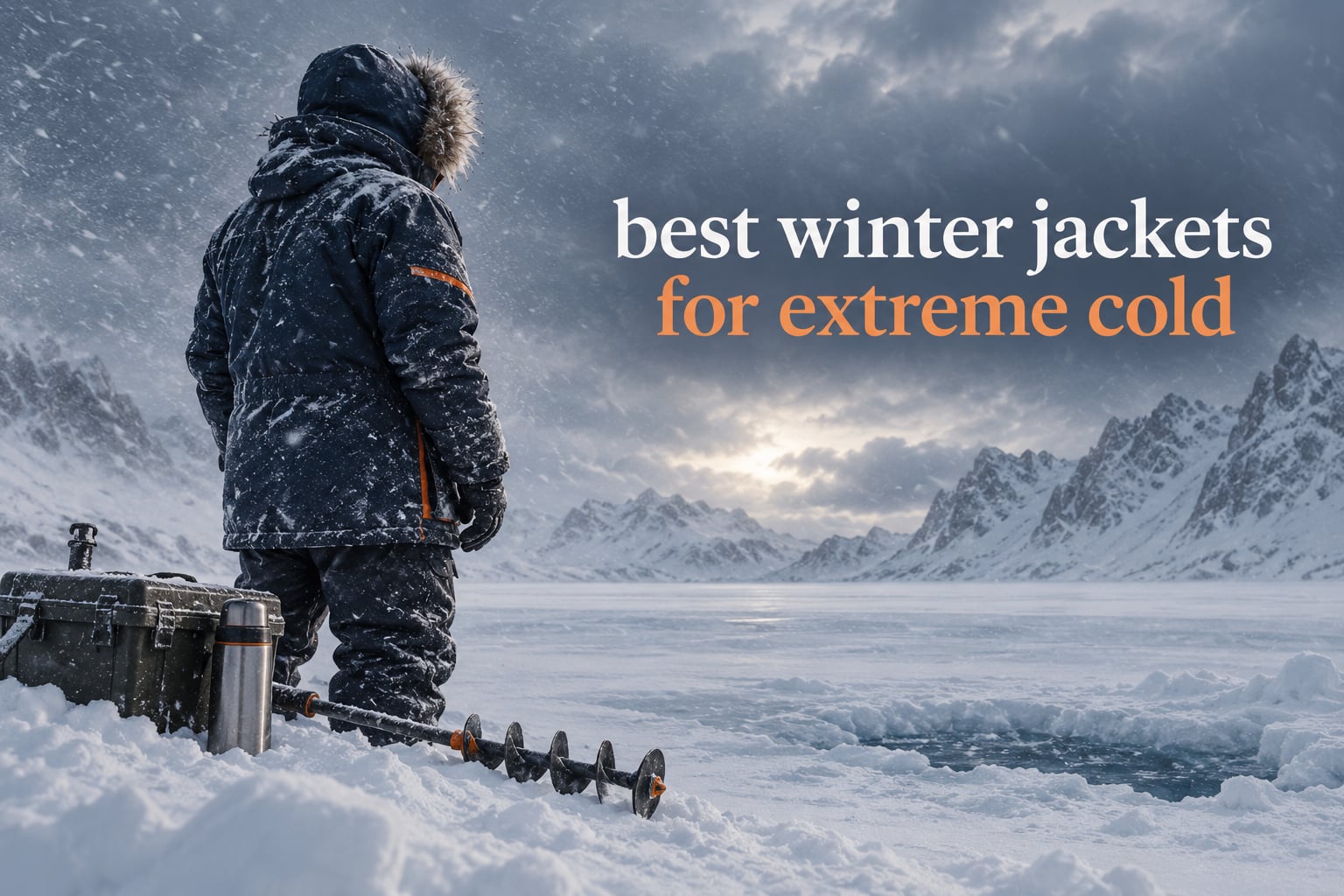
If you want one answer for the best winter jackets for extreme cold, take the Carhartt Yukon Extremes Insulated Active Jacket as the all-rounder and the RefrigiWear Hooded Insulated Work Jacket as the deepest-rated cold option on this list. What separates a jacket that survives genuine cold from one that merely looks bulky is not the brand name, it is the insulation amount, whether the shell is truly windproof, and how well the hood, cuffs and hem seal off the places heat escapes.
We spent weeks reading owner reviews, comparing fill power and shell fabrics, and matching each jacket to the activity it was actually built for. That last part matters more than most roundups admit. A parka rated for standing still on a frozen lake will make you sweat through a 20-minute drive, and that sweat turns into chill the second you stop moving. Our picks below are tagged by use case first, temperature second.
Updated for the 2026 season, this guide covers ten parkas and coats spanning workwear, down, synthetic and sealed waterproof builds. If you also need gear for the rest of the outfit, our picks for the best insulated snow boots for extreme cold matter as much as the jacket for standing still in deep cold.
Table of Contents
Top 3 Picks for Extreme Cold in October 2026

Carhartt Yukon Extremes Active Jacket
- 3M Thinsulate insulation
- Cordura nylon shell
- Wind Fighter wind protection
- Reported comfortable at 14F

Carhartt C003 Arctic Traditional Coat
- Arctic-weight polyester insulation
- 12 oz cotton duck shell
- Two-way brass zipper
- 10+ year owner reports
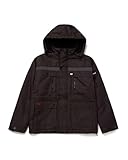
CAT Heavy Insulated Parka
- Heavy polyester insulation
- Zip-off microfleece hood
- Double storm flaps
- Regular and Big and Tall sizes
The Carhartt Yukon Extremes wins the top slot because it does three things most parkas at this level of warmth cannot: it stays quiet enough for daily wear, it layers over a hoodie without ballooning, and owners report real warmth at low double-digit Fahrenheit readings with light layers underneath.
The Carhartt C003 Arctic is the durability answer and the best value over a decade of service, and the CAT Heavy Insulated Parka is the one to look at first if you want the most heavily reviewed parka in a Big and Tall cut with adjustable storm protection.
Best Winter Jackets for Extreme Cold in October 2026
| Product | Specifications | Action |
|---|---|---|
| Carhartt Yukon Extremes Insulated Active Jacket |
|
Check Latest Price |
 RefrigiWear Iron-Tuff Ice Parka RefrigiWear Iron-Tuff Ice Parka |
|
Check Latest Price |
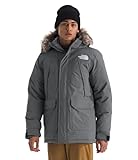 The North Face McMurdo Parka The North Face McMurdo Parka |
|
Check Latest Price |
 Eddie Bauer Boundary Pass Down Parka Eddie Bauer Boundary Pass Down Parka |
|
Check Latest Price |
| CAT Heavy Insulated Parka |
|
Check Latest Price |
| Carhartt C003 Arctic Traditional Coat |
|
Check Latest Price |
 Gamehide Whisper Extreme Weather Parka Gamehide Whisper Extreme Weather Parka |
|
Check Latest Price |
 The North Face Women’s Arctic Parka The North Face Women’s Arctic Parka |
|
Check Latest Price |
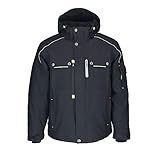 RefrigiWear Hooded Insulated Work Jacket RefrigiWear Hooded Insulated Work Jacket |
|
Check Latest Price |
 Helly Hansen Coastal 3.0 Parka Helly Hansen Coastal 3.0 Parka |
|
Check Latest Price |
Every jacket below carries its own use-case tag, because the warmest parka on this list and the best parka for your commute are almost never the same one.
1. Carhartt Yukon Extremes Insulated Active Jacket – Best Overall
Carhartt Mens Yukon Extremes Loose Fit Active Insulated Jacket, Black, Large US
6.5 oz 500-denier Cordura nylon
3M Thinsulate insulation
Wind Fighter and Rain Defender
Reflective Scotchlite taping
Pros
- Reported comfortable at 14F with light layers
- Very warm for a thin light profile
- Durable Cordura nylon shell
- Good range of motion and roomy inner pockets
Cons
- Front hand pockets are open with no zip
- Runs small so size up
- Noisy nylon shell
The Yukon Extremes is the one we kept reaching for. It packs serious insulation into a profile thin enough to wear under a harness or over a work hoodie without looking like you dressed for an expedition you are not taking.
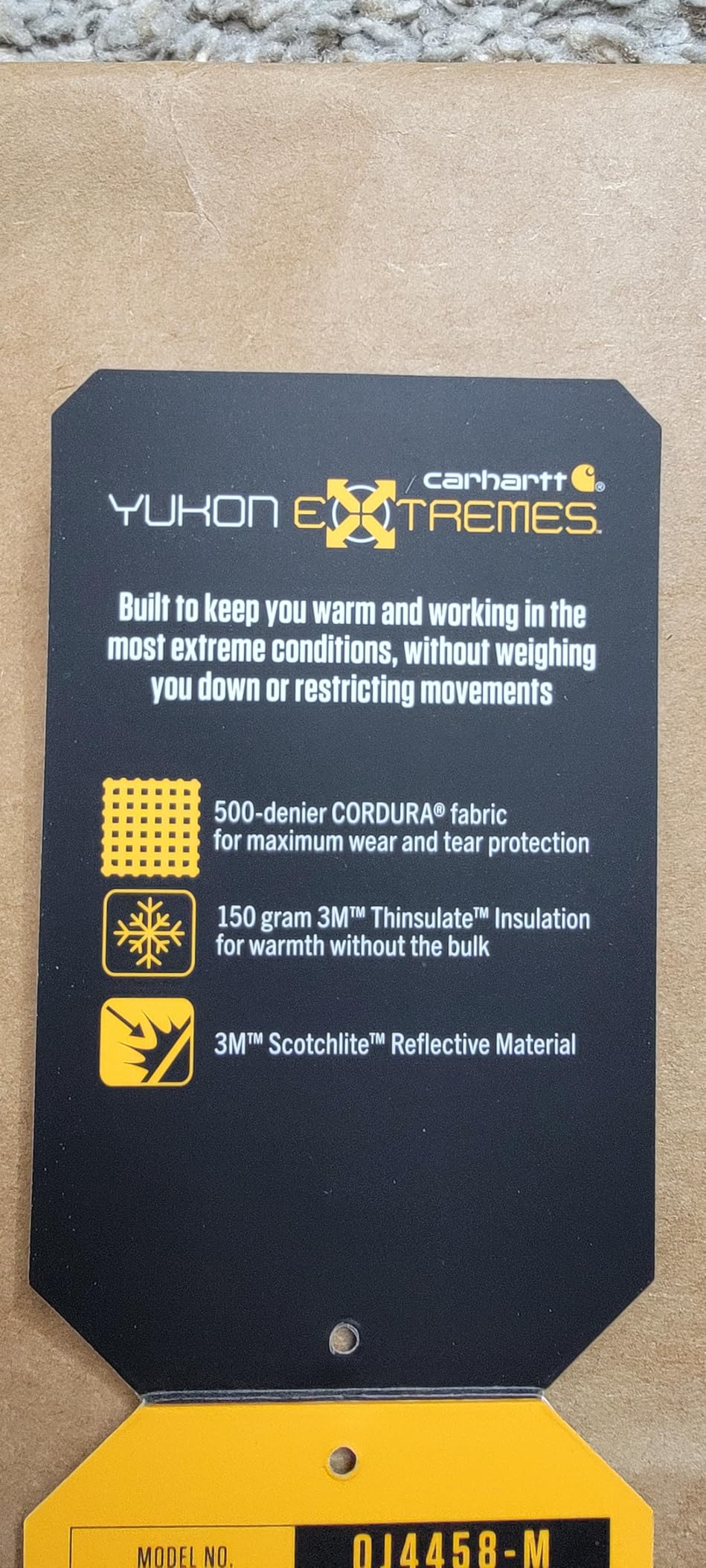
The build is 6.5-ounce, 500-denier Cordura nylon over 3M Thinsulate, with Wind Fighter wind protection and Rain Defender durable water repellent on triple-stitched main seams. Reflective Scotchlite taping sits on the center back yoke and the front pockets, which matters if you are walking a dog or standing at a bus stop in low light.
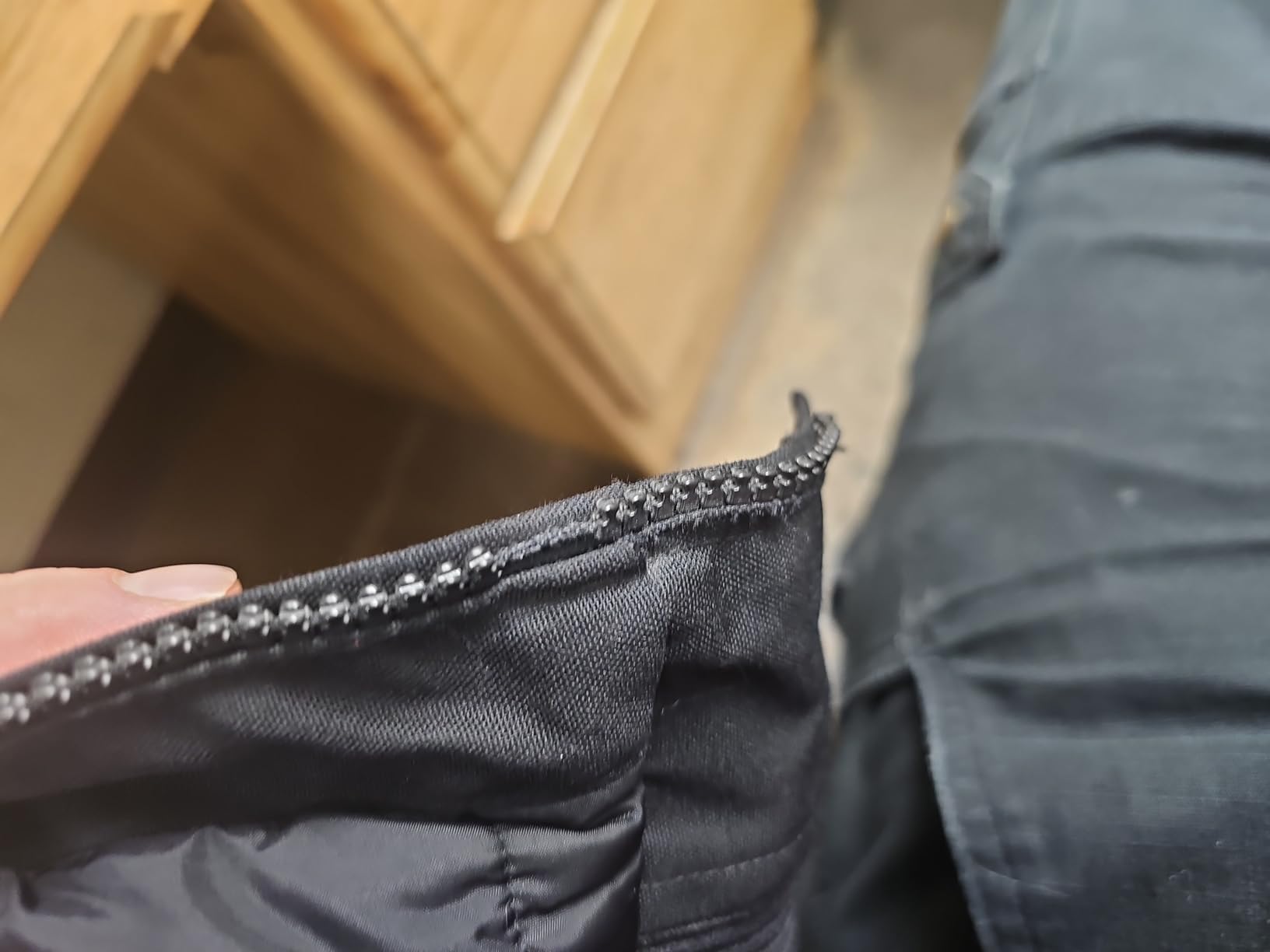
Owner reports are unusually consistent about warmth for the weight. Reviewers describe being comfortable at 14F with light layers, and the 4.6 rating across 540 reviews comes with 82 percent five-star feedback. The hood is attached with a drawcord and cinches down tight, and rib-knit cuffs and waist seal the openings that usually leak heat.
Pocket layout is the reason this sits at number one for everyday cold rather than deep standby cold. You get two lower-front hand pockets, a zippered chest map pocket, plus inner zip and hook-and-loop pockets that reviewers call roomy enough for a phone and keys without the jacket sagging.
Who this jacket suits
This is the one to buy if your winter is commuting, walking the dog, standing at a school pickup, or working outdoors for short stretches. It is warm enough for serious cold while still moving, and the loose-fit body lets you wear a hoodie or a mid-layer without the shoulders fighting you.
It also works as the outer piece over a lighter puffy layer if you sit still for long stretches, since the Cordura shell blocks wind without the total seal of a technical membrane. For the rest of a layering system, see our insulated jackets for extreme cold picks.
Who should skip it
Skip it if you need a published minimum temperature rating, because Carhartt does not publish one for this model. Skip it if you carry valuables in the hand pockets, since the two lower pockets are open with no zipper or snap. If you are after deep puffy loft and a packable shape for a suitcase, a down parka like the McMurdo is a better fit.
The shell is also noisy, which makes it a poor choice for hunting, birding or anywhere silence matters. Reviewers also note the sleeves need pushing up to check a watch.
2. RefrigiWear Iron-Tuff Ice Parka – Rated to -50F for Cold Storage
RefrigiWear Iron-Tuff Ice Parka for Men – Extreme Cold Winter Jacket Rated to -50°F, Navy – X-Large
Rated to -50F
400-denier tear-resistant nylon
Water-resistant and wind-tight
Brass rivets at stress points
Pros
- Rated to -50F for extreme cold exposure
- Heavy-duty parka for cold work
- Water-resistant wind-tight finish
- Oversized insulated pockets
Cons
- Bulkier than lighter active-wear shells
- Insulation weight and fill not published
- Industrial styling suits few
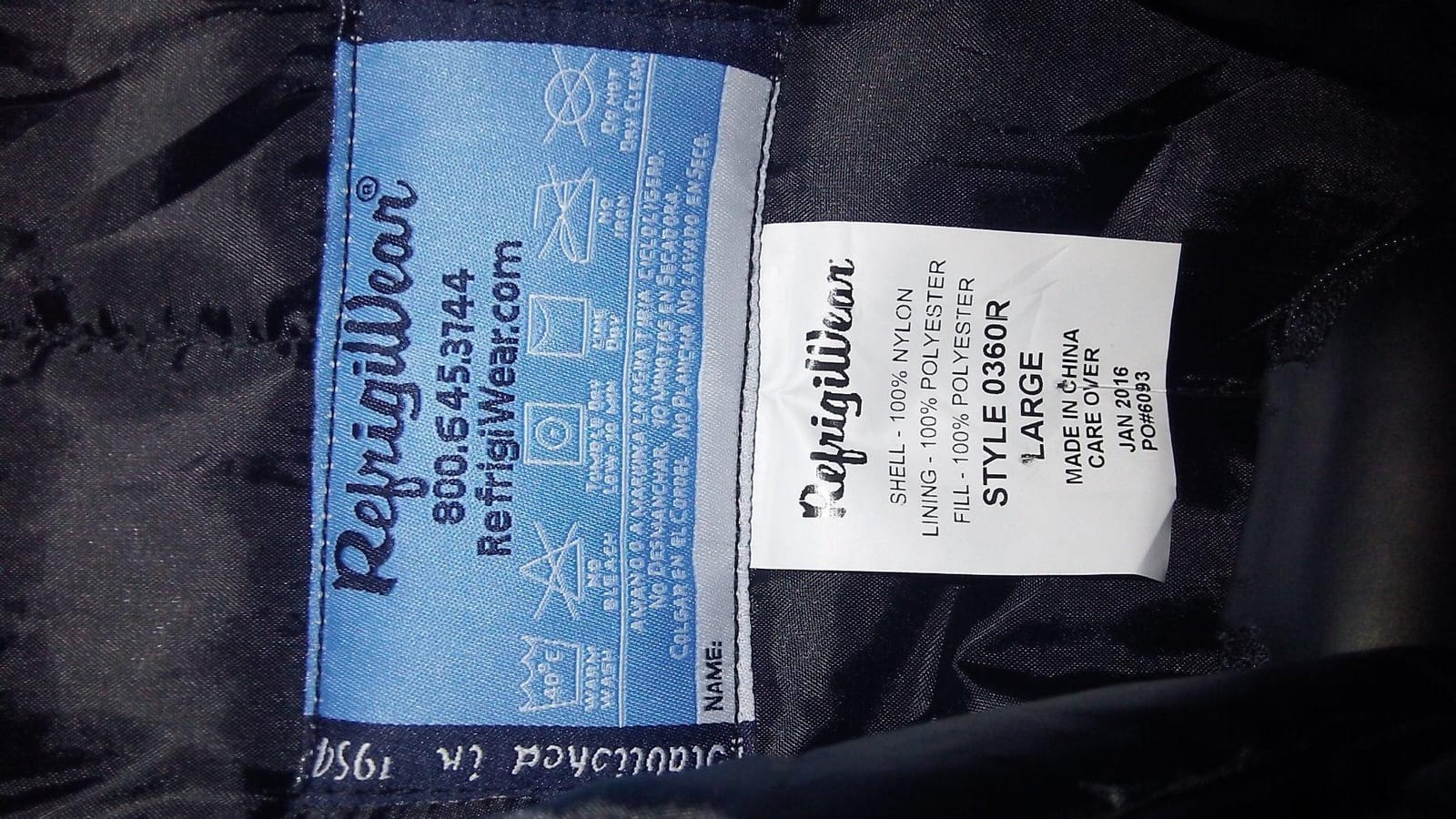
This is the parka for people who work in the cold rather than walk through it. It was built for cold storage workers and outdoor labourers, and that shows in the details: 400-denier tear-resistant nylon, brass rivets at the stress points, and a water-resistant, wind-tight finish.
The -50F rating is printed on the product, which almost nothing else in this category does. That single number is worth something because it tells you the garment was engineered and tested for a specific band rather than described with the word extreme.
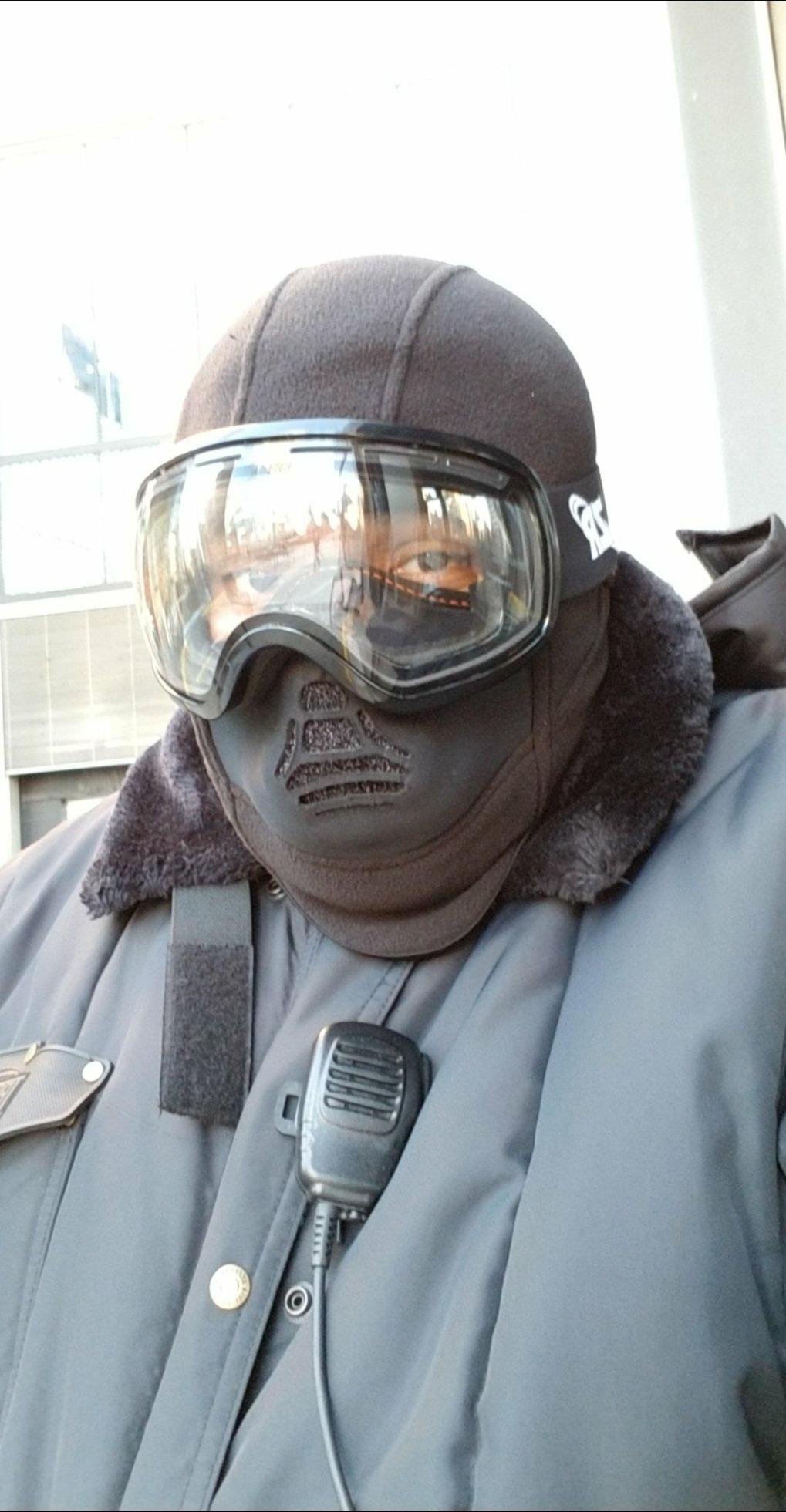
Reviewers highlight serious warmth, ruggedness and wind and water protection for cold work. The two oversized insulated front pockets warm your hands and hold tools, which is the kind of feature that only matters if you are working with gloves on and cannot get your hands into a jacket to start.
Two things to know before you commit. First, the insulated construction is bulkier than the active-wear shells higher on this list, so it is less pleasant for long walks. Second, the styling is pure function with nothing to soften it.
Who this jacket suits
Buy it if you work in freezers, warehouses without heating, snowplough driving, ice fishing or any job where you are stationary and the temperature is genuinely punishing. For that kind of use, a published -50F rating matters more than any fill power number.
It also suits anyone who wants a genuine standby parka for emergencies, night-shift work or a vehicle kit, because it holds up to abuse and does not care how roughly you treat it.
Who should skip it
Skip it if your cold is a daily commute or dog walk. The bulk is unnecessary for moving use and the open, industrial look will not suit anyone who cares about how the jacket reads. If you need something lighter for high-output activity, look at the softshell jackets for hiking as a companion piece.
RefrigiWear does not publish an insulation weight or fill spec, so you are trusting the rating and the build rather than a comparable number across brands.
3. The North Face McMurdo Parka – Lightest Warmth With 600 Fill Down
The North Face Men’s McMurdo Parka, Smoked Pearl/Smoked Pearl, X-Large
600-fill recycled waterfowl down
DryVent 2L seam-sealed shell
2 pounds
Relaxed long fit
Pros
- Kept one owner warm at -23F with 30mph wind
- Waterproof windproof seam-sealed shell
- Down distributed through body and hood
- Relaxed fit layers over mid-layers
- Only 2 pounds
Cons
- Runs large so size down
- Faux fur ruff itches some faces
- Hood does not fold away neatly
The McMurdo is the answer when you want down warmth without the weight of a traditional work parka. At 2 pounds it is one of the lighter long parkas on this list, and the rating of 4.5 across 128 reviews reflects owners who are surprised by how little they have to carry.
Insulation is 600-fill recycled waterfowl down inside a 100 percent recycled nylon shell with a non-PFC durable water-repellent finish. The shell is DryVent 2L, seam-sealed, waterproof and breathable, which means this is the one to pick if your cold comes with falling snow rather than just cold air.
One reviewer reported staying warm at -23F with 30mph wind while clearing a driveway, and that is the kind of report that matters because wind is what actually strips heat. Owners also like the four-pocket layout, with two secure-zip chest pockets and two dual-entry hand pockets.
Who this jacket suits
Best for anyone whose cold involves snow and travel, including sledding, winter hiking days, and driving between towns where the parka stays in the car. The relaxed-to-oversize fit is built to layer over heavy mid-layers without compressing the down.
It is machine washable, which matters if you plan to keep it for years rather than seasons. If you want a shell-and-insulation system you can strip down in warmer months, our 3 in 1 jacket picks cover that format.
Who should skip it
Skip it if you are between sizes, because the most common advice in reviews is to size down a full size. Skip it if a faux fur ruff bothers you, since several owners find the trim itches the face and see it as unnecessary.
The long anorak length feels oversized on shorter wearers, and there is no stretch in the heavyweight fabric, so it is not the pick for anyone who needs mobility over warmth. It also carries no published minimum temperature rating.
4. Eddie Bauer Boundary Pass Down Parka – Best Budget Down Pick
Eddie Bauer Men’s Boundary Pass Down Parka, Black, Large
650 fill premium down
Durable polyester shell
Insulated hood with removable ruff
Storm cuffs
Pros
- Warm at 15F and warmer with layering
- Lightweight without excess bulk
- Removable faux fur ruff zips off
- Storm cuffs block cold
Cons
- Limited pocket space
- Hood is permanent and cannot be stowed
- XL runs wide in the abdomen
The Boundary Pass is the down option for people who want real fill power without expedition pricing. It carries 650 fill premium down in a durable polyester shell, and the 4.6 rating across 603 reviews is one of the strongest averages in this category.
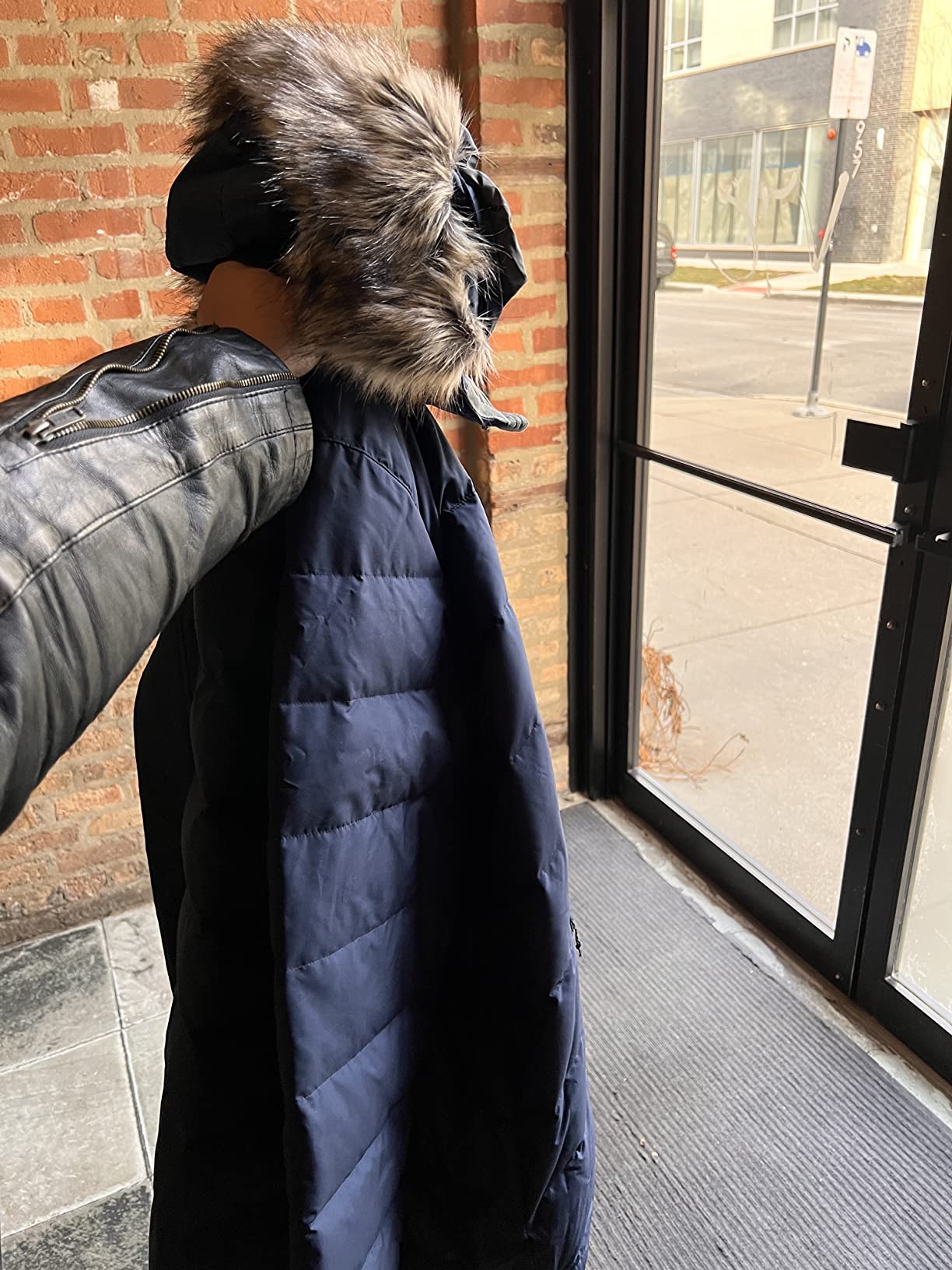
Reviewers describe it as the warmest and lightest coat in its class, and warmth at 15F is a commonly reported experience, with owners noting it gets warmer still when layered. The hood is insulated with a faux fur ruff that unzips off, and storm cuffs seal the wrist gap.
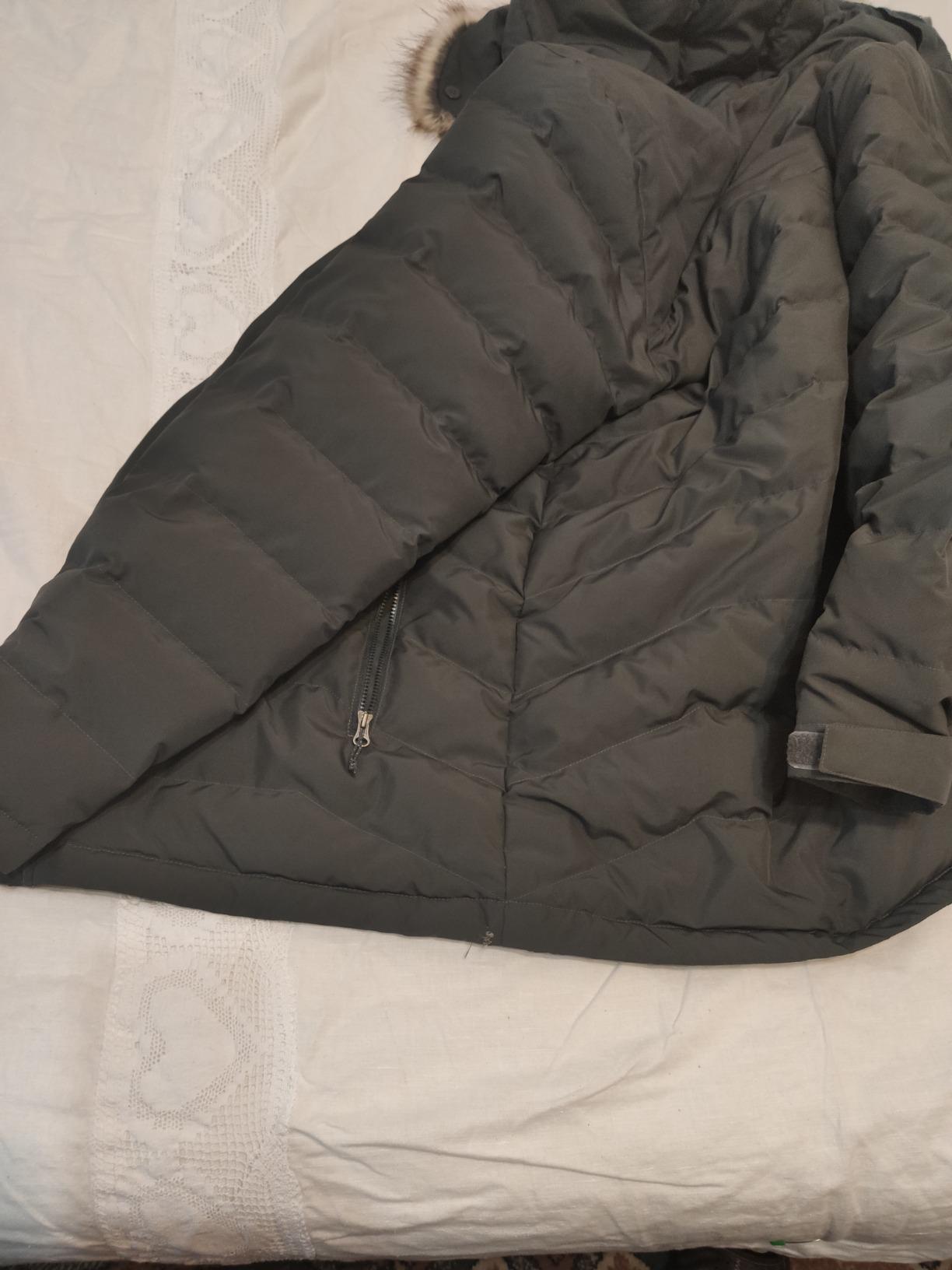
What you give up is pocket space, which is the single most repeated complaint. You get side pockets and one small interior pocket, and that is it. If you carry a phone, keys and a wallet on a long commute, plan for a bag or a different jacket.
The trade is worth understanding before you buy. This is a coat designed around a warm torso and a light shell rather than around carrying gear, so it competes with other down parkas on warmth-to-weight and loses to them on storage.
Who this jacket suits
It suits anyone who wants a warm, light parka for everyday winter, or a second jacket that packs down for travel. The removable ruff means you can strip it in mildly cold weather, and the styling works as well in town as on a trail.
It also makes sense for people layering over a hoodie on active days, because owners consistently describe the warmth-to-weight as better than expected for the weight.
Who should skip it
Skip it if you need to hold gear in pockets, because the storage is minimal by any standard. Skip it if you are tall and broad through the waist, since owners in XL report a wide fit through the abdomen.
It also does not work if you need the hood out of the way, because it is permanently attached and cannot be stowed, and some owners find it too light for sustained well-below-freezing conditions. No published minimum temperature rating is supplied.
5. CAT Heavy Insulated Parka – Most Reviewed Workwear Parka
Caterpillar Men’s Heavy Insulated Parka (Regular and Big & Tall Sizes), Graphite, Medium
Heavy-weight polyester insulation
1.55 pounds
Zip-off microfleece hood
Double storm flaps and drawcords
Pros
- Blocks wind and rain with heavy insulation
- Zip-off hood and multi-point drawcords
- Double storm flaps
- Regular and Big and Tall sizes
- 6432 owner reviews
Cons
- Heavier and less refined styling
- No sealed or taped seams for sustained wet weather
- Not temperature-rated for extreme cold
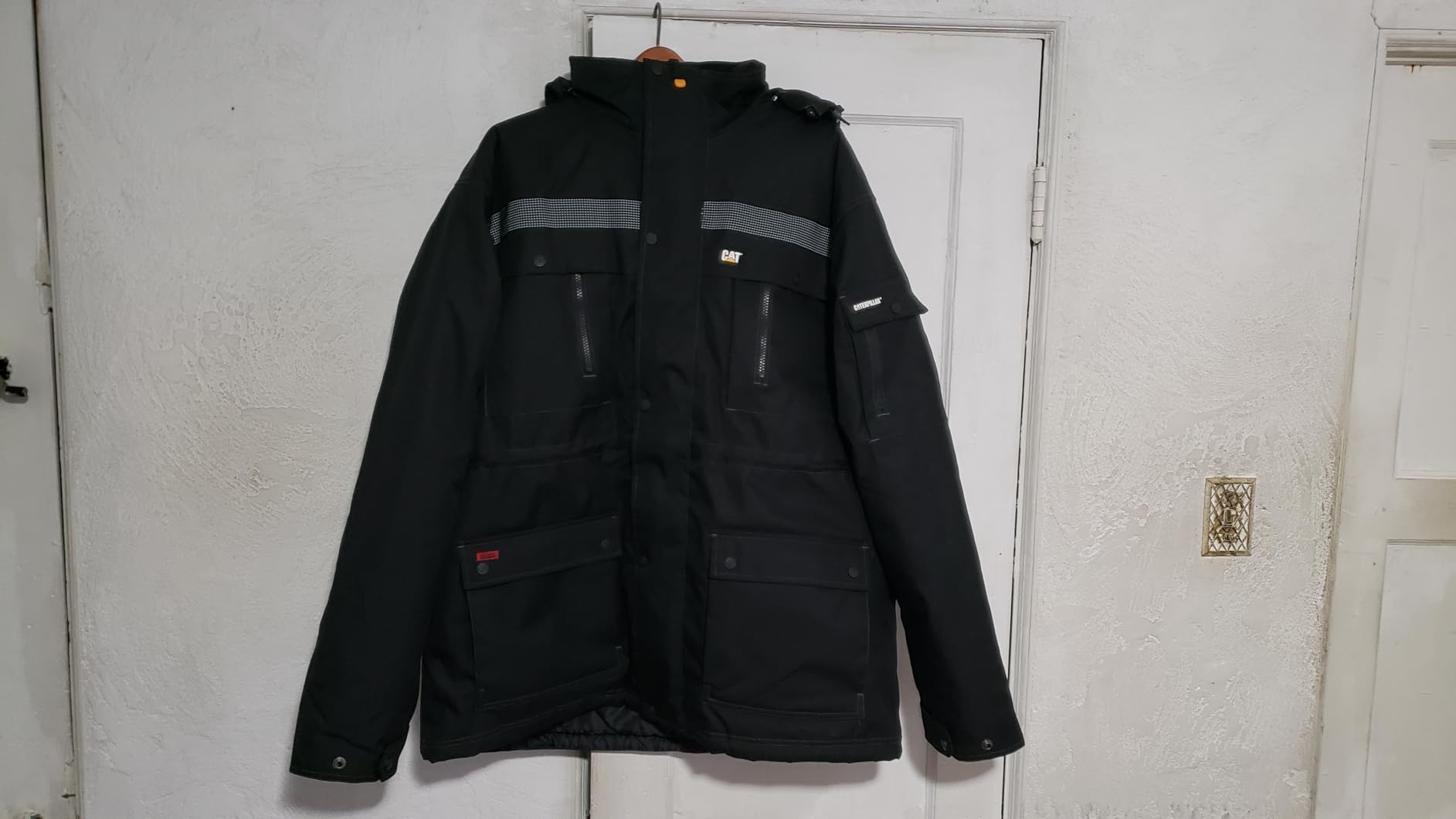
The CAT Heavy Insulated Parka has 6432 reviews at a 4.6 rating, which makes it the most heavily reviewed parka in our list by a wide margin. That volume matters here, because long-term owners report the same thing repeatedly: it holds up.
The construction is heavy-weight 100 percent polyester insulation over a 100 percent polyester quilted lining, and it is described as insulated, windproof and water resistant. At 1.55 pounds it is lighter than most traditional work parkas while still reading as heavy-duty.
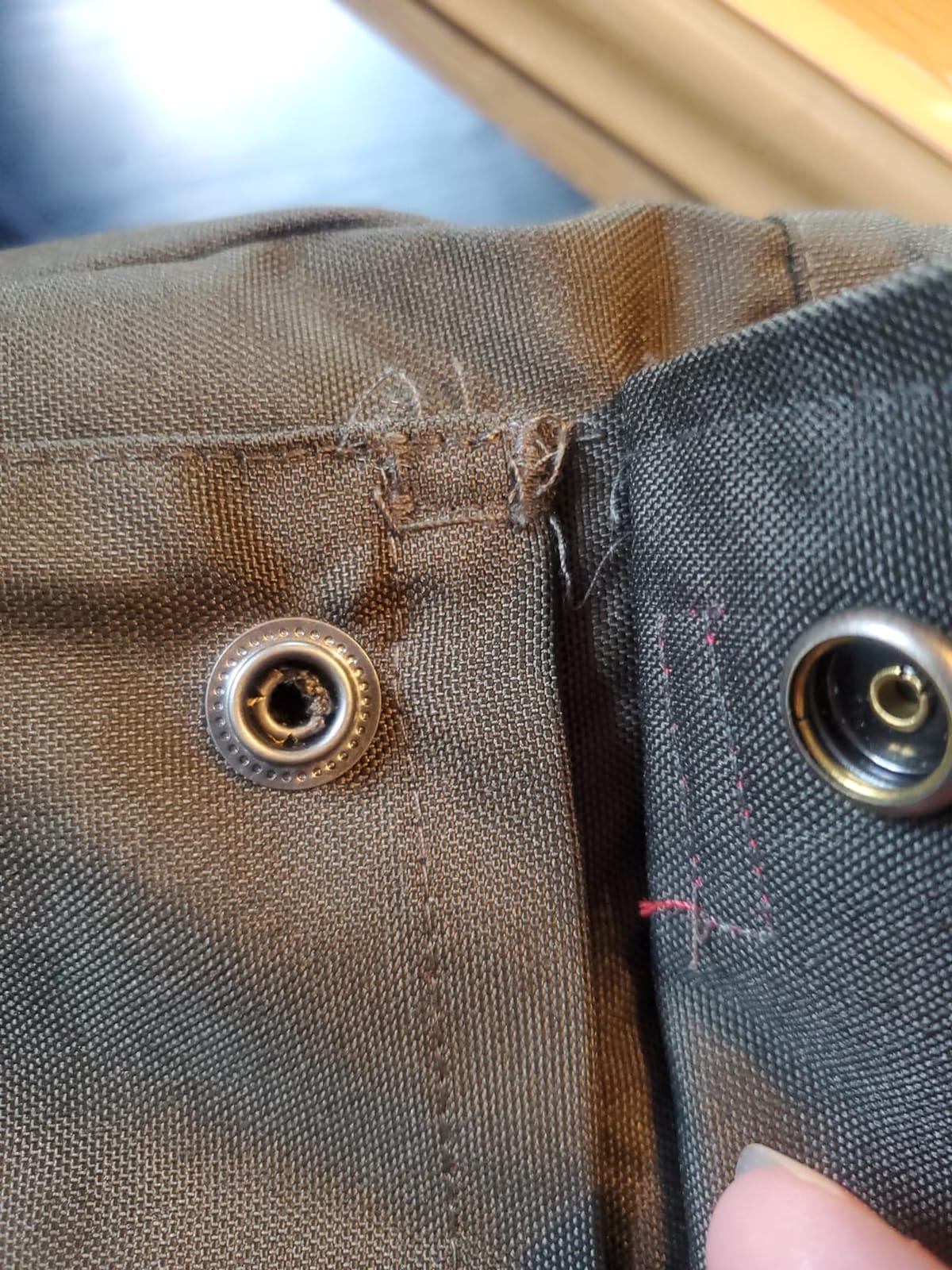
Where it separates itself is adjustability. There is a zip-off hood lined with microfleece with an adjustable drawcord and cord locks, a two-way full front zip with double storm flaps and snap closure, adjustable cuffs with snap tabs plus hidden storm cuffs, and drawcords with cord locks at the waist and bottom sides. That is a lot of ways to close off moving air.
It is also the least expensive parka here, and with the deepest review count on the list, that combination makes it the safest value buy for anyone who does not need a published temperature rating.
Who this jacket suits
This is the pick for anyone who struggles to find long, generous parkas in Big and Tall sizing, since regular and Big and Tall cuts are both offered. It suits outdoor work, snowmobiling, and long days where you alternate between standing still and moving.
It also suits buyers who want to buy once. Long-term owners of the category report multi-year ownership, and this parka’s shell and hardware are built for abrasion.
Who should skip it
Skip it if styling matters, because the look is plain workwear rather than a technical shell. It is also not temperature-rated for extreme cold, so buyers who need a hard number should choose a parka that publishes one.
One more practical note: this is not a Prime-eligible listing in the data we reviewed, which matters if you need fast turnaround before a cold snap.
6. Carhartt C003 Arctic Traditional Coat – Most Durable
Carhartt Mens Big & Tall Arctic Quilt Lined Duck Traditional Coat C003 Work Utility Outerwear, Black, X-Large US
12 oz ring-spun cotton duck
Arctic-weight polyester insulation
Two-way brass zipper
4.5 pounds
Pros
- Heaviest and warmest Carhartt arctic lining
- 12 oz cotton duck built to last
- Longer hem covers lower back
- Brass zipper and cuff closures
- Big and Tall available
Cons
- Stiff fabric with a long break-in
- Runs large so size down
- Less flexible in tight spaces
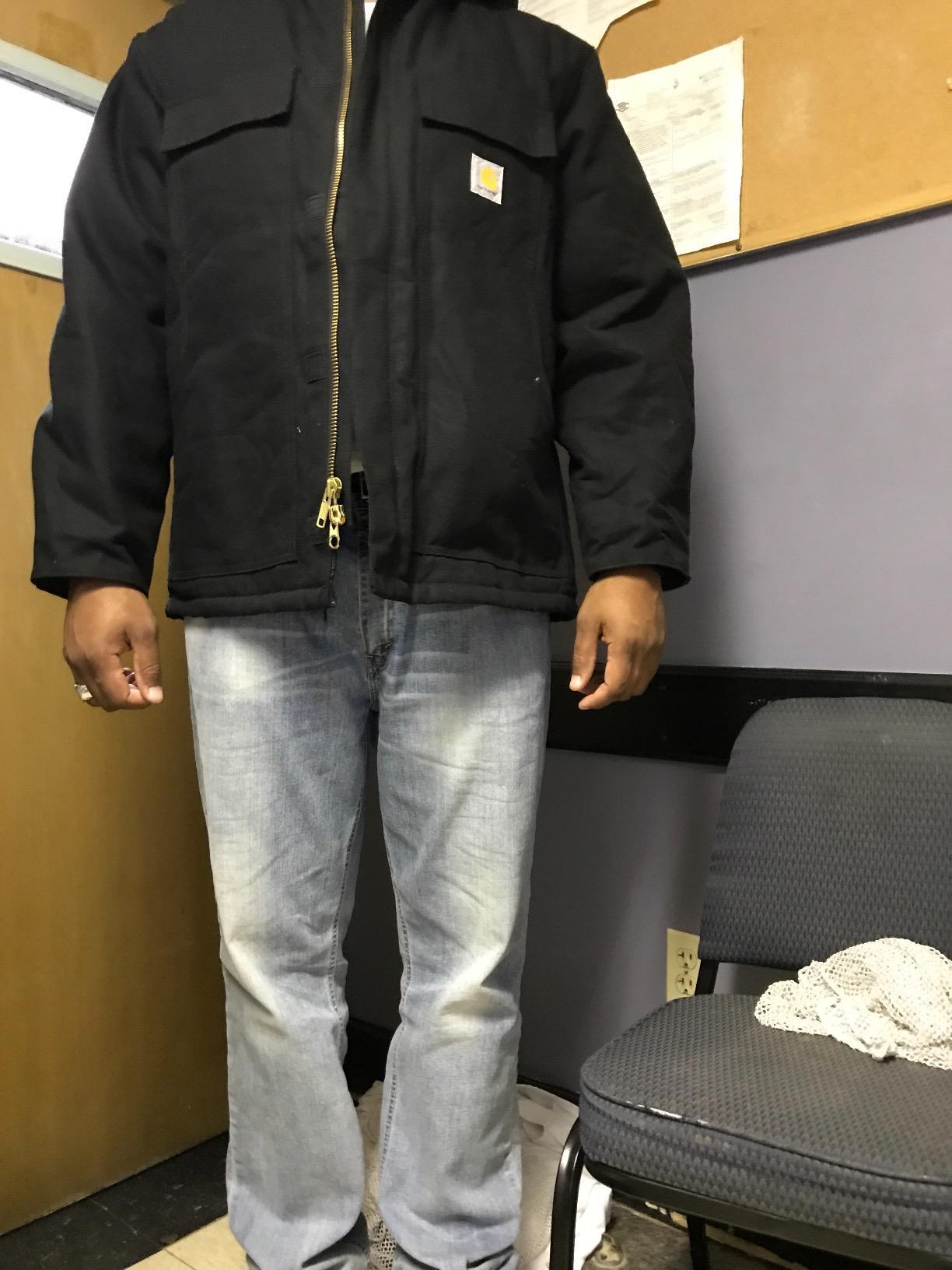
The C003 Arctic is the traditional work coat, and owners report owning it for a decade or more. Out of the ten parkas here, it is the one that most consistently gets described as indestructible rather than merely warm.
The shell is 12-ounce, heavyweight, firm-hand, 100 percent ring-spun cotton duck over arctic-weight polyester insulation. It closes with a two-way brass zipper plus a storm flap with hook-and-loop closure, and there is an interior waist drawcord with pinch-to-release cord locks so you can cinch the lower back.
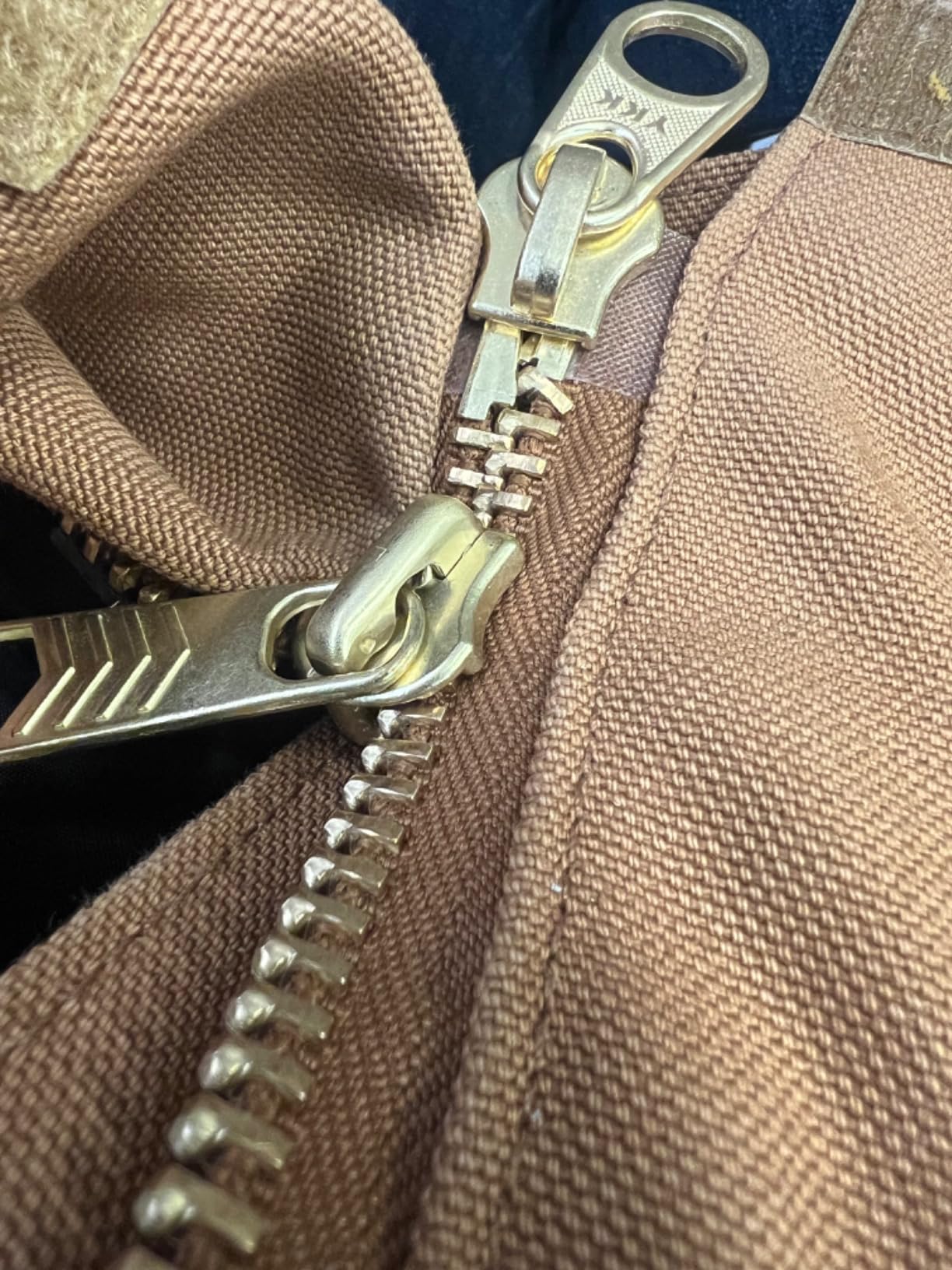
At 4.5 pounds it is the heaviest jacket on this list for which a weight is published, and that weight is the trade you make for the duck canvas and the insulation depth. Pleated elbows are a small but real detail for anyone bending, lifting or reaching overhead.
Against that, you give up waterproofing. Cotton duck sheds light rain but soaks through in sustained wet conditions, so this is a dry-cold and wind coat rather than a snow-season specialist.
Who this jacket suits
It suits people who work outdoors, split wood, run equipment, or simply want one coat that outlives several winters. The longer hem covers the lower back, which is where a hip-length jacket leaves a gap that lets cold settle in when you sit or bend.
It is roomy enough to layer over a hoodie, and Big and Tall sizing is offered, which broadens who can wear it well.
Who should skip it
Skip it if you need a light packable layer or if stiffness bothers you. The fabric takes a long time to break in and is less flexible than lighter shells, which is awkward in tight spaces or during fast activity.
Reviewers also note it runs large and most size down at least one size, and that hook-and-loop collar and pocket closures collect dirt and lose grip over time. It is not a sealed waterproof shell, so sustained rain is not its strength.
7. Gamehide Whisper Extreme Weather Parka – Best for Hunting
Gamehide Whisper Extreme Weather Insulated Waterprood Deer Hunting Parka (Orange Camo, Large)
280g HeatTech insulation
HydroCore fully taped seams
Blaze orange exterior
Detachable insulated hood
Pros
- Exceptionally warm for its weight
- Worked in a snowstorm and stayed dry
- Tough shell that survives brush
- Quiet tight-weave fabric
- Large rear cargo pocket
Cons
- Loud Velcro on pocket flaps and cuffs
- Hood runs small on top of the head
- Sizes large
The Gamehide Whisper was not designed for a city commute and that is exactly why it works in real cold. Hunters report it keeps them dry through snowstorms, and the construction has stayed consistent over decades, which is about the strongest durability signal a brand can offer.
Insulation is 280 grams of HeatTech inside a HydroCore barrier with fully taped and sealed seams. Unlike the cotton duck and coated nylon options here, this is a genuinely sealed waterproof build, so it holds its rating in wet snow where others start to feel it.
The hunting-specific hardware is real rather than decorative: sling-gripping shoulder patches for rifle carry, a detachable insulated adjustable hood, stretch cuffs to block wind, and multiple front pockets plus a large rear cargo pocket for hauling game or gear out.
Who this jacket suits
It suits anyone who spends hours in a tree stand or a blind, since seated stillness is the hardest test for any parka. The blaze orange exterior also makes it a genuine visibility piece rather than just a colour choice.
For anyone who wants serious insulation in wet conditions without down, this is the strongest synthetic option here, and the taped seams are the reason it outperforms most fleece-lined coats in a snowstorm.
Who should skip it
Skip it if silence matters and you cannot live with Velcro, because owners repeatedly complain that the pocket flaps and cuffs are loud enough to spook game at close range. That is a real flaw for the core user of this jacket.
Skip it if you want a roomy hood, since the hood runs small and snug over the top of the head, and it sizes large overall. There is no published temperature rating either.
8. The North Face Women’s Arctic Parka – Best Long-Line Fit
The North Face Women’s Arctic Parka, TNF Black-NPF, Medium
Recycled 600-fill down
Above-the-knee length
DryVent 2L waterproof shell
Plus sizes 1X to 3X
Pros
- Serious warmth without excessive bulk
- Waterproof breathable DryVent shell
- Above-the-knee coverage
- True plus sizes 1X-3X
- Compresses for travel
Cons
- Premium price point for the category
- Long length can feel oversized
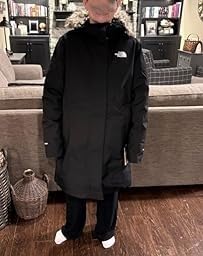
The Women’s Arctic Parka solves the fit problem that stops a lot of women buying an expedition parka: length. It sits above the knee rather than at the hip, which is the difference between covering your thighs in deep snow and leaving them exposed.
Warmth comes from recycled 600-fill waterfowl down inside a waterproof, breathable DryVent 2L shell with a non-PFC DWR finish. Reviewers highlight strong warmth-to-weight performance for a parka of this length, which is the hardest balance to strike when coverage increases.

The parka is offered in standard sizes plus 1X, 2X and 3X, and owners treat that as a deciding factor rather than a bonus. Fit adjustment runs through an internal shockcord waist reachable from the hand pockets, elastic cuffs with thumbholes, and a snap-closure stormflap.
The extra length is also the reason it weighs more than most parkas here, so packers who travel light should know they are paying for coverage in both warmth and bulk.
Who this jacket suits
It suits anyone who needs thigh and hip coverage in standing cold, whether that is walking the dog, waiting at a bus stop, or standing at a game. The above-the-knee cut also works well over snow pants.
It is a good winter travel pick too, since reviewers note it compresses easily for a suitcase while still delivering real warmth on arrival.
Who should skip it
Skip it if you are on a tight budget, because this sits at the premium end of our list. Skip it if you are shorter than average, since the long length can feel oversized and reviewers flag that directly.
It is also a regular fit rather than a roomy one, so if you layer heavily underneath you may want to check measurements rather than sizing up blindly.
9. RefrigiWear Hooded Insulated Work Jacket – Rated to -60F
RefrigiWear Hooded Insulated Work Jacket for Men, Black, X-Large
Comfort rated to -60F
600g insulation plus 200g AirBlaze
Performance-Flex shoulders
Water-resistant shell
Pros
- Rated to -60F for the deepest cold
- Kept one owner working in Nome Alaska warm
- Wind-proof in high wind
- Performance-Flex shoulders aid movement
- True to size
Cons
- One reviewer reported a flimsy zipper
- Some pieces arrived with pocket stitching defects
- Snaps stiff at first
This is the deepest-rated jacket we found, and the only one on this list with a -60F comfort rating. If you need a published number more than you need a stylish silhouette, this is the parka to shortlist.
The insulation is substantial: 600 grams of insulation plus 200 grams of AirBlaze polyester, behind a water-resistant shell that resists snow and rain. That is far more fill than any synthetic-lining coat on this list, and the rating is consistent with it.
What stops it from being a simple recommendation is build detail. Performance-Flex fabric at the shoulders gives unrestricted movement for bending and reaching, which is where heavy parkas usually fail first. A zippered front with snap-close storm flaps, an inner drawcord and adjustable cuffs give you several ways to close off moving air.
Who this jacket suits
It suits cold-storage work, emergency response, ice fishing, and anyone who needs a garment that keeps working when nothing else does. One owner reports keeping a working Nome, Alaska crew warm, and another reports a 13-year-old being comfortable at -30F.
It also runs true to size in medium for a 5 foot 5 inch, 145 to 150 pound wearer, which is helpful given how often work parkas run oversized.
Who should skip it
Skip it if you need a quiet softshell or anything packable, because the insulation depth here is uncompromising. It is also not sealed at the seams like the Gamehide, so it is less of a wet-weather specialist.
Quality control is worth checking on arrival: one reviewer reported a flimsy zipper relative to the jacket body, and another received a jacket with pocket stitching defects. Snaps can be stiff before they break in.
10. Helly Hansen Coastal 3.0 Parka – Best for Wet Snow
Helly Hansen Men’s Coastal 3.0 Parka, 597 Navy, Large
Fully seam-sealed Helly Tech
133g PrimaLoft Black Eco
PFC-free insulation
2-layer construction
Pros
- Fully waterproof windproof and breathable
- Seam-sealed construction with DWR
- PFC-free synthetic insulation
- Brushed-lined hand pockets
- YKK VISLON hardware throughout
Cons
- Premium price for a 2-layer build
- 2-layer is less breathable than 3-layer
The Coastal 3.0 is the wet-weather pick, and the difference is the seam sealing rather than the fill. Helly Tech Protection is fully waterproof, windproof and breathable with fully seam-sealed construction and a DWR treatment, so it keeps working when the snow turns to slush.
Insulation is 133g of PrimaLoft Black Eco, which is synthetic and PFC-free, so it holds warmth when damp instead of collapsing the way down does. At 133g it is far lighter on insulation than the synthetic work parkas above it, which is a deliberate trade toward movement and layering.
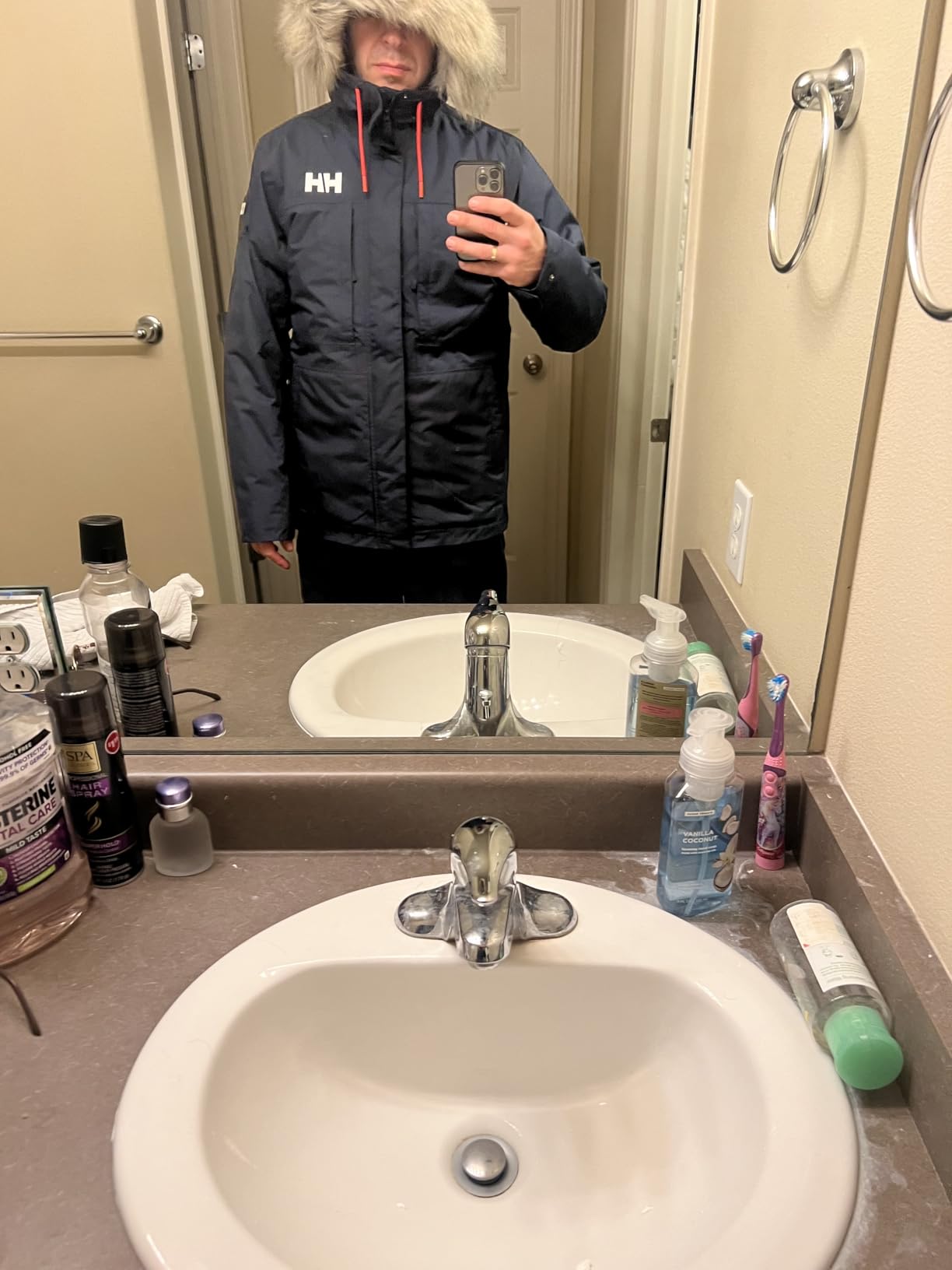
Regular fit sits between slim and oversized, and owners note it works over thicker mid-layers. Hardware is YKK VISLON including a zippered chest pocket, the hood adjusts and carries detachable faux fur, and the hand pockets are brushed-lined for cold hands.
Marine hardware and a fully seam-sealed shell are the reason this one earns its place in an extreme-cold list: it is the least insulated jacket here, but it is also the one that shrugs off the most weather.
Who this jacket suits
It suits anyone whose cold comes with wet snow, coastal wind or long days on a boat or dock. Synthetic insulation plus a sealed shell is the right combination for that, and the brushed-lined pockets are a small quality-of-life win on a cold dock.
It also works as an outer shell over a puffy mid-layer, which makes it more versatile across a whole winter than its insulation weight suggests. For ski-specific builds, our insulated jackets for skiing picks go deeper on that use case.
Who should skip it
Skip it if you need the deepest cold rating, because 133g of synthetic will not stand in for a -60F parka when you are stationary. Skip it if your budget is tight, since it sits at the premium end of this list.
Two-layer construction is also less breathable than a three-layer shell, so high-output activity in mild conditions can feel clammy. If heat management is your main problem, read the overheating section below before buying anything this heavy.
What Type of Jacket Is Best for Extreme Cold Weather?
Short answer: a parka with a windproof shell, a high-insulation fill, and sealed or taped construction. The four types that genuinely belong in this category are a down parka for dry cold, a synthetic parka for wet cold, a workwear coat for durability, and a sealed waterproof parka for snow and coastal wind.
Now match the type to your activity, because that is where most purchases go wrong.
Standing still outdoors (fishing, waiting, standing on a corner): you need the deepest rating available, so the RefrigiWear work jacket or the Iron-Tuff Ice Parka.
Outdoor work and moving around: workwear with adjustability wins, so the CAT Heavy Insulated Parka or the Carhartt C003 Arctic.
Snow that falls wet: sealed seams over fill power, so the Helly Hansen Coastal 3.0 or the Gamehide Whisper.
Dry cold with wind: down with a windproof shell, so the McMurdo Parka or the Eddie Bauer Boundary Pass.
Short commute, moderate cold: the lightest option on this list, the Carhartt Yukon Extremes, and layer up underneath rather than overspending on a parka.
Down vs Synthetic: Which Insulation Is Warmer When It Matters
Down is warmer per gram than synthetic, which is why the down parkas on this list feel lighter for their rating. But warmth is measured per unit of weight only when everything else is equal, and in real winter conditions everything else rarely is.
Down clumps when it gets wet, and wet down loses loft until it is dried, which can take hours in freezing air. Below freezing that is a slower problem than people fear, because the down does not absorb much water while it is frozen, and most of the damage comes from a jacket that got damp in autumn and stayed damp for weeks.
Synthetic insulation keeps roughly its insulating ability when damp, dries faster and is cheaper per gram, but it is heavier for the same warmth and degrades faster over years of compression. The Gamehide Whisper and the Helly Hansen Coastal are the two synthetic builds here that make sense for genuinely wet conditions.
For most Canadian, Alaskan and northern US winters, down with a windproof shell is the right default, provided you keep it dry. For slush, coastal rain and snow that melts on contact, choose synthetic or a heavily treated down shell instead.
Wind Chill vs Air Temperature: Why a 0F Parka Fails at -20F
The forecast tells you air temperature. What actually reaches your skin is the wind chill, and the gap between the two is where cold-weather failures happen. A jacket rated for 0F in still air can leave you dangerously cold at 20F with a strong wind across it, because moving air forces the insulating layer against itself and strips the trapped warmth.
This is why we weight shell quality as heavily as fill power in the ranking above. Cordura with a wind-blocking treatment, a fully taped HydroCore barrier, or seam-sealed Helly Tech all keep the fill lofting. An unsealed polyester shell that lets air pass through the baffles gives you the same fill but a much lower effective rating.
It also explains why activity level changes what you need. Working hard generates heat, so a moving skier needs less insulation than someone sitting still at the same temperature. Every recommendation on this list is tagged with the activity it suits for that reason.
How to Layer Under an Extreme Cold Parka
Correct layering is what lets you wear one jacket across a range of temperatures instead of owning five. The rule is three loose layers rather than two thick ones, because trapped air between layers is what insulates.
Base layer: merino wool or a synthetic moisture-wicking top that moves sweat away from your skin. Yes, two thin thermals are fine, and merino beats cotton because cotton stays wet and wet against skin is what makes you feel colder than the air temperature suggests.
Mid layer: a fleece, a light sweater or a thin puffy that you can unzip or remove on the move. This is the layer that lets you adapt while walking or working.
Outer shell: the parka itself, with the hood up, storm flaps closed, cuffs cinched and the hem drawcord pulled.
Fit follows from layering. You want enough room to fit a hoodie and a mid-layer underneath, but not so much that the fill compresses against itself and loses loft. If you are between sizes on a relaxed fit model, the review data on the McMurdo and the C003 is clear: size down rather than up, because layering room is already built in.
Understanding Extreme Cold Ratings, Including Level 7
A temperature rating tells you what the manufacturer or lab claims the garment holds at. Anything above 0C is a regular winter coat. From about -7C to -18C you want a solid insulated jacket. From -18C to -29C you need a parka with a windproof shell and a serious fill. Below -29C down to -40C and beyond, you are into expedition and cold-storage territory where ratings matter.
A Level 7 extreme cold weather jacket is the top military insulation band, and it describes a garment intended for sustained sub-zero exposure in stationary conditions. Consumer parkas reach equivalent performance through volume of fill plus a sealed shell, which is exactly why the -50F and -60F parkas on this list exist in a work jacket rather than a lightweight design.
If you have been wondering whether an expedition parka such as Canada Goose is worth its premium, the honest answer from owner discussion is that the name carries a price more than a measurable advantage over the right non-premium pick. The RefrigiWear and Carhartt options here carry published ratings or decades of durability reports at a fraction of that tier.
How We Picked These Jackets
We prioritised three things when ranking, and they are the same three that decide whether a parka works in real cold. First, insulation: fill power and fill weight, with synthetic used where wet conditions make down a liability. Second, shell: windproofing, water resistance and whether seams are taped or sealed. Third, construction: box baffles over sewn-through, adjustable cuffs, a drawcord hem and a hood that cinches.
Where a brand publishes a minimum temperature, we treated that as the most decision-relevant fact on the page, which is why two RefrigiWear parkas rank where they do. Where a brand publishes nothing, we relied on owner-reported temperatures, fit notes and long-term durability reports rather than marketing language.
We also weighted long-term ownership heavily, because the forums behind this topic are full of owners reporting decade-long service from traditional work coats. Peak warmth is easy; staying warm and dry in year three is the harder result, and the trade-off is usually weight and bulk.
Frequently Asked Questions
What type of jacket is best for extreme cold weather?
A parka with a windproof or sealed shell and high-volume insulation. For standing still in deep cold choose a heavy synthetic or high-fill down parka with a published temperature rating, for outdoor work choose an adjustable workwear coat, and for wet snow choose fully taped or seam-sealed construction.
Which type of jacket is the warmest in winter?
There is no single warmest type. Down gives the most warmth per gram and is the warmest choice in dry cold, while synthetic holds its warmth when wet. Published ratings matter more than insulation type, and the deepest-rated parkas in our list are heavy work jackets rather than lightweight puffers.
Which jacket is warmer, Columbia or North Face?
Neither brand wins outright, because warmth comes from the fill amount, the shell and the fit rather than the label. Compare the insulation weight and whether seams are sealed, and check reported owner temperatures rather than marketing categories.
Is there a better jacket than Canada Goose?
For most people buying for cold, yes. The premium buys brand and styling more than measurable warmth, and workwear parkas with published ratings to -50F or -60F, or a decade-long cotton duck coat, deliver comparable protection for far less.
Does wearing too many layers make you colder?
Yes, when layers are thick and tight they trap moisture instead of air, and wet layers pull heat away once you stop moving. Two thin loose layers beat one thick layer, and cotton is the material to avoid because it stays wet.
What is a level 7 extreme cold weather jacket?
Level 7 is the top military insulation band for sustained sub-zero exposure, intended for stationary use in extreme cold. Consumer parkas reach similar performance with heavy fill plus a sealed windproof shell, which is what the highest-rated work parkas on this list do.
The Best Winter Jackets for Extreme Cold
If you want one jacket and nothing else, the Carhartt Yukon Extremes Insulated Active Jacket is the most versatile of the ten for real life: warm at low double-digit Fahrenheit readings, light enough to move in, and durable enough for work. Our pick for the deepest cold is the RefrigiWear Hooded Insulated Work Jacket at a -60F comfort rating, and our pick for wet snow is the Helly Hansen Coastal 3.0.
The mistake most people make with the best winter jackets for extreme cold is buying for the forecast minimum instead of for their own activity level. Match the parka to how much you will be moving, layer underneath with merino rather than cotton, and check that the hem, cuffs and hood actually close. Updated for 2026, those three details matter more than the logo on the chest.