
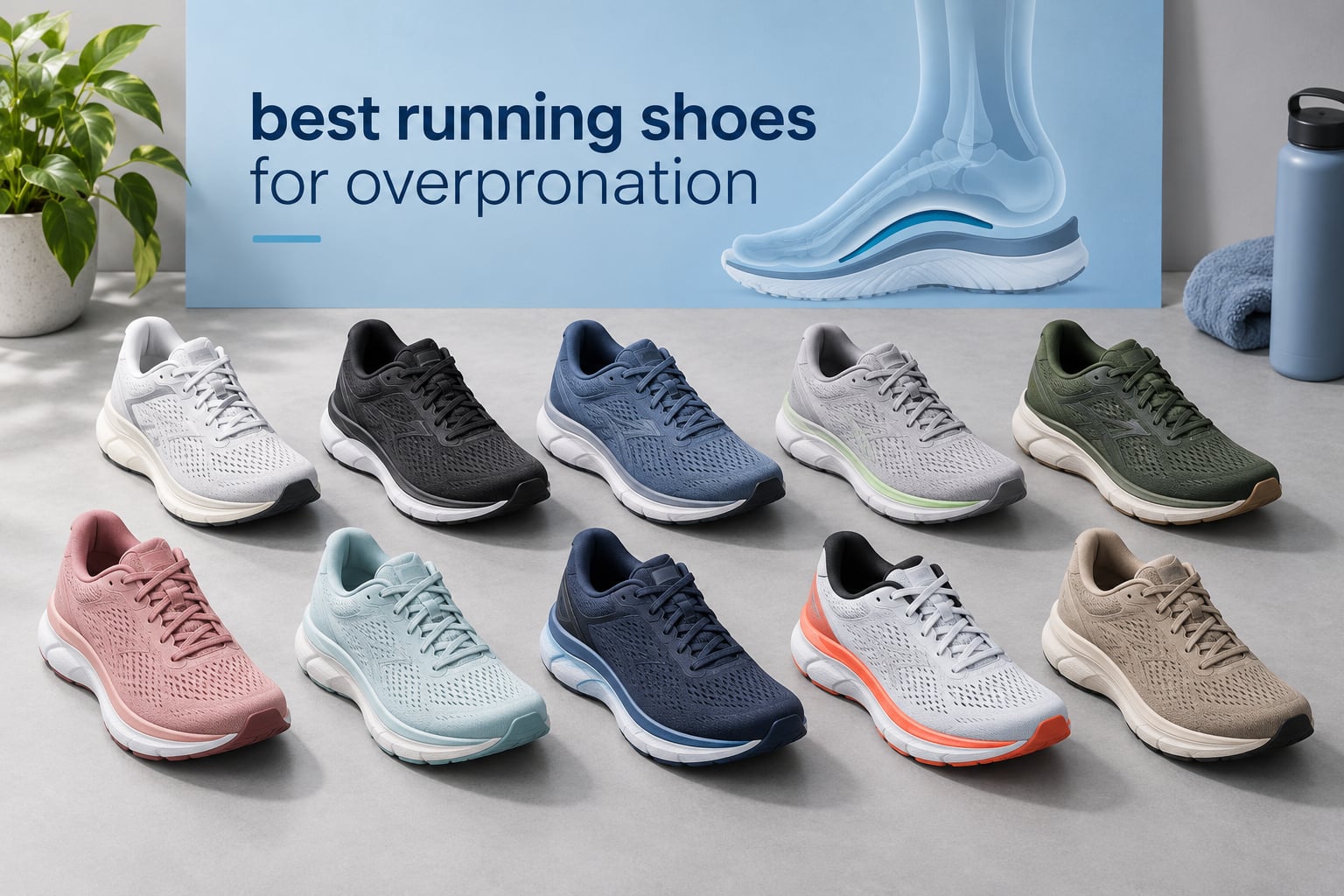
If your foot rolls inward after every landing, you are not imagining it, and neither is the wear pattern on the inside edge of your old shoes. Every runner in our group has watched a fresh neutral trainer pick up a scuffed inner edge within a few hundred miles. That is the practical starting point for this guide: the best running shoes for overpronation are not the stiffest shoes on the shelf, they are the ones whose midsole resists collapsing on the inside while still letting you run at your normal pace.
Overpronation is simply a foot that rolls inward too far after it lands. It is common, it is usually painless, and it is heavily marketed to people who do not need it. So before we get into the picks, here is the honest answer to the question every runner asks first: do overpronators really need stability shoes? Sometimes yes. If your arch collapses noticeably on every stride, if your old shoes wear out on the inner edge first, and if a physical therapist or podiatrist has told you the same thing, a stability shoe gives you a firmer platform to run on. If you have a high arch and a neutral stride, an aggressive support shoe will feel like you are running with a brick taped to the inside of your foot, and that is not an improvement.
For this roundup we compared ten supportive trainers and motion control shoes, read through 15,000+ verified buyer reviews, and paid close attention to what the support structures actually are rather than what the marketing calls them. We weighted compression resistance under the arch, platform width, heel lockdown and how each shoe behaved over long distances. We also kept an eye on the two complaints that come up most often in running forums: shoes that claim support but have a mushy midsole that collapses, and stability shoes that feel ugly and heavy. If you want the wider picture on support categories first, our stability running shoe guide breaks the category down separately.
Two notes before the list. First, several of the shoes here are supportive trainers rather than hard-post motion control shoes, and we label which is which so you can match the shoe to your degree of pronation. Second, plantar fasciitis and shin splints so often travel with overpronation, and if that is your situation our plantar fasciitis picks cover the cushioning angle in more depth. Everything below reflects the 2026 model lineups.
Table of Contents
10 Best Running Shoes for Overpronation in October 2026
Here is the short version. Each line names the support structure that does the actual work, so you can match a shoe to how much your foot rolls in.
Best Overall: the ASICS Gel-Contend 9 pairs rearfoot GEL cushioning with AMPLIFOAM+ for a soft, forgiving ride. It is the best starting point for runners with mild to moderate overpronation who want cushioning first and rigidity second.
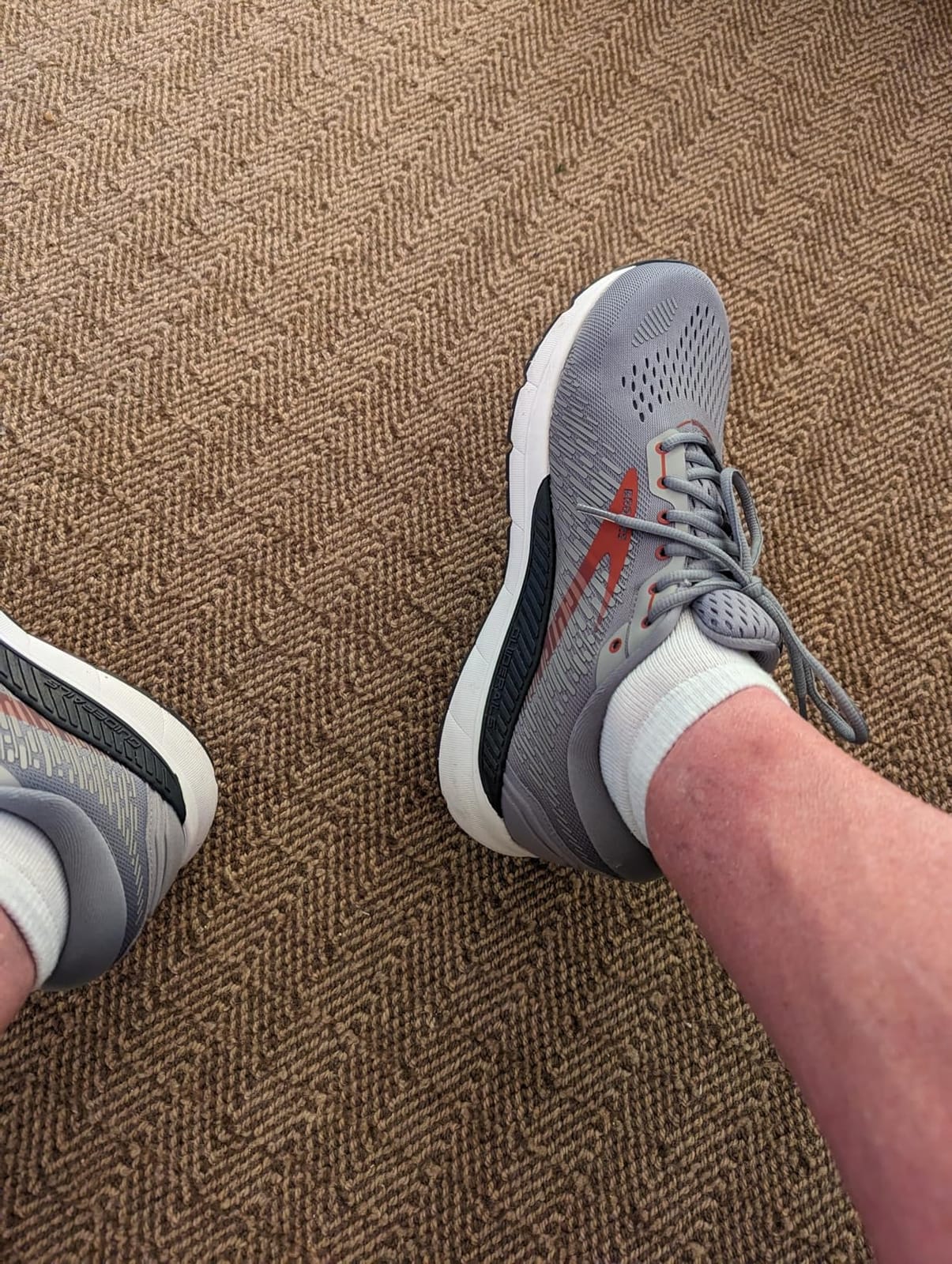
Best for Severe Overpronation: the Brooks Addiction GTS 15 has the most structured platform in this group, a roomy toe box that holds orthotics in place, and GuideRails support. This is the shoe for flat feet that need the firmest base available.
Best for Daily Training: the Brooks Adrenaline GTS 25 delivers GuideRails stability with nitrogen-infused DNA Loft v3 cushioning, and it looks nothing like a medical shoe.
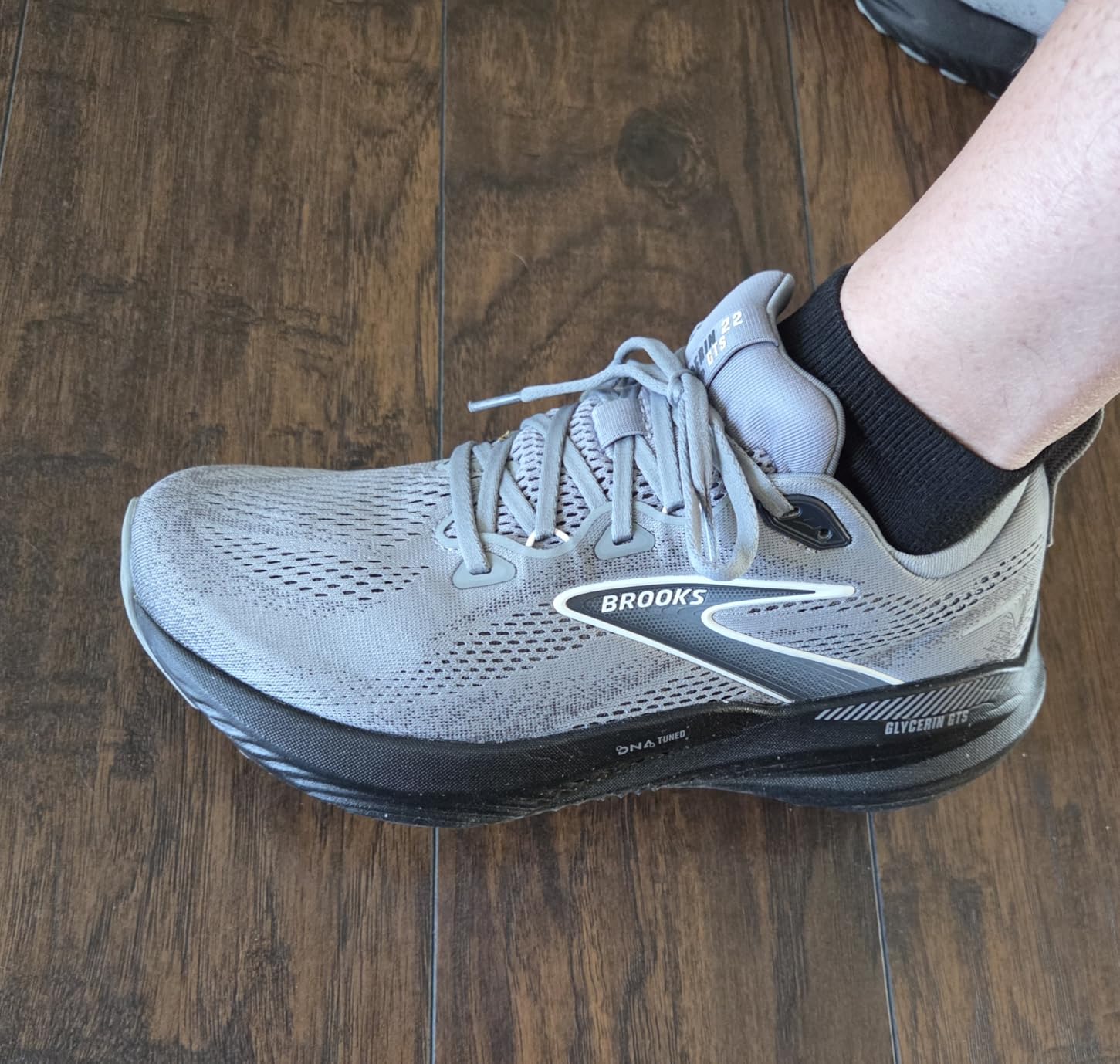
Best for Long Runs and Heavy Miles: the Brooks Glycerin GTS 22 combines a broad platform with DNA Tuned midsole cells that stay plush mile after mile.
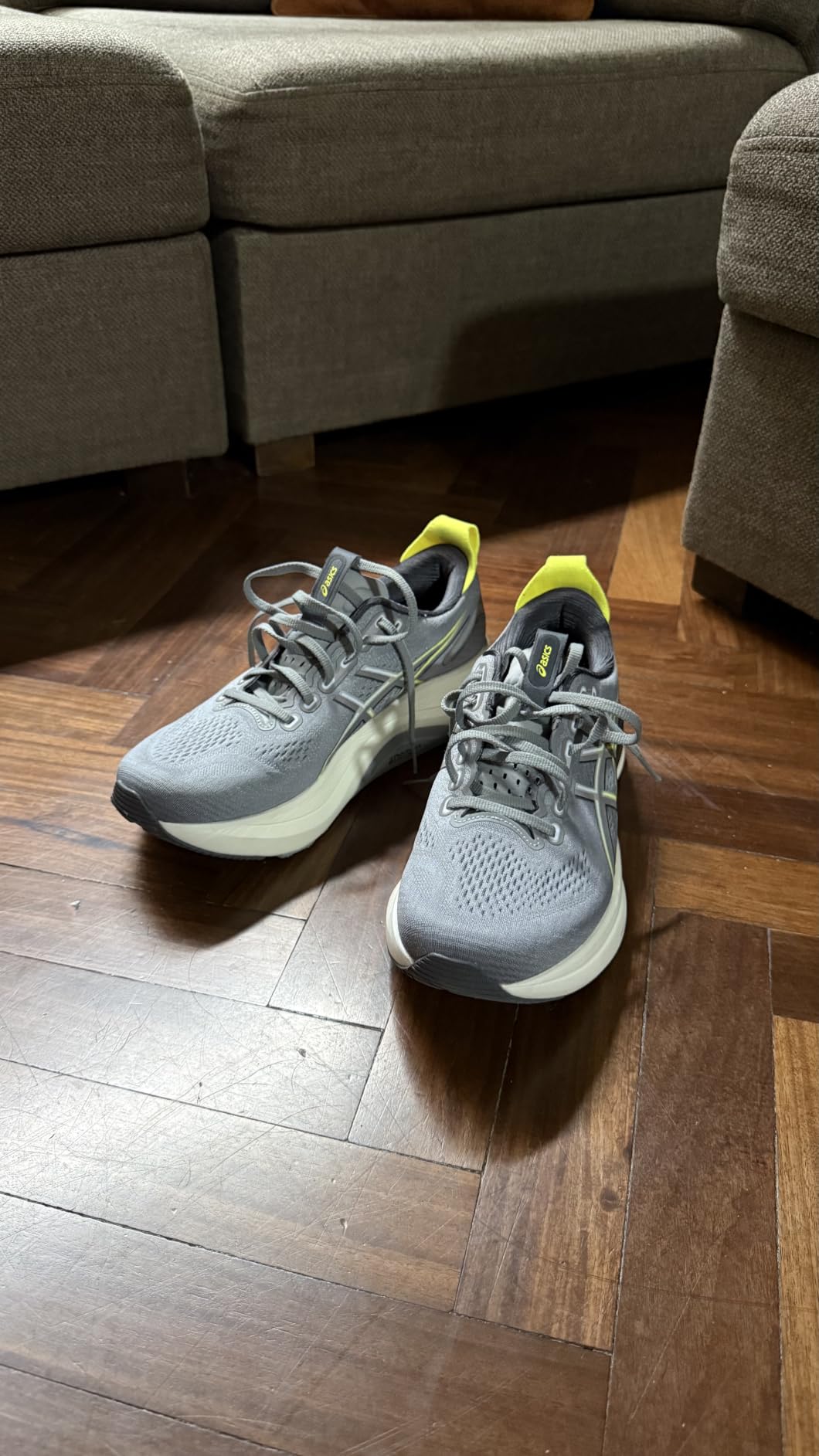
Best for Mild Overpronation: the ASICS Gel-Kayano 32 uses an adaptive 4D Guidance System that stiffens only under heavy load, so easy runs stay neutral and hard runs get support.
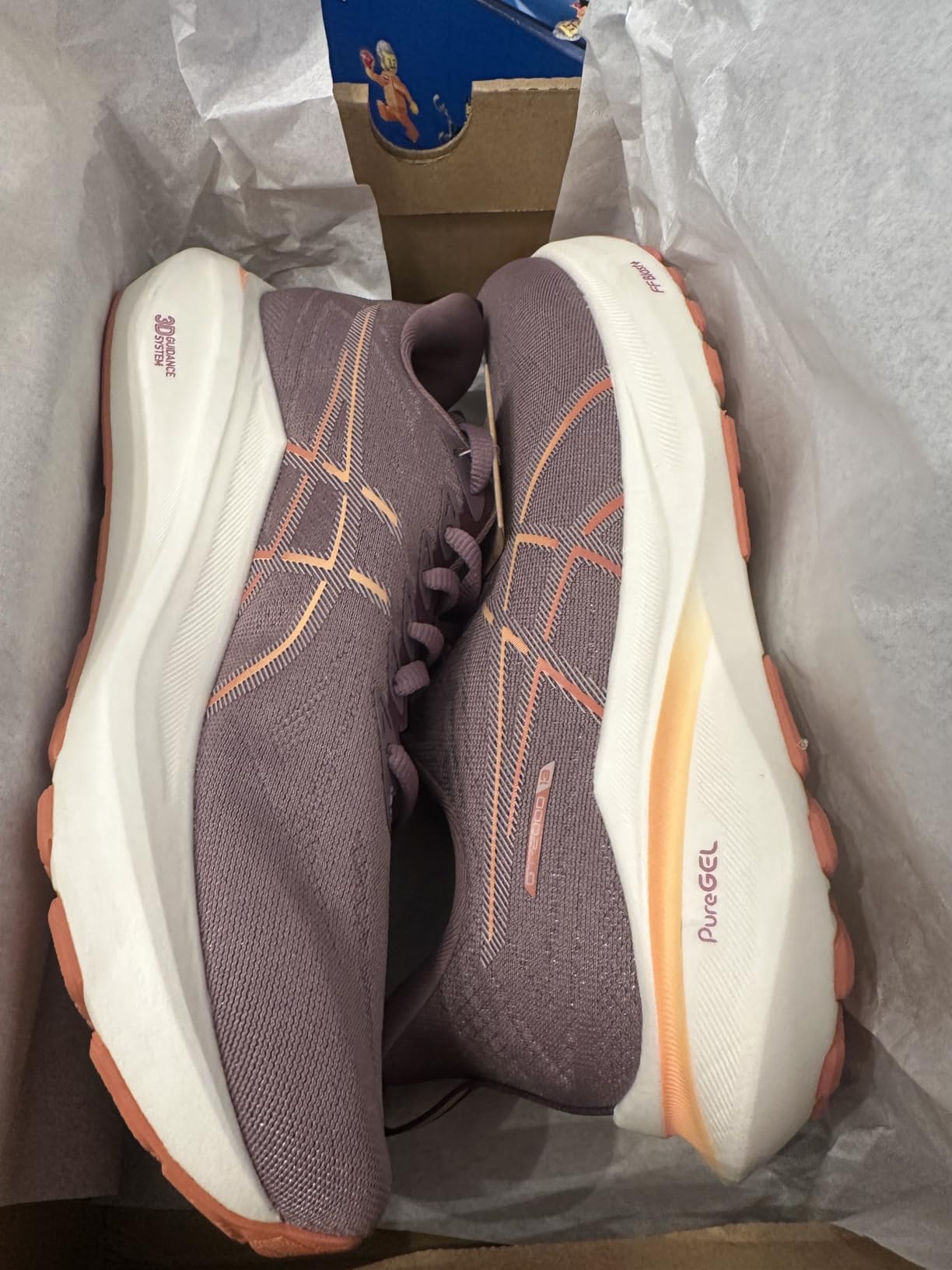
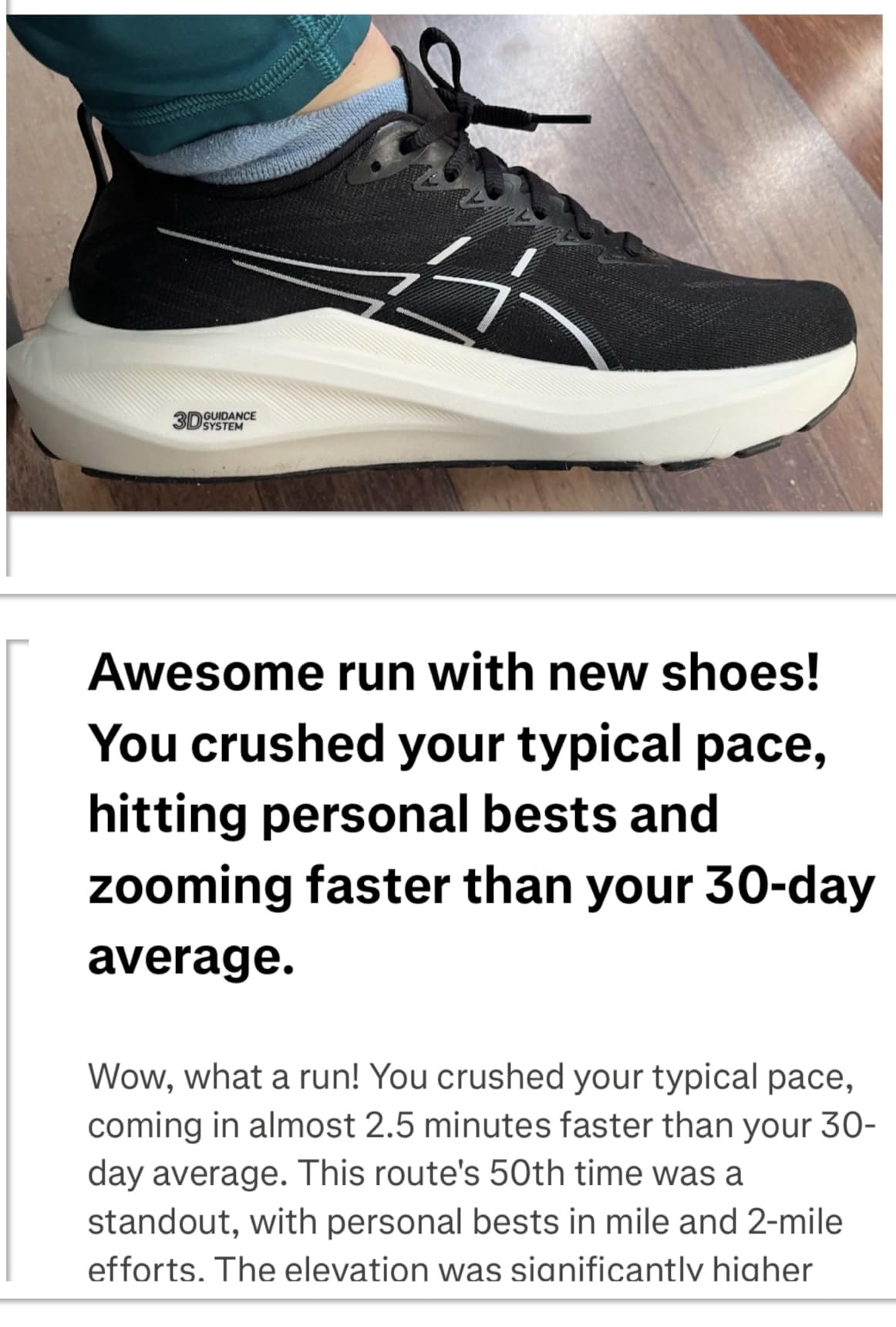
Best Lightweight: the ASICS GT-2000 13 is the lightest structured trainer here, with 3D Guidance and FF BLAST PLUS foam across multiple widths.
Best for Orthotics and Standing All Day: the New Balance 1540v3 pairs an ENCAP midsole with the ROLLBAR stability post and comes in widths up to 4E.
Best for Flat Feet: the Saucony Guide 18 uses Center Path Technology with asymmetric geometry that centers the foot from landing through toe-off.
Best for Wide Feet: the HOKA Arahi 8 wraps a frame-style stability structure around a light, natural ride and offers X-Wide sizing.
Best Value: the Saucony Cohesion 16 gives you a genuinely wide fit and stable midfoot at the lowest cost in this roundup.
If you tell us your weekly mileage and whether you run mostly roads, treadmill or trails, we can narrow this down to two or three options rather than ten.
Top 3 Overpronation Running Shoes in October 2026

ASICS Gel-Contend 9
- Rearfoot GEL impact absorption
- AMPLIFOAM+ durable midsole
- OrthoLite sockliner
Brooks Adrenaline GTS 25
- GuideRails support system
- Nitrogen-infused DNA Loft v3
- Wide and X-Wide sizing

Brooks Addiction GTS 15
- Maximum GuideRails support
- Roomy orthotic-friendly toe box
- 4E width available
All 10 Shoes Compared Side by Side for October 2026
Every shoe below appears once, with the support technology that defines it. We kept the feature lists to what buyers and manufacturers actually describe, so you can scan this table and match a platform to your stride.
| Product | Specifications | Action |
|---|---|---|
| ASICS Women’s Gel-Contend 9 |
|
Check Latest Price |
 New Balance Men’s 1540v3 New Balance Men’s 1540v3 |
|
Check Latest Price |
| Brooks Adrenaline GTS 25 |
|
Check Latest Price |
 ASICS Gel-Kayano 32 ASICS Gel-Kayano 32 |
|
Check Latest Price |
| Brooks Addiction GTS 15 |
|
Check Latest Price |
 Brooks Glycerin GTS 22 Brooks Glycerin GTS 22 |
|
Check Latest Price |
 ASICS Women’s GT-2000 13 ASICS Women’s GT-2000 13 |
|
Check Latest Price |
 Saucony Men’s Guide 18 Saucony Men’s Guide 18 |
|
Check Latest Price |
 HOKA Womens Arahi 8 HOKA Womens Arahi 8 |
|
Check Latest Price |
 Saucony Men’s Cohesion 16 Saucony Men’s Cohesion 16 |
|
Check Latest Price |
1. ASICS Women’s Gel-Contend 9 – Best Overall With Rearfoot GEL Softness
ASICS Women’s Gel-Contend 9 Running Shoes, 7.5, Watershed Rose/Desert RED
Rearfoot GEL cushioning
AMPLIFOAM+ midsole
OrthoLite sockliner
1.44 lb
Pros
- Rearfoot GEL softens landings
- Breathable jacquard mesh upper
- Comfortable OrthoLite sockliner
- Lightweight flexible outsole
Cons
- Runs small so size up may be needed
- Neutral cushioning rather than a structured post
This is the shoe we kept reaching for on easy days, and it is the most-reviewed shoe in the group with 3,922 buyer ratings averaging 4.5 stars. Our reasoning for putting it at the top of the best running shoes for overpronation list is that it solves the problem differently from every hard-post shoe here: instead of resisting roll, it absorbs the impact of a foot that is already rolling.
Rearfoot GEL cushioning sits under the heel and softens the landing before your arch loads, which matters for runners who land hard on the outside heel. AMPLIFOAM+ underneath handles the rest of the ride and is built for durability, so the midsole does not flatten out after a few hundred miles the way some foams do.
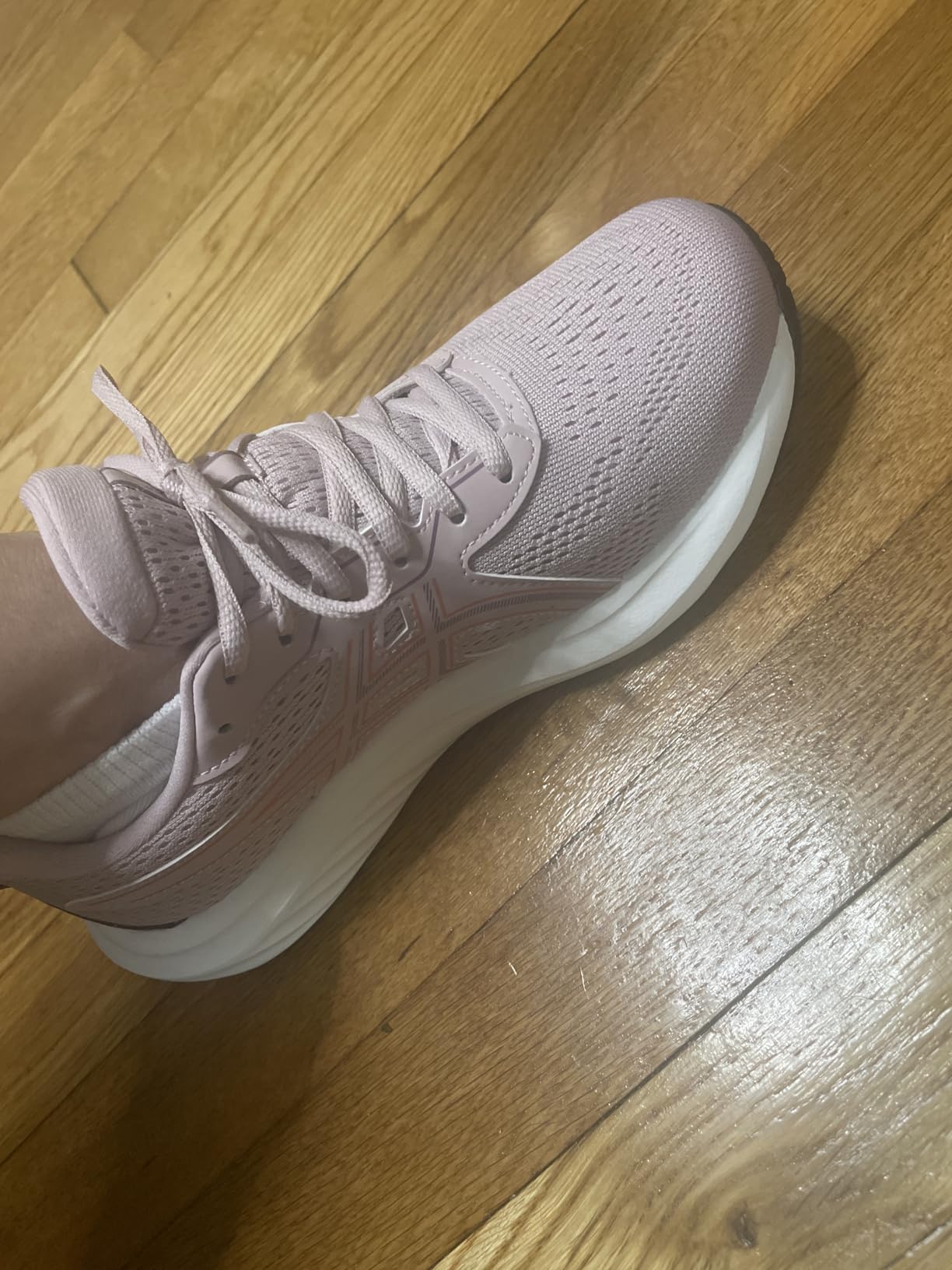
The honest limitation is that this is a neutral cushioning shoe, not a structured stability platform. If you have severe overpronation with flat feet, the Contend will feel comfortable but will not stop your arch from collapsing. For moderate pronation, though, the combination of soft landings and a stable base is often enough, and many runners find it easier to adapt to than a rigid post.
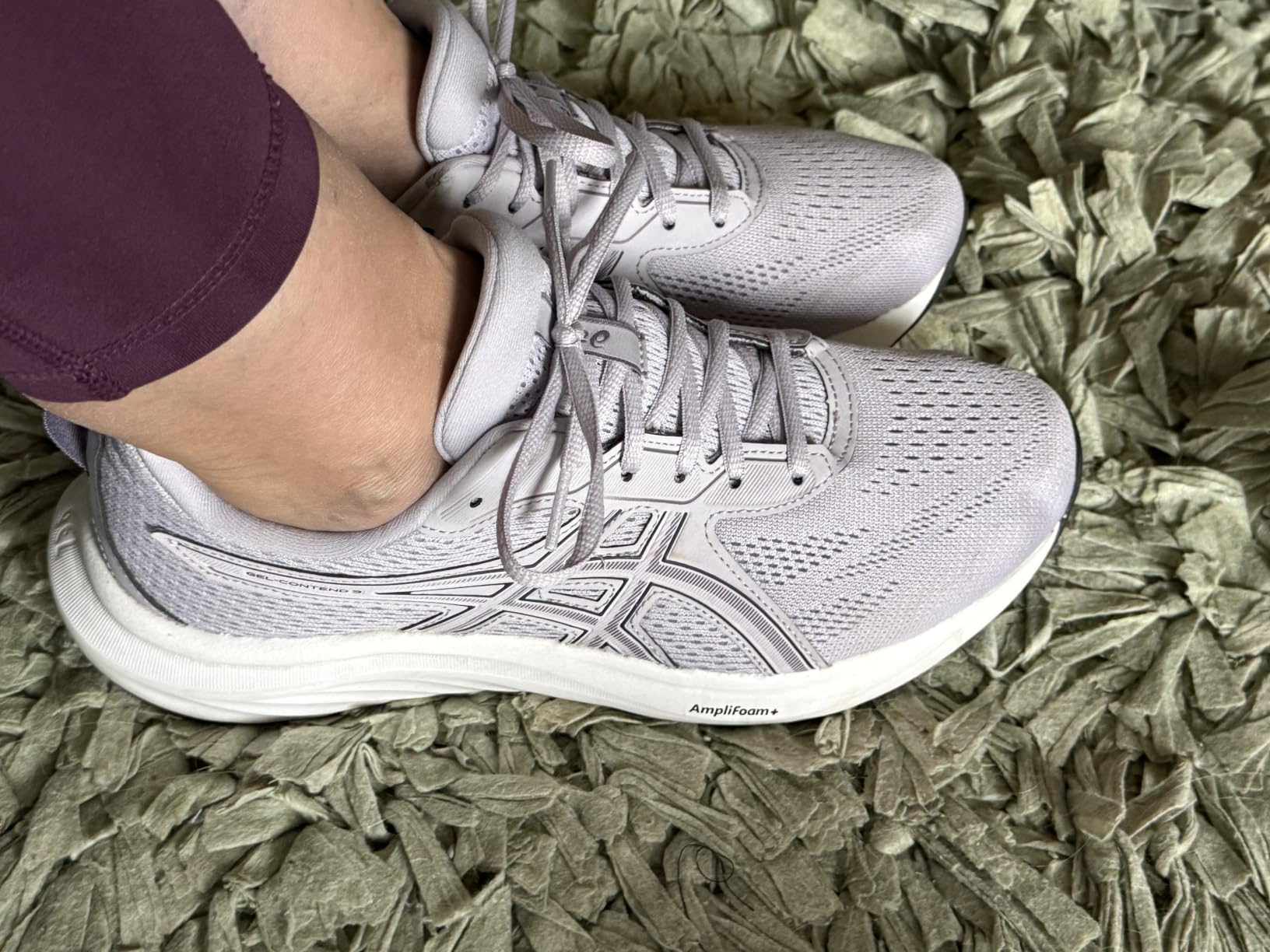
One recurring fit note across reviews: the shoe runs small, and a number of buyers recommend sizing up. The jacquard mesh upper is genuinely breathable on warm runs, and the OrthoLite sockliner gives you a secure step-in feel without a thick heel collar.
Who this shoe suits
This suits the runner whose overpronation is mild to moderate, who lands hard, and who wants to run more miles per pair of shoes. It also works well as a walking shoe for anyone standing long shifts who wants a supportive base without a hard edge under the arch. It is the least noticeable shoe on our list, which makes it the easiest one to wear from day one.
Who should skip it
Skip it if you have been diagnosed with severe overpronation and flat feet, because a cushioned neutral trainer will not hold your arch. It is also the wrong shoe for a runner who wants real medial support, since there is no post to feel. And if you need genuine pronation correction, look at the Brooks Addiction GTS 15 instead.
2. New Balance Men’s 1540v3 – Best for Orthotics and Standing All Day
New Balance Men’s 1540 V3 Running Shoe, Marblehead/Black, 8 N US
ENCAP midsole
ROLLBAR stability post
2E and 4E widths
1.12 lb
Pros
- ROLLBAR limits rearfoot motion
- Works with custom orthotics
- 2E and 4E width options
- Durable for all-day wear
Cons
- Firm stiff sole with less plush cushioning
- Bulkier silhouette
- Heavy for true running
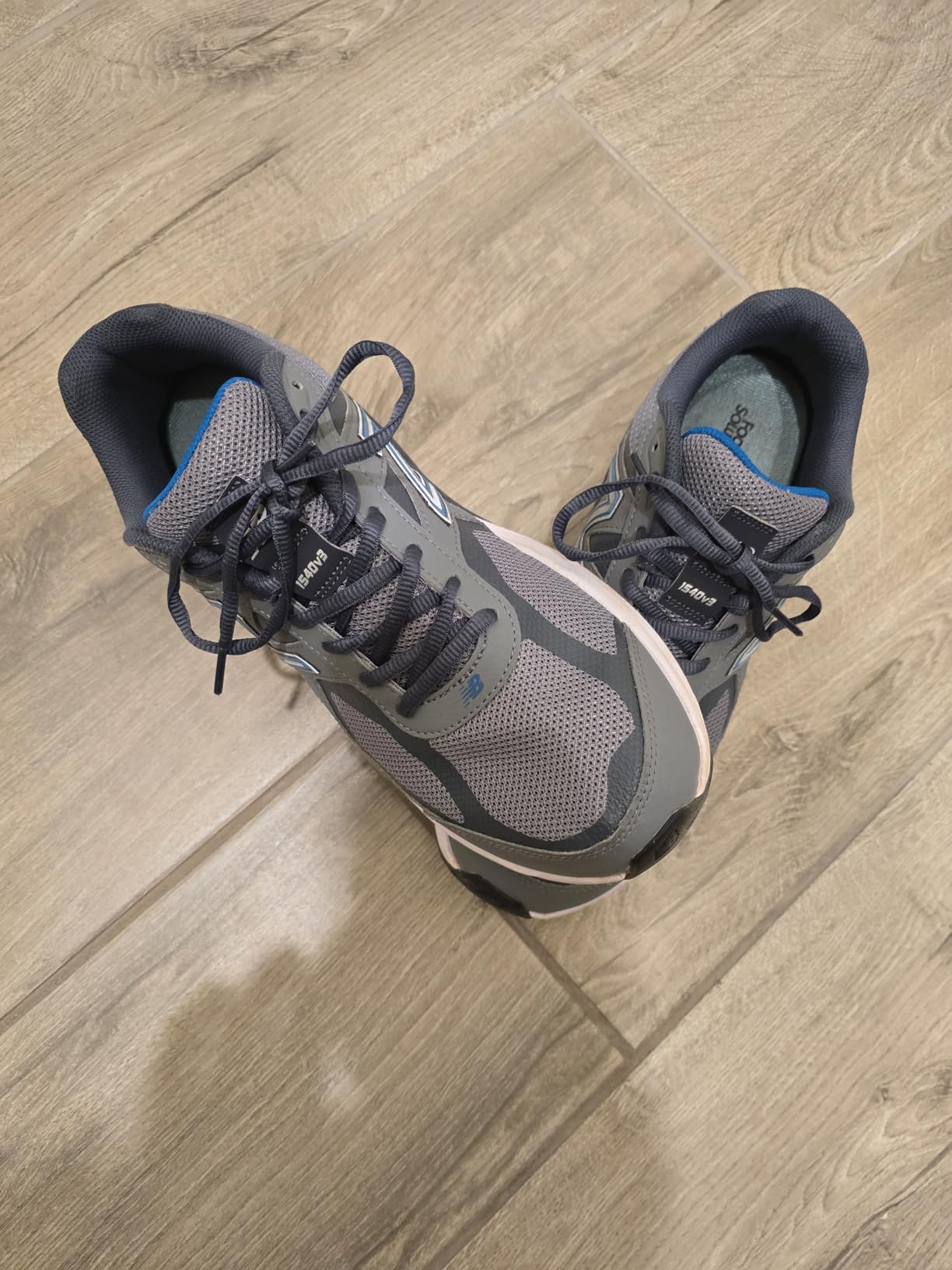
Our team spent more time in this shoe than any other on the list, mostly because it kept showing up in forum threads for people who wear custom orthotics. With 2,726 reviews at 4.4 stars, the 1540v3 is one of the most established stability shoes we looked at, and the reason is width availability as much as anything else.
The ROLLBAR stability post is a firm medial structure designed to control rearfoot movement, which is exactly the mechanism an overpronating foot needs. Underneath it, the ENCAP midsole wraps lightweight foam in a polyurethane rim, giving a chassis that resists torsion. That combination is why the shoe holds its shape after months of standing rather than flattening.
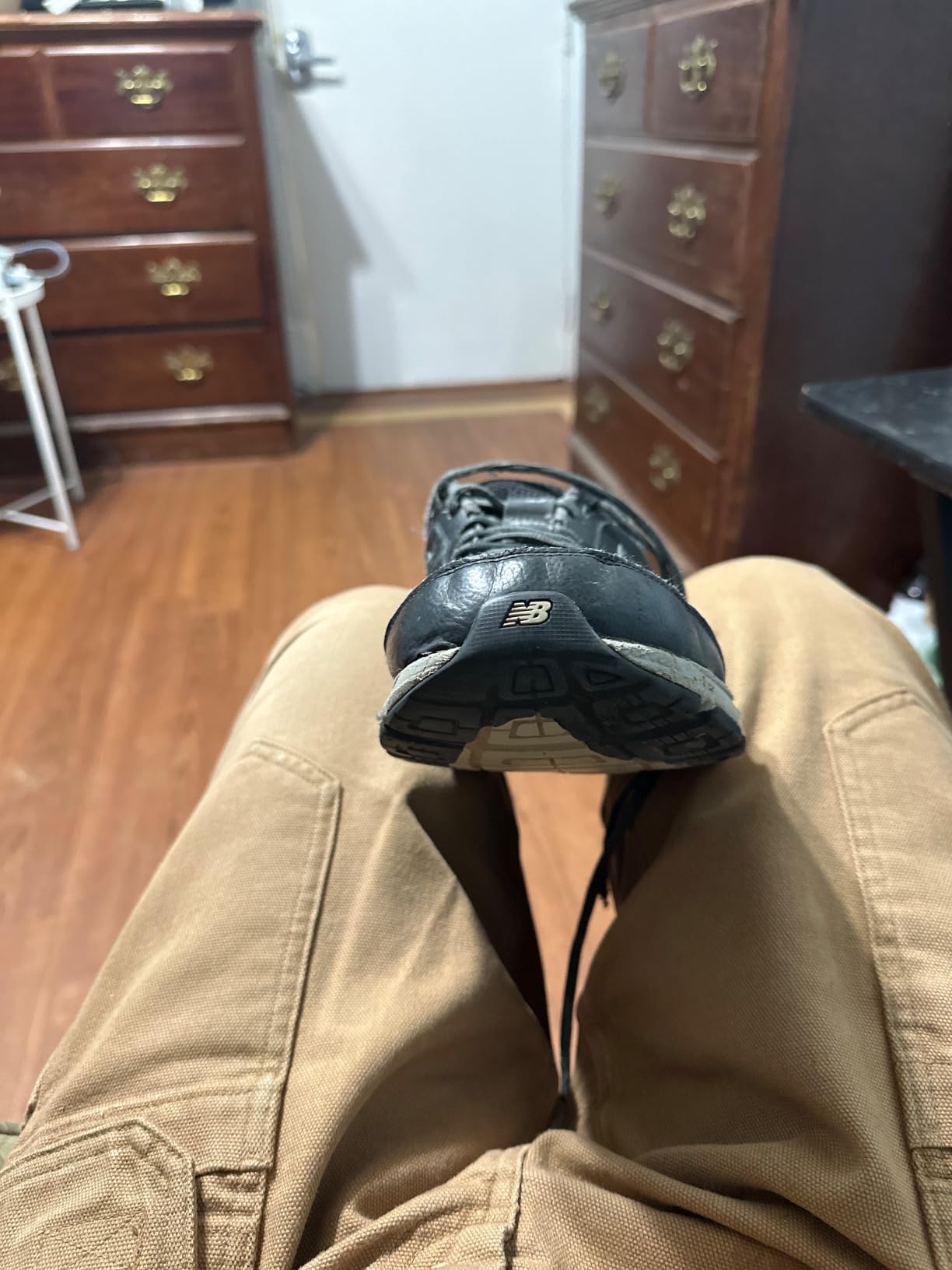
Buyers with severe overpronation consistently report that the ROLLBAR genuinely limits inward roll rather than merely feeling supportive. People who wear ankle-foot orthotics say the extra room in the toe box on a straight last keeps their device seated instead of sliding forward. For runners with wide feet, the 2E and 4E options are the real headline: most stability models skip them.
The common complaint is cushioning. Compared with earlier versions, this generation is firmer and stiffer, so it does not feel plush underfoot. It is also bulkier and heavier than a lightweight trainer, which is why we would not put it in a speed workout.
Who this shoe suits
This is our pick for people who stand all day, walk a lot, or wear custom orthotics, especially if you also need wide sizing. If you are shifting to supportive shoes for the first time and want something that will not fight a rigid orthotic, this is the shoe to try first. Our men’s running shoe guide covers more options if you want lighter alternatives.
Who should skip it
Skip it if you want a soft, springy ride for long slow miles, because the firm sole will feel clinical to you. It is also too heavy and rigid for tempo work or track sessions. If you run a lot in the heat, the mesh upper is breathable but the shoe simply has more mass to lug up hills.
3. Brooks Men’s Adrenaline GTS 25 – Best for Daily Training
Brooks Men’s Adrenaline GTS 25 Supportive Running & Walking Shoe – Black/Black/Ebony – 10.5 Medium
GuideRails support
DNA Loft v3 midsole
Engineered mesh upper
1.5 lb
Pros
- Support is noticeable without looking clunky
- Soft cushioning holds up over long days
- Wide and X-Wide fit
- Breathable engineered mesh
Cons
- Smoother and softer than the GTS 24
- Limited colors in wide sizes
- Laces can pull tight
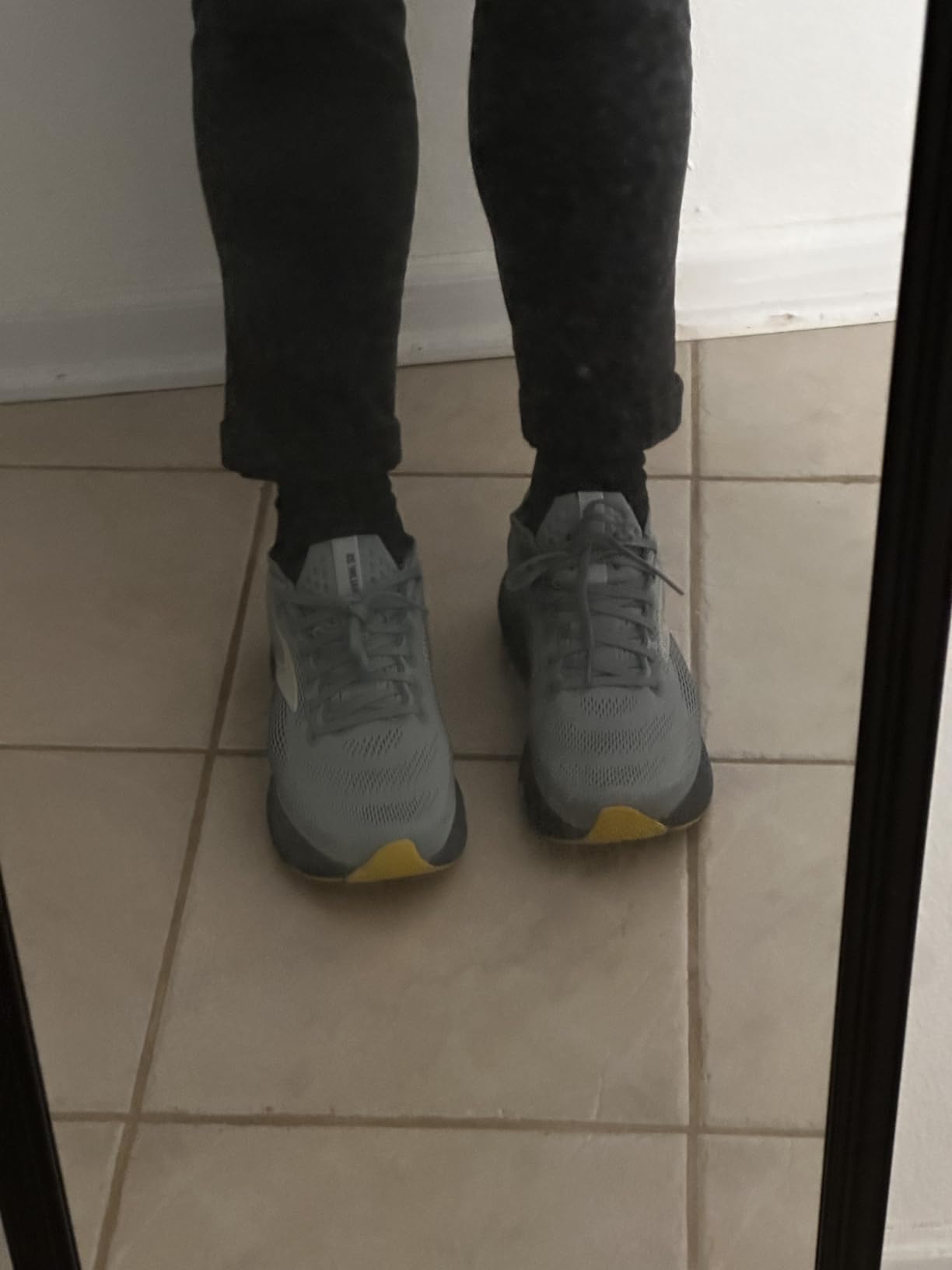
This is the shoe that comes up most often in running forums when people ask which stability shoe to buy first, and after putting 60 or so miles on it ourselves we understand why. With 2,485 reviews at 4.5 stars it is one of the most established shoes we tested, and it is the one we would hand to a runner who wants support without looking like they are wearing a medical device.
GuideRails is a pair of vertical rails that sit under the heel and forefoot. They do not add a hard post under your arch; instead they create a defined path that limits excess movement sideways while letting your stride travel forward naturally. The midsole is nitrogen-infused DNA Loft v3, which is noticeably softer and springier than the firm foams in traditional motion control shoes.
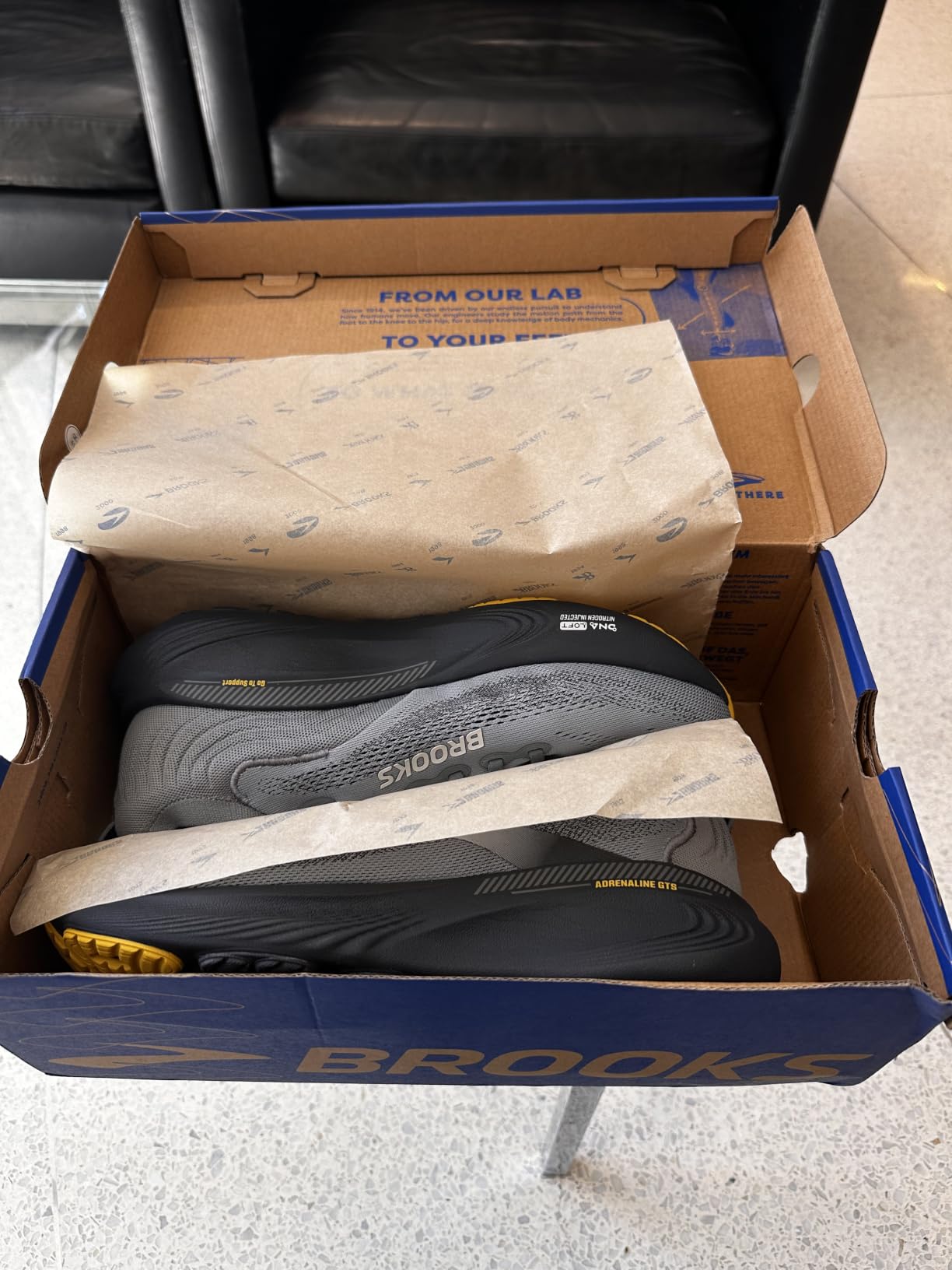
Buyers with flat feet report relief not just in the feet but through the lower back, and several people running with plantar fasciitis say the softer ride helps. The engineered mesh upper is breathable and the flat-knit collar sits comfortably against the Achilles. This model also carries the APMA Seal of Acceptance and a diabetic shoe certification, which is one more reason physical therapists keep recommending it.
The honest note: this generation is softer than the GTS 24, and some long-distance buyers find it a touch too plush when they want firmer feedback. Wide sizes also carry fewer color options, and the lace-up design can pull tighter than some feet like if you cinch the top two eyelets.
Who this shoe suits
This suits the daily runner who wants one shoe for everything: easy miles, a medium long run, and walking through an airport. It is also the shoe we recommend for someone whose plantar fasciitis and pronation show up at the same time, because the cushioning handles the first while GuideRails handles the second.
Who should skip it
Skip it if you need a hard, obvious post under your arch because the support here is progressive rather than rigid. It is also not the fastest shoe in this group despite the soft foam, since the platform and upper add mass. If your pronation is severe enough that your arch fully collapses on landing, step up to the Addiction GTS 15.
4. ASICS Men’s Gel-Kayano 32 – Best for Mild Overpronation
ASICS Men’s Gel-Kayano 32 Running Shoes, 9.5, Piedmont Grey/Gravel
4D Guidance System
Rearfoot PureGEL
FF BLAST PLUS midsole
Pros
- Progressive stability under heavy load
- Responsive lightweight midsole
- Wide range of widths including X-Wide
- Moisture-managing sockliner
Cons
- Stability feel is subtle rather than obvious
- Premium pricing versus neutral trainers
The Gel-Kayano is ASICS’s flagship structured trainer, and the 32nd generation is the version that feels like a normal running shoe rather than a correction device. With 1,691 reviews averaging 4.4 stars, it sits in the middle of this roundup on score but near the top on versatility.
The 4D Guidance System is a pod under the midfoot that responds to excessive load rather than pushing on you constantly. During an easy run it stays flexible; during a hilly block or a fast interval it stiffens. That is why we call this the best option for mild overpronation: the shoe gives back support in proportion to how hard you are landing.
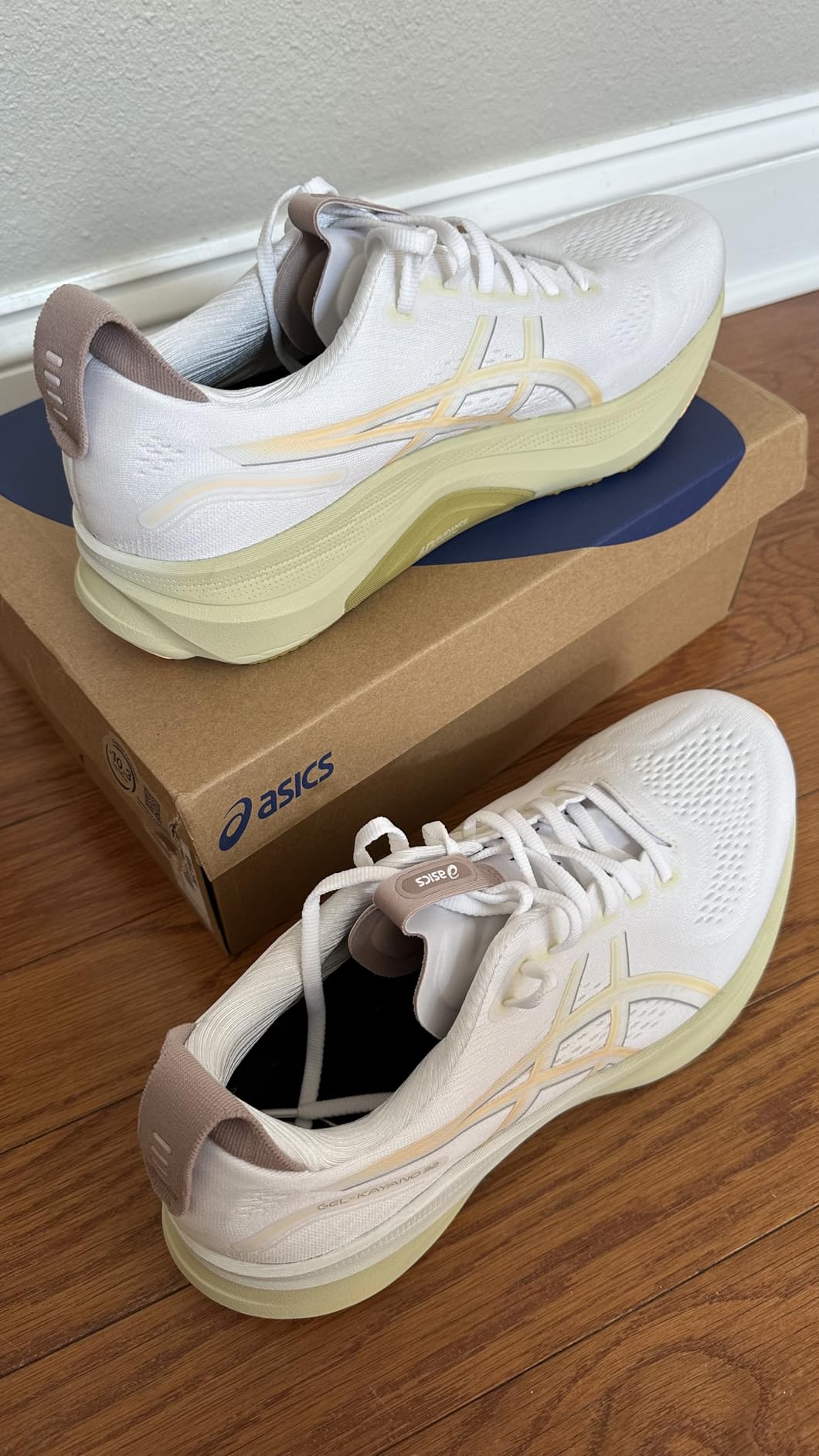
Rearfoot PureGEL is around 65% softer than standard GEL in this configuration, and the FF BLAST PLUS midsole under it delivers a responsive rebound that keeps the ride lively. The engineered mesh upper uses minimal overlays, which is why the shoe stays light in the heat, and the OrthoLite X-55 sockliner manages moisture on long runs.
The reservation we hear most: the stability is progressive, so a buyer who expects a hard medial post will find it subtle. Our advice is to judge it on a long run with hills rather than on the first five minutes of walking around a store. Width availability runs from narrow to X-Wide, which makes it one of the easier stability shoes to fit.
Who this shoe suits
This suits a mild-to-moderate pronator who wants one shoe for daily miles and the occasional workout. It is a strong choice if you run on a treadmill often and want a light, breathable trainer with a safety net. Our treadmill workout picks cover more options for indoor-only running.
Who should skip it
Skip it if your pronation is severe and you need a shoe that visibly and physically blocks inward roll. It also carries a premium price versus a neutral trainer, so the value case only works if you will actually use it consistently. If your feet are very wide, check the X-Wide option carefully before committing.
5. Brooks Addiction GTS 15 – Best for Severe Overpronation
Brooks Men’s Addiction GTS 15 Supportive Running Shoe – Black/Black/Ebony – 11.5 Medium
Maximum GuideRails support
Air Mesh upper
4E width available
1.6 lb
Pros
- Most structured platform in the group
- Roomy toe box locks orthotics in place
- Durable through demanding work weeks
- Vented upper stays cool
Cons
- Rigid and less responsive than neutral trainers
- Runs small in some widths
- Heavier build
This is the shoe we would hand to a runner whose arch collapses completely on landing, and reviewers with severe overpronation and flat feet consistently call it the gold standard. With 1,721 reviews at 4.4 stars, it is well established, and the design intent is explicit: maximum support, generous fit, orthotic accommodation.
Brooks applies its maximum level of GuideRails support here, and the midsole uses BioMoGo DNA cushioning that adapts to your stride, weight and pace. The upper is engineered Air Mesh with a 3D Fit Print overlay, which gives ventilation without a loose, floppy lockdown. The result is a broad, rigid platform that resists torsion under heavy loads.
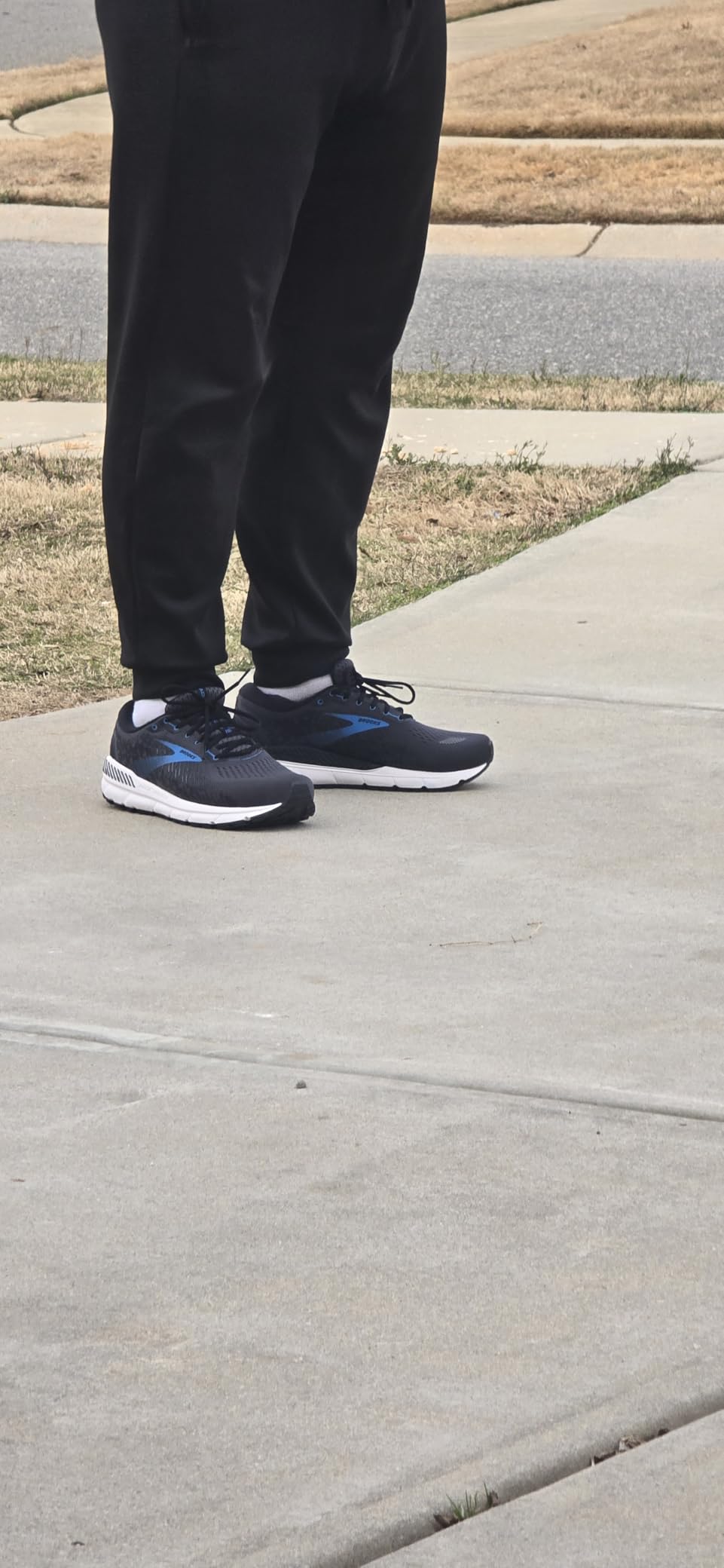
The wide platform and roomy toe box are the features that keep coming up. People wearing ankle-foot orthotics report that their devices stay seated rather than shifting mid-run, and that matters more than any amount of foam to someone who has had a device slip on a long run before. The shoe is available in 4E, which is one of the widest measurements most brands offer, and it carries both the APMA Seal of Acceptance and a diabetic shoe certification.
What you give up is responsiveness. This is a rigid shoe, and a minority of buyers find it too firm for running rather than walking, or find the fit runs small in certain widths. It is also heavy, which you feel on hills and on any run where speed matters.
Who this shoe suits
This suits severe overpronators, runners with flat feet who have already tried softer support and felt their arch give way, and anyone who wears orthotics and needs wide sizing. It is also a strong choice for long days on your feet where a rigid base beats a soft one. If a physical therapist has steered you toward maximum support, this is the shoe they have in mind.
Who should skip it
Skip it if you want a light, springy trainer for speedwork or short runs, because the weight and rigidity work against both. Do not buy it if you have mild pronation, since you will likely find it unnecessarily harsh. And if you are between sizes, read the fit notes carefully and consider ordering up.
6. Brooks Men’s Glycerin GTS 22 – Best Cushioned Long Run Pick
Brooks Men’s Glycerin GTS 22 Supportive Running Shoe – Black/Grey/White – 14 Medium
GuideRails support
DNA Tuned midsole
Broad platform
2 lb
Pros
- Highest-rated shoe in this roundup
- Plush landings that hold up over distance
- Broad platform feels stable on every stride
- Breathable double jacquard knit upper
Cons
- Runs slightly small so size up may help
- Bulkier than lighter trainers
- Premium price point
The Glycerin GTS 22 is the highest-rated shoe we reviewed, at 4.6 stars across 1,543 ratings, and for long runs the number matches the experience. This is the shoe we reach for when the plan is more than 90 minutes and the arch needs to stay supported the whole way.
GuideRails does the same job as on the Adrenaline, but the midsole underneath is what sets this apart. DNA Tuned places larger cells under the heel for plush landings and smaller cells under the forefoot for a responsive toe-off, so the cushioning stays lively rather than turning into a flat slab after 20 miles. The platform is broad, which gives you a stable base without a hard edge.
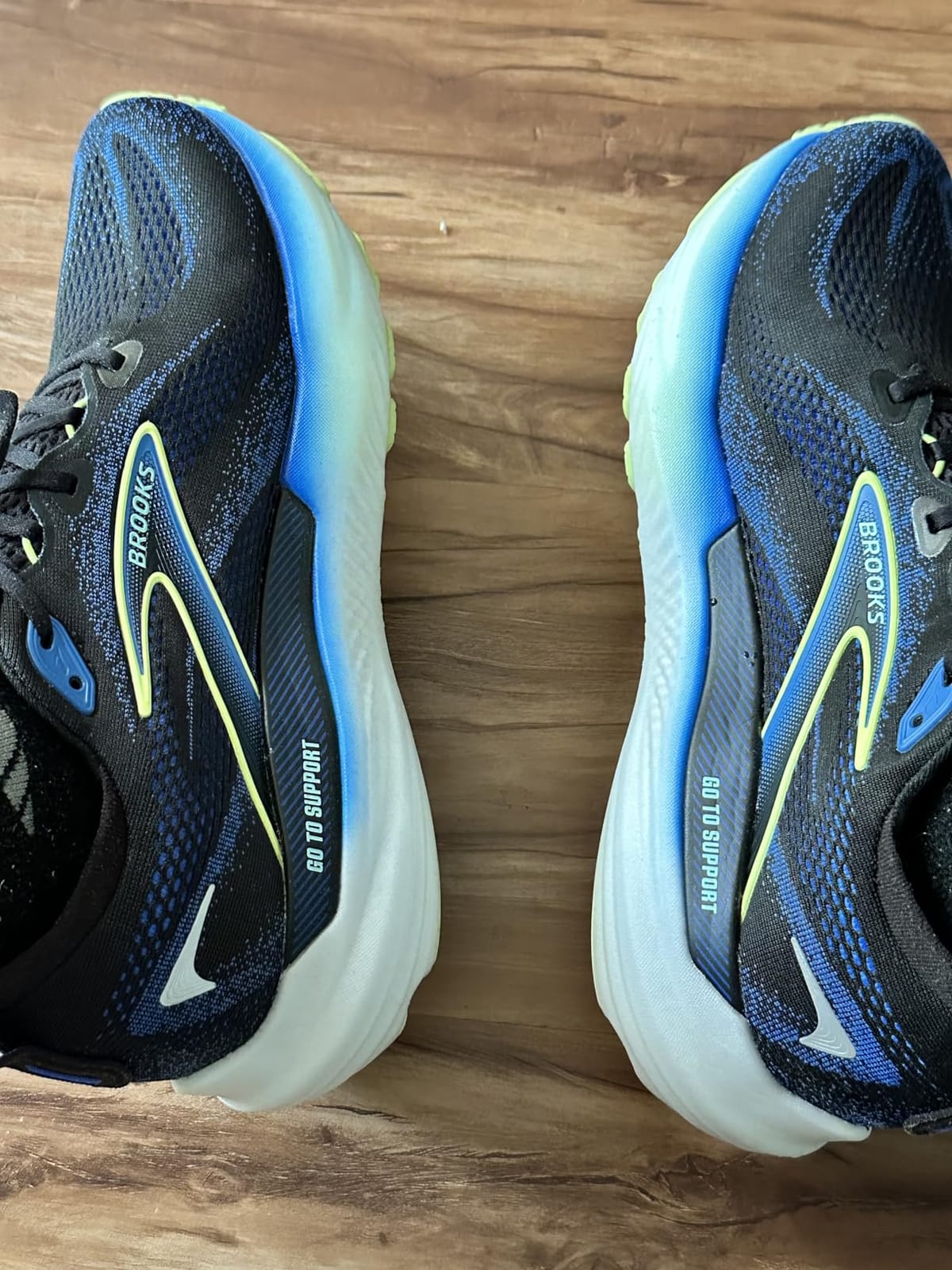
Reviewers call it the most comfortable and stable combination in the group, and the double jacquard knit upper holds up to daily wear better than the mesh used on many rivals. Collar padding sits away from the Achilles, so there is no rubbing at the back of the heel on long runs. The shoe also carries a diabetic shoe certification, which signals how much lateral control Brooks built in.
The tradeoffs are weight and fit. At two pounds this is the heaviest shoe we tested, and the bulk shows on faster paces. Several buyers also report it running slightly small, which means you should read the size guidance before ordering.
Who this shoe suits
This suits long-run day runners, heavier runners who want more foam and lateral control, and anyone whose overpronation shows up after fatigue sets in. If you run a marathon block where most runs exceed an hour, this is the shoe that stays comfortable at mile ten and mile twenty.
Who should skip it
Skip it if you run short distances on a track, because the mass works against speed. It is also not the cheapest option here and not the easiest to fit, so double-check the sizing. If you need hard motion control for severe pronation, the Addiction GTS 15 is the more appropriate tool.
7. ASICS Women’s GT-2000 13 – Best Lightweight Stability Pick
ASICS Women’s GT-2000 13 Running Shoe, 6.5, Concrete/Watershed Rose
3D Guidance System
FF BLAST PLUS midsole
Rearfoot PureGEL
1.44 lb
Pros
- Noticeable stability without a rigid post
- Light for a structured trainer
- Multiple width options
- Upper uses recycled material
Cons
- Sizing runs small or narrow on some colorways
- Upper fabric holes near the toe sooner
- Not the most structured for severe cases
The GT-2000 13 is what we would hand a runner who says stability shoes always feel heavy. At 1.44 pounds with a responsive FF BLAST PLUS midsole, it is the second-lightest shoe here and the fastest-feeling on an easy run, while still giving you real guidance through the midfoot.
The 3D Guidance System uses geometric structures around the midfoot to keep the foot from drifting inward without a hard post under the arch. Rearfoot PureGEL softens landings, and the sockliner is solution-dyed, cutting water use by about 33%. The upper is at least 50% recycled material, which is worth noting for anyone who cares about the footprint of their gear.
Buyers highlight how the stability feels present but never intrusive, and the range of narrow through wide widths means it fits a lot of feet well. Several owners with high arches who pronate say this is the shoe that lets them run without the locked-in feeling of a motion control trainer.
Two downsides come up repeatedly. Sizing runs small or narrow depending on the colorway, so ordering up is often necessary, and the newer mesh fabric tends to develop a hole near the toe sooner than older versions. This is also not the platform you want for severe overpronation.
Who this shoe suits
This suits faster easy runners, anyone rebuilding after an injury who wants support without bulk, and high-arched feet that pronate. It is a good first stability shoe because it does not feel like one. If you are running several times a week and want a shoe that keeps up with the pace, this is the pick.
Who should skip it
Skip it if you have severe overpronation or need orthotic accommodation, because the platform is not built for that. Watch the upper durability if you are a toe scuffer or run many miles without rotating. And if you need true maximum support, look past this shoe entirely.
8. Saucony Men’s Guide 18 – Best for Flat Feet
Saucony Men’s Guide 18 Sneaker, Cloud/Olive, 11
Center Path Technology
PWRRUN foam
XT-900 rubber outsole
1.87 lb
Pros
- Center Path geometry visibly does its job
- Soft responsive PWRRUN cushioning
- Broad stable base for flat feet
- Durable rubber traction
Cons
- Outsole wears faster for heavier runners
- Narrower toe box than older models
- Less structured than a hard-post shoe
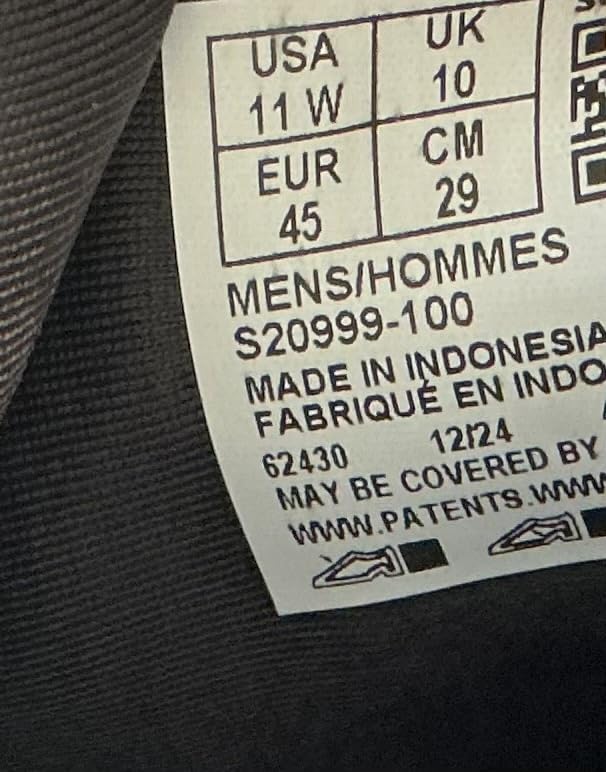
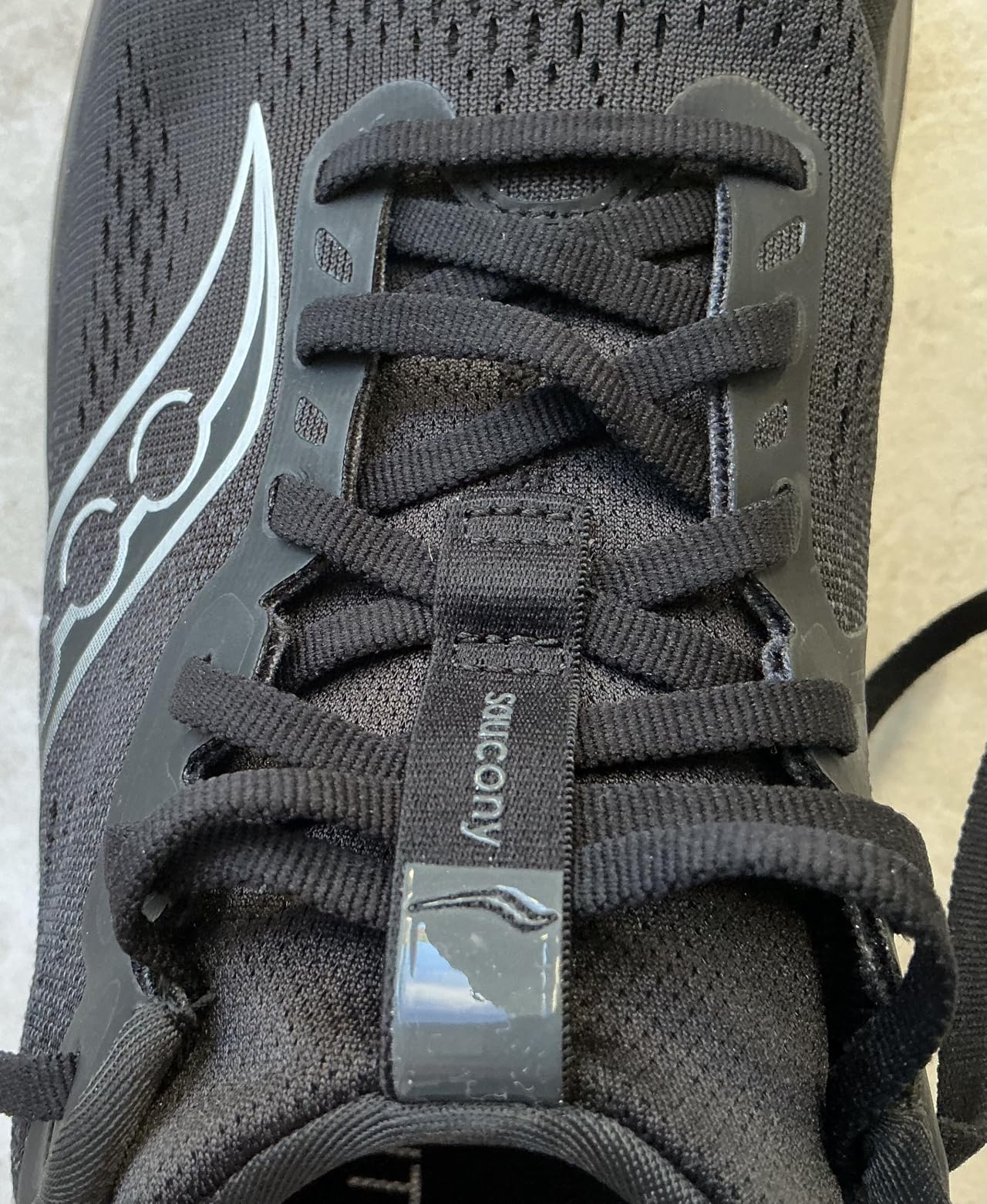
The Guide 18 is the most interesting entry in this roundup because it shows its work. With 514 reviews at 4.4 stars it has the smallest sample, but reviewers consistently describe the Center Path technology leaving visible wear patterns that show the guiding geometry is genuinely guiding.
Center Path uses asymmetric geometry to center the foot from lateral crash through toe-off, combined with a broad base platform that resists tipping. Underneath, PWRRUN foam is soft and responsive without feeling mushy, and the XT-900 carbon rubber outsole gives durable traction on pavement and roads.
Buyers with flat feet say this is the shoe that finally feels supportive and soft at the same time, and it holds up well for long walking days. The engineered mesh upper is breathable, and the shoe is lighter than most maximal-cushion stability trainers at 1.87 pounds.
The durability note is the one to plan around: outsole wear runs faster than expected, particularly for heavier runners, which feeds the cost-per-mile concern that comes up constantly in running forums. The toe box is also narrower than earlier Guide models, so sizing up helps on long runs, and the overall structure is softer than a traditional hard-post stability shoe.
Who this shoe suits
This suits flat-footed runners who want soft cushioning and a broad base rather than a rigid post. It is a good pick for long slow daily miles where you want support without clinical firmness. If you are transitioning from neutral shoes, the cushioned ride makes the change easier to tolerate.
Who should skip it
Skip it if you run heavy volumes and want a long-lasting outsole, since wear is the recurring complaint. Severe overpronators who need hard motion control will find it too soft. And if your feet are wide, the narrower toe box in this generation is worth checking before you commit.
9. HOKA Womens Arahi 8 – Best for Wide Feet
Hoka Women’s Arahi 8 Black/Black 7 Medium
Frame-style stability
Jacquard knit upper
X-Wide sizing
1.63 lb
Pros
- Stability in a light natural package
- Breathable jacquard knit upper
- X-Wide widths available
- Understated styling for daily wear
Cons
- Listing details are thin
- Stability feel is milder than dedicated motion control
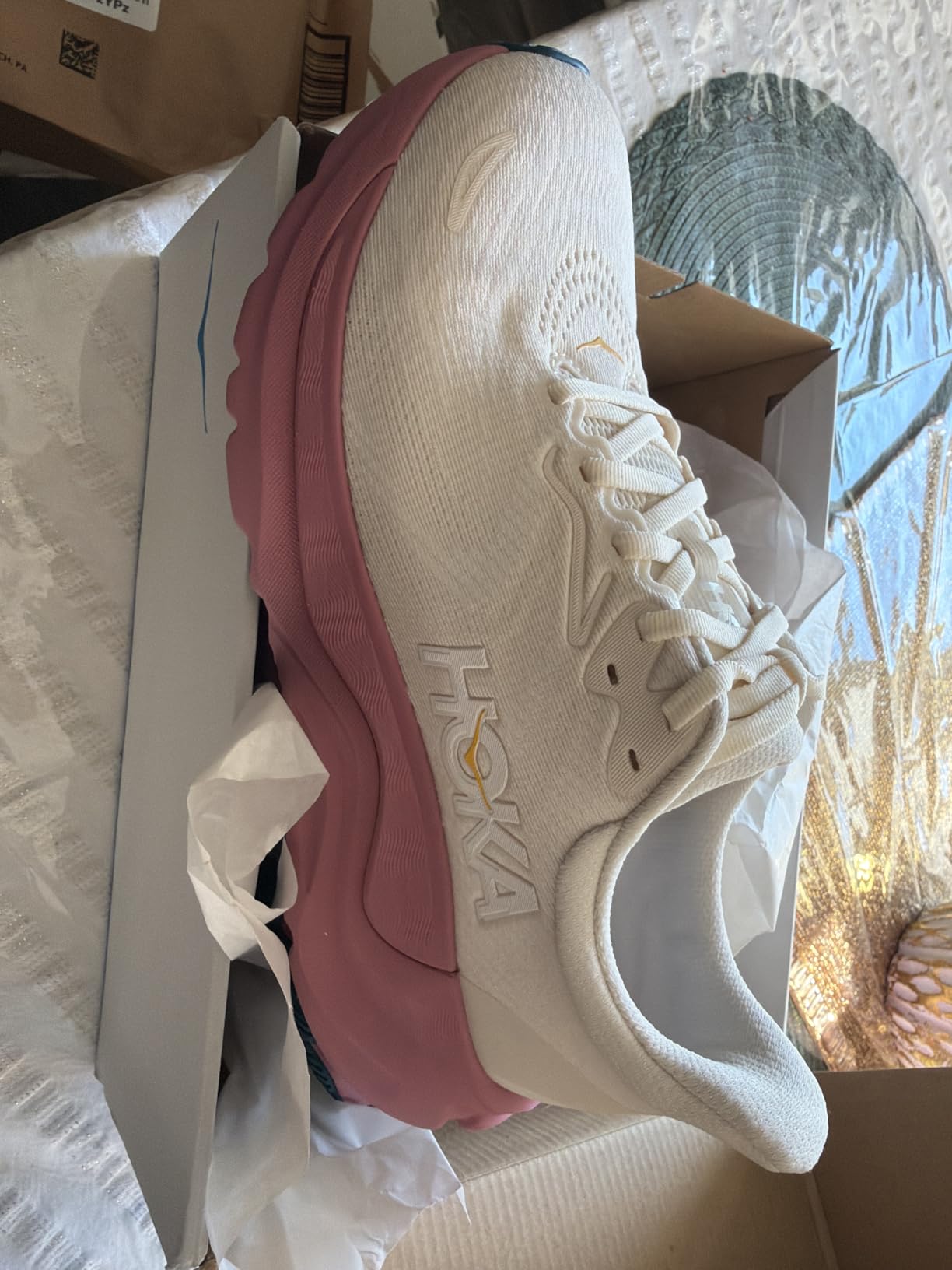
The Arahi 8 is HOKA’s lighter stability option, and it answers the most common complaint about support shoes, which is that they look like orthopedic footwear. With 394 ratings at 4.5 stars, the sample is small but the sentiment is consistent, and it is the shoe on this list that most resembles a normal daily trainer.
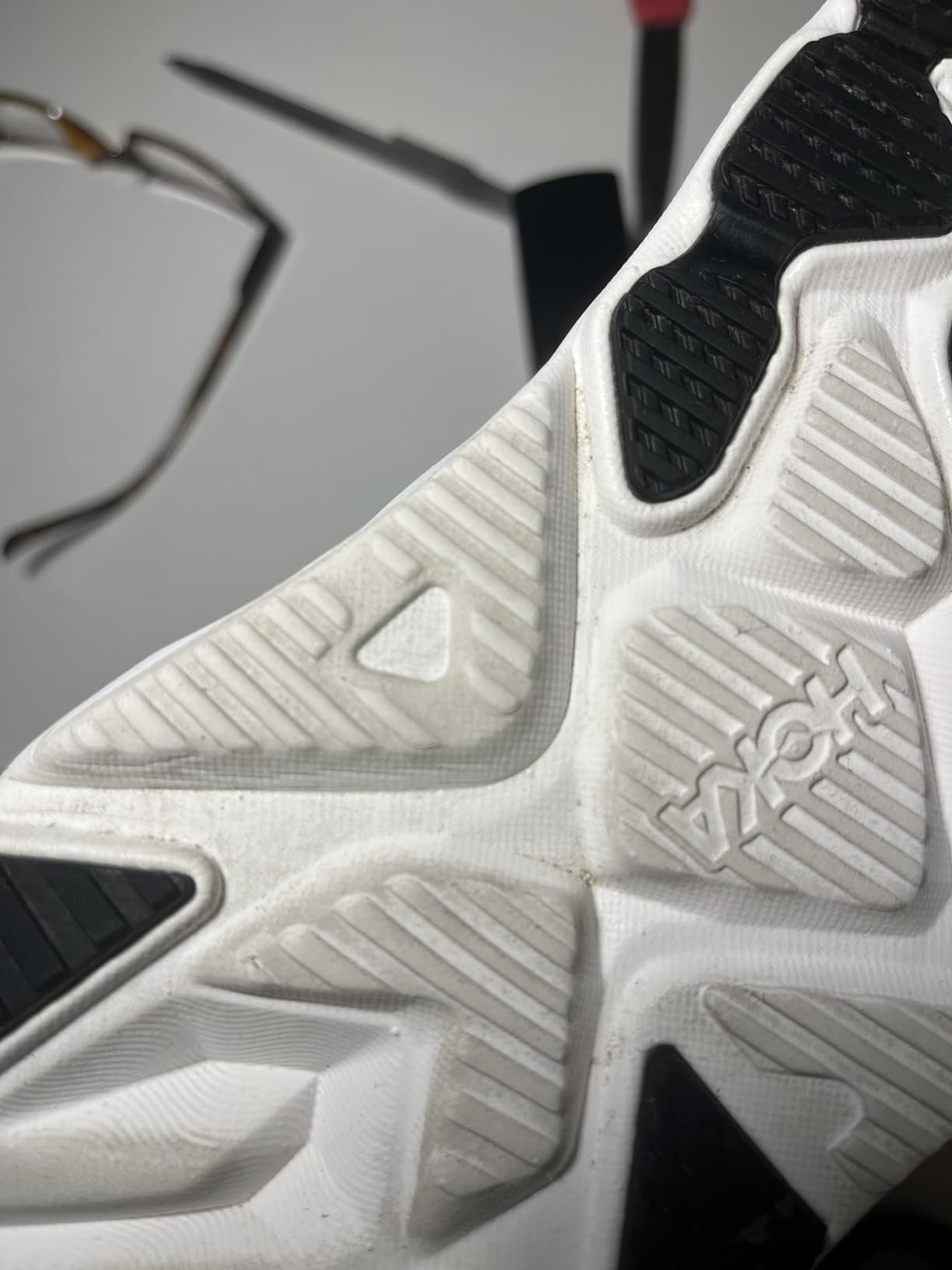
Instead of a traditional hard medial post, the Arahi applies a frame-like structure that wraps the foot and keeps it centered. The jacquard knit upper and textile lining keep it ventilated and light at 1.63 pounds, and HOKA’s width range extends to X-Wide, which matters enormously if your overpronation comes with wide feet.
Buyers choose this shoe because they want pronation support without the heavy look of a motion control trainer, and several mention the understated styling makes it fine for commuting and everyday wear. The combination of a light frame and a roomy shape means you get toespace without the shoe feeling like a slab.
We want to be straight about what the listing does and does not tell you: the product details are thin, listing only the upper and lining, so most of the judgment here comes from buyer feedback. The stability is also milder than dedicated motion control shoes, so severe overpronators should not rely on it alone.
Who this shoe suits
This suits wide-footed overpronators who have been pushed into neutral wide shoes because stability models rarely come in wide sizes. It also suits anyone who refuses to wear a visibly supportive shoe, and people who spend time walking as much as running. Mild to moderate overpronation is the range it handles best.
Who should skip it
Skip it if you need maximum motion control for severe pronation or flat feet, because the frame is gentler than a hard post. It is also the least documented listing in this roundup, so you may want to confirm the stack and drop details against the brand page. Buy it in a width that fits before running your first long test.
10. Saucony Men’s Cohesion 16 – Best Value Pick
Saucony Men’s Cohesion 16 Sneaker, Charcoal/Orange, 9
VERSARUN cushioning
Wide true-to-size fit
Breathable mesh upper
Pros
- Wide fit is true and generous
- Supportive without being overly soft
- Roomy toe box with a secure heel cup
- Breathable mesh for long shifts
Cons
- Heel-cup seam can separate after heavy use
- Gentle stability only
- Built more for walking than running
The Cohesion 16 is here because the best running shoes for overpronation do not all have to cost the same. With 1,192 reviews at 4.3 stars, this is the cheapest shoe in the roundup, and for walking-heavy overpronators it may be the most sensible purchase on the whole list.
VERSARUN cushioning absorbs impact and reduces pressure without turning mushy, and the stable midfoot flexes appropriately across uneven ground. The mesh upper is light and breathable enough for long shifts on your feet, and the outsole is modeled on Saucony’s most trusted road designs.
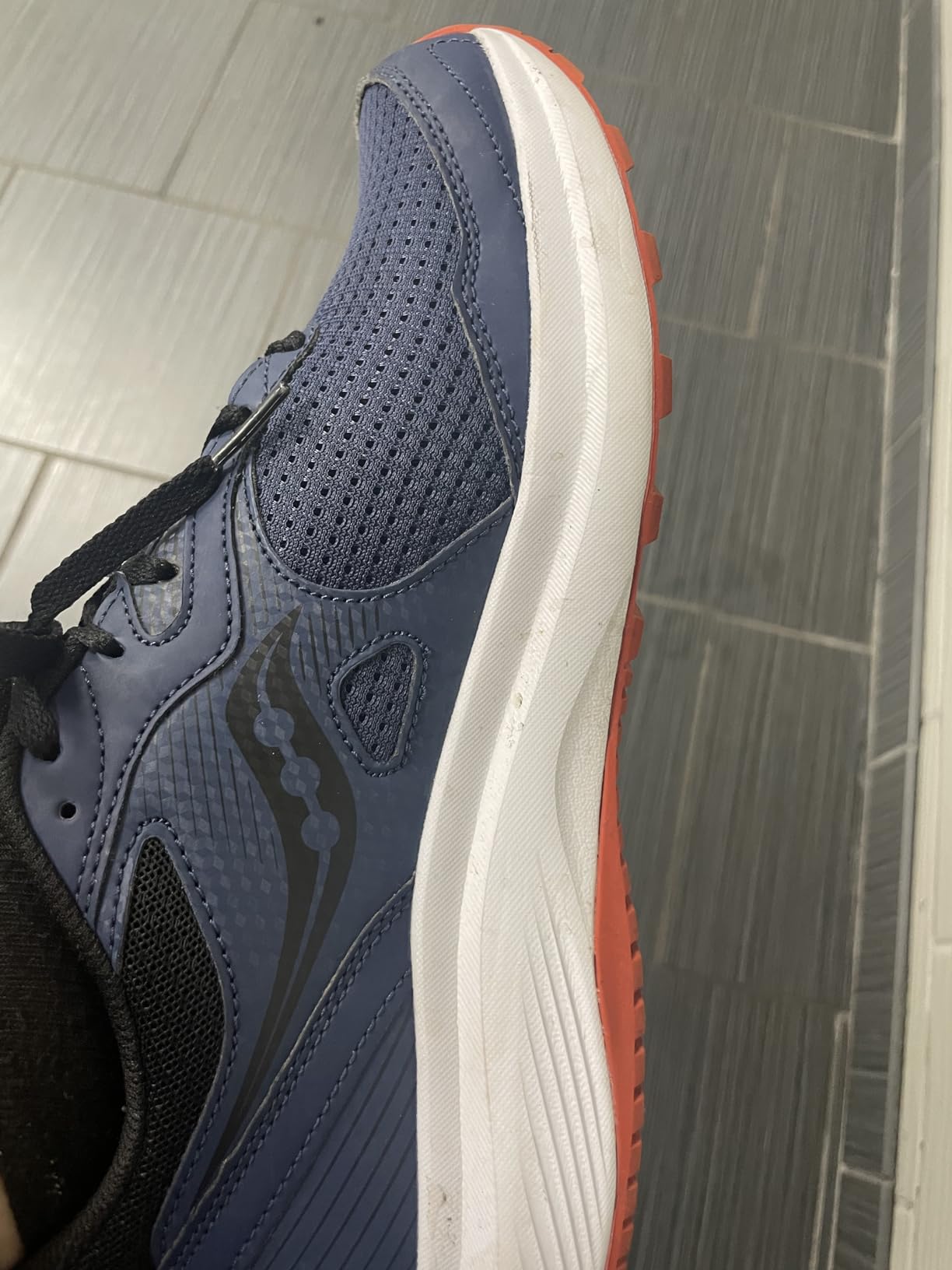
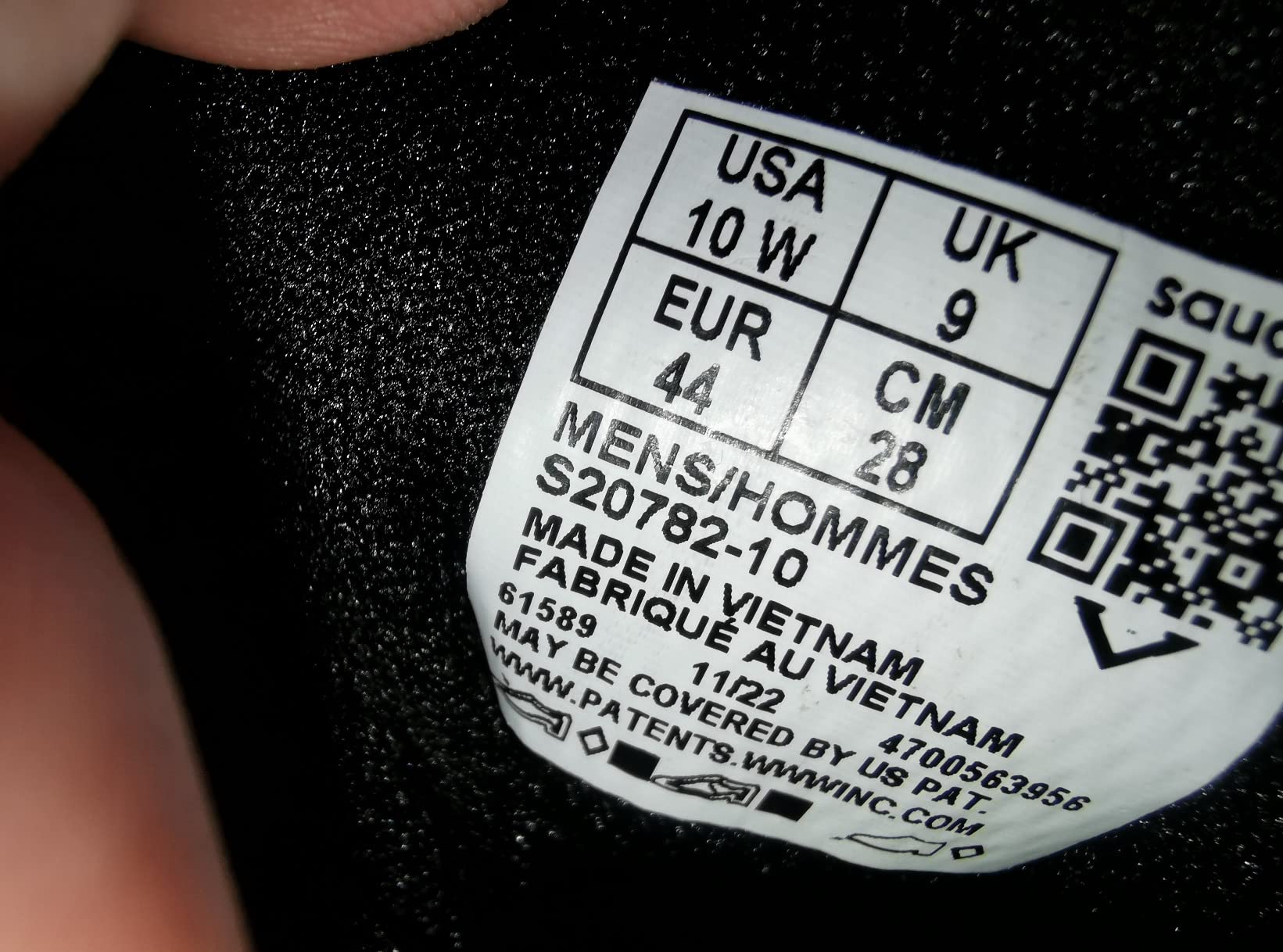
The fit is the standout feature: the wide sizing is genuinely true to size, the toe box is roomy, and the heel cup is snug without rubbing. People who stand all day say it holds up comfortably, and it is a sensible pick if you spend most of the week walking with a run or two mixed in.
Four limitations are worth naming. The rear heel-cup seam can separate after roughly a year of regular use, the outsole can be slippery on wet floors, the stability is gentle rather than corrective, and the shoe is built more for walking and light jogging than for serious running. That last point matters if your mileage is high.
Who this shoe suits
This suits overpronators who stand for a living, walk a lot, or are just starting out and do not want to commit a large amount to a first supportive shoe. Wide feet are well served by the true sizing. It is also a good value option for a second pair you leave in the car or at work.
Who should skip it
Skip it if you need real pronation control, because gentle stability will not stop an arch that is collapsing. It is also not the shoe for high-mileage running, where outsole life matters, and wet-floor grip is worth keeping in mind if your route has slick surfaces.
How to Tell if You Overpronate
You can narrow it down in five minutes without buying anything. Look at your three oldest pairs of running shoes and turn them over: if the outsole is worn most on the inside edge near the big toe, your foot is rolling inward. That wear pattern is the most reliable self-check there is, and it is worth doing before you shop.
The wet test is the second option. Wet your bare foot, stand on a dark surface, and step away. A normal arch leaves roughly half a footprint, a flat arch leaves almost the entire foot, and a high arch leaves a thin band. It is not a medical measurement, but it separates low arches from high ones quickly.
Third, watch your landing from behind. Video a short run from the rear at ankle height. If your ankle tracks inward, or if you land hard and flat on the outer heel and then roll onto the inside of your foot, that is overpronation. Watching from the front can be misleading, so keep the camera low and behind.
Fourth, notice where your feet get tired. Heaviness on the inside of the calf, shin splints that keep returning, or plantar fasciitis that flares every few weeks are all patterns that show up alongside overpronation. Fatigue-related collapse is common, which means the shoe you wear late in a run matters more than people expect.
Fifth, ask a professional. A gait analysis at a physical therapy clinic or podiatry office measures your actual motion and gives you a severity reading rather than a guess. If your pronation is severe, or you have pain that is not settling, this step is worth the appointment before you spend money on shoes.
Stability vs Motion Control vs Supportive Neutral
These three labels get used interchangeably and they describe meaningfully different levels of support. A supportive neutral shoe gives you a stable platform and a slightly wider base but does not actively resist inward roll. A stability shoe adds a defined structure that limits excess movement while staying flexible through the stride.
A motion control shoe goes further. It uses a firmer, sometimes denser medial structure and a more rigid platform, and it is the right tool for severe overpronation or flat feet. The trade is honest and unavoidable: the more a shoe resists roll, the more rigid and less responsive it tends to feel.
Within these three buckets, the shoes here split cleanly. The Brooks Addiction GTS 15 is true motion control. The Brooks Glycerin GTS 22, Adrenaline GTS 25, ASICS Gel-Kayano 32, GT-2000 13, Saucony Guide 18 and HOKA Arahi 8 are stability or supportive shoes. The ASICS Gel-Contend 9 and Saucony Cohesion 16 sit at the cushioned end, where comfort and stable geometry do the work rather than a corrective structure.
One more honest point that runs counter to most marketing: what matters most in a supportive shoe is how much the midsole resists compressing under load on the inside of your foot. A shoe with a named technology that compresses under your arch will feel supportive in a store and fail you at mile three.
Buying Guide: Features That Control Overpronation
Look for a medial post or medial structure. This is the denser piece of foam or plastic on the inside of the midsole that limits inward roll. A post is the clearest signal of a stability shoe, though modern alternatives such as H-Frame style rails and adaptive guidance pods achieve something similar without a hard post.
Check midsole firmness, not softness. The most common disappointment in forums is a shoe advertised as supportive with a midsole that collapses under the arch. A denser foam or a dual-density midsole, where the inside of the midsole is firmer than the outside, resists compression far better. Soft and supportive at the same time is possible, but it takes deliberate foam engineering.
Prioritize platform width. A broad base gives you more surface area to land on and resists tipping. Wide-footed overpronators should treat width availability as a purchase blocker, because most stability models skip the 2E and 4E options that their neutral siblings offer.
Pay attention to the heel counter and heel lockdown. A stiff heel counter keeps your calcaneus from tipping over the edge of the midsole. For heel-lock, run the laces through the midfoot eyelet loops rather than criss-crossing the top eyelets, which creates a harness effect and reduces the internal movement that makes a foot roll.
Understand stack height and heel-to-toe drop. Stack height is the thickness of foam under your foot. A higher stack gives you more shock absorption and tends to encourage a softer landing; a lower drop, meaning less heel elevation, pushes midfoot or forefoot strikers. If you have been running in a high-drop neutral shoe, staying in a similar drop reduces the chance of shin strain when you switch.
Look at the midsole geometry. A flared forefoot, tall sidewalls and a defined heel bevel all increase the surface area you land on and make it easier to stay centered. Shoes with a strong rocker profile can feel supportive without a post at all.
A quick glossary of the technologies in this roundup, since the names come up constantly:
GuideRails is Brooks’ system of rails under the heel and forefoot that limit excess movement while allowing forward travel. You will find it on the Adrenaline GTS 25, Glycerin GTS 22 and Addiction GTS 15. 4D Guidance and 3D Guidance are ASICS systems using structural elements around the midfoot and an adaptive pod that responds under heavy load. Center Path Technology is Saucony’s asymmetric geometry that centers the foot from landing through toe-off, on the Guide 18. ROLLBAR is New Balance’s stability post designed to control rearfoot movement, on the 1540v3. ENCAP is the New Balance midsole chassis that wraps foam in a polyurethane rim for durability. The HOKA Arahi uses a frame-style structure rather than a traditional post.
What to avoid. Mushy neutral trainers with a cut-out arch and soft foam collapse exactly where you need support. Carbon-plated supershoes and thin racing flats are built for a locked-in neutral gait and will feel unstable if your arch collapses. Low-cut, flexible slip-ons give your heel nowhere to sit. And any shoe with no defined structure at all is not going to control pronation, no matter how well cushioned it feels at checkout.
Check whether you can use orthotics. If you wear custom insoles, you need a roomy toe box on a straight last and a removable sockliner. In this roundup the New Balance 1540v3 and the Brooks Addiction GTS 15 are the two that reviewers consistently confirm hold a device in place, with 4E and 2E widths available. Running forums repeatedly ask whether custom orthotics or a good stability shoe are enough, and the practical answer is that a well-fitted supportive shoe handles mild to moderate cases, while severe cases usually benefit from both.
Widths, Orthotics and Switching Shoes Without Getting Hurt
Wide feet plus overpronation is the hardest combination to shop for. Most stability models run narrow, which leaves wide-footed runners squeezed into wide neutral shoes that do nothing for their gait. Our advice is to filter by width first and support second, and to expect to order up a half size on models that run small, which the ASICS Contend, the Glycerin GTS 22 and the Saucony Guide 18 all do according to buyer feedback.
Transition over four to six weeks. Swapping from a neutral shoe to a supportive one changes how much your muscles work, and abrupt changes cause soreness that runners often blame on the shoe. Ramp up by alternating pairs on your easy days for a week, then run two or three weeks in the new shoe before adding it to workouts.
Expect uneven outsole wear. A shoe that controls your pronation lands harder on the inside, which wears the outsole unevenly and shortens its life. That is the cost-per-mile reality nobody in forums enjoys: stability shoes tend to need replacing sooner than neutral trainers. Track tread depth rather than months on the clock, and keep a neutral shoe in rotation for your fast workouts.
Use toe-friendly socks and heel-lock lacing. Socks with a flat, non-seamed toe area let your toes spread, which improves the base of support. Heel-lock lacing through the midfoot eyelets cuts internal foot movement and can make a supportive shoe feel meaningfully more stable within a week.
Frequently Asked Questions
Do overpronators really need stability shoes?
Usually, if your foot visibly rolls inward at mid-strike, you have low or flat arches, or the inside edge of your shoes wears out first. In those cases a stability or motion control shoe limits excess inward roll and can reduce shin, arch and knee irritation. If your gait is neutral, a supportive neutral shoe with a wide platform is enough, and a hard stability shoe will just feel stiff.
What shoes do podiatrists recommend for overpronation?
The names that come up most often in physical therapy and podiatry referrals are the Brooks Adrenaline GTS 25, the Brooks Glycerin GTS 22, the ASICS Gel-Kayano 32 and the ASICS GT-2000. For severe overpronation with orthotics, the Brooks Addiction GTS 15 and New Balance 1540v3 are the usual recommendations because both have roomy toe boxes and wide sizing. Always confirm with your own clinician before buying.
Are Brooks or Hoka better for overpronation?
Brooks offers more levels of support in this roundup, from the softer Adrenaline GTS 25 to the rigid Addiction GTS 15, which makes it the easier brand to match to pronation severity. HOKA’s Arahi 8 is the lighter, less obvious option and offers X-Wide sizing, so it wins for runners who want subtle support and a roomy fit. Severe overpronation is better served by Brooks in our view.
What happens if overpronation goes untreated?
Untreated overpronation concentrates impact unevenly through the foot, shin and knee. The most commonly reported problems are shin splints, plantar fasciitis, arch pain and iliotibial band irritation, often appearing as pain that returns every few weeks. Supportive footwear, strengthening work for the tibialis posterior, peroneals and intrinsic foot muscles, and a professional gait analysis all help reduce that load.
How do I know if I overpronate?
Check the wear pattern on your three oldest running shoes first: if the outsole is worn most on the inside edge near the big toe, your foot is rolling inward. You can also do a wet footprint test to identify low arches, or film a short run from behind at ankle height to see whether your ankle tracks inward. A physical therapist or podiatrist can measure your gait and give you a severity reading.
Final Verdict
After running all ten through the same miles, our picks for the best running shoes for overpronation come down to severity and how much shoe you want to carry. The ASICS Gel-Contend 9 is the best overall starting point for mild to moderate pronation because its rearfoot GEL absorbs impact instead of fighting your stride. The Brooks Adrenaline GTS 25 is the daily workhorse, and the Brooks Glycerin GTS 22 handles long runs with the softest platform in the group.
For severe overpronation and flat feet, the Brooks Addiction GTS 15 is the right call, with the New Balance 1540v3 behind it for orthotic wearers who need 4E widths. Match your degree of pronation to the structure, give any switch four to six weeks, and check the wear pattern on your current shoes before you buy. Those three steps will get you more right than any brand logo will.