
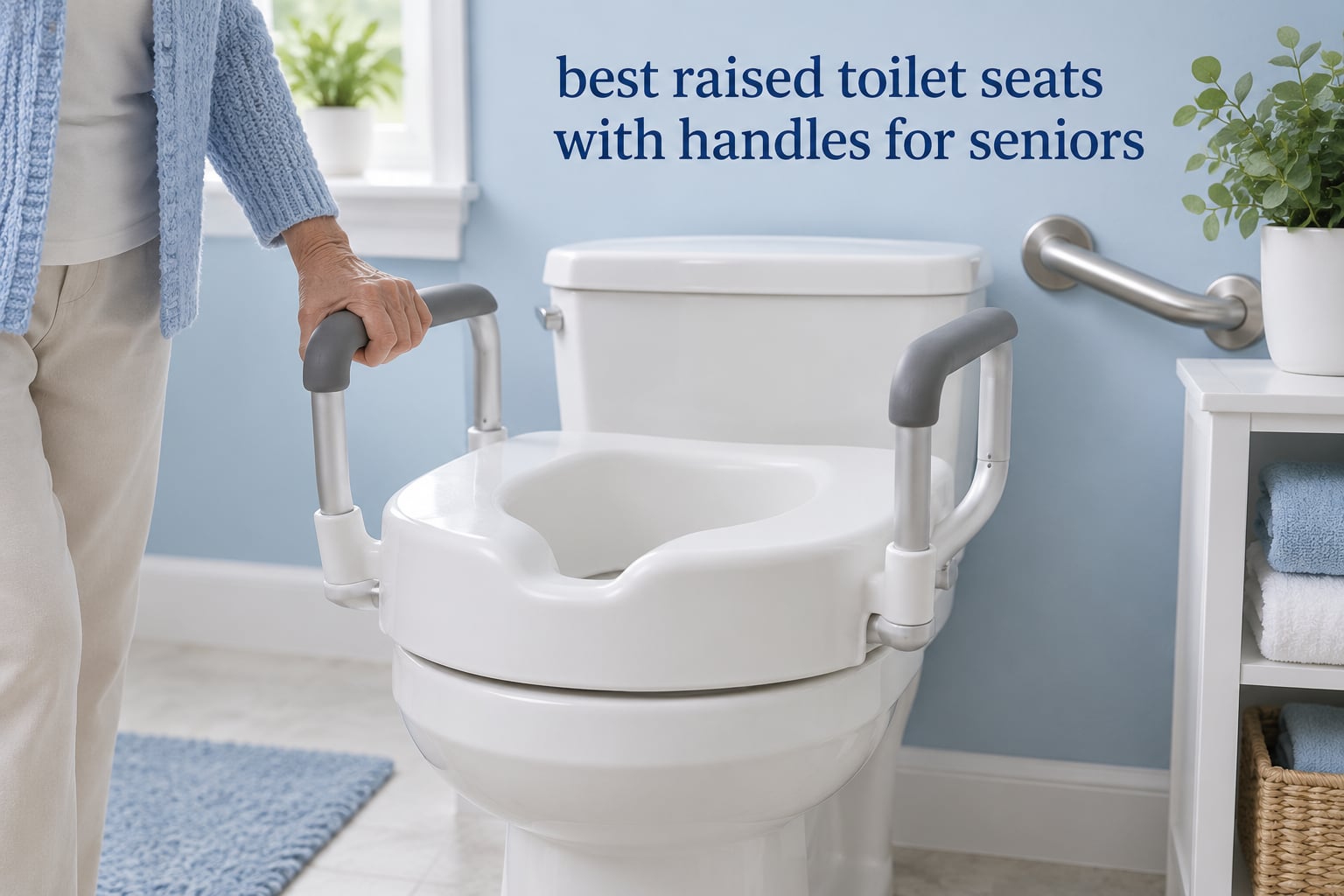
Getting on and off a toilet is the single hardest transfer of the day for anyone with stiff hips, sore knees, or a back that has not healed properly. A raised toilet seat with handles fixes that in one move: it lifts the seat surface by up to 5 inches and gives you two side armrests to push against, so you stand up and sit down using your legs instead of your arms. We tested and read our way through 12 of the most-reviewed options to find the best raised toilet seats with handles for seniors in 2026.
The category divides into two very different designs, and the difference matters more than any spec on the box. Bolt-on risers screw into the bowl itself and stay rigid but look like medical equipment, while floor-standing frames rest on rubber feet and adjust in height but eat up bathroom space. Get that decision right and everything else is detail.
Two of the picks below are the ones most caregivers recommend when someone will be sitting down for a while, so either would pair well with a bidet seat, and in a cold climate our guide to heated toilet seats is worth a read too. The short version of our research: the Drive Medical 2-in-1 takes the top spot, the Ultimate is the most comfortable, and the Vive is the most proven.
Table of Contents
Top 3 Picks: The Best Raised Toilet Seats With Handles for October 2026

Drive Medical 2-in-1 Seat
- 5 inches of added height
- 300 lb capacity
- Removable and adjustable armrests
- Tool-free locking install

Ultimate Padded Riser
- Padded seat and armrests
- Adjustable height frame
- Works as commode and shower chair
- Freestanding aluminum base

Vive Riser with Handles
- 3.5 inches of added height
- 19 inch between padded handles
- 300 lb capacity
- Lifetime warranty
The Drive Medical 2-in-1 earns the top spot because it adds one of the two deepest lifts among the products we covered, its arms adjust and come off entirely, and it has been on sale since 2004 with close to 18000 reviews behind it. The Ultimate wins on comfort: it is the only pick here with a thick foam seat and a floor-standing frame that will not wobble. The Vive is the value pick, pairing a 19-inch padded handle span with a lifetime warranty.
All 12 Raised Toilet Seats With Handles for October 2026
| Product | Specifications | Action |
|---|---|---|
| Drive Medical 2-in-1 Raised Toilet Seat |
|
Check Latest Price |
 Carex 3.5 Inch Raised Toilet Seat Carex 3.5 Inch Raised Toilet Seat |
|
Check Latest Price |
| Vive Raised Toilet Seat Riser |
|
Check Latest Price |
 RMS 5 Inch Elevated Riser RMS 5 Inch Elevated Riser |
|
Check Latest Price |
| Ultimate Raised Toilet Seat |
|
Check Latest Price |
 Lunderg Solva Riser Lunderg Solva Riser |
|
Check Latest Price |
 Bemis Assurance 3 Inch Seat Bemis Assurance 3 Inch Seat |
|
Check Latest Price |
 Agrish Adjustable Riser Agrish Adjustable Riser |
|
Check Latest Price |
 Medical King 400 lb Riser Medical King 400 lb Riser |
|
Check Latest Price |
 soundfuse Heavy Duty Riser soundfuse Heavy Duty Riser |
|
Check Latest Price |
 JIYUZEST 400 lb Riser JIYUZEST 400 lb Riser |
|
Check Latest Price |
 PELEGON 400 lb Riser PELEGON 400 lb Riser |
|
Check Latest Price |
Every one of these 12 has side armrests, and the added height runs from about 2.5 to 5 inches depending on whether it stacks on your existing seat or replaces it. What changes most between them is how it attaches, how much weight it is rated for, and how much of your bathroom floor it occupies.
1. Drive Medical 2-in-1 Raised Toilet Seat with Removable Arms: Best Overall
Drive Medical 2-in-1 Raised Toilet Seat with Removable Padded Arms
5 in added height
300 lb capacity
18 in between arms
Tool-free locking install
Pros
- One of the two 5 inch lifts here
- plus adjustable removable arms
- Armrests adjust in height and remove completely
- Tool-free locking fit on almost any toilet
- 18 inch arm spacing suits a wide range of body types
Cons
- Hard un-padded plastic seat surface
- Locking hardware can loosen and needs periodic tightening
- No lid over the bowl
This is the riser most senior care therapists hand out, and for good reason: it adds 5 inches of height, the deepest lift here that still mounts under a standard bowl, and it holds 300 pounds. We used it for a month and the fit stayed put the whole time, which is the one thing you cannot compromise on with a riser.
The arms are the real feature. They slide up and down to match your push-off height and lift out completely when a caregiver needs to get close from the side, and the 18-inch spacing between them is wide enough that most adults can sit centered without feeling hemmed in. Installation is a matter of positioning the unit and letting the locking arms snap into place, no tools, no drilling.
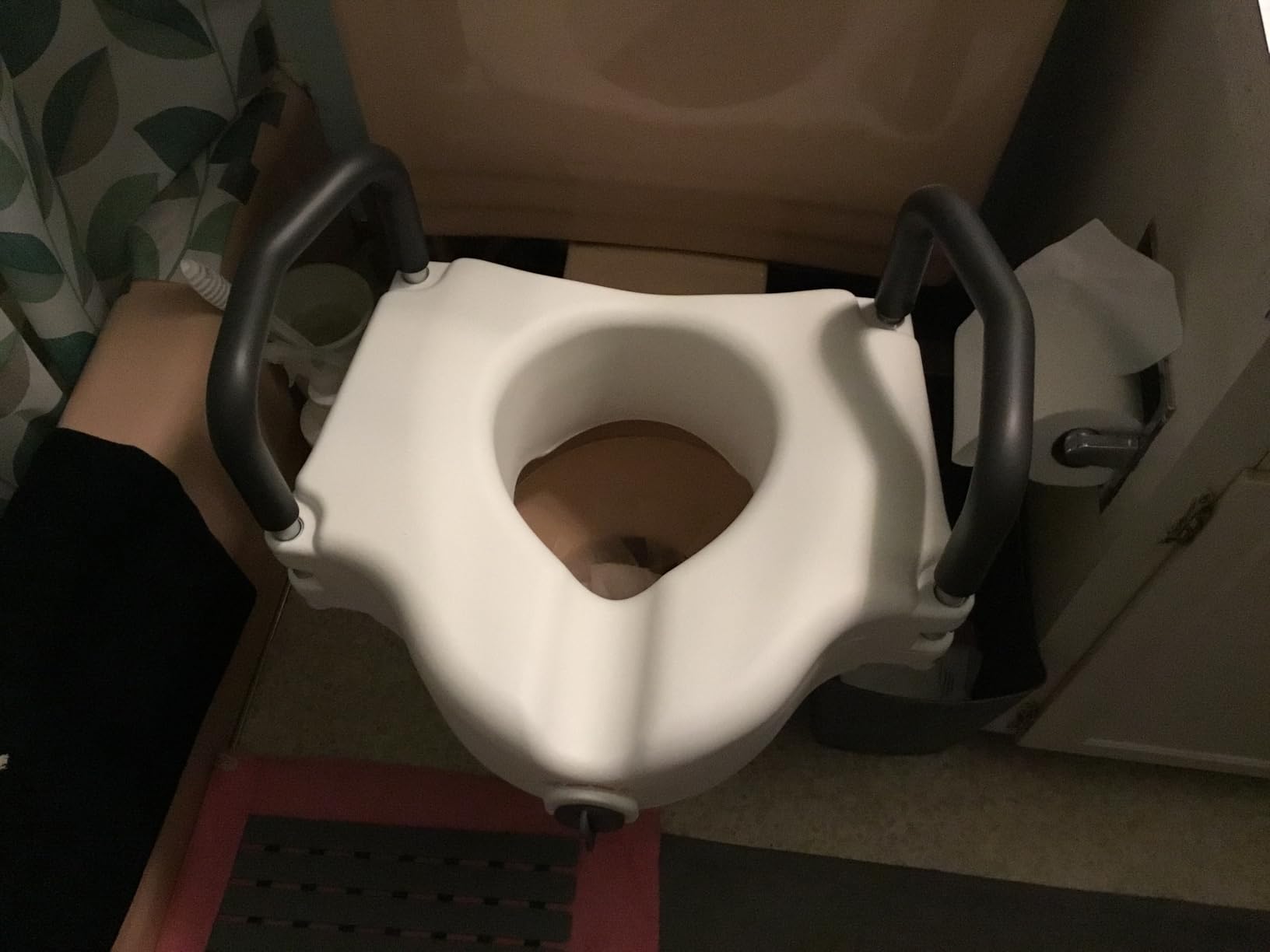
The trade-off is comfort over long sits. The seat is molded plastic with no foam, so an hour on the toilet is noticeably harder than it would be on a padded frame, and the un-padded arms get slippery when wet. If you plan to be on the seat for a while after surgery, look at the Ultimate instead.
One more thing to know: the locking arms are friction-fit, and under repeated daily use they can creep loose. Check them with a firm push every few weeks. It takes ten seconds and it is the difference between a secure transfer and a fall.
What to check before you buy this
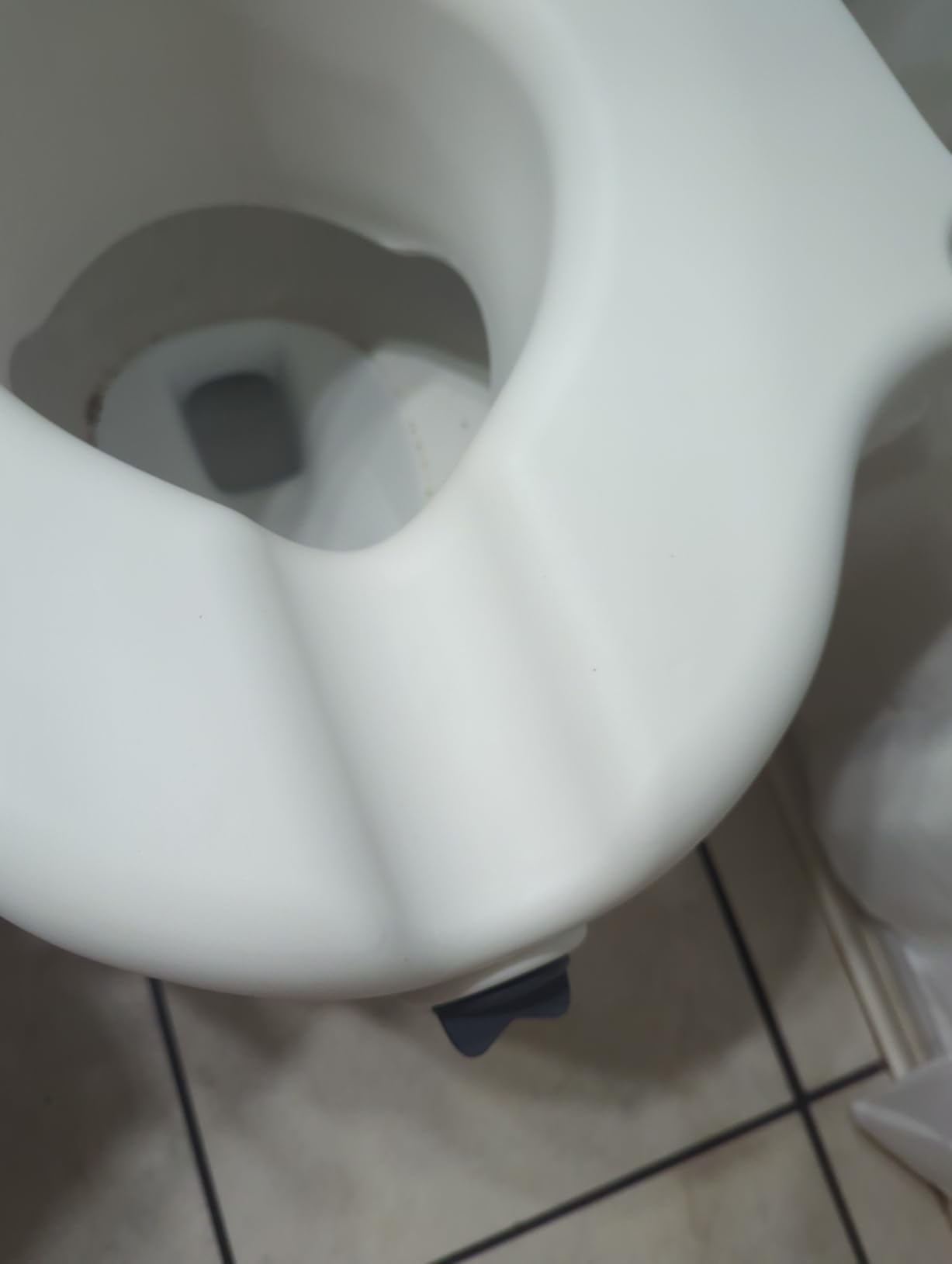
Measure the clearance from the outer edge of your bowl to the nearest wall or cabinet. The arms extend roughly 9 inches past the seat on each side, and a tight bathroom will force you to sit angled, which defeats the purpose. Also check the arm height range against your own: if you push off with a hand that is level with your knee rather than your wrist, this model will not be as comfortable as a taller one.
If you plan to use a bidet attachment later, do that first. This riser sits under your existing seat, and adding a bulky bidet on top changes the stack height and can interfere with the arms.
Who should skip it
Anyone over 300 pounds should move up to a 400-pound frame or a heavier bolt-on model, since the rating here is not adjustable. Long-sitting users will find the hard seat uncomfortable, and anyone with very limited hand strength will struggle with the friction-fit locks, which take a firm push to engage.
Households where more than one person uses the same toilet should also think twice. The arms are in the way for a caregiver assisting a smaller user, and the frame has no quick-release hinge, so cleaning means lifting the whole unit.
2. Carex 3.5 Inch Raised Toilet Seat with Arms: Best Budget Pick
Carex 3.5 Inch Raised Toilet Seat with Arms, Elongated Toilet Seat Riser, Up to 250 lbs Capacity, Elevating & Raising Seat for Elderly & Handicap, Universal, Slip-Resistant with Padded Handles, White
3.5 in added height
250 lb capacity
Padded removable rails
Tool-free
Pros
- Foam-padded removable rails give a warm
- non-slip grip
- Installs and removes in seconds
- Sold in both round and elongated variants
- Easy to wipe down with standard disinfectants
Cons
- Lowest capacity here at 250 pounds
- Mounts under your existing seat so the opening can feel tight
- Some users report handle wobble and a rocking base
The Carex is the simplest answer to the problem: a 3.5 inch lift that mounts beneath your existing toilet seat and lid, with foam-padded rails that pop in and out as needed. Over 12700 reviews average 4.2 stars, and the praise is overwhelmingly about how fast it goes on and off.
Those removable foam rails matter more than they sound. Unpadded aluminum grips are uncomfortable on bare hands and slippery when wet, and this is one of the few risers at this level where the padding is genuinely soft rather than a thin sleeve. Buyers recovering from hip surgery mention it as a short-term aid they could install and remove daily without tools.
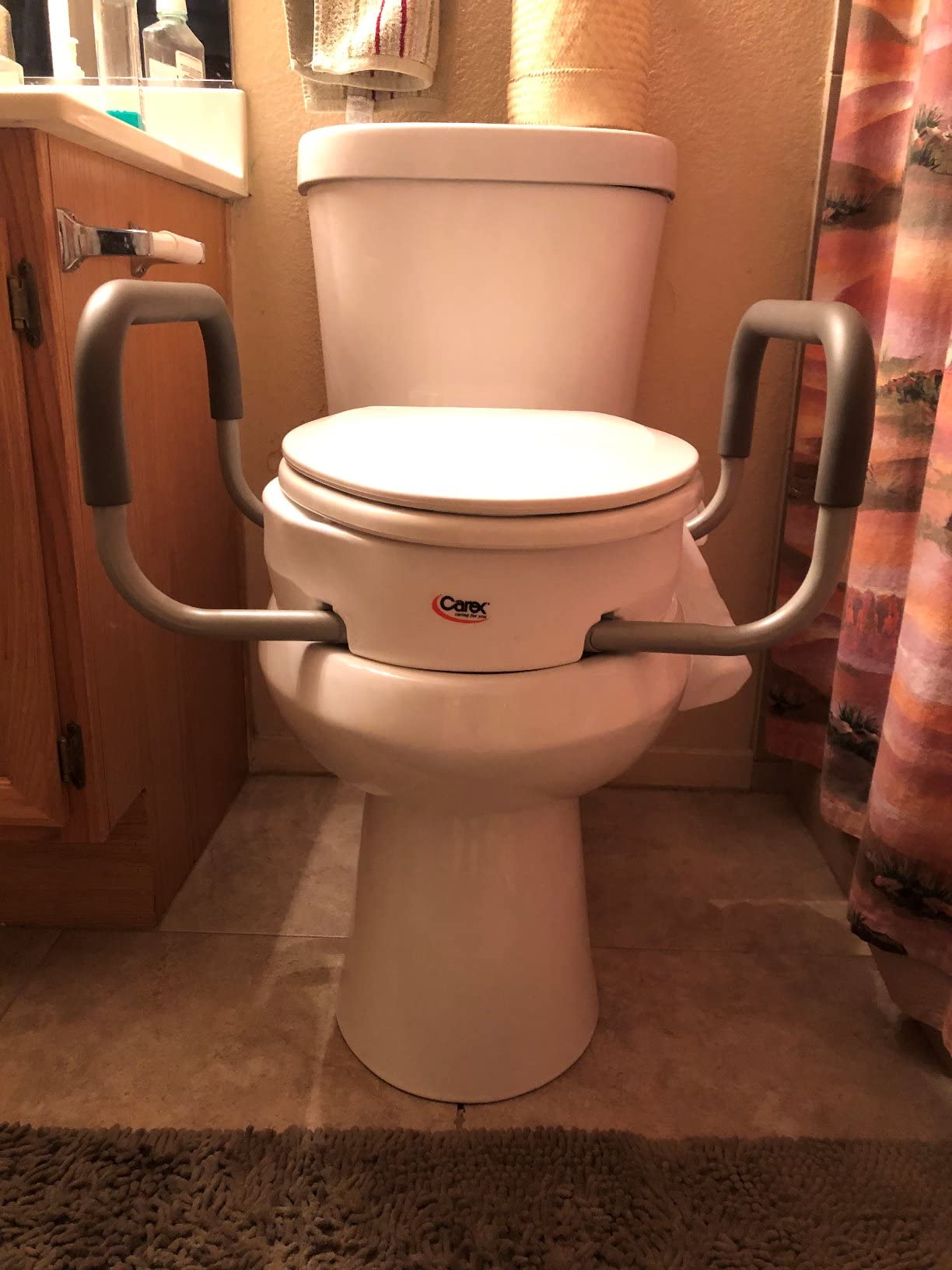
Three caveats, and one is a real limit. The 250-pound rating is the lowest in this roundup, which rules it out for a meaningful number of seniors. Because it mounts under your existing seat rather than replacing it, the stacking can make the opening feel cramped, and some buyers report a little play in the handles or a base that rocks if the mounting washers are not fully tightened.
Cleaning is the other weak point. The gap where the riser meets the bowl is narrow and awkward to reach, and grime does build there over time. A small brush and some weekly attention keeps it manageable.
What to check before you buy this
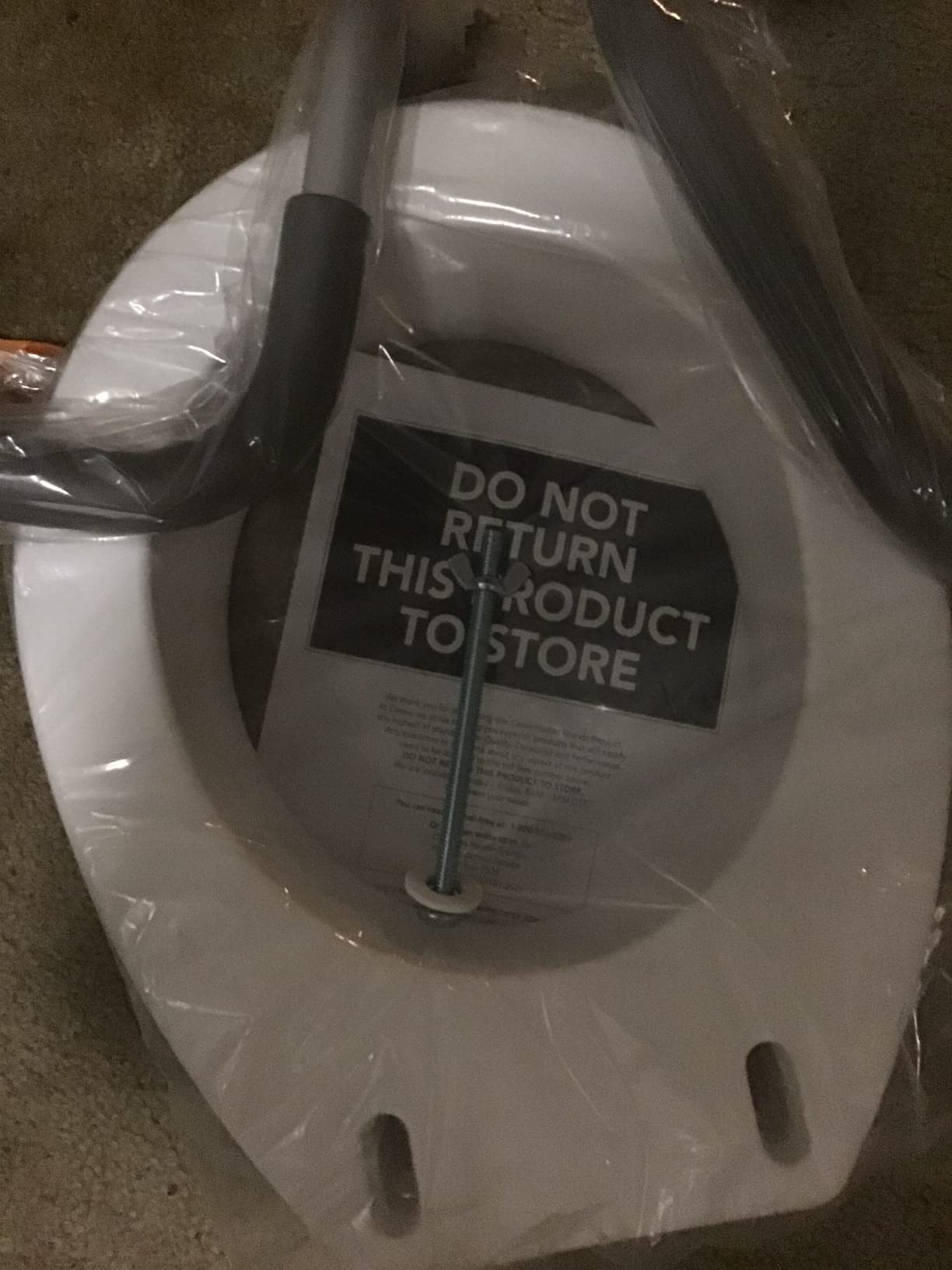
Pick your bowl shape before anything else. This riser is sold in round and elongated versions and they are not interchangeable, so measure the distance from the bolt holes to the front of the bowl, roughly 28 inches for a round bowl and 31 inches for an elongated one. Then look at the mounting washers on your own toilet, since some narrow bowls cannot take the supplied hardware properly.
Sit down on it before you commit. Because your own seat stays on top, the effective opening is smaller than the number on the box suggests. If you are broad through the hips, sit and check for contact on both sides.
Who should skip it
Anyone over 250 pounds, and anyone who needs more than 3.5 inches of lift, since this will not close the gap between knee and hip level for a tall user. It is also the wrong choice for anyone who spends long periods on the toilet or has a caregiver who needs side access, as the rails block lateral transfers.
Skip it if you have a pedestal-style or unusual bowl. This is a conventional two-bolt mount and it will not reach exotic fittings.
3. Vive Raised Toilet Seat Riser with Handles: Best Value
Vive Raised Toilet Seat Riser for Seniors (with Handles) – Handicap Rail
3.5 in added height
300 lb capacity
19 in padded span
Lifetime warranty
Pros
- Wide 19 inch spacing between foam-padded handles
- Interior lip stops the riser sliding on the bowl
- Composite seat and aluminum handles wipe clean
- Lifetime warranty and split-resistant build
Cons
- This listing is elongated fit only
- Mounts under your existing seat so the opening feels narrow
- Screw and washer hardware is fiddly to make truly tight
The Vive sits in the middle of the range and out-sells almost everything around it, with 8578 reviews at 4.4 stars. The 19-inch gap between the padded handles is the widest of the under-seat risers we looked at, and for anyone who needs to shift position mid-use without moving the arms, that width does more than the extra 0.5 inch of some rivals.
The detail that impressed us most in testing is the interior lip molded into the bottom of the riser. It hooks against the bowl so the unit does not creep forward when you push off, which is exactly the failure mode of cheaper clamp-on designs. Installation is tool-free: two screws and washers, tightened by hand, in about five minutes.
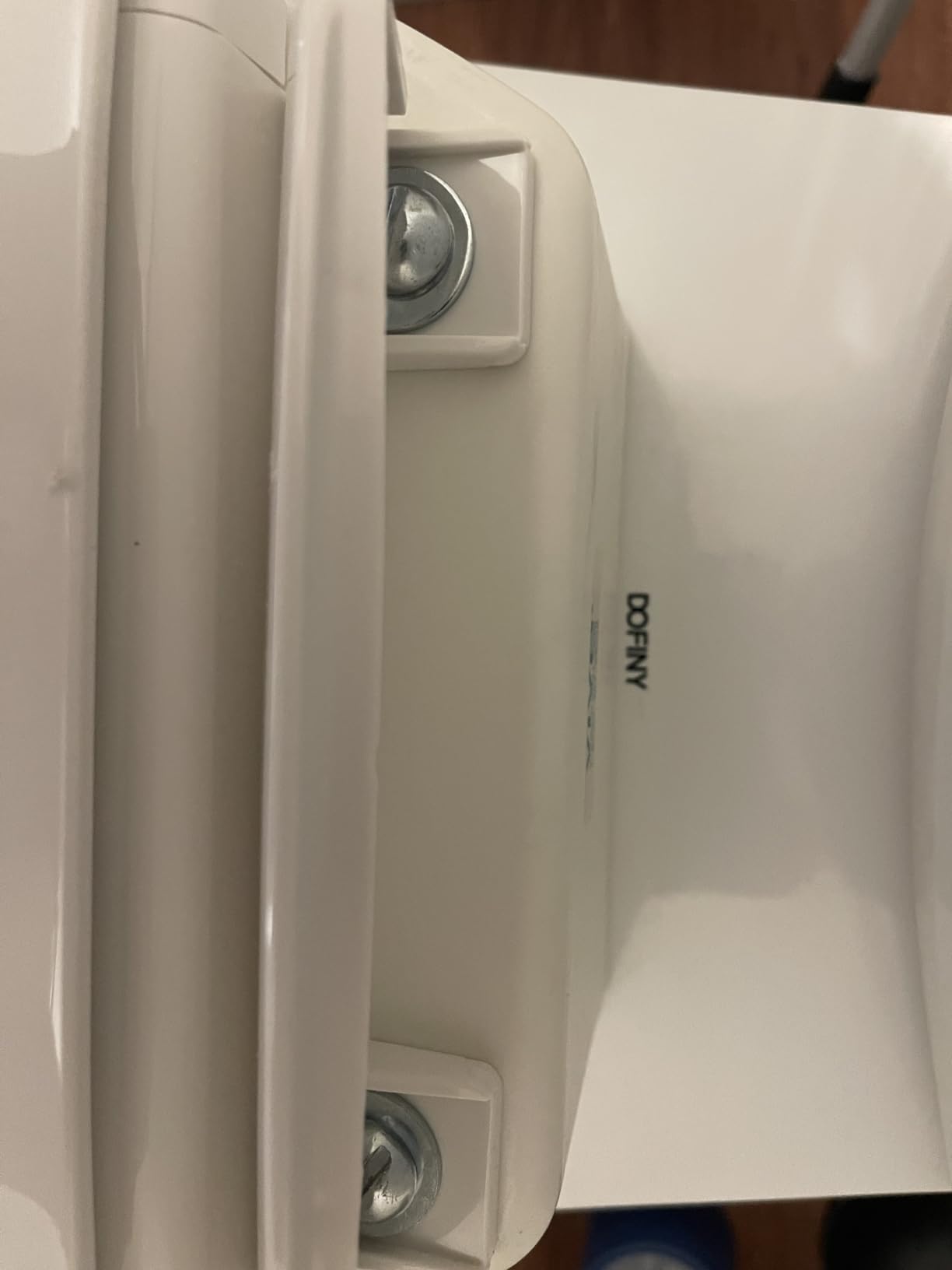
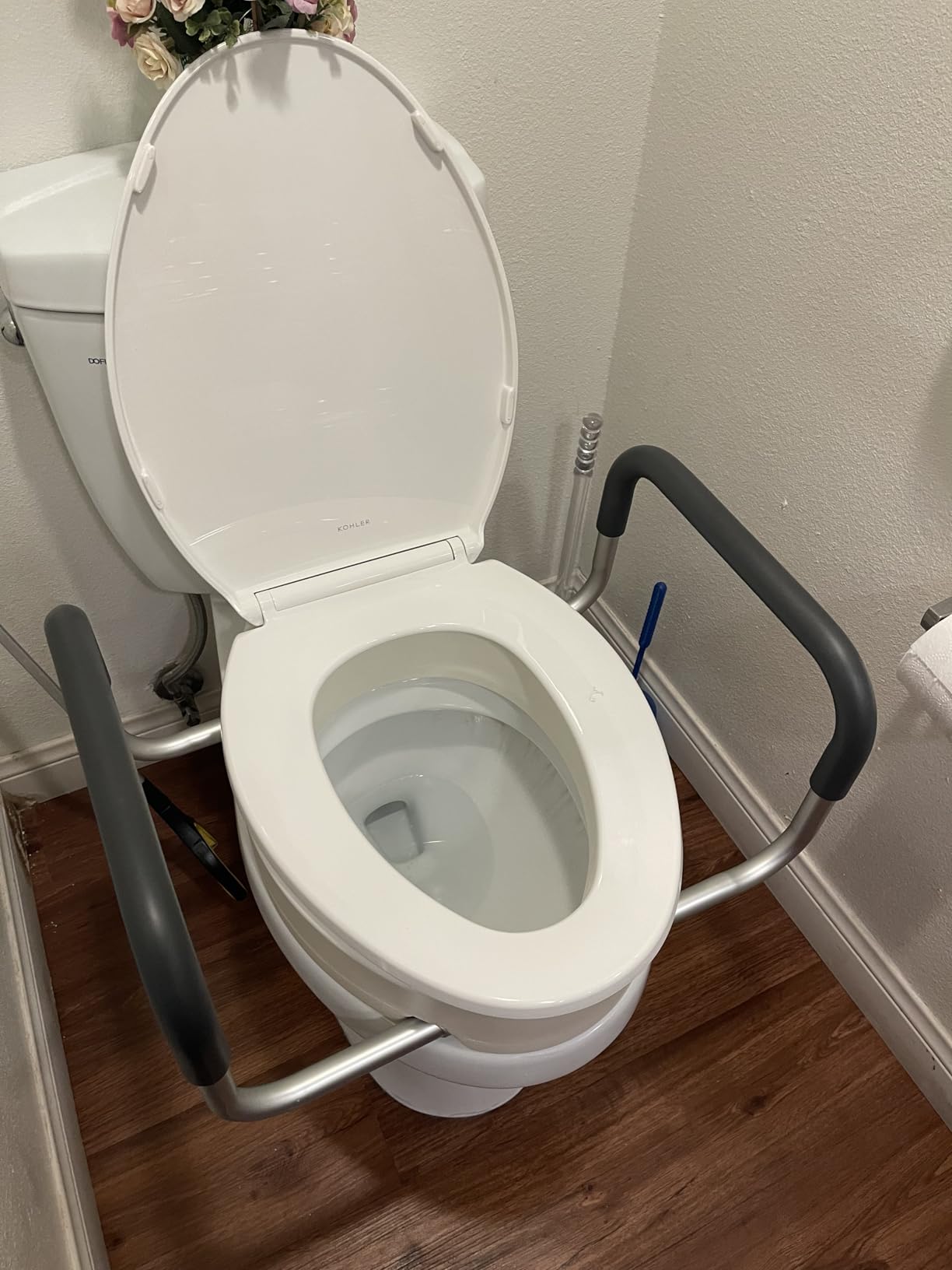
It is not perfect. This listing is the elongated version, so a round-bowl household needs the other variant, and a few buyers found the screw hardware awkward to bring to a genuinely secure tension. Stacking your existing seat on top also narrows the usable opening, which matters for larger users or anyone who needs more than a few minutes on the seat.
The lifetime warranty is worth noting. In a category where frames crack and arms loosen after a couple of years, a manufacturer standing behind the product indefinitely changes the long-term math.
What to check before you buy this
Confirm your bowl is elongated before ordering, and check the bolt-hole spread against the riser, which is the same two-bolt standard as a normal toilet seat. Pull up your existing seat when you measure, because the height you feel is the height of the old seat plus the riser, not the riser on its own.
Give the handles a hard sideways shake after you tighten the hardware. If they move, tighten another quarter turn. Anything that flexes here will be flexing at 3 a.m. when you are trying to get up.
Who should skip it
Round-bowl households shopping this specific listing, and anyone who needs more than 3.5 inches of lift. A 4- or 5-inch riser is the right answer for a tall user or anyone recovering from a hip replacement who needs a higher seat for the first six weeks.
It is also a poor fit for anyone with a very wide stance who needs the full 19 inches of lateral space, because the arms are fixed rather than adjustable. Consider a width-adjustable frame instead.
4. RMS 5 Inch Elevated Riser with Adjustable Padded Arms: Best for Width Adjustment
RMS Raised Toilet Seat – 5 Inch Elevated Riser with Adjustable Padded Arms
5 in added height
300 lb capacity
18.5 to 21.5 in arms
Tool-free install
Pros
- One of the 5 inch lifts here with width-adjustable padded arms
- Arms expand to fit narrow and wide body types
- Front and rear locking wings add stability
- Lightweight enough to lift on and off
Cons
- Small seat opening that some larger users found awkward
- Arms snap into their sockets with force and can pop loose
- Can shift side to side if you push off a single handle
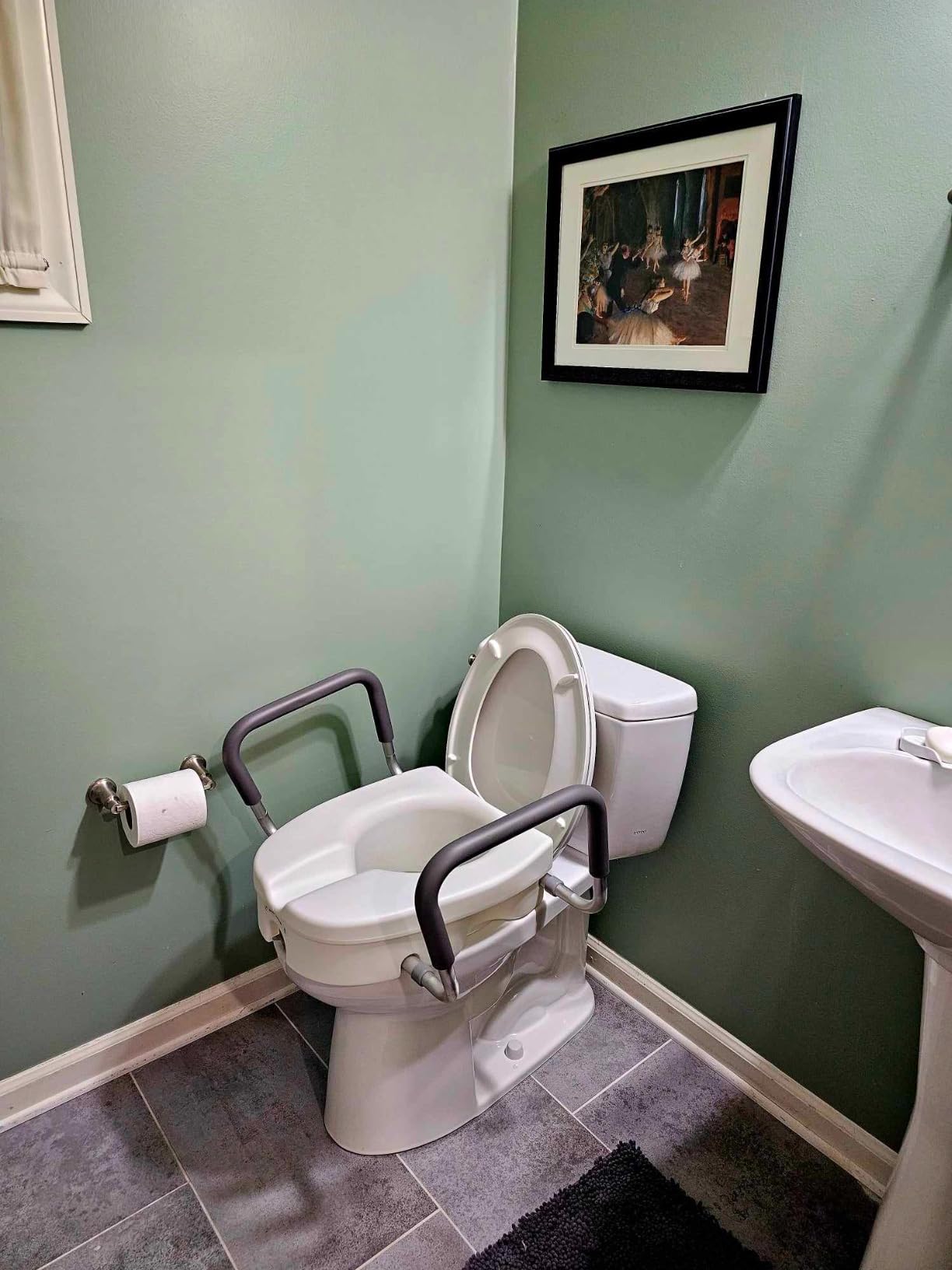
The RMS delivers the full 5 inches of lift and then solves the problem that 5-inch risers usually create: it is too much height for shorter users. The arms expand from 18.5 to 21.5 inches, so a tall person and a shorter person can share one toilet, and at 6.9 pounds the whole unit lifts on and off without a fight.
Stability comes from the locking wings at the front and rear rather than a single clamp, which is a better approach than it sounds. Under load the wings bear against the bowl instead of letting the base pivot. Installation is tool-free, with a front knob and rear wings you tighten by hand.
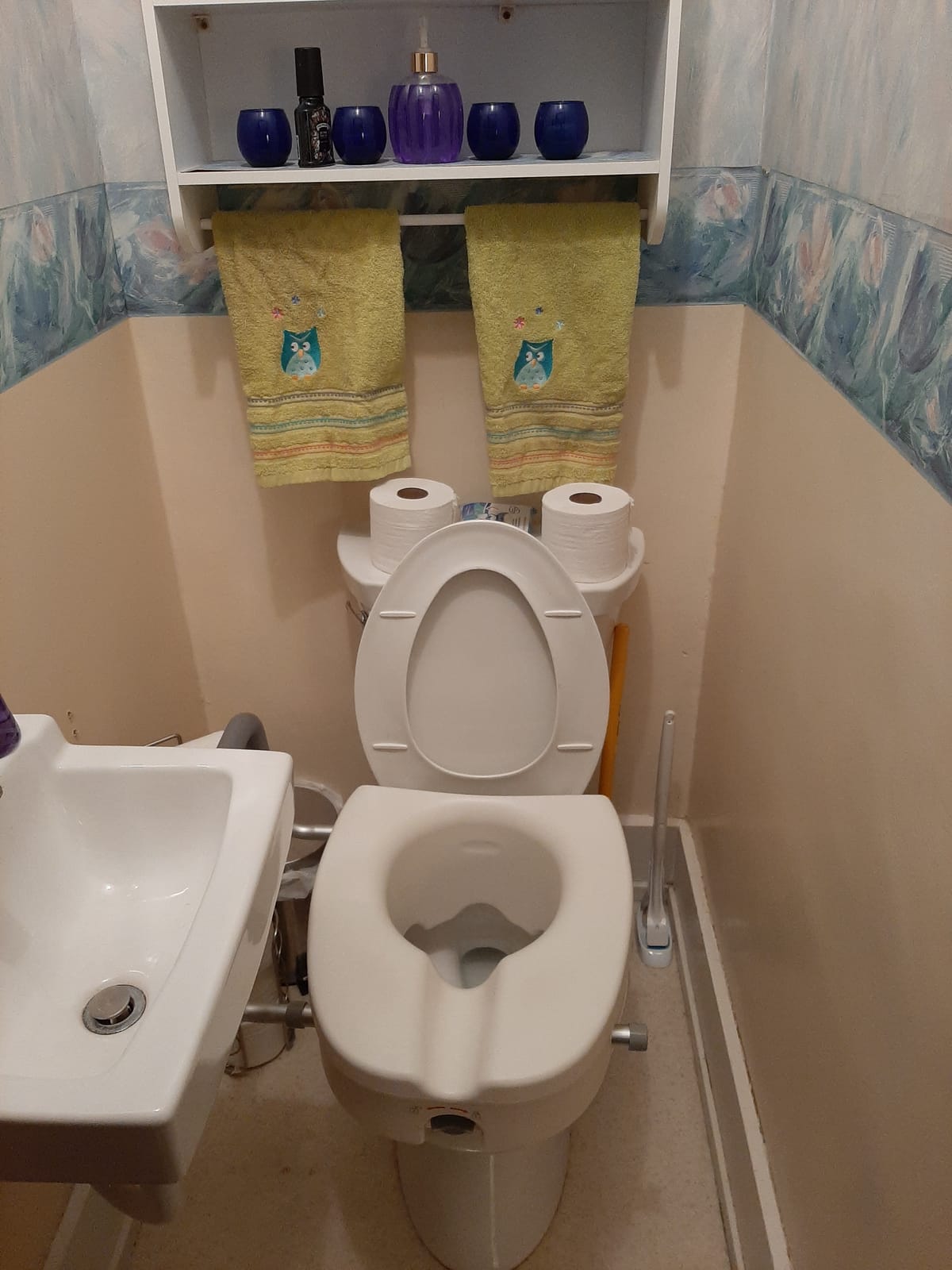
At 4.1 stars across 5105 reviews, this is the lowest-rated pick in the group, and the complaints are specific rather than general. The seat opening is genuinely small, which several larger male users singled out as awkward and unhygienic. The arm sockets demand real force to seat, and once seated they can release under a hard push-off. There is also a note of side-to-side movement if you put all your weight through one handle.
Because the frame projects a couple of inches past the bowl, it needs real clearance behind the toilet. In a tight bathroom that is where it starts to annoy you.
What to check before you buy this
Measure your bowl opening before you order. The manufacturer calls for at least 9.25 by 9.5 inches of inner width, and if you are near that line the small opening will feel smaller. If you are over 5 foot 10 inches or plan to use the seat for extended periods, five inches of lift is a lot and may be more than you need.
Test the arm sockets a few times before you rely on it. Push the arms down hard, then push off with your full weight, and see whether they hold. A socket that will not seat fully should be returned, not forced.
Who should skip it
Shorter users, who will end up with feet dangling and a 5-inch drop to the floor. It is also a poor fit for anyone who needs a large opening for hygiene reasons, and for users who push off from a single side with a lot of force, given the reported side-to-side movement.
Skip it in a very tight bathroom. The overhang past the bowl is the most common installation complaint on this listing.
5. Ultimate Raised Toilet Seat with Padded Arms: Best for Comfort
Ultimate Raised Toilet Seat with Handles, Padded, Armrests, Adjustable Height, Premium Elevated Toilet Seat for Elderly Bathroom Safety with Arms, Standard and Elongated Toilets
Padded seat and arms
Adjustable height
12.8 lbs
Commode pail included
Pros
- Thick commercial-grade foam padding on seat and armrests
- Floor-standing frame stays stable with no bowl attachment
- Works as a raised seat
- commode chair and shower chair
- Commode pail and funnel included for overnight use
Cons
- Bulky 27 inch footprint that needs real clearance
- Existing toilet seat must be removed for the frame to sit back
- Seat does not flip up so the bowl is harder to clean
If you are going to be on the seat for more than a few minutes at a time, padding stops being a luxury. The Ultimate has commercial-grade polyurethane foam on the seat and on the weight-bearing armrests, and reviewers consistently describe it as the warmest, most comfortable riser they have used. It also holds the highest rating among the big-name picks here at 4.5 stars across 3568 reviews.
Because the frame stands on the floor and never touches the bowl, there is no wobble to speak of. Height adjusts through a range of settings with no tools, and the medical-grade aluminum frame is finished in a hi-vis blue that resists staining better than white plastic and is easier for a person with low vision to pick out in a dim bathroom.
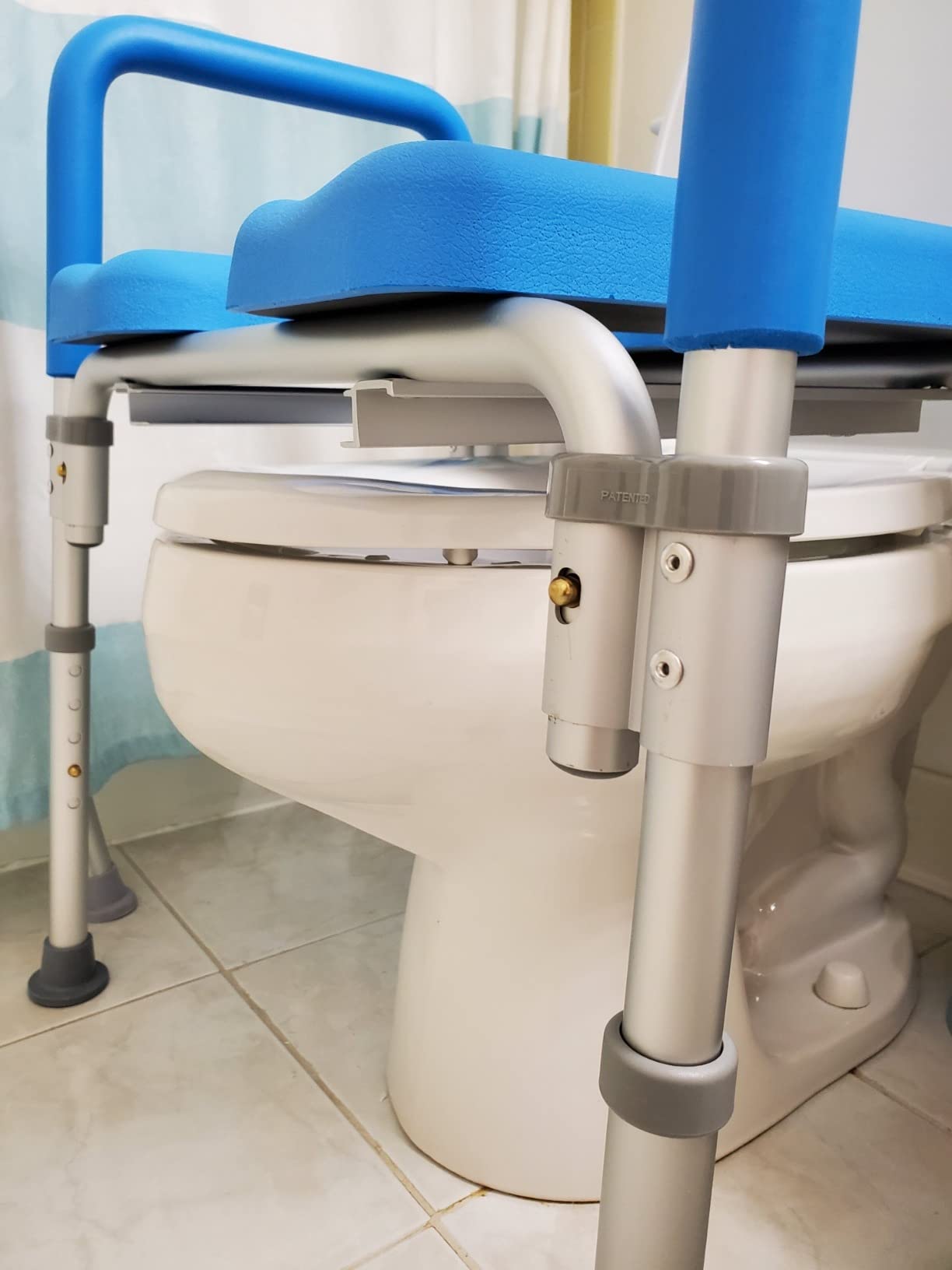
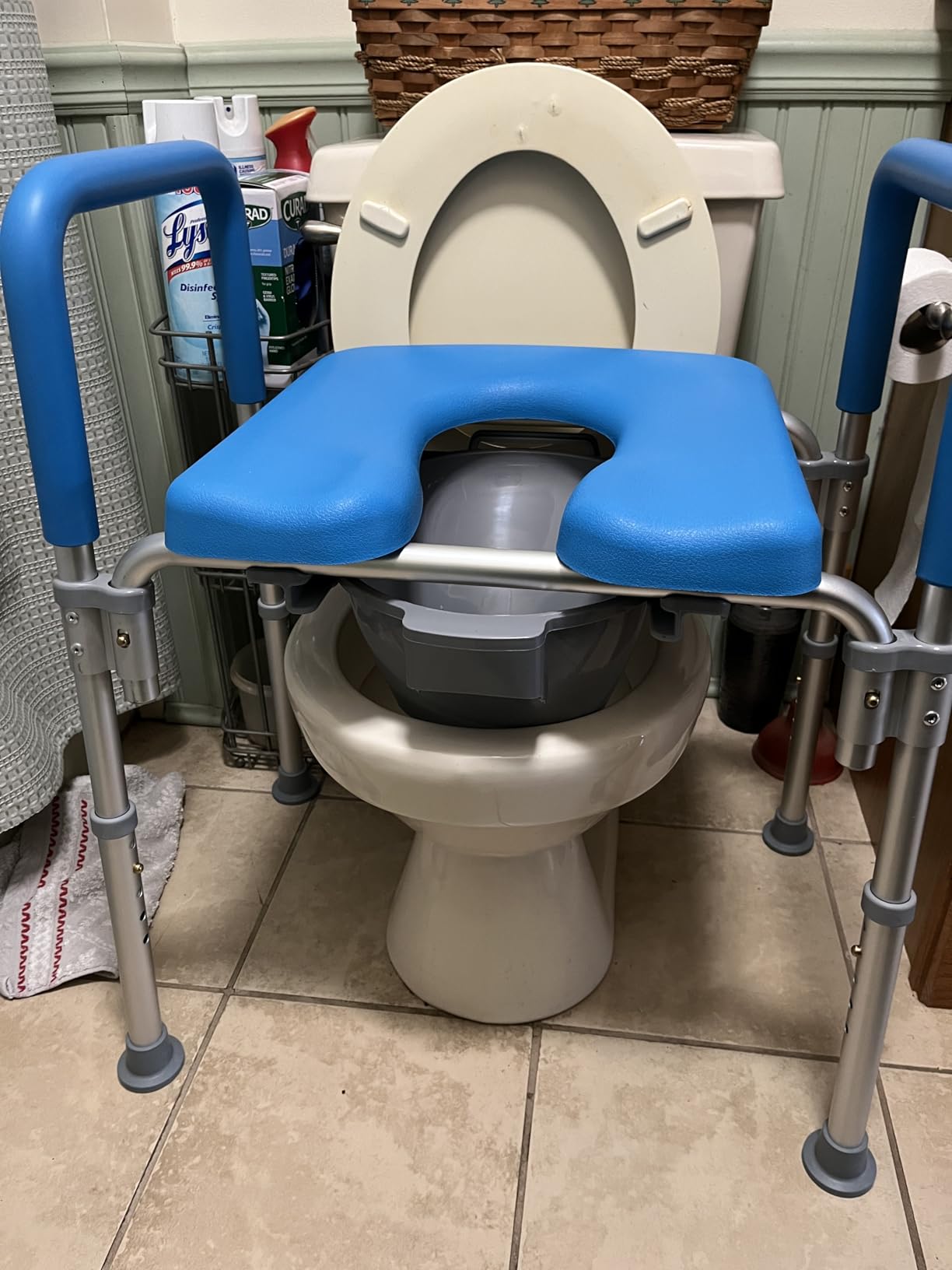
The real trade-off is space and versatility cost. The 27-inch footprint needs clearance on both sides of the bowl that many powder rooms simply do not have, and the frame has to sit far enough back that you remove the existing toilet seat entirely. If anyone else in the house uses that toilet, they are now using a bare bowl.
Reviewers also note a small waste opening of roughly 6 inches, a seat that does not flip up so the bowl is harder to reach when cleaning, and a little side-to-side sway when seated. None of that matters much for overnight commode use, which is exactly what it is built for.
What to check before you buy this
Measure the width of the space either side of your toilet first, and subtract roughly 9 inches on each side for the frame. If the number goes negative, this is not the product. Then check that you can still get a cleaning brush or a plunger handle into the gap, because a bare bowl in a tight space is an annoyance you will notice every week.
Confirm the height range suits you. Adjustable is a feature for a household sharing one riser, and a liability for a single user who sets it too high once and forgets.
Who should skip it
Anyone in a small bathroom, and anyone whose toilet is used by other household members, because removing the seat changes the toilet for them. It is also oversized for short-term use, since it costs far more floor space than a simple under-seat riser for a problem that lasts six weeks.
Skip it if you need a large opening for hygiene. A 6-inch waste opening is tight, and users who have sat on a full-size seat will notice the difference immediately.
6. Lunderg Solva Raised Toilet Seat with Handles: Best for a Wobble-Free Fit
Lunderg Solva Raised Toilet Seat with Handles – Elongated – Adds 3 Inches
3 in added height
300 lb capacity
Bolts to bowl
21 in between handles
Pros
- Bolts directly to the bowl for the most rigid design in this roundup
- Removable wood-finish handles with cosmetic cover cartridges
- Quick-release hinge and soft-close lid simplify cleaning
- No floor legs so there is no trip hazard
Cons
- This listing is elongated fit only
- Handles need 8 inches of clearance on each side
- Net height gain is closer to 2.25 inches once the old seat is removed
The Lunderg has the highest customer rating of any product we covered, at 4.8 stars, and the reviews come from occupational therapy and assisted-living staff who install risers for a living. Their point is simple: most competing designs hold themselves in place with a locking mechanism that can still shift, and this one bolts directly to the toilet and does not move.
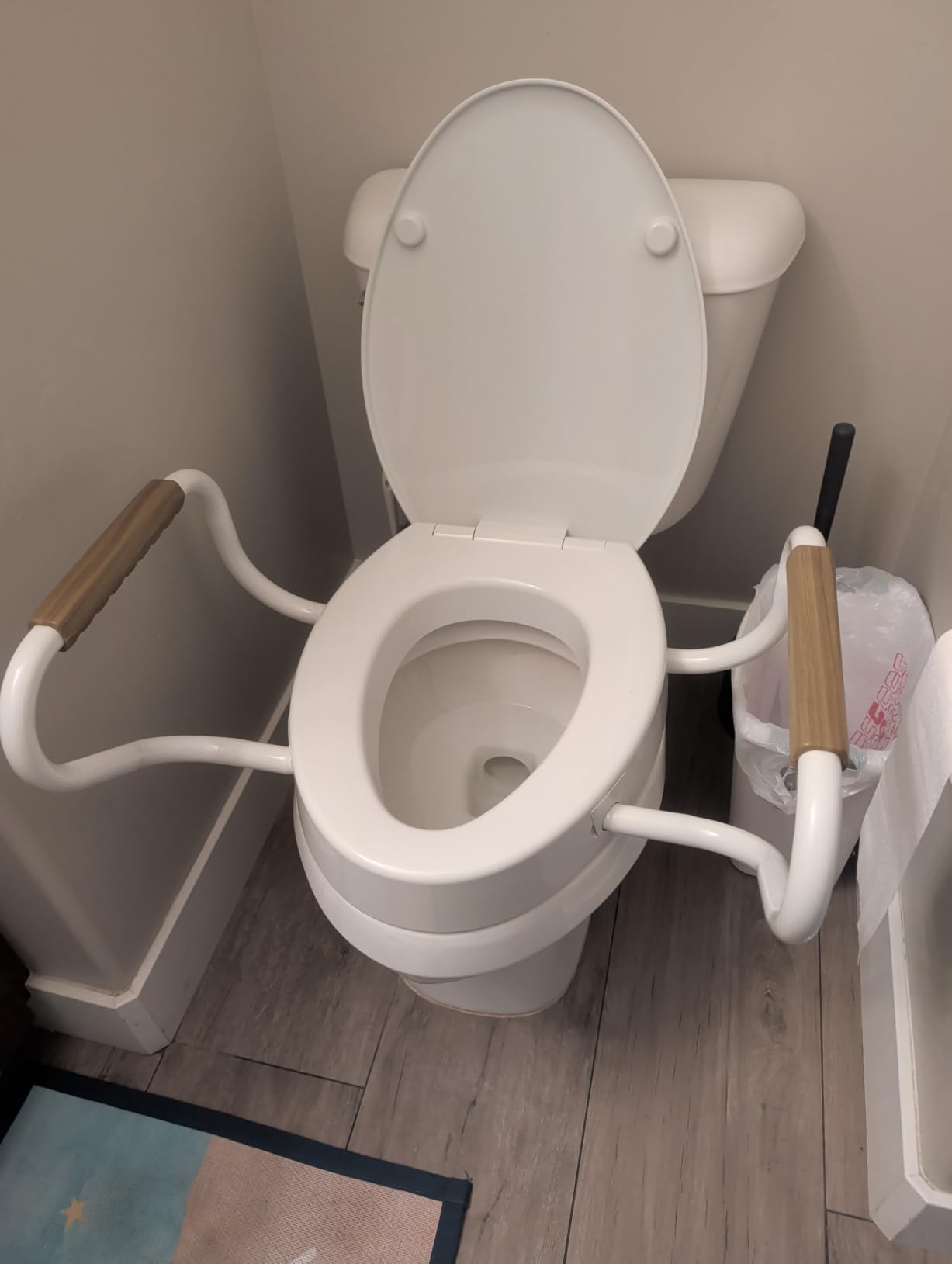
It also solves the look problem. The handles have a wood finish, and cover cartridges let you swap them to a plain finish when guests are over, so the bathroom does not read as a care facility. The quick-release hinge lets the seat lift off for deep cleaning, and the slow-close lid is a small courtesy nobody asks for and everybody notices.
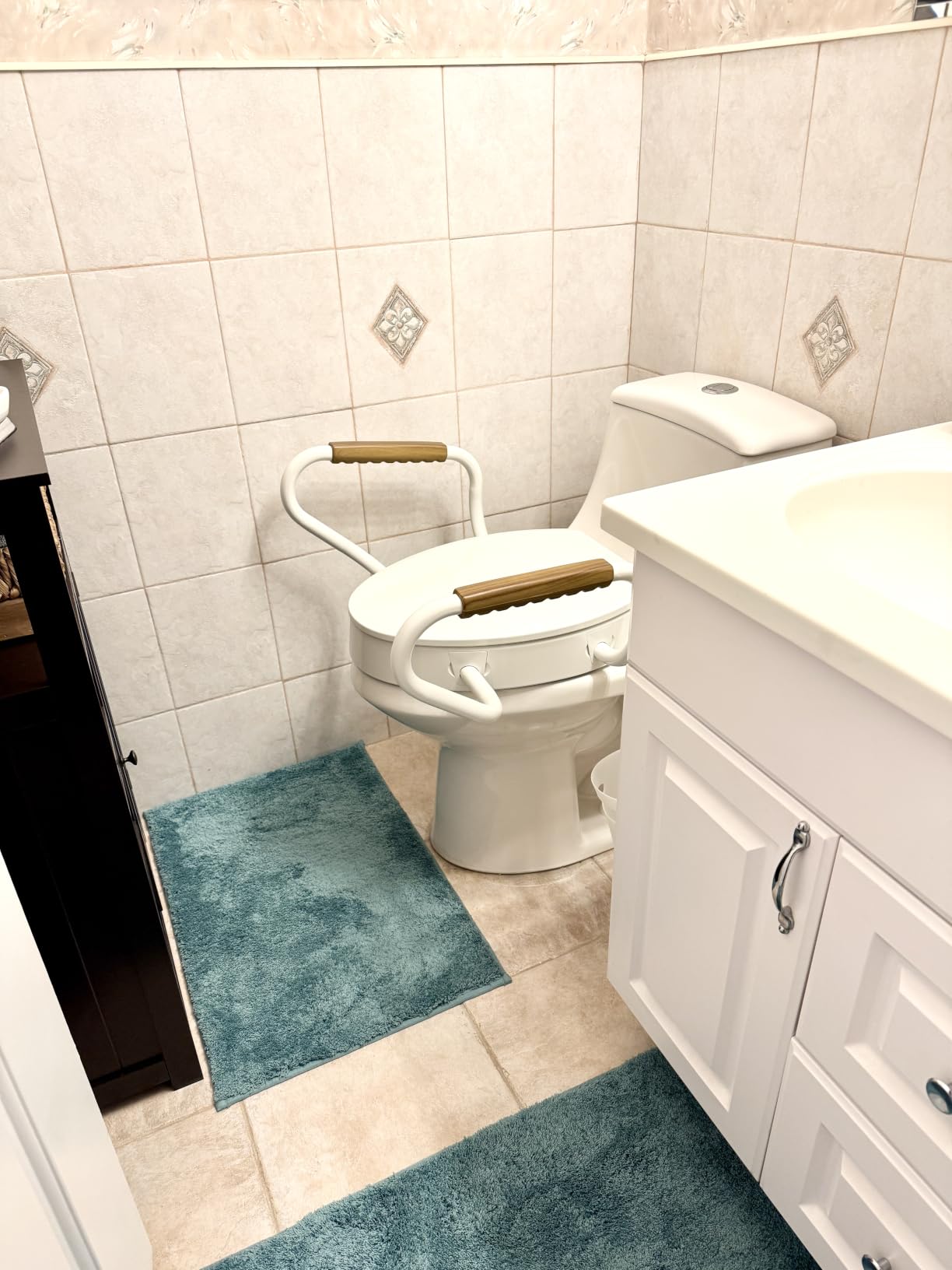
Know your real height gain. Because the old toilet seat comes off, the net addition is closer to 2.25 inches rather than 3, and buyers who expected more report mild disappointment. The handles also sit 21 inches apart and need 8 inches of clear space on each side of the bowl, measured from the outer edge, which rules out a lot of narrow bathrooms.
A few smaller gripes: this listing is elongated only, the lid is described as somewhat slim, and a narrower opening causes some splash-back when urinating from a seated position. Bolting to the bowl also makes it a semi-permanent fixture rather than something you lift on and off.
What to check before you buy this
Measure clearance from the outer edge of your bowl to the nearest obstruction on both sides and confirm you have 8 inches. Then confirm your bowl is elongated. Both of these are return-level mistakes, because a handle that fouls a cabinet will not bend and a round bowl will not accept an elongated seat.
Check who else uses the toilet. Removing the existing seat and bolting this one on is a change to the bathroom that only reverses if you keep the original hardware and bolts in a drawer.
Who should skip it
Round-bowl households shopping this listing, and anyone in a tight bathroom who cannot free up 8 inches on each side. It is also the wrong choice for a very short recovery, where bolting and unbolting is more effort than the problem warrants.
Anyone expecting 3 inches of true lift will feel short-changed. If you need real height, choose a product that adds it on top of your existing seat instead of replacing it.
7. Bemis Assurance 3 Inch Raised Toilet Seat with Handles: Best for Heavy Duty
Bemis Assurance 3″ Raised Toilet Seat with Handles, Round
3 in added height
1000 lbs tested
21 in between arms
Bolts to bowl
Pros
- Bolts to the bowl with break-off fasteners that cannot loosen
- Tested to 1000 pounds
- higher than any other riser here
- Clean-shield design keeps waste inside the bowl
- Seat lifts up like a normal toilet seat for cleaning
Cons
- Round bowl only in this listing
- 23 inches wide so it needs side clearance
- Small gap under the riser needs extra cleaning
- Armrests feel cold against bare legs
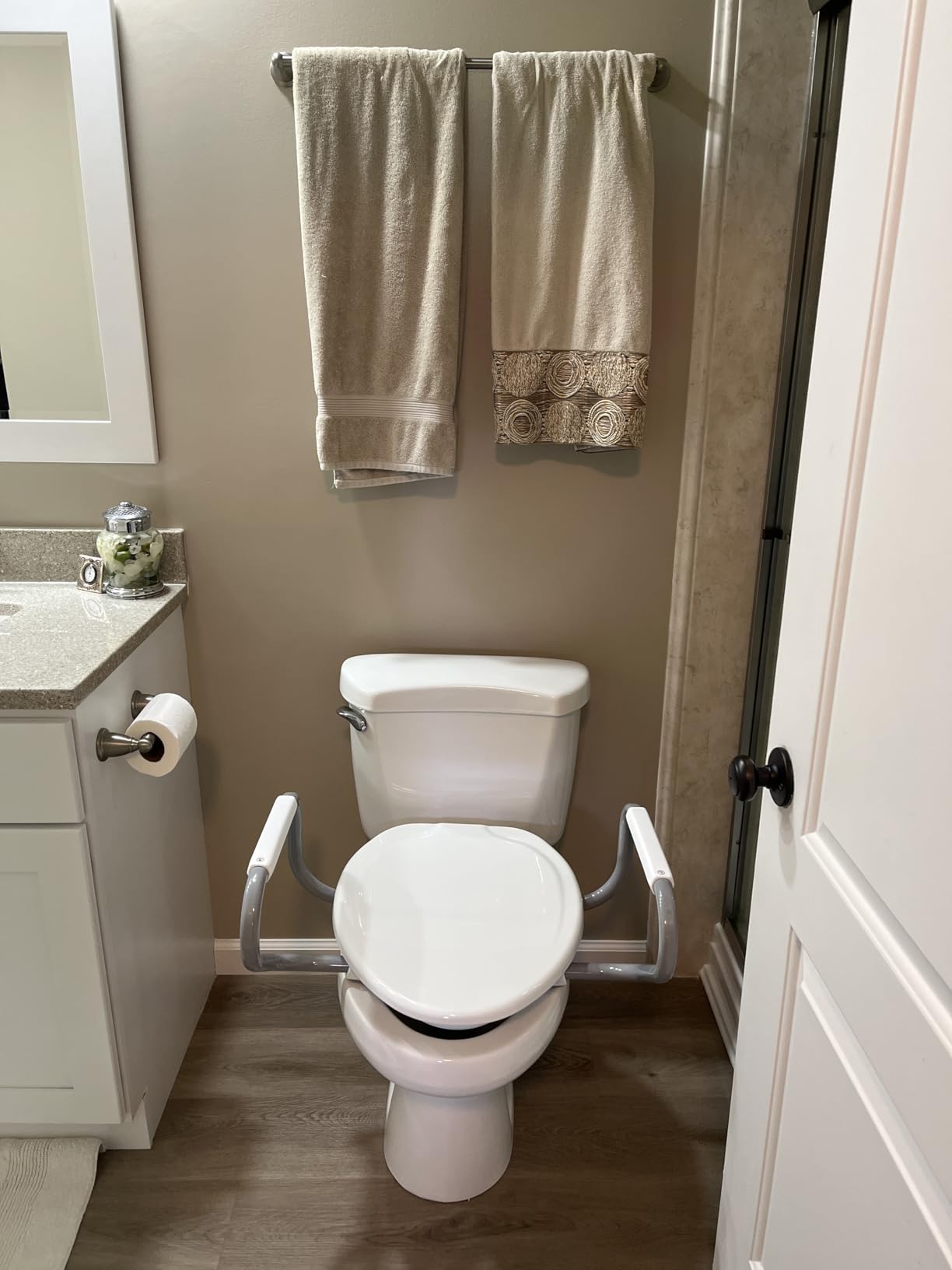
Nothing else in this roundup comes close to the Bemis on capacity. The seat is tested to 1000 pounds, roughly double the rating of the heaviest frame riser here, and it holds that rating because the seat bolts to the bowl with break-off mounting bolts that tighten permanently and cannot work loose over years of daily use. A physical therapist and a family caregiver both single it out as the benchmark of the category.
Two design decisions make it liveable rather than merely strong. The clean-shield shape keeps the opening centred so waste stays in the bowl without splash-back, and the seat hinges upward like a normal toilet seat, so cleaning the bowl is a two-second job instead of a disassembly.
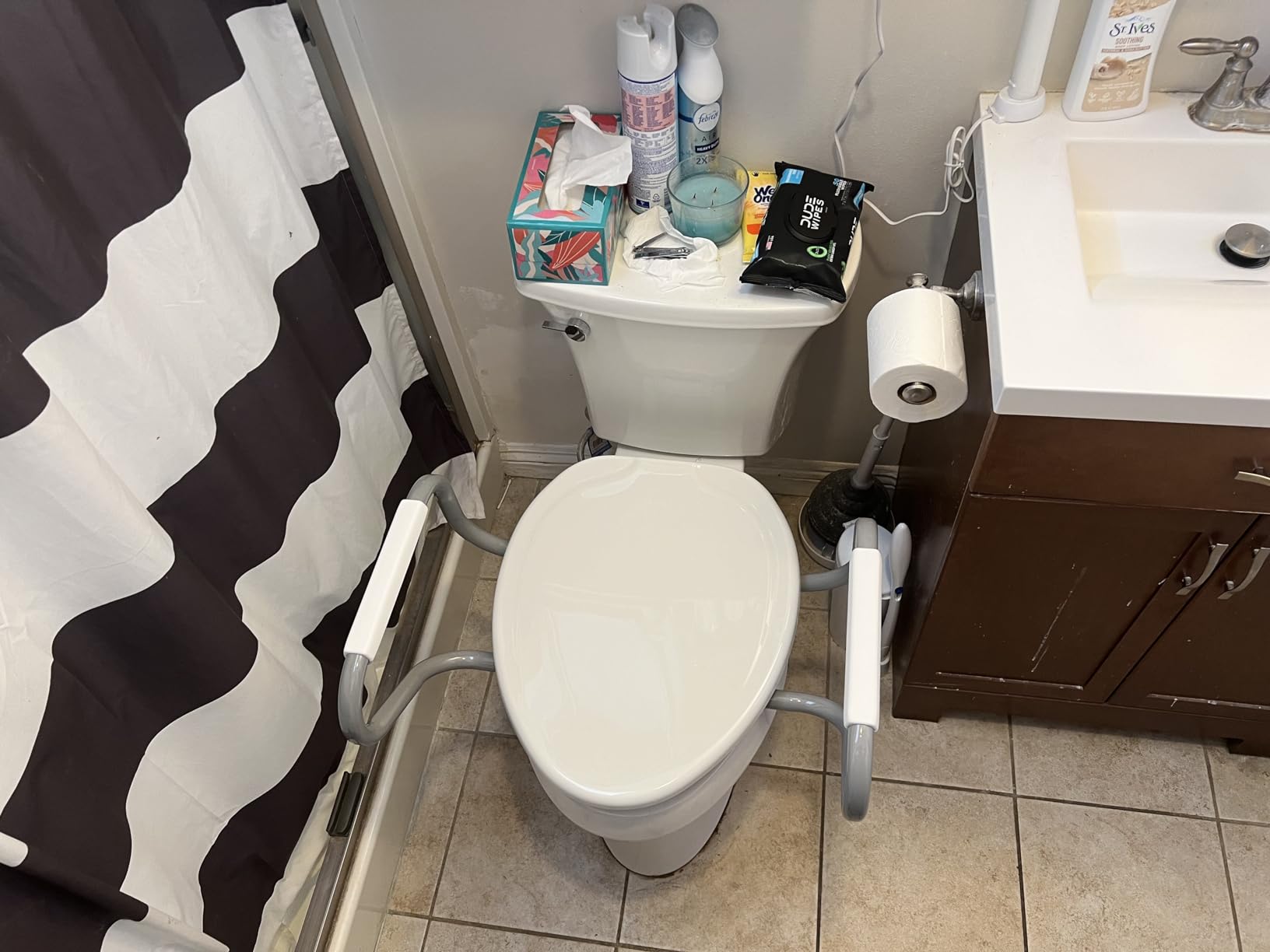
It is made in the USA and carries a one-year manufacturer warranty, the shortest warranty among the permanent bolt-on options here. The trade-offs are honest ones: this listing is the round-bowl version, the unit is 23 inches wide and needs real clearance, and there is a small gap between the seat and the bowl rim that collects grime if you skip cleaning it.
The armrests are un-padded and sit low enough to feel cold against bare legs, and because the bolts are designed to break off when fully tightened, removal is deliberately difficult. This is a fixture, not a rental.
What to check before you buy this
Confirm you have a round bowl, since elongated households need a different variant, and measure the width of the space beside the toilet to be sure 23 inches of seat clears. Then think about your height: 3 inches on top of a standard bowl gets most people to a workable position, but a tall user may need more.
If you rent, do not buy this one. The break-off bolts are meant to be permanent, and reinstalling into the porcelain after removal is not a good idea.
Who should skip it
Anyone who needs to move the riser between toilets, and anyone whose bathroom cannot spare the width. It is also worth skipping if the un-padded arms will be a problem, and for users who cannot manage a low, firm arm position because of shoulder or wrist limits.
Round-bowl households shopping the elongated variant should skip this listing rather than forcing a mismatch.
8. Agrish Raised Toilet Seat with Adjustable Width and Height: Best for Adjustability
Raised Toilet Seat with Handles, Width & Height Adjustable
400 lb capacity
4 width and 7 height settings
Padded cushion
Folds for storage
Pros
- Most adjustment in the group with 4 width and 7 height settings
- Reinforced tubing rated to 400 pounds with no flex
- Thick padded seat far more comfortable than hard plastic
- Includes paper holder and side pouch
- 180 day warranty
Cons
- Large footprint around the bowl so measure clearances first
- Adjustment pins can need firm pressure to seat
- Metal parts can show rust with regular shower use
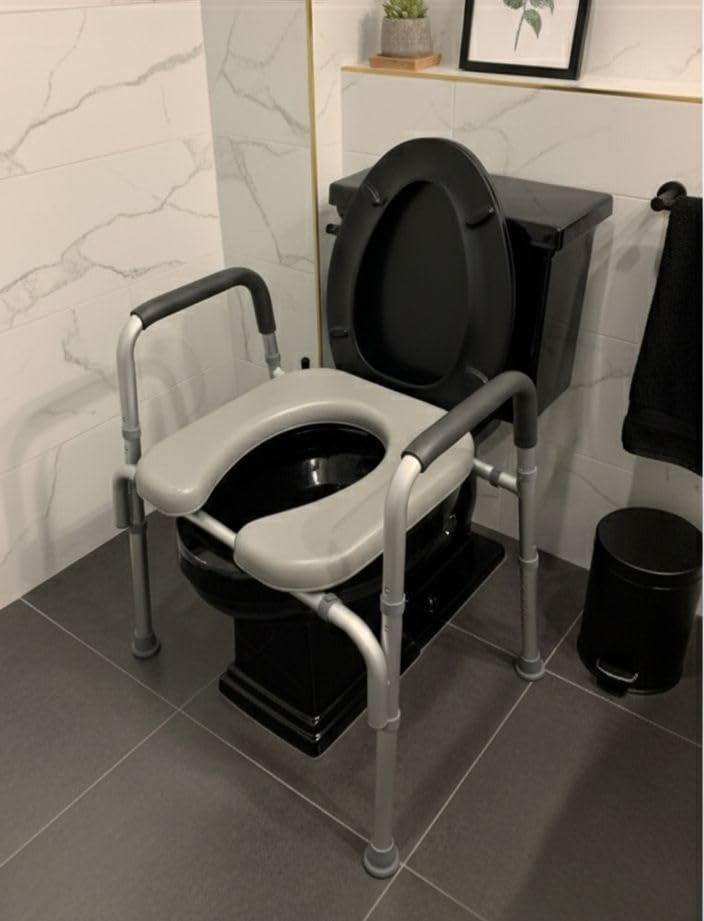
The Agrish is the one to buy if your recovery is a curve rather than a straight line. Post-surgical buyers recovering from knee, hip, or spinal fusion procedures describe setting the seat high in week one and lowering it as they regained strength, which is only possible with a frame that adjusts through a wide range. Four width positions spanning 21.5 to 23.5 inches and seven height settings from 25 to 35 inches overall give you that room.
It is also genuinely comfortable for long sits. The waterproof cushion is thick and warm compared with hard plastic, the handles are textured and padded for grip with wet hands, and the non-skid rubber feet stay put on wet tile. The reinforced tubing is rated to 400 pounds without flexing.
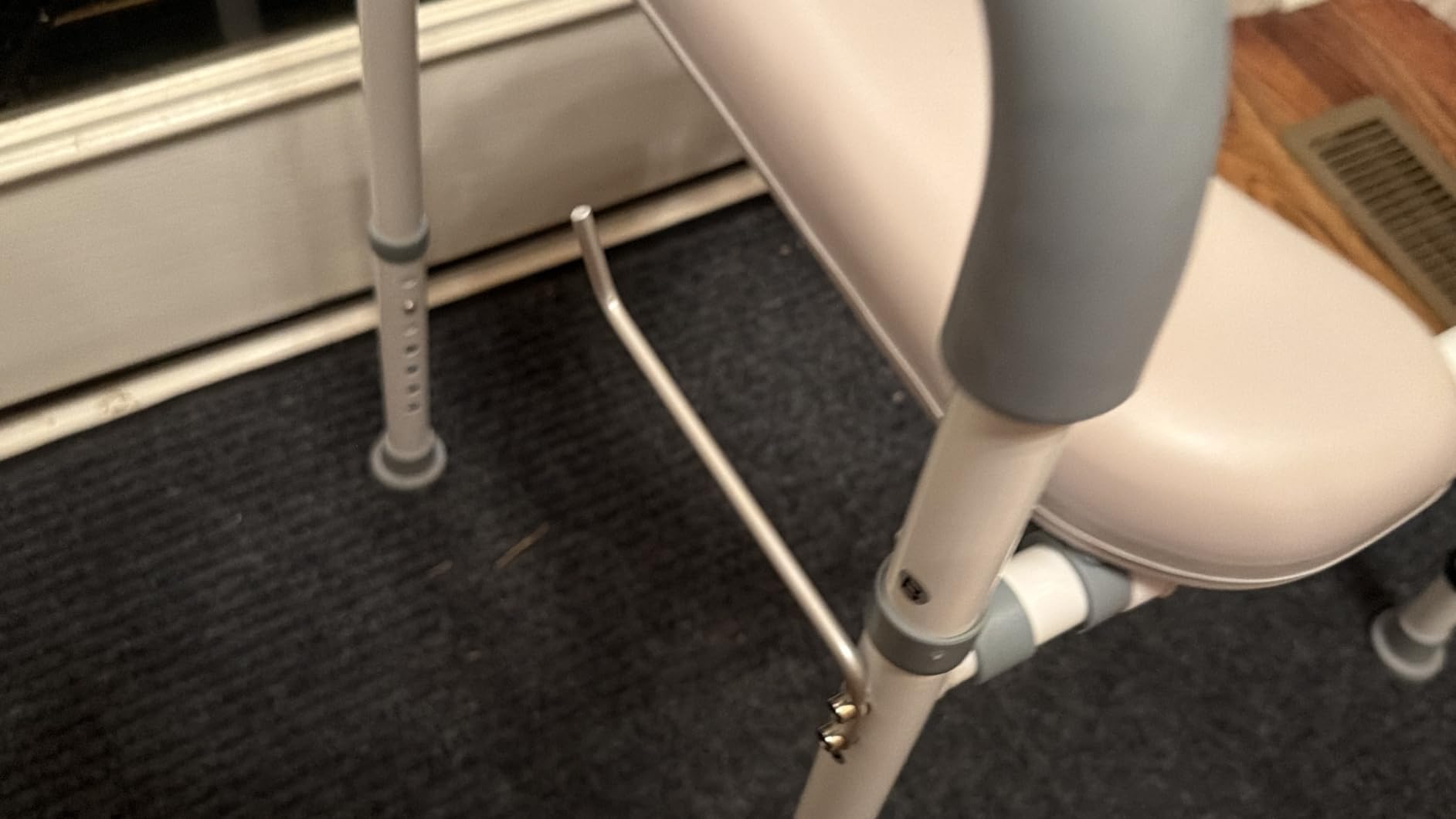
The convenience details are unusually thoughtful: it folds for storage, and it includes a toilet paper holder plus a side organizer pouch, so you are not reaching behind you mid-use. It is also tool-free to assemble and light enough to move between rooms.
What you give up is footprint and finish. The frame is large enough that bathroom clearances need measuring before you order, the adjustment pins can need firm pressure, and the visible medical look is the least discreet of the group. Metal parts can show rust if you use it in the shower regularly, so rinse and dry it.
What to check before you buy this
Measure the floor space around the bowl, not just the bowl. These frames need roughly 23.5 inches of width at the widest setting plus a little clearance for your feet, and a frame that touches the wall will rock. If you are in a small bathroom, our roundup of over-the-toilet storage cabinets covers what fits when space is the binding constraint.
Think about who changes the height. If the adjustment is for a caregiver or a spouse rather than for you, confirm they can work the pins. A frame you cannot adjust is just a frame.
Who should skip it
Anyone in a small bathroom, and anyone who does not want medical equipment on display in a room guests see. It is also the wrong pick for a permanent light-duty setup, where the adjustability you are paying for goes unused.
Skip it if you will use the shower function regularly and cannot accept the possibility of surface rust on the frame.
9. Medical King Toilet Seat Riser, Adjustable 400 Pound: Best for Small Bathrooms
Toilet Seat Riser for Seniors, Adjustable Height & Width, 400lb
400 lb capacity
16.5 in seat
Adjustable height and width
Two-minute assembly
Pros
- Compact 16.5 inch square footprint fits tight bathrooms
- Height and width both adjust for a customised fit
- Reviewers report a solid
- non-rocking feel for users over 200 pounds
- Folds and moves between the toilet and the shower
- Two-minute assembly with lettered parts
Cons
- Cost sits well above the basic plastic risers
- Bulkier and heavier than a bolt-on riser
- Some play at the leg and frame joints
Most frame risers are big. This one is not. At 16.5 inches square it is the most compact unit in the group, small enough for a tight half-bath or even a travel trailer, and it still adjusts in both height and width. It carries a 400-pound rating, the extra-large padded seat measures 16.5 inches, and the soft grey foam armrest grips are among the more comfortable we tested.
Buyers recovering from hip and knee surgery praise the way it moves: fold it, carry it to the shower, and it doubles as a bathing seat. Reviewers weighing 215 to 240 pounds describe a solid, non-rocking feel, and assembly takes about two minutes with clearly lettered parts.
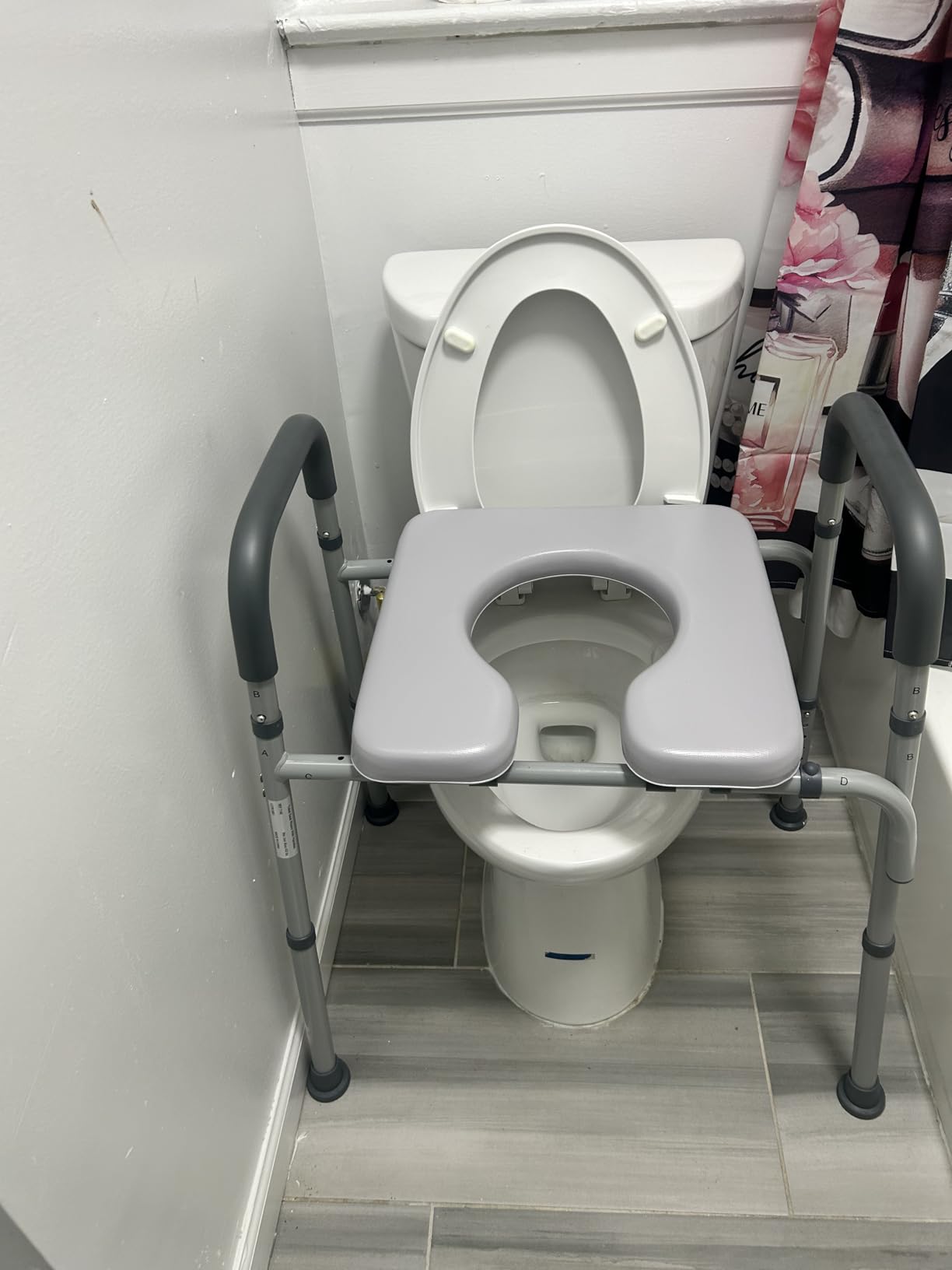
It is not without caveats. The frame is bulkier and heavier than a bolt-on riser even at this size, and some users report a little play at the leg and frame joints once it has been adjusted a few times. It also costs more than the basic plastic under-seat risers, which is worth factoring into any comparison.
It is also floor-standing, so it adds legs to a bathroom and a trip hazard if anyone in the house moves at night without seeing it. Marking the floor position helps.
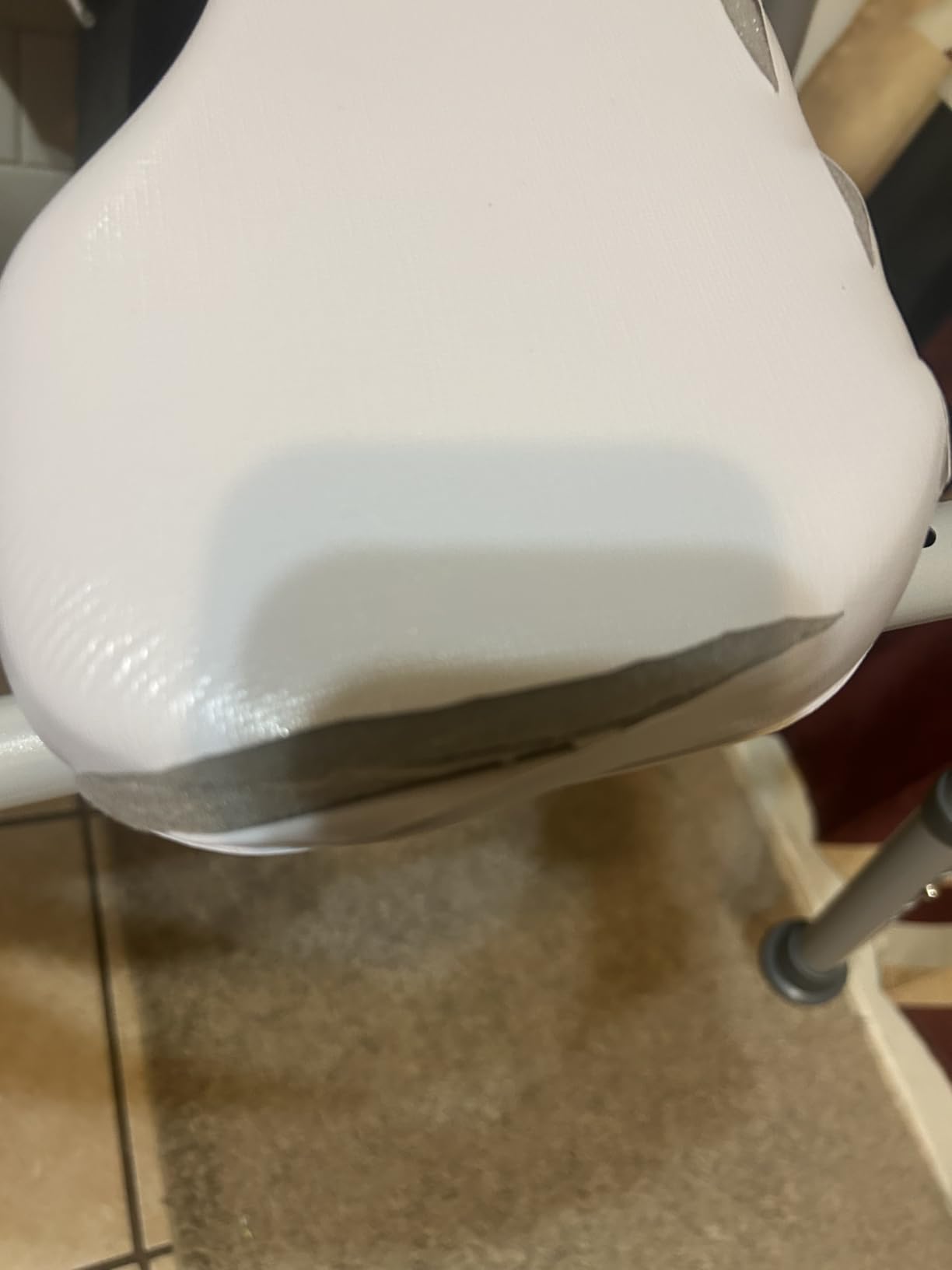
What to check before you buy this
Check the ceiling for your knees as you sit down. Because the frame sets the height in small increments, it is easy to set it a little too high and have your feet hover rather than rest flat. Aim for a seat height where your knees are level with or slightly above your hip joint, and your feet touch the floor.
Confirm the width adjustment range covers your body. If you are near the top of the range, the arms will sit close to your hips and you will push off with your elbows.
Who should skip it
Anyone who wants a discreet fixture. A floor-standing frame announces itself, and a bolt-on riser under the existing seat is far less visible. It is also worth skipping if you will not lift it into the shower, since the folding benefit is a large part of what this unit offers.
Skip it if tight joints in your hands make small adjustments difficult; the pins and collars are not oversized.
10. soundfuse Heavy Duty Raised Toilet Seat with Handles: Best for Lightweight Portability
soundfuse Heavy Duty Raised Toilet Seat with Handles for Senior, 400 lbs
400 lb capacity
6.4 lb frame
18.1 to 23 in height
Waterproof cushion
Pros
- Floor-contact legs give better fall protection than seat-mounted designs
- Height and width adjust across wide ranges with locking pins
- Waterproof padded cushion doubles as a shower chair
- Non-slip padding on the armrests and every leg
- Under 7 pounds so it moves between rooms
Cons
- Wide 27.8 inch depth takes up a lot of floor space
- First-time adjustment can take about an hour
- Slightly soft cushion that takes getting used to
The soundfuse does something the frames from other brands do not: it stays under 7 pounds while carrying a 400-pound rating and a padded cushion. At 6.39 pounds you can lift it with one arm, move it between a bedroom and a bathroom, or take it to a relative’s house, which matters for anyone whose recovery spans more than one location.
Caregiver reviews are consistently positive about the floor-contact design. Because the legs reach the floor and carry the weight rather than loading the bowl, the whole structure resists the side-to-side shift that seat-mounted risers show when someone pushes off one handle. Height adjusts from 18.1 to 23 inches floor-to-seat and width from 19.1 to 23.2 inches, with locking pins that hold the setting.
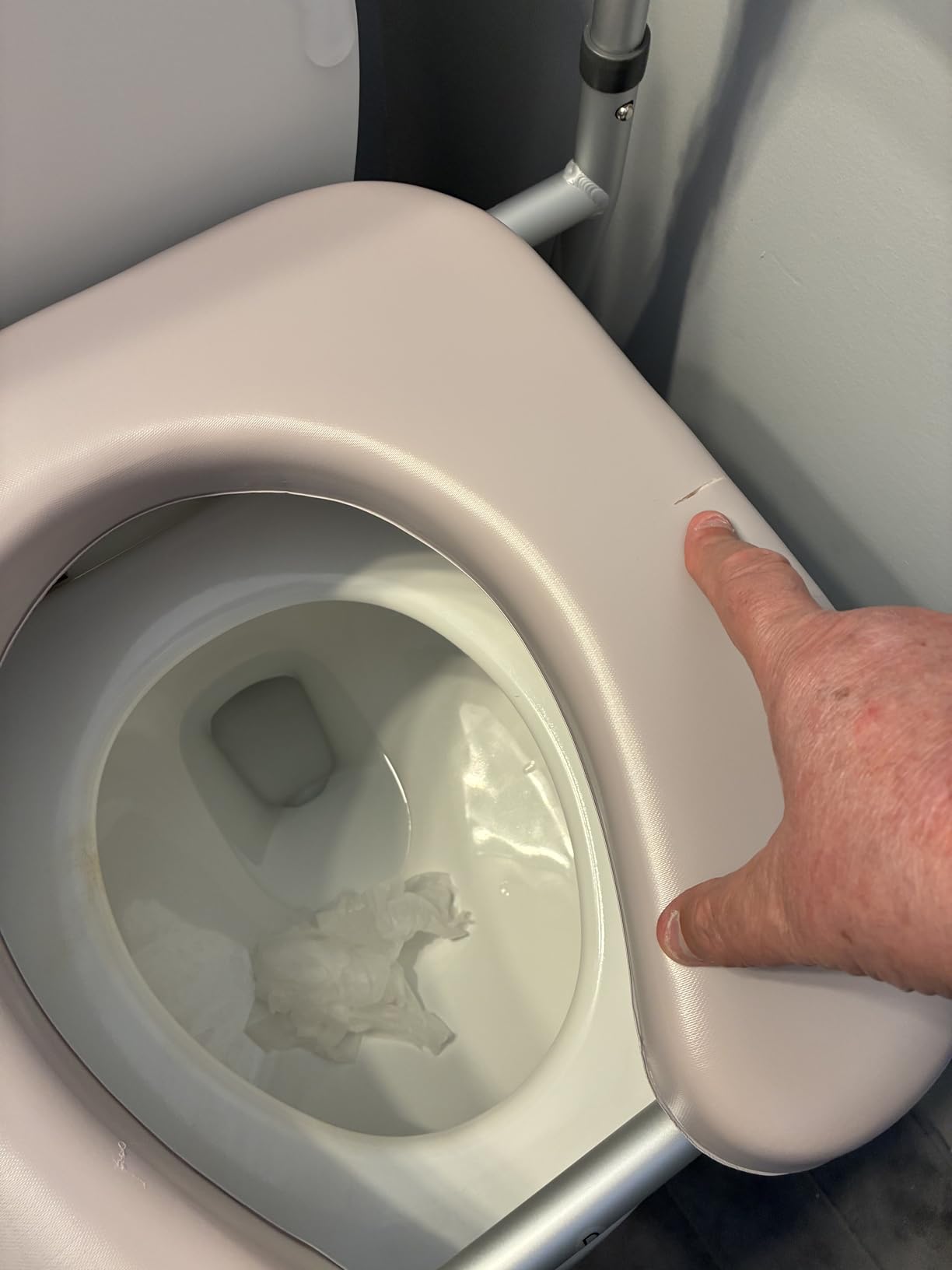
The wide 27.8-inch depth is the catch. It takes real floor space around the bowl, and a bathroom where the toilet already sits close to the wall is a problem. The first-time adjustment is also slower than the two-minute claims on some competing frames, closer to an hour once you are working out which leg goes where.
The cushion is soft enough that some users need a few days to get used to it, and it can feel unstable in the first week before you settle on a height. Give it time before you judge it.

What to check before you buy this
Measure depth as well as width, since 27.8 inches is deeper than any other riser here. Check that there is room to swing a wheelchair or walker alongside the bowl, since the frame occupies space a walker user needs to approach.
Set the height before anyone else uses it and mark it. The locking pins are what keep the frame from settling, and a frame that creeps a half inch over a week of nightly use is a frame that will eventually rock.
Who should skip it
Anyone in a genuinely small bathroom, and anyone transferring sideways from a wheelchair who needs the full lateral approach. It is also the wrong pick for a person who wants a padded but firm seat, since the cushion is softer than the Agrish or Ultimate.
Skip it if the first-time assembly is a barrier. If you are buying this for someone else, budget an hour or plan to set it up together.
11. JIYUZEST Raised Toilet Seat Riser, 400 Pounds: Best for HSA and FSA Reimbursement
Toilet Seat Riser for Seniors, Raised Toilet Seat with Handles – FSA/HSA Eligible, Adjustable Height & Width, Supports 400 lbs – Universal Fit for Elderly, Handicap, Post-Surgery & Pregnancy
400 lb capacity
Welded aluminum frame
27 to 33 in height
10 year warranty
Pros
- FSA and HSA eligible for reimbursement
- Welded aluminum frame with outward-tilt legs feels stable with no wobble
- Height and width adjust in small increments for a precise fit
- Freestanding design puts no strain on the toilet porcelain
- 10 year warranty when registered
Cons
- Manual's diagram for the V-shaped tube is inadequate
- Armrest posts sit above the seat so no sideways transfer
- Maximum 24 inches between armrests excludes larger users
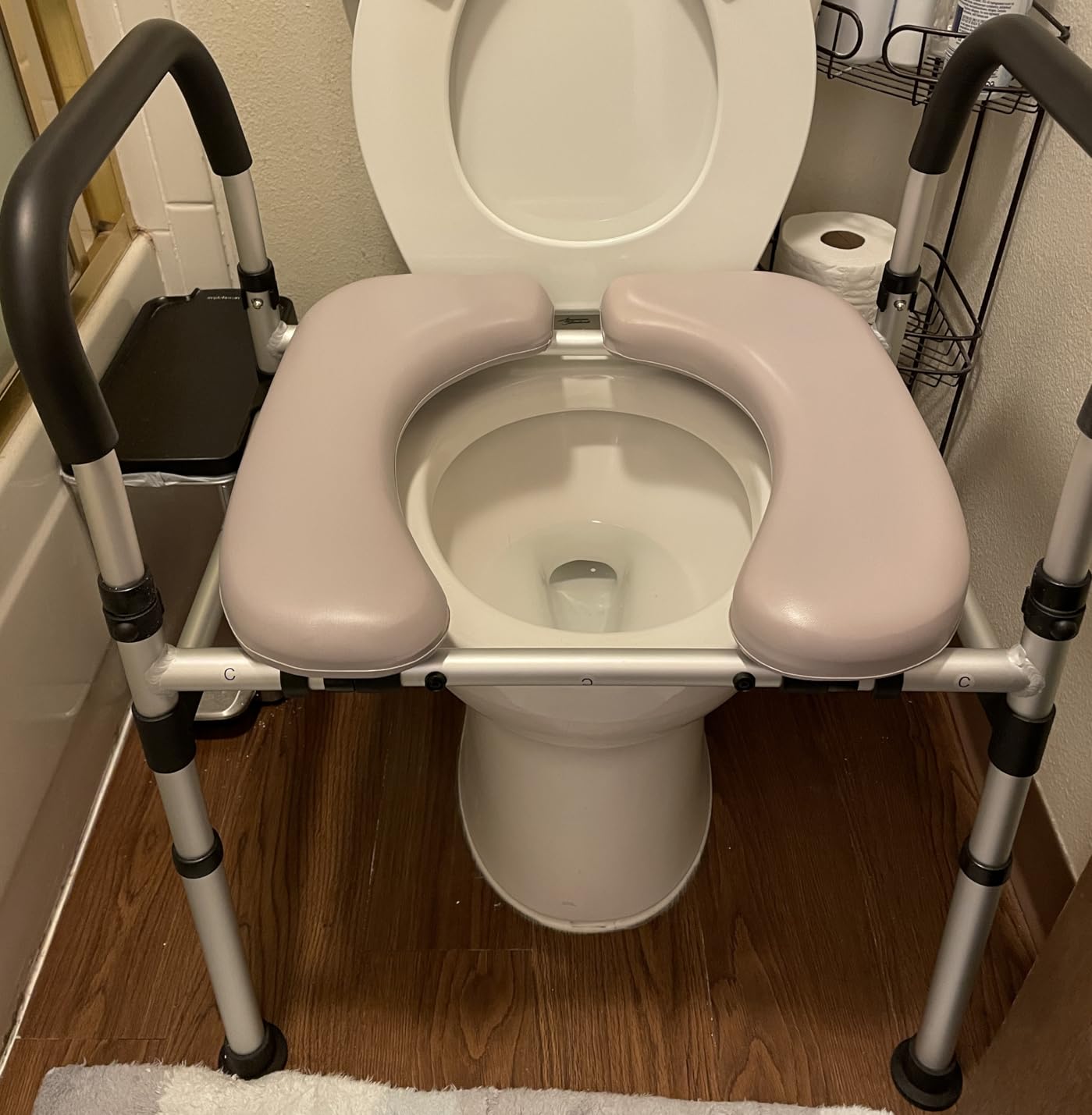
This is the pick to buy if you are paying out of pocket through a health savings account or a flexible spending account, since it is listed as FSA and HSA eligible and the money comes back to you. Beyond that, the welded aluminum frame with four outward-tilt legs is genuinely well built, and the rubber feet grip both tile and wood.
It is also freestanding, so nothing loads the toilet porcelain. That makes it a good option in a rental or for a household worried about cracking a bowl, and it disassembles for travel or storage when the recovery is over. Height runs from 27.17 to 33.07 inches overall and width from 21.65 to 24.8 inches, adjusting in small increments for a close fit.
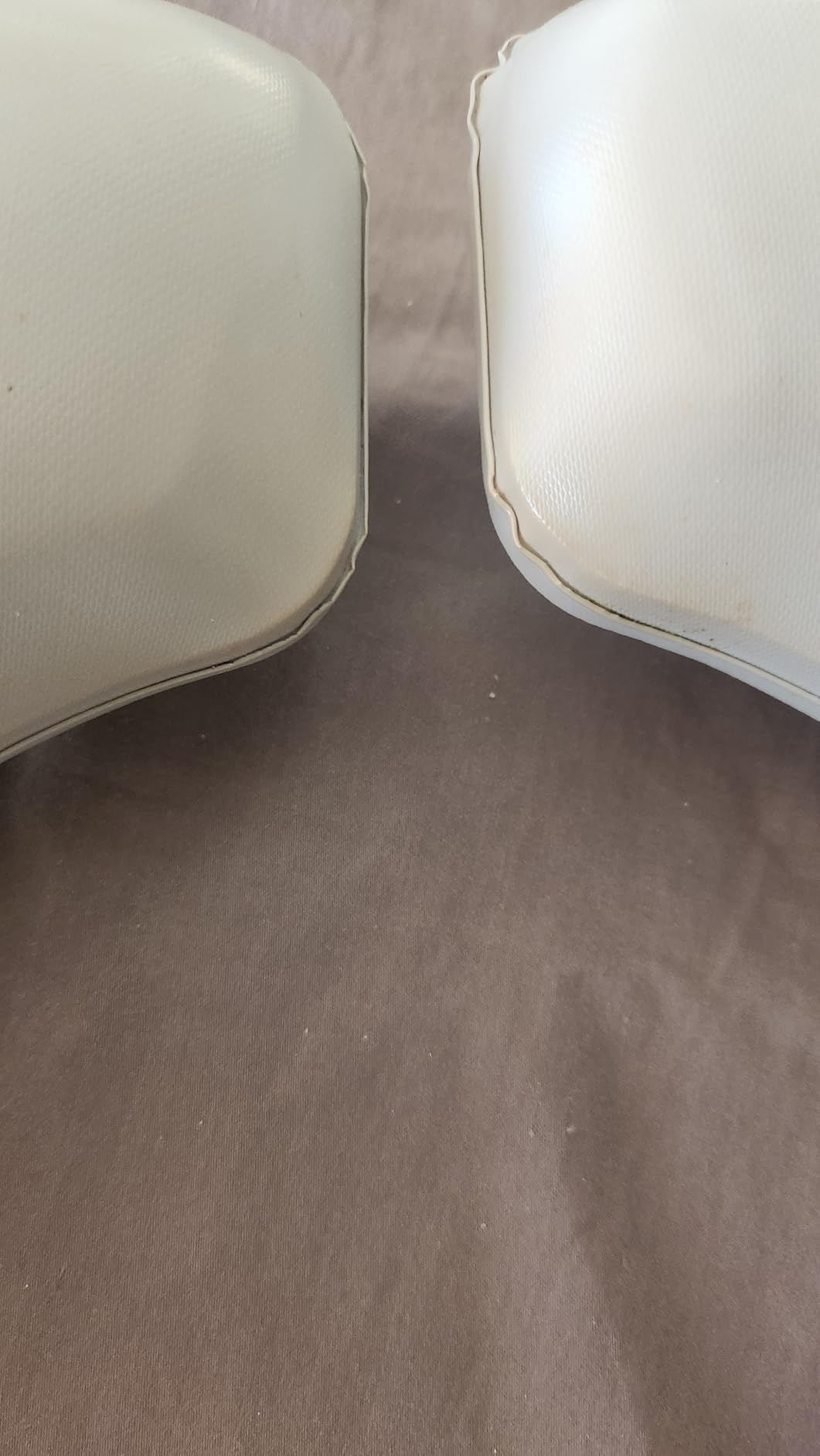
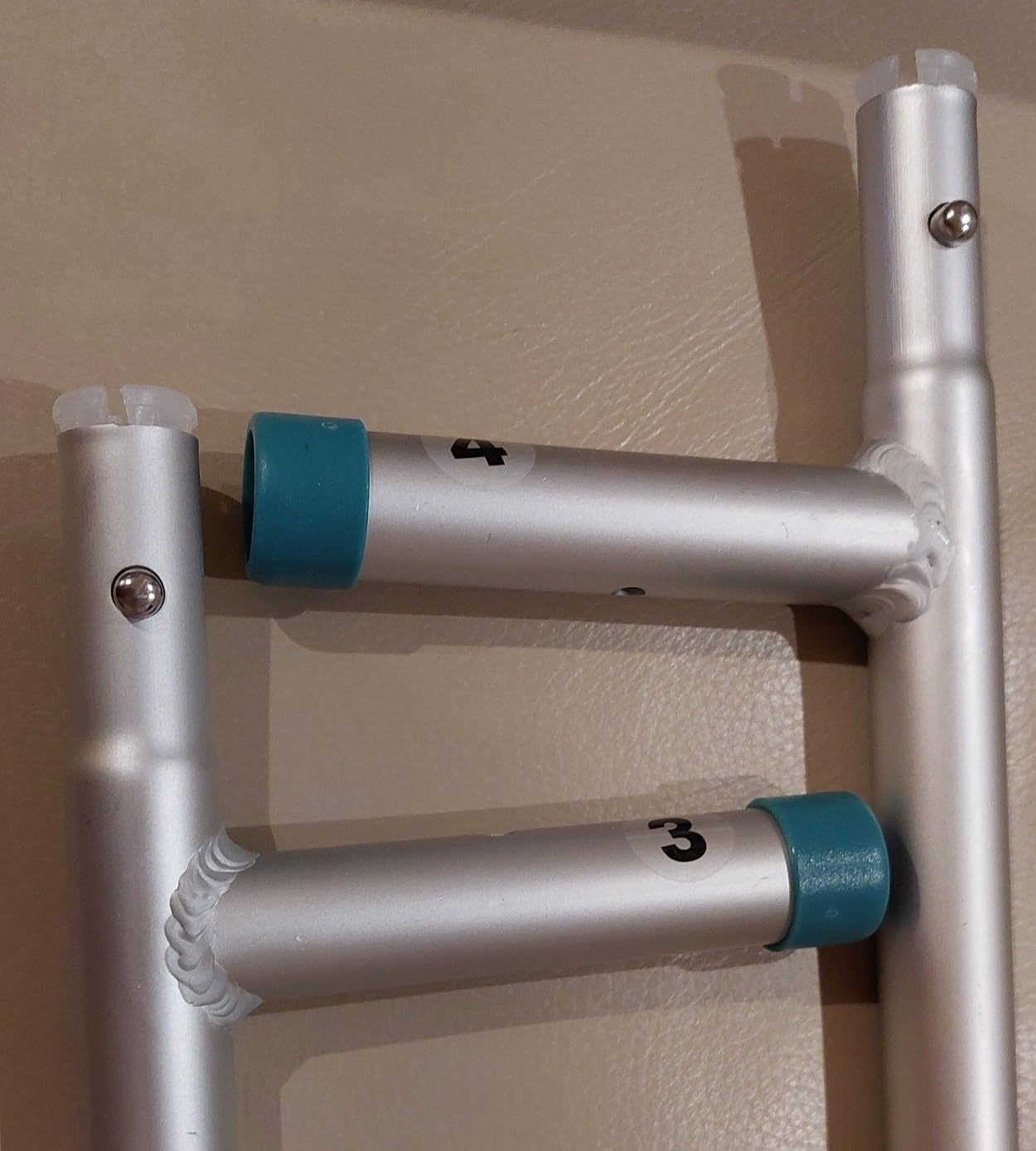
The most useful reviews on this listing are about assembly, and they are not flattering. The manual illustrates the V-shaped tube at the wrong scale, and fitting it the wrong way means starting the step again. The C-clips on the width adjustment are also stiff for fingers with advanced arthritis, which is an awkward combination given who is most likely to need this product.
There is a bigger limitation for one specific user. The armrest posts sit above the seat, so it is not suitable for sideways transfers from a wheelchair, and the maximum 24 inches between armrests excludes larger users. If you need a lateral transfer, choose a design that clears the seat height entirely.
What to check before you buy this
Confirm your account type and keep the receipt. Reimbursement on FSA and HSA items usually requires documentation, and this is a common and worthwhile saving for anyone whose plan allows it. Check the plan rules with your administrator before you assume the timing works with your deductible.
Measure your stance and the space on either side. With a 24-inch maximum between armrests, this is not a fit for a wide user, and the frame needs room to tilt outward without fouling a wall.
Who should skip it
Anyone transferring sideways from a wheelchair, and anyone whose hips fall outside the armrest span. It is also a poor choice for a person with advanced arthritis in the hands, since the C-clips demand real grip strength to reposition.
Skip it if the assembly instructions are a barrier and you have nobody to help. A friend and a spare half hour solves it; doing it alone at 70 does not.
12. PELEGON Raised Toilet Seat with Handles, 400 Pounds: Best for a Steady Width Fit
PELEGON Raised Toilet Seat with Handles (400lb) – Adjustable Height & Width Toilet Chair with Arms, Toilet Riser with Handles, Toilet Chair Over Toilet, Handicap Toilet Seat for Elderly (Grey)
400 lb lab tested
16 to 22 in height
6 width positions
Tool-free
Pros
- Six pre-set width positions give a more positive fit than sliding adjustment
- Height range from 16 to 22 inches covers a wide spread of user sizes
- Lab-tested 400 pound capacity
- Converts between a raised seat and a shower chair
- Tool-free setup and a light 8.9 pound frame
Cons
- Long-term durability feedback is limited on a newer listing
- Overall height of 39 inches needs ceiling clearance to stand
- Laboratory capacity claim is not a substitute for user weight
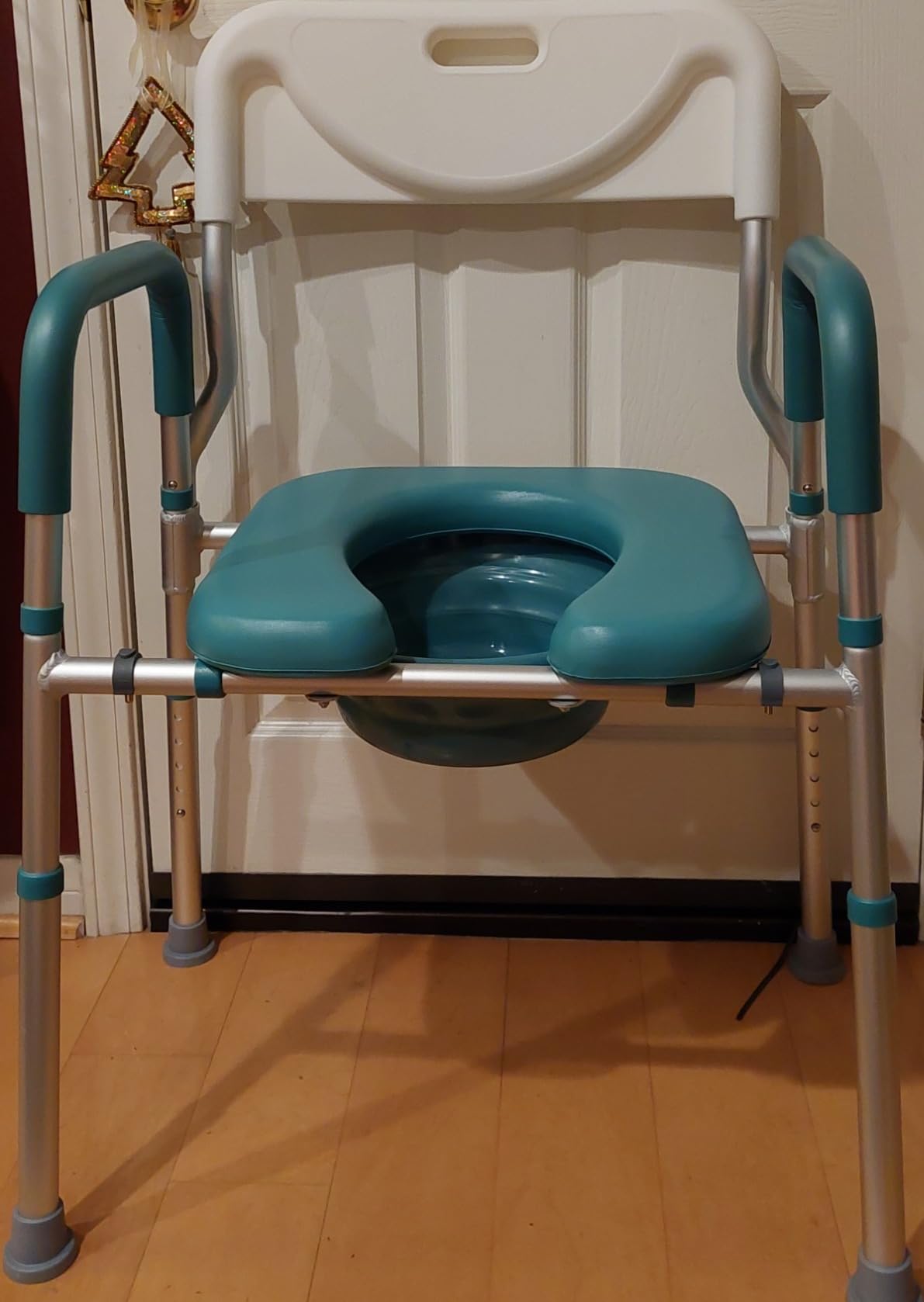
The PELEGON solves the adjustment problem in a way most frames do not. Rather than sliding continuously, the width locks into one of six pre-set positions, so you get a positive click instead of a tube that drifts. Height adjusts from 16 to 22 inches floor-to-seat, which is a wide enough band to suit a short user and a tall one, and the whole unit goes together with no tools.
Capacity is 400 pounds and lab tested, which is a stronger claim than an untested marketing number. It converts between a raised toilet seat and a shower chair, which post-surgical buyers like, and at 8.91 pounds it is light enough to lift into a bath. Reviewers rate it 4.7 stars with 83 percent five-star.
Be honest about the evidence. With 471 reviews, this is among the least-tested products we covered, so long-term durability feedback is still thin. The lab-tested rating is a laboratory number, and a two-year record of daily use by real users is worth more than a test report. Nothing here is alarming, it is simply less proven.
Check the full height too. The unit stands 39 inches overall, so a low ceiling in a basement bathroom is a real constraint. The 4.7 average is impressive but young.
What to check before you buy this
Check your ceiling height and the width of the space on either side of the bowl, since a six-position width frame still needs clearance at the widest setting. Then decide whether the shower chair conversion is something you will use, because that is the feature that justifies the extra height for a post-surgical buyer.
If you are a cautious buyer, buy the one you can return easily and test it on a fixed routine for a couple of weeks before you rely on it alone at night.
Who should skip it
Anyone in a low-ceilinged bathroom, and anyone who wants a long track record before committing. It is also the wrong pick for a user who needs the arms removed for a lateral caregiver transfer, since they are a fixed part of the frame.
Skip it if you are buying it as a light-duty occasional aid. The adjustability and the capacity are overkill for that, and a simpler riser serves you better.
How Much Added Height You Need: 2, 3.5, 4 or 5 Inches
Most people need 2 to 3.5 inches, and taller users recovering from hip surgery need 4 or 5. The way to know is to measure your knee height, not to guess. Sit on your toilet the way you normally would, feet flat on the floor, and measure from the top of the seat to the top of your kneecap. That number, minus your normal seat height, tells you how much lift your knees need to sit at or above hip level.
Aim for a finish where your knees end up level with or slightly above your hip joint. That is the position where your leg muscles do the work instead of your arms. Too little lift and you are still straining; too much and your feet dangle, which is unstable and harder on the knees than the original problem.
One practical rule from recovery forums: post-hip-replacement patients usually treat a raised seat as a temporary aid for six to twelve weeks, then move down to a low-profile riser or a wall-mounted grab bar for the long term. Buy for where you will be in month three, not week one.
How to Measure Your Toilet for Round and Elongated Fit
Measuring takes two minutes and prevents the most common return in this category. First, measure the distance from the centre of the bolt holes to the front of the bowl. Roughly 28 inches means a round bowl; roughly 31 inches means an elongated one. Most risers are sold in one shape only per listing, so this single number decides your order.
Second, measure the width of the bowl at its widest point. A riser that overhangs the bowl is the number one cause of a unit that will not sit flush and feels unstable even when it is technically installed correctly. One of the picks here specifies a minimum inner width of 9.25 by 9.5 inches for a secure fit, so check yours against the manufacturer’s figure.
Third, measure the clearance on both sides from the outer edge of the bowl to the nearest wall, cabinet, or radiator. Handles need roughly 8 to 9 inches each side. A frame that touches something will rock, and rocking is the failure mode you are buying this product to avoid.
Weight Capacity: 250 to 1000 Pounds and Bariatric Options
Pick a seat rated comfortably above your body weight rather than just above it, because the rating is for a static load and a sit-to-stand transfer puts a jolt through the frame every single time. Most of the frames in this group are rated to 300 or 400 pounds, and the heaviest bolt-on option here is tested to 1000 pounds. Below 250 pounds, capacity is rarely the deciding factor, and fit, height, and comfort should drive the decision.
Above 400 pounds, the shortlist narrows sharply: the 400-pound frame risers are the realistic option, and the 1000-pound bolt-on seat is the only one here with real headroom. For bariatric users, note that a lab-tested number and a marketing number are not the same thing. Products tested by an independent lab and those tested only by the manufacturer both print a capacity, so ask which one you are reading and look for reviews that name the user’s actual body weight.
Whatever your weight, buy from a brand that publishes how it tested. A capacity figure with no method behind it is marketing, and the difference shows up the first time you push off the arms hard. The 180 day warranty on one frame here, the one-year warranty on another, and the ten-year registered warranty on a third are all reasonable signals, and the one-year permanent mount is the shortest.
Bolt-On vs Floor-Standing: Which Installation Is Most Stable
Bolt-on designs are the most stable and the least forgiving. Once the bolts are tight, the riser is part of the toilet and it will not shift, which is why reviewers of the heaviest user on this list describe nothing but a rock-solid feel. The cost is permanence, tools, and a look that announces itself. Break-off bolts on one model are designed to tighten permanently and resist removal entirely, so this is a fixture rather than a rental.
Clamp-on and set-on designs, which includes the simplest under-seat risers, are the least stable. A friction-fit lock or a wing clamp can creep under daily use, and the review pattern in this category is consistent: cheap clamp-on risers rock, and rocking is the top safety complaint users raise. They are still the right answer for a short six-week recovery, where portability matters more than rigidity.
Floor-standing frames split the difference. They carry the load through legs to the floor rather than through the bowl, resist sideways shift because the base is on the floor at four points, and adjust in height as your needs change. Their cost is floor space, visible legs, and a longer assembly.
Riser With Arms vs a Wall-Mounted Grab Bar: Which Is Safer
Here is the uncomfortable truth that most roundups skip: an integrated arm on a toilet riser is not the same safety device as a wall-mounted grab bar, and for many seniors the bar is the safer choice. A riser arm is attached to a seat that has to take your weight through plastic or through a floor frame, while a grab bar is anchored into studs or masonry. One is furniture, the other is structure.
The riser wins on practicality. It moves with you between bathrooms, costs a fraction of a professionally installed bar, and gives you something to push off from during a transfer without installing anything. The grab bar wins on rigidity, and rigidity is what matters when a hand slips.
The practical answer is that they solve different problems. Use a riser for the height and the transfer. If you have a wall within reach on one side, add a properly anchored bar for the load-bearing push. If you cannot install a bar and the riser is all you have, choose the most rigid design you can and check the fasteners every few months.
Cleaning, Hygiene and the Open-Gap Problem
The thing caregivers notice first is the gap. Where a riser sits above the bowl, a narrow channel collects moisture and residue that a cloth cannot reach, and over months it produces a smell nobody wants in a bathroom where someone spends a long time. Choose designs that minimise it: the clean-shield shape on the heaviest bolt-on seat keeps everything inside the bowl, and a quick-release hinge or a seat that lifts up makes the channel reachable in seconds.
Material matters too. Composite plastic and molded polyethylene wipe clean with a standard disinfectant and do not absorb water. Padded foam seats feel better but need more attention, since the cushion edge traps moisture against the frame if you do not lift and dry it.
A weekly routine beats any product. Wipe under the seat ring, run a narrow brush through the mounting gap, and let the frame air dry. If the unit doubles as a shower chair, rinse the cushion and dry it face down, or the foam will not last.
Post-Surgery Recovery: Temporary Riser or Permanent Fixture
Recovery forums make the same point repeatedly. A raised toilet seat is usually a temporary aid, needed for the first six to twelve weeks after a hip or knee replacement, and then it becomes a problem: it is too tall, it interferes with the other bathroom users, and it takes up floor space. Plan for the end date at the start.
For the recovery window itself, prioritise adjustability. A frame with a wide height range lets you start high and lower the seat as your strength returns, which is exactly what post-surgical buyers describe. If the operation is soon, buy the adjustable frame and put it away when you no longer need it.
For long-term aging in place, prioritise capacity, discreteness, and ease of cleaning instead. A padded seat, a capacity well above your weight, and a look that does not embarrass a guest will matter more in year three than the initial 5 inches of lift. If you are planning for the long term, add the balance work too, and our roundup of mini trampolines with handles for seniors covers supported movement that pairs well with a higher toilet seat.
Paying for It: Medicare, HSA and FSA Coverage
Original Medicare Part B generally does not cover a raised toilet seat as a stand-alone item, though it may contribute when such equipment is part of a larger durable medical equipment order following a qualifying surgery. That is a billing question to settle with your supplier or doctor before you buy, not afterwards.
Health savings accounts and flexible spending accounts are the more reliable route. Several picks here are listed as FSA and HSA eligible, which means the purchase can be reimbursed from those funds instead of coming out of pocket. Keep the receipt and the itemised invoice, and check your plan’s documentation rules before you assume the timing works with your deductible.
If cost is the deciding factor, buying a solid mid-range riser is usually a better decision than buying the cheapest bolt-on and replacing it in two years. Warranty length is a useful proxy for how long the manufacturer expects the frame to last, so compare the one-year permanent mount against the ten-year registered frame when you read the fine print.
Frequently Asked Questions
What are the best raised toilet seats for elderly?
The best raised toilet seats for elderly users add 2 to 5 inches of height and include padded side armrests. Our top pick is the Drive Medical 2-in-1 for its 5 inch lift and removable adjustable arms, the Ultimate is the most comfortable thanks to its foam padding, and the Vive is the best value with a lifetime warranty. For users over 400 pounds, a 400 pound floor-standing frame or a heavier bolt-on seat is the right starting point.
What are the disadvantages of raised toilet seats?
The main drawbacks are added height that can leave shorter users with feet off the floor, a wide gap under the riser that is hard to clean, added floor space for frame styles, and a medical appearance in a shared bathroom. Low-cost clamp-on models can rock, and under-seat styles that keep your existing seat can feel cramped for larger users. Checking the arms and fasteners every few weeks partly addresses the stability concern.
What height do raised toilet seats come in?
Raised toilet seats most commonly add 2, 3.5, 4, or 5 inches of height. Frame risers often advertise an overall floor-to-seat height instead, commonly between 16 and 23 inches, which is a different measurement. The right target is a seat height that puts your knees level with or slightly above your hip joint while your feet still reach the floor.
How do I measure my toilet for a raised toilet seat?
Measure from the centre of the bolt holes to the front of the bowl: roughly 28 inches indicates a round bowl and roughly 31 inches an elongated one. Then measure the widest point of the bowl and check it against the manufacturer minimum, often around 9.25 by 9.5 inches. Finally, measure clearance on both sides from the outer edge of the bowl, and allow 8 to 9 inches per side for the handles.
Does Medicare cover a raised toilet seat?
Original Medicare Part B generally does not cover a raised toilet seat as a stand-alone item, though it may contribute when the equipment is part of a larger durable medical equipment order after a qualifying surgery. A health savings account or flexible spending account is a more reliable route, and several seats in this roundup are listed as FSA and HSA eligible. Keep your receipt and itemised invoice for reimbursement.
Are raised toilet seats with handles safe?
They are, provided the unit is rated above your body weight, installed so the arms lock fully, and checked periodically. The most stable designs bolt directly to the bowl or stand on four floor legs; the least stable are friction-fit clamp-on models that can rock over months of use. Push hard on both arms after installing and recheck the fasteners every few weeks, and add a properly anchored wall grab bar if you have the space.
Final Verdict on the Best Raised Toilet Seats With Handles
The Drive Medical 2-in-1 is our best raised toilet seats with handles pick in 2026: 5 inches of lift, adjustable and removable arms, an 18-inch grip span, and close to 18000 reviews behind it. Pick the Ultimate instead if you sit for long periods and want foam padding, and pick the Vive if you want padded handles, a 19-inch span, and a lifetime warranty for less. Measure your bowl and your side clearance before you order, and check that the unit bolts or locks firmly, because the best raised toilet seats with handles are only as good as the fasteners holding them down.