
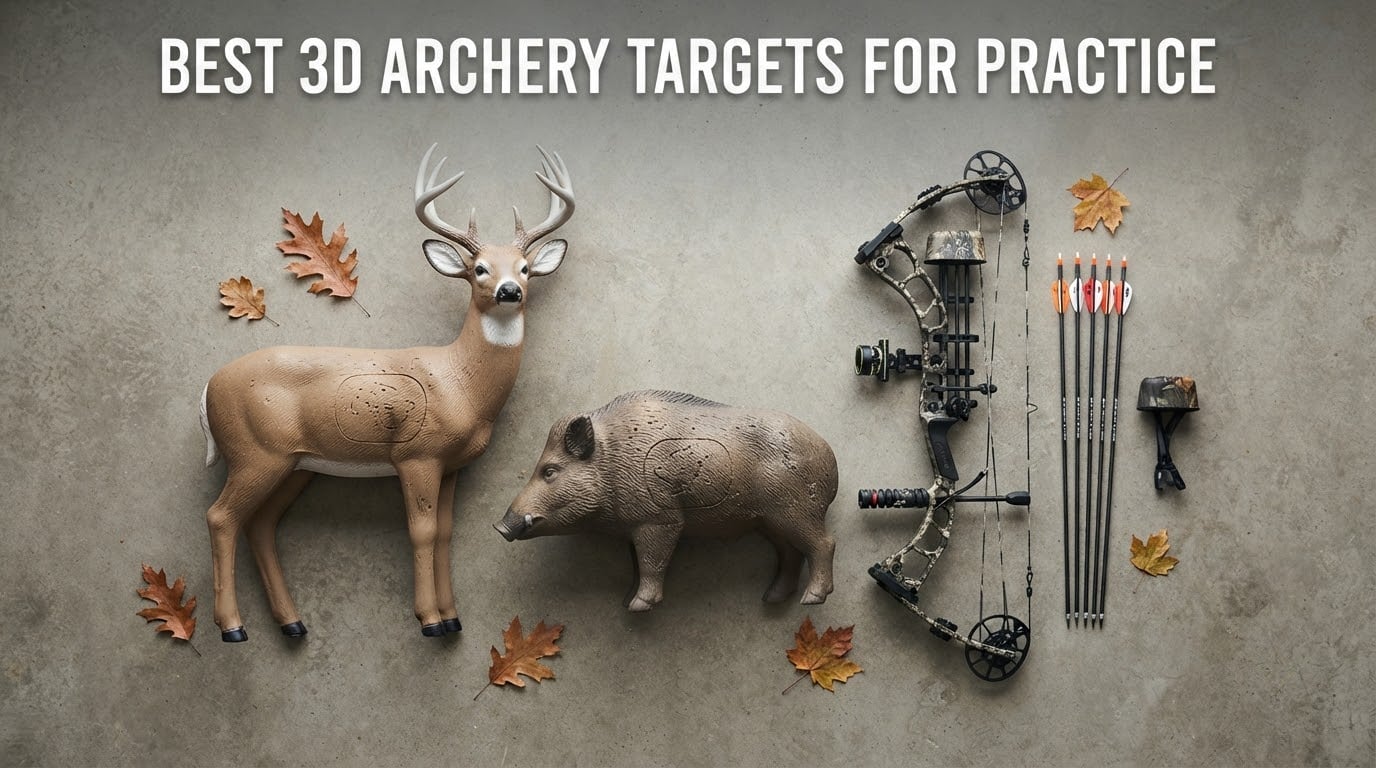
A 3D archery target is a life-size animal-shaped foam target that mimics the silhouette and vital zones of real game, so you can rehearse shot placement and quartering angles at home instead of on a paper face. That realism is the whole appeal, and it is also the whole cost. If you are hunting down the best 3D archery targets for practice, the difference between a good one and a disappointing one comes down to four things: the foam core, arrow removal, whether the core is replaceable, and whether your bow is hot enough to blow through it.
We read through the owner feedback on all twelve targets below, cross-checked every spec against the manufacturer listing, and grouped them by how they actually get used in a yard. Some are built for high-volume field point work, some tolerate broadheads, some carry replaceable cores that extend their life by years. A few do none of that particularly well and still make sense for beginners or for setting up two shooting stations at once.
If your range is broader than a single foam animal, we also mapped out the best archery targets for backyards, and if broadhead compatibility is your main question, our broadhead target guide covers the tip types in detail.
Table of Contents
Are 3D Targets Worth It? A 60-Second Answer
Yes, if your goal is shot placement practice on moving or angled anatomy. A 3D target trains something flat paper cannot: judging body angle and holding a quartering shot inside a narrow kill zone. No, if you shoot hundreds of arrows a session on field points alone. Foam cores lose stopping power and arrow removal gets brutal long before the cover wears out, and a foam block serves high-volume practice better. Buy one 3D target for technique, and a block for volume.
Top 3 Picks for Best 3D Archery Targets for Practice in 2026
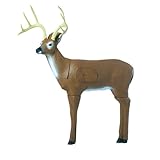
Delta McKenzie Challenger Buck
- Rubber foam body
- Realistic deer scoring zones
- 16 lb
- 10 in thick
All 12 Best 3D Archery Targets for Practice in October
| Product | Specifications | Action |
|---|---|---|
| Delta McKenzie Challenger Buck |
|
Check Latest Price |
 Shooter 3D Turkey Target Shooter 3D Turkey Target |
|
Check Latest Price |
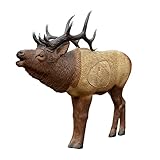 Rinehart 1/3 Scale Woodland Elk Rinehart 1/3 Scale Woodland Elk |
|
Check Latest Price |
 BIGSHOT Pro Hunter Critter Combo BIGSHOT Pro Hunter Critter Combo |
|
Check Latest Price |
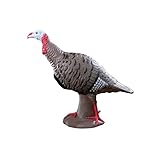 Rinehart Signature Tom Turkey Rinehart Signature Tom Turkey |
|
Check Latest Price |
 BIGSHOT Real Wild Raccoon BIGSHOT Real Wild Raccoon |
|
Check Latest Price |
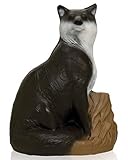 Delta McKenzie Backyard Fox Delta McKenzie Backyard Fox |
|
Check Latest Price |
 Real Wild Armadillo Real Wild Armadillo |
|
Check Latest Price |
 Delta McKenzie Howling Coyote Delta McKenzie Howling Coyote |
|
Check Latest Price |
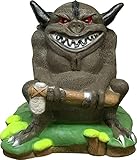 Delta McKenzie Imp 3D Target Delta McKenzie Imp 3D Target |
|
Check Latest Price |
 JRONG Tols Squirrel 3-Pack JRONG Tols Squirrel 3-Pack |
|
Check Latest Price |
 Rinehart Signature Coyote Rinehart Signature Coyote |
|
Check Latest Price |
1. Delta McKenzie Challenger Buck 3D Target
Riverbottom Challenger 3D Archery Target
Rubber foam body
16 lb
10 in thick
Deer scoring zones
Pros
- Holds up under compound broadheads
- Realistic deer scoring zones for season prep
- Better durability than cheaper foam 3D targets
Cons
- Hard plastic legs can crack if shot
- Small to medium deer rather than life-size
- Will not stand unsupported on uneven ground
This is the pick with the deepest owner feedback in the group, and that matters more than any spec sheet. Two hundred and forty-nine reviews is enough history to see how the target behaves after a full season rather than a first weekend. The pattern that shows up repeatedly is that it keeps absorbing arrows through broadhead practice, which is exactly what most backyard archers want from a deer target.
The material is listed as rubber foam rather than plain foam, and the 10 inch thickness gives arrows somewhere to bury themselves instead of stopping dead in a thin wall. At 16 pounds it carries enough weight to stay put on flat grass, and the deer anatomy carries printed scoring zones so you can measure group placement instead of guessing at it.
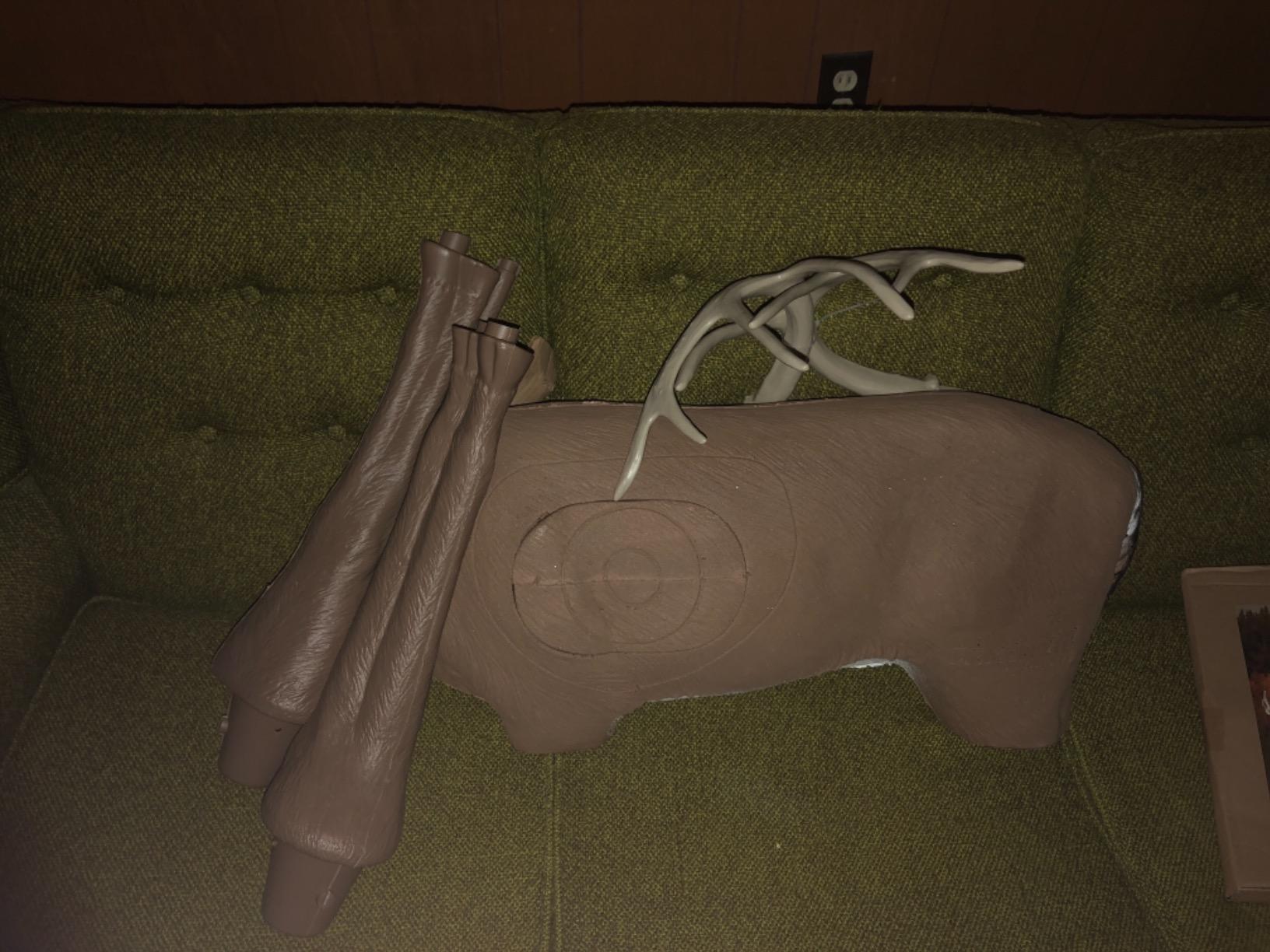
Assembly is quick, with one caveat worth knowing before you open the box. The antlers are the awkward part, and the tines collide with each other if you force them into the head. Owners describe working them on one at a time at a comfortable pace, which solves it in about ten minutes.
Arrow removal is where the four-point rating comes from. In softer spots the arrows come out by hand, and in the deeper vital area they need a puller. Reviewers also mention foam separating at heavy impact points after a lot of shooting, which is normal compression damage rather than a defect.

Is this the right deer target for a full-power compound?
Yes. Broadheads are the standard complaint-ender for this one, and the owner base reports it taking them without core collapse. If your bow pushes a heavy arrow past 300 FPS, this is a safer bet than the thin foam animals in this list.
The weak point is size. This is a small to medium deer rather than a life-size animal, so the scoring zones sit closer together than a real whitetail. That actually helps at short range and hurts when you try to practise a long quartering shot.
What should you know before buying?
The plastic legs are the part to watch. They crack if an arrow clips them, and they are the most common reason a perfectly good target gets retired early. Anchor it properly and treat the leg line as out of bounds.
It also wants level ground. On uneven dirt the base rocks, and a rocking target makes a quartering drill almost impossible to learn. If your yard slopes, stake it down or add a shim under one foot.
2. Shooter 3D Turkey Target with Scoring Ring in the Vitals
SHOOTER Turkey 3D Archery Target, Lifelike Solid Body Design for Realistic Practice, Scoring Ring in Vitals, Includes Ground Stakes, 32”H x 31.5” W Size
Foam body
11 lb
32 in H x 31.5 in W
Ground stakes included
Pros
- Four shootable sides extend practice time
- Larger than expected for the tier
- Ground stakes included in the box
- Doubles as a yard decoy
Cons
- Foam is not self-healing
- Head and tail pieces pop off easily
- Arrivals are frequently damaged
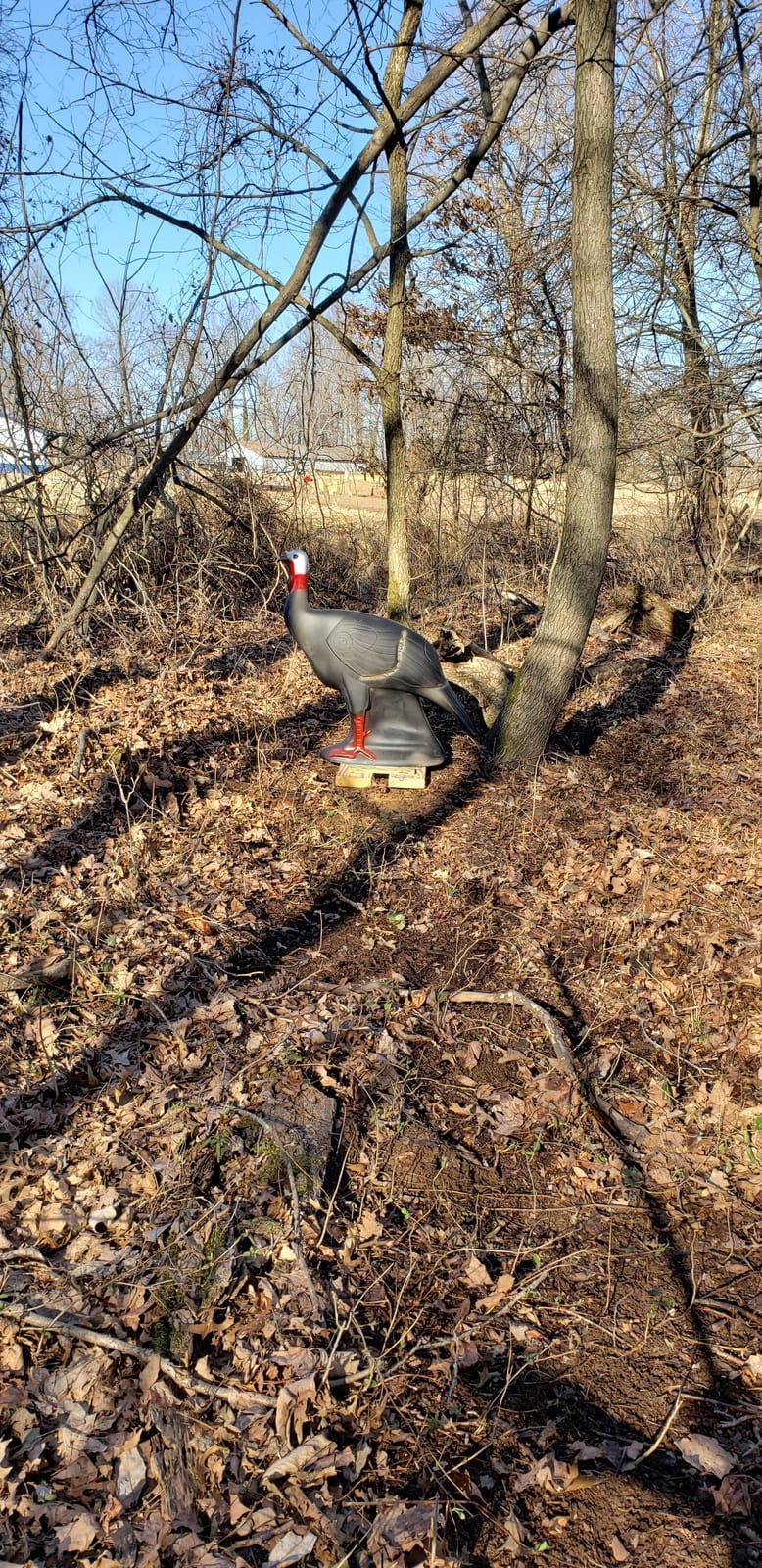
The turkey silhouette gives you four separate shooting surfaces on one body, and that is the number that actually matters for practice volume. Most foam animals give you a front and a back. This one gives you a front, two sides, and a rear, which means far fewer arrows land in the same tired hole.
At 32 inches tall by 31.5 inches wide and 11 pounds, it is a genuinely large target for the money, and owners consistently remark that it looks bigger in the yard than the listing dimensions suggest. The scoring ring printed in the chest area gives you a precision reference for practice drills.
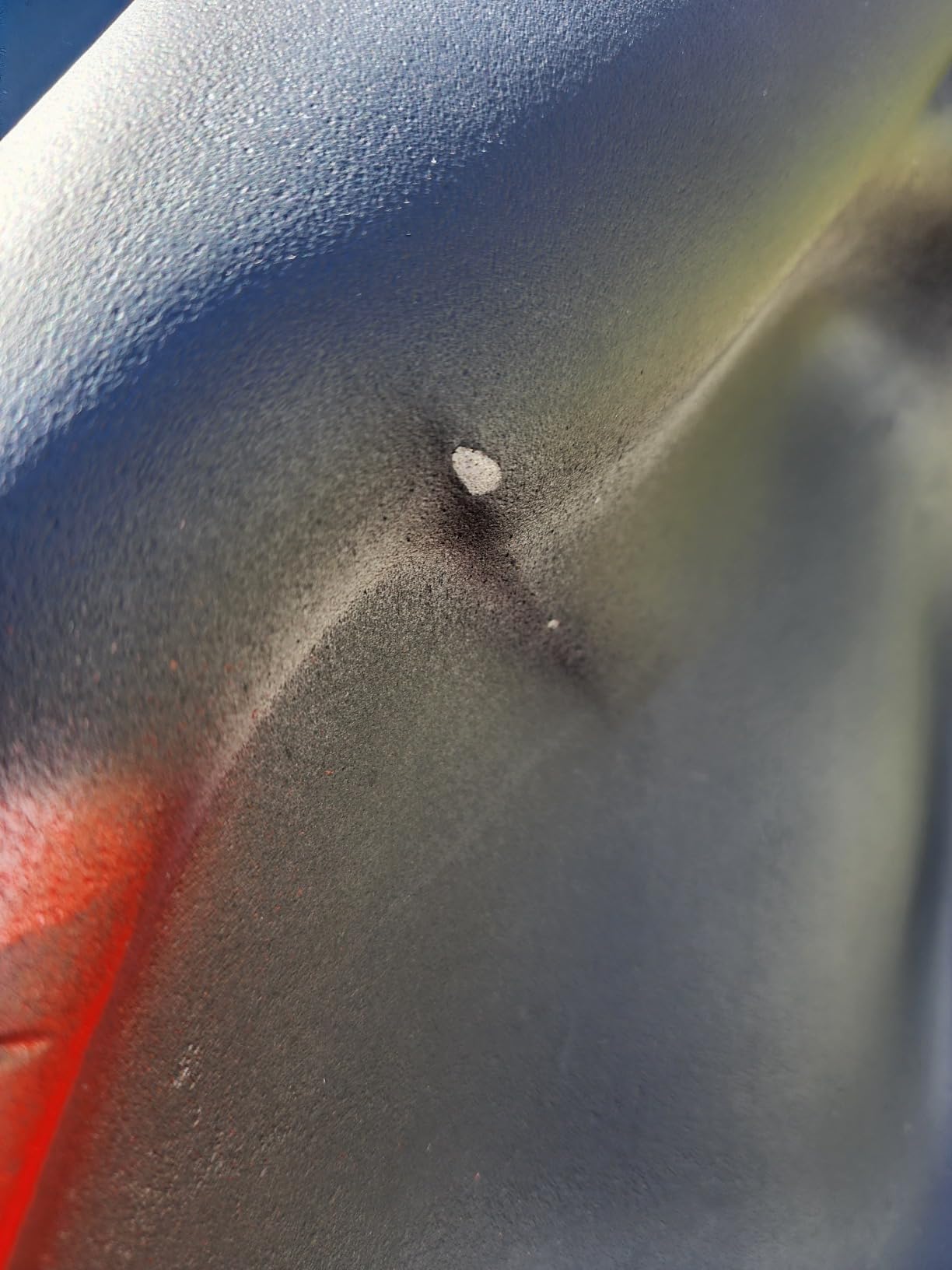
Foam construction keeps arrow removal forgiving, and the included ground stakes make a stable setup straightforward in soft soil. Recurve shooters and light compound rigs both handle it easily, and it works fine for young archers learning where to aim.
The honest weakness is durability. This foam is not self-healing, and the head and tail pieces are detachable, which means they can snap off during assembly or when an arrow clips them. Treat those two sections as decoration and aim at the body.
Will this hold up to a heavy compound bow?
For moderate volume, yes. Most owners shoot field points at it and pull arrows cleanly. The risk is volume rather than power, because non-self-healing foam loses its structure faster under repeated punctures in the same spot.
If you shoot 40 arrows a session several times a week, budget for a replacement in a season or two. If you shoot 20 arrows twice a week, it will comfortably last a full year of casual practice.
Is the build quality a problem?
The arriving damage is the biggest quality complaint, and it is not the maker’s fault so much as the packaging. Reviewers describe crushed boxes and split seams, and paint that has already chipped out of the box. Inspect the head and tail on arrival and photograph any damage immediately.
Once assembled and staked, owners report the foam holding shape well. The piece is a solid entry-level turkey target rather than a tournament-grade one, and the price reflects that honestly.
3. Rinehart 1/3 Scale Woodland Elk Target
Rinehart 1/3 Scale Woodland Elk Target
Self-healing foam
38 in H x 44 in L
Brown
Elk silhouette
Pros
- Self-healing foam closes punctures
- Easy arrow removal by hand
- Premium Rinehart foam build
- Large elk silhouette
Cons
- Highest tier price in this roundup
- 1/3 scale reads small for full-size elk practice
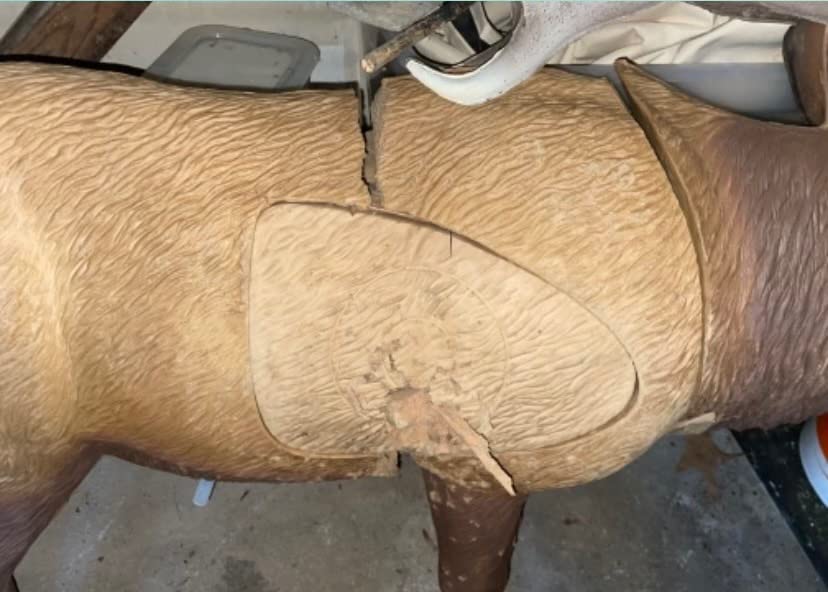
Rinehart is the name experienced archers raise first when 3D targets come up, and the reason is consistent across the owner feedback here. The self-healing foam closes around arrows after removal, so the surface does not degrade the way single-density foam does, and arrows pull out by hand rather than with a puller.
This elk measures 38 inches tall by 44 inches long, which is a large scoring area for a foam animal. The brown woodland finish reads well against grass and brush, and the silhouette gives you enough surface to work a quartering angle properly.
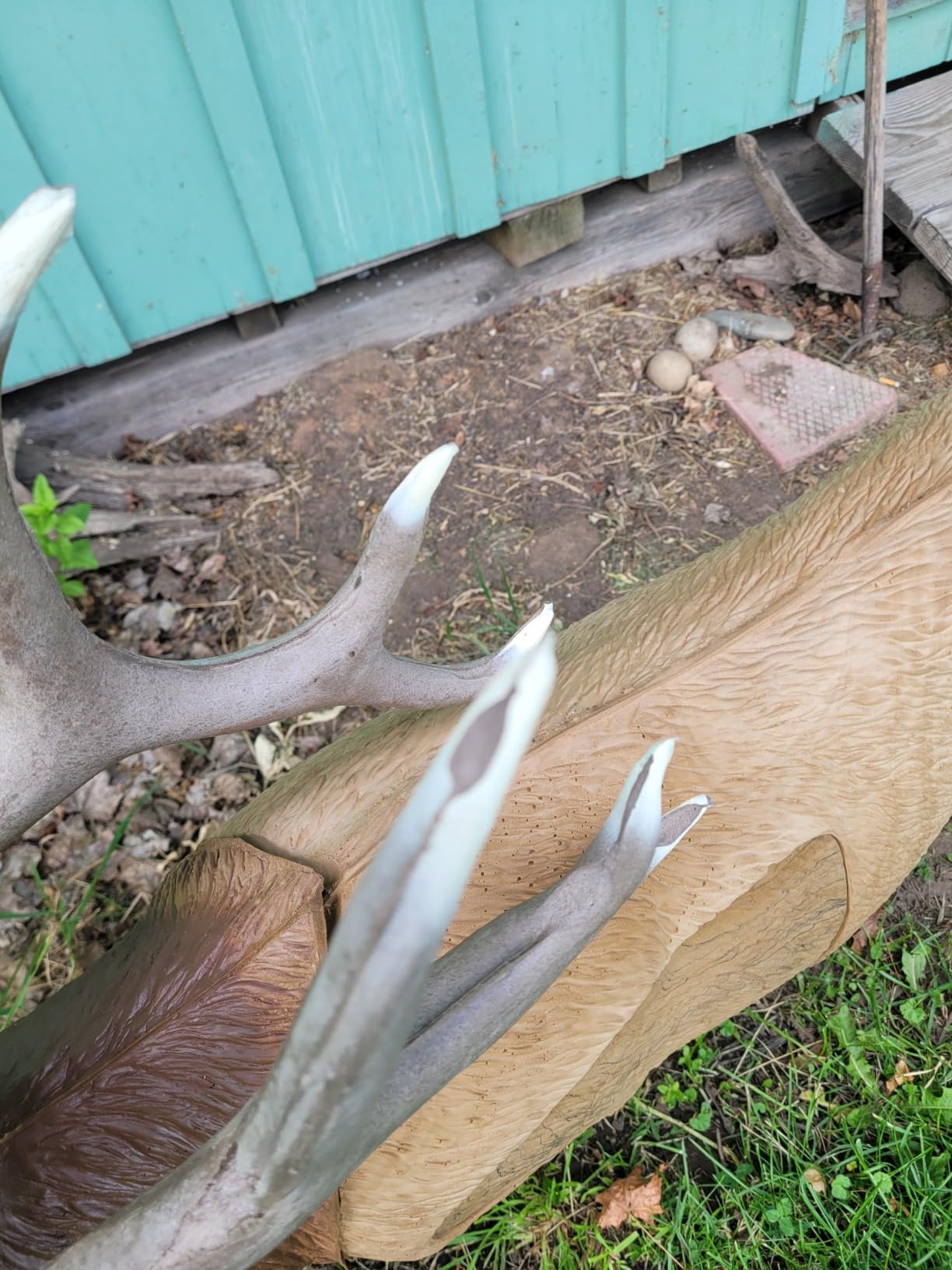
Where the foam advantage shows is longevity. Owners running this target through heavy field point sessions report the surface staying workable far longer than a comparable budget foam animal, and the holes close themselves between sessions.
One thing to set expectations on is the scale. At 1/3 scale the proportions are compressed, which means the kill zone sits smaller than a real elk’s. For an archer used to a full-size animal, the first few sessions feel cramped until you adjust your hold.
Is this worth the higher tier price?
If you shoot a lot and hate pulling arrows, yes. Easy extraction is the single biggest quality-of-life difference in daily practice, and it is what you feel most after an hour of shooting.
If you shoot occasionally and mostly field points, a mid-tier foam animal gives you most of the experience at a fraction of the cost. This is the durable option, not the cheap option.
Can it take broadheads?
Rinehart builds are widely regarded in the archery community as target and field point targets, with broadheads cutting core life sharply. Shoot broadheads here sparingly and reserve it for field point volume.
If broadhead practice is your main goal, our broadhead target picks list targets rated for that job. Mixing the two habits on one foam animal is the fastest way to shorten its life.
4. BIGSHOT Pro Hunter Raccoon and Groundhog Combo
BIGSHOT Pro Hunter Raccoon & Groundhog 3D Archery Target Combo – Life-Size Dual Critter Set for Compound, Recurve & Youth Bows – Durable Self-Healing Foam – Weatherproof Outdoor Target Practice
Two targets
Elasto-Flex foam
16 lb
24 in class
IBO rings
Pros
- Two targets for roughly the cost of one premium unit
- Dense foam seals holes almost invisibly
- Handles 75 lb compound shooting
- Weatherproof for year-round use
Cons
- Dense foam makes arrows hard to pull in cold weather
- Some scoring rings print off-center
- Raccoon runs taller than the groundhog
This is the value play in the roundup, because the box contains two animals rather than one. A raccoon and a groundhog at 24 inch class each means you can set up a two-station practice circuit in a small yard and keep arrows from stacking in one spot.
The Elasto-Flex foam is denser than most entry-level targets, and owners report it sealing punctures almost invisibly after pulls. It has also held up under 75 lb compound shooting, which is a meaningful claim for a target in this tier.
IBO scoring rings make it usable for club and tournament practice, and the material is described as weatherproof for year-round outdoor use. That combination of two animals, scoring rings, and outdoor construction is genuinely rare at this price.
Is arrow removal a real problem?
Yes, and it is the main trade-off. Dense foam that resists damage also grips the shaft, and cold weather makes it worse. Several owners plan their sessions around it rather than treating it as a defect.
Arrow lube or a puller solves most of it. If you already use low-creep points, the grip is a non-issue. If you shoot bare carbon shafts in winter, expect to work for each arrow.
How good is the printed detail?
Good enough for scoring purposes, with one caveat. Owners report that scoring rings on the raccoon can print off-center or arrive missing the 11 ring, so measure your groups against your own reference rather than assuming the paint is accurate.
The two animals also differ slightly in height, with the raccoon taller than the groundhog. That is fine for variety, but it means the two stations do not present identical difficulty.
5. Rinehart Signature Tom Turkey with Replaceable Vital Insert
Rinehart Signature Tom Turkey 3D Archery Target, Replaceable Vital Insert
Replaceable insert
30 in beak to tail
19 in x 21 in
Foam
Pros
- Replaceable insert extends target life well beyond foam bodies
- Full 30 inch beak-to-tail turkey profile
- Established Rinehart foam quality
- Manufacturer warranty
Cons
- No printed kill zones on this model
- Small vitals relative to full body length
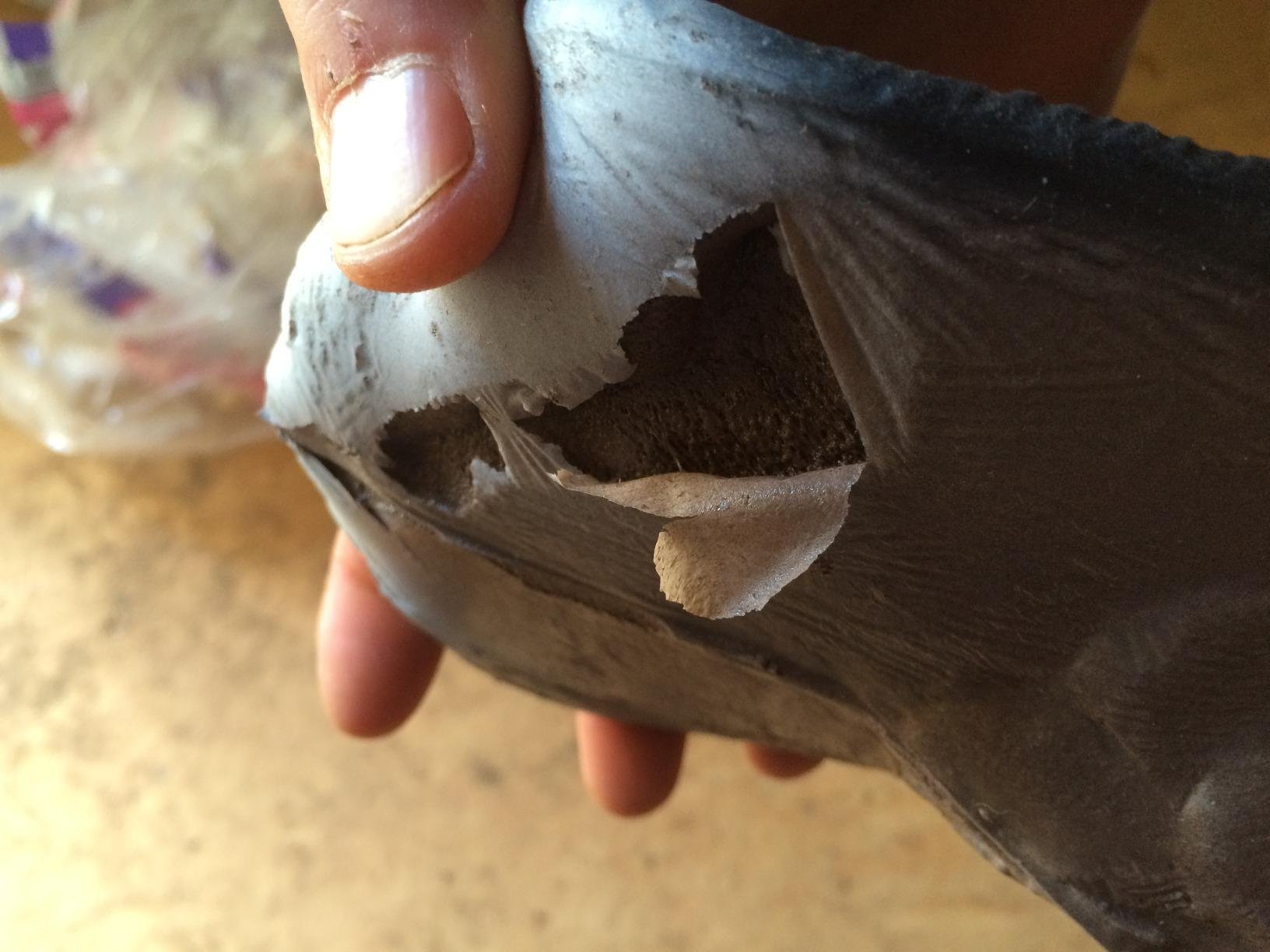
The replaceable insert is the entire argument for this one, and it is a strong one. Instead of replacing a 19 inch foam animal when the chest area compresses, you replace a small insert and keep the body. Long-time 3D shooters treat that architecture as the deciding factor on any target they intend to keep for years.
Body dimensions are 19 inches tall by 21 inches long, but the full profile measures 30 inches from beak to tail, which gives you a proper strutting tom silhouette rather than a toy shape. That matters for practising a facing-away shot.
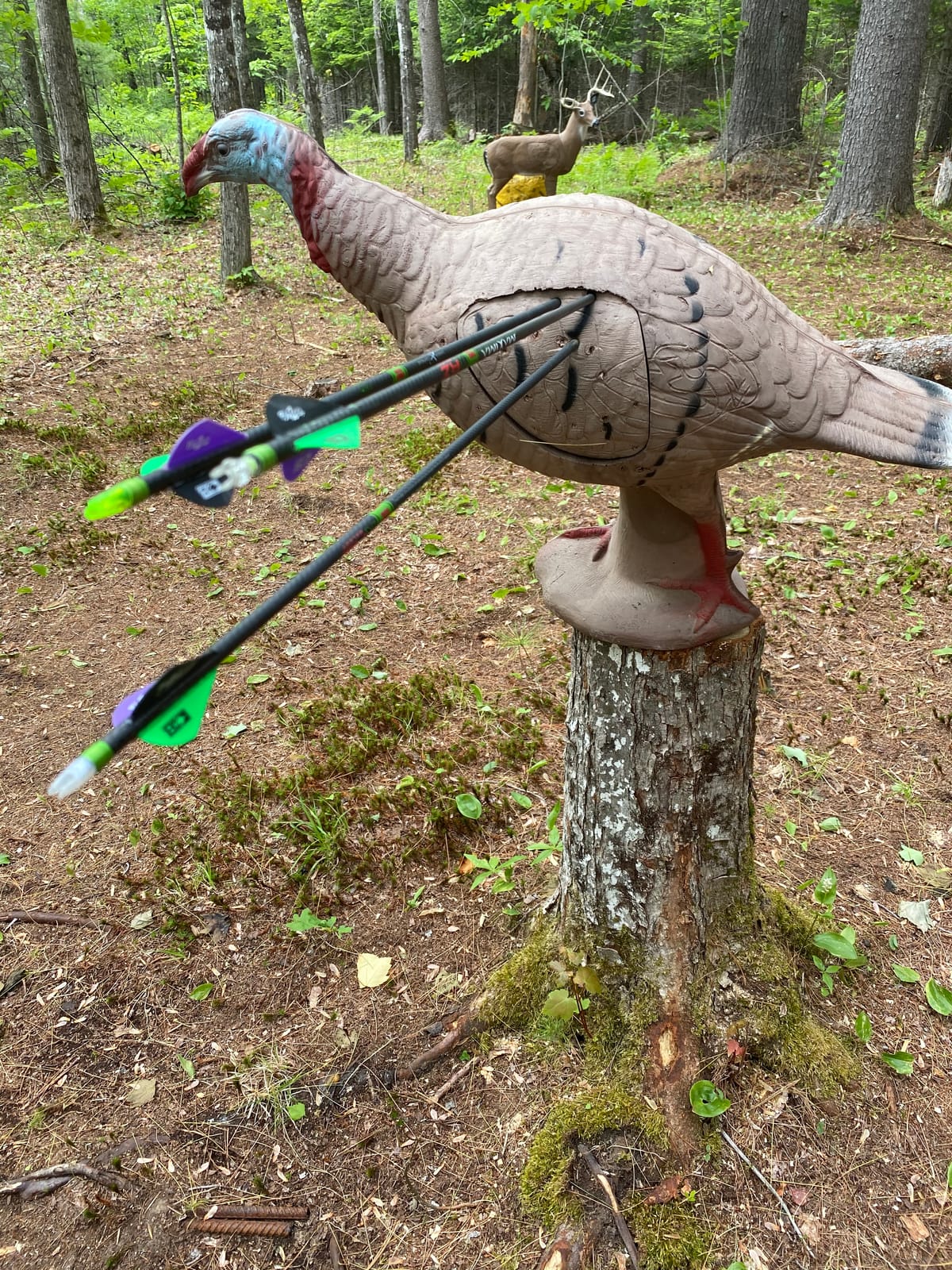
The foam is the same Rinehart line used on the pricier models, which means the puncture resistance is a step above generic foam. Owners report steady performance through a full turkey season and a target that stays presentable afterwards.
What you give up is printed scoring detail. This specific model carries no printed kill zones, so the scoring surface comes from the insert itself. That is fine for placement practice and frustrating if you want to measure point of impact against a painted ring.
Why does a replaceable insert matter so much?
Because foam fails where you hit it, and archers hit the same spot every time. In a one-piece target, a compressed chest zone ends the target’s usefulness. In an insert target, you swap the insert and keep everything else.
It also spreads the cost. Instead of buying a new animal every year or two, you buy a small component once a year and keep the cover and body indefinitely.
Is this the right turkey target for a competition shooter?
Only if your club uses insert-based scoring conventions. Without printed kill zones, an official IBO score sheet is harder to run against this target.
For a backyard archer practising struts and gobbler approaches, the silhouette and replaceable insert are exactly what you want, and the 30 inch profile makes angle work realistic.
6. BIGSHOT Real Wild Raccoon 3D Target
BIGSHOT Real Wild Raccoon 3D Archery Target – Life-Size EZ-Pull Self-Healing Foam, IBO Scoring Rings, Field-Point & Broadhead-Ready Small-Game Practice for Compound & Crossbows
Taxidermist-sculpted foam
30 in x 20 in
6 lb
Rebar stakes included
Pros
- Taxidermist-sculpted anatomy looks lifelike
- IBO scoring rings support tournaments
- Two rebar ground stakes included
- Holds appearance after heavy daily shooting
Cons
- Carbon arrows are hard to extract from dense foam
- Dense foam rewards arrow lube or EZ-pull points
- Angled shots risk burying arrows in the ground
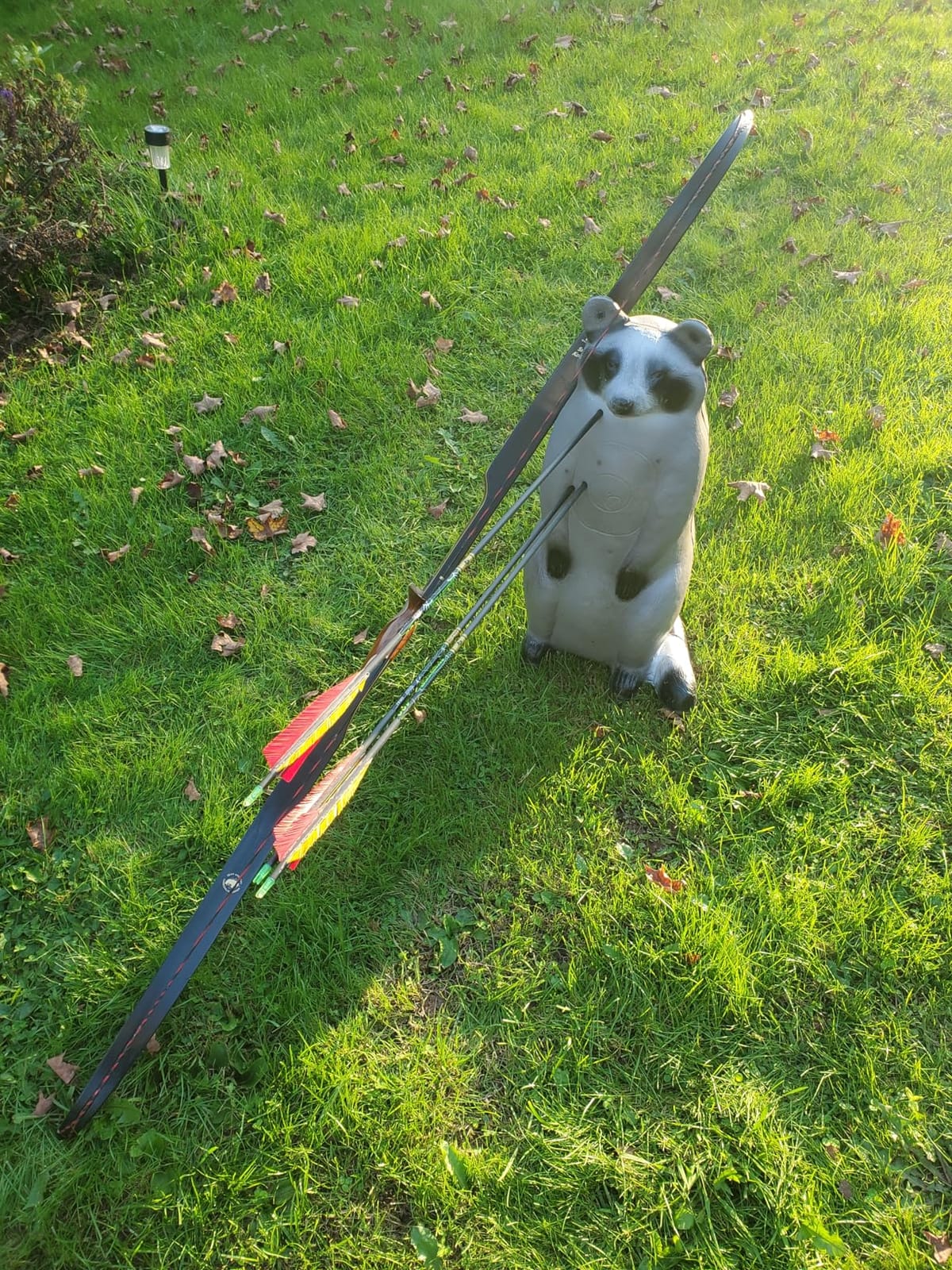
The sculpting is what separates this raccoon from the rest of the small-game targets here. It is modelled on taxidermy anatomy rather than a generic mould, and owners who have used it say the triple shooting spots force genuinely angled shots instead of flat-face volleys.
At 30 inches tall by 20 inches wide and 6 pounds, it is light enough to reposition between stations but stable enough to shoot once the two included rebar stakes are driven in. Those stakes matter more than they sound, because a loose small-game target gets nudged sideways by every hit.

IBO scoring rings are printed on the body, so this one works for club and tournament scoring as well as backyard practice. Reviewers report the surface still looking new after a full summer of daily shooting, which is the durability claim most foam targets cannot make.
It is also rated for both field points and broadheads, which broadens its use for hunters tuning a shot after season. Owners running 65 lb compound bows confirm it holds up.
Why do carbon arrows stick more than aluminum?
The foam is dense, and carbon shafts have less surface friction than aluminum. Dense foam grips whatever it touches, and the smoother the shaft, the more it resists sliding back out.
Several owners solve it with arrow lube or EZ-pull points and report no further trouble. If you shoot carbon exclusively, budget for a puller or switch to aluminum for target work.
Is it suitable for beginners?
Yes, with one note. The angled shooting spots are harder than a front-facing foam block, so a new archer should start on the front face and work around the body as their form improves.
That difficulty is the appeal for anyone past beginner stage. It is a small-game target that will keep producing useful lessons long after a flat face stops teaching you anything.
7. Delta McKenzie Backyard Fox Target
Delta McKenzie 3D Fox Backyard Target
Flex foam
One size
Lifetime warranty
Scoring rings
Pros
- Flex foam gives genuinely easy arrow removal
- Printed scoring rings on the face
- Compact backyard-friendly footprint
- Lifetime warranty
Cons
- Listing gives little dimensional detail
- Foam durability trails premium self-healing brands
- Basic detailing versus taxidermy-sculpted models
Arrow removal is the standout on this one. Flex foam gives way around the shaft and lets arrows slide out with a light pull, which matters enormously when you are clearing twenty arrows after a session and want to do it without a puller.
The target is a compact fox shape with printed scoring rings on the face, designed specifically for a backyard footprint. That makes it a good fit for small yards or for pairing as a second station beside a larger deer model.
How does the foam compare to self-healing brands?
Flex foam closes reasonably well but does not match the long-term surface quality of a self-healing build. Owners report that it remains shootable for a season or two of regular practice before holes start to look ragged.
That trade is fine for a casual archer. It is not fine for someone shooting daily who wants a target that still looks presentable in the second year.
What is missing compared with the premium picks?
Detailing. This is a basic mould rather than a taxidermist-sculpted body, and the surface is plain compared with the Raccoon or the Rinehart models. Anatomy matters for shot placement drills, and there is less of it here.
The lifetime warranty is a genuine plus and unusual at this tier, though it covers the target rather than the foam’s shot life. The listing also gives minimal dimensions, so check the physical size before committing to a tight yard corner.
8. Real Wild Armadillo 3D Target
Bigshot Archery Real Wild Armadillo 3D Target
Self-healing foam
10 in x 12 in x 24 in
6 lb
Weather-resistant coating
Pros
- Anatomically accurate small-game proportions
- Self-healing foam closes puncture holes
- Weather-resistant coating for year-round use
- Universal scoring rings for clubs and tournaments
Cons
- Narrow scoring ring surface on a small body
- Basic exterior detail versus taxidermy models
The armadillo is a useful shape to practise against because its low, long profile forces you to hold a level release rather than drifting high the way you can against a tall deer. At 24 inches long and 6 pounds it is compact enough to move between practice distances in one hand.
The foam is self-healing, so punctures close over between sessions, and the weather-resistant coating is described as suitable for year-round backyard use. Both claims show up repeatedly in owner feedback rather than only in the marketing copy.
Is the small scoring area a problem?
For long-distance shooting, yes. The scoring ring surface is narrow relative to a deer or elk body, so at 40 yards the target shrinks to a very small aiming problem. That is really a long-distance target’s job, and this is not one.
At 20 to 30 yards it works well. Field point optimization means the target is tuned to stop arrows cleanly at backyard velocities rather than punching through at crossbow speeds.
Who should skip this one?
Anyone hunting with a crossbow. Crossbow bolts carry far more energy than a field point, and a compact 24 inch body has limited depth to absorb that. Use it as a technique target with a bow, not a crossbow anchor.
Universal scoring rings make it workable for club use, and the basic exterior detail is fine when the goal is practicing a level shot on a low profile.
9. Delta McKenzie Howling Coyote Dura-Flex Target
Delta McKenzie Howling Coyote 3D Dura-Flex Foam Archery Target – Compound Bow and Crossbow Compatible – Field Point and Broadhead Target
Dura-Flex foam
35 in tall
Tested to 350 FPS
Foam and plastic
Pros
- Detailed coyote print and anatomy
- Scannable code on the rear identifies hit vitals
- Arrows extract easily for recurve and light compound
- Slides over rebar stakes
Cons
- Numerous reports of missing jaws
- paws or teeth on arrival
- Box damage is common and limbs break in transit
- Foam wears quickly under heavy compound draw weights
The howling pose is the best built-in drill in this roundup. A full body extended upward and backward presents a genuinely hard quartering angle, and the scannable code printed on the rear tells you which zones you hit after the arrow is pulled.
It is rated for compound bows and crossbows up to 350 FPS, which puts it ahead of most foam animals here. At 35 inches it has enough body to stop a hot crossbow bolt, and it slides over rebar stakes for a stable outdoor setup.
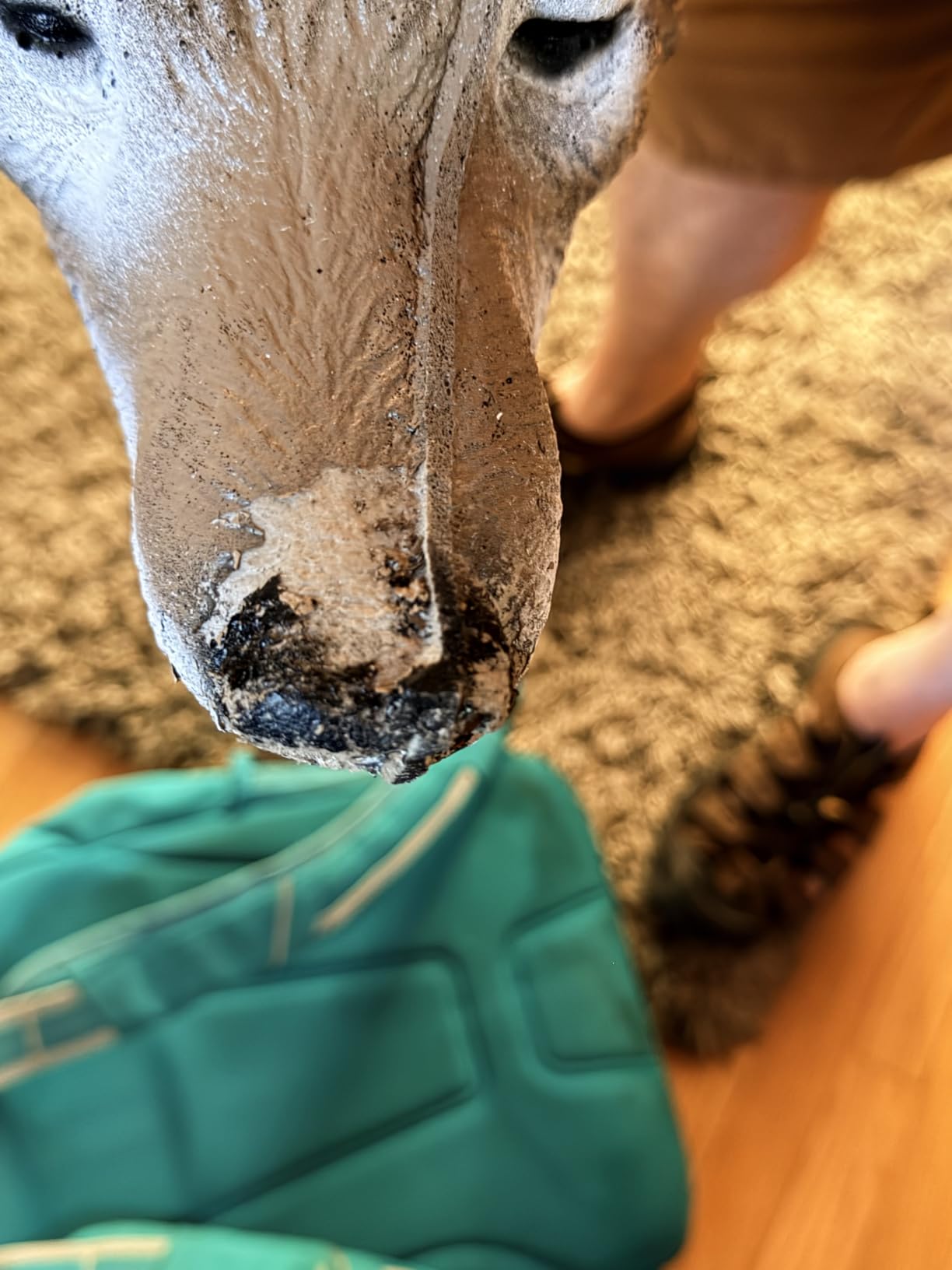
When it arrives intact, owners praise the print quality, the defined scoring lines and how easily arrows come out of a recurve bow or light compound setup. The Dura-Flex foam holds a clean surface through moderate use.
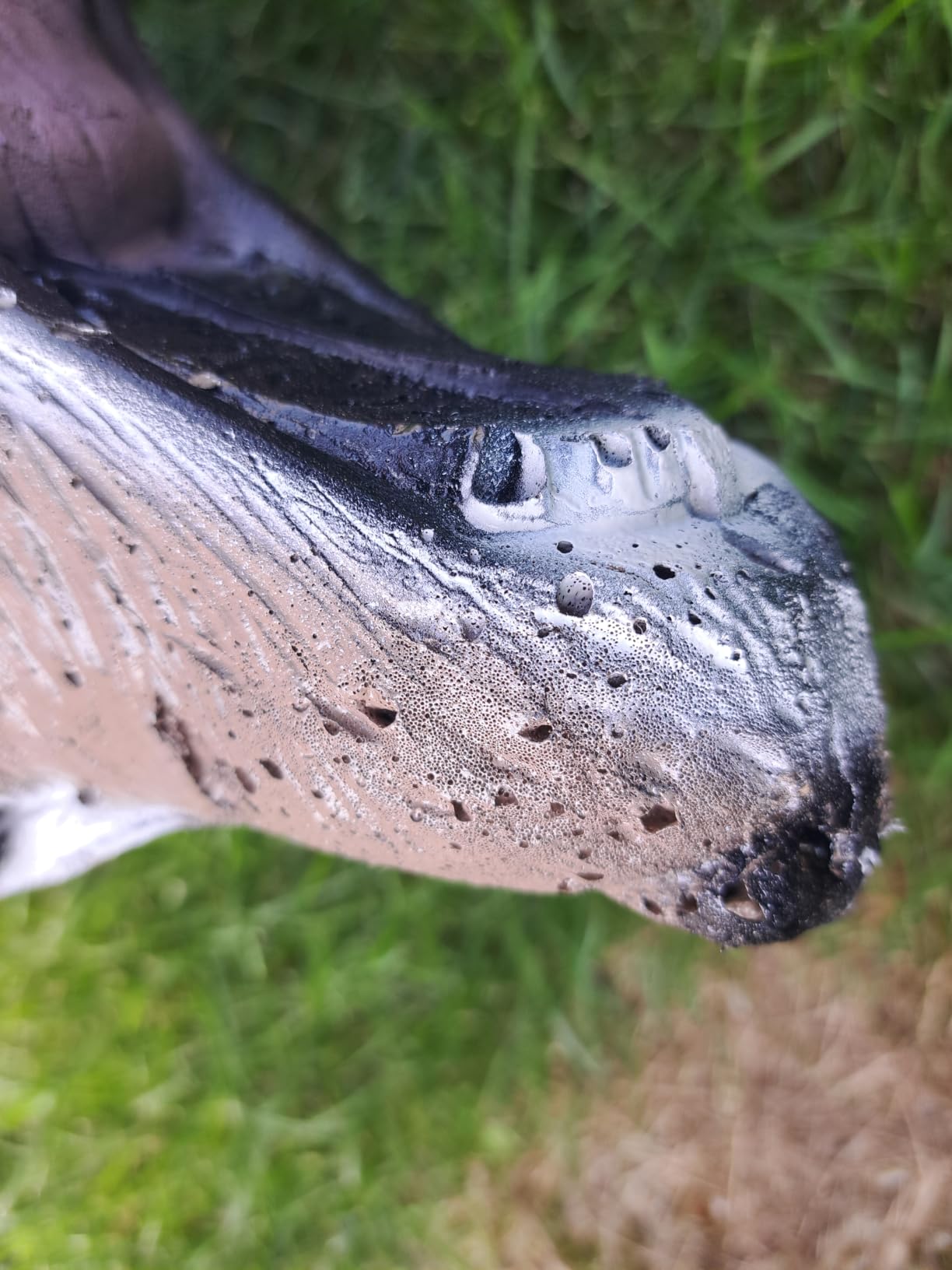
The problem is arriving intact. Multiple reviews describe targets arriving with missing jaws, absent paws, or teeth that never made it into the mould, alongside crushed boxes. This is the single biggest quality complaint in the whole roundup.
Is it safe to use with a high-power crossbow?
Within its 350 FPS rating, yes. Above that, reviewers report arrows passing through at 70 lb and 25 yards, which is a reminder that stopping power depends on arrow mass as much as bow speed.
Heavy compound draw weights also shorten foam life noticeably. If your daily volume is high, treat this as a technique target and rotate your shooting between it and a block.
How do I handle the damage risk?
Photograph the box before opening it, then inspect the head, jaws, paws and tail immediately on arrival. Missing small parts are the most common failure and the easiest to document.
That habit takes two minutes and removes the most common regret. If parts are missing, contact the seller before shooting, because the mould cannot be repaired once a tooth is gone.
10. Delta McKenzie Imp 3D Archery Target
Delta McKenzie Imp 3D Archery Target – Competition-Grade Self-Healing Foam Practice Target for Field Points & Broadheads
18 in cube
10 lb
Self-healing foam
Hand-painted
Pros
- Competition-grade self-healing foam
- Handles both field points and broadheads
- Hand-painted realistic finish
- Compact 18 in cube stores anywhere
Cons
- Smallest scoring surface in the roundup at 18 in
- Only 27 reviews so long-term data is thin
The imp is the one here that genuinely works indoors. Foam animal targets are usually discouraged in a garage because of foam dust and odor, but a compact cube with self-healing foam is a much easier sell in a small space than a full-size deer.
At 18 inches on each side and 10 pounds, it is dense enough to feel solid when you shoot it and light enough to carry from the car to the garage floor in one trip. The hand-painted finish gives you real surface detail rather than a flat printed graphic.
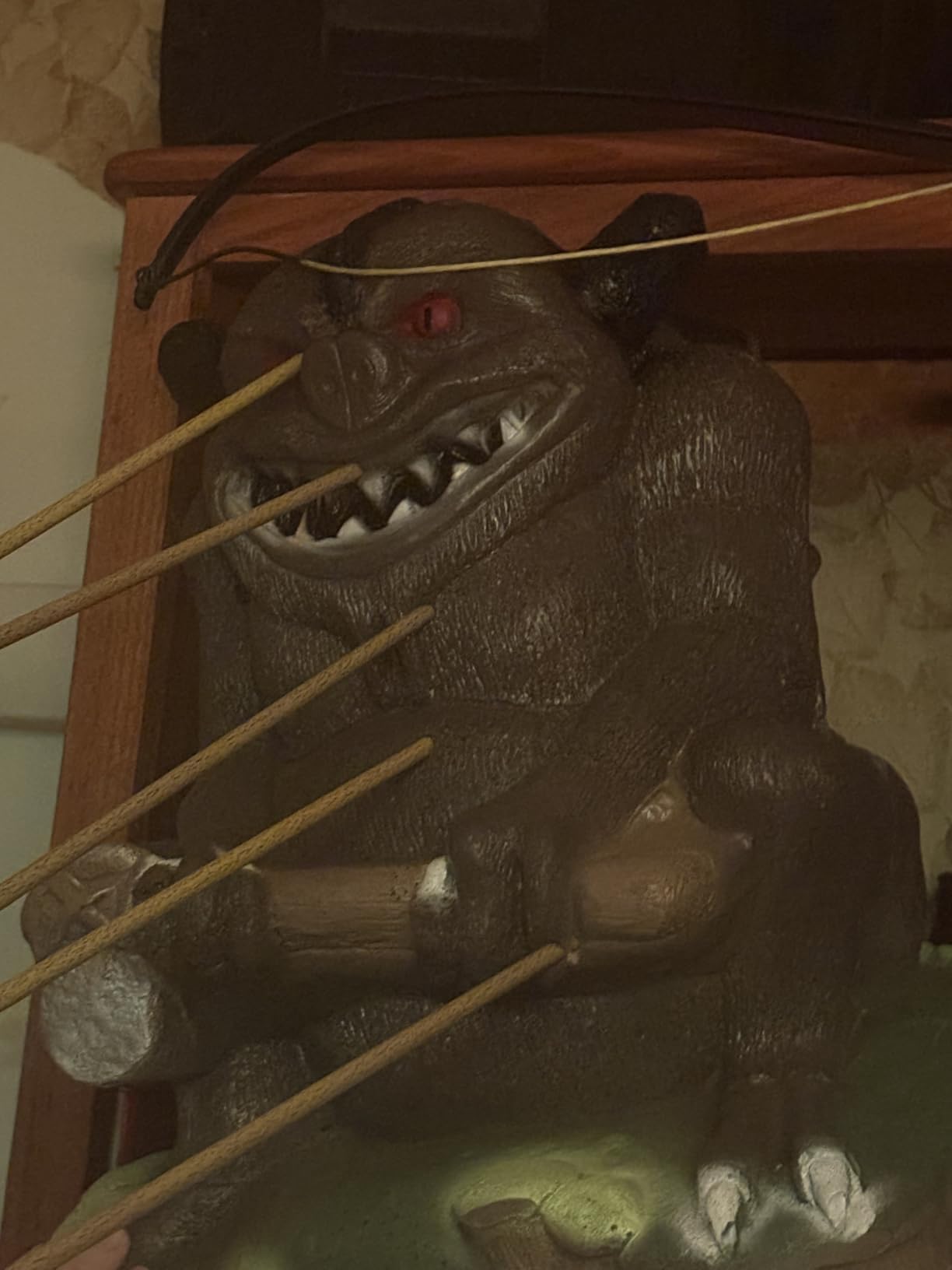
The foam is competition grade and rated for both field points and broadheads, which is a broader claim than most of the Rinehart models in this roundup can make. A 4.7 rating across 27 reviews is strong, and the consistent feedback praises the realistic finish and stable shooting platform.
At that review count, long-term durability data is genuinely thin. Nobody in the feedback has yet reported years of daily shooting, so treat the rating as a measure of build satisfaction rather than proven longevity.
Is 18 inches big enough to be useful?
For indoor form work, yes. An 18 inch face at 10 yards is a small aiming problem that keeps you honest, and it forces precise alignment rather than careless shooting.
For anything past 20 yards it becomes punishing. The face shrinks fast at distance, and you will spend more time finding the target than hitting it. This is a garage and short-range animal.
Why does the 10 pound weight matter?
Because a lightweight foam target walks backward with every hit and stops presenting the same plane. Ten pounds is enough mass to reset itself and hold a consistent line through a practice session.
That consistency is what makes the small face worth practising on. A wobbly target teaches you to miss, which is not a useful lesson.
11. JRONG Tols Three-Pack Squirrel Targets
3D Animal Target, Self-Healing Foam Portable Squirrel Target with Ground Stakes for Archery Outdoor Backyard Hunting
Pack of 3
High density PU foam
2.44 lb each
Ground stakes included
Pros
- Three targets let you build a full practice circuit
- High density PU foam with no unpleasant odor
- Stops broadheads and field tips without separating points
- Light enough to hang in a tree
Cons
- Small 15.4 in body limits scoring area
- Less detailed sculpting than premium targets
- Light weight means stakes are required
Three targets for the least money in the roundup is the pitch, and it is a strong one. You can spread them through a yard as a course, hang one in a tree for a vertical shot, and keep shooting without ever walking arrows back to one tired hole.
Each target is 15.4 by 11.8 by 6.3 inches and weighs 2.44 pounds, built from high density PU foam. Owners highlight the absence of the harsh chemical odor many cheap foam products give off, which matters if you are shooting near a house.
Sticking power is the other strength. Reports confirm it stops nearly all arrow point types, including broadheads and field tips, without the point separating from the shaft. That is more than several pricier animals manage reliably.
Is 15 inches too small to shoot?
For close-range practice, no. Small bodies make precision work easier and are ideal for youth archers and for anyone working on anchor consistency rather than long-distance grouping.
Because there are three of them, you can turn any weakness into a drill. Put one high, one low, and one at an angle, and you have a field course for the price of one premium animal.
What are the compromises?
Sculpting detail is basic compared with the taxidermy-built models. If realistic anatomy drives your practice, these will not replace a proper deer or coyote.
At 2.44 pounds they need the included ground stakes to stay upright, and angled shots can knock them over. Drive the stakes well and keep your shot angles modest and this becomes a genuinely capable starter set.
12. Rinehart Signature Coyote with Replaceable Vital Core
Rinehart Signature Coyote 3D Archery Target, Replaceable Vital Insert
Replaceable locking foam core
16 in x 29 in
22 lb
Lifetime warranty
Pros
- Replaceable locking Signature foam core extends target life
- Best puncture durability of the coyote options rated
- Arrows pull out easily
- Heavy 22 lb base stays stable
Cons
- Runs smaller than the listing photos suggest
- Heaviest target in the roundup at 22 lb
The locking replaceable core is the feature that separates Signature line targets from everything cheaper. Instead of unhooking an insert, the core locks into position, which makes swapping it fast enough that you will actually do it when the surface starts to compress.
Owners comparing brands rate Rinehart as the best-made 3D target for puncture durability and arrow removal, and the self-healing foam holds up best after repeated punctures and weather exposure. The lifetime warranty is unusual and gives real confidence in the shell and moulding.
At 22 pounds the base is heavy enough that the target does not shift when a crossbow bolt lands. That weight is a feature in a wind and a nuisance everywhere else.
Is 16 inches too small for the money?
It is smaller than the listing photos imply, and that is the most common complaint. Sixteen inches tall by 29 inches long gives you a usable animal, but not a life-size one, so long shots get harder quickly.
For backyard practice at 20 to 30 yards, that size is genuinely workable. For 40 yards and beyond, you would be hunting for a small face, and a larger body would serve you better.
What does the 22 pound weight mean in practice?
It means one trip. Carrying it between shooting spots requires both hands or a cart, which is the main reason this is a fixed-position target rather than a travelling one.
In exchange you get a target that stays exactly where you put it, survives wind, and stops arrows without rocking. For most backyard archers that is the right trade, and it is one of the reasons professional-grade targets feel solid in a way budget foam does not.
How to Choose a 3D Archery Target for Practice
Start with your shooting volume, not the species. A target you shoot 60 arrows a session three times a week needs a replaceable core far more than a target you hit once a month, and the species should match the animal you actually intend to hunt.
Field points or broadheads: what each target can take
Broadheads cut foam cores dramatically faster than field points. Experienced archers treat a standard foam animal as a field point target and shoot broadheads only at dedicated broadhead-rated foam or a mat.
Among these twelve, the Delta McKenzie Imp and the JRONG Tols pack are both described as stopping broadheads and field points without separating points from shafts. That makes them the safest choices if you want to practise hunting setup with your actual broadheads.
Everything else here is happiest on field points or target points. Reserve broadhead sessions for a separate target, and your foam animals will last a great deal longer.
Replaceable core or one-piece body: the trap to avoid
A replaceable core is the single biggest durability feature on a 3D target. When the vital zone compresses, you swap a small component instead of buying a new animal, and archery community consensus treats this as the deciding factor on any target intended to last years.
The trap is that not every foam 3D accepts a swappable insert. Several models are built as one solid centre section, which means a compressed shot area effectively ends that target’s useful life. Two models in this roundup, the Rinehart Signature Tom Turkey and the Rinehart Signature Coyote, use replaceable cores.
Check the listing for the words replaceable, insert, or core before you buy. If it does not mention one, assume the body is one piece and plan for replacement.
How long a 3D target actually lasts
Depends entirely on volume, tip type, and whether the core is replaceable. Archery community reports give roughly two years per insert on a stick bow, and one owner burned through cores on two different targets in about two months of everyday shooting.
That second data point is the honest warning. If you shoot daily, no foam animal will last a year without a replacement, no matter what the listing claims. If you shoot two or three times a week on field points, most of these targets will comfortably outlast their first season.
The practical rule is that volume decides lifespan, and only a replaceable core lets you extend it without replacing the whole target.
Size, weight and shooting distance
Match the face to your yard. A 35 inch coyote or a 38 inch elk holds up at 40 yards, while an 18 inch cube or a 24 inch armadillo turns long shots into a search for the target rather than a test of your aim.
Weight matters for stability. Anything above about 15 pounds stays put without fuss, and lighter foam animals need ground stakes to avoid being nudged off line after each hit. We covered full target sets and their anchoring options in our archery target set guide.
Indoor and garage practice, and the family objection
Most foam animal targets are not designed for indoor use, largely because of foam dust and odor. The Delta McKenzie Imp is the best candidate here, since its compact cube shape and self-healing foam are easier to live with in a garage than a full-size deer.
There is also a reasonable objection to a lifelike foam animal standing in a family yard, particularly with young children around. Nothing is wrong with that preference. A foam block or a bag target avoids the issue entirely and still trains form and grouping.
3D target vs foam block vs bag target: when a 3D is the wrong buy
A 3D target is the wrong buy when your goal is volume. Foam blocks take far more arrows without degrading, arrows pull out easily every time, and they cost a fraction of a foam animal. Experienced archers widely advise that 3D targets are not built for everyday high-volume practice.
A bag target is quieter, safer for indoor and shared spaces, and lets you hear misses instead of seeing them. A foam block is the most durable and the most portable. A 3D target is the only one of the three that teaches anatomy and quartering angles.
The workable arrangement is one 3D target for technique and a block or bag for volume. That pairing covers both needs without destroying a foam animal in a month.
Reading IBO scoring rings and what a good 3D score looks like
IBO scoring rings are printed circles graded by point of impact, and they let a target function as a real scoring surface rather than a placement aid. The BIGSHOT combo and the Real Wild Raccoon both print them, and the JRONG pack uses universal scoring compatibility.
A good club-level 3D score is generally in the 30s to low 40s for adults across a dozen animals, with consistency across targets counting more than one standout shot. Beginners will commonly score in the 20s, which is normal while you are still learning zone priority.
One caution from the owner feedback in this roundup: some printed rings arrive off-center or incomplete, so confirm the ring layout against your score sheet before treating a number as official.
Frequently Asked Questions
What are the best 3D archery targets for the money?
For most backyard archers the Delta McKenzie Challenger Buck offers the best balance of durability and owner feedback depth. If you want two animals for the price of one, the BIGSHOT Pro Hunter raccoon and groundhog combo is hard to beat. Budget buyers should start with the JRONG Tols three-pack, which gives you a full practice circuit at the lowest cost in the roundup.
Are 3D targets worth it?
Yes, for shot placement practice on angled anatomy, which is the one skill a flat paper face cannot teach. No, for high-volume field point practice, where a foam block lasts far longer and pulls arrows out easier every time. The best setup is one 3D target for technique work plus a block or bag for volume.
What is the best target for bow practice?
A 3D animal target is best when you are rehearsing anatomy and quartering angles. A foam block is best when you are working on form and grouping at volume, and a bag target is best indoors or in shared spaces because it absorbs noise and hides misses.
Can I shoot broadheads into a 3D archery target?
Only on models rated for it. The Delta McKenzie Imp and the JRONG Tols pack are described as stopping broadheads and field tips without separating points from shafts. On every other foam animal here, broadheads compress the core far faster, so keep those sessions on a dedicated broadhead-rated target.
Are Rinehart targets good for broadheads?
Rinehart is regarded in the archery community as a top-tier foam build, but experienced shooters still recommend using broadheads sparingly because they cut core life sharply. Their real advantage is the replaceable insert on Signature models, which lets you restore a compressed vital zone without replacing the whole animal.
How long does a 3D archery target last?
It depends on volume and arrow tip. Community reports suggest roughly two years per replaceable insert on a stick bow, while one owner wore through cores on two targets in about two months of daily shooting. Shooting two or three times a week on field points will comfortably outlast a season.
Are Delta McKenzie targets good?
Delta McKenzie builds a wide range, and quality varies by model. The Challenger Buck and the Imp both perform well, with the Imp earning strong owner ratings for its self-healing foam and broadhead tolerance. The main recurring complaints across the range are packaging damage and foam wear under heavy compound volume.
What is the best 3D deer target for archery in the backyard?
The Delta McKenzie Challenger Buck is the strongest all-round deer option here, with the deepest owner feedback, a rubber foam body that tolerates broadheads, and printed scoring zones for measuring placement. For a premium build, the Rinehart Woodland Elk offers better puncture durability and easier arrow removal at a higher tier price.
Bottom Line on the Best 3D Archery Targets for Practice
The Delta McKenzie Challenger Buck is our pick for the best 3D archery targets for practice because it combines the deepest owner feedback in the group with a foam body that holds up under broadhead use. Shoot it on level ground, treat the legs as out of bounds, and it will outlast most foam animals at this tier.
Two things matter more than any brand name. The first is replaceable core architecture, because it is the difference between swapping a small insert and replacing an entire animal. The second is your shooting volume, because daily practice will consume any foam core in a couple of months no matter how good the build is.
Pair one 3D target with a foam block and you get the complete setup in 2026: anatomy and quartering drills from the animal, and unlimited volume from the block. That is the combination most experienced archers land on, and it is what we would build in our own yard.