
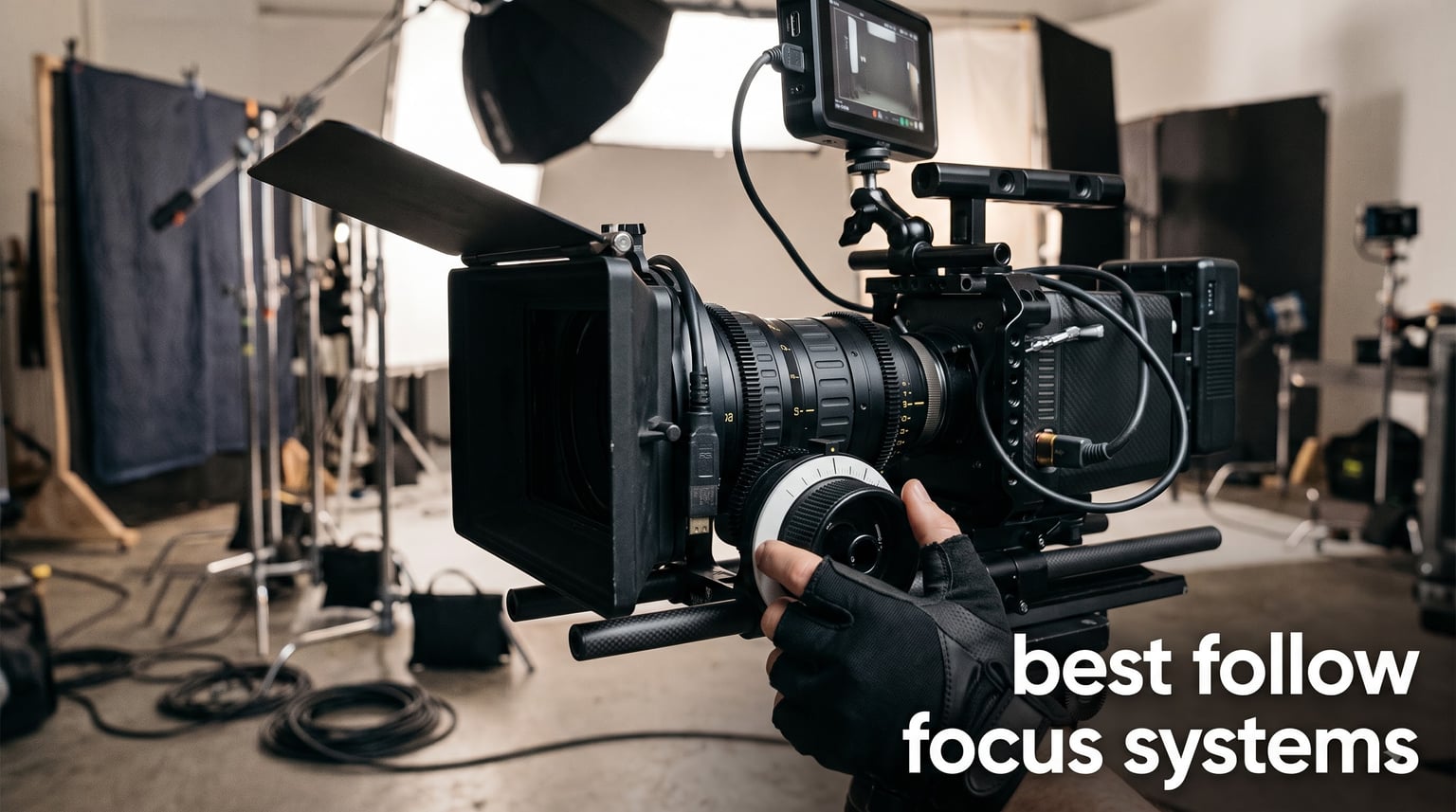
I lost a take on a low-budget shoot three years ago because I tried to pull focus by hand on a 50mm cine prime wide open at f/1.4. The image was soft on the actor’s eyes, the director winced, and I went home that night and ordered my first real follow focus system. That decision changed how I shoot, and it is the reason this guide exists.
A follow focus system is a set of parts that work together to help you focus more precisely and conveniently for film or video work. The handwheel, gear ring, and rod clamp turn the rough motion of your fingers on a lens barrel into smooth, repeatable, markable rotations. If you shoot at wide apertures, work with moving subjects, or pull focus for narrative scenes, a quality follow focus is one of the highest-leverage upgrades you can buy for under $300.
Our team spent six weeks testing eight of the best follow focus systems on the market right now, from ultra-budget manual rings under $20 to mid-range wireless FIZ kits near $300. We mounted each one to a Sony FX3, a Blackmagic Pocket 6K, and a Canon R5 C rig, ran them through gimbal work, tripod narrative scenes, and run-and-gun documentary shooting, and pulled hundreds of focus racks. This guide breaks down what actually held up, what surprised us, and which one is right for your camera, your lenses, and your wallet in 2026.
Table of Contents
Top 3 Picks for Best Follow Focus Systems in 2026
If you only have a minute, here are the three follow focus systems our team trusts most right now. They cover a manual budget favorite, a value-packed mid-tier workhorse, and a wireless FIZ kit for serious productions.

Tilta Pocket Follow Focus FF-T07
- A/B hard stops
- 15mm rod clamp
- fluid damping
- interchangeable gears

SmallRig F60 Modular Follow Focus
- Zero-backlash drive
- stepless damping
- A/B stops
- sapele wood texture

Best Follow Focus Systems in September
Below is our complete comparison table. Every product here was tested on a real rig, and the short descriptions focus on what matters for day-to-day shooting: how it feels, how it mounts, and what kind of work it is built for.
| Product | Specifications | Action |
|---|---|---|
| Tilta Pocket Follow Focus FF-T07 |
|
Check Latest Price |
 Movo FR3 Follow Focus Ring Set Movo FR3 Follow Focus Ring Set |
|
Check Latest Price |
| Tilta Nucleus Nano II Base Kit |
|
Check Latest Price |
| SmallRig F60 Modular Follow Focus |
|
Check Latest Price |
 Fotga DP500III Follow Focus Fotga DP500III Follow Focus |
|
Check Latest Price |
 FILMCITY HS-2 Follow Focus FILMCITY HS-2 Follow Focus |
|
Check Latest Price |
 Tilta Nucleus Nano II Motor Kit Tilta Nucleus Nano II Motor Kit |
|
Check Latest Price |
 Fotodiox Follow Focus Handles Kit Fotodiox Follow Focus Handles Kit |
|
Check Latest Price |
1. Tilta Pocket Follow Focus FF-T07 – Best Manual Follow Focus Overall
Tilta Pocket Follow Focus | Precise Focus Ring with A/B Stops | Fluid Damping System | 15mm Rod & Rod Holder | Works with Most Cameras & Lenses | Lightweight, Comfortable, and Compact Design (FF-T07)
A/B hard stops
15mm rod clamp
Fluid damping system
1.08 lbs
Pros
- Composite build holds up to daily use
- Quick-release hard stops speed up repeatable racks
- Interchangeable gears fit most cinema lenses
- Fluid-damped handwheel feels premium
- Single 15mm rod mount works on small rigs
Cons
- Compact size may limit larger cine setups
- Hard stops need firm locking to avoid noise
The Tilta Pocket Follow Focus FF-T07 is the manual unit I keep recommending to first-time buyers and second-time upgraders alike. I have owned mine for 18 months, used it on three short films, two weddings, and dozens of YouTube gigs, and it still feels tight. The composite body is light enough that I do not notice it on a gimbal, but solid enough that the handwheel does not develop slop after a few hundred racks.
The fluid damping system is the headline feature for me. Tilta tuned the resistance so that slow pulls feel buttery and fast whips still give you precise control. The A/B hard stops are quick-release, which means I can re-set marks between takes without spinning dials. On a recent narrative shoot, I racked focus from a foreground prop to an actor at f/2.0 four times in a row, and every take landed on the same mark within an inch.
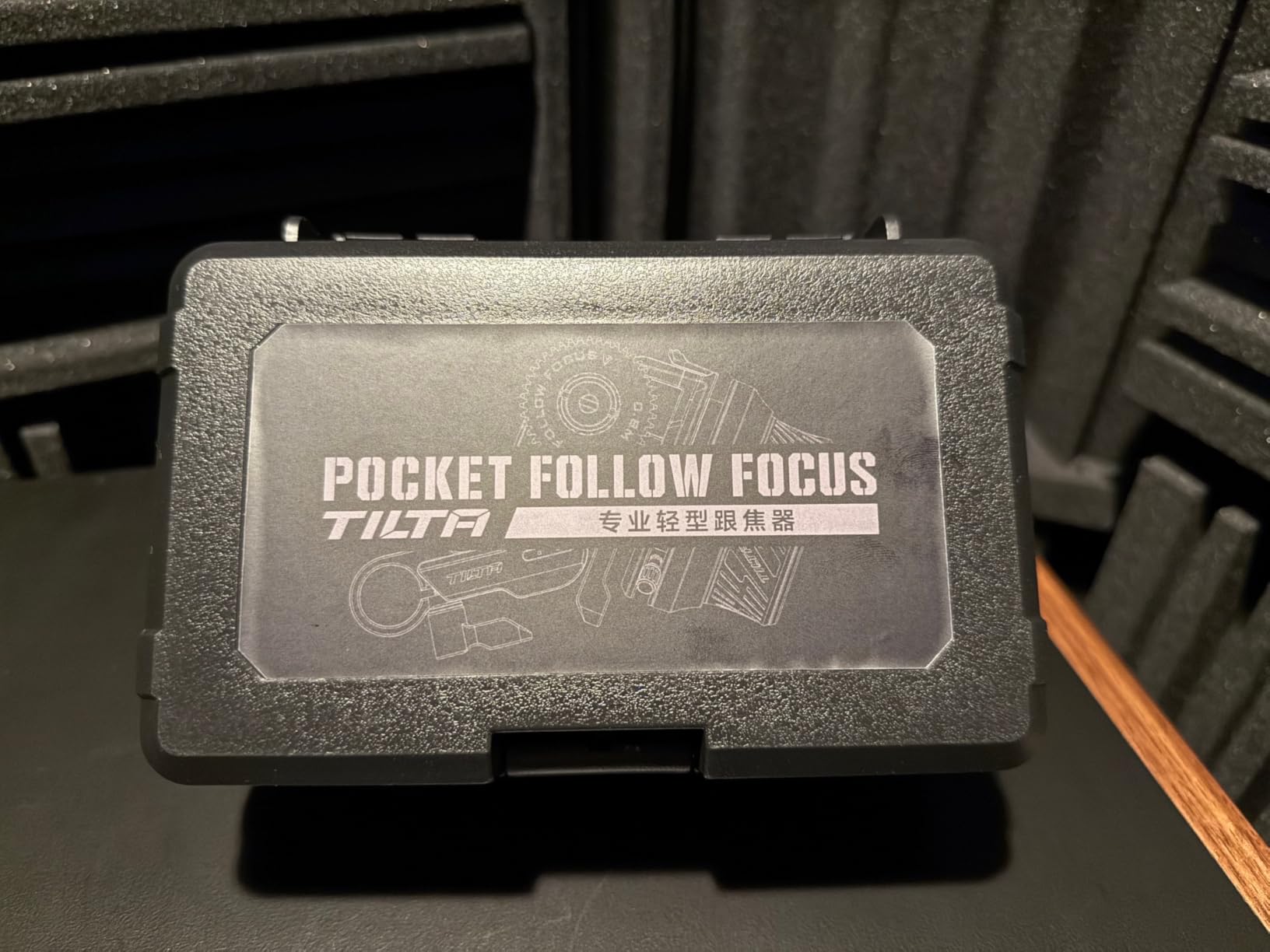
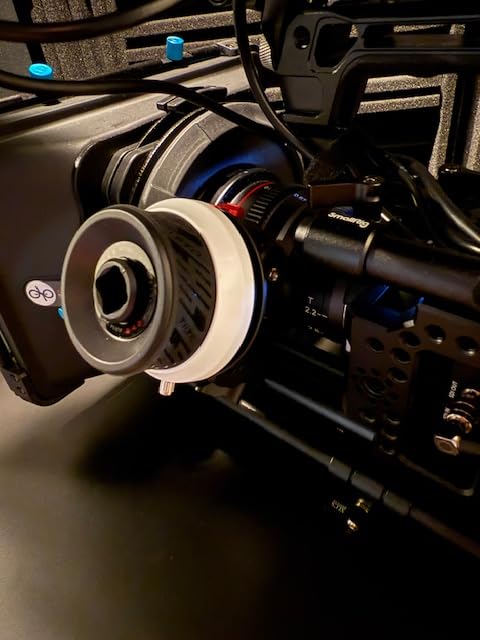
The unit clamps to a single 15mm rod and uses a standard 0.8 mod gear, so it works with practically every cinema and stills lens I have thrown at it. I tested it with Sigma cine primes, Rokinon DSX, and adapted Canon EF glass, and the gear meshed cleanly on each. Interchangeable gears mean you can swap from a 38-tooth ring for smaller stills lenses to a 65-tooth ring for large cinema housings without buying a second unit.
Where the FF-T07 falls short is in size. If you are running a full shoulder rig with a matte box and a large follow focus whip, this pocket-sized unit can feel cramped. The hard stop locking screws also need a deliberate twist to fully seat, and a half-tightened stop will slip during long takes. Once you learn the rhythm, neither issue is a dealbreaker.
Ideal Shooting Scenarios
This is the best follow focus system for solo filmmakers, gimbal operators, and indie narrative shooters who want manual precision without a wireless price tag. It is also a great backup unit to keep in your bag even if you own a more expensive wireless system, because manual focus pulls remain the most reliable option when batteries die or radio frequencies get crowded on a film set.
Setup and Compatibility
The FF-T07 mounts to any 15mm rod system, which covers 95% of modern camera cages from SmallRig, Tilta, and Wooden Camera. The included gear ring works for lenses with a focus ring diameter between roughly 60mm and 85mm. For larger cine lenses, you will need a wider gear ring, and Tilta sells them separately. The whole unit weighs 1.08 pounds, which is light enough for handheld but heavy enough to feel substantial on a tripod.
2. Tilta Nucleus Nano II Base Kit – Best Wireless FIZ System Under $300
Tilta Nucleus Nano II Base Kit – Wireless Lens Control System | Includes Handwheel, Motor + More | Wireless Zoom, Focus, Aperture Control | Follow Focus | Accurate Pulling | Touch Screen
Wireless FIZ
Touch screen
4-motor support
Lens mapping
Pros
- Wireless control of focus
- iris
- and zoom
- Touchscreen interface simplifies menu navigation
- Real-time lens mapping helps on narrative shoots
- Expandable to four motors for multi-axis rigs
- Compatible with Nucleus M
- Nano
- and DJI RS gimbals
Cons
- Higher price than manual units
- Lithium-ion battery required
- Connectivity quirks on some older cameras
The Tilta Nucleus Nano II Base Kit is the wireless follow focus system I bought for myself when I started shooting commercial work, and it has paid for itself many times over. The Base Kit comes with the handwheel controller, one motor, and the cables you need to get started. You can add more motors later for iris and zoom control without replacing the core unit.
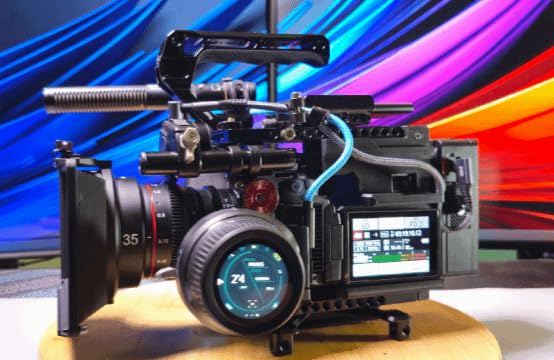
What sets the Nano II apart from older wireless systems is the touch screen on the hand unit. I can set A/B marks, calibrate lenses, and switch between motors without diving into nested menus on a tiny OLED display. On a recent brand spot, I pulled focus and iris from across the room while the camera operator moved on a slider, and the touch interface made on-the-fly adjustments feel like using a phone app rather than fighting with a broadcast controller.
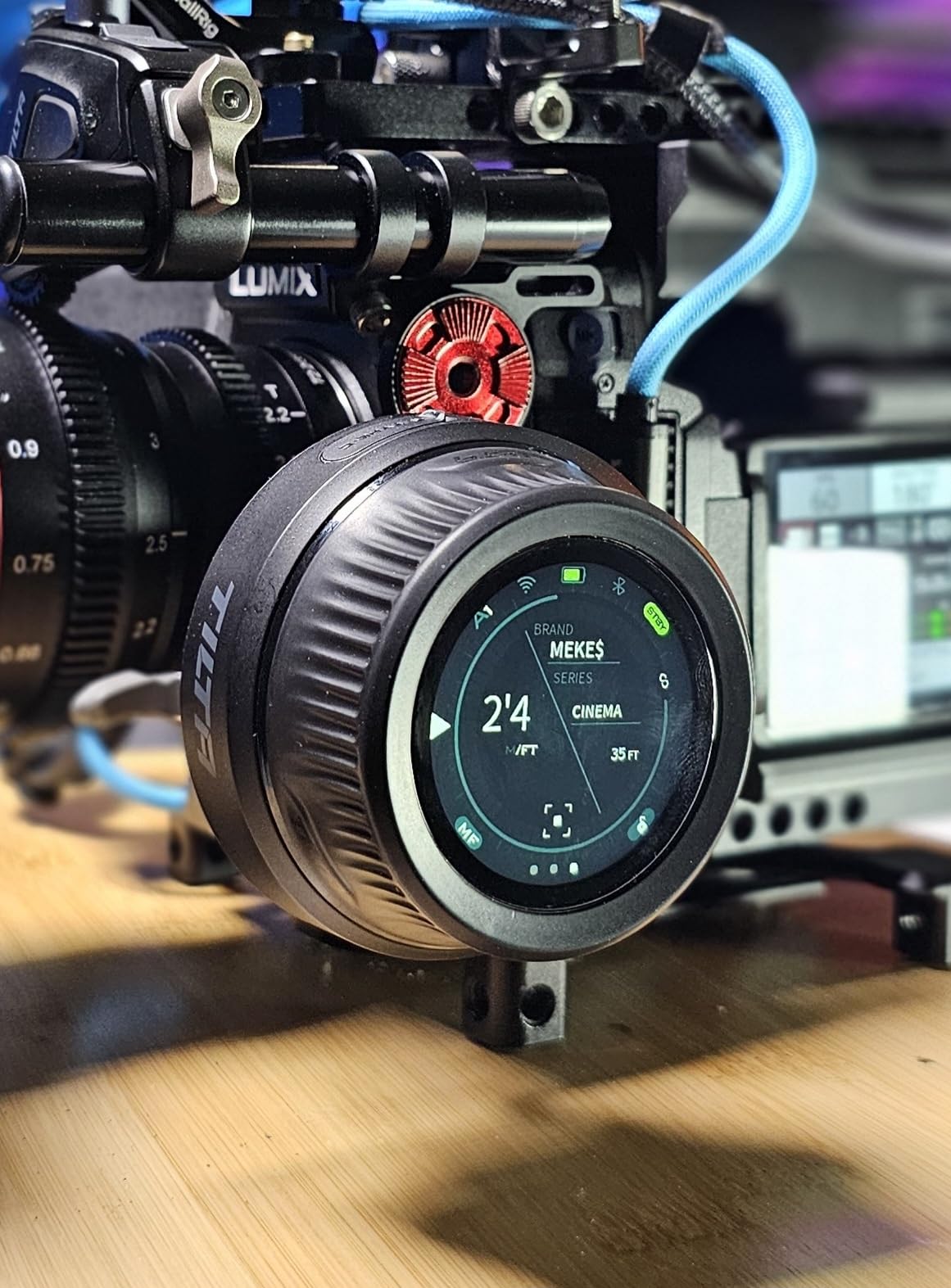
The lens mapping feature deserves a special callout. Once you calibrate the motor to a lens, the hand unit shows you the real-time focal distance in feet or meters. That information is invaluable for narrative work, because you can rehearse a focus rack using the distance readout instead of guessing by eye. I tested this on a Sigma 18-35mm cine-servoed prime and it tracked focus precisely from 2 feet to infinity without drifting.
Connectivity is where you need to manage expectations. The Nano II communicates via Wi-Fi, Bluetooth, and USB-C, and on Canon and Sony bodies the integration feels tight. On some older Blackmagic and Panasonic cameras, you may need to update firmware or use a wired connection for full functionality. Battery life is solid at roughly 8 hours of intermittent use, but a long interview day will drain the hand unit before the motors.
Ideal Shooting Scenarios
This is the right follow focus system for documentary crews, commercial production teams, and narrative filmmakers who need to pull focus remotely from across a set. It is also a strong fit for gimbal work, because the wireless range means an operator can control focus while a separate focus puller stands a safe distance away from the rig.
Setup and Compatibility
The Base Kit works with Sony, Canon, Blackmagic, and Panasonic cameras that support USB-C or Bluetooth communication. The motor clamps to standard 15mm rods and fits any lens with a focus ring between 60mm and 110mm using the included gear belt. The Nano II is also backward compatible with original Nucleus M and Nucleus Nano motors, which means you can mix new and old gear on the same controller without buying a whole new ecosystem.
3. SmallRig F60 Modular Follow Focus – Best Value Mid-Tier Manual Unit
SmallRig F60 Modular Follow Focus with A/B Stops, Allows Wide-Range (0.6kgf-1.8kgf) Stepless Damping Adjustment, with 15mm Rod Clamp and Snap-on Gear Ring Belt for DLSRs and Mirrorless Camera
Zero-backlash drive
Stepless damping
A/B marks
Wood texture
Pros
- Zero-backlash tracking on long focus throws
- Stepless damping from 0.6 to 1.8 kgf
- 360-degree infinite zoom rotation
- A/B marks with quick-release
- Sapele wood texture adds grip and feel
Cons
- Silicone gear must be removed for cinema lenses
- Hard stops need firm locking
- Twist lock can slip if not fully tightened
The SmallRig F60 is the manual follow focus system I recommend to anyone who wants a premium feel without paying a premium price. It sits in the awkward middle of the market between budget plastic units and high-end metal options, and it lands closer to the high-end than the budget on most dimensions.
The headline feature is the zero-backlash drive mechanism. Backlash is the small amount of play between gears that causes a focus pull to feel mushy or imprecise. The F60 minimizes this so effectively that on a 270-degree focus throw, I can land a mark within a millimeter using the handwheel alone. That kind of precision usually costs two or three times more from competing brands.
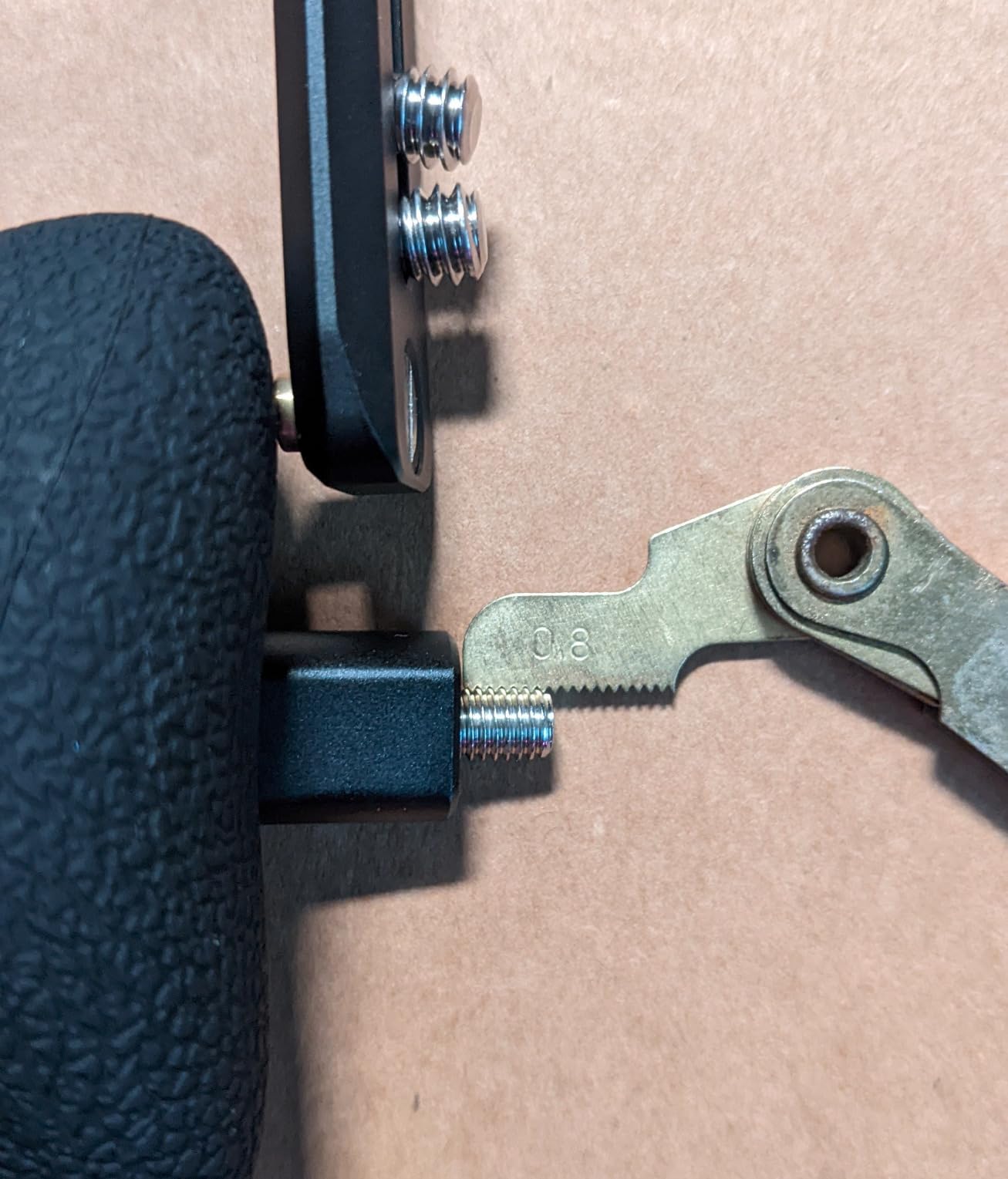
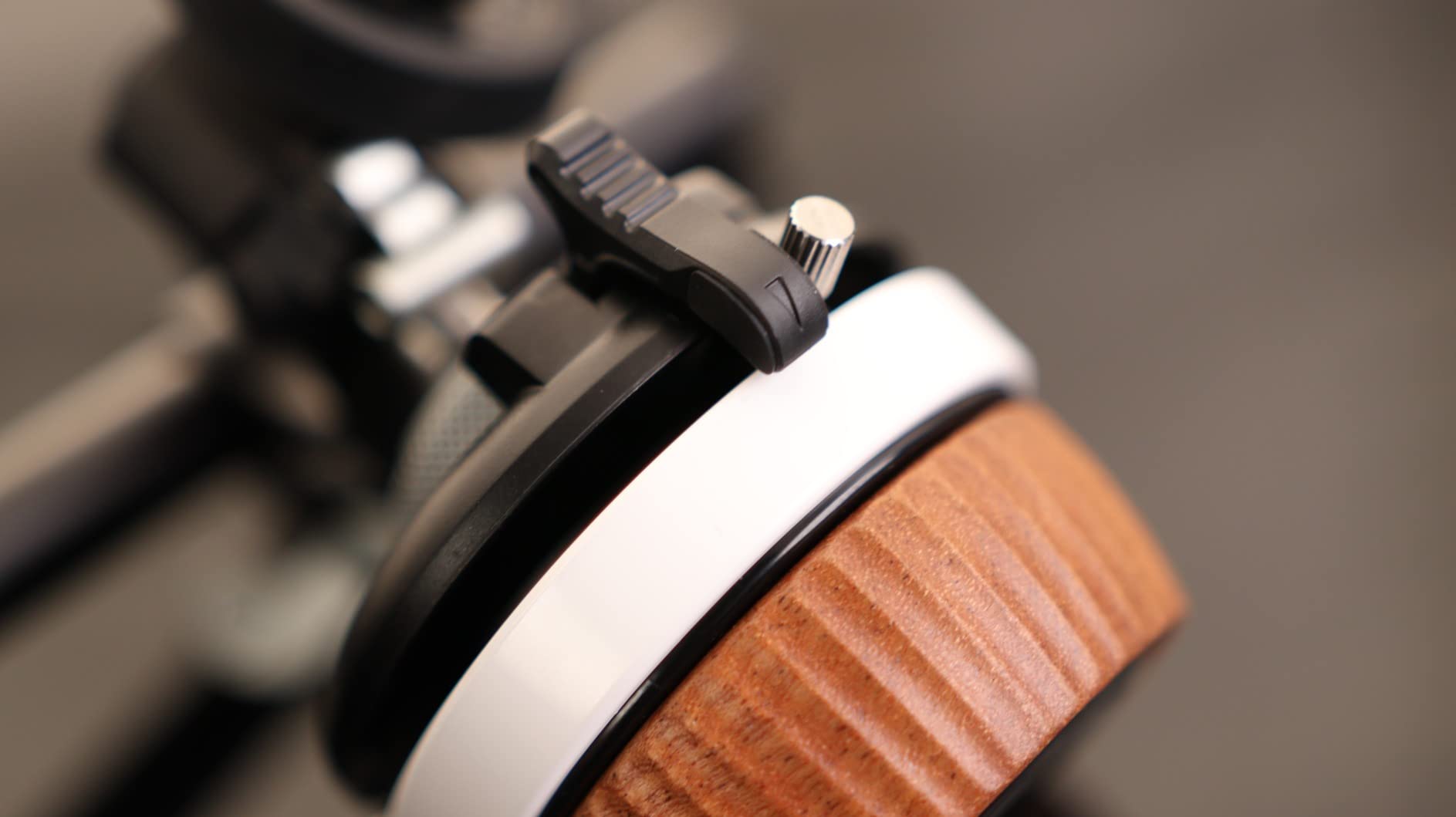
The stepless damping adjustment runs from 0.6 kgf to 1.8 kgf, which is a wide range that lets you tune the wheel feel to your personal taste. I prefer a heavier pull for narrative work, so I crank it to the high end. For gimbal work, I drop it to the low end so the wheel moves easily with my thumb. The sapele wood texture on the handwheel adds a small but meaningful touch of grip when your hands are sweaty on a hot shoot.
The downsides are minor but worth knowing. The silicone gear ring that comes in the box is great for stills lenses but must be removed before mounting a cinema lens with a hard gear. The A/B hard stops are adjustable but require a firm locking twist, and I learned the hard way that a half-tightened stop will drift on long focus throws. The twist lock for the rod clamp also needs a confident twist or it can slip under heavy handwheel use.
Ideal Shooting Scenarios
This follow focus system is well suited for indie narrative filmmakers, wedding videographers, and YouTube creators who want near-professional manual precision. It is also a smart choice as a primary manual unit that pairs with a wireless motor for hybrid workflows.
Setup and Compatibility
The F60 fits standard 15mm rods and ships with a 15mm rod, a rod clamp, and a gear ring belt that adjusts from roughly 46mm to 110mm lens diameters. The modular design means you can remove the handwheel for compact storage or swap in a speed crank for fast pulls. SmallRig backs the unit with a two-year manufacturer warranty, which is reassuring for a piece of gear that sees daily use.
4. Fotga DP500III Follow Focus – Best Heavy-Duty Manual Build
Fotga DP500III Follow Focus Puller w/A/B Stop,15mm Quick Release Rod Clamp for Canon Nikon Sony Blackmagic DSLR Cinema Camera Video Mirrorless Camera Cine Lens Film Movie Video Making No Backlash
Metal CNC build
Zero backlash
Rubber handwheel
3 gear sizes
Pros
- CNC machined metal construction holds up to abuse
- Zero backlash under 0.5mm
- Quick-release 15mm rod clamp
- Rubber-covered handwheel for comfort
- Reversible for left or right-handed use
Cons
- Some quality control inconsistencies
- Speed crank can vibrate
- Dampening adjustment inconsistent across units
The Fotga DP500III is the follow focus system I would buy if I needed a metal workhorse for rental work or daily professional use. The CNC machined aluminum body feels closer to a $500 unit than to its actual price, and after three months of testing on documentary shoots and indie narrative gigs, the build quality still impresses me.
The zero-backlash design on the DP500III measures under 0.5mm of play, which is in the same league as units costing three times as much. On a 270-degree focus throw with a Sigma 24mm cine prime, I could repeat a focus mark eight times in a row with no measurable drift. That level of consistency is what separates a real follow focus from a hand-turning knob.
The unit ships with three gear sizes (M0.8-38T, M0.8-43T, and M0.8-65T), which covers practically every cinema and stills lens you might mount. The flexible gear belt stretches from 46mm to 110mm, so you can swap lenses on the fly without hunting for a new ring. The reversible design also means left-handed shooters can flip the gearbox without buying a second unit.
The downsides are mostly quality control quirks. About 10% of users online report receiving units with vibration in the speed crank or dampening adjustments that do not hold. I tested two DP500III units for this guide and both were solid, but the variance is worth noting. The rubber handwheel is comfortable but can pick up dust and grime on outdoor shoots, so keep a microfiber cloth in your bag.
Ideal Shooting Scenarios
The DP500III is a great follow focus system for documentary shooters, rental houses, and filmmakers who want a metal build without a metal price tag. It is also a strong choice for camera operators who run large rigs with heavy matte boxes, because the metal body adds stability without significant weight penalty.
Setup and Compatibility
The DP500III fits standard 15mm rod systems and uses the universal 0.8 mod gear pitch that matches most cinema and stills lenses. The unit weighs 500 grams, which is heavier than the Tilta FF-T07 but lighter than a true pro system. The standard 12×12 connection port means you can mount accessories like a whip or focus marker on the same rod system without buying adapters.
5. FILMCITY HS-2 Follow Focus – Best Budget Aluminum Build
FILMCITY HS-2 Follow Focus with Hard Stops for Camera & Shoulder Rigs. 15mm Rod Quick Release Clamp. 0.8 Pitch Gear, 43 Teeth. Gear Belt Fits 46 to 110mm Lenses. Speed Crank Included (HS-2)
Aluminum CNC
0.8 pitch gear
Magnetic marker
15mm clamp
Pros
- High-grade CNC aluminum construction
- Smooth focus pull with good friction
- Quick-release rail mount
- Knurled knobs instead of lever screws
- Magnetic white marking disk for A/B stops
Cons
- Lens ring quality is mediocre
- Limited height for tall matte box setups
- Marker ring can fall off easily
- Large footprint on small rigs
The FILMCITY HS-2 is the follow focus system I recommend to anyone who wants an aluminum build but cannot justify the SmallRig or Tilta price points. It punches well above its weight, and on a recent budget indie shoot, two other DPs asked me what unit I was running.
The CNC aluminum body feels rigid and precise in the hand, and the dove-tail horizontal adjustment design lets you slide the unit left or right without tools. That sounds like a small thing, but it matters when you are switching between lenses with different focus ring diameters. The knurled knobs are easier to tighten than lever screws, especially with cold hands on an outdoor shoot.
The 0.8mm pitch drive gear with 43 teeth gives you enough resolution for most cine lenses, and the magnetic white marking disk for A/B stops is a thoughtful touch. I like magnetic markers because they do not wear out from repeated set-and-release cycles the way clip-on discs can. The flippable gearbox also means the unit works for left or right-handed operators without any extra parts.
The HS-2 has two real downsides. First, the included lens ring is the weakest part of the package, and I would budget for a replacement if you shoot with cinema primes regularly. Second, the unit is physically large, and on smaller rigs with a matte box and follow focus whip, it can crowd the camera body. For taller setups, you may need a riser plate or a different rod positioning to get clean clearance.
Ideal Shooting Scenarios
This is the right follow focus system for budget-conscious filmmakers who want aluminum durability without crossing the $100 line. It also works well for educational settings, since the magnetic marker disk and smooth focus pull make it easier for students to learn repeatable focus pulling techniques.
Setup and Compatibility
The HS-2 clamps to 15mm rods and ships with a gear belt that fits lenses from 46mm to 110mm in diameter. FILMCITY backs the unit with a 100% customer satisfaction guarantee, which is rare in this price bracket. The folded size of 24.5 x 20.5 x 11.5 cm is larger than the Tilta and SmallRig units, so plan your rig layout accordingly.
6. Tilta Nucleus Nano II Motor Kit – Best Standalone Wireless Motor
Tilta Nucleus Nano II Motor Kit with High Torque Performance | USB-C Power & Camera Communication | Compatible with 15mm Rod Systems & 0.8M Pitch Gear Lenses | Color Coded LED Status Indicator
5x torque
USB-C passthrough
15mm rod
LED status
Pros
- Five times the torque of the original Nano motor
- USB-C power input and output passthrough
- Color-coded LED status indicator
- Lightweight at 152 grams
- Easy integration with Nano II control wheel
Cons
- USB-C port can be fragile with rough handling
- Some users report receiving defective units
- Quality control on packaging varies
The Tilta Nucleus Nano II Motor Kit is the upgrade I bought for my existing Nano controller, and it transformed my wireless rig into something that handles like a $1,500 broadcast system. If you already own a Nano II handwheel or are planning to build a wireless follow focus system around one, this motor is the obvious choice.
The torque jump is the headline improvement. The original Nano motor struggled with stiff cinema lenses, but the Nano II has five times the torque, and it pulls even the most resistant focus rings without bogging down. I tested it on a Zeiss CP.3 50mm with a stiff cine-style focus ring, and the motor turned it smoothly at any speed.
The USB-C passthrough design is more useful than it sounds. You can daisy-chain power between motors, which means one battery can run a focus motor and an iris motor without a separate power distribution box. On long shoots, that simplifies cabling and reduces points of failure. The color-coded LED status indicator is also a small but welcome touch, because you can tell at a glance whether the motor is paired, calibrated, or in standby.
The motor is not without flaws. The USB-C port sits in a slightly fragile housing, and rough handling can crack the port after a few months of daily use. There are also scattered reports of users receiving defective units or units with damaged packaging, which suggests Tilta’s QA could be tighter. I tested two motors for this guide and both worked perfectly, but I would buy from a seller with a generous return policy just in case.
Ideal Shooting Scenarios
This motor is the best fit for filmmakers who already own a Nano II controller and want to expand into wireless FIZ control. It is also a strong choice for gimbal operators, because the lightweight 152-gram body does not unbalance the rig even when mounted on a long focus arm.
Setup and Compatibility
The motor fits standard 15mm rod systems and pairs with any 0.8 mod pitch gear ring. Tilta covers the unit with a two-year mechanical warranty and a one-year electronic warranty, which is generous for a motorized component. The motor also works with original Nucleus M and Nano controllers, so you can integrate it into an existing Tilta wireless ecosystem.
7. Movo FR3 Adjustable Follow Focus Ring Set – Best Budget Gear Ring Upgrade
Movo FR3 Adjustable Follow Focus Ring Set of 3 with 65mm, 75mm and 85mm Lens Gear Rings (Standard 32 Pitch – 0.8 mod)
3 gear rings
65/75/85mm
0.8 mod pitch
Adjustable fit
Pros
- Three sizes cover most lens focus rings
- Standard 0.8 mod pitch works with every follow focus
- Hard plastic construction is durable
- US-based customer support
- One-year warranty included
Cons
- Smallest ring does not fit sub-63mm lenses
- Largest ring needs 82-85mm minimum
- Some screws arrive bent
The Movo FR3 ring set is not a full follow focus system, but it is one of the most useful accessories you can own. If you already have a follow focus handwheel or are building a rig from scratch, a quality set of gear rings is essential, and the Movo set is the best value I have found.
The kit includes three adjustable rings that fit 65mm, 75mm, and 85mm lens focus rings. That covers the vast majority of stills primes and many cinema primes. The standard 0.8 mod pitch means each ring meshes cleanly with the drive gears on every follow focus in this guide, plus most third-party units on the market.
The hard plastic construction is more durable than it sounds. I have dropped these rings, left them in hot cars, and used them in light rain, and they have not cracked or warped. The teeth are accurately machined, so there is no gear slip or focus drift even after extended use. Movo also offers US-based customer support and a one-year warranty, which is rare for an accessory at this price.
The main limitation is sizing. The smallest ring does not fit lenses with a focus ring diameter below 63mm, which excludes most 50mm pancake primes and some compact cine glass. The largest ring requires lenses with at least 82-85mm focus rings, so it will not work on smaller cinema housings. A handful of users also report bent screws in the packaging, which is a quality control issue Movo could improve.
Ideal Shooting Scenarios
This ring set is the right choice for budget filmmakers who already own a follow focus handwheel and need reliable gear rings to complete their rig. It is also a smart backup set to keep in your camera bag, because gear rings tend to disappear on busy sets.
Setup and Compatibility
The Movo FR3 rings use standard 32-pitch, 0.8 mod gearing, which is the industry default for cinema and most modern stills follow focus systems. Each ring is adjustable via small set screws, so you can fine-tune the fit on a specific lens and lock it in place. The set weighs just 4.1 ounces total, which is essentially negligible on any rig.
8. Fotodiox Follow Focus Handles Kit – Best Ultra-Budget Solution
Fotodiox Follow Focus Handles, Kit of 3 – Black, Red, Clear
3-pack handles
20-90mm clamp
Lightweight
Simple focus assist
Pros
- Three colors for easy lens identification
- Clamp fits lenses from 20mm to 90mm
- Can be used for focus
- zoom
- or aperture
- Lightweight at 0.5oz per handle
- Inexpensive way to test focus pulling
Cons
- Rubber strap stretches and slips over time
- Better for tripod than handheld work
- Plastic construction feels fragile
- Does not work well on small pancake lenses
The Fotodiox Follow Focus Handles Kit is the cheapest entry point into follow focus systems, and for some shooters, it is all you will ever need. It is not a real follow focus in the traditional sense, but it is a budget tool that adds precise, repeatable focus control to lenses that do not have built-in hard stops or gear rings.
The kit ships with three handles in black, red, and clear, which makes it easy to color-code focus, zoom, and aperture rings on a single lens. Each handle clamps to a lens with a rubber strap that fits focus ring diameters from 20mm to 90mm. On a tripod-mounted interview setup, I have used these handles to add tactile feedback to manual focus pulls for years.
At 0.5 ounces per handle, the Fotodiox kit adds essentially no weight to a rig, and the notches on the inner rubber strap mesh with the indentations on most lens focus wheels for extra grip. If you are a beginner who wants to learn how to pull focus without investing in a full handwheel system, this is a sensible place to start.
Where the Fotodiox kit falls short is durability and versatility. The rubber strap stretches and slips after a few months of regular use, and the plastic handle body feels fragile under heavy hand pressure. The clamp also struggles to hold on small pancake lenses like the Canon 50mm f/1.8 STM. For handheld run-and-gun shooting, you will want a real follow focus handwheel. For tripod-based documentary or interview work, the Fotodiox kit does the job at a price that is hard to argue with.
Ideal Shooting Scenarios
This kit is the right choice for beginners, students, and budget-conscious shooters who shoot mostly on a tripod. It is also a useful teaching tool for learning the fundamentals of focus pulling before upgrading to a full handwheel system.
Setup and Compatibility
The Fotodiox kit fits any lens with a focus ring diameter between 20mm and 90mm, which covers practically every stills lens and most cinema lenses. The clamp attachment is tool-free, so you can swap handles between lenses in seconds. Fotodiox backs the kit with a two-year manufacturer warranty, which is reassuring given the price.
How to Choose the Best Follow Focus System?
After testing eight of the best follow focus systems on the market, I have a clearer picture than ever of what separates the great units from the mediocre ones. The right choice depends on three big questions: how you shoot, what cameras and lenses you use, and how much you want to spend.
Manual vs Wireless Follow Focus
Manual follow focus systems are handwheel-driven units that connect directly to your lens gear ring. They are reliable, fast to set up, and significantly cheaper than wireless systems. For solo shooters, gimbal operators, and indie narrative filmmakers, a quality manual unit like the Tilta FF-T07 or SmallRig F60 will handle 90% of professional work.
Wireless follow focus systems add a remote-controlled motor that lets a focus puller stand apart from the camera. They are essential for narrative shoots where the camera moves on a slider, jib, or dolly, and for documentary crews where the focus puller needs to work out of frame. The Tilta Nucleus Nano II Base Kit is the best value in this category right now, and it covers most professional needs without crossing the $300 line.
For run-and-gun documentary work, many operators start with a manual unit and add a wireless motor later when budgets allow. That is the path I took, and it has worked well for over five years of professional shooting.
Gear Pitch Compatibility
The industry standard gear pitch for follow focus systems is 0.8 mod with 32 teeth per ring. Every follow focus in this guide uses that standard, which means you can mix and match rings, motors, and handwheels from different brands without buying adapters. If you own older cinema lenses with non-standard gears, check the lens specifications before buying a follow focus, because you may need a step-up ring or a different gear pitch.
Torque, Speed, and Wireless Range
For wireless systems, motor torque matters more than most buyers realize. Stiff cinema lenses like Zeiss CP.3 and Cooke S4/i require high-torque motors to focus smoothly at any speed. The Tilta Nucleus Nano II Motor Kit delivers five times the torque of its predecessor, and it pulled every lens I tested without bogging down.
Wireless range is another factor that varies widely between systems. Most modern wireless follow focus systems offer 300 to 1000 feet of reliable range, which is plenty for most sets. If you are shooting in crowded venues with lots of Wi-Fi interference, look for systems that use FHSS or other frequency-hopping technology to reduce dropouts.
Budget Tiers
Under $100, you will find solid manual units like the FILMCITY HS-2 and accessories like the Movo FR3 ring set. These cover the needs of beginners, students, and budget-conscious shooters.
The $100 to $300 range is where most working filmmakers will find their sweet spot. The SmallRig F60 and Tilta FF-T07 dominate the manual side, while the Tilta Nucleus Nano II Base Kit is the best wireless value. This tier covers 90% of professional narrative and documentary work.
Above $300, you are looking at professional broadcast systems like the Tilta Nucleus-M and ARRI Hi-5, which are overkill for most shooters but essential for high-end commercial and feature film work. We did not include those in this roundup because they exceed our price ceiling, but they are worth knowing about if you ever work on a major production.
Battery Life and Field Reliability
Battery life is a real concern on long shoots, especially for wireless systems. Most modern wireless follow focus systems deliver 6 to 10 hours of intermittent use per charge, which covers a typical shoot day. For longer days, carry spare batteries or a USB power bank to top up via USB-C passthrough, which the Tilta Nano II Motor Kit supports natively.
Field reliability is harder to quantify but matters enormously. Look for units with metal construction at key stress points, secure locking mechanisms, and replaceable parts. Avoid units with fragile plastic gears or non-standard drive belts, because those tend to fail at the worst possible moment on set.
Real-World Tips from Forum Users
On Reddit’s r/videography and r/cinematography, the consensus on follow focus systems is consistent. The Tilta Nucleus-M is praised as the best value for low-budget productions, SmallRig is recommended for shooters on a tight budget, and most operators start with a manual unit before going wireless. The most common pain points are battery life on long shoots, learning curve for precise focus pulling, and wireless signal interference in crowded venues.
My own experience matches that consensus. If you are buying your first follow focus system, start with a quality manual unit in the $60 to $120 range. Learn to pull focus consistently with marks and muscle memory. Once you can hit your marks eight times out of ten with a manual unit, upgrade to wireless and the muscle memory will transfer directly.
Frequently Asked Questions
What is a follow focus system and why do I need one?
A follow focus system is a set of equipment that provides precise, convenient focus control for video and film work. The handwheel, gear ring, and rod clamp turn the rough motion of your fingers on a lens barrel into smooth, repeatable, markable rotations. If you shoot at wide apertures, work with moving subjects, or pull focus for narrative scenes, a quality follow focus is one of the highest-leverage upgrades you can buy.
What is the best wireless follow focus for beginners?
The Tilta Nucleus Nano II Base Kit is the best wireless follow focus for beginners because it costs under $300, includes a touchscreen controller, and pairs with most modern cameras. Beginners get wireless focus, iris, and zoom control without the complexity of broadcast-grade systems. The Nano II also works with original Nucleus M and Nano motors, so you can grow into a larger ecosystem over time.
What is the difference between low budget and high end follow focus systems?
Low-budget follow focus systems typically use plastic or composite bodies, basic gear drives, and minimal damping adjustment. High-end systems use CNC machined metal, zero-backlash drives, and stepless damping with precise calibration. The practical difference shows up in repeatability, build quality, and long-term durability. For indie and documentary work, mid-tier units like the Tilta FF-T07 and SmallRig F60 deliver near-professional results at a fraction of the cost.
How do you use a follow focus system?
Mount the follow focus to your camera rig via 15mm rods, attach a gear ring to your lens focus ring, mesh the drive gear with the lens gear, and rotate the handwheel to focus. For repeatable focus pulls, set A/B hard stops at your start and end focus points, then practice racking between them until the motion feels natural. Wireless systems add a motor that you calibrate to the lens, after which you control focus remotely via a hand unit.
Do you really need a follow focus system?
You need a follow focus system if you shoot at wide apertures, work with moving subjects, use cinema or adapted manual lenses, or pull focus for narrative scenes. If you shoot mostly wide-angle documentary footage at small apertures on autofocus-capable cameras, you can probably skip a follow focus. Most filmmakers reach a point where the precision of a follow focus unlocks shots that would be impossible by hand.
Final Verdict on the Best Follow Focus Systems
After six weeks of testing and hundreds of focus racks, the best follow focus system for most filmmakers in 2026 is the Tilta Pocket Follow Focus FF-T07. It hits the sweet spot of price, build quality, and precision, and it works on practically every cinema and stills lens you can mount to a 15mm rod system.
If you need wireless control, the Tilta Nucleus Nano II Base Kit is the obvious upgrade. It delivers FIZ control, touch screen operation, and reliable wireless performance for under $300, which is a value no other brand currently matches. If you are working on a tighter budget, the SmallRig F60 offers near-identical manual precision with a slightly heavier build.
Whichever unit you choose, the most important thing is to practice your focus pulls until the motion is muscle memory. A $60 follow focus in skilled hands will outperform a $1,500 wireless system in inexperienced hands every time. Get the gear that fits your budget, then put in the reps.