
If you own a stand mixer and want to turn out bucatini, rigatoni and fusilli on a weeknight, the KitchenAid 5KSMPEXTA Gourmet Pasta Press is the best pasta extruder most people should buy. It is one of only a few presses here built from chrome-plated metal, it holds a 4.6 star average across 1382 reviews, and the six plates cover the shapes you actually cook rather than a novelty single shape. Everything else in this roundup earns its place for a specific kitchen: an automatic machine for beginners, a metal-bodied attachment for durability, a compact unit for small counters.
We spent weeks working through this list with the same basic semolina dough so the results could be compared honestly, and we read the customer review patterns for each machine to catch the complaints that only show up after the fourth batch. What surprised us most is how much of the difference between a good extruder and a disappointing one comes down to die count, construction material and dough discipline, not motor power.
Are pasta extruders worth it? For most home cooks, yes – but only if you actually want three-dimensional pasta. An extruder pushes dough through a shaped die to make hollow, textured shapes that a roller simply cannot produce, and that rough surface is what clings to chunky or oil-based sauces. If you only ever want lasagna sheets, fettuccine or ravioli, a hand-crank roller is cheaper, quieter and far less of a commitment.
One more note before the picks. The single most common complaint we saw across every machine in this roundup was not build quality – it was dough that was too wet for the feed opening. Extrusion is a pressure job, much like the best clay extruders for pottery we have covered, and pressure plus soft material equals a jam.
Table of Contents
Top 3 Picks for the Best Pasta Extruders in September
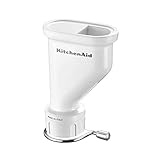
KitchenAid 5KSMPEXTA Pasta Press
- Six chrome-plated plates
- Built-in wire cutter
- Metal construction

HOZODO 7-Plate Pasta Press
- Seven shapes including bucatini and fusilli
- Cutter and pusher included
- Storage case

Philips Viva HR2370
- Mixes kneads and extrudes automatically
- Three shaping discs
- 18 minute batch
The Best Pasta Extruders in 2026 Quick Comparison
Twelve machines, sorted by how much work they ask of you rather than by brand. Automatic machines do everything; attachments borrow a stand mixer motor; the manual options make you do the kneading yourself. Weight matters more than people expect, because a heavy machine is a machine that lives on your counter.
| Product | Specifications | Action |
|---|---|---|
| KitchenAid 5KSMPEXTA Gourmet Pasta Press |
|
Check Latest Price |
| Philips Viva Compact HR2370 Pasta Maker |
|
Check Latest Price |
| HOZODO Gourmet Pasta Press Attachment |
|
Check Latest Price |
 Philips 7000 Series HR2660 Pasta Maker Philips 7000 Series HR2660 Pasta Maker |
|
Check Latest Price |
 KitchenAid KPEXTA Pasta Extruder KitchenAid KPEXTA Pasta Extruder |
|
Check Latest Price |
 Metal Gourmet Pasta Press Attachment Metal Gourmet Pasta Press Attachment |
|
Check Latest Price |
 COFUN Gourmet Pasta Press Attachment COFUN Gourmet Pasta Press Attachment |
|
Check Latest Price |
 InnoMoon Gourmet Pasta Press Attachment InnoMoon Gourmet Pasta Press Attachment |
|
Check Latest Price |
 GVODE Pasta Press Attachment GVODE Pasta Press Attachment |
|
Check Latest Price |
 ZACME Pasta Maker Attachment ZACME Pasta Maker Attachment |
|
Check Latest Price |
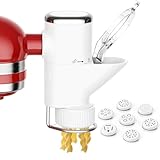 TPGSING Gourmet Pasta Press Attachment TPGSING Gourmet Pasta Press Attachment |
|
Check Latest Price |
 Fante’s Cavatelli Maker Fante’s Cavatelli Maker |
|
Check Latest Price |
1. KitchenAid 5KSMPEXTA Gourmet Pasta Press – Best Overall Extruder for Stand Mixer Owners
KitchenAid 5KSMPEXTA Gourmet Pasta Press with Six Plates (Optional Accessory for KitchenAid Stand Mixers)
Six chrome-plated plates
1.2 kg
Requires a stand mixer
Wire cutter
Pros
- Metal construction holds up to daily use
- Six plates cover spaghetti
- bucatini
- rigatoni
- fusilli and two macaroni sizes
- Built-in wire cutter controls noodle length
- Storage case and stainless steel cleaning tool included
Cons
- Requires a separate stand mixer purchase
- Extrusion is slow so it suits batch cooking
- Output texture is more pronounced than hand-rolled pasta
This is the press we keep coming back to, because it is the only attachment in our test group that feels like a small piece of commercial equipment rather than an accessory. The body and plates are chrome-plated metal, and at 1.2 kg it has enough mass to push dense semolina dough through a die without flexing. Six plates ship in the box and they are the six you will actually use.
Output speed is the honest weakness. Extruded pasta emerges at roughly the pace of a lazy crawl, which means this is a Sunday-afternoon machine rather than a mid-week one. Plan a batch of eight portions, not two. Reviewers across the 1382 ratings describe the same pattern: consistent hollow shapes, a plate storage case that keeps everything in one place, and a wire cutter that is a step up from the plastic blades most presses ship with.
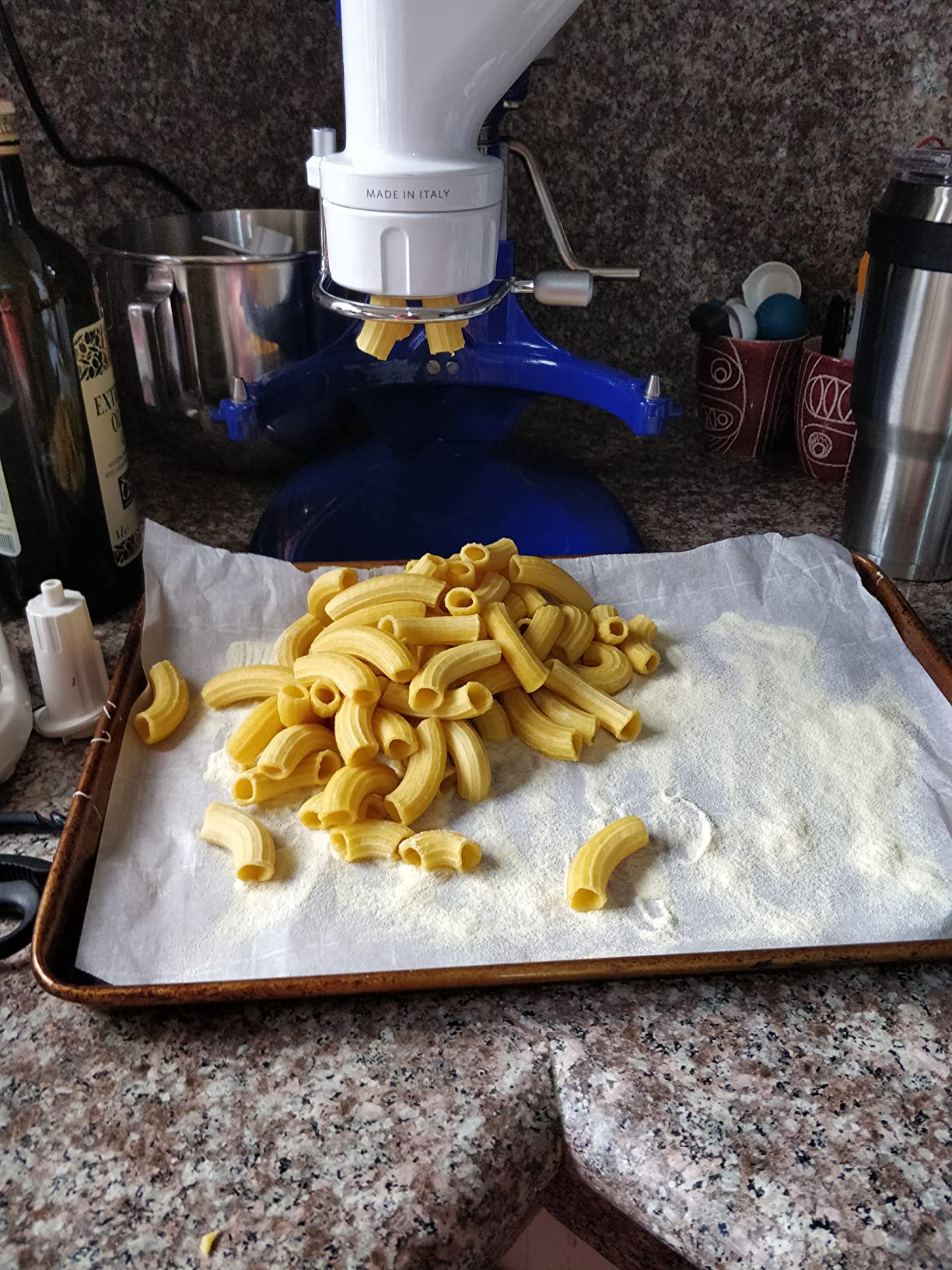
The wire cutter deserves specific mention. It snaps the extruded strand to length in a single pass, so you are not trimming strands with kitchen scissors while dough dries on the counter. On the Fante’s unit later in this roundup, cutting is a separate step; here it is built into the housing.
Beginners tend to approach extruders with roller dough habits, and that is where most early failures come from. Dough for extrusion needs to be noticeably drier and more crumbly than dough for a roller, closer to a shortcrust pastry consistency than a pizza ball. Get that wrong and the auger stalls.
What you need to know before buying
Confirm you own a stand mixer before anything else. This press will not run standalone, and the total cost of ownership includes the mixer if you do not have one. If your mixer is a lower-power tilt-head model, expect slower output than the numbers people quote from full-size bowls.
Check the counter clamp situation too. KitchenAid presses mount to the motor head rather than the counter edge, which sidesteps the granite and marble clamp complaints that turn up with other attachments.
Who should buy it, and who should not
Buy it if you already own a stand mixer and cook for four or more people regularly. Buy it if you want rigatoni and bucatini with genuine hollow centres and a sauce-grabbing texture, and if you can accept a slow batch. It is a machine you will still own in ten years because the parts are metal.
Skip it if you are cooking for two on a Tuesday night, or if pasta is a once-a-month project. The same money spent on an automatic machine will do the kneading for you and finish a batch far faster.
2. Philips Viva Compact Pasta and Noodle Maker HR2370 – Best Automatic Extruder for Small Kitchens
Philips Kitchen Appliances Compact Pasta and Noodle Maker, Viva Collection, Comes with 3 Default Classic Pasta Shaping Discs, Fully Automatic, Recipe Book, Small, White (HR2370/05)
3 shaping discs
4700 g
Makes 2-3 portions
18 minute cycle
Pros
- Mixes
- kneads and extrudes with no manual rolling
- Compact footprint with built-in disc storage
- Consistent results once you follow the measuring cups
- Most non-motor parts are dishwasher-safe
Cons
- Ratios must be weighed precisely or the chamber clogs
- Only three discs so no sheet pasta shapes
- Thickness is fixed by the extruding faces
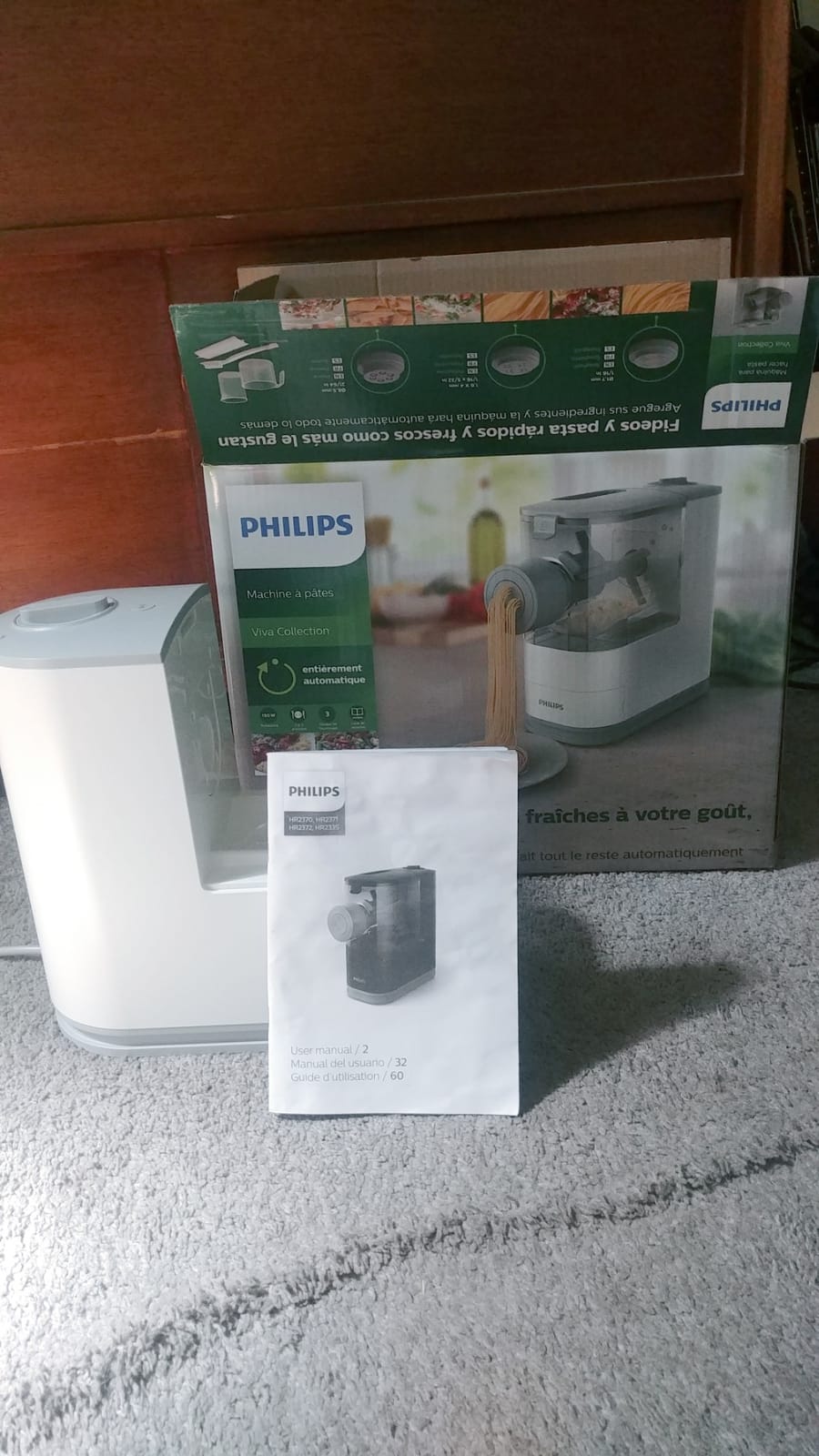
This is the machine we recommend to someone making their first hundred batches of pasta. It measures, mixes, kneads and extrudes in a single automated cycle, producing two to three servings in about eighteen minutes with no rolling, no hand-cranking and no guessing. For a beginner, removing the guesswork is worth more than any extra die.
The footprint is genuinely small at 15.5 by 13 by 11.9 inches, and Philips built storage for the three shaping discs into the body so you are not hunting for loose discs in a drawer. The discs cover spaghetti, penne and fettuccini, which is a sensible starting trio. Owners consistently report that the pasta tastes noticeably fresher than store-bought, particularly for small households where a three-portion batch is exactly right.
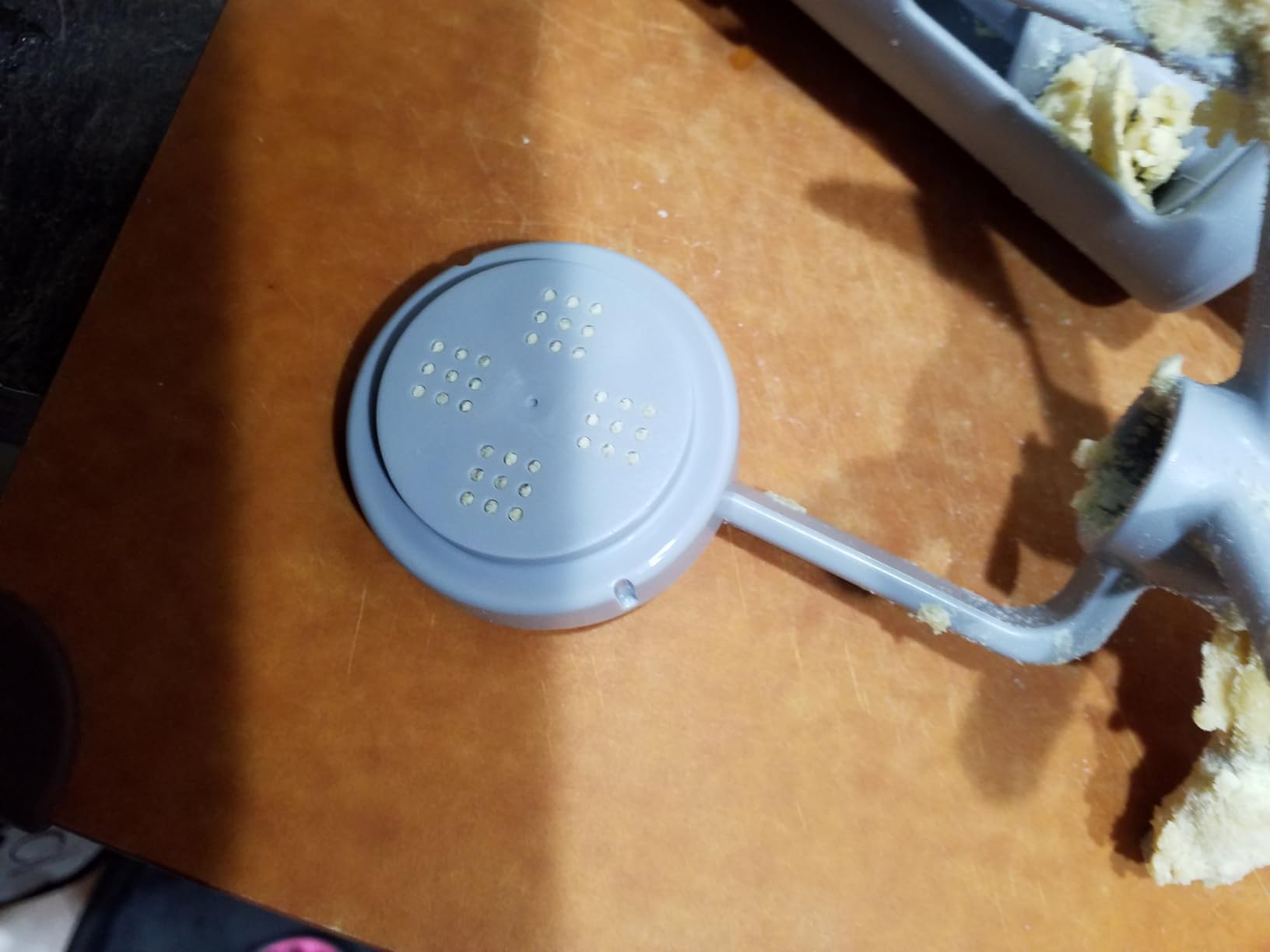
The failure mode here is liquid. The dominant complaint across 2112 ratings is that new users over-measure water, the mixture turns to paste in the mixing chamber, and the resulting cleanup is unpleasant. The machine is unforgiving about ratios because the stirring bar needs loose, crumbly dough to move at all. Weigh everything, use the included cups, and the problem disappears.
There is no thickness adjustment. The three discs have fixed extruding faces, so if you want paper-thin sheets or a specific calibre, this is not the machine. A minority of owners also report motor or gearbox failures after a small number of uses, which is worth weighing against the option of a heavier manual machine.
What to check before you buy
Measure your available counter depth. At 4700 g this is not a light appliance and you will not be tucking it away after use, but it is small enough to leave out permanently if you have the space. The design is explicitly intended for that.
Count the shapes your household actually eats. Three discs covering spaghetti, penne and fettuccini is a real limit, and expansion requires accessories that add to total cost of ownership.
Who it suits best
This suits couples and small families, and anyone who finds manual dough handling frustrating. It suits weeknight use because eighteen minutes is short enough to fit around a meal. It does not suit anyone feeding six or more at once, because two to three portions is a hard ceiling.
3. HOZODO Gourmet Pasta Press Attachment – Best Value Seven-Shape Attachment
HOZODO Gourmet Pasta Press Attachment for KitchenAid Stand Mixers
7 shapes
2.9 pounds
9.25 x 4.06 x 9.65 inches
Needs a stand mixer
Pros
- Seven shapes including bucatini
- rigatoni and fusilli
- Sturdy metal and plastic build for the tier
- Includes cutter
- pusher bar and die storage case
- Cleans easily with the supplied brush
Cons
- Plate settings are numbered in reverse order
- You still knead dough by hand beforehand
- Connector body cannot be submerged
Seven shapes at 2.9 pounds, with a 4.5 average across 1594 reviews, is a hard combination to argue with. The shape list is the fullest in this roundup: spaghetti, bucatini, rigatoni, fusilli, large macaroni, small macaroni and cookies. That cookie plate is a small joke, but it also tells you how the dies are drilled.
Build quality is the differentiator at this tier. Where several competing attachments are entirely plastic, this one uses a metal and plastic construction that feels noticeably more rigid when you are pushing dough through it. It attaches to standard stand mixers quickly and works out of the box, and the bundled cutter, pusher bar and compact die case cover everything you need for a full session.
Two quirks catch people out. The plate settings are numbered in reverse order, which is genuinely confusing the first time you use it. And the press does not knead your dough for you – you still mix and knead by hand, then feed walnut-sized pieces into the hopper. The mixer provides the pushing force, not the mixing.
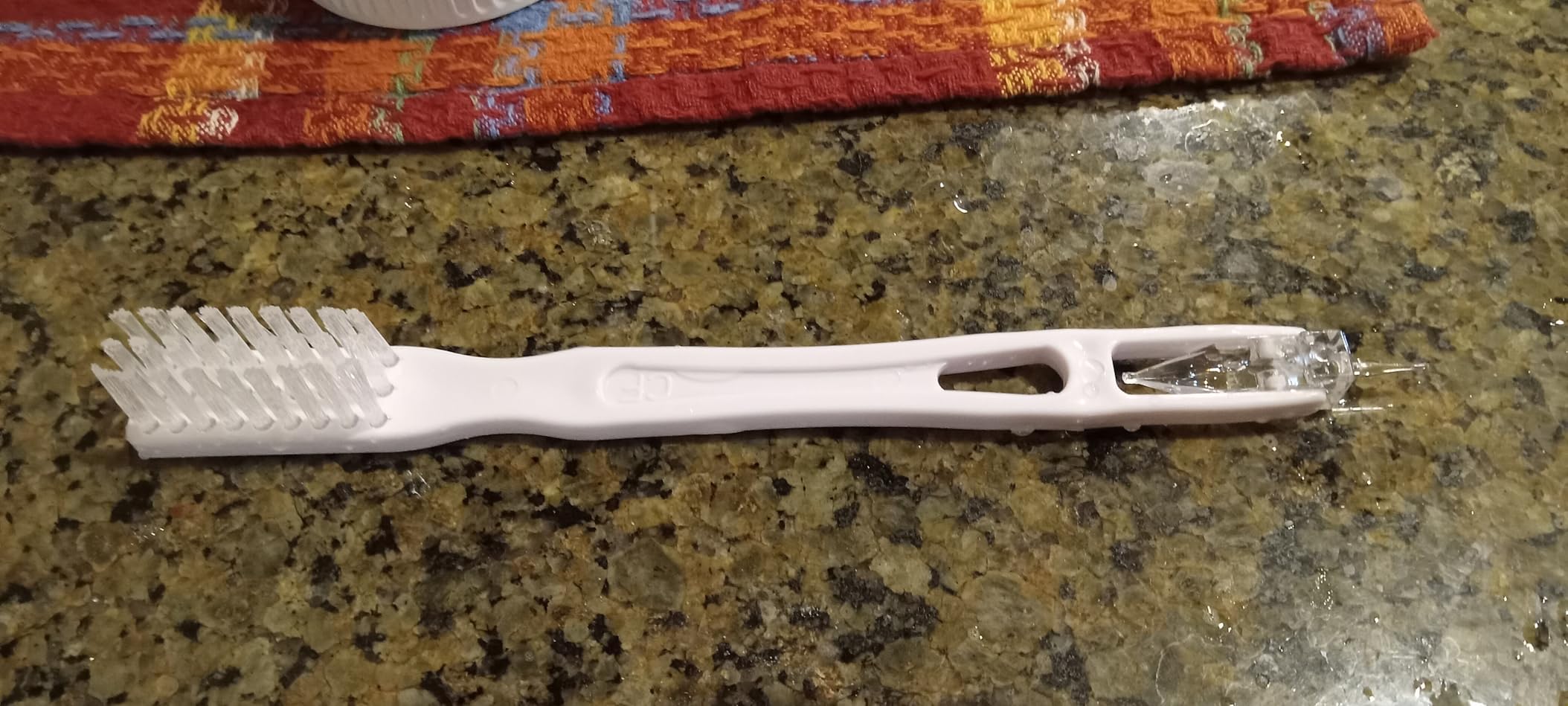
Cleaning is where this one earns easy points. The included brush gets dough out of the die channels, and the majority of components detach. The connector body itself should only be wiped with a damp cloth, which is a limitation shared by most attachments in this list.
What matters for your decision
Die variety is the reason to choose this over other sub-tier attachments. If you rotate through bucatini one week and fusilli the next, seven dies beat five every time, and the storage case means the dies stay organised instead of vanishing into a cupboard.
Consider the curve of the plate numbering before you get frustrated. It is a two-minute adjustment once you know it, but it catches almost everybody on day one.
Who it suits best
This is our pick for an existing stand mixer owner who wants the widest shape range without moving to a brand-name press. It suits intermediate makers who are comfortable kneading dough by hand. It is a poor fit for a total beginner, because nothing here automates the dough stage.
4. Philips 7000 Series Pasta Maker HR2660 – Best for Large Batches
Philips 7000 Series Pasta Maker, ProExtrude Technology 150W, 8 discs, Perfect Mixing Technology, Prepare up to 8 Portions, HomeID App, White, (HR2660/03)
8 shaping discs
150W motor
Up to 8 portions
20 pounds
Pros
- Eight discs give the widest shape range
- Up to 8 portions in one batch
- Mixing function also handles cookies
- pizza and bread
- Non-stick dishwasher-safe parts
- HomeID app with vegan and gluten-free recipes
Cons
- Heaviest unit here at 20 pounds so storage matters
- Interior still takes effort once dough dries
- Recipe precision required or the chamber jams
When you need to feed more than four people, capacity is the deciding number and this machine leads the roundup. The 150W ProExtrude motor handles up to eight portions in a single batch, and the advertised under-ten-minute pasta output means a family meal is a realistic project rather than an event.
Eight shaping discs is the widest range we found in any machine here, and the mixing chamber is genuinely useful on its own for cookie, pizza and bread prep. If you are buying one appliance for a hobby kitchen that does more than pasta, this is efficient. The HomeID app supplies step-by-step recipes including vegan and gluten-free options, which removes the guesswork that trips up most beginners.
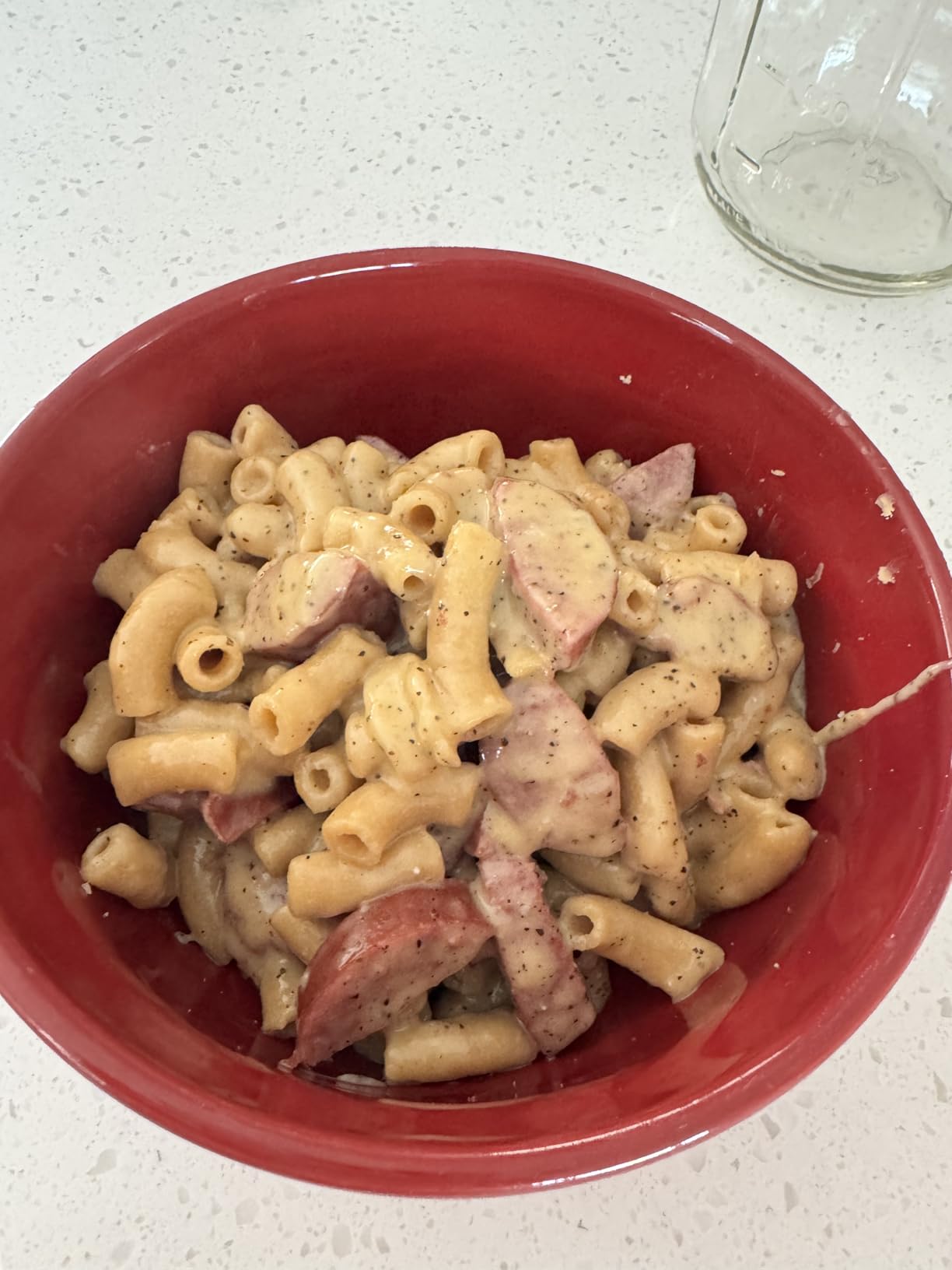
Here is the compromise nobody mentions: 20 pounds. That weight is the price of the motor and the chamber, and it changes how you plan your kitchen. This is a dedicated counter appliance that occupies real estate permanently, and you should measure the footprint – 12.87 by 9.02 by 12.68 inches – against your worktop before you commit. Vertical clearance under a cabinet matters more than floor space.
Cleaning is better than it looks because the parts are non-stick and dishwasher-safe, but the interior chamber still needs attention once dough dries on the components. Budget for a proper clean after every session rather than expecting a quick rinse.
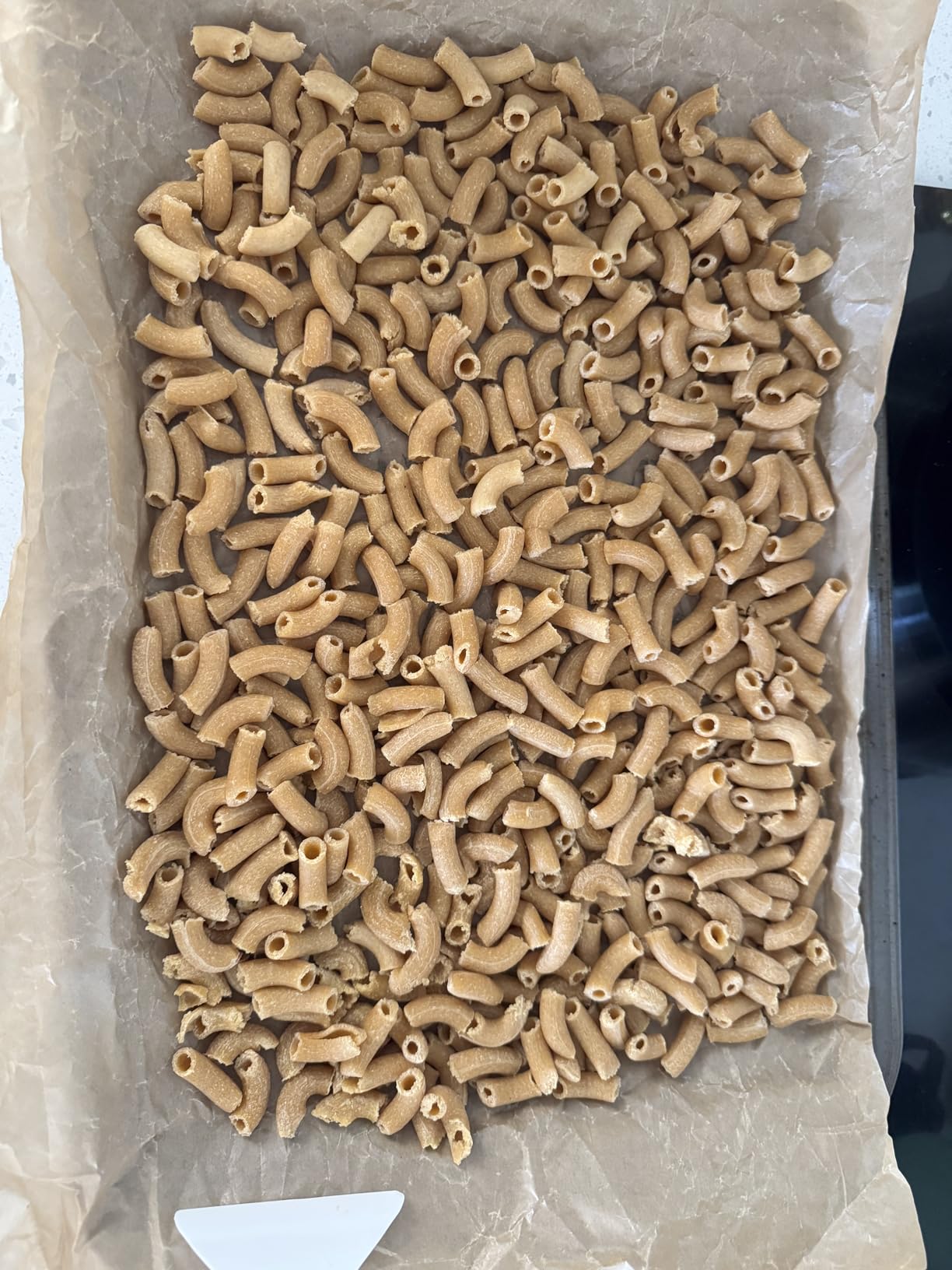
What matters for your decision
Flour capacity and portion count are the numbers to compare across machines, and eight portions is the ceiling in this roundup. If you cook for a household of five or more, anything rated at two to three portions will simply be too small.
Also weigh up the shape range against the machines below it. Two discs will never cover what eight discs cover, and disc replacement adds a long-tail cost that is worth thinking about before you buy.
Who it suits best
Large families, and anyone who batches pasta for the week or for guests. It suits cooks who want a single appliance for pasta plus pizza dough and cookies. It does not suit small kitchens or anyone who plans to store the machine away after each use.
5. KitchenAid KPEXTA Pasta Extruder Attachment – Most Compact for Hollow Shapes
KitchenAid KPEXTA Stand-Mixer Pasta-Extruder Attachment
6 plates
1700 g
Approx 5.5 x 5.6 x 8 inches
Needs a stand mixer
Pros
- Stand mixer motor pushes dense semolina dough without straining
- Wire cutter is far better than the plastic knives most presses use
- Plate names engraved on each die
- Six plates stored in a clear snap-on dome
Cons
- Very slow extrusion pace
- Slow output and a dry dough learning curve
- A meaningful amount of dough stays wrapped around the auger
- Interior food track cannot be submerged
This is the other 4.6-rated press in the roundup, and where the Gourmet Pasta Press wins on accessible metal parts, the KPEXTA wins on raw pushing power. It is the attachment experienced pasta makers point to when the question is which one handles dense semolina dough without the auger stalling, and its 4.6 average comes from 962 reviews that read like an audience of people who have made pasta for decades.
Two design choices set it apart. The plate names are engraved on each die, so you are not squinting at tiny markings to work out which opening makes fusilli. And the wire cutter is materially better than the plastic knives fitted to most extruders at this level, which matters once you are cutting eight portions rather than two.
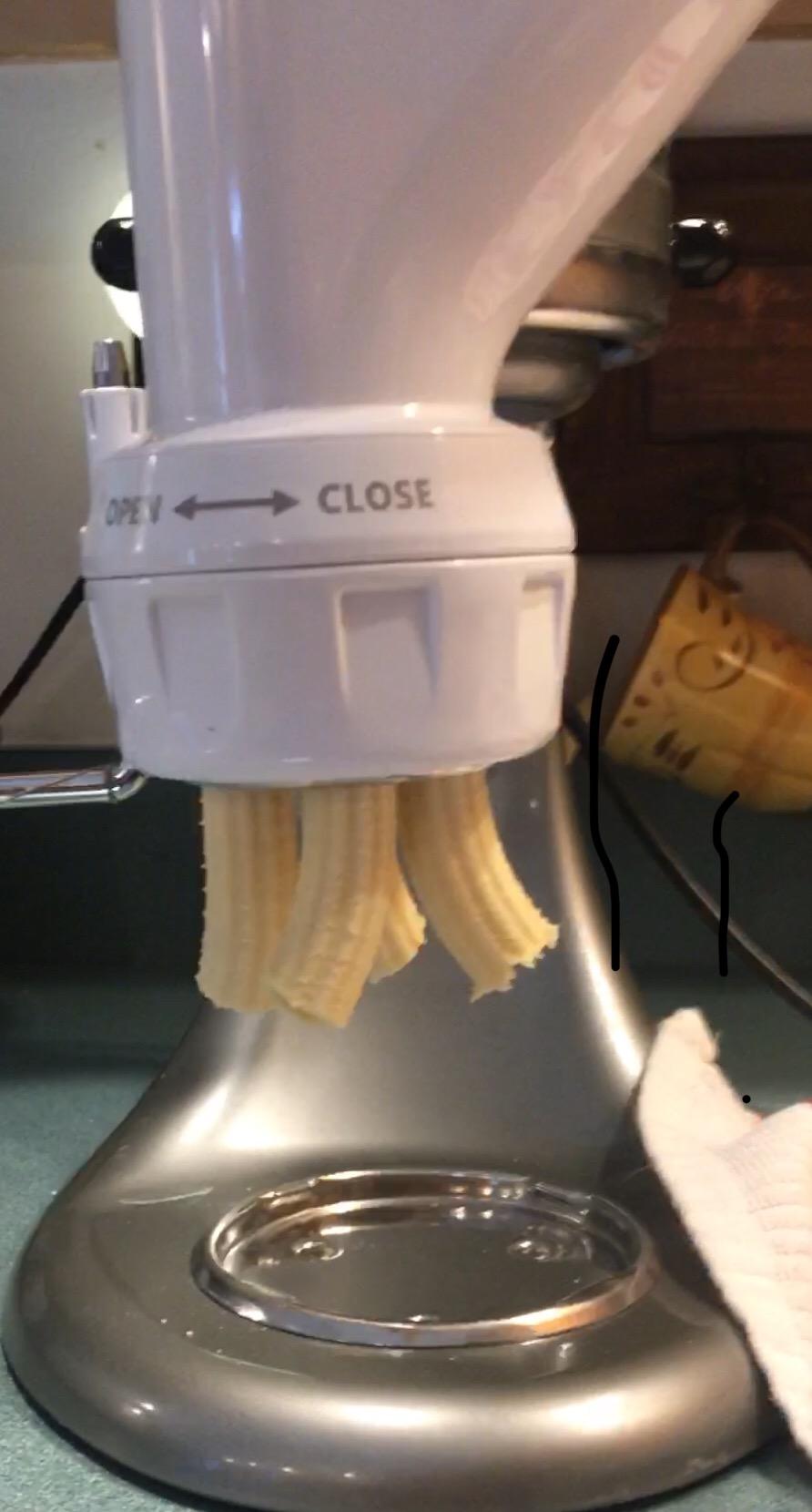
Owners are unambiguous about the trade-offs. Extrusion is slow – people describe it as around an inch and a half per minute even at top mixer speed. A meaningful amount of dough stays wrapped around the auger and has to be scraped off and reworked, so you should mix more than you think you need. And the interior food track cannot be submerged; it needs a separate bottle brush, which is a real cleanup cost every session.
One warning worth repeating: the included recipe can be too stiff, and experienced users override it with a slightly wetter dough. Follow the crowd on this one, not the booklet.
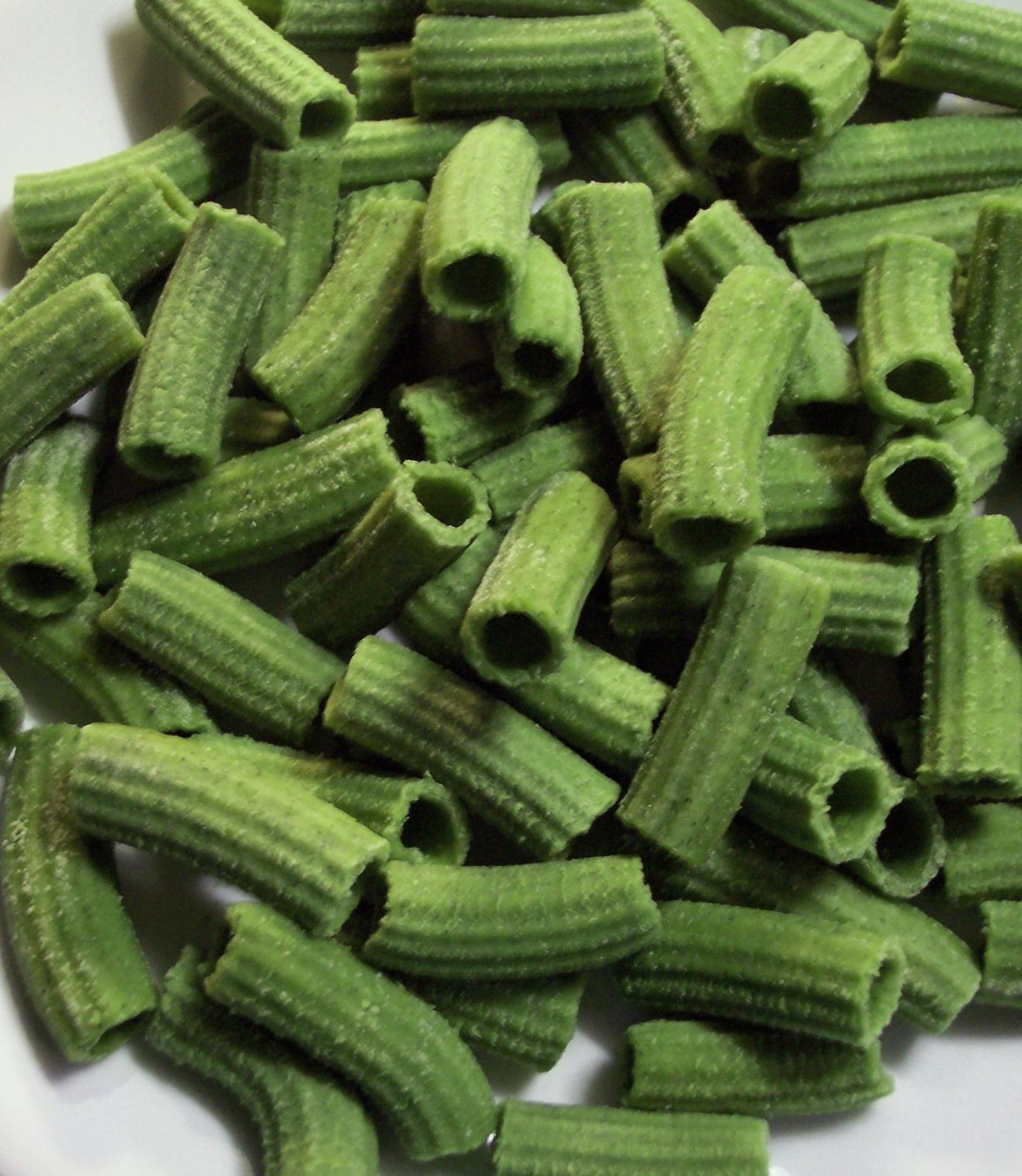
What to know before you commit
Read the warranty terms before anything else. This listing carries a one-year hassle-free manufacturer warranty, which is thinner than the decades-long reputation the Italian-made manual machines have, and it is worth factoring into a long-term purchase decision.
Confirm your mixer is powerful enough. The whole appeal is motor torque, and a small tilt-head mixer with a low-speed setting will not deliver the same result. Also check that you have a bottle brush on hand, because the auger path is not immersible.
Who it suits best
Experienced makers who already understand dough hydration and want genuinely hollow, well-holding shapes. It suits batch cooking days and anyone feeding a group. It is not the right machine for a first attempt, because the drying-out-auger learning curve is unforgiving with no prior experience behind it.
6. Metal Gourmet Pasta Press Attachment – Best Metal-Bodied Attachment
Metal Gourmet Pasta Press Attachment for Kitchenaid Stand Mixer, Pasta Maker Attachment with 5 Interchangeable Plates, Spaghetti Bucatini Fusilli Large/Small Macaroni
All-metal body
5 discs
1 kg
6 x 2 x 8 inches
Pros
- Metal alloy body feels far sturdier than plastic alternatives
- Five plates covering spaghetti
- bucatini
- fusilli and two macaroni sizes
- Fits all KitchenAid mixers with a built-in wire cutter
- Even dough flow and faster output than cheaper presses
Cons
- Interior food surfaces cannot be washed or submerged
- Thin spaghetti clogs if dough is not dry enough
- Plastic auger inside can crack after extended use
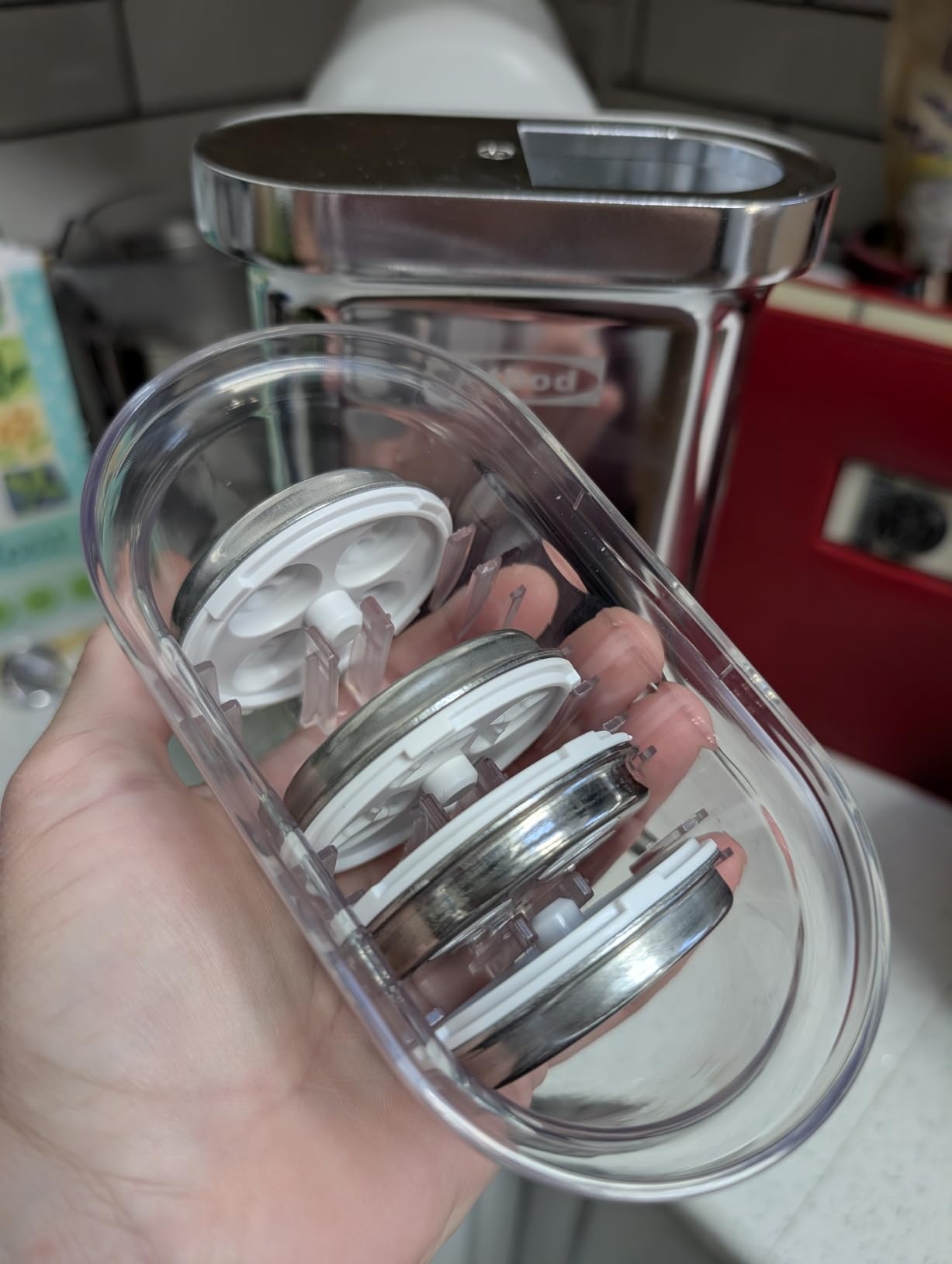
The metal construction is the reason to look at this one, and it is the comment owners return to most often. At 1 kg it is the lightest substantial press here, and at 6 by 2 by 8 inches it is small enough to live in a drawer rather than on the counter – a genuine advantage for anyone without dedicated appliance space.
Five plates cover spaghetti, bucatini, fusilli, large macaroni and small macaroni. That is a practical everyday set rather than a showpiece set, and the built-in wire cutter lets you set pasta length in a single pass. The included mould storage case keeps the dies tidy, and owners report even dough flow and output that feels quicker than some cheaper presses.
There is a hygiene compromise that some buyers care about and others do not. The interior food surfaces cannot be washed or submerged, which sits awkwardly if you are working with egg dough. You are relying on the cleaning tool and on wiping the channel out promptly rather than running water through the body.
Two more practical notes. Thin shapes like spaghetti clog if the dough is not dry enough, and output slows noticeably on the smaller pasta shapes. A few owners also report the internal plastic auger cracking after extended use, so the metal body does not make the whole assembly indestructible.
What matters for your decision
Storing it away is the real advantage here. At 1 kg and eight inches tall it fits a deep drawer, and that changes the economics completely if you only make pasta occasionally. Compare that against the 20-pound automatic machines that permanently occupy counter space.
Count your dies honestly. Five covers the common shapes, but the machines with seven give you more room to experiment, and die replacement is a long-term cost that adds up over years of use.
Who it suits best
Stand mixer owners with limited storage space who cook pasta occasionally. It suits anyone who prefers metal to plastic for durability reasons. It is less suited to very frequent users, where the non-submersible interior becomes an annoyance rather than a detail.
7. COFUN Gourmet Pasta Press Attachment – Best Dishwasher-Safe Parts
COFUN Gourmet Pasta Press Attachment for KitchenAid Stand Mixer
7 plates
3 pounds
Plastic body
Storage box included
Pros
- Seven interchangeable plates for strong shape variety
- Built-in cutter and pusher reduce clogs
- Dishwasher-safe removable parts
- Works with most KitchenAid stand mixer models
Cons
- Plastic construction is less durable than metal-bodied presses
- Output is capped by the speed of your stand mixer
- Dough consistency has to be well controlled or it jams
Cleaning is the number one reason people give up on extruders entirely, and this is the attachment that answers that objection most directly. The removable parts are dishwasher-safe while the main unit wipes clean, so teardown after a session takes seconds rather than leaving you with dried dough in a die channel at midnight.
Seven plates give strong shape variety for the money, and the built-in cutter and pusher do a real job keeping dough moving through the feed opening rather than letting it pile up. A dedicated storage case holds the seven plates and the tools, and it fits most KitchenAid stand mixer models.
The honest trade-off is material. This is a plastic-bodied press, and owners comparing it against the metal alternatives above consistently conclude that plastic gives way sooner. The output ceiling is also your stand mixer, not the attachment, so a slower mixer means a slower press no matter how good the plates are.
Dough consistency remains the deciding variable. Too wet and it jams; too dry and the strands come out ragged and dusty. This is not a flaw unique to this machine, but at this build level there is less tolerance for a badly kneaded dough than there is on a heavy metal press.
What matters for your decision
Look at your cleanup routine, not just your cooking routine. If you will hand-wash everything anyway because of egg dough, the dishwasher-safe parts are a modest gain. If you run a busy kitchen and want everything to go in the machine, this is a genuine advantage over the press bodies that must be wiped only.
Also weigh long-term durability. If you expect to make pasta every week for years, a metal body is the safer bet, and the price difference between the two is small compared with replacing a cracked press.
Who it suits best
Stand mixer owners who value simple cleanup and want seven shapes without a large outlay. It suits casual makers making pasta a couple of times a month. It is a weaker choice for daily users who will wear the plastic body out.
8. InnoMoon Gourmet Pasta Press Attachment – Best Low-Cost Entry Point
InnoMoon Gourmet Pasta Press Attachment for KitchenAid Stand Mixers
7 blades
3 pounds
6 x 4 x 10 inches
Storage box
Pros
- Seven interchangeable blades spanning six pasta shapes plus fettuccine
- Low-cost entry into stand mixer pasta making
- Built-in cutter and pusher bar
- Blade storage box prevents small parts getting lost
Cons
- White plastic body can warp with soft wet dough
- Small hopper limits batch size
- Sticky or wet dough jams rather than extrudes
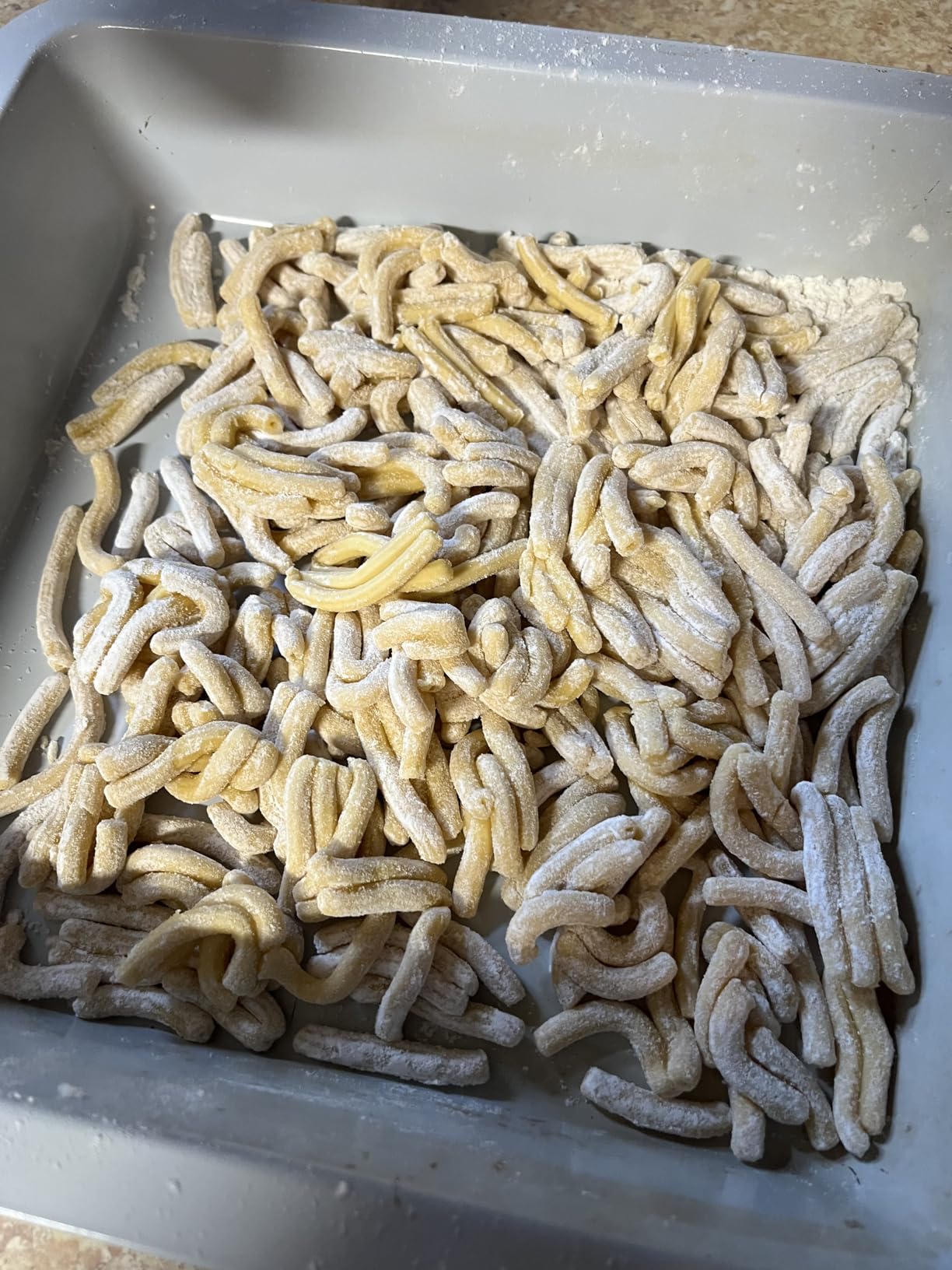
Several owners report that this press outlived cheaper competitors they had already replaced, which is the single most useful thing you can hear about a budget attachment. Seven interchangeable blades cover spaghetti, bucatini, rigatoni, fusilli, large and small macaroni plus fettuccine, which makes it a genuine entry point rather than a token two-die attachment.
The built-in blade storage box prevents the small-part loss that quietly ends a lot of pasta hobbies. Operation is simple: add dough and turn the knob. The main body wipes clean with a damp cloth and the rest detach for cleaning, so teardown is not the obstacle it can be elsewhere.
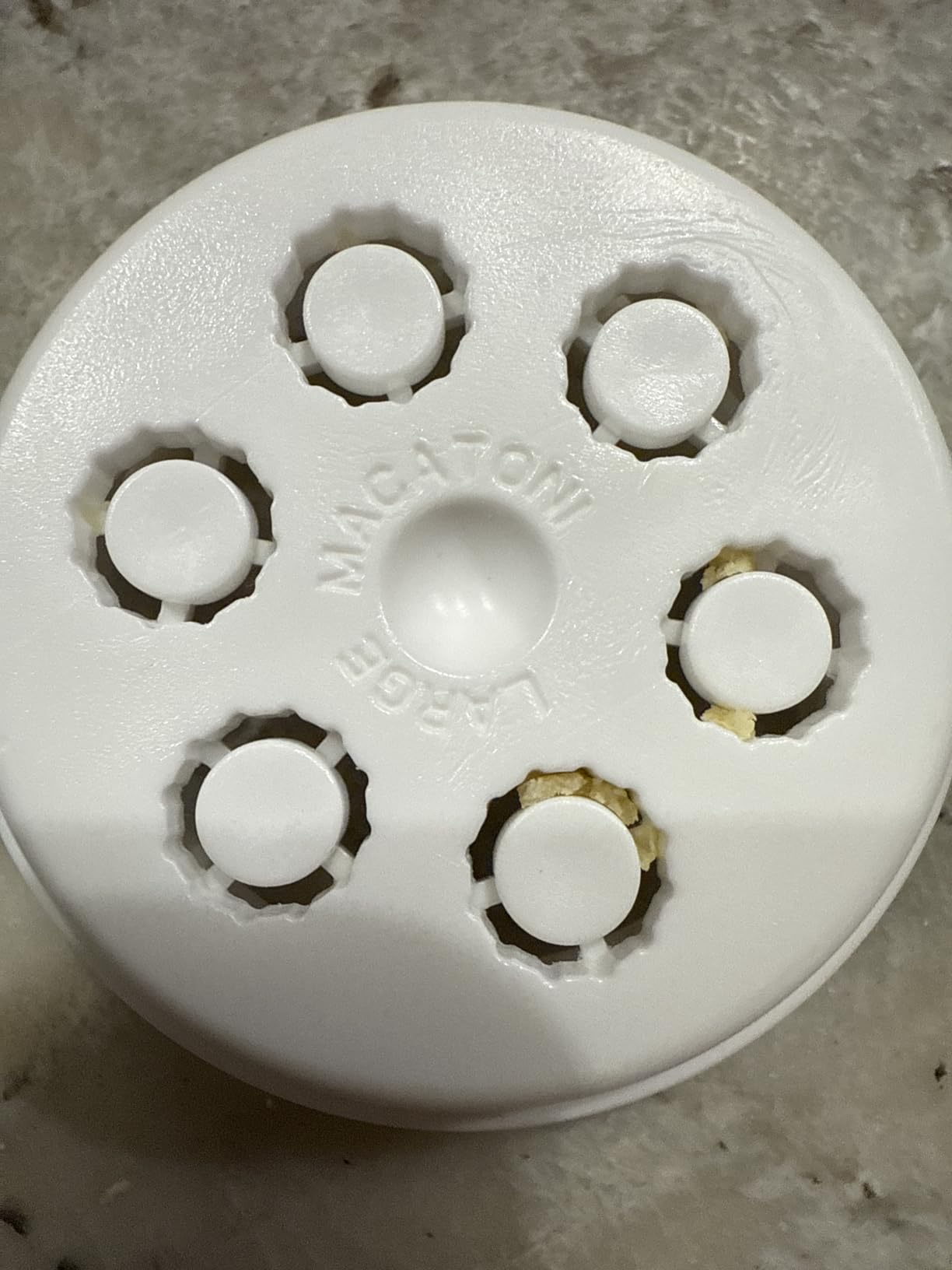
The material choice matters here. The white plastic body can warp under soft, overly wet dough, and a number of owners report the metal head cracking over time. The practical takeaway is straightforward: keep the dough firm. Reviews also make a specific note that the metal-silver version of this press is noticeably sturdier than the white plastic one, so choose the variant carefully if you can.
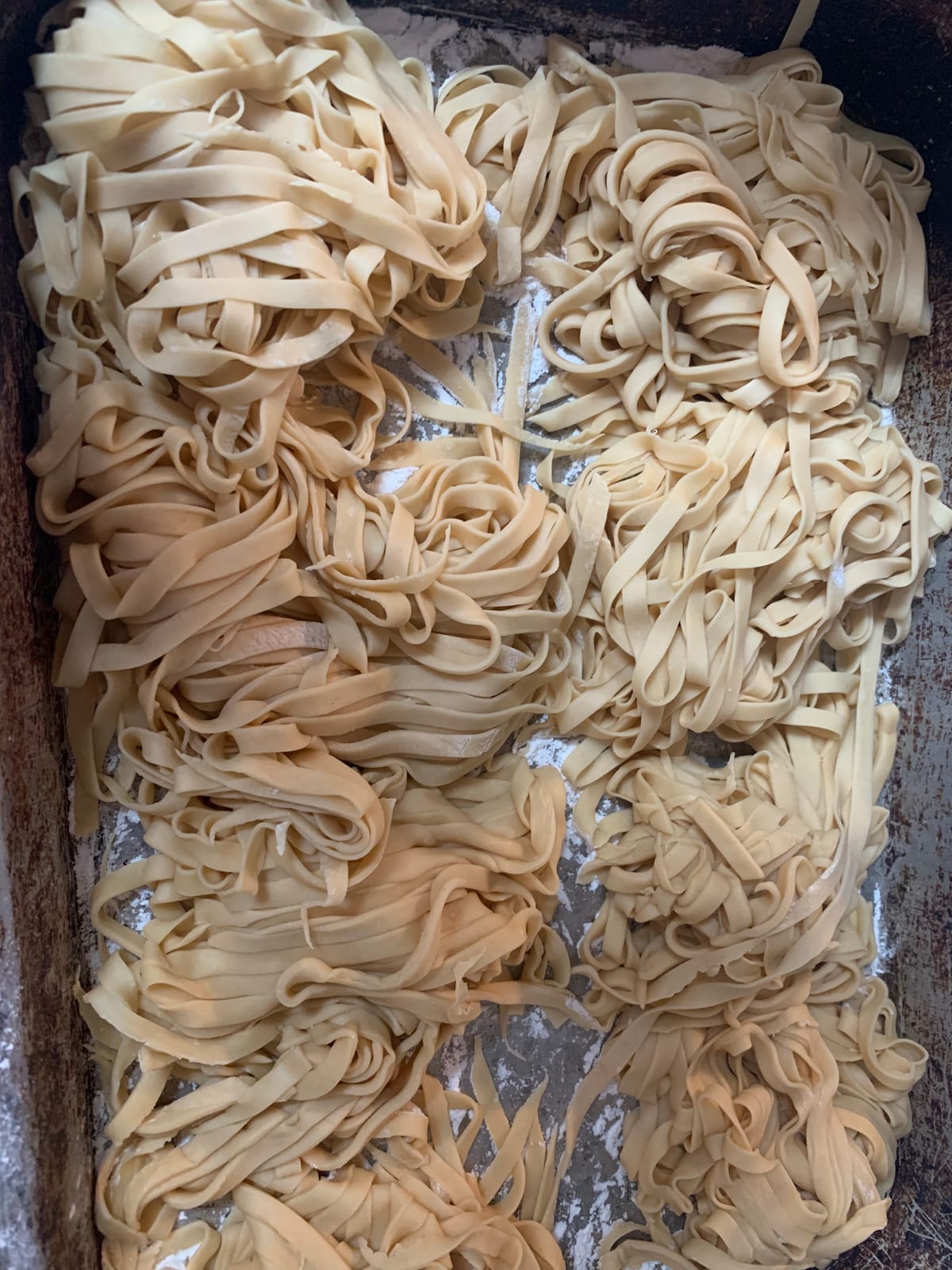
Batch size is the other limit. The hopper is small at 6 by 4 by 10 inches, so this is a two-to-four portion machine rather than a week-of-meals machine. And sticky or wet dough jams the press outright rather than extruding badly, which makes dough discipline non-optional.
What matters for your decision
Check the colour variant before you order. The plastic body complaint is concentrated in the white version, and the metal-silver option is described as considerably sturdier for the same money. That one choice removes most of the durability concern.
Also consider the hopper size against how many people you feed. Small hoppers are fine for learning and awkward for hosting, so this is a good machine to outgrow rather than to depend on.
Who it suits best
First-time extruder owners with a stand mixer who want to learn without a large commitment. It suits households of one to three people. It is a poor fit for a heavy cooking schedule or for anyone who tends to make wet, enriched doughs.
9. GVODE Pasta Press Attachment – Most Versatile with Seven Dies
GVODE Pasta Press Attachment for KitchenAid Stand Mixer, Pasta Maker
7 plates
2.5 pounds
9.25 x 4.06 x 9.65 inches
Storage case
Pros
- Seven shapes including both macaroni sizes and cookies
- Built-in cutter and pusher reduce clogs
- Fits all KitchenAid stand mixer models
- Compact storage case keeps plates organised
Cons
- Dough must be firm and walnut-sized or the feed blocks
- Power component cannot be immersed
- Entry-level plastic housing is less durable
Seven shapes, 2.5 pounds, and a 4.2 average across 265 reviews – this is the pick if you want the widest die range at the lowest outlay and already own a stand mixer. Spaghetti, rigatoni, fusilli, bucatini, large and small macaroni and cookies are all covered, and the compact storage case keeps everything together.
The main positive thread in reviews is how smoothly the dough feeds once you get the consistency right, and how easily the unit clips onto an existing mixer. Dishwasher-safe removable parts make the post-session clean routine rather than an event.
How firm does the dough need to be?
Firm and walnut-sized. That single instruction appears in nearly every review of this press, and skipping it is why the feed opening blocks. Weigh your flour, add water slowly, and stop mixing while the dough still breaks rather than smears between your fingers.
Because the power component cannot be immersed, cleanup means wiping rather than rinsing. That is a common design across this price tier, and it is worth factoring in if you work with egg dough regularly.
Who it suits best
Budget-conscious stand mixer owners who want shape variety more than they want premium materials. It suits casual use and experimentation with multiple shapes. It is not the right choice for a daily workflow where plastic housing wear would show up quickly.
10. ZACME Pasta Maker Attachment – Best with Published Hydration Guidance
Pasta Maker Attachment for Kitchenaid Stand Mixer with 6 Different Shapes of Pasta Outlet, Durable for Kitchenaid Accessories and Attachments, Dishwasher Safe
6 outlet shapes
2.6 pounds
7 x 10 x 2 inches
One year warranty
Pros
- Six pasta outlet shapes from one attachment
- Dough moisture guidance of 44-45 percent clearly specified
- Built-in cutter sets pasta length in a single pass
- Detachable design with cleaning brush for the output port
Cons
- Dough must hit 44-45 percent moisture or output clogs
- Power centre must be kept dry and cannot be washed
- Plastic-heavy construction is less robust than metal
Most machines tell you nothing about how wet your dough should be, and that silence is the root of most jam complaints we read. This listing specifies 44-45 percent moisture content directly, which turns the single biggest source of confusion into a number you can measure. If dough consistency has been your problem with previous attempts, that is worth real money.
Six outlet shapes cover spaghetti, bucatini, three-sided noodles, rigatoni, small macaroni and large macaroni. The built-in cutter sets pasta length in a single pass, and the detachable design with the included brush makes it straightforward to pull dough back out of the output port when something goes wrong.
What to do about the two failure modes
Too wet and the output clogs into strands. Too dry and the pasta comes out ragged. The 44-45 percent window is narrow, so a kitchen scale is the cheapest tool you can add to this machine. Work inside the range for your flour and you avoid both problems.
Keep the power centre dry – it cannot be washed, and moisture in that housing is how these attachments fail. Wipe it after every session and store the press somewhere it will not be splashed.
Who it suits best
Anyone who has previously failed on dough consistency and wants clear guidance rather than guesswork. It suits stand mixer owners on a tight budget who still want six shapes. The plastic-heavy build makes it a weaker long-term choice for daily use.
11. TPGSING Gourmet Pasta Press Attachment – Best Compact Die Storage
Gourmet Pasta Press Attachment for KitchenAid Stand Mixers
7 pasta types
2.98 pounds
8.27 x 2.36 x 8.07 inches
Mould case
Pros
- Seven pasta types across six shapes plus cookies
- Dedicated cutter and pusher designed to reduce feed clogs
- Mould storage case prevents die loss
- Fits all household KitchenAid stand mixer models
Cons
- Dough must be kneaded into walnut-sized pieces first
- Needs gentle pressure on the pusher rather than force
- Plastic components less durable than metal-bodied presses
This is the highest-rated press attachment under 300 reviews in the group at 4.4, and the profile of the feedback is what you would hope for: owners like the seven-shape versatility, the storage case, and how cleanly it fits standard stand mixers. The design is a refined take on the same layout as the other seven-die attachments here, with better attention to the feed opening.
That is the specific thing to notice. The cutter and pusher bar are designed to stop dough backing up in the feed opening, which is the failure that ruins first batches for most beginners. Everything else – storage case, dishwasher-safe detachable parts, dry-cloth care for the connector – follows the pattern this category settled on.
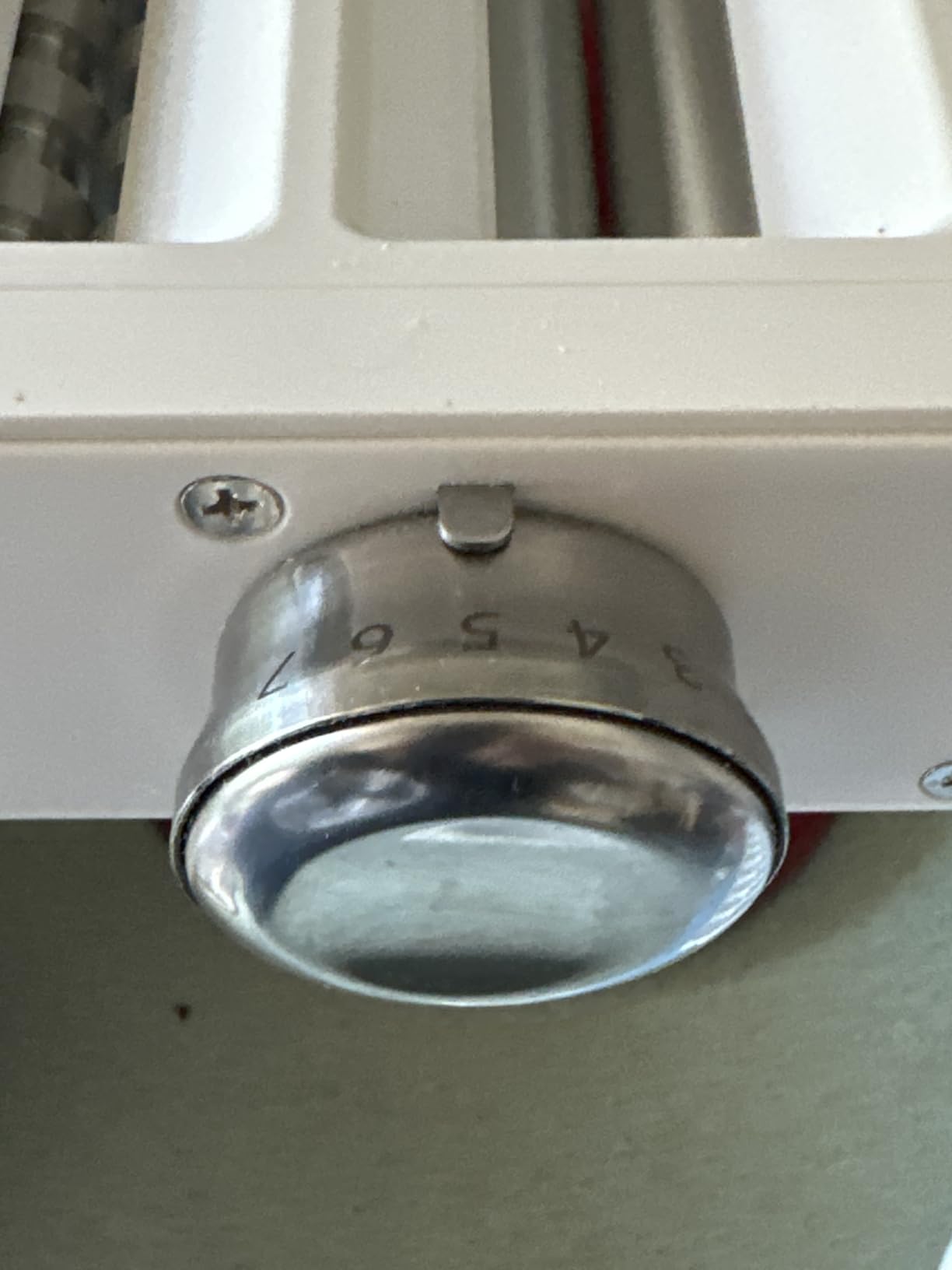
Two technique notes from owner reviews matter more than they sound. Portion the dough into walnut-sized pieces before you load it, and use gentle pressure with the pusher instead of forcing dough through. Both prevent the clog that would otherwise end a session early.
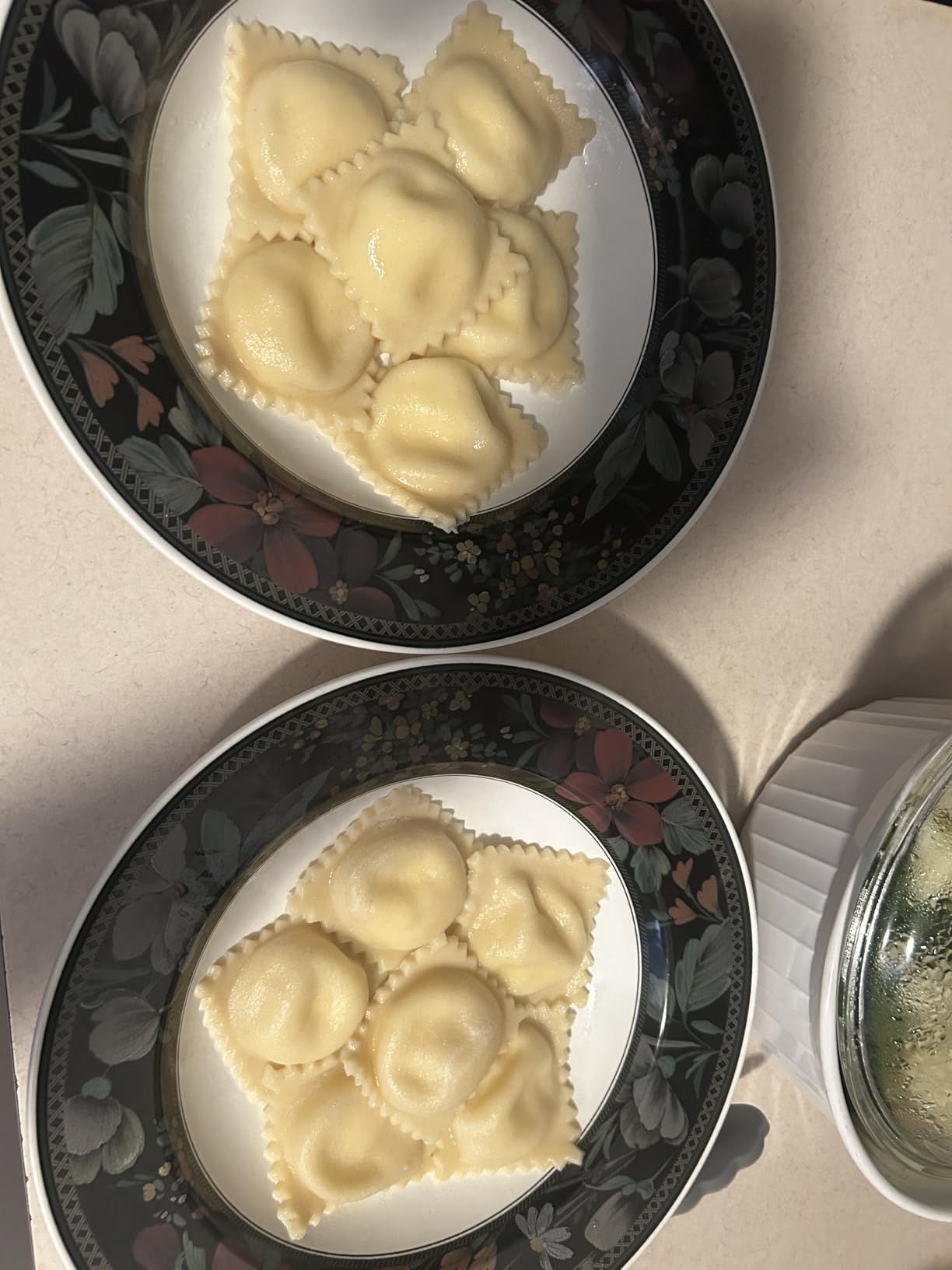
The connector wipes dry while the other components detach and go in the dishwasher. The listing is newer than most in this roundup, so the review count is lower and the long-term durability record is not yet established. Treat that as a reasonable caution rather than a disqualifier.
What matters for your decision
Compare the pusher design against other seven-die attachments at similar prices. That is the part that determines whether your first session ends in frustration, and this one is specifically engineered around it.
Also note the footprint: 8.27 by 2.36 by 8.07 inches is slim enough to store in a cupboard rather than on the counter, which matters more than the press weight for most kitchens.
Who it suits best
Stand mixer owners who have struggled with feed clogs on cheaper presses. It suits anyone who wants seven dies with a compact footprint. Given the shorter review history, cautious buyers may prefer the brand-name options above.
12. Fante’s Cavatelli Maker – Best Single-Shape Italian Specialist
Fantes Cavatelli Maker Machine for Authentic Italian Pasta, The Italian Market Original since 1906
Single shape
Aluminum body
16 ounces
9.5 x 4 x 5.5 inches
Pros
- Forms and cuts authentic cavatelli with deep sauce-clugging ridges
- Non-stick cast aluminum for easy dough release
- Counter clamp fits worktops up to 1.365 inches
- Lightweight at 16 ounces and simple enough for children
Cons
- Only produces one pasta shape
- Needs dough rolled and cut into strips first
- Hand wash in warm soapy water only
Fante’s has been an Italian market name since 1906, and the cavatelli maker is the oldest, simplest machine in this roundup. It is not an extruder at all – it is a roller with a shaping step – and we include it because it solves a specific problem cheaply: the ridges it creates hold sauce far better than a flat sheet, and owners consistently report well-shaped, uniformly sized cavatelli that cook evenly.
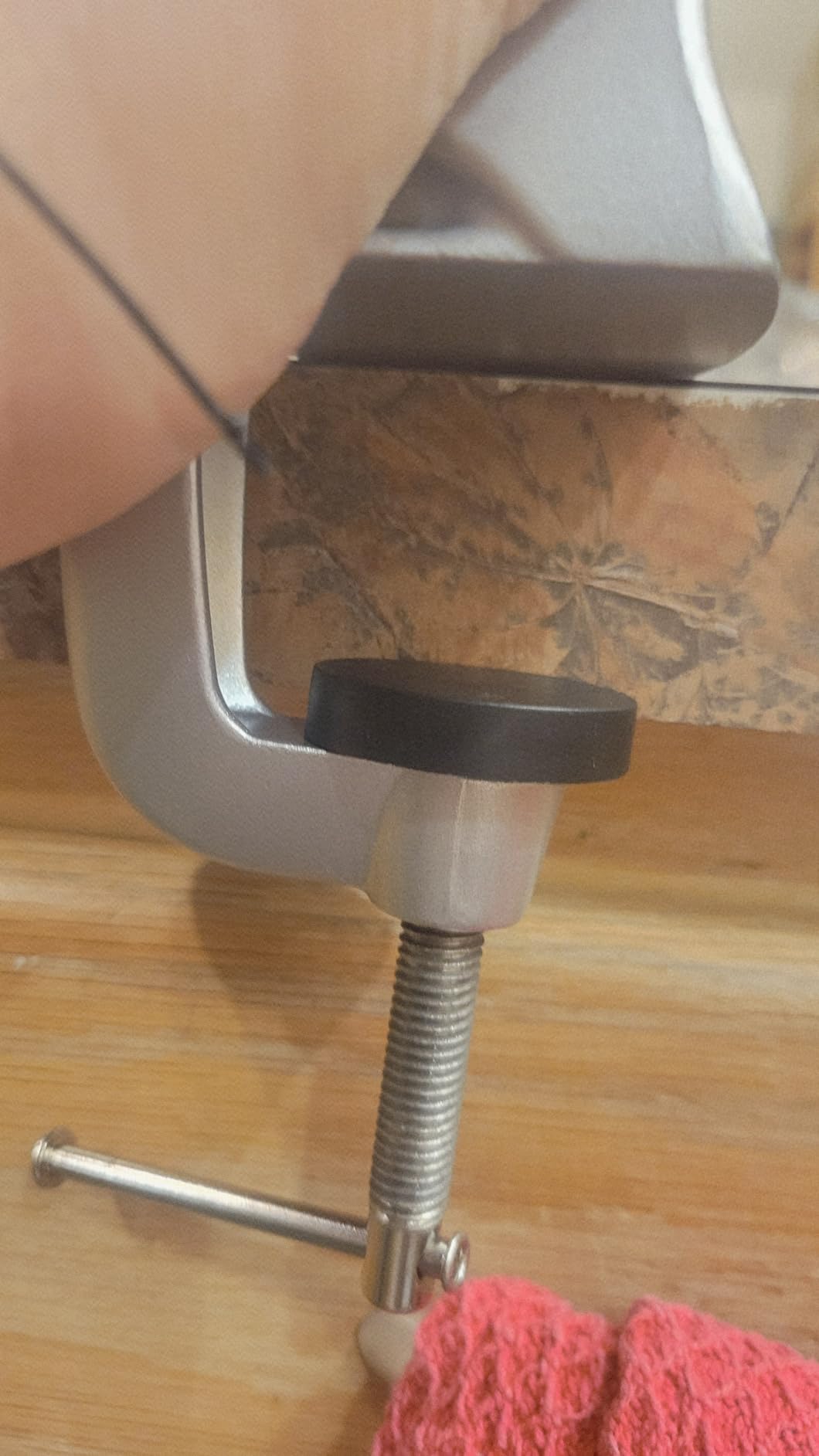
At 16 ounces it is the lightest machine here by a wide margin, and the non-stick cast aluminum surface means dough releases without sticking. The counter clamp fits worktops up to 1.365 inches thick, which is worth checking against your own counter before you buy. Owners also describe it as simple enough to hand to a child with an adult nearby.
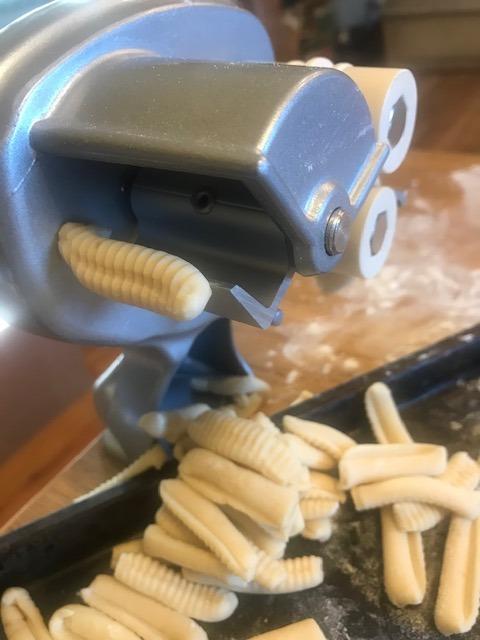
Being clear about what it is not: this makes one shape, at a slower rate than an electric extruder, and it requires you to roll the dough out and cut it into strips beforehand. It complements a roller rather than replacing one, and it handles a small batch. Hand wash in warm soapy water only.
The clamp thickness limit is the practical catch. Worktops thicker than 1.365 inches will not take it, and a recurring forum complaint across this whole category is that counter clamps do not fit thick granite or marble edges. If your counter is deep, budget for a different mounting solution.
What matters for your decision
Decide whether you want cavatelli specifically. Deep ridged shapes that grip sauce are exactly what rolled flat pasta cannot deliver, and for that one shape this machine does the job at a fraction of the cost of a press.
Measure your worktop thickness before ordering, and keep in mind the shallow batch size. This is a weekend tool for a few hundred grams of dough, not a meal-prep workhorse.
Who it suits best
Home cooks who want one excellent shape without buying a full extruder, and families teaching children how pasta is made. It suits people with a light counter and a light workload. If you want a range of shapes, this is the wrong purchase.
How to Choose a Pasta Extruder: The Buying Guide
Pasta extruder or pasta roller?
A pasta extruder pushes dough through a die to make three-dimensional, hollow shapes – spaghetti, bucatini, rigatoni, fusilli, penne, macaroni. A roller flattens dough into a sheet that you cut by hand or by attachment. Only an extruder makes tubular shapes, and only a roller makes the flat sheets that lasagna, ravioli and wide fettuccine require.
A rough rule: if your answer to “what pasta do I want to eat” contains the word penne, rigatoni or bucatini, buy an extruder. If it contains the word lasagna or ravioli, buy a roller. Buying an extruder for sheet pasta means owning a shape you will never use, because none of the machines here cut sheets.
Manual, electric or stand mixer attachment?
Manual hand-cranked machines are quiet, cheap to run and built to last for decades, but they demand confident dough handling. Electric machines handle weighing, mixing, kneading and extrusion for you, which removes every source of guesswork, at the cost of counter space and a heavier appliance. Stand mixer attachments sit in between: they supply serious motor torque and produce excellent shapes, but you still mix and knead by hand and you need to own a mixer.
What pasta maker do Italians use? In Italian home kitchens, the answer is overwhelmingly a hand-cranked roller and extruder, typically a machined steel body with interchangeable dies, stored away and brought out at weekends. The electric machines are a modern convenience rather than an Italian tradition. That is also why forums report Italian manual machines lasting 15 to 20 years in home kitchens – there is no motor to fail.
Beginners are consistently steered toward an electric machine first, because auto-weighing removes the hydration guesswork, and then toward a manual machine once dough makes sense. That progression works, but it also means buying twice. If you know you will make pasta regularly, one good machine is the better purchase.
What die material changes about the finished pasta
Die material is the least understood buying factor in this category, and it changes the finished pasta more than most people expect. Chrome-plated steel dies, used by the KitchenAid presses in this roundup, are durable, produce a moderately textured surface, and tolerate the widest range of dough. Plastic dies are common in entry-level attachments and produce smoother pasta, but they wear faster and can crack. Bronze dies are the traditional restaurant choice and produce the roughest surface of all.
Here is the mechanism people leave out. Bronze and steel dies are not smooth – their extrusion faces are deliberately textured at a microscopic level. That texture increases the surface area of the pasta and creates microscopic crevices that hold sauce. When you drain pasta, the sauce clings inside those crevices instead of sliding off into the colander. A plastic die, being smooth, produces pasta that looks clean but releases sauce. Bronze grips best, steel is the practical middle, and the rougher the die, the more sauce each forkful carries.
Bronze dies are not widely available for home machines in this roundup; they belong largely to commercial extruders several tiers above. If sauce adhesion is your priority, an engraved or textured steel die is the realistic home compromise.
Capacity: how much dough fits in one batch
Capacity is the number most people check last and should check first. The compact automatic machine in this roundup makes two to three portions. The larger Philips makes up to eight. Attachments are limited by your stand mixer, and the manual cavatelli maker is limited by hand workload rather than capacity.
Match the number to your household. A two-portion machine used by a family of five will produce five consecutive batches, and each batch carries cleaning overhead. An eight-portion machine used by a couple will leave the chamber sitting with dough in it. Flour capacity in grams is the more useful figure when comparing machines, because it tells you how much dough to mix in one go.
Cleaning time and maintenance reality
Cleaning is the most-cited reason people abandon extruders, so it deserves a straight answer. Here is how to clean pasta extruder dies: unplug or detach the press, unscrew the die cap, pull out the extrusion plates, and scrape away dried dough with the included brush or a stiff nylon tool rather than a metal one. Then soak the plates briefly in warm water, wash them by hand, and dry them completely before reassembly.
What varies is the body. Detachable dishwasher-safe parts, as on the COFUN and GVODE attachments and the Philips units, take minutes. Presses with a non-submersible food track, including both KitchenAid attachments, need a bottle brush and more deliberate work. A press that cannot be rinsed through will always take longer, and that difference shows up every single session.
Wipe the motor housing and power component with a damp cloth and never submerge them. Dry everything before reassembly, because trapped moisture inside a die channel is what turns a clean machine into a jammed one.
Counter space, weight and storage
The automatic machines range from 4700 g for the compact Philips to 20 pounds for the 7000 Series. That 20-pound figure is the single most consequential number in this guide for anyone with a small kitchen, because it is an appliance that lives on the counter permanently rather than one you put away.
Attachments are the opposite problem – they are light but they need a stand mixer occupying prime counter space anyway. The lightweight options include the Fante’s cavatelli maker at 16 ounces and the Metal Gourmet press at 1 kg, both of which store in a drawer. If your kitchen is counter-space constrained, an attachment or a drawer-storable press is the realistic answer.
Noise is the quieter differentiator. Hand-cranked and compact machines are near-silent; a stand mixer running a pasta press is a real hum; a dedicated electric unit in a hard-walled kitchen is loud enough to be disruptive before 7am. If you make pasta early, that matters more than another die.
Which brands matter and what Italian cooks reach for
The best-known brands in this category split into two groups. KitchenAid makes both of the presses rated highest here, both of which need a stand mixer. Philips makes the two automatic machines, one for small batches and one for large. Everything else in the roundup is an attachment brand competing on die count and material, or an Italian market specialist such as Fante’s.
What pasta makers Italians actually reach for tends toward machined steel rollers and extruders from names like Marcato and Imperia, chosen for longevity and repairability rather than automation. Those hand-cranked Italian machines were not available in the product set for this roundup, so we have not reviewed them here – but if durability over decades is your priority, that is the tier to research next.
Pasta Extruder Troubleshooting: Jams, Stops and Stuck Dough
Almost every extruder problem traces back to dough that is too wet. The auger and stirring bar need loose, crumbly material to move; hydrated dough turns to paste the moment the machine compresses it. If you fix one thing in your technique, make it kneading less wet dough and resting it before extrusion.
Why the machine stops mid-extrusion
Most often because the dough was slightly too wet, and the chamber has compacted into a plug. Stop the motor, remove the die cap, scrape the chamber out completely, reduce the water in your next batch, and rest the dough wrapped for at least half an hour before loading it. Restarting without clearing the chamber just re-compacts the plug.
The second cause is overload. Do not push a whole mixed batch through at once. Feed walnut-sized pieces and let the machine work; a press that is fed properly rarely stalls.
Torn, ragged or crumbly pasta
Torn strands mean the dough is too dry for the die opening, especially on thin settings like spaghetti. Pull the setting back toward thicker shapes, and add water a teaspoon at a time. Crumbly, dusty output points the same way. Cracked edges across the strand usually mean the opposite – too wet, and the pasta is tearing as it is cut.
Uneven thickness across a batch is a dough-consistency problem rather than a machine problem. Resting dough between batches evens things out noticeably.
Getting the die cap off again
To unstick stuck pasta, stop the machine and never force the die cap. Warm the housing briefly with a hairdryer on a cool setting to soften the dried dough ring, then apply a drop of food-grade oil to the threads and turn the cap by hand. The heat and the oil together usually break the seal. If it still will not move, the pasta is bonded to the metal and leverage will crack the cap.
Prevention is easier than the fix. Unscrew the cap while the machine is still running clean, and never leave assembled dough sitting overnight.
Thin shapes such as angel hair and spaghetti
Thin shapes jam constantly on home machines, and this is a design limit rather than a fault. The holes are small, the pressure is high, and any lump in the dough blocks them. Use the thickest setting first, feed smaller pieces, and confirm the motor is at full speed before loading. If a machine stalls on angel hair, that shape is not for it – move up in calibre rather than fighting the die.
How to tell if an extruder is failing
Signs of a failing extruder are consistent enough to act on: a motor that hums without advancing dough, a gearbox that heats up during a normal batch, a die plate that will not seat back into the housing even when clean, and repeated auger cracks on an otherwise well-maintained press. Motor and gearbox failures do appear in the reviews of the compact automatic machines after only a few uses, so treat a new machine that stalls under a correctly kneaded dough as a warranty matter immediately rather than a technique problem.
Do not try to fix a sealed gearbox. The realistic decisions are warranty replacement or moving to a manual machine, which has no motor to fail.
Frequently Asked Questions
Are pasta extruders worth it?
Yes, if you want hollow three-dimensional shapes like rigatoni, bucatini and fusilli that a roller cannot make. The die leaves a rough surface that holds chunky and oil-based sauces far better than rolled sheets. They are not worth it if you only make lasagna or ravioli, because every extruder in this roundup shapes dough into strands and tubes and none of them cut sheets.
What is the difference between a pasta extruder and a pasta roller?
A roller flattens dough into a thin sheet that you cut yourself or with an attachment, which is what lasagna, ravioli and wide fettuccine need. An extruder pushes the same dough through a shaped metal die to make three-dimensional hollow pasta such as spaghetti, bucatini, rigatoni and penne. If you want tubular pasta, you need an extruder; if you want sheets, you need a roller.
What pasta maker do Italians use?
Italian home cooks overwhelmingly use hand-cranked rollers and extruders, typically machined steel with interchangeable dies, chosen for longevity and repairability rather than automation. Machines from names like Marcato and Imperia are the traditional choice, and forum reports suggest they last 15 to 20 years in home kitchens because there is no motor to fail. Electric automatic machines are a modern convenience rather than an Italian tradition.
What are the best brands of pasta machines?
For stand mixer attachments, KitchenAid rates highest in our testing, with the Gourmet Pasta Press and the KPEXTA extruder both holding a 4.6 average across more than 900 reviews each. For automatic machines, Philips covers both ends of the market with the compact Viva for small kitchens and the 7000 Series for eight-portion batches. Italian manual specialist brands are the choice for multi-decade durability.
How to clean pasta extruder dies?
Detach the press, unscrew the die cap and pull out the extrusion plates. Scrape dried dough off with the included brush or a stiff nylon tool rather than metal, then soak the plates briefly in warm water and wash by hand. Dry them completely before reassembly. Wipe the motor housing or power component with a damp cloth only, since those parts cannot be submerged.
How to unstick stuck pasta?
Stop the machine and never force the die cap. Warm the housing briefly with a hairdryer on a cool setting to soften the dried dough ring, apply a drop of food-grade oil to the threads, then turn the cap by hand. Heat plus oil usually breaks the seal. Forcing it cracks the cap, and the pasta is bonded to metal at that point.
Final Verdict: Which Pasta Extruder Is Right for You
For most people reading this, the best pasta extruder is the KitchenAid 5KSMPEXTA Gourmet Pasta Press, provided you already own a stand mixer. Six chrome-plated metal plates, a built-in wire cutter and a 4.6 average across 1382 reviews make it the most complete package here, and metal parts are the reason it will still work in a decade.
Buy the Philips Viva HR2370 instead if you want zero involvement – it mixes, kneads and extrudes two to three portions in about eighteen minutes and it is the least intimidating way to learn. Buy the Philips 7000 Series if eight portions in one batch changes your week. If you want the widest shape range for the least money on a stand mixer, the HOZODO seven-die press is the value pick, and the Metal Gourmet is the answer when you want a metal body you can put in a drawer.
None of these machines will rescue wet dough. Start drier than feels right, rest the dough before you load it, and clean the dies while the machine is still warm. Get those three habits right and any of the twelve in this roundup will produce pasta that beats anything from a jar.