
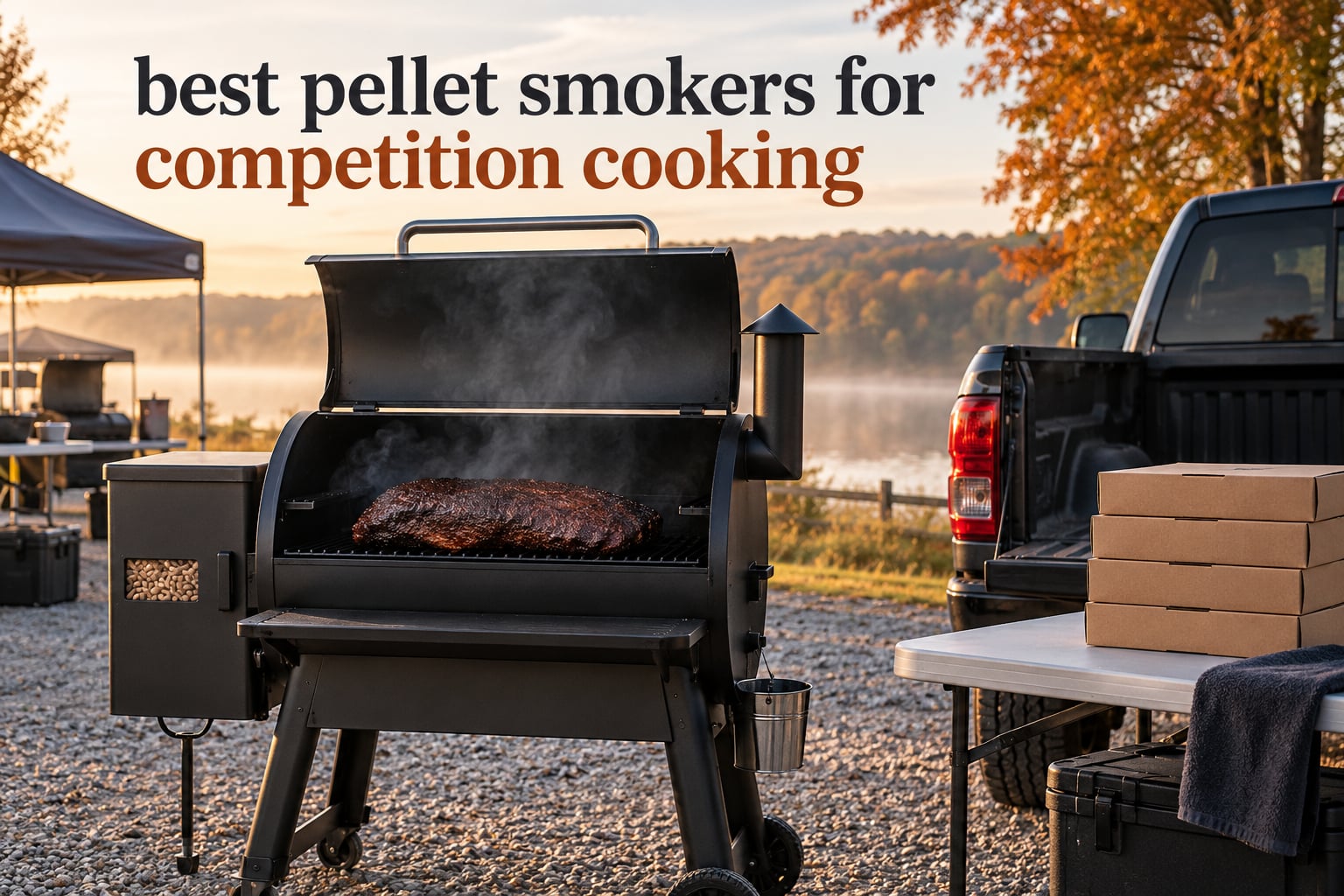
A competition pellet smoker earns its place by doing one thing overnight without supervision: holding a narrow band between 225 and 275 degrees while a full load of brisket, pork, ribs or chicken finishes at the same rate in the same box. That is a different job from backyard grilling, where a 20 degree drift across a two-hour cook costs nothing. On the cookoff site it costs a placing, because certified judges score consistency across every box you turn in.
We spent the last several months comparing ten of the rigs that serious amateur pitmasters actually load into a truck: temperature control, cooking area, hopper runtime, weight, cleanup and how each one behaved with more food in the chamber than a family dinner needs. Our team ran repeated overnight briskets and full rack loads, watched recovery after lid lifts, and logged fuel use across the sorts of conditions a spring qualifier throws at you. What follows is the roundup of the best pellet smokers for competition cooking we would actually put on a trailer.
Before the individual reviews, a note on what we found in the field. On r/pelletgrills, in a thread about a third-place finish at a televised cookoff, the most common reply was that the rigs seen most often at sanctioned events are Yoders, with Recteq, Traeger, Camp Chef and Pit Boss also showing up regularly. Those brands are not all in this list at the sizes pitmasters use, but the ones we cover are the ones sold widely enough to buy, service and replace parts for without ordering custom hardware. If you want the vertical offset format instead, our vertical pellet smoker picks cover that class in detail.
Our scoring leaned on four things: how tightly the PID controller held setpoint over a 12-hour cook, whether the hopper covered that cook without a refill, how much usable cooking area sat behind the door, and whether one person could get the unit off a ramp and into position. Flavor matters too, but we weighted it after stability, because you cannot build a good box from food that cooked unevenly.
Table of Contents
Top 3 Best Pellet Smokers for Competition Cooking in 2026

Traeger Ironwood 885
- 885 sq. in. two-tier space
- D2 controller with double-wall insulation
- WiFIRE app monitoring

Traeger Woodridge Pro
- 970 sq. in. cooking area
- 24 lb hopper with pellet sensor
- EZ-Clean grease and ash keg
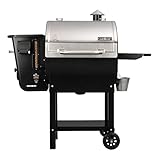
Camp Chef Woodwind 24
- Four probe ports and four probes
- Holds within plus or minus 3°F
- Ash Kickin' cleanout system
Competition Pellet Smokers at a Glance in October
| Product | Specifications | Action |
|---|---|---|
| Traeger Ironwood 885 |
|
Check Latest Price |
| Traeger Woodridge Pro |
|
Check Latest Price |
 Pit Boss 500 FB2 Pit Boss 500 FB2 |
|
Check Latest Price |
| Camp Chef Woodwind 24 |
|
Check Latest Price |
 Pit Boss Navigator 1600 Pit Boss Navigator 1600 |
|
Check Latest Price |
 Recteq Patio Legend 600 Recteq Patio Legend 600 |
|
Check Latest Price |
 Weber Searwood XL 600 Weber Searwood XL 600 |
|
Check Latest Price |
 Z GRILLS 700D6 Z GRILLS 700D6 |
|
Check Latest Price |
 Recteq DualFire 1200 Recteq DualFire 1200 |
|
Check Latest Price |
 Recteq Flagship 1600 Recteq Flagship 1600 |
|
Check Latest Price |
Can You Compete With a Pellet Smoker?
Yes. Pellets are a legal fuel in sanctioned cookoffs in the United States, and pellet rigs place. The thing you are really buying is not a rule exemption; it is a smoker that holds temperature for twelve hours or more while running unattended in wind, rain or cold, so you can be at the turn-in table instead of the grill.
Two sanctioning bodies shape the gear conversation. The KCBS runs the largest circuit, with categories divided into chicken, pork ribs, pulled pork and beef brisket. The IBCA runs events where teams cook a turn-in box per category and are scored across a full box, which rewards consistency between the six brisket, six pork and six rib portions in one submission. In both cases the judged container is a standard turn-in box, and the practical implication is simple: the more food you can fit in one chamber at a consistent temperature, the fewer chambers you have to babysit.
Forum consensus across bbq-brethren and smokingmeatforums is that pellets are widely accepted, and that the two complaints competitors voice most are milder smoke than a wood-fired offset and included meat probes that read off by 10 to 25 degrees. Both have workable fixes. A smoke tube, a longer cold smoke phase before the meat goes on, and a calibrated third-party probe cover the gaps. Our vertical pellet smoker comparison covers the offset-format alternative if you decide you want stick burner flavor more than unattended control.
One more structural decision before you buy. Plenty of pitmasters run two complementary rigs instead of one enormous unit: a main chamber for brisket and pork, and a smaller smoker for chicken and sausage so those categories finish on schedule rather than competing for space. Several of the picks below work well in that role.
1. Traeger Ironwood 885 – Best All-Around Competition Smoker
Traeger Ironwood 885 Wood Pellet Grill & Smoker, 885 Sq In, WiFi
885 sq. in.
165-500°F range
D2 controller, double-wall
170.2 lb
Pros
- Recovers within about a minute after a lid lift
- WiFIRE app monitoring and alerts
- Simple assembly with supplied tools
- Super Smoke Mode for wood flavor
- Two-tier grates take heavy loads
Cons
- WiFi drops on some mesh networks
- No pellet sensor on this model
- Smoke output lighter than a wood offset
The Ironwood 885 is the rig we kept coming back to during this roundup because it does the unglamorous things well and nothing about it failed us over repeated overnight cooks. Owners report tight setpoint holding with recovery inside about a minute of a lid lift, which is the number that matters most when you are trimming a brisket at 3 in the morning.
At 885 square inches across two tiers, the chamber fits up to 10 chickens, 7 rib racks or 9 pork butts per the manufacturer. That is enough for a serious two-category entry without stacking so high that airflow suffers, and the heavy-duty grates take the weight of a full load of butts without warping.
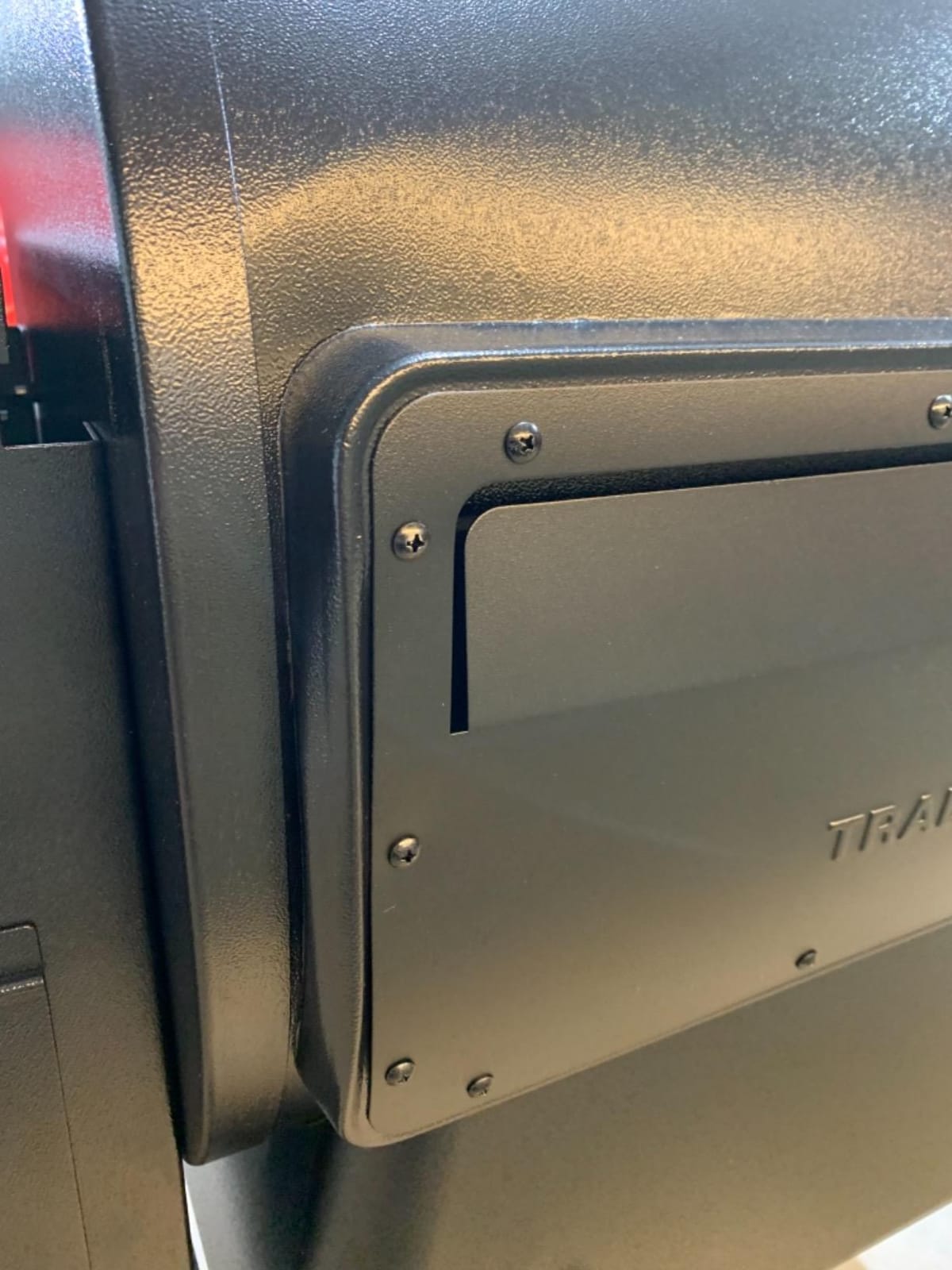
The D2 controller works inside double-wall insulation, and the listed range runs 165 to 500 degrees. In our cooks the wider lower limit was not something we needed at competition temperatures, but it makes the unit more useful as a general-purpose rig between events.
Super Smoke Mode is the feature that matters for a brisket entry. It dials the auger and fan toward more pellet feed without raising the setpoint, which is how you add smoke flavor without adding heat to a cook that has to finish on time. A 20-hour cook in owner reports required only two hopper refills.
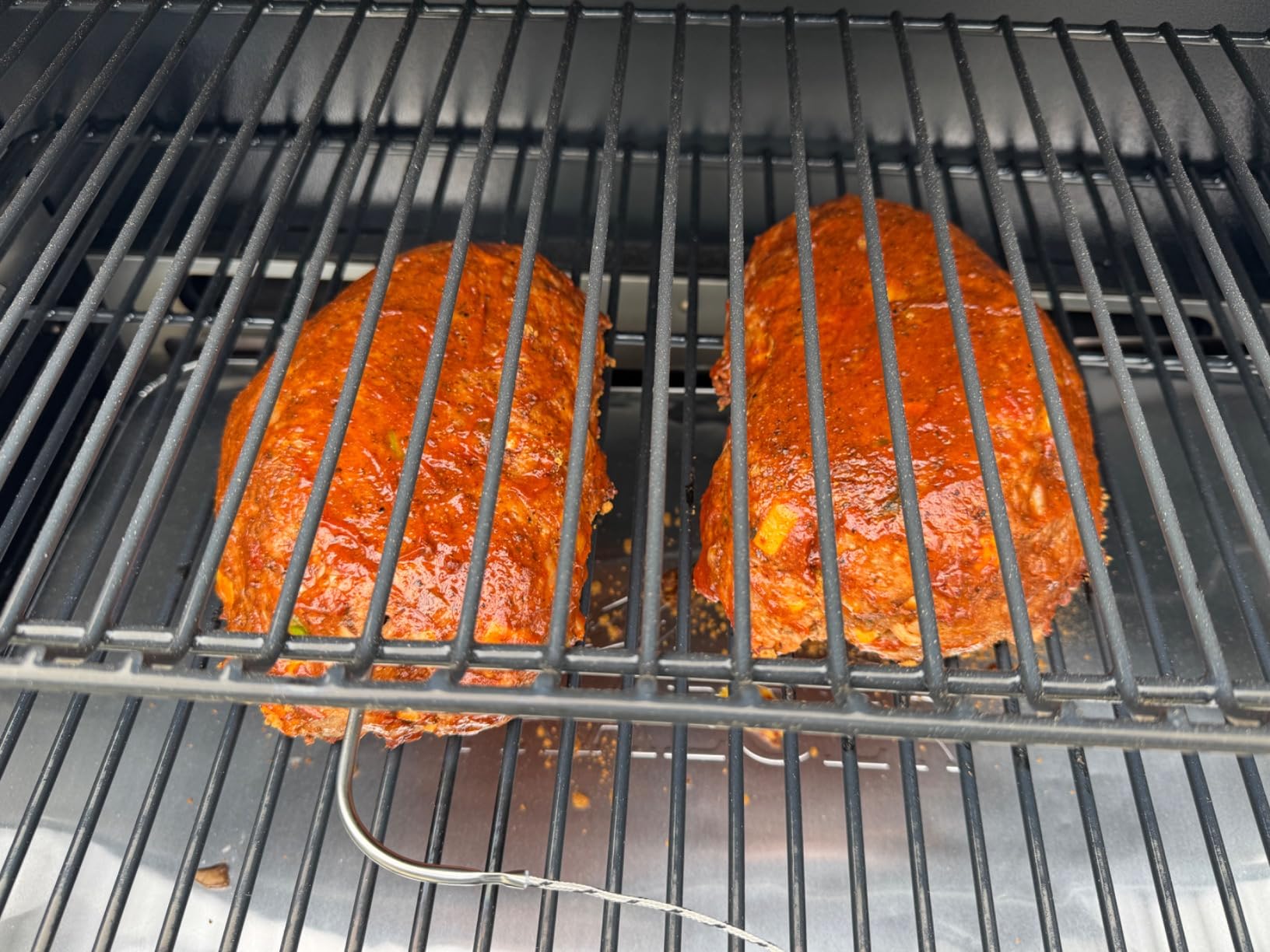
What the Ironwood 885 does well at a cookoff
The app control earns its keep because a competition cook takes place across an entire competition site. You can check probe readings and setpoint from the prep table while building turn-in boxes, and temperature alerts mean you are not walking back every ten minutes to read a gauge.
Recovery speed is the quiet strength. Doors stay shut longer when the chamber climbs back quickly after you pull the rack for a turn, and recovery is one of the few specifications where a spec sheet and a real cook usually agree.
Where the Ironwood 885 falls short
WiFi reliability depends on your network, and owners on dual-band mesh systems such as Google Mesh report dropouts. If your competition site has marginal signal, have a plan to check the box display locally, or run a cellular hotspot.
Smoke output reads lighter than a wood-fired offset to most palates, which is the gap you close with a smoke tube or a longer cold smoke phase. There is also no pellet sensor on this model, so you check fuel by sight rather than by app.
2. Traeger Woodridge Pro – Best Value With a Pellet Sensor and Ash Keg
Traeger Woodridge Pro Wood Pellet Grill & Smoker, 970 Sq In, WiFi
970 sq. in.
24 lb hopper
PID control to 500°F
174 lb
Pros
- PID holds steady through long cooks
- Digital pellet sensor
- 970 sq. in. two-rack space
- EZ-Clean grease and ash keg
- Folding side shelf for prep
Cons
- Touch ignition pads need repeated presses
- Large 67 inch footprint
- No insulated cover on this model
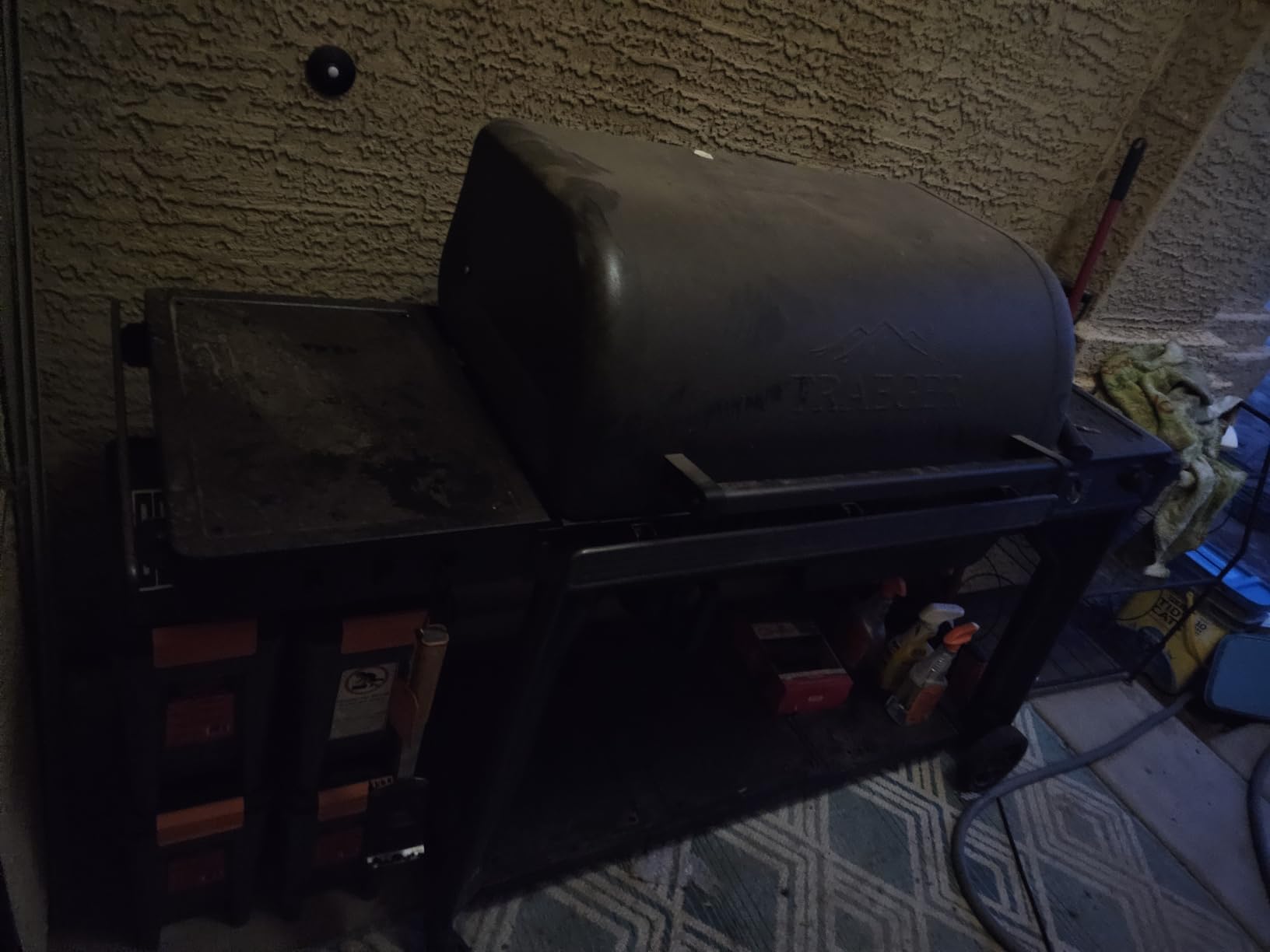
Our team ran the Woodridge Pro as the practice rig through a full competition cycle, and the digital pellet sensor turned out to be the sleeper feature. On an overnight brisket, not having to walk to the trailer to look at pellet level removes one of the few reasons people get up at 2 in the morning.
The 24 lb hopper covers a full 12-hour brisket cook comfortably, and the PID-based control is rated to 500 degrees. Owners upgrading from older controllers single out the absence of wild swings during long cooks as the biggest change.
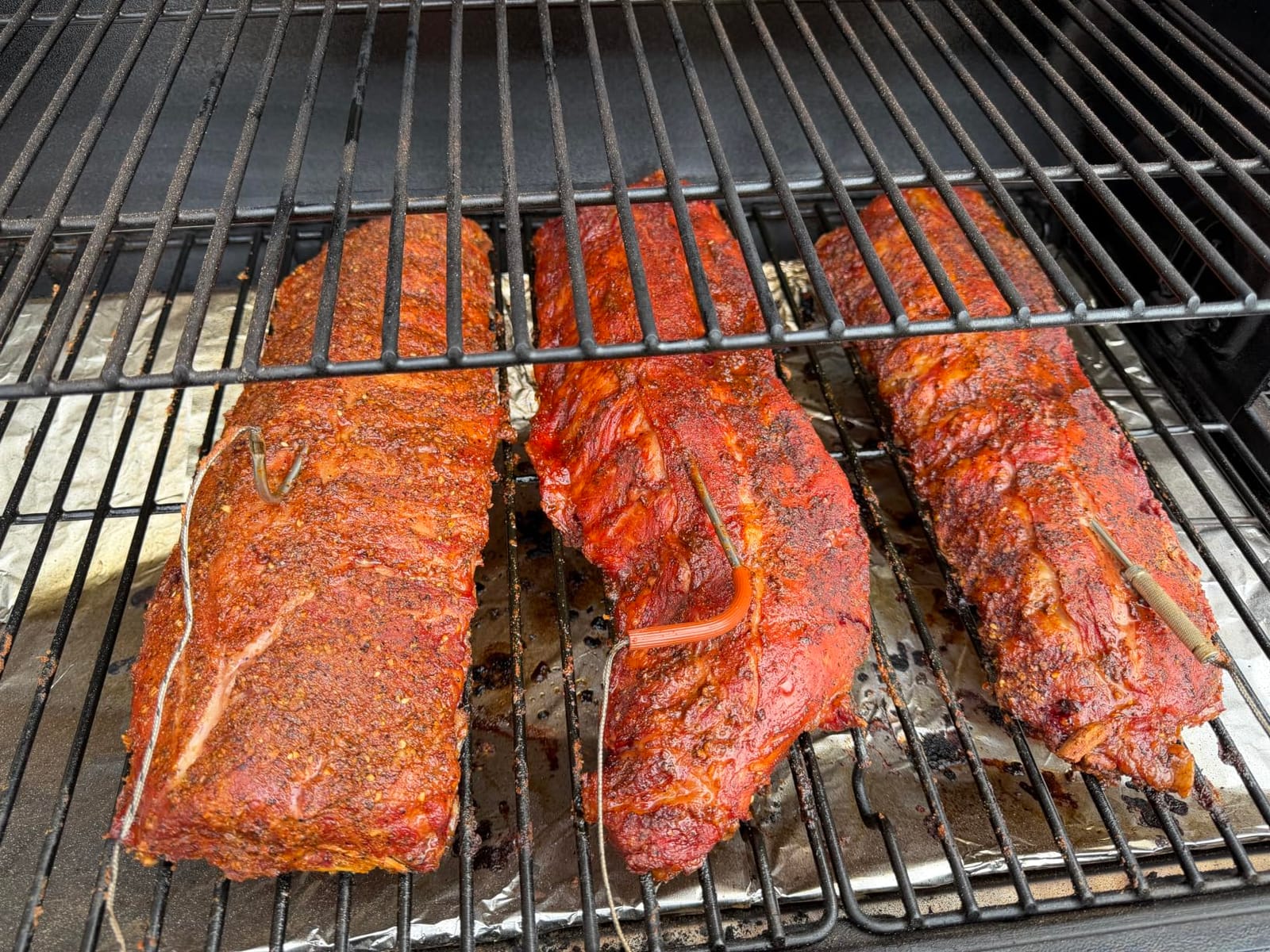
At 970 square inches it holds up to 7 chickens, 9 rib racks or 7 pork butts, which makes it the most flexible of the mid-size rigs here for a two-category entry. The front and side folding shelves give you somewhere to stage sheet pans and boxes.
Cleanup is where the EZ-Clean grease and ash keg earns its name. Between categories at a multi-category cookoff, you dump the keg, wipe the grate and reload without pulling internal components. It is the difference between a ten-minute reset and a thirty-minute one.
Why pitmasters pick the Woodridge Pro
The combination of a 24 lb hopper, a pellet sensor and app alerts means you can genuinely walk away from the rig. That is the difference between a smoker you supervise and one that supervises your prep schedule, which matters when you are cooking three categories on a shared site.
A 10-year limited warranty also carries real weight for a rig that will live on a trailer through rain, dust and a decade of service intervals. Most competitors in this price tier offer far shorter terms.
Where the Woodridge Pro is not the answer
The touch-sensitive ignition controls are the dominant complaint. Owners describe needing repeated presses to register, and that is a genuinely annoying failure mode at 6 in the morning in the dark.
The 67-inch width is a real logistics constraint on a crowded competition site, and this configuration does not include the insulated cover found on higher-tier models, so overnight rain on the pellet hopper is a factor in spring and fall events.
3. Pit Boss 500 FB2 – Best Ancillary Rig for Chicken and Sausage
Pit Boss 500 FB2 Series Wood Pellet Grill & Smoker with Flame Broiler and LCD Digital Controller, 518-Sq. In. Cooking Space, 180°F to 500°F Temperature Range, Meat Probe, 5 lb. Pellet Hopper, Black
518 sq. in.
180-500°F digital
5 lb pellet hopper
136.6 lb
Pros
- Holds 375°F in windy conditions
- Two probe ports with one probe
- Flame broiler for searing
- 5 year warranty
- Compact 47 inch footprint
Cons
- Flame broiler lever can seize closed
- 5 lb hopper forces frequent refills
- Ash bucket needs parts removed
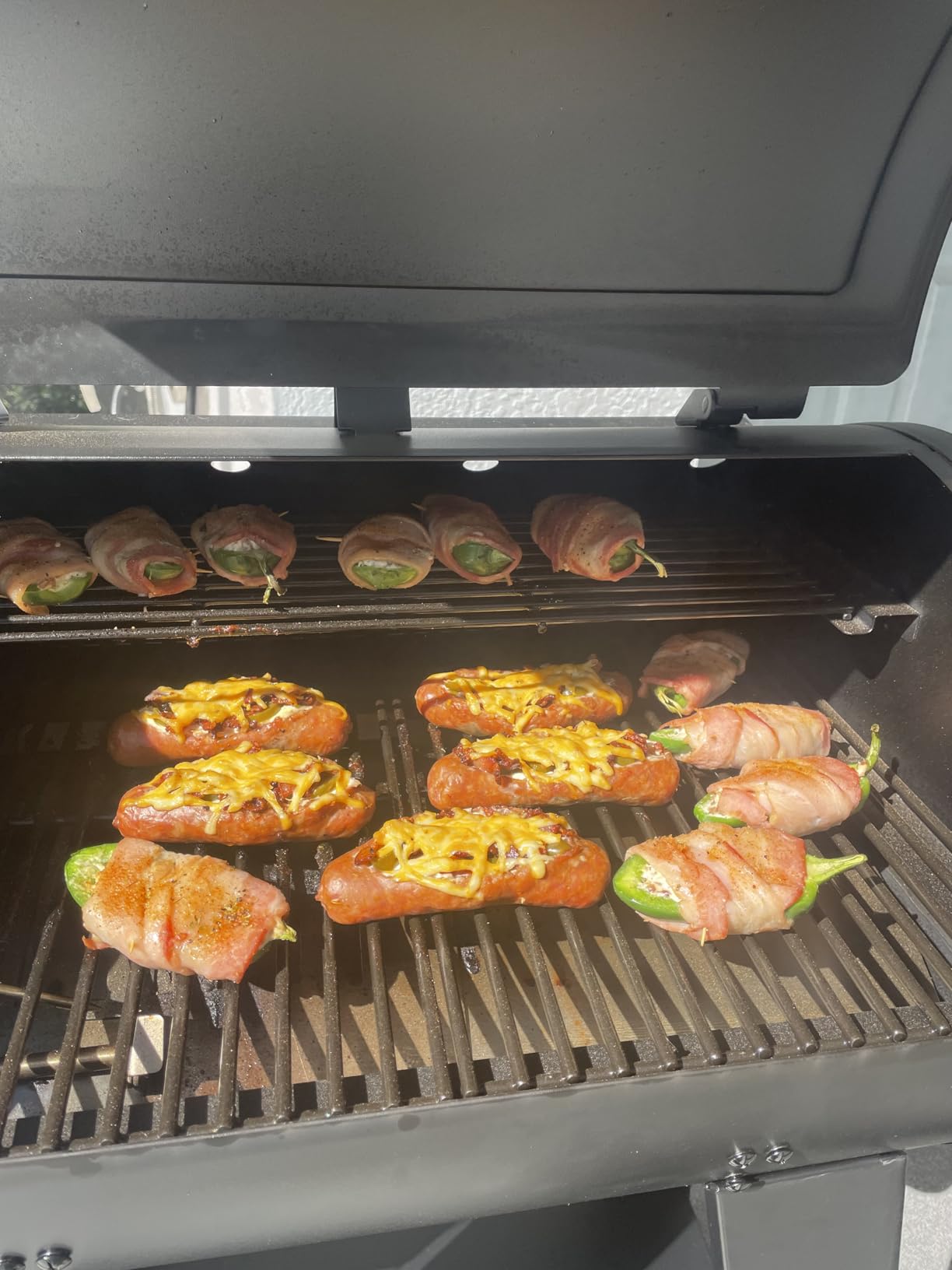
The 500 FB2 earns its spot as a second rig rather than a primary. We ran it alongside a larger chamber as a chicken and sausage smoker, and at 136.6 pounds it is one of the few units here that a single competitor can reposition without help.
The digital controller runs 180 to 500 degrees in 5-degree increments, and reviewers report that a Bluetooth control board upgrade brings readings within a few degrees of setpoint. Fan-forced convection moves heat evenly across the two-tier porcelain-coated grates.
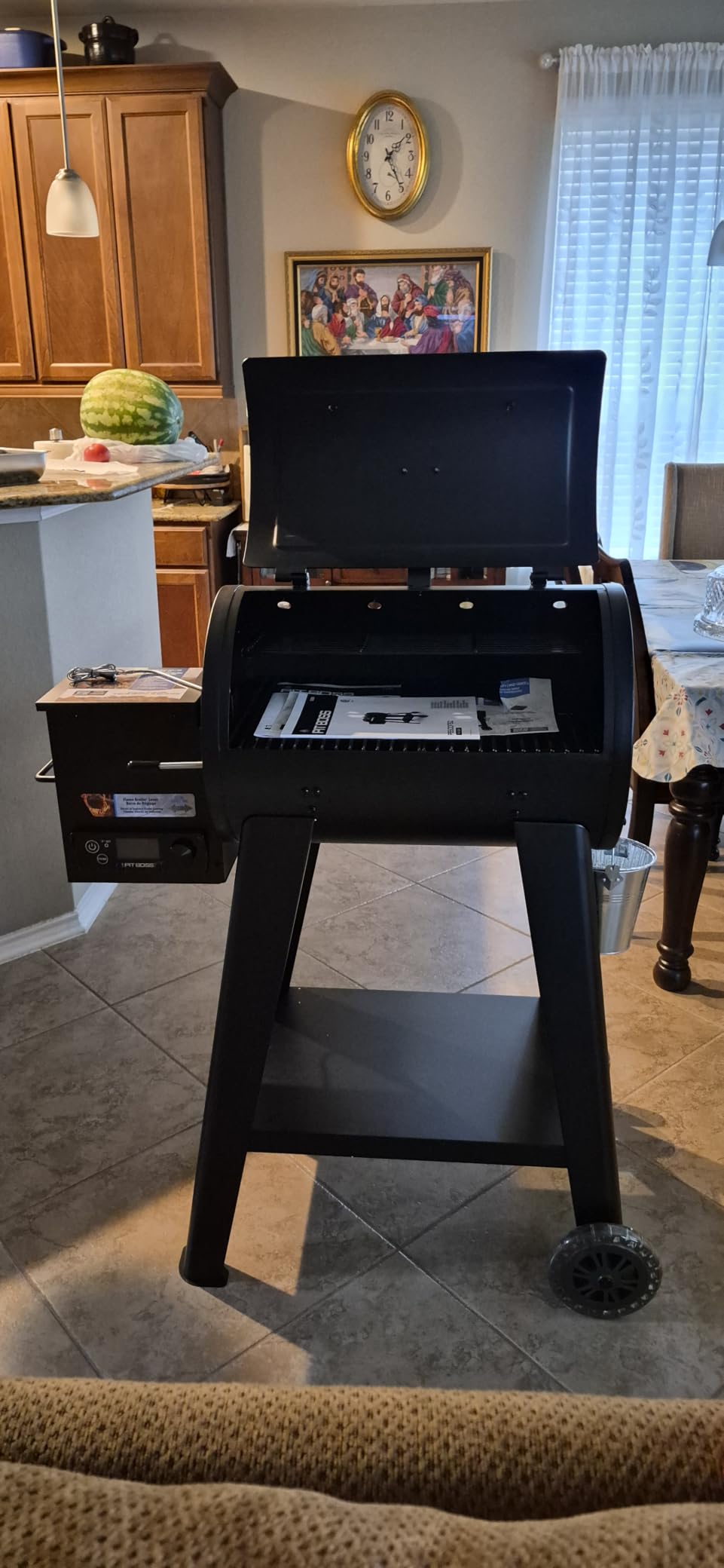
Two probe ports with one probe included is enough for two thighs or a pair of butts, which is exactly the role this unit plays. Owners also use it as a smoke oven around 400 degrees for tri-tip and flat cuts that finish fast.
The Flame Broiler lever reaches direct flame heat up to 1,000 degrees for searing without a second appliance. Eight cooking functions cover smoke, bake, braise, roast, grill, barbecue, chargrill and sear.
Where a small second smoker genuinely helps
Running chicken on a separate rig lets that category finish on its own schedule instead of waiting for brisket and pork. It also means a mid-cook controller problem on the small unit costs you one category rather than the whole entry.
For a solo competitor, 136.6 pounds is a meaningful advantage. You can load it up a ramp with one person, reposition it between sites, and still have both chambers running.
Why this is not your main competition smoker
The 5 lb hopper is the dealbreaker for a main rig. It is a known forum complaint on small-hopper units generally, and it forces refills during a long overnight cook rather than covering it.
The flame broiler lever can seize closed after the first use as grease bakes on the mechanism, and emptying the ash bucket requires removing internal components. Assembly is effectively a two-person job with picture-only instructions.
4. Camp Chef Woodwind 24 – Best Multi-Probe Control
24 in. WIFI Woodwind Pellet Grill & Smoker – WIFI & Bluetooth Connectivity
24 inch stainless
160-500°F
Four probe ports
132 lb
Pros
- Holds within about 3°F of setpoint
- Four probe ports with four probes
- Patented ash cleanout
- Slide and Grill direct flame
- 30 minute assembly
Cons
- WiFi pairing is touchy
- Hopper sides trap 1-2 lb of pellets
- Some auger and ignitor failures
Four probe ports with four probes included is unusual in this class, and for competition cooking it is the specification that matters most. We ran a full box load on the Woodwind 24 with two briskets, a pork butt and ribs sharing a chamber, each on its own probe, without trading channels.
Once stabilized, the controller holds within about plus or minus 3 degrees of setpoint, and it reaches setpoint in roughly 10 minutes. That band is narrow enough that the differences between cuts in the same chamber shrink, which is precisely what a turn-in box rewards.
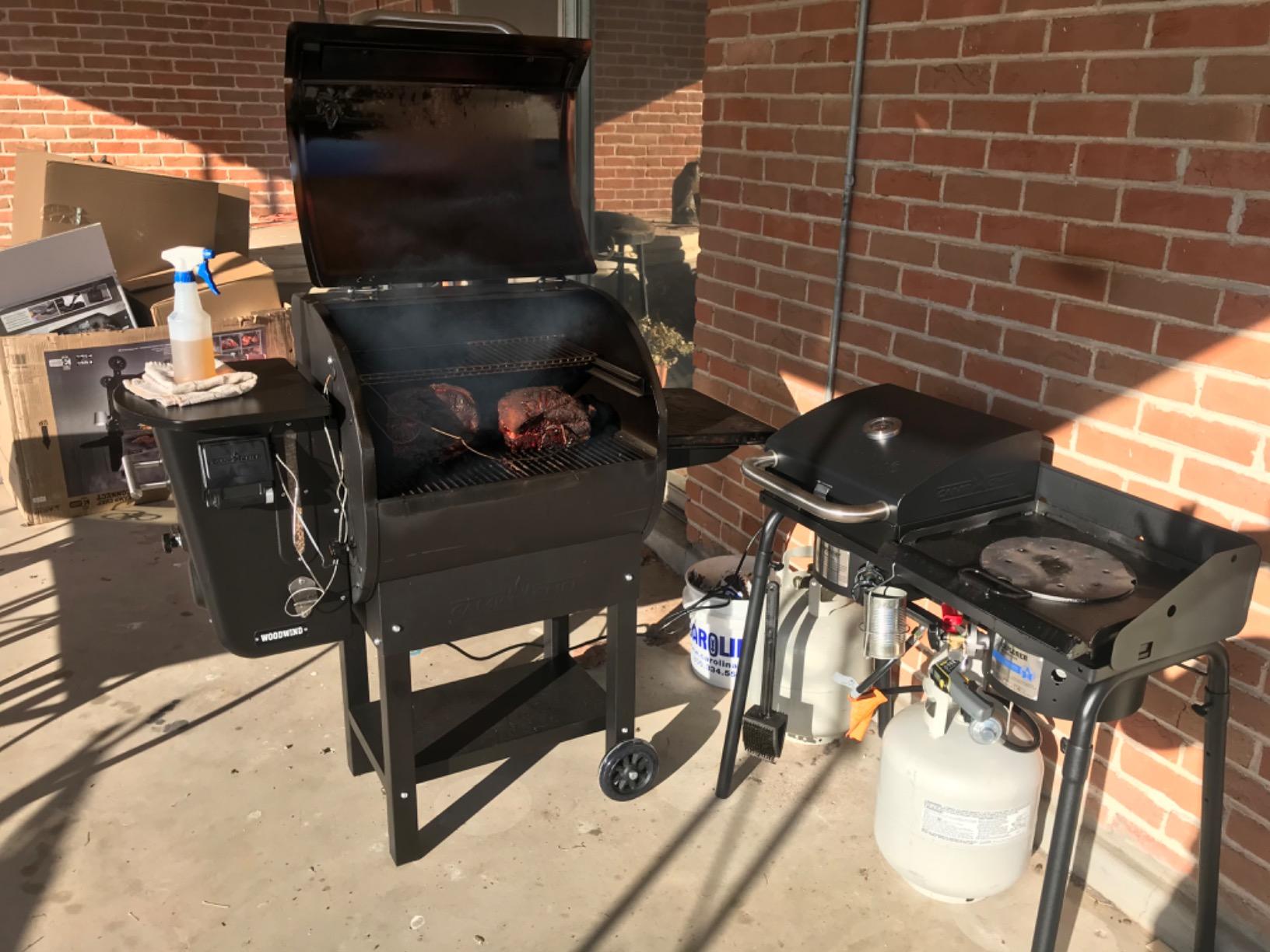
The Smoke Control dial offers 10 levels, and the Slide and Grill lever brings direct flame cooking up to 650 degrees when you want to crisp a rack of ribs at the end of a cook. The full range runs 160 to 500 degrees from a 25,000 BTU burner.
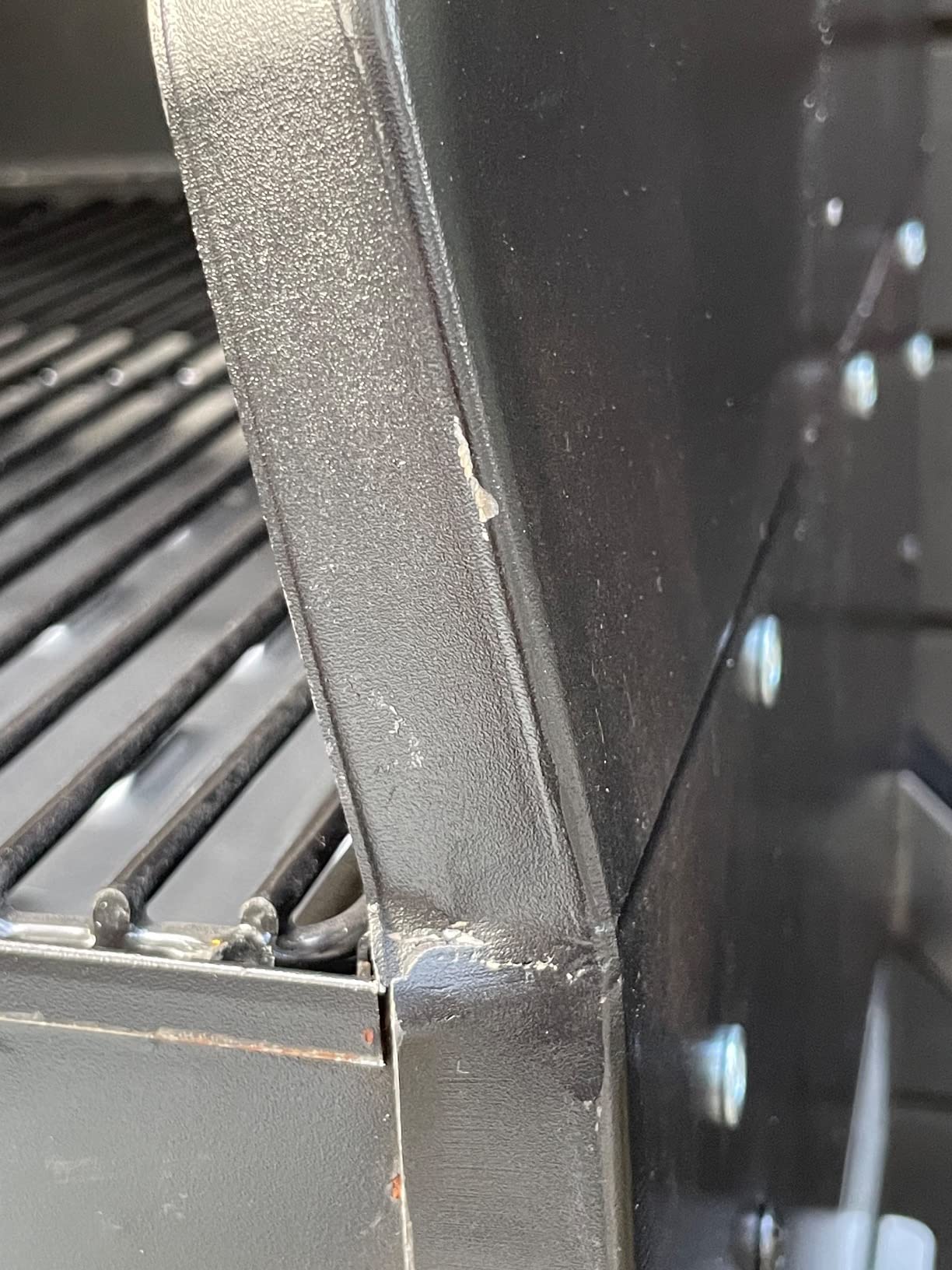
Cleanup was the pleasant surprise. The patented ash cleanout lets you dump the ash pot after a cook without disassembly, which between categories on a four-category entry is a meaningful time saving.
Why probe count changes your prep
Every additional probe is a category or a cut you can track without a separate thermometer and a trip to the trailer. When you are running multiple pieces toward different finish times, being able to see all of them at once is how you avoid pulling something ten minutes late.
App monitoring covers the grill temperature and all four probes, so the whole load is visible from the prep table during a box build.
Where the Woodwind 24 causes friction
WiFi pairing is touchy. The app generally needs to be running before the grill is powered on, and Android installations and updates are described as glitchy by a number of owners. Test the pairing at home before you rely on it at a competition.
The hopper has flat bottom sides that trap 1 to 2 pounds of unusable pellets, and a smaller group of buyers report recurring auger, ignitor and controller failures that needed multiple part replacements to resolve.
5. Pit Boss Navigator 1600 – Best for Grilled and Flat Categories
PIT BOSS 1600 Navigator Series WiFi & Bluetooth Wood Pellet Grill & Smoker, Flame Broiler and Touchscreen Controller, 1,593-Sq. in. Cook Space, 180°F to 500°F Temp Range, Meat Probe, 30 lb. Hopper
1,593 sq. in.
30 lb hopper
180-500°F touchscreen
205 lb
Pros
- Holds temperature across long cooks
- 30 lb hopper with viewing window
- Two probes plus app alerts
- Flame broiler for searing
- Folding front and side shelves
Cons
- 205 lb needs two people to move
- Assembly instructions cost an hour
- Some auger and burn box reports
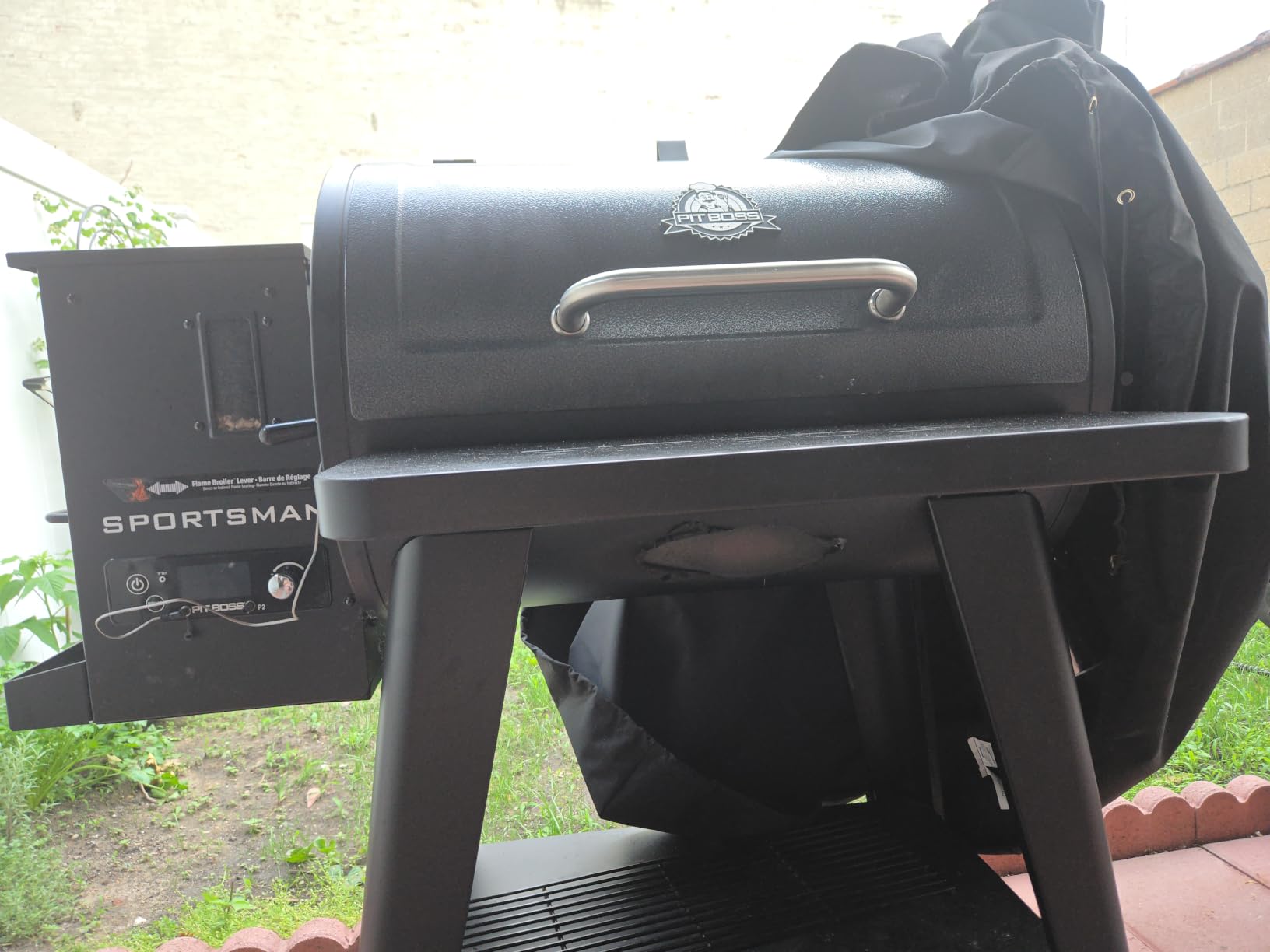
The Navigator 1600 is built for the side of competition cooking that gets overlooked: hot-and-fast grilled categories and flat cuts. The touchscreen controller runs 180 to 500 degrees and the Flame Broiler gives you direct flame access when the judges want char on a flat.
At 1,593 square inches of total cooking surface, this is a large horizontal chamber. Owners report it performing well on pulled pork and brisket, and the heavy well-gasketed lid keeps smoke in through a full cook.
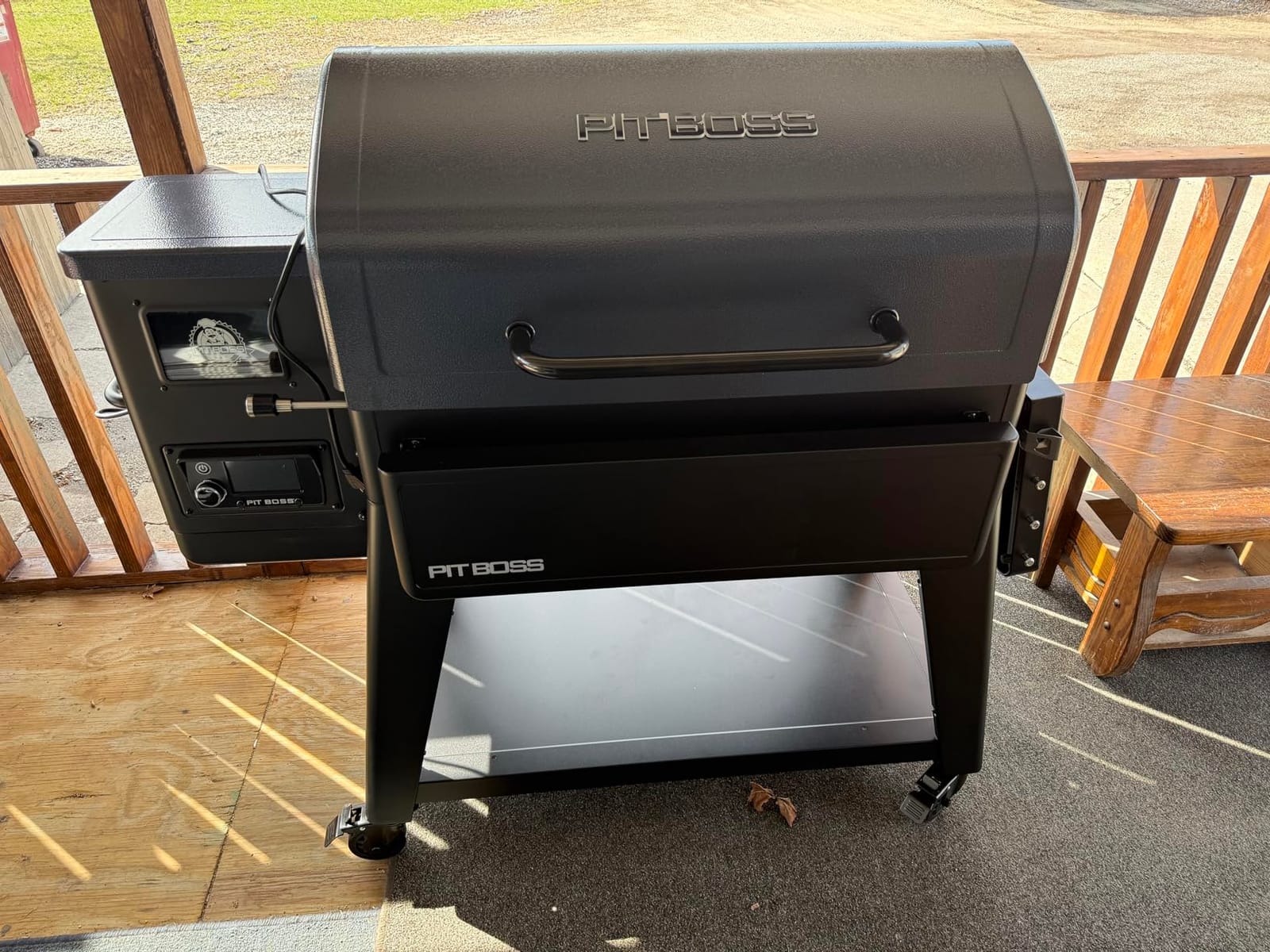
The 30 lb hopper with a built-in viewing window means refills become a once-a-day problem rather than an overnight one, and the automatic power-off shutdown mode means you can close down without walking out to the controls.
Fan-forced convection circulates heat for consistent indirect cooking, and folding front and side shelves give you real prep surface for staging boxes and sheet pans.
When this is the right chamber
If your entry plan includes grilled chicken thighs, flat steaks or any category finished with direct heat, the size and broiler combination here reduces the number of appliances you haul. One chamber covers the low-and-slow and the sear.
App control with the shutdown and cooldown cycle is genuinely useful at the end of a long day when the last thing you want is to sit and watch the last hour.
Where the Navigator 1600 is awkward
At 205 pounds it regularly needs two people to move, and that shapes your whole site plan. If you load alone, budget for help or choose a lighter chassis.
The assembly instructions are laid out in a way that owners say can cost an hour of frustration, and a small number of buyers report auger failure along with paint peeling and rusting on the burn box after about a month of use.
6. Recteq Patio Legend 600 – Best Practice Cooker Before You Enter
recteq Patio Legend 600 Pellet Smoker, Pellet Grill with Wifi & App Connectivity, Outdoor Smokers Grills, Wood Pellet Grills, Temp Range 180° to 700+°, Smoker Grill + Grilling Basics Bundle
600 sq. in.
180-700°F range
PID control
Stainless body
Pros
- PID holds setpoint consistently in any weather
- Stainless steel resists rust
- 180 to 700°F covers smoke and sear
- App with recipes and leaderboards
- Reliable ignition
Cons
- 600 sq. in. is small for competition batches
- Thin review base limits durability data
- Bundle adds weight not capability
Our position on the Patio Legend 600 is simple: it is not a competition rig yet, but it is an excellent place to learn one. Every early owner review we saw centers on the same thing, PID control that holds setpoint consistently across all weather, in a stainless body that will not rust on a wet site.
The 180 to 700 degree range covers both ends of a competition cook, from a slow smoke through a hard sear. Ignition is rated for over 100,000 lightning cycles and owners report no recurring failure pattern.
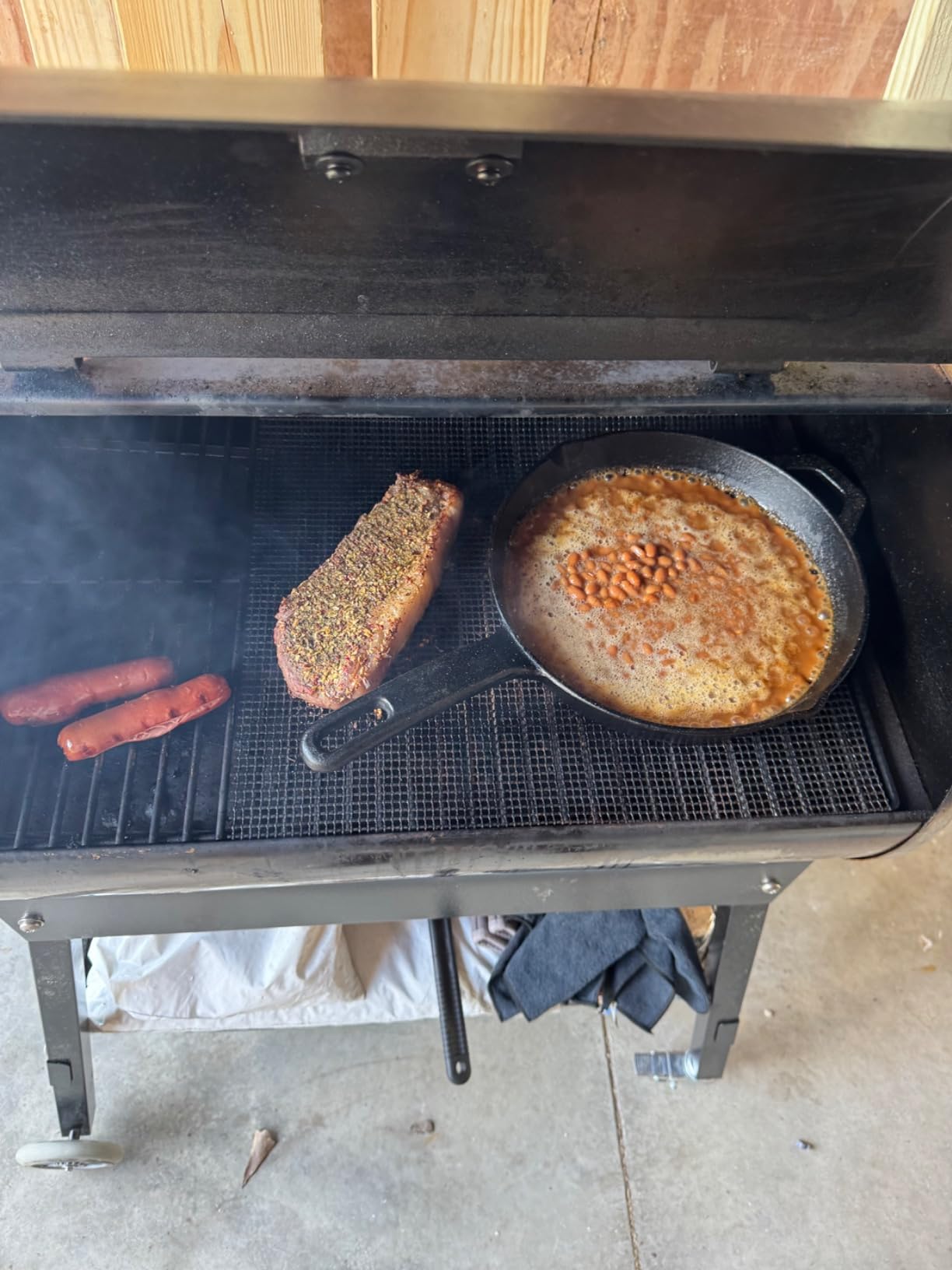
The app adds guided cooks, a recipe library of more than 500 entries and competition leaderboards, with iOS and Android support. For a cook building their first box, walking a recipe step by step on a screen next to the chamber has real value.
Construction leans stainless in more places than most competitors in the class, which is the right call for a rig that will sit outside through a wet spring and a cold fall.
Who this suits
A first-year competitor who wants to run six or eight practice cooks on a real budget before buying competition capacity. It teaches pellet management, probe reading and box timing without the wheel-and-axle weight of a bigger unit.
It also works as a credible secondary rig for chicken at a small local event, where 600 square inches is enough for a handful of birds.
Why it will not carry a full entry
600 square inches is genuinely small for competition-scale batches, and that is the limitation owners name first. You cannot build a full turn-in box of six brisket portions in one load here.
Because it is newer, long-term durability data is limited, and the basics bundle adds parts weight rather than core cooking capability. Plan to move up a size once you are placing.
7. Weber Searwood XL 600 – Best for Sear Zones and Fast Cleanup
Weber Searwood™ XL 600 Wood Pellet Smoker Grill, 36 inches – Wi‑Fi & Bluetooth‑Enabled Outdoor Grill for Smoking, Searing, Rapid React PID & Cooking up to 600°F, Black
36 inch grill
180-600°F
Rapid React PID
WiFi and Bluetooth
Pros
- Quick recovery after the lid opens
- Handles multiple racks of ribs
- SmokeBoost holds 180°F for absorption
- DirectFlame searing without a diffuser
- Reported as the easiest to clean
Cons
- 180°F floor is high for low smoking
- Heavier pellet draw at temperature
- Some early controller failures
Weber built the Searwood XL 600 around a 36-inch two-level grate layout, and the Rapid React PID is the reason it holds. Owners report minimal swings on long cooks and quick recovery after the lid comes off, which is what you want when you pull a rack of ribs to wrap.
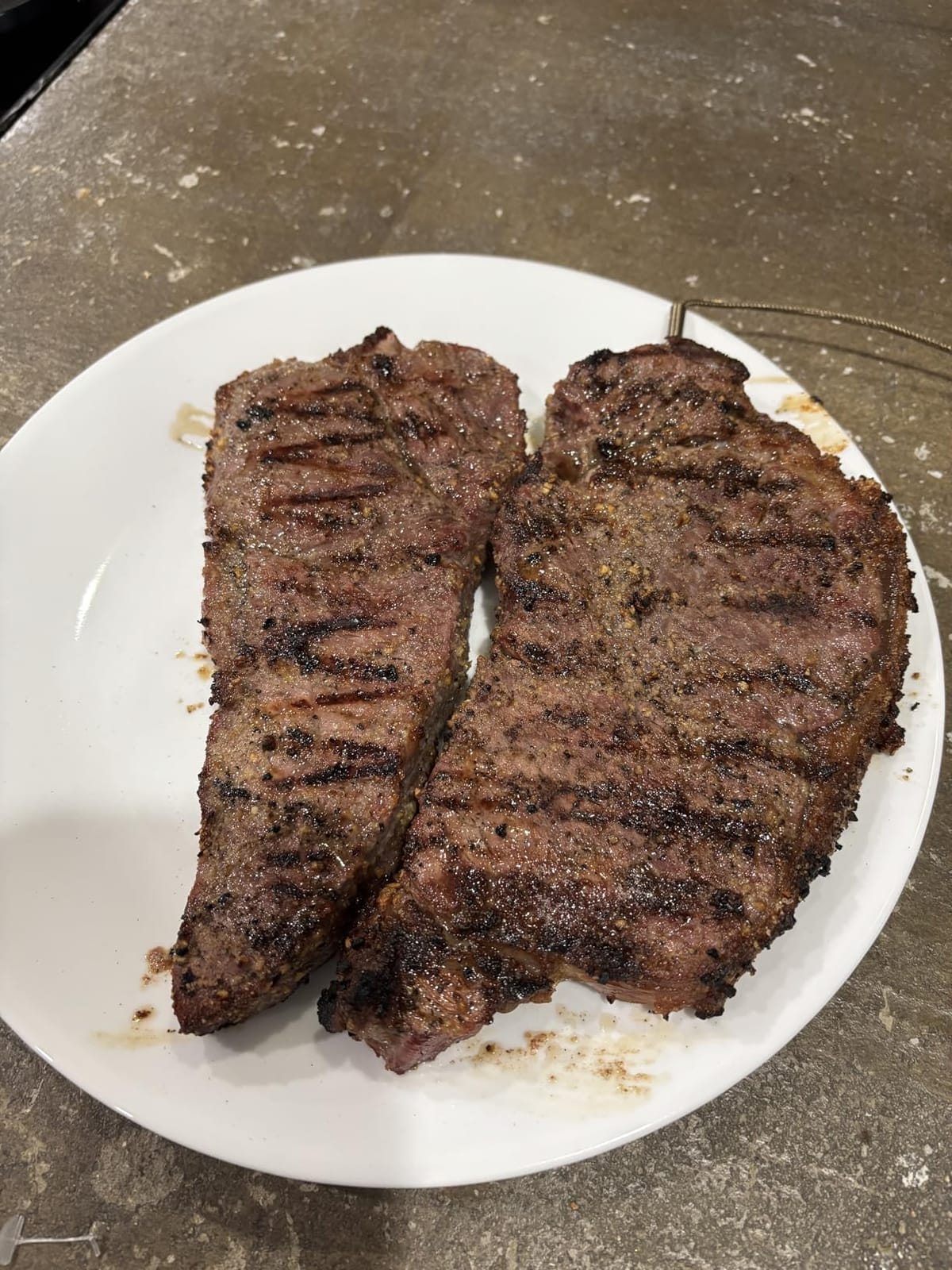
The 180 to 600 degree range and DirectFlame cooking without a large sheet diffuser give deep sear marks and golden bark in the same cook that produced the smoke. Searing performance is better than typical for a pellet grill, and owners call the flavor clean and balanced with no bitter aftertaste.
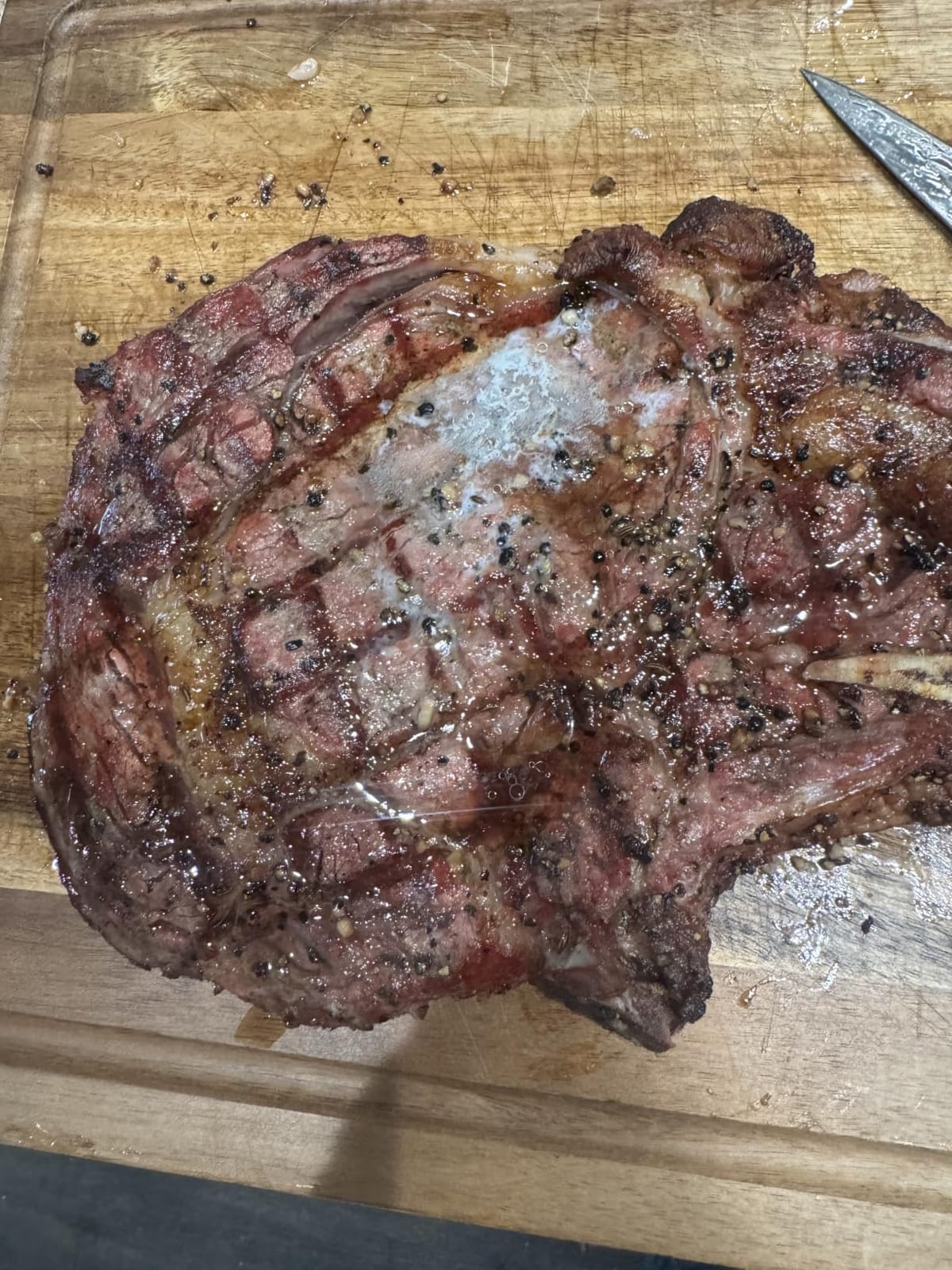
SmokeBoost holds 180 degrees to optimize smoke absorption, which is the setting you want for the cold smoke phase before brisket goes on. Manual mode keeps fuel and fan speed steady when grilling with the lid open.
Multiple owners describe it as the easiest pellet grill to clean and maintain in the class, and one food probe is monitored through the grill display and the Weber Connect app alongside WiFi and Bluetooth connectivity.
Where the Searwood earns its spot
Clean, balanced smoke and a 36-inch grate area make this a good fit for teams cooking a spread of categories on one chamber. It handles multiple racks of ribs or a full setup of chicken and sides without crowding.
A heavy, well-sealing lid and solid construction help in cold and windy conditions, which is where lighter chassis units tend to wander off setpoint.
Where it costs you
The 180 degree minimum is higher than some competitors for low-temperature smoking. If your recipe depends on a very low render phase below that, this is not the chamber for it.
It consumes noticeably more pellets than smaller pellet grills, especially at higher temperatures, and the app is described as buggy though generally functional. A minority of owners report controller, auger and fuel gauge failures within the first year.
8. Z GRILLS 700D6 – Best for Cold-Weather and Long-Hopper Cooks
Z GRILLS 2026 Electric Pellet Smoker & Grill, 700 sq. in Cooking Space, PID 3.0 Precision Control, Dual Meat Probes, 28-Hour Hopper, Dual-Wall Insulated Base, 8-in-1 BBQ with Cover
697 sq. in.
PID 3.0, 180-450°F
28 hour hopper
120 lb
Pros
- PID 3.0 holds 225°F steady
- Dual-wall insulated base
- Two probes with a large LCD
- Hopper cleanout system included
- Light at 120 lb for its size
Cons
- Included probes read about 10°F off
- No app connectivity
- Aluminum outer body
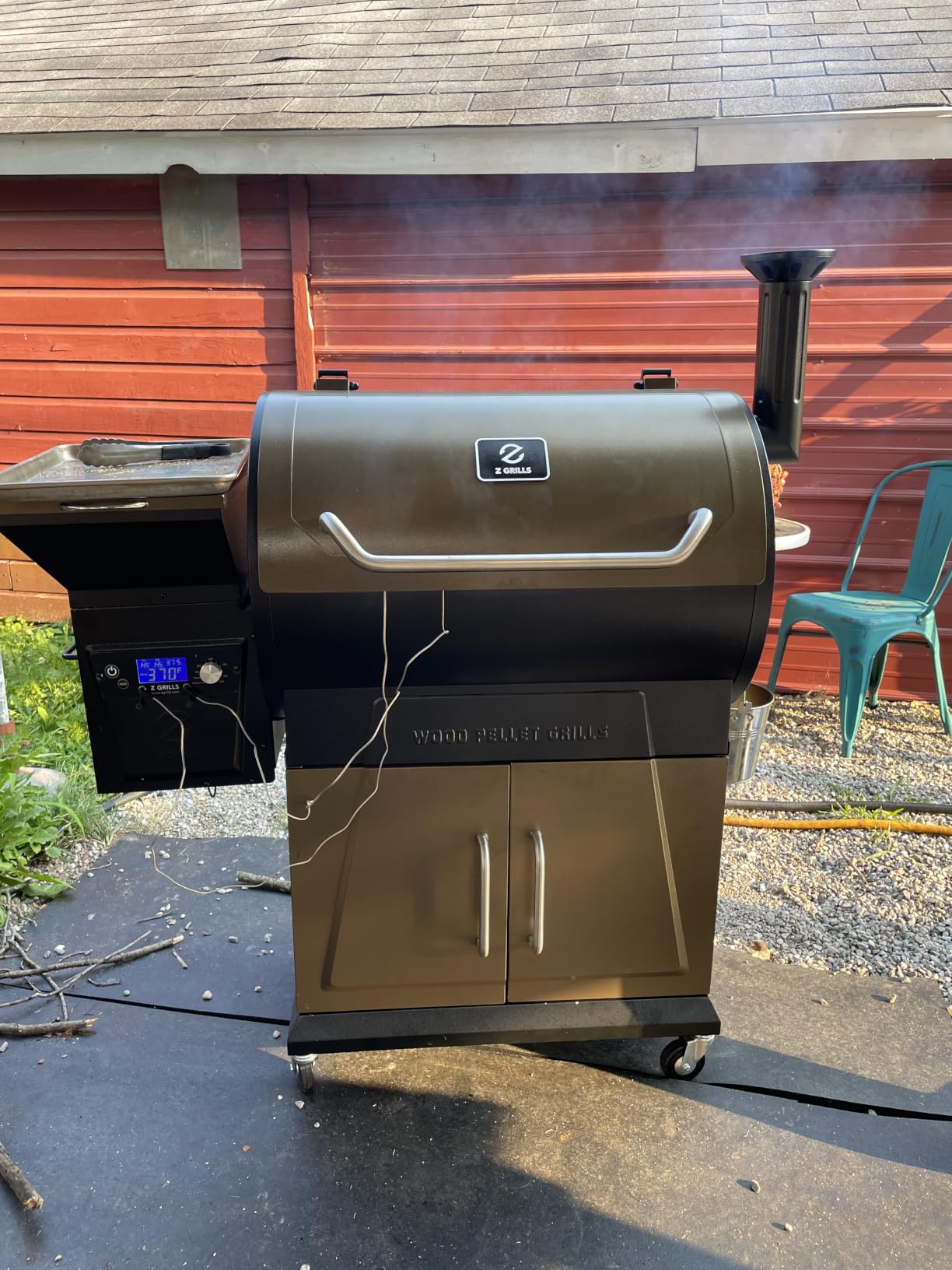
The Z GRILLS 700D6 is the rig we would load for a cold-weather event, and the reason is the dual-wall insulated base. It locks in heat and improves pellet efficiency when ambient temperature drops, which is the condition forum users identify as the hardest for a pellet rig to hold through.
Z-Ultra PID 3.0 manages pellet feed and airflow between 180 and 450 degrees. Owners upgrading from older Z GRILLS controllers highlight much tighter holding at 225 degrees than the previous generation swung.
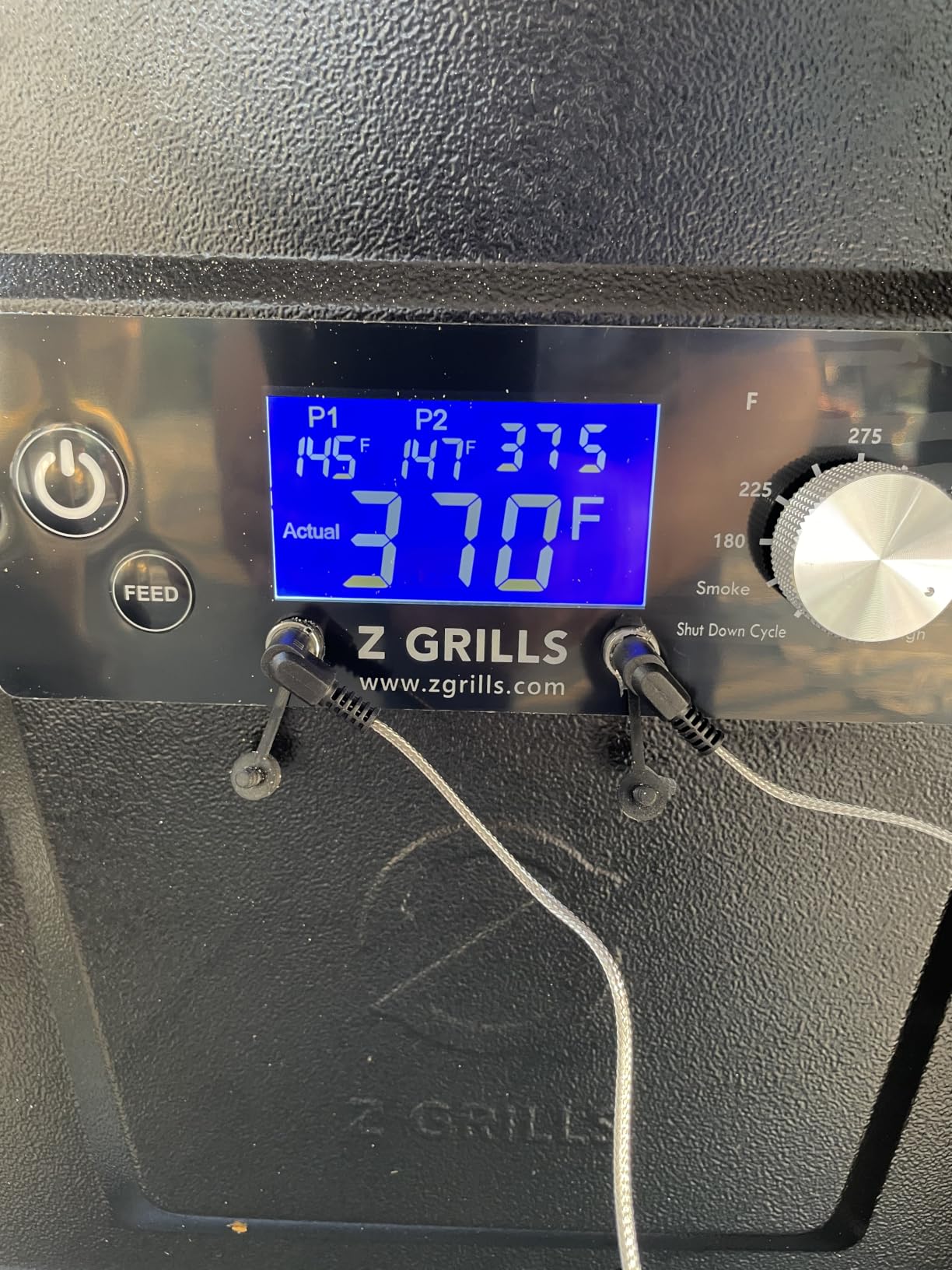
The full hopper supports up to 28 hours of continuous cooking, which covers a 12 to 14 hour brisket plus buffer without a refill. That is a real advantage when a competition runs long and the trailer is a walk away from the cooking area.
Two built-in meat probes and a large LCD screen handle monitoring without an app, and the twist-open hopper cleanout lets you swap pellet blends between categories without scooping.
Why cold-weather cooks like it
Insulation is a bigger factor than most buyers assume. Once ambient temperature falls, a single-wall cabinet works harder and burns more fuel to hold the same setpoint, and the burn rate climbs with it.
At 697 square inches, the chamber fits racks of ribs, dozens of burgers or several whole chickens, and the 8-in-1 functionality lets it work as a smoker, sear station or bread oven between events.
What you give up
The included probes read about 10 degrees off from a calibrated thermometer. Buy a third-party probe and calibrate before your first practice cook rather than trusting the supplied one at a cookoff.
This configuration has no WiFi or Bluetooth app connectivity, so remote monitoring means a walk to the panel. The aluminum outer construction is lighter and less premium than all-stainless competitors, and the assembly instructions have minor discrepancies.
9. Recteq DualFire 1200 – Best Dual-Chamber Rig With a 70 lb Hopper
recteq DualFire 1200 Wood Pellet Smoker Grill, Wi-Fi Electric Pellet Grills, Dual Chambers for Hot and Fast + Low and Slow Cooking
Dual chamber
180-700°F
70 lb hopper
200 lb
Pros
- Holds 250°F in wind and rain
- 70 lb hopper for multi-day cooks
- Cast-iron flame deflector
- Two chambers in one body
- App connectivity
Cons
- 200 lb typically needs a pallet jack
- No ash cleanout door
- Instructions have to be retrieved online
The DualFire 1200 solves a problem most pellet rigs create: how do you run a low-and-slow brisket and hot grilled categories at the same time on a small site. Its dual-chamber layout lets you smoke in one and sear direct heat in the other within a single body, from 180 to 700 degrees.
Owners who moved over from mass-market pellet grills describe it as a step change in build quality and temperature stability, particularly in wind and rain. That weather performance is the specific claim that matters for a spring qualifier.
The 70 lb hopper is the largest fuel capacity in this roundup and supports multi-day cooks without a refill. Combined with a rock-solid PID algorithm and high-grade stainless steel with a cast-iron flame deflector, it is built around the idea of leaving it alone for a long time.
An optional cold smoke box extends the low end for those who want a dedicated cold smoke program, and the app provides WiFi monitoring during a long unattended session.
What the dual-chamber layout actually solves
Running two chambers in one footprint means one trailer position instead of two. For a team cooking multiple categories on a crowded site, that is a meaningful operational advantage before you even start cooking.
The cast-iron flame deflector and stainless construction point toward a service life that suits a rig living outdoors full time, and owners report it comes up to temperature quickly.
Where it gets difficult
At roughly 200 pounds, it takes multiple people to move and typically arrives needing a pallet jack. Plan your unloading equipment before the day rather than on it.
There is no dedicated ash cleanout door, so pellets must be scooped out to change flavors between cooks. Assembly takes about an hour with instructions retrieved online, and a few units have arrived with shipping damage.
10. Recteq Flagship 1600 – Best Cooking Area for a Full Box
recteq Pellet Grill Smoker – Flagship 1600, Wood Pellet Smoker, BBQ, Wi-Fi Smart Grill, 1667 Sq. In. Cook Space, 40 lb Hopper
1,667 sq. in.
40 lb hopper
PID within 5°F
230 lb
Pros
- Fits 4 brisket and 2 pork butt plus 6-8 rib racks
- 40 lb hopper for unattended cooks
- Holds within about 3°F
- App alerts with two probe alerts
- Stainless build owners call a tank
Cons
- No way to empty or swap pellets
- App pairing needs a 2.4 GHz network
- 230 lb is the heaviest rig in this roundup
At 1,667 square inches, the Flagship 1600 has the most cooking area of anything we evaluated, and owners report loading it with 4 briskets, 2 pork butts and 6 to 8 racks of ribs at once. If your entry plan is a full multi-category box, this is the rig that gets it done in one load.
PID control holds temperature within about 5 degrees, and in practice owners report closer to 3 degrees in wind. The 180 to 700 degree range and WiFi and Bluetooth app monitoring with temperature alerts and two probe alerts cover both ends of a cook.
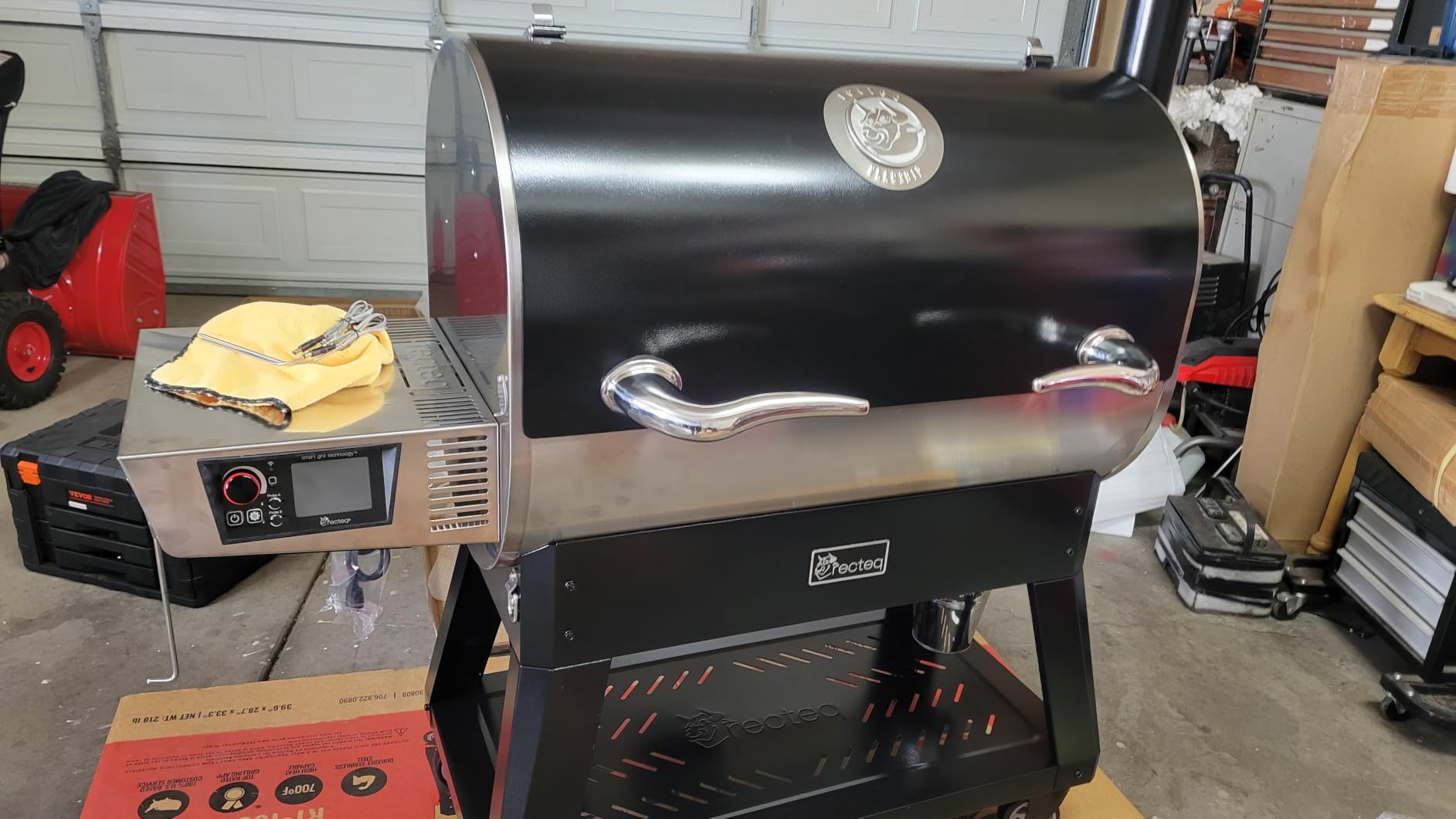
The 40 lb hopper supports 40 hours of nonstop cooking on a full charge, so fuel logistics stop being a scheduling concern during a long event. Construction is high-quality stainless steel modeled on the original RT-700, and support draws describe fast replacement part dispatch.
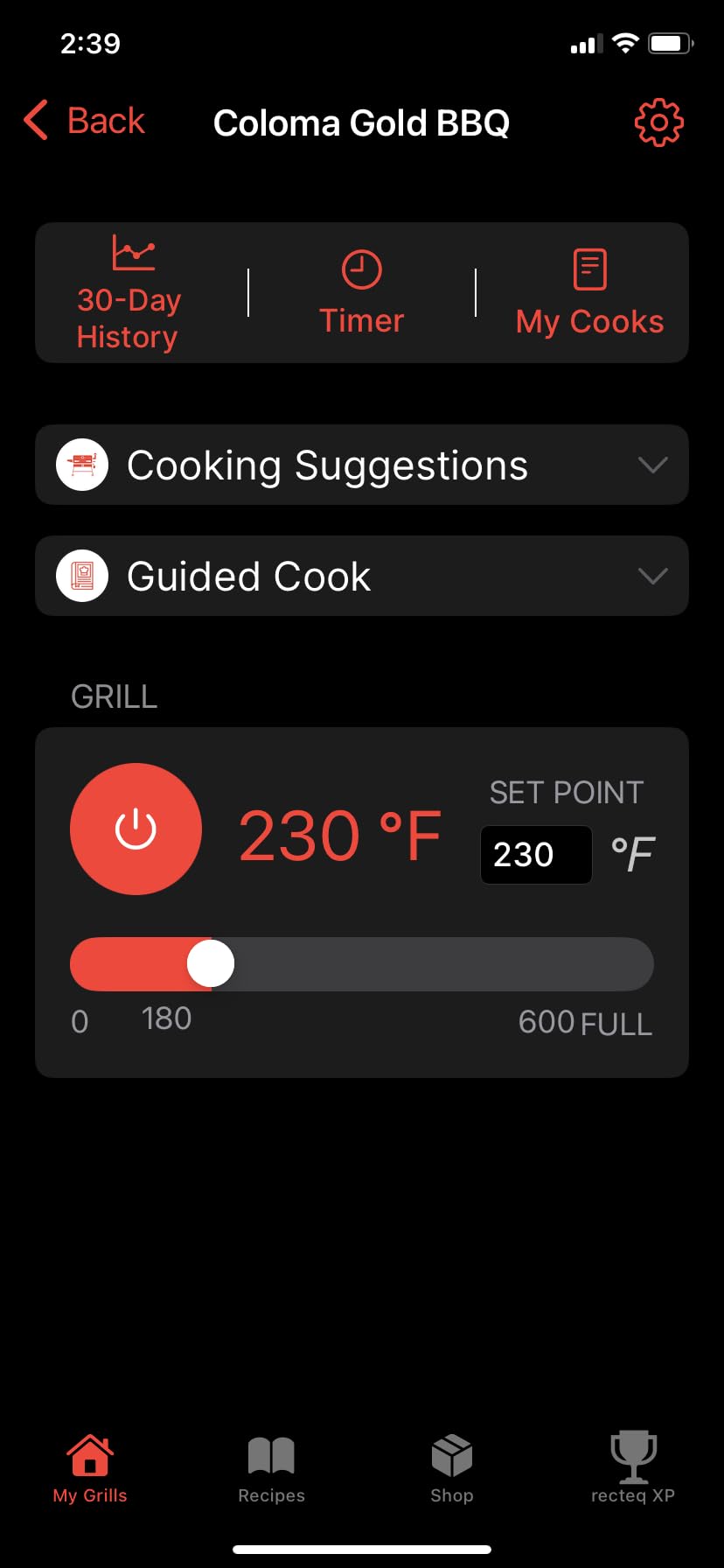
App features include custom recipe creation, which is more useful in competition than it sounds: you can save the exact ramp and hold schedule for the box that placed, then reproduce it at the next event.
Why the cooking area changes the plan
Area is the difference between one chamber and two. At this size you can run a full brisket-and-ribs load without splitting categories across rigs, which halves the number of things you have to check overnight.
Business and serious-home cooks consistently pick this for batch capacity, and the stainless build is described in plain terms by owners rather than in spec language.
Where it becomes the problem
At 230 pounds, this is the heaviest rig we evaluated with a published weight, and it changes your transport plan completely. Ramp loading, vehicle fit and having help at the site are not optional considerations.
There is no way to empty or swap pellets when changing pellet flavor, the app pairing can require location services enabled and a 2.4 GHz network, and it consumes more pellets than smaller smokers.
How to Choose a Competition Pellet Smoker
Start with temperature stability, because every other specification is secondary to it. Stability and accuracy are two different things: accuracy is how close the controller reads to your setpoint, stability is how little the reading swings around it. A unit can be accurate at the moment you open the lid and swing 30 degrees over the next hour. Judge scoring punishes the second number, so look for a PID controller and a documented recovery time rather than a maximum temperature headline.
Temperature stability and the PID controller
Every unit in this roundup uses PID control except where noted, and the meaningful differences are in the band. The Camp Chef Woodwind 24 is specified at roughly plus or minus 3 degrees, the Recteq Flagship 1600 at within 5 degrees, and the Z GRILLS 700D6 holds 225 degrees steadily on its newer PID 3.0 board. A non-PID unit typically cycles visibly between setpoint and overshoot, and that cycling is what burns fuel overnight.
If your smoker runs long or loses heat, work through causes in order. First, check that the firebox and grease tray are clean, since a restricted airflow path makes the fan work harder. Second, check the door gasket and the ash cleanout door, because a leak here is the most common cause of drift. Third, add firebox insulation or an insulating blanket for cold events. Fourth, calibrate or replace the probe, because included probes reading 10 to 25 degrees off lead you to chase a problem that does not exist.
Cooking area and rack layout
Size the chamber to your entry, not to your ambition. Square inch numbers on spec sheets measure usable grate space, so subtract the space the drip pan, the smoker box and the rails consume. In practice, the big horizontal units here range from about 880 square inches on the Ironwood 885 to 1,667 square inches on the Flagship 1600, and the vertical-style compact options sit near 600.
Forum advice on bbq-brethren favors multi-rack cube layouts with many rack positions over one oversized box, because a cube lets you stagger finish times inside a single chamber. For a first full entry, a rig in the 900 to 1,600 square inch range with a second rack level is the practical sweet spot.
Hopper capacity and pellet budget
Hopper size decides whether you sleep. A 12 to 14 hour brisket needs enough fuel to cover the cook plus buffer, and small 5 lb hoppers are a recurring forum complaint because they force a 2 in the morning refill. In this roundup the options run from 5 lb on the Pit Boss 500 FB2 to 40 lb on the Recteq Flagship 1600, with a 70 lb hopper on the DualFire 1200.
A digital pellet sensor, which appears on the Traeger Woodridge Pro, removes the need to check fuel by sight at all. Budget your pellet consumption for the season as a line item, and buy blends in the volume you burn rather than bags.
Insulation and cold-weather holds
Insulation matters more than most spec sheets suggest. Once ambient temperature falls, a single-wall cabinet burns more fuel to hold the same setpoint, so your per-cook pellet use climbs at exactly the event where you want fewer variables. The Z GRILLS 700D6 names a dual-wall insulated base specifically for heat retention in chilly weather, and heavier stainless bodies like the Recteq and Weber units carry thermal mass that works in the same direction.
For events below 40 degrees, budget for an insulation blanket regardless of which rig you choose. It is a cheap accessory that removes one variable from an already complicated day.
Probes, apps and remote monitoring
Probe count is a capacity question. Two probe ports covers a brisket and a pork butt with probes in each; four ports, as on the Camp Chef Woodwind 24, lets you track four pieces toward different finish times without a separate thermometer. Add a calibrated third-party probe from a known brand regardless of what ships in the box.
App control is genuinely useful at a competition site because it lets you monitor from the prep table while building boxes. Test connectivity before the event, and note that owners on the Ironwood 885 report dropouts on dual-band mesh networks while the Recteq Flagship 1600 sometimes needs a 2.4 GHz network. The Z GRILLS 700D6 has no app at all, which is a fair tradeoff if you never rely on remote monitoring.
Cleanup between categories
Multi-category entries turn cleanup into a scheduling problem. Systems that let you empty a keg or an ash pot without pulling internal components save real minutes between loads: the Camp Chef ash cleanout and the Traeger EZ-Clean grease and ash keg both qualify, while the Recteq DualFire 1200 has no dedicated ash cleanout door and the Pit Boss 500 FB2 asks you to remove parts to empty the bucket.
Think about grease management too. A grease tray you can reach without disassembly matters more on day three of an event than it does in week one at home.
Portability for a solo competitor
Weight is the constraint nobody plans for. Known shipping weights in this roundup run from 120 pounds on the Z GRILLS 700D6 to 230 pounds on the Recteq Flagship 1600, and owners consistently report that anything above roughly 200 pounds needs two people or a pallet jack. Below 150 pounds you can load up a ramp alone.
Width matters on a crowded site. The Ironwood 885 is 53 inches wide and the Woodridge Pro is 67, which is the difference between fitting a pitch next to the generator or moving it. Check wheel type and whether folding legs or a removable shelf reduce the width you actually need to maneuver.
Frequently Asked Questions
What is the best pellet smoker for competition?
The Traeger Ironwood 885 is our top pick for most competitors. It holds setpoint tightly, recovers within about a minute of a lid lift, offers 885 square inches of two-tier cooking space and WiFi app monitoring you can check from the prep table. Pitmasters needing more capacity can move to the Recteq Flagship 1600 at 1,667 square inches or the Pit Boss Navigator 1600 with a 30 lb hopper.
Can you use a pellet smoker in competition?
Yes. Pellet smokers are permitted in sanctioned cookoffs in the United States, including KCBS and IBCA events, and pellet rigs place in judged categories. The practical requirements are the same as any other fuel: hold a steady temperature from 180 to 500 degrees or better, produce enough smoke for bark and smoke ring, and finish every portion in your turn-in box evenly. Buy a calibrated third-party probe and plan for a smoke tube if judges prefer heavier wood flavor.
What type of smoker is best for competitions?
For competition cooking, a pellet smoker is the best balance of unattended control and consistency. An offset smoker gives heavier smoke flavor and bark but needs fire management overnight. A stick burner gives the most traditional profile and costs the most labor. Electric gives precise control with less smoke. Most serious amateur competitors choose pellet for the low labor and narrow temperature band, then close the smoke gap with a blend choice and a smoke tube.
Why is my pellet smoker not holding temperature?
Work through the causes in order. Clean the firebox and grease tray, since restricted airflow makes the fan work harder. Check the door gasket and ash cleanout door for leaks. Confirm the hopper has pellets bridging or the auger is not shorting out. Add firebox insulation or a blanket for cold weather. Finally, calibrate the probe, because included probes commonly read 10 to 25 degrees off and send you chasing a problem that does not exist.
What brand of pellets produce the most smoke?
Smoke output depends more on blend and freshness than on brand name. Competition cooks tend to favor blends with a low ash content and no binder, since heavy ash clogs the firebox and a binder leaves a film on the grate. Rotate through a competition blend for consistent flavor across categories, buy in the volume you burn, and store sealed away from moisture. Change flavor with a hopper cleanout system when the rig offers one.
Final Verdict: Which Pellet Smoker Wins on the Cookoff Site
The best pellet smokers for competition cooking come down to one question: how much food do you need to cook evenly at once, and how far are you willing to move it. For most serious amateur competitors, the Traeger Ironwood 885 answers both. It holds temperature tightly, recovers fast, offers 885 square inches of usable two-tier space and lets you monitor the cook from wherever you are building boxes.
Buy the Traeger Woodridge Pro instead if the 24 lb hopper, digital pellet sensor and ash keg matter more to you than raw cooking area. Add the Camp Chef Woodwind 24 if running four probes at once changes how you manage multiple cuts. Move up to the Recteq Flagship 1600 or Pit Boss Navigator 1600 when a full multi-category box has to come out of a single load, and consider the Recteq DualFire 1200 when one trailer position has to cover both low-and-slow and direct-flame work.
Whichever rig you choose, test it on your own schedule first. Run a full 12-hour brisket, use a calibrated probe instead of the included one, and learn how your unit behaves before a judge does. Then take it to a qualifier and take the top 3 in 2026.