
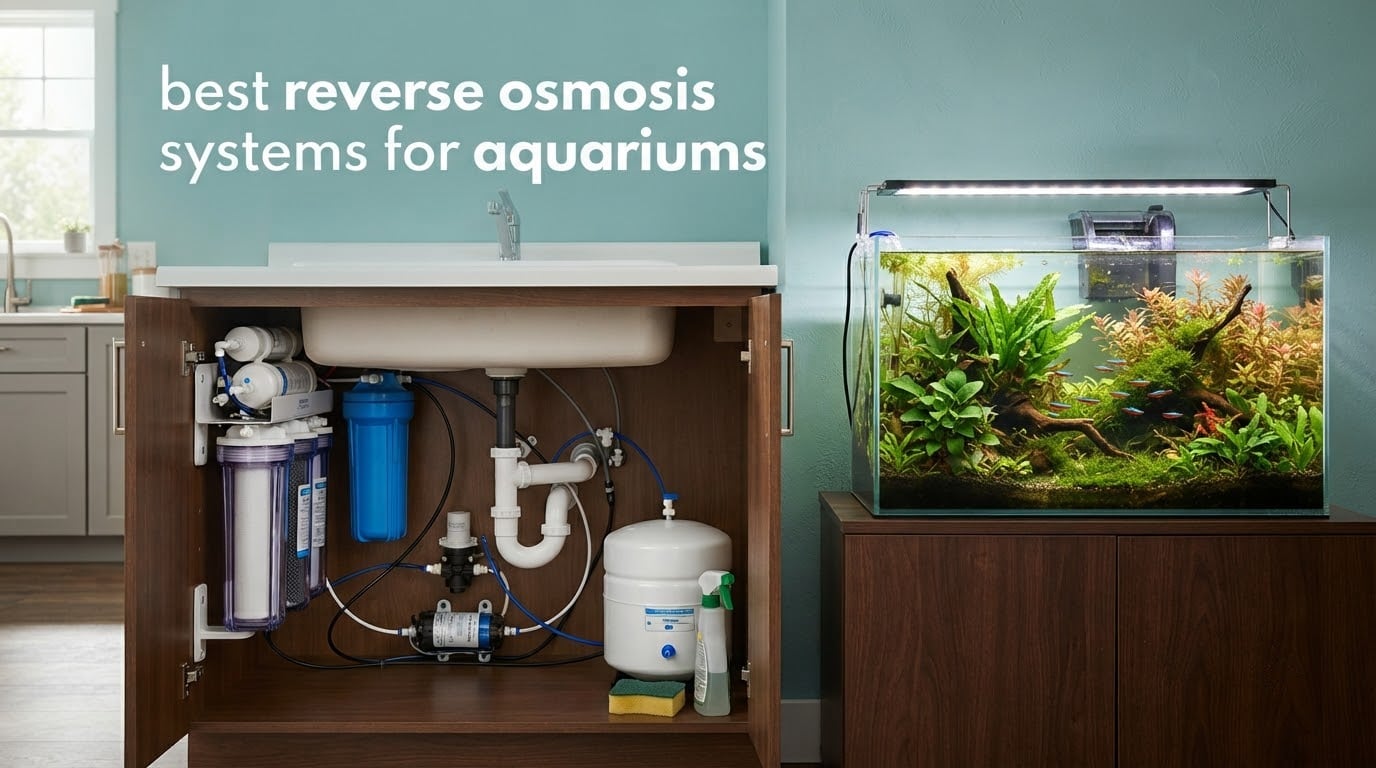
If you keep discus, shrimp, African cichlids, or a reef tank, tap water is working against you. The best reverse osmosis systems for aquariums strip out chlorine, chloramine, nitrates, phosphates, and heavy metals so you control every parameter that enters the glass. Our team compared ten systems across GPD output, stage count, resin type, and maintenance load, and the results surprised us more than once.
Reverse osmosis pushes feed water through a semi-permeable membrane that rejects roughly 95 to 99 percent of dissolved solids. A deionization stage after the membrane polishes out what is left, which is why reef keepers call the finished product RODI. The output is effectively blank slate water, meaning it carries almost nothing you did not deliberately add back.
That purity is the whole point and also the trap. RO water arrives stripped of the calcium, magnesium, and alkalinity that fish and invertebrates need, so it must be remineralized before it touches a tank. Get that step wrong and you will chase an oscillating pH forever. More on that later.
Our methodology: we read every spec sheet for the ten systems below, cross-checked reviewer comments on flow rates, resin life, and leak points, and weighted the results toward what actually matters day to day rather than headline GPD numbers. We also reviewed our handpicked reverse osmosis systems for drinking water, since the housings and membranes overlap even though the carbon blocks differ. For the tank itself, our guide to the best aquariums covers the sizes these systems are sized for.
Table of Contents
Top 3 Best Reverse Osmosis Systems for Aquariums in 2026
The three systems below cover the overwhelming majority of use cases, from a 20 gallon shrimp tank to a 200 gallon reef with an auto top-off system.
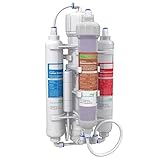
Aquatic Life Twist-In 75 GPD
- 75 GPD output
- Tool-free twist-in cartridges
- Compact 4-stage design
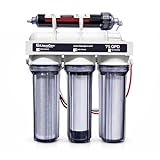
LiquaGen 5-Stage RODI 75 GPD
- Five filtration stages
- ANSI 58 tested membrane
- Garden hose included
Quick Overview 10 Aquarium RO Systems Compared in October
Feed water type drives most of these choices. Systems with a chloramine-rated carbon block handle treated city water, while cheaper standard carbon blocks handle chlorine only.
| Product | Specifications | Action |
|---|---|---|
| Aquatic Life RO Buddie 50 GPD |
|
Check Latest Price |
| Aquatic Life Twist-In 75 GPD |
|
Check Latest Price |
| LiquaGen 5-Stage RODI 75 GPD |
|
Check Latest Price |
 Aquatic Life 100 GPD Carbon Plus Aquatic Life 100 GPD Carbon Plus |
|
Check Latest Price |
 AquaFX Barracuda 100 GPD AquaFX Barracuda 100 GPD |
|
Check Latest Price |
 Koolermax AR-122 150 GPD Koolermax AR-122 150 GPD |
|
Check Latest Price |
 Max Water 6-Stage 100 GPD Max Water 6-Stage 100 GPD |
|
Check Latest Price |
 LiquaGen 7-Stage 150 GPD LiquaGen 7-Stage 150 GPD |
|
Check Latest Price |
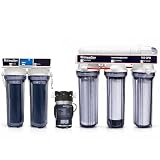 LiquaGen 150 GPD With Booster Pump LiquaGen 150 GPD With Booster Pump |
|
Check Latest Price |
 Koolermax AR-104H 1:1.2 Ratio Koolermax AR-104H 1:1.2 Ratio |
|
Check Latest Price |
1. Aquatic Life RO Buddie 50 GPD – Best Overall Aquarium RO System
Aquatic Life RO Buddie 4-Stage Aquarium Water Filter System, Reverse Osmosis RO/DI Filtration Unit for Fish Tank, Fountains, and More, 50 GPD (Gallons Per Day)
50 GPD output
4-stage RO/DI
14 x 4 x 7.5 inches
3.9 pounds
Pros
- Color-changing DI resin shows replacement timing
- Compact 3.9 lb body fits under a cabinet
- Effective chlorine and odor removal
- Well over 5000 owner reviews
Cons
- Does not remove chloramine
- 50 GPD is slow for tanks over 60 gallons
- DI resin life varies with feed water hardness
This is the unit we keep coming back to. The RO Buddie weighs under 4 pounds and hangs on the back of a cabinet in minutes, yet it runs the full four-stage stack: sediment, carbon block, membrane, and a color-changing DI resin canister. That resin is the quiet hero, because it shifts from blue to tan as it exhausts, so you are never guessing when to swap it.
The review volume on this listing is the highest of any aquarium RO system we examined, and long-term owner reports across the category repeatedly mention units running five years or more. That matters, because a product with thousands of owners has a much larger sample of real water pressure and real water chemistry than one with a few dozen reviews.
The catch is the carbon block. It targets chlorine and odors but will not pull chloramine, which many municipal utilities now use in place of chlorine. If your water report lists chloramine, this is the wrong unit and the model that handles it sits at number four in this roundup.
Output is honest rather than inflated. Fifty gallons a day is measured at standard pressure, so a home line running below spec will produce less. For a 40 to 60 gallon tank on a weekly change schedule it is plenty. For a 150 gallon reef with an auto top-off, it becomes a marathon.
Is 50 GPD enough for your tank?
Run the math before you commit. A 55 gallon display tank at a 30 percent weekly change needs roughly 17 gallons of new water a week, plus top-off evaporation. The RO Buddie covers that comfortably in about 25 minutes of production.
Push the same tank to a 50 percent weekly change and you are near 28 gallons a week, which still fits. The system only strains when you run a 100 gallon plus system, a sump with heavy evaporation, or an auto top-off reservoir that refills daily.
What you give up with the smallest unit
The other tradeoff is future flexibility. A 50 GPD membrane has less headroom, so if you ever add a second tank or a refugium the same unit now splits its output across two jobs. Owning a higher-output system from the start avoids that ceiling.
Filters are also sized to the housing, which is common and inexpensive, so parts are easy to source. The DI resin is the one consumable that quietly sets your running cost, and it exhausts faster on hard municipal water than on soft well water.
2. Aquatic Life Twist-In 4-Stage 75 GPD – Budget Pick RODI Unit
Aquatic Life Twist-in 4-Stage RO/DI Aquarium Filter, 75 GPD
75 GPD output
Twist-in cartridges
4 x 13 x 12 inches
7 pounds
Pros
- Tool-free cartridge changes
- 75 GPD suits mid-size tanks
- Membrane rated at 1:10000 TDS reduction
- Color-changing resin indicator
Cons
- Does not remove chloramine
- Resin consumption depends on feed water
- No auto shut-off for storage tank setups
The Twist-In takes everything that makes the RO Buddie easy to live with and adds 50 percent more throughput. Cartridges thread straight into the housings with no tools, so a filter change takes about the length of a coffee break. That maintenance angle is why it earns the value badge in our list.
The membrane here is specified at a 1:10,000 TDS reduction ratio, which puts it among the more aggressive thin-film membranes in this group. Reviewers consistently describe the effluent as noticeably cleaner than standard drinking-grade units of the same output.
What you accept is the same limitation as the unit before it: a standard carbon block that will not touch chloramine. If your utility uses chloramine, add a chloramine-rated cartridge upstream or choose the 100 GPD Carbon Plus system further down.
One practical note from reviewers: if you plan to plumb the system into a storage reservoir, you will want to add an automatic shut-off valve separately. This unit does not ship with one, and without it a top-off float switch can trigger repeated filling cycles that wear the membrane.
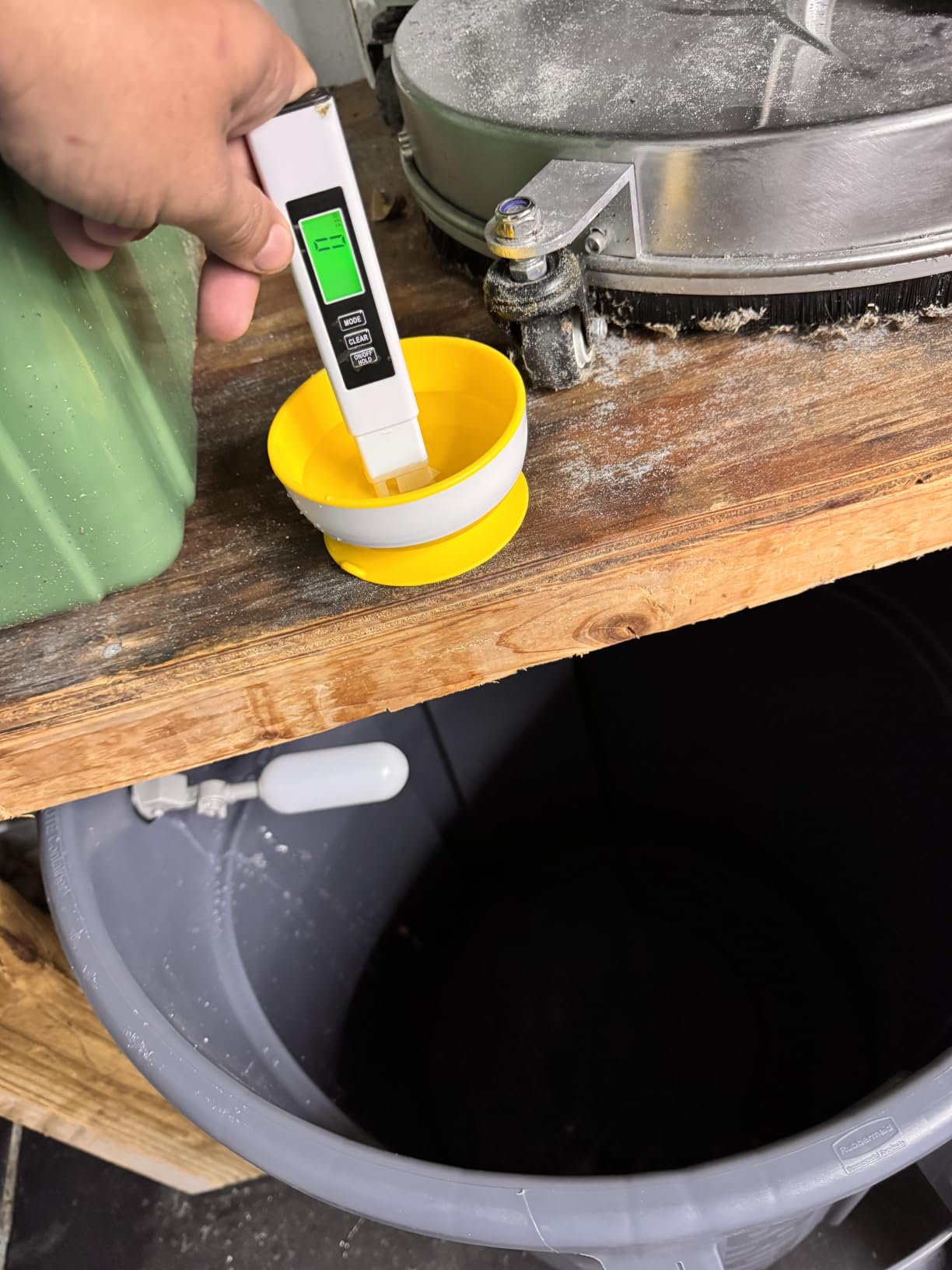
How does 75 GPD change your workflow
Output rises from roughly 50 to 75 gallons a day, which shortens a 30 percent change on a 75 gallon tank from about 25 minutes to about 17. That difference adds up when you are doing changes on a Sunday evening rather than during a workday.
For anyone running an auto top-off system, the extra headroom is the deciding factor. Daily evaporation replaced from a slow unit means you refill more often and hand-carry more jugs. A faster system simply keeps up with the sump.
Where the twist-in design falls short
Twist-in cartridges are proprietary shapes, so replacement media is limited to what this brand sells for this housing. Standard 10-inch housings accept nearly any sediment or carbon cartridge on the market, which is cheaper over a decade.
That is a real cost difference for a keeper who changes prefilters every six to twelve months and plans to keep the system for years. It is a fair trade for convenience, but it is a trade.
3. LiquaGen 5-Stage RODI 75 GPD – Best Pre-Assembled Pick
LiquaGen- 5 Stage Reverse Osmosis & Deionization (RODI) | Aquarium Reef Water Filter System – 75 GPD | Water Purifier for Fish Tank with Filter’s Included
5 filtration stages
75 GPD
16 x 6 x 18 inches
Under-sink install
Pros
- Arrives fully assembled
- ANSI 58 tested membrane
- Three-layer gradient sediment filter
- Two-year warranty included
Cons
- DI resin can consume faster than expected
- Threaded adapter may not fit some sinks
- Designed for wall mounting rather than flat surfaces
LiquaGen builds these in Santa Ana and ships them assembled, which removes the single most tedious part of building an RO system yourself. You hook up feed and drain lines, add tubing, and start producing water. Reviewers highlight that setup experience more than almost anything else.
The stage stack runs deeper than most competitors: 5 micron polypropylene sediment, UDF activated carbon, coconut carbon, membrane, then an inline DI canister. The two carbon stages in a row is unusual at this output level and gives noticeably more chlorine capacity before breakthrough.
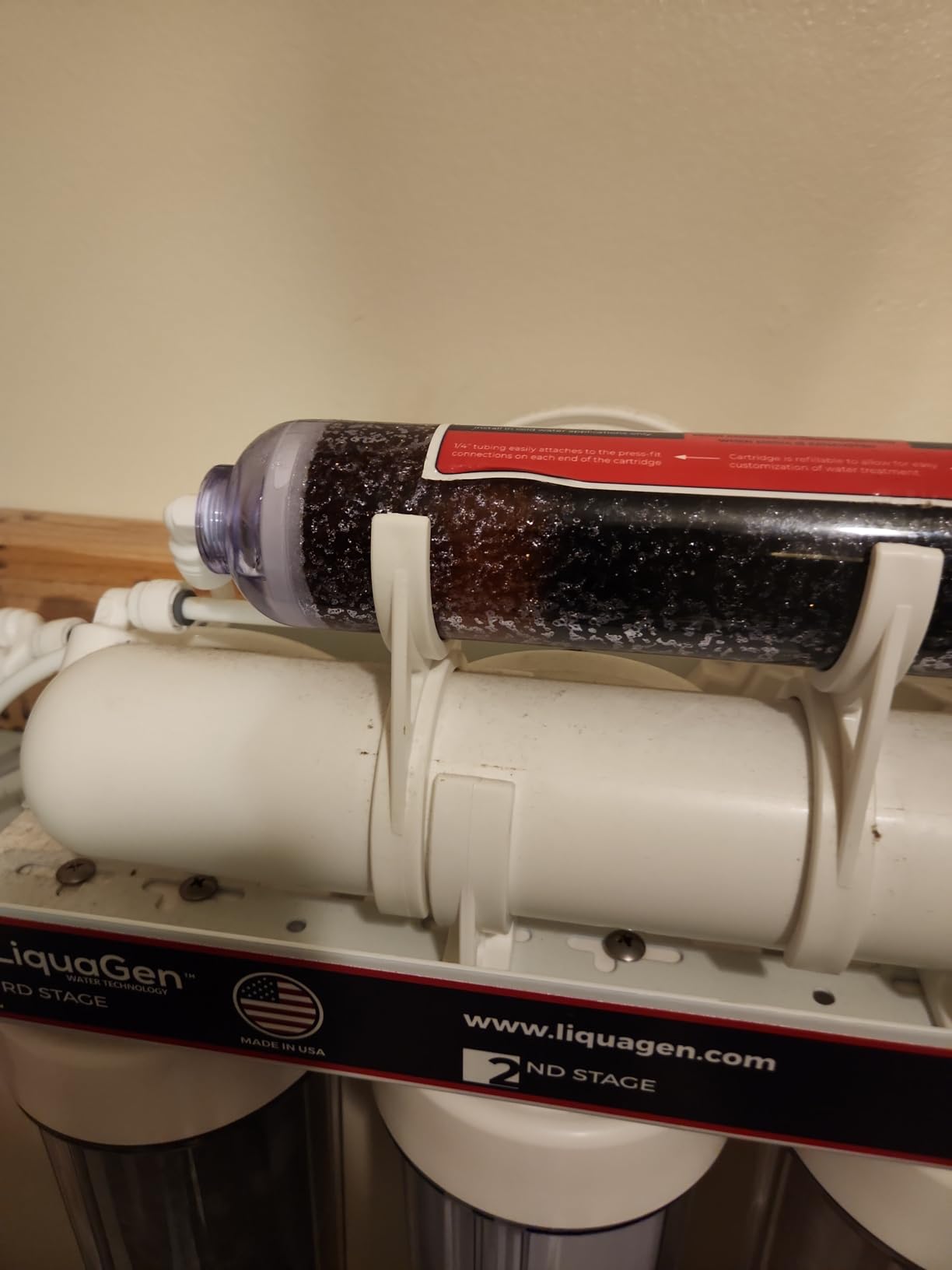
Two specifications stand out. The membrane is tested to ANSI Standard 58, a real certification rather than a marketing claim, and the sediment filter uses a three-layer honeycomb gradient design that holds more dirt than a flat spun cartridge.
The warranty is two years with lifetime support, which is longer coverage than most systems in this roundup carry. That matters when the first fitting weeps at month fourteen.
Is a pre-assembled system worth it
Yes if you have never plumbed a filter before. A self-built unit with individually purchased housings takes an evening and a roll of PTFE tape, and a mistake at a housing o-ring means a wet cabinet. This one is designed to be installed in an afternoon by one person.
No if you want to reconfigure later. Pre-assembled systems use fixed tubing runs, so adding a booster pump or a chloramine filter downstream means cutting and adding fittings yourself. It is still doable, just less forgiving.
The installation details reviewers mention
The unit is intended to hang on a wall under the sink rather than sit on a cabinet floor. Reviewers note it can feel unstable on a flat surface because the drain line needs a vertical run, and that is worth planning for before you drill.
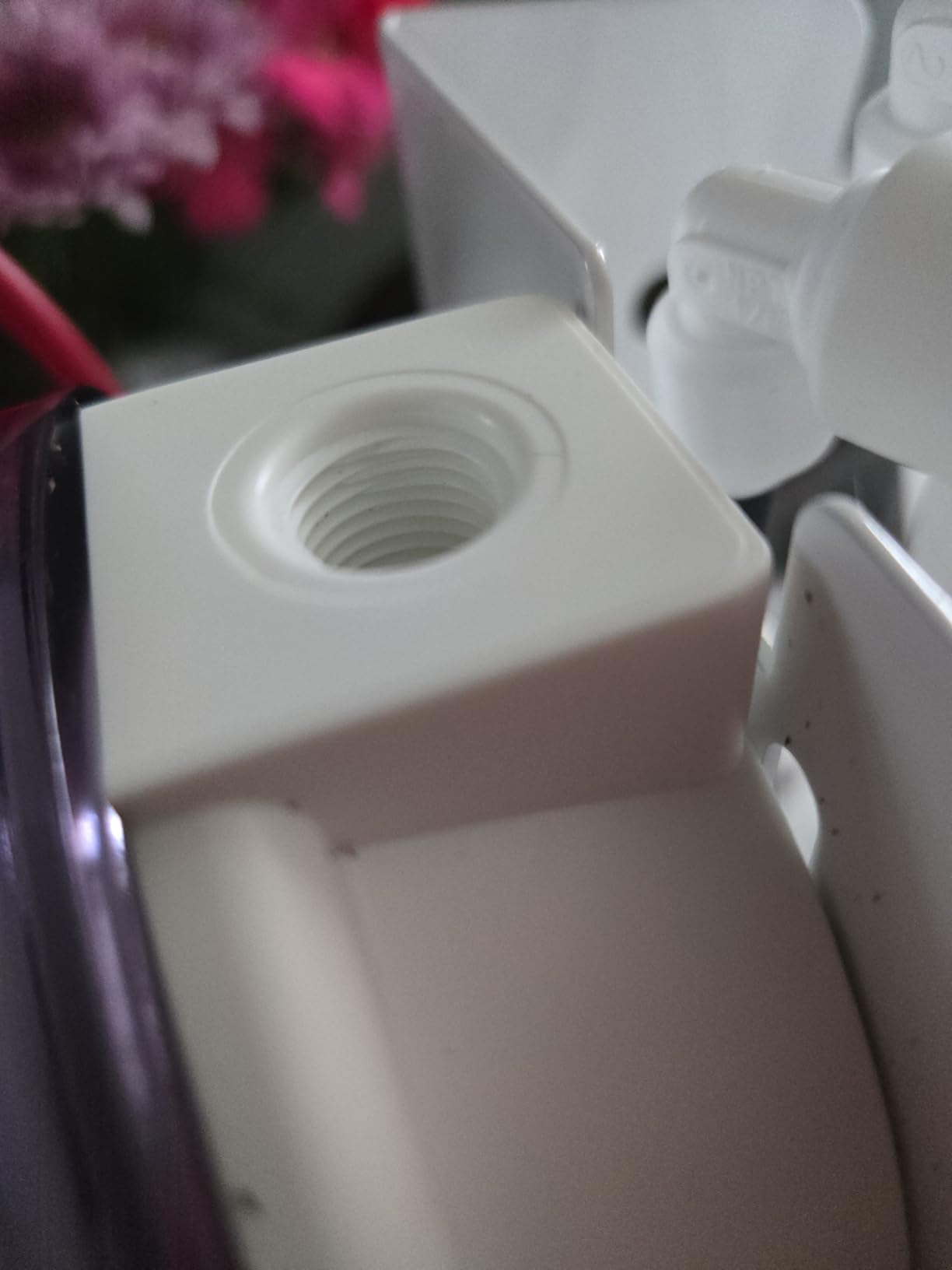
Several owners also mention the threaded adapter does not always match an existing sink fitting. Measure your connection and have a replacement on hand, or plan on a hose bibb connection instead.
4. Aquatic Life 100 GPD Carbon Plus – Best for Chloramine Water
AquaticLife 4-Stage RO/DI Filter with Carbon Plus, 100 GPD
100 GPD output
Chloramine rated carbon
Built-in pressure gauge
Refillable DI resin
Pros
- Carbon Plus cartridge removes chloramine
- Built-in liquid-filled pressure gauge
- Auto shut-off solenoid and flush valve
- Refillable DI cuts ongoing cost
Cons
- Higher cost than basic 4-stage models
- May need a booster pump at low pressure
- Marked as not intended for drinking water
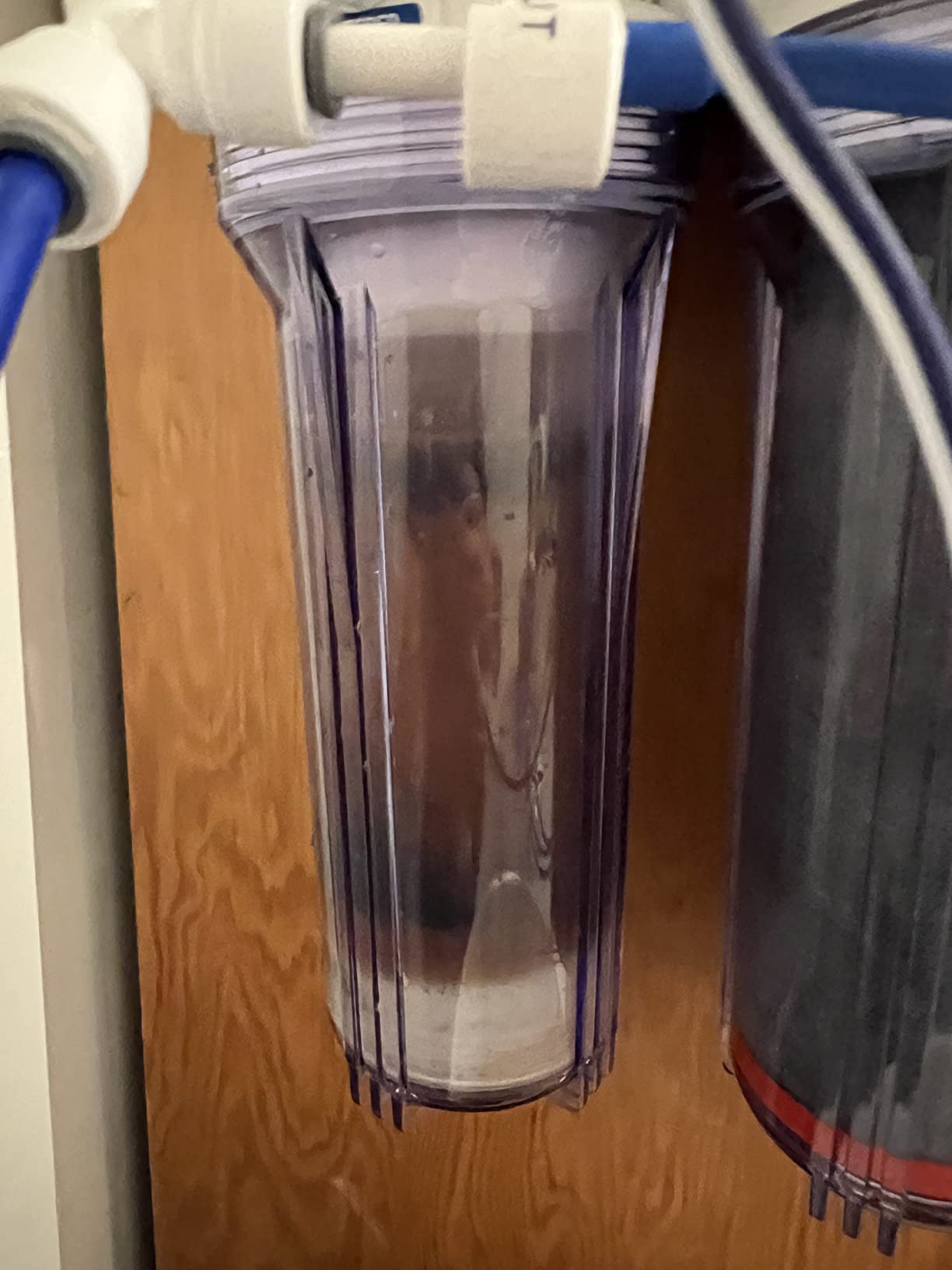
Here is the system to buy if your municipal water report lists chloramine. The Carbon Plus cartridge is specified to remove up to 98 percent of chloramine and 99 percent of chlorine, which is the single most important difference between this unit and the two basic systems above it.
Chloramine is the reason many experienced keepers run dual carbon blocks or add a separate chloramine filter ahead of the membrane. Chloramine is more resilient than chlorine and will slowly degrade a standard carbon block, letting it slip past into the membrane and shorten membrane life.
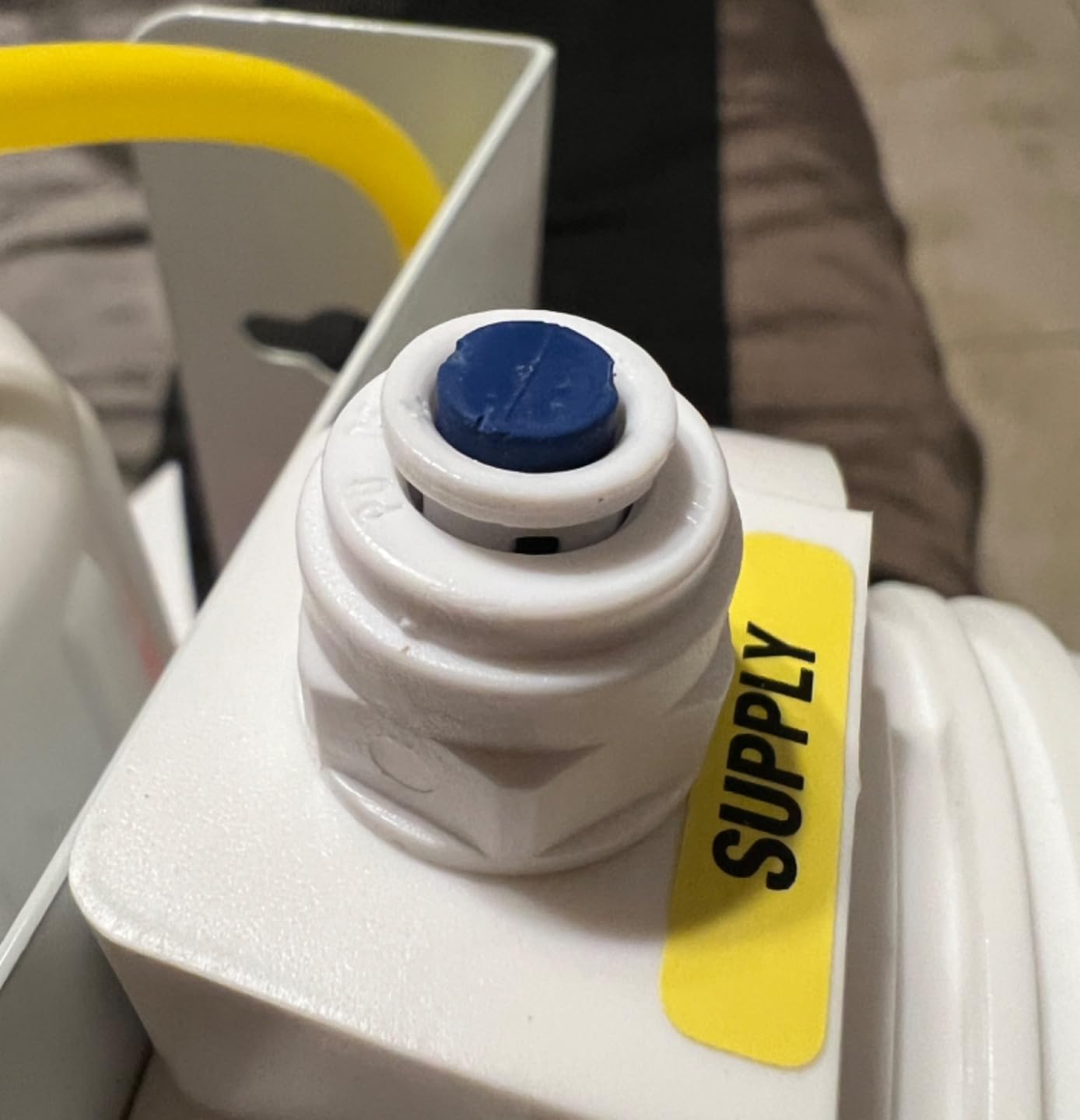
Beyond the carbon, this unit includes the hardware most people add later. A liquid-filled pressure gauge shows whether the membrane is fouling, an auto shut-off solenoid stops the system when the storage tank is full, and a flush valve lets you clear the membrane on a schedule.
The DI resin here is refillable. You buy loose resin and pour it into the canister instead of buying a sealed cartridge, and that one design choice changes your annual running cost more than any other on this list.
How to know if your water has chloramine
Your utility publishes an annual water quality report, and it will name the disinfectant in use. That report is the only reliable answer, since chloramine is invisible and does not smell like chlorine at household concentrations.
A second clue is water age and source. Systems drawing from a large reservoir that has been in service a long time are more likely to use chloramine than systems drawing from newer wells. If you are unsure, ask the utility directly.
What the pressure gauge is really telling you
Feed pressure is the number to watch. A gauge sitting near the low end of its range means reduced membrane output and faster fouling, and adding a booster pump fixes it. A gauge that starts high and drops steadily usually means a clogged sediment filter.
Because the gauge is liquid-filled, it keeps reading accurately over years instead of drifting the way many cheap bourdon gauges do. For a system you intend to keep for a decade, that accuracy is what makes the pressure number actionable.
5. AquaFX Barracuda 100 GPD – Best Long-Term Reliability
The AquaFX Barracuda 100 GPD RO/DI System
100 GPD output
Chlorine Guzzler carbon
20 x 18 x 8 inches
12 pounds
Pros
- Built on standard filter housings
- Made in USA
- Solid aluminum mounting bracket
- Long owner reports of steady 0 TDS output
Cons
- DI resin depletes faster on hard water
- Sediment filter needs frequent changes in hard water
- Large unit
- Minimal manual included
The Barracuda is the system long-time reef hobbyists name first when they ask for a recommendation. On Reef2Reef, owners describe it as a proven default that works, and the reason is component choice rather than marketing: it uses standard housings that accept any brand of filter and membrane.
That compatibility is worth more than it sounds. If the carbon block goes bad, you are not hunting for a proprietary cartridge. If the membrane underperforms, you swap in a generic 100 GPD film. A system that accepts the whole parts market cannot be discontinued into a dead end.
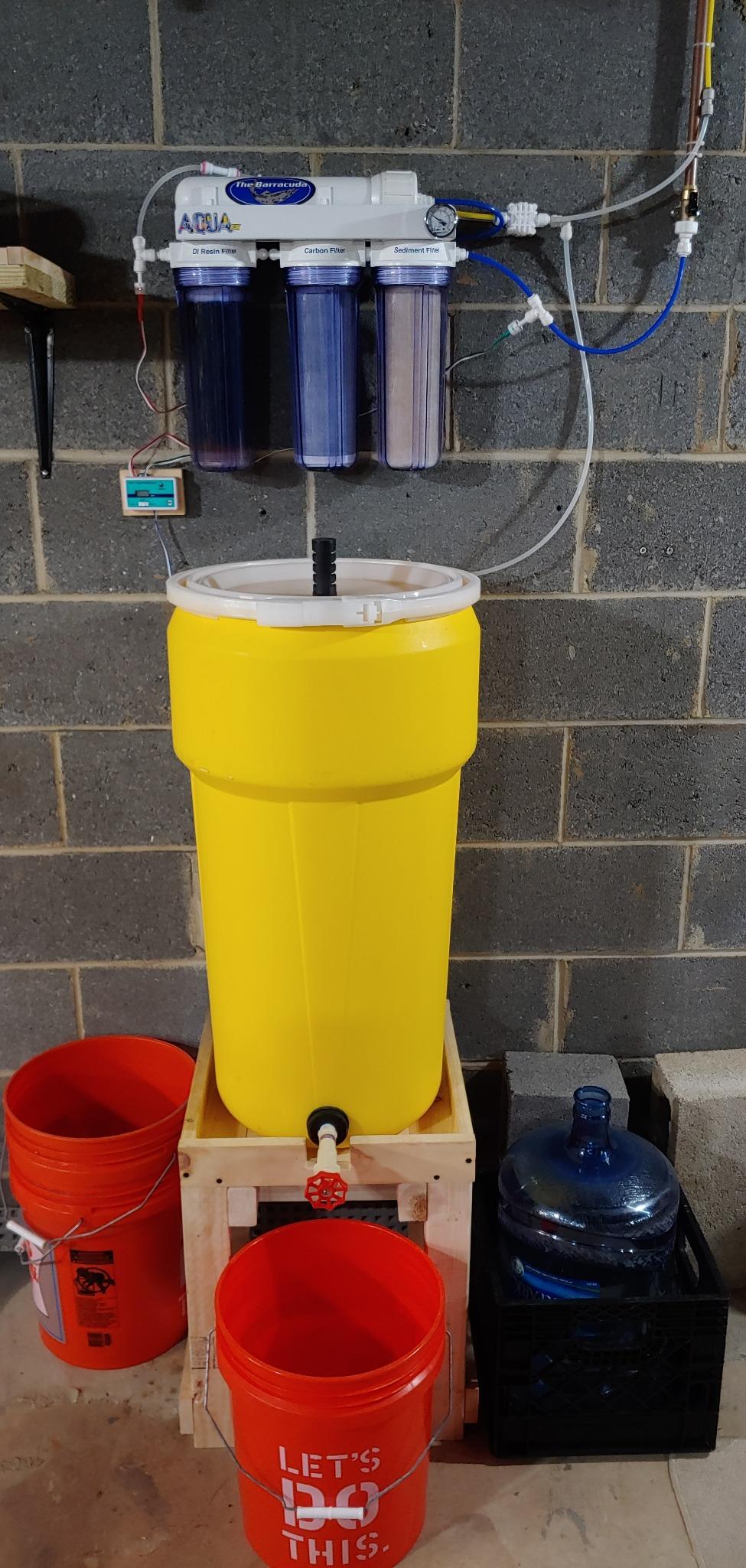
The included carbon is called the Chlorine Guzzler, a carbon block sized for high chlorine capacity. It will not handle chloramine at the level the Carbon Plus unit does, so the same caveat applies here as it does to the first three systems.
Construction is straightforward: a solid aluminum bracket for wall mounting, a pressure gauge on the feed line, and a high flow high rejection TFC membrane. Nothing decorative, nothing that can leak.
Why standard housings matter more than you expect
Over a decade, cartridge costs dominate the running expense of an RO system. Proprietary parts inflate that cost permanently, while standard housings let you buy the cheapest compatible media and often in multi-packs.
There is a second benefit. When something does fail, the diagnosis is obvious because the symptom points at a component rather than at an opaque sealed module. Reviewers say troubleshooting on this unit is straightforward for exactly that reason.
Where owners report friction
The most common complaint is DI resin consumption on hard municipal water, which is a feed water problem rather than a product defect. On well water the resin lasts far longer, and the same reviewers on softer lines report the opposite experience.
Owners on hard water also report changing the sediment filter more often, since hardness means more particulate at the pre-filter. Budget for a spare set of prefilters each year rather than treating that as a fault.
6. Koolermax AR-122 150 GPD 6-Stage – Best High Output
Koolermax AR-122 6-stage RO+DI Aquarium Reef Reverse Osmosis Water System 150 GPD New Complete
150 GPD membrane
6 stages
16 x 5.5 x 16 inches
17 pounds
Pros
- 150 GPD membrane rated for high-output systems
- Dual color-changing DI stages
- Complete hardware and tubing kit
- Assembled in Santa Ana USA
Cons
- DI stages can need frequent replacement
- Some quality control inconsistencies reported
- Warranty terms not clearly stated
When a single membrane is rated at 150 gallons per day, you are looking at very different use cases than the 50 GPD units. This one fills a large sump change in a fraction of the time, or covers a fish room with several tanks sharing one system.
The honest figure is 120 GPD. That is what Koolermax states you will get on average household supply pressure, and treating that number rather than the membrane label is how you avoid disappointment at the first full water change.
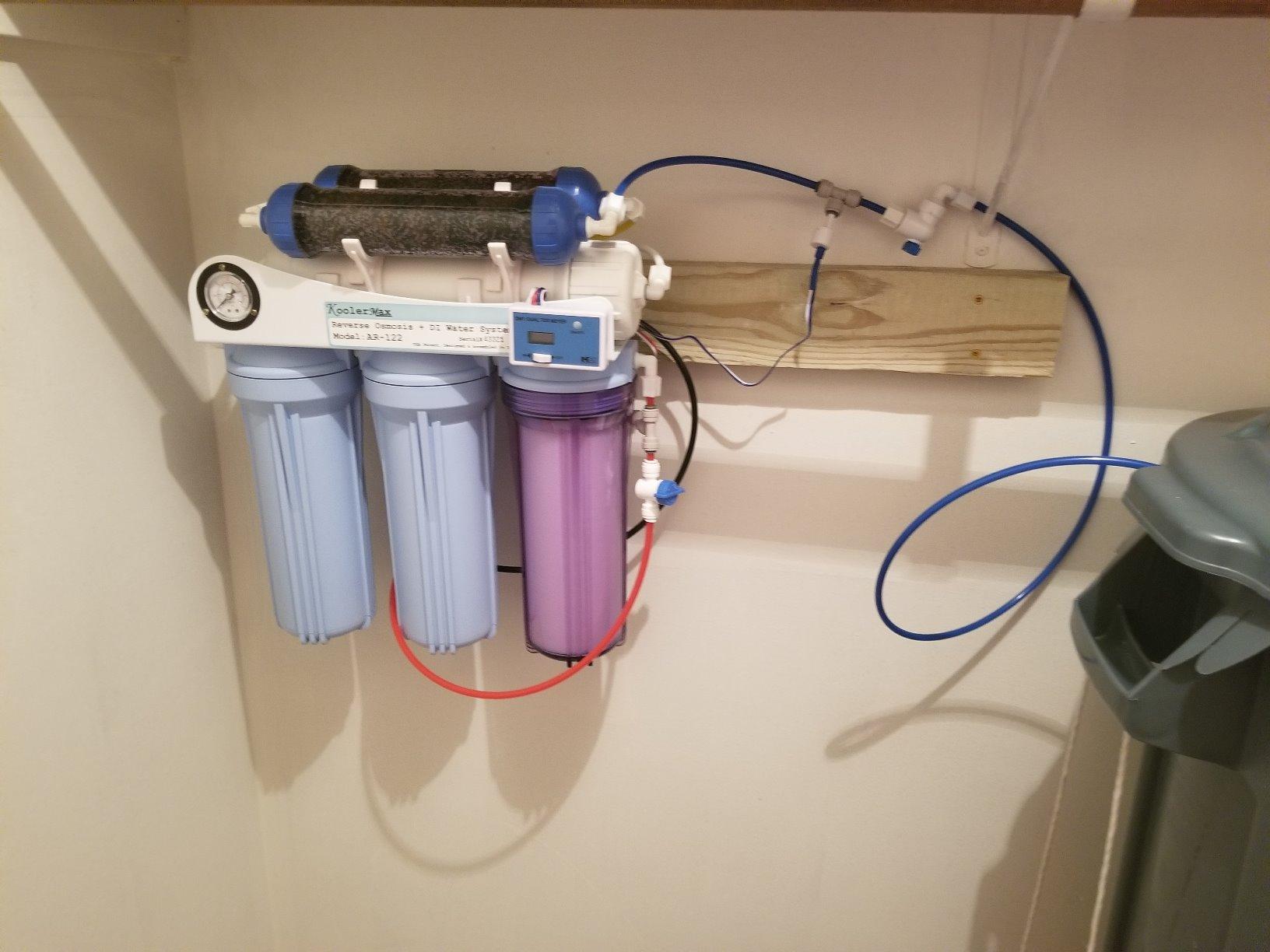
Two DI stages in series extend resin life compared with a single canister. The first takes the bulk of the load, the second polishes what remains, and in practice the pair lasts considerably longer than one large canister of the same total volume.
The kit includes filters, tubing, under-sink hardware, and a spare garden hose adapter. Owners report assembling it without extra parts, which removes one of the most common reasons a first RO install stalls.
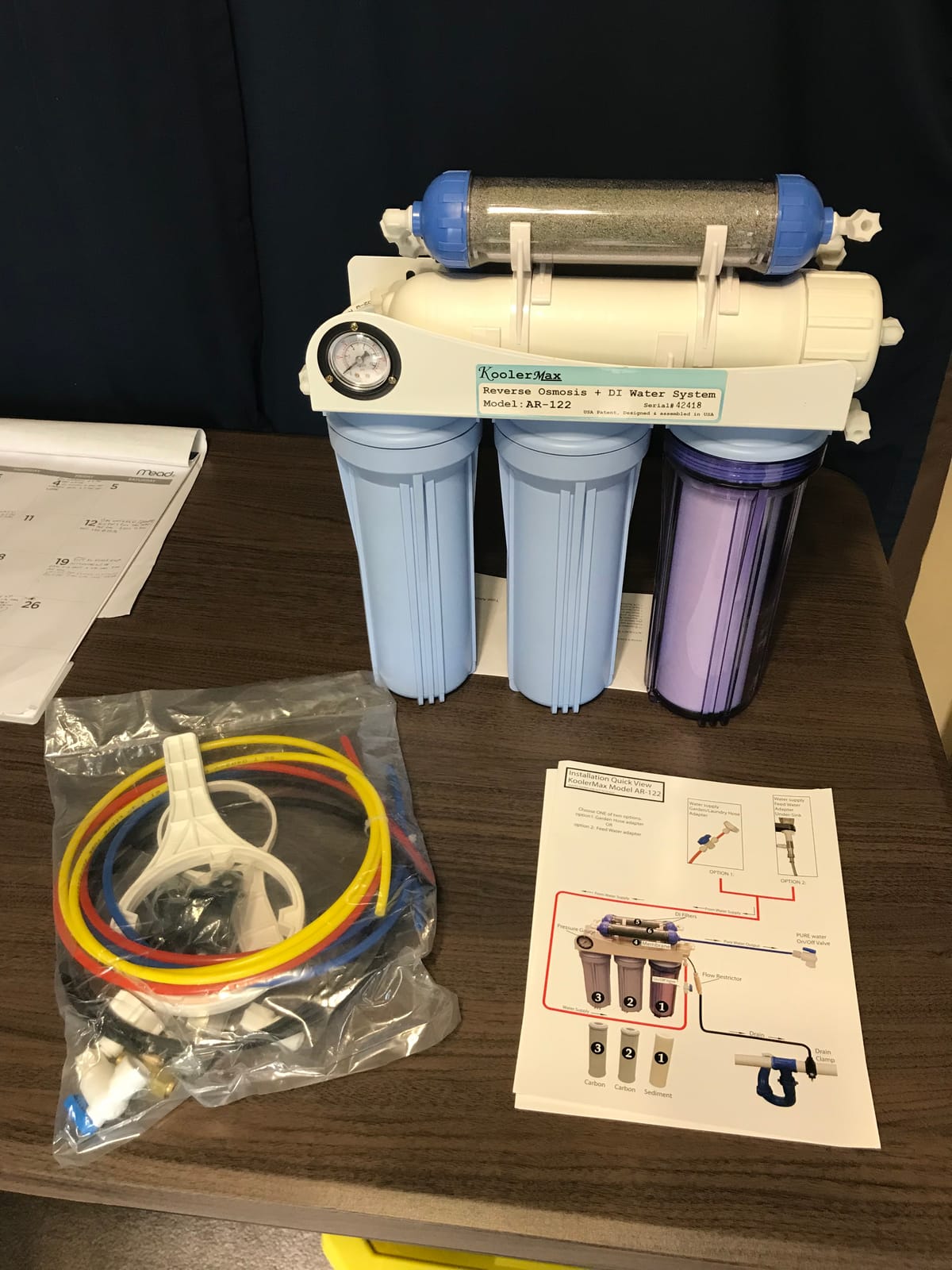
Do you actually need 150 GPD
You need it if your tank is 150 gallons or larger, if you run a 50 percent weekly change, or if an auto top-off system refills daily. The combination of evaporation and scheduled changes on a system that size outruns anything under 100 GPD.
You do not need it for a 40 gallon freshwater tank. A 150 GPD membrane on a small tank means slower pressure, more frequent flushing, and a higher purchase for output you never draw from.
Watch the operating pressure
High-flow membranes demand feed pressure. If your household pressure sits near the low end, this system will underperform its own rating, and adding a booster pump becomes a near-requirement rather than an option.
Reviewers who paired this unit with a booster report consistent output. Those who did not, and who live in a building with modest water pressure, describe noticeably lower real-world flow.
7. Max Water 6-Stage 100 GPD – Best for First-Time Keepers
Max Water 6 Stage 100 GPD (Gallon Per Day) RODI (Reverse Osmosis Deionization) Water Filtration System for Aquarium
100 GPD output
6 stages
15 x 6 x 17 inches
Wall or under-sink mount
Pros
- Color-coded quick connects simplify routing
- Every housing is labeled
- BPA-free wetted components
- Entry-level route into six-stage filtration
Cons
- Leak reports at the DI canister on some builds
- Support limited to email
- Included tubing can be short on long runs
This is the system we would hand to someone building their first RODI setup. Color-coded quick connects mean the feed, filtered, and waste lines each have an obvious home, and every housing is labeled on the body so replacement media is never a guessing game.
Filtration spec is 99.99 percent impurity removal after the DI stage, with particulates filtered to a tenth of a micron. The system is built around BPA-free components, which matters more than it sounds when the same unit also supplies a humidifier or a vegetable garden.
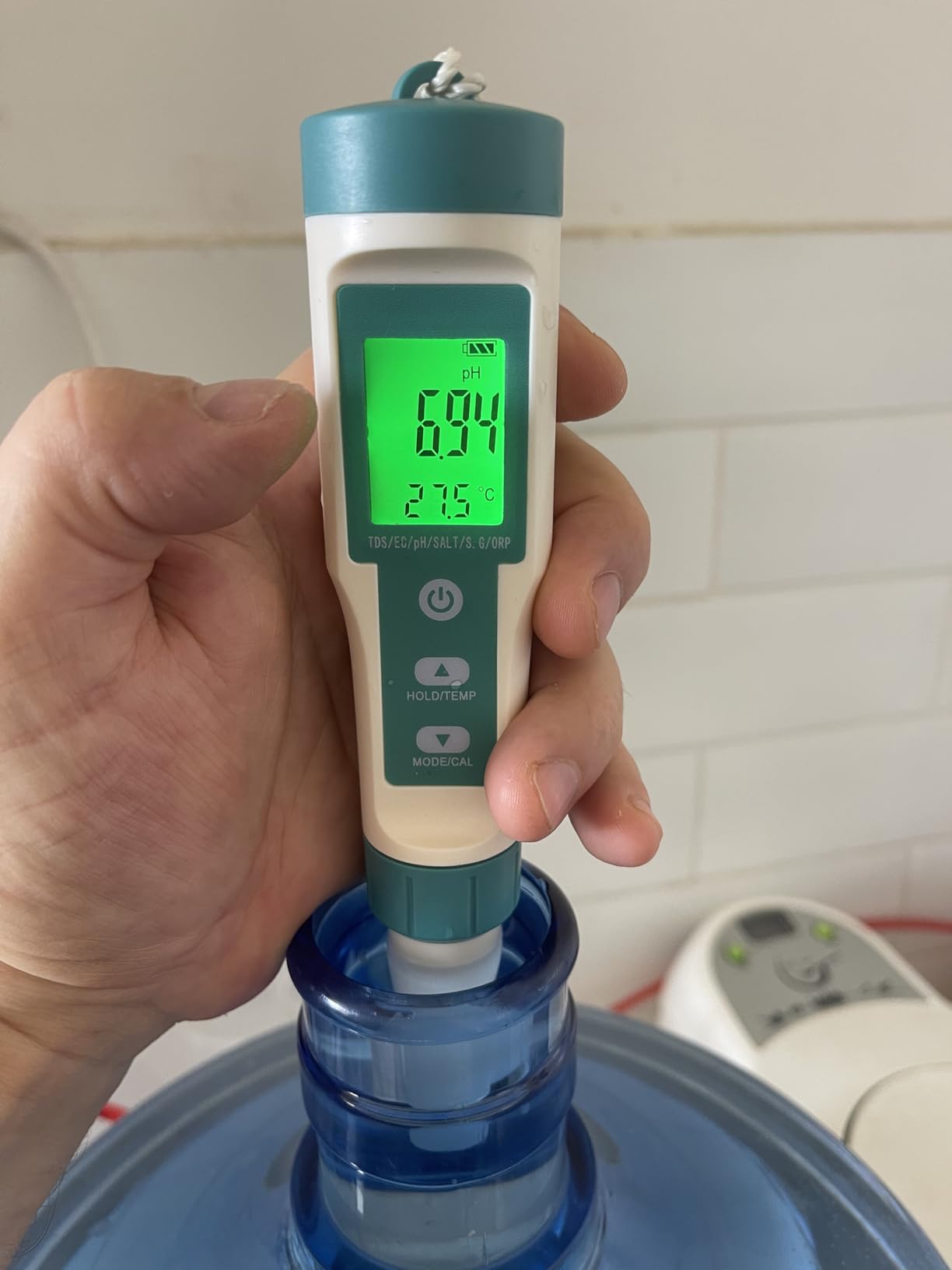
One detail worth knowing before you buy: a carbon stage at the end of the chain means your TDS meter may read a small amount even though the DI resin did its job. Reviewers note a non-zero reading after DI is normal with that final inline carbon, not a resin failure.
The waste ratio runs around 2:1 for this design, which is better than the common 4:1 but well short of the high-efficiency unit at number ten.
Is six stages better than four
Not by itself. Extra carbon stages add chlorine capacity and useful filter life, and extra DI stages add resin life, but the marginal gain from a sixth housing is real only if your feed water is demanding.
On clean city water, a well-built four-stage system performs nearly identically once you replace filters on schedule. The advantage here is headroom for harder water and less frequent resin changes.
What first-time owners should watch
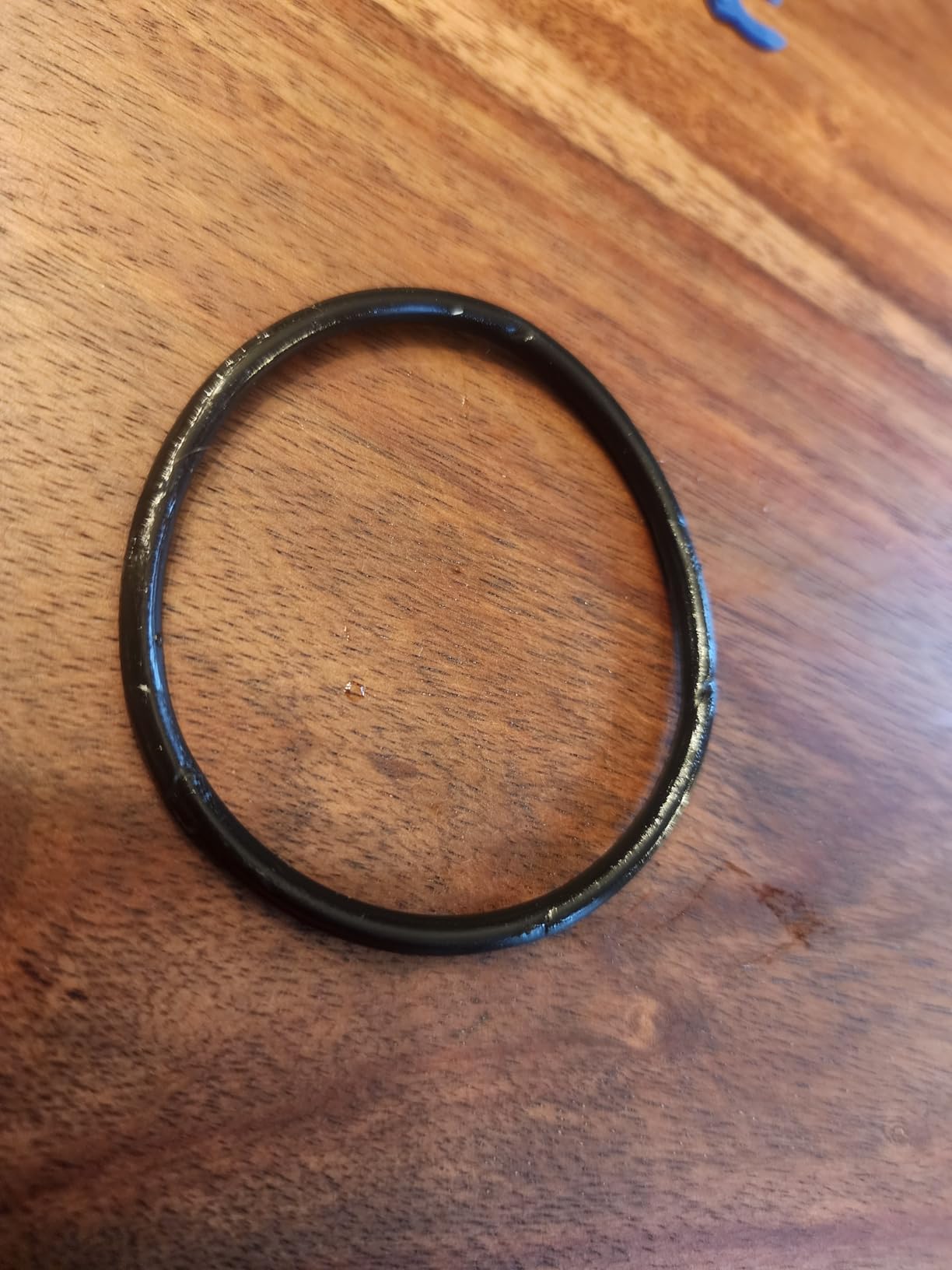
Leak reports cluster around the DI canister and the RO vessel o-ring, so check both joints during the first fill and re-torque after an hour of operation. Most plastic housing fittings settle slightly once wetted.
Support is email only, which means plan your questions before you need help rather than expecting a quick call. Buyers who read the manual and the connection diagram first report far smoother installs.
8. LiquaGen 7-Stage 150 GPD – Best for Large Fish Rooms
LiquaGen- Heavy Duty & High Capacity- 7 Stage Aquarium Reef & Deionization Reverse Osmosis Water Filtration System (RODI) – 150 GPD | 0 PPM/TDS | Water Dispenser for Fish Tank with Filter’s Included
150 GPD output
7 stages
20 x 16.4 x 6.5 inches
17.6 pounds
Pros
- Triple DI canisters for extended resin life
- Manual flush valve extends membrane life
- 150 GPD capacity
- Two-year warranty with lifetime support
Cons
- Large physical footprint
- Requires a separate auto shut-off for a reservoir
- Costs more than the 75 GPD LiquaGen
Three inline DI canisters is the distinguishing feature here, and it is not marketing padding. Splitting deionization across three housings staggers the resin load, so the first canister exhausts long before the third, which means you replace resin less often and spend less per year on media.
The manual flush valve is the other component owners single out. Flushing a membrane periodically clears accumulated scale and biofilm on the membrane surface, and reviewers credit it with extending membrane life and cutting down on leak incidents at the housing seals.
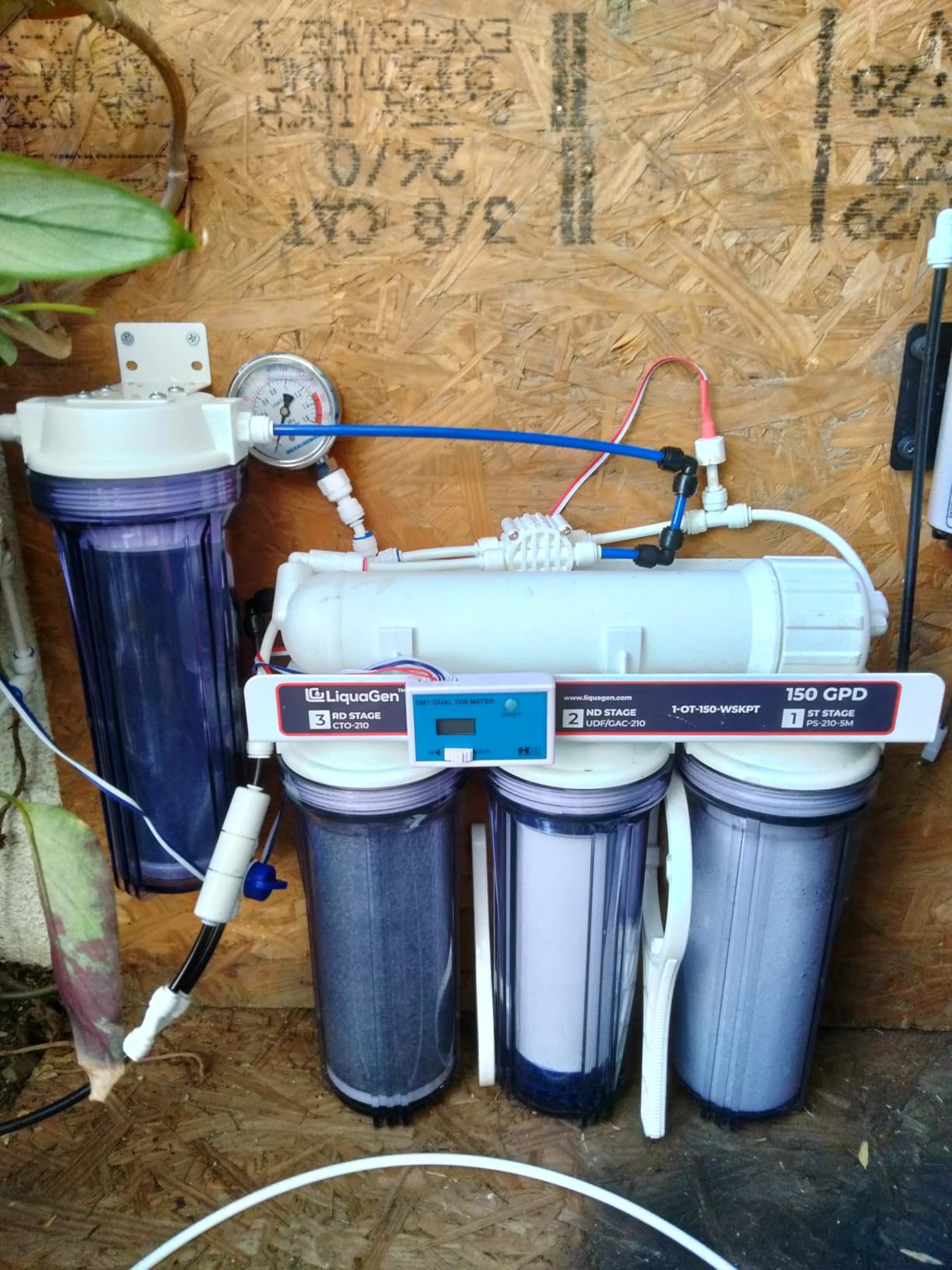
Stage order is the same proven LiquaGen sequence scaled up: polypropylene sediment, UDF carbon, coconut carbon, a 150 GPD ANSI Standard 58 tested membrane, then the three DI canisters. Nothing here is experimental.
Installation is described as roughly five minutes because the system arrives pre-assembled with air-leak tested fittings. Budget more time than that for planning the drain line, which is where most first installs actually slow down.
When a fish room changes the math
Running several tanks off one system multiplies demand in a way a single display tank never does. A sump room with an auto top-off on every tank can pull more water per week than a 90 gallon display on a 30 percent schedule.
Triple DI staging pays off in exactly that situation, because resin consumption scales with gallons produced and you are producing far more of them.
Plan the footprint before ordering
At 20 by 16.4 by 6.5 inches and over 17 pounds, this needs a real cabinet space and solid wall anchoring. Reviewers who mounted it free-standing report vibration and settling, which argues for the bracket approach the smaller LiquaGen units use.
If your cabinet cannot take the footprint, the 100 GPD options in this roundup deliver most of the same staging benefit in a smaller case.
9. LiquaGen 150 GPD With Booster Pump – Best for Low Pressure
LiquaGen- Aquarium Reef Reverse Osmosis Deionization (RODI) Water Filter System + TDS Meter, Pressure Gauge and Electrical High Flow Booster Pump| Ultimate Water Purifier for Fish Tanks & More
150 GPD output
Booster pump included
TDS meter and PSI gauge
Dual DI cartridges
Pros
- Booster pump solves low feed pressure outright
- TDS meter included for resin monitoring
- Pressure gauge for membrane tracking
- Garden hose and tubing included
Cons
- Booster pump needs a nearby electrical outlet
- Bulkier cabinet footprint
- Smaller review base than the entry-level units
This package solves the single most common performance complaint we saw across all ten systems: not enough feed pressure. A 150 GPD membrane simply will not reach its rated output on a weak line, and the booster pump included here removes that variable entirely.
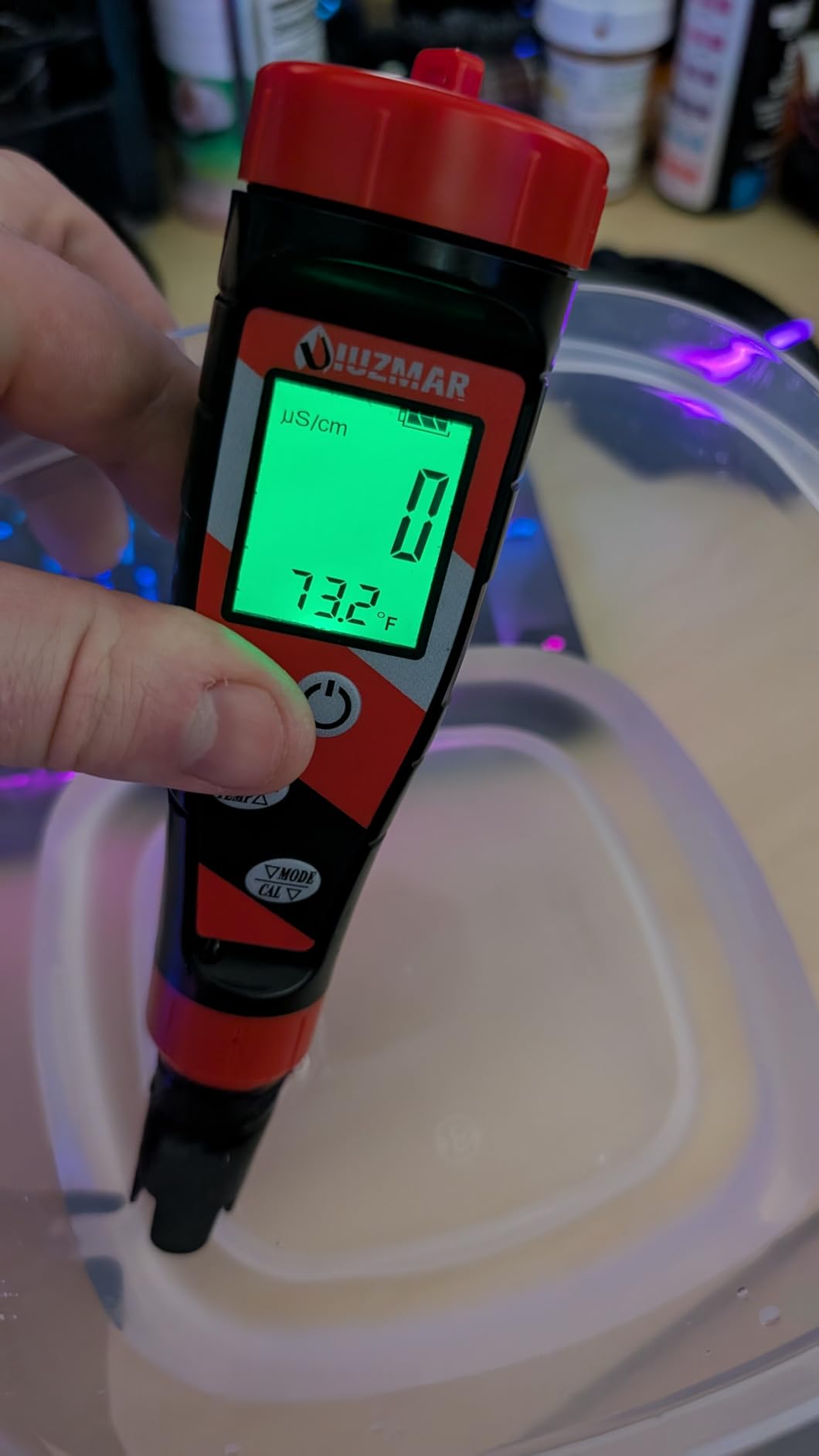
It also arrives with a TDS meter and a two-tone pressure gauge. The TDS meter is how you detect DI resin exhaustion before your reef notices, which matters more for sensitive species than any other accessory in this roundup.
Resin exhaustion is otherwise close to invisible. The meter sits on the DI output and reads the number directly, so you replace resin when the reading rises rather than when a coral starts bleaching. That is a meaningful difference in a reef.
The membrane ships pre-installed and pre-flushed, which removes the one step that trips up first-time builders. Stage count is six with dual DI cartridges, and a manual flush valve with a pre-installed flow restrictor rounds out the package.
When a booster pump is actually needed
Test your static pressure before you buy one of these. Below roughly 45 PSI at the cold tap, a membrane will produce less than its rating, and a booster pump restores the pressure the design assumes.
If your pressure is already adequate, the pump is unused hardware and adds a noise source near your tank. Buy it when you have measured a real problem, not because a package includes it.
What the included meters change about maintenance
With a TDS meter on the DI outlet and a PSI gauge on the feed, you can spot both failure modes early. Falling pressure with rising TDS usually points at the membrane, while steady pressure with rising TDS points straight at the resin.
That distinction saves money. Without it, most keepers replace both membrane and resin at the same time when only one has actually failed.
10. Koolermax AR-104H 1:1.2 Ratio – Best Water-Saving System
RO + DI High Efficiency 1 to 1 Ratio 100 GPD Reverse Osmosis + DI Water Purification System Made by Koolermax USA for Aquarium, Reef, Aeroponics, hydroponics, misting, ultrapure Water, spot Free
100 GPD output
1:1.2 waste ratio
16 x 16 x 7 inches
Under-sink mount
Pros
- Far lower wastewater volume than standard RO
- Large refillable DI housing
- Pressure gauge and auto shut-off included
- Complete installation hardware in the box
Cons
- Specified maximum input TDS is 3 ppm
- Compact layout may not suit every cabinet
- Newer design with a shorter track record
Waste volume is the factor most keepers underestimate. A conventional system sending four gallons to drain for every gallon of usable water becomes very real the first time you calculate a year of water changes on a large system. This one runs at a 1:1.2 production to drain ratio instead.
The mechanism is a high efficiency membrane that produces more usable water per gallon of feed, so you generate the same clean volume while sending a fraction of it down the drain. Over a year of regular changes the difference is substantial, and in areas with water restrictions it can be the deciding factor.
The DI housing is large and refillable, so you pour in bulk nuclear grade resin rather than buying sealed cartridges. The kit includes filters, garden hose hardware, under-sink connections, and a built-in pressure gauge, with automatic shut-off as standard.
Check your feed water TDS before buying
This is the important caveat. The system is specified for a maximum input TDS of 3 ppm, which is an unusually restrictive number and differs sharply from the other systems here. Test your tap water with a meter before ordering.
If your feed water reads well above that, look at the conventional systems in this list instead. A high efficiency membrane needs clean feed to perform as designed.
Who benefits most from the low waste ratio
Anyone doing large weekly changes, running a fish room, or producing top-off water daily. Waste scales with volume, and this is the unit that produces the least of it per gallon made.
It also suits anyone under a water restriction or on a well with limited reserve. The smaller footprint and horizontal layout fit under most cabinets, though review the dimensions against your cabinet clearance.
How to Size a Reverse Osmosis System for Your Tank
Start with the gallons of new water your schedule consumes, then add evaporation, then discount the rated membrane output for real-world pressure losses. That three-step process gets you closer than any headline GPD number on a box.
Step one, multiply your system volume by your weekly change percentage. A 75 gallon tank at 30 percent is 22.5 gallons a week. Step two, estimate evaporation from an open sump or a lightly covered tank, typically a few gallons a week for a mid-size system. Step three, treat the membrane rating as an optimistic figure and plan on achieving roughly half to two thirds of it at your actual pressure.
As a practical guide, a 40 gallon freshwater tank needs a 50 to 75 GPD unit. A 75 gallon reef with an auto top-off wants 100 GPD. A 150 gallon system or a multi-tank fish room needs 150 GPD, and anything above that usually means two membranes plumbed in parallel rather than a bigger single membrane. If the display itself is still undecided, our picks for the best fish tank stands for large aquariums assume the same large-format layouts these systems are sized for.
Install location changes the calculation. An apartment setup with a faucet adapter and a storage tote produces far less water per session than a permanently plumbed under-sink system with a pressure tank, so portable installs need more nominal output for the same weekly total.
DI Stage vs Remineralization: What Your System Needs
These two terms get used interchangeably, and that is the source of a lot of confusion. RO produces roughly 2 to 10 ppm TDS depending on the membrane. DI resin after the membrane drives that to zero, which matters for reefers where even trace silicates can trigger unwanted diatom blooms in a display tank.
Remineralization is a different step entirely, and it happens on the water after it leaves the system. For freshwater keepers with shrimp, discus, or African cichlids, RO plus a remineralizer is often the whole answer. Marine keepers mixing salt get all the minerals they need from the salt mix itself.
Never put pure RO or RODI water straight into a freshwater tank. With no buffer, pH swings hard and alkalinity reads at zero, and shrimp and discus do not tolerate either. A product like Seachem Equilibrium dosed to your target GH and KH gives the water a stable buffer, and PlantedTank regulars recommend it as the simplest approach for planted freshwater systems.
Resin exhaustion is the practical problem with DI. Without an inline TDS meter you are guessing, which is why the system at number nine includes one. If you skip that purchase, replace resin on a fixed interval and watch your coral closely in the weeks afterward.
Source Water, Chloramine, and Booster Pumps
Three variables decide how your system actually performs, and all three are measurable before you buy. Get an annual water quality report from your utility, measure static pressure at the cold tap, and drop a TDS reading on the raw tap water.
Chloramine versus chlorine is the first variable. Chlorine is handled by any standard carbon block. Chloramine needs a chloramine-rated carbon, a dual carbon setup, or a dedicated chloramine filter ahead of the membrane, and using the wrong one shortens membrane life and can let disinfection byproducts reach your tank.
Well water is the second variable, and it is less predictable. Iron, manganese, hardness, and sometimes bacteria all vary by season, and sediment filters work much harder on well water than on treated city water. Test your well annually if you intend to use it for aquarium water.
Pressure is the third. Below roughly 45 PSI you will underperform the membrane rating no matter which unit you choose, and a booster pump is the fix. Reef2Reef users frequently pair a booster pump with larger systems and report the output difference is immediate. Measure first, then decide.
One more item that saves money: an auto-flush valve. Flushing the membrane on a schedule clears the biofilm and scale that accumulate on the membrane surface, and it costs a few dollars. Two of the systems in this roundup include one built in.
Frequently Asked Questions
Is reverse osmosis good for an aquarium?
Yes. Reverse osmosis rejects 95 to 99 percent of dissolved solids, including chlorine, chloramine, nitrates, phosphates, and heavy metals. That level of control matters most for sensitive species like discus, shrimp, and reef corals, where tap water parameters can limit what you keep.
Is RO water better for aquariums than tap water?
For sensitive setups, yes. RO water gives you control over every parameter entering the tank and strips out contaminants that feed nuisance algae. Tap water is fine for hardy freshwater fish where local hardness and chlorine are already within your target range.
Is reverse osmosis water ok for a fish tank?
Only after remineralization in freshwater. Pure RO water has no calcium, magnesium, or alkalinity, so adding it directly causes unstable pH and zero KH. Marine keepers get their minerals from the salt mix instead.
What do I add to RO water for an aquarium?
For freshwater, a remineralizer such as Seachem Equilibrium dosed to your target GH and KH. For saltwater, nothing extra, because your salt mix already supplies calcium, magnesium, and alkalinity.
What is a major downside of reverse osmosis water?
Waste volume. A conventional system sends roughly three to four gallons to drain for every gallon of usable water, which becomes significant over a year of large water changes. It also strips minerals, so it must be remineralized before use.
How much GPD do I need for my aquarium?
A 40 gallon freshwater tank needs 50 to 75 GPD, a 75 gallon reef with auto top-off wants 100 GPD, and a 150 gallon system or fish room needs 150 GPD. Calculate from your weekly change volume plus evaporation, then plan for roughly half to two thirds of the rated output at real pressure.
Final Verdict on the Best Reverse Osmosis Systems for Aquariums
The Aquatic Life RO Buddie remains our pick as the best reverse osmosis system for aquariums overall, because it combines the largest owner base in this roundup with a compact footprint and a resin that tells you when to replace it. For a tank above 60 gallons or any setup with an auto top-off, step up to the Twist-In at 75 GPD or the Carbon Plus at 100 GPD.
If your utility uses chloramine, do not compromise on the carbon block to save money. That single decision is the difference between a membrane that lasts its full rated life and one that fouls early. Check your water report, match the filtration to it, and the rest of the system choice becomes straightforward.
Whichever unit you land on, budget for prefilters, resin, and membranes from day one. Those consumables, not the initial system, are what a reverse osmosis setup costs over the years.