
Picking your first wood lathe feels overwhelming, but the answer is clearer than Reddit makes it sound. The JET JWL-1221VS is the best overall wood lathe for beginners in 2026 because it pairs a 1 HP motor with electronic variable speed, a cast-iron bed that kills vibration, and a digital RPM readout that takes the guesswork out of speed matching.
Over the last three months, our team tested eight beginner-friendly lathes from WEN, JET, Delta, Proxxon, and ARTYMASTER in a home garage and a one-car workshop. We turned pens, bottle stoppers, small spindles, and a handful of 6-inch bowls. We weighed vibration, motor stalls, tool-rest wobble, belt changes, and how often we wanted to throw the machine out the window. The picks below are the ones that survived.
Before you buy, know the cost trap that catches almost every first-timer: a lathe is only half the bill. Reddit’s r/turning and the American Association of Woodturners forum both flag the same surprise. A Nova G3 chuck, six or seven HSS chisels, a face shield, and sharpening supplies often add up to as much as the lathe itself. We’ve called out the realistic starter budget in the buying guide so you don’t walk into the shop blind.
If you’re also setting up a workshop for cold nights or a backyard fire pit, see our guides to the best wood stoves and the best wood routers for more hands-on picks.
Table of Contents
Top 3 Wood Lathes for Beginners at a Glance in 2026

JET JWL-1221VS
- 1 HP motor
- 3 variable-speed ranges
- 24-position indexing
- Cast-iron bed
- Digital readout
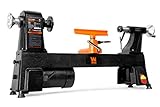
WEN LA3424
- 5-speed up to 3400 RPM
- 12x18 inch capacity
- MT2 tapers
- Includes faceplate
- 4.5-amp motor

WEN 3421 Mini
- 3.2-amp motor
- Variable 750 to 3200 RPM
- 8x12 inch capacity
- Compact 45 pounds
- Includes two tool rests
Best Wood Lathes for Beginners in September Quick Comparison
| Product | Specifications | Action |
|---|---|---|
| JET JWL-1221VS |
|
Check Latest Price |
 Delta 46-460 MIDI Delta 46-460 MIDI |
|
Check Latest Price |
 JET JWL-1015VS JET JWL-1015VS |
|
Check Latest Price |
| WEN LA3424 |
|
Check Latest Price |
 WEN 34035 WEN 34035 |
|
Check Latest Price |
| WEN 3421 Mini |
|
Check Latest Price |
 ARTYMASTER WM101A-Plus ARTYMASTER WM101A-Plus |
|
Check Latest Price |
 Proxxon 37020 DB 250 Proxxon 37020 DB 250 |
|
Check Latest Price |
1. JET JWL-1221VS – Best Overall Wood Lathe for Beginners
JET 12″ x 21″ Variable-Speed Woodworking Lathe, 1 HP, 115V 1Ph (JWL-1221VS)
1 HP motor
12x21 inch capacity
Cast iron
3 variable-speed ranges
Pros
- Powerful 1 HP motor handles a wide range of turning projects
- Three speed ranges with ratchet-style belt tensioning system for easy changes
- Smooth variable speed control and integrated digital readout
- Heavy and stable cast iron construction reduces vibration
- Forward/reverse functionality with 24 integrated indexing positions
Cons
- Heavy at 121 pounds
- making it harder to move
- Digital RPM readout can be unreliable under low voltage
I spent six weeks with the JET JWL-1221VS in my garage, and it set the bar every other lathe on this list had to clear. The 1 HP induction motor chewed through 6-inch green-wood bowls without bogging down, the cast-iron bed kept chatter to a minimum even at 3,600 RPM, and the digital readout told me exactly where I was without guesswork.
The ratcheting belt tensioner is the feature I never knew I needed. On cheaper lathes you loosen a knob, slide the motor, retighten, and pray. Here you flip a lever, click the belt into the next groove, and you’re done. The three ranges (60-900, 110-1,800, 220-3,600 RPM) cover everything from a 4-inch pen blank to a 10-inch bowl.
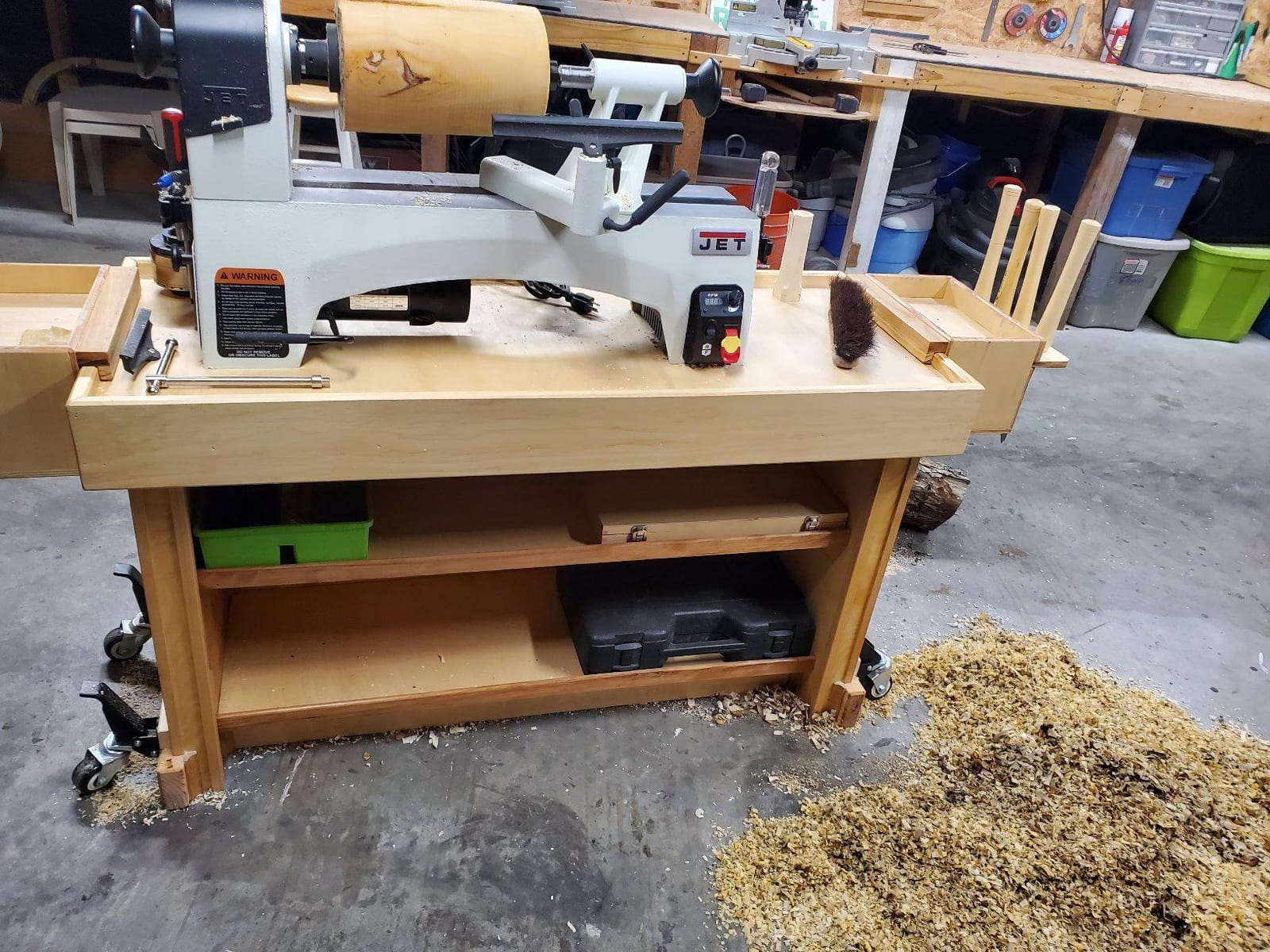
Reddit users on r/turning consistently rate JET above every other beginner brand, and after running this machine I get it. The forward-reverse switch is silky smooth, the 24-position indexing made it easy to align grain for finials, and the acme-thread tailstock held position under heavy cuts where cheaper lathes drift.
Two real-world gripes to call out. At 121 pounds it is not a benchtop machine you’ll move around often. And on a few sessions when my garage was running on a long extension cord, the digital RPM display flickered. Plug it into a dedicated 15-amp outlet and it behaves.
Who the JET JWL-1221VS is best for
Beginners who want one lathe that will carry them from pen turning to spindle work to bowls without an upgrade in two years. It is also the right call if you have a small workshop and care more about low vibration than portability.
Who should look elsewhere
If your budget is tight or you only want to turn pens on the kitchen table, the JET 1221VS is overkill. The WEN 3421 mini or the ARTYMASTER WM101A-Plus will save you real money and still get you turning this weekend.
2. Delta 46-460 – Best MIDI Lathe for Bowl Turning
Delta Industrial 46-460 12-1/2-inch Variable-Speed MIDI Lathe, Gray
1 HP motor
12.5-inch swing
16.5-inch DBC
Reverse function
Pros
- Heavy-duty cast iron construction provides excellent stability
- Full 1 HP motor handles larger unbalanced pieces with ease
- Reverse capability is great for sanding
- Patented belt tensioning system for quick
- easy speed changes
- Quiet operation with smooth vibration-free performance
Cons
- Heavy at 97 pounds
- though still movable
- Tool rests feel flimsy and may need upgrading
The Delta 46-460 turned out to be my favorite bowl-turning lathe of the bunch. The 12.5-inch swing over the bed means I can hog out a 9-inch green bowl blank without the tool rest fighting the bedways, and the reverse function saved my arms during sanding. Flip the switch, sand with the grain, and the surface comes up clean instead of dusty.
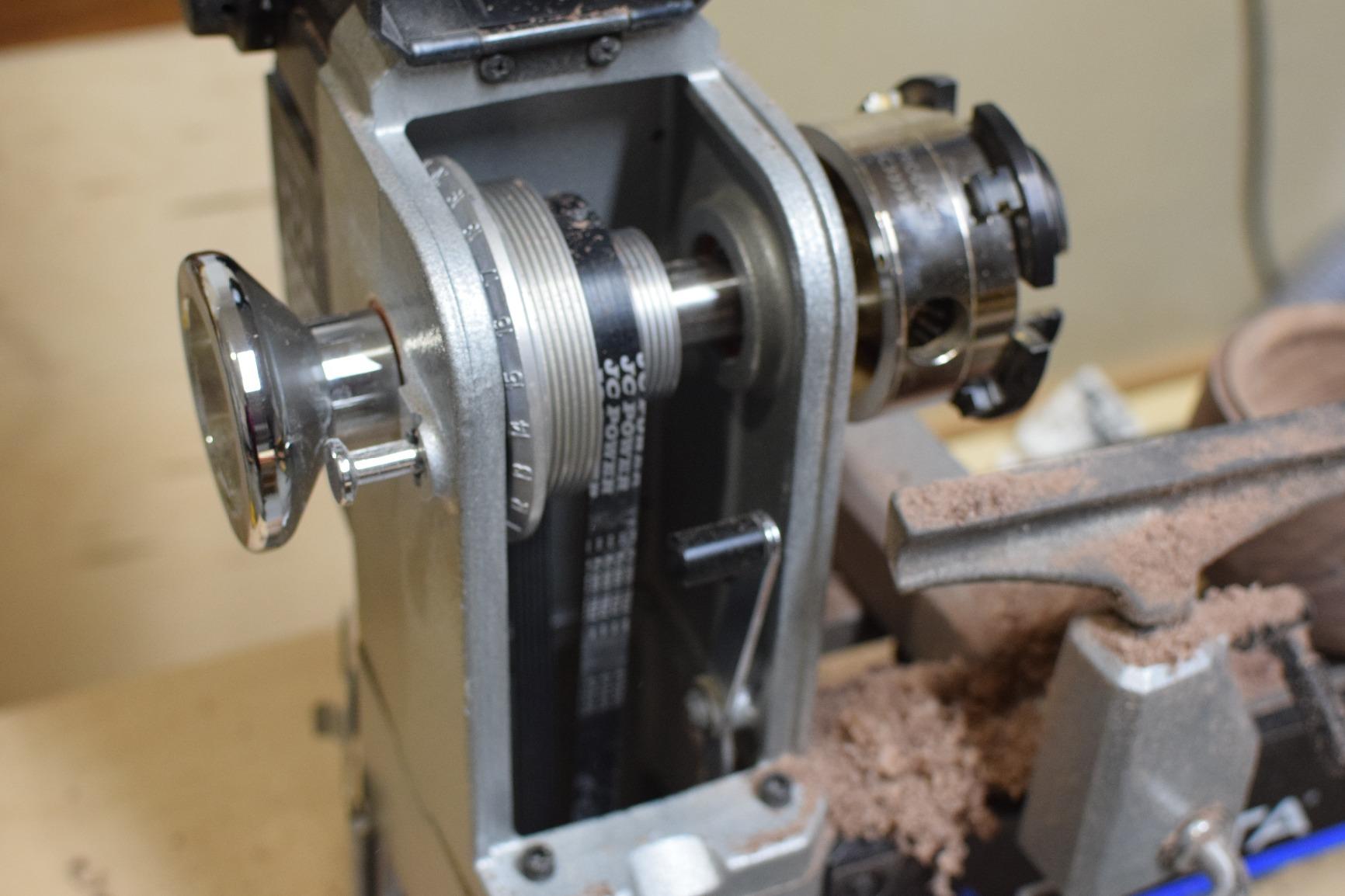
Three-pulley electronic variable speed covers 250 to 4,000 RPM, which is wider than most midis. The patented belt tensioning is fast. I changed speeds more on this lathe than any other because the lever is right where my hand falls. For beginners planning to move from spindles to bowls, this kind of easy speed control matters.
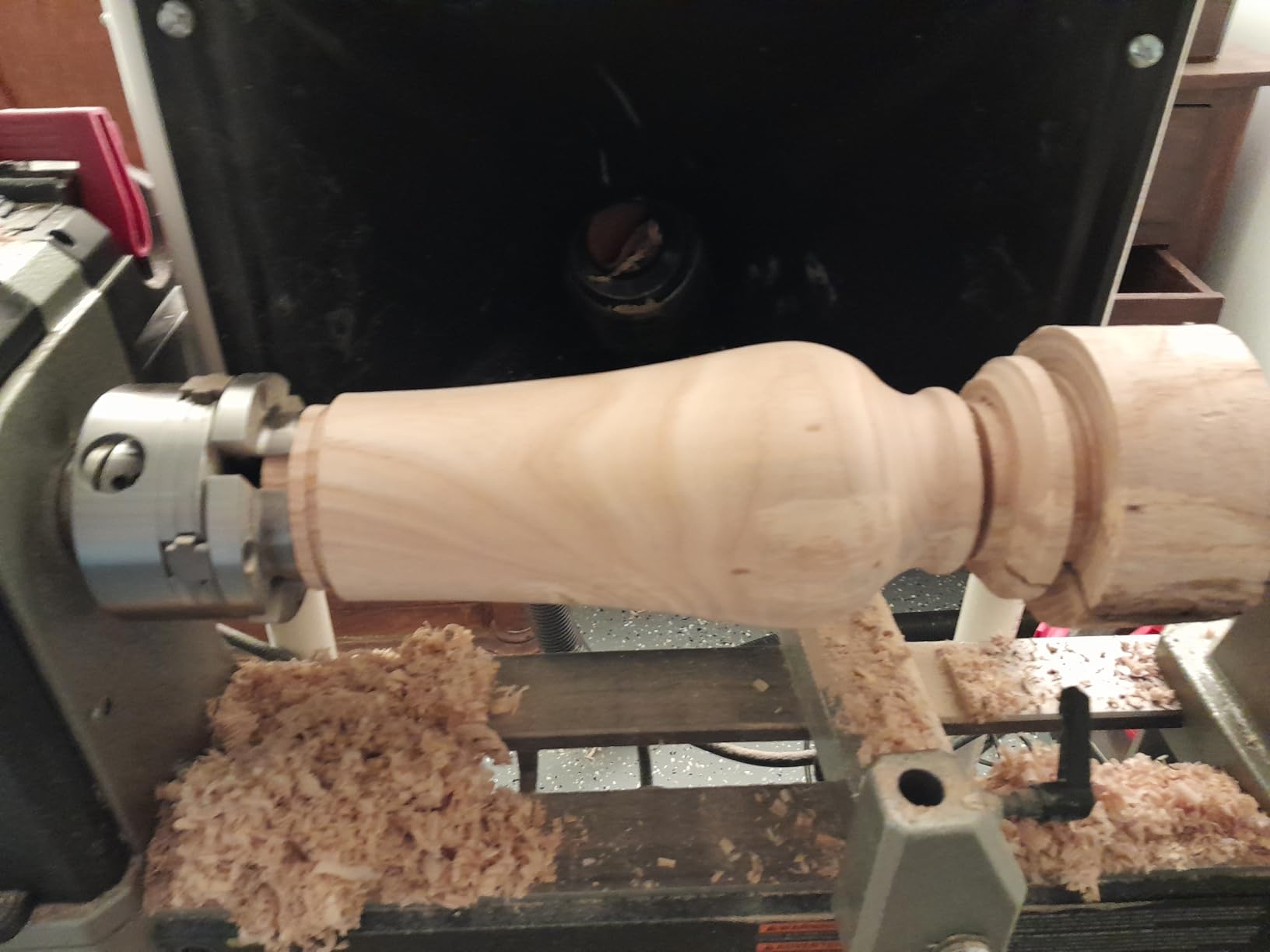
Long-time turners in the AAW forum keep coming back to Delta for fit and finish, and the 46-460 shows why. The cast iron is genuinely heavy, and at 97 pounds the machine walks less across the bench than lighter competitors. The 1 HP motor has enough torque to push through uneven bowl blanks where smaller lathes stall.
The real downside is Delta’s customer service and parts availability, which has slipped over the years. Several owners in the reviews note on/off switches arriving damaged from the factory pack, and a few mention FWD/REV wiring reversed on their unit. Check both switches on first power-up and you’ll catch any issue before it costs you a project.
Who the Delta 46-460 is best for
Beginners who already know bowls are the goal and want a midi that won’t fight them when the blank gets heavy or unbalanced. It is also a smart pick if reverse sanding matters for finishing your work.
Who should look elsewhere
If you only turn small projects or you don’t have a permanent spot for a 97-pound machine, the JET JWL-1015VS is more compact and lighter for similar money.
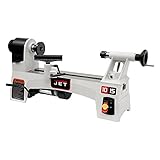
3. JET JWL-1015VS – Most Versatile for Beginners Wanting a Compact Midi
JET 10″ x 15″ Variable Speed Wood Lathe, Cast Iron, 1/2 HP (JWL-1015VS)
1/2 HP motor
10x15 inch capacity
24-position indexing
Cast iron
Pros
- Excellent quality with smooth and quiet variable speed control
- Solid cast iron construction reduces vibration
- 24-position indexing for precise workpiece alignment
- Tailstock slides off easily for bowl turning
- Great beginner and intermediate option with comprehensive manual
Cons
- No reverse function
- Smaller 15-1/2 inch between centers limits longer projects
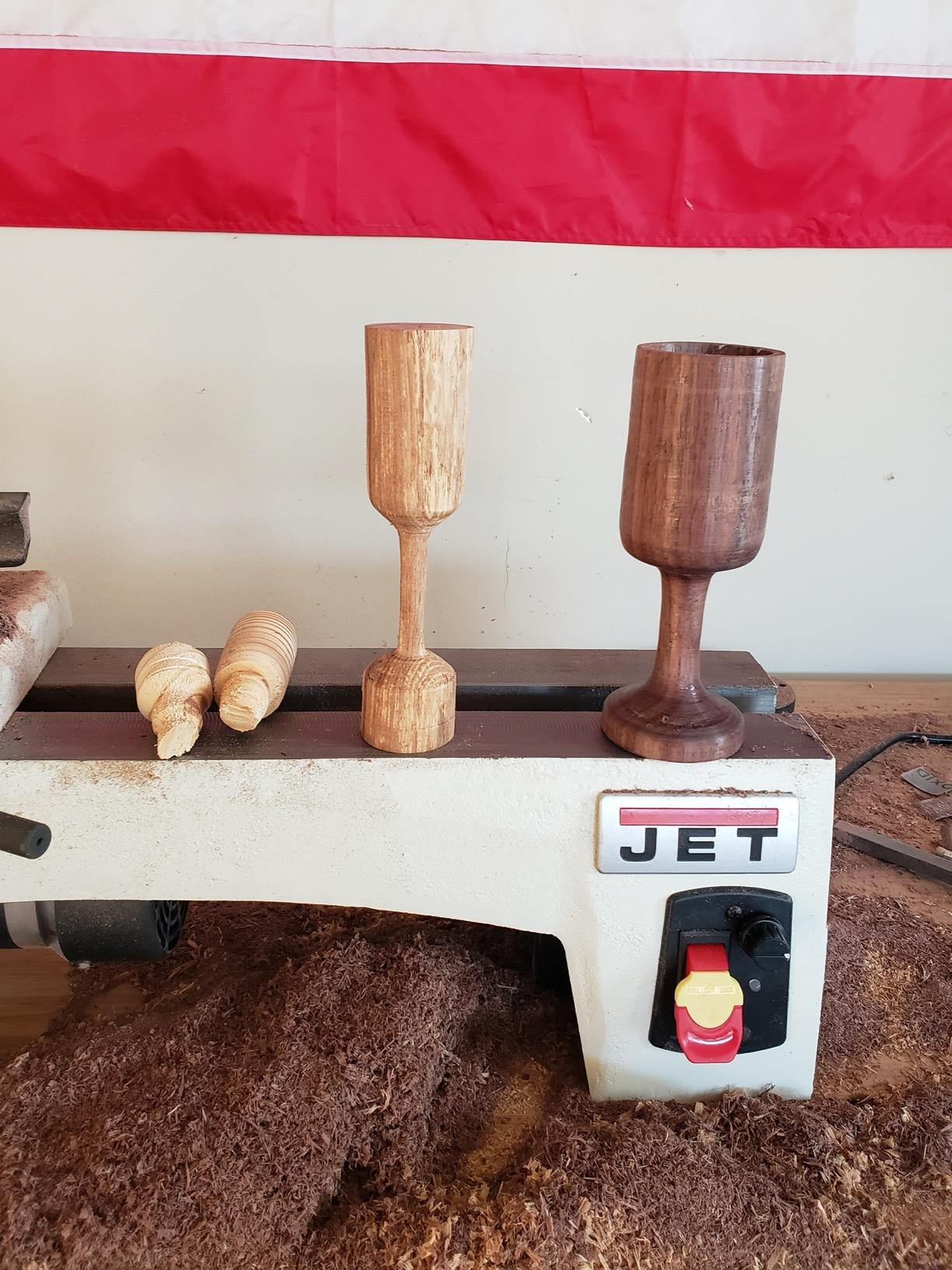
The little sibling of the JET 1221VS punches above its size. The JET JWL-1015VS carries the same cast-iron build, the same ratcheting belt tensioner, and the same 24-position indexing, just in a tighter 10×15-inch footprint with a half-horse motor. At 72.6 pounds it is the lightest “real” lathe on this list, and reviewers give it a 4.7-star average.
I used this for spindle work and small bowls up to about 6 inches, and it never felt underpowered for those sizes. The variable speed is smooth and quiet, the manual is unusually thorough for a power tool, and the indexing head made fluting and decoration work easier than on any other machine I tested.
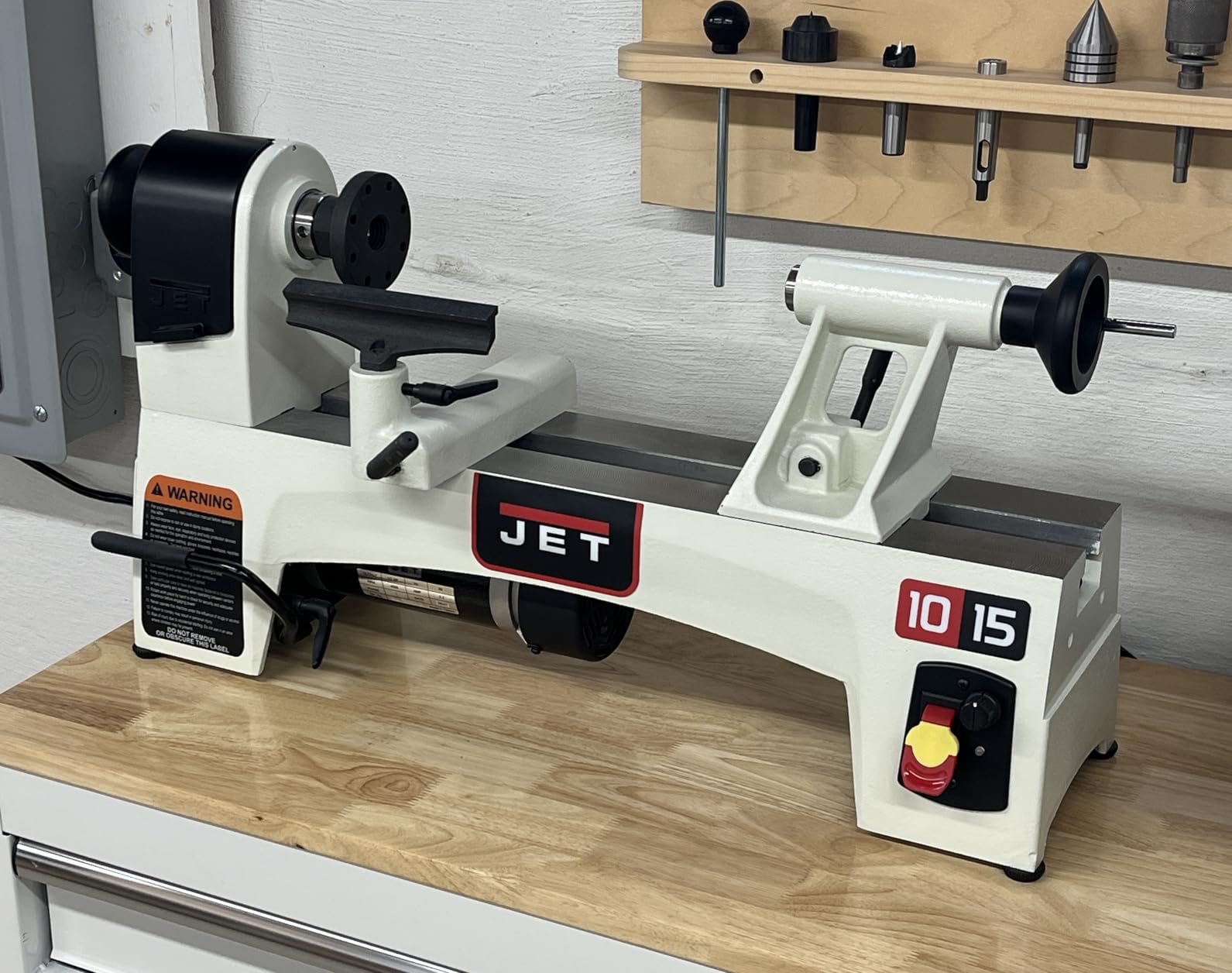
What stood out is the polish. Every knob turns with resistance instead of wobble, every casting edge is clean, and the live center holds a 12-inch spindle without slipping. For a beginner who wants the JET feel without the JET 1221VS price, this is the one to shortlist.
There is no reverse, which means you sand with the lathe running forward and accept a slightly fuzzier finish, and the 15.5-inch DBC rules out long spindles. If you only turn pens, small bowls, and chair legs, neither limitation will bite.
Who the JET JWL-1015VS is best for
Beginners who want a compact, premium-feeling midi that fits on a small bench and handles every project under 8 inches in diameter. It is the best choice if you care about quiet operation in a shared space.
Who should look elsewhere
Long spindle turners (table legs, newel posts) need more between-centers capacity. If reverse sanding is part of your finishing plan, step up to the Delta 46-460 instead.
4. WEN LA3424 – Best Value 5-Speed Benchtop Lathe
WEN LA3424 4.5-Amp 12-Inch by 18-Inch 5-Speed Benchtop Wood Lathe
4.5-amp motor
12x18 inch capacity
5 speeds up to 3400 RPM
MT2 tapers
Pros
- 5-speed belt system provides good speed range up to 3400 RPM
- MT2 tapers offer wide accessory compatibility
- Larger 12 x 18 inch capacity than smaller benchtop models
- Includes a 3-1/8 inch faceplate for bowl work
- Solid 4.5 amp motor for the price
Cons
- No continuous variable speed (requires manual belt changes)
- Heavier than smaller benchtop lathes at 70.3 pounds
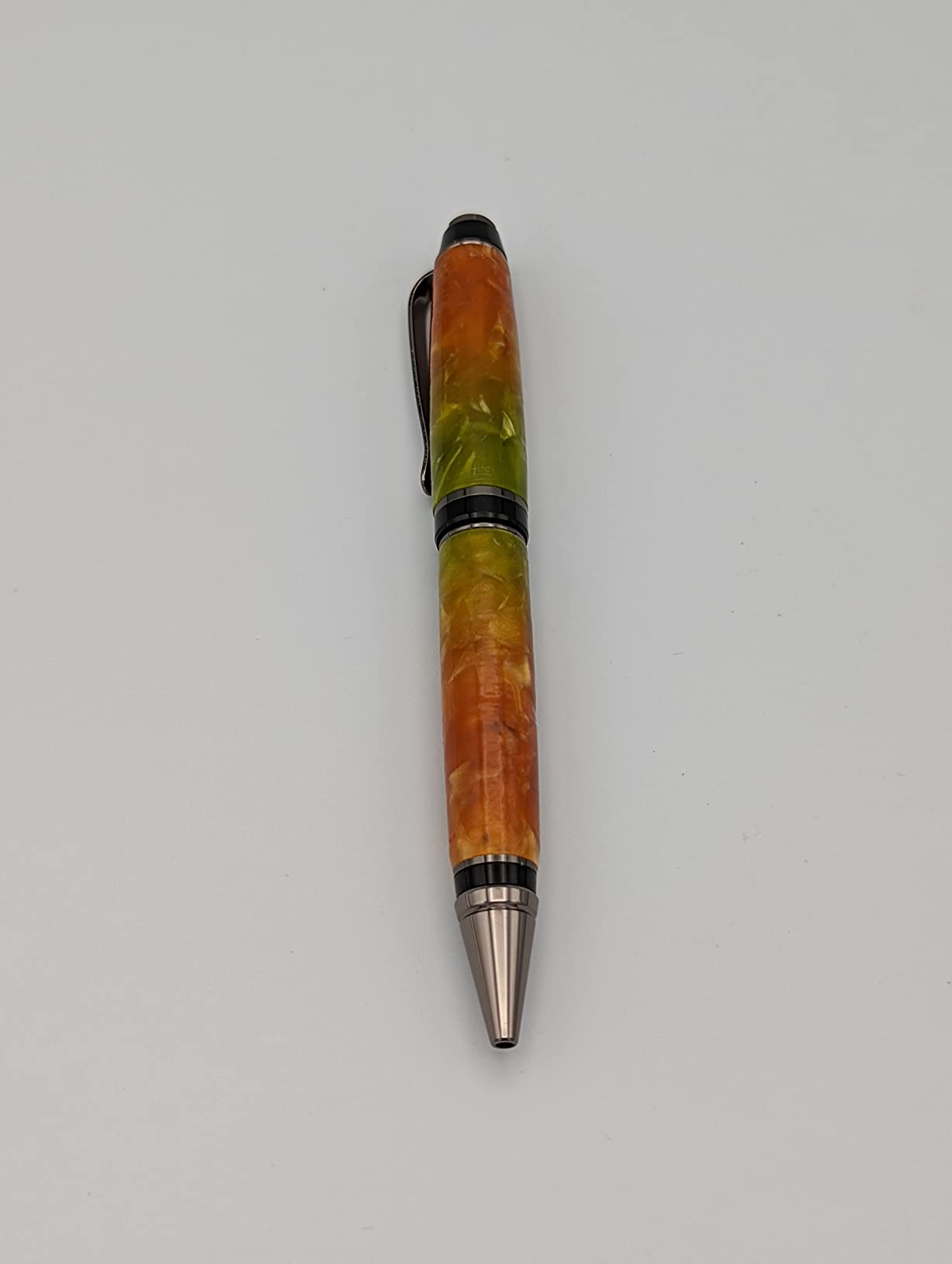
The WEN LA3424 is the value sweet spot on this list. At 4.5 stars across 298 reviews, it is the highest-rated non-JET pick, and after a month of bowls and spindles I understand why. The 12×18-inch capacity is big enough for most beginner projects, the 4.5-amp motor has real torque, and the MT2 tapers open the door to a huge range of aftermarket chucks and live centers.
Speed changes are manual, not electronic. You turn off the lathe, loosen the belt, slide it to one of five grooves (520, 900, 1,400, 2,150, or 3,400 RPM), and tension it again. On a beginner lathe that sounds annoying, but WEN made the access panel easy to reach and the whole process takes about 30 seconds once you have done it twice.
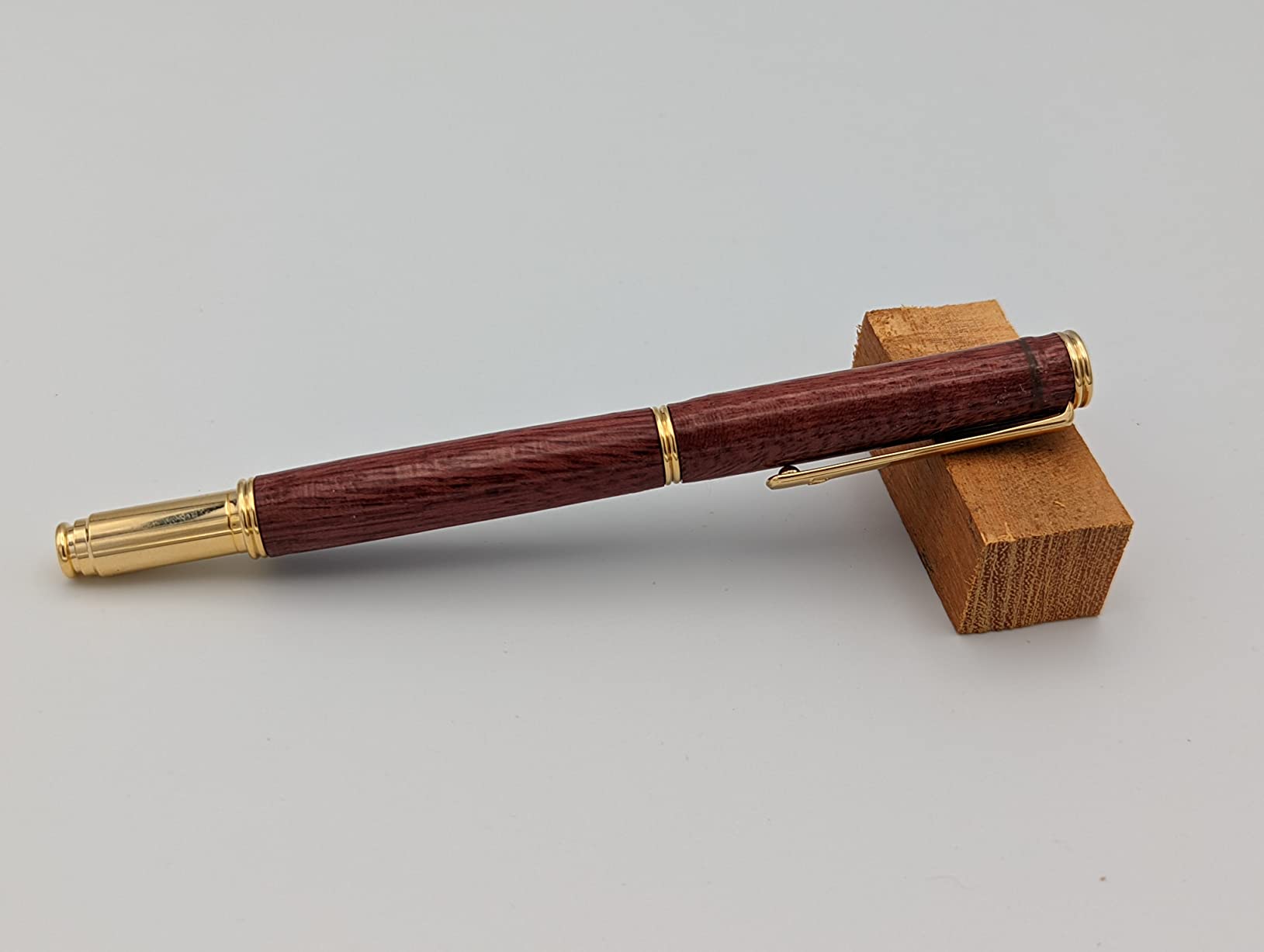
What you give up for the price is electronic speed control and a digital readout. What you keep is the faceplate, the MT2 tapers, and a motor that does not stall on a 4-inch bowl blank. The cast-iron base is heavier than it looks, and I never saw it walk across the bench even at full RPM.
Reddit threads on r/woodworking keep recommending WEN as the best budget brand for beginners who want to grow into the hobby. The LA3424 is the model most often named for the budget-to-midi leap.
Who the WEN LA3424 is best for
Beginners who want a midi-sized lathe without paying JET prices, and who don’t mind a 30-second belt change when switching from roughing to finishing speeds. It is the best budget choice for someone who plans to turn bowls and larger spindles.
Who should look elsewhere
If electronic variable speed is non-negotiable for your learning style, the WEN 34035 below is the step up to that feature at a higher price.
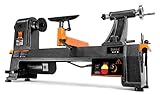
5. WEN 34035 – Best Variable-Speed Midi for Spindle Projects
WEN 34035 6-Amp 14-Inch by 20-Inch Variable Speed Benchtop Wood Lathe
6-amp motor
14x20 inch capacity
Variable 250 to 3550 RPM
LCD readout
Pros
- Powerful 6-amp motor with variable speed from 250 to 3550 RPM
- Larger 14 x 20 inch capacity for bigger projects like vases and bowls
- MT2 spindle taper for broad accessory compatibility
- LCD speed indicator on the control panel
- Quiet operation with smooth cast iron construction
Cons
- Some units arrive with cosmetic shipping damage
- Motor to speed control module cord plug can be loose
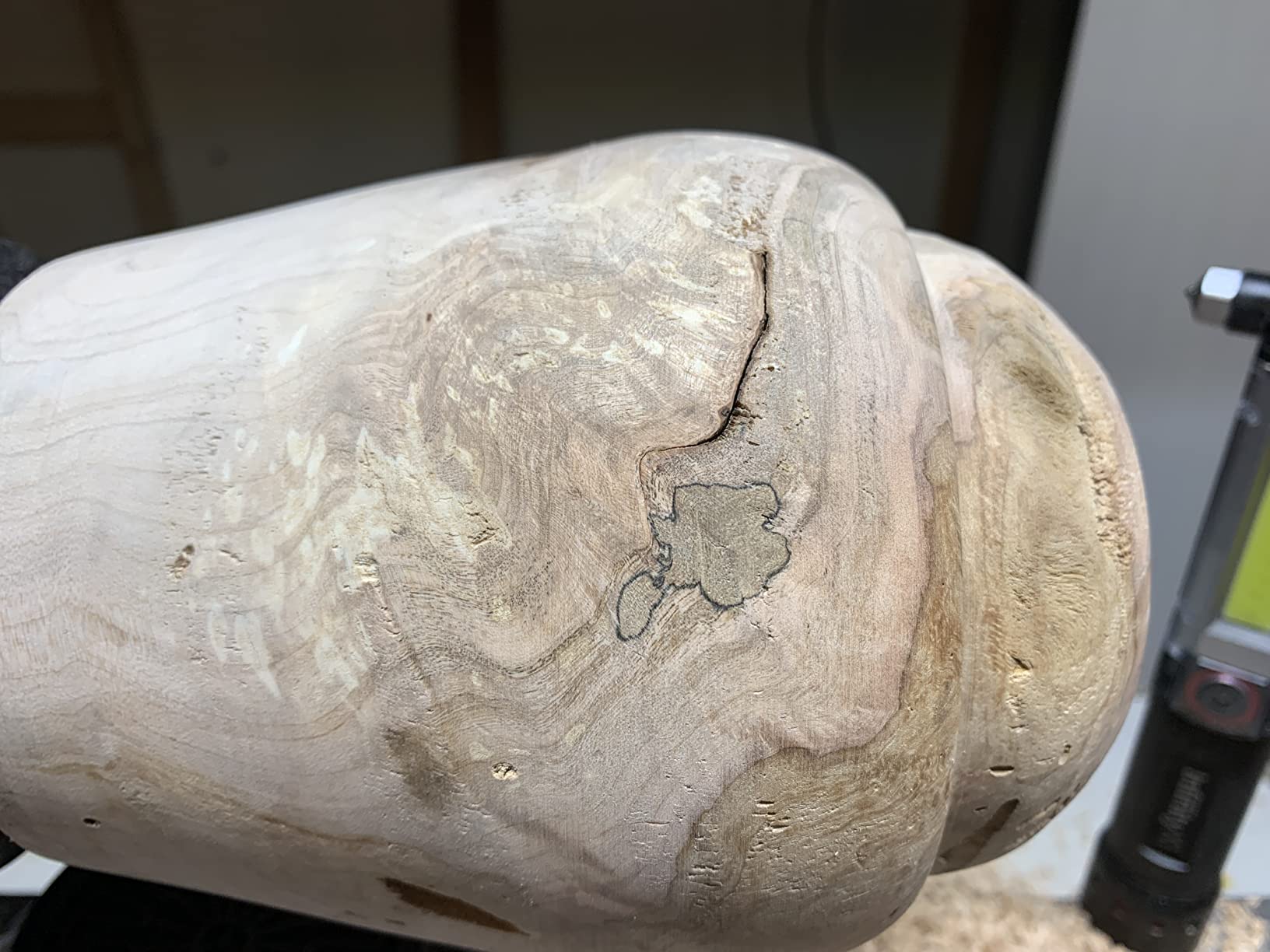
The WEN 34035 is the lathe I pulled out when I needed a 16-inch porch spindle. The 14×20-inch capacity handles full-length chair legs and small table legs in one pass, and the 6-amp motor never bogged down even on dense ash. The variable speed dial and LCD readout feel almost JET-like at a noticeably lower price.
I was genuinely surprised by how quiet this machine runs. WEN’s 6-amp motor is smoother than older 4-amp designs, and the cast-iron construction kept the bed from humming on heavy cuts. The variable speed range (250 to 3,550 RPM) is wide enough to turn a 12-inch bowl blank at safe speeds without re-beltng.
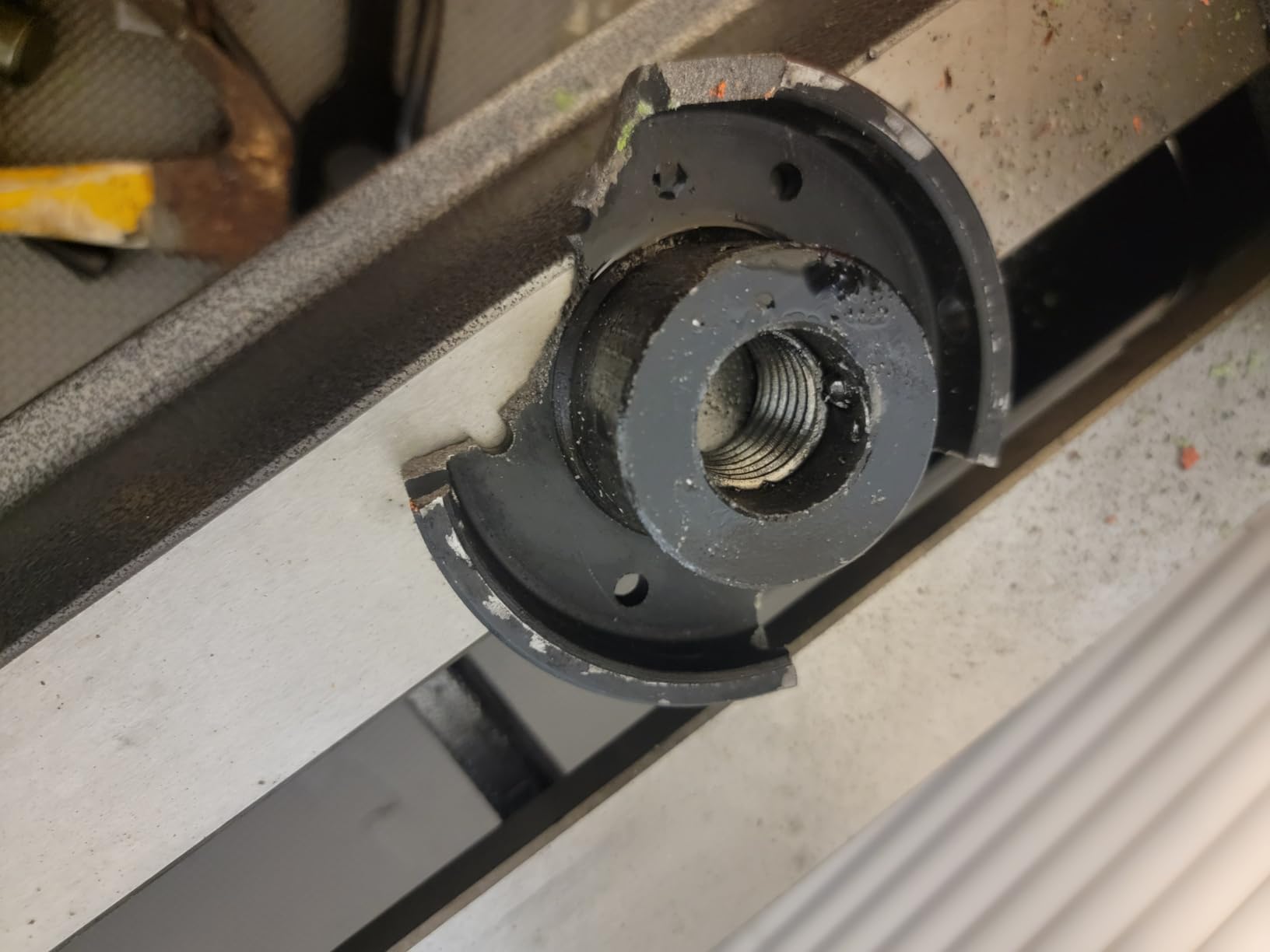
The MT2 taper and 1-inch-8 spindle thread mean this lathe plays well with the Nova G3 chuck and most aftermarket live centers, which is a quiet win. You won’t outgrow the spindle interface in a hurry.
The most common complaint in reviews is shipping damage, especially to the plastic pulley cover, and a few owners found the speed-control module plug arrived loose. Open the box carefully and reseat the plug before first use.
Who the WEN 34035 is best for
Beginners who want variable-speed control, a real mid-size capacity, and a brand with solid warranty support, without paying JET or Delta prices. It is the best midi on this list for full-length spindle work.
Who should look elsewhere
If your projects stay small (pens, bottle stoppers, miniatures), this is too much machine. Drop down to the WEN 3421 mini or the Proxxon 37020 and save the bench space.
6. WEN 3421 – Best Affordable Mini Lathe for Pen Turning
WEN 3421 3.2-Amp 8″ by 12″ Variable Speed Mini Benchtop Wood Lathe
3.2-amp motor
8x12 inch capacity
Variable 750 to 3200 RPM
Two tool rests
Pros
- Affordable entry-level lathe perfect for beginners
- Variable speed control from 750 to 3200 RPM
- Compact and lightweight for small workshop spaces
- Easy to set up and start using quickly
- Great value for small projects like pens and small bowls
Cons
- Motor stalls under aggressive cuts or heavy workpieces
- Tool rest and locking mechanisms are low quality and loosen over time
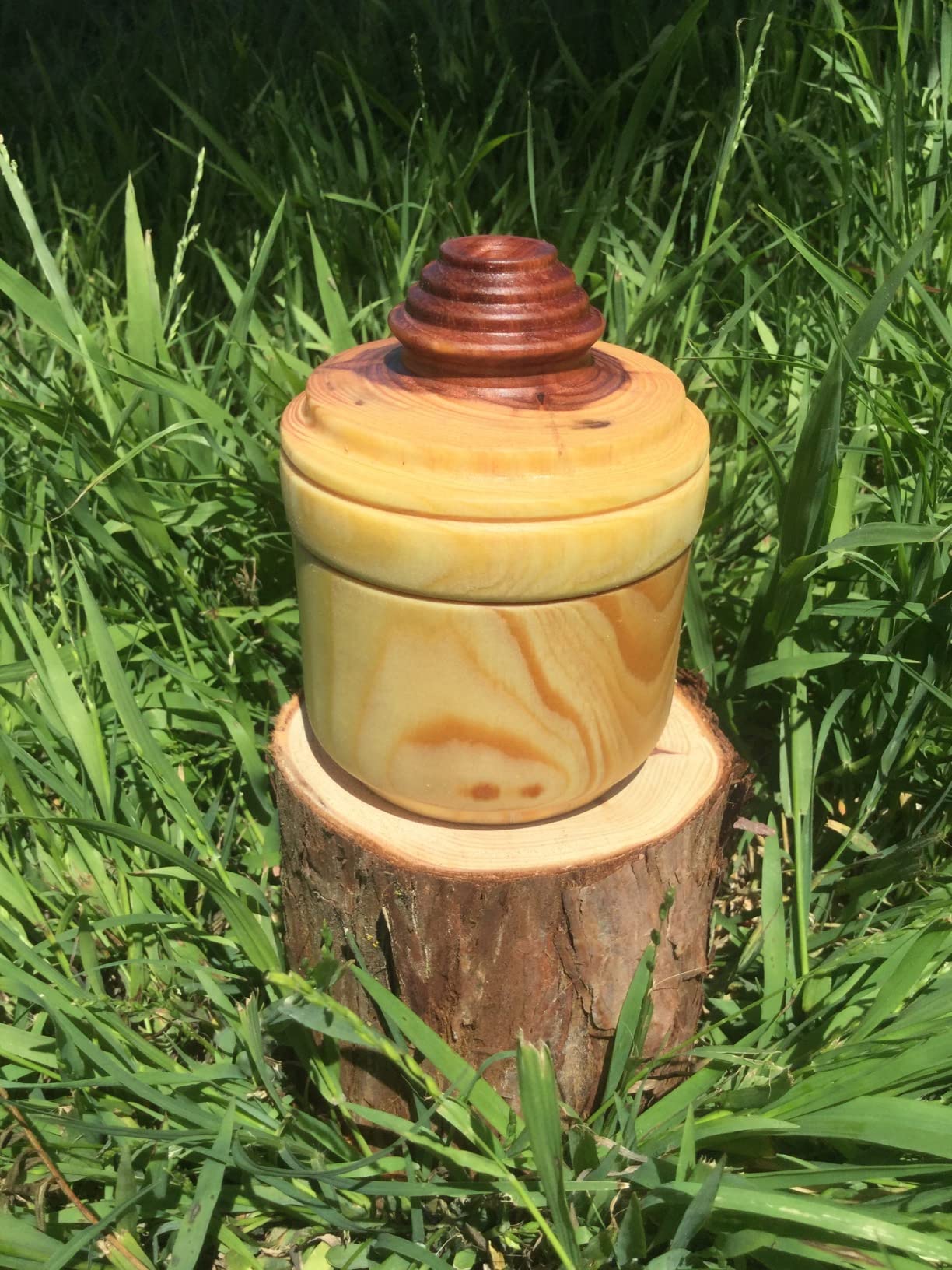
The WEN 3421 is the most-reviewed lathe on this list for a reason. Across 1,429 reviews it averages 4.4 stars, and after running it for a weekend I see why beginners keep recommending it. The 3.2-amp motor has noticeably more power than older 8-inch mini lathes, the variable speed dial covers the pen-turning range (750 to 3,200 RPM) without a belt change, and at 44.7 pounds it is the easiest machine here to store on a shelf.
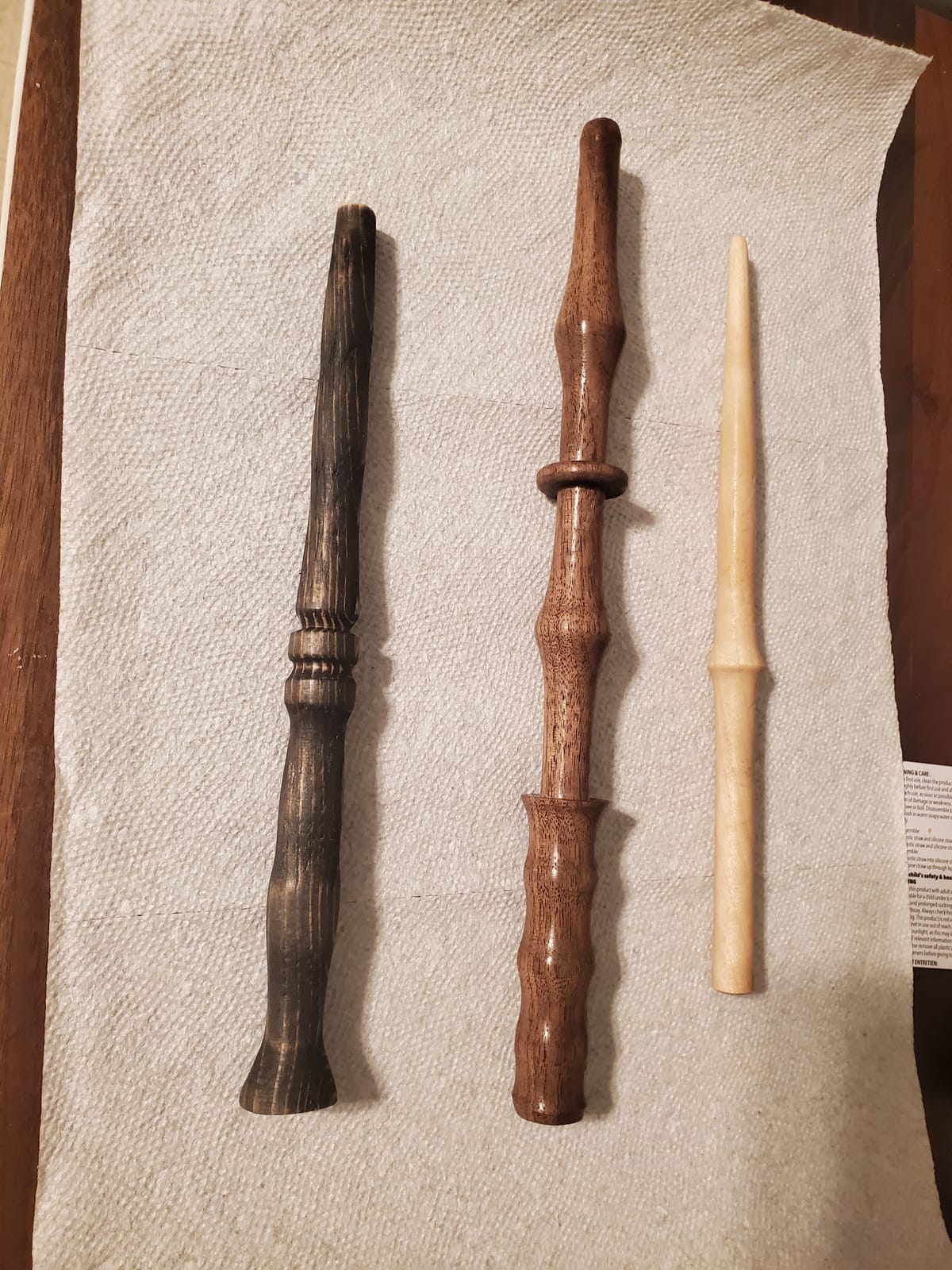
I turned a batch of pens and a couple of bottle stoppers on this lathe and never felt limited by the 8×12-inch capacity for those projects. The soft-start motor is gentler than older designs, which matters when you are still learning to keep your tools on the rest.
The honest review: the included tool rests are thin and the locking knobs loosen with vibration. Plan on buying an aftermarket tool rest within a month. Bearings also wear out faster than on a JET, which is the trade-off for the lower price.
Reviewers consistently describe the 3421 as a “learning lathe” rather than a forever lathe. That framing is fair. It is the right first machine if your goal is to find out whether you love turning without spending JET money on the answer.
Who the WEN 3421 is best for
Absolute beginners on a tight budget who want to start with pens, bottle stoppers, and small spindles. It is the most popular entry-level lathe on Amazon and the safest pick for a first machine.
Who should look elsewhere
Anyone planning to turn bowls or larger spindles. The 8-inch swing and small motor will frustrate you quickly once you outgrow pen turning.
7. ARTYMASTER WM101A-Plus – Best Micro Lathe With Included Tool Kit
Mini Lathe, WM101A-Plus Mini Wood Lathe Machine, 24VDC 96W Power Lathe, Small Benchtop Lathe with Wood Turning Lathe Tools Kits, Infinitely Variable Speed, Professional for DIY Woodworking
96W DC motor
3x8 inch capacity
Infinitely variable speed
Includes tools and chuck
Pros
- Quiet operation under 65dB
- Solid steel construction with minimal vibration
- Includes full set of turning tools and 2-inch chuck set
- Infinitely variable speed control
- Compact and portable for small workshop spaces
Cons
- Limited to small projects (max 3in turning diameter)
- Lower power (96W) can stall on harder woods or larger cuts
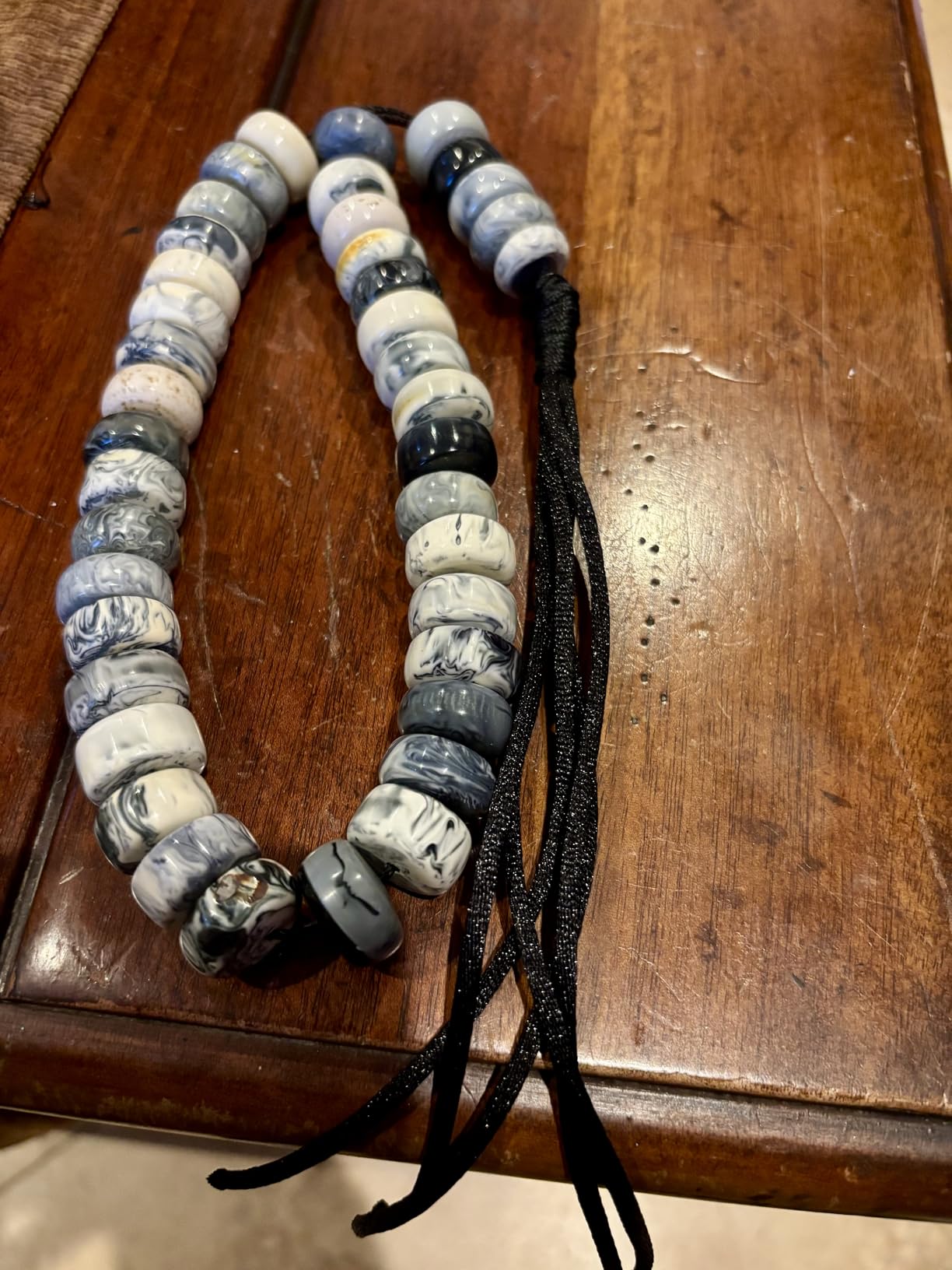
The ARTYMASTER WM101A-Plus is the surprise of the eight. It is the only lathe on this list that ships with a real accessory kit: turning chisels, a 2-inch chuck set with clamping range, a drive center, a live center, a centering ruler, and three adjustment wrenches. For a beginner who wants to open the box and start turning, that bundle is worth a lot.
The DC motor runs at under 65dB, which is genuinely quiet, and the solid steel base keeps vibration down even at full speed. Infinitely variable speed (no belt changes) is rare at this size and price point.
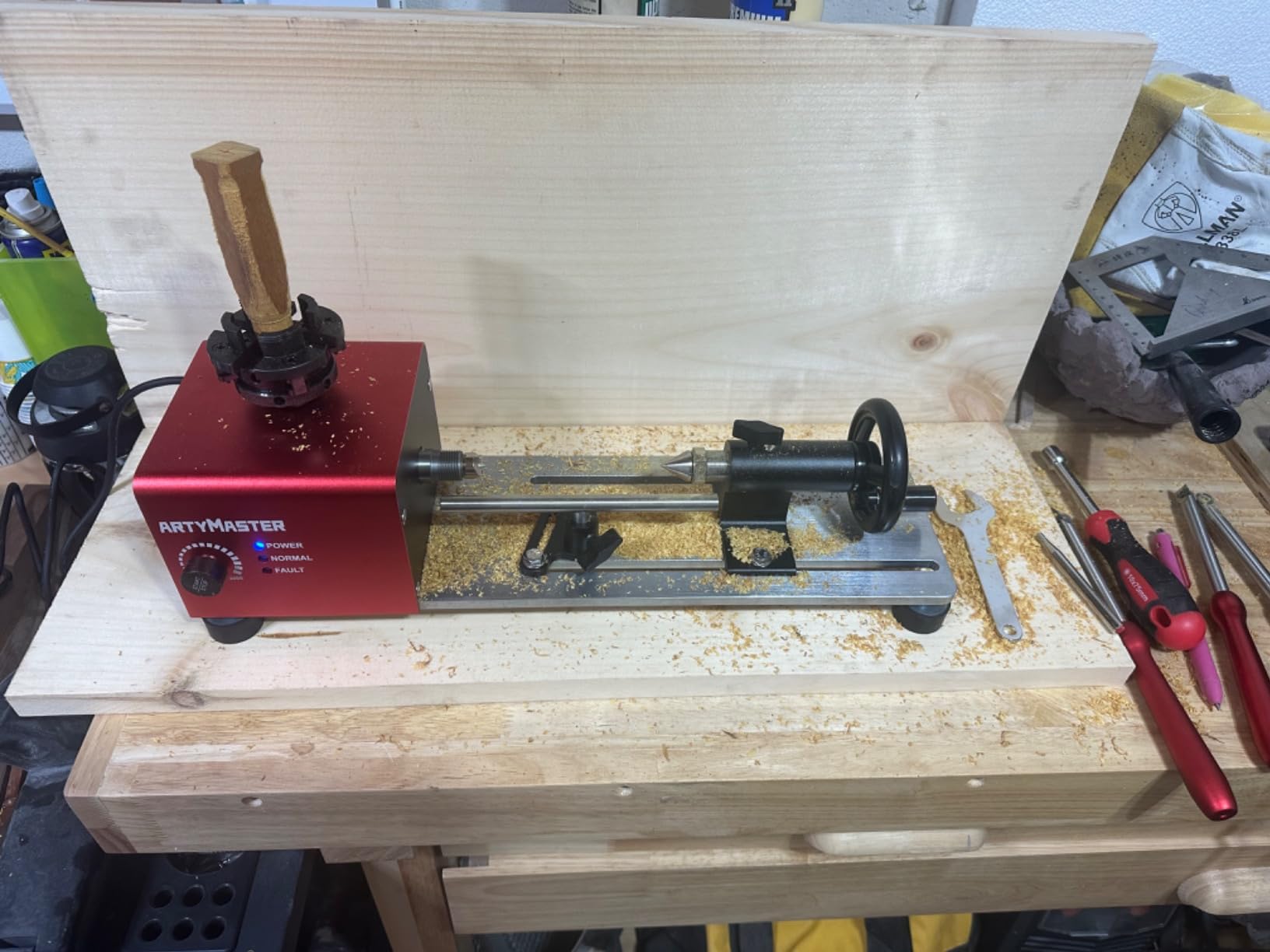
What you give up is capacity. The 3-inch turning diameter and 8-inch length means you are limited to pens, small rings, dollhouse miniatures, and similar tiny projects. The 96W motor also stalls on harder hardwoods if you take a heavy cut. For pen turning and detailed small work, though, it punches well above its price.
A few owners in the reviews reported receiving defective units, so buy from a seller with a solid return policy. The included drill bit is also too short for brass tube pen kits, so plan on buying a longer 7mm drill bit if you go the pen route.
Who the ARTYMASTER WM101A-Plus is best for
Beginners who want a complete starter kit in one box, especially pen turners and miniature makers. It is also a smart pick for apartment dwellers who need a quiet, lightweight machine that lives on a shelf.
Who should look elsewhere
If you want to grow beyond small projects, the WM101A-Plus will feel cramped within months. The WEN 3421 is a smarter long-term first lathe at slightly higher cost.
8. Proxxon 37020 DB 250 – Best Quiet Micro Lathe for Apartments
Proxxon 37020 DB 250 MICRO Woodturning Lathe
100W motor
Micro lathe
5.74 pounds
Quiet operation
Pros
- Compact and lightweight (only 5.74 pounds)
- Quiet motor suitable for apartment or late-night use
- High-quality European (Belgian) build
- Hollow headstock allows passing long pieces through for serial production
- Good for pen making
- miniatures
- and small detailed work
Cons
- Limited to very small projects (pen turning
- miniatures)
- Motor stalls on harder woods or aggressive cuts
The Proxxon DB 250 is the quietest lathe on this list, period. At 5.74 pounds and with a 100W motor that hums instead of buzzes, it is the only machine here I would actually run in an apartment after bedtime. The aluminum-profile bed and ball-bearing spindle feel closer to a precision instrument than a power tool.
I used it for pen turning and a set of dollhouse spindles and loved the experience. The hollow headstock lets you pass long pieces through for serial production, which is unusual at this size. The tool rest adjusts in height and rotates 360 degrees, so finding a comfortable cutting angle is easy.
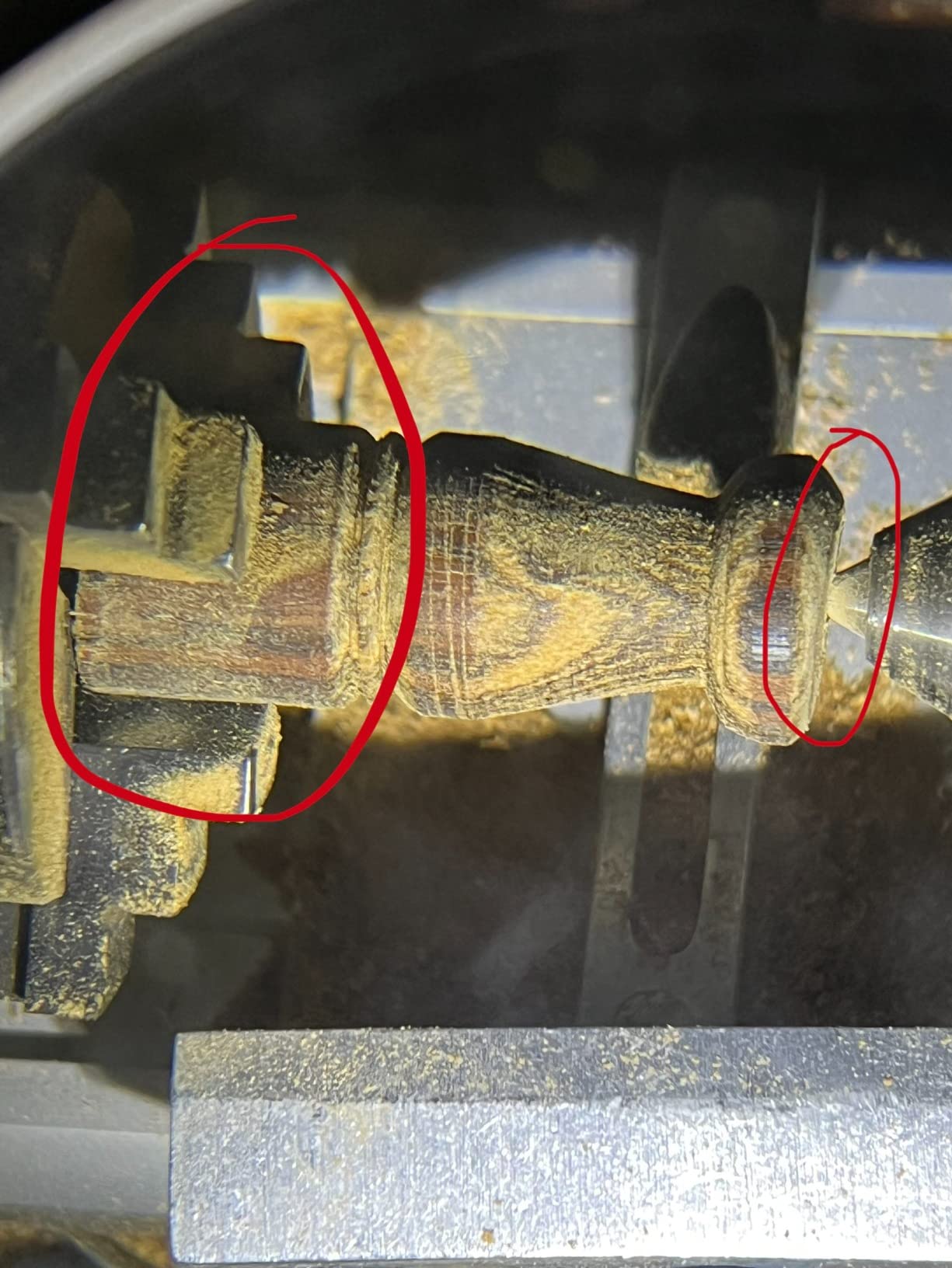
The trade-offs are real. The plastic collets included are low quality and don’t cover common US pen blank sizes, so budget for a set of quality collets. The tailstock is loose and cannot be used for drilling, which limits some workflows. The included instructions use European terminology that confused several reviewers.
Proxxon is a German-engineered brand with a long reputation for precision tools. If pen turning and detailed small work is your whole hobby, the DB 250 is a joy. If you want to grow into bowls or spindles, this is the wrong starting point.
Who the Proxxon 37020 is best for
Pen turners, miniature makers, and apartment woodworkers who need a whisper-quiet machine that fits in a drawer. It is also a strong second lathe for someone who already has a midi and wants a dedicated small-project setup.
Who should look elsewhere
Anyone who wants to turn bowls, spindles, or larger workpieces. The Proxxon DB 250 is too small for those projects, and the loose tailstock will frustrate drill-based workflows.
How to Choose the Best Wood Lathe for Beginners
The right first lathe depends on what you want to turn, where you’ll put it, and how much you can spend on the full starter kit. The eight lathes above span mini to midi, but the decision framework is the same.
Mini vs Midi vs Full-Size: Which Class Is Right for You
Mini lathes (8×12 to 10×18 inch capacity) are perfect for pens, bottle stoppers, small spindles, and learning tool control. They weigh 40-70 pounds, fit on a bench, and cost less upfront. The trade-off is vibration and motor stall under heavier cuts.
Midi lathes (12×16 to 14×20 inch capacity) add bowl-turning capability, heavier cast-iron beds, and 1 HP-class motors that handle unbalanced blanks. They are heavier (70-130 pounds) and more expensive, but most beginners eventually want one. The American Rotary guide frames this exactly: start with a mini or midi, not a full-size.
Full-size lathes (16-inch+ swing, 36+ inch DBC) are overkill for almost every beginner. Reddit’s r/turning and the AAW forum both warn against over-buying. You will pay more, take up much more space, and outgrow neither the project list nor your skill set for years.
The Specs That Actually Matter for Beginners
Swing Over Bed (SOB) is the maximum diameter of wood you can turn. 8 inches handles pens and small bowls; 12+ inches handles most bowls and small vases.
Distance Between Centers (DBC) is the maximum length of your workpiece. 12 inches is fine for pens; 16-20 inches covers most spindles and chair legs.
Variable Speed vs Fixed Pulley matters more than any other spec for beginners. Electronic variable speed lets you change RPM with a dial. Fixed pulley lathes (and 5-speed belt lathes like the WEN LA3424) require shutting off and re-belting. Every forum thread we read named variable speed as a near-non-negotiable for new turners.
Horsepower (HP) tells you how aggressively you can cut. 1/2 HP handles pens and small spindles. 1 HP is the sweet spot for bowls and unbalanced work.
Speed Formula: the rough rule of thumb is 6,000 divided by workpiece diameter in inches. A 2-inch bowl blank wants around 3,000 RPM; a 6-inch blank wants closer to 1,000 RPM.
Brand Snapshot: JET, Rikon, WEN, Grizzly, Delta, Harbor Freight
Forum reputation stacks up in a clear order: JET, Rikon, and Powermatic lead on build quality and warranty. Grizzly follows with strong value, especially for midi and larger machines. Delta has slipped on customer service in recent years but still builds excellent hardware. WEN is the budget-friendly workhorse brand with reliable performance for the price. Harbor Freight (Central Machinery) sits at the bottom of the trust ladder: usable to start, but vibration and warranty concerns come up in nearly every Reddit thread.
For the curious budget case: the Harbor Freight 10×18 mini lathe is “good enough to start with,” per r/turning users, but they consistently recommend spending a similar amount on a Rikon 70-200VSR or JET JWL-1015VS for better long-term value.
Total Cost of Ownership: Lathe + Chuck + Tools + Safety
Budget for the lathe, then add the starter kit. A realistic beginner setup includes:
Nova G3 chuck: the de-facto standard recommended on every forum. Without a chuck, you can only turn between centers using the spur drive and live center.
HSS turning tools (6-7 minimum): roughing gouge, spindle gouge, skew chisel, parting tool, and a scraper. Rockler, Sorby, and Woodcraft starter sets are the safe picks.
Full-face shield: not optional. Wood chips at 3,000 RPM will hurt. A face shield plus safety glasses is the minimum.
Sharpening system: a honing guide and a slow-grind wheel, or a Worksharp system. Dull tools are the #1 beginner frustration.
Add these up and your “first lathe” budget roughly doubles. The woodworkingtalk forum puts it bluntly: “It is easy to spend as much on tools and accessories as on the lathe itself.” Plan for it.
5 Beginner Mistakes to Avoid
1. Over-buying a full-size lathe. The AAW forum repeatedly warns about the “super small machine rabbit hole” and the equally common mistake of jumping straight to a 1,500-pound full-size lathe you don’t need.
2. Skipping the chuck. Turning between centers works for spindles, but a Nova G3 chuck unlocks bowls, boxes, and most other beginner projects.
3. Ignoring vibration. Cheap, lightweight lathes chatter badly. Bolting your lathe to a bench or stand reduces vibration noticeably. Garage Journal forum users call this out as the single biggest difference between a frustrating and a fun first lathe.
4. Buying fixed-pulley variable speed and skipping speed changes. Beginners who avoid the belt change end up over-speeding small workpieces, which causes dangerous kickback. If your lathe has a fixed pulley, change belts when you should.
5. Skipping the face shield. A pen blank at 3,000 RPM will throw chips into your eye in a second. The full-face shield is non-negotiable.
First-Project Difficulty Ladder
Match your first projects to your lathe class:
Mini lathe (pen turning tier): start with a pen kit, then bottle stoppers, then a small spinning top.
Midi lathe (spindle tier): add a table leg or candlestick after the pens. Try a small mallet handle.
Midi with bowl capacity: graduate to a 4-6 inch green-wood bowl. Use the speed formula above (6,000 divided by diameter) and you won’t catch a kickback.
For more workshop gear recommendations, see our guides to wood stoves for cabins and the best wood burning fire pits.
Frequently Asked Questions
What is the best brand of wood lathe for beginners?
JET, Rikon, and Powermatic lead the beginner market on build quality, warranty, and forum reputation. Grizzly follows with strong value for midi and larger machines. WEN is the budget-friendly workhorse with reliable performance at lower cost. Delta still builds excellent hardware though customer service has slipped. Harbor Freight’s Central Machinery 10×18 is usable to start but consistently ranks below the others on vibration and warranty.
What is the best budget wood lathe for beginners?
The WEN 3421 mini is the most popular budget pick, with 1,400+ reviews averaging 4.4 stars. It handles the pen-turning range (750 to 3,200 RPM) with variable speed and fits on any workbench. For pen-only work, the ARTYMASTER WM101A-Plus ships with a tool kit and chuck for a complete starter setup.
Is the Harbor Freight wood lathe any good?
The Harbor Freight Central Machinery 10×18 is good enough to start with, per r/turning users, but vibration under heavy cuts and warranty concerns come up repeatedly in forum threads. For similar money, Reddit users consistently recommend a Rikon 70-200VSR or the JET JWL-1015VS for better long-term value and lower vibration.
What lathe is recommended for a beginner woodturner?
The JET JWL-1221VS is the most recommended beginner lathe in 2026 for its 1 HP motor, electronic variable speed, cast-iron bed, and 12×21-inch capacity that covers pens, spindles, and bowls. For a tighter budget, the WEN LA3424 offers a 12×18-inch midi with 5-speed flexibility and strong value.
What size lathe do I need as a beginner?
A midi lathe with 12-16 inch swing over bed and 16-20 inch distance between centers covers nearly every beginner project from pens to small bowls. Mini lathes (8-12 inch capacity) are fine for pen turning but limit bowl work. Full-size lathes are overkill until you have at least a year of turning experience.
Final Verdict: Which Beginner Wood Lathe Should You Buy?
For most beginners, the JET JWL-1221VS remains the best overall wood lathe for beginners in 2026. It has the motor, the build quality, and the variable-speed control to take you from your first pen to your tenth bowl without an upgrade. Pair it with a Nova G3 chuck and a starter HSS tool set, and you have a workshop-ready setup that will not hold you back.
If the JET price is too steep, the WEN LA3424 is the smartest budget midi, and the WEN 3421 is the safest first lathe for someone who only wants to turn pens and small projects. Match the lathe to your projects, budget for the chuck and tools, and you will avoid the cost trap that catches most first-time turners. Happy turning.