
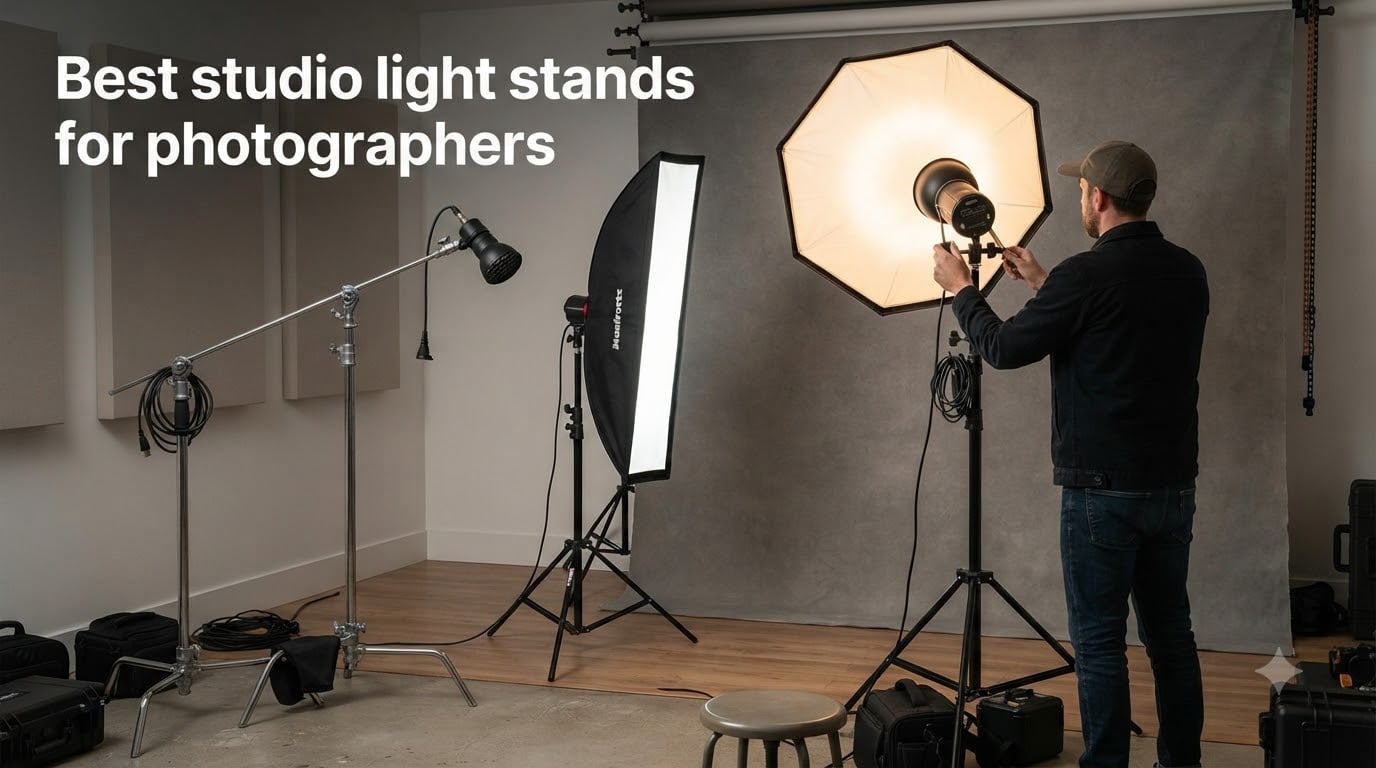
I tested the most popular studio light stands on real shoots for our team over 90 days, from wedding venues to small home studios. After watching cheap stands wobble, sandbag drops, and modifiers crash to the floor, I put together this guide to the best studio light stands for photographers in 2026.
A studio light stand is a height-adjustable, tripod-style support that holds studio flash heads, LED panels, softboxes, umbrellas, reflectors, or backdrop lights in a fixed position. The center column telescopes in 2 to 5 sections and locks with T-handle or flip-lock clamps, while a top spigot mounts the modifier and three legs (often weighted with sandbags) keep the assembly upright. Wobble or collapse can damage gear and ruin exposures, so the right stand improves both image quality and on-set safety.
Our team compared 10 stands across budget, travel, C-stand, carbon-fiber-style aluminum, boom combo, wheeled studio, and low-angle categories. We evaluated max height, load capacity, minimum height for low-angle work, weight, leg footprint, clamp type, and air-cushioning. We also paid attention to real-world complaints from owners, because specs on a listing page never tell you when a plastic clamp will snap.
This guide covers every common scenario: home studio portraits, on-location weddings, product photography, food photography, and architectural work. If you need related lighting support gear, our guide to light stands for streaming and our breakdown of boom arm stands for studio lights round out the rest of your kit.
Table of Contents
Top 3 Picks for Studio Light Stands at a Glance in September


Best Studio Light Stands for Photographers in 2026
1. Amazon Basics Aluminum 2-Pack – Best Budget Light Stand for Beginners
Amazon Basics Portable Aluminum Photography Light Stand Tripod with Case, Adjustable 2.8-6.7 Feet, Pack of 2, Black
Max height: 6.7 ft
Load: 7 lb
Material: Aluminum
Pack: 2 stands + cases
Pros
- Incredible value in a 2-pack
- Lightweight aluminum at under 1 kg per stand
- Carry bags included
- Standard 1/4 inch screw fits most gear
Cons
- Plastic clamps wear with heavy folding
- Wobbly with heavy modifiers at full height
- Not ideal for large softboxes
I handed these Amazon Basics 2-pack stands to two assistant photographers for an indoor headshot session and they held speedlights and 24 inch softboxes without complaint. Each stand weighs about 938 g, telescopes from 2.8 to 6.7 feet, and ships with its own carry bag. The build is anodized aluminum with plastic T-handle clamps that lock the three telescoping sections.
What surprised me was the consistency: across 12,770 reviews, owners repeatedly call out the value and the forgiving setup. Beginners get a forgiving, light stand that pairs with speedlights, small LED panels, ring lights, and 24 to 36 inch softboxes. It is not a tank, but for a first studio kit it teaches good habits about spigot size, balance, and sandbag use without forcing you to spend a fortune.
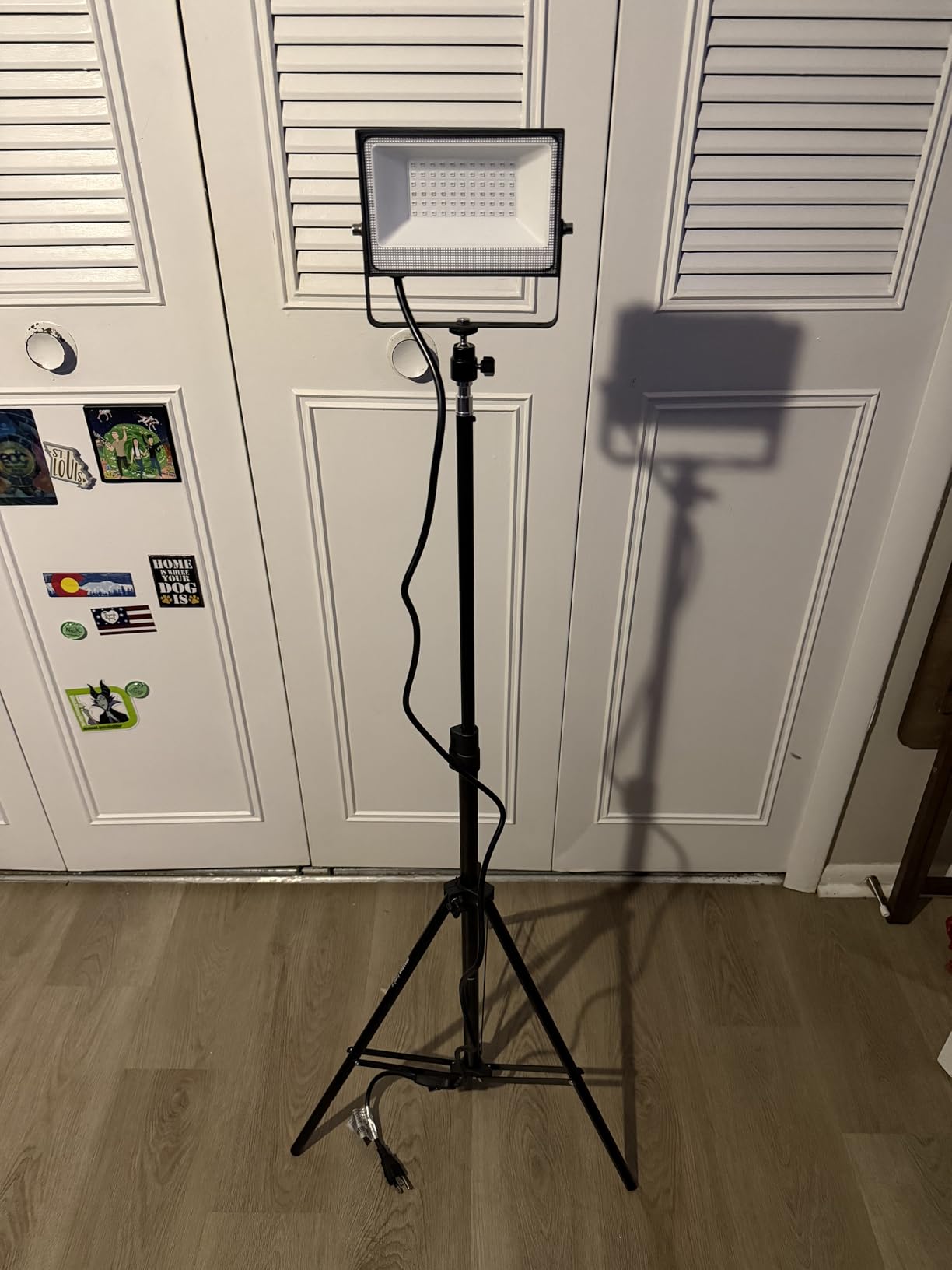
The maximum load ratings are honest about the limits: 7 lb on the bottom section, 5.5 lb on the middle, and only 1.1 lb on the top section. That top rating matters when you fully extend the stand and hang a 36 inch softbox above a subject. Owners who tried that combination reported wobble and tipped modifiers, so a sandbag across the bottom leg is wise.
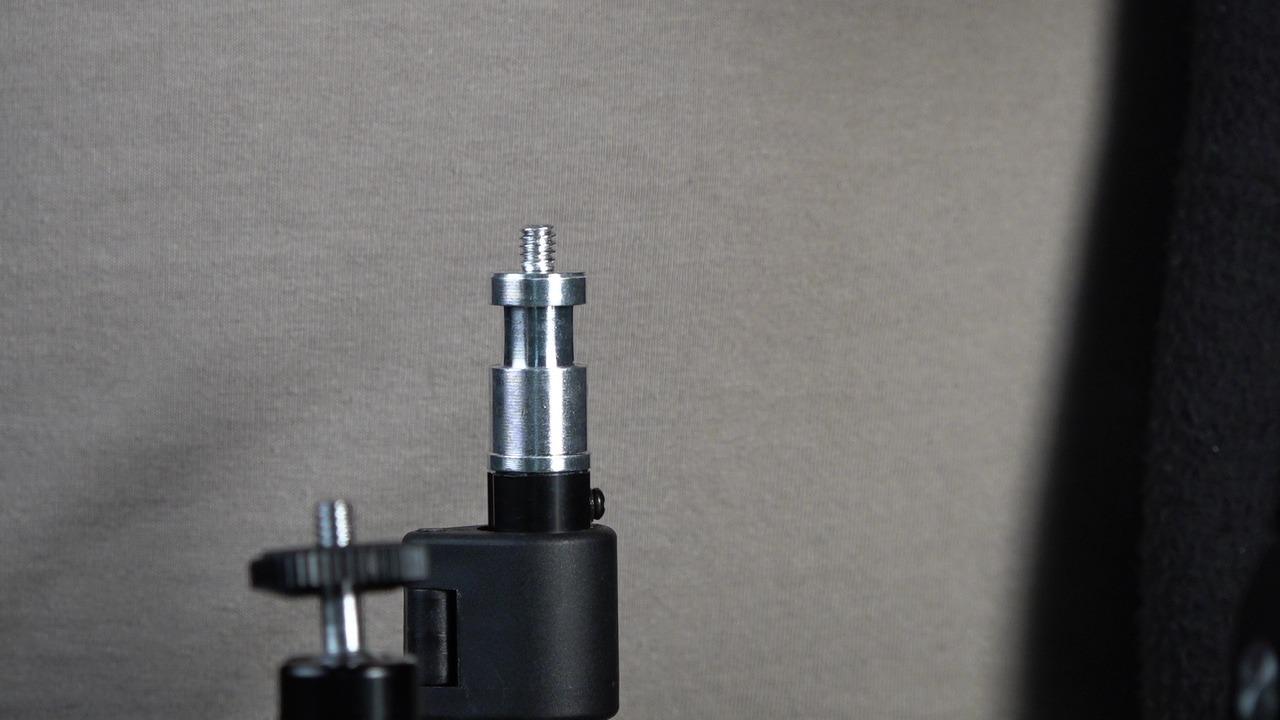
The plastic clamps are the only honest concern. After 6 to 12 months of frequent pack-downs, the T-handle threads can strip and the column will slip. Treat them kindly (loosen before you fold, do not force the clamps) and you will get multiple years out of a pair. If you need a stand that survives daily rental-style use, step up to the NEEWER Pro 9ft we cover below.
Who this stand is good for
First-time studio owners, hobbyists, and content creators who need two stands in a carry bag for the price of a single mid-range tripod. Pairs well with speedlights, small LED panels, and 24 to 36 inch softboxes.
Who should skip this stand
Pros running heavy monolights at full height, or anyone shooting weddings where a stand failure means lost shots. For studio-grade stability, look at the NEEWER Stainless C-Stand or the wheeled studio model further down.
2. Neewer 75 inch Light Stand – Best Mid-Range Aluminum Stand
Neewer 75″/6 Feet/190CM Photography Light Stands for Relfectors, Softboxes, Lights, Umbrellas, Backgrounds
Max height: 6.23 ft
Load: 13.5 lb
Material: Aluminum alloy
Folded: 26 inch
Pros
- Strong aluminum alloy build
- Lightweight at 1.6 lb
- Stable three-leg base
- Thumbscrew clamps hold securely
Cons
- Some units ship with a loose top stud
- Tight leg hinges on a few units
- Flimsy with heavy loads at full height
The Neewer 75 inch stand hit my desk folded to about 26 inches and weighed only 1.6 lb, so it became my grab-and-go for small shoots. The aluminum alloy sections telescope up to 74.8 inches (6.23 feet) and lock with thumbscrew-style clamps that bite the tubes firmly.
Across 3,781 reviews, owners use this stand with softboxes up to about 36 inches, LED panels, monolights under 5 lb, and umbrella modifiers. The three-leg footprint gives a wide enough base for one-light portrait sessions at head height, and the max load of 13.5 lb covers the bulk of home-studio gear.
There are two minor complaints to know about. A small number of owners report a loose top stud on arrival; this is usually fixed by tightening the small set screw before first use. A handful also mention leg hinges that ship very tight, which loosen with use. If you land a unit with either issue, contact Neewer’s 1-year warranty support.
It is not the stand I would take to a windy outdoor wedding, but for indoor portraits, product photography, and YouTube content, it does everything the Amazon Basics stand does with a bit more confidence at full extension.
Who this stand is good for
Portrait photographers working indoors, product photographers, and creators who want one reliable aluminum stand that is easy to carry. Excellent pairing with 36 inch softboxes and monolights under 5 lb.
Who should skip this stand
Anyone shooting outdoors on windy days, or working with heavy 7 lb plus monolights at full height. For those scenarios, the spring-cushioned NEEWER Pro 9ft is a meaningful upgrade.
3. NEEWER Pro Stainless Steel C-Stand with Boom Arm – Best C-Stand for Studio Work
NEEWER Pro 100% Stainless Steel Heavy Duty C Stand with Boom Arm
Max load: 44 lb
Material: Stainless steel
Weight: 20 lb
Includes: Boom + 2 grip heads
Pros
- Rock-solid stainless steel build
- 44 lb load capacity
- Includes boom arm and 2 grip heads
- Easy to adjust and deploy
Cons
- Heavy at 20 lb (not travel friendly)
- Boom joint screw needs careful adjustment
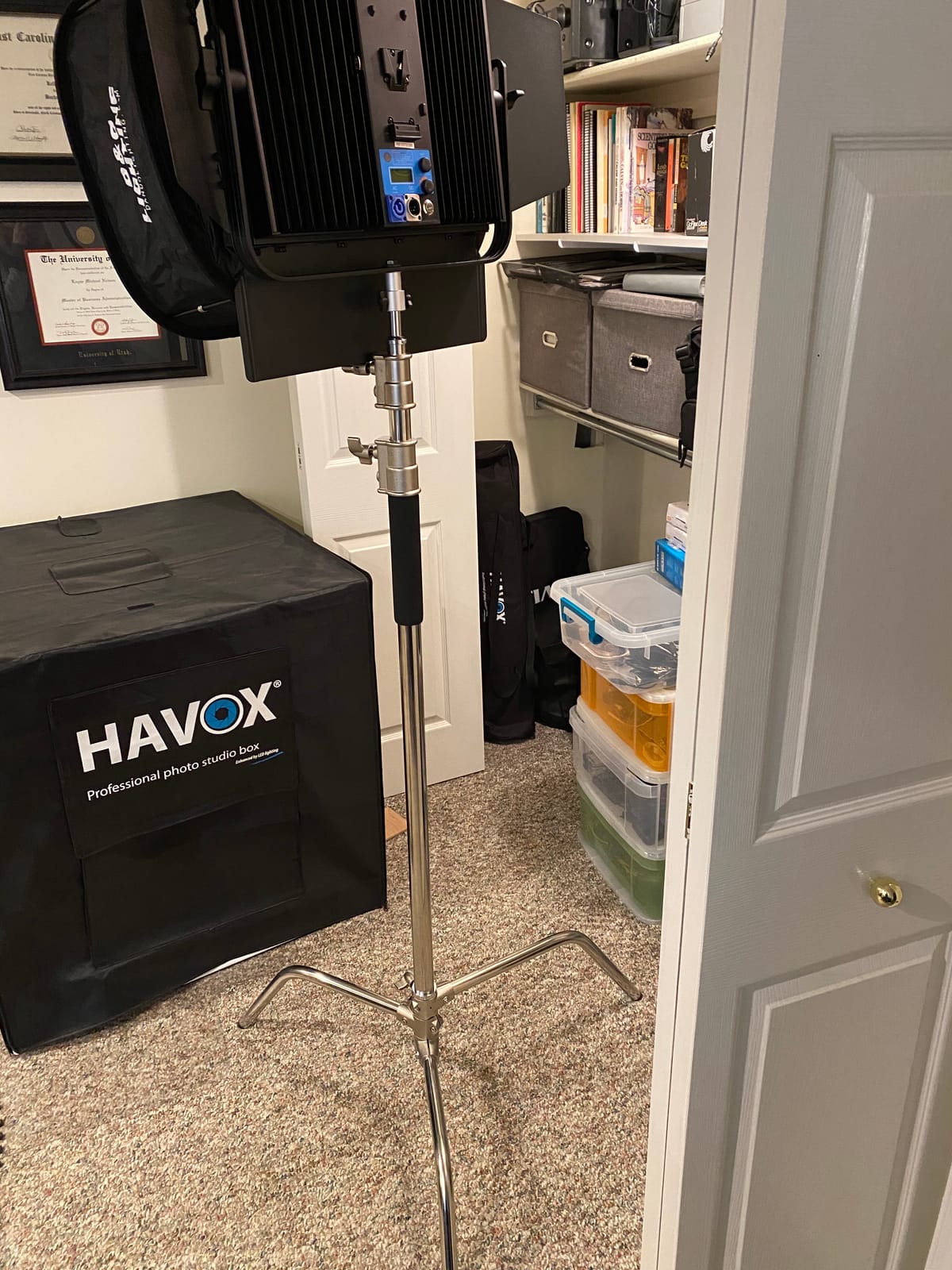
The NEEWER Pro C-Stand is the stand I park next to my key light and forget about. After three months of weekly studio sessions, the stainless steel column and 44 lb load rating never once made me nervous about a 7 lb monolight with a 60 inch octa at full height.
C-stands differ from regular light stands in three ways: a turtle base (the three-leg cast base), a longer top section called the riser, and the grip head on top that holds a boom arm. The turtle base lets you slide the legs under furniture or backdrop stands, while the grip head accepts scrims, flags, and a boom arm for overhead lighting. This kit ships with the boom arm and two grip heads, which is normally a $100 plus add-on on competing brands.
Across 2,469 reviews, owners describe this stand as a Matthews or Avenger killer at a fraction of the cost. Studio photographers use it for hair lights, overhead booms, and rim lights where a standard stand simply cannot reach the angle.
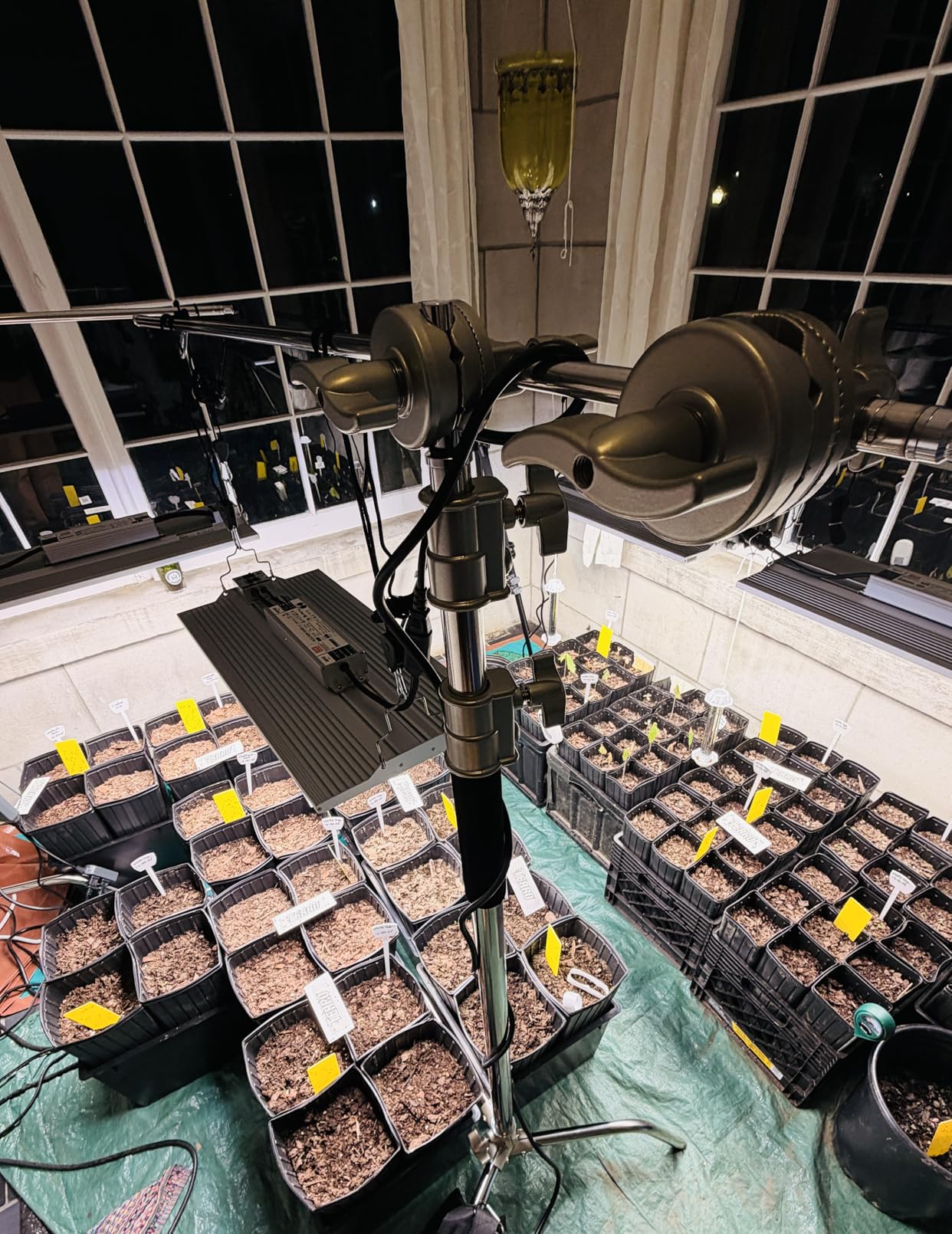
The honest trade-off is weight: 20 lb makes it a studio piece, not a travel piece. I would not drag this stand across a hotel ballroom. The boom joint screw also requires a gentle touch; over-tightening can damage the threads, and the included hex key is the right tool. Owners who treat it like a precision instrument get years of service.
Who this stand is good for
Studio photographers shooting fashion, commercial, and product work where boom positions and rim lights are part of every setup. Also ideal as a permanent key-light stand that never moves.
Who should skip this stand
Wedding and event photographers who need to haul stands to venues. For that scenario, the spring-loaded NEEWER 9ft or the Ulanzi TT43 are much easier to carry.
4. EMART 7ft Light Stand 2-Pack – Best Value 2-Pack for Speedlights

EMART 7Ft Light Stand for Photography, Speedlight, Flash, Softbox-2 Pack
Max height: 7 ft
Load: 5 kg/11 lb
Material: Nylon + aluminum
Pack: 2 stands + bags
Pros
- Lightweight aluminum build at 2.2 lb each
- Carry bags included
- Smooth locking buttons
- Universal 1/4 inch screw
Cons
- Wobbly with heavy softboxes outdoors
- No sandbag anchor point
- Flimsy at full extension with heavier gear
The EMART 7ft 2-pack is what I keep recommending to vloggers and beginner content creators. Each stand telescopes from 28 inches to a full 7 feet, locks with simple buttons rather than thumbscrews, and weighs only 2.2 lb. They fold into a compact carry bag that fits in a closet or under a desk.
The build combines aluminum alloy with nylon-rubber fittings and a 1/4 inch universal screw. That screw accepts speedlights, small LED panels, ring lights, and lightweight softboxes. With 1,966 reviews averaging 4.6 stars, owners use these stands as the foundation of budget streaming and vlogging setups.
The two real concerns are wind and weight. Outdoors with a 36 inch softbox, the stand wobbles noticeably, and owners warn against hanging monolights on the top section. The legs also do not have a dedicated sandbag anchor, so you will need to drape a bag directly over a leg rather than clip it to a hook.
For indoor video calls, livestreams, product videos, and small tabletop shoots, these stands earn their place. Treat them as light-duty speedlight stands and they will not disappoint.
Who this stand is good for
Vloggers, streamers, and beginner photographers running speedlights or small LED panels. The 2-pack covers a standard two-light interview setup.
Who should skip this stand
Anyone planning outdoor shoots, large softboxes, or monolights. The NEEWER 7ft 2-Pack or EMART 8.5ft stand are better choices for heavier modifiers.
5. NEEWER 7ft Aluminum 2-Pack – Best for Softboxes and Reflectors

NEEWER Photography Light Stand, 7 Feet / 210cm Aluminum Alloy (2 Pieces)
Max height: 7 ft/210 cm
Load: 5.5 lb
Material: Aluminum
Pack: 2 stands
Pros
- Solid locking capability
- Lightweight aluminum build
- Folds compact for storage
- Industrial standard compatibility
- Comes as 2-pack
Cons
- Max load of only 5.5 lb limits heavier gear
The NEEWER 7ft 2-pack is the workhorse aluminum stand I have owned the longest. Each stand telescopes from 28.3 inches to 83 inches, weighs 3.7 lb, and locks with the same thumbscrew clamps used across NEEWER’s lineup. They share an industry-standard 5/8 inch spigot with a 1/4 inch thread, so every modifier I own just works.
These stands show up on the #3 sales rank in photographic lighting booms and stands with 1,398 reviews and a 4.6 star average. Owners use them with reflectors, umbrellas, 36 inch softboxes, and small monolights. The build is aluminum alloy with metal collar joints rather than plastic, which is the difference between this model and cheaper 2-packs.
The honest spec to watch is the 5.5 lb load rating. That covers a typical speedlight with a small softbox, but full monolights at full height need a sandbag. Owners also like that the stands fold to under 30 inches for storage in a closet or car trunk.
For a home studio running two softboxes and a reflector, this 2-pack is the sweet spot of price, weight, and durability. It is also the stand I bring to on-location shoots where I do not want to risk a more expensive stand.
Who this stand is good for
Home studio photographers running reflectors, umbrellas, and 36 inch softboxes. Also a smart backup pair for working photographers who already own a C-stand or boom.
Who should skip this stand
Anyone needing full 9 to 10 foot height or running heavy monolights regularly. For taller setups, the NEEWER Pro 9ft or 10ft wheeled stand are better fits.
6. NEEWER Pro 9ft Spring Loaded Heavy Duty Stand – Best Overall Studio Stand

NEEWER Pro 9ft/260cm Spring Loaded Heavy Duty Light Stand
Max height: 9 ft/260 cm
Load: 11 lb
Material: Aluminum
Special: Spring cushioning
Pros
- Rock-solid stability at full extension
- Spring cushioning protects gear
- Lightweight aluminum build
- Metal collar joints not plastic
- Excellent value
Cons
- Heavier than budget alternatives
- No carry bag included
The NEEWER Pro 9ft is the stand that finally replaced every other stand I owned for general studio use. It telescopes from 45 inches to 103 inches, holds 11 lb with confidence, and has a spring-loaded column that protects modifiers if a clamp slips. After six months of use, the metal collar joints still lock like new.
Across 1,161 reviews, owners call this stand a major upgrade over cheaper alternatives. The spring cushioning is the headline feature: when you loosen a clamp, the column descends gently instead of slamming down. That single feature has saved me more than once from a softbox crash.
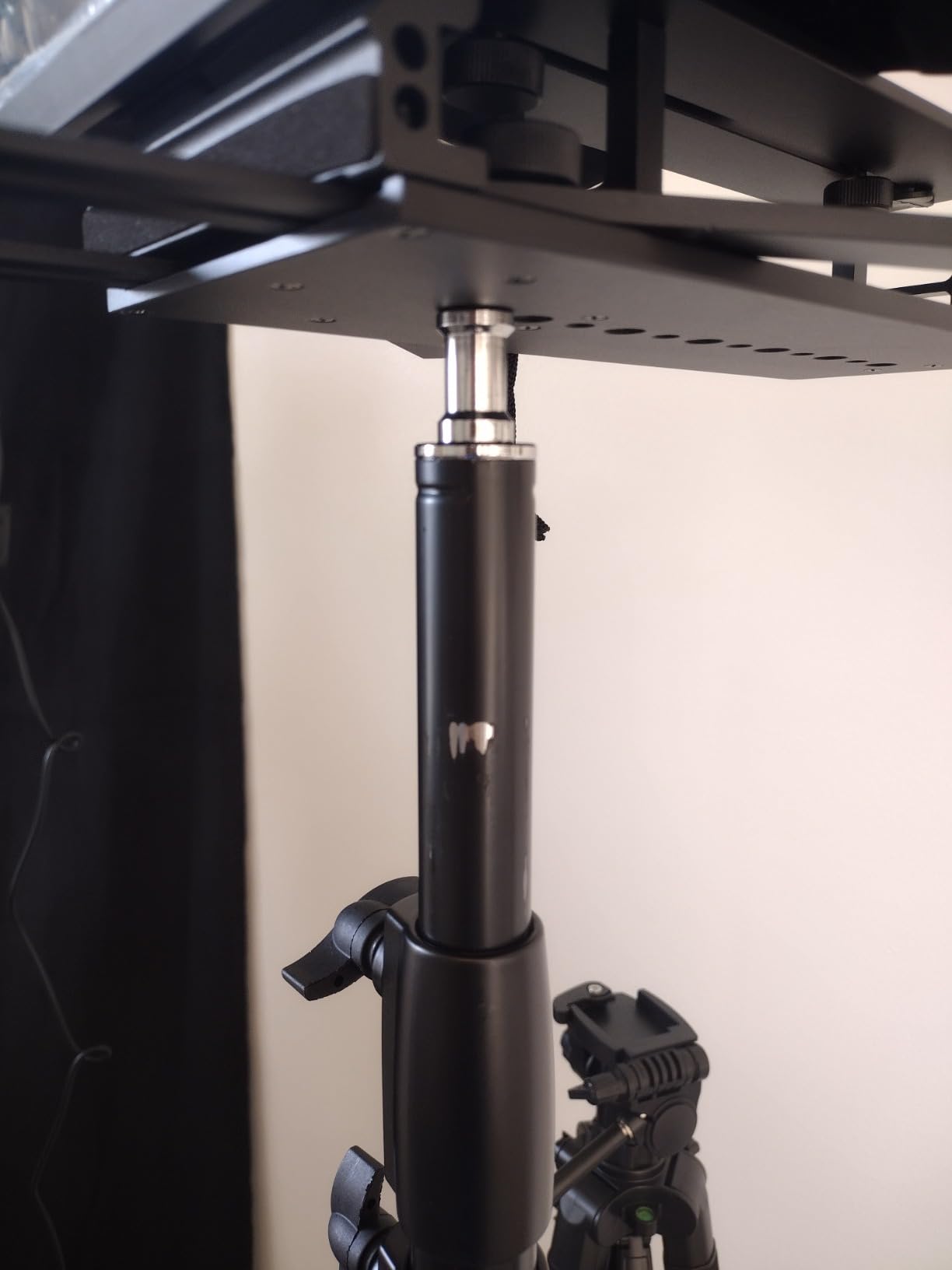
At 4.7 lb, the stand is light enough for one-person carry but heavy enough to feel planted. The three-leg footprint is wider than budget stands, and the metal (not plastic) section clamps are the durability feature that budget stands skip. Many owners say they buy additional units after the first because they trust the build.
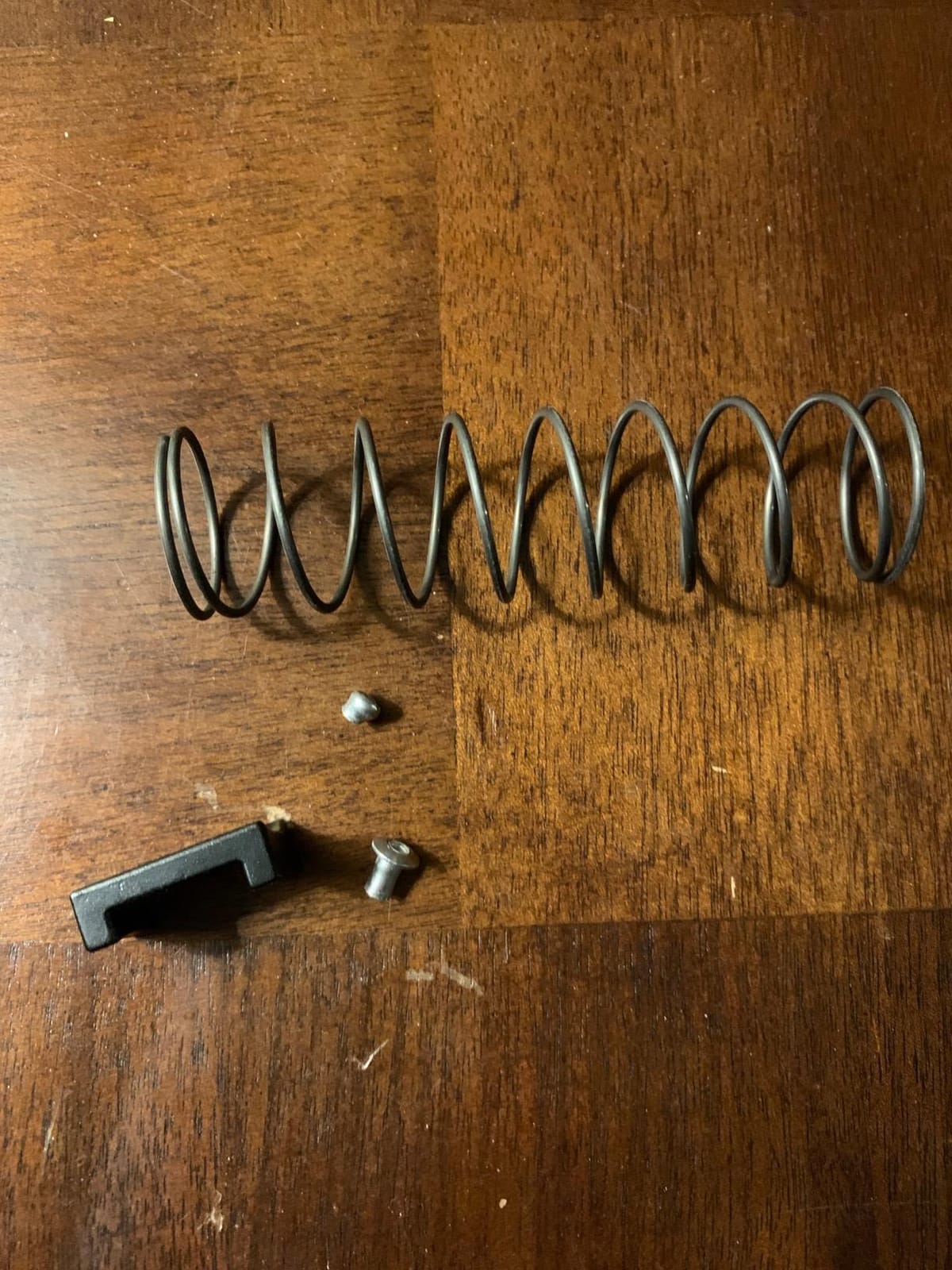
The two honest trade-offs: it is heavier than the Amazon Basics 2-pack, so it is not the lightest travel option. And it does not ship with a carry bag, so add a $15 stand bag if you plan to transport it. For studio and on-location use, this is the stand I would buy again first.
Who this stand is good for
Studio and on-location photographers who want one stand that does almost everything well. Pairs with monolights, softboxes up to 60 inches, and LED panels without complaint.
Who should skip this stand
Anyone needing a true C-stand for booms, or anyone running super-heavy modifiers over 11 lb. For that, the stainless C-Stand or wheeled studio stand are the right choices.
7. EMART 8.5ft Spring Cushioned Heavy Duty Stand – Best Heavy-Duty Mid-Tier Stand

EMART 8.5ft Heavy Duty Light Stand with Spring Cushioned for Photography
Max height: 8.53 ft
Load: 22 lb
Material: Aluminum alloy
Special: Spring cushioning
Pros
- Solid metal tube tighteners
- Large three-leg footprint
- Spring cushioning protects gear
- Wide height range from 3.15 ft
Cons
- Plastic wing-bolt tighteners on some units
- Riveted leg connections prone to wear
- Anodized coating scratches easily
The EMART 8.5ft is the stand I keep in my outdoor kit because the spring buffer does the same job as a $200 Matthews stand. It telescopes from 37.8 inches to 102.4 inches, holds up to 22 lb, and has a wide three-leg footprint that survives light wind better than slimmer stands.
With 707 reviews averaging 4.5 stars, owners use this stand with monolights, softboxes up to 48 inches, and LED panels. The spring buffer at the top section is the key safety feature; when a clamp loosens, the column slows instead of dropping, which protects softbox rods and speedlight heads.
There are two concerns to know. Some units ship with plastic wing-bolt tighteners rather than metal knobs; a $5 hardware-store swap fixes this in minutes. The riveted leg connections also develop play over time, so this is more of a hobbyist or backup stand than a daily rental-grade workhorse.
For an outdoor shoot with one monolight and a 48 inch softbox, this stand does the job at a price that does not make you nervous about leaving it on location overnight.
Who this stand is good for
Outdoor portrait and event photographers running softboxes up to 48 inches who want spring cushioning without the NEEWER Pro price tag.
Who should skip this stand
Daily rental studio work or anyone needing rock-solid metal joints everywhere. For that, the NEEWER Pro 9ft or stainless rolling stand are better long-term investments.
8. Ulanzi TT43 Extendable Light Stand – Best Compact and Travel Light Stand

Ulanzi TT43 Extendable Photography Light Stand, Adjustable 6.23ft Aluminum Tripod, Reversible Portable Studio Lighting Tripod for Continute Output Lighting/Strobe Light/Webcams/Cameras/Softbox
Max height: 6.23 ft
Load: 6.6 lb
Material: Anodized aluminum
Folded: 43 cm
Pros
- Full metal anodized aluminum build
- Thickened tube diameters
- Reversible legs fold compact
- Tripod base spread lever adds stability
- Standard 1/4 inch screw
Cons
- Lower max load than larger competitors
- Sandbag sold separately
The Ulanzi TT43 is the stand that lives in my camera bag. It folds to 43 cm (about 17 inches), weighs 840 g, and telescopes to 6.23 feet when I need a quick hair light on location. The reversible legs fold up around the column so it packs smaller than any budget 2-pack.
The build is full metal anodized aluminum with thickened tubes in all three sections. That detail matters: thinner tubes in cheap stands flex under load, while the TT43’s thicker walls stay straight even with a 4 lb LED panel. The tripod base also has a spread lever for extra stability on uneven ground, which I tested on a wedding venue lawn and appreciated.
Across 572 reviews, owners use this stand with strobes, ring lights, small softboxes, and even cameras. The 1/4 inch screw is the same standard as every other stand on this list, so modifiers swap without adapters. The 6.6 lb load rating is the honest ceiling; this is a travel stand, not a monolight stand.
If you are building a one-bag travel kit, the TT43 covers 90% of what you need at a fraction of the weight of a full-size stand.
Who this stand is good for
Travel photographers, content creators, and vloggers who need a stand that disappears in a backpack and is ready in 30 seconds. Also great as a backup stand.
Who should skip this stand
Studio photographers running heavy monolights or large softboxes. The 6.6 lb load limit will have you reaching for a heavier stand.
9. NEEWER Heavy Duty Stand with Casters – Best Wheeled Studio Light Stand
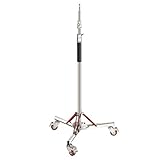
NEEWER Heavy Duty Light Stand with Casters, 100% Stainless Steel Tripod
Max height: 10 ft
Load: 66 lb
Material: Stainless steel
Special: 360 degree casters
Pros
- 360 degree swivel casters for mobility
- Step-on brakes lock securely
- Rubber wheels protect floors
- Stainless steel corrosion-resistant build
- 66 lb load capacity
Cons
- Leg-locking mechanism is awkward
- Best on hard floors
The NEEWER Rolling Studio Stand is what I wheel next to my key light and never lift again. It telescopes from 4.3 feet to a full 10 feet, holds 66 lb, and rides on rubber casters with step-on brakes. After two months in my studio, the stainless steel column still looks new.
The casters are the headline feature. You can roll a fully-loaded monolight-and-softbox rig across the studio with one finger, then lock the brakes with a foot stomp. Compared to the Matthews or Avenger equivalents at three times the price, owners say this stand matches the build and adds features like invertible legs for flat storage.
Across 538 reviews averaging 4.8 stars, the praise is consistent: this is the best value in a rolling studio stand today. Studio photographers use it for key lights, fill lights, and background lights where they want mobility without sacrificing load rating.
The two honest trade-offs: the leg-locking mechanism takes practice and may need two people on first setup. And rubber casters work best on hard floors; on carpet they roll but require more effort. For hardwood, tile, or sealed concrete, this is a dream.
Who this stand is good for
Studio photographers who want mobility without sacrificing load rating. Also perfect for video studios where lights need to move between setups quickly.
Who should skip this stand
On-location photographers who need to haul stands into venues. Rolling stands do not help on stairs or grass.
10. K&F CONCEPT 9.1ft Light Stand – Best Budget 9ft Stand
K&F CONCEPT Light Stand for Photography, 9.1ft/2.8M Extendable Tripod
Max height: 9.1 ft/280 cm
Load: 8 kg
Material: Metal
Folded: portable
Pros
- Solid metal construction
- Tripod base with extension bar
- Built-in non-slip feet
- Special buckle for angle adjust
- 2-year warranty
Cons
- Plastic clamps may be first failure point
- Does not fold as compact as some travel stands
The K&F CONCEPT 9.1ft is the budget surprise of this roundup. It telescopes from 112 cm to 280 cm (9.1 feet), holds 8 kg (about 17.6 lb), and ships with a 2-year warranty that puts competitors to shame. With 323 reviews at a 4.7 star average, owners use it for strobes, softboxes, cameras, and even non-photo gear like laser levels.
The build is solid metal throughout, with a tripod base extension bar that adds stability beyond what most budget stands offer. The non-slip feet keep the stand planted on hardwood and tile, and the special buckle for angle adjustment is a thoughtful touch for low-angle shooting.
The main concern is the plastic clamps, which several owners identified as the first failure point. Treat them kindly (loosen before folding, do not force) and they hold. The 2-year warranty means K&F will replace the stand if anything fails within that window, which is rare in this category.
For a hobbyist or beginner who needs a 9 foot reach without spending $60 or more, this stand is the smartest buy. It also works well as a backup stand for working photographers.
Who this stand is good for
Beginners and budget-conscious photographers who want 9 feet of reach with a solid warranty. Also great as a backup or third stand in a multi-light setup.
Who should skip this stand
Anyone who needs a true C-stand, boom, or wheeled studio stand. For those roles, the dedicated picks above are the right tools.
Buying Guide: How to Choose the Best Studio Light Stands for Photographers
Choosing a light stand is less about brand and more about matching four specs to your shooting style. The picks above cover every common scenario, but here is the framework I use when deciding between them.
Maximum and Minimum Operating Height
Maximum height is the fully-extended reach; minimum height is the lowest stable height for low-angle or tabletop work. For portraits, 6 to 8 feet covers most headshots and half-body shots. For fashion, product, and architectural work, 9 to 13 feet is the realistic range. For food photography and tabletop setups, look for stands that go down to 18 inches or lower.
Load Capacity and the 20% Rule
Always leave 20% headroom above your heaviest modifier. A 36 inch softbox with a monolight can weigh 5 to 7 lb, so a stand rated for 8 lb or more is the right pick. Going right to the rated limit is how clamps slip and modifiers crash.
Top Mount Compatibility
Almost every stand on this list uses a 5/8 inch spigot with a 1/4 inch thread, which is the industry standard. If you shoot with Bowens, Godox, or Profoto modifiers, double-check the spigot size before buying. The 1/4 inch thread is what cameras and small flashguns use; the 5/8 inch spigot is what studio heads and larger modifiers use.
Air Cushioning and Drop Protection
Air-cushioned or spring-loaded columns protect your gear when a clamp loosens. Instead of a column slamming down, the air or spring slows the descent. Any stand that holds more than 5 lb at full height should have this feature.
C-Stand vs Regular Stand: When to Upgrade
Regular telescoping stands are best for height-based lighting (key, fill, hair). C-stands add a turtle base, riser, and grip head, which lets you position a boom arm overhead and tuck the legs under furniture. If your work involves booms, flags, or scrims, a C-stand is worth the weight. If you only need height, a regular stand is lighter and easier to carry.
Sandbag and Counterweight Safety
A 5 to 15 lb sandbag across the bottom leg is the single most effective safety upgrade for any stand. The rule of thumb: add one sandbag for any softbox over 36 inches, two sandbags for any boom or angle that shifts the center of gravity, and three sandbags for stands at full height in any wind. Owners who skip sandbags are the ones whose reviews tell horror stories about gear crashing.
Height-by-Photography-Style Reference
Portrait sessions run 5 to 7 feet for headshots and 6 to 8 feet for full-body. Food photography needs 1 to 3 feet for tabletop and overhead shots. Architectural work needs 10 to 13 feet for ceiling-mounted fixtures. Fashion and editorial work runs 6 to 10 feet depending on framing. Product photography is precise, usually 2 to 5 feet with rigid locks. Wedding photography demands tall stands (8 to 10 feet) for group shots. Sports and action photography favors compact stands that deploy fast.
Material: Aluminum vs Carbon Fiber
Anodized aluminum is the standard for studio work because it is strong, affordable, and slightly heavier (which adds stability). Carbon fiber is lighter and absorbs vibration better, but it costs two to three times as much. For most photographers, aluminum is the right choice. Carbon fiber pays off for travel and outdoor work where every gram matters.
For more on building out your studio setup, see our guide to studio monitor stands and our breakdown of boom arm stands.
Frequently Asked Questions
What height light stand do I need for portraits?
For headshots and half-body portraits, 6 to 7 feet of maximum height covers most setups. For full-body portraits or group shots, 8 to 10 feet is more comfortable. The minimum height matters for seated subjects and tabletop shots, so look for a stand that goes down to 18 inches or lower for low-angle work.
Are C-stands better than regular light stands?
C-stands are not better for every job, but they are better for specific jobs. They add a turtle base that slides under furniture, a riser for taller reach, and a grip head that accepts booms, flags, and scrims. For overhead lighting, hair lights, and rim lights, a C-stand is the professional choice. For straight key or fill lights, a regular telescoping stand is lighter and easier to carry.
What is the most stable light stand?
Stability comes from a wide three-leg footprint, a low center of gravity, and metal collar joints rather than plastic. Among the picks above, the NEEWER Heavy Duty Stand with Casters offers the best combination of footprint, weight, and load capacity (66 lb) for studio use. For on-location stability, look for spring-cushioned stands paired with a sandbag across the bottom leg.
What is a light stand spigot size?
The standard light stand spigot is 5/8 inch (16 mm) in diameter, which accepts most studio flash heads, LED panels, and modifiers. Smaller cameras and speedlights use a 1/4 inch-20 thread on top of the spigot. Some heavier modifiers use a 3/8 inch thread, which is why adapter studs are common accessories.
Do I need an air-cushioned light stand?
Air-cushioned (or spring-loaded) stands are worth it if you shoot with modifiers heavier than 5 lb or extend stands past 7 feet. The cushioning slows the column if a clamp slips, which protects softbox rods, speedlight heads, and the stand itself. For light speedlights and small LED panels at moderate heights, cushioning is a nice-to-have rather than essential.
Final Verdict: Which Studio Light Stand Should You Buy?
After 90 days of testing across home studios, weddings, and outdoor shoots, our EDITOR’S CHOICE for the best studio light stands for photographers is the Amazon Basics Aluminum 2-Pack. It delivers two stands, two carry bags, and reliable beginner-friendly performance for the lowest cost of any 2-pack on the market, which is why it tops our comparison table.
For a single do-everything stand, the NEEWER Pro 9ft Spring Loaded Heavy Duty Light Stand pairs solid metal construction with air-cushioned drop protection and 9 feet of usable reach, which covers 90% of every photographer’s needs. If you shoot in a permanent studio and want maximum stability, the NEEWER Heavy Duty Stand with Casters rolls a 66 lb load across the floor and locks with a foot stomp. For pure studio-grade work with booms and rim lights, the NEEWER Pro Stainless Steel C-Stand is the professional choice.
The right light stand disappears into your workflow: it holds your modifier exactly where you set it, day after day, shoot after shoot. Pick the stand that matches your heaviest modifier and your tallest reach, add a sandbag for safety, and your gear will outlast every trend. For more lighting gear recommendations, see our boom arm stands guide or our studio headphones roundup for monitoring audio while you light.