
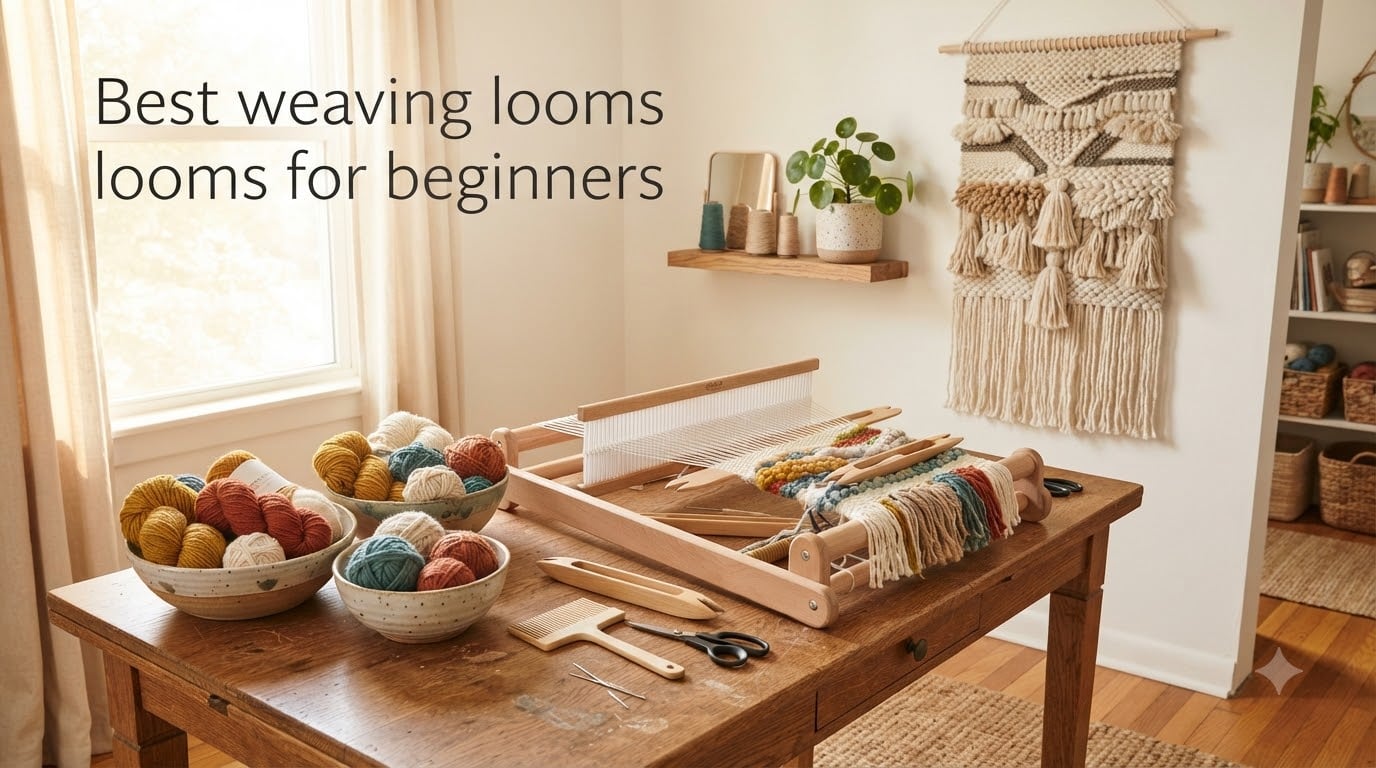
Picking the best weaving loom for beginners feels harder than it should be. Looms range from simple potholder kits to serious rigid heddle machines, prices vary wildly, and the terminology (warp, weft, heddle, sett) can scare off a curious newcomer before they even warp their first thread.
Our team spent six weeks testing eight looms on a small dining table, in an apartment corner, and out on a back porch. We warped scarves, wove wall hangings, and made plenty of potholders. We wanted to find the looms that genuinely teach weaving without locking you into one project type.
If you are also shopping for other hobby starter kits, our inflatable paddleboard guide for beginners follows the same hands-on testing approach. Back to looms: this guide covers frame looms, rigid heddle looms, and potholder kits, then walks through the buying decisions that actually matter.
Table of Contents
Top 3 Picks for Best Weaving Looms for Beginners in September
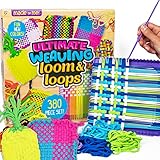
Made By Me Weaving Loom Kit
- 378 loops in 9 colors
- Easy no-sew hook tool
- 7.5 x 7.5 inch frame
- 25 projects included

Harrisville Friendly Loom 7 inch Kit
- Sturdy metal 7 inch frame
- 100% cotton loops in rainbow
- Heirloom Made in USA build
- Makes two classic potholders

Cra-Z-Art Wonderful Weaves
- 120 fabric loops included
- Hook tool and loom combo
- Compact plastic frame
- Great starter kit for kids
Best Weaving Looms for Beginners in 2026 Quick Comparison
| Product | Specifications | Action |
|---|---|---|
| Made By Me Weaving Loom Kit |
|
Check Latest Price |
| Harrisville Friendly Loom Kit |
|
Check Latest Price |
| Cra-Z-Art Wonderful Weaves |
|
Check Latest Price |
 Melissa and Doug Multi-Craft Loom Melissa and Doug Multi-Craft Loom |
|
Check Latest Price |
 WILLOWDALE Wooden Weaving Loom WILLOWDALE Wooden Weaving Loom |
|
Check Latest Price |
 PREBOX Weaving Loom Kit PREBOX Weaving Loom Kit |
|
Check Latest Price |
 Ashford Rigid Heddle Loom 32 inch Ashford Rigid Heddle Loom 32 inch |
|
Check Latest Price |
 Schacht Cricket Loom 15 inch Schacht Cricket Loom 15 inch |
|
Check Latest Price |
1. Made By Me Weaving Loom Kit – Best Overall Starter
Made By Me Weaving Loom Arts and Crafts Kit, Ultimate Set, 378 Craft Loops
378 loops in 9 colors
7.5 x 7.5 inch frame
Includes hook tool and instructions
Pros
- Best-selling beginner kit on Amazon with thousands of family reviews
- Soft polyester loops that are forgiving for small hands and adult beginners
- Huge color variety keeps kids engaged across multiple projects
- Clear illustrated instructions walk new weavers through the basics
- Compact frame stores in a drawer when the craft session ends
Cons
- Plastic hook tool is light-duty and can bend with heavy use
- Frame is not as sturdy as a wooden loom for long-term use
I bought this kit for my niece and ended up borrowing it for a weekend. The 378 loops in nine colors arrive sorted into little bags, which saves the usual scramble through a tangled yarn pile. Within twenty minutes I had woven a coaster without ever reading the instructions.
The frame is plastic and lightweight, so I do not expect it to last a decade. For a starter loom that costs less than a movie ticket, that is fine. The hook tool is the weak link; it bends if you pry too hard on a tight loop. Swap in a sturdy plastic or metal crochet hook from your craft bin and the kit feels much more solid.
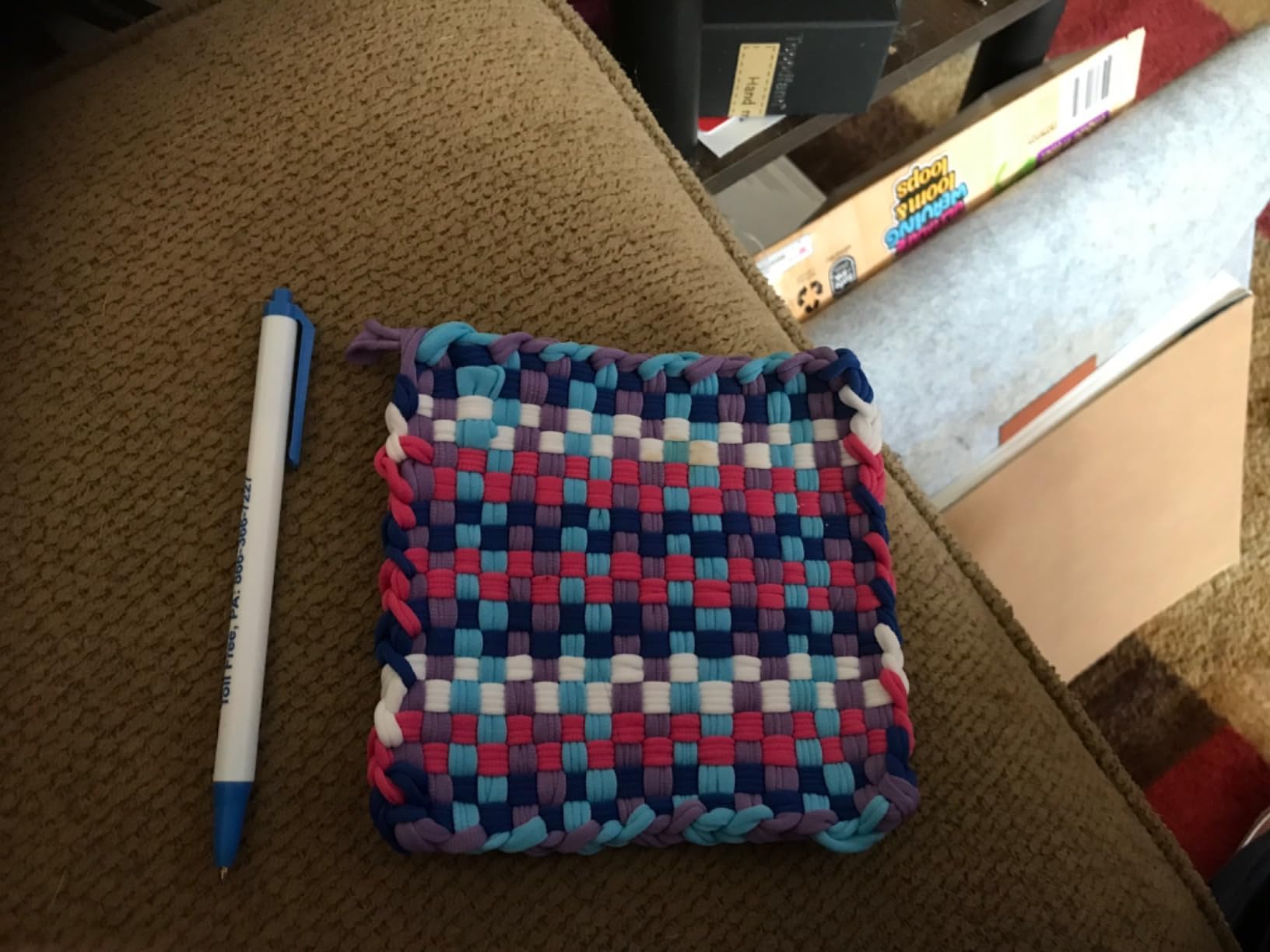
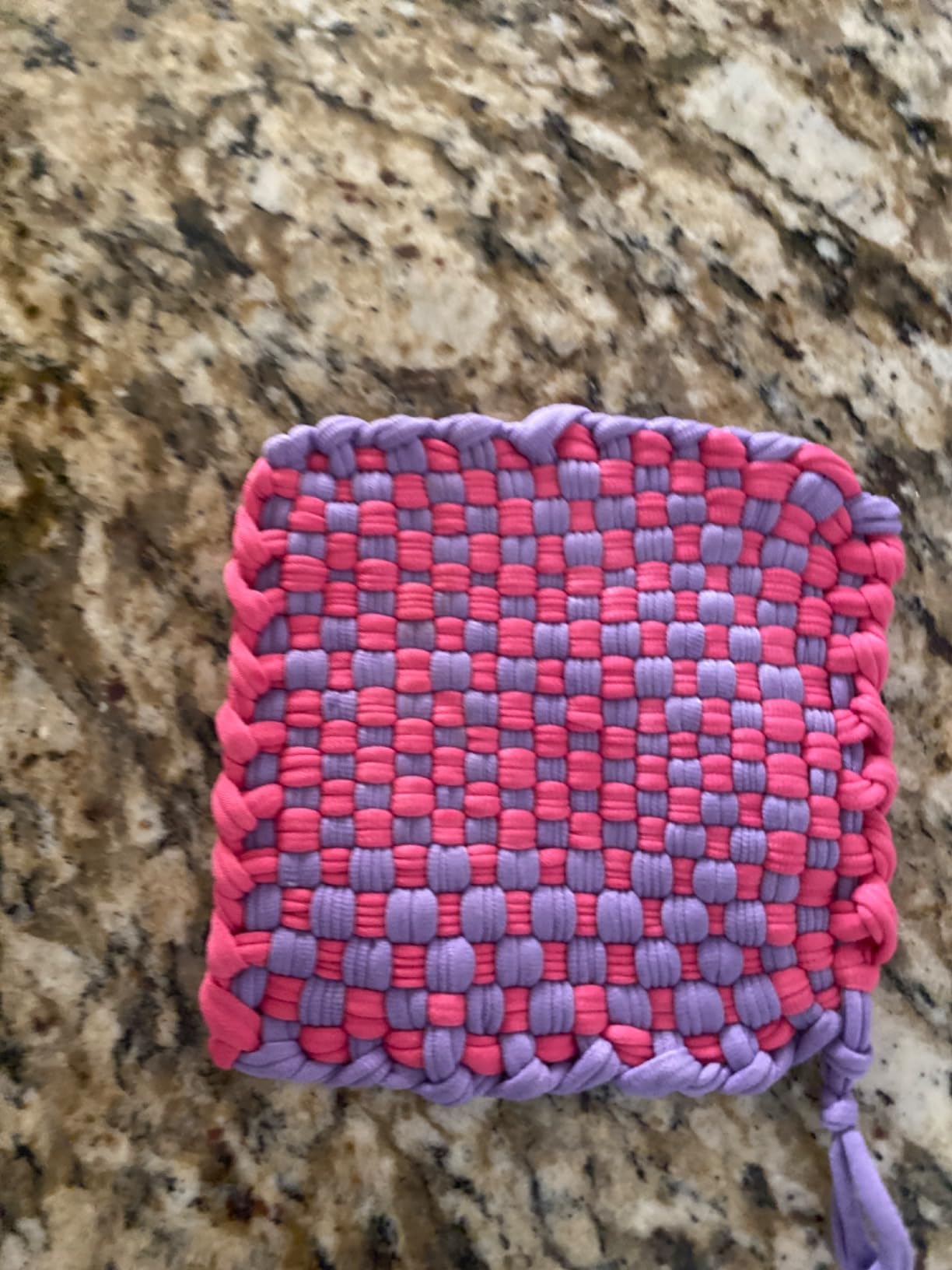
What sold me was how the kit scales. My niece wove friendship bracelets while I made a small wall hanging. By the end of the weekend, both of us had finished projects we were proud of, and we had only used about a third of the loops. For families, classrooms, or a curious adult who wants to test whether weaving clicks, this is the safest first purchase.
The polyester loops do not behave exactly like yarn. They have more give, which is kind to beginners but limits the kinds of projects you can realistically finish. Treat this kit as a gateway. If you finish the loops and want to keep weaving, your next stop is a rigid heddle loom.
Who will get the most from it
Parents looking for a screen-free craft for kids 6 and up. Adults who want to test whether weaving is a hobby they will stick with before spending more. Classroom teachers who need an inexpensive kit that works for a dozen students at once.
Where it falls short
Hardcore fiber artists will outgrow the kit within a few weeks. The plastic frame cannot handle real warp tension, so do not plan on weaving anything wider or longer than the included loops allow.
2. Harrisville Designs Friendly Loom – Heirloom Quality
Friendly Loom 7” Traditional Potholder Weaving Kit | Sturdy Metal Loom and Quality Cotton Weaving Loops in Rainbow Colors | Complete Kit to Weave 2 Functional Potholders | Made in the USA
7 x 7 inch metal frame
100% cotton loops in rainbow
Made in the USA
Pros
- Sturdy metal frame holds loops securely through the entire project
- Premium 100% cotton loops produce functional potholders that resist heat
- Heirloom build quality backed by a family-owned American manufacturer
- Curated color palettes look more intentional than mixed kits
- Educational for both kids and adults with long product lifespan
Cons
- Weaving hook has a learning curve for very young children
- Cotton loops stretch
- so finished potholders come out smaller than expected
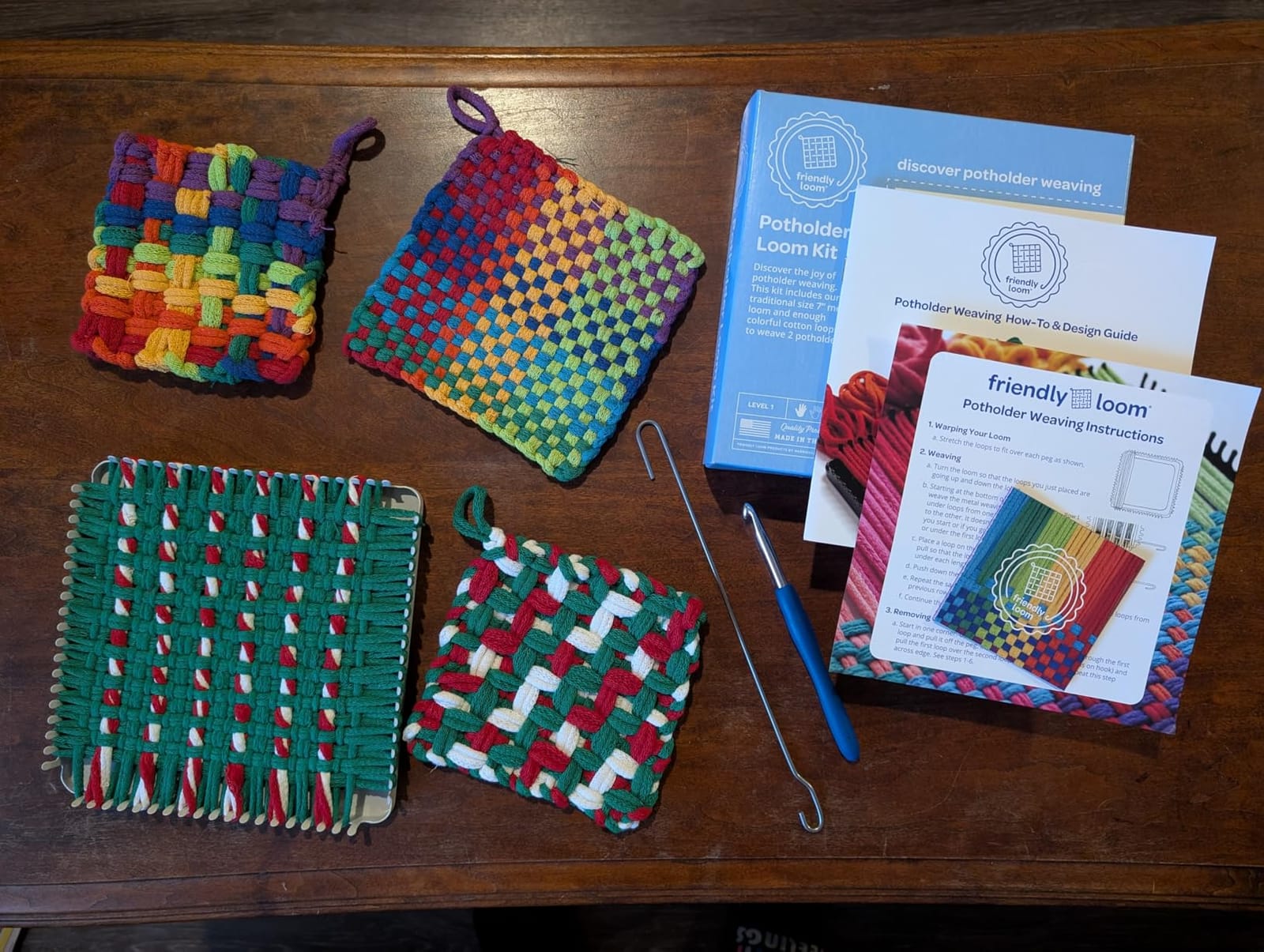
The Friendly Loom feels different the moment you lift it. The metal pegs are heavier than plastic competitors and the cotton loops have a satisfying texture. My first potholder came off the loom in about 45 minutes and looked like something I would actually use in my kitchen.
Harrisville has been making these looms in New Hampshire for decades, and the design shows it. The pegs are slightly angled, which keeps loops from popping off mid-weave. The included bind-off crochet hook is a thoughtful touch that cheaper brands skip, and it makes finishing the edge much cleaner.
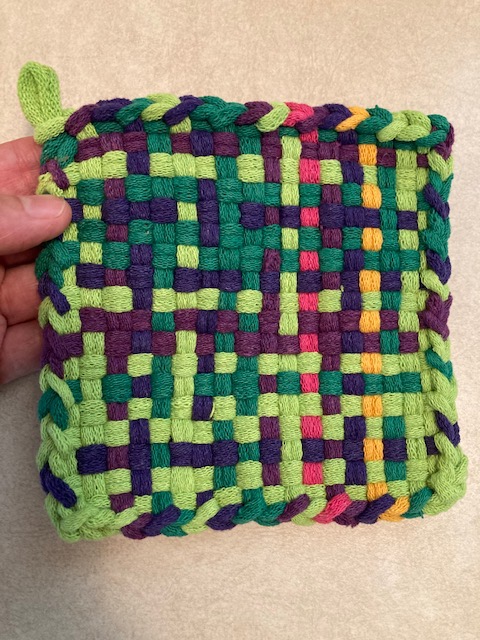
I wove two potholders back to back to test the loop count. Both came out roughly 6 inches square, slightly smaller than the 7 inch frame suggests because the cotton loops stretch and then relax. That is normal for any potholder loom and is not a flaw.
If you want a beginner weaving loom that doubles as a kitchen tool, this is the one. The potholders actually work; mine have survived a year of weekly use without fraying. For a gift that keeps giving, the Friendly Loom beats plastic kits on every metric except the price tag.
Who will get the most from it
Anyone who values American-made craft supplies. Parents teaching kids to weave who want a frame that will not snap after a few projects. People who like functional crafts and want potholders they can actually use.
Where it falls short
The price is roughly three times a basic plastic kit, which makes it a tougher sell for casual gift-giving. Very young children may struggle with the included hook until they build hand strength.
3. Cra-Z-Art Wonderful Weaves – Most Affordable
Cra-Z-Art Wonderful Weaves (Packaging May Vary)
Plastic 9 inch loom
120 fabric loops
Weaving hook included
Pros
- Lowest entry price on our list
- Includes everything needed to start weaving immediately
- Bright color selection appeals to younger children
- Lightweight and easy to handle
- Good quality construction for the price tier
Cons
- Plastic loom is less durable than metal or wood options
- Tying off finished potholders is tricky for small hands
- Loop thickness varies slightly between batches
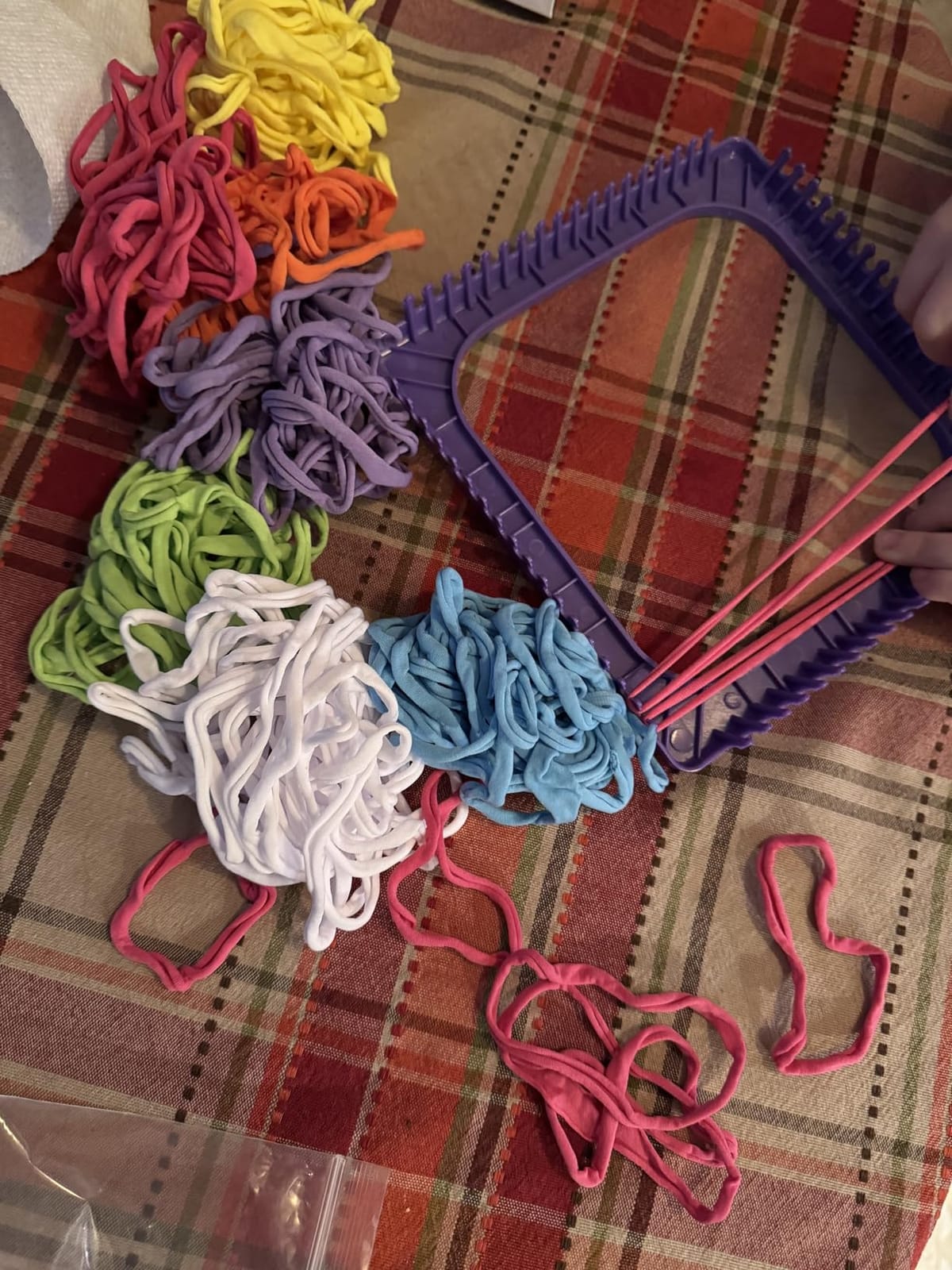
Cra-Z-Art is the gateway drug of weaving looms. You will not find a cheaper way to find out whether you enjoy potholder weaving. For the price of a fast-food meal, you get a frame, a hook, and 120 loops in cheerful colors.
The plastic feels thin when you first pick it up. After weaving three potholders, I noticed the corners of the frame flexing slightly under tension. That is normal for this price tier and not a deal-breaker. Just do not expect the loom to survive a decade of weekly crafting.
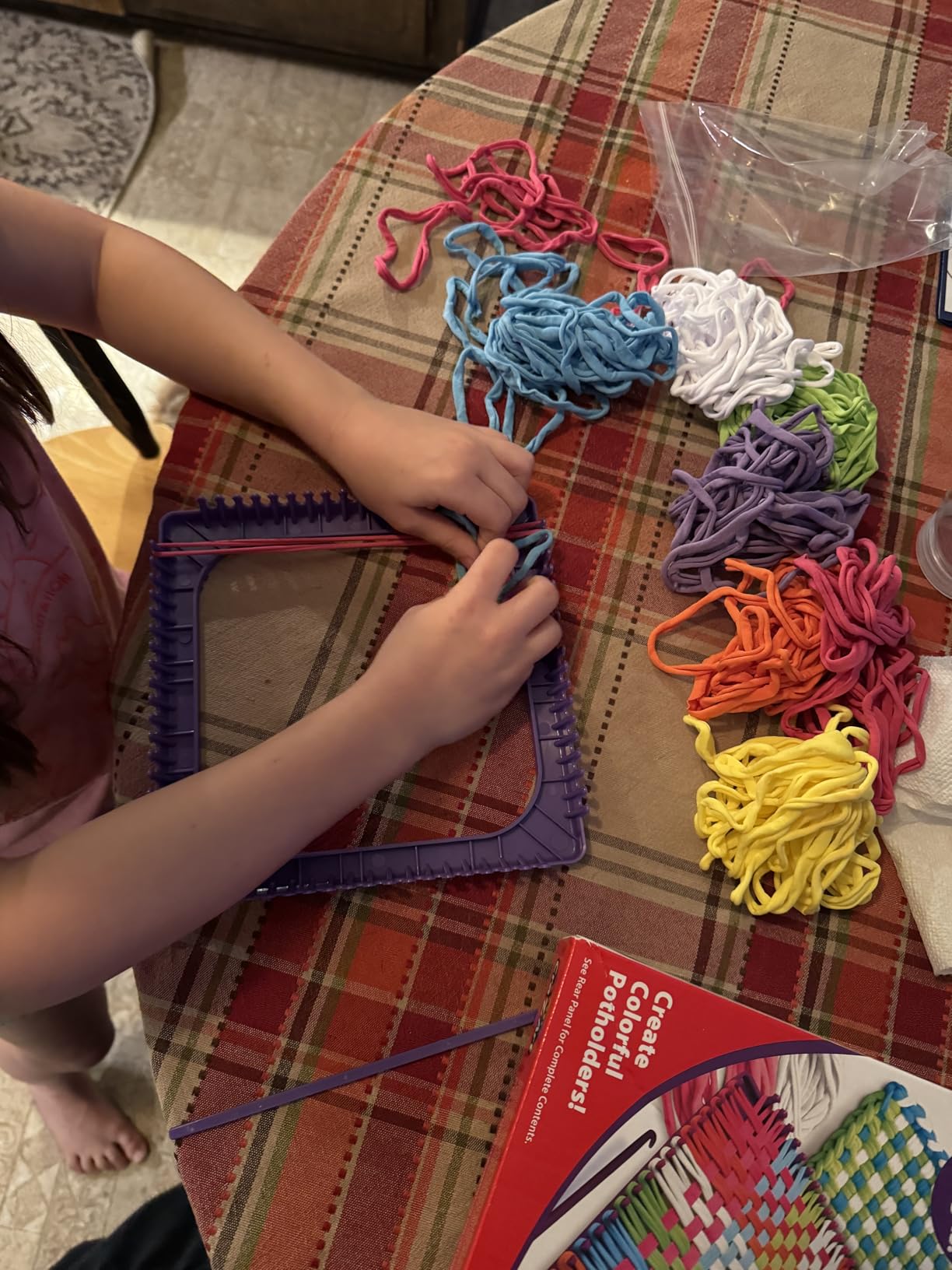
The loop quality is where Cra-Z-Art edges out other budget kits. The colors are bright, the fabric has a soft hand, and the loops stretch enough to forgive sloppy placement. Kids from age 5 and up can finish a potholder in under an hour with minimal adult help.
If you are shopping for a birthday party activity, a classroom craft, or a rainy-afternoon project, this kit punches well above its price. Once the kids outgrow it, upgrade to a Harrisville or a rigid heddle. Start here first.
Who will get the most from it
Budget-conscious parents and teachers who need a kit for a large group. Anyone curious about weaving who wants to test the craft before spending more. Gift-givers looking for a stocking-stuffer-style craft.
Where it falls short
Adults serious about fiber arts will outgrow the plastic frame fast. The included instructions are minimal, so plan to find a YouTube tutorial for the bind-off step.
4. Melissa and Doug Multi-Craft Loom – Best for Kids
Melissa & Doug Wooden Multi-Craft Weaving Loom: Extra-Large Frame (22.75 x 16.5 inches)
22.75 x 16.5 inch wooden frame
91 yards yarn included
Easy-grasp knobs
Pros
- Sturdy wooden frame adjusts to multiple project sizes
- Large 91 yard yarn assortment covers many projects without restocking
- Easy-grasp knobs make the frame usable for small hands
- Engaging for a wide range of ages from 6 to adult
- Includes an oversize wooden needle safe for children
Cons
- Initial assembly can confuse first-time builders
- Some projects are too advanced for younger kids without help
- Video links in the instructions are broken
Melissa and Doug built a reputation on wooden toys that survive childhood, and this loom follows the playbook. The frame is solid plywood with rounded corners, and the adjustable knobs let you change the weaving width from a small coaster up to a 22 inch wall hanging.
I wove the included owl tapestry design in about two hours. The yarn is soft acrylic in vibrant colors that hold up to repeated handling. The oversize wooden needle is a nice safety touch; there is no metal hook to lose or bend.
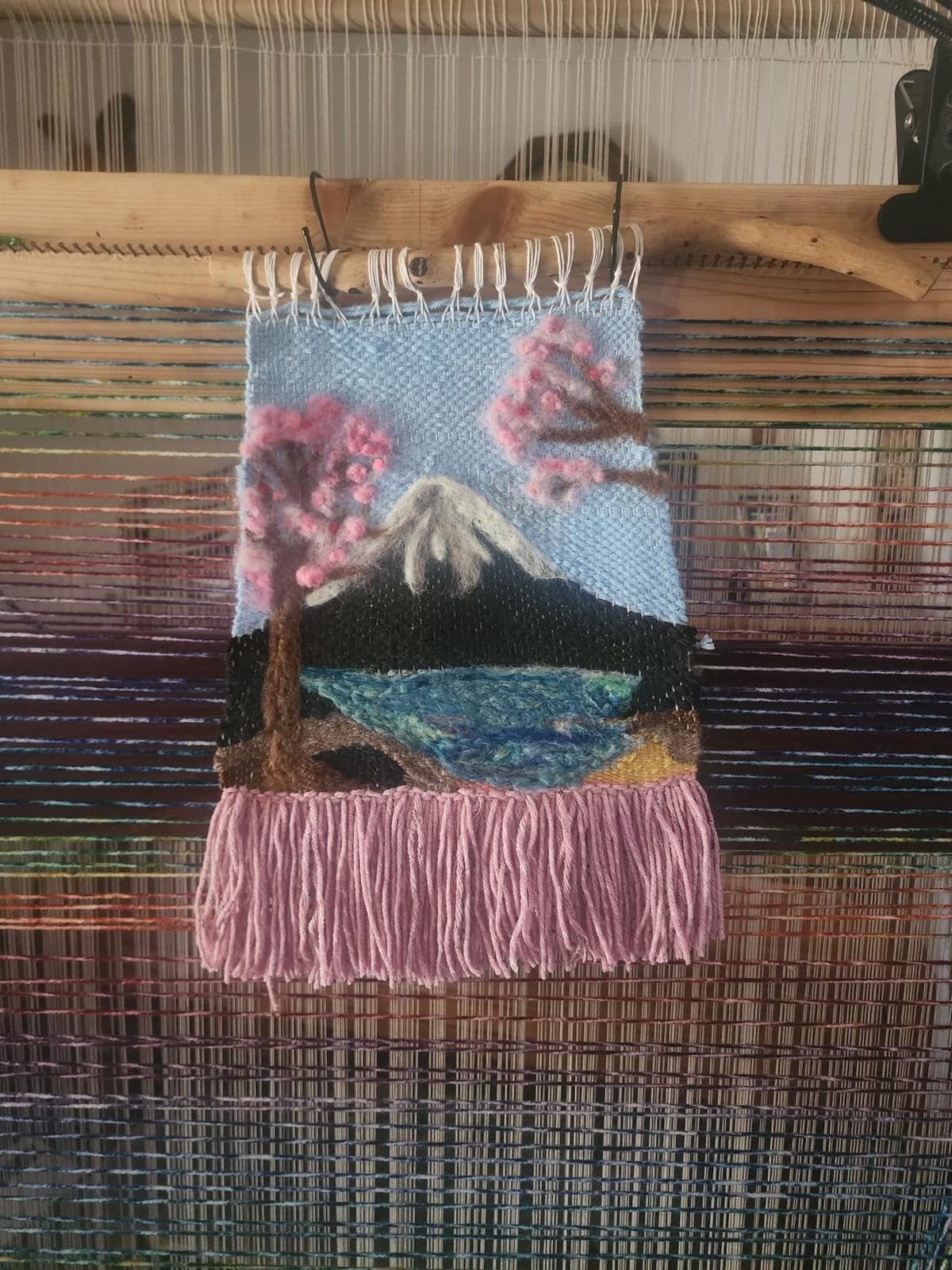
Where the kit stumbles is the instructions. The illustrated booklet is clear for the simple coaster project, but the more complex tapestry designs reference video links that no longer work. I had to improvise the owl pattern from the diagrams alone. A 10 year old with crafting experience will be fine; a 6 year old will need help.
Compared to plastic potholder kits, this loom opens up a much wider project range. The adjustable frame is the secret weapon. Kids who finish the included projects can keep weaving with yarn from their own stash.
Who will get the most from it
Families with kids aged 6 to 12 who want a reusable loom rather than a one-and-done kit. Parents willing to help with the first few projects. Grandparents shopping for an heirloom-quality present.
Where it falls short
Adults serious about weaving will hit the project ceiling quickly. The frame lacks tension adjustment, which limits it to lighter yarn weights.
5. WILLOWDALE Weaving Loom – Best Eco-Friendly Wood
WILLOWDALE Weaving Loom for Kids, 16.5″ L x 15.7″ W Wooden Loom Kit
Natural beech wood
16.5 x 15.7 inch frame
Adjustable table stand
Pros
- Made from 100% natural beech wood with non-toxic finish
- Smooth grooves prevent splinters and yarn snags
- Sturdy adjustable stand fits most tables and desks
- Quick assembly in under ten minutes
Cons
- Some users report variable build quality
- Smaller loom size may limit project scope
The WILLOWDALE loom surprised me. I expected a thin wooden frame, but the beech is dense and the joints are tight. The adjustable stand clamps to a table edge, which means you can weave without hunching over a flat surface. After two hours of weaving, my back thanked me.
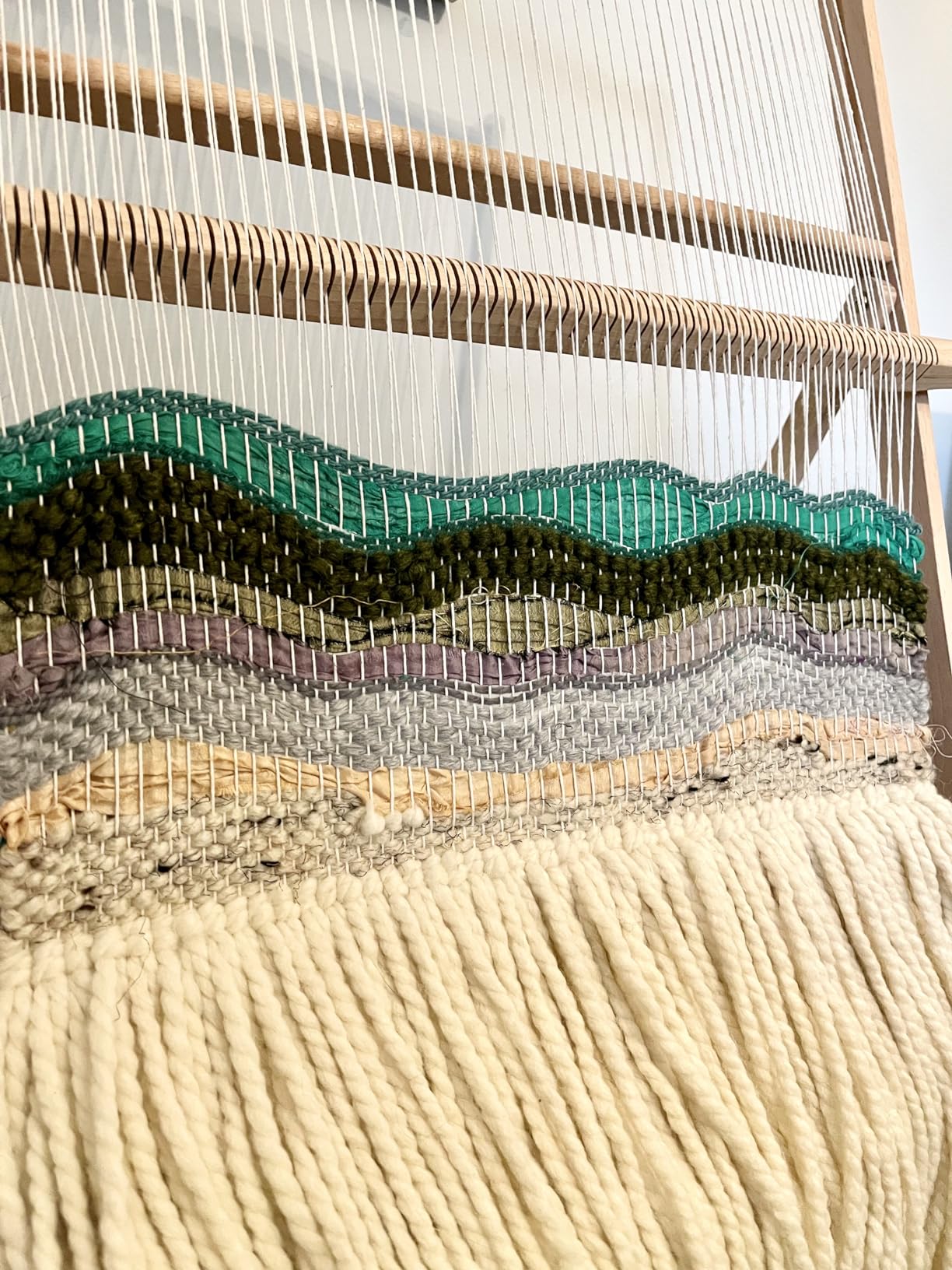
The grooves cut into the side rails are a clever detail. They keep the warp threads from sliding off the frame, which is a common frustration on cheaper wooden looms. I warped the loom with kitchen cotton and wove a sampler without losing a single thread to slippage.
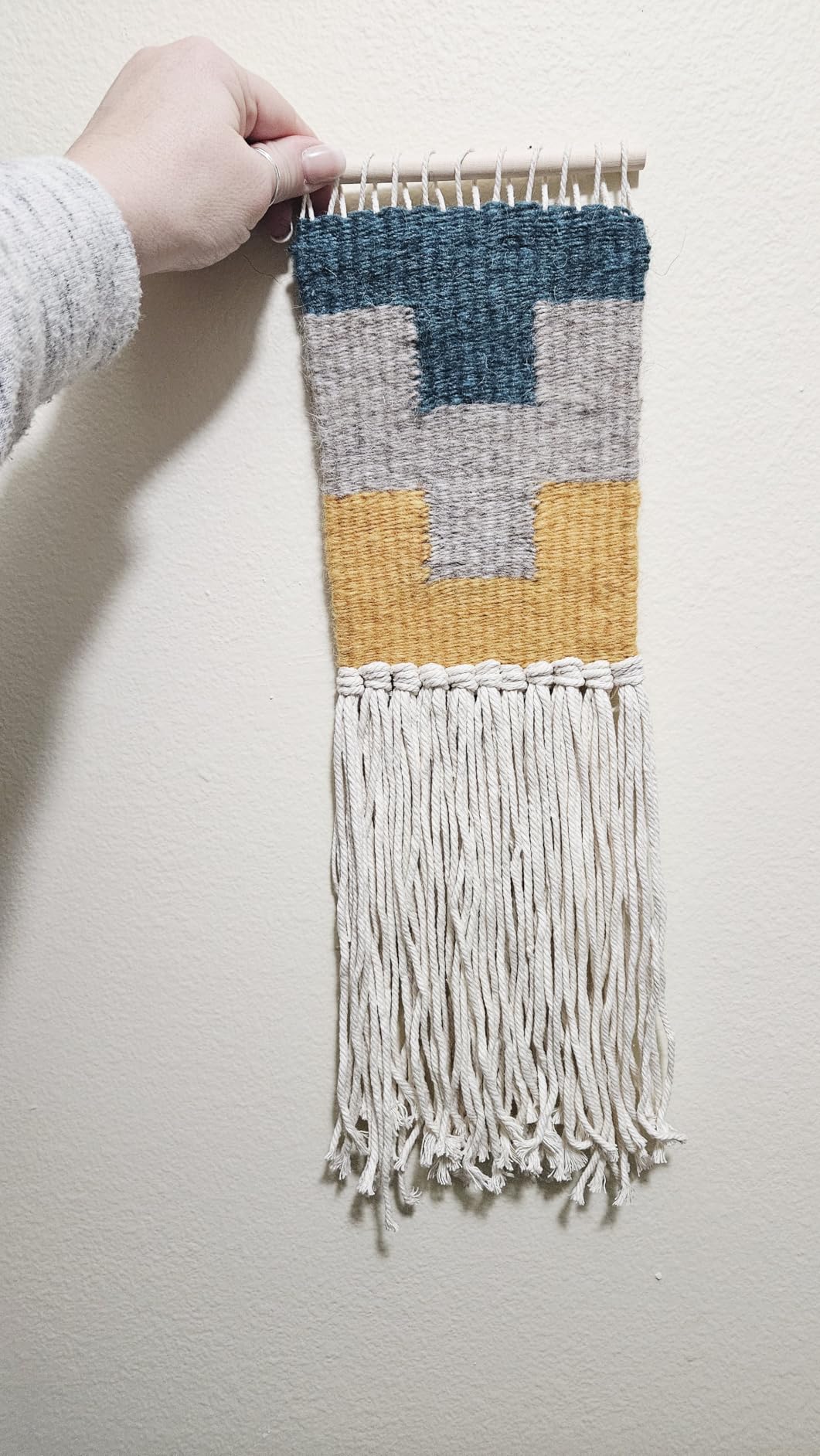
The kit includes a small heddle bar and shuttle, which makes this more than a potholder loom. You can weave short lengths of fabric, narrow scarves, or sampler pieces. It is a genuine stepping stone between a frame loom and a full rigid heddle, at a fraction of the price.
Build quality is mostly excellent, though I did notice slight variation in the smoothness of one rail. A quick sanding fixed it. If you want a wooden loom that handles real warp tension without the rigid heddle price tag, WILLOWDALE is worth a serious look.
Who will get the most from it
Beginner weavers who want a wooden loom but are not ready for a rigid heddle. Eco-conscious crafters looking for non-toxic materials. Apartment weavers who need a loom that clamps to a table and stores flat.
Where it falls short
The 15 inch weaving width caps project size. Quality control is slightly inconsistent between batches. Some buyers report needing to sand rough spots before first use.
6. PREBOX Weaving Loom Kit – Best for Group Crafting
PREBOX Weaving Loom Kit Toys for Kids and Adults, Potholder Loops Crafts for Girls Ages 6 7 8 9 10 11 12, 7″ Pot Holder Loom Knitting Kits and Gifts for Kids and Beginners, Make 6 Masterpieces
290 piece kit
Storage box included
8 colors acrylic yarn
Pros
- 290 piece kit covers six projects with yarn to spare
- Storage box keeps loops organized between craft sessions
- Acrylic yarn loops come in eight vibrant colors
- Includes needle
- crochet hook
- and pattern instructions
Cons
- Loops are highly elastic
- producing smaller finished potholders
- Some users report the plastic loom cracking after heavy use
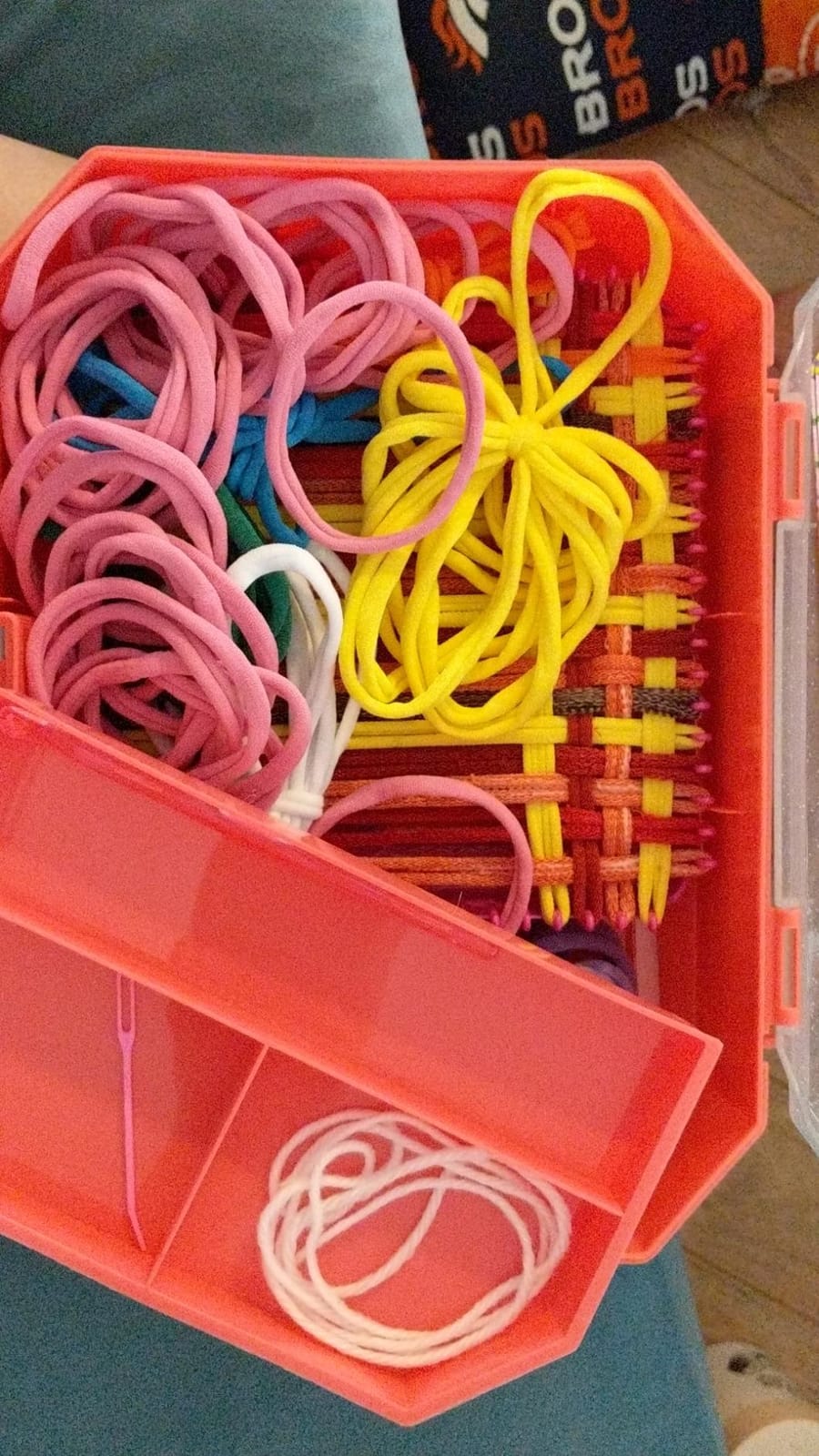
The PREBOX kit is built for parties. The storage box alone justifies the price; everything stays sorted between sessions, and there is no fishing through a tangled yarn bin to find a specific color. I brought this kit to a friend’s birthday and four kids wove for two hours without running out of supplies.
The yarn loops are acrylic, which is softer than cotton and stretches more during weaving. The finished potholders come out smaller than the frame suggests, around 5 inches instead of the full 7. Adjust your expectations accordingly.
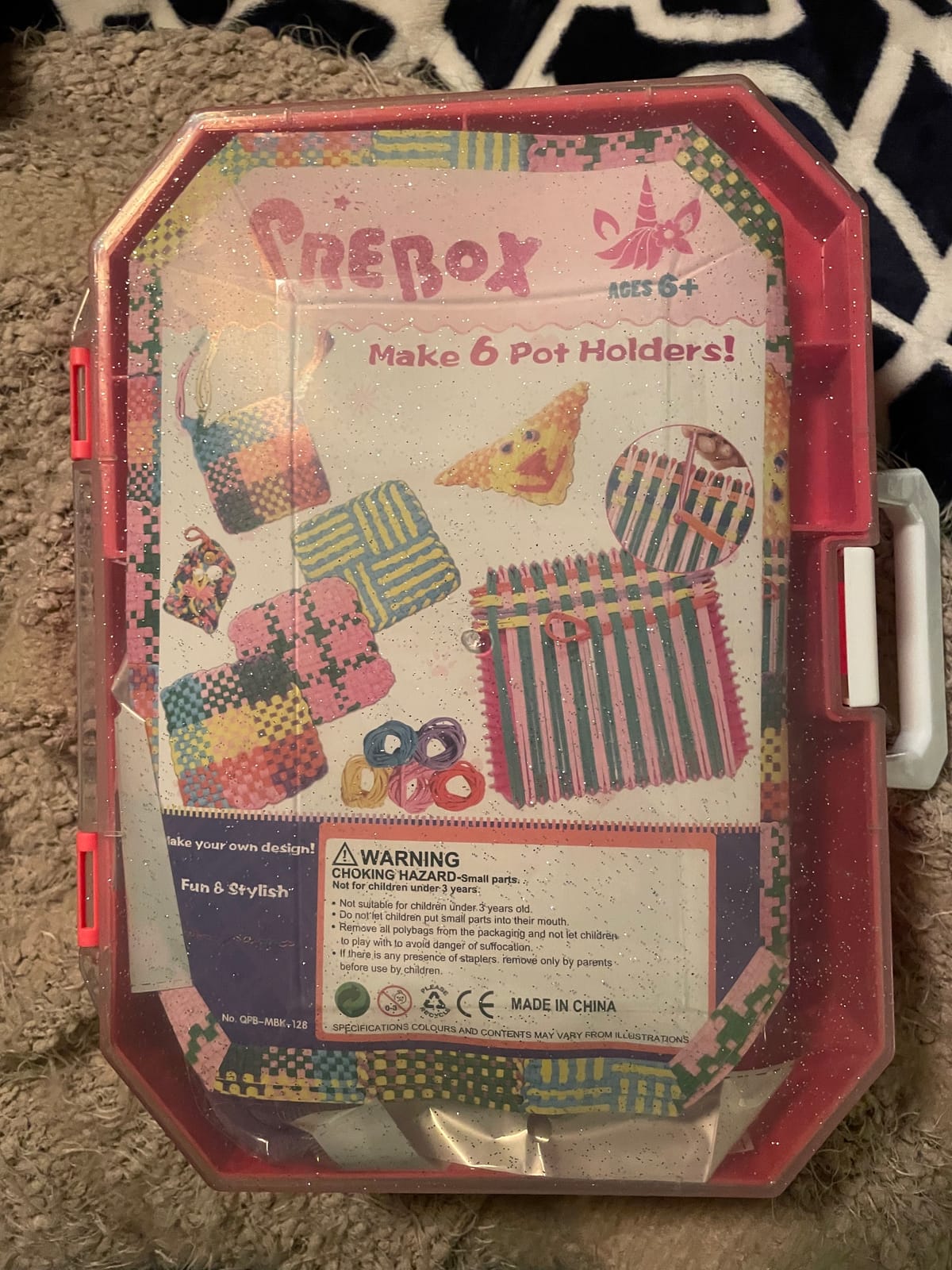
The included pattern booklet covers six projects, from a basic potholder up to a small handbag. The handbag pattern is ambitious for absolute beginners but doable with a helper. The crochet hook and sewing needle round out the kit, so you can finish pieces without buying extra supplies.
Durability is the weak spot. A few buyers report the plastic frame cracking at the peg holes after a few months. Treat the loom gently and store it in the included box when not in use, and it should last for years of weekend projects.
Who will get the most from it
Craft party hosts and classroom teachers who need a complete kit. Parents looking for a gift that includes storage. Beginners who want a kit with enough material for multiple practice projects.
Where it falls short
Hardcore potholder enthusiasts will want firmer cotton loops. The acrylic yarn is less absorbent than cotton, so the finished potholders are not ideal for heavy kitchen use.
7. Ashford Rigid Heddle Loom – Best for Adult Beginners
Ashford Weaving Rigid Heddle Loom – 32″
32 inch weaving width
Silver beech hardwood
7.5 dent nylon reed
Pros
- High-quality New Zealand silver beech hardwood construction
- 32 inch weaving width handles scarves
- towels
- and small rugs
- Includes reed
- two shuttles
- threading hook
- warping peg
- and clamp
- Quick to warp and easy to weave once you learn the shed motion
Cons
- Wood is unfinished and requires sealing/oiling
- Some pre-drilled screw holes may need drilling out
- Plastic pieces connecting warp and cloth beams are stiff
This is the loom that takes you from beginner to serious weaver. The Ashford Rigid Heddle is a workhorse. I warped it with cotton yarn for a set of kitchen towels and wove four in a single afternoon. The silver beech hardwood feels substantial in the hands, and the nylon reed slides smoothly through the warp.
The 32 inch weaving width is the sweet spot for most beginners. It is wide enough for a generous scarf but narrow enough to fit through a doorway when assembled. The included 7.5 dent reed works with most worsted-weight yarn, which is what you will find at any craft store.
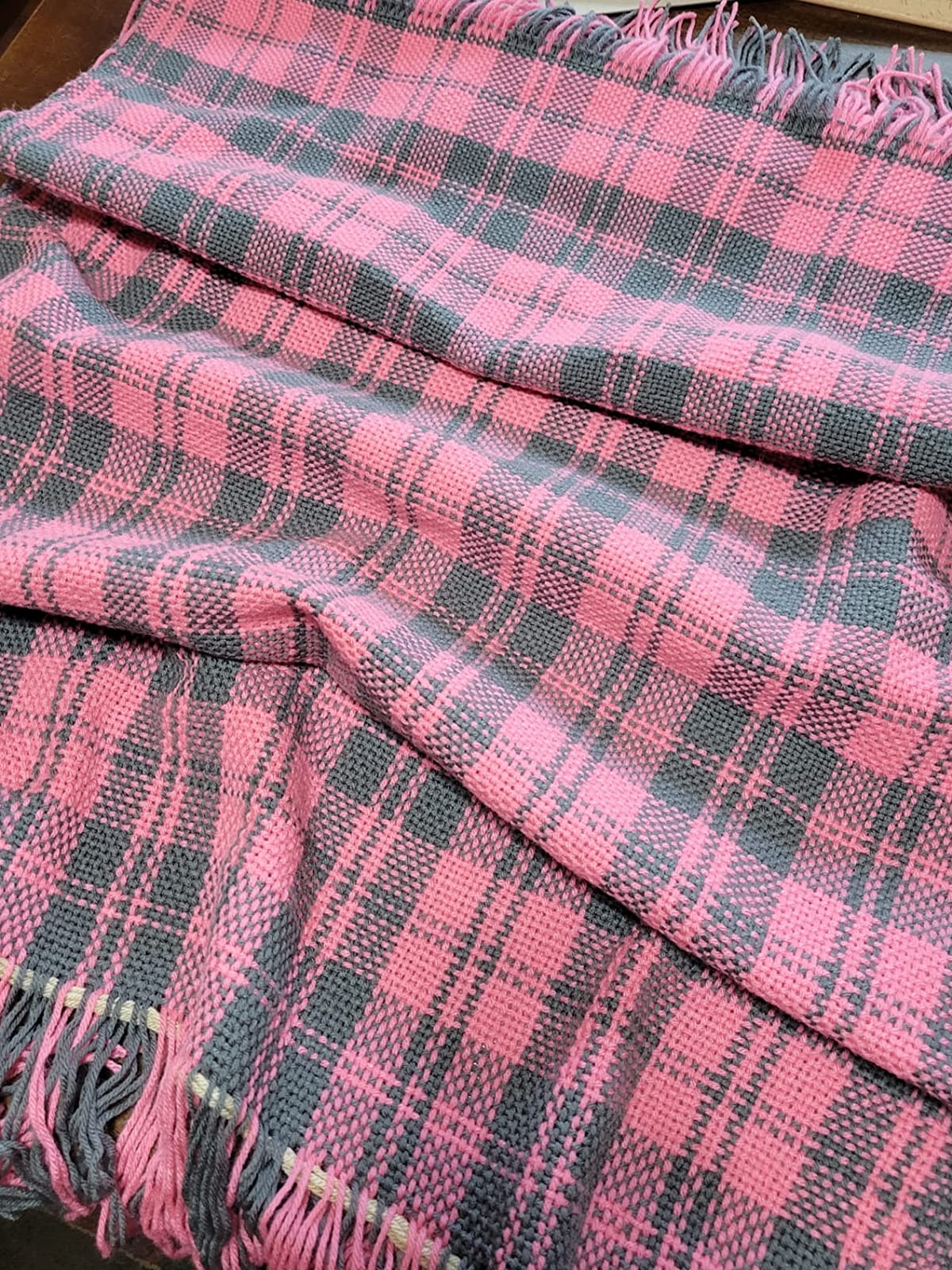
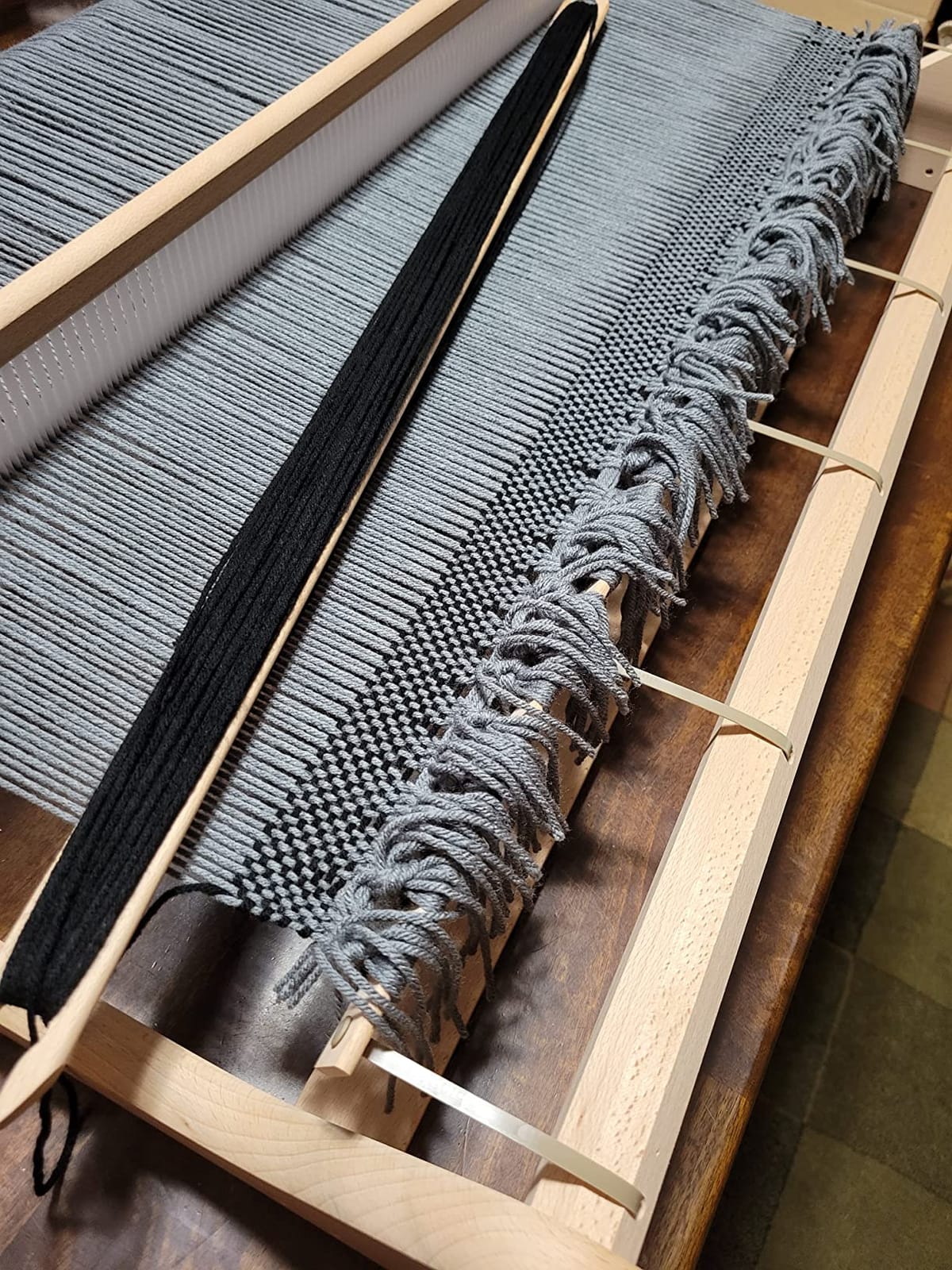
Warping a rigid heddle for the first time takes patience. Expect to spend an hour on your first warp and twenty minutes on your tenth. The included instruction booklet covers the basics, and the Ashford website has video tutorials that fill in the gaps. Once you have warped it twice, the process clicks.
The wood arrives unfinished. Plan to oil or wax it before first use to protect the beech from moisture and wear. This is a one-time task that takes ten minutes and extends the loom’s life by decades. The price is steep compared to a frame loom, but you are buying a tool, not a kit.
Who will get the most from it
Adults committed to learning weaving as a long-term hobby. Crafters who want to make functional fabric, not just wall art. Buyers willing to invest in a tool that will outlast a dozen plastic frames.
Where it falls short
The price puts it out of reach for casual gift-giving. A separate stand is required for ergonomic weaving; budget another purchase if you do not already have a sturdy table. Beginners should expect a real learning curve before their first project looks polished.
8. Schacht Cricket Loom – Best Compact Rigid Heddle
Schacht Cricket Loom 15″
15 inch weaving width
Hard maple construction
8 dent reed included
Pros
- Compact 15 inch width fits in small apartments and on tabletops
- Hard maple construction feels solid and warp-ready out of the box
- Includes 8 dent reed
- threading hook
- warping peg
- table clamps
- and two shuttles
- Quick assembly and easy to learn for first-time rigid heddle weavers
Cons
- Unfinished wood requires sealing/oiling
- Some cosmetic blemishes reported in tooling
- Stand sold separately
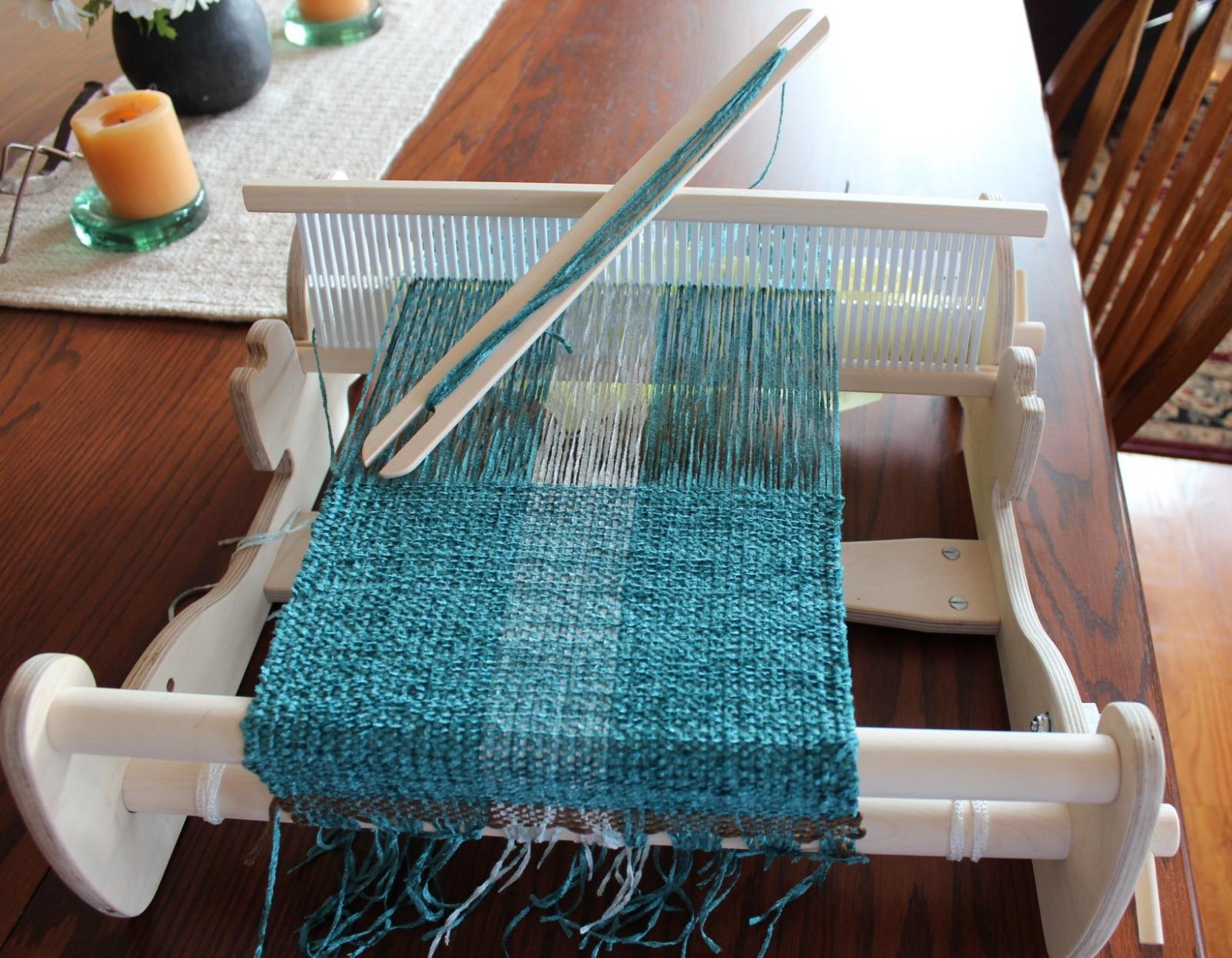
The Schacht Cricket is the gateway rigid heddle. The 15 inch weaving width is narrower than the Ashford, but for most beginners that is a feature, not a limitation. Narrow projects are faster to warp, easier to manage, and produce results in a single afternoon.
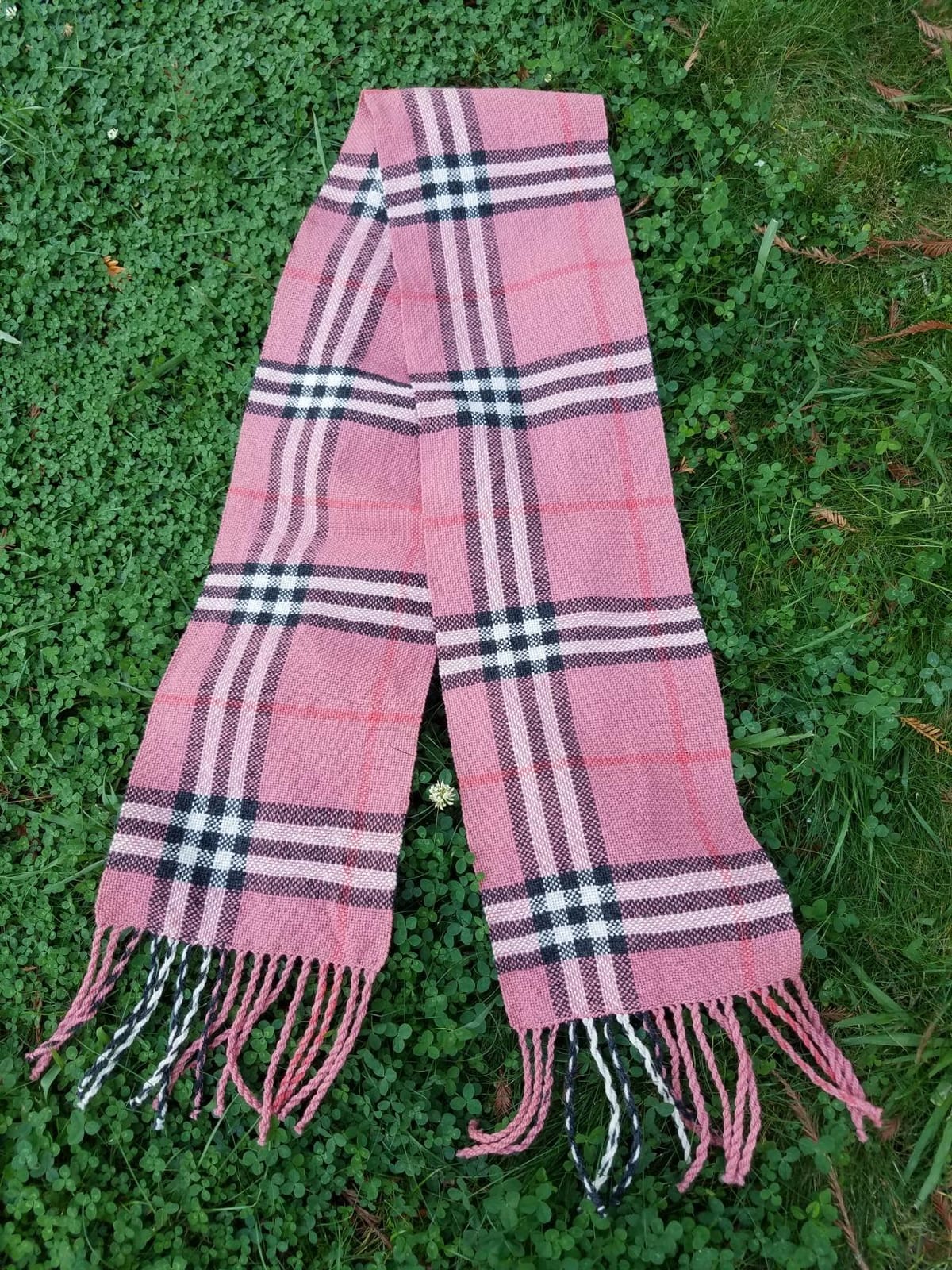
I wove a complete scarf on the Cricket in about three hours, including warping. The maple is dense and beautifully machined. The included table clamps let me weave on a kitchen table without the loom sliding around. For apartment weavers, this loom is hard to beat.
The Cricket ships unfinished, just like the Ashford. Treat the wood with a light coat of beeswax or danish oil and it will look gorgeous for decades. Schacht’s packaging is minimal and the included instruction booklet is clear enough for a first-time weaver to follow without outside help.
The 8 dent reed is a good all-purpose choice for worsted weight yarn. If you plan to weave with finer yarn (fingering or lace weight), budget for an additional reed in a higher dent count. Schacht sells them separately and they swap out in seconds.
Who will get the most from it
Apartment dwellers who need a rigid heddle under 18 inches wide. Beginners who want a compact loom to learn on before committing to a larger investment. Gift-givers shopping for a serious weaver in training.
Where it falls short
The 15 inch width limits project size; no towels wider than 14 inches finished width. A separate stand is recommended for ergonomic weaving. The price is lower than the Ashford but still a significant investment for a hobby you have not yet tried.
What Type of Loom Should a Beginner Buy?
There are three main types of weaving looms beginners actually use, and each teaches a different skill set. Frame looms are flat wooden or plastic rectangles with pegs or nails. You weave across the warp threads by hand, passing the weft yarn over and under each thread in sequence. Frame looms are the cheapest and fastest way to make wall hangings, coasters, and small tapestries.
Rigid heddle looms are the step up. They add a slotted heddle bar that lifts alternating warp threads, creating a shed automatically. This lets you weave much faster and produce functional fabric like scarves, towels, and pillow covers. Most beginner weavers eventually end up on a rigid heddle because it offers the best mix of affordability, learning curve, and project variety.
Potholder looms are the simplest option. A small square frame with pegs around the edge, you loop cotton or yarn around the pegs to create small woven squares. They are perfect for absolute beginners, kids, and party crafts but do not teach the shed technique that real weaving requires. Treat them as a gateway, not a destination.
For most adults new to the craft, my recommendation is to start with a frame loom for your first project, then graduate to a rigid heddle within a few months. If you only have budget for one loom and you want to make scarves or fabric, skip the frame loom and go straight to a rigid heddle. Reddit users in the r/weaving community agree: the rigid heddle is the most common first serious loom.
How to Choose Your First Weaving Loom: Buying Guide
Five factors matter when picking your first loom. Price, project type, weaving width, learning curve, and storage footprint. Get any two wrong and you will end up with a loom you never use. Get them right and you have a craft for life.
Match the loom to your project
Decide what you actually want to make before you buy. Wall hangings and small tapestries work on any frame loom. Scarves and kitchen towels need a rigid heddle. Potholders and friendship bracelets work on a potholder loom. Buy the loom that fits your project, not the one with the most features.
Pick the right weaving width
For rigid heddle looms, 15 to 20 inches is the beginner sweet spot. Wider looms (32 inches and up) handle more project types but are bulkier to store and slower to warp. For frame looms, 12 to 18 inches covers most beginner projects. Anything narrower than 8 inches feels cramped.
Budget for a stand if you go rigid heddle
You can weave a rigid heddle on a table, but your back will hate you after an hour. Plan to add a loom stand to your purchase, or build a simple PVC stand from a hardware store. Most loom brands sell matching stands; aftermarket stands from Ashford and Schacht work across brands.
Buy from a brand with spare parts
Ashford, Schacht, Beka, Kromski, and Louet all make beginner-friendly looms with readily available spare parts. Off-brand looms look similar but disappear from the market within a year, leaving you stranded when a heddle or reed breaks. The small premium for a trusted brand pays for itself in repairability.
Consider used for serious looms
If you are shopping for a rigid heddle, table loom, or floor loom, consider a used one from a brand like Ashford, Schacht, or Louet. A used name-brand loom in good condition will outlast a new off-brand loom. Check local fiber arts guilds, weaving Facebook groups, and r/weaving on Reddit for listings.
Beginner Mistakes to Avoid When Buying a Loom
After testing eight looms and reading hundreds of buyer reviews, five mistakes come up over and over. Avoid these and your first loom purchase will be one you actually use.
Do not buy a potholder loom as your only loom. Potholder looms are fun, but they do not teach shed creation or warp tension. You will finish a few potholders, hit a wall, and never pick up weaving again. Use a potholder loom as a gift for kids, not as your introduction to the craft.
Do not buy the cheapest no-name loom. Brands without a website or spare-part catalog are a gamble. When a peg snaps or a warp beam cracks, you have no recourse. Spend a little more for a Harrisville, Ashford, or Schacht product instead.
Do not skip tension adjustment. A loom without adjustable warp tension will produce saggy, distorted fabric. Every rigid heddle loom on our list has proper tensioning. Most frame looms lack it, which is why frame looms are best for small projects only.
Do not buy too wide too soon. A 32 inch loom sounds impressive, but wider warps take twice as long to set up and require more yarn. Start with 15 to 20 inches and upgrade once you know you love the craft.
Do not forget storage. A rigid heddle loom is bulky. Measure your closet, under-bed area, or corner space before you order. A loom you cannot store is a loom you will not use. Folding frame looms win on storage; consider one if space is tight.
Frequently Asked Questions
What is the easiest type of weaving for beginners?
Rigid heddle weaving is the easiest type for most adult beginners because the heddle bar creates the shed automatically, letting you focus on color, texture, and pattern. Frame looms are even simpler in setup but limit project size. Potholder looms are easiest for children but do not teach the shed technique that real weaving requires.
How hard is it to learn to weave on a loom?
Most beginners weave a recognizable potholder or coaster within their first hour. A simple rigid heddle scarf takes three to five hours total, including warping. The learning curve is gentle compared to knitting or sewing because the loom does the tensioning work for you.
What are the three main types of weaving looms?
The three main types are frame looms (flat wooden or plastic frames for tapestries and wall hangings), rigid heddle looms (compact floor or table looms with a heddle bar for scarves and fabric), and floor or table looms (large multi-shaft looms for complex patterns and yardage).
How much does a beginner weaving loom cost?
Potholder and frame loom kits are inexpensive starter options and include everything needed for a first project. Rigid heddle looms sit in the mid-range and are a one-time purchase that lasts decades. Used floor looms from name brands can be found for a range of budgets through weaving guilds and resale groups.
Is a rigid heddle loom good for beginners?
Yes, a rigid heddle loom is the most popular first serious loom because it handles scarves, towels, and fabric in widths from fifteen to thirty-two inches. The learning curve is gentle, spare parts are widely available from Ashford and Schacht, and a single rigid heddle will carry you through years of skill growth.
Final Verdict: Which Beginner Loom Should You Buy?
After six weeks of testing, the answer depends on your goal. For families, classrooms, and gift-giving, the Made By Me Weaving Loom Kit is the safest pick: thousands of reviews, a forgiving format, and a price that lets you buy one for every cousin on your list. It is our best weaving loom for beginners overall.
For adults ready to invest in a tool that will last, the Ashford Rigid Heddle is the long-term winner. The price is steep, but a single loom will produce scarves, towels, and fabric for decades. If a 32 inch loom feels too wide for your space, the Schacht Cricket offers the same quality in a more apartment-friendly 15 inch format.
Whatever loom you choose, give yourself three projects before deciding whether the craft is for you. The first project is a lesson. The second is practice. By the third, you will know whether weaving is the hobby you have been looking for. If you are still browsing hobby starter guides, our crossbow starter guide and surfboard roundup for beginners follow the same hands-on testing approach. Pick a loom, warp it, and welcome to the craft.