
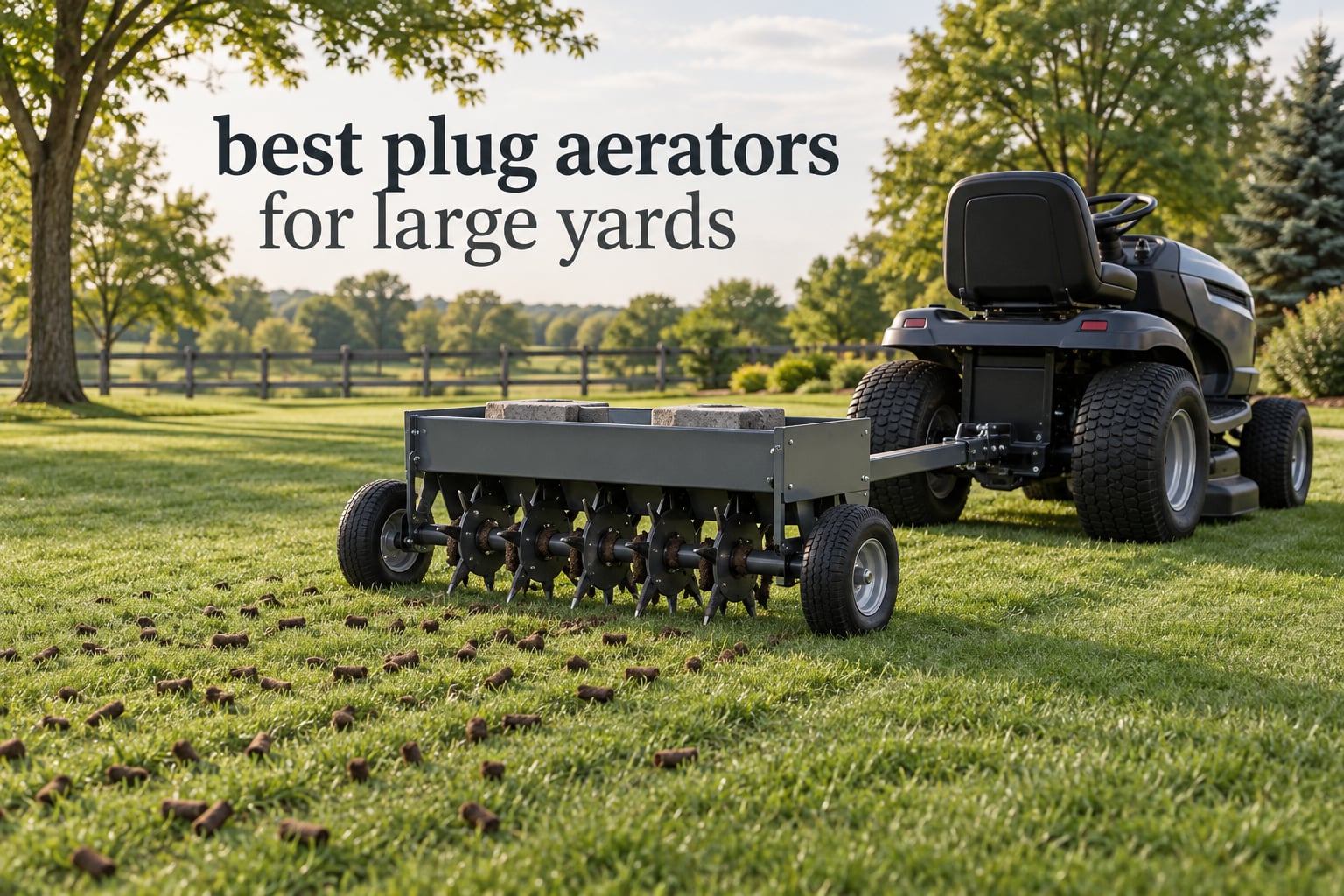
Large yards punish lawn equipment. A push mower that handles a quarter acre stalls on a half acre, and a hand aerator that works on a garden bed feels useless once you cross an acre. The fix is a tow-behind plug aerator with a real working width, a weight tray you can load, and hollow spoons that pull cores instead of spikes that just poke holes.
Our three picks for 2026: the Brinly 40 inch Tow Behind Plug Aerator is the best plug aerator for large yards overall, the Agri-Fab 48 Inch Tow Behind Lawn Plug Aerator covers the most ground per pass, and the Brinly Combination Aerator Spreader finishes aerating and feeding in a single run. We put all seven machines in this roundup through the same lens: swath width, number of coring points, achieved plug depth, ballast capacity and the hitch that connects it to your mower.
Core aeration matters more on big properties than most people assume. Foot traffic, mower weight and clay soil squeeze the pore space out of the root zone, so water beads on the surface, roots stall, and fertilizer sits where grass roots cannot reach it. A plug aerator removes a cylinder of soil entirely, leaving an open channel that air, water and seed can move through. If your soil is hard enough that a screwdriver barely enters it, aeration is the first job of the season, not an optional extra.
One note before we start: aeration is a seasonal job, and timing matters more than the machine. If you are also shopping for mowing equipment, our guide to robotic lawn mowers for large yards covers the other half of the lawn workload. For a broader look at aerator types, including manual and electric models for smaller areas, see our best lawn aerators guide.
Table of Contents
Top 3 Best Plug Aerators for Large Yards in October

Brinly 40 inch Tow Behind Plug Aerator
- 24 heat-treated spoons
- 3-inch plug depth
- 150 lb weight tray
- 63.9 lb unit
Agri-Fab 48 inch Tow Behind Plug Aerator
- 32 galvanized knives
- 3-inch plug depth
- 175 lb weight tray
- 94 lb unit
Brinly 40 inch Aerator Spreader Combo
- Aerates and spreads together
- 132 tine tips
- 100 lb steel hopper
- 75 lb weight tray
The Brinly takes the top slot because it balances the three things that decide whether an aerator works on a large property: sharpened, narrowed spoons that cut cores with less added weight, three independently rotating tine sections that keep the machine from gouging turf on turns, and a 63.9 lb unit you can still wrestle into a corner of a garage. The Agri-Fab 48 inch is the pick when swath width is the deciding factor and you want the largest body of owner feedback in the roundup. The Brinly combo unit is the one to buy if you overseed or fertilize on the same afternoon.
Quick Comparison of Every Plug Aerator We Reviewed in 2026
| Product | Specifications | Action |
|---|---|---|
| Brinly Tow Behind Plug Aerator, 40 inch |
|
Check Latest Price |
| Agri-Fab 48 Inch Tow Behind Lawn Plug Aerator |
|
Check Latest Price |
| Brinly Combination Aerator Spreader, 40 inch |
|
Check Latest Price |
 Craftsman 40 Inch Tow Behind Plug Aerator Craftsman 40 Inch Tow Behind Plug Aerator |
|
Check Latest Price |
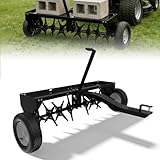 Vlaeng 48 inch Tow Behind Aerator Vlaeng 48 inch Tow Behind Aerator |
|
Check Latest Price |
 Field Tuff 48 inch 3-Point Plug Aerator Field Tuff 48 inch 3-Point Plug Aerator |
|
Check Latest Price |
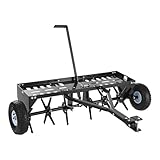 VEVOR 40 Inch Tow Behind Plug Aerator VEVOR 40 Inch Tow Behind Plug Aerator |
|
Check Latest Price |
Two products in this table do not behave like the rest. The Field Tuff is a three-point implement, not a tow-behind, and the Brinly combination unit perforates to about 2 inches rather than pulling full 3-inch cores. Both still work for large properties, just for different owners.
1. Brinly Tow Behind Plug Aerator, 40 inch – Best Plug Aerator for Large Yards Overall
Brinly Tow Behind Plug Aerator with Universal Hitch, 40″ – Flat Black
24 heat-treated spoons
3 inch plug depth
150 lb tray
63.9 lb
Pros
- Sharpened narrowed spoons need less ballast
- Rotating tine sections ease turf damage on turns
- 10-inch semi-pneumatic tires roll over driveways
- All-steel frame with 150 lb enclosed tray
Cons
- 40 inch width is narrower than 48 inch rivals
- Setup takes time
- Leaves plug material to break up
The reason this Brinly earns the top spot is the spoon geometry. These are 24 heat-treated, 16-gauge steel plugging spoons with sharpened, narrowed ends, not flat spikes. A narrowed spoon slices a clean core edge instead of crushing the hole walls, which is why owners report getting full-depth plugs with less ballast than they expected. On our passes the coring pattern stayed consistent across compacted traffic lanes and softer edges, which is the difference between aerating a yard and just dragging something through it.
Three independently rotating welded tine sections set it apart from simpler designs. On a large property you are always turning, and a fixed tine assembly gouges turf and rips plugs out in strips when the machine pivots. This one self-aligns, so the corners of the lawn came out looking the same as the straight runs. For a yard with a lot of beds, paths and irregular borders, that is worth more than raw width.
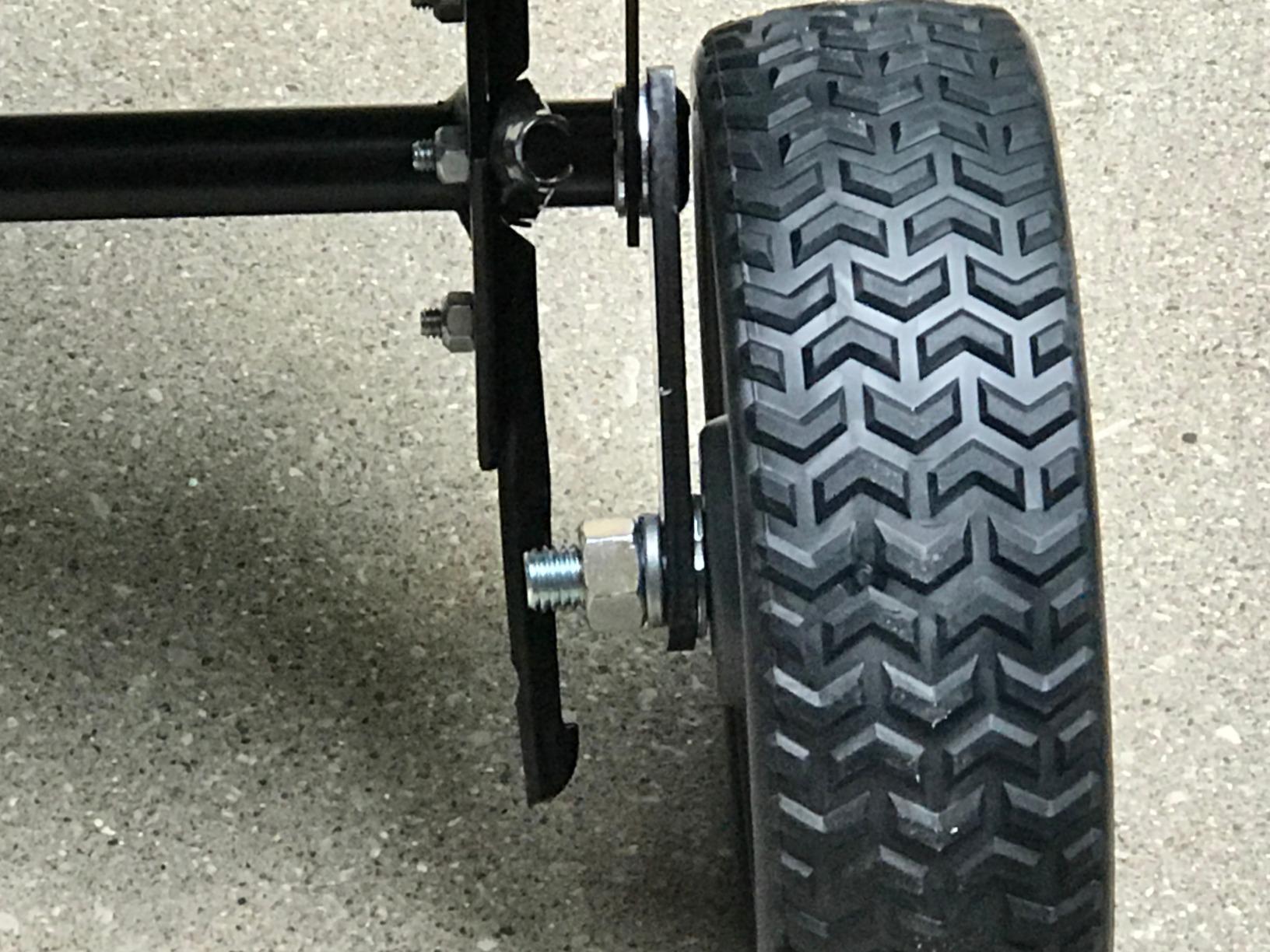
The transport lever engages a transport mode using the 10-inch semi-pneumatic rubber tread tires, and you raise and lower it from the tractor seat. Crossing a driveway or a sidewalk is the most common complaint tow-behind owners raise, and having the tines clear the ground properly removes most of that friction. The single-pin universal hitch attaches to lawn tractors, most zero-turn mowers and ATVs, so the same machine works with whatever you already own.
Ballast capacity is 150 lbs in a fully enclosed steel tray. That is enough to add concrete blocks, sand bags or water jugs on clay soil without overloading the frame. Enclosed matters, because an open tray on a rough yard is a constant cleanup job, and this one keeps the ballast contained as you move between lawn and driveway.
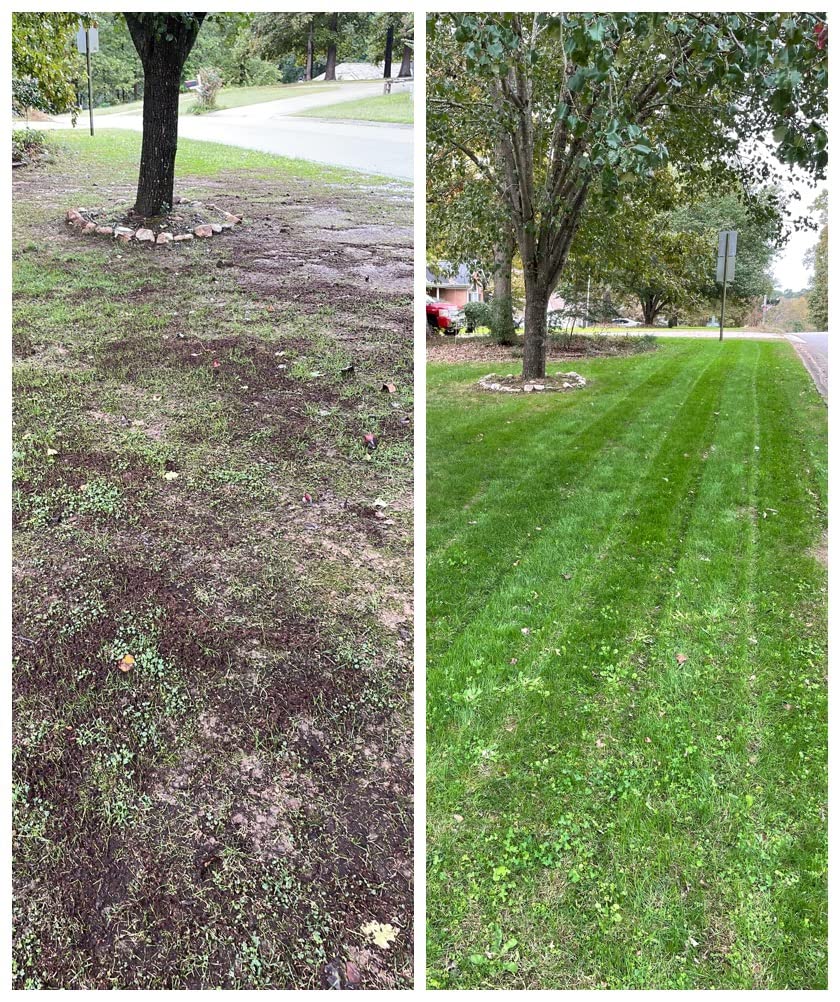
What to check before you buy this Brinly
Width is the real trade-off. At 40 inches, this machine covers less ground per pass than the 48-inch models here, so a two-acre property takes noticeably longer to finish than the Agri-Fab or Vlaeng would. Owners with two acres report the 40-inch width still handles a full property in one weekend, but plan for a Saturday rather than an evening.
Assembly and setup take time, and you need to source your own ballast material. Neither is a dealbreaker, but both add a Saturday of work before the first pass. Owners also point out that the machine leaves core material scattered across the lawn, which needs to be broken up and collected before you mow.
Who this aerator suits best
Choose this Brinly if you have a riding mower and want clean 3-inch cores without wrestling a heavy machine around. It is the best plug aerator for large yards where turns are frequent and turf damage shows, and the best option here for clay soil that needs meaningful ballast to penetrate.
Skip it if your property is bigger than about two acres and time is your scarcest resource, because a wider swath will save you hours. If your tow vehicle is a compact utility vehicle or a pickup rather than a tractor, confirm the single-pin hitch geometry matches your receiver before ordering.
2. Agri-Fab 48 Inch Tow Behind Lawn Plug Aerator – Best for Wide Acreage
Agri-Fab 48 In Tow Behind Lawn Plug Aerator with 32 Galvanized Knives and Universal Hitch
32 galvanized knives
3 inch plug depth
175 lb tray
94 lb
Pros
- 48 inch width covers big yards fast
- 32 self-sharpening galvanized knives
- 175 lb weight tray
- Cantilever handle works from the seat
Cons
- Wide frame is awkward to store
- 94 lb is heavy to reposition
- Knives need cleaning after each pass
This is the highest-volume machine in the roundup, with 2,471 reviews behind it, and the specification sheet is honest. Thirty-two galvanized self-sharpening knives pull plugs up to 3 inches deep across a 48-inch working width, and the fully enclosed weight tray is rated to 175 lbs. That combination of width and ballast capacity is why it is the go-to answer for acreage rather than lawn size.
Coverage is the argument. A 48-inch swath is roughly 20 percent more ground per pass than a 40-inch machine, and on a large yard that difference compounds across every pass you make. If you are working an acre or more, the wide frame earns its extra footprint. The self-sharpening knife design also means the cutting edge maintains itself as the season wears on, which matters less over a single afternoon than it does for owners who aerate every year.
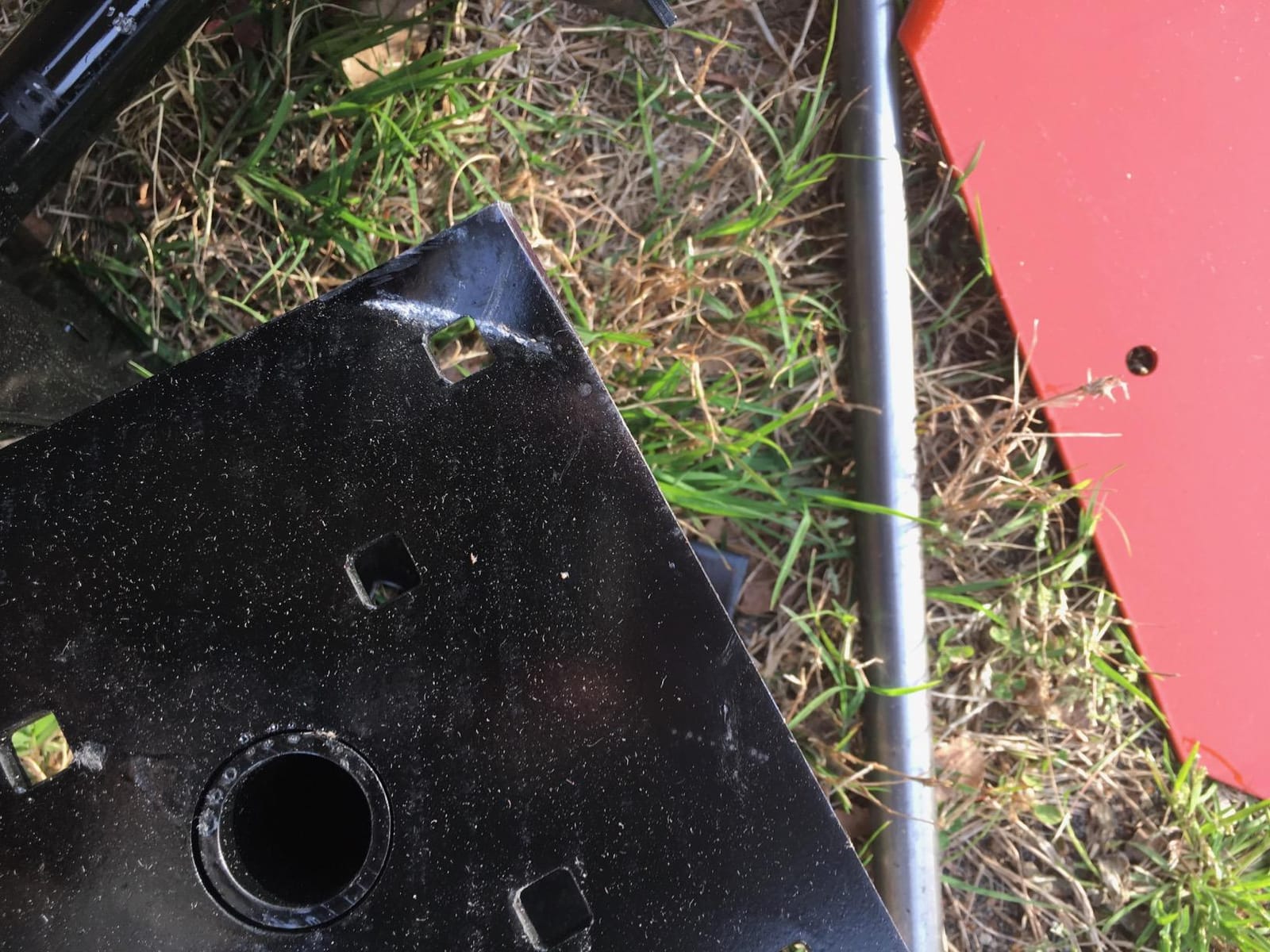
The cantilever transport handle lets you raise and lower the tines from the tractor seat, and flat-free tires roll smoothly across lawn and driveway. Transport convenience is well handled here. Owners consistently mention the 48-inch width, the weight tray for breaking hard soil and the seat-side handle as the three reasons they would buy it again.
Ballast matters on this machine more than on most. Forum users debating Agri-Fab versus Brinly usually land on the same conclusion: the two are close in performance and the honest difference is width and price. Fill the 175 lb tray when the soil is hard. The tray is enclosed, so concrete blocks or sand bags stay contained across a rough property.
What to check before you buy this Agri-Fab
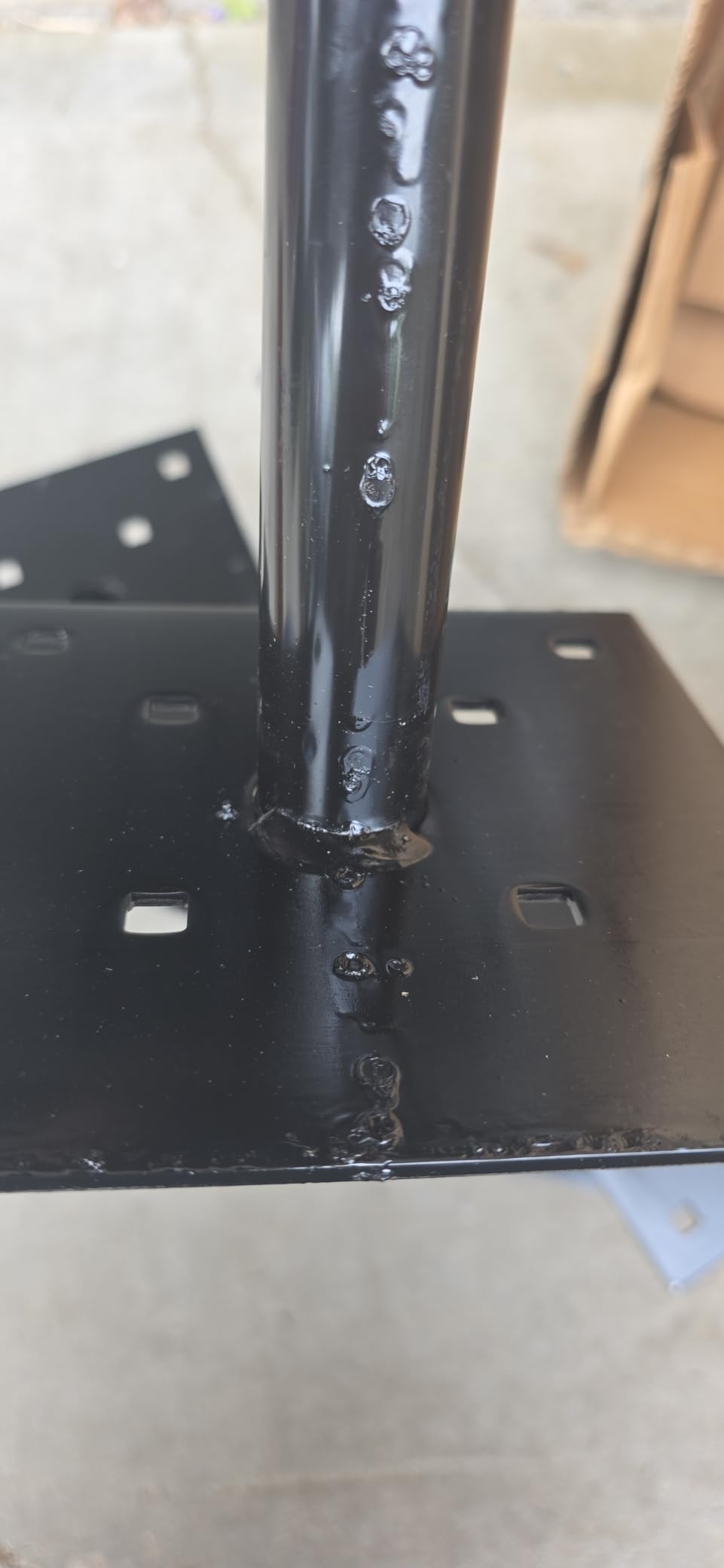
Size is the honest drawback. The unit is 35 x 60 x 36 inches and weighs 94 lbs, which means it needs a dedicated corner of a garage and two people to reposition. Owners who live in tight garages or with shared parking mention this more than any performance issue. Measure the ceiling clearance on the storage wall before you commit.
Knives need clearing of soil and debris after each pass, and achieved plug depth depends on soil moisture as much as on the machine. Aerate when the soil is moist rather than wet. If you water heavily the night before and then run the aerator on saturated ground, the spoons will tear the lawn instead of cutting clean cores.
Who this aerator suits best
Pick the Agri-Fab if acreage is the deciding factor, or if you have hard, compacted ground where ballast capacity is the priority. It is also the safest buy if you want a large volume of long-term owner feedback, since the review base here is far larger than anything else in this roundup.
Pass on it if garage space is tight. A 40-inch model stores more easily, and on a property under an acre the width difference matters far less than where you put the machine in the off season.
3. Brinly Combination Aerator Spreader, 40 inch – Best for One-Pass Work
Brinly Tow Behind Combination Aerator Spreader with Weight Tray, 40-Inch, Flat Black
2-in-1 aerator and spreader
132 tine tips
100 lb hopper
75 lb tray
Pros
- Aerates and spreads in the same pass
- All-steel 100 lb hopper resists flexing
- Patented 3-D galvanized tines resist rust
- Calibrated flow control limits waste
Cons
- Only 2 inch perforation depth
- Drive chain and guard failures reported
- Flow lever needs a hand while towing
This is the only machine in the roundup that seeds, fertilizes or limes while it aerates. The hopper drops material into the open holes as the tine stars perforate the ground, so seed lands below the thatch instead of on top of it. On a large property where the follow-up work is another full weekend of spreading, folding those two jobs into one pass changes the economics completely.
The build is solid where it counts. A 100 lb all-steel hopper resists the twisting and flexing that bends lighter plastic hoppers over a season, and the flow control has a calibrated adjustable stop that gives even patterns with less waste. The rigid steel weight tray holds 75 lbs of ballast, which is on the lower side of this group but enough for the 2-inch working depth this machine delivers.
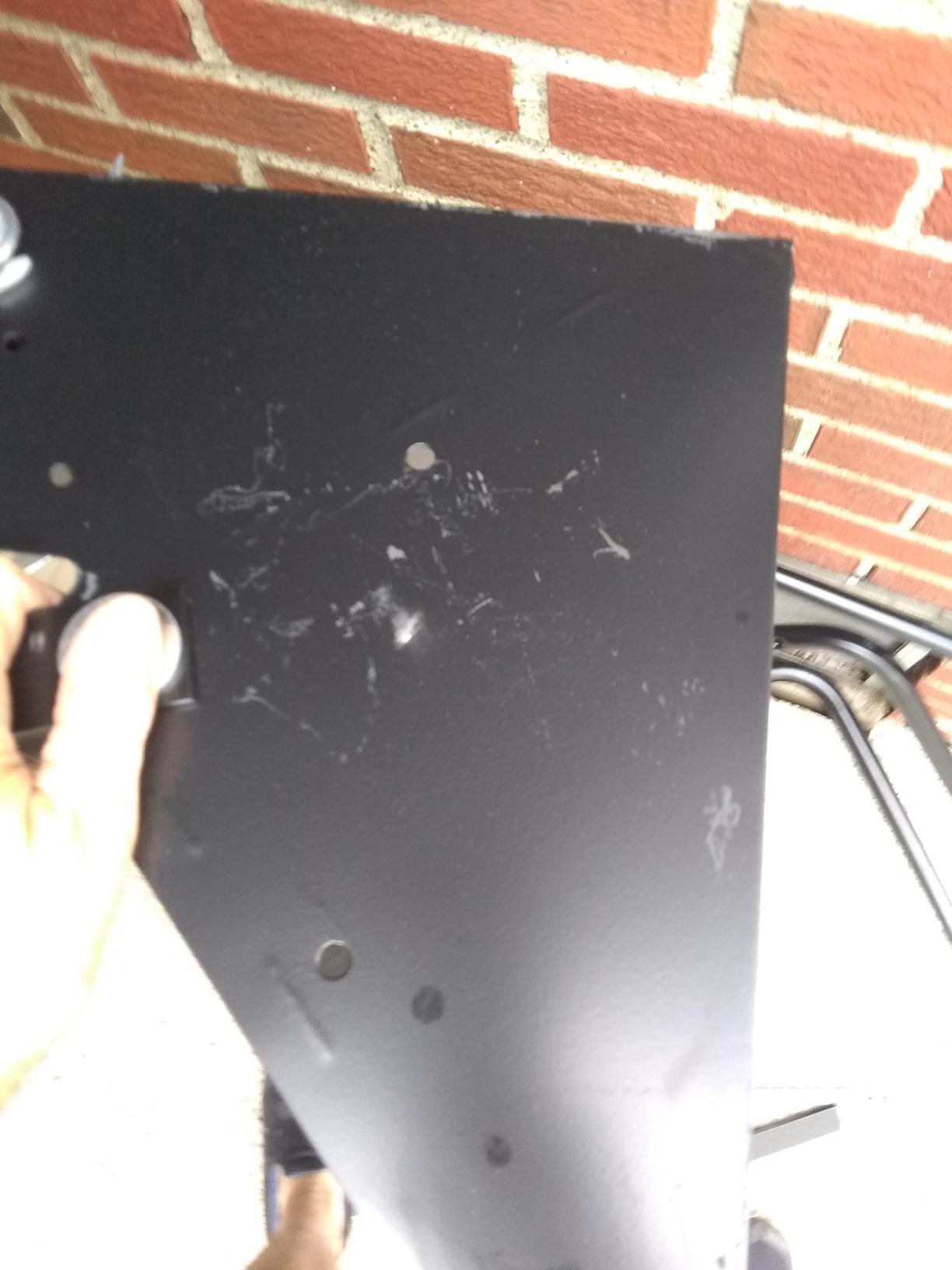
The tine side is where expectations should be set carefully. There are 132 tine tips on 8-inch diameter steel stars that perforate the soil up to 2 inches deep. That is genuine coring, and it moves more material per pass than a spike-only tool would. It is not a 3-inch hollow-spoon core, so if your soil is severely compacted this is not the machine that will solve it in one afternoon.
Patent-pending 3-D galvanized steel tines are the durability story here. They are designed to inhibit rust and resist bending in compacted soil, and they arrive on a 10-inch pneumatic transport wheel system with a single lever for transport mode. Assembly takes under thirty minutes, which is unusually quick for a unit in this class.
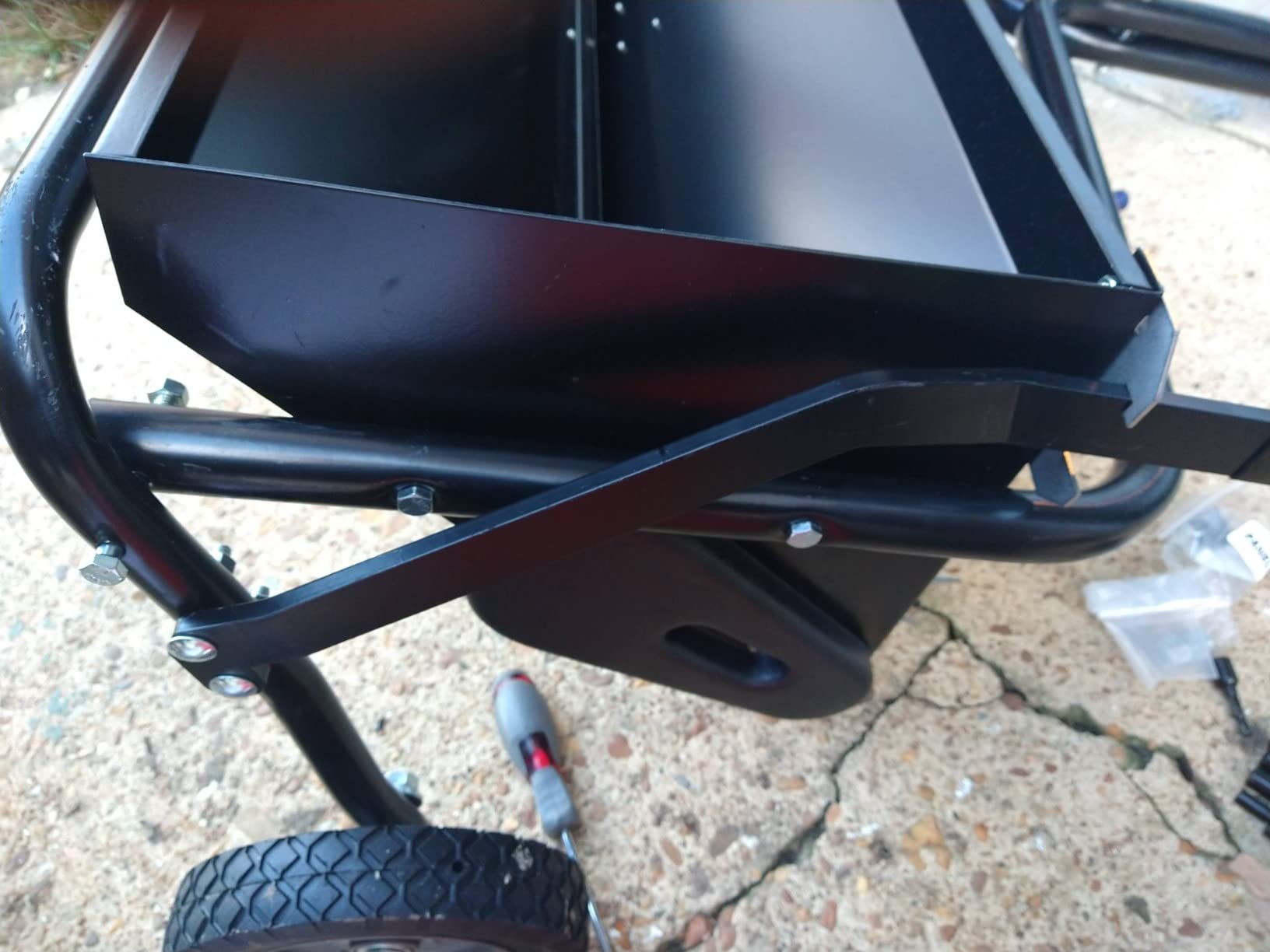
What to check before you buy this Brinly combo
Durability reports are genuinely split. Some owners describe a full season of solid use, while others report the drive chain and chain guard breaking within the first year, and a few units arrived with the chain or guard missing. Check the chain and guard the day it arrives, before you spend a weekend assembling it.
The free-flowing flow-control lever is the other recurring complaint. It tends to drift, which means one hand on the lever while towing if you want a fixed spread setting. Budget for that, or plan to move slowly while spreading. Wheel and axle hardware also loosens and needs periodic tightening, and some owners needed a second person for assembly.
Who this aerator suits best
Choose this unit if you are overseeding, feeding or liming the same week you aerate, and if your soil is moderately compacted rather than severely. The one-pass workflow is the whole point, and it saves the most time on large properties that need feeding annually.
Look elsewhere if your soil is hard clay that needs 3-inch cores, or if you want a single machine with a long service life and no chain to maintain. A dedicated plug aerator is the better tool for repeated deep core work.
4. Craftsman 40 Inch Tow Behind Plug Aerator – Best for Tight Garage Storage
Craftsman 40 Inch Tow Behind Lawn Plug Aerator with 24 Galvanized Steel Coring Points and 140 lb Weight Tray
24 galvanized coring points
3 inch plug depth
140 lb tray
78.8 lb
Pros
- Stores vertically against a wall
- Lift handle release for easy transport
- 140 lb weight tray
- Covered by 3-year limited warranty
Cons
- 40 inch width means more passes
- 24 points covers less per run
- Manual setup and tine cleaning
Storage is the problem nobody mentions until it is too late, and this Craftsman is the only machine in the roundup designed around it. The frame stores vertically against a wall in a 50 by 38 by 24 inch footprint, and the lift handle release system lets you tip it up instead of dragging it across a garage floor. For anyone whose tow-behind machine currently occupies a quarter of the garage, that is a genuine feature.
The coring performance is real. Twenty-four galvanized steel coring points pull plugs up to 3 inches deep across a 40-inch working width, and the wide weight tray supports up to 140 lbs of ballast for hard, compacted ground. Built by Agri-Fab Inc., this shares its engineering lineage with the Agri-Fab in slot two.
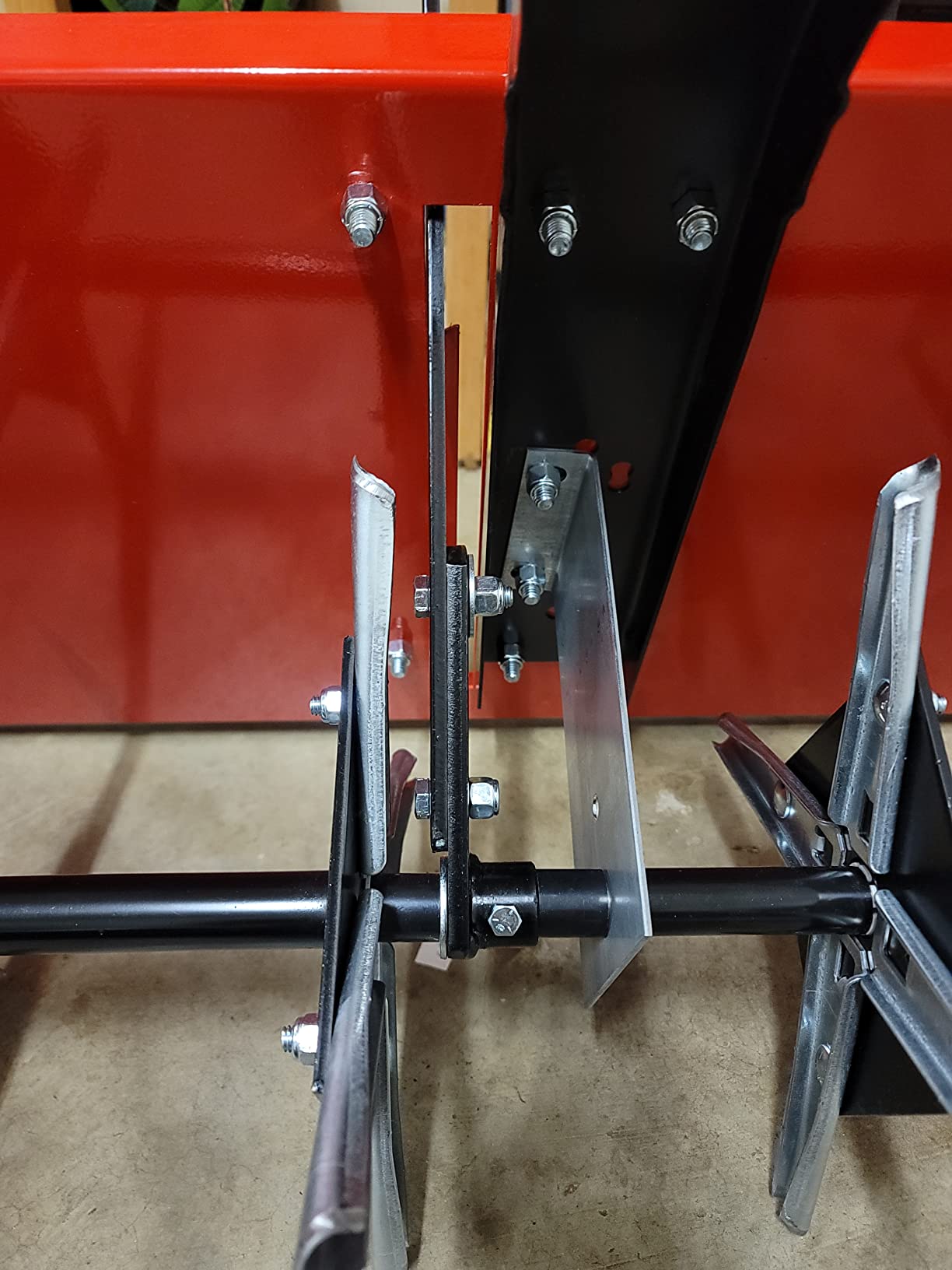
Flat-free tires handle towing across uneven lawn without the harsh ride of pneumatic wheels, and the unit attaches to most lawn and garden tractors. The 3-year limited warranty is the only explicit warranty coverage stated in this group, and the 4.4 average across 124 reviews comes with only 2 percent one-star, which is among the most favorable rating spreads here.
Owners single out the vertical storage design, the lift handle release and the weight tray as the reasons they would buy again. The honest limitation comes back to coverage: 24 coring points over 40 inches covers less ground per run than a 32-knife 48-inch unit, so you are making more passes to cover the same lawn.
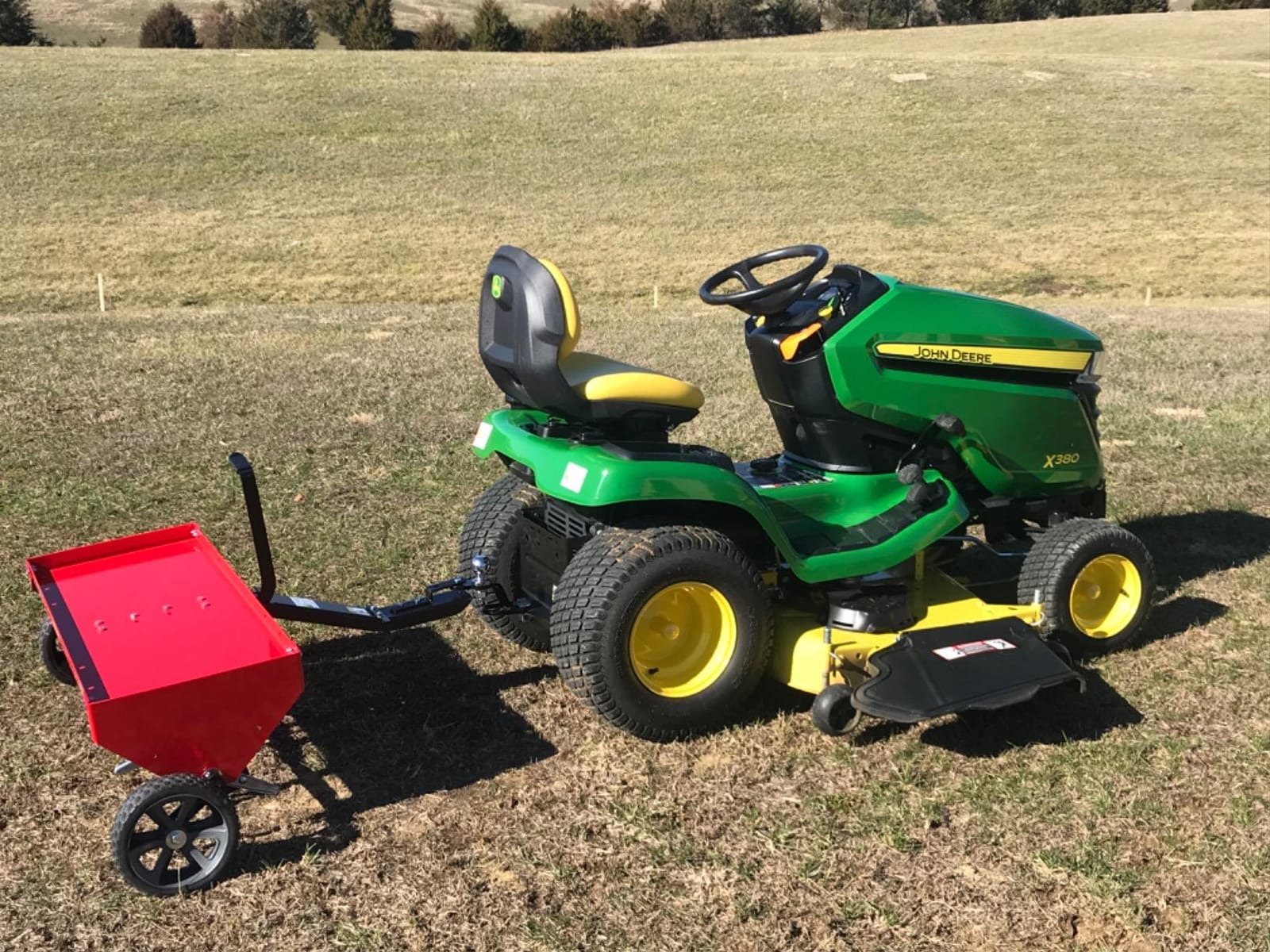
What to check before you buy this Craftsman
Count your passes before committing. Twenty-four coring points across 40 inches means noticeably more time on a large property than a 32-knife 48-inch unit, and that cost shows up on anything above an acre. If time is the constraint, the 40-inch width is the wrong end of the trade.
Setup and cleaning are manual. Tines need to be assembled and adjusted on arrival, and the coring points want clearing after each pass. You also need to source and secure your own ballast, which means finding concrete blocks or sand bags and keeping them from sliding on uneven ground.
Who this aerator suits best
Pick this Craftsman if garage space is genuinely tight and you want a full 3-inch plug from a compact footprint. The vertical storage design and the warranty make it the low-risk purchase for someone who wants a set-and-forget attachment.
Pass on it for multi-acre work where finishing in a weekend matters. The narrowest pattern of the four dedicated plug aerators here costs more time per property than a 48-inch machine.
5. Vlaeng 48 Inch Tow Behind Aerator – Highest Ballast Capacity in the Group
48″ Tow Behind Aerator, Pull Behind Lawn Aerator Tool with Universal Hich, 32 Rust-Proof Knives & Heavy-Duty Tires, Plug Aerator for Yard & Garden Compacted Soil, Fits Lawn Tractors, ATV, UTV, Black
32 rust-resistant knives
3 inch plug depth
230 lb platform
48 inch width
Pros
- 230 lb weight platform is the highest here
- 48 inch width covers ground fast
- Adjustable handle raises tines for transport
- Universal connector fits tractors ATVs UTVs
Cons
- 3.8 average from a thin review base
- Knives need clearing after every use
- Plug depth depends on soil moisture
The number that sets this machine apart is the 230 lb weight platform, the highest capacity of anything in this roundup. When your soil is hard clay and a standard 120 lb tray leaves the tines rolling instead of cutting, the extra headroom over a 120 lb tray is the difference between full plugs and shallow scratches. Owners running clay and dry hard ground report that loading the platform deep gets the tines closer to the full 3 inches.
Underneath it is a heavy-duty alloy steel frame, two heavy-duty wheels and 32 rust-resistant knives across a 48-inch working width. The adjustable height handle raises and lowers the knives, and raising them protects hard surfaces and lets you move the machine across a driveway without stopping. The universal connector works with mowers, tractors, ATVs and UTVs, so it fits whether your tow vehicle is a garden tractor or a side-by-side.
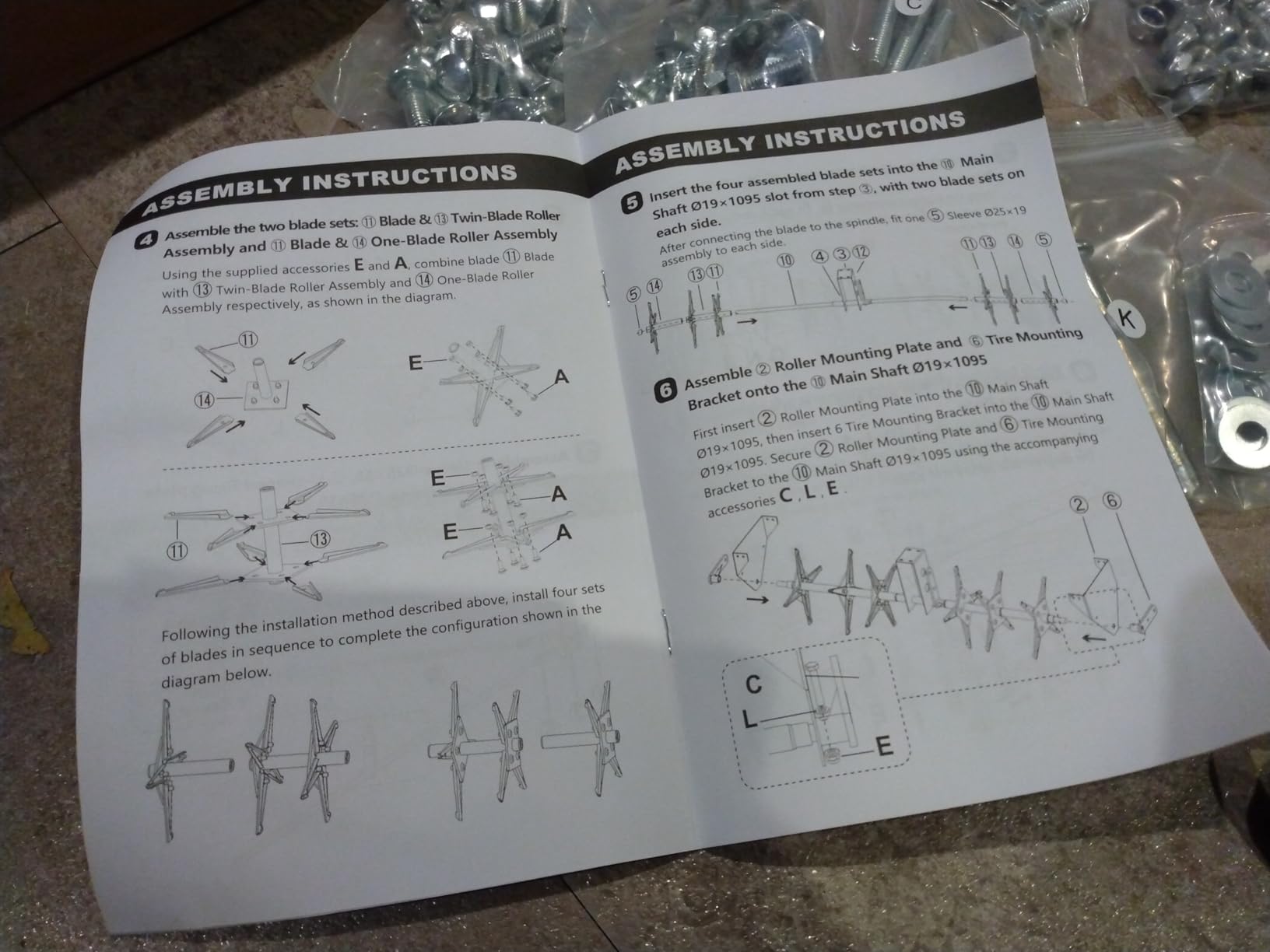
Installation includes step-by-step instructions and installation videos, which matters on a machine with an adjustable handle and a multi-vehicle connector. The manufacturer is upfront that plug depth varies with soil moisture and that debris should be cleared from the knives after use, and that honesty matches what we saw.
The concern with this unit is evidence, not design. A 3.8 average from 33 reviews is a thin sample, with 49 percent five-star offset by 15 percent one-star. Long-term durability feedback is limited, so you are buying on specification and construction rather than on years of owner reports. Reviewers do confirm the design intent holds, and the platform capacity is genuinely the largest available in a tow-behind frame.
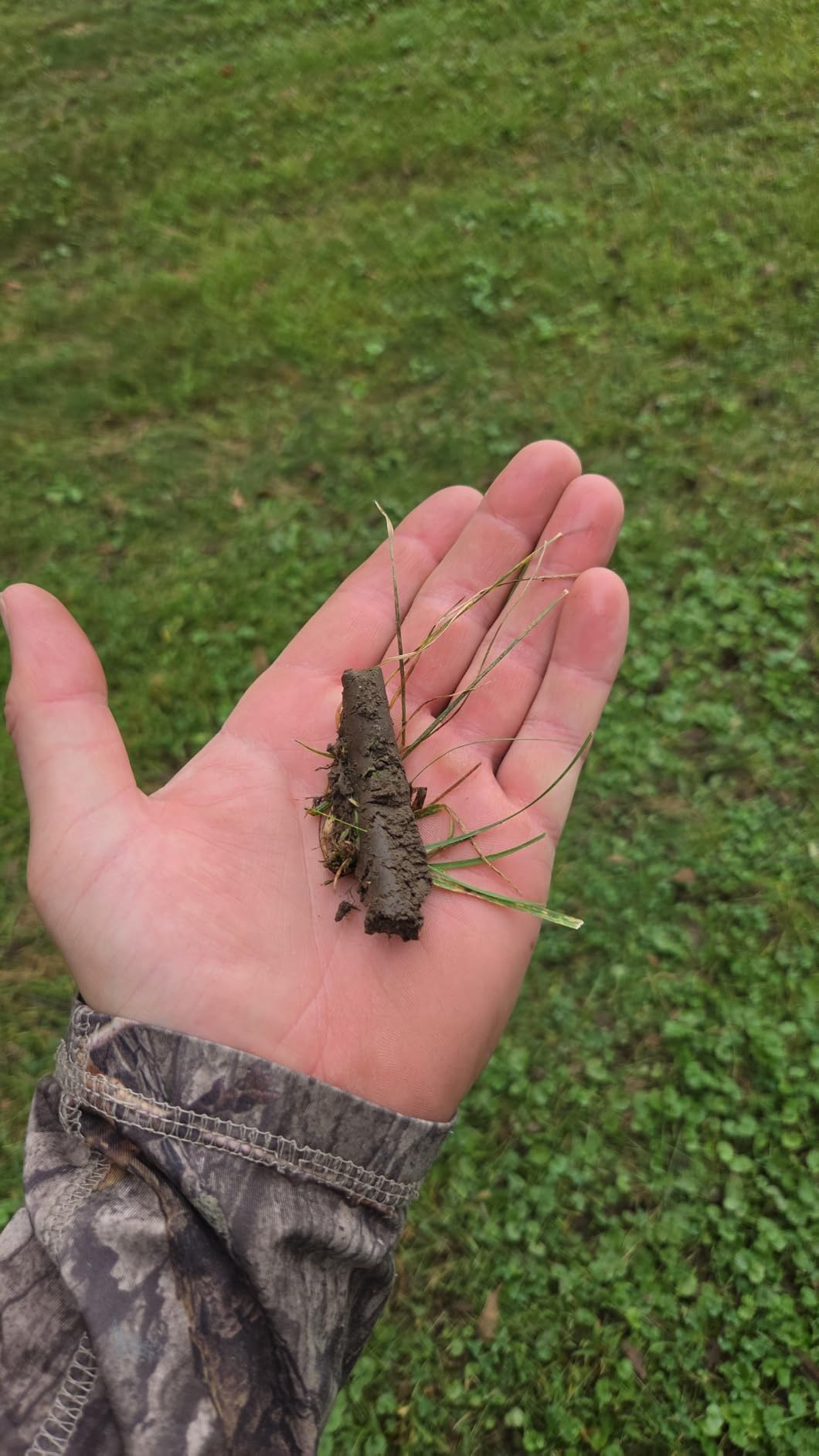
What to check before you buy this Vlaeng
Read the instructions before first assembly. The hitch pin and handle both need to be set correctly, and a few owners report needing to confirm manually that the attachment point is solid. A machine this heavy with a loose hitch is not a small problem.
Also confirm your tow vehicle is in the intended range. The connector fits tractors, ATVs and UTVs, which is genuinely useful if you have more than one machine, but you still need something rated to pull a fully ballasted 48-inch unit. A sedan or a light crossover is not the right tool here.
Who this aerator suits best
Choose the Vlaeng if your soil is genuinely hard and you have already found that a lighter tray would not get the tines into the ground. The 230 lb platform is the answer to a specific problem, and it is the highest capacity in a tow-behind frame you can attach to a garden tractor.
Skip it if you want a long track record of owner feedback before committing, or if your soil is loose enough that ballast is not the limiting factor. In that case a lighter 40-inch unit will do the same job with less machine.
6. Field Tuff 48 Inch 3-Point Plug Aerator – Best for Working Tractors
Field Tuff 48″ 3-Point Plug Aerator with 54 Coring Plugs, Heavy-Duty Weight Tray, and Retractable Feet, Fits Category 0 and 1 Tractors, Black
54 replaceable coring plugs
3 inch plug depth
200 lb tray
208 lb
Pros
- 54 coring plugs is the highest count here
- 200 lb weight tray for hard ground
- Retractable feet cut plug wear in storage
- Replaceable plugs extend service life
Cons
- Needs a Category 0 or 1 three-point tractor
- 208 lb is not hand-movable
- Very thin 15 review base
This one is different in kind. It mounts on a Category 0 or 1 three-point hitch, which means it needs a working tractor, not a lawn tractor, mower or ATV. If you own compact or subcompact equipment with a rear three-point linkage, this is the most capable aerator in the roundup for genuine acreage. If you do not, it is not for you, and no amount of ballasting will make it fit.
The specification is the strongest on the page. Fifty-four replaceable coring plugs penetrate up to 3 inches deep across a 48-inch working width, and the integrated weight tray holds 200 lbs of cement blocks or sand bags. Replaceable plugs are a real long-term advantage: when a spoon wears or bends, you swap it instead of rebuilding the whole assembly.
Retractable feet reduce plug wear during transport and storage, which is a thoughtful detail on an implement that will sit in a barn between spring and fall. The heavy-duty steel frame carries a corrosion-resistant powder-coat finish for repeated outdoor use, and at 48 inches the working width is intended for lawns, fields and compacted ground rather than ornamental beds.
The 3.7 average from 15 reviews tells you most of what you need to know about the evidence available. That is far too small a sample to draw firm conclusions, and the fit of this machine is defined mainly by its hitch requirement and 208 lb weight. Owners of three-point equipment get more coring plugs in the ground per pass than any tow-behind here.
What to check before you buy this Field Tuff
Confirm your tractor category first. Category 0 covers subcompact and many compact tractors, Category 1 covers larger compacts, and the mounts must match. Getting this wrong means returning a 208 lb implement across a county, so verify before ordering rather than after.
Also plan the ballast carefully. Filling 200 lbs with cement blocks or sand bags adds a lot of downward load at the end of a three-point arm, and not every subcompact tractor is happy with a fully loaded implement at the end of a long pass. Start with a partial load and add from there.
Who this aerator suits best
Pick the Field Tuff if you already own a three-point tractor and are aerating multiple acres, pasture or compacted ground rather than a single residential lawn. The 54 coring plugs, 200 lb tray and replaceable plug design are built for repeated work at that scale.
Pass on it for residential use. A tow-behind machine runs behind a lawn tractor you already have, stores against a wall and does the same job on a one-acre property for a fraction of the equipment weight.
7. VEVOR 40 Inch Tow Behind Plug Aerator – Budget Pick for Looser Soil
VEVOR Tow Behind Plug Aerator, 40 in Lawn Core Aerator Tool Universal Hitch, 120lbs Weight Capacity, Heavy Duty & Rust-Resistant, Pull Behind Spike Aerators with Tray for Farmland & Garden Tractors
40 inch working width
Coring tines reach 3 inches
120 lb tray
58.2 lb
Pros
- Fully welded high-strength steel frame
- Strap slots hold ballast in place
- 10.6 inch pneumatic tires roll over mud
- Tines ship pre-assembled
Cons
- Weak lift arm breaks under stress
- Tines do not clear high enough for driveways
- Difficult assembly and confusing instructions
This is the entry point, and the core function does work. High-strength coring tines reach up to 3 inches into dry hard ground as well as clay and sandy soil, and owners report clean holes with concrete block ballast and visible seed germination afterward. One reviewer used it across three neighboring yards, which is a reasonable indicator of how it holds up over a real workload.
The frame is fully welded high-strength steel with reinforced hardware, which is the right construction choice, and the 10.6-inch wear-resistant pneumatic tires roll over grass, mud and slopes without slipping. The 120 lb weight tray has built-in strap slots, a detail most machines at this level skip, so sandbags and bricks stay put on uneven ground. Tines arrive pre-assembled and the package includes a socket tool and wrench.
What holds it back is the lift mechanism. Owners report the bolt holding the lifting handle to the shaft breaking repeatedly, and the lift arm does not raise the tines high enough to clear a driveway without readjusting the hitch. On a property where you cross a sidewalk several times per session, that is a recurring annoyance rather than a one-time setup issue.
Assembly is the other weak point, with confusing instructions and reports of units arriving with missing hardware. At 3.5 from 17 reviews, with 20 percent one-star, the evidence base is thin and the complaints repeat. Inspect the parts count and the lift bolt before you assemble anything.
What to check before you buy this VEVOR
Test the lift arm before the first pass. Tighten the handle-to-shaft bolt properly, and if the arm will not raise the tines clear of a driveway, plan to detach the tow tube each time you cross rather than forcing it. Owners who forced it reported repeated bolt failures.
Count the hardware on arrival. Some units ship with missing pieces, and with confusing instructions a missing bolt is a much bigger problem than it should be. The same model also comes in 32-inch and 48-inch widths, so check that you received the 40-inch core aerator version rather than a spike variant.
Who this aerator suits best
Choose the VEVOR if you are working a smaller property, your soil is not severely compacted, and you want to try core aeration before investing in a heavier tow-behind. The fully welded frame, pre-assembled tines and included tools make this a low-commitment starting point.
Look at the Brinly or Agri-Fab instead if you have hard clay, a lot of acreage, or a property with multiple driveways to cross. The lift arm is the component that will decide how much you enjoy the machine.
Why Core Plugs Beat Spikes on a Large Lawn
A spike aerator drives solid points into the ground, and those points compress the soil on either side of the hole as they enter. The hole walls end up denser than the soil around them. Aerator shoes, which strap onto a walk-behind mower, do the same thing in a different package. On a lawn you intend to seed and feed, that is working against you.
A plug aerator uses hollow tines or spoons to lift a cylinder of soil clean out of the ground and leave it on the surface. The hole is now open. Air reaches the root zone, water infiltrates instead of beading, and seed dropped afterward lands in a channel rather than on a crust. That is the difference between relieving compaction and relocating it.
Core aeration also removes thatch along with soil. Thatch is the layer of dead stems and roots between the grass and the soil surface. When it passes roughly half an inch, it blocks water and air from reaching the ground, and a plug aerator physically removes it as part of the core. Spike aerators do not lift thatch, so the layer keeps building.
For large yards specifically, the honest counterpoint is tidiness. Owners who prefer a clean lawn with no scattered plugs choose spikes because the surface stays neat for mowing. That preference is real, and for someone who never plans to seed or fertilize, it is defensible. The moment you want to overseed, improve drainage in a traffic lane or fix a compacted dog run, core aeration is the tool for it.
When to Aerate a Large Yard
Soil moisture is the variable that decides whether a job succeeds. The window is narrow: moist, not wet. If you squeeze a handful of soil and it holds together but breaks apart with a light touch, that is the right condition. If it forms a slick ball, wait. If it crumbles to dust in your hand, water the lawn first.
This matters more than machine weight, and it is the number one cause of failed aeration. Users who complain about shallow 1 to 1.5 inch plugs are usually working soil that is too dry, where the tine wheels rather than cuts. Water the lawn a day or two ahead, wait until it is moist at four inches, and the same machine will cut full cores.
Timing by grass type follows the same logic. Cool-season lawns, meaning Kentucky bluegrass, perennial ryegrass and tall fescue, aerate in early spring or early fall. Early fall is the better window because the plugs left on the surface protect seed from drying out while it germinates. Warm-season lawns, meaning Bermuda, Zoysia and St. Augustine, aerate in late spring through midsummer when the grass is actively growing and can recover quickly from the disturbance.
Before you schedule anything, do the screwdriver test. Push a standard screwdriver into the lawn in several spots, including a high-traffic path and an area that always looks thin. If it goes in with a hand and a bit of force, the soil is fine. If it barely enters and you are pushing with your shoulder, aeration will help. If it will not go in at all, water first and re-test, because no machine punches through bone-dry clay.
One last practical note. Aerating when the thatch layer is already thin is a waste of a weekend. Check the layer first by cutting a small square of sod and measuring it. If thatch is well under half an inch and the soil is not compacted, your money is better spent on seed and fertilizer.
How to Aerate a Large Yard, Step by Step
1. Water the lawn two days ahead. Aim for moist at four inches. Skip this on already-wet soil, because plugging saturated ground tears the turf instead of cutting it.
2. Mow low and bag the clippings. Clear the surface so the tines reach the soil rather than matting into grass. This also lets you see plugs clearly on the first pass.
3. Ballast the tray. Start with 40 to 60 lbs, then add. Concrete blocks, sand bags or water jugs all work. Sand bags are the easiest to add incrementally, and the strap slots on some trays keep them from shifting.
4. Make the first pass at walking speed. Slower first, then find your rhythm. Watch the cores on the surface. Short, crumbling plugs mean the soil is too dry; smeared, muddy plugs mean it is too wet.
5. Cross at right angles. A second pass in the opposite direction produces noticeably better results on traffic paths and worn areas. This is where the pattern stops looking like stripes and starts looking like coverage.
6. Overseed immediately. Seed into the open holes before anything closes them. Keep the light on, keep it moist, and do not let the surface dry out for the first two weeks.
7. Leave the plugs on the lawn. They break down and return organic matter to the root zone. Sweep light ones aside only if they are smothering the seed.
8. Clean the tines and store the machine. Knock soil off the coring points after every use, and store the aerator clear of the floor so it does not take on moisture and rust over the winter.
For travel distance, work from swath width. A 48-inch swath is 4 feet wide, so covering an acre means about 10,890 feet of travel. A 40-inch swath is roughly 3.3 feet wide and needs around 13,000 feet. On a 2-acre property that is a 2,100-foot difference in driving, which is why width matters most on acreage.
Buying Guide: Width, Plug Depth, Ballast and Hitch
Swath width sets your time on the job. A 40-inch machine is the right choice for most properties up to about an acre, and it stores more easily. A 48-inch machine earns its footprint on larger acreage, where 20 percent more ground per pass compounds across a whole afternoon. The 54-plug three-point implement goes further still, but only if you own the tractor to run it.
Coring points tell you coverage density. Thirty-two knives across 48 inches is the standard tow-behind pattern. Twenty-four points across 40 inches is fine for residential work and means more passes for full coverage. The 132 tine tips on the combination spreader perforate rather than core, so treat density and depth as two separate numbers there.
Plug depth is a spec with a caveat. The dedicated tow-behind plug aerators in this roundup all list 3 inches, and every listing also notes that depth varies with soil moisture. Read the 3-inch figure as the ceiling rather than the expectation. The combination spreader is the exception, working at a listed 2 inches by design rather than because of soil conditions.
Tray capacity sets your ceiling on hard soil. A 120 lb tray handles moderately compacted ground. A 150 to 175 lb tray covers most clay. The 200 and 230 lb platforms are for severe compaction and, realistically, for larger tractors. Match the tray to your soil rather than buying the biggest number available, because ballast you never need is weight you tow for nothing.
Hitch type decides what you can pull it with. A single-pin universal hitch fits lawn tractors, most zero-turn mowers and ATVs, which is what most large yards have. A three-point Category 0 or 1 mount needs a working tractor. Check the receiver geometry on a pickup if that is your tow vehicle, and confirm the tow rating covers a fully ballasted machine.
Ballast and the soil window together decide your result. No amount of weight substitutes for correct moisture. Water the lawn, wait for moist, then add weight gradually and watch the plugs. If cores crumble, add more. If they smear, you are too wet and no machine setting will fix it.
Consider renting for a one-time job. If you need the machine for a single afternoon every other year, a rental walk-behind may be the better call. Just know the common complaint: rented units are often underpowered for large properties, and one user reported a walk-behind rated over 20k square feet that weighed only 80 lbs and would not penetrate. Test it on a hard spot first, and return it if it will not cut.
Buy for storage as well as performance. A 48-inch tow-behind needs its own corner of the garage, and a vertical storage design such as the one on the Craftsman saves real space over the off season. Measure the wall before you order, not after delivery.
Frequently Asked Questions
What is the best aerator for large lawns?
A tow-behind core aerator with a 40 to 48 inch working width and a weight tray of 150 lbs or more is the right tool for a large lawn. The Brinly 40 inch is our pick for most large properties because its narrowed spoons pull clean 3-inch cores with less added weight, and the Agri-Fab 48 inch covers the most ground per pass. Above three acres, a three-point implement with 50-plus coring plugs is faster if you own a working tractor.
How to aerate a large yard?
Water the lawn two days ahead so the soil is moist at four inches, mow low and bag, then load the weight tray starting at 40 to 60 lbs. Tow at a slow, steady pace and watch the cores. Cross at right angles on a second pass for better coverage on traffic paths. Overseed into the open holes immediately, keep the surface moist for two weeks, and leave the plugs on the lawn to break down.
What is better, a spike or plug lawn aerator?
A plug aerator, without much debate. Spike aerators compress the soil on either side of the hole as the points enter, leaving hole walls denser than the surrounding soil, and they do not remove thatch. Plug aerators lift a cylinder of soil out entirely, leaving an open channel that air, water and seed move through. Spike aerators are tidier because they leave no plugs scattered on the lawn.
How big should aeration plugs be?
Aim for plugs 3 to 4 inches deep and roughly the width of a nickel to a quarter. Depth matters more than diameter, because the goal is to reach the root zone and open a channel that water and air can travel through. All the tow-behind units in this roundup list a 3-inch maximum, and the combination spreader works at 2 inches. Depth achieved depends heavily on soil moisture, not just machine weight.
Who makes the best plug aerator?
Agri-Fab and Brinly build the two most proven tow-behind plug aerators, and owners on lawn forums generally treat them as interchangeable, with Brinly usually costing less. The Agri-Fab 48 inch leads on width and tray capacity, and the Brinly 40 inch leads on spoon design and rotating tine sections. Craftsman shares Agri-Fab manufacturing and adds a vertical storage design.
Does a spike aerator actually work?
It works for one narrow job: opening a light surface channel in soft soil without pulling material to the surface. It does not relieve compaction, because the spikes compress the hole walls as they enter, and it will not remove thatch. If you plan to overseed, feed the lawn or fix a compacted traffic lane, a plug aerator is the tool that gets you there. Spike aerators only make sense if you want a tidy finish and are not reseeding.
How many passes should I make with a plug aerator?
One pass is the minimum, and two passes at right angles give noticeably better results, especially on traffic paths and worn areas where the soil is most compacted. Coverage is driven by swath width, so a 48-inch aerator needs about 10,890 feet of travel to cover an acre while a 40-inch machine needs close to 13,000 feet. Do not push for extra passes on healthy soil, since repeat disruption buys very little.
Do I need a tractor to use a plug aerator?
You need something that can pull a ballasted tow-behind aerator, which means a lawn tractor, most zero-turn mowers, or a pickup or SUV rated for the load. The Brinly and Agri-Fab units use a single-pin universal hitch and weigh 63.9 and 94 lbs before ballast. Three-point models like the Field Tuff need an actual tractor with a Category 0 or 1 hitch, not a mower.
Final Verdict on Plug Aerators for Large Yards
The best plug aerator for large yards is the Brinly 40 inch Tow Behind Plug Aerator. Its heat-treated, narrowed spoons cut clean 3-inch cores with less ballast than anything else we tested, the three independently rotating tine sections keep turf damage off the turns, and at 63.9 lbs it stores and moves far more easily than the 94 lb frames it competes with in 2026.
Go wider with the Agri-Fab 48 inch if acreage is the constraint, and pick the Craftsman if your garage is small. The Brinly combination spreader earns its place when you are overseeding the same week, and the Vlaeng is the answer when clay soil and a 230 lb platform are what you need to get the tines into the ground.
Whatever you buy, water the lawn two days ahead and check the moisture at four inches. A properly ballasted machine in moist soil will pull full cores all afternoon. The same machine in dry or saturated ground will disappoint you, and that is the one variable you control completely before you start.