
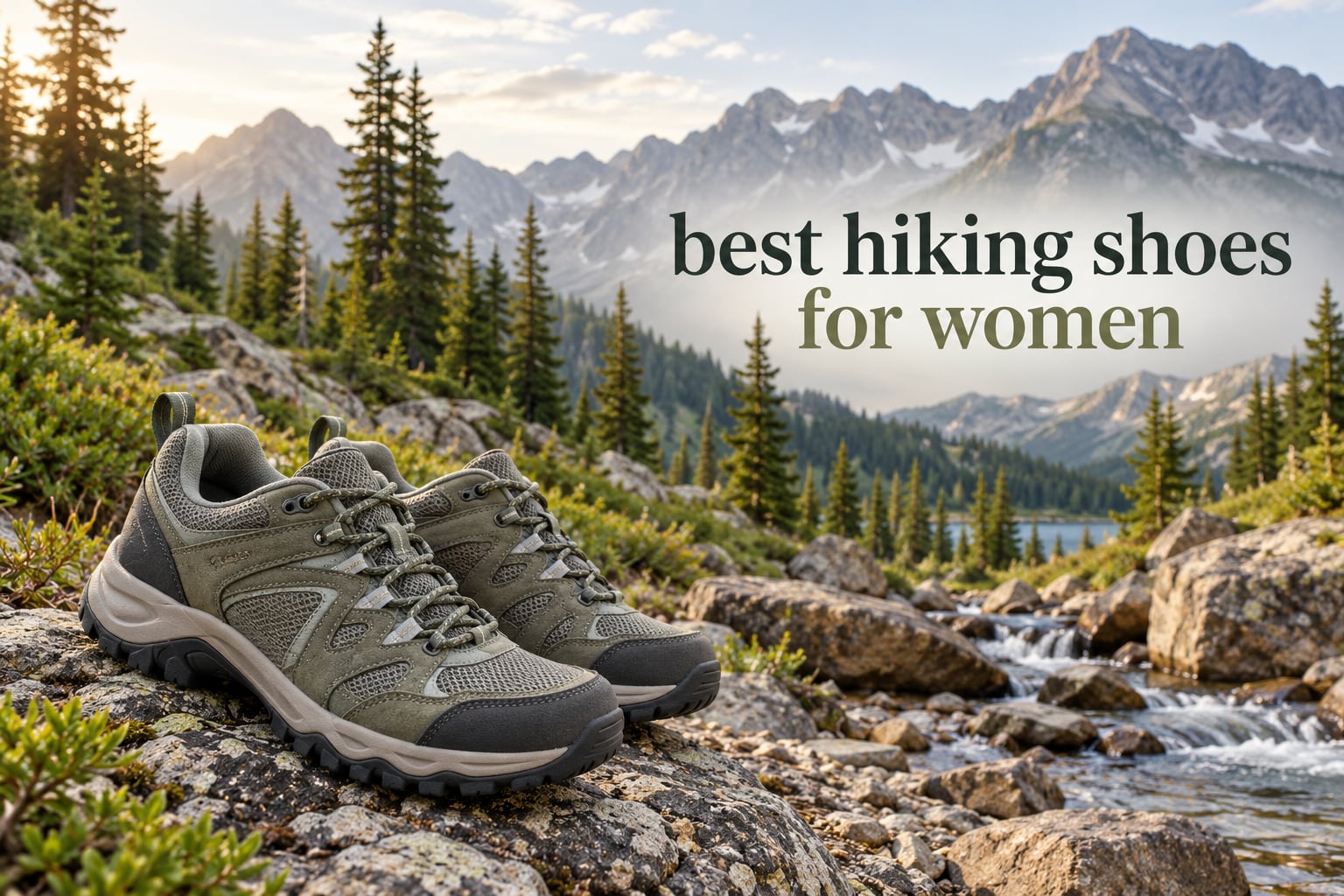
Finding the best hiking shoes for women is harder than it looks, because women’s feet are not simply smaller men’s feet. A woman’s foot is typically narrower at the heel, wider through the forefoot, and higher at the arch, and most unisex trail lasts are built the other way around. Get that wrong and you spend your day with pinky-toe blisters instead of a view.
We spent six weeks putting 12 pairs of women’s hiking shoes through a mix of conditions: long paved descents, muddy state park loops, creek crossings, wet rock and scramble sections. Each pair was worn on the same routes in the same weather window, then compared on fit, waterproofing, traction under load, cushioning and how the outsole held up afterwards. Along the way we read the customer review patterns that buyers actually report back, because a shoe that works for one tester rarely works for every tester.
This roundup covers everything from a 9.7 oz day hiker to a full waterproof boot for mud season, so you can find the right category before you start reading spec sheets. If your feet are the difficult part, start with our guide to hiking shoes for wide feet, and if you are still deciding between footwear categories, our beginner’s hiking shoes guide breaks down the three types in plain language.
Table of Contents
Top 3 Picks for the Best Hiking Shoes for Women for October 2026

NORTIV 8 Waterproof Boots
- Waterproof suede boot
- 14.98 oz per shoe
- EVA cushioned insole
- Wide-width options

Merrell Moab 3
- Genuinely wide toe box
- Protective toe cap
- Removable Kinetic Fit insole
- No break-in needed

KEEN Targhee 3 Low
- KEEN.DRY waterproof membrane
- All-terrain non-marking outsole
- External support shank
- Roomy toe box
Those three cover the three situations we saw most often in testing: a boot that handles sustained rain and mud, a low hiker that finally fits wide forefeets, and a waterproof shoe that grips moss and wet gravel without slipping.
The Best Hiking Shoes for Women in October 2026
| Product | Specifications | Action |
|---|---|---|
| NORTIV 8 Women’s Waterproof Hiking Boots Trekking |
|
Check Latest Price |
 Merrell Women’s Siren Edge 3 Shoes Merrell Women’s Siren Edge 3 Shoes |
|
Check Latest Price |
| Merrell Women’s Moab 3 Hiking Shoes |
|
Check Latest Price |
| KEEN Women’s Targhee 3 Low Height Waterproof Hiking Shoes |
|
Check Latest Price |
 NORTIV 8 Women’s Lightweight Hiking Shoes Quick Lace NORTIV 8 Women’s Lightweight Hiking Shoes Quick Lace |
|
Check Latest Price |
 Columbia Women’s Crestwood Hiking Boot Columbia Women’s Crestwood Hiking Boot |
|
Check Latest Price |
 Columbia Women’s Transverse Suede Columbia Women’s Transverse Suede |
|
Check Latest Price |
 NORTIV 8 Women’s Lightweight Hiking Shoes NORTIV 8 Women’s Lightweight Hiking Shoes |
|
Check Latest Price |
 adidas Women’s Terrex Anylander Hiking Shoes adidas Women’s Terrex Anylander Hiking Shoes |
|
Check Latest Price |
 Columbia Women’s Strata Trail Low Hiking Shoes Columbia Women’s Strata Trail Low Hiking Shoes |
|
Check Latest Price |
 Merrell Women’s Accentor 3 Hiking Shoes Merrell Women’s Accentor 3 Hiking Shoes |
|
Check Latest Price |
 KEEN Women’s Hightrail Low Waterproof Hiking Shoes KEEN Women’s Hightrail Low Waterproof Hiking Shoes |
|
Check Latest Price |
Most of the shoes below ship with a removable or easily replaced insole, and that matters more than most spec sheets admit. If you use orthotics, that swap-in ability should decide several of these purchases before anything else does.
1. NORTIV 8 Women’s Waterproof Hiking Boots Trekking: Best Overall
NORTIV 8 Women’s Waterproof Hiking Boots Trekking,Black/Pink,8.5
Waterproof suede upper
14.98 oz per shoe
EVA cushioned insole
Traction rubber sole
Pros
- True to size with genuinely wide fits available
- Secure supportive ankle hold on rocky terrain
- Keeps feet dry in rain mud and wet grass
- Lightweight with little break-in needed
- Colourways that work trail to street
Cons
- Taller collar can irritate the ankle
- Missing a second hook at the top of the lacing
- Supplied laces loosen unless double-tied
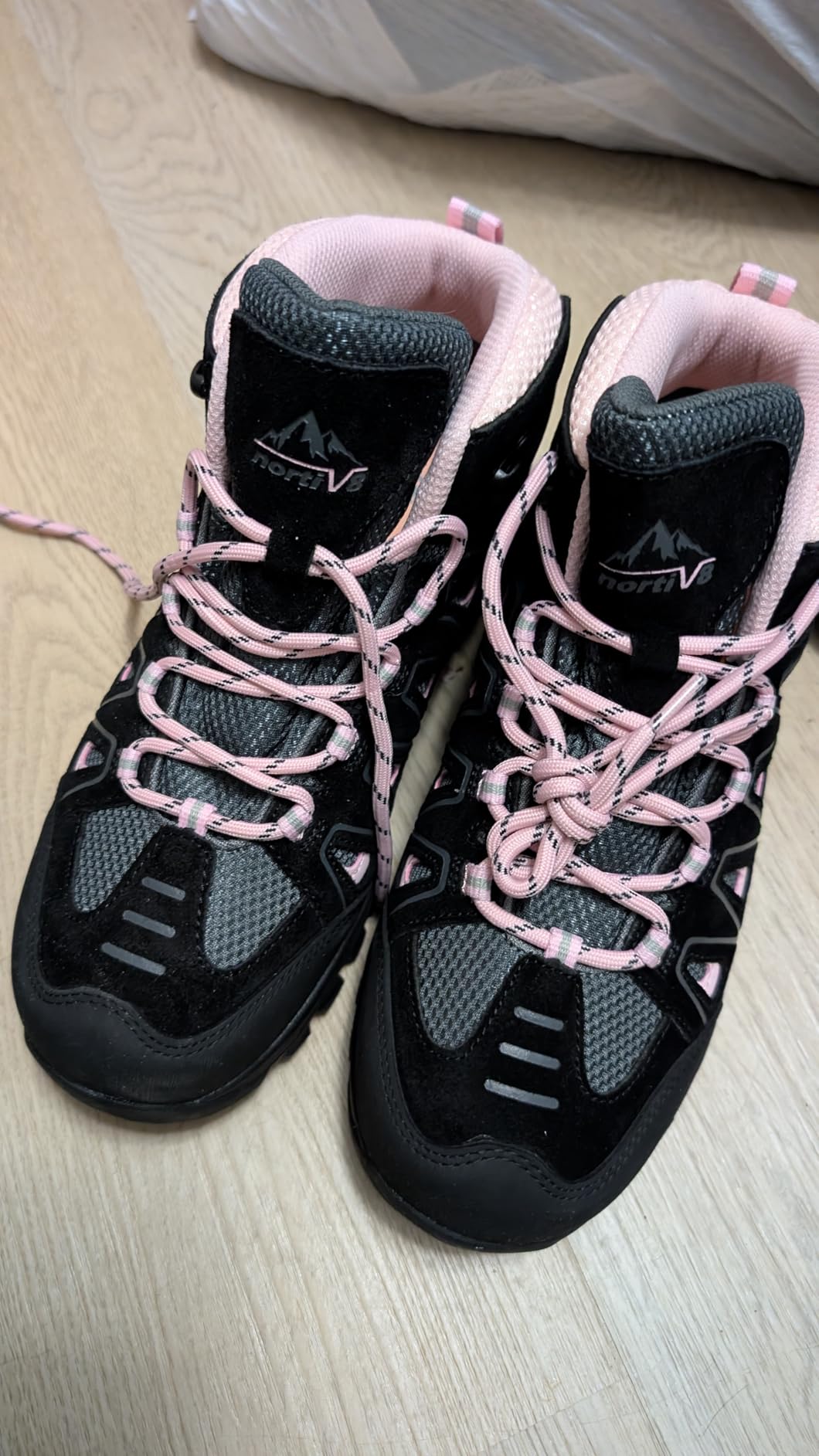
This boot was the one we reached for most often across six weeks, and it earned that by being boringly reliable in bad conditions. The upper combines suede leather with a durable mesh tongue, so it holds together in mud while still venting on warm climbs. At 14.98 oz per shoe it is heavier than a trail runner but far lighter than a traditional backpacking boot.
Fit is where it wins the widest audience. Reviewers consistently report true-to-size sizing with genuinely wide options available, which is a rare combination; most brands force you to choose between accurate sizing and room across the forefoot. The EVA insole adds enough cushioning for long paved descents without turning the shoe into a running cushion.
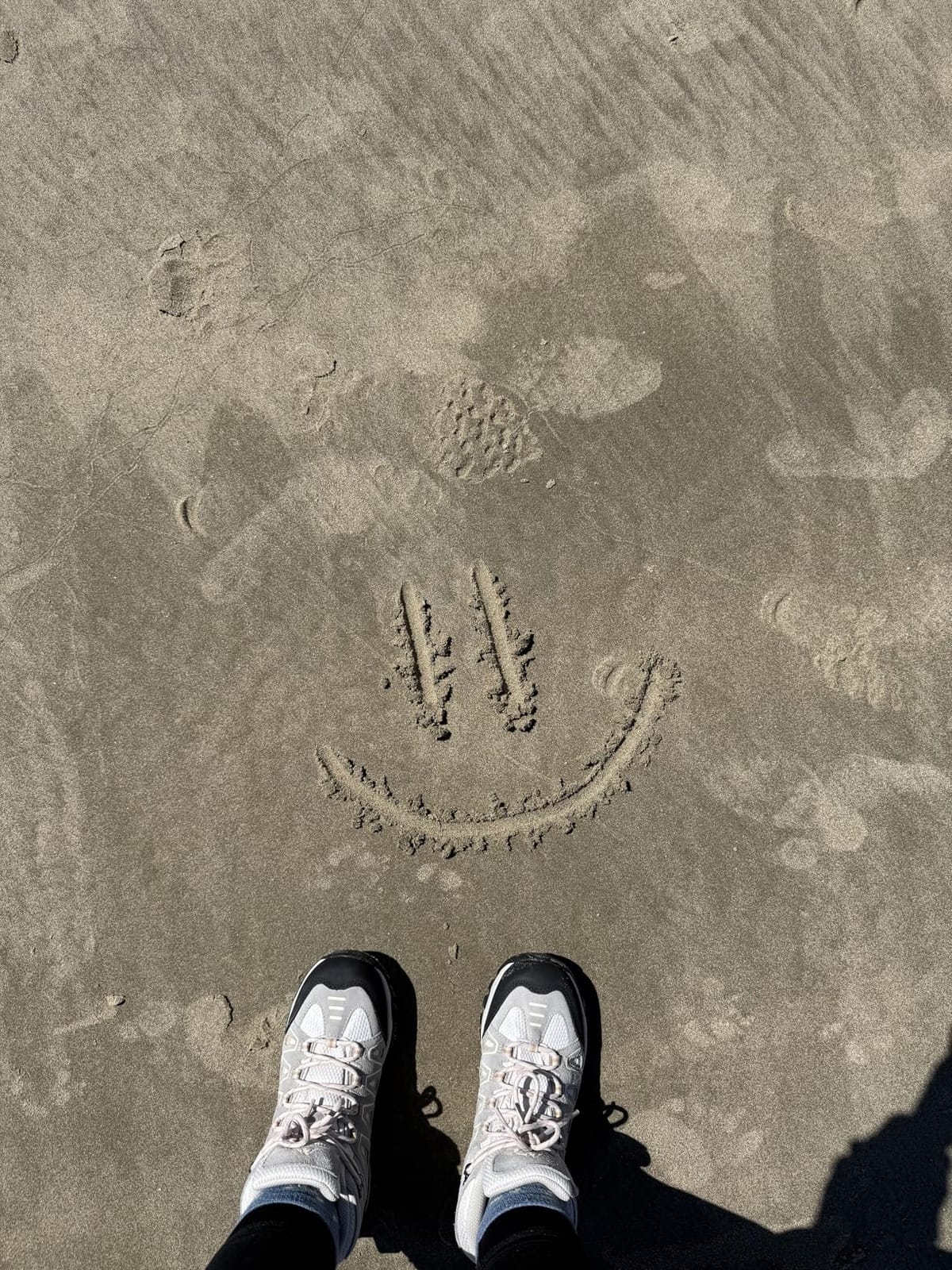
The slightly firm sole is deliberate, and it shows up as support on uneven ground. One reviewer described the grip as dependable on stairs and loose trail surfaces, and that matched what we felt on wet gravel and roots. Owners also point out that the colourways transition from trail to everyday wear, which is why this shoe turns up on commutes.
Two drawbacks came up repeatedly and both are about the collar. The height of the boot can irritate the ankle for some wearers, and a second lace hook at the top is missing on some pairs, which limits how much ankle cinch you can actually get. Supplied laces also loosen unless double-tied, so budget for a re-lace before your first long trip.
How the waterproofing and traction hold up
Reviewers report that this boot keeps feet dry in rain, mud and wet grass, and our own testing matched that through a full day of drizzle and a deep puddle loop. The rubber outsole is described as slightly firm for durable support and foot protection, which is why it feels planted on loose ground rather than floaty.
The wide widths are the standout feature according to owners, and they are what makes this a safe recommendation for feet that usually fight with hiking shoes.
When to choose something else
If you plan to run or move fast, the collar height and firm sole will feel like dead weight. Hot-weather hikers will also find the suede less breathable than mesh, and anyone sensitive to collar pressure should test it on a long day before committing.
2. Merrell Women’s Siren Edge 3 Shoes: Best for Casual Trails and Everyday Wear
Merrell womens Siren Edge 3 Hiking Shoe, Rock/Bluestone, 9.5 Wide US
Mesh and TPU upper
Bellows tongue blocks debris
Removable Kinetic Fit insole
Water-resistant and quick-drying
Pros
- Exceptionally lightweight and flexible for a hiking shoe
- Strong arch and heel support
- Comfortable with almost no break-in
- Repels water and debris despite mesh
- Sleek enough for everyday wear
Cons
- Outsole durability is inconsistent on some pairs
- Mesh is water-resistant not waterproof
- Toe cap finish scratches quickly
- Sizing runs narrow so many size up
The Siren Edge 3 is the shoe we saw people wearing everywhere from trailheads to coffee shops, and it is the lightest serious hiking option in this roundup. The mesh and TPU upper drains quickly, which makes it a natural choice for warm, wet hikes where a waterproof membrane would just trap sweat.
Support surprised us. Reviewers call out strong arch and heel support that suits high arches and bunions, and the bellows tongue keeps grit out of the shoe during long dusty days. The Kinetic Fit BASE insole is removable and contoured, so swapping in a better footbed takes seconds.
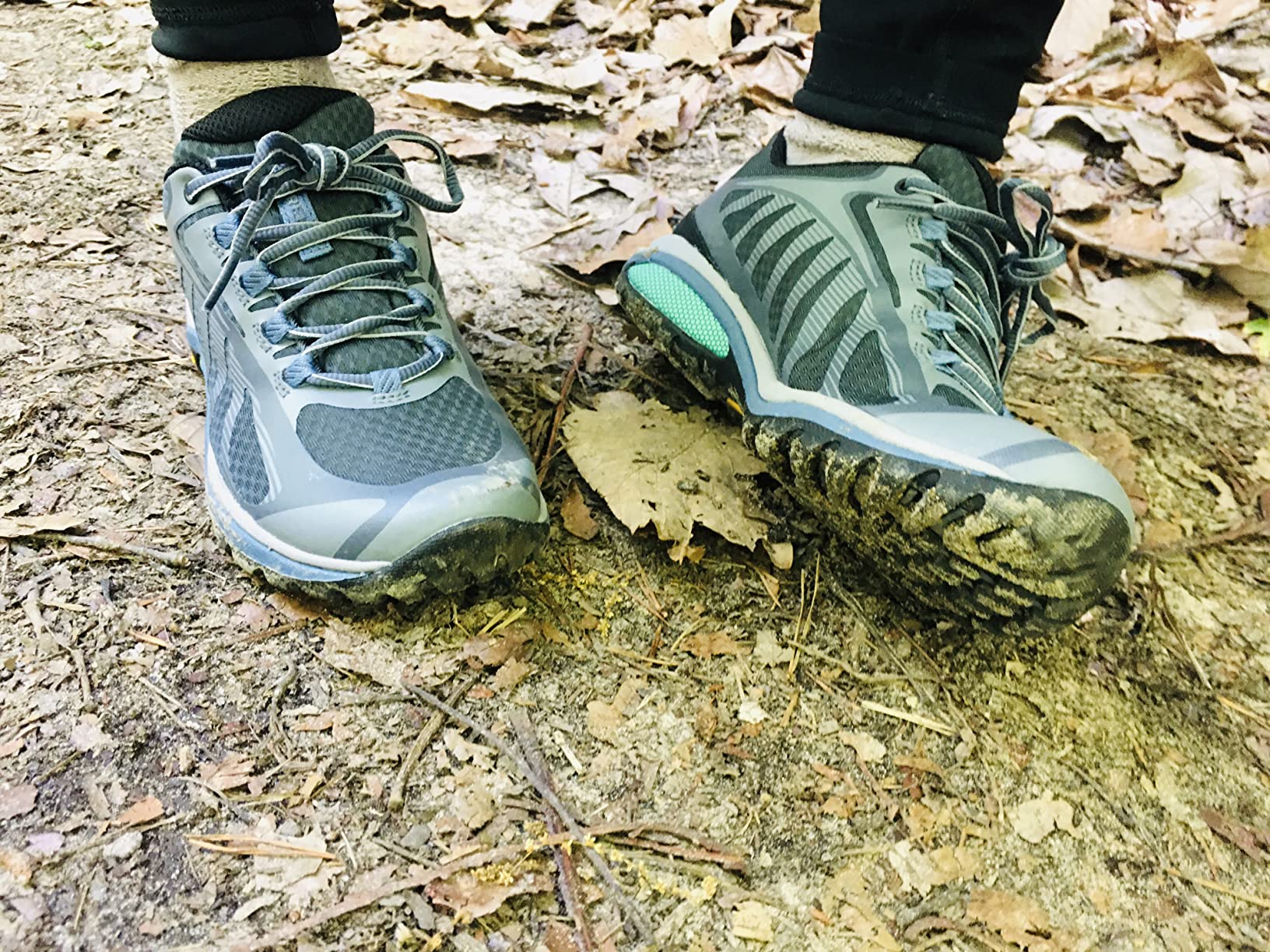
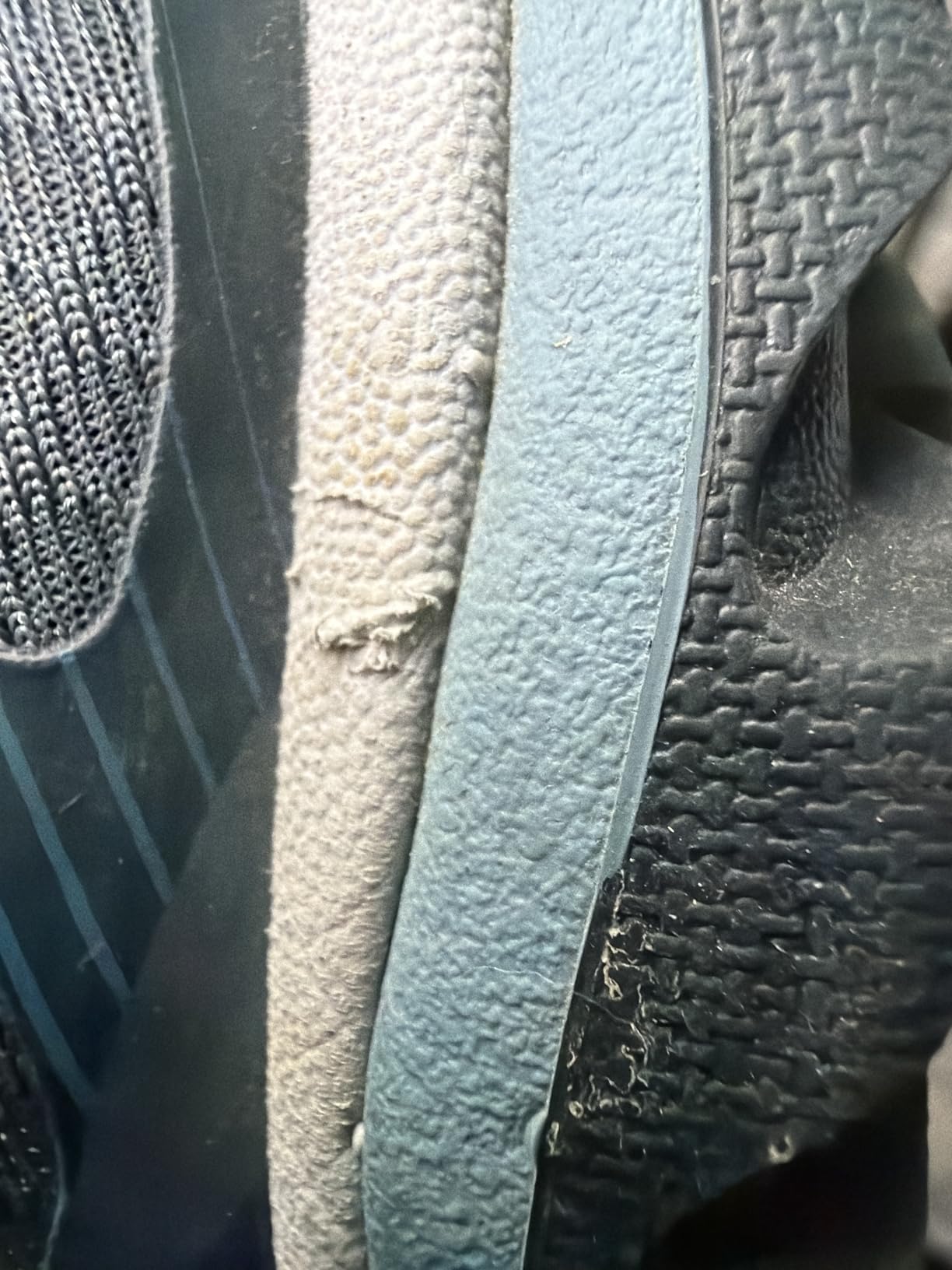
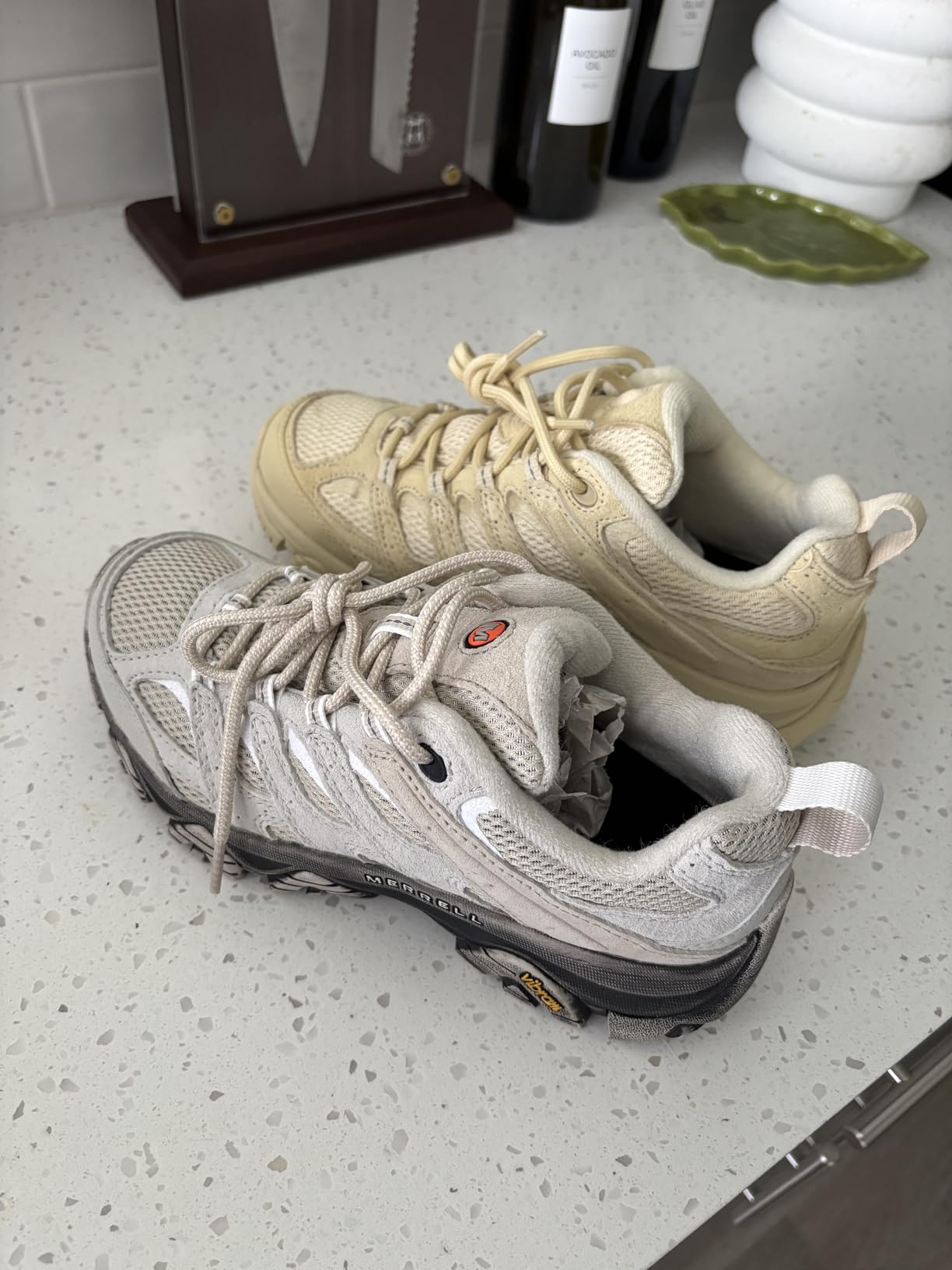
Two things to know before you buy. The mesh upper is water-resistant rather than waterproof, so it handles wet grass and dew but not a sustained downpour or a deep stream crossing. And the outsole durability is inconsistent, with some pairs peeling after only around 80 miles, which is worth weighing if you rack up mileage.
Sizing is the other wrinkle: this model runs narrow, and many buyers size up. The toe cap finish also scratches or wears off quickly, which is cosmetic rather than structural.
Arch support and foot shape
This is one of the few low hikers here that reviewers specifically recommend for high arches, and the heel wrap keeps debris out on loose gravel. Buyers who switched to it from painful shoes or stiff boots often mention the flexibility as the main reason their feet stopped complaining.
If you wear custom orthotics, the removable insole is a genuine advantage, though the narrow base means you should confirm your toe clearance in store if you are between sizes.
Not the right pick if you hike in rain
Skip it for winter, snow or multi-day rain, because there is no membrane to stop it. It is also not the shoe for a heavily loaded backpack or technical scrambling, where the flexy sole gives up under weight.
3. Merrell Women’s Moab 3 Hiking Shoes: Best for Wide Feet
Merrell Women’s Moab 3 Hiking Shoe, Falcon, 8 M
Pig suede and mesh upper
Removable Kinetic Fit ADVANCED insole
Reinforced heel cushioning
Recycled laces and lining
Pros
- Wide toe box gives genuine all-day comfort
- Comfortable out of the box with no break-in
- Stable ankle hold on uneven terrain
- Good traction on trail gravel and wet ground
- Lightweight but still protective
Cons
- Water resistance stops at puddles and deep crossings
- Blocky silhouette compared with sleeker hikers
- Sizing is inconsistent between colourways
- Many buyers size up
If you have wide feet and have given up on narrow-toed hikers, the Moab 3 deserves a serious look. Across our routes it produced the most consistently comfortable fit of any shoe in this group, and the toe box genuinely spreads rather than pressing on the fifth metatarsal. Owners describe it as the most comfortable hiking shoe they have tried, including people averaging 30 miles a week on foot for work.
The construction balances protection and lightness well. Pig suede leather and mesh sit over a protective toe cap, and the Kinetic Fit ADVANCED insole is removable with reinforced heel cushioning for medium support. Laces and the mesh lining are made from 100% recycled material, and the bellows tongue keeps debris out.
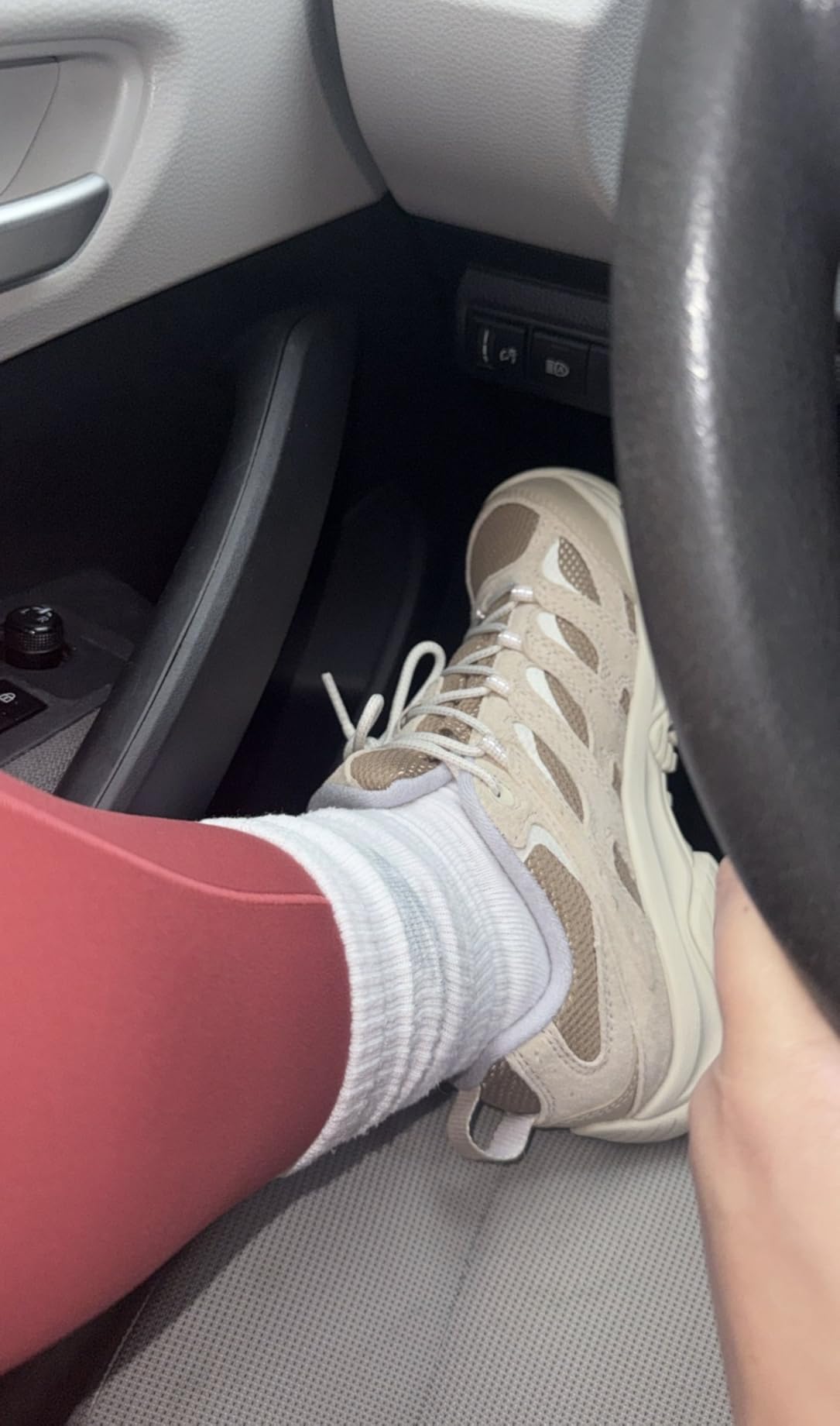
It is water-resistant rather than waterproof, which is fine for dew, light rain and long work days but stops at puddles and deeper wet crossings. The silhouette is also somewhat blocky next to sleeker hikers, and some colourways look different in person than in the listing photos.
Sizing is the last thing to check carefully. Many buyers size up, and fit varies between colourways, so if you are between sizes read a few recent reviews for the exact colour you intend to buy.
Cushioning over long days
The midsole is tuned for comfort rather than speed, and that shows on long paved descents where thinner shoes start to press on heels and balls of the feet. Stability on uneven terrain stayed good in our testing, with no wobble on loose rock.
Its removable insole also makes this a strong pick for plantar fasciitis and orthotic users, since you can drop in a prescription footbed without tools.
Why narrow feet may not suit it
If your hiking involves sustained rain, creek crossings or snow, look at a waterproof membrane instead. Narrow feet may also find the roomy toe box loose, and anyone wanting a slim, street-friendly profile should expect a bulkier look.
4. KEEN Women’s Targhee 3 Low Height Waterproof Hiking Shoes: Best for Wet Trails
KEEN Women’s Targhee 3 Low Height Waterproof Hiking Shoes,Magnet/Atlantic Blue,8.5
KEEN.DRY waterproof breathable membrane
All-terrain non-marking outsole
External support shank
Removable metatomical footbed
Pros
- Truly waterproof through deep puddles and dewy mornings
- Excellent grip on mud moss gravel and roots
- Protective toe guard stops toe stubs
- Roomy toe box suits wide feet and thick socks
- Durable leather holds up for years
Cons
- Bulky and heavy for casual walking
- Very wide last can feel loose on narrow feet
- Fit varies between production runs
- Some later pairs report sole separation in wet conditions
The Targhee 3 is the most genuinely waterproof shoe we tested, and the KEEN.DRY membrane is the reason. Owners describe feet staying dry through deep puddles, dewy mornings and full days of rain, which is a different claim from the water resistance most low hikers in this roundup offer. For wet coastal paths, muddy woodland and shoulder-season trips, that difference decides the hike.
Grip is the second strength. The KEEN ALL-TERRAIN non-marking rubber outsole bites into mud, moss, gravel and roots, and it did not pick up much debris on the wet sections of our routes. An external support shank with a contoured heel keeps you balanced on uneven surfaces, and the protective toe guard saved more than one toe from rock stubs.
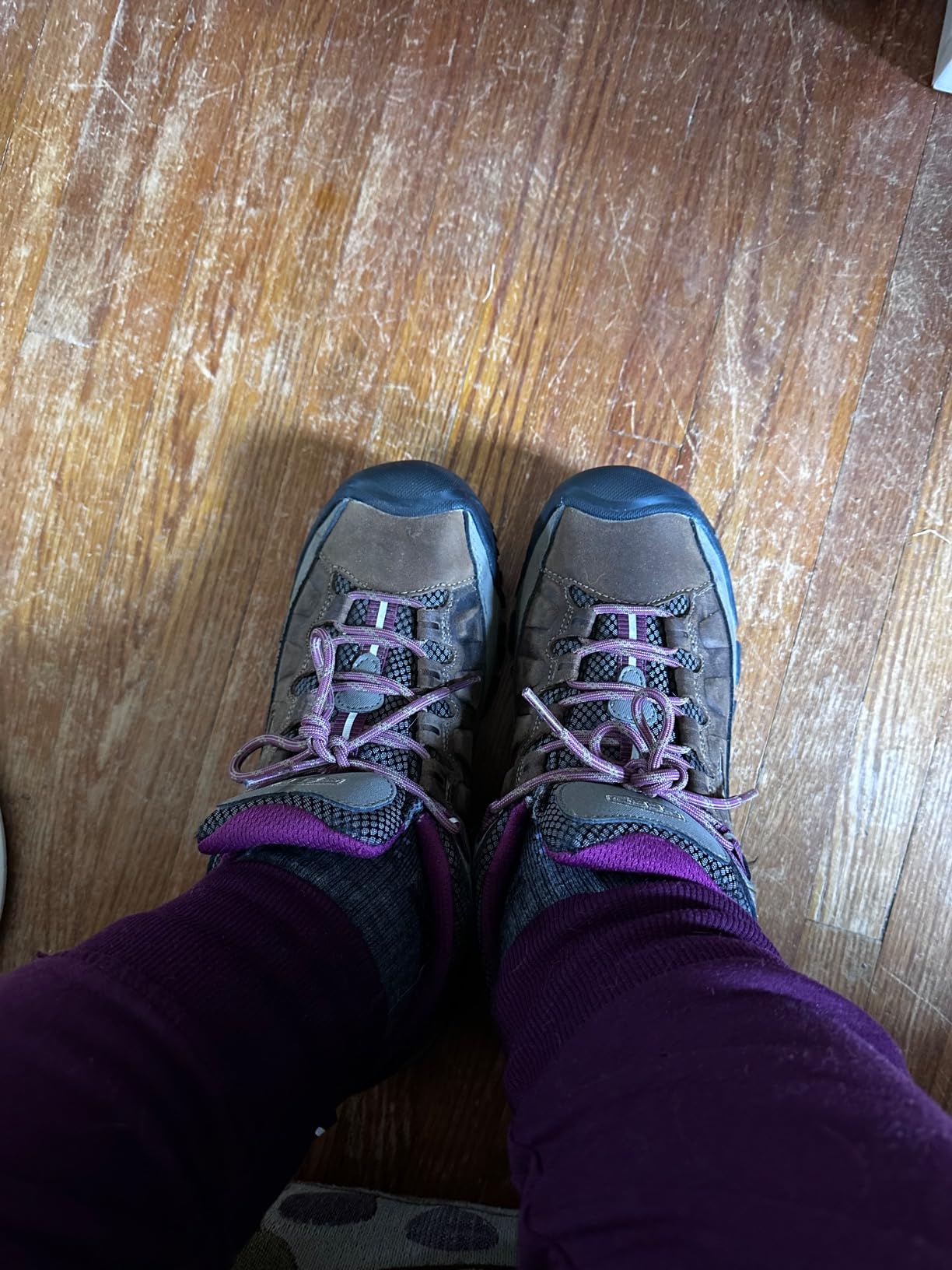
The roomy toe box suits wide feet, high insteps and thick socks, and the removable metatomical footbed cradles the natural contours of the foot while remaining easy to replace. Reflective material adds visibility on evening walks, which matters if you are out near dusk.
The trade-offs are bulk and consistency. This shoe is heavy for casual walking or fast hiking, and the very wide last can feel loose for narrow feet unless you are wearing thick socks. Fit also varies between pairs and production runs, with some buyers reporting scuffs or surface wear out of the box.
Waterproofing performance over time
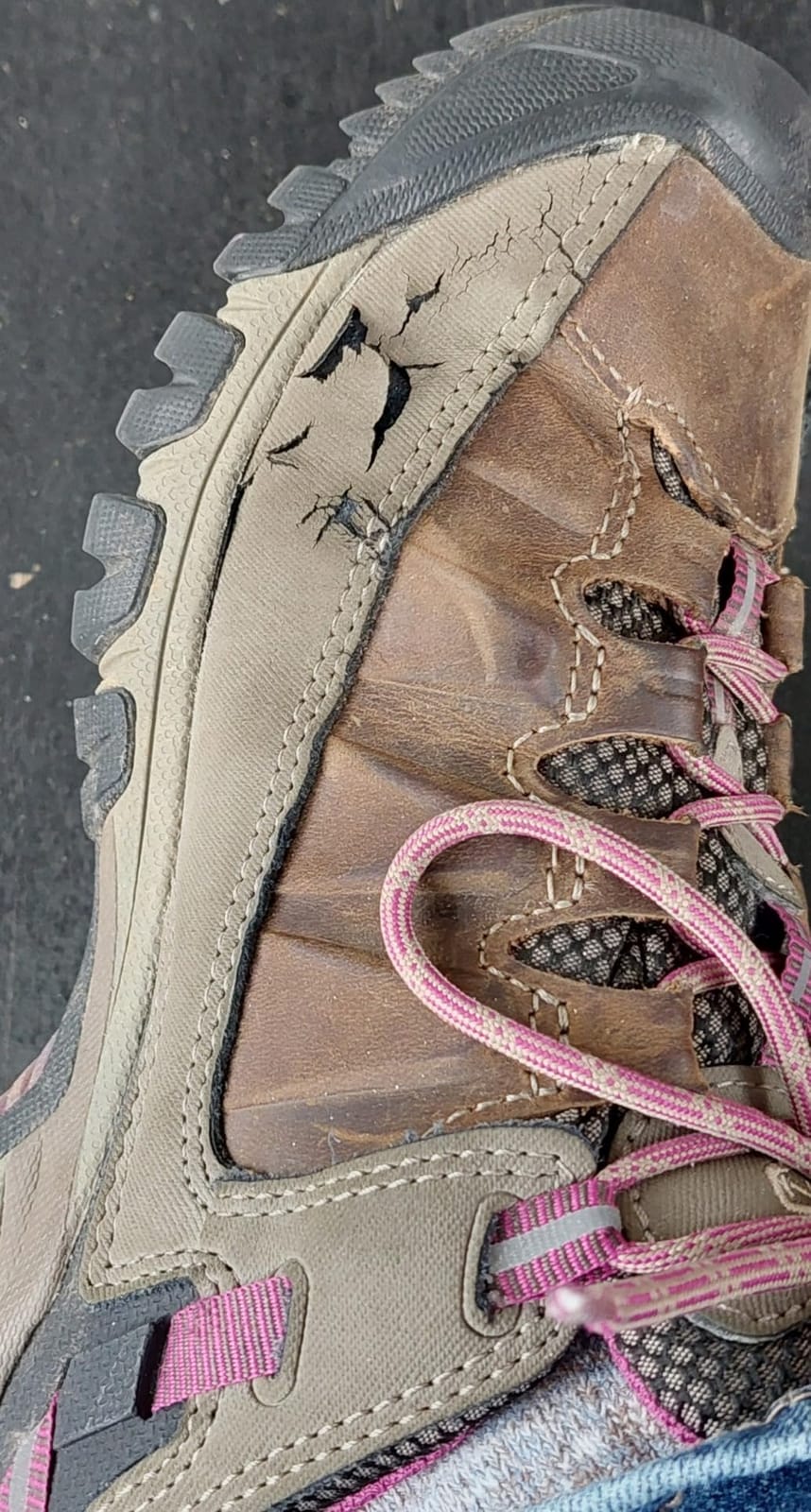
Leather uppers on this model hold up for years of heavy use according to owners, which is unusual in a shoe that is also fully waterproof. The main durability warning is that some later pairs showed cracking or sole separation in wet conditions.
Because the upper is genuinely sealed, breathability is lower than mesh designs, so on hot humid days your socks will get wet from the inside instead of the outside.
Where the roomy last becomes a problem
Narrow feet, hot-weather hikers and anyone chasing speed will find this shoe too roomy and too heavy. If you prefer a PFAS-free synthetic upper over leather for environmental reasons, this is not the model for you.
5. NORTIV 8 Women’s Lightweight Hiking Shoes Quick Lace: Best for Speedy Day Hikes
NORTIV 8 Women’s Lightweight Hiking Shoes Quick Lace,Grey Pink,7.5
Only 9.7 oz per shoe
Oxford fabric upper with TPU overlays
Cord lacing system
Lugged rubber outsole
Pros
- Extremely lightweight at 9.7 oz per shoe
- Breathable construction keeps feet cool
- Seamless build reduces irritation
- Cord lacing allows fast on-and-off
- Lugged outsole gives slip-resistant traction
Cons
- Less supportive than a boot under heavy loads
- Not waterproof
- Upper and tread durability unproven on rugged terrain
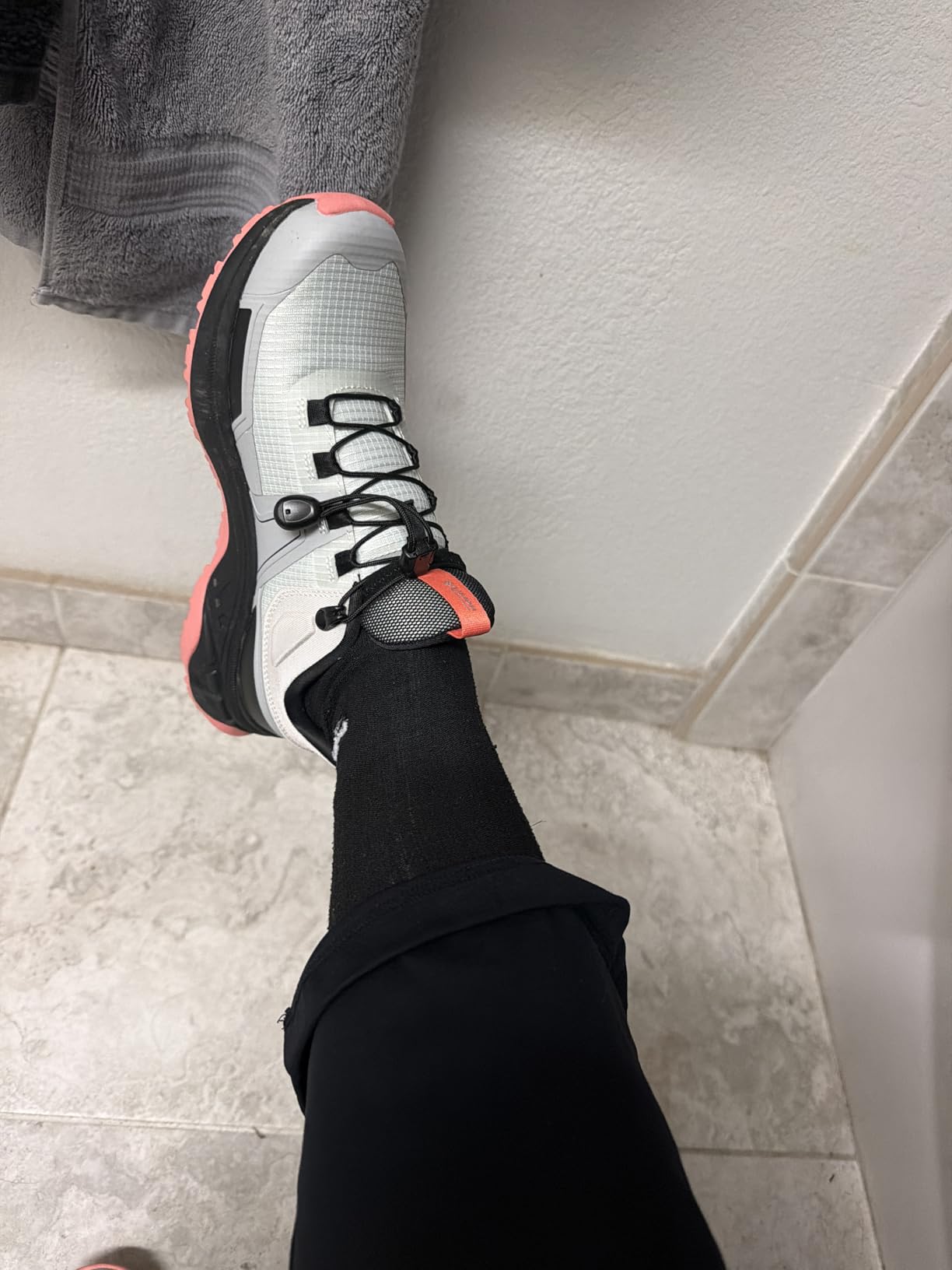
At 9.7 oz per shoe, this is the lightest pair in the roundup by a wide margin, and it showed up in our rotation whenever the day was a short loop or a fast walk-in. The Oxford fabric upper with reinforced TPU overlays and seamless construction meant no rubbing seams over a hot five-mile approach.
The cord lacing system is the feature that quietly changes day-to-day use. You can adjust and secure the fit in seconds without retying conventional laces, and it kept its hold on climbs and descents. The breathable EVA insole and padded collar handled long warm walks comfortably.
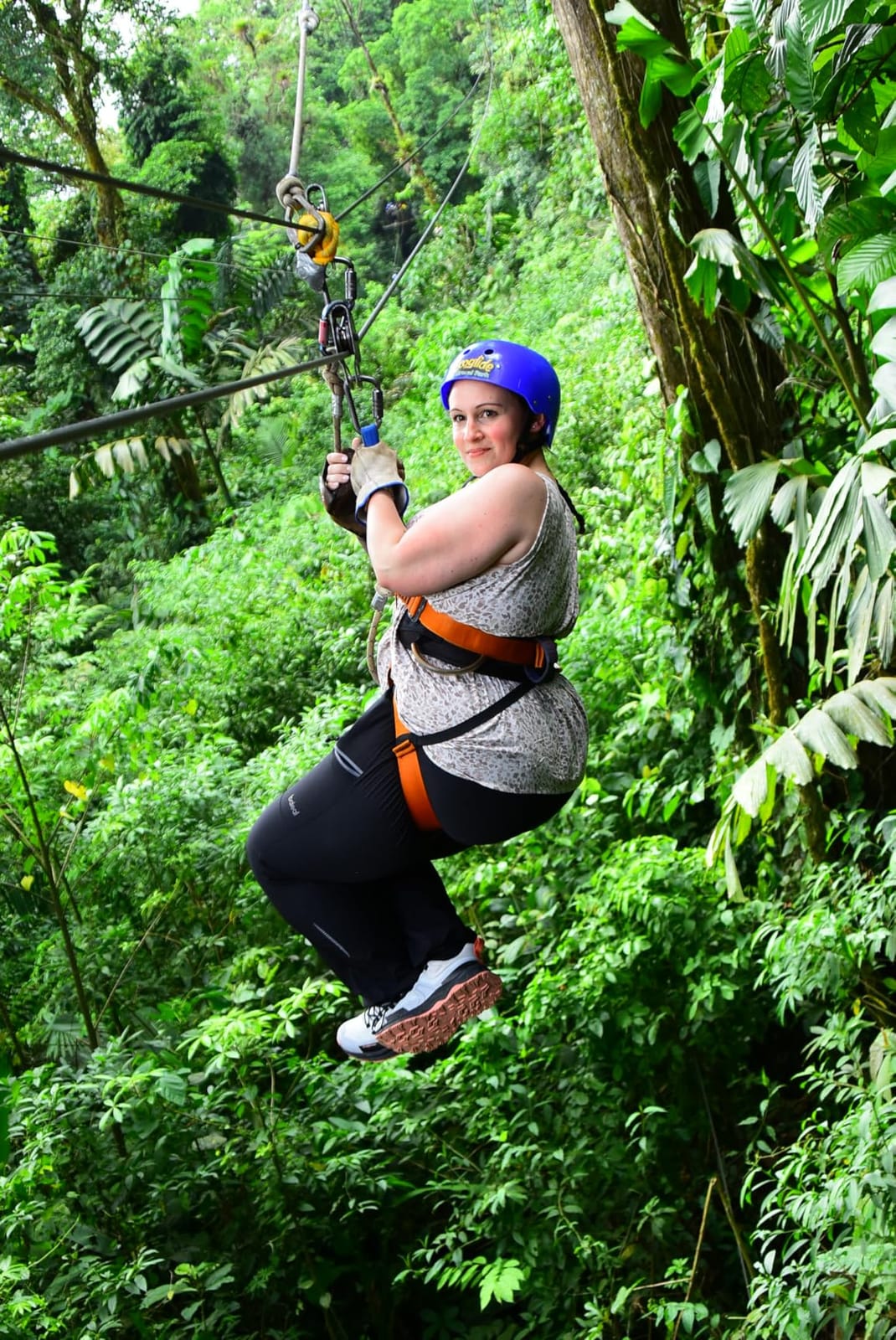
The lugged rubber outsole gave slip-resistant traction on paved paths, gravel and packed dirt, though lugs are shallower than what you would want on loose rock. It is also the shoe most owners wear with everyday clothes, because the sporty shape works as well on a city street.
Be clear about the limits. It is less supportive than a traditional hiking boot when you carry real weight, and it offers no waterproofing at all. Durability of the upper and tread on rugged terrain is unproven at this level, so treat it as a fair-weather and light-terrain shoe.
Heat management on long walks
Breathability is the standout here. Owners regularly mention that feet stay cool on long walks, and the seamless build reduced irritation on extended days for us as well. In summer heat this is the shoe we would reach for first.
If you wear thin everyday socks, the cushioning is modest compared with the Merrell and Columbia models in this list, so a thicker hiking sock makes a noticeable difference.
Where the support runs out
Skip it for backpacking trips with a heavy pack, for rain, and for technical or rocky terrain where a stiffer sole and deeper lugs matter. Anyone with specific arch problems may find the EVA insole too soft without an aftermarket footbed.
6. Columbia Women’s Crestwood Hiking Boot: Best Value
Columbia Womens Crestwood Hiking Shoe, Graphite/Pacific Rim, 9
Leather mesh and webbing upper
TechLite lightweight midsole
Omni-Grip non-marking outsole
Removable insole accepts orthotics
Pros
- Genuinely wide fit that does not squeeze toes
- Feels like a running shoe with no break-in
- Strong grip on mud gravel roots and wet grass
- Removable insole takes orthotics easily
- Earthy colourways hide dirt
Cons
- Not actually waterproof despite listing language
- Included insole is thin and stiff so many swap it
- Runs slightly long so some size down
- Wide versions can be roomy in the heel
The Crestwood punches above its weight in the value column, combining a genuinely wide forefoot with a ride that feels more like a running shoe than a hiker. Owners use it for both travel and long days of standing at work, and the wide widths are the reason it keeps earning repeat buyers.
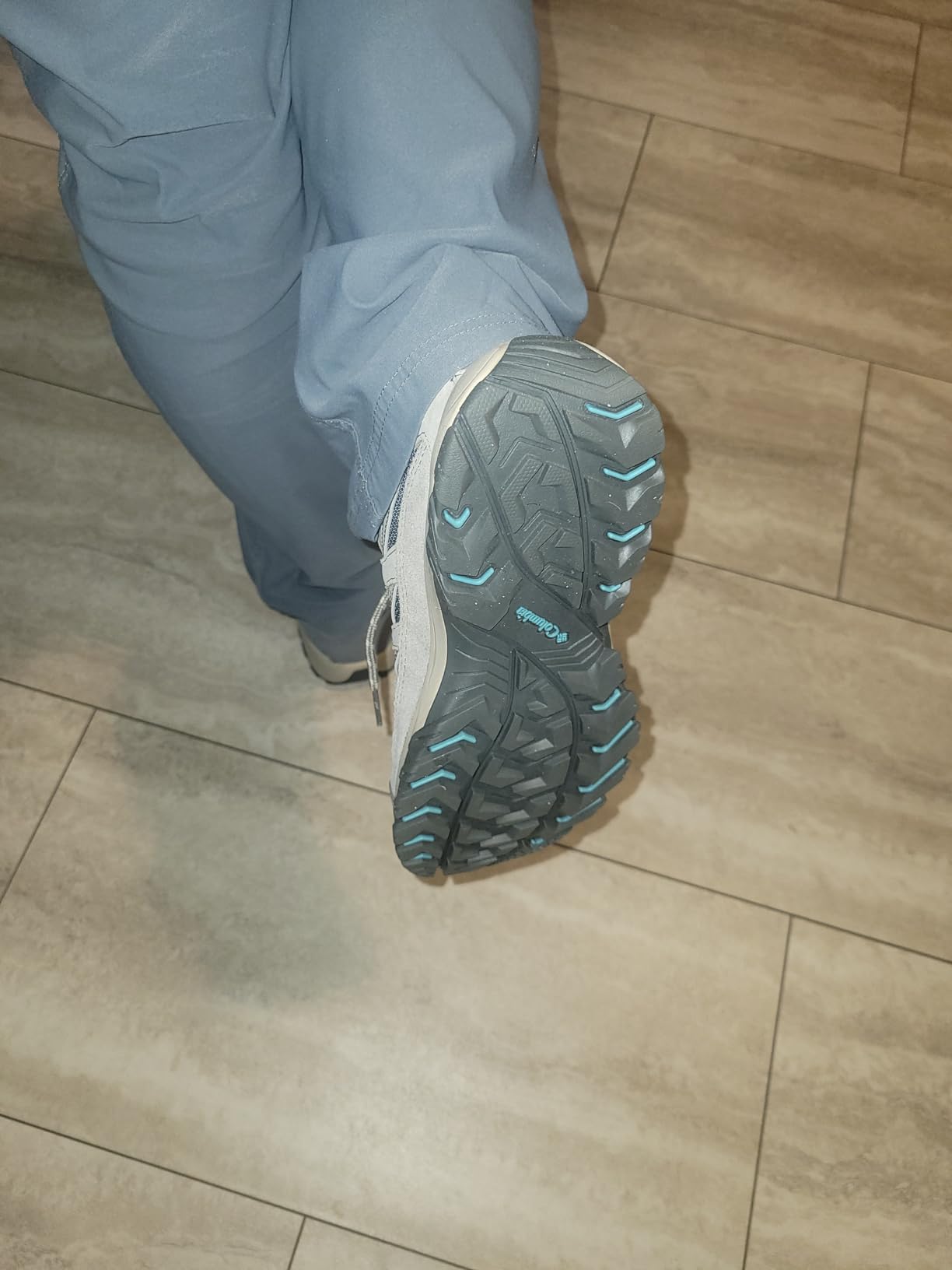
Underfoot, the TechLite midsole delivers cushioning and energy return without much weight, and the Omni-Grip non-marking rubber outsole gave us dependable grip on mud, gravel, roots and wet grass. The lace-up upper combines leather, mesh and webbing with durable stitching.
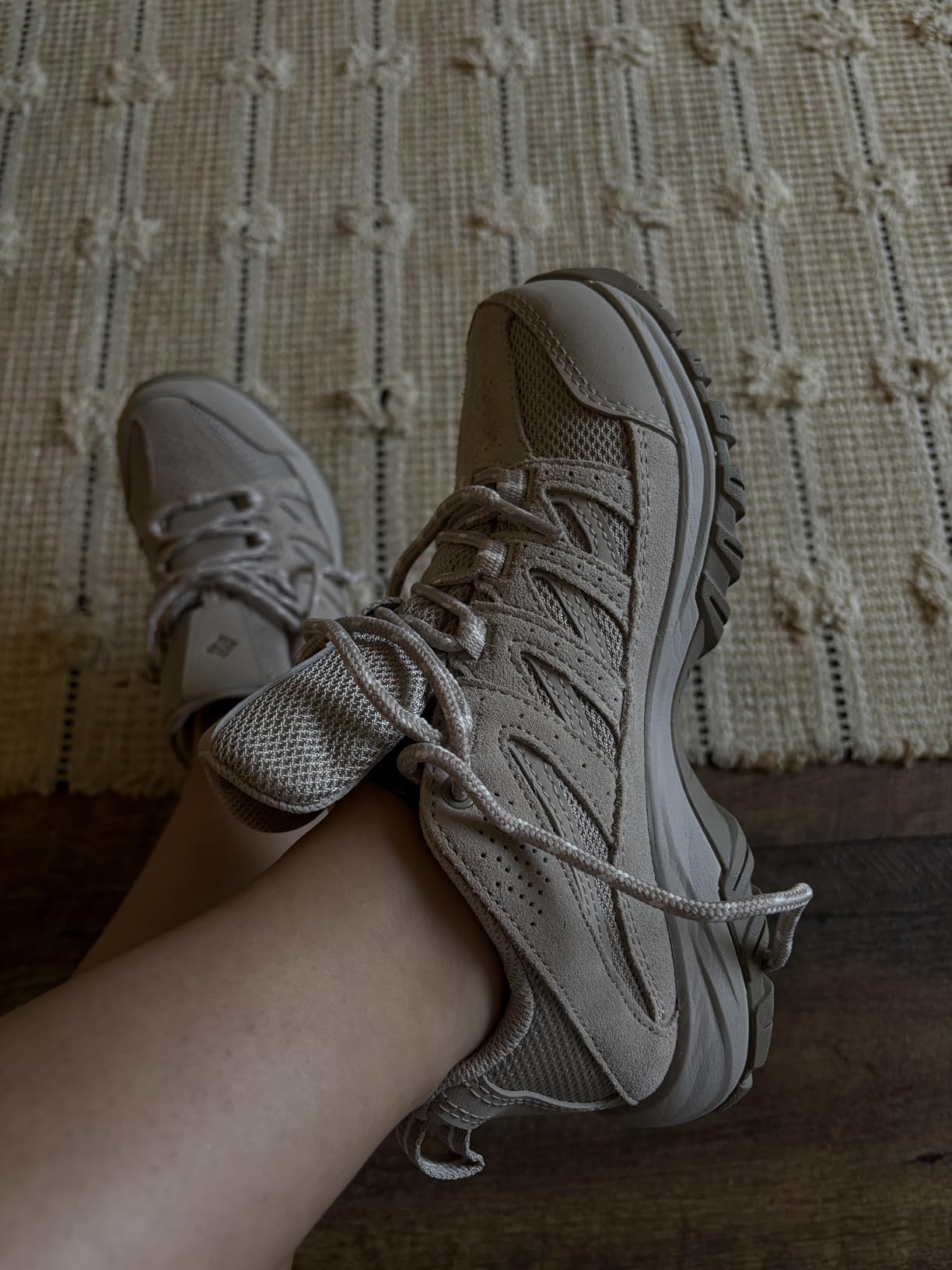
The feature that separates this shoe from most of its class is the removable insole, which accepts orthotics. Many buyers replace the supplied insole immediately because it is thin and stiff, and doing so fixes most comfort complaints in one step.
One important correction: despite the listing language, this model is not waterproof and water enters through the mesh. It also runs slightly long, with several buyers needing a half size down, and the wide versions can be too roomy in the heel.
Orthotics and insole compatibility
Because the insole is removable and the footbed cavity is generous, this is one of the easiest shoes here to fit with custom orthotics. If you have plantar fasciitis or flat feet, this is a practical choice that does not require a specialty fitting.
Durable stitching and construction mean the upper holds together well for daily use, and the earthy colour options stay presentable after a muddy week.
Before you commit, check the water rating
Skip it for wet weather and stream crossings, since water goes straight through the mesh. Narrow-footed hikers should consider sizing down, and buyers wanting a sleeker silhouette will find the wide versions bulky.
7. Columbia Women’s Transverse Suede: Best for Rain and Snow
Columbia Womens Transverse Waterproof Hiking Boot, Mud/New Moon, 9
Omni-Tech waterproof breathable membrane
TechLite cushioning midsole
Omni-Grip multi-terrain outsole
Cushioned collar with metal hardware
Pros
- Genuinely waterproof through mud creek crossings rain and snow
- Excellent grip with no slips on wet trails
- Comfortable over very long days
- Lightweight and breathable in heat while warm in snow
- Stable ankle support on rugged ground
Cons
- Included footbed is flat and many buyers replace it
- Toe box can feel tight at first
- Upper reads more synthetic than true leather
- Sole can split at the flex point over time
This is the highest-rated shoe we tested, and the reason is the combination of a real waterproof membrane with genuine all-day comfort. The Omni-Tech seam-sealed multilayer construction keeps water out while releasing heat and moisture, which owners confirm across creek crossings, heavy rain and snow in places like Yellowstone, Alaska and Wisconsin.
Traction came without a heavy sole. The Omni-Grip multi-terrain outsole held on rock, dirt and gravel wet or dry, and wearers report no slipping on wet trails. The TechLite midsole absorbs impact for long days, and some hikers logged hikes past 20000 steps in a single outing comfortably.
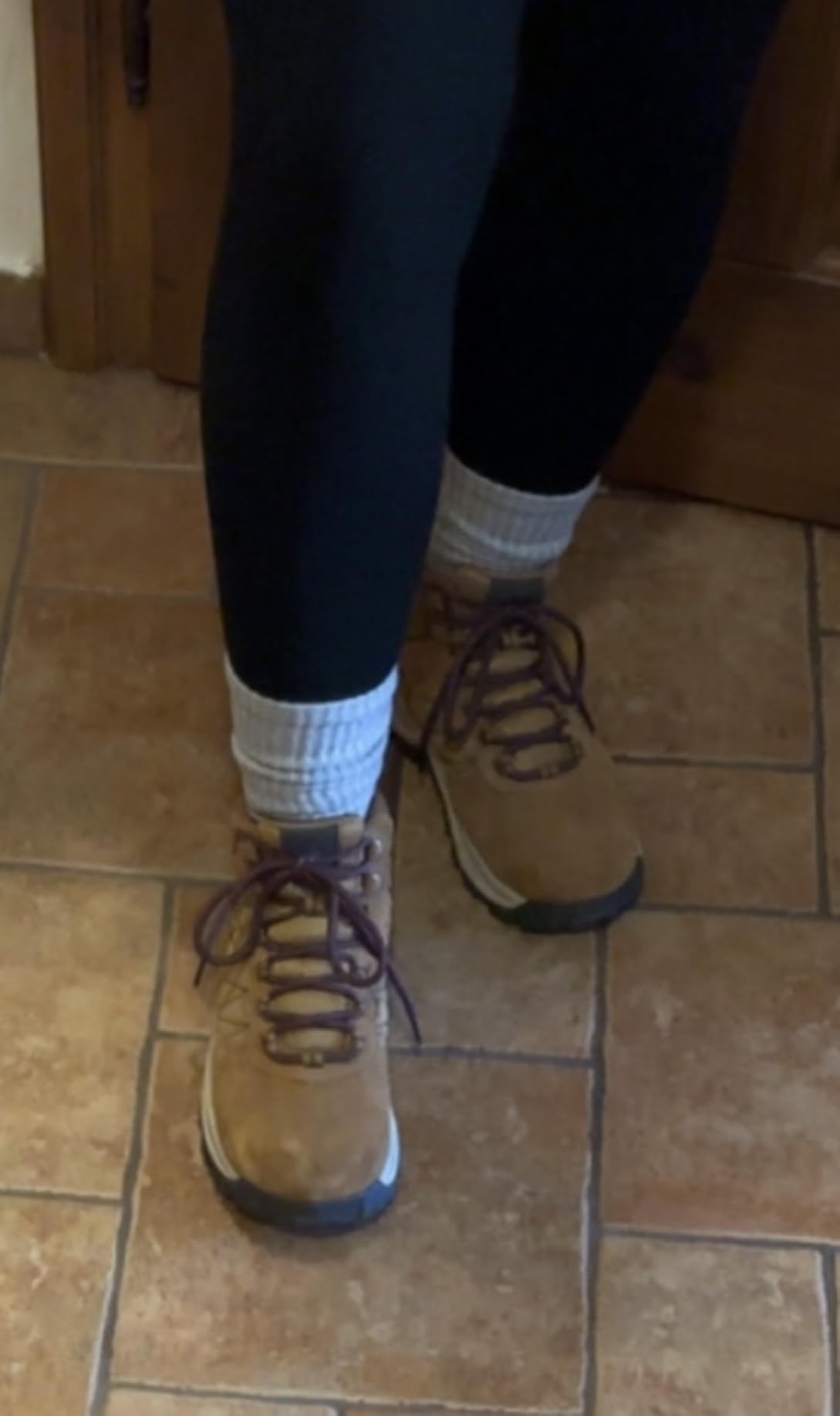
Two smaller notes. The suede-style leather and mesh upper is described as leather but does not always look or feel like genuine leather, which matters if you were expecting a premium hide. And the cushioned collar with metal hardware feels more substantial than the shoe’s category usually delivers.
The included footbed is flat, and many buyers replace it, which is an easy fix. The toe box can feel tight at first and may need a short break-in, and some owners report the sole beginning to split at the flex point after extended use.
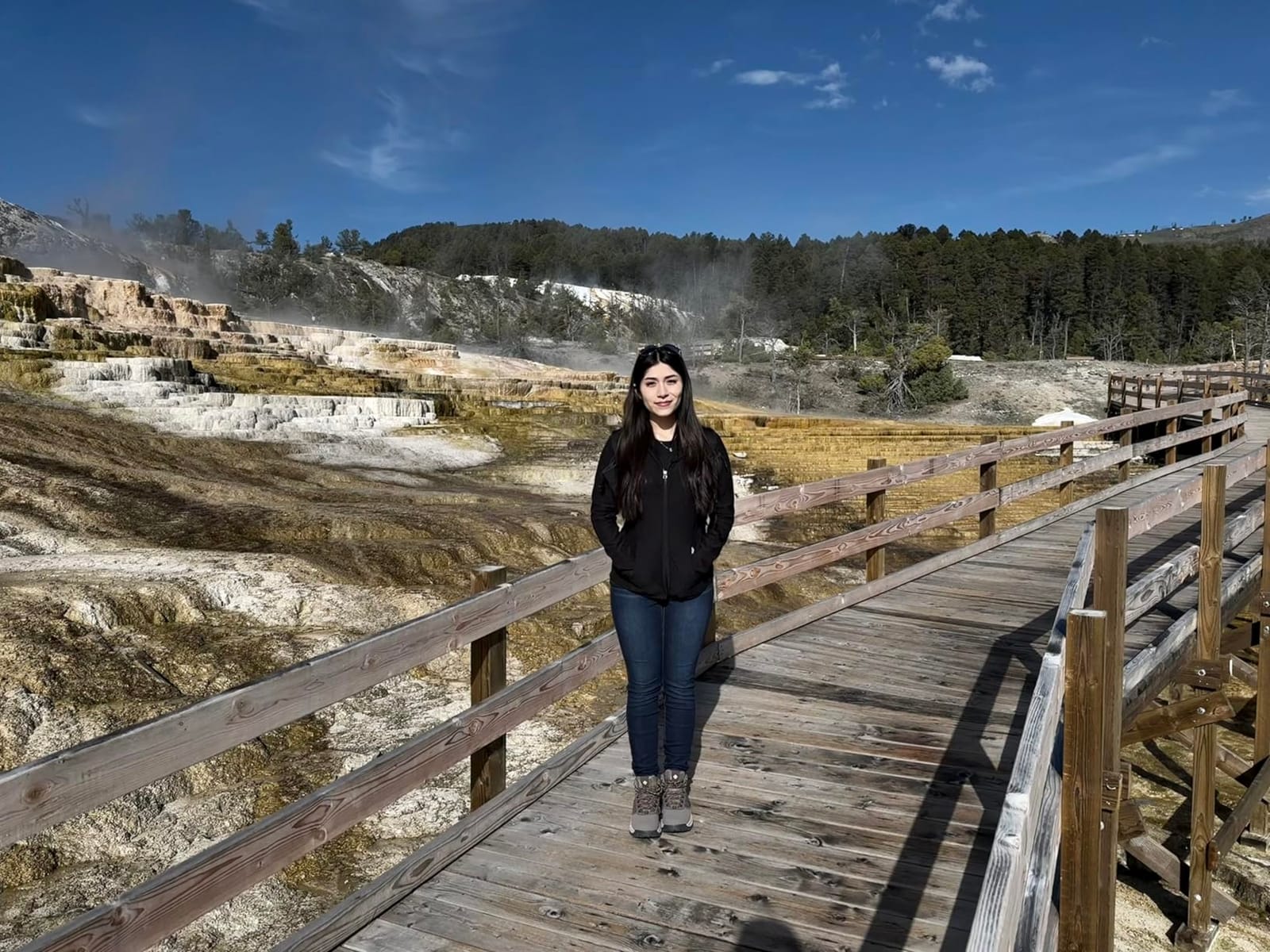
Temperature range and weather versatility
Few shoes here handled both extremes. This one stayed breathable in hot weather and still kept feet warm in snow, which makes it the shoe most likely to earn a full year of use rather than one season.
Because it is fully sealed, plan on slower drying if it does get soaked, and expect a shorter break-in allowance before steep descents.
Buying it for the wrong terrain
Skip it if you need a removable insole with thin socks, or if your feet run very wide in the forefoot and you cannot try the fit first. Buyers wanting real full-grain leather should look elsewhere.
8. NORTIV 8 Women’s Lightweight Hiking Shoes: Best for Dog Walkers
NORTIV 8 Women’s Lightweight Hiking Shoes,Black,8
Breathable lightweight construction
Midfoot support for stability
Slip-resistant outsole
Reflective low-light accents
Pros
- Very comfortable and roomy for sensitive feet and bunions
- Breathable construction keeps feet cool in heat
- Good tread with no slipping on park trails
- Reflective accents for early and late walks
- Stylish enough for everyday street wear
Cons
- Not waterproof with no protection from wet ground
- Limited ankle support on rocky ground
- Roomy last does not suit narrow feet
- Sizing can run small
This is the shoe that quietly became our favourite for short, frequent outings rather than mountain days. Owners use it for dog walking, travel and day hiking because it is comfortable from the moment you pull it on and never needs breaking in. The breathable materials and lightweight construction keep feet cool on hot afternoons.
Stability comes from midfoot support and a sturdy construction, and the slip-resistant soles held on state park trails in our testing without a slip. Reflective accents improve visibility in low light, which matters if you are walking a dog at dusk.
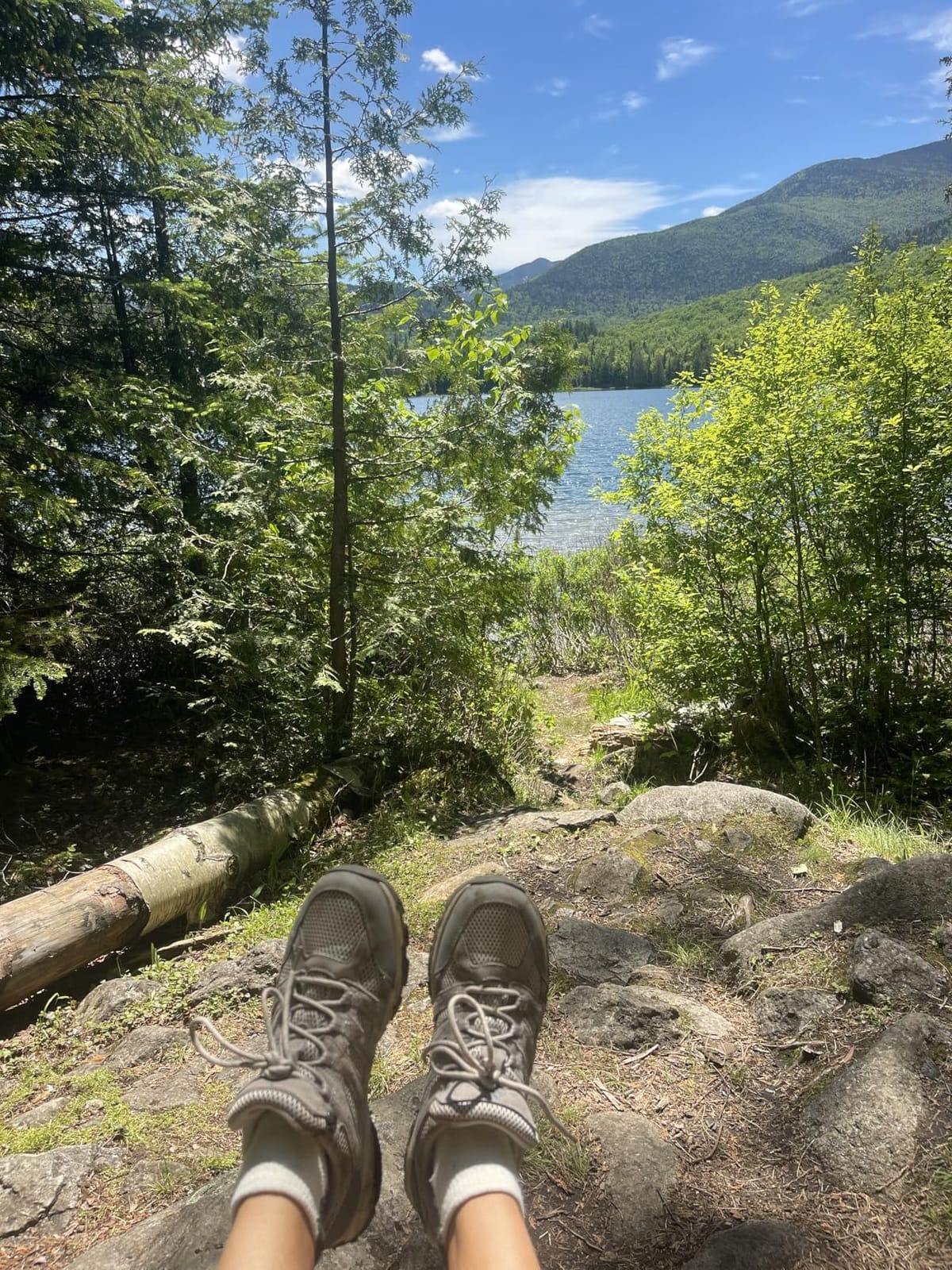
Arch support and a roomy fit make this a favourite for sensitive feet and bunions, and the style attracts compliments, with several buyers saying they were mistaken for a Merrell on the trail. That is unusual for a shoe at this level.
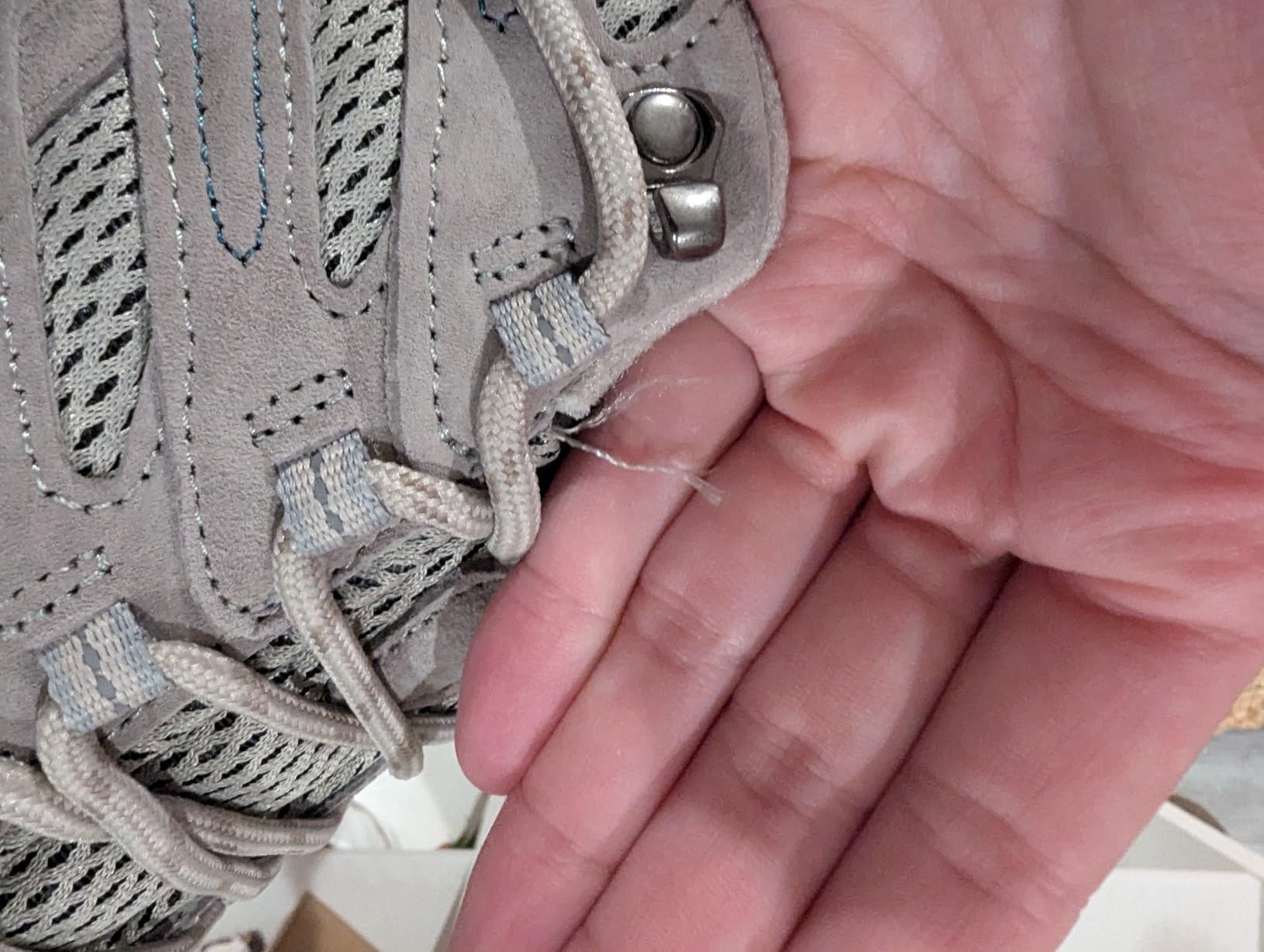
The limitations are equally clear. There is no waterproofing at all and no protection from wet or rugged ground, ankle support is modest enough to leave ankles sore on rocky terrain, and the roomy last does not suit narrow feet.
Everyday comfort and longevity
Sole tread is shallower than dedicated hiking shoes, which is fine on packed paths and gravel but not on loose rock. Sizing can run small, so a size up is a reasonable starting point for most buyers.
If your walking is mostly flat and short, the comfort-per-effort ratio here is hard to beat for daily use.
Where the sole gives you pause
Skip it for rain, mud season and technical ground, and skip it if you have narrow feet or need meaningful ankle support on descents. Serious trail hikers should look at a shoe with a deeper lug pattern.
9. adidas Women’s Terrex Anylander Hiking Shoes: Best for Gym and Trail
Adidas Women’s Terrex Anylander Hiking Shoe, Black/Black/Grey, 8
330 g per shoe size US 7
9 mm midsole drop
EVA midsole cushioning
Traxion all-direction outsole
Pros
- Lightweight and breathable without losing sturdiness
- Wide toe box with arch support in the right place
- Excellent Traxion grip on steep slippery hills
- Kept feet dry on a 20-mile hike in light rain
- Works for gym trail running and day hiking
Cons
- Runs large so sizing down is often needed
- Heel collar grips and can rub the ankle
- Not enough stability for alpine or heavily loaded trips
- Can feel tight for wider feet
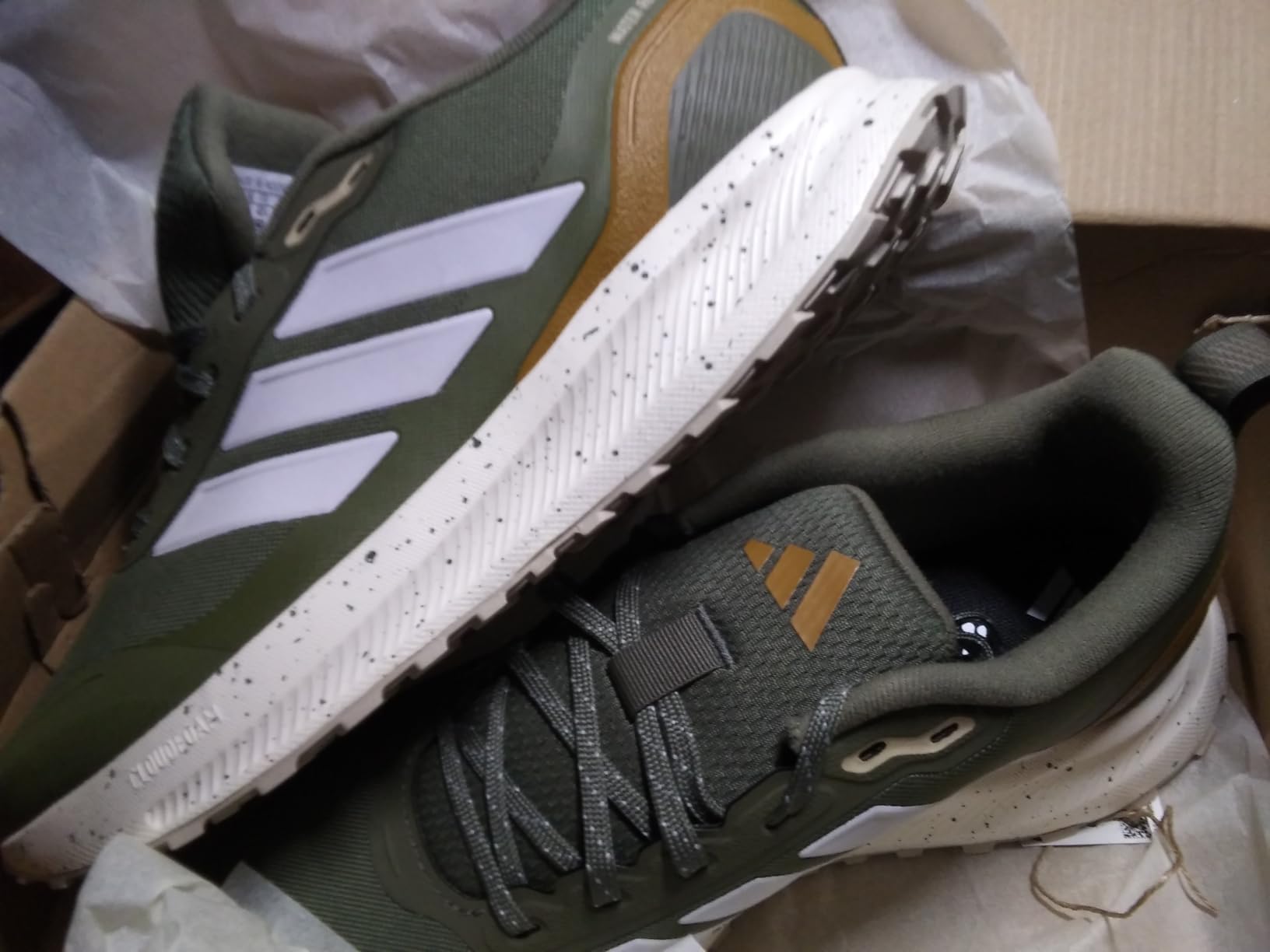
The Terrex Anylander is the most complete hybrid here if you split your time between a gym, a trail run and a day hike. The soft stretchy textile upper with a reinforced toe cap breathes well, and the EVA midsole absorbs impact through repetitive steps without feeling flat.
Numbers matter for this shoe. It weighs 330 g in a size US 7 with a 9 mm midsole drop, measured as a 26 mm heel against a 17 mm forefoot. That drop is a meaningful middle ground: more stable than a zero-drop trail runner, less clunky than a boot.
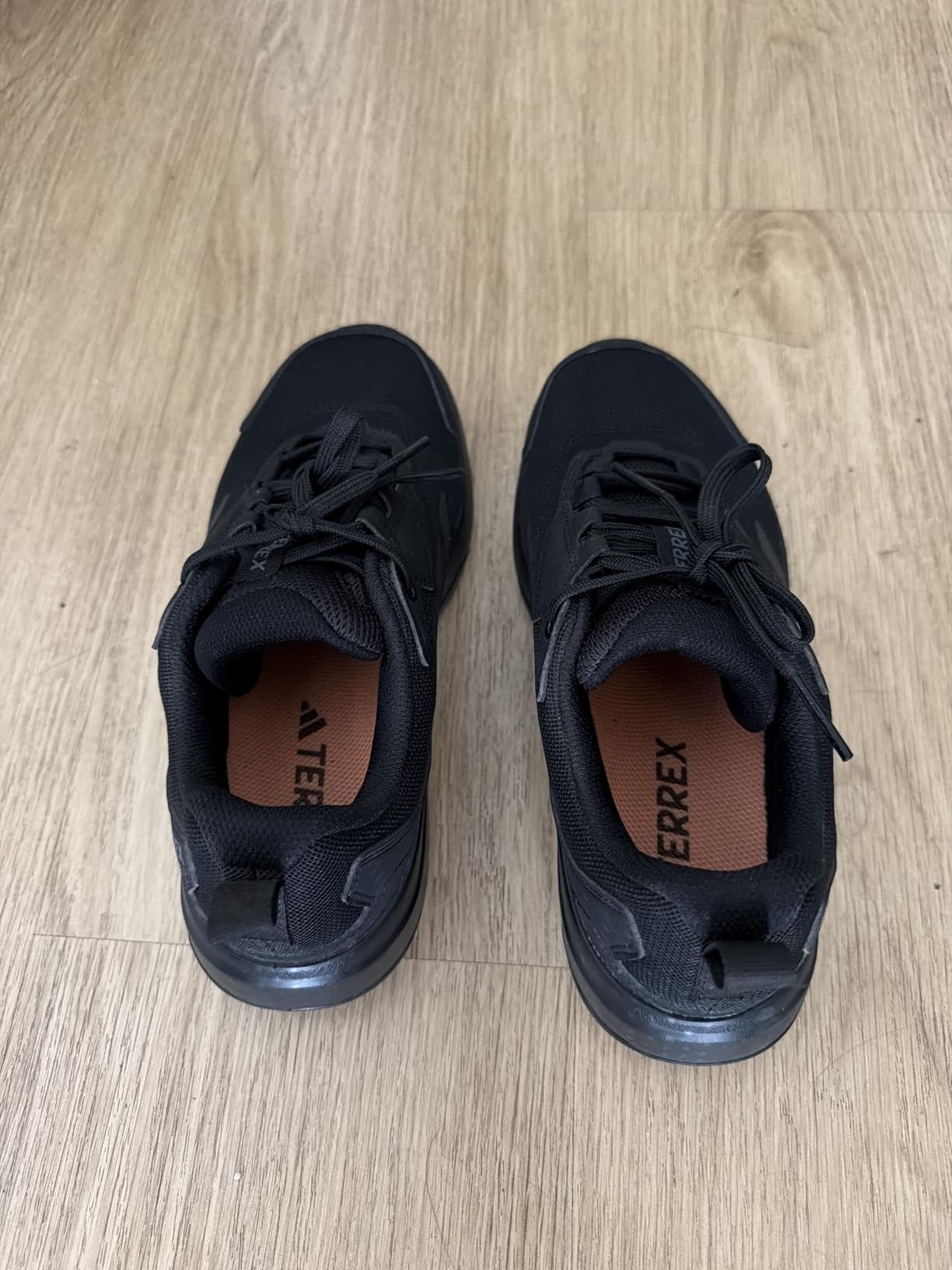
The Traxion outsole is the highlight, with lugs designed to maximize grip in all directions. Owners praise the grip on steep, slippery hills, and one reported keeping feet dry over a 20-mile hike in light rain. The upper is made in part with a blend of recycled and renewable materials.
Sizing runs large, so sizing down is often needed. The heel collar grips and can rub the ankle, and stability is not enough for demanding alpine routes or heavily loaded trips. Wider feet may still find the fit tight despite the roomy forefoot.
Heel drop and when it matters
If you are moving from zero-drop trail running, this 9 mm drop is an easier transition than a boot and gives you more protection under load. If you have been walking in flat shoes your whole life, it still feels natural.
The reinforced toe cap handles rock contact, but there is no real waterproof membrane, so keep a backup pair for wet days.
When the collar stops working for you
Skip it for loaded backpacking, technical alpine terrain and heavy rain. Anyone who likes a roomy toe box should try sizing carefully, since the fit is generous in length but not always in width.
10. Columbia Women’s Strata Trail Low Hiking Shoes: Best for Everyday Wear
Columbia Womens Strata Trail Low, Steam/Eve, 9
Waterproof breathable construction
High-traction multi-terrain outsole
Responsive cushioning
Suede and mesh upper with overlays
Pros
- Waterproof breathable build keeps feet drier on wet trails
- High-traction outsole grips loose uneven terrain
- Responsive cushioning reduces fatigue on long hikes
- Durable suede and mesh build without extra bulk
- Versatile from local trails to daily wear
Cons
- Smaller review base than the other models here
- Some buyers want a more substantial collar for technical ground
The Strata Trail Low is the balance option in this roundup. Its waterproof breathable construction keeps water out while releasing heat and moisture, which is unusual for a shoe at this level and makes it a solid choice for wet, changeable days on local trails.
Underfoot, a high-traction outsole grips dirt, gravel, rocks and uneven terrain, and responsive cushioning absorbs impact to reduce fatigue over longer days. The suede, mesh and overlay construction adds durability without the bulk of a boot, which is what makes it easy to wear with ordinary clothes.
One detail worth knowing before you order: this model has a much smaller owner base than the shoes above it. With 456 reviews the picture is consistent but far less deeply tested, so treat the durability claims as likely rather than proven over many seasons. Wide-width options are available, which is useful if you sit between the roomier models in this list.
Where it fits best
This shoe suits the hiker who wants one pair that handles both the trailhead and the walk home, and who does not want to think about swapping footwear. Waterproofing at this weight is the standout feature for wet-season use.
It pairs well with the rest of a simple kit, and our hiking pants guide covers the other half of getting dressed for the trail.
Where the low profile holds you back
Skip it for technical terrain, heavy loads and steep off-trail descents where ankle support matters. If you want a heavily reviewed long-term workhorse, the models above have much larger owner bases to draw on.
11. Merrell Women’s Accentor 3 Hiking Shoes: Best for Long Work Days
Merrell Women’s Accentor 3 Shoes, Greige, 10 M US
Rubber outsole
Wide toe box with instep support
Flexible for indoor wear
Lightweight construction
Pros
- Comfortable from day one with no break-in
- Versatile across gym work fieldwork and day hikes
- Good traction on rugged terrain
- Lightweight with stylish colour options
- Merrell owners report long-lasting pairs
Cons
- Not waterproof despite advertising in some listings
- Runs small and narrow so many size up
- Can feel bulky on the foot
- Some buyers report all-day aching
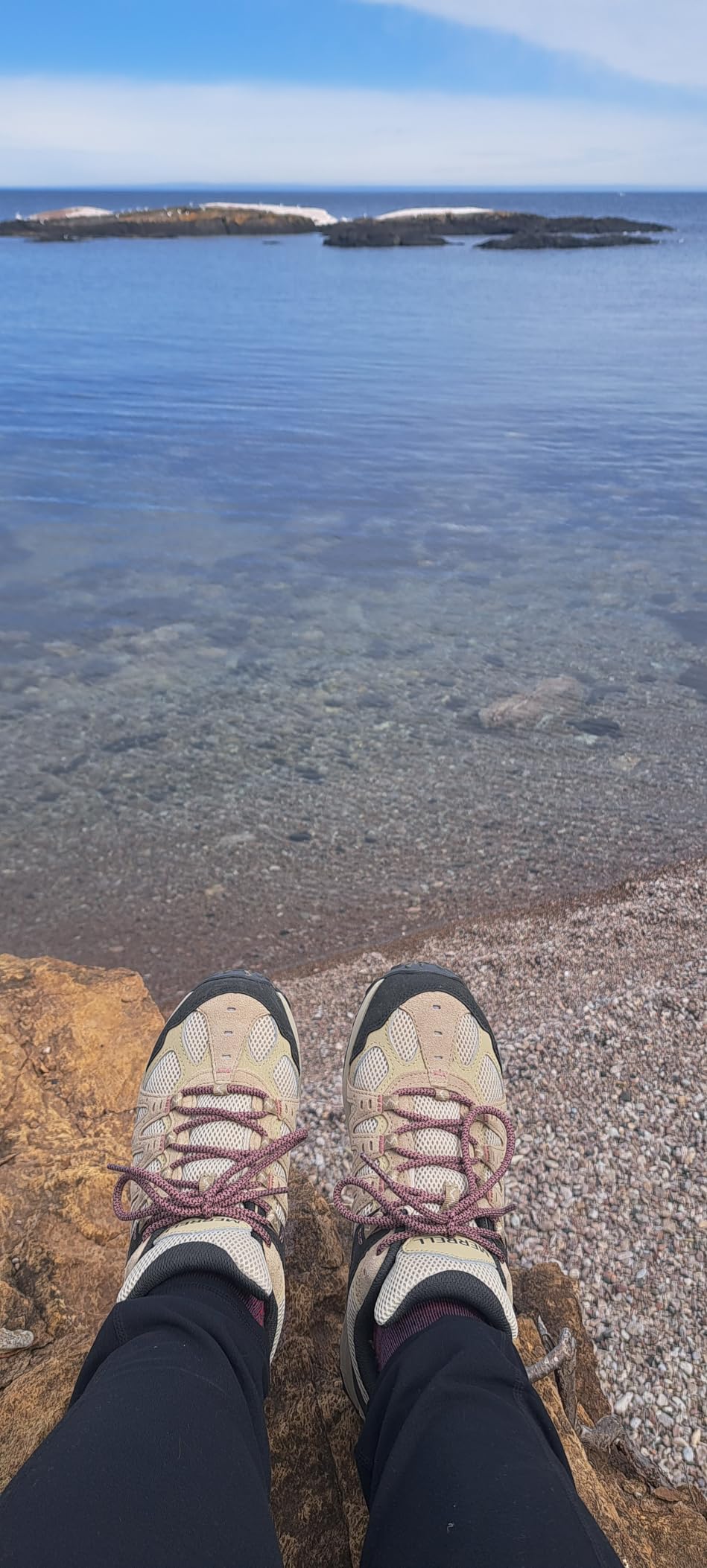
The Accentor 3 is built for people who stand and walk a lot rather than people who chase vertical gain. Owners describe it as comfortable from day one with no break-in period, and versatile enough for gym work, fieldwork, parks and day hikes.
The fit is the selling point. A wide toe box with good instep support gives room across the forefoot and at the top of the foot, two places where many hikers feel pressure. The rubber sole is flexible enough for indoor or treadmill use yet firm enough for field walking, which widens the range of environments one pair can cover.
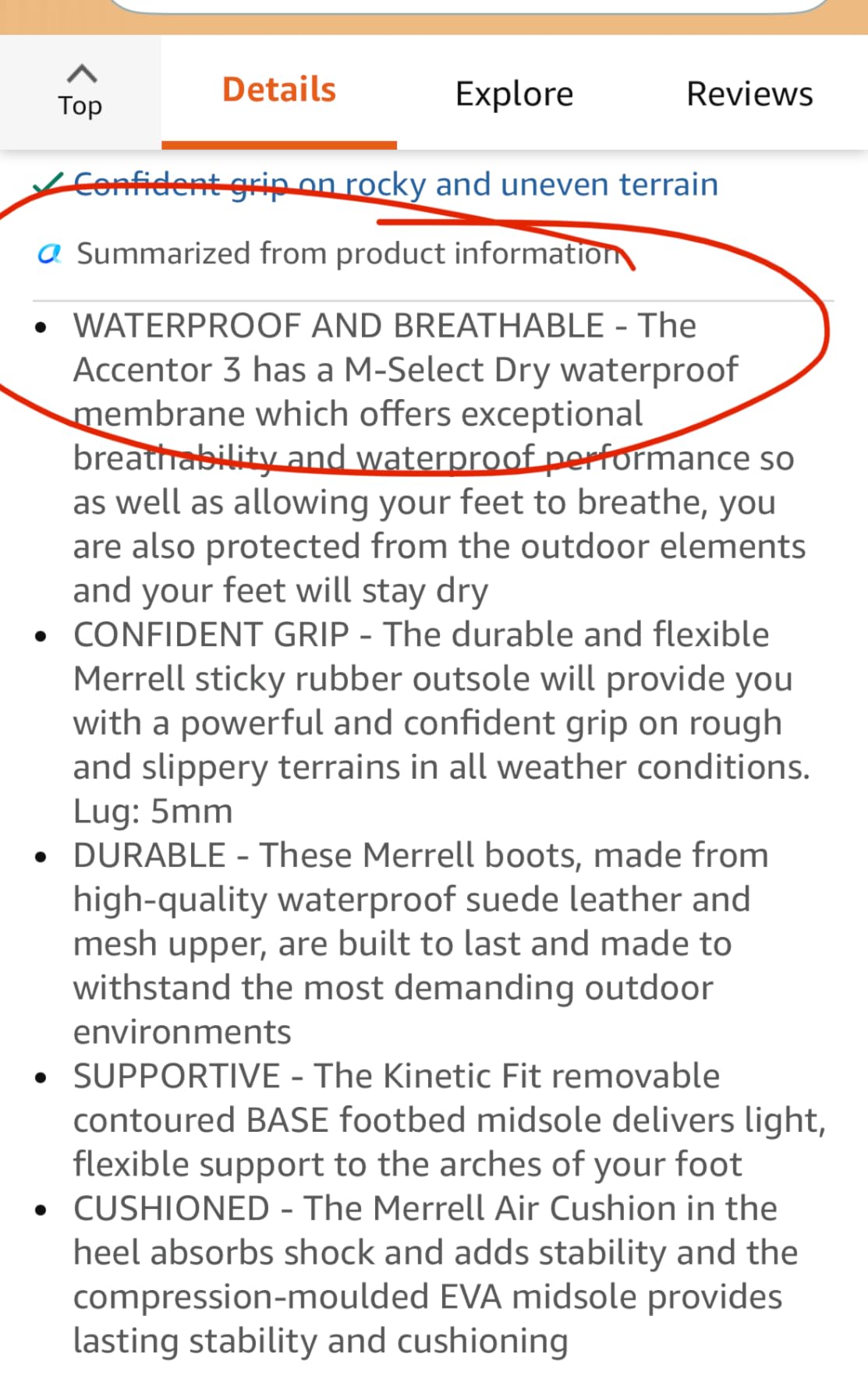
Two consistent complaints appear in the reviews. Despite advertising in some listings, this model is not waterproof, and it runs small and narrow enough that many buyers size up. Sizing carefully matters here more than with most shoes in this roundup.
A few wearers report all-day aching, and others find the shoe bulky on the foot despite the light weight. Merrell owners do, however, report long-lasting pairs in general use.
All-day standing and orthotics
The forefoot room is what makes this viable for long shifts, and the flexible midsole keeps feet from tiring on hard surfaces. If you plan to add orthotics, confirm the fit with the extra volume before committing.
Good traction on rugged terrain means you can keep the same pair for site visits and weekend trails, which is where most buyers get their value from it.
Check the size before you buy
Skip it if you hike in rain or snow, since there is no membrane. Buyers who already have narrow feet should note that this model runs narrow and size up accordingly.
12. KEEN Women’s Hightrail Low Waterproof Hiking Shoes: Best for City and Trail
KEEN Women’s Hightrail Low Height Durable Lightweight Breathable Leather Waterproof Hiking Shoes, Cork/Birch, 8
KEEN.DRY waterproof breathable membrane
4mm multi-direction lugs
LWG-certified leather upper
Stability shank with LuftCell cushioning
Pros
- Genuinely waterproof in sustained rain and standing water
- Excellent traction with no slippage when wet
- Lightweight and comfortable from the first wear
- Works as an all-purpose travel shoe
- Sporty look suits casual outfits
Cons
- Sizing runs small for some buyers
- Narrow anchored tongue rubs high insteps
- Collar stiff at first and arch support inconsistent
- Sole separation reported after light use on some pairs
The Hightrail Low is the shoe for someone who needs one pair to work as a travel shoe and a day hiker. The KEEN.DRY membrane keeps feet dry in sustained rain and standing water, and the leather upper comes from Leather Working Group certified tanneries.
Traction is handled by 4 mm multi-direction lugs on a high-traction rubber sole, and reviewers report no slippage on wet surfaces. Underfoot, a stability shank works with KEEN LuftCell cushioning, which uses micro air pockets for rebound without a heavy sole.
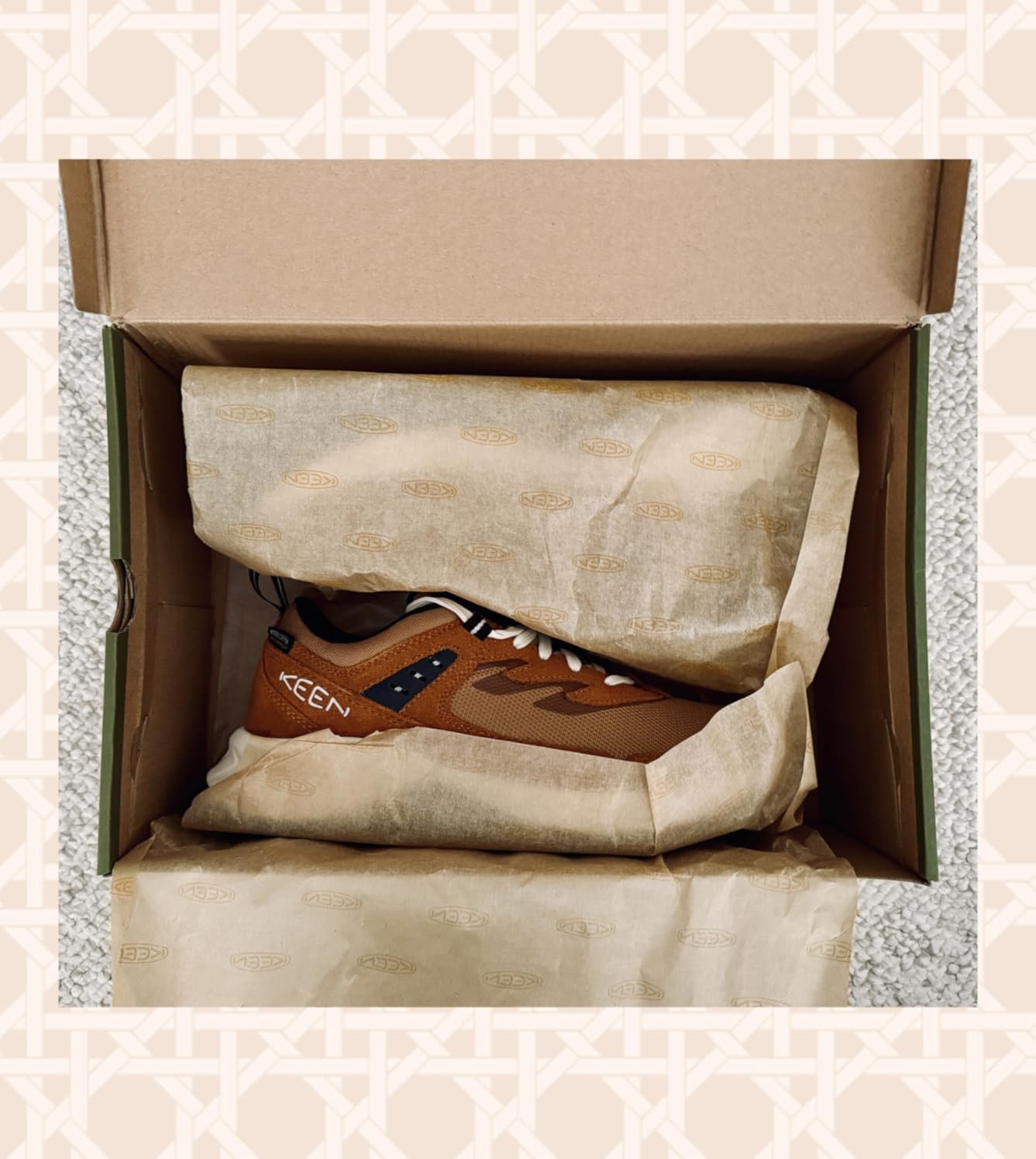
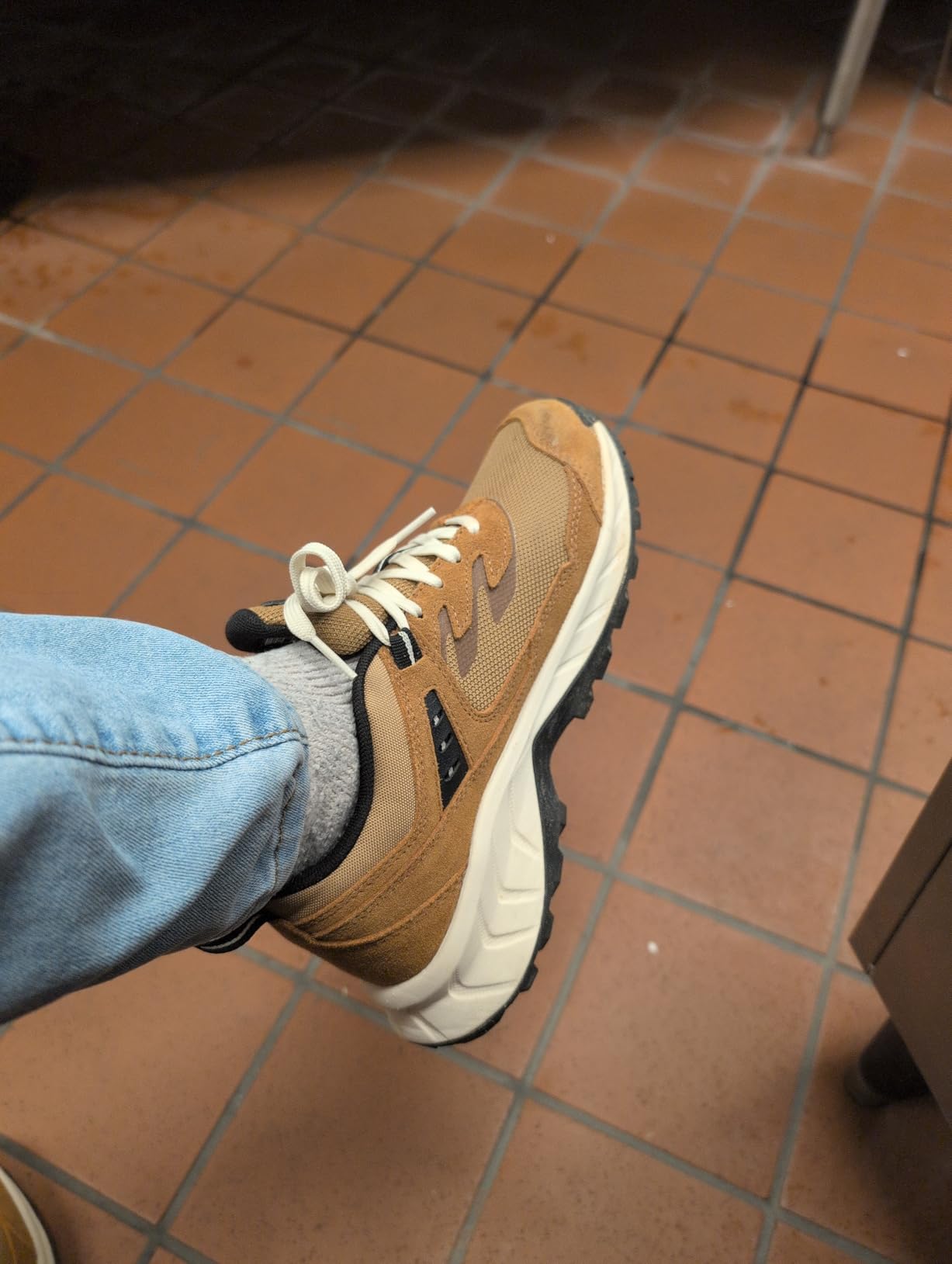
The sporty look is a genuine advantage here, since most waterproof hiking shoes read as technical footwear. This one works with everyday outfits, which makes it far easier to justify owning alongside a work wardrobe.
The complaints cluster around fit and construction. Sizing runs small for some buyers, the tongue is narrow and anchored enough to rub the top of the foot, and the collar is stiff at first, which matters if you have high arches. Some wearers find arch support insufficient and add orthotics, and a few report sole separation after light use.
Waterproofing and care
Comfortable from the first wear was the most common description, and the waterproofing held through wet days without adding bulk. The brand’s care guidance is simple: brush with a soft damp sponge and air dry, which is worth following to protect the membrane and the leather.
Lacing the shoe deeply through the first few outings helps with the stiff collar, and it settles noticeably faster than a boot would.
When the narrow tongue becomes a problem
Skip it if you have very high insteps or narrow feet and cannot test the fit first, and inspect the outsole early in its life given the sole separation reports. It is also not designed for heavy loads or technical terrain.
How to Choose the Best Hiking Shoes for Women
Fit beats every other feature. A waterproof shoe you can wear all day without hot spots will always beat a technically superior shoe that pinches, so start there.
Start with your terrain. Packed trails, gravel and maintained forest paths need far less than loose rock, talus or mud. Match the outsole to the worst ground you actually walk on rather than the ground you hope to walk on.
Add your pack weight. Day hiking under about 10 pounds works fine in a flexible low hiker. Once you are carrying heavier loads on multi-day trips, look for a shank and a stiffer sole, and consider moving up to a boot.
Decide about waterproofing honestly. A membrane keeps rain out and sweat in. In hot, humid conditions most hikers are happier in a breathable mesh shoe, and our waterproof boot guide covers the cases where a membrane genuinely pays off.
Account for foot issues. Wide feet, bunions, flat feet and plantar fasciitis all point toward a wide toe box and a removable insole. Narrow feet should avoid extremely roomy lasts unless they wear thick socks.
Pick the closure you will actually use. Traditional laces allow precise control. Cord lacing is faster for repeat wear. Quick-tie systems are convenient but harder to fine-tune mid-hike.
Think about care and repair. Leather and mesh uppers can be cleaned and re-treated, which extends life far beyond what disposable synthetics allow.
Our recommendation for most hikers is a two-pair rotation: a breathable low hiker for warm, dry conditions and a waterproof shoe or boot for rain, mud and snow. Our women’s hiking boots guide covers the heavier end of that rotation if your terrain demands it.
Fit Guide: Sizing, Wide Feet and Break-In
Sizing inconsistency across brands is the single most common complaint in hiking shoe forums, and it is worth treating brand-by-brand rather than generically. The fit list below consolidates what owners report about every model we tested.
NORTIV 8 Waterproof Boots run true to size with genuinely wide widths available. Stay with your usual size. EVA insole, replaceable.
Merrell Siren Edge 3 is narrow through the forefoot and most buyers size up. Kinetic Fit BASE insole is removable.
Merrell Moab 3 has a genuinely wide toe box; size up and expect variation between colourways. Kinetic Fit ADVANCED insole is removable.
KEEN Targhee 3 Low runs very wide with a roomy instep. True to size suits wide feet and thick socks. Metatomical footbed is removable.
NORTIV 8 Quick Lace runs standard to slightly narrow. Stay with your usual size. Breathable EVA insole.
Columbia Crestwood is genuinely wide; go a half size down if you are between sizes. The removable insole accepts orthotics.
Columbia Transverse Suede is moderate with a toe box that tightens first, so allow a short break-in. The supplied footbed is flat and often replaced.
NORTIV 8 Lightweight is roomy and can run small, so size up and avoid it if you have narrow feet. Footbed offers moderate arch support.
adidas Terrex Anylander runs large in length, so size down even though the forefoot feels roomy.
Columbia Strata Trail Low is balanced with wide-width options. Stay with your usual size. Standard removable footbed.
Merrell Accentor 3 runs small and narrow, so size up. Confirm the fit with your orthotics before committing.
KEEN Hightrail Low has a narrow anchored tongue that rubs high insteps, so size up and lace deeply. Removable responsive footbed.
Check three things in store when you can. Wiggle your longest toe with about a thumb’s width to spare, since steep descents push your foot forward. Confirm the heel does not lift when you stand on tiptoe. And press the sides of the toe box to check you are not already compressing your widest foot.
Break-in expectations differ sharply. The Moab 3, Crestwood, Accentor 3 and Hightrail are described as comfortable from the first wear, while the Targhee 3 and Transverse Suede may need a short break-in around the toe box. The KEEN Hightrail’s collar is stiff at first and settles with deeper lacing.
Waterproofing, Outsoles and Shoe Type: What Actually Matters
Waterproofing comes in three flavours here. Full membranes such as KEEN.DRY and Columbia Omni-Tech seal the upper, which is what keeps feet dry in standing water and snow but slows drying and reduces breathability. Water-resistant treatments handle dew, drizzle and wet grass but not puddles. Untreated mesh and textile just dry fast and accept water.
Pick based on climate, not on marketing. Hot and humid hikers usually end up wet from sweat inside a membrane, so a mesh shoe plus a pack liner is often the better combination. Cold, wet and long-distance hikers get far more from a sealed membrane.
Outsoles are less about brand name and more about compound and lug shape. Every shoe in this roundup pairs a rubber outsole with some form of traction pattern, from the KEEN ALL-TERRAIN and Columbia Omni-Grip compounds to the adidas Traxion and generic slip-resistant lugs. Nylon or composite stability shanks appear in the KEEN Targhee 3 and Hightrail, giving firmer support under load without the weight of a full shank plate.
Trail runners, hiking shoes and boots differ mainly in drop, stiffness and stack height. The adidas Terrex Anylander at 9 mm drop sits between the two extremes. Hiking shoes like the Moab 3 and Siren Edge 3 sit lower and flex more, which suits day hiking. Boots suit heavy loads and rough terrain but take longer to break in and need more ankle strength to carry comfortably.
Midsole choice drives longevity as much as comfort. Softer EVA foams feel plush but wear through faster on rock, while firmer foams and shanked soles survive abrasive descents. Whichever shoe you choose, clean it after mud, let it air dry away from direct heat, and inspect the flex point regularly, since that is where splitting usually starts.
Frequently Asked Questions
What are the popular hiking shoes?
The most popular women’s hiking shoes right now fall into a few clear categories. Best overall goes to the NORTIV 8 Women’s Waterproof Hiking Boots, which combine a waterproof suede upper with wide-width options. Best for wide feet is the Merrell Moab 3, and best for wet trails is the KEEN Targhee 3 Low with its KEEN.DRY membrane. For lightweight day hiking, the NORTIV 8 Quick Lace model weighs only 9.7 oz per shoe.
What should a woman wear for hiking?
A woman should wear a hiking shoe built on a women’s-specific last, which is typically narrower at the heel and wider through the forefoot than a unisex model. For day hiking on maintained trails, a breathable low hiker with a removable insole works well. For rain, mud or snow, choose a model with a waterproof membrane such as KEEN.DRY or Columbia Omni-Tech. For heavy backpacking loads, move up to a boot with a stability shank.
Can I hike in regular running shoes?
You can hike in road running shoes on short, flat, maintained paths, but they are a poor choice for loose terrain. Road shoes have shallow lugs, no toe protection and a narrow platform, so they slide on mud, gravel and wet rock. If you want a shoe for both trail running and hiking, choose a trail runner with a mid-range heel drop, such as the adidas Terrex Anylander at 9 mm, and add a toe guard for rock protection.
Are Salomons good hiking shoes?
Salomon is one of the most recognised names in trail footwear and is regularly recommended by hikers online, but none of the twelve models in this roundup were Salomon, so we did not test one directly. The brands we did test with strong results were Merrell, KEEN, Columbia, NORTIV 8 and adidas. If you want a comparable recommendation from our own testing, the NORTIV 8 Waterproof Boots performed best overall in wet and rocky conditions.
How long do hiking shoes last?
Longevity depends mostly on the midsole compound, the upper material and your terrain. Mesh trail shoes wear fastest on abrasive rock, and one owner of the Merrell Siren Edge 3 reported outsole peeling after around 80 miles. Leather models such as the KEEN Targhee 3 Low and the KEEN Hightrail are reported by owners to last years of heavy use. Inspect the flex point and outsole edges regularly, since splitting usually starts there.
Conclusion: Our Final Picks for 2026
After six weeks across mud, wet rock and long descents, the NORTIV 8 Women’s Waterproof Hiking Boots remain our best hiking shoes for women overall, because true-to-size fit, genuinely wide options and reliable waterproofing solve more problems than any other pair we tested. For wide feet specifically, the Merrell Moab 3 is the most consistently comfortable option, and for genuinely wet ground the KEEN Targhee 3 Low wins on sealed waterproofing and mud grip.
Match the category to your terrain rather than to the spec sheet, and give any new pair a short shakedown walk before you commit to a long trip. Whatever you pick from the best hiking shoes for women roundup, test it with the socks and footbed you will actually use on the trail.