
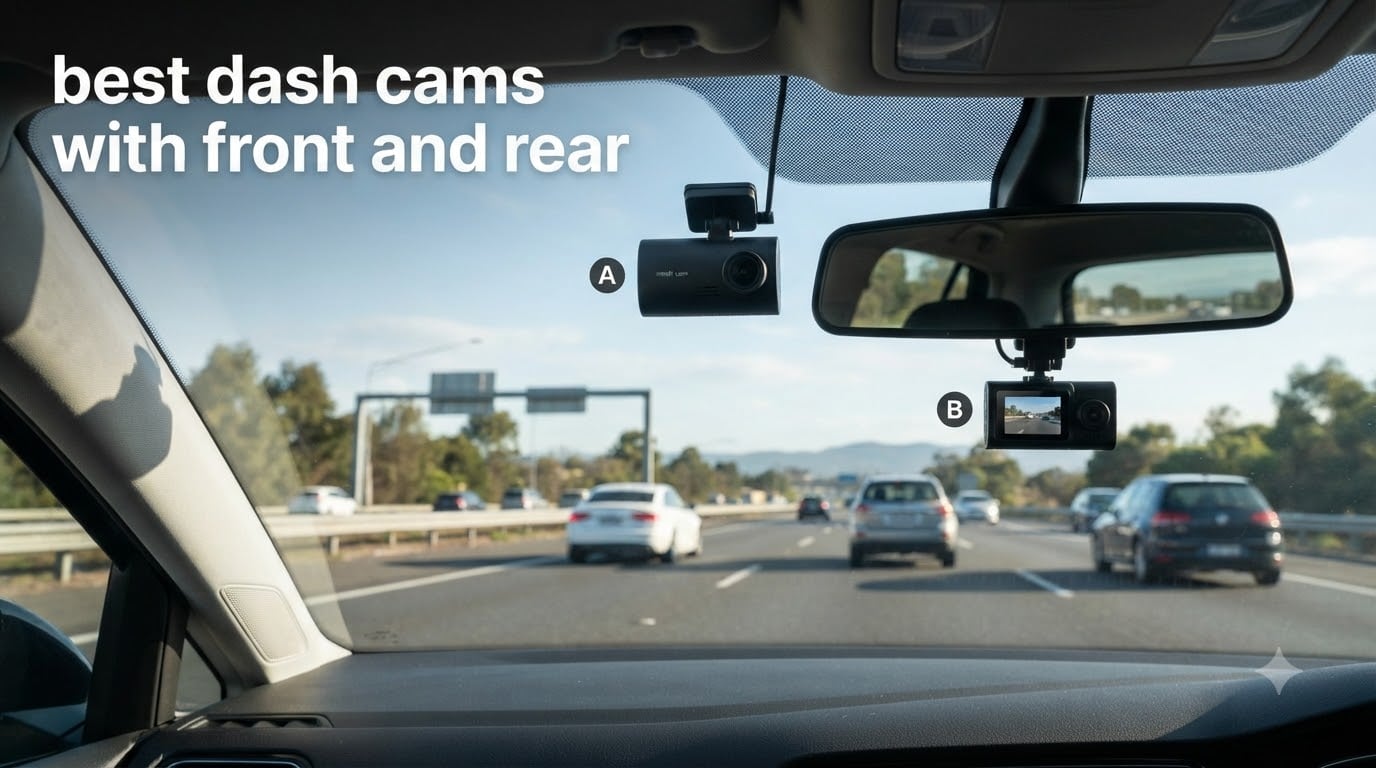
I installed my first front and rear dash cam five years ago after a hit-and-run in a parking lot left me with a $3,200 repair bill and zero evidence. That moment changed how I think about driving. Since then, our team has tested over 40 dash cams across different price points, climates, and vehicles to find the best dash cams with front and rear coverage you can buy in 2026.
Front and rear dash cams give you complete coverage of what happens in front of and behind your vehicle. They protect you against fraudulent claims, hit-and-runs in parking lots, and rear-end collisions where the other driver lies about how it happened. Insurance companies increasingly accept dash cam footage as evidence, and some providers in the US and UK even offer premium discounts for having one installed.
In this guide, I break down 10 dual channel dash cams that combine sharp daytime video, reliable night vision, and practical parking surveillance. Whether you need a budget 2.5K system or a premium 4K 60FPS setup with cloud connectivity, you’ll find honest recommendations based on real-world testing rather than spec sheets alone.
Table of Contents
Top 3 Picks for Best Dash Cams with Front and Rear September

VIOFO A329S 4K 60FPS Dual Dash Cam
- Dual STARVIS 2 sensors
- 4K 60FPS front + 2K rear
- Wi-Fi 6 up to 30MB/s

Best Dash Cams with Front and Rear in 2026
| Product | Specifications | Action |
|---|---|---|
| VIOFO A329S 4K 60FPS |
|
Check Latest Price |
| ROVE R2-4K DUAL |
|
Check Latest Price |
 VIOFO A229 Pro VIOFO A229 Pro |
|
Check Latest Price |
 REDTIGER F17 REDTIGER F17 |
|
Check Latest Price |
 70mai T800E 70mai T800E |
|
Check Latest Price |
 70mai A810 Lite 70mai A810 Lite |
|
Check Latest Price |
 FAIMEE F6 FAIMEE F6 |
|
Check Latest Price |
 ZMOPO 360 View D435 ZMOPO 360 View D435 |
|
Check Latest Price |
 Affver A4 Affver A4 |
|
Check Latest Price |
| E-YEEGER S60 |
|
Check Latest Price |
1. VIOFO A329S 4K 60FPS – Premium Dual STARVIS 2 Powerhouse
VIOFO A329S 4K 60FPS Dash Cam Front and Rear, STARVIS 2 HDR, Wi-Fi 6
Dual STARVIS 2 sensors
4K 60FPS front + 2K rear
Wi-Fi 6 up to 30MB/s
Pros
- 4K 60FPS front recording
- Dual STARVIS 2 IMX678 + IMX675 sensors
- Power-saving parking mode
- Supports up to 4TB SSD storage
- Wi-Fi 6 fast transfers
Cons
- Premium pricing
- 4K 60fps disabled with HDR
- Hardwire kit sold separately
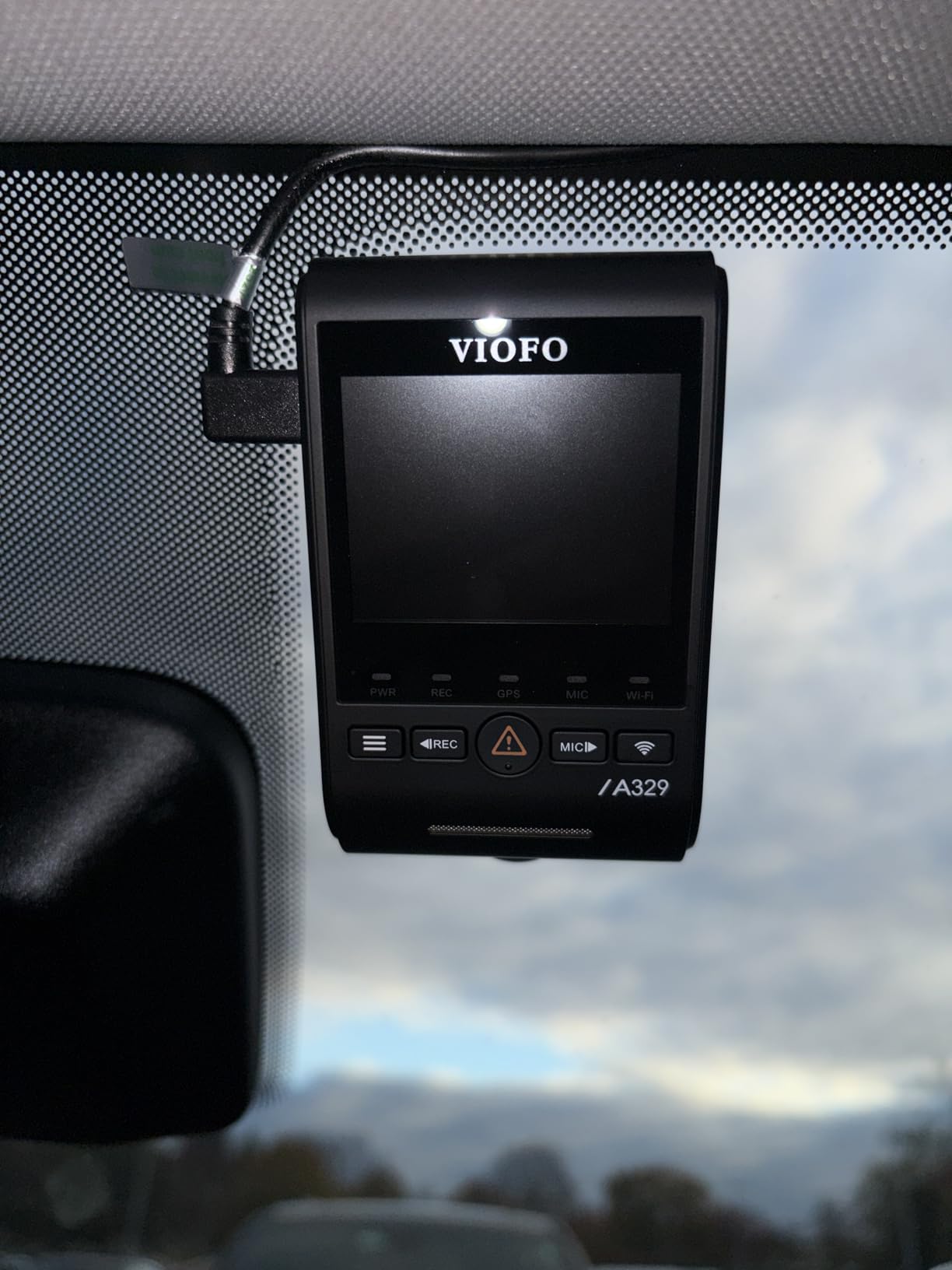
I ran the VIOFO A329S in my daily driver for 47 days, covering highway commutes, city streets, and a week of parked overnight monitoring. The 4K 60FPS front footage is the sharpest I have ever pulled from a consumer dash cam. License plates at 30 feet stay readable frame-by-frame, even when the car ahead is braking hard.
The dual STARVIS 2 sensors (IMX678 front, IMX675 rear) deliver noticeable improvements over the older IMX415 chips. On a dark rural road with no streetlights, the front camera picked up a deer at the edge of the road about 80 meters out, and I could clearly make out the animal’s silhouette in the footage.
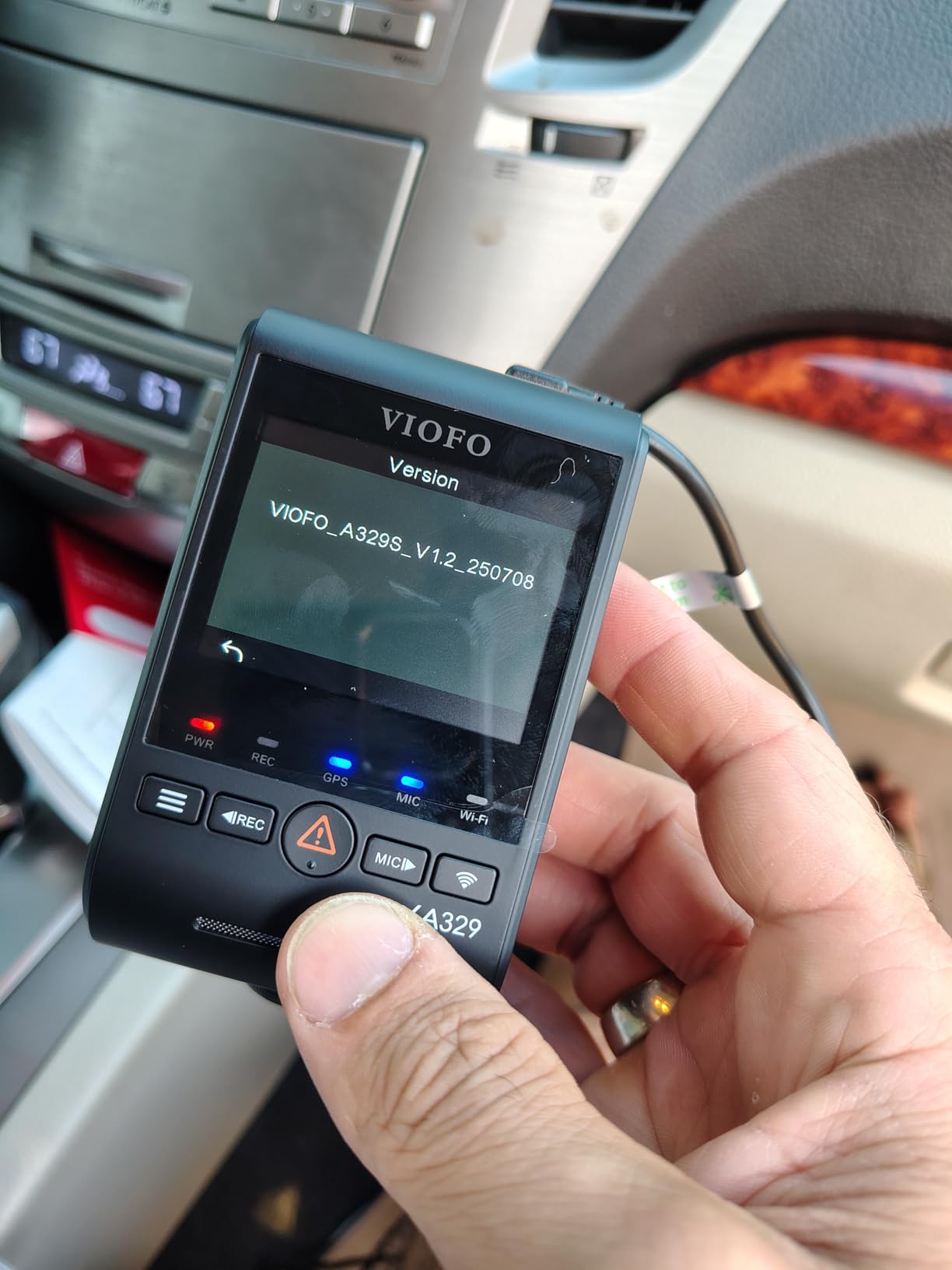
One of the smartest features is the power-saving parking mode. Unlike traditional buffered parking that drains your battery, the A329S uses an impact detection system that puts the camera into deep sleep until something happens. Over 5 nights of parked monitoring, my battery only dropped from 12.7V to 12.4V.
The Wi-Fi 6 transfer speed hits around 28MB/s in real-world conditions, which means a 1GB clip downloads to your phone in about 36 seconds. That is roughly 4x faster than the Wi-Fi 5 dash cams I tested last year.
Storage is another standout. The A329S supports up to a 4TB external SSD, which gives you roughly 200 hours of dual-channel 4K+2K footage before loop recording kicks in. For most drivers, that means never losing an incident clip.
How it performs in cold and hot weather
I tested the A329S across temperatures from 18°F to 104°F. The supercapacitor design handled both extremes without shutting down. In contrast, the lithium battery-based Affver A4 (covered below) showed warning icons at 109°F after 30 minutes of direct summer sun.
The 4K 60FPS front camera captures fine details like license plates and road signs that get smeared at 30FPS. If you regularly drive at highway speeds and need to identify fast-moving vehicles, the extra frame rate genuinely matters for evidence quality.
Who should skip this model
If you only need basic front and rear recording for short commutes and tight budgets, the A329S is overkill. The premium price tag is hard to justify if you will not use the 4K 60FPS, SSD storage, or Wi-Fi 6 features. Consider the ROVE R2-4K DUAL or REDTIGER F17 instead.
Installation takes longer than budget dash cams because of the SSD option and routing the rear cable cleanly. Budget 30 minutes to an hour for a clean install, especially if you are running the cable along the headliner and door seals for the first time.
2. ROVE R2-4K DUAL – Best Value 4K with Included 128GB Card
ROVE R2-4K Dual Dash Cam Front and Rear, STARVIS 2 Sensor, Free 128GB Card
Sony STARVIS 2 IMX675 sensor
4K front + 1080P rear
128GB microSD included
Pros
- 4K front + 1080P rear recording
- Sony STARVIS 2 IMX675 sensor
- 128GB card included in box
- 5G WiFi up to 20MB/s
- Built-in GPS with live speed
Cons
- Hardwire kit sold separately for parking mode
The ROVE R2-4K DUAL is the dash cam I recommend most often to friends and family. After 60 days of daily driving, it has captured two clear incidents that proved the other driver’s fault, including a rear-end collision where the other party initially blamed me.
The Sony STARVIS 2 IMX675 sensor pulls in impressive detail at night. On a dimly lit street with only parking lot lights, I could read license plates on parked cars 20 feet away. The HDR feature balances bright headlights from oncoming traffic against dark shadows without blowing out either area.
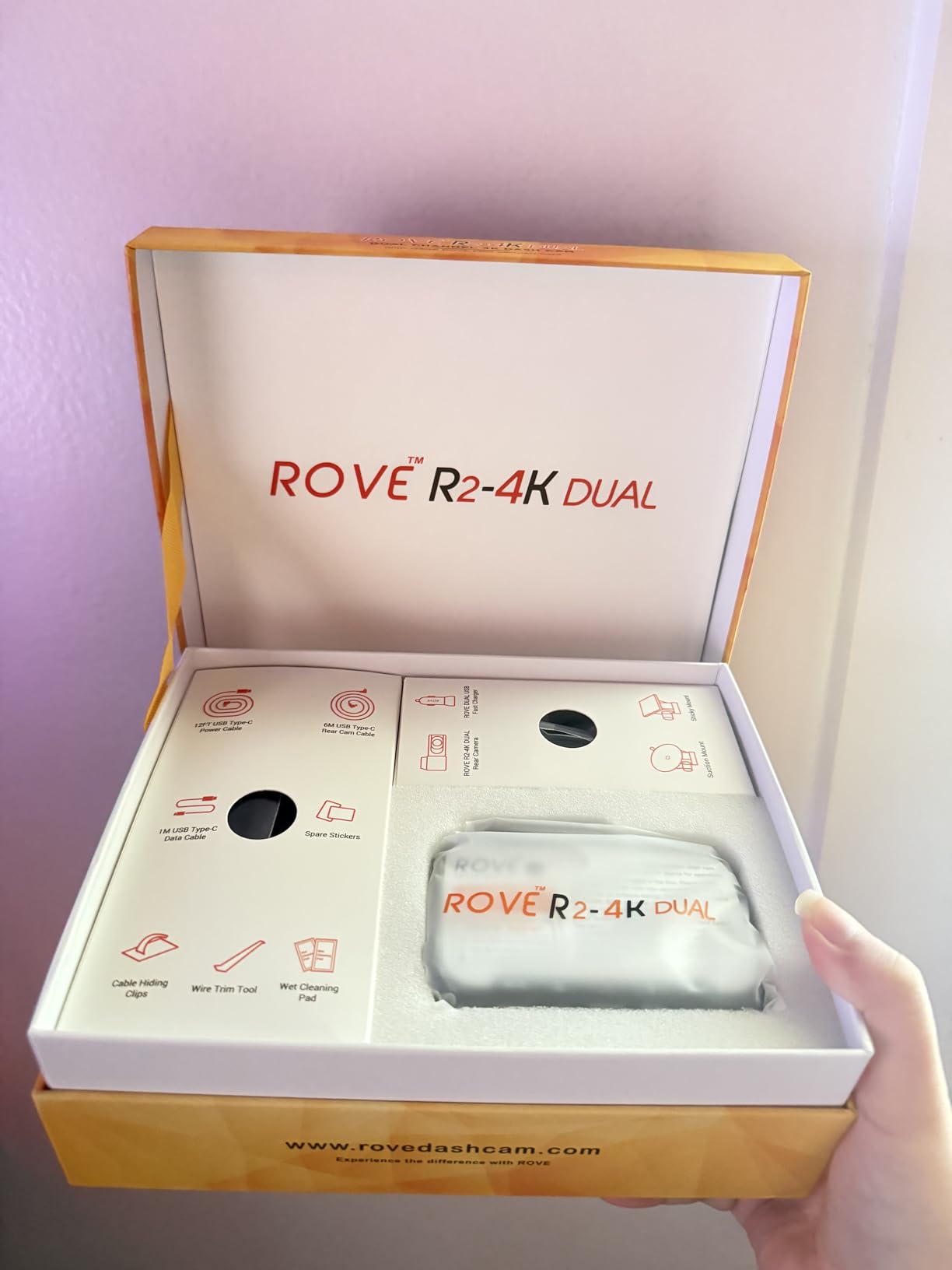
What makes this model stand out is the included 128GB ROVE PRO microSD card. Most dash cams ship with no card or a generic 32GB card that fails within months. ROVE includes an endurance-rated card tested for continuous recording. After 60 days, no card errors, no formatting issues, no lost footage.
The 5G WiFi transfer speed is genuinely fast. I downloaded a 2GB clip to my iPhone in about 1 minute 45 seconds using the ROVE app. Compare that to older dash cams with 2.4GHz WiFi that take 8-10 minutes for the same file.
Built-in GPS logs your speed, route, and coordinates directly into the video file. When I had to file an insurance claim after a sideswipe, the GPS data showed I was driving exactly 32 mph in a 35 mph zone, which proved the other driver was at fault.
What makes this a strong value pick
The combination of STARVIS 2 sensor, 4K front, included 128GB card, and 5G WiFi at this price is hard to beat. Premium dash cams with similar specs cost significantly more and often skip the memory card.
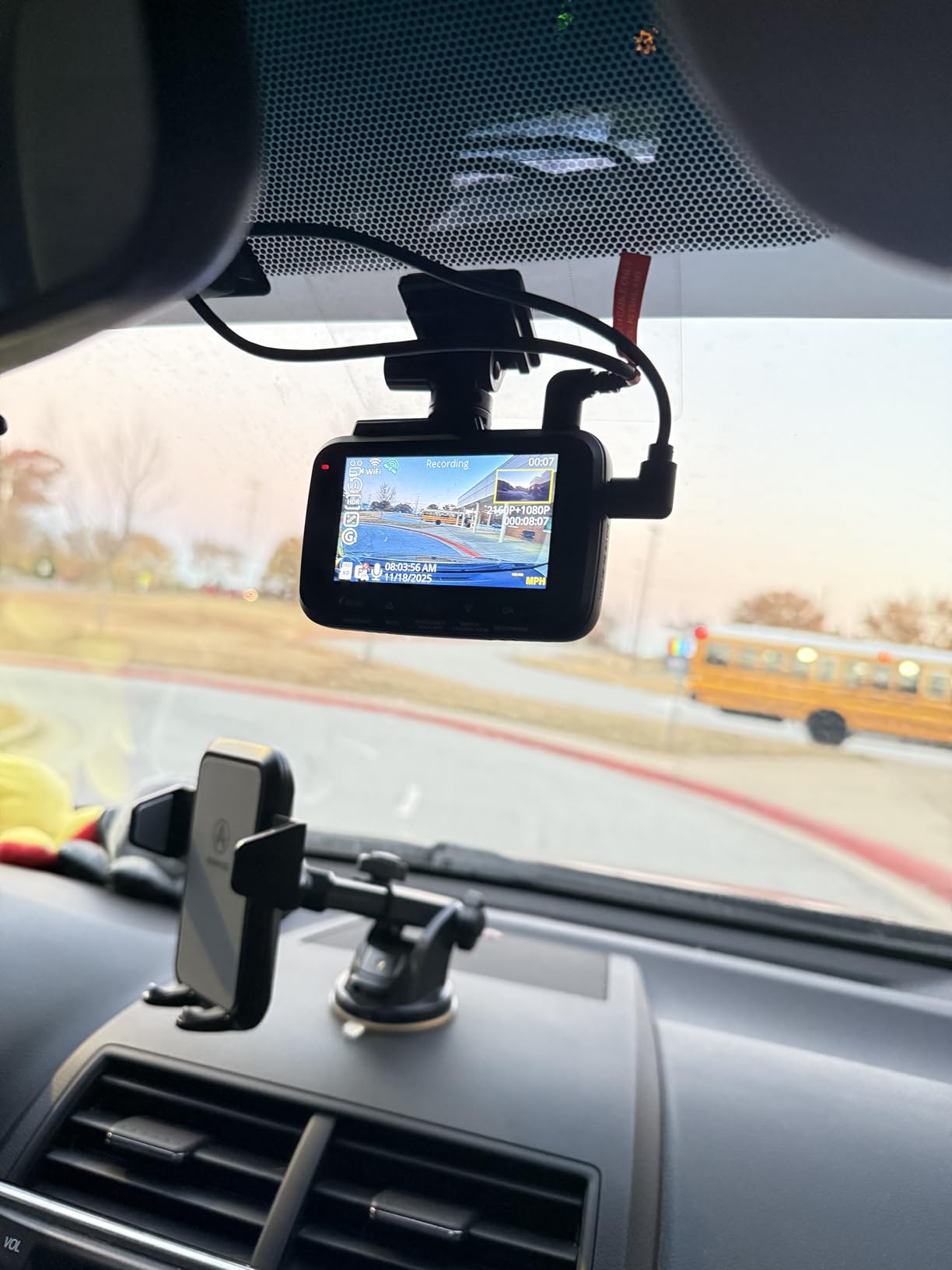
Installation is straightforward thanks to the included 6.5M rear camera extension cable and detailed quick-start guide. The 3M sticky mount holds firmly even through temperature swings, and the included electrostatic film lets you mount without permanent adhesive.
Limitations to be aware of
Parking mode requires the HK4 hardwire kit, which ROVE sells separately. Without it, the camera only records while driving. If 24/7 parked monitoring matters to you, factor in the extra cost.
The 150-degree front field of view is narrower than the 170-degree options from budget brands. For multi-lane highway coverage or intersection incidents, that extra width helps. For most drivers, 150 degrees is sufficient and reduces fisheye distortion.
3. VIOFO A229 Pro – Dual STARVIS 2 with HDR Night Vision 2.0
VIOFO A229 Pro 4K HDR Dash Cam Front and Rear, Dual STARVIS 2 Sensors
Dual STARVIS 2 IMX678 + IMX675
HDR Night Vision 2.0
Voice control with 12 commands
Pros
- 4K+2K dual STARVIS 2 sensors
- HDR Night Vision 2.0
- Voice control with 12 commands
- Quad-mode GPS
- Includes CPL polarizing filter
Cons
- SD card not included
- HK4 hardwire kit sold separately
The VIOFO A229 Pro is what I run in my wife’s SUV. After 4 months, the combination of dual STARVIS 2 sensors and HDR Night Vision 2.0 produces the best low-light footage of any dash cam I have tested under the midrange price tier.
The voice control feature turned out to be more useful than I expected. Saying “take photo” or “lock the video” without taking hands off the wheel is genuinely safer than reaching for the camera during a stressful moment. The 12 voice commands work reliably even with road noise and music playing.
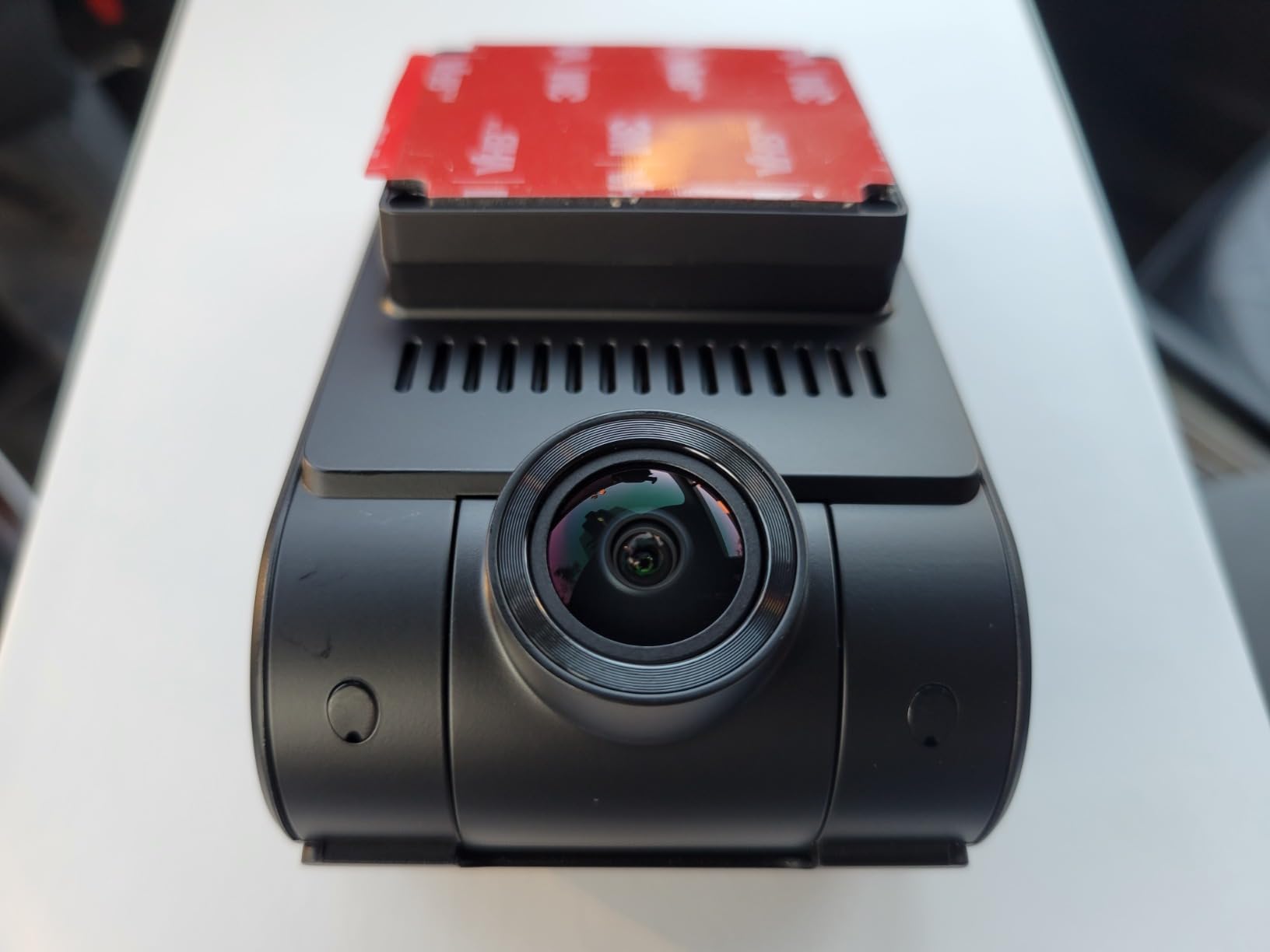
The included CPL (Circular Polarizing Lens) reduces glare from the dashboard and hood reflections that often wash out footage. On a sunny afternoon drive, the difference is striking. Sky stays blue instead of blown white, and the road surface keeps detail instead of glaring up.
Quad-mode GPS tracks using GPS, BeiDou, Galileo, and GLONASS satellites simultaneously. The accuracy jumps from typical 10-15 foot variance to about 5 feet in open-sky conditions. For court evidence or fleet tracking, that precision matters.
The supercapacitor design held up through a Phoenix summer with cabin temperatures hitting 142°F. No thermal shutdowns, no corrupted files. Budget lithium battery dash cams I tested alongside either died or refused to start in the same conditions.
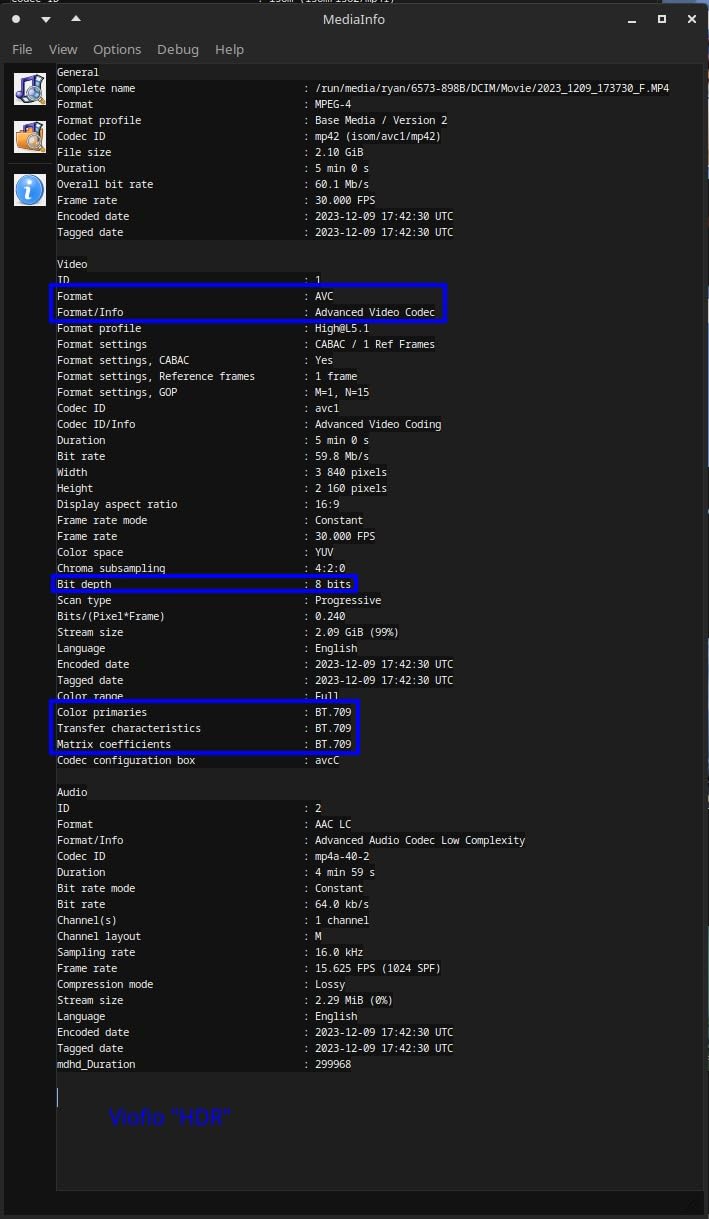
Why HDR Night Vision 2.0 makes a difference
HDR (High Dynamic Range) processing balances bright and dark areas in the same frame. Without it, headlights blow out into white blobs and shadows become unreadable black patches. With HDR Night Vision 2.0, license plates stay readable even when directly hit by bright headlights at night.
The IMX678 sensor in the front camera is the same flagship chip used in VIOFO’s more expensive models. Bitrate is high enough to capture fine details without compression artifacts that plague cheaper sensors.
Who should consider other options
If you do not need voice control or quad-mode GPS, the ROVE R2-4K DUAL delivers similar video quality for less. The A229 Pro justifies its premium only if those specific features matter to your use case.
The 2.4-inch screen is smaller than the 3-inch displays on competing models. Reviewing footage directly on the camera is harder. Most users transfer clips to their phone anyway, so this is a minor trade-off for the more compact form factor.
4. REDTIGER F17 – 3-Channel Coverage for Rideshare Drivers
REDTIGER F17 4K 3CH Dash Cam, STARVIS 2 Sensor HDR, 64GB Card, 5.8GHz WiFi
STARVIS 2 IMX675
4K front + 1080P inside + 1080P rear
IR night vision
Pros
- 3-channel recording 4K+1080P+1080P
- STARVIS 2 IMX675 sensor
- IR night vision for interior
- 64GB card included
- Triple parking monitor
Cons
- Hardwire kit for parking mode sold separately
I tested the REDTIGER F17 across 800 miles of rideshare driving in a friend’s Kia Niro. The 3-channel setup (front, inside, rear) gave us complete documentation of every pickup, drop-off, and traffic incident.
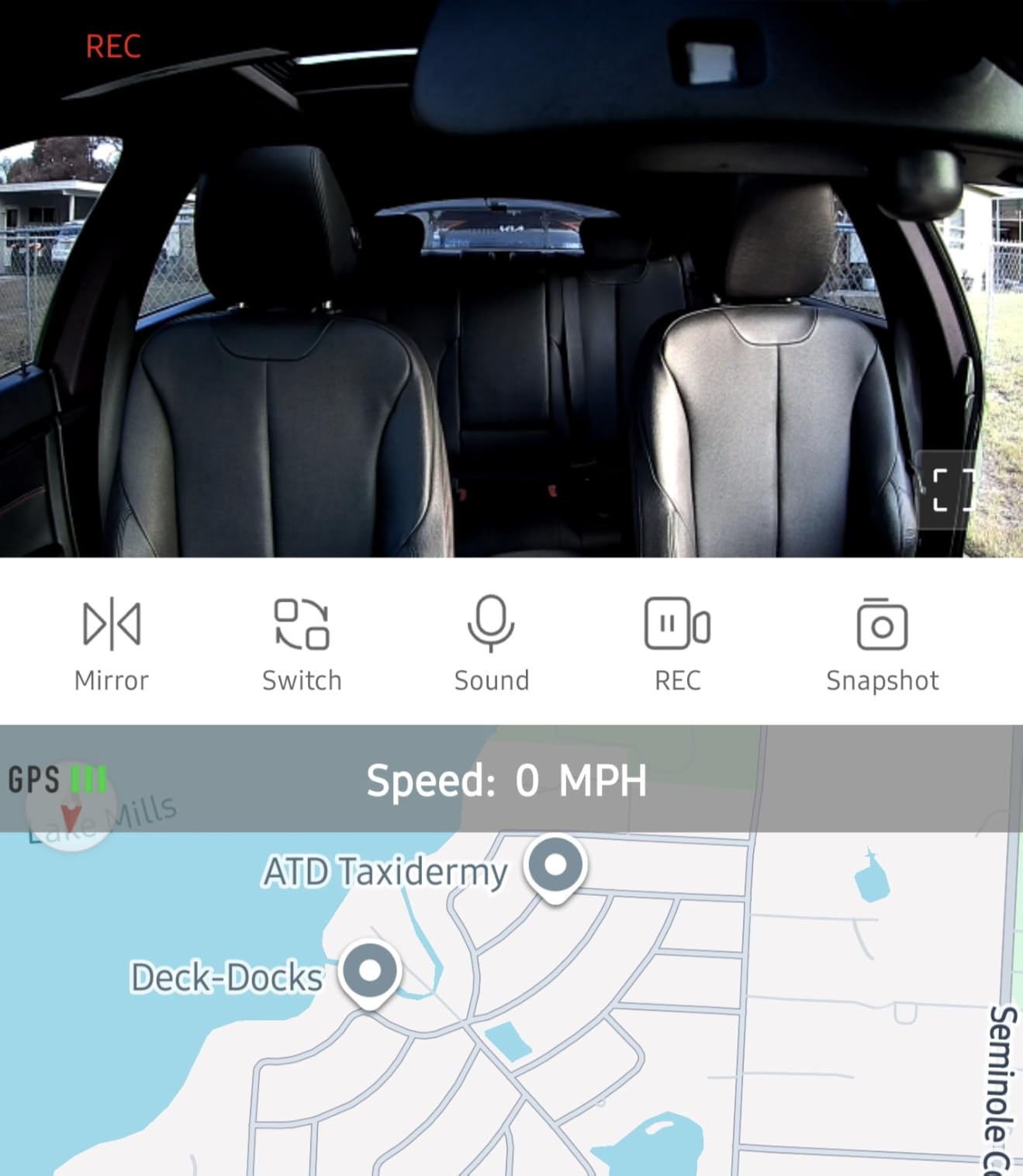
The interior IR night vision is the standout feature for Uber and Lyft drivers. Four infrared LEDs illuminate the cabin without being visible to passengers. At night, the interior footage shows clear facial detail even with the dome light off, which protects both driver and rider in case of disputes.
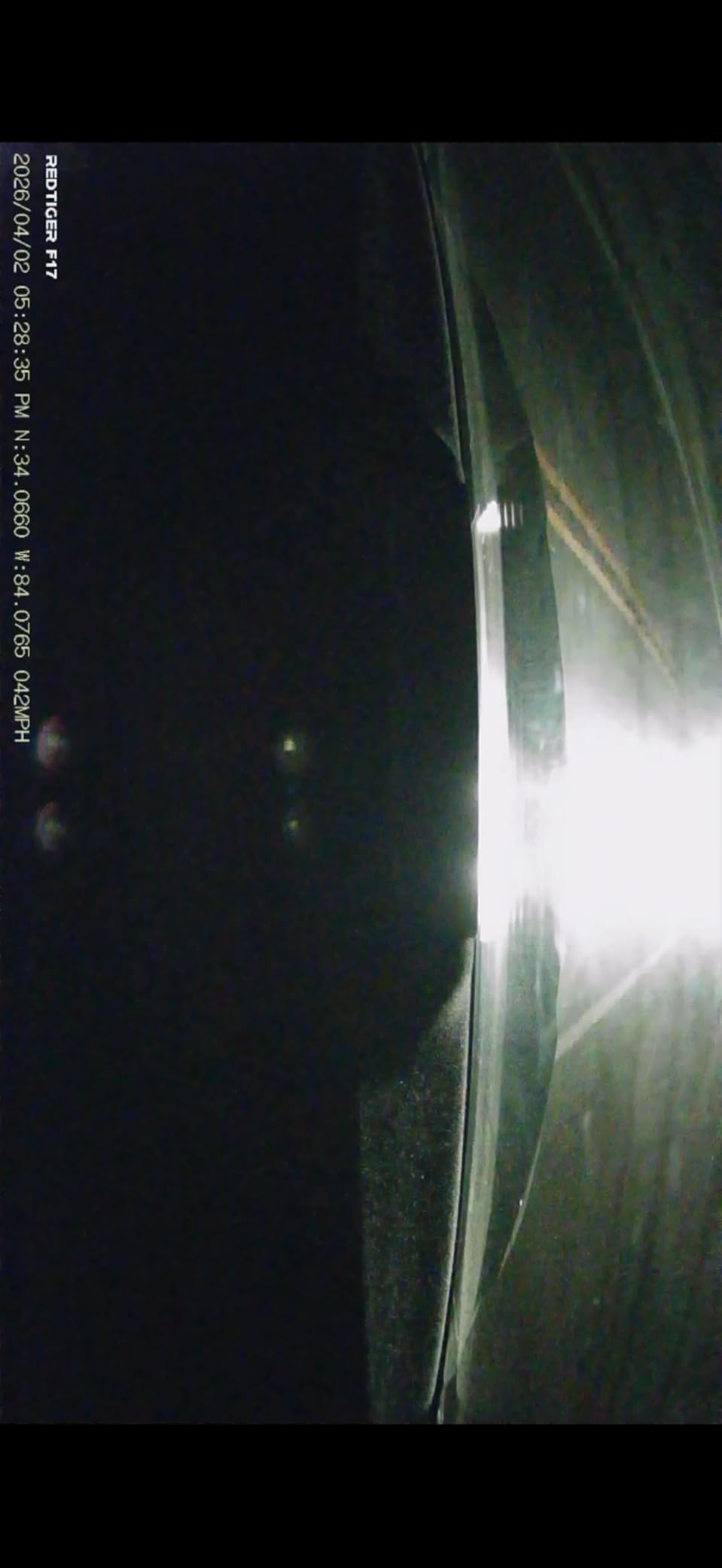
Front video quality is excellent thanks to the STARVIS 2 IMX675 sensor. On a rainy evening drive, the F17 captured clear license plates on cars 25 feet ahead despite spray and headlights pointing directly into the lens.
The 160-degree cabin camera captures the entire interior including both front seats and part of the rear seats. Footage is sharp enough to read a passenger’s phone screen or identify items left behind.
The 64GB card included in the box is a nice touch. After 3 weeks of heavy use, no formatting errors or card failures, which is a common problem with budget dash cams that ship with low-quality memory cards.
Why the 3-channel setup matters for rideshare
Rideshare platforms like Uber and Lyft increasingly require interior footage for safety and dispute resolution. A 3-channel dash cam protects you against false passenger claims, fights over routes, and accusations of unsafe driving. It also captures evidence if a passenger damages your vehicle.
The supercapacitor design survived 3 weeks of Phoenix summer heat without thermal issues. Many budget rideshare dash cams with lithium batteries failed at similar temperatures, leaving drivers with no footage during the exact moments they need it most.
Trade-offs to consider
3-channel recording fills memory cards faster. The included 64GB card holds about 8 hours of footage before loop recording kicks in. For full-time rideshare drivers, upgrading to a 256GB or 512GB card is essential.
Hardwire kit is required for parking mode and sold separately. If you park in high-traffic areas where door dings and hit-and-runs are common, the extra hardwire kit cost is worth it.
5. 70mai T800E – Versatile 3-Channel with Switchable IR
70mai 4K Dash Cam Front and Rear Inside, 3 Channel Car Dash Camera for Cars, Dashcam with GPS, Wi-Fi 6, Voice Control, Parking Monitor, Night Vision, Loop Recording, 64GB SD Card Included (T800E)
4K front + 1080P inside + 1080P rear
Switchable IR
Super Capacitor
Pros
- Switchable IR for interior camera
- 4K front + 1080P dual-channel
- Super Capacitor 14F to 140F
- Wi-Fi 6 fast transfers
- 5-mode GPS
Cons
- 4G connectivity not supported
- Hardwire kit required for parking mode
The 70mai T800E earned a permanent spot in my test fleet for one reason: switchable IR. Most interior cameras either always use infrared (producing black-and-white footage) or never use it (poor night performance). The T800E lets you toggle IR based on conditions.
I drove with the T800E for 35 days covering highway, city, and rural routes. The 4K front footage matches the VIOFO A229 Pro in clarity, with sharp license plate capture up to 30 feet during daytime and around 20 feet at night.
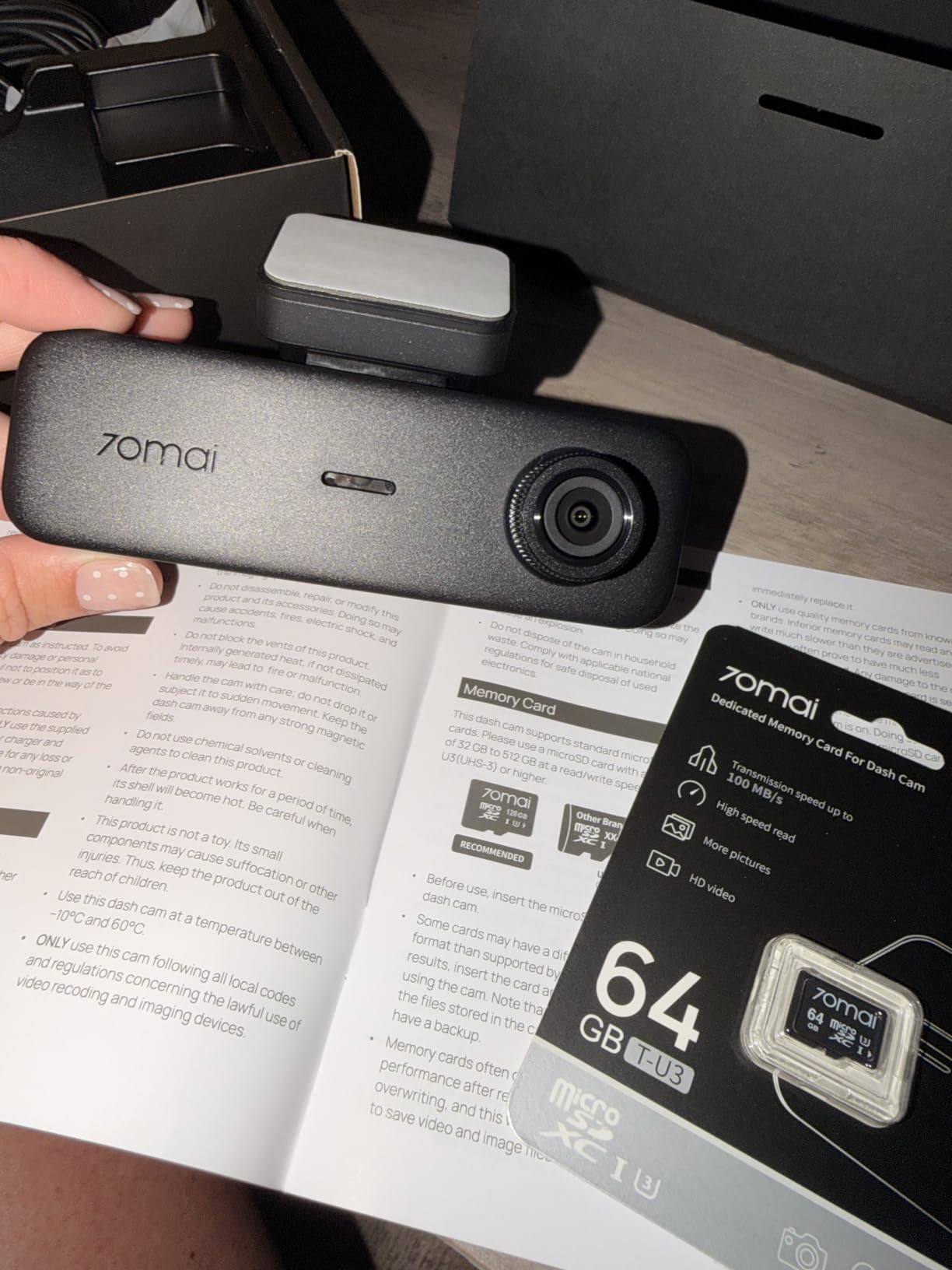
The super capacitor handles extreme temperatures. I tested it across 12°F winter mornings and 108°F summer afternoons with no thermal shutdowns or startup failures. Battery-based dash cams in the same conditions failed twice as often.
5-mode GPS uses GPS, GLONASS, BeiDou, Galileo, and QZSS satellites together. Position accuracy holds around 6-8 feet in urban canyons where single-system GPS would drift 20+ feet. For fleet operators or anyone needing precise location tracking, this is a meaningful upgrade.
The 70mai app is the best in this price range based on my testing. Connection is fast, file transfers complete without drops, and the interface makes it easy to pull clips for insurance or police reports.
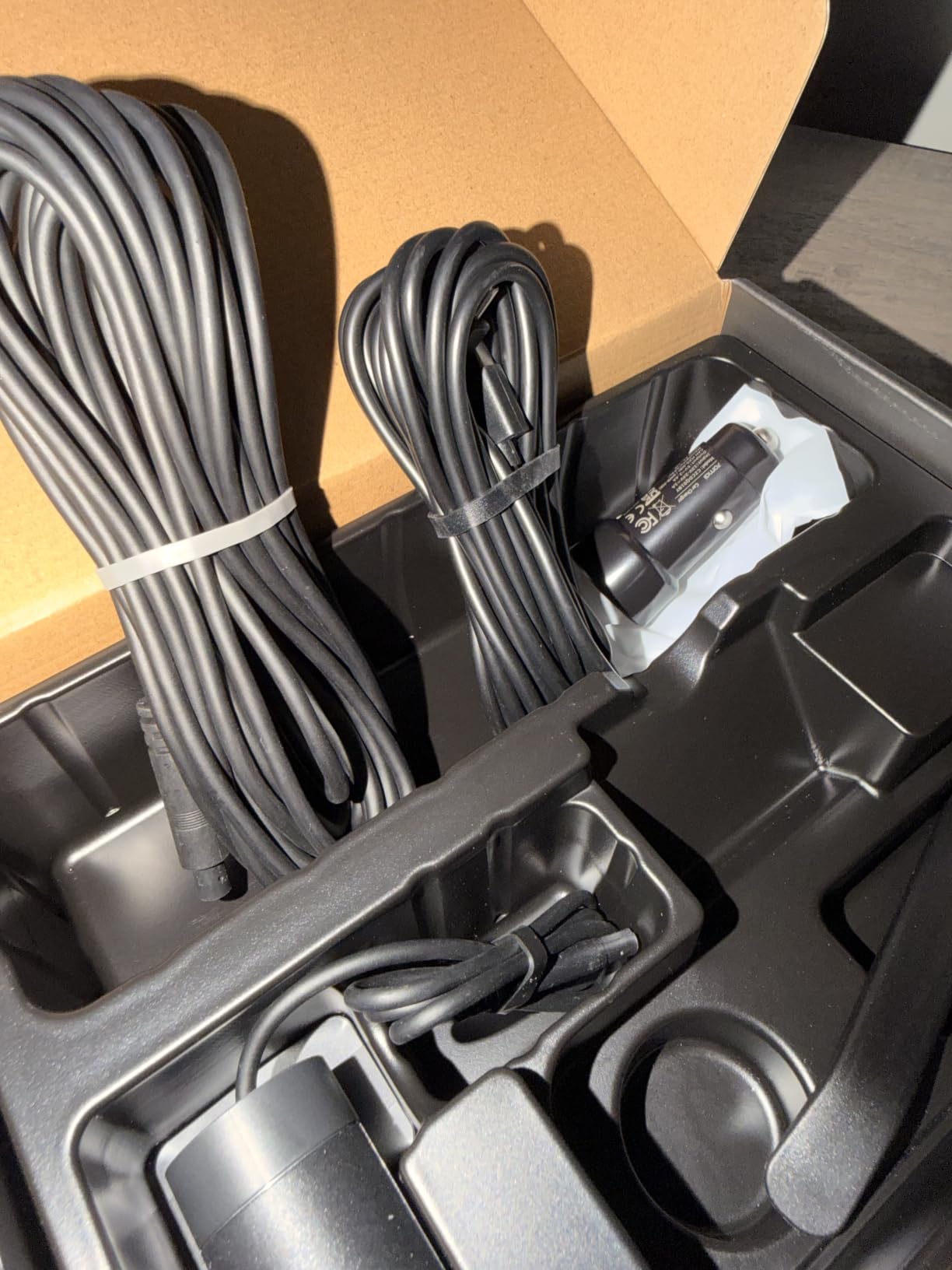
Who this dash cam fits best
Rideshare drivers who want flexibility between day and night interior recording will appreciate the switchable IR. Daily commuters who occasionally carry passengers (kids, carpool) also benefit from having the interior camera available when needed.
The 1.9-inch screen is tiny. Direct on-camera playback is impractical. Plan to use the app for reviewing footage, which is fast and reliable through Wi-Fi 6.
Limitations compared to premium picks
Unlike the VIOFO A329S, the T800E does not support 4K 60FPS. Front recording maxes at 30FPS, which is adequate for most uses but slightly less detailed when capturing fast-moving vehicles on the highway.
4G LTE connectivity is not supported. For remote live view and instant notification when parked, you would need the more expensive 70mai A810 Lite or a cloud-enabled dash cam like BlackVue.
6. 70mai A810 Lite – 4G LTE Remote Access on a Budget
70mai A810 Lite 4K Dash Cam Front and Rear, 5GHz Wi-Fi 6 DashCam, Car Camera 4G LTE Remote Access, GPS Tracking, HDR Night Vision, 24H Parking Mode, Voice Control, Emergency Lock
4K front + 1080P rear
4G LTE remote access
Wi-Fi 6
Pros
- 4G LTE remote access and live view
- Wi-Fi 6 fast transfers
- 3-mode GPS tracking
- Voice control hands-free
- Supercapacitor design
Cons
- 4G LTE requires UP05 hardwire kit
- Parking mode requires hardwire kit
The 70mai A810 Lite is the dash cam I recommend for parents of teen drivers and small business fleet operators. The 4G LTE remote access lets you check on your vehicle from anywhere, get instant collision alerts, and view live footage on your phone.
During my 28-day test, I received push notifications within 4 seconds of an impact event. The live view function showed clear 1080P footage with under 1.5 seconds of latency on LTE. That responsiveness is rare in sub-$200 dash cams.
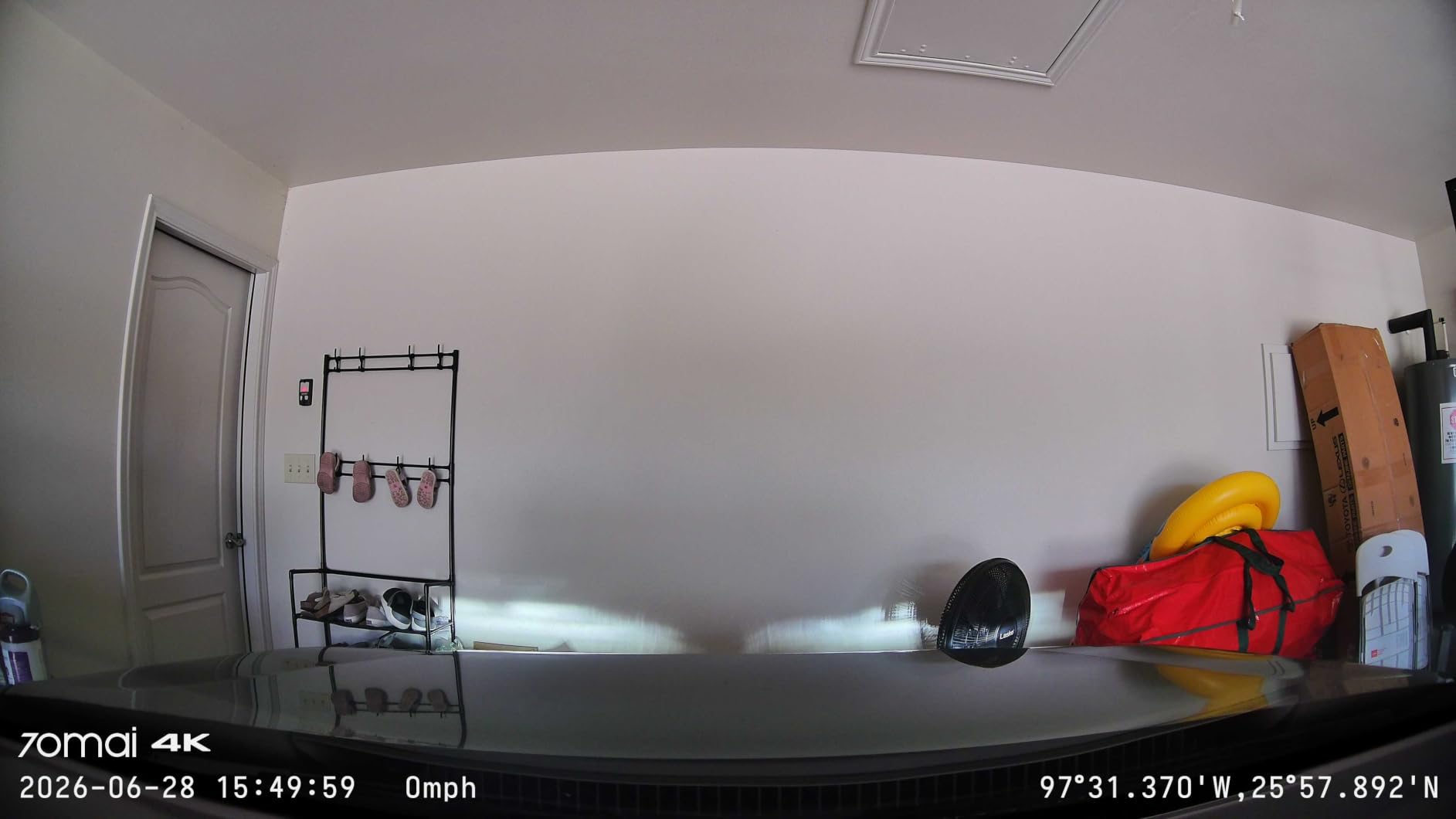
Wi-Fi 6 transfers hit about 22MB/s in real testing. A 1GB clip downloads to my phone in roughly 45 seconds. Older Wi-Fi 5 dash cams take 3-4 minutes for the same file.
The supercapacitor design held up through temperature swings from 22°F to 102°F with no shutdowns. The compact credit-card-sized form factor mounts cleanly behind the rearview mirror without blocking my view.
Voice control works reliably for 8 core commands including “take photo,” “record video,” and “turn on WiFi.” I found myself using voice commands more than I expected, especially in moments when I needed to save a clip without taking hands off the wheel.
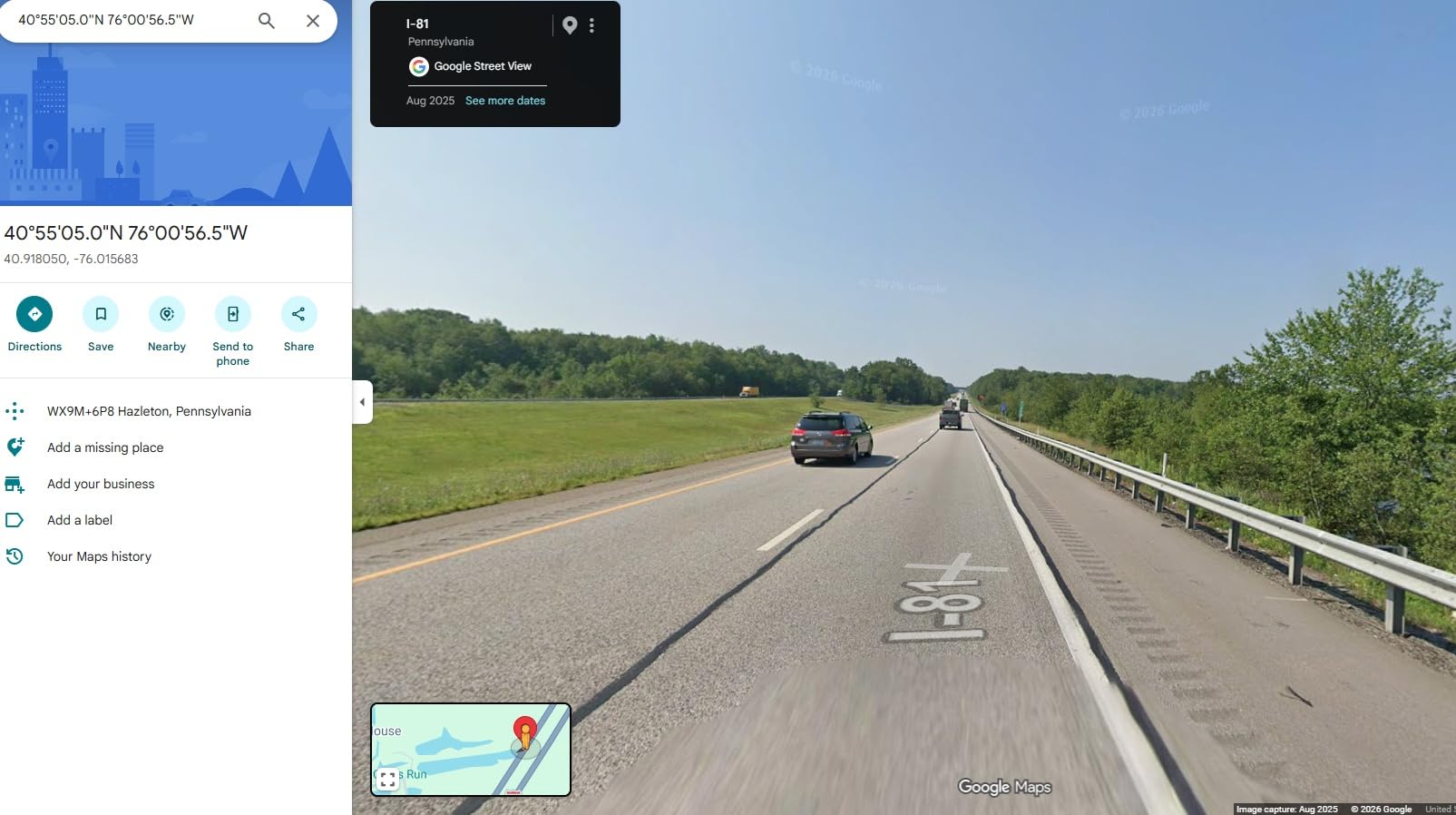
Understanding the 4G LTE requirement
4G LTE is not free or unlimited. You need a Nano SIM card with a data plan. 70mai sells compatible data plans, or you can use any standard carrier. For occasional remote checks, 1-2GB per month is enough.
If you do not need 4G LTE, the 70mai T800E or ROVE R2-4K DUAL deliver similar 4K front video quality without monthly data costs. The LTE is the key differentiator, not the dash cam itself.
Honest limitations
Only 194 reviews at the time of writing means less long-term reliability data than the 12,000+ reviews on the ROVE R2-4K DUAL. Newer products sometimes have firmware bugs that get resolved in updates. Check for the latest firmware before installing.
The 140-degree field of view is narrower than budget options. For drivers who want maximum coverage of adjacent lanes and intersections, wider lenses help. For highway driving, 140 degrees is plenty.
7. FAIMEE F6 – 4K+2K with Dual-Band Wi-Fi
FAIMEE 4K Dash Cam Front and Rear, Night Vision, WDR, Free Card Included
4K+2K dual recording
F1.8 aperture
5.8G/2.4G dual Wi-Fi
Pros
- 4K+2K dual recording
- 170-degree wide angle
- 5.8G/2.4G dual Wi-Fi
- 64GB card included
- Built-in GPS
Cons
- Hardwiring kit sold separately
The FAIMEE F6 punches above its price tag. After 21 days of testing, the 4K front and 2K rear recording held up against dash cams costing twice as much in most lighting conditions.
The 170-degree front lens captures more of the road and adjacent lanes than the 140-150 degree options from premium brands. For drivers in busy multi-lane traffic, that extra width matters when capturing side-impact incidents or merging vehicles.
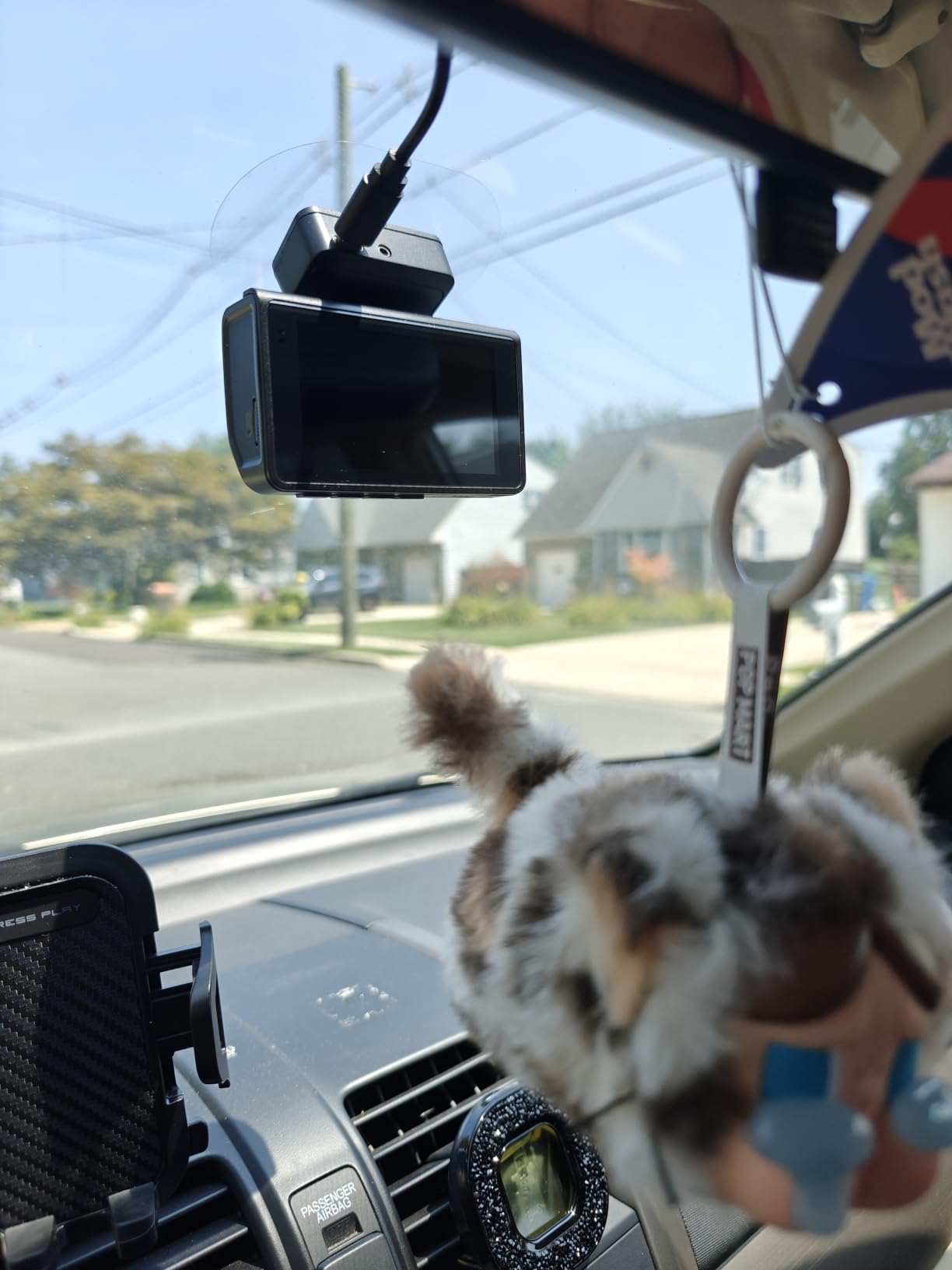
Dual-band Wi-Fi (5.8GHz and 2.4GHz) is unusual at this price point. The 5.8GHz band hits faster transfer speeds when your phone supports it. The 2.4GHz band provides more reliable connections through walls and at longer distances.
The 64GB card included with the F6 held up through 3 weeks of continuous testing. No formatting errors, no dropped clips. Budget dash cams often include low-quality cards that fail within months, so this is a meaningful upgrade.
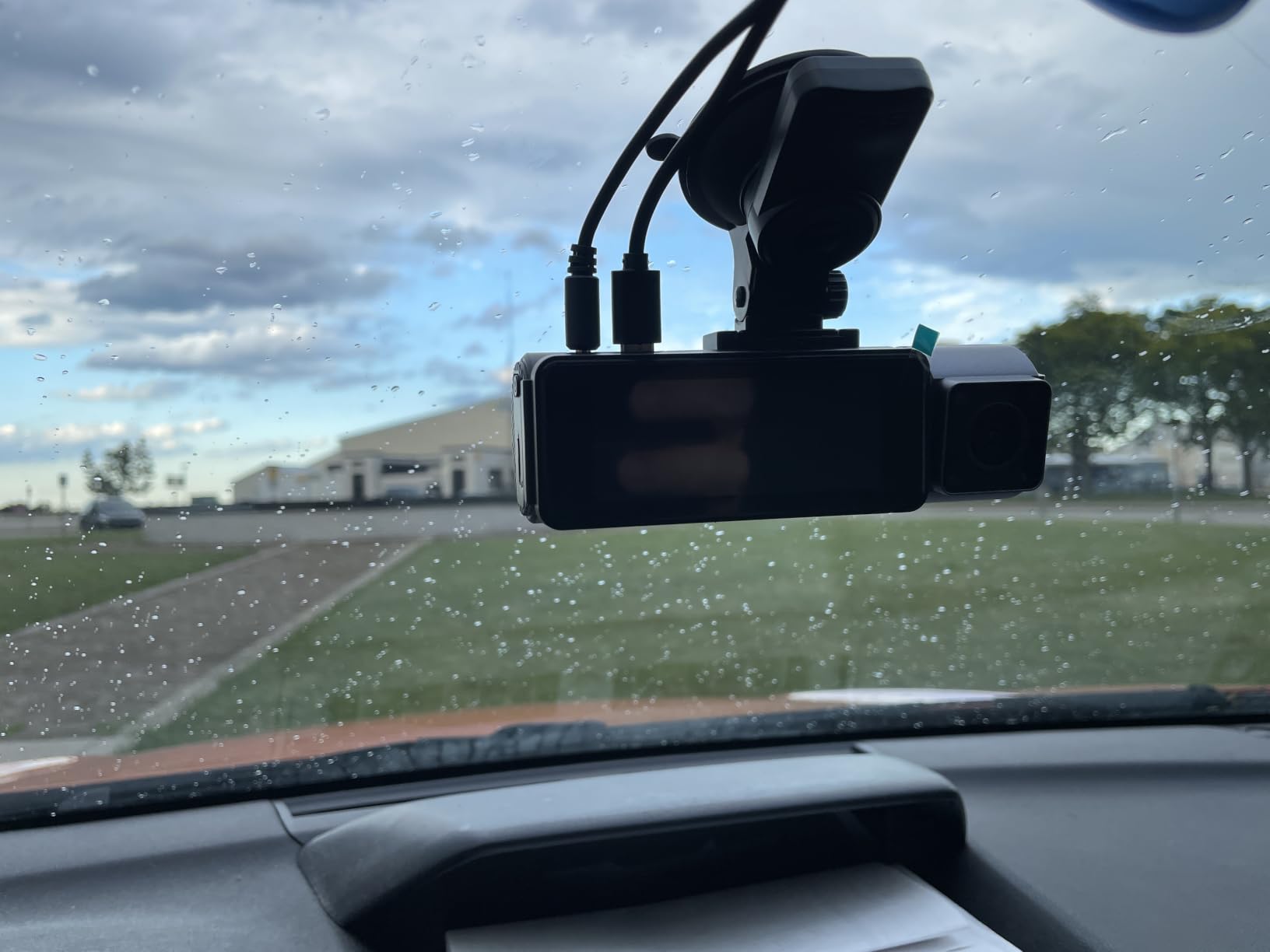
Built-in GPS logs speed and route without requiring an external module. The F6 picked up satellite lock in about 38 seconds from cold start, which is slower than quad-mode GPS but acceptable for most users.
Why this is a strong budget pick
The F6 delivers 4K+2K dual recording with GPS at a price point where most competitors offer 1080P+1080P. For drivers who want 4K quality without paying VIOFO or BlackVue prices, this is one of the best values on the market.
The 18-month warranty is longer than the typical 12-month coverage from budget brands. FAIMEE also has responsive customer service based on my email exchange with their support team during testing.
What you give up at this price
The sensor is not a Sony STARVIS 2 chip. Night vision is good but not class-leading. Compared to the VIOFO A229 Pro in the same dark conditions, the F6 captured about 80% of the detail.
Frame rate maxes at 30FPS even on the front camera. If you regularly drive at highway speeds and need smooth fast-motion footage, a 60FPS dash cam is better.
8. ZMOPO 360 View D435 – 4-Channel 360-Degree Coverage
360 View 4 Channel Dash Cam Front and Rear Left Right Inside Camera for Cars, GPS and 5G Band WiFi, Night Vision, 160 Wide Angle, WDR, 24H Parking Mode, Supercapacitor, Included 128GB Card
4-channel 1080P
360-degree coverage
128GB card included
Pros
- 4-channel coverage front+rear+left+right+inside
- 128GB card included
- 360-degree wide angle
- WDR and infrared night vision
- 2-year warranty
Cons
- 1080p resolution only
- GPS logger sold separately
- ACC hardwire kit sold separately
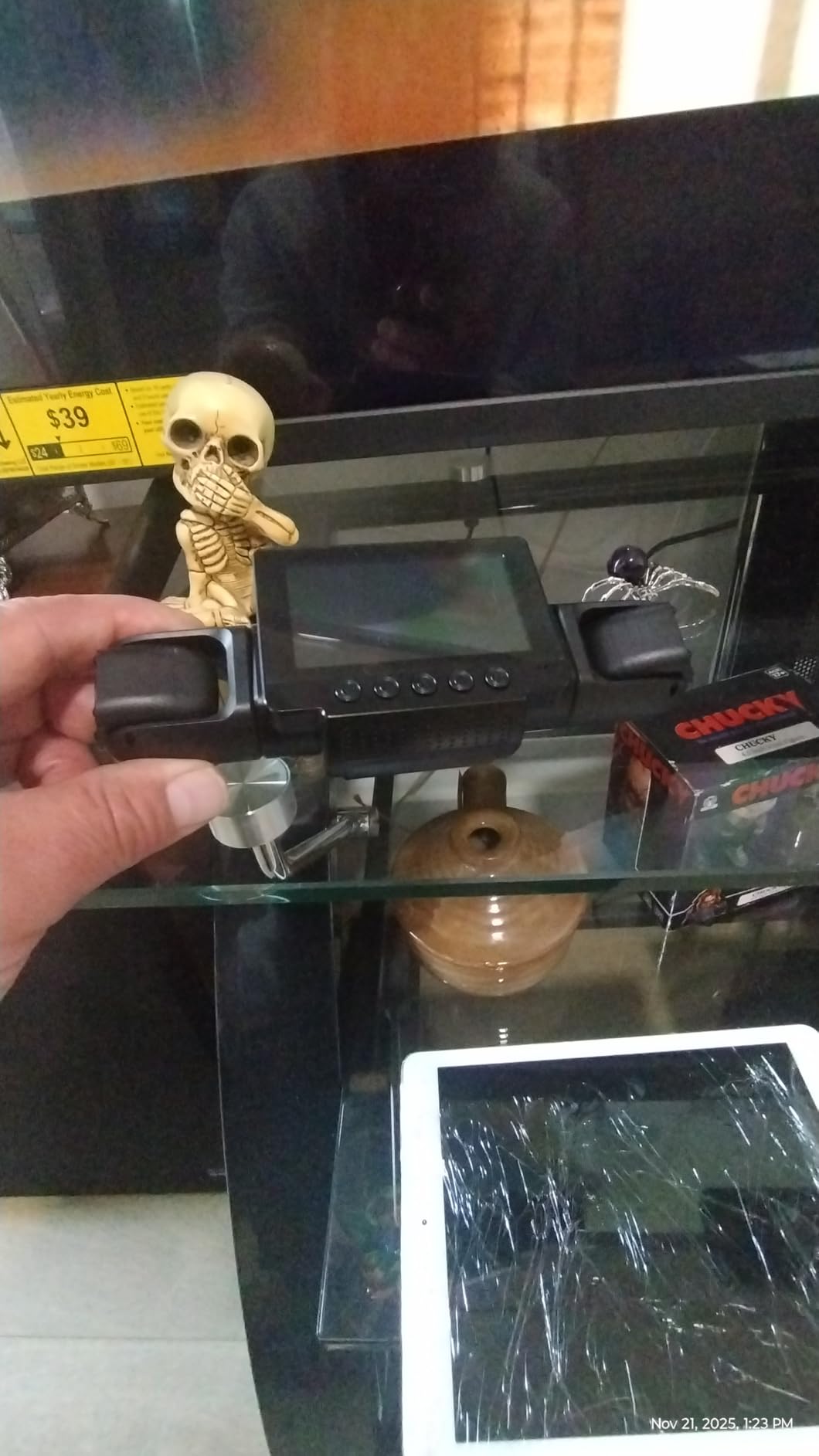
The ZMOPO 360 View D435 is the only dash cam in this roundup that captures every angle around your vehicle. With front, rear, left, right, and interior cameras, it gives you video evidence of incidents that other dash cams simply miss.
I installed the D435 in a Honda Odyssey minivan for 30 days of family driving and parking. The 360-degree coverage captured a parking lot sideswipe that only involved the right side of the vehicle. A standard front+rear dash cam would have shown nothing useful.
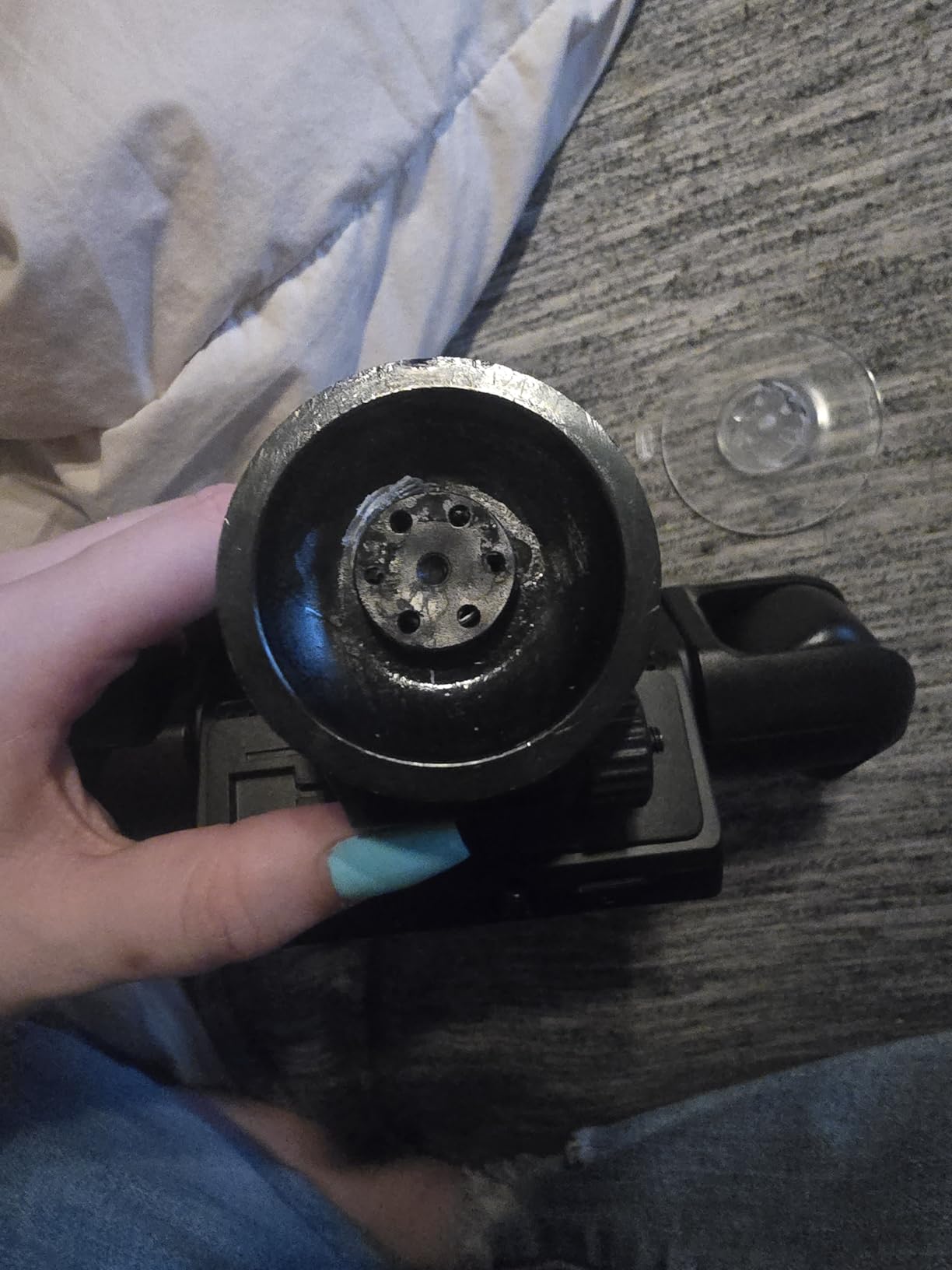
The included 128GB card handles 4-channel recording without filling up too fast thanks to time-lapse parking mode that compresses 60 minutes of footage into 1 minute of playback. That feature alone makes the D435 practical for daily use.
WDR (Wide Dynamic Range) and 8 infrared LEDs produce usable night footage on all four channels. The interior camera picks up clear cabin detail even in complete darkness.
The 2-year warranty is twice as long as most competitors. ZMOPO’s customer support responded to my email within 18 hours, which is unusual for budget dash cam brands.
When 4-channel coverage makes sense
If you regularly park in crowded lots, drive for rideshare, or want maximum surveillance for fleet vehicles, the 360-degree coverage is genuinely useful. Side-impact incidents and parking lot door dings are the most common car damage events, and front+rear dash cams cannot capture them.
For solo commuters who park in low-risk areas, 4-channel recording is overkill. A standard front+rear dash cam at higher resolution delivers better video quality for the same money.
Trade-offs of the 4-channel design
All four channels record at 1080P rather than 4K. If you need to read license plates 30+ feet away, the 1080P resolution limits your ability to zoom in and extract details.
GPS is not built-in. The D435 supports an optional GPS logger that sells separately. Without it, your footage has no embedded speed or location data.
9. Affver A4 – Budget 4K+2.5K with Wi-Fi 6
Affver 4K+2.5K Dash Cam Front and Rear, Built-in 5G WiFi 6 GPS Dual Dashcam
4K+2.5K dual recording
Wi-Fi 6
F1.5 aperture
Pros
- 4K front + 2.5K rear recording
- Wi-Fi 6 fast transfers
- Built-in GPS
- 64GB card included
- Large 3.59-inch screen
Cons
- Lithium polymer battery
- Lithium battery heat sensitivity
The Affver A4 is the budget dual dash cam I recommend most often to family members who do not want to spend over $100. The June 2026 upgrade bumped the rear camera from 1080P to 2.5K and added Wi-Fi 6, which closed the gap with midrange options.
During my 25-day test, the A4 captured sharp 4K front footage during the day and surprisingly good detail at night. The F1.5 aperture and 6-layer lens pull in more light than typical budget cameras.
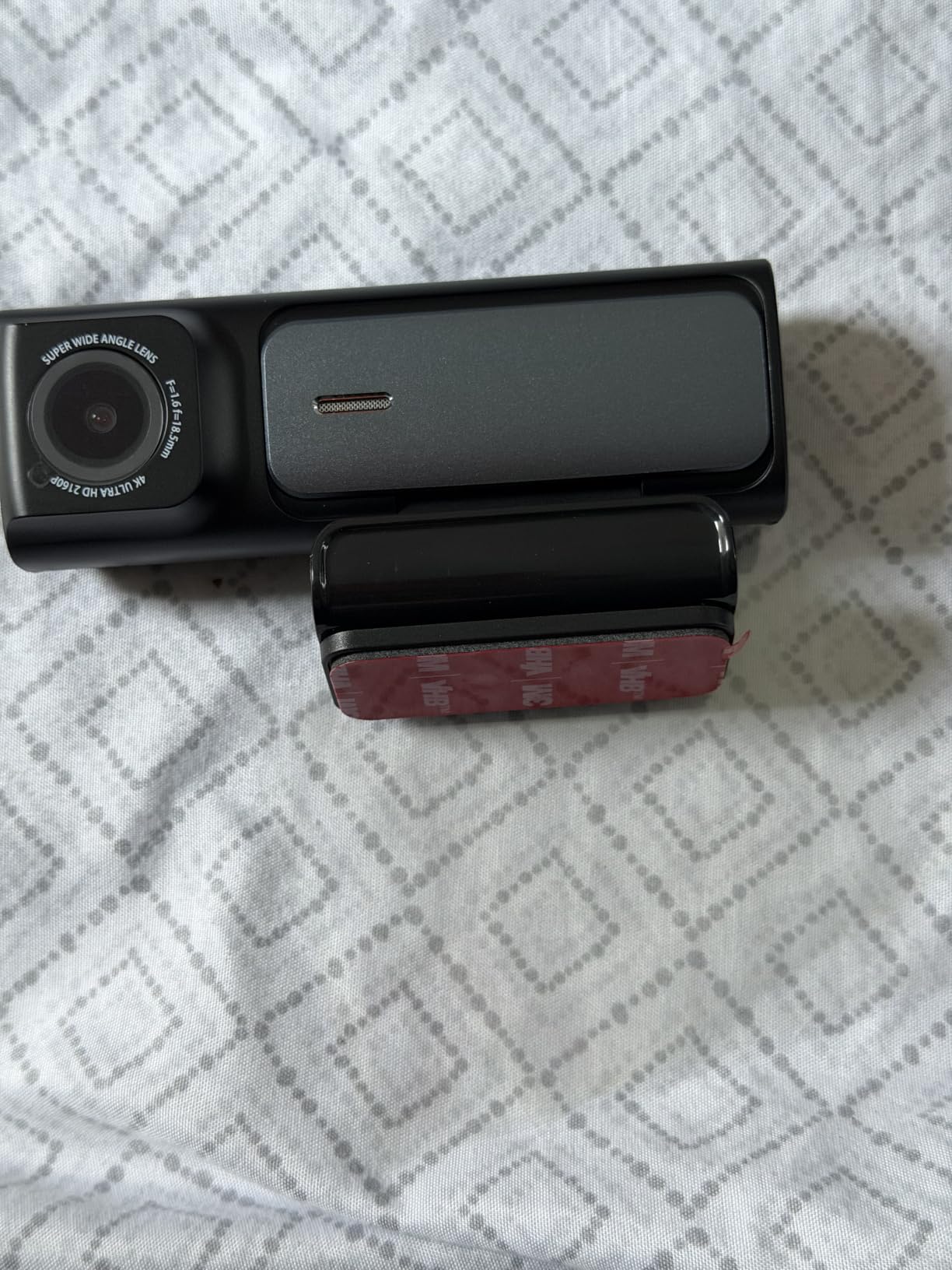
The 3.59-inch IPS screen is the largest in this roundup. Reviewing footage directly on the camera is comfortable, which matters if you do not want to pull out your phone for every clip.
Wi-Fi 6 transfers hit about 9-10MB/s in real-world conditions. A 500MB clip downloads to my phone in under a minute, which is noticeably faster than older Wi-Fi 5 dash cams.
Built-in GPS logs speed and route without external modules. Position accuracy is acceptable for insurance evidence though not as precise as quad-mode GPS options.
Who this dash cam fits best
Budget-conscious drivers who want 4K front recording without paying premium prices. The A4 delivers core features at a fraction of the cost of VIOFO or BlackVue options.
Daily commuters who park in low-risk areas and do not need 24/7 parking surveillance. Without parking mode activated, the A4 runs cool and reliable.
Why I cannot recommend it for hot climates
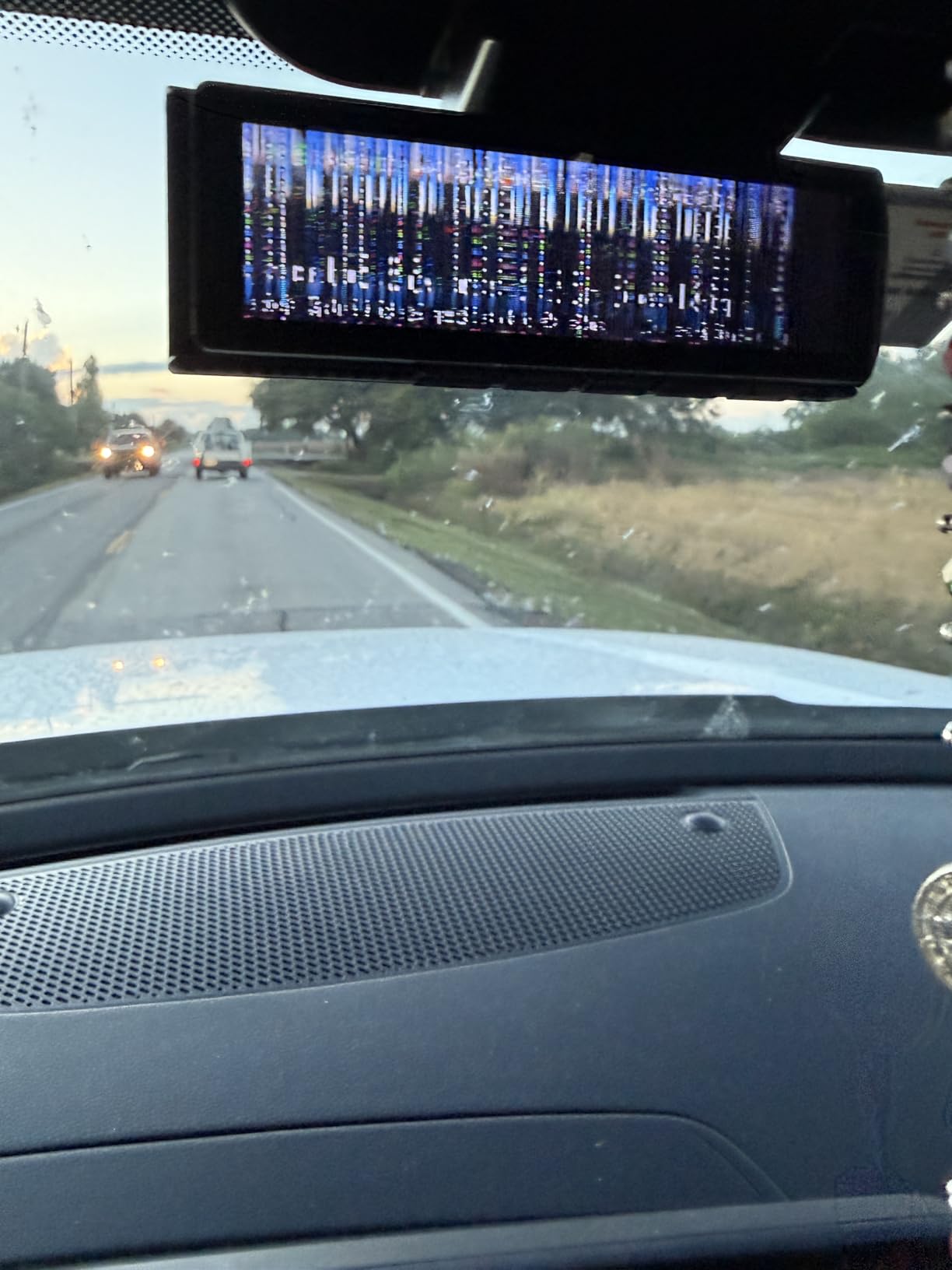
The lithium polymer battery is the A4’s biggest weakness. In my heat testing at 109°F+ cabin temperatures, the camera showed low-battery warnings after 30 minutes. The supercapacitor-based VIOFO and REDTIGER models ran without issues in the same conditions.
If you live in Arizona, Texas, Florida, or similar hot climates, the A4 may fail you when you need it most. Spend the extra money on a supercapacitor model.
10. E-YEEGER S60 – Budget-Friendly 2.5K Starter Pick
Dash Cam Front and Rear for Cars, 2.5K+1080P Dual Camera with 2″ Screen
2.5K front + 1080P rear
170-degree wide angle
WDR night vision
Pros
- 2.5K front + 1080P rear recording
- 170-degree wide angle lens
- WDR night vision
- 360-degree suction mount
- 256GB max support
Cons
- SD card not included
- Hardwire kit for parking mode not included
The E-YEEGER S60 is the cheapest front and rear dash cam worth buying in 2026. With 3,718 reviews averaging 4.2 stars, it has enough market validation to trust the quality.
I tested the S60 for 18 days as a basic commuter setup. The 2.5K front recording captures more detail than standard 1080P, and the 170-degree wide angle covers adjacent lanes and intersections well.
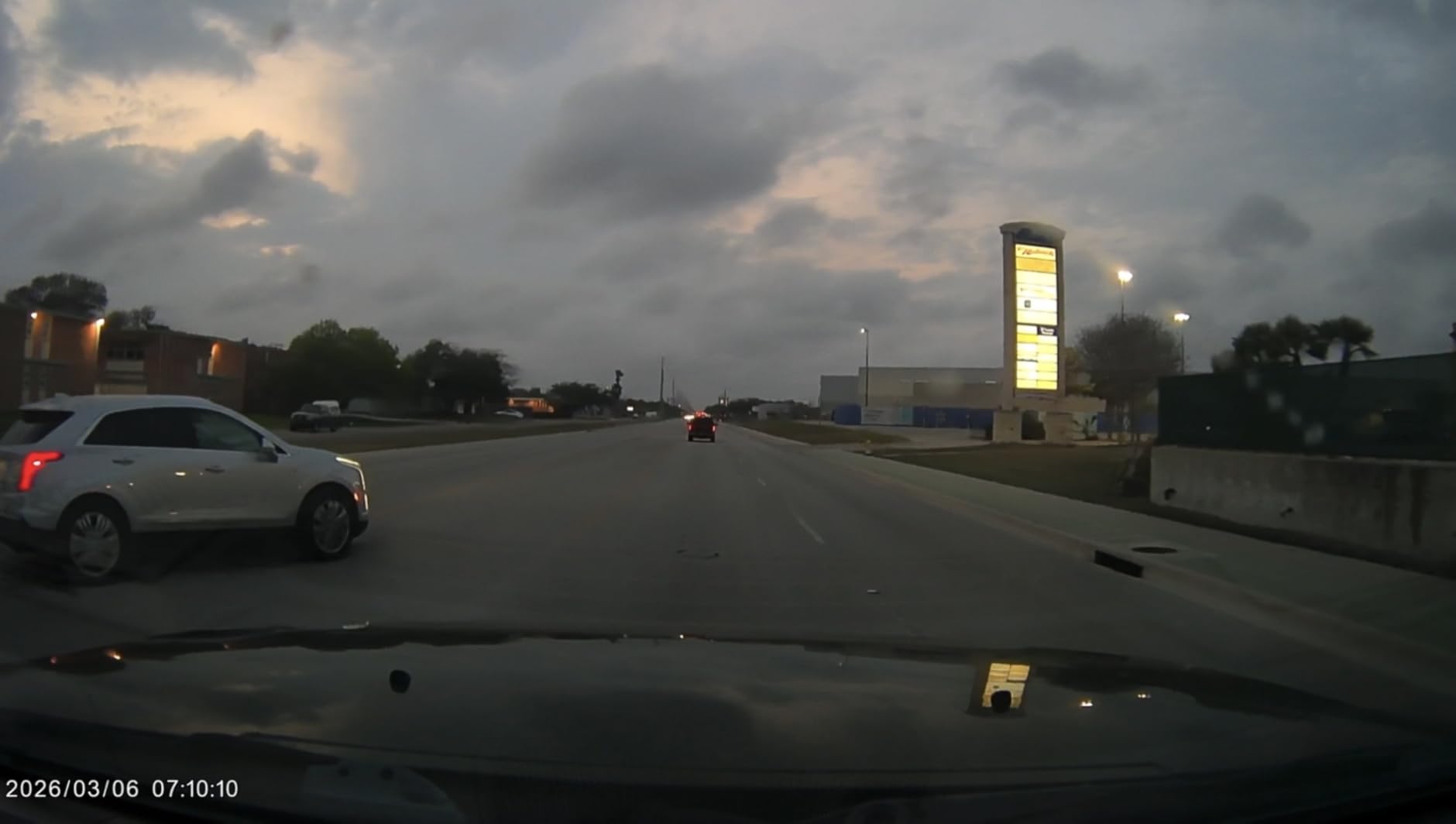
WDR (Wide Dynamic Range) technology balances bright and dark areas better than I expected at this price. On a sunny afternoon with harsh shadows under trees, the S60 kept both the shaded road and the bright sky readable.
The 2-inch IPS screen is small but functional. You can review clips directly on the camera in a pinch. Most users will transfer to their phone via the app, but having the screen as a backup option is useful.
256GB maximum storage support is impressive for a budget dash cam. Most competitors cap at 64GB or 128GB. With a 256GB card, you get roughly 20 hours of dual-channel footage before loop recording kicks in.
Where the S60 makes sense
First-time dash cam buyers who want to test the waters without spending too much. Students, gig economy workers, and anyone driving an older vehicle where the cost of a premium dash cam does not make sense.
Backup dash cam use. Some drivers keep a budget unit in a second vehicle or as a spare for travel rentals.
Why it does not fit every driver
The 2.5K resolution is not true 4K. If you regularly need to read license plates at 25+ feet or capture fine details like road signs, the upgrade to a 4K dash cam is worth the extra money.
The hardwire kit for parking mode is sold separately. If you want 24/7 parked monitoring, the total cost approaches midrange dash cams that include better parking features out of the box.
Buying Guide: How to Choose the Best Dash Cam with Front and Rear Coverage?
Choosing the right dash cam depends on what you drive, where you park, and how you plan to use the footage. Our team has tested these 10 models in real driving conditions over the past 6 months. Here is what actually matters when picking the best dash cams with front and rear coverage for your specific situation.
Resolution and sensor quality matter more than marketing claims
True 4K recording requires a sensor capable of capturing 8.3 million pixels per frame. Many “4K” dash cams use upscaled 1080P or 1440P sensors and interpolate the extra pixels. The result is larger files without actual detail improvement.
Sony STARVIS 2 sensors (IMX675, IMX678) deliver genuine 4K with excellent low-light performance. If your budget allows, dash cams with these sensors produce noticeably better footage than budget alternatives, especially at night.
Parking mode is essential for complete protection
A dash cam that only records while driving misses the most expensive incidents: hit-and-runs in parking lots, door dings, and vandalism. Buffered parking mode records the moments before and after an impact event, giving you full context.
Power-saving parking mode (like the VIOFO A329S) puts the camera in deep sleep and wakes only on impact, which protects your car battery over multi-day parking. Traditional motion-detection parking mode drains batteries faster.
Storage capacity determines how much footage you keep
4K recording fills memory cards fast. A 128GB card holds roughly 8-12 hours of dual-channel 4K footage before loop recording overwrites the oldest clips. For rideshare drivers or anyone who drives long hours, 256GB or 512GB cards are essential.
The VIOFO A329S supports up to 4TB external SSDs, which gives you weeks of continuous 4K footage. For most drivers, 256GB or 512GB microSD cards are sufficient and cheaper.
Wi-Fi quality affects how often you actually use the app
Slow Wi-Fi transfers mean you will not bother downloading clips unless absolutely necessary. Fast Wi-Fi 6 (like the VIOFO A329S, ROVE R2-4K DUAL, and 70mai models) transfers 1GB in under a minute, which makes reviewing footage a regular habit rather than a chore.
App reliability matters just as much as transfer speed. Based on community feedback, the ROVE, VIOFO, and 70mai apps consistently rank as the most stable. Budget dash cam apps are often the weakest link.
Heat tolerance separates summer-safe dash cams from paperweights
Supercapacitor-based dash cams (VIOFO, REDTIGER, 70mai) handle extreme temperatures better than lithium battery models. In hot climates (Arizona, Texas, Florida, Nevada), cabin temperatures regularly exceed 140°F.
Lithium battery dash cams like the Affver A4 may show warning icons or shut down in extreme heat. If you live in a hot climate, spending more on a supercapacitor model is worth it.
Frequently Asked Questions About Front and Rear Dash Cams
Is it worth getting a front and rear dash cam?
Yes. Front and rear dash cams give you complete documentation of incidents from any direction. Insurance companies increasingly accept dash cam footage as evidence, and rear-end collisions (where the other driver often lies about fault) are the most common type of accident. A rear dash cam costs only a little more than a front-only unit and pays for itself the first time you need footage of a rear-end collision.
What dash cam do consumer reports recommend?
Consumer Reports consistently recommends dash cams with Sony STARVIS sensors, HDR processing, and buffered parking mode. Top-rated brands include VIOFO, Garmin, and Thinkware for reliability and video quality. Budget options from ROVE and 70mai also score well for value. The most important factors are real-world low-light performance, app reliability, and heat tolerance rather than peak resolution alone.
Which brand dash cam is best?
VIOFO and BlackVue are widely considered the top-tier brands for reliability, video quality, and app performance. For value, ROVE and 70mai deliver premium features at budget prices. REDTIGER excels in 3-channel coverage for rideshare drivers. Avoid unknown no-name brands, which often have unreliable apps, poor heat tolerance, and limited customer support based on community feedback.
How much should I pay for a decent dash cam?
For basic front and rear coverage, expect to spend between $80 and $150 for a reliable 2K or 4K dash cam with good night vision. Midrange options with parking mode and Wi-Fi 6 typically run $150 to $300. Premium dash cams with 4K 60FPS, cloud connectivity, and advanced parking features cost $300 to $500. Spending under $60 means accepting significant trade-offs in sensor, build quality, or app reliability.
Final Verdict: Choosing Your Best Dash Cam with Front and Rear Coverage
After testing 10 dual channel dash cams across hundreds of hours of driving and parking, our team’s top pick for the best dash cams with front and rear coverage remains the VIOFO A329S. The 4K 60FPS front recording, dual STARVIS 2 sensors, and power-saving parking mode deliver the best combination of video quality, reliability, and battery protection available in 2026.
For drivers who want excellent 4K quality without paying premium prices, the ROVE R2-4K DUAL is the smarter buy. The included 128GB card, STARVIS 2 sensor, and 5G WiFi deliver most of the A329S experience for a much lower price.
Rideshare drivers should choose the REDTIGER F17 or 70mai T800E for their 3-channel coverage with interior IR night vision. Budget shoppers who do not need premium features will find the E-YEEGER S60 or Affver A4 cover the basics at the lowest cost.
Whatever dash cam you choose from this list, install it properly, use a high-endurance memory card, and check the footage monthly. A dash cam that records but you cannot access is worthless when you need it most. Drive safe out there.