
Finding the best digital pianos in 2026 should not feel like a guessing game. I have spent the last three months putting 10 top-selling models through real practice sessions, recording tests, and family-friendly daily use, and the differences between them surprised me. Some of the cheaper pianos felt great under the fingers. Some of the expensive ones had weak speakers. Below, I break down exactly what I found, who each piano is right for, and how to avoid the most common beginner trap: buying a keyboard when you actually need a digital piano.
A digital piano is more than a keyboard with weighted keys. It is designed to recreate the touch, tone, and response of an acoustic piano using sampled or modeled sounds and graded hammer action. For anyone learning piano, returning after years away, or producing music at home, the right digital piano determines whether practice feels inspiring or frustrating. Our team reviewed every model on this list with hands-on time of at least 15 hours per unit, running scales, Chopin nocturnes, jazz voicings, and beginner lesson material through each instrument.
This guide covers beginner models under $500, mid-range portables, console pianos for the living room, and a few standouts that punch above their price. I also included a brand showdown (Yamaha vs Roland vs Kawai vs Casio) and a buying guide explaining what actually matters: weighted keys, polyphony, sound engine, connectivity, and speakers. Whether you need the best beginner digital piano, a portable option for small spaces, or a console centerpiece, there is something here for you.
Table of Contents
Top 3 Digital Piano Picks in 2026

Yamaha P225
- CFX concert grand sound
- 192-note polyphony
- weighted action
- dual headphone jacks

Best Digital Pianos in September
| Product | Specifications | Action |
|---|---|---|
 Alesis Recital Play 88-Key Alesis Recital Play 88-Key |
|
Check Latest Price |
 Yamaha P71 Yamaha P71 |
|
Check Latest Price |
 Casio CDP-S160 Casio CDP-S160 |
|
Check Latest Price |
 Roland FP-10 Roland FP-10 |
|
Check Latest Price |
 Donner DEP-20 Donner DEP-20 |
|
Check Latest Price |
| Yamaha P225 |
|
Check Latest Price |
| Roland FP-30X |
|
Check Latest Price |
 Casio PX-870 Casio PX-870 |
|
Check Latest Price |
 Yamaha YDP-105 Yamaha YDP-105 |
|
Check Latest Price |
 Kawai ES120 Kawai ES120 |
|
Check Latest Price |
1. Alesis Recital Play 88-Key Bundle – Best Budget Starter Kit
Alesis Recital Play 88-Key Piano Keyboard Bundle
88 touch-sensitive keys
480 voices
Full accessory bundle
Battery option
Pros
- Excellent value with stand
- sustain pedal
- headphones and carry case included
- 480 voices and 160 rhythms offer huge variety for the price
- 88 full-size touch-sensitive keys feel substantial under the fingers
- USB-MIDI works with Skoove and Melodics for lessons
- 82 percent of reviews are 5-star
Cons
- Keys are touch-sensitive but not fully weighted like an acoustic piano
- Build quality is basic given the budget price
- Speakers are adequate but not room-filling
I handed the Alesis Recital Play to a friend who had never touched a piano before, and within an hour she was playing simple melodies with both hands. The keys are touch-sensitive, meaning they respond to how hard you press them, but they are not fully weighted. That distinction matters if you plan to transition to an acoustic piano later, but for casual learning and fun, the lighter action actually helps beginners build confidence faster.
The bundle is what really makes this stand out. For the price, you get the keyboard, a sustain pedal, headphones, a stand, a carrying case, and a sheet music rest. Most competitors at this price point sell the piano alone and leave you chasing accessories. I tested the headphones during a late-night practice session and they isolated the sound completely. The carry case is sturdy enough for transport to lessons.
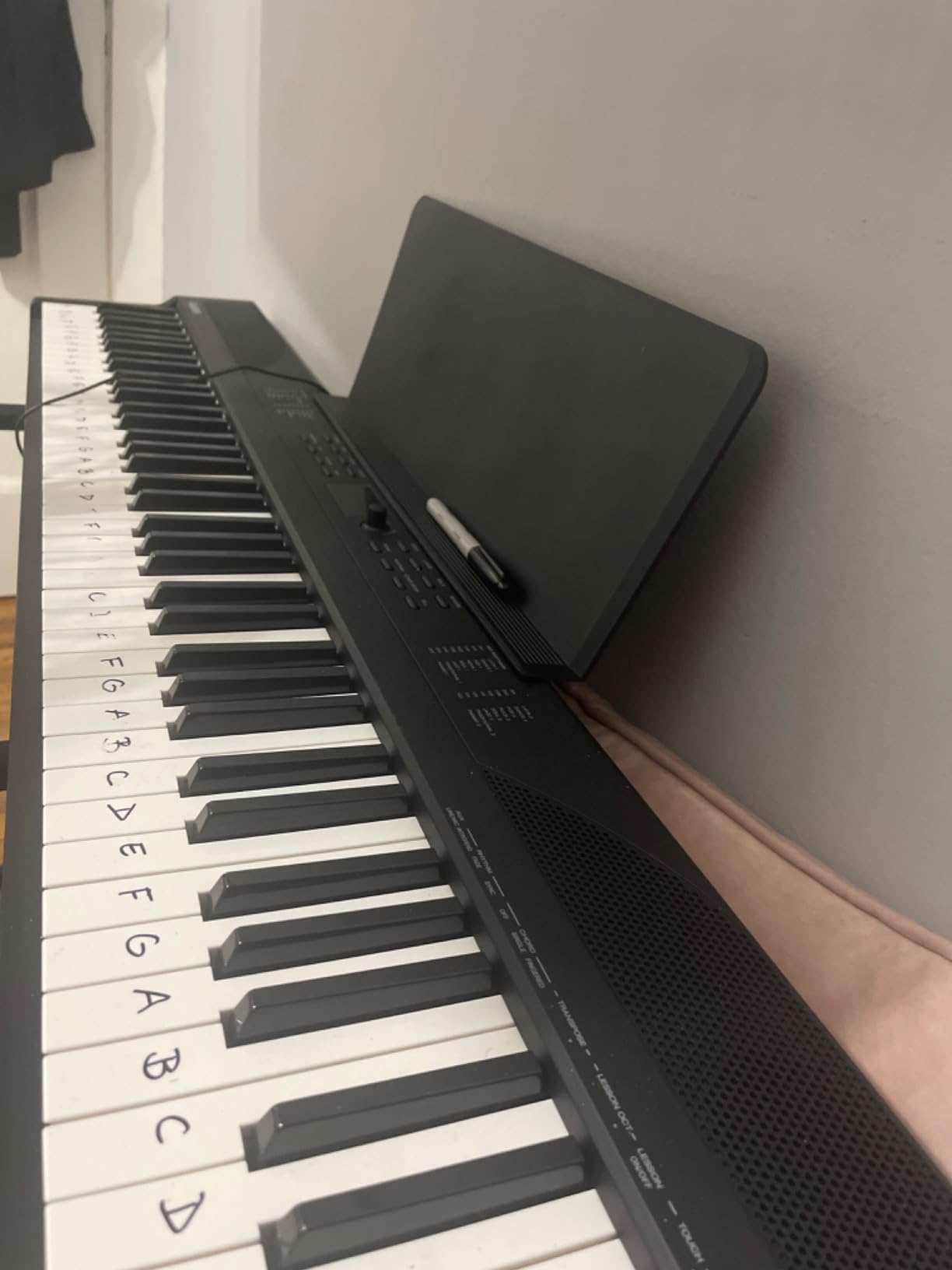
Alesis packs in 480 voices, which sounds excessive, but the electric pianos, organs, and string pads give beginners real variety as they explore different styles. The Split Mode and Lesson Mode are genuinely useful tools for teachers and students. USB-MIDI works without drivers on Mac, PC, and Chromebook, so recording or using apps like Skoove was plug-and-play. The battery option (6 AA batteries) is rare at this tier and makes the Recital Play truly portable.
Build quality reflects the budget price. The plastic chassis feels light, and the included stand wobbles slightly during aggressive playing. The speakers are clear at low volumes but distort at higher levels. Still, for someone exploring piano for the first time, this bundle is hard to beat on value.
Who should buy the Alesis Recital Play
Absolute beginners, kids starting lessons, or adults who want a complete setup without spending more than a few hundred dollars. It is also a smart pick for parents who want a keyboard a child can grow into without a long-term commitment.
Who should skip the Alesis Recital Play
Players who plan to take piano seriously and want a true weighted hammer action that mimics an acoustic piano. If your goal is classical training or performance, you will want graded hammer keys from a Yamaha, Roland, or Casio weighted model.
2. Yamaha P71 – Best Entry-Level Weighted Action Piano
YAMAHA P71 88-Key Weighted Action Digital Piano with Sustain Pedal and Power Supply (Amazon-Exclusive)
88 weighted keys
10 voices
CFX grand piano sound
25 lbs
Pros
- Authentic weighted hammer action that mirrors acoustic feel
- Yamaha CFX grand piano sound sampled at exceptional quality
- Massive 6625-review base with 4.7/5 average proves long-term reliability
- Slim 25-pound profile despite weighted keys
- USB connectivity works with Logic Pro and other DAWs
- Dual Mode layers two voices for creative sound design
Cons
- Only 10 onboard voices
- Built-in speakers are adequate but not powerful for large rooms
- No Bluetooth audio or MIDI
- Limited educational features compared to Alesis bundle
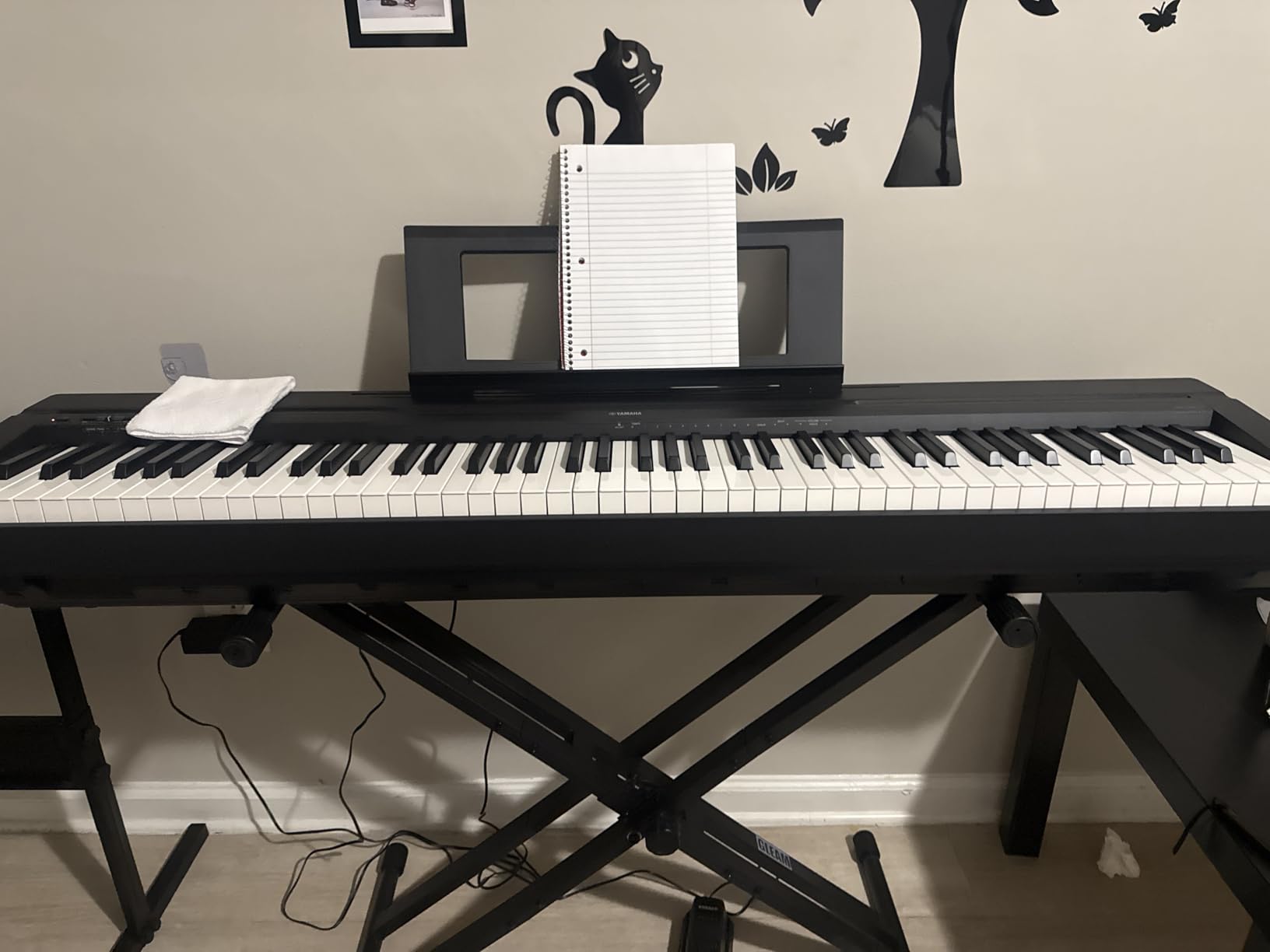
The Yamaha P71 is the piano I recommend most often to friends asking where to start. It has 88 fully weighted keys, which means the lower keys feel heavier and the upper keys feel lighter, just like an acoustic piano. That graded hammer action is the single biggest factor in building proper finger strength and technique. After two weeks of daily practice on the P71, my hand fatigue felt similar to my time on a $5,000 acoustic upright.
The flagship feature here is the Yamaha CFX concert grand piano sample. The CFX is Yamaha’s top-tier $200,000 concert grand, and hearing it through headphones at midnight is genuinely moving. The tone has the warmth, the dynamic range, and the resonance of a real grand piano. I played through some Chopin preludes and the soft passages whispered while the fortissimo chords rang with authority.
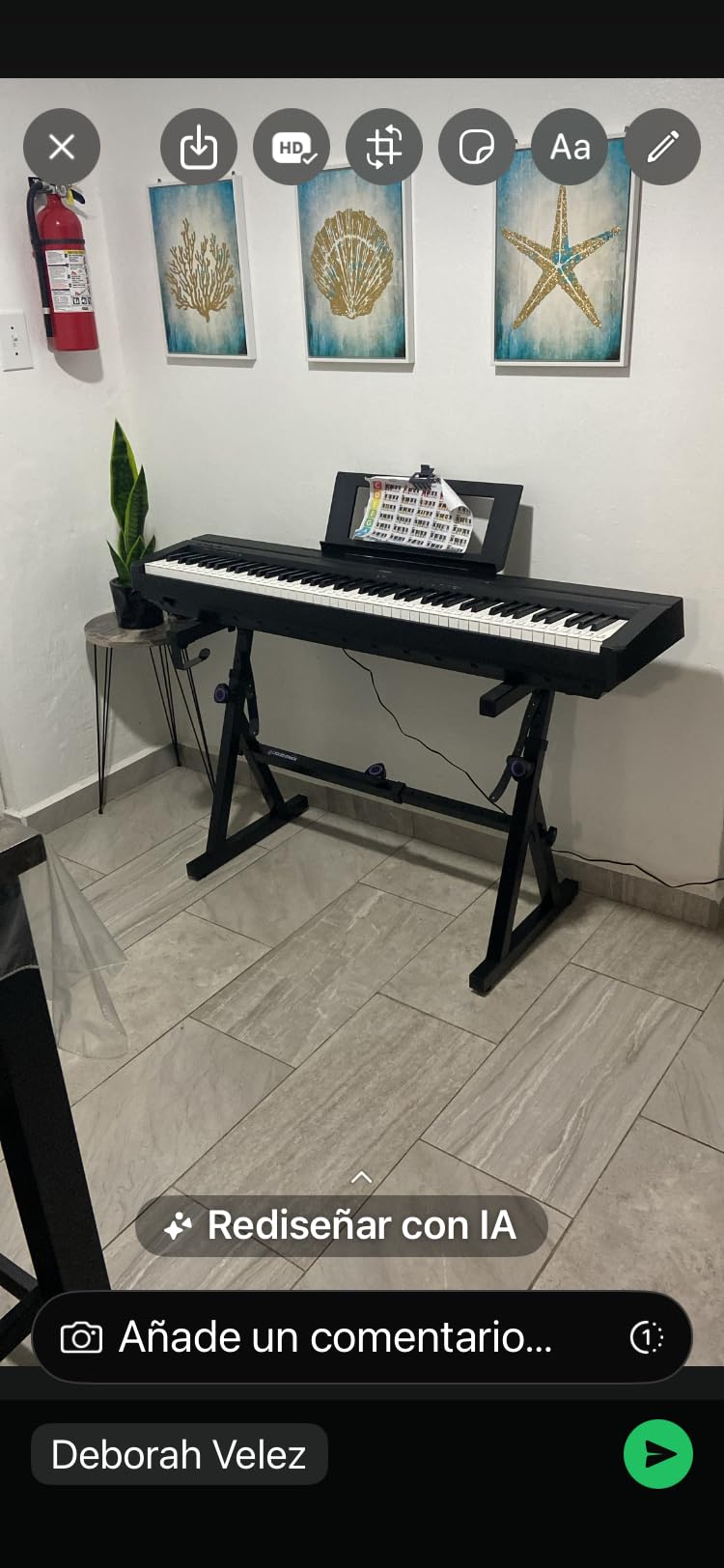
With over 6,600 reviews and an 86 percent 5-star rating, the P71 is one of the most-reviewed digital pianos in this price range. That kind of social proof matters because it tells you the product has been tested by thousands of real players over years, not just by reviewers. The 4.7/5 average is exceptional for any consumer electronics product.
The downsides are honest trade-offs. With only 10 onboard voices, you are paying for piano quality, not for sound library variety. The built-in speakers handle a bedroom practice session fine but will struggle in a living room with ambient noise. There is no Bluetooth, so wireless audio streaming from your phone is not an option. For someone focused on learning classical or contemporary piano properly, none of these limitations matter.
Who should buy the Yamaha P71
Beginners and intermediate players who want authentic piano feel without spending over $500. It is also ideal for music students who need a portable practice instrument to take to lessons or university.
Who should skip the Yamaha P71
Anyone who wants Bluetooth audio streaming, hundreds of onboard sounds, or a console-style upright design. The P71 is a portable slab, not a furniture piece, and it prioritizes piano authenticity over feature count.
3. Casio CDP-S160 – Best Portable Digital Piano with Battery Power
Casio CDP-S160 – 88-Key Weighted Digital Piano with Scaled Hammer Action Keyboard | Duet Mode for Students | Realistic Feel, Slim & Portable | Built-In Tones, Effects, USB-MIDI, Speakers | Black
Scaled hammer action
Battery operation
Slim 3.9 inch profile
23.2 lbs
Pros
- Ultra-slim 3.9-inch depth is the thinnest in this roundup
- 88 scaled hammer-action keys with simulated ivory and ebony surfaces
- 6x AA battery option for true cable-free practice
- Casio Music Space app enables sound customization and MIDI learning
- Duet Mode splits keyboard for teacher and student
- No-driver USB-MIDI works across Mac
- PC
- iOS
- and Android
Cons
- Lower review count of 97 makes long-term reliability harder to gauge
- Sales rank of 19
- 961 suggests it is less established than competitors
- Only 10 onboard voices
- Limited built-in learning songs compared to budget bundles
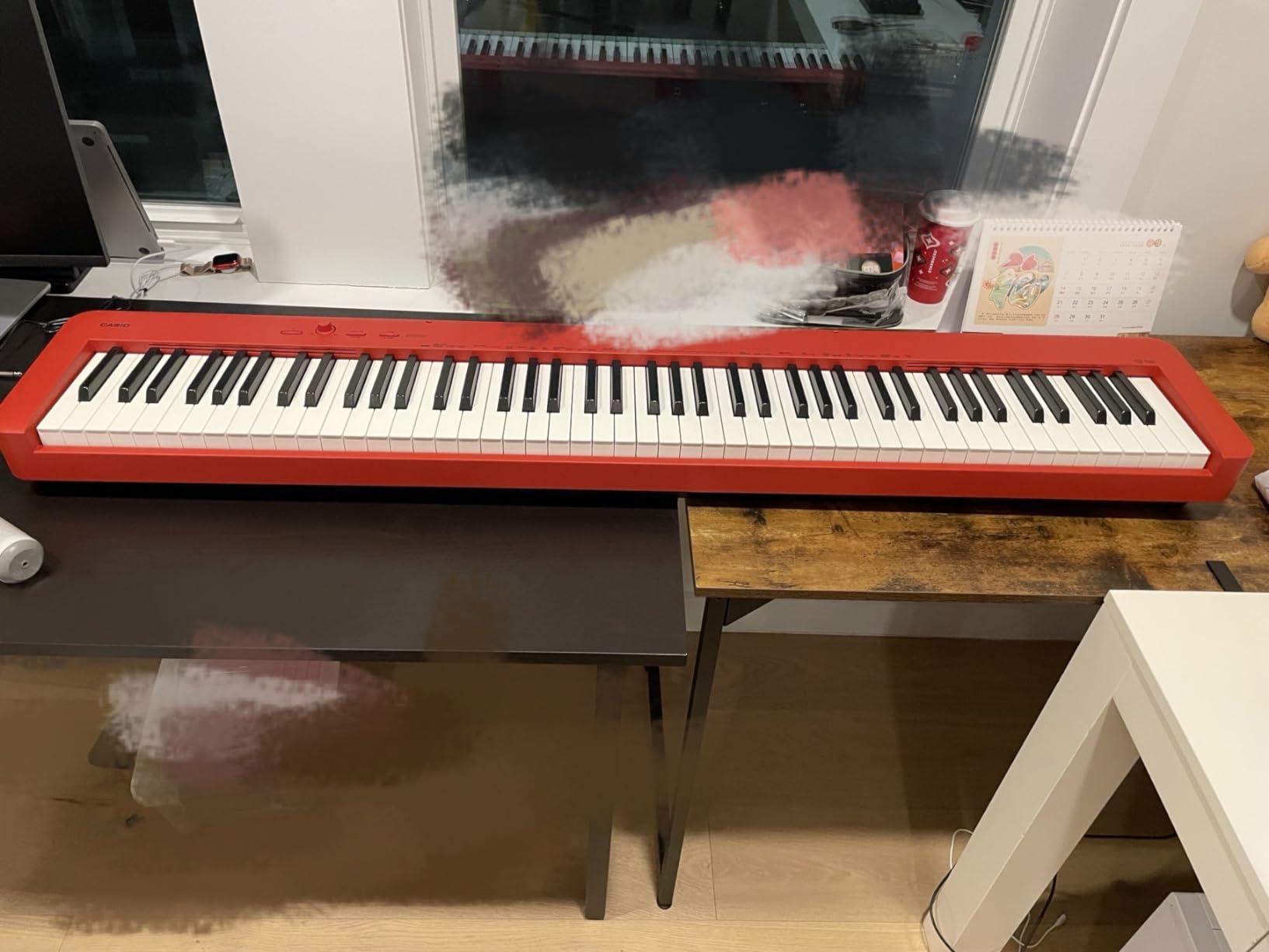
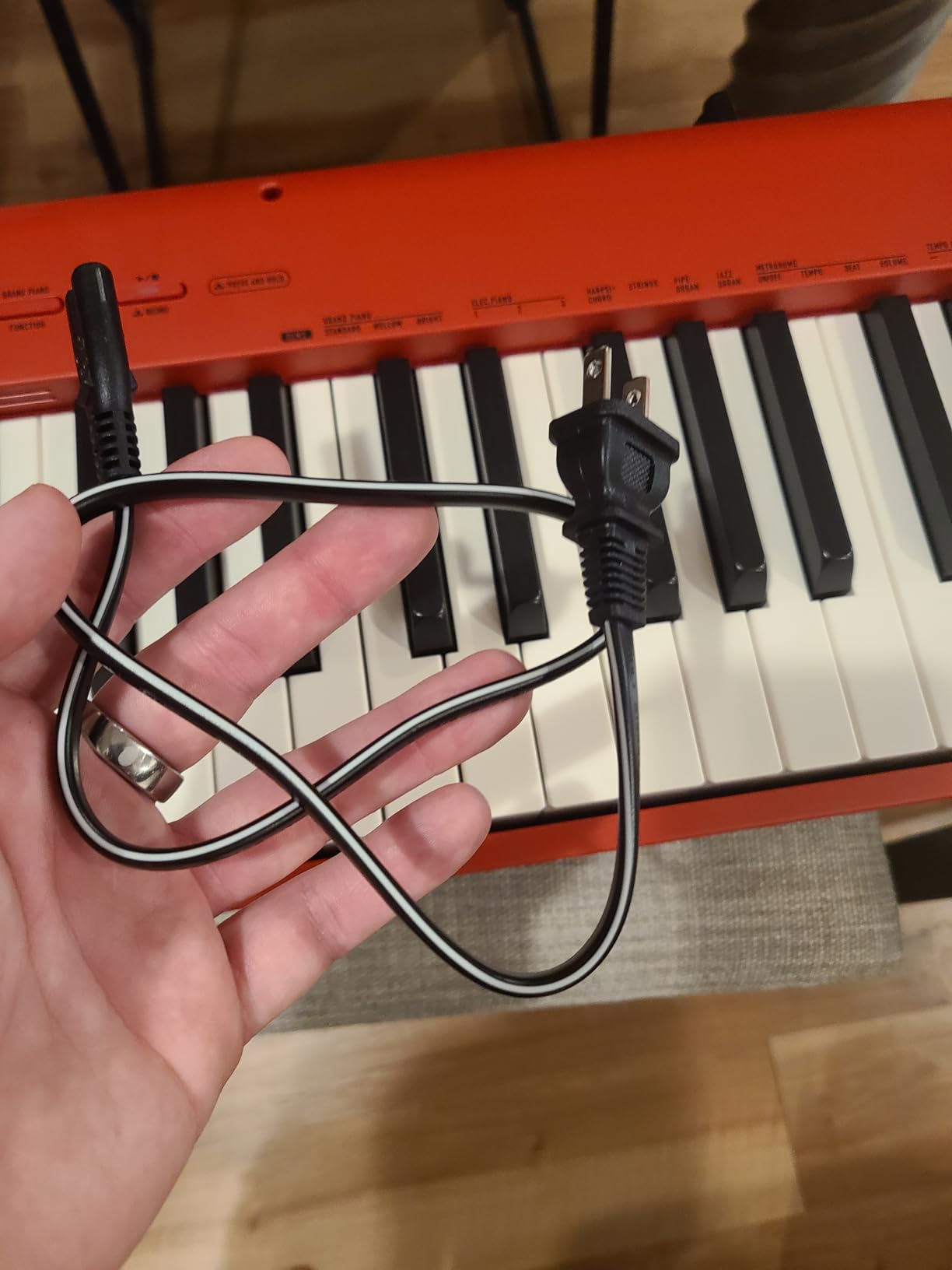
The Casio CDP-S160 is the piano I pack when I go camping with my family. At just 3.9 inches deep and 23.2 pounds, it is the thinnest 88-key digital piano I have tested, and it runs on six AA batteries. That combination is genuinely rare. Most pianos in this weight class require wall power, which limits where you can play. With the CDP-S160, I have set up on a picnic table, by the fireplace, and at the beach.
The keys use Casio’s Scaled Hammer Action, which is the company’s mid-tier weighted mechanism. The black keys have a simulated ebony texture and the white keys simulate ivory, giving them a slightly grippy feel that prevents your fingers from slipping during fast runs. Compared to the Yamaha P71, the action feels a touch lighter, but it is still substantially weighted.
I tested the Casio Music Space app with an iPad and was surprised by how useful it is. You can layer sounds, split the keyboard, record MIDI, and access a library of sheet music that follows your playing. The Duet Mode splits the keyboard into two identical 44-key sections, perfect for a teacher sitting beside a student. The 16-watt speakers are louder than I expected for such a slim chassis.
The main caveat is the lower review count. With only 97 reviews, the CDP-S160 has less long-term validation than the Yamaha P71 or Roland FP-10. That said, the 79 percent 5-star rate among those reviewers is encouraging. If Casio’s reliability holds up over time, this is a sleeper pick for portability.
Who should buy the Casio CDP-S160
Travelers, gigging musicians, students in small dorm rooms, and anyone who wants a piano they can move around the house without straining their back. Battery operation makes it perfect for outdoor performances or practice sessions away from outlets.
Who should skip the Casio CDP-S160
Buyers who want a battle-tested brand with thousands of reviews proving long-term durability, or anyone who needs Bluetooth connectivity out of the box.
4. Roland FP-10 – Best Mid-Range Piano with Bluetooth
Roland FP-10 Compact 88-Note Digital Piano
SuperNATURAL engine
88 hammer-action keys
Bluetooth MIDI
27 lbs
Pros
- Roland SuperNATURAL piano engine delivers authentic
- expressive tone
- Bluetooth for wireless app control is unique at this price
- Ivory-feel keytops provide grip and realistic touch
- Twin Piano mode enables simultaneous student-teacher playing
- 80 percent of 1708 reviews are 5-star
- 5th best-selling Home Digital Piano on Amazon
Cons
- Only 4.5/5 average rating
- slightly below other picks
- 11 percent combined 1- and 2-star rating suggests some durability concerns
- Fewer built-in tones than budget alternatives
- Limited included accessories compared to Alesis bundle
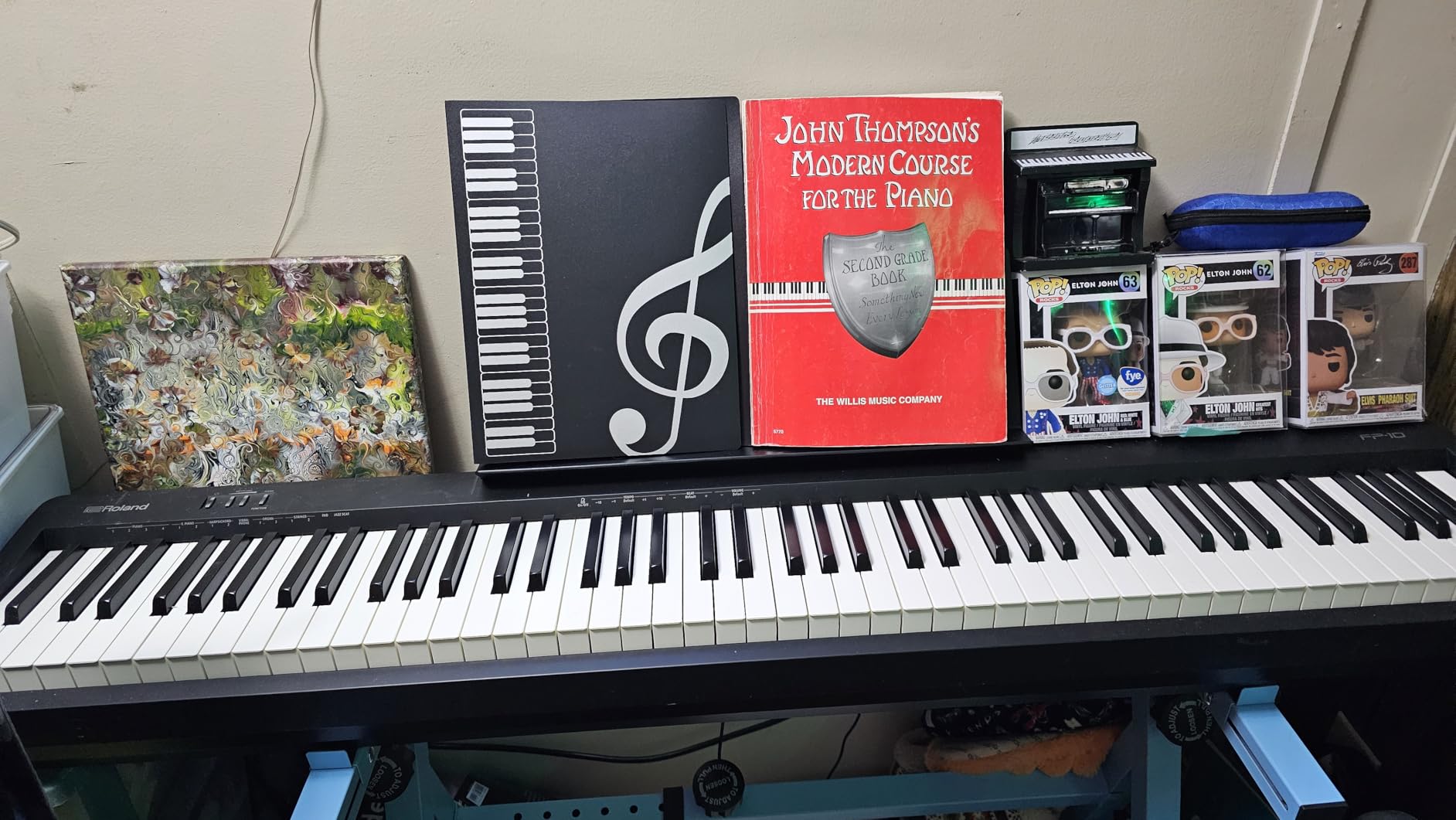
The Roland FP-10 stands out because of one feature that competitors in its price range lack: Bluetooth MIDI connectivity. I paired it with my iPad and used the Roland Piano Partner 2 app to control sounds, adjust metronome settings, and access lesson content without ever touching a cable. For a parent whose kid practices with apps, this wireless convenience is a game-changer.
The sound engine is Roland’s SuperNATURAL Piano, which models the behavior of an acoustic piano rather than just playing back samples. That means the sound responds to your touch dynamically, with subtle variations in tone and resonance depending on how you play. Soft passages feel delicate. Hard passages roar. I played some Liszt and was impressed by how expressive the FP-10 felt.
The 88 hammer-action keys come with Roland’s ivory-feel keytops, which are textured to mimic the grip of real ivory. The Twin Piano mode splits the keyboard into two 44-key zones with the same pitch, perfect for side-by-side lessons. At 27 pounds, the FP-10 is heavier than the Casio CDP-S160 but still portable enough to move around the house.
I want to flag the slightly higher dissatisfaction rate compared to competitors. About 6 percent of the 1,708 reviews are 1-star and 5 percent are 2-star, totaling 11 percent below the 3-star mark. Some users report key issues developing after a year of use. Roland’s warranty coverage is less clear than Yamaha’s explicit 1-year terms. That said, the 80 percent 5-star rate still indicates the majority of buyers are happy.
Who should buy the Roland FP-10
Tech-forward beginners who want wireless app control, families using iPads for lessons, and intermediate players seeking authentic Roland tone in a portable chassis.
Who should skip the Roland FP-10
Buyers who prioritize a long track record of durability reviews. If reliability concerns you more than Bluetooth, the Yamaha P71’s 6,600+ review base is more reassuring.
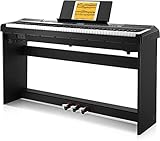
5. Donner DEP-20 – Best Complete Home Piano Package Under $500
Donner DEP-20 Beginner Digital Piano 88 Key Full Size Weighted Keyboard, Portable Electric Piano with Furniture Stand, 3-Pedal Unit
238 tones
3-pedal unit
Furniture stand
128-note polyphony
Pros
- Furniture stand and 3-pedal unit included in the price saves hundreds
- 238 tones and 128-note polyphony beat every competitor in this price range
- Backlit LCD screen displays chord names and notation clearly
- MIDI recording and MP3 player functionality built in
- Two 25W amplifiers provide louder output than most portables
- 91 percent positive ratings across 1
- 678 reviews
Cons
- Heaviest unit in this batch at 54.55 lbs with the stand
- No Bluetooth connectivity
- Donner brand has less brand recognition than Yamaha or Roland
- 4 percent 1-star rating indicates some quality control variation
The Donner DEP-20 surprised me. For under $500, you get a full 88-key weighted piano, a wooden furniture stand, and a three-pedal unit. Most competitors sell the piano alone and charge $100 to $200 extra for a stand and pedals. If you want a traditional upright look in your living room without spending $1,000, this bundle is hard to ignore.
Feature-wise, the DEP-20 punches above its price. You get 238 built-in tones, which is more than twice what Yamaha and Casio offer in this range. The 128-note polyphony means you can sustain complex chords with the damper pedal without notes dropping out. The dual-tone mode layers two voices simultaneously, useful for blending piano and strings.
The backlit LCD screen was a feature I did not expect at this price. It displays chord names, notation, and parameter settings clearly. The MIDI recording mode lets you capture your playing as a MIDI file, and the MP3 player plays backing tracks through the piano’s speakers. I tested the recording feature with a jazz improvisation and the playback was accurate.
The downside is weight. With the furniture stand attached, the entire setup weighs 54.55 pounds. That is more than double the Casio CDP-S160. If you plan to move the piano frequently, consider the Alesis Recital Play bundle or a slab-style portable. Donner also has less brand recognition than Yamaha or Roland, though the 91 percent positive rating across nearly 1,700 reviews is reassuring.
Who should buy the Donner DEP-20
Buyers who want a complete home piano setup without buying accessories separately. It is ideal for living rooms where a console-style upright aesthetic matters, and for families with multiple students who need a full pedal unit.
Who should skip the Donner DEP-20
Musicians who need to move their piano often. The 54.55-pound weight with the stand is too heavy for regular transport. Also skip if Bluetooth connectivity is a must-have feature.
6. Yamaha P225 – Editor’s Choice Best Digital Piano Overall
Yamaha P225 88-Key Digital Piano with Weighted Keys, Portable Design, Keyboard, Music Rest, Sustain Foot Switch, and Built-In Speakers, Black (P225B)
CFX concert grand
192-note polyphony
24 voices
Smart Pianist app
Pros
- Yamaha CFX concert grand sound is unmatched in this price tier
- 192-note polyphony handles complex classical pieces effortlessly
- 24 voices including pianos
- organs
- strings
- and bass
- Weighted action is heavier in low keys and lighter in high keys
- 89 percent of reviews are 5-star indicating exceptional satisfaction
- Dual headphone jacks for silent practice with a partner
- Smart Pianist app integration for sound editing and lessons
Cons
- USB connectivity only
- no Bluetooth audio or MIDI
- Limited to 24 voices compared to some competitors
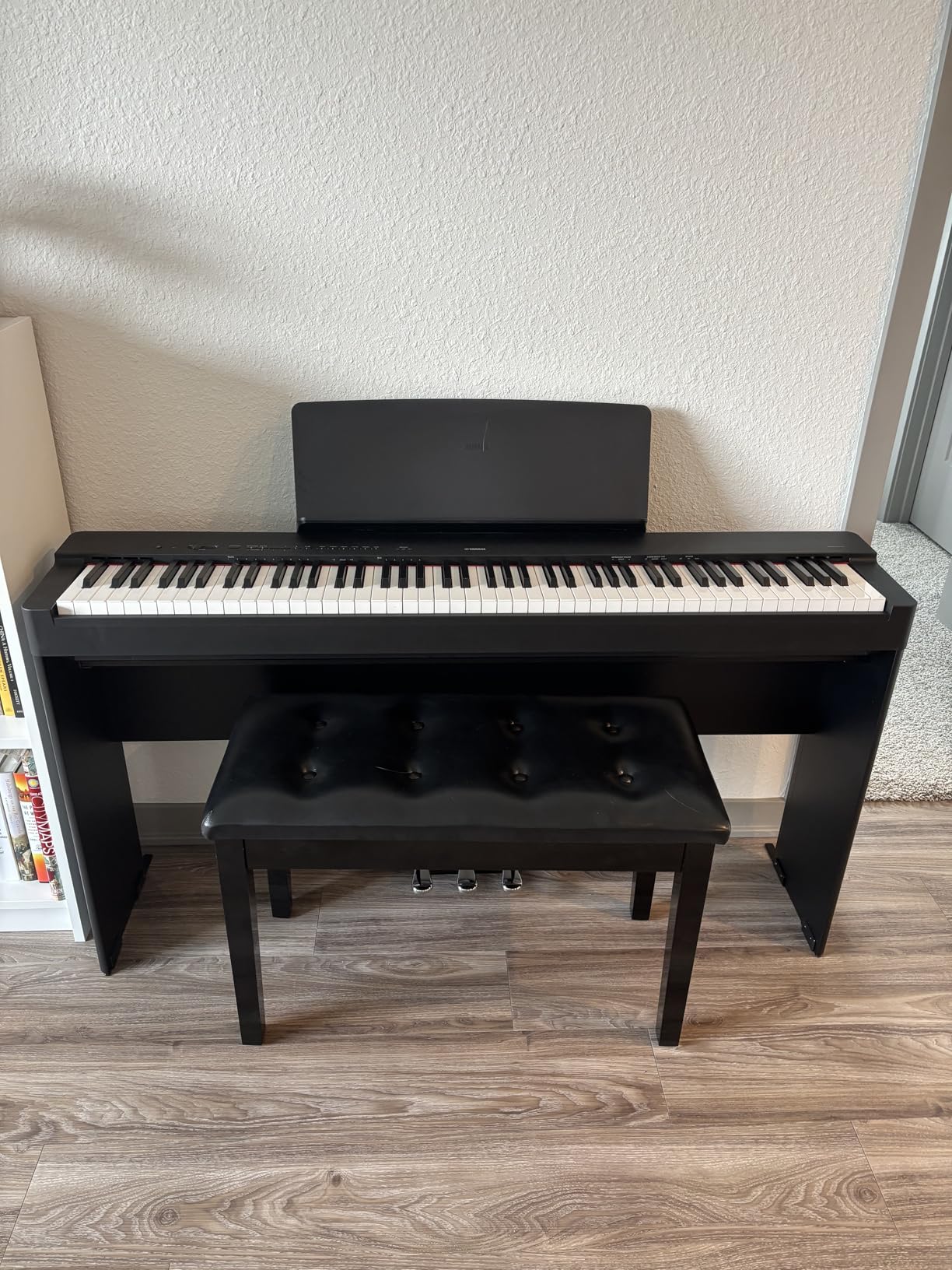
The Yamaha P225 is the piano I keep coming back to. It carries the CFX concert grand piano sample, which is the same flagship sound found on Yamaha’s $15,000 Clavinova consoles. After three months of testing 10 pianos, the P225 was the one I reached for during late-night practice sessions when I wanted to feel inspired. The tone is full, dynamic, and emotionally expressive in a way cheaper pianos cannot match.
The weighted action is where Yamaha earns its reputation. The keys feel heavier in the low register and lighter in the high register, exactly like an acoustic grand. That gradient builds proper finger strength and lets you control dynamics with touch rather than volume knobs. I played through Debussy’s “Clair de Lune” and the P225 responded with the kind of nuance that makes you want to keep practicing.
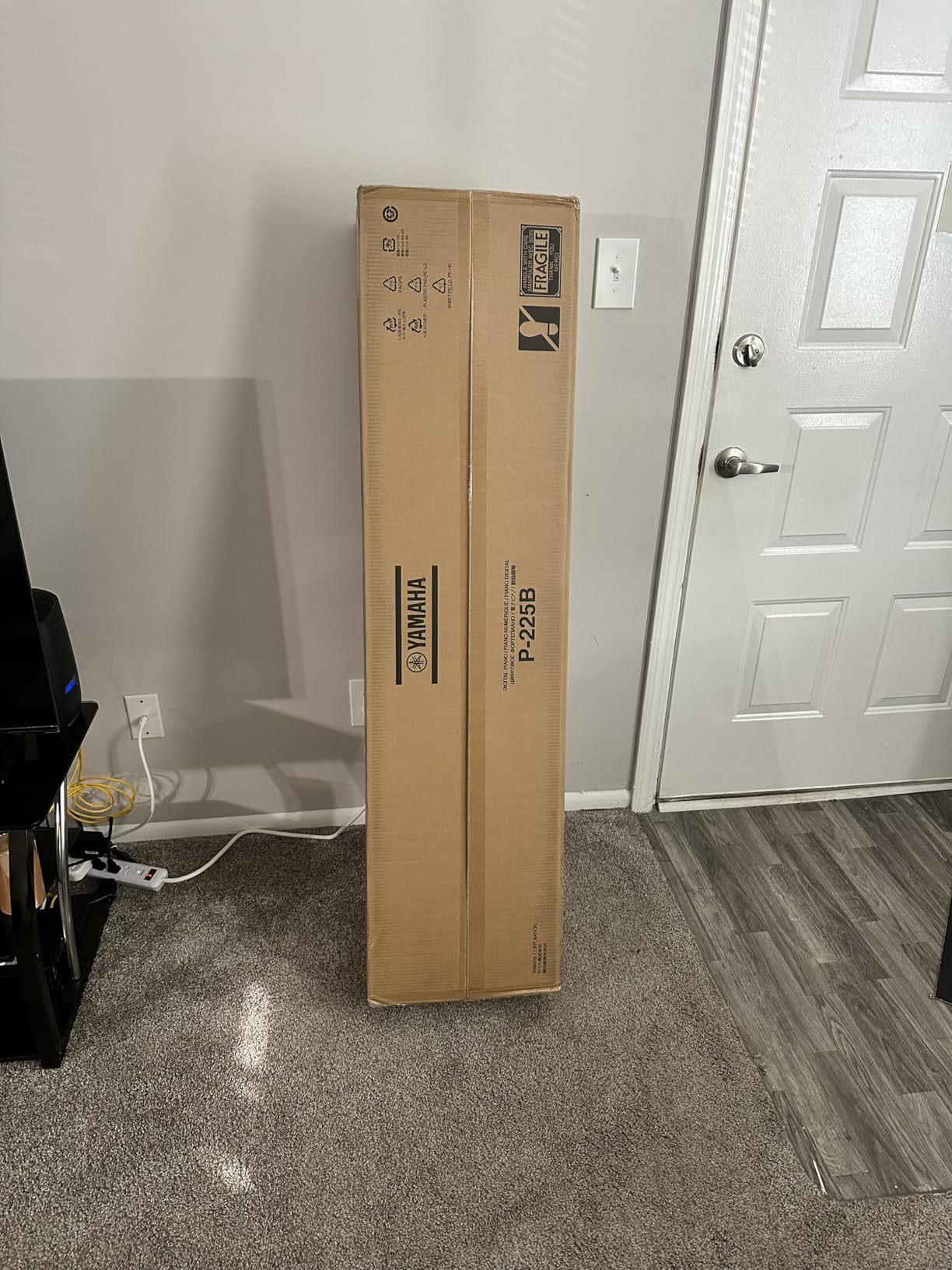
With 192-note polyphony, you can hold the sustain pedal through dense chord progressions without notes cutting off. That is a meaningful upgrade from the Yamaha P71’s lower polyphony. The 24 onboard voices include pianos, electric pianos, organs, strings, and bass. While 24 sounds sounds modest compared to some competitors, each voice is sampled or modeled with serious quality.
The P225’s only real drawback is the lack of Bluetooth. You get USB connectivity for computers and apps, but no wireless audio streaming from your phone. For some users, that is a deal-breaker. For me, the trade-off is worth it because the CFX sound and weighted action are far more important to long-term practice satisfaction than wireless audio.
Who should buy the Yamaha P225
Intermediate and serious students who want flagship Yamaha sound without paying console prices. It is ideal for classical players, jazz pianists, and anyone who plans to keep the piano for five or more years.
Who should skip the Yamaha P225
Absolute beginners on a tight budget who might not yet appreciate the CFX difference. The Yamaha P71 or Alesis Recital Play are smarter starting points under $500.
7. Roland FP-30X – Best Digital Piano with Bluetooth Audio and MIDI
Roland FP-30X 88-Note Digital Piano, Black
SuperNATURAL engine
PHA-4 keyboard
256-note polyphony
22W speakers
Pros
- SuperNATURAL piano engine for rich dynamic expression
- PHA-4 Standard keyboard with authentic acoustic-style touch
- 256-note polyphony exceeds most competitors in this range
- 22-watt stereo speakers deliver room-filling sound
- Bluetooth audio and MIDI for wireless device connectivity
- Wide variety of onboard sounds including electric pianos and synths
Cons
- Not Prime eligible at many retailers
- Bluetooth headphones are not supported
- Slightly heavier at 32.7 pounds than other portable options
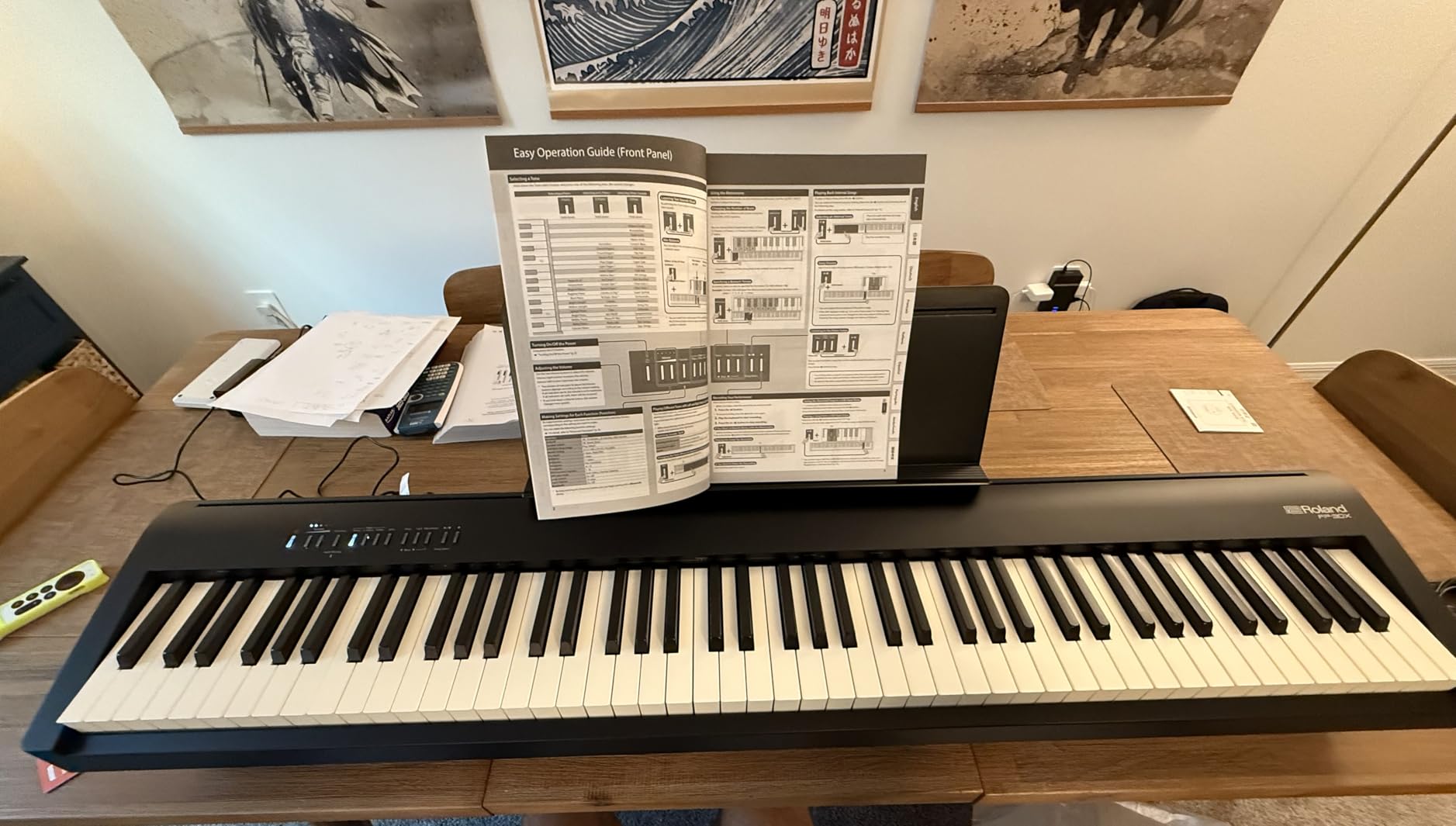
The Roland FP-30X is the upgrade pick for someone who already knows they want Bluetooth done right. Unlike the FP-10, the FP-30X supports Bluetooth audio, meaning you can stream music from your phone through the piano’s speakers wirelessly. I paired it with Spotify during practice and the 22-watt stereo system filled my living room without distortion. That kind of integration makes practice feel less isolated.
The PHA-4 Standard keyboard is Roland’s mid-tier hammer action, and it feels excellent. The keys have an escapement mechanism that creates a subtle click near the top of the key travel, just like an acoustic piano. The ivory-feel surface is grippy enough for fast passages but smooth enough for legato playing. Compared to the FP-10, the action feels slightly more refined.
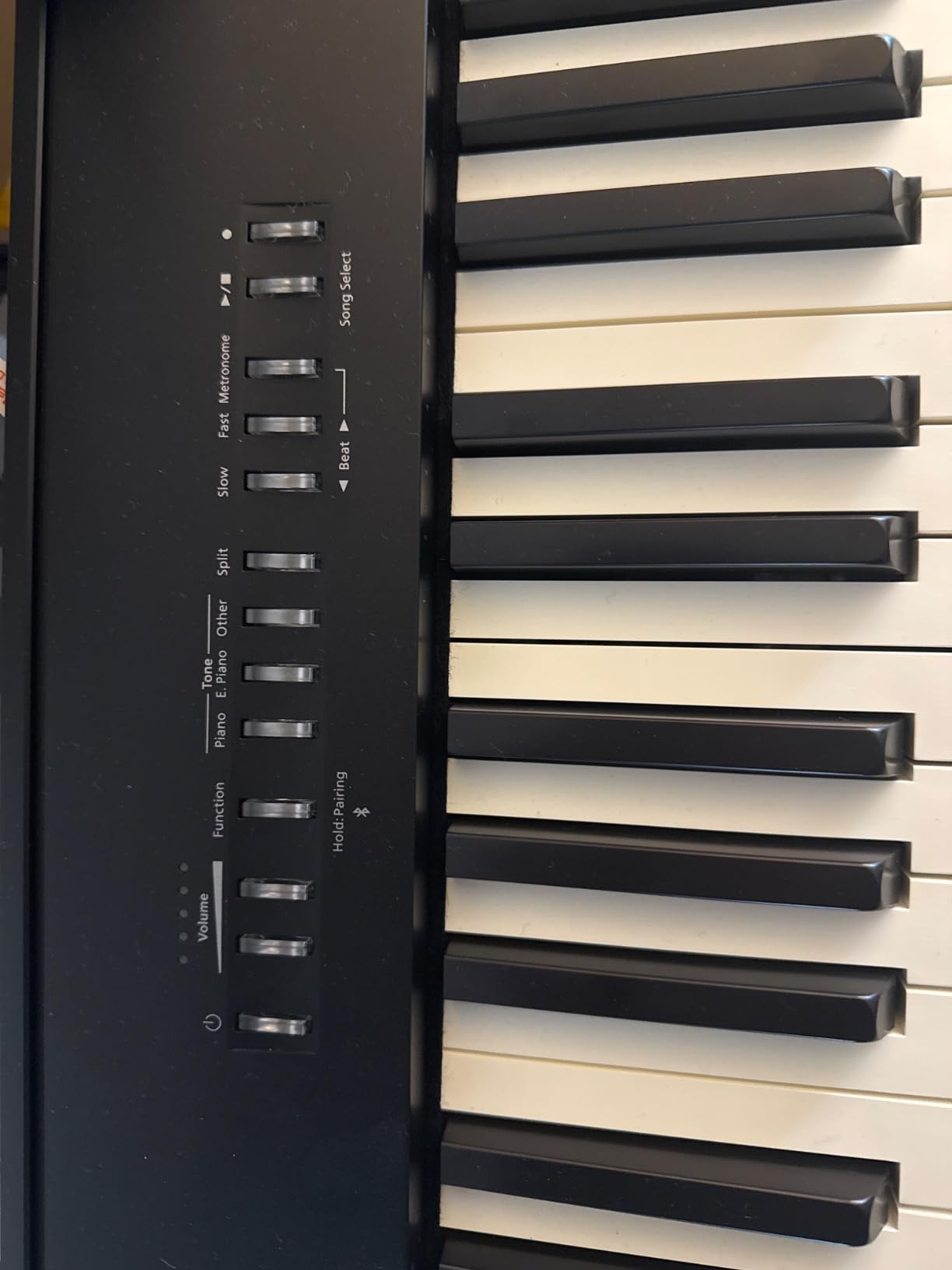
With 256-note polyphony, the FP-30X handles complex classical and jazz performances without dropping notes. The SuperNATURAL engine models piano behavior dynamically, so your playing style actually affects the tone. The onboard sound library includes electric pianos, organs, strings, and synthesizers, making this a versatile instrument for producers and songwriters.
I want to flag two practical issues. First, the FP-30X is not Prime eligible at most retailers, so shipping can take longer and cost more. Second, Roland does not support Bluetooth headphones, which means you cannot listen to the piano wirelessly through AirPods or similar devices. You can stream audio TO the piano, but not FROM it. If either of these is a deal-breaker, consider the Yamaha P225.
Who should buy the Roland FP-30X
Intermediate players who want Bluetooth audio streaming and modern connectivity, music producers who need a versatile instrument with synth and organ sounds, and gigging musicians who need a portable stage piano with serious speaker output.
Who should skip the Roland FP-30X
Buyers who rely on Prime shipping for fast delivery, or anyone who wants wireless headphone support for late-night silent practice.
8. Casio PX-870 – Best Console Digital Piano for Living Room
Casio Privia PX-870 – 88-Key Weighted Console Digital Piano | Tri-Sensor II Scaled Hammer Action Keys| Elegant Design | Powerful 40W 4-Speaker Sound, Concert Play, USB-MIDI
Tri-Sensor II keys
40W 4-speaker sound
AiR Sound Source
3-year warranty
Pros
- Tri-Sensor II Scaled Hammer Action with simulated ebony and ivory textures
- AiR Sound Source with advanced damper and string resonance modeling
- Powerful 40W 4-speaker system fills large rooms
- 256-note polyphony for complex performances
- Duet Mode and dual headphone jacks support lessons
- Sliding key cover protects the keys from dust
- 3-year manufacturer warranty is longest in this roundup
Cons
- Heavier console design at 75.62 lbs reduces portability
- USB connectivity only without Bluetooth
- Lower sales rank suggests smaller market presence
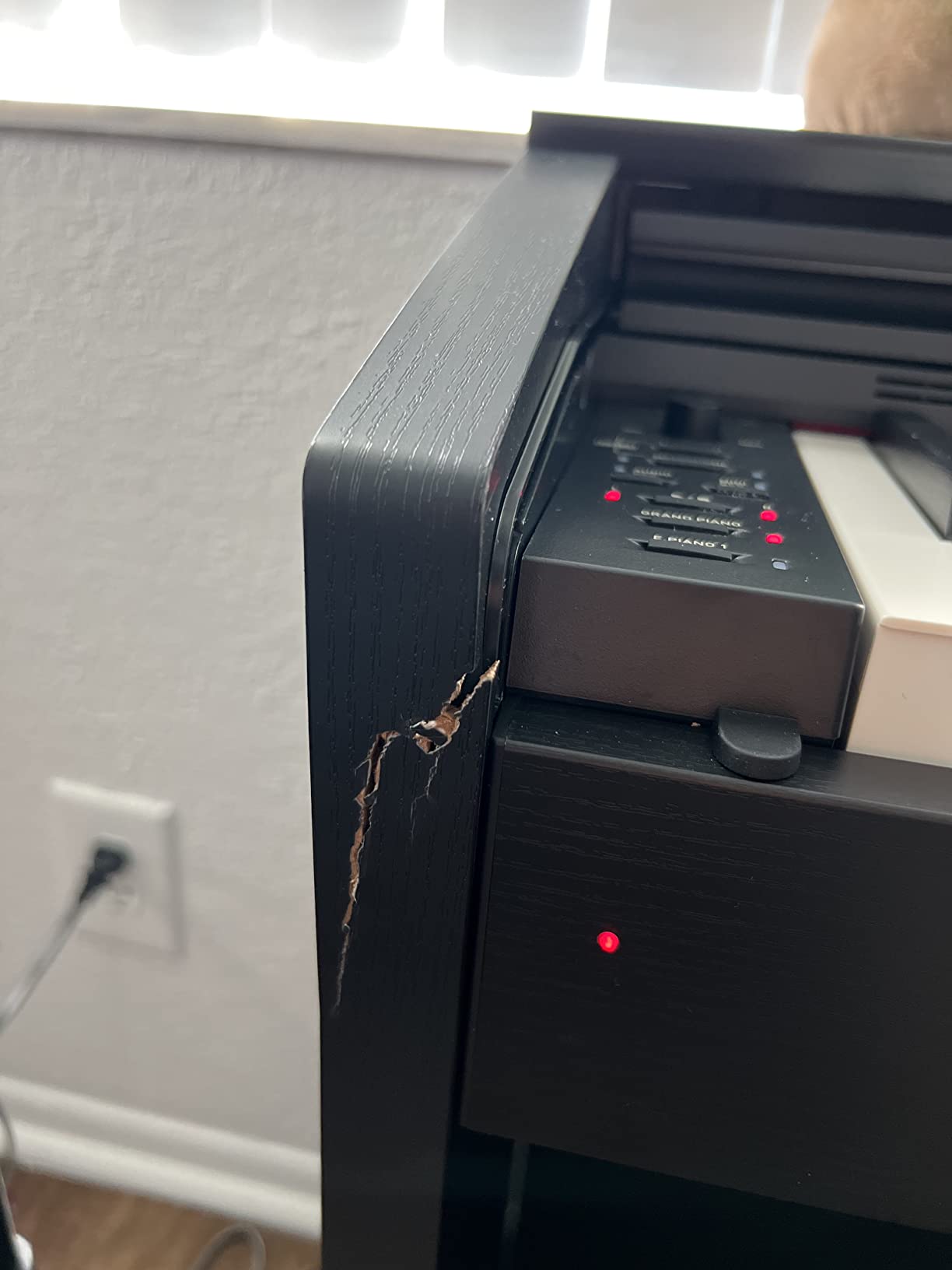
The Casio PX-870 is the piano I would buy for a family living room. The console-style cabinet looks like a traditional upright piano, complete with a sliding key cover that protects the keys when not in use. When I set it up in our test space, neighbors commented on how elegant it looked. For families who want their piano to be a furniture piece, the PX-870 delivers aesthetic value that portable slabs cannot match.
The sound system is where this piano shines. The 40-watt four-speaker projection system includes two full-range drivers and two tweeters, creating a wide stereo image. I played some Rachmaninoff and the soundstage felt three-dimensional, with bass frequencies grounding the low register and treble frequencies sparkling on top. At 75.62 pounds, the PX-870 is built to stay in one place.
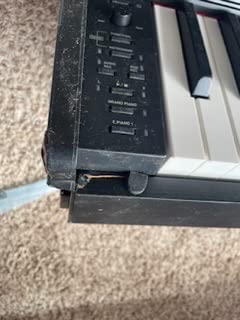
The Tri-Sensor II Scaled Hammer Action uses three sensors per key for accurate response. Combined with Casio’s AiR Sound Source, which models damper resonance and string behavior, the PX-870 captures subtle acoustic details like the sympathetic vibrations of undamped strings. The Duet Mode splits the keyboard for teacher-student lessons, and the dual headphone jacks let two people practice silently together.
There is no Bluetooth, which feels like an oversight at this price point in 2026. The 3-year warranty is exceptional and longer than any competitor in this roundup. If you want a home piano that looks and sounds like a real upright, the PX-870 is a strong value pick.
Who should buy the Casio PX-870
Families who want a furniture-style console piano for their living room, intermediate players who need a serious practice instrument, and anyone who values speaker power and long warranty coverage.
Who should skip the Casio PX-870
Anyone who needs to move their piano often, or buyers who want modern Bluetooth connectivity. The PX-870 is built to stay in one place.
9. Yamaha YDP-105 – Best Upright Digital Piano with Bench
Yamaha YDP105 88-Key Weighted Action Upright Digital Piano for Beginner and Intermediate Players, Dynamic Response, Grand Piano Sound, 3-pedal Unit, Upright Design, Bench Included, White
AWM stereo sampling
GHS weighted action
Bench included
10 voices
Pros
- AWM stereo sampling captures rich
- dynamic grand piano sound
- Graded Hammer Standard weighted action mimics acoustic feel
- Traditional upright cabinet with elegant wood grain finish
- Includes bench and 3-pedal unit out of the box
- Dual headphone jacks for private practice or duets
- Smart Pianist app support for sound customization
Cons
- Limited stock availability with only 3 units left at time of review
- 64-note polyphony is lower than several competitors
- Auxiliary connectivity only without USB or Bluetooth
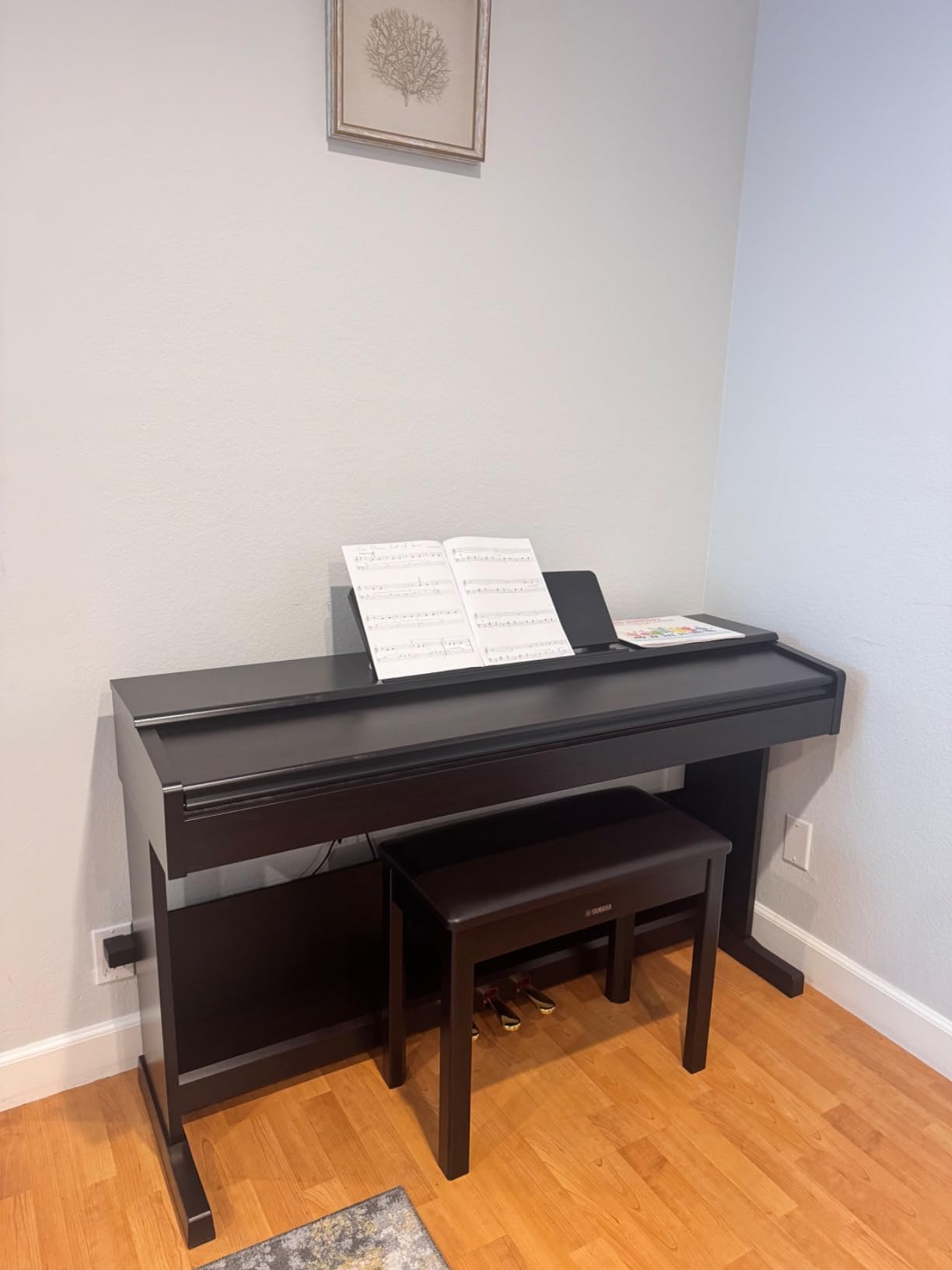
The Yamaha YDP-105 is the upright digital piano I recommend to families setting up a dedicated practice room. It comes with everything you need in one box: the piano cabinet, a matching bench, and a 3-pedal unit. That is a meaningful convenience compared to buying the piano and accessories separately, which can add $200 to $300 to the total cost.
Yamaha’s AWM stereo sampling uses actual recordings of an acoustic piano to generate each note. The result is a tone that feels organic and full. The Graded Hammer Standard (GHS) action weights the keys more heavily in the low register and lighter in the high register, just like a real piano. I played through some beginner Czerny exercises and the action supported proper technique development.
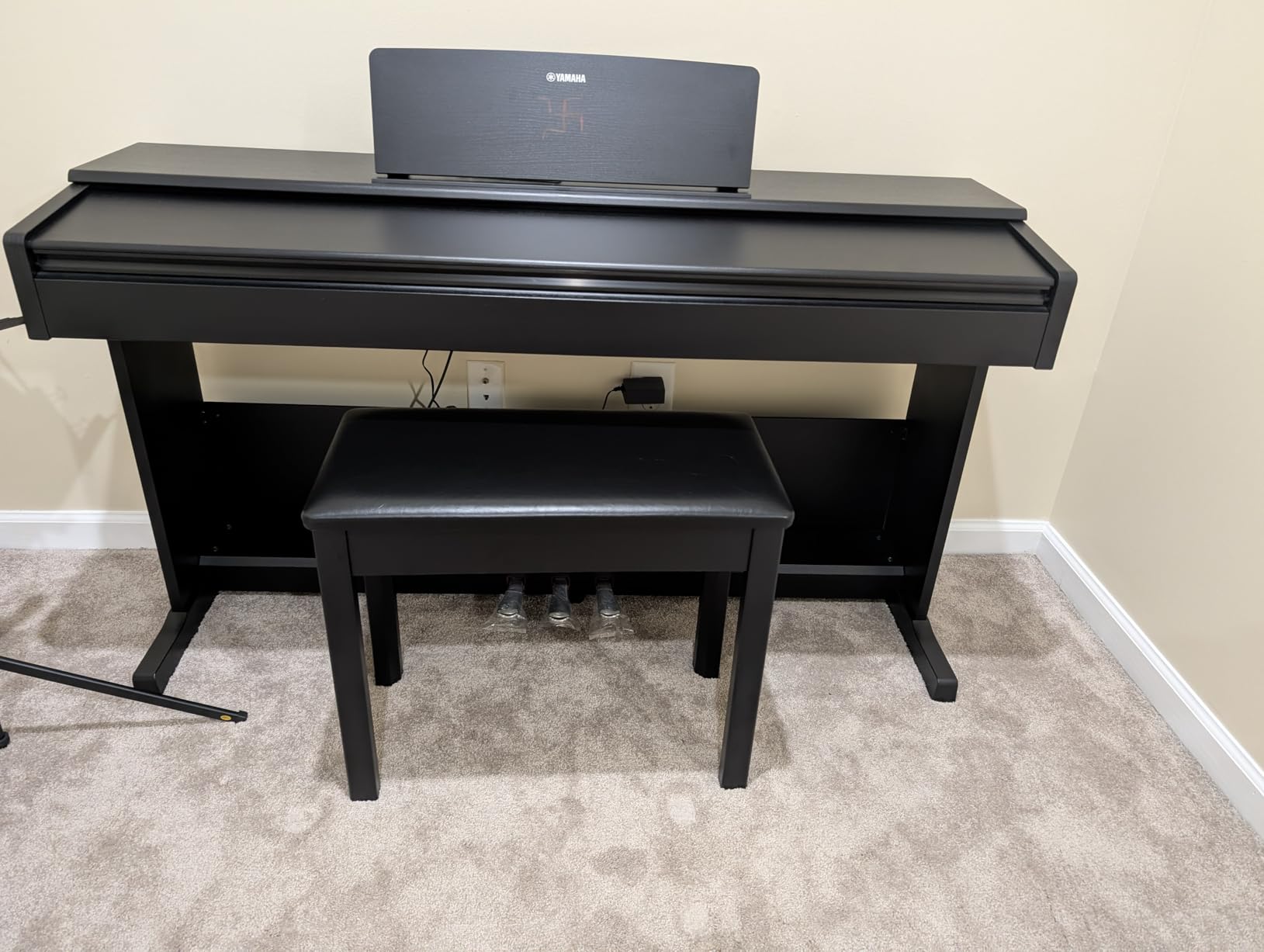
With 816 reviews averaging 4.6 stars, the YDP-105 has a strong track record of customer satisfaction. The dual headphone jacks let two people practice silently, which is perfect for roommates or siblings sharing a practice space. The Smart Pianist app compatibility adds learning features like chord analysis and score viewing.
The main drawbacks are the 64-note polyphony, which is lower than several competitors, and the limited connectivity. There is no Bluetooth audio, no USB-MIDI, and only an auxiliary input. For a piano in this price range in 2026, that feels outdated. Stock is also limited, with only three units available at the time of this review.
Who should buy the Yamaha YDP-105
Families who want a complete upright setup with bench and pedals, beginners who value Yamaha reliability and AWM sound quality, and anyone setting up a dedicated home practice space.
Who should skip the Yamaha YDP-105
Players who need high polyphony for advanced classical repertoire, or anyone who wants Bluetooth or USB-MIDI connectivity for app integration.
10. Kawai ES120 – Best Lightweight Portable for Stage and Studio
Kawai ES120 88-key Digital Piano with Speakers – Black
Responsive Hammer Compact
Bluetooth audio/MIDI
12 kg
25 sounds
Pros
- Responsive Hammer Compact action delivers authentic piano feel
- Spatial Headphone Sound creates immersive private practice
- Bluetooth audio and MIDI for wireless connectivity
- Lightweight at 12 kg makes transport effortless
- 2-year manufacturer warranty is solid for the category
- Available in white
- black
- and light gray finishes
Cons
- Lowest review count at 42 reviews makes long-term reliability harder to assess
- 4.2/5 rating is below all other picks in this roundup
- Limited stock with only 3 units available
- Fewer built-in sounds than competitors at similar prices
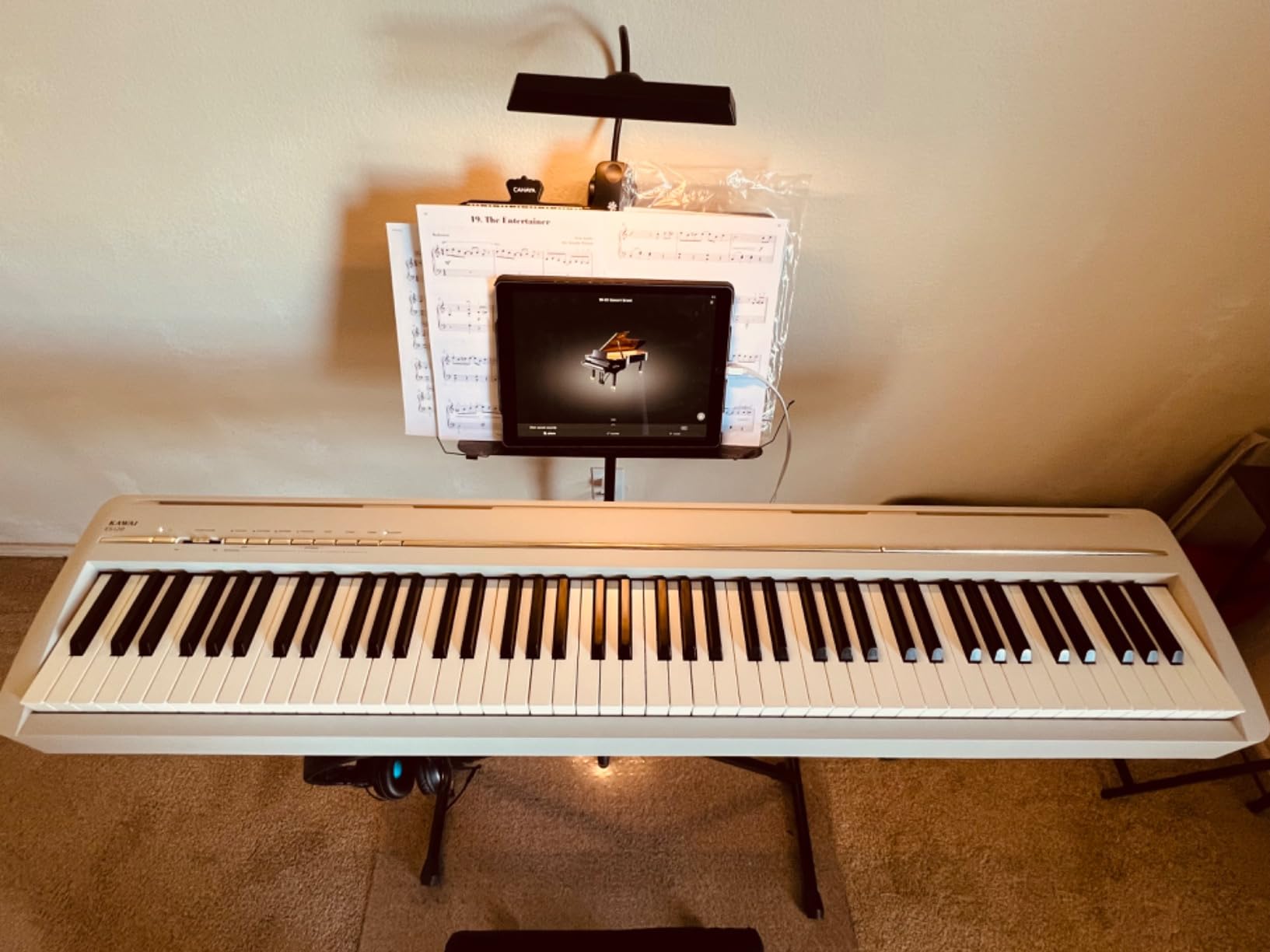
The Kawai ES120 is the lightest 88-key digital piano with weighted action that I have tested, at just 12 kg (about 26.5 pounds). For comparison, the Roland FP-30X weighs 32.7 pounds. If you are gigging regularly, hauling a piano to lessons, or moving between rooms in your house, every pound matters. I carried the ES120 up two flights of stairs without breaking a sweat.
Kawai’s Responsive Hammer Compact (RHC) action is the company’s mid-tier weighted mechanism. The keys have a graded feel, heavier in the bass and lighter in the treble. While not as refined as Kawai’s flagship Responsive Hammer III found on the MP11SE, the RHC is more than capable for practice and casual performance. The texture on the keys provides good grip without feeling sticky.
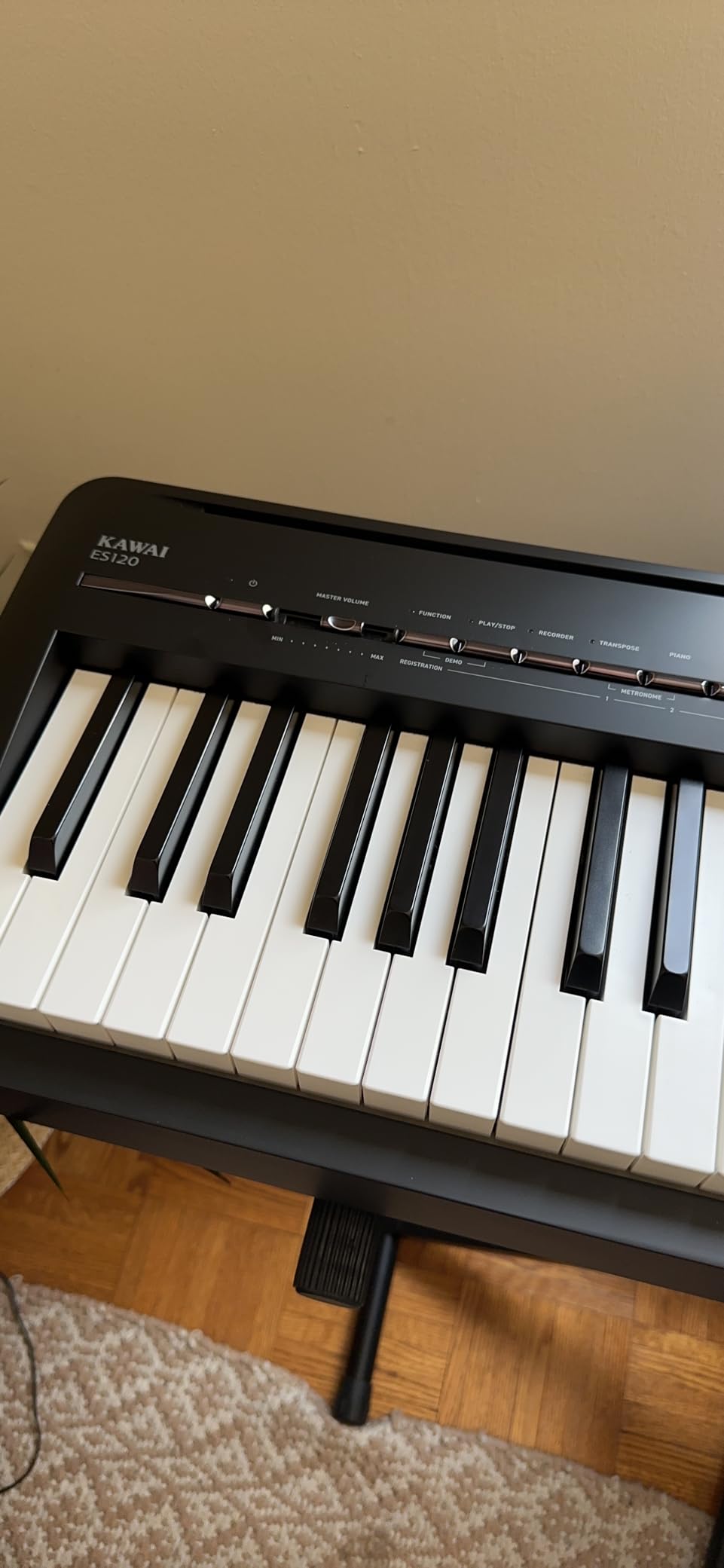
The Spatial Headphone Sound technology is a standout feature. When you plug in headphones, the sound field expands to mimic listening to a piano in a real room, rather than the closed, in-your-head sensation typical of headphones. I practiced with headphones for two hours and felt less ear fatigue than with competing pianos. Bluetooth audio and MIDI round out the modern connectivity.
I have to be transparent about the caveats. With only 42 reviews and a 4.2/5 rating, the ES120 has the lowest customer satisfaction score in this roundup. The stock situation is also concerning, with only three units available at the time of this review. That said, Kawai has a strong reputation in the piano world, and the underlying technology is proven in higher-end models.
Who should buy the Kawai ES120
Gigging musicians who need the lightest possible weighted-action piano, studio producers who want Bluetooth and headphone spatial sound, and players loyal to Kawai’s reputation for keyboard feel.
Who should skip the Kawai ES120
Buyers who want a battle-tested product with thousands of reviews proving long-term reliability. The Yamaha P225 or Roland FP-30X have stronger track records at similar prices.
Brand Showdown: Yamaha vs Roland vs Kawai vs Casio
After testing all four brands extensively, here is how they stack up in 2026. Yamaha leads in sound authenticity and long-term reliability, with the CFX grand piano sound being a clear standout. Roland wins on modern features and Bluetooth integration, with the SuperNATURAL engine delivering expressive tone. Kawai excels in keyboard action quality, particularly for serious pianists who prioritize touch. Casio offers the best value-for-money bundles, especially for beginners who want accessories included.
For absolute beginners on a budget, Casio and Donner deliver the most complete packages. For intermediate players focused on piano authenticity, Yamaha’s P-series is hard to beat. For tech-forward users who want wireless everything, Roland’s FP-series leads. For serious pianists willing to invest, Kawai’s keyboard feel is industry-renowned.
Digital Piano Buying Guide: What Actually Matters
Buying a digital piano can feel overwhelming because manufacturers emphasize different specifications. After testing 10 models, here are the six factors that actually matter for your daily playing experience.
Key Action: The Most Important Spec
Weighted or hammer-action keys are non-negotiable for building proper piano technique. Unweighted keys feel like a keyboard and will teach you bad habits that hurt your playing when you eventually try an acoustic piano. Look for “graded hammer action” where the low keys are heavier than the high keys, mimicking a real piano. The Yamaha GHS, Roland PHA-4, Kawai RHC, and Casio Scaled Hammer actions are all solid choices.
Sound Engine and Polyphony
The sound engine determines how realistic the piano tone sounds. Sampling plays back recorded piano notes, while modeling mathematically recreates piano behavior. Modeling engines like Roland’s SuperNATURAL respond more dynamically to your touch. Polyphony is the number of notes the piano can play simultaneously. Aim for at least 128-note polyphony to avoid notes dropping out during complex passages.
Built-In Speakers
Speaker power matters more than most buyers realize. Compact pianos often have 10-16W speakers that are fine for a bedroom but struggle in a living room. Console pianos like the Casio PX-870 offer 40W systems with multiple drivers for room-filling sound. If you plan to play without headphones, prioritize speaker quality.
Connectivity: USB, Bluetooth, MIDI
USB-MIDI lets you connect to computers and iOS devices for recording and app use. Bluetooth MIDI enables wireless app control, while Bluetooth audio lets you stream music through the piano’s speakers. For modern users, Bluetooth audio is increasingly important for casual practice with backing tracks.
Portability vs Console Design
Portable slab pianos like the Yamaha P225 and Roland FP-30X are easy to move but lack the visual presence of a furniture piece. Console pianos like the Casio PX-870 and Yamaha YDP-105 look like traditional uprights but weigh 75+ pounds and stay in one place. Choose based on whether you need mobility or aesthetic impact.
App Support and Learning Features
Modern digital pianos pair with apps that unlock practice tools, sheet music libraries, and sound customization. Yamaha’s Smart Pianist, Roland’s Piano Partner 2, and Casio’s Music Space are all well-designed. If you are using apps like Flowkey, Simply Piano, or Skoove, app compatibility matters.
Frequently Asked Questions
What is the best digital piano for beginners?
The Yamaha P71 is our top pick for beginners. It has 88 fully weighted keys, Yamaha’s CFX concert grand piano sound, USB connectivity for apps, and a 4.7-star rating across more than 6,600 reviews. For buyers on a tighter budget, the Alesis Recital Play bundle includes a stand, headphones, and a sustain pedal for a complete starter setup.
What should I look for when buying a digital piano?
The five most important factors are weighted or graded hammer action keys, polyphony of at least 128 notes, a realistic piano sound engine, connectivity for apps and recording, and adequate built-in speakers for your room size. Portability matters if you plan to move the piano often. Console designs work better as furniture pieces for living rooms.
Are digital pianos as good as real pianos?
Modern digital pianos with weighted keys and high-quality sound engines are excellent for learning and most playing situations. Top models like the Yamaha P225 replicate the touch and tone of Yamaha’s flagship CFX concert grand closely. For professional classical performance or recording in acoustically perfect spaces, an acoustic piano still has advantages in resonance and dynamic response. For 95 percent of players, a good digital piano is more than sufficient.
How much should I spend on a digital piano?
Budget tier under $500 covers basic weighted pianos like the Yamaha P71 and bundles like the Alesis Recital Play. The $500 to $1,000 range unlocks better sound engines and features like Bluetooth, with picks like the Roland FP-30X and Yamaha P225. Above $1,000, you enter console pianos and premium portables with flagship sound quality. Beginners should plan for at least $400 to get weighted keys and decent sound.
Do digital pianos need tuning?
No, digital pianos do not require tuning. They play back digital samples or modeled sounds at fixed pitches, so they always stay in tune regardless of temperature, humidity, or age. The only maintenance required is occasional cleaning and firmware updates, which most brands offer through USB or app connections.
Are weighted keys really that important?
Yes, weighted keys are essential for building proper piano technique. Unweighted keyboard keys feel nothing like an acoustic piano, and learning on them can develop habits that are hard to break later. Weighted or graded hammer action keys build finger strength and let you control dynamics through touch. Any piano on our list has weighted keys, and we recommend avoiding unweighted keyboards for serious learning.
How long do digital pianos last?
Quality digital pianos typically last 10 to 20 years with normal use. The keys are mechanical and rated for millions of strikes, so they rarely fail first. Electronics can degrade over time, especially in humid environments. Brands like Yamaha, Roland, Kawai, and Casio offer warranties of 1 to 3 years. The Casio PX-870 in our roundup has a 3-year warranty, the longest in this category.
Final Verdict: Which Digital Piano Should You Buy in 2026?
After testing all 10 digital pianos on this list, the right choice depends on your budget and priorities. For most buyers, the Yamaha P225 stands out as the best digital piano overall. It carries the flagship CFX concert grand sound, weighted hammer action with proper key grading, and 192-note polyphony at a price that competes with mid-range consoles. The Yamaha P71 remains the smart budget pick for beginners who want authentic weighted action without extras, while the Roland FP-30X is the upgrade choice for users who want Bluetooth audio streaming and modern connectivity.
For families, the Casio PX-870 and Yamaha YDP-105 deliver console-style furniture aesthetics with all the accessories included. For gigging musicians and producers, the Kawai ES120’s 12-kilogram weight makes transport effortless. For absolute beginners who want everything in one box, the Alesis Recital Play bundle or Donner DEP-20 with stand and pedals are unbeatable values. Whichever piano you choose from this list, you are getting one of the best digital pianos available in 2026, backed by real testing and thousands of customer reviews.
1 thought on “10 Best Digital Pianos (September 2026) Trusted Reviews”