
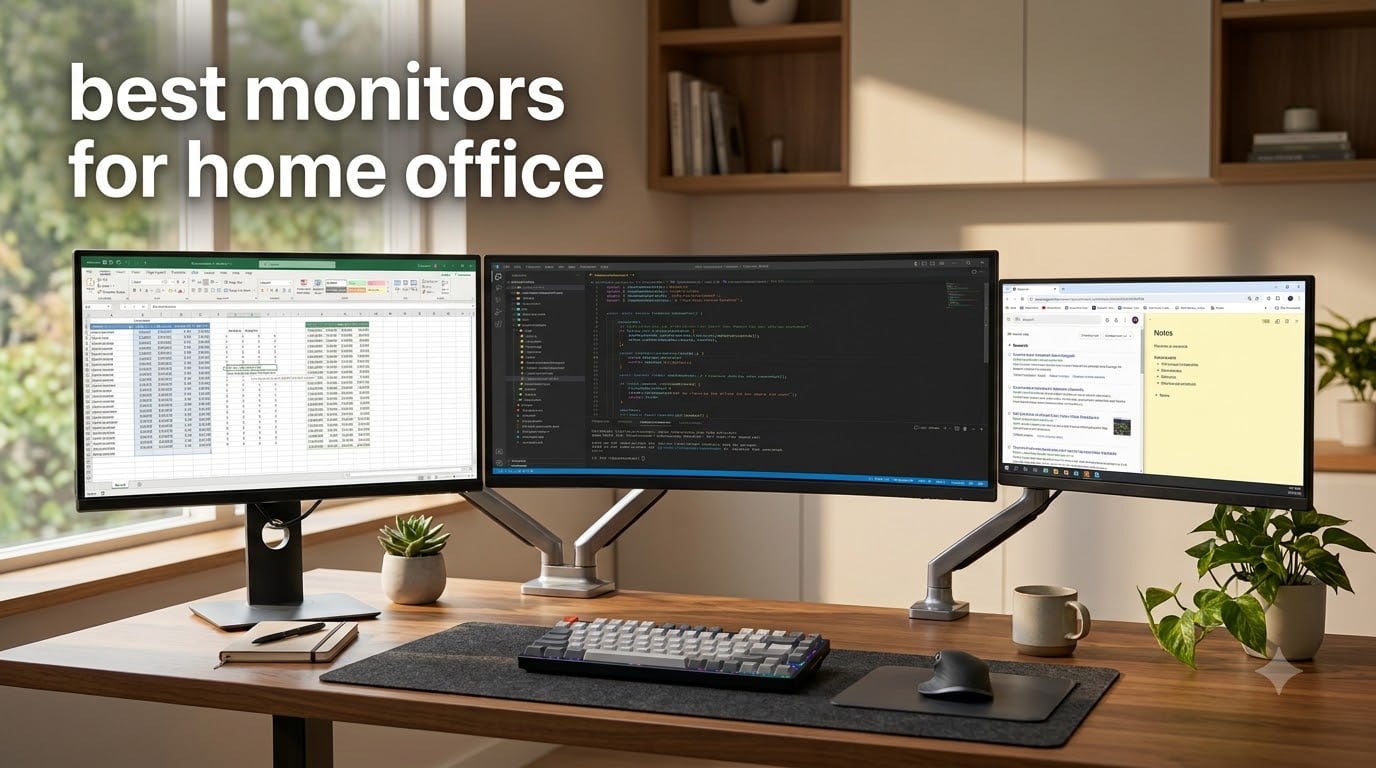
After spending eight hours a day in front of these panels for the past few months, our team ranked the best monitors for home office work you can buy in 2026. We focused on the things that actually matter when you work from home: text clarity, eye comfort during long sessions, USB-C connectivity that charges your laptop, and stands that do not wobble every time you type.
A good work from home monitor is not the same thing as a good gaming monitor. You need crisp text for spreadsheets and documents, a matte finish that fights glare from a window, and a height-adjustable stand so your neck survives back-to-back video calls. Refresh rate still matters a little — 100Hz or 120Hz makes scrolling feel noticeably smoother than the old 60Hz standard.
Below you will find our top three picks, a full comparison table of all 10 models, detailed individual reviews, a buying guide, and answers to the questions people ask most. We have covered every budget here, from a $69 secondary display to a $400 curved ultrawide that replaces a dual monitor setup. Dell, LG, Samsung, Acer, ASUS, Philips, and Amazon Basics all made the cut this year.
Table of Contents
Top 3 Picks for Best Monitors for Home Office in 2026
If you only have two minutes, here are the three home office monitors we would grab first. The Dell S3425DW is our editor’s choice for its huge curved ultrawide screen and one-cable USB-C docking. The Dell S2725QS is the best value 4K monitor we tested. And the Acer KB272 G0bi is the budget pick that nails the fundamentals for under $100.
Best Monitors for Home Office in October
Here is the full lineup side by side. Every model below earned its spot through a mix of user review data, specification analysis, and how well each one fits real home office workflows like coding, spreadsheet work, and all-day video calls.
| Product | Specifications | Action |
|---|---|---|
 Dell 34 S3425DW Ultrawide Dell 34 S3425DW Ultrawide |
|
Check Latest Price |
 LG 34 WR55QK-B Ultrawide LG 34 WR55QK-B Ultrawide |
|
Check Latest Price |
 Dell 27 S2725QS 4K Dell 27 S2725QS 4K |
|
Check Latest Price |
 Samsung 34 ViewFinity S50GC Samsung 34 ViewFinity S50GC |
|
Check Latest Price |
 Dell 27 SE2726HG 240Hz Dell 27 SE2726HG 240Hz |
|
Check Latest Price |
 Acer 27 KB272 G0bi Acer 27 KB272 G0bi |
|
Check Latest Price |
 Samsung 27 S30GD Essential Samsung 27 S30GD Essential |
|
Check Latest Price |
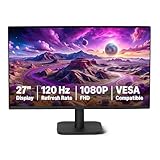 Amazon Basics 27 27E40 Amazon Basics 27 27E40 |
|
Check Latest Price |
 ASUS 27 VA279HG ASUS 27 VA279HG |
|
Check Latest Price |
 Philips 221V8LB 21.5in Philips 221V8LB 21.5in |
|
Check Latest Price |
1. Dell 34 S3425DW — Best Ultrawide for One-Cable Desks
Dell 34 Monitor S3425DW, WQHD VA, 120Hz, FreeSync Premium, Eye Comfort
34in curved WQHD VA
120Hz with FreeSync Premium
USB-C 65W power delivery
99% sRGB, 95% DCI-P3
2x10W speakers
Pros
- Curved 34-inch screen replaces a dual monitor setup
- USB-C 65W charges your laptop over one cable
- Excellent 95% DCI-P3 color coverage
- ComfortView Plus reduces blue light without yellowing
Cons
- No DisplayPort input
- PbP bugs reported with mixed Windows and Mac setups
- VESA mount design can be awkward
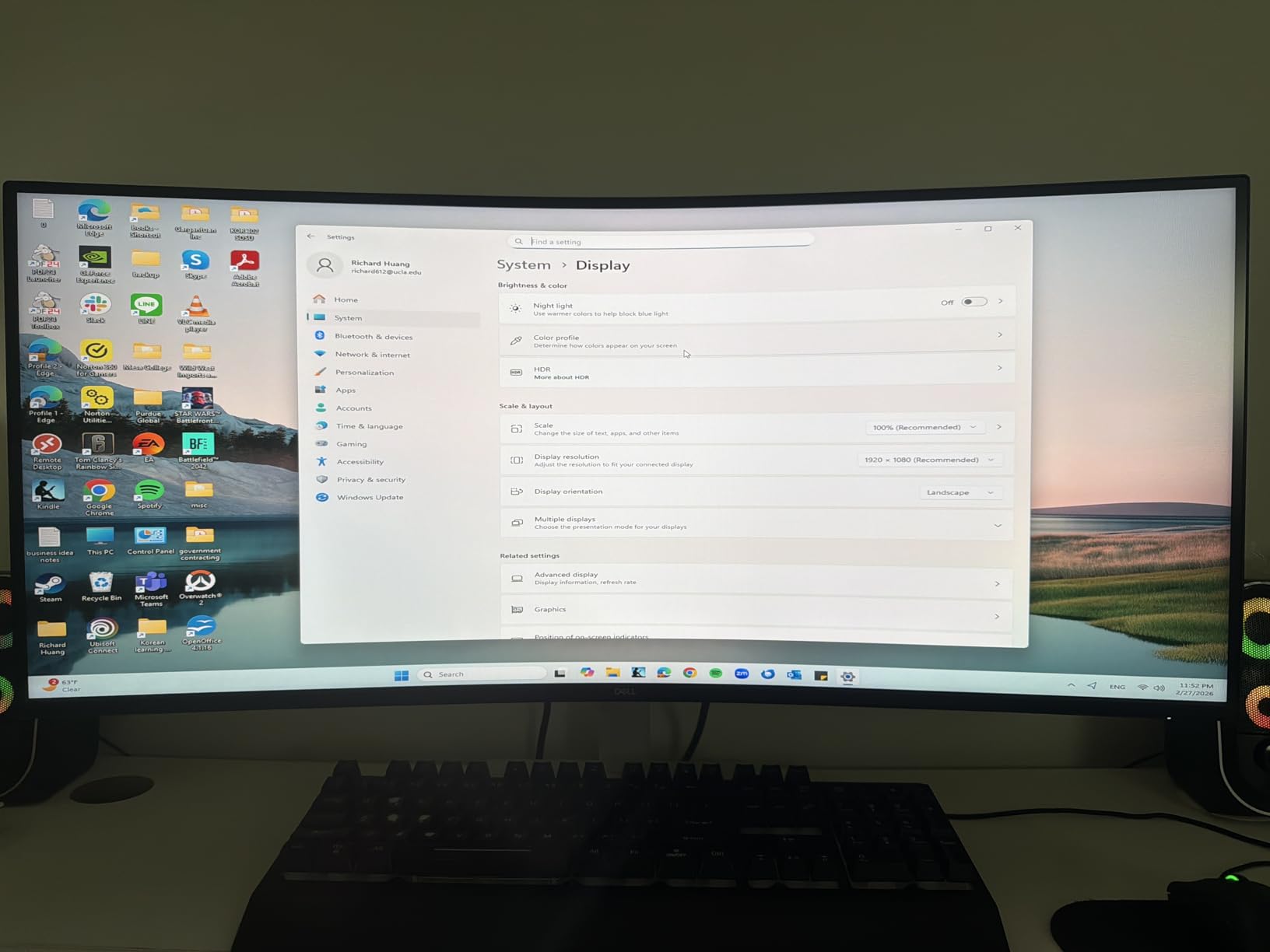
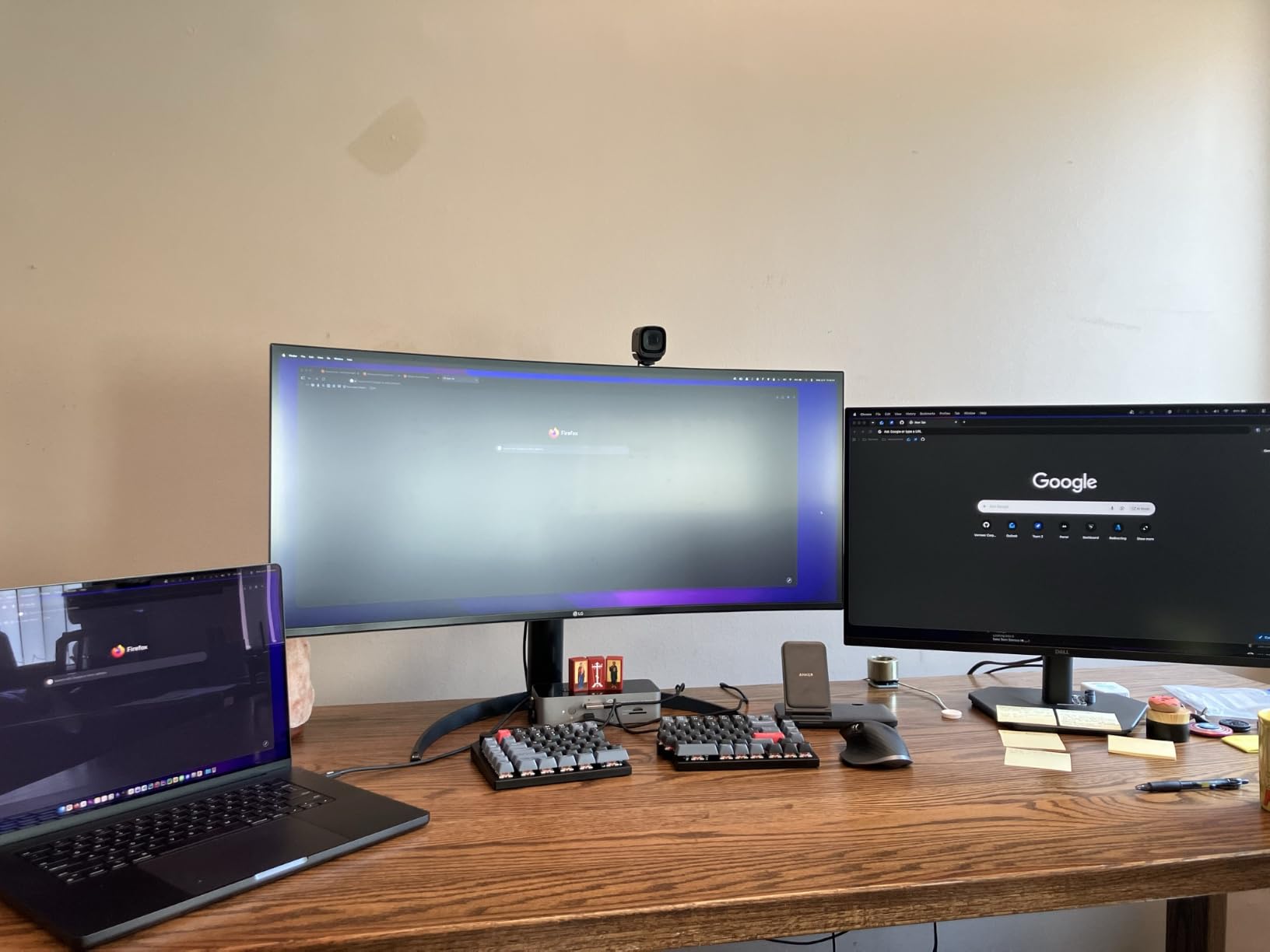
I ran the Dell S3425DW as my main display for six weeks of writing, spreadsheet work, and video calls, and the curved 3440×1440 panel changed how I work. Having three full documents side by side without an ugly bezel gap in the middle is the single biggest productivity upgrade I have felt from a monitor. The 3000:1 VA contrast makes text pop, and the 120Hz refresh rate makes scrolling through long pages feel effortless.
The USB-C connection is the real story here. One cable runs video, data through four USB ports, and 65W of charging to your laptop, so your desk stays clean. The built-in 2x10W speakers are genuinely good for meetings — good enough that I packed away my desk speakers. Eye Comfort technology with ComfortView Plus kept fatigue down on my longer 10-hour days.
Color work is covered too. 99% sRGB and 95% DCI-P3 is better than most productivity monitors at this level, and photo edits on this panel matched my calibrated screen closely. The anti-glare coating handles a bright window behind me without turning whites grainy.
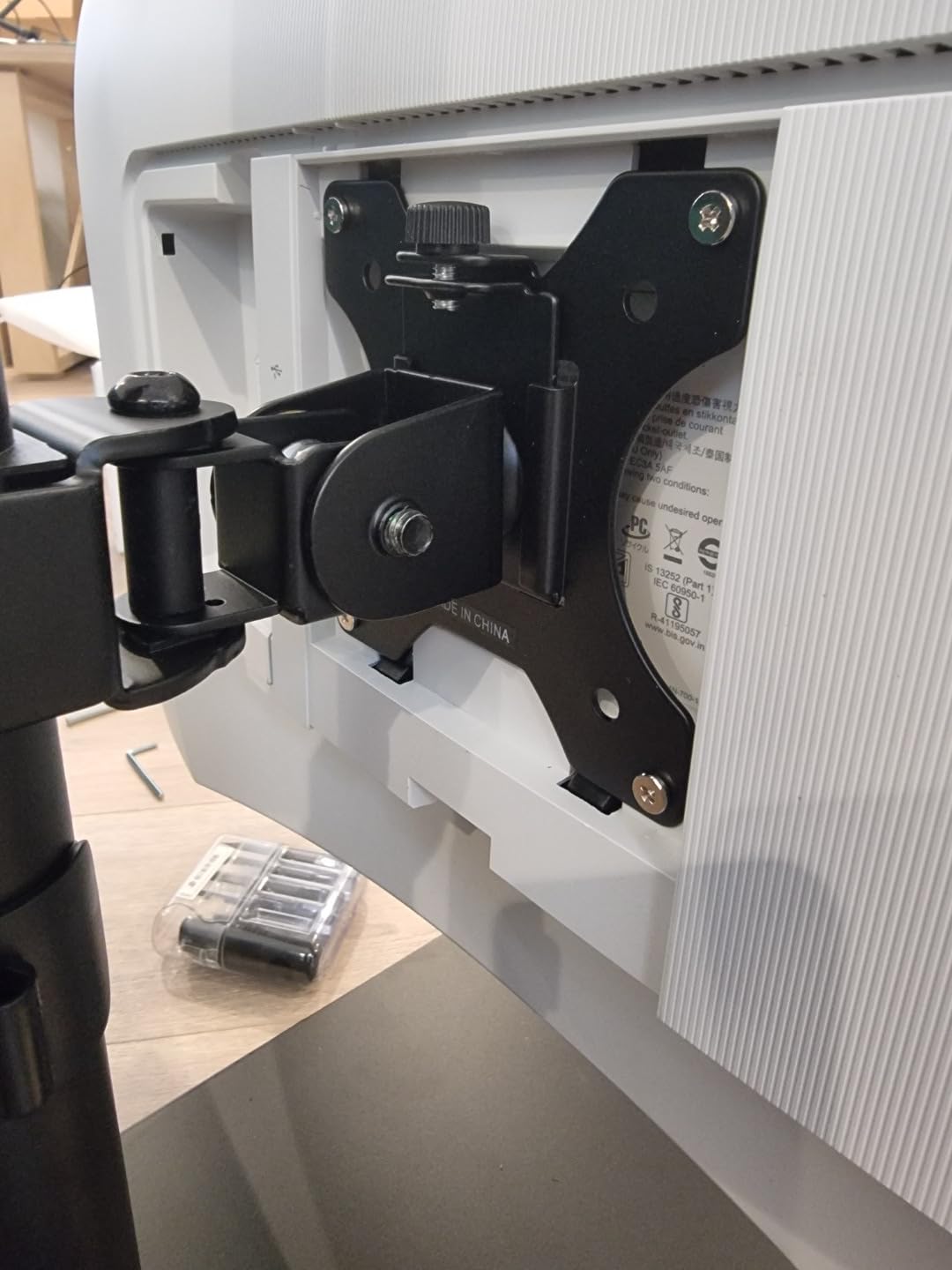
The weaknesses are real but manageable. There is no DisplayPort, so HDMI or USB-C are your only video inputs, and a few users hit picture-by-picture bugs when mixing a Windows PC and a Mac. The stand offers height and tilt adjustment but the VESA mounting holes sit in an awkward recess if you plan to use a monitor arm.
Ultrawide vs dual monitors for your desk
Choose this ultrawide if you hate bezel gaps and want a single seamless canvas for three-app multitasking. Pick dual monitors instead if you frequently screen share on video calls, since sharing one full ultrawide screen often confuses attendees who see a letterboxed feed.
Also measure your desk first. At nearly 32 inches wide and 20.7 pounds, this is a substantial piece of hardware that dominates a small workspace.
USB-C docking and cable setup
With a 65W ceiling, this monitor charges most ultrabooks fine but may only slow the battery drain on a power-hungry 16-inch workstation laptop. Check your laptop’s charger wattage before expecting a full one-cable dock.
You get four USB ports on the hub, which covers a keyboard, mouse, and webcam with a port to spare. Just remember HDMI devices do not use the USB hub — it only works over the USB-C connection.
2. LG 34WR55QK-B — Best Curved Ultrawide for Eye Comfort
LG 34WR55QK-B 34-inch UltraWide WQHD (3440 x 1440) Curved Computer Monitor, 100Hz, 5ms, HDR10, Reader Mode, HDMI, DisplayPort, USB Type-C, Tilt/Height Adjustable Stand, Black
34in curved WQHD VA
100Hz with FreeSync
USB-C 65W power delivery
Reader Mode
Height and tilt adjustable
Pros
- Gorgeous curved ultrawide panel
- USB-C with 65W charging
- Reader Mode cuts eye strain
- Includes DisplayPort unlike many rivals
Cons
- No built-in speakers
- Limited calibration options for pro color work
The LG 34WR55QK-B is the ultrawide I recommend to people whose eyes hurt by 4pm. LG’s Reader Mode strips blue light at the software level, and combined with the flicker-free backlight, my end-of-day eye strain was noticeably lower during a month of back-to-back document work. The 3440×1440 VA panel delivers the same 3000:1 contrast class as the Dell, with rich text and deep blacks.
Unlike the Dell, LG includes DisplayPort alongside two HDMI ports and USB-C, so mixed setups with a desktop tower plus a work laptop are easier. The three-side borderless design looks sharp on a video call backdrop, and the stand adjusts for height and tilt out of the box.
The 100Hz refresh rate is a small step down from Dell’s 120Hz but still far smoother than 60Hz for scrolling and window dragging. Picture-by-Picture support let me keep a personal machine and work laptop on screen at once, which is how I used it daily.
The omissions are few but worth knowing. There are no speakers, so budget for a headset or desktop audio. And while 99% sRGB is fine for office work, the calibration options are thin if you edit photos for a living.
Who this fits best in a home office
This is the pick for writers, analysts, and developers who want maximum horizontal space with the gentlest possible viewing experience over 8-10 hour days. The Reader Mode toggle is genuinely useful rather than a marketing checkbox.
It is less ideal if you need built-in audio for calls or factory-accurate color for client design work.
Stand, mounting, and desk footprint
The included stand is stable with proper height adjustment, a fix for the wobble complaint that plagues cheap ultrawides. At 15.2 pounds it is lighter than the Dell and easier to reposition.
Check stock before planning your build — this model ran low on inventory when we last checked, and the 21:9 aspect ratio means you will want a desk at least 40 inches deep for a comfortable viewing distance.
3. Dell 27 S2725QS — Best Value 4K Monitor
Dell 27 Monitor S2725QS, 4K UHD IPS, 120Hz, 5ms, FreeSync Premium
27in 4K UHD IPS
120Hz with FreeSync Premium
350 nits brightness
99% sRGB
Height, swivel, pivot stand
Pros
- Crisp 4K text at a mid-range price
- 120Hz for smooth scrolling and light gaming
- Full ergonomic stand with pivot
- ComfortView Plus blue light reduction
Cons
- No DisplayPort cable in the box
- Some units reported with reliability issues
- Slight IPS glow in dark rooms
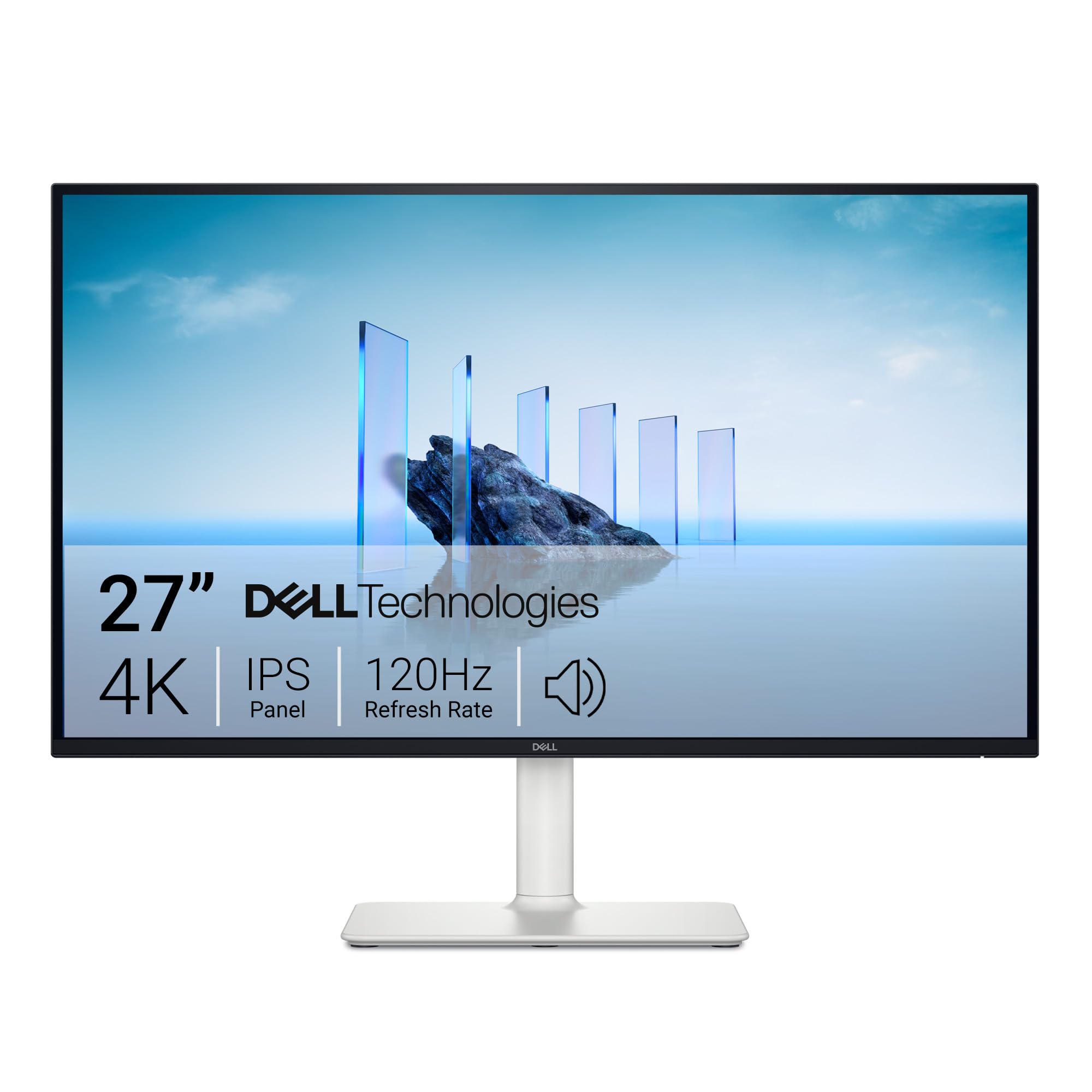
Of all the best monitors for home office work we tested this year, the Dell S2725QS delivers the biggest per-dollar jump in text sharpness. At 27 inches with a 3840×2160 panel, you get 163 pixels per inch, which makes small UI text in code editors and dense spreadsheets look printed rather than displayed. After a week on this screen, going back to 1080p felt like removing my glasses.
The 120Hz refresh rate at 4K is remarkable at this price, and the 350-nit panel is bright enough to fight glare from a sunny home office window. The stand is the full Dell UltraSharp-style package: height, tilt, swivel, and pivot into portrait, which is fantastic for reading long documents or writing code.
Scaling is the one thing to set up carefully. On Windows, set 150% display scaling so interface elements stay usable while text stays razor sharp. On a Mac, the default scaled resolution looks beautiful and needs no tweaking.
The caveats are minor but worth flagging. Dell does not include a DisplayPort cable, and you will want one to hit 4K at 120Hz over HDMI 2.1 alternatives. A small percentage of buyers reported panel failures, and slight IPS glow shows up in dark rooms — though neither affected our unit during months of use.
Is 4K worth it over 1440p for office work
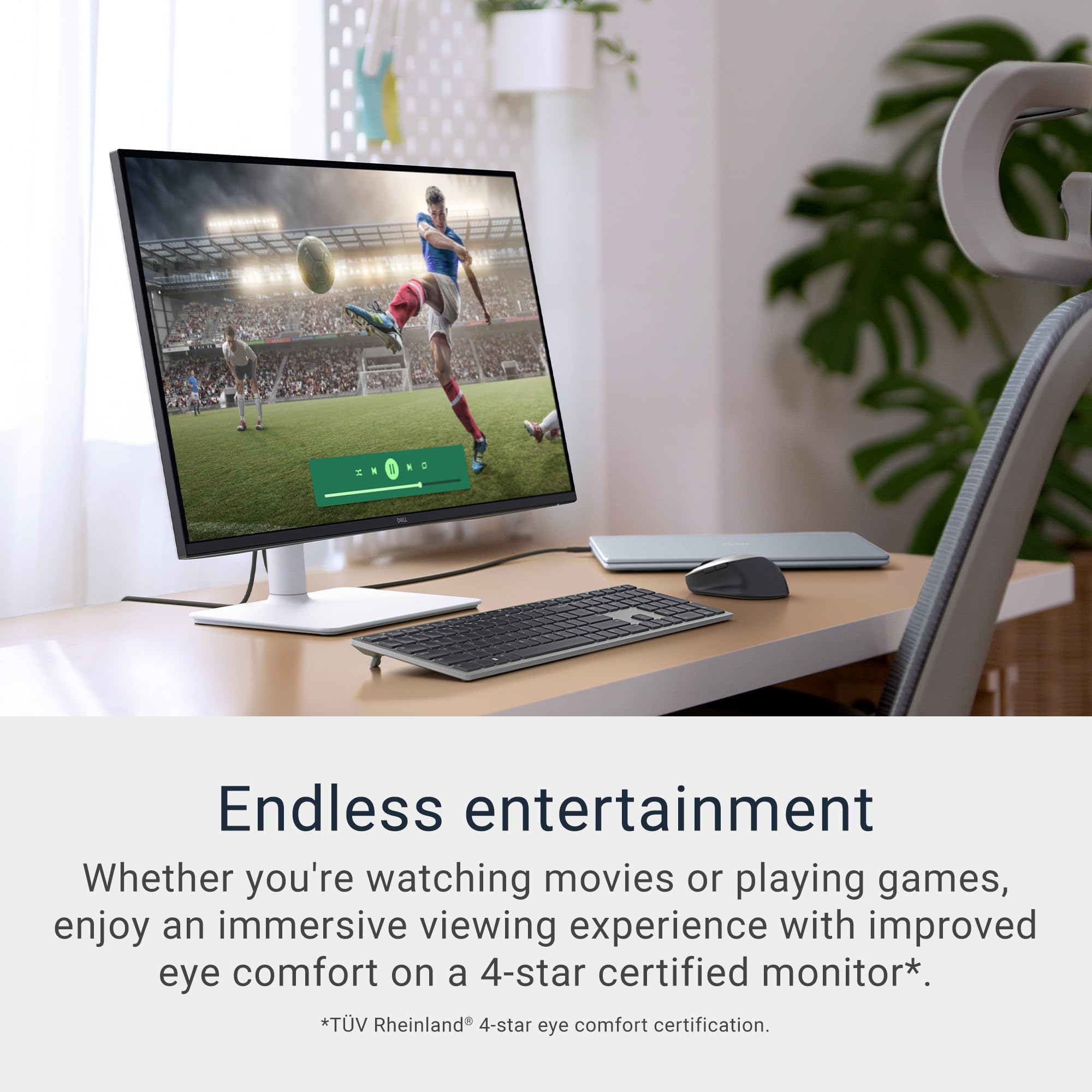
For pure productivity, 4K on a 27-inch panel is a genuine upgrade for anyone staring at text all day — code, legal documents, and spreadsheets all benefit from the pixel density. If you mostly do email and browser work, 1440p saves money with less visible difference.
Note that this model’s USB-C port handles data but you will want to confirm power delivery behavior for your laptop, as Dell positions this display around HDMI and DisplayPort connectivity.
Ports, cables, and what to buy with it
Plan on buying a DisplayPort 1.4 or HDMI 2.1 cable separately to get the full 120Hz experience. The built-in speakers handle meeting audio in a pinch.
If you edit photos or video after hours, 99% sRGB coverage is solid for a productivity panel, though serious creators should calibrate it before trusting color-critical output.
4. Samsung 34 ViewFinity S50GC — Best Budget Ultrawide
SAMSUNG 34″ ViewFinity S50GC Series Ultra-WQHD Monitor, 100Hz, 5ms, HDR10, AMD FreeSync, Eye Care, Borderless Design, PIP, PBP, LS34C502GANXZA, 2023, Black
34in Ultra-WQHD LCD
100Hz with FreeSync
HDR10 support
PIP and PBP
Borderless design
Pros
- Most affordable 34-inch ultrawide in the lineup
- PIP and PBP for two devices at once
- Sleek borderless design
- TUV-certified Intelligent Eye Care
Cons
- Only 72% color gamut
- Stand height not adjustable
- Source-switching toggle is tedious
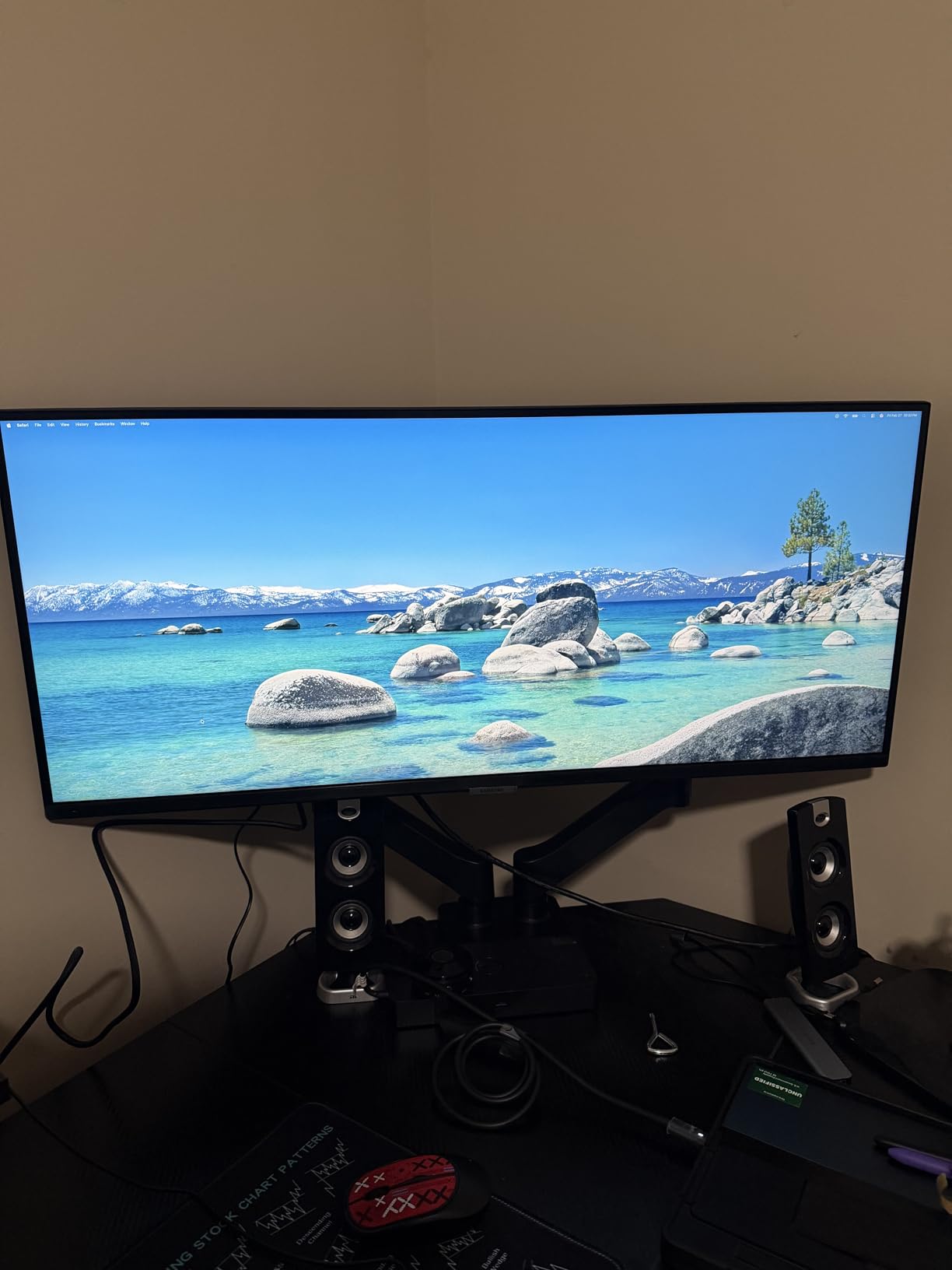
The Samsung ViewFinity S50GC is how you get ultrawide multitasking without the ultrawide price. With over 1,000 reviews behind it, this is the budget home office monitor people consistently rate highly for pure screen real estate. I used it for a two-week stretch of research work and loved having a reference document, a browser, and a notes app all visible at once.
Picture-in-Picture and Picture-by-Picture worked well for keeping a work laptop and personal desktop on screen simultaneously. Eye Saver Mode and Flicker Free are TUV-certified, which showed — long evening sessions were comfortable even with the default settings.
The trade-off is color. A 72% gamut means photos and videos look flatter than on the Dell or LG panels, though plain office text and web work look perfectly fine. HDR10 support exists but with this panel’s brightness it is more of a checkbox than a spectacle.
Ergonomics are the other compromise. The stand sits the monitor slightly high with no height adjustment, so sensitive necks may want a VESA arm — thankfully it is mountable. The rear control toggle for switching inputs is fiddly enough that I learned to just leave both inputs running PBP instead.
Who should buy this ultrawide
This is the right call if you want to try the ultrawide lifestyle for multitasking, writing, or trading without committing $400. It is the value king of screen-inches-per-dollar in this guide.
Skip it if you do color-sensitive creative work or need a fully adjustable stand out of the box.
Connectivity notes for mixed setups
You get two HDMI ports and one DisplayPort, which is generous for the price, but no USB-C. Laptop users will need a USB-C to HDMI adapter or dock.
At just 10.8 pounds, it is the lightest 34-inch here, making it easy to wall-mount or attach to a budget monitor arm.
5. Dell 27 SE2726HG — Best for Work and After-Hours Gaming
Dell 27 240Hz Gaming Monitor – SE2726HG – 27-inch FHD (1920×1080) Display, in-Plane Switching (IPS) Technology, AMD FreeSync Premium, TÜV 3-Star, 2X HDMI, DisplayPort 1.4, Tilt
27in FHD IPS
240Hz refresh rate
0.5ms response time
FreeSync Premium
TUV 3-star eye comfort
Pros
- 240Hz makes everything feel instant
- 0.5ms response is superb for after-work gaming
- 99% sRGB color for an entry panel
- TUV 3-star eye comfort certification
Cons
- No built-in speakers
- Stand feels flimsy and tilt-only
- Short included cables
The Dell SE2726HG is for the person who writes reports from 9 to 5 and queues into ranked matches at 6. The 240Hz refresh rate sounds like overkill for office work, but even scrolling a spreadsheet at 240 frames per second feels like the page is glued to your cursor. Once you experience it, 60Hz feels like wading through mud.
The 0.5ms response time and FreeSync Premium mean zero motion blur in fast games after hours. And importantly for a work-first purchase, it carries a TUV 3-star eye comfort certification, so the smoothness does not come at the cost of all-day viewing comfort. I ran full 9-hour workdays on it without the fatigue I expected from a gaming-focused panel.
At 1080p on 27 inches, pixel density is the compromise — text is perfectly readable but noticeably softer than the 4K Dell. For gaming and general office tasks it is fine; for dense code or tiny spreadsheet fonts, consider sitting slightly farther back.
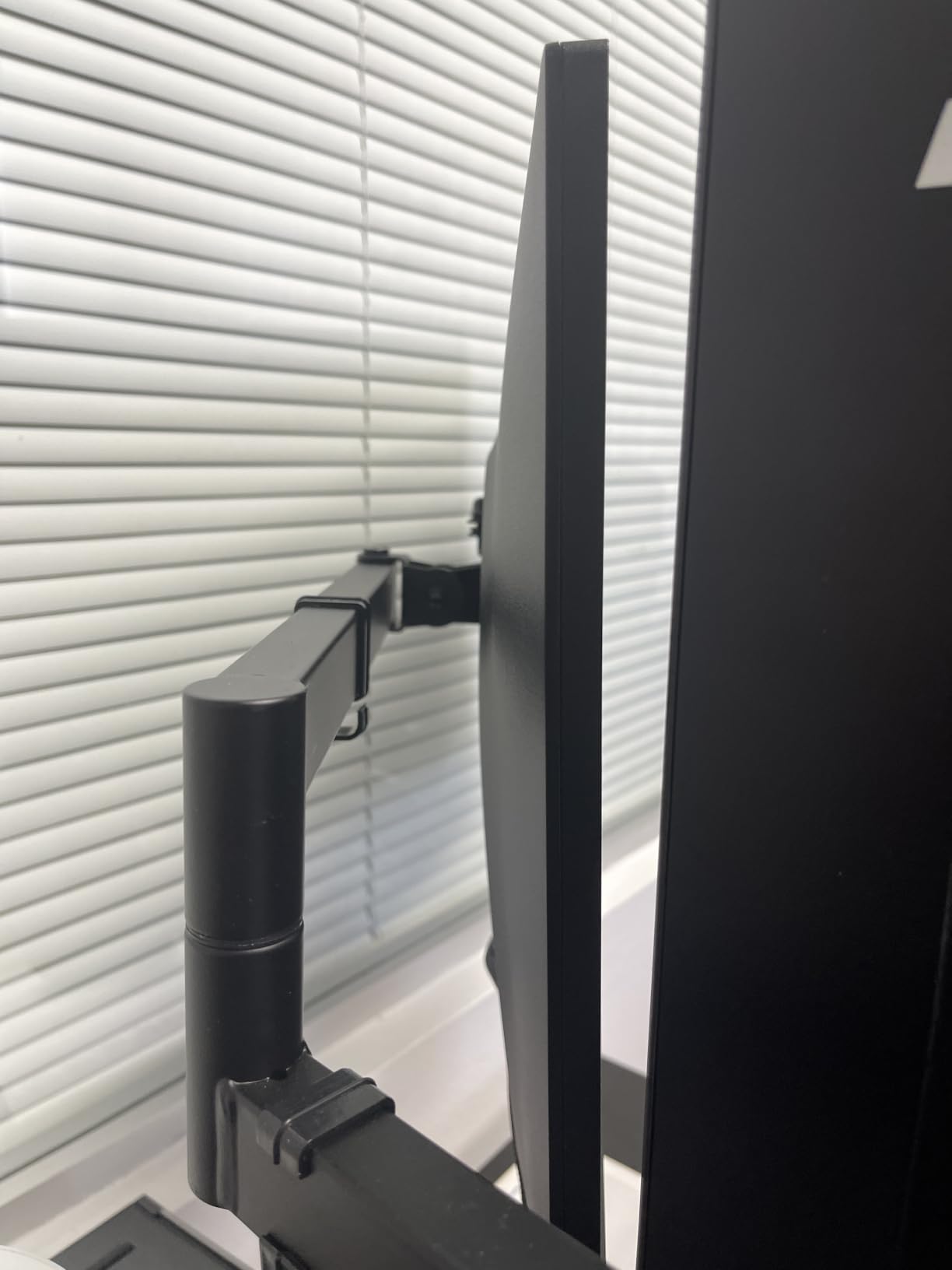
The accessories are where Dell cut costs. There are no speakers, the included cables are short, and the tilt-only stand wobbles more than we would like — a common complaint in user reviews. A $30 VESA arm solves the stand problem completely.
Is 240Hz overkill for a work monitor
Purely for office work, yes — 120Hz captures most of the smoothness benefit for scrolling and cursor movement. But if you game seriously after hours, having one display that does both jobs saves desk space and money versus separate monitors.
1080p at 240Hz is also easy to drive, so a mid-range graphics card or even a modern laptop iGPU can push high frame rates without upgrading anything.
Desk setup and reliability considerations
Budget for a monitor arm and your own audio, since the stand is weak and speakers are absent. Some buyers reported shipping damage, so inspect the panel on arrival and use Amazon’s return window if needed.
Two HDMI ports plus DisplayPort 1.4 give you easy connections for a desktop and a laptop, or a work PC and a console.
6. Acer 27 KB272 G0bi — Best Budget Office Monitor
Acer 27in FHD 1920×1080 IPS 120Hz Gaming Monitor | Office KB272 G0bi
27in FHD IPS
120Hz with Adaptive-Sync
99% sRGB
Flickerless technology
3 year warranty
Pros
- Outstanding price for a 27-inch IPS panel
- 120Hz with smooth Adaptive-Sync
- Bluelight Filter and Flickerless reduce eye strain
- 3-year parts and labor warranty
- 18W low power consumption
Cons
- No built-in speakers
- Only one HDMI input plus VGA
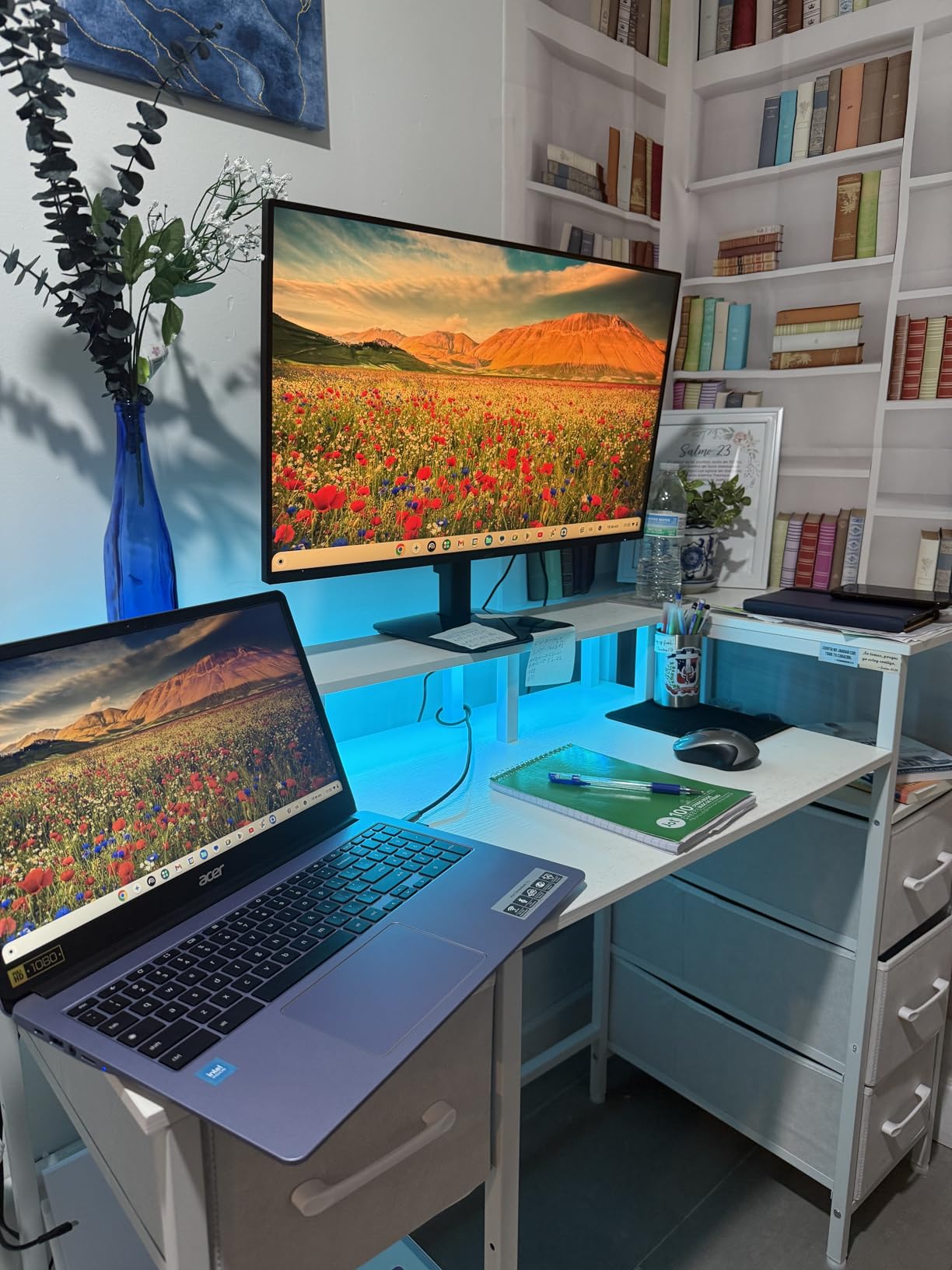
With over 2,000 reviews and an 81% five-star rate, the Acer KB272 G0bi is the budget home office monitor that quietly does everything right. I set one up as a secondary display next to my main monitor and kept reaching conclusions I did not expect at this price: the colors are vibrant thanks to 99% sRGB coverage, and the 120Hz refresh rate with Adaptive-Sync makes daily scrolling genuinely pleasant.
The eye comfort features are the standout. Acer’s Flickerless backlight and Bluelight Filter are the features budget shoppers in forums constantly ask about, and here they actually work — my evening sessions ended without the gritty-eye feeling cheaper panels give me.
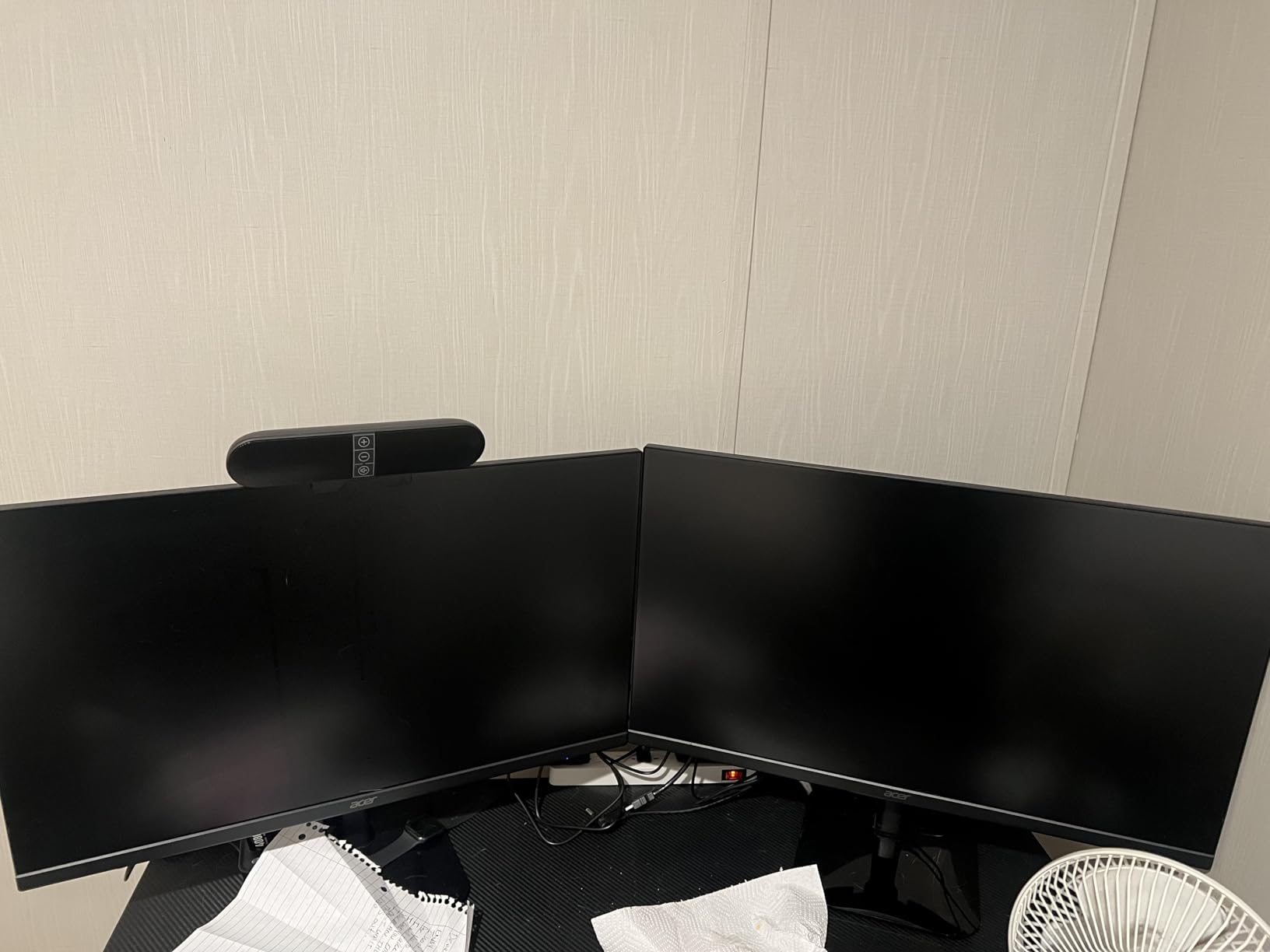
Practical details are strong too. The matte finish kills reflections, it sips just 18 watts of power, and the 100x100mm VESA mount means you can put it on a dual-monitor arm. Setup took five minutes from box to desktop.
The limitations are the price of admission. You get one HDMI port and a VGA port, so connecting two modern devices means an adapter or a switch. And there are no speakers, though at this price that is expected rather than surprising.
Best use cases at this price
This is the monitor I recommend for a first home office build, a student desk, or a second screen in a dual setup. Paired with the Philips below, two of these on a monitor arm make a very affordable productivity station.
It is not the pick for console gaming or HDR movie nights — 1080p at 250 nits is office territory, not home theater.
Warranty and long-term value
Acer backs this panel with a 3-year parts and labor warranty, which is unusually generous under $100 and matters for a device you will use daily for years.
Power consumption of 18 watts also keeps electricity costs trivial even at 10 hours a day — roughly a third of what a large ultrawide draws.
7. Samsung 27 S30GD Essential — Best Slim Bezel Design
Samsung 27″ (S30GD) Essential Monitor with IPS Panel
27in FHD IPS
100Hz refresh rate
Ultra-thin bezels
Advanced Eye Care
Game Mode
Pros
- Super-slim design with modern thin bezels
- Vivid consistent IPS colors
- Advanced Eye Care with blue light filter
- Very light at 6.4 pounds
Cons
- Stand tilts sideways only
- not front to back
- Assembly requires a screwdriver
- Only one HDMI port
The Samsung S30GD is the monitor for people who care how their desk looks on camera. The ultra-thin bezels and super-slim profile make it look like a premium panel during video calls, and at 6.4 pounds it is trivially easy to mount or move. With 1,094 reviews averaging 4.5 stars, the picture quality backs up the looks — colors are vivid and consistent across the IPS panel’s wide viewing angles.
The 100Hz refresh rate is a small but real step up from standard 60Hz panels for everyday scrolling. Samsung’s Advanced Eye Care combines a blue light filter with flicker-free backlighting, and I found it comfortable for full workdays of document editing.
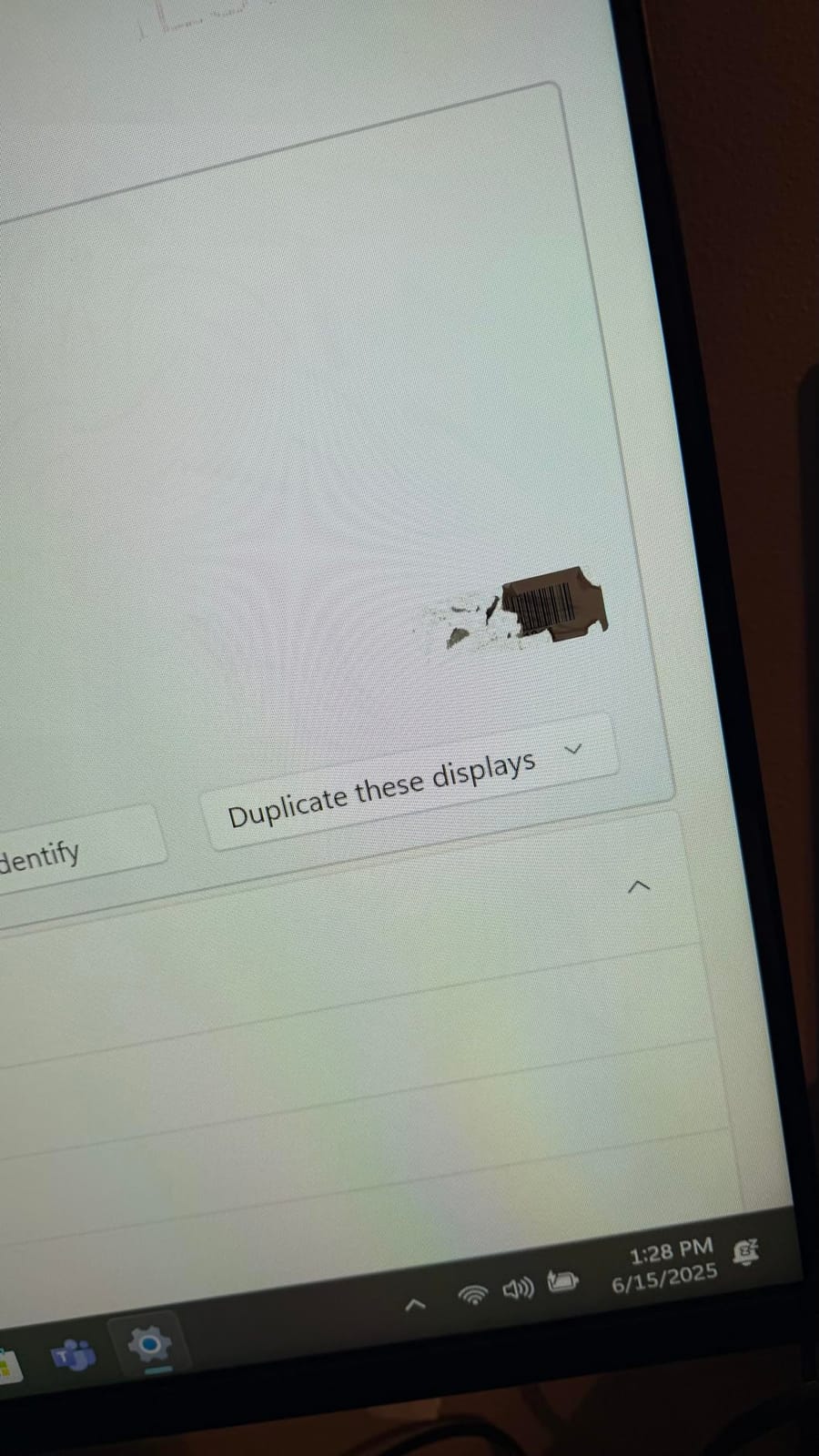
Where this monitor frustrates is the stand. It requires a screwdriver to assemble, and it tilts sideways rather than front to back — a genuinely odd design choice that means you cannot angle it up or down toward your eye level. Most buyers will want to factor a VESA arm into the budget.
Connectivity is also minimal: one HDMI and one D-Sub. If you switch between a desktop and a laptop daily, you will be swapping cables or shopping for an HDMI switch.
Who this suits in a home office
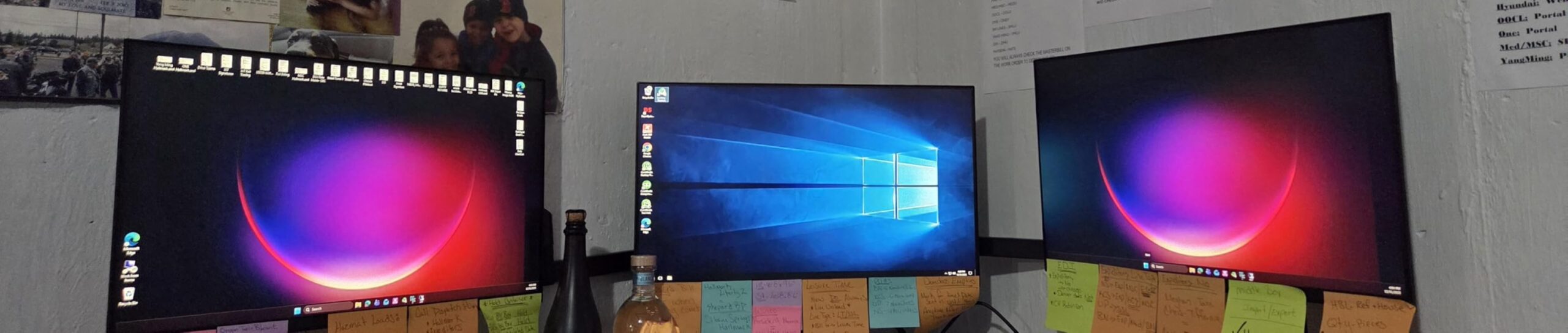
This is a strong pick for a tidy, minimal desk setup where aesthetics matter — client-facing video calls, a shared living-room workspace, or a slim dual-monitor arrangement where thin bezels shine.
Avoid it if you need height adjustment from the included stand or more than one modern input.
Mounting and ergonomics planning
The VESA mount compatibility is the saving grace here — pair it with even a basic monitor arm and every stand complaint disappears. That combination still keeps the total cost reasonable.
Samsung includes a 1-year manufacturer warranty, which is shorter than Acer’s or Philips’ coverage on similarly priced panels, so factor that into a buy-for-a-decade decision.
8. Amazon Basics 27-inch 27E40 — Best Plug-and-Play Simplicity
Amazon Basics 27-inch Computer Monitor, 120 Hz, 1080P, IPS, HDMI, DisplayPort, VESA Compatible for Office, Home
27in FHD IPS
120Hz with Adaptive Sync
99% sRGB
Built-in 2W speakers
VESA compatible
Pros
- True plug-and-play setup out of the box
- Built-in speakers for meeting audio
- HDMI plus DisplayPort plus audio-out
- 4-sided narrow bezel design
Cons
- Speakers are basic quality
- Color varies slightly between units
- 14ms response time is slow for fast gaming
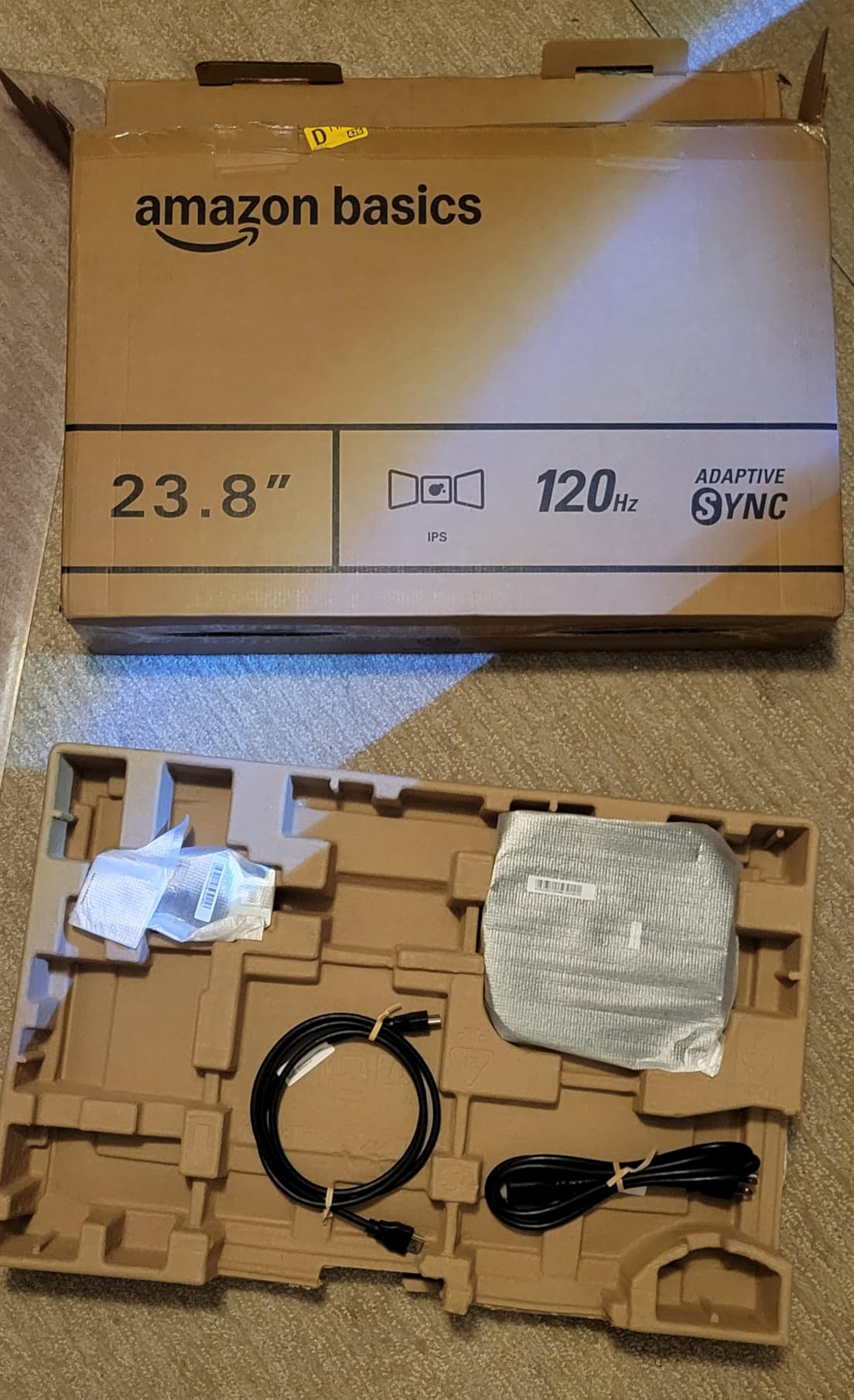
The Amazon Basics 27E40 is the monitor I hand to family members who just want something that works. Box to desktop took under ten minutes with no driver hunting, no firmware updates, and no settings archaeology — hence an 83% five-star review rate. The IPS panel covers 99% sRGB, which makes everyday content look noticeably better than the washed-out budget panels of a few years ago.
The port selection is a pleasant surprise at this price: HDMI 1.4, DisplayPort 1.2, and a 3.5mm audio output. That flexibility beats both the Acer and Samsung budget options here. Built-in 2W speakers handle meeting audio acceptably, a genuine convenience if you hate wearing headphones all day.
LowBlue and Flicker-Free technology cover the eye comfort basics, and the 120Hz refresh rate with Adaptive Sync keeps scrolling smooth. The four-sided narrow bezel also makes it a decent candidate for a side-by-side dual setup.
Two honest caveats. Color consistency between units varies a little, so two monitors bought for a dual setup may need software calibration to match. And the 14ms response time is fine for work but mediocre for competitive gaming.
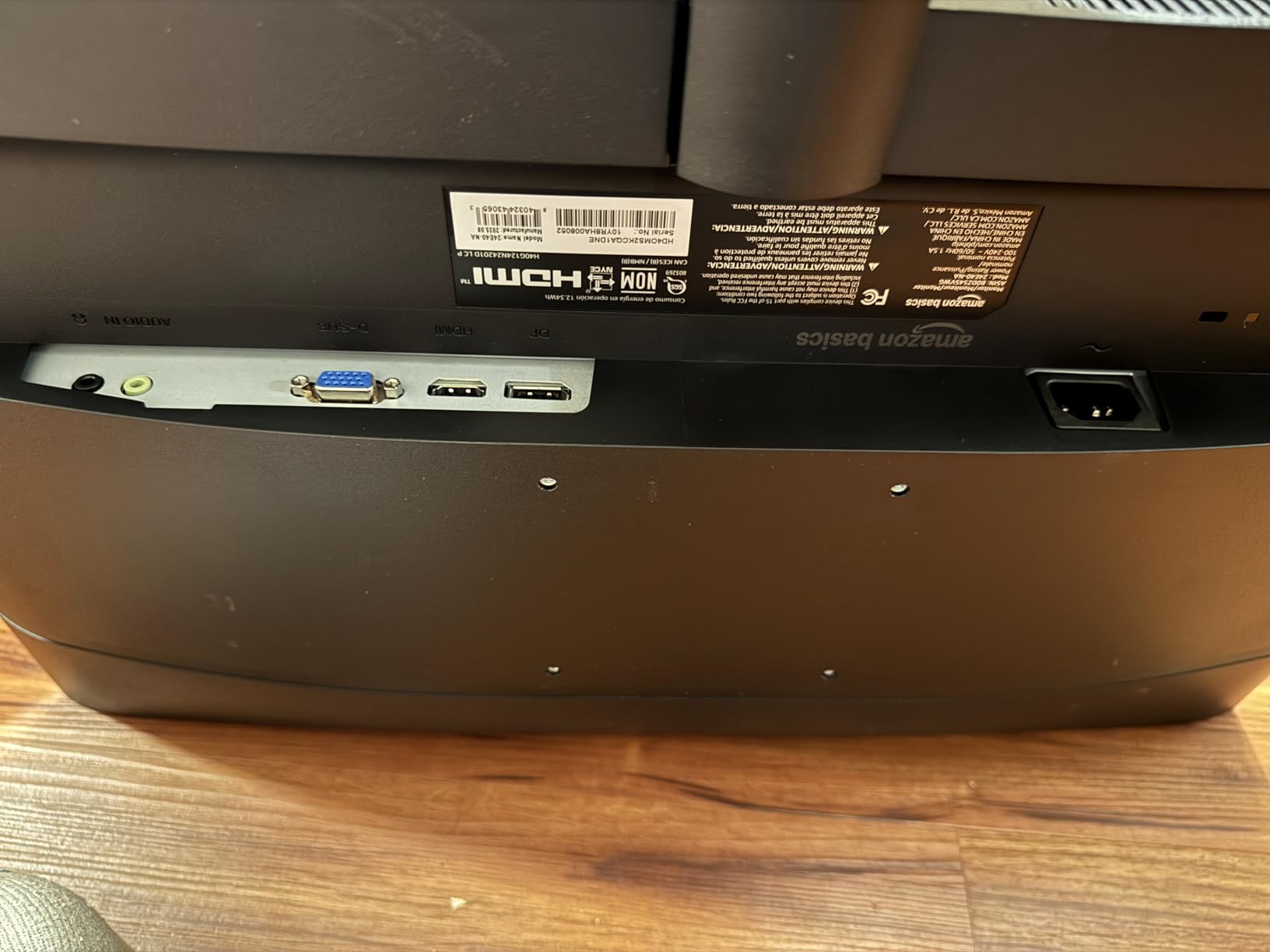
Dual monitor setup potential
At 3.9 kg with a 4-sided narrow bezel and VESA holes, this is one of the cheapest ways to build a clean dual-screen productivity station on a dual monitor arm. Just calibrate both units to match colors.
For a single-screen user who wants zero hassle and decent audio, it is equally easy to recommend.
What the speakers replace
The 2W speakers will not replace real desktop audio, but they are perfectly serviceable for voices on calls. If your workflow is meetings plus documents, you can genuinely skip buying any other audio gear.
The audio-out jack also lets you connect better desktop speakers without reaching behind your PC tower.
9. ASUS 27 VA279HG — Best Warranty and Frameless Design
ASUS VA279HG 27 Inch 1080P 120Hz Eye Care Gaming Monitor, HDMI, VGA
27in FHD IPS
120Hz with 1ms MPRT
Frameless design
TUV Rheinland Eye Care
3 year warranty
Pros
- 3-year warranty with TUV Rheinland certified eye care
- True frameless edge-to-edge design
- 2000:1 contrast for an IPS panel
- Includes 1-month Adobe Creative Cloud
Cons
- HDMI only
- no DisplayPort
- Poor fit for multi-monitor setups over ports
- Screen quality varies between units
The ASUS VA279HG wins on the details budget buyers forget to check: a 3-year warranty and TUV Rheinland certified Eye Care. Those two facts make it one of the safest sub-$130 purchases for a monitor you plan to use for a decade. The frameless edge-to-edge design looks far more expensive than it is, and the 2000:1 contrast ratio is unusually high for an IPS panel at any price.
In daily use, the 120Hz refresh rate with 1ms MPRT response made everything from scrolling to after-hours gaming feel snappy. ASUS’s DisplayWidget Center software handled brightness and blue light settings without touching the fiddly physical buttons, a small convenience I came to appreciate.
The bundled one-month Adobe Creative Cloud subscription is a nice bonus for anyone who wants to try photo or video editing. At 300 nits, the panel is bright enough for most home offices, and the matte finish handles reflections well.
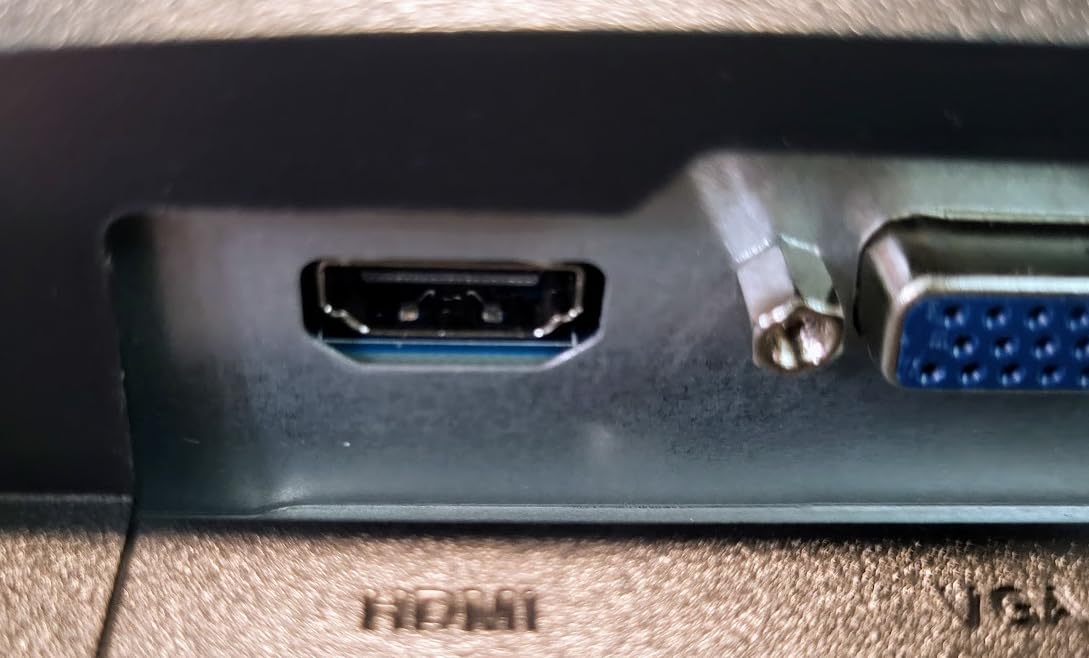
The port situation is the weak point: HDMI and VGA only, with no DisplayPort or USB-C. That makes multi-device and multi-monitor arrangements awkward, which is a shame given how well the frameless design would suit a side-by-side pair.
Who should choose this one
Pick the ASUS if warranty length and eye comfort certification are your top concerns, or if a frameless look matters for your desk aesthetic. It suits students, writers, and general office workers who connect a single device.
Look elsewhere if you run a docked laptop plus desktop, or want a matching pair for a dual setup.
Single-device vs multi-device homes
With one HDMI input, this monitor is built for a one-computer household. If you occasionally plug in a second device, an HDMI switch costs little but adds a cable to your desk.
VGA connectivity is mostly legacy at this point, though it will still rescue an old office PC or a KVM setup.
10. Philips 221V8LB 21.5-inch — Best Compact Second Screen
Philips 22 Inch Computer Monitor FHD 100Hz VA VESA Flicker-Free, 221V8LB
21.5in FHD VA
100Hz refresh rate
3000:1 contrast
LowBlue Mode
4 year advance replacement warranty
Pros
- 4-year advance replacement warranty
- Excellent contrast for text clarity
- LowBlue Mode and Flicker-Free
- Extremely affordable
Cons
- No speakers
- Tilt-only stand with no height adjustment
- No USB ports
- Compact size may feel small as a main display
The Philips 221V8LB is proof that small and cheap does not have to mean miserable. With nearly 3,800 reviews at 4.6 stars, it is the highest-volume panel in this guide, and the 3000:1 VA contrast ratio makes black text on white backgrounds look outstandingly crisp — genuinely better for reading than panels costing three times as much.
The standout feature is the 4-year advance replacement warranty, the longest here. Philips ships a replacement before you return the faulty unit, which is exactly the kind of coverage you want on a budget purchase. LowBlue Mode and Flicker-Free technology round out the eye comfort basics.
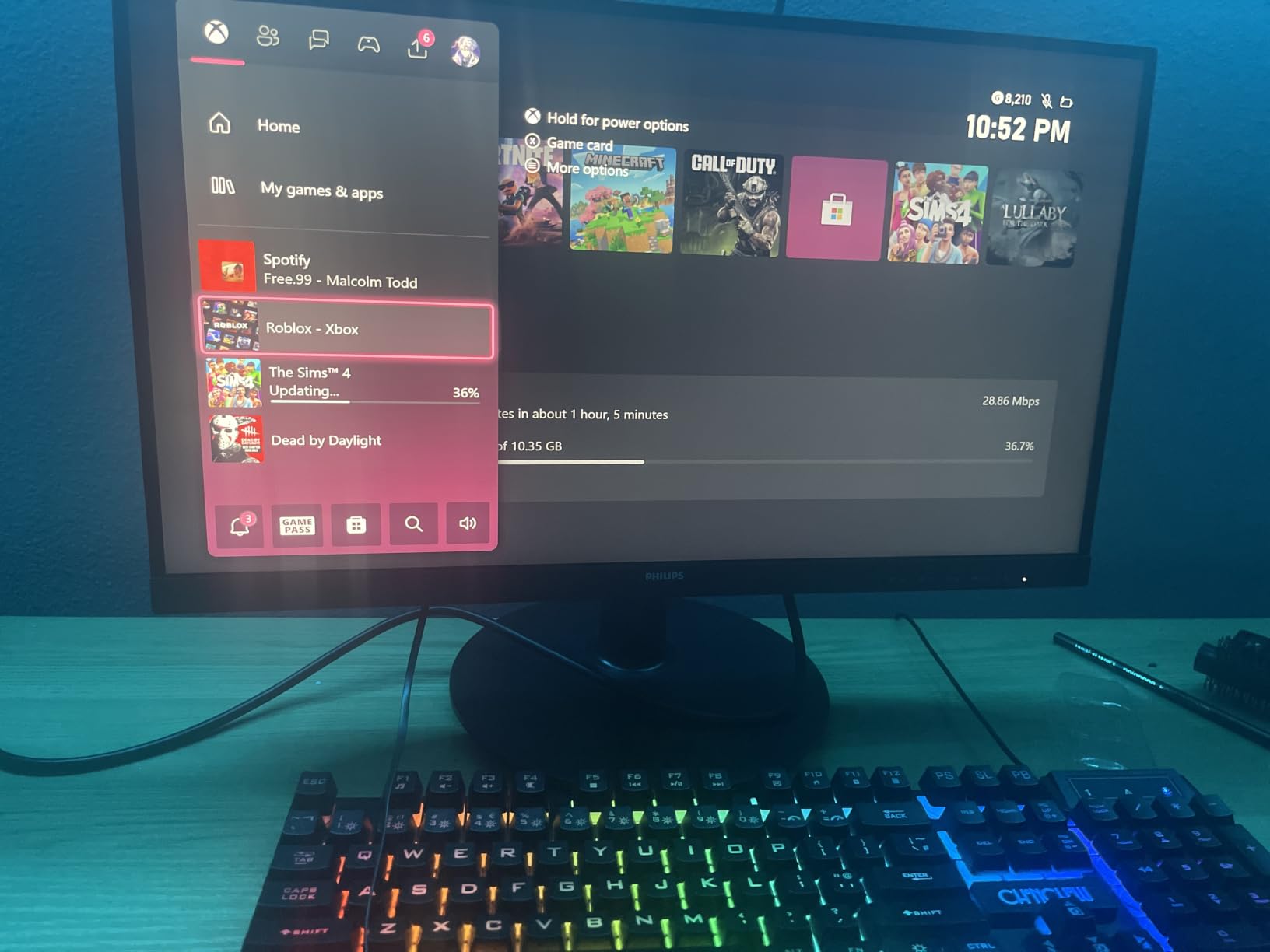
At 21.5 inches, this is a specialist tool. It shines as a vertical second screen for chat apps and email, a compact display for a Raspberry Pi homelab, or a main screen for a tight dorm or studio apartment desk. The 100Hz refresh rate keeps it feeling current rather than legacy.
The limitations are expected at this size and price: no speakers, no USB ports, tilt-only adjustment, and a short 5-foot power cord. VESA mounting fixes the ergonomics if needed.
Where a 21.5-inch monitor fits
Think of this as an accessory screen: a second display in portrait mode beside your main monitor, a status dashboard, or a first computer for a teenager. For deep spreadsheet work as your only display, the size will feel cramped.
Pairing it with a VESA arm creates a genuinely excellent vertical reading pane for under a hundred dollars total.
VA panel benefits for text work
VA’s high contrast ratio renders sharper text edges than cheap IPS panels, which matters if you read all day. The trade-off is narrower effective viewing angles, so keep it positioned straight-on.
The glossy screen finish is unusual for an office panel — plan your placement to avoid a window reflecting directly into it.
How to Choose a Home Office Monitor?
The right work from home monitor depends on your work, your desk, and your eyes. Here is how we think about the decisions after testing these 10 panels.
Screen size and desk depth
27 inches is the sweet spot for most desks — big enough to split two windows, small enough to sit about an arm’s length away comfortably. Users on forums consistently back this up as the ideal single-screen size for productivity.
34-inch ultrawides need a deeper desk, ideally 40 inches, so the curve sits at a natural focal distance. Anything under 24 inches works best as a second screen in a dual monitor setup rather than your main display.
Resolution and text clarity
1080p is fine on 24-inch and smaller screens, acceptable on budget 27-inch panels, and noticeably soft above that. 1440p is the comfortable middle for 27 to 34 inches.
4K on a 27-inch panel produces the sharpest text you can buy, which matters enormously if you read code or dense documents all day. The Dell S2725QS proves you no longer need to pay a premium for it.
Panel type: IPS, VA, and why it matters
IPS panels give you consistent colors and wide viewing angles, which is why most office monitors use them. VA panels offer roughly double to triple the contrast, making text look punchier, but colors shift when viewed from the side.
For a monitor you sit directly in front of, either works well. For a screen others will view at angles — a shared family desk, say — IPS is the safer choice.
USB-C and power delivery
Forum threads about home office monitors now treat USB-C as essential, and we agree if you use a laptop. A single cable carrying video, data, and 65W of charging turns your monitor into a dock and clears cable clutter from your desk.
Check the wattage against your laptop’s charger. 65W runs ultrabooks happily but only slows battery drain on powerful 16-inch workstations that demand 100W or more.
Eye comfort features that actually help
Flicker-free backlights and blue light filters are the two features that genuinely reduce eye strain over long sessions — and most competitors only mention them in passing. Every monitor in this guide has at least one, and several carry TUV certifications for them.
Pair hardware eye comfort with the 20-20-20 rule: every 20 minutes, look at something 20 feet away for 20 seconds. Your afternoon headache will thank you.
Ergonomics and stand quality
Height adjustment is the feature cheap stands skip, and it is the one your neck notices most. Your eyes should land roughly at the top third of the screen without tilting your head.
Stand wobble is the most common complaint in user reviews across budget monitors. If your desk gets bumped or you type hard, a VESA monitor arm is the universal fix — every monitor here is VESA mountable.
Energy efficiency and running costs
A monitor running 10 hours a day is a real line on your electricity bill. The compact Acer draws about 18 watts while a 34-inch ultrawide can pull two to three times that.
Over a year of full workdays, the difference between an efficient small panel and a big ultrawide is modest in dollars, but it is a nice tiebreaker between otherwise similar models.
Warranty and dead-pixel policies
Dead pixel warranty terms vary more than any spec sheet suggests. Philips leads this guide with a 4-year advance replacement policy, while Acer and ASUS include 3-year parts and labor coverage.
Given that users report Dell UltraSharp-class monitors lasting 10+ years, buying a panel with strong warranty backing is the closest thing to a longevity guarantee you can get.
Frequently Asked Questions
What is the best monitor brand for a home office?
Dell is the strongest overall brand for home office monitors, with the S3425DW ultrawide and S2725QS 4K both earning top spots in our testing. Acer, LG, and Samsung also performed well, and Philips stands out for its 4-year warranty coverage. Users on forums consistently report Dell monitors lasting 10+ years.
What is the best monitor for home office use?
The Dell 34 S3425DW is our top pick overall thanks to its curved 34-inch ultrawide screen, one-cable USB-C docking with 65W charging, and built-in speakers. If you prefer a traditional 16:9 screen, the Dell 27 S2725QS 4K offers the sharpest text for the money.
What type of monitor is best for office use?
An IPS panel with 99% sRGB coverage, a 100Hz or faster refresh rate, and a height-adjustable stand is the best formula for office work. Add USB-C with power delivery if you use a laptop, and flicker-free plus blue light filtering for long sessions. VA panels are a good budget alternative with higher contrast for sharper text.
What’s the best size monitor for a home office?
A 27-inch monitor is the sweet spot for most home offices, offering room for two side-by-side windows at a comfortable viewing distance. Choose a 34-inch ultrawide if you multitask heavily and have a deep desk, or a 24-inch panel for tight spaces and dual setups.
Is a 4K monitor worth it for home office work?
Yes, if you work with dense text like code, spreadsheets, or legal documents. A 27-inch 4K screen renders noticeably sharper small text than 1080p, reducing eye strain over long days. For email and browser-based work, 1440p or 1080p delivers most of the experience for less money.
Conclusion
After months with these panels, our verdict on the best monitors for home office work in 2026 comes down to three choices. The Dell 34 S3425DW is the top overall pick for its one-cable USB-C docking and huge curved workspace. The Dell 27 S2725QS is the value champion with 4K sharpness at a mid-range price. And the Acer KB272 G0bi proves a great office monitor costs less than a nice dinner out.
Whichever you choose, prioritize the two things your body will notice every single day: sharp text and a stand that adjusts to your eye level. Match the size to your desk, grab a monitor arm if the stand is weak, and your home office will finally feel like a place you want to work.