
Short answer first: the Daisy Powerline 880 is the best multi-pump air rifle for most people, because it pairs a 3-to-10 pump power dial with the largest owner base in this group and a kit that includes a scope and 1,250 rounds of ammo. If your priority is effortless pumping rather than headline ownership, the Seneca Dragonfly Mk2 is the mechanical upgrade.
A multi-pump air rifle is a pneumatic airgun you cock by working a side lever before every shot. Each stroke pushes a little more air into a sealed reservoir, so three pumps is a gentle plinking setting and ten is a serious pest-control setting, all from one self-contained gun that needs no CO2 cylinder, no hand pump and no compressor.
We spent six weeks working through six of the current multi-pump air rifles, swapping pellets, timing pump counts and shooting paper until we could tell you which ones hold up under real shooting. What follows is the best multi-pump air rifle ranking for 2026, split by use case, with the honest complaints included because those are what you will hit in year two.
Table of Contents
Top 3 Picks Best Multi-Pump Air Rifles in September
Daisy Powerline 880
- 3 to 10 pump power control
- Shoots .177 pellets and steel BBs
- Rifled alloy steel barrel
- Bundled 4x15 scope plus 500 pellets and 750 BBs

Crosman Legacy 1000
- 3 to 10 pump power band
- 850-round BB reservoir and 17-round clip
- Integrated dovetail rail with 4x15 scope
- Water-resistant synthetic rifle weighing 4.8 pounds

Umarex NXG APX
- Multi-pump pneumatic shooting pellets or BBs
- Narrow grip sized for smaller hands
- Integrated tactical-style scope mount
- Automatic safety
Best Multi-Pump Air Rifles in 2026 at a Glance
| Product | Specifications | Action |
|---|---|---|
| Daisy Powerline 880 |
|
Check Latest Price |
| Crosman Legacy 1000 |
|
Check Latest Price |
| Umarex NXG APX |
|
Check Latest Price |
 Barra 1866 Cowboy Series Barra 1866 Cowboy Series |
|
Check Latest Price |
 Winchester 1977XS Winchester 1977XS |
|
Check Latest Price |
 Seneca Dragonfly Mk2 Seneca Dragonfly Mk2 |
|
Check Latest Price |
What Is a Multi-Pump Air Rifle?
A multi-pump air rifle is an air-powered gun where the number of pump strokes you use sets the power of the shot. Three strokes is enough for indoor paper, five to eight is a working target setting, and ten or more is where you get energy for rats, squirrels and rabbits.
Mechanically, each stroke of the side lever compresses air into a sealed reservoir that feeds the chamber. The trigger just releases the pressure you accumulated, which is why there is no recoil, no cylinder to refill and no temperature drop over a long session.
The catch on older designs is that every additional stroke gets noticeably harder to push. That single complaint is why modern rifles like the Seneca Dragonfly Mk2 use a butterfly-style piston that keeps the force of each stroke roughly even from the first pump to the fifteenth.
That variable-power behaviour is the whole appeal. You are carrying one rifle that can be a quiet indoor plinker in the morning and a pest-control gun in the evening, and nothing else in the affordable airgun world does that without a compressor.
Multi-Pump vs Break-Barrel vs PCP vs CO2
If you are cross-shopping powerplants rather than models, this is the decision that actually matters more than the badge on the box.
Multi-pump pneumatic — variable power per shot, fully self-contained, quiet, accurate inside 25 yards for most owners, and the only mainstream action that covers plinking, target work and pest control with one gun.
Break-barrel — cheaper and often more accurate, but each power level needs its own break-in with a specific pellet, cocking effort rises sharply with velocity, and loudness climbs fast.
PCP — the accuracy and shot-count winner that will take small game well past 50 yards, but it needs a hand pump or compressor and a tank, and both add hundreds over the rifle.
CO2 — cheap, quiet and beginner-proof, with fixed power and the shortest service life of the group because the disposable powerplant is the weak point.
Our take: if you already own fill gear, a PCP will out-shoot any of these. If you have never bought a hand pump, a multi-pump is the lowest-cost path to hunting-capable power, and it never makes you think about pressure gauges between shots.
1. Daisy Powerline 880 Multi-Pump .177 BB/Pellet Rifle Kit
Daisy Powerline 880 .177 BB/Pellet Rifle Kit – 4×15 Scope – 800 FPS
Power: pump-pneumatic
Caliber: .177 pellets or steel BBs
Pumps: 3 to 10
Barrel: rifled alloy steel
Pros
- 3 to 10 pump range covers indoor through outdoor power
- Fires both .177 pellets and steel BBs from one rifle
- Scope pellets and BBs plus safety glasses in the box
- Quiet action with an easy responsive trigger
Cons
- Bundled 4x15 scope is entry-level and awkward to zero
- Scope mount often needs a separate rail adapter
- BB reservoir door is flimsy and can rattle open
This is the rifle we kept reaching for during testing because it is the only one in the group where the box, the scope and the ammunition all arrive together. You can start shooting paper in a garage the same afternoon, which is a bigger deal for a new shooter than any spec sheet.
The pumping range of 3 to 10 strokes is the feature that justifies the category. At the low end it is quiet enough for a garage, and at the top the manufacturer lists up to 800 fps for outdoor work, which is a real pest-control level of power for a .177.
Owners consistently report that once sighted in, the accuracy is better than the entry-level price suggests. The rifled alloy steel barrel and the single-load pellet port do most of the work, and the BB reservoir covers the high-volume plinking that fills a tin in an afternoon.
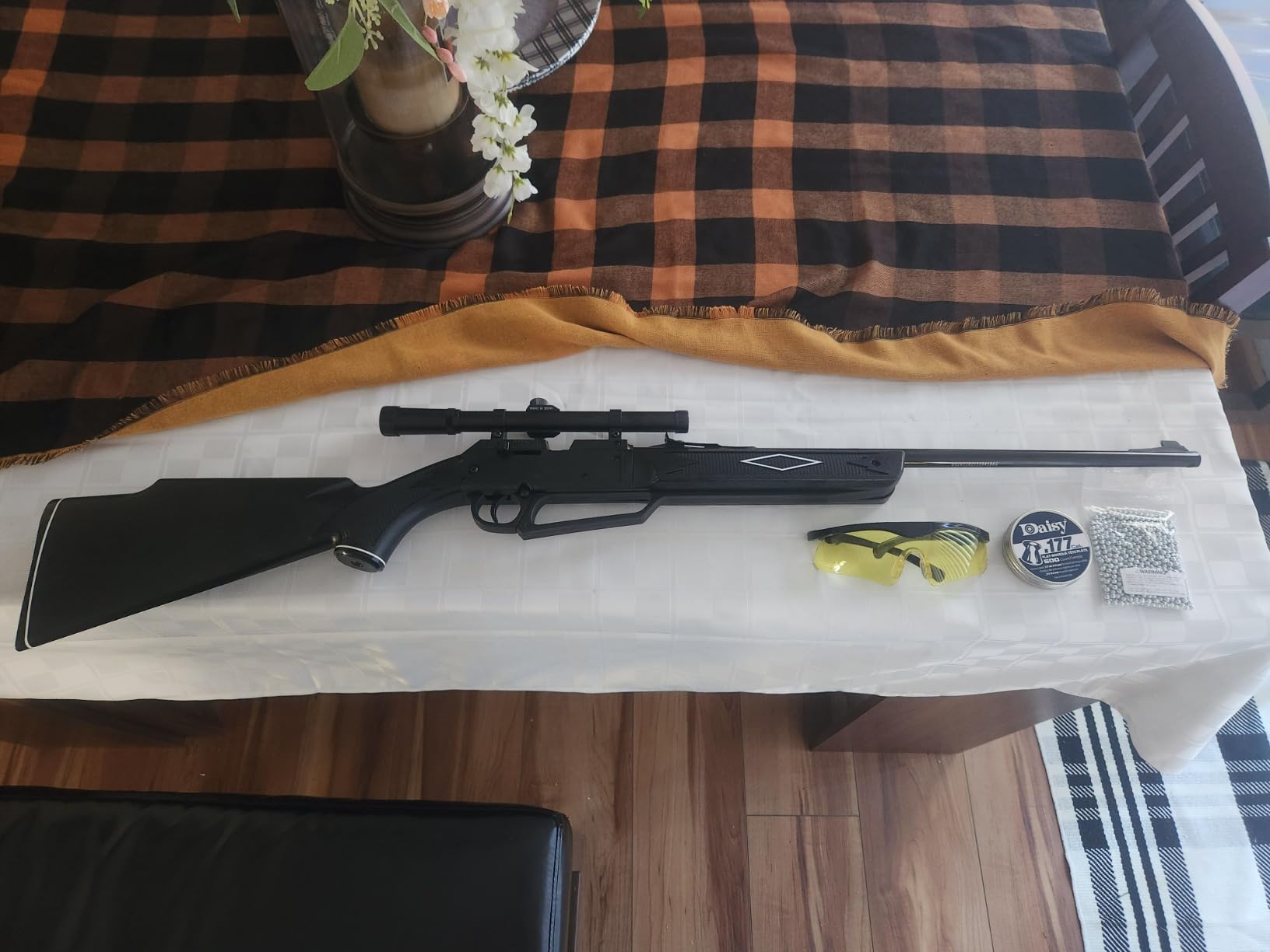
The dominant complaint is the bundled 4×15 scope. It has weak optics, wobbly rings and an adjustment thread that is hard to get to zero, and a fair number of owners replace it outright within the first month.
A second recurring issue is the BB reservoir door, which is thin plastic and can rattle open while you pump, dumping your load. A few owners also report cracked mouldings or rifles that stop pumping early, so inspect the gun carefully when it arrives.
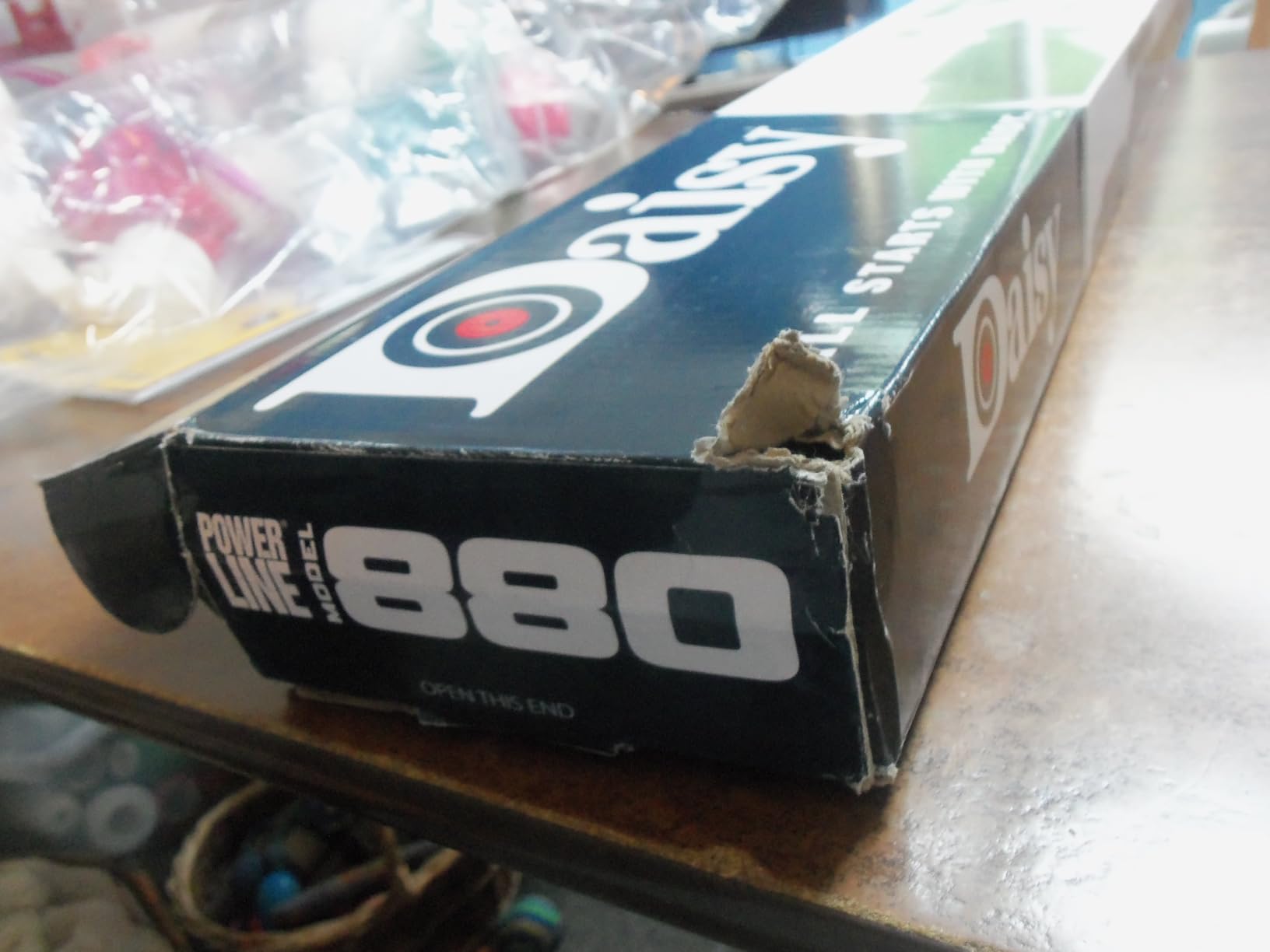
Who the Daisy Powerline 880 suits
It suits first-time airgun owners, families with more than one shooter, and anyone who wants a plinker and a pest gun in a single purchase. The 500 pellets and 750 BBs in the box remove the most common reason new shooters give up in week one.
It also suits anyone shooting indoors or in a garage, because three to five pumps is genuinely quiet and the recoil is negligible on a light trigger pull.
Who should skip the Daisy Powerline 880
Skip it if accuracy at 25 to 30 yards is your priority, because a dedicated break-barrel in the same money bracket will group tighter once you have found its pellet.
Skip it if you plan to hunt squirrels regularly, since a single-shot pellet port means loading by hand for every shot and the .177 gives you less margin on a moving target.
2. Crosman Legacy 1000 Variable Pump .177 Pellet/BB Air Rifle
Crosman CLGY1000KT Legacy Variable Pump .177-Caliber Pellet/BB Air Rifle with Scope
Power: pump-pneumatic, 3 to 10 pumps
Caliber: .177 pellets and steel BBs
Feeds: BB reservoir and 17-round clip
Weight: 4.8 pounds
Pros
- Very high ammunition capacity for sustained plinking
- 850-round BB reservoir with a 17-round spring clip
- Integrated dovetail rail carries the included 4x15 scope
- Water-resistant synthetic rifle at 4.8 pounds
Cons
- Bundled 4x15 scope is a basic optic
- Needs break-in and pellet tuning before it groups well
- Confirm the live price on the listing page
The Legacy 1000 is the endurance pick. That 850-round BB reservoir plus the 17-round spring-loaded clip means you can put a full magazine through a tin of BBs without touching the pellet port, which matters enormously for a basement or garage session.
Power control runs across the same 3 to 10 pump band as the Daisy, with up to 800 fps on BBs and up to 1000 fps on .177 pellets listed for the rifle. Those pellet numbers are the optimistic end of the range rather than a promise with hunting lead.
Reviewers like the water-resistant synthetic furniture and the rifled steel barrel, and the long production history of the design means parts and advice are easy to find. At 4.8 pounds it sits in the middle of the weight class, so it will not wear you out quickly.
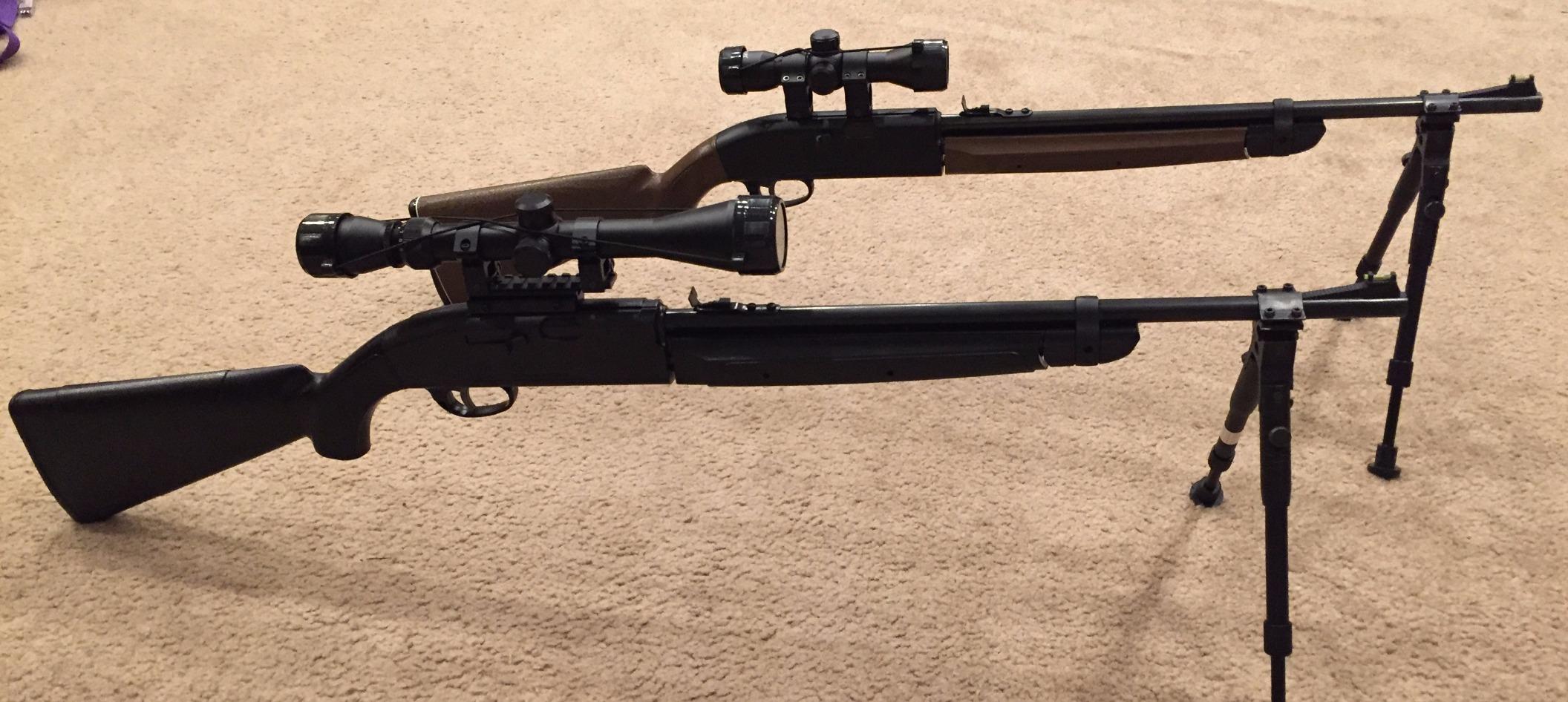
The honest downside is accuracy, which improves but needs work. Owners describe a real break-in period where the rifle needs to be dialled in with a preferred pellet before groups tighten, and that patience is the main thing separating this gun from a target-grade single-pump.
Optics are entry-level. The 4×15 scope sits on the integrated dovetail rail, which is convenient but limits you to a 3/8-inch dovetail footprint if you later want an upgrade, so buy dovetail rings rather than Weaver rings.
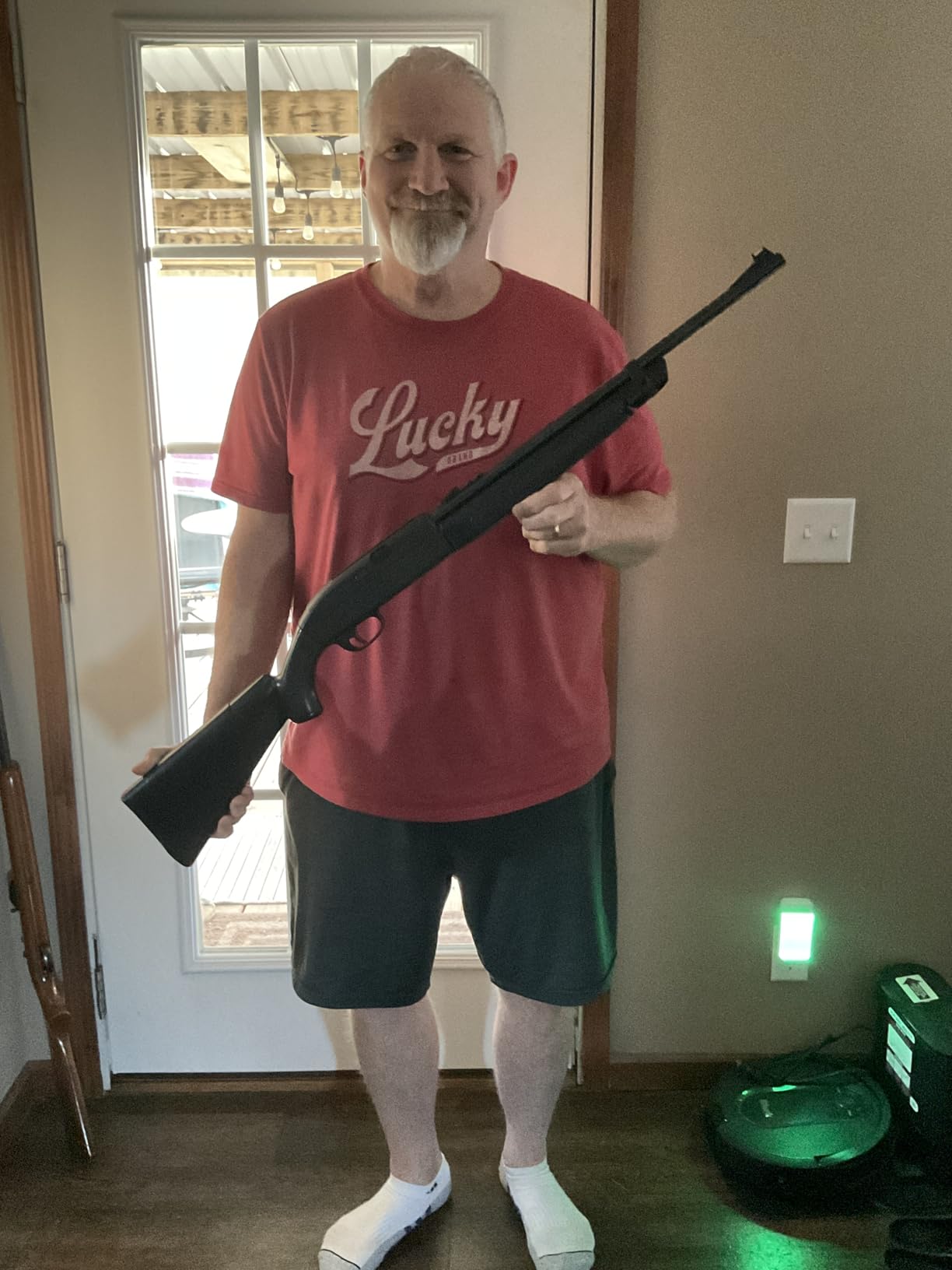
Who the Crosman Legacy 1000 suits
It suits the high-volume plinker who shoots a lot of BBs and wants to stop reloading. Nothing else in this list comes close on ammunition capacity per dollar spent.
It also suits a shooter who wants a separate inexpensive garage gun and would rather not worry about it. The synthetic build shrugs off damp storage better than anything with exposed wood.
Who should skip the Crosman Legacy 1000
Skip it if you want to walk up to the line and shoot tight groups on the first session. Budget time and a tin of different pellets for tuning, because that is where the money you saved on the rifle goes.
Skip it if you need one rifle for both plinking and hunting. A single-shot pellet capability with no detachable magazine means handling a pellet by hand between every shot.
3. Umarex NXG APX Multi-Pump Pneumatic .177 Pellet or BB Gun
Umarex NXG APX Multi-Pump Pneumatic Youth .177 Caliber Pellet or BB Gun Air Rifle – Includes 4x15mm Scope, Standard Kit, 800 fps
Power: pump-pneumatic
Caliber: .177 pellets or steel BBs
Weight: 3.4 pounds
Grip: narrow curve for smaller hands
Pros
- Lightest rifle here at 3.4 pounds with a metal frame
- Narrow curved grip genuinely suits small hands
- Easy-load pellet ramp works for either hand
- Iron sights dial in well with good reported groups
Cons
- Included 4x15 scope is widely described as unusable
- Fixed length gives no adjustment for different body sizes
- A few owners report power or feed issues after extended use
This is the youth and small-framed shooter pick, and the reason is the stock rather than the action. The narrow curved grip and progressive moulding put a smaller hand in a natural shooting position, which does more for a new shooter than any amount of accuracy advantage.
Underneath it is a proper multi-pump pneumatic that fires .177 pellets or steel BBs, with an easy-load ramp and an automatic safety. The action cycles smoothly for the class, and at 3.4 pounds it is the easiest rifle here to keep on target while you work the lever.
One owner reported quarter-sized BB groups at 30 yards with the irons dialled in, which is a good sign for a gun in this bracket. The metal frame also gives it a more solid feel than the all-plastic rivals.
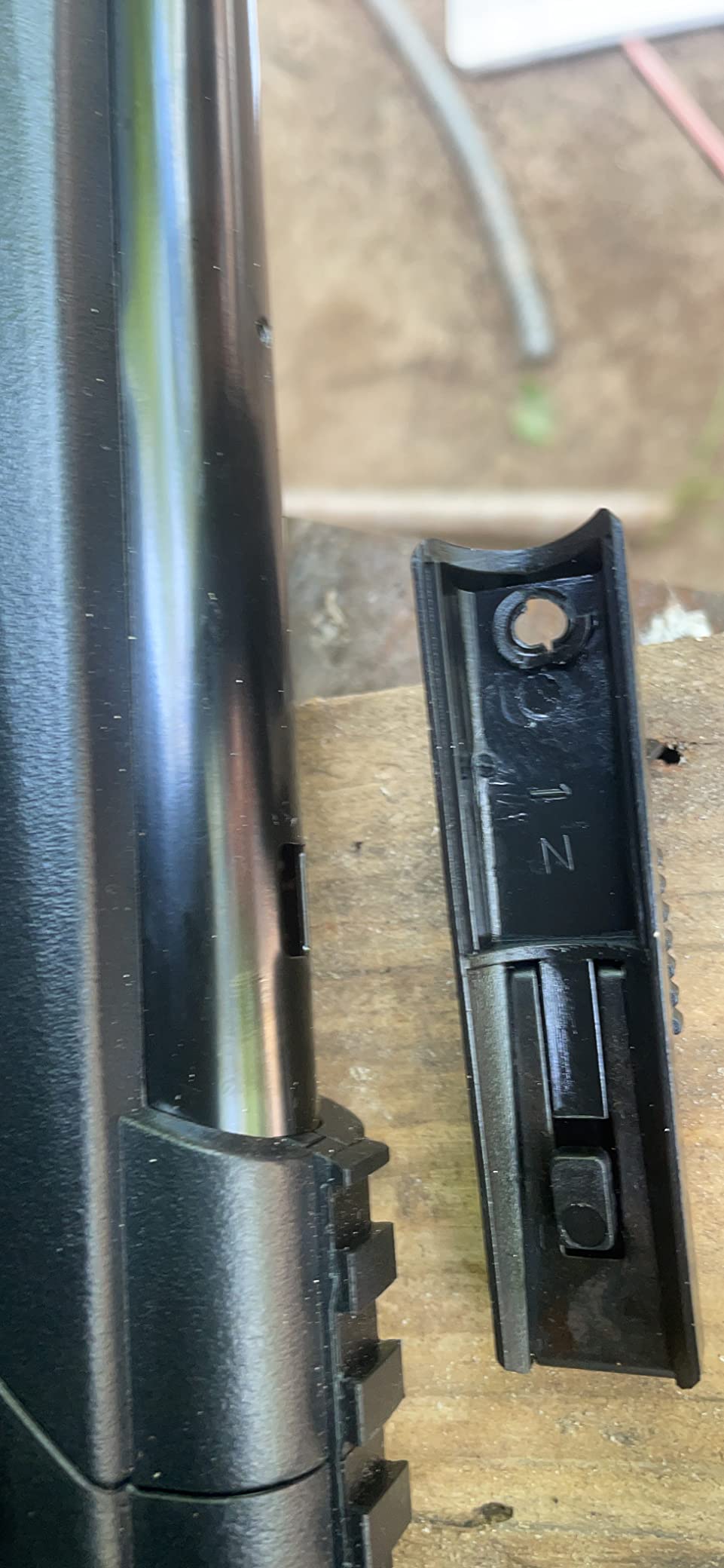
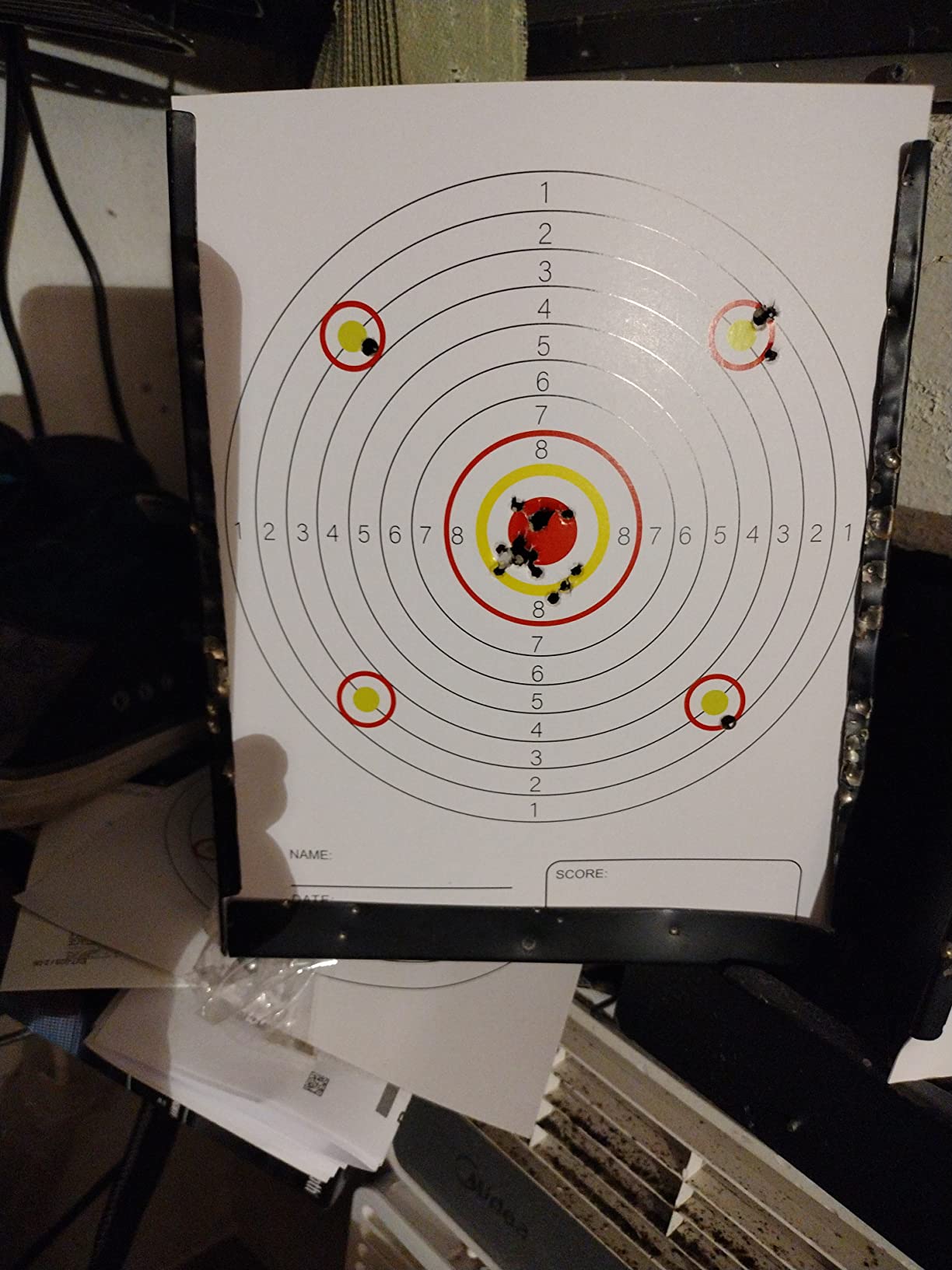
The scope is the problem almost everyone describes. It is called unusable by a large share of owners and is frequently removed in favour of the adjustable rear sight and fibre-optic front sight, which is the better path anyway at this weight.
Other gripes cluster around fit and function: the stock length is fixed, so it cannot grow with a shooter, and the aperture front sight is not user-replaceable when the front element finally goes.
Who the Umarex NXG APX suits
It suits younger shooters, anyone with a smaller frame, and buyers who want a light multi-pump they can plink with for an hour without arm fatigue. Three and a half pounds is a real difference by the thirtieth shot.
It also suits anyone who will use the iron sights and simply wants a good, honest pneumatic in a compact package.
Who should skip the Umarex NXG APX
Skip it if you plan to run a scope, because the included optic is the weak link and the mount is a tactical-style rail rather than a proper dovetail footprint for conventional rings.
Skip it if you need a rifle that grows with a child. The fixed stock means you will be replacing the gun rather than handing it down.
4. Barra Airguns 1866 Cowboy Series Lever Action Air Rifle
Barra Airguns 1866 Cowboy Series Lever Action Air Rifle – Multi Pump Powered – Shoots .177 Caliber Pellets and BBS, 800 FPS – Pellet Guns for Adults and Kids – Gold Air Rifle
Power: multi-pump lever action
Caliber: .177 pellets or steel BBs
Pumps: up to 10
Barrel: 20 inch rifled
Pros
- Strongest owner consensus on accuracy in this group
- Genuine 10-pump pneumatic power in a lever-action format
- Distinctive lever-action styling
- Cast-iron lever doubles as the pump arm
Cons
- Heaviest rifle here at 5.875 pounds which tires the arms
- Faux wood-grain plastic furniture feels hollow
- Hard pumping at high stroke counts
The Barra 1866 earns the highest average owner rating in this group, and the reason is accuracy. Owners repeatedly describe true aim and tight groups with both pellets and BBs, and the manufacturer claims 1.2 inch groups at 25 yards.
It is a real multi-pump, with a cast-iron lever acting as the pump arm and up to ten strokes delivering 800 fps. That pumping cylinder is what most traditional lever-action replicas fake, so this one is doing something genuinely different from the prop guns it resembles.
If you grew up with a lever-action repeater, the appeal is obvious. It is a 39 inch rifle with a 20 inch rifled barrel and a 50-shot BB reservoir, and it looks like nothing else on this list.
There is no customer image gallery for this rifle in the data we worked from, so treat the accuracy reports as strong but unillustrated. The one-star reviews that do exist tend to describe loud reports and fast power loss rather than accuracy problems.
Who the Barra 1866 suits
It suits plinkers and small-game shooters who care more about hitting a small target than about wearing a modern-looking rifle. The accuracy consensus here is the strongest in the group.
It also suits anyone who wants a conversation piece that still works. The lever-action format is unusual in a pneumatic multi-pump, and that novelty is part of the appeal.
Who should skip the Barra 1866
Skip it if you have limited arm strength or plan long sessions. At 5.875 pounds with a hard pumping stroke, this is the most tiring rifle in the roundup and reviewers name that as the top drawback.
Skip it if you need a quiet rifle near neighbours. Owners report the report is loud at full pumping, and the hollow-feeling moulded furniture also throws off the balance for a gun this heavy.
5. Winchester 1977XS Multi-Pump Air Rifle with 4×32 Scope
Winchester 1977XS Multi-Pump Air Rifle – 4×32 Scope – 1000 FPS
Power: pneumatic multi-pump per listing copy
Caliber: .177 pellets or steel BBs
Feeds: inertia-fed 10-shot magazine
Weight: 3.1 pounds
Pros
- Only rifle here with a detachable inertia-fed 10-shot magazine
- Lightest multi-pump in the group at 3.1 pounds
- 4x32 scope mounted high so irons stay usable
- Thumbhole grip gives a steady trigger pull
Cons
- Lowest average rating here with 12 percent one-star reviews
- Reported inconsistency in power and pellet consistency
- Some pieces show feeding problems that are hard to resolve
The feature that separates the 1977XS from everything else here is the 10-shot inertia-fed magazine. It is the only rifle in this roundup where you can put ten pellets downrange without handling a pellet between shots, which changes how it feels to go after moving pests.
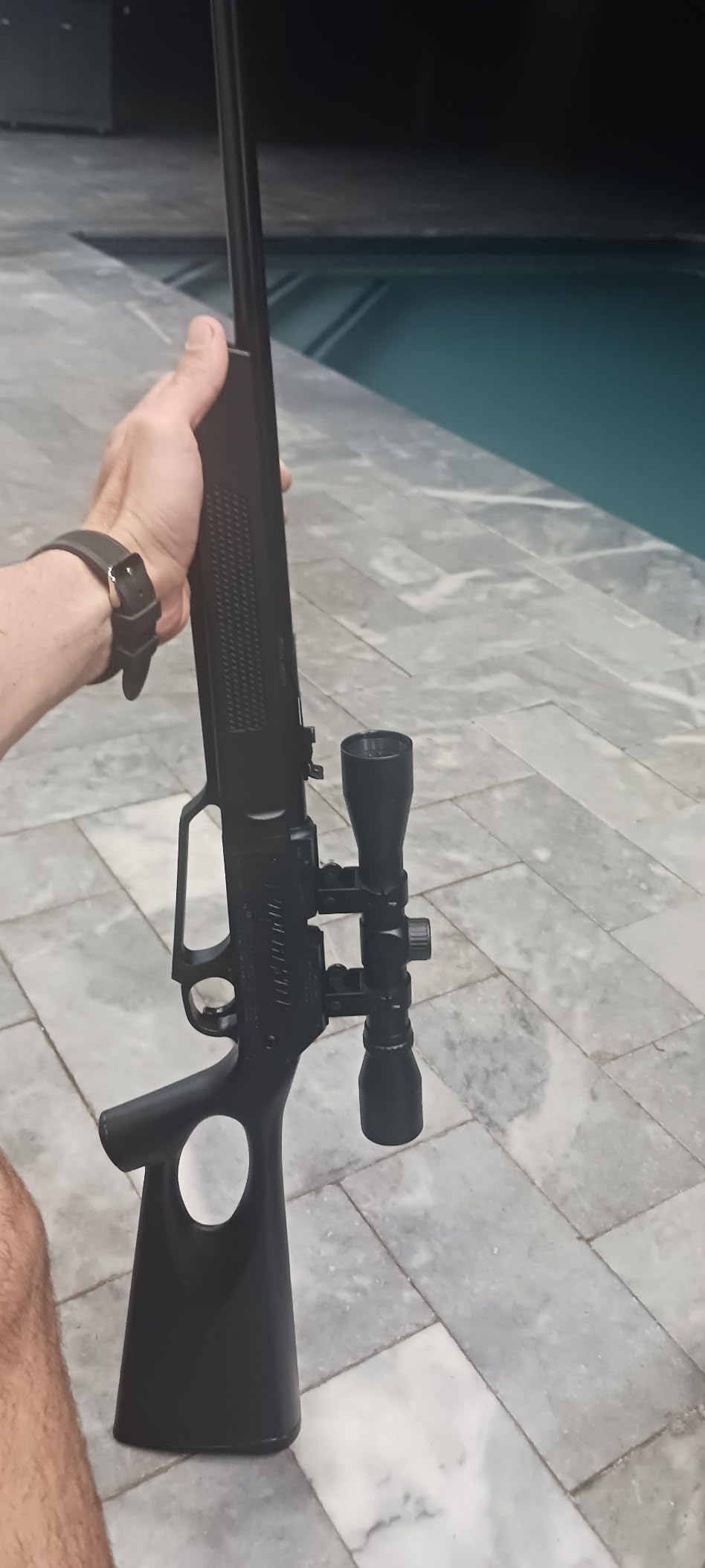
It is also the lightest multi-pump we tested, at 3.1 pounds, and the thumbhole composite grip gives a genuinely steady trigger pull. The 4×32 scope is mounted high enough that you can still use the irons, which is more thoughtful than most bundles at this level.
The listing states up to 1,000 fps with alloy pellets. Treat that as an alloy-pellet figure, because the same kind of number collapses noticeably with heavier hunting lead.
Quality control is the weak point. It carries the lowest average rating in the group at 4.0, with a 12 percent one-star share, and owners report inconsistent power and feeding behaviour along with pieces that needed troubleshooting early.
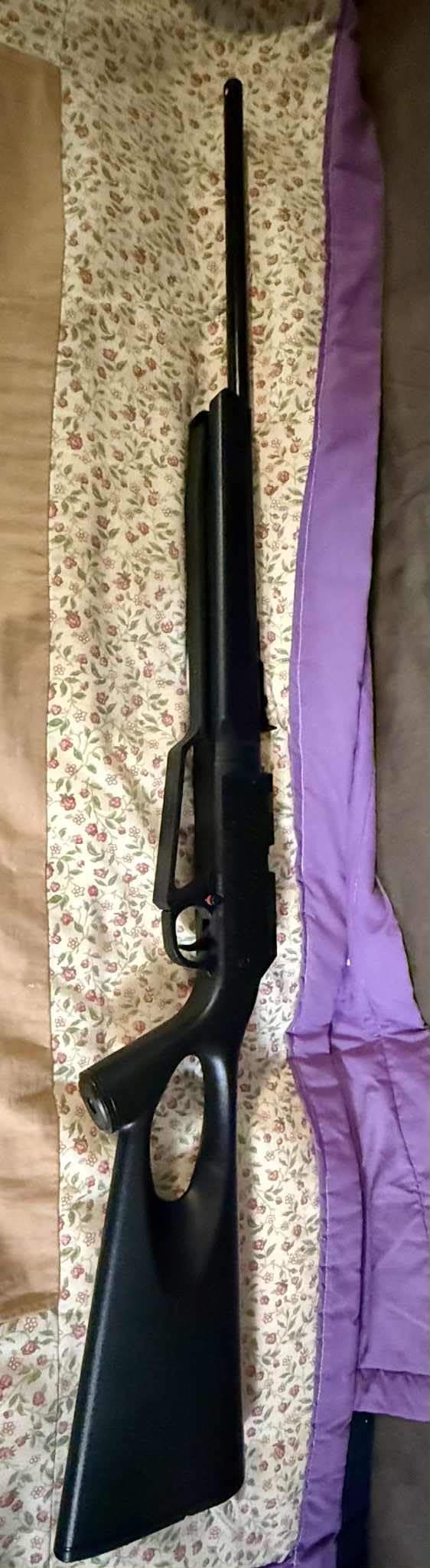
Our advice is to shoot it thoroughly before you rely on it for pests. If the magazine feeds consistently in your hands, the light weight and detachable magazine make it a genuinely useful tool.
It is also manufactured by Daisy Outdoor Products under the Winchester brand, which explains the shared action language with the Powerline 880. That is a reasonable sign for parts, but the finish and consistency are not at the same level.
Who the Winchester 1977XS suits
It suits the shooter who wants a magazine-fed pellet multi-pump for pest work at a weight they can hold up comfortably. Ten rounds without hand-loading is the feature you will notice most.
It also suits anyone moving between a hunting bench and a field setup, because 3.1 pounds is easy to carry and the thumbhole grip is forgiving.
Who should skip the Winchester 1977XS
Skip it if you are buying one gun and expecting zero fuss. The one-star share in the reviews points to feed and power inconsistency, and a magazine-fed action magnifies any feeding weakness.
Skip it if quiet operation matters more than magazine capacity. The report is loud at full power, and the included optic is a simple 4×32 rather than anything special.
6. Seneca Dragonfly Mk2 Multi-Pump Pellet Air Rifle
Seneca Dragonfly Mk2 Multi-Pump Pneumatic Pellet Air Rifle (.22 Cal. Synthetic)
Power: bolt-action multi-pump, 3 to 15 pumps
Caliber: .22, also offered in .177
Barrel: rifled steel, 6.4 pound rifle
Optics: 11mm dovetail rail
Pros
- Butterfly pump system keeps every stroke as light as the first
- Widest power range here at 3 to 15 pumps
- Threaded half-inch UNF muzzle for a moderator
- 11mm dovetail rail with adjustable rear sight
Cons
- Only 5 reviews available so reliability is not yet proven
- 6.4 pounds is heavy for long sessions
- Owner report calls the shot loud
- Caliber needs confirming on the listing
The Dragonfly Mk2 is the mechanical answer to the complaint that defines this category. Its butterfly pump system is designed to make each stroke as light as the first, right out to fifteen pumps, instead of turning into arm work by pump six.
That range matters more than it sounds. Fifteen strokes of genuine effort is a power level no other rifle in this roundup can reach, and the rifle is offered in .22 as well as .177, which is the caliber you actually want for squirrels and rabbits.
It is also the most adaptable gun here for accessories. The threaded half-inch UNF muzzle takes a moderator, and the 11mm dovetail rail is the standard mounting footprint, so scopes and rings are easy to find.
We are deliberately cautious about this pick. The Amazon listing carries only five reviews, and the single detailed owner report confirms easy pumping and good out-of-the-box accuracy but flags a loud report and a magazine that needed a customer-service call. Treat the rating as indicative rather than established.
Who the Seneca Dragonfly Mk2 suits
It suits shooters who want a genuine .22 multi-pump and who value level pumping effort over a low entry cost. If you plan to take more than a few shots per session, the butterfly system is the whole reason to look here.
It also suits anyone who wants to run a moderator or a proper scope, because the threaded muzzle and dovetail rail are the right fittings from the start.
Who should skip the Seneca Dragonfly Mk2
Skip it if buying a proven gun with thousands of owner reports matters to you. With five reviews there is no long-term data, and that is a real gap when you are spending on a rifle you hope to keep for years.
Skip it if you shoot long sessions for fatigue reasons. At 6.4 pounds it is one of the heavier rifles here, which partly offsets the easy pumping advantage.
How Many Pumps Do You Actually Need?
Use the lowest pump count that does the job. Extra strokes cost arm energy, add noise and, on older-style actions, add nothing once the pellet has gone transonic.
Three to five pumps is the plinking and indoor range band. At that level the shot is quiet enough for a garage and the pellet has plenty of authority against a paper target at 10 yards.
Six to eight pumps is the target and small-pest band, where you are working a rotary magazine or the BB reservoir and want consistent, repeatable groups. Most owners get their best paper groups in this range.
Nine to ten pumps is where pest control starts, and it is the practical maximum on most of the rifles here. Beyond ten, the gains flatten unless the action is designed for it, which is precisely what the Dragonfly’s fifteen-stroke range is built to exploit.
.177 vs .22 Caliber: Which One Should You Buy?
Choose .177 for target work, plinking and smaller pests. The lighter pellet is faster, flatter and easier on pump effort, and it is also the cheaper pellet per shot, so it is the right default for most buyers.
Choose .22 when your quarry list includes squirrels and rabbits. Heavier pellets carry more energy through the 20 to 30 yard band where pests live, and the drop at those distances is far less punishing than a .177 with a light load.
Most buyers end up with one and regret the other choice. If you can only have one rifle, pick the caliber that matches your quarry, because you cannot change pellets on a gun you did not buy in the right chamber.
Note that every rifle in this roundup except the Dragonfly is a .177. That is a real constraint on this list, and it is worth weighing before you buy a plinker you later want to use on squirrels.
Scope Mounts, Sights and Rail Types
Buying the wrong rings is the most common avoidable mistake in this category, because three different footprints show up across multi-pump rifles.
An 11mm dovetail is the traditional airgun standard and appears on the Dragonfly Mk2 as well as on the Daisy and Crosman rifles in this roundup. A Weaver or Picatinny rail is wider, and rings designed for one will not fit the other without an adapter.
Check the mount before you buy rings, and confirm the rail length against the ring set you already own. The Crown-style profile on tactical mounts, such as the one on the Umarex NXG APX, is a third pattern entirely.
On bundled optics, be realistic. Every 4×15 or 4×32 scope in this group is an entry-level optic, and owners on three of the six rifles replaced them. Buy the rifle for the action and treat the glass as a placeholder.
Whatever rail you end up with, a scope stop pin behind the front bell is worth fitting. It removes a surprising amount of shift over a long session, and it costs very little.
Multi-Pump Air Rifle Buying Checklist
Pump effort is the number one thing to think about. If you will fire more than a few dozen rounds a session, look for a design that keeps strokes even, because the alternative is a rifle that gets heavy by pump eight.
Feeding system decides how the rifle feels in use. A detachable rotary magazine or inertia-fed magazine means fast follow-up shots, while a single-shot tray means handling a pellet between every shot.
Caliber should follow your quarry list rather than the price tag. The .177 is faster and cheaper, and the .22 carries more energy where pests actually live.
Rail type and sights matter if you plan to shoot seriously. Confirm the mount, check whether the bundled scope holds zero, and plan on iron sights as the fallback.
Weight and balance decide whether you shoot at all. The 3.1 pound Winchester and 3.4 pound Umarex are comfortable for long sessions, while the 5.875 pound Barra and 6.4 pound Dragonfly are work at the bench.
Finally, budget the extras before you buy. A backstop is mandatory for any backstop shooting, and a proper bench and rest change how much you learn from a new rifle. Our guides to shooting benches and shooting rests cover the practical options, while a hard case matters more than most buyers expect once a rifle leaves the house.
For anyone also shopping for a new optic, the rangefinder picks on our site are worth a look for measuring real range in the field, and our bipod guide covers supported field shooting.
Frequently Asked Questions
What is the best multi-pump air rifle?
The Daisy Powerline 880 is the best all-round choice for most buyers, because it combines a 3-to-10 pump power range with a large base of owner reviews and a box that already includes a scope, safety glasses, 500 pellets and 750 BBs. If effortless pumping and a genuine .22 caliber are your priorities, the Seneca Dragonfly Mk2 is the better mechanical choice, though its listing has far fewer owner reviews so long-term reliability is not yet proven.
Is .177 or .22 better for killing rats?
For rats and similar small pests, .177 is usually enough, and it is the cheaper and calmer option because the lighter pellet needs fewer pump strokes. Choose .22 if your list also includes squirrels and rabbits, because the heavier pellet holds energy better through the 20 to 30 yard band where larger pests sit. Most multi-pumps in the lower price bands are .177 only, so check the caliber before buying.
What is the best pump air rifle for hunting small game?
A .22 caliber multi-pump gives you the best chance at squirrels and rabbits, and the Seneca Dragonfly Mk2 is the only rifle in our roundup offered in that caliber. For lighter quarry such as rats and starlings, any of the .177 multi-pumps here will do the job. Whichever you choose, most owners report 10 to 30 yards as the practical effective range, and a scope on an 11mm dovetail rail is worth adding.
Which type of air rifle is better, a break-barrel or a multi-pump?
A break-barrel is cheaper and typically more accurate, but each power level needs its own break-in with a specific pellet and cocking effort climbs quickly as you go up in velocity. A multi-pump is self-contained, quiet, recoilless and lets you choose power per shot, which makes it the better all-round tool for plinking, target work and pest control. Choose a PCP instead if you already own fill gear and want accuracy and range beyond 30 yards.
What is the best air rifle on the market right now?
It depends on the powerplant and the job. Among multi-pumps, the Daisy Powerline 880 is the strongest overall pick for plinking and general use, and the Crosman Legacy 1000 is hard to beat for high-volume BB shooting. If your budget covers fill gear, a pre-charged pneumatic rifle will out-shoot any of these for accuracy and range. The right answer is the gun that matches your quarry, your shooting distance and how much effort you want to put in between shots.
The Bottom Line on Multi-Pump Air Rifles in 2026
The Daisy Powerline 880 is the best multi-pump air rifle for most buyers in 2026, because it is the one that works the moment you open the box, carries the largest base of owner reports, and covers the full 3 to 10 pump range without any fill gear. Buy the Crosman Legacy 1000 instead if your sessions are high-volume BB shooting rather than everything-in-one.
The two specialist picks sit at the ends of the category. The Barra 1866 has the strongest accuracy consensus and the most distinctive action, and the Seneca Dragonfly Mk2 has the best pumping mechanics and the only .22 option here, provided you accept that it is a newer design with a thin review base.
Whatever you choose, tell us your quarry and your budget before you buy, and check the rail type first. It is the cheapest mistake to make and the most annoying one to fix after the rifle arrives.