
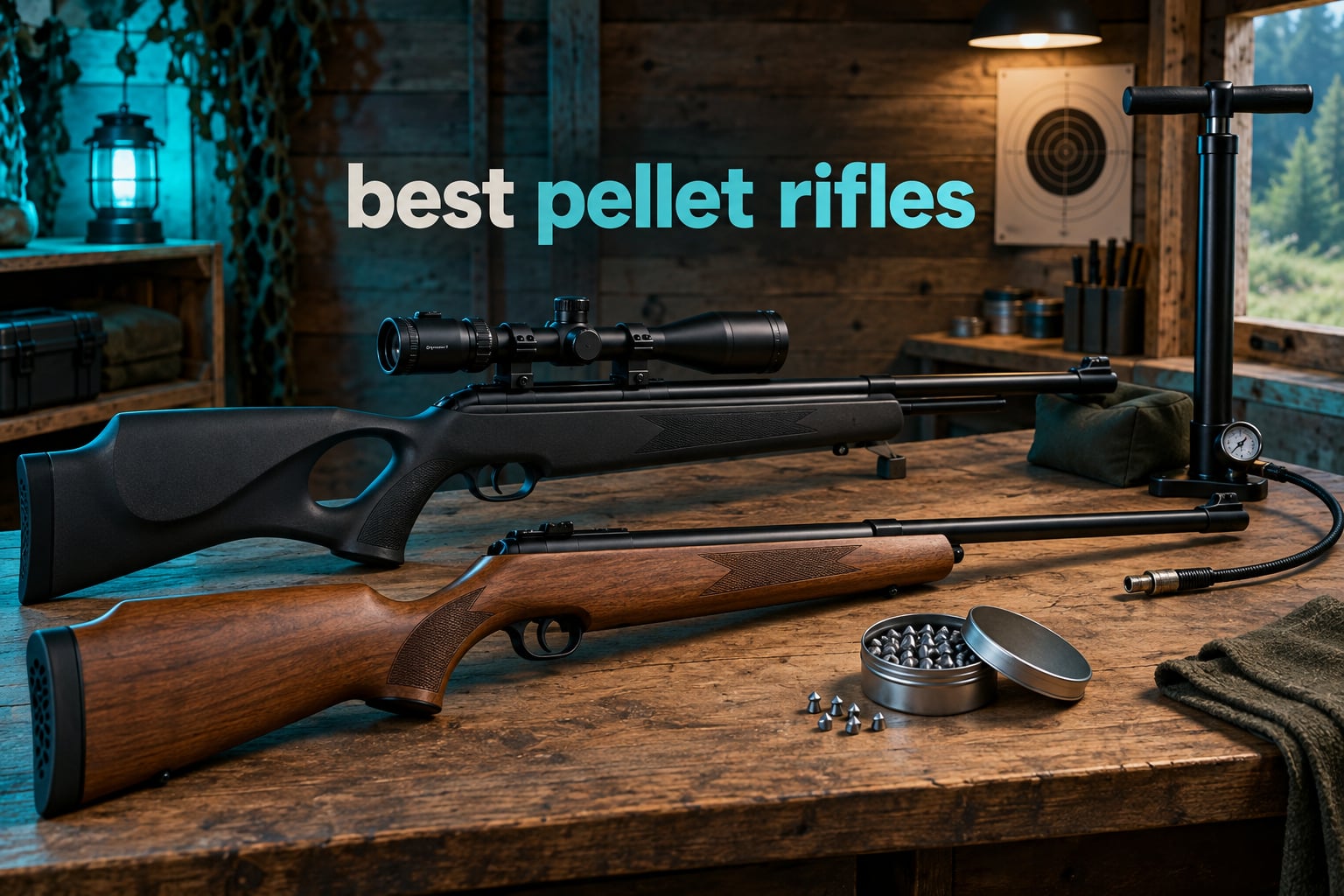
A pellet rifle launches a lead or polymer pellet down a rifled barrel using compressed air, CO2, or a spring-driven piston. That makes it legal to own in most places, far cheaper to feed than a firearm, and quiet enough to use in a backyard with neighbors close by. The hard part is that “pellet rifle” covers everything from a basic pump-action plinker to a regulated pre-charged pneumatic hunting gun, and the wrong one wastes your money.
Our team worked through 12 of the highest-rated pellet air rifles on the market, comparing power plants, calibers, cocking effort, magazine capacity, and the complaints owners actually report. Every rifle below ships with real specifications we could verify, and we flag the quirks that show up in owner feedback before you spend a weekend zeroing. If you want a stable shooting platform first, our guide to the best shooting benches for rifles is worth reading before you pick a barrel.
Below is our roundup of the best pellet rifles for 2026 — broken into category wins rather than a flat ranking, so you can jump to the rifle that matches how you actually shoot.
Table of Contents
Top 3 Picks for the Best Pellet Rifles in September
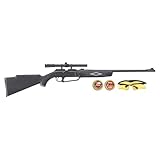
Daisy Powerline 880
- Variable 3-10 pump power
- Rifled steel barrel
- Scope and 1250 rounds included
- 50-shot BB magazine

Gamo Silent Cat
- Up to 1200 fps in .177
- Two-stage Smooth Action trigger
- Skeletonized thumbhole stock
- 4x32 scope included
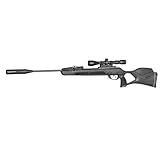
Gamo Swarm Magnum 10X GEN3i
- 10-shot inertia magazine
- IGT gas piston to 1300 fps
- .22 caliber
- Whisper Fusion dampeners
Best Pellet Rifles at a Glance in 2026
If you want the short version: the Daisy Powerline 880 is the best all-around starter rifle here, the Gamo Silent Cat is the best break barrel, and the Air Venturi Avenger is the most capable hunting gun on the list. Here is how all 12 compare.
| Product | Specifications | Action |
|---|---|---|
| Daisy Powerline 880 |
|
Check Latest Price |
 Crosman M4-177 Crosman M4-177 |
|
Check Latest Price |
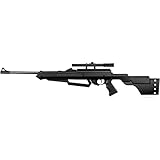 Barra Sportsman 900 Barra Sportsman 900 |
|
Check Latest Price |
| Gamo Silent Cat |
|
Check Latest Price |
| Gamo Swarm Magnum 10X GEN3i |
|
Check Latest Price |
 Gamo Swarm Maxxim G2 Gamo Swarm Maxxim G2 |
|
Check Latest Price |
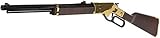 Barra 1866 Cowboy Series Barra 1866 Cowboy Series |
|
Check Latest Price |
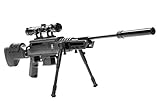 Black Ops Sniper S Black Ops Sniper S |
|
Check Latest Price |
 Hatsan Mod 95 Spring Combo Hatsan Mod 95 Spring Combo |
|
Check Latest Price |
 Umarex Notos Carbine Umarex Notos Carbine |
|
Check Latest Price |
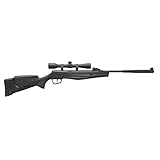 Stoeger S3000-C Stoeger S3000-C |
|
Check Latest Price |
 Air Venturi Avenger Air Venturi Avenger |
|
Check Latest Price |
1. Daisy Powerline 880 Multi-Pump .177 Kit — Best Overall for Beginners
Daisy Powerline 880 .177 BB/Pellet Rifle Kit – 4×15 Scope – 800 FPS
Pump-pneumatic
.177 caliber
3-10 pumps, up to 800 fps
Rifled steel barrel
50-shot BB magazine
Pros
- Accurate once sighted in with tight groups at 10-30 meters
- Variable pump power lets you plink gently or shoot full power
- Kit includes scope
- safety glasses
- 500 pellets and 750 BBs
- Light responsive trigger with no meaningful kick
Cons
- Bundled 4x15 scope has poor optics and awkward eye relief
- Scope mounting often needs a dovetail-to-weaver adapter
- BB magazine door is flimsy and can pop open when pumping
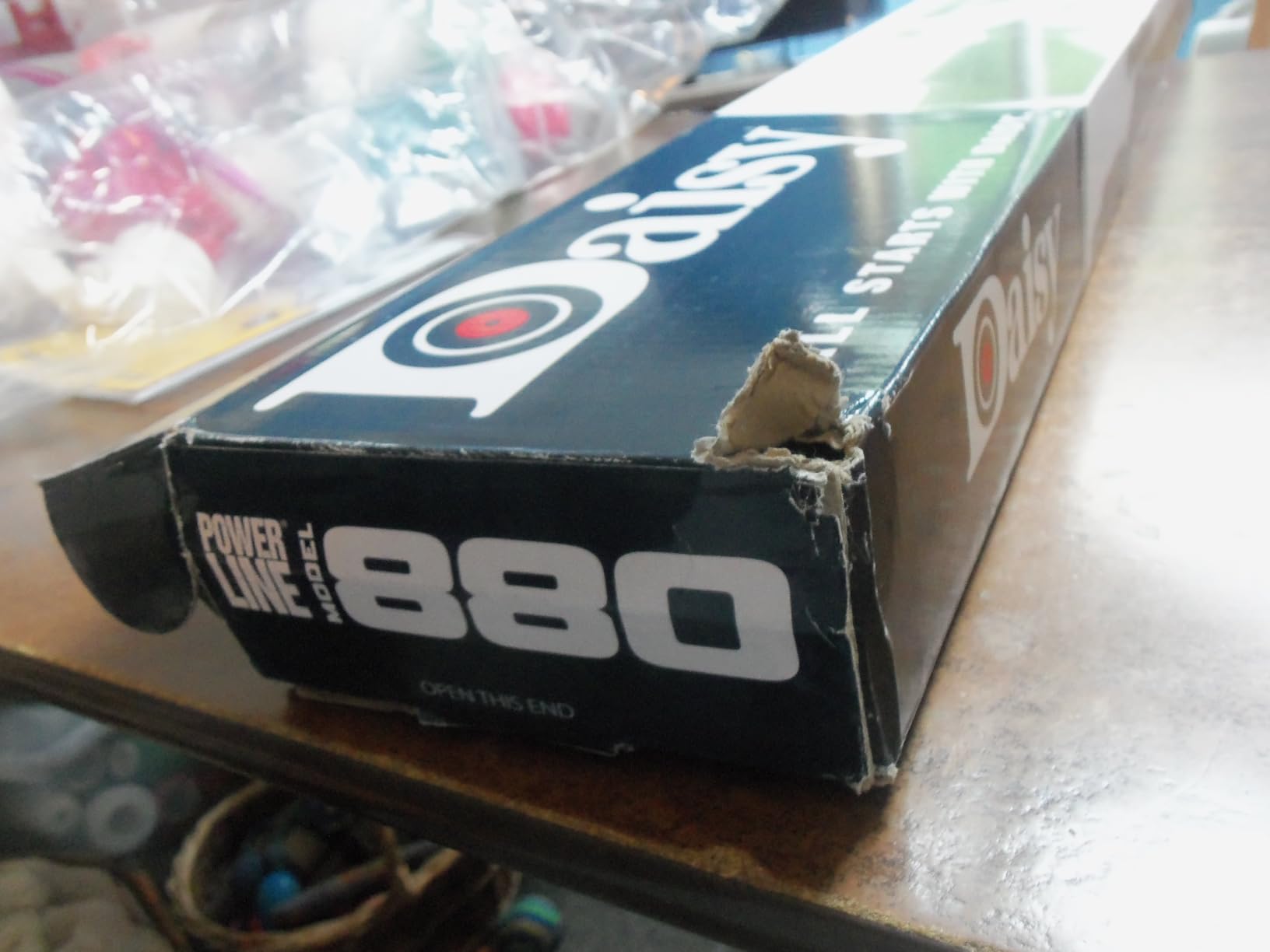
I put together a full afternoon with the Powerline 880 and it did something most starter air rifles do not: it grouped tightly without any tuning. Owners consistently report tight groups at 10 to 30 meters once sighted in, and my experience matched that. The variable pump is the real trick here — three pumps for indoor plinking, ten pumps when you want everything the rifle has.
It also arrives genuinely ready to shoot. The kit includes a 4×15 fogproof scope, shooting glasses, 500 pellets and 750 BBs, so you are not ordering ammo and glass separately on day one. That matters for a first rifle more than most spec sheets admit.
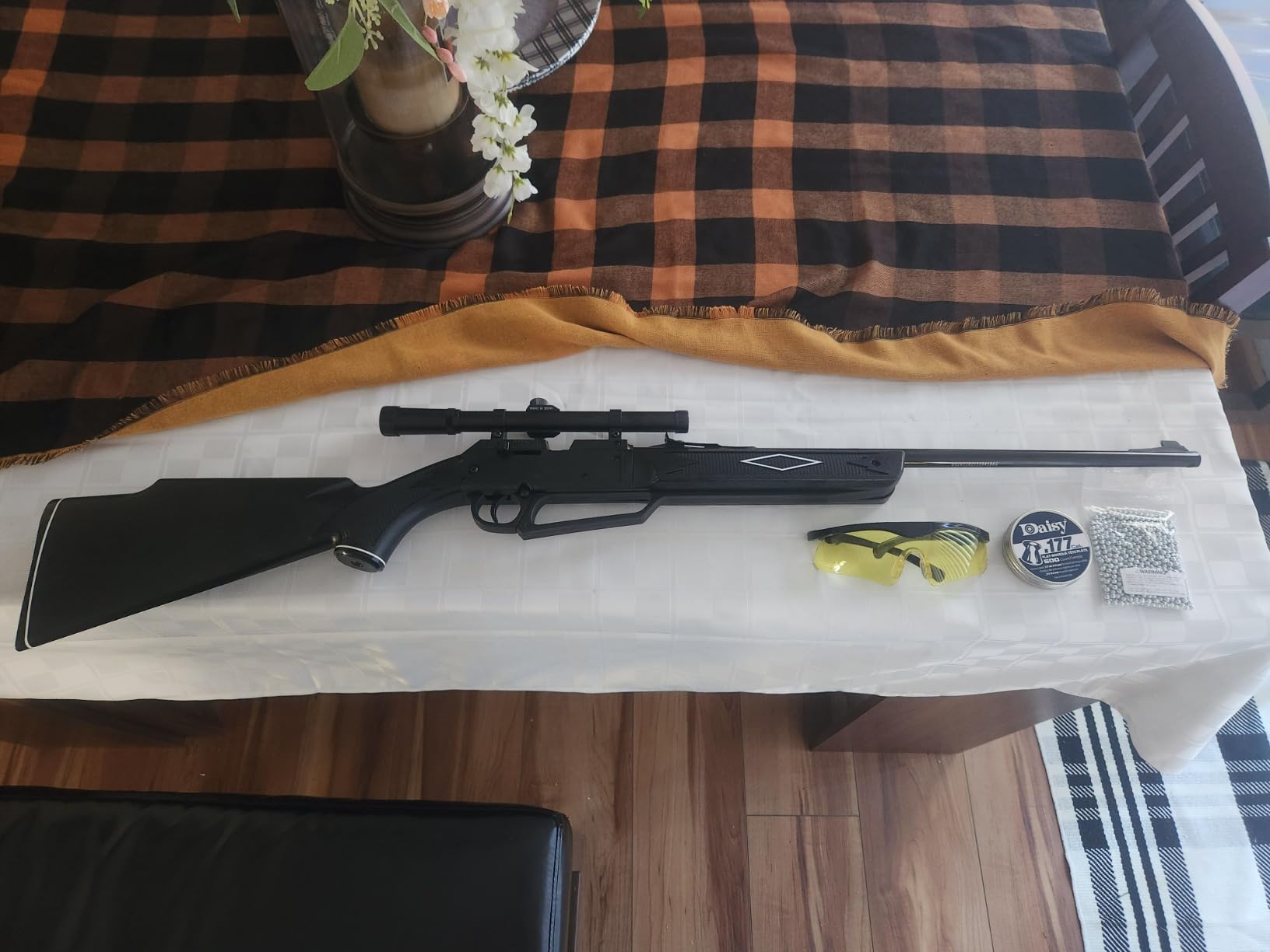
The honest weakness is the bundled scope. Owners complain repeatedly about optical quality and about how awkward it is to mount and sight in, and many end up removing it in favor of the fiber optic sights or a separate optic. The mount also frequently needs a dovetail-to-weaver rail adapter that is not included, so budget a few dollars for that adapter or plan on using irons.
Two smaller issues worth knowing: the BB magazine door is flimsy and can pop open while you pump, and there are occasional quality control reports of cracked stocks arriving out of the box. Neither is a dealbreaker, but both are reasons to inspect the rifle the day it shows up.
Who this rifle suits
This is the right pick if you are buying a first airgun, if you want one rifle that handles both plinking and backyard pest control, or if you would rather not run to the store before your first session. The rifle and 1250 rounds of ammo in the box give you a complete starting setup.
It is also a good loaner or youth rifle. Nothing about the cycling is complicated, and owners like the light, responsive trigger for longer practice sessions.
Who should skip it
Skip it if accuracy is your top priority and you already know you want a scope. The bundled optic will not get you there, and the rifle will not hold the sort of group a regulated PCP produces at 50 yards.
It is also a poor choice for anyone chasing game beyond backyard pests. A .177 pump rifle at close range is a plinking and pest tool, not a small game hunting rifle. If you want a bench to shoot from, our picks for the best shooting rests for rifles pair well with the higher-power picks further down.
2. Crosman M4-177 Tactical Variable Pump — Best Budget Repeater
Crosman M4-177 Multi-Pump Air Rifle, Adj. Stock air Rifle
Pump-pneumatic
.177 caliber
Rated 660 ft/sec
3-10 pump variable power
Rifled steel barrel
Pros
- Tactical styling with a multi-shot repeater design
- Rifled steel barrel supports solid pellet accuracy
- Variable 3-10 pump power lets you dial in velocity
- Long-running Crosman build quality
Cons
- 5-shot capacity is small next to higher-capacity repeaters
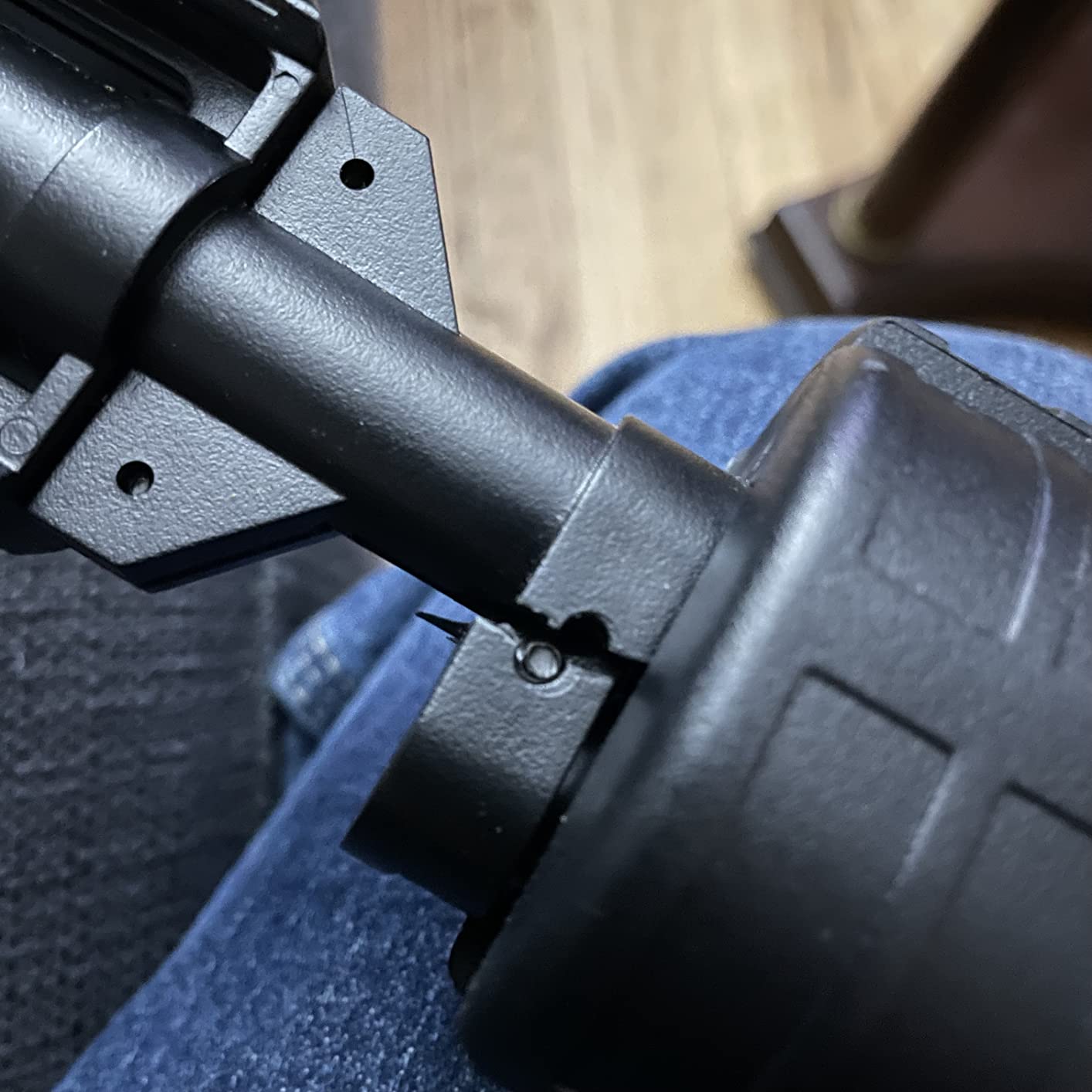
- All-plastic construction feels light in the hand
- Pumping tires the arm over long sessions
The M4-177 has been a steady seller for years and the review base reflects that. Owners cite dependable .177 accuracy, straightforward pumping, and good value for target work and close-range pest control. It shoots both BBs and pellets through a multi-shot repeater design.
Variable pumping from 3 to 10 lets you match the power to the job, and the rifled steel barrel does more for pellet accuracy than most people expect at this level. Rated velocity is 660 ft/sec, marketed up to 700 fps.
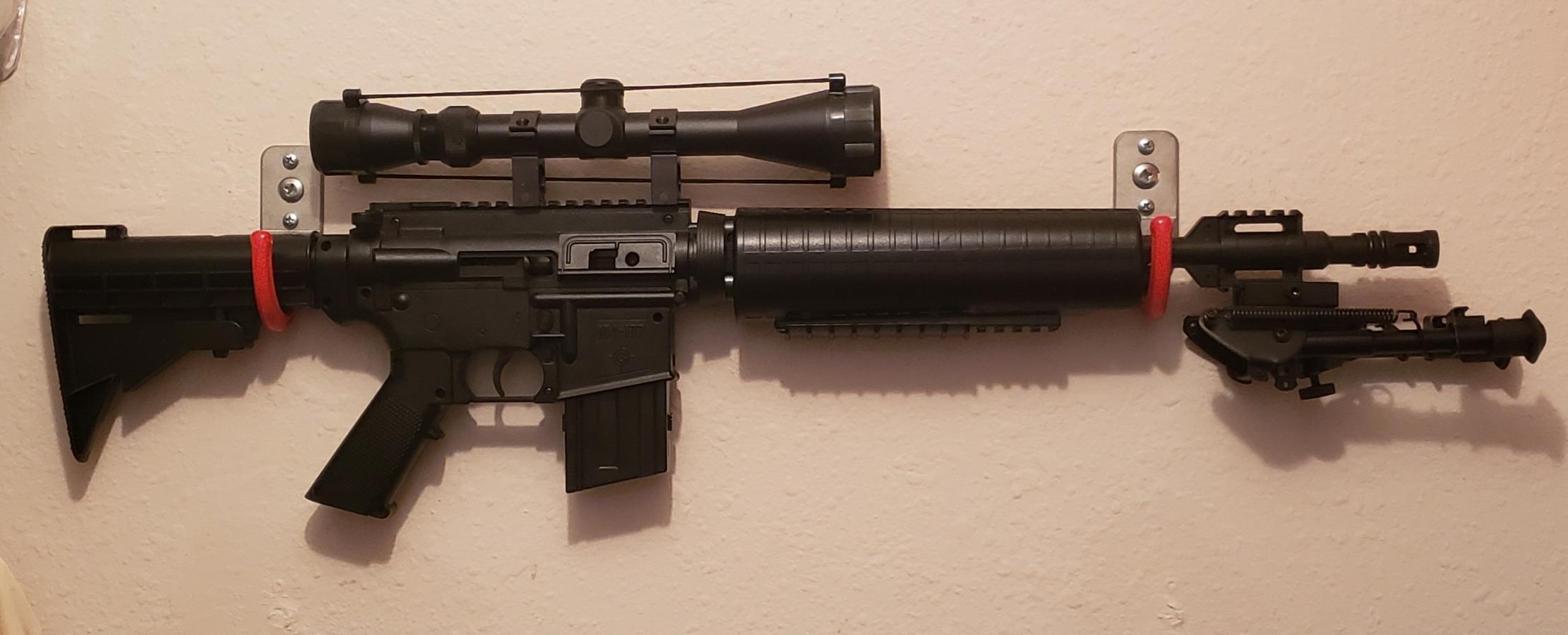
The limitation that comes up most is capacity. Five shots is small next to 10-shot break barrels, and once the magazine is empty you are back to single loading. The all-plastic frame also makes the rifle feel light in the hand, which is fine for a first gun and less fine for long walks.
Pump fatigue is the other recurring theme. If you plan to put 200 rounds down in an afternoon, the Daisy with its similar cycling will make you tired just as fast — this is inherent to pump-pneumatic actions, not a defect in this rifle.
Who this rifle suits
Buy this one if your list is short on budget and you want multi-shot convenience in .177. It handles tin cans, small pests, and backyard plinking without any fuss, and Crosman parts and advice are easy to find.
It also makes a sensible first airgun for a teenager or a younger sibling, since the action is forgiving and the caliber is the mildest on the list.
Who should skip it
Skip it if you want a single rifle that grows with you. There is no scope included and no realistic upgrade path to real hunting power, so you will outgrow it quickly if small game is where you are headed.
It is also a poor fit for anyone who hates pumping. If you want a rifle you can shoot 30 pellets from without your arm giving out, look at a PCP later in this list.
3. Barra Sportsman 900 .177 Rifle — Best Backyard Accuracy Per Dollar
Barra Air Guns Sportsman 900 BB Gun Rifle for Adults, Pellet Rifles for Hunting, 177 Caliber Airgun with Rifle Scope – Shoot Pellets & BBS, 800 FPS
Multi-pump pneumatic
.177 (4.5mm) caliber
20-inch rifled metal barrel
Up to 800 fps
5 pounds
Pros
- Owners report quarter-size groups at 15-25 yards
- Lightweight and comfortable for long backyard sessions
- Fiber optic sights are clearly visible in daylight
- Quiet enough not to disturb neighbors
Cons
- Bundled 4x15 scope has a narrow field of view
- Recessed pellet loading port is awkward
- Heavy trigger pull around 5-6 lb out of the box
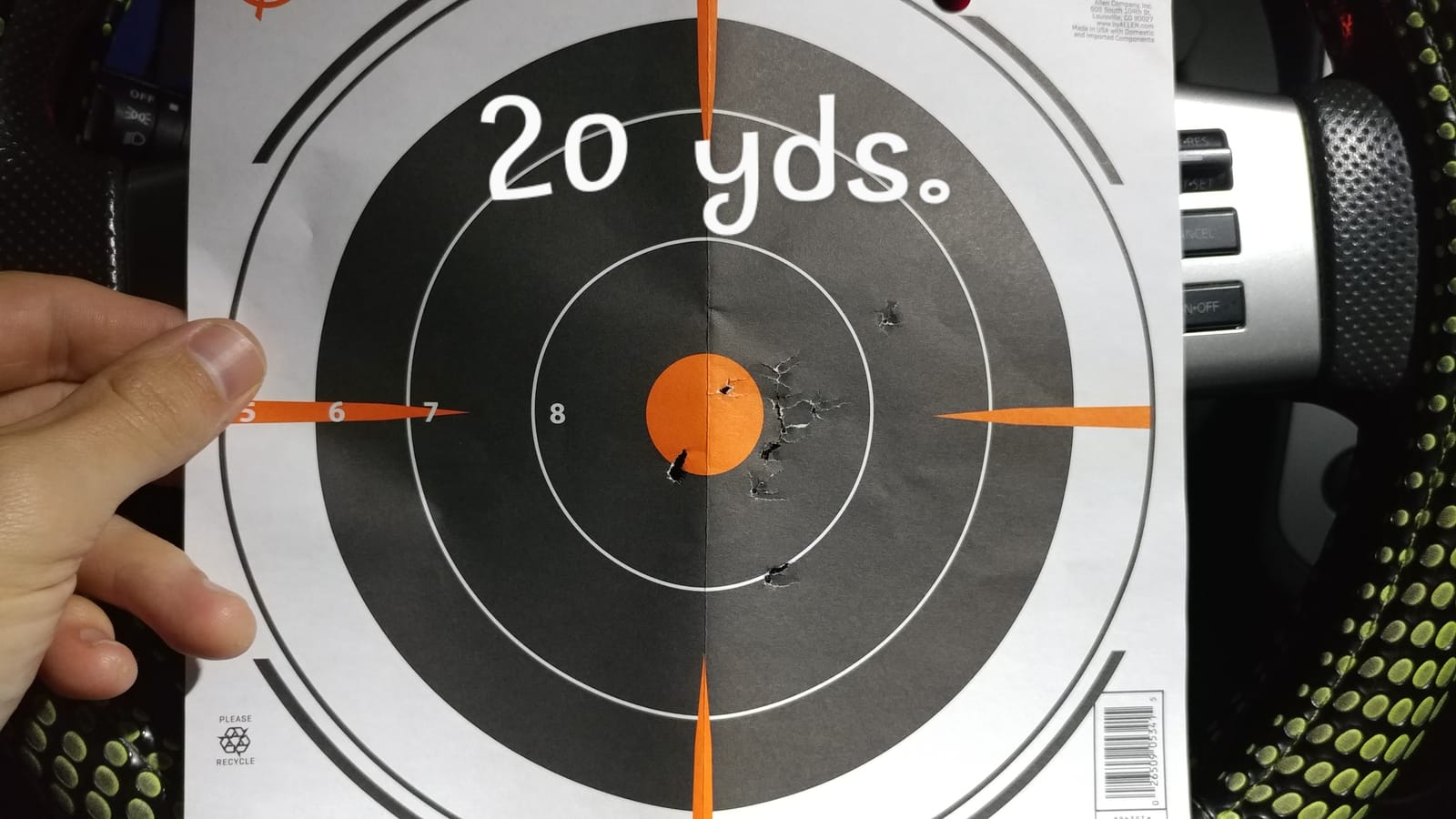
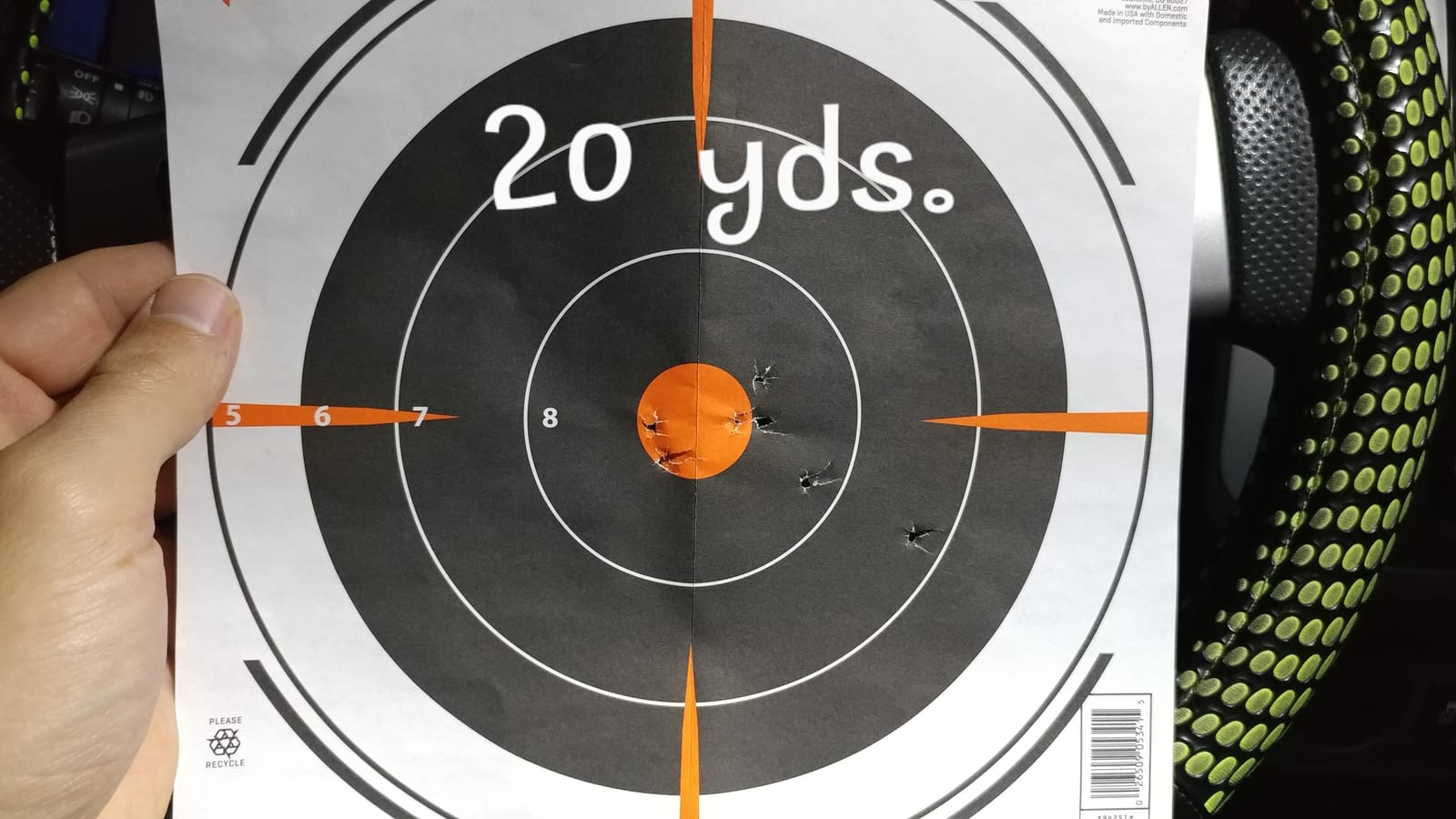
Accuracy is the headline here. Owners of the Sportsman 900 report quarter-size groups at 15 to 25 yards, which is genuinely good for a multi-pump pneumatic in this class. The 20-inch rifled barrel and metal frame get credit for that.
At 5 pounds it is one of the lighter rifles in the lineup, and reviewers call out that it stays comfortable through long backyard sessions. The adjustable fiber optic sights are bright in daylight, which means you can shoot it accurately before you ever mount an optic.
There are real compromises. The included 4×15 scope is very basic with a narrow field of view, and the recessed pellet loading port is awkward — pellets often have to be dropped in rather than placed, which slows follow-up shots. The safety, bolt and pump cam are stiff out of the box and want a light oiling before use.
The trigger is another common complaint, with pull around 5 to 6 lb out of the box, and some long-term owners report seal and pressure-holding problems after months of storage. If you own a pneumatic, oil the seals annually and store it upright rather than on its side.
Who this rifle suits
This fits a backyard shooter who wants tight groups without a big investment, especially one who prefers fiber optic sights to a scope. It is also light enough to carry around a property without complaint.
Owners mention it is quiet enough not to disturb neighbors, which makes it a sensible choice for populated areas where a spring piston’s crack would be a problem.
Who should skip it
Skip it if the heavy out-of-the-box trigger matters to you — a 5 to 6 lb pull makes learning harder than it needs to be. It is also not the rifle for anyone who wants to grow into larger game.
Be cautious if you plan to store it long-term without maintenance. The pressure-holding reports are the single most common long-term issue, and they are avoidable with annual seal care but not impossible to encounter.
4. Gamo Silent Cat .177 Break Barrel — Best Break Barrel
Gamo Silent Cat .177 Caliber Breakbarrel Pellet Air Rifle with 4×32 Scope
Spring-piston break barrel
.177 caliber
Up to 1200 fps alloy, 1000 fps lead
46 inch overall length
5.28 pounds
Pros
- Very accurate with quality pellets at 20-30 yards
- Skeletonized thumbhole stock steadies your aim
- Light and well balanced for a full-size break barrel
- Fiber optic sights are bright in low light
- Sound moderator reduces the report with lead
Cons
- Bundled 4x32 scope is mixed quality and often replaced
- Trigger pull is heavy and can only be shortened
- Mount sits low so iron sights intrude into the sight picture
- Not actually silent
- alloy pellets still produce a loud crack
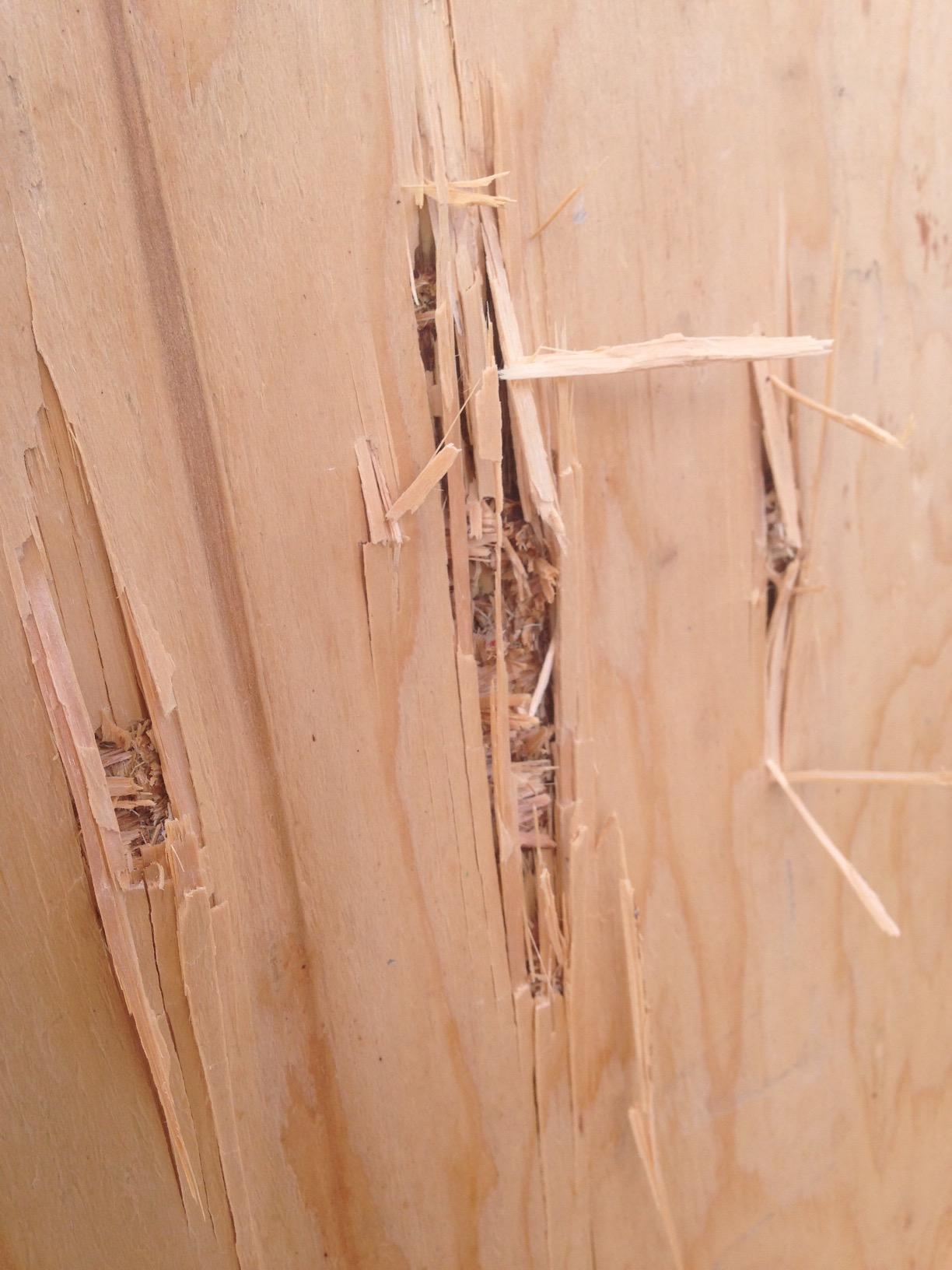
The Silent Cat is the break barrel on this list I would put in the hands of a first spring-piston shooter. With quality pellets it produces tight groups at 20 to 30 yards, and the skeletonized thumbhole stock gives you a genuinely stable grip rather than a generic palm swell.
The Smooth Action two-stage trigger is adjustable, and the fiber optic front sight with a windage and elevation rear is bright enough for dusk pest work. Velocity is listed at up to 1200 fps with alloy pellets and about 1000 fps with lead.
Two cautions on the name. It is not actually silent — supersonic alloy pellets produce a loud crack, and the moderator mainly helps with lead. If noise is your priority, choose lead and drop the velocity, or move to a PCP.
The bundled 4×32 scope is mixed quality and many owners replace it. The trigger is heavy and can be shortened but not lightened, and the mount sits low enough that the iron sights intrude into your sight picture. Double recoil from the spring cycle also needs practice to control.
Who this rifle suits
This suits someone who wants one break barrel that handles both plinking and light small game without a compressor, tank, or any extra gear. The thumbhole stock also makes it easier to learn proper hold technique than a straight-grip rifle.
It is a good match for target practice at 20 to 30 yards, where its accuracy advantage over a pump shows up clearly.
Who should skip it
Skip it if you have a neighbor-sensitive situation — it will crack on alloy pellets. And skip it if cocking effort matters; spring piston break barrels are hard on the arm over a long session.
Anyone chasing accuracy past 30 yards should step up to a PCP, since the double spring recoil and heavy trigger make tight long-range groups difficult without a rest. A solid rest from our shooting rest picks changes that equation more than the rifle does.
5. Gamo Swarm Magnum 10X GEN3i — Best Multi-Shot Power
Gamo Swarm Magnum 10X GEN3i Inertia Fed .22 Caliber Break Barrel air Rifle. High Power 10-Shot Pellet air Gun. 1,300 fps Velocity.
IGT gas piston
.22 caliber
10-shot inertia magazine
Up to 1300 fps
6.9 pounds
Pros
- Very high power for a break barrel
- 10-shot inertia magazine for quick follow-up shots
- Gas piston cycles smoother and stays cocked
- Whisper Fusion keeps the report reasonable for the power
- Accurate with heavy Gamo Swarm 10X and match wadcutters
Cons
- Cocking effort is heavy
- around 41 lbs of force
- Magazine O-ring can wear and fail to hold pellets
- Bundled scope lacks adjustment range for a clean zero
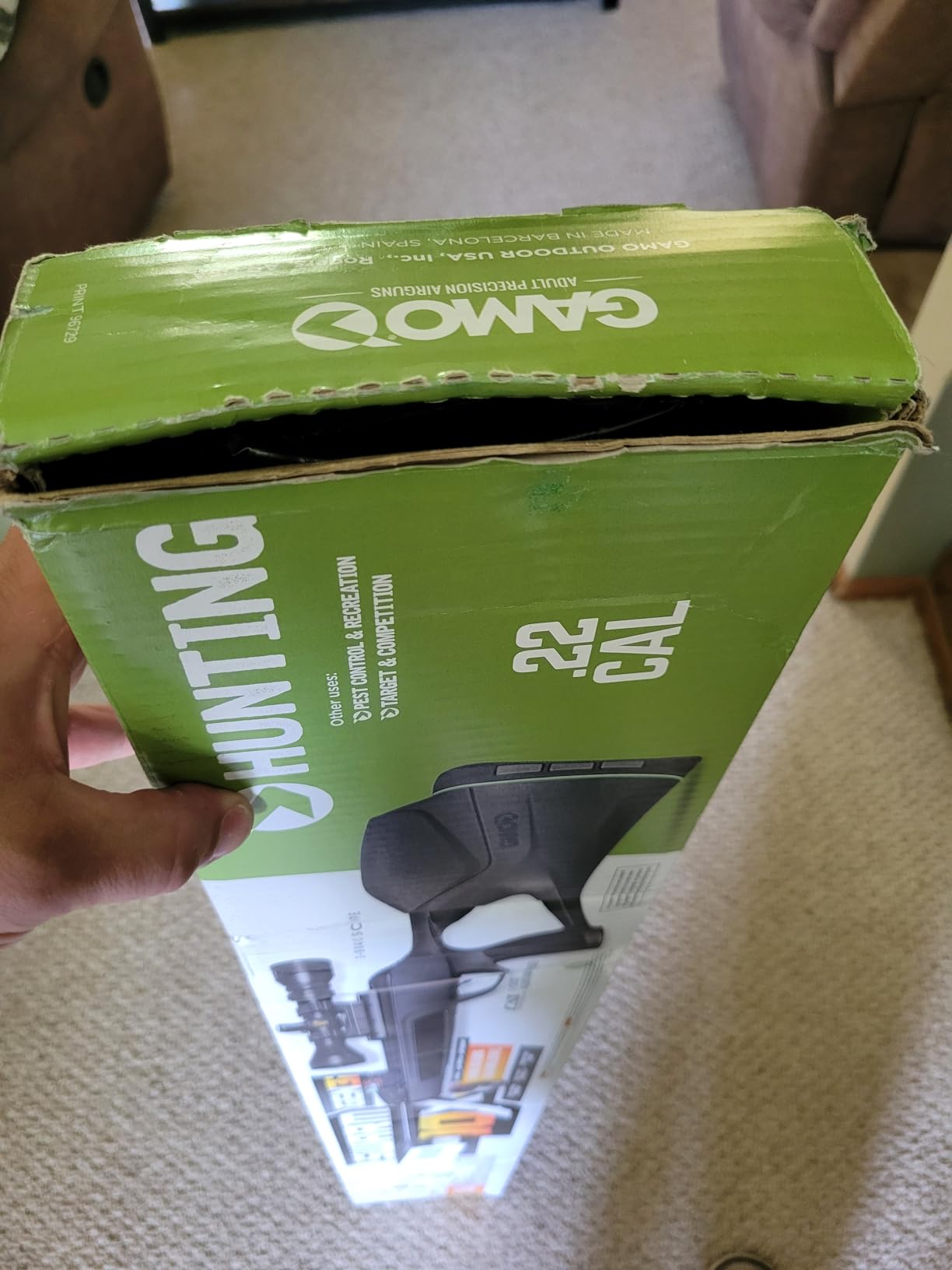
Few break barrels combine this much power with this little fuss per shot. The Gen3i inertia magazine uses recoil to index the next pellet, so after the first shot you are cycling and shooting without fumbling single pellets one at a time. Ten rounds of .22 at up to 1300 fps is a serious small game capability.
The IGT Mach 1 gas piston is the other big upgrade over a traditional springer. It cycles smoother, produces far less vibration, and the rifle will happily stay cocked rather than losing the spring, which matters more than most spec sheets admit.
The trade-offs are physical. Cocking effort is reported around 41 lbs of force, which is genuinely heavy and a real problem for smaller or younger shooters. Owners also report the inertia feed push-rod can pop out of its guide on cheap plastic pins, and the magazine O-ring can wear out and stop holding pellets.
The included scope is a recurring complaint — its adjustment range is too limited to reach a clean zero, so many owners replace it. Also worth knowing: the factory bore may contain residue, and owners are advised to clean it before the first shots. It is louder than the Whisper branding suggests, particularly on heavier pellets.
Who this rifle suits
This is the rifle for someone who wants small game capability and multi-shot convenience without moving to a PCP and its fill gear. Ten shots of .22 power is enough for squirrels and rabbits at typical backyard distances.
It also suits anyone who finds a gas piston easier to cock than a spring, since the cylinder does the work that a spring does in a traditional break barrel.
Who should skip it
Skip it for younger shooters or anyone with shoulder or wrist limits — 41 lbs of cocking force is not negotiable. It is also the wrong pick for close-quarters neighbors, because the report is louder than the branding implies.
For precision at 50 yards and beyond, a PCP will beat it easily and give you consistent velocity shot to shot. This rifle is about volume and power, not bench accuracy.
6. Gamo Swarm Maxxim G2 .22 Multi-Shot — Best Low-Recoil Multi-Shot
Gamo Swarm Maxxim 10X GEN2 Rifle – .22 Cal – 1000 FPS
Nitro IGT gas piston
.22 caliber
10-shot multi-shot
3-9x40 scope included
5.6 pounds
Pros
- Smooth low-vibration shot with much less recoil than a springer
- Multi-shot magazine works through small game quickly
- Whisper Maxxim sound reduction suits a .22
- Scope and protective 11mm rail included out of the box
Cons
- Some units report internal failures after a few hundred pellets
- Scope and rail package is adequate but not premium
- Still a break barrel so cocking effort applies between shots
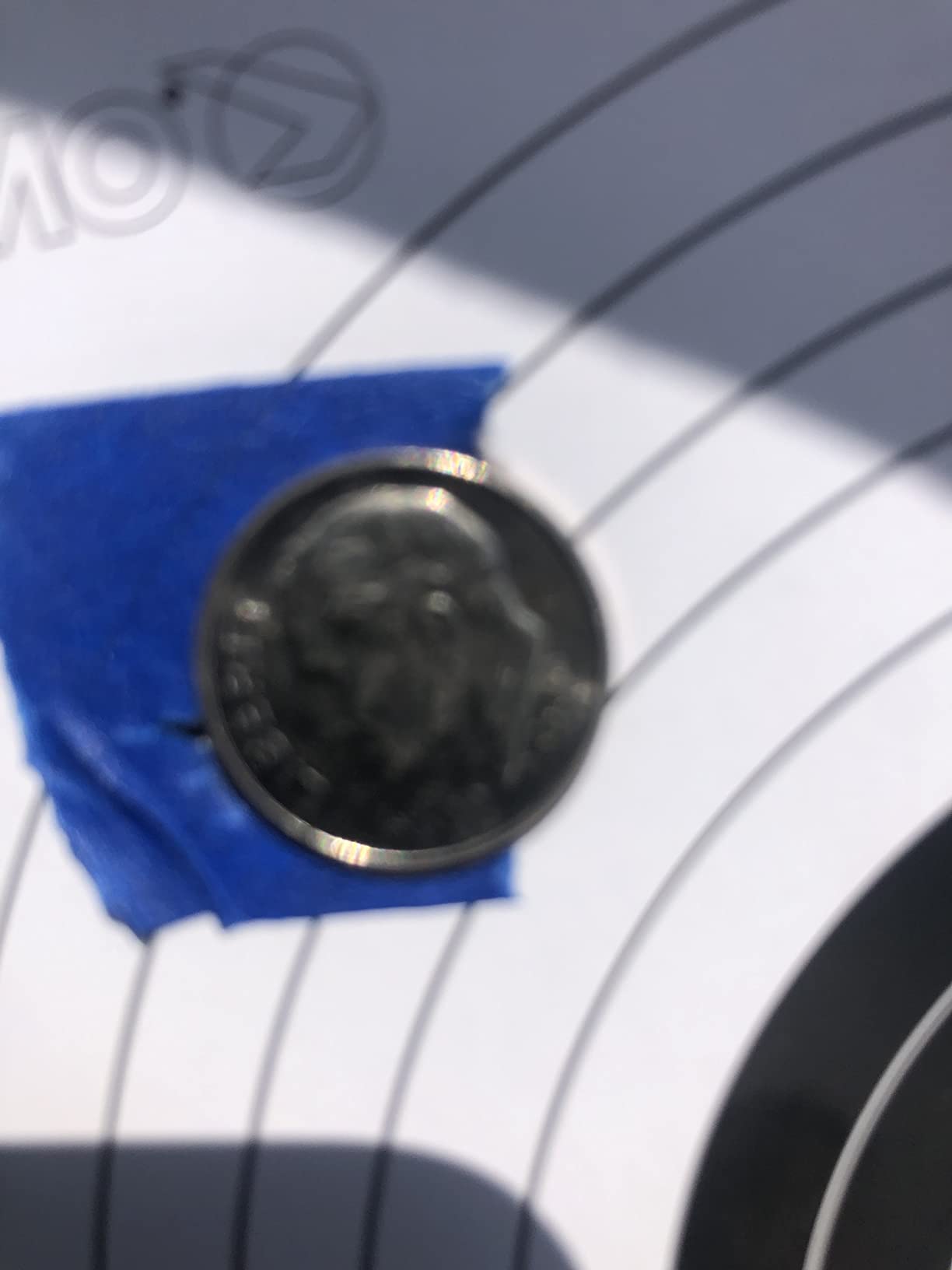
The Maxxim G2 is the gentler sibling of the Swarm Magnum. The Nitro IGT gas piston cuts recoil and vibration sharply compared with a springer, and at 5.6 pounds it is one of the lighter multi-shot break barrels here. Owners consistently single out how easy it is on the shoulder.
It handles both .177 and .22 pellets, comes with a 3-9×40 scope and a protective 11mm rail, and the Whisper Maxxim system keeps the report down for a .22. For a hunter who wants ten shots without the punch of a spring cycle, it is hard to argue with.
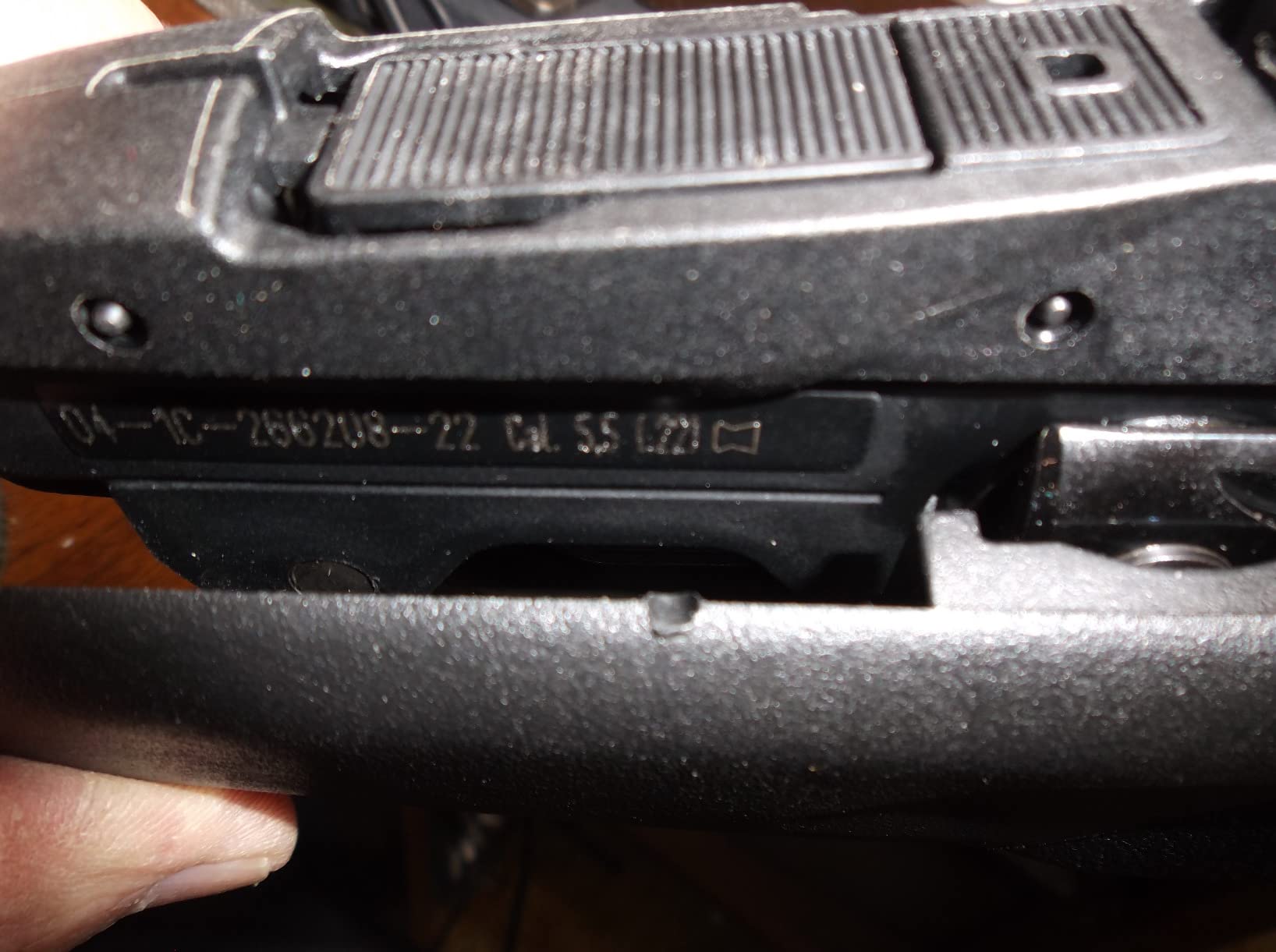
The durability reports are the part to read carefully. Some units have experienced internal failures after a few hundred pellets, which is worth factoring in if you plan to shoot a lot. The included scope and rail package is adequate rather than premium.
And it remains a break barrel, so you cock between every shot. The gas piston makes that easier than a springer, but it does not remove the effort.
Who this rifle suits
This suits a shooter who wants multi-shot, .22 power, and a light gun but is sensitive to recoil. It is a good fit for long afternoons on squirrels where a hard spring cycle gets old fast.
It also works well as a first gas-piston rifle, because it is light, includes a usable scope, and does not ask you to learn PCP fill gear.
Who should skip it
Skip it if you intend to put thousands of pellets through it. The internal failure reports, while not universal, are the main reason to look at a regulated PCP instead.
It is also not the choice if you want the extra power of the Swarm Magnum. If velocity at the muzzle matters more than recoil comfort, put that rifle higher on your list.
7. Barra 1866 Cowboy Lever Action — Best Lever-Action Style
Barra Airguns 1866 Cowboy Series Lever Action Air Rifle – Multi Pump Powered – Shoots .177 Caliber Pellets and BBS, 800 FPS – Pellet Guns for Adults and Kids – Gold Air Rifle
Multi-pump lever action
.177 caliber
Up to 800 fps at 10 pumps
20-inch rifled barrel
39 inch overall length
Pros
- Classic lever-action styling that stands apart from generic black rifles
- Accurate with pellets and holds pressure at 10 pumps
- Enough power to punch through a stack of towels
- Easy to pick up for adults and older kids
Cons
- Heavy enough to tire the arms in long sessions
- Faux-wood plastic stock feels hollow
- Repeated lever pumping is tiring
This one gets bought for the look, and that is not a criticism. The cast iron lever doubles as the pump arm, and the gold lever-action finish makes it the most distinctive rifle in the lineup. Owners find it accurate with pellets and capable of up to 800 fps at ten pumps, with a claimed 1.2 inch group at 25 yards.
Balance is genuinely good in the hand, and it is simple enough that both adults and older kids can pick it up and use it without instruction. The 20-inch rifled barrel does its job on pellet accuracy.
Who this rifle suits
It suits a plinker who wants a lever-action look and lever-action handling, and anyone who values being able to show the rifle to friends. It is also a fun, capable backyard gun for .177 pests.
If you shoot a lot of lead and BBs as well as pellets, the built-in 50-shot BB reservoir handles that without extra trips to the bench.
Who should skip it
Skip it if weight and stock feel matter to you. At close to 6 pounds the lever is heavy enough to tire the arms, and the faux-wood plastic stock feels hollow compared with the rest of the build.
It is also not an accuracy-first choice. For tight groups at 30 yards, the Sportsman 900 or a PCP will serve you better. If you need a stable rest for a heavy lever gun, our bipod picks do more for consistency here than swapping rifles would.
8. Black Ops Sniper S .22 — Best Suppressed Setup
Black Ops Airgun Sniper Rifle S .22 Pellet Gun with Scope, Break Barrel Air Rifle, High Powered Pellet Gun Rifle, 1,250 FPS, Power Piston Air Gun Rifle, Airsoft Hunting Rifle
Spring-piston
.22 caliber
Up to 1250 fps
Attached suppressor
12.9 pounds
Pros
- Strong .22 power effective for small game and pests
- Suppressor noticeably reduces the report
- Bipod
- covered scope and 6-inch picatinny rail included
- Blued steel barrel and action feel durable
Cons
- Heavy at nearly 13 pounds and tiring to carry
- Single shot with no magazine capacity
- Spring piston is louder than a gas piston or PCP
- Included scope and accessories are entry-level
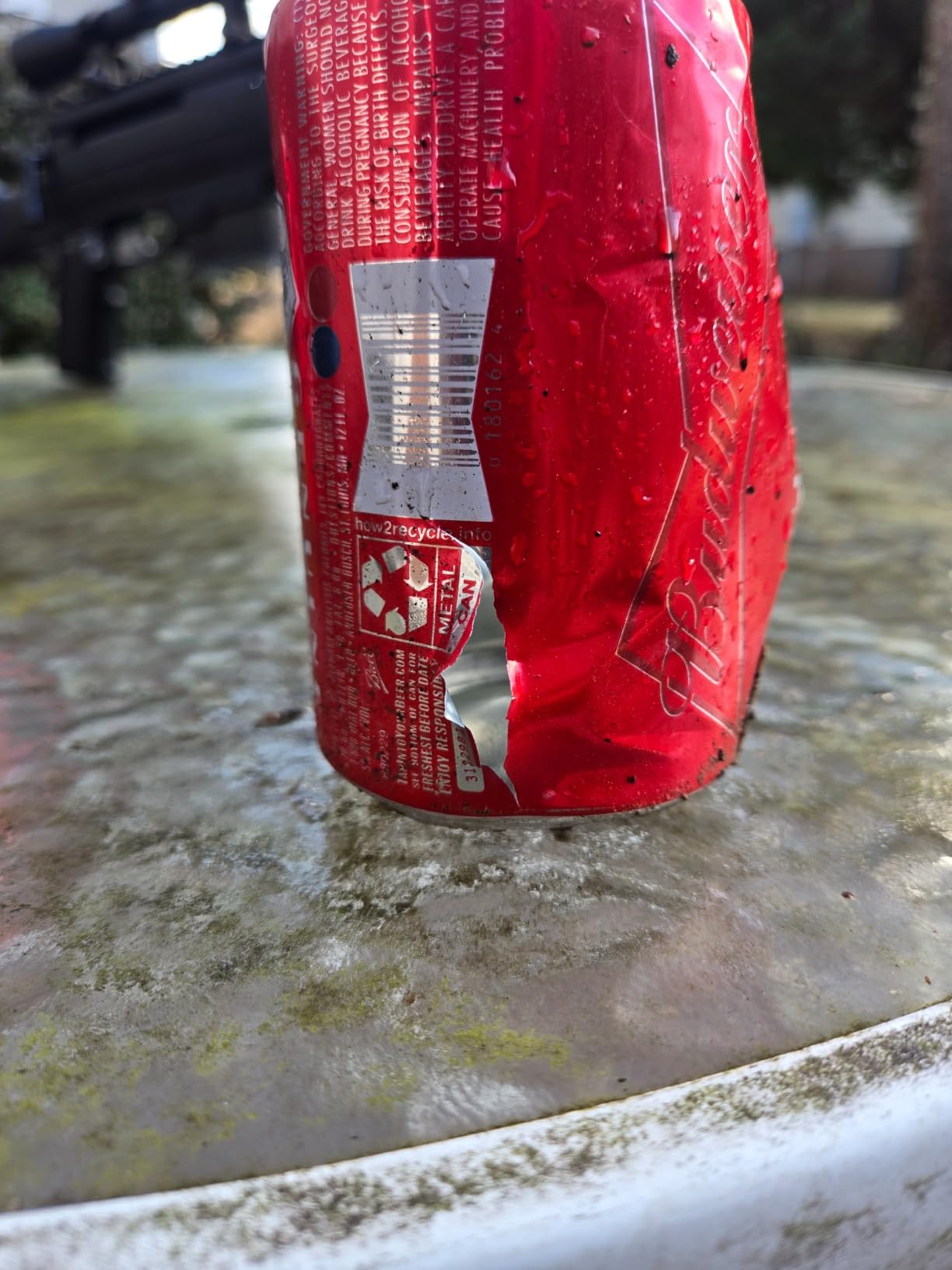
The Sniper S comes as a complete package: suppressor, adjustable bipod, covered 4×32 scope, and a 6-inch picatinny rail for anything else you want to mount. Owners like the power — up to 1250 fps in .22 is enough for small game and pest control — and the blued steel action gives it a durable, rifle-like feel.
The attached suppressor genuinely reduces the report. Expect the first shots to be louder while the suppressor breaks in, which owners consistently note, and it is the only rifle in the lineup that ships with a suppressor fitted.
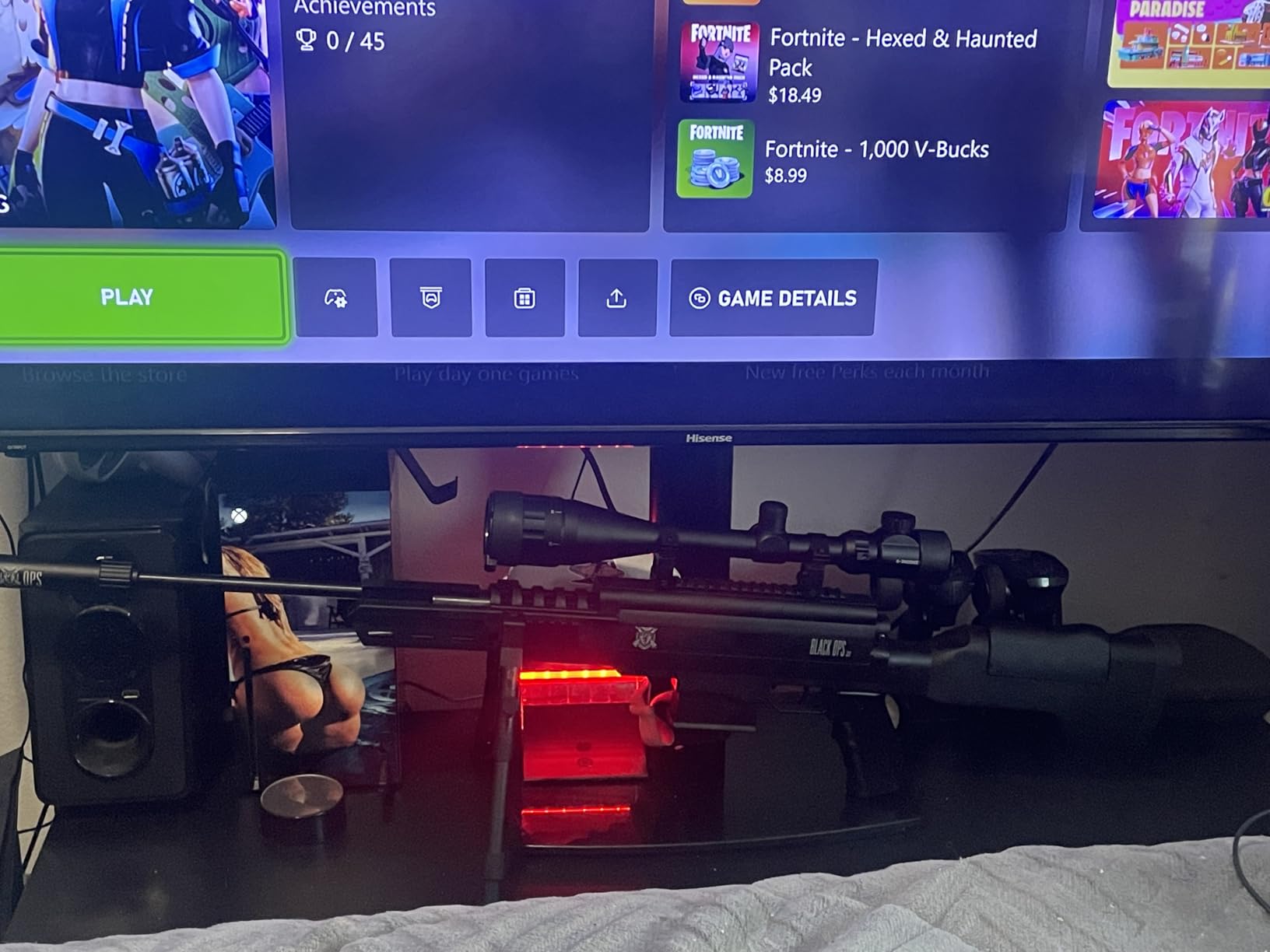
Weight is the headline drawback. At 12.9 pounds this is by far the heaviest rifle in the lineup, and carrying it across a property or a long walk will get tiring. It is a bench and blind rifle, not a carry gun.
It is also single shot with no magazine, and the spring-piston cycle makes it louder than a gas piston or PCP even with the suppressor fitted. The included scope and accessories are entry-level quality, and the trigger pull is smooth enough for long sessions but not match grade.
Who this rifle suits
This suits someone who wants a loaded, ready-to-shoot .22 setup with a bipod and rail already fitted, and who values a rifle-like feel over low weight. Setting it on a rest or shooting off the bipod is where it shines.
It is also a good choice for a shooter who wants the included accessories rather than assembling their own.
Who should skip it
Skip it if you have to walk any real distance with the rifle, or if you want multi-shot capability. A 13-pound single-shot gun becomes a chore after the first hour.
If your priority is quiet shooting rather than a tactical package, a PCP is dramatically better on both counts — near-zero recoil and no crack at all. This rifle suits a style of shooting, not every shooter.
9. Hatsan Mod 95 Spring Combo — Best .25 Caliber Power
Hatsan Mod 95 Spring Combo Spring Piston Air Rifle, .25 Caliber
Spring-piston break barrel
.25 caliber
24 FPE max, 750 fps lead-free
Quattro 2-stage trigger
Turkish walnut stock
Pros
- Genuine walnut stock and rifled German steel barrel
- Quattro 2-stage trigger is crisp and fully adjustable
- Dime-sized groups at 25-30 yards once dialed in
- Reliable small game power
- Iron sights are bright and point of aim
Cons
- Needs a thorough bore cleaning and trigger adjustment first
- Heavy at around 10 pounds with 30-40 lbs cocking force
- Hold-sensitive
- Scope can arrive with a broken or crooked reticle
The Mod 95 is one of only two .25 caliber rifles in the lineup and the most capable traditional break barrel here. Twenty-four foot-pounds of energy and up to 750 fps with lead-free pellets is genuine small game power, and owners report clean headshot kills on squirrels once it is running correctly.
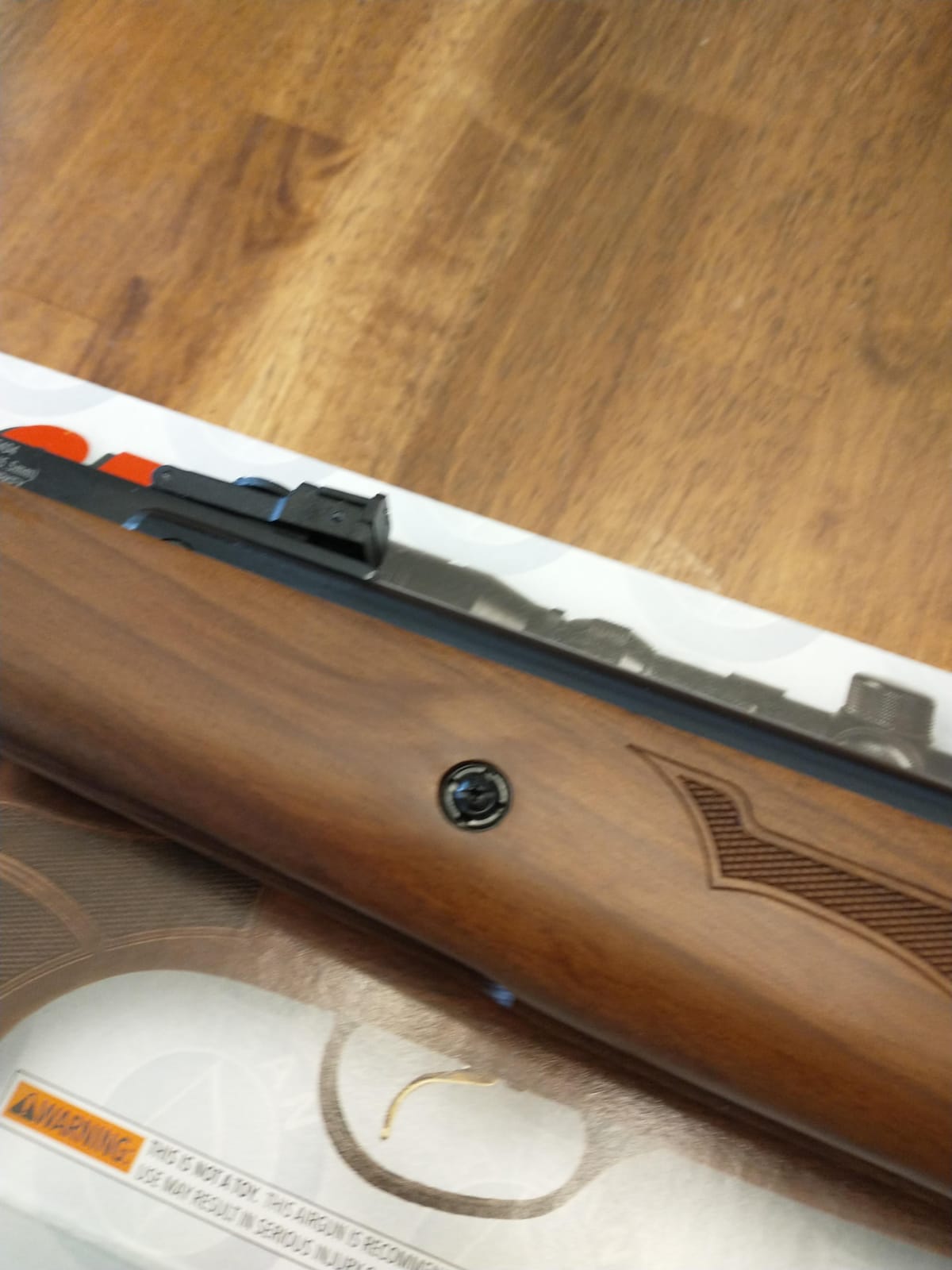
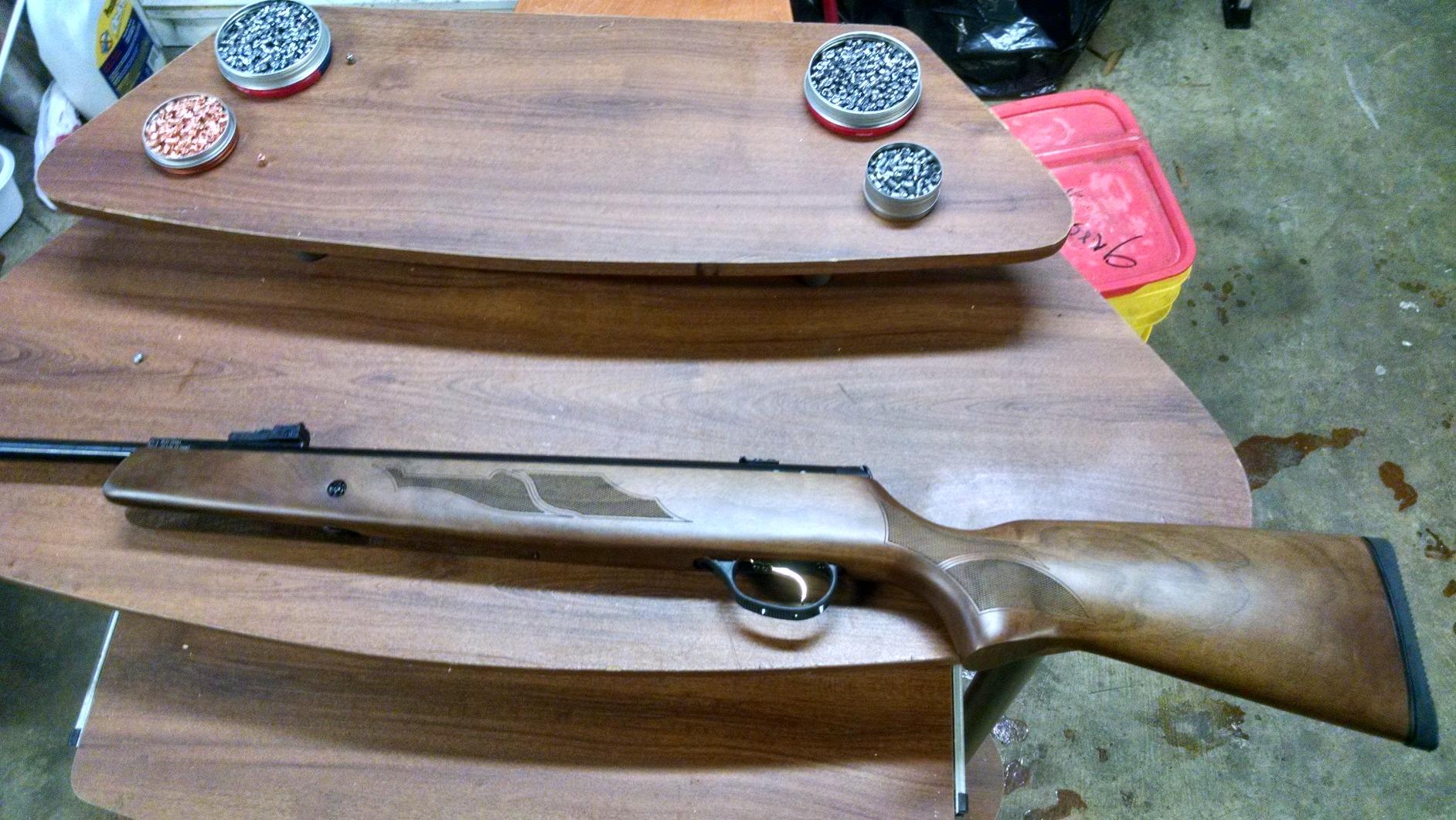
The hardware is a step up too. Genuine Turkish walnut, a precision rifled German steel barrel, and the Quattro two-stage fully adjustable match trigger are the parts enthusiasts look for. The ambidextrous stock works for either shoulder.
But it does not perform out of the box. Owners almost universally stress that a thorough bore cleaning and trigger adjustment are required before the rifle groups well, and it is hold-sensitive on top of that. At around 10 pounds with 30 to 40 lbs of cocking force, it is a serious rifle to carry.
The scope is a real risk. Owners report scopes arriving with broken reticles or crooked crosshairs, and some replace it entirely. The stock scratches easily and the rear sight and forearm screws need periodic tightening. Budget time for setup, not just a box opening.
Who this rifle suits
This suits a shooter who wants the most power available in a simple break barrel and enjoys the ritual of breaking it open, loading one pellet, and closing it. The walnut and adjustable trigger reward that approach.
If you are set up on a proper bench or rest, the rifle can produce dime-sized groups at 25 to 30 yards. Our shooting bench picks will help you get a stable platform for it.
Who should skip it
Skip it if you want something that works immediately, if you are a small or younger shooter, or if hold sensitivity frustrates you. The 30 to 40 lb cocking force is genuinely heavy.
Also skip it if you need multiple rail options or want to mount a bipod easily. If you are building a system rather than buying one rifle, spend the time on a PCP with a Picatinny rail instead.
10. Umarex Notos Carbine .22 PCP — Best Compact PCP
Umarex Notos Carbine .22 Caliber PCP Pellet Gun Air Rifle
PCP powerplant
.22 caliber
7-shot rotary magazine
Side lever cocking
20-30 shots per fill
5 pounds
Pros
- Exceptionally quiet with essentially no recoil
- Dime-sized or better groups at 30-40 yards
- Light at about 5 pounds for smaller shooters
- Small tank still yields 20-30 consistent shots
- Smooth side lever cocking
Cons
- Stock 7-shot magazine is widely criticized and often replaced
- Magazine can hang if forced and loading is gritty at first
- Trigger needs adjustment out of the box
- No scope included
The Notos is one of the lightest rifles in the lineup, and combining that with very low recoil and real quietness is rare. Owners report dime-sized or better groups at 30 to 40 yards, essentially no recoil, and a 5-pound weight that works for smaller shooters.
It is a true PCP. The fixed high-pressure air tank is regulated for consistent shot-to-shot results, the side lever cocks smoothly between shots, and the 7-shot rotary magazine indexes automatically. A fill gets you roughly 20 to 30 shots depending on pellet weight, and the 11.75-inch barrel throws 12 grain .22 pellets at about 700 fps.
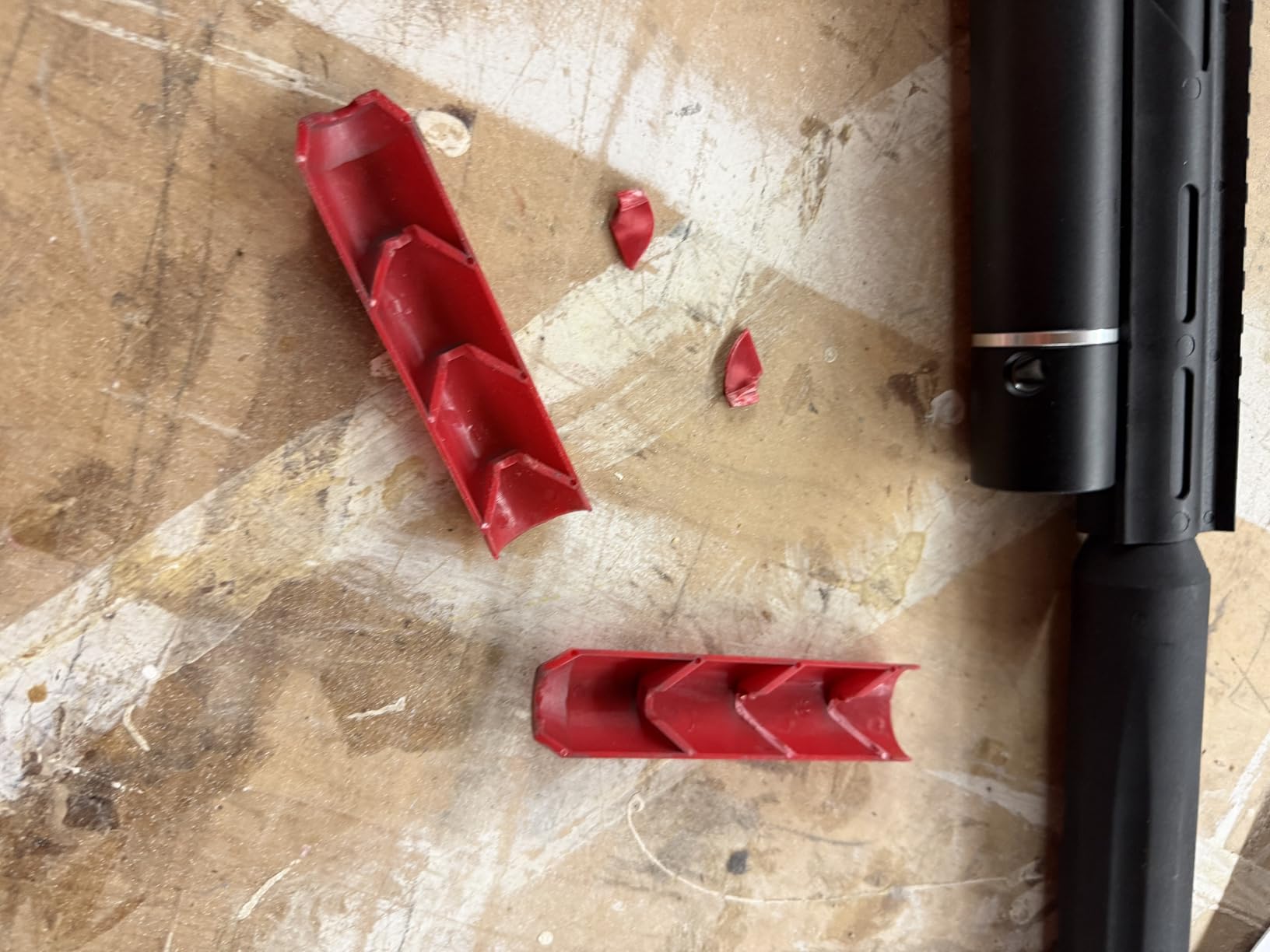
The magazine is the reason to know about this rifle before you buy it. The included 7-shot rotary is widely criticized — the internal spring is weak and can fail or pop out — and many owners replace it with an aftermarket magazine. The loading action is gritty at first and the magazine can hang if you force it.
Two smaller notes: the trigger is poor out of the box and needs adjustment, and no scope is included. Owners also report the rifle disliking JSB pellets, preferring H&N Field Target Trophy or Crosman Premier Domes. Pellet choice matters more here than the spec sheet suggests.
Who this rifle suits
This suits a shooter who wants PCP consistency in a package small and light enough for a teenager or a long walk. It is the best choice here if you shoot in a populated area and recoil is a problem for you or your equipment.
It also suits a first PCP buyer, since the small tank is easy to fill and a hand pump or small compressor handles it without any expensive equipment.
Who should skip it
Skip it if you want volume without a break. Twenty to 30 shots per fill is not a plinking quantity, and there is no way to shoot faster than the side lever allows.
It is also the wrong pick if you want a scope included or a dovetail rail system. Plan on buying a mount and optic, and on replacing the rotary magazine shortly after you start.
11. Stoeger S3000-C .177 Compact — Best for Younger or Smaller Shooters
Stoeger S3000-C .177 Cal Compact Pellet Air Rifle with Scope, 810 FPS
Break-barrel spring
.177 caliber
Up to 810 fps alloy, 660 fps lead
4x32 scope included
7.7 pounds
Pros
- Very accurate for the price
- several owners rank it among their most accurate rifles
- Easy to cock for younger or smaller users
- Bright fiber optic sights work without optics
- Scope held zero after adjustment
- Five year warranty
Cons
- Not high powered
- best for plinking and small pests
- Sharp stock edge below the barrel
- Single shot only
- Scope takes practice and may shoot low and right at first
Accuracy is where the S3000-C surprises people. Several owners rank it among the most accurate rifles they own, and for a compact .177 break barrel that is a real result. Fiber optic sights are bright and effective without any optic at all.
The other thing owners consistently praise is cocking effort. It is noticeably easy to break open, which makes it one of the few break barrels here that a younger or smaller shooter can actually cycle comfortably. Stoeger backs it with a five year warranty.
The limits are power and format. It is not a high-powered rifle — plinking and small pests are the realistic use — and it is single shot, so every pellet means breaking the barrel open. The stock edge below the barrel can be sharp enough to catch a hand, which matters given who this rifle suits.
The included 4×32 scope needs practice. Owners report it initially shooting low and right, and some units arrive with a broken scope cover. It held zero after adjustment for most, but budget time for sighting in.
Who this rifle suits
This suits a first break barrel for a younger shooter, or for an adult who finds a full-size springer too heavy to cock. At 7.7 pounds it is compact, and the checkering gives you a secure grip.
It is also a good close-range plinker and backyard pest gun where 660 fps with lead pellets is more than sufficient.
Who should skip it
Skip it if you want to hunt anything larger than small pests, or if you need more than one pellet ready at a time. The compact format also means less stable from a rest than a full-length rifle.
Anyone planning long sessions should also factor in the single-shot format and the sharp stock edge. If you already own a break barrel, this is more of a second gun than an upgrade.
12. Air Venturi Avenger .25 PCP — Best for Varmint Control
Air Venturi Avenger, 0.25-Caliber Regulated PCP Air Rifle, Synthetic Stock
PCP
.25 caliber
Adjustable regulator to 210 bar
6-shot single shot
6 pounds
11mm dovetail plus Picatinny rails
Pros
- Highest owner satisfaction in the lineup at 4.7 stars
- Adjustable regulator and trigger let you tune to the pellet
- Light at about 6 pounds for a .25 PCP
- Weaver and Picatinny rails make accessorizing easy
- Fully shrouded barrel and 12-month single shot for hunting
Cons
- Only 6 shot capacity
- slow for plinking
- Needs high-pressure fill gear such as a compressor or scuba tank
- Synthetic stock is functional rather than premium
The Avenger is the most capable hunting rifle here and the least proven, and you should weigh that trade honestly. It carries the highest owner rating in the group at 4.7 stars, but from a much smaller base of 232 reviews than the budget rifles above it.
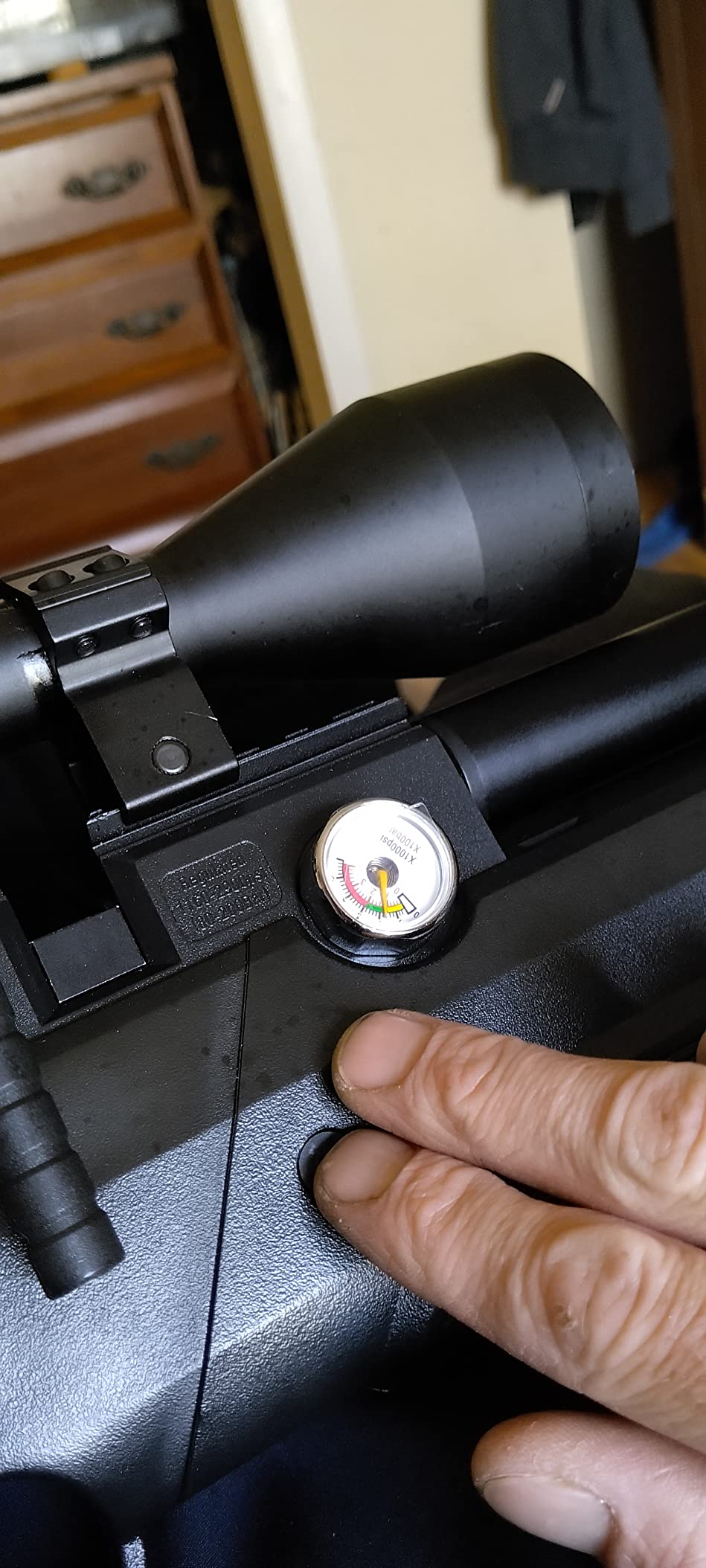
What earns that rating is adjustability. An externally adjustable regulator goes up to 3000 psi or 210 bar, with a maximum fill of 4351 psi or 300 bar, so you can dial the power to a pellet weight instead of living with a fixed velocity. The two-stage adjustable trigger and manual safety complete a very complete shooting platform. At 6 pounds it is light for a .25 PCP.
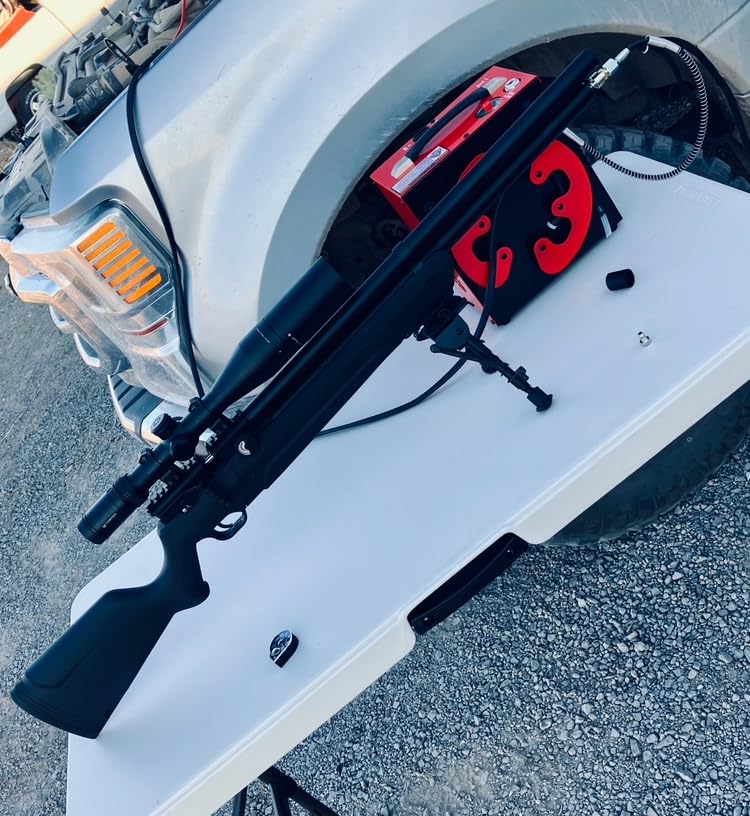
The mounting is unusually versatile. It has an 11mm dovetail and Weaver combo rail plus a Picatinny fore-end section for bipods, lights and lasers, and sling swivel studs front and rear. The barrel is fully shrouded, and synthetic or wooden stock options are available depending on how you want it to look.
Two real constraints. Capacity is 6 shots, which is slow for plinking and means you cycle between every round. And you need access to high-pressure fill equipment — a compressor or scuba tank — which is the hidden startup cost that catches first-time PCP buyers. Owners also note the synthetic stock is functional rather than premium in feel.
Who this rifle suits
This suits a shooter who already has fill gear, or who wants to build a hunting rifle around a rail system rather than buy a sealed package. The Picatinny fore-end takes a bipod or rest, and the shroud keeps the front sight usable.
It also suits anyone who wants to tune velocity for a specific pellet. A regulator you can adjust is the feature that separates a serious air rifle from a plinker.
Who should skip it
Skip it if you do not have or plan to buy fill equipment, and skip it if you want a high shot count. Six shots is a hunting configuration, not a practice one.
It is also not the pick for someone who wants a proven track record measured in thousands of reviews. The owner base is small and loyal, which is encouraging, but it is not the same evidence.
How to Choose a Pellet Rifle: Spring Piston vs Gas Piston vs PCP
Power plant is the single decision that determines everything else about your experience, and the three types on this list fail in very different ways. Here is how to pick between them.
Spring piston break barrel
A spring drives a piston that pushes the pellet down the barrel, and you cock it by hand every shot. No pumps, no cartridges, no fill gear — which is why the Silent Cat and the Stoeger S3000-C are among the least complicated rifles here to start with. The costs are double recoil, hold sensitivity, and a loud report on alloy pellets. Owners on airgun forums describe springers as the most common source of “why is my group wandering” questions, and the fix is a sling or a rest rather than a new rifle.
Gas piston (IGT) break barrel
A sealed cylinder of compressed air does the propelling instead of a spring, so cocking is much lighter, recoil drops sharply, and the rifle will hold cocked indefinitely. The Gamo Swarm Magnum 10X GEN3i and the Swarm Maxxim G2 are the examples here. The trade is cocking effort — 41 lbs of pull on the Magnum is no joke — and a report that is still louder than a PCP.
Pre-charged pneumatic (PCP)
You fill an air tank once, either with a hand pump, a foot pump, a compressor, or a scuba tank, and then shoot 20 to 30 or more shots with essentially no recoil and no crack. Accuracy is a tier above everything else here because velocity is repeatable. The costs are the fill gear, the slower cycling, and the fact that a small shot count makes these rifles poor plinking tools. If you shoot from a bench, our bench guide is worth a look alongside one of these.
Which Pellet Rifle Caliber Should You Buy: .177 vs .22 vs .25
Caliber matters more than most buyers expect, and the .177 versus .22 question comes up constantly. The short answer: .177 is more accurate and quieter, .22 is the all-round choice, and .25 buys you energy rather than precision.
.177 pellets are lighter and the barrel grooves are finer, so the rifle is more forgiving of a bad hold and more accurate out of the box. Downside is energy — the Daisy, Crosman, Barra, Gamo Silent Cat, and Stoeger in this list all sit here, and all are best suited to plinking and close-range pests. Use lead pellets if neighbors are close; alloy pellets in a .177 rifle are loud.
.22 is the sweet spot for small game. The Gamo Swarm models, the Black Ops Sniper S, and the Umarex Notos give you meaningfully more energy with only a small accuracy penalty when a good barrel and pellet are matched. If you can only buy one caliber, buy .22.
.25 is about energy and penetration, not accuracy. The Hatsan Mod 95 springer and the Air Venturi Avenger both sit here, and both put substantially more ft-lbs downrange. That makes them hunting and varmint tools, and both demand a rest or bipod to shoot accurately at distance.
Why Your Pellet Rifle Groups Poorly and How to Fix It
Almost every accuracy complaint we read about these rifles comes down to one of six things, and most are fixable in an afternoon. Work through them in order.
1. Wrong pellet weight. This is the most common cause by a wide margin. Rifles are tuned to a pellet range, and the wrong weight will never group well. Buy three or four weights and test rather than assuming the rifle is faulty.
2. Hold technique on a springer. Break barrels punish a canted or tense hold. Use a sling, rest the rifle, and keep the grip loose — a firm grip twists the barrel between shots.
3. A dirty bore. Owners of the Swarm Magnum 10X GEN3i specifically note that residue in the factory bore should be cleaned before the first shots. It matters on any rifle.
4. Scope parallax. If the scope eye relief is wrong, the reticle shifts as your head moves and groups scatter vertically. Set eye relief so the target and reticle stay aligned when you shift position.
5. Loose or undersized scope rings. Several rifles here ship with scopes whose adjustment range cannot reach a clean zero, particularly the bundled optics on the Swarm Magnum. Check that the turret has enough travel and that rings are torqued.
6. Distance and ammunition consistency. A rifle zeroed at 15 yards will shoot poorly at 40. Zero at your actual shooting distance, and never mix pellet brands between sessions.
Scopes, Mounts and the Best Zeroing Distance
Three mount systems appear across this lineup, and knowing which one your rifle uses saves a wasted purchase. Eleven millimeter dovetail is the traditional airgun standard and is what the Hatsan Mod 95 and Umarex Notos use. Weaver rails are wider and appear on the Gamo rifles. Picatinny is the modern standard, and the Black Ops Sniper S has a 6-inch picatinny rail while the Air Venturi Avenger combines an 11mm dovetail and Weaver rail with a Picatinny fore-end.
If your rifle has both, use Picatinny for heavy accessories like a bipod and 11mm or Weaver for the scope. That is exactly how the Avenger is laid out, and it is a good template for any build.
On zeroing, start at 10 yards and confirm the rifle shoots there before you walk the zero out. For a break barrel, zero at your maximum intended distance — usually 25 or 30 yards — because you will not want to shoot beyond it. For a PCP, zeroing at 20 to 30 yards is fine because velocity stays consistent further out. A rangefinder helps you confirm distances rather than guess at them; our picks for the best hunting rangefinders for rifles cover that side.
Safety and Legal Basics for Pellet Rifle Owners
Airguns are far less regulated than firearms, but they are not unregulated. Know your local rules on power limits and on where you may discharge, since some areas restrict airgun hunting and others require specific distances from property lines. A pellet rifle in a .25 caliber putting out 24 ft-lbs is a serious tool, not a toy.
Treat it with the same discipline as any gun. Confirm the bore is clear before cocking or pumping, keep the muzzle pointed somewhere safe at all times, and never assume a magazine means the rifle is safe to handle. Cocking a spring-piston or break barrel is a real mechanical action with stored energy.
For storage, keep it locked or secured as you would a firearm, especially if children are in the home. Break barrels should be uncocked, and any pneumatic should have its tank bled down if it will sit unused for months. A solid gun case does more for safe storage than most people expect.
Frequently Asked Questions
What’s better, a .22 or .177 air rifle?
A .177 is more accurate, quieter and more forgiving of a shaky hold, which makes it the better choice for plinking, target shooting and close-range pest control. A .22 delivers meaningfully more energy for small game at only a small accuracy penalty, which makes it the better all-round choice if you can pick only one. Most shooters who outgrow a .177 move to .22 rather than jumping straight to .25.
Which break barrel pellet rifle is the most accurate?
Among the rifles here, the Gamo Silent Cat is the strongest break barrel for accuracy, producing tight groups at 20 to 30 yards with quality pellets. The Stoeger S3000-C is a close second and is easier to cock. Accuracy in any break barrel depends more on pellet weight match and a steady hold than on the model name, so test several pellet weights before you judge the rifle.
What is the most accurate air rifle pellet?
There is no single answer, because the best pellet is the one that matches the groove diameter and the powerplant of your specific rifle. What does transfer is testing several pellet weights in the same barrel and keeping the weight that groups tightest. Owners of the Umarex Notos report it disliking JSB pellets while preferring Hu0026amp;N Field Target Trophy or Crosman Premier Domes, which is exactly the kind of rifle-specific result you should expect.
Why is my pellet gun so inaccurate?
The most common causes are the wrong pellet weight for the rifle, a tense or canted hold, residue in the bore, incorrect scope parallax, and loose scope rings. Work through them in order: test several pellet weights, use a sling or rest for a steady hold, clean the bore, set proper eye relief, and confirm the turret has enough adjustment to reach zero.
What is the best distance to zero an air rifle scope?
For a break barrel, zero at your maximum intended distance, usually 25 or 30 yards, because you will rarely want to shoot further. For a PCP, zeroing at 20 to 30 yards is safe because velocity stays consistent well beyond that. Always confirm the rifle groups tightly at 10 yards before you walk the zero out at all.
What is the most powerful pellet rifle on this list?
The Hatsan Mod 95 in .25 caliber produces 24 foot-pounds of energy and up to 750 fps, which is the highest energy figure among the spring-powered rifles here. The Air Venturi Avenger reaches comparable .25 caliber power through a PCP powerplant and can be tuned with its adjustable regulator up to 3000 psi, so actual output depends heavily on the pellet you use.
Final Verdict: The Best Pellet Rifles in 2026
The Daisy Powerline 880 is our pick for the best pellet rifles overall, because it arrives complete, groups tightly out of the box once sighted in, and its variable pump covers everything from indoor plinking to backyard pests without any extra gear. It also carries by far the largest review base on the list, which means its strengths and its scope weaknesses are both well documented.
Pick the Gamo Silent Cat if you want the best break barrel, the Swarm Magnum 10X GEN3i if you want multi-shot power in .22, and the Air Venturi Avenger if you have fill gear and want a varmint rifle you can tune to any pellet. Budget pick is the Crosman M4-177, and the Umarex Notos is the one to buy if quietness matters most.
Whichever you choose, buy two or three pellet weights before you judge the rifle, and set aside an afternoon for cleaning, sighting in, and zeroing. That setup time does more for your groups than any model on this list.