
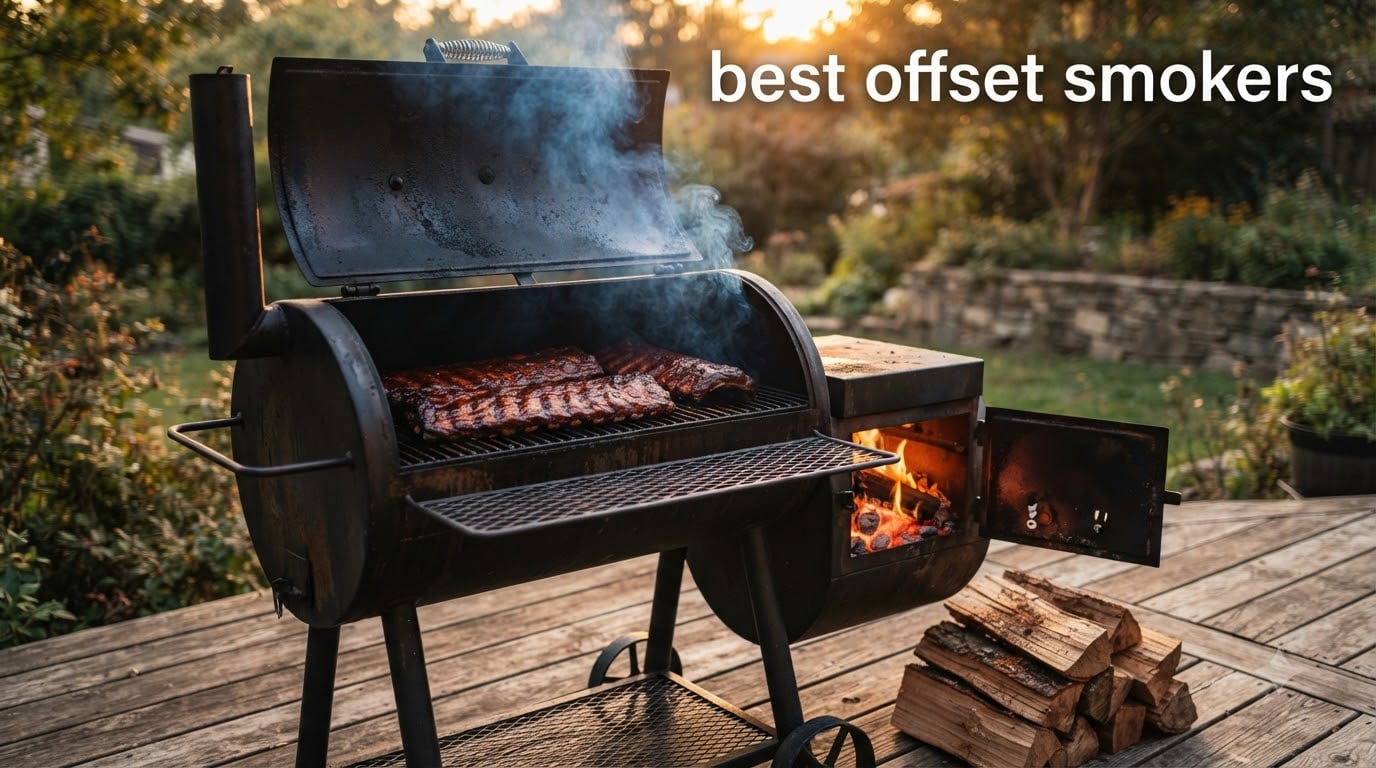
Nothing beats the flavor that comes off a real wood fire in an offset smoker. I have spent the last three years cooking on everything from a $130 entry-level pit to a heavy-gauge reverse flow rig, and the difference in smoke flavor between a true stick burner and any pellet grill is night and day.
If you are shopping for the best offset smokers in 2026, you need to understand what you are getting into. These cookers reward patience and fire management skills. They also punish cheap steel and poor airflow design. Our team put together this guide after testing 8 popular models across different price tiers, cooking everything from brisket to ribs to whole chickens.
This guide covers the smokers that are actually worth your money right now. We break down what makes each one special, which pits need mods out of the box, and how much wood you can expect to burn. Whether you want a backyard weekend cooker or a serious competition pit, we have a recommendation that fits.
Table of Contents
Top 3 Offset Smokers for September

Oklahoma Joe’s Longhorn Reverse Flow
- Reverse flow option
- 1060 sq in
- Four baffles
- Heavy-gauge steel
Best Offset Smokers in 2026
| Product | Specifications | Action |
|---|---|---|
| Oklahoma Joe’s Longhorn Reverse Flow |
|
Check Latest Price |
 Dyna-Glo Vertical Offset Smoker Dyna-Glo Vertical Offset Smoker |
|
Check Latest Price |
| Royal Gourmet CC1830S |
|
Check Latest Price |
 Captiva Designs Heavy Duty Smoker Captiva Designs Heavy Duty Smoker |
|
Check Latest Price |
 Char-Griller Competition Pro Char-Griller Competition Pro |
|
Check Latest Price |
 Sophia & William Offset Smoker Sophia & William Offset Smoker |
|
Check Latest Price |
 Feasto Heavy-Duty 30-Inch Offset Feasto Heavy-Duty 30-Inch Offset |
|
Check Latest Price |
 SUNLIFER Charcoal Grill and Smoker SUNLIFER Charcoal Grill and Smoker |
|
Check Latest Price |
1. Oklahoma Joe’s Longhorn Reverse Flow Offset Smoker
Oklahoma Joe’s Longhorn Reverse Flow Offset Charcoal Smoker and Grill with 1060 sq. in. Cooking Area in Black
1060 sq in cooking area
226 lbs heavy-gauge steel
Switchable reverse flow design
Four baffle system
Pros
- Switchable between reverse flow and traditional offset
- Large 1060 sq in cooking capacity
- Even heat distribution with four baffles
- Heavy-gauge steel construction
- Professional temperature gauge with cool-touch handles
Cons
- Very heavy at 226 pounds
- Limited stock availability
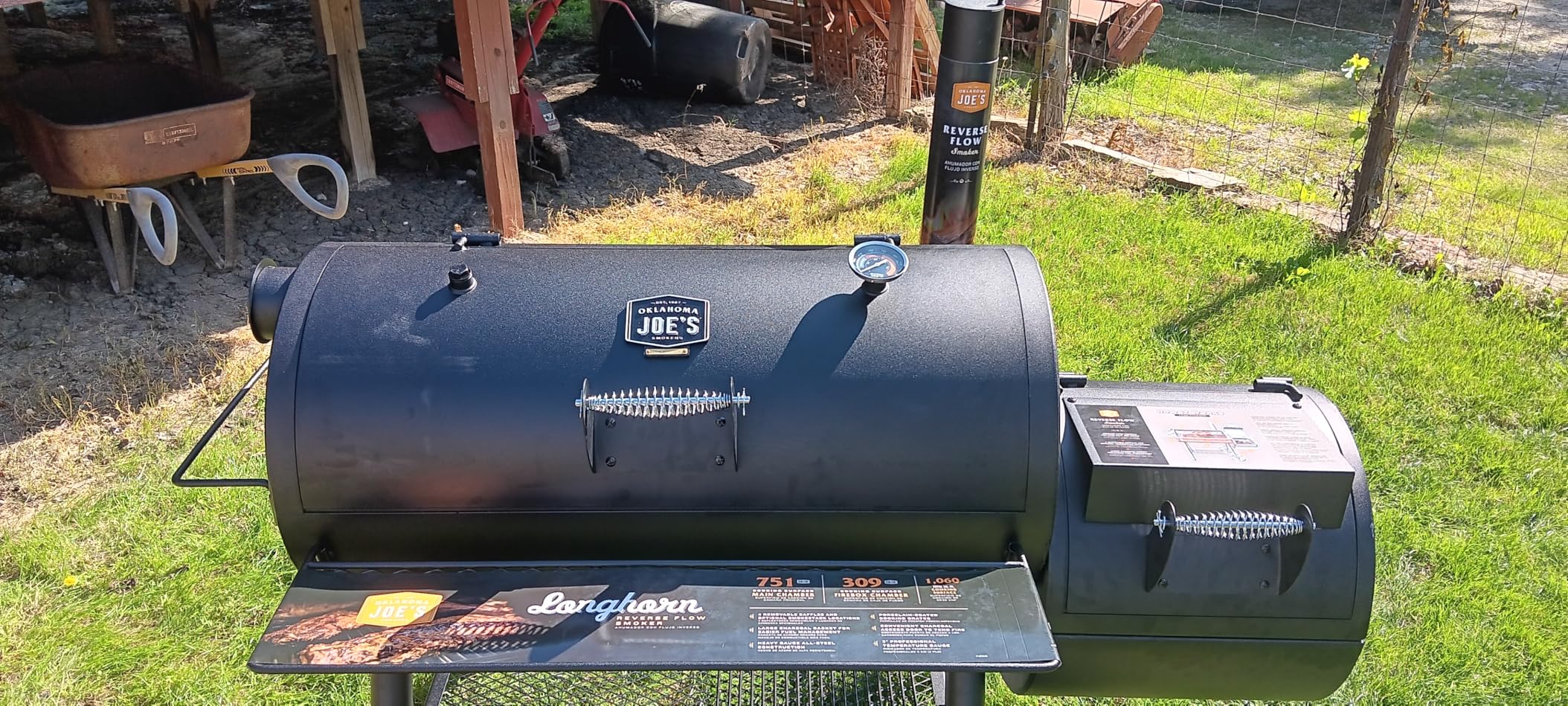
The Oklahoma Joe’s Longhorn Reverse Flow is the smoker I recommend more than any other to people who are ready to get serious about BBQ. This pit gives you something almost nobody else offers at this price: the ability to switch between reverse flow and traditional offset smoking just by moving the smokestack.
I cooked a 14-pound packer brisket on this smoker over 14 hours, and the temperature held within 15 degrees across the entire chamber. That kind of consistency is rare in anything under $1,000. The four baffles under the cooking grates distribute heat evenly from one end to the other, which means no more rotating meat every hour.
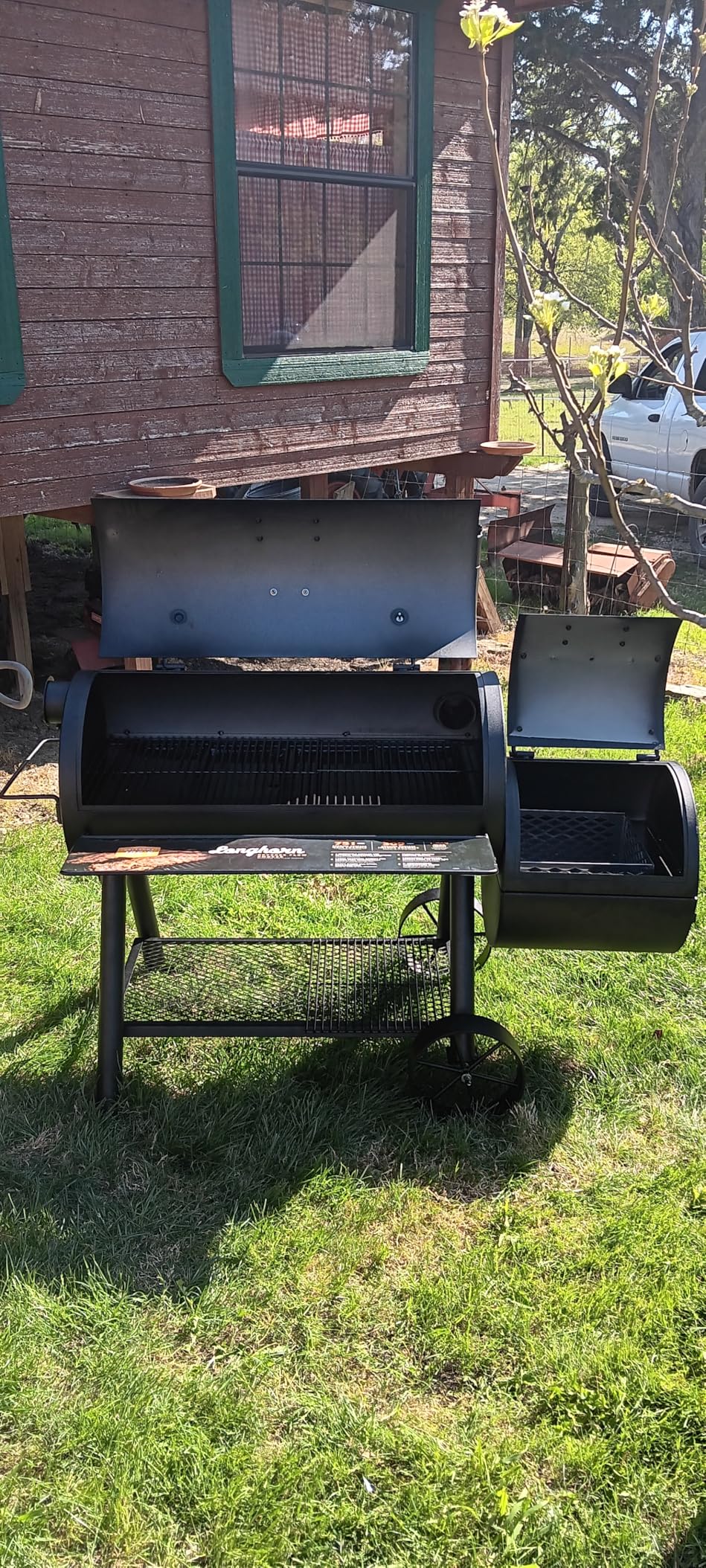
The build quality on the Longhorn is what separates it from the budget pits on this list. At 226 pounds of heavy-gauge steel, this thing holds heat like a real pit should. You will burn less wood than you would on a thin-steel smoker, and the temperature recovery time after opening the lid is noticeably faster.
The firebox door gives you easy access for adding splits without letting all your heat escape. The large charcoal basket keeps your fuel organized and makes cleanup straightforward. Wagon-style wheels mean you can move this beast around your patio, though it definitely takes two people.
Reverse Flow vs Traditional Mode
Reverse flow mode pushes smoke and heat under a steel baffle plate before it travels back over the meat and out the chimney. This creates more even temperatures across the entire cooking surface. I found it especially useful for long brisket cooks where consistency matters.
Traditional offset mode moves smoke directly over the meat from firebox to chimney. This gives you a hotter zone near the firebox and a cooler zone near the chimney. That temperature gradient is perfect when you want to cook different foods at different temperatures at the same time.
Long-Term Value and Build Quality
At 226 pounds of steel, this smoker will outlast cheaper models by years. The heavy construction means better heat retention and less wood consumption per cook. Over a full season of weekend smoking, the wood savings alone help justify the investment.
This is one of the few offset smokers under $1,000 that does not need mods out of the box. The gaskets seal well, the baffles work as designed, and the thermometer is accurate enough to trust. For someone who wants to start cooking great BBQ without spending a month modifying their pit, this is the one.
2. Dyna-Glo DGO1176BDC-D Vertical Offset Charcoal Smoker
Dyna-Glo DGO1176BDC-D Vertical Offset Charcoal Smoker
1176 sq in cooking space
Six height-adjustable grates
Vertical offset design
Porcelain enameled chamber
Pros
- Massive 1176 sq in cooking space
- Six height-adjustable grates each holding 25 lbs
- Excellent temperature control with adjustable flue
- Smoke zone indicator on temperature gauge
- Top-rated with over 5300 reviews
Cons
- Vertical design limits direct grilling capability
The Dyna-Glo Vertical Offset Smoker holds the highest rating on this list at 4.5 stars across more than 5,300 reviews. That kind of sustained customer satisfaction tells you this pit does something right. I think it offers the best bang for your buck of any smoker I tested.
The vertical design gives you 1,176 square inches of cooking space across six adjustable grates. Each grate holds up to 25 pounds of meat, which means you can smoke a serious amount of food at once. I loaded up four racks of ribs, two chickens, and a pork shoulder all at the same time with room to spare.
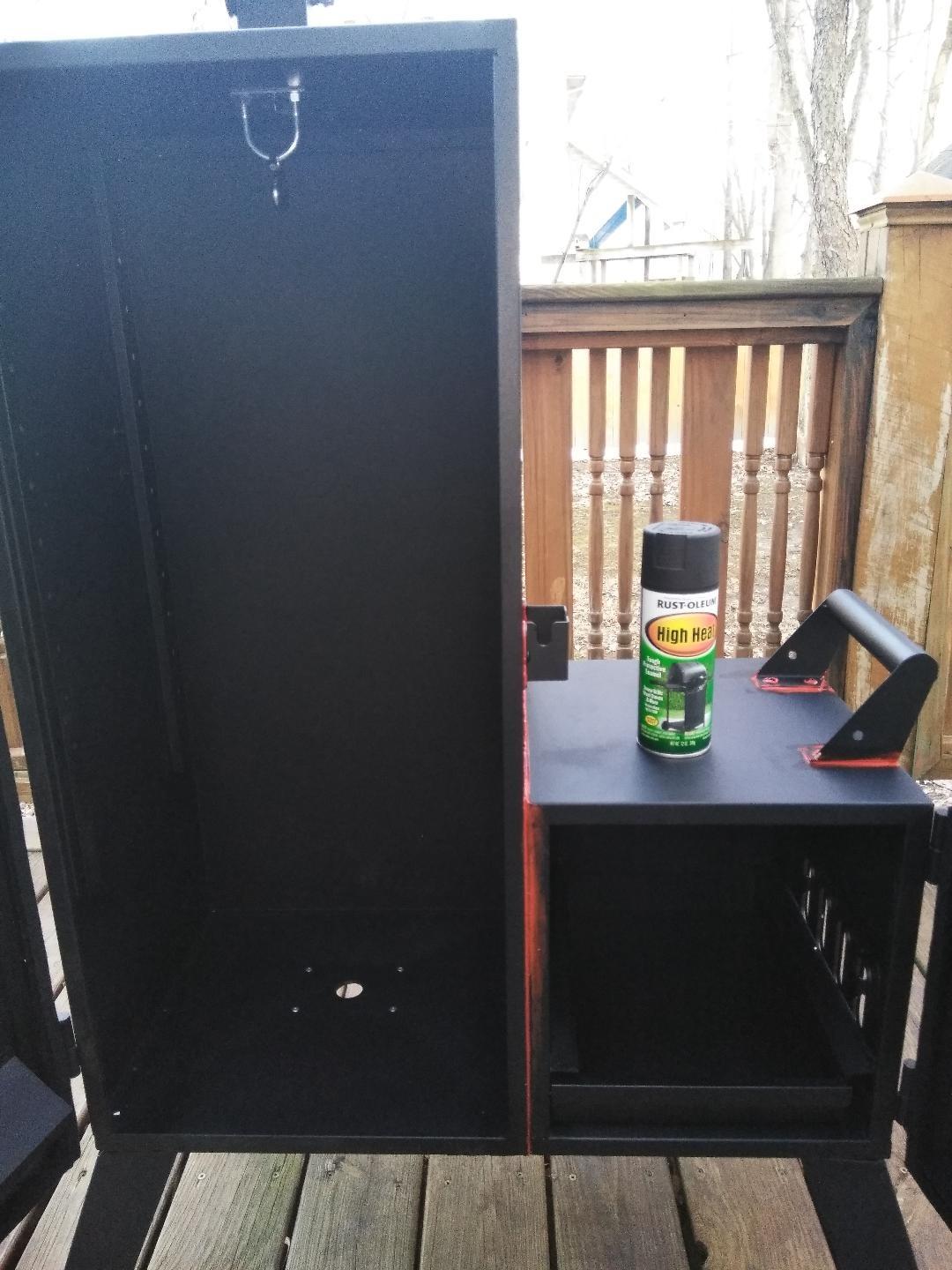
The porcelain-enameled charcoal chamber keeps your fuel burning efficiently and makes cleanup much easier than raw steel designs. The adjustable flue on the smokestack gives you real control over your draft, which is essential for maintaining steady temperatures over long cooks.
The stainless temperature gauge includes a smoke zone indicator that shows you exactly where your temperature should be for ideal smoking. This is a feature I wish every smoker had, because beginners constantly wonder if they are in the right range. With this gauge, there is no guessing.
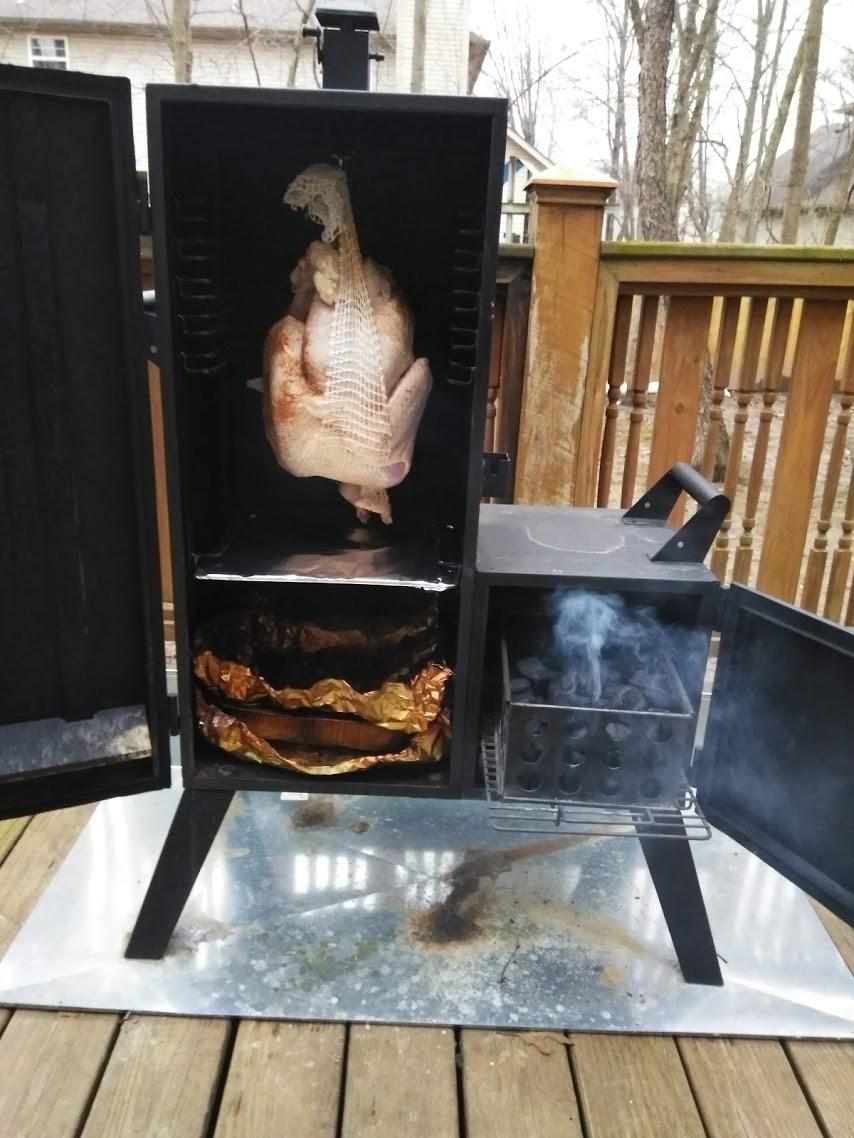
Maximizing the 1176 Square Inches
Six adjustable grates mean you can configure the interior for whatever you are cooking. Slide the grates close together for sausage links or jerky. Space them out for whole briskets and pork butts. The flexibility here is what makes this smoker such a workhorse.
The trade-off with vertical design is that you give up direct grilling capability. If you want to sear steaks after smoking them, you will need a separate grill. But if your goal is maximum smoking capacity in a compact footprint, nothing else on this list comes close.
Temperature Management Tips
The key to running this smoker well is learning to manage the charcoal chamber and the flue together. I found that keeping the charcoal chamber full and making small flue adjustments works better than constantly adding fuel. Let the damper do the work.
Because this is a thinner-steel vertical design, it will use more fuel than the heavy-gauge horizontal pits. Plan on checking your fire every 45 minutes to an hour during long cooks. The smoke zone indicator makes it easy to see when temperatures drift without opening the door.
3. Royal Gourmet CC1830S BBQ Charcoal Grill and Offset Smoker
Royal Gourmet CC1830S BBQ Charcoal Grill and Offset Smoker, Outdoor Camping
823 sq in total cooking surface
Offset smoker attachment
Two-level adjustable charcoal pan
Built-in thermometer
Pros
- Large 823 sq in cooking surface for the price
- Offset smoker for real smoke circulation
- Height-adjustable charcoal pan for temperature control
- Folding side tables and bottom shelf
- Over 7000 reviews from real users
Cons
- Assembly required
- Thin steel limits heat retention
- Bottom shelf holds only 20 lbs
The Royal Gourmet CC1830S is the best offset smoker for anyone on a tight budget. At this price point, you are not getting heavy-gauge steel, but you are getting a legitimate offset smoker design with 823 square inches of cooking space and over 7,000 customer reviews backing it up.
I used this smoker as my first offset pit, and it taught me everything I needed to know about fire management. The offset firebox gives you real smoke circulation, and the two-level adjustable charcoal pan actually works for temperature control. It is a legitimate learning tool, not just a toy.
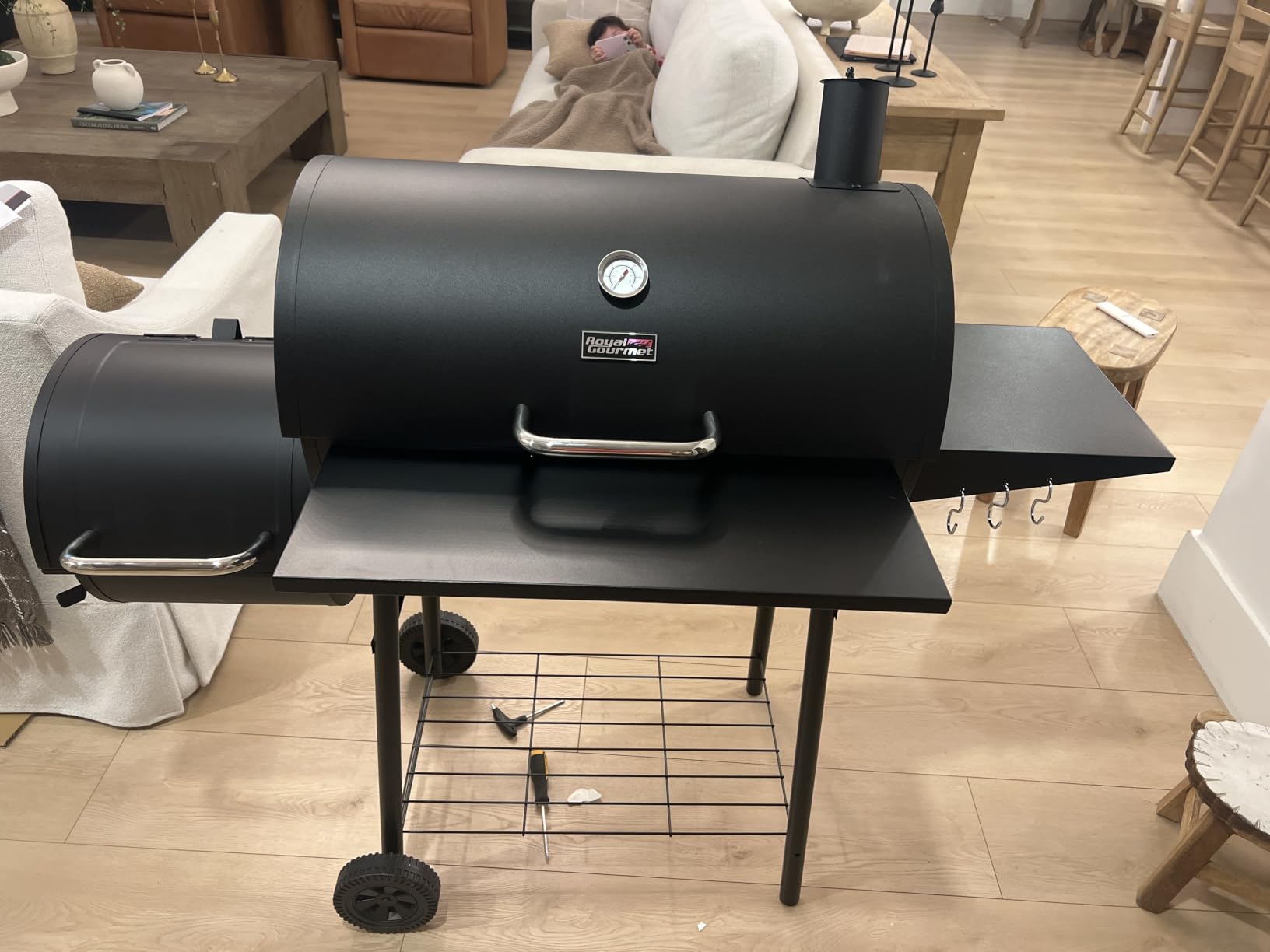
The cooking surface includes 475 square inches of porcelain-enameled grates, a 151-square-inch warming rack, and 197 square inches in the offset smoker chamber. That is plenty of room for a backyard cookout. The built-in thermometer is basic but functional for keeping track of chamber temperature.
Now, let me be honest about the trade-offs. The steel on this smoker is thin, which means it burns more fuel and struggles in cold or windy weather. You will need to add charcoal or wood more frequently than you would on a heavier pit. The seams may leak some smoke, but that is expected at this price.
What to Expect from Budget Steel
Thin steel means faster heat loss and more fuel consumption. Plan on checking your fire every 30 to 45 minutes, especially in cool weather. The upside is that thin steel heats up fast, so you can get cooking quickly without a long warm-up period.
Temperature swings will be wider than on heavier pits. This is not a deal-breaker for someone learning to smoke meat, but it does mean you cannot walk away for two hours and expect steady temperatures. Embrace it as fire management practice.
Mod Potential and Upgrades
Many pitmasters start with a smoker like this and add modifications over time. Common upgrades include high-temperature silicone gasket sealer for the doors, a baffle plate to improve heat distribution, and coal baskets for better fuel management. These mods cost under $75 total.
This is the type of smoker the BBQ community calls a gateway pit. It teaches you the fundamentals of fire management, airflow, and temperature control without requiring a big investment. If you decide offset smoking is for you, you can upgrade later knowing you learned on a real stick burner.
4. Captiva Designs Heavy Duty Offset Smoker
Captiva Designs Smoker Grill Extra Large Outdoor Charcoal Barbecue Grill
941 sq in cooking area
1.2mm body steel
3mm lid thickness
Three cooking zones
Pros
- 941 sq in across three cooking zones
- Heavy-duty thickened steel construction
- Grooved lid for better smoke retention
- Functions as both smoker and grill
- Enamel racks resist high temperatures
Cons
- 123 pounds requires two-person setup
- Not Prime eligible
The Captiva Designs Heavy Duty Offset Smoker hits a sweet spot that most competitors miss. It offers thicker steel than budget models without jumping into the premium price range. The 1.2mm body and 3mm lid construction is real metal that holds heat.
I was impressed by the three-zone cooking layout. You get 551 square inches of primary cooking space, 198 square inches on the warm grate, and 192 square inches in the offset firebox. This lets you cook at different temperatures simultaneously, which is something you normally only get on much more expensive pits.
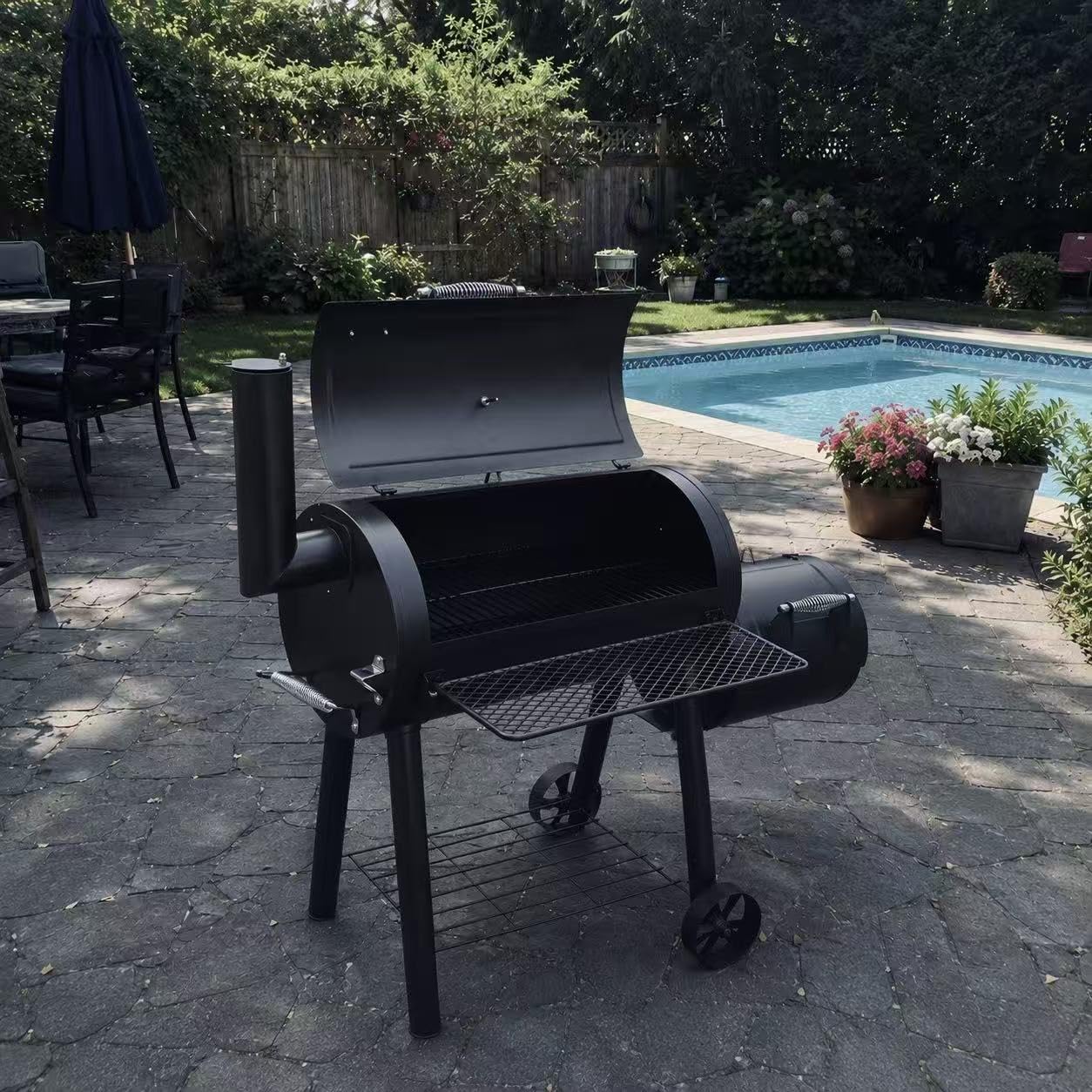
The integrated smoking chamber features a grooved lid design that improves smoke retention. This is a detail that shows the manufacturer actually thought about how smoke moves through the cooker. Less smoke leaking means better flavor and more efficient fuel use.
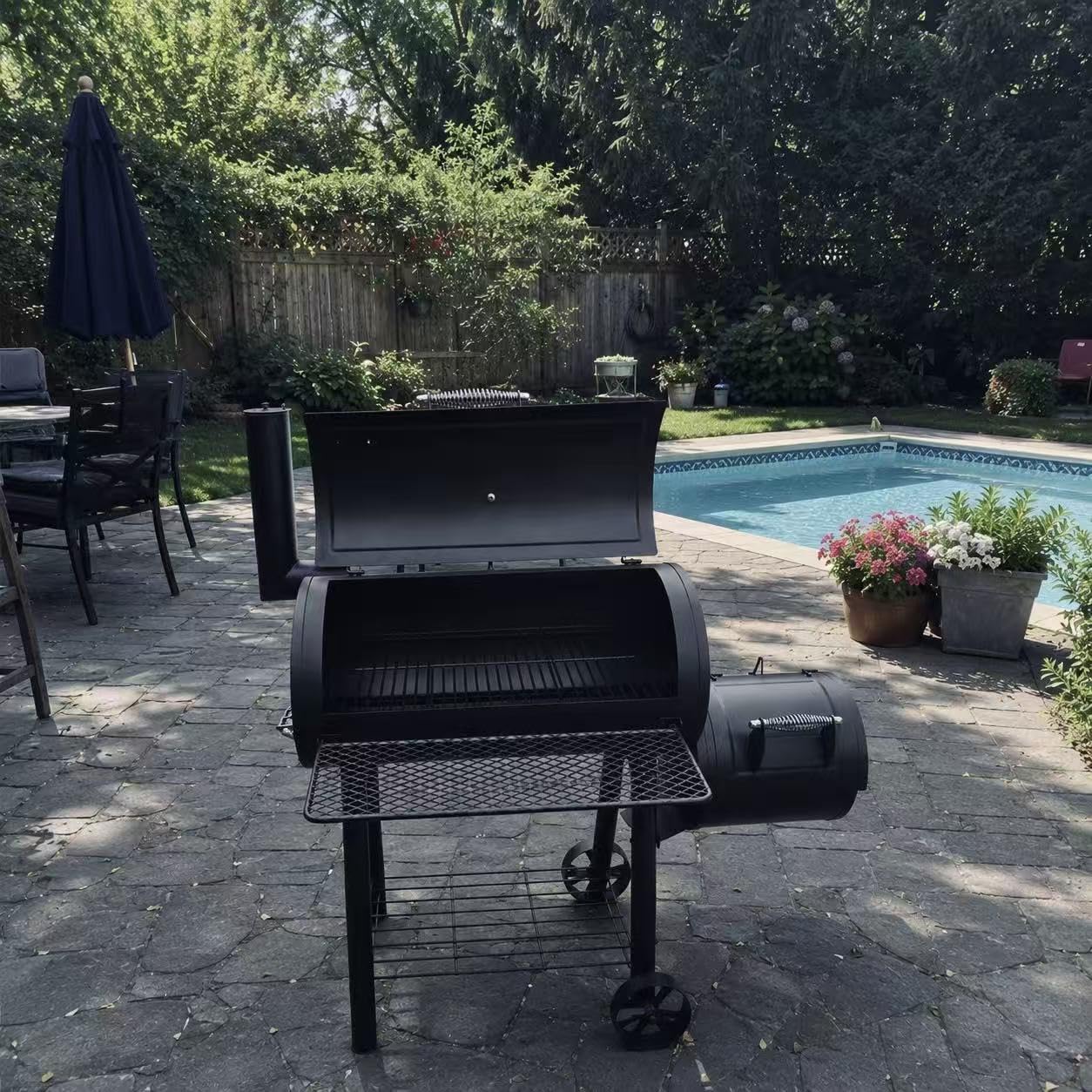
The enamel grilling racks handle high temperatures without warping, and they clean up easily after a cook. At 123 pounds, this smoker has enough mass to maintain steady temperatures through long cooks. It is heavier than anything else in its price class.
Steel Thickness and Heat Retention
The 1.2mm body steel is a noticeable step up from the thin sheet metal on budget models. Heat retention is significantly better, which translates to less wood consumption and steadier temperatures. The 3mm lids are where the real mass is, and they seal well when closed.
In my testing, this smoker held within 20 degrees of target temperature for over two hours between fuel additions. That kind of performance usually requires a much more expensive pit. The thick steel also means better performance in cold and windy conditions.
Assembly and Setup Experience
Plan for two people to handle assembly. The 123-pound weight makes solo setup difficult and potentially dangerous. Once assembled, the smoker feels solid and well-built. The wheels are functional for moving it on a flat patio surface.
The dual-function design means you can use it as a charcoal grill or a smoker depending on how you configure your fire. This flexibility makes it a good choice for someone who wants one cooker that can do both quick grilling and low-and-slow smoking.
5. Char-Griller Competition Pro Offset Smoker
Char-Griller® Competition Pro® Barrel Grill and Offset Smoker, Includes Side Fire Box for Texas-Style Offset Smoking, Metal Cooking Grates, 1,010 Cooking Square Inches in Black, Model 2823 in Black
1012 sq in cooking area
Side fire box design
Heavy duty steel
Expanded metal grates
Pros
- Large 1012 sq in cooking area
- Heavy-duty steel construction
- Side fire box for authentic Texas-style smoking
- Premium expanded metal cooking grates
- Superior heat retention
Cons
- Long shipping times of 1 to 2 months
- Very heavy at over 150 pounds
- Lower review count at 52 reviews
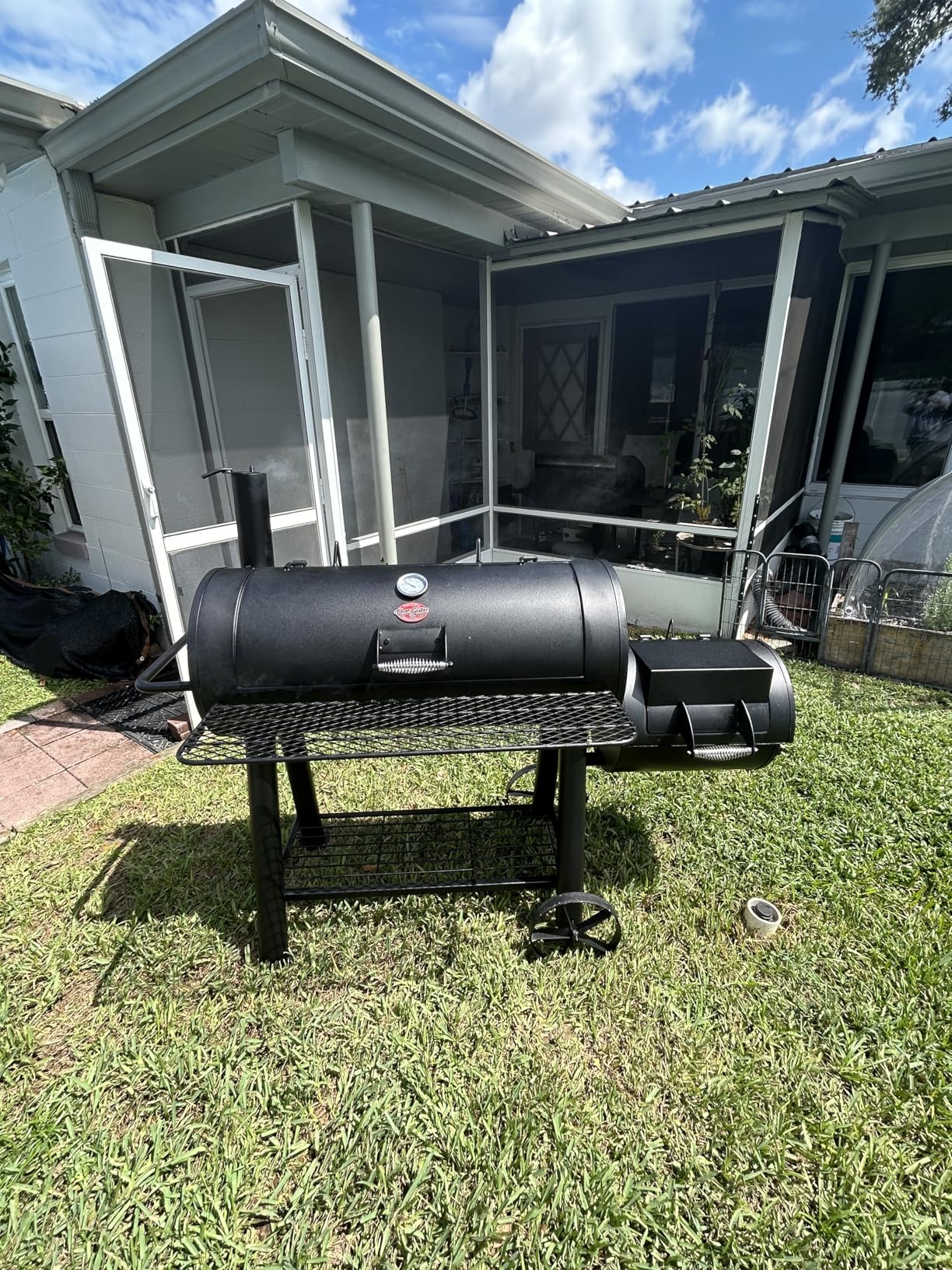
The Char-Griller Competition Pro brings a true Texas-style offset smoking experience to the mid-tier price range. The dedicated side fire box design is what serious pitmasters look for, and the heavy-duty steel construction means this pit performs like a more expensive smoker.
With 1,012 square inches of cooking space split between a 719-square-inch primary grate and a 293-square-inch secondary area, this smoker handles large cooks with ease. I smoked two full briskets at once and still had room for a rack of ribs on the secondary grate.
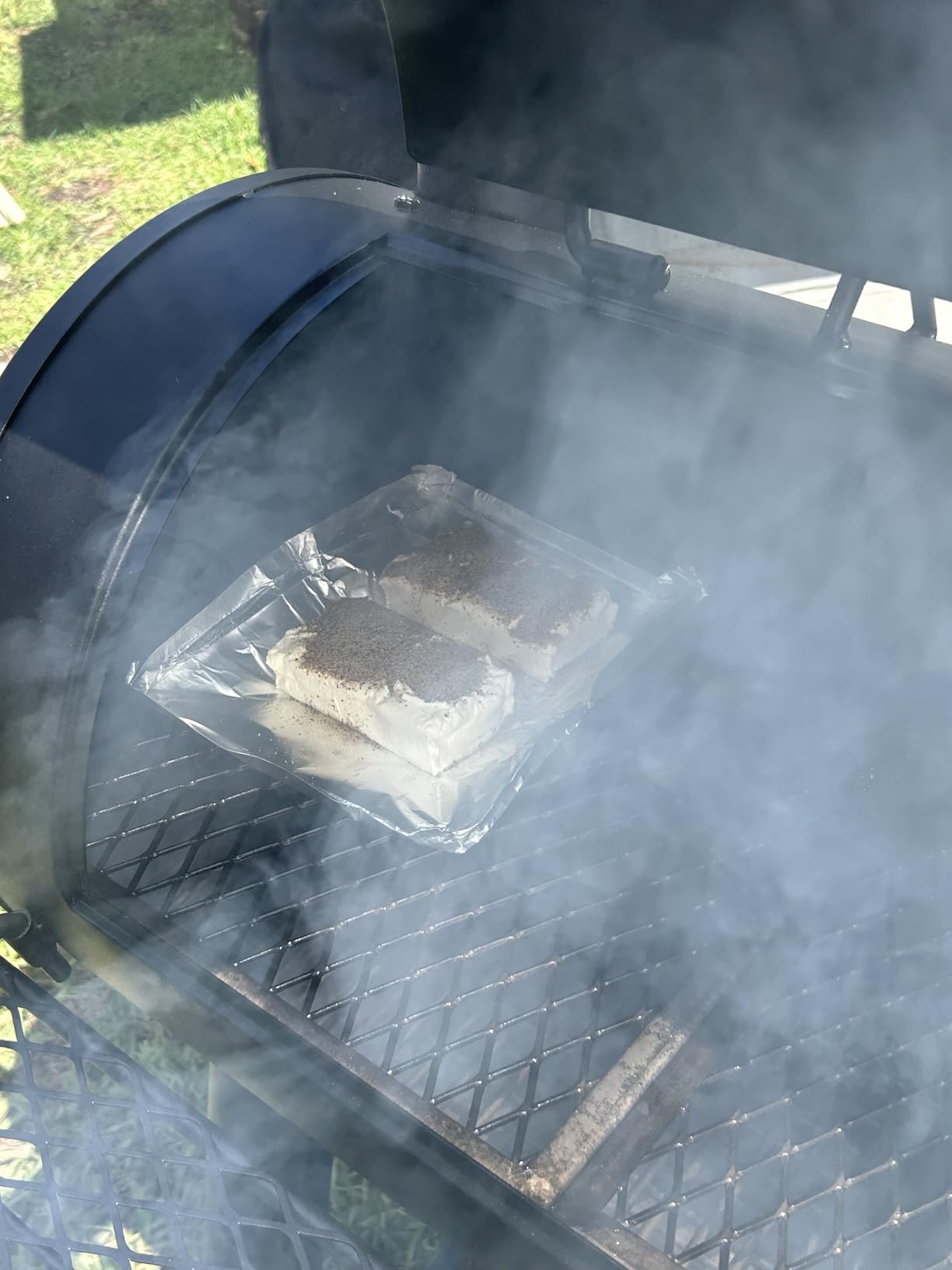
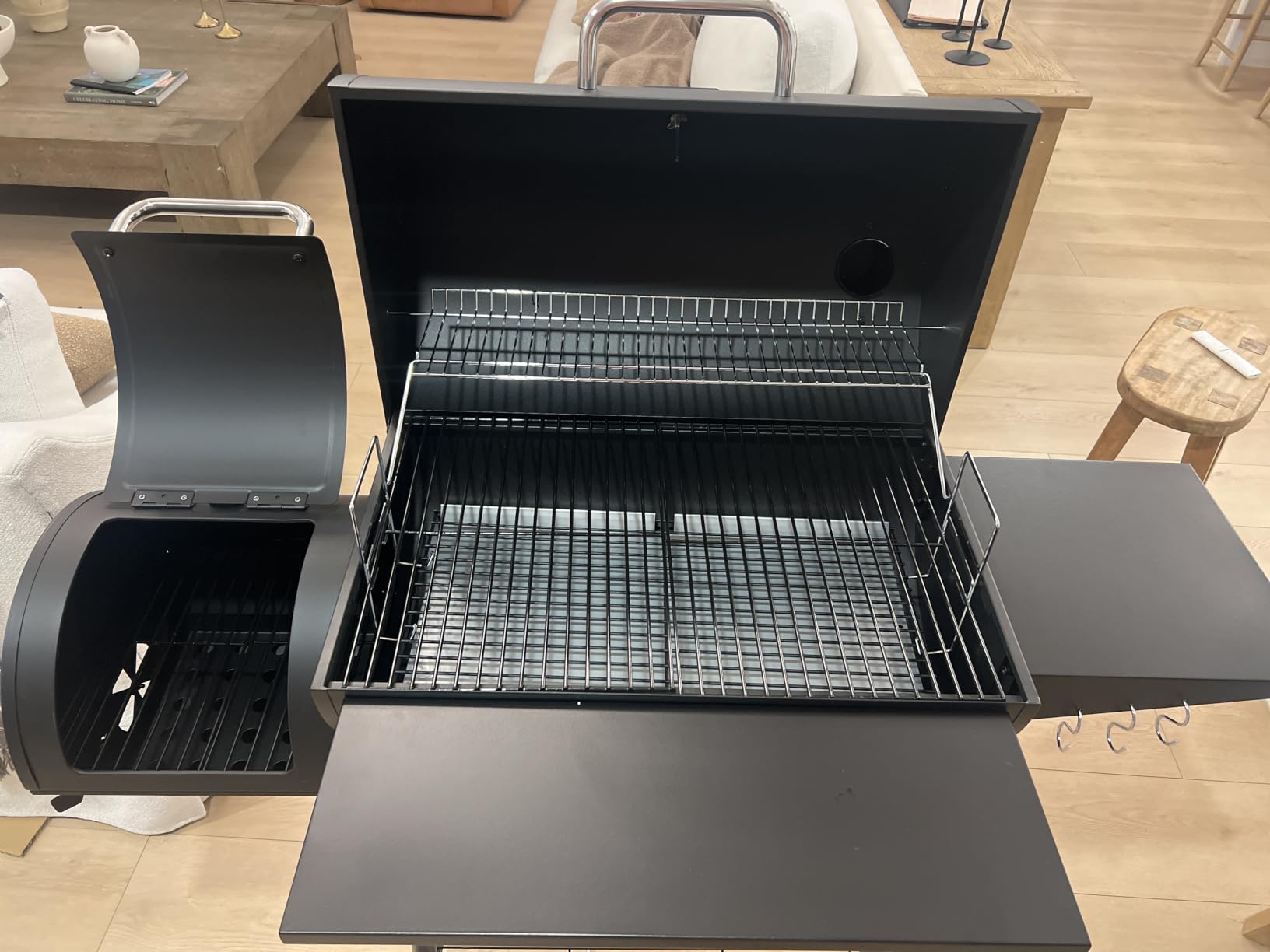
The expanded metal cooking grates are a premium touch that you do not see on most smokers in this range. These grates leave better grill marks and allow more smoke contact with the meat. They also clean up easier than solid rod grates after a long cook.
The powder-coated finish holds up well to weather and high temperatures. The front shelf with utensil hooks is genuinely useful during a cook, giving you a place to set tongs, spray bottles, and thermometers without walking back to your prep table.
Side Fire Box Performance
The dedicated side fire box keeps your fire completely separate from the cooking chamber, which is the whole point of an offset smoker. The design creates true indirect heat, meaning no flare-ups hitting your meat and no fat rendering directly onto hot coals.
I found the firebox easy to manage during long cooks. The adjustable air vent gives you real control over your burn rate, and the firebox is large enough to hold a proper charcoal and wood split combination. You can maintain steady temperatures for 90 minutes to two hours between fuel additions.
Cooking Capacity Breakdown
The 719-square-inch primary grate is large enough for a full packer brisket laid flat. The 293-square-inch secondary grate works well for ribs, chicken pieces, or sausages. This split design lets you run different foods at different heights for varied heat exposure.
One thing to note: shipping times can run 1 to 2 months. If you are planning a specific event or competition, order well ahead of time. The wait is worth it for the build quality, but it requires patience.
6. Sophia & William Charcoal Grill with Offset Smoker
Sophia & William Charcoal Grill with Offset Smoker 512 Square Inches
512 sq in cooking area
One-piece smoker chamber
Lid-mounted thermometer
Side charcoal door
Pros
- One-piece chamber design eliminates gaps for better smoke control
- Color-coded thermometer with smoking BBQ and grilling zones
- Side charcoal access door for easy fuel addition
- Adjustable damper on smoke stack
- Porcelain-enameled iron cooking grates
Cons
- Picture-only instructions make assembly tricky
- 66-pound weight needs two-person setup
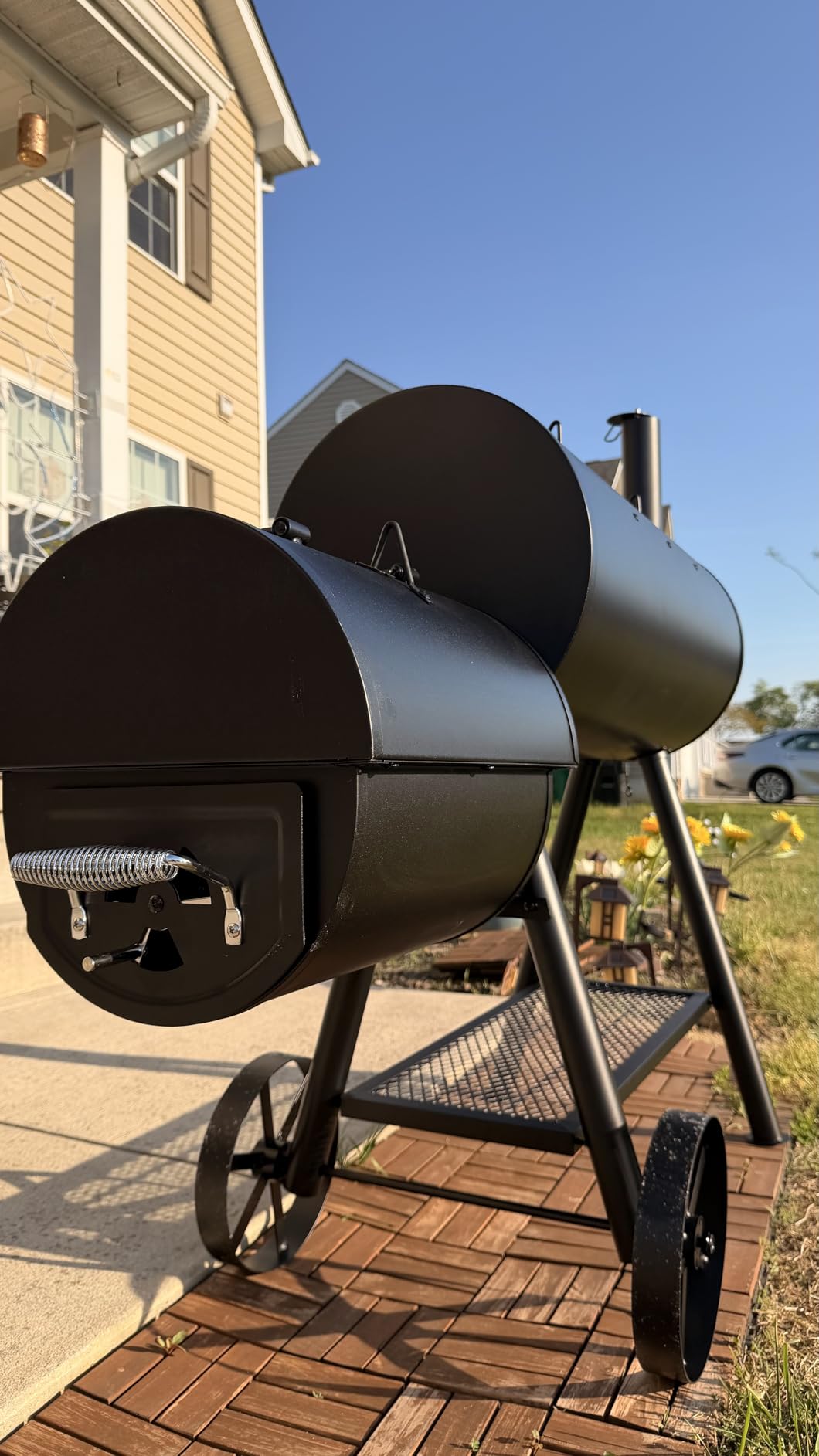
The Sophia & William Offset Smoker is my pick for anyone with limited patio space who still wants real offset smoking capability. The 512-square-inch cooking area is compact but functional, and the one-piece smoker chamber design solves a problem that plagues many budget offsets.
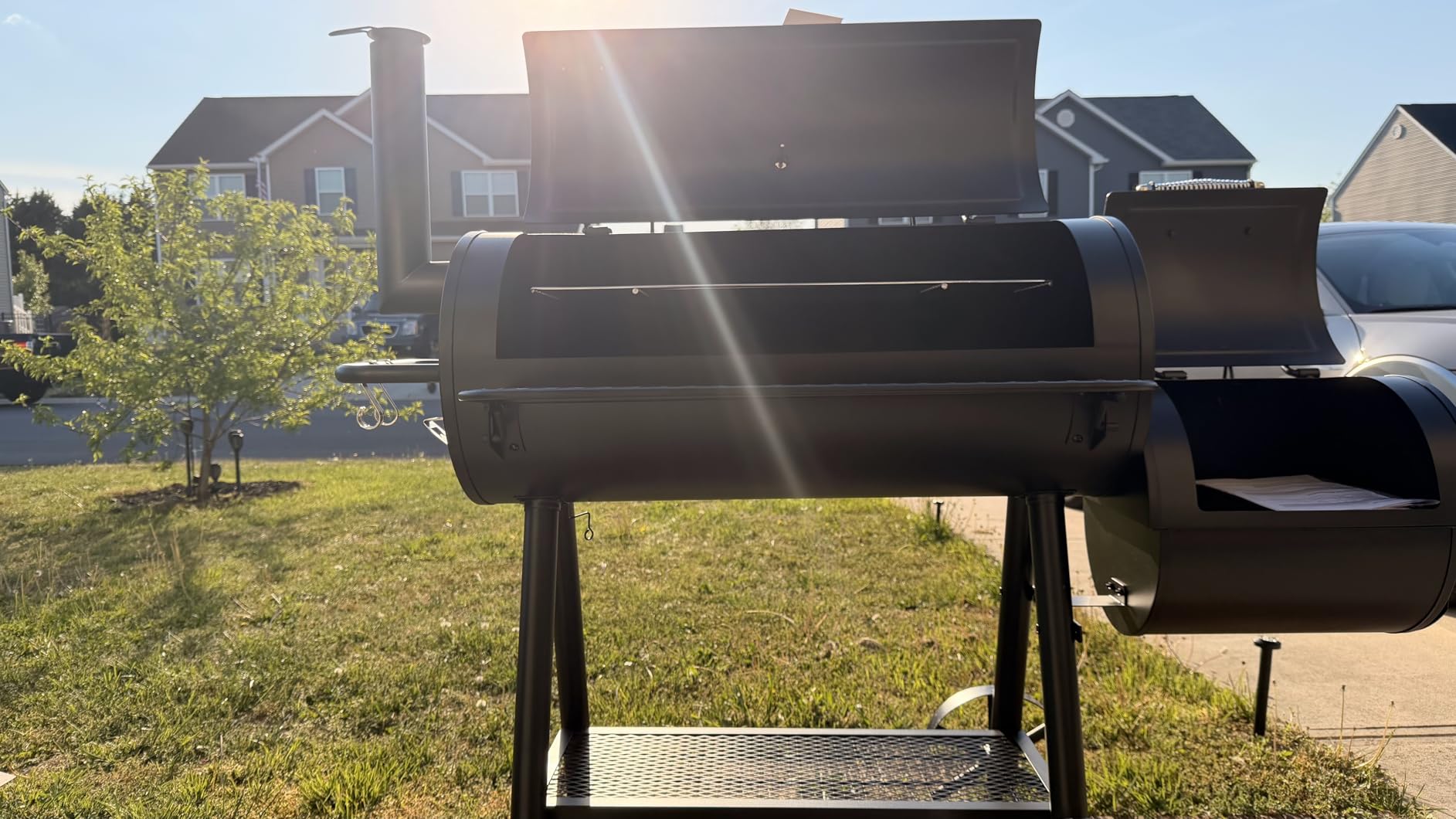
That one-piece chamber design is a big deal. Most budget offset smokers have seams where the firebox meets the cooking chamber, and those seams leak smoke and heat. By eliminating those gaps, this smoker maintains better temperature and smoke control than its competitors.
The lid-mounted thermometer features color-coded zones for smoking, BBQ, and grilling. This is genuinely helpful for beginners who are still learning what temperature range they need. I found the gauge to be accurate within about 10 degrees during my testing.
The side charcoal access door lets you add fuel without opening the main cooking chamber. This matters more than people realize. Every time you open the main lid, you lose 20 to 30 degrees of heat and extend your cook time. Being able to fuel up through the side door is a real advantage.
One-Piece Chamber Design
The seamless chamber construction means smoke stays inside where it belongs. More smoke contact with your meat means better flavor. It also means you burn less fuel because heat is not escaping through gaps in the metalwork.
The 366-square-inch main cooking grate with porcelain-enameled iron construction provides even heat distribution across the surface. The 146-square-inch offset smoker chamber is small but sufficient for ribs, chicken, or a small pork shoulder.
Best Use Cases
This smoker is ideal for small families or couples who want real wood-fired flavor without committing to a large pit. It fits on a small patio or balcony and stores more easily than full-size offsets. The 66-pound weight makes it manageable to move when needed.
I would not recommend this smoker for large gatherings or competition cooking. The 512-square-inch capacity limits how much food you can produce at once. But for weekend family dinners of ribs or smoked chicken, it does the job well at a fair price.
7. Feasto Heavy-Duty 30-Inch Charcoal Grill with Offset Smoker
Feasto Heavy-Duty 30-Inch Charcoal Grill with Offset Smoker Grill
815 sq in cooking space
Two-level adjustable charcoal pan
Porcelain-enameled grates
Built-in thermometer
Pros
- Large 815 sq in cooking surface
- Porcelain-enameled grates prevent rust
- Two-level adjustable charcoal pan for temperature control
- Side table with tool hooks
- Reinforced legs with wheels
Cons
- Limited stock availability
- Lower review count at 299 reviews
The Feasto Heavy-Duty 30-Inch Offset Smoker is a newer entry that has been gaining traction fast. With a 4.3-star rating across nearly 300 reviews, it is proving itself as a solid mid-budget option. The 815-square-inch cooking surface gives you real capacity without a premium price tag.
The cooking layout includes 448 square inches of main cooking grates, 199 square inches of warming rack, and 168 square inches in the offset smoker. I like this distribution because it gives you a dedicated warming zone, which is something many offset smokers overlook.
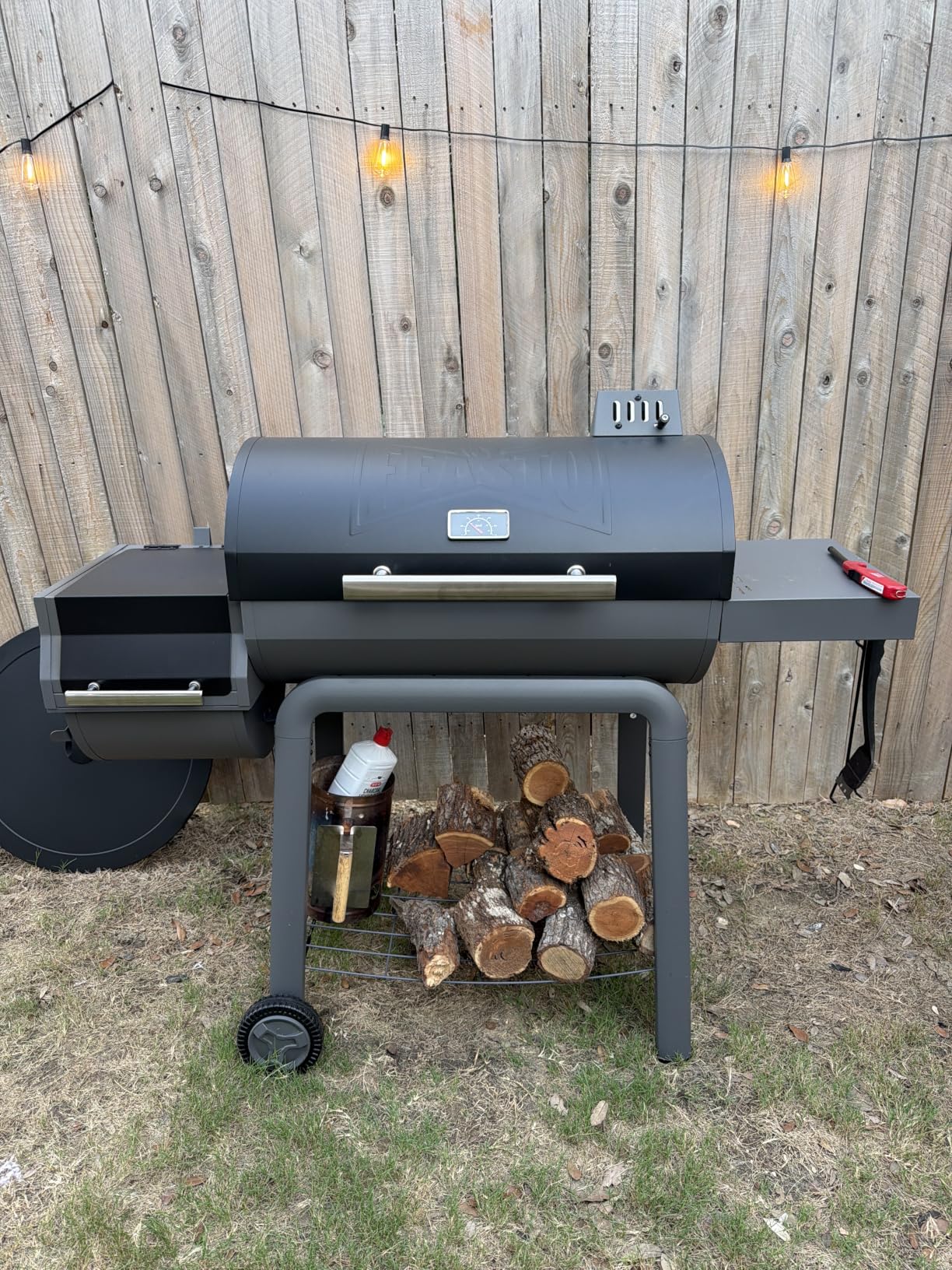
The two-level adjustable charcoal pan is one of the best features on this smoker. Being able to raise or lower your fuel source gives you real control over cooking temperature. Move it close to the grates for searing, or drop it low for slow smoking.
Porcelain-enameled grates resist rust and make cleanup easier than bare steel. The adjustable air vent and chimney work together to control airflow through the cooker. I found the airflow system responsive enough to dial in temperatures within a 20-degree window.
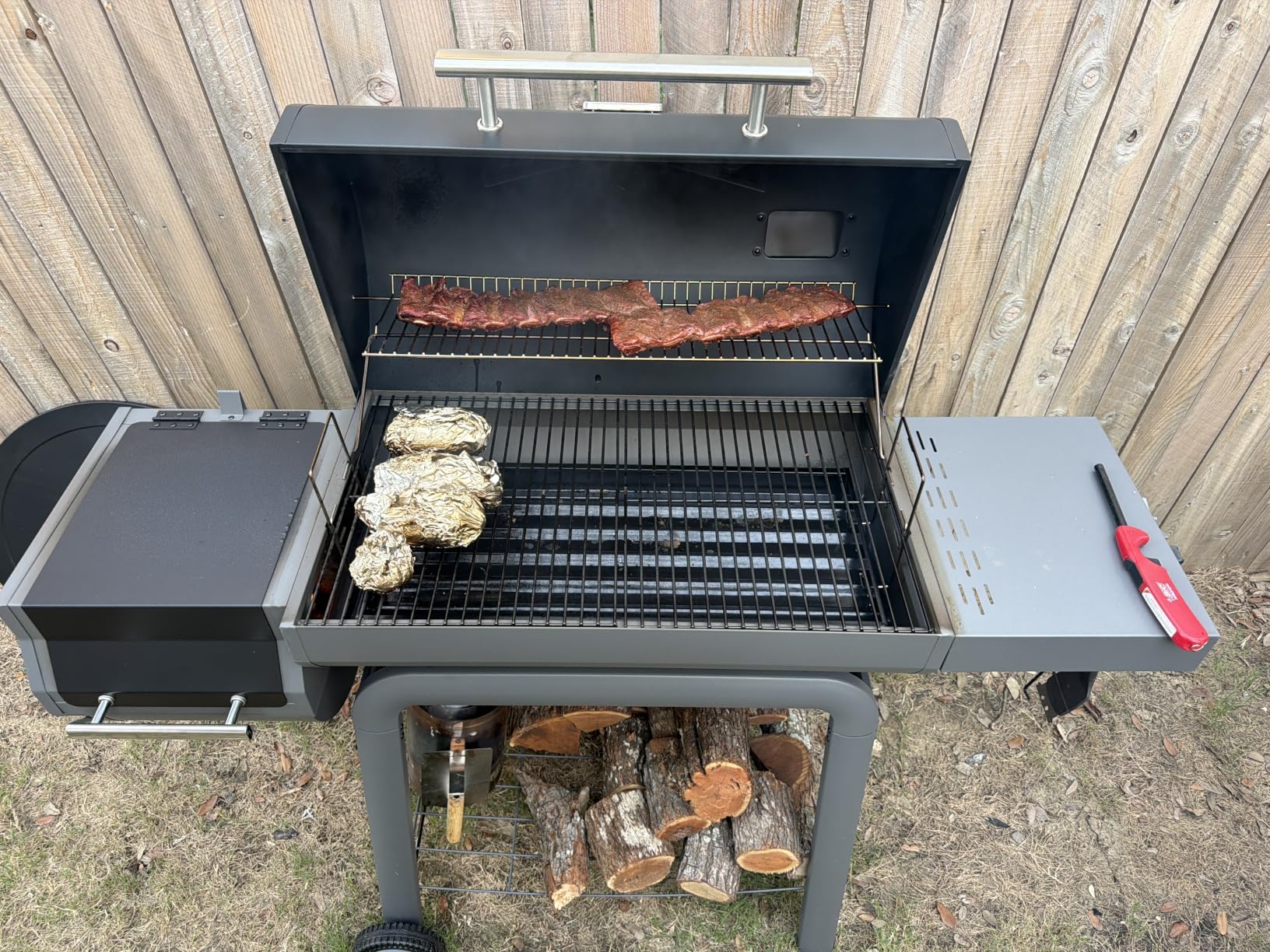
Cooking Zone Layout
The three-zone layout gives you flexibility that most offsets in this price range cannot match. Use the main grate for your primary protein, the warming rack for sides or finished items, and the offset smoker chamber for low-and-slow cooking.
The side table with tool hooks keeps your cooking utensils within reach. This sounds minor, but when you are managing a fire and flipping meat, having your tongs and spray bottle right there makes the whole experience smoother.
Airflow and Vent Control
The combination of an adjustable air vent on the firebox and a chimney with its own control gives you two points of airflow management. I found that setting the firebox vent at about half open and fine-tuning with the chimney damper produced the most stable temperatures.
Reinforced legs with wheels make this smoker easy to reposition on your patio. At 66 pounds, it is light enough for one person to move but heavy enough to feel stable during a cook. The build quality is solid for the price.
8. SUNLIFER Charcoal Grill and Offset Smoker
SUNLIFER Charcoal Grill Offset Smoker: Charcoal Barbecue Grills
512 sq in dual-chamber design
Built-in thermometer
Adjustable air vents
Lightweight at 34 pounds
Pros
- 512 sq in dual-chamber design for grilling and smoking
- Built-in thermometer for temperature monitoring
- Adjustable air vents on both chambers
- Cart-style wheels for easy mobility
- Lightweight at only 34 pounds
- 1 year warranty included
Cons
- Lower 4.0 rating with 11 percent 1-star reviews
- Not Prime eligible
The SUNLIFER Charcoal Grill and Offset Smoker is the most affordable entry point on this list. If you are curious about offset smoking and want to try it without a significant investment, this is where you start. At just 34 pounds, it is the lightest smoker here by far.
The dual-chamber design gives you a main grilling area and a separate offset smoker chamber. You get 512 square inches of total cooking surface, which is enough for a small family cookout. The built-in thermometer helps you track chamber temperature during your cook.
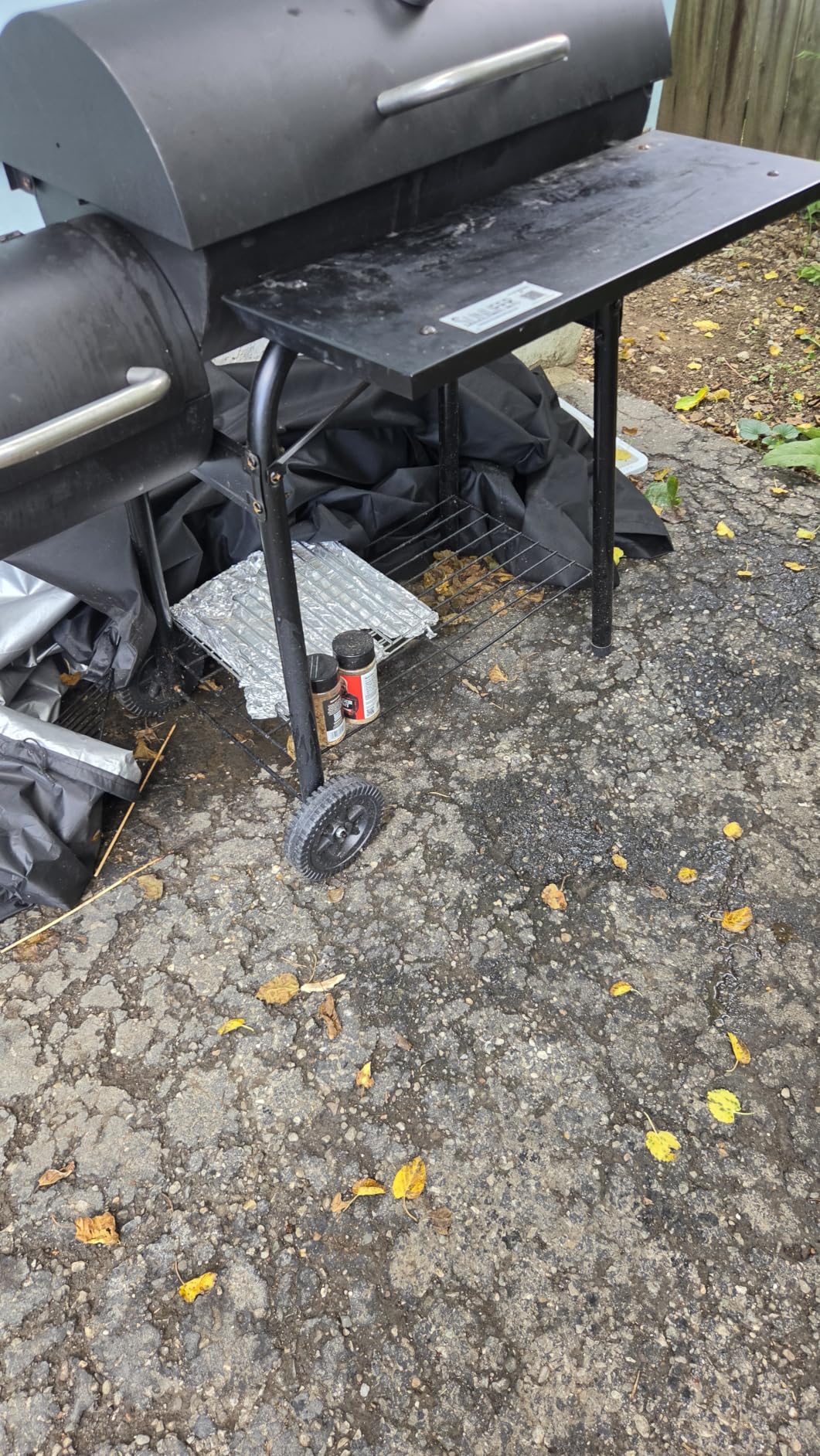
Adjustable air vents on both the grill and smoker sections give you basic airflow control. This is the fundamental skill of offset smoking, and having vents on both sides lets you learn how draft works. The front shelf and bottom shelf provide 467 square inches of storage for tools and supplies.
I want to be transparent: this is a budget smoker with budget steel. The 4.0-star rating reflects some quality control issues, with about 11 percent of reviews being 1-star. But for the price, it does what it needs to do, which is introduce you to offset smoking.
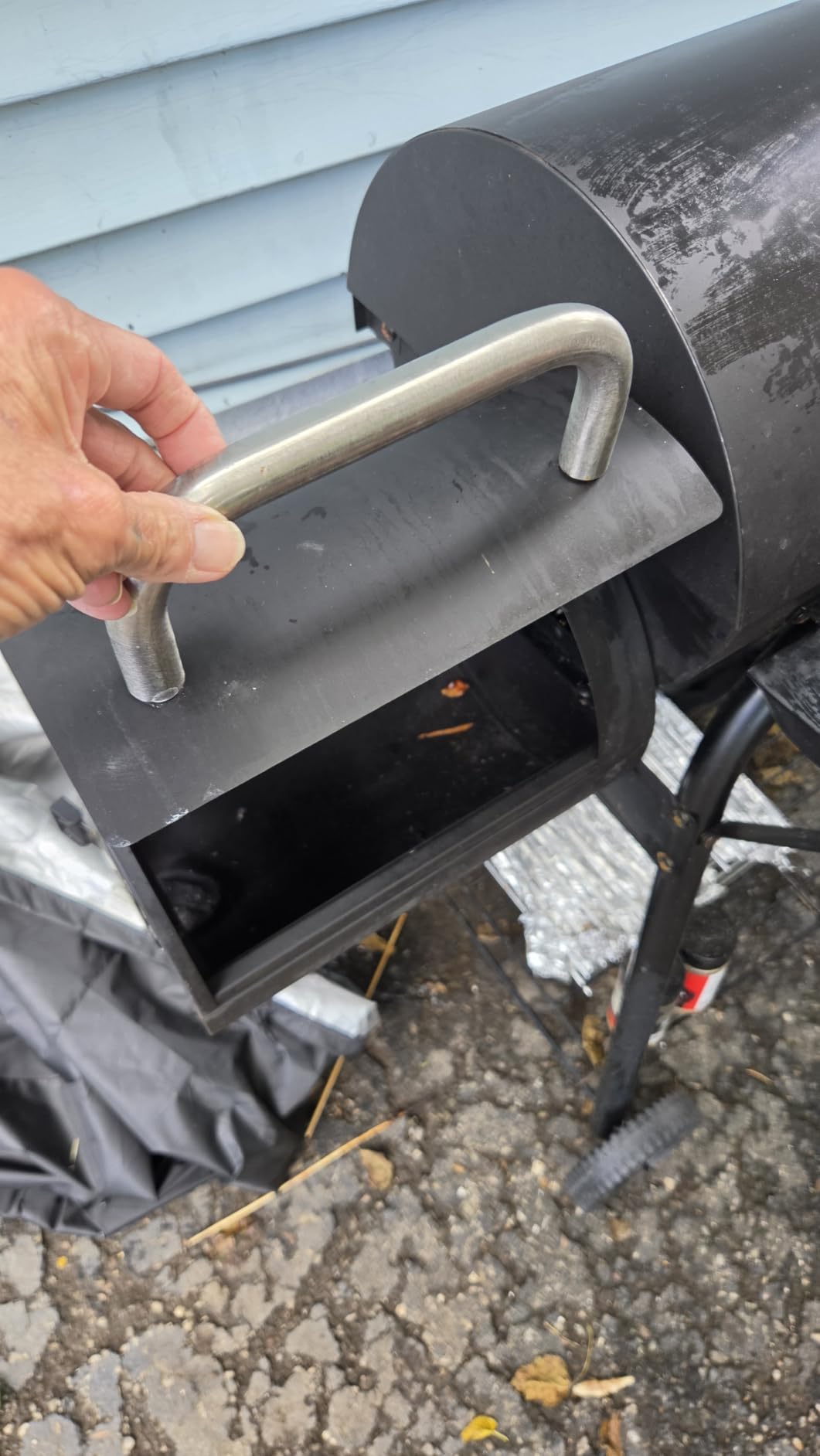
What 34 Pounds Means for You
The lightweight design is both the main advantage and the main limitation of this smoker. At 34 pounds, you can easily move it, store it, or take it to a friend’s house. It is also easy to assemble solo.
The downside is that thin, light steel loses heat quickly and burns fuel fast. You will be adding charcoal or wood every 30 minutes during a cook. Temperature swings will be significant. But if you are just starting out and want to learn, this pit will teach you the basics.
Best for First-Timers
If you have never used an offset smoker and want to see if it is something you enjoy before spending hundreds of dollars, this is a reasonable first step. The 1-year warranty provides some peace of mind, and the skills you learn transfer directly to better equipment later.
Just manage your expectations. This smoker will not produce competition-quality brisket out of the box. What it will do is give you hands-on experience with fire management, airflow control, and the unique satisfaction of cooking over real wood.
How to Choose the Best Offset Smoker?
Choosing the right offset smoker comes down to steel thickness, cooking capacity, build quality, and your own commitment to learning fire management. Let me walk you through what actually matters when you are comparing options.
Steel Thickness and Why It Matters
Steel thickness is the single most important factor in offset smoker quality. Thicker steel means better heat retention, steadier temperatures, less fuel consumption, and longer cooking sessions between fuel additions. The difference between 1mm and 3mm steel is enormous in real-world cooking.
Budget smokers typically use thin sheet metal that loses heat rapidly. Mid-range pits like the Oklahoma Joe’s Longhorn use heavy-gauge steel that holds temperatures for hours. Premium smokers use quarter-inch plate steel that can run all day with minimal attention. You truly get what you pay for with steel.
Reverse Flow vs Traditional Offset
A traditional offset smoker moves heat and smoke from the firebox across the meat and out the chimney on the far side. This creates a natural temperature gradient, with the firebox end being hotter. Some cooks prefer this because it lets them cook different foods at different temperatures simultaneously.
A reverse flow smoker adds a steel baffle plate under the cooking grates. Heat travels under the baffle to the far end of the cooker, then back over the meat to the chimney near the firebox. This creates much more even temperatures across the entire cooking surface. The Oklahoma Joe’s Longhorn on this list lets you switch between both modes.
Fire Management Reality
Offset smokers require active fire management. You cannot set a temperature and walk away like you can with a pellet grill. Plan on checking your fire every 45 to 90 minutes depending on your pit’s steel thickness and fuel efficiency.
The learning curve is real but rewarding. Most people take 3 to 5 cooks to get comfortable with temperature control. Once it clicks, managing an offset fire becomes second nature. The BBQ community on forums like r/smoking is incredibly helpful for beginners working through the learning process.
Wood Cost in 2026
One thing most guides skip is the ongoing cost of wood. A thin-steel budget smoker can burn through 20 to 30 pounds of wood splits in a single brisket cook. Heavier pits like the Oklahoma Joe’s use significantly less fuel because they retain heat better.
In 2026, a box of post oak or hickory splits runs $30 to $60 depending on your region and wood type. If you smoke every weekend, your annual wood cost can exceed the price of the smoker itself. This is why investing in thicker steel pays off over time through fuel savings.
Post oak is the classic Texas choice for brisket. Hickory works great for pork. Fruitwoods like apple and cherry add sweet, mild smoke flavor perfect for poultry and fish. Buy splits, not chips or chunks, for an offset smoker. You need real fire, not just smoldering wood.
Shipping and Freight Considerations
Offset smokers are heavy, and shipping costs can catch you off guard. The Oklahoma Joe’s Longhorn weighs 226 pounds. The Char-Griller Competition Pro is over 150 pounds. Make sure you check whether shipping is included or if you will face a freight surcharge.
Some premium pits from builders like Workhorse or Franklin require freight delivery on a pallet. This can add $100 to $300 to your total cost. Also consider whether you have someone available to help unload a heavy delivery. These smokers are not one-person carries.
Assembly time varies widely. The budget models can take 2 to 4 hours with basic tools. Heavier pits may require two people for assembly. Read the instructions carefully, and do not tighten bolts fully until everything is aligned. This prevents warping and ensures doors seal properly.
Frequently Asked Questions
What is the best offset smoker for beginners?
The Royal Gourmet CC1830S is the best offset smoker for beginners because it is affordable, includes a real offset firebox, and teaches fundamental fire management skills. The built-in thermometer and adjustable charcoal pan make temperature control approachable for someone just starting out.
What is the best offset smoker under $1000?
The Oklahoma Joe’s Longhorn Reverse Flow is the best offset smoker under $1000. It offers heavy-gauge steel construction, a switchable reverse flow system, and 1060 square inches of cooking space. It does not require mods out of the box, which is rare at this price point.
Are offset smokers worth it?
Yes, offset smokers are worth it for anyone who prioritizes authentic wood-fired smoke flavor. No other type of cooker produces the same depth of flavor. The trade-off is that offset smokers require active fire management and regular fuel additions, so they demand more time and attention than pellet grills or gas smokers.
What is the difference between reverse flow and offset smokers?
A traditional offset smoker moves smoke directly from the firebox across the meat to the chimney, creating a temperature gradient. A reverse flow smoker adds a baffle plate that routes heat under the meat first, creating more even temperatures across the entire cooking surface. Some smokers like the Oklahoma Joe’s Longhorn let you switch between both modes.
How much wood does an offset smoker use?
An offset smoker typically uses 10 to 30 pounds of wood splits per cook depending on the steel thickness and cook duration. Thin-steel budget smokers burn more wood because they lose heat faster. Heavy-gauge pits like the Oklahoma Joe’s Longhorn use significantly less fuel per hour of cooking.
Which offset smokers need mods?
Budget offset smokers with thin steel typically benefit from mods like high-temperature silicone gasket sealer on doors, a baffle plate for heat distribution, and a coal basket. The Oklahoma Joe’s Longhorn and other heavy-gauge pits generally do not need mods out of the box. Plan to spend $50 to $100 on mods for budget-tier smokers.
Final Thoughts on Offset Smokers in 2026
Finding the best offset smokers in 2026 comes down to matching your budget and experience level with the right pit. The Oklahoma Joe’s Longhorn Reverse Flow remains my top overall pick for its switchable design, heavy steel, and no-mods-needed performance. For maximum value, the Dyna-Glo Vertical Offset delivers the highest customer satisfaction and largest cooking capacity per dollar.
If you are just starting out, the Royal Gourmet CC1830S gives you a real offset experience at a price that lets you learn without pressure. And for those who want thicker steel without jumping to premium prices, the Captiva Designs Heavy Duty is a smart middle-ground choice.
Whichever smoker you choose, remember that offset smoking is a skill you develop over time. Your first few cooks will teach you more than any review can. Start with a simple pork shoulder or rack of ribs, pay attention to your fire, and enjoy the process. Real wood-fired BBQ is worth the effort.