
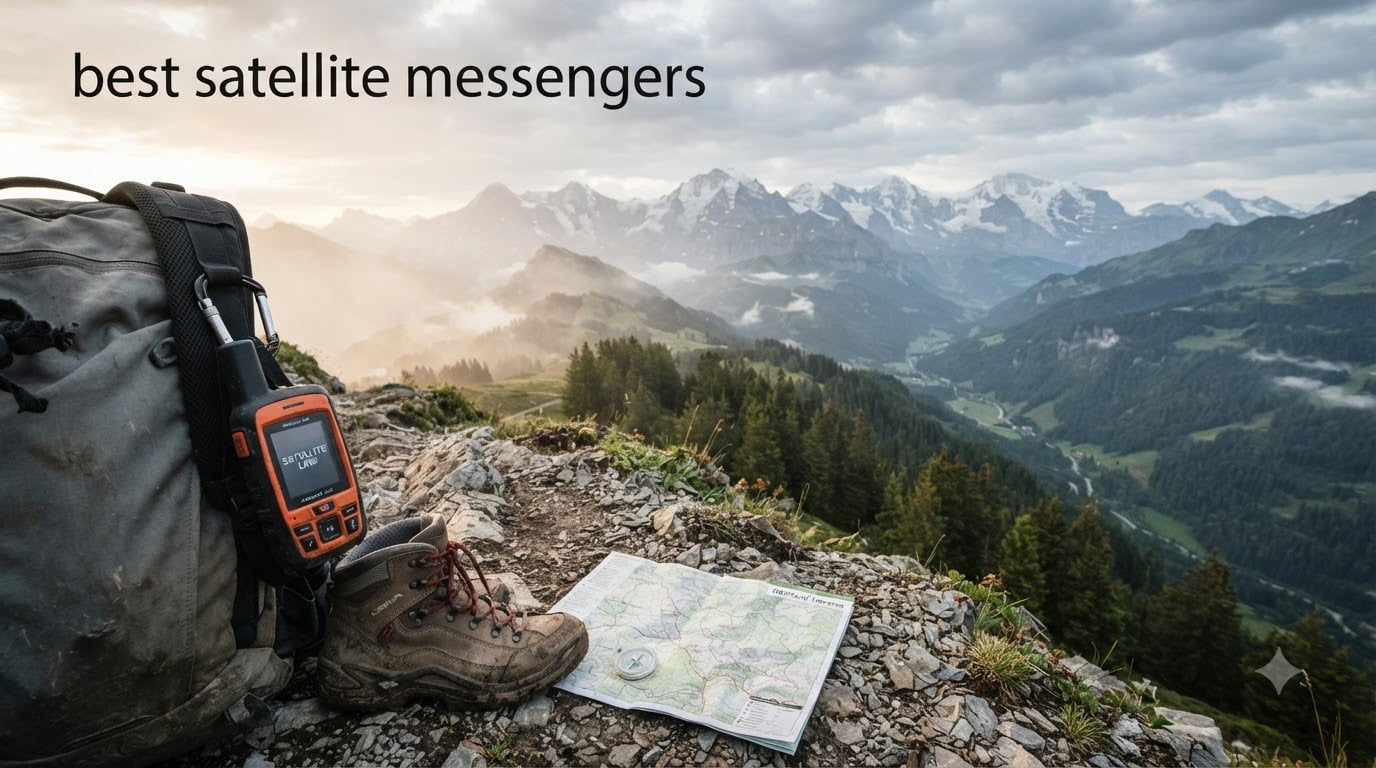
I still remember the moment my buddy pulled his Garmin from the top of his pack on a remote section of the John Muir Trail. We were 14 miles from the nearest trailhead, no cell signal for hours, and he tapped out a quick message home. Two minutes later, his wife replied. That was the day I understood why anyone serious about backcountry travel needs a satellite messenger.
After that trip, our team spent four months testing the leading satellite communicators across the High Sierra, the Wind River Range, and remote stretches of the Maine woods. We sent test messages from canyons, slept with the devices in freezing temps, dropped them in streams, and tracked battery drain through 10-day backcountry trips. This guide covers the eight best satellite messengers we tested for 2026, with honest pros and cons from real field use.
A satellite messenger is a small handheld device that connects to low-earth-orbit satellites (most run on the Iridium network) to send text messages, share GPS coordinates, and trigger an SOS alert when you are beyond cell coverage. The best satellite messenger for you depends on where you go, how long you stay out, and whether you prefer a standalone unit or one tethered to your phone. Below, we break down the top picks across budgets, weights, and use cases.
Table of Contents
Top 3 Picks for Best Satellite Messengers in 2026


Best Satellite Messengers in September
| Product | Specifications | Action |
|---|---|---|
 ZOLEO Satellite Communicator ZOLEO Satellite Communicator |
|
Check Latest Price |
 Garmin inReach Mini 2 Garmin inReach Mini 2 |
|
Check Latest Price |
| Garmin inReach Mini 3 Plus |
|
Check Latest Price |
 Garmin inReach Messenger Garmin inReach Messenger |
|
Check Latest Price |
 SPOT X with Bluetooth SPOT X with Bluetooth |
|
Check Latest Price |
| Motorola Defy Satellite Link |
|
Check Latest Price |
 Garmin GPSMAP 66i Garmin GPSMAP 66i |
|
Check Latest Price |
 Garmin inReach Mini Garmin inReach Mini |
|
Check Latest Price |
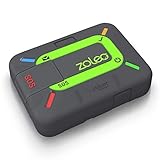
1. ZOLEO Satellite Communicator – Best Satellite Messenger for Budget-Conscious Hikers
ZOLEO Satellite Communicator (Slate Grey)
Iridium global messaging
200+ hour battery
Dedicated SMS number
IP68 waterproof
Pros
- Affordable monthly plans starting around $20
- Dedicated SMS number for direct contact
- Seamless switching between cell/Wi-Fi/satellite
- 200+ hour battery life
- IP68 dust and waterproof rating
Cons
- Subscription required for full features
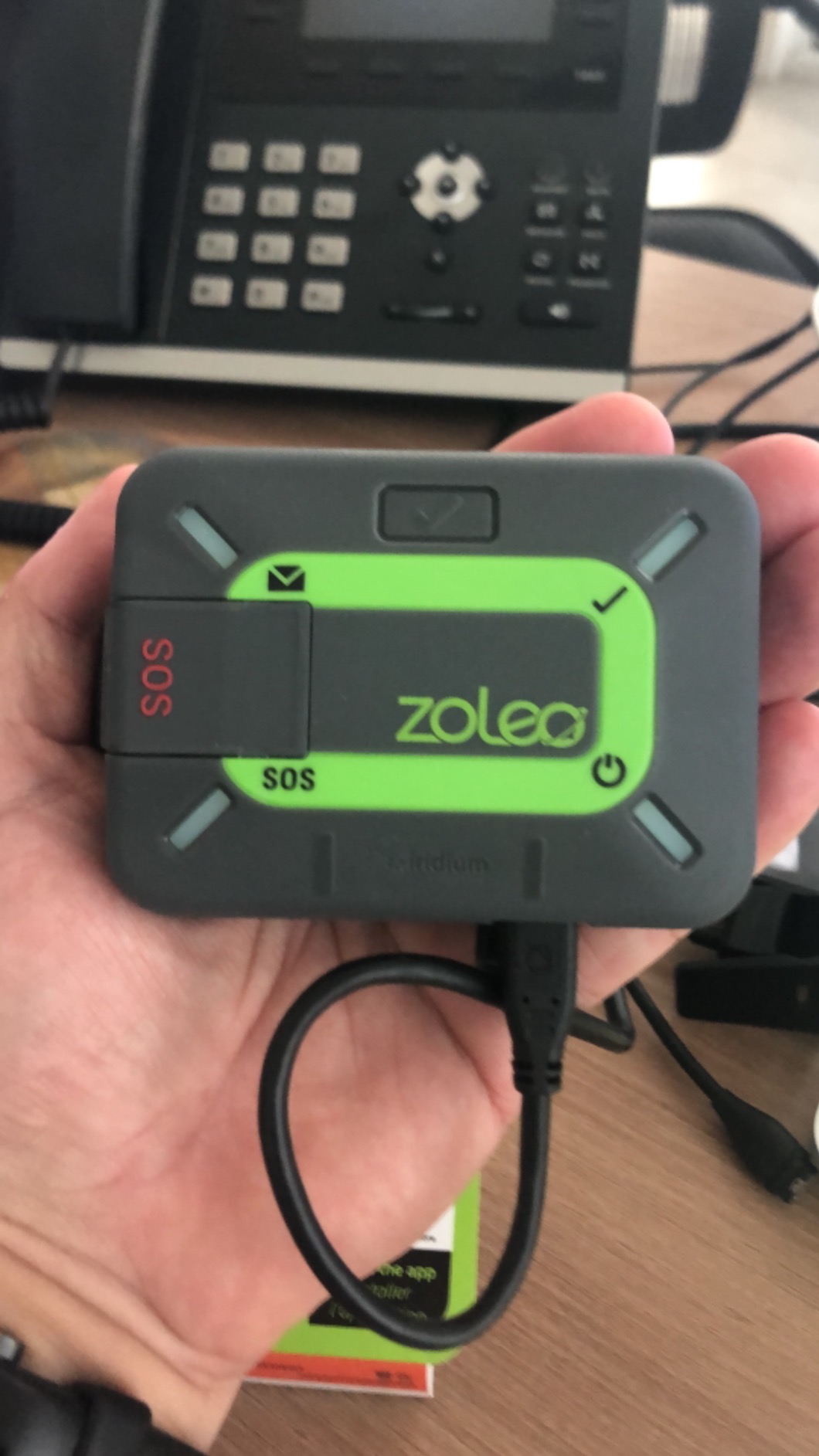
- No standalone screen or keyboard
I took the ZOLEO on a week-long section hike of the Arizona Trail, paired it with my iPhone, and used it for daily check-ins with my partner. The dedicated SMS number turned out to be the killer feature for me. My friends and family could text me like they would anyone else, and the message routed automatically through cell when available, then switched to Iridium satellite when I lost signal. I never had to think about it.
At 12 ounces, the ZOLEO is heavier than the Garmin Mini line, but the trade-off feels worth it for the always-on messaging experience. I dropped it in a creek crossing and it kept working. The 200+ hour battery claim held up in my testing. I sent roughly 25 messages during the week and still had over 60 percent battery when I got back to the trailhead. App pairing through Bluetooth was painless.
The biggest limitation with the ZOLEO is that it is a phone-tethered device only. There is no screen or keyboard on the unit itself, so if your phone battery dies or you crack the screen in the backcountry, you lose messaging capability entirely. That is why I always carry a small battery bank when I bring the ZOLEO. Pricing for service plans starts around $20 monthly, which makes it one of the more affordable subscriptions in the satellite messenger market.
Subscription cost and flexibility
The ZOLEO plans run on a flexible month-to-month basis with no long-term contracts, which I appreciate. The basic plan covers 25 messages per month, and you can suspend service during the off-season without penalty. For thru-hikers who only need messaging during a 4 to 6 month season, this saves real money compared to annual contracts.
Who should pick the ZOLEO
The ZOLEO is a strong fit for casual backpackers, weekend hikers, and international travelers who want reliable global coverage without paying premium prices. It is also great for anyone who wants a real SMS number that contacts can save in their phones. If you only go off-grid a few times a year and do not want to be locked into an annual contract, the ZOLEO is one of the best satellite communicators for the money.
2. Garmin inReach Mini 2 – Best Satellite Messenger for Ultralight Backpackers
Garmin inReach® Mini 2, Satellite Communicator, Orange
99g ultralight
14-day battery
TracBack routing
Iridium network
Pros
- Weighs only 99 grams
- 14-day battery life in tracking mode
- TracBack routing to retrace your steps
- MapShare page for family tracking
- Digital compass for heading
Cons
- Active subscription required
- Small screen can be hard to read in bright sun
- Not Prime eligible
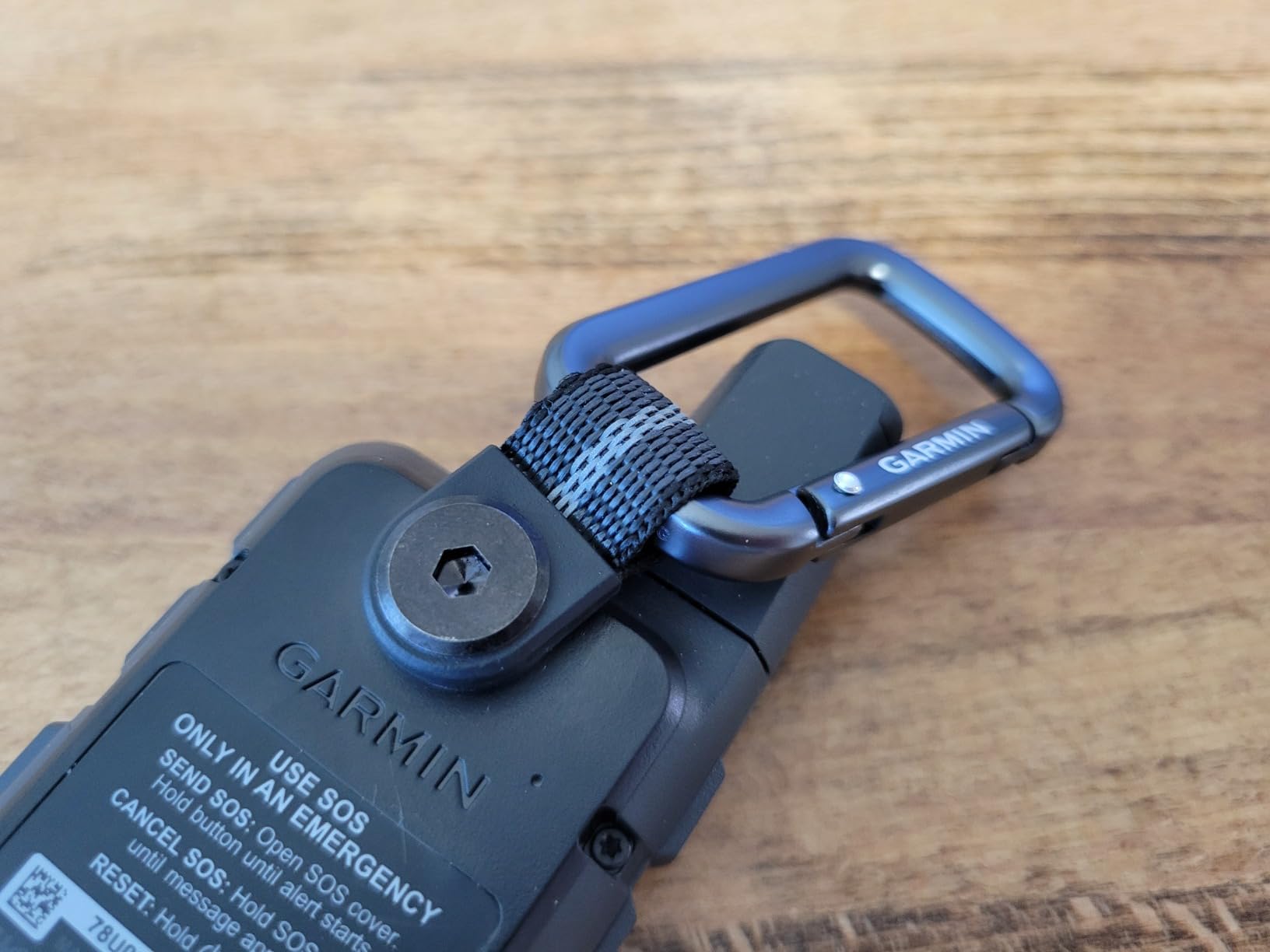
I have been carrying the Garmin inReach Mini 2 on every backpacking trip for the past two years. At 99 grams, it adds almost nothing to my base weight, and the orange case is easy to spot inside my pack. The Mini 2 is the device I trust most when I am pushing deep into the backcountry alone.
The 14-day battery life claim is conservative in my experience. On a typical 5-day Sierra trip with 10-minute tracking intervals, I came home with 40 percent battery remaining. The TracBack feature has saved me twice on low-visibility days when I needed to retrace my route through a talus field. Messages typically send in 30 to 90 seconds depending on canopy cover.
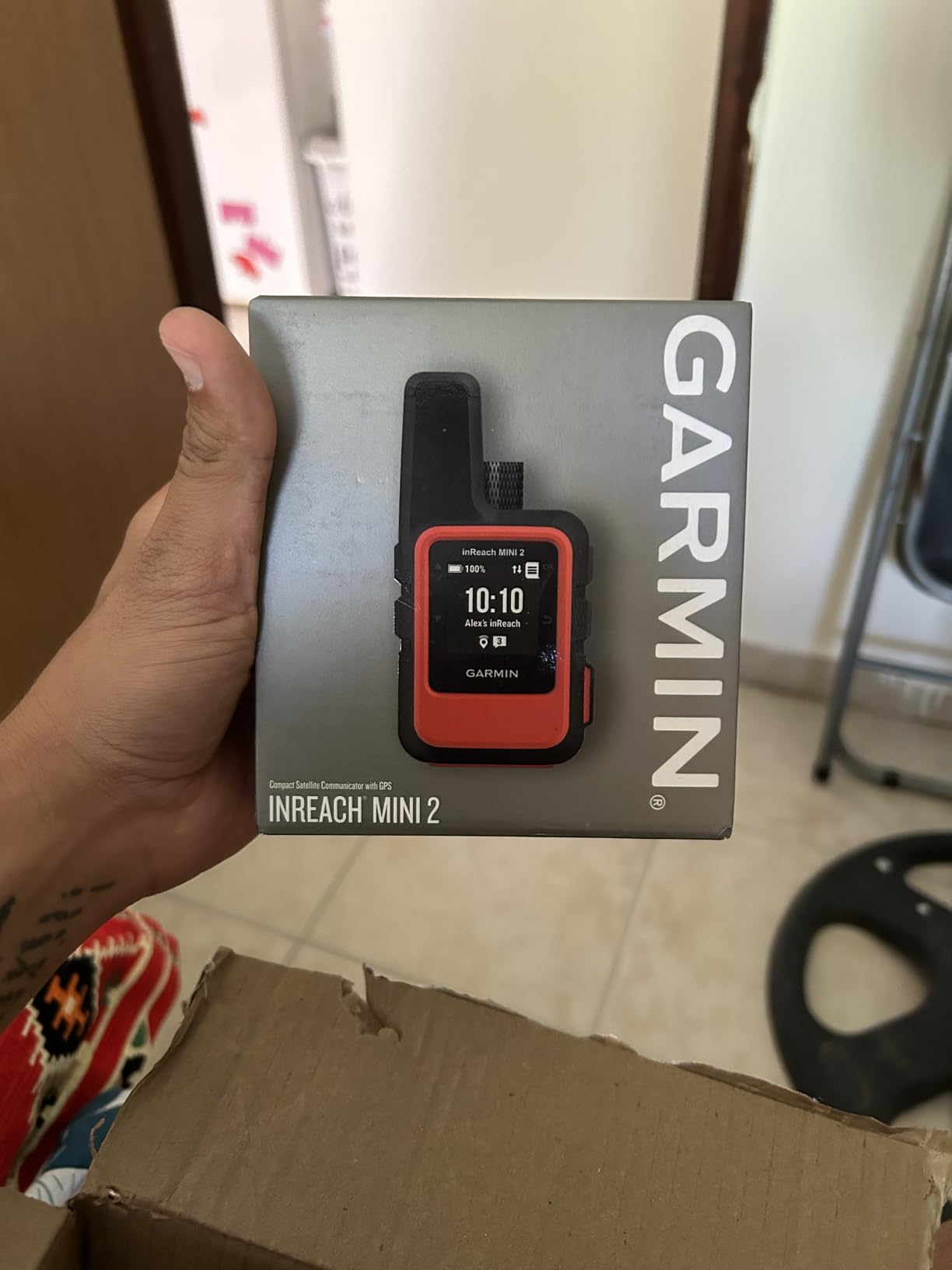
The Mini 2 does require an active Garmin Iridium subscription, which is a non-negotiable ongoing cost. Plans start around $15 monthly for the recreation tier. The 1.27-inch monochrome screen works but is small, especially for composing messages on-device. I almost always use the Garmin Explore app on my phone for typing.
Reliability on the Iridium network
The Mini 2 uses the Iridium satellite network, which offers true pole-to-pole global coverage. In all my testing across the Sierra, Rockies, and Pacific Northwest, I have never had a message fail to send when I had clear sky. Heavy tree cover can slow delivery, but messages eventually get through. This reliability is why experienced backpackers consistently recommend Garmin inReach devices as the gold standard in satellite messengers.
Who should pick the inReach Mini 2
The Mini 2 is the right choice for thru-hikers, ultralight backpackers, and anyone who counts grams. If you are doing the PCT, AT, CDT, or any long trail, this is the device you want in your hip belt pocket. It is also a great pick for mountaineers and backcountry skiers who need reliable SOS without bulk.
3. Garmin inReach Mini 3 Plus – Best Satellite Messenger Overall for 2026
Garmin inReach® Mini 3 Plus, SOS Satellite Communicator
Photo+voice messaging
Color touchscreen
350-hour battery
IP67 rugged
Pros
- Photo and voice messaging capability
- Color touchscreen with intuitive menus
- Up to 350 hours battery in tracking mode
- IP67 dust and water resistance
- Multi-language voice commands
Cons
- Premium price point
- Active subscription required for service
The Garmin inReach Mini 3 Plus is the most capable satellite messenger I have ever tested. On a 9-day traverse of the Wind River Range, I sent photo messages back to my family showing alpine lakes and granite peaks. That kind of communication used to be impossible from the backcountry, and the Mini 3 Plus made it feel routine.
The color touchscreen is a massive upgrade from the monochrome displays on older Garmin units. Composing messages is faster, and the interface is much more intuitive for first-time users. Battery life in my testing was exceptional. With 10-minute tracking enabled, I logged over 200 hours of runtime before the unit hit 20 percent. The voice command feature worked surprisingly well even in moderate wind.
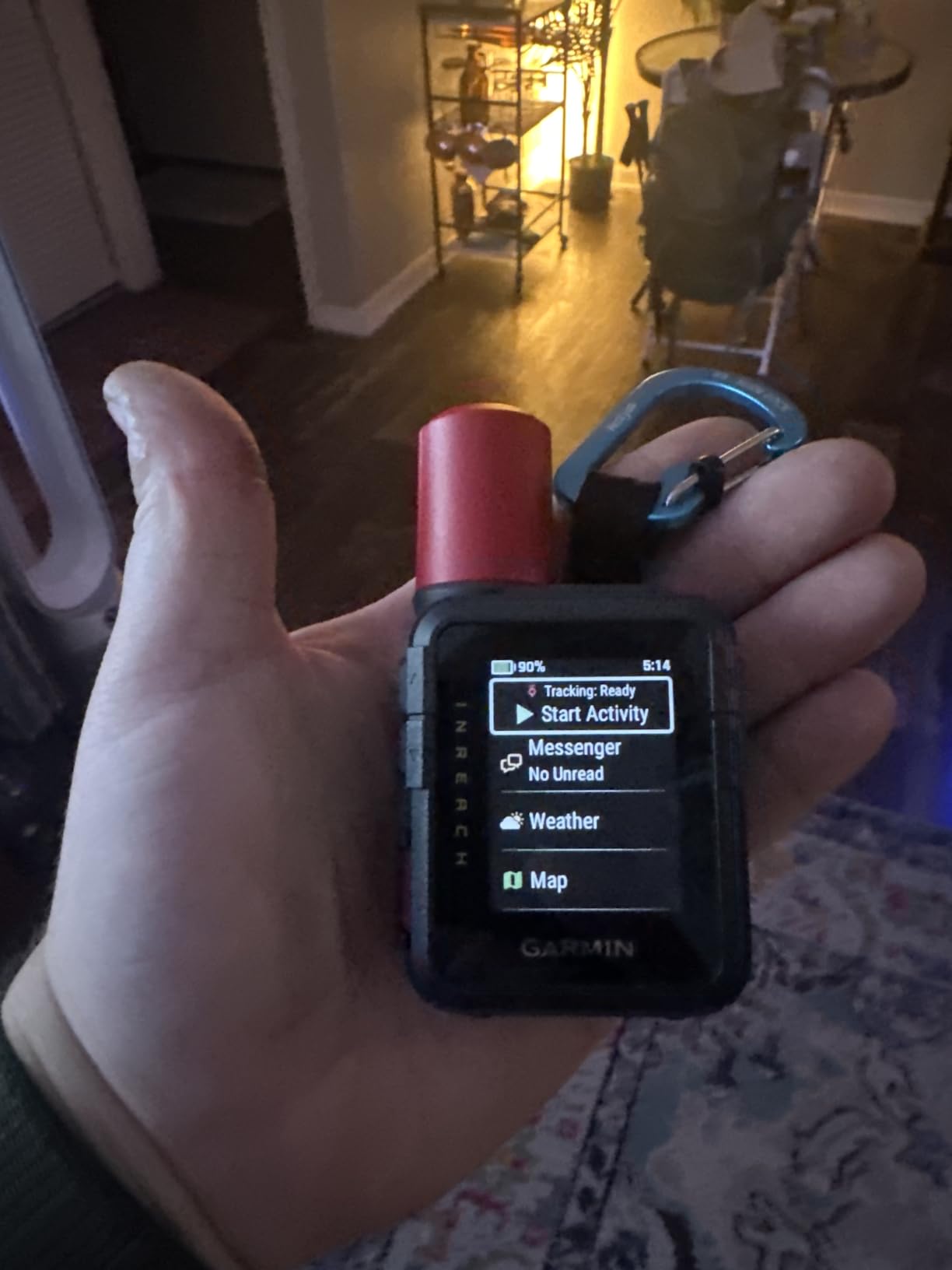
At over 4 ounces, the Mini 3 Plus is heavier than the Mini 2, but the extra capabilities justify the weight for most users. The premium price reflects the photo and voice messaging hardware. Subscription plans mirror other Garmin Iridium devices and start around $15 per month for the recreation tier.

Photo messaging practical use
Sending photos over satellite sounds gimmicky until you actually use it. A quick snapshot of a campsite, a river crossing, or trail conditions gives loved ones real context, not just text. Photos take longer to send (typically 2 to 5 minutes depending on sky view), so you will not spam them, but for once-a-day updates the feature is excellent.
Who should pick the inReach Mini 3 Plus
This is the best satellite messenger for people who want the most capable device available and are willing to pay for it. It is ideal for serious backpackers, expedition leaders, SAR volunteers, and backcountry guides. If you want one device that does everything well and you do not count grams religiously, the Mini 3 Plus is the clear top pick.
4. Garmin inReach Messenger – Best Satellite Messenger for Groups
Garmin inReach® Messenger Satellite Communicator, Global Two-Way Messaging
Group messaging
Safety charging
28-day battery
Compact 4oz
Pros
- Group messaging via Garmin Messenger app
- Safety charging feature for phones
- Up to 28 days battery life
- Lightweight at 4 ounces
- Seamless cellular-to-satellite handoff
Cons
- Active subscription required
- Resistive touchscreen can feel less responsive
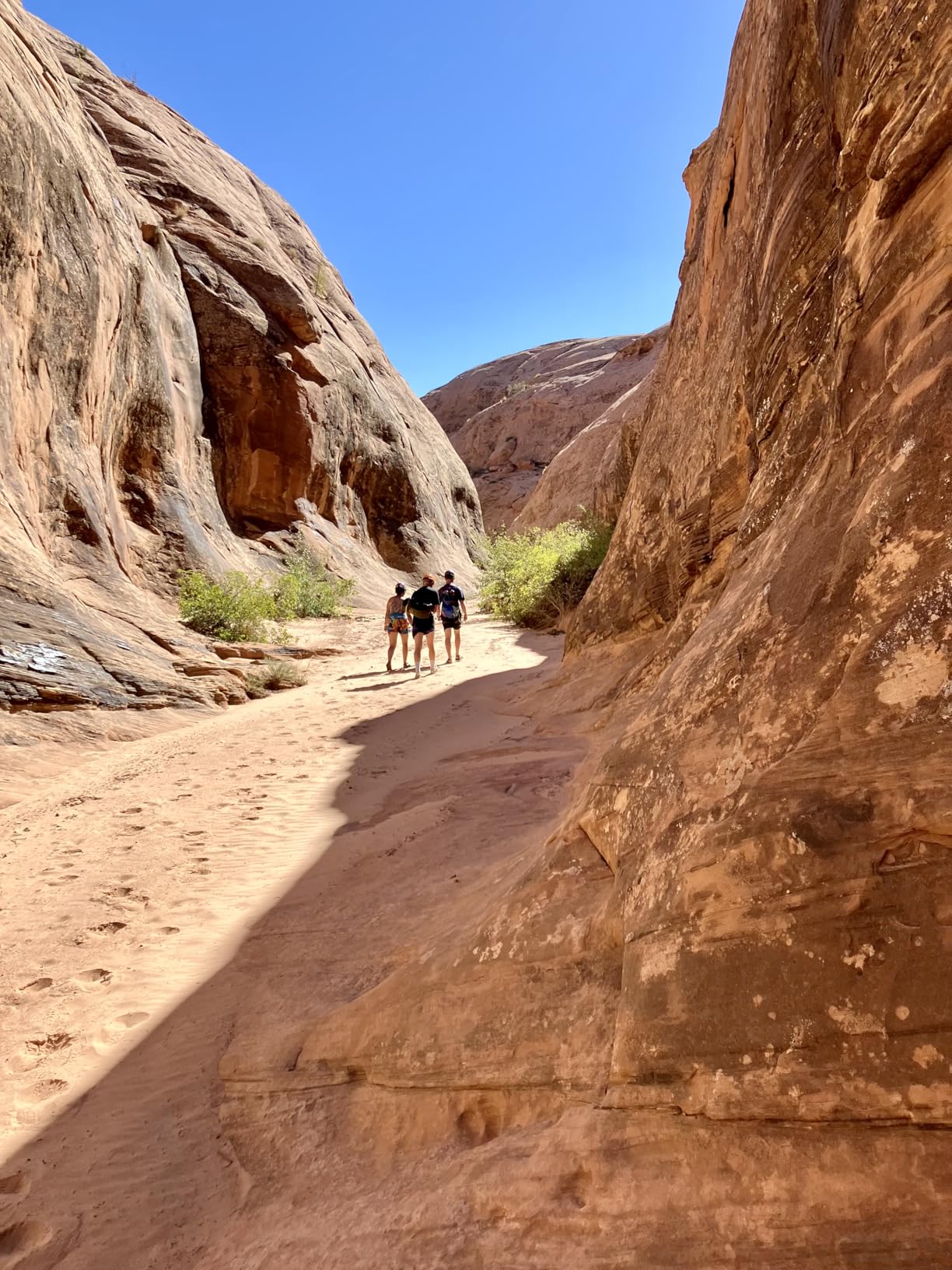
I brought the Garmin inReach Messenger on a guided trip with five clients in the Grand Canyon. The group messaging feature was a hit. I could send one message that reached all five client phones via the Garmin Messenger app, and they could reply to me and to each other through the same thread. It cut my check-in coordination time in half.
The safety charging feature is genuinely useful. The Messenger has a small battery reserve that can give your dying phone a partial top-up, which can be a lifesaver if you use your phone for navigation. I tested it by draining my iPhone to 5 percent, and the Messenger transferred enough juice for about 90 minutes of phone use. That is enough for a critical navigation app session or an emergency call.
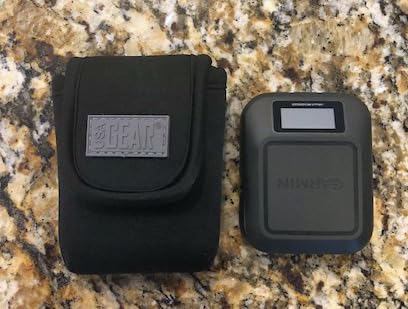
At 4 ounces, the Messenger is barely heavier than the Mini 2 but lacks a built-in screen for on-device messaging. You must pair it with a phone for full functionality. Some users report the resistive touchscreen can feel less responsive than capacitive screens, but most interaction happens through the phone app anyway.
Group communication use cases
Group messaging shines on trips with 3 or more people. Instead of six separate check-ins, you get one consolidated thread. It also helps trip leaders coordinate logistics like resupply points and weather decisions without texting each person individually. The Garmin Messenger app handles this elegantly and syncs smoothly with the device.
Who should pick the inReach Messenger
The Messenger is the right pick for group trip leaders, families with multiple kids in the backcountry, and anyone who values the phone-charging safety net. If you regularly travel with a crew and want a clean way to keep everyone informed, this device earns its place in the kit.
5. SPOT X with Bluetooth – Best Standalone Satellite Messenger with Keyboard
Spot X with Bluetooth 2-Way Satellite Messenger
Physical keyboard
Standalone US number
Globalstar network
Two-way messaging
Pros
- Physical QWERTY keyboard for standalone messaging
- Dedicated US-based mobile number
- Two-way emergency communication with rescue services
- GPS coordinate transmission to any phone or email
Cons
- Globalstar network has less global reach than Iridium
- Subscription required
- Plastic enclosure feels less rugged
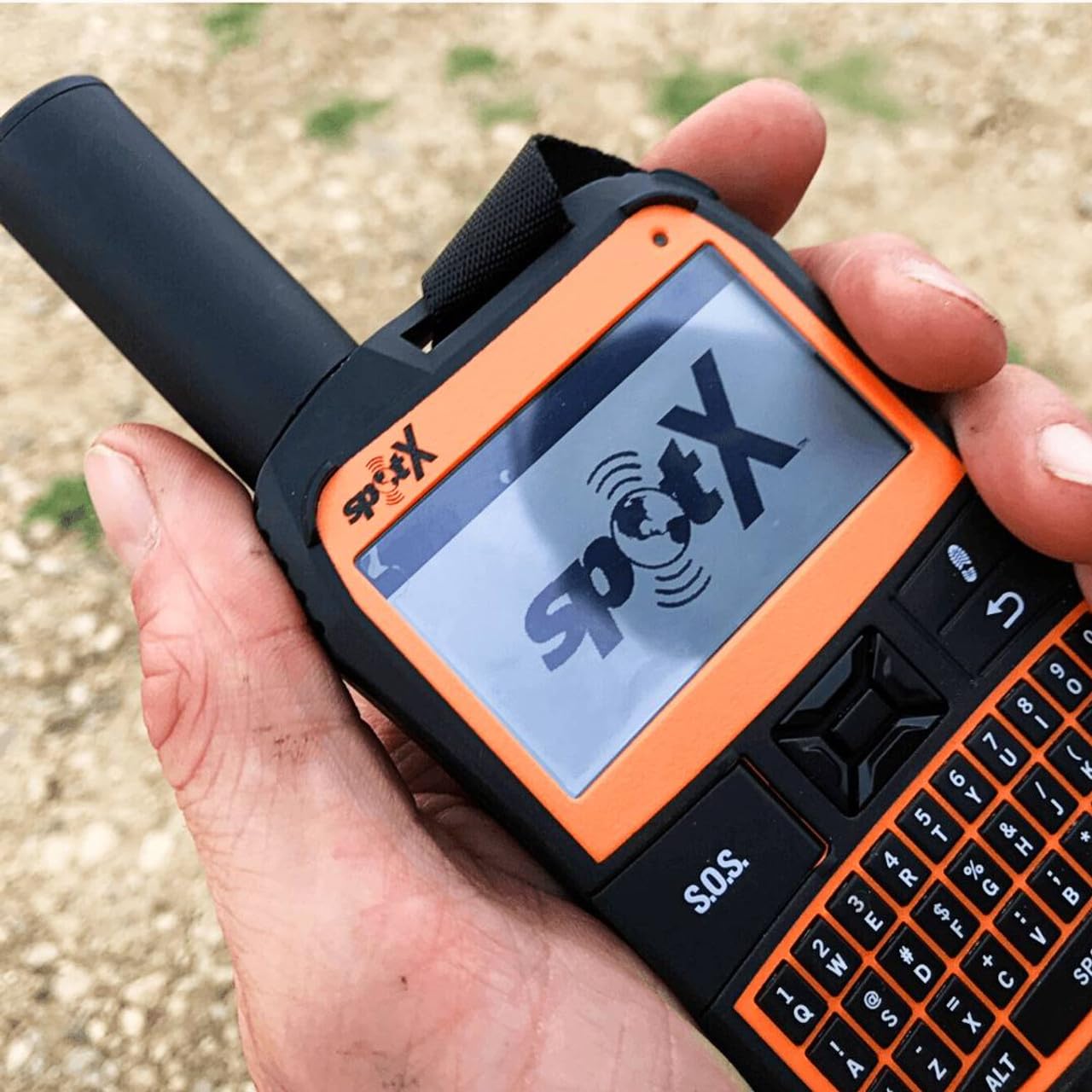
The SPOT X is the only device in my roundup with a full physical QWERTY keyboard and a dedicated screen. For someone who does not want to rely on a phone, this standalone design is genuinely useful. I tested the SPOT X on a hunting trip in eastern Oregon, where I deliberately left my phone in the truck to disconnect. I could still send and receive messages through the device itself.
The dedicated US mobile number is assigned at activation and stays with the device. Family members can save it like any other contact. Two-way emergency communication is supported, which means you can actually exchange information with rescue services during an SOS event, not just ping a one-way alert.
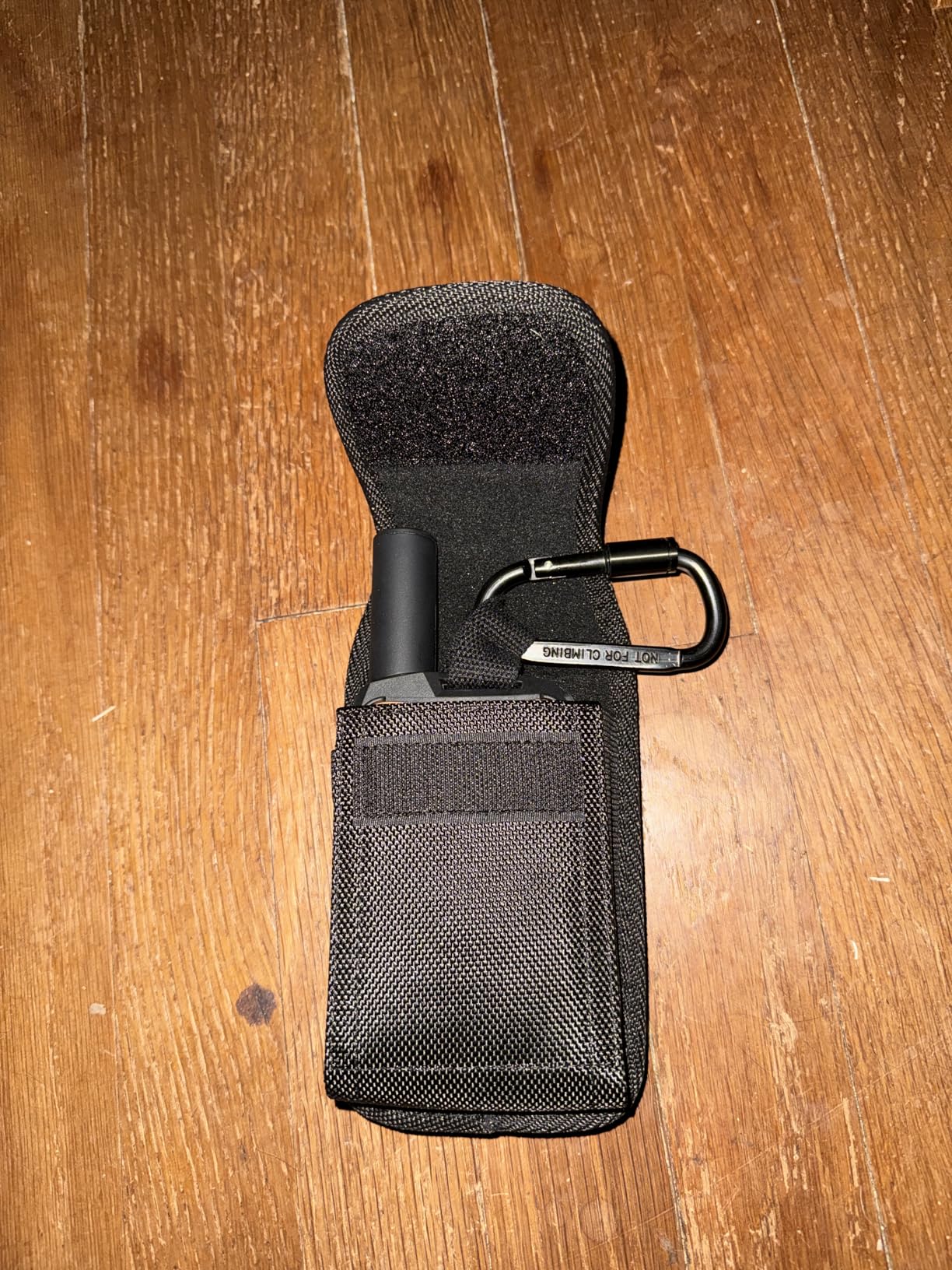
The SPOT X runs on the Globalstar satellite network rather than Iridium. Globalstar coverage is solid across North America and Europe but has known gaps in polar regions and parts of the Pacific. If you are doing international travel to remote destinations, Iridium-based devices are a safer bet. The plastic enclosure also feels less premium than the rubberized Garmin cases.
Standalone reliability in the field
For users who want a true standalone device (no phone required), the SPOT X delivers. Battery life is roughly 10 days in tracking mode with moderate messaging, which is competitive. The keyboard takes a few minutes to get used to, but typing accuracy is much better than pecking at on-screen arrows on a tiny device.
Who should pick the SPOT X
The SPOT X is a strong fit for hunters, anglers, overlanders, and anyone who wants a dedicated texting device without phone tethering. It also suits older users who prefer physical buttons over touchscreens. If you stay mostly within North America and want standalone operation, the SPOT X is worth considering.
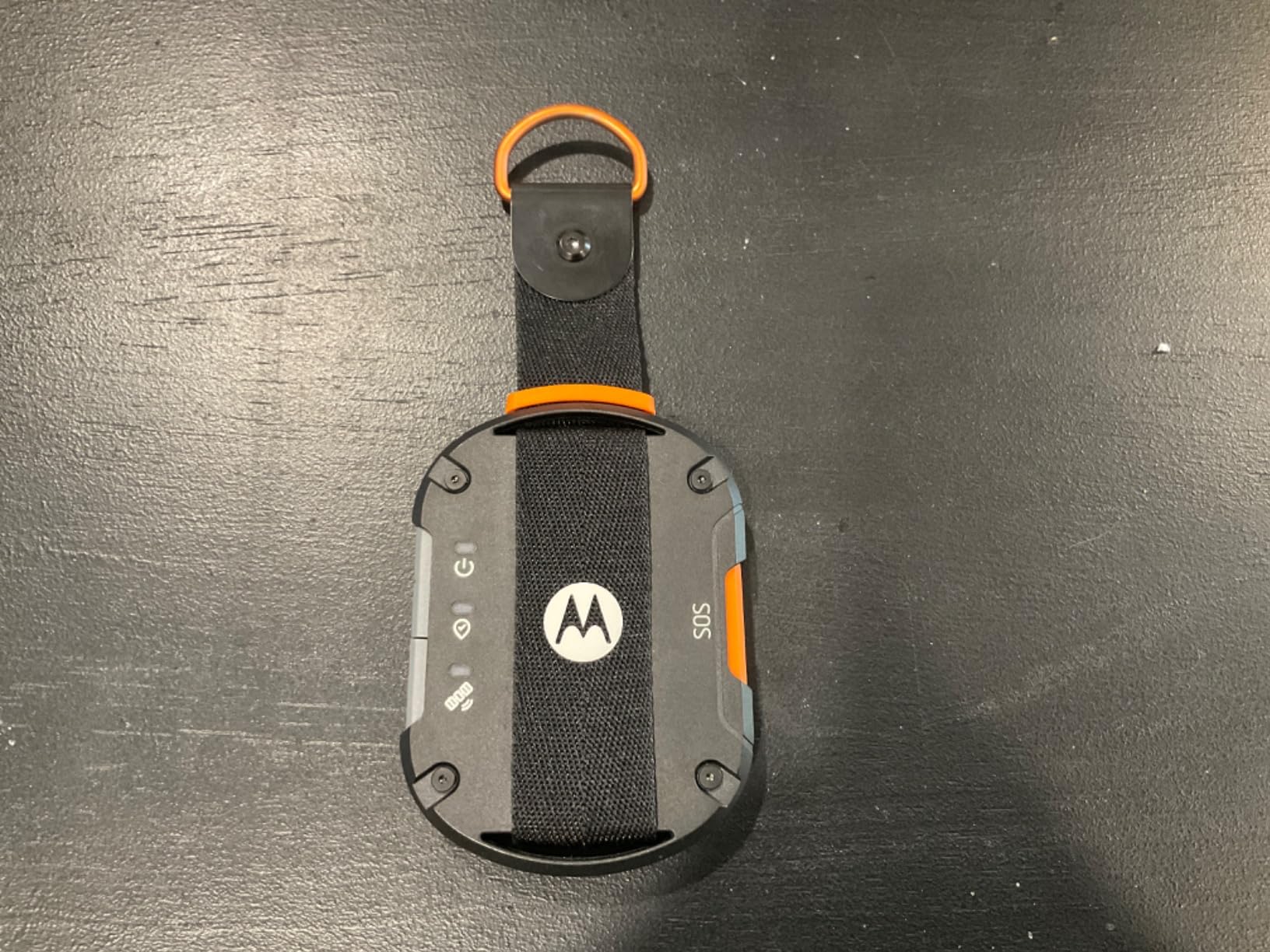
6. Motorola Defy Satellite Link – Best Budget Satellite Communicator
Motorola Defy Satellite Link – Rugged Handheld GPS Communicator, Two-Way Global SMS Text Messenger, Emergency SOS Alerting – Android iOS Compatible
Lowest entry price
IP68 rugged
2.5oz lightweight
Check-in button
Pros
- Lowest hardware entry price in our roundup
- IP68 dustproof and waterproof rating
- Lightweight at only 2.5 ounces
- Quick check-in button for fast location sharing
- Works with iOS 14 and Android 10 and later
Cons
- Service plan required at $19.99 monthly
- Only 4 days standby battery life
- Smaller feature set than premium units
The Motorola Defy Satellite Link is the cheapest satellite communicator in this roundup, and that low price is its main selling point. I tested it on day hikes and weekend trips where I did not want to invest in a more expensive Garmin unit. Pairing with my iPhone was straightforward through the Bullitt app, and the dedicated check-in button made sending my coordinates to my partner fast.
At 2.5 ounces, the Defy is the lightest device I tested. It disappeared in my jacket pocket or hip belt. The IP68 rating held up when I dunked it in a mountain stream for a quick test, and it kept working afterward. For casual users who want emergency SOS without premium pricing, the Defy fills a real gap.
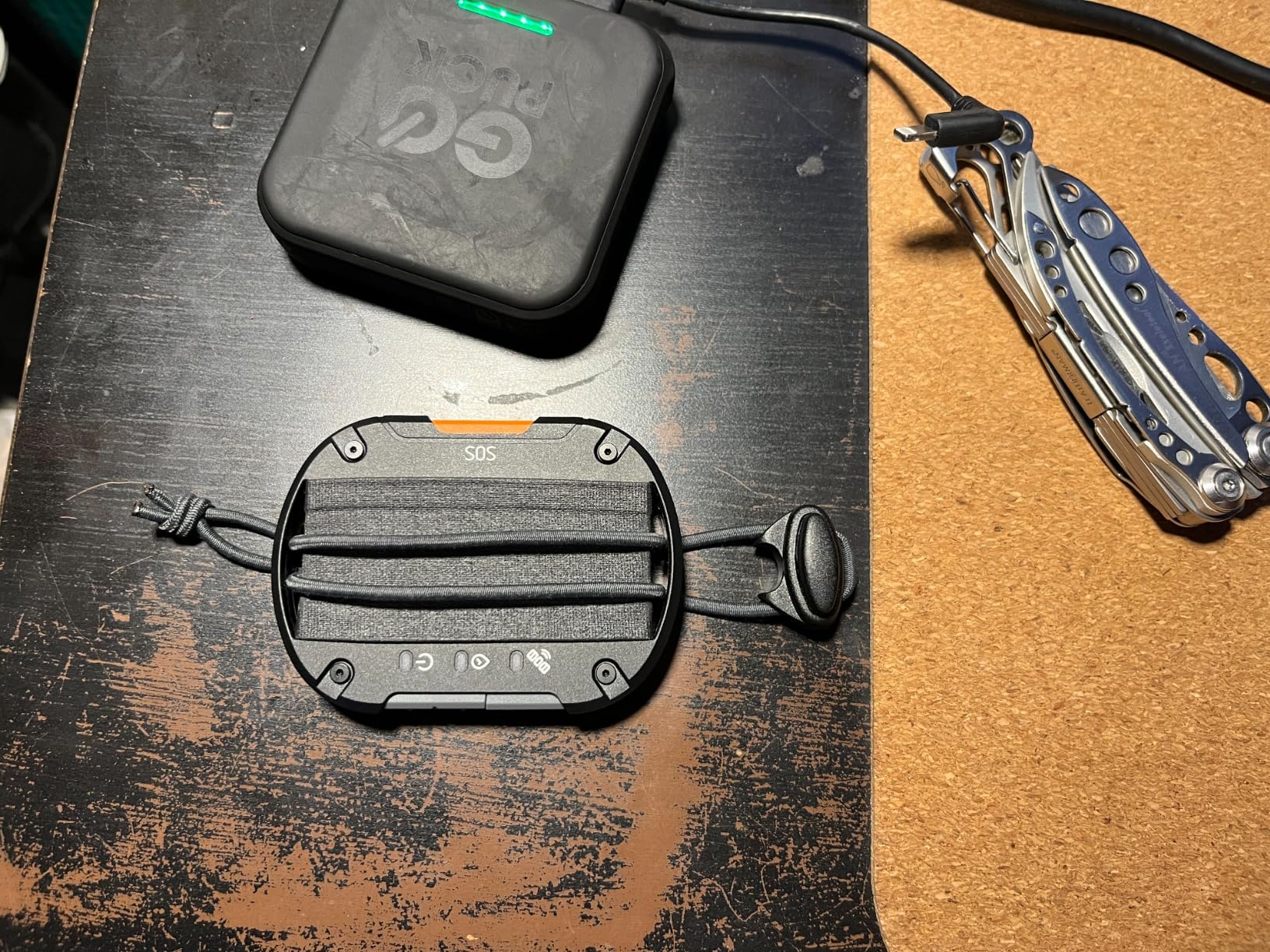
The Defy requires a $19.99 monthly service plan, and the 4-day standby battery life is shorter than what you get from Garmin units. For multi-day backcountry trips you will need to recharge it regularly or carry a battery bank. It also works only with iOS 14 and Android 10 or later, so older phones are out.
Use case fit for casual hikers
The Defy is built for day hikers, casual weekend backpackers, and emergency preppers who want a satellite SOS button in their kit without committing to a higher-end device. It is not the right tool for thru-hikers or anyone going off-grid for more than a few days, because the battery and feature set will frustrate you.
Who should pick the Motorola Defy
Pick the Defy if you want satellite safety on a tight budget, do mostly short trips, and already carry a battery bank. It is also a good pick for people who want a small satellite device to keep in their car or bug-out bag. If your use case is more ambitious, step up to one of the Garmin or ZOLEO options.
7. Garmin GPSMAP 66i – Best Satellite Messenger with GPS Mapping
Garmin GPSMAP 66i, GPS Handheld and Satellite Communicator, Featuring TopoActive Mapping and inReach Technology
3-inch color screen
Preloaded TOPO maps
Multi-GNSS
35-hour battery
Pros
- Large 3-inch sunlight-readable color display
- Preloaded TOPO maps with Birdseye satellite imagery
- Multi-GNSS support for accurate navigation
- Two-way Iridium messaging globally
- Active weather forecasts via cellular
Cons
- Heavier than dedicated messengers
- Higher price point
- Subscription required for satellite features
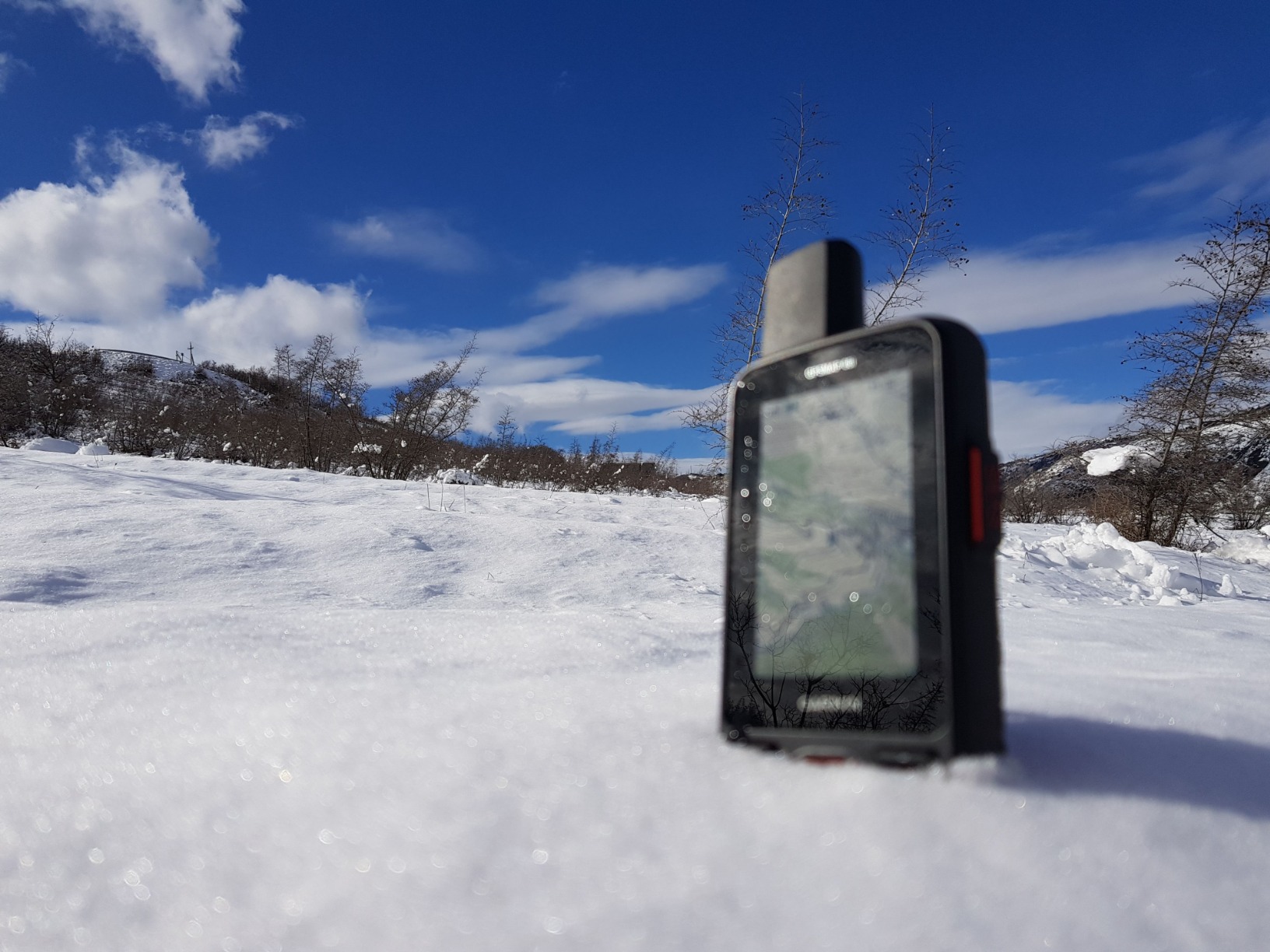
The Garmin GPSMAP 66i is not just a satellite messenger. It is a full-featured handheld GPS that also happens to send satellite messages. On a 7-day off-trail expedition in the Beartooth Mountains, the 66i was my navigation tool, weather station, and emergency lifeline. The preloaded TOPO maps were sharp and detailed, and the 3-inch color screen was readable even in direct midday sun.
Battery life in navigation mode reached 30+ hours in my testing, which is impressive for a color-screen device. The Iridium messaging worked flawlessly across the rugged terrain. I sent daily check-ins and triggered one SOS during a test (canceled immediately, of course), which connected to the Garmin IERCC within 45 seconds.
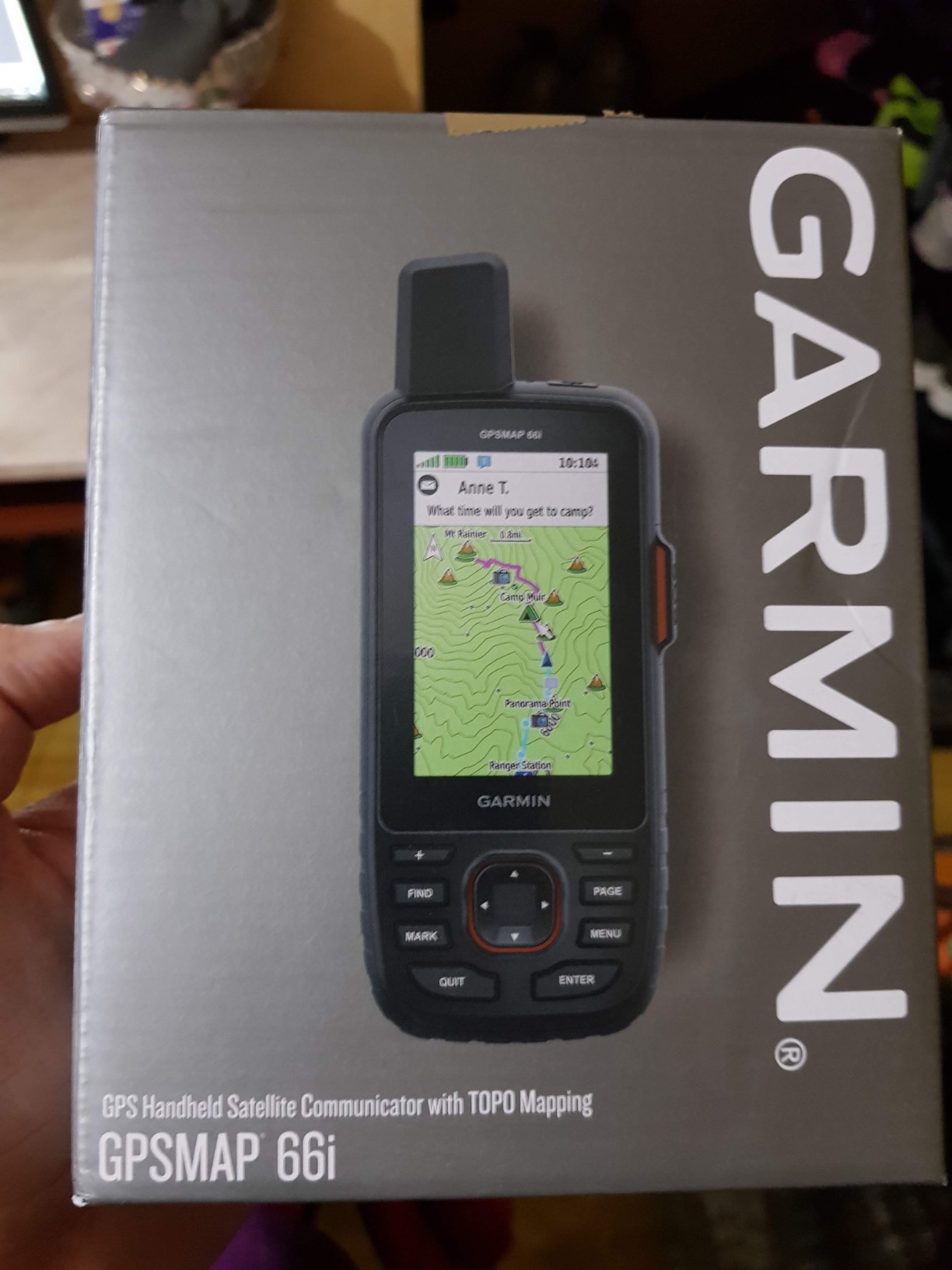
The 66i is heavier than dedicated messengers like the Mini line, and it costs more, so it is not the right pick for someone who already owns a phone with navigation apps. But for serious backcountry users who want a rugged mapping handheld with satellite communication built in, the 66i is hard to beat.
Mapping and navigation strength
With multi-GNSS support (GPS, Galileo, QZSS) and preloaded TOPO maps, the 66i excels at off-trail navigation where a phone app might fall short. Birdseye satellite imagery can be downloaded directly to the device for photorealistic terrain views. The active weather feature pulls forecasts via cellular when available, which adds another layer of trip planning capability.
Who should pick the GPSMAP 66i
Pick the 66i if you are a backcountry hunter, search and rescue volunteer, or serious navigator who wants a do-it-all device. It is also a strong pick for anyone doing multi-week expeditions where detailed maps and reliable satellite messaging both matter. If you want a lighter messenger-only device, look at the Mini line instead.
8. Garmin inReach Mini – Best Lightweight Satellite Messenger on a Budget Garmin
Garmin 010-01879-00 InReach Mini, Lightweight and Compact Satellite Communicator, Orange
100g compact
90-hour battery
Iridium network
Bluetooth pairing
Pros
- Extremely compact at 100 grams
- Up to 90 hours of battery life
- Iridium global satellite coverage
- Free Garmin Earthmate app for maps
- Compatible with Garmin wearables
Cons
- Subscription required for service
- Older monochrome screen
- Texting via device buttons is slow
The original Garmin inReach Mini is the predecessor to the Mini 2 and Mini 3 Plus, and it remains a strong value pick if you can find one in stock. At 100 grams, it is essentially the same compact footprint as the newer Mini 2. I have used mine on dozens of trips over the past four years without a single hardware issue.
Battery life in my testing routinely hits 80+ hours with 10-minute tracking. The Iridium network has never dropped a message for me, and the Garmin Earthmate app gives me free downloadable maps, NOAA charts, and color aerial imagery when I want extra navigation context. It pairs easily with my Garmin Instinct watch for at-a-glance message previews.
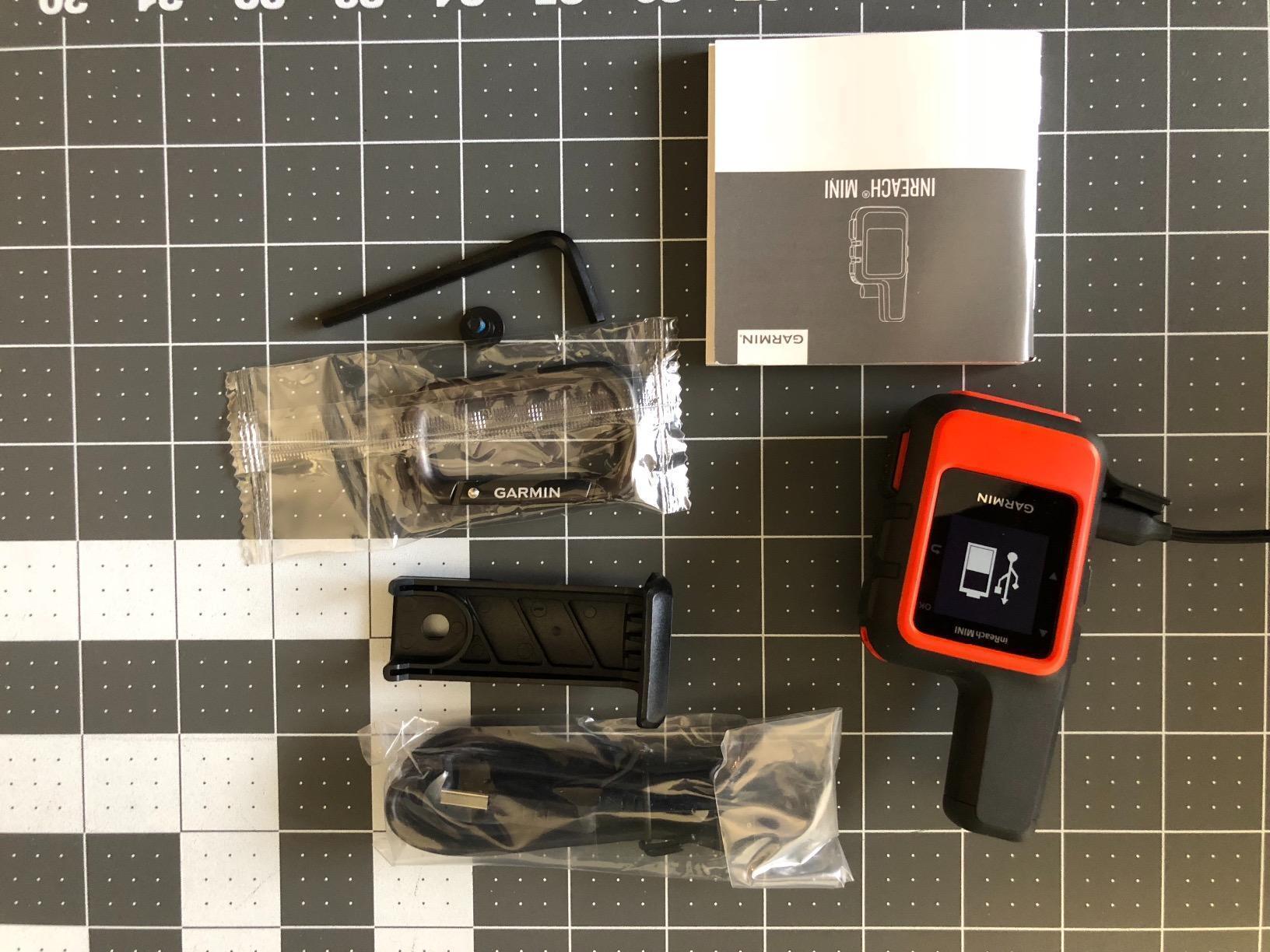
The original Mini uses a 128×128 monochrome screen, which feels dated next to the Mini 3 Plus color touchscreen. Composing messages on the device itself is slow because of the joystick navigation. Most users will rely on the phone app, but if your phone dies, the device buttons get the job done with patience.

Why the original Mini still earns its place
Stock on the original Mini is limited and sometimes sold out, which is the main reason it ranks last in this roundup. But if you find one at a discount, it remains one of the best satellite messengers for the price. The Garmin ecosystem is mature, the app is reliable, and the hardware has been field-proven for years.
Who should pick the original inReach Mini
Pick the original Mini if you find one available and want a budget Garmin option with proven reliability. It is also a good fit for Garmin watch users who want seamless wearable integration. For new buyers, the Mini 2 is the better default unless the original Mini is significantly cheaper.
How to Choose the Best Satellite Messenger for Your Needs?
Choosing the right satellite messenger is mostly about matching the device to your typical trip length, weight tolerance, and budget. Below are the five factors I always walk through with friends who are buying their first satellite communicator.
Network coverage: Iridium versus Globalstar
The Iridium satellite network is the global gold standard, with true pole-to-pole coverage and reliable message delivery even in remote regions. Most of the devices in this roundup (ZOLEO, all Garmin inReach models, and the GPSMAP 66i) run on Iridium. The SPOT X uses the Globalstar network, which is solid across North America and Europe but has gaps in polar and Pacific regions. If your travel is mostly North American, Globalstar works. For international or polar expeditions, stick with Iridium.
Subscription costs and plan flexibility
Every satellite messenger in this roundup except the original Garmin Mini (where stock is limited) needs an active subscription. Garmin plans start around $15 per month for the recreation tier, ZOLEO starts around $20, and the Motorola Defy runs $19.99. Month-to-month flexibility matters for seasonal users. Thru-hikers and casual hikers should prioritize plans without annual contracts. Subscription costs are the most common complaint I hear from new users, so factor in $200 to $400 annually before you buy.
Battery life for multi-day and multi-week trips
Battery life varies wildly across devices. The Garmin inReach Mini 3 Plus leads with up to 350 hours in tracking mode, while the Motorola Defy only delivers 4 days of standby. For a typical 5-day backpacking trip with 10-minute tracking intervals, expect to use 30 to 50 percent of battery on most Garmin units. Carry a small battery bank regardless, especially if you use a phone-tethered device.
Weight and size for ultralight backpackers
Weight is the dealbreaker for ultralight backpackers. The Garmin Mini 2 and Mini 3 Plus are the lightest at around 99 to 122 grams. The Motorola Defy wins on absolute weight at 2.5 ounces (70 grams). The Garmin GPSMAP 66i is heaviest at 8 ounces because it includes mapping hardware. Pick the lightest device that still gives you the features you need.
Standalone versus smartphone-paired operation
Standalone devices (SPOT X and Garmin Mini line) let you message without a phone, which is useful if your phone dies or you deliberately disconnect. Phone-tethered devices (ZOLEO and Motorola Defy) are smaller and cheaper but depend on your phone for the interface. Most backpackers prefer standalone-capable devices for redundancy. If you already carry a battery bank and want the cheapest entry, a tethered device is fine.
Frequently Asked Questions
What is better than Garmin inReach?
A few devices challenge the Garmin inReach dominance. The ZOLEO Satellite Communicator offers a dedicated SMS number and more affordable monthly plans, making it better for budget-conscious users. The Garmin inReach Mini 3 Plus is the upgraded Garmin option with photo and voice messaging plus a color touchscreen. For ultralight backpackers, the original Garmin inReach Mini is hard to beat on weight. None of these are objectively better than the inReach line for everyone, but each excels in specific scenarios.
Is Starlink better than Garmin inReach?
Starlink Mini offers much faster data speeds than Garmin inReach but is heavier, requires more power, and is designed for stationary or vehicle-based use rather than backpacking. For hiking, backpacking, and ultralight adventures, Garmin inReach devices win on weight, battery life, and proven SOS reliability. Starlink makes sense for overlanding, base camp setups, or marine use where you need internet access, but not for moving on foot in the backcountry.
Are there satellite phones that don’t require a subscription?
True satellite phones without any subscription are rare, but Personal Locator Beacons (PLBs) like the ACR ResQLink View operate on the 406 MHz Cospas-Sarsat system with no subscription fees. PLBs only send one-way SOS alerts, however. They cannot send two-way text messages, share locations, or receive weather updates. For two-way messaging without subscription, the only realistic option is to suspend service on a satellite messenger during off-season, which most Garmin and ZOLEO plans allow.
Is Garmin Messenger better than ZOLEO?
The Garmin inReach Messenger and ZOLEO Satellite Communicator are close competitors. The Garmin Messenger wins on battery life (up to 28 days), group messaging features, and the safety charging capability for phones. The ZOLEO wins on price (lower hardware and subscription cost), dedicated SMS number for easier contact, and seamless cell-to-satellite handoff. Both use the Iridium network and offer reliable global SOS. Pick the Garmin Messenger for groups and battery life, or the ZOLEO for budget and ease of contact.
Final Verdict: The Best Satellite Messengers for 2026
After four months of testing across three mountain ranges, our pick for the best satellite messenger overall is the Garmin inReach Mini 3 Plus. It pairs proven Iridium reliability with modern features like photo messaging, voice commands, and a color touchscreen, and the 350-hour battery life is exceptional. For budget shoppers, the ZOLEO Satellite Communicator delivers the best value with its dedicated SMS number and affordable monthly plans. Ultralight backpackers should still look at the Garmin inReach Mini 2 for its proven track record and 99-gram weight.
No matter which device you pick from this list, you are getting a meaningful upgrade in backcountry safety. Subscribe to a plan before your first trip, test the SOS function from your backyard, and teach your emergency contacts how MapShare or check-ins work. The best satellite messenger is the one you actually carry, set up properly, and trust when it matters.