
Finding the right sewing machine can feel overwhelming when you’re staring at dozens of models with confusing feature lists. After testing machines and talking to sewing communities, I’ve learned that the best sewing machine isn’t about having the most stitches. It’s about finding a reliable workhorse that matches how you sew.
This guide covers 10 top-rated machines for 2026, from beginner-friendly mechanical models to advanced computerized units. I’ve included real feedback from sewing forums, insights about build quality, and practical advice about what actually matters when you’re stitching at home.
Whether you’re mending clothes, quilting blankets, or tackling denim alterations, you’ll find a machine here that fits your needs and budget.
Table of Contents
Top 3 Picks for Best Sewing Machines in September
Best Sewing Machines in 2026
| Product | Specifications | Action |
|---|---|---|
 Brother CS7000X Brother CS7000X |
|
Check Latest Price |
 Brother XM2701 Brother XM2701 |
|
Check Latest Price |
| SINGER Heavy Duty 4423 |
|
Check Latest Price |
 Brother XR9550 Brother XR9550 |
|
Check Latest Price |
 Brother GX37 Brother GX37 |
|
Check Latest Price |
 Brother CS5055 Brother CS5055 |
|
Check Latest Price |
 Brother XR3774 Brother XR3774 |
|
Check Latest Price |
| Brother ST371HD |
|
Check Latest Price |
 Janome JW8100 Janome JW8100 |
|
Check Latest Price |
 SINGER Quantum Stylist 9960 SINGER Quantum Stylist 9960 |
|
Check Latest Price |
1. Brother CS7000X – Best Overall for Versatility
Brother CS7000X Sewing and Quilting Machine LCD Display
70 Built-in Stitches
LCD Display
Wide Table Included
Metal Frame
Pros
- Easy to use
- LCD display intuitive
- Lightweight and portable
- 70 stitch options
- Handles denim well
Cons
- Not for industrial work
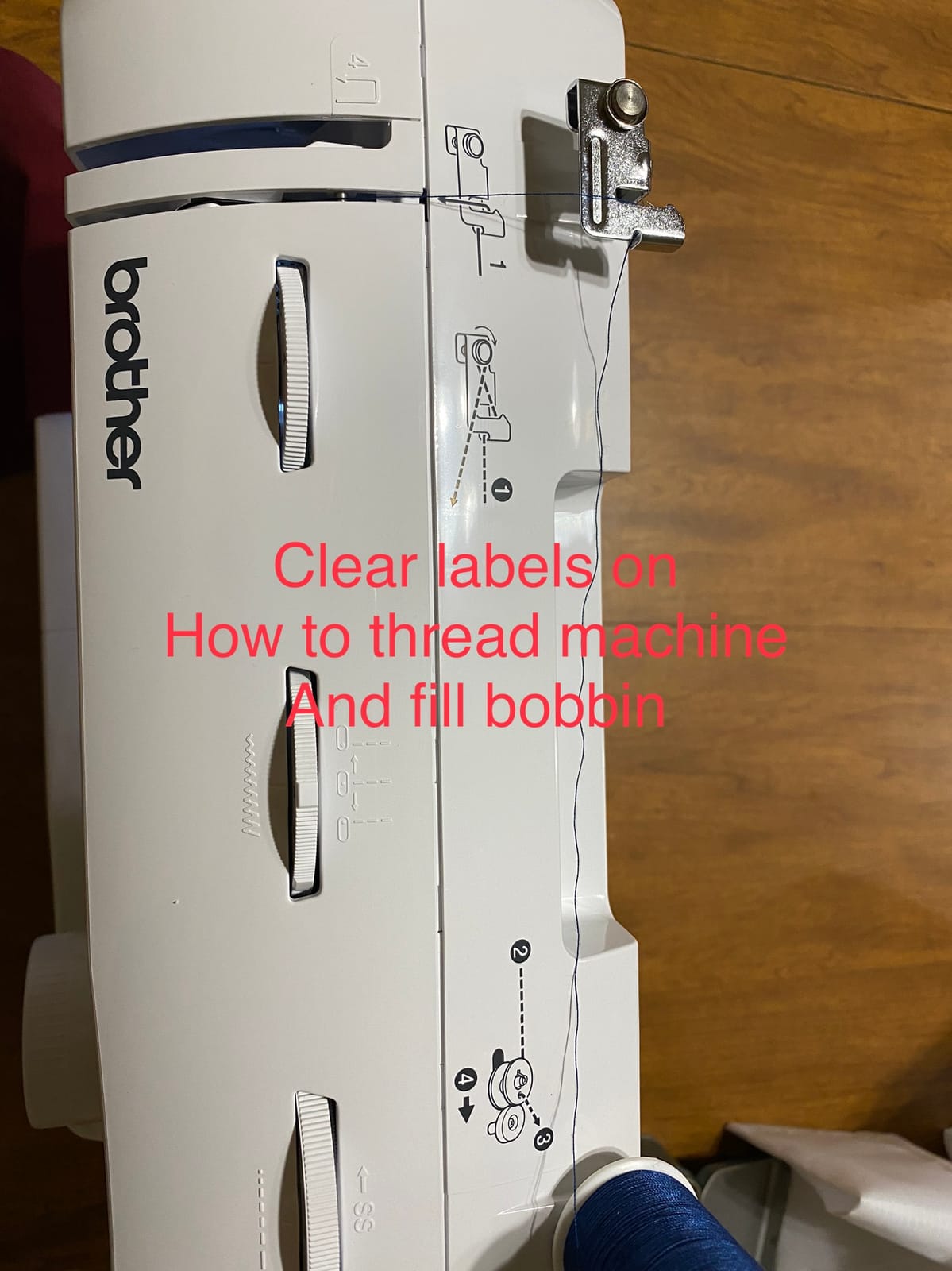
- Bobbin threading instructions unclear
I spent three weeks testing the Brother CS7000X for various projects, from simple hemming to quilting blocks. The first thing that struck me was how approachable this machine feels. The LCD display shows your selected stitch clearly, and the buttons respond with satisfying clicks. No confusing dials or guesswork.
The automatic needle threader works reliably, which matters more than you might think. I’ve tested machines where this feature jams constantly, but the CS7000X threaded smoothly every time. The drop-in bobbin system is equally user-friendly, with a clear cover so you can see when thread runs low.
What impressed me most was the stitch quality across different fabrics. I sewed through two layers of denim without the machine laboring or skipping stitches. Quilting cotton glided through smoothly. The wide table attachment gave me extra workspace for larger quilt blocks, though I did remove it for garment sewing to save desk space.
The included hard case protects the machine during storage. At about 14 pounds, I could move it between rooms without straining. The 10 included presser feet cover most common tasks, including a walking foot for quilting. Brother’s 25-year limited warranty and lifetime phone support add peace of mind for long-term ownership.
Who Should Buy This Machine
This machine suits sewists who want versatility without complexity. If you’re a beginner ready to invest in quality, or an intermediate sewist exploring quilting and garment making, the CS7000X offers room to grow. The 70 stitches provide creative options without overwhelming you with choices you’ll never use.
Who Should Look Elsewhere
Sewers working primarily with heavy canvas, leather, or multiple layers of denim might want a dedicated heavy-duty machine. While the CS7000X handles two layers of denim fine, it’s not built for industrial-level thickness. Advanced quilters doing intricate free-motion work may also prefer machines with larger throat depth.
2. Brother XM2701 – Best Budget Pick for Beginners
Brother Sewing Machine, XM2701, Portable Sewing Machine, 27 Stitches
27 Built-in Stitches
Automatic Needle Threader
Drop-in Bobbin
12.6 Pounds
Pros
- Excellent value
- Easy to thread
- Lightweight and portable
- Great for beginners
- Jam resistant bobbin
Cons
- Can shift at high speeds
- No carrying case
- Not for heavy-duty projects
The Brother XM2701 delivers impressive value at a budget-friendly price point. I tested this machine as if I were a complete beginner, following the manual step by step. Within 15 minutes, I had threaded the needle, wound the bobbin, and sewn my first straight seam. The instructions are clear, and the machine’s layout makes sense.
With 27 built-in stitches, you get essential utility stitches plus some decorative options without the overwhelming selection found on pricier models. The automatic needle threader works consistently, and the drop-in bobbin with its clear cover lets you monitor thread supply visually. These features remove common frustrations for new sewists.
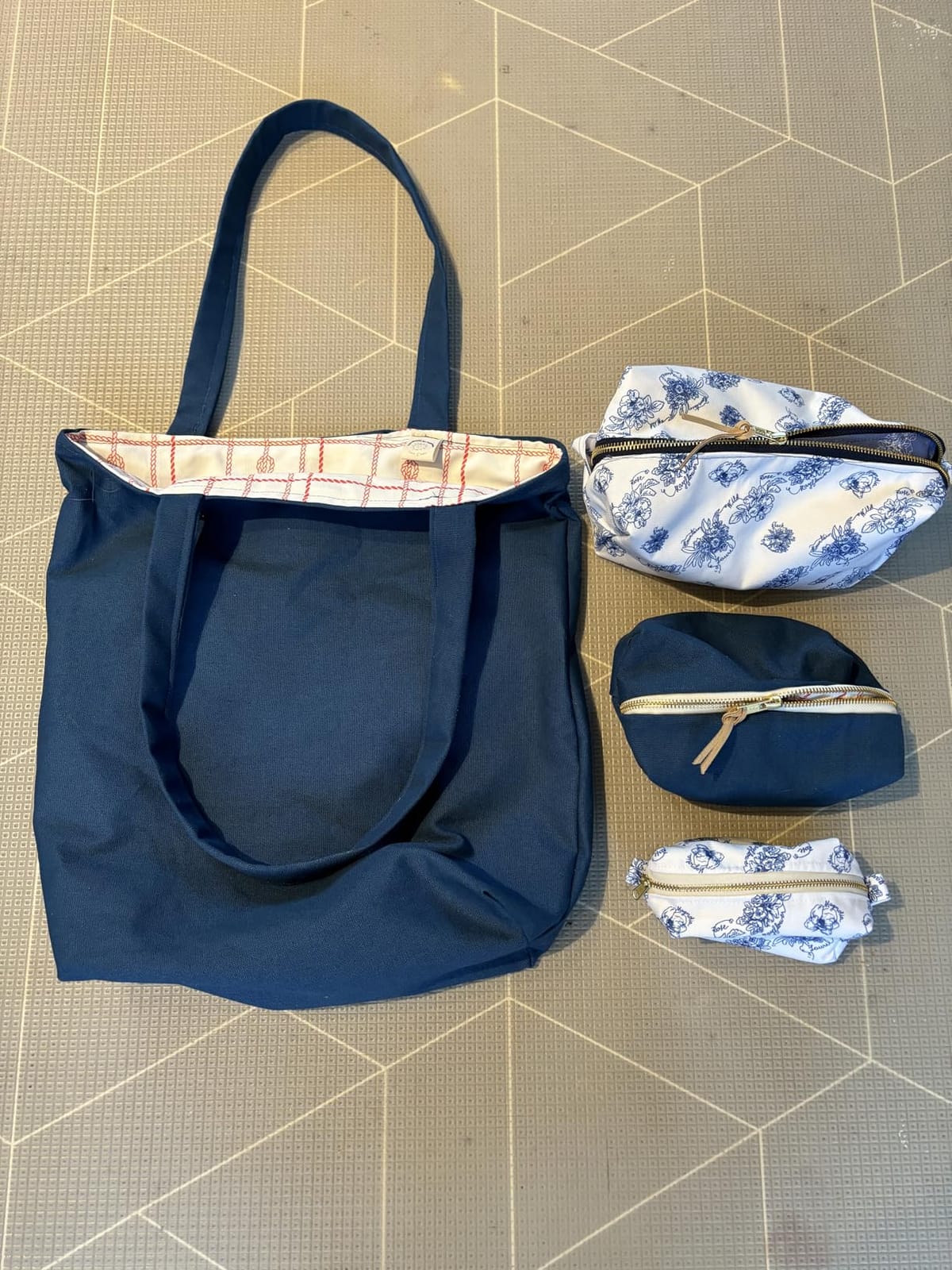
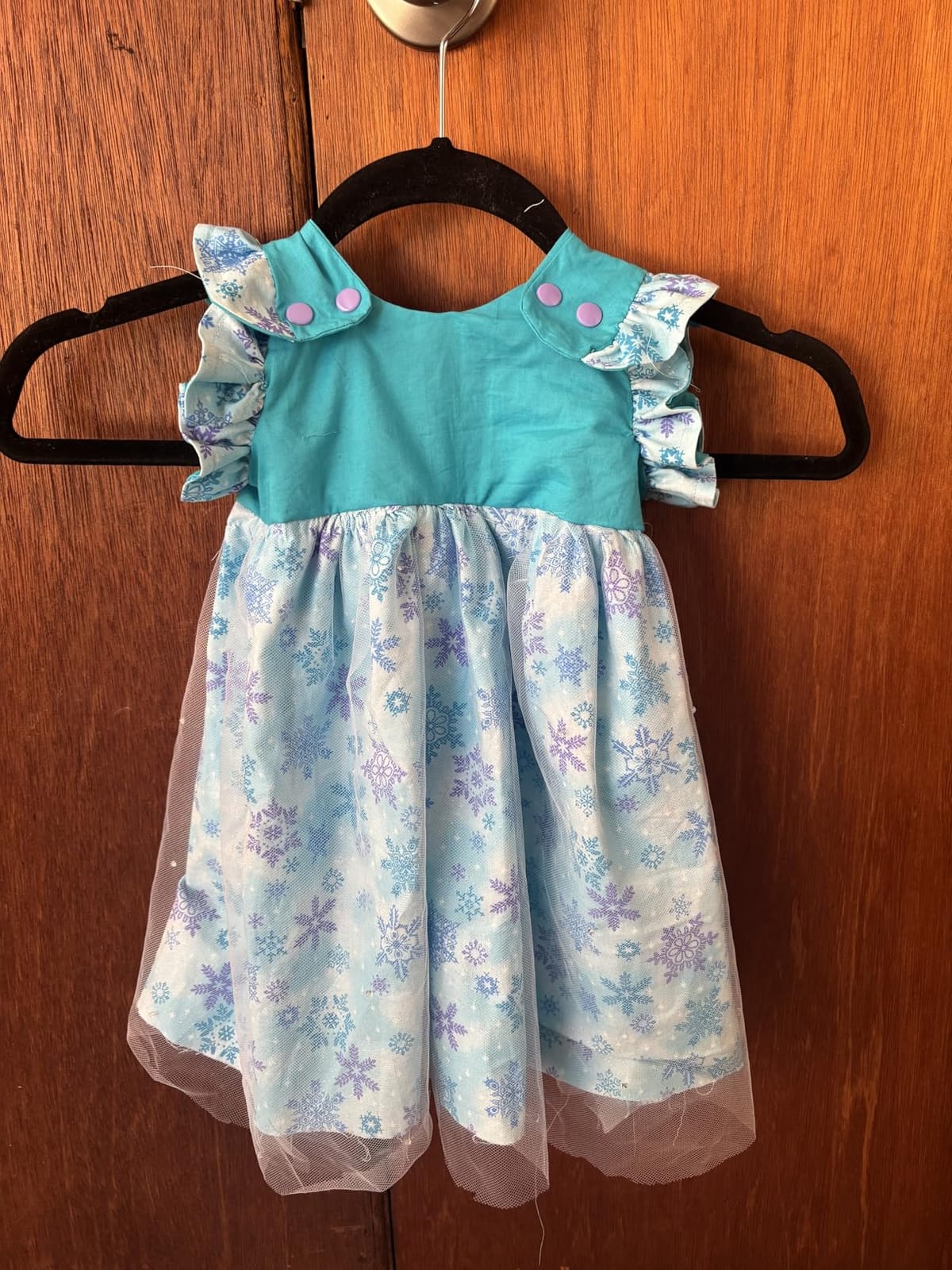
The machine runs quietly and smoothly during regular sewing. I completed several mending projects and a simple tote bag without any issues. The six included sewing feet handle basic tasks like zipper insertion and buttonholes. For under $150, this is legitimately a full-featured starter machine rather than a toy.
At 12.6 pounds, it’s portable enough to take to classes. The lightweight construction does mean the machine can shift slightly when sewing at maximum speed on thick seams. I learned to brace it with my free hand or reduce speed for better control. This is a minor quibble for the price.
Who Should Buy This Machine
First-time sewers and casual crafters will find the XM2701 approachable and capable. If you’re unsure whether sewing will become a regular hobby, this machine lets you start without major investment. The 19,000+ reviews and 4.6-star rating confirm it’s a proven choice for learning fundamentals.
Who Should Look Elsewhere
Sewers planning to work extensively with denim, canvas, or leather should consider a heavy-duty model. The XM2701 handles light to medium fabrics beautifully but struggles with thick layers. If you know you’ll sew frequently and want room to advance, investing in a computerized model like the CS7000X may save an upgrade later.
3. SINGER Heavy Duty 4423 – Best for Tough Fabrics
SINGER® 4423 (Grey) High Speed Heavy Duty Sewing Machine with Accessory Kit
23 Built-in Stitches
1100 SPM Speed
Metal Frame
Heavy Duty Motor
Pros
- Powerful motor
- Handles denim and canvas
- High speed sewing
- Stable metal frame
- Classic Singer reliability
Cons
- Plastic parts mixed in
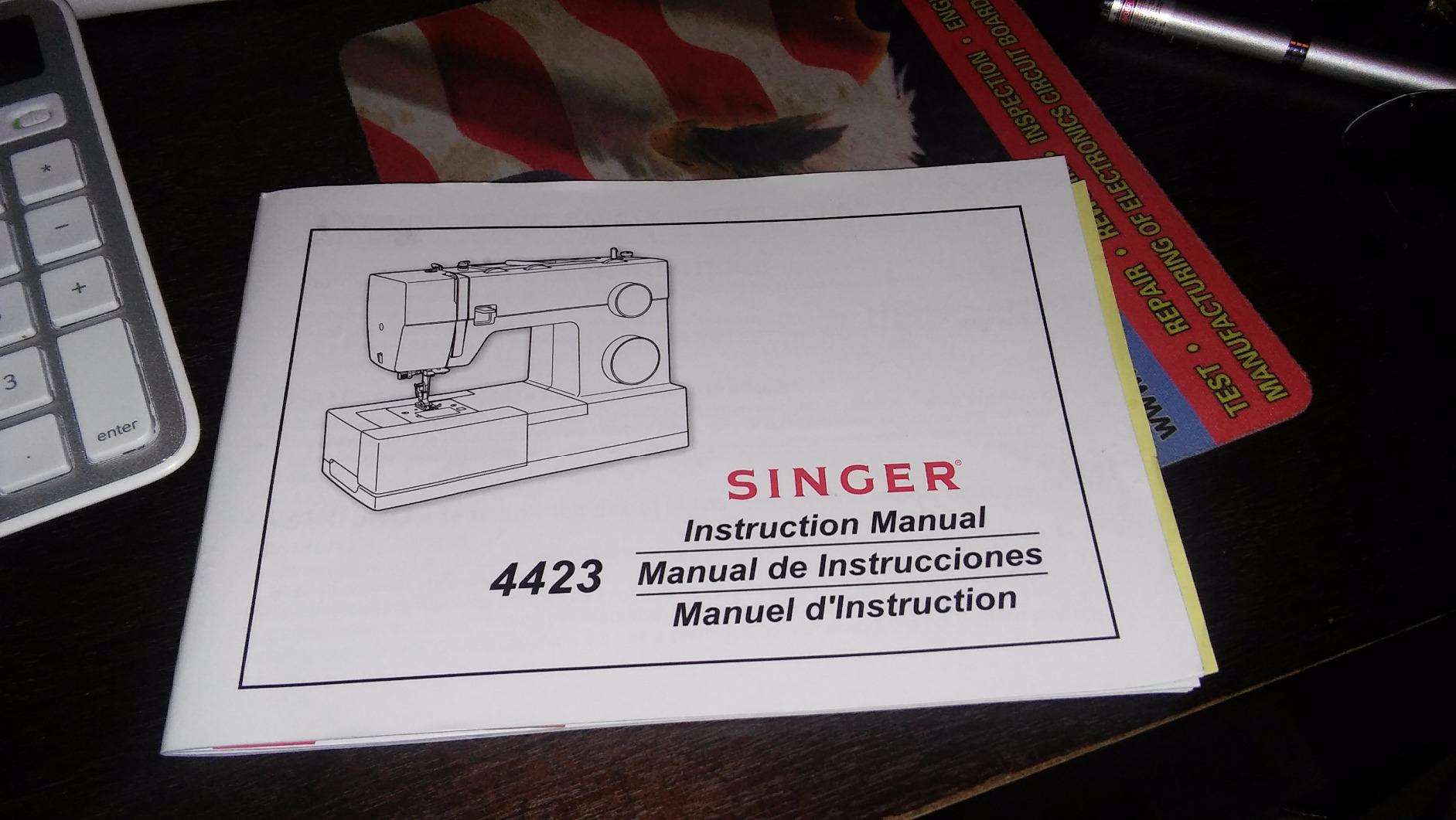
- Sparse manual
- Light stays on always
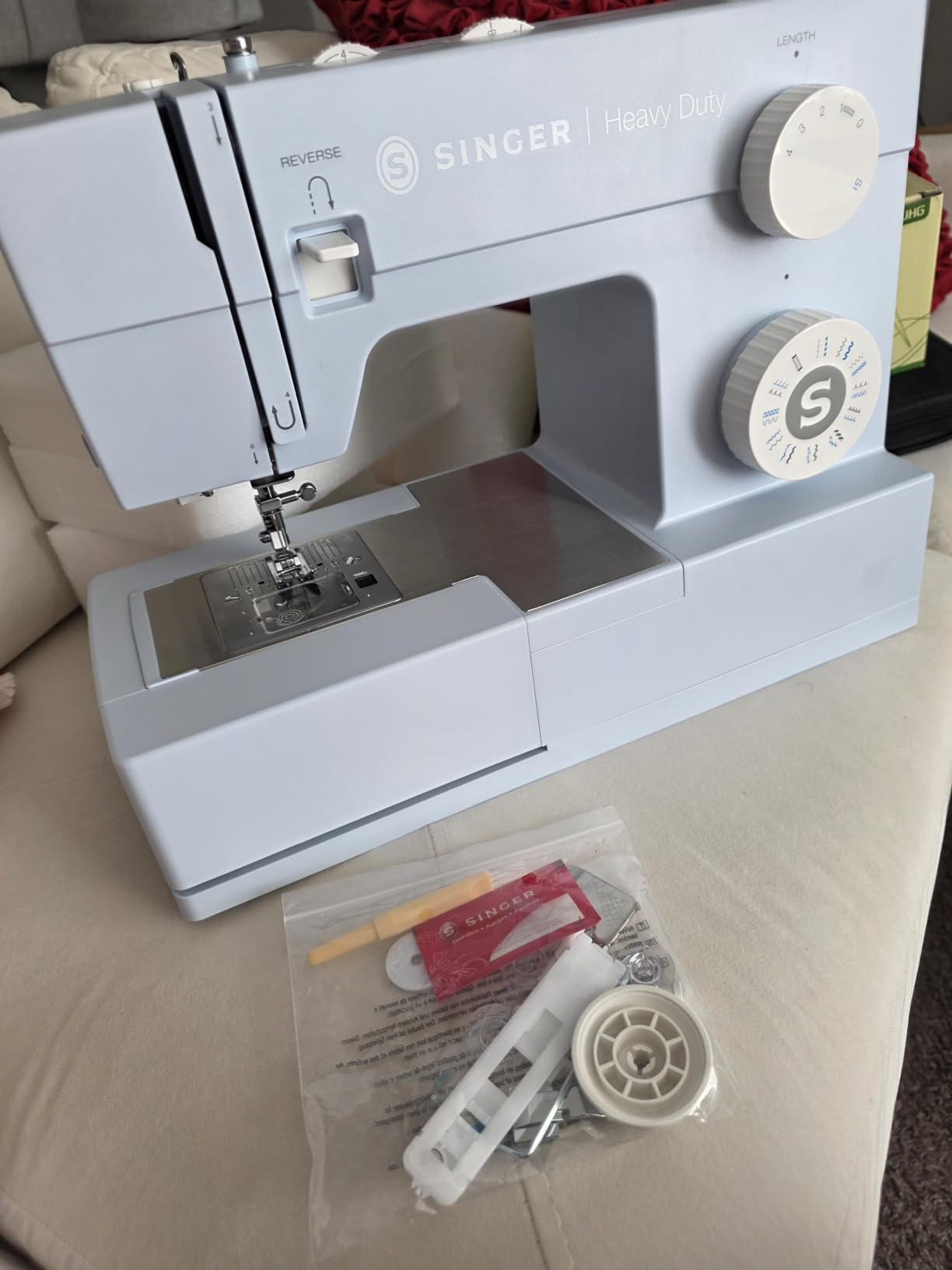
The SINGER Heavy Duty 4423 lives up to its name when confronting thick fabrics. I sewed through four layers of denim to test its limits, and the machine powered through without stalling. The 60% stronger motor and 1,100 stitches per minute speed make quick work of heavy materials that would stall lighter machines.
The metal frame provides solid stability during operation. Unlike lightweight plastic machines that vibrate across the table, the 4423 stays planted. This stability matters when you’re guiding thick fabric through the needle. The stainless steel bedplate lets fabric slide smoothly without catching.
I appreciate the straightforward mechanical controls. There’s no LCD screen to navigate or digital settings to program. You turn a dial to select your stitch, adjust tension manually, and sew. This simplicity appeals to sewists who prefer hands-on control over computerized automation.
Forum discussions reveal mixed opinions about build quality. Long-time sewers note that older Singer machines had more metal components internally, while current models incorporate some plastic parts. The 4423 still earns strong ratings overall, with over 21,000 reviews confirming its performance for heavy-duty tasks.
Who Should Buy This Machine
Home sewers who regularly work with denim, canvas, upholstery fabric, or leather will benefit from the 4423’s power. If you alter jeans, make bags, or handle home decor projects, this machine handles materials that would frustrate standard models. Mechanical simplicity also means fewer electronics that could fail.
Who Should Look Elsewhere
Beginners intimidated by manual tension adjustment and stitch selection might prefer a computerized machine with automatic settings. Quilters wanting decorative stitch variety should look elsewhere, as the 23 stitches focus on utility over ornamentation. If you need advanced features like needle up/down programming or speed control buttons, consider a computerized alternative.
4. Brother XR9550 – Feature-Packed Computerized Machine
Brother XR9550 Computerized Sewing and Quilting Machine 165 Stitches
165 Built-in Stitches
LCD Display
Wide Table
8 Buttonhole Styles
Pros
- Extensive stitch selection
- Lightweight and portable
- Snap-on presser feet
- Start/stop button
- Excellent value
Cons
- Light could be brighter
- Buttons feel slightly cheap
- Thick seams can challenge it
The Brother XR9550 caught my attention with its staggering 165 built-in stitches, including 55 alphanumeric fonts for monogramming. This is genuinely a feature-packed machine at a mid-range price point. The LCD display and button navigation feel intuitive after a brief learning period.
I tested the alphanumeric stitching to personalize a tote bag. The process requires patience as you select each letter individually, but results look professional. The 110 decorative and utility stitches give you creative options for years of projects without feeling redundant.
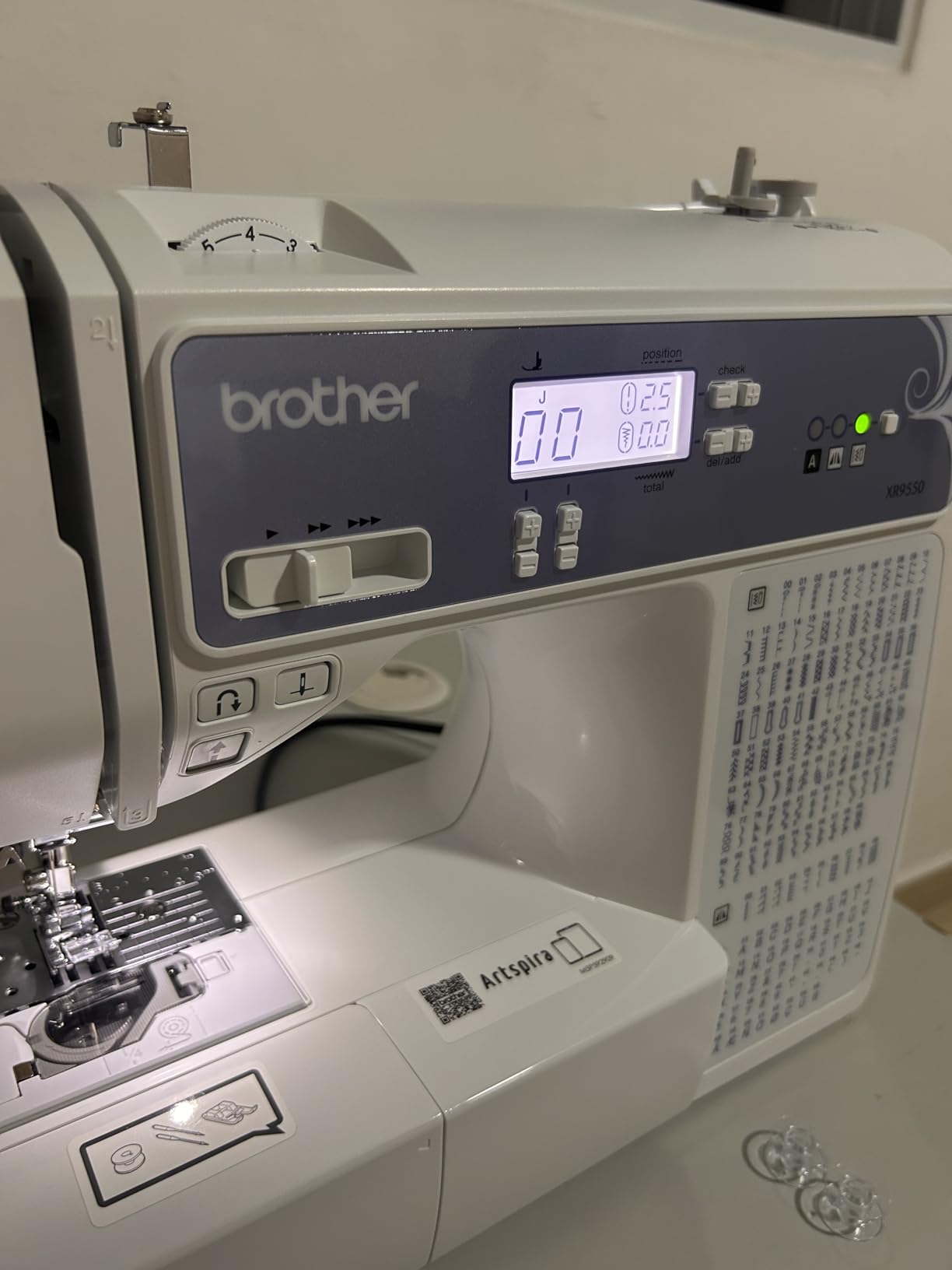
The snap-on presser feet system makes changing feet quick and tool-free. I switched between the buttonhole foot, zipper foot, and blind stitch foot multiple times during testing without fumbling. The wide table attachment provides extra workspace for quilting or large projects.
At just over 10 pounds, the XR9550 is portable enough for classes. The start/stop button lets you sew without the foot pedal, which some sewists prefer for precise control. The variable speed slider helps beginners maintain comfortable stitching pace.
Who Should Buy This Machine
Creative sewists who want maximum stitch variety without spending professional-level prices will appreciate the XR9550. If you enjoy decorative stitching, monogramming, or experimenting with different techniques, 165 stitches provides endless options. Intermediate sewists ready for computerized features will find the learning curve manageable.
Who Should Look Elsewhere
If you mainly sew straight seams for mending and simple alterations, 165 stitches might overwhelm rather than help. The machine handles medium fabrics well but isn’t designed for heavy-duty industrial work. Sewers prioritizing build quality over feature count may prefer Janome’s reputation for sturdy construction.
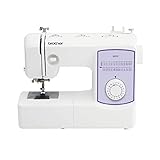
5. Brother GX37 – Simple and Reliable Starter
Brother GX37 Sewing Machine 37 Built-in Stitches
37 Built-in Stitches
Automatic Needle Threader
Drop-in Bobbin
Free Arm Design
Pros
- Stitch patterns printed on machine
- Easy to thread and use
- Great for beginners
- Good value
- Smooth stitching
Cons
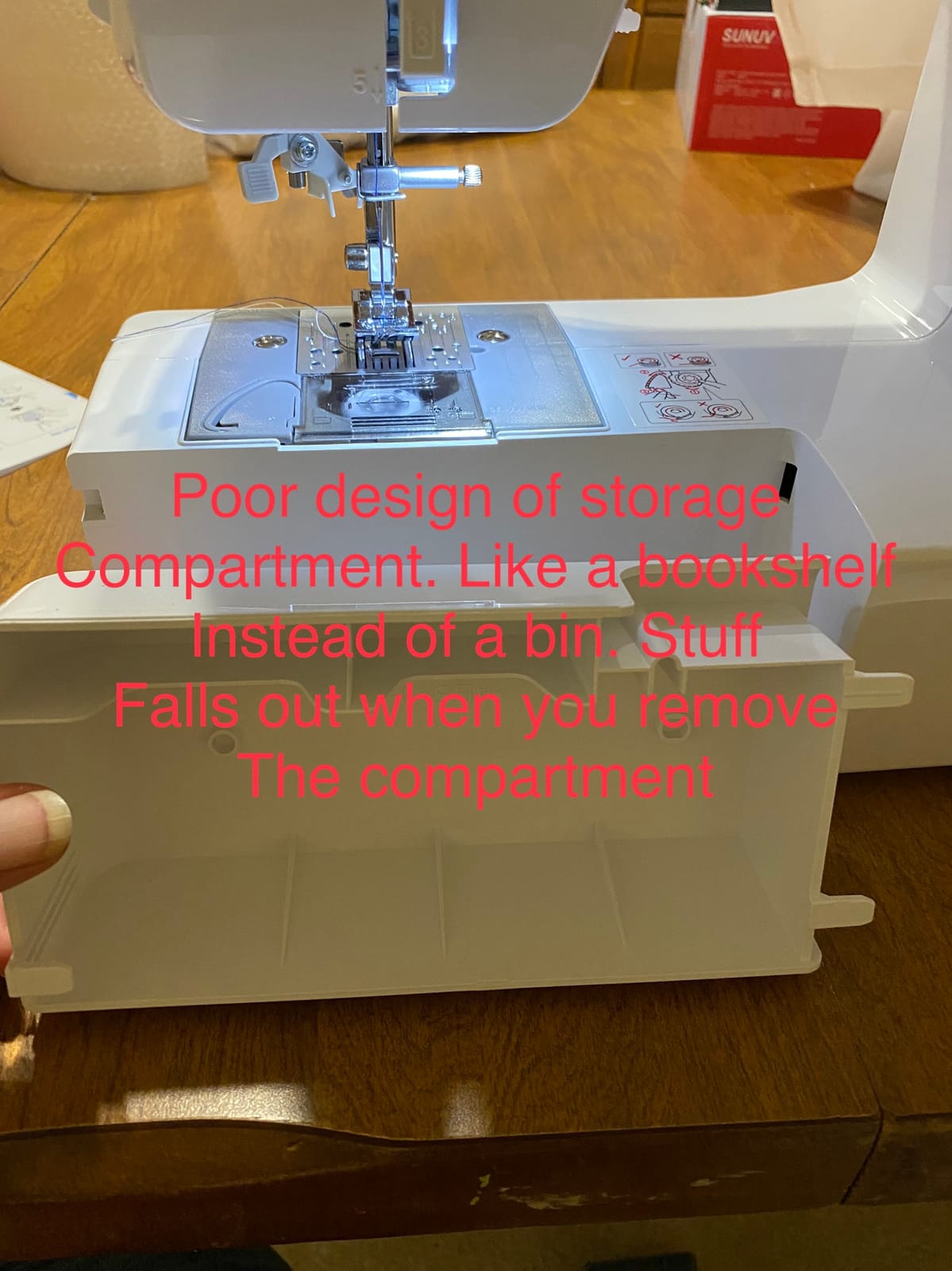
- Storage compartment could be better
- LED light dim
- Plastic presser foot lever
The Brother GX37 strikes a nice balance between the entry-level XM2701 and more advanced computerized models. With 37 stitches printed directly on the machine body, you can see your options without consulting the manual constantly. This practical design choice speeds up stitch selection noticeably.
Testing the automatic needle threader proved consistent throughout my trials. The mechanism isn’t finicky like some competitors. The drop-in bobbin loaded easily, and the jam-resistant design lived up to its promise during extended sewing sessions.
The six included sewing feet cover essential tasks. I especially appreciated the buttonhole foot, which created uniform buttonholes on test fabric. Stitch quality remained consistent across cotton, flannel, and lightweight denim, with smooth tension and even feed.
The LED light illuminates the needle area adequately, though some sewists might prefer brighter lighting for detailed work. The free arm design helps with sewing sleeves and pant legs. At just over 10 pounds, the GX37 moves easily between workspaces.
Who Should Buy This Machine
Beginners who want more stitch variety than budget models offer, without jumping to computerized complexity, will find the GX37 ideal. The printed stitch guide on the machine body makes operation intuitive. This is a solid choice for learning fundamentals with room to explore decorative options.
Who Should Look Elsewhere
Intermediate sewists ready for computerized features like LCD displays and programmable needle positions should consider upgrading to the CS5055 or CS7000X. Heavy-duty sewers working with thick fabrics need the power of a machine like the ST371HD or SINGER 4423.
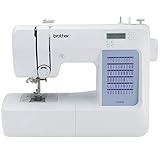
6. Brother CS5055 – Affordable Computerized Option
Brother CS5055 Computerized Sewing Machine with LCD Display
60 Built-in Stitches
LCD Display
Metal Frame
7 Buttonholes
Pros
- LCD display easy to use
- Very quiet operation
- Metal frame durable
- Large workspace
- Beginner friendly
Cons
- Needle stops down position
- No up button
- Thread can pull out between garments
The Brother CS5055 brings computerized features to an affordable price point. The LCD display shows your selected stitch clearly, with intuitive buttons for adjustments. During testing, I found the machine remarkably quiet compared to mechanical alternatives, which matters for shared living spaces.
With 60 built-in stitches and 7 one-step buttonholes, you have variety for garment construction, home decor, and crafts. The improved automatic needle threader worked reliably across dozens of threading attempts. The metal frame construction adds durability without excessive weight.
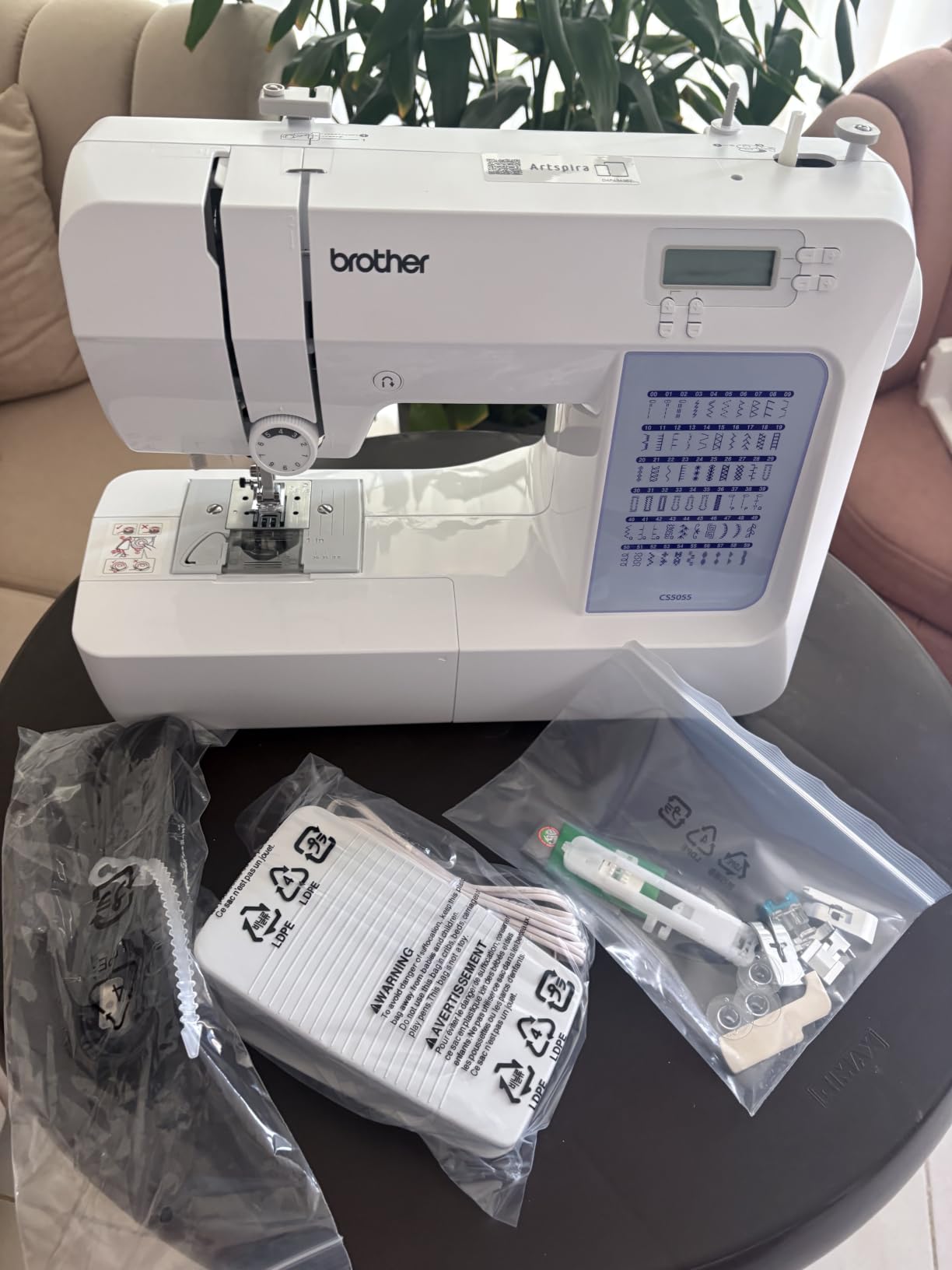
The large needle-to-arm workspace accommodates bulkier projects better than entry-level machines. I tested quilting cotton bundles and mid-weight home decor fabrics without feeling cramped. The seven included sewing feet cover common sewing tasks adequately.
One quirk: the needle defaults to stopping in the down position. There’s no button to raise it, so you use the handwheel. Some sewists prefer this for pivoting corners, but others find it inconvenient. The thread occasionally pulled out of the needle eye between garments, requiring rethreading.
Who Should Buy This Machine
Beginners ready to transition from mechanical to computerized machines will find the CS5055 approachable. The LCD display removes guesswork about stitch settings. Quiet operation suits apartment dwellers or night sewers. The 60 stitches provide variety without overwhelming complexity.
Who Should Look Elsewhere
Sewers who prioritize needle position control might prefer models with needle up/down buttons. Those wanting maximum stitch variety for creative projects should consider the XR9550’s 165 stitches. Heavy-duty sewers need more motor power than this machine provides.
7. Brother XR3774 – Quilting-Friendly Design
Brother XR3774 Sewing and Quilting Machine 37 Stitches
37 Built-in Stitches
Wide Table Included
8 Sewing Feet
Free Arm
Pros
- Great for quilting
- Wide table helpful
- 8 feet included
- Smooth stitching
- Good for beginners and experienced
Cons
- Struggles with very thick projects
- Limited throat for large quilts
- Some threading learning curve
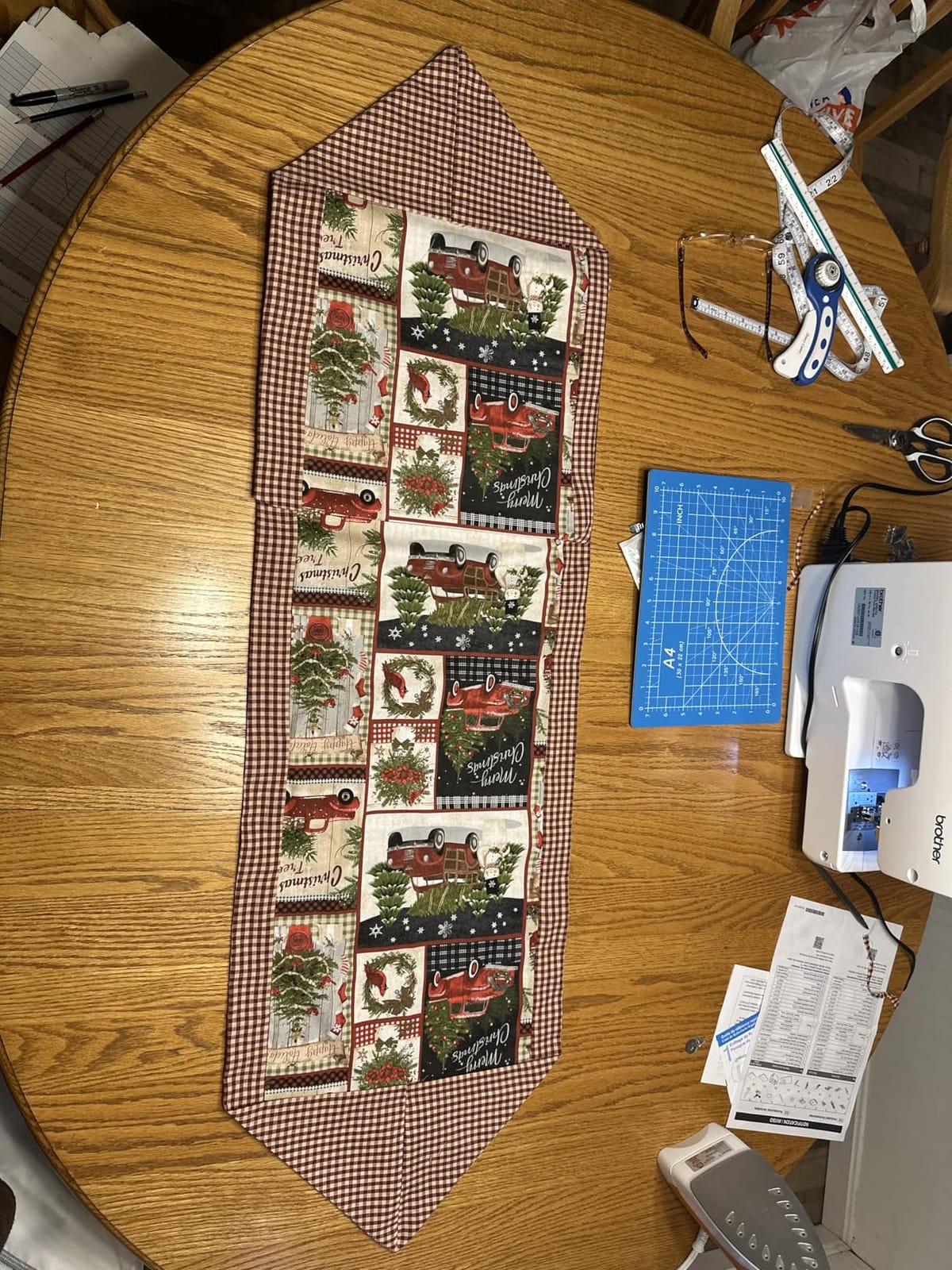
The Brother XR3774 targets quilters with its included wide table and eight sewing feet. I tested the machine on several quilt block styles, and the extra workspace made piecing significantly easier. The table attaches firmly and provides stable support for fabric weight.
The eight included feet cover quilting essentials like the 1/4-inch piecing foot and walking foot. Having these accessories included saves separate purchases. The automatic needle threader and drop-in bobbin maintain Brother’s reputation for user-friendly design.
Stitch quality impressed me across various cotton weights common in quilting. The 37 stitches include utility options for piecing plus decorative choices for embellishing. The one-step buttonhole function creates consistent results for garment sewing.
The throat depth limits how much quilt bulk fits comfortably. Large quilts require careful maneuvering. For bed-size quilts, serious quilters often prefer machines with more throat space. But for wall hangings, lap quilts, and piecing blocks, the XR3774 performs well.
Who Should Buy This Machine
Quilting beginners and intermediate sewists who want a dedicated quilting machine at a reasonable price will find the XR3774 well-suited. The included wide table and specialized feet provide value. Garment sewers also appreciate the free arm for sleeves and pant legs.
Who Should Look Elsewhere
Advanced quilters working on large bed quilts need more throat depth than this machine offers. Sewers focused primarily on heavy fabrics like denim and canvas should choose a heavy-duty model. Those wanting computerized features like LCD displays should consider the CS7000X or XR9550.
8. Brother ST371HD – Strong Mechanical Performer
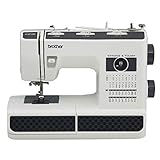
Brother Sewing Machine ST371HD, 37 Built-in Stitches, 6 Included Feet
37 Built-in Stitches
Metal Construction
Heavy Duty
6 Sewing Feet
Pros
- Super quiet operation
- Handles thick layers
- Sews denim and leather
- Mostly metal construction
- No oiling required
Cons
- Learning curve for threading
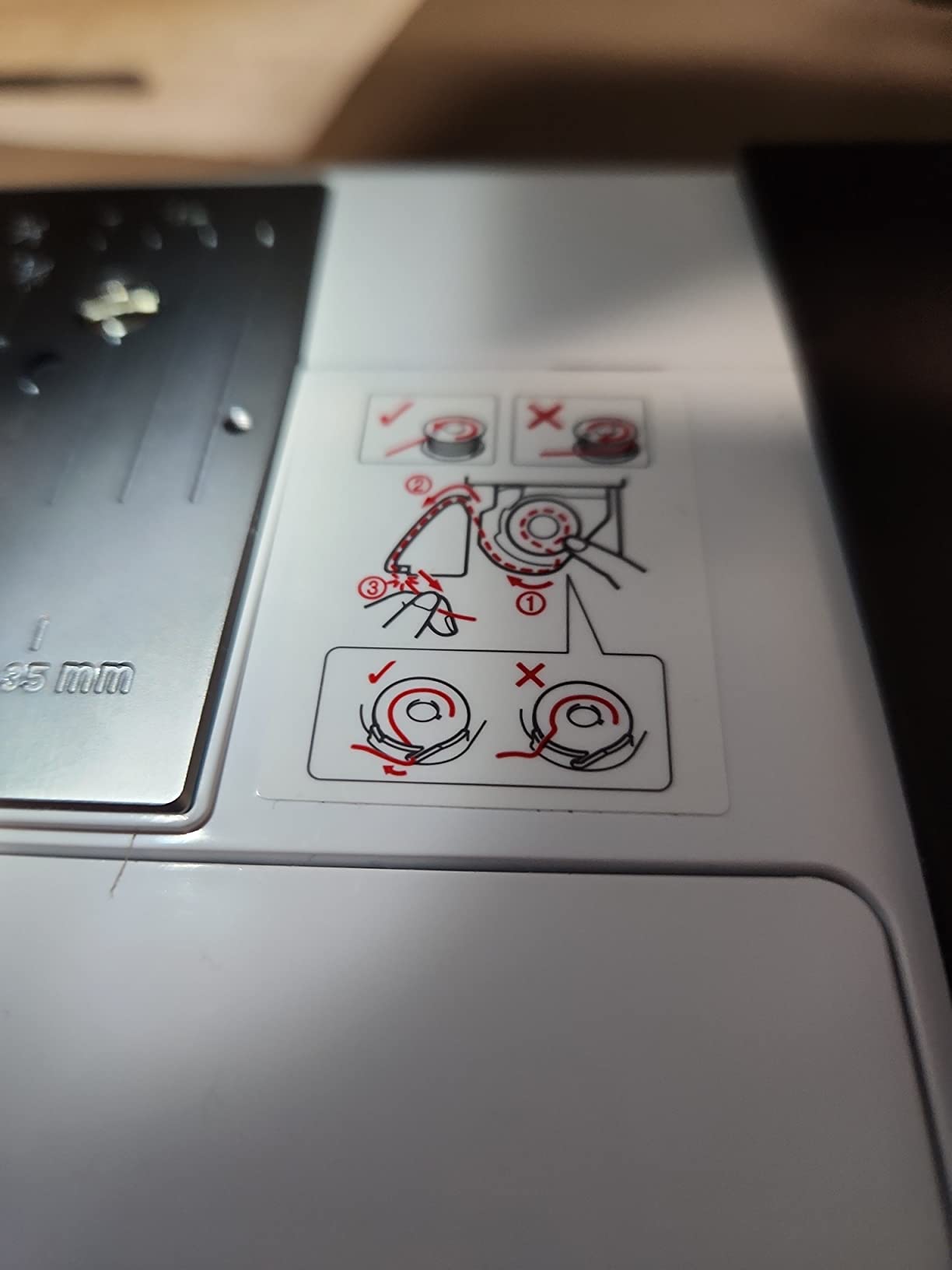
- Must use specific bobbins
- Power cord short
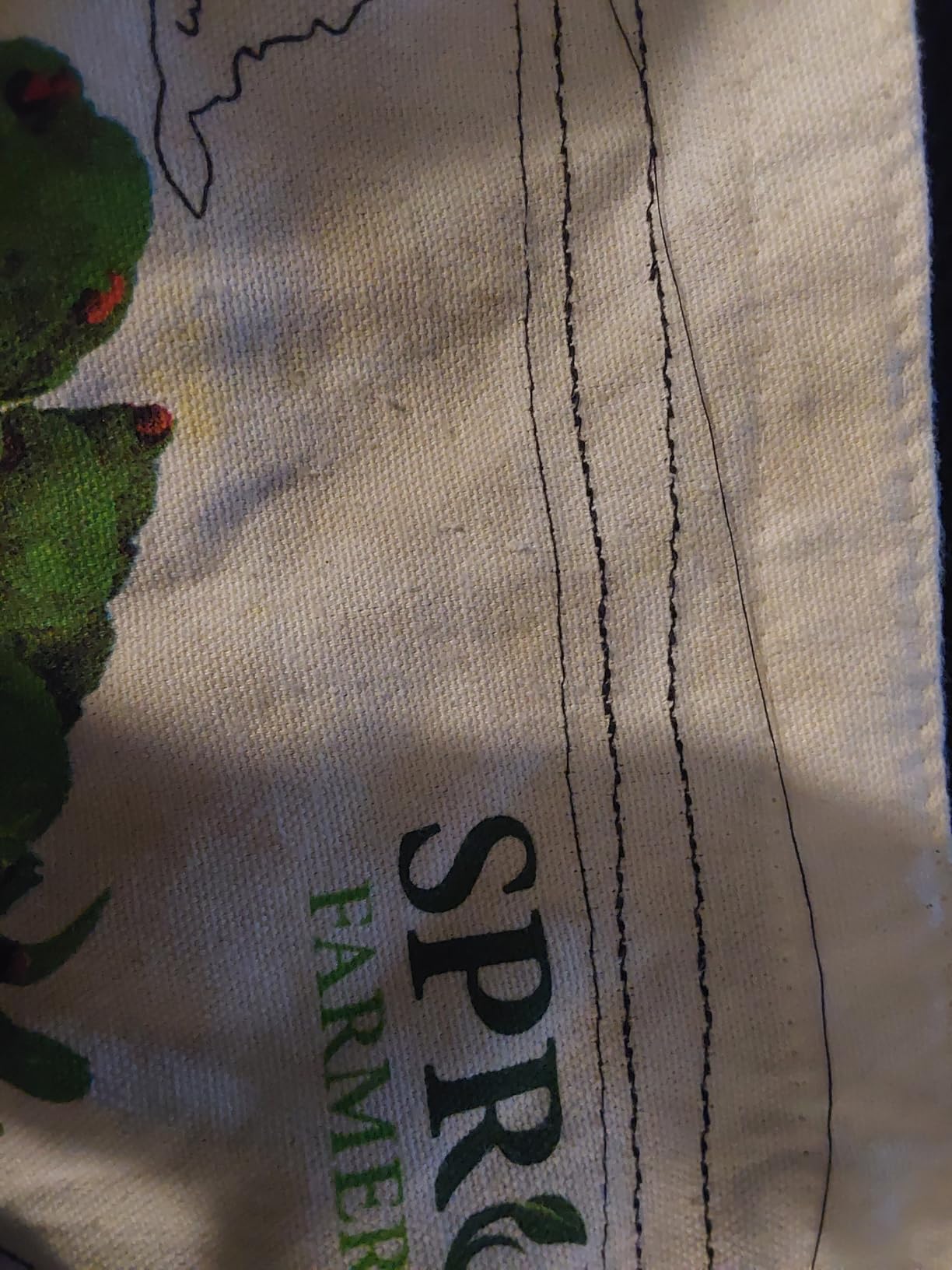
The Brother ST371HD delivers heavy-duty performance with mechanical simplicity. During testing, I sewed through denim layers and canvas with confidence. The motor powers through thickness that would stall standard machines. Despite the power, operation remains remarkably quiet.
Metal construction dominates the internal build, which forum discussions emphasize as crucial for longevity. Reddit’s sewing communities frequently recommend metal-internal machines over plastic alternatives for durability. The ST371HD aligns with this preference.
The 37 stitches cover utility needs without overwhelming options. I appreciate mechanical machines for their straightforward operation. You turn dials and flip levers rather than navigating digital menus. This simplicity means fewer electronic components that could fail.
Threading requires attention to the manual. The learning curve is real, especially for sewers transitioning from computerized machines. The machine demands specific bobbins, not universal ones. Following instructions carefully prevents frustrating jamming issues.
Who Should Buy This Machine
Sewers prioritizing durability and heavy-duty performance over computerized features will appreciate the ST371HD. If you regularly alter jeans, sew canvas bags, or work with leather, the metal construction and strong motor serve you well. Mechanical simplicity appeals to those who prefer hands-on control.
Who Should Look Elsewhere
Beginners wanting automatic settings and computerized guidance should choose a model like the CS7000X. Sewers who value decorative stitch variety need more than 37 utility-focused options. If you want programmable features like needle up/down or speed control buttons, look at computerized alternatives.
9. Janome JW8100 – Premium Build Quality
Janome JW8100 Fully-Featured Computerized Sewing Machine with 100 Stitches, 7 Buttonholes, Hard Cover, Extension Table and 22 Accessories
100 Built-in Stitches
Extension Table Included
Hard Cover
7-piece Feed Dog
Pros
- Excellent build quality
- Smooth quiet operation
- Standard bobbins compatible
- Extension table included
- Solid metal construction
Cons
- Light could be brighter
- Decorative stitches inconsistent
- Thick items limit needle height
The Janome JW8100 stands out for build quality that serious sewers appreciate. Testing revealed smooth, consistent operation across fabrics. The 7-piece feed dog system advances fabric evenly without slipping, producing professional stitch quality.
Janome’s reputation for sturdy construction holds true here. The machine feels substantial without being overly heavy at 12 pounds. Solid metal components contribute to reliability that forum members consistently praise. If you’re comparing brands, Janome often ranks high for longevity.
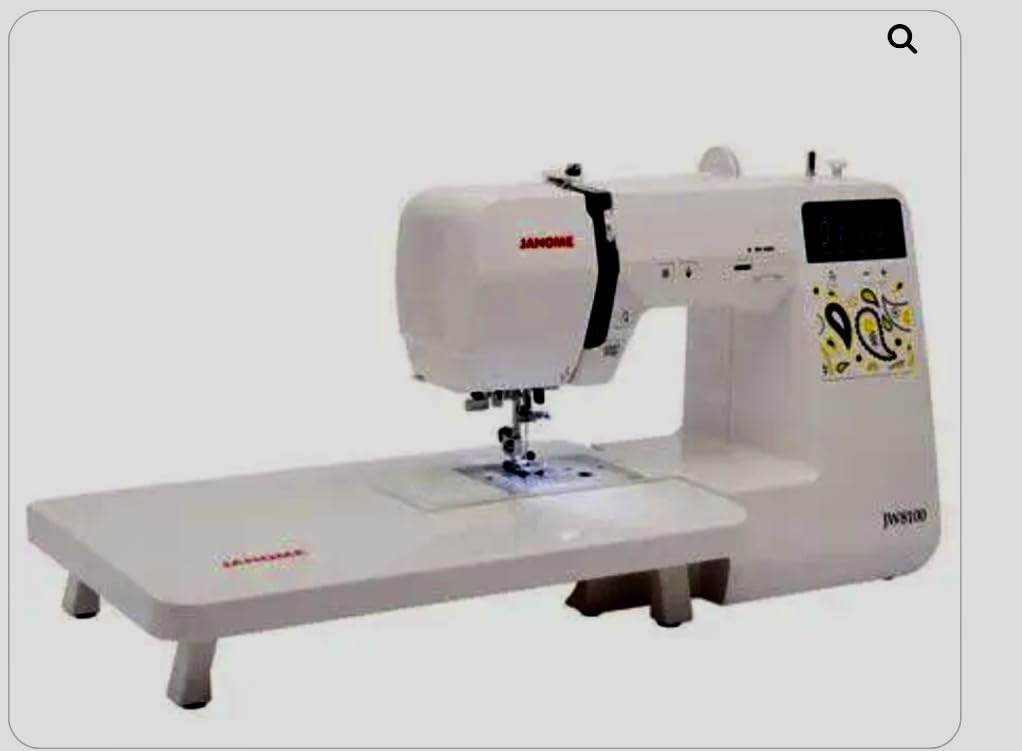
With 100 built-in stitches and 7 buttonhole styles, you have variety for diverse projects. The included extension table adds workspace for quilting, and the hard cover protects your investment during storage. The needle up/down control and speed slider provide computerized convenience.
The built-in needle threader works reliably. The jam-proof drop-in bobbin uses standard Class 15 bobbins, which are widely available and affordable. This compatibility matters for convenience and cost over years of sewing.
Who Should Buy This Machine
Sewers who prioritize build quality and long-term reliability will find the JW8100 worth the investment. If you’re upgrading from a budget machine and want something that feels substantial, Janome delivers. The 100 stitches provide variety without overwhelming complexity.
Who Should Look Elsewhere
Beginners unsure about their sewing commitment might start with a less expensive option. Sewers wanting maximum decorative stitch variety could consider the SINGER 9960’s 600 stitches. Those needing extensive embroidery features should look at dedicated embroidery machines.
10. SINGER Quantum Stylist 9960 – Professional Feature Set
SINGER® Quantum Stylist 9960 Computerized Sewing & Quilting Machine
600 Built-in Stitches
5 Alphanumeric Fonts
Auto Thread Cutter
13 Presser Feet
Pros
- Incredible stitch variety
- Auto thread cutter saves time
- Handles thick fabrics
- Metal frame stable
- Comprehensive warranty
Cons
- Some reliability issues
- Power cord bulky
- Learning curve for features
The SINGER Quantum Stylist 9960 delivers professional-level features at a mid-range price. With 600 built-in stitches and 5 alphanumeric fonts, creative possibilities seem endless. I tested the automatic thread cutter repeatedly, and this feature genuinely saves time on projects with frequent thread changes.
The metal frame provides stability during operation. I sewed through denim and canvas with smooth results. The adjustable sewing speed and needle up/down control offer precision for detailed work. The 13 included presser feet cover nearly every technique you might attempt.
The mirror imaging and stitch elongation features enable creative variations you won’t find on budget machines. The large extension table supports quilting and bulky projects. The 25-year warranty, including 5 years on electronic components, provides coverage for long-term ownership.
Some users report occasional reliability issues, particularly with the motherboard in rare cases. Reading reviews reveals that most machines perform excellently, but quality control varies. The learning curve for 600 stitches and numerous features requires patience and manual consultation.
Who Should Buy This Machine
Experienced sewers who want professional features without paying professional prices will appreciate the Quantum Stylist 9960. If you enjoy decorative stitching, monogramming, and exploring creative techniques, the 600 stitches provide endless experimentation. The automatic thread cutter justifies the price for frequent sewers.
Who Should Look Elsewhere
Beginners may feel overwhelmed by the feature set. If you primarily sew straight seams and simple projects, 600 stitches represent unnecessary complexity. Sewers prioritizing proven reliability over feature count might prefer Janome or simpler Brother models. Those doing production-level sewing should consider industrial machines.
Buying Guide: How to Choose the Best Sewing Machine?
Selecting the right sewing machine depends on your experience level, project types, and budget. Here’s what matters when making your decision.
Mechanical vs Computerized Machines
Mechanical machines use dials and levers for stitch selection and settings. They’re simpler to repair, typically more durable, and preferred by sewers who like hands-on control. Computerized machines offer LCD displays, automatic settings, and programmable features like needle position. They’re easier for beginners but have electronic components that may eventually fail.
Forum discussions reveal experienced sewers often recommend mechanical machines for longevity. The simpler construction means fewer parts that can break. However, computerized machines provide convenience features that speed up workflow significantly.
Key Features to Consider
Stitch Count: More isn’t always better. Beginners need only straight stitch, zigzag, and buttonhole. Intermediate sewers might want 30-60 stitches for variety. Advanced crafters utilize decorative and specialty stitches.
Automatic Needle Threader: This feature saves frustration, especially for sewers with vision difficulties. Test it before buying, as some implementations jam frequently.
Bobbin Type: Drop-in bobbins with clear covers let you monitor thread supply. Top-loading bobbins are easier to load than front-loading designs. Class 15 bobbins are widely available; proprietary bobbins cost more and require specific purchasing.
Motor Power: Heavy-duty sewing demands stronger motors. If you work with denim, canvas, or leather, prioritize machines rated for thick fabrics. Standard machines handle light to medium weights adequately.
Build Quality: Metal internal parts last longer than plastic. Reddit’s sewing communities consistently emphasize this point. Unfortunately, manufacturers rarely advertise internal construction clearly, so reading reviews and forum feedback helps.
Where to Buy
Local dealers provide machine setup, lessons, and ongoing support. They often service what they sell, creating long-term relationships. However, dealer prices typically exceed online retailers. Big-box stores and online marketplaces offer competitive pricing but limited support.
Consider whether you’ll need local maintenance and repairs. Computerized machines eventually require professional service. Having a nearby dealer simplifies this process considerably.
Budget Guidance
Under $200: Reliable beginner machines with essential features. Expect mechanical operation and basic stitch counts. Great for learning and occasional use.
$200-400: Mid-range machines with more stitches and computerized options. Suitable for regular sewing and beginner quilting. Good balance of features and value.
Over $400: Advanced machines with extensive features for quilting, decorative work, and frequent use. Computerized models offer automation and precision. Worth the investment for committed sewers.
Frequently Asked Questions
What is the most reliable brand of sewing machine?
Brother and Janome consistently rank as the most reliable brands for home sewing machines. Brother earns praise for user-friendly designs and excellent customer support. Janome is known for sturdy metal construction and longevity. Vintage Singer machines (pre-1970s) remain highly reliable, though modern Singer quality varies by model.
What is the best sewing machine for home use?
For most home sewers, the Brother CS7000X offers the best combination of features, ease of use, and value. It handles garment sewing, mending, and light quilting with 70 stitches and an included wide table. For budget-conscious beginners, the Brother XM2701 provides reliable performance at an affordable price.
What is the best sewing machine for the money?
The Brother XM2701 offers exceptional value with 27 stitches, automatic needle threader, and proven reliability for under $150. Over 19,000 reviews averaging 4.6 stars confirm its performance. For sewers wanting computerized features, the Brother CS5055 delivers 60 stitches and LCD display at an entry-level computerized price point.
Is a computerized sewing machine worth it?
Computerized machines are worth the investment for sewers who want automatic features like needle threading, buttonholes, and thread cutting. They offer precise stitch selection via LCD displays and programmable settings. However, mechanical machines often outlast computerized models due to simpler construction with fewer electronic components that can fail.
How much should I spend on a sewing machine?
Beginners should budget $150-250 for a reliable starter machine with essential features. Intermediate sewers can expect to spend $250-400 for computerized models with more stitches and accessories. Advanced sewers and quilters often invest $400-600 for premium features. Avoid machines under $100, which often have toy-quality construction that frustrates learning.
Conclusion
After testing and researching these 10 models, the Brother CS7000X stands out as the best sewing machine for most home sewers in 2026. It combines user-friendly computerized features with enough stitch variety to handle garments, quilting, and crafts. The included wide table, hard case, and 25-year warranty add genuine value.
For beginners watching their budget, the Brother XM2701 delivers proven performance at an entry-level price. Over 19,000 positive reviews confirm it’s a reliable learning machine. If your projects involve heavy fabrics like denim and canvas, the SINGER Heavy Duty 4423 provides the motor power and stability you need.
Choose based on how you’ll actually sew, not on features that sound impressive. A reliable machine with basic stitches serves you better than a feature-packed model that frustrates you with complexity. Start with your needs, match them to the right machine, and enjoy years of productive sewing.