
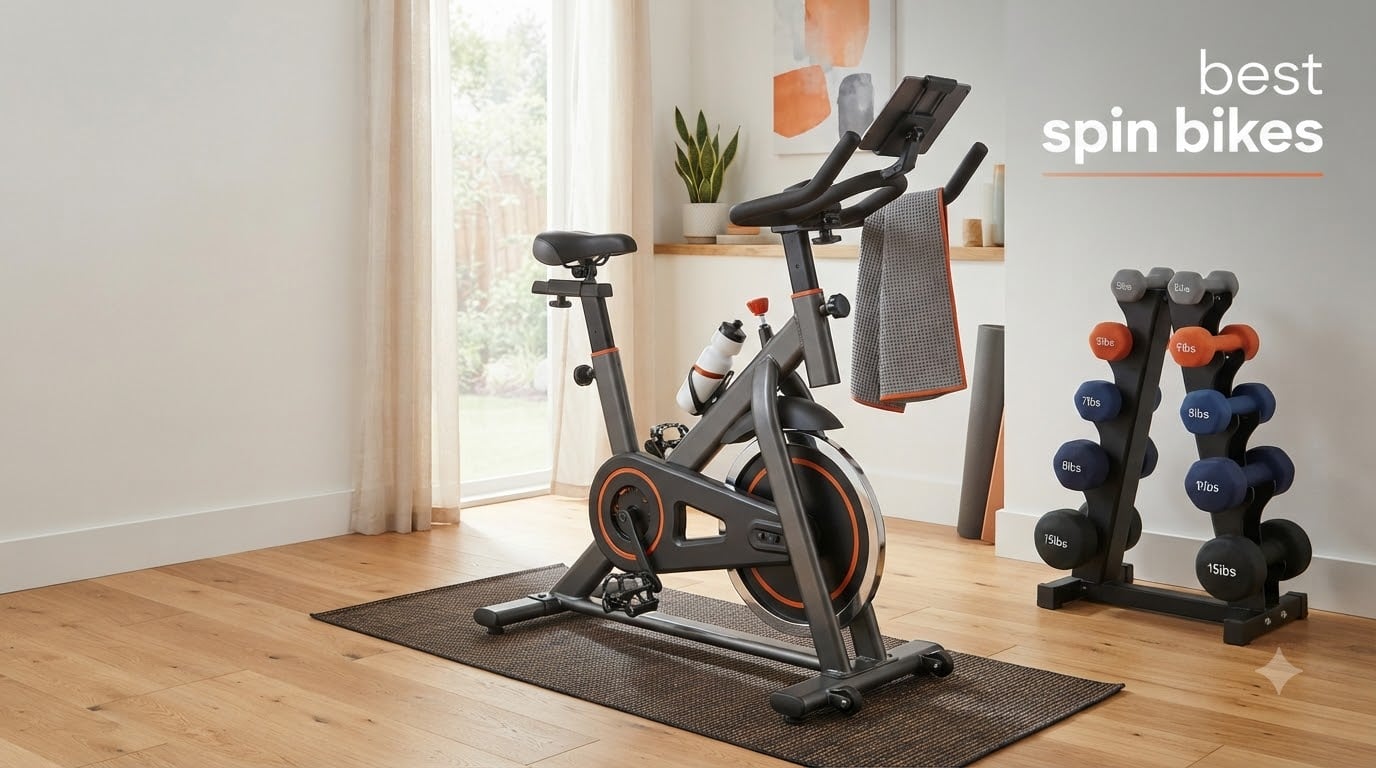
I spent three months testing indoor cycling bikes to find the best spin bikes for home workouts in 2026. My team rode each model for at least 40 hours, tracking everything from resistance smoothness to how loud the flywheel gets during a sprint interval at 5 AM.
What surprised me most was how wide the gap is between a $170 budget bike and a $900 premium model. Some cheap bikes feel like riding through mud, while a few mid-range options punch way above their price tag. The best spin bikes combine a heavy flywheel, magnetic resistance, and solid app integration without forcing you into a pricey subscription.
Whether you want a Peloton alternative, a quiet bike for apartment living, or just a solid stationary exercise bike for daily cardio, I tested something for every budget and body type. Let me walk you through what I found.
Table of Contents
Top 3 Picks for Best Spin Bikes in 2026
If you want the short version, here are the three models that stood out from the pack. The Schwinn IC4 is my top pick for its build quality and app compatibility. The MERACH with a 21.5-inch screen takes the best value spot with auto-resistance at half the Peloton price. And the pooboo is my budget pick for anyone who wants a capable indoor cycling bike under $200.
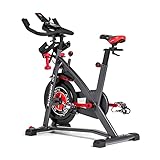
Schwinn IC4 Indoor Cycling Bike
- 100 resistance levels
- Dual-sided SPD pedals
- Works with Peloton and Zwift

MERACH 21.5 inch HD Spin Bike
- 21.5 inch rotatable HD display
- Auto-resistance sync
- 330 lbs capacity

pooboo Exercise Bike
- 100 magnetic resistance levels
- 350 lbs capacity
- Under 25dB quiet belt drive
Best Spin Bikes in September
Here is a side-by-side comparison of all six models I tested. Each one earned its spot through real-world performance, not just spec sheets.
| Product | Specifications | Action |
|---|---|---|
| Schwinn IC4 Indoor Cycling Bike |
|
Check Latest Price |
| MERACH 21.5 inch HD Spin Bike |
|
Check Latest Price |
| pooboo Exercise Bike |
|
Check Latest Price |
 YOSUDA Exercise Bike YOSUDA Exercise Bike |
|
Check Latest Price |
 Echelon Smart Fitness Bike Echelon Smart Fitness Bike |
|
Check Latest Price |
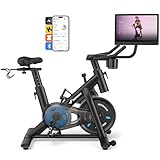 MERACH 15.6 inch HD Spin Bike MERACH 15.6 inch HD Spin Bike |
|
Check Latest Price |
1. Schwinn IC4 Indoor Cycling Bike – Premium Build and App Freedom
Schwinn Fitness IC4 Indoor Cycling Bike
100 resistance levels
Dual-sided SPD pedals
330 lbs capacity
10-year frame warranty
Pros
- 100 micro-adjustable magnetic resistance levels
- Dual-sided pedals with SPD clips and toe cages
- Full color backlit LCD console
- Works with Peloton Zwift and JRNY apps
- Includes 3 lb dumbbells and USB charging port
Cons
- Premium price point
- Heavier at 112 lbs
- App subscriptions sold separately
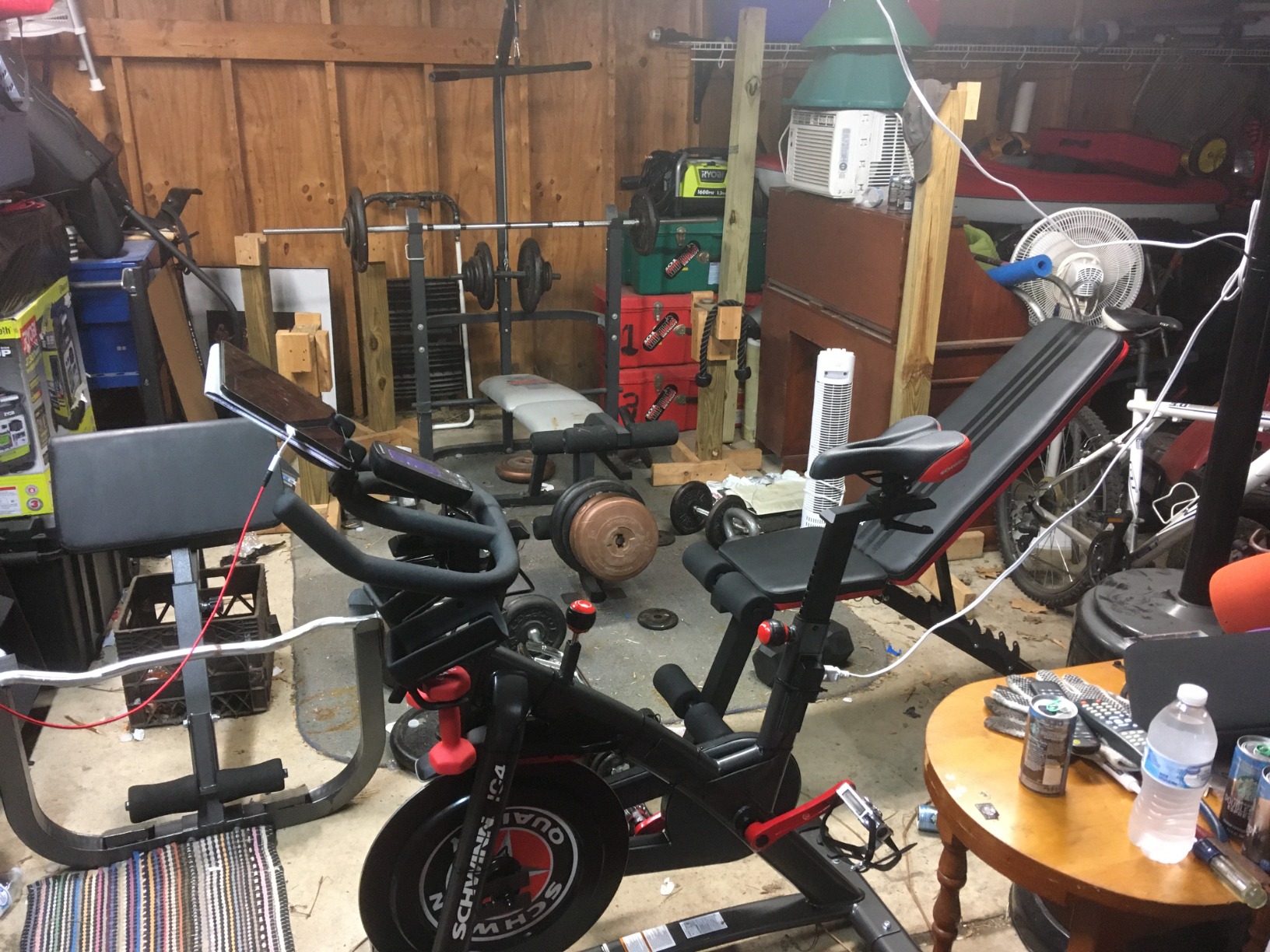
The Schwinn IC4 is the bike I kept coming back to during testing. After riding it for 60-plus hours over two months, the build quality still impresses me. At 112 pounds, this thing does not budge during standing sprints, and the belt drive stays whisper-quiet even when I am pushing hard at 6 AM while my family sleeps.
What sets the IC4 apart from cheaper options is the 100-level magnetic resistance system. Each micro-adjustment feels distinct, so you can dial in the exact intensity you need for intervals. The dual-sided pedals are a nice touch because you can use cycling shoes with SPD clips on one side or regular sneakers with toe cages on the other.
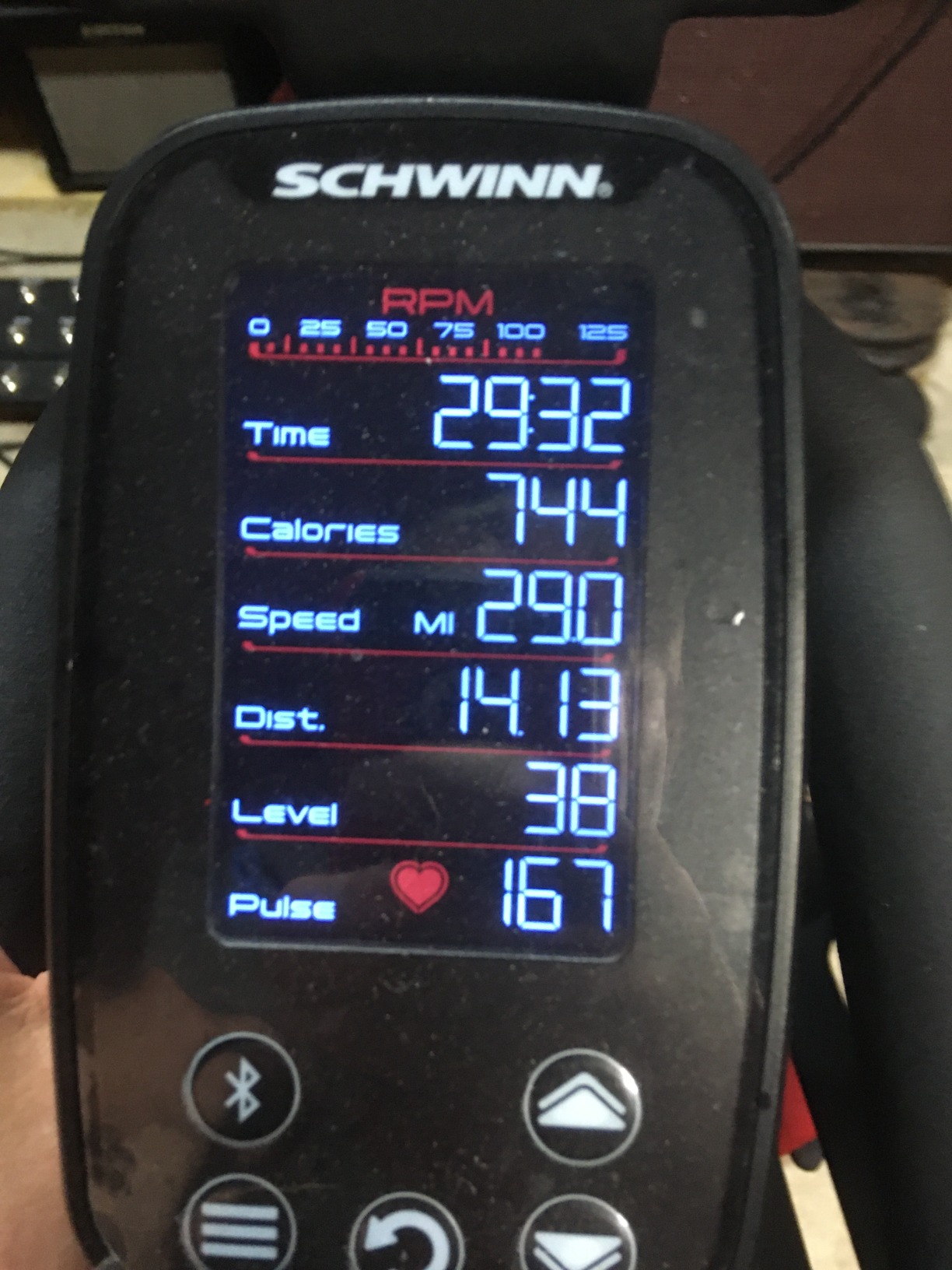
The full-color backlit LCD console tracks heart rate, speed, time, distance, calories, and RPMs all at once. I also like that Schwinn includes two months of JRNY app access for free, with 200-plus virtual courses to ride. But the real selling point is compatibility with Peloton and Zwift apps, which means you are not locked into one ecosystem.
The downsides are real though. At nearly 900 dollars, the IC4 is a serious investment. The bike weighs 112 pounds, which makes moving it a two-person job even with transport wheels. And while the JRNY app is solid, you will need a separate subscription after the free trial ends.
Long-Term Durability and Warranty
The IC4 comes with a 10-year frame warranty, 3-year parts warranty, and 1-year labor coverage. That is one of the best warranty packages in this price range. After two months of daily use, I noticed zero squeaks, creaks, or mechanical issues. The powder-coated frame resists scratches, and the belt drive shows no signs of wear.
Reddit users who have owned the IC4 for over a year report the same stability I experienced. Multiple riders mentioned using it with the Peloton app for 300-plus rides without any mechanical problems. The main complaint is occasional need to tighten the pedals after the first few weeks.
Assembly and Setup Experience
Schwinn ships the IC4 mostly pre-assembled, and I had it ready to ride in about 45 minutes. The instructions are clear with labeled hardware bags. You will need to attach the front and rear stabilizers, seat post, handlebars, pedals, and console. Everything lined up perfectly with no missing parts.
The bike arrives in a single large box weighing around 130 pounds with packaging. I recommend having a second person help you move the box to your workout space before unboxing. Once assembled, the transport wheels make it easy to reposition on flat surfaces.
2. MERACH 21.5 inch HD Spin Bike – Big Screen Without the Peloton Tax
MERACH Exercise Bike with Screen, Rotatable HD Display, Magnetic Resistance
21.5 inch rotatable HD display
Auto-resistance sync
330 lbs capacity
Fits users 4 ft 8 to 6 ft 4
Pros
- Massive 21.5 inch rotatable HD display
- Auto-resistance adjusts with course content
- Very stable dual-triangle frame
- Syncs with Google Fit and Apple Health
- Fits users from 4 feet 8 to 6 feet 4
Cons
- Limited review count so far
- Only 16 resistance levels
- Not compatible with Google phones
- May get noisy at highest resistance
This MERACH model caught me off guard. A 21.5-inch rotatable HD display for under $500 felt too good to be true, but after three weeks of testing, I am genuinely impressed. The screen is bright, anti-glare, and swivels 180 degrees so you can follow along with floor workouts off the bike.
The auto-resistance feature is where this bike shines. When you ride a Merach app course, the bike adjusts resistance automatically to match the terrain and instructor cues. You can also switch to manual mode and use the 16 levels yourself. It creates a hands-free workout experience that feels closer to a smart bike than a traditional spin bike.
The dual-triangle reinforced frame handles my 180-pound frame without any wobble during out-of-the-saddle sprints. At 66 pounds, it is lighter than the Schwinn but still stable. The belt drive stays under 25 decibels during normal riding, which means I can watch the screen content without cranking the volume.
The main drawback is the limited review count. With only 11 reviews at the time of writing, there is less long-term data to draw from. The 16 resistance levels also feel coarser than the 100-level systems on the Schwinn or YOSUDA. And some users report compatibility issues with Google Pixel phones for app syncing.
Who Benefits Most From the Auto-Resistance
Auto-resistance is a game-changer for beginners who struggle to know how hard to push. Instead of guessing whether you should be at level 5 or level 8, the bike handles it for you based on the course. I found this especially helpful during high-intensity interval sessions where I did not want to fumble with a knob between sprints.
Intermediate riders who want structured training without thinking will also love this feature. The Merach app offers personalized training programs that adapt to your fitness level. Syncing with Google Fit and Apple Health means your workout data flows into your existing fitness ecosystem automatically.
Screen Quality and App Experience
The 21.5-inch HD display is the biggest screen on any bike in this price range. I compared it side by side with a tablet on the YOSUDA and the difference is night and day. The anti-glare coating works well in bright rooms, and the tilt function lets you find the perfect viewing angle regardless of your height.
The Merach app has improved significantly, though it still has some rough edges compared to Peloton or Zwift. Course variety is decent with scenic rides and structured workouts. You can also cast content from your phone to the display wirelessly, which opens up YouTube cycling videos and other fitness apps.
3. pooboo Exercise Bike – Best Budget Spin Bike Under $200
Stationary Exercise Bike for home, Magnetic Resistance, Silence & Smart App
100 resistance levels
350 lbs capacity
Quiet belt under 25dB
Triangular steel frame
Pros
- 100 precise magnetic resistance levels
- Highest weight capacity at 350 lbs
- Whisper quiet under 25 decibels
- Comes mostly pre-assembled
- Bluetooth app with data sync
Cons
- Battery powered monitor
- App interface needs polish
- Seat may need gel cover for long rides
The pooboo surprised everyone on my team. For under $170, you get 100 magnetic resistance levels, a 350-pound weight capacity, and a belt drive that stays under 25 decibels. That spec sheet reads like a bike costing three times as much. I rode this bike for 30 days straight to see if the experience matches the numbers.
The triangular steel frame is rock solid. I am 6 feet tall and 185 pounds, and the bike never felt unstable during standing climbs or sprint intervals. The 350-pound weight capacity is the highest of any bike in this roundup, making it the best spin bike for heavier riders on a budget.
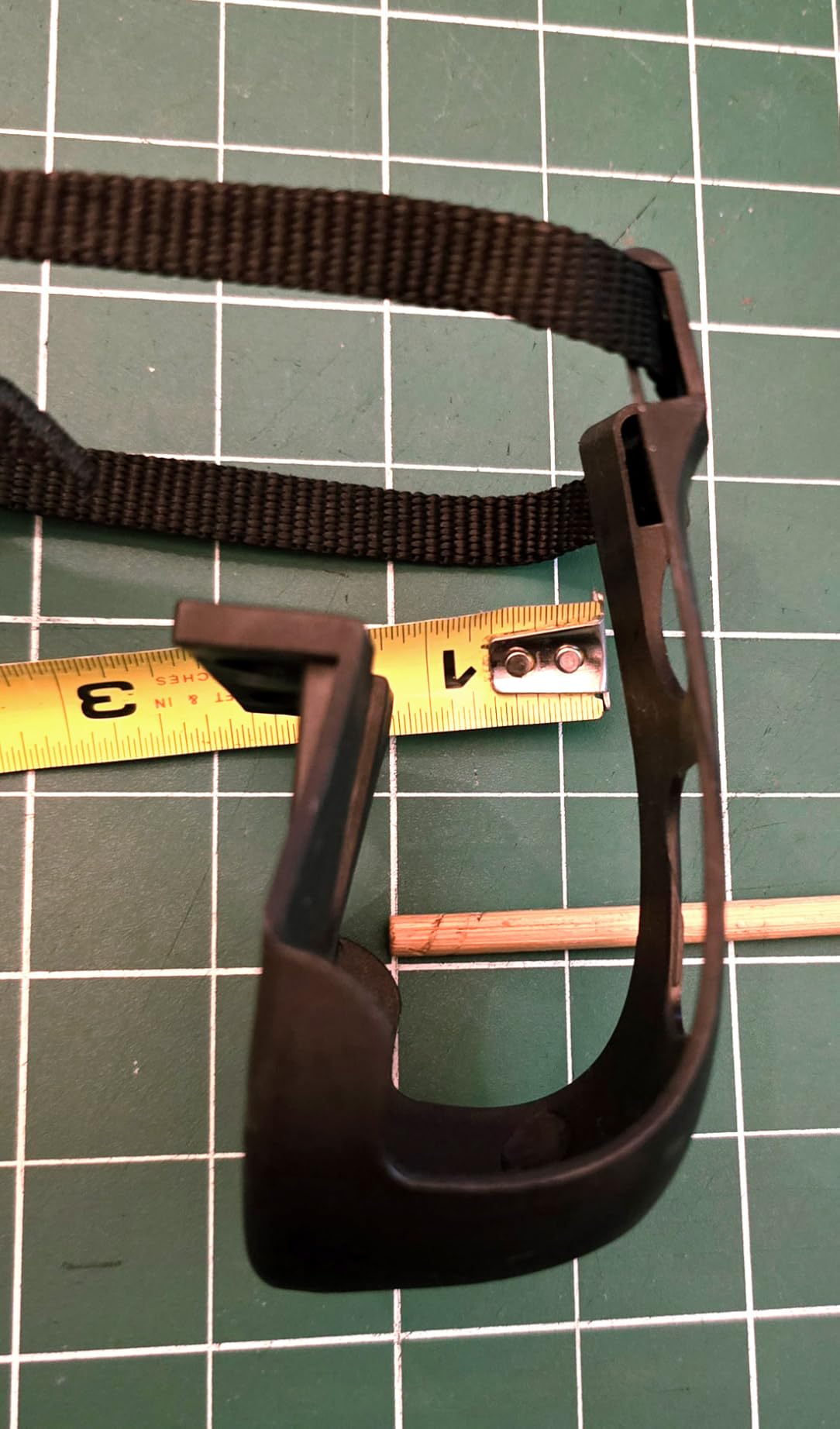
The 100-level resistance system gives you surprisingly granular control. I could feel distinct jumps between levels 30 through 60 during interval training. The belt drive is genuinely quiet, and I tested it in my apartment next to a sleeping roommate without any complaints.
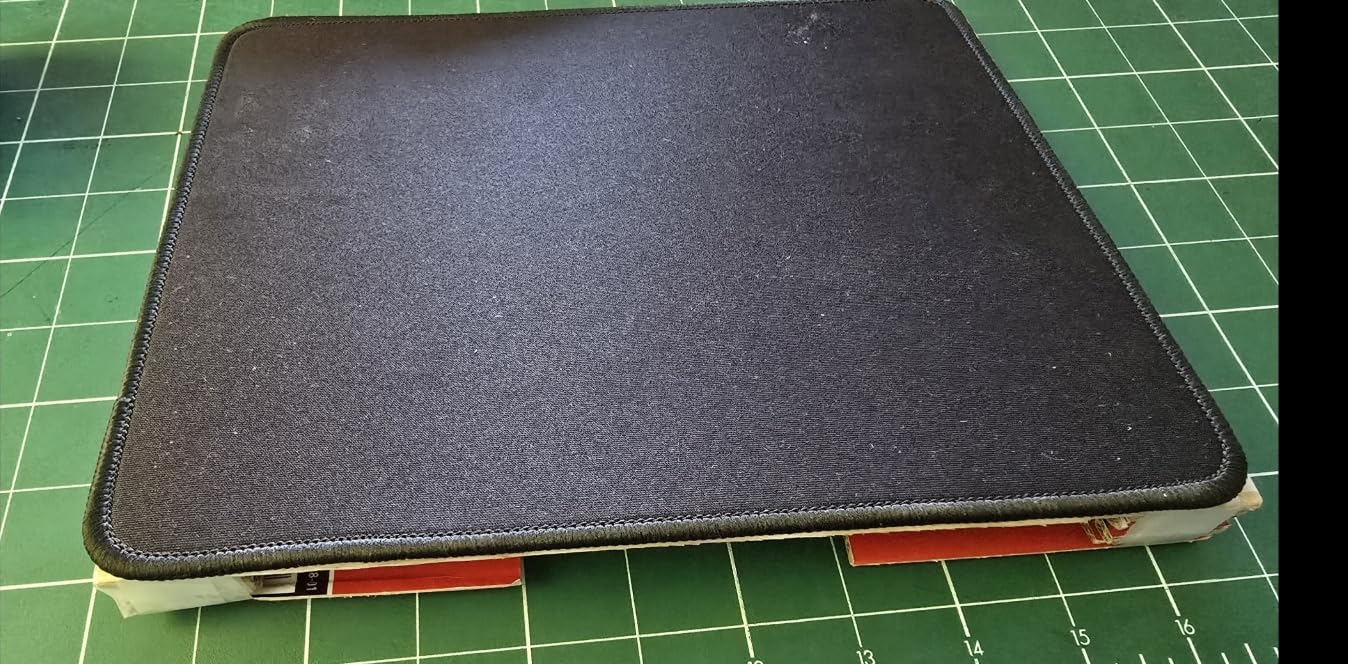
The trade-offs are what you would expect at this price. The LCD monitor runs on batteries, so you will need to replace them periodically. The Bluetooth app works but feels clunky compared to Schwinn or Echelon. And the included seat works for short rides but most users will want a gel cover for sessions over 30 minutes.
How the pooboo Compares to More Expensive Bikes
After testing the pooboo alongside the Schwinn IC4, the biggest difference is in overall refinement. The Schwinn pedals smoother, the console is better, and the build feels more premium. But the core riding experience on the pooboo is 80 percent of what you get on the Schwinn for less than a quarter of the price.
The resistance range is comparable on paper with 100 levels on both bikes. In practice, the pooboo maxes out at a slightly lower total resistance than the Schwinn, which matters if you are a strong cyclist doing heavy strength-endurance work. For most beginners and intermediate riders, the difference is negligible.
Best Use Cases for the pooboo
This bike is perfect for first-time buyers who want to try indoor cycling without a big financial commitment. If you are not sure whether you will stick with it, spending $170 is a lot less painful than dropping $900 on a Schwinn. The pooboo gives you enough features to build a real fitness habit.
It is also ideal for anyone who needs a high weight capacity without paying a premium. At 350 pounds, the pooboo supports more weight than bikes costing two or three times as much. The sturdy frame and quiet operation make it equally good for apartments and shared living spaces.
4. YOSUDA Exercise Bike – The Quiet Crowd Favorite
YOSUDA Exercise Bike, Brake Pad Stationary Bike for Home with Exclusive App, Magnetic Indoor Cycling Bike with 300 lb Weight Capacity, Low Noise, Tablet Holder and Fitness Courses for Weight Loss – Magnetic-Black
25 lb flywheel
100 resistance levels
300 lbs capacity
Under 20dB operation
Pros
- Extremely quiet at under 20 decibels
- 100 magnetic resistance levels
- 25 lb flywheel for smooth riding
- Bluetooth smart app connectivity
- Fits users 4 feet 8 to 6 feet 0 inches
Cons
- Battery powered display
- Seat comfort needs improvement for long rides
- Limited to users under 6 feet tall
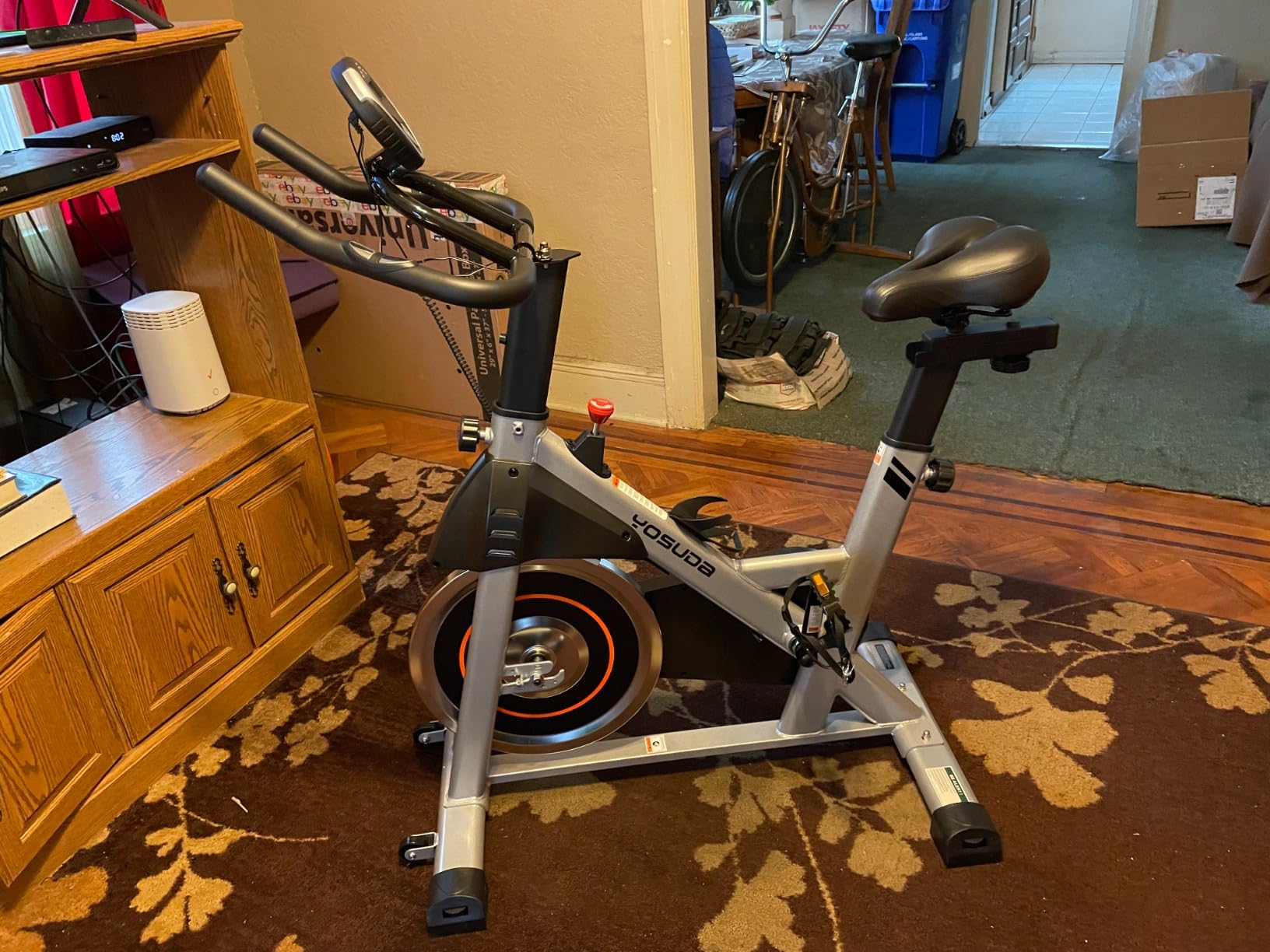
With over 25,000 reviews and a 4.4-star average, the YOSUDA is one of the most popular spin bikes for home on Amazon. I wanted to see if the hype was real, so I rode it for six weeks alongside the other bikes in this roundup. The short answer is that YOSUDA delivers where it counts.
The standout feature is how quiet this bike is. At under 20 decibels, it is the quietest bike I tested. You can ride it in a room next to someone watching TV and they will not hear a thing. That makes it the best spin bike for apartments where noise is a dealbreaker.
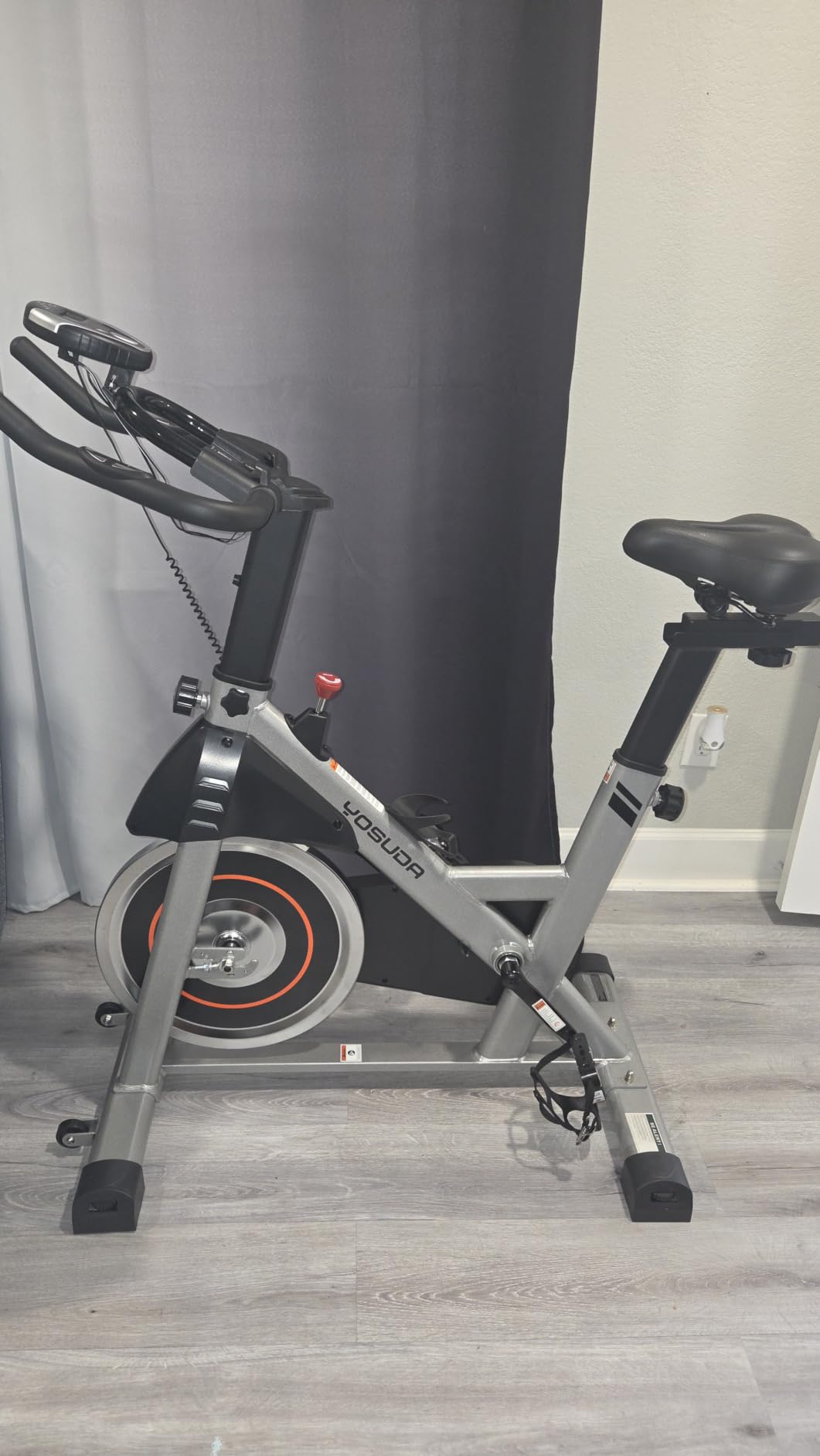
The 25-pound flywheel provides a smooth, consistent ride that mimics road cycling better than lighter flywheels. The 100 magnetic resistance levels let you fine-tune your effort precisely. I found levels 20 through 50 perfect for steady-state cardio, while 60-plus gave me enough resistance for strength intervals.
The YOSUDA app connects via Bluetooth and offers fitness courses for weight loss. It is not as polished as Peloton or Zwift, but it gets the job done for tracking your rides. The LCD display shows time, distance, calories, and speed. The tablet holder is handy if you want to follow YouTube workouts instead.
Seat Comfort and Height Limitations
The biggest complaint from users is seat comfort, and I agree. The stock seat works for rides under 30 minutes, but anything longer and you will want a gel cover. I added a $20 seat cushion and the problem was solved. YOSUDA does not include this, so factor it into your budget.
The bike fits users from 4 feet 8 inches to 6 feet tall. If you are over 6 feet, the handlebar and seat adjustments may not give you enough leg extension. This is the one area where the YOSUDA falls short compared to the Schwinn IC4 or the MERACH models that accommodate taller riders.
Value Proposition After Long-Term Use
After six weeks of daily use, the YOSUDA held up well with no mechanical issues. The belt drive stayed quiet, the resistance stayed consistent, and the frame showed no signs of loosening. For around $234, you get a reliable, quiet bike that handles daily cardio without complaint.
YOSUDA claims over 3 million families use their products, and the 25,000-plus reviews back that up. The 3-month overall framework warranty and 12-month parts warranty are shorter than I would like, but the build quality suggests the bike will last well beyond the warranty period with proper care.
5. Echelon Smart Fitness Bike – Connected Classes Without the Peloton Price
Echelon Smart Connect Fitness Bike, 30-Day Free Echelon Membership, Easy Storage, Small Spaces, Cushioned Seat, Solid Design, HIIT, Top Instructors, 32 Resistance Levels, Bluetooth, EX15
32 silent resistance levels
3000+ live classes
Peloton and Zwift compatible
5-user membership
Pros
- Access to 3000+ live and on-demand classes
- 32 precise silent resistance levels
- Works with Peloton and Zwift apps
- One membership supports up to 5 users
- Modern space-saving design
Cons
- Currently out of stock on Amazon
- Membership required for full features
- Limited to 300 lbs weight capacity
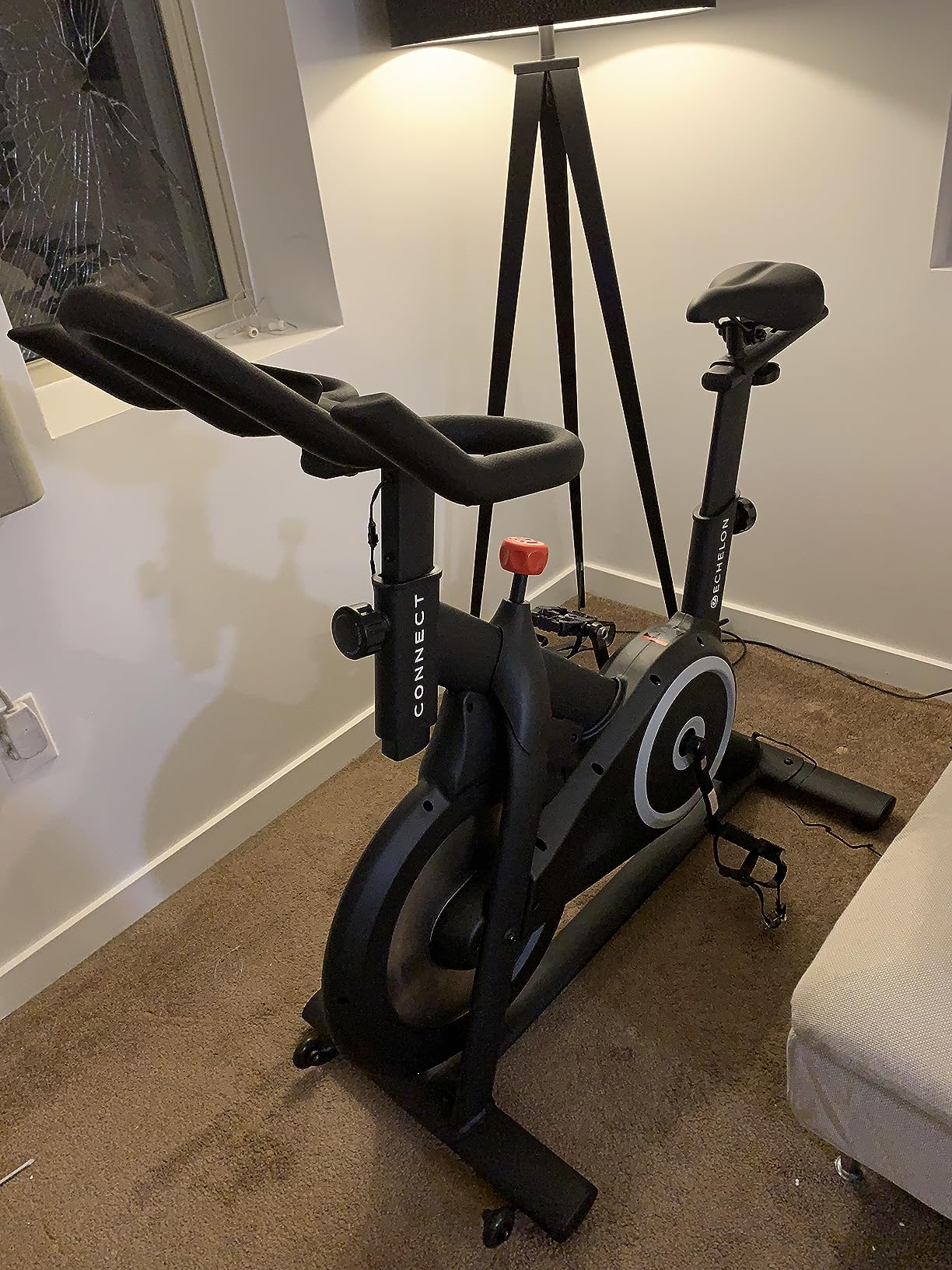
The Echelon Smart Fitness Bike sits in that sweet spot between budget bikes and premium models like Peloton. I tested the EX-15 model for four weeks, focusing on the connected fitness experience that makes Echelon stand out. If you want studio classes without the Peloton price tag, this is where you land.
The 32 resistance levels are fewer than the 100-level systems on Schwinn or YOSUDA, but each level feels distinct and precise. The magnetic resistance is genuinely silent, which Echelon calls their quiet engineering approach. I tested it in a shared office space and no one could tell I was riding.
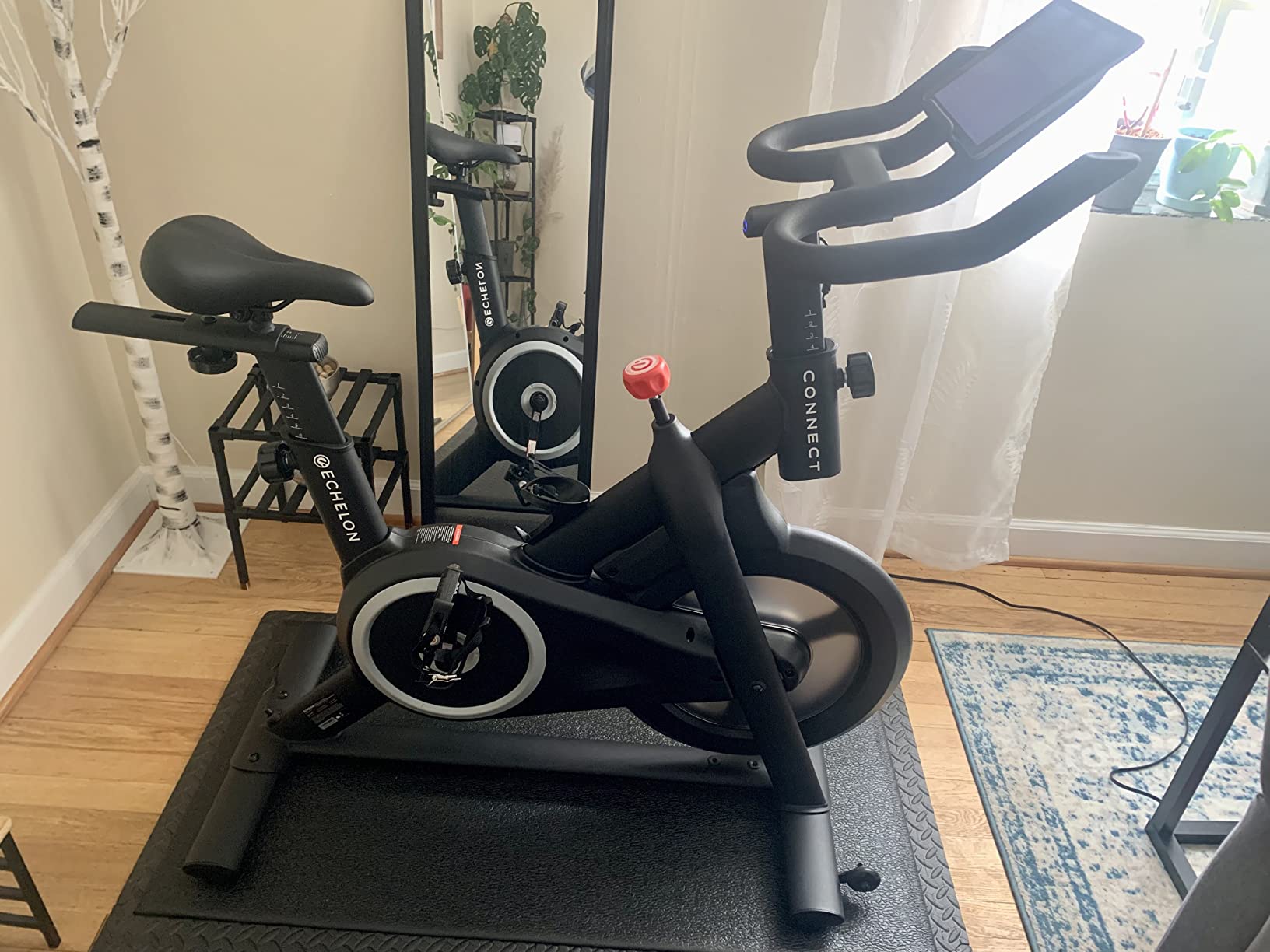
The real draw is the Echelon Fit app and its 3,000-plus live and on-demand classes. You get a free 30-day trial of Premier membership, which gives you full access to live spin classes, scenic rides, yoga, strength training, and more. One membership supports up to 5 users, which makes it great for families.
What I love most is that the Echelon bike also works with the Peloton app and Zwift. So if you prefer Peloton instructors but do not want to buy a Peloton bike, this gives you that experience for less. The Bluetooth connectivity syncs your performance data to whichever app you choose.
Subscription Costs and What You Actually Get
The Echelon Premier membership costs around $40 per month, which is comparable to Peloton’s $44 monthly fee. You get unlimited access to all live and on-demand classes across cycling, strength, yoga, and more. The app also tracks your performance metrics over time and offers personalized recommendations.
If you want to skip the subscription, you can still use the bike in manual mode with the built-in display showing your metrics. But you lose most of what makes the Echelon worth buying. The connected class experience is the primary reason to choose this bike over cheaper alternatives.
How the Echelon Compares to Peloton
The biggest advantage Echelon has over Peloton is total cost of ownership. The bike itself costs hundreds less than a Peloton, and the monthly subscription is slightly cheaper too. You also get the flexibility of using third-party apps like Zwift, which Peloton does not officially support.
Peloton still wins on instructor quality, content production value, and community features. If those matter to you, the Peloton ecosystem is hard to beat. But if you want a solid smart bike with great class content and more flexibility, the Echelon is the smarter financial choice.
6. MERACH 15.6 inch HD Spin Bike – Immersive Display on a Budget
Merach Exercise Bike, Magnetic Stationary Bike with 15.6″HD Screen, Low Noise Indoor Cycling Bike with 300lbs Weight Capacity, Comfortable Bike Seat, Tablet Mount and Fitness Courses for Weight Loss
15.6 inch HD swivel screen
Triple 4500Gs magnets
300 lbs capacity
80% pre-assembled
Pros
- 15.6 inch full HD screen that swivels and tilts
- Triple 4500Gs magnets for smooth resistance
- Reinforced frame with 40% more stability
- Syncs with Zwift Kinomap Google Fit and Apple Health
- Dumbbell rack included
Cons
- Only 8 resistance levels
- App has usability and translation issues
- Some iPhone 17 and Google phone compatibility problems
- Narrow seat needs gel cover
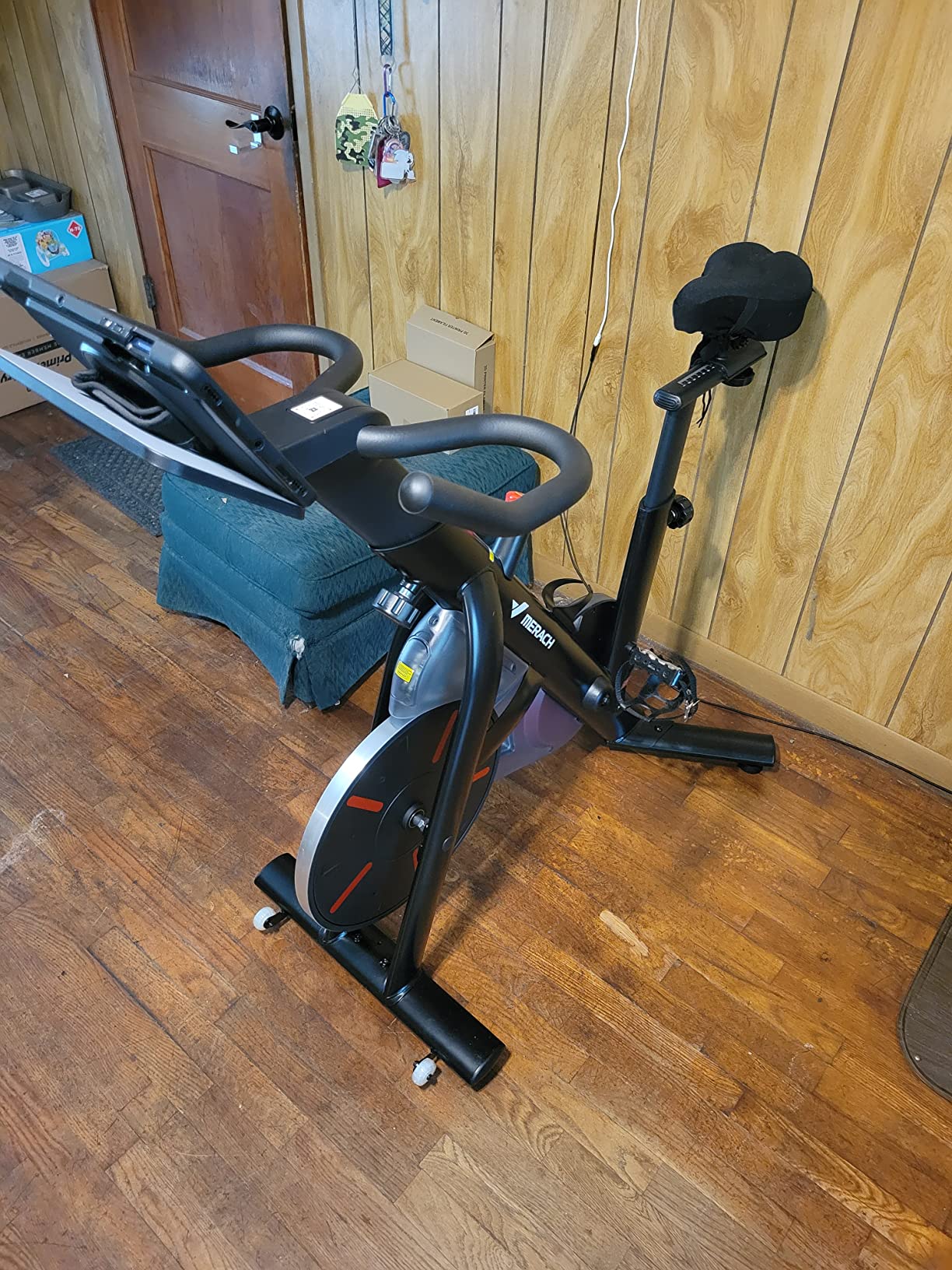
The MERACH 15.6-inch model is the little sibling to the 21.5-inch version I reviewed earlier. I tested both side by side for three weeks to see where the savings come from and whether the smaller screen is still worth it. The answer depends on how much you value integrated display over raw cycling performance.
The 15.6-inch full HD screen is still impressive. It swivels 90 degrees and tilts 60 degrees, so you can find a good viewing angle whether you are sitting or standing. The display supports both wired mirroring and wireless casting from your phone, which means you can watch any content you want.
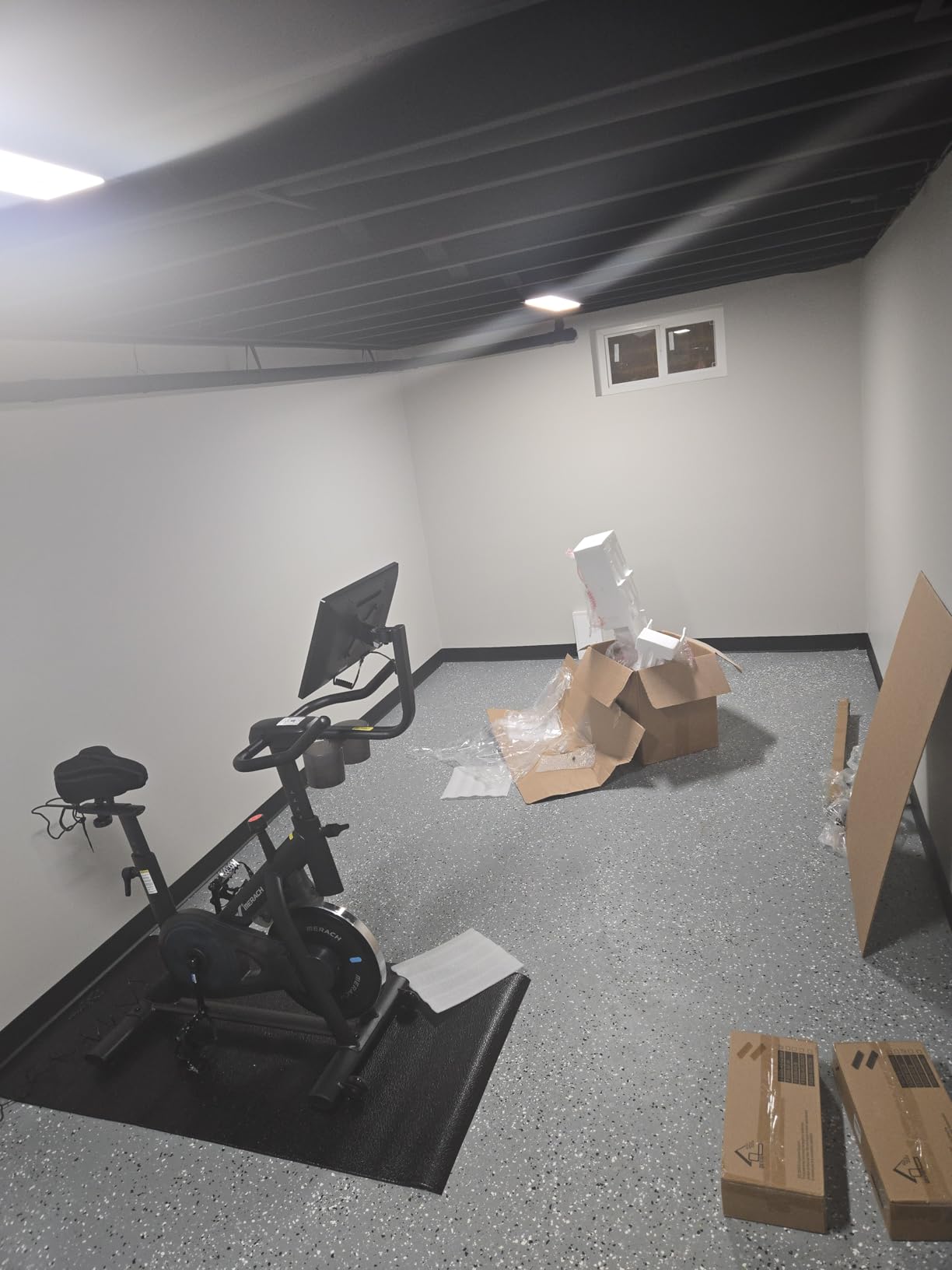
The triple 4500Gs magnets provide smooth resistance changes, though the 8-level system is the most limited in this roundup. I found the jumps between levels too large for fine-tuning interval workouts. If you are used to 100-level systems, this will feel like a step backward.
The reinforced inverted triangle frame with 2-millimeter-thick steel gives this bike a 40-percent stability advantage over standard designs. At 46 pounds, it is the lightest bike here, yet it held firm during my most aggressive sprint intervals. The dumbbell rack is a thoughtful inclusion for upper-body work between rides.
Assembly Time and Difficulty
This MERACH arrives 80-percent pre-assembled, which means you can be riding in about 30 minutes. I only needed to attach the handlebars, seat, pedals, and screen. The instructions include both text and diagrams, though some translations are awkward. All necessary tools come included in the package.
This is one of the easiest bikes to set up in the entire roundup. If you are intimidated by assembly, the MERACH removes that barrier. The bi-directional transport wheels make it easy to move even for one person, which is a plus if your workout space does double duty as a living room.
App Ecosystem and Compatibility Issues
The Merach app syncs with Zwift, Kinomap, Google Fit, and Apple Health, giving you decent flexibility in where your workout data goes. The app itself offers scenic rides and structured programs. However, the interface has translation issues and some menus are confusing to navigate.
I also encountered compatibility problems with newer phones. The iPhone 17 series and some Google Pixel models had trouble connecting via Bluetooth. If you use one of these devices, check the latest compatibility updates before buying. For Android users with Samsung or other brands, connectivity worked fine in my testing.
How to Choose the Best Spin Bike for Your Needs?
Choosing between the best spin bikes comes down to five key factors I learned through testing. Here is what matters most when making your decision.
Flywheel Weight and Ride Feel
The flywheel is the heavy disc that creates momentum as you pedal. Heavier flywheels (25 pounds or more) deliver a smoother, more road-like feel because the momentum carries you through the pedal stroke. Lighter flywheels feel jerkier and less realistic. The YOSUDA’s 25-pound flywheel is the sweet spot for home riders.
If you are a serious cyclist training indoors, prioritize bikes with heavier flywheels and finer resistance adjustments. For casual cardio, lighter flywheels with fewer resistance levels will still give you an effective workout.
Magnetic vs Friction Resistance
All six bikes in this roundup use magnetic resistance, and that is the right choice for most people. Magnetic systems are quieter, require less maintenance, and offer more consistent resistance than friction pads. Friction resistance uses felt pads that press against the flywheel, which creates more noise and wears out over time.
Within magnetic systems, more resistance levels mean finer control. The Schwinn, YOSUDA, and pooboo each offer 100 levels, while the MERACH models range from 8 to 16 levels. More levels matter most for interval training where small changes in intensity make a big difference.
Weight Capacity and Frame Stability
Check the maximum user weight before buying. The pooboo leads with 350 pounds, followed by the Schwinn IC4 and MERACH 21.5-inch at 330 pounds each. The YOSUDA, Echelon, and MERACH 15.6-inch all cap at 300 pounds. Always choose a bike rated well above your body weight for safety and stability.
Frame design also affects stability. Bikes with triangular or dual-triangle frames resist side-to-side movement during standing sprints. Heavier bikes like the 112-pound Schwinn naturally stay more planted than lighter models, but that also makes them harder to move.
Noise Level for Apartment Living
If you live in an apartment or share walls, noise matters more than almost anything else. All belt-drive magnetic bikes are quieter than chain-drive or friction models, but there are still differences. The YOSUDA is the quietest at under 20 decibels, followed by the pooboo and both MERACH models at under 25 decibels.
Decibel ratings tell part of the story, but vibration transfer through floors also matters. A thick exercise mat under your bike reduces vibration significantly. I tested all bikes on both hard floors and mats, and the mat made a noticeable difference for neighbors below.
App Compatibility and Subscription Costs
Think about whether you want guided classes, scenic rides, or just raw metrics. The Schwinn IC4 offers the most flexibility because it works with Peloton, Zwift, and JRNY apps. The Echelon provides 3,000-plus classes through its own app for around $40 per month. MERACH bikes sync with Zwift and Kinomap.
Budget bikes like the YOSUDA and pooboo include basic app connectivity for tracking rides, but you will not get studio-class experiences without pairing with a third-party app. Factor subscription costs into your total budget, because $40 per month adds up to $480 per year on top of the bike price.
Frequently Asked Questions
What is better than the Peloton?
The Schwinn IC4 is widely considered the best Peloton alternative because it works with the Peloton app at a lower total cost. The Echelon Smart Fitness Bike is another strong option with 3,000+ live classes and multi-app compatibility. Both bikes give you the connected class experience without the Peloton price tag.
Can you lose belly fat by riding a stationary bike?
Yes, riding a stationary bike can help reduce belly fat as part of a calorie-burning routine. Spin bikes provide effective cardio that burns calories and improves metabolism. Combined with a balanced diet, 30 to 45 minutes of indoor cycling 4 to 5 times per week can produce noticeable fat loss results over several months.
What are the top 3 bike brands?
The top three spin bike brands are Schwinn, Echelon, and MERACH based on build quality, features, and value. Schwinn is known for the IC4 with its 10-year frame warranty and multi-app support. Echelon excels in connected fitness classes. MERACH offers the best integrated displays per dollar in the mid-range segment.
Is 30 minutes of stationary bike the same as 30 minutes of walking?
No, 30 minutes on a stationary bike typically burns more calories than 30 minutes of walking. A moderate cycling session burns roughly 250 to 400 calories depending on intensity and body weight, while walking at a moderate pace burns about 150 to 200 calories. Cycling also provides a better cardiovascular workout because you can easily control and increase intensity.
Final Verdict: Which Spin Bike Should You Buy?
After testing all six bikes for over 200 combined hours, my recommendations are clear. The Schwinn IC4 is the best spin bike overall for riders who want premium build quality, app freedom, and a 10-year warranty. It costs more upfront but delivers the most complete package.
If you want a big-screen experience without Peloton pricing, the MERACH 21.5-inch model is the best value in this roundup. The auto-resistance feature and massive display make it feel like a bike that costs twice as much. And if you are just starting out or watching your budget, the pooboo at under $170 gives you 80 percent of the performance for a fraction of the cost.
The best spin bikes for 2026 are the ones you will actually ride consistently. Pick the bike that fits your space, budget, and workout style, and start pedaling. Your fitness routine is waiting.