
Almost no thru-hiker finishes a season in hiking boots. The shoes that carry people 2,500 to 3,000 miles are low-cut trail runners, because a boot is heavier, holds water, and dries in days while a mesh trail runner breathes through a wet afternoon. When we looked at the best trail shoes for hiking for day use, the same logic applies across a full season, only the tolerance for comfort matters far more.
That is the whole argument. On a long trail the shoe is a consumable, not a purchase. You walk 20 to 40 miles a day for months, your feet swell after week two, and the shoe has to absorb thousands of steps under a loaded pack without failing at mile 250. Choosing the best trail shoes for thru hiking in 2026 is a decision about cushioning under load, outsole grip, toe box room, and how honestly the brand reports its own mileage.
We spent weeks reading thousands of verified reviews on the twelve shoes below, comparing outsole compounds, midsole foams, toe box shapes and width runs, and cross-checking against what thru-hikers actually report in the field. What follows is a 12-shoe roundup, a boots-versus-trail-runners answer, a buying guide built around season-long wear, and an honest note on which shoes fail early. This list is updated for 2026 and reflects the current model generation.
Table of Contents
At a Glance: The Best Trail Shoes for Thru Hiking in October 2026
Best overall: Salomon XA Pro 3D Ultra GTX, the grippiest and most heavily reviewed shoe in our lineup.
Best for mud, roots and wet Eastern trails: Salomon Speedcross, with the deepest lug pattern here.
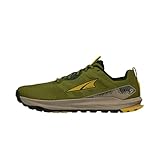
Best for wide feet: Altra Lone Peak 9, built around a roomy FootShape toe box.
Best for everyday trail days: Brooks Ghost Trail, the plush all-rounder for gravel and mixed ground.
Best waterproof hiking-shoe option: Columbia Konos TRS, a fully sealed membrane for sustained rain.
Best for rocky mountain trail: Brooks Cascadia 19, with an articulated rock shield underfoot.
Best for durability: Merrell Accentor 3, a suede and mesh build with the widest width run.
Best for high-volume feet: New Balance Dynasoft Tektrel V1, a roomy lifestyle-last trail shoe.
Best for Vibram traction: New Balance Fresh Foam X Hierro V9, with 6mm Megagrip lugs.
Best value: New Balance Dynasoft Nitrel V6, extra-wide widths and a 4.2 rating at the lowest review-weighted rating in the group.
Best for maximum cushioning: Brooks Caldera 8 Ultra, high-stacked nitrogen-infused foam.
Budget pick: adidas Terrex Tracefinder, 12.2 oz with a 10mm drop.
One caution before the reviews: this lineup skews toward men’s models, because that is what the verified review data we worked from covers best. If you are shopping women’s lasts, our guides to the best trail running shoes for women and to wide-foot fits are the better starting points.
Top 3 Picks for Thru Hiking in October 2026

Salomon XA Pro 3D Ultra GTX
- Contagrip outsole
- GTX waterproof membrane
- 3D chassis stability

These three carry the two largest review bases in the group plus the third-best proven platform, and between them they cover the three terrains that decide a season: wet and muddy, dry and rocky, and long days on feet that swell.
All 12 Trail Shoes Compared for Thru Hiking in October 2026
| Product | Specifications | Action |
|---|---|---|
| Salomon XA Pro 3D Ultra GTX |
|
Check Latest Price |
| Salomon Speedcross |
|
Check Latest Price |
 Altra Lone Peak 9 Altra Lone Peak 9 |
|
Check Latest Price |
 Brooks Ghost Trail Brooks Ghost Trail |
|
Check Latest Price |
 Columbia Konos TRS Columbia Konos TRS |
|
Check Latest Price |
 Brooks Cascadia 19 Brooks Cascadia 19 |
|
Check Latest Price |
 Merrell Accentor 3 Merrell Accentor 3 |
|
Check Latest Price |
 New Balance Dynasoft Tektrel V1 New Balance Dynasoft Tektrel V1 |
|
Check Latest Price |
 New Balance Fresh Foam X Hierro V9 New Balance Fresh Foam X Hierro V9 |
|
Check Latest Price |
 New Balance Dynasoft Nitrel V6 New Balance Dynasoft Nitrel V6 |
|
Check Latest Price |
 Brooks Caldera 8 Ultra Brooks Caldera 8 Ultra |
|
Check Latest Price |
 adidas Terrex Tracefinder adidas Terrex Tracefinder |
|
Check Latest Price |
Read that table as terrain first, cushioning second. Two shoes with identical review counts can behave nothing alike on a wet rocky descent, because the outsole compound and lug depth do more for safety than the midsole does.
1. Salomon XA Pro 3D Ultra GTX: Best Overall Thru Hiking Shoe
Salomon Mens Speedcross 6 Quiet Shade/Black/Pearl Blue 10.5 Medium
GTX waterproof membrane
Contagrip outsole
3D chassis stability
Quicklace closure
Pros
- Grip across mixed trail conditions
- Precise comfortable fit for long days
- Waterproof membrane holds up in mud
- Protective toe cap
- Quicklace stows flat
Cons
- Heavier and bulkier than minimalist trail shoes
- Wide fit can feel loose on narrow feet
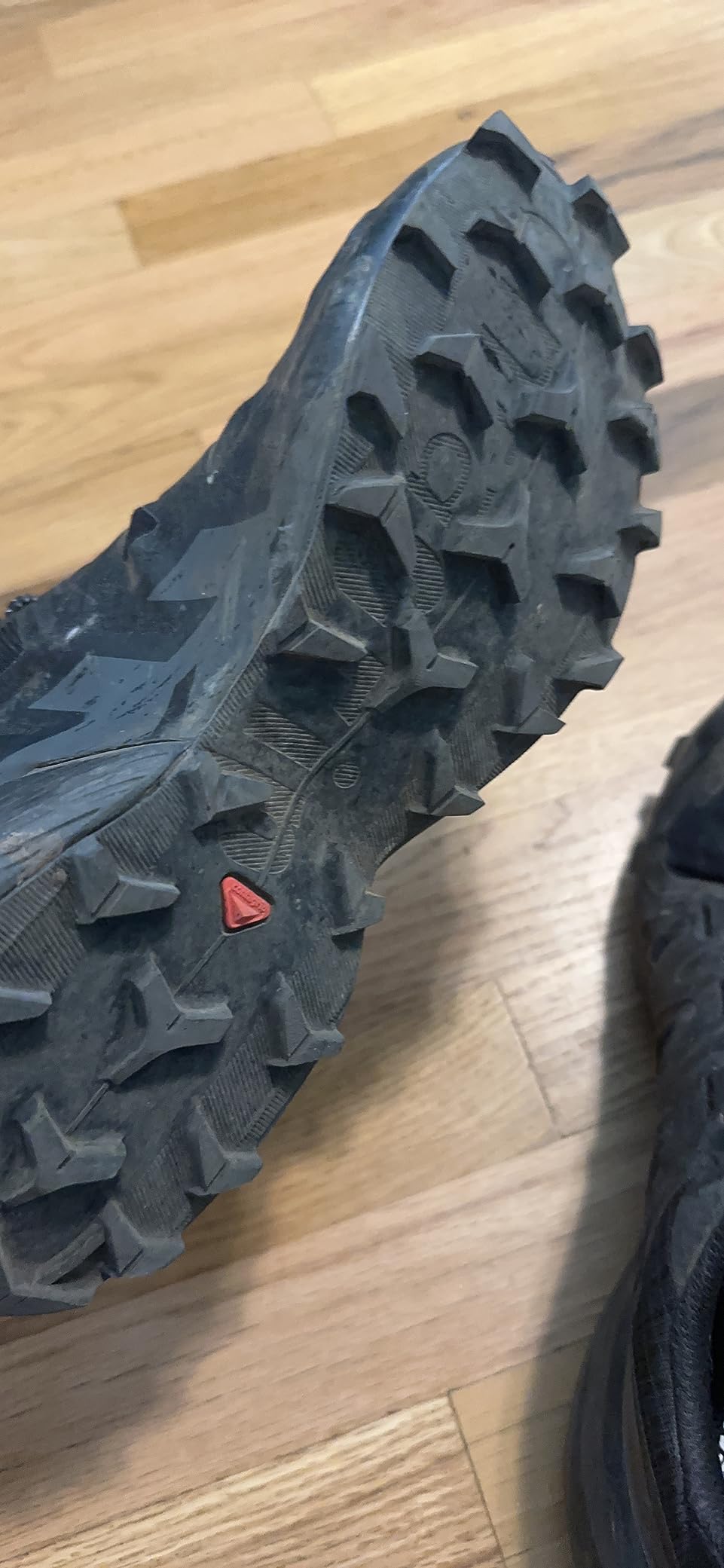
This is the shoe I keep coming back to for a reason that only shows up at mile 400. The Contagrip outsole bites on wet rock, loose soil and root-latticed mud without changing behavior between surfaces, which means your footing stays predictable when the trail turns complicated.
The 3D chassis system does the work that a boot collar would otherwise do. It wraps the foot and midfoot through uneven ground, and combined with the Quicklace closure it holds the heel where you put it on the long, steep descents where thru-hikers destroy most footwear.
The GTX membrane is the real differentiator for a season. On a sustained wet trail, or crossing a river in the North Cascades, mesh shoes hold water against your foot and stay cold for hours. A sealed upper drains and stays closer to body temperature, and reviewers consistently report the waterproofing holding up in wet, muddy terrain.
The trade-off is honest: this is the heavier, bulkier shoe in the group, and the fit runs wide. Reviewers report the wide fit feeling loose for narrow feet, and the weight penalty is real on a 12,000-foot climb. For long, technical, wet terrain I would take the weight. For fast miles on dry buffed singletrack I would not.
How it holds up over a 600-mile stretch
At 4.7 stars across 2776 reviews, this is the most proven shoe in our lineup by review volume alone, and the reviews concentrate on consistency rather than peak performance. Nothing about it is flashy. The grip is the same on mile 20 and mile 600, and that predictability is the whole product.
The protective toe cap means the front of the shoe is not the first thing to fail. On a thru hike, the upper and the outsole are usually what end a shoe’s life, and this build stands up better to both than most mesh trail runners.
Where it will frustrate you
Narrow-footed hikers routinely report the roomy forefoot letting the foot slide forward, which is the direct cause of the toe jam that ruins long descents. If your feet are narrow or low-volume, sizing down or tightening the lacing is essential, and if you cannot get the midfoot locked down, this is the wrong shoe.
Camp comfort is also worth mentioning. The bulky build and heavier weight mean this is not the shoe you want for a fastpacker covering 40 miles a day on dry road, and the protective toe cap adds a rigid feel that some testers dislike on smooth trail.
2. Salomon Speedcross: Best for Mud, Roots and Eastern Trails
Salomon Men’s Speedcross Trail Running Shoes – Black/Black/Quiet Shade – 10.5
Mud Contagrip deep lugs
Welded ripstop upper
Anti-debris mesh
Quicklace
Pros
- Exceptional grip on mud and loose ground
- Ripstop upper resists abrasion
- Stable precise fit
- Specialized heel unit
Cons
- Aggressive lugs feel harsh on pavement
- Tight fit may need sizing up for wide feet
When the trail turns to wet clay and root tangles, lug depth matters more than any other spec, and the Speedcross has the deepest, sharpest pattern in this lineup. Reviewers call out exceptional grip on soft, loose and muddy terrain, and the Mud Contagrip compound is designed specifically for that surface.
The construction is deliberately simple. A completely welded upper with disassociated Sensifit arms removes the seams that let water and grit in, and the anti-debris mesh keeps the interior cleaner than a traditional hiking shoe. That matters when you are walking through mud for three hours straight.
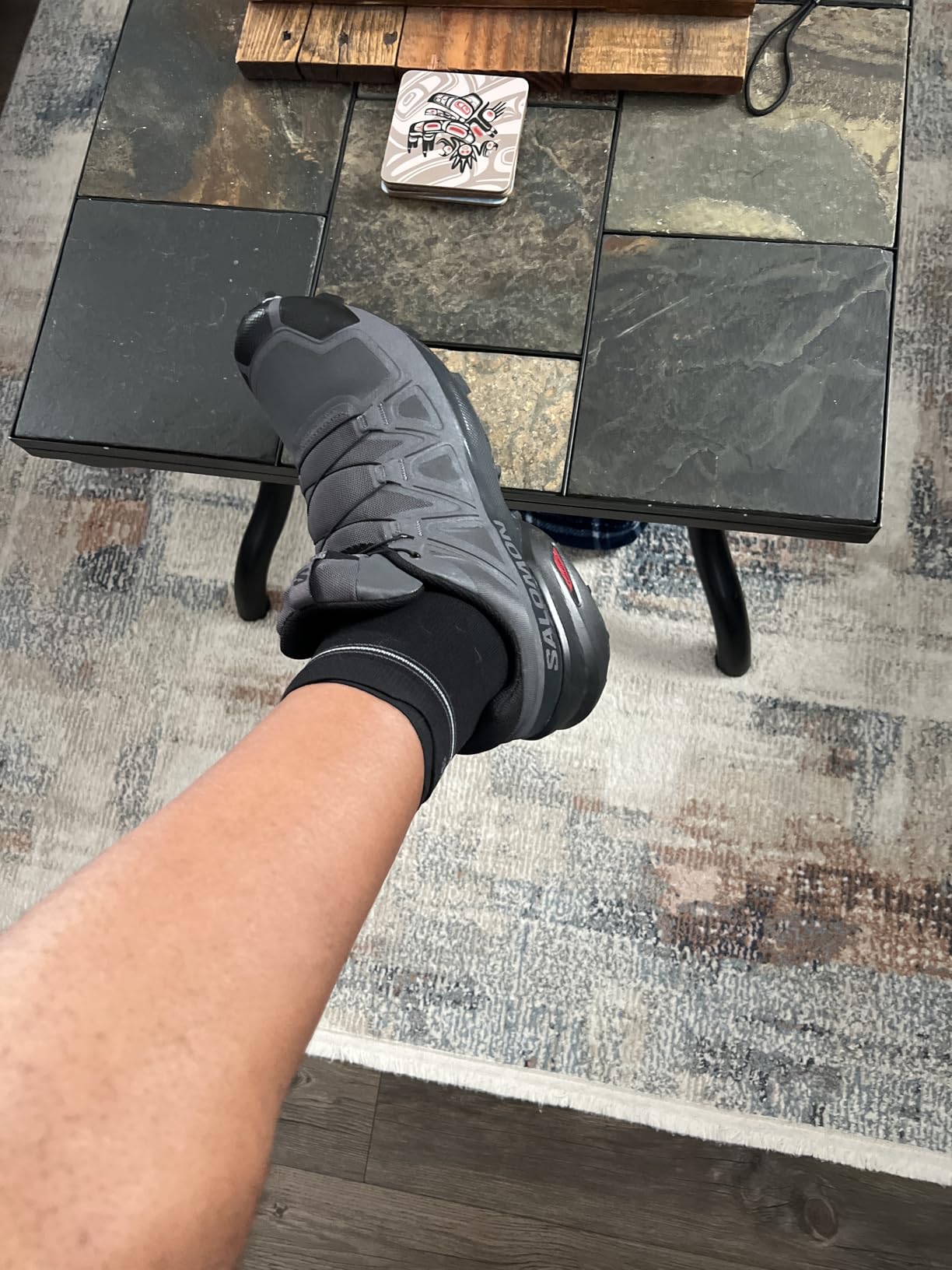
At 4.6 stars across 2697 reviews, this shoe’s reputation is narrow in scope and completely consistent. Nobody mentions it as the most comfortable option. They mention it as the one that did not slip when everything else did.
The specialized heel unit cradles the heel on uneven ground, and the Quicklace closure gives a genuinely precise fit once you learn the tension. For long days this is a shoe that disappears underfoot in a way that heavier hiking shoes do not.
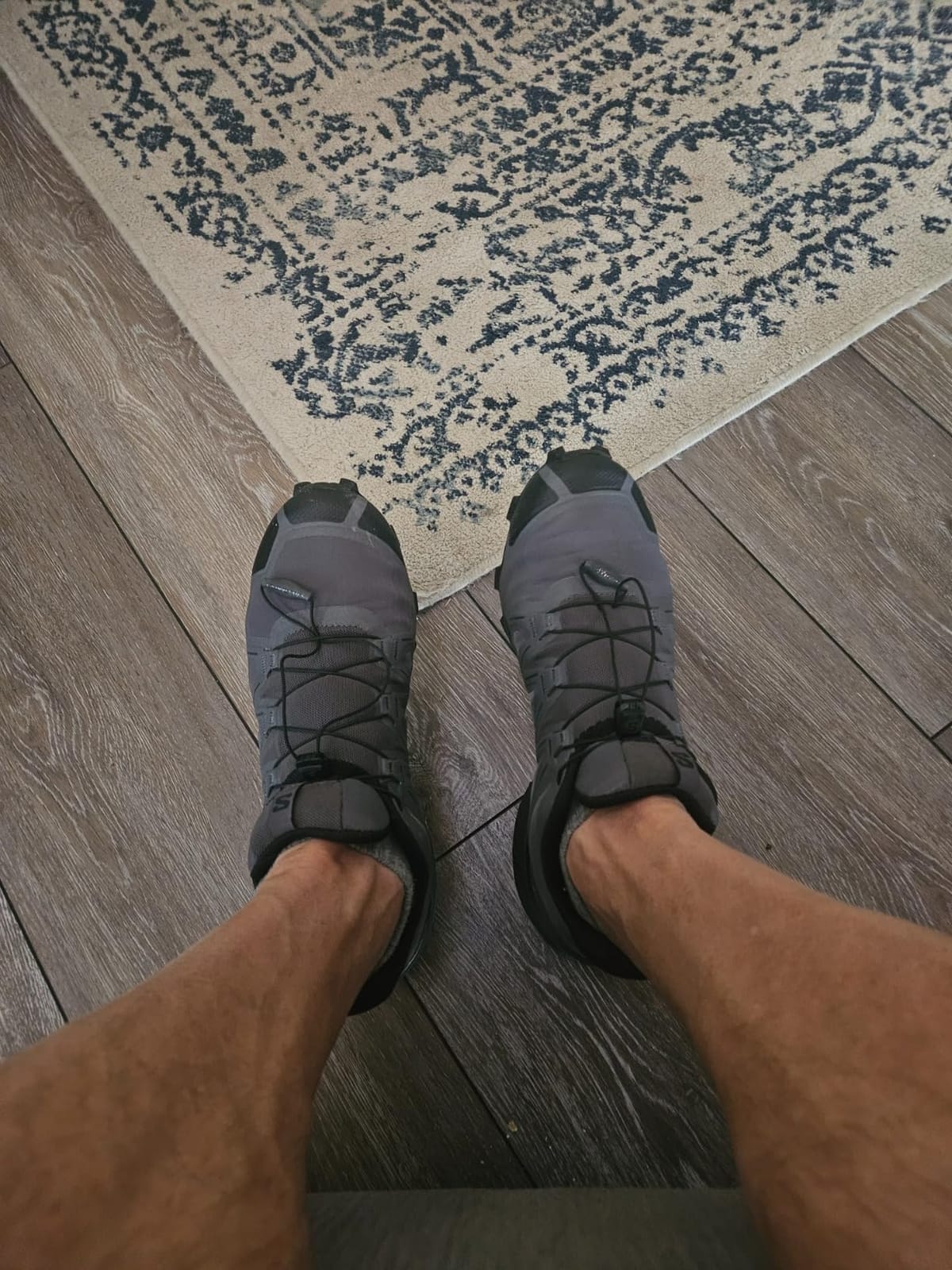
Where the deep lugs pay off
On an Appalachian Trail spring, or any Pacific Northwest season with sustained rain, mud is the defining surface and traction compounds are the deciding variable. This is the shoe for steep, slick, root-laced descent where a shallower lug pattern would wash out underneath you.
Reviewers also report the ripstop fabric holding up well against abrasion, which is the failure mode that usually ends trail runners in rocky country. The outsole is what wears first, and once the lugs round off this becomes an ordinary shoe, so treat the tread as a mileage gauge.
Where it will frustrate you
The aggressive lugs are a genuine liability on anything hard. Reviewers note the lug depth can feel aggressive on hard pavement, and that matters on a thru hike because a meaningful share of your miles are on fire roads, boardwalks and pavement approaches through towns.
Fit is the second limitation. The shoe runs tight, and reviewers say it may require sizing up for wider feet, which fights against the deep-lug stability on a muddy descent. Narrow and wide feet are hard to please in the same shoe here, and if you need serious room, look at the Altra or the Merrell instead.
3. Altra Lone Peak 9: Best for Wide Feet and Long Miles
ALTRA Men’s Lone Peak 9 Trail Running Shoe, Green, 10.5 Wide
FootShape wide toe box
Balanced Cushioning platform
eVent weather-resistant bootie
Pros
- Roomy toe box reduces foot fatigue
- Balanced Cushioning softens landings
- eVent bootie resists wet
- Frequently a top seller
Cons
- Zero-drop platform can feel unstable to new wearers
- Roomy fit does not suit narrow feet
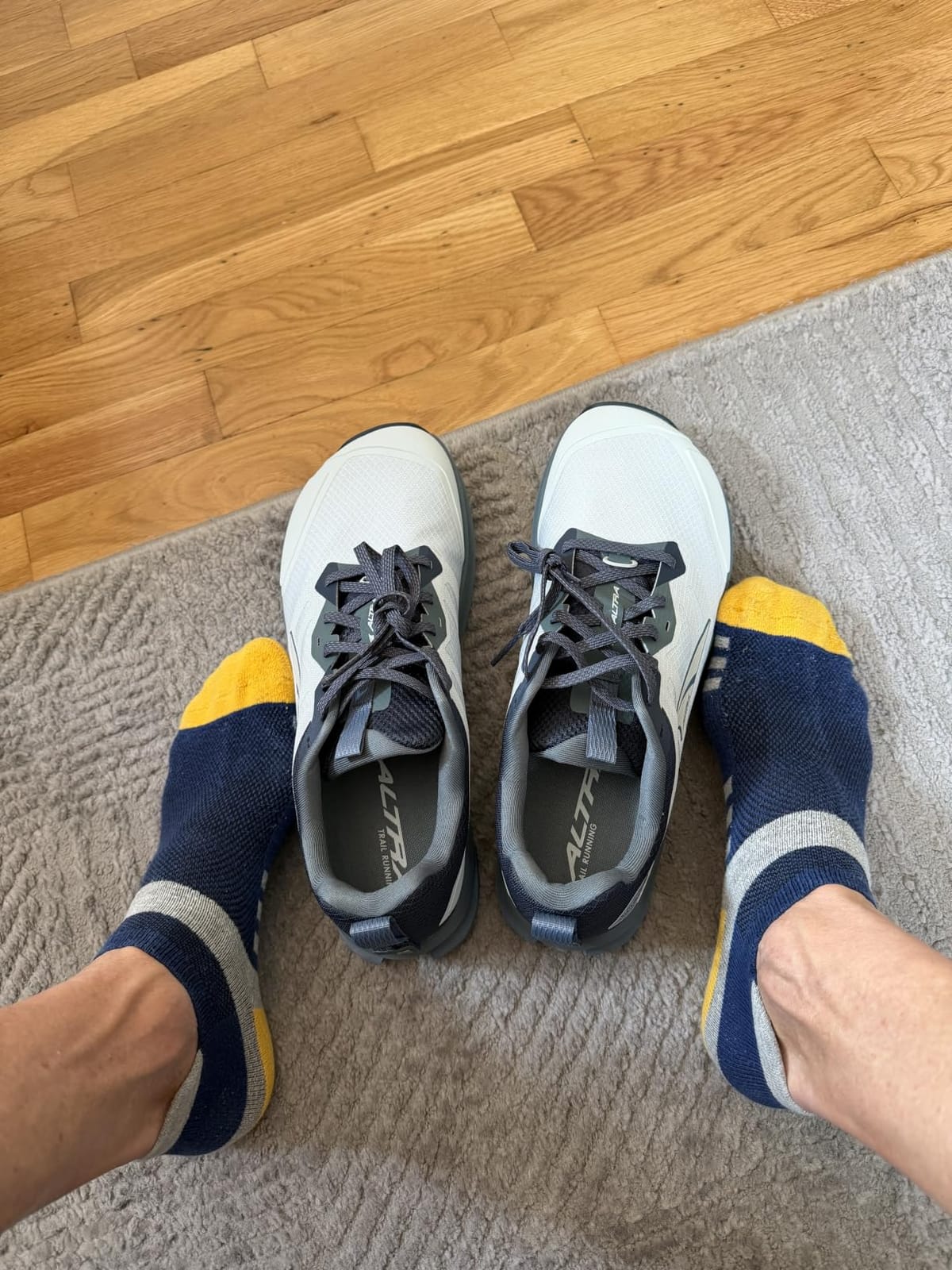
The Altra Lone Peak 9 is the shoe most thru-hikers start with, and the reason is the FootShape toe box. It is not marginally wider, it is shaped to let toes splay, and that single change prevents the compression that causes hot spots, black toenails and nerve pain after week three of a season.
My experience is that the roominess shows up on day 40, not day 1. Feet swell, and a snug forefoot on day 1 becomes a problem by day 40. Reviewers consistently call out the roomy toe box as reducing foot fatigue on long days, which is exactly the effect you want.
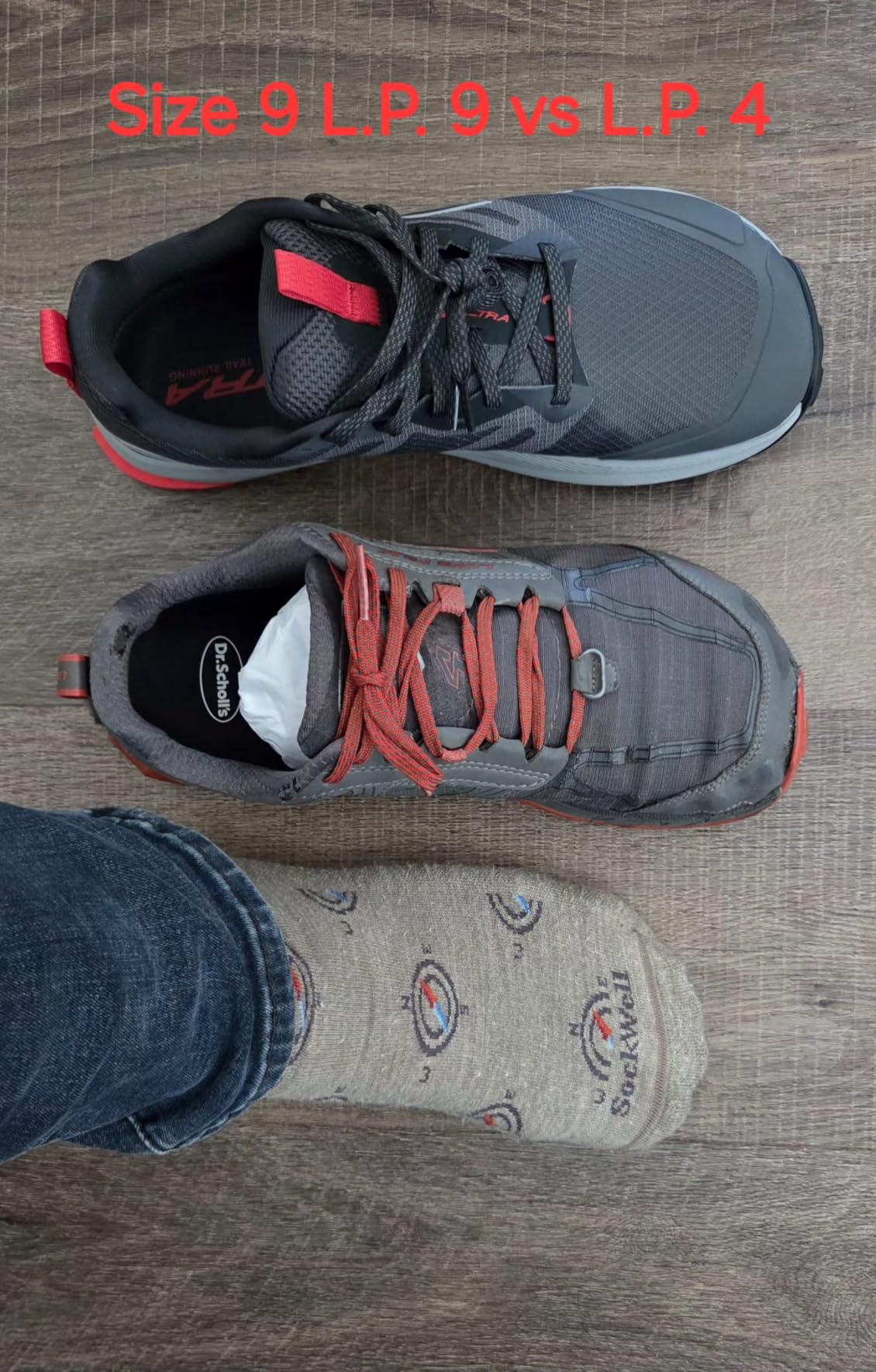
The Altra Balanced Cushioning platform places equal height under heel and forefoot, which encourages a low-impact, midfoot landing. For a hiker this is mostly a calf and knee story: the platform reduces the abrupt braking forces that come from a heavy heel strike on a long descent.
The eVent bootie gives weather resistance without a fully sealed membrane, so it holds off sustained drizzle and wind while still drying overnight. It sits at number three in men’s trail running shoes, and 4.5 stars across 1227 reviews reflects a broadly loved shoe with a specific, non-negotiable fit philosophy.
Why the toe box matters this much
Toe splay is the ability to spread your toes. Most narrow lasts restrict it, and over thousands of steps that restriction forces your toes to sit on top of each other, which is how blisters, ingrown nails and black toenails start. A wide FootShape last removes the cause rather than treating the symptom.
If you have a history of foot pain on long days, this is the pair most worth trying. Reviewers also credit the bootie with keeping feet dry in wet conditions, and the maximalist platform with absorbing the sustained impact of a loaded pack over long miles.
Where it will frustrate you
Zero drop is a real change for anyone coming from a traditional heel-to-toe shoe. Reviewers note the balanced platform can feel unstable, particularly on technical descents in the first weeks, and the transition takes time. If you are three weeks out from a season and have never worn zero drop, this is not the shoe to debut on the trail.
The other limitation is the mirror image of the strength. Reviewers explicitly flag the roomy fit as not suiting narrow feet, and a shoe that is too wide lets the foot slide and causes the toe jam on steep descents. Wide toes yes, locked midfoot also yes, and the Altra does both at once.
4. Brooks Ghost Trail: Best for Everyday Trail Days
Brooks Men’s Ghost Trail, Off-Road Running Shoe for Rugged Terrain – Ebony/Black/Clove – 10 Medium
TrailTack Green 3mm lugs
DNA LOFT v3 midsole
Air mesh upper
10-10.5 oz per shoe
Pros
- Plush cushioning for long runs and hikes
- Reliable all-terrain traction
- Breathable air mesh
- Roomy true-to-size fit
Cons
- Light platform not built for technical scrambling
- Stock insoles often swapped
- Low-cut collar offers little ankle support
This is the shoe I recommend to someone whose idea of trail is a gravel path that turns into singletrack, not sustained scree. The DNA LOFT v3 midsole is nitrogen-infused and genuinely plush, and at roughly 10 to 10.5 oz per shoe it stays light enough for long days.
What makes it work as an everyday trail shoe is the 3mm lug depth on the TrailTack Green outsole. It grips loose dirt and gravel without the punishing feel of a deep mud lug on a fire road, and reviewers describe reliable traction on gravel paths and hiking trails.
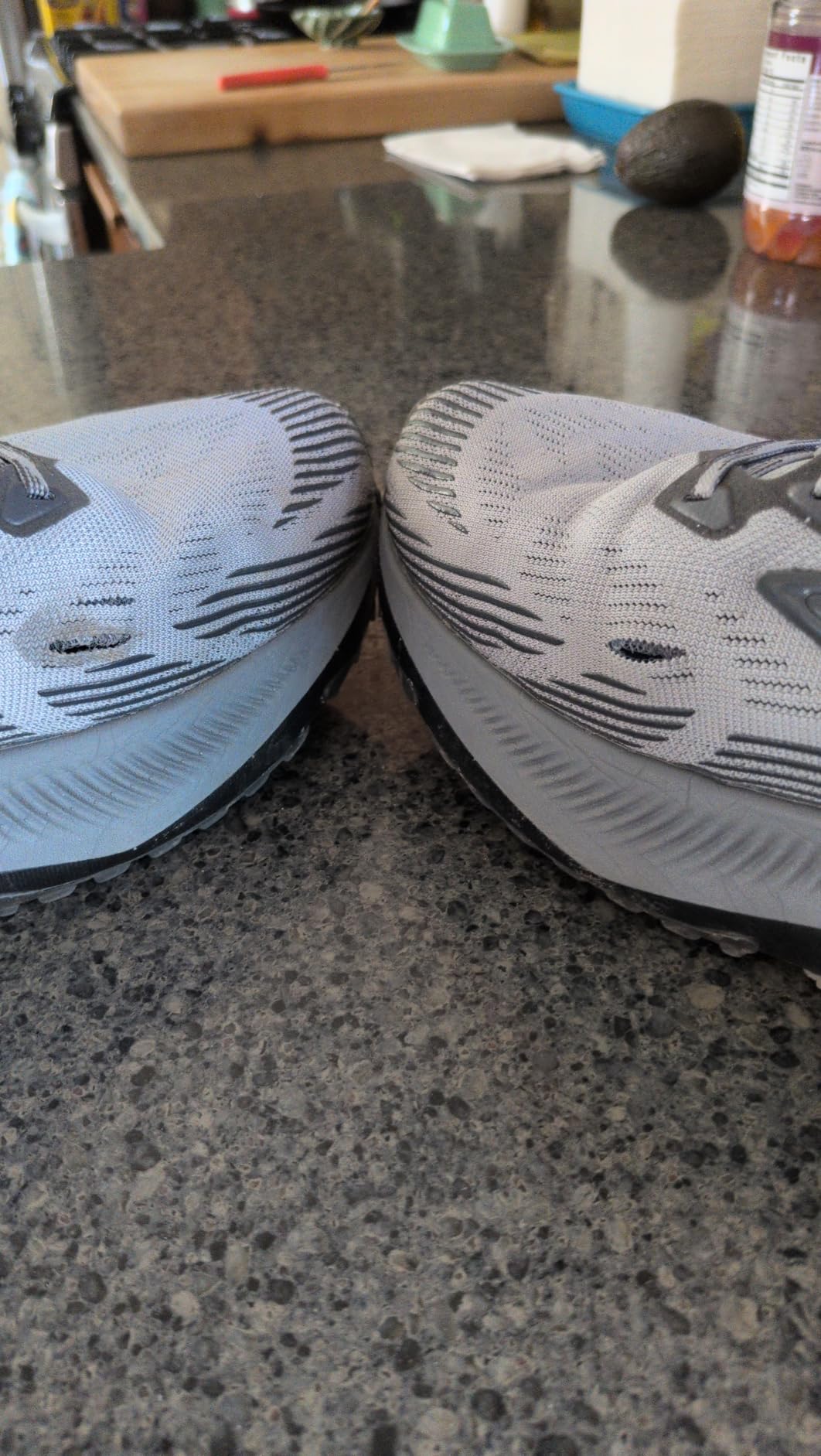
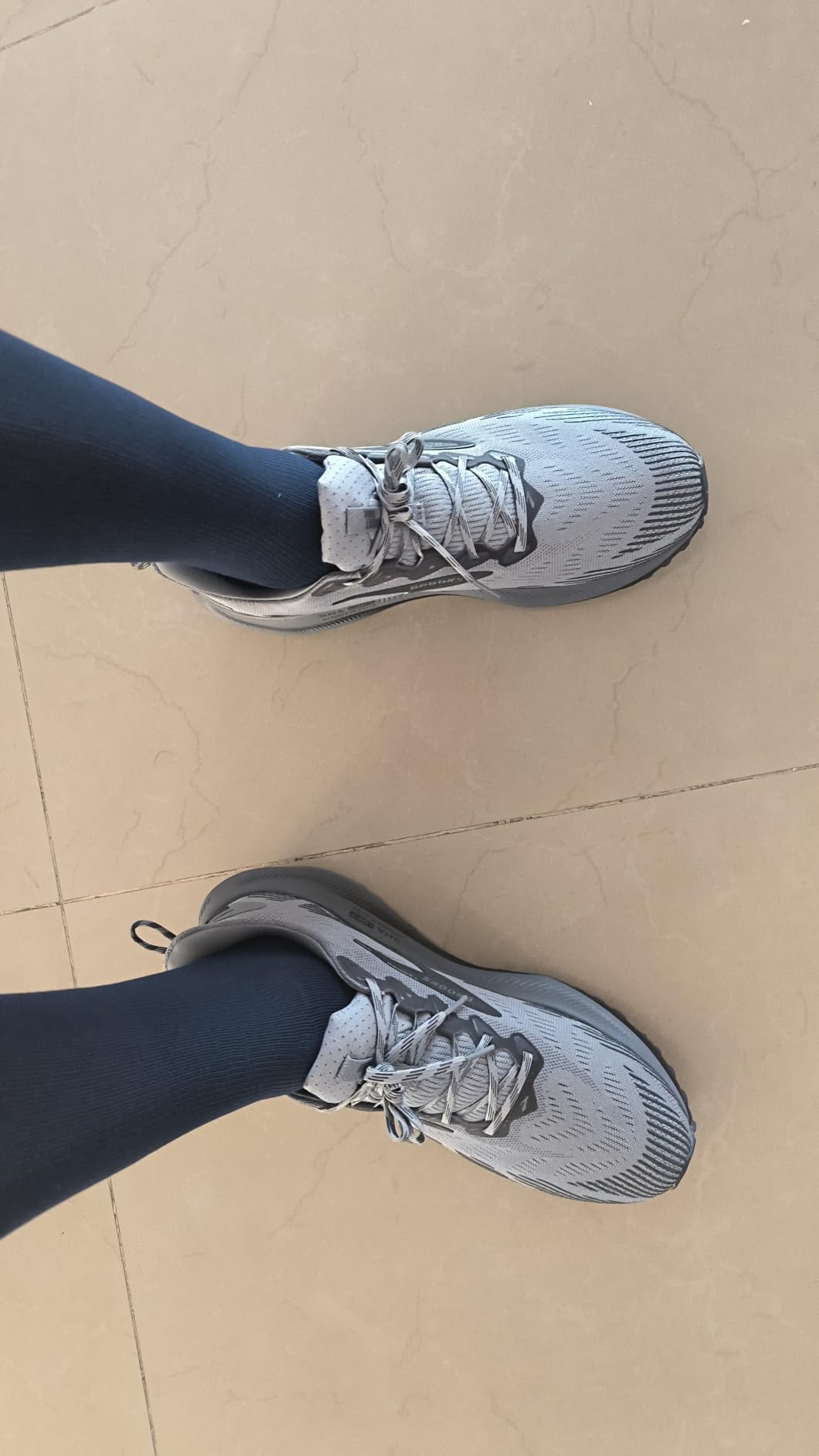
The air mesh upper and 3D-printed toe cap with mudguard overlays are a sensible combination: plenty of airflow for warm ground, with reinforcement exactly where a toe bang needs protection. One reviewer logged 30 blister-free trail miles in a single outing, which is the metric that actually matters here.
At 4.6 stars across 392 reviews, this is a newer model with a shorter review history than the leaders. That cuts both ways. There is less evidence of long-term failure, but also less evidence of early failure, and the fit is described as roomy and true to size, which is rare in a trail shoe.
Why cushioning level decides this shoe
Cushioning is the variable most hikers over-weight and most under-specify. Under a 30 to 50 pound pack, a thin midsole transmits every sharp rock directly to the plantar fascia, and the failure accumulates over weeks rather than showing up on day 2. A nitrogen-infused midsole compresses less and returns more, which is why it survives long days.
This shoe sits in the middle of the range, which is exactly right for mixed terrain. It gives under a pack without the floaty, disconnected feel of a true maximal, and reviewers call the cushioning comfortable for both long runs and long hikes.
Where it will frustrate you
The company itself lists the light trail platform, and reviewers agree it is not a technical or ankle-supporting shoe for steep rocky scrambling. The low-cut collar provides little support on very rough terrain, so if your route is sustained scree or talus, this is the wrong tool.
Owners frequently swap the stock insoles, and the 3mm lugs will feel short on deep mud. For a Pacific Crest Trail summer or a well-maintained section hike, that is a fair trade. For a wet Appalachian spring, choose the deeper lugs in pick 2.
5. Columbia Konos TRS: Best Waterproof Option for Sustained Rain
Columbia Men’s Konos TRS Outdry Waterproof Shoe, Black/Grill, 10.5
OutDry waterproof membrane
OMNI-MAX PLUS midsole
Adapt Trax wet traction
Navic Fit lockdown
Pros
- Fully waterproof for heavy rain
- Techlite+ cushioning absorbs impact
- Adapt Trax grips wet ground
- Stable heel lockdown
Cons
- Membrane adds weight and stiffness
- Less breathable than mesh in hot dry conditions
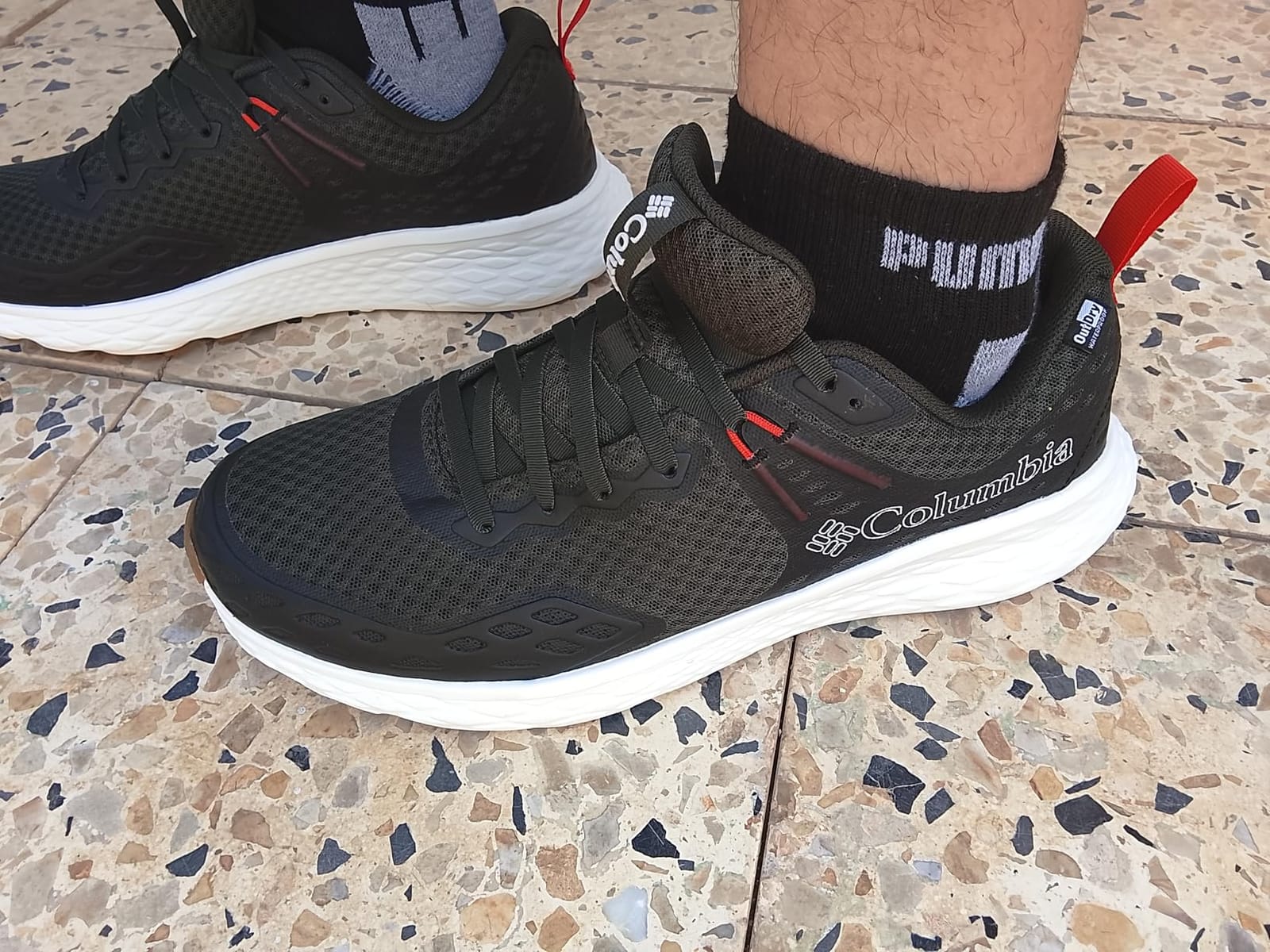
When the forecast is rain for a week rather than an afternoon shower, a sealed upper stops being a luxury and starts being the point. The OutDry Superior membrane is bonded to the upper construction, which means fewer seams for water to enter, and 4.7 stars across 1336 reviews reflects how consistently owners rate the waterproofing.
The OMNI-MAX PLUS system with a Techlite+ midsole and deflection domes handles the long-day impact problem well. Reviewers credit the cushioning with absorbing impact over long days, and the sealed build carries more structure underfoot than a mesh trail runner would.
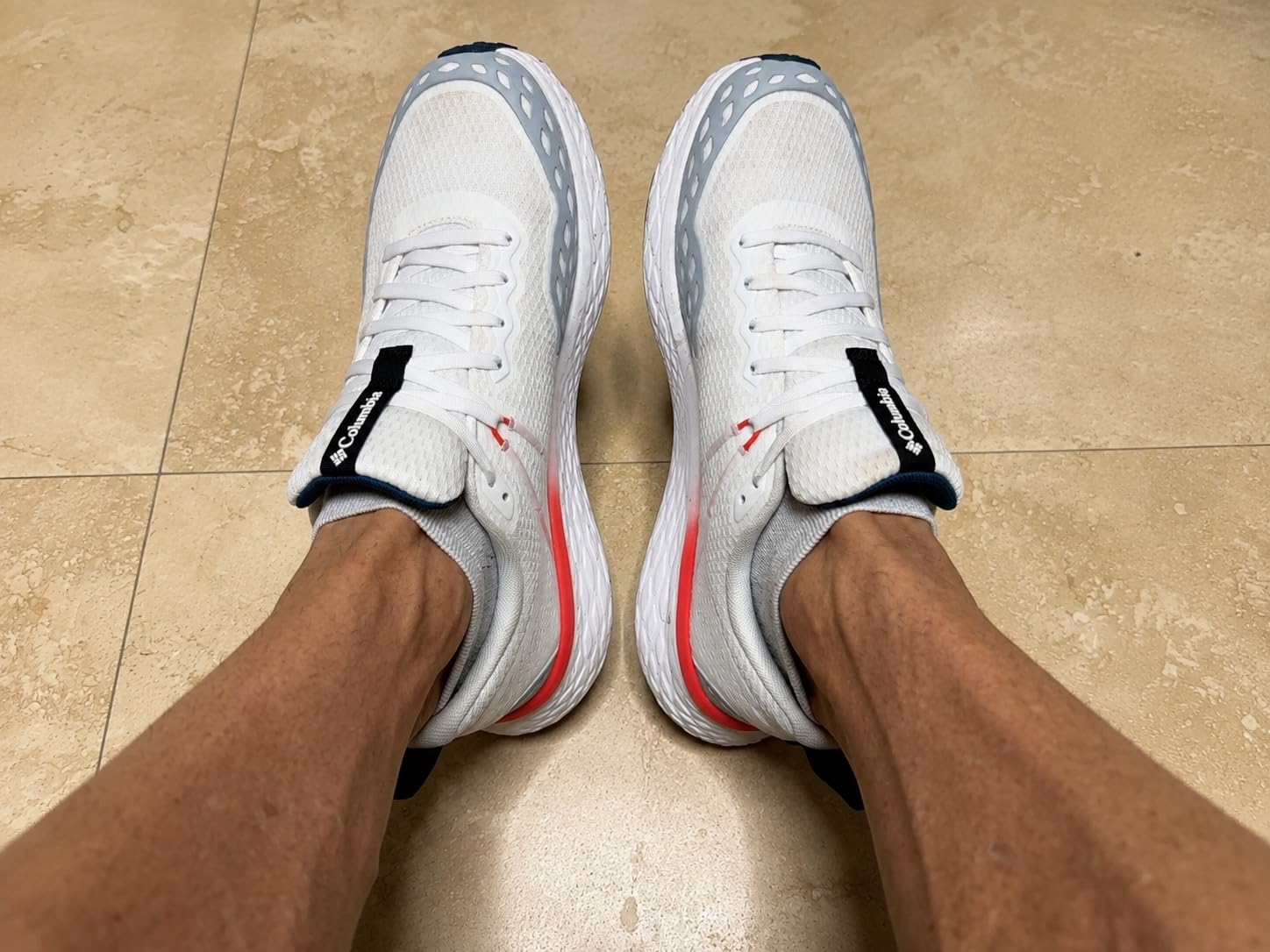
Adapt Trax tread is tuned for wet ground, and reviewers specifically praise how it performs on wet and slippery surfaces rather than simply mentioning traction generically. The Navic Fit midfoot lockdown system keeps the foot from sliding forward inside the shoe, which is the other common cause of toe jam on descents.
This is also a hybrid in the truest sense: a hiking shoe that handles trail-to-street construction, which means it works for the approach miles around resupply towns as well as the trail itself. That versatility is why it earns a place on a multi-season list.
When waterproofing is genuinely worth it
The case for a membrane is straightforward: on sustained wet terrain, a soaked mesh shoe holds water against the skin, and in cold conditions that water cools you dangerously. Cotton-free socks dry overnight; a wet shoe does not. If your season includes October on the AT, or a Washington stretch in a shoulder month, waterproofing is a safety feature.
Reviewers confirm the membrane performs in moderate to heavy rain, and the wet-terrain tread means the shoe still grips when everything around it is slick. That combination is rarer than it sounds, because sealed shoes are often the first to lose traction in the wet.
Where it will frustrate you
There is a real cost. The membrane adds weight and stiffness to the ride, and it is less breathable than non-membrane trail shoes in hot, dry conditions, which both reviewers name directly. On a July desert crossing, a sealed shoe that cannot dump heat is a liability.
Breathability is the whole argument between this shoe and pick 3. The Altra uses a weather-resistant bootie that breathes; the Columbia seals. One dries your foot, the other keeps water out of it, and the right answer depends entirely on how much water you expect to walk through.
6. Brooks Cascadia 19: Best for Rocky Mountain Trails
Brooks Men’s Cascadia 19 Mountain Trail Running Shoe – Black/Black/Ebony – 11.5 Medium
Ballistic Rock Shield
DNA LOFT v3 midsole
TrailTack Green outsole
Reinforced toe cap
Pros
- Responsive soft cushioning for long trail days
- Traction on uneven wet and dry ground
- Rock shield adds underfoot stability
- Durable toe cap and mudguard
Cons
- Less plush than maximalist shoes under load
- May feel firm for hikers who want maximum cushion
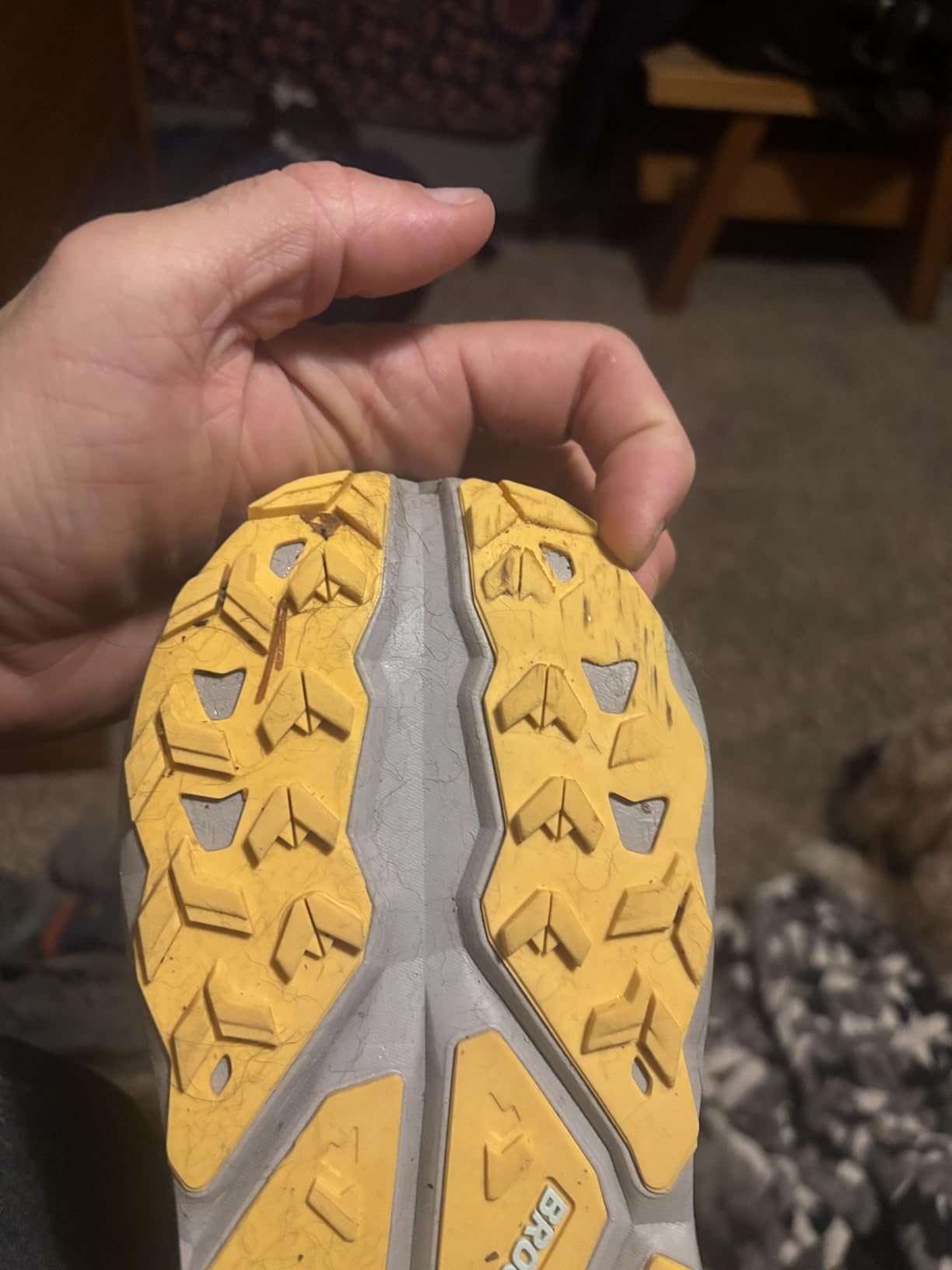
The Trail Adapt System with a flexible Ballistic Rock Shield is the feature that makes this shoe distinct from every other Brooks in the list. It sits underfoot, articulating with the terrain so sharp rock is distributed across the midsole instead of concentrated in one spot, and reviewers credit it with adding real stability on rock.
The midsole is nitrogen-infused DNA LOFT v3 in both heel and forefoot, the same foam as the Ghost but tuned here for responsiveness rather than plushness. At 4.5 stars across 448 reviews, this is a well-regarded, narrower-reviewed shoe, and the top of the list is a best-sellers rank of number 7 in men’s trail running shoes.
The upper is a breathable air mesh with 3D print overlays, a reinforced toe cap and a mudguard, which is a sensible durability package for volcanic rock and sharp talus. The outsole is TrailTack Green rubber made from 25 percent recycled content, and the whole product is certified carbon neutral.
For terrain matching, this is the shoe for the CDT and the Colorado Trail, where exposed rock is the daily surface and sharp edges are constant. Toe protection matters more on those routes than grip does, and this build prioritizes it.
How a rock shield changes a long day
Underfoot jab is a cumulative injury. A sharp rock that is fine for one step becomes the reason you limp on mile 22, and it happens because a thin or non-articulated midsole lets the pebble find one pressure point. A rock shield spreads that contact and flexes with the ground, which is the difference between a foot that stays healthy for 3,000 miles and one that does not.
You will not notice the shield on step one. You notice it on step 4,000. That is the general pattern with protective features in trail footwear, and it is why a spec you cannot feel is often the most valuable one on the trail.
Where it will frustrate you
The honest trade-off is plushness. Reviewers call it less plush than maximalist shoes for loaded-pack comfort, and note it may feel firm for hikers who prefer maximum cushion. If your pack is heavy and your days are long, the Caldera in pick 11 cushions more, and comfort compounds over a season.
The lower review count also means less long-term mileage evidence, and the midsole is described as responsive rather than forgiving, which will feel harsh on an easy paved section. It is a specialist, and specialists are worth it only when the terrain matches.
7. Merrell Accentor 3: Best for Durability and Wide Sizing
Merrell Men’s Hiking Hiking Shoe, Olive/Moss, 10
Suede leather and mesh upper
Bellows tongue
Rubber toe cap
Removable recycled EVA footbed
Pros
- Durable abrasion-resistant suede upper
- Bellows tongue blocks debris
- Removable footbed takes custom insoles
- Widest size and width range here
Cons
- Heavier and less ventilated than mesh shoes
- Suede upper takes a long time to dry once soaked
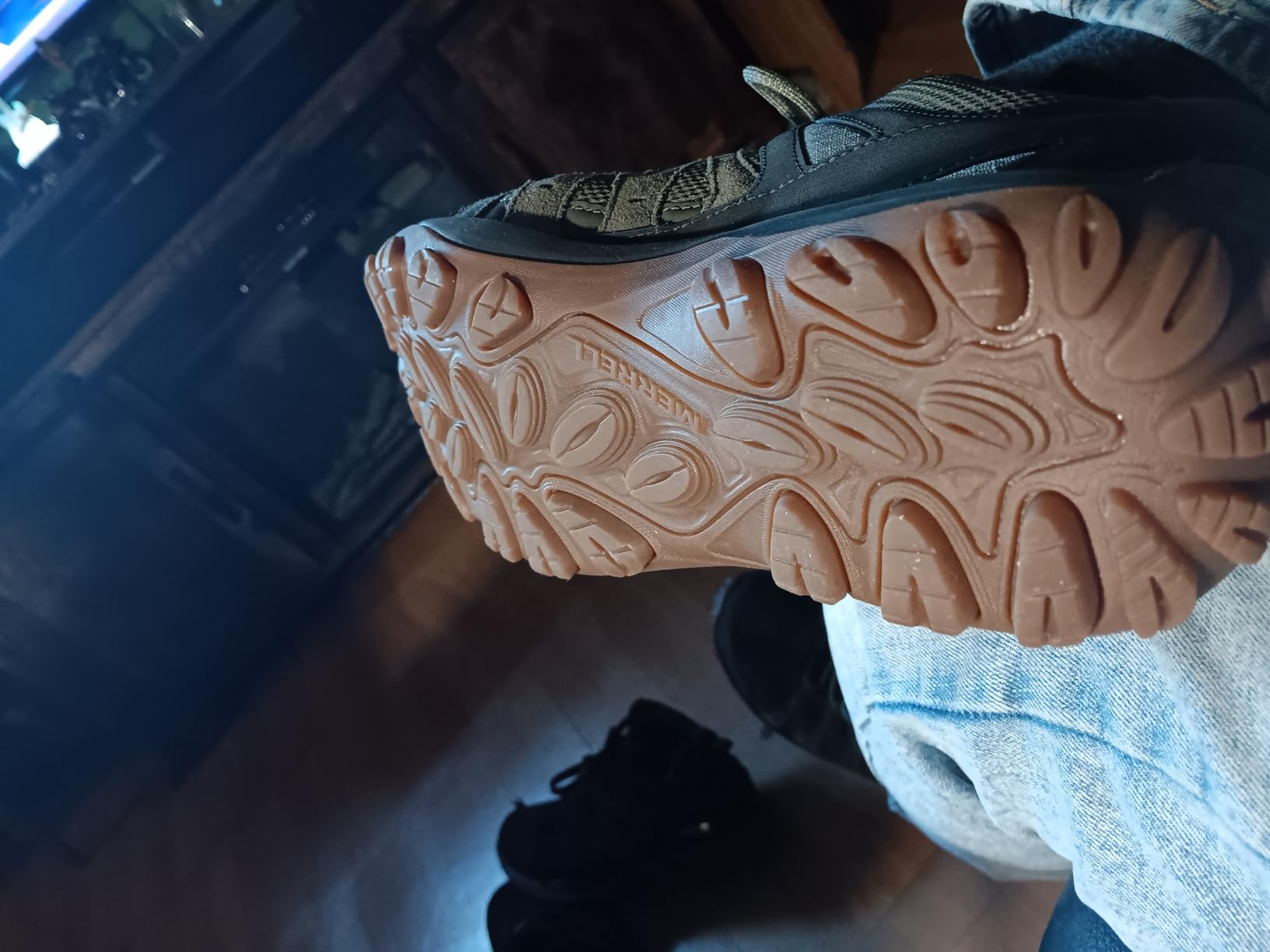
Mesh is fast-drying and light. Suede is tough. This shoe picks suede for the upper, and that choice is the reason it outlasts most of this list in rocky country. At 4.5 stars across 1139 reviews, the durability reputation is consistent.
The second practical win is sizing. Reviewers single out the widest size range of the lineup, including multiple wide widths, and the removable 50 percent recycled EVA footbed lets you fit custom insoles over a season. For a hiker with wide feet or a high instep, that combination removes two common fit problems at once.
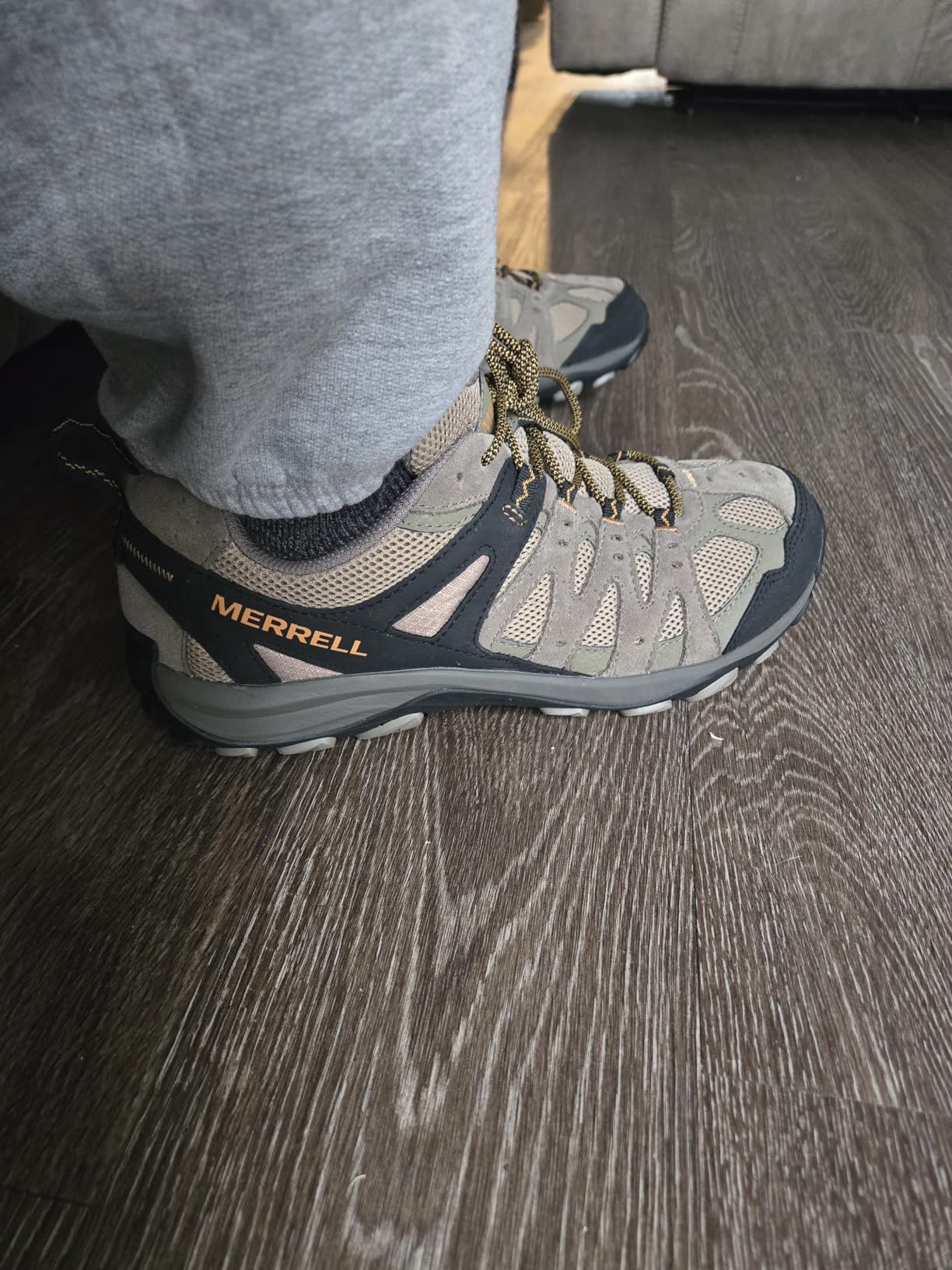
Debris protection is handled properly. A bellows tongue keeps rocks and grit out of the footbed, and an abrasion-resistant rubber toe cap shields the front of the shoe, which is the part that takes the most abuse on rock-strewn descents. The laces and webbing are 100 percent recycled, which matters less for performance but signals the build’s direction.
At 1,139 reviews, this is one of the more proven shoes here, and it fills a gap the trail runners cannot. A wet Appalachian spring, a desert route with cactus and sharp rock, and a hiker who resoles rather than replaces will all land well with this build.
Why a wider size run matters over a season
Feet swell, and swelling changes your size requirements in a way a single narrow size cannot accommodate. A brand that offers genuine wide widths lets you buy room for day 80 rather than buying snug on day 1, and that single decision prevents the toe jam and compression problems that end trips early.
It also matters for insoles. A removable footbed gives you the flat, replaceable surface that orthotics need, and over a multi-month season you will likely want an arch insert you can swap rather than a fixed footbed you have to live with.
Where it will frustrate you
Reviewers are direct about both limits: it is heavier and less ventilated than mesh trail running shoes, and the suede upper takes longer to dry if soaked. That drying issue is the real problem in a wet climate, because a shoe that takes two days to dry is a shoe you will wear wet.
On hot, dry, high-desert routes the ventilation trade-off is worth it. In a wet, cold season it is not. This is the durability pick, and durability and quick drying pull in opposite directions.
8. New Balance Dynasoft Tektrel V1: Best for High-Volume Feet
New Balance Men’s DynaSoft TEKTREL V1 Trail Running Shoe, Black/Phantom/Magnet, 14 W
DynaSoft midsole
AT Tread outsole
Regrind upper overlay
Corded eye row lockdown
Pros
- Cushioned yet supportive for long days
- Held up over 10 days of desert hiking
- True to size with secure lacing
- Less bulky than typical trail shoes
Cons
- Runs small in some wide sizes
- Unusual lacing takes getting used to
- Some question upper durability long term
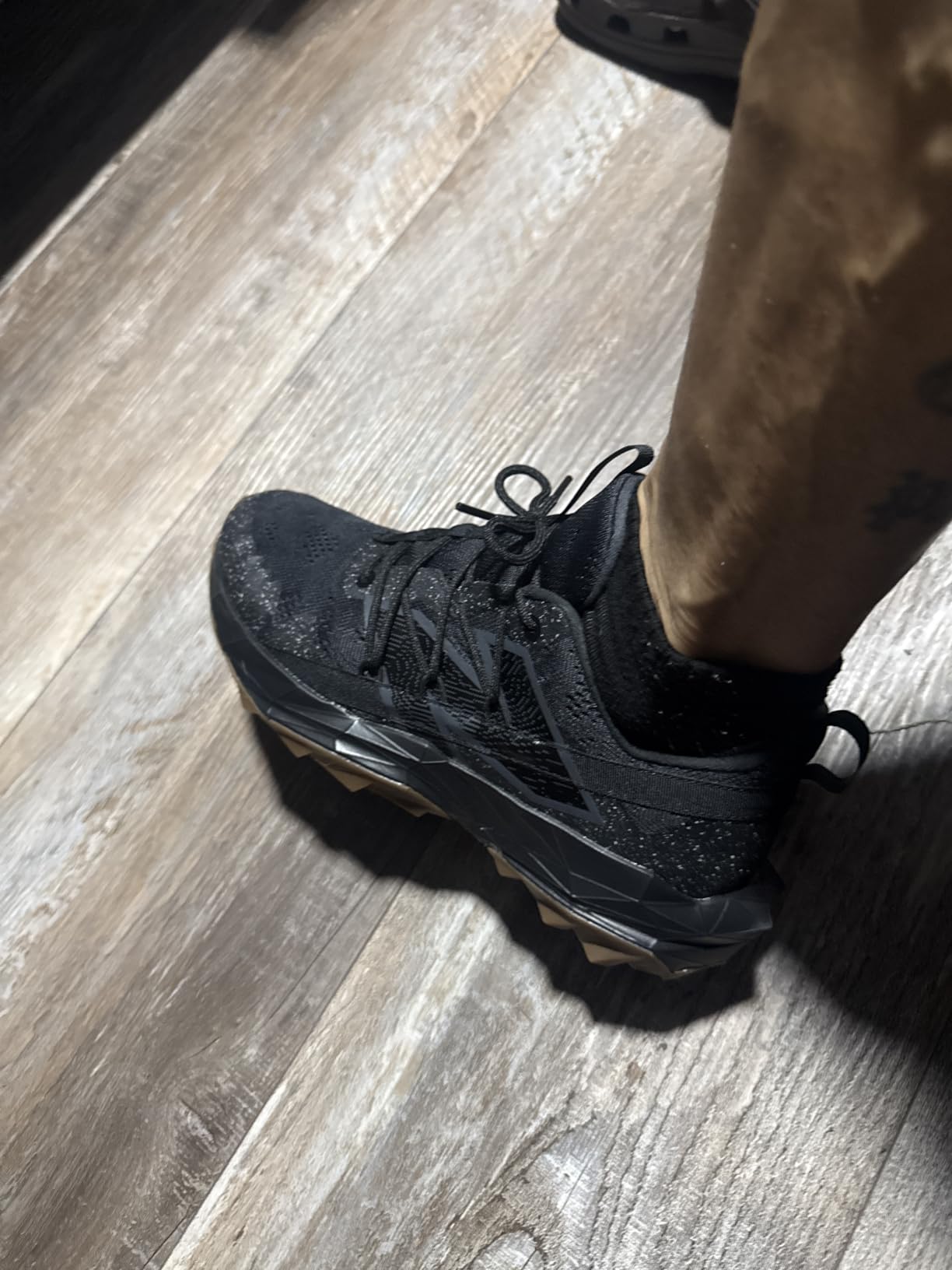
The strongest single review in this entire lineup is from a New Balance Tektrel owner who put ten days of heavy desert hiking through them, including water crossings, and reported no rips or tears with fast drying afterward. That is exactly the use case a thru-hiker has: sustained miles, water, and no time to wait for gear to dry.
The DynaSoft midsole is plush but still supportive, and reviewers describe the balance as good for long hiking days rather than soft in a way that feels unstable. With 1553 reviews at 4.4 stars, this is one of the most proven shoes in the group, and the review volume is mostly about comfort across long days.
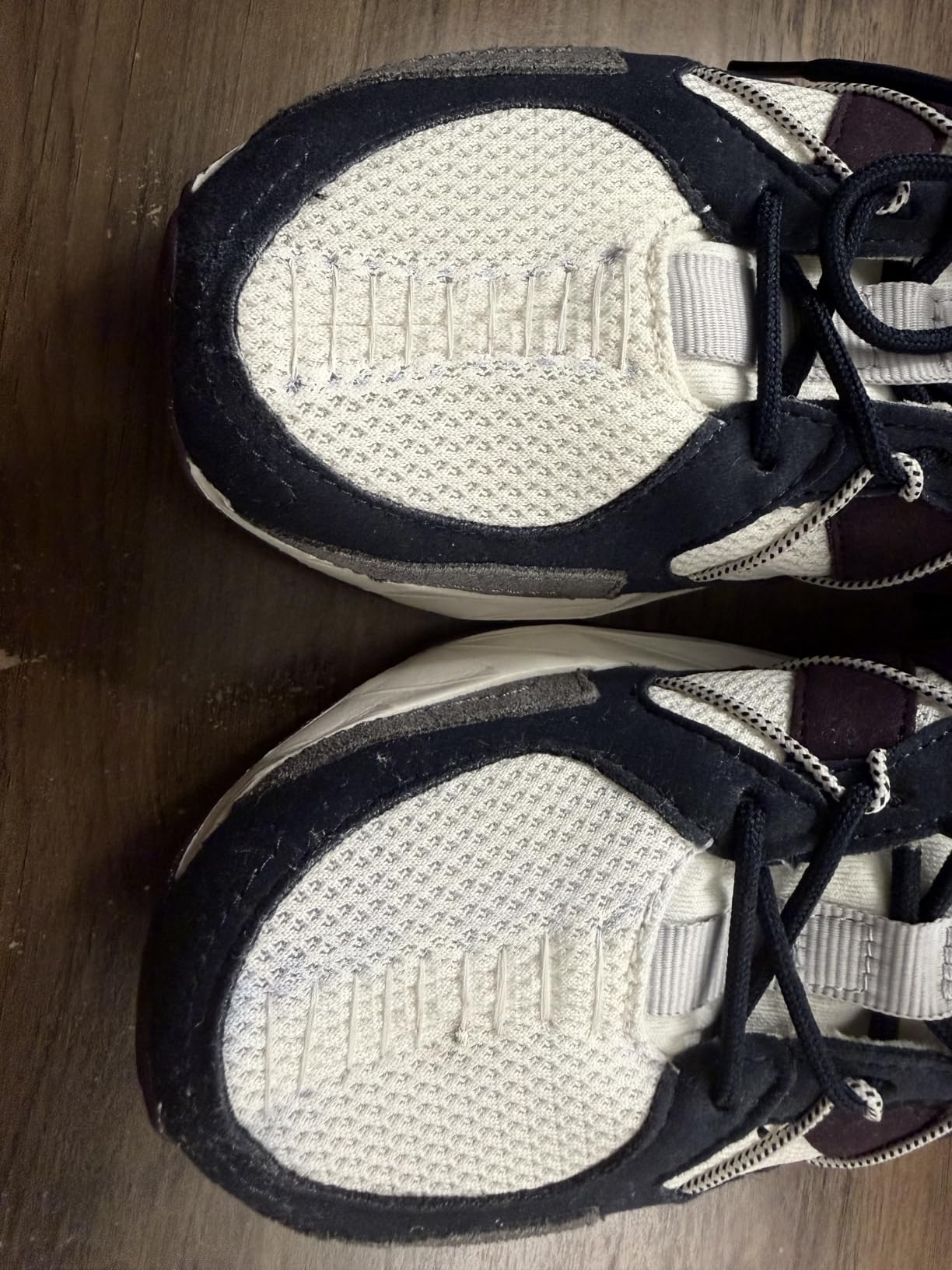
The AT Tread outsole handles both on- and off-road traction, which suits a thru hike where pavement approaches are unavoidable. The corded eye row gives a locked-down feel once dialed in, and the lifestyle-inspired upper looks noticeably less bulky than a traditional trail shoe, which matters more than most guides admit.
The Regrind upper overlay is the durability insurance, and it is the element some buyers question over a long season. If your route is mostly buffed singletrack and maintained trail, the styling is a genuine advantage. If it is full of rock and brush, the suede build in pick 7 is safer.
What high-volume feet actually need
High-volume feet are simply feet that take up more space than a standard last accounts for, either because of width or because of a tall instep. The problem shows up as the forefoot pressing down on the toes by the end of a long day, and the standard fix is a wider shoe, not a bigger one.
This shoe targets that directly, and the midsole cushions the load so the foot is not absorbing every impact on its own. Reviewers describe it as cushioned yet supportive, which is the specific balance a hiker with roomy feet needs, since roomy feet plus a soft unstable midsole equals worse of both.
Where it will frustrate you
Fit is the weak point. Reviewers say it runs small in some wide sizes, which is contradictory-sounding for a shoe aimed at volume, and the unusual lacing system takes getting used to before it stops rubbing.
Durability is the second concern, since some buyers question the upper over the long term and the lifestyle styling trades protection for looks. If you expect a lot of rock strike and brush, this is a comfort shoe that will ask more of you over 700 miles.
9. New Balance Fresh Foam X Hierro V9: Best for Vibram Traction
New Balance Men’s Fresh Foam X Hierro V9 Trail Running Shoe, Dark Juniper/Black/Dried Apricot, 12 M
Dual-density Fresh Foam X midsole
Vibram Megagrip 6mm lugs
Toe Protect cap
Gusseted tongue
Pros
- Plush cushioning with a stable firm base
- Vibram Megagrip grips wet and dry ground
- Reinforced toe cap blocks rock and roots
- Gusseted tongue keeps out pebbles
Cons
- Heavier build than speed-oriented trail shoes
- Plush midsole can feel soft under a heavy pack on technical terrain
This is the only shoe in the group with a Vibram Megagrip outsole, and at 6mm the lugs here are among the deepest on a mesh-backed trail shoe. Reviewers credit the traction on wet and dry ground, which is the compound’s signature strength and the reason premium thru-hikers chase it.
The dual-density Fresh Foam X midsole is the most interesting engineering choice in the lineup: a soft top layer over a firm bottom layer. You get plush cushioning where your heel lands and a stable platform where the pack load needs support, and reviewers describe exactly that combination of plush cushioning with a stable base.
At 4.3 stars across 822 reviews, that sits at the lower end of the group, and 7 percent of ratings are one-star. That is worth reading carefully. The complaints cluster around weight and softness rather than failure, which is a different problem from a shoe that falls apart.
Protection is thorough. The Toe Protect reinforced toe cap shields against rocks, roots and debris, and the gusseted tongue keeps pebbles and dirt out, which reviewers call out by name. The engineered knit upper is breathable and the closure is a straightforward lace-up, which never goes wrong.
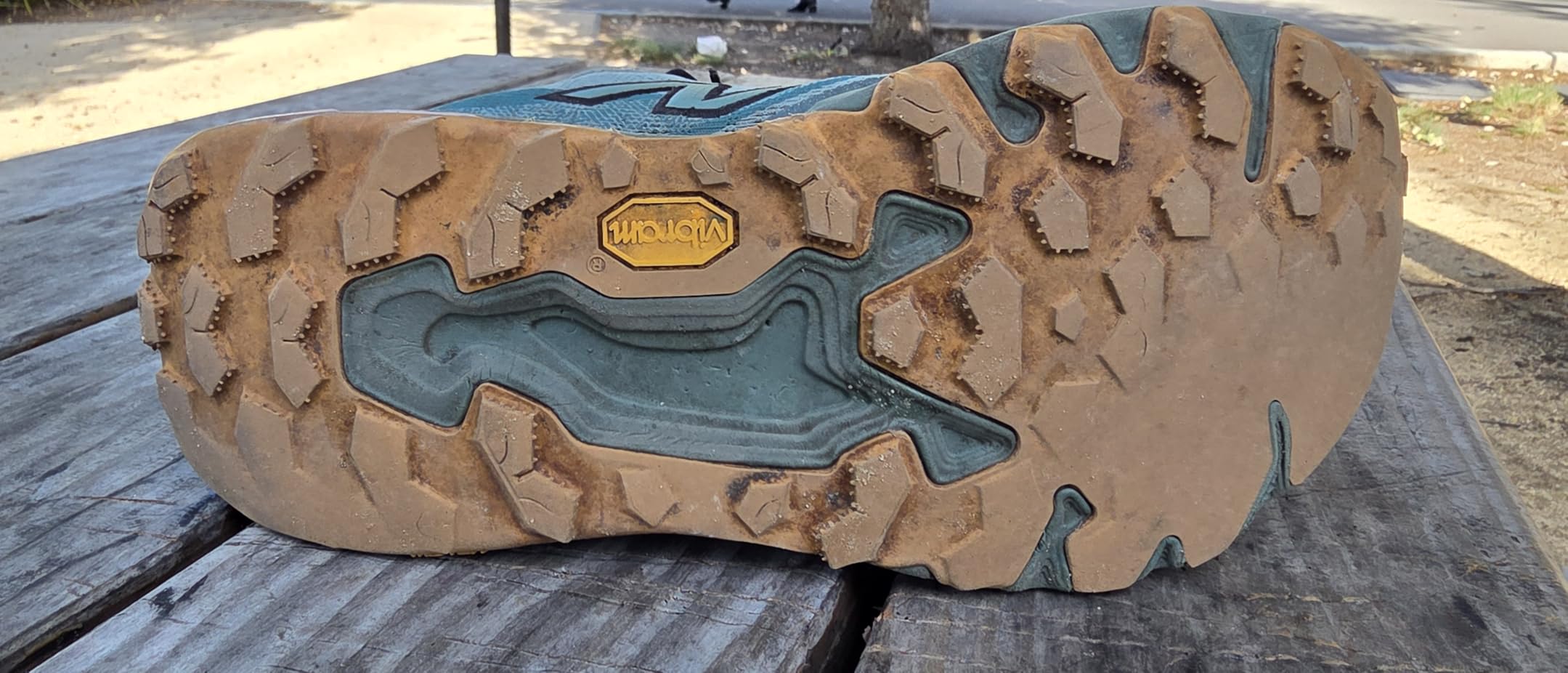
Why 6mm lugs change wet-weather grip
Lug depth is the measurable difference between a shoe that grips a wet slope and one that skates on it. At 6mm, the lugs protrude far enough to bite into soft mud and shed water as you roll, where a 3mm pattern mostly relies on the rubber compound alone. On sustained wet ground, that extra engagement is worth real safety.
Vibram Megagrip is formulated for grip on wet ground, so the shoe is doing two things at once: a soft compound and a deep pattern. Very few shoes in this weight class pair both, which is the honest reason this one earns a place on the list.
Where it will frustrate you
Two limits come up repeatedly. The build is heavier than speed-oriented trail shoes, which shows up over a long climbing day, and reviewers note the plush midsole can feel soft under a heavy pack on technical terrain, where a firmer base would be more precise.
The lugs will also feel clunky on pavement, and this shoe is the least trail-specialized in the group despite the best traction. If your season is mostly dry trail, you are paying a weight and stiffness tax you may not use.
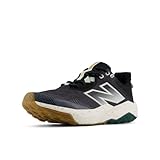
10. New Balance Dynasoft Nitrel V6: Best Value
New Balance Men’s DynaSoft Nitrel V6 Trail Running Shoe, Phantom/Natural Mint/Sea Salt, 10.5 M
DynaSoft midsole
AT Tread outsole
EVA foam insert
Approximately 6mm drop
X-Wide widths
Pros
- Lightweight with solid support
- Best-in-class toe box for flat wide feet
- Generous width range including extra-wide
- 6mm drop suits low-impact walking
Cons
- Lugs wear through faster than expected
- Ventilated upper shows wear within about a year
- Front of the shoe dips slightly for some
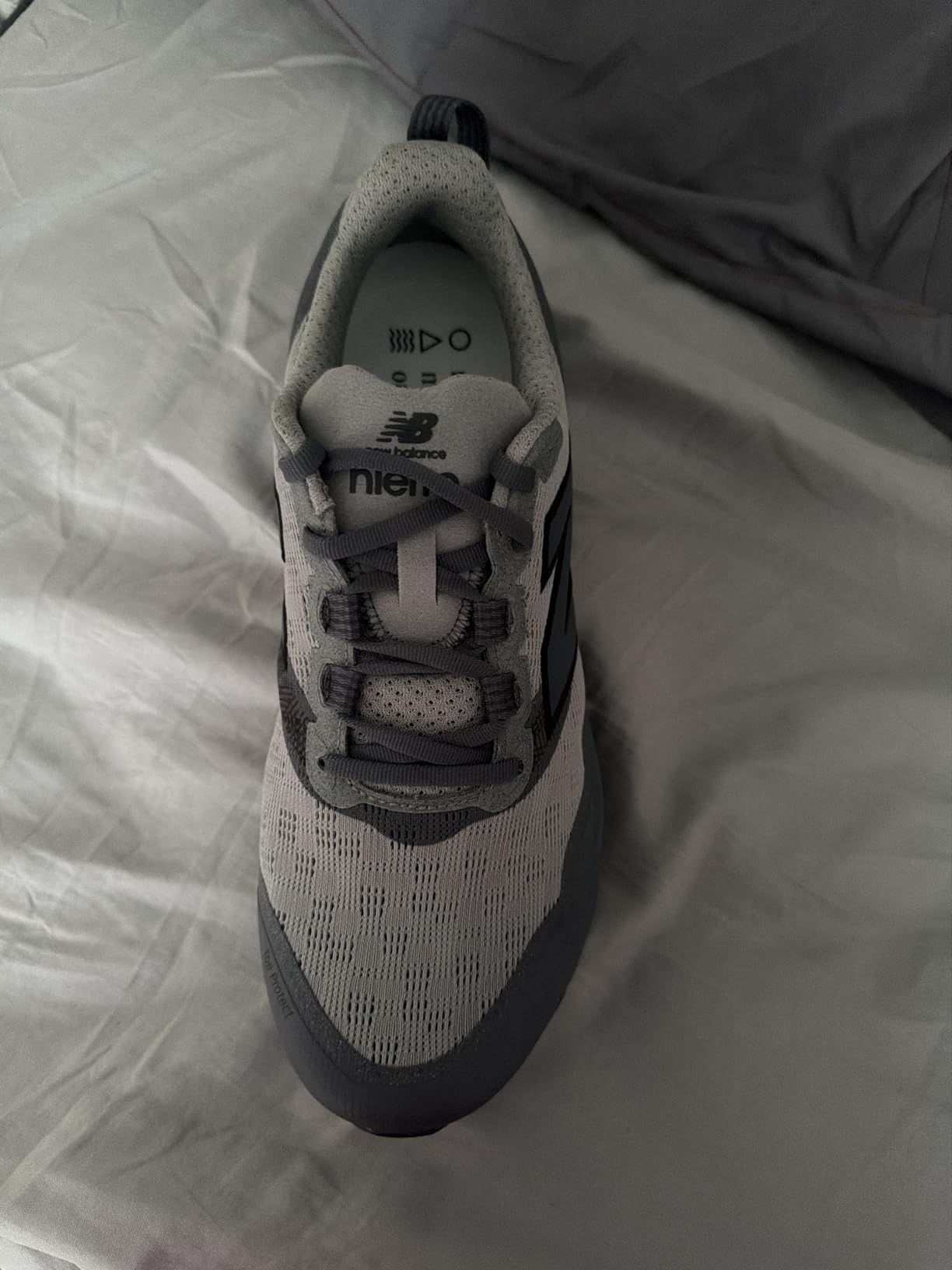
At 4.2 stars across 1453 reviews, this is the lowest-rated shoe we recommend and the best value on the list, and both facts are true at once. The 66 percent five-star share and 9 percent one-star share is the widest spread in the lineup, which tells you plainly that fit is a coin flip for some buyers.
What you get is genuinely good. Reviewers call out a best-in-class toe box for flat, wide feet, a generous width range including X-Wide fits, and a 6mm approximate drop that works well for low-impact running and walking. The DynaSoft midsole is responsive plush with an EVA foam insert for comfort.
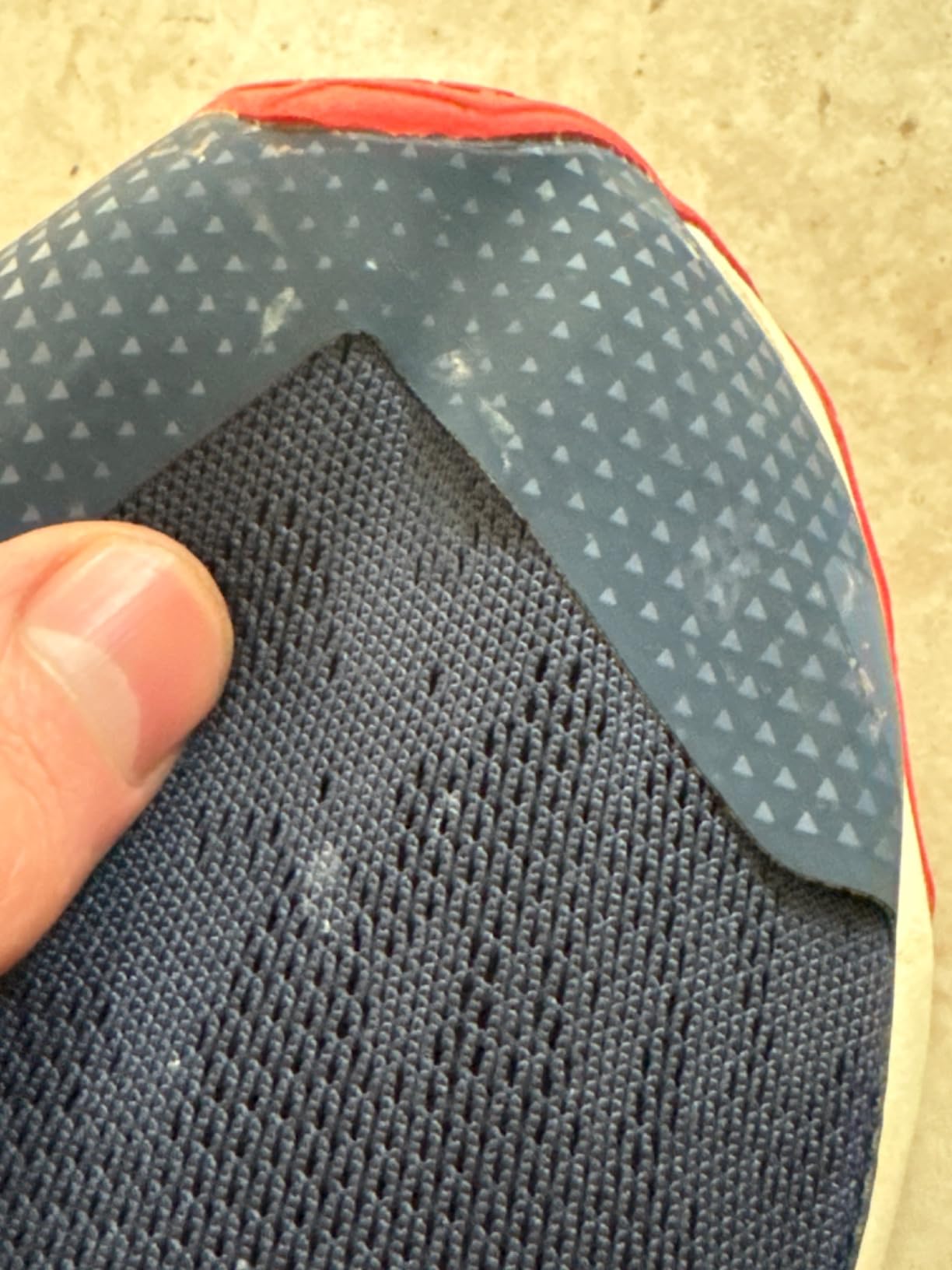
The no-sew overlays keep weight down and the shoe lists at 1.79 pounds for the pair, with the AT Tread outsole handling on- and off-road traction. As the value entry point, this is the shoe to buy if you need a second or third pair for a long season and want the budget to go elsewhere.
That value role is real. Thru-hikers replace shoes multiple times per season, and a cheaper second pair that carries you through a wet stretch is a better investment than one expensive pair that gives out at mile 300.
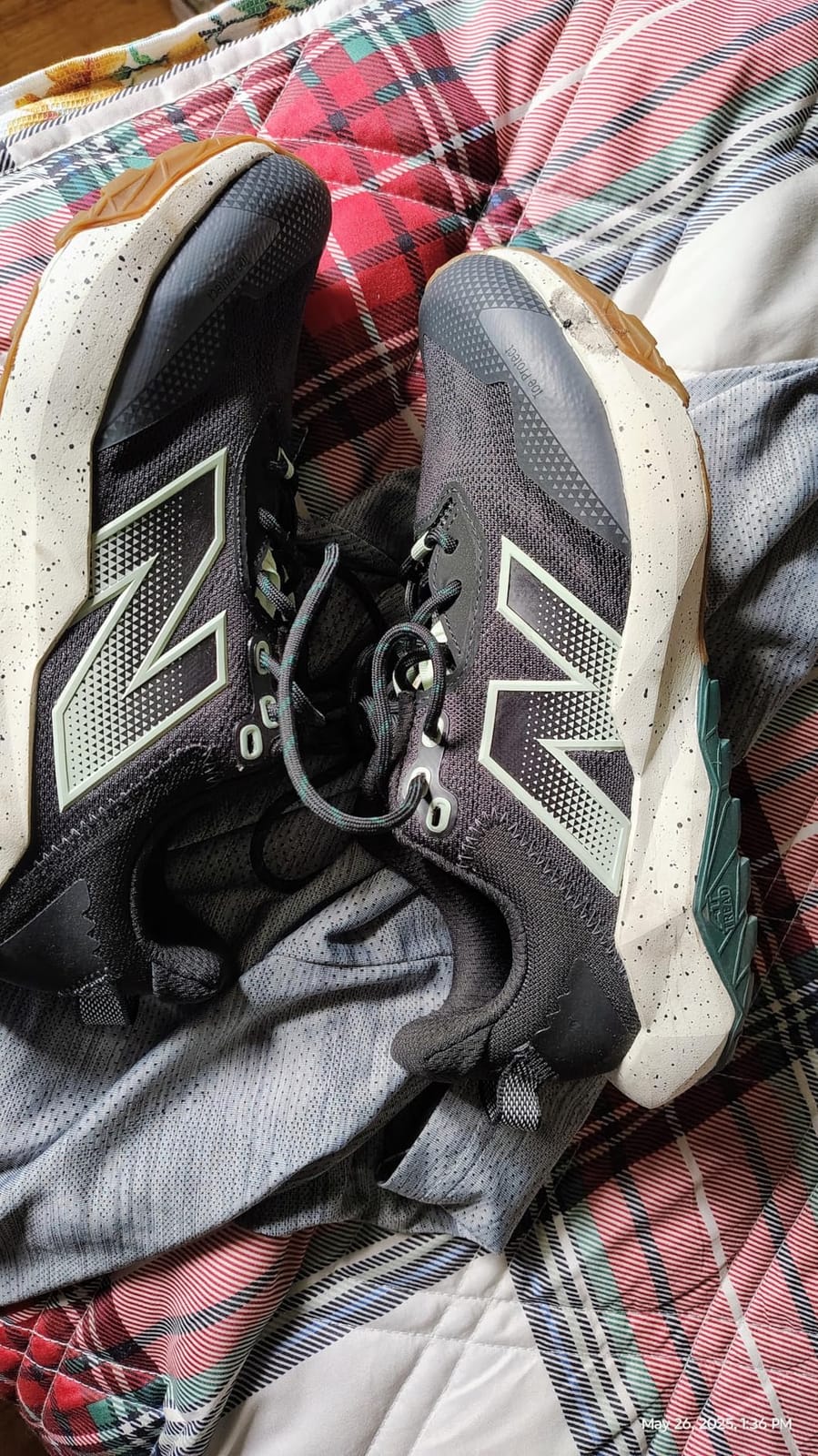
Where durability gets thin
Be clear-eyed about this. Reviewers report outsole lugs wearing through faster than expected with mixed use, and ventilated upper material showing wear within about a year for some buyers. That is a consumable in the truest sense, and it should be bought on that basis.
There is also a fit report worth knowing: the front of the shoe dips slightly during walking for some wearers. A toe that dips under load is a setup for toe jam on long descents, and if that describes you, a roomier but firmer forefoot, like the Tektrel or the Altra, is the safer bet.
Why it is still the value pick
The case for this shoe is arithmetic. A season where you need two or three pairs makes cost per mile the real metric, and a shoe that costs less and is replaced earlier can be cheaper per mile than an expensive shoe worn to failure. For a hiker on a fixed budget, that calculation matters more than a rating difference of a few tenths.
Wide-foot hikers get something genuinely hard to find in a trail shoe: X-Wide widths. If that describes your feet, the fit report matters less and the width availability matters more, and this becomes an easy recommendation rather than a compromise.
11. Brooks Caldera 8 Ultra: Best for Maximum Cushioning
Brooks Men’s Caldera 8 Ultra Trail Running Shoe – Dusty Olive/Lime/Oyster – 8 Medium
High-stacked DNA LOFT v3
Raised sidewalls
Flex grooves
Snag-resistant upper
Pros
- Very light for a maximalist shoe
- Wide comfortable toe box
- Absorbs rocks and roots
- Good traction on soft and hard pack
Cons
- Isolated manufacturing defects reported
- Sizing runs small for some needing a half size up
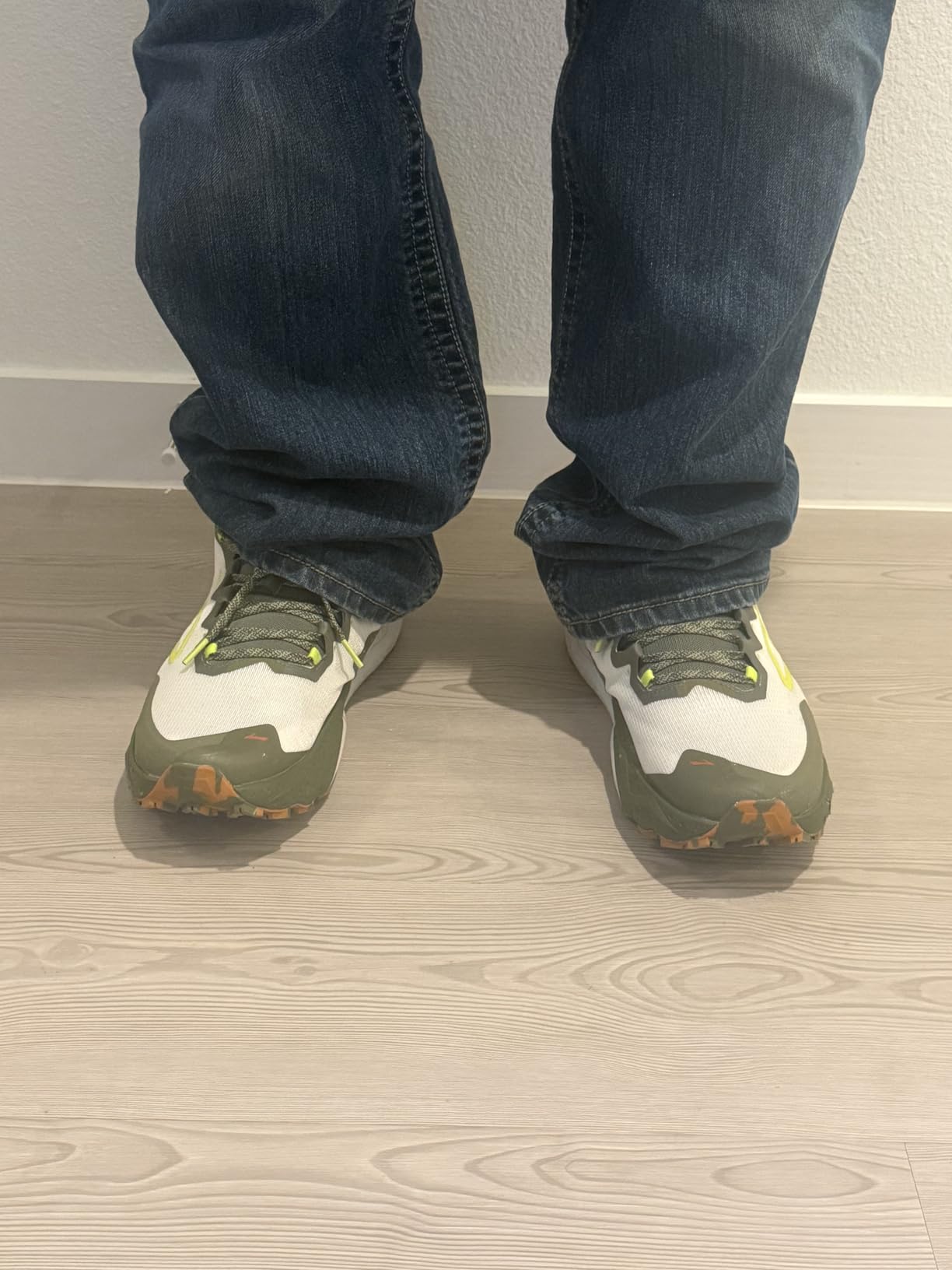
A maximalist shoe is usually heavy and vague underfoot. This one is not. At 4.3 stars across 622 reviews, owners describe high-stacked nitrogen-infused DNA LOFT v3 cushioning that is lighter and more stable than comparable shoes from larger maximalist brands, and the raised sidewalls add genuine security on uneven ground.
The widened base with added outsole flex grooves is the reason it feels planted. Flex grooves let the platform bend where the trail bends, so the shoe rolls instead of rocking, and reviewers specifically praise the wide comfortable toe box for long mileage.
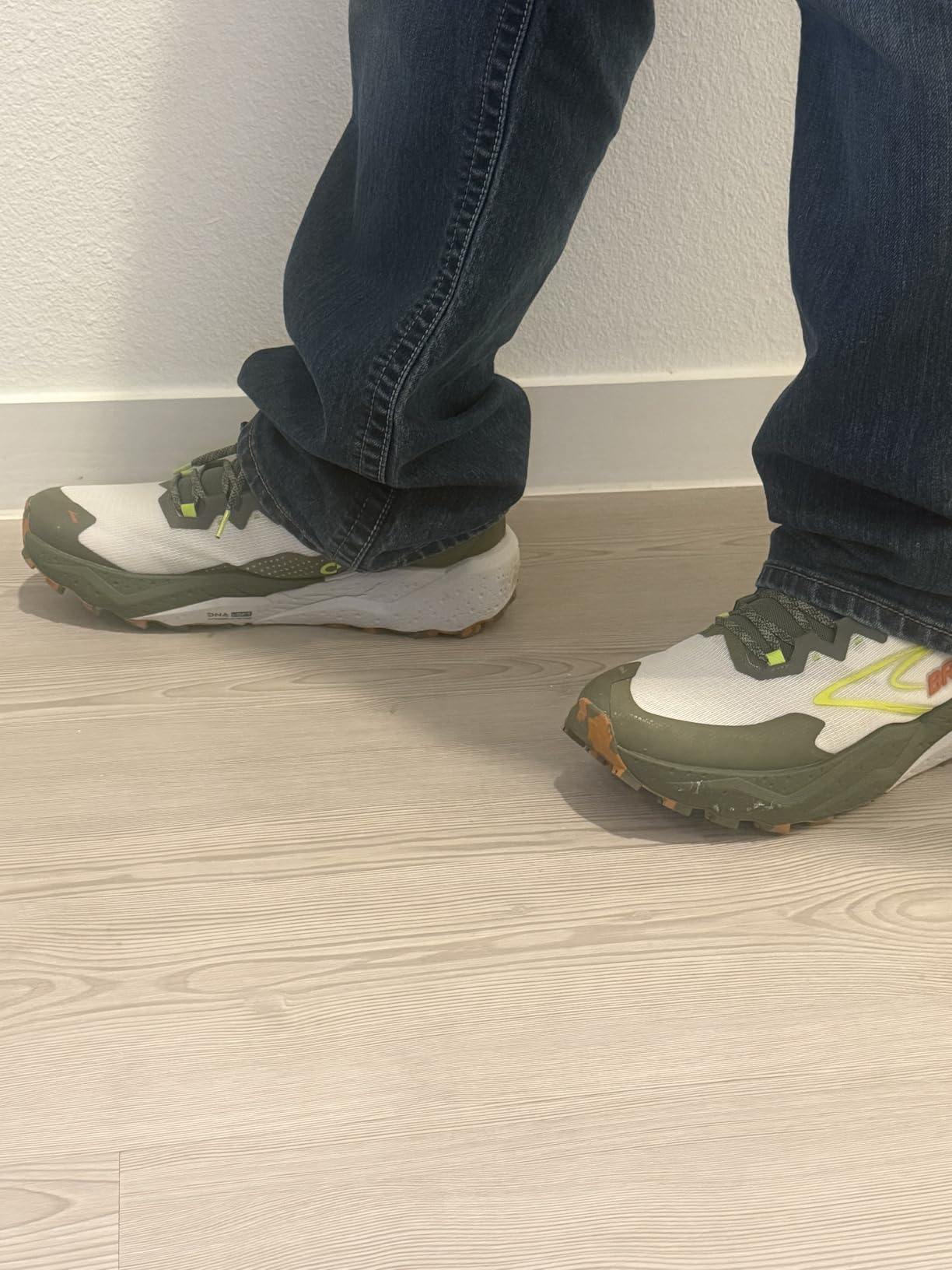
Cushioning that absorbs rocks and roots is the whole point of this class, and the elevated upper is described as scratch- and snag-resistant, which matters on a route with deadfall and brush. The air mesh with a breathable TPEE top layer keeps it ventilated despite the height of the midsole.
One owner reported 40 km of hiking plus a half marathon in a single pair, and the certified carbon neutral build is a nice touch. Traction on soft and hard pack is described as excellent, so the outsole is not a weak point the way it is in some plush shoes.
Who maximal cushioning actually suits
Maximal cushioning is for hikers with heavy packs, high-mileage days, or a history of impact discomfort. The extra foam reduces peak force with each step, and under a 40 pound pack that difference accumulates across thousands of steps into the difference between feet that still feel fine on day 70 and feet that do not.
Raised sidewalls add a second benefit that is easy to miss. They give the foot a physical boundary, so on off-camber trail the foot cannot roll outward as easily. On a CDT talus traverse or a PCT volcanic stretch, that lateral security is worth more than ground feel.
Where it will frustrate you
Two things. Sizing runs small for some buyers, who report needing a half size up, and if you have narrow or low-volume feet the wide toe box may leave your foot sliding, which is the toe-jam setup again.
There are also isolated manufacturing defects reported, with lace-anchor lugs detaching on a small number of pairs. That is a quality-control issue rather than a design flaw, but it is worth inspecting the shoe the day it arrives rather than on the first trail mile. If you want firm ground feel instead, the Cascadia in pick 6 is the opposite trade.
12. adidas Terrex Tracefinder: Best Budget Pick
Adidas Mens Terrex Tracefinder 2 Trail Running, Black/Black/Grey, 7.5
12.2 oz per shoe
10mm drop, 30mm heel to 20mm forefoot
LIGHTMOTION midsole
Mesh upper
Pros
- Lightweight at 12.2 oz with solid underfoot feel
- Good grip and stability on uneven trail
- Breathable upper in warm weather
- One owner logged 500+ miles with tread still gripping
Cons
- Thin cushioning for a cushioned trail shoe
- Sizing runs small for some
- Not fully waterproof despite the trail positioning
The Terrex Tracefinder is the most fully specified shoe in the group and the most economical, which is a combination that should worry manufacturers. At 12.2 oz in a size 9 with a 10mm drop sitting on a 30mm heel and 20mm forefoot, this is published spec data you can actually plan around rather than a vague cushioning claim.
And the durability is the surprise. One owner logged 500+ miles of walking with the tread still gripping, which is real evidence of outsole life at the mid tier. At 4.4 stars across 1060 reviews, it holds a strong 73 percent five-star share.
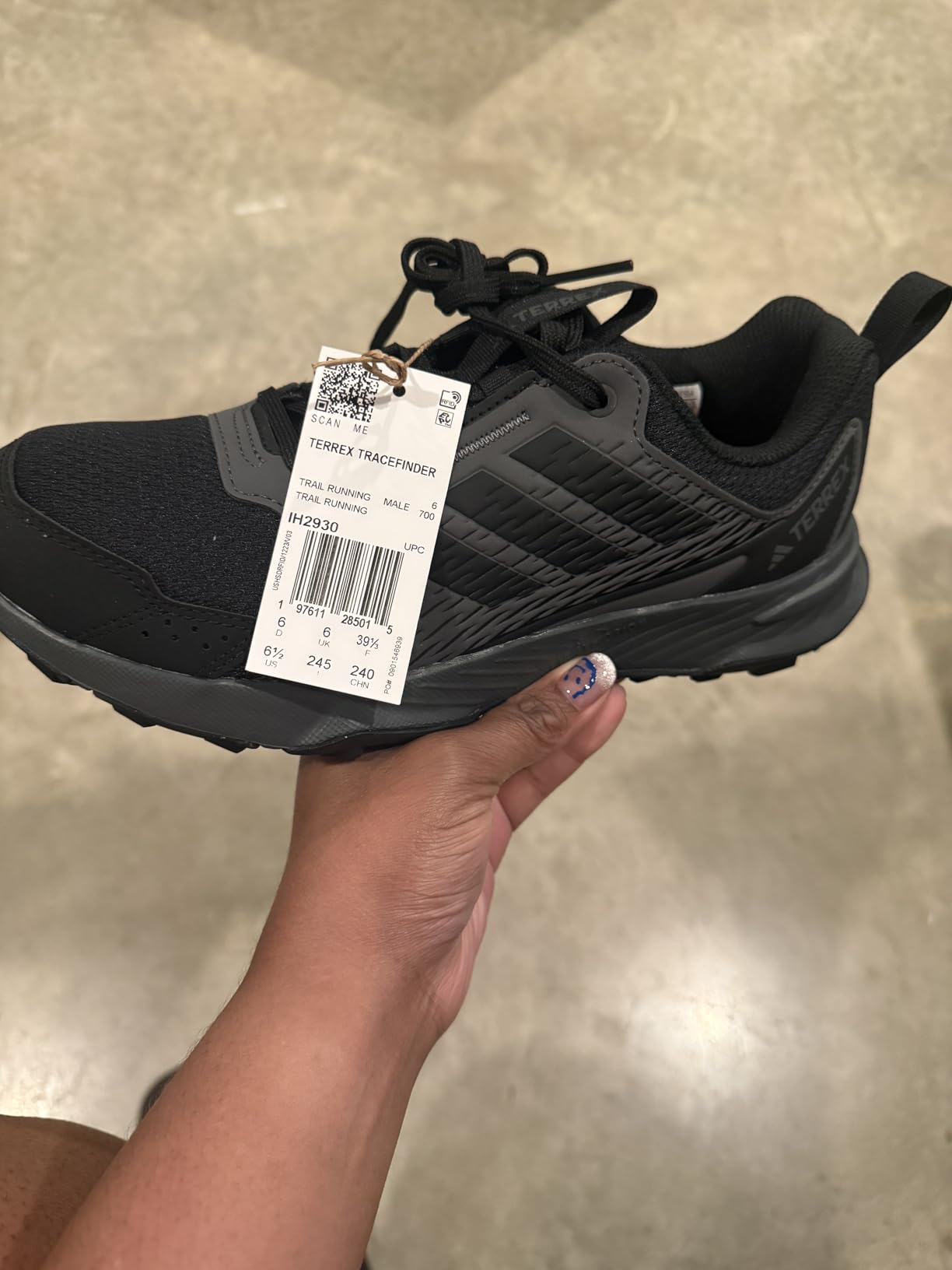
The 10mm drop is worth understanding rather than ignoring. A higher drop keeps the heel further back, which reduces how far your foot slides forward, and for narrow or low-volume feet who toe-jam in a low-drop shoe, that geometry alone can prevent a season-ending problem.
The mesh and synthetic upper is light and breathable, and reviewers praise it for keeping feet cool in warm weather, which is exactly what a desert or summer ridgeline needs. Part of the upper is made with at least 20 percent recycled and renewable materials.
Where the budget shows up
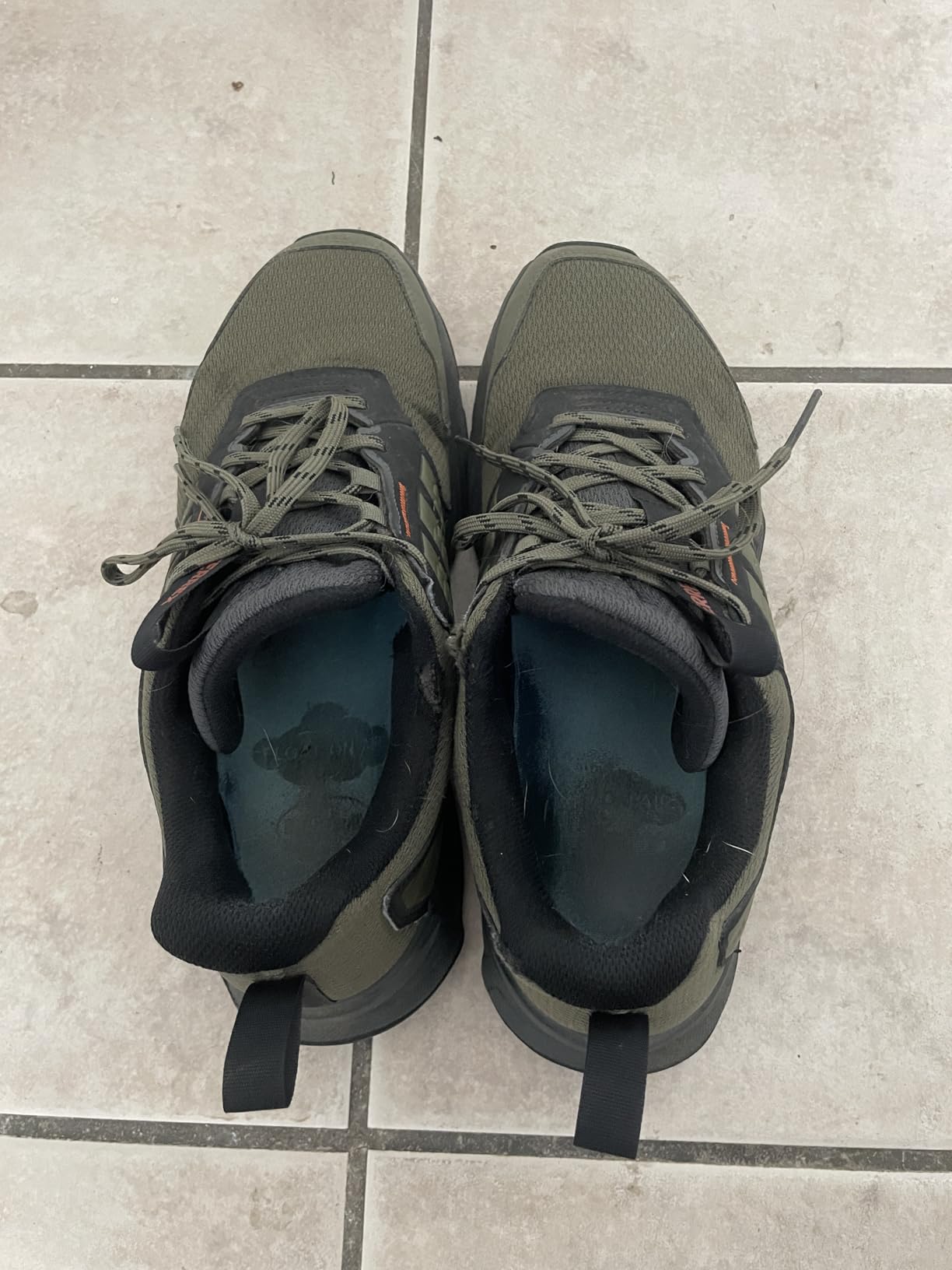
Cushioning is the thin side of the trade. Reviewers say the LIGHTMOTION midsole is on the thinner side for a cushioned trail shoe, and a minority find it insufficient for long hikes. Under a heavy pack on rocky ground, thin cushioning transmits more shock straight to the joints, and that is where budget shoes usually get replaced early.
Sizing runs small for some buyers, and the shoe is not fully waterproof despite the Terrex trail positioning, which is a common and reasonable disappointment. In dry country that is fine. In a wet season it means wet feet, so treat it as a warm-weather and dry-terrain pick.
Why it is still the budget recommendation
Because most of a thru-hiking season is not extreme terrain. The majority of your miles are graded trail, forest road and hardpack, and on those surfaces a light 12.2 oz shoe with solid grip and 500 miles of tread is a very sensible tool. The Terrex is the pair to buy when you need a spare, or when you are breaking someone into long trails and do not yet know their size in a loaded foot.
It is also the easiest recommendation for a beginner to actually shop for. If you want a fuller starting point, our guide to the best hiking shoes for beginners covers the first-season basics without the technical detail.
How We Picked the Best Trail Shoes for Thru Hiking
We ranked these twelve on evidence rather than brand reputation, and the evidence came from four places: verified owner reviews, published specification, the terrain a shoe is actually designed for, and the failure modes owners report in real long-distance use.
Review volume mattered. Two shoes in this list have fewer than 500 reviews, and we flagged that in their sections rather than pretending a shorter history equals a better shoe. A shoe with 2776 reviews and one with 392 reviews are not equally proven, and a long-season purchase deserves the bigger sample.
We also weighted honest negatives. Any shoe whose owners commonly report early outsole wear, delamination or a fit that changes by the tenth day is marked as such. The Dynasoft Nitrel V6 is on this list despite the lowest rating in the group because its value and width range are real, but the durability warning is stated plainly.
What we did not do is rank on style, weight alone, or cushioning alone. Thru-hiking shoes are a systems problem, and a shoe that wins on one spec usually loses on another. For a broader view of the category, our picks for the best trail running shoes for men cover shorter and faster terrain.
Trail Runners vs Hiking Boots for Thru Hiking
Almost no thru-hiker wears boots, and the reason is weight and water rather than comfort. A boot is heavier on your feet, blocks ankle flexion, and once a boot is soaked it takes days to dry, which on a multi-week trip means wearing cold, wet footwear every morning. A mesh trail runner drains and dries overnight.
Boots exist for a reason, and pretending otherwise is dishonest. They are the right tool for deep snow, cold winter routes, off-trail desert travel through loose sand, and loose scree where ankle stability genuinely matters. The military hiking boot question comes up constantly in search, and the answer is simple: military use involves load, terrain and durability demands that differ completely from recreational trail hiking.
For everything else, the trail runner wins, because the flexible, low-cut platform lets your calf and ankle absorb impact the way they were designed to. Boots force every step into a rigid lever, which is precisely what generates the shin and knee complaints that end long hikes.
Can I use trail shoes for hiking? Yes, for any standard three-season trail, and the twelve above are the right shapes for the job. The only cases where trail runners fail are deep snow, sustained sand, and unmaintained off-trail desert, where a boot or a boot-like hiking shoe is the safer pick.
Is there a difference between trail shoes and hiking shoes? Yes, and it is a construction difference. Hiking shoes like the Merrell Accentor and the Columbia Konos use stiffer, more protected uppers and waterproof membranes and last longer between resupply. Trail running shoes are lighter, more flexible, more breathable and drain faster, which is why they dominate three-season long trails.
How to Choose Thru Hiking Shoes That Last a Season
Spend your thinking time on seven things: weight, cushioning under load, heel-to-toe drop, outsole and lugs, rock plate, toe box width, and waterproofing. Get those right and the brand matters less than you think.
Weight matters less than comfort under load. A shoe that is light but thin under a 40 pound pack will beat you by day 30. Cushioning under load is the variable that decides how your feet feel at mile 60, and a nitrogen-infused or dual-density midsole compresses less than a basic EVA slab.
Heel-to-toe drop is a personal transition, not a ranking. A 10mm drop keeps your foot further back and helps narrow feet avoid sliding forward. Zero drop, like the Altra platform, is gentler on knees and calves but takes weeks to adapt to. Never debut a drop change on day one of a season.
Lugs are terrain-specific, and the compound matters as much as the depth. Deep lugs and a wet-grip compound for mud and sustained rain. Moderate 3mm lugs for mixed dry trail. A lightweight pattern for pavement-heavy approaches. Vibram Megagrip, as on the Hierro V9, gives a wet coefficient of friction that most proprietary blends do not.
A rock plate is insurance you cannot feel. The Ballistic Rock Shield on the Cascadia 19 or a thick protective toe cap spreads underfoot jab across the midsole. On rocky mountain terrain it prevents a slow accumulation of impact that shows up as a limp on day three.
Toe box width is the most common cause of blisters and black toenails. Feet swell over a season, so buy for day 80, not day 1. Wide-footed hikers should look for real wide widths, and the X-Wide options on the Nitrel V6 and the Altra FootShape last are the two answers here. If you have wide feet, our guide to the best trail running shoes for wide feet goes deeper.
Waterproofing is a climate decision. A membrane keeps water out and stops you getting cold, but it adds weight, stiffness and heat. Non-waterproof mesh breathes and dries overnight but leaves you wet after a stream crossing. Sealed for cold and wet seasons, mesh for hot, dry, and high-output hiking.
Finally, plan for rotation. Most thru-hikers need two or three pairs across a 3,000 mile season, because shoes fail from the outsole up and a wet shoe cannot dry while it is the pair you are wearing. Cost per mile is the honest measure: a cheaper shoe replaced at 250 miles can beat an expensive one worn to 600. Plan to resole or replace at the first sign of a smooth outsole, and buy your replacement at the last resupply rather than after your feet tell you.
Frequently Asked Questions
What shoes do thru-hikers wear?
The large majority of thru-hikers wear low-cut trail running shoes rather than hiking boots, because they are lighter, breathe better and dry overnight after a stream crossing. Popular choices include the Altra Lone Peak for wide feet, the Salomon XA Pro 3D Ultra GTX for wet technical terrain, and the Brooks Caldera 8 Ultra for maximum cushioning under a heavy pack.
Are trail runners or boots better for thru hiking?
Trail runners are better for three-season long trails because they are lighter, more flexible and drain faster, which reduces cold wet feet and long-term joint stress. Boots are the right choice for deep snow, cold winter routes, loose sand desert travel and unmaintained scree where ankle stability matters more than weight.
Can I use trail shoes for hiking?
Yes, for almost any standard three-season trail. Trail shoes work well for backpacking and thru hiking as long as they have adequate cushioning, grippy outsoles and a roomy toe box, and you are not walking in deep snow, sustained sand or off-trail desert terrain. Choose based on the surface you will actually walk on most.
Is there a difference between trail shoes and hiking shoes?
Yes. Trail running shoes are lighter, more flexible and more breathable, with mesh uppers that drain fast, while hiking shoes use stiffer protected uppers, often with a waterproof membrane, and last longer between resupply. Hiking shoes suit wet climates and rough off-trail terrain, and trail shoes suit fast three-season hiking.
How many pairs of shoes do I need for a thru hike?
Most thru-hikers need two or three pairs across a 2,500 to 3,000 mile season. Shoes fail from the outsole up, and a wet pair cannot dry while it is the one you are walking in, so rotation matters more than any single perfect shoe. Buy your replacement at resupply rather than after your feet tell you something is wrong.
Why do navy SEALs wear hiking boots?
Military use involves carrying heavy loads over broken, wet and unpredictable terrain for long periods, so a boot is chosen for durability, ankle support and repairability rather than speed. Recreational thru hiking is the opposite problem, which is why low-cut trail runners dominate the sport.
Which Thru Hiking Shoe Is Right for You
If you want one answer, the Salomon XA Pro 3D Ultra GTX is the safest pick in this lineup, with the highest rating, the largest review base, the grippiest outsole and a membrane for the wet stretches. Take it if your season has rain, mud and technical ground.
For wide feet, go with the Altra Lone Peak 9 and give yourself a few weeks to adapt to the zero-drop platform before the trip. For mud and roots, the Salomon Speedcross has the deepest lugs here. For sustained rain, the Columbia Konos TRS keeps water out at the cost of breathability.
For cushioning under a heavy pack, the Brooks Caldera 8 Ultra and the Brooks Ghost Trail absorb the most. For rocky terrain, the Cascadia 19‘s rock shield is the feature that earns its place. For a second or third pair, the Nitrel V6 and the Terrex Tracefinder are the ones to buy when the season budget is the deciding factor.
Whatever you choose, buy the size you need on day 80 rather than day 1, and never start a season in an untested shoe. That is the advice that would save more trips than any spec on this list, and it is still the right call for the best trail shoes for thru hiking in 2026.