
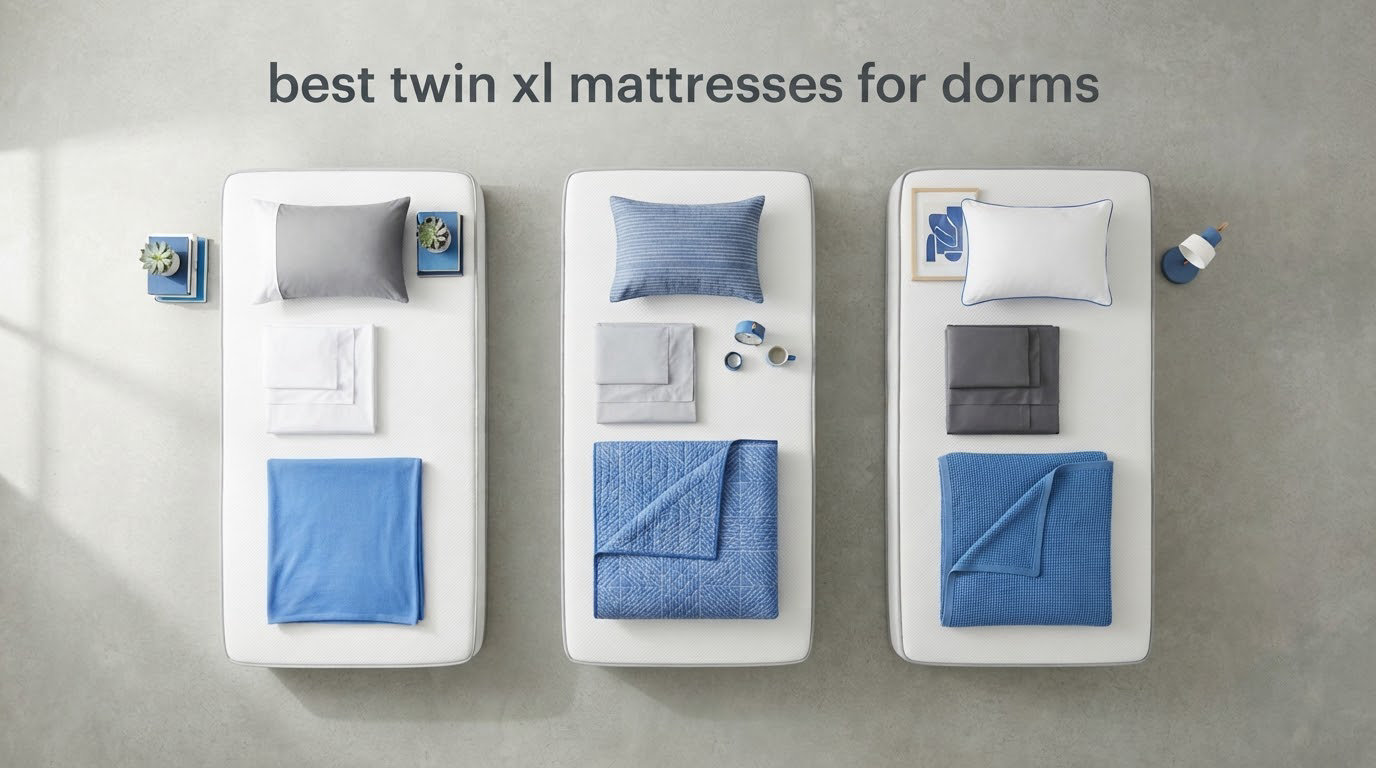
A twin XL mattress is 38 inches wide by 80 inches long, five inches longer than a standard twin, and it is the size most college dorm beds are issued. It fits the bed the school gave you in almost every case, but the thickness of what you put on it is where students get burned. A 12-inch bed that towers over the side rail is a problem in a room you cannot rearrange. A 6-inch school-issue pad is a problem for your back by November. This guide covers the best twin XL mattresses for dorms in 2026, ranked against the two constraints that actually decide the purchase: the frame you were issued and the size of the room you are sleeping in.
We compared eight twin XL mattresses that ship compressed and roll into a single box, all sized for the standard dorm footprint, all rated between 4.3 and 4.6 stars by their buyers. We did not sleep in a lab. What we did was read the construction specs, the firmness labels, the warranty terms, the expansion times, and thousands of buyer reviews, then cross-referenced every pick against the dorm realities that generic twin XL roundups leave out: off-gassing in an unventilated room, spills in a shared space, a mattress you may only use for one academic year, and the sheet fit that most people discover the hard way at 2am.
If you are setting up a kid’s or teen’s room rather than a dorm, our guide to the best twin mattresses for kids covers the same sizing ground with a longer lifespan in mind. For dorms, the difference is that you are optimizing for one year, in a small room, on a frame you did not choose.
Table of Contents
Does a Twin XL Actually Fit a Dorm Bed?
Yes. A twin XL mattress measures 38 inches wide by 80 inches long, and that is the size most college dorm beds are built to. A standard twin is 75 inches long, so a regular twin mattress leaves a five-inch gap at the foot of the bed and sheets will not stay put. The only real fit question is height: dorm frames often have a low-profile rail, so measure the clearance between the slat deck and the underside of the safety rail before you buy anything thicker than 8 inches. Bed-in-a-box foam mattresses also need 24 to 72 hours to reach full height, so plan your unboxing around move-in day rather than the night before.
Our Top 3 Picks for the Best Twin XL Mattresses for Dorms in 2026
These three cover the three dorm situations that actually recur: a bed that must last through several years, a tight move-in budget, and a low-profile issued frame. The Zinus is our overall pick, the Novilla is the one most students should actually buy, and the COOL GEL is the answer when clearance is tight.

Zinus Green Tea 12 Inch Memory Foam
- 12-inch profile
- Zoned pressure relief
- Green tea and charcoal infusion

Novilla Bliss 10 Inch Gel Memory Foam
- 10-inch profile
- NanoGel cooling layer
- Reinforced edge support

All 8 Best Twin XL Mattresses for Dorms in October
| Product | Specifications | Action |
|---|---|---|
| Zinus Green Tea 12 Inch Memory Foam |
|
Check Latest Price |
| Novilla Bliss 10 Inch Gel Memory Foam |
|
Check Latest Price |
| COOL GEL 8 Inch Twin XL |
|
Check Latest Price |
 NapQueen 8 Inch Charcoal Memory Foam NapQueen 8 Inch Charcoal Memory Foam |
|
Check Latest Price |
 Casper Sleep Element 10 Inch Casper Sleep Element 10 Inch |
|
Check Latest Price |
 Coolvie 10 Inch Hybrid Coolvie 10 Inch Hybrid |
|
Check Latest Price |
 FATHOM Medium 10 Inch FATHOM Medium 10 Inch |
|
Check Latest Price |
 Avenco 8 Inch Gel Memory Foam Avenco 8 Inch Gel Memory Foam |
|
Check Latest Price |
1. Zinus Green Tea 12 Inch Memory Foam – Best Overall Twin XL Mattress for Dorms
Zinus 12 Inch Twin XL Green Tea Memory Foam Mattress, Medium Firm Feel
12 inches
All foam memory foam
Medium firm
250 lb max weight
41.7 lb mattress
Pros
- Zoned pressure relief suits side and back sleepers
- Green tea and charcoal infusion helps neutralize odor
- Strong motion isolation for shared rooms
- Reaches full 12 inch height within hours of unboxing
- CertiPUR-US certified foams
Cons
- Firm rather than plush so side sleepers may want a topper
- Distinct off-gassing odor on unboxing
- Lighter build can slide on slatted frames
This is the mattress we come back to when someone asks which twin XL mattress we would put on a dorm bed without hesitating. It carries the largest review base in the set by a wide margin, and 12 inches is the profile that gives you real cushioning without tipping into the luxury range. The zoned pressure relief is the part you notice in a dorm: the foam firms up under the core so your spine does not sink into a hammock position between 1am and 7am.
Construction is straightforward for an all-foam bed: a breathable knitted polyester cover over a memory foam comfort layer, a high density foam core, and a base foam layer underneath, three layers in total. The green tea extract and purified charcoal infusion are a marketing-sounding feature that buyers report actually does something, mostly by keeping the mattress from developing the damp closet smell that plagues foam in a small unventilated room.
At 41.7 pounds, this is the heaviest pick here, which matters if you are hauling it up three flights in a dorm move-in. Motion isolation is genuinely good, so a roommate getting up at 6am registers as a faint shift rather than a full disturbance. That is the single most under-rated feature for anyone sharing a room.
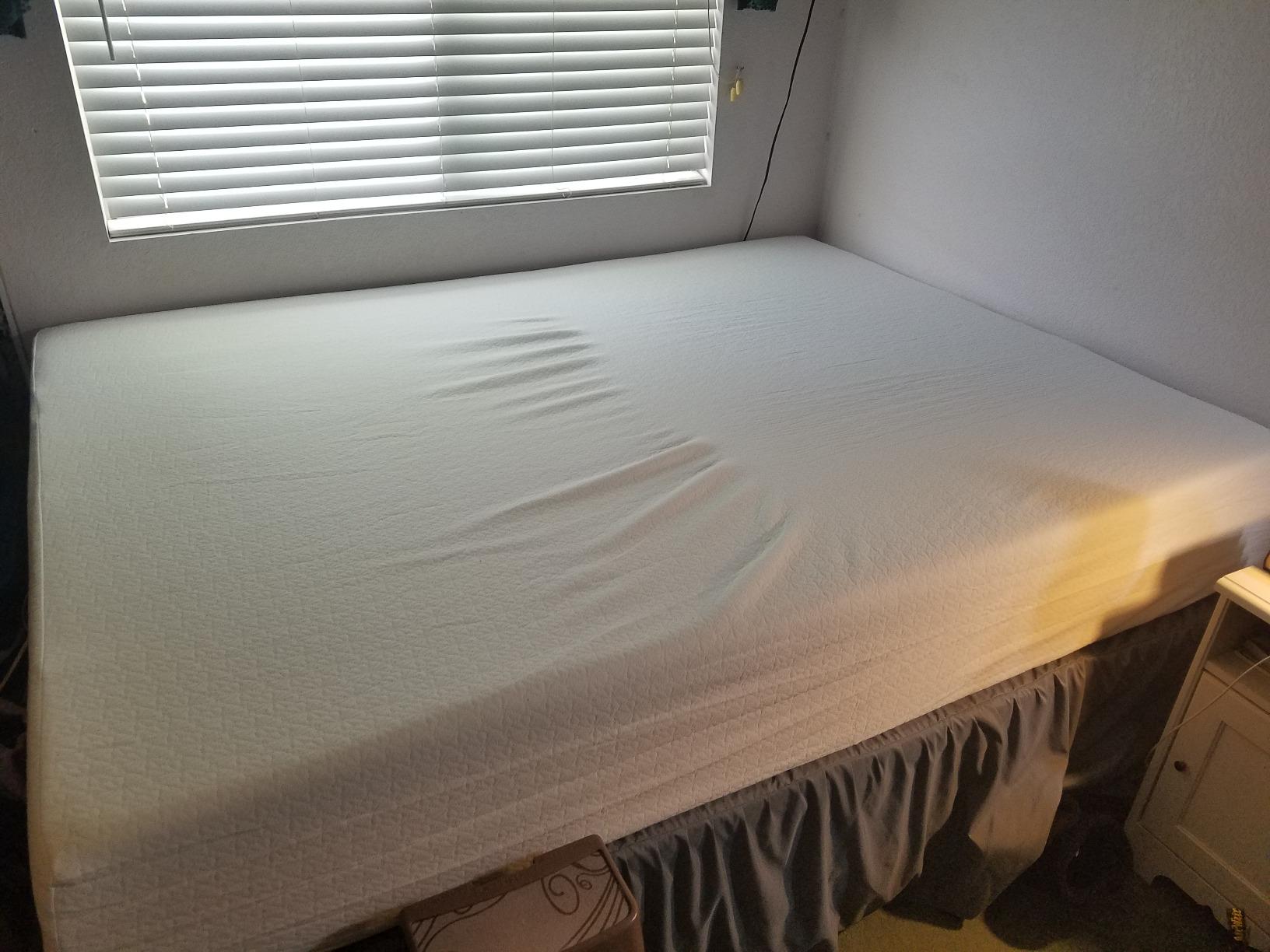
Why It Works on a Dorm Frame
The 12-inch profile is the one compromise here. On a standard low-profile dorm frame with a safety rail, a 12-inch mattress can sit high enough that sitting on the edge feels precarious for some students, and it changes the height at which you get in and out of bed. Measure your rail clearance first. If you have under about 13 inches between the slat deck and the underside of the rail, drop to the 10-inch Novilla or the 8-inch COOL GEL instead of forcing this one on.
The stated weight capacity is 250 pounds, which is the lowest of the eight and the number to know about if you are a heavier sleeper. Most side sleepers and most students fall comfortably inside that, but if you are over 250 pounds, move to the Novilla at 500 pounds or the FATHOM at 750 pounds.
Where It Falls Short
The off-gassing is the honest drawback. Buyers consistently mention a distinct new-mattress odor, and in a 10 x 10 room with the door closed that smell has nowhere to go. Unbox it at least 48 hours before you plan to sleep on it, leave the room open, and run a fan. The odor fades, but the first night in a sealed dorm room is when people decide they hate a mattress they will end up loving.
The second limitation is firmness. Medium firm here reads closer to firm, and side sleepers with light body frames sometimes want a 2 or 3 inch topper on top. That is a reasonable dorm spending decision rather than a defect, and it also solves the waterproofing problem if you buy a protector-style topper.
2. Novilla Bliss 10 Inch Gel Memory Foam – Best Value Twin XL Mattress for Dorm Rooms
Novilla Bliss Mattress Twin XL, 10 Inch Gel Memory Foam Twin XL Mattress
10 inches
Gel memory foam
Medium plush
500 lb max weight
33 lb mattress
Pros
- Balances gel contouring with even weight distribution
- NanoGel foam and knit cover dissipate heat
- Reinforced edge support
- Three layers dampen motion transfer
- 100-day trial with 10-year protection
Cons
- Foam edge support is weaker than innerspring
- Warm sleepers may still find it runs warm
- 33 lb box is heavy for one person to carry
If you take one recommendation from this roundup, this is the one most students should act on. The Novilla Bliss hits the exact intersection of dorm requirements: 10 inches is thick enough for real pressure relief, it clears most issued frames without a rail fight, and the price sits well below the premium foam options without dropping into the thin-and-soft tier. It is also one of the few picks here rated for 500 pounds, which widens who it actually works for.
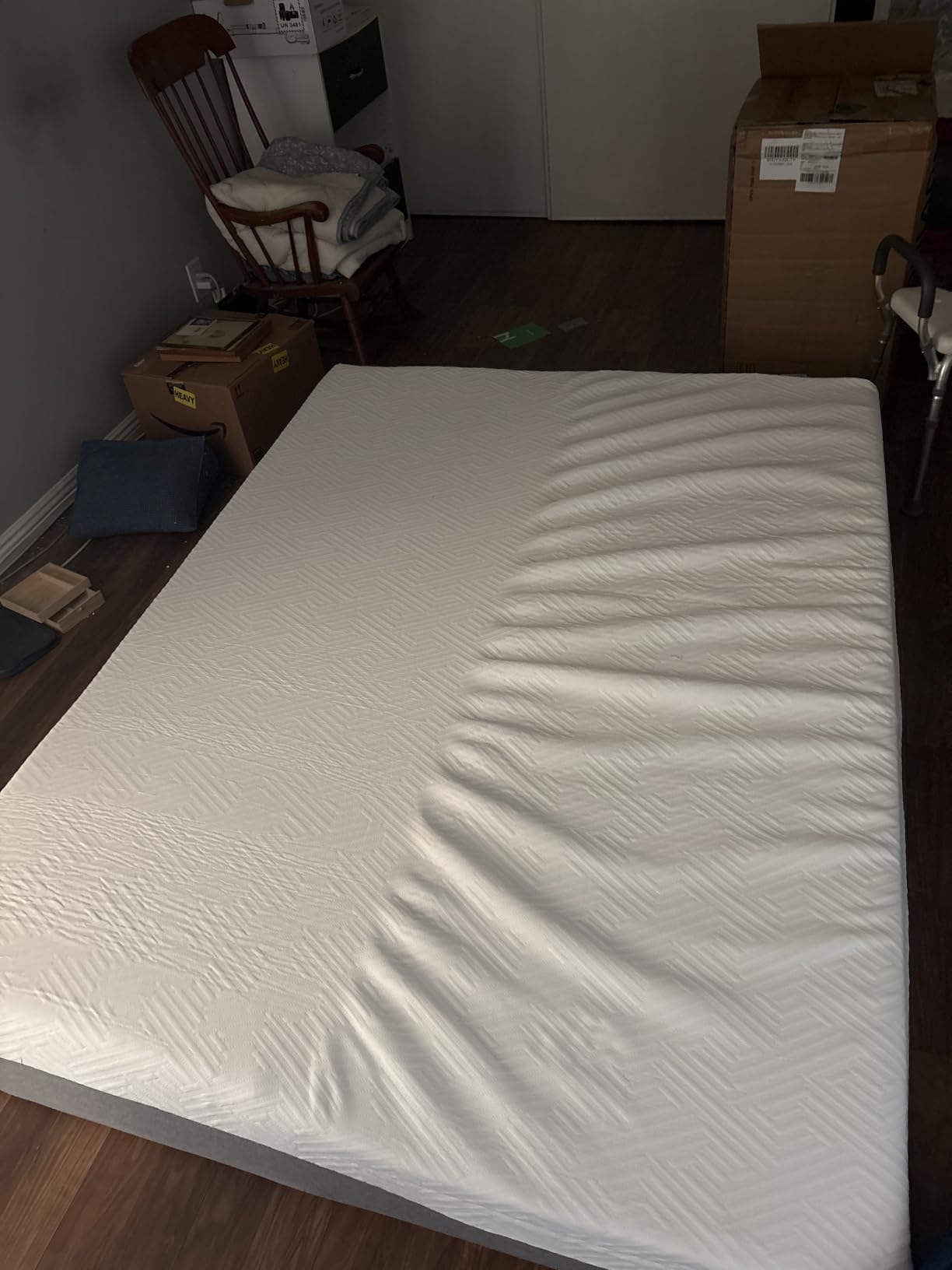
The build is a three-layer foam construction: a NanoGel memory foam comfort layer on top for contouring and heat dissipation, a transition layer that spreads weight across the sleeping surface, and a high density base foam for support. Plant-infused comfort foam in the top layer handles odor absorption, which matters more in a dorm than the marketing suggests. Buyers coming from an innerspring bed report a genuine adjustment period of a few nights while the foam feel replaces the bounce they were used to.
Reinforced edge support is worth calling out. Foam mattresses are usually weak at the edges, which is exactly where a narrow dorm bed gets loaded when you sit down to pull on a boot in the morning. This one holds its perimeter noticeably better than most all-foam competitors in the same bracket.
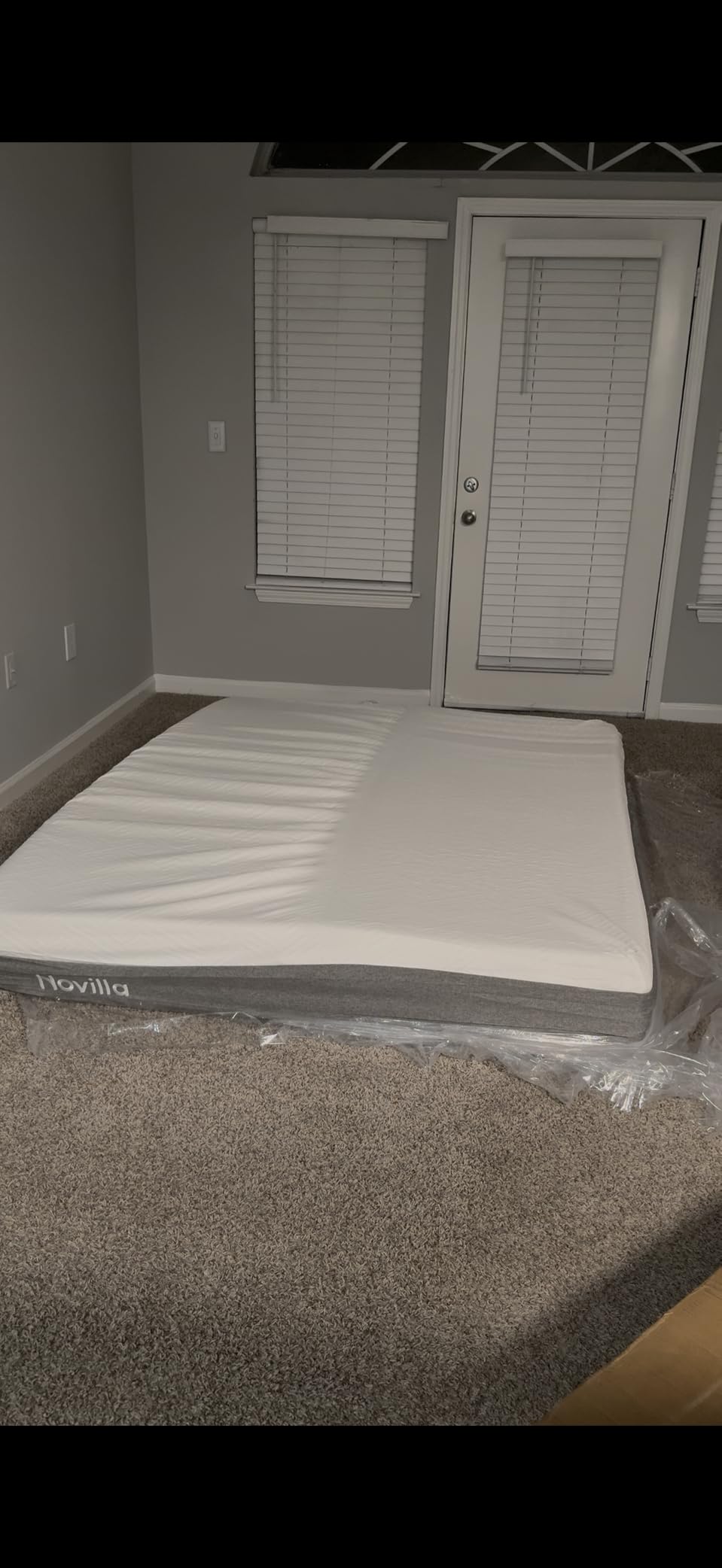
Why It Works on a Dorm Frame
Ten inches is the sweet spot for dorms. It is thick enough that side sleepers get pressure relief at the shoulder and hip, and thin enough that it clears a standard low-profile frame without raising the bed to a height that feels unsafe. If your dorm frame is a plain platform or slat deck, the 33-pound build weight is manageable solo, though two people on stairs is the realistic plan.
The medium plush label is the other thing to check. Reviews describe firmness inconsistently, with some owners finding it considerably softer than the label suggests. If you are a stomach sleeper, that softness will bother you, and the FATHOM Medium is the firmer match. Side and back sleepers, which is most of the population, will be fine.
Where It Falls Short
The honest drawback is heat. The NanoGel layer helps, and the knit cover breathes, but reviewers who run warm report that it still sits warmer than expected compared to a hybrid with an airflow layer. In a small room during a September move-in with the window open it is a non-issue. In August with the radiator on, you will notice.
Weight is the second practical limit. At 33 pounds this is a chunky box to move alone, and the manufacturer lists hand wash only for the cover, so care is limited to spot treatment. Both are acceptable dorm trade-offs, not flaws.
3. COOL GEL 8 Inch – Top Rated Pick for Low Dorm Frames
COOL GEL 8 Inch Twin XL Mattress, Cooling Gel Memory Foam Mattress in a Box, Medium Firm Support & Pressure Relief, Fiberglass Free, CertiPUR-US Certified
8 inches
Gel memory foam
Medium firm
1000 lb max weight
38 lb mattress
Pros
- Gel-infused open-cell foam boosts airflow
- Bodies contouring eases shoulder and hip pressure
- Works on platform slat box spring and adjustable bases
- CertiPUR-US certified with fiberglass-free fire barrier
- 10-year manufacturer warranty
Cons
- Needs 24 to 72 hours to fully expand
- 8 inch profile gives side sleepers less cushioning
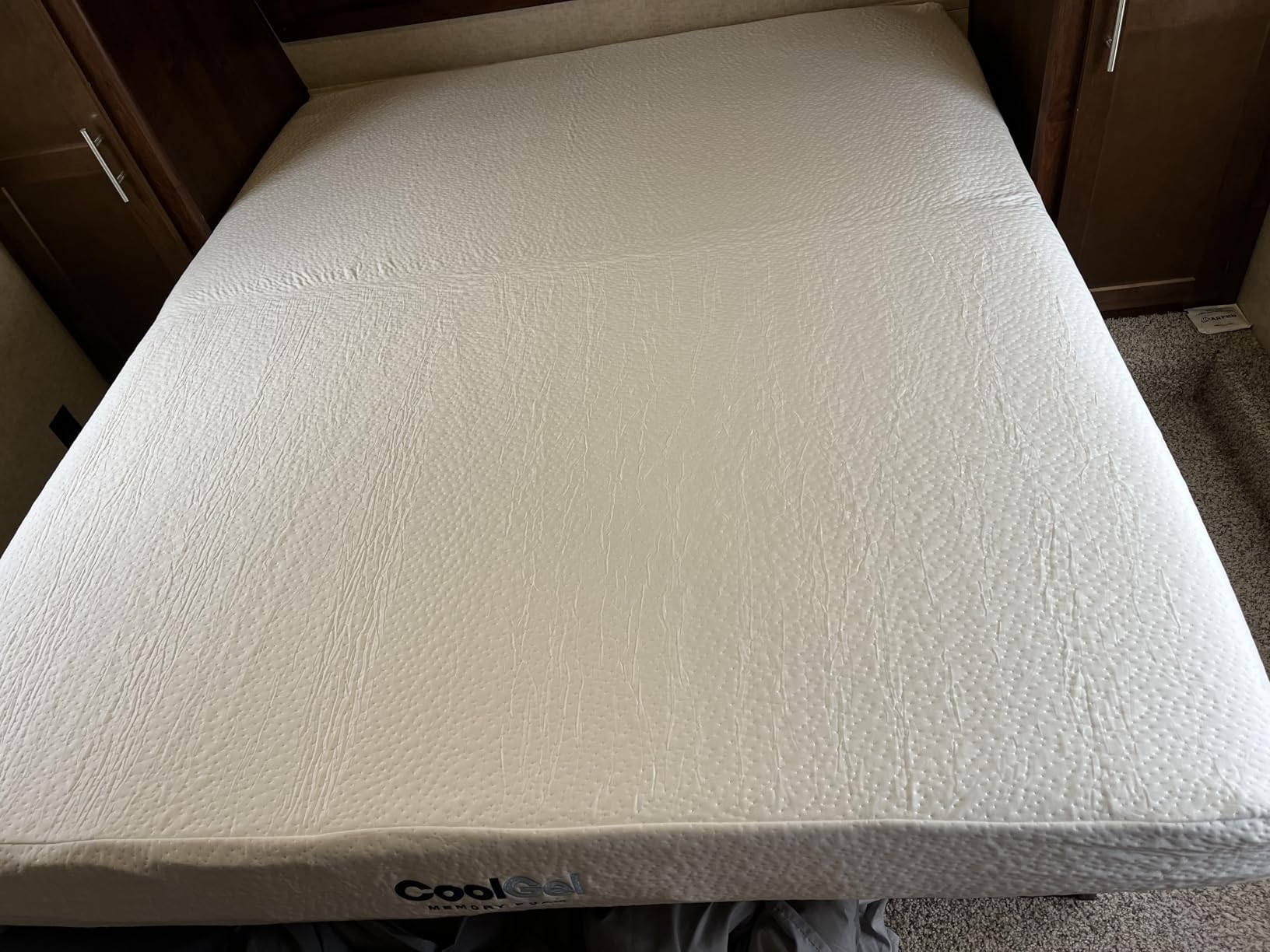
Most dorms issue a low-profile frame, and if yours has a raised safety rail the 8-inch profile is the safe answer. This is the highest-rated pick in the set at 4.5 stars with more than 10,000 reviews behind it, and it is the mattress we recommend to anyone whose dorm frame leaves less headroom than they expected. It also carries a 1,000 pound weight capacity, the highest listed here, so it is the most forgiving option for heavy sleepers.
The construction is two layers rather than three or four: a breathable gel memory foam comfort layer over a high density foam core. The gel infusion works on the open-cell structure rather than as a discrete gel layer, drawing heat away from the body and moving air through the foam as you move. It is made in the USA with a fiberglass-free fire barrier, which matters more than it sounds because dorm fire codes are stricter than residential codes and a fiberglass fire barrier is a compliance point that some budget imports skip.
Base compatibility is the underrated strength here. It is explicitly rated for platform beds, slatted frames, box springs and adjustable bases, which covers essentially every dorm frame type you will encounter. Roll it out, let it sit, and it stays where you put it.
Why It Works on a Dorm Frame
Height is the whole case for this one. At 8 inches it clears tight dorm rails and low lofted frames that a 10 or 12 inch mattress will not, and it keeps the bed at a comfortable sitting height. The 8-inch twin size is also a well-trodden path, which is why this listing has accumulated more than 10,000 reviews against foam competitors that are newer and less proven.
If you are a side sleeper, the honest caveat is that 8 inches is at the shallow end. You get pressure relief at the shoulder and hip but not much deep cushioning, and a 2 or 3 inch topper is a common add-on for exactly this reason. For back and stomach sleepers at a normal weight, the profile works as-is.
Where It Falls Short
Expansion time is the practical issue. The manufacturer calls for 24 to 72 hours to reach full size, so it cannot be slept on the night it arrives. A lot of move-in day mattresses get unboxed at 4pm and put into service immediately, and an under-expanded foam bed is lumpy in a specific, disappointing way. Unbox early, in a room you can leave open.
The spot-clean-only care instruction is worth reading. The manufacturer also recommends a mattress protector, which for a dorm is not optional advice anyway. Plan on a protector and treat stains on the surface rather than trying to deep-clean foam.
4. NapQueen 8 Inch – Best Lightweight Pick for Small Rooms and Fast Move-In
NapQueen 8 Inch Twin-XL Size Mattress, Bamboo Charcoal Memory Foam Mattress, Bed in a Box, White
8 inches
All foam
Medium firm
300 lb max weight
27 lb mattress
Pros
- Lightest build here at 27 lb so one person can set it up
- Charcoal-infused memory foam with 5 layers
- Removable and washable zippered cover
- Expands quickly with little odor for most buyers
Cons
- Some units measure closer to 7 inches than 8
- Feels on the soft side for those wanting firm
- 300 lb capacity is the lowest here
- Only a 2-year limited warranty
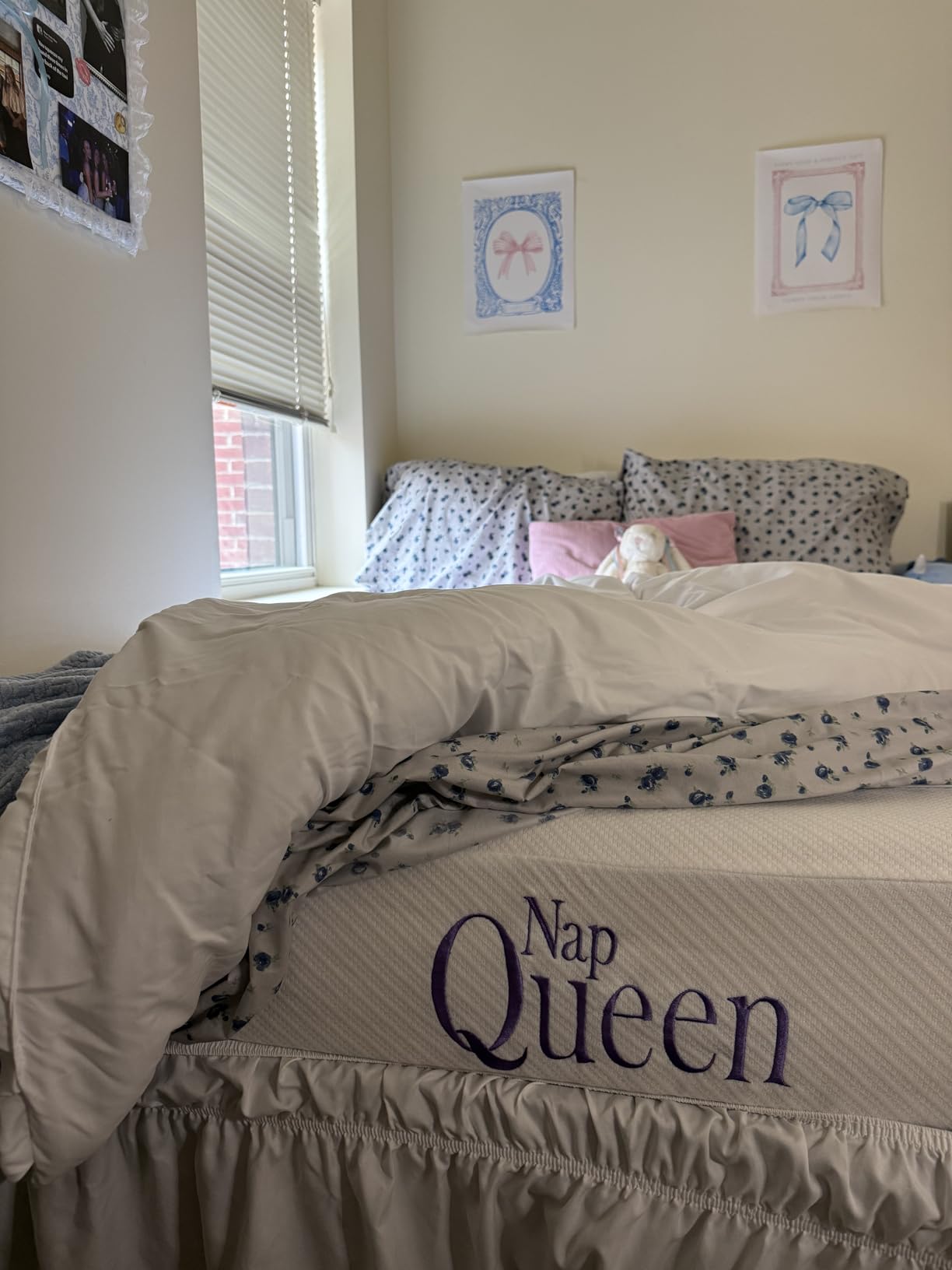
Dorm move-ins are a logistics problem before they are a shopping problem, and this is the pick that solves the logistics. At 27 pounds it is the lightest mattress in the set by a wide margin, which means one person can unbox it, carry it, and get it onto the frame without waiting for a second person or a friend with a dolly. For anyone moving into a third-floor room with no elevator, that is worth more than any construction detail.
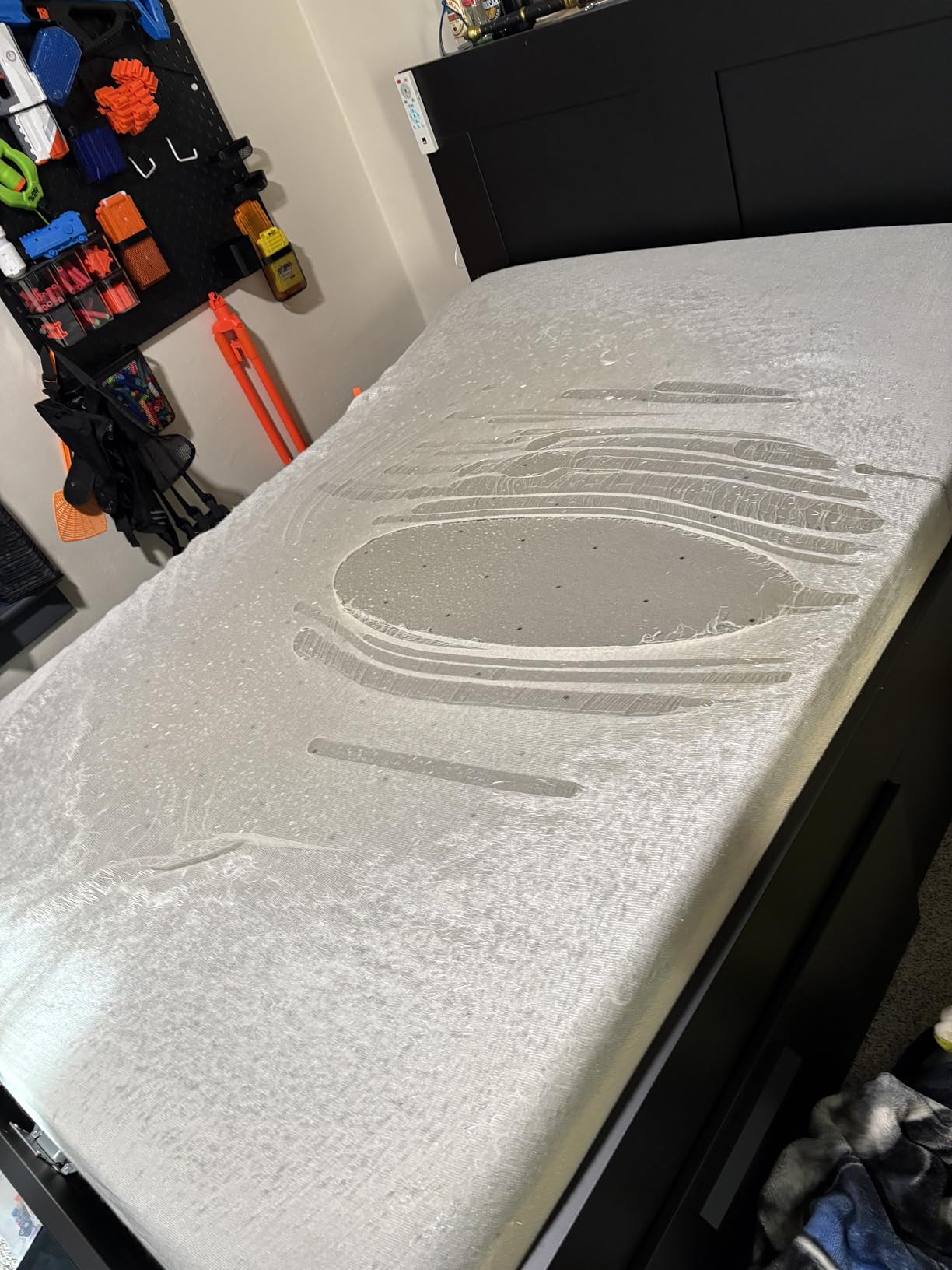
The build is five layers, more than the 8-inch price point usually buys: a bamboo charcoal-infused memory foam comfort layer, a transition foam, high density base foam, and a cotton-blend cover at 15 percent cotton and 85 percent polyester. The cover unzips and goes in a washing machine, which is a genuine advantage in a room where the bed is also where you eat cereal and do homework. The cover being removable rather than spot-clean-only is unusual at this tier.
Buyers report quick expansion with little or no odor, which makes it a good pick if you are sensitive to off-gassing. Low motion transfer is a listed feature and holds up in practice, which matters if you share a room.
Why It Works on a Dorm Frame
Two reasons. First, the 8-inch profile clears low dorm frames the same way the COOL GEL does, and the 5-layer build means you are not giving up much in the way of construction to get there. Second, the light shipping weight makes it realistic to set up on move-in day without help, and it is trivially easy to reposition if your RA assigns you a different room in October.
The washable cover is the sleeper feature. In a dorm, a removable cover you can take to a laundromat is a real practical advantage, and it means a spill does not become a permanent stain. Pair it with a waterproof protector underneath and the bed is genuinely dorm-proof.
Where It Falls Short
The 2-year limited warranty is the weakest in the set, and it is worth thinking about honestly. If you are buying for a single academic year, a 2-year warranty is arguably irrelevant, which is exactly the point: this is a mattress built to be replaced rather than kept. If you plan to take it to a first apartment, that is a reason to choose something else.
Two other limits. The 300 pound weight capacity is the lowest in the set. And there are buyer reports of units topping out closer to 7 inches than the advertised 8, so if you are replacing a thin dorm pad specifically to add height, do not assume the extra inch will materialise.
5. Casper Element 10 Inch – Best for Hot Rooms and Roommates
Casper Sleep Element Twin XL Mattress – Medium Feel – Motion Isolation – Breathable, Cooling Memory Foam – 100-Night Trial – CertiPUR-US
10 inches
Foam construction
Medium firm
1000 lb max weight
43 lb mattress
Pros
- Open-cell Flex Foam promotes airflow instead of trapping heat
- Premium foam layers absorb motion transfer
- Medium feel suits back side and combination sleepers
- Foams engineered to resist sinking over time
- 100-night trial and 10-year limited warranty
Cons
- Noticeably more expensive than foam competitors
- Only a 2-layer build so less zoned support
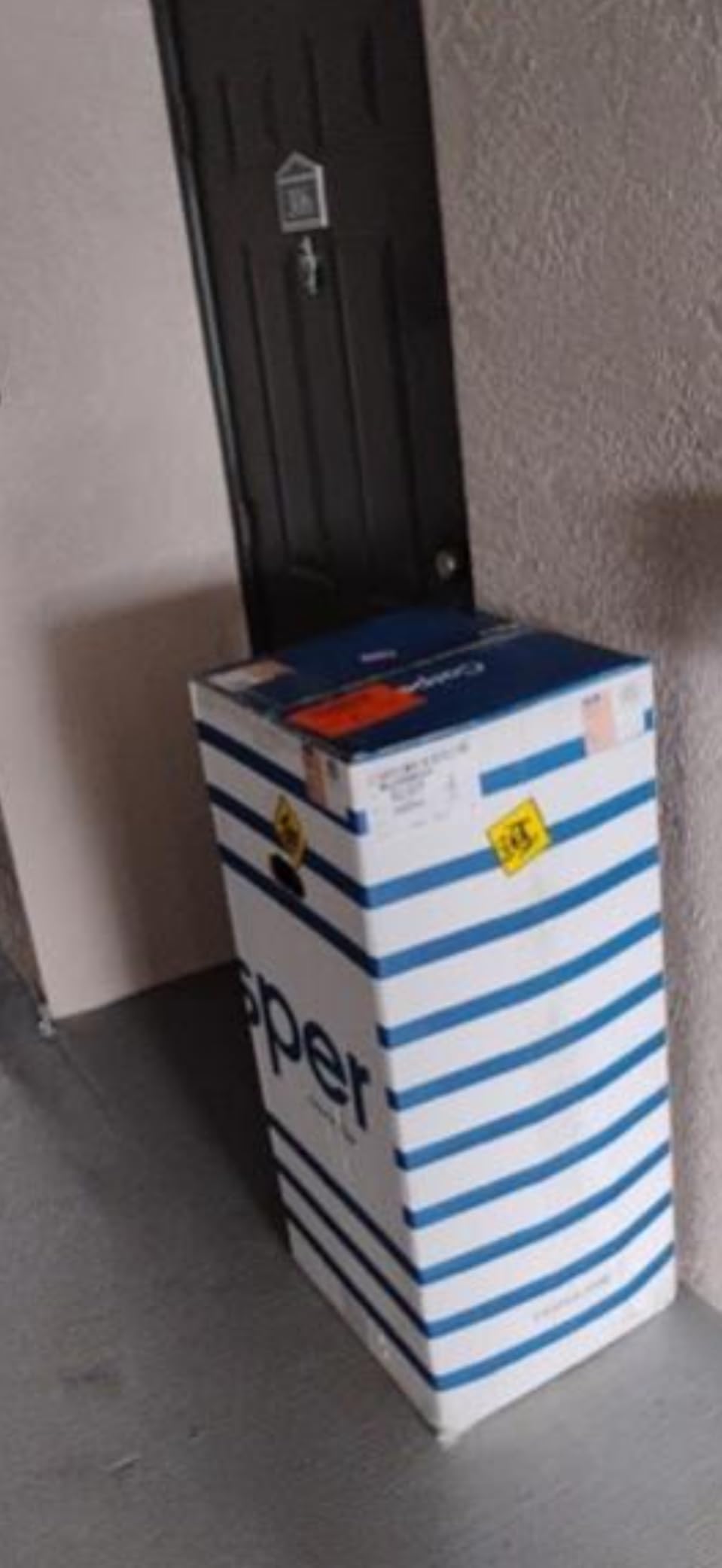
The Casper Element is the only pick in this roundup from a brand most people can name without looking it up, and that buys you something real: a 100-night in-home trial and a 10-year limited warranty. In a dorm context that trial window matters more than it does in a bedroom, because the mistake you are most likely to make is buying a bed that does not fit your frame or your body, and a long trial is the cheapest insurance against that.
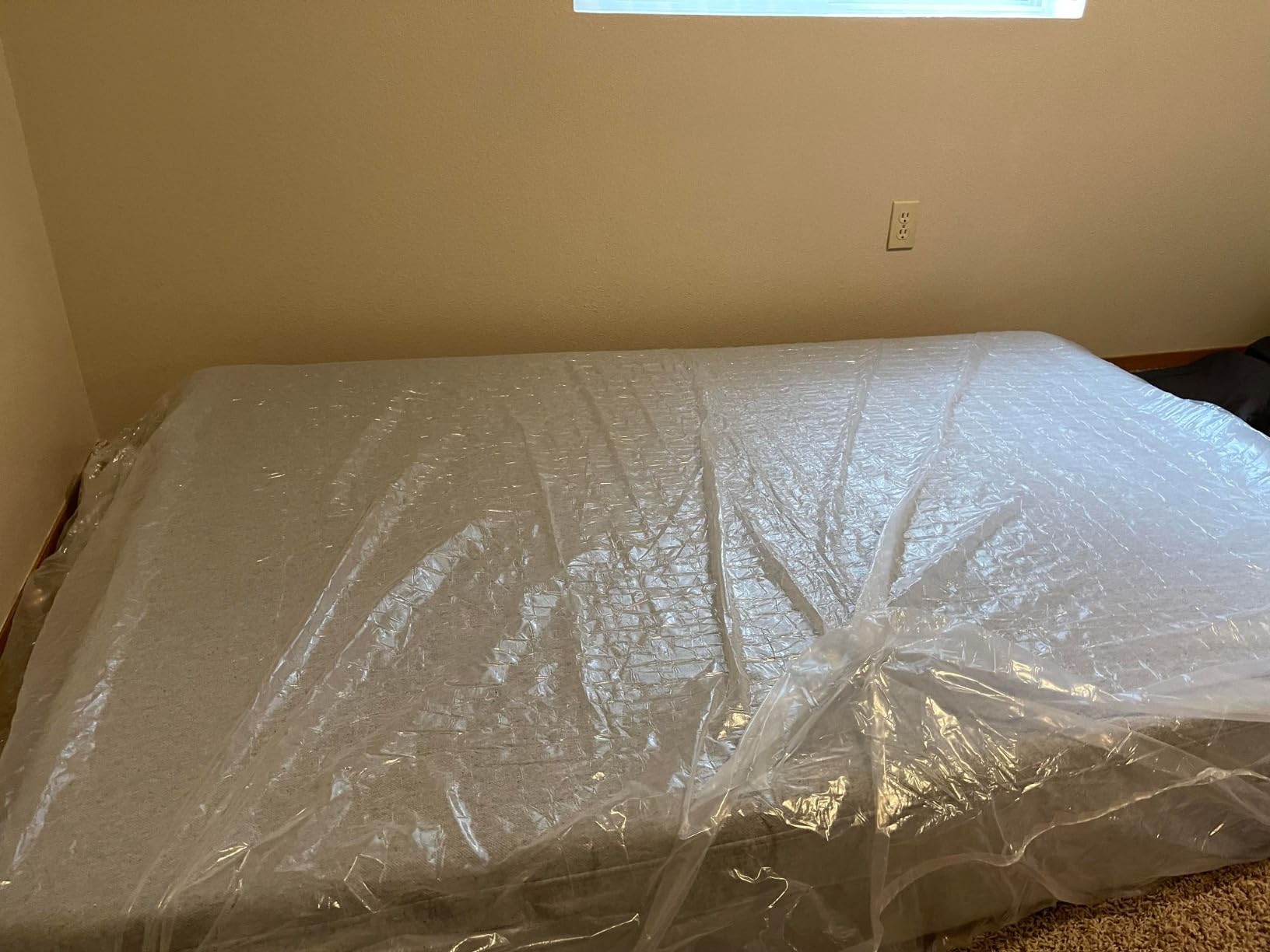
The construction is deliberately simple: two layers, with breathable open-cell Flex Foam doing the work. That open-cell structure is the differentiator for hot sleepers, since it moves air through the foam rather than sealing it, and it is the reason this bed comes up in the answer to the most comfortable 8 inch twin mattress question as well as the 10-inch one. Medium feel across the board is designed to suit back, side and combination sleepers without a separate firmness decision.
Motion isolation is the other headline feature and it is genuinely effective. For a shared room with a light sleeper on one side and a restless sleeper on the other, the foam layers absorb movement well. The foams are also engineered to resist sinking and sagging over a ten-year horizon, which matters if you keep the bed well past move-out.
Why It Works on a Dorm Frame
Ten inches clears most issued dorm frames without a rail problem, and the 43 pound build weight is manageable for two people. Care instructions are spot-clean only with baking soda, with explicit instructions not to remove or machine wash the cover, so treat it like a foam bed you are not going to launder.
The 100-night trial is the genuinely useful dorm feature here. A single academic year sits comfortably inside a 100-night window, so you can evaluate the bed across a full exam season and an actual winter heating cycle rather than two nights of optimism. That is a real advantage over the 100-day trials in this set, which are shorter than the dorm year itself.
Where It Falls Short
The price is the honest drawback, and it is not marginal. This is the most expensive mattress in the roundup by a wide gap, more than double several competitors with comparable specs, and reviewers say so directly. You are paying for the brand, the trial length, and the warranty, not for a thicker build, because this is only a two-layer mattress.
Two layers is genuinely less zoned support than the three to five layer beds in this set. If you are a side sleeper chasing pressure relief at the shoulder and hip, a 10 inch two-layer foam bed is a thinner cushion than a 10 inch four-layer build at the same height. Our general guidance for a wider-body sleeper on a budget is to spend on the Novilla or the FATHOM instead.
6. Coolvie 10 Inch Hybrid – Best for Shared Rooms and Spring Bounce
Coolvie Twin XL Mattress 10 Inch, Individual Pocket Spring with Memory Foam
10 inches
Hybrid
Medium firm
200 pocketed coils
20.3 lb mattress
Pros
- Hybrid build of 200 individually pocketed springs plus foam
- Medium firm support with noticeable bounce
- Pocketed coils isolate movement from a restless partner
- 3D soft knit breathable cover
- Highest average rating among picks with thousands of reviews
Cons
- Light 20.3 lb spring feel may be shallower than expected
- Needs 48 to 72 hours to fully expand
Every mattress in this roundup except this one is all foam, which means this is the only pick that will feel like a traditional bed to you. It carries the highest average rating of the eight at 4.6 stars, and if you are moving from a spring mattress at home and know you dislike the sinking feeling of memory foam, that alone justifies picking it. It is also the one we would put in a room with a very restless partner.
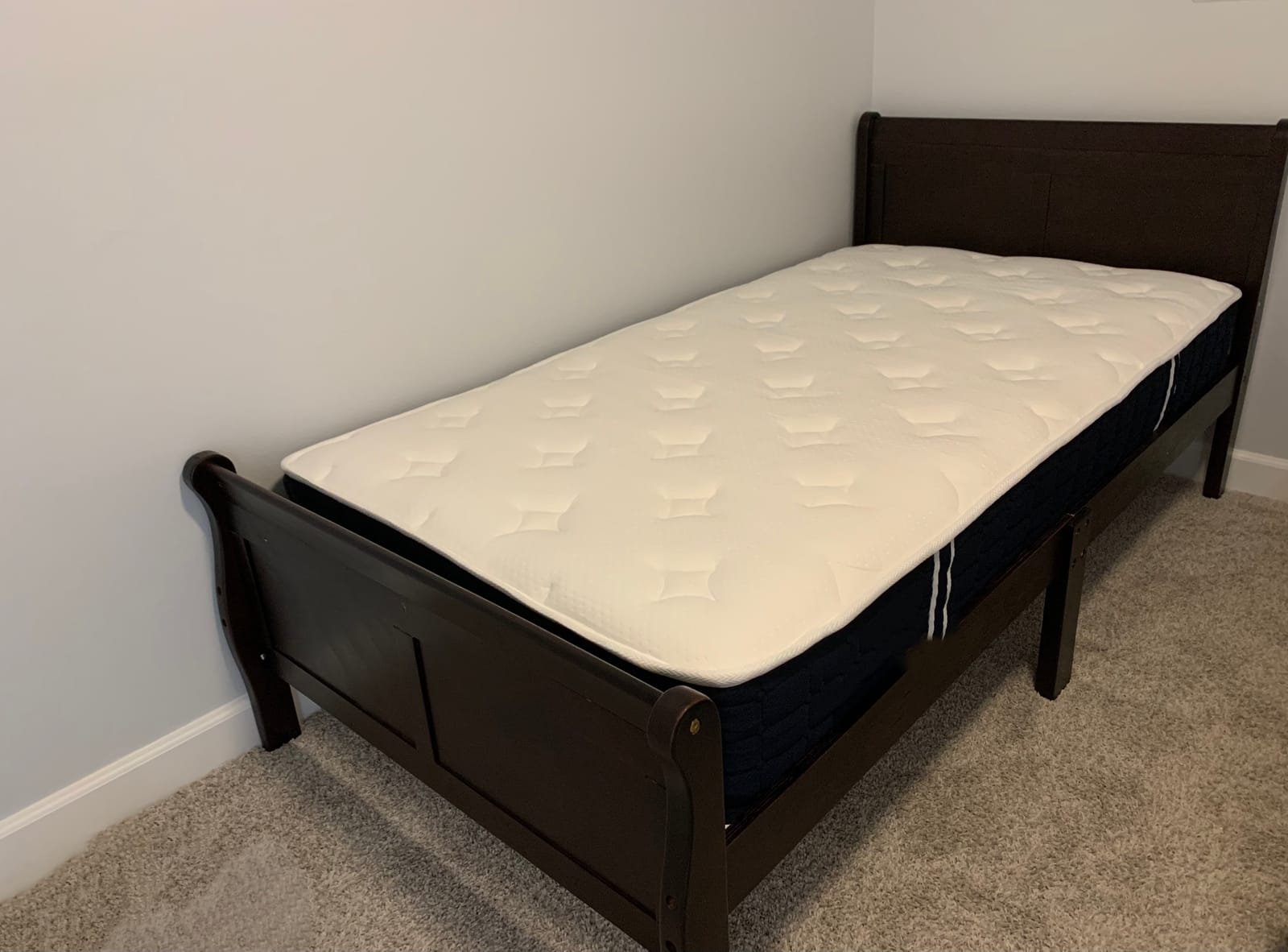
The construction is a six-layer hybrid: 200 individually pocketed steel springs forming the support core, topped with high density memory foam and finished with a soft 3D knit fabric blend cover that is breathable and moisture absorbing. Because each coil sits in its own fabric pocket, movement transfers through the mattress far less than it does through a linked innerspring unit, which is why the spring feel and the motion isolation are not in conflict the way they usually are.
That combination is the whole argument for a hybrid in a shared room. You get the bounce and the edge stability that foam cannot offer, and you do not pay for it with every movement your roommate makes registering on your side of the bed.
Why It Works on a Dorm Frame
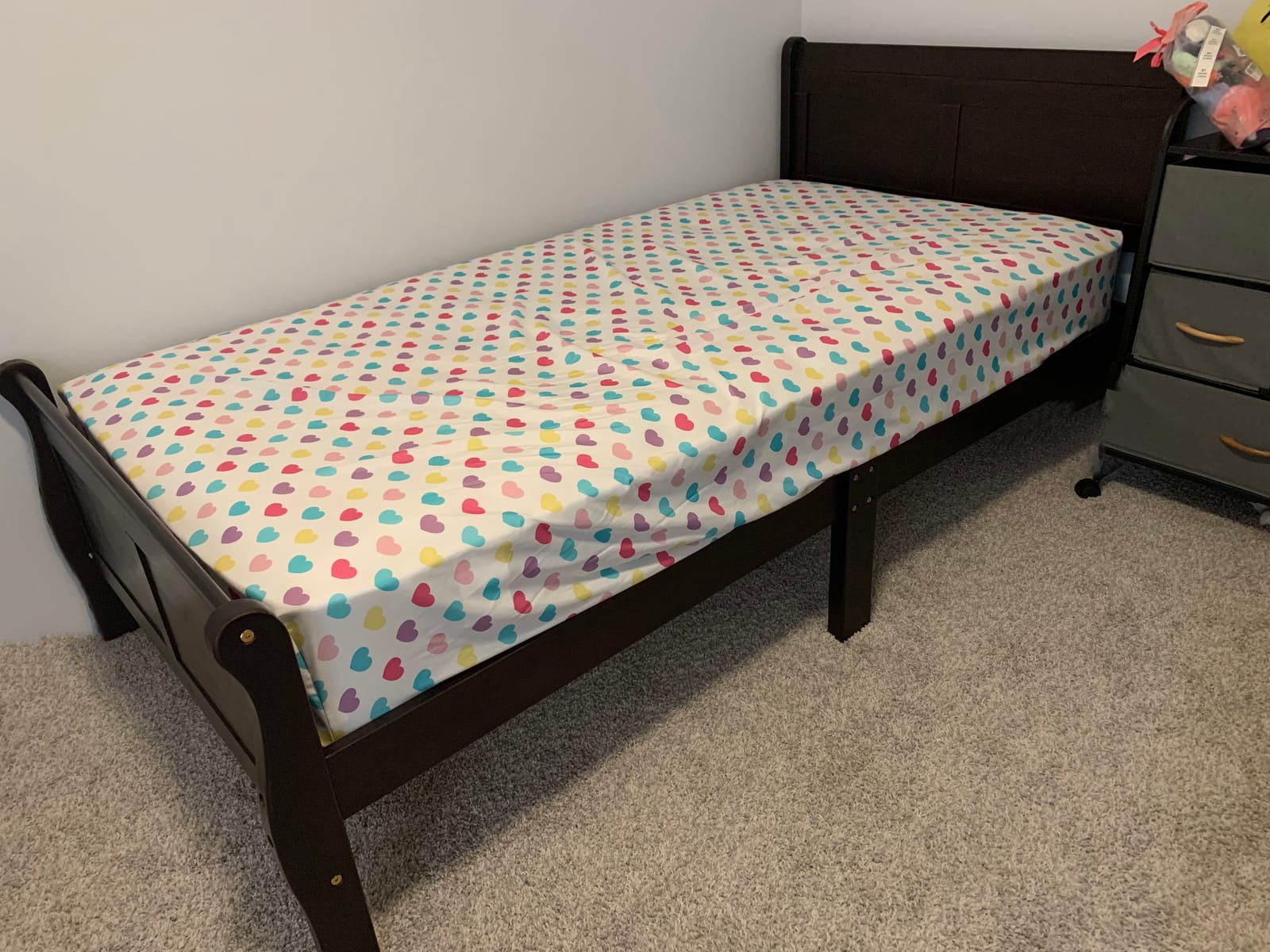
Ten inches clears a standard dorm frame, and a hybrid is a more forgiving thing to lay on a slat deck or a simple platform bed because the core does not depend on the foam conforming to hold its shape. The 3D knit cover handles airflow better than most foam covers, which helps in an unventilated room. The 100-night risk-free trial applies.
One practical note on slats. A hybrid with an internal coil core is more tolerant of slat spacing than an all-foam bed, but check your frame anyway. Foam beds need support across their whole footprint, and a slat deck with wide gaps can let an all-foam mattress bow in the middle over time, which is the most common reason a dorm foam mattress develops a dip you did not expect.
Where It Falls Short
At 20.3 pounds this is the lightest 10 inch mattress here, and that number tells you something real. A 10 inch hybrid usually implies a heavier coil gauge and a firmer, more substantial spring feel. Buyers expecting a deep and firm hybrid sometimes find this one on the shallower side, so treat the 10 inch label with a little suspicion if bounce and firmness are what you are buying it for.
It also needs 48 to 72 hours after unboxing to reach full expansion, so plan ahead like any other foam bed. Beyond that, the main constraint is the review base: more than 2,000 reviews is a solid sample, but it is a fraction of what the all-foam picks have accumulated.
If you are weighing the hybrid route more broadly, our guide to the best hybrid mattresses breaks down the pocketed coil versus innerspring distinction in more detail than a dorm roundup can.
7. FATHOM Medium 10 Inch – Best for Back Pain and Spinal Support
FATHOM Medium Twin XL Mattress 10 Inch Memory Foam Mattress Bed in a Box for Back Pain Relief and Cool Sleep with Gel Foam and Removeable Fiberglass Free Cover, CertiPUR-US Certified
10 inches
Gel memory foam
Medium
750 lb max weight
4 layers
Pros
- AeroFusion gel foam resists temperature sensitivity and dissipates heat
- Medium feel balances softness with spinal alignment
- Motion isolation makes partner movement almost undetectable
- Removable zippered jacquard cover is washable
- Expands fast with little to no lingering odor
Cons
- Small review base under 900 ratings
- Some owners report mild foot numbness from sinking on a medium profile
This is the pick for a student who already knows they run stiff in the morning. The stated benefits on this listing lead with back pain relief, posture support and reduced tossing and turning, and at 4.5 stars across 879 reviews that is not a claim reviewers contradict. Unlike the Casper, the premium here is not the brand name; it is a four-layer build at 10 inches, which is a better-specified mattress for the money.
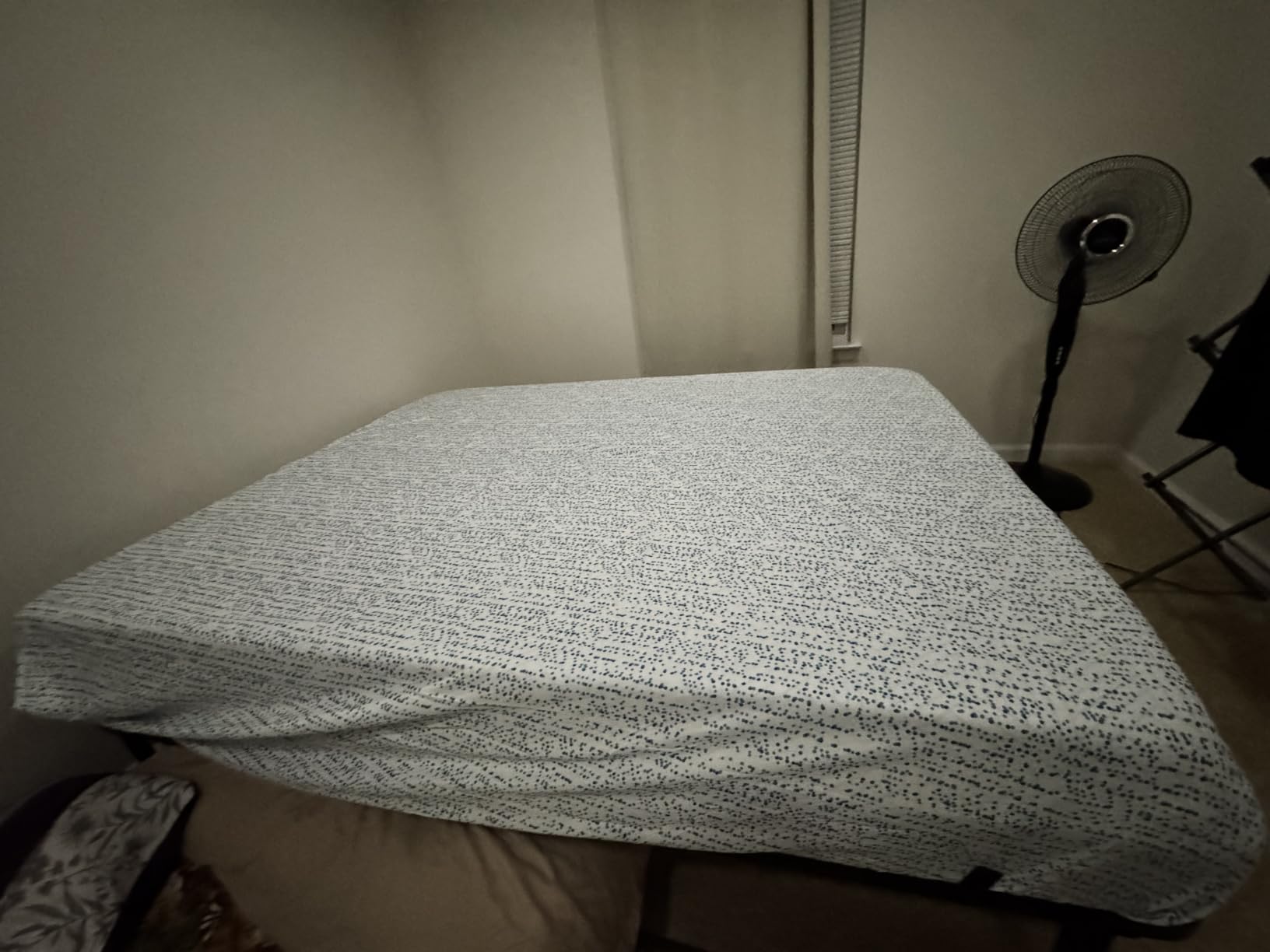
The build is four layers: a gel memory foam comfort layer, comfort foam, and the transitional and base layers that give it a 750 pound weight capacity, the second highest in the set. The AeroFusion gel is the element doing the temperature work, resisting the way standard memory foam softens as it heats up, which is a real issue in a room where the radiator runs all night. Made in the USA with CertiPUR-US foams and Oeko-Tex certified fabrics.
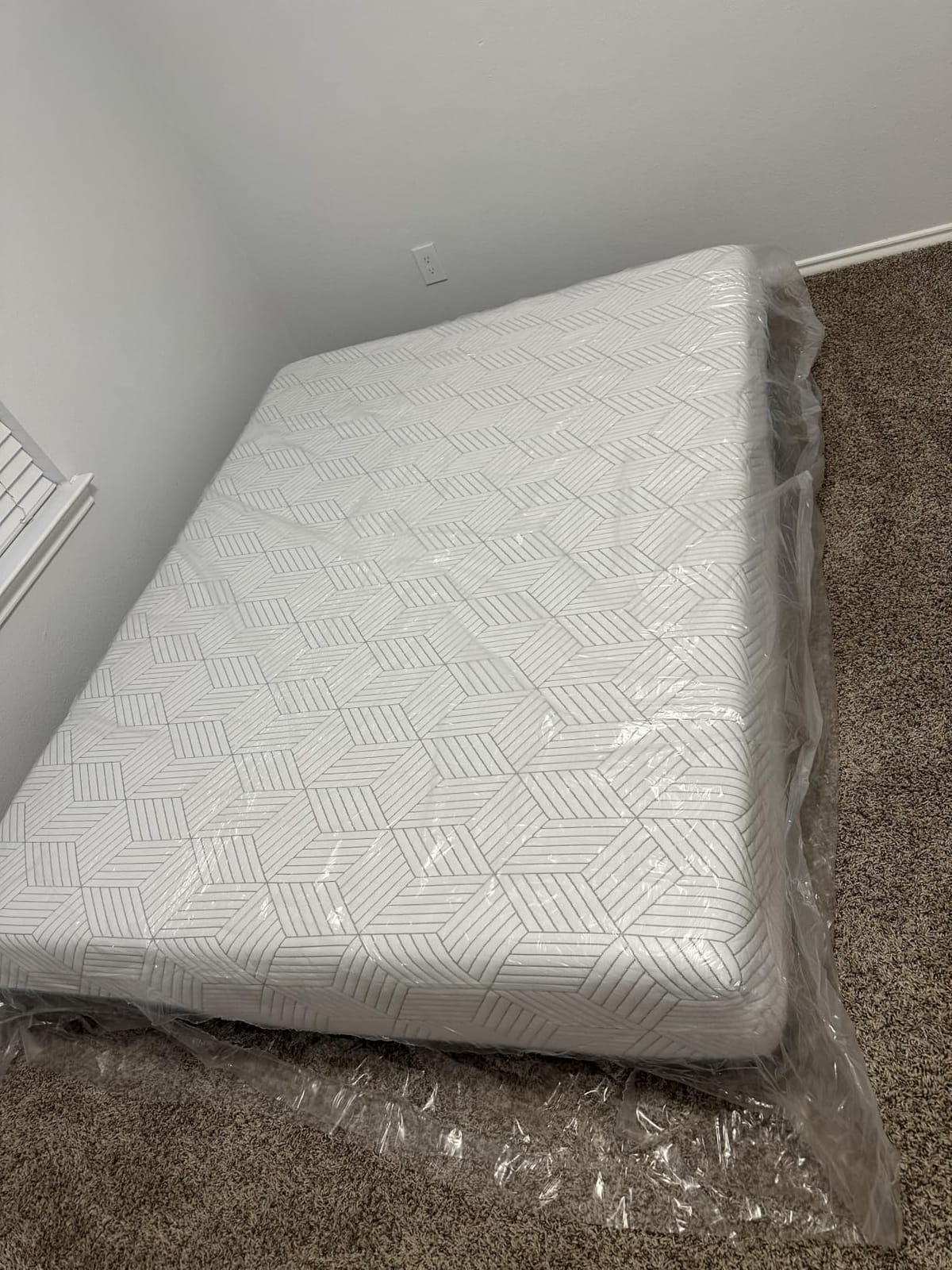
The removable zippered jacquard cover is fiberglass free and washable, which puts it alongside the NapQueen as the better pick if you want to actually clean the cover rather than spot-treat it. The cover has a soft geometric jacquard with light gray graphene yarn borders. Expansion is fast and buyers report little to no lingering odor, which makes it a low-fuss move-in option.
Why It Works on a Dorm Frame
Ten inches sits in the middle of the range, clearing standard dorm frames while still giving a back sleeper enough depth to keep the spine in a neutral line. The 750 pound rating means it works for a wide range of body sizes, and the medium feel is the neutral middle that suits combination sleepers, which is most students.
Motion isolation is the sleeper feature in a shared room, and reviewers describe partner movement as almost undetectable, which is the same benefit the hybrid offers through a different mechanism. If you share a room and do not care about spring feel, this gets you there with a firmer profile under you.
Where It Falls Short
The review base is the real limitation. Fewer than 900 ratings is a small sample compared to the 85,000 behind the Zinus or the 28,000 behind the Novilla, and a small sample means less long-term track record. Foam mattresses fail slowly, and a mattress with 879 reviews has less evidence of how it behaves in year three than one with tens of thousands.
A few owners report mild foot numbness from sinking on a medium profile, which is the standard trade-off of a softer foam bed, especially for heavier sleepers. It is not widespread, but it is the failure mode to watch for. For a firmer alternative in the same bracket, the Novilla runs firmer than this one for most body types.
8. Avenco 8 Inch – Best Low-Cost Twin XL for a One-Year Dorm Stay
Avenco Twin XL Mattress, 8 Inch Twin XL Size Mattress in a Box, Gel Memory Foam Mattresses for Cooling Night Sleep & Pressure Relief, Colchones TXL Fiberglass Free CertiPUR-US Certified
8 inches
Gel memory foam
Medium firm
500 lb max weight
4 layers
Pros
- 30 percent NanoGel infusion improves heat absorption and airflow
- 4-layer foam structure absorbs noise and movement
- Plant-based foam resists odor and moisture
- CertiPUR-US certified and fiberglass free
- Light enough to carry and set up alone in a dorm
Cons
- Only 8 inches so limited cushioning for side sleepers
- Needs up to 72 hours to fully expand
- Smallest review base in the set
This is the pick if the move-in budget is the binding constraint. It is the least expensive mattress in the roundup by a clear margin, it carries a 4.6 average across 604 reviews, and it is a legitimate bed rather than a token entry. For a student who wants a real mattress with cooling and motion isolation for one academic year, it does the job at a level most of this list does not.
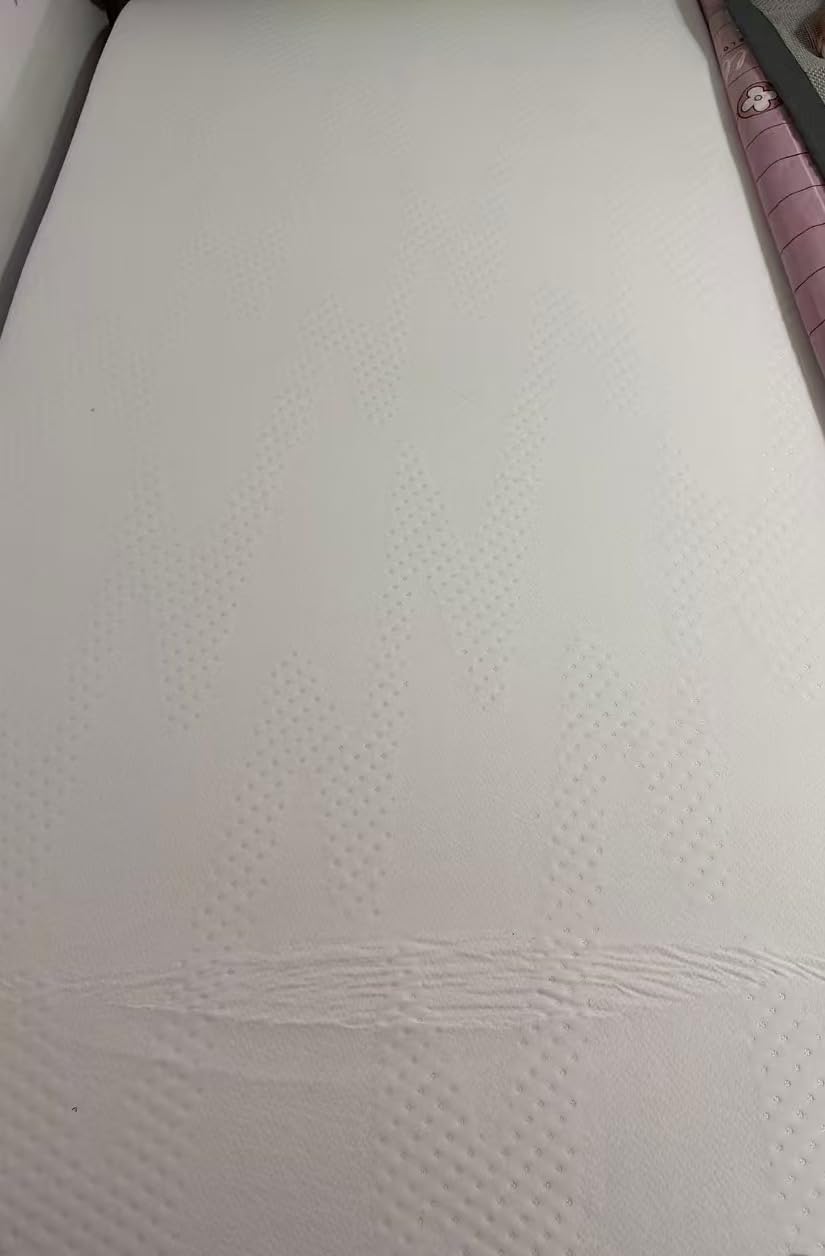
The construction is a four-layer all-foam build with 30 percent NanoGel infused into the memory foam, which is a higher infusion percentage than most competitors claim. The gel is doing airflow and heat absorption work, and it is the feature reviewers mention first. The plant-based foam is listed as resisting both odor and moisture buildup, and no off-gassing is reported, which is a genuine advantage over the Zinus in a sealed room.
Low motion transfer is the sleeper feature for a shared space, and the 4-layer structure also absorbs noise, which is a small thing that matters when someone is on the phone at midnight two feet away. A 500 pound weight capacity and CertiPUR-US certification with a fiberglass-free construction round out a solid spec sheet.

Why It Works on a Dorm Frame
The 8-inch profile clears the low-profile frames that 10 and 12 inch mattresses fight with, and the listing states it fits any frame or can be used on the floor during the first night. It is light enough to carry and set up in a dorm room by yourself, which matters if you have moved in alone and your roommate has not arrived.
At a one-year horizon, the 8-inch profile is a defensible choice rather than a compromise. You are not buying for a decade of use, you are buying a surface that does not transmit the hardness of the school pad for four seasons. If you are a side sleeper, add a topper and it is a strong dorm setup.
Where It Falls Short
Eight inches is the whole limitation, and it is a real one for side sleepers. There is simply less material between you and the frame, so the shoulder and hip take more of the pressure. Side sleepers should treat a topper as part of the budget rather than an upgrade.
Expansion takes up to 72 hours, which is the longest window among the picks here and needs planning. The 604-review base is also the smallest in the set, so there is less evidence about how it holds up over time. Both are acceptable if you are buying for a single year, and both are reasons to buy something else if you are not.
Dorm Mattress Buying Guide: Fit, Thickness, Foam Type and Spill Protection
A generic twin XL roundup ranks mattresses on comfort. A dorm roundup has to rank them on whether they will physically work in a small room on a frame you did not choose, for a period of time you did not set. Here is how to check the things that are not about how the bed feels.
How to Check That a Twin XL Mattress Will Fit Your Dorm Frame
Before you buy anything, measure two distances in your room. The first is the length and width of the deck, which should come out to 38 by 80 inches for a twin XL. The second is the vertical clearance between the top of the slats or platform and the underside of the safety rail, which is the number that decides your maximum thickness.
As a working rule, 8 inches clears nearly any issued frame, 10 inches fits most, and 12 inches only works if you have generous clearance and no rail overhanging the sleeping surface. Also check slat spacing. All-foam mattresses need support across their full width, and wide gaps between slats can let a foam bed sag in the middle over a year. A hybrid with an internal coil core is more tolerant of gaps.
How Thick Should a Dorm Mattress Be?
Eight inches is the minimum we would consider, because anything thinner starts to feel like a pad rather than a mattress. Ten inches is the sweet spot and the profile most of our picks use, giving side sleepers real pressure relief without fighting a low dorm rail. Twelve inches is the best cushioning in the set and the safest for side sleepers, but it is the profile most likely to cause a clearance problem on a low-profile issued frame.
One dorm-specific consideration most guides miss: the higher the bed, the harder it is to sit on the edge. In a room where you get dressed, eat, and study sitting on the side of the bed, a 12-inch mattress on a low frame puts your feet at an awkward angle. Ten inches is the compromise most students are happiest with.
All Foam, Hybrid or Innerspring in a Small Room
All foam is the default here and it is the right default for most dorms, because it is quiet, it isolates motion well, and it does not transmit the bounce of a coil core into a shared room. The trade-off is heat: all-foam mattresses run warmer because they do not move air through an internal structure, which is why the gel-infused models in this set exist.
A hybrid gets you the airflow and the edge stability of a coil core while keeping decent motion isolation through pocketed springs. The one hybrid in this roundup suits a student who finds foam sinking unpleasant or who has a restless roommate. Traditional linked innerspring is the one option we would avoid in a dorm, because the coils are linked and every movement transfers across the whole surface.
Waterproofing, Mattress Protectors and Roommate Spills
Do dorm mattresses need to be waterproof? The mattresses themselves are rarely sold as waterproof, and none of our eight picks is, so the answer in practice is that you protect the mattress rather than choosing a waterproof one. A waterproof mattress protector goes over the mattress, under the fitted sheet, and it is the single highest-value purchase in a dorm.
The reasons are specific rather than abstract. Spills happen in shared rooms. Stains on a foam mattress are effectively permanent because the care instructions on most of these beds are spot clean only. And at move-out, many schools charge a cleaning fee or deduct from your deposit for a stained mattress, which is a real cost on a fixed budget. A washable zip cover, which the NapQueen and FATHOM both offer, reduces the problem but does not solve it.
Pick a protector that fits the depth of the mattress. This is where the deep pocket warning bites: a protector sized for an 8-inch mattress will not fit a 12-inch one, and forum shoppers regularly hit exactly this snag. Check the depth rating against the actual mattress thickness before you order.
Off-Gassing and Ventilation in a Small Room
Off-gassing is the chemical smell from foam that is still curing, and it is worse in a dorm than in a bedroom purely because of volume. A 10 x 10 room with a closed door concentrates it. The fix is procedural: unbox the mattress in the room where it will live, leave the door and window open, run a fan, and wait at least 48 hours before sleeping on it. Most mattresses in this set list 24 to 72 hours for full expansion anyway, so the wait serves both purposes.
The picks where off-gassing is most likely to bother you are the ones without an infused foam. The Avenco and FATHOM report little to no lingering odor, the NapQueen expands quickly with minimal smell for most buyers, and the Zinus is the one buyers most often describe as having a distinct odor on unboxing. If you are sensitive to it, open the box the day you move in, not the day you plan to sleep.
Mattress or Topper? The Dorm Cost Fork
This is the decision nobody in the roundup landscape frames properly, and it is the first question in most dorm-focused forum threads. The dorm-issued mattress is usually thin, hard, and uncovered, so the topper route is the cheap fix almost everyone reaches for first. A 2 to 3 inch memory foam topper in twin XL transforms a bad issued pad into an acceptable bed for a fraction of replacing it.
The case for replacing outright is durability and total comfort. A topper sits on a bad base, so it inherits whatever problems the issued mattress has, and it slides unless you have a non-slip pad underneath. If the frame is low-profile and the issued pad is 4 inches of hard foam, a topper gets you to 6 or 7 inches of usable surface, which is thinner than the thinnest mattress in this roundup.
Our rule of thumb: if you are staying one academic year and the issued mattress is merely uncomfortable, a topper plus a waterproof protector is the cheaper path. If you are staying longer, or the issued pad is visibly sagging or broken, replace the mattress, because you would be building on a bad foundation. The same logic applies to the futon and platform setups covered in our best futon mattress guide if your dorm issues a convertible instead of a fixed bed.
What to Do with the Mattress at Move-Out
Plan for this in advance, because it changes what you should buy. If you bought a 12-inch Zinus to last several years across dorm and first apartment, moving it is straightforward. If you bought an 8-inch Avenco for one year, you are likely leaving it behind, and at that point a mattress you cannot resell is simply a move-out chore. A lighter mattress is easier to transport, which is another argument for the 8 and 10 inch profiles over 12.
Secondhand dorm mattresses are difficult to resell because buyers cannot verify hygiene and foam does not travel well. Donation is often the simplest option, though some schools and charities will not accept used bedding. Check whether your school runs a mattress buy-back or donation program at move-out, because a growing number do, and that single question can save you the cost of a mattress you never wanted to carry home.
Frequently Asked Questions
Does a twin XL fit a dorm bed?
Yes. A twin XL mattress measures 38 inches wide by 80 inches long, which is the size most college dorm beds are issued, so it fits the standard dorm frame without a gap. The real question is thickness: measure the clearance between your slat deck and the underside of the safety rail, because a 12-inch mattress may not clear a low-profile frame while an 8-inch or 10-inch mattress will.
What kind of mattresses do college dorms use?
Most schools issue a low-profile institutional mattress between 5 and 8 inches thick, usually innerspring or dense foam, with a firm polyester ticking and no pillowtop. These are built for durability and institutional fire codes rather than comfort, which is why most students either add a topper or replace the mattress with a bed-in-a-box twin XL in a foam or hybrid construction.
Do most college dorms have twin XL beds?
Most do, and it is the standard single bed size issued in US college dormitories, with XL rooms and lofted configurations built around the 38 x 80 inch footprint. A handful of schools issue standard twins at 38 x 75 inches, so confirm the length of your issued bed before ordering, because a standard twin mattress leaves a five-inch gap at the foot of a twin XL frame.
How thick should a twin XL mattress be?
Eight inches is the practical minimum, ten inches is the sweet spot, and twelve inches gives the best pressure relief for side sleepers. In a dorm, ten inches is usually the safest choice because it clears most low-profile frames while still cushioning the shoulder and hip. Only go to twelve inches if you have measured generous rail clearance and you do not mind a higher bed.
Is 8 inches thick enough for a mattress?
Yes, as long as it is a real mattress rather than a pad. An 8-inch foam mattress with a comfort layer over a high density base gives back and stomach sleepers solid support, and side sleepers can add a 2 or 3 inch topper. Anything under 8 inches starts to feel thin, and anything advertised under 6 inches is in a different product category from the ones in this roundup.
Is an 8 inch or 10 inch memory foam mattress better?
A 10-inch foam mattress is better for comfort and durability because the extra two inches of base foam resist sagging over an academic year and give side sleepers more shoulder relief. An 8-inch mattress wins on frame clearance, price, and weight, and it is the safer choice on a low-profile dorm frame. The 10-inch Novilla is our overall recommendation for most students.
What is the most comfortable 8 inch twin mattress?
Among 8-inch options, the COOL GEL Twin XL is the most comfortable for most dorm sleepers, with a 4.5 average across more than 10,000 reviews, gel-infused open-cell foam for airflow, and a medium firm feel. The Avenco and NapQueen are both well rated 8-inch alternatives, at a lower cost and with a washable cover respectively, so the deciding factor is budget and whether you want a removable cover.
What size comforter should I get for a twin XL dorm bed?
Buy a twin XL comforter, which measures roughly 39 by 75 inches and drapes to about 90 inches long. A standard twin comforter is usually too narrow for a 38-inch-wide bed and will not stay in place. Pair it with twin XL fitted sheets, and if your mattress is 12 inches deep, use deep pocket sheets so they do not pop off in the night.
Final Verdict: Which Twin XL Mattress Wins for Dorms
The Zinus Green Tea 12 Inch is our pick for the best twin XL mattresses for dorms in 2026, and it wins on the combination that matters most here: real cushioning, the largest review base in the set, and construction that will still feel good in a first apartment. If your dorm frame has tight rail clearance, the 10-inch Novilla is the smarter buy and costs less. If clearance is genuinely tight, the 8-inch COOL GEL handles a low-profile frame better than anything else in this list.
Whatever you choose, buy a waterproof mattress protector in the same order, check your rail clearance before the mattress arrives rather than after, and unbox it at least two days before you plan to sleep on it. Those three steps solve more dorm mattress problems than the layer count ever will.