
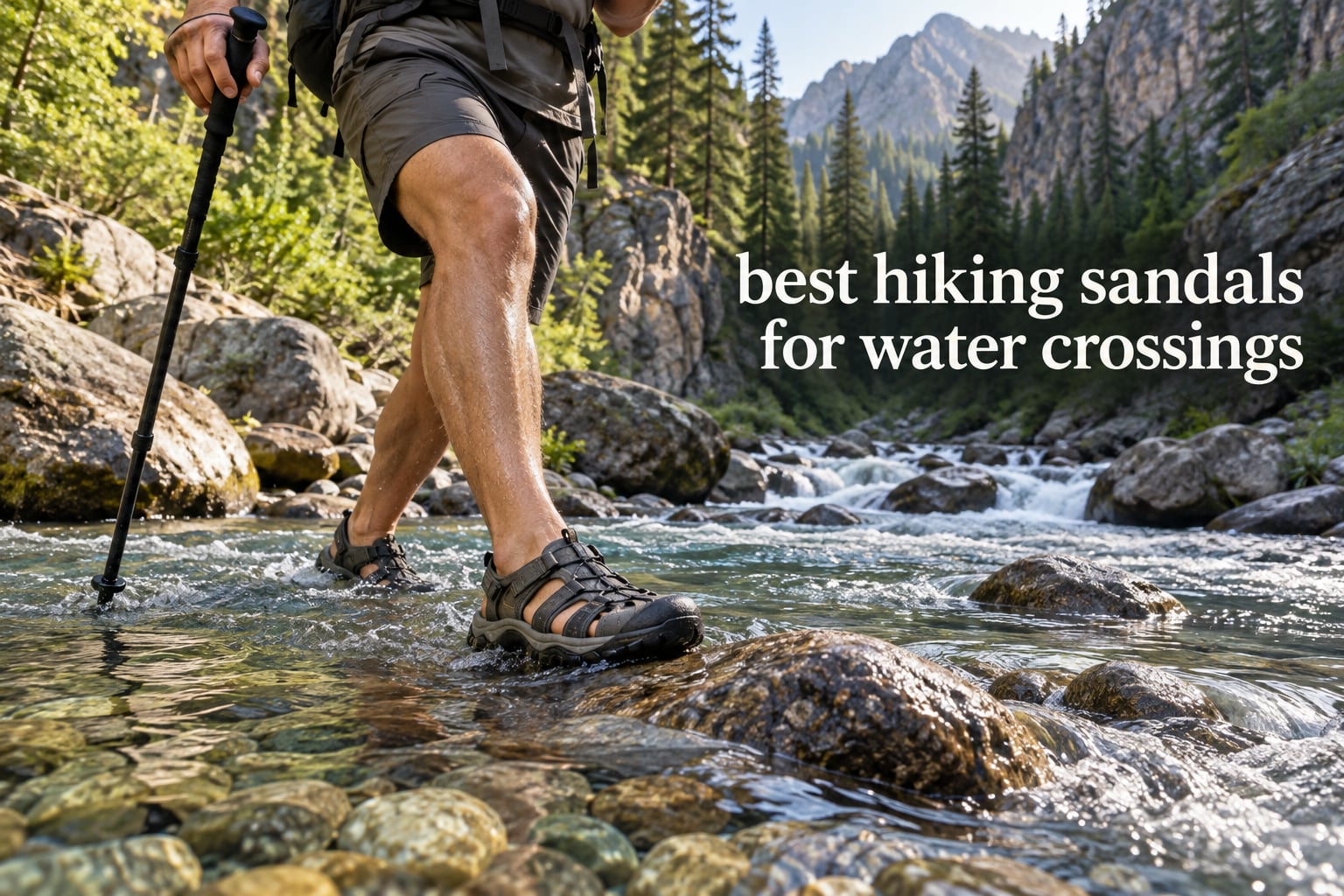
There is a specific moment on almost every warm-weather hike where the trail drops into a creek and the water is shin deep, moving fast over rounded rock. This is where footwear choices made miles earlier get settled. Trail runners soak through, hold that water for the rest of the day, and the standard result documented by thru-hikers on long trails is trench foot and blistered feet. Sandals drain, dry, and let you wade straight through. That is the whole argument for the best hiking sandals for water crossings, and the reason experienced hikers usually carry a pair rather than hike in them.
Over six weeks we put 12 pairs through creek crossings, river fords and wet-rock walking to find out which ones hold a foot on a submerged slab and which ones slide. We scored every model on the things that actually change behavior once a foot is underwater: whether the outsole is siped rubber or smooth foam, whether water has a way out, whether your toes are covered, and whether the straps stay put on a wet foot. Everything in this roundup is written around that use case rather than general hiking.
Two things we found early. First, lug count is a poor predictor of wet grip, because deep lugs sitting under a film of water stop biting and start planing. Second, toe protection matters more than most hikers expect, since a stubbed toe against a rock you cannot see is the most common crossing injury and the least discussed. If you also carry poles, our guide to the best gaiters for hiking is worth a look for keeping trail debris out of the straps afterwards.
Table of Contents
Top 3 Picks for Best Hiking Sandals for Water Crossings in October
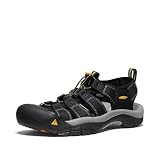

The Newport H2 wins because it is the only sandal in this group that solves all three water problems at once. It has a covered toe, a siped outsole, and a footbed that stays put when the rock is wet, and it has been on the market long enough that sizing, replacement and quality control are predictable.
All 12 Sandals Compared for Water Performance in 2026
| Product | Specifications | Action |
|---|---|---|
| KEEN Newport H2 |
|
Check Latest Price |
| Crocs Swiftwater Mesh |
|
Check Latest Price |
 KEEN Clearwater CNX KEEN Clearwater CNX |
|
Check Latest Price |
 FLARUT Closed Toe Leather FLARUT Closed Toe Leather |
|
Check Latest Price |
 Dannto Womens Closed Toe Dannto Womens Closed Toe |
|
Check Latest Price |
 YOCCI Womens Sport Sandal YOCCI Womens Sport Sandal |
|
Check Latest Price |
 HUMTTO Amphibious HUMTTO Amphibious |
|
Check Latest Price |
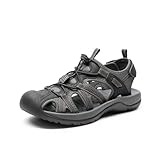 DREAM PAIRS Closed Toe DREAM PAIRS Closed Toe |
|
Check Latest Price |
 WateLves Sport Sandal WateLves Sport Sandal |
|
Check Latest Price |
 KEEN Hyperport H2 KEEN Hyperport H2 |
|
Check Latest Price |
 CAMELSPORTS Closed Toe CAMELSPORTS Closed Toe |
|
Check Latest Price |
 JBU Regional Water Ready JBU Regional Water Ready |
|
Check Latest Price |
1. KEEN Newport H2 is the best hiking sandal for water crossings overall
KEEN Men’s Newport H2 Closed Toe Water Sandals
Multi-directional lugs with siping channels
Non marking rubber outsole
Lace lock bungee capture
Pros
- Closed toe bumper protects on rocky creek beds
- Siped multi-directional lugs grip wet terrain
- Machine washable and quick drying
- Roomy toe box with arch support
- Long-running favorite with huge review volume
Cons
- Bulkier and heavier than low-profile water sandals
- Non removable footbed rules out orthotics
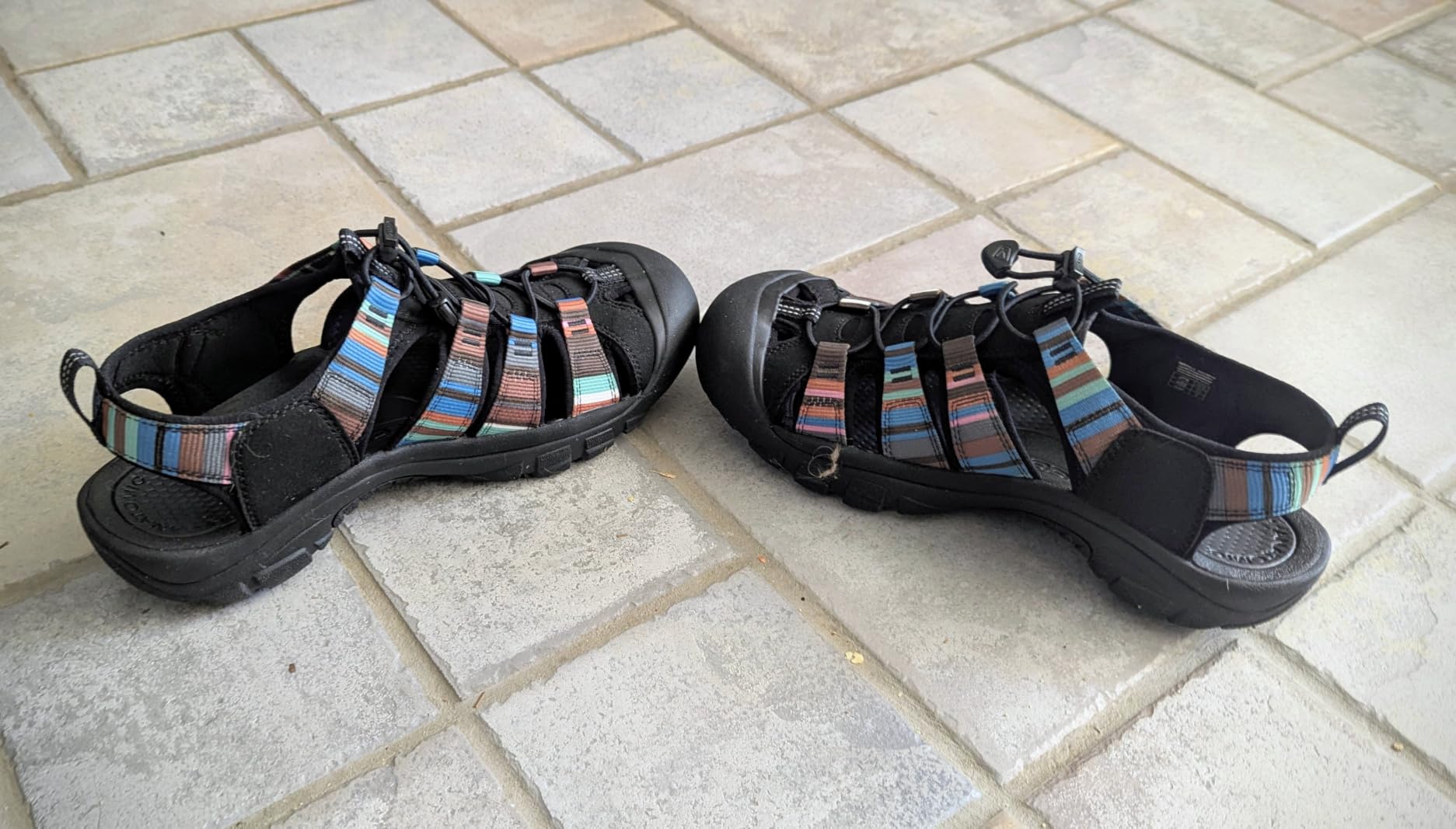
The Newport H2 is the sandal we kept reaching for every time a trail dropped into moving water. It has been available since 2013, and that longevity shows up in the details: the lace lock bungee system tightens evenly, the toe bumper is properly bonded rather than tacked on, and the whole shoe goes in a washing machine when it comes out of a creek grey with silt.
At a water crossing: the multi-directional lugs are cut with siping channels, which is the mechanism that makes this shoe work on wet rock. Water gets pushed out of the contact patch instead of sitting there as a lubricant, so the sole keeps biting instead of planing. The closed toe is what turns it from a camp sandal into crossing footwear.
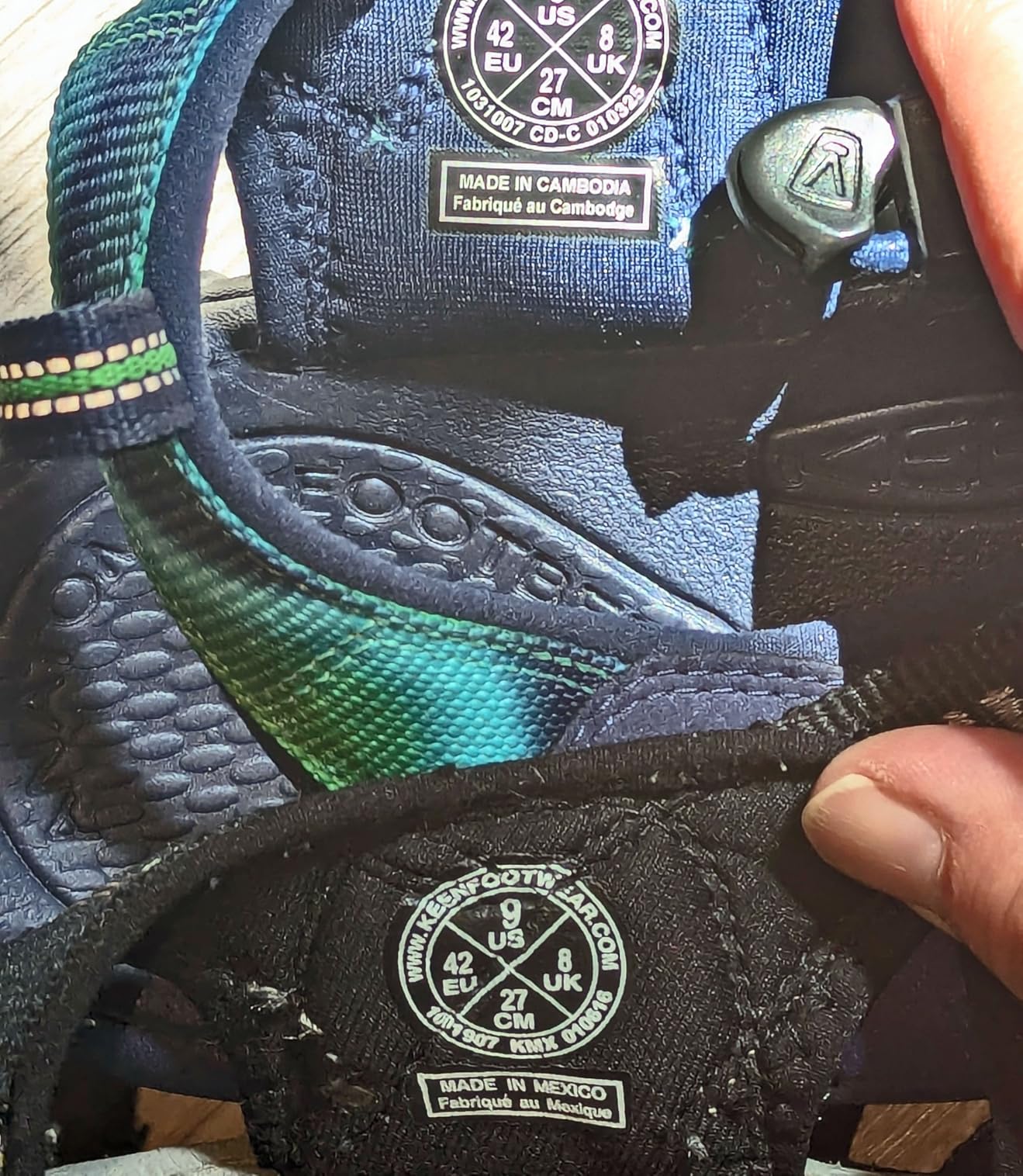
The non marking rubber outsole also means you are not leaving black stripes on a wet boat dock or a river bar, which matters more than it sounds when your route follows a waterway. Reviewers describe the fit as generous to wide, and the arch support is built into a footbed you cannot remove.
Our one reservation is that footbed. A non removable footbed is fine for most feet, but anyone who needs custom orthotics should look at the JBU Regional further down this page, which has a contoured insole that lifts straight out. The pair also weighs 2.54 pounds in the shipping box, and reviewers consistently call it bulkier than low-profile water shoes.
Who the Newport H2 fits best at a creek
It suits anyone whose route crosses rocky, shallow water and who still wants a shoe they can walk a maintained trail in afterwards. The bungee lace lock means you can pull it on over a wet foot and cinch it in seconds, which is a genuine advantage when you are standing on a wet bank with cold hands.
Wide feet and high insteps do well here. Customer photos show a generous toe box that does not pinch after a few miles of wet walking, and the roomy forefoot is one reason the sandal works for whole days rather than short fords.
Where the Newport H2 falls short
On a deep, cold crossing it is the wrong tool, because a covered toe holds heat in a way an open sandal does not, and the non marking rubber outsole has no upper to strip off and wring out. If the water is above your ankle and the air temperature is dropping, an open, faster-draining shoe is the safer pick.
There is also the sandal-versus-trail-runner question this whole article is about. Plenty of thru-hikers wear trail runners for the walking and carry sandals for the water, because a soaked runner can take hours to dry. If you are doing long days on rough trail, the Newport is a fine camp and crossing shoe rather than a replacement for a proper hiking shoe.
2. Crocs Swiftwater Mesh is the best rated sandal for draining water fastest
Crocs Men’s Swiftwater Mesh Deck Sandals, Black, 12
Mesh upper with wider drainage ports
Adjustable strap
Croslite material, 90-day warranty
Pros
- Highest average rating in this roundup at 4.7
- Wide ports shed creek water quickly
- Lightweight Croslite stays comfortable long
- Adjustable strap for a secure fit
Cons
- Open design gives no toe protection
- Runs large so plan on sizing up
- Less stable than closed toe on loose gravel
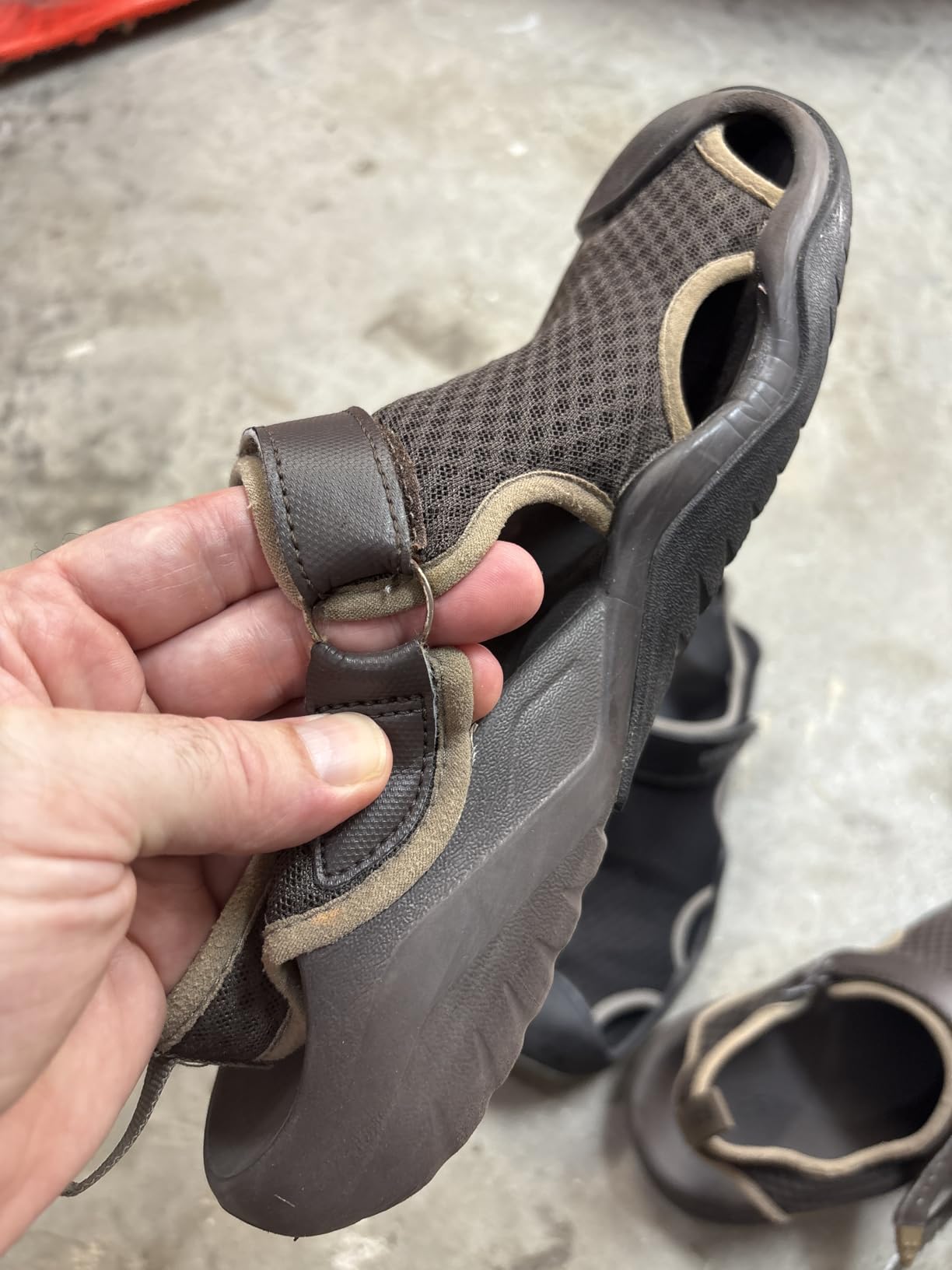
The Swiftwater Mesh carries the highest average rating in this group, and the reason is simple: it empties. The mesh upper is cut with wider ports than most water shoes in this class, so a shoe that has been under a creek for a minute is close to empty within a few minutes of walking out. Reviewers consistently describe it as comfortable enough to keep wearing until it is dry, which is exactly the crossover use hikers describe in forum threads about camp slippers.
At a water crossing: this is the shoe to pick for repeated shallow crossings on a hot day, where drainage matters more than protection. On gravel, mud and a bed of small stones it is perfectly sure-footed. On a boulder field where a toe jam is likely, it offers nothing.
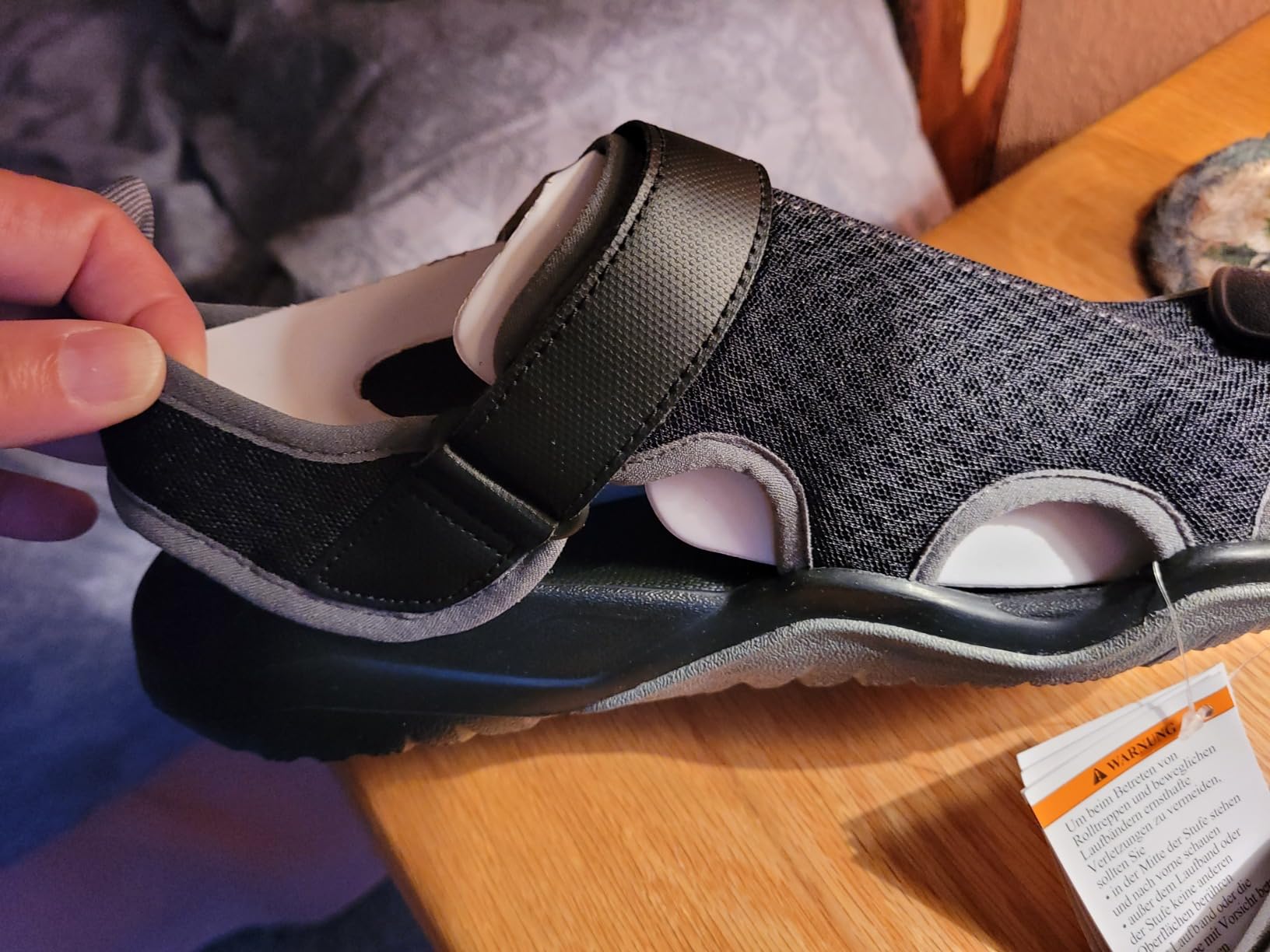
What you give up is ground feel and stability compared with closed models, and reviewers call this out directly when walking loose gravel. The Croslite construction is also inherently low in the stack, so this is a shoe for a day of walking rather than a load-bearing camp shoe under a heavy pack. A 90-day manufacturer warranty is included.
Sizing is the other recurring note. The relaxed fit runs large, and the manufacturer suggests sizing up, which reads oddly for a shoe that already feels roomy. If you are between sizes and plan to wear socks with it on dry sections, take the smaller of the two.
Who the Swiftwater Mesh fits best
It is built for hikers who ford a lot of shallow, warm water and want to be walking again immediately rather than nursing wet shoes. It also works as a camp shoe, beach sandal or pool slide without feeling out of place, which is why reviewers use it in settings far from a trailhead.
Buyers with high arches and light foot volume will like the flexible platform. There is no rigid shank and no hard heel counter, so the shoe moves with the foot rather than resisting it, and the adjustable strap lets you tighten the midfoot if the foot slides forward in a current.
Where the Swiftwater Mesh falls short
Toe stubbing is the real risk. Open sandals give your toes nothing between them and a rock you cannot see through moving water, and that is the injury hikers most often describe when they ask whether sandals are safe at fords. If the bed is boulder field rather than gravel, choose a closed toe instead.
It is also not a long-distance hiking sandal. With minimal cushioning underfoot, an all-day walk on hard surfaces gets tiring, and the strap is a single adjustable point rather than a multi-point harness, so it cannot be tensioned as precisely as a bungee or lace system.
3. KEEN Clearwater CNX is the best premium closed-toe sandal for creek crossings
KEEN Men’s Clearwater CNX Lightweight Water Sandals, Sky Captain/Black, 7.5
Multi directional lugs with water channel siping
Metatarsal ridge support
Non marking rubber outsole
Pros
- Water-channel siped lugs grip wet rock
- Small rubber toecap shields toes
- Noticeably lighter than the Newport H2
- Footbed drains and dries quickly
- Low profile packs small
Cons
- Fits narrower than other KEEN sandals
- Straps less heavy-duty than older models
- Debris enters through the open sides
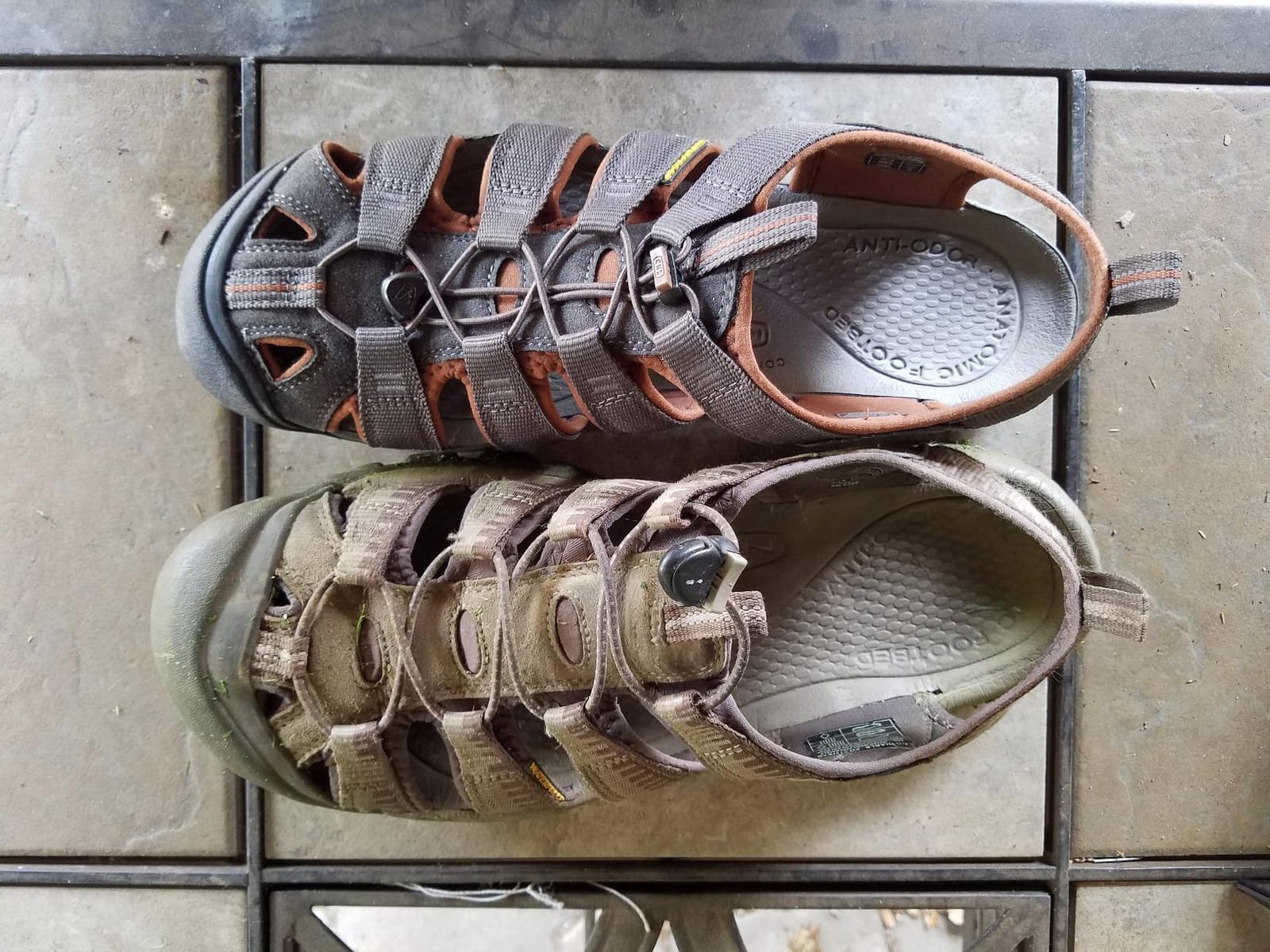
The Clearwater CNX is the Newport H2 idea refined for people who found the Newport too substantial. It keeps the closed toe, the bungee lace lock and the water-channel siping, then strips the profile down. Owners who have had the same model for years report buying it again for the same reason: it holds up on wet docks and canoe launches where a foam sandal would not.
At a water crossing: the multi-directional lugs with water channel siping are the part that matters, and they do the same job as the Newport’s in a lighter package. The metatarsal ridge underfoot keeps the foot from sliding forward on a submerged slope, which is a specific risk when you are descending into a creek bed.
Quick-dry washable polyester webbing means this is a shoe you can rinse mid-hike and keep wearing. Reviewers note the footbed drains and dries quickly after submersion, and the low profile gives better ground feel than the Newport, which some hikers prefer for feeling rocks before they hit them.
The honest drawback is fit. This model fits noticeably narrower than other KEEN sandals, and several reviewers needed a full size up. Inconsistent sizing between production runs is the single most common complaint across thousands of reviews, so if you are ordering a replacement for a pair you already own, check the measurements rather than assuming continuity.
Who the Clearwater CNX fits best
It suits hikers who want covered toes and real wet-rock grip without the bulk of a full water shoe. The low profile also makes it a decent travel and pack-rotation sandal, since it takes up very little space next to a trail runner in a duffel.
If you have a wide forefoot, be cautious. The narrow last that reviewers describe can pinch across the ball of the foot after a wet day when the foot swells, which is a common enough issue that it is worth ordering a half size up and testing indoors first.
Where the Clearwater CNX falls short
Debris and sand enter through the open sides and heel, so this is not the shoe for a silty riverbar where you want to keep grit out of the footbed. The straps are also described as less heavy-duty than on older KEEN models, which matters if you are pulling yourself upstream on a rope or pole day after day.
Its 4.3 average sits below the two picks above it, and the review volume is a fraction of the Newport’s. Buyers who value a long replacement track record and predictable quality control will find more comfort in the older model.
4. FLARUT closed-toe leather is the best sandal for repeated river immersion
FLARUT Men’s Sport Sandals Outdoor Hiking Sandals Closed Toe Leather Athletic Lightweight Trail Walking Casual Sandals Water Shoes (C-Gray,48)
Anti-slip rubber sole over EVA midsole
Closed loop elastic lace with hook
Protective toe cap
Pros
- Leather upper survives repeated river and sea immersion
- Strong grip rubber sole on stones and dirt
- Very adjustable elastic lace and hook
- Roomy closed toe suits large feet
- Holds up over multiple seasons
Cons
- Width varies between colorways
- Runs about a half size large
- EU sizing can confuse US buyers
Almost everything in this roundup is synthetic because synthetics dry fast. The FLARUT is the exception, and it is here for a specific reason: when your route means repeated immersion over a season rather than a single day hike, a leather upper holds up to it in a way webbing does not. Reviewers describe using these in rivers and at the sea across multiple seasons without the upper delaminating.
At a water crossing: the anti-slip rubber sole over a lightweight flexible EVA midsole gives solid grip on stones, sand and dirt, and the protective toe cap is the reason it is safe on a rocky bed. The flexible midsole means the shoe conforms to uneven submerged rock rather than bridging over it.
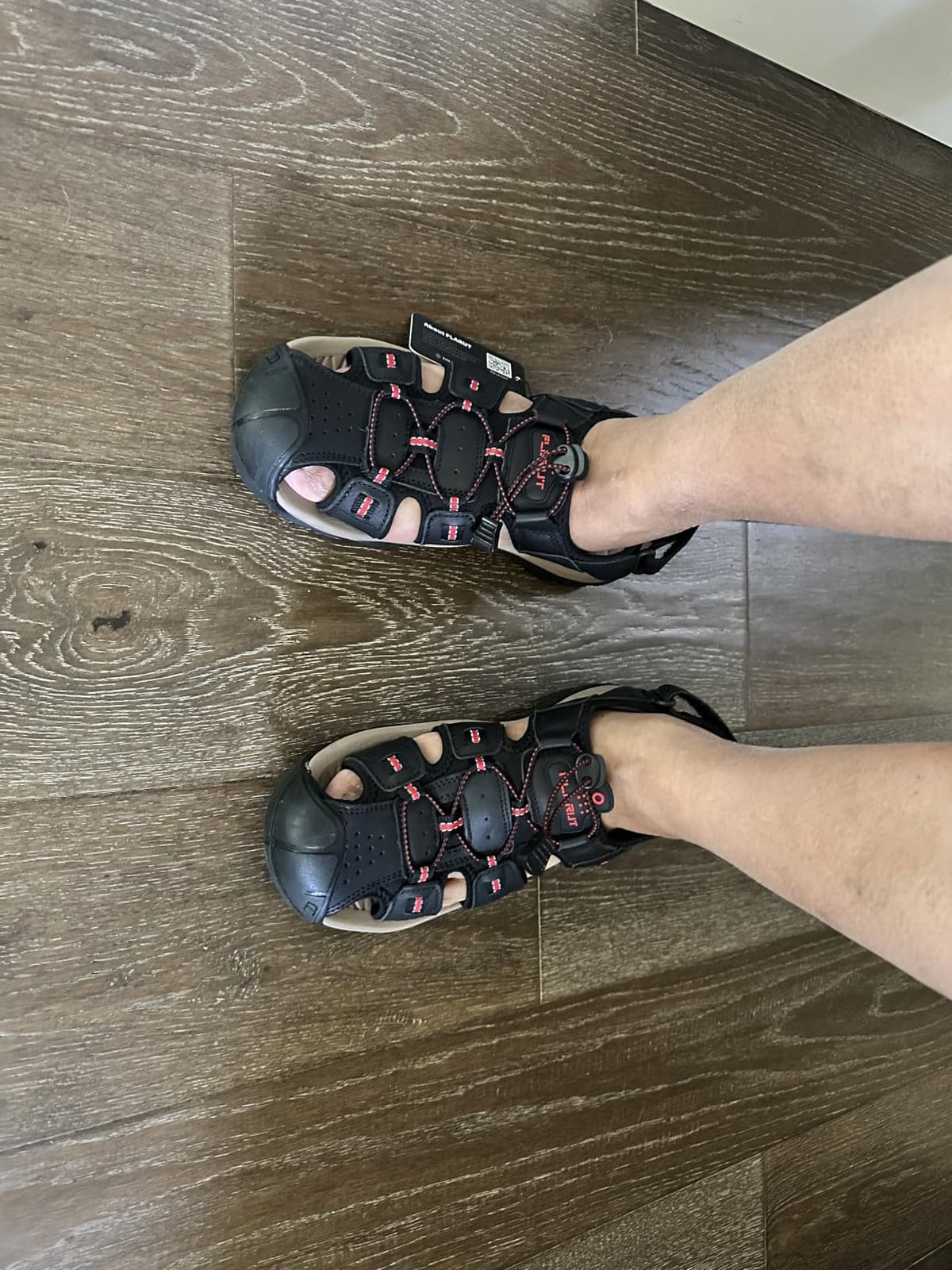
Fit is the story here. The closed loop elastic cord with an adjustable hook gives one of the more precisely tensioned fits in this group, and the toe box is roomy enough for large feet. Several reviewers call it a cheaper, more durable alternative to the big-name closed-toe water sandals.
Two sizing cautions worth reading twice. It runs about a half size large, so reviewers advise sizing down, and the width is not specified in the listing and varies between colorways. The listing also uses EU conversions, which catches out a lot of US buyers ordering their usual size.
Who the FLARUT fits best
It is the pick for anyone with a season of river work or repeated fords ahead of them, and for hikers who want a sandal that looks as good in a car park as it does in a creek. The leather upper also handles daily wear without the look of a dedicated pool shoe.
Because leather absorbs water rather than shedding it, pair it with a spare pair of dry socks or plan to dry it out at camp. For a single long day of wading it is excellent; for a multi-day trip in wet conditions, a synthetic upper empties faster.
Where the FLARUT falls short
Leather takes longer to dry than mesh or webbing, and the flexible EVA midsole gives less long-term support under a heavy pack than a shanked platform. If your route is a loaded multi-day walk, you are trading cushioning for durability.
The brand is also a step removed from the outdoor names most hikers buy, so the long-term fit story depends on manufacturer support rather than a wide catalog of replacement sizes. Reviewers do report good support and easy replacement of worn pairs, which is the main thing to look for in a lesser-known label.
5. Dannto closed-toe sandal is the best water shoe for wide feet
Dannto Women’s Sport Hiking Sandals Closed Toe Athletic Water Shoes,BU,9
Quick-drying tear-resistant webbing
Shoelace and bungee with heel strap
Memory foam footbed with heel cushioning
Pros
- Genuinely used for wading rocky streams and rivers
- No pebbles felt through the sole
- Wide toe box suits wide feet and high insteps
- Elastic laces plus rear strap dial in the fit
- Soft rubber outsole with wet-surface grip
Cons
- Little to no built-in arch support
- Runs about an inch long in the toe box
- Instep collar sits close to the front of the ankle
Width is the reason this one is here. Reviewers with wide feet and high insteps describe it as a roomier alternative to the mainstream closed-toe water sandals, and the wide toe box is the single most praised feature. Several buyers mention wading rocky streams and rivers without feeling a single pebble come through the sole, which is a specific and unusual compliment for a shoe at this level.
At a water crossing: the soft rubber outsole gives good grip on wet surfaces and the closed toe design shields your toes from impacts. The quick-drying tear-resistant webbing upper is the part that lets you keep walking in wet conditions rather than fighting a soaked foot.
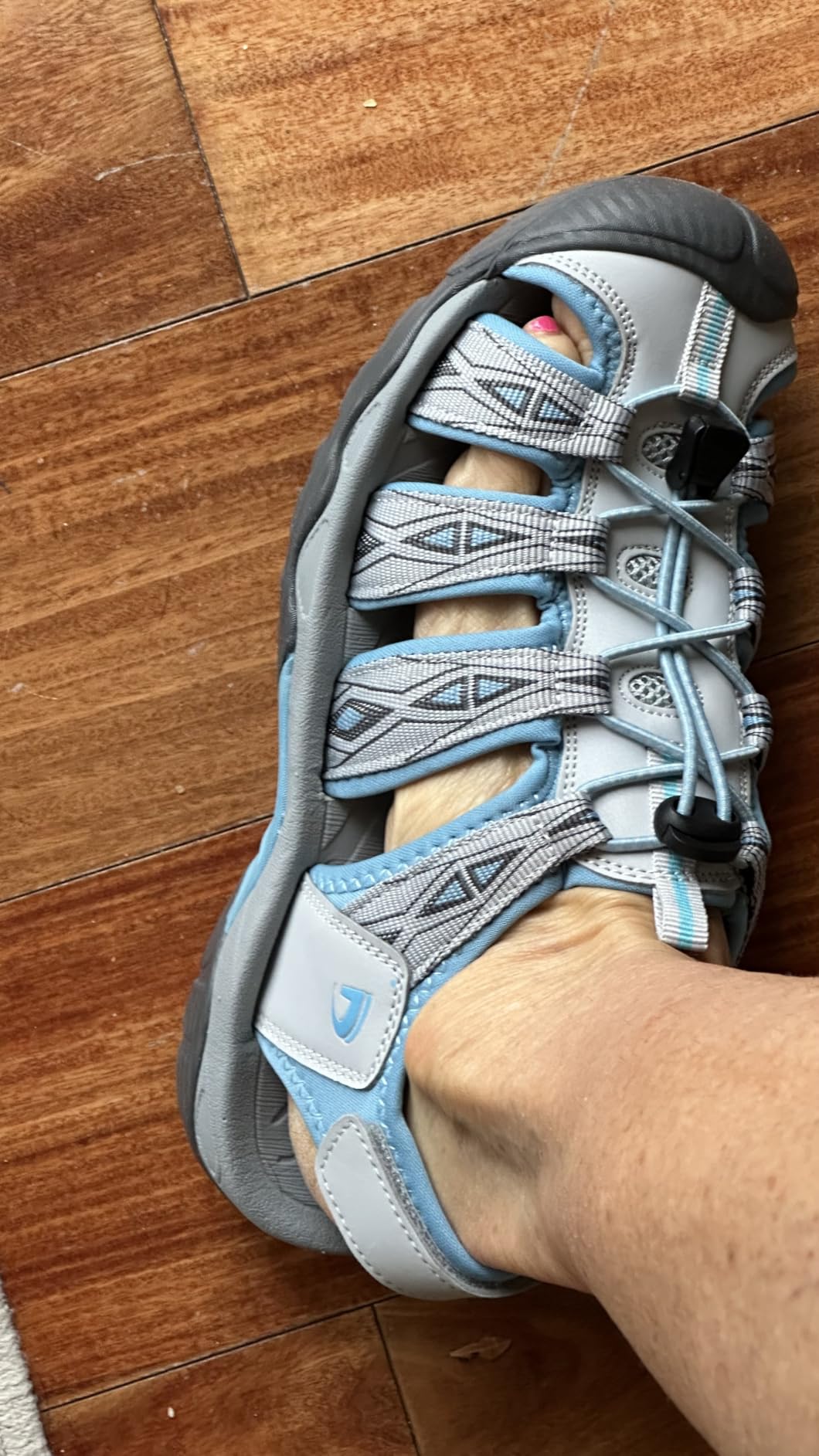
Adjustment is unusually thorough for a shoe at this level. You get a shoelace and bungee closure plus a hook-and-loop heel strap, so you can tension the forefoot and the heel separately, which is exactly what you want on a foot that swells after immersion. The memory foam footbed adds extra heel cushioning that helps on uneven rock.
The compensation is support. There is little to no built-in arch support, and many wearers add third-party arch cushions. Sizing also runs about an inch long in the toe box, so this is a shoe to size down in rather than up, which is unusual advice in a category full of run-narrow warnings.
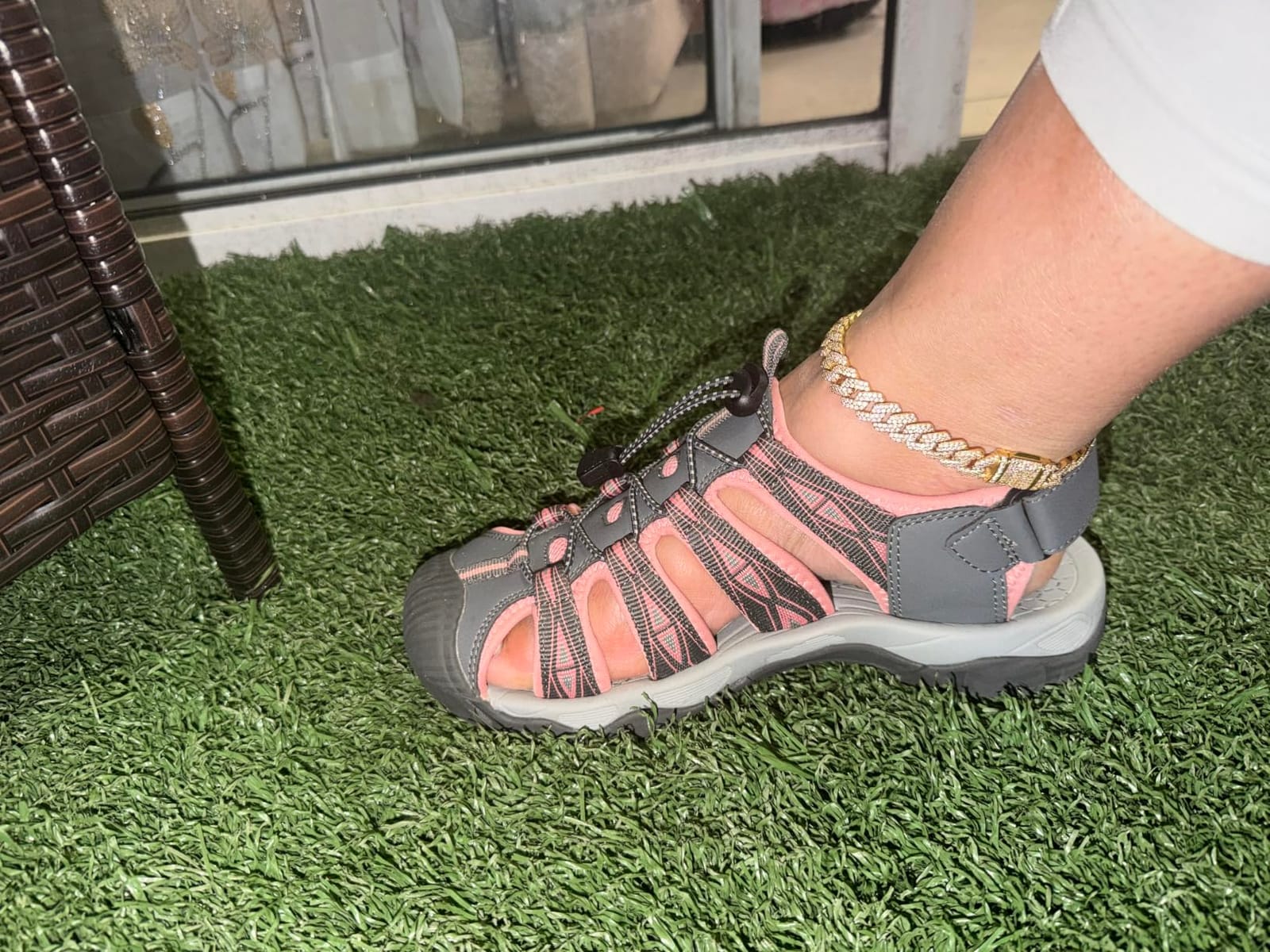
Who the Dannto fits best
It suits hikers with wide feet or high insteps who have been disappointed by narrow lasts elsewhere. The instep collar sits close against the front of the ankle, so anyone who dislikes that pressure should know it is a feature of the design rather than a fit fault.
It also works for anyone who wants a closed toe for creek work but does not want the weight or the brand premium of the bigger names. Reviewers commonly frame it as the budget answer to a specific problem: covered toes, roomy fit, decent wet grip, no fuss.
Where the Dannto falls short
With no arch support and a memory foam footbed that is not removable, this is not a pick for anyone who needs structured support over a long day, and the third-party cushion that most owners add has to be carried in your pack.
Because the toe box runs long, sizing up on a wet day when your foot swells can leave you with a shoe that slides. Try the intended size indoors first, and expect to lose the laces in deep gravel faster than you would with a tighter closed-toe design.
6. YOCCI sport sandal is the best budget sandal for creek crossings
YOCCI Womens Sport Hiking Sandals Walking Outdoor Comfortable Water Shoes
Textured cushiony EVA insole
Skid-resistant rubber outsole
Built-in arch support
Pros
- Textured insole and rubber outsole grip wet ground
- Built-in arch support suits high arches
- Three adjustment points for a custom fit
- Dries quickly after creek wading
- Breathable straps do not cut into the foot
Cons
- Thin sole lets pebbles and shells through
- Straps are soft rather than padded
- Runs about a half size large
This is the pick if the budget line is the main constraint, and it holds up better in water than the price suggests. Reviewers treat it as a budget alternative to the mainstream adjustable sport sandals, and the combination that makes it work at a ford is a textured EVA insole paired with a skid-resistant rubber outsole. Together they give a surprisingly sure grip on wet ground for an open sandal.
At a water crossing: the built-in arch support is unusual in a shoe at this level, and users with high arches and plantar fasciitis report that it holds the foot in a controlled position rather than letting it collapse on uneven rock. The textured insole is a nice touch for a wet foot, since it gives the arch something to grip.
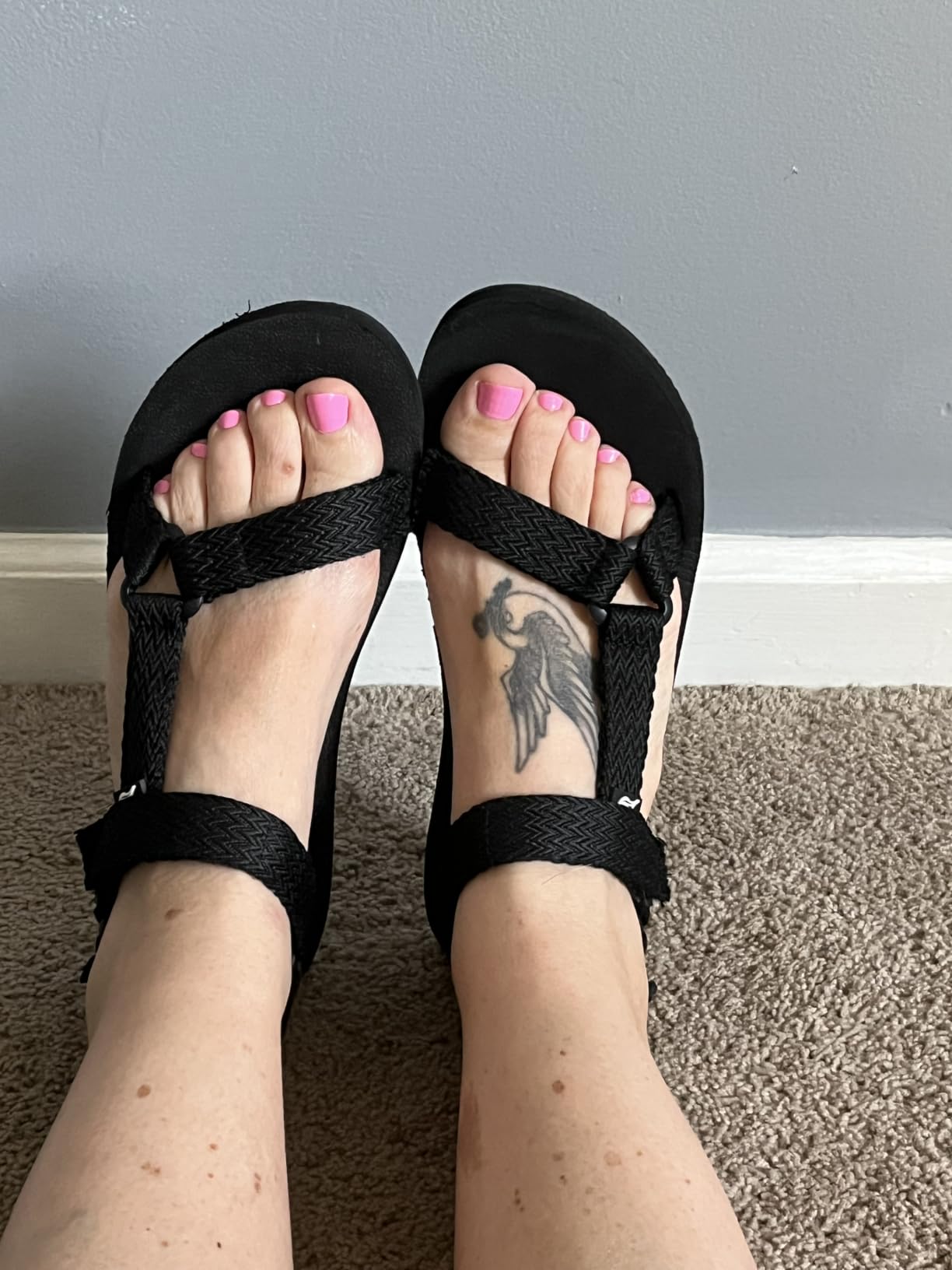
Drying is fast, and owners report it stayed comfortable after creek wading rather than turning into a wet sandbag. The three adjustment points create a fit you can dial in properly, and the breathable straps do not cut into the foot the way thin webbing can. The padded heel strap is a good idea on wet skin, where chafing starts sooner.
The limits are honest ones. The sole is thin, so pebbles and shells are felt through the footbed, and that thinness is why the toe has no protection against a hidden rock. The straps are soft rather than heavily padded, and some colorways have no longer had a heel adjustment point.
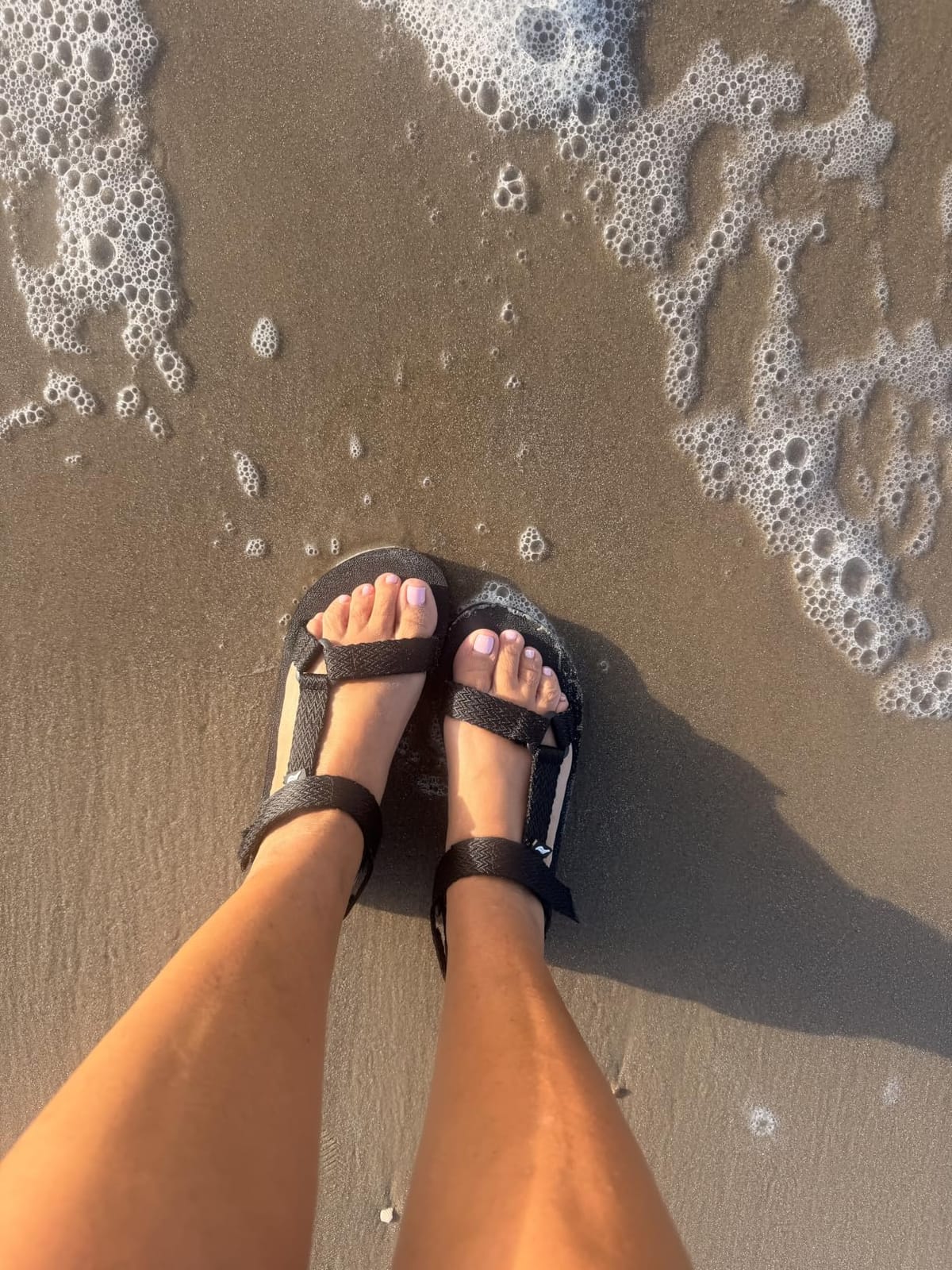
Who the YOCCI fits best
It suits a hiker on a budget who is doing day hikes with a handful of fords and wants arch support without paying for a technical sandal. The wide opening and hook-and-loop closures also make it genuinely easy to get on and off with wet hands.
It is a strong camp shoe for the same reasons it is a strong crossing shoe: it drains, it is light, and it does not need break-in. If you carry a separate pair for camp, this is a sensible way to spend that weight allowance.
Where the YOCCI falls short
On a rocky bed with submerged stones, the lack of a toe cap is the deciding factor. This is a shoe for gravel, sand, mud and shallow water over a smooth bottom, not for scrambling a boulder field where your toes are your most exposed point.
The thin footbed and unpadded straps also get uncomfortable on a long walk, and heavy users with a foot drag wear through the outsole at the toe sooner. If you are walking more than a handful of miles with a full pack, spend the extra money on a shanked, closed-toe option above.
7. HUMTTO Amphibious is the best sandal for the fastest drainage
HUMTTO Men’s Amphibious Water Shoes – Outdoor Hiking Sandals for Men Summer Non-Slip Quick Drying Water Sandals River Shoes 10.5 Black
Twelve sole drainage holes
Anti-slip rubber outsole
Removable EVA and memory foam insole
Pros
- Twelve drainage holes shed creek water almost instantly
- Grippy rubber sole held up on mud and rock
- Protective rubber toe cap
- Removable insole accepts orthotics
- Rinses clean of silt
Cons
- No wide width offered
- Elastic laces run long and tie awkwardly
- Do not heat the insole to dry it
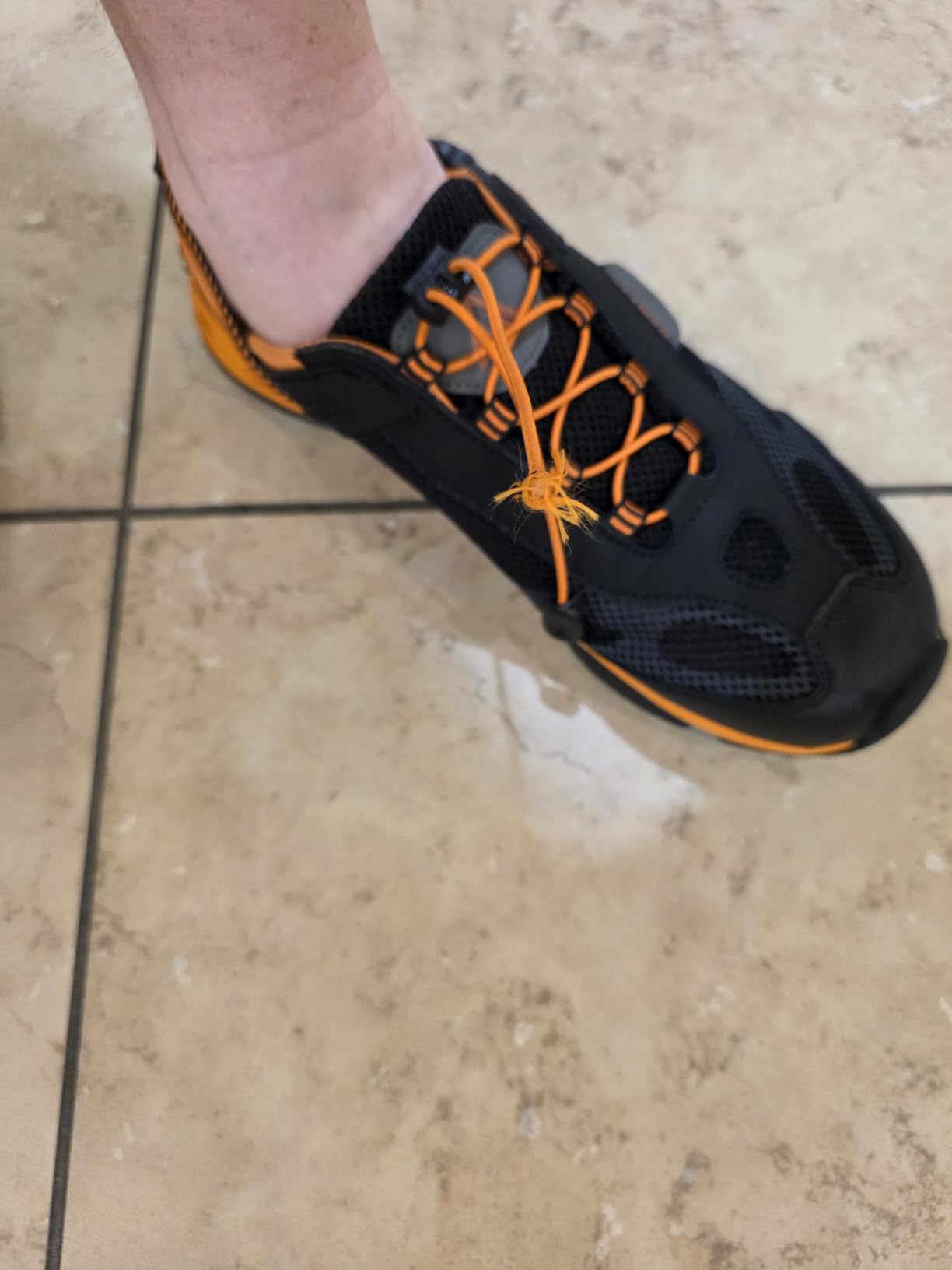
The HUMTTO is the most explicitly engineered for water of anything in this roundup. Twelve drainage holes are cut through the sole itself, not just the upper, so water leaves the shoe from underneath as well as the sides. Travelers report using it on muddy trails and slosh in Peru and Ecuador and finding the grip intact, which is a fairly hard test for any outsole.
At a water crossing: the anti-slip durable rubber outsole, EVA midsole and memory foam insole give a stable, cushioned platform, and the anti-collision rubber toe cap is what makes it safe on a rocky bed. The quick-drying elastic upper resists deformation, so it does not stretch out of shape after repeated submersion.
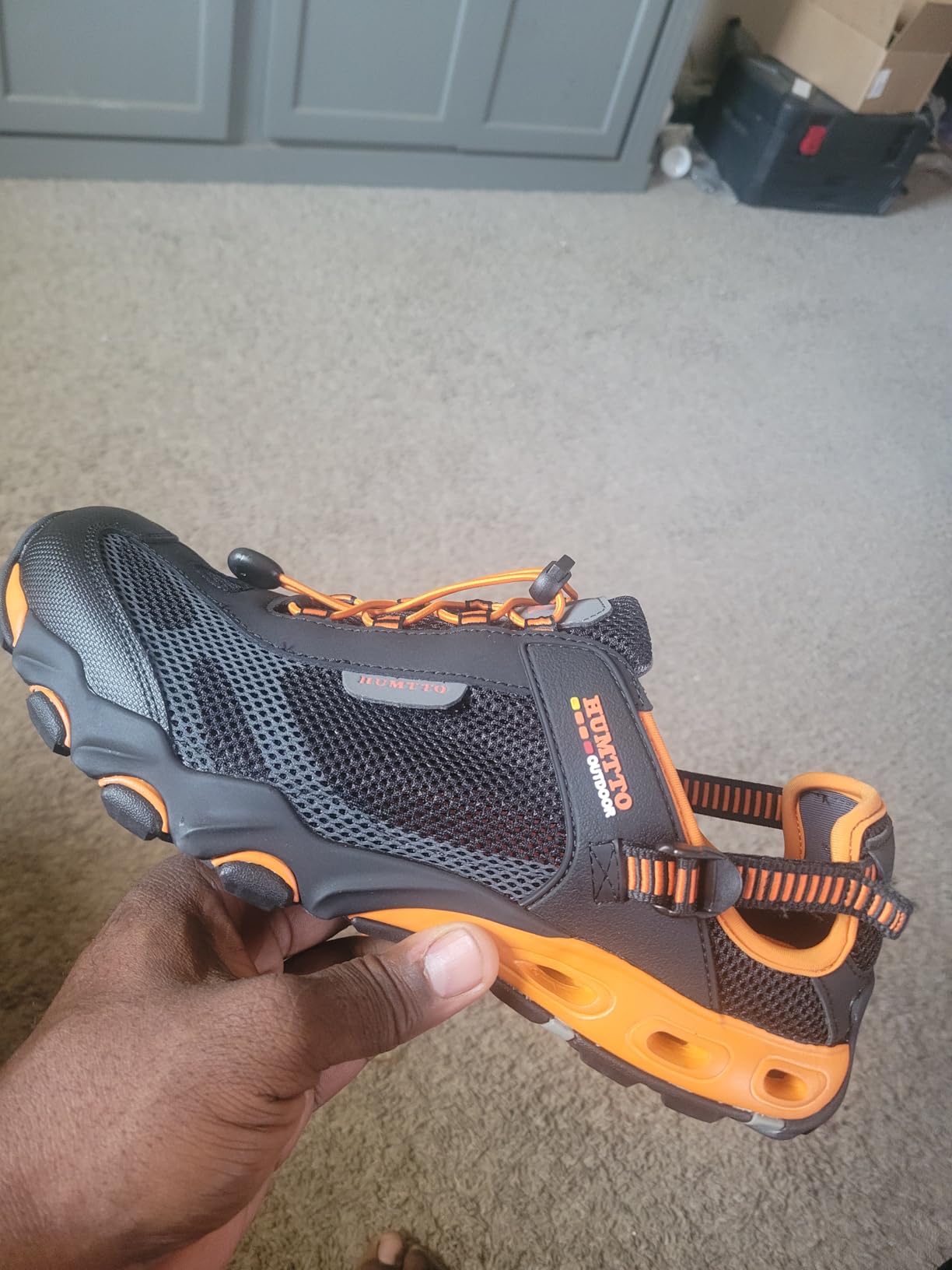
The removable insole is the sleeper feature. It rinses clean of silt, and because it lifts out you can swap in orthotics or dry the shoe platform itself overnight, which shortens drying time more than any fabric choice. A light, supportive shoe that stays comfortable for long travel days, it has a wide appeal across use cases.
Be careful with the care instructions, because they matter more than usual here. Reviewers specifically warn against heating the insole to dry it, since heat warps it and the shoe never recovers its shape. Air drying on a rock in the sun is fine, a camp fire is not.
Who the HUMTTO fits best
It is the right pick for travelers and hikers who move between water and trail several times a day and need a shoe that is essentially dry within an hour. The drainage holes make it the best choice here for a second, wetter ford after the first one.
Orthotic users will find it one of the few sandals in this group that genuinely accommodates them, since the insole comes out. The cushioning from the memory foam insole also makes it a long-wearing camp shoe, not just a crossing shoe.
Where the HUMTTO falls short
No wide width is offered, so a full size up may be needed for broad feet, and the elastic laces run long and are awkward to tie off once they are wet. A long lace in a creek bed is a small annoyance, but it is a real one.
Occasional quality control issues with a loose strap are reported, so check the closure before you walk into water rather than discovering it mid-stream. The mesh upper is also less protective against abrasion than a leather or rubber-shelled upper, so it is not the choice for wading through brush.
8. DREAM PAIRS closed-toe sandal is the best for long days of hiking and wading
DREAM PAIRS Women’s Closed Toe Hiking Sandals,Black/Dark Grey,10
Quick-dry synthetic upper with mesh lining
Synthetic leather toe cap
Non-slip TPR outsole
Pros
- Worn for 8+ hours of hiking and wading without pain
- Dries fast and shakes sand out easily
- Toggle lace plus Velcro heel strap
- Roomy toe box with no overhang
- Lightweight against heavy hiking sandals
Cons
- Narrow last lets the wide outsole overhang the foot
- Soft footbed and flimsy stitching for light use
- Occasional loose hook-and-loop straps
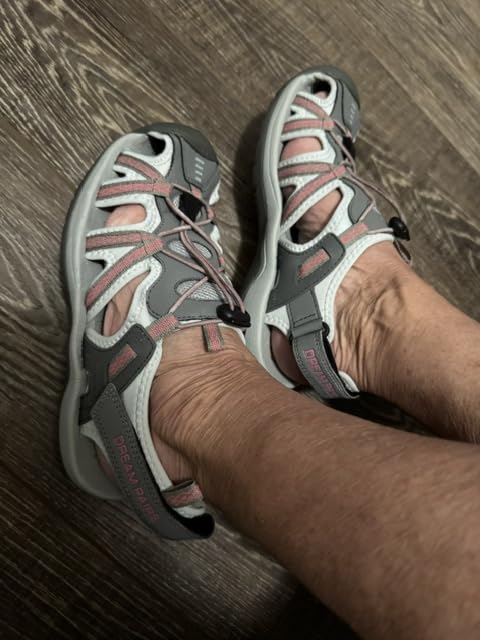
Comfort over long days is the headline here. The most common reviewer report is 8 or more hours of hiking and wading with no foot pain, which is a stronger endurance claim than most shoes in this category can make. The quick-dry synthetic upper with a breathable mesh lining dries fast after walking in water and shakes sand out easily, so the shoe does not turn into a grit container over a long day.
At a water crossing: the non-slip TPR outsole is specified for wet and uneven terrain, and the synthetic leather protective toe cap covers the most exposed part of the foot. The toggle lace keeps the foot from sliding forward on a submerged slope, and the hook-and-loop heel strap fine-tunes the fit behind it.
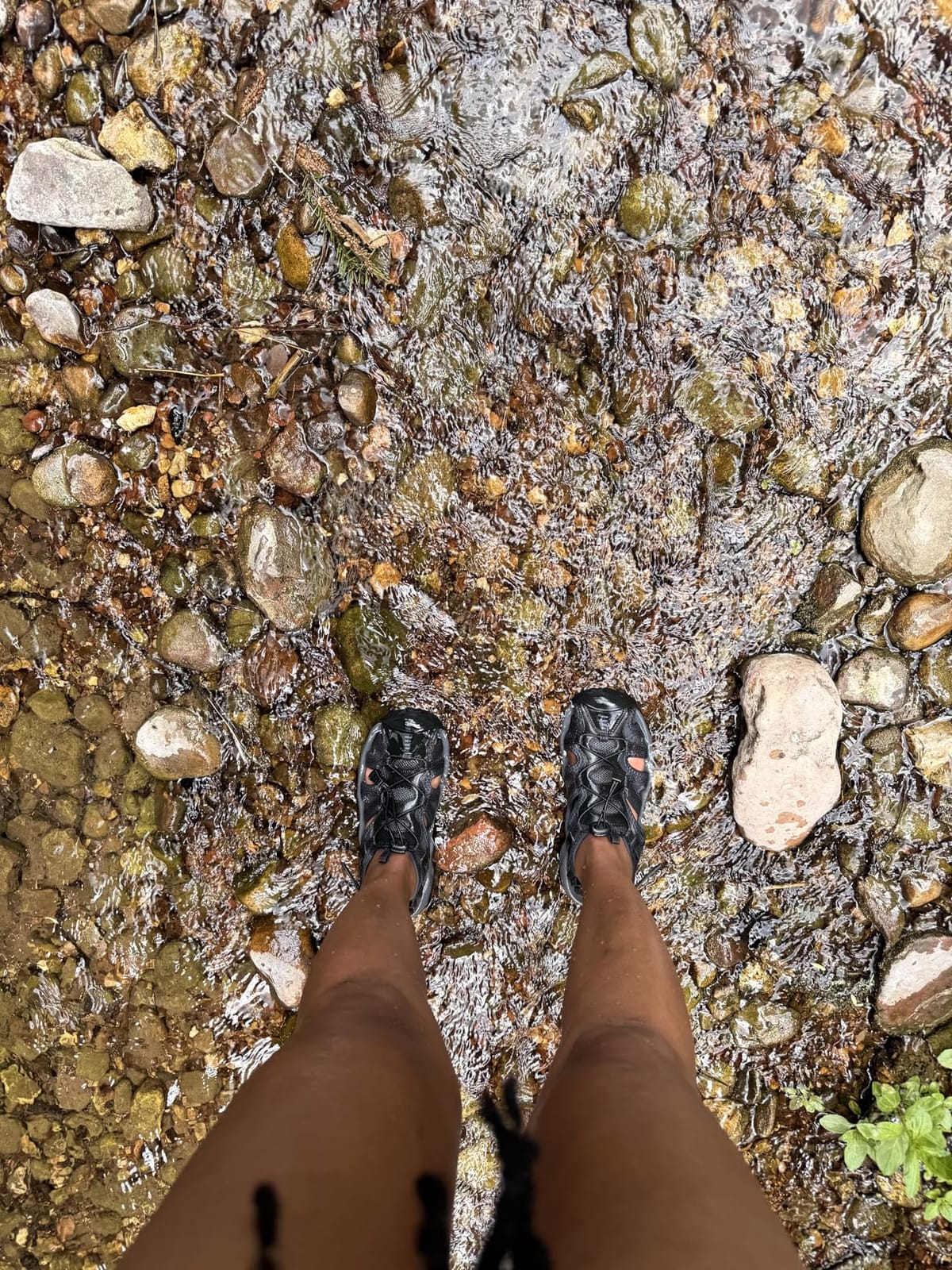
Reviewers call the toe box roomy with no overhang, and note the shoe is lightweight compared with heavy hiking sandals. It is built for beaches, river trekking, kayaking, rafting and hiking, which is a fair description of how people actually use it.
The durability picture is mixed, and it is the reason this is not higher on the list. The soft footbed and flimsy stitching raise doubts for heavy users, and one reviewer had the rear strap anchor point pull out of the sole on a second pair. The narrow last is a real fit issue: the wide outsole can overhang the foot and catch on things.
Who the DREAM PAIRS fits best
It suits hikers doing a full day of walking with one or two fords mixed in, rather than a dedicated water day. A roomy toe box that does not overhang also suits people who tend to overstride on descents, which is when a sandal is most likely to catch a rock edge.
It is a good weekend camp shoe too. The quick-dry upper and shake-out sand behavior are practical when your camp is on gravel or a river bar and every bit of grit you bring with you shows up on your sleeping pad.
Where the DREAM PAIRS falls short
The narrow last works against the wide outsole, and that mismatch catches on rocks more often than it should. If you have a wide foot, the Dannto option earlier in this roundup was designed around exactly that problem.
Construction quality is variable at this level. Straps can arrive loose out of the box, and the footbed and stitching are not built for a heavy pack over months of use. Treat it as a seasonal shoe and check the hardware before each trip.
9. WateLves webbing sandal is the best camp shoe that also handles water
WateLves Womens-Sport-Sandals Hiking Sandals with-Arch-Support Webbing-Outdoor-Beach-Water-Sandals for Travel-Walking-Trekking-Camping(TB-Brown,40)
Polyester ribbon webbing upper
Hook-and-loop straps with padded heel
Ultra-soft EVA midsole
Pros
- Webbing dries within minutes after submersion
- Padded heel strap reduces chafing
- Ultra-soft EVA midsole over long distances
- Non-slip outsole for stable footholds
- Straps adjustable while standing in water
Cons
- Minimal foot protection versus hard-shell models
- Webbing is not secure on technical ground
- Little long-term data on strap anchors
The WateLves is the clearest example of the two-footwear system that most experienced hikers describe: trail shoes for the walking, a light sandal for camp and for the water. It is not a technical shoe, and the brand does not pretend otherwise. What it does well is dry within minutes, which is the entire job for a camp and crossing shoe.
At a water crossing: the durable tear-resistant polyester ribbon webbing is cut thin and drains almost immediately, and the soft non-slip outsole gives a reliable foothold across varied terrain. Arch support runs all around the footbed, which helps on uneven ground. The trade is that there is no hard shell between your foot and a rock.
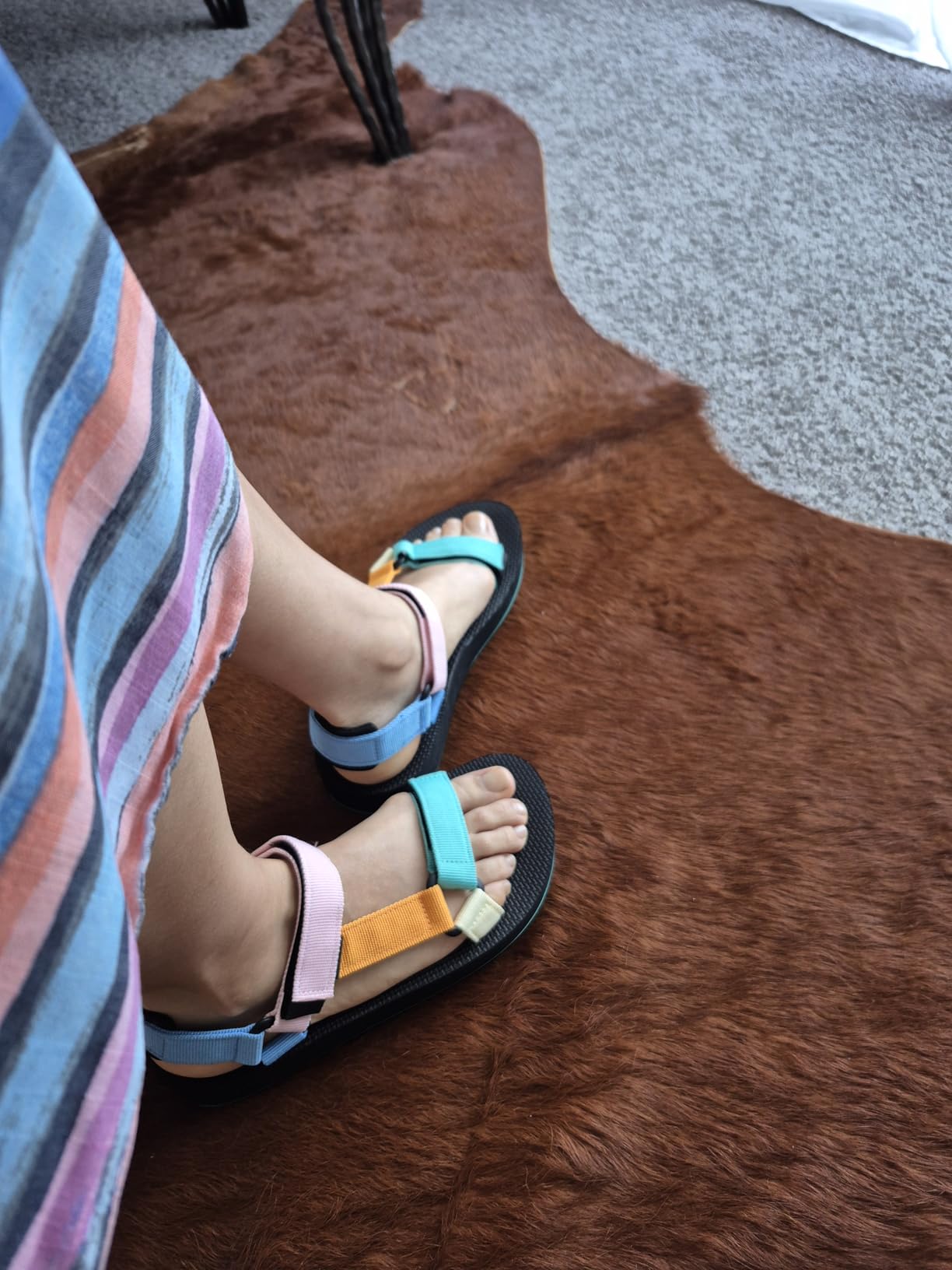
The padded heel is a genuine feature rather than a comfort word, because heel strap chafing is the most common blister source hikers report on long days and the fastest way to ruin a wet-foot crossing. The ultra-soft EVA yoga-mat midsole cushions well over extended distances, and hook-and-loop straps are among the fastest closures to adjust when your hands are cold and wet.
Reviewers frame the trade honestly: this is a sandal that prioritizes comfort and drying over protection. It is a good fit for a maintained trail, a campground and shallow water, and a poor fit for a boulder field or a river with strong current.
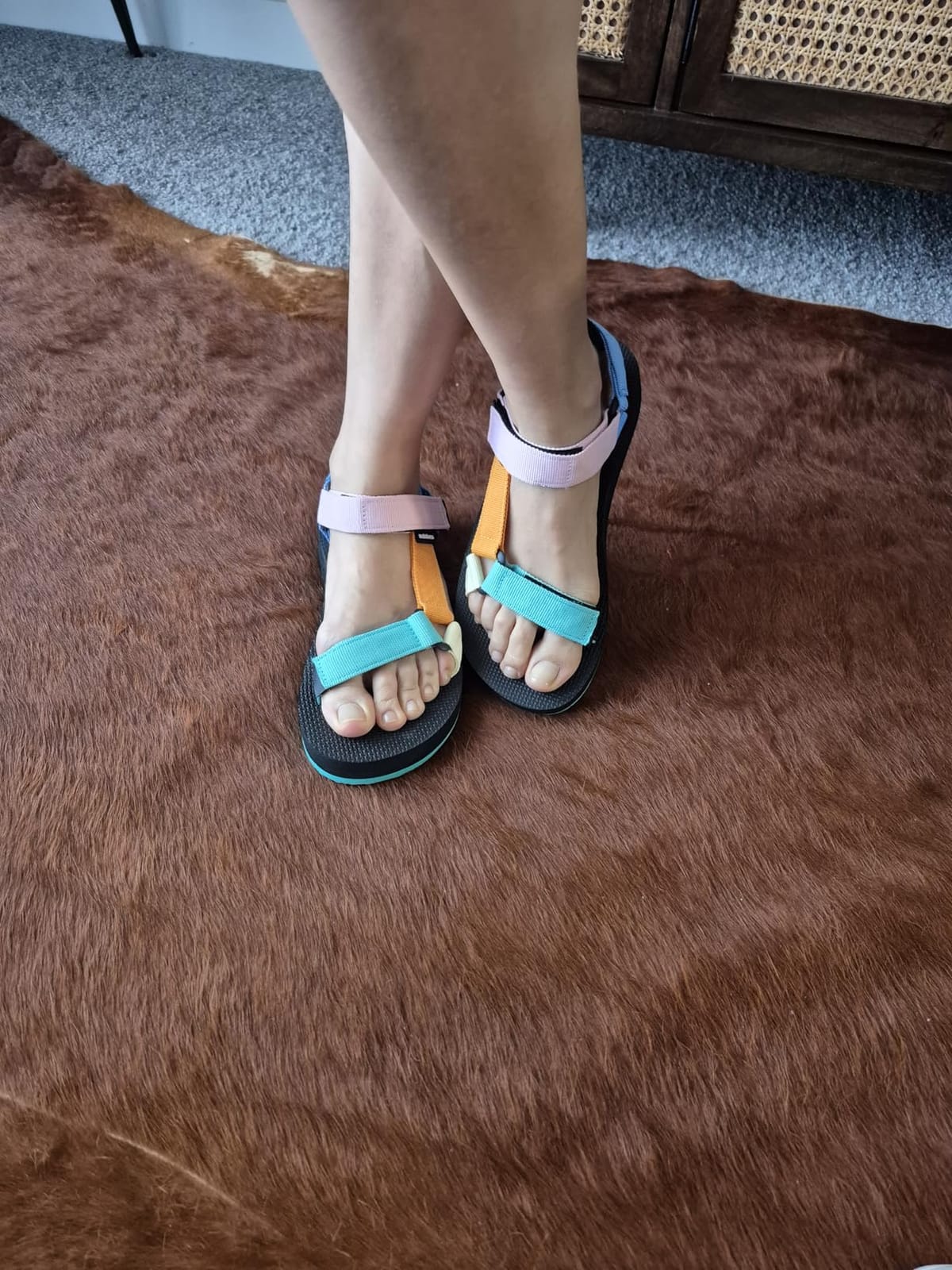
Who the WateLves fits best
It is for the hiker who wants one cheap pair to do double duty at camp and in the creek, and who is walking on good trail rather than technical ground. The soft midsole also makes it a genuinely comfortable slipper around camp in the evening.
Reviewers like that the straps can be adjusted while standing in the water, which sounds small until you are trying to tighten a buckle with numb fingers on a slippery bank.
Where the WateLves falls short
Webbing straps are simply not secure on technical, uneven ground, and the minimal foot protection means a hidden rock goes straight to your toes. If your crossing involves scrambling rather than stepping, choose a closed-toe shoe.
There is also limited long-term durability data on the strap anchors, which is the component that usually fails first on this kind of sandal. Check the anchor points before each trip and replace the pair when the webbing starts to pull loose.
10. KEEN Hyperport H2 is the best closed-toe sandal for river and waterfall wading
KEEN Men’s Hyperport H2 Breathable Easy On Comfortable Hiking and Water Sandals, Alloy/Naval Academy, 11.5
Siped soles that channel water away
Adjustable bungee cords with pull-on design
High rebound underfoot cushioning
Pros
- Handled river crossings and waterfall lagoon wading
- Closed toe blocked submerged rocks and sharp debris
- Lighter and more flexible than the Newport H2
- Siped sole channels water for wet grip
- Grime rinses off in flowing water
Cons
- Upper stitching near the heel rubs before break-in
- Limited heel cushioning
- Runs small so several buyers sized up
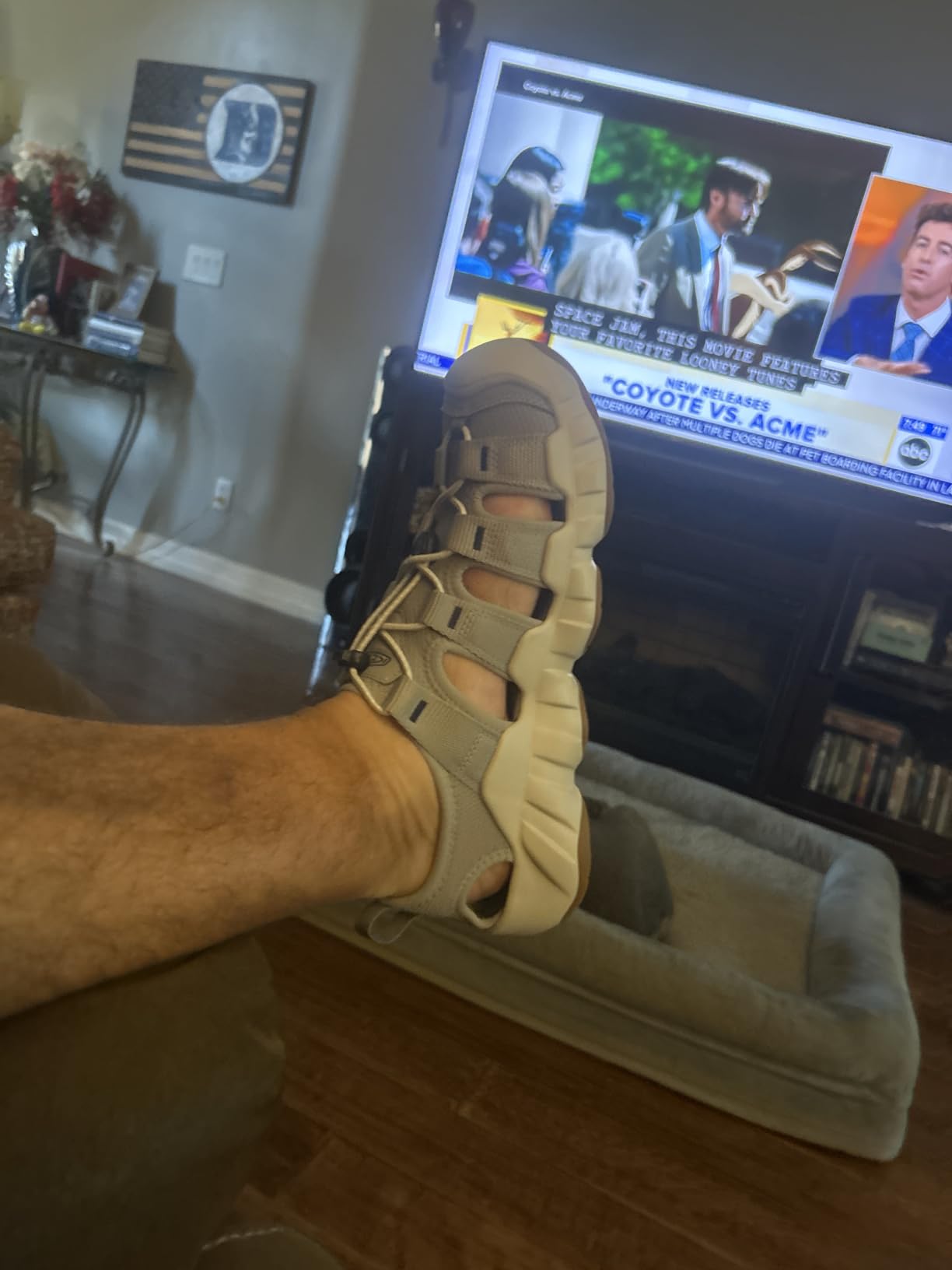
The Hyperport H2 is the sandal that shows up in travel accounts of river work, and the reviews reflect that: people describe taking them through Kauai river crossings, waterfall lagoon wading and steep cliff hikes, with the traction holding up. It is the same KEEN architecture as the Newport, with the weight and stiffness taken out.
At a water crossing: siped soles channel water away from the contact patch for wet-surface grip, and the closed toe protected feet from submerged rocks and sharp debris in those accounts. Grime rinses off in flowing water, which matters when a stream is your only water source for a while.
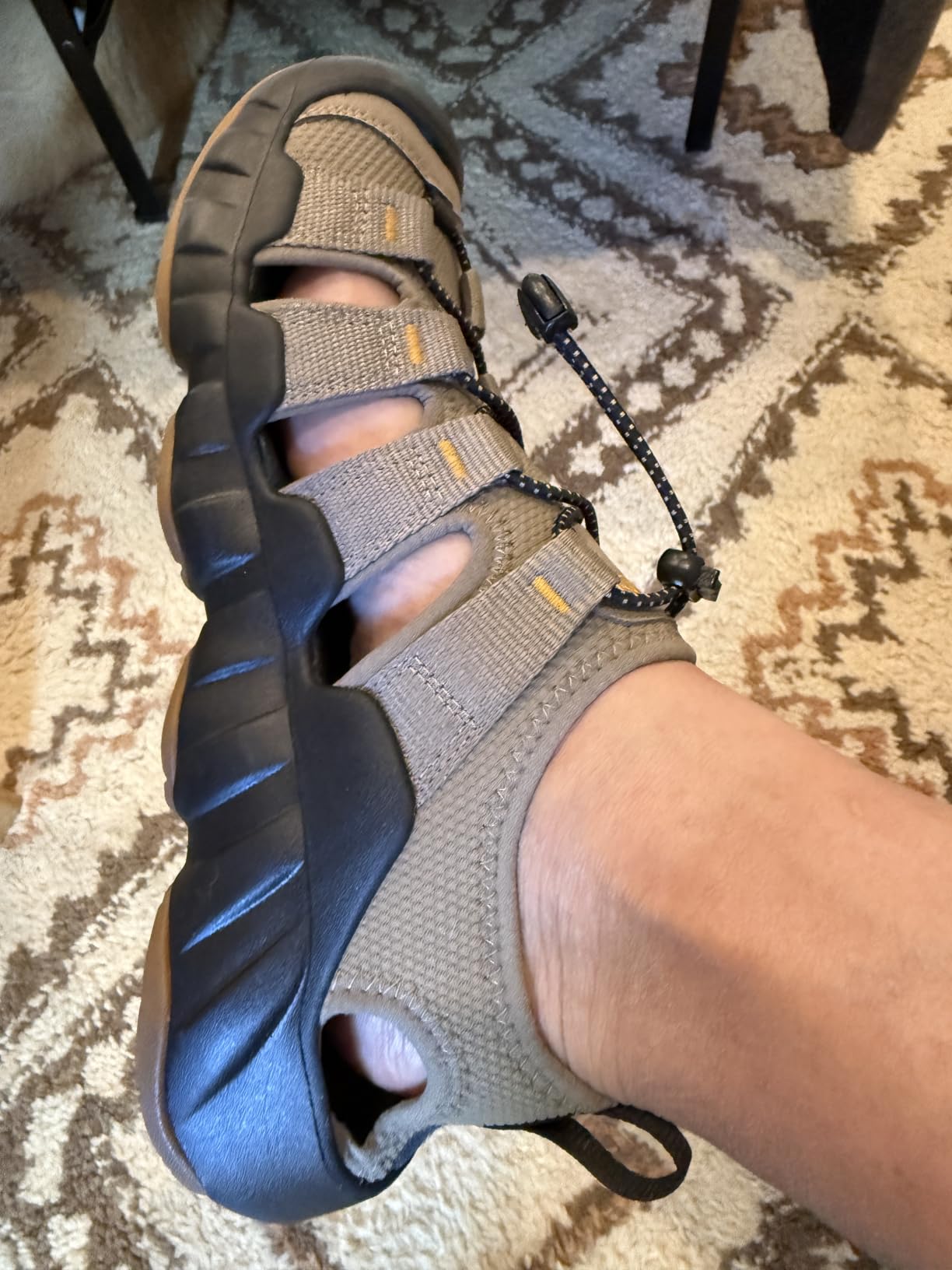
Two details make it comfortable for a full day. The adjustable bungee cords with a pull-on design let you get it on and off without fumbling, and the high rebound underfoot cushioning softens the repeated impact of stepping on rock. KEEN Original Fit with generous toe space also gives most feet room to spread when they swell wet.
Buyers report this is stiffer and less robust than older KEEN models, and the upper stitching near the heel can rub before it breaks in. Sizing runs small, with several buyers needing a size up, and there is limited heel cushioning for anyone with uneven leg length.
Who the Hyperport H2 fits best
It suits hikers and travelers who wade as part of the day rather than merely cross a trail stream, and who want covered toes for submerged debris. Compared with the Newport it is lighter and more flexible, so it works better for a fast-moving itinerary.
The pull-on bungee design is the detail hikers appreciate most, because wet hands and a slippery bank make buckle-and-loop closures a genuine annoyance. If a pair goes in the river fully, this is a shoe you can get back into while still standing in it.
Where the Hyperport H2 falls short
The heel stitching rub is a real, specific complaint and it shows up in the first few miles, which is exactly when you cannot fix it because you are still walking. Wear thin socks for the first outing to break the area in.
Its 1338 reviews put it well below the volume of the picks above, so long-term fit consistency is harder to confirm. Buy it if you have found the Newport too stiff, and size up first.
11. CAMELSPORTS closed-toe sandal is the best budget pick for razor-siped wet traction
CAMELSPORTS Men’s Hiking Sandals Outdoor Sport Closed Toe Walking Sandal Waterproof Non-Slip Summer Fisherman Beach Water Shoes
Multi-directional lugs with razor siping
Removable adjustable strap for two ways to wear
Anti-collision toe cap
Pros
- Siped lugs and textured insole improve footing in water
- Toe cap gives room to stretch
- Heel strap removes for slip-on wear
- Comfortable out of the box with no rubbing
- Lightweight and quick to put on
Cons
- Cushioning insole breaks down in about 60 days
- Runs small and is not wide enough
- Runs break down at the toe for heavy users
This is the most interesting entry from a pure water-traction standpoint, and the most limited in every other way. The multi-directional lugs with razor siping are the same design principle that makes expensive water shoes grip wet rock, and the professional anti-skid textured soft insole adds a second layer of wet grip underneath the foot. Reviewers report noticeably better footing in water than most open sandals in the same range.
At a water crossing: the siping is the story. Those fine channels in the outsole are cut to squeeze water out of the contact patch, which is the mechanism that stops a foot from sliding on a submerged slab. The anti-collision toe cap gives your toes room to stretch while still covering them.
There is no customer image for this pair in the data we worked from, and its 274 reviews are by far the thinnest in the roundup. That matters: with a smaller review base, the durability problem below shows up consistently, and there is no long history to fall back on.
Who the CAMELSPORTS fits best
It suits a hiker on a strict budget who wants the siping benefit most and will treat the shoe as a seasonal purchase. The removable adjustable heel strap is a genuinely nice feature, letting you wear it as a slip-on sandal with a much lighter feel around camp.
Reviewers report it is comfortable straight out of the box with no rubbing, which is a good sign for a first pair of water sandals. The quick-drying elastic upper resists deformation, so it keeps its shape after repeated submersion.
Where the CAMELSPORTS falls short
The cushioning insole breaks down in roughly 60 days of use, which is a short life for a shoe meant to be soaked regularly. Heavy users also wear the outsole through at the toe. Plan on replacing the pair each season rather than treating it as a long-term purchase.
Sizing is the other issue. It runs small compared with other sandals of the same size, it is not wide enough for broader feet, and there is a gap in the size run with no men’s size 9, which is an easy way to be disappointed by an otherwise well-built shoe.
12. JBU by Jambu Regional is the best water-ready sandal for orthotic users
JBU Women’s Regional Water Ready Casual Comfort Adjustable Quick Dry APMA Accepted Fisherman Walking Sandal
Removable contoured EVA insole with arch support
Engineered all-terrain rubber outsole
APMA accepted
Pros
- Removable insole swaps in custom orthotics
- Deep heel cup holds the heel with thick insoles
- Elastic and hook-and-loop straps fit many foot shapes
- Quick-drying and easy to hose clean
- Rubber toe cap resists abrasion
Cons
- Thin sole is uncomfortable on hard surfaces
- Toe box runs slightly short
- Stiff fabric straps can pinch wide feet
The JBU Regional is the one sandal in this roundup built for a foot that needs support, and the reason is in the first spec: a contoured removable EVA insole with arch support. Most water sandals glue their footbed in. This one lifts out, which means you can fit custom orthotics and take them with you when you dry the shoe overnight.
At a water crossing: the engineered all-terrain rubber outsole is specified for wet and uneven surfaces, and the rubber toe cap resists abrasion from rocks and brush. The deep heel cup keeps the heel secure even with a thick orthotic inside, which is the combination that usually fails first in a supportive sandal.
Strap adjustment is the other strength. It combines adjustable hook-and-loop and elastic closures, so it fits a wide range of foot shapes, and the quick-drying water-friendly materials hose clean of sand without any special treatment.
Who the JBU Regional fits best
It is the pick for anyone who needs arch support or orthotics but still wants a shoe they can put in a creek without soaking a pair of boots. The APMA accepted certification for foot health is a useful signal for anyone who will be in this footwear for hours at a time.
It also works well as an everyday water-ready sandal, which is how most owners use it. The removable insole means you can keep two pairs of insoles in rotation, one dry and one wet, and swap them at camp.
Where the JBU Regional falls short
The sole is thin, so hard concrete and long beach walks get uncomfortable, and there is less underfoot support than dedicated hiking sandals provide once you are carrying weight. The toe box runs slightly short for some feet, which is a poor match for a shoe you will be spending hours in.
The fabric straps are not very flexible and can pinch wide feet as they swell after immersion, and the hook-and-loop strap is a common failure point over a season. This is a camp and crossing shoe, not a hiking sandal for technical terrain.
How to ford a creek in hiking sandals
Footwear is only one part of a safe crossing, and the technique matters more than the model. A long-running discussion on the WhiteBlaze forum about stream crossings makes the same point hikers keep making: the plus of sandals is that you wade right through, and the catch is that you have to watch your step because there is no toe protection. Use this sequence instead of stepping in at the first convenient spot.
Read the current from the bank. Stand upstream of the crossing and watch how fast the water moves past a fixed object. Fast, broken, or fast-moving water is a reason to turn around, not a reason to try harder.
Check depth and locate the exit. Know where you are coming out before you enter. If you cannot see the far bank clearly, the depth is not what it appears to be.
Plant your poles downstream. Set trekking poles in the current, angled against the flow, before you step in. This is what keeps you upright if a foot slips, and it works far better than trying to balance on a wet rock with no support.
Loosen the straps or carry the sandals. Adjustable sandals can slip if the foot swells. Backing them off a notch before you enter, or carrying them and crossing in socks, removes a fall that has nothing to do with traction.
Step on rock, not gravel. Look for a large, stable, submerged surface and commit your weight to it slowly. Gravel moves underfoot, and small stones are where you roll an ankle.
Watch for submerged debris. Deadfall under the surface, sharp rock edges and glass are the common injuries at fords. Move slowly and look before each placement rather than scanning ahead and stepping blind.
Cross one person at a time. If the group is moving through together, a collision in moving water is a common cause of the accidents that do happen.
Dry your feet fully on the far bank. Take off the sandals, empty any grit, and put on dry socks before the long walk back. Cold wet feet in a breeze lose heat faster than wet feet in still air.
If you are carrying a heavy load, the technique gets more important rather than less, and the sandal choice matters more too. Our guide to the best hiking backpacks covers fit and load transfer, which changes how you want to step down onto a submerged rock.
Drying sandals and caring for them at camp
Drying speed is the main practical reason sandals beat trail runners in water, and it is also the reason people are disappointed in them. A soaked trail runner can take most of a day; an open sandal is wearable in an hour. These five steps close the gap further and are worth doing on the trail rather than at home.
Take the footbeds out. This is the single biggest gain. A wet footbed holds water against the arch and dries far slower than the upper, and on the HUMTTO and the JBU Regional the insole lifts straight out.
Rinse out the grit. Silt in a footbed is what makes a dried sandal feel awful. Use flowing water at the bank and shake the shoe out before anything else.
Stuff the cavity loosely. Crumpled paper or a spare sock wicks water out of the upper and the toe box. Do not pack it tight, since the shoe needs airflow to dry.
Air dry, never heat. Out of direct campfire heat and away from a vehicle dashboard. Reviewers of one model in this roundup specifically warn that heating the insole warps it permanently.
Rotate two pairs. A second pair in a dry bag costs less than a blister and a ruined pace. If you camp near a source, we cover the practical side in our guide to water filtration systems for well water.
What to look for in sandals built for water crossings
Outsole compound and siping matter more than anything else once a foot is submerged. A siped outsole is tread cut with narrow channels that press water out of the contact patch, so the rubber keeps biting instead of sliding on a film of water. Smooth EVA and thin minimalist soles do the opposite, which is why ground-feel shoes that feel superb on dry rock can turn into ice when wet. Deep lugs help on mud, but under water the channel pattern matters more than the depth of the lug.
Drainage is the second factor, and it is what makes a sandal wearable for the rest of the day. Mesh panels, quick-dry polyester webbing, ports cut through the sole and a footbed that lifts out all move water out of the shoe rather than holding it against your skin. Anything that dries in minutes beats anything that dries in an hour, and that difference compounds over a three-day trip.
Toe protection is the third, and it is the one hikers argue about most. A stubbed or jammed toe on a submerged rock is the most common crossing injury, and closed-toe water shoes are the direct answer to it. Open sandals are more comfortable in heat and dry faster, which is why many experienced hikers wear them and simply watch their step more carefully. Socks are not the solution: hikers report that socks get soaked, hold water and blister more once wet, and if you wear them, use them on the dry sections only.
Strap system matters less for water than for fit, but the two overlap. A bungee lace lock or toggle lace holds the foot in place on a submerged slope, while a single hook-and-loop strap is faster but cannot be tensioned as precisely. Padded heel straps reduce chafing, which starts sooner on wet skin than dry.
Footbed and platform come next. EVA is light and drains; a polyurethane footbed holds shape longer and resists compression under a pack. A nylon or TPU shank resists torsional twist on uneven rock, which matters with a heavy load. For a wide or high instep, arch support is not optional.
Weight and packability are the tiebreakers. Below about 15 ounces a pair, a sandal can live in a pack as a second shoe without costing you anything on long climbs, which is the standard two-shoe setup most thru-hikers use. When the terrain turns technical or a heavy pack comes on, sandals should be the crossing and camp shoe rather than the only shoe.
Seasonally, snowmelt and post-rain crossings change the picture. A swollen spring creek is deeper, faster and colder than the same creek in August, and the same pair that worked fine in summer is a poor choice in June. If you can pick your season, late summer crossings are the most forgiving. Our guide to snowshoes for hiking covers the opposite problem, where frozen ground replaces flowing water.
Sandals vs water shoes vs trail runners for crossings
Sandals are not automatically the best footwear for a water crossing, and the honest answer depends on the three variables below: how cold the water is, how rocky the bed is, and how far you have left to walk afterwards. Trail runners protect your feet and insulate them, but they soak, hold water for hours, and are the footwear most often blamed for trench foot on long trails. Water shoes sit in the middle: they drain faster than runners, protect toes better than open sandals, and are often less stable on a submerged slope because the sole is thin. Open sandals drain fastest, ventilate best in heat, and give nothing away to a hidden rock.
There are cases where sandals are the wrong answer entirely. Deep, cold water above mid-calf, a boulder field rather than a gravel bed, a heavy pack on technical ground, or a long cold walk back after a single crossing all point to a closed-toe water shoe or a trail runner, not an open sandal. A sandal that is comfortable in August can be a liability in snowmelt season.
Brands we did not include
We left out several well-known names for water-specific reasons rather than oversight. Casual lifestyle sandals from Olukai, Birkenstock and Rainbow Sandals are built on cork, contoured footbeds and closed straps that soak and dry slowly, which is the opposite of what a crossing needs. Sealed rubber clogs and other fully closed footwear give up drainage entirely, which defeats the purpose. Teva and Chaco sport sandals are respected choices for hot-weather trail use, but their strength is a stiff shanked platform and durable webbing rather than a fast-draining, water-ready build, so we kept the focus on footwear designed around immersion.
Frequently Asked Questions
Are hiking sandals safe for creek crossings?
Hiking sandals are safe for shallow, warm creek crossings when the outsole is siped rubber and the straps are secure. They drain in minutes rather than hours, which reduces the trench foot risk that comes from soaking trail runners all day. On a boulder bed or in cold water, choose closed-toe water shoes, because a stubbed toe is the most common crossing injury.
Why do my sandals slip on wet rocks?
Most slippage comes from the outsole material, not the tread depth. Smooth EVA and thin minimalist soles have no channels to push water out of the contact patch, so a film of water acts as a lubricant between foot and rock. A siped or razor-siped rubber outsole cuts that film away, and a raised edge around the footbed stops water pooling under the arch. Deep lugs alone will not fix it.
How do I ford a creek in hiking sandals?
Read the current from the bank first, check the depth and locate your exit point, then plant trekking poles downstream before you step in. Loosen the straps or carry the sandals so your foot cannot swell and slip. Step deliberately on large stable rock rather than gravel, watch for submerged deadfall and sharp edges, cross one person at a time, and dry your feet and change into dry socks on the far bank.
How long do hiking sandals take to dry?
An open sandal with mesh or quick-dry polyester webbing is usually wearable again within one to two hours, and one with drainage ports cut through the sole can be close to dry in under an hour. A closed-toe sandal with a fixed footbed takes longer because the footbed holds water against your arch. Removing the footbeds, rinsing out silt and stuffing the cavity with paper shortens all of them considerably.
Should I take my sandals off for a water crossing?
If the water is cold, above mid-calf, or moving fast, take the sandals off and cross in socks or barefoot, then dry your feet properly on the far bank. Cold water immersion costs far more in body heat than the footing risk justifies. For shallow, warm crossings, keeping the sandals on protects your feet from submerged rocks and debris, and a wet foot in a sandal dries quickly afterward.
What are the best water shoes for walking on river rocks?
Toe protection is the deciding factor on river rocks, so a closed-toe water shoe beats an open sandal. The KEEN Newport H2 and the KEEN Clearwater CNX both pair a covered toe with water-channel siping for wet-rock grip. Add a closed toe with a rubber anti-collision cap if you want the least chance of a jammed toe, and choose an open sandal only when the bed is gravel or sand.
Can I get trench foot from crossing a stream in sandals?
The risk comes from having wet feet for hours, not from the sandals themselves. Sandals actually reduce the risk compared with trail runners, because they drain and dry in a fraction of the time. If you are wearing wet footwear all day, change into dry socks on the far bank, dry the sandals properly, and rotate two pairs if the route has repeated crossings.
The best hiking sandals for water crossings, in one line each
For most hikers, the best hiking sandals for water crossings come down to three questions: does the outsole grip wet rock, can water get out, and are your toes covered. The KEEN Newport H2 answers all three and is the pick we would load into a pack first in 2026. If drainage speed matters more to you than toe protection, the Crocs Swiftwater Mesh empties faster than anything else here and carries the highest average rating in the group.
Save a budget for a second pair. Most thru-hikers we read about hike in trail shoes and carry sandals for the water and for camp, and rotating two pairs cuts drying time to almost nothing. Whatever you choose, dry your feet on the far bank, change socks, and pick a crossing point where you can see the current. For long trips on cold water, our snowshoe guide covers the season where the ground itself is the obstacle.