
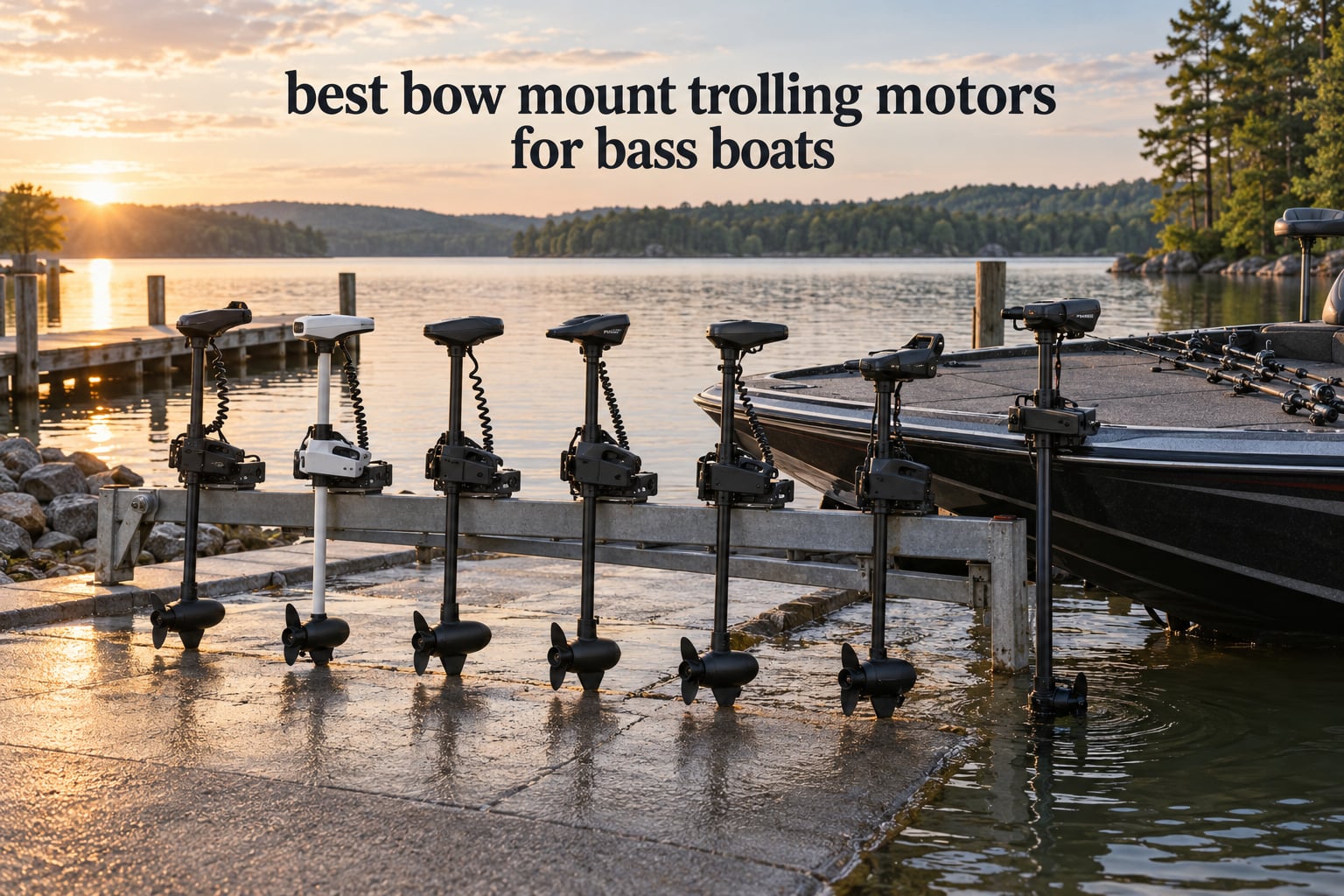
A bow mount trolling motor pulls your bass boat through the water instead of pushing it, which is why the boat handles quietly and points where you aim it. A transom motor pushes, gets noisy, and steers with a tiller handle while you are facing forward. On a bass boat, that difference decides whether you can inch up to a grass edge or you are fighting the boat the whole way there.
We spent weeks reading owner reviews, comparing thrust ratings, shaft lengths and control packages, and sorting out which of these motors actually suits a bass boat rather than a pontoon or a bay boat. Six made the cut: two from Haswing, three from Minn Kota, and one MotorGuide. They cover everything from a 16-foot aluminum rig to a heavy 21-foot fiberglass boat running in wind.
Short answer: the Haswing Cayman 55lb 12V has the largest owner base and the most balanced package, so it takes our top spot for most bass boats. Anglers with a big boat or serious wind need the Haswing 80lb 24V. Anglers who fish marked spots and want sonar in the shaft want the Minn Kota Terrova 80lb.
One thing to know before you read further: nobody sells a bow mount trolling motor on thrust alone. A motor that pushes 80 lbs but steers loosely is worth less to a bass angler than a 55 lb motor with precise control, because positioning over structure is the whole game. That is why this roundup leads with control type, shaft length and battery setup rather than headline thrust.
Table of Contents
Top 3 Best Bow Mount Trolling Motors for Bass Boats in October

Haswing Cayman 55lb 12V
- 55 lbs thrust on 12V - 48 inch shaft
- Variable speed with remote and foot control
- Boats up to 2750 lbs
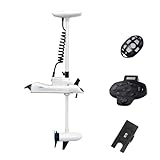
Haswing 80lb 24V
- 80 lbs thrust on 24V - 54 inch shaft
- Wireless remote and wireless foot control
- Boats up to 4000 lbs

Minn Kota Terrova 80lb
- 80 lbs thrust - 60 inch shaft
- Spot-Lock with Jog
- Built-in MEGA Down Imaging
The Cayman earns the top spot because it is the only motor here with a deep enough pool of owner feedback to judge honestly, and because 55 lbs is the number most 16 to 19-foot bass boats actually need. The 80lb 24V Haswing answers the opposite problem: a heavy boat, a loaded deck, and a lake with wind on it. The Terrova takes the feature crown with real GPS positioning and a sonar transducer built into the shaft.
Our other three picks fill specific gaps. The Ulterra is the only motor here that stows and deploys itself at the push of a button. The Ultrex pairs a gas-charged Lift-Assist spring with built-in CHIRP sonar. The MotorGuide Xi3 is a plain cable-steer foot-pedal motor for anglers who want simple, quiet steering and nothing else.
All Six Bow Mount Trolling Motor Picks at a Glance in 2026
| Product | Specifications | Action |
|---|---|---|
| Haswing Cayman 55lb 12V Bow Mount |
|
Check Latest Price |
| Haswing 80lb 24V Bow Mount |
|
Check Latest Price |
| Minn Kota Terrova 80lb Bow Mount |
|
Check Latest Price |
 Minn Kota Ulterra 80lb Electric Steer Minn Kota Ulterra 80lb Electric Steer |
|
Check Latest Price |
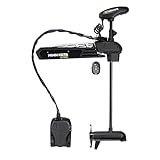 Minn Kota Ultrex 80lb Bow Mount Minn Kota Ultrex 80lb Bow Mount |
|
Check Latest Price |
 MotorGuide Xi3 70lb Cable Steer MotorGuide Xi3 70lb Cable Steer |
|
Check Latest Price |
Read the table across rather than down. The two Haswing motors skip GPS entirely and give you variable speed and remote range instead. The three Minn Kota motors all carry GPS positioning, and two of them put a sonar transducer inside the shaft so you are not routing a separate cable. The MotorGuide gives you neither electronics nor remote, and gets quiet, precise cable steering in return.
1. Haswing Cayman 55lb 12V Bow Mount – the Most Owners in the Group
Black Haswing Cayman 12V 55lbs 48 inch Bow Mount Electric Trolling Motor Lightweight, Variable Speed, with Foot Control/Quick Release Bracket for Bass Fishing Boats Freshwater/Saltwater
55 lbs thrust
12V DC
48 inch shaft
Remote plus foot control
Boats up to 2750 lbs
Pros
- Variable speed gives precise smooth speed changes and lower power draw
- Wireless remote fits in the palm or works on a lanyard with roughly 164 ft of range
- Quick release bracket makes install and removal easy
- Dual fresh and salt water ready with a sacrificial anode
- Sized for boats up to 2750 lbs
Cons
- Cruise control is not true Spot-Lock so the boat can drift off heading in wind or current
- Wireless remote requires recharging by USB power bank
- 10 percent of ratings are 1-star on durability and control
This is the motor I would put on a 16 to 19-foot aluminum bass boat. At 55 lbs of thrust on a single 12V battery, it covers the weight range where most bass boats live, and it keeps the battery bank simple with one deep-cycle group instead of two.
Variable speed is the feature owners mention first, and it is the one that matters most on a bass boat. Instead of five fixed speeds, you get a dial, so you can hold a crawl over a ledge without blowing your cover or spinning up your electronics. That same control translates into lower current draw, which on a single battery decides whether you fish all morning or all morning and part of the afternoon.
The control package is unusually complete for this class. You get a 2.4G wireless remote with roughly 164 ft of range plus a wired foot control, so you can work the bow deck with a lanyard around your neck or stand on the casting deck and steer by heel and toe. The quick release bracket means removing the motor for the trailer ramp takes seconds rather than a socket wrench.
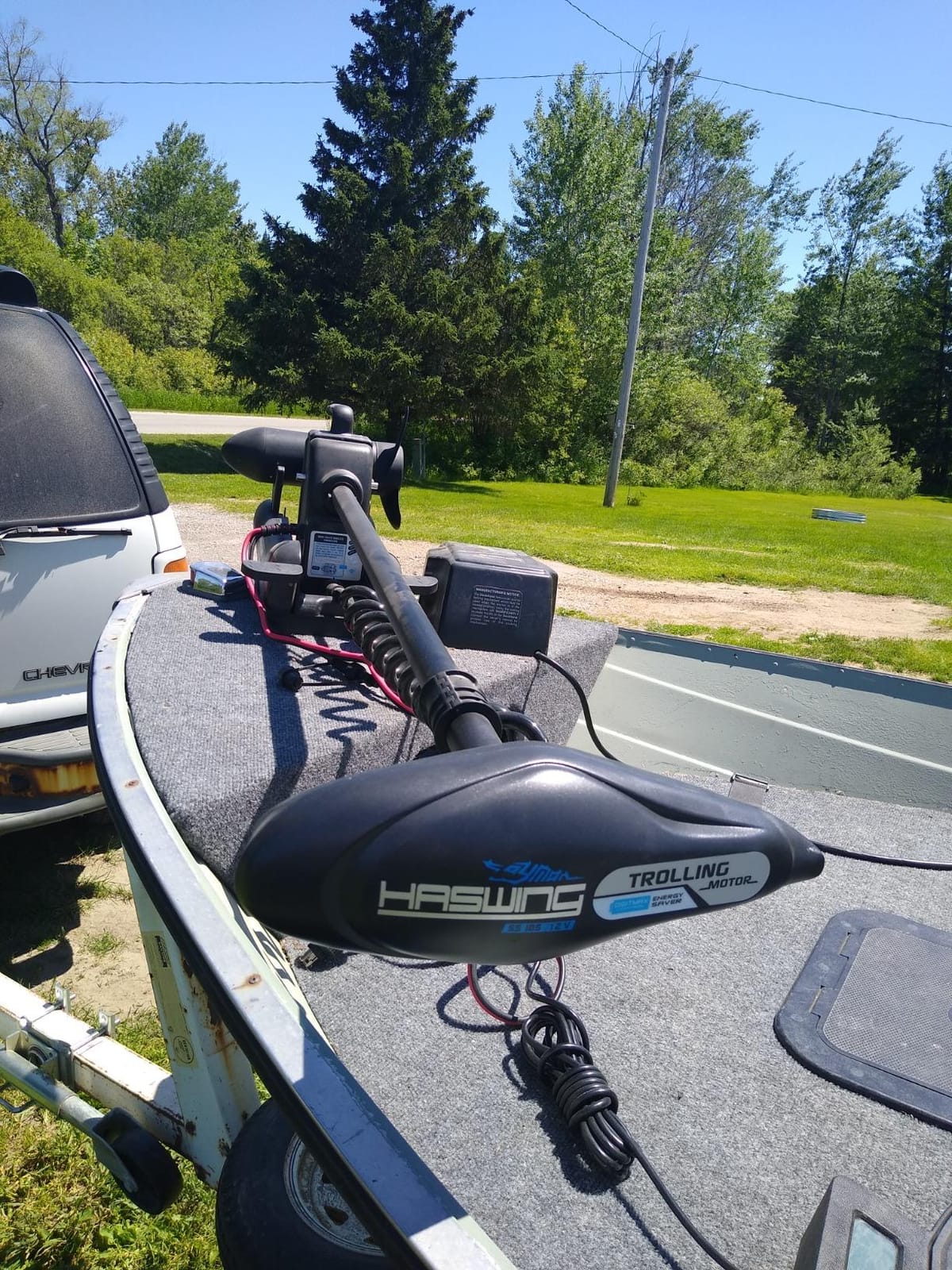
Two details worth knowing before you commit. The cruise control holds a speed, but it is not true Spot-Lock, so in wind or current the boat gradually walks off heading and you correct it yourself. That is a real limitation if your lake is wind-exposed, and it is why this motor does not win every category here. Second, the wireless remote recharges from a USB power bank, not from the boat, so pack one.
The 48-inch shaft is on the shorter side for a high-freeboard boat. If your bow sits high, the propeller can break the surface in chop and you lose control. Measure before you buy, using the method later in this guide.
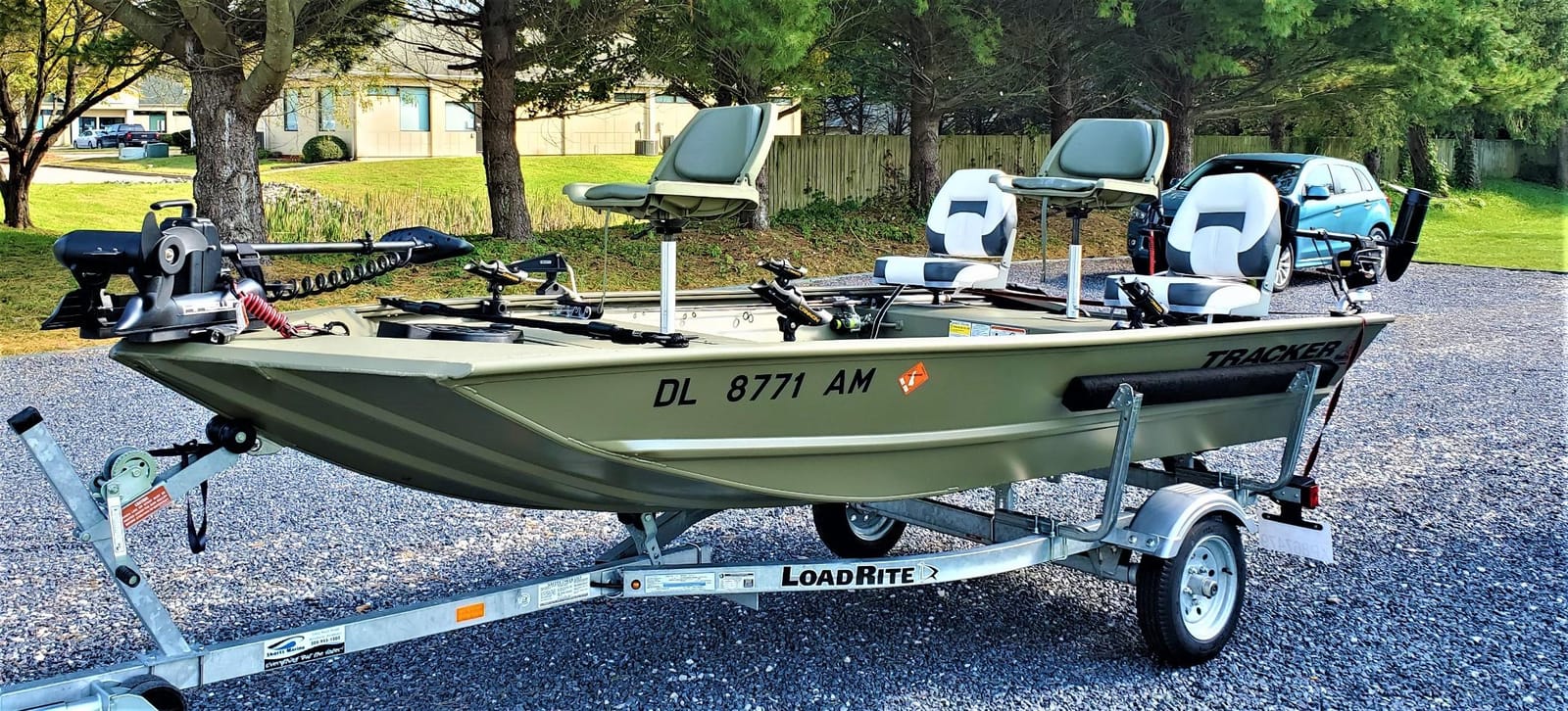
Who the Cayman suits
This fits an angler fishing a 16 to 19-foot aluminum or small fiberglass bass boat on a lake with moderate wind. If you mostly fish open water, weed edges and structure you can reach without holding a precise position, cruise control plus variable speed is more than you need, and you avoid the cost of a GPS system you would rarely use.
It also suits a first bow mount. The install is straightforward, the bracket is a common quick-release pattern, and the fact that 299 owners have left feedback means you can read a lot of long-term reports before committing. Reviewers report quiet running and smooth speed transitions as the two things they notice most.
Who the Cayman does not suit
Skip it if you fish locked-off spots in current or heavy wind and expect the motor to hold heading on its own. It will not, because cruise control only manages speed. It is also the wrong pick for a boat over roughly 2750 lbs fully loaded, where you want more thrust headroom for running to a spot in a hurry.
And if your boat already runs a full Humminbird or Lowrance network, this motor will not talk to it. That is not a flaw in the motor, it is simply the tradeoff for a simpler, cheaper package. Our general trolling motor roundup covers the transom and portable options if you want a second motor for the back deck.
2. Haswing 80lb 24V Bow Mount – Best for Heavy Bass Boats and Wind
Haswing Bow Mount Trolling Motor 80lbs 54in – Remote & Foot, Quick Release
80 lbs thrust
24V
54 inch shaft
Remote 177 ft and foot control
Boats up to 4000 lbs
Pros
- Plenty of thrust for larger boats with charge lasting through full fishing days
- Wireless remote and wireless foot control leave both hands free
- Simple installation with forward wiring on most hulls
- Quick release bracket and long power cord make battery reach easy
- Sized for boats up to 4000 lbs
Cons
- Stow and deploy lift can bind or freeze up halfway up
- Release handles are out of sync so only one side fully releases
- Reports of controller or circuit board failure after about a year
- Cruise control is not true Spot-Lock so heading needs manual correction
If your bass boat is 20 feet or longer, fiberglass, or carries a full complement of batteries and gear, this is the motor that matches it. 80 lbs of thrust on 24V has the headroom to push a heavy hull upwind to a spot instead of crawling.
The move to 24V is the important part. Two 12V batteries in series cut current draw roughly in half for the same thrust, which means longer runtime and less heat in the wiring. Owners consistently report charge lasting through full fishing days on this unit, and that is the single biggest difference between this and a 12V motor of similar thrust.
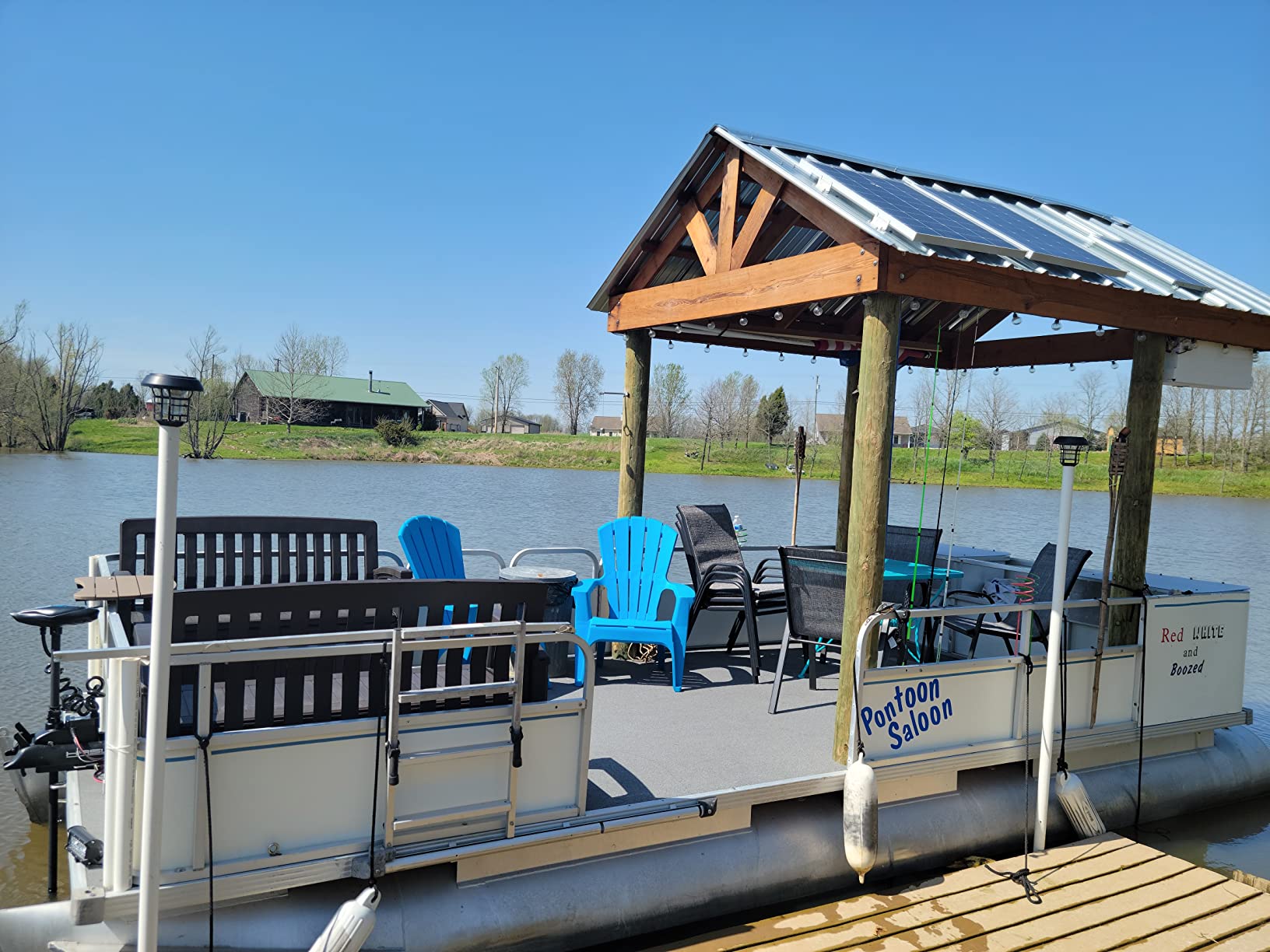
Both controls are wireless here, which is unusual at this level. The remote reaches up to 177 ft and the foot control is also wireless, so there is no cable across your casting deck to trip on. Installation is straightforward with forward wiring on most hulls, and the long power cord makes reaching the battery bank easier.
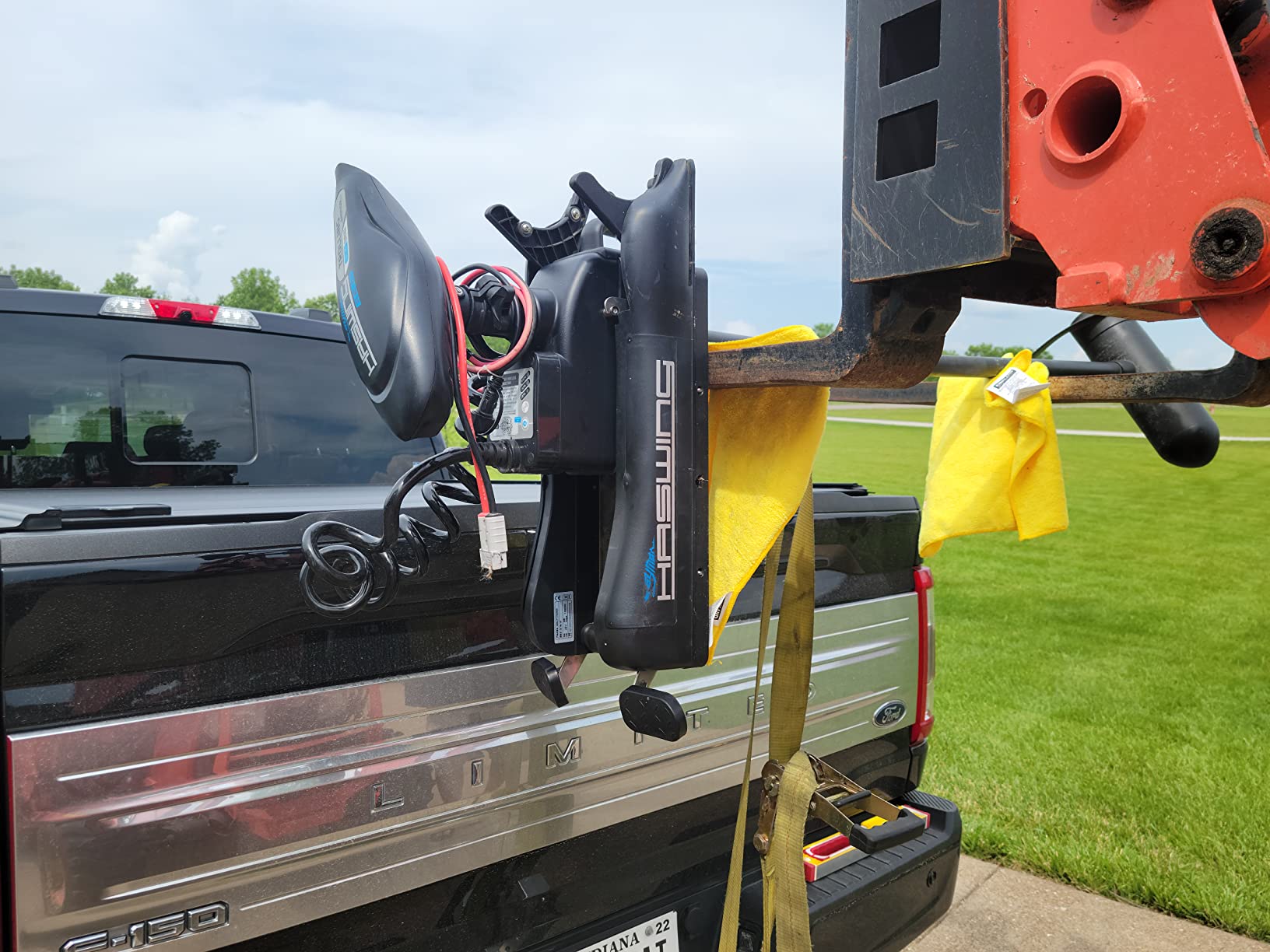
Now the caveats, and they are mechanical rather than electrical. Reviews describe the stow and deploy lift binding or freezing partway up, leaving you tying the motor off and working it loose by hand. That is exactly the annoyance lift-assist systems were built to remove, so on a heavy boat the effort of cranking an 80 lb motor up onto the deck is real. The release handles are also reported as out of sync, with only one side fully releasing the motor.
There are also reports of controller or circuit board failures after roughly a year, with no replacement controller sold separately. Given a 4.1 average and 73 reviews, this motor has a wider spread of experience than the Cayman, and the warranty covers the motor for two years but accessories such as the remote, foot control and quick release bracket for only three months.
Who the 80lb Haswing suits
Big-boat anglers on wind-exposed reservoirs, anglers running heavy electronics and a full battery bank, and anyone tired of crawling to a spot against the wind. The stated capacity covers boats up to 4000 lbs, and the 54-inch shaft with 44.3 inches of usable length handles higher bow heights than the Cayman.
It also suits anglers who want full wireless control. Both the remote and the foot pedal being wireless removes cable management from the install, and the 177 ft remote range means you can drive the boat back to the dock from the dock itself.
Who the 80lb Haswing does not suit
It is a poor choice for a small boat. Overpowering a 16-footer with 80 lbs makes the bow hard to hold in a crosswind and drains batteries faster than you need. It is also the wrong pick if hand-cranking weight bothers you, because the lift mechanism has a documented tendency to bind mid-travel.
And it will not hold a GPS position, so an angler who relies on locking onto a marked spot every cast is better served by one of the Minn Kota options below. If you are building out the electrical side of the boat anyway, our guide to marine batteries for trolling motors covers how to size the bank for a 24V setup.
3. Minn Kota Terrova 80lb Bow Mount – Best Overall GPS Motor
Minn Kota Terrova Bow-Mount Electric Trolling Motor with GPS, Spot-Lock, MEGA Down Imaging – 80 Lb. Thrust, 60 In. Shaft, Freshwater
80 lbs thrust
24V
60 inch shaft
MEGA Down Imaging to 200 ft
Spot-Lock with Jog
Pros
- Built-in MEGA Down Imaging shows fish and structure to 200 ft with no separate transducer
- Spot-Lock and Jog hold position and move the lock point 5 ft in any direction
- Drift follow and dodge modes cover most fishing patterns
- Weedless Wedge 2 prop pushes through vegetation without draining charge
- Digital Maximizer extends run time up to 5 times on a charge
Cons
- High price point relative to non-sonar bow mounts
- 8 percent of ratings are 1-star indicating occasional serious faults
- Only 58 ratings is a small pool for a motor at this level
This is the highest-rated motor in the group at 4.6 out of 5, and the reason is straightforward: the transducer is built into the shaft. There is no separate transducer cable to route under the deck, no extra mounting hole, and no second unit to install behind the console.
For a bass angler that is a bigger deal than the headline thrust. The built-in MEGA Down Imaging reaches to 200 ft, deeper than the Ulterra in this group, and it means the motor and the fish finder are one system rather than two boxes competing for space. Owners describe the Spot-Lock accuracy and the battery life from Digital Maximizer as the two features they notice first after the first season.
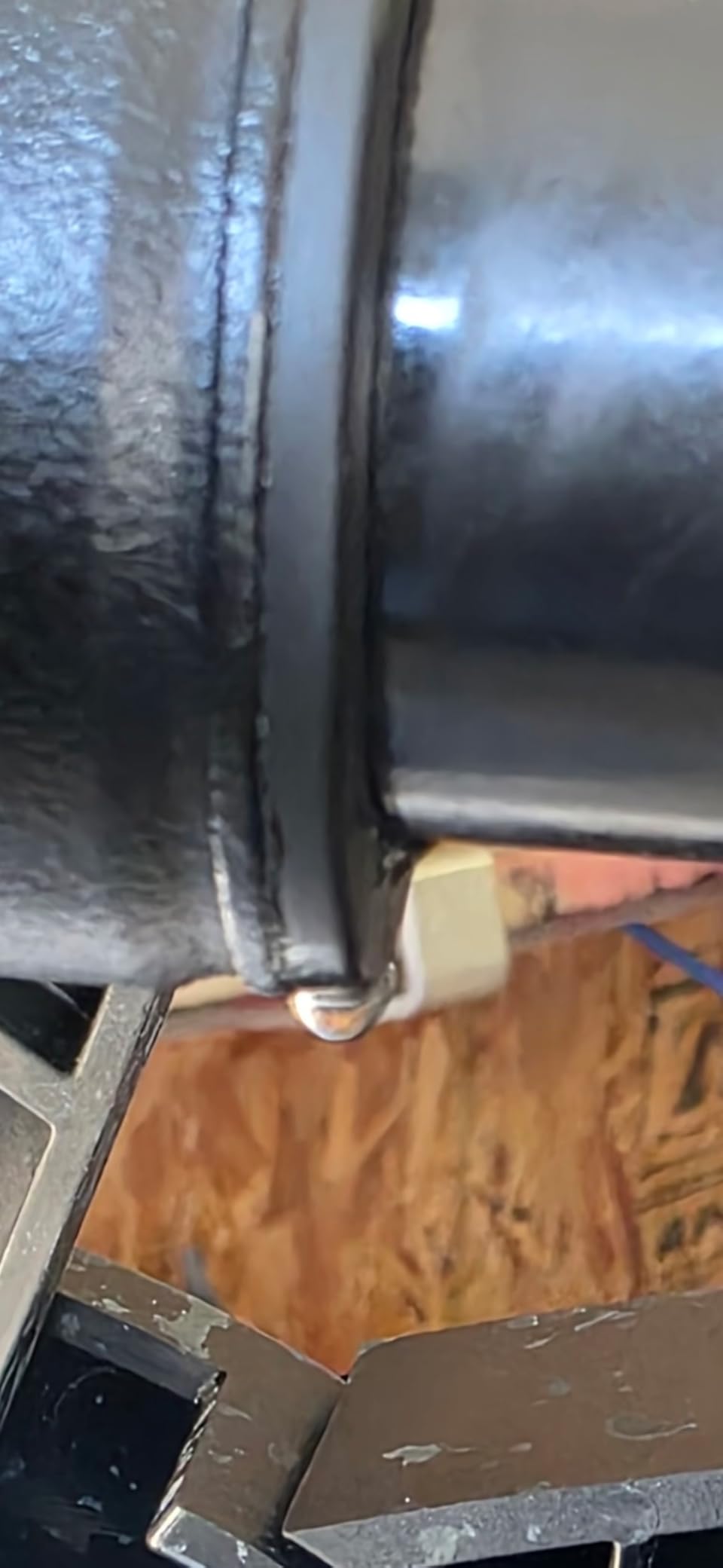
Positioning is genuinely precise. Spot-Lock holds a fixed point, and Jog lets you push the lock point 5 ft in any direction without releasing the lock, so you can inch around a stump or slide along a grass edge one short move at a time. Drift mode lets you set a heading and let the boat fall back at a set rate, which works well when you are working a specific contour.
The Weedless Wedge 2 propeller is worth calling out for bass fishing specifically. Its design pushes through heavy vegetation without the prop chopping water and pulling current, so you keep heading in grass mats where a standard prop bogs down.
The honest limitation is cost. This sits well above non-sonar bow mounts, and you are paying for two systems in one. Also note the review pool is small at 58 ratings, so treat the 4.6 as encouraging rather than settled. 83 percent of ratings are 5-star, but 8 percent are 1-star, which usually means setup problems or a genuine fault rather than mild disappointment.
Who the Terrova suits
Anglers who fish marked spots rather than open water. Once you have found fish on structure, Spot-Lock plus Jog is the difference between fishing a spot and fighting to stay on it, and forum discussion around this feature consistently frames it as worth paying for only if you fish specific locations repeatedly.
It also suits anglers with a forward casting deck who want sonar without a cluttered deck. The heel and toe foot pedal carries Spot-Lock, AutoPilot and rotary speed controls, so most of the work happens with a heel or a toe while your hands stay on the rod.
Who the Terrova does not suit
Do not buy it if you fish a lake where you never return to the same spot. GPS positioning has near-zero value on open water, and you would be paying for electronics you will never use. It is also heavier on the deck than a non-sonar motor, and the 60-inch shaft is long, so check your bow height carefully.
If your electronics are not Humminbird-based, that MEGA imaging integrates through the Minn Kota network, so think about ecosystem fit before you commit. The saltwater trolling motor guide covers what changes when a boat runs brackish or coastal water.
4. Minn Kota Ulterra 80lb – Best for Anglers Who Cannot Hand-Crank
Minn Kota Ulterra Freshwater Bow-Mount Trolling Motor with 60-Inch Shaft, MEGA Down Imaging, and i-Pilot Link GPS (24-Volt, 80-Pound)
80 lbs thrust
24V electric steer
69 lb unit weight
Auto stow and deploy
Spot-Lock GPS
Pros
- Only motor in this group that stows and deploys itself at the push of a button
- Electric steer trim raises and lowers the motor to match conditions
- Spot-Lock and recorded paths hold position reliably in heavy wave lakes
- Built-in MEGA Down Imaging reaches 125 ft and pairs with Humminbird displays
Cons
- Highest price point in the roundup
- i-Pilot Link networking cables are expensive and must be routed to the fish finder
- Only 12 ratings and one review reports poor product support
At 69 lbs of unit weight, this is the heaviest motor in the roundup, and that single fact drives the whole design. It is also the only one that will lift itself out of the water and stow itself at the bow without you putting a hand on it.
That matters more than it sounds. Owners repeatedly describe auto stow and auto deploy as the feature that changes their day, especially anglers who find raising a heavy motor onto the deck physically difficult, or who fish alone and cannot safely lean over the gunwale to crank it. Push the button on the remote, and the motor trims itself up and lays itself flat.
Electric steer is the other half of the package. Rather than a mechanical cable running from a foot pedal to the motor head, an electric steering actuator under the deck moves the tiller. That means powered trim up and down to match conditions, and no cables to stretch, fray or snap over time.
Positioning comes through i-Pilot Link GPS with Spot-Lock and recorded paths, and owners report those hold reliably even on heavy wave lakes. The built-in MEGA Down Imaging reaches 125 ft and pairs with Humminbird displays.
Two cautions. This is the highest price point in the roundup, and the networking cable to a Humminbird display is an added expense that must be routed carefully through the boat. Remote compatibility with Humminbird units also requires additional purchases. With only 12 ratings, we would call the 4.5 encouraging but thin, and one review reports poor product support, which matters on a motor this complex.
Who the Ulterra suits
Solo anglers, older anglers, or anyone with a back, shoulder or knee that does not want to crank 69 lbs of motor onto a deck. It also suits anglers running large, heavy electronics who value quiet operation, since owners describe it as effectively silent at low settings.
If you already run Humminbird displays, the integration is the strongest in this group. If your electronics are fresh or undecided, that ecosystem is a real factor in the decision.
Who the Ulterra does not suit
It is the wrong pick for a small boat or a light one. 80 lbs of thrust on a 16-foot aluminum rig makes the bow unpleasant to hold in a crosswind and burns batteries for no benefit. It is also wrong for anyone on a tight electrical budget, because the motor, the networking cable and a Humminbird display are three separate line items.
The weight itself is a consideration for mounting. Electric steer mechanisms need a clean, level mounting surface and unobstructed access to the deck screws, and a sloped or carpeted bow deck can complicate the install.
5. Minn Kota Ultrex 80lb – Best for Lift-Assist and CHIRP Sonar
Minn Kota Ultrex Bow-Mount Electric Trolling Motor with GPS, Spot-Lock, Dual Spectrum CHIRP Sonar – 80 Lb. Thrust, 52 In. Shaft, Freshwater
80 lbs thrust
24V
52 inch shaft
Lift-Assist spring
CHIRP sonar built in
Pros
- Lift-Assist gas-charged spring roughly halves the effort needed to stow and deploy
- Built-in Dual Spectrum CHIRP sonar gives clearer fish and bottom detail from a hidden transducer
- Spot-Lock and Jog hold and reposition precisely with drift and follow modes
- Power steering with a steering lock keeps the motor pointed where it is released
Cons
- Expensive relative to non-sonar bow mounts and cheaper GPS models
- One review reports the wireless remote missing from the box
- 12 percent of ratings are 1-star on a small 22-review pool
The Ultrex solves the same problem as the Ulterra more cheaply: how to get 80 lbs of motor up onto a deck without throwing your back out. Instead of an electric actuator, it uses a patented Lift-Assist nitrogen gas-charged spring that roughly halves the effort of stow and deploy. You still crank it, but the spring does most of the work against the weight of the water.
The sonar is different from the Terrova’s. This one carries built-in Dual Spectrum CHIRP, and the transducer components are concealed inside the shaft rather than exposed. CHIRP sends a wider band of frequencies than conventional sonar, which returns cleaner fish arches and better bottom detail on structure, exactly what you need when you are trying to read a ledge edge.
Power steering with a steering lock is the feature bass anglers notice after a season. Once you release the pedal, the motor stays pointed where you left it rather than drifting, so you can step back and fish without babysitting the steering.
The clearest upgrade story in the reviews comes from owners moving off older Minn Kota models, who single out steering responsiveness as the biggest change. Digital Maximizer power management is claimed to extend run time up to 5 times on a charge, and a three-year warranty with registration is the longest in this group.
Against that, the price sits well above non-sonar bow mounts, one review reports the wireless remote missing from the box, and 12 percent of ratings are 1-star on a 22-review pool. Small samples swing hard, so we would watch this one for a season before recommending it above the Terrova on reliability grounds.
Who the Ultrex suits
Anglers upgrading from an older cable-steer Minn Kota who want better feel and clearer sonar without paying for full electric steer. The 52-inch shaft is a useful middle length, shorter than the Terrova’s 60 inches and easier to fit on a moderate bow height.
It also suits anglers who fish structure hard and want to read it. CHIRP returns better bottom detail than a standard down-imaging transducer, which helps when you are trying to distinguish a ledge drop from a rock field in deep water.
Who the Ultrex does not suit
Not for a small boat. 80 lbs is more than a 16 or 17-foot aluminum bass boat needs, and the extra weight makes the bow harder to control in wind. Not for anglers on open water who will not use the sonar, since the transducer is the main reason to pay more.
And if auto deploy matters most to you, the Ulterra does it better. Lift-Assist halves the effort; auto deploy removes it entirely.
6. MotorGuide Xi3 70lb Cable Steer – Best Simple Foot-Pedal Setup
MotorGuide 940200120 X3 Freshwater Bow Mount Trolling Motor — Cable Steer, Foot-Control — 50-Inch Shaft, 70-Pound Peak Thrust 24V
70 lb peak thrust
24V
50 inch shaft
Cable steer with VRS
50 lb unit weight
Pros
- Patented Variable Ratio Steering holds accurate position in wind and rough water
- Heel to toe foot control with a directional indicator keeps both hands free
- Aircraft-grade aluminum mount and stainless steel bushings feel solidly built
- Very quiet on the water thanks to composite locking pin and bushings
Cons
- No GPS sonar or remote control
- Steering cables are reported as thin and can break at the foot pedal
- One review reports the steering cable detaching from a pulley out of the box
The Xi3 is the simplest motor here and the only pure cable-steer unit. If you want a foot pedal, quiet running and nothing else, this does that job without asking you to run a networking cable to a fish finder.
Its real strength is the steering. Variable Ratio Steering is designed to tighten control as you approach a position, which is what makes it hold accurate position in wind and rough water despite having only a mechanical cable. The heel and toe foot control with a directional indicator keeps both hands free for fishing.
Owners consistently praise how quiet it is, crediting the composite locking pin and bushings, and report that the propeller cuts through heavy seaweed without bogging down. At 50 lbs of unit weight it is also the second-lightest motor in the roundup, which makes it easier to lift onto a deck than the 69 lb Ulterra.
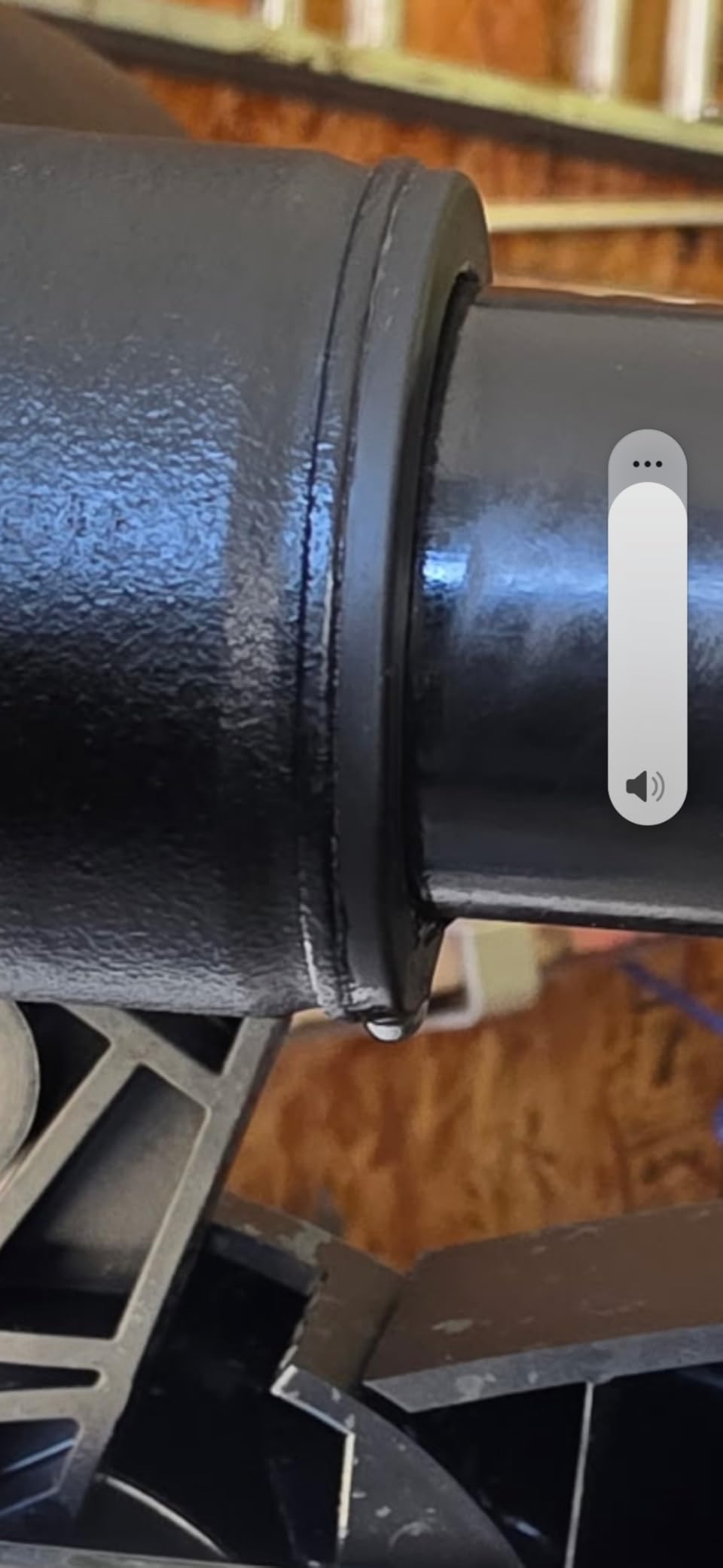
Now the weaknesses, and they are not small. The steering cable system is this motor’s traditional weak point. Reviews report thin cables that can break at the foot pedal after modest use, and one owner received a motor whose steering cable had already detached from a pulley straight out of the box and needed a service-center repair. Another reports the motor burning out after two uses, and another notes the foot control direction arrow does not illuminate.
With a 4.0 average and 20 ratings, this motor has the lowest rating and the widest spread in the group: 56 percent five-star against 19 percent one-star. Warranty service through MotorGuide is described as a hassle by owners. Installing on a sloped bow deck is also difficult because access to the backing and mounting screws is limited.
Who the Xi3 suits
Anglers who want quiet, precise foot-pedal control without spending on electronics, and who fish on a flat bow deck where the mount is easy to reach. It suits smaller boats and tri-hulls, where owners report especially good results, and it suits anglers who prefer a mechanical system with nothing to go wrong electronically.
At 70 lbs of thrust on 24V it handles a mid-size bass boat comfortably, and the 50-inch shaft fits a standard bow height.
Who the Xi3 does not suit
It does not suit anglers who want to lock onto a spot. With no GPS, no remote and no sonar, you hold position with your own hands on the pedal for the entire time you are fishing the spot. For most modern bass fishing that is a hard limit.
It is also the wrong pick for salt water or brackish water, since this model is freshwater only. For coastal work, see the saltwater trolling motor picks. And if you already own cable-steer cables that are frayed, replace them before you assume the motor is the problem.
How Much Thrust Does a Bass Boat Trolling Motor Need?
Size a bow mount by the fully loaded weight of your boat, not by hull length. A 19-foot boat with two batteries, fuel, gear and three anglers can weigh as much as a 21-footer with a light load. Here is the rule we use: have at least 2 lbs of thrust for every 100 lbs of fully loaded boat weight.
That is a floor, not a target. In practice, most anglers land one class above the minimum, because extra thrust buys you the ability to run to a spot quickly and to hold heading in a crosswind rather than merely move.
Thrust lookup by boat class
The bands below map common bass boat classes to realistic fully loaded weights and the thrust we would pick. Every motor in this roundup falls inside them.
Only one of the six motors here runs on 12V and the other five run on 24V. On a 16 to 18-foot aluminum bass boat weighing roughly 1,600 to 2,200 lbs fully loaded, the floor is 35 to 45 lbs of thrust and our pick is the Haswing Cayman 55lb. A 19 to 20-foot fiberglass bass boat around 2,400 to 3,200 lbs needs 50 to 65 lbs minimum, and the Cayman or the MotorGuide Xi3 at 70 lb both work. A 21-foot and up heavy fiberglass bass boat over 3,500 lbs needs 70 to 90 lbs, and that is Haswing 80lb 24V territory. Add one class for wind-exposed reservoirs, shallow weed, or a high bow with a lot of deck, because windage makes the motor work harder before it moves the hull at all.
Two situations push you up a class. The first is a high bow with a lot of deck, because the motor works harder against windage. The second is shallow water with heavy weed, where you want the power to punch through vegetation rather than stall in it.
12V or 24V: What the Battery Bank Changes
One of the six motors here runs on 12V and the other five run on 24V, which for most bass boats that need more than about 55 lbs of thrust means two deep-cycle batteries in series plus a charger. That is the real cost of a high-thrust bow mount, and it is the decision most roundups skip.
The mechanical difference is small. What changes is current draw. Doubling the voltage while holding the same power roughly halves the amps in the wiring, which means thinner cable, cooler connections, less voltage drop and longer runtime on a charge.
How 24V changes thrust and battery life
For the same thrust rating, 24V pulls about half the amps of 12V. In practice that means you can run a heavier motor without the battery bank flattening out over a morning. It also means your battery cables carry less heat, which matters on a fiberglass deck in July sun.
The tradeoff is up-front cost and complexity. Two batteries, a charger and slightly heavier wiring roughly double the electrical spend compared with a 12V single-battery setup. If you only need 55 lbs, one deep-cycle group keeps things simple and is why the Cayman remains our top pick for mid-size boats.
Whatever voltage you choose, size the bank to the motor, not the boat. Our marine battery guide covers deep-cycle versus AGM choices and how to calculate amp-hour capacity for a full day of fishing.
How to Measure for the Right Shaft Length
Shaft length is the most common sizing mistake on a bass boat, and it is easy to get wrong because people measure the deck rather than the bow height. The rule is simple: the shaft should be roughly 6 to 12 inches longer than the distance from the bow deck mounting surface down to the waterline at rest.
Too short a shaft puts the propeller near the surface where it breaks the surface in chop, causing cavitation noise and a loss of control. Too long a shaft makes the motor harder to deploy, eats deck space and can foul brush when you come up on structure.
Four steps to measure bow height to the waterline
First, measure from the top of the bow deck at the mounting point straight down to the waterline while the boat is sitting at its normal loaded draft, with the motor stowed. Second, add 6 inches for a standard shaft and closer to 12 inches if you fish in chop or run with a heavy load. Third, check that the shaft length fits your trailer bracket and that the head clears your deck hardware and cleat.
Fourth, verify that the motor can deploy fully without the shaft hitting the boat or the head striking the deck when stowed flat. The 48-inch Cayman suits a low bow, the 50-inch Xi3 suits a standard bow, and the 60-inch Terrova suits a high-freeboard fiberglass boat.
Cable Steer or Electric Steer on a Bass Boat Deck?
This is the most argued question in bass fishing forums, and it is usually presented as brand loyalty rather than mechanics. The honest answer is that cable steer is lighter, cheaper and has no electronics to fail, while electric steer removes the physical effort of steering and stowing entirely.
Cable steer sends your foot pedal input through a mechanical cable to the tiller. There is no power draw while steering, the pedal is lighter, and the system keeps working if the battery dies, which matters when you are far from a ramp. The cost is a physical cable that stretches, frays and can snap at the pedal over years of use.
Electric steer replaces the cable with an actuator under the deck. You get powered trim up and down, so you can raise or lower the motor to match depth without cranking, and on the Ulterra you also get auto stow and auto deploy. The cost is weight, price and one more electrical system to maintain.
What each steering type feels like at the bow
On a forward casting deck, a low-sitting foot pedal can be uncomfortable because your legs are higher than the deck. Taller pedal units and hand controllers solve this, and it is worth testing pedal height before buying, because a pedal you cannot comfortably hold all day undermines every other feature.
Our practical view: if the boat is under about 22 feet and one person fishes it, cable steer with a good pedal is the more durable choice. If you fish alone, if the motor is heavy, or if you have any back or joint limitations, electric steer pays for itself in saved effort alone.
What Spot-Lock, Anchor Lock, Drift Mode and Jog Actually Do
Spot-Lock is a GPS feature that holds the boat on one exact point using position feedback from an internal GPS and sonar reference. Anchor Lock extends the same idea to multiple points at once so the boat will not drift off if wind moves it. Drift Mode sets a heading and lets the boat back down at a controlled rate rather than holding position. Jog shifts the lock point a short distance, typically 5 ft, in any direction without releasing the lock.
None of that matters on open water. All of it matters enormously when you are working a specific piece of structure and need both hands on the rod.
Is Spot-Lock worth the money?
Spot-Lock is worth paying for if you repeatedly fish the same marked locations, and worth far less if you fish open water or structure you find on the fly. The feature turns positioning from a hands-on task into a button press, which is exactly what a solo angler needs on a forward deck. The motors in this roundup that include it are the Terrova, the Ulterra and the Ultrex.
Which Spot-Lock motor is the most reliable?
Among these six, the Terrova has the highest rating at 4.6 and the largest review pool of the GPS models at 58 ratings, with owners citing position accuracy as the main reason. The Ulterra and Ultrex both sit around 4.4 to 4.5 on much smaller pools, so their records are encouraging rather than established.
The two Haswing motors hold speed with cruise control but do not position by GPS, which is the single clearest functional gap between them and the Minn Kota units.
Matching a Trolling Motor to Your Fish Finder
Bow mount trolling motors increasingly integrate with the fish finder on your dash, and that integration is a real lock-in. A motor with a built-in transducer saves a separate cable run, but only displays that speak its network can show the imaging.
In this roundup, the Terrova and the Ulterra use Humminbird MEGA imaging and pair with Humminbird displays, reaching 200 ft and 125 ft respectively. The Ultrex uses Minn Kota’s own Dual Spectrum CHIRP rather than Humminbird MEGA. The two Haswing motors and the MotorGuide Xi3 integrate with nothing, which is their main advantage and their main limitation.
Ecosystem lock-in and networking cables
Before buying, check what display you run and what you plan to run. The networking cable that links motor and display has to be routed through the deck, and owners on the Ulterra specifically describe that cable as an expensive addition that needs careful routing. Budget for it before the install, not after.
On the other hand, the Terrova and Ultrex remove the biggest install headache in bow mount fish finding entirely, because there is no separate transducer cable to run under the deck or through a hull penetration.
Brushless Motors, Noise and the Complaints Owners Report
A brushless motor uses electronic commutation instead of carbon brushes, which removes the parts that wear and shed carbon dust. Brushless motors run quieter, run cooler, draw power more efficiently and generally last longer. Brushed motors are cheaper and still work well, but they are heavier for the same output and their brushes need replacing.
None of the six motors in this roundup are described in their listings as brushless. The headline thrust figures therefore come from conventional brushed designs, which is why the MotorGuide Xi3 is the lightest unit per pound of thrust here at 50 lbs for 70 lb thrust.
Brushless versus brushed, in plain terms
If a listing says brushless, you get better efficiency and a longer service life with fewer maintenance items. If it does not say brushless, you are looking at a brushed motor, which means more quiet running on average and potentially a brush replacement in the back half of its life. On a bass boat, quiet matters because noise at low speed can put fish down in clear water.
Known problems by brand
The Haswing 80lb has the most specific mechanical complaints in this group: a stow and deploy lift that can bind partway up, release handles that are out of sync, and controller or circuit board failures after about a year with no replacement controller sold separately. The Haswing Cayman draws 1-star ratings at 10 percent, with durability and remote control as the recurring themes, and its wireless remote needs a USB power bank for charging.
The MotorGuide Xi3 has the thinnest steering cable in the group, with owners reporting cable failure at the foot pedal and one cable detaching from a pulley straight out of the box. The Minn Kota models draw far fewer complaints, but they do carry 8 to 12 percent 1-star ratings on small pools, which typically points to setup problems, a missing accessory or an early fault rather than routine dissatisfaction.
The high-pitched hum anglers ask about usually comes from cavitation, meaning the propeller is breaking the surface or partially surfacing in chop. That is a shaft length problem, not a motor fault, and it is the single most fixable complaint in this category.
Warranty and expected lifespan
The Haswing motors carry a two-year warranty on the motor but only three months on accessories such as the remote, foot control and quick release bracket. The Minn Kota Terrova and Ultrex carry three-year warranties with registration, and the Ulterra carries a two-year limited warranty. MotorGuide warranty service is described as a hassle by some owners, so factor service access into your choice if you fish far from a dealer.
On lifespan, forum discussion suggests motors lasting three to five seasons and considerably longer with care, with electronics and the steering system usually giving out before the motor head itself. Whatever the motor, the routine that protects it is simple: rinse the shaft and prop after every trip, keep the connector surfaces clean and dry, and charge batteries between trips rather than leaving them flat.
Frequently Asked Questions
Who makes the best bow mount trolling motor?
For bass boats, Minn Kota builds the deepest line of GPS-equipped bow mounts, with the Terrova holding the highest rating in our group at 4.6 and built-in sonar. Haswing covers the lower and mid range with simple variable-speed motors, and MotorGuide makes a quiet cable-steer option. The right brand depends on whether you need GPS positioning, built-in sonar or simply quiet foot-pedal steering.
What is the best trolling motor for a bass boat?
It depends on boat weight and how you fish. The Haswing Cayman 55lb 12V suits most 16 to 19-foot bass boats and has the largest owner base in our roundup. Bigger fiberglass boats and wind-exposed water call for the Haswing 80lb 24V. Anglers who fish marked spots want the Minn Kota Terrova 80lb for Spot-Lock and built-in sonar.
How big of a bow mount trolling motor do I need?
Have at least 2 lbs of thrust for every 100 lbs of your fully loaded boat weight, including batteries, fuel, gear and passengers. A 16 to 18-foot aluminum bass boat around 2,000 lbs needs at least 40 lbs of thrust, and a 21-foot fiberglass boat over 3,500 lbs needs 70 lbs or more. Most anglers should step up one class for wind.
Which trolling motor is better, MotorGuide or Minn Kota?
Minn Kota wins on electronics, with GPS positioning, built-in sonar and auto stow or auto deploy on the Ulterra. MotorGuide wins on simplicity and quiet mechanical steering, and its Xi3 is lighter and cheaper with no network cable to route. In our roundup the MotorGuide Xi3 carries the lowest rating at 4.0, largely because of steering cable complaints.
Is Spot-Lock worth the money?
Only if you repeatedly fish the same marked locations. Spot-Lock holds one exact point using GPS so you can fish with both hands instead of holding a pedal, and Jog moves that point about 5 ft in any direction. On open water where you are constantly searching, the feature adds little and a plain variable-speed motor serves you just as well.
What are the common problems with trolling motors?
The recurring complaints are mechanical. Cable-steer models report steering cables fraying or breaking at the foot pedal. Electric-steer and lift-assist models report stow and deploy mechanisms binding partway up. Owners of the 24V Haswing report controller or circuit board failures after about a year with no replacement controller sold separately. High hum usually means the propeller is surfacing, which is a shaft length issue.
Which Bow Mount Trolling Motor Should You Buy in 2026?
For most bass anglers, the Haswing Cayman 55lb 12V is the best bow mount trolling motor for a bass boat in 2026 because it matches the weight range of a typical 16 to 19-foot hull, keeps the electrical setup to a single deep-cycle battery, and has the deepest pool of owner feedback behind it. If your boat is 21 feet or heavier, or you fish water with real wind on it, move up to the Haswing 80lb 24V and accept the two-battery bank.
If you fish the same spots and want to stop holding a pedal, the Minn Kota Terrova 80lb is the strongest all-round buy in the GPS category, and the sonar built into its shaft removes the single hardest part of a fish finder install. The Ulterra is worth the money only if you cannot hand-crank a heavy motor, and the Ultrex is the better value if you want CHIRP sonar and lift-assist without paying for electric steer.
Measure your bow height before anything else, pick the control package that fits your deck, and check which fish finder brand you run before you commit to any electronics. Those three answers narrow this list of six down to one quickly.