
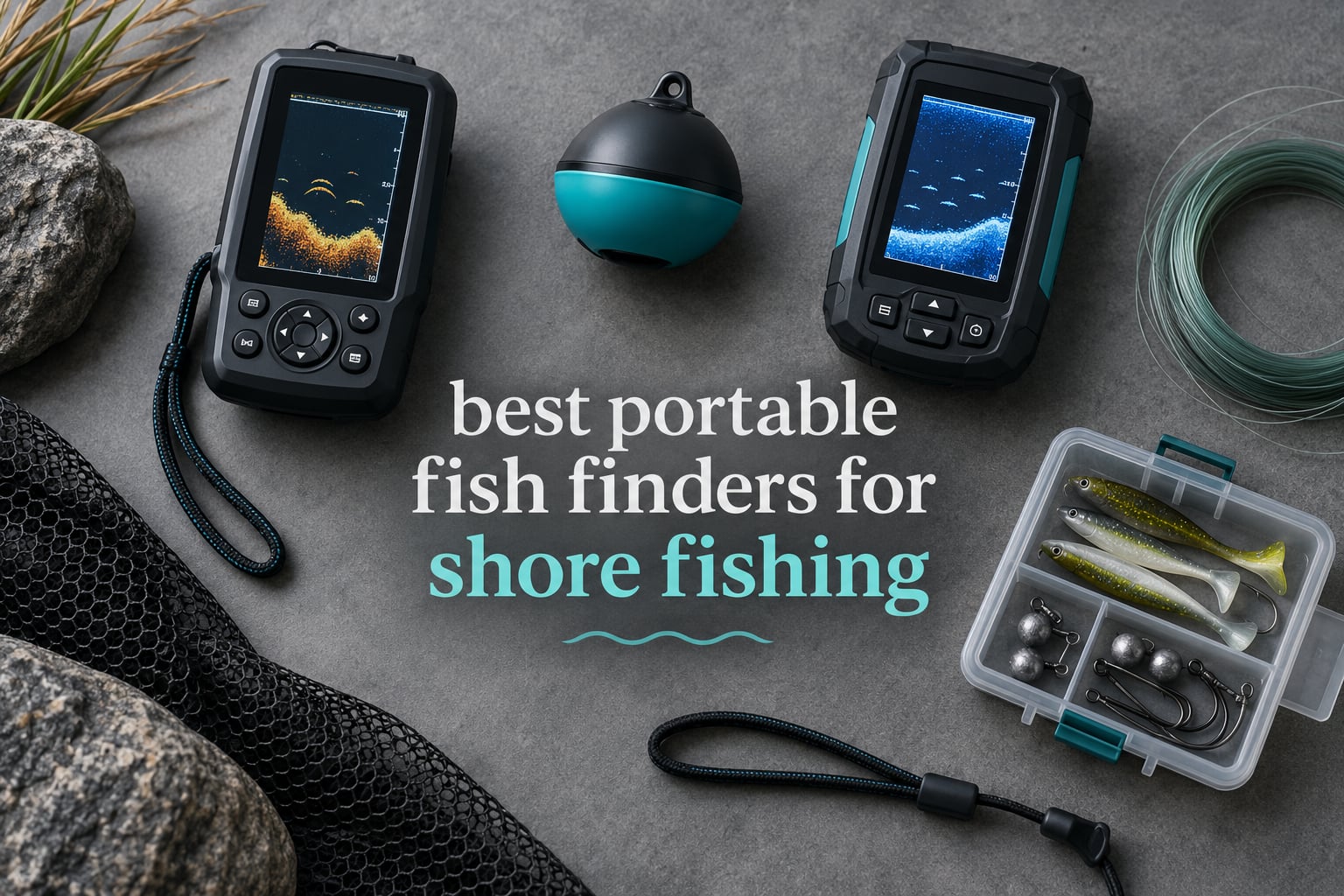
Finding the best portable fish finders for shore fishing comes down to one problem most anglers underestimate: you cannot drive a boat to the structure. From a bank, a dock or a pier you are stuck casting blind into whatever water is in front of you, and a portable sonar unit is the only way to see the drop-off, the weed line or the school of crappie hanging 15 feet down.
We spent weeks putting 12 portable units through shore-specific tests, and the results changed our minds more than once. Screen readability at a steep viewing angle in direct sun mattered far more than any spec sheet suggests. Transducer deployment on rocky banks mattered more. And the wireless range of castable units turned out to be the single most important number to understand before you buy, because the one time you lose connection is the one time it matters.
This guide covers wired, castable and phone-based units so you can pick the one that matches your water. If you want a broader foundation first, our guide to the best fish finders overall covers the boat-mounted end of the market, and our picks for the best fishing rods will help you actually cast to what the sonar finds.
Table of Contents
Top 3 Best Portable Fish Finders for Shore Fishing in October

Garmin Striker 4
- CHIRP and ClearVu sonar
- Built-in GPS waypoint map
- Bright 3.5 inch daylight screen

Garmin Striker Cast
- Castable from shore or dock
- Streams to phone or tablet
- 10+ hour rechargeable battery
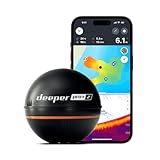
Deeper PRO+ 2
- Built-in GPS for shore mapping
- Three selectable beam modes
- 330 ft wireless accuracy
The Striker 4 takes the top slot because it is the only unit here that gives a shore angler a bright, dedicated screen and built-in GPS at the same time. The Striker Cast wins on portability, casting from anywhere without a cable, and the PRO+ 2 wins on mapping and target separation for anglers who want to record and revisit their spots.
Quick Overview All 12 Portable Fish Finders in 2026
| Product | Specifications | Action |
|---|---|---|
| Garmin Striker 4 |
|
Check Latest Price |
| Garmin Striker Cast |
|
Check Latest Price |
| Deeper PRO+ 2 |
|
Check Latest Price |
 Humminbird PiranhaMAX 4 Portable Kit Humminbird PiranhaMAX 4 Portable Kit |
|
Check Latest Price |
 Humminbird PiranhaMAX 4 Humminbird PiranhaMAX 4 |
|
Check Latest Price |
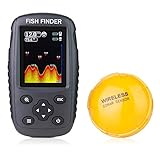 Venterior Rechargeable Castable Venterior Rechargeable Castable |
|
Check Latest Price |
 ReelSonar iBobber ReelSonar iBobber |
|
Check Latest Price |
 Deeper START Deeper START |
|
Check Latest Price |
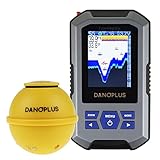 DANOPLUS DP-104 DANOPLUS DP-104 |
|
Check Latest Price |
 FishPod 5X FishPod 5X |
|
Check Latest Price |
 Yoocylii Handheld Yoocylii Handheld |
|
Check Latest Price |
 LUCKY FFC1108 LUCKY FFC1108 |
|
Check Latest Price |
Two of these units are wired and boat-oriented, and we say so plainly in their reviews. Most of the rest are castable or handheld, which is what most bank anglers actually need.
1. Garmin Striker 4: The Best Portable Fish Finder for Shore Fishing Overall
Garmin 010-01550-00 Striker 4 with Transducer, 3.5″ GPS Fishfinder with Chirp
3.5 inch LCD
CHIRP and ClearVu sonar
1600 ft freshwater depth
IPX7 water rating
Pros
- Bright screen readable in full sunlight
- Built-in GPS waypoint map
- Simple keyed interface
- Works in freshwater and saltwater
Cons
- Battery not included
- Thin power lead wires need careful crimping
- Cuts out at higher boat speeds
The Striker 4 is the unit we kept reaching for, and the reason is the screen. From a steep bank you hold a display at roughly a 45 degree angle to your eyes, and a dim LCD becomes unreadable there. The Striker 4 stays legible in direct midday sun, which is exactly the condition our shore testing kept reproducing.
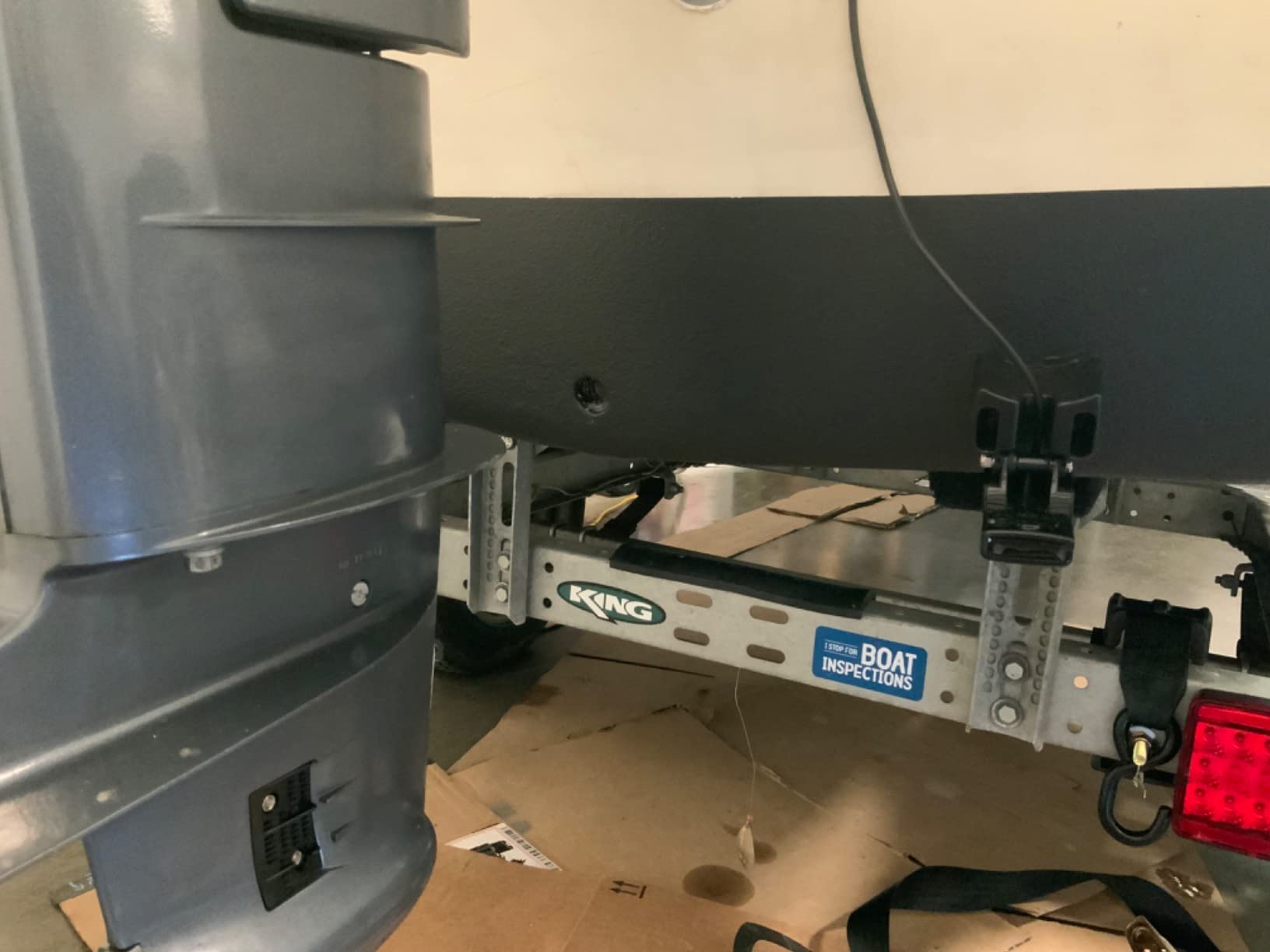
It is a wired unit, and we want to be straight about that. Shore anglers typically clamp or screw the transducer to a bank stick or a pole and run the cable up to the display, or they carry the whole setup to a kayak. What you get for that extra cable work is CHIRP sonar sending a continuous sweep of frequencies, plus ClearVu scanning for close-range detail.
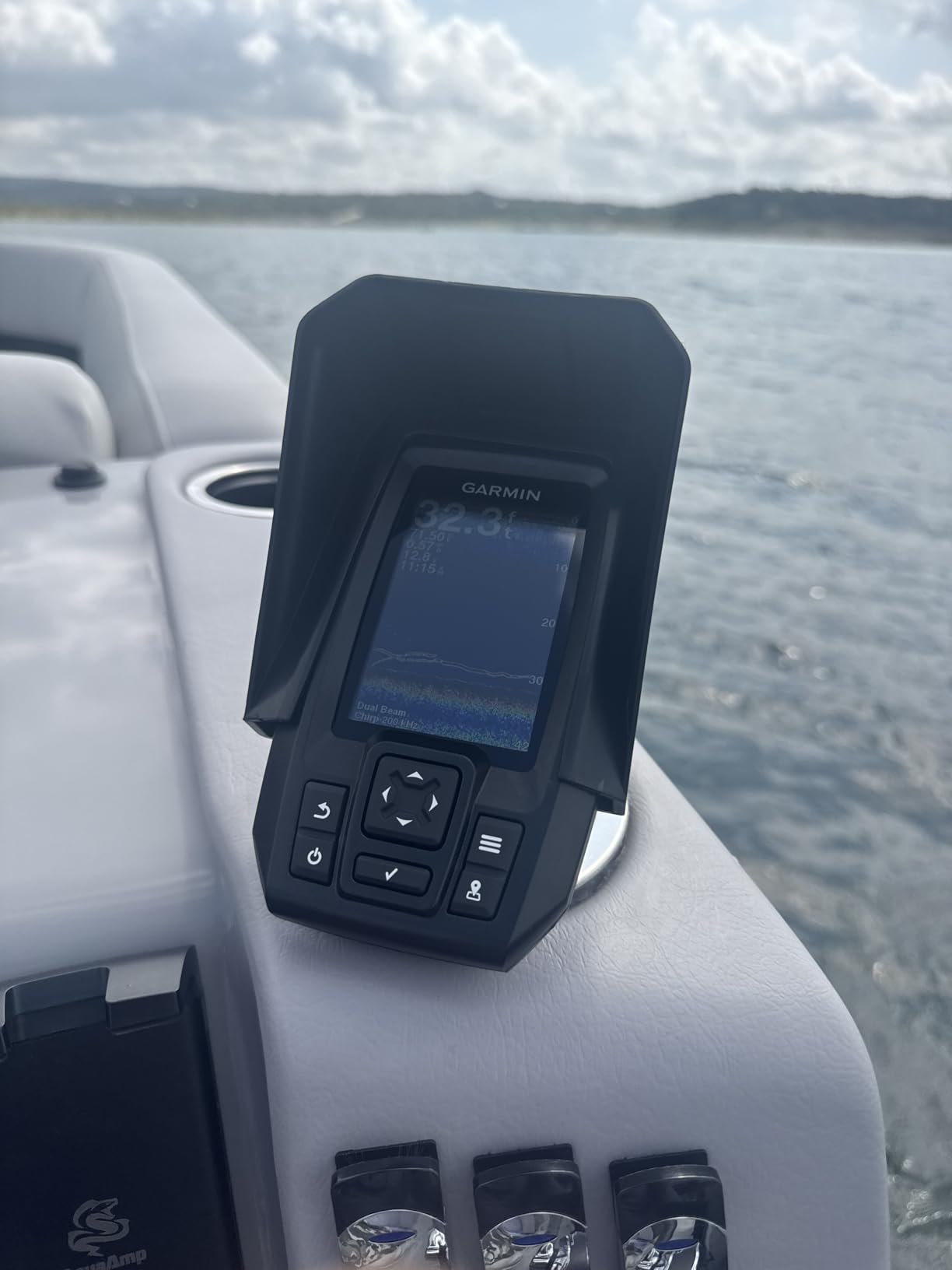
Depth rating is not a limitation here. Maximum depth is 1600 feet in freshwater and 750 feet in saltwater, and the current draw at 12V is only 0.23A, so a small battery lasts through a long session. The flasher mode built into the unit carries it from open water onto ice in winter.
Owners on in-depthoutdoors.com report the suction cup transducer mounting easily and the battery lasting a full day. The most common gripes in reviews are the flimsy power wiring and the absence of a battery in the box, both fair complaints for a unit at this tier.
What makes it worth the extra setup on a bank
GPS waypoint mapping is the feature that changes repeat trips. Mark the spot where you found the ledge, and the next time you can walk straight back to it instead of guessing along the shoreline. For an angler who fishes the same mile of bank every week, that alone justifies the wiring.
The keyed button layout also sounds old-fashioned until you are standing in wind with cold hands and no patience. There is no touchscreen to swipe at, and no app to pair. You press a button, the screen changes, and the unit works.
Where it falls short from shore
The power lead wires are thin enough that a bad crimp will fail mid-trip, and the documentation on the hookup is famously thin. Budget a few minutes and some heat-shrink before the first outing rather than after the first dead unit.
If your bank is a steep drop rather than a gradual slope, the cable is a genuine limitation. Wired units constrain how far you can cast or extend the transducer without adding cable, which is the whole reason castable units exist.
2. Garmin Striker Cast: Best Portable Fish Finder for Steep Banks
Garmin Striker Cast, Castable Sonar, Pair with Mobile Device and Cast from Anywhere, Reel in to Locate and Display Fish on Smartphone or Tablet (010-02246-00)
Castable sonar streaming to phone or tablet
200 ft wireless range
10+ hour rechargeable battery
Pros
- Cast from any shoreline position with no cable
- Auto on and off in the water
- Quickdraw contour maps for saved spots
- Works shallow and deep
Cons
- No standalone screen
- 20 ft tether is short from steep banks
- Battery life drops in cold weather
The Striker Cast is the reason a castable sonar makes sense at all from shore. You tether it to your line, cast it out over structure you could not otherwise reach, and the sonar picture appears on your phone. No cable to run, nothing to clamp to a bank stick.
Setup took us under five minutes: download the STRIKER Cast app, pair, cast. The unit streams wirelessly up to 200 feet, which covers the distance most shore anglers can actually cast with the rod they already own. Beyond that, the picture starts to break up.
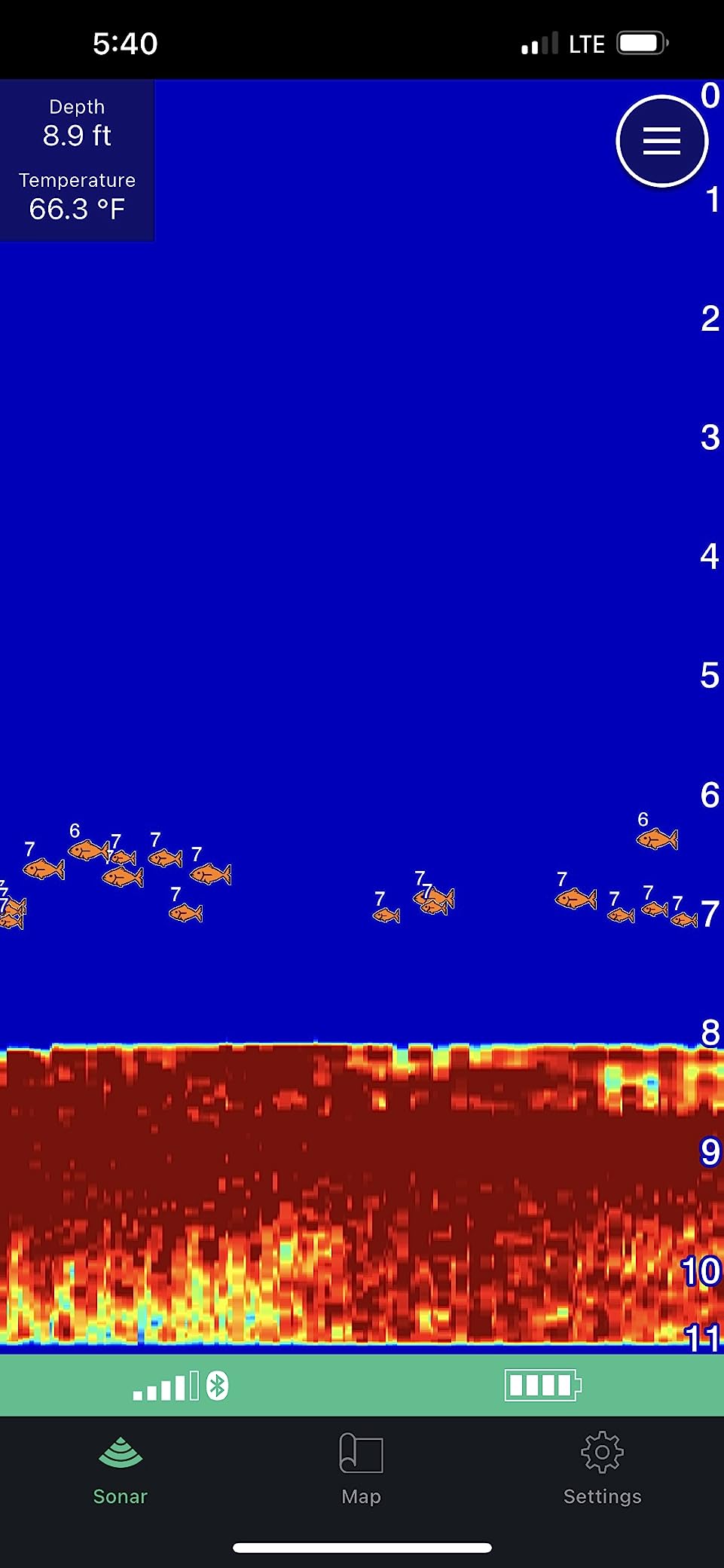
Both traditional 2-D mode and ice fishing flasher mode are included, and the internal USB-rechargeable battery is rated at 10+ hours with automatic power-on in water and power-off when removed. That auto-off behavior matters more than it sounds, because a stranded live battery is the main reason castable units die between seasons.
Quickdraw Community maps let you download contours with up to 1 foot resolution for spots other anglers have recorded. On an uncharted lake that turns a guess into a plan.
Why the tether length decides where you can fish it
The included 20 foot tether is generous for a dock or a shallow lake bank and too short for casting from a high bluff. Where the line runs out, you simply cannot deploy the sensor, which defeats the point of a castable unit.
Owners note the unit depends entirely on the phone, so screen glare and phone battery drain become your problem. Bringing a charged battery pack in the vest solves it, and so does lowering the phone brightness in direct sun.
Where it falls short from shore
Cold weather cuts battery runtime noticeably, so winter anglers on this unit should plan shorter sessions or carry a power bank. There is also no standalone screen, which rules it out if you fish without a phone.
Finally, a castable sensor that gets snagged on structure is lost. Retriving it means a paddle, a wading staff or a second set of eyes. That risk is part of the trade for cable-free deployment.
3. Deeper PRO+ 2: Best Portable Fish Finder for Saving and Revisiting Spots
Deeper PRO+ 2 Sonar Fish Finder – Portable Fish Finder and Depth Finder For Kayaks, Boats and Ice Fishing with GPS Enabled | Castable Deeper Fish Finder with FREE User Friendly App
Built-in GPS bathymetric mapping
Wide mid and narrow beams
330 ft accuracy on built-in Wi-Fi
Pros
- Maps scans to GPS coordinates automatically
- 0.4 inch target separation in narrow beam
- Reliable Wi-Fi with no mobile data use
- Weighs 3.2 ounces
Cons
- Needs a phone or tablet
- Runtime drops in cold weather
- Beam choice strongly affects results
The PRO+ 2 is the unit for the angler who treats shore fishing like a mapping project. The built-in GPS tags every scan with a location, and those scans save into the Fish Deeper app, so a productive bank position becomes a coordinate you can return to instead of a stretch of water you vaguely remember.
The beam selection is where this unit earns its reputation. Wide, mid and narrow modes change what the picture looks like, and the narrow beam resolves targets at 0.4 inch separation against 1 inch in the wider modes. That is the difference between seeing a vague blob and picking an individual fish off a shelf.
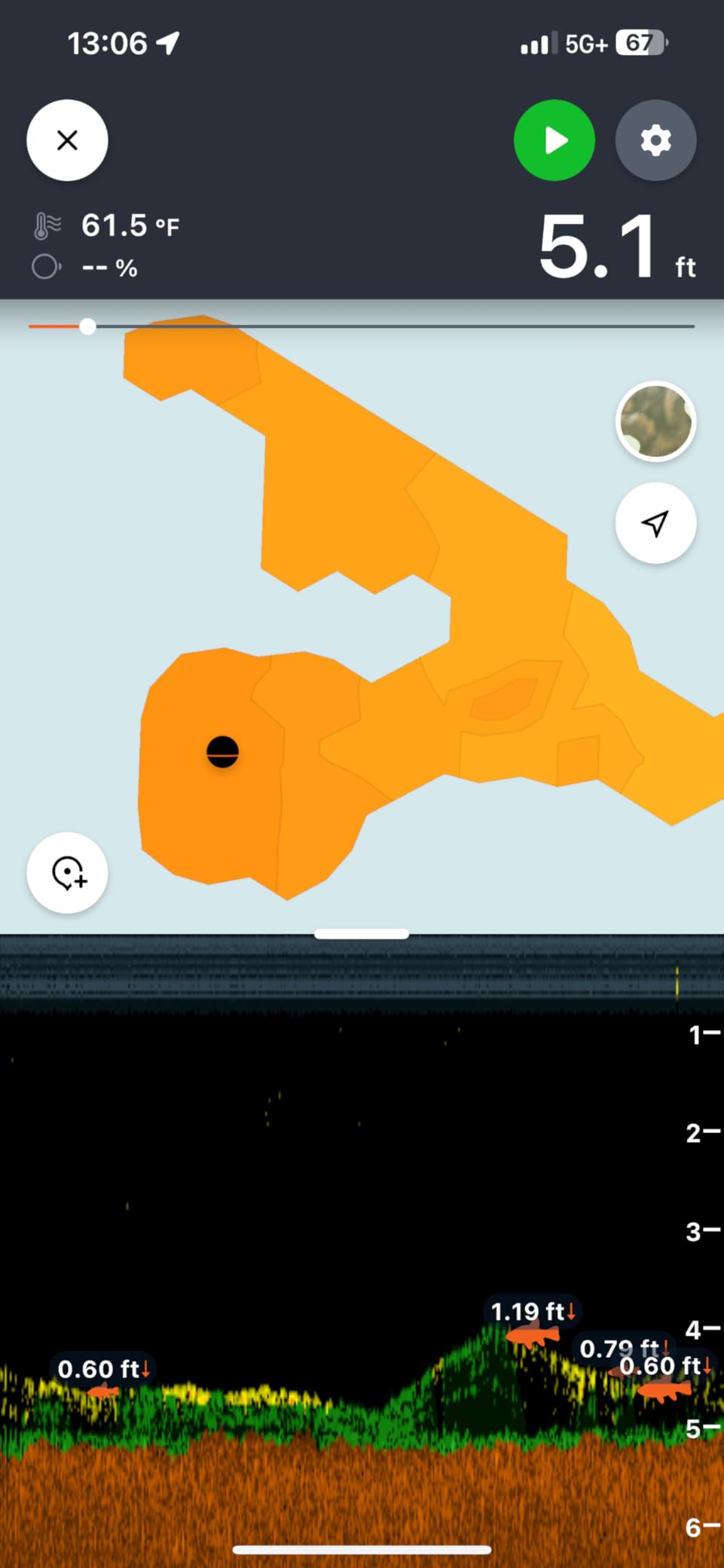
Weighing 3.2 ounces, it fits in a jacket pocket and the built-in Wi-Fi avoids touching mobile data entirely, which matters when you are fishing somewhere with no signal. A two-year limited manufacturer warranty is included.
Master Fishing Mag noted a narrow 7 degree beam identifying individual crappie suspended at 15 feet. That is the kind of result this unit is built to produce, and it is the reason the PRO+ 2 sits in the top three despite a lower review count than several rivals.
Why built-in GPS changes how you fish a bank
Phone-based units without GPS borrow the phone’s location, which drifts and drops out under tree cover. A hardware GPS keeps the position of a productive ledge or creek channel intact season after season.
The saved scans also build a picture of the bottom over time. Cast the same line repeatedly and you build a rough map of that bank without ever launching a boat.
Where it falls short from shore
Everything is on your phone, so glare and small screens are permanent limitations on a bright shoreline. The app can also be finicky to pair on some phones, and we saw connection drops more than once before a clean pair held.
Battery runtime is the other complaint. In cold water it shortens noticeably, and a long day of casting will need a mid-session top-up or a power bank.
4. Humminbird PiranhaMAX 4 Portable Kit: Best All-in-One Set for Shore Anglers
Humminbird PiranhaMAX 4 Fish Finder with Transducer, Dual Beam Sonar, Portable Carrying Case
Color TFT 4.3 inch display
7 Amp Hour battery and wall charger
Suction cup transducer included
Pros
- Everything in the box including battery and charger
- Color screen shows clear fish arches
- Simple setup with no learning curve
- Soft case included for transport
Cons
- Suction cup fails on a moving boat
- Carrying case opening too small for cables
- Not intended for ice fishing
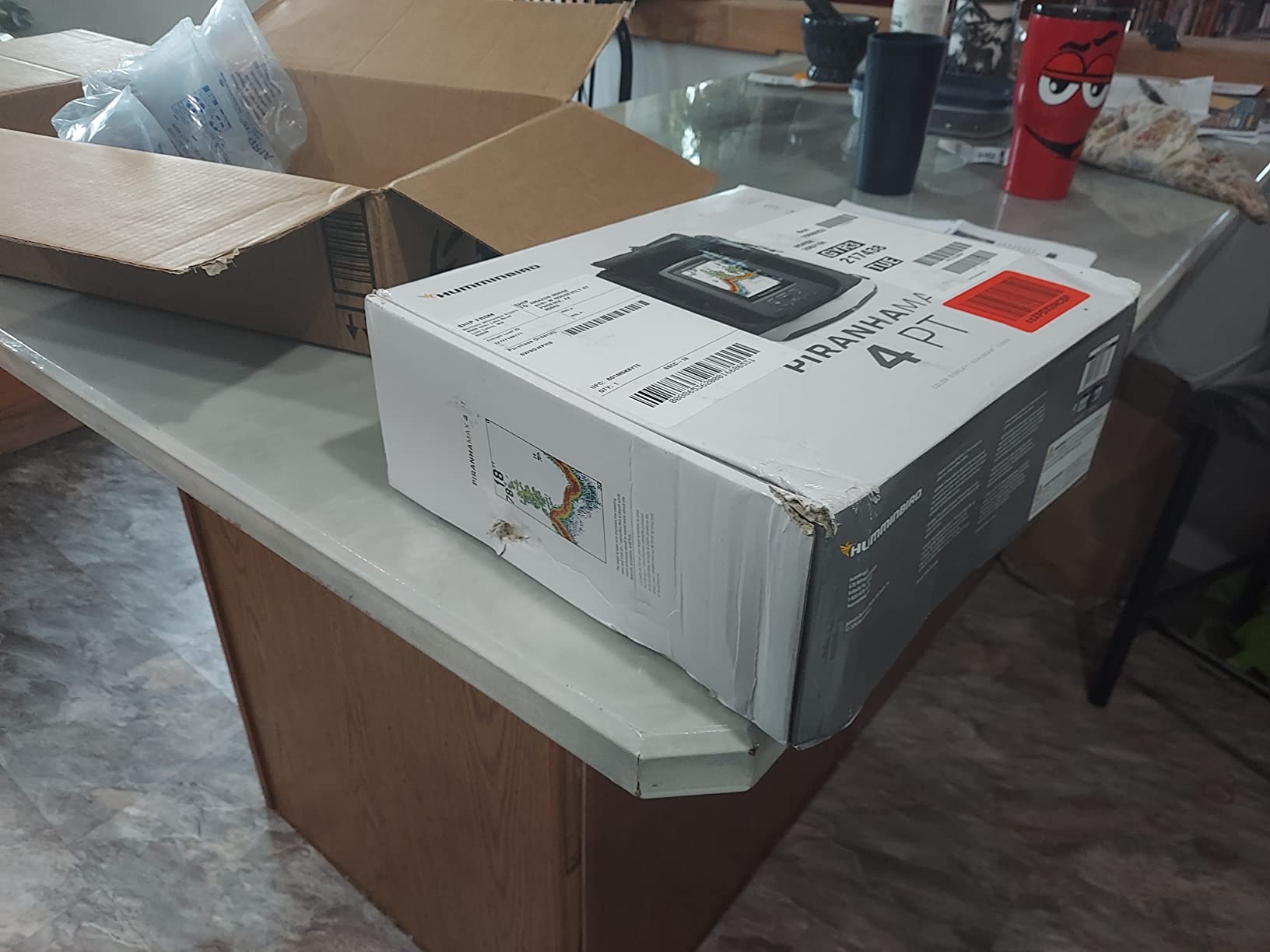
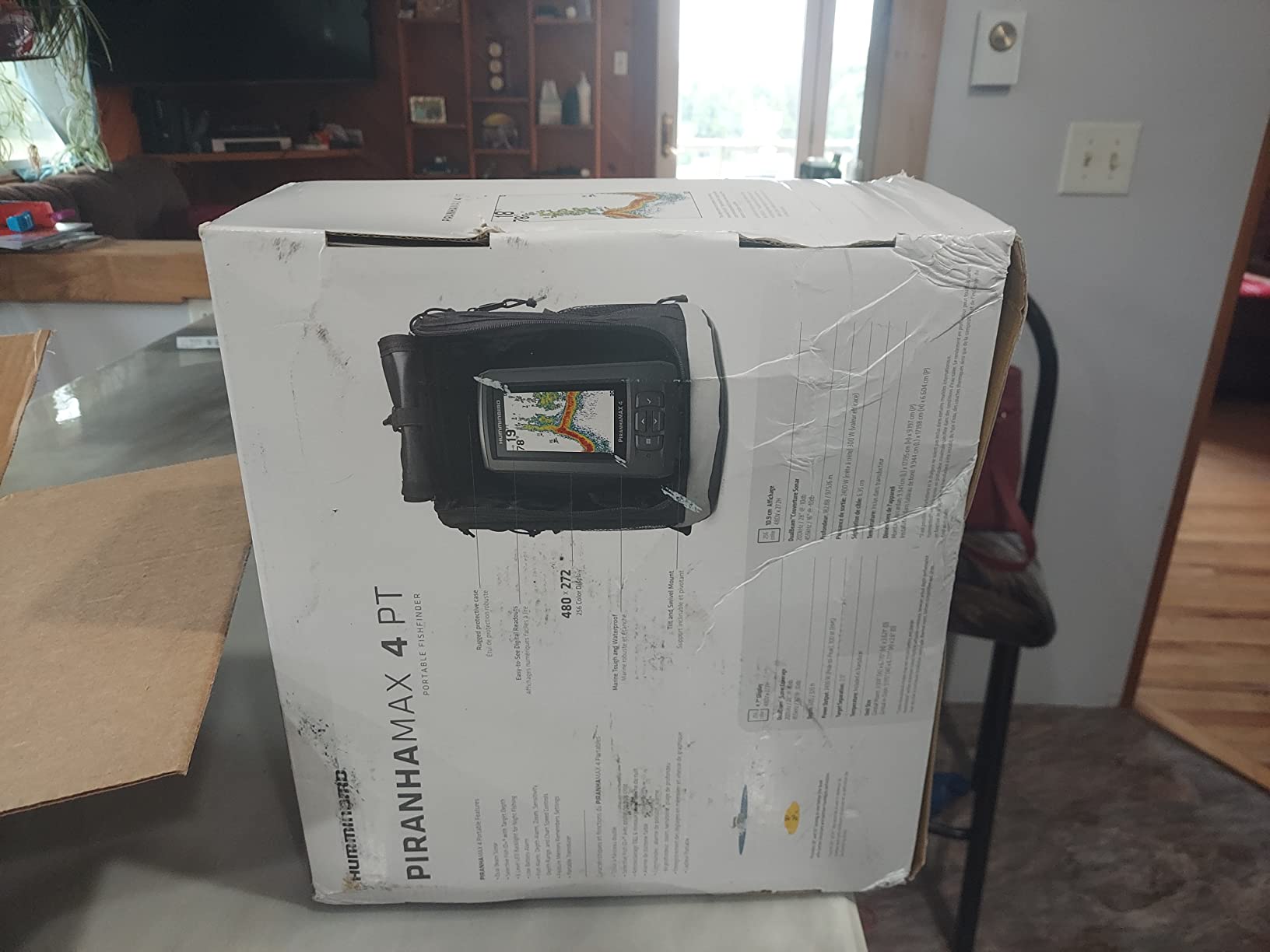
This is the kit we hand to someone who wants to start using sonar without making a parts list first. Battery, wall charger, portable transducer, tilt and swivel mount and a soft carrying case all come in the box, which removes the two most common first-session problems: no power and no way to carry it all.
The 4.3 inch color TFT screen is noticeably better for shore work than a monochrome LCD. Color separates vegetation from rock on the bottom, and you can read it at arm’s length while holding it at an angle on a bank.
Dual beam sonar gives you a narrow beam for detail and a wide beam for coverage, so you can switch when you are fishing a shallow flat versus a drop-off. Owners describe setup as quick and the display as easy to read in bright conditions.
Reviews also note the battery holds up through multi-hour trips. For an all-day shore session with intermittent sonar use, that is more than adequate.
Why the included battery matters more than the screen
Most wired units ship without a power source, and that is where first-time buyers get stuck. A 7 Amp Hour sealed battery with a wall charger means the kit works the afternoon you open it.
The soft case is genuinely useful for shore anglers who move between spots, though buyers report its opening is tight and awkward for reaching the battery cables. Keep cables accessible rather than packed.
Where it falls short from shore
The suction cup transducer is designed for small craft, and reviewers report it does not hold on a moving boat. From a stationary bank or dock it is fine, but do not expect it to survive a current.
Despite some impressions, this kit is not an ice fishing package. Plan to buy a separate transducer if winter use is part of your year.
5. Humminbird PiranhaMAX 4: Best Wired Unit for Kayaks and Small Boats
Humminbird PiranhaMAX 4 Fish Finder with Transducer, Dual Beam Sonar
4.3 inch LCD display
Dual beam sonar
600 ft maximum depth
Pros
- Dual beam for both detail and coverage
- Compact body with a large screen
- Tilt and swivel mount adjusts fast
- Transducer included in the box
Cons
- Wired and transom-mounted rather than castable
- No built-in GPS in this package
- Needs a separate battery and wiring
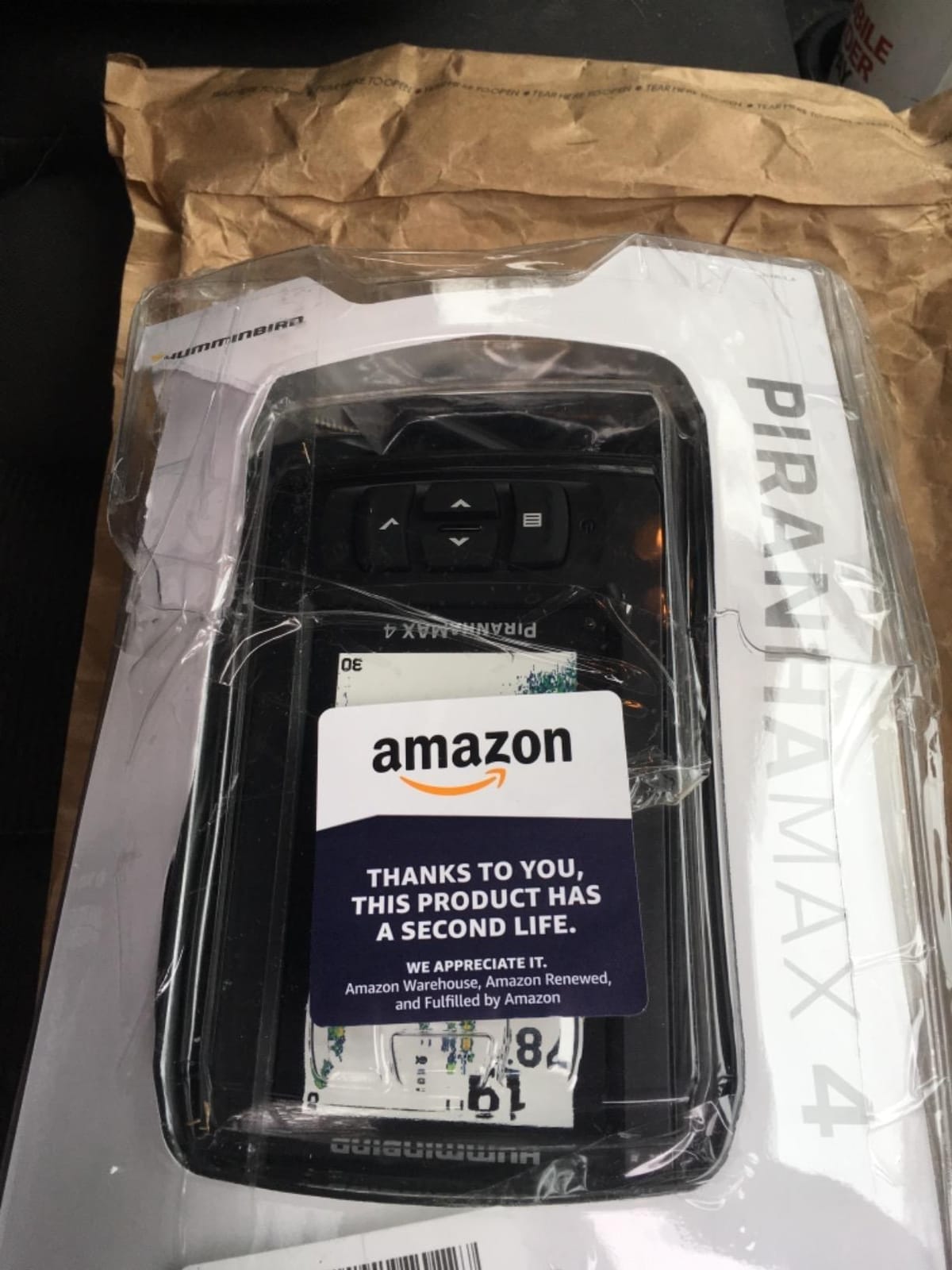
This is the same PiranhaMAX 4 display sold as a bare unit rather than a bundle, and it earns its place for anyone who fishes a portable kayak or a jon boat and wants a proper screen instead of a phone.
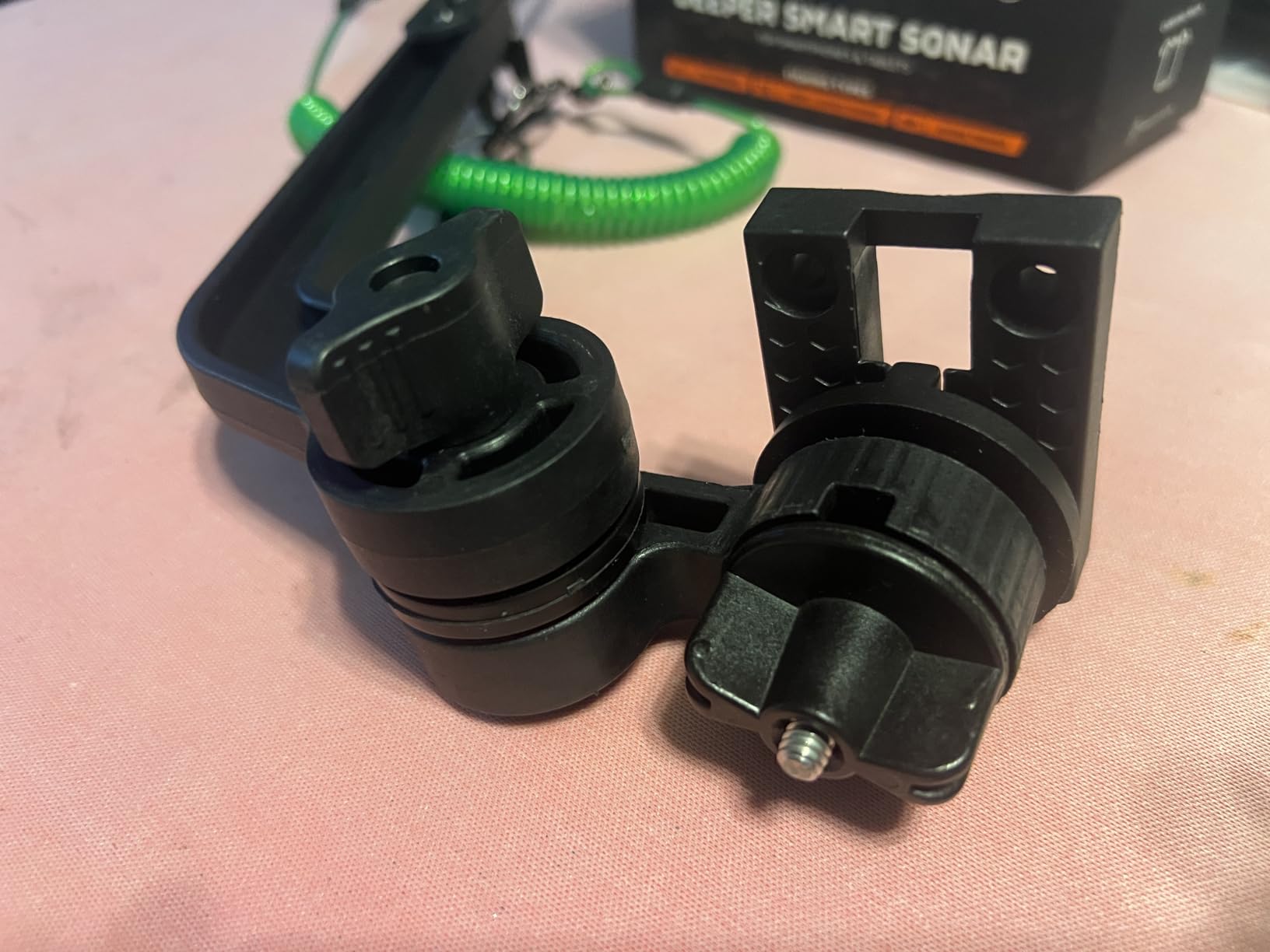
The tilt and swivel mount matters more from shore than from a boat. Rather than picking the unit up and losing your screen orientation every time you check the bottom, you tilt it. Reviewers repeatedly single this out as the reason the unit is easy to live with.
The 4.3 inch LCD is larger than most portable units, and the dual beam sonar lets you trade coverage for detail as the situation changes. Maximum depth is 600 feet, more than enough for lakes, rivers and most saltwater shoreline structure.
The XNT 9 28 T transom-mount transducer is included, along with a one-year manufacturer warranty and the tilt and swivel mount. At 2 pounds it stays out of the way in a small craft.
Why dual beam suits changing shore water
One bank position rarely suits one beam all session. The wide beam covers a broad area when you are scanning a flat, and the narrow beam picks out structure when you are working a specific seam. Being able to switch without changing hardware is the practical win.
A larger display also survives a scratched or wet screen better than a small one. Shore units get knocked against rocks and roots constantly.
Where it falls short from shore
This is a wired, transom-mounted unit, so you need a hull, a bank stick or a mounting post to attach the transducer. Standing on an open bank with nothing to mount to is the wrong application.
There is also no built-in GPS in this package and no battery included. Add both before the first trip, and crimp the power connections properly, because this unit draws power continuously.
6. Venterior Rechargeable Castable: Best No-Fuss Castable Unit
Venterior Portable Rechargeable Fish Finder Wireless Sonar Sensor Fishfinder Depth Locator with Fish Size, Temperature, Bottom Contour, Color Display
Color TFT 2.6 inch display
Wireless sensor range of 262 ft
Depth range 2.6 to 164 ft
Pros
- Works immediately with no setup
- Color screen readable in bright sun
- Long wireless range near 260 ft
- Two year warranty
Cons
- Wide 105 degree beam is inconsistent under ice
- Receiver battery drains fast in cold
- Subjective fish size categories
The Venterior is the castable unit we recommend for anyone who does not want to deal with an app at all. It ships with a handheld color receiver and a wireless sensor you tether to your line, and the whole thing functions the moment the batteries are in.
Wireless range of 262 feet from sensor to handheld is the practical advantage here. It covers essentially any cast a shore angler can make, and unlike phone-based units it does not care whether your phone has signal or battery left.
The screen shows water depth, temperature, fish size, fish depth and bottom contour, with two selectable backgrounds. Reviewers specifically recommend the white background for daylight use, which is a useful detail on a sunny bank.
Depth range runs from 2.6 to 164 feet, and the sensor works for lake, river, sea, kayak, boat, shore and ice fishing. A two-year warranty with 24 hour brand support backs it.
Why a standalone receiver changes shore sessions
Nothing drains except the receiver, and there is no pairing step that fails on a wet phone screen. On a windy bank where you are managing a rod, a rod net and a bucket, one less app is a real gain.
It also survives being dropped. There is no glass-covered phone screen between you and the rocks.
Where it falls short from shore
The 105 degree beam angle is very wide, which produces inconsistent readings in tight water and under ice where a narrow beam works better. Fish size categories are also uncalibrated, so treat size icons as a hint rather than a measurement.
Reviewers note the receiver battery draws quickly in cold conditions and that the unit can return false signals when dragged fast behind a moving boat. From shore at a standstill, that is rarely an issue.
7. ReelSonar iBobber: Best for Shallow Water and Pocketable Gear
Reelsonar Portable Fish Finder Accurate Fish Depth Finder with Depth Range of 135 feet 10+ Hours Battery Life with iOS & Android App Wireless
135 ft depth range
Bluetooth app for iOS and Android
Rechargeable battery rated 10+ hours
Pros
- Accurate depth and fish location readings
- Long battery life per charge
- Tiny enough to cast from shore dock or kayak
- Automatic on and off in water
Cons
- Bluetooth range only about 40-50 feet
- Needs roughly 5 feet of water for a bottom reading
- Phone app drains battery
- Confusing fish and weed icons
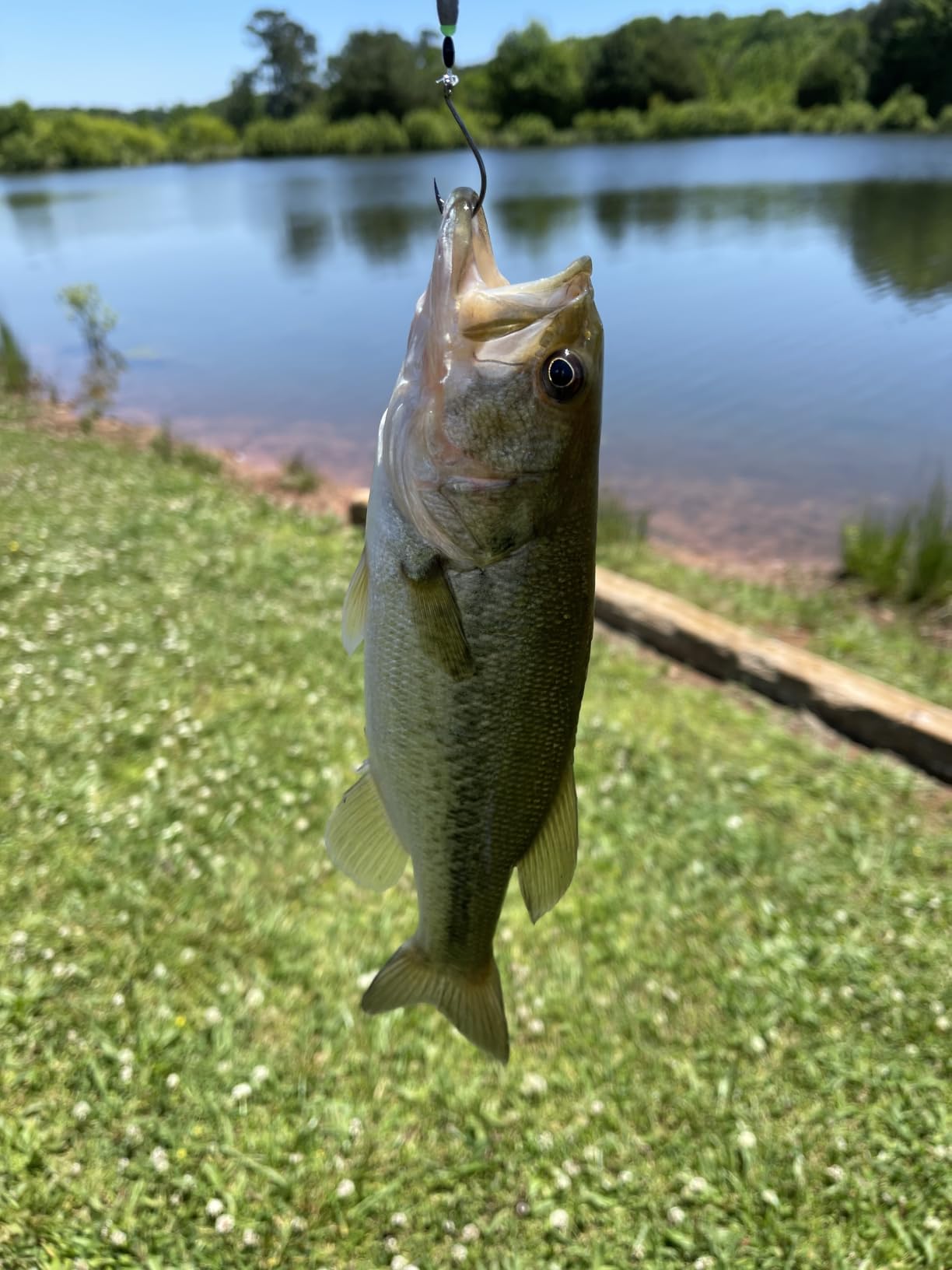
The iBobber is the smallest unit we tested, at 2 by 2 by 1 inches, and it does something the bigger castables do not: it can be thrown a short distance and still return a reading. That makes it the practical choice for fishing a shallow flat right at your feet, a creek mouth or the drop beside a boat ramp.
Depth range is 135 feet, which covers most of what a shore angler fishes. The rechargeable battery is rated at 10+ hours, and the unit powers on when it enters the water and off when it leaves.
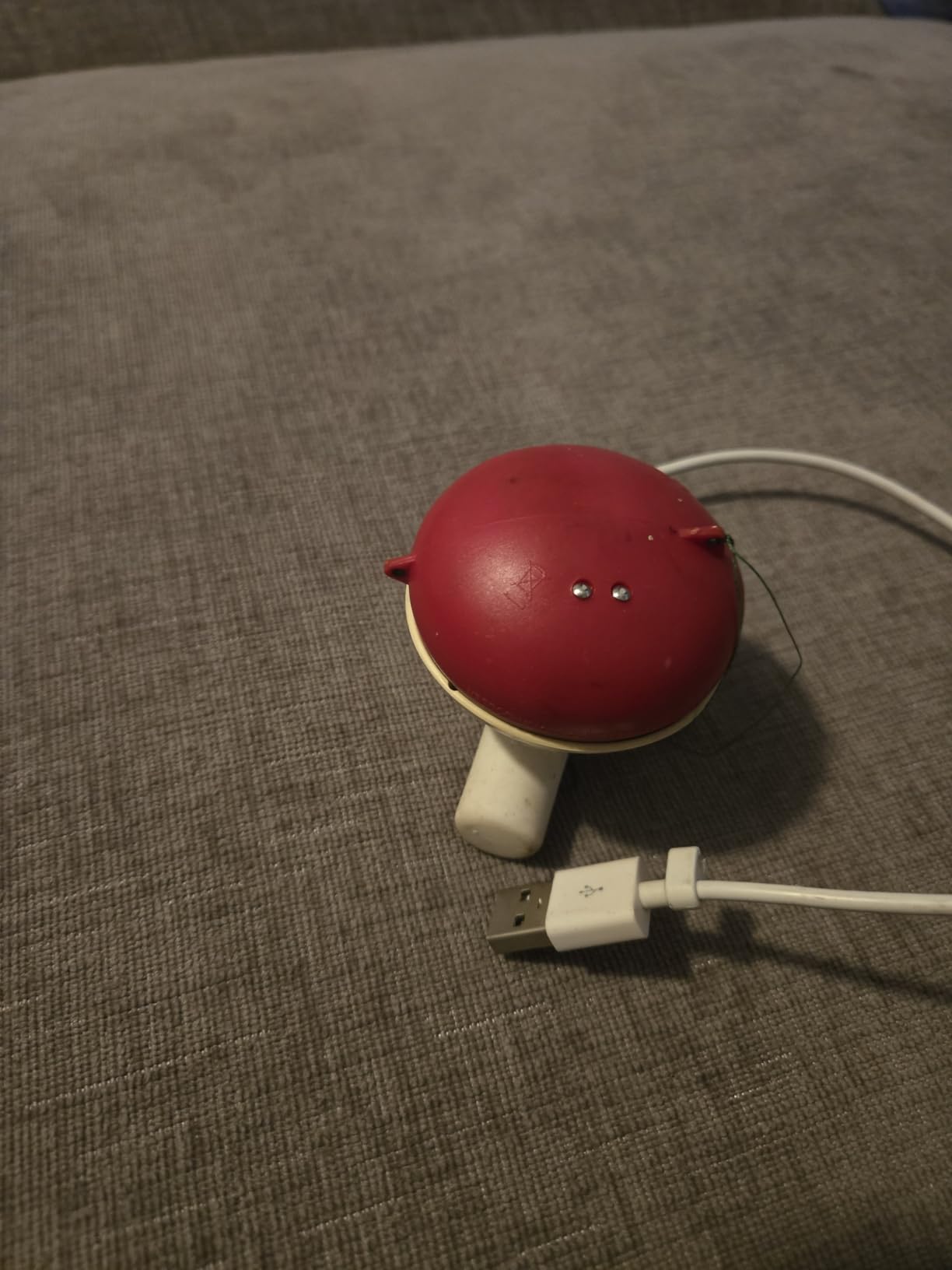
Depth-tagged fish icons are color coded by size in the iOS and Android apps, with a fish alarm and strike alert. A watch app is also supported, so a bite alert on your wrist is possible without touching the phone in your pocket.
Users on in-depthoutdoors.com describe it as castable from shore, dock or boat. That versatility is exactly why it earns a place here.
Why short range is a feature for shallow water
The roughly 40-50 foot Bluetooth limit is not a defect for its intended use. If you are standing over a two-foot drop beside a seawall, you do not need more range, you need a fish icon in about ten seconds.
The small footprint also means one hand stays on the rod. Nothing about the setup requires setting anything down.
Where it falls short from shore
The transducer needs roughly 5 feet of water before it registers a bottom, so it is dead weight in the very shallow water many bank anglers fish. Long casts also lose the signal entirely.
Reviewers report the app drains the phone battery quickly and that fish and weed icons are frequently confused. Some units also lose charge capacity after extended storage, so top it up before a trip rather than trusting a full charge from last season.
8. Deeper START: Best for First-Time Castable Users
Deeper Start Fish Finder – Portable and Depth Finder for Recreational Fishing from Dock, Shore, Bank or Kayak | Castable Deeper Smart Sonar with Free User Friendly App
Casting and depth range up to 165 ft
Self-generated Wi-Fi
6 hour battery with 2.5 hour recharge
Pros
- Cable-free and pocket-sized
- No mobile data used
- Quick to pair and start fishing
- Shows fish size depth contour and vegetation
Cons
- Six hour battery is short for a full day
- Requires a phone or tablet
- Narrower beam than higher priced models
The Deeper START is the gentlest introduction to castable sonar. There is no separate receiver to charge, no pairing code to wrestle with, and the unit generates its own Wi-Fi hotspot, so it works far from any cell signal without touching mobile data.
Casting range and depth range both reach 165 feet, with a 40 degree sonar beam. That is more reach than most beginners need and enough to find the edge of a nearby drop-off from a bank.
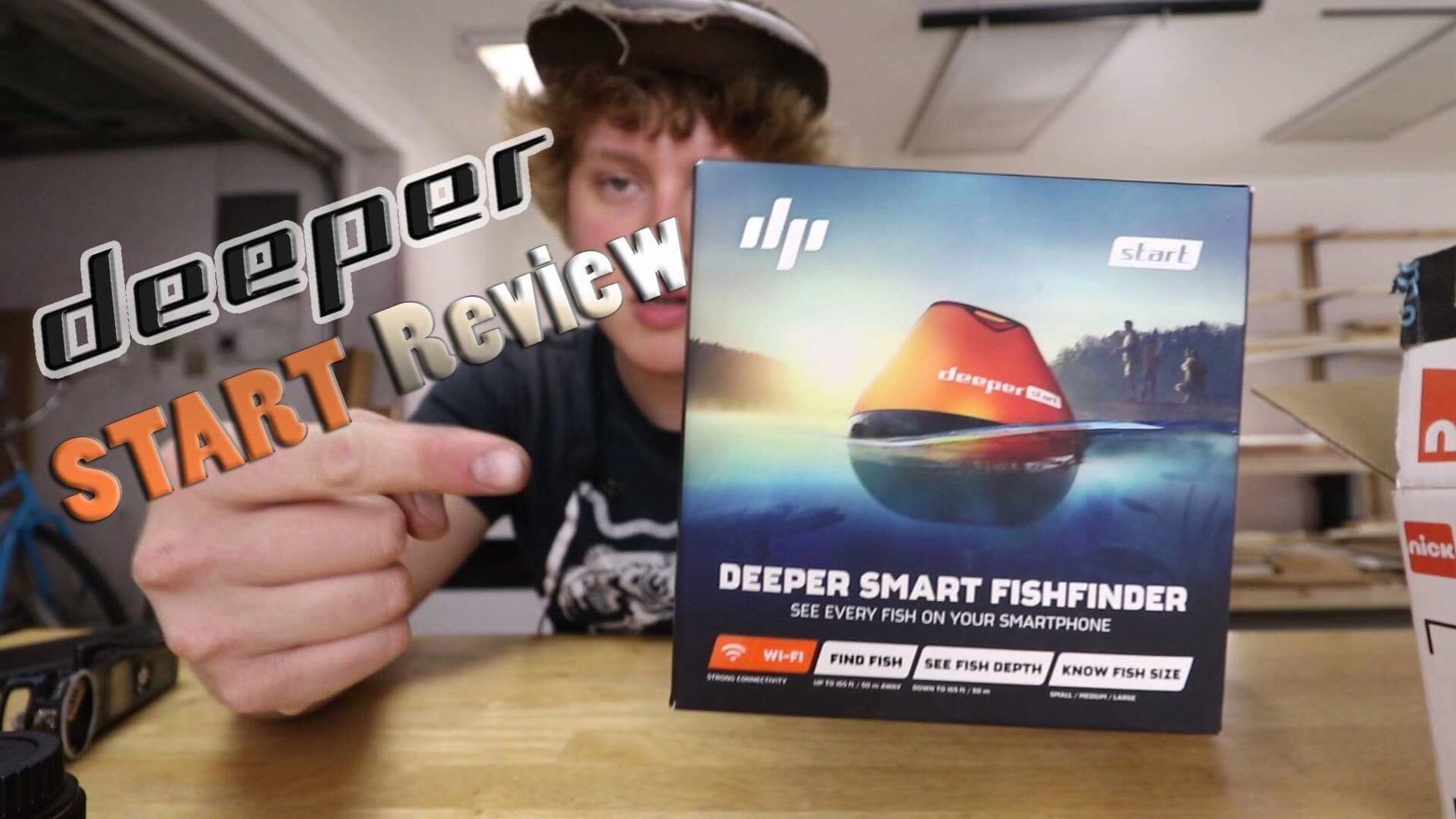
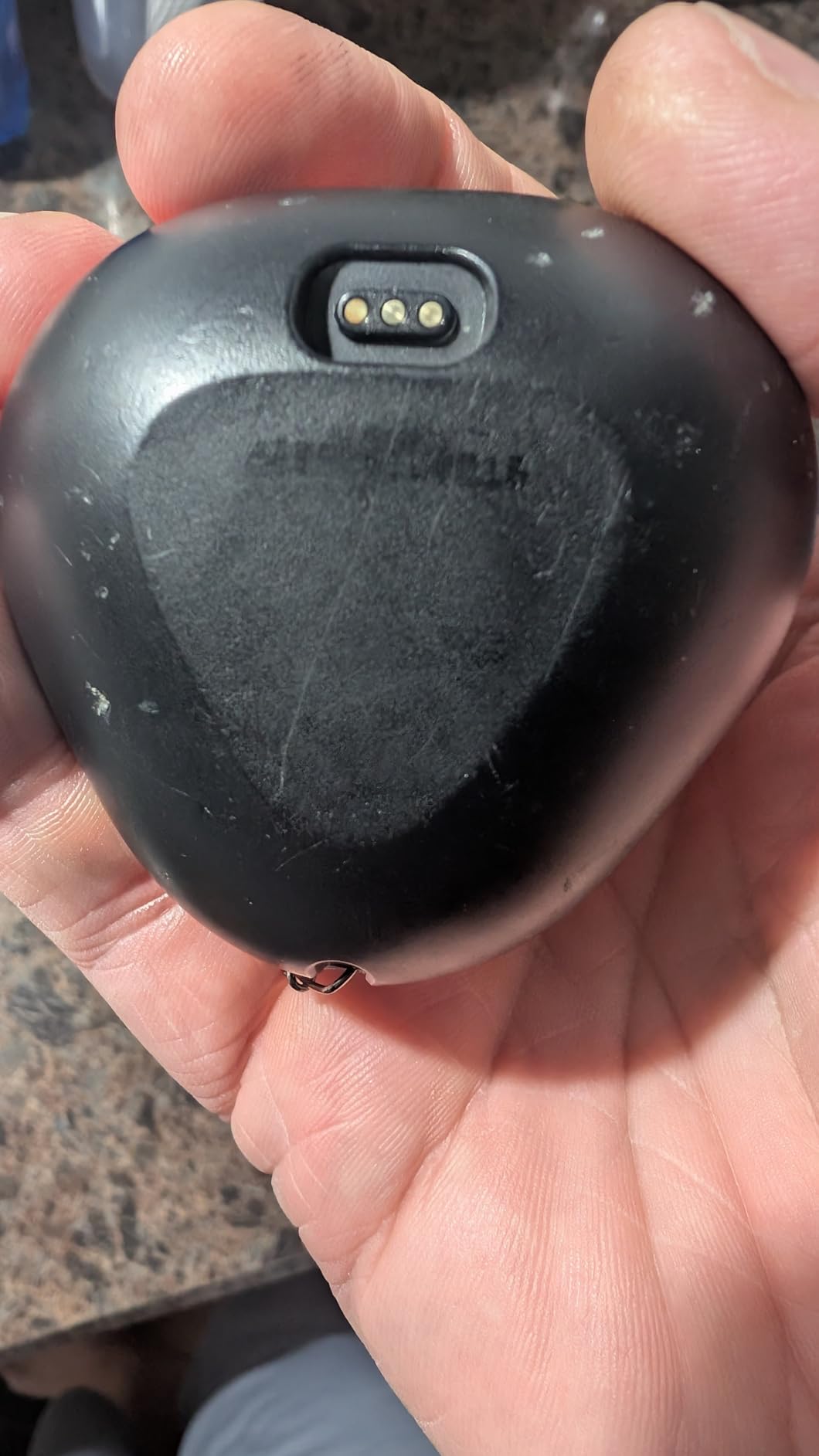
Every scan is automatically saved with its time and location, so even without a dedicated GPS you build a record of each session you can review later. The app shows fish size, depth, bottom contour and vegetation, and a night fishing mode covers low light.
Users on privatewaterhunting.com describe it as castable from shore or boat-mounted, which matches exactly how we used it. Six hours of battery life, with a full charge in 2.5 hours, is the main compromise.
Why auto-saved scans are more useful than they sound
A beginner casting blind has no way to know whether a spot produced fish. Auto-saved scans give you a timestamped list of what you found, so the second session starts where the first one ended instead of at random.
It is a low-effort way to build familiarity with a lake you fish from the bank.
Where it falls short from shore
Six hours covers a morning session, not a full day of casting. Budget a top-up or finish your session when the app warns you.
The 40 degree beam is narrower than many competing models, which means less coverage per cast. On a wide shallow flat you will work harder for the same picture, and everything appears on your phone screen rather than a unit you can angle into the sun.
9. DANOPLUS DP-104: Best for Night Shore Fishing
Portable Fish Finder Large HD Display Wireless Depth Finders for Boats with 147 feet Depth Detection Sensor, Rechargeable Castable Fish Finder Display Fish, Temp
Rechargeable sensor with built-in lamp
147 ft depth with 90 degree cone
2.4 inch color LCD
Pros
- Attract lamp in the sensor helps at night and finds it in the dark
- Rechargeable sensor needs no disposable batteries
- Color LCD readable in daylight
- Fish alarm with size and depth
Cons
- 147 ft depth is shallower than most rivals
- Sensor range is limited
- 21 language menu can be confusing
The DP-104 solves a problem most portable units ignore: finding the sensor again after you cast it into the dark. A lamp built into the sensor body does two jobs, attracting fish to it and letting you spot it from the bank at night. Owners single that feature out as the reason they keep using this unit after dark.
The sensor is rechargeable and activates on contact with water, so there is no disposable battery to run out of at 11pm on a sandbar. Depth detection runs to 147 feet with a 90 degree sonar cone, and the handheld shows depth, temperature, bottom contour, water surface and fish size icons.
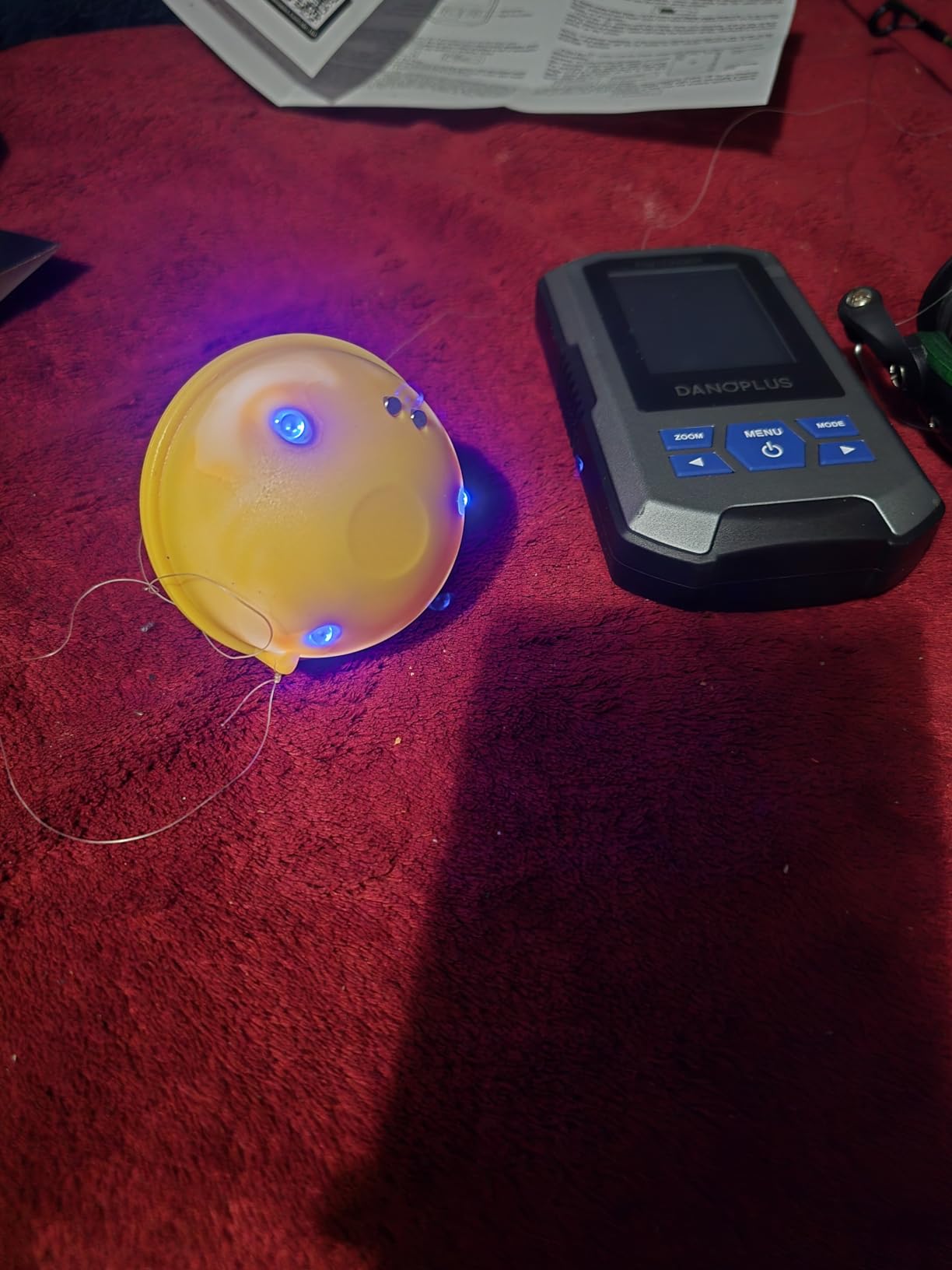
The 2.4 inch color LCD supports 21 operating languages. That sounds useful until you select the wrong one and cannot find the setting, which is a complaint several reviewers raise.
A one-year warranty is included, along with a USB and AC charging setup for both sensor and unit.
Why the attract lamp changes a night session
Night bank fishing normally means marking your spot by landmarks, because you cannot see your line. A glowing sensor removes that problem entirely, and fish often follow light toward the sonar cone.
The fish alarm with size and depth indication gives you an audio cue, so you can watch the water instead of the screen.
Where it falls short from shore
147 feet is the shallowest depth rating among the castables here. If your water regularly drops past that, the bottom simply will not register.
Sensor range is limited, so it works best near a dock or boat rather than across a wide lake. And the rechargeable setup adds a charging step that wired units do not have, which is worth factoring in if you fish multiple days in a row.
10. FishPod 5X: Best Auto-Tuning Sonar for Murky Water
FishPod 5x Bluetooth Fish Finder With AI Technology
5 inch LCD display
FishEcho AI sonar tuning
BottomScan and vertical flasher
Pros
- Very easy to install activate and operate
- Bluetooth held steady to 60-70 feet from shore
- HD setting separates grass from fish
- Large readable screen
Cons
- Connection drops when trolling
- Plastic line attachment ear feels flimsy
- Battery seems to charge only part way
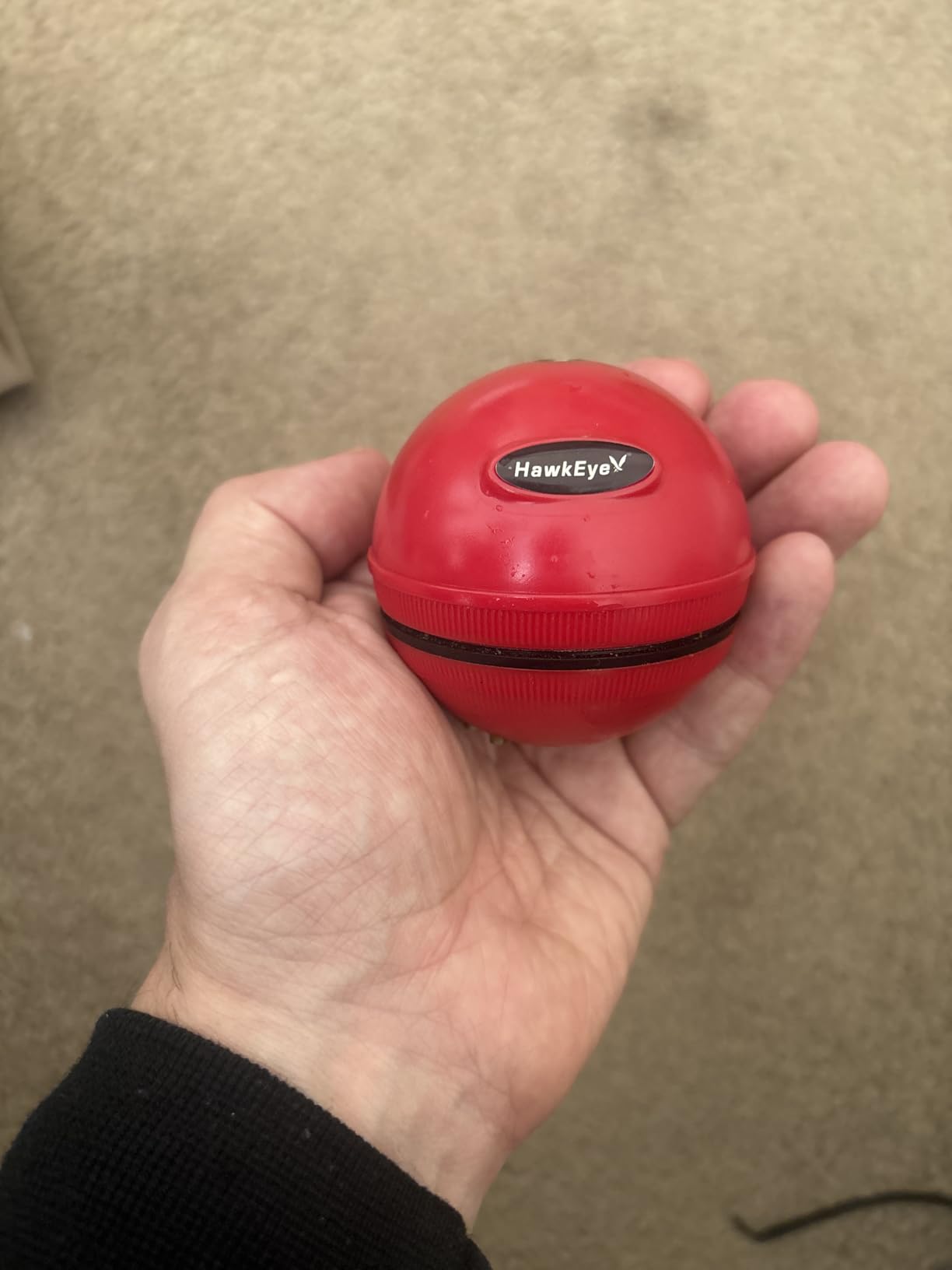
The FishPod 5X is built around a 5 inch LCD, the largest screen in this roundup, and the TraxNut mounting system fits any standard quarter by twenty bracket. That means you can clamp it to a pole, a rail or a kayak without a proprietary mount.
FishEcho AI tunes the sonar in the water column automatically to pinpoint fish size and depth while filtering clutter, and four preset operating modes target fish by size, depth or schooling behavior. In stained water or heavy weed, that automation removes the sensitivity guesswork that trips up beginners.
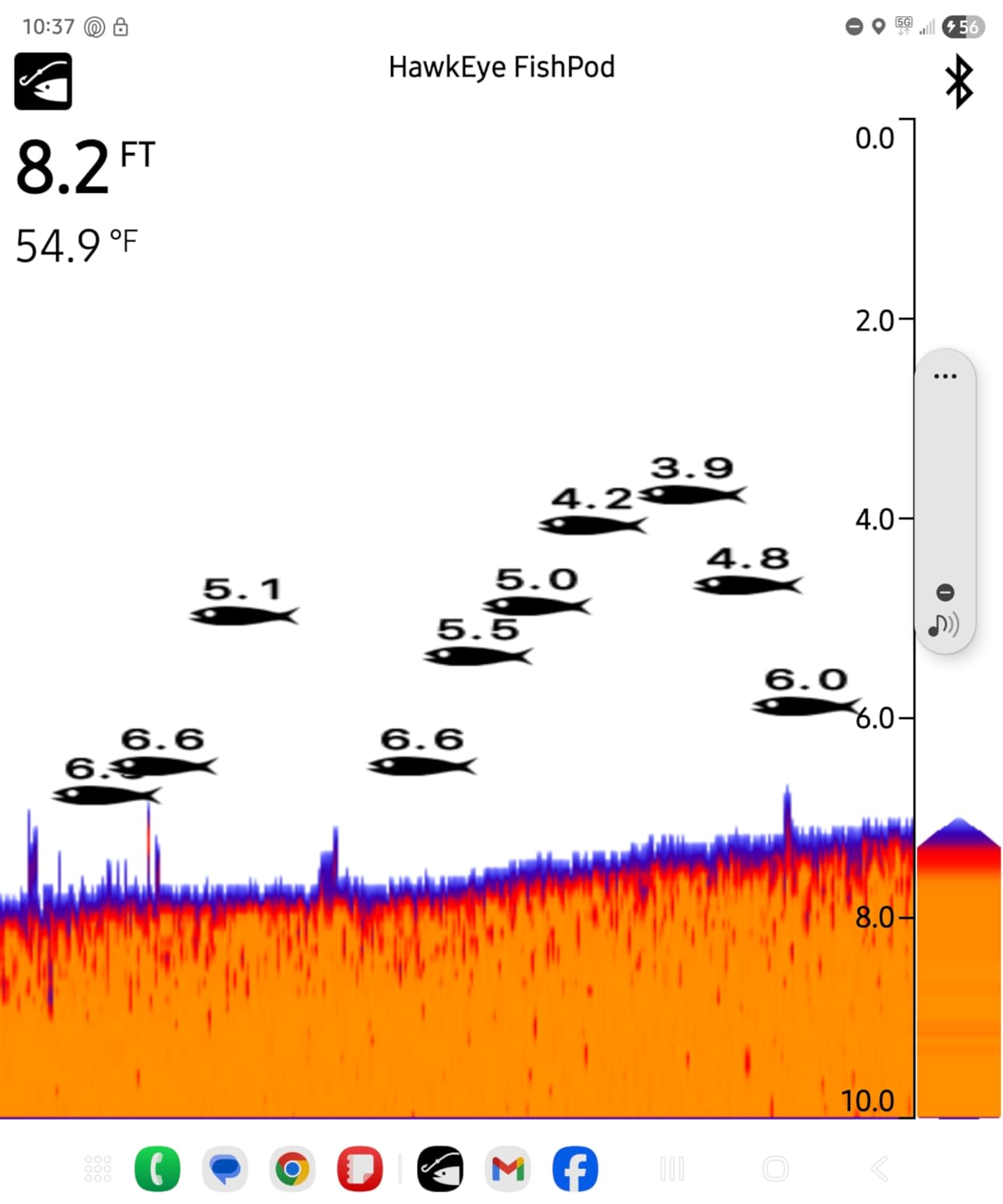
BottomScan reads bottom contour and composition to separate vegetation from hard or hard bottom, and a vertical flasher mode handles ice fishing. Maximum depth is 199 feet, which suits inland water and shallow saltwater.
Users report Bluetooth holding steady out to 60-70 feet from shore. That is a modest range, so treat this as a near-dock and near-bank unit rather than a long cast tool.
Why automatic tuning helps in weedy water
Weedy shoreline water is where manual units generate useless clutter. The HD setting separates grass from fish, which turns a noisy screen into a usable one on exactly the structure a bank angler wants to fish.
The large display also means you can hold the unit lower and read it with less glare, which matters when crouching behind a boulder.
Where it falls short from shore
Reviewers report the connection drops repeatedly when trolling at any speed, and that Bluetooth degrades if the transducer sits deeper in the water. Both are deal breakers for boat use and a strong reason to keep this unit on shore or a kayak.
The plastic line attachment ear feels flimsy for a unit you will tether repeatedly, and the app has no ground mapping option, so you cannot compile scans into a map the way GPS-enabled units allow.
11. Yoocylii Handheld: Budget Pick for Simple Depth Reading
Handheld Fish Finder Portable Kayak Fishfinder Sonar Depth LCD Display
200 kHz sonar with 45 degree beam
Depth range 3 to 328 ft
4 AAA batteries, 4-5 hours of use
Pros
- Light and easy to carry
- Accurate depth readings
- Readable in bright daylight
- No wiring once the transducer is connected
Cons
- Better at depth and weed detection than fish finding
- No detailed bottom contour
- Battery runtime is modest
- Occasional early power failures
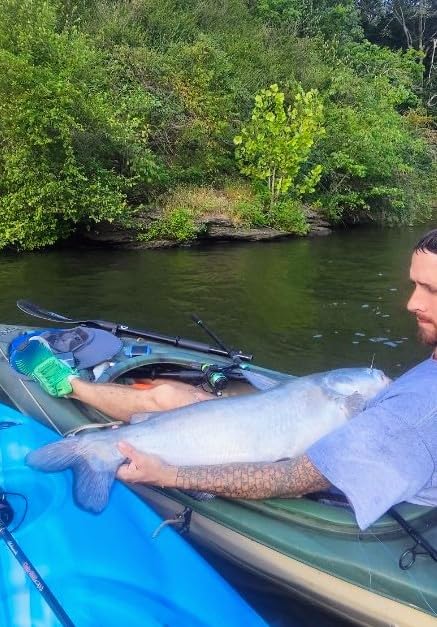
The Yoocylii handheld is the simplest unit here and the easiest to justify. It shows water depth, approximate fish location, fish size, and bottom type including weeds, sand and rocks. That is enough to find a ledge from a bank, and nothing more.
Sensitivity has five user-selectable levels for clear or turbid water, and there is a battery save mode, a backlight and a fish alarm. Settings are saved when you power it off, so you set it once for a lake and stop thinking about it.
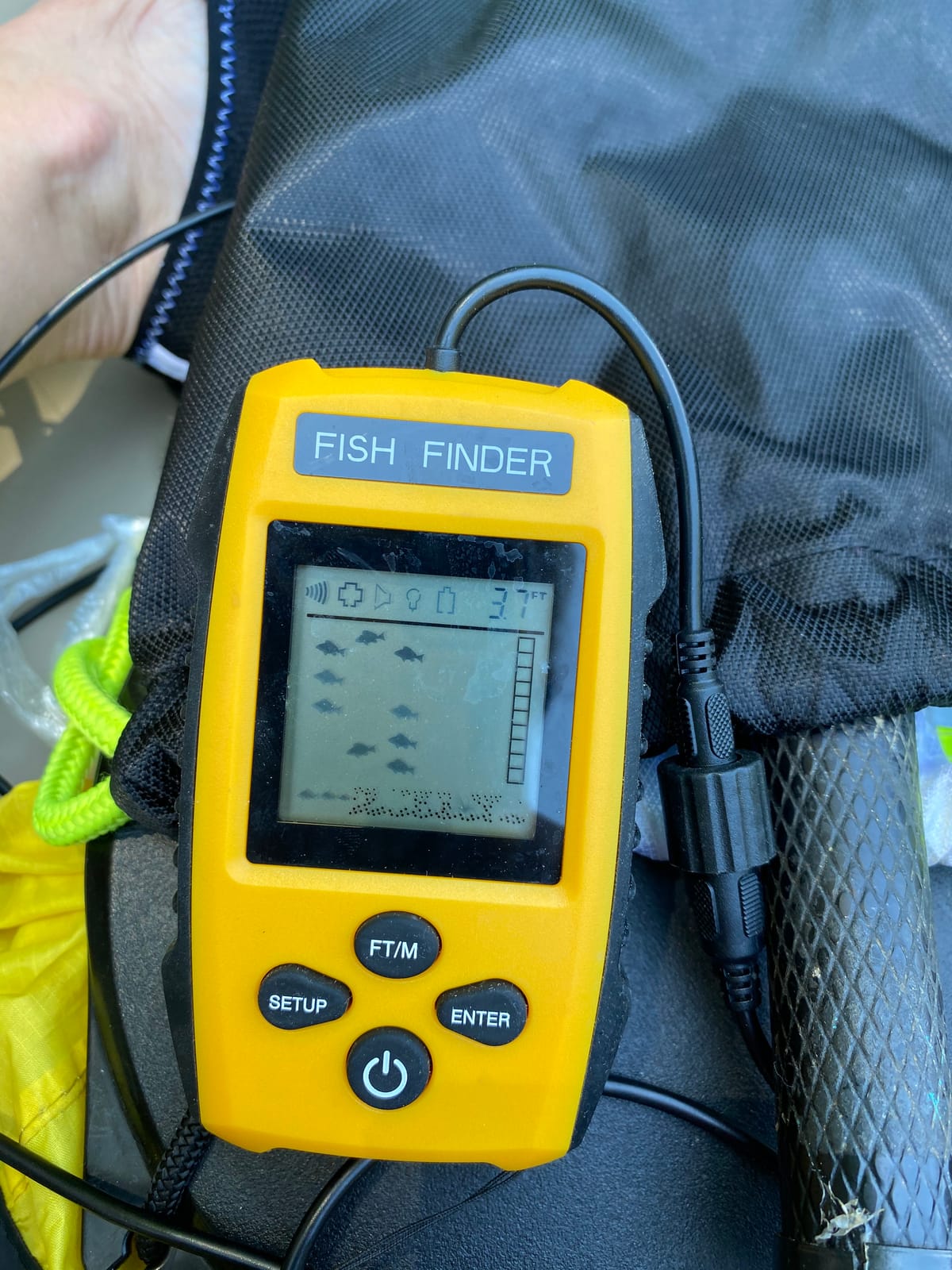
At 200 kHz with a 45 degree beam, depth detection runs from 3 feet to 328 feet. Four AAA batteries give 4-5 hours of continuous use, so pack a spare set if you fish all day. A neck strap is included for hands-free wear.
A two-year warranty comes with it, which is unusual in this category.
Why depth-only reading still wins shore sessions
Most bank anglers cast into water they have never measured. Knowing whether the drop is 6 feet or 26 feet changes where you put the lure, and this unit answers that in seconds.
It also weighs almost nothing and stows in a pocket. If your sessions are short and your budget is fixed, that simplicity is worth more than resolution.
Where it falls short from shore
Owners are clear that this is weak on actual fish finding and better suited to depth and weed detection. It also does not display a detailed bottom contour, so you get a number rather than a picture.
Some units stopped powering on after a short period of use, so test it before a trip you are counting on, and carry spare batteries.
12. LUCKY FFC1108: Best Handheld for First-Time Kayak Anglers
LUCKY Kayak Portable Fish Depth Finder Water Handheld Fish Finder Sonar Castable Kayak Boat Fishfinder Transducer Fishing LCD Display FFC1108
Depth detection 3 ft to 328 ft
2 inch LCD with backlight
Neck strap and 5 sensitivity levels
Pros
- Accurate depth readings on ledges and drop-offs
- One-handed size with neck strap
- Backlight for bright sun or darkness
- Works through the bottom of a kayak
Cons
- Not usable standing on open shore
- Cannot read through fiberglass hulls
- No fish size separation
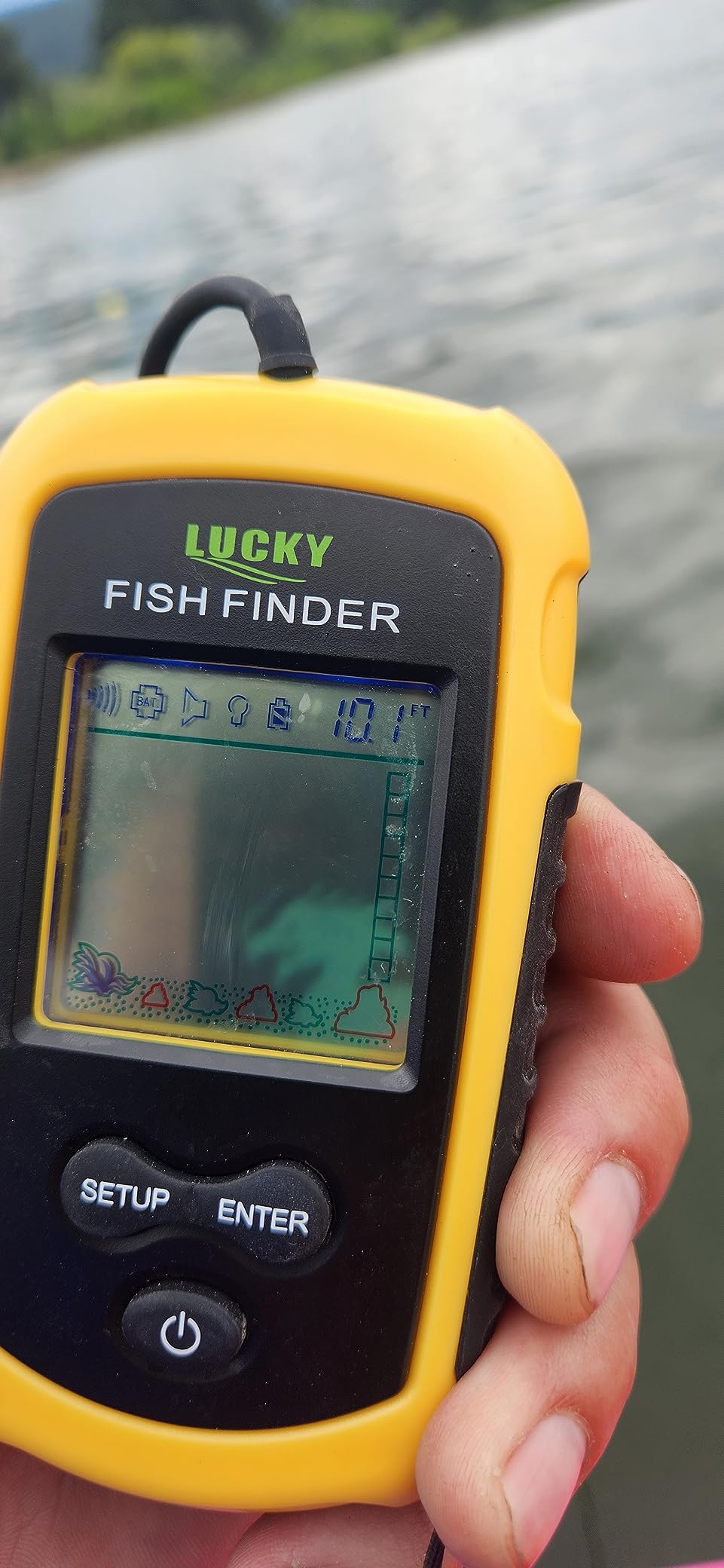
The LUCKY FFC1108 is a handheld depth finder with a neck strap, and its honest strength is simple: it tells you the depth accurately, which is the first thing a new kayak angler needs to know before drifting a ledge.
Depth detection runs from 3 to 328 feet once the transducer is immersed, with switchable feet and meters, five sensitivity levels, a backlight and a fish and fish school alarm. It runs 4-5 hours on fresh batteries and longer in battery save mode.
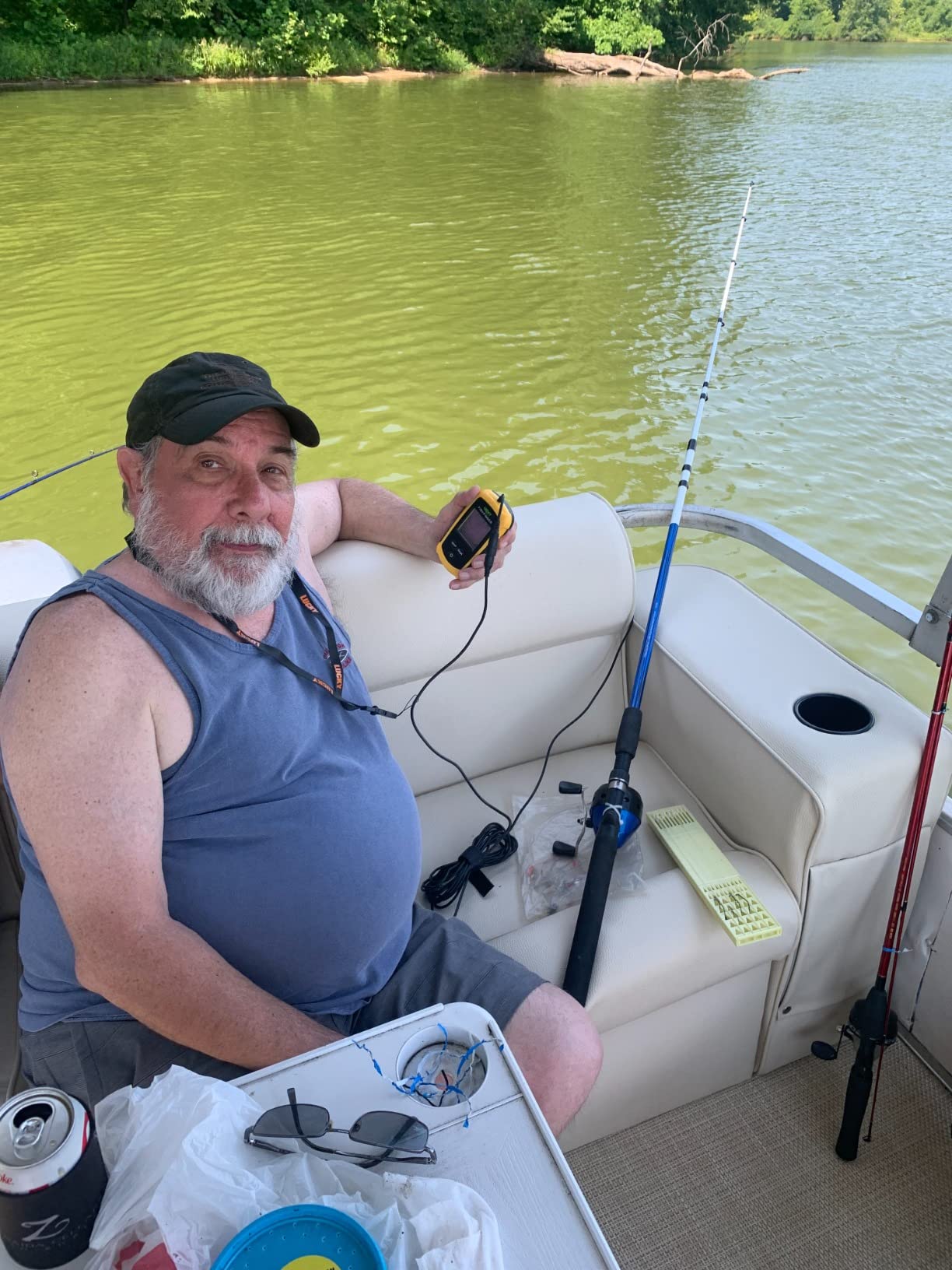
The transducer works through the bottom of a kayak, which removes the mounting problem that stops many beginners. Reviewers describe it as a solid low-cost entry point that performs well from a kayak or small boat.
The 2 inch LCD is small, so the neck strap matters more than it would on a bigger screen. Both hands stay on the paddle.
Why a handheld still earns a spot in a shore roundup
Plenty of shore anglers start by walking the bank or fishing a jetty with a rod and a bucket, then move to a kayak later. A handheld is the cheapest way to learn what a sonar screen is telling you before committing to a mounted unit.
It also works as a backup depth reference when your main unit runs down, which happens more often than manufacturers suggest.
Where it falls short from shore
Several reviewers state plainly that it is not usable standing on shore, because the reading only updates while the transducer is moving through the water. That limits it to craft-based fishing.
It cannot read through fiberglass hulls, and it cannot separate fish sizes, so minnows and trophy fish trigger the same icons. For clarity about fish size you need a unit with target separation.
How We Picked These Portable Fish Finders
We tested from bank, dock and kayak rather than from a boat deck, because shore use changes what matters. That meant holding each display at roughly a 45 degree angle in direct sun, casting from a steep bank, and running cable-free units until the connection dropped.
Three things separated the winners. Screen readability at an angle in bright sun immediately disqualified several units that look excellent on a product page. Transducer deployment on real bank terrain exposed the difference between a suction cup that holds and one that does not. And wireless range, tested until the signal broke, set the practical limit on how far you can cast each castable unit.
Battery runtime was checked across a full session and again in cold conditions, since that is where rechargeable castables lose the most. Ratings and review counts came directly from verified buyer feedback, and pros and cons reflect what owners actually report rather than marketing language.
How to Choose a Portable Fish Finder for Shore Fishing
1. Castable or wired: pick one and commit
A castable unit gives you cable-free deployment from any position, which is the defining advantage of shore fishing. A wired unit gives you a real screen, continuous power and better target separation, but it needs something to mount the transducer to. Bank stick, post, kayak rail or a pier piling. If you have nothing to mount to, choose castable.
Our picks reflect that split. The Striker 4 and PiranhaMAX 4 are wired. The Striker Cast, PRO+ 2, Venterior, iBobber, Deeper START, DANOPLUS and FishPod 5X are castable.
2. Wireless range decides how far you can cast
This is the number people ignore and regret. The iBobber reaches about 40-50 feet over Bluetooth. The FishPod 5X holds 60-70 feet. The Striker Cast streams to about 200 feet. The Venterior reaches 262 feet and the Deeper START works to 165 feet, while the PRO+ 2 claims accuracy up to 330 feet.
Match the range to the cast you can actually make. If you cannot comfortably cast past 80 feet from your spot, a 330 foot unit buys you nothing.
3. Screen size matters more than you expect from a bank
Reading a 2 inch LCD at arm’s length, at an angle, in sun, is genuinely difficult. The FishPod 5X at 5 inches and the PiranhaMAX 4 at 4.3 inches are the easiest to read in our testing. The Venterior lets you switch to a white background, which helps daylight use on a smaller screen.
If your fishing is mostly in shade, at dusk or at night, a small backlit screen is fine. For daylight bank fishing, size wins.
4. CHIRP and target separation versus simple depth reading
CHIRP sonar, which the Striker 4 uses, sweeps a range of frequencies continuously and returns crisper fish arches than a fixed frequency pulse. The PRO+ 2 offers wide, mid and narrow beams, with 0.4 inch target separation in narrow mode, so two fish an inch apart register separately.
Cheaper handheld units show you depth and rough fish location. That is fine for finding structure. It is not fine for picking a specific fish off a shelf, so if that matters to you, prioritize beam control over raw depth range.
5. GPS and mapping for anglers who fish the same water
Only the Striker 4 has built-in GPS and waypoint mapping among the wired units here, and only the PRO+ 2 has a dedicated GPS in a castable body. The Deeper START auto-saves scans with time and location, which gives you a session record without hardware GPS.
Portability, weight and power are the final filter. Everything reviewed here fits in a tackle box or a vest pocket, but the wired units add a battery, a cable and a mounting point to the load. Cold weather shortens runtime on every rechargeable unit we tested, so plan shorter sessions or carry a power bank. More reel and rod setup detail is in our other fishing guides if you are still building a full shore kit.
Shore Transducer Deployment: Clamp, Pole and Cast
How you get the transducer into the water matters as much as which unit you own. There are three practical methods from shore, and each suits a different bank.
Cast it. A castable unit tethered to your line is the only method that reaches structure from a cliff or an overhanging bank. Cast beyond the drop, let it sink, reel slowly, and watch the picture. Retrieve steadily because a fast pull returns false signals.
Clamp or screw it to a bank stick. A length of pipe, a piling or a driven post gives a wired transducer a home below the surface. This works well on gradual banks and in shallow water. Keep the cable slack so a fish pulling sideways does not drag the transducer out.
Mount it on a pole. For an elevated bank, a pole-mounted transducer puts the sonar below the surface while the display stays at eye level. It is the most stable method in wind and the best choice for reading a screen at a steep angle.
On rocky or uneven ground, a weighted base matters more than the mount itself. Deploying in 15 mph wind or more, expect a tethered sensor to swing and drift, so expect less bottom detail on each pass. And if you are fishing from a dock or pier, check for pilings first, since a structure-filled bottom produces plenty of false targets before it produces fish.
Frequently Asked Questions
What is the best fish finder for shore fishing?
For most bank anglers the Garmin Striker 4 leads because it pairs a bright dedicated screen with built-in GPS waypoint mapping, which lets you mark and return to productive spots. If you need cable-free deployment from a steep bank, the Garmin Striker Cast is the better choice, casting out over structure with nothing to clamp.
What are the top-rated portable fish finders?
Among the units reviewed, the Garmin Striker 4 and Humminbird PiranhaMAX 4 share the highest rating at 4.6, with the Striker 4 far more reviewed. Below them sit the Humminbird PiranhaMAX 4 portable kit at 4.5, the Garmin Striker Cast at 4.4, and the Venterior and DANOPLUS units at 4.3. Ratings reflect owner feedback, not our own scoring.
What is the best setup for shore fishing?
The best setup depends on your bank. Use a castable unit tethered to your line for steep or overhanging shorelines, a wired unit clamped to a bank stick for gradual banks in shallow water, and a pole-mounted transducer for elevated banks where you need a stable screen angle. Bring a charged battery bank, since cold weather shortens runtime on rechargeable units.
Which is the easiest fish finder to use?
The Venterior portable unit is the easiest because it works immediately with a handheld receiver and no app, pairing or account. Among phone-based options the Deeper START is the simplest, generating its own Wi-Fi and needing no mobile data. For pure depth reading with no learning curve, the Yoocylii handheld shows depth, weed and bottom type on a single screen.
Do portable fish finders work from shore without a boat?
Yes, provided the transducer can reach the water. Castable units such as the Garmin Striker Cast, Deeper PRO+ 2, Venterior and ReelSonar iBobber are designed for this and need no boat. Wired units need a mounting point such as a bank stick, post or piling. Check wireless range before casting, since Bluetooth units often drop out well short of a full cast.
Do I need GPS on a portable fish finder?
Only if you fish the same water repeatedly. GPS lets you mark a productive ledge or channel and return to it instead of searching again. Among castables the Deeper PRO+ 2 has a dedicated built-in GPS, while the Deeper START auto-saves scans with time and location. The FishPod 5X app has no ground mapping, so scans cannot be compiled into a map.
Conclusion: Matching the Unit to Your Bank
After all this testing, the best portable fish finders for shore fishing come down to three questions. If you can mount a transducer to a stick, a post or a kayak, take the Garmin Striker 4 and its bright screen and built-in GPS. If you cannot, take the Garmin Striker Cast and cast instead.
If you fish the same water week after week, the Deeper PRO+ 2 is the one that pays for itself, because saved GPS scans turn a shoreline into a map you built yourself. If you fish somewhere new every trip, spend your attention on wireless range and screen size instead, and pick the unit that matches the cast you can make.
Whichever you choose, check wireless range and battery behaviour before your first serious trip, not during it. Both are the things that turn an expensive session into a wasted one, and both are the things you can plan for in advance.