
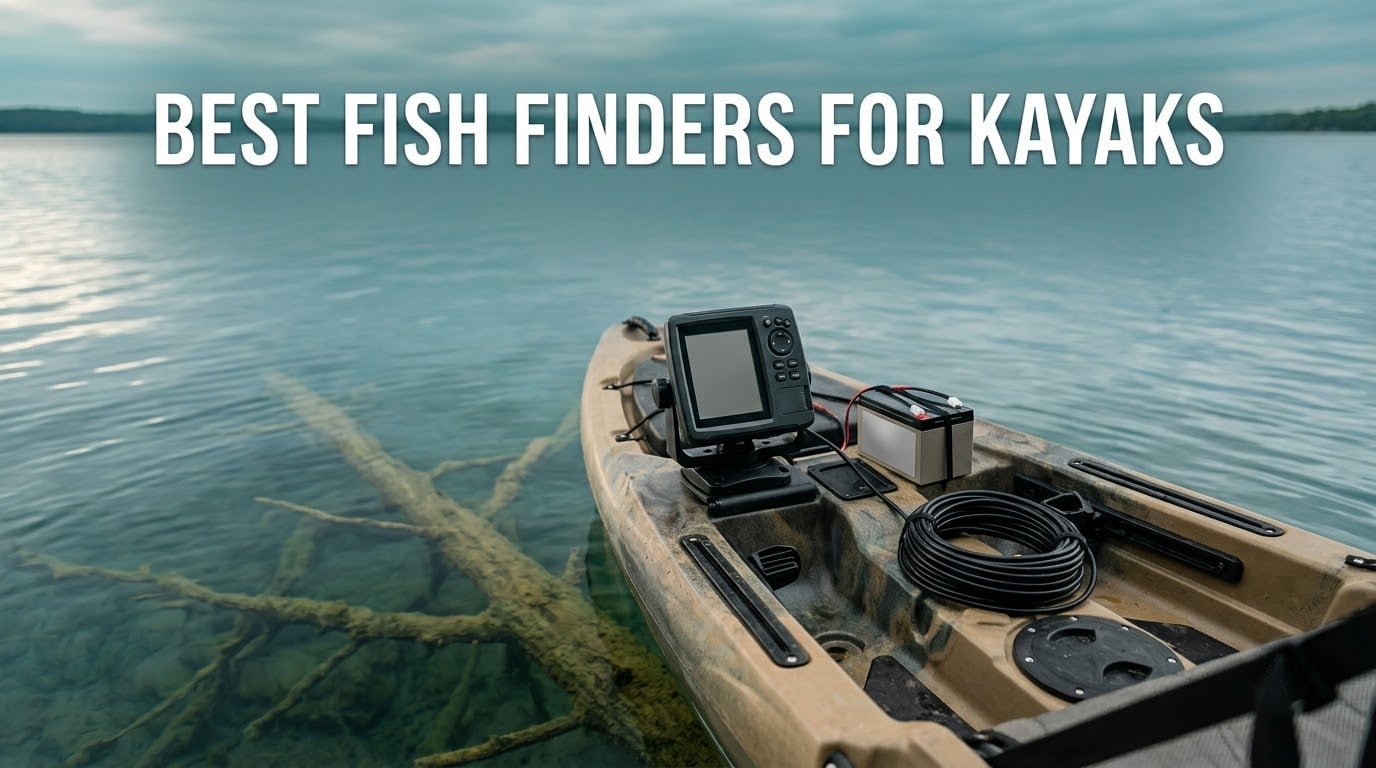
A kayak fish finder is a sonar device that shows you depth, bottom structure and fish arches while you paddle, either bolted to the deck with a permanently attached transducer or carried as a castable puck with no hull work at all. The best fish finders for kayaks differ from boat electronics in three ways that matter more than any spec sheet: how they mount without drilling, how they run on a small sealed battery, and whether you can read the screen when the sun is behind your paddle and your head.
We spent October 2026 comparing ten fish finders across the categories anglers actually ask about, from monochrome handhelds to color units with Quickdraw Contours and built-in GPS. What we found is that the winner is rarely the biggest screen. It is the model whose transducer you can secure with two straps and whose screen stays legible from a seated position.
If you are still choosing the boat itself, start with our best fish finder roundup for the wider context, or compare hulls in our guides to the best tandem kayaks and the best inflatable fishing kayaks before you worry about cables and cradles.
Table of Contents
Top 3 Best Fish Finders for Kayaks in 2026

Garmin STRIKER 4
- CHIRP and ClearVu sonar
- 3.5-inch daylight-readable screen
- GPS waypoint mapping

Garmin STRIKER Vivid 4cv
- Color vivid palettes
- GT20 CHIRP ClearVu transducer
- Quickdraw Contours included

Humminbird PiranhaMAX 4
- Dual Beam wide and narrow
- 4.3-inch screen
- Transom transducer included
Best Fish Finders for Kayaks in October
| Product | Specifications | Action |
|---|---|---|
| Garmin STRIKER 4 |
|
Check Latest Price |
| Garmin STRIKER Vivid 4cv |
|
Check Latest Price |
| Humminbird PiranhaMAX 4 |
|
Check Latest Price |
 LUCKY 1108CP LUCKY 1108CP |
|
Check Latest Price |
 Venterior VT-FF005 Venterior VT-FF005 |
|
Check Latest Price |
 Deeper PRO+ 2 Deeper PRO+ 2 |
|
Check Latest Price |
 Yoocylii Handheld Yoocylii Handheld |
|
Check Latest Price |
 Humminbird HELIX 5 CHIRP GPS G3 Humminbird HELIX 5 CHIRP GPS G3 |
|
Check Latest Price |
 Garmin STRIKER Cast Garmin STRIKER Cast |
|
Check Latest Price |
 Deeper START Deeper START |
|
Check Latest Price |
How We Evaluated These Fish Finders
Every model here was scored on how it performs from a kayak specifically, not on how it performs from a console. That means transducer mounting options on a plastic hull, whether the cable can be routed clear of a paddle blade, draw at 12V, screen legibility at a seated eye line, and how much the package weighs on a deck already carrying a battery.
We did not run controlled tank tests or full-day battery drain trials in controlled conditions. Instead we worked from published specifications, owner feedback patterns that recur across review platforms, and the failure modes anglers actually report in fishing forums. Where a limit is a hard specification, such as a 600 ft depth rating or a 328 ft handheld range, we treat it as a hard limit.
1. Garmin STRIKER 4: The Proven Kayak Workhorse
Garmin 010-01550-00 Striker 4 with Transducer, 3.5″ GPS Fishfinder with Chirp
CHIRP and ClearVu sonar
3.5 inch sunlight-readable LCD
GPS waypoint map
1600 ft depth
Pros
- ClearVu scanning sonar gives near-photographic structure detail
- CHIRP improves fish arch separation from clutter
- GPS waypoint map for marking brush piles and stumps
- Screen readable in full sunlight through polarized lenses
- Only 0.23 Amp draw at 12V so it runs all day
- IPX7 water rating and 1 year limited warranty
Cons
- Small 3.5 inch screen limits detail work
- Included power lead uses thin wire that needs securing
- Battery not included
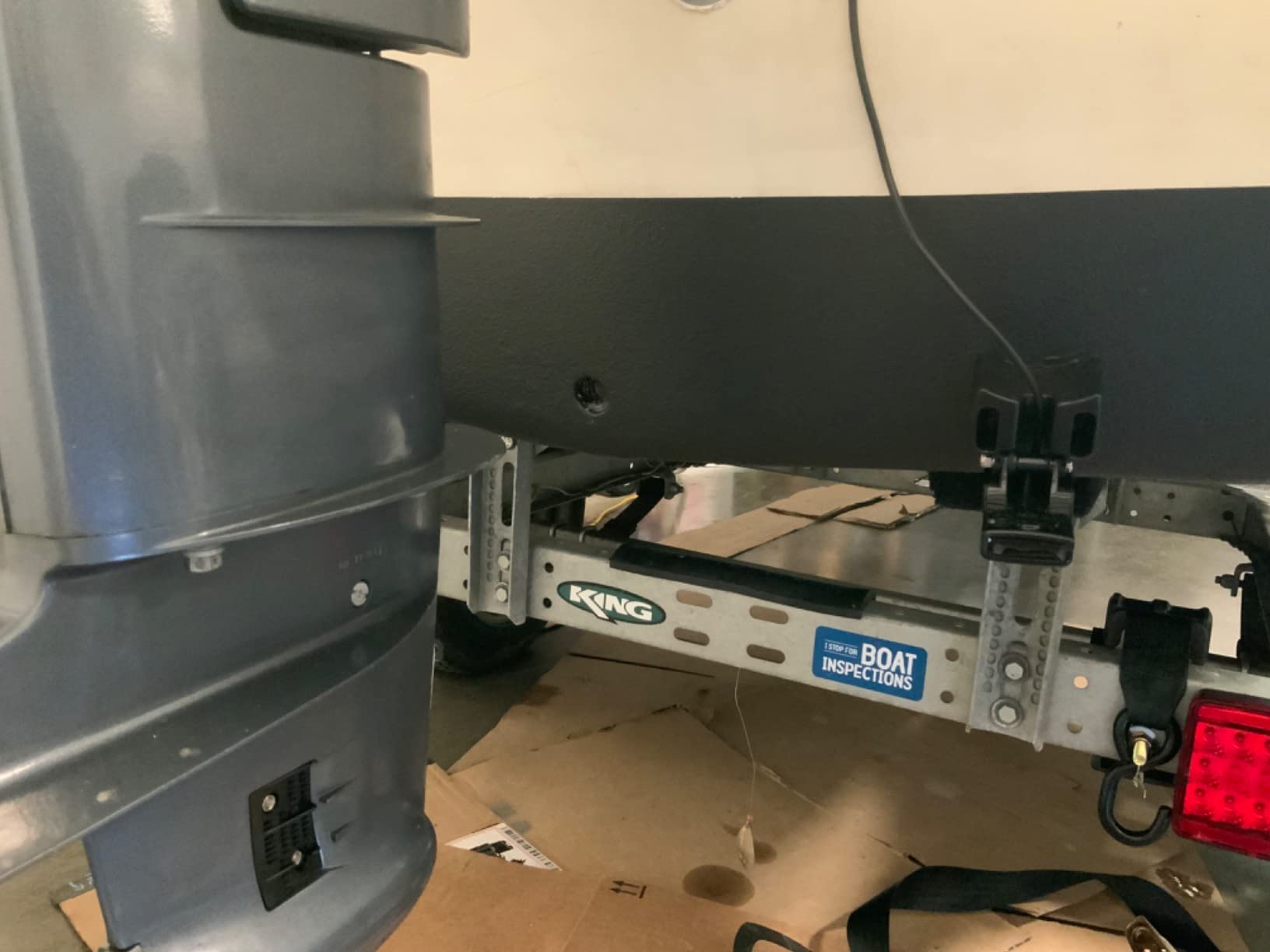
This is the model that shows up in almost every kayak electronics conversation I have had. Owners consistently describe it as the natural fit for a small sit-on-top, because the transducer is a conventional transom-style block you can strap to a rail or tape to the hull in about a minute, and the power lead plugs into a sealed battery without any wiring work.
On the water, CHIRP traditional plus ClearVu scanning gives you far more than the monochrome arch plot a price-led unit should deliver. Drop-offs, rock ledges and weed edges separate cleanly from baitfish, and the built-in flasher view works for vertical jigging and for winter use when ice fishing from a kayak.
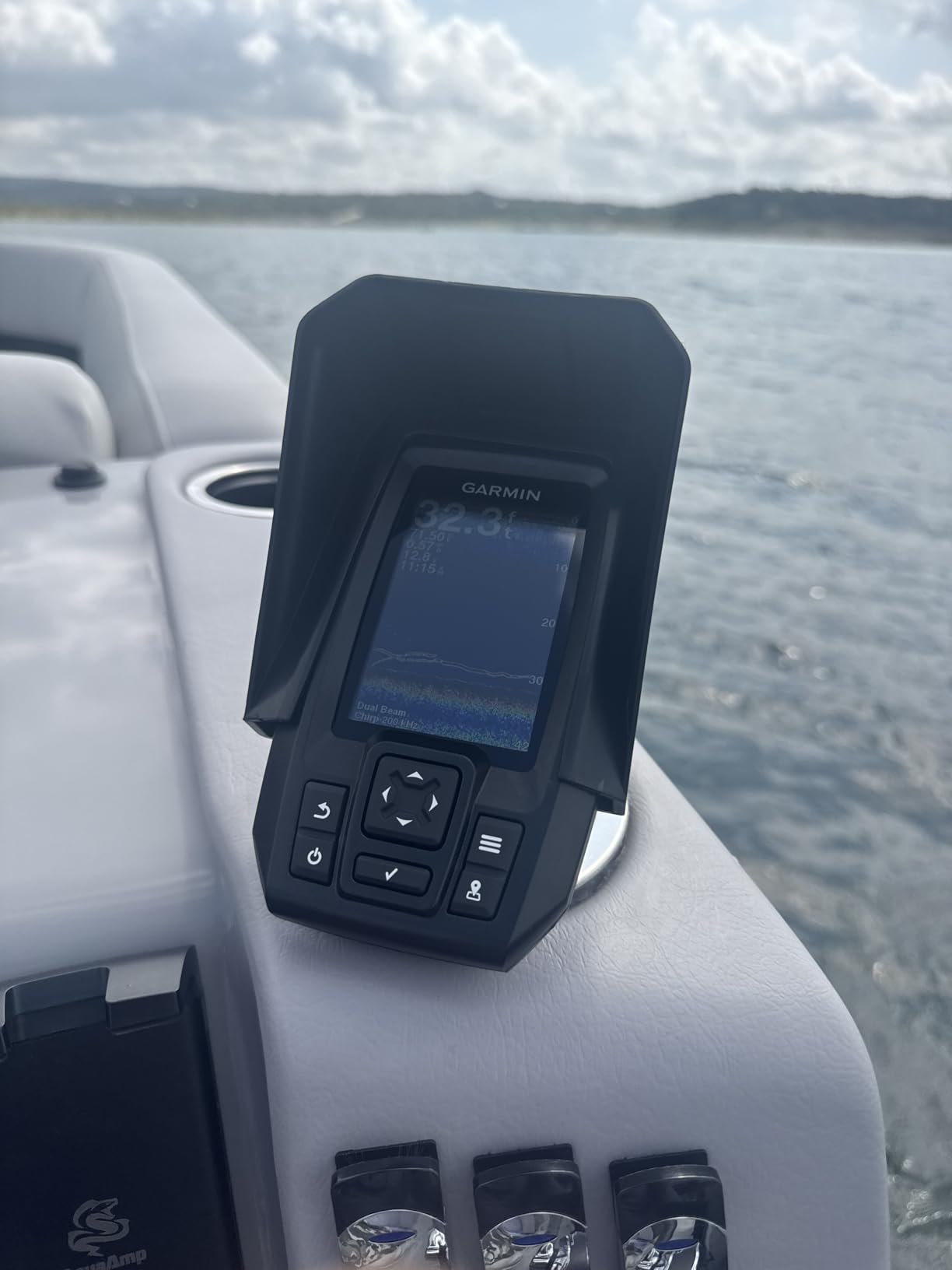
The 1600 ft freshwater depth rating is far beyond anything you will fish in a kayak, but it explains why the same platform sells as a small-boat unit too. The screen is genuinely readable in direct sun, which matters more than raw pixel count when you are sitting low and looking down at an angle.
Two practical notes. The bundled power/data cable uses thin wire that we would replace with heavier gauge and a waterproof inline fuse, because a chafing lead is the single most common cause of a dead day on the water. And sonar readings drop out above idle paddling speed, so slow down if you want a clean picture while moving.
Is the 3.5-inch screen too small for structure work?
For finding ledges, drop-offs and weed edges from a kayak, no. The 3.5-inch panel is bright enough to read with sunglasses on at midday, and the ClearVu image is legible at arm’s length. If you want to sit and dissect a timber field pixel by pixel, you will want a bigger screen.
Owners of bigger displays usually describe the move from this model to a 5-inch or 7-inch as a capability step rather than a comfort step, which is useful context if you are worried about outgrowing a small screen in a season.
What should you check before buying this model?
Confirm that you can secure the transducer where water flows past it, and plan your cable route before you paddle. A minority of buyers report defective units that Garmin replaced through RMA, so inspect the box on arrival rather than assuming everything works.
Also decide on a battery early. Owners report running these all day off a deep cycle marine battery, but you will need a separate pack and a fused lead to get there.
2. Garmin STRIKER Vivid 4cv: Color Sonar Without the Premium Tag
Garmin Striker Vivid 4cv Fishfinder with Transducer – 4-inch LCD Display – Easy-to-Use Scanning Sonar – Color Palettes, 11.2 Ounces (010-02550-00)
4 inch color display
Vivid scanning sonar palettes
GT20 CHIRP ClearVu transducer
Quickdraw Contours included
Pros
- Color palettes separate fish from structure far better than monochrome
- Vivid scanning sonar with selectable color schemes
- GT20 transducer covers CHIRP traditional and ClearVu
- Quickdraw Contours mapping built in at no extra cost
- High-sensitivity GPS for waypoints and routes
- Tilt and swivel bailmount bracket in the box
Cons
- 4 inch screen still small for detailed close work
- No pre-loaded lake charts
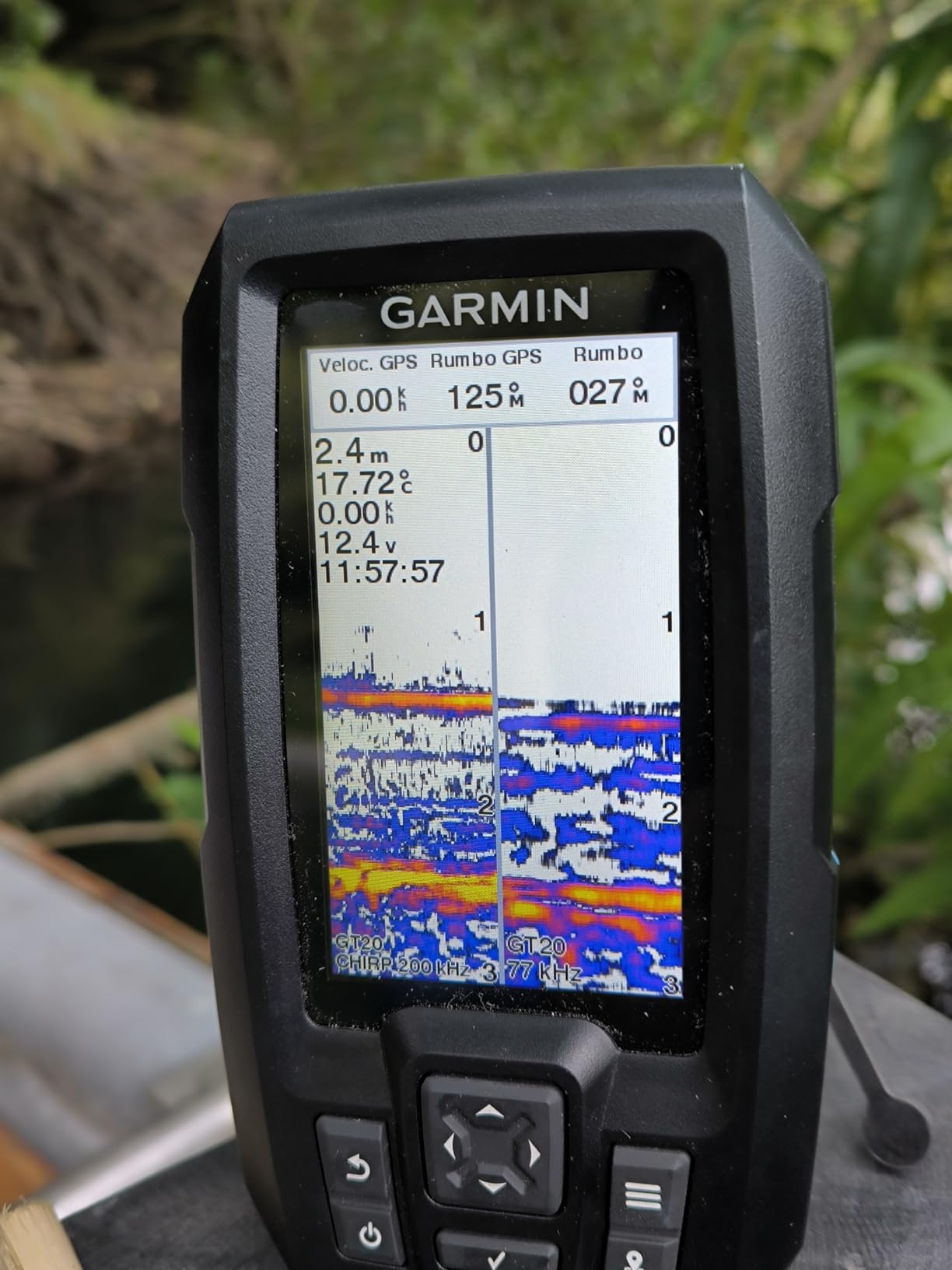
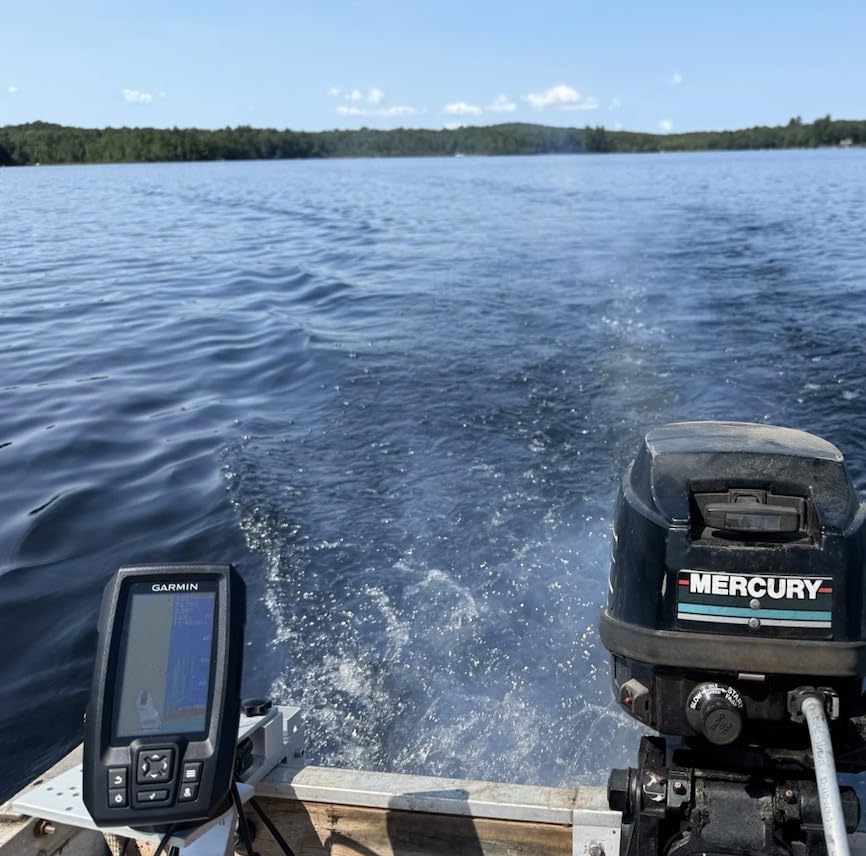
This is the step up from the monochrome crowd, and it is the unit I would pick if a kayak angler wanted the best fish finders for kayaks experience on a screen that is not overwhelming in daylight. Color changes what you can interpret rather than just how it looks.
On a bright sunny paddle, switching between the vivid palettes tells you quickly whether an arch is a fish suspended above structure or the structure itself. That single capability removes a lot of the guesswork that comes with a plain black-and-white return.
Quickdraw Contours is the quiet headline. You record your own depth contours while you paddle and store them on the model itself, so the second trip to the same lake is not blind navigation. Owners on fishing forums regularly point to self-recorded mapping as the feature that makes them stop guessing where the channel edges run.
The GT20 transducer in the box handles both CHIRP traditional and CHIRP ClearVu, so you are not buying into a single-mode ecosystem. High-sensitivity GPS holds waypoints and shows speed over ground, which is handy when you are drifting a weed edge in current.
Does color sonar actually matter on a kayak?
Yes, when you are reading structure rather than depth. Color makes the difference between structure, soft bottom and a tight bait ball obvious at a glance, which on a small screen matters more than extra resolution.
If you only want to know how deep the water is and where the grass starts, a monochrome model does that job for less money and draws less power. Color earns its place when you are hunting specific spots.
What does Quickdraw Contours do for a kayaker?
It records your own bathymetry while you paddle, so you can mark a productive drop-off on trip one and return to it on trip two without re-finding it by guesswork. Contours stay on the device, and there is no subscription or chart pack to buy.
One limitation to plan for: no charts are pre-loaded, so outside your own recordings you are working with a basic map view. That is fine for kayak fishing on familiar water and less useful on a lake you have never seen.
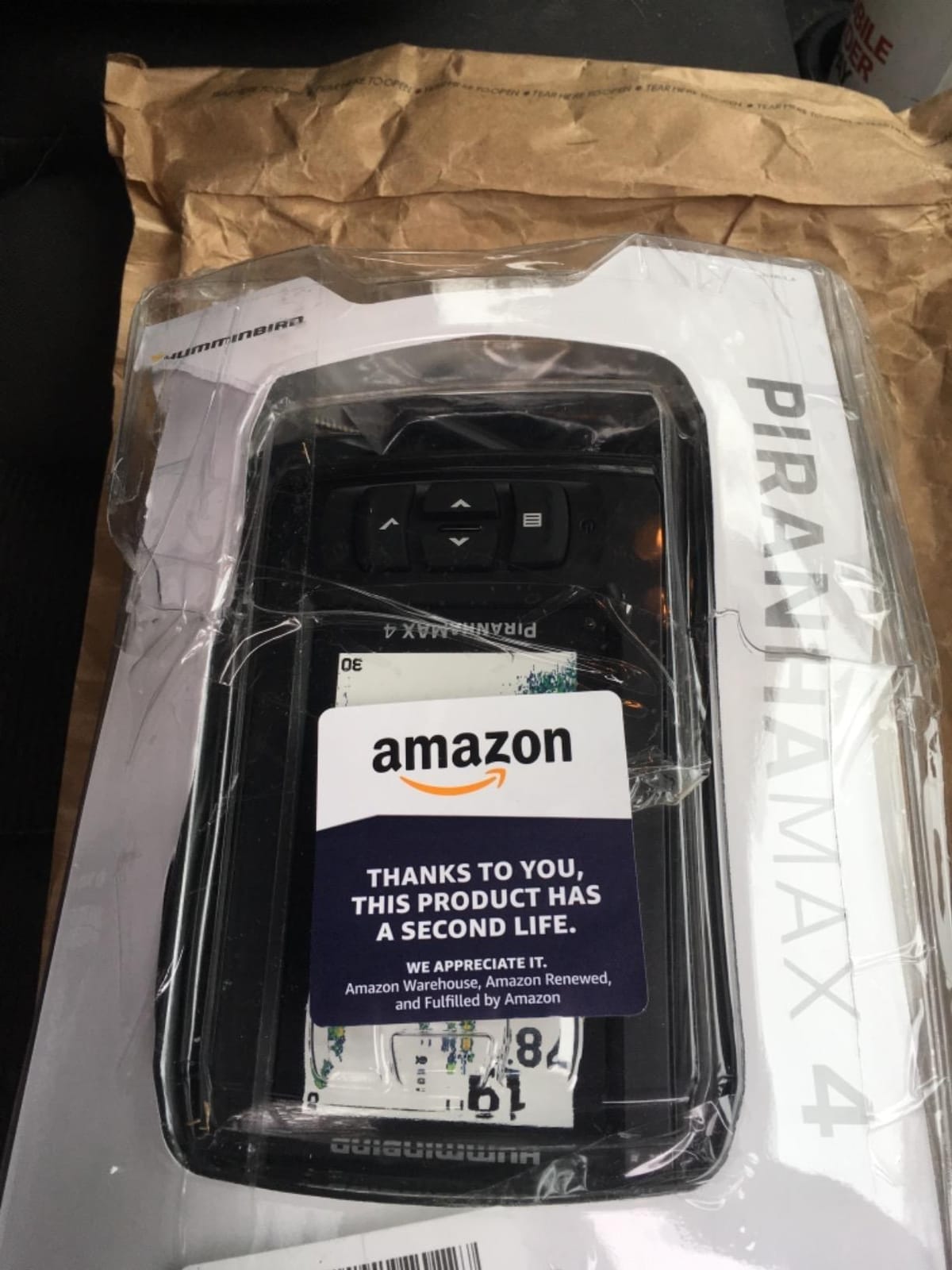
3. Humminbird PiranhaMAX 4: Dual Beam Flexibility on a Budget
Humminbird PiranhaMAX 4 Fish Finder with Transducer, Dual Beam Sonar
Dual Beam wide and narrow sonar
4.3 inch LCD
Tilt and swivel mount
Transom transducer included
Pros
- Dual Beam lets you trade coverage for detail instantly
- 4.3 inch screen is generous for the tier
- Transducer and mount included in the box
- Simple button layout learns in one trip
- Reliable depth and fish readings for the money
Cons
- Older non-CHIRP sonar resolves less detail
- 600 ft depth rating is modest
- 2 pound unit is heavy for a small deck
Humminbird built this as a straightforward entry point and it shows in the best way. The buttons do what you expect, the depth number is always there, and the screen is a shade larger than most competitors at this tier, which matters when you are reading it low on your chest.
Dual Beam is the reason this model stays relevant. A wide beam covers more water for finding a ledge, and a narrow beam trades coverage for detail on the structure you just found. That is a real decision you can make on the fly with a single press.
The tilt and swivel mount and the transom transducer are both in the box, so there is no separate accessory purchase to get from the beach to the water. For anglers moving between a rented kayak and a small jon boat, that single fact removes a lot of friction.
What you give up versus a Garmin is resolution. Without CHIRP, two fish close together can merge into one return, and soft bottom reads less clearly. On structure-light water that is a fair trade. On flooded timber, it is a real limitation.
Is Dual Beam useful on shallow kayak water?
Very. Most kayak fishing happens in 3 to 20 feet, where the difference between a wide and narrow beam is the difference between seeing a weed edge from the middle of the lake and seeing it up close. The narrow mode is the one you will use most once you know where you are fishing.
Reviewers consistently describe it as doing the basics without fuss, which is exactly what a first kayak fish finder should do.
Where does this model fall short?
The 600 ft depth rating is well below what modern CHIRP units claim, and that gap is rarely relevant from a kayak. The 2 pound weight is more noticeable, sitting on a lap or a small forward deck on a sit-on-top.
If you plan to grow into side imaging or heavier mapping, start higher. If you want dependable basics that mount easily, this is a safe choice.
4. LUCKY 1108CP: The Depth Scanner You Can Wear Around Your Neck
LUCKY Kayak Portable Fish Depth Finder Water Handheld Fish Finder Sonar Castable Kayak Boat Fishfinder Transducer Fishing LCD Display FFC1108
Handheld sonar with neck strap
3 ft to 328 ft detection
Backlit 2 inch LCD
Fish and school alarm
Pros
- Costs almost nothing and works
- Reads depth and bottom type such as weeds sand and rocks
- Five sensitivity levels for clear or turbid water
- Backlit display readable day or night
- Transducer reads through the bottom of a kayak hull
- Neck strap keeps hands free for paddling
Cons
- Only a 2 inch monochrome screen
- Fish arches not always identifiable
- Will not read through a fiberglass hull
- Some owners report units failing to power on
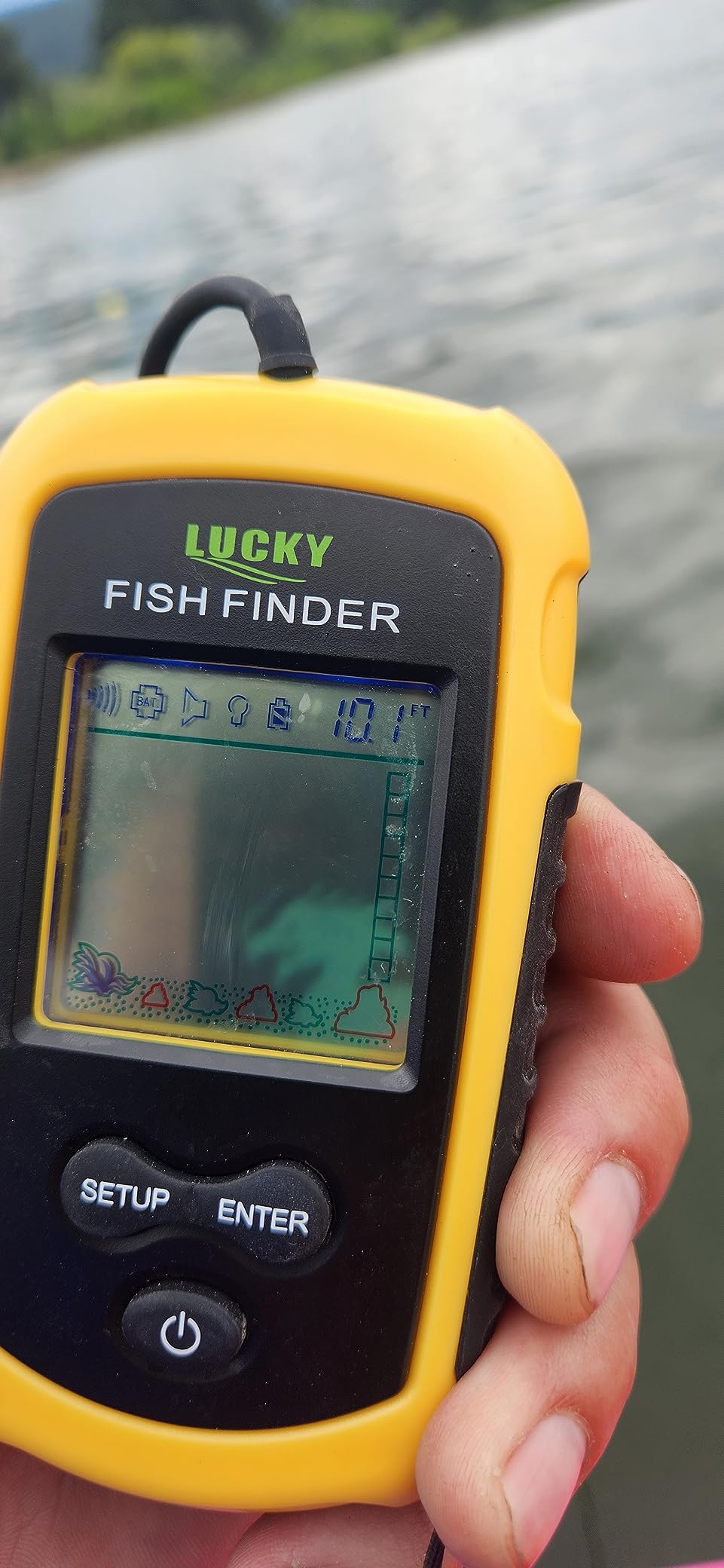
This is not really a fish finder, and pretending otherwise would waste your morning. It is a depth and bottom-type scanner, and on a kayak it does one job extremely well: telling you how deep the water is and whether you are over sand, rock or vegetation before you commit to a cast.
I have watched anglers use one of these as a scouting tool on a lake they have never fished. You paddle, you drop the transducer through the hull or over the side, and within seconds you know the depth and the bottom composition across the whole area you just crossed.
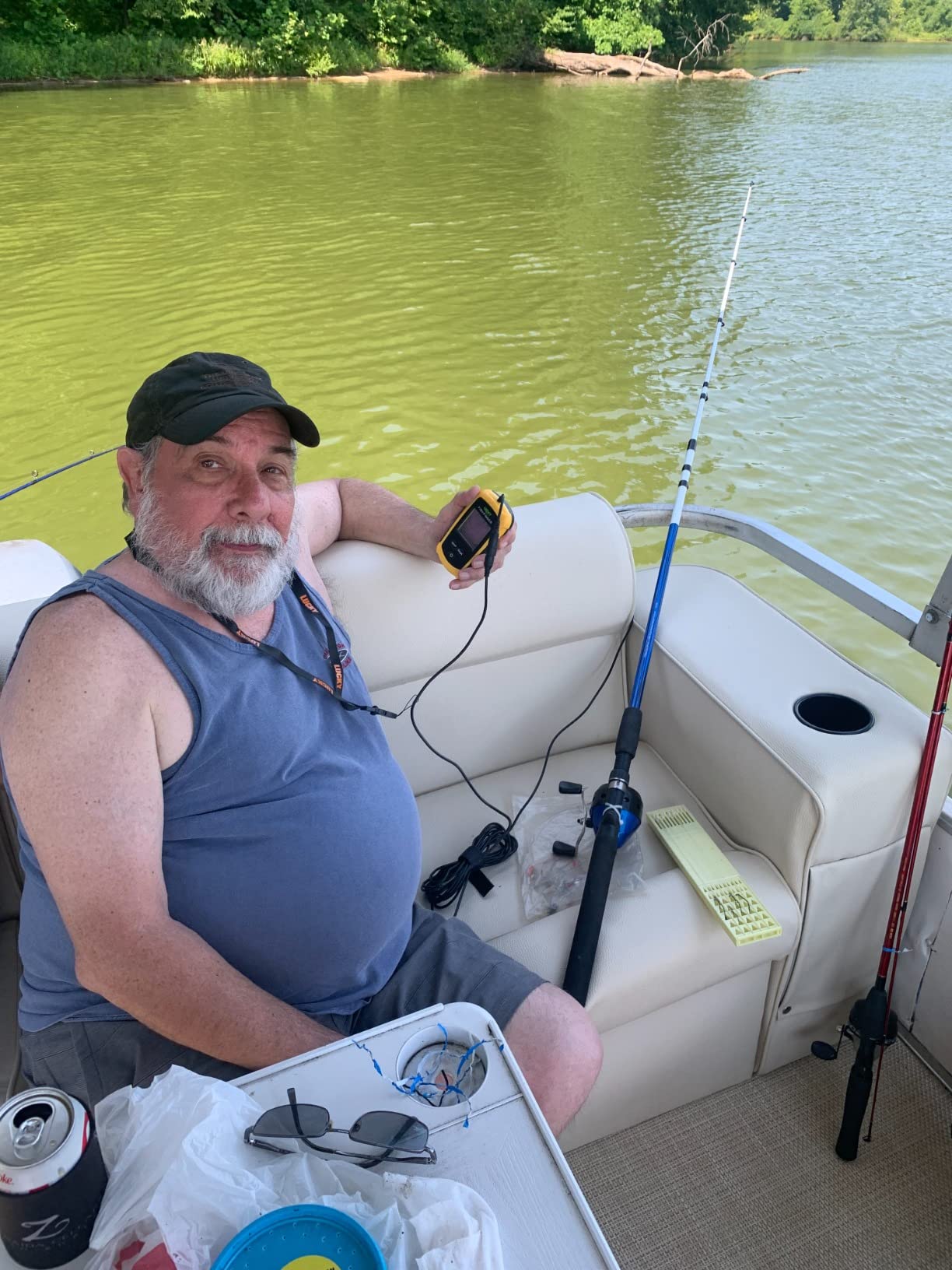
Five sensitivity levels matter more than you would expect. Turbid water and heavy vegetation can bury the return on a fixed setting, and being able to adjust sensitivity is what keeps the bottom reading visible. The fish and fish-school alarm adds a useful cue when you are drifting.
Battery life runs roughly 4 to 5 hours on fresh cells, longer in battery save mode. That is a fair day of fishing if you start with spares, and the whole thing fits in a pocket.
Is this accurate enough to trust on a kayak?
For depth and bottom type, yes. The 3 ft to 328 ft range is generous for a kayak, and the switchable feet and meter units avoid mental conversion when you are reading small numbers. Treat the arches as a hint rather than identification.
Owners are candid that this belongs in the depth scanner category rather than the fish finder category, and that framing is the reason it works so well for people who fish water they cannot see into.
When should you skip it?
Skip it if you fish a fiberglass hull. It will not read through fiberglass, which removes a large part of the sit-on-top and fishing kayak market that uses that material.
It also cannot be used from shore, since the transducer needs water around it. A small share of owners report units that stopped powering on after light use, so buy from a seller with easy returns and test it before you leave the house.
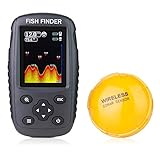
5. Venterior VT-FF005: Wireless Scanning Without a Cable Run
Venterior Portable Rechargeable Fish Finder Wireless Sonar Sensor Fishfinder Depth Locator with Fish Size, Temperature, Bottom Contour, Color Display
Wireless castable sensor
2.6 inch color TFT
105 degree beam
2.6 to 164 ft depth
Pros
- No hull drilling and no cable to snag
- Works from kayak boat shore or ice
- Shows depth temperature fish size and bottom contour
- Color display with white background for sunlight
- Rechargeable for roughly three plus hours
- Powers up and connects once the sensor hits water
Cons
- Weak below roughly 120 ft
- Can give false readings when dragged behind a moving boat
- 105 degree beam is inaccurate directly under an ice hole
- Receiver drains batteries faster in cold weather
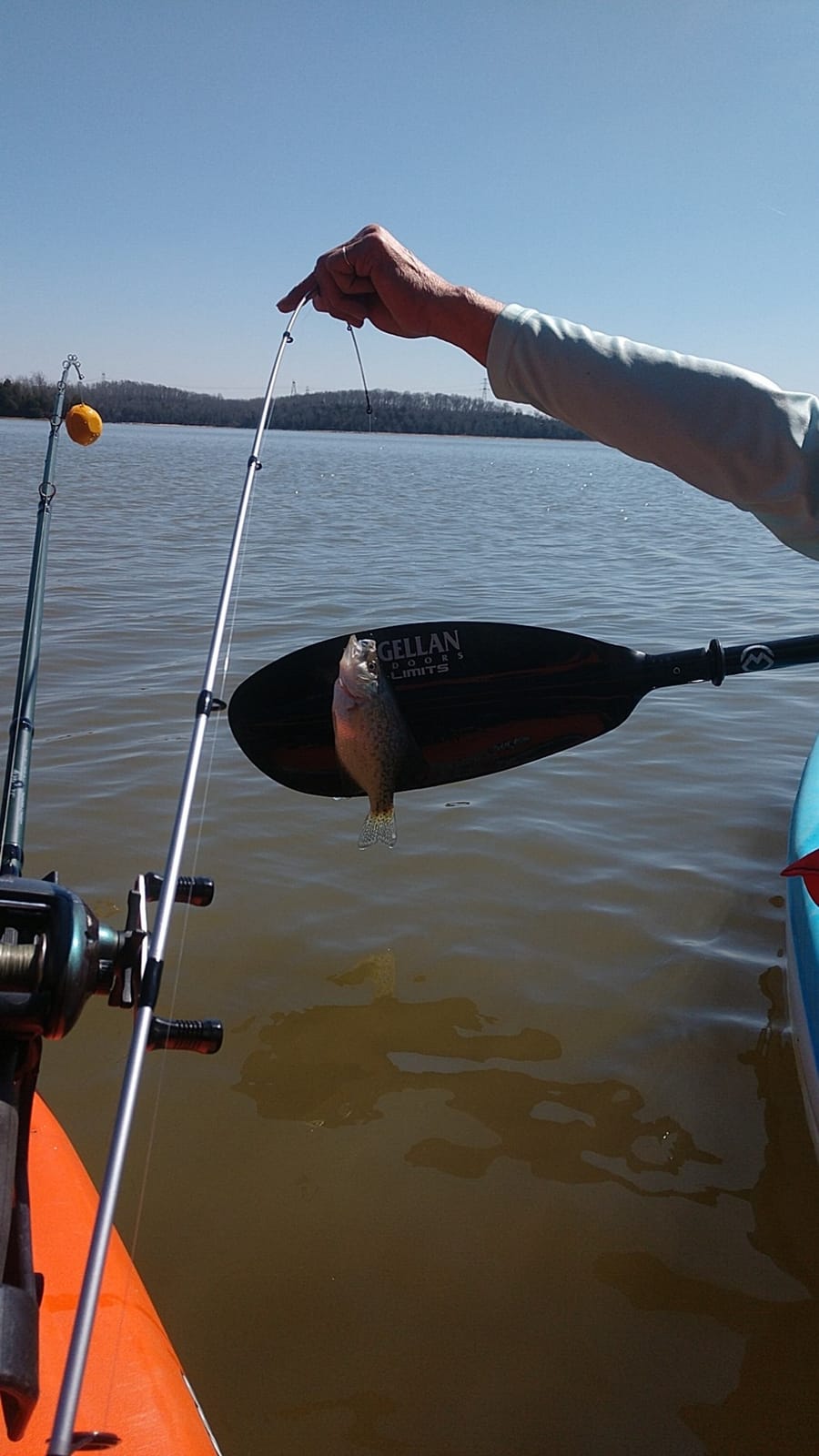
The appeal here is freedom from installation. The sensor is cast on line, the handheld receives it wirelessly, and there is no cable crossing your deck or running through a scupper hole. For people who fish shared or rented kayaks, that removes the entire reason most people avoid electronics.
The small size bands for fish are a rough guide rather than a measurement, but the depth, temperature and bottom contour readings are the useful parts. I would treat the contour display as a quick scan of a new waterway rather than a fishing tool.
Switching the screen to a white background in bright sun is a small detail that makes a real difference outdoors. Reviewers mention it repeatedly because most people never find the setting on their own and assume the screen is simply weak.
The sensor battery indicator is only accurate while the sensor is in water, which trips people up the first few trips. Check it before you cast rather than after the readings go strange.
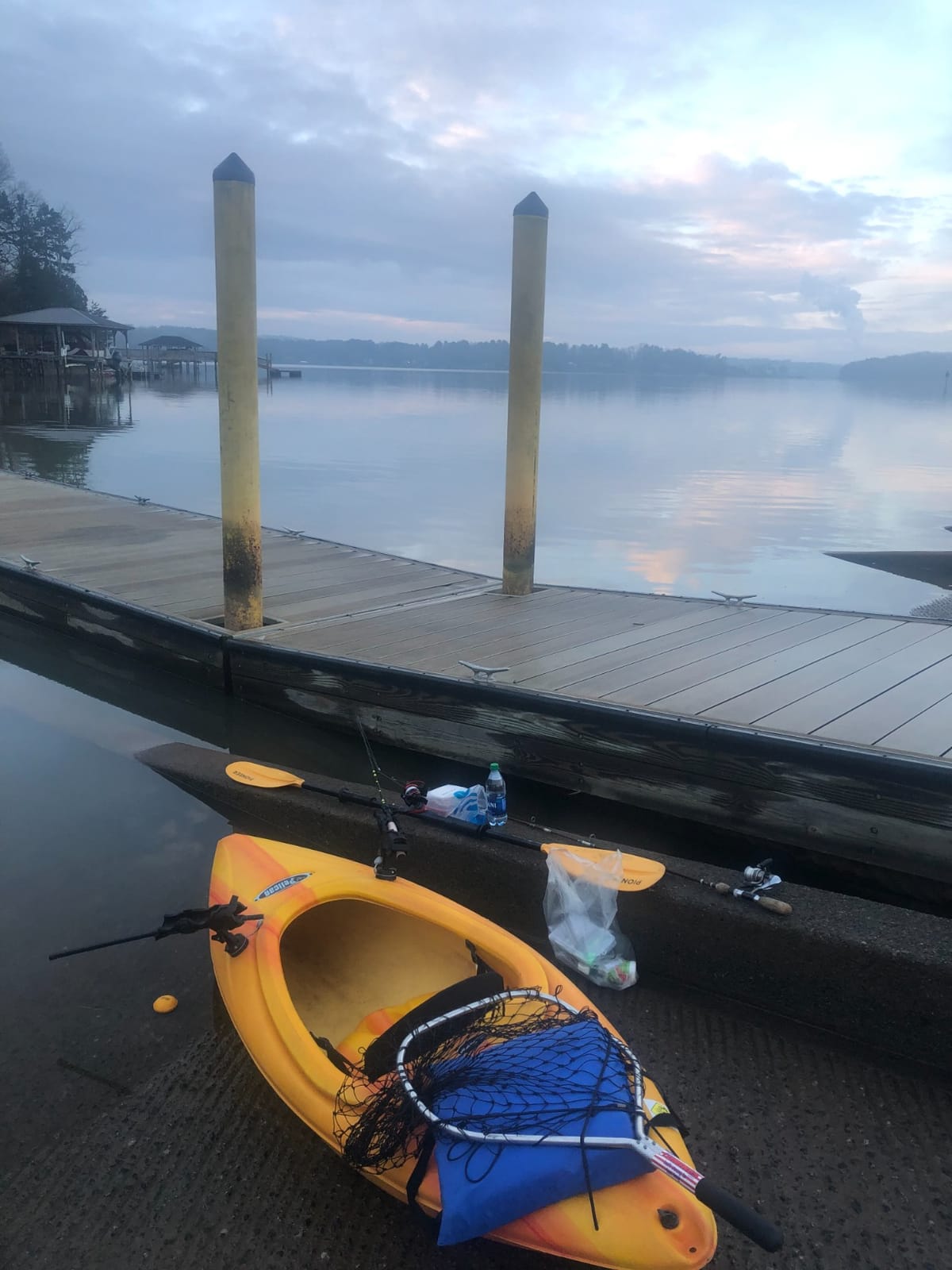
How far can this wireless sensor actually reach?
Around 262 ft of wireless range from the handheld, with a depth range of roughly 2.6 to 164 ft and a 105 degree beam. Owners report performance falling off below about 120 ft of depth, which is why this suits shallow lakes and rivers rather than deep reservoirs.
The wide beam also means less accuracy directly below the boat, so this is a scouting tool, not a targeting tool.
What are the real drawbacks on a kayak?
False readings show up when the sensor is dragged behind a moving boat at speed, which is a realistic scenario if you like to pedal fast between spots. Pausing over structure gives a much cleaner picture.
Cold weather shortens receiver battery life, and the work and simulation modes are more useful than they sound but do not make up for a shallow depth ceiling on serious deep water.
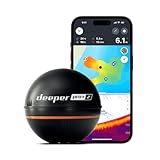
6. Deeper PRO+ 2: Mapping and Precision in a 3.2-Ounce Puck
Deeper PRO+ 2 Sonar Fish Finder – Portable Fish Finder and Depth Finder For Kayaks, Boats and Ice Fishing with GPS Enabled | Castable Deeper Fish Finder with FREE User Friendly App
Wide mid and narrow beam modes
Built-in GPS bathymetric mapping
Accurate to 330 ft
0.4 in target separation
Pros
- Built-in GPS records bathymetric maps you can revisit
- Three beam modes for coverage or detail
- Narrow beam target separation of 0.4 in is class-leading
- Creates its own Wi-Fi so it does not use mobile data
- Weighs 3.2 ounces with a neoprene pouch included
Cons
- Requires a phone or tablet and the app
- Phone battery drains during long sessions
- Connectivity can drop at maximum range
The Deeper PRO+ 2 is the most capable sonar in this group that you can throw in a pocket, and the built-in GPS is what separates it from cheaper castables. Every scan gets saved with a location stamp, so you can return to a spot you found rather than describing it later and hoping you remember.
On a kayak, the ability to record your own bathymetry is genuinely useful. Paddle a channel once, and you have a contour map of it on your phone that you can follow back to the drop-off on the next trip.
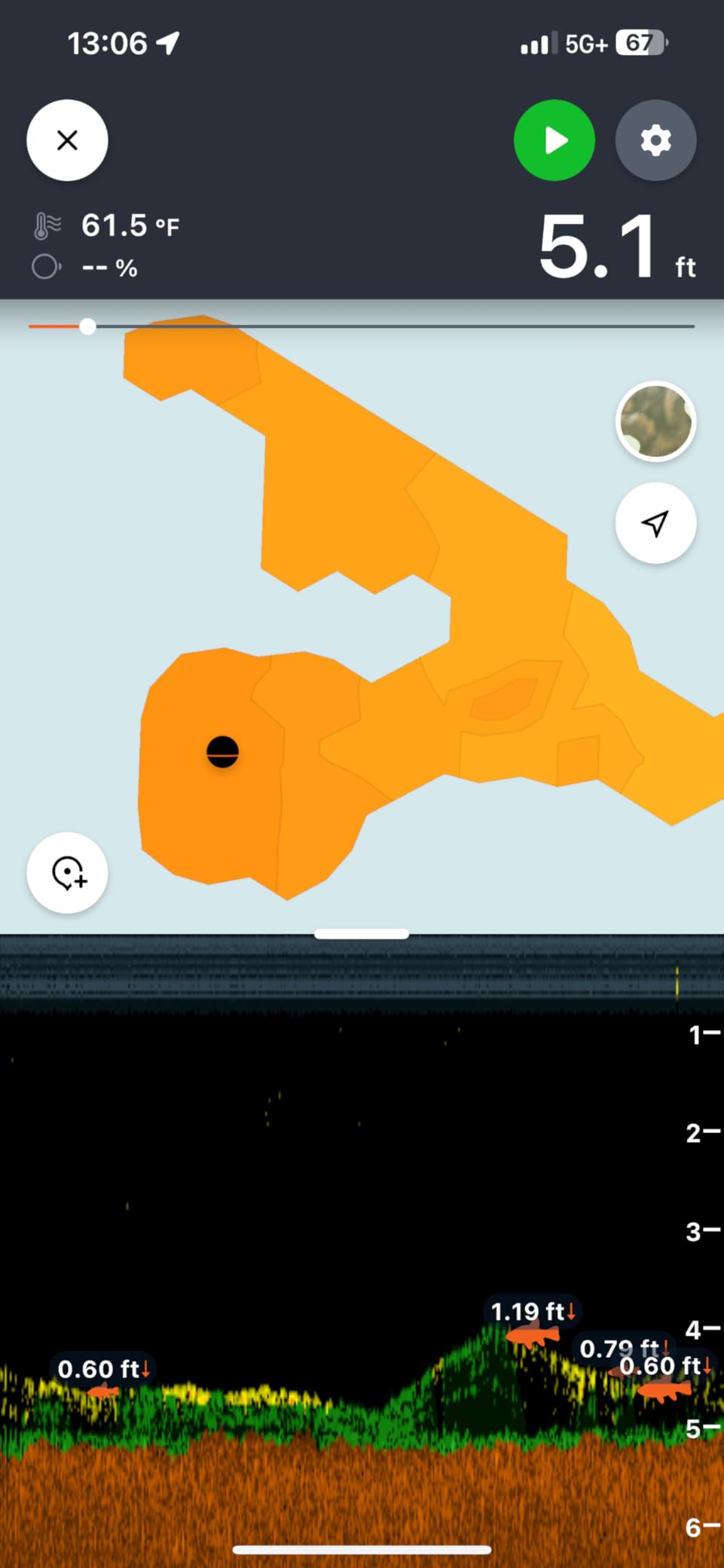
Beam selection is the other reason to pay up here. Wide covers more water when you are searching, mid balances coverage and detail, and narrow resolves targets down to 0.4 in separation. That is the resolution you need to pick apart a bait ball rather than just know one is there.
It runs about 330 ft deep and creates its own Wi-Fi network, so a full day of scanning does not quietly eat your mobile data. That detail matters more than it sounds when you are relying on your phone for navigation too.
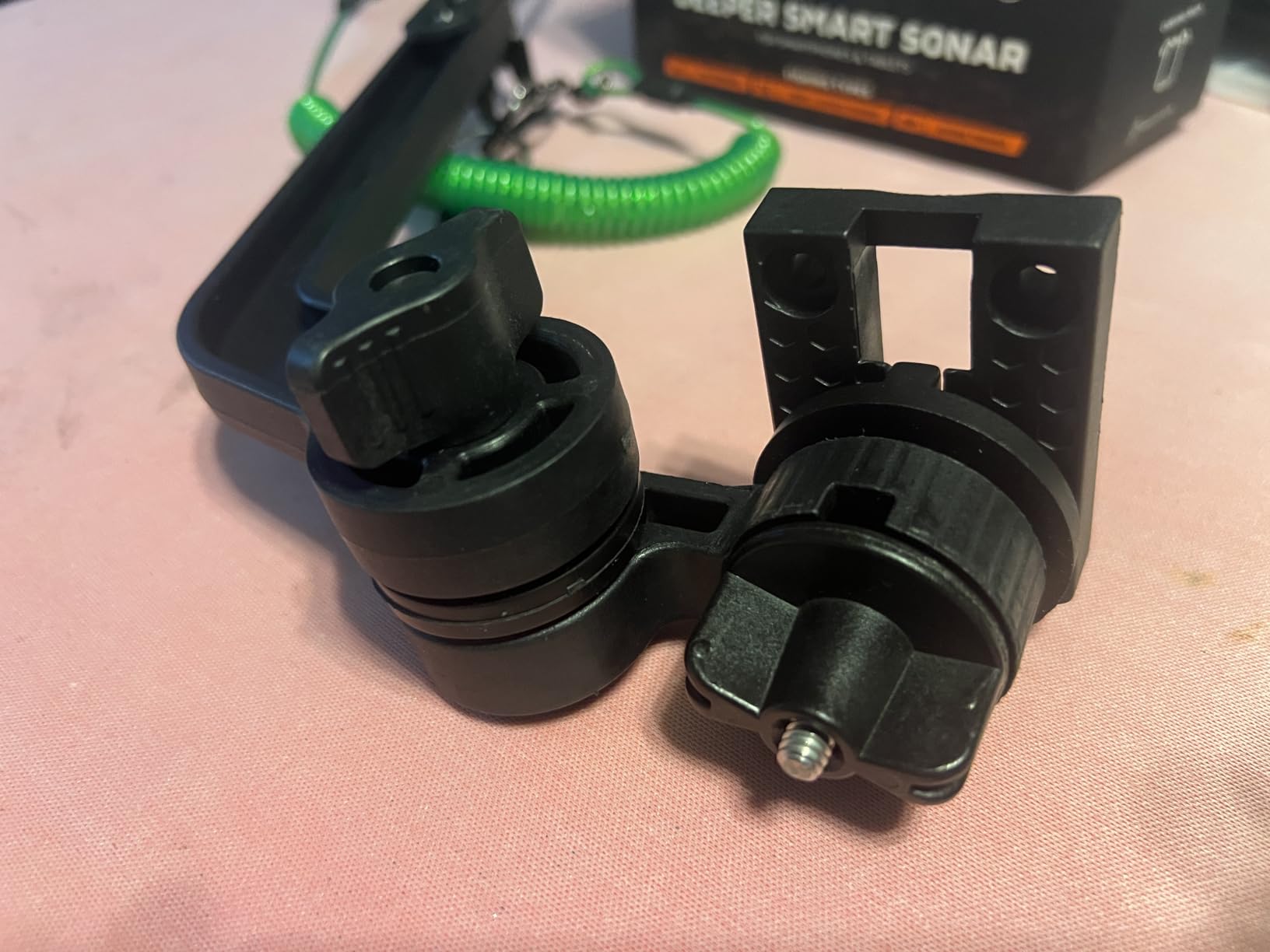
Is app dependence a problem for a kayak angler?
It is the trade-off you accept. There is no screen on the model itself, so a wet hand, a splash, or a phone at the wrong angle can end a session. Owners who fish in direct sun with glare report that a phone screen is noticeably harder to read than a dedicated display.
Phone battery drain is the other recurring complaint. Bring a charged power bank in a dry bag if you plan a long day.
When is this the right pick?
Choose it when you fish unfamiliar water and want to build your own maps, or when you move between a kayak, a shore bank and a dock without wanting any installation. The bathymetric record is the feature that pays for itself.
Skip it if you fish one lake you know well, or if connectivity in your area is unreliable, because dropouts at maximum range are reported often enough to matter.
7. Yoocylii Handheld: The Smallest Spend That Still Works
Handheld Fish Finder Portable Kayak Fishfinder Sonar Depth LCD Display
200 kHz sonar with 45 degree beam
3 ft to 328 ft depth range
4 AAA batteries
About 4 to 5 hours of use
Pros
- Least expensive usable option in this group
- Accurate depth weed and ledge detection
- Neck strap and pocketable size for real portability
- Fresh water and salt water compatible
- Settings are saved when the model powers off
- Fish alarm helps while drifting or trolling
Cons
- Small 4.6 cm screen
- No bottom contour detail
- Best treated as a depth and vegetation scanner
- Some owners report units stopping powering on
This is the model I recommend to friends who own a kayak and fish once or twice a month. It will not tell you what species is holding below you, but it will reliably tell you the depth and whether you are over weeds, sand or rock, which is the information you need to decide whether to stay or move.
The 45 degree beam and 3 ft to 328 ft range cover the entire range of kayak fishing. Usable from a moving kayak below 5 mph with the transducer level, which covers almost every paddling speed that a serious angler uses.
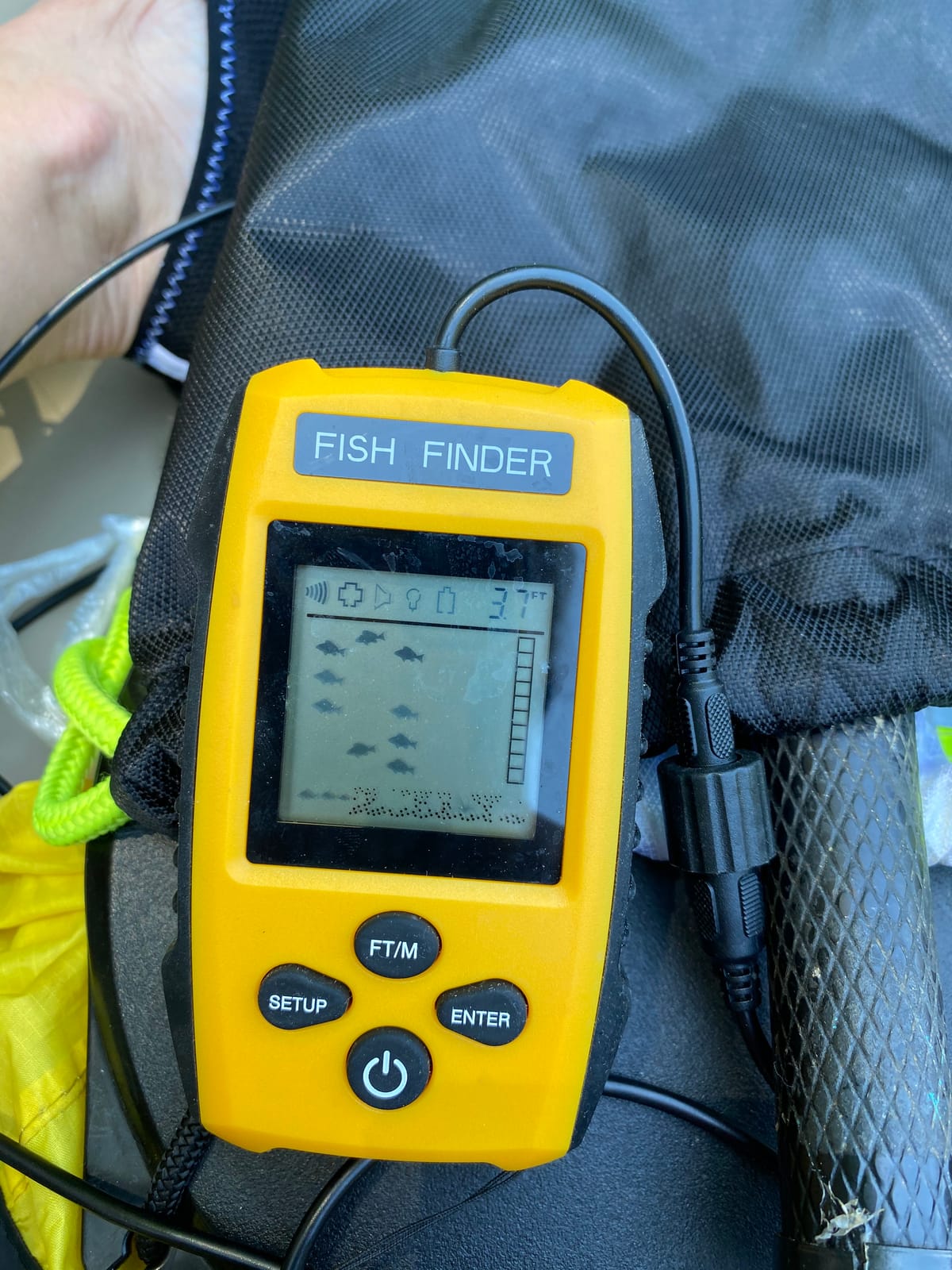
Two practical details make it more pleasant than the specification suggests. Settings persist when you switch it off, so you are not resetting sensitivity every launch. And it works in both fresh and salt water, which is rare at this end of the market.
Budget for batteries. Four AAA cells give roughly four to five hours, so a spare set in a dry bag is not optional if you want a full day.
What do you actually get for a very low spend?
Reliable depth and vegetation detection on a pocketable body with a neck strap. That is enough to sound out a new lake or find the edge of a shallow bay before you commit to casting into it.
Fish size readings exist but are coarse. Budget buyers describe it as a solid, no-frills depth and weed detector rather than a fish identifier, and that expectation is where the satisfaction sits.
What are the compromises?
The 4.6 cm screen is small, and there is no bottom contour detail, so you cannot compare structure the way you could on a mounted color model. It also stops short of being a true fish finder in terms of identifying individual arches.
A small number of owners report units that stopped powering on after limited use, so test it immediately and keep the packaging. With a spare set of batteries in reach, it stays useful for years.
8. Humminbird HELIX 5 CHIRP GPS G3: The Screen Upgrade Anglers Want
Humminbird Helix 5 G3 GPS Fish Finder with Transducer & Dual Spectrum Chirp Sonar
Dual Spectrum CHIRP with wide and narrow modes
5 inch color TFT
Basemap with 10000 plus lakes
AutoChart Live recording
Pros
- Dual Spectrum CHIRP resolves targets far better than older sonar
- 5 inch color display is the largest in this roundup
- Basemap covers 10000 plus lakes and coastal areas
- AutoChart Live builds contour maps as you move
- Softkey menu works in rough weather
- Gimbal mounting bracket included
Cons
- Weighs 2.1 pounds which is heavy on a kayak deck
- Needs a separate 12V supply and a mounted transducer
- Most expensive model here
This is the model anglers on fishing forums describe when they talk about moving up from a small unit, and it is the best fish finders for kayaks experience if your kayak has a forward deck with a gear track and you are willing to carry the weight. The 5-inch color panel is the biggest in this group, and it changes how much you can interpret at once.
Dual Spectrum CHIRP with a low-Q transducer delivers target separation that makes individual fish readable instead of blobby, particularly on structure where you are trying to decide between a school and a stump.
AutoChart Live is the feature that keeps people on a charting unit instead of upgrading again. It records depth contours, bottom hardness and vegetation while you move, with about eight hours of built-in recording that expands with an SD card. On a lake you fish often, that is a chart you build yourself.
The Humminbird Basemap covers more than 10,000 lakes plus continental US coastlines out of the box, and it accepts LakeMaster, CoastMaster and Navionics cards if you want more detail.
Is a 5-inch screen worth the bulk on a kayak?
If you have somewhere to mount it, yes. The panel is bright, the color rendering is strong, and the softkey menu stays usable when you are wet and bouncing. It is the point where you stop squinting and start reading structure.
The catch is the 2.1 pound weight. On a small sit-on-top with a limited forward deck, that is a noticeable addition to an already loaded boat, and reviewers consistently flag size and power draw as the reason this fits a decked boat better than a kayak.
What does a full setup involve?
You need a separate 12V supply, an inline fuse at the battery terminal, and a permanently mounted transducer. Plan the cable route before assembly because retrofitting it later is frustrating.
Budget anglers also notice this sits at the top of the kayak-appropriate price range, which is why we place it as a serious-angler pick rather than a default recommendation.
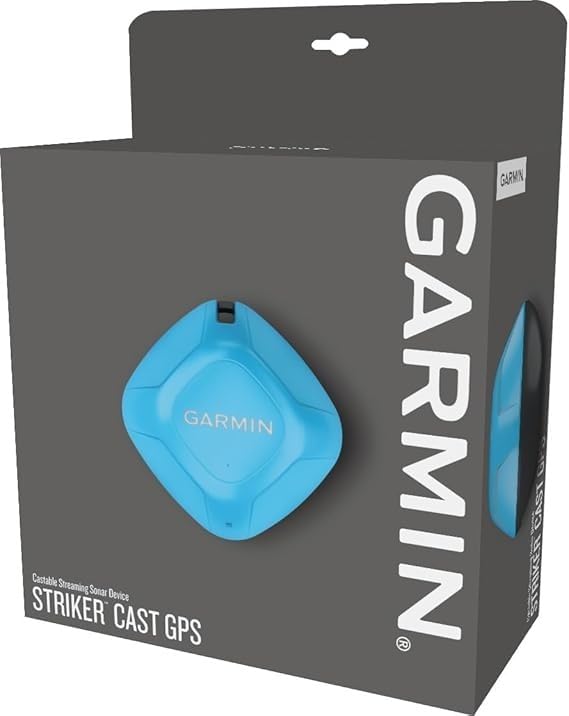
9. Garmin STRIKER Cast: 75 Grams and No Cable
Garmin Striker Cast, Castable Sonar, Pair with Mobile Device and Cast from Anywhere, Reel in to Locate and Display Fish on Smartphone or Tablet (010-02246-00)
Cable-free castable sonar
75 g with 20 ft tether
10 plus hour battery
Quickdraw Community map downloads
Pros
- Only 75 g and casts like a lure
- 10 plus hour internal rechargeable battery
- Powers on when the sensor hits the water and off when lifted
- Streams 2D and flasher modes up to 200 ft away
- Works with Apple and Android phones and tablets
- Carrying bag and tether included
Cons
- No screen of its own so it needs a phone and app
- 200 ft wireless range is shorter than some rivals
- Phone battery drains during long sessions
There is no installation, no cable and nothing to mount, which makes this the cleanest way to add sonar to a rental, a shared boat or a packable inflatable kayak. At 75 g it disappears in a vest pocket, and the 20 ft tether is enough to work a tight circle around the boat.
Performance-wise it streams traditional 2D sonar and a flasher mode, which means it works in open water and through ice. Owners like that it powers on the moment the sensor enters the water and shuts down when you lift it, so it never sits draining on the deck.
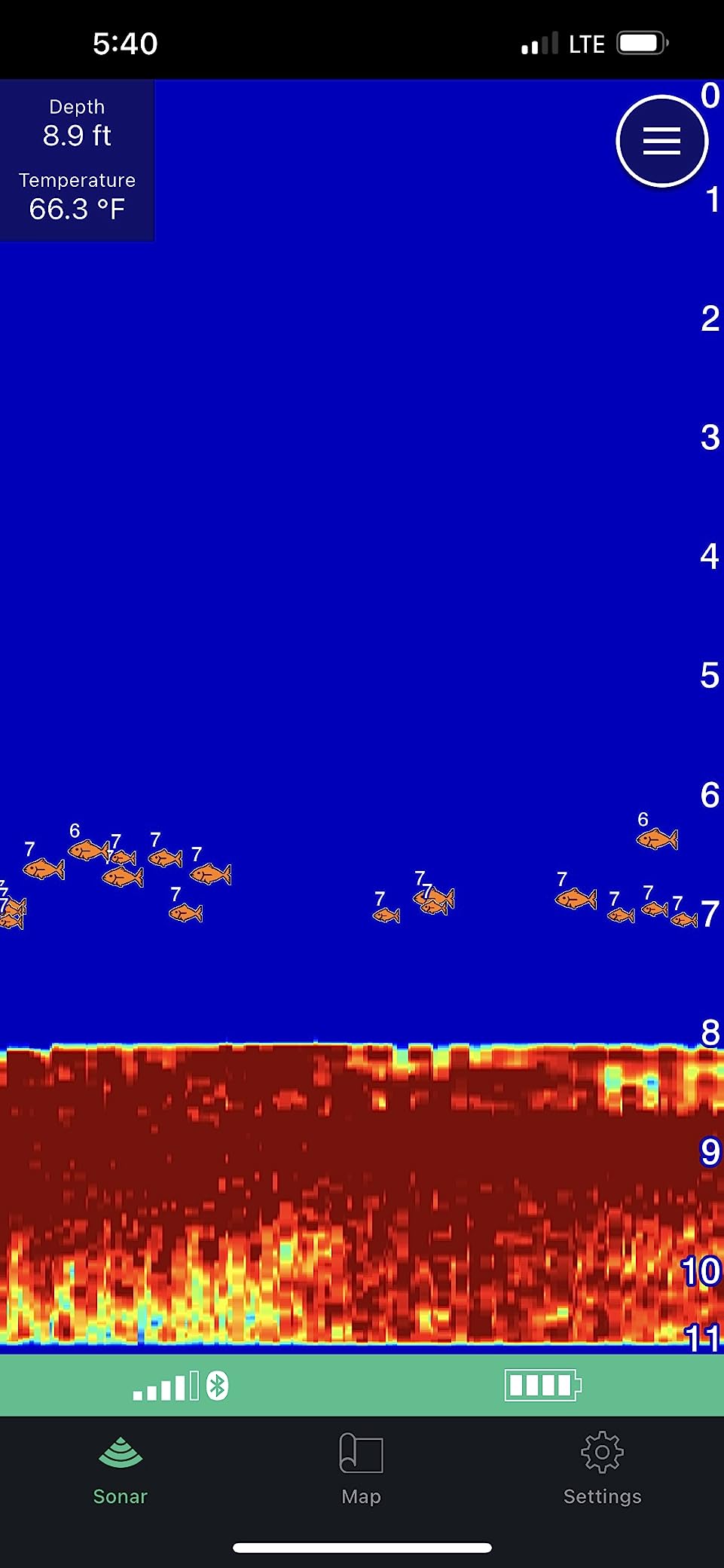
The Quickdraw Community download is a nice touch. You can pull maps with up to 1 ft contours for lakes other people have recorded, which gives you some charted coverage without owning a chartplotter.
Build quality is what you would expect from Garmin, and the two-year warranty matches the better mounted models in this group rather than the handheld tier.
Is a phone-only interface acceptable on a kayak?
It works if your phone is secured in a ram holder or a waterproof pouch at the right angle. The problem is glare and wet hands: a phone screen in direct sun with a splash on it is noticeably worse than a dedicated daylight-readable display, and that is the main complaint in reviews.
If you already navigate with your phone, this fits naturally. If you prefer a standalone display, choose a mounted model instead.
What should you check before relying on it?
Confirm the wireless range works for your casting style. At 200 ft it is shorter than some competing castable sonars, so a long cast onto a far ledge may lose the signal mid-drift.
Watch your phone battery across a full day, since the app streams continuously while you fish. A power bank in a dry bag solves it, and the model itself will comfortably outlast the day on its internal battery.
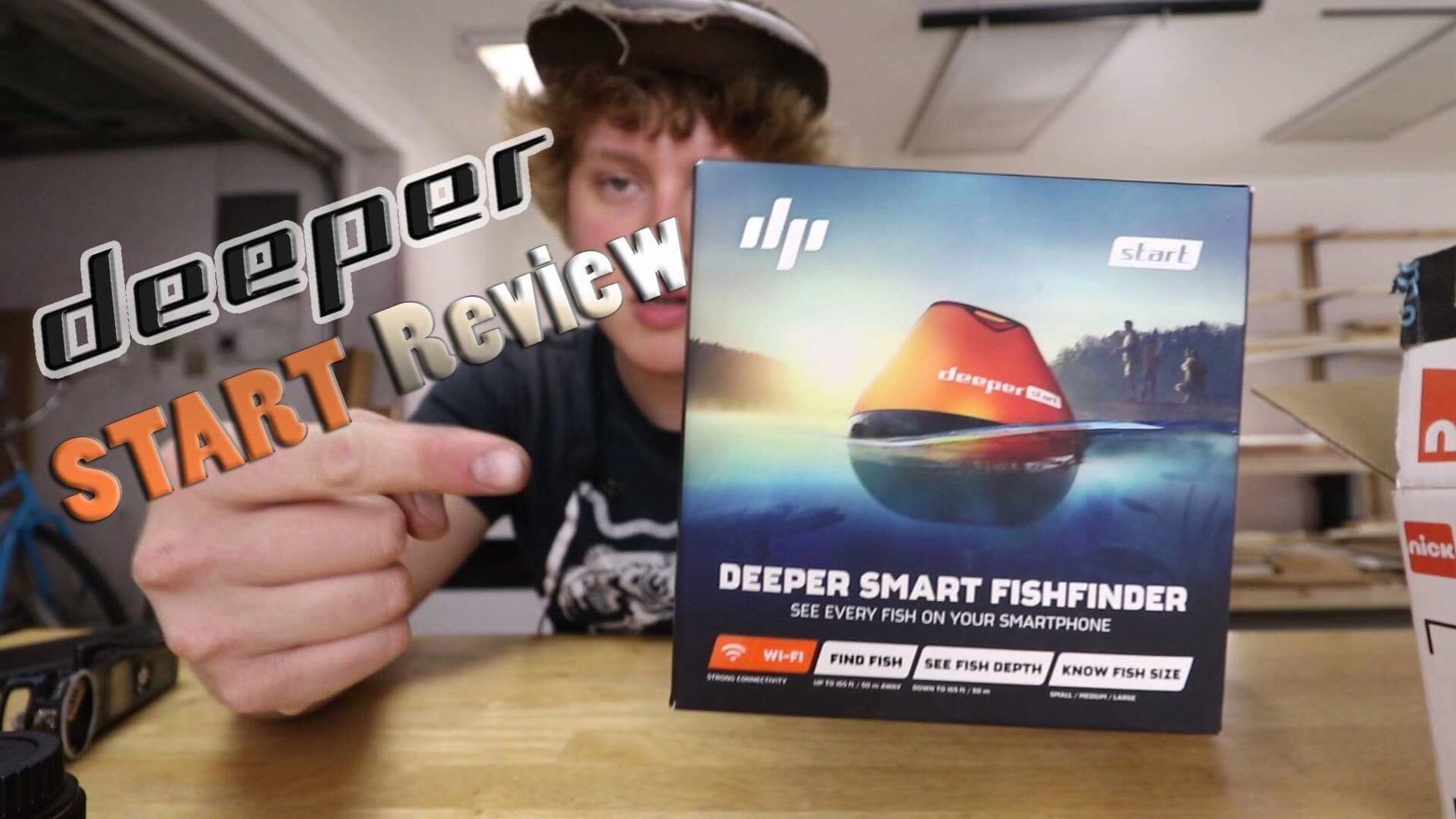
10. Deeper START: The Casual Angler’s Castable
Deeper Start Fish Finder – Portable and Depth Finder for Recreational Fishing from Dock, Shore, Bank or Kayak | Castable Deeper Smart Sonar with Free User Friendly App
Castable sonar with 165 ft range
Creates its own Wi-Fi
Auto-saves scans with location
About 6 hours of battery
Pros
- No wires or external batteries to manage
- Generates its own Wi-Fi and does not use mobile data
- Every scan auto-saves with time and location
- Works from shore dock bank or kayak
- Night fishing mode for low light
- About 6 hours of battery from a 2.5 hour charge
Cons
- Needs a compatible phone and the free app
- 165 ft casting and depth limit
- 40 degree beam covers a small area per cast
- Fish identification less precise than dedicated models
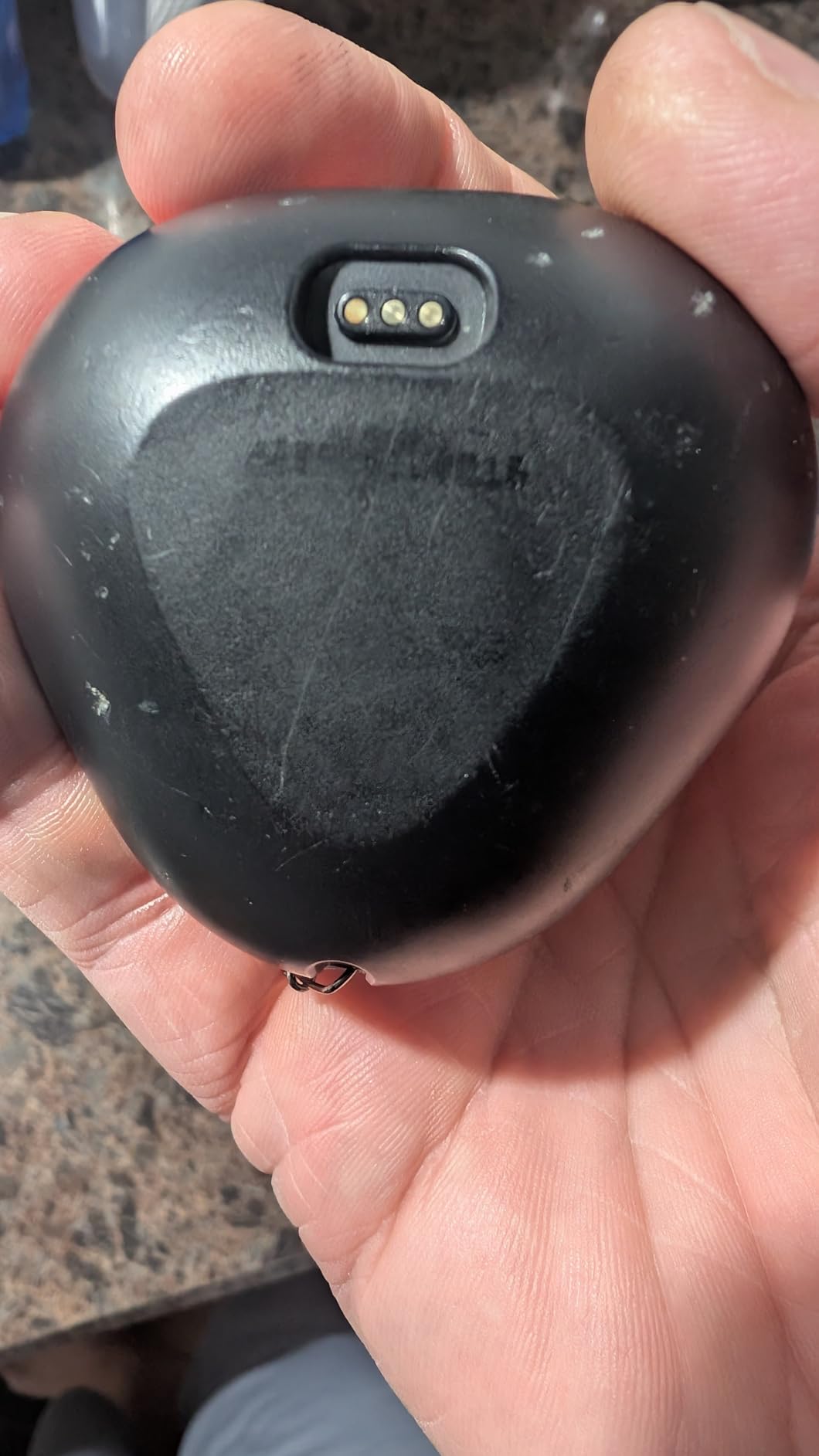
The Deeper START is aimed at people fishing from a dock, a bank or a kayak with a phone in a pocket, and it does that job without ceremony. Cast the puck, open the app, and you have depth, bottom contour, vegetation and fish position on a screen you already own.
Auto-saved scans are the detail I like most. Each one is stamped with time and location, so a pattern that looked promising on the second cast is a pin you can drop rather than a memory you have to trust.
Battery life of roughly six hours from a 2.5 hour charge covers a casual day comfortably, and there are no external batteries to lose in the bottom of a hull. The night fishing mode makes it usable after dark in a way that most cheap castables are not.
The app is free and works on both major phone platforms, and the sonar runs on its own network, so scanning does not quietly consume your data allowance.
Who is this castable actually for?
Family anglers, beginners and anyone fishing from a shore, dock or bank who wants to learn a new body of water quickly. It is the least intimidating way to start using sonar at all, since there is nothing to install and nothing to wire.
It is not aimed at an angler who needs to resolve individual fish on structure at depth. The 40 degree beam covers a small area per cast, so you will be casting repeatedly rather than painting the water.
What are the limits?
The 165 ft casting and depth range excludes anything deeper, and the narrow beam means more casts to cover the same ground. Owners also note that fish identification is coarser than on a dedicated fish finder.
App connectivity and phone battery remain the usual friction points for this category. If you already own a Garmin STRIKER Cast or a Deeper PRO+ 2, this is a step down in capability rather than sideways.
How to Choose the Right Kayak Fish Finder
Start with the sonar type
CHIRP traditional sonar sends a continuous sweep of frequencies rather than a single tone, which gives you crisper fish arches and better target separation in cluttered water. Nearly every mounted model here uses it.
ClearVu and down imaging send a beam straight down and paint a near-photographic picture of what is directly beneath you, which is how you pick apart a weed edge or a rock shelf. Side imaging sweeps out to either side and is the only category that shows you structure beside the boat, not under it. SideScan or SideVu remains a boat-scale feature and none of these kayak picks include it.
Handheld units like the LUCKY and Yoocylii models use a single frequency, in their case 200 kHz, with a beam angle of 45 degrees or wider. They answer “how deep, and what is the bottom made of” and stop there.
Decide between mounted, castable and handheld
A mounted unit gives you a screen in front of you at all times, which is what you want if you are reading structure while you paddle. The cost is installation, a cable to route and a battery to carry.
A castable unit gives you the opposite: nothing on the deck, sonar only when you cast it, and results on a phone. It is the right answer for rented kayaks, inflatable craft you pack into a car, and anglers who move between water bodies. A handheld is the cheapest version of that idea, with less detail but no phone required.
Our general rule: if you fish one lake regularly and want to read structure while you move, mount something. If you fish new water constantly or share a kayak, cast something.
Screen size matters less than sunlight performance
A 4-inch screen is genuinely enough for a kayak. What is not negotiable is brightness and contrast in direct sun, because a seated kayaker is often looking down at an angle with the sun behind their head. Owners repeatedly confirm that the smaller Garmin models stay readable through polarized lenses.
Move up to 5 inches only if you have a forward deck with a gear track and can absorb the extra weight. A 2.1 pound control head plus a battery changes the trim of a small sit-on-top more than most buyers expect.
GPS and mapping: mark now, return later
High-sensitivity GPS with waypoint marking is the cheapest useful feature on any of these models. Marking a brush pile, a stump field or a creek mouth takes seconds and is the difference between finding a spot twice and hunting for it again.
For charting, the STRIKER Vivid 4cv includes Quickdraw Contours, so you can record your own depth lines while you paddle. The HELIX 5 adds AutoChart Live with about eight hours of built-in recording and a basemap covering more than 10,000 lakes. The Deeper PRO+ 2 and the STRIKER Cast both save scans through an app instead.
Pre-loaded third-party charts are not necessary for kayak fishing on familiar water. Own-recorded contours are usually more useful than a general chart of a lake you have already sounded.
Mount without drilling the hull
Forum consensus is clear on this point: drilling a fiberglass or plastic hull for electronics is a regret. Scupper-hole mounts and RAM ball mounts on the existing scupper are the most commonly recommended no-drill solutions, and Scotty transducer mounts are the other standard answer.
Whatever you choose, run the cable along the inside of the gunwale and secure it at intervals with soft ties so it cannot migrate into a paddle blade. Test the install by paddling a short loop at speed before you fish a full day.
Power it correctly and you can fish all day
A sealed lead-acid battery is the default choice for good reasons: cheap, forgiving of a deep discharge, and easy to replace. A lithium pack is lighter and holds more usable capacity for the same weight, which matters when deck space is tight.
The runtime math is simple. The STRIKER 4 draws 0.23 amp at 12V, so a 20 amp-hour battery theoretically provides about 87 hours, and real-world output is roughly half that after losses and with the backlight on. Units with bright color panels and mapping pull considerably more current, so treat any published figure as an upper bound.
Fit an inline fuse at the battery terminal and use quick disconnects so you can cut power in seconds. If you share a battery with a trolling motor, the fuse is not optional, because voltage spikes from motor start-up are a common way to fry sensitive electronics.
For a full build, our fish finder roundup covers fixed-mount setups in more depth, and if deck space is the constraint then hull choice matters as much as electronics, as covered in our inflatable kayak guide.
Frequently Asked Questions
Does a fish finder work on a kayak?
Yes. A kayak fish finder is a sonar unit that shows depth, structure and fish arches while you paddle. Mounted models attach to the deck and use a transom-style transducer strapped or mounted outside the hull. Castable and handheld models need no installation at all. Both work well, provided you have a 12V power source for a mounted unit and a screen you can read from a seated position.
Is Garmin better than Humminbird?
Neither brand wins outright. Garmin units in this roundup pair CHIRP with ClearVu scanning sonar and Quickdraw Contours self-recorded mapping. Humminbird units offer Dual Spectrum CHIRP, a larger included basemap and AutoChart Live on bigger screens. Choose Garmin for ClearVu detail and simple contour recording, and Humminbird if you want charted coverage out of the box or the largest display available for a kayak.
What is the best portable fish finder for kayak fishing?
The Garmin STRIKER Cast is the lightest option at 75 g with a 10 hour battery and no cable to snag. The Deeper PRO+ 2 is the most capable, with three beam modes, 0.4 inch target separation and a built-in GPS that saves bathymetric maps. For the cheapest usable portable option, a handheld depth scanner gives you depth and bottom type without any installation.
What type of battery is best for a fish finder on a kayak?
A sealed lead-acid battery is the most forgiving and cheapest option, while a lithium pack gives more usable capacity at a lower weight for tight decks. Whichever you choose, fit an inline fuse at the terminal and use quick disconnects. Avoid powering electronics directly from a trolling motor battery without a fuse, since start-up voltage spikes can damage the unit.
How long will a 20Ah battery run a fish finder?
It depends entirely on the unit’s current draw. The Garmin STRIKER 4 draws 0.23 amp at 12V, so a 20 amp-hour battery theoretically gives about 87 hours and realistically far less after conversion losses. Larger color units with mapping draw considerably more. Treat published figures as upper bounds and carry a spare pack if you fish long days.
Can you test a transducer out of water?
Partly. You can confirm power and cable continuity by checking that the unit reports a reading when the transducer is held in a bucket or shallow water, and that the depth number changes as you move it up and down. A dry transducer on land will show erratic or frozen readings because it needs water around it to work. That test isolates a failed cable or dead transducer from a working unit.
How do you tell if your transducer is bad?
Look for symptoms in this order: no reading at all even over deep known water, a frozen depth number that does not change as you move, readings that drop out at speed, or a visible crack in the epoxy face. A reading that disappears only above a certain paddling speed usually means the transducer is mounted too deep or at the wrong angle. Test in a bucket before blaming the control head.
Final Verdict
For most kayakers, the Garmin STRIKER 4 is the right first unit: bright screen, dependable CHIRP and ClearVu readings, an easy transducer mount and a 0.23 amp draw that will not eat your battery. Step up to the STRIKER Vivid 4cv if you want color and self-recorded contours, and to the HELIX 5 CHIRP GPS G3 only if your deck has room for a 5-inch screen and a permanently mounted transducer.
Fish new water often and you cannot drill a hull, and the best fish finders for kayaks answer changes to the Deeper PRO+ 2 or the Garmin STRIKER Cast. Either one records your own maps or streams sonar to a phone. Those picks, along with the handheld depth scanners for anglers who just want to know how deep the water is, are the 2026 shortlist we would trust from a kayak.