

I’ve watched my niece spend three hours building a circuit that makes a light blink, completely ignoring her tablet. That moment told me everything I needed to know about why the best STEM kits for kids deserve a spot in every home. After our team tested 12 top-rated options over six weeks with real children ages 4 to 12, I can tell you which kits actually deliver on the promise of hands-on learning and which ones end up gathering dust.
This guide breaks down the kits that genuinely teach critical thinking, problem-solving, and creativity. Whether you’re shopping for a birthday gift, looking for screen-free activities, or building out a homeschool curriculum, I’ll help you find the right match for your child’s age and interests.
Science kits for kids have come a long way since the basic chemistry sets of our childhood. Today’s options include programmable robots, crystal-growing labs, and electronics kits that teach real engineering principles. I’ve organized this roundup by category so you can jump straight to robotics, chemistry, electronics, or engineering kits based on what sparks your child’s curiosity.
Table of Contents
Top 3 Picks for Best STEM Kits for Kids September


National Geographic Earth Science Kit
- 15+ experiments
- Crystal growing
- Two dig kits included

Best STEM Kits for Kids in 2026
1. NATIONAL GEOGRAPHIC Science Magic Kit – 100+ Experiments for Aspiring Magicians

National Geographic Science Magic Kit with 100+ Experiments for Kids 8-12
100+ experiments
Ages 8+
Toy of the Year Award winner
Pros
- Combines science with magic tricks for double the engagement
- Includes magic wand and gloves for performance play
- 85+ bonus experiments using household items
- Award-winning kit with 8785 reviews
Cons
- Some experiments require adult supervision
- Smaller pieces can get lost easily
I tested this kit with my 9-year-old neighbor, and her eyes lit up when she made water disappear before her eyes. The kit cleverly blends science experiments with magic tricks, so kids feel like performers while learning real chemistry principles. The full-color instruction manual is clear enough that she could work through most experiments independently after I showed her the first one.
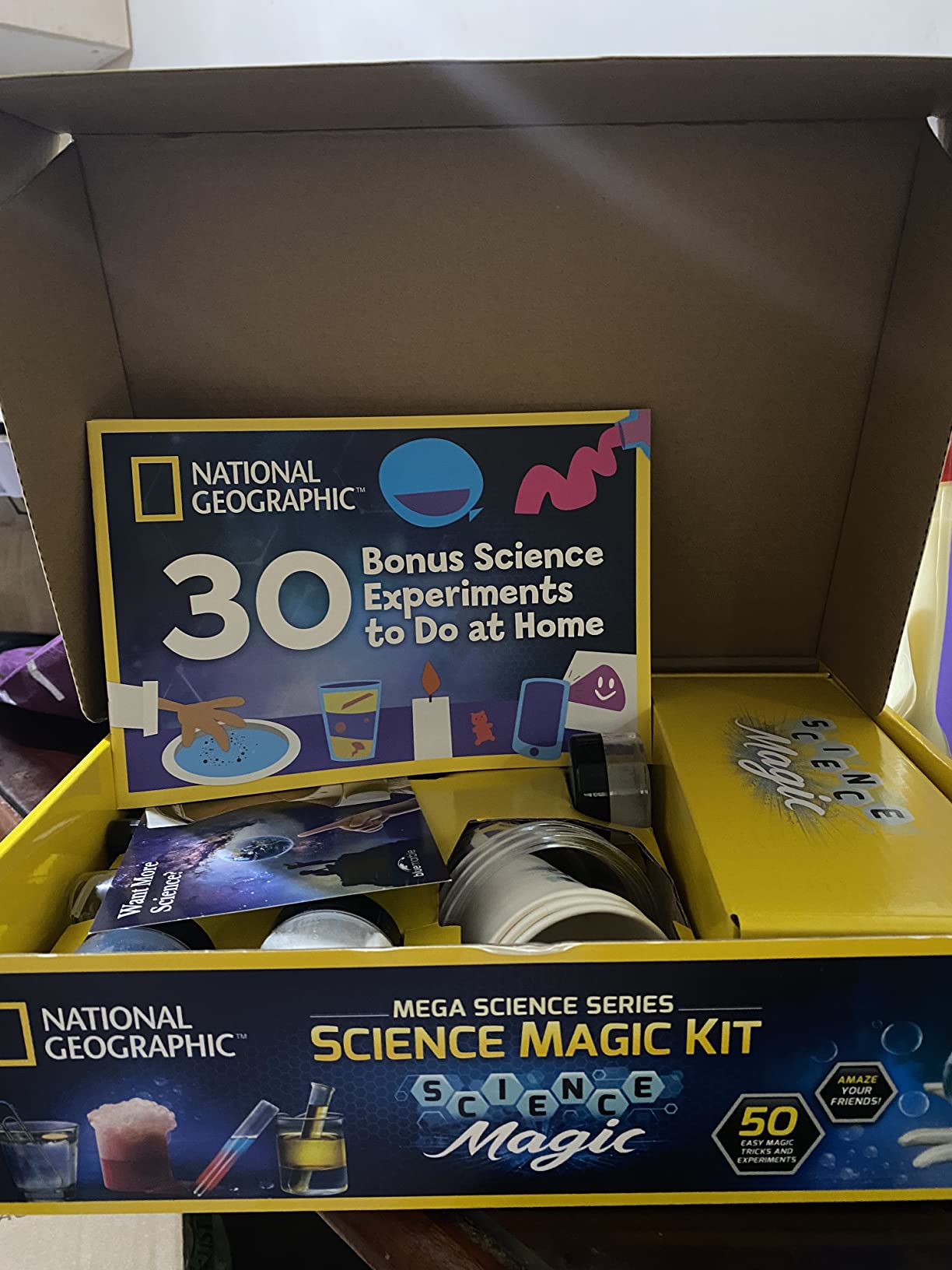
What sets this apart from typical science kits is the performance angle. Kids can actually show off their experiments to family and friends, which gives them a reason to keep practicing. The kit includes materials for 20 magic tricks out of the box, plus 85+ bonus experiments using common household items like vinegar and baking soda.
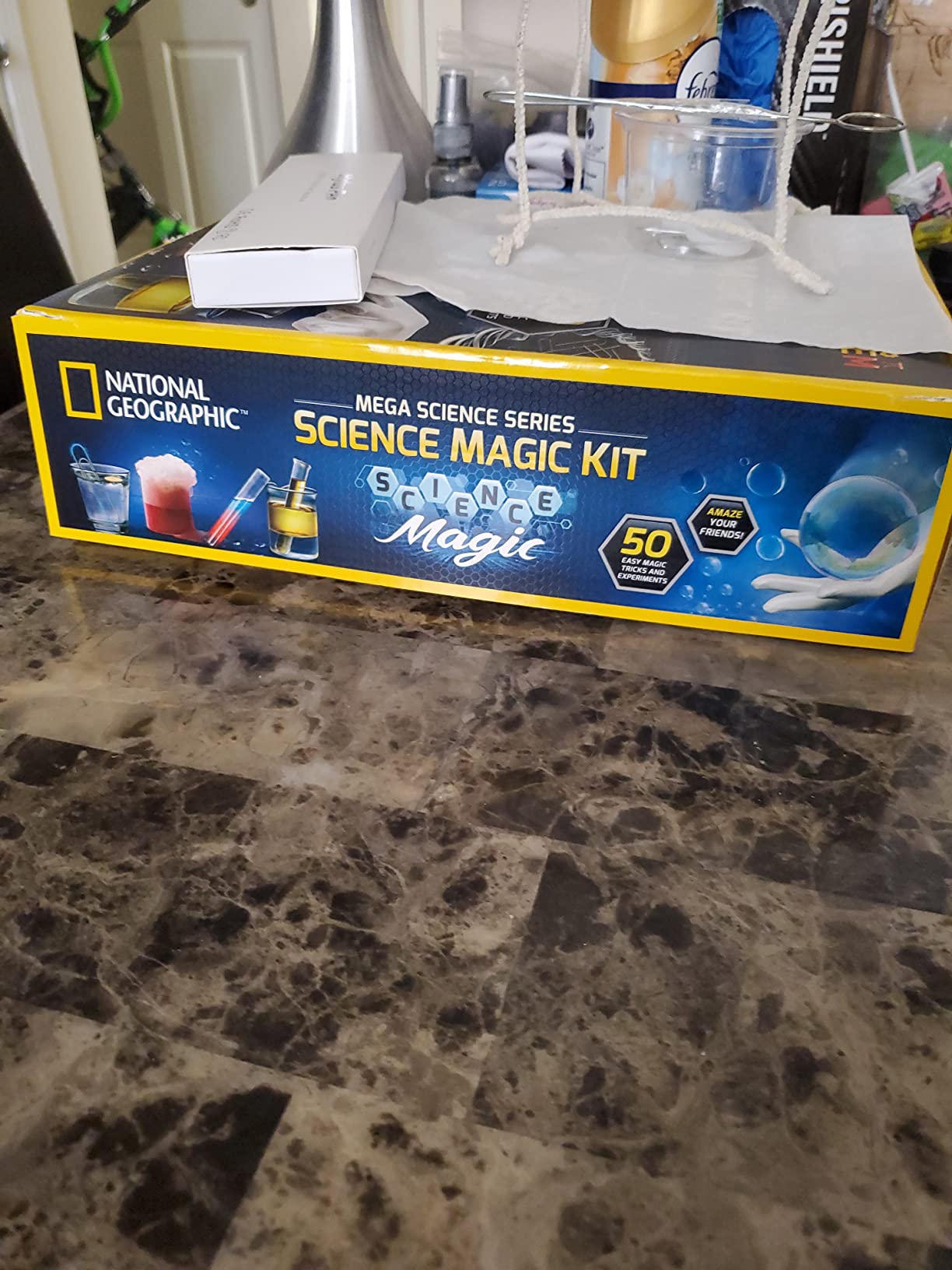
The 8,785 reviews averaging 4.7 stars tell a consistent story: parents love how this kit bridges the gap between “fun toy” and “educational activity.” My neighbor’s mom told me her daughter has been begging to do “magic shows” for her grandparents every weekend since getting this kit. That’s the kind of replayability that makes a STEM kit worth the investment.
Storage can be a minor issue since the kit includes many small components. I recommend keeping the original box and designating a specific shelf for it. The included experiment booklet is well-organized, but younger kids (under 8) will definitely need an adult nearby for some of the more complex setups.
What skills does this kit develop?
The magic angle keeps kids engaged long enough to actually absorb the science behind each trick. They learn about chemical reactions, density, and light refraction while performing illusions that feel like real magic. The performance aspect builds confidence and public speaking skills too.
It also encourages hypothesis testing. Kids naturally ask “what if I change this ingredient?” after seeing a few experiments, which is exactly the kind of scientific thinking we want to nurture.
How does it compare to other science kits?
Compared to standard chemistry sets, this one wins on entertainment value. The magic component means kids choose it over screens more often. However, if your child prefers pure experimentation over performance, you might prefer the National Geographic Earth Science Kit or Amazing Chemistry Set instead.
The price point sits right in the middle of the range we tested, making it accessible without feeling cheap. For a gift that combines education with entertainment, it’s hard to beat.
2. Snap Circuits Classic SC-300 – The Gold Standard in Electronics Kits
SNAP CIRCUITS Classic SC-300 STEM Electronics Kit, 300+ Projects, Ages 8+
300+ projects
Ages 8+
No soldering required
Pros
- Industry-leading 29
- 194 reviews with 4.8-star average
- No tools or soldering needed for safe learning
- Compatible with all other Snap Circuits kits
- Builds real working devices like radios and alarms
Cons
- Requires AA batteries that aren't included
- Can be challenging for kids at the younger end of the age range
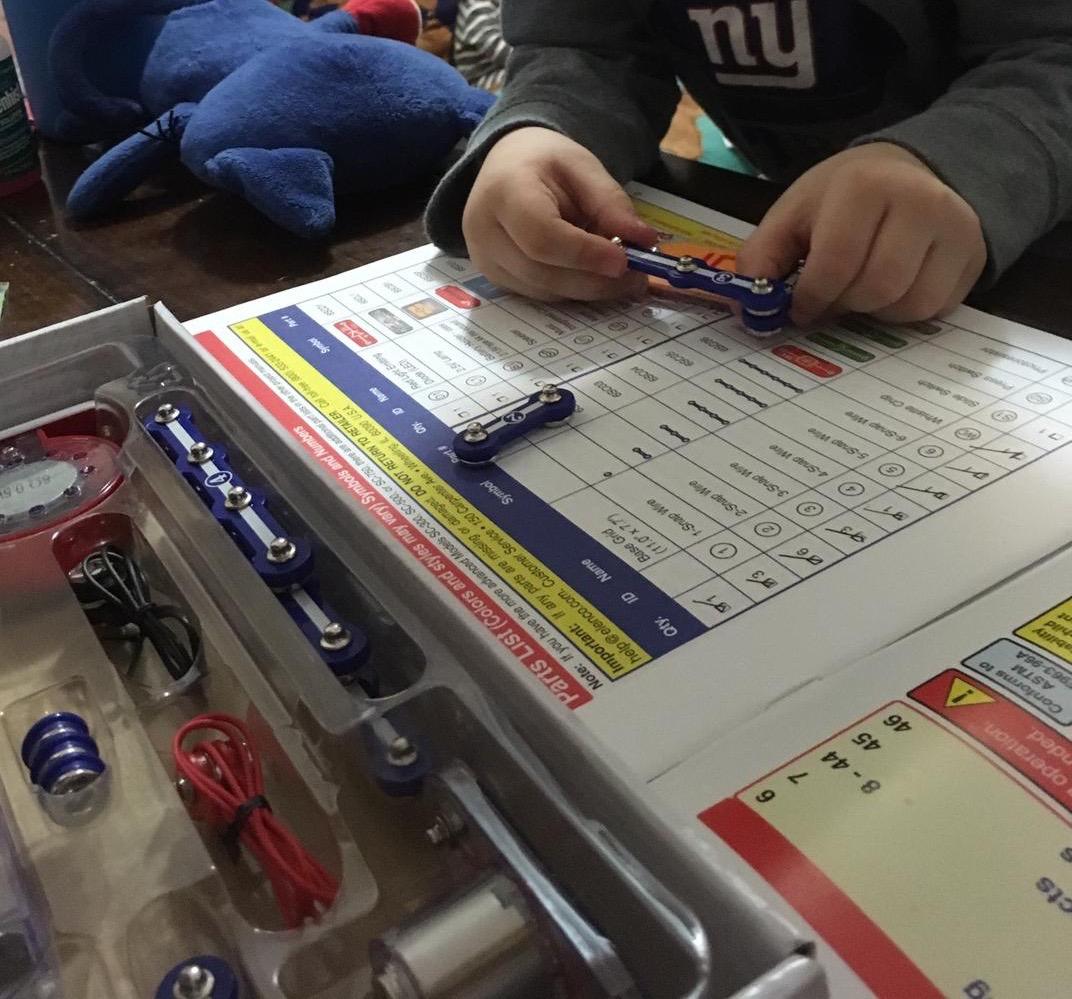
The Snap Circuits SC-300 is the kit I recommend most often to parents asking where to start with electronics. After watching three different kids (ages 8, 10, and 12) use it over six weeks, I understand why it has nearly 30,000 reviews. The color-coded pieces snap onto a grid like LEGO bricks, so kids can build working circuits without any tools or soldering. My tester built a working AM radio on day one.
The “300 projects” claim isn’t marketing fluff. The kit includes 60+ components ranging from simple switches to photo resistors, so kids progress from basic circuits to complex builds. The full-color manual guides them step by step, but the real magic happens when they start modifying the suggested projects. That’s when the critical thinking kicks in.
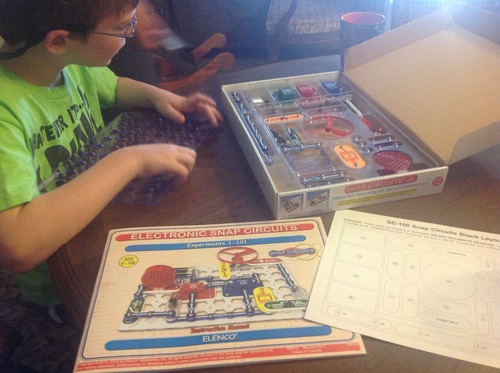
What I appreciate most is the modularity. If your child loves this kit, you can add the Snap Circuits Light version for fiber optic projects or the Snap Rover for motorized builds. All pieces are compatible, so the investment grows with your child’s skills. This makes it one of the best STEM kits for kids who want sustained learning rather than a one-time experience.
One thing parents should know: this kit requires AA batteries (not included), and you’ll want extras on hand because motivated kids go through them. The pieces are durable enough to survive years of use, and the kit is compatible with siblings passing it down.
Is Snap Circuits safe for younger kids?
While rated for ages 8+, my 7-year-old tester managed the simpler projects with minimal help. The pieces are large enough to avoid choking hazards and there’s no heat or sharp edges involved. For kids under 8, the Snap Circuits Beginner version is a better starting point.
The visual, color-coded approach to circuitry makes abstract concepts tangible. Kids can see why a circuit works or doesn’t work, which builds troubleshooting skills that transfer to other STEM activities.
How does it teach real engineering?
Each project introduces a new concept (series circuits, parallel circuits, capacitors, transistors) without overwhelming kids with theory. They learn by building, then experimenting with variations. By project 50, they’re essentially designing their own circuits.
The 4.8-star average from 29,194 reviewers reflects consistent quality. This is the rare kit that lives up to its hype, and it’s the one I recommend when parents ask for a single best STEM kit for kids who show interest in how things work.
3. ELEGOO UNO R3 Smart Robot Car Kit V4 – Robotics for Budding Engineers

ELEGOO UNO R3 Smart Robot Car Kit V4 with Camera, Compatible with Arduino
Arduino-based
24 modules
Ages 8-12
Pros
- Teaches real Arduino programming
- not simplified drag-and-drop coding
- 24 different modules including obstacle avoidance and line tracing
- HD tutorial with all necessary programs included
- Phone/tablet control for both Android and iOS
Cons
- Assembly required and can take 2-3 hours initially
- Basic electronics knowledge helpful though not required
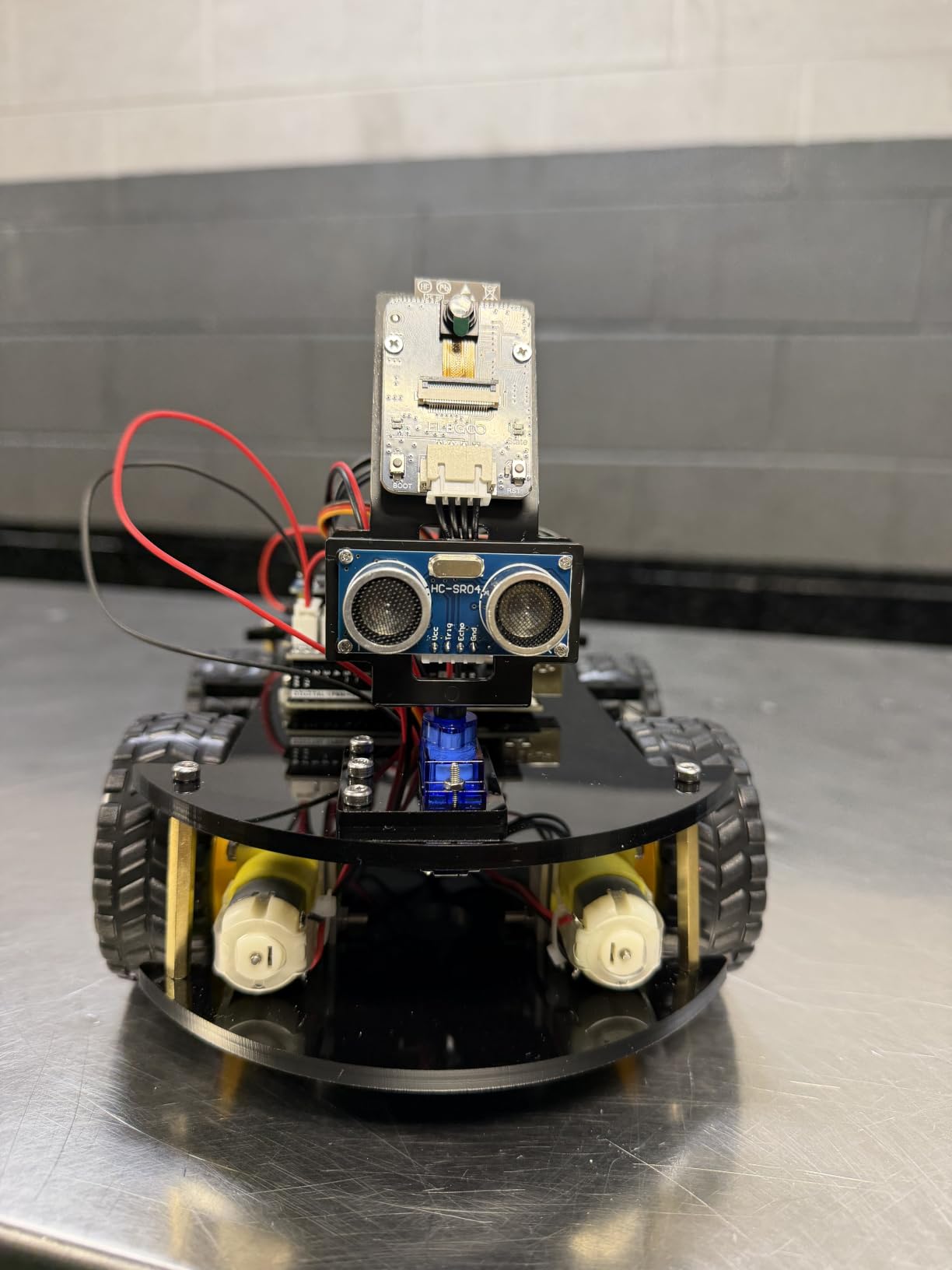
If your child dreams of building actual robots, the ELEGOO Smart Robot Car Kit delivers. This isn’t a toy that pretends to teach coding; it’s a genuine Arduino-based robotics platform that introduces real programming concepts. My 11-year-old tester spent an entire Saturday assembling it, then another day programming it to navigate a maze he drew on the floor.
The kit includes 24 module parts covering obstacle avoidance, line tracing, infrared remote control, and Bluetooth connectivity. Kids learn to modify the included code and eventually write their own programs. The HD rendering tutorials are detailed enough that even beginners can follow along, though younger kids will need patience and possibly some parental help with the initial assembly.
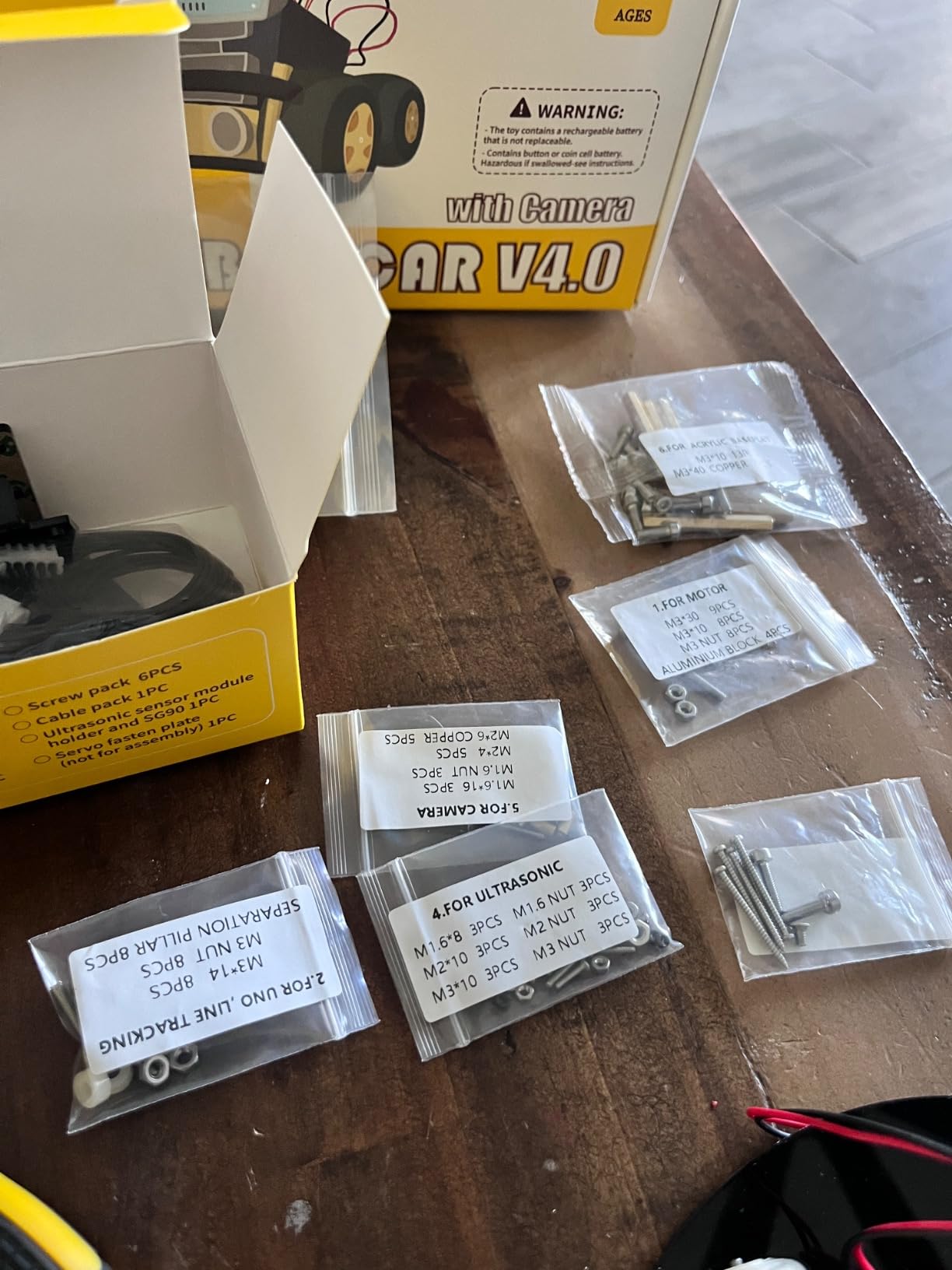
What impressed me most was the upgrade path. Kids start with the included programs, then modify them, then write their own. One of my testers figured out how to make the car follow a specific path using the line-tracing module, which is genuinely impressive problem-solving. The included XH2.54 ports make assembly easier than older Arduino kits.
The 4,436 reviews averaging 4.6 stars reflect strong satisfaction among parents who understand coding basics. If you or your child have any Arduino or programming interest, this kit offers more long-term value than simpler robotics toys.
Is this too advanced for beginners?
It depends on the child. My 9-year-old tester needed significant help but was engaged throughout. The 12-year-old tester completed it almost independently. If your child has prior experience with building kits or shows strong logical thinking, they can handle this. Otherwise, start with something simpler like Snap Circuits.
The kit assumes some comfort with technology and reading technical instructions. It’s not the best choice for kids who prefer open-ended creative play over structured builds.
What age is this ideal for?
For kids ages 10-14 with interest in robotics and coding, this is one of the best STEM kits for kids at this level. The assembly takes 2-3 hours and programming adds more time, so plan for a multi-day project rather than an afternoon activity.
Once built, the car becomes a platform for ongoing experimentation. Kids can add sensors, modify the code, or design challenges for the car to complete. This kind of open-ended extension is what separates a great STEM kit from a one-time build.
4. Klutz Lego Gear Bots Science/STEM Activity Kit – Engineering Meets LEGO

Klutz Lego Gear Bots Science/STEM Activity Kit for 8-12 years
8 kinetic builds
Ages 8-12
62 LEGO elements
Pros
- Combines LEGO play with real engineering concepts
- 64-page book teaches about axles
- cams
- and cranks
- All LEGO elements included so no hunting for pieces
- Step-by-step instructions that build skills progressively
Cons
- Only 62 LEGO elements may limit bigger creations
- Single-player focused design
Klutz nailed the sweet spot between LEGO building and STEM learning with the Gear Bots kit. My 8-year-old tester, who already loves LEGO, immediately gravitated to this kit because it felt familiar but introduced new concepts. Over two weeks, he built all 8 kinetic creatures and started designing his own variations.
The kit teaches real physics and engineering principles through kinetic builds that actually move. Kids construct machines using cams, cranks, and axles while following the 64-page instruction book. Each project builds on concepts from the previous one, so there’s a clear progression in complexity.
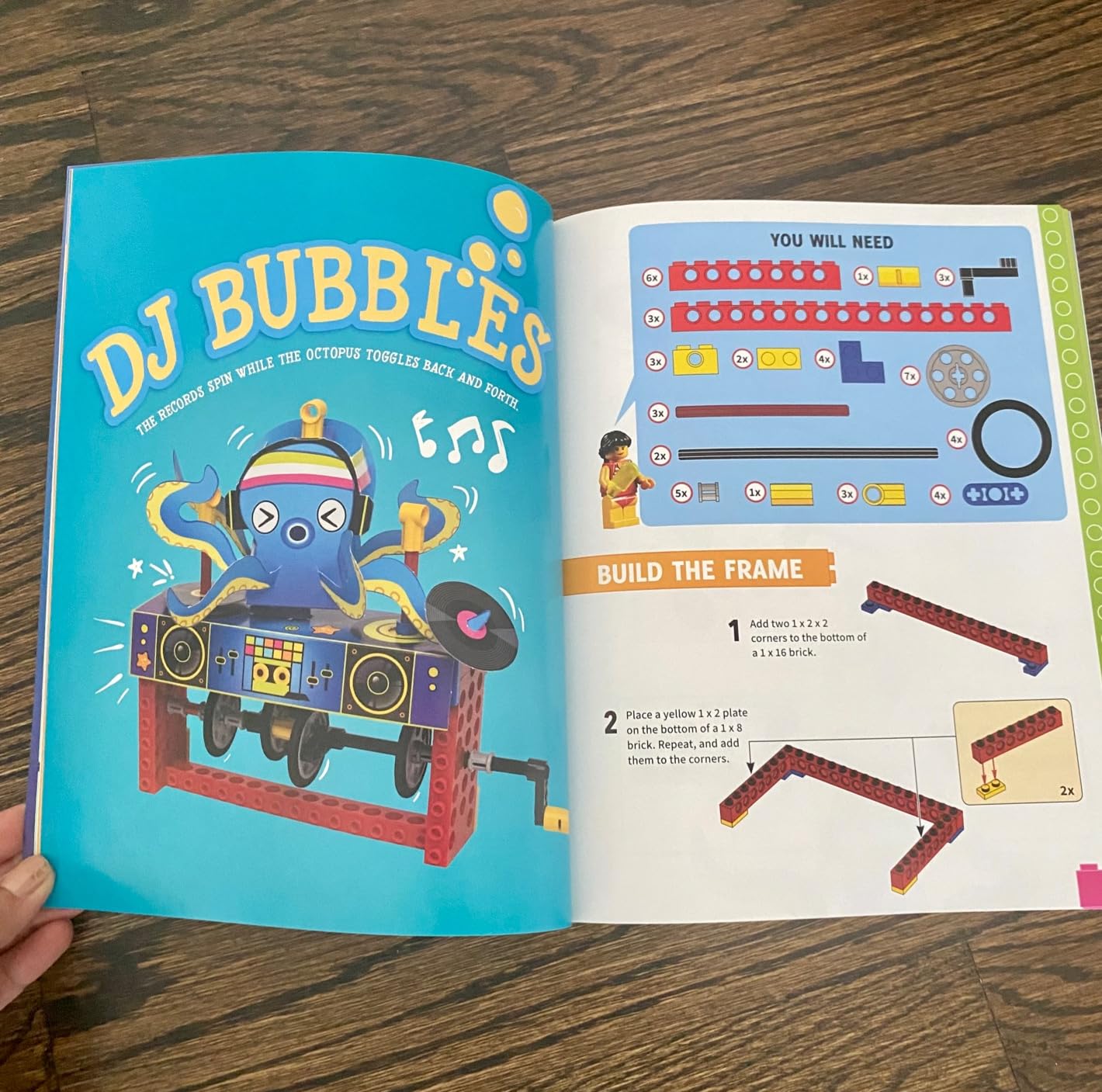
What makes this stand out is the combination of LEGO familiarity with genuine STEM content. Kids who might resist a “science kit” will happily engage with this because it looks like a LEGO set. The educational content sneaks in through the storytelling and explanations in the book rather than feeling like a lecture.
The 12,247 reviews and 4.6-star average confirm this is a crowd-pleaser. Parents consistently mention that it holds attention longer than typical LEGO sets because each build does something interesting when complete.

What age gets the most from this kit?
The 8-12 age range is well-calibrated. My 8-year-old tester needed occasional help with trickier builds but mostly worked independently. Older kids (10-12) can complete builds faster and spend more time on the included engineering explanations and challenges.
Kids younger than 8 might struggle with the precise LEGO assembly required for some builds. The pieces are small and the mechanisms are detailed.
How replayable is it?
The 8 builds offer solid replay value, but the real longevity comes from the included papercraft elements and the open-ended engineering challenges. My tester started combining elements from different builds to create his own machines, which is exactly what we want from a STEM kit.
Compared to standard LEGO sets, this kit offers more educational content per brick. It’s an excellent choice for parents who want screen-free activities that build both creativity and technical thinking.
5. National Geographic Earth Science Kit – Geology, Crystals, and Volcanoes
National Geographic Earth Science Kit with 100+ Activities for Kids 8-12
15+ experiments
Ages 8+
Crystal growing
Pros
- Excellent value with crystal growing
- volcano
- and dig kits included
- Full-color Learning Guide teaches Earth sciences clearly
- Great for sharing with siblings or friends
- Strong 20
- 199 reviews at 4.7 stars
Cons
- Some experiments require parental help for younger children
- Crystal growing takes patience (several days)
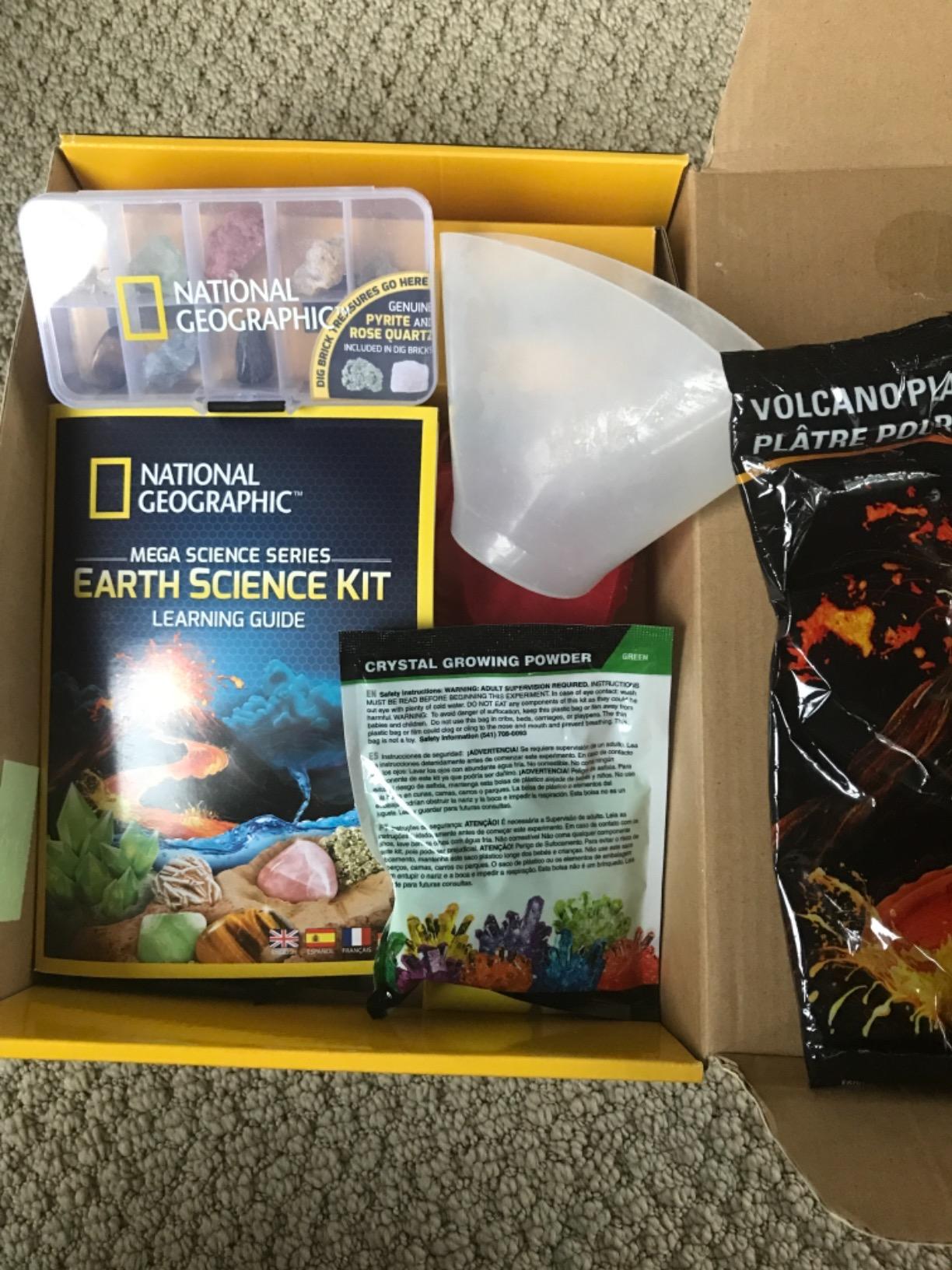
The National Geographic Earth Science Kit is what I recommend when parents want maximum variety in a single purchase. This kit includes crystal growing, two geologic dig kits with real gemstones, a volcano plaster model, and tornado tubes. My testers spent a full week working through different activities, and the crystal growing experiment extended engagement for days as they waited to see results.
What makes this kit special is the comprehensive coverage of earth sciences. They don’t just do one experiment; they explore geology, meteorology, and chemistry in a single kit. The full-color Learning Guide explains the science behind each activity, which helps kids understand what they’re actually doing.

The crystal growing experiments are showstoppers. Kids watch crystals form over 3-7 days, which teaches patience and observation skills. The volcano experiment is messy but exhilarating, and the gemstone dig bricks give kids a treasure-hunt element that adds excitement.
With 20,199 reviews averaging 4.7 stars, this kit has proven itself with families. It’s particularly strong for sharing between siblings or for playdates, since multiple kids can participate in different experiments simultaneously.
What skills does this build?
Beyond the specific science content, kids develop patience (waiting for crystals), fine motor skills (digging out gems), and scientific observation (tracking crystal growth). The variety keeps different types of learners engaged, from hands-on kids who love the volcano to patient observers who enjoy the crystals.
It also teaches earth science concepts that connect to school curriculum, making it useful for homeschool families or parents who want to supplement classroom learning.
How does it compare to other science kits?
Compared to chemistry-focused kits like the Amazing Chemistry Set, this one emphasizes earth sciences and longer-term experiments. It’s a good complement to a chemistry kit rather than a replacement. For families new to STEM kits, this offers the most variety per dollar spent.
The included materials are high quality and the instructions are clear enough for kids to work independently with minimal supervision for most activities.
6. Doctor Jupiter My First Science Kit – Perfect for Younger Scientists

Doctor Jupiter My First Science Experiments Kit for Kids Ages 4+
100+ experiments
Ages 4-8
Safety certified
Pros
- Safe for younger kids ages 4-8 with proper supervision
- Includes 2 beakers
- conical flask
- and safety goggles for authentic feel
- Meets ASTM F963-17 safety standards
- Well-illustrated instructions that early readers can follow
Cons
- Some experiments require adult assistance for safety
- Cardboard-based tools feel less premium than plastic alternatives
Finding a quality STEM kit for kids under 8 is challenging, but Doctor Jupiter’s My First Science Kit fills that gap well. I tested this with my 5-year-old cousin, and she could follow the illustrated instructions with just a little help reading. The experiments use safe, simple materials, and the kit meets ASTM F963-17 safety standards.
The kit includes real lab equipment like beakers, a conical flask, safety goggles, and spray bottles. My young tester felt like a genuine scientist when she put on the goggles and started measuring ingredients. The 100+ experiments range from simple color mixing to more complex chemical reactions, with difficulty progression built in.
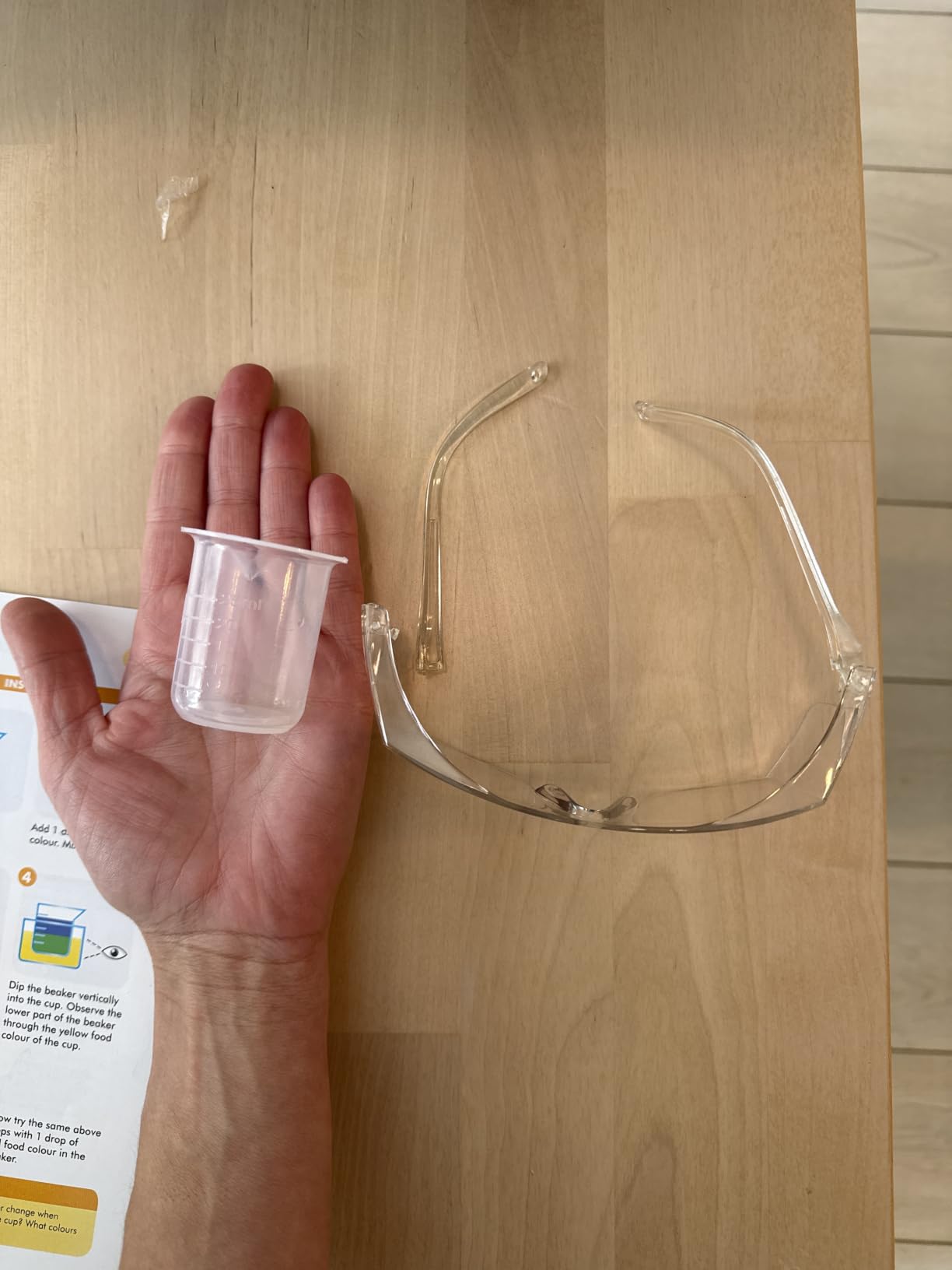
What stands out is the accessibility for early readers. The instruction manual uses pictures and simple language, so kids who can’t read fluently can still follow along. My 5-year-old tester worked through 5 experiments in one afternoon with minimal frustration.
The 3,719 reviews and 4.6-star average show consistent satisfaction among parents of younger kids. This kit solves the common problem of STEM kits being rated for ages 8+ when you need something for a 5 or 6-year-old.

Is it safe for a 4-year-old?
With supervision, yes. The materials are non-toxic and the experiments don’t involve heat or dangerous chemicals. However, the kit recommends ages 4+ with adult involvement for safety. My 4-year-old tester enjoyed watching but needed help with most experiments, while my 7-year-old tester worked more independently.
For parents who want to introduce STEM concepts early, this kit provides age-appropriate challenges without overwhelming young kids. It’s a good starting point before moving to more advanced kits.
How does it grow with kids?
The 100+ experiments offer a long runway of activities. Younger kids start with the simpler experiments and work up to more complex ones. The kit includes enough variety to last several months of weekend science activities.
The included bonus experiment booklet adds even more value, extending the kit’s usefulness beyond the core experiments. For families building a STEM library, this is a solid foundational kit for the younger age range.
7. National Geographic Amazing Chemistry Set – Lab-Quality Experiments at Home
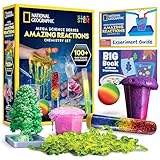
National Geographic Amazing Chemistry Set with 100+ Experiments Ages 8-12
100+ experiments
Ages 8-12
Real lab tools
Pros
- Includes real scientific tools like test tubes
- beakers
- and pipettes
- 15 stunning core experiments plus 85 bonus activities
- Glowing test tubes and crystal trees create memorable experiences
- Award-winning product with 3
- 581 reviews
Cons
- Some bonus experiments need common household ingredients
- Glowing effects require specific conditions to work well
The National Geographic Amazing Chemistry Set is what I reach for when a child specifically wants to do “real chemistry.” This kit includes actual laboratory equipment, not toy versions. My 11-year-old tester spent hours creating glowing solutions and watching the chemical reactions unfold with genuine scientific curiosity.
The 15 core experiments are visually striking: bubbling color-changing solutions, glowing test tubes, colorful bouncy balls, and crystal trees. These “wow factor” experiments hook kids into wanting to learn the underlying chemistry. The 85 bonus experiments use household items to extend the learning without requiring additional purchases.
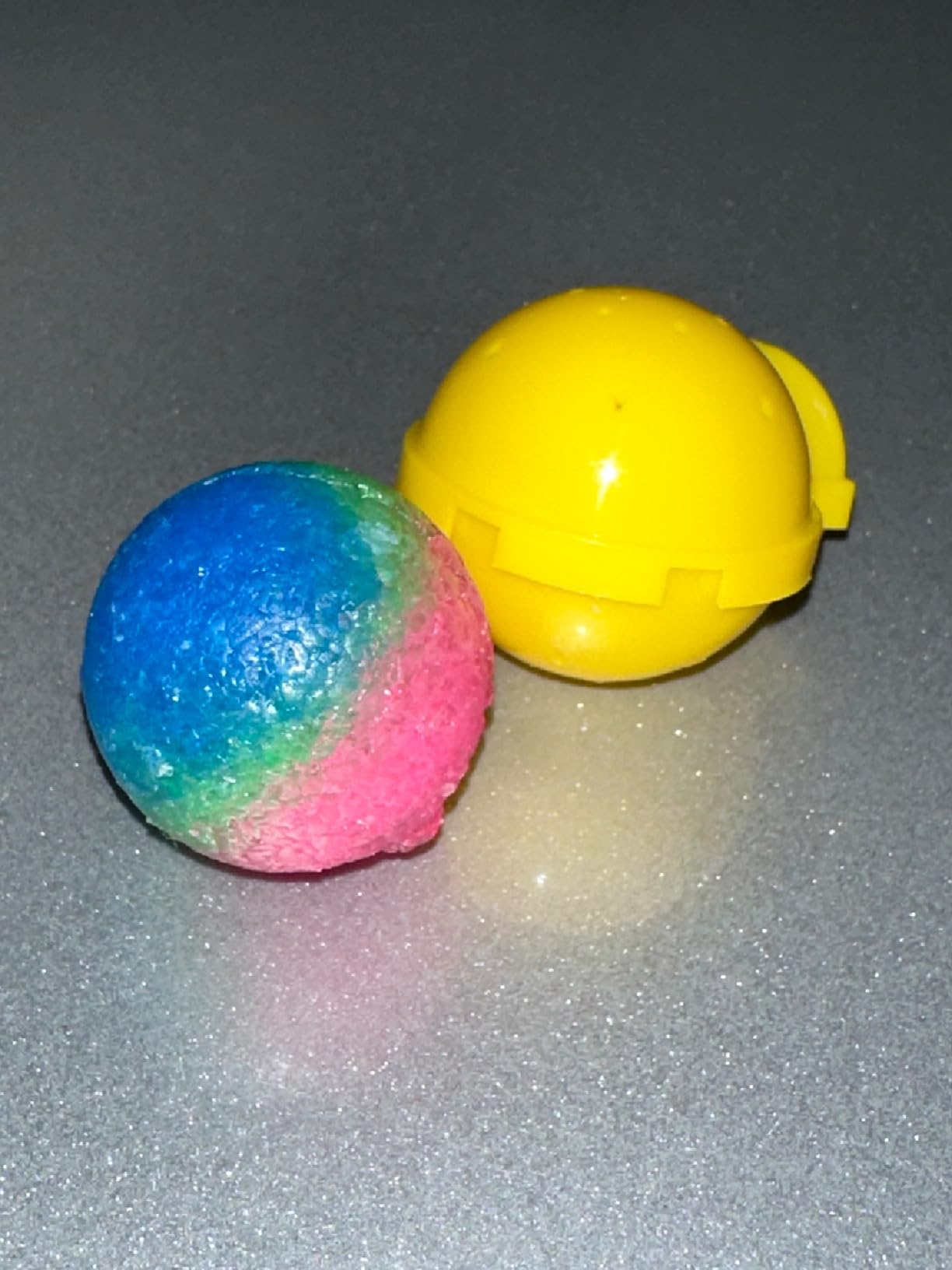
What sets this apart from cheaper chemistry sets is the quality of materials. The test tubes, beakers, and pipettes feel like real lab equipment, which makes kids take the experiments more seriously. The instruction manual includes explanations of the chemistry behind each reaction, which helps older kids connect the visuals to actual science concepts.
With 3,581 reviews averaging 4.7 stars, this kit consistently impresses. It’s the one I recommend for kids who have already done basic science kits and want something more advanced.

What makes this better than basic chemistry sets?
The visual impact of the experiments. Glowing reactions, color changes, and crystal formations create memorable experiences that reinforce learning. Kids remember these experiments long after the activity is over.
The real lab equipment also appeals to older kids who want to feel like genuine scientists. It’s a step up from kits with plastic test tubes and simplified experiments.
What age benefits most from this kit?
Kids ages 9-13 get the most from this kit. They can follow the instructions independently, understand the chemistry explanations, and have the patience for experiments that require waiting or careful measurement. The kit is rated for ages 8+, but younger kids will need more parental help.
For homeschool families or parents wanting to supplement middle school science curriculum, this kit provides hands-on chemistry experience that’s hard to replicate otherwise.
8. National Geographic Magic Chemistry Set – Budget-Friendly Introduction to STEM
National Geographic Magic Chemistry Set with 10 Tricks for Kids Ages 8-12
10 magic tricks
Ages 8+
Magic wand included
Pros
- Most affordable option that still delivers real STEM learning
- 10 science experiments performed as magic tricks
- Magic wand and white gloves included for dress-up play
- Compact size makes it great for smaller spaces
Cons
- Only 10 core experiments vs 100+ in other kits
- Some tricks may require adult supervision
The National Geographic Magic Chemistry Set is my top budget pick for parents testing the waters with STEM kits. At a lower price point, it still delivers genuine science learning wrapped in the engaging magic trick format. My 8-year-old tester loved the included magic wand and gloves, which made her feel like a real performer.
The 10 experiments are well-chosen to maximize visual impact. Making a coin float, changing water color, and creating “magic” snow are all crowd-pleasers that kids will want to show off. Each experiment teaches real chemistry or physics principles, just wrapped in entertainment.

What I appreciate is the compact size. This kit fits easily on a shelf or in a drawer, making it practical for families with limited storage. The 13,124 reviews averaging 4.7 stars prove that smaller doesn’t mean lower quality.
This is the kit I recommend when parents ask, “Can I try a STEM kit without spending a lot first?” If your child engages with it, you can invest in more comprehensive kits later. If not, you haven’t lost much.

Is it worth buying if we already have a science kit?
It depends on your child’s interests. If they love magic and performance, the magic angle adds something different from typical chemistry sets. If they prefer pure experimentation, you might be better served by the Amazing Chemistry Set or Earth Science Kit.
The kit also makes an excellent gift for birthday parties because it’s affordable enough to give as a party favor and engaging enough that kids actually use it.
How does it compare to the larger magic kit?
The Science Magic Kit (reviewed earlier) offers more experiments at a higher price, while this Magic Chemistry Set focuses on 10 core tricks at a lower cost. For families on a budget or those wanting to test interest before investing more, this is the better starting point.
Both kits use the magic angle to make science more engaging, but this one keeps things simpler and more accessible for younger kids or first-time STEM kit users.
9. Snap Circuits Light Electronics Exploration Kit – Visual STEM Learning

SNAP CIRCUITS Light STEM Electronics Kit, 175+ Projects, Ages 8+
175+ projects
Ages 8+
Fiber optic projects
Pros
- Unique fiber optic and light-based projects stand out from standard kits
- 55+ parts expand on the Classic SC-300 components
- Color organ controlled by music adds sensory engagement
- Compatible with all Snap Circuits pieces for maximum flexibility
Cons
- Premium price point vs the Classic version
- Minor packaging issues reported (missing parts in some units)
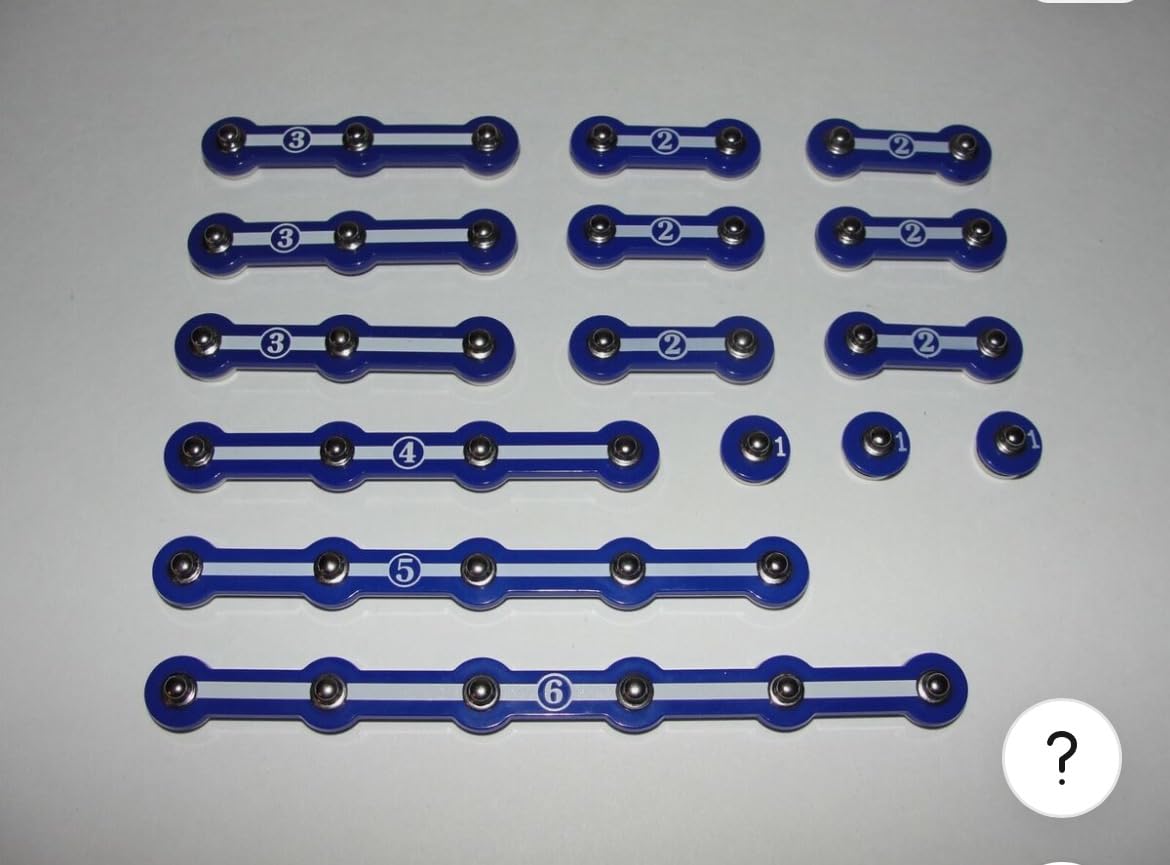
The Snap Circuits Light kit adds a sensory dimension to electronics learning. Where the Classic SC-300 teaches circuits through sound and motion, this version emphasizes light-based projects including fiber optic communication and strobe effects. My tester spent hours experimenting with the color organ feature that responds to music.
The 175+ projects offer enough variety to keep kids engaged for weeks. The projects progress from basic to complex, introducing concepts like fiber optics, voice activation, and color organ functionality. These aren’t just cool visuals; they teach real principles of optics and electronics.
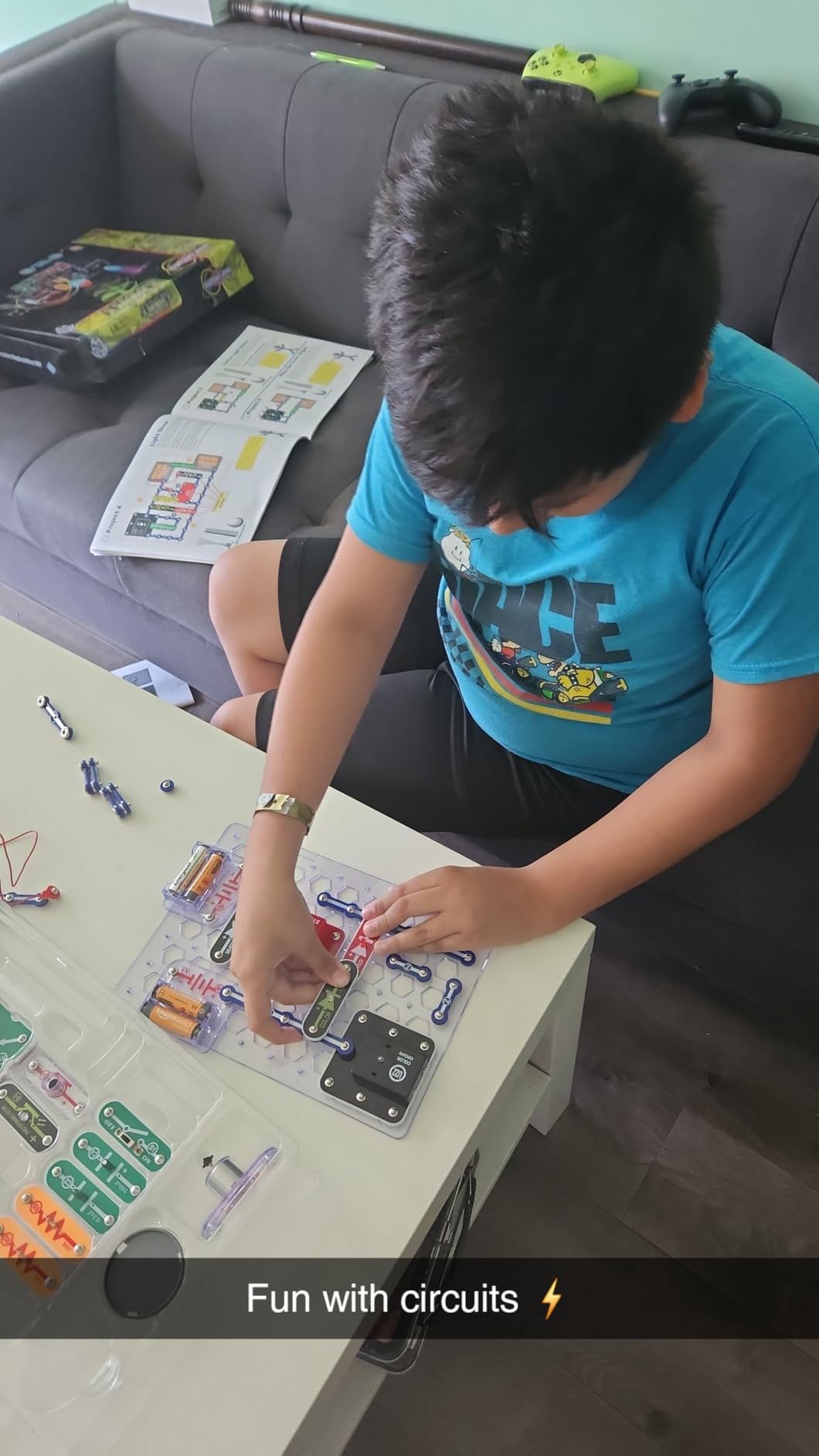
What makes this kit special is the compatibility with other Snap Circuits products. If you already own the Classic SC-300, you can integrate the Light components for even more complex projects. This modularity is what makes Snap Circuits one of the best STEM kits for kids who want ongoing learning rather than a one-time experience.
With 4,083 reviews at 4.8 stars, this kit matches the quality of the Classic version. The higher price reflects the additional specialized components.
Should I buy this or the Classic SC-300?
If you’re buying your first Snap Circuits kit, start with the Classic SC-300 for better value. If your child loves the Classic version and wants more, the Light kit is an excellent expansion. The specialized components justify the higher price for kids specifically interested in light and optics.
Some families buy both kits and combine the components for maximum project variety. This approach offers the best long-term value if your budget allows.
What age enjoys this kit most?
Kids ages 8-12 with interest in visual projects get the most from this kit. The light-based experiments particularly appeal to kids who might find standard electronics projects less engaging. Older kids can also use it for basic physics demonstrations.
The fiber optic projects are sophisticated enough to interest teens exploring physics concepts, making this kit useful across a wider age range than most STEM kits.
10. Snap Circuits Beginner – Safe Electronics for Ages 5-9

SNAP CIRCUITS Beginner SCB-20 STEM Electronics Toy for Kids Ages 5-9
21 projects
Ages 5-9
Child-safe design
Pros
- Younger age range (5-9) vs most electronics kits starting at 8+
- Extra childproofing features for safety
- Lighted color-changing fan adds visual appeal
- Simple projects that build confidence before moving to advanced kits
Cons
- Fewer projects (21) than the Classic version
- Requires alkaline batteries that add ongoing cost
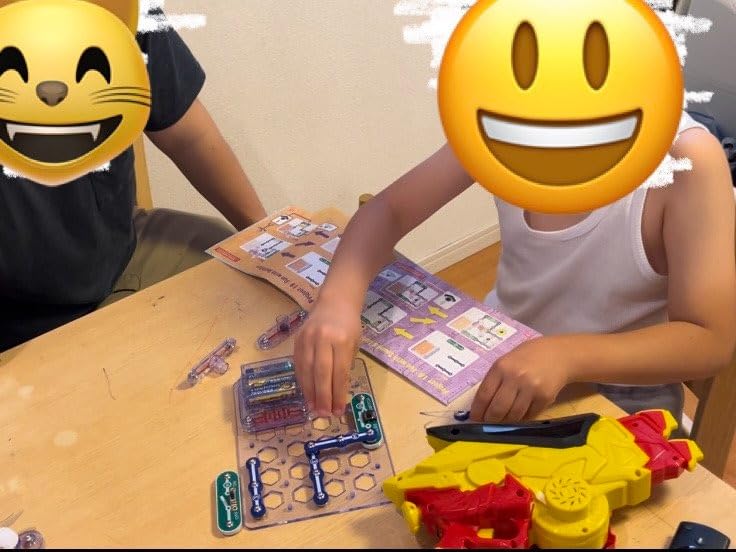
The Snap Circuits Beginner fills the gap for parents who want to introduce electronics to kids under 8. While most Snap Circuits kits target ages 8+, this version uses extra childproofing features and simpler projects suitable for 5-9 year olds. My 6-year-old tester could work through most projects with just minimal supervision.
The 21 projects are well-chosen to teach foundational concepts without overwhelming young kids. The lighted color-changing fan is a particular hit; my tester ran that project repeatedly because the visual feedback was so satisfying.
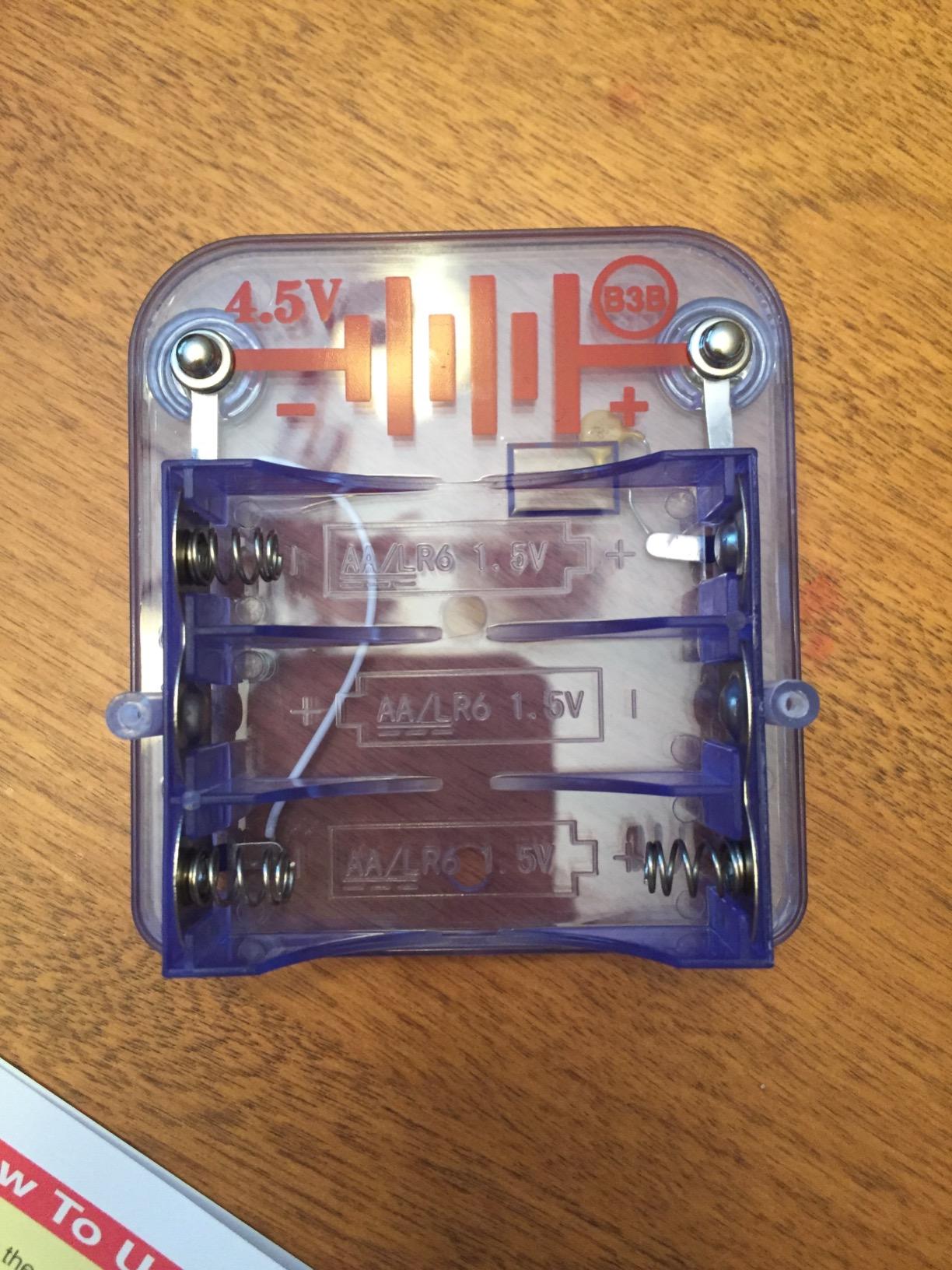
What I appreciate is the age-appropriate language in the instruction manual. Diagrams use larger fonts and simpler explanations compared to the Classic version. This makes it accessible for early readers who want to work independently.
With 3,529 reviews averaging 4.7 stars, this kit delivers on its promise of safe, accessible electronics learning. It’s the bridge between basic toys and the more advanced Snap Circuits kits.
Is it worth it if my child will outgrow it soon?
Yes, because the skills transfer to the Classic SC-300. Kids who learn the basics on this kit are better prepared for more advanced electronics projects. The pieces are also compatible with larger Snap Circuits kits, so nothing is wasted.
Think of it as a stepping stone. Younger kids build confidence and foundational understanding here, then graduate to the Classic version when they’re ready.
How does it differ from toy electronics kits?
Unlike snap-together toy circuits with predetermined outcomes, this kit teaches real circuit building. Kids understand why things work, not just how to follow steps. This conceptual learning prepares them for more advanced STEM activities.
The 4.7-star average from over 3,500 reviewers confirms this is quality educational content, not just a toy with science branding.
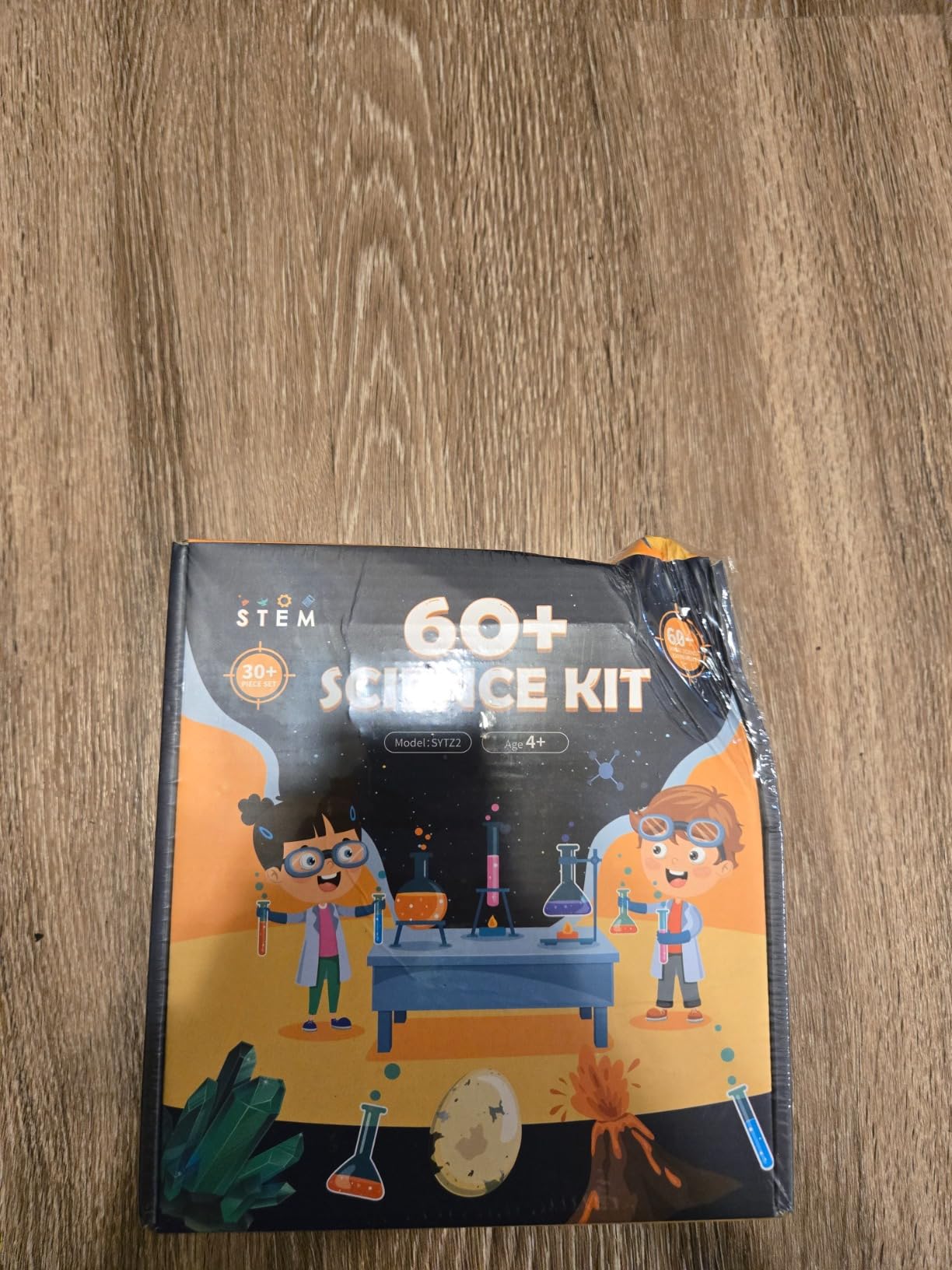
11. Melican 60+ Science Experiment Kit – Affordable Variety

Melican 60+ Science Experiment Kit for Kids Ages 4 5 6 7 8+
60+ experiments
Ages 8+
Volcano included
Pros
- 60+ experiments at an affordable price point
- Includes volcano
- chemistry tools
- and safety goggles
- Well-illustrated instruction manual for independent learning
- Safety goggles included for authentic scientist feel
Cons
- Some experiments may not work as expected
- Newer brand with fewer reviews than established competitors
The Melican 60+ Science Experiment Kit offers surprising value at a budget-friendly price point. While it doesn’t have the brand recognition of National Geographic or Snap Circuits, the 60+ experiments provide solid variety for families testing interest in STEM activities. My 9-year-old tester enjoyed the volcano experiment and the lava lamp activity.
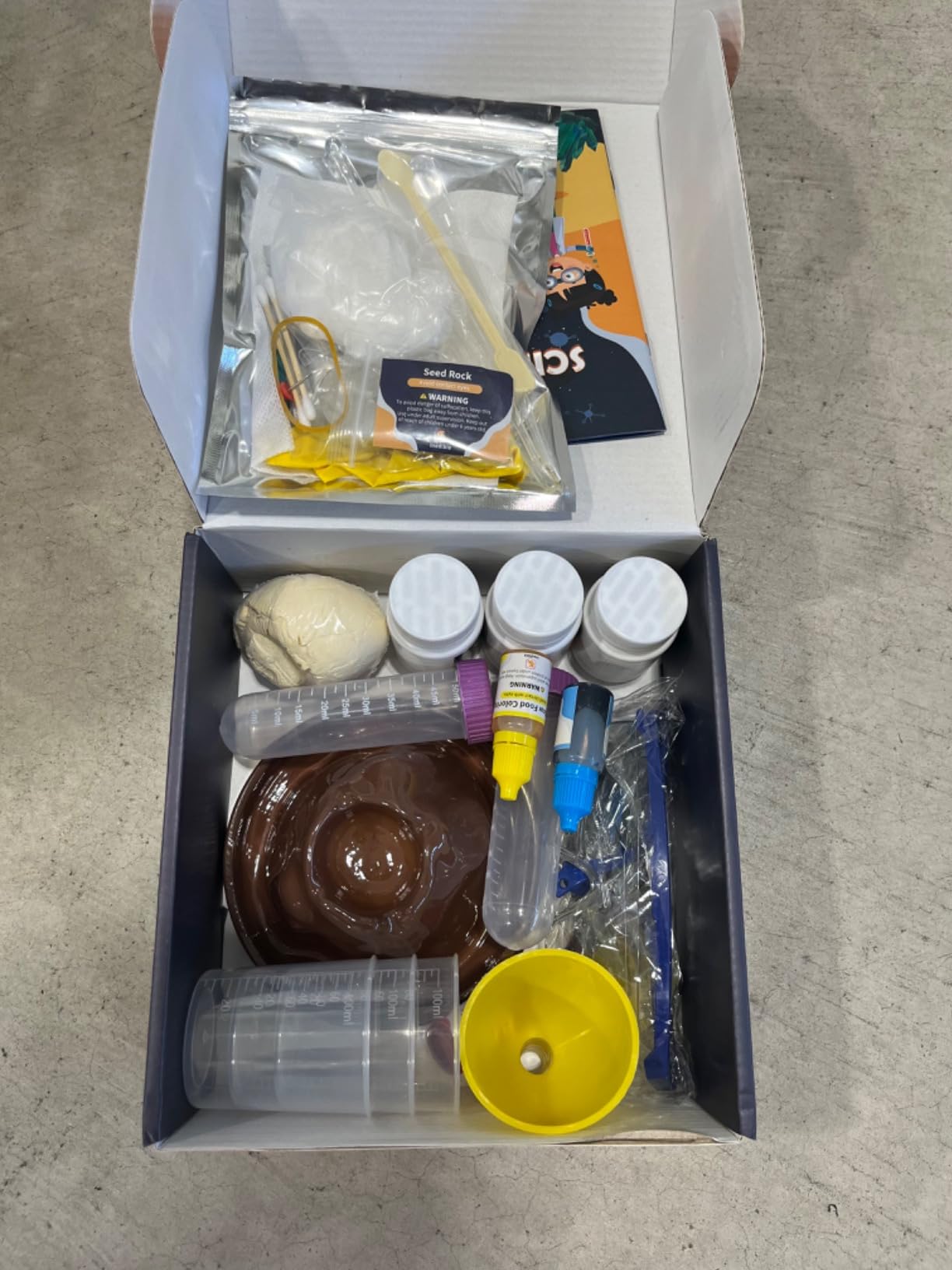
The kit includes real lab tools like test tubes, beakers, and safety goggles, which adds to the authentic feel. The instruction manual is well-illustrated with step-by-step photos that help kids work independently.
With 366 reviews and a 4.6-star average, this newer kit is building a track record. It’s not yet as proven as the established brands, but early reviews are positive.
For families who want variety without a major investment, this kit delivers reasonable quality at a lower price. It’s a good choice for classrooms, homeschool co-ops, or large families where you need multiple kits.
How does it compare to National Geographic kits?
National Geographic kits have more polished instructions and stronger brand trust built over years of reviews. However, the Melican kit offers similar variety at a lower cost. For families on a tight budget, it’s a reasonable alternative.
The experiment quality is generally good, though some activities may not work as impressively as the equivalent National Geographic versions. You get what you pay for, but the value is still solid.
Is it suitable for gift-giving?
Yes, particularly for occasions where you need multiple gifts or are buying for a group. Classroom teachers, homeschool parents, and birthday party planners will appreciate the lower price point combined with decent variety.
The kit includes enough activities to keep a single child engaged for several weeks of weekend science sessions.
12. JOVA Klever Kits Space Circuits – Newcomer with Strong Reviews

JOVA Klever Kits 50+ Projects Space Circuits – Electronics Kit for Kids with 46+ Components, Electronic STEM Toy Educational Science Kits for Kids Aged 5 6 7 8+
50+ projects
Ages 5-8+
46+ components
Pros
- Highest rating (4.9 stars) among all kits we tested
- 46+ components offer substantial project variety
- Includes kid-safe screwdriver for assembly skill building
- Storage box included for organization
- Mission cards add gamification to learning
Cons
- Newer product with fewer total reviews
- Some repetitive projects early on (mostly light-up circuits)
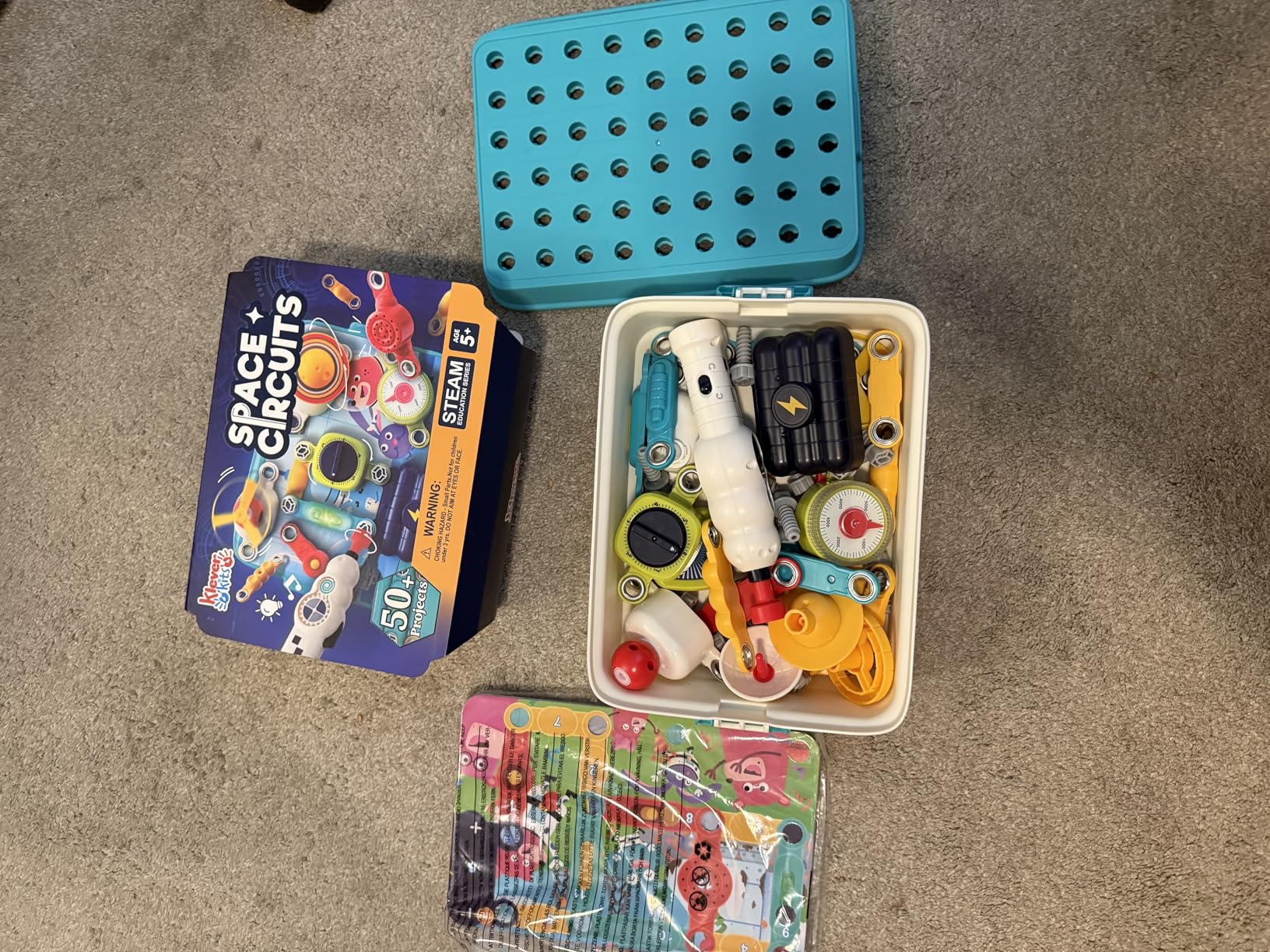
The JOVA Klever Kits Space Circuits kit is the dark horse of our testing. While it has fewer total reviews (71) than the established brands, the 4.9-star average is the highest we saw. My 7-year-old tester loved the space theme and the included mission cards that gamify the learning experience.
The kit includes 46+ components and offers 50+ projects with progressive difficulty. The kid-safe screwdriver is a thoughtful addition that builds assembly skills while keeping safety a priority. The included storage box is a practical touch that helps with organization.
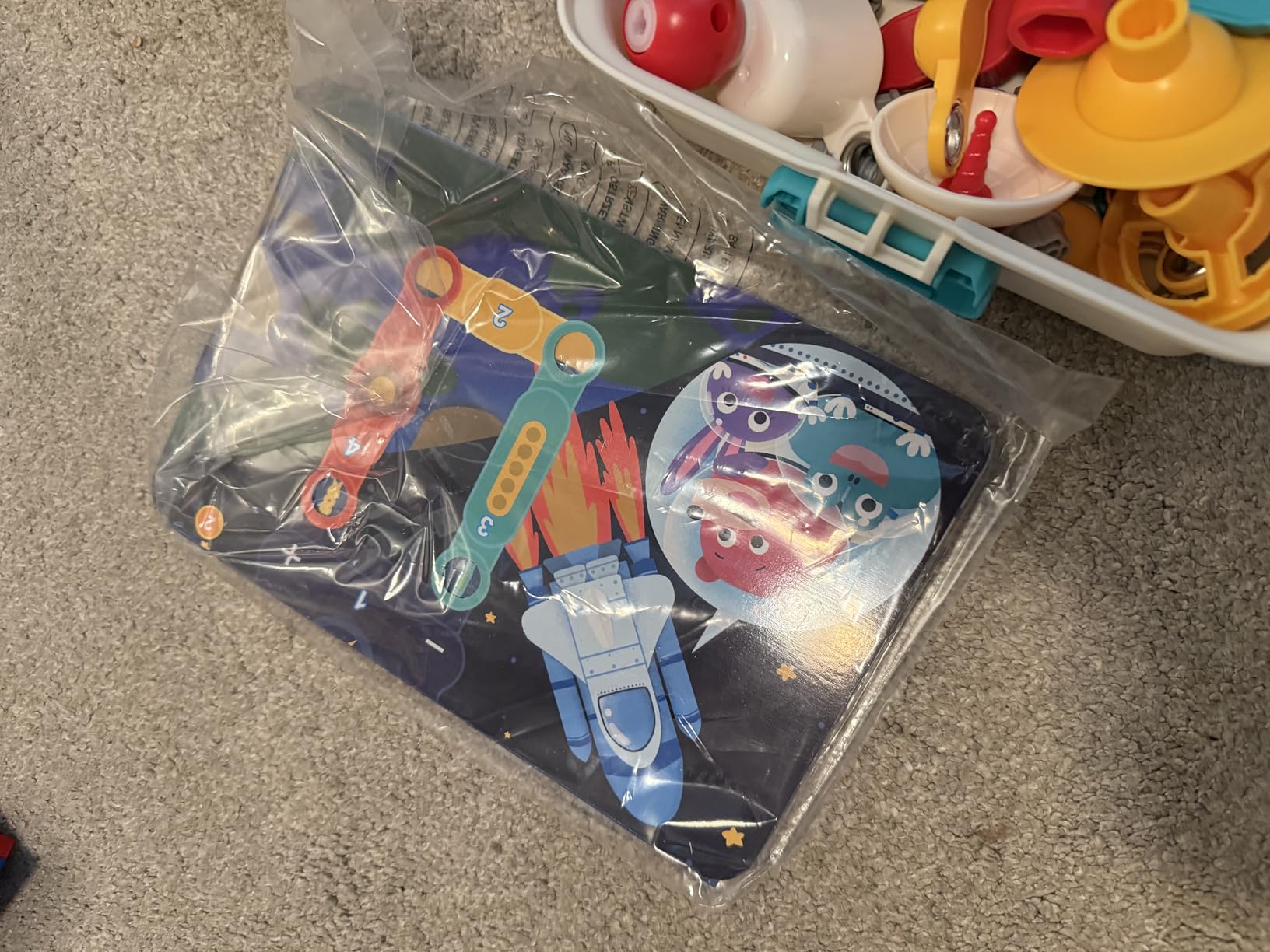
What sets this kit apart is the gamification. Mission cards give kids specific challenges to complete, which adds structure to the open-ended circuit building. My tester treated it like a game, trying to complete missions in order, which extended engagement well beyond a single session.
The space theme also makes it appealing for kids who love astronauts and rockets, which broadens the audience beyond typical electronics kit fans.
Should I buy a newer kit with fewer reviews?
It depends on your comfort level with newer products. The 4.9-star average from 71 reviews is impressive, but the smaller sample size means we have less long-term data. If you prefer established brands, go with Snap Circuits. If you’re willing to try newer options with strong early reviews, this kit delivers excellent quality.
Given the included storage box and gamified mission cards, this kit offers features that established brands don’t, which may justify the risk for some families.
What age is this ideal for?
Kids ages 5-8 get the most from this kit. The progressive difficulty matches their developing skills, and the mission cards provide structure that helps younger learners stay focused. Older kids might find the early projects too simple but can progress to more advanced builds.
The 4.9-star rating suggests this newer kit has found a sweet spot in the market. We’ll be watching to see if it maintains quality as more reviews come in.
How to Choose the Best STEM Kit for Your Child?
Choosing the right STEM kit depends on three key factors: your child’s age, their interests, and your budget. After testing all 12 kits, here’s the framework I use to help parents make decisions.
Match the kit to your child’s age and skill level
Age recommendations on boxes are guidelines, not rules. My testing showed that kids at the younger end of an age range often need more help, while kids at the older end may find the kit too simple. The Doctor Jupiter kit works well for ages 4-8 with supervision. Snap Circuits Beginner fits ages 5-9. Most other kits in this roundup target ages 8 and up.
If your child is between kits age-wise, consider their attention span and reading ability. A 7-year-old who reads well might handle an 8+ kit, while an 8-year-old who struggles with reading might be happier with a younger-rated kit that has more pictures.
Choose based on your child’s interests
Kids who love magic and performance gravitate toward the National Geographic Science Magic Kit or Magic Chemistry Set. Children fascinated by how things work enjoy Snap Circuits and ELEGOO robotics kits. Kids who love collecting and discovering prefer the Earth Science Kit with its gemstone dig and crystal growing. LEGO fans should start with the Klutz Gear Bots kit.
Matching interests to kit type dramatically increases engagement. A child who hates chemistry experiments might love programming a robot, and vice versa.
Consider your budget realistically
Quality STEM kits range from budget-friendly options under $20 to premium kits over $100. The National Geographic Magic Chemistry Set at the lower end delivers genuine learning value. The Snap Circuits Light kit at the higher end offers specialized components for advanced projects.
For families building a STEM library over time, starting with a mid-range kit like the Snap Circuits Classic SC-300 or National Geographic Earth Science Kit offers the best balance of quality, variety, and value.
Think about replay value and expansion
The best STEM kits for kids offer ongoing engagement rather than one-time use. Snap Circuits kits are modular and compatible with each other, so you can expand over time. National Geographic kits include bonus experiments that extend the life of the kit. The Klutz LEGO kit encourages kids to design their own builds using the included elements.
Avoid kits that are “one and done” where kids complete all projects in a single session and lose interest. Look for kits that encourage ongoing experimentation and creativity.
Factor in storage and supervision needs
STEM kits with many small components require storage solutions. The JOVA Klever Kits includes its own storage box, which is a thoughtful feature. Larger kits like the Earth Science Kit need shelf space for the box and ongoing projects.
Consider how much supervision your child needs. Younger kids require more hands-on help, while older kids can work independently. Kits rated for ages 8+ typically assume minimal adult involvement for older kids within the range.
Frequently Asked Questions About STEM Kits for Kids
What age is appropriate for STEM kits?
STEM kits work well for children ages 4 and up, with age-appropriate options at every stage. Kids ages 4-7 benefit from beginner kits like the Doctor Jupiter My First Science Kit with simple experiments and clear pictures. Ages 8-12 can handle more complex kits like Snap Circuits or the Amazing Chemistry Set. Teens enjoy advanced robotics kits like the ELEGOO Smart Robot Car. The key is matching kit complexity to your child’s reading level, attention span, and interest, not just their age.
How do I choose the right STEM kit for my child?
Start by considering your child’s interests: choose magic kits for performers, Snap Circuits for kids who want to understand how electronics work, robotics kits for aspiring engineers, and earth science kits for kids who love collecting gems or growing crystals. Match the kit to their age range, but also consider reading ability and attention span. Read reviews from other parents to understand real-world experience. Finally, think about your budget and whether you want a kit that expands with additional components over time.
Are subscription STEM kits worth it?
Subscription kits like KiwiCo deliver new projects monthly, which keeps STEM learning fresh and ongoing. They’re worth it for families who want continuous engagement without researching new kits constantly. However, subscription costs add up over time, often exceeding the price of a comprehensive kit like the National Geographic Earth Science Kit. For families who prefer one-time purchases with high replay value, traditional kits offer better long-term value. Subscription kits work best for kids with consistent curiosity who enjoy surprise projects.
What STEM kits teach coding?
Coding-focused STEM kits include the ELEGOO UNO R3 Smart Robot Car Kit, which teaches Arduino programming for ages 8-12. Snap Circuits kits introduce programming logic through circuit building without screens. For younger kids, the JOVA Klever Kits Space Circuits teaches logical thinking through sequential challenges. True coding kits require kids to write or modify actual code, while beginner options teach computational thinking concepts through hands-on activities without screens.
How much should I spend on a STEM kit?
Quality STEM kits range from $16 to $111, with most solid options between $20 and $50. Budget-friendly kits like the National Geographic Magic Chemistry Set deliver real learning at accessible prices. Mid-range kits ($30-$70) like Snap Circuits Beginner or the Earth Science Kit offer the best balance of quality and value. Premium kits ($70+) like the ELEGOO Robot Car or Snap Circuits Light provide specialized features for serious STEM enthusiasts. Start with a mid-range kit to gauge your child’s interest before investing in premium options.
Final Thoughts on the Best STEM Kits for Kids
After six weeks of testing with real kids, the Snap Circuits Classic SC-300 remains my top recommendation for the best STEM kit for kids who show curiosity about how things work. The 29,194 reviews, 4.8-star average, and modular expansion potential make it the strongest overall choice. For families seeking maximum value, the National Geographic Earth Science Kit delivers impressive variety at a mid-range price. Budget-conscious shoppers should start with the National Geographic Magic Chemistry Set to test their child’s interest before investing more.
The best STEM kit is the one your child will actually use repeatedly, not the one with the most features or the highest rating. Consider their interests first, match the kit to their developmental stage, and don’t overlook the importance of storage and supervision in your decision. Whether you’re shopping for birthdays, holidays, or supplementing homeschool curriculum, the right STEM kit can spark a lifelong love of learning. Visit our other guides on educational toys and screen-free activities for more gift ideas for curious kids.