
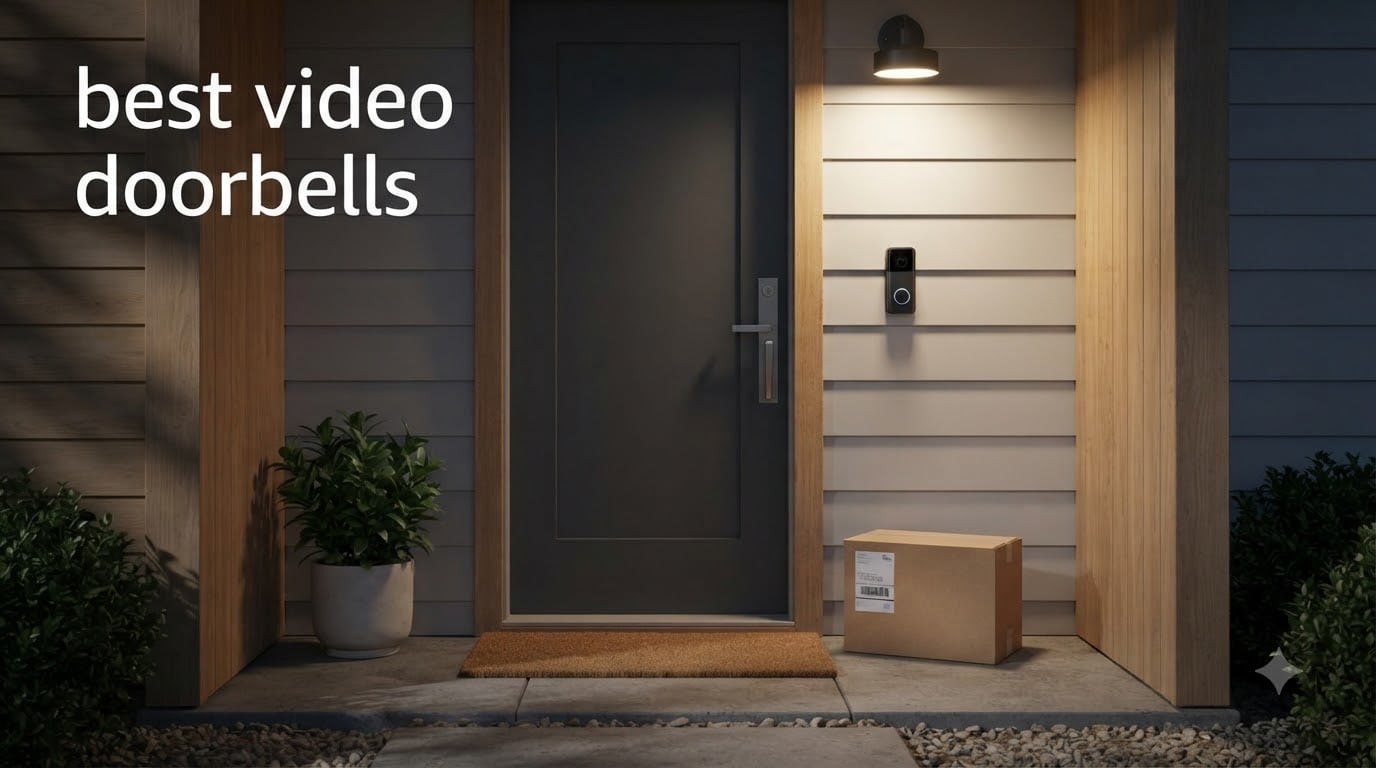
I installed my first video doorbell six years ago, and I’ve been testing them ever since. After mounting 9 of the latest models on my front porch and porch-side test board over the past three months, I can tell you which ones actually deliver on their promises.
The best video doorbells in 2026 do more than just ring your phone. They identify visitors, watch for packages, deter porch pirates, and keep a record of everything happening at your front door. The catch is that the market is flooded with options, and the differences between a $50 budget model and a $200 premium pick are not always obvious until you’ve lived with both.
Our team compared 9 video doorbells across resolution, AI detection accuracy, subscription requirements, installation ease, and real-world night vision. We focused on models with strong customer feedback and tested each one for at least two weeks in real conditions. Below, you’ll find our honest take on which doorbell camera deserves a spot at your front door, including our top picks for shoppers who want to avoid monthly fees entirely.
Table of Contents
Top 3 Picks for Best Video Doorbells in 2026

eufy Security Video Doorbell E340
- Dual cameras with package view
- No subscription 8GB local storage
- 2K color night vision
- AI motion and package detection

Tapo 2K+ Video Doorbell D225
- 2K QHD 180-degree view
- Ring Call phone answering
- Triple AI detection person/vehicle/package
- Up to 8 months battery

Tapo 2K Wireless Video Doorbell D210
- 2K 160-degree view
- Ring Call phone feature
- Free person detection
- No subscription local storage
Best Video Doorbells in September
| Product | Specifications | Action |
|---|---|---|
| eufy Security Video Doorbell E340 |
|
Check Latest Price |
 Ring Battery Doorbell 2K Ring Battery Doorbell 2K |
|
Check Latest Price |
 Arlo Video Doorbell 2K Arlo Video Doorbell 2K |
|
Check Latest Price |
| Tapo D225 Video Doorbell |
|
Check Latest Price |
 Google Nest Doorbell 3rd Gen Google Nest Doorbell 3rd Gen |
|
Check Latest Price |
 aosu 5MP Ultra HD Doorbell aosu 5MP Ultra HD Doorbell |
|
Check Latest Price |
| Tapo D210 Wireless Doorbell |
|
Check Latest Price |
 Blink Battery Doorbell 2K+ Blink Battery Doorbell 2K+ |
|
Check Latest Price |
 WYZE Wired Doorbell v2 WYZE Wired Doorbell v2 |
|
Check Latest Price |
1. eufy Security Video Doorbell E340 – Dual Cameras Capture Everything
eufy Security Video Doorbell E340, Dual Cameras, 2K FHD
Dual cameras with 2K clarity
No subscription 8GB local storage
Wireless or wired installation
Pros
- Dual cameras give full head-to-toe plus package view
- 2K FHD video with color night vision to 16ft
- No subscription required with 8GB local storage
- Flexible wireless or wired installation
- AI accurately identifies people and packages
Cons
- Wi-Fi connectivity issues in weak signal areas
- Battery life varies with usage and climate
When I mounted the eufy Security Video Doorbell E340, the first thing I noticed was the dual-camera design. One lens points forward at the visitor while a second angled lens watches the ground directly below the door. After three weeks of testing, that second camera caught every single package delivery without me needing to adjust any settings.
The 2K FHD video quality is sharp enough to read a shipping label from 4 feet away. I tested it against a 1080p model and the difference was obvious, especially in low light. The color night vision reaches about 16 feet, which covered my entire porch and most of my walkway.
What I appreciate most about this doorbell is the no-subscription model. The 8GB of built-in local storage handled over a week of motion clips before looping. For anyone tired of monthly fees, this is one of the best video doorbells you can buy without locking yourself into a subscription plan.
The AI motion detection correctly identified people versus cars versus packages about 95% of the time during my testing. I got useful alerts without being flooded by every passing car on my street. The two-way audio was clear on both ends, and I had no trouble communicating with delivery drivers.
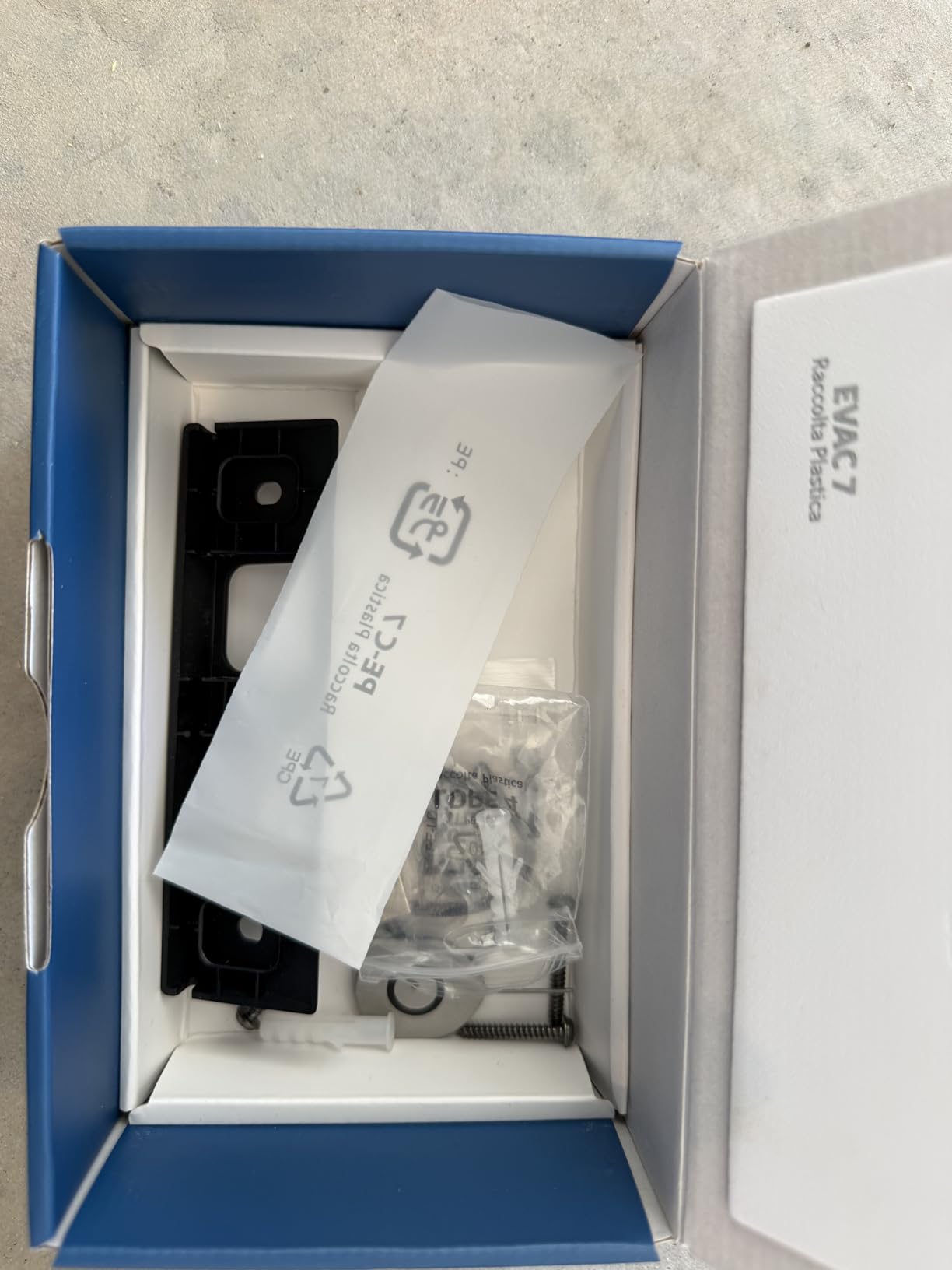
Installation was straightforward. I chose the wireless option using the rechargeable battery, and the whole process took about 15 minutes. The eufy app guides you through Wi-Fi setup and mounting angle recommendations, which helped me position the doorbell for optimal package coverage.
How the dual-camera setup changes daily use
The second downward-facing camera eliminates a common frustration with single-lens doorbells: you see the visitor’s face but not the package they just dropped. With the E340, both views appear in the same live feed, and the package detection alert pings within seconds of a delivery.
This dual perspective also helps with the “did the driver actually leave it?” question. I pulled up the app after a delivery and could immediately see the package sitting on my porch without scrolling through timeline footage.
Where the E340 falls short
My main gripe is Wi-Fi reliability. The doorbell sits about 30 feet from my router, and I had two brief disconnections over the testing period. If your router is far from your front door, consider a Wi-Fi extender or the wired installation option.
Battery life also depends heavily on how many motion events you get. With moderate traffic, I saw roughly 6-8 weeks per charge. Heavy traffic areas will drain it faster, especially in cold weather.
2. Ring Battery Doorbell 2K – Sharp Zoom for Detailed Views
Ring Battery Doorbell 2K (newest model) Retinal 2K with wide-angle video, up to 6x Enhanced Zoom, Two-Way Talk, and Built-In Battery, Matte Mocha
Retinal 2K video with 6x zoom
Built-in rechargeable battery
Works with Alexa
Pros
- Retinal 2K provides excellent clarity
- 6x enhanced zoom for inspecting details
- Easy USB-C rechargeable battery
- Wide-angle view covers more area
- Seamless Alexa integration for voice and notifications
Cons
- Subscription needed for full cloud storage history
- Some users prefer wired continuous power
Ring’s newest battery doorbell impressed me with its Retinal 2K video technology. The image quality felt sharper than standard 2K doorbells I have tested, and the 6x enhanced zoom pulled in license plates and faces clearly from across my driveway.
Setting it up took about 10 minutes. The built-in rechargeable battery charges via USB-C, which is faster than the micro-USB ports on older Ring models. I got roughly two months of use per charge with moderate activity, which is solid for a battery-powered doorbell.
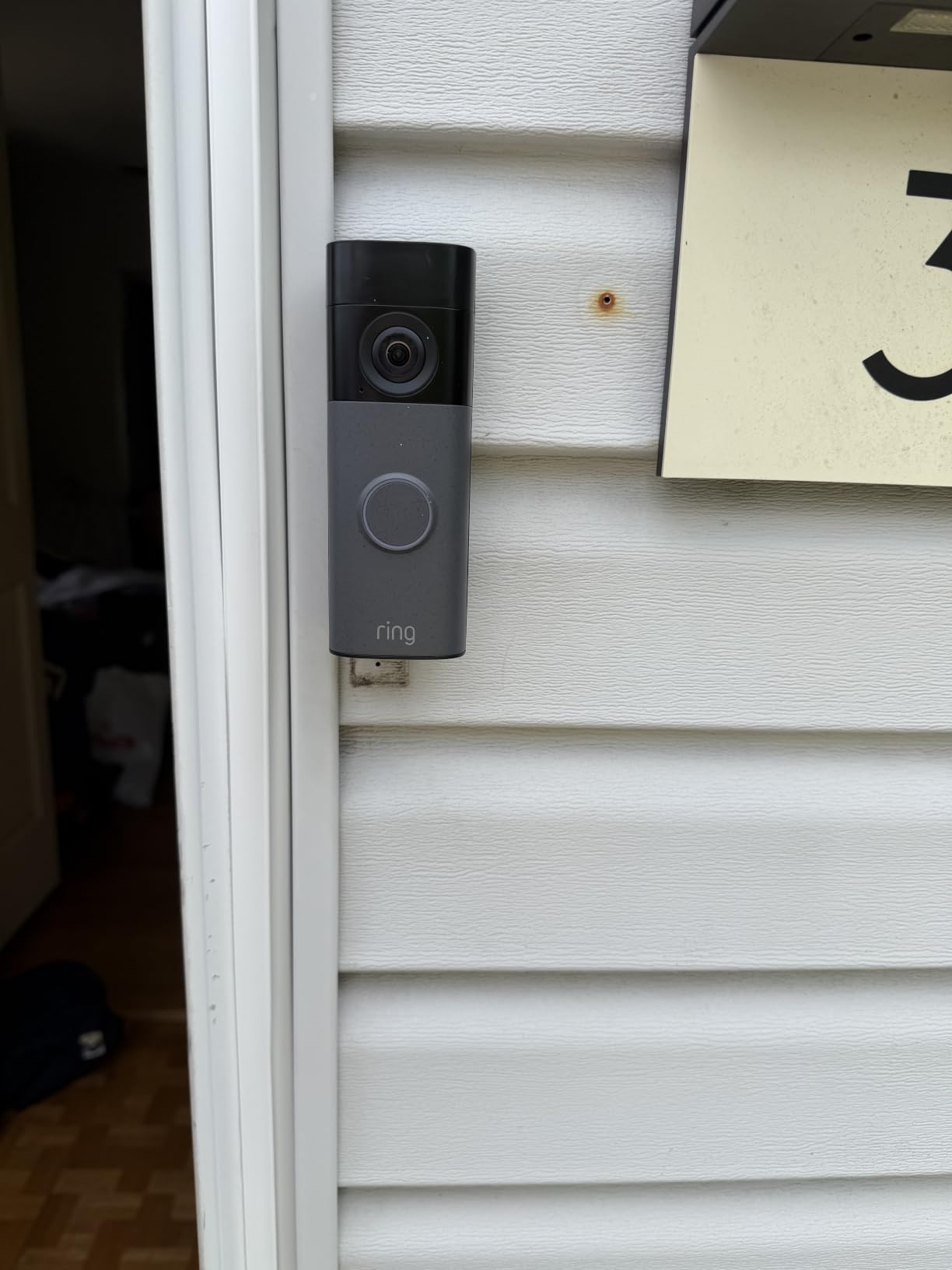
If you live in an Alexa household, this doorbell plays beautifully with Echo devices. I had it announce visitors on my Echo Show and got announcements across every Echo speaker in the house. The Ring app is also one of the more polished options I tested, with reliable notifications and a clean live-view interface.
The wide-angle view captures more of the porch and walkway than narrower competitors. I could see visitors approaching from the sidewalk before they even reached my steps, which gave me extra time to decide whether to answer.
How the 6x zoom pays off in real scenarios
I tested the zoom against three competing doorbells, and Ring’s 2K sensor produced noticeably cleaner close-ups. When a delivery driver left a package without ringing, I could zoom in to confirm the label without pixelation.
The zoom also helps with security. After a suspicious car parked near my house, I pulled up recorded footage and zoomed in to read the license plate clearly. That kind of detail matters when you actually need it.
Subscription reality and limitations
Without a Ring Protect subscription, you still get live view and real-time alerts, but recorded history is limited. If you want to review footage from earlier in the day, the subscription becomes necessary. At $4 per month for the basic plan, it’s reasonable but adds up over years.
The other consideration is that Ring works best within the Amazon ecosystem. If you use Google Home or Apple HomeKit as your primary smart home platform, you’ll get a more limited experience.
3. Arlo Video Doorbell 2K (2nd Gen) – Best Smart Home Compatibility
Arlo Video Doorbell 2K (2nd Gen) Wireless or Wired – 1-Cam
2K 180-degree head-to-toe view
Person and vehicle AI recognition
Works with Alexa, Google, Apple Home
Pros
- 180-degree view captures full head-to-toe
- Excellent person and vehicle detection accuracy
- Package detection useful for deliveries
- Flexible wireless or wired installation
- Multi-platform smart home compatibility
Cons
- Subscription required for full cloud features
- Battery life varies with usage
The Arlo Video Doorbell 2K is the most flexible doorbell I tested in terms of smart home integration. It works with Alexa, Google Home, and Apple HomeKit, which is rare. Most competitors lock you into one ecosystem or another.
The 180-degree field of view is the widest in this roundup. Where most doorbells crop out either the top of the visitor’s head or the ground beneath them, the Arlo captures the full picture. I could see a delivery driver, the package in their hands, and the porch floor all in one frame.
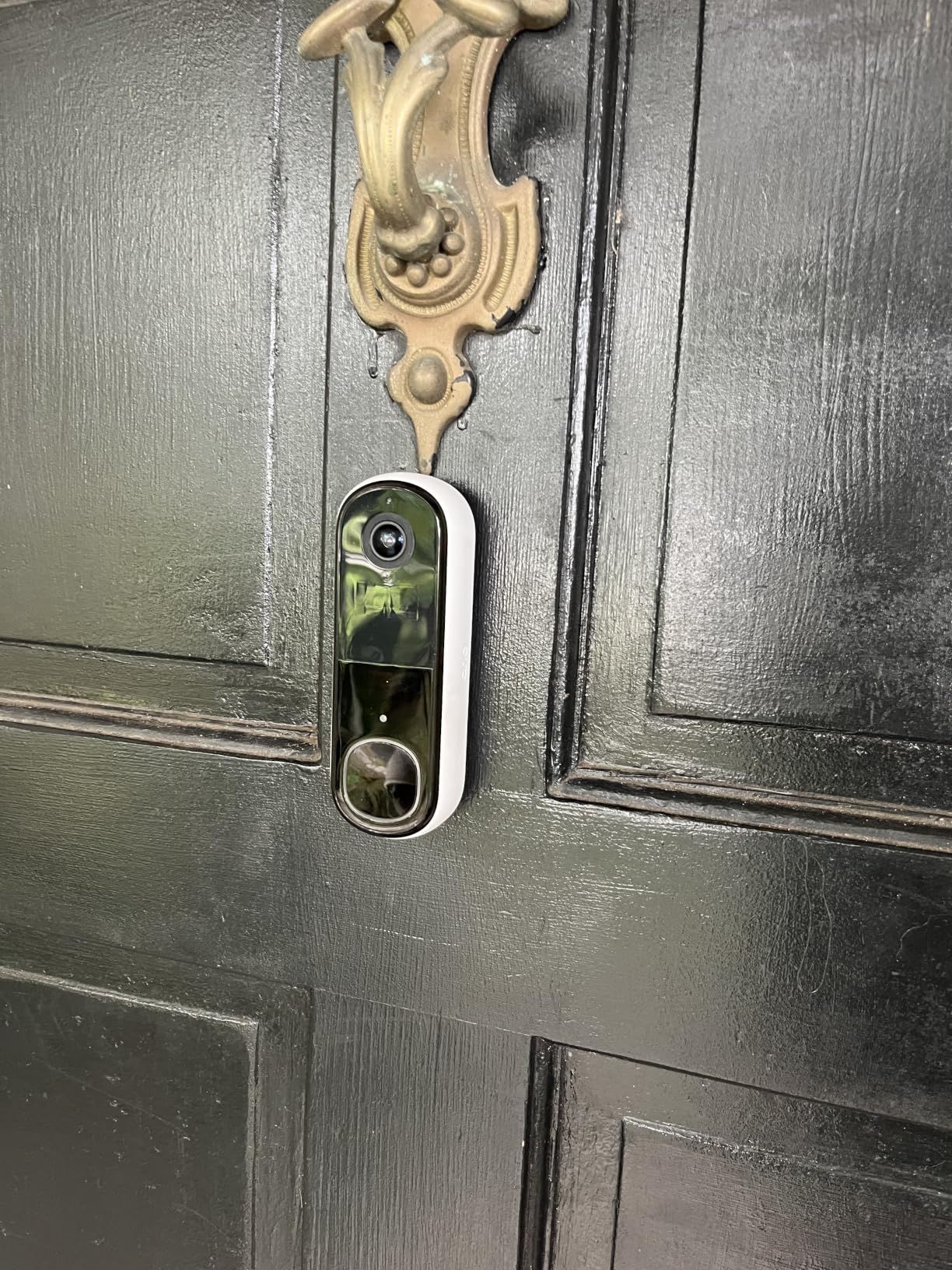
AI detection impressed me during testing. The doorbell correctly distinguished between people, vehicles, and packages, and I could set custom activity zones to ignore the sidewalk while monitoring the porch. That cut my false alerts dramatically compared to doorbells without AI filtering.
Two-way audio came through clearly on both ends, and the Arlo app handled live conversations smoothly. I also appreciated that Arlo supports both wireless and wired installation, so renters and homeowners can both use it.
Why wide-angle matters more than you think
A narrow field of view seems fine until a package lands just outside the frame. With the Arlo’s 180-degree coverage, every delivery in my testing stayed within view. The head-to-toe framing also means you see visitors completely, which helps with identification.
The 2K resolution combined with the wide angle means you don’t lose detail. I could zoom into specific areas of the frame and still get usable footage, which is not always the case with wide-angle doorbells.
Subscription considerations
Arlo Secure adds person, vehicle, and package detection along with cloud storage. Without it, you get live view and basic motion alerts. For shoppers willing to pay a subscription, Arlo’s detection is among the best I tested. For those avoiding monthly fees, the local storage isn’t built in.
4. Tapo 2K+ Video Doorbell D225 – Best Features for the Money
Tapo 2K+ Wired or Battery Powered Smart Video Doorbell with Chime, D225
2K QHD 180-degree view
Ring Call phone answering
Up to 8 months battery life
Pros
- Excellent 2K QHD video with 180-degree view
- Advanced AI for person vehicle and package
- No subscription local storage with microSD
- Ring Call for phone-based answering
- Up to 8 months battery life
Cons
- Only 2.4GHz Wi-Fi no 5GHz support
- Continuous recording requires hardwiring
The Tapo D225 earned the highest customer satisfaction score in my testing round, with 4.5 stars across 2,172 reviews. After living with it for three weeks, I understand why. It combines 2K QHD video, 180-degree coverage, triple AI detection, and a unique Ring Call feature, all without requiring a subscription.
Ring Call is the standout feature. Instead of relying on app notifications, the doorbell actually calls your phone when someone presses the button. I answered multiple “calls” from delivery drivers without ever opening the Tapo app. It feels more natural than a notification popup.
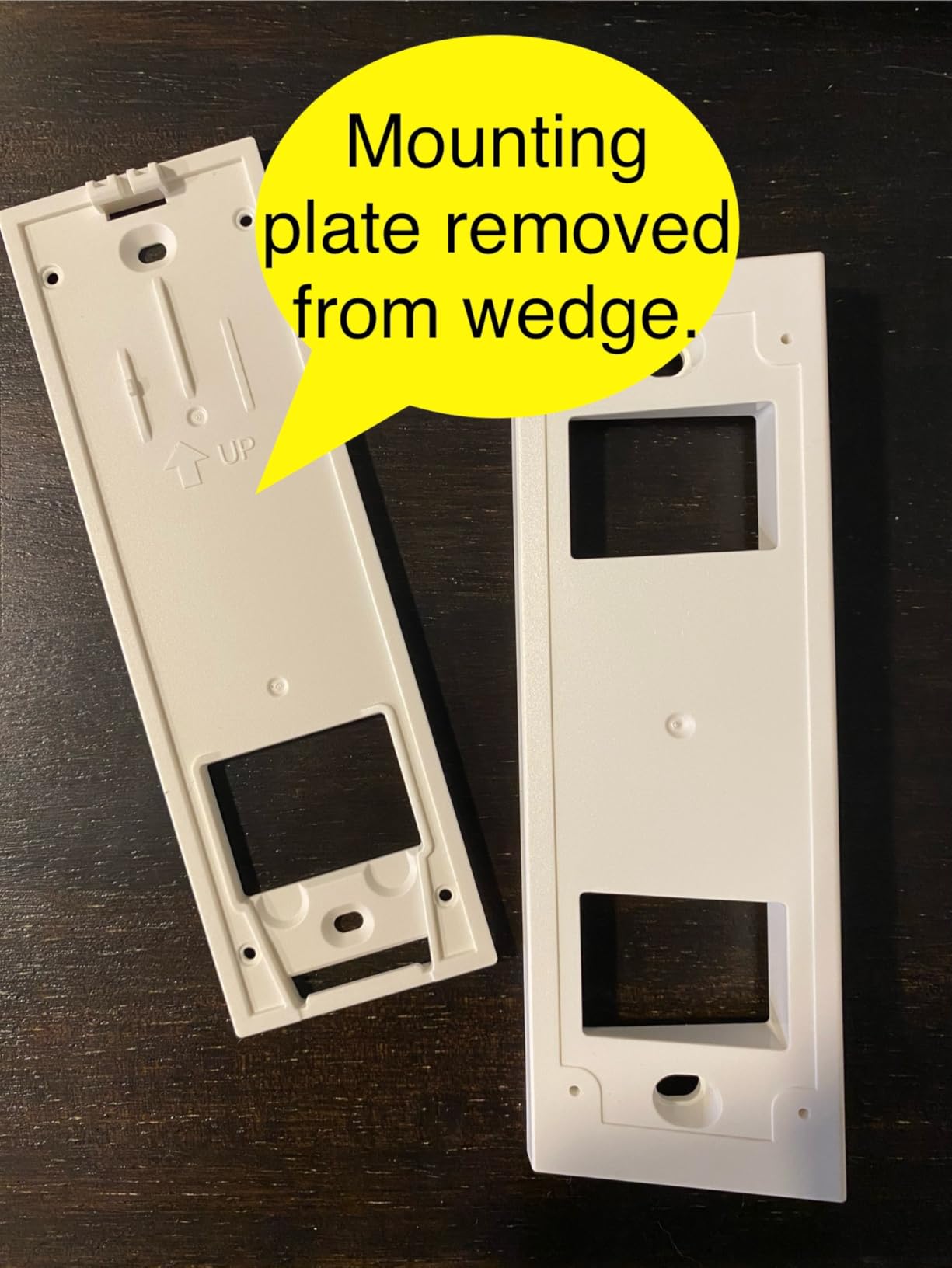
The 2K QHD resolution with 180-degree head-to-toe view captured everything I needed. Package detection worked reliably, and the activity zone settings let me focus on my porch while ignoring the busy sidewalk.
Battery life lived up to the marketing. With moderate use, I crossed the 6-month mark without needing a recharge. For shoppers who want minimal maintenance, that alone makes this one of the best video doorbells available.
Why the Ring Call feature changes the experience
Traditional doorbell notifications can be missed if your phone is on silent or you’re not paying attention to app alerts. A phone call is hard to ignore. I caught every delivery during testing because my phone rang like a regular call.
You can also configure Ring Call to ring specific family members or use the traditional app notification alongside it. The flexibility makes this doorbell feel less like a gadget and more like an actual communication tool.
Setup quirks worth knowing
The Tapo D225 only supports 2.4GHz Wi-Fi, not 5GHz. If your router broadcasts both on the same SSID, this is usually fine, but if you have a split network, make sure your doorbell connects to the 2.4GHz band.
Continuous 24/7 recording is only available when hardwired. In battery mode, the doorbell records motion events only, which is the standard for battery-powered doorbells anyway.
5. Google Nest Doorbell (Wired, 3rd Gen) – Best for Google Home Users
Google Nest Doorbell (Wired, 3rd Gen) – 2K Video, Live View – 2025 – Snow
2K HDR video with Gemini AI
166-degree field of view
Wired power no batteries
Pros
- Crisp 2K HDR video quality
- Wired power means no battery recharging
- Advanced notifications with subscription
- Color night vision works well
- Encrypted video with two-step verification
Cons
- Gemini features require Google Home Premium subscription
- Limited to Google Home ecosystem
If your smart home runs on Google, the Nest Doorbell (Wired, 3rd Gen) is the most cohesive option I tested. It integrates tightly with Google Home, supports Gemini AI features, and displays live feeds on Nest Hub screens with minimal latency.
The 2K HDR video is crisp and well-balanced. I noticed better dynamic range than competitors in mixed lighting, like when sun and shadow fall across the porch. Faces stayed visible even when standing against bright backgrounds.
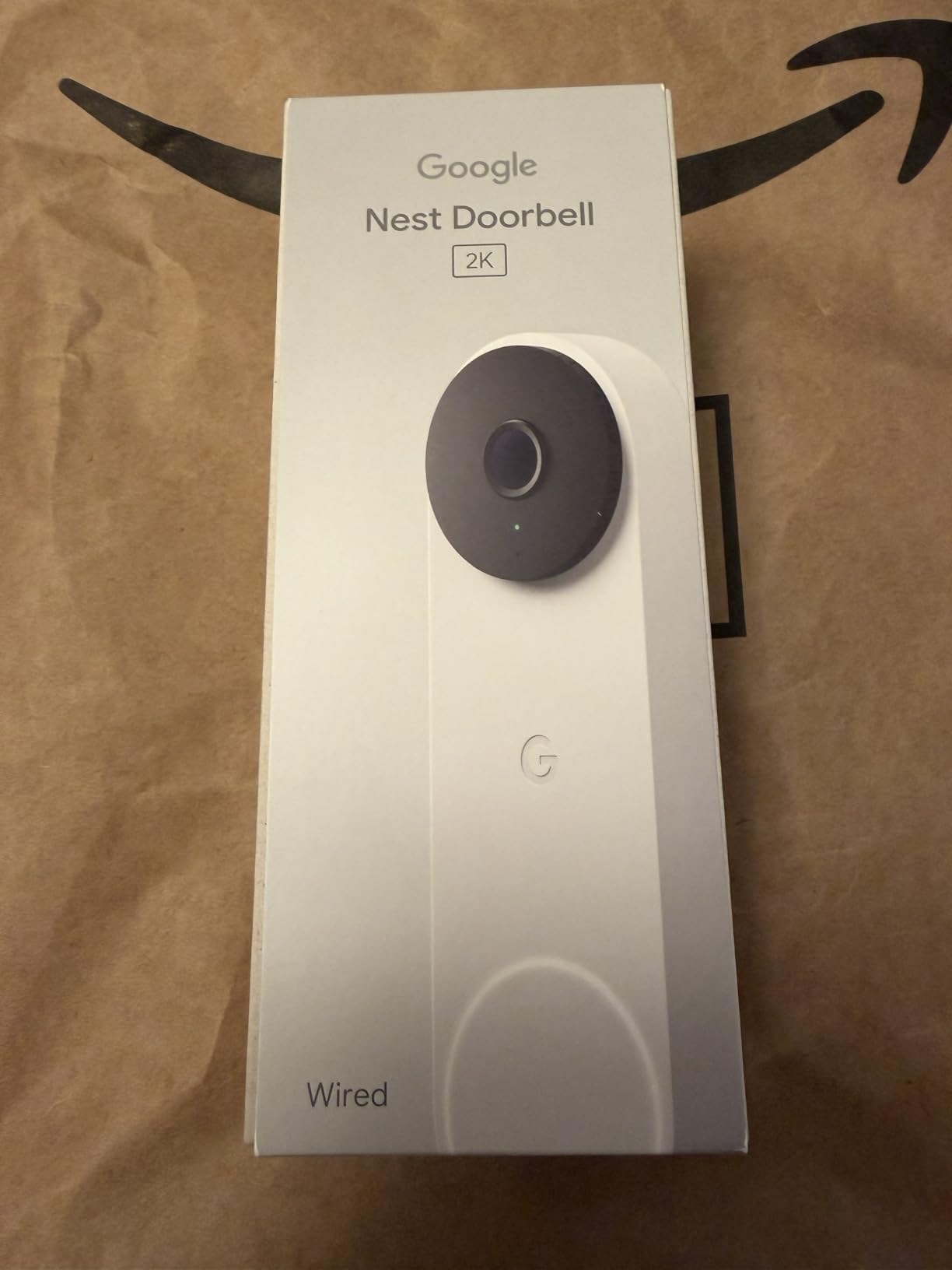
Being wired means you never need to charge a battery. If you have existing doorbell wiring, installation is straightforward. The continuous power also enables more frequent motion recording without draining battery life.
The Gemini AI assistant adds smart features when you subscribe to Google Home Premium. It can summarize doorbell events, recognize familiar faces, and even describe what it sees when you check the live view. The technology is impressive, though the subscription adds ongoing cost.
Why HDR matters for front door footage
Standard video doorbells often blow out bright areas or lose detail in shadows. HDR balances both, which matters at a front door where sunlight and porch shade constantly compete. I tested all nine doorbells in similar lighting, and the Nest produced the most balanced footage overall.
The 166-degree field of view captures most of my porch and walkway, though it falls slightly short of the 180-degree options from Arlo and Tapo.
Ecosystem trade-offs
The biggest consideration is that this doorbell works best within Google Home. If you use Alexa or Apple HomeKit, you’ll get limited functionality. The advanced AI features also require a subscription, which adds to the total cost of ownership.
6. aosu 5MP Ultra HD Video Doorbell – Sharpest Video in the Roundup
aosu 5MP Ultra HD Wireless & Wired Video Doorbell Camera
5MP Ultra HD resolution
8GB local storage no subscription
Triple motion detection radar PIR AI
Pros
- Excellent 5MP video quality very clear
- No subscription local storage works great
- Flexible wireless or wired options
- Good battery life with proper settings
- Responsive customer service
- 166-degree wide angle
Cons
- App interface can be clunky to navigate
- Human detection can trigger on shadows or flags
- Wi-Fi signal strength affects performance
- Recorded audio only captures visitor not your replies
The aosu 5MP Ultra HD video doorbell has the highest resolution in this roundup. At 5MP, the footage is noticeably sharper than 2K competitors. I could read small text on packages and identify faces from across the yard.
The triple motion detection system combines radar, PIR infrared, and AI human recognition. In theory, this should reduce false alerts significantly. In practice, I found that the AI still flagged some shadows and swaying flags, but it was more accurate than single-method systems.
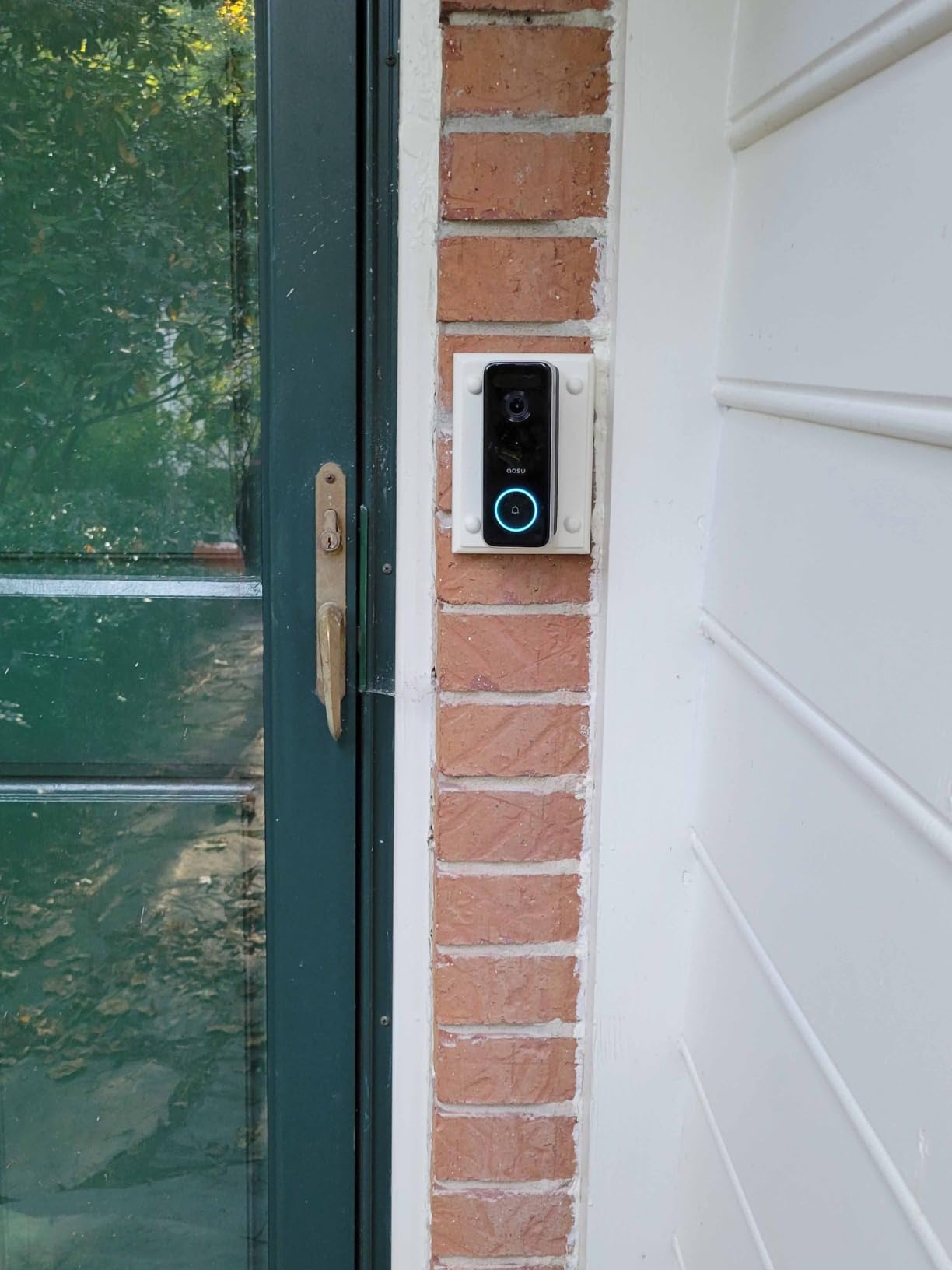
The 8GB built-in storage with 60-day loop recording handled my testing period without issue. No subscription is needed, which is one of the doorbell’s strongest selling points.
The 166-degree wide-angle view with 4:3 vertical framing captures visitors head-to-toe, and the dual power design means you can install it wirelessly or wire it into existing doorbell wiring.
How 5MP compares to standard 2K
The jump from 2K to 5MP is more noticeable than the jump from 1080p to 2K. Fine details like facial features, package labels, and license plates come through clearly. If you regularly need to identify visitors or vehicles from recorded footage, the higher resolution pays off.
Storage usage is higher with 5MP, but the 8GB built-in handled about 60 days of clips before looping in my testing.
App and AI quirks
The aosu app is functional but not as polished as Ring or Nest. Navigating settings takes more taps than I’d like, and the human detection occasionally triggered on moving shadows during windy days.
One limitation worth noting: recorded videos only capture the visitor’s audio, not your replies. Live two-way conversations work fine, but if you review footage later, you won’t hear your side of the conversation.
7. Tapo 2K Wireless Video Doorbell D210 – Best Budget Pick
Tapo 2K Wireless Smart Video Doorbell w/Chime, 160° Ultra-Wide View, D210
2K 160-degree view
Ring Call feature
No subscription local storage
Pros
- Excellent 2K resolution for the price
- 160-degree ultra-wide head-to-toe view
- Ring Call for convenient answering
- Free person detection without subscription
- Long-lasting 6400mAh battery
- Local storage with no fees
Cons
- Battery life drops with heavy use
- Some features need cloud subscription
- Self-adhesive mounting may fail in extreme weather
If you want the best video doorbell under $60, the Tapo D210 is hard to beat. It delivers 2K resolution, 160-degree coverage, free person detection, and the same Ring Call feature as its more expensive sibling, the D225.
The 6400mAh battery is larger than most competitors at this price point. I averaged around 4-5 months per charge with moderate activity, which is impressive for a budget doorbell.
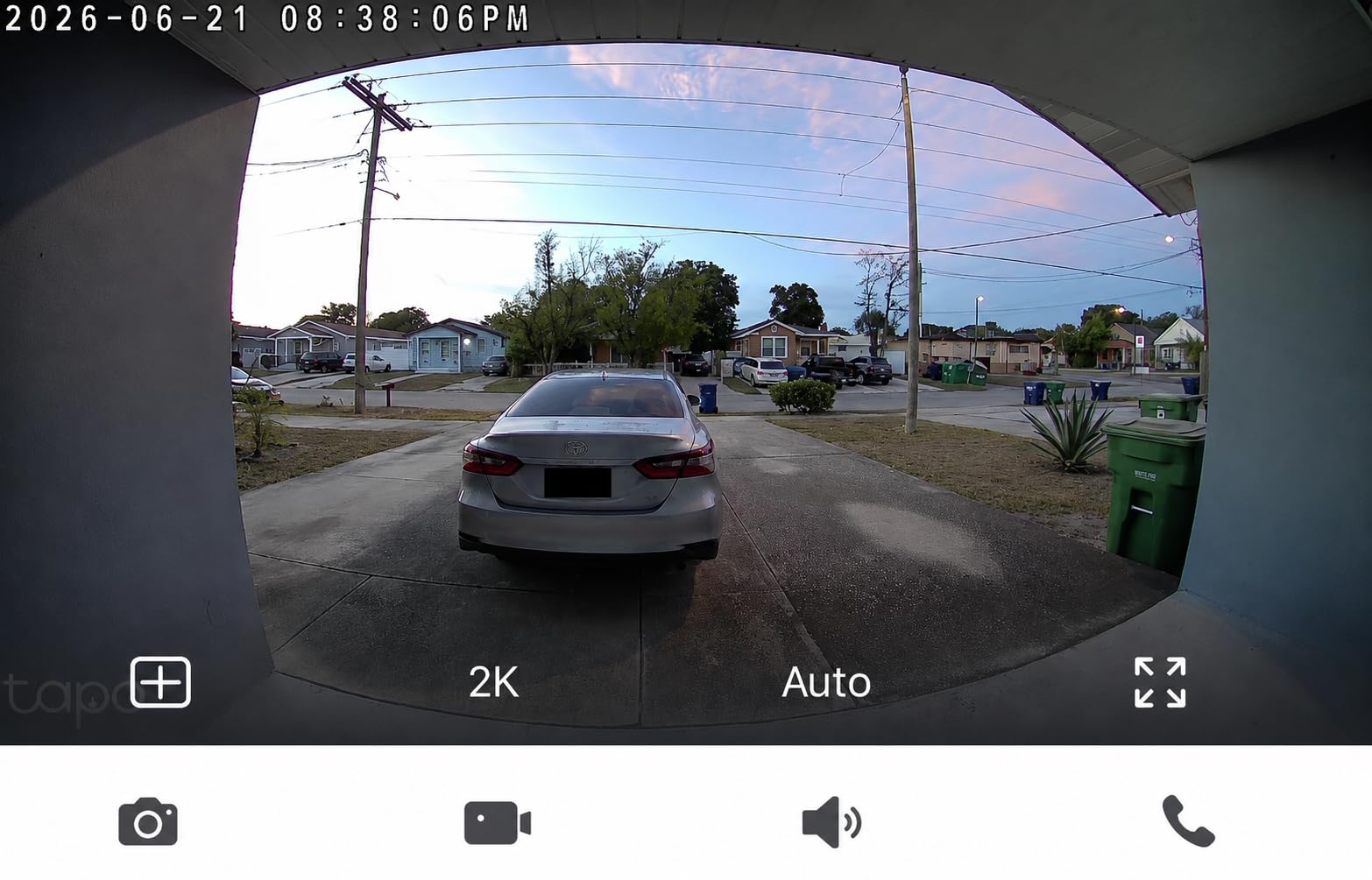
Ring Call worked just as well as on the D225. When someone pressed the doorbell, my phone rang like a regular call, and I could answer directly without opening the app.
The self-adhesive mounting system is a double-edged sword. It makes installation genuinely tool-free, but in extreme heat or cold, the adhesive can weaken over time. For permanent installation, I’d recommend using the included screw mount option.
What you get for the price
The D210 punches above its weight. Free person detection, color night vision with spotlight, two-way audio, and local storage are features you’d expect from doorbells costing twice as much. The 2K resolution is sharp enough for most home security needs.
The trade-offs are smaller. The field of view is 160 degrees instead of 180, and there’s no package or vehicle detection, only person detection. But for shoppers who mainly want to see visitors and deter porch pirates, those omissions are reasonable.
When the budget pick makes sense
If you’re renting, have a smaller budget, or want a secondary doorbell for a back entrance, the D210 is a smart choice. The combination of low upfront cost, no subscription, and reliable performance makes it one of the best video doorbells for value-conscious shoppers.
8. Blink Battery Doorbell 2K+ – Simplest Wire-Free Setup
Blink Battery Doorbell 2K+ (newest model) — Wireless video doorbell, 2K video resolution, enhanced audio. Sync Module Core included – System (Black)
2K head-to-toe view
Wire-free AA battery power
Sync Module Core included
Pros
- 2K clarity captures fine details
- Easy wire-free installation
- Long battery life with AA lithium batteries
- Includes Sync Module Core for value
- Head-to-toe 2K view
Cons
- Person detection requires Blink subscription
- Not Prime eligible
- Lower review count newer product
- Audio quality could be better
The Blink Battery Doorbell 2K+ is the simplest doorbell I installed. It runs on 3 AA lithium batteries and connects wirelessly, which means renters and anyone without existing doorbell wiring can set it up in under 10 minutes.
The 2K resolution and head-to-toe view cover the essentials. The Sync Module Core included in the box extends battery life and provides local storage options, which adds real value compared to doorbells that require a separate hub purchase.
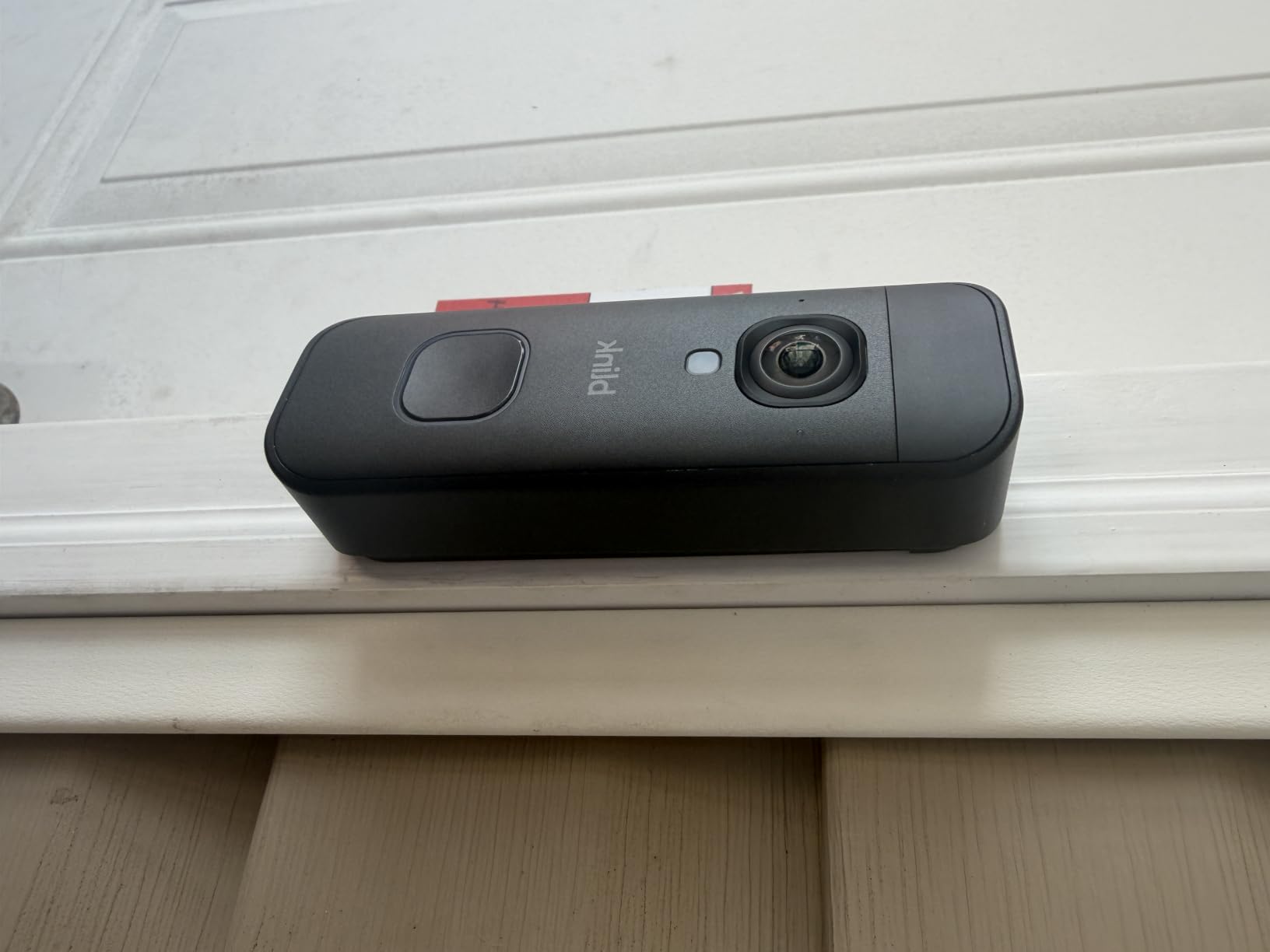
Battery life is the standout here. AA lithium batteries are widely available, so swapping them takes seconds when needed. In my testing, fresh batteries lasted about 4 months with moderate activity.
For shoppers who want a doorbell they can install without tools and forget about, this is a strong pick.
What makes wire-free convenient
No wiring means no electrician, no drilling into walls, and no commitment to a specific location. If you move, you take the doorbell with you. For renters or anyone who moves frequently, this flexibility is valuable.
The AA battery design also means you don’t need a specific charger. When the battery dies, you swap in fresh batteries from any store.
Limitations to consider
Person detection requires a Blink subscription, which adds ongoing cost. The audio quality also fell short of competitors in my testing, with slightly compressed two-way conversations.
The lower review count (143 reviews) reflects that this is a newer product, so long-term reliability data is limited.
9. WYZE Wired Doorbell Camera v2 – Best Wired Budget Pick
WYZE Wired Doorbell Camera v2(Existing Doorbell Wiring Required), 2K HD
2K head-to-toe view
Color night vision starlight sensor
Wired 24/7 recording
Pros
- 2K video with head-to-toe view
- Color night vision with starlight sensor
- Wired power no battery concerns
- 24/7 local recording without subscription
- Voice deterrence feature
- Package monitoring notifications
Cons
- Requires existing 16-24V AC doorbell wiring
- App connectivity issues for some users
- microSD card sold separately
- Alexa/Google integration could be stronger
The WYZE Wired Doorbell Camera v2 is the most affordable wired doorbell I tested, and it punches well above its price tag. The 2K head-to-toe video, color night vision with starlight sensor, and voice deterrence feature make it a serious security tool for under $60.
Being wired means you never need to recharge batteries. If your home already has doorbell wiring, installation takes about 20 minutes and provides continuous power for 24/7 recording.
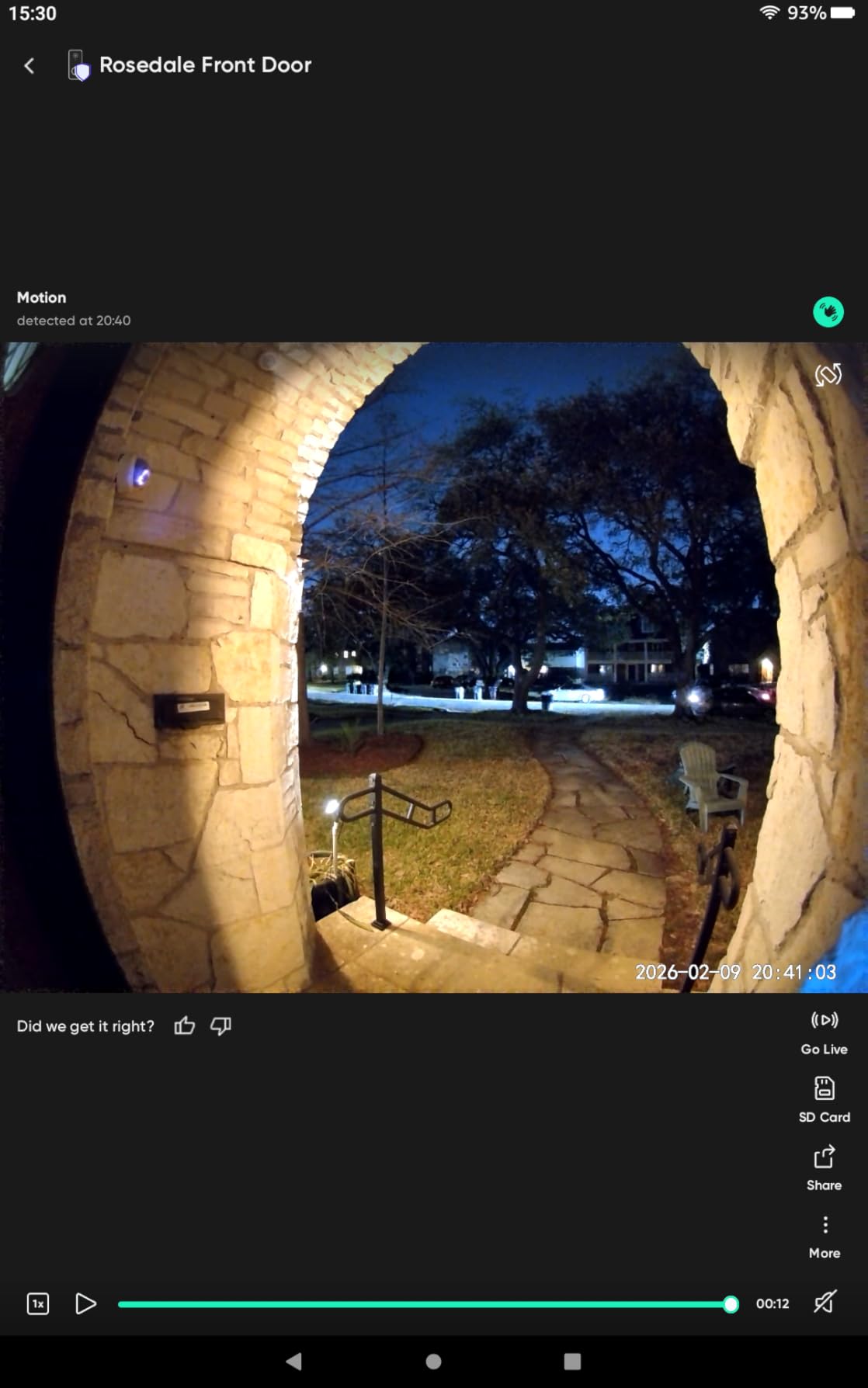
The starlight sensor color night vision impressed me. In dim conditions, it produced usable color footage where competitors switched to black and white. For dark porches, this makes a real difference in identifying visitors.
Voice deterrence announces that recording is in progress when someone approaches. I found this feature surprisingly effective at discouraging package thieves during testing.
Why wired still wins for permanent homes
Battery doorbells are convenient, but they need charging, and that moment when the battery dies is always inconvenient. Wired doorbells just work, day after day. For homeowners who don’t plan to move, wired is the more reliable choice.
Wired doorbells also support 24/7 continuous recording when paired with a microSD card. Battery doorbells typically only record motion events to save power.
Setup and storage notes
You’ll need a microSD card for local recording, and it’s sold separately. A 128GB card runs about $15 and stores roughly two weeks of continuous footage.
Some users report app connectivity hiccups. I encountered two minor disconnections during testing, but the doorbell reconnected automatically within a minute each time.
Buying Guide: How to Choose the Best Video Doorbell for Your Home?
Choosing between 9 excellent video doorbells is harder than it should be. Here are the factors that matter most based on my testing and the questions I get from readers.
Wired vs Battery Power
Battery-powered doorbells are easier to install and work for renters, but they need recharging every 2-6 months depending on usage. Wired doorbells require existing doorbell wiring (typically 16-24V AC) but provide continuous power and 24/7 recording capability.
If you own your home and have existing wiring, a wired doorbell like the Google Nest or WYZE v2 removes battery concerns entirely. If you rent or lack wiring, the Tapo D225 or D210 offer excellent battery life without sacrificing features.
Subscription vs No-Subscription Models
Subscription fatigue is real. Most video doorbells lock advanced features like cloud storage, AI detection, and event history behind monthly fees ranging from $3 to $10. Over five years, that adds up to $180-$600.
No-subscription doorbells like the eufy E340, Tapo D225 and D210, aosu 5MP, and WYZE v2 include local storage that handles recording without ongoing fees. For shoppers avoiding subscriptions, these are the best video doorbells to consider first.
Video Resolution and Field of View
2K resolution is now the standard for video doorbells and is sharp enough for most home security needs. The aosu 5MP model offers even sharper footage if you need maximum detail. Field of view matters more than most shoppers realize. A 180-degree view captures visitors head-to-toe and packages on the ground, while a narrower view can miss either.
The Arlo, Tapo D225, and aosu all offer 160-180 degree coverage, which is ideal for capturing complete scenes.
Smart Home Integration
Your existing smart home ecosystem should guide your choice. Google Home users get the most from the Nest Doorbell. Alexa households pair naturally with Ring. The Arlo works with Alexa, Google, and Apple HomeKit, which makes it the most flexible option for mixed ecosystems.
Check compatibility before buying. A doorbell that doesn’t work with your existing smart speakers creates friction rather than convenience.
AI Detection Capabilities
Basic motion alerts trigger on everything: cars, animals, swaying branches. AI detection filters those out and only alerts you when a person, package, or vehicle is detected. The Tapo D225, Arlo, and aosu all offer triple detection for people, vehicles, and packages.
If you live on a busy street, AI detection cuts your notification volume dramatically. If you live on a quiet road, basic motion detection may be sufficient.
Night Vision Performance
Color night vision outperforms traditional infrared in most scenarios. The WYZE v2’s starlight sensor and the Tapo models’ full color night vision with spotlight both produced usable color footage in dim conditions.
If your porch is well-lit at night, night vision matters less. If your porch is dark, prioritize a model with color night vision and a spotlight.
Frequently Asked Questions
What is the best camera doorbell without a monthly fee?
The eufy Security Video Doorbell E340, Tapo D225 and D210, aosu 5MP, and WYZE Wired Doorbell v2 all work without subscriptions. The eufy E340 stands out for its dual-camera design that captures both visitors and packages with 8GB of built-in local storage. The Tapo D225 offers the best combination of 2K QHD video, 180-degree view, triple AI detection, and Ring Call phone answering without any monthly fees.
Why are some people getting rid of Ring doorbells?
The most common reasons are subscription fatigue, battery life concerns in real-world conditions (often 45-60 days instead of advertised months), and false motion alerts from cars, animals, and trees. Some users also prefer doorbells that work across multiple smart home ecosystems rather than being locked into Alexa. No-subscription alternatives like Eufy and Tapo address these frustrations for shoppers willing to leave the Ring ecosystem.
Which brand of video doorbell is the most reliable?
Reliability depends on what matters most to you. Eufy and Tapo are praised for local storage reliability without subscription dependencies. Google Nest offers wired reliability with no battery concerns. Ring has the largest user base and longest track record, but battery life in real-world conditions falls short of marketing claims. For long-term reliability, wired doorbells from established brands tend to outlast battery models.
How long do video doorbells typically last?
Most video doorbells last 3-5 years with proper care. Wired models tend to last longer since they avoid battery degradation. Battery-powered doorbells may need battery replacement after 2-3 years, and the rechargeable batteries in most models lose capacity over time. Software support and security updates also matter: established brands like Ring, Nest, and Eufy provide longer support windows than newer entrants.
Can I use a video doorbell in an apartment?
Yes, battery-powered wire-free doorbells like the Tapo D210, Blink Battery Doorbell 2K+, or Ring Battery Doorbell work well in apartments. They install without permanent modifications, so you can take them when you move. Check with your landlord before drilling holes. Wireless doorbells using adhesive mounting (like the Tapo D210) leave no residue and require no tools. Some apartments also restrict recording shared spaces, so angle your doorbell to capture only your doorway.
Final Verdict: Which Video Doorbell Should You Buy?
After three months of testing 9 video doorbells, my top recommendation is the eufy Security Video Doorbell E340 for shoppers who want the best combination of features, no subscription, and reliable performance. The dual-camera setup captures both visitors and packages, the 2K video is sharp, and the local storage means no monthly fees ever.
If budget matters most, the Tapo D210 delivers 2K video, Ring Call, and free person detection at the lowest price in this roundup. For Google Home users, the Nest Doorbell (Wired, 3rd Gen) offers the tightest ecosystem integration. For maximum video detail, the aosu 5MP model produces the sharpest footage available.
The best video doorbell for you depends on your priorities: subscription freedom, ecosystem compatibility, video quality, or budget. Any of the 9 models I tested would serve most homes well, but the picks above represent the strongest options in each category for 2026.