
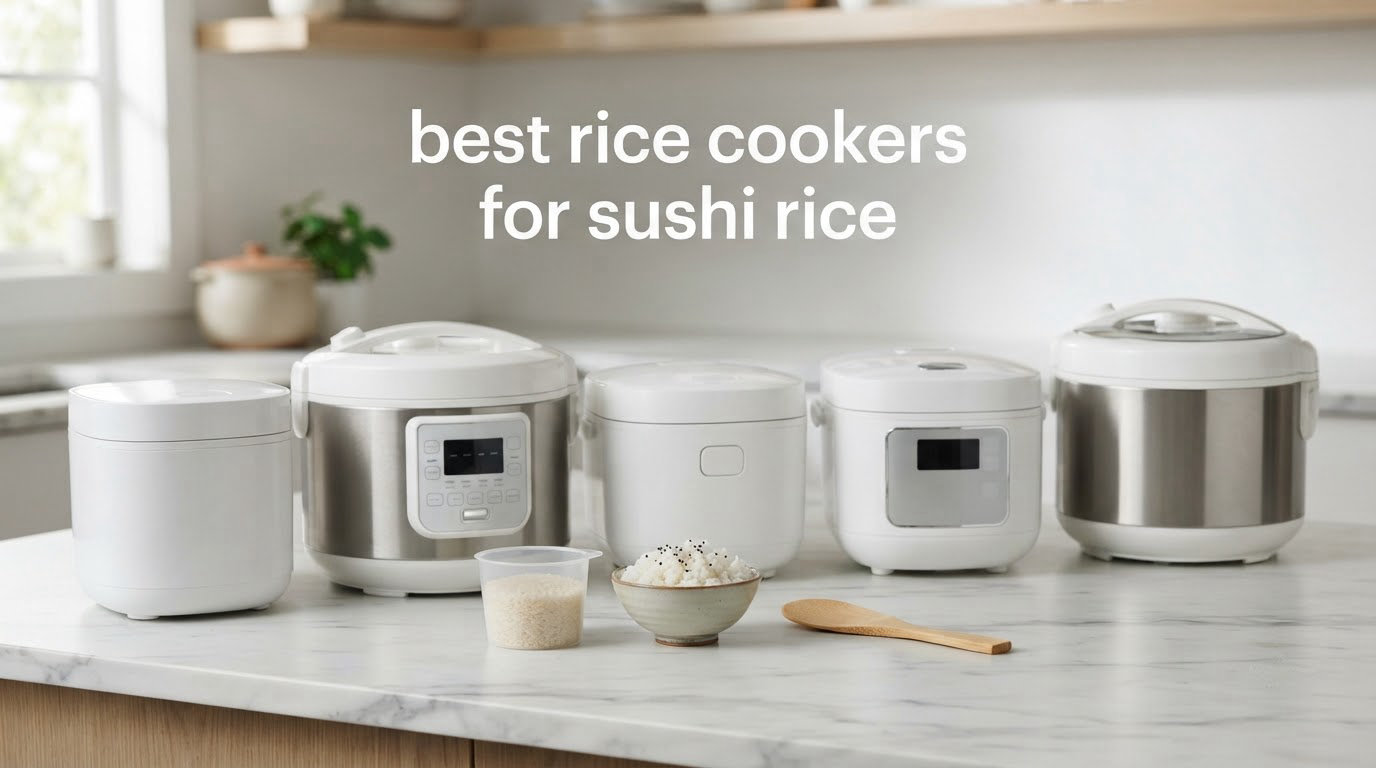
Sushi rice fails in a specific, maddening way. The batch comes out gluey in spots and chalky in others, and the moment you press it onto a nori sheet the roll tears apart on the cutting board. I spent years blaming my technique before I accepted that most of the blame belongs to the machine.
A standard rice cooker is calibrated for long-grain white rice, which behaves very differently from short-grain Japanese rice. Short grain is high in amylopectin, the starch that makes sushi rice cling together, and it reacts to heat and moisture faster than jasmine or basmati. Cook it on a long-grain cycle and you get the two failures above: a scorched, sticky bottom layer and a dry, hard centre.
That is what this guide is for. After comparing 10 rice cookers side by side, here are the best rice cookers for sushi rice for 2026 — ranked by the only things that matter at a sushi counter: how glossy the grains stay, whether they hold together when pressed, and whether the machine can be trusted to repeat that result on a weeknight when you are also cutting fish. If you want the broader picture first, our guide to the best rice cookers tested covers the general-purpose shortlist.
Table of Contents
Top 3 Best Rice Cookers for Sushi Rice in 2026
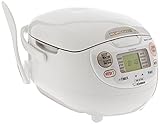
Zojirushi Neuro Fuzzy NS-ZCC10
- Dedicated sushi setting on the white menu
- Neuro Fuzzy logic control
- Spherical nonstick pan
- 5.5-cup capacity

Cosori 10-Cup Ceramic Fuzzy Logic
- Ceramic-coated inner pot
- 18-in-1 menu
- 7-step fuzzy logic process
- 24-hour keep warm

Zojirushi Micom 3-Cup
- Cooks as little as half a cup
- Micom menu settings
- 450W
- Retractable cord
All 10 Best Rice Cookers for Sushi Rice in October
| Product | Specifications | Action |
|---|---|---|
| Zojirushi Neuro Fuzzy NS-ZCC10 |
|
Check Latest Price |
| Zojirushi Micom 3-Cup |
|
Check Latest Price |
 Zojirushi NS-TSC10 Micom Zojirushi NS-TSC10 Micom |
|
Check Latest Price |
 Toshiba TRCS01 6-Cup Toshiba TRCS01 6-Cup |
|
Check Latest Price |
 CUCKOO CR-0632F CUCKOO CR-0632F |
|
Check Latest Price |
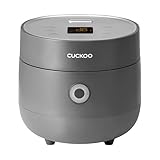 CUCKOO CR-0375FG CUCKOO CR-0375FG |
|
Check Latest Price |
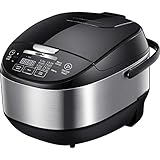 COMFEE Japanese Style 10-Cup COMFEE Japanese Style 10-Cup |
|
Check Latest Price |
| Cosori 10-Cup Ceramic |
|
Check Latest Price |
 Dash Mini Ceramic 2-Cup Dash Mini Ceramic 2-Cup |
|
Check Latest Price |
 Toshiba TRCS02 3-Cup Mini Toshiba TRCS02 3-Cup Mini |
|
Check Latest Price |
1. Zojirushi Neuro Fuzzy NS-ZCC10 – Best Overall With a Real Sushi Setting
Zojirushi Ns ZCC10 Neuro Fuzzy Rice Cooker and Warmer (White)
5.5 cups uncooked
Spherical nonstick inner pan
680W, 120V
Dedicated sushi setting
1 year limited warranty
Pros
- Only machine here with a dedicated sushi texture control
- Neuro Fuzzy logic gives repeatable short-grain results
- Spherical pan releases rice without scraping
- Keep warm
- extended keep warm and reheat cycles
Cons
- Premium cost versus every other fuzzy logic unit here
- 5.5-cup uncooked capacity is modest for big batches
- Results depend on the supplied measuring cup
This is the machine I keep on the counter, and the reason is a single line on the control panel. The white rice menu is split into regular, softer and harder, and the regular option on this model is tuned for sushi, which means the machine itself decides how much extra time the grain needs to swell without collapsing.
Owners are consistent about what that buys them. Across 12347 reviews at a 4.7 average, the recurring praise is not about the finish or the display; it is that the rice comes out the same on a Tuesday as it did the first time they made it.
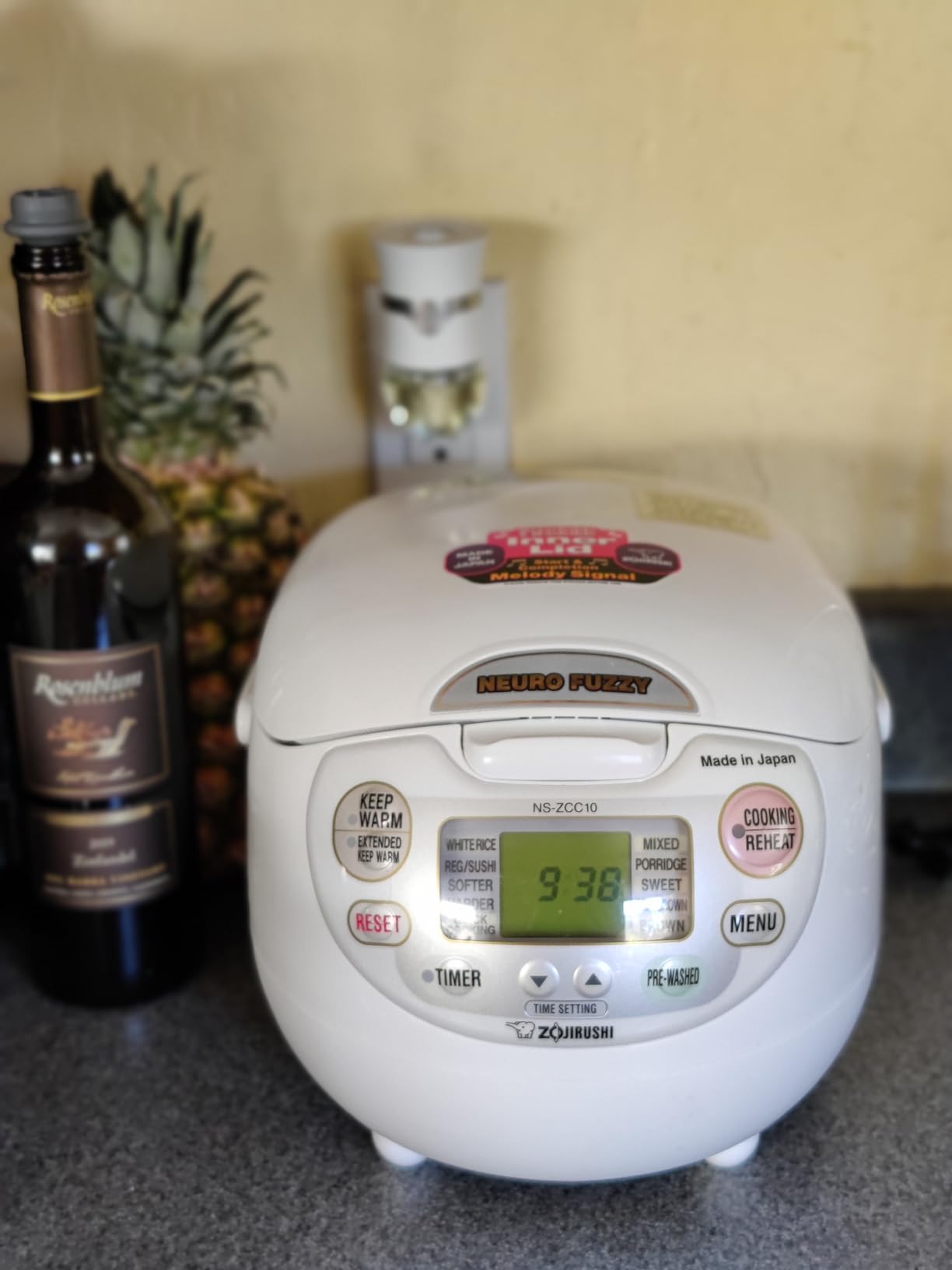
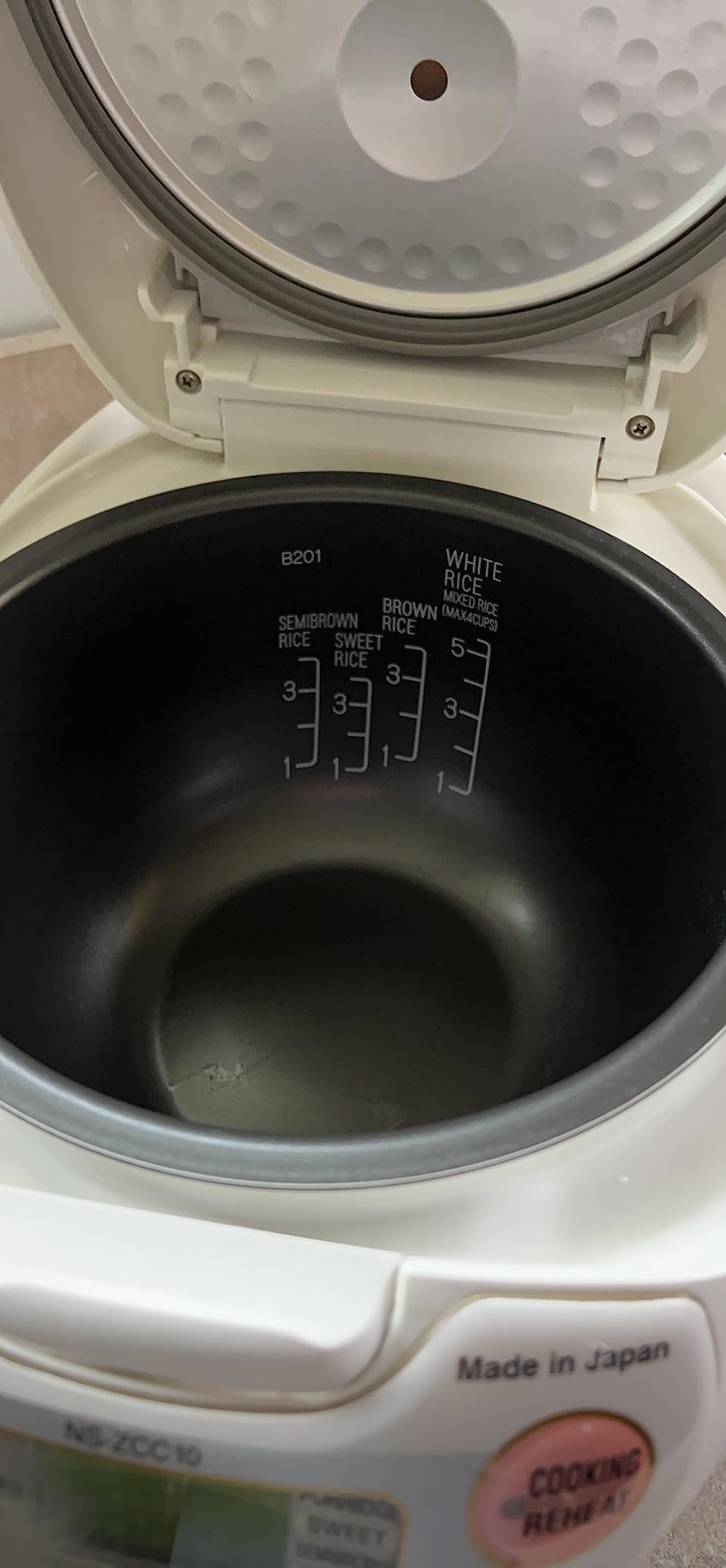
The spherical inner pan is the other half of the story. Because the heating element curves up around the bowl rather than sitting flat under it, the bottom layer cooks at close to the same rate as the top, which is exactly where most machines fail on short grain.
Worth knowing: the fuzzy logic adjusts to the water you actually pour in, which means an off-by-a-tablespoon batch gets rescued rather than ruined. That forgiving quality is why it also shows up as the recurring recommendation on enthusiast forums, and why it carries the largest review base of any premium fuzzy logic cooker here.
Who it suits
It suits a household cooking sushi once or twice a month and a household of two or three. At 5.5 cups uncooked it covers a full dinner of nigiri and hand rolls with rice to spare, and the delay timer plus keep-warm means you can set it before you start slicing.
Who should skip it
Skip it if you regularly feed six or more people in one sitting, or if you are buying a first machine purely as a trial. The 3-cup and 10-cup options below cover those cases at a fraction of the cost, and the measurement cup dependency trips up people who cook with their own tools.
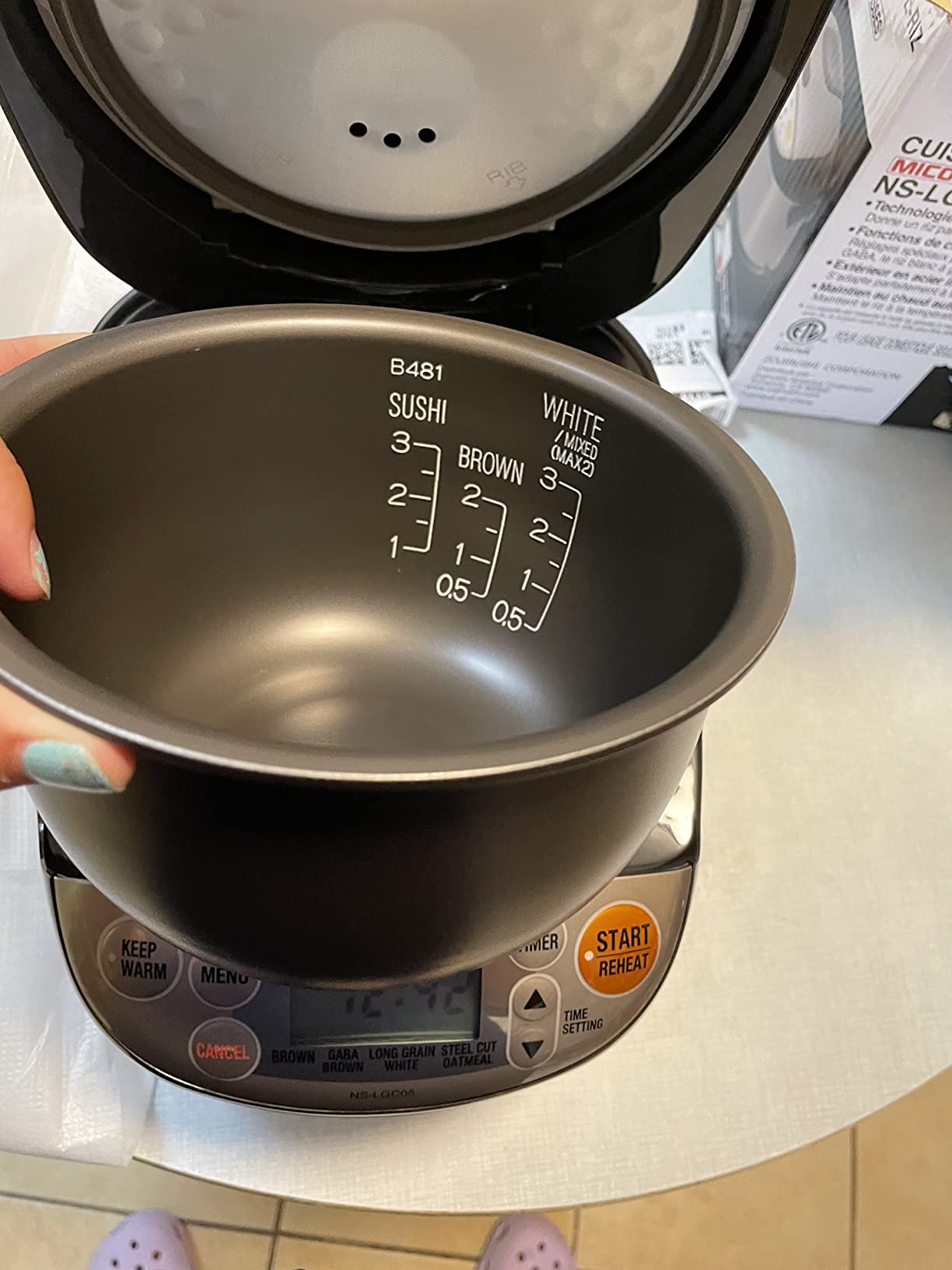
2. Zojirushi Micom 3-Cup – Best for Small Batches
Zojirushi Micom 3-Cup Compact Size, Multiple Settings, Stainless Steel Made, Built-In Retractable Power Cord and Easy to Transport Rice Cooker and Warmer
3 cups uncooked
Cooks down to half a cup
450W, 120V
Fold-down handle, retractable cord
Pros
- Cooks as little as half a cup of rice
- Smallest usable batch in the group
- Distinct menu flow per grain type
- Folds flat and stores easily
- Runs at 450W
Cons
- No dedicated sushi setting
- 3 cups suits only one or two people
- Steel body needs hand washing
There is a persistent claim on hobby electronics forums that smaller rice cookers cook better than large ones, and this model is the most persuasive evidence for it. A shallow 3-cup bowl gets back to steam quickly, so the surface water reabsorbs into the grain rather than sitting on top of it.
For sushi specifically, the small format is a feature. Sushi rice is seasoned and eaten within the hour, so a 1-cup batch that you can shape while warm beats a 5-cup batch that has been sitting on keep-warm since dinner started.
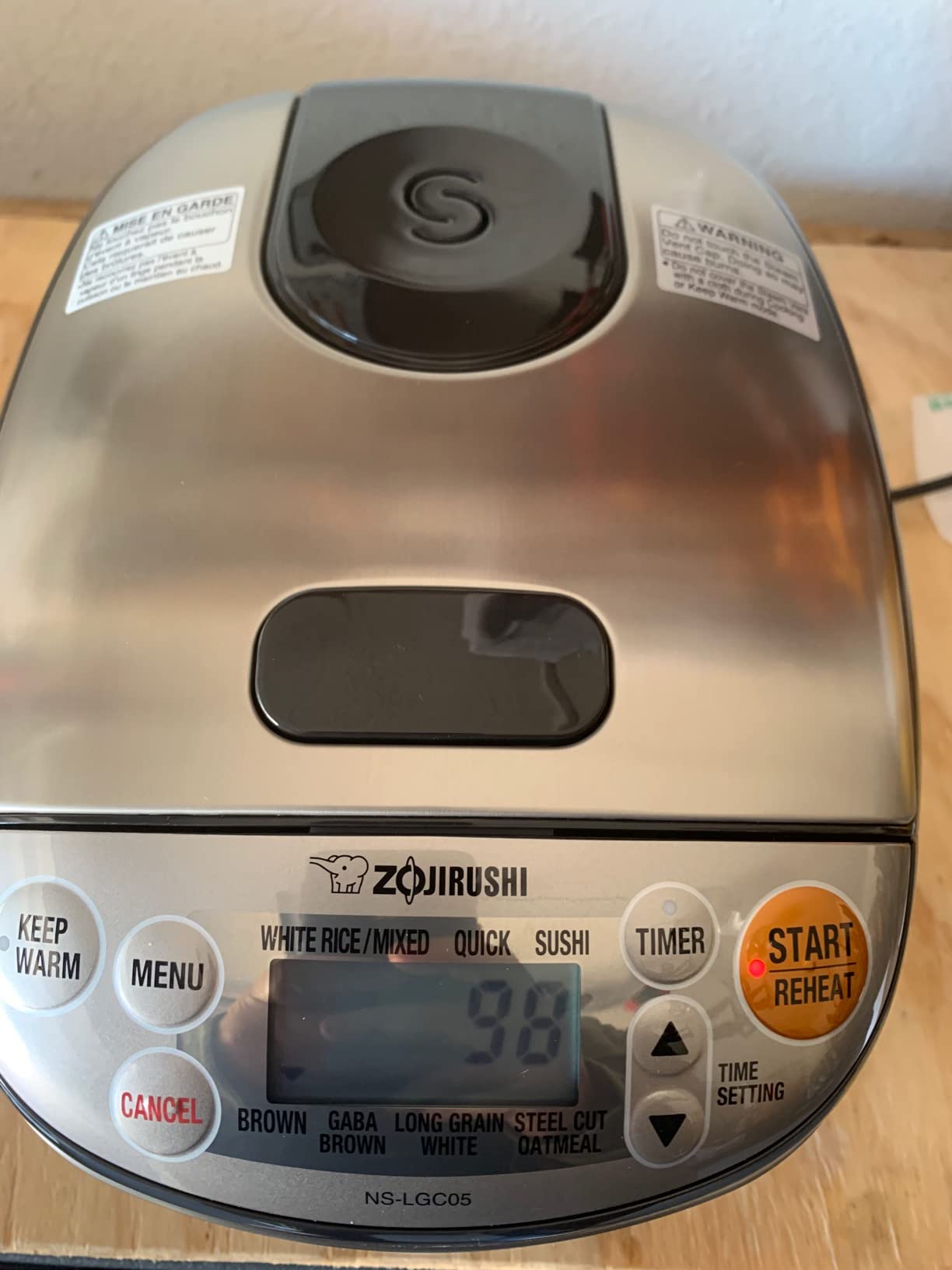
The menu here is the reason it carries a 4.7 across 8133 reviews despite being the smallest machine here. Each setting runs a genuinely different cooking flow rather than a different label, and the Long Grain White program is deliberately separate from the short-grain flow.
One caveat straight from the review data: there is no sushi-specific menu, so you handle short grain through the standard short-grain white rice program. In practice that means tuning the water line by hand for the first batch or two, which most owners report as a minor adjustment rather than a real problem.
Who it suits
It suits a two-person household, a first-time sushi maker, or anyone with limited counter space. At 16 ounces with a fold-down handle and a cord that retracts into the base, it travels and stores in a way no other pick here manages.
Who should skip it
Skip it if you cook for a group or want a machine that runs on a timer for a party. Half a cup is the floor and 3 cups is the ceiling, and anything in between leaves you running it twice.
3. Zojirushi NS-TSC10 – Best for Families and Steaming
Zojirushi Ns TSC10 5.5 Cup Micom Rice Cooker and Warmer, 1.0l
1.0 liter, 5.5 cups
Thick black inner pan
610W, 120V
Steam menu setting
1 year warranty
Pros
- Largest review base of any pick at 13851
- Thick black pan and heating system heat evenly
- Steam menu doubles it as a steamer
- Keep warm
- extended keep warm and reheating
- Two delay timers
Cons
- No dedicated sushi texture setting
- Premium cost
- Clear-coated steel exterior must be hand washed
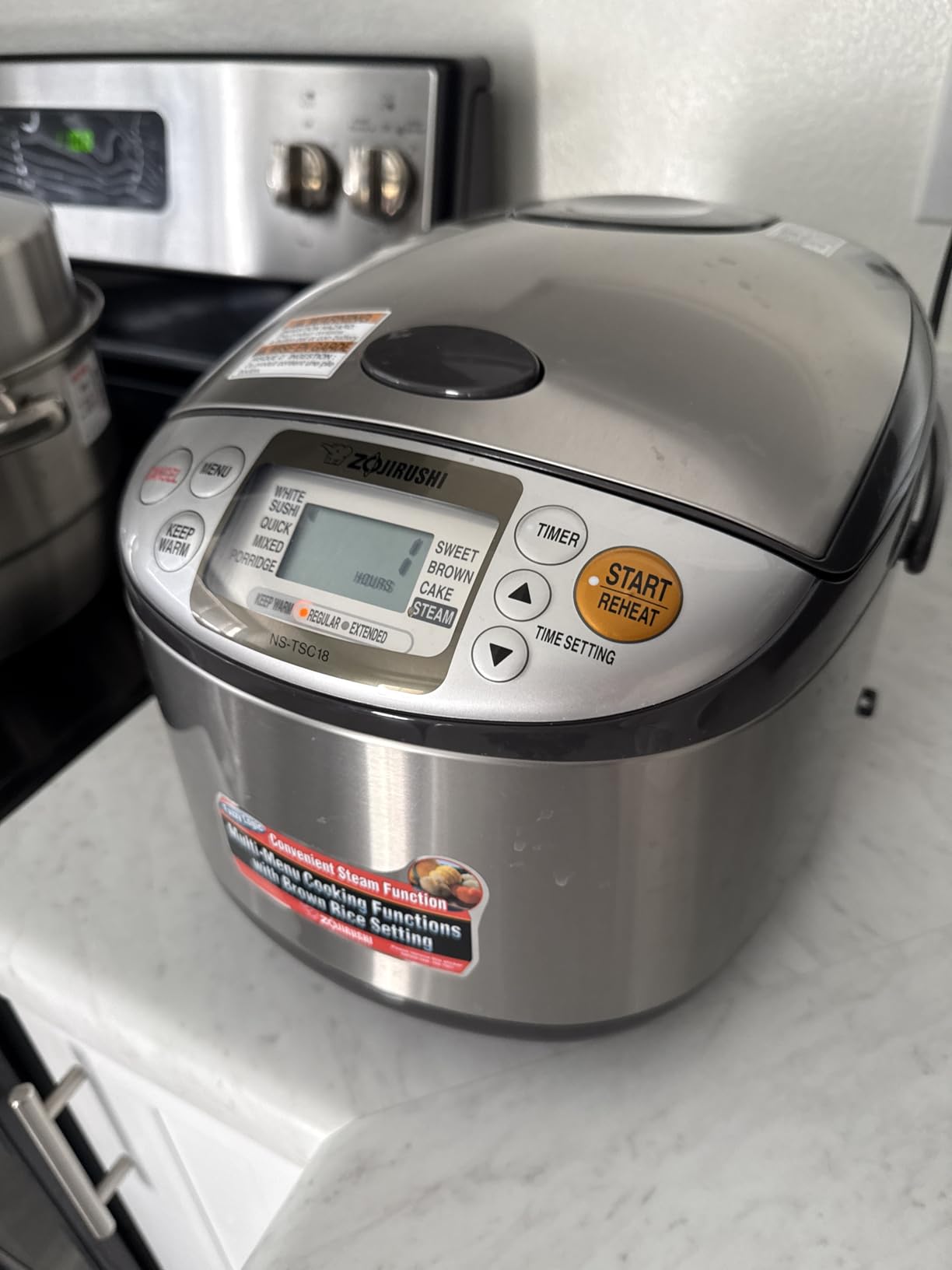
This is the pick for anyone cooking sushi for a table rather than a couple. The 1.0 liter bowl and the thick black inner pan handle a full load without the bottom layer scorching before the top has finished, and owners across 13851 reviews repeatedly call out even cooking as the standout.
The steam menu is the sleeper feature for sushi nights. Fish, edamame, ginger and cucumber all go in the basket while the rice cooks, and a single appliance handles the whole meal instead of a pot of water on the back burner.
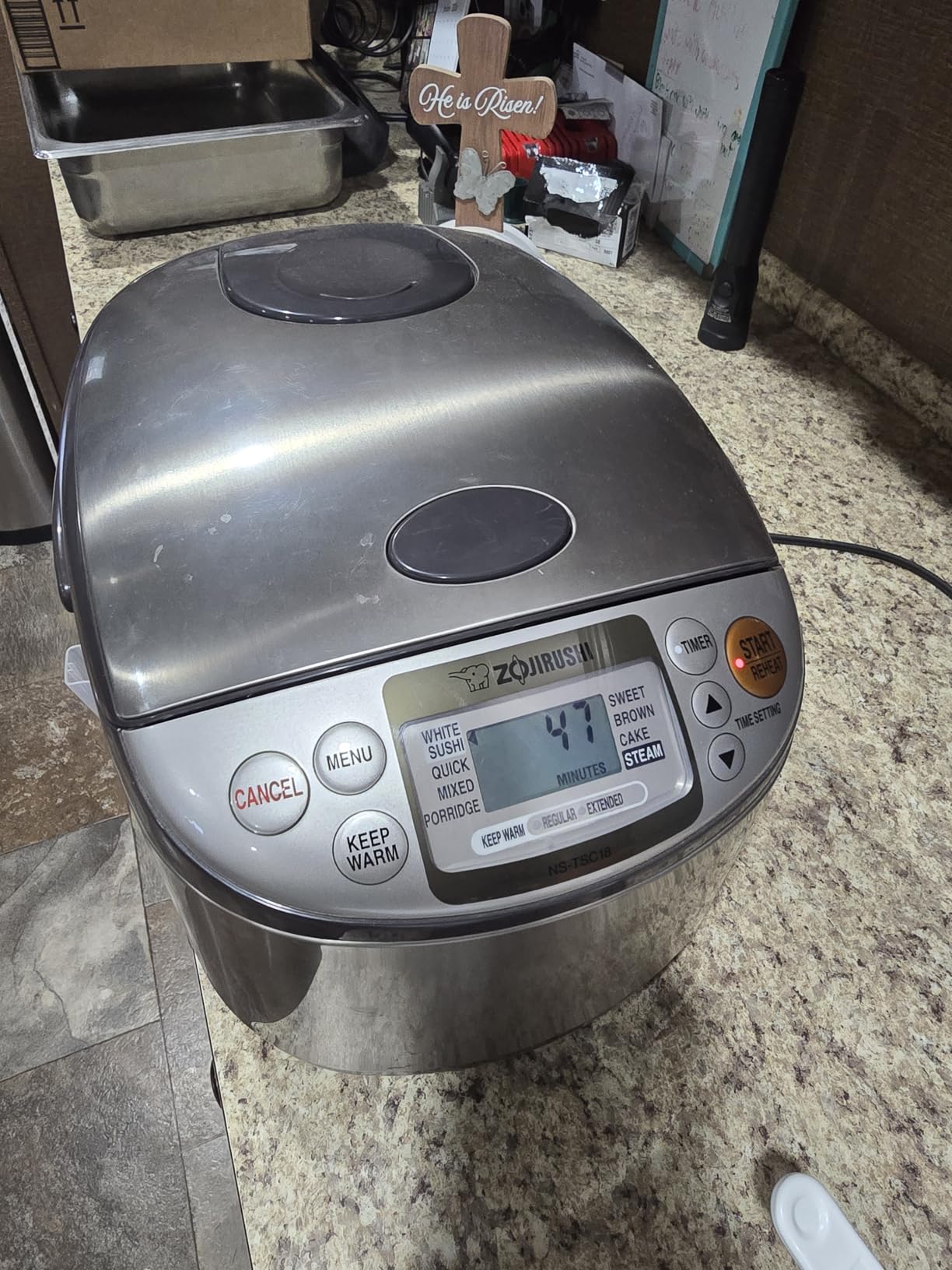
Compared with the Neuro Fuzzy, the trade is a sushi-specific texture control for raw versatility. The microcomputerised fuzzy logic still handles short grain well; it simply leaves the final texture call to you rather than to the panel.
Two delay time settings, an interchangeable melody and beep signal, and a retractable cord round out a package that owners consistently describe as the last appliance they expect to replace. The 4.6 average reflects that it is very good rather than exceptional.
Who it suits
It suits families of four to six and anyone who wants one appliance for rice, steaming and reheating. The 5.5-cup uncooked capacity fills a generous platter of rolls without a second batch.
Who should skip it
Skip it if a one-touch sushi program matters more to you than steaming, and skip it if hand-washing a clear-coated steel body is a dealbreaker. It also costs more than several fuzzy logic rivals here without adding a dedicated sushi menu.
4. Toshiba 6-Cup Fuzzy Logic TRCS01 – Best for Big Batches
Toshiba Rice Cooker 6 Cup Uncooked – Japanese Rice Cooker with Fuzzy Logic Technology, 7 Cooking Functions, Digital Display, 2 Delay Timers and Auto Keep Warm, Non-Stick Inner Pot, White
6 cups uncooked, 12 cooked
3L nonstick inner pot
655W, 110V
7 cooking functions
15-hour keep warm
Pros
- Largest capacity among the mid-size fuzzy logic models
- 7 functions plus a steam basket
- Keep warm holds for up to 15 hours
- Two delay timers and a clear digital display
- Owners report strong short-grain results
Cons
- Plastic steam basket rather than stainless
- Large footprint
- Poorly written manual and little tech support for glutinous settings
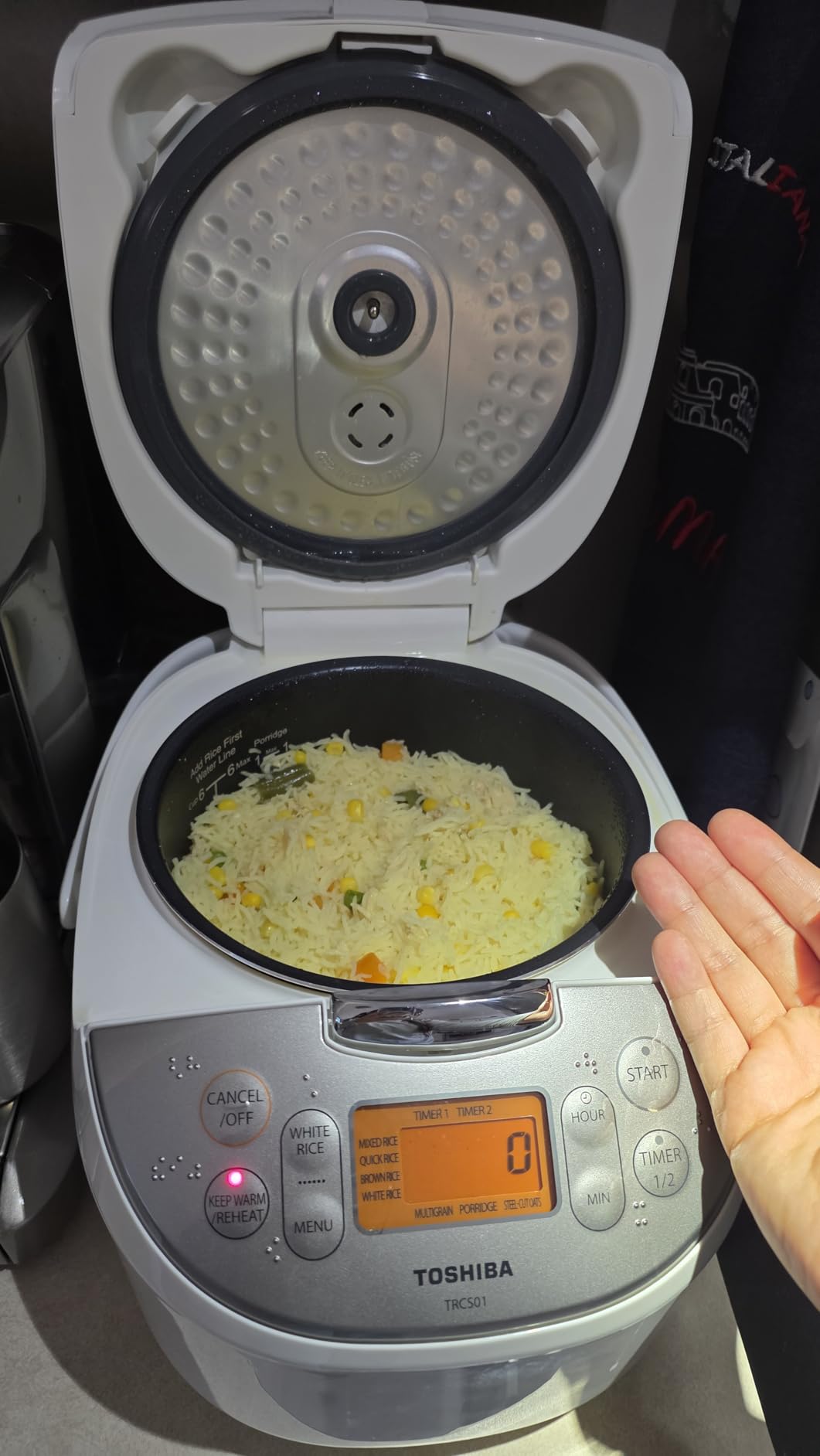
Capacity is the headline here. Six cups uncooked is the biggest bowl on this list that still fits a normal kitchen, and the 3-litre pot means a full batch of short grain cooks in one pass rather than two.
Reviewers are notably positive on short grain specifically, reporting that the Japanese fuzzy logic sensors adjust temperature and cooking time on moisture content and produce non-sticky, non-burning grains. The nonstick pot also releases cleanly and wipes down without soaking.
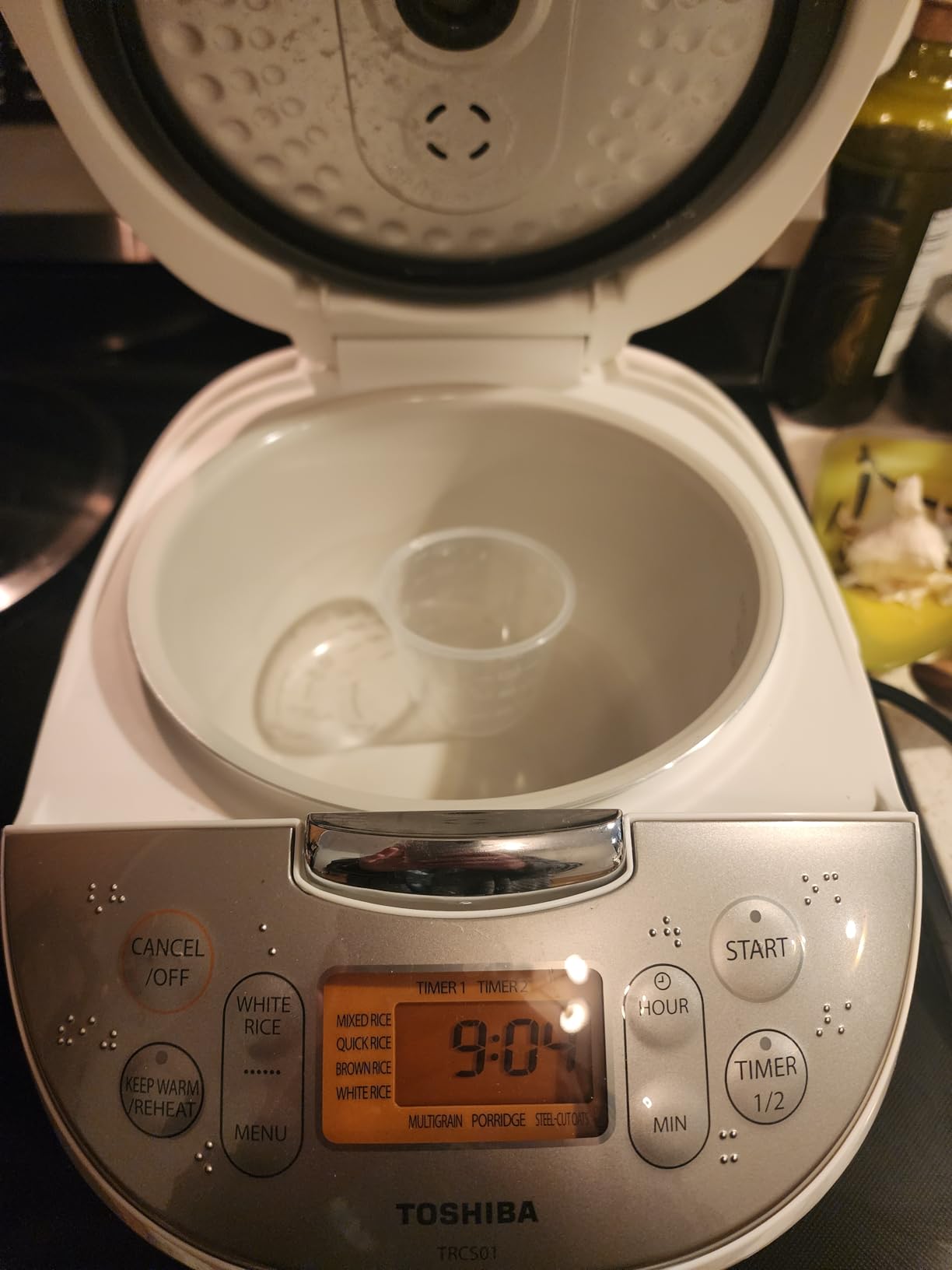
The weaknesses here are practical rather than culinary. The included steam basket is plastic, the unit is wider than a compact round cooker and eats a lot of counter, and the manual is not much help if you need to dial in a glutinous setting without support behind you.
One more quirk worth knowing: boiling non-rice dishes can push liquid up into the steam valve and leave a mess on the top plate, and the power plug mounts on the right side, which matters if your outlet is behind the cooker.
Who it suits
It suits larger households, meal preppers and anyone hosting a sushi night for more than four people. Fifteen hours of keep warm also makes it the safest pick if your timing for dinner is unpredictable.
Who should skip it
Skip it for a one- or two-person kitchen where counter space is the constraint, and skip it if you want support on the settings. There is no dedicated sushi program here, so the short-grain result depends on your own ratio.
5. CUCKOO CR-0632F – Best for Easy Cleaning
CUCKOO Micom Fuzzy Logic Rice Cooker, 12-Cup Cooked, Silver, CR-0632F
6 cups uncooked, 12 cooked
Aluminum body
580W, 120V
9 menu options
Detachable inner lid
Pros
- Detachable inner lid lifts out for washing
- Excess water drainage tray catches the starch
- Priced reasonably for a 6-cup fuzzy logic unit
- Korean-made build from a long-established brand
- Includes measuring cup and spatula
Cons
- Heavy at 4.8 kg and bulky on the counter
- No dedicated sushi texture program
- Low sales ranking against cheaper units of similar size
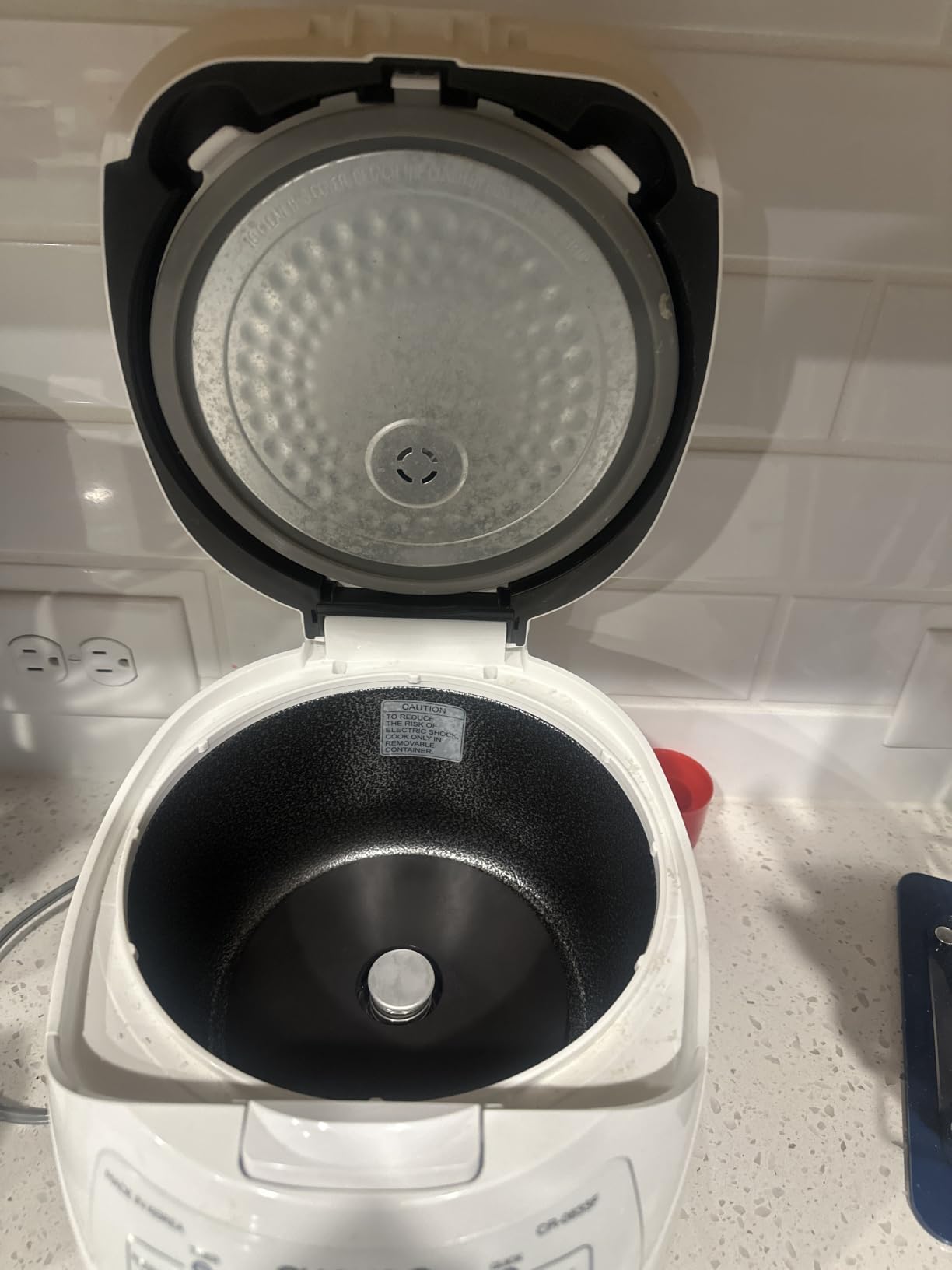
Starchy residue welded to a fixed inner lid is the most common complaint in this whole category, and this is the machine that solves it. The inner lid detaches completely, and a drainage tray underneath catches what runs down as you rinse.
After a sushi batch, that matters more than it sounds. Short grain releases more surface starch than long grain, and if that film bakes onto a fixed lid, it shows up in the flavour of your next batch.
The menu covers white rice, GABA brown, multigrain, porridge, slow cook, reheat and multi-cook, all on digital controls with an LCD. Fuzzy logic delivers even cooking, and owners generally view the price as fair for a 6-cup unit built in Korea by a brand with decades of rice cooker experience.
What it does not have is a sushi-specific program. The texture comes from your water ratio and resting time rather than a menu the machine picks for you, which is a fair trade if you are comfortable adjusting once and then repeating.
Who it suits
It suits families who cook rice several times a week and hate scrubbing. A detachable lid plus a drainage tray means cleanup is a rinse rather than a soak, and the 6-cup bowl covers a group comfortably.
Who should skip it
Skip it if counter space or weight matters, at 4.8 kg it is the heaviest machine on this list. Skip it if you want the machine to handle texture selection for you.
6. CUCKOO CR-0375FG – Best Compact Micom Cooker
CUCKOO Micom Fuzzy Logic Rice Cooker, 6-Cup Cooked, Gray, CR-0375FG
3 cups uncooked, 6 cooked
880W, 120V
9 modes including glutinous rice
Quick white rice 26-28 minutes
Pros
- Glutinous white rice mode is the closest thing here to a sushi setting
- Quick white rice finishes in 26-28 minutes
- Self-clean setting and removable inner lid
- Keep-warm holds without scorching the base
Cons
- Lowest rating here at 4.3 with a higher one-star share
- Lid is spring-loaded and shoots open fast
- 3-cup pot is smaller than the exterior suggests
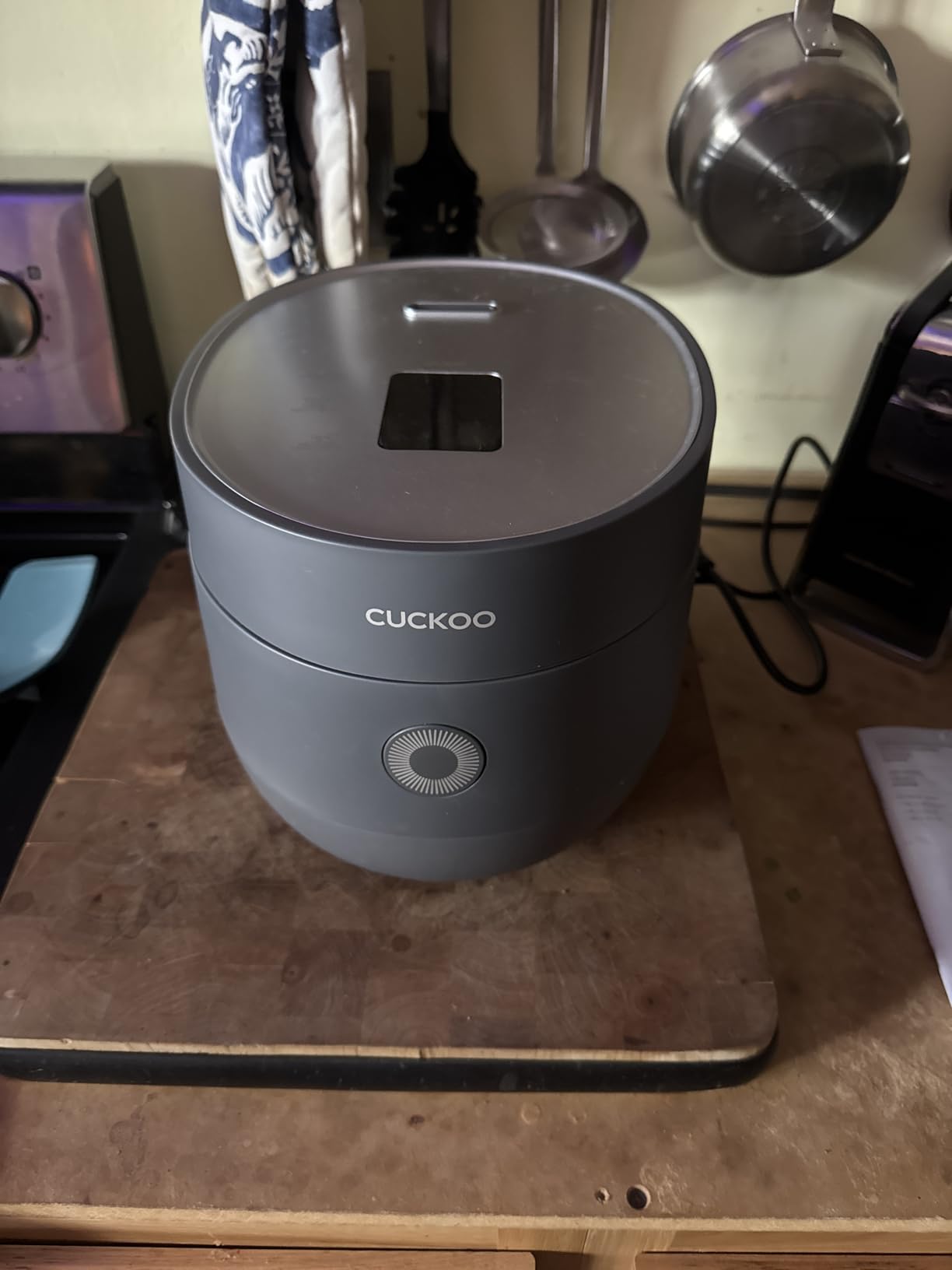
Of the ten machines here, this is the only one under five pounds of cookware design that includes a glutinous white rice mode as a named program. For sticky short grain, that single menu entry does more for you than any amount of guessing.
It also runs hot and fast. The quick white rice mode finishes in 26-28 minutes, which makes it the pick when you decide to make sushi an hour before guests arrive rather than a plan made in the morning.
The 4.3 average across 5370 reviews is the lowest on this list, and the complaints are consistent enough to plan around. The lid is heavily spring-loaded and can hit an overhead cabinet, and the 3-cup pot is smaller than the body suggests, with 3 cups of dry rice already past the halfway mark.
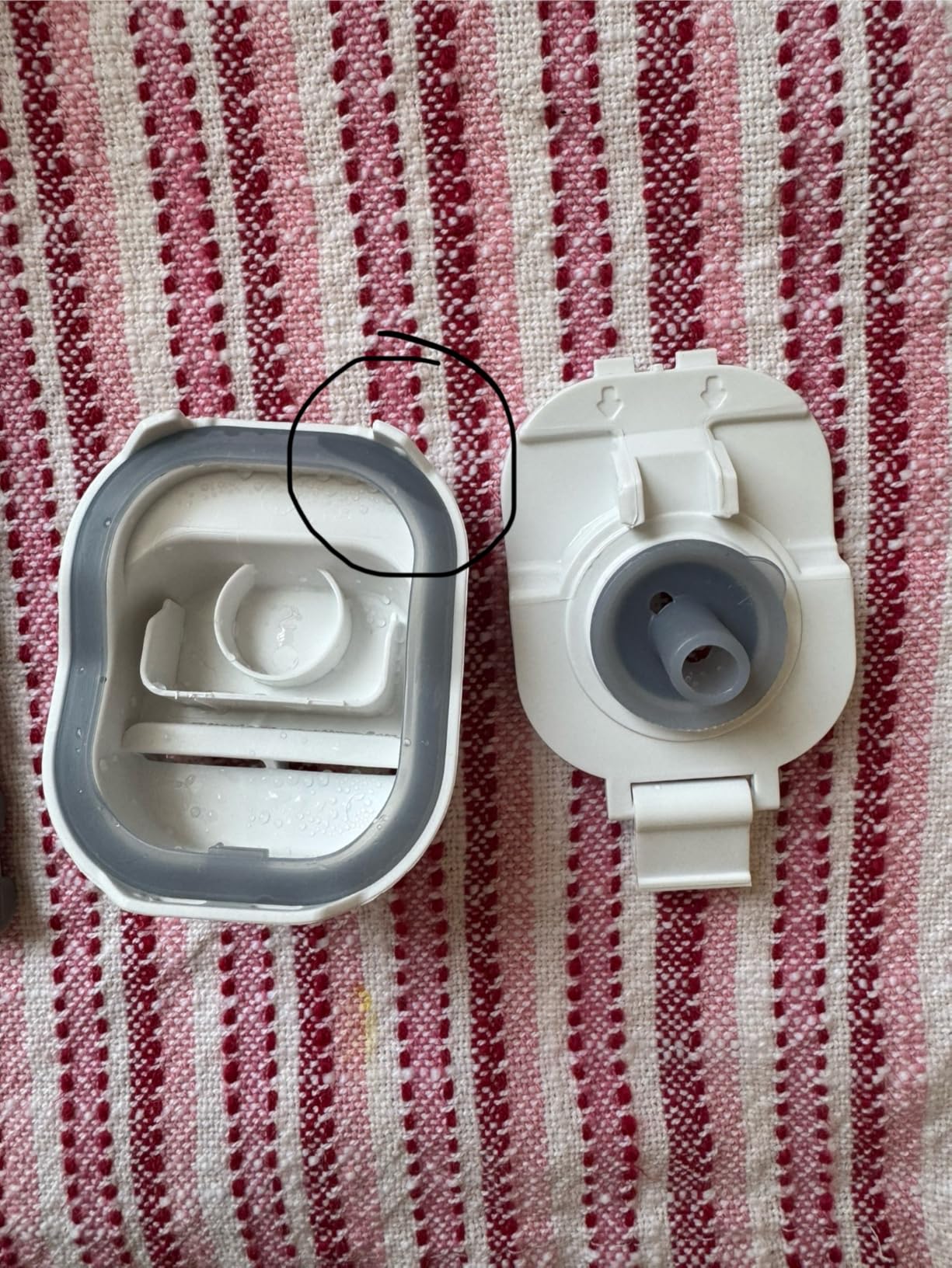
There is also a maintenance point that catches people: the inner components need to dry out completely between uses, or trapped condensation can grow mould. The moisture cap at the back is fiddly to remove, and the top of the inner lid is awkward to clean.
Who it suits
It suits one or two people who cook often and want a named sticky-rice program. Nine modes, a self-clean cycle and a working keep-warm function make it the most button-heavy but most capable small machine in this group.
Who should skip it
Skip it if you have a low overhead cabinet, because the lid genuinely springs. And skip it if you are the type to rinse and immediately lid the pot, since this one needs air drying more than the others.
7. COMFEE Japanese Style 10-Cup – Best Multi-Function Pick
COMFEE’ Japanese Style Rice Cooker with Fuzzy Logic, 10-Cups Uncooked Rice
10 cups uncooked, 20 cooked
875W, 120V
11 programs including sushi
24-hour delay timer
12-hour keep warm
Pros
- Dedicated sushi program in an 11-program menu
- Six-step process traps steam for even simmering
- 24-hour delay timer and 12-hour keep warm
- Nonstick pot and removable steam valve
- Owners praise short-grain white rice results
Cons
- Thin water-ratio guidance in the manual
- Steam escapes at the back and side seams
- Condensation can pool around the pot base
- Largest and heaviest unit relative to its output
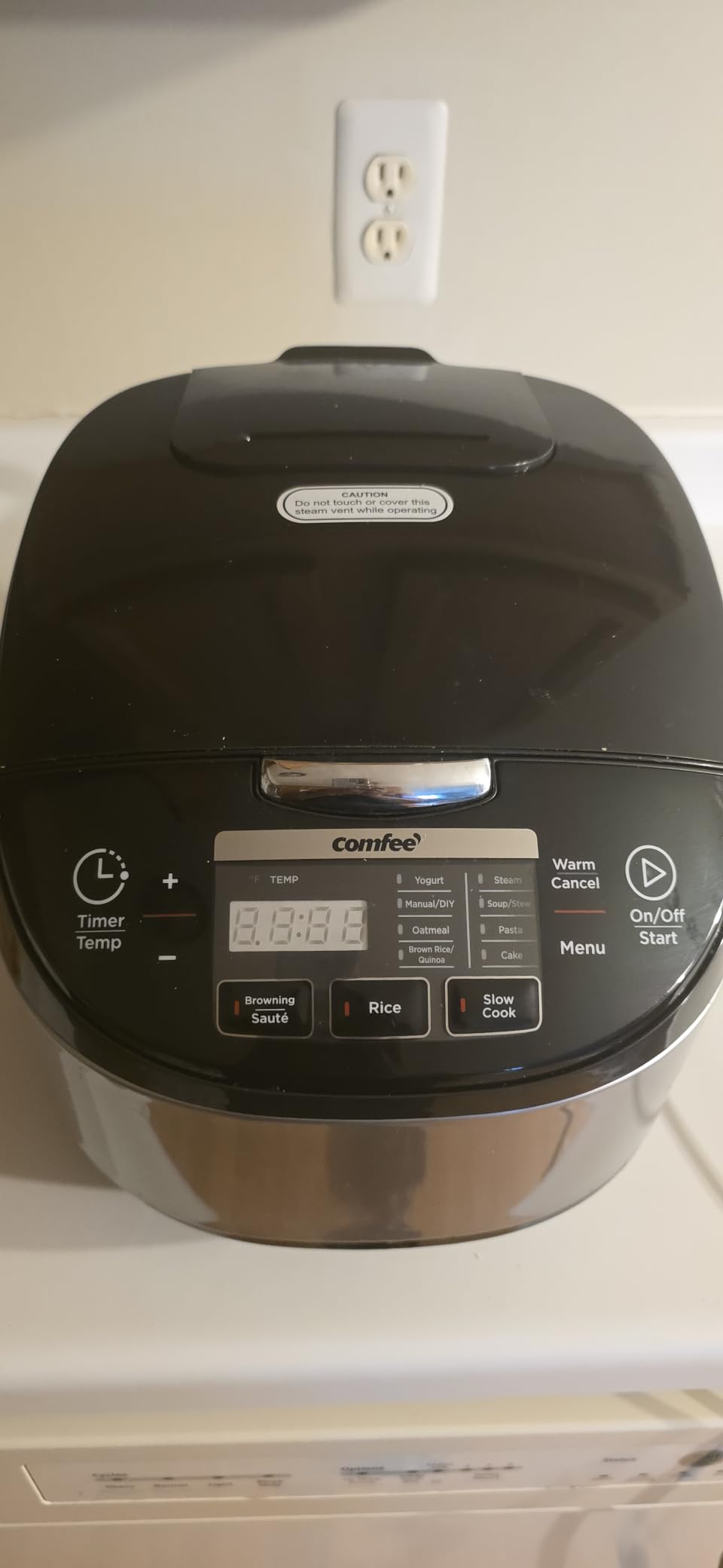
This is the pick if your kitchen has to do more than one job. Pasta, soup, stew, saute, steamed vegetables and rice all sit on the same panel, and the dedicated sushi program means short grain is not being forced through a generic white rice cycle.
Underneath, it runs a six-step process designed to keep steam and heat inside the pot, which is the mechanism behind the good short-grain results owners report. With 984 reviews and a 4.6 average, it is the newest and least-tested pick here, so the long-term track record is still thin.
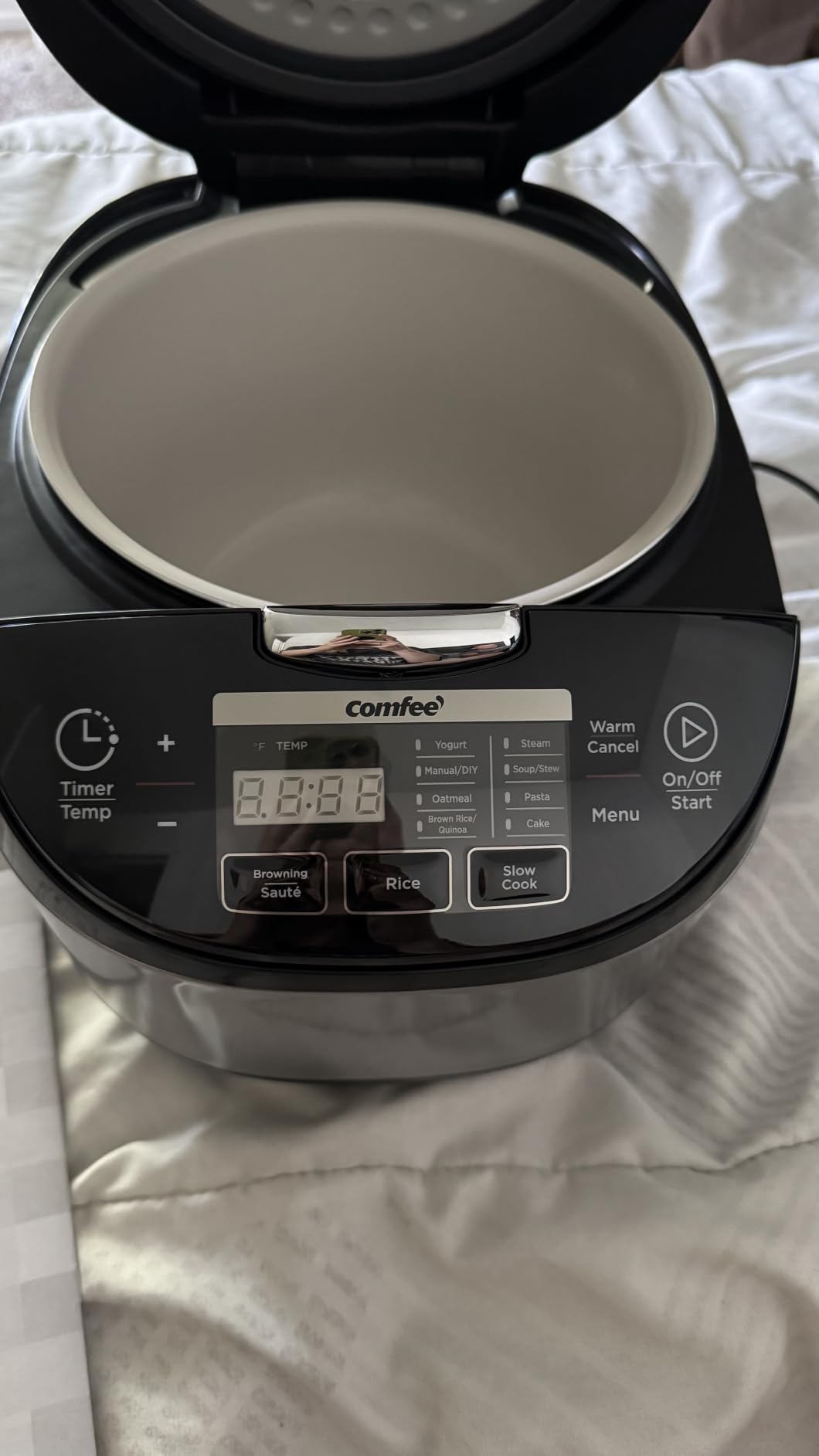
Two practical issues come up repeatedly. The manual’s water-ratio guidance is thin enough that some owners had to look the ratio up elsewhere, and steam escapes from the back and side seams so condensation pools around the pot base and needs wiping.
One owner also reported condensation reaching the heating element area and raised a long-term concern about it. At 8.6 pounds and 15.47 inches deep, it is also the biggest machine here, so measure the shelf before you commit.
Who it suits
It suits a household that wants one appliance to replace a rice cooker, a steamer and a small pot, and a cook who wants a named sushi button. The 24-hour delay timer makes scheduled batch cooking straightforward.
Who should skip it
Skip it for tight counter space, and skip it if you are squeamish about a sealed appliance with a lot of seams. Also skip it if you want decades of owner history behind the design, because 984 reviews is a short record.
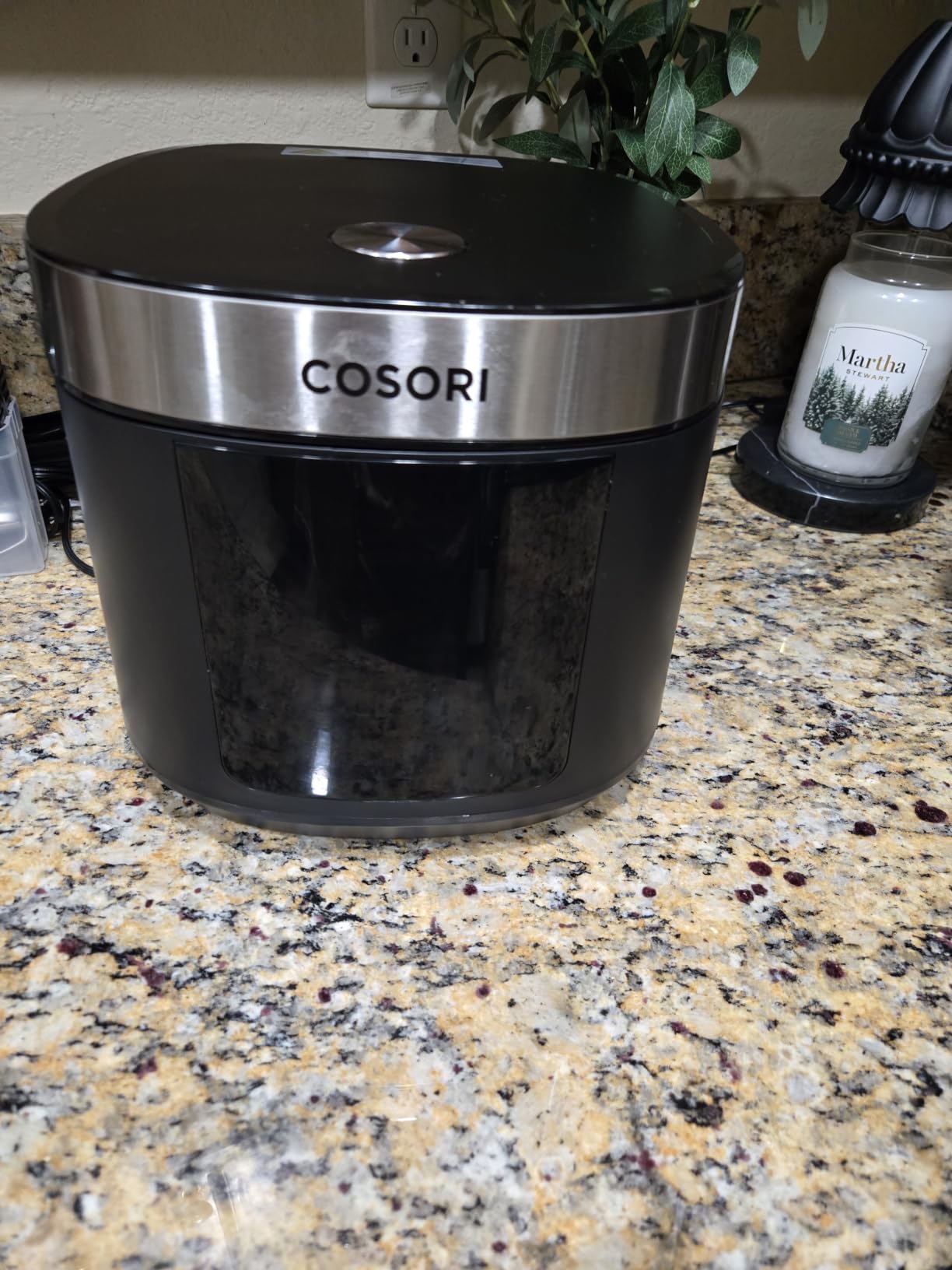
8. Cosori 10-Cup Ceramic Fuzzy Logic – Top Rated
Cosori Rice Cooker 10 Cup, Fuzzy Logic, Ceramic Coating Inner Pot,18-in-1
10 cups uncooked, 20 cooked
Ceramic-coated inner pot
1000W, 120V
18-in-1 menu
2 year warranty
Pros
- Highest rating here at 4.8 with 91 percent five-star reviews
- Ceramic inner pot instead of PTFE nonstick
- Fuzzy logic runs a 7-step process
- Dishwasher-safe pot and stainless basket
- 24-hour keep warm and delay timer
Cons
- No single dedicated sushi program
- texture options live under white rice
- Ceramic coating needs gentle utensils to stay nonstick
- Bulkier than the 3 to 6 cup models
This is the highest-rated machine in the group, and the reason is not subtle. Fuzzy logic drives a seven-step cooking process that owners say produces consistently fluffy, even grains without any adjustment, which is a real change from the button-pressing most entry cookers demand.
The ceramic-coated inner pot is the quiet headline for anyone who has been avoiding traditional nonstick. Combined with a stainless steel steamer basket and dishwasher-safe everything, cleanup is the easiest of any 10-cup machine here.
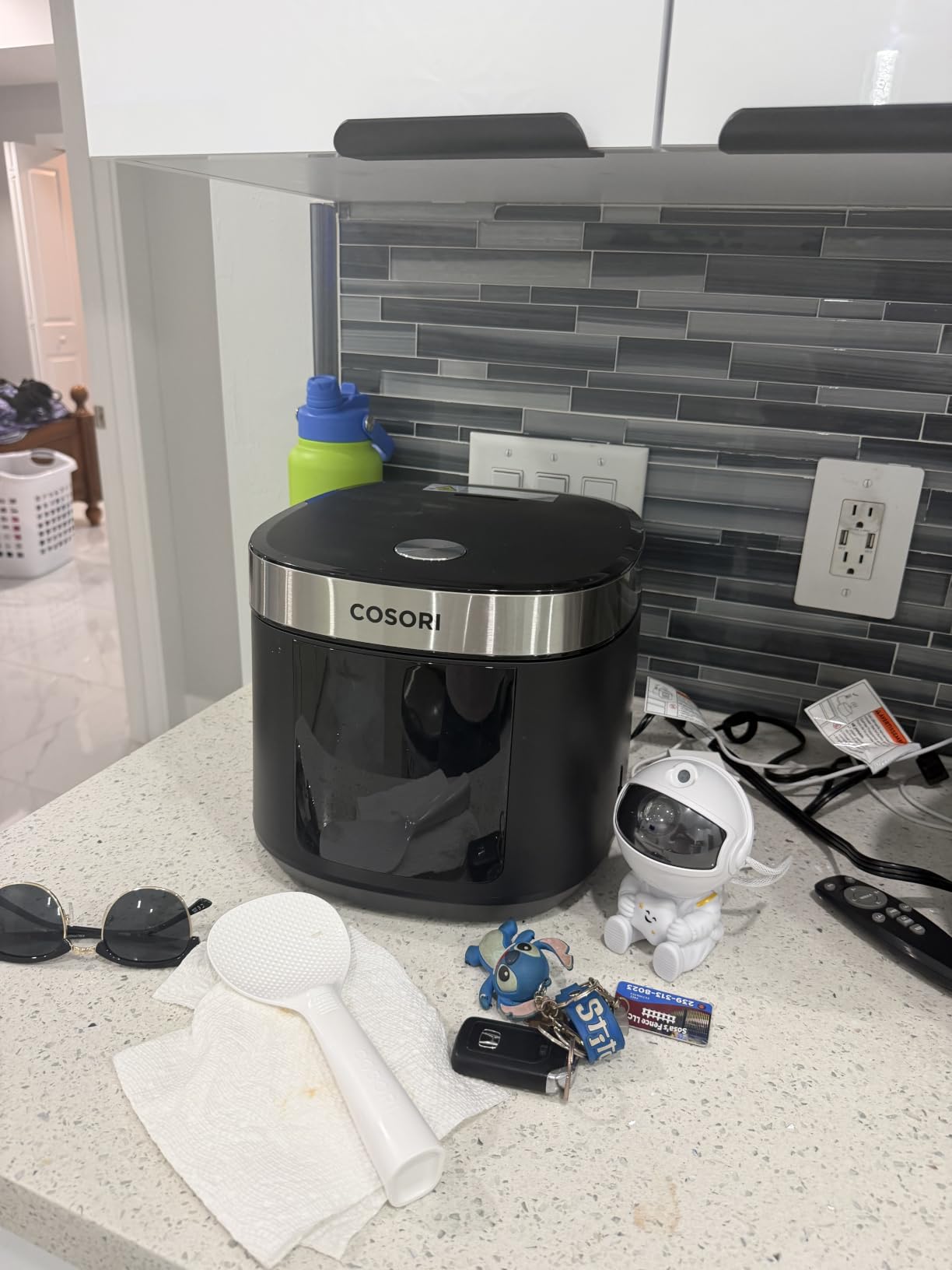
There is no dedicated sushi button. Sushi rice is handled through the white rice texture settings, which in practice means you pick a texture tier and then keep your water ratio steady, and that is a reasonable trade for a 4.8 average across 5666 reviews.
The 1000W quick rice function is genuinely fast for a unit this size, the 18-in-1 menu covers three grain types, three oat types, steamed vegetables, slow cook and sauté, and the two-year warranty is the longest offered here.
Who it suits
It suits cooks who want the best-rated and most flexible machine here, and households avoiding a PTFE nonstick surface. A 10-cup bowl also handles meal prep batches of short grain rice for the week.
Who should skip it
Skip it if you want a labelled sushi program, and skip it if you tend to dig at rice with a metal utensil, since the ceramic coating marks more easily. At 4.2 kg it also is not a small-counter machine.
9. Dash Mini Ceramic – Best for Single Servers
Dash Mini Rice Cooker, 2-Cup Removable Ceramic Nonstick Pot, Black
2 cups cooked from 1 cup uncooked
Ceramic cooking surface
Glass lid
Single-switch operation
Pros
- Largest review base in the group at over 47000
- Ceramic surface with a removable pot
- Very small counter and storage footprint
- Glass lid lets you watch the cook
- Also handles oatmeal
- quinoa and pasta
Cons
- Thermostat rather than fuzzy logic
- so short grain is wetter and less even
- Only cooks 1 cup uncooked
- No delay timer and no keep-warm display
- Must be unplugged to switch off
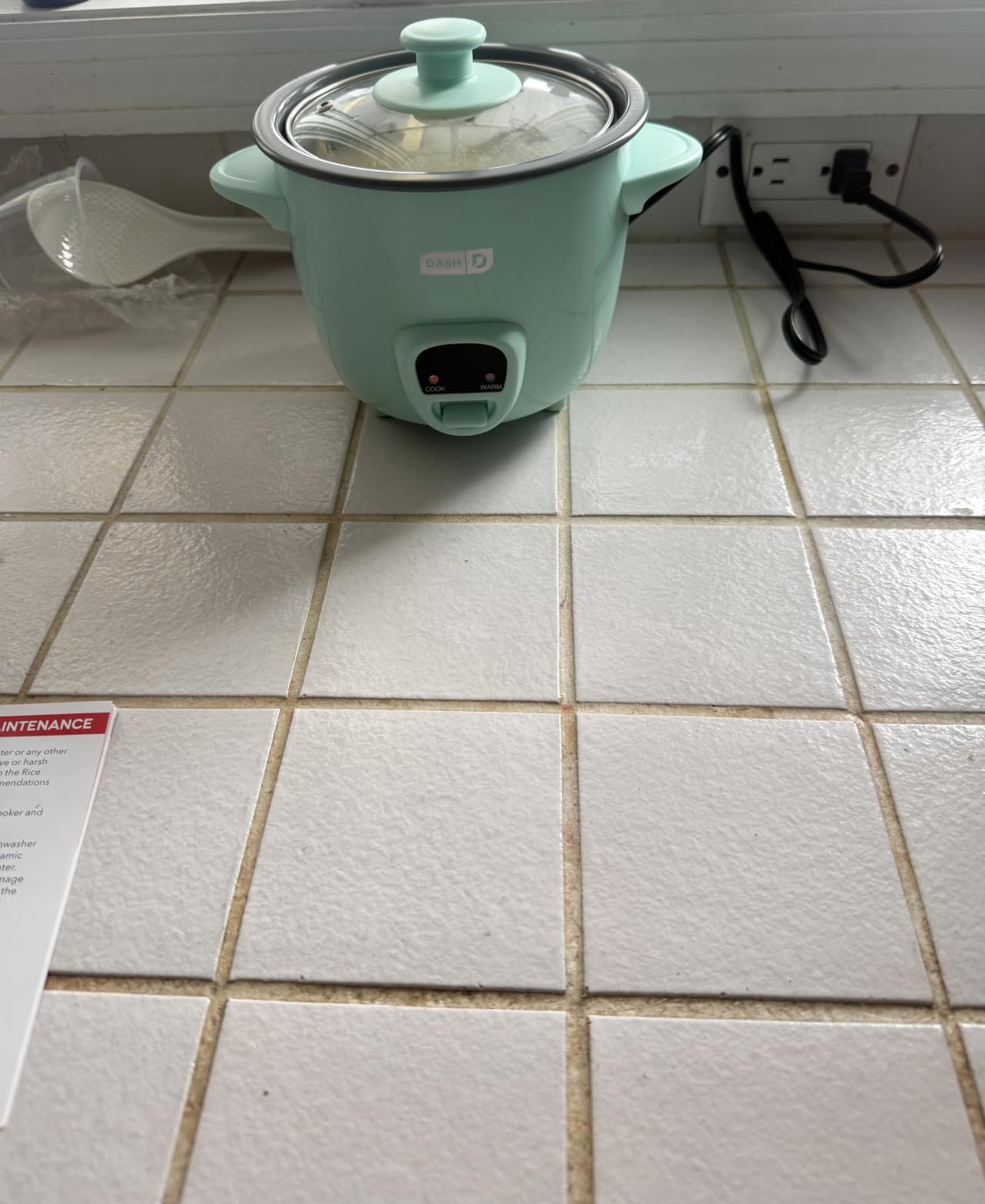
Forty-seven thousand reviews is the kind of track record you cannot manufacture, and this machine delivers genuinely good single-serve rice for very little money. For a person eating sushi alone on a weeknight, the size is a perfect fit rather than a limitation.
It is also the only pick here with a removable ceramic pot and a glass lid, so you can watch the water level and the texture without opening anything. The pot lifts straight out for serving and washing.
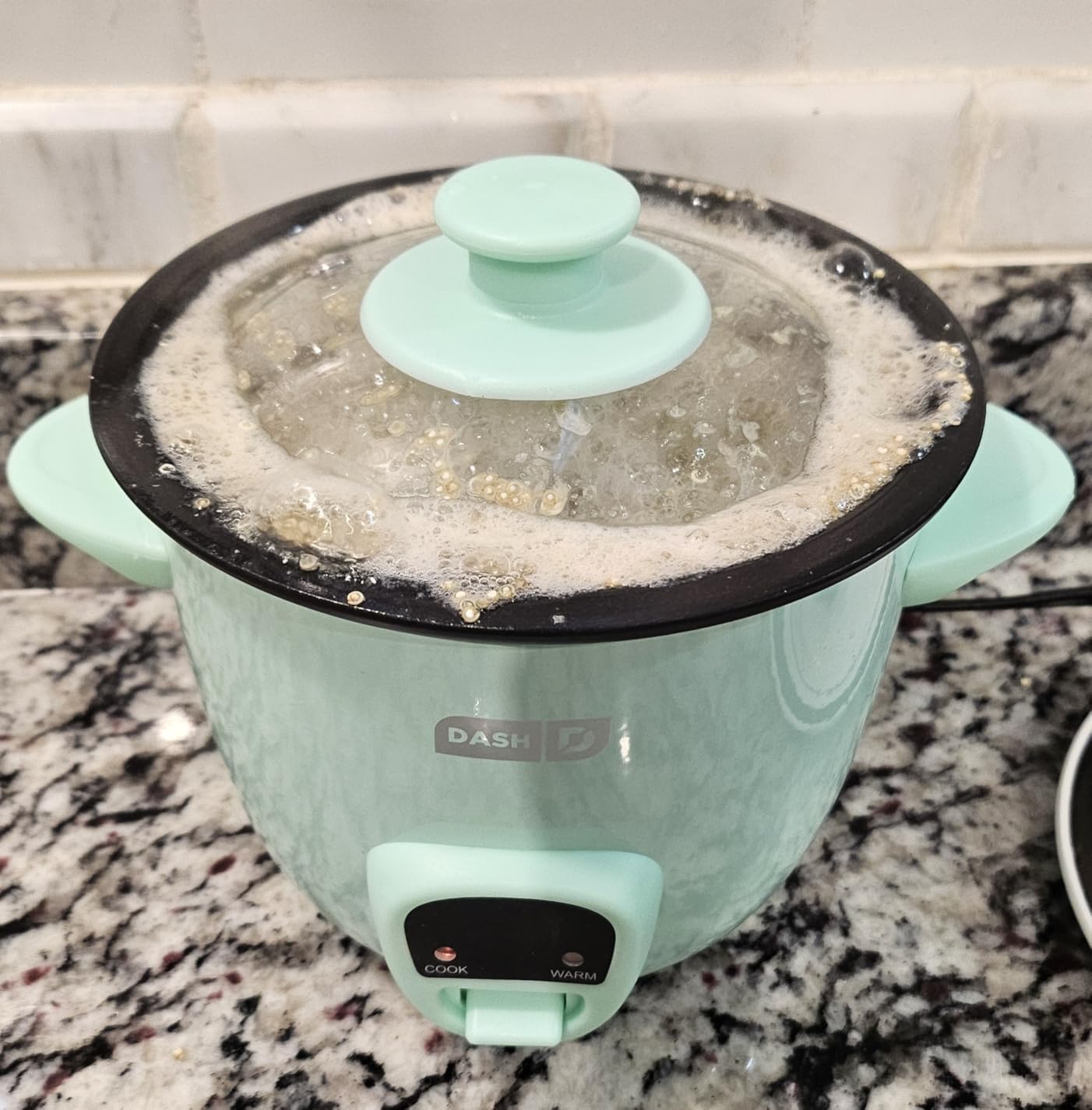
Here is the honest limit. This is a thermostat cooker, not a fuzzy logic one, and the review data says so directly: short-grain sushi rice comes out slightly wetter and less evenly cooked than in the larger Japanese-style machines. There is no delay timer and no menu settings, and you unplug it to turn it off.
Two cups of water already fills the pot to the line, so there is no room to experiment with a looser ratio, and very little headroom to fluff the rice without spilling over the edge.
Who it suits
It suits a one-person household, a dorm, an office or a first cooking experiment. It suits anyone avoiding a nonstick coating and anyone who wants an appliance that stores in a cupboard between uses.
Who should skip it
Skip it if texture consistency is the whole point, because a fixed thermostat cannot give you that. Also skip it if you need to cook for more than one person or want to schedule a cook while you are out.
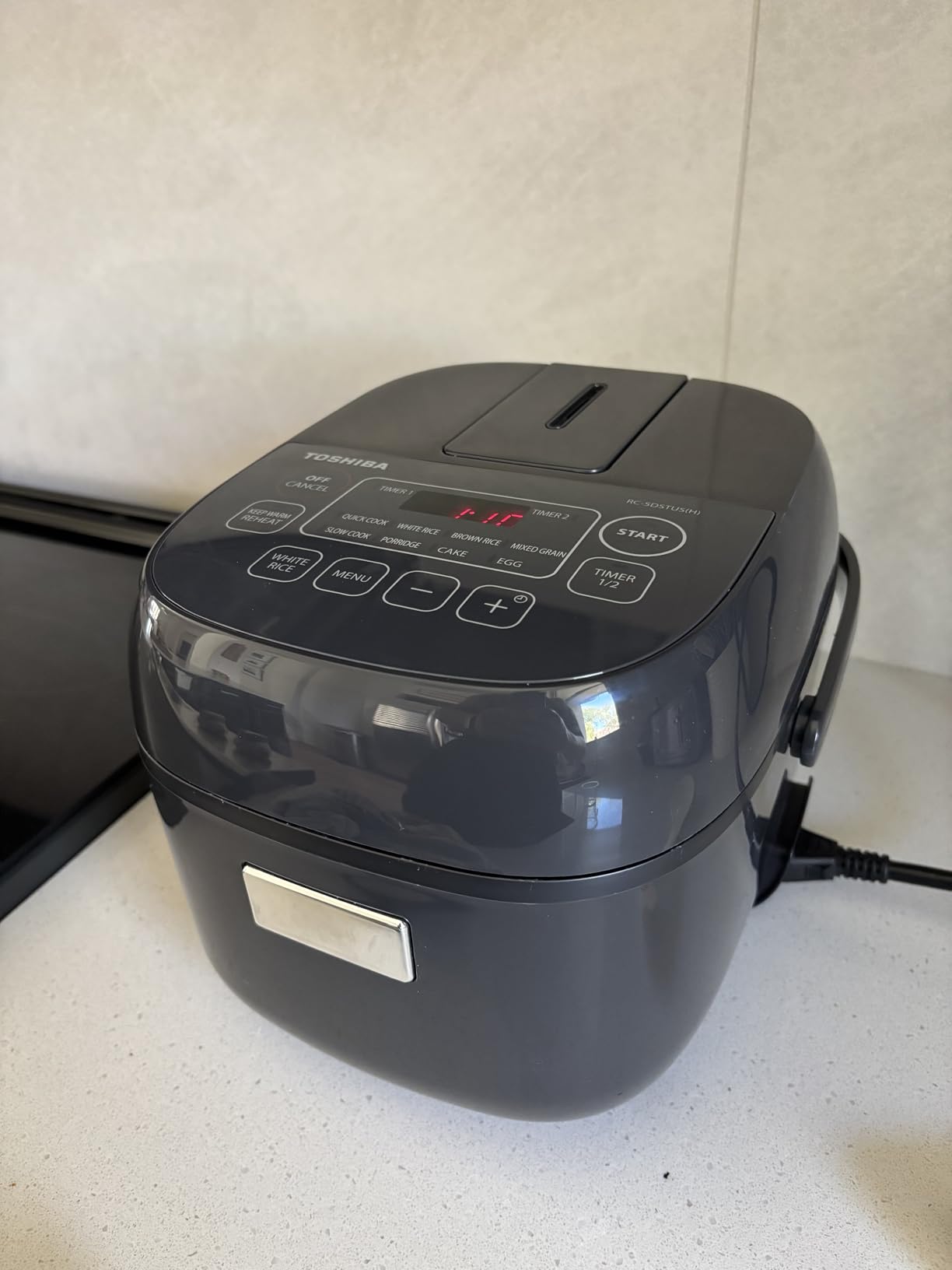
10. Toshiba 3-Cup Mini Fuzzy Logic – Best for 1-3 People
Toshiba Mini Rice Cooker, 3 Cups Uncooked, for 1-3 People, Steamer and Warmer, Fuzzy Logic, One-Touch Cooking, 24-Hour Delay Timer, Auto Keep Warm, White
3 cups uncooked, 6 cooked
460W, 120V
8 cooking functions
24-hour delay timer
One-touch operation
Pros
- Explicitly supports sushi rice alongside white
- brown
- jasmine and basmati
- 3-cup size suits 1 to 3 people without eating the counter
- Fuzzy logic senses moisture and adjusts time and heat
- Large LED display with one-touch operation
- 24-hour delay timer plus keep warm and reheat
Cons
- 4.5 rating is the second lowest of the fuzzy logic models here
- Hand wash only
- not dishwasher safe
- Plastic lid housing feels less premium than all-steel bodies
This is the most direct answer in the group for someone who wants an explicit sushi capability in a small machine. The documentation names sushi rice directly alongside white, brown, jasmine, basmati, wild, quinoa, oatmeal and mixed grain, and the 3-cup bowl is sized for one to three people.
Fuzzy logic handles the rest. It senses the moisture content of the rice and adjusts temperature and cooking time automatically, which is the mechanism that keeps a small batch from drying out or turning to paste at the base.
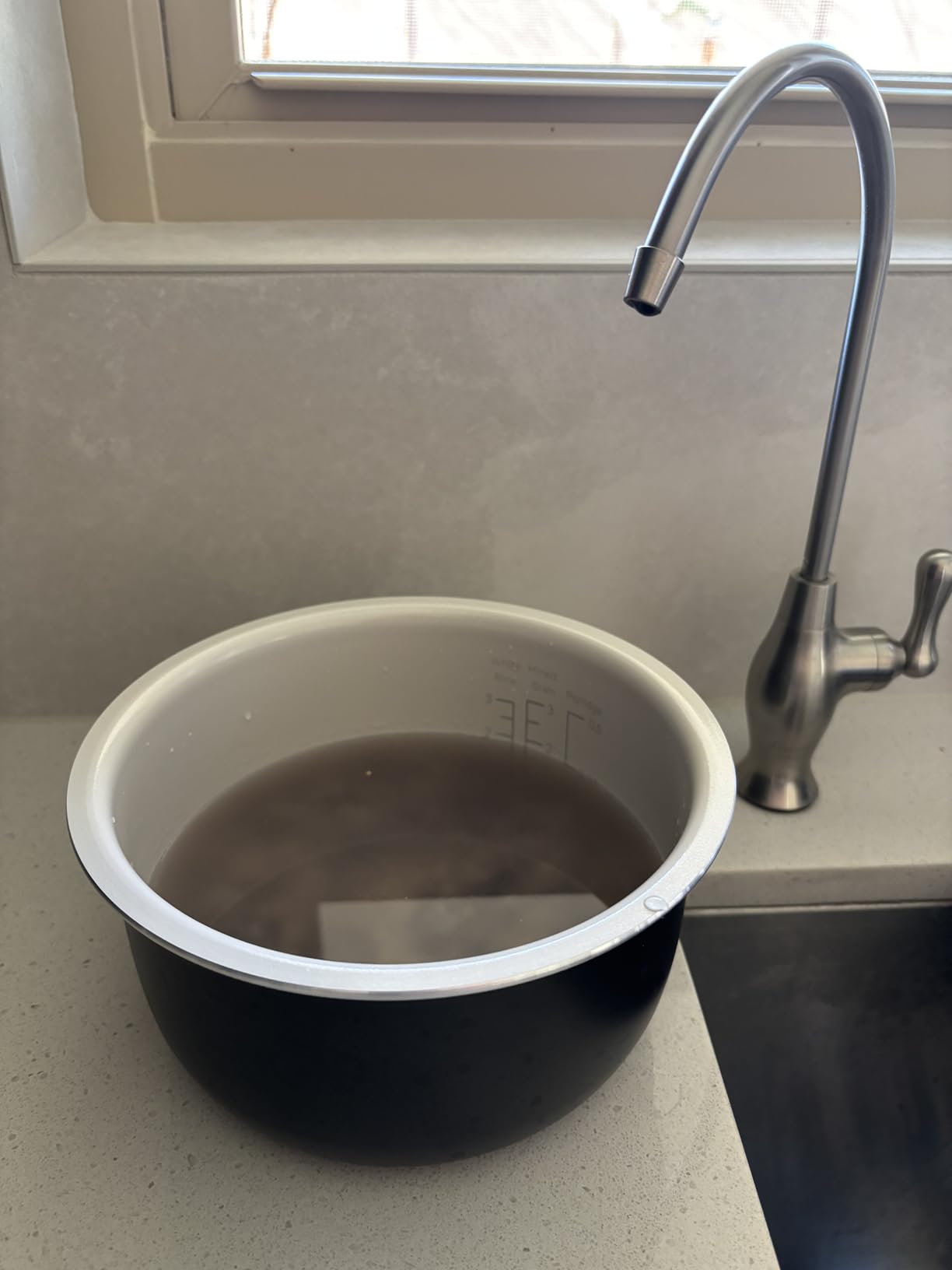
At 460W it is among the lowest-wattage machines here, and that works in your favour for a small load. One-touch operation, a large LED display, a 24-hour delay timer and a keep-warm and reheat function cover the scheduling side of a sushi night.
The 4.5 average across 3638 reviews sits below the fuzzy logic leaders, and the reasons are physical rather than culinary: hand washing only, no dishwasher, and a plastic lid housing that does not feel like the all-stainless Zojirushi bodies.
Who it suits
It suits one to three people who want named sushi support without a premium body. It also suits a first fuzzy logic machine, since the moisture sensing does most of the work while you learn your ratio.
Who should skip it
Skip it if you cook for more than three, and skip it if you want the dishwasher or a metal body. A dedicated single-touch control also means less fine tuning than the multi-program Zojirushi units.
What to Look for When Buying a Sushi Rice Cooker
Fuzzy logic, defined simply: fuzzy logic, also called micom or microcomputerised control, means the cooker reads the rice as it cooks and adjusts heat and time, instead of running a fixed timer. For sticky short grain that difference is the whole game, because the window between perfect and gluey is narrow.
A dedicated sushi or glutinous program: a machine that names sushi, glutinous or short grain is adjusting its own water and rest times for that texture. Machines that only offer white and brown make you tune it yourself, which works once you know your ratio.
How the pot is heated: a spherical inner pan curves the heating element around the bowl, and induction heats the pan itself rather than a coil underneath. Both spread heat more evenly than a flat bottom-only element, which is what stops the bottom layer from scorching before the top is done.
Pot material: most machines here use a nonstick coating. The Cosori and the Dash Mini use a ceramic coating instead, which some buyers prefer for a PFAS-free surface, at the cost of needing gentler utensils. A removable inner lid is a bigger practical win for sushi cooks than the coating itself, because short grain leaves heavy starch film behind.
Keep-warm behaviour, treated as a risk: every machine here holds rice warm, and every one of them will dry it out eventually. Extended keep-warm cycles and reheat are helpful, but the real fix is to cook closer to when you will eat and to leave the rice uncovered for 10 to 15 minutes before seasoning.
Capacity, with the ratio math: plan on roughly three-quarters of a cup of dry sushi rice per person, so four people means about three cups uncooked. One full-size roll takes roughly a quarter cup, so eight rolls plus nigiri lands near two cups. Pick a bowl one size above your usual batch, since overfilling is what produces the gluey failures in the first place.
Uncooked versus cooked capacity: the single most misread number on these listings. A 6-cup uncooked rating means 12 cups cooked, and mixing those two figures up leads to a pot that is either half empty or a third too full. If you are cooking for two most nights, a 3-cup uncooked model is the right size.
If your rice is not the bottleneck but your timeline is, an electric pressure cooker comparison is worth a look, since a pressure setting is far hotter than sushi rice needs and tends to push it past the point you want.
How to Make Rollable Sushi Rice in a Rice Cooker
Use a proper short-grain Japanese rice. Koshihikari and Nishiki are the standards, and Calrose is the US-grown option most supermarkets carry. Long-grain jasmine will not hold together in a roll no matter how good the machine is, and regular medium-grain rice sits in an awkward middle ground.
Rinse until the water runs clear. Short grain carries a lot of surface starch, and that starch is what turns to glue at the bottom of the pot. Four or five changes of water usually does it, and the water should look nearly transparent at the end.
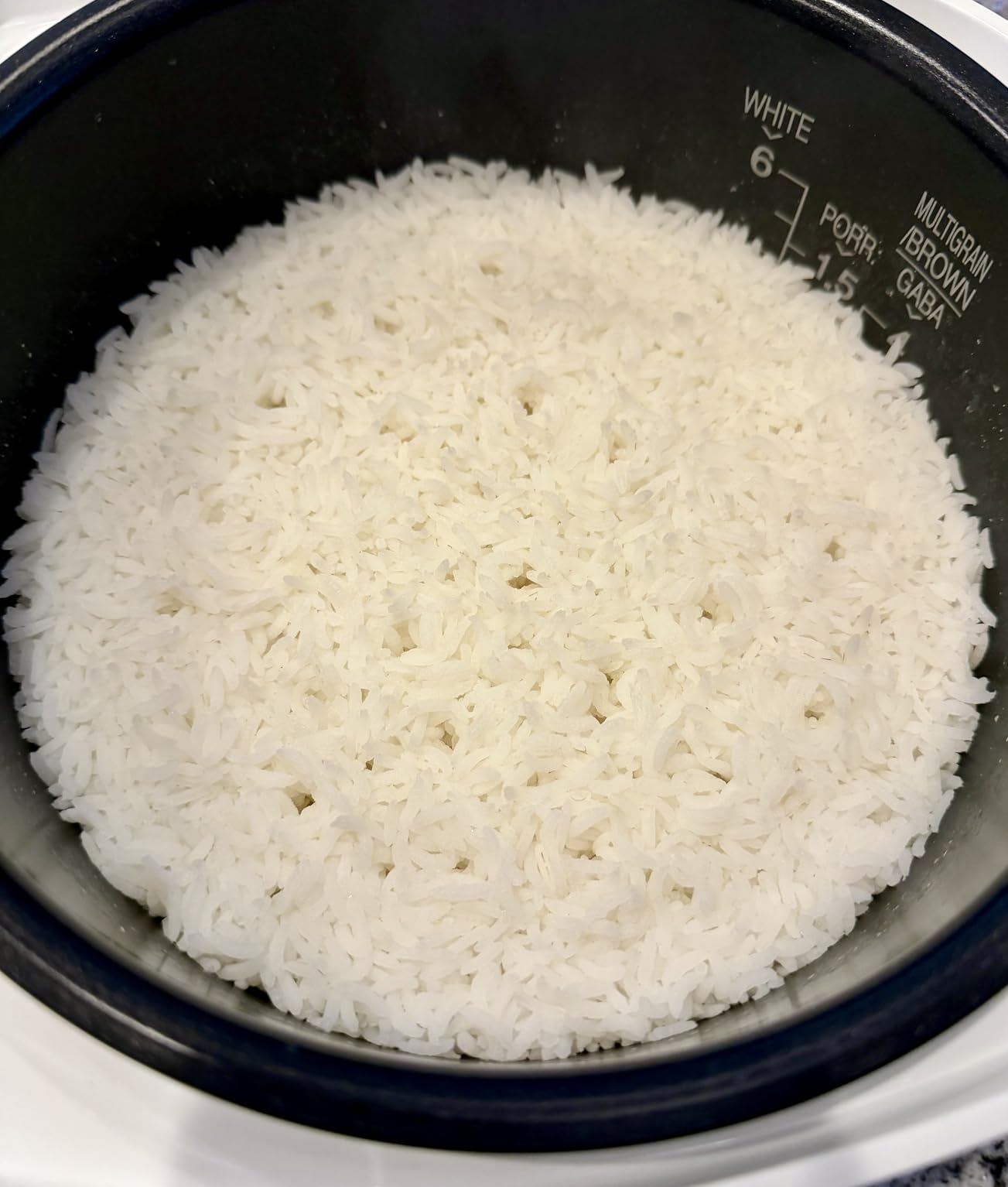
Use a 1:1 rice-to-water ratio as your starting point, measured in the cup your cooker came with. Short grain absorbs less than long grain, so equal parts is right where many people start with a half cup more. From there, adjust by a tablespoon per batch until you find your machine’s sweet spot.
Pick the right program. Use the sushi setting where one exists, and on machines without it use the short-grain or glutinous white rice option, never the plain white rice cycle, which is calibrated to run hotter and longer.
Let it rest. When the cooker switches to keep-warm, leave the lid closed for 10 to 15 minutes. Steam is still moving through the grains at that point, and opening early is the most common reason rice goes chalky in the middle.
Season while warm with sushi vinegar, a little sugar and salt. Turn the rice out onto a wet cutting board, add the dressing a little at a time, and cut through it with a wet paddle using a folding motion rather than a stirring one. Fanning while you fold cools it just enough to stop it sticking.
Troubleshoot from there. If the bottom is glued to the pot, your batch was too full or your ratio was too wet, and rinsing more thoroughly next time fixes both. If the centre is chalky and hard, you opened too early or let it sit on keep-warm for too long. If the base scorched, the pot was overloaded and the bottom layer cooked for longer than the machine’s sensors expected.
Frequently Asked Questions
Can all rice cookers cook sushi rice?
No. Every rice cooker will cook short-grain rice, but most are calibrated for long grain and will run too hot and too long for it. For reliably rollable sushi rice you want fuzzy logic control plus either a dedicated sushi, glutinous or short-grain program. A basic digital model can work if you dial in the ratio yourself.
Which rice cooker setting should I use for sushi rice?
Use a dedicated sushi setting where the machine has one. Where it does not, use the glutinous white rice or short-grain program rather than the standard white rice cycle, which is calibrated for long grain. The white rice setting runs hotter and longer and tends to give you a gluey bottom with a dry centre.
What is the ratio of sushi rice to water in a rice cooker?
Start at 1:1 by volume, measured with the cup that came with your cooker, meaning one cup of dry short-grain rice to one cup of water. Short grain absorbs less water than long grain, so this is already leaner than most rice cookers assume. Adjust by about a tablespoon per batch once you know your machine.
Why is a Zojirushi rice cooker better for sushi?
Two reasons. Zojirushi machines use fuzzy logic that senses moisture and adjusts heat and time through the cook, and their spherical or thicker inner pots spread heat more evenly so the bottom does not scorch before the top is done. Several models also carry a dedicated sushi setting that controls texture for you. The tradeoff is cost against the plastic-pot alternatives.
Do I need a fuzzy logic rice cooker to make sushi?
Not strictly, but it makes a large difference in repeatability. A thermostat cooker will cook short grain and often produce decent results, though reviews of small thermostat models note that sushi rice comes out wetter and less evenly cooked. Fuzzy logic rescues off-ratio batches instead of compounding them, which matters most when you are making sushi regularly.
The Bottom Line
If you want one answer to which of the best rice cookers for sushi rice to buy, take the Zojirushi Neuro Fuzzy NS-ZCC10. It is the only machine in this group with a dedicated sushi texture control, and that single feature removes most of the guesswork that causes gluey and chalky results.
Spend less and the CUCKOO CR-0375FG gives you a named glutinous program in a small body, or the Toshiba 3-Cup Mini covers one to three people with explicit sushi support. Spend more and the Cosori 10-Cup takes the highest rating in the group with a ceramic pot, at the cost of having no labelled sushi button.
Whatever you pick in 2026, rinse properly, start at a 1:1 ratio, and let the rice rest before you season it. The machine matters, but the technique still decides whether the roll holds together.