
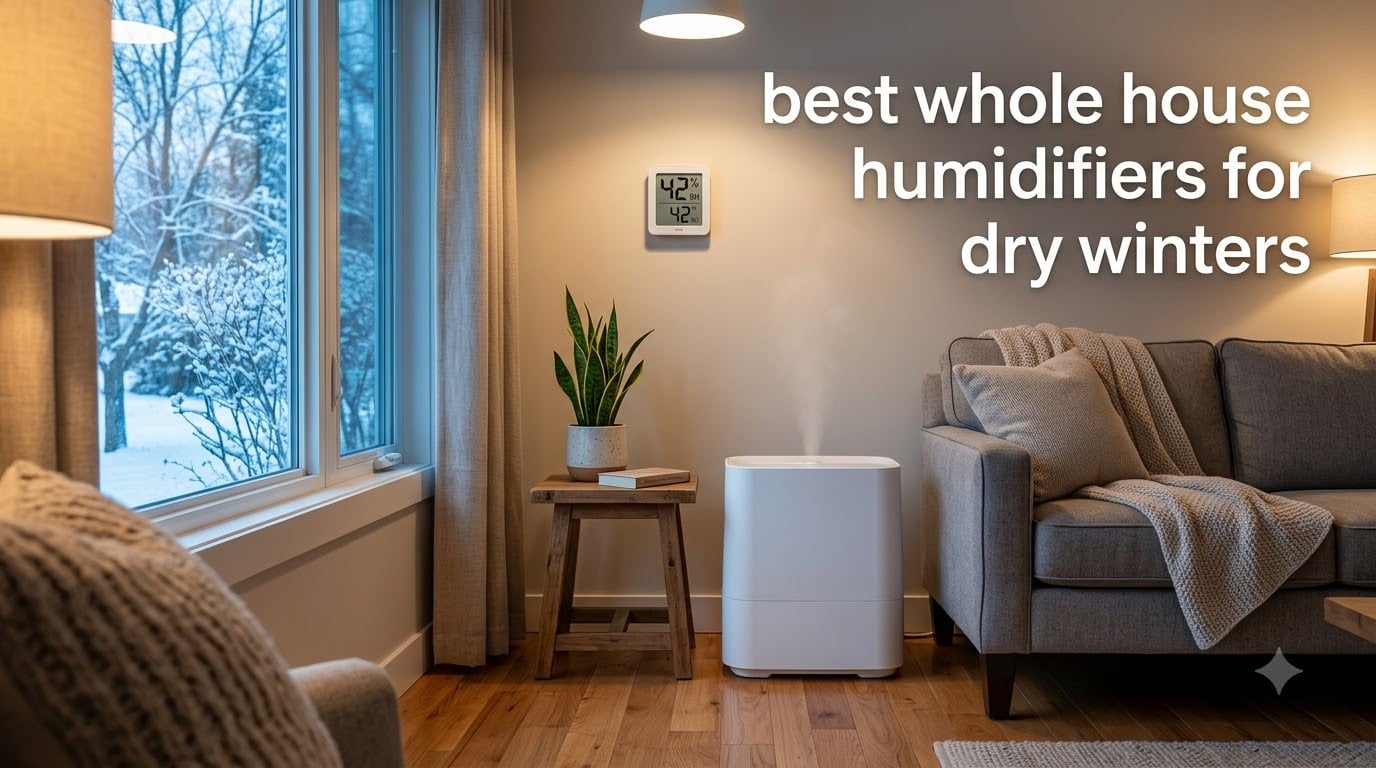
Every winter, the same thing happens in our house. The furnace kicks on, the indoor relative humidity drops into the 20s, and suddenly the dog is getting shocked walking across the hardwood, my lips are splitting, and one of the bedroom doors starts sticking in its frame. That is not a comfort preference. Cold outdoor air holds very little moisture, and when you heat it up and bring it indoors, you are living with air that is far drier than anything you would find in July.
The symptoms show up in more places than people expect. Static shocks, chapped skin, dry nosebleeds, irritated sinuses, cracked hardwood floors, and wood cabinetry that starts checking at the edges. Guitar and piano owners know it too, since wood and lacquer move with humidity and a very dry winter can split a soundboard. Our guide to the best whole house humidifiers covers the units that treat the air once and distribute it through the ductwork, rather than asking you to drag a portable from room to room.
There is an important fork in the road before you pick anything, though. A furnace-integrated central humidifier feeds moisture into your supply duct and needs a plumber-HVAC pro, sheet-metal work and a drain line. A large console or pedestal evaporative unit is a plug-in appliance that conditions one big open space, which is often what renters and owners of ductless or mini-split homes actually have. We covered furnace-mounted options in more depth in our best whole house humidifiers for furnaces guide. Both categories are in the list below, because “whole house” gets used loosely in the listing pages and the honest answer depends on your ductwork.
We aim indoor relative humidity at 30 to 50 percent during winter, using a cheap hygrometer to confirm what the humidistat is doing. Above roughly 50 percent in a cold climate, you risk condensation on cold surfaces, and that is where mold and “dirty sock” vent smells come from. If your problem runs the other way and your home stays muggy, our whole house dehumidifier picks are the other half of the equation.
Table of Contents
Top 3 Best Whole House Humidifiers for Dry Winters in 2026

Whole House Humidifier Quick Overview in October
| Product | Specifications | Action |
|---|---|---|
| AIRCARE MA Console Evaporative Humidifier |
|
Check Latest Price |
| AprilAire 500 Whole-House Humidifier |
|
Check Latest Price |
 AprilAire 700M Fan-Powered Humidifier AprilAire 700M Fan-Powered Humidifier |
|
Check Latest Price |
 Honeywell Home HE280A Whole House Humidifier Honeywell Home HE280A Whole House Humidifier |
|
Check Latest Price |
 Honeywell HM750A1000 Electrode Steam Humidifier Honeywell HM750A1000 Electrode Steam Humidifier |
|
Check Latest Price |
| AIRCARE Space Saver 6 Gallon Humidifier |
|
Check Latest Price |
 AIRCARE Pedestal Evaporative Humidifier AIRCARE Pedestal Evaporative Humidifier |
|
Check Latest Price |
 GeneralAire 1042LH Legacy Humidifier GeneralAire 1042LH Legacy Humidifier |
|
Check Latest Price |
 Vornado Evap40 Evaporative Humidifier Vornado Evap40 Evaporative Humidifier |
|
Check Latest Price |
 LEVOIT Superior 6000S Smart Humidifier LEVOIT Superior 6000S Smart Humidifier |
|
Check Latest Price |
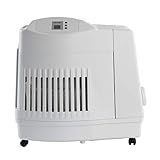
1. AIRCARE MA Console Evaporative Humidifier for 3,600 Sq Ft
AIRCARE MA Whole-House Console-Style Evaporative Humidifier (Console)
Evaporative console
3600 sq ft coverage
3.6 gal tank
36 hour runtime
1650 watts
Pros
- Covers 3600 sq ft from a single floor unit
- Digital humidistat with auto fan speed
- Side tank lifts out to fill at a sink
- Evaporative wick leaves no white dust
- Quiet on low and medium speeds
Cons
- Loudest on the top fan speed
- On-board humidistat reads high versus the far end of the room
- Needs refilling once or twice a day in deep winter
- Wick picks up hard water scale
This is the unit we keep recommending first, and it is the one we actually run. It is a floor-standing console evaporative humidifier rated for 3,600 square feet, which sounds ambitious until you understand that evaporative units humidify the air in the room rather than pushing moisture through ducts. In an open-plan main floor with a nine-foot ceiling, that is the honest limit.
The part that makes it work every day is the digital humidistat with automatic fan speed. Set a target, and the unit throttles itself instead of running flat out, which cuts both noise and wick wear. Reviewers also point out that it shuts down automatically when the target is reached or the tank runs dry, so an empty tank does not become a flooded floor.
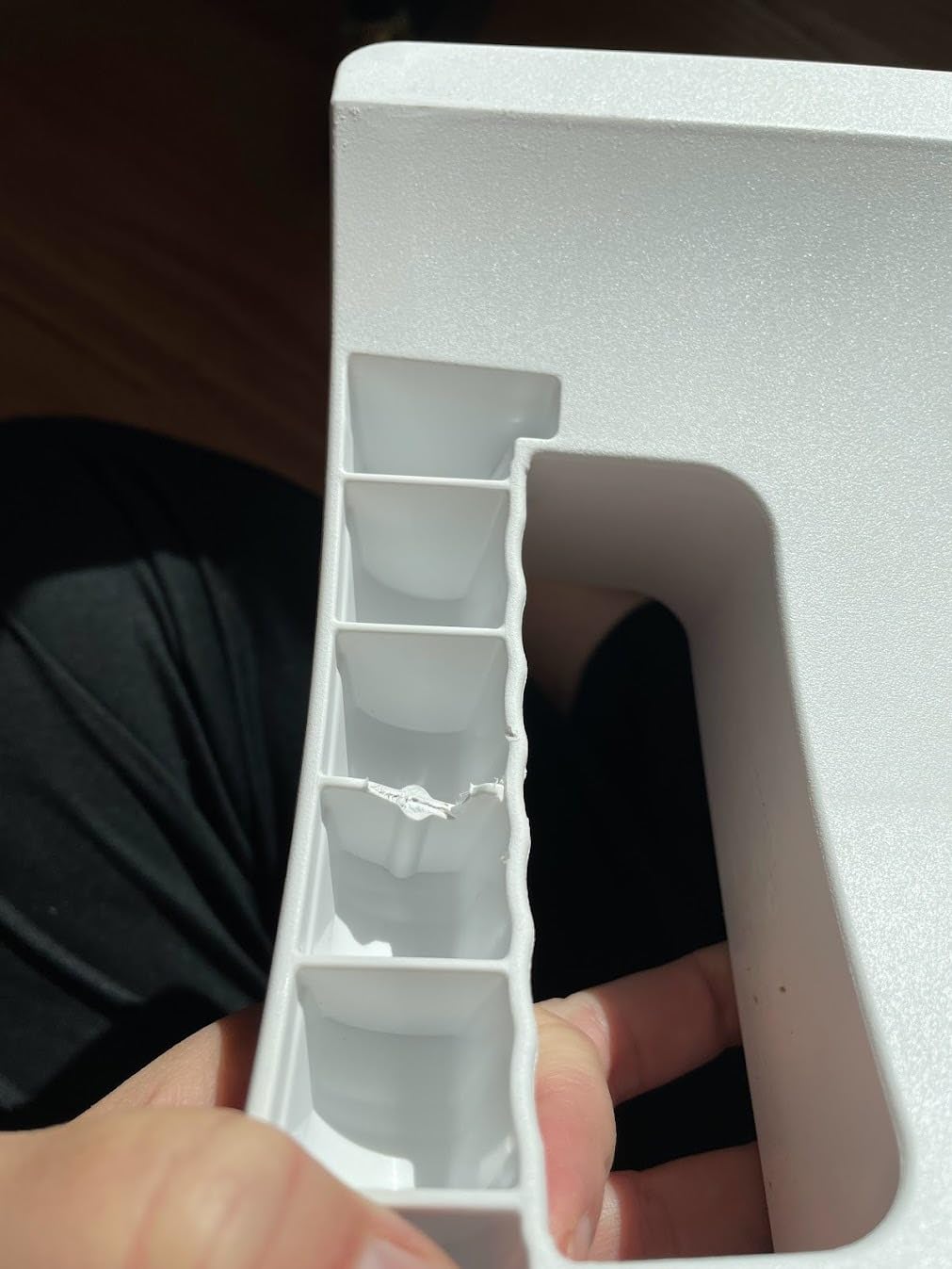
Two complaints come up repeatedly and neither is a dealbreaker. The top fan speed is genuinely loud in a quiet living room, though most owners say the lower settings are near-silent. And the onboard sensor reads higher than the humidity measured ten to thirty feet away, so we recommend a cheap hygrometer on the far side of the room rather than trusting the panel number.
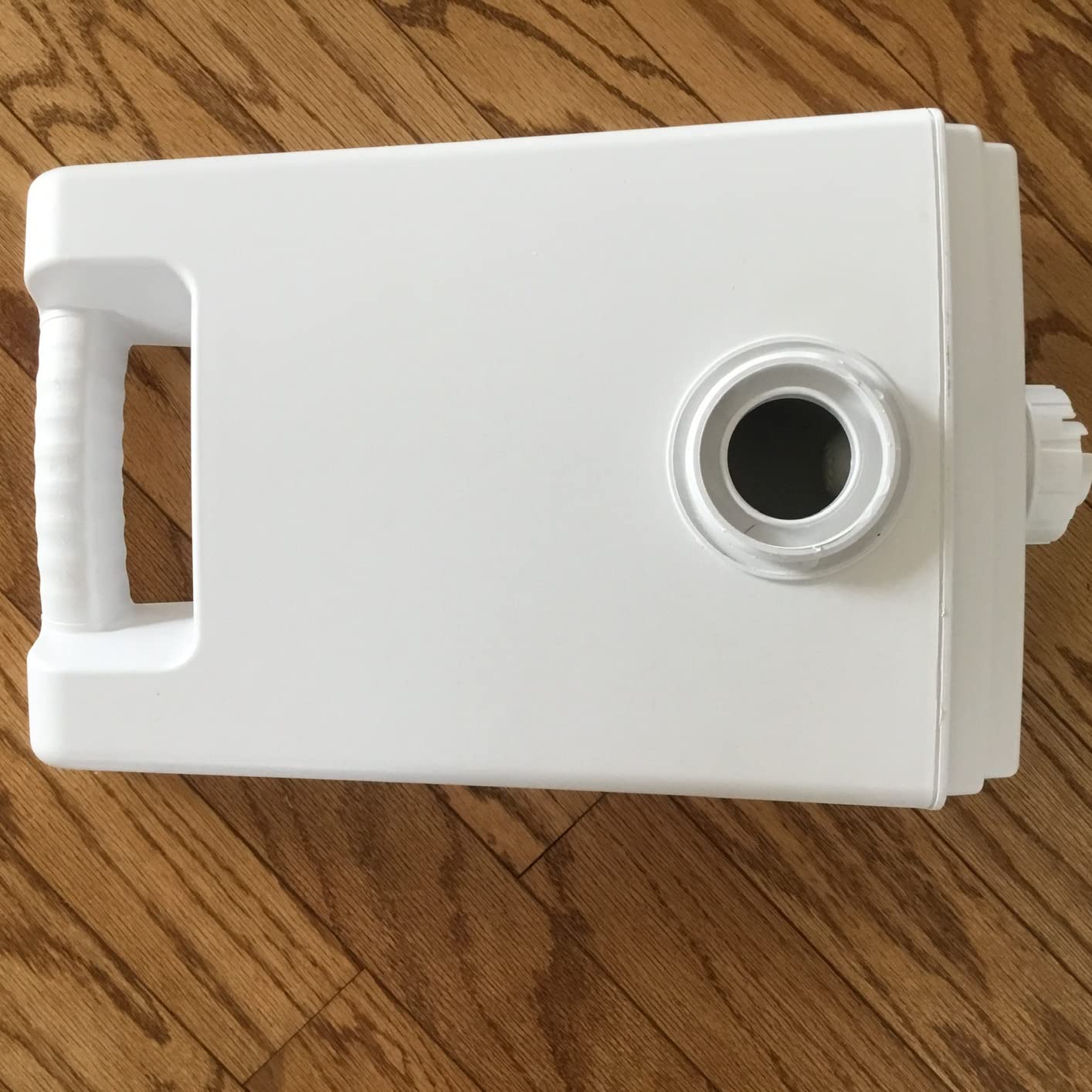
Refill frequency is the one people are least prepared for. With a 3.6 gallon tank and a 36 hour rated runtime at moderate output, a deep-winter week can mean one or two fills. It is a small chore, but plan for it. The wick also collects hard water minerals, so a periodic clean or flip keeps output up.
Who should buy the AIRCARE MA
Buy it if you have a large open living space, no central ductwork to tap into, or you rent and cannot have a furnace unit installed. It is also the safest first humidifier for a house with hardwood floors and a lot of wood cabinetry, because the evaporative wick releases moisture vapor rather than a mineral-laden mist.
It is a weaker fit if you have several separate rooms that need conditioning at once. One console treats the room it sits in, so a 3,600 square foot rating does not translate into three bedrooms on another floor.
Where it falls short
The daily refill is the main complaint, and it gets worse in a house that runs the furnace constantly. If you are not willing to check it, look at a model with a larger tank or a hookup option.
Be aware the supplied manual does not match the three-button control panel on the actual unit, so plan on learning the buttons yourself. Several owners also report control-button failures after extended use, which is worth factoring in if you want a ten-year appliance.
2. AprilAire 500 Whole-House Evaporative Furnace Humidifier
AprilAire 500 Whole-House Humidifier, Automatic Compact Furnace Humidifier, Large Capacity Whole-House Humidifier for Homes up to 3,600 Sq. Ft., White
Furnace mount evaporative
12 GPD
up to 3600 sq ft
dual sensor control
5 year warranty
Pros
- Furnace integrated so every room is treated
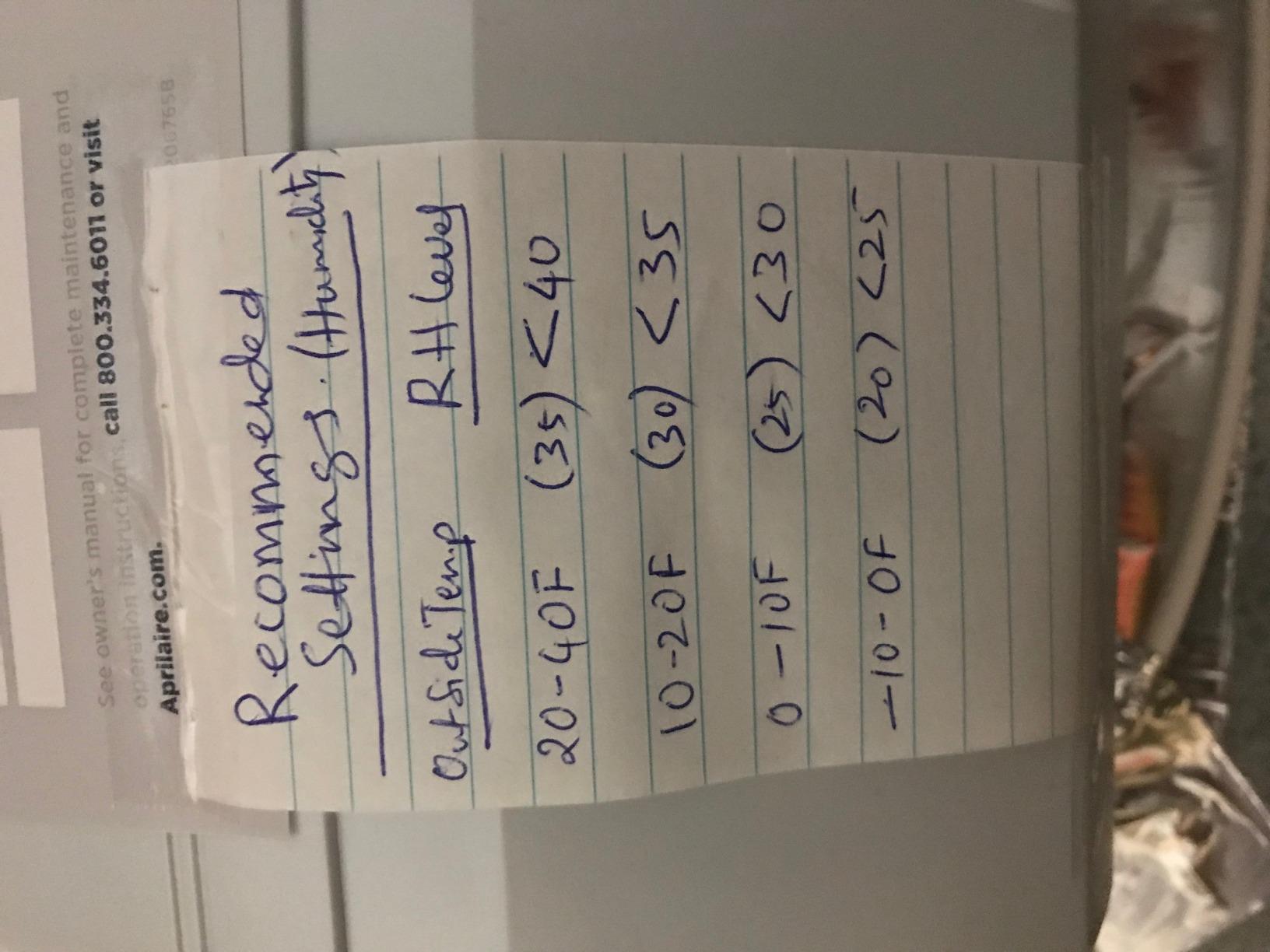
- Automatic control uses outdoor temperature compensation
- 12 GPD covers up to 3600 sq ft
- No moving parts means essentially silent
- Digital panel flags service and pad change
Cons
- Multi-hour install needing sheet-metal and low-voltage work
- Loose wiring guidance in the manual
- Extra parts usually bought separately
- Will not run auto mode with a cheap mechanical humidistat
The AprilAire 500 has the highest owner satisfaction score in this group, and the reason is the control logic rather than the wick. It reads both indoor relative humidity and outdoor temperature, then adjusts the target so you reach a comfortable indoor level without pushing condensation onto cold windows. That single feature is the difference between a system you set once and forget, and one you babysit every cold snap.
Capacity is 12 gallons per day, which the manufacturer rates for homes up to 3,600 square feet in tightly built homes. Since there are no moving parts, the operating sound is effectively nothing, which matters more than people expect when the unit lives in a return plenum near a bedroom wall.
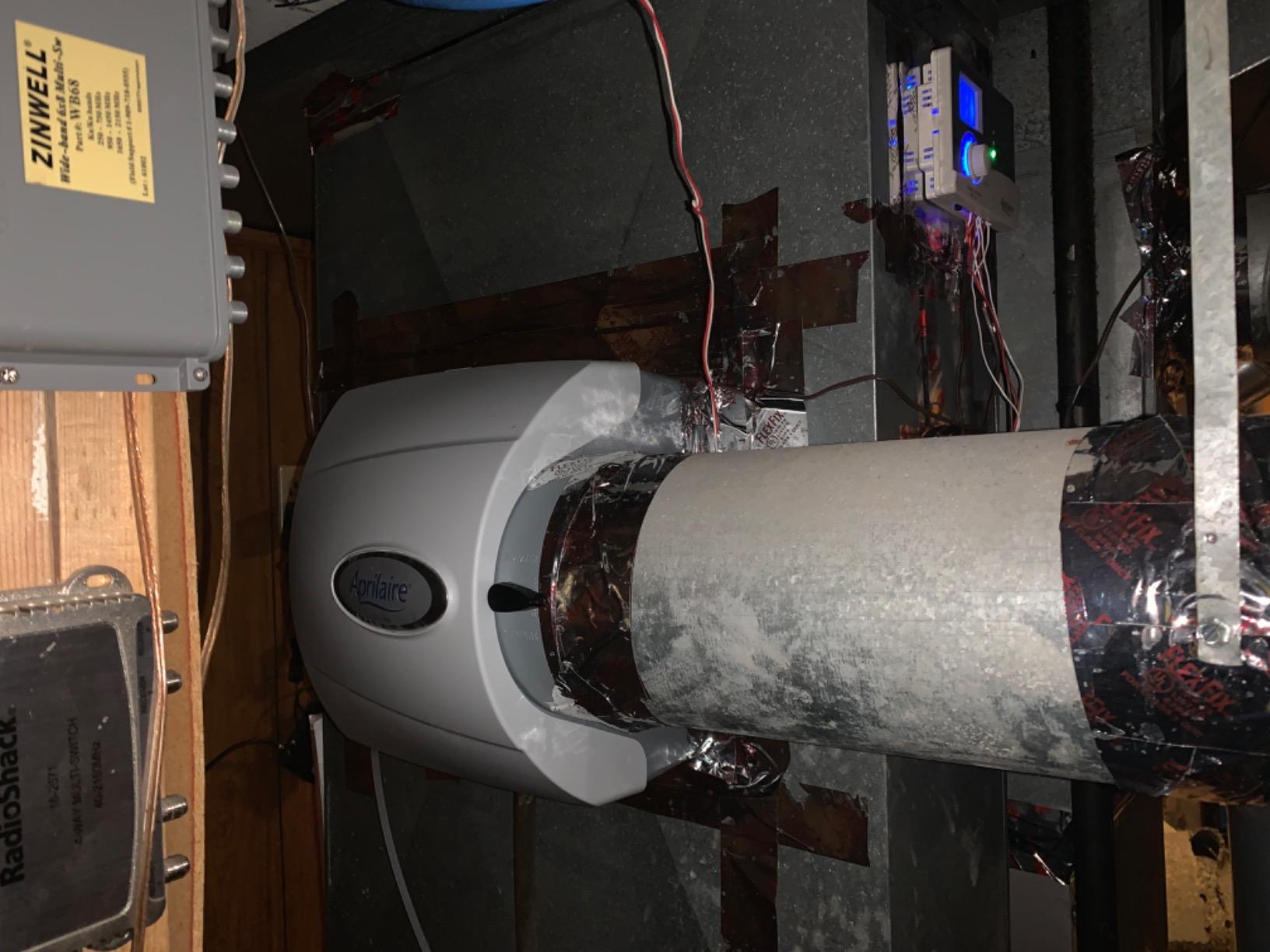
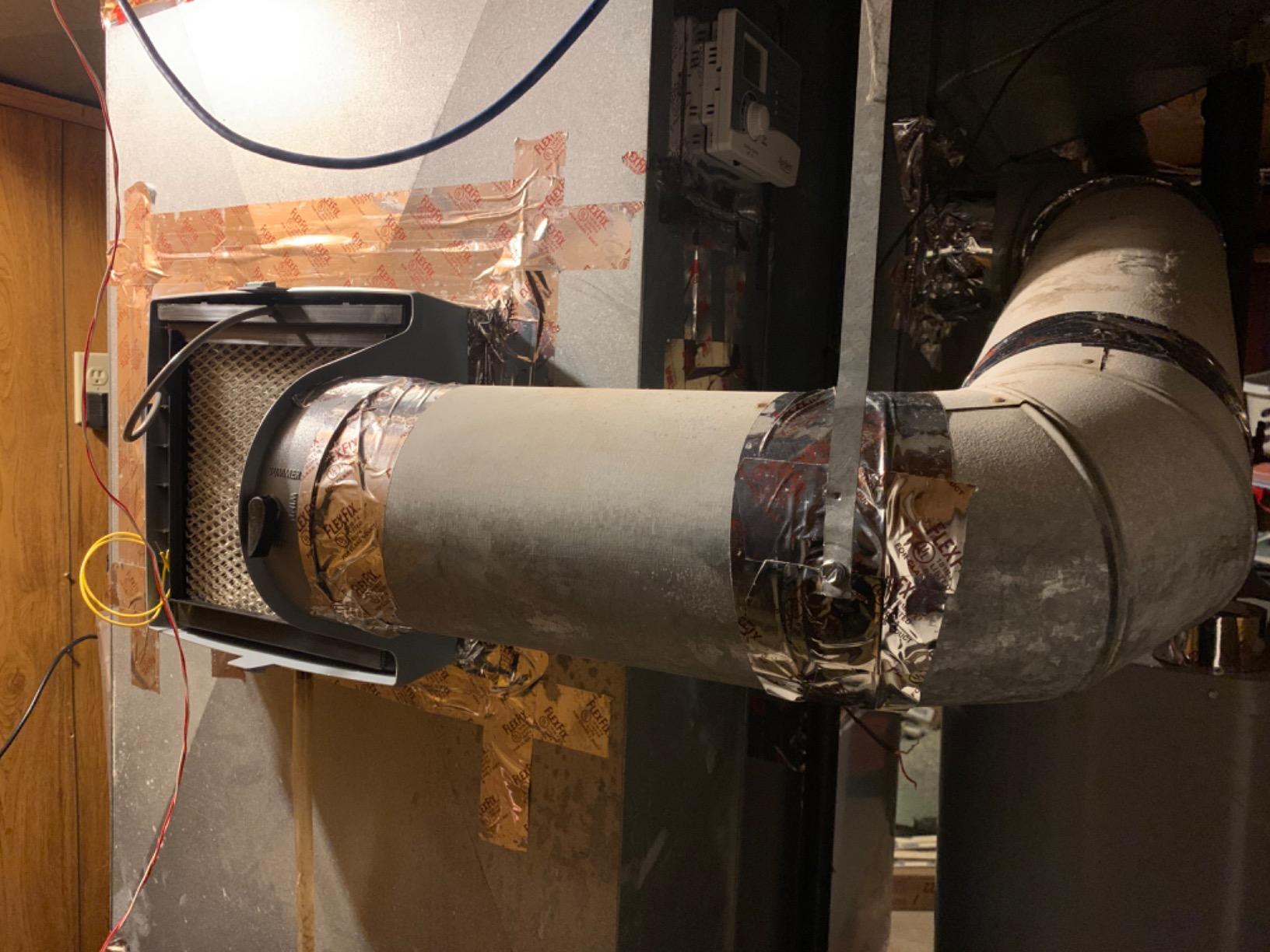
What you are really buying is a professional installation. Owners describe a four to eight hour job involving cutting the supply plenum, mounting a 24 volt transformer, running a water line, installing a drain, and wiring a low-voltage humidistat. The wiring guide is mostly a schematic rather than step-by-step photos, so most people hire an HVAC contractor.
Budget for the extras. Thermostat wire, copper supply line, drain tubing, a start collar, and often a backflow preventer are all sold separately from the box. Several owners also report that the unit simply will not enter automatic mode with a basic mechanical humidistat, which is another reason the included digital control matters.
Who should buy the AprilAire 500
This is the right call if you have forced-air ductwork, a heating season long enough to matter, and materials in the house that suffer in dry air. Hardwood floors, wood cabinetry, and a piano or guitar collection all respond quickly once the whole supply stream is humidified.
It also suits anyone who will not fuss with a humidifier. The automatic control holds a target and warns you when the water panel needs changing, so the maintenance is calendar-driven rather than guesswork.
Where it falls short
Do not attempt it if you are renting, if your system is a ductless mini-split, or if you want a weekend project. There is also a real risk that a self-install leaves the warranty coverage in question, which matters on a five-year-warranty unit.
And if your furnace is a multi-stage, variable-speed, or heat pump system, do not skip a sizing conversation. Those systems move less air at low heat calls, so an undersized unit quietly underperforms all winter.
3. AprilAire 700M Fan-Powered Whole-House Humidifier, 18 GPD
AprilAire 700M Whole-House Fan Powered Humidifier, Manual Control, Large Capacity, Up to 5,300 Sq. Ft., 18GPD, Gray
Fan powered evaporative
18 GPD
up to 5300 sq ft
120 watts
5 year warranty
Pros
- Highest output here at 18 gallons per day
- Built-in fan pulls heated air through the wick
- Manual humidistat with a clear percent readout
- Compact housing fits a typical plenum
- 5 year manufacturer warranty
Cons
- Manual control only
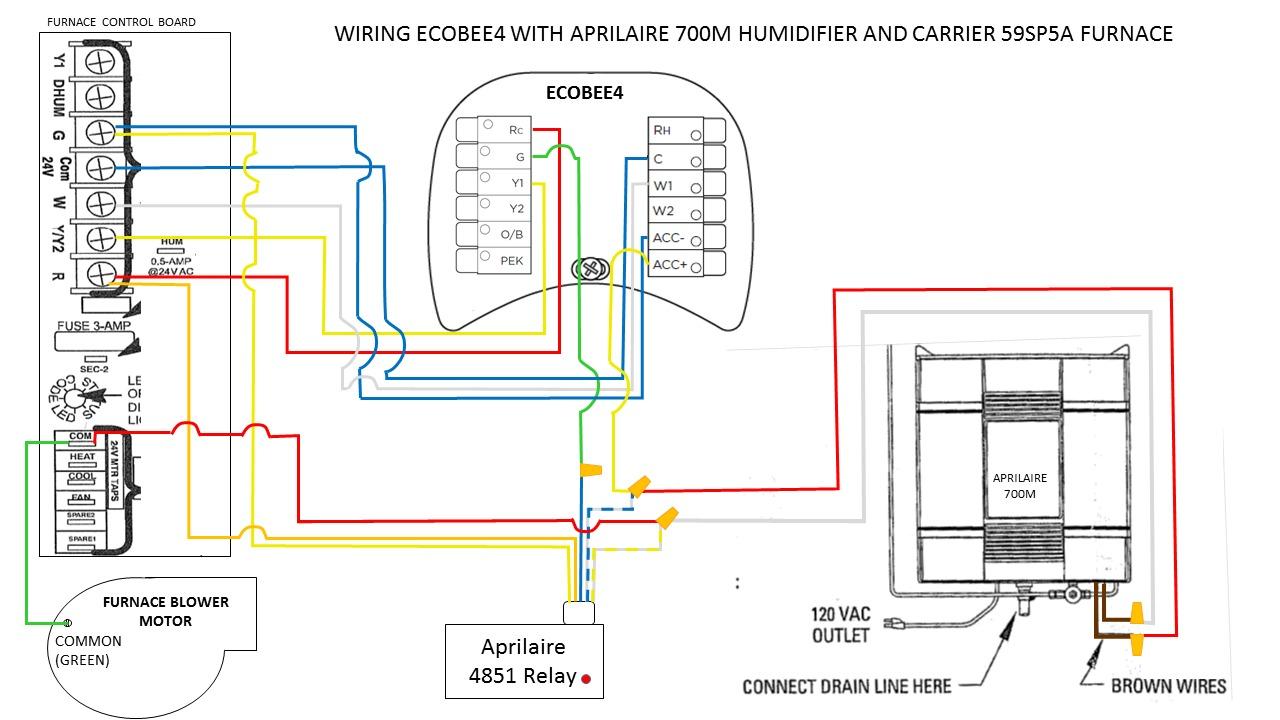
- Install still needs duct cutting and 24V wiring
- Higher electrical draw than a bypass unit
This is the fan-powered answer to the most common complaint about central humidifiers. A bypass unit depends on whatever the furnace blower happens to be doing, and on a mild day when the fan runs without a heat call, output drops sharply. The 700M pulls heated air through the wick on its own, so it keeps working when the system is not trying to heat the house.
Owners on the HVAC forums make exactly this point, and the usual recommendation in dry-winter regions is a powered unit rather than a passive one. At 18 gallons per day, this is the highest rated output in the roundup, and AprilAire rates it for homes up to 5,300 square feet in tightly built houses.
Trade-off number one is control. This is a manual humidistat with a single sensor, so you set a percent humidity and adjust it yourself as the season changes. It is simpler and it fails less, but it lacks the automatic compensation the 500 provides.
Trade-off number two is power. The integrated fan draws 120 watts, which is more than a bypass unit needs and, on a large system, worth confirming against your electrical panel. The housing itself is compact, which is good news in a tight return plenum.
Who should buy the 700M
It fits large homes, multi-story layouts, and anyone in a genuinely cold climate where the furnace is not running continuously. If you have had a bypass unit and felt like it never quite kept up, this is the direct upgrade.
It is also a good pick when the humidifier cabinet space is limited but electrical capacity is not, since the fan needs a real circuit to draw from.
Where it falls short
Manual humidity means you will be climbing into the basement or closet twice a season to read and adjust. People who travel or who forget until condensation appears will find an automatic model a better fit.
Installation is still professional work. You need a plenum cut, a water line with a solenoid valve, a drain line, and 24 volt wiring, and none of that is a first-time-DIY job on a ducted system.
4. Honeywell Home HE280A Flow-Through Whole House Humidifier
Honeywell Home HE280A Whole House Humidifier, White
Flow through evaporative
up to 4000 sq ft
30 percent less water
24 volts
1 year warranty
Pros
- Uses about 30 percent less water than standard models
- Mounts on supply or return duct of any forced-air furnace
- Flow-through design resists microbial growth
- Included humidistat reads within a couple of points
- All installation components in the box
Cons
- Install commonly four to eight hours for a DIYer
- Tin snips and a hole bit are not included
- Included saddle valve has leaked for some installers
- Plastic drain clamp does not seal well
The reason to like the HE280A is the PerfectFLO water distribution. Honeywell claims it uses about 30 percent less water than a standard model, and because a humidifier that works well on less water also works well with a smaller fill line and less scale, that saving shows up in maintenance too. Rated coverage goes up to 4,000 square feet.
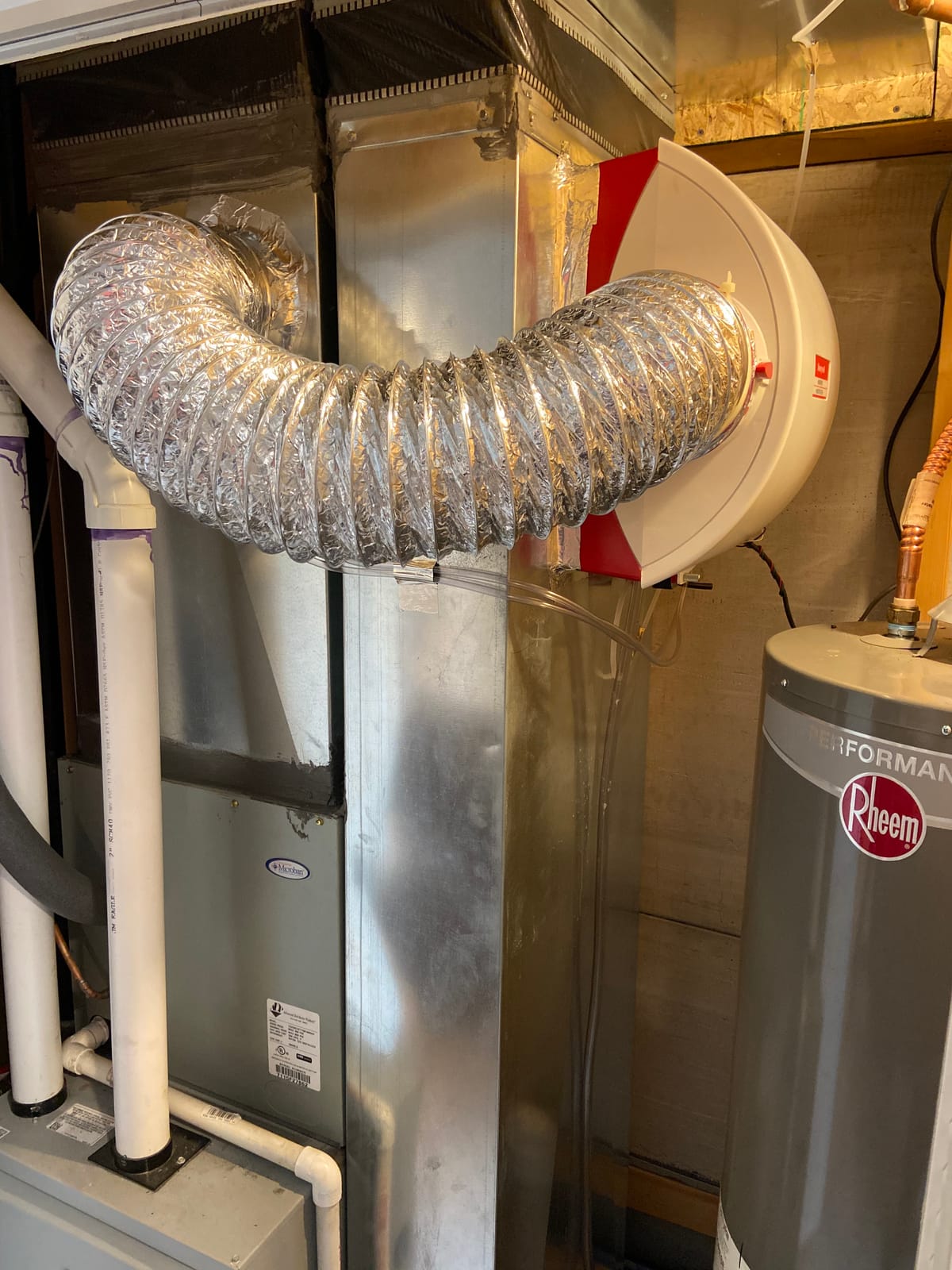
It is a flow-through design that mounts on either the warm air supply or the return duct of a forced-air furnace, which gives you flexibility if your plenum layout is awkward. The included humidistat is reported to read within a couple of humidity points of a good standalone meter, which is better than many budget units.
The install is the recurring theme in reviews, and it is not a unit people finish in an afternoon. Tin snips and a three-quarter inch hole bit are required and not in the box, the included saddle valve has caused leaks for some installers, and the plastic drain hose clamp needs replacing with a metal one.
There is also a hardware reliability thread. A portion of owners report units that would not cycle because of a defective solenoid or pressure switch, and the pressure switch sensitivity cannot be adjusted, so some furnaces simply will not trigger the humidifier. If you are installing this yourself, check the trigger compatibility first.
Who should buy the HE280A
It is a sensible pick where water is metered, well-priced at the utility, or where you do not want a humidifier eating into a softener. Owners running hardwood floors and wood furniture also like that it does what it says without a lot of user tuning.
Choose it when a contractor is already doing furnace work, since the installation is the expensive part either way and the parts kit is complete.
Where it falls short
The one-year warranty is the shortest in this group, and that is a genuine risk on a component with a solenoid, a float mechanism, and a water panel that needs replacing twice a year.
It is also not the right unit for a variable-speed or heat pump system unless someone has confirmed the pressure switch will trigger reliably. Do that check before you buy, not after the panel is open.
5. Honeywell HM750A1000 Electrode Steam Humidifier
Honeywell HM750A1000 Electrode Steam Humidifier
Electrode steam unit
switchable 120V and 240V
about 11 or 22 GPD
sealed cylinder
Pros
- Steam humidifies faster than an evaporative pad
- Pre-mineralized sealed cylinder leaves no white dust
- Small duct-mount footprint
- Switchable 120V and 240V output
- Includes a digital humidistat with outdoor compensation
Cons
- Must be hardwired
- Annual cylinder replacement is expensive
- Backflow preventer not included
- Draws about 11 amps so a dedicated circuit is advisable
Steam is the fastest way to add moisture to a duct system, and this is the steam option in the group. Because the water is boiled rather than wicked, output depends on electrical input: about 11 gallons per day on 120 volts and roughly 22 on 240 volts, switched with a jumper change. Owners who replaced an old TrueSteam report finishing the swap in about three hours.
The other big advantage is mineral handling. The pre-mineralized cylinder keeps scale contained, so there is no wick to replace and no white dust settling on furniture. If you are on very hard water and worried about deposits, that is the whole argument for steam.
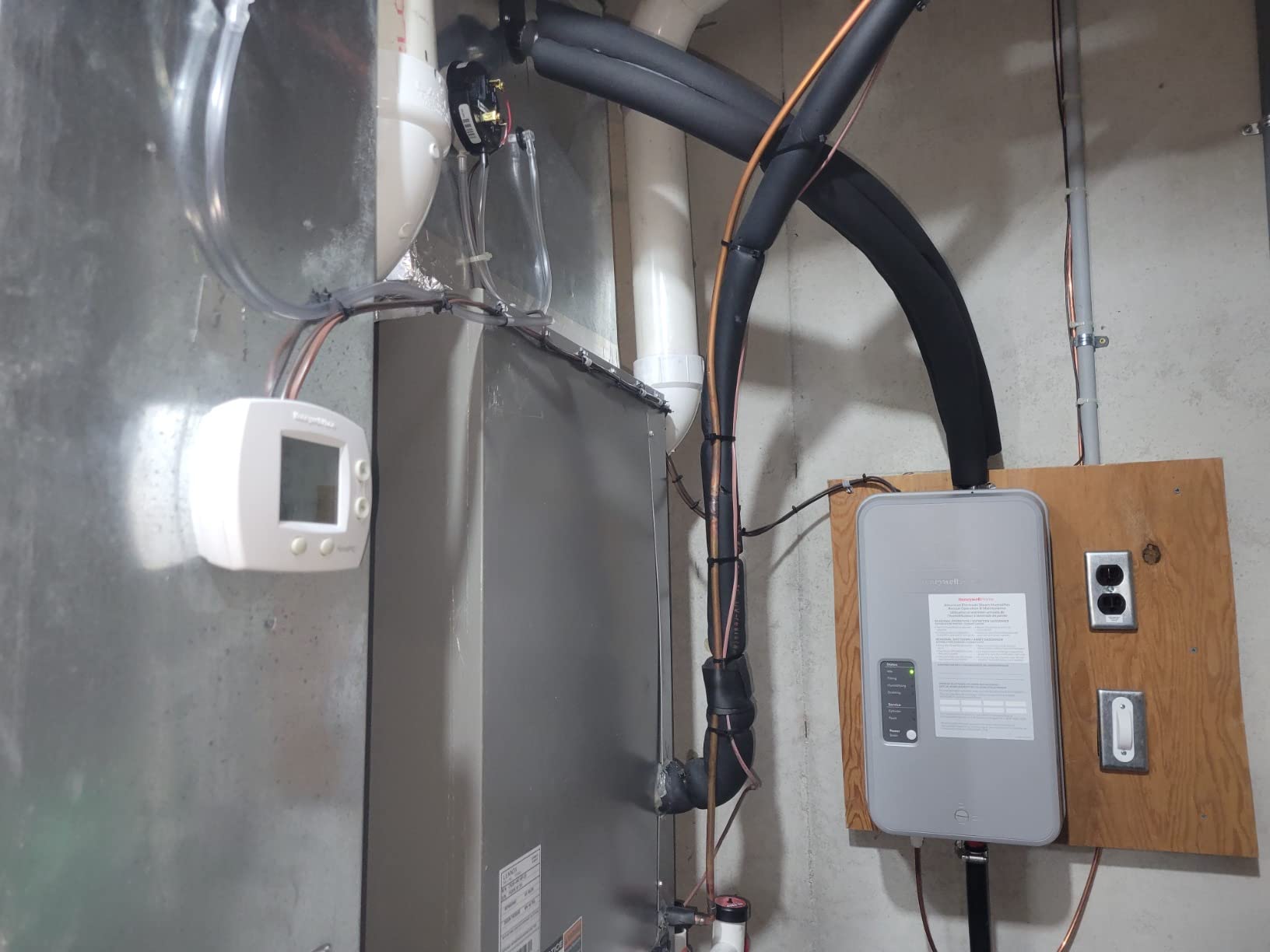
Now the reality check. The unit arrives strapped for 240 volts and must be hardwired, and it draws around 11 amps, so a dedicated electrical circuit is the sensible call. A backflow preventer is not included and needs to be added separately.
The other recurring cost is the replacement cylinder, which owners describe as well over a hundred dollars annually. A few reports also mention inlet solenoid valves failing shortly after installation, with the manufacturer declining warranty claims when the unit was installed by the homeowner. The wiring itself is simple; the instructions are not.
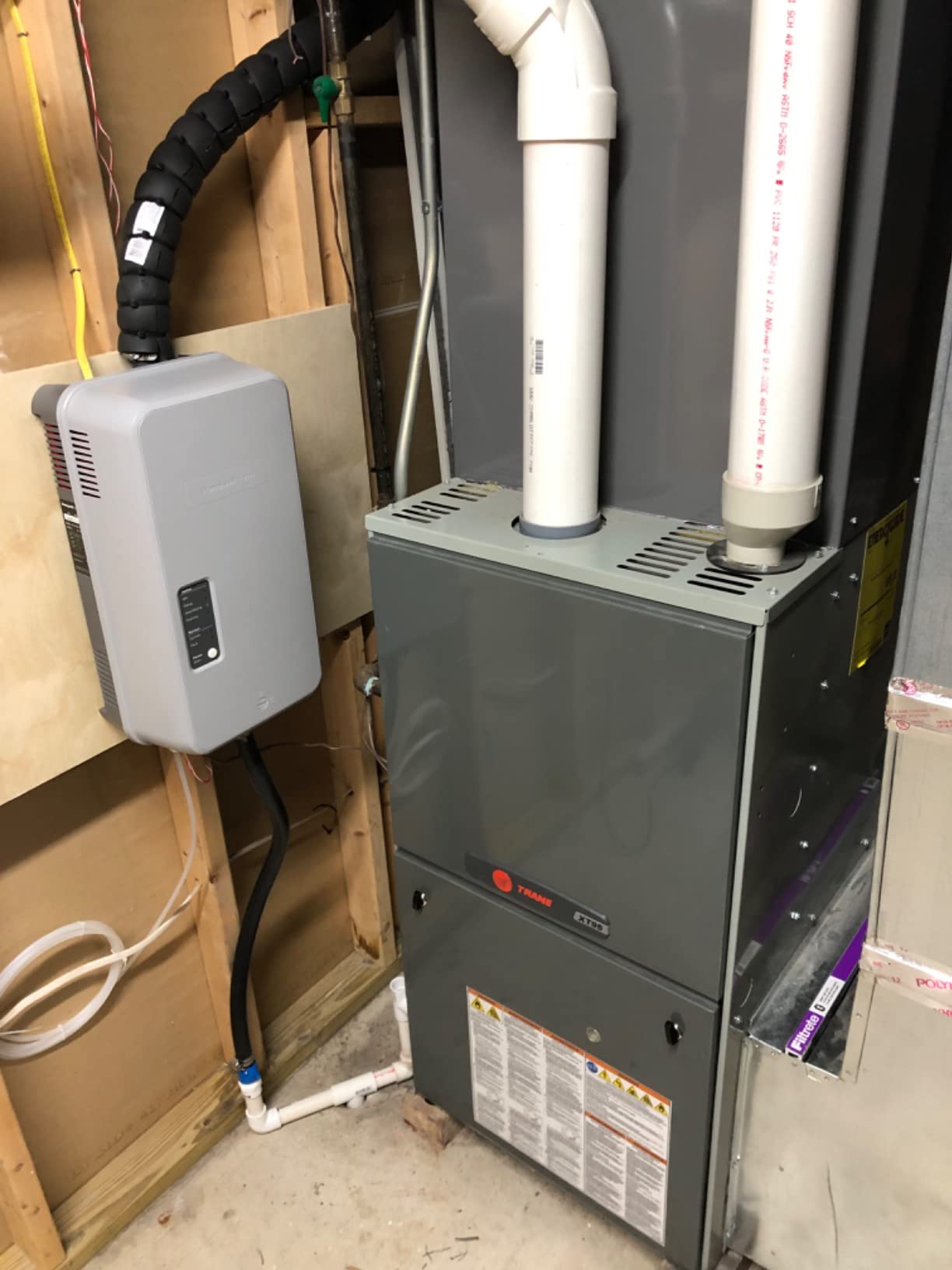
Who should buy the steam unit
It fits very dry, very cold regions, hard water households, and anyone whose ducts have a dedicated electrical circuit available. If the priority is correcting dryness quickly in a large home, steam gets there faster than any evaporative option here.
It also suits owners who would rather pay a plumber-HVAC pro once than think about water panels every season.
Where it falls short
Review volume on this listing is small, so treat the owner pattern as directional rather than settled. The annual cylinder cost is the line item that decides it, and it is a running cost, not a one-time expense.
And it is entirely unsuitable for a rented apartment or a ductless system. There is no plug-in version of this approach.
6. GeneralAire 1042LH Legacy Bypass Furnace Humidifier
GeneralAire 1042LH Legacy Humidifier, 24V, Furnace Mount Bypass Type
Bypass furnace mount
17 GPD
up to 2800 sq ft
reversible duct connection
24V
Pros
- 17 GPD output from a compact housing
- Ships with transformer and manual humidistat
- Reversible duct connection for tight plenums
- Long-established design with a large installed base
Cons
- Manual control only
- Needs genuine 990-13 pads once or twice a season
- Full furnace-mount install required
- Older design and low ranking signal limited parts availability
The GeneralAire 1042LH is the traditional bypass design, and its strength is packing output into a small box. It delivers 17 gallons per day at a 120 degree plenum temperature while measuring about 14 by 15 by 9 inches, which is helpful when the return plenum is already crowded with wiring and ducts.
It ships with a 120 volt to 24 volt transformer and a manual duct-mount humidistat, and the duct connection is reversible, so the unit can be plumbed in either direction to fit the opening you actually have. The rating covers homes up to 2,800 square feet.
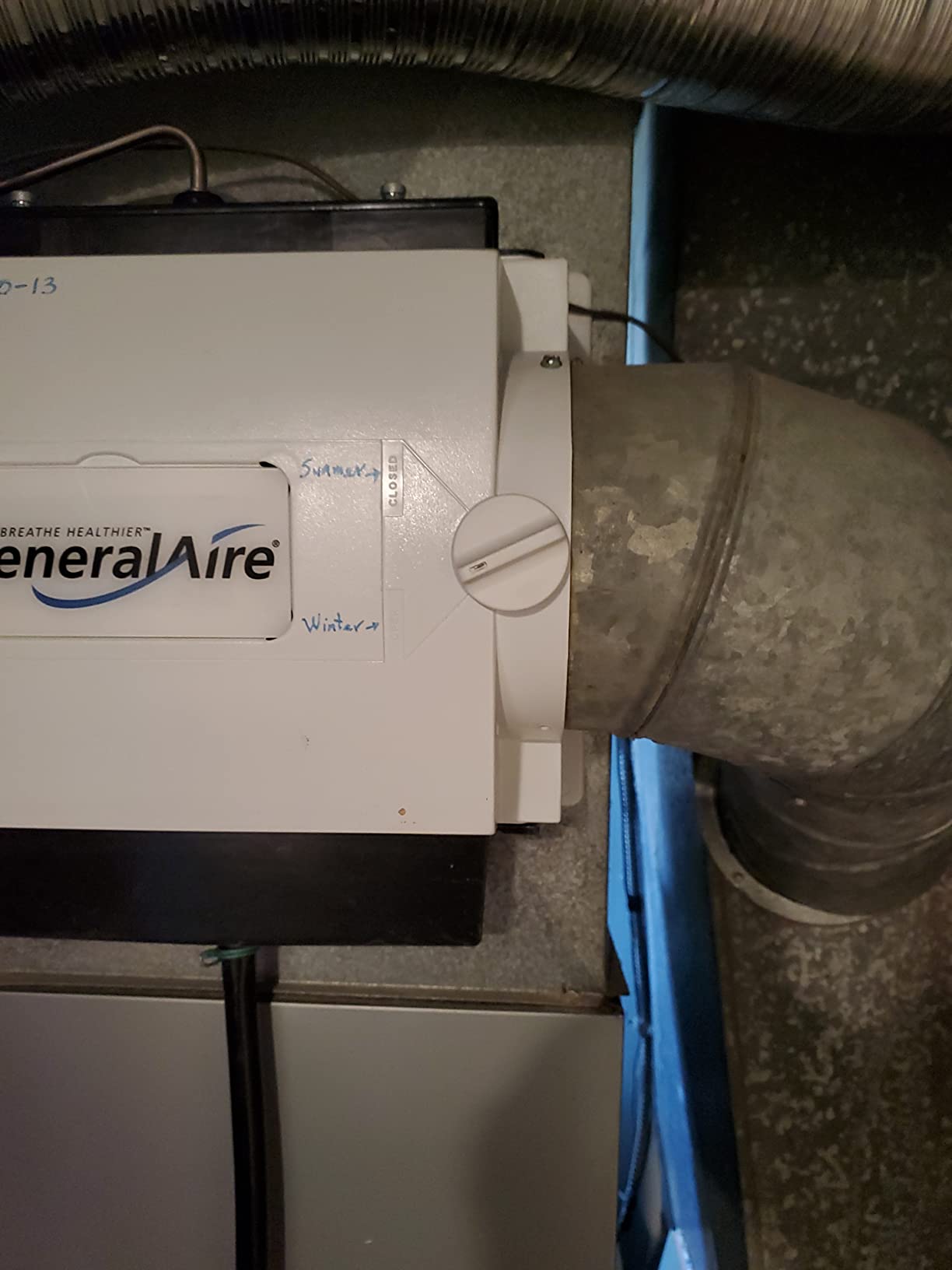
As a bypass unit, it depends on furnace airflow, so output falls when the blower runs without a heat call. That is the same limitation the fan-powered models exist to solve, and it matters most in climates with long shoulder seasons.
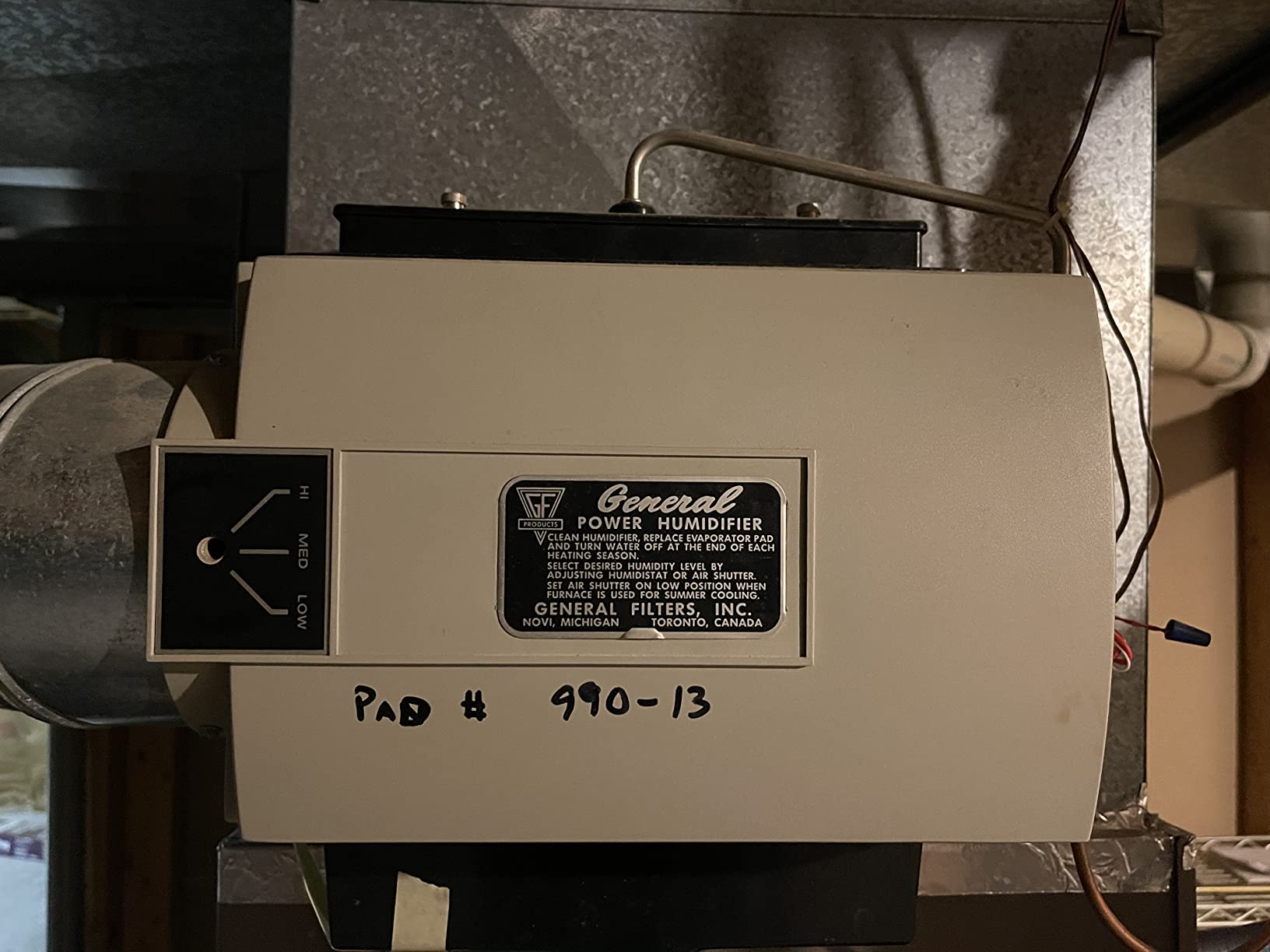
It also needs genuine 990-13 replacement pads one or two times per season, and the manual control means checking and adjusting the humidity setting by hand. The design is old and well proven, but the low sales rank on this listing is a fair signal that parts can be harder to source in some areas.
Who should buy the 1042LH
It is the choice when plenum space is the binding constraint and you want known output in a small housing. It is also attractive to anyone who prefers a manual, mechanical system with few electronic failure points.
Owners with a compact, well-insulated home under 2,800 square feet will find the capacity more than sufficient.
Where it falls short
Manual humidistat control is the fundamental limit. You are adjusting the setting by hand as the season changes, with no outdoor temperature compensation to stop window condensation.
And the parts question is real. Confirm that genuine 990-13 pads are available in your area before committing, because the unit is useless without them.
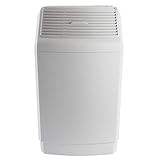
7. AIRCARE Space Saver 6 Gallon Evaporative Humidifier
AIRCARE Space Saver Large Evaporative Whole House Commercial 6 Gallon Humidifier for Large Rooms 2,700 sq ft. With Digital Controls, Auto Humidistat and Automatic Shut Off
Console evaporative
6 gallon tank
2700 sq ft
digital auto humidistat
1000 watts
Pros
- Six gallon tank cuts refill frequency
- Digital auto humidistat needs no manual adjusting
- Automatic shut off at target and at empty
- Trapmax filter helps protect the wick
- Compact footprint for 2700 sq ft
Cons
- Fan is audible on higher settings
- Cabinet is larger than compact consoles
- Wick needs periodic replacement in hard water areas
The Space Saver solves the complaint we hear most about console units, which is running out of water. A 6 gallon tank roughly doubles the interval between refills compared with a 3.5 gallon model, and that difference is the whole reason we keep it in the house through February without thinking about it.
Control is digital with an auto humidistat, and it shuts off when the target humidity is reached or the tank empties. Coverage is rated at 2,700 square feet, which is lower than the MA console on paper but more realistic for an open room, because a larger tank at a given wattage does not move air as far.
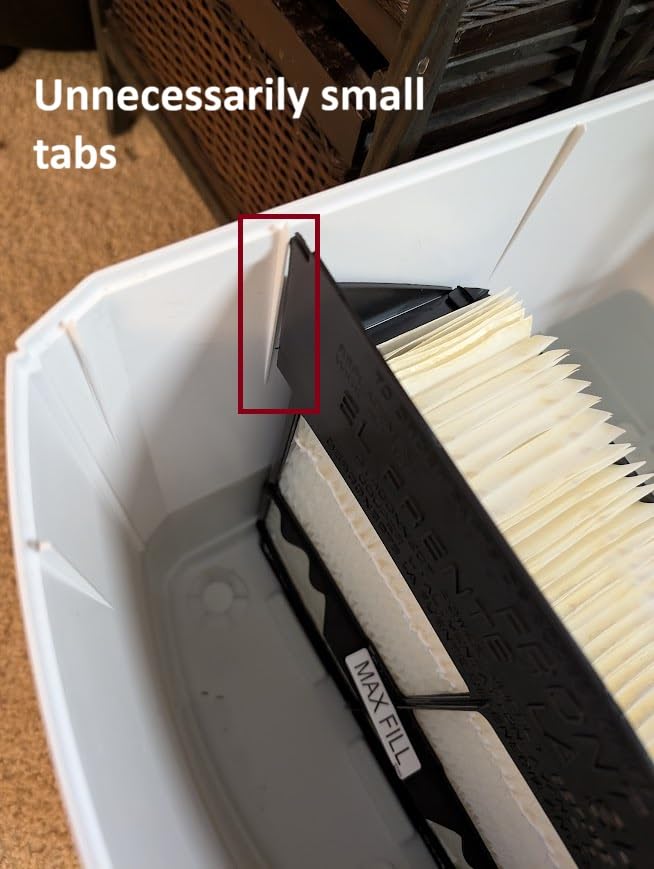
The Trapmax filter technology is the part aimed at hard water. It protects the wick from mineral deposits, which slows the scale problem, though it does not eliminate it. In a genuinely hard water area you should still expect to clean or flip the wick during the season.
Noise is the main drawback. Owners report the fan is clearly audible on the higher settings, so if this is going in a bedroom or a quiet office, plan to run it on low and let the humidistat do the work. The cabinet also has a larger footprint than the slimmer console models.
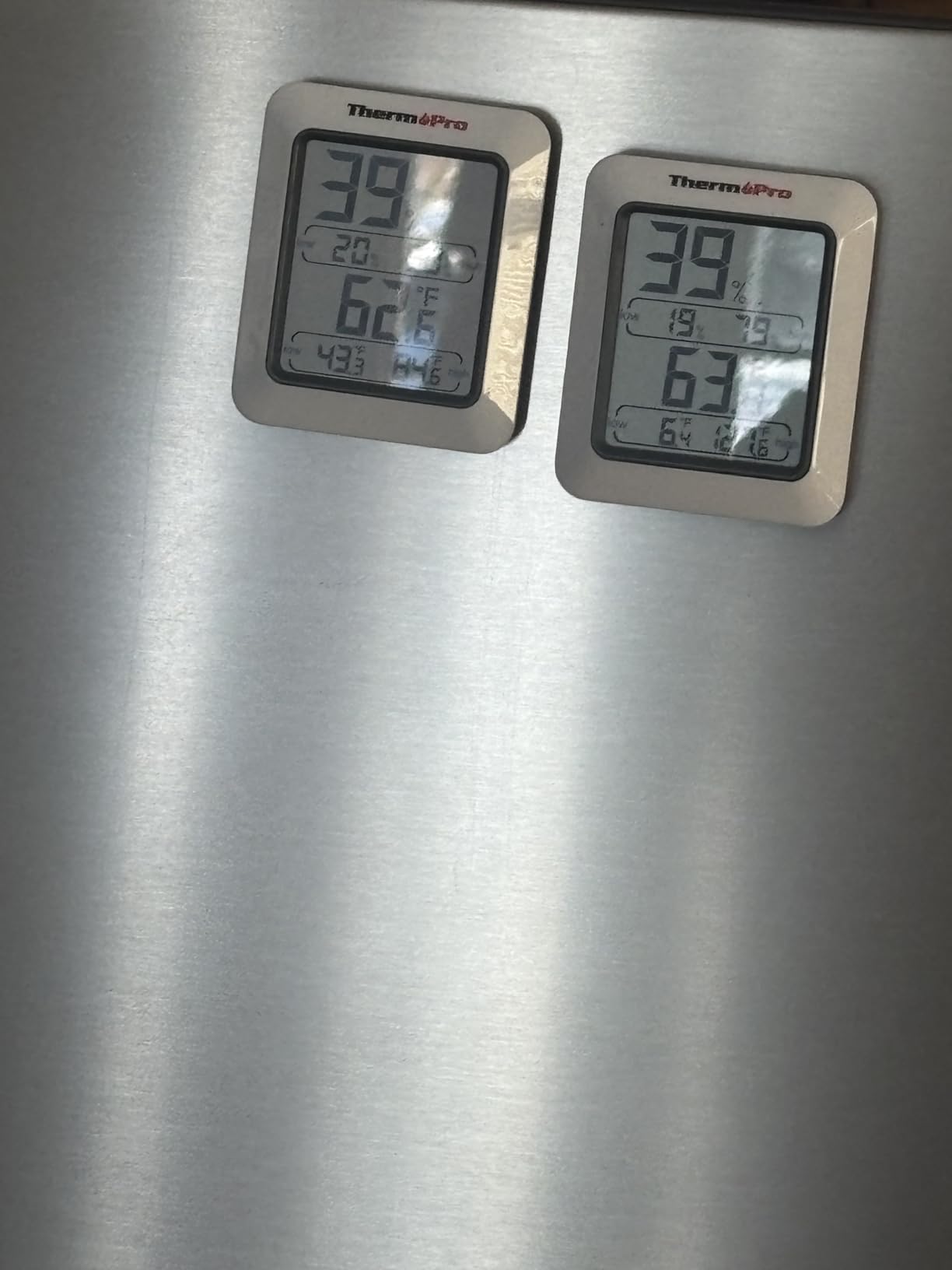
Who should buy the Space Saver
It is the best value pick for a large open room where you do not want to refill daily, and for households that get nervous about leaving a small tank running overnight. The digital humidistat makes it a set-and-forget appliance within its reach.
It is also a good match for a basement rec room or a main-floor family room where a 2,700 square foot rating is honest.
Where it falls short
Coverage is meaningfully below the biggest consoles, so it is not the unit for a whole main floor plus a loft. And the fan noise is a real constraint in sleeping areas at higher settings.
Remember too that it conditions the room it sits in. If you have closed doors between spaces, it will not humidify the whole house the way a ducted unit does.
8. AIRCARE Pedestal-Style Evaporative Humidifier
AIRCARE Digital Whole-House Pedestal-Style Evaporative Humidifier (Nutmeg)
Pedestal evaporative
2400 sq ft
3.5 gallon tank
70 hour runtime
25 pounds
Pros
- Pedestal form moves air higher off the floor
- Digital control for whole-floor humidification
- Low water indicator plus auto shut off
- Long rated runtime between refills
- Evaporative wick avoids white dust
Cons
- Heaviest in the line at 25 pounds filled
- Top fan setting is loud in a TV room
- Wick needs replacement in hard water
- Tall cabinet uses more vertical space
The pedestal shape is the reason to pick this one. Lifting the airflow off the floor lets the humidified air mix into the upper part of the room, which is where warm air sits in a house with vaulted or high ceilings. In a nine or ten foot ceiling space, that is a meaningful difference rather than a styling choice.
Digital controls make setting a target straightforward, and a low water indicator alongside auto shut off means the unit protects itself when the tank empties. The 3.5 gallon tank is rated for up to 70 hours of runtime, one of the longer figures among the evaporative models here.
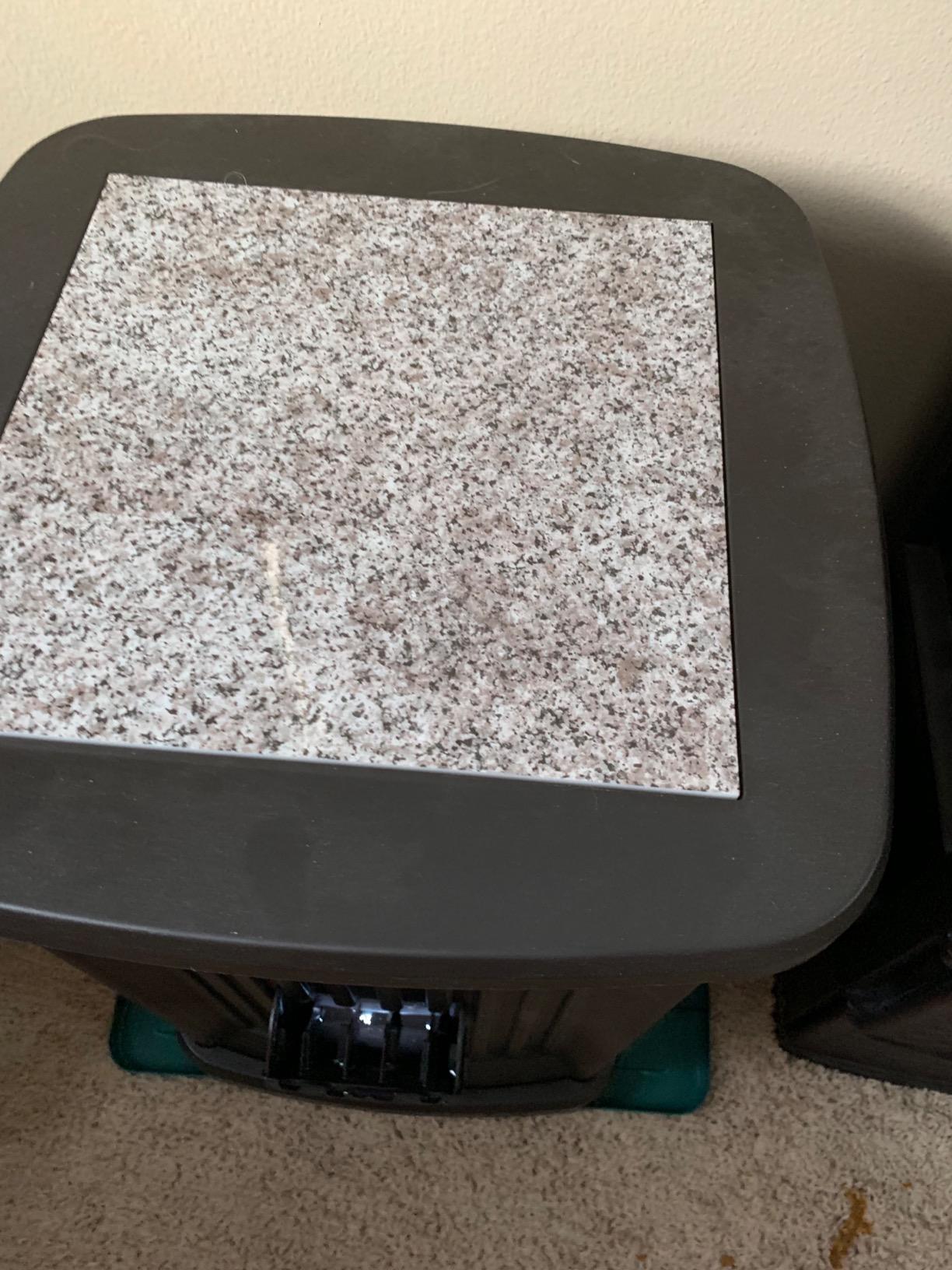
The main complaint is weight. At 25 pounds filled, this is the heaviest model in the AIRCARE console line, and moving it with a full tank is a two-person job. If you might need to reposition it, factor that in.
Noise at the highest fan setting is the second issue, with owners specifically noting it is noticeable in a TV room. Coverage is rated at 2,400 square feet, the lowest of the three AIRCARE evaporative cabinets here, and the wick still needs replacement in hard water areas.
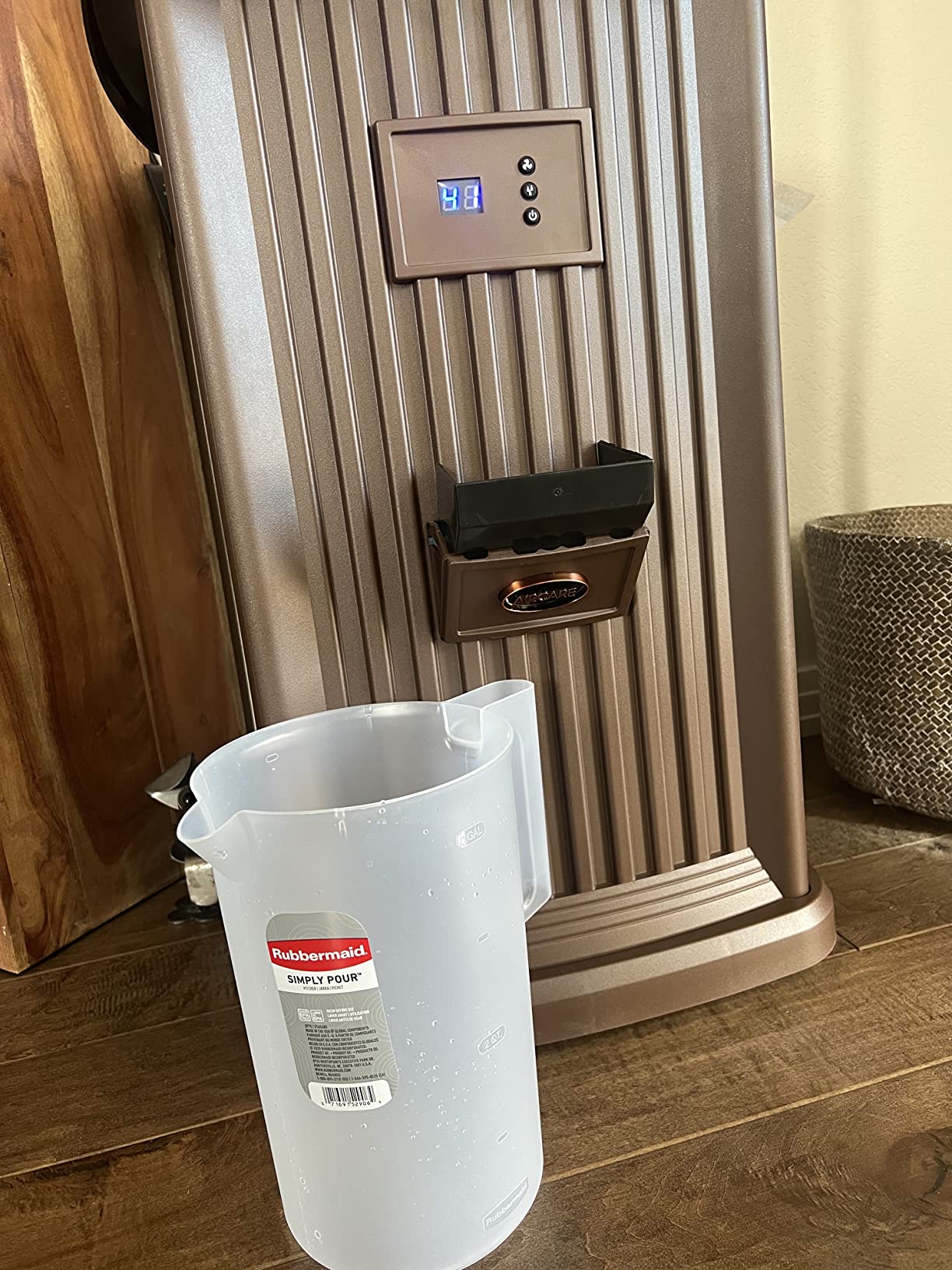
Who should buy the pedestal model
It fits homes with tall ceilings, vaulted great rooms, and open stairwells where a low console would waste the vertical space. It is also a good pick for anyone who prefers fewer refills over maximum coverage area.
Because the output is evaporative, it is safe to run near wood floors, furniture, and artwork with no risk of mineral dust.
Where it falls short
Twenty-five pounds filled is the dealbreaker for small spaces and anyone who cannot lift it comfortably. Consider a smaller tank if moving it matters to you.
And at 2,400 square feet it is the least powerful of the three AIRCARE evaporative models on the list, so measure your room before assuming it will cover an open main floor.
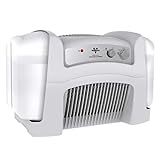
9. Vornado Evap40 Evaporative Humidifier
Vornado Evap40 Evaporative Humidifier, 4-Gal Capacity, 1,000 Sq Ft Coverage
Evaporative
1000 sq ft
4 gallon dual tank
3 speeds
43 watts
Pros
- Fully mechanical with no electronics to fail
- Two clear 2 gallon jugs are easy to refill
- Wicks capture minerals so no white dust
- Full clean takes about two minutes
- Quiet on the low fan setting
Cons
- Loudest on the top fan setting
- Dial humidistat is uncalibrated
- Replacement wicks cost more and wear fast in hard water
- Thin plastic housing
The Evap40 is the simple one. There is no app, no sensor board, and no firmware, just a mechanical dial, three fan speeds, and a wick. It draws 43 watts, runs at 120 volts, and it is the easiest unit here to understand and to keep working for a decade.
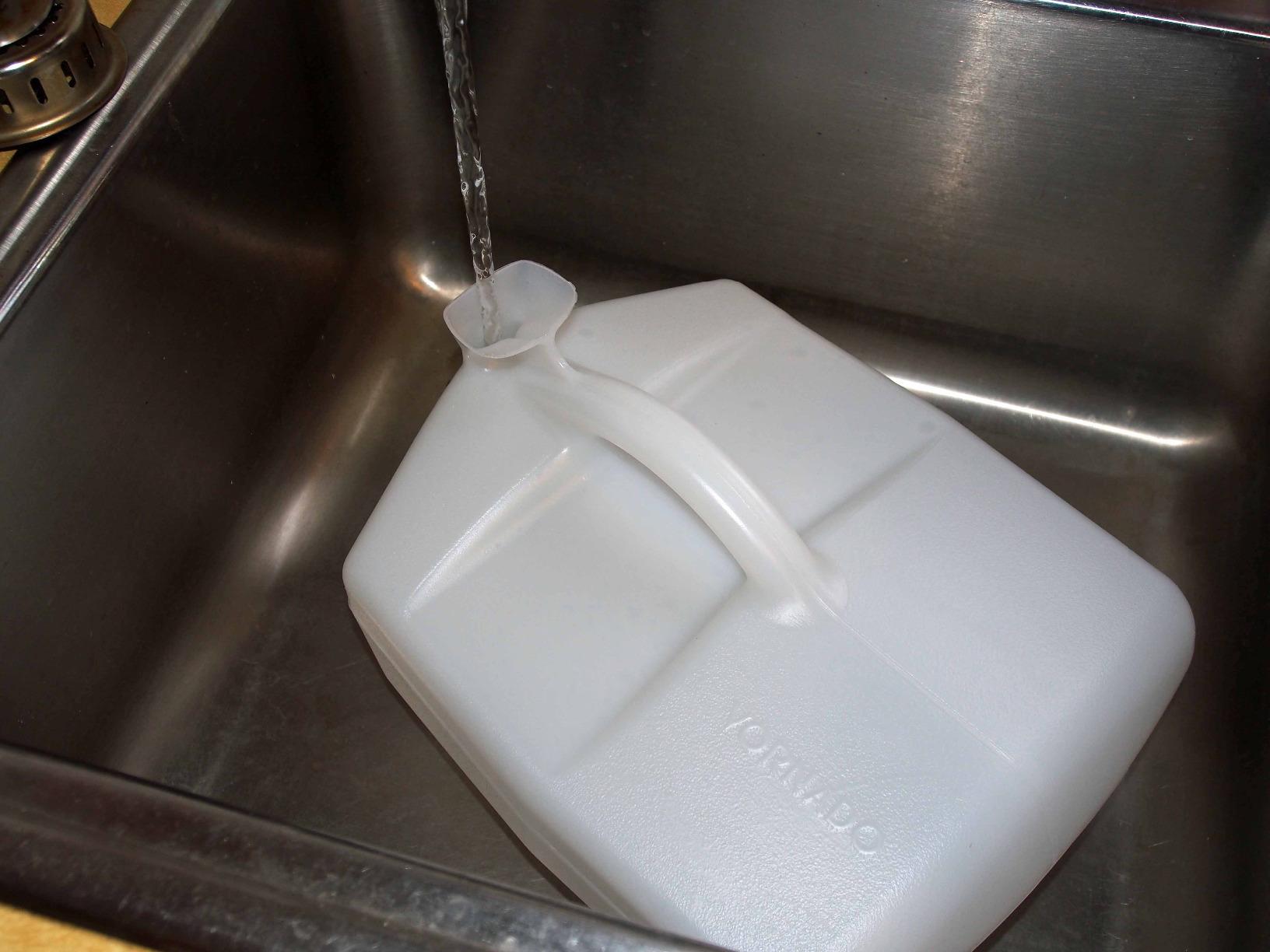
The dual 2 gallon jug design is genuinely good. The tanks are transparent so you can see the level, they lift out individually, and the whole unit comes apart for cleaning in about two minutes. Owners report real relief from sinus congestion and dry skin in a single large room.
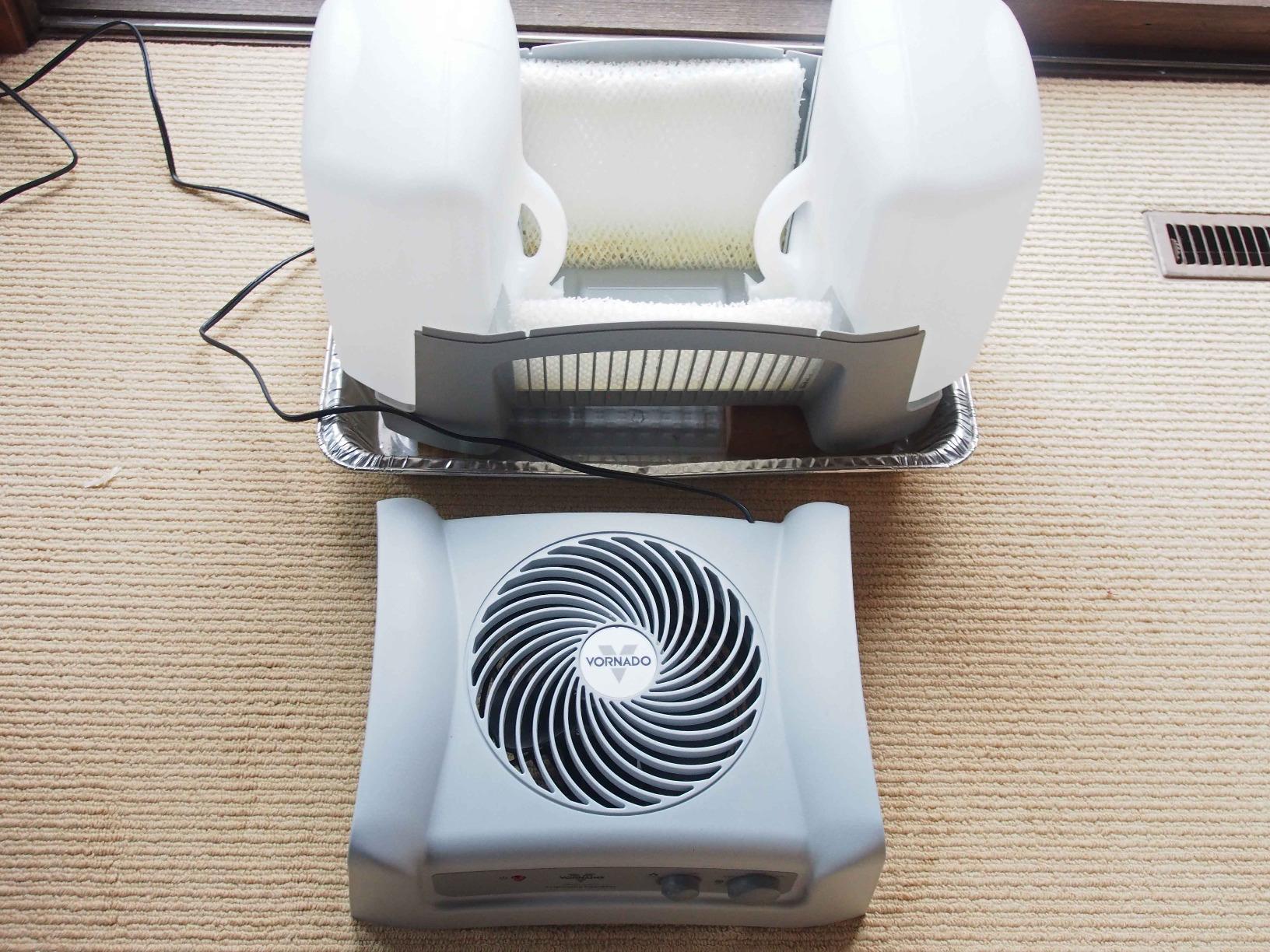
Two limitations stand out. The dial humidistat is uncalibrated, so it will not agree with a good hygrometer, and you will want to run your own meter to know where you actually are. The top fan speed is loud enough to be a problem in a bedroom.
Replacement wicks are relatively expensive and short-lived in hard water, which is the running cost that erodes the value over time. The housing and jugs also feel thin for the money, and a few owners report one jug failing to feed properly and overfilling the base tray.
Who should buy the Vornado Evap40
It suits a single large room, a bedroom, or a basement workshop where simplicity wins. People who have been burned by app-dependent electronics appreciate that there is nothing to lose when the unit ages.
It is also the lightest at 9 pounds, which makes it the easiest of the evaporative models here to move between rooms or carry up a staircase.
Where it falls short
Coverage is 1,000 square feet, the smallest rating in the group, so it is a room humidifier by any other name. It will not handle an open main floor.
The uncalibrated dial is the bigger issue in practice. If you care about hitting a precise target and avoiding condensation, budget for a standalone hygrometer.
10. LEVOIT Superior 6000S Smart Evaporative Humidifier
LEVOIT Superior 6000S Smart Evaporative Humidifiers for Home Whole House up to 3000ft², 6 Gal, Last 72-Hour, Premium Filter, Dry Mode, Wheels & Water Fill Hose & Foldable Storage – Quiet Sleep Mode
Smart evaporative
3000 sq ft
6 gallon tank
72 hour runtime
VeSync app
Pros
- Can move a closed 3000 sq ft space from 30 to 60 percent in about 6.5 hours
- Rated for 72 hours of run time on low
- Evaporative so no white dust and tap water is fine
- Dry mode runs the fan without the pump
- Quiet sleep mode and display-off setting
Cons
- App auto mode does not accept a custom humidity target
- On-board temperature reads about 5 degrees low
- Audible dripping when water is low
- No handle on the reservoir and corners are hard to clean
The 6000S is the only unit here where app control is the main draw rather than an extra. The VeSync app gives you remote control, scheduling, and a humidity history graph, and the manufacturer rates 1,500 ml per hour of output against a 3,000 square foot space.
Physically it is well built for the category. A 6 gallon tank gives a rated 72 hour runtime on low, and there is a dry mode that runs the fan without the pump to dry the wick for storage. Quiet sleep mode and a display-off setting make it usable in a bedroom, and the evaporative design means tap water is fine and no white dust settles.
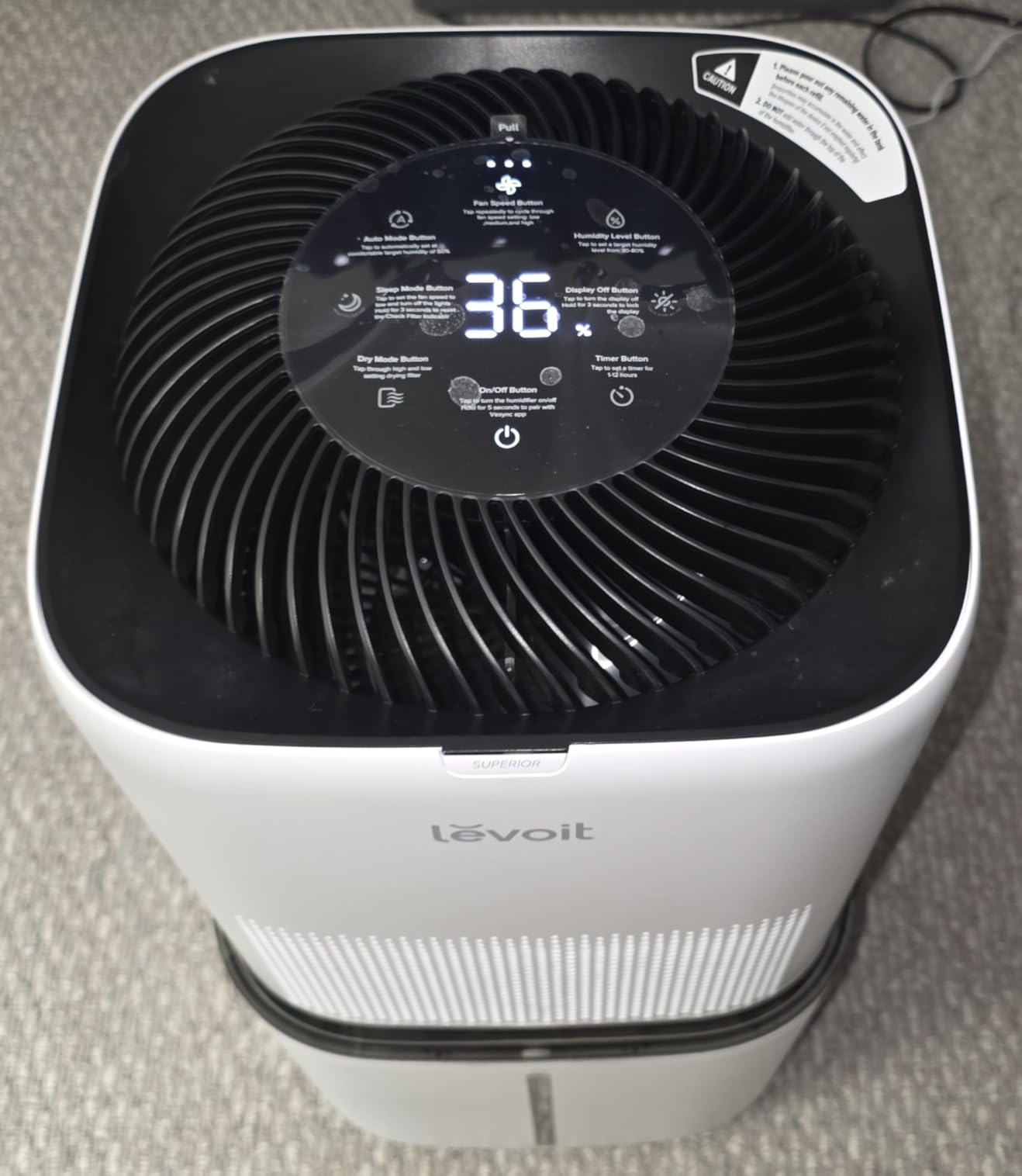
It also has the lowest average rating of the group, and the reason is the control logic. The auto mode in the app does not let you choose your own target humidity, and the on-board temperature reading runs about five degrees low, which together can push the unit too humid and cause window condensation.
Smaller complaints include audible dripping from the upper chamber when water is low, a 6 gallon reservoir with no handle, and interior corners that are difficult to clean and can develop pink or yellow buildup. A few units shipped with pumps that would not prime until after multiple firmware updates.

Who should buy the LEVOIT 6000S
It fits people who want phone control and a humidity log, and open-plan spaces of up to 3,000 square feet where one well-placed unit will do the work. The 72 hour runtime also makes it a good fit for a space you do not want to check daily.
If you want smart control and a small room rather than a whole house, our gaming room humidifier picks cover quieter options built for a desk setup.
Where it falls short
The auto mode limitation is real. If you need a firm ceiling on humidity to protect wood floors and avoid condensation, use an external humidistat rather than trusting the app presets.
Wick cost and availability are also a concern, with owners reporting expensive replacements that are not always available, and the no-handle reservoir is frustrating to move.
What Is the Best Type of Humidifier for a Whole House?
The best type depends almost entirely on your ductwork. Here is the short version:
Furnace-integrated evaporative – the only true whole house option. Mounts in the supply or return plenum, needs a water line, drain, and 24 volt power.
Fan-powered evaporative – same ductwork, plus a built-in fan so output holds up when the furnace blower is not on a heat call. Best for cold, dry winters.
Steam – fastest humidity recovery and immune to white dust, but it needs a hardwired 240 volt circuit and a costly annual cylinder.
Large console or pedestal evaporative – plug-and-play, treats one open area, and is the realistic option for renters and ductless homes.
Portable – single room only, and a constant refill job. Not a whole house answer.
If you have forced-air ductwork and a real heating season, start with a furnace-integrated unit. If you do not, a console model is the honest ceiling of what you can do.
Steam vs Evaporative vs Fan-Powered: Which One Wins in a Dry Winter?
Fan-powered evaporative wins the average cold, dry winter. It hits every room through the ducts, keeps working when the furnace blower is idling, runs on tap water, and produces no mineral dust on furniture. That is why the fan-powered model is the most common recommendation in HVAC owner forums.
Steam wins on raw speed and on hard water. If your winter is severely dry or your water is very hard, steam reaches your target faster and contains the minerals inside a sealed cylinder. It costs more to buy, more to wire, and more to run each year.
Plain bypass evaporative wins on simplicity and price. It is the least expensive to install and has the fewest failure points, but its output drops when the system is not calling for heat, which is exactly when you still want moisture.
A large console wins only if you have no ductwork. It cannot compete with any of the three above on whole home coverage.
How to Size a Whole House Humidifier for Your Home
Square footage alone is a poor sizing method. A 2,000 square foot tightly built home in a humid climate and the same 2,000 square feet in a northern state are completely different problems. Here is how we size.
Measure the treated area. Use finished square feet on the floors the ductwork actually serves, and be honest about two-story or split-level layouts.
Read gallons per day, not coverage badges. A 12 GPD unit rated for 3,600 square feet assumes a tight envelope. Loose construction and lots of glass pull more moisture than the number suggests.
Add margin for your climate. In a severely cold region, or in a home that runs the furnace constantly, size up. Oversizing is far less costly than undersizing.
Account for airflow type. Multi-stage, variable-speed, and heat pump systems move less air at low heat calls. A bypass unit in those systems underperforms, so a fan-powered model is the safer bet.
Confirm the control and install access. Check that the humidistat is included, that a water line and drain are available, and that your plenum has room.
For a 2,000 square foot home in a typical cold climate with a modern tight envelope, a 12 GPD evaporative unit is a sound starting point. Go to 18 GPD for older construction, large windows, or a very cold region.
What Humidity Level Should You Aim For in Winter?
Aim for 30 to 50 percent relative humidity, and treat 40 percent as a good daily target. Below 30 percent you get the symptoms that started this whole conversation. Above 50 percent, cold surfaces in the home can start condensing, which is where mold and musty vent odors come from.
Measuring is non-negotiable. Buy a hygrometer and place it in the room that stays coldest, not next to the humidifier, because warm air and moisture plumes read higher than the rest of the house. Compare it against the humidistat setting and adjust the setting, not the expectation.
Signs you are too high include condensation on window glass, dampness on exterior walls in cold weather, and a musty smell from supply registers. Signs you are too low are the static shocks and dry nosebleeds. If the building is older and uninsulated, err toward the lower end of the range.
Hard Water, White Dust and the Cost of Running a Humidifier
White dust comes from ultrasonic and atomizing units that put mineral-laden mist into the air. Every evaporative model in this roundup, and every steam unit, avoids that problem by design, which is the single strongest reason to rule out ultrasonic for a whole house.
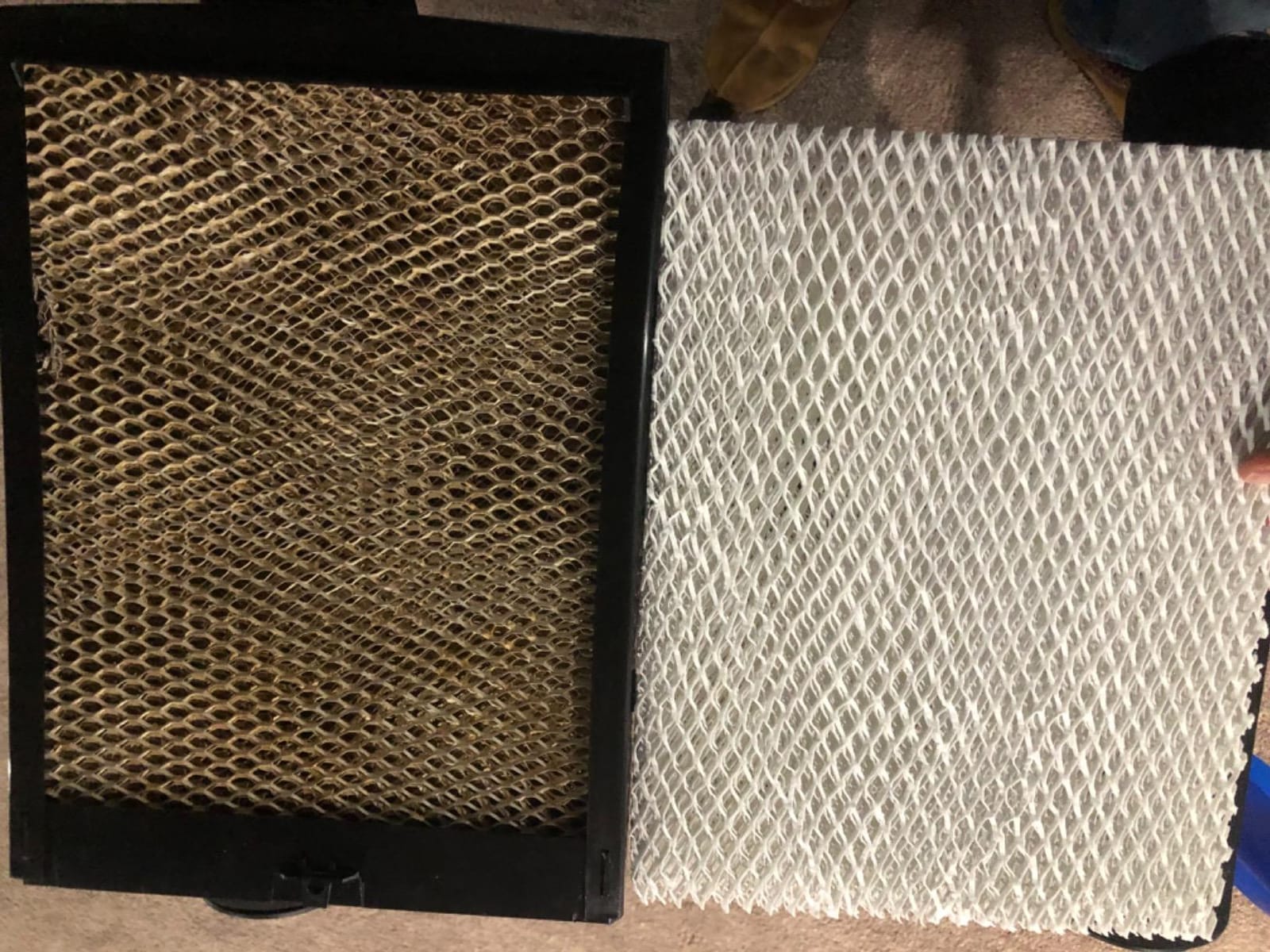
Evaporative wicks still collect scale, so in hard water areas expect to clean or flip them monthly during the heating season and replace them once or twice a year. The AIRCARE Space Saver includes Trapmax filter protection that slows this, and the GeneralAire requires genuine 990-13 pads specifically.
On running cost, water is the biggest line item and electricity is the smallest. The HE280A is designed to cut water use by about 30 percent, while the console models draw 1,000 to 1,650 watts only while the fan is running. Add the pad, wick, or cylinder replacements and the annual service visit, and total ownership over a season comes down to which style you chose.
Finally, check your furnace for existing humidifier provisions before buying. Homeowners routinely discover a neglected unit months after installing a new one, and finding an old wick or mineral-crusted tray on a fan call can be the moment you decide to upgrade.
Frequently Asked Questions
What is the best type of humidifier for a whole house?
A furnace-integrated evaporative unit is the best whole house option if you have forced-air ductwork. A fan-powered evaporative model performs best in cold, dry winters because it does not depend on the furnace blower running. Steam is fastest but needs a hardwired circuit and a costly annual cylinder. A large console unit is the right choice only if you have no ductwork.
Are steam or evaporative humidifiers better?
Evaporative units are better for most homeowners because they are cheaper to install, run on tap water, and never release mineral dust. Steam is better when you need fast humidity recovery, live in a severely cold climate, or have very hard water, since scale stays contained inside a replaceable cylinder.
What size humidifier do I need for a 2,000 square foot house?
For a 2,000 square foot home in a typical cold climate with a tight envelope, a 12 gallon per day evaporative unit is a solid starting point. Size up toward 18 GPD for older construction, large windows, or a very cold region, and remember that bypass units underperform on variable-speed and heat pump systems.
What humidity level should my house be in winter?
Aim for 30 to 50 percent relative humidity, with 40 percent a good daily target. Use a separate hygrometer placed in the coldest room rather than trusting the reading on the humidifier, which often runs high near the unit.
Do whole house humidifiers cause mold in ducts?
They can, if humidity is allowed to run too high. Above roughly 50 percent in a cold climate, moisture can condense on cold duct surfaces and in building cavities. A humidistat set to 40 percent with outdoor temperature compensation, plus annual water panel replacement, is the standard protection.
Is mineral dust from a humidifier harmful?
It is a respiratory irritant for some people, and it settles on electronics and furniture. Ultrasonic and atomizing units are the usual source. Every evaporative and steam unit in this roundup captures or contains the minerals, so switching type eliminates the problem entirely.
The Best Whole House Humidifiers for Dry Winters in 2026
If you have forced-air ductwork and a real heating season, the AprilAire 500 is the pick we would install, because its dual-sensor automatic control holds a stable level without window condensation and it has the strongest owner satisfaction in the group. If you want more output and your climate is brutal, the fan-powered AprilAire 700M at 18 GPD is the stronger machine.
Without ductwork, the AIRCARE MA console is the one to buy. It covers the largest rated area, has a digital humidistat, and the evaporative wick keeps furniture safe. The Space Saver is the value version when refills are the thing you will resent most, and the Vornado Evap40 is the pick if you just want something simple that will still work in ten years.
Whatever you choose, put a hygrometer on the wall before you turn it on, and keep the target between 30 and 50 percent. Our whole house fan picks are worth a look too, since moving air through the house is what makes any humidity setting actually feel right.