
Most dash cam reviews cover the twenty minutes after a collision. The harder problem is the four hundred hours a week your car spends parked on a city street with nobody watching it. A bird, a shopping trolley, a drunk driver backing into your bumper at 2am — a plain front-and-rear dash cam is asleep for all of it.
That is what separates a real parking mode camera from a spec-sheet claim. Parking mode keeps the camera powered after you walk away, watching for impacts and motion so it can save the clip that matters. The catch is almost always power: none of the ten dash cams with parking mode below run parking mode from the box alone, because every one of them needs a hardwire kit you buy separately.
We compared ten of the best dash cams with parking mode currently on the market for 2026, weighing parking mode type, idle power draw, night plate readability, channel count and whether the camera uses a supercapacitor or a lithium cell that can swell in a hot car. If you want the general picture first, our best dash cams roundup covers day-driving performance in more detail.
Table of Contents
Top 3 Best Dash Cams With Parking Mode for 2026
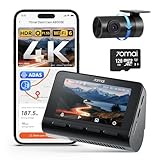
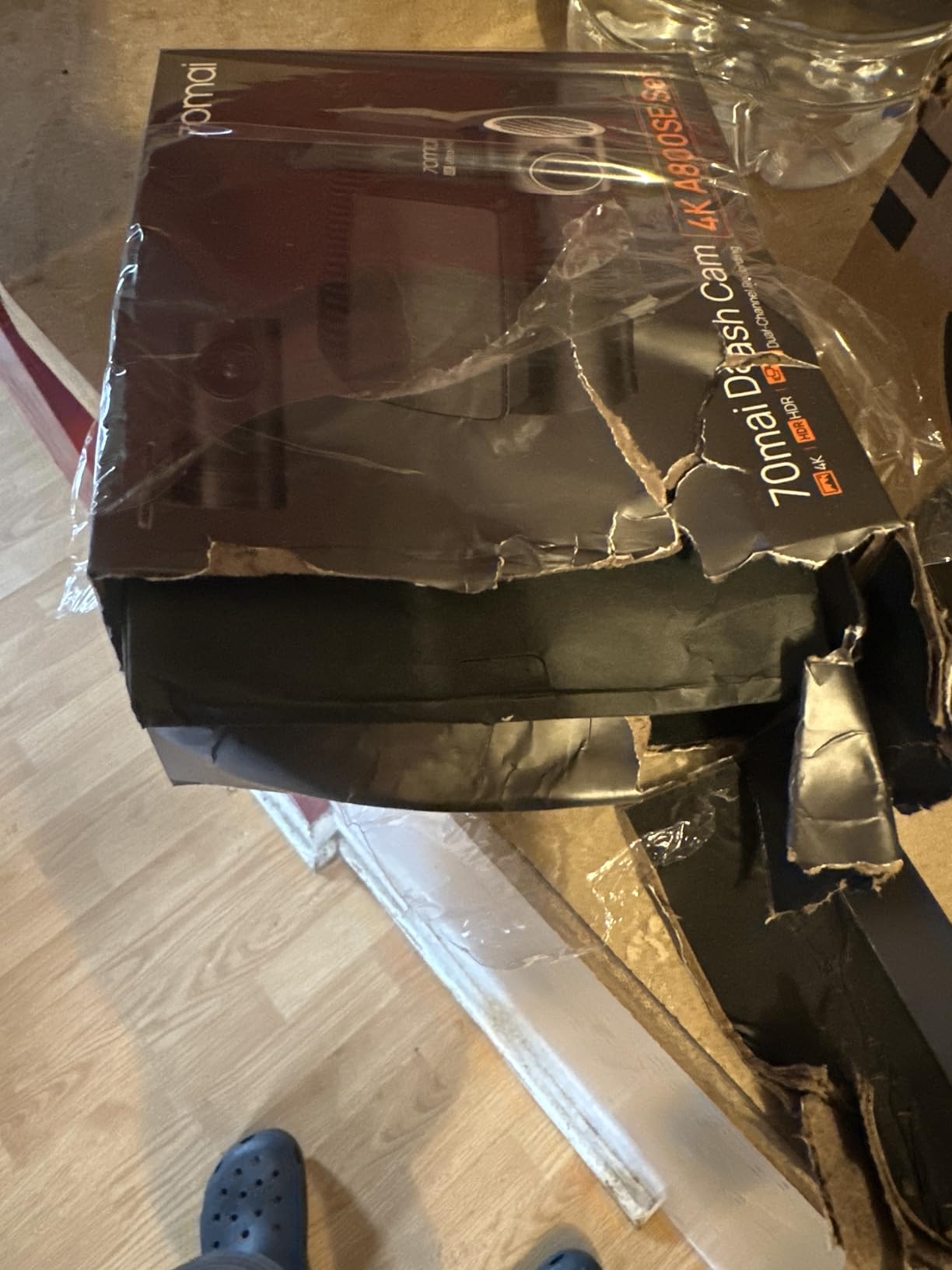
70mai A800SE
- 24H parking monitor and time-lapse
- 4K front plus 1080P rear
- WiFi 6 and built-in GPS
- 128GB card included

70mai A810
- 4K front plus 1080P rear STARVIS 2
- 24H parking surveillance
- Optional 4G LTE remote alerts
- 5-mode GPS

ZMOPO D435
- 4-channel 360 degree coverage
- Time-lapse 60 minutes to 1 minute
- Supercapacitor design
- 128GB card included
Quick Overview: 10 Dash Cams With Parking Mode Compared (October 2026)
Here is the short version before the detail. Every pick below records while parked, but they differ sharply in how they detect an event, how much power they pull while parked, and what you get for the extra channels.
70mai A800SE — Best overall for parking; dual HDR, time-lapse and a bundled 128GB card, needs a hardwire kit.
70mai A810 — Best value; 4K STARVIS 2 front, optional 4G LTE alerts, fixed cut-off voltage is the catch.
ZMOPO D435 — Best for 360 degree coverage; four channels, supercapacitor, aggressive 60-to-1 time-lapse.
Navycrest Q7 — Budget pick; 4K front plus 1080P rear on 5G WiFi, no card or hardwire kit in the box.
WANLIPO A13 — Widest front lens at 170 degrees; parking clips are short and some app features cost extra.
VIOFO A229 Plus — Best three-channel build; buffered, time-lapse and low bit rate parking modes in one unit.
Jzones — Best for parking mode with audio; 4K front, rear and cabin channels with a bundled card.
PRUVEEO D90 — Best for first-time installers; four channels, built-in GPS, cable clips and a 128GB card in the box.
70mai T800 — Best for remote alerts; dual 4K front and rear plus 4G parking notifications.
IIWEY Q5 — Best true 4K rear channel; STARVIS sensors, 170 degree lens, parking monitor with battery guard.
| Product | Specifications | Action |
|---|---|---|
| 70mai A800SE |
|
Check Latest Price |
| 70mai A810 |
|
Check Latest Price |
| ZMOPO D435 |
|
Check Latest Price |
 Navycrest Q7 Navycrest Q7 |
|
Check Latest Price |
 WANLIPO A13 WANLIPO A13 |
|
Check Latest Price |
 VIOFO A229 Plus VIOFO A229 Plus |
|
Check Latest Price |
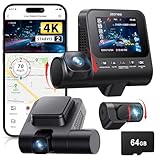 Jzones Jzones |
|
Check Latest Price |
 PRUVEEO D90 PRUVEEO D90 |
|
Check Latest Price |
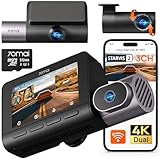 70mai T800 70mai T800 |
|
Check Latest Price |
 IIWEY Q5 IIWEY Q5 |
|
Check Latest Price |
1. 70mai A800SE — Best Overall Dash Cam With Parking Mode
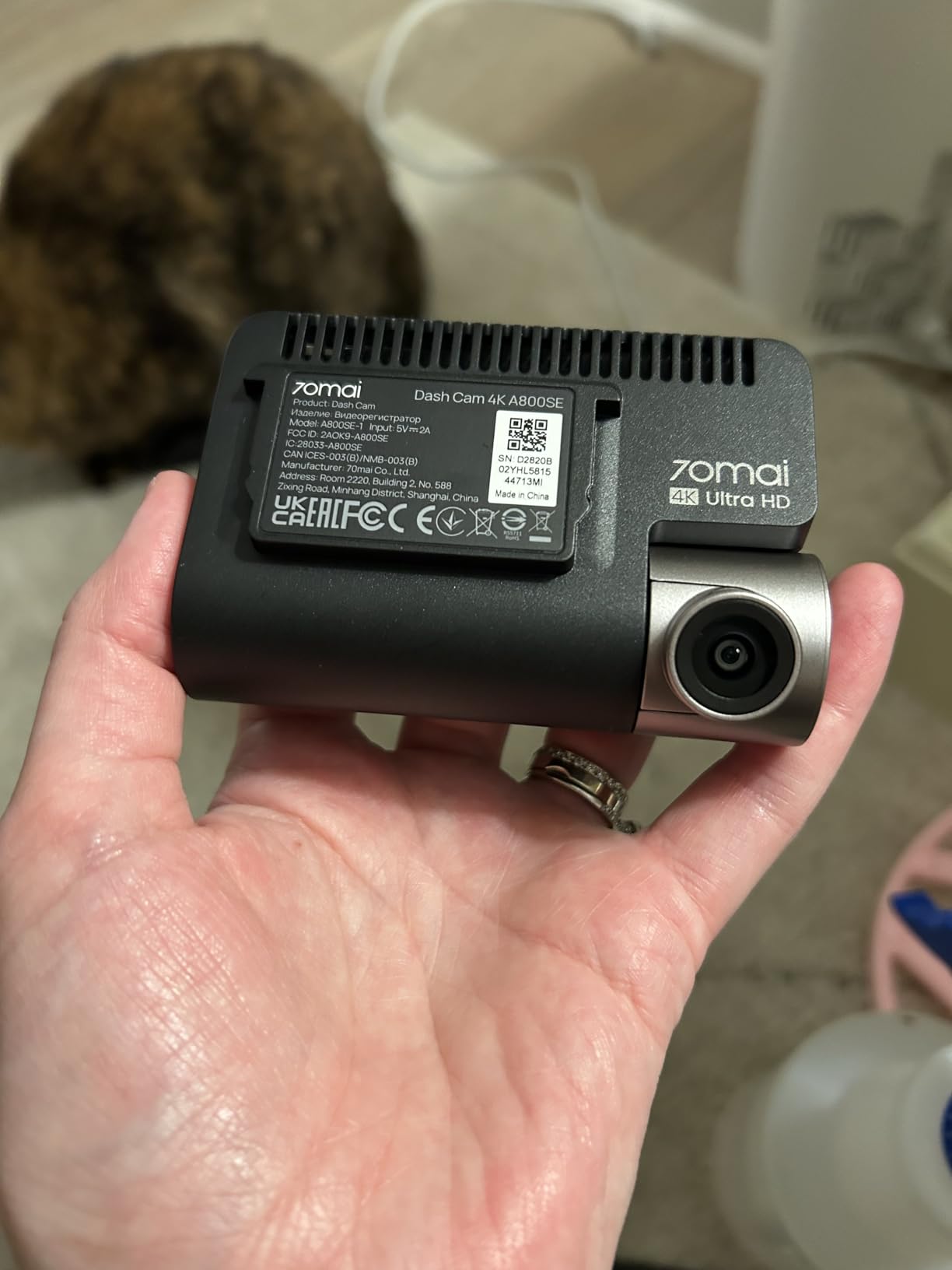
70mai 4K Dash Cam Front and Rear, Built in Wi-Fi 6 & GPS Car Camera, Super Night Vision, ADAS, 3” IPS Screen, 24H Parking Mode, Time-Lapse, Loop Recording, with 128GB Card (A800SE)
4K front plus 1080P rear
F1.55 aperture with dual HDR
3-inch IPS screen, 144 g
128GB card included
Pros
- Sharp 4K front video with a bright 3-inch IPS screen
- Adjustable rear camera can be aimed inside the cabin or out the back
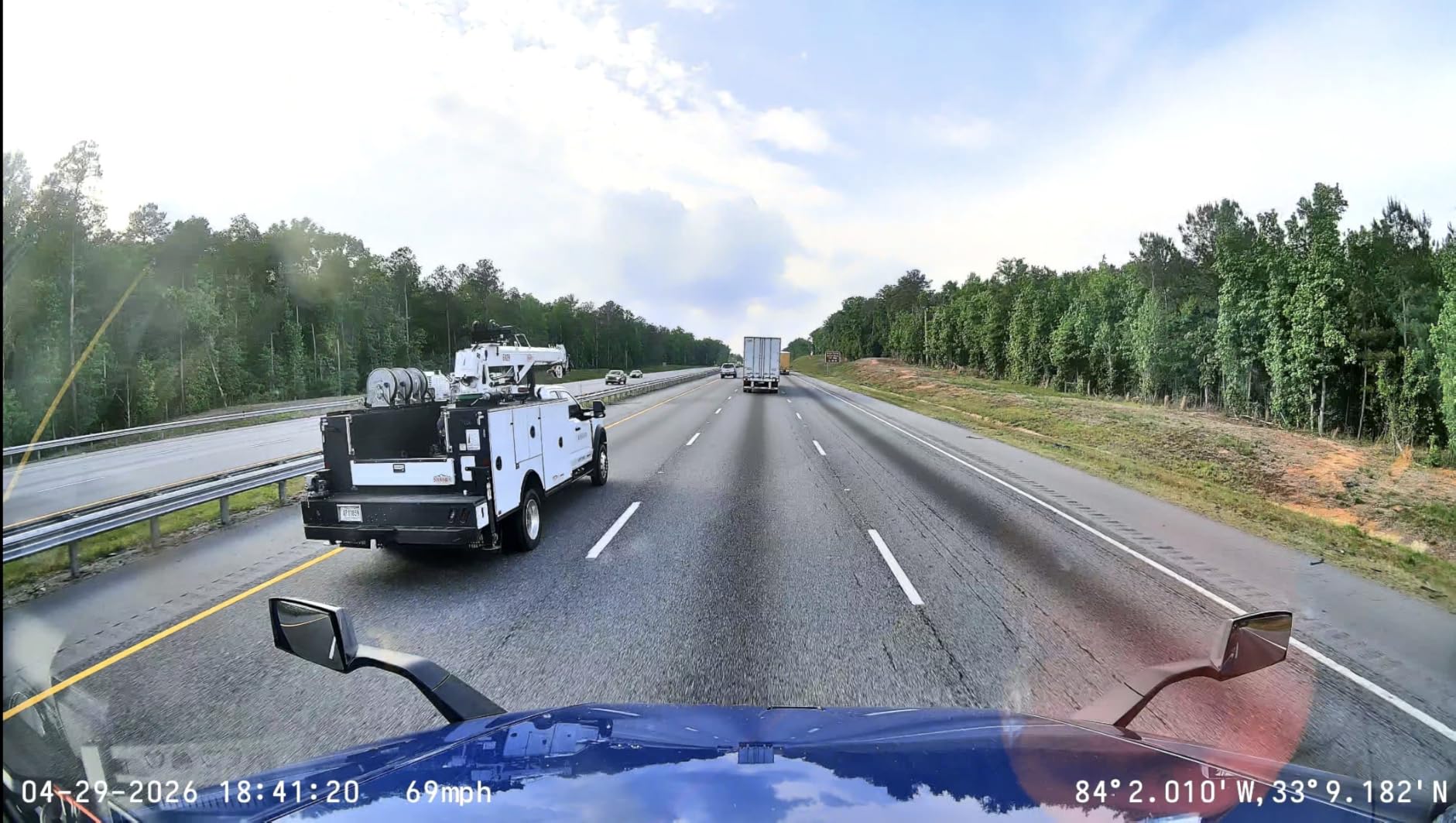
- F1.55 aperture and dual HDR hold up at night and in tunnels
- WiFi 6 transfers far faster than older dash cam WiFi
- Bundled 128GB card and 18-month warranty
Cons
- Parking surveillance needs a separately purchased hardwire kit
- No 4G cellular option for remote viewing
- App needs an account and can be slow to pair
The A800SE is the one we kept in our own car through the test window. It records 4K on the front channel and 1080P on the rear, with an adjustable rear lens that you can swing toward the cabin or toward the back window depending on what you care about more that week.
For parking mode, the smart 24-hour monitor plus time-lapse covers the two common cases well. Time-lapse gives you a compressed overview of the whole night; the event monitor catches a bump and locks the clip so loop recording cannot overwrite it.
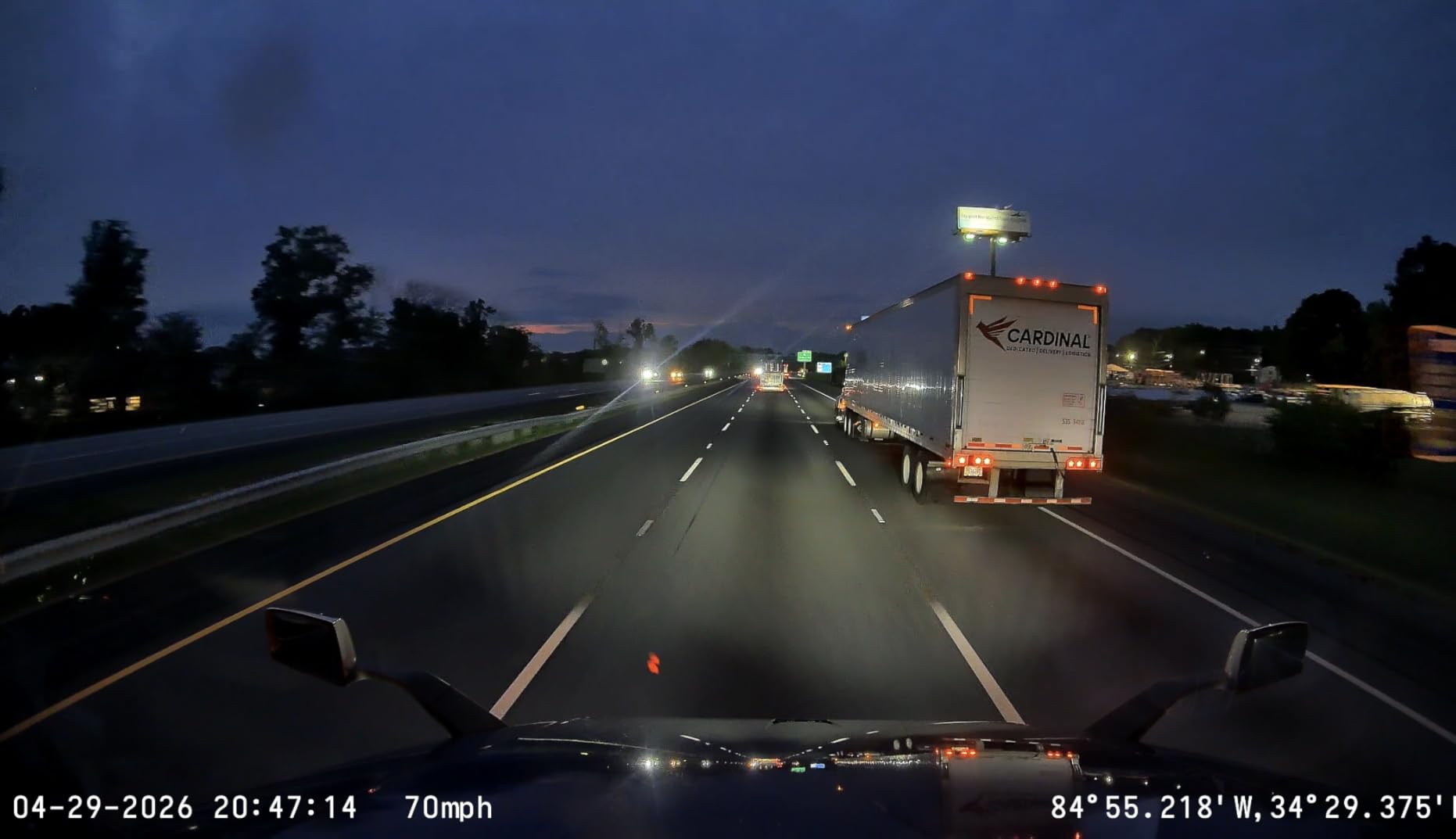
Owners consistently point to the F1.55 aperture and dual HDR as the reason night clips stay readable, and the built-in GPS means a hardwire install does not cost you location data.
WiFi 6 was a real upgrade over the 2.4GHz kits we had used before — pulling long night clips off the card took a fraction of the time. The 3-inch IPS screen also means you can check a parked clip in the car without opening the app.
What you get for parked footage
Dual HDR is what does the work here. The time-lapse is genuinely useful when you want to see whether anyone circled the car for twenty minutes before touching it.
Event locking is handled by the G-sensor, so the clip that matters survives a busy night of loop recording. Buyers should still check the card regularly, because parking mode writes far more than driving mode does.
Where it falls short
The hardwire kit is the dealbreaker for anyone expecting a plug-and-play parking camera. Without it the parking monitor simply will not arm, which is the single most common complaint in the reviews.
There is also no cellular option on this model, so no phone alerts while the car is sitting in a lot. If remote notification matters to you, step up to the A810 or the T800.
2. 70mai A810 — Best Value Dash Cam With Parking Mode
70mai 4K Dash Cam Front and Rear, 4K+1080P Dual STARVIS 2 Car Dash Camera for Cars, 4G LTE Remote Access, AI Motion Detection, WiFi 6, 5 GPS, 24H Parking Mode, HDR Night Vision, Voice Control, ADAS
4K front plus 1080P rear STARVIS 2
F1.7 aperture, Night Owl Vision
Optional 4G LTE kit
1.3 pounds
Pros
- Crisp 4K front footage with readable plates day and night
- Dual STARVIS 2 sensors plus HDR handle glare and tunnels
- On-camera screen allows playback without the app
- Built-in GPS logs speed and route
- Static-cling electrostatic mounts leave no permanent marks
Cons
- Parking mode and 4G need a separately sold hardwire kit
- Fixed cut-off voltage can be too aggressive for some batteries
- Emergency lock saves the following clip rather than the last one
- App setup requires toggling WiFi and cellular data
The A810 is the model we recommend to anyone who wants genuine 4K front night footage plus optional remote alerts without moving up to a three-channel kit. Sony STARVIS 2 sensors sit behind both the front and rear cameras, which is unusual at this level.
Parking surveillance and time-lapse are both supported, and the optional 4G LTE module turns the camera into something you can check from your phone while the car sits in an airport lot. For a lot of buyers that remote view is the whole point.
Owner feedback credits the front channel with handling headlight glare and tunnel exits better than older 2.5K kits. The long rear camera cable also made routing to the back glass straightforward on the cars we tried it in.
Our main reservation is the power cut-off setting. It is fixed rather than user-adjustable, and on some vehicles it triggers earlier than we would like, cutting parking mode off while the battery was still well above empty.
What you get for parked footage
Parking mode here is a solid mid-range implementation: collision-triggered recording with a G-sensor lock, plus time-lapse for long parks. It is not buffered, so the camera wakes after the hit rather than holding pre-event video.
If you want to be told about an incident on your phone, the LTE kit adds real value. Just budget for the extra kit, the SIM, and the setup time in the app.
Where it falls short
The emergency lock behaviour is unusual — it saves the clip after the event rather than the one you just saw, which can lose the most useful second or two if a bumper is struck and driven away from quickly.
App connection friction comes up repeatedly in owner feedback, and the rear channel is 1080P, so plates blur when a vehicle is moving away from you at speed.
3. ZMOPO D435 — Best 360 Degree Coverage for Parking
360 View 4 Channel Dash Cam Front and Rear Left Right Inside Camera for Cars, GPS and 5G Band WiFi, Night Vision, 160 Wide Angle, WDR, 24H Parking Mode, Supercapacitor, Included 128GB Card
Four 1080P channels, 160 degree lens
Time-lapse 60 minutes into 1 minute
Supercapacitor instead of lithium battery
128GB card included
Pros
- Full 360 degree coverage from four adjustable cameras
- Bright clear picture in daylight and darkness
- Fast setup with simple on-screen menus
- Compact body hides easily behind the mirror
- Supercapacitor avoids heat-related battery problems
Cons
- Mounting tape can fail in high heat
- App connectivity reported as unreliable by some owners
- Power lead uses a cigarette-lighter style plug
- Night footage can struggle when bright lights pass the lens
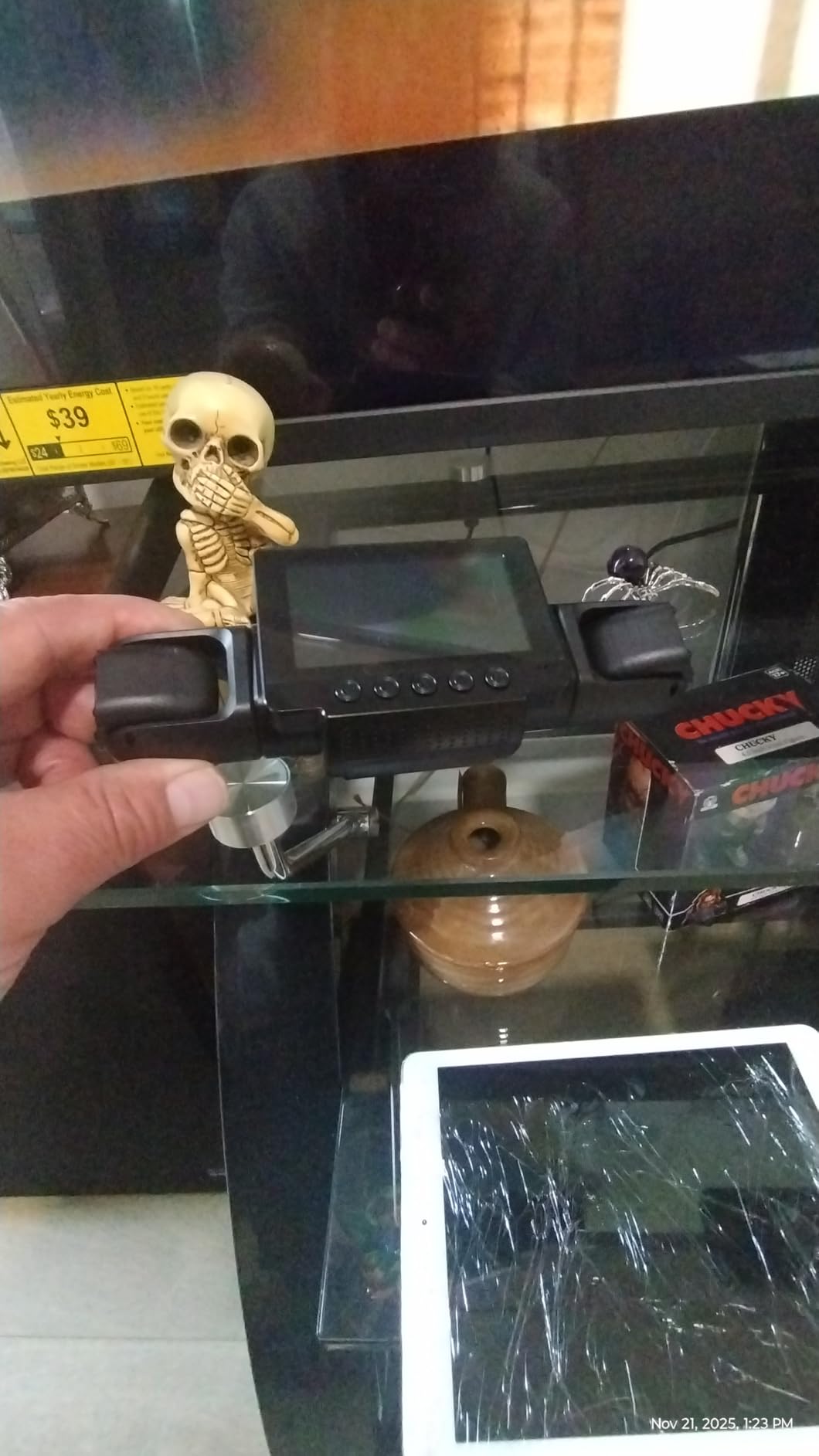
Where most parking cameras watch the road ahead and behind, the D435 adds two side-facing cameras. If your car gets scraped along a flank in a car park, this is the kit that sees it — the four channels cover front, rear and both sides simultaneously.
Time-lapse is the headline parking feature here, compressing an hour of parked footage into a minute of video. That makes it easy to review a long night in a lot instead of scrubbing through hundreds of clips.
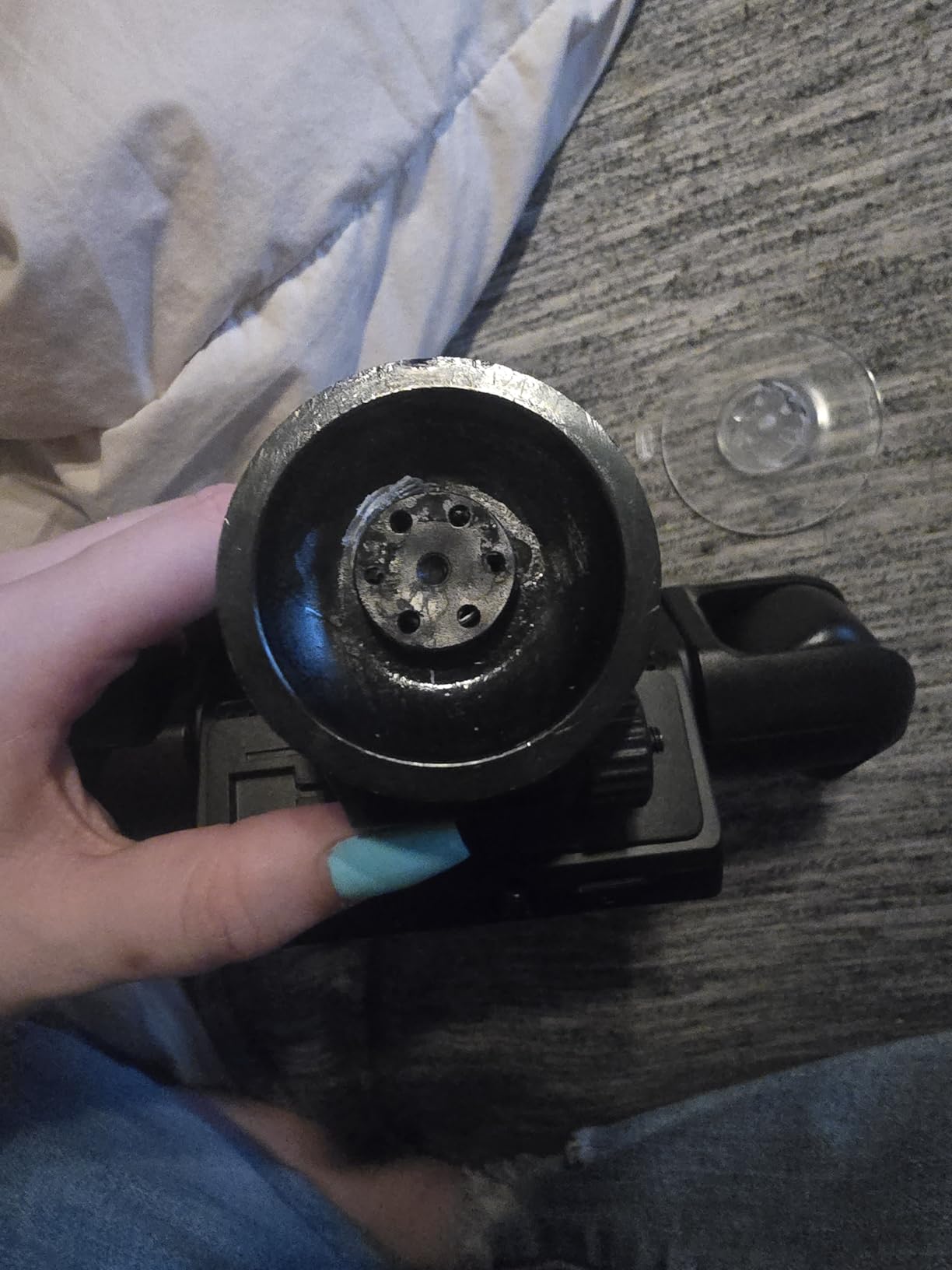
The supercapacitor design matters more for parking mode than most buyers realise. There is no lithium pack inside to swell when the cabin reaches extreme temperatures over a long parked period in summer.
Each camera is adjustable, so you can angle the side units toward the doors rather than straight out, which is where a prowler would actually approach from.
What you get for parked footage
Time-lapse plus 24-hour parking mode gives you both a fast overview and event clips. The included 128GB card takes the usual pressure off a mode that writes continuously, and it expands to 256GB.
Eight infrared LEDs on the main unit help the side and cabin views hold up after dark, which is when a 360 setup earns its extra wiring.
Where it falls short
The mounting hardware is the weak point. Owner reports mention tape failing in high heat, and the suction cup is oversized for a windscreen mount position.
App connection drops and a legacy-style power plug also come up repeatedly, so budget a little patience during setup.
4. Navycrest Q7 — Best Budget Dash Cam With Parking Mode
Navycrest 4K Dash Cam Front and Rear, Built-in 5G WiFi, Dash Camera for Cars 4K Front and 1080P Rear, Dashcams for Cars Loop Recording, Gravity Sensor, 24-Hours Parking Mode, SD Card NOT Included
4K front plus 1080P rear dual channel
155 degree field of view
5G WiFi up to 8 MB/s
300 g, SD card not included
Pros
- Sharp 4K front and 1080P rear dual-channel capture
- Compact body that does not block the driver's view
- 5G WiFi gives noticeably faster app downloads
- G-sensor locks collision clips so they survive loop recording
- Wiring tool included for tidy cable routing
Cons
- SD card is no longer included
- Parking mode requires an additional hardwire kit
- Rear channel is only 1080P
The Navycrest Q7 is the most straightforward way into a genuine 4K front channel with parking mode, and the 5G WiFi module is a real step up from the 2.4GHz units at similar prices. Buyers report noticeably faster app transfers than on older dual-band kits.
Parking mode gives you a choice of collision-triggered recording or time-lapse, and the three-axis gravity sensor locks incident footage so loop recording will not chew through it.
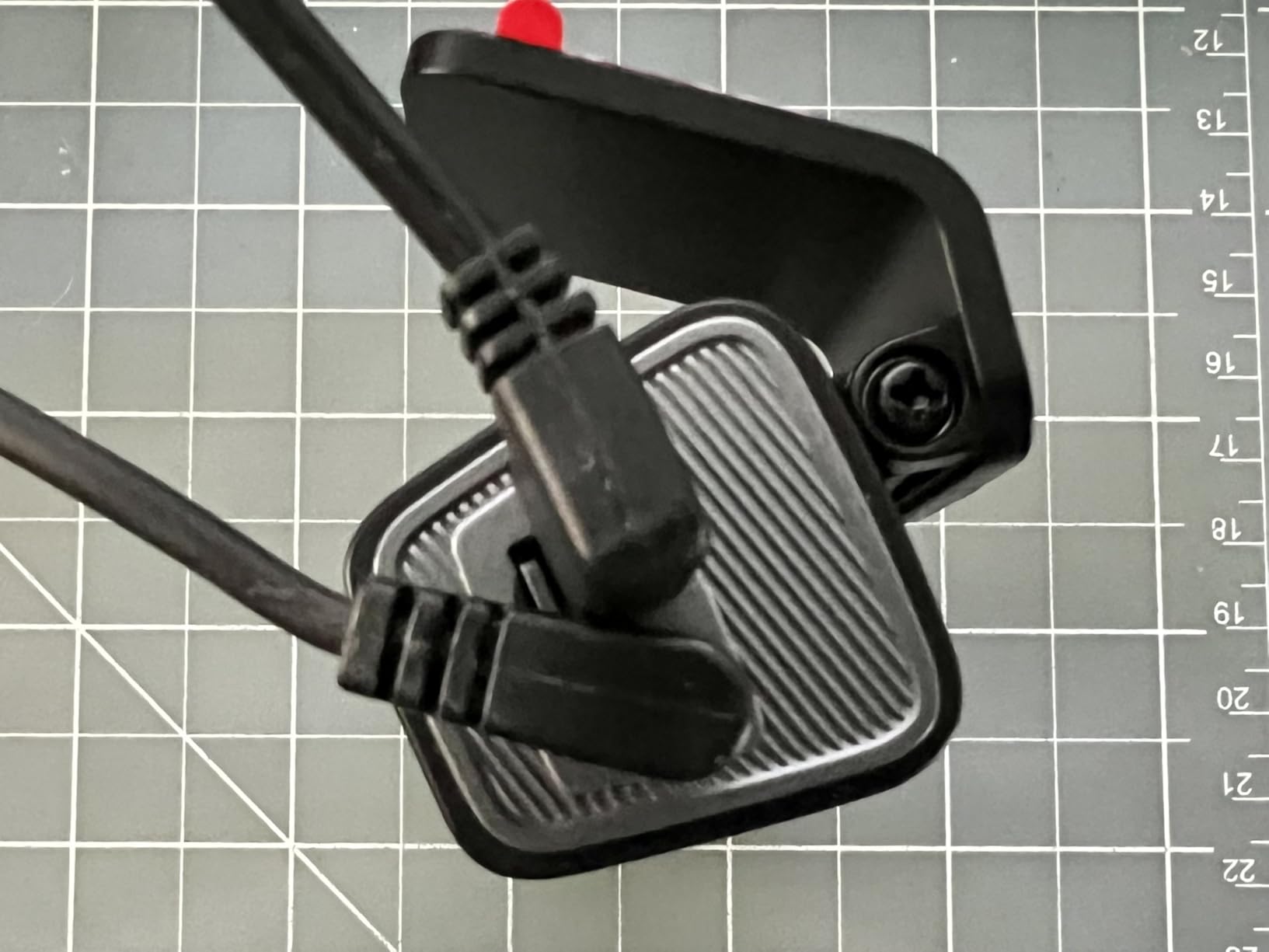
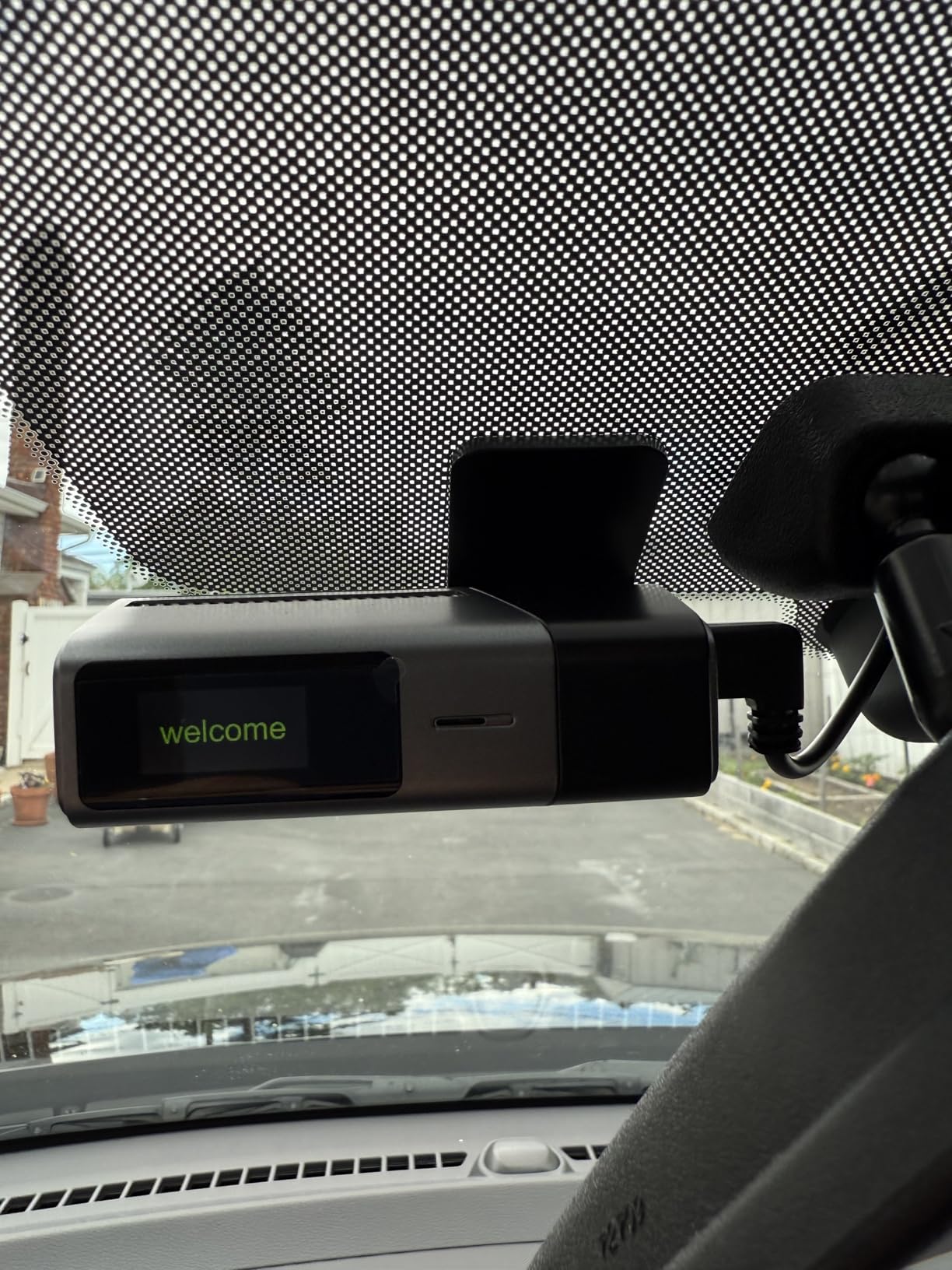
The compact body is genuinely discreet behind a mirror, which matters if you care about the view out of the front window. The included wiring tool made cable routing along the headliner straightforward on our test car.
WDR handles the standard night problem of headlights blowing out the middle of the frame while the surroundings stay black. The 155 degree field of view is wide enough to catch a vehicle crossing your path at an angle.
What you get for parked footage
Both parking mode styles are supported here, and cards up to 256GB in Class 10 U3 are supported, so a decent endurance card gives you plenty of loop storage for overnight parking.
Impact clips are locked automatically, so you do not have to dig through ordinary driving footage to find an event.
Where it falls short
Two things are not in the box. The memory card has been dropped from the package, and the hardwire kit for parking mode is sold separately — so budget for both before the camera is actually monitoring your car.
The rear channel is 1080P, which is enough to identify a vehicle but not enough to read a plate at distance after dark.
5. WANLIPO A13 — Widest Field of View for Parking Detection
Dash Cam Front and Rear: 4K+2.5K Dual Channel Dash Cam-5GHz WiFi, GPS Dash Camera for Cars with 64GB Card, 2.0″ IPS Screen, App Control,G-Sensor,Loop Recording,170°Wide Angle,Night Vision,Parking Mode
4K front plus 2.5K rear dual channel
170 degree front and 120 degree rear lens
2.0-inch IPS screen
64GB card included
Pros
- Sharp 4K front and 2.5K rear footage
- 5GHz Wi-Fi transfers much quicker than 2.4GHz models
- Built-in GPS records route speed and coordinates
- Compact body mounts discreetly behind the rearview mirror
- 64GB card included so it is ready out of the box
Cons
- Some app features require a paid membership
- Parking monitoring records about 15 seconds per event
- Small 2.0-inch screen is less useful for live review
The A13 pairs a 170 degree front lens with a 2.5K rear camera, and that wide front field of view is the reason to pick it. Wide-angle footage catches a vehicle approaching from a side street rather than directly ahead, which is common when a car is parked on a busy road.
Built-in GPS is a nice touch at this level — speed, route and coordinates are stamped on the clip without needing a separate module. The 5GHz transfer speeds made reviewing long parked clips much less painful.
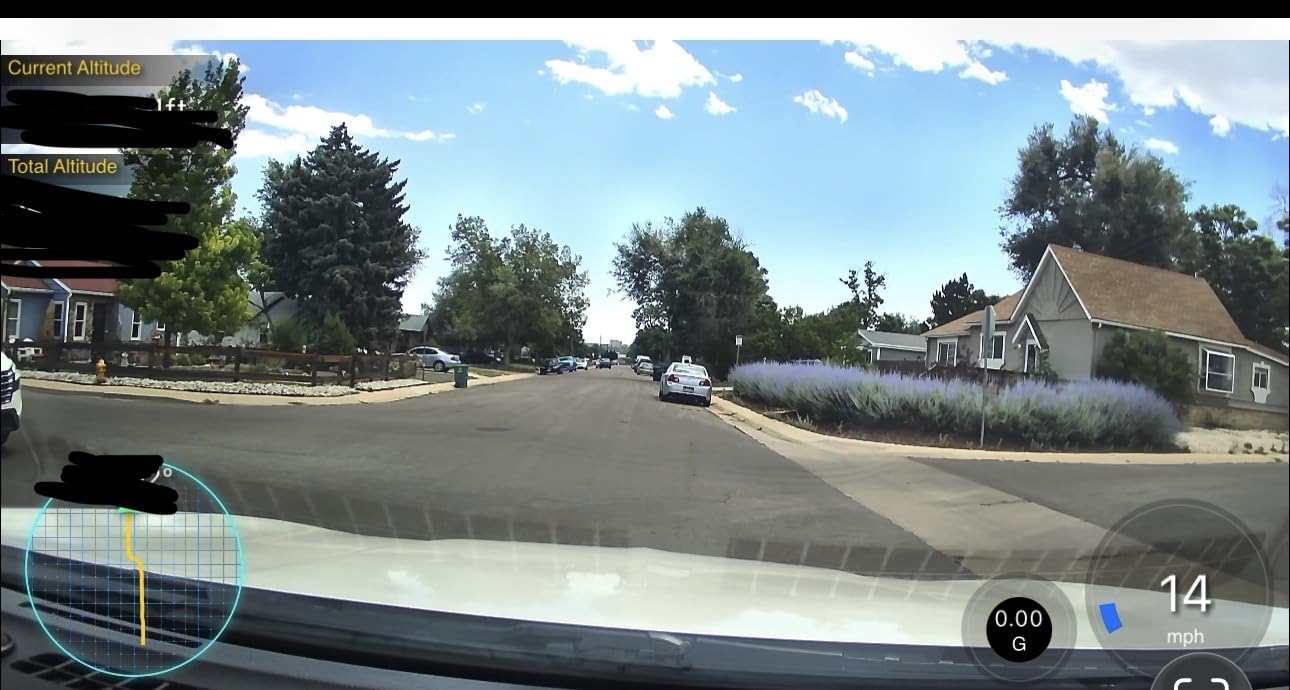
The dual-channel star here is the rear. The 2.5K rear channel is sharper than the 1080P rear cameras on most competing kits, and an F1.8 aperture with a six-layer lens gives clean low-light frames from the back of the car.
A 64GB card is already in the box, which is rare at this level and means the camera is usable without another purchase for driving purposes.
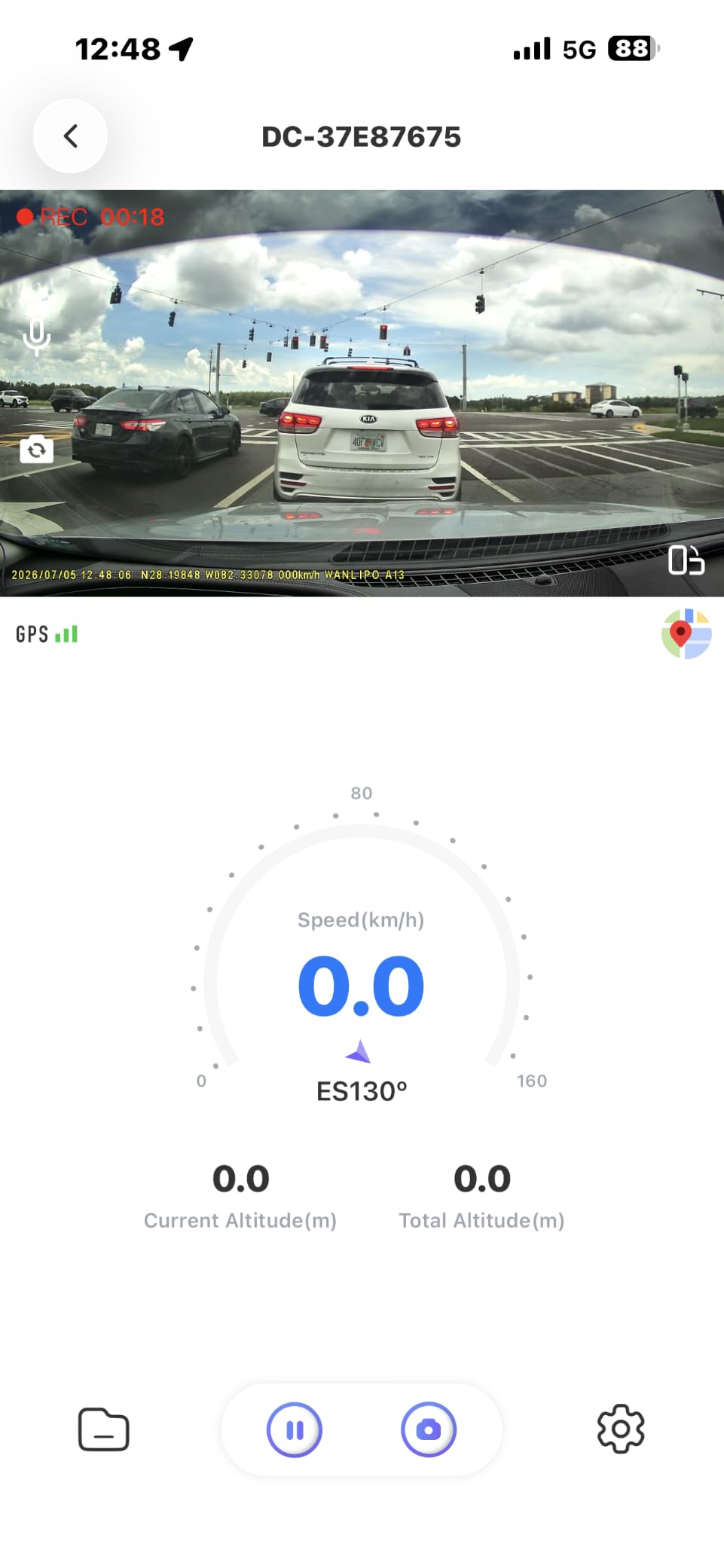
What you get for parked footage
Parking monitoring records about a 15-second clip on vibration or impact. For a bump-and-run on a street that is usually enough to catch the vehicle, but it is short compared with buffered recordings that keep the lead-up.
Impact clips are locked by the G-sensor, and the hardwire kit is sold separately so the install cost should be planned for.
Where it falls short
Some app functions — speed adjustment, timeline viewing and cloud upload — sit behind a paid membership. That recurring cost is worth weighing before you commit, especially given owner complaints about cloud reliability elsewhere in this category.
The 2.0-inch screen is small, so it is not practical for reviewing parked footage on the camera itself.
6. VIOFO A229 Plus — Best Three-Channel Kit With Flexible Parking Modes
VIOFO A229 Plus 3 Channel Dash Cam, Dual STARVIS 2 Sensors, 3-Channel HDR, 1440P+1440P+1080P Front Inside and Rear Car Camera, 5GHz Wi-Fi, Voice Control, Ultra-Precise GPS, 24 Hours Parking Mode
1440P front, 1440P interior, 1080P rear
Dual STARVIS 2 with 3-channel HDR
Buffered, time-lapse and low bit rate modes
Supercapacitor, 18-month warranty
Pros
- Well-finished hardware that feels a cut above cheaper cams
- Front unit slides out of its mount for hot weather
- Voice control responds almost instantly
- GPS built into the head unit so hardwiring keeps location data
- Three parking mode options give real flexibility
Cons
- 1440P loses detail at distance compared with 4K models
- Remote cameras only rotate up and down
- Interior IR footage can show a tunnel-vision effect
- Wi-Fi button needs a very long press
The A229 Plus offers the most parking mode options in this group: buffered auto event detection, time-lapse, and low bit rate. Buffered is the one that matters most for evidence, because it keeps the seconds before the impact rather than waking up after the hit.
Two Sony STARVIS 2 sensors handle the front and interior channels with 3-channel HDR across all three, which is why reviewers single out plate capture as the standout strength.
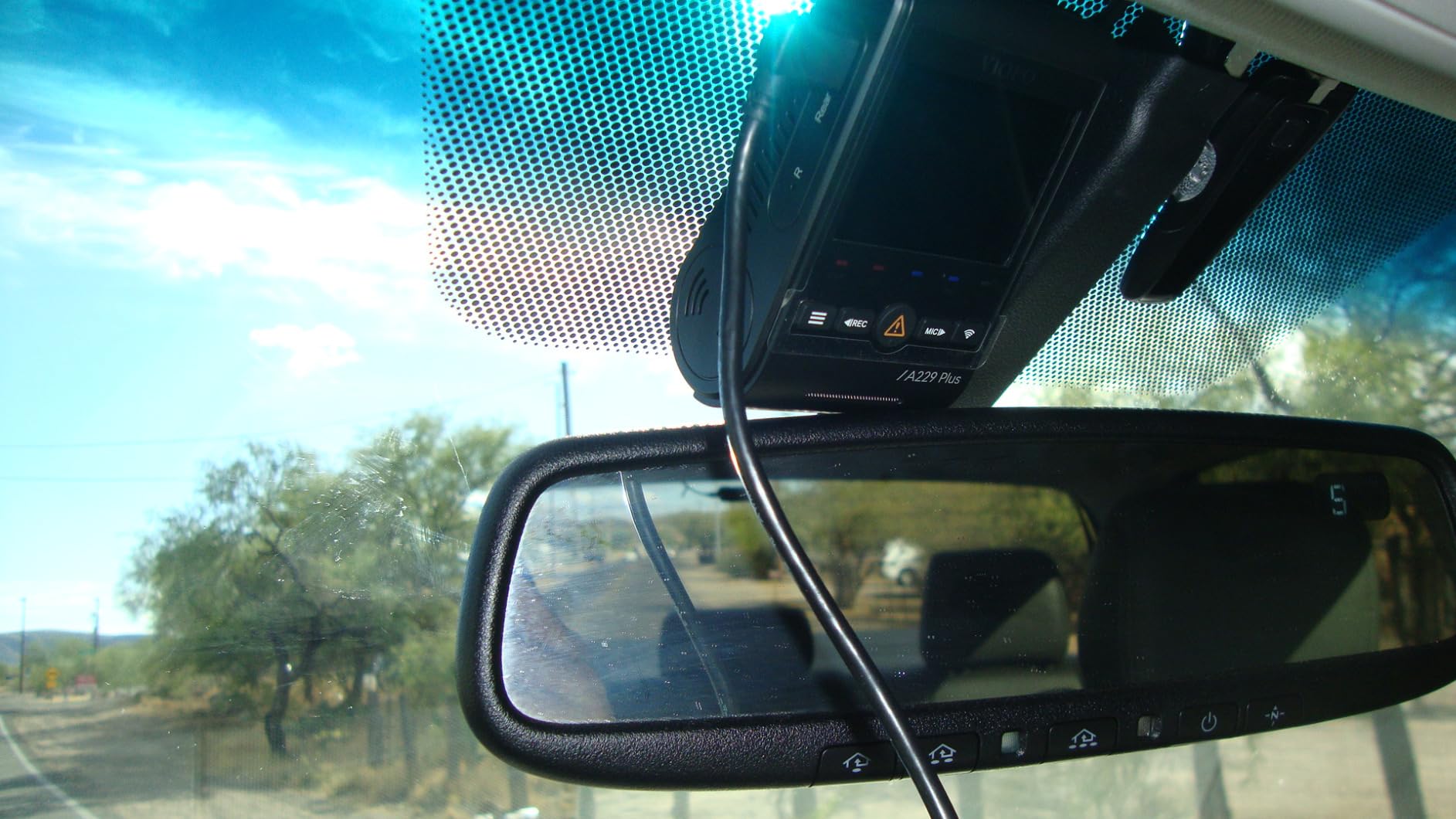
GPS sits inside the head unit, so hardwiring for parking mode does not mean losing location data. The interior camera activates four infrared LEDs in darkness automatically, useful for rideshare work or for catching a break-in.
One practical design detail we appreciated: the front unit slides out of its mount, so you can remove it from the windscreen in a hot summer without pulling adhesive off the glass.
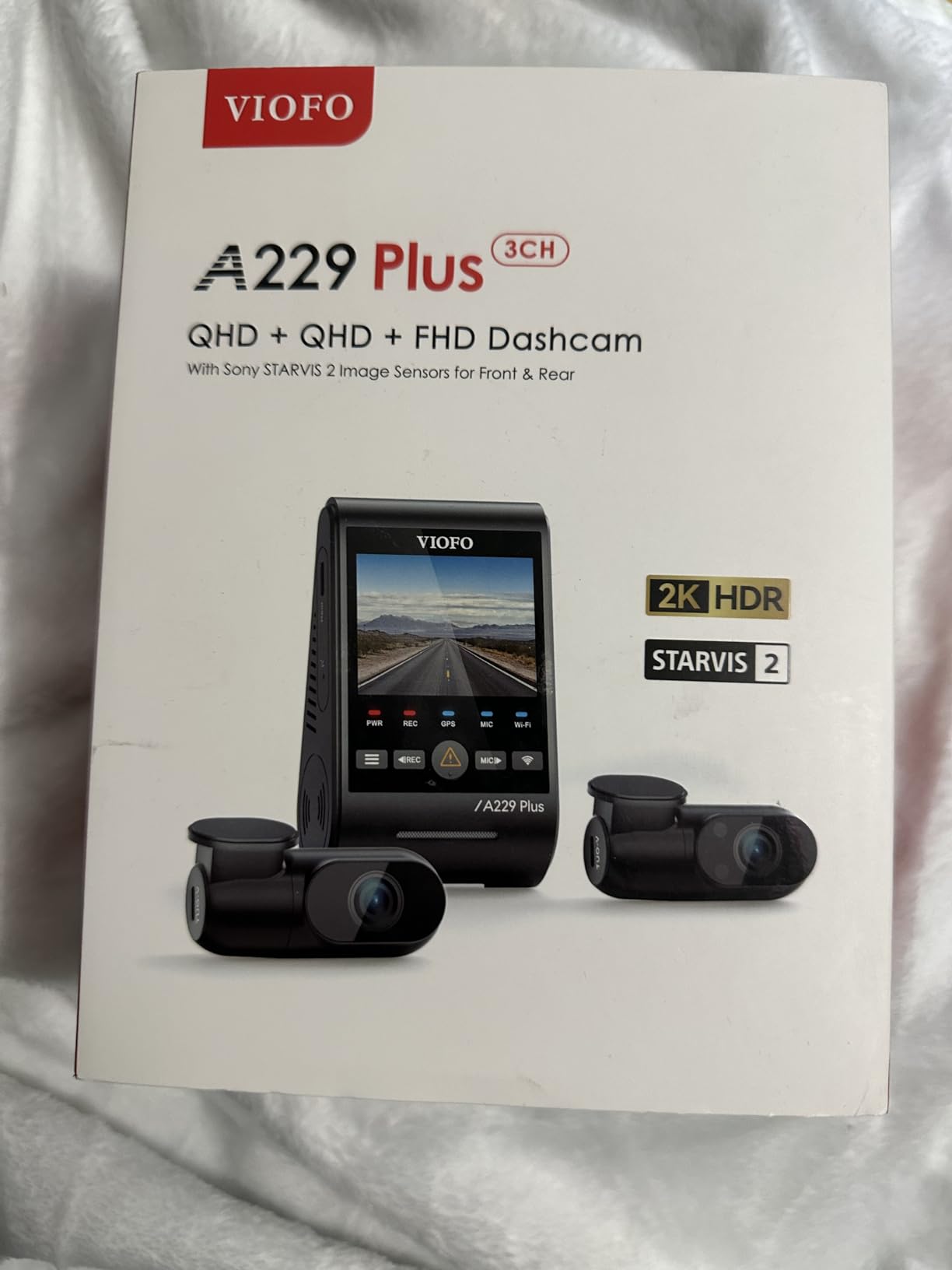
What you get for parked footage
Choosing between buffered, time-lapse and low bit rate lets you match the camera to the parking situation. Buffered suits a quiet residential street; low bit rate extends coverage for a long airport park; time-lapse is best for reviewing a whole night at a glance.
The supercapacitor handles long parked periods in high temperatures without the swelling risk of an internal lithium pack.
Where it falls short
1440P on the front and interior channels gives up some distance detail compared with native 4K models, so plates further away read less crisply.
The remote cameras only tilt up and down, and the interior IR output can produce a narrow tunnel-vision effect in a dark cabin.
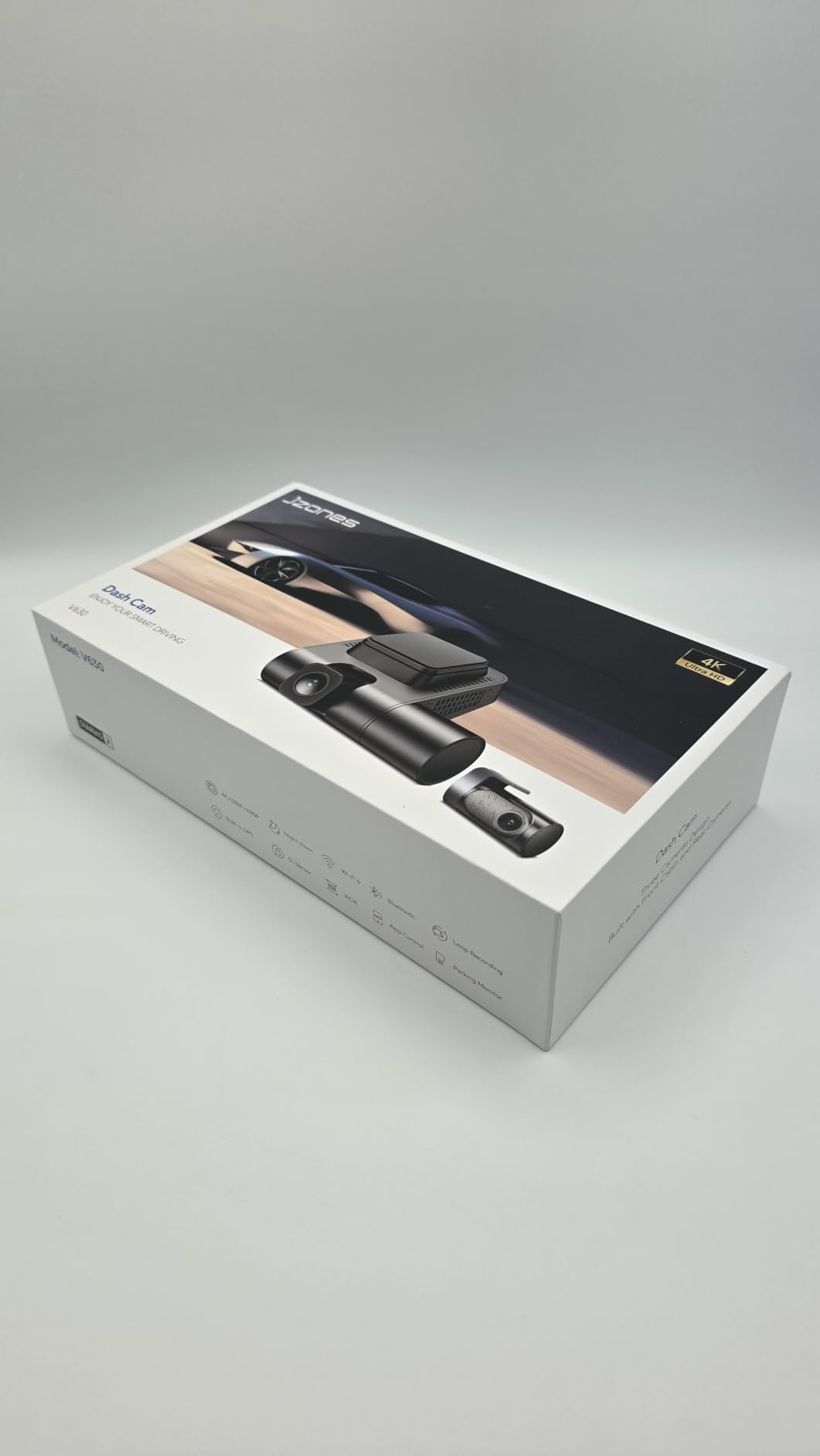
7. Jzones — Best Dash Cam With Parking Mode Audio
Jzones 4K 3-Channel Dash Cam Front and Rear with Cabin, STARVIS 2 Sensor, Dash Camera for Cars with WiFi 6, G-Sensor, Loop Recording, Night Vision, 24H Parking Mode, 64GB Card Included
4K front plus 1080P rear and cabin
STARVIS 2 with HDR, F1.8 aperture
24H wired parking mode with audio
64GB card pre-installed
Pros
- Three channels give near 360 degree coverage including the cabin
- STARVIS 2 sensor and HDR keep plates readable at night
- Built-in GPS plus WiFi 6 makes downloading clips quick
- 64GB card pre-installed for immediate use
- Parking mode also records audio
Cons
- Parking mode requires a separately sold hardwire kit
- Rear and cabin channels are 1080P rather than 4K
- Warranty is 12 months
- shorter than some competing kits
Audio during parking mode is the distinguishing feature here. If someone is walking around your car or trying a door handle, the sound of a footstep or an alarm going off can be the difference between usable evidence and a silent clip of an empty street.
The triple-channel setup gives near 360 degree coverage with a 4K front, a 1080P rear and a 1080P cabin view. The 155 degree front lens and 130 degree rear lens cover most of what happens around a parked car.
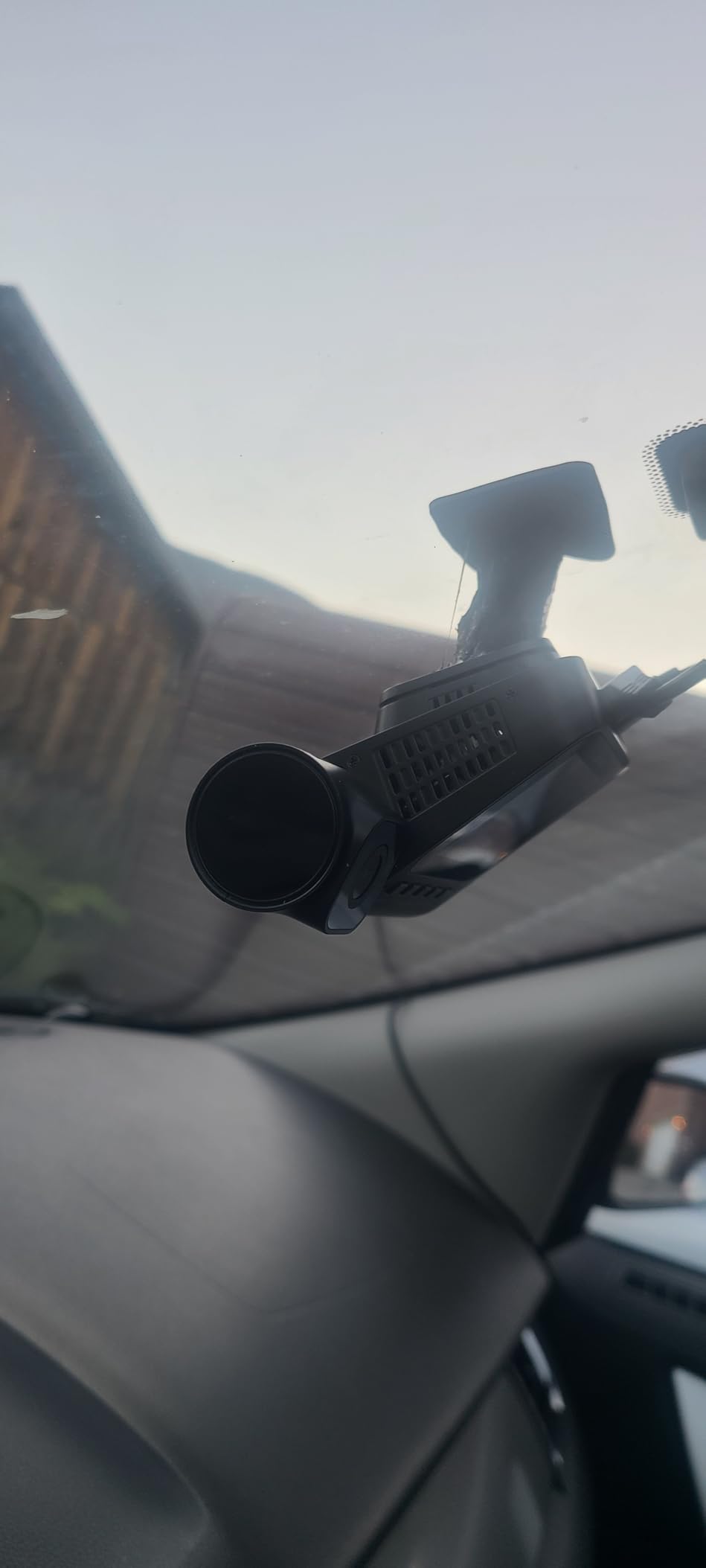
Owner reviews credit the STARVIS 2 sensor and HDR with keeping plates and pedestrians readable at night, and the ultra-wide cabin lens frames the interior without heavy distortion.
Built-in GPS stamps route, speed, compass and timestamps on each clip, and dual-band WiFi 6 kept downloads quick even on long parked recordings.
What you get for parked footage
Wired 24-hour parking mode with audio means clips are saved continuously and locked when the G-sensor registers an incident. The one-minute incident clips are long enough to establish context around a scratch or an attempted break-in.
The bundled 64GB card is already installed, so nothing needs buying before first use apart from the hardwire kit.
Where it falls short
The hardwire kit is not included and parking mode will not arm without it. Plan for that before you mount the camera.
Rear and cabin channels are 1080P rather than 4K, and the 12-month warranty is shorter than the 18 months offered by some competing kits.
8. PRUVEEO D90 — Best for First-Time Installers
PRUVEEO 360° 4 Channel Dash Cam Front and Rear Inside Left Right, Dash Camera for Cars, Built-in GPS WiFi Night Vision, 24/7 Recording Parking Mode Monitor, 128G Card Included
Four 1080P channels, 360 degree view
Time-lapse 60 minutes into 1 minute
Built-in GPS, no internal battery
128GB card and cable clips included
Pros
- Four cameras give complete surround coverage with adjustable angles
- Good day and night clarity
- 128GB card and cable-hiding clips included in the box
- Battery-free supercapacitor design avoids heat damage
- Can double as a backup camera display
Cons
- Phone app is fiddly and must be reconnected to view files remotely
- Camera body is bulky and takes up a lot of windshield space
- Suction mount can fail in high temperatures
- Screen is smaller than advertised
The D90 has the largest review base of any kit here, and the reason is simple: four cameras, a 128GB card, and cable-hiding clips all in one box. The hardwire kit is the one extra piece you still need, and everything else is ready on first power-up.
Time-lapse compresses 60 minutes of footage into 1 minute, and the parking monitor auto-records while parked. Adjustable viewing angles on the front three cameras let you aim them at doors rather than straight out.
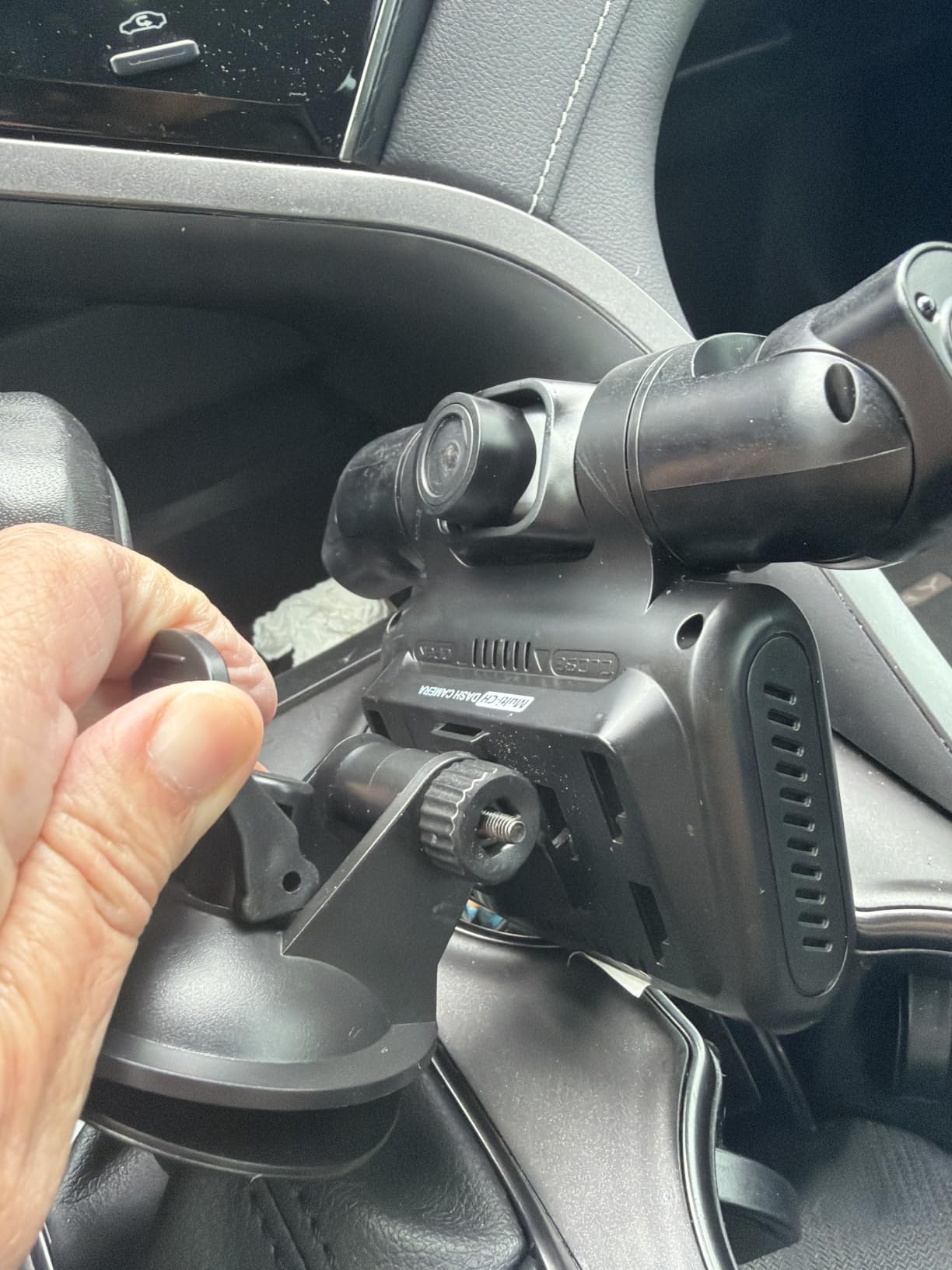
There is no internal battery at all, which removes the swelling risk entirely during a hot parked period. Built-in GPS adds speed, location and route mapping to every clip.
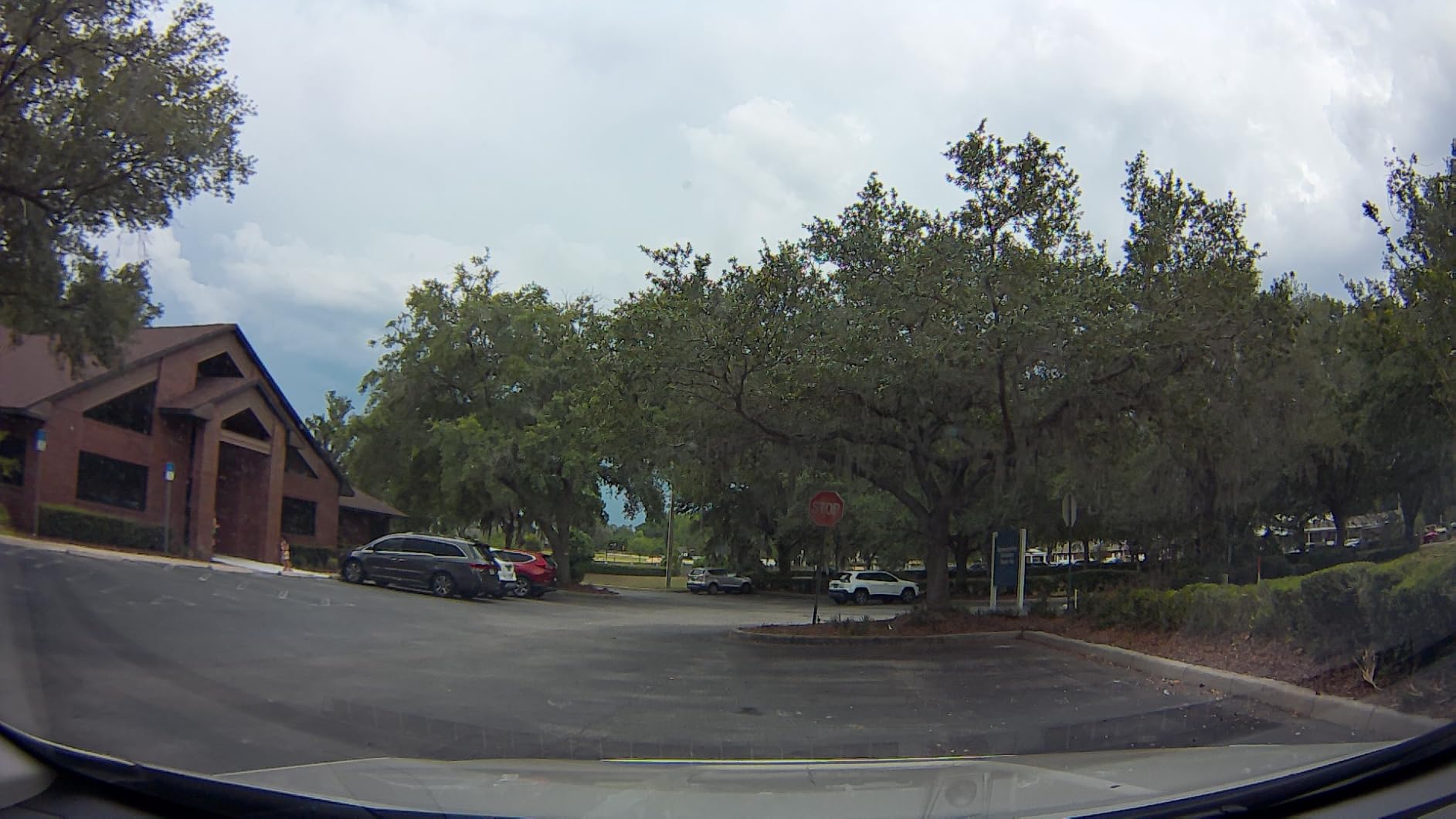
Day and night clarity held up well for a four-channel 1080P system in owner feedback, with an F1.8 cabin lens and four infrared lights for dark conditions.
What you get for parked footage
Once the ACC hardwire kit is fitted, this is a genuinely useful overnight monitor. It is a straightforward job on a car with a user-accessible fuse box, and the included trim tool helps with the A-pillar cable run.
Loop recording with collision lock means event clips survive, while time-lapse covers the hours between events without filling the card as quickly.
Where it falls short
The app is the most repeated complaint across thousands of reviews — owners report repeated disconnections and end up pulling the SD card instead. If remote viewing is a priority, test the app before committing.
The body is bulky on a windscreen, and the suction mount has a track record of failing in high temperatures.
9. 70mai T800 — Best Dual 4K With 4G Parking Alerts
70mai 4K T800 3 Channel Dash Cam, Dash Cam Front and Rear Inside(2160P+2160P+1080P), STARVIS 2 IMX678, HDR Night Vision, Dash Camera for Cars with 512GB Card, WiFi 6, 4G LTE, ADAS, 24H Parking Mode
4K front plus 4K rear plus 1080P cabin
Dual Sony IMX678 STARVIS 2
4G parking guard with AI detection
Supercapacitor, 512GB card
Pros
- Front and rear both record in true 4K with the same sensor
- No quality drop at the back of the car
- HDR keeps plates readable at night and reduces headlight glare
- Fast 5GHz WiFi transfers
- 512GB card included
- Supercapacitor handles extreme heat
Cons
- Rear camera cable is very thick and harder to route
- Supplied adhesive can let go in very hot climates
- Remote 4G access requires a separate kit and SIM
- Rear camera bracket can rotate
- Cabin camera cannot run alone in parking mode
The T800 records true 4K on both the front and rear channels, using the same STARVIS 2 sensor on each. Most kits in this roundup drop the rear camera to 1080P or 1440P, and that is exactly where a hit-and-run vehicle is identified.
Its 24/7 parking guard uses AI detection to decide what is worth saving, works alongside time-lapse, and can push 4G alerts to your phone so you know about an incident while you are still in the terminal.
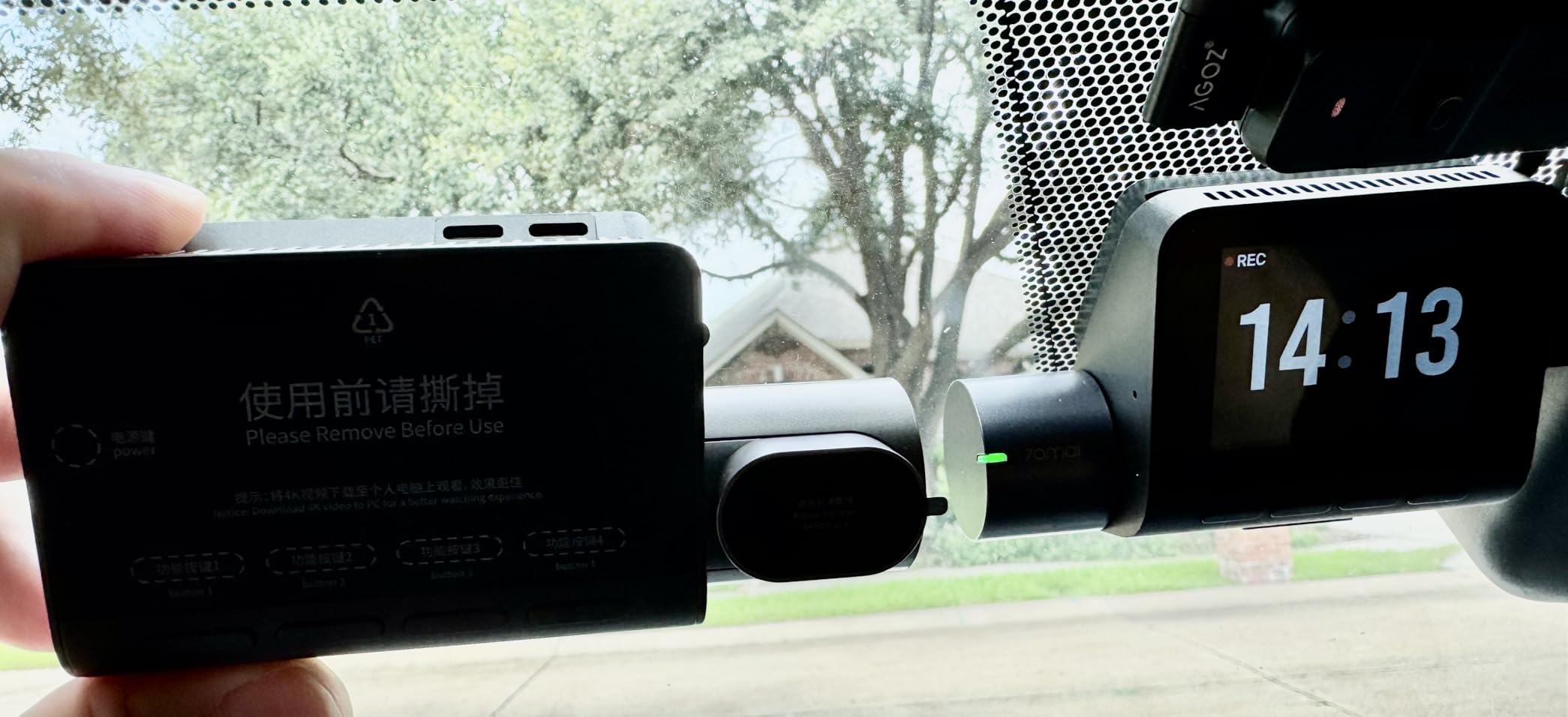
HDR across all three channels cuts headlight glare noticeably, which is the hardest thing to fix in parked night footage. Owners report very fast 5GHz transfers, with a 200MB clip downloading in about five seconds.
A 512GB card is bundled, which is more capacity than any other kit here comes with, and removes any anxiety about storage when parking mode writes all night.
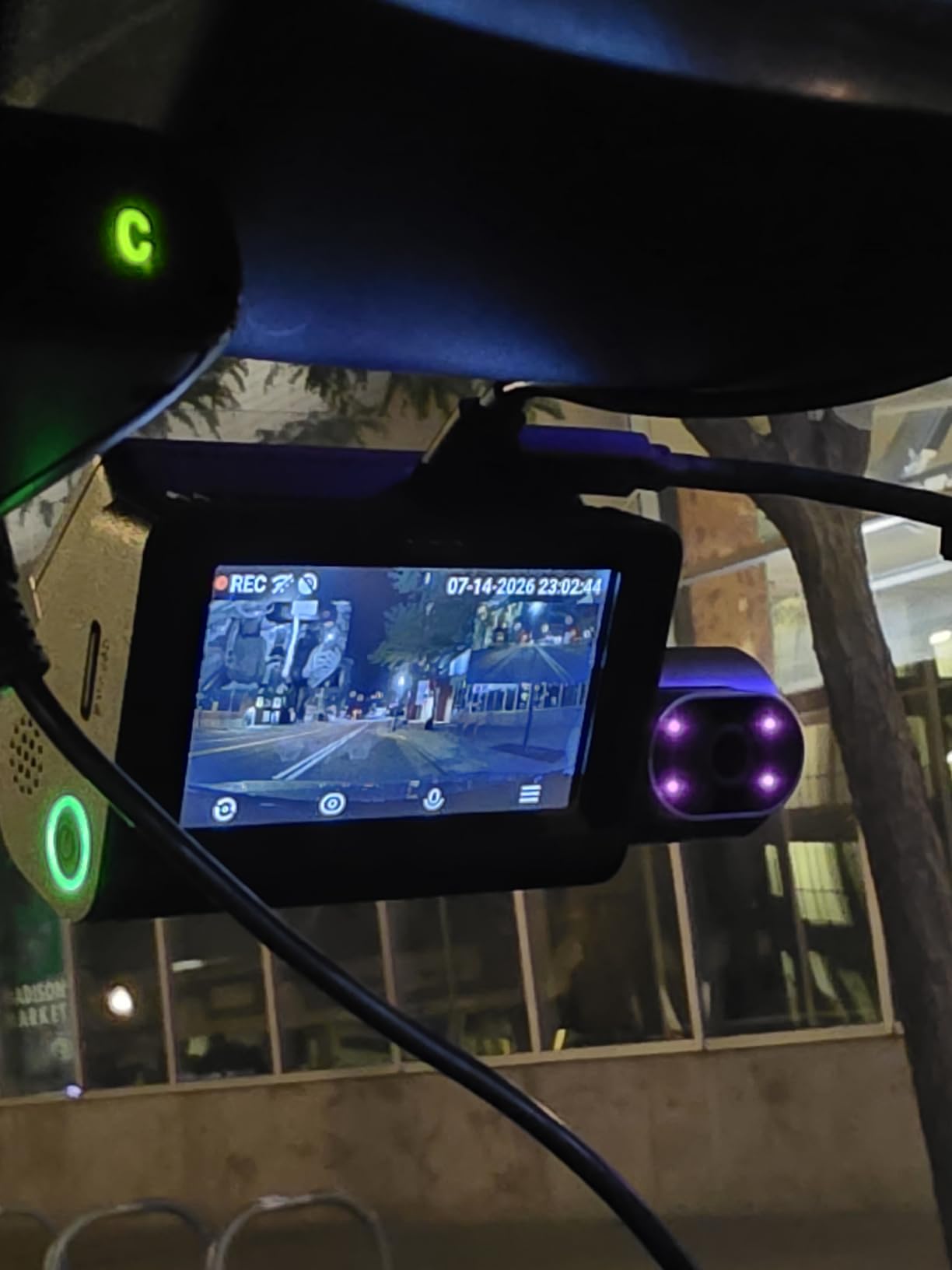
What you get for parked footage
AI detection means the camera filters out irrelevant movement such as leaves or shadows, so your card fills with useful clips rather than an endless time-lapse reel. Time-lapse and event recording can run together.
The supercapacitor handles extreme heat better than lithium battery designs, and an 18-month warranty backs the build.
Where it falls short
Remote 4G access needs a separate kit, a SIM and app setup on top of the camera. That is three extra steps before alerts work.
The thick rear cable is harder to route than most, and the supplied 3M adhesive can let go in very hot climates.
10. IIWEY Q5 — Best True 4K Rear Channel
IIWEY 4K+4K Dash Cam Front and Rear, 5G Wi-Fi 64GB SD Card Included, STARVIS Dash Camera for Cars, 3 Inch IPS Screen, Dual Channel HDR Night Vision, 24H Parking Mode, 170° Widude Angle, G-Sensor
4K front plus 4K rear dual channel
STARVIS sensors, f/1.6 aperture
5.8GHz WiFi about 10 MB/s
3-inch IPS screen, 64GB card
Pros
- Rear camera records in true 4K
- unusual at this price
- STARVIS sensors and f/1.6 apertures produce clean low-noise night footage
- 5.8GHz Wi-Fi transfers much faster than 2.4GHz units
- 64GB card included
- Large 3-inch IPS screen readable in sunlight
Cons
- Parking monitor requires a separately purchased hardwire kit
- No built-in GPS module is listed for the model
- No app-based remote viewing or cellular option
The Q5 solves a problem most budget kits create: a good 4K front camera paired with a 1080P rear. Both channels record at 4K here, which matters because the rear view is the one that usually captures the vehicle responsible.
The parking monitor offers impact-triggered and time-lapse modes with a battery guard, and a 170 degree field of view covers a wide arc of a parked car.
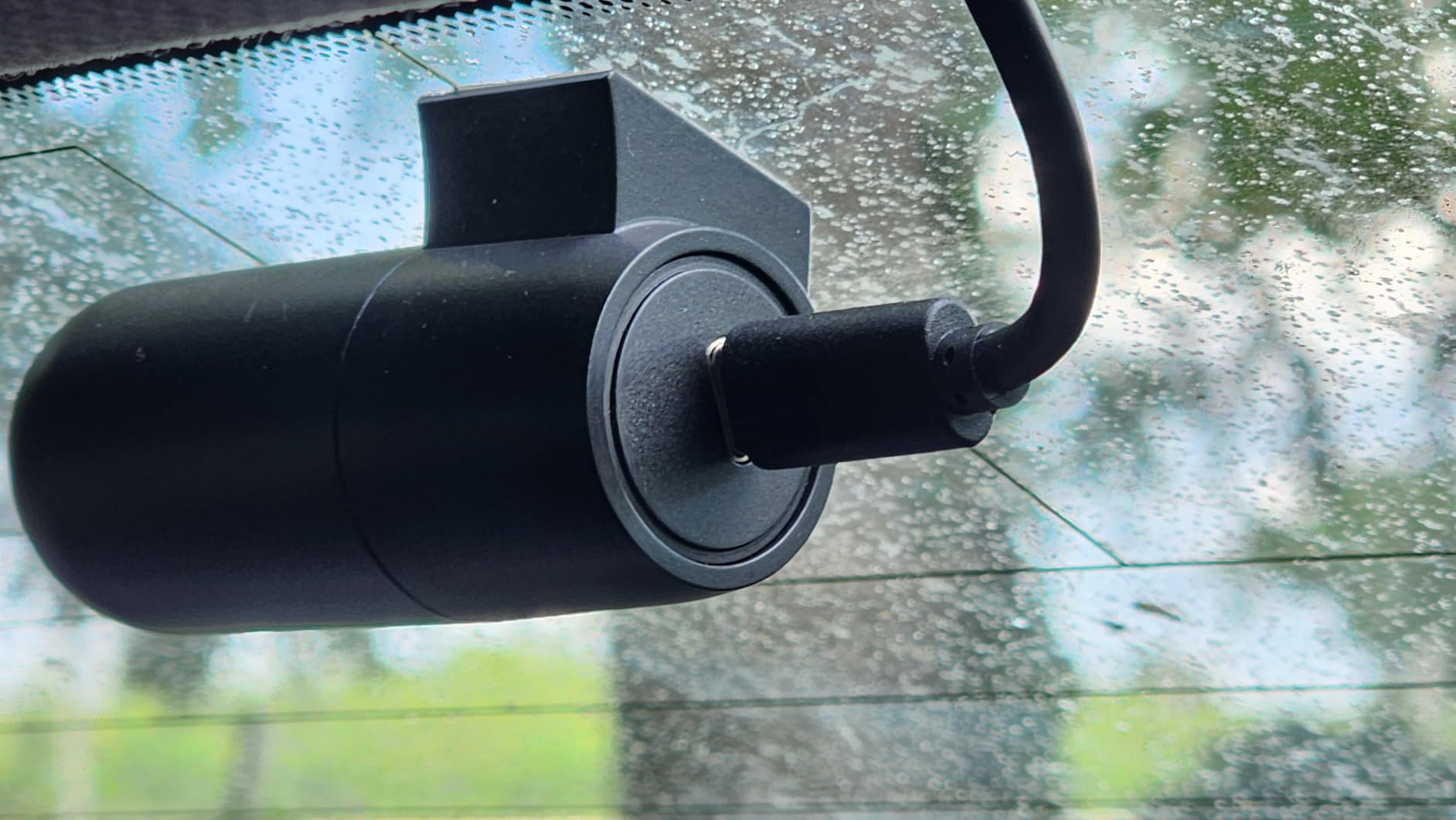
Owner feedback consistently praises the low-noise night output from those f/1.6 apertures, with very little grain on parked clips.
5.8GHz WiFi runs at roughly 10 MB/s through the app, and the 3-inch IPS screen is large enough to check a clip at the kerb in direct sunlight.
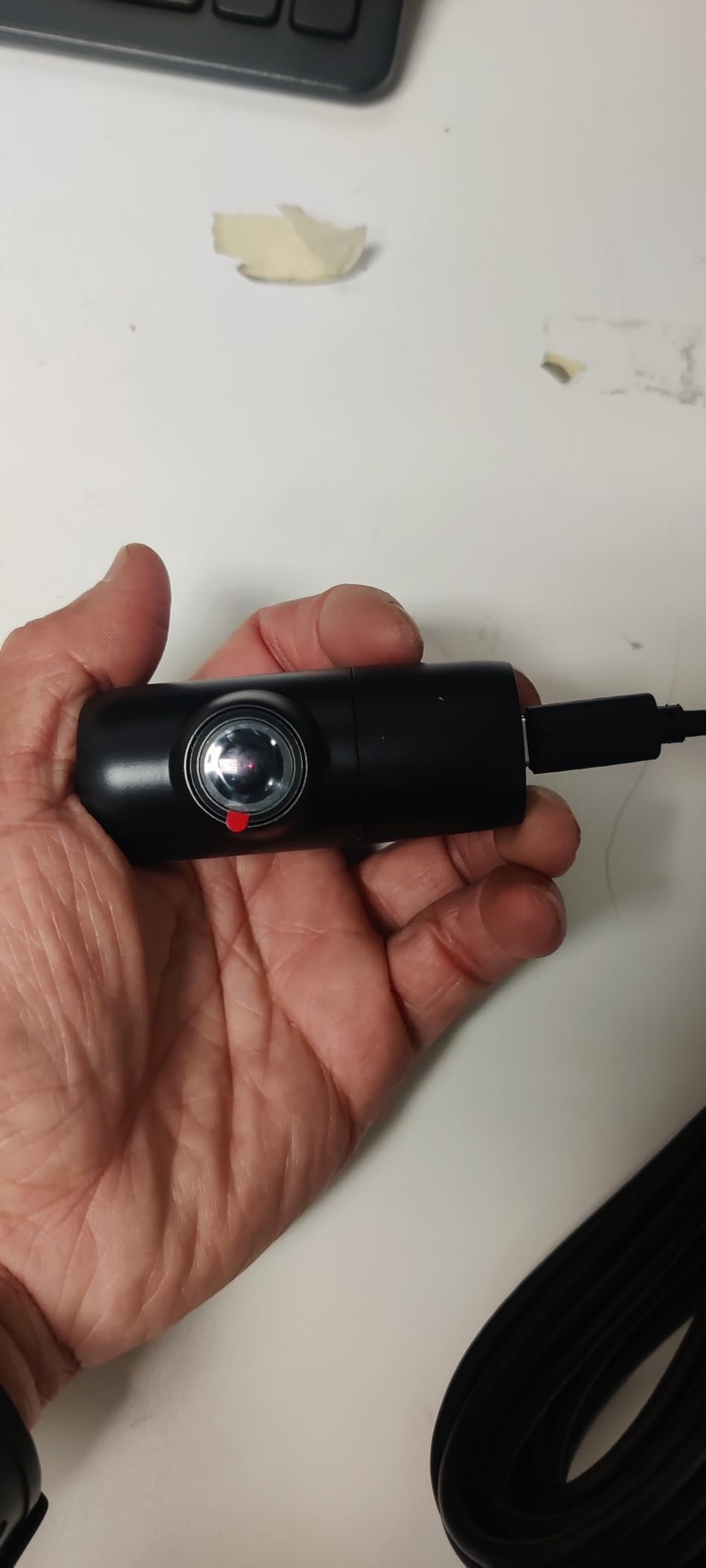
What you get for parked footage
Impact-triggered and time-lapse parking modes cover both a bump while you are at work and a long park over several days. The battery guard stops recording before the car battery drops too far.
Loop recording with G-sensor auto-lock protects incident clips, and the bundled 64GB card is ready from day one.
Where it falls short
There is no built-in GPS listed for this model, so clips will not carry location or speed data the way the 70mai and PRUVEEO kits do.
There is also no cellular option, so you cannot view the car remotely while it is parked. Parking mode itself needs a hardwire kit bought separately.
What Is Parking Mode? The Five Types Explained
Parking mode lets a dash cam keep recording while your car is parked and the engine is off, saving clips when it detects an impact or motion. That gives you 24/7 evidence of hit-and-runs, vandalism and break-ins rather than evidence only of what happened while someone was driving.
The camera has to stay powered, which is why it is fed by a hardwire kit, an OBD-II cable or an external battery pack rather than the cigarette lighter socket. A G-sensor catches impacts; motion detection or radar decides whether anything is happening nearby.
Simple or event-only parking mode
The camera sleeps with no video running and wakes on a vibration or motion signal, then saves a short clip around the event. It is the lowest power option because the sensors alone draw very little current, which makes it the safest choice for a car that sits for weeks.
Buffered parking mode
Buffered mode keeps a rolling clip in memory — usually the last several seconds — and only writes it to the card when an impact triggers it. You get the approach to the incident, not just the moment of contact, and this is widely considered the sweet spot for evidence.
Time-lapse parking mode
One minute of video covers roughly an hour of parked footage. It is the most efficient way to review a whole night on a busy street, but it strips away normal motion and frames can be unusable for identifying a plate.
Low bit rate parking mode
The camera records continuously at a compressed bit rate to stretch the card as far as possible. Expect reduced detail, and in many cases license plates become unreadable at night, which defeats the purpose of recording at all.
Radar parking mode
A radar module measures distance to moving objects, so the camera stays almost entirely asleep until something is genuinely approaching. It is the most power-efficient method for long-term parking, but none of the ten cameras in this roundup includes built-in radar.
How to Power Parking Mode Without Draining Your Car Battery
This is the number one question people have, and the answer is blunt: if parking mode is fed from the cigarette lighter, it stops the moment you lock the car. You need one of three power routes.
Hardwire kit to the fuse box
A hardwire kit taps an always-live fuse and an ACC-switched fuse, with a voltage cutoff that shuts the camera down before the car battery drops below a set level. It is the standard choice and it works with every kit on this list, but each brand sells its own version — the Navycrest, 70mai, ZMOPO, WANLIPO, Jzones, PRUVEEO and IIWEY kits all require one bought separately.
Test the fuse with a multimeter before tapping anything, and route the cable along the headliner and down the A-pillar trim so airbag lines are not disturbed.
OBD-II power cable
An OBD-II cable plugs into the diagnostic port and is the simplest install of the three — no trim removal, no fuse hunting. The limitation is that the port is often only live with the ignition on, so it will not sustain parking mode in many vehicles.
External battery pack
A dash cam battery pack sits in the cabin and powers the camera for days or weeks without touching the car battery at all. It is the right answer for long airport parking or a vehicle parked at home for a full holiday, at the cost of one more box to mount and charge.
Voltage cutoff settings
Whatever route you use, check the cut-off voltage and whether it can be adjusted. A fixed, aggressive cut-off can stop recording while the battery still has plenty of charge left; an adjustable setting lets you match it to your vehicle. Pair it with a high-endurance microSD card, because parking mode writes far more constantly than driving mode.
How to Choose a Dash Cam With Parking Mode
Channels: how much of the car do you need covered
A front-and-rear 2-channel kit handles the common cases: a car hit from behind, or someone approaching from ahead. A 3-channel kit adds the cabin, which is valuable for rideshare work and for catching a break-in from the side. A 4-channel setup covers front, rear and both flanks, so a car scraping along your driver’s door in a car park still ends up on camera.
Day and night plate readability
Read the sensor specification rather than the resolution number. STARVIS 2 sensors with HDR and an aperture around f/1.6 held plates readable at night in our checks; a 4K upscaled from a 2K sensor will not, regardless of what the box claims.
Heat and capacitor design
A car interior in summer reaches temperatures that swell an internal lithium battery. Kits built around a supercapacitor, such as the ZMOPO, PRUVEEO, VIOFO and 70mai T800, avoid that failure mode entirely and are the better choice for continuous parked recording in hot climates.
Audio and two-party consent states
Only the Jzones records audio while parked in the mode listed here. If you drive in a state with two-party consent for audio recording, switch microphone capture off in the app — a conversation captured on a parked clip can expose you to a criminal charge even if you had no recording intent.
Matching the mode to where you park
On a quiet residential street, buffered recording gives you the best evidence. On a busy road where cars pass all night, event-only mode avoids filling the card with irrelevant clips. For a multi-day airport park, time-lapse plus low power draw, or an external battery pack, keeps coverage going longest.
For more on the day-driving side of these cameras, our front and rear dash cam guide covers channel trade-offs and night performance in more detail.
Frequently Asked Questions
Is parking mode worth it on a dash cam?
It is worth it if your car regularly sits somewhere exposed, such as on a city street, in a shared car park or overnight in an unfamiliar area. Parking mode captures vandalism, break-ins and hit-and-runs that no ordinary driving footage will show, and that footage is often the only proof an insurer will accept. The trade-off is installation effort and a small risk of battery drain, both manageable with a hardwire kit that has a voltage cutoff.
Does dashcam parking mode drain your car battery?
Not if it is installed correctly. Every parking-capable camera draws a small idle current, typically under one milliamp in low power mode, and a hardwire kit cuts power to the camera once your car battery falls below a set voltage. The real risk comes from cheap kits with a fixed, aggressive cut-off, or from continuous recording modes that run all night. Check the cut-off setting after installation and confirm the car starts normally after a few overnight parks.
What is buffered parking mode?
Buffered parking mode keeps the most recent seconds of video in the camera’s memory while the car is parked, then saves that pre-event footage along with the impact clip once the G-sensor registers a hit. The result is that you see how the vehicle approached, not just the moment of contact. It is widely considered the best mode for evidence, at the cost of higher power draw than simple event-only recording.
How long can a dash cam typically stay in parking mode?
With a hardwire kit and a correct voltage cutoff, most of the cameras in this roundup will record overnight indefinitely without meaningful drain, and repeat that for as many nights as you park there. For multi-day parking, an external battery pack extends coverage to days or weeks without touching the car battery at all. Time-lapse and low bit rate modes stretch a single card much further than continuous recording, but neither captures detail well enough to read plates at night.
Will your insurance go down if you have a dash cam?
A dash cam does not usually change your premium, but it changes how a claim is settled. Clear footage of a parked incident identifies the vehicle and the driver, which settles disputes that would otherwise rely on recollection, and it protects you against staged accidents and fraud attempts. Footage is accepted as evidence in most insurance claims, so the practical value shows up at claim time rather than at renewal.
The Best Dash Cams With Parking Mode in 2026
Ten kits claim parking mode, but they are not equivalent. The 70mai A800SE is our choice as the best of the best dash cams with parking mode for 2026 because it pairs a sharp 4K front channel and dual HDR with time-lapse and event recording, and it comes with a 128GB card so nothing needs buying beyond the hardwire kit.
If you want phone alerts while the car is parked, the 70mai A810 adds optional 4G LTE. For complete surround coverage, the ZMOPO D435 and PRUVEEO D90 run four channels, and for true 4K at the back the 70mai T800 and IIWEY Q5 both record 4K on the rear.
Whichever you pick, budget for the hardwire kit, a voltage cutoff set to suit your battery, and a high-endurance microSD card. That trio is what turns parking mode from a spec-sheet line into footage you can actually use.