
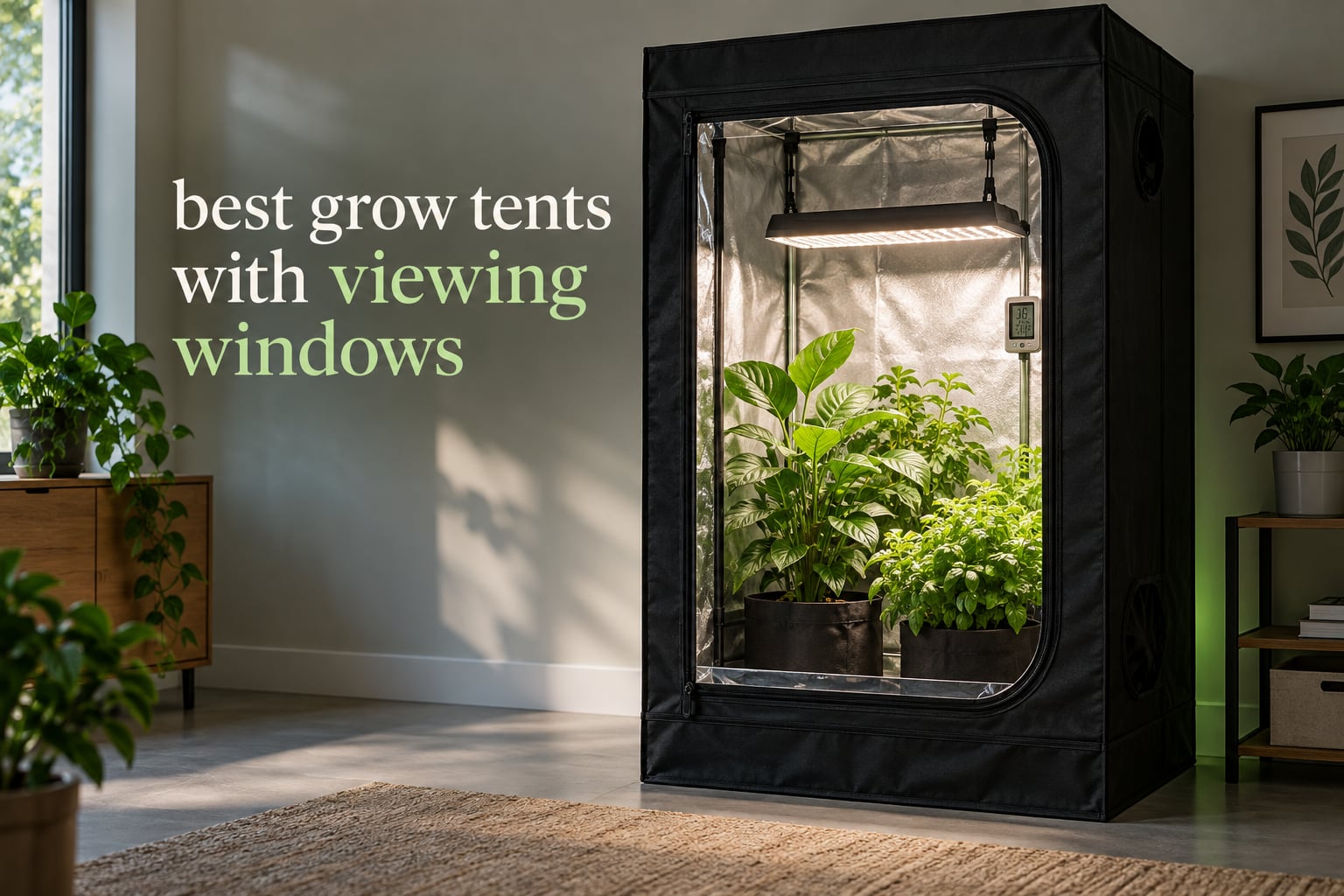
If you want the short answer: the MARS HYDRO 2.3×2.3 Advanced Grow Tent is the best grow tent with a viewing window overall, the MELONFARM 4×4 is the best value for a full-size grow, and the ATOUR 24x24x48 is the cheapest sensible option for seedlings and clones. All three have a real window you can see the canopy through, and all three have a flap or zip that closes down over it so the light seal holds.
That last part is the whole game. A grow tent is a light box, and a viewing window is a hole in that box. It only earns its place if it seals as well as the wall around it. Get that wrong and every photoperiod plant in the tent pays for it.
On r/Hydroponics, the request that pulled in the most replies was simple: “I want to get a grow tent that has reflective walls but a see through door.” Growers are not asking for a bigger tent. They are asking to see their plants without unzipping the door and letting the climate out. That is the problem this guide is built around.
We compared eight grow tents that ship with a viewing window or observation window, covering footprints from 2×2 up to 5×5. Rather than treating the window as one spec column among many, we scored every tent on a five-point window rubric, then weighed canvas denier, pole gauge, zipper type and port layout on top of that. Specs come from the manufacturer listings and from the pattern in buyer reviews, not from estimates.
What we could not verify: we did not run long-term light-leak monitoring on any of these tents, and we did not measure window panel area with a ruler. Where a spec is unlisted, we say so rather than guess. The rubric itself is the part you can apply to any tent, including ones not on this list.
Table of Contents
Top 3 Grow Tents With Viewing Windows in October 2026

MARS HYDRO 2.3×2.3 Advanced Grow Tent
- 1680D double-stitched canvas
- Double-layer viewing window
- Shade-cloth zipper flap
- Detachable floor tray

MELONFARM 4×4 Grow Tent
- Double transparent observation windows
- 600D diamond mylar canvas
- Top support bars for heavy lights
- True 16 sq ft floor

ATOUR 24x24x48 Grow Tent
- Observation window with easy-open zip
- 600D mylar interior
- Tool-free assembly
- Floor tray included
All 8 Picks at a Glance in October 2026
Here is the list, ordered by how much we would trust the window on each tent, not by price or brand name.
MARS HYDRO 2.3×2.3 Advanced Grow Tent – best overall, 1680D canvas with a double-layer window and a shade-cloth flap over the zipper seam.
ATOUR 24x24x48 Grow Tent – cheapest sensible seedling tent with a genuine observation window.
MELONFARM 4×4 Grow Tent – best value at full size, double transparent windows and a true 16 square foot footprint.
MELONFARM 4×2 Grow Tent – heaviest canvas in the set at 2100D, with double transparent viewing doors.
MELONFARM 5×5 Grow Tent – largest footprint here, double observation windows, room for multi-plant grows.
G HYDRO 4×4 1680D Oxford Grow Tent – strongest frame at 22mm steel, rated to 90 lbs of equipment.
SereneLife 3×3 Hydroponic Grow Tent – square footprint with SBS zippers, a pole shelf and a removable tray.
CastleGreens Multi-Storey Grow Tent – four adjustable shelves and the largest clear panel in the group.
| Product | Specifications | Action |
|---|---|---|
| MARS HYDRO 2.3×2.3 Advanced Grow Tent |
|
Check Latest Price |
| ATOUR 24x24x48 Grow Tent |
|
Check Latest Price |
| MELONFARM 4×4 Grow Tent |
|
Check Latest Price |
 MELONFARM 4×2 Grow Tent MELONFARM 4×2 Grow Tent |
|
Check Latest Price |
 MELONFARM 5×5 Grow Tent MELONFARM 5×5 Grow Tent |
|
Check Latest Price |
 G HYDRO 4×4 1680D Oxford Grow Tent G HYDRO 4×4 1680D Oxford Grow Tent |
|
Check Latest Price |
 SereneLife 3×3 Hydroponic Grow Tent SereneLife 3×3 Hydroponic Grow Tent |
|
Check Latest Price |
 CastleGreens Multi-Storey Grow Tent CastleGreens Multi-Storey Grow Tent |
|
Check Latest Price |
1. MARS HYDRO 2.3×2.3 Advanced Grow Tent – Best Overall With a Double-Layer Window
MARS HYDRO 2.3×2.3 Advanced Grow Tent, 27″x27″x63″ High Reflective Mylar 1680D for Hydroponics Indoor Plant Growing, with Observation Window,Floor Tray and Smooth Zipper for TS600/SP150/TS1000
1680D double-stitched canvas
27 inch x 27 inch x 63 inch
Double-layer viewing window
Metal frame with top support bars
Pros
- 1680D double-stitched canvas blocks light effectively
- Shade-cloth flap over zipper seams
- Heavy-duty metal poles with top support bars
- Double-layer viewing window and floor tray
Cons
- Compact 5.29 square foot footprint limits plant count
- Short 63 inch height suits smaller systems
- Not every size in the range includes a window
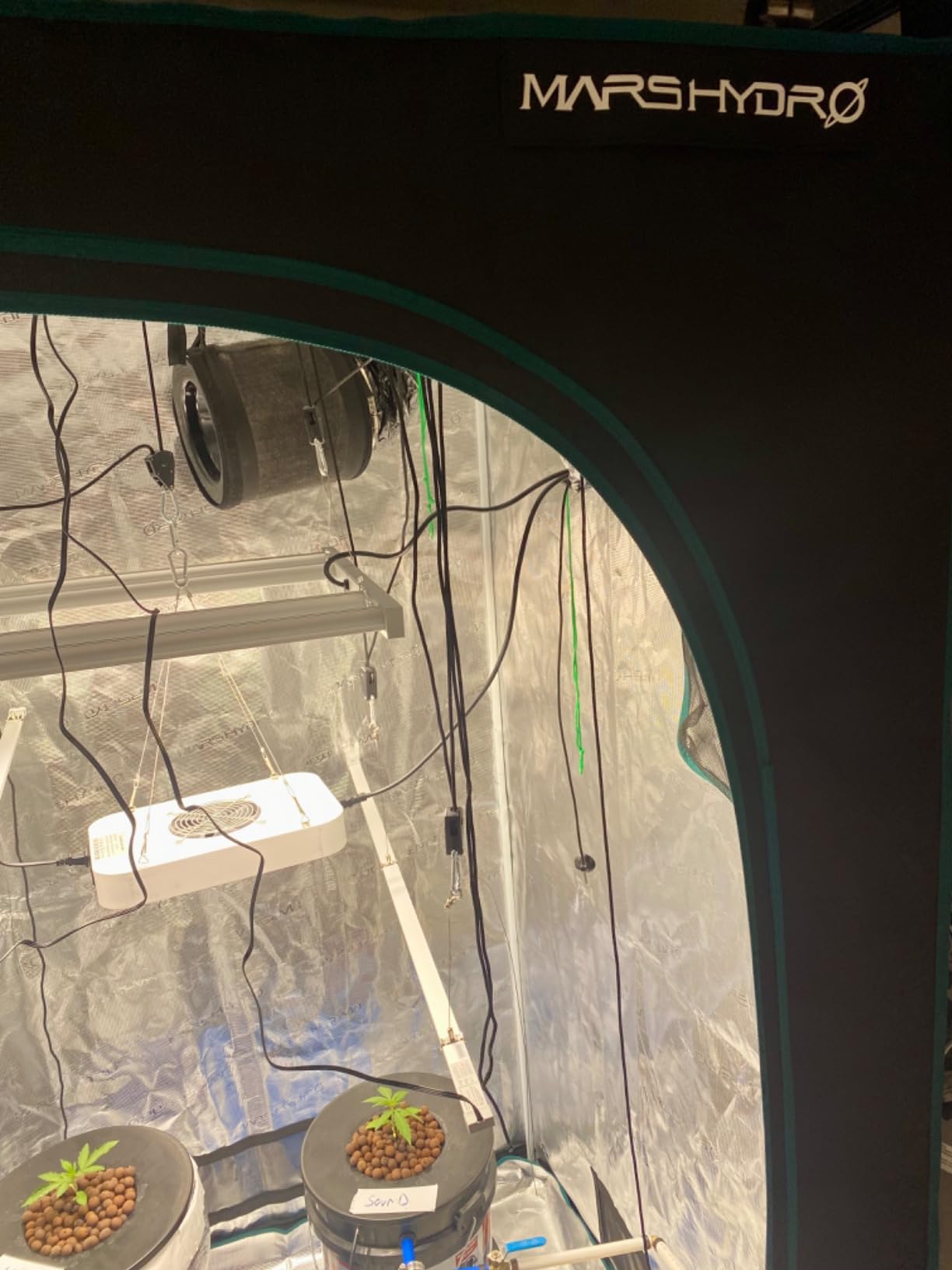
This is the tent we would put in a spare room first. The shell is 1680D double-stitched canvas with a dense diamond mylar lining, which is a heavy fabric for a tent this small, and that weight is exactly what keeps the window flap pressed flat against the frame when you close it.
The window itself is described as a double-layer viewing window, and the zipper seam underneath carries a shade-cloth flap specifically to prevent pinhole light leaks. That combination is the reason this tent leads our list. Most competitors in the sub-100 dollar bracket ship a bare clear panel zipped straight into the fabric, with nothing to stop light bleeding around the teeth.
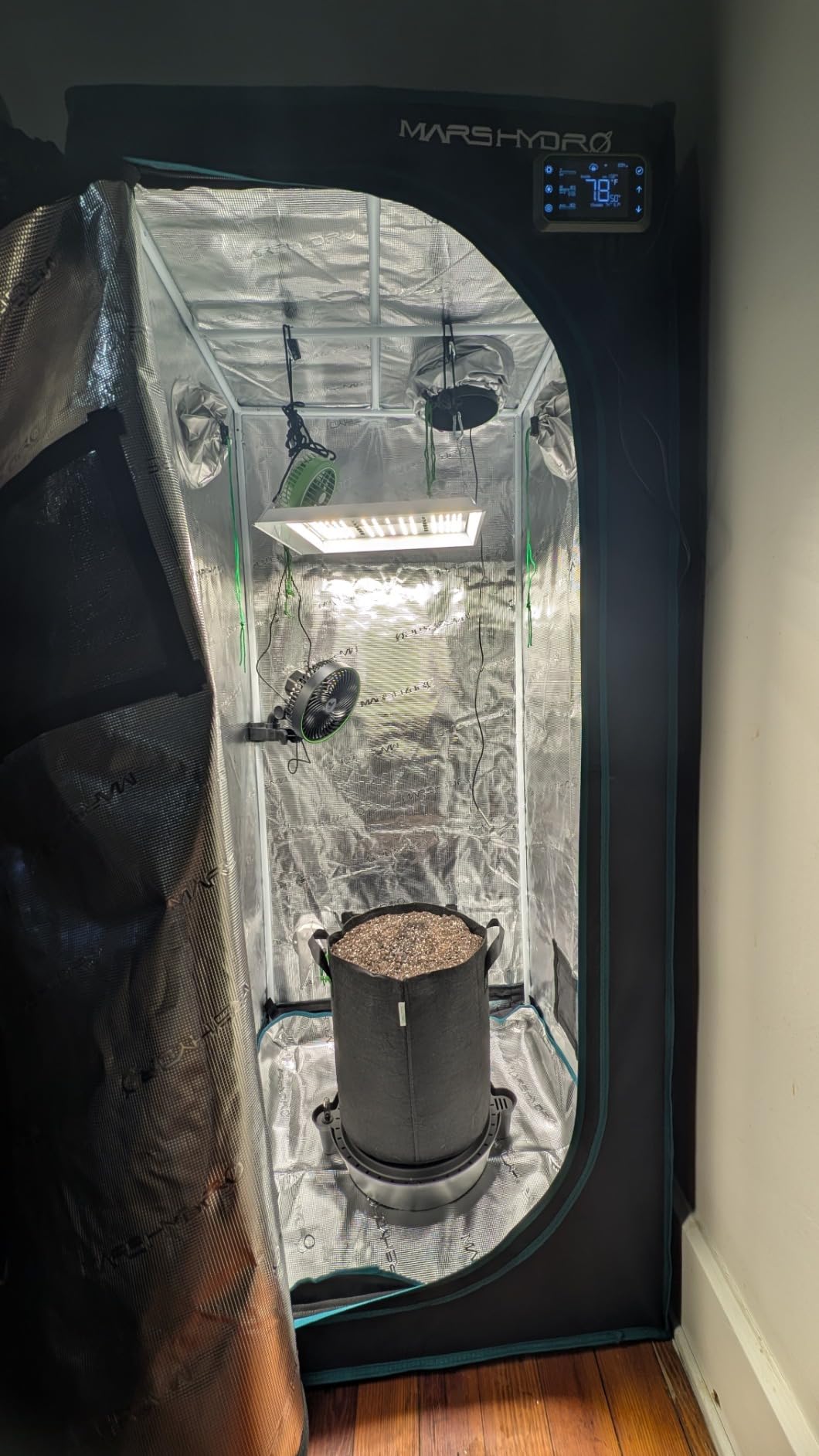
Buyer reviews back the light-tight claim. Owners consistently single out the shell’s ability to block light, the smooth dual zippers that resist jamming, and the pop-snap frame as easy to erect with no tools. The floor tray detaches for rinsing, which matters more than it sounds when you are watering six seedlings.
Two things temper the recommendation. The 27 inch by 27 inch footprint works out to about 5.29 square feet, which is a propagation and small-plant space rather than a full grow. And the 63 inch height is short enough that a taller light or a raised reservoir becomes a puzzle. Check your clearance before buying.
Who this tent suits
Clones, seedlings, mother plants and anyone running a small RDWC or DWC system. It is also a genuinely good propagation box, because the double-layer window lets you check germination twice a day without cracking the door and dropping the temperature inside.
It also works as a mother plant tent or a quarantine box for new purchases, which is a use case growers tend to underrate until they run one.
Where it falls short
The 63 inch height is the binding constraint. If you plan to train vertically or hang a light from a tall controller setup, you will be fighting the ceiling within a month. The 5.29 square foot floor also means plant count is fixed early and hard to change.
One caveat worth flagging: some listings note that not every size in this range includes the viewing window. Confirm the window on the exact variant you are buying rather than assuming it carries over.
2. ATOUR 24x24x48 Grow Tent – Best Budget Tent With a Working Observation Window
ATOUR 24”x24”x48” Grow Tent, Reflective 600D Mylar,Hydroponic Grow Tent with Observation Window and Floor Tray for Indoor Plant Growing 2’x2’
600D mylar reflective interior
24 inch x 24 inch x 48 inch
Observation window with easy-open zip
Tool-free assembly
Pros
- Cheapest tent here with a real window
- Reflective mylar interior blocks most outside light
- Simple observation window opens without disturbing the setup
- Tool-free assembly with sliding poles
- Generous vent holes at the base
Cons
- Velcro window flap loosens with frequent opening
- Light-duty zippers
- Thinner fabric than premium tents
The ATOUR 24x24x48 is the tent most people end up buying first, and for a specific reason: it has an observation window and it does not pretend the window is bigger than it is. At 2×2 with a 48 inch height it is a countertop and closet-scale tent, and the window is sized to that footprint rather than bolted on.
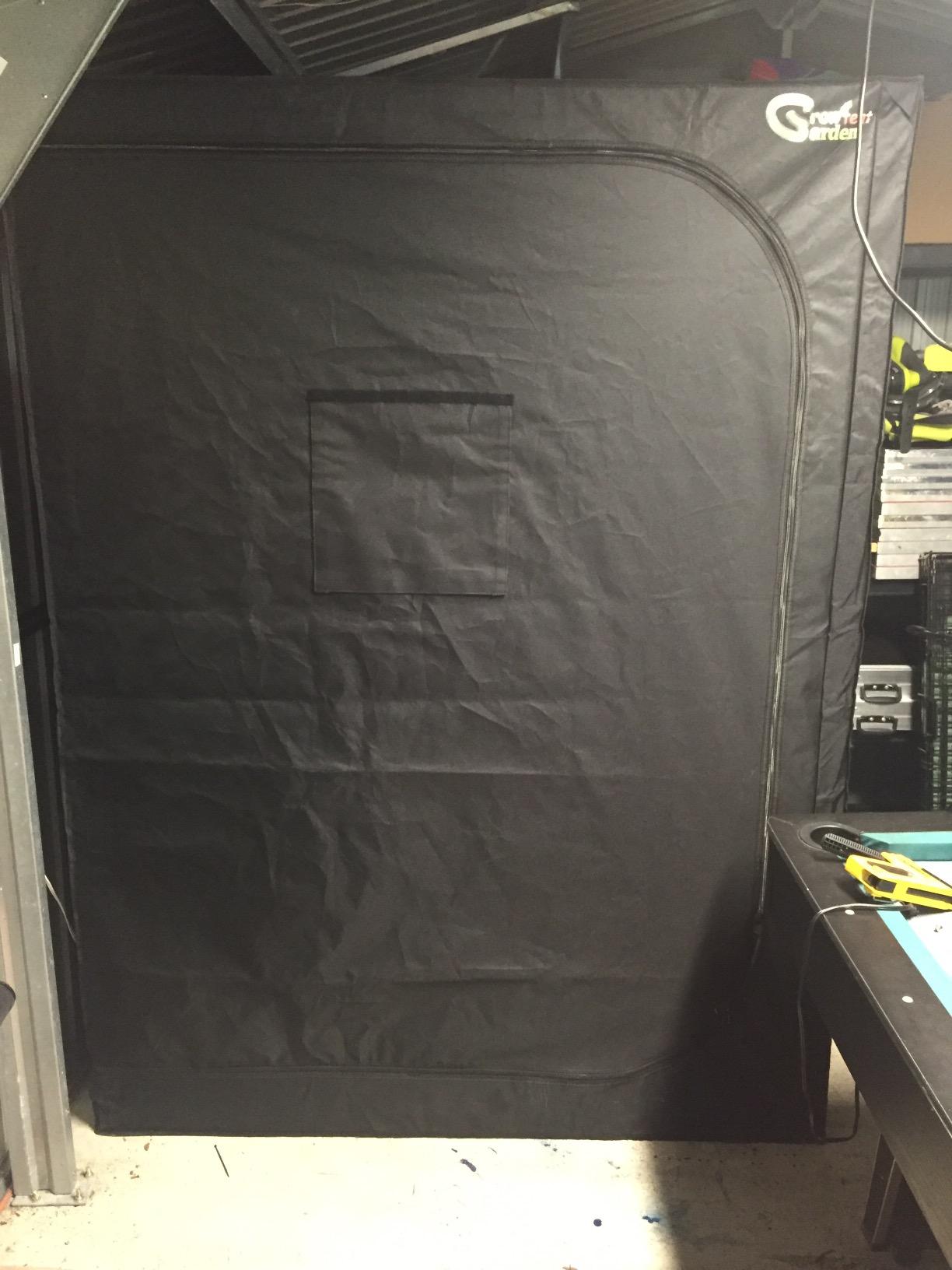
The interior is a reflective polyester film over 600D canvas, with reinforced metal rods and double-stitched seams. Buyers rate light sealing as good when the window flap is closed properly, which is the correct caveat to carry through this whole guide.
Other buyers use it for seedling propagation, cloning, drying herbs and even reptile or serpent enclosures, which tells you how versatile the box is. Tool-free assembly with poles that slide together means you can set it up and take it down in minutes, useful if you only have the closet on weekends.
Weight is listed at 3.8 kg, one of the lighter frames here, so it moves easily between rooms. Capacity is quoted at 16 cubic feet, which is a realistic working volume rather than a marketing figure.
Who this tent suits
First-time growers, anyone propagating seedlings or clones, and growers who want a drying or curing tent. The multiple vent openings at the base are genuinely useful for passive intake in a small space.
If your plants never get taller than about 18 inches and you want to see them without unzipping, this does the job at the lowest outlay on the list.
Where it falls short
The recurring complaint across reviews is the Velcro window flap loosening with frequent opening. If you plan to check plants many times a day, expect to press it back flat periodically, and treat it as a light leak risk during the dark period if it does not sit flat.
The zippers are basic and can feel finicky, the fabric is thinner than the premium tents here, and a few buyers report instructions that do not match the size purchased. The poles are also slightly misaligned on some units, so allow time for a second attempt at assembly.
3. MELONFARM 4×4 Grow Tent – Best Value at Full Size
MELONFARM 4×4 Grow Tent, 48″x48″x80” High Reflective 600D Diamond Mylar Canvas with Observation Window and Floor Tray for Hydroponic Indoor Plant Growing
600D diamond mylar canvas
48 inch x 48 inch x 80 inch
Double transparent observation windows
Tool-free with cross-member bars
Pros
- True 16 square foot footprint
- Double transparent observation windows
- Top support bars hold a heavy grow light
- Storage bag and floor tray included
Cons
- Poles thin for an 80 inch tall tent
- Some light around Velcroed viewing and vent ports
- No interior zipper to seal the inner door
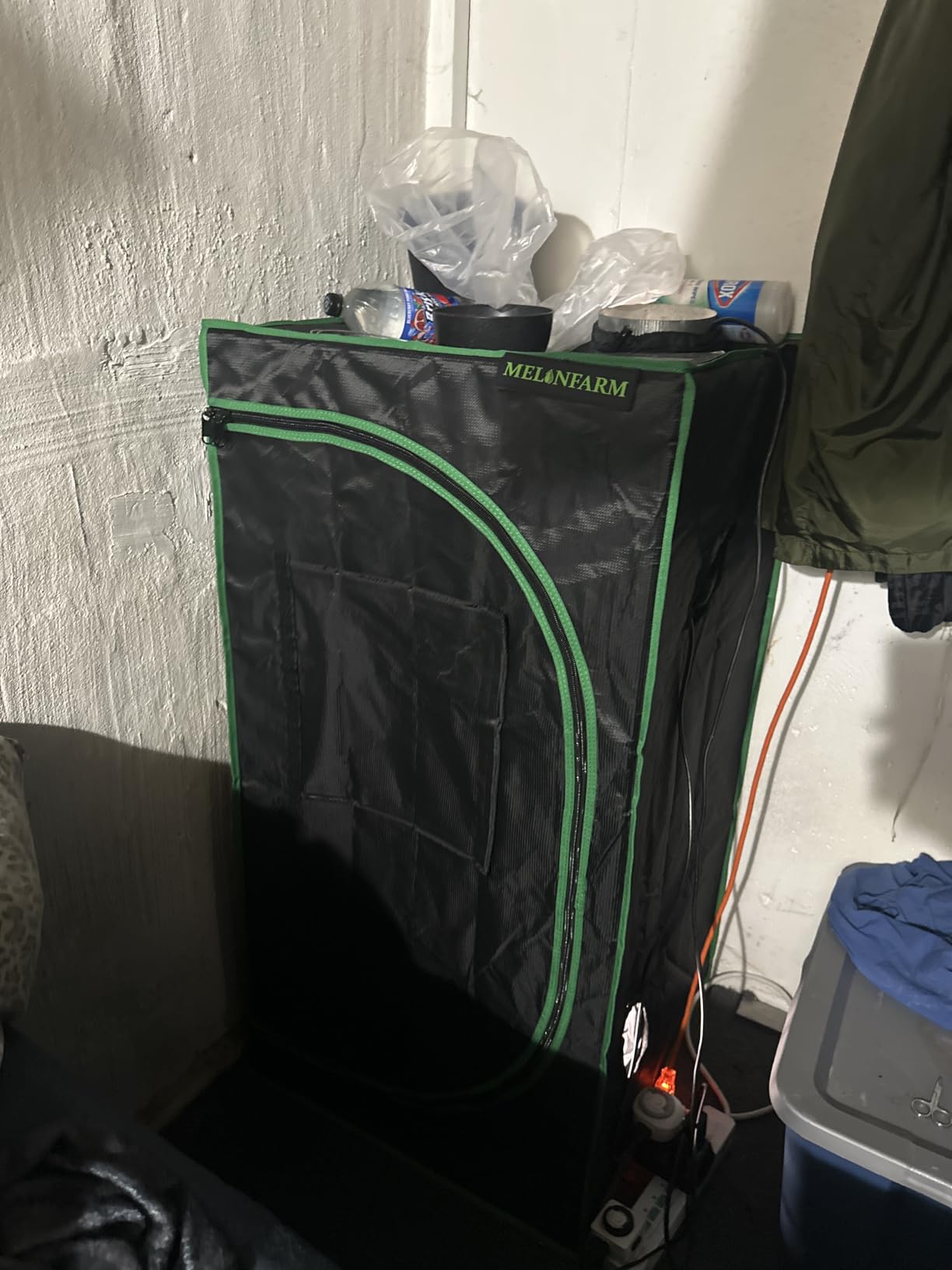
The 4×4 is the default first serious grow tent in this country, and the MELONFARM version gets two windows where most competitors give you one. Double transparent observation windows mean you can check the canopy from the front and from a side, which is what makes it practical in a room where the tent is not centred against a wall.
At 48 inch by 48 inch by 80 inch with a listed capacity of 2.94 cubic meters, you get a true 16 square foot floor. Buyers single out the thick, heavy-weight canvas that does not feel plastic, and the cross-member support bars that hold a heavy LED fixture without the frame flexing.
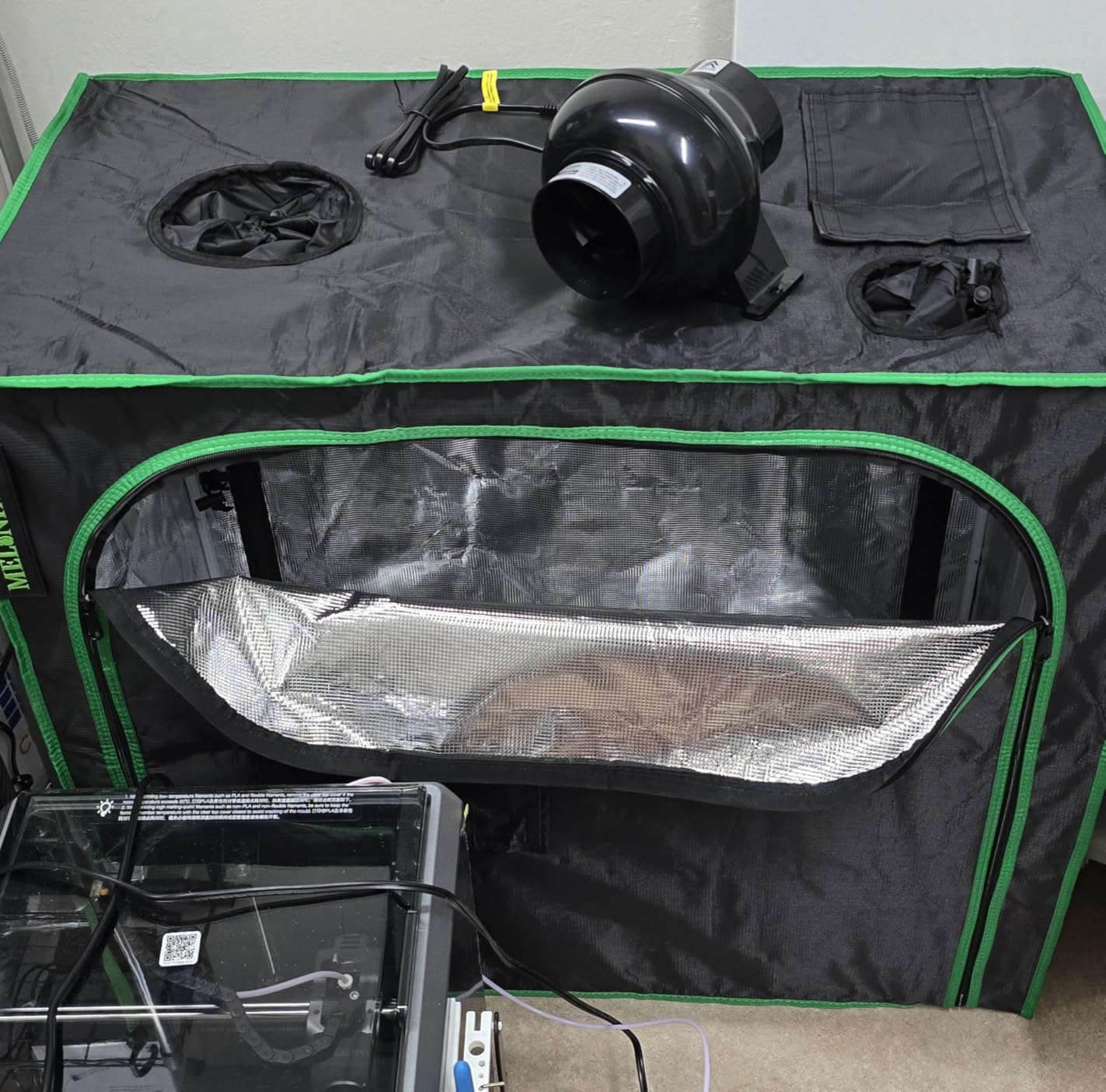
Owners use this tent for full grows, as a drying tent, and one reviewer uses it for filament printing, which is a decent stress test of both light sealing and structural rigidity. A storage bag and floor tray are included, which matters if you intend to move the tent between a closet and a garage.
The two windows are the reason this tent is on a list organised around windows. Most 4x4s at this tier give you a single panel on the front door, and you end up crouching under the light bar to angle yourself at it.
Who this tent suits
Growers moving past propagation into a real canopy, people running multiple plants and more than one light, and anyone who wants two viewing angles. The 80 inch height clears a standard hanging light with room to spare, which solves the window-height problem: you can look through the side window without ducking.
It is also a solid drying tent if your crop is short, since the double windows let you check colour and moisture without opening up.
Where it falls short
The most common criticism is the poles. Buyers describe them as relatively thin for an 80 inch tall tent, and pole flex is the single most repeated failure complaint across this whole category. If you are hanging a heavy fixture, budget for a support bar or a thicker pole upgrade.
Some light gets in around the Velcroed viewing and vent ports, which lines up with what growers on thcfarmer report about window and flap leaks. There is also no interior zipper to seal an inner door, a few buyers report missing poles in the box, and dimensions can measure slightly under the advertised size.
4. MELONFARM 4×2 Grow Tent – Best Canvas With Double Transparent Viewing Doors
MELONFARM 4×2 Grow Tent, 48″x24″x60″ Double Transparent Viewing Door Indoor Grow Tent, Growing Tent with High Reflective Mylar & Floor Tray, Plant Tent for Indoor Hydroponics Growing
2100D canvas with double stitching
48 inch x 24 inch by 60 inch
Double transparent viewing doors
Lightproof cable and duct ports
Pros
- 2100D canvas is the heaviest fabric in this group
- Double transparent viewing doors
- Drawstring cable ports cinch down to limit leaks
- Quick tool-free assembly
Cons
- Some sizes use flexible PVC poles and connectors
- Light leaks around seams and floor edge in smallest sizes
- Limited venting in compact sizes
On fabric weight alone this is the toughest shell in the group: 2100D canvas with double stitching and a 100% reflective 2100D diamond polyester lining. That is a serious fabric for a tent, and it is the reason this 4×2 holds light better than anything else at a comparable footprint.
The window story is strong too. Double transparent viewing doors let you monitor from the front and from the second door, and the lightproof cable and duct ports come with drawstrings that cinch down to limit leaks. Those drawstrings are a small detail that solves a real problem in compact tents.
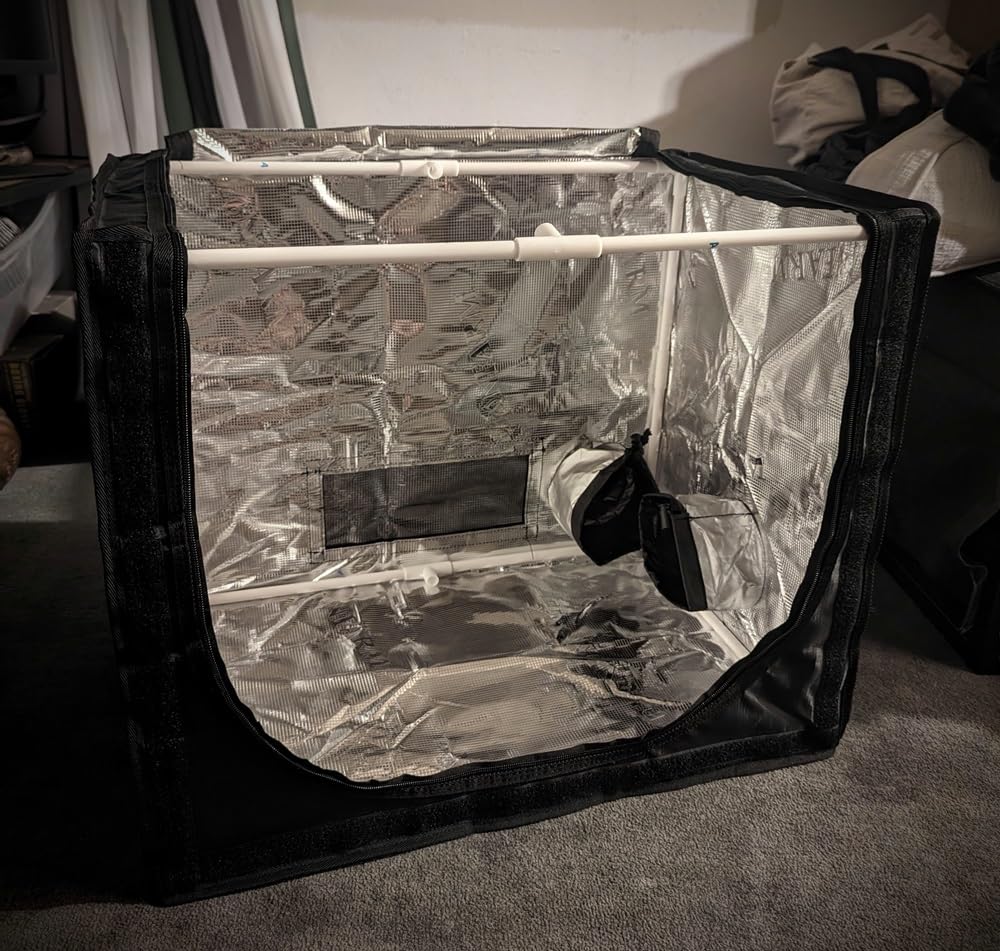
Buyers use the smaller sizes for countertop herb grows, seedling boxes and vivariums, where the 2100D fabric matters more than raw floor area. The removable floor tray and zipper door round out a package that is well above its price tier on materials.
At 48 inch by 24 inch by 60 inch, this is a long, low tent. That shape is genuinely useful against a wall or under a desk, and it keeps the canopy within sightline of the double viewing doors from a seated position.
Who this tent suits
Kitchen herb growers, countertop seedling boxes, and anyone who wants a light-tight, low-profile tent they can look into without standing up. The 2100D shell also makes sense for anyone growing in a room where stray light is a problem, because the fabric itself does more of the sealing work.
It doubles as a storage or drying tent, and the double doors make loading larger plants easier than a single-door design.
Where it falls short
Frame rigidity is the issue. Some sizes use PVC poles and connectors that flex under light load, and a flexing frame pulls the window flap away from the fabric, which defeats the point of a good window. Check the pole material on the exact variant before you buy.
Light leaks are reported around seams, zipper areas and the floor edge in the smallest sizes. Venting options are limited in compact formats, and one review reported a missing part plus a door that did not match the product images.
5. MELONFARM 5×5 Grow Tent – Best for Large Multi-Plant Grows
MELONFARM 57″x57″x80” Grow Tent, High Reflective 600D Diamond Mylar Canvas with Observation Window and Floor Tray for Hydroponic Indoor Plant Growing
600D diamond mylar canvas
60 inch x 60 inch by 80 inch
Double transparent observation windows
Floor tray and storage bag
Pros
- Largest footprint in the group
- Double transparent observation windows
- Reflective lining and floor tray included
- Sturdy metal frame with heavy-duty door
Cons
- Highest share of one-star reviews in the group
- Zipper and seam complaints over time
- Canvas and frame less robust than premium tents at this size
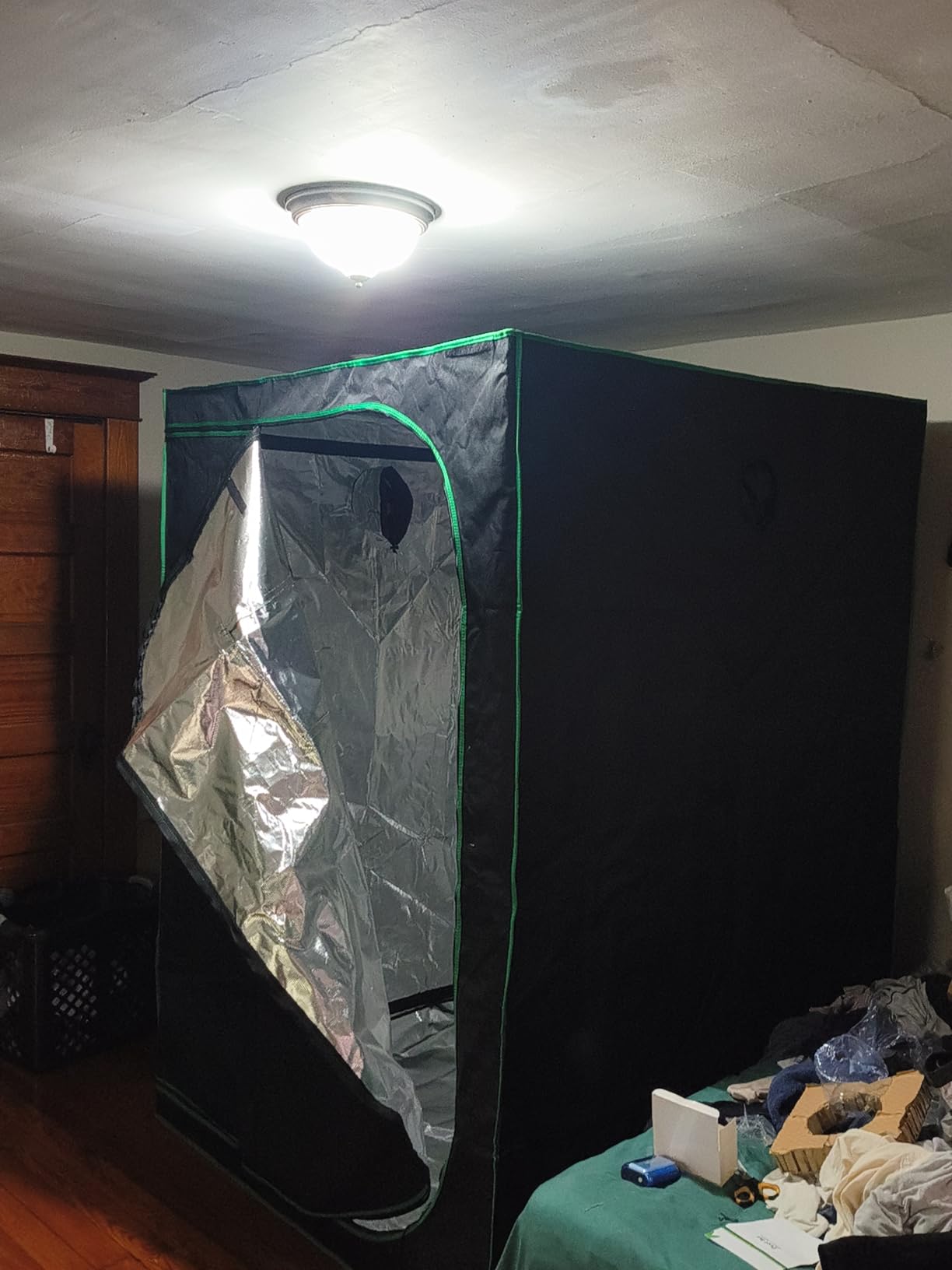
At 60 inch by 60 inch by 80 inch, this is the only genuine 5×5 in the group and the tent with the largest viewing panels. Owners who have the space value the floor area, the double transparent observation windows and the included tray, and many run multi-plant indoor grows or use it for drying.
The construction is 600D double-stitched canvas with a reflective waterproof polyester lining and an Oxford cloth outer, described as light-proof and tear-resistant. Capacity is listed at 2.31 cubic meters and weight at 14.76 kg, which tells you immediately that this is not a tent you will be moving alone.
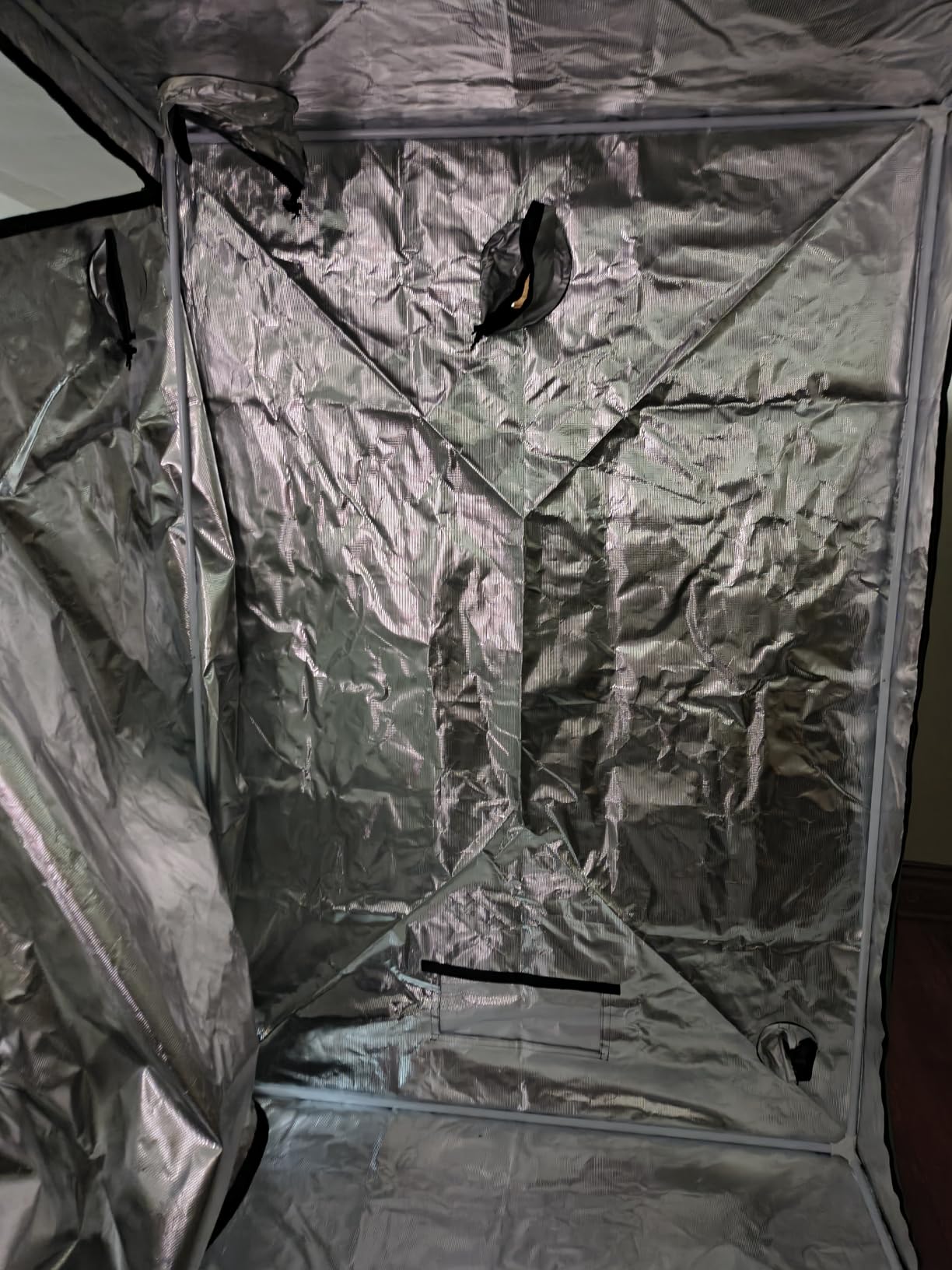
Double transparent observation windows are the standout here, because at 5×5 a single window on the front door is useless once the canopy is wide. Two windows mean you can walk the perimeter and check both corners without stepping inside and disturbing the light.
One listing quirk worth knowing: the title says 57 by 57 by 80 inches while the dimensions field says 60 by 60 by 80. Measure your space against the larger figure.
Who this tent suits
Growers with a garage, basement or dedicated room who want several plants under more than one light. The double windows make spot checks fast, and the reflective lining helps hold light and temperature in a larger volume.
It is also a good drying tent for larger harvests, where the two windows let you judge colour and dryness from outside.
Where it falls short
This tent carries the highest share of one-star reviews in the group, and the complaints cluster around zipper failure and stitching durability over time. That matters more here than in a small tent, because a failing zip on a 5×5 opens a much larger light gap.
The footprint is bulky and needs real space in a room, and the canvas and frame are less robust than what you would want at this size. If you are buying the biggest tent in the group, budget for a pole upgrade alongside it.
6. G HYDRO 4×4 1680D Oxford Grow Tent – Best Frame for Heavy Lights and Controllers
G HYDRO Grow Tent 4×4, 1680D Oxford Canvas 48″ x 48″ x 80″, Lightproof Reflective Mylar for Indoor Plant Growing
1680D Oxford canvas
48 inch x 48 inch by 80 inch
22mm steel poles rated to 90 lbs
Lightproof cable passthrough
Pros
- Heaviest fabric in the group at 1680D Oxford
- 22mm steel frame rated for 90 lbs
- Lightproof cable passthrough and controller mounting plate
- Sealed zippers and double-cinched duct ports
Cons
- Only one color and size variant listed
- Lower sales rank than the established tent brands
This is the tent for people whose failure mode is a sagging frame. The frame is 1.2mm thick 22mm steel poles with reinforced corners and hanging bars, and the listed weight capacity is 90 pounds, which is by far the highest number in this group and the only one stated at all.
The fabric is heavy-duty 1680D Oxford canvas with tear resistance and 100% light blocking. Sealed zippers and double-cinched duct ports are the detail that matters for a window-focused list: a duct port that cinches is a port that does not glow, and that keeps the tent dark with the window flap open.
Integrating a controller is straightforward here. There is a controller mounting plate and a lightproof cable passthrough, so you can hang the controller outside the tent without running a light leak through the fabric. The clear observation window is for monitoring without disturbing the climate.
The 4.5 rating sits high in the group. One honest note: the review text attached to this listing leans heavily toward a separate activated-carbon filter product, so tent-specific comment volume is thinner than the rating suggests.
Who this tent suits
Growers hanging a heavy LED array, running a tent with a lot of electrical equipment, or anyone who has already watched thinner poles bow under a fixture. The controller mounting plate alone justifies it for a tent with more than one circuit.
It is a good fit for a garage or outbuilding where the floor is uneven and the frame needs the rigidity.
Where it falls short
Only one color and size variant is listed, so there is no range to move to if the 4×4 does not fit your space. The brand is also newer and carries a lower sales rank than the established names in this comparison, which is worth factoring in if you plan to buy replacement parts.
There are no customer images attached to this listing after multiple render attempts, so you are buying from specs and review scores rather than from owner photos. Judge the window size for yourself against the 4×4 competitors on this list, since the listing does not publish a window dimension.
7. SereneLife 3×3 Hydroponic Grow Tent – Best Square Footprint With SBS Zippers
SereneLife Medium Hydroponic Grow Tent Garden – 36” x 36” x 72” Indoor Plant Growing System w/ Durable Reflective 600D Mylar, Observation Window – Includes Removable Floor Tray, Pole Shelf
600D canvas with mylar lining
36 inch x 36 inch by 72 inch
SBS lightproof zippers
Pole shelf and removable tray
Pros
- Observation window plus adjustable vent doors
- All-steel reinforced frame with tear-proof canvas
- Mesh inner tool bag
- Shelf and water-resistant pole tray included
Cons
- Light leaks and pinholes where zipper runs meet
- Door seam stitching can weaken over time
- Zippers can snag on first use
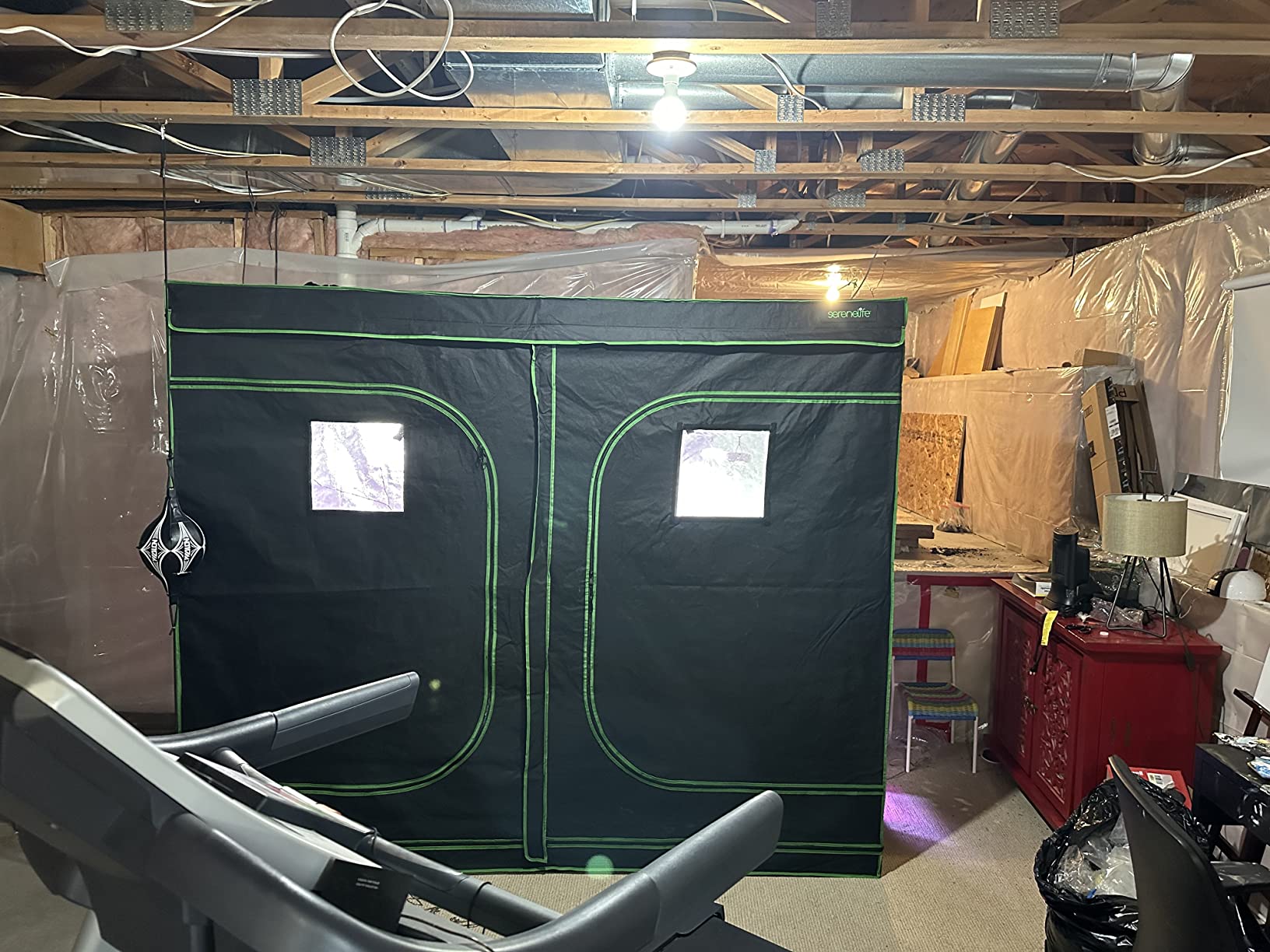
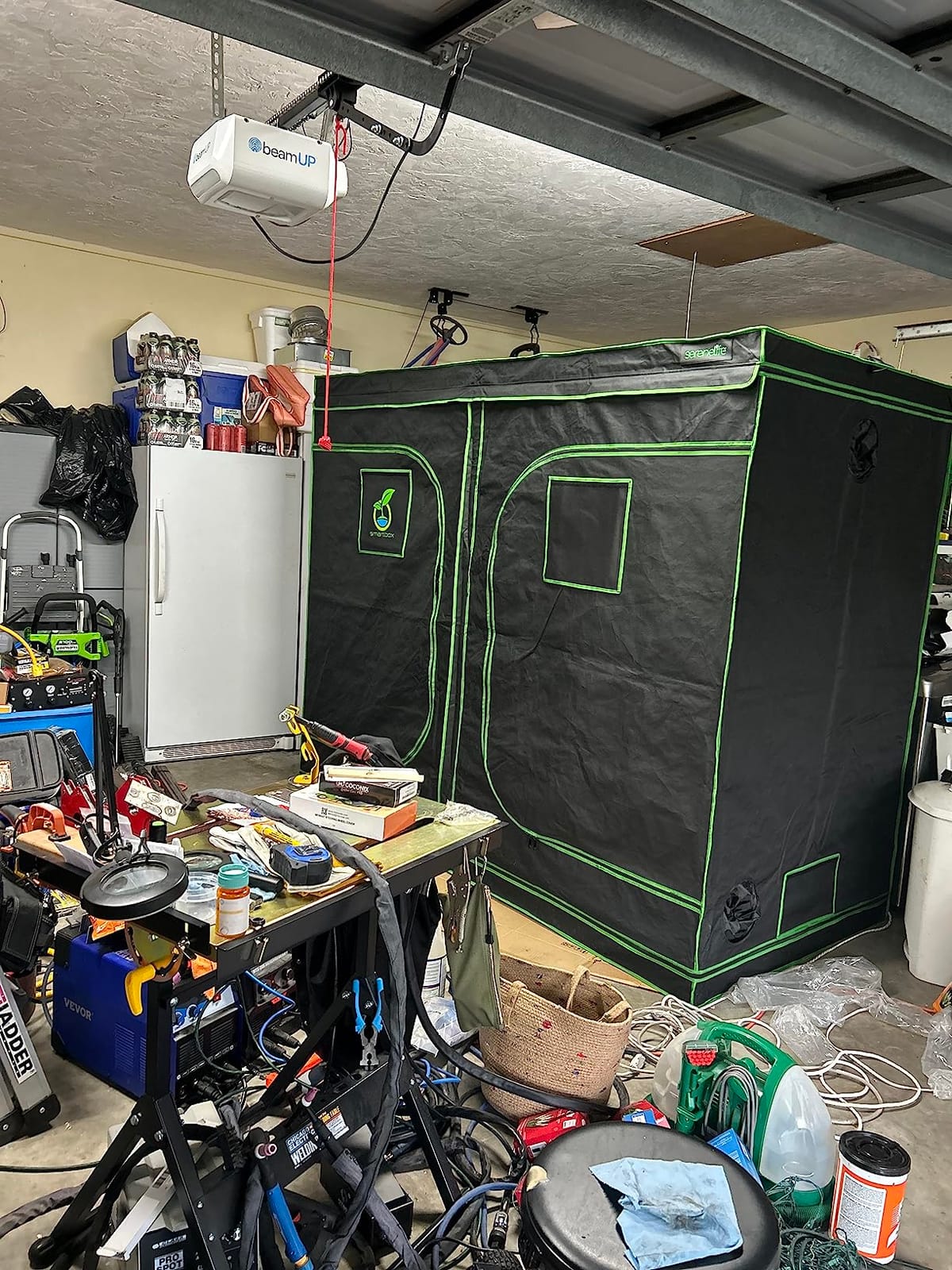
The 3×3 solves a problem the rectangular tents here cannot: a square footprint. At 36 inch by 36 inch by 72 inch, it fits a corner of a room or a closet with clearance on every side, and the square shape means an even light footprint from a single centre fixture.
The reflective mylar lining comes with SBS lightproof zippers, which are a genuine step up from coil zippers in this category and are the reason this tent seals better than its 600D canvas suggests. Adjustable vent doors and an accessible observation window handle light and monitoring in one feature.
The extras are unusually good for the money. A mesh tool bag is sewn into the tent wall, and a pole shelf plus a removable water-resistant pole tray are included. Buyers mention many access ports, which is useful for RDWC and ventilation setups where a run of pipe needs somewhere to go.
Weight is listed at 19 pounds with an alloy steel frame. Buyers recommend two people for assembly, which is a fair warning at this size.
Who this tent suits
Growers working with RDWC or DWC systems who need a compact chamber with real pipe access. The square shape also makes it a strong propagation tent with a shelf, and the removable tray makes cleanup of a reservoir setup straightforward.
It is a good fit for a closet or a room corner where a 2×4 would be too long to position well against the wall.
Where it falls short
Light leaks and pinholes are reported around the zippers, especially where the zipper runs meet. That is exactly the failure mode that undoes a viewing window, so check the window flap sits flat before you commit to photoperiod plants.
Stitching on the door seam can weaken over time, zippers can snag on first use, and with only 73 reviews the sample size is small enough that you should treat the rating as indicative rather than settled. Two people for assembly is the plan.
8. CastleGreens Multi-Storey Grow Tent – Best for Shelved Seedling Starting
CastleGreens 48″x24″x72″ Multi-Storey Grow Tent, Extra-Large Observation windows, Heavy-Duty 600D Mylar Plant Tent, Waterproof Growing Tents, Fit in Indoor Planting, Hydroponics, 4-Layers of seedlings
600D oxford with reflective mylar
48 inch x 24 inch by 72 inch
Extra-large transparent windows
Four adjustable mesh shelves
Pros
- Only tent here with four adjustable shelves
- Extra-large transparent windows for observation and photos
- Thick mylar and 600D fabric
- Multiple sealed duct and ventilation ports
Cons
- Shelves do not lock to the side bars
- Frame and shelf poles can arrive bent
- Main zipper failed within a year for some owners
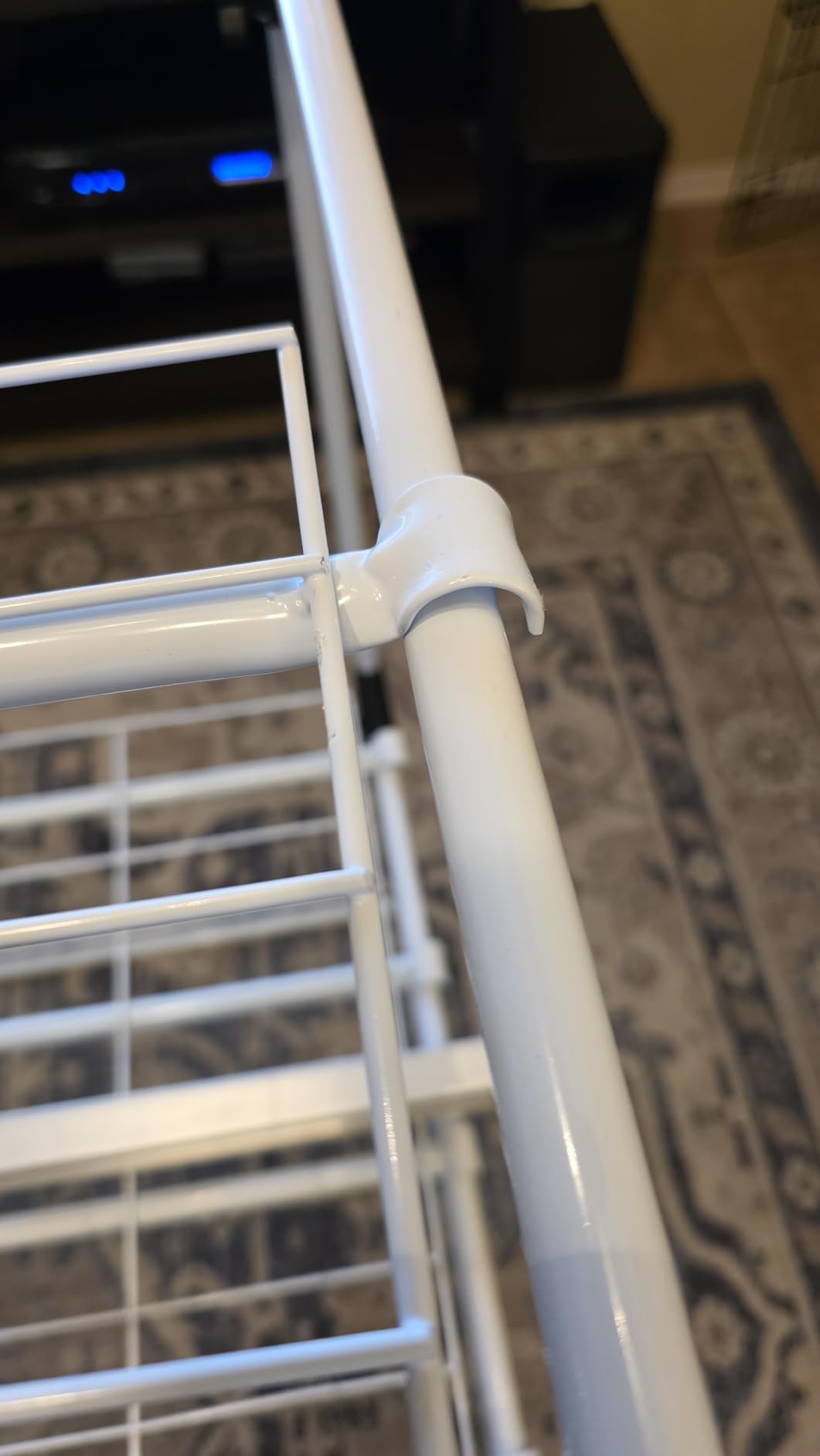
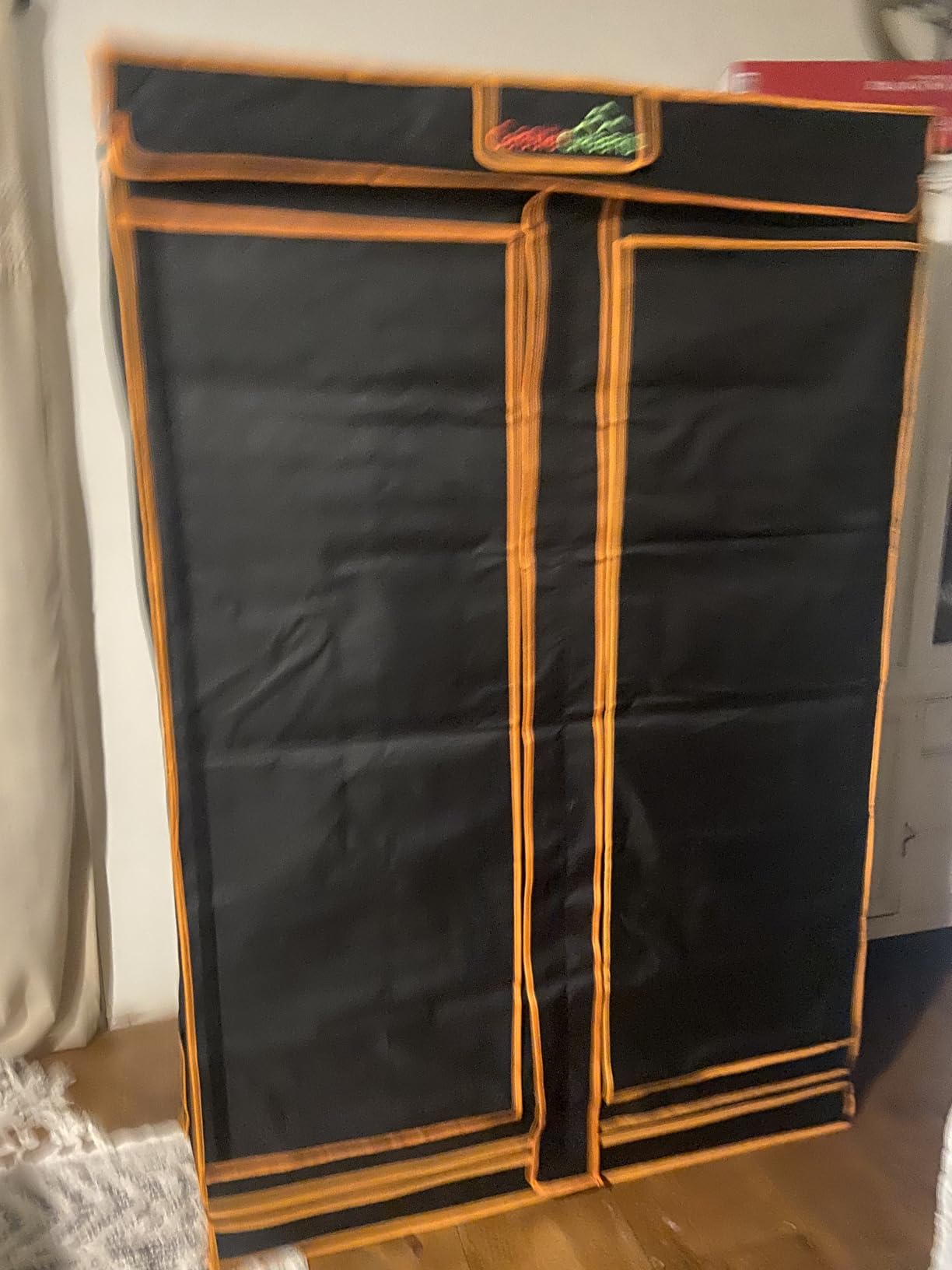
This is the only tent in the group built around staging rather than a single canopy level. Six iron mesh shelf panels create four layers of seedling space inside a 48 inch by 24 inch by 72 inch footprint, so a single tent handles four propagation rounds at once instead of one.
The window is the other reason to buy it. The listing describes extra-large transparent windows and a transparent sealed window on the front door surface, and buyers specifically call out the large clear panels for observation and photography. If you document your grows, that matters more than most specs on this list.
Construction is 95-98% reflective mylar lining inside 600D oxford fabric with a durable high-tensile mylar coating. Multiple top and bottom vent and duct ports come with Velcro flaps, and the whole thing assembles tool-free and disassembles for relocation, which is what makes a four-layer tent practical in a small room.
Buyers use it for seed starting, mycology work and reptile habitats, and the shelf layout is consistently described as the reason to buy it.
Who this tent suits
Anyone running a serious seed starting operation, a mycology setup, or a multi-layer propagation schedule. Four levels of adjustable shelving in a 2×4 footprint beats four separate trays on a windowsill or a rack.
It is also the pick here for anyone who photographs their plants, since the extra-large transparent panels give you a clear, straight-on view of more than one shelf at a time.
Where it falls short
The shelves do not lock to the side bars and can shift, which is annoying but manageable if you load the lower levels first. More seriously, frame and shelf poles can arrive bent, so inspect the box before you build it and return anything that is out of true.
One long-term owner reported the main zipper failing after about a year, and this tent also carries the highest price in the group. Judge the shelf durability against how long you plan to keep it before committing.
How We Rate a Grow Tent Viewing Window?
Every listing above says “viewing window” in some form. Very few tell you whether the window is actually worth having. This is the five-point rubric we applied to all eight tents.
1. Panel area relative to the door
A window should be a meaningful fraction of the door it sits in. A small panel high on a large door is decoration. The CastleGreens multi-storey tent has the largest clear panels in this group. The ATOUR has a window that is honestly proportioned to a 2×2 door, which is why it works.
2. Window height and position
A window near the top of a short tent shows you canopy tops and nothing else. A window at chest height on an 80 inch tent shows you the whole plant while standing. This is the single most underrated factor, and it is the reason the MARS HYDRO’s 63 inch height limits it regardless of how good the panel is.
3. Flap or full zip coverage
A zip alone leaves a seam for light to find. A zip covered by a flap, like the shade-cloth flap on the MARS HYDRO, closes that gap. Velcro flaps are the weak point across the category, which growers on thcfarmer describe directly: the viewing windows and passive flaps have light leaks around the velcro.
4. Screen or mesh over the panel
A screen in the window turns it into a security camera feed. Mesh-vented windows are common in tents where the panel also serves as an intake. If you want to look at your plants, pay for a clear panel with nothing behind it.
5. Light seal under load
Does the flap press flat when the frame is under weight from a hanging light? Thin poles bow, bowed frames gap, and gapped windows leak. This is where a 22mm steel frame beats an 18mm one even when the fabric is identical.
Full Clear Side Panels vs. Small Viewing Windows
The most common request in grower communities has nothing to do with window size. It is about wall material. As one Facebook growers group put it: “Any recommendations on tents that have a full clear side like this? Most of the ones I find just have a small viewing window.”
A full clear side wall and a viewing window solve different problems. A window gives you a targeted look at one spot on one plant. A clear side wall gives you the entire canopy at once, which is what you want when you are checking uniformity, spotting a wilt pattern across a row, or filming a progress video.
None of the eight tents in this comparison ship with a full clear side wall. Every one of them is a fully enclosed reflective box with a window cut into it. That is a category-wide decision, and it is driven by light containment: a full clear wall leaks far more light than a small panel, which costs you yield in flowering.
What you can do instead is stack windows. The double transparent observation windows on the MELONFARM 4×4, 4×2 and 5×5 are the closest thing here to multi-angle observation, and the extra-large panels on the CastleGreens tent come closest in sheer viewing area. If full clear sides matter to you, budget for a tent built that way specifically, and accept the light trade-off.
Windows and the Dark Cycle: Keeping the Light Seal
Do grow tent viewing windows let light in? Only as much as their closure lets in. A clear panel set into a lightproof wall is lightproof when the zip and flap around it close completely, and that is a mechanical property, not a material property. The vinyl blocks light. The zipper teeth, the stitching and the Velcro do not.
The practical rule: close the viewing window flap during the dark period. Growers on thcfarmer report light leaks around the velcro on both windows and passive flaps, and that is the most common way a good tent gets compromised. If you check plants during the light period, you are fine. If you want to peek at midnight, the flap has to go back down before the lights come up.
Here is the torch test, and it takes five minutes before you put plants inside. Set up the tent in its final position with the door and window closed. Turn off all lights, close the room curtains, and let your eyes adjust for a minute. Then run a bright flashlight around the inside of the door seam, along the window flap edge, around each duct port and along the floor edge.
Any pinprick of light that shows the flashlight beam escaping is a leak. Fix it with black electrical tape or a strip of Mylar tape on the fabric side, and re-test. Do the same check again after a month, because frame flex under a hanging light opens seams that were tight on day one.
Keep in mind that ventilation ports and windows interact. An open passive flap on an intake port is a designed leak, and experienced growers on thcfarmer question the large screened wall vents built into many tents for exactly that reason. Run your intake flaps closed when you need the tent dark, and open them when you need fresh air.
How to Choose a Grow Tent With a Window Worth Having?
Match the footprint to your plant count
A 2×2 gives you about 5.3 square feet, enough for propagation trays or four small plants. A 2×4 gives you 8 square feet and is the most flexible single-light size. A 3×3 gives 9 square feet in a square shape that suits a corner. A 4×4 gives 16 square feet and comfortably runs two lights or a dozen medium plants. A 5×5 gives 25 square feet and is a multi-plant room.
The window question interacts with size. Small tents are all window, because the whole front wall is close to your face. Large tents need two windows or a window you can reach, otherwise you are walking around the outside of the box to find the one angle that works.
Read canvas denier as a light-seal spec
Denier is thread thickness. 600D canvas is the entry tier and perfectly serviceable for a seedling or clone tent. 1680D is a heavy fabric that holds its shape and presses window flaps flat, which is why the MARS HYDRO and the G HYDRO both use it. 2100D is the heaviest fabric here and gives the MELONFARM 4×2 the tightest shell in the group.
Thicker fabric is not automatically better. It is heavier, harder to fold, and more expensive, and a 600D tent with sealed zippers will out-seal a 1680D tent with cheap zippers. Judge the fabric and the closure together.
Check pole gauge before anything else
Thin poles are the most common failure point in this category and the complaint that appears across reviews of nearly every tent here. An 18mm pole is fine for a 2×2. For a 4×4 or 5×5 carrying a heavy LED, look for thicker poles, reinforced corners, and cross-member support bars. The G HYDRO 4×4 is the one tent in this comparison with a published frame rating, at 90 pounds on 22mm steel.
Treat zippers as a light-tightness spec
SBS zippers, like the ones on the SereneLife 3×3, are smoother and seal better than coil zippers. Double-stitched seams beat single stitching. And a zipper that runs where two fabric panels meet is the most likely leak point in the whole tent, so seal that junction during your torch test.
Match ventilation ports to your grow
You need at least one duct port at the top and one at the bottom, ideally with drawstrings or cinch cords. A 4×4 will need more airflow than a 2×2, and a tent with limited venting will run hot in a warm room. Growers debate whether exhaust must leave the room entirely; on r/microgrowery the consensus is that venting into the same room works fine as long as you can control room temperature and humidity.
Also plan for floor tray, cable passthrough ports and somewhere to hang the controller. The G HYDRO’s controller mounting plate and the SereneLife’s pole shelf are the small touches that make a tent easier to run daily.
Watch the window against the light bar
Check window height against your hanging light. If the window is below the fixture, you will be crouching and angling your head to look through it every single time. If it is above the canopy, you see tops and never the leaves where pests actually show up. A window between roughly knee and chest height on an 80 inch tent is the sweet spot.
Frequently Asked Questions
Who makes the best quality grow tent?
Quality lines up with frame and closure hardware more than brand name. AC Infinity sits at the top tier, with Gorilla and Secret Jardin behind it, and Spider Farmer is widely regarded as the best value. In this comparison the MARS HYDRO 2.3×2.3 stands out on 1680D double-stitched canvas with a shade-cloth flap over the zipper seam, while the G HYDRO 4×4 has the only published frame rating at 90 pounds on 22mm steel poles.
What is the best way to ventilate a grow tent?
Run air in low and out high. Fit an intake at the bottom of the tent and an extraction fan or ducting port at the top, then size the inline fan to the tent volume. Use a carbon filter where odour control matters. Leave passive intake flaps closed during the dark period so the tent stays light-tight, and monitor temperature and humidity at canopy height with a thermometer-hygrometer rather than at floor level.
Should I keep the flaps of my grow tent open or closed?
Close them during the dark period. Passive intake flaps and viewing window flaps are designed leaks, and growers report light coming in around the velcro on both. Open the flaps during the light period to bring in fresh air, then close them again before the lights go off so photoperiod plants get a genuinely dark cycle.
Are grow tent viewing windows lightproof?
They are only as lightproof as the closure around them. The clear vinyl panel blocks light well, but the zipper teeth, the stitching and any velcro flap do not. That is why tents with a shade-cloth flap over the window seam seal better than tents with a bare panel. Run a torch around the window edge in a dark room before planting to find any pinprick leaks.
What size grow tent has the biggest viewing window?
The CastleGreens multi-storey tent in this comparison has the largest transparent panels by area, with extra-large windows on the front door surface. Among the double-window designs, the MELONFARM 5×5 has the most total viewing area in absolute terms simply because the tent is 60 inches by 60 inches. For a single glance at a full canopy, the 4×4 MELONFARM’s two windows are the practical answer.
Do I need a viewing window on a grow tent?
Not strictly, but you will use it dozens of times a day. Growers consistently report that a window changes how they relate to the tent more than any other single spec, because it lets you check progress and spot pests without breaking the temperature, humidity and light seal. It matters most if you grow photoperiod-sensitive plants, propagate seedlings, or want to photograph your grow.
Conclusion
The best grow tents with viewing windows are not the ones with the most expensive fabric. They are the ones whose window closes properly, sits at a height you can actually look through, and stays flat when the frame is carrying a light.
Our pick is the MARS HYDRO 2.3×2.3 Advanced Grow Tent, with 1680D double-stitched canvas, a double-layer window and a shade-cloth flap that shuts the zipper seam down. Buy the MELONFARM 4×4 for a full-size grow with two windows and a true 16 square foot floor. Buy the ATOUR 24x24x48 if seedlings and clones are the whole plan.
Whichever you pick, run the torch test before you plant anything. Five minutes of checking for leaks now is cheaper than finding out in week six that your window flap has been bleeding light into the dark cycle all along.