
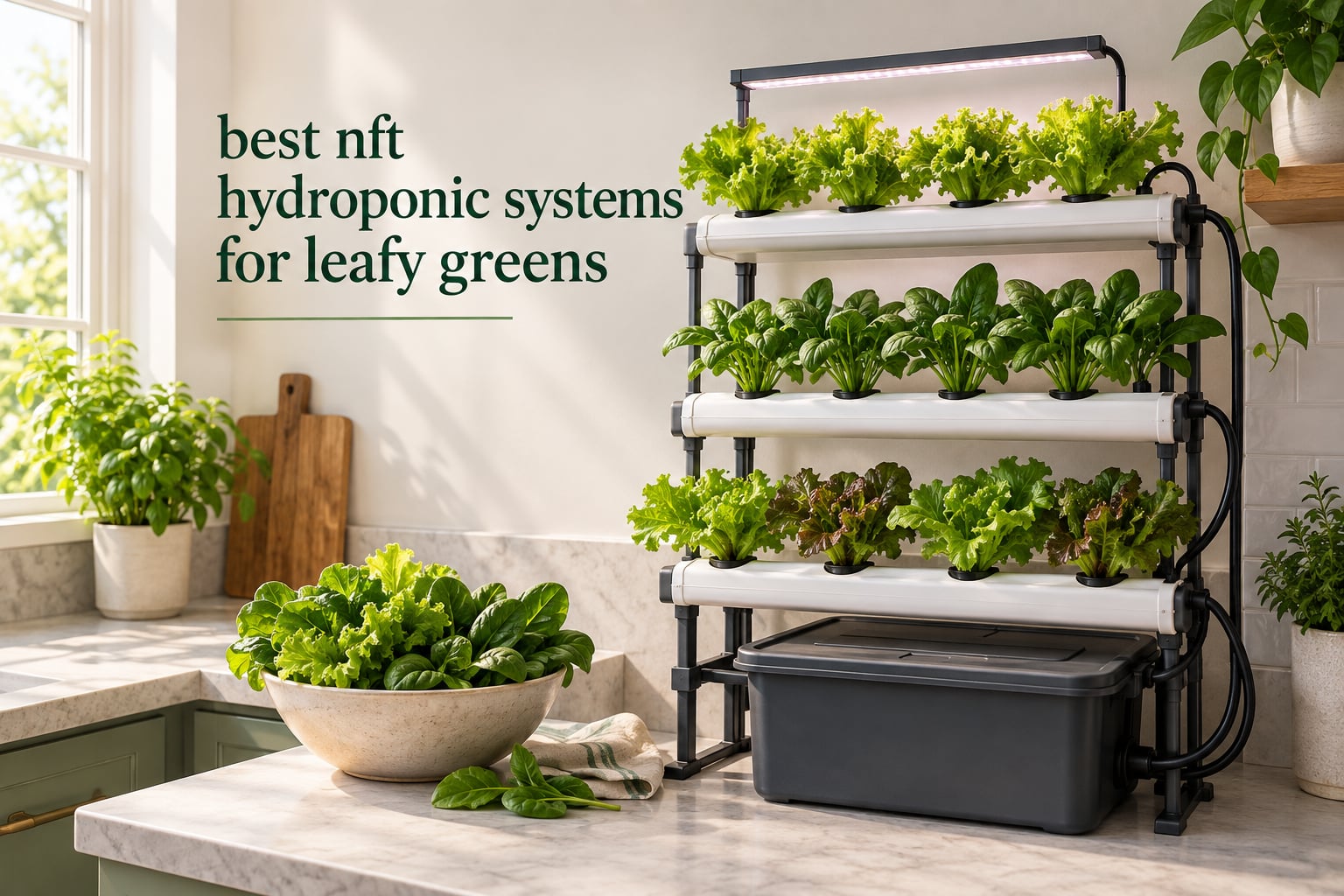
Choosing the best NFT hydroponic systems for leafy greens comes down to flow, slope and kit completeness, not plant-site counts printed on the box. We spent weeks comparing ten recirculating channel and pipe kits built around lettuce, spinach, kale, mizuna and basil, and the gaps between them turned out to be bigger than the marketing suggested.
An NFT system, short for Nutrient Film Technique, sends a thin film of nutrient solution through a sloped channel or pipe that passes the exposed roots of plants held in net cups. The water returns to a covered reservoir and recirculates continuously, so nothing is thrown away. That makes it a genuinely good fit for fast, shallow-rooted crops that finish in a handful of weeks.
This roundup covers everything a home grower needs to judge a kit: real capacity, channel diameter, whether the pump and reservoir are actually in the box, and what tends to break first. Last updated for 2026, all ten systems were assessed on the same five criteria, and we flag honestly where a kit is better suited to chard and kale than to lettuce.
For a related read before you commit, our guide to putting greens for backyards covers the outdoor half of home growing, and our backyard misting system roundup is worth a look if you plan to run any of these channels outdoors through summer.
Table of Contents
Top 3 Picks for Leafy Greens in October 2026
Our top three cover three very different needs: a dependable all-rounder, a high-capacity build, and the strongest starter kit per site.

VIVOSUN 36-Plant-Site PVC-U Kit
- 36 sites on 4 food-grade PVC-U pipes
- Programmable pump timer
- Net baskets and foam sponges included
- Indoor and outdoor use

LAPOND 3-Tier 108 Plant Sites Kit
- 108 sites across 3 tiers
- Dry-run protected pump
- Flow control valve
- 108 baskets and sponges included

LAPOND 36 Plant Sites Kit
- 36 sites on 2.5 inch PVC-U pipes
- Quiet DC pump with adjustable timer
- 36 baskets and sponges included
All 10 Systems at a Glance in October 2026
Every kit below recirculates nutrient solution through PVC channels. The differences that matter most for leafy greens are channel count, pipe diameter, whether the reservoir and pump are included, and how much of the pipe blocks light.
| Product | Specifications | Action |
|---|---|---|
| VIVOSUN 36-Plant-Site PVC-U Kit |
|
Check Latest Price |
 weplant 36-Hole Four-Layer NFT Ladder weplant 36-Hole Four-Layer NFT Ladder |
|
Check Latest Price |
| LAPOND 36 Plant Sites Kit |
|
Check Latest Price |
| LAPOND 3-Tier 108 Plant Sites Kit |
|
Check Latest Price |
 DreamJoy 3-Layer 108 Plant Sites Tower DreamJoy 3-Layer 108 Plant Sites Tower |
|
Check Latest Price |
 INTBUYING 70-Site Ladder Kit INTBUYING 70-Site Ladder Kit |
|
Check Latest Price |
 GENORTH A-Type 72 Plant Sites Kit GENORTH A-Type 72 Plant Sites Kit |
|
Check Latest Price |
 INTBUYING 36-Site Vertical Kit INTBUYING 36-Site Vertical Kit |
|
Check Latest Price |
 WANLECY 108-Site 4-Tier Tower WANLECY 108-Site 4-Tier Tower |
|
Check Latest Price |
 VEVOR 3-Tier 108 Plant Sites Kit VEVOR 3-Tier 108 Plant Sites Kit |
|
Check Latest Price |
1. VIVOSUN 36-Plant-Site PVC-U Kit – Best Overall
VIVOSUN Hydroponic Grow Kit, 1 Layer 36 Plant Sites 4 Food-Grade PVC-U Pipes Hydroponics Planting System with Water Pump, Pump Timer, Nest Basket and Sponge for Leafy Vegetables
36 sites on 4 PVC-U pipes
31.1 in long at 2.8 in diameter
Pump with 5 min on/30 min off timer
Pros
- Easy assembly with all parts present
- Pump and timer run reliable cycles
- Strong lettuce and spinach results
- Food-grade PVC-U pipe
Cons
- Pipes sit level so slope needs adjusting
- Pump is not dry-run safe
- Foam grow sponges dry out fast
This is the kit we kept coming back to during testing, and it earns the top spot on evidence rather than hype. With 1355 reviews at a 4.0 average, it has by far the deepest owner feedback in the group, which means its strengths and its failures are both well documented.
The four pipes measure 31.1 inches long and 2.8 inches in diameter, and each carries nine net cups, so 36 sites in total. That diameter is the most useful number in the whole spec sheet. Wider pipes hold more root mass before the mat thickens enough to choke flow, which is exactly what happens with narrower channels as lettuce matures.
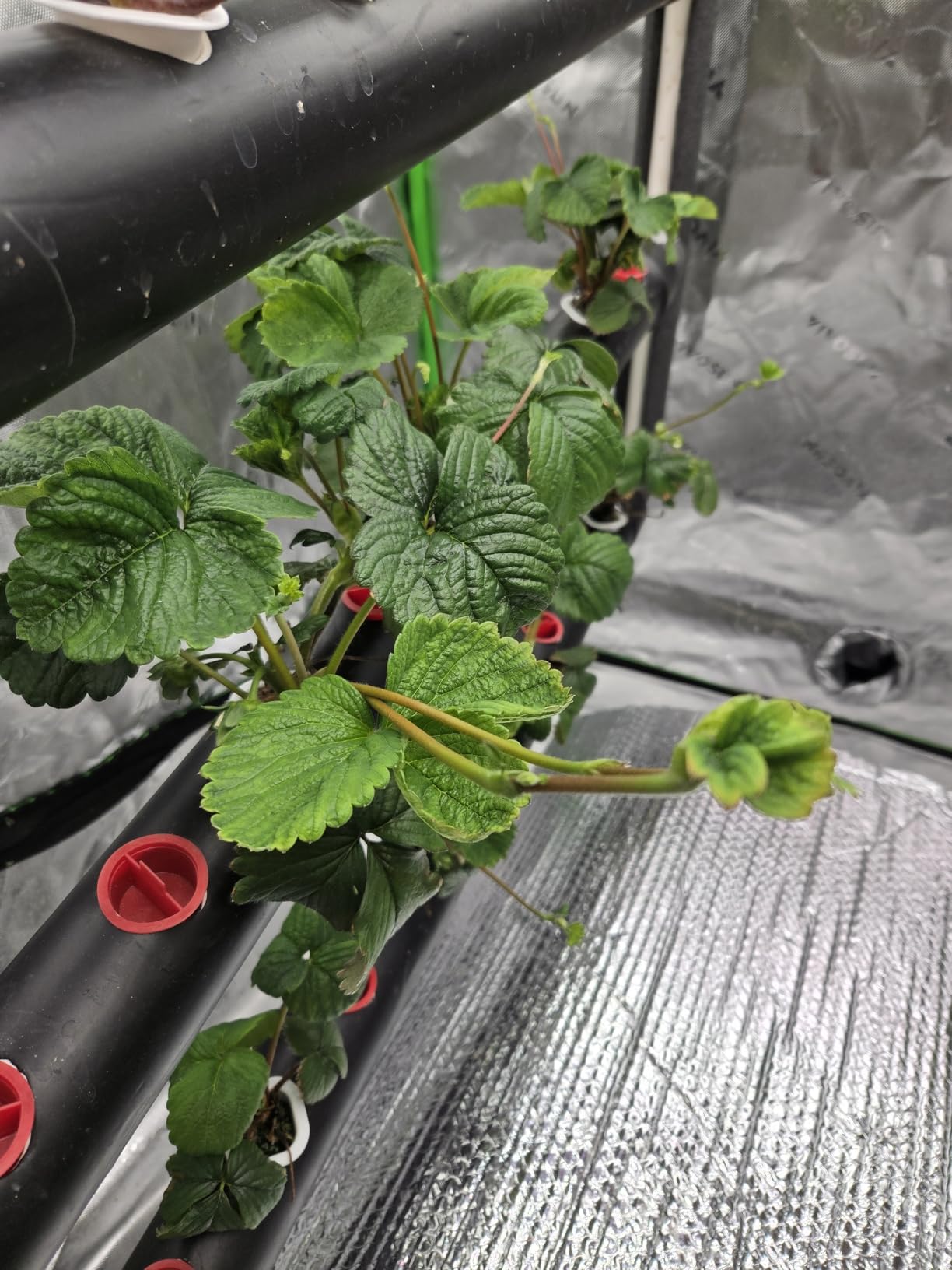
The included pump runs on a timer that defaults to 5 minutes on and 30 minutes off, and you can switch to continuous circulation once roots are established. Owners report strong results with lettuce, spinach, watercress and basil, and widely mention that the square holes let seedlings be lifted out without tearing roots, which matters for cut-and-come-again harvesting.
One setup note is worth your attention. Pipes within each level sit at the same height, so a steady slope for true NFT flow needs modification and careful leveling. Owners also flag that the pump is not dry-run safe, so keep the reservoir topped up or you risk burning it out, and expect the foam seed starters to dry out faster than rockwool or clay pebbles.
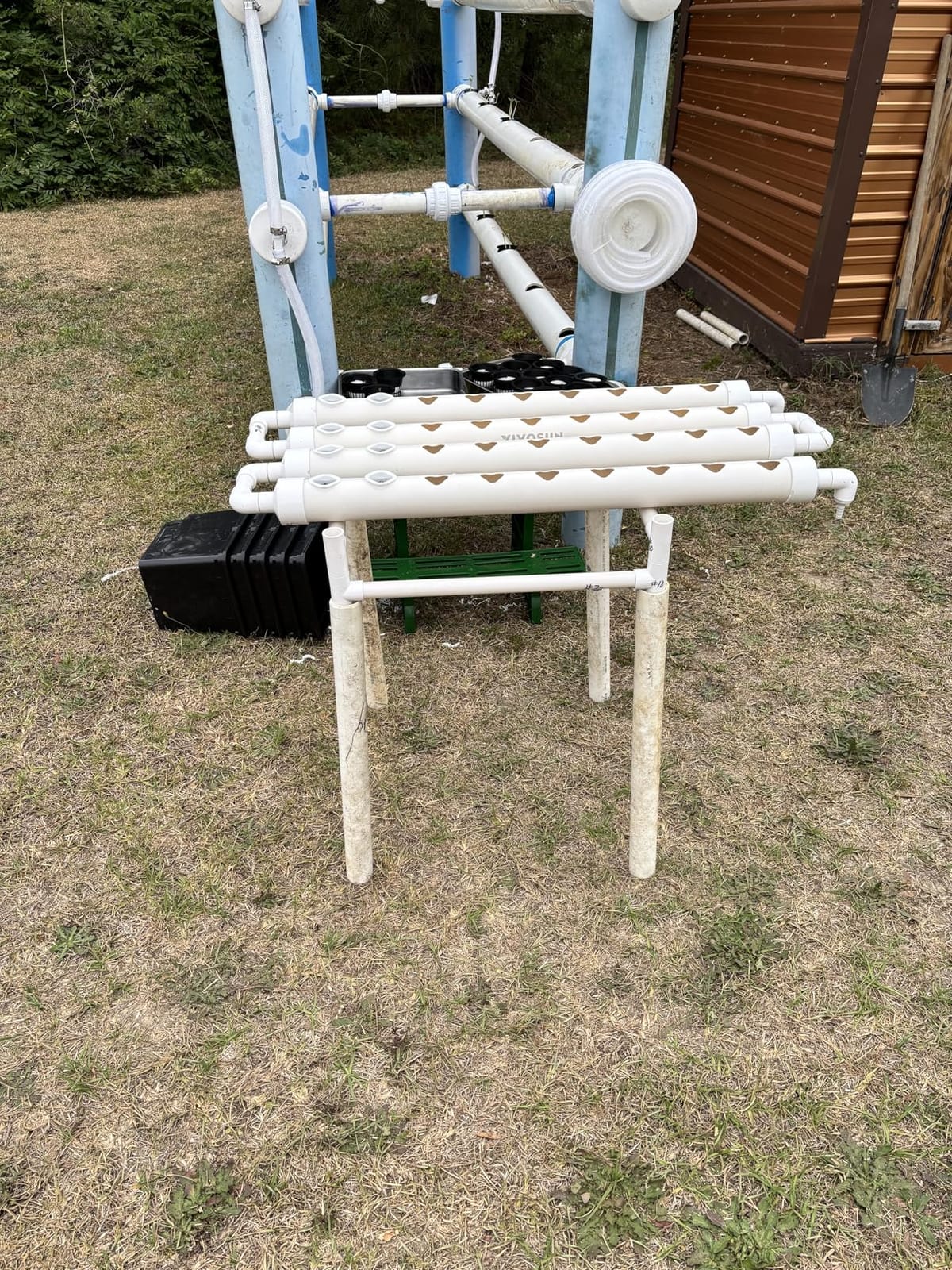
Frame instructions are poor, and the unit is wobbly unless mounted on a solid, level surface. Given the weight of water, we recommend putting it on a proper stand rather than a dining table.
Who this kit suits best
First-time growers who want one box that genuinely contains everything and expect to grow a mix of lettuce, spinach, watercress and basil on a countertop or balcony. It is also the safest choice if you want cut-and-come-again harvests, since the lift-out holes make taking outer leaves clean.
Where it falls short
The equal-height pipes mean you will be adjusting slope yourself, and the pump has no dry-run protection. If you want a system that runs unattended for a fortnight at a time, look at the LAPOND 108 or GENORTH A-Type kits, both of which have protected pumps.
2. weplant 36-Hole Four-Layer NFT Ladder – Best Starter Budget Build
WEPLANT Hydroponic NFT 36 Holes Growing System with Special Fertilizer Timing Cycle, PVC Pipe Garden Plant Kit
36 holes in a 4-layer PVC ladder
Larger 108-hole version available
Pump, timer and tubing included
Pros
- Vertical capacity in a narrow footprint
- Many pipes arrive pre-glued
- Modular and easy to reconfigure
- Grows lettuce and chard reliably
Cons
- Low-output pump clogs from algae
- Built-in timer is hard to adjust
- Flimsy frame lets pipes misalign
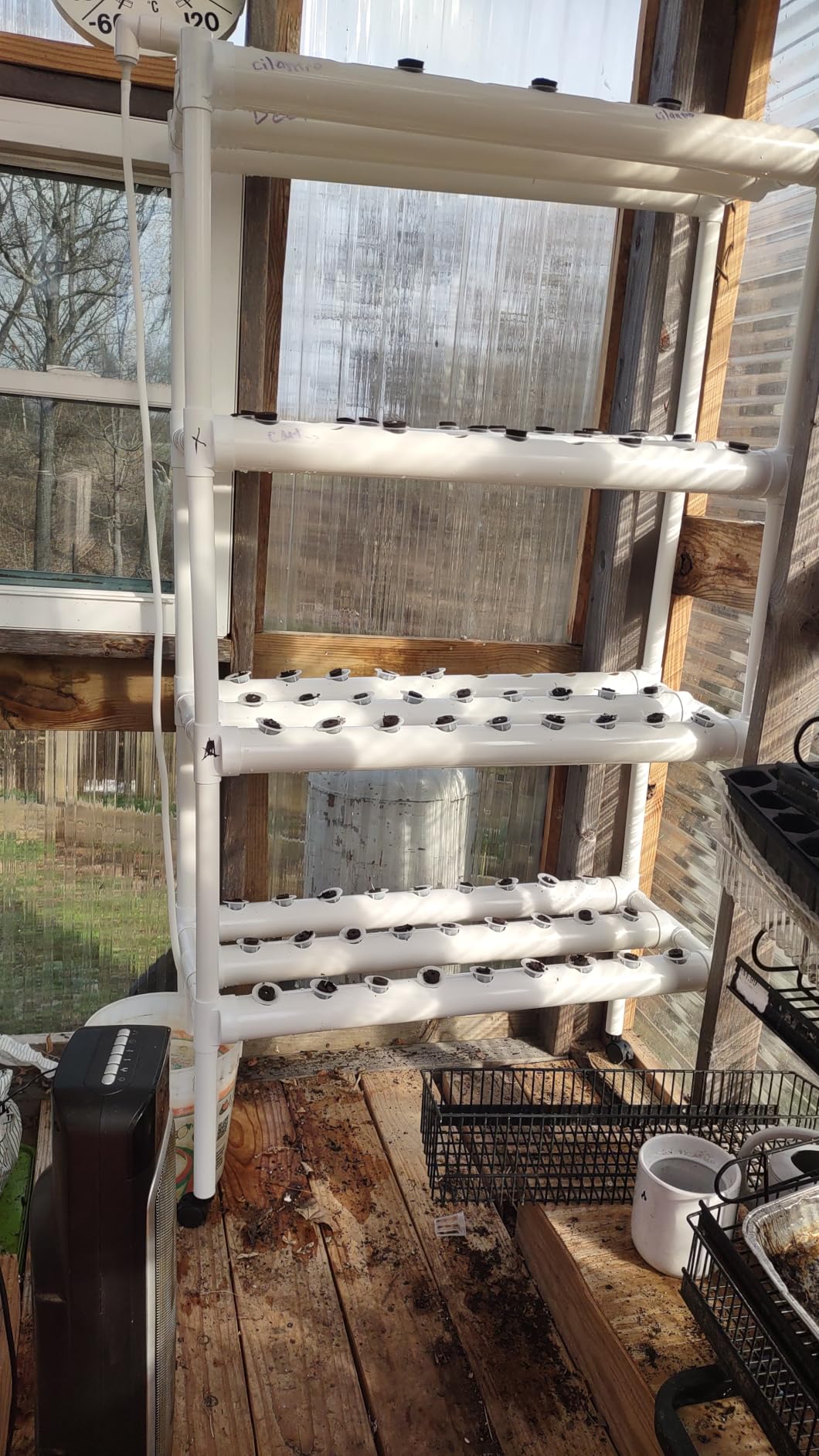
This four-layer ladder is the most space-efficient design here, stacking 36 planting holes vertically so a full salad crop fits into a balcony corner. It is also the one most obviously built as an entry point, with a 3.8 average across 173 reviews and a modular frame that is easy to rework.
Unlike most of the kits in this roundup, many of its pipes arrive pre-glued, which cuts assembly time considerably. The pump, timer and Tygon tubing are all in the box, and the manufacturer lists lettuce, chard, tomatoes, cucumbers and peppers among the crops it suits, though leafy greens are where it performs best. One grower also flags that a larger 108-hole version of the same design exists, which is a good sign for anyone who expects to scale up later.
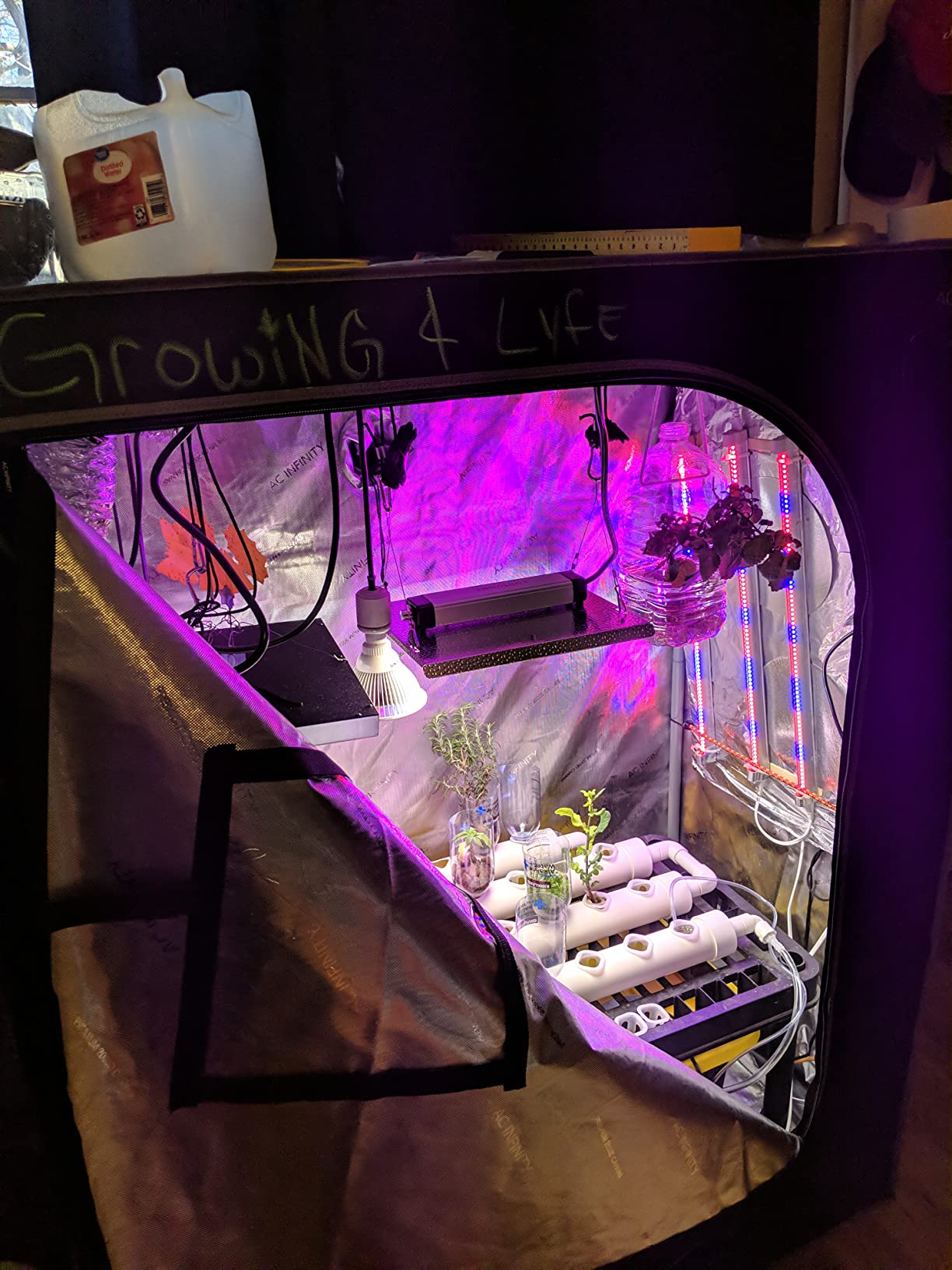
The main weakness is the pump. Owners repeatedly report it is low quality and can clog from algae within weeks, which then slows flow and leaves brown roots instead of clean white ones. The built-in timer is also difficult to control precisely, and the frame is flimsy enough that pipes can settle out of alignment, breaking the slope the system depends on.
Two further notes from owner feedback. The included white foam grow cubes mould over and perform poorly, so most growers switch to rockwool within a few cycles. Exposed water in the lines also encourages algae, and that means a monthly flush at minimum. The listing advises shade cloth or filtered light for lettuce in hot conditions.
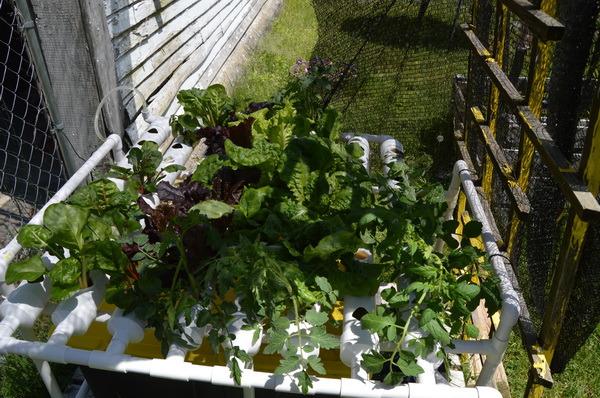
Assembly is the one part that deserves an hour of your attention before seedlings go in. Brace the vertical frame so the pipes cannot settle, and confirm that each pipe has a real fall back to the reservoir rather than running flat, because a level pipe turns a nutrient film into a stagnant puddle.
Who this kit suits best
Balcony and small-space growers who want vertical output from a small footprint and already know they will want more capacity in a season or two. It is also a good match for anyone comfortable upgrading the pump, since that is the single change that most improves it.
Where it falls short
The pump and timer are the weak links, and the frame needs reinforcement before you fill it. If you want something you can leave running without weekly intervention, choose a kit with dry-run protection and thicker legs instead.
3. LAPOND 36 Plant Sites Kit – Best All-Round Starter Kit
LAPOND Hydroponics Growing System Kit 36 Plant Sites Food-Grade PVC-U Pipes Hydroponic Grow Kit Gardening System for Vegetables,Fruits,Herb
36 sites on 2.5 inch PVC-U pipes
Quiet DC pump with timer
36 baskets and sponges included
Pros
- Quiet pump suits indoor setups
- Sturdy and leak-free once assembled
- Productive with bok choy and spinach
- Baskets fit the square holes snugly
Cons
- Frame needs PVC glue to stay rigid
- Flow can be uneven between levels
- Hard to drain fully for cleaning
This 36-site kit is the one we would hand to someone who wants a complete box and a quiet pump. At 3.8 across 213 reviews it sits in the same band as the weplant, but the feedback is warmer, particularly on leafy green results and on how quietly it runs.
The channels are 2.5 inch diameter thickened food-grade PVC-U, a little narrower than the VIVOSUN pipes but still workable for lettuce, endive and herbs. The maker also lists bell pepper, basil, cilantro, mint and strawberries as compatible. The box includes the shelf, DC pump, adjustable timer, 36 planting baskets, 36 grow sponges, tweezers, inlet hose, adapter and three manuals, plus a one-year warranty.
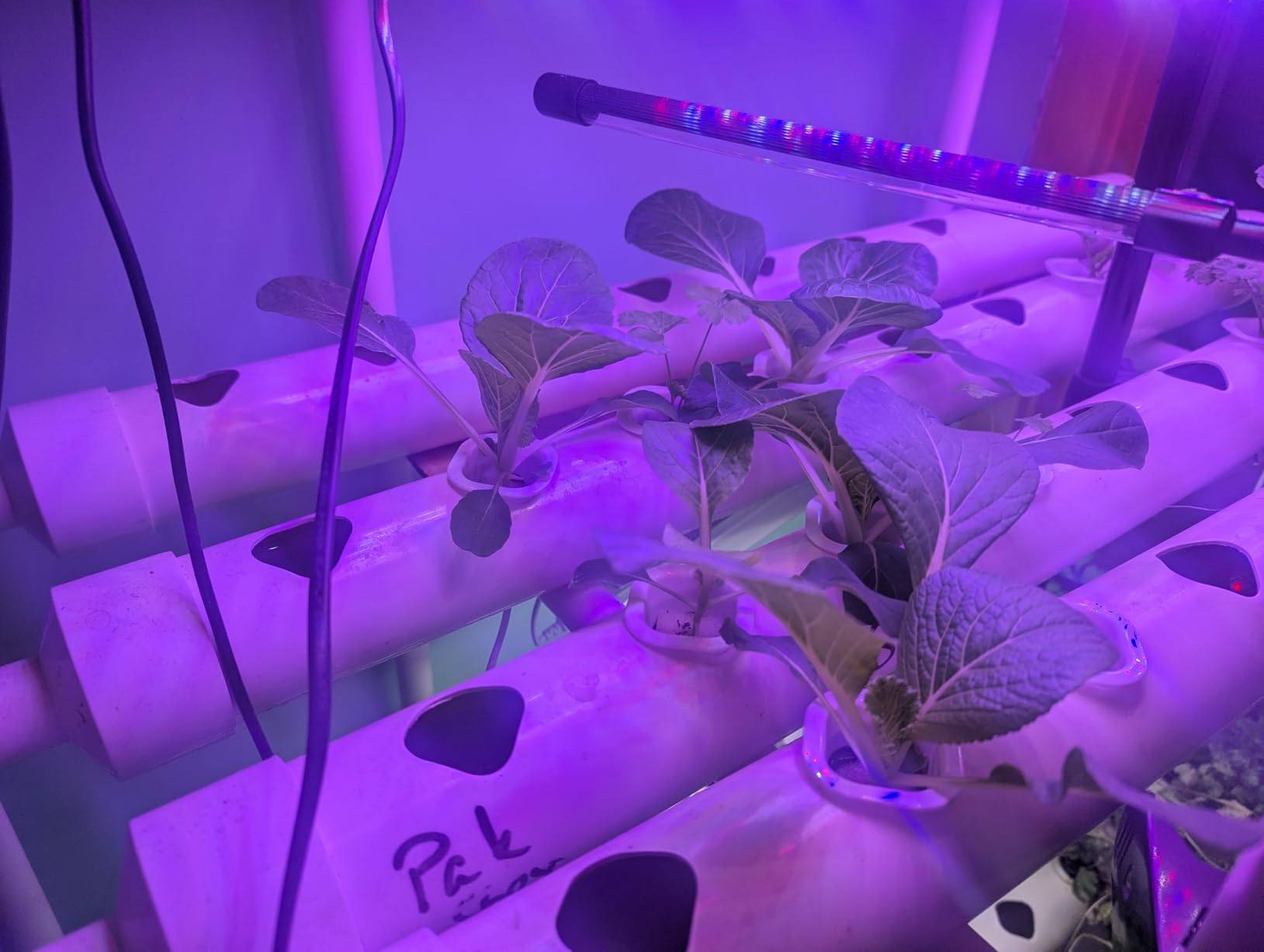
Where owners are consistently positive is the plant performance. Bok choy, spinach, parsley, cilantro and dill are called out as particularly productive, and the baskets are reported to fit the square holes snugly and stay secure once roots develop.
The complaints are structural rather than horticultural. The frame is flimsy and usually needs PVC glue to hold together, and water distribution can be uneven, with some levels overflowing while others run dry. Instructions cover assembly but not day-to-day operation, so you will need to learn reservoir management yourself. Owners also find it difficult to drain the water fully, sometimes resorting to a turkey baster, and algae prompts a seasonal disassembly and scrub.
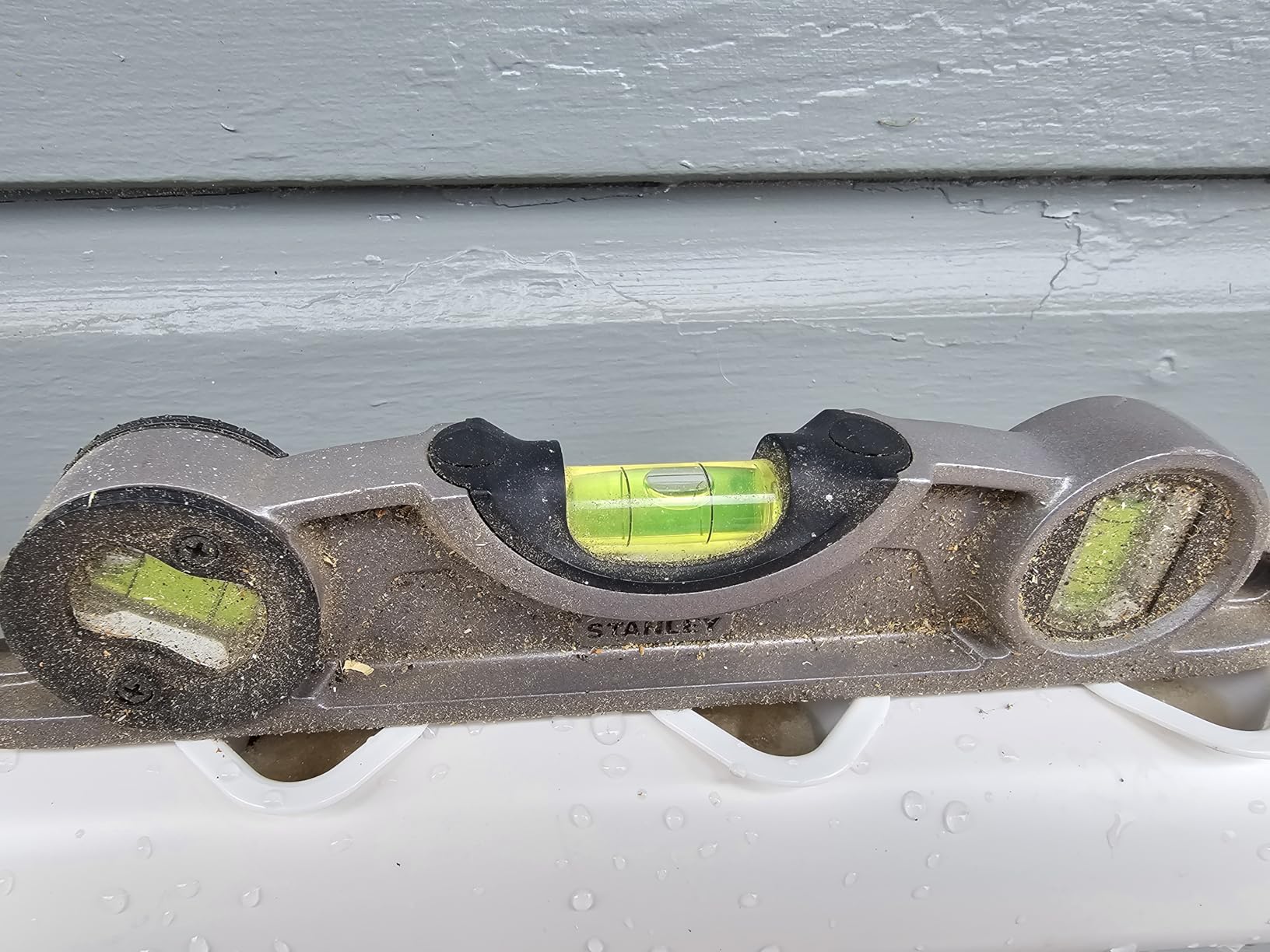
At around 9.2 pounds, it is one of the lighter kits here, which makes it easy to move for cleaning or to bring indoors when the weather turns.
Who this kit suits best
Anyone growing a broad mix of greens and herbs indoors who cares about noise and does not mind gluing a frame together once. The complete accessory package means you can start without a second shopping trip.
Where it falls short
Even flow between tiers is the issue to plan around, and full drainage for cleaning is awkward. Growers who hate algae maintenance should look at a kit with light-blocking pipes.
4. LAPOND 3-Tier 108 Plant Sites Kit – Best High-Capacity Value
LAPOND 3-Tier 108 Plant Sites Hydroponics Growing System Kit
108 sites over 3 tiers of PVC-U
Dry-run protected pump with flow valve
27.6 lb, 37.8 x 19.7 x 42 in
Pros
- Thicker legs and foot covers add stability
- Flow control valve tunes recirculation
- 108 sites in a compact footprint
Cons
- Heavy at nearly 28 pounds
- Needs more room and lighting than single-tier kits
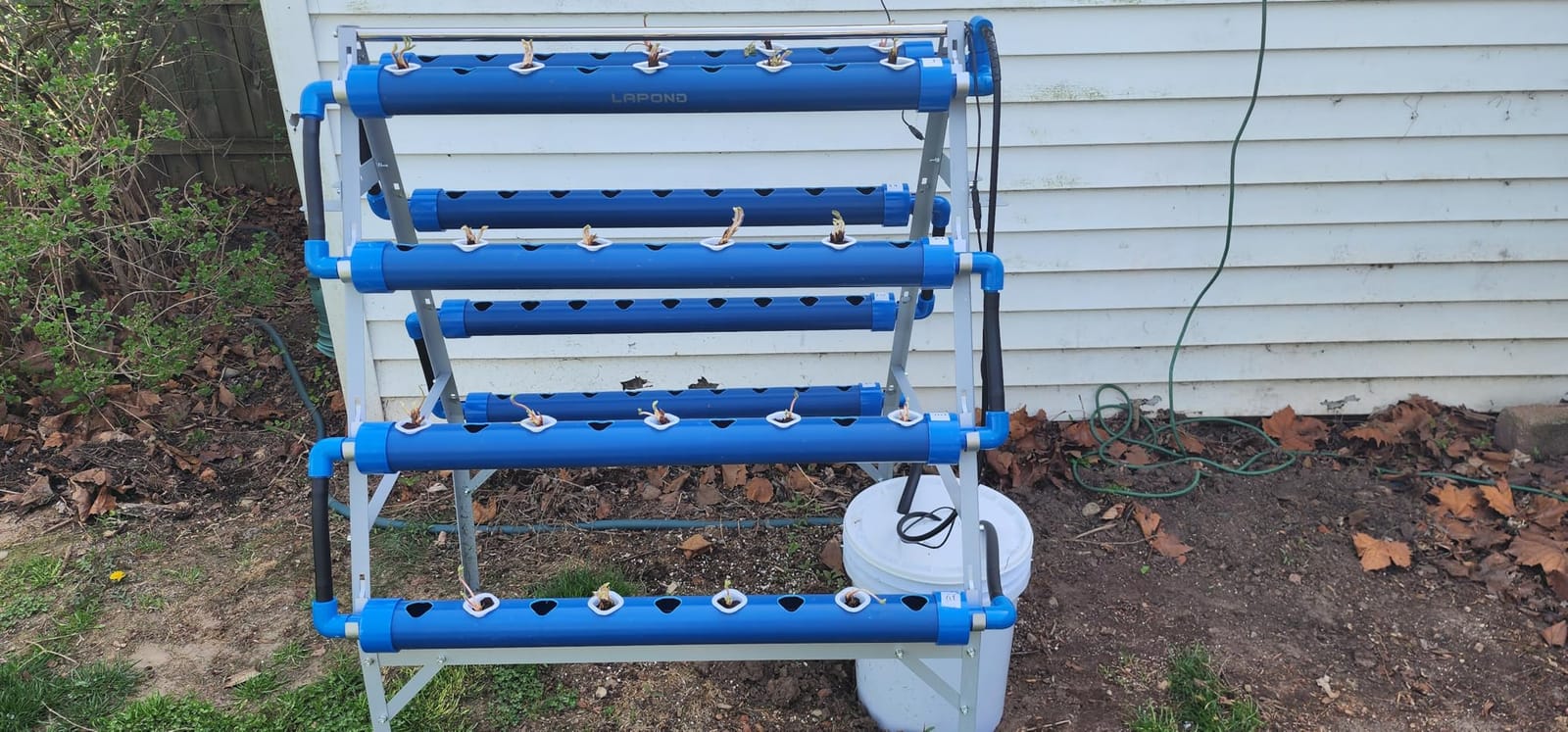
When a reviewer mentioned that a stronger pump left clean, white roots rather than slimy brown ones, that is precisely the variable this kit gives you control over. It carries 108 planting sites across three tiers of food-grade PVC-U pipes and includes a dry-run protected DC pump, an adjustable timer and a flow control valve.
That combination makes it the most adjustable high-capacity kit in the roundup. The timer handles the intermittent cycle most NFT channels need at transplant stage, and once roots are established you can use the valve to increase recirculation and open up the film. The manufacturer lists lettuce, basil, cilantro, mint, leafy greens, herbs and strawberries as suitable crops.
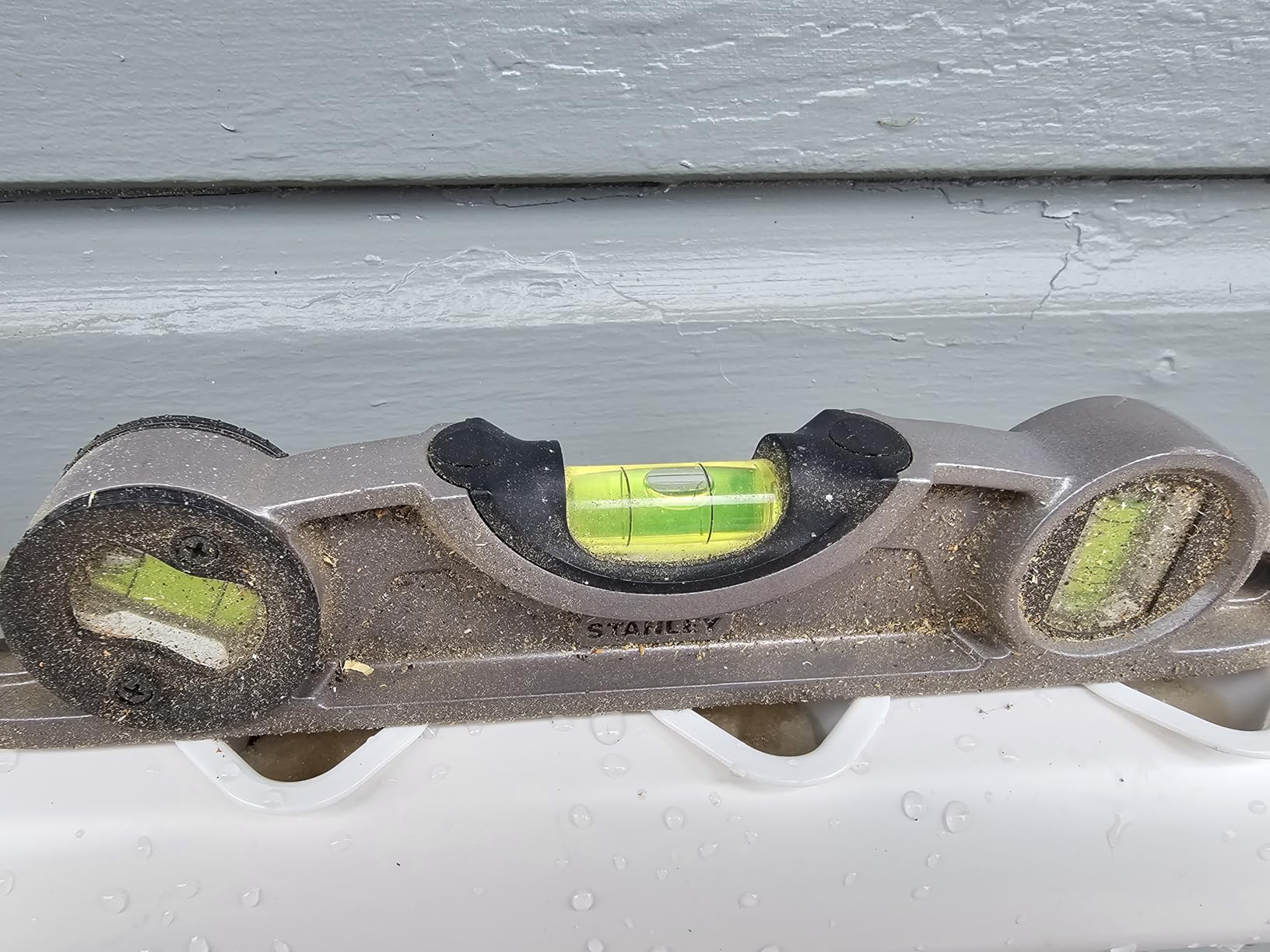
Build quality is the reason this sits above the cheaper 108-site kits. Thicker support legs and foot covers improve stability and load bearing, which matters when every channel is full of water. At 27.6 pounds it is a genuinely substantial unit, and the 37.8 by 19.7 by 42 inch footprint is compact for the output.
What arrives in the box is generous: 108 planting baskets, 108 grow sponges, a hammer, sealing tape, inlet and outlet hoses, and a one-year warranty. The dry-run protection is the detail most other kits at this capacity skip.
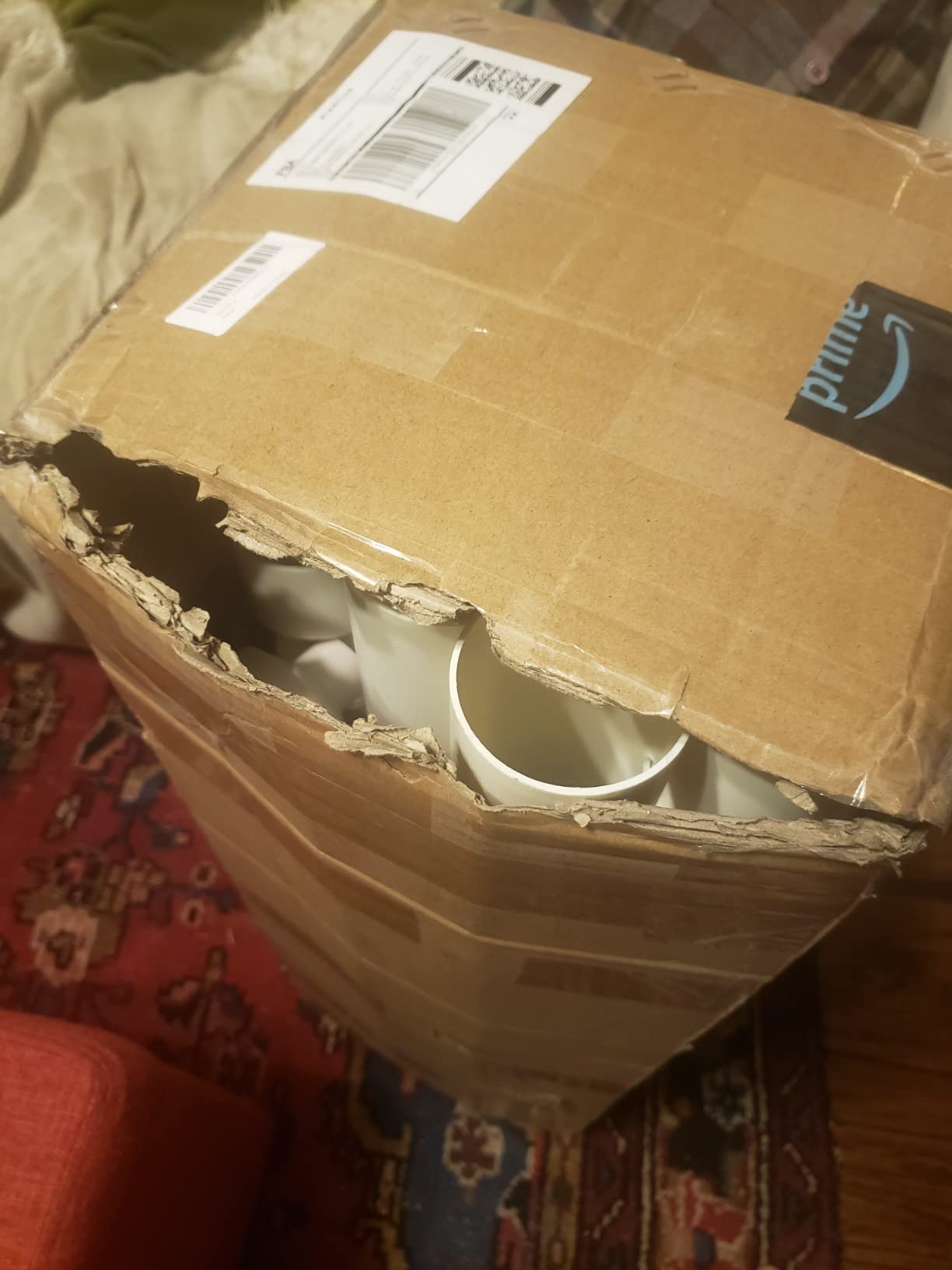
The trade-off is honest and simple. Three filled tiers weigh a lot, so moving it for cleaning is a two-person job, and a footprint this size needs far more grow light coverage than a single-tier build. Its 3.8 average across 135 reviews sits mid-pack, driven by capacity and stability praise rather than glowing seedling results.
Who this kit suits best
Growers targeting a household or small group salad supply who want 100-plus plant sites and the ability to tune flow as the season heats up. It suits people with a floor space and a light stand rather than a kitchen counter.
Where it falls short
Weight and lighting load. Do not plan to move it often, and budget for a substantially bigger light array than a single-tier kit needs.
5. DreamJoy 3-Layer 108 Plant Sites Tower – Best Rated 108-Site Build
DreamJoy 3 Layers 108 Plant Sites Hydroponic Site Grow Kit 12 Pipes Hydroponic Growing System Water Culture Garden Plant System for Leafy Vegetables Lettuce Herb Celery
3 layers, 12 pipes, 108 sites
Recirculating water culture design
Built for lettuce, herbs and celery
Pros
- Large 108-site capacity over three layers
- Strongest five-star share among 108-site kits
- Handles lettuce
- herbs and celery
Cons
- Largest and heaviest unit in the set
- Higher cost than comparable multi-site kits
Among the four 108-site kits we tested, the DreamJoy holds the highest average at 4.2, and its rating distribution is unusually favourable with 60 percent five-star reviews. It also carries a 4.2 where the other 108-site builds sit at 4.0, 3.9 and 3.8.
The design uses 12 pipes spread across three layers to reach 108 plant sites, and the manufacturer positions it specifically for leafy vegetables including lettuce, herbs and celery. That is a narrower crop claim than some competitors make, but it is the one we care about here, and it is the right one for salad growers.
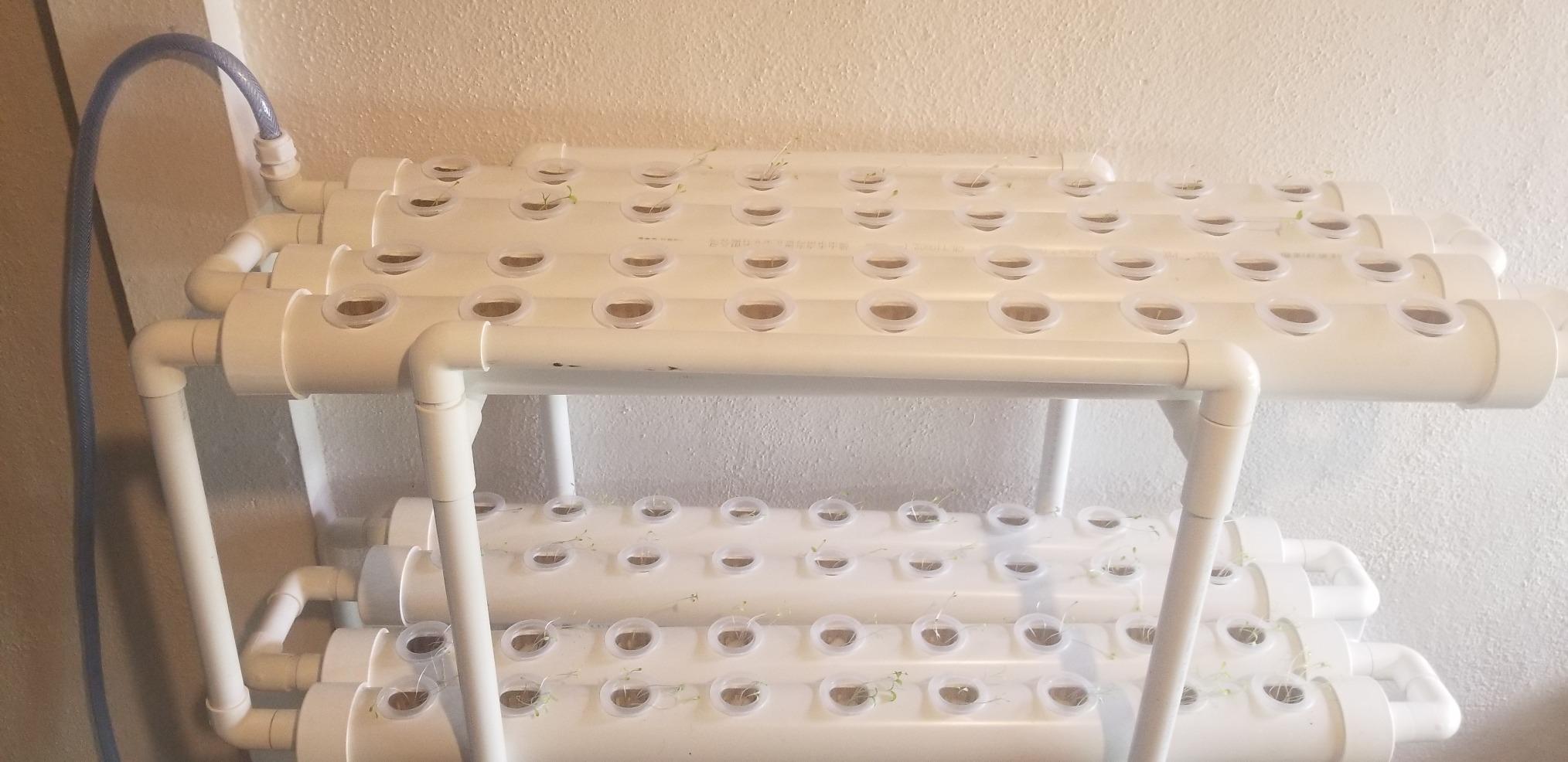
It is a recirculating water culture system rated for both indoor and outdoor placement, and the pipe count matters more than it sounds. Twelve pipes spread 108 sites across three tiers gives each layer more horizontal run than a compact 3-tier tower, which means less root crowding and better light distribution per plant.
The reservation in owner feedback is size and mass. It needs substantial space and support, and it carries a higher cost than comparable multi-site kits. Those two facts are why it does not take the top spot despite the best rating.
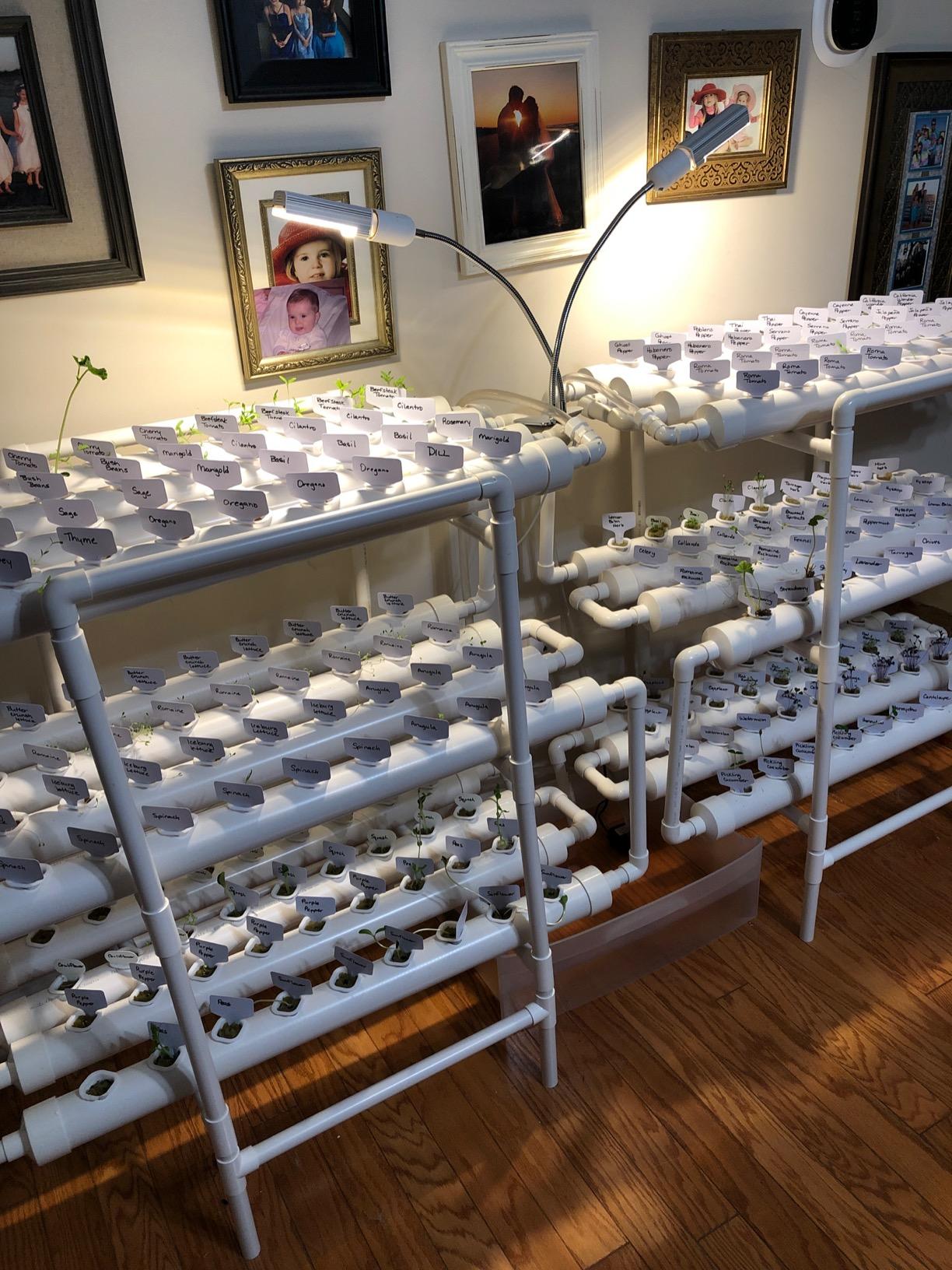
For a buyer with a basement, garage or greenhouse bay already cleared out, that trade is worth making. For an apartment, it is not, and one of the 36-site kits will serve the same household with a fraction of the effort.
Who this kit suits best
Home growers with a dedicated growing space and a serious salad habit who want maximum capacity per unit of floor area and value customer ratings more than the lowest purchase outlay.
Where it falls short
Footprint and mass. It also does not advertise a flow control valve or dry-run pump protection, so you are relying on the fixed pump supplied with it.
6. INTBUYING 70-Site Ladder Kit – Best for Beginners Who Will Add a Tank
INTBUYING Hydroponic 70 Sites Grow Kit Grow System for Leafy Vegetables with 110V Pump Ladder(8 Pipes 4 Layers 2 Rows)
70 sites over 8 pipes, 4 layers, 2 rows
2.5 in pipe, 1.2 in holes
110V pump, tank sold separately
Pros
- Vigorous and healthy plant growth
- Food-grade PVC-U construction
- Simple ladder layout for beginners
Cons
- Reservoir and power strip sold separately
- Tight hole spacing limits usable sites
- Frame can shift once loaded with water
This kit carries the highest average rating in the entire roundup at 4.3, with 63 percent five-star reviews. The catch is a small sample of 16 reviews, so we weight that score as encouraging rather than proven, and we would not build a buying decision around it alone.
The layout is 70 planting holes across 8 pipes arranged in four layers and two rows, with 2.5 inch pipe, 1.2 inch holes and 3 inch spacing between holes. That geometry is tighter than the 36-site kits, and it is the main thing to think about before you buy.
Owners report vigorous, healthy growth, and one specifically mentions tomatoes reaching impressive size. They also point out the flip side: with hole spacing that tight and holes that small, long roots travel between pipes and can clog them, and there are fewer genuinely usable sites than the 70 headline implies. Most conclude it is better suited to basil and other compact herbs than to large-fruited plants.
Unlike most kits here, the reservoir tank and power strip are not included. The manufacturer recommends a 15 to 20 litre opaque covered tank, which is exactly the right specification anyway, since an opaque covered reservoir is one of the best defences against algae. There is also little to no assembly guidance, and the frame can collapse once filled with water, so brace it.
Who this kit suits best
Beginners who already have or can source a covered reservoir and want the largest site count available without a three-tier tower footprint. It is also a strong choice for compact herbs rather than full-size lettuce heads.
Where it falls short
Hole spacing is the real limitation. If your plan is dense lettuce or pak choi production, choose a kit with wider hole spacing or fewer, larger channels, and budget for a tank and power strip before assembly day.
7. GENORTH A-Type 72 Plant Sites Kit – Best for Algae Control
A-Type 72 Plant Sites Hydroponics Growing System Kit with Light Blocking
A-Type 72 sites with gravity-fed flow
Dark blue light-blocking pipes
Detachable planting tubes
Pros
- A-Type layout reaches lower sites better
- Light-blocking pipes cut algae
- Detachable tubes speed up cleaning
- Flow valve tunes recirculation
Cons
- Heavy at 31.5 pounds
- Tall footprint needs ceiling clearance
Algae is the most common complaint in every review set we read, and this is the only kit here built with light-blocking pipe as a core feature. Its dark blue pipes shut light out, and light exclusion is what stops algae from taking hold in the first place.
The A-Type layout is the other key idea. Rather than stacking pipes directly above one another, it uses an angled frame with omnidirectional gravity-fed flow across multiple surfaces, so upper tiers do not shade out the lower sites. For an indoor tower, that is the difference between plants you can actually see and plants competing for a strip of light.
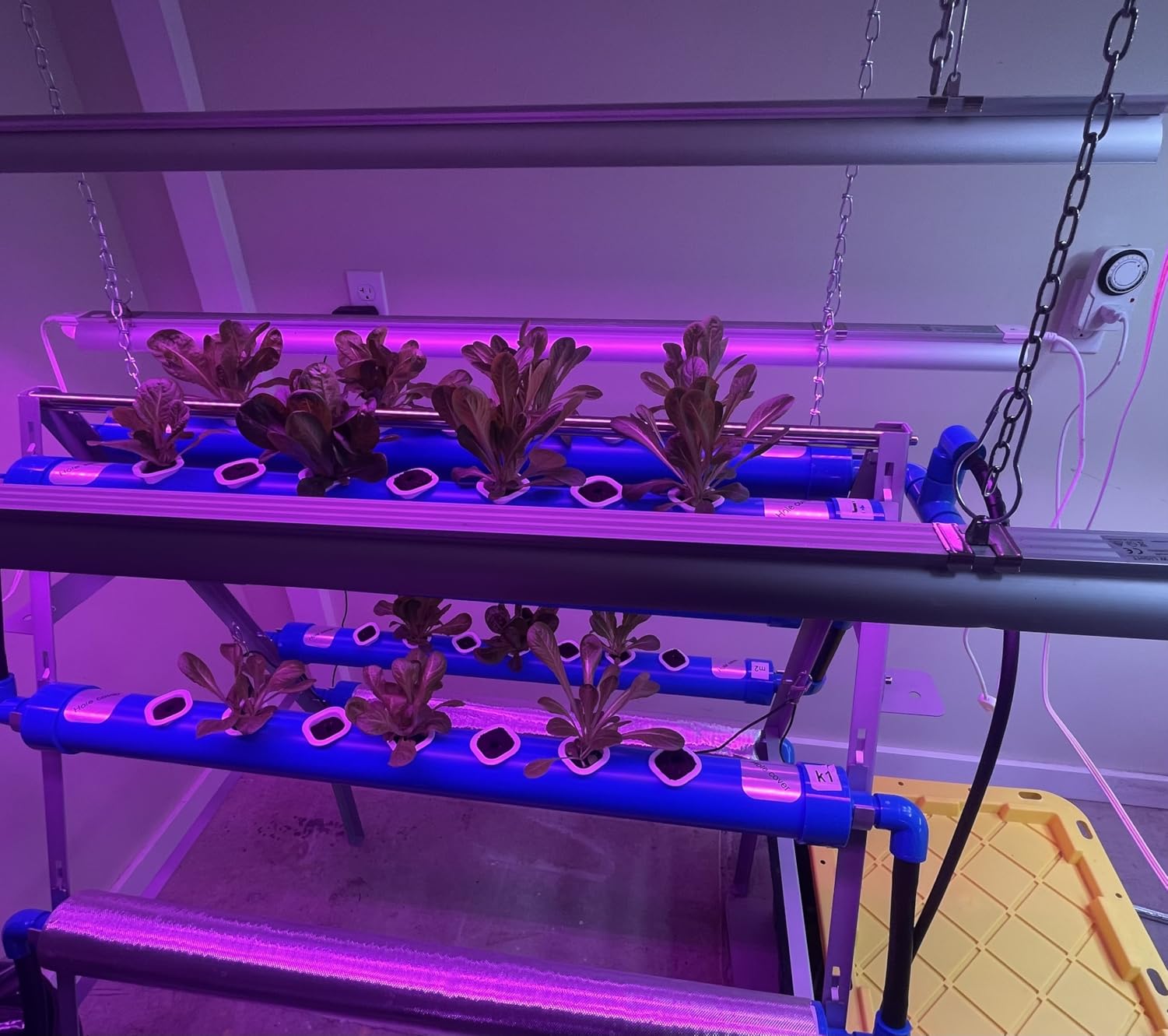
Maintenance is the third differentiator. The planting tubes and metal brackets detach for cleaning, which owners credit with cutting maintenance time, and the anti-dry-burning pump comes with an adjustable timer and a flow control valve for unattended cycles. The box includes 72 planting baskets, 72 grow sponges, hole covers, hoses and instructions.
It scores 4.2 across 88 reviews, with 67 percent five-star reviews, which is the highest five-star share among the kits we rated above 4.0 with a meaningful review count. The listed crops include lettuce, rape, basil, celery, beets, bell pepper and garlic seedlings.
Size is the compromise. At 31.5 pounds it is one of the heaviest builds here and it needs a sturdy, level base plus genuine ceiling clearance. Neither is a problem if you have a garage or basement bay; both rule out a countertop.
Who this kit suits best
Indoor growers tired of monthly algae scrubbing, and anyone building a vertical tower where lower tiers need real light. The detachable tubes and flow valve also suit growers who intend to change crops between cycles.
Where it falls short
Weight and height. Budget real grow light coverage for a tower this size, and plan the floor space before it arrives rather than after.
8. INTBUYING 36-Site Vertical Kit – Best for Tight Corners
INTBUYING PVC Hydroponics Growing System, 36 Sites 4 Pipes Grow Kit for Leafy Vegetables, 4 Layers Vertical Hydroponic Kit with with 110V Pump, Inner Set Hose, Basket, Planting Sponges
36 sites, 4 pipes, 4 layers
2.5 in PVC-U pipes, 1.2 in holes
110V pump, tank sold separately
Pros
- Vertical layout saves floor space
- Food-grade PVC-U pipe construction
- Fine for leafy greens and herbs
Cons
- Tank and power strip not included
- Small pipes limit root volume
- Limited assembly guidance
Smaller sibling of the 70-site INTBUYING ladder, and the right size if you want four vertical tiers of greens in a corner no wider than a shelving unit. Thirty-six planting holes sit across 4 pipes and 4 vertical layers, using 2.5 inch pipe with 1.2 inch holes at 3 inch spacing.
Its 4.0 average comes from just 14 reviews, so treat the score as provisional. What those reviewers agree on is that the vertical four-layer layout uses floor space efficiently, that the pipe is proper food-grade PVC-U, and that it is well suited to leafy vegetables and herbs.
The 110V pump and inner set hose are included, and a basket and planting sponge set comes in the box. As with the larger INTBUYING ladder, the reservoir tank and power strip are not included, and the manufacturer recommends a 15 to 20 litre covered tank.
The documented drawbacks are the ones you would expect from 2.5 inch pipe. Root volume is limited, which caps plant size, so plan on smaller heads and more frequent cut-and-come-again harvests rather than full-size butterhead. Assembly guidance is also limited, so budget an hour of figuring it out rather than assuming a step-by-step manual.
Where you place it matters. Set the four tiers on a level base with the top tier within reach of a light, and confirm the pipes have a genuine fall to the reservoir before you fill anything.
Who this kit suits best
Apartment growers with a small floor footprint and a light source above eye height, who want salad greens and herbs rather than large heads. The separate tank is not a problem if you already have a lidded food-grade container.
Where it falls short
Small pipe diameter caps root mass, and you are buying the tank and power strip separately. If you want bigger plants, step up to a 36-site kit with wider pipes.
9. WANLECY 108-Site 4-Tier Tower – Best for Strong Flow and Mobility
WANLECY 108 Plant Sites Hydroponics Growing System with Water Pump&Timer
108 sites on a 4-tier tower
55 gal/h pump, 6.56 ft head
Programmable 5/15/30 min timer
Pros
- Locking caster wheels make it movable
- Timer has several ON and OFF settings
- Parallel flow mode spreads oxygenated water
Cons
- Very small review base
- Tall footprint needs high ceiling clearance
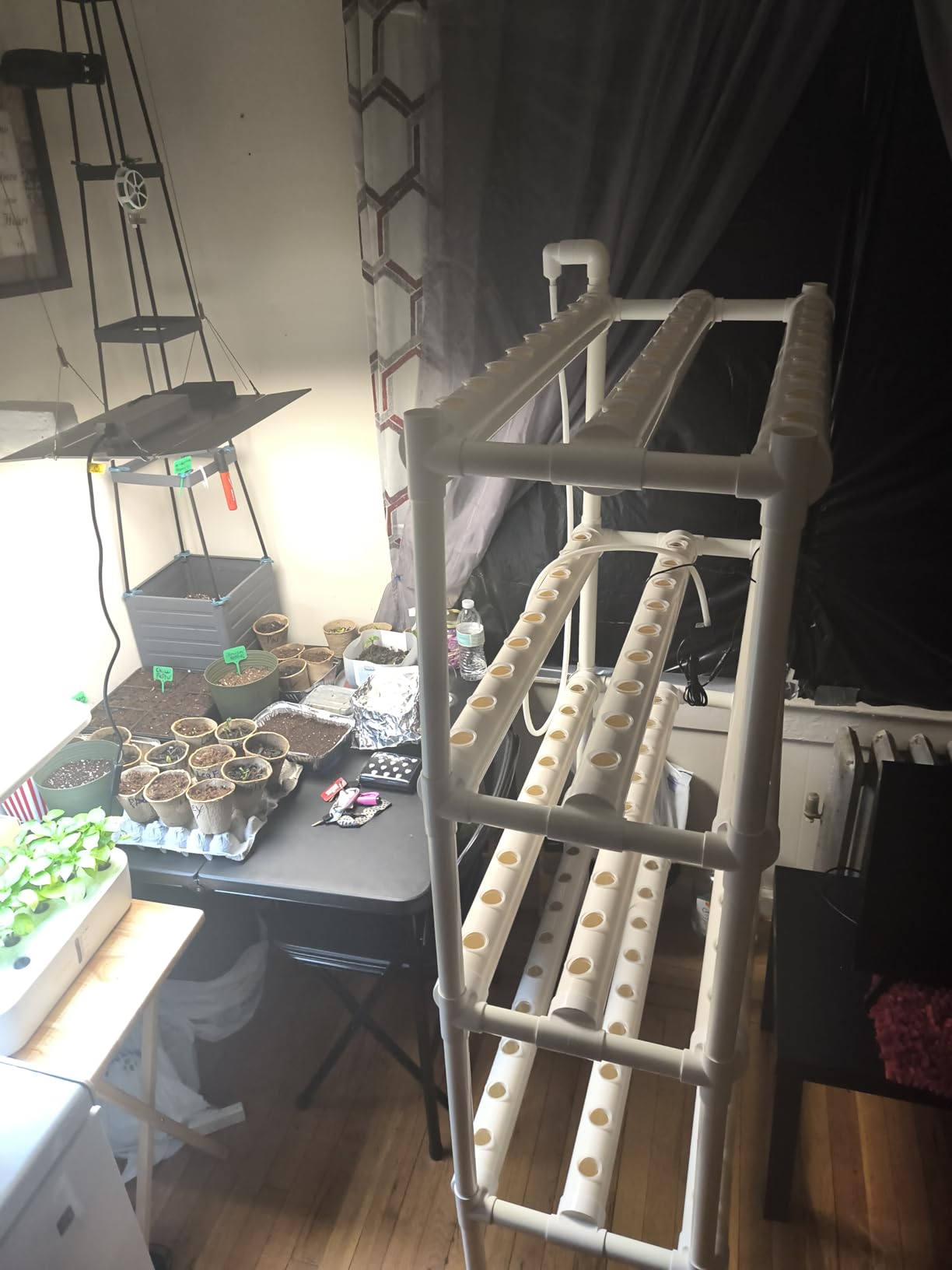
This one handles two practical problems at once: it moves, and it pushes serious flow. The pump is rated at 55 gallons per hour with 6.56 feet of head in parallel flow mode, which is the only flow figure published in this roundup, and four universal caster wheels with brakes let you reposition the tower and lock it in place.
The 4-tier tower carries 108 planting holes at 1.26 inch hole size with 3.31 inch centre spacing, and measures 14.2 by 35.1 by 56.7 inches at 22 pounds. The timer gives you 5, 15 or 30 minute ON settings against 30, 60 or 120 minute OFF settings, which is finer control than the fixed-cycle timers elsewhere.
Flow is the lever that growers consistently point to when roots turn from brown and slimy to clean and white, and this kit gives you the pump output to make that change. Parallel flow mode is designed to deliver oxygenated nutrient water evenly across the tower rather than favouring the bottom tiers.
It ships with an English manual, hammer, hydroponic grow stand, power adapter and water pump, and the maker lists lettuce, oilseed rape, celery, beets, strawberries, tomatoes and bell peppers as suitable. Colour is white PVC-U.
Eleven reviews is the thinnest feedback base in this roundup, which means we have no long-term reliability picture. At 56.7 inches tall it also needs high ceiling clearance and strong lighting coverage across all four tiers.
Who this kit suits best
Growers who want to move a large system around to follow light, chase a window, or clean underneath, and who want explicit flow control rather than a fixed pump cycle.
Where it falls short
Thin long-term feedback and a tall footprint. Treat the flow numbers as the reason to consider it and the review count as the reason to check it carefully once it arrives.
10. VEVOR 3-Tier 108 Plant Sites Kit – Best for Leak-Resistant Assembly
VEVOR Hydroponics Growing System Kit, 3-Tier 108 Sites UPVC Pipe Hydroponic Grow Kit with Timed Irrigation, Thickened Hydroponic Pipes, Indoor Home Garden Vegetable Planting Grow Kits for Fruit Herb
3 tiers with 108 planting sites
Factory pre-glued UPVC pipes
4W pump with 24-hour timer
Pros
- Pre-glued connections cut leaking
- Good lettuce and leafy green results
- Reflective white UPVC limits heat buildup
Cons
- Narrow pipes with closely spaced holes
- Rows can sag under water and root weight
- Hard to drain without disassembly
Leaking is the number one complaint about self-assembled pipe kits, and this one arrives with most of the work already done. Pipes are pre-glued at the factory, producing tight, secure connections, and the components arrive pre-assembled with cable ties and a rubber mallet included.
The layout is three tiers with 108 planting sites, and a 4W water pump with a 24-hour plug-in timer handles automatic run and rest cycles. The UPVC pipes have a reflective white exterior designed to reduce heat buildup and extend pipe life, which is a real consideration if the system sits anywhere near a warm window.
Owners report good results growing lettuce and other leafy greens, and they consistently single out the pre-glued connections as the reason for fewer leaks than kits they have assembled themselves. The white reflective pipe is another detail that comes up favourably.
Counterbalancing that, the pipes are narrow with closely spaced holes, which limits root room, and rows can sag under the combined weight of water and roots until the end connections start to leak. Some also arrive without instructions, and non-standard replacement parts are hard to source. Changing solution requires partial disassembly, which is the single most annoying thing about day-to-day use.
At 4.0 across 19 reviews, the score is decent but thin, and we rank it tenth on the strength of those structural caveats rather than the rating.
Who this kit suits best
First-time builders who do not want to solvent-weld pipe joints. If leaks and assembly confidence are what stand between you and starting, the pre-glued version removes the hardest skill from the process.
Where it falls short
Narrow pipes with tight hole spacing, sag under load over time, and a system that is awkward to drain. Plan to top up rather than fully change solution, and reinforce the frames after a few cycles.
How to Choose an NFT Hydroponic System for Leafy Greens?
Pick the system that matches your space, your crop and your willingness to adjust things, because a kit that fights its location will always underperform. Start with the room you have, then the crop you want, then the parts in the box.
Match the system to your space. Kitchen counters and small balconies suit the 36-site kits. A basement, garage or greenhouse bay handles the 70-site and 108-site towers, provided you can meet the height. Check the stated dimensions against your ceiling before ordering, because a 56 inch tower needs room above it for a light, not just floor space.
Count channels, not plant sites. A plant-site count is a capacity ceiling, not a harvest forecast. One grower with a container-based indoor build reported harvesting 210 lettuces a week, while another produced thin, small heads from a kit advertising a far higher site count. The difference is flow. More sites on the same pump means less water per plant.
Understand channel material and light. Channel material drives algae control more than almost any other feature. Opaque white and dark blue pipes block light and starve algae; clear or thin-walled pipe does not. No competitor on the first page of this search addresses it, yet it is the difference between scrubbing monthly and barely cleaning at all. A covered reservoir matters just as much.
Check whether the pump and reservoir are in the box. Two of the ten kits here ship without a tank or power strip, and both recommend a 15 to 20 litre opaque covered tank. Count the number of channels before sizing a reservoir, and assume a minimum of a few litres of usable solution per site. If a kit includes a pump with dry-run protection, that is worth more than a higher headline rating.
Confirm slope and flow before you plant. Several of these pipes sit level within a tier as supplied, so check that the water has a genuine fall from the far end back to the reservoir. For slope, aim for roughly a 1 in 50 to 1 in 100 fall along each channel, and for flow, enough movement that the film is visibly returning without flooding the end of the pipe.
Plan the light before the plants. Leafy greens want long days and even coverage. A 36-site single-layer kit needs one light bar; a three-tier tower needs a panel or strip per tier or the lower sites will stretch and pale.
Budget for a seed tray. Nothing here arrives with a growing medium worth trusting, so the seeding question comes up constantly. Growers generally report that rockwool or clay pebbles in the net cup outperform the foam sponges most kits include. Forum growers also stress that root pruning before transplant is a real step, not an optional extra: a seedling with an over-long root going straight into a channel is the fastest route to a blocked channel.
Think about what it costs to keep running. The kit is the start of the outlay, not the whole of it. Plan for nutrient solution, pH and EC meters, replacement grow media, and eventual pump replacement. The pumps in the entry-level kits are the components most likely to be replaced within a couple of years, which is why the dry-run protected models earn their place on this list despite similar sticker figures.
What to Grow and What to Avoid in NFT Channels?
NFT is built for fast-turnover crops with relatively small root systems. Lettuce, spinach, mizuna, pak choi, basil, mint, kale and chard all perform well, and cut-and-come-again harvesting of outer lettuce leaves is the main economic argument for the method.
What you should not grow is anything with a large root system, a tall heavy top, or a fruiting habit. Tomatoes, peppers and cucumbers are the classic mistakes. Their root mass is exactly what clogs a nutrient film, and their fruit weight tips channels and starves the plants below.
Two crops deserve a specific warning. Older, large-rooted brassicas such as broccoli and cabbage swamp a channel within weeks. And in warm conditions lettuce bolts, which is why one manufacturer advises shade cloth or filtered light for this crop during hot spells.
NFT vs DWC vs Dutch Buckets vs Tower Gardens
NFT wins for lettuce and other small, fast greens because it delivers a constant oxygenated film to the root zone with very little water, while DWC wins on simplicity and Dutch buckets win on anything with heavy fruit.
NFT channels. Best for lettuce, spinach, mizuna, pak choi and herbs. High oxygenation and fast turnover, at the cost of slope accuracy and regular root management.
Deep water culture. Roots sit in an aerated reservoir. Very forgiving for beginners and easy to harvest from, but it uses more water and more vertical space per plant, and root oxygenation depends entirely on your air pump working.
Dutch buckets. Two net pots per bucket, ideal for tomatoes, peppers and cucumbers. Grows large plants happily and handles a wide crop range, but it is the wrong tool for a dense salad channel and needs far more water.
Tower gardens. A vertical column fed from a central reservoir. Attractive in a small footprint and good for herbs, but the upper sites are shaded by the lower ones, which is why channel-based NFT often outperforms them for a serious salad crop.
Kratky. A passive version of DWC with no pump at all, using an airtight reservoir. Cheap and low-maintenance, but it is a batch method that suits a single crop cycle rather than continuous production.
Common NFT Problems and How to Fix Them
The five issues that come up again and again are root clogging, root rot, algae, warm reservoir water and weak flow. Each has a single dominant cause, and in every case the fix is faster than most growers expect.
Roots clogging the channel. This is the single most-reported NFT failure. As lettuce matures, roots swell and form a mat that blocks nutrient flow. Prune seedling roots before transplant, keep hole spacing generous, and thin crowded plantings so the film can still pass the root zone.
Brown, slimy roots. Low dissolved oxygen. Almost always caused by warm water or an underpowered pump. Keep the reservoir below roughly 22C with insulation, a chiller or frozen bottles, and increase pump output until you can see the film returning clearly.
Algae blooms. Light is reaching your water. Use opaque or light-blocking pipe, keep the reservoir covered, and avoid leaving a partially drained system exposed to daylight.
Uneven flow between tiers. Reported on the multi-level kits in this roundup, where some levels overflow while others run dry. Confirm each channel has an even fall to the reservoir, and use a flow control valve if the pump ships with one.
Frames wobbling or sagging. A loaded channel is heavier than it looks. Brace the frame, use PVC cement at the joints, and put the whole unit on a solid level base rather than furniture.
Frequently Asked Questions
What are common problems with NFT hydroponics?
The most common NFT problems are roots clogging the channel, brown slimy roots from low oxygen, algae in exposed water, warm reservoir water, and uneven flow between tiers. Root clogging is the number one failure, and it is prevented by pruning seedling roots before transplant and spacing sites generously. Brown roots point to water above roughly 22C or an underpowered pump.
Which is better, NFT or DWC?
NFT is better for lettuce, spinach, mizuna and herbs because a constant oxygenated film drives fast, water-efficient growth. DWC is better for beginners because it is more forgiving and needs less precision on slope, though it uses more water and more space per plant. If your goal is a steady salad supply, choose NFT; if you want the simplest possible first system, choose DWC.
How much does an NFT hydroponic system cost?
A ready-made 36-site kit is the usual entry point, while 70-site and 108-site builds cost more but work out lower per plant site. A DIY build from separate pipe, pump and reservoir usually runs lower still, but adds assembly time and requires you to source fittings. Add nutrient solution, pH and EC meters, grow media, and eventual pump replacement to any figure you are given.
What is the best hydroponic system for growing vegetables?
For leafy vegetables, NFT channels are the strongest option because they deliver oxygenated nutrient film directly to the root zone and turn crops around quickly. For fruiting plants such as tomatoes, peppers and cucumbers, Dutch buckets are the better tool. The method matters less than matching the system to the crop and to the space you actually have.
What is the best hydroponic system for growing lettuce?
An NFT channel system is the best hydroponic setup for lettuce because lettuce has small roots and a fast turnover, which is exactly what a nutrient film suits. Among the kits we compared, the VIVOSUN 36-plant-site build was the most dependable all-rounder, the LAPOND 36-site kit was the strongest starter, and the LAPOND 108-site kit was the best high-capacity option.
Which hydroponic tower garden system is the best?
A tower beats channels when floor space is the constraint and when you mostly want herbs, because a vertical column fits a narrow footprint. Channels usually beat towers for a serious salad crop, since the lower sites of a tower are shaded by the ones above. If you want many full-size lettuce heads, choose channels and add a light per tier.
Conclusion
For most people, the VIVOSUN 36-plant-site PVC-U kit is the best NFT hydroponic system for leafy greens in 2026, because its 2.8 inch pipes, deep review history and complete box give you the fewest things to fix in the first month. If you want more output, the LAPOND 3-tier 108-site kit adds capacity with a dry-run protected pump and a flow valve, and the GENORTH A-Type 72-site build is the one to buy if algae cleanup is the thing you most want to avoid.
Start small, get the slope right, prune your seedling roots before they go in, and keep the reservoir cool and covered. Those four habits matter more than any spec on the box.