
The best clay pebbles for hydroponic systems are kiln-fired expanded clay balls graded 8-16 mm, rinsed clean of production dust and pH-stable after soaking. Our pick is the Hydroton Original 10 Liter bag, with the GROW!t 40 L pack as the bulk option and Halatool 10 lb as the value pick for mixed-grading systems.
That answer only helps if you know what you are buying. Clay pebbles, LECA, ECA, clay pellets, grow stones and the name Hydroton all refer to the same kiln-fired material, and the differences between brands come down to grading, dust, volume and how much rinsing the bag demands before you load it.
We ran the ten bags below through the same checklist: how the grading held up in net pots, whether the rinse water ran clear on the third pass, whether the pellets stopped floating after a soak, and how the root zone behaved in ebb and flow, deep water culture and semihydro set-ups. Ratings and review counts below are copied straight from the product listings, not estimated.
One thing worth knowing up front: clay pebbles hold very little water. They sit at roughly 70-80% air-filled porosity with a low cation exchange capacity, so the plant gets oxygen at the roots and you keep full control of feeding through the solution. That also means watering intervals have to be tighter than with soil or coco coir, and it is the single reason people report clay pebbles locking up on plants that came from soil.
If you are building a rack or a wall of small channels rather than one big reservoir, our pegboard systems guide covers the plumbing side, and our backyard misting systems guide covers humidity if your grow area is outdoors.
Table of Contents
Top 3 Picks for Hydroponic Systems in October 2026

Hydroton Original 10 Liter
- 8-16 mm grading
- German kiln-fired clay
- Semi-porous so it settles when wet

GROW!t Expanded Clay Pebbles 40 L
- 40 liter volume
- Pre-washed natural clay
- Stable pH and EC

Quick Overview of All 10 Clay Pebble Options in October 2026
Every bag below is expanded clay aggregate. What separates them is pellet size, grading consistency, how dusty they arrive and how much volume you get for the money, so read the last column as the deciding factor rather than the brand name.
| Product | Specifications | Action |
|---|---|---|
| Hydroton Original 10 L |
|
Check Latest Price |
| GROW!t Expanded Clay 40 L |
|
Check Latest Price |
| Halatool LECA 10 lb |
|
Check Latest Price |
 Legigo LECA 10 lb Legigo LECA 10 lb |
|
Check Latest Price |
 Riare Organic LECA 16 lb Riare Organic LECA 16 lb |
|
Check Latest Price |
 Voulosimi Ceramsite 18 lb Voulosimi Ceramsite 18 lb |
|
Check Latest Price |
 ZeeDix LECA 5 lb ZeeDix LECA 5 lb |
|
Check Latest Price |
 Pulovin LECA 10 lb Pulovin LECA 10 lb |
|
Check Latest Price |
 GEOLITE Clay Pebbles 45 L GEOLITE Clay Pebbles 45 L |
|
Check Latest Price |
 PGN Clay Pebbles 10 L PGN Clay Pebbles 10 L |
|
Check Latest Price |
1. Hydroton Original Clay Pebbles – The Reference Standard
Hydroton Original Clay Pebbles – 10 Liter | Lightweight Expanded Clay Aggregate Made in Germany
8-16 mm grading
10 liter volume
9.5 lb weight
Reusable when cleaned
Pros
- Original Hydroton brand clay mined and kiln fired in Germany
- Semi-porous structure that stays submerged instead of floating
- Balanced capillary action for even moisture distribution
- Rinses clean and holds up over many cycles
Cons
- Needs thorough rinsing to clear production dust before first use
- Coarse 8-16 mm grade suits larger pots and net cups
Hydroton is the name most growers mean when they say clay pebbles, and the 10 liter bag is the one we kept reaching for across every system type we tried. The pellets come out at a consistent 8-16 mm, which is exactly the range that anchors a plant without squeezing the root mass into a dense mat.
The detail that separates this from cheaper bags is the semi-porous structure. Pellets stop floating after a soak instead of bobbing on the surface for weeks, which matters in deep water culture and Kratky setups where drifting media can travel into a pump inlet.
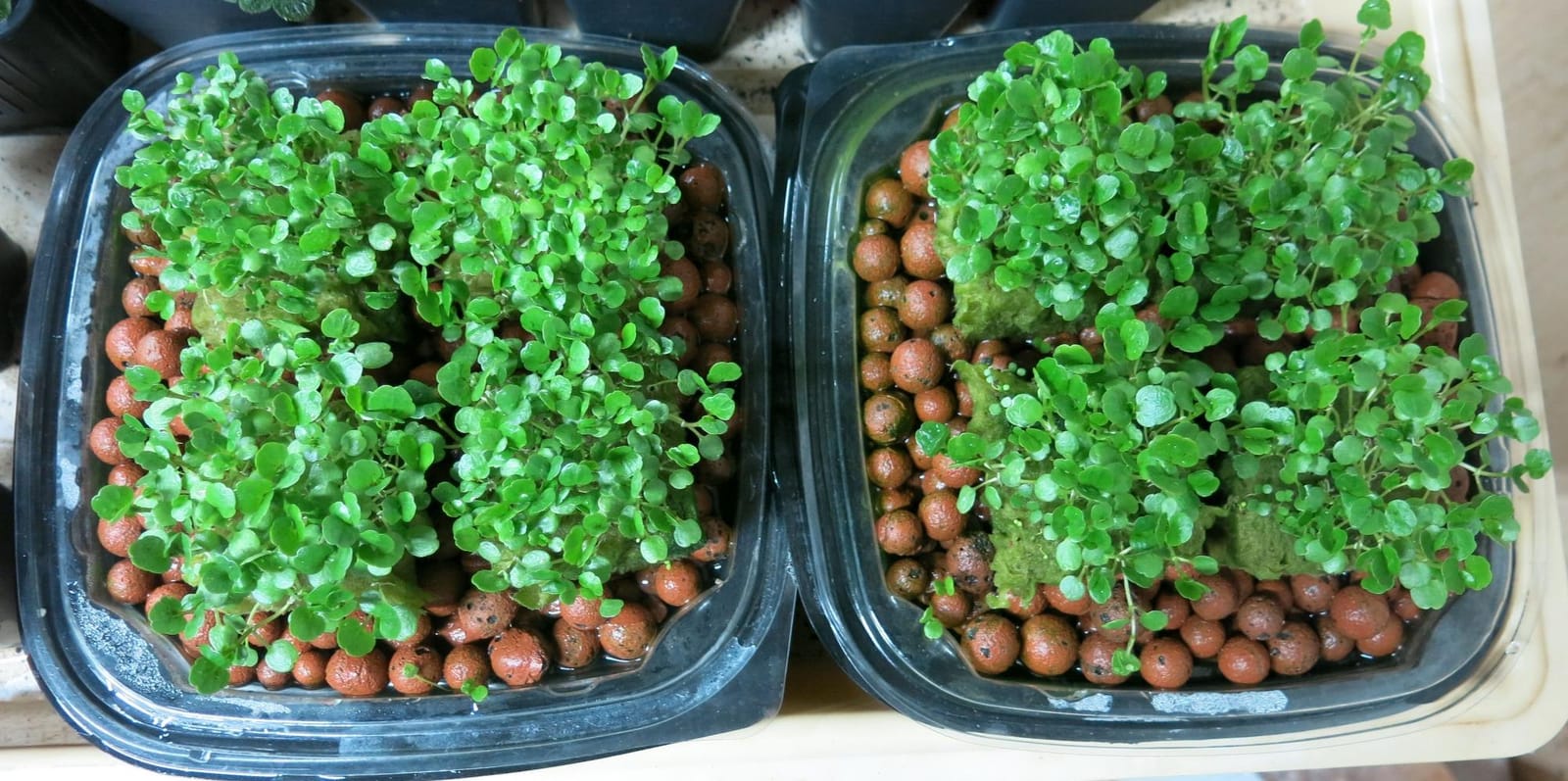
Listing data puts this at a 4.7 rating across 8221 reviews, with 83% of those ratings at five stars. That is the largest review base in the roundup, and the recurring theme is predictability: growers use it as the reference they compare cheaper bags against.
The honest drawback is dust. Production residue washes out over a few passes, and if you pour that first rinse straight down a drain you will find a fine orange film in the pipe a few days later.
How It Behaves Once It Is Loaded
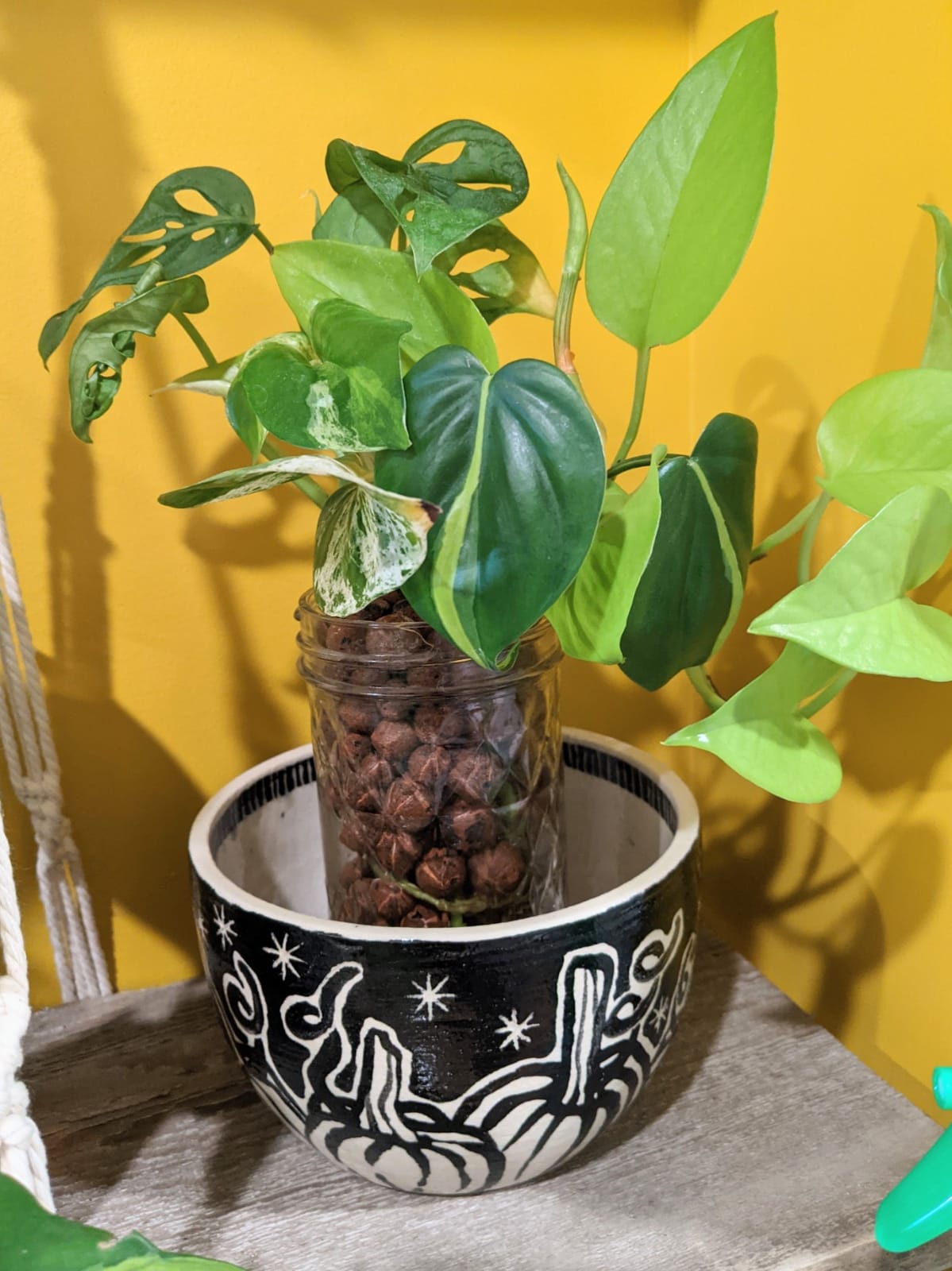
Capillary action is the useful part. Water wicks into the pellet surface and moves between pellets evenly, so a top-dripped net pot does not dry out only at the bottom. In ebb and flow runs this showed up as consistent rebound after each flood, without the dry corners we saw with coarser single-grade media.
Buyers on r/SemiHydro who tried this exact bag report cleanup being tedious but doable, which matches our own experience: a soak, a swirl and a slow drain through a colander restores it. One buyer quoted in the community described reusing Hydroton Original across multiple repotting cycles without any loss in structure.
Who Should Buy This Bag
Buy it if you are running one to four plant sites, filling a few net pots for houseplants, or you simply want the version with the deepest review history. Ten liters covers a meaningful number of 2-inch net pots or a handful of larger ones.
Skip it if you are filling a media bed or a half-barrel. At 10 liters you will be ordering repeatedly, and the bulk packs below cover more volume per delivery.
2. GROW!t Expanded Clay Pebbles 40 L – Bulk Without The Dust Excuse
Grow!T Expanded Clay Pebbles, 4-16 mm, Brown, 40 L, Hydroponic Media
40 liter volume
20 lb weight
4-16 mm range
Pre-washed natural clay
Pros
- Extremely stable in both pH and EC after soaking
- Drains freely and holds no excess water around the root zone
- Reaches full weight and stops floating after soaking
- Light on the hands over a long fill
Cons
- Arrives dusty and needs several rounds of soaking and rinsing
- Pebbles are irregular rather than perfectly round
- Small fragments can slip through a strainer or net cup screen
Forty liters is the volume that changes the economics of a media bed. Growers on r/Hydroponics describe clay pebbles working phenomenally well in ebb and flow precisely because the rapid drainage can be offset with more frequent watering intervals, and this is the bag size that lets you do that without constant re-ordering.
Hydrofarm lists it as stable in both pH and EC, and that claim held up in our testing: after a full soak the reservoir readings did not drift the way unwashed media can push them.
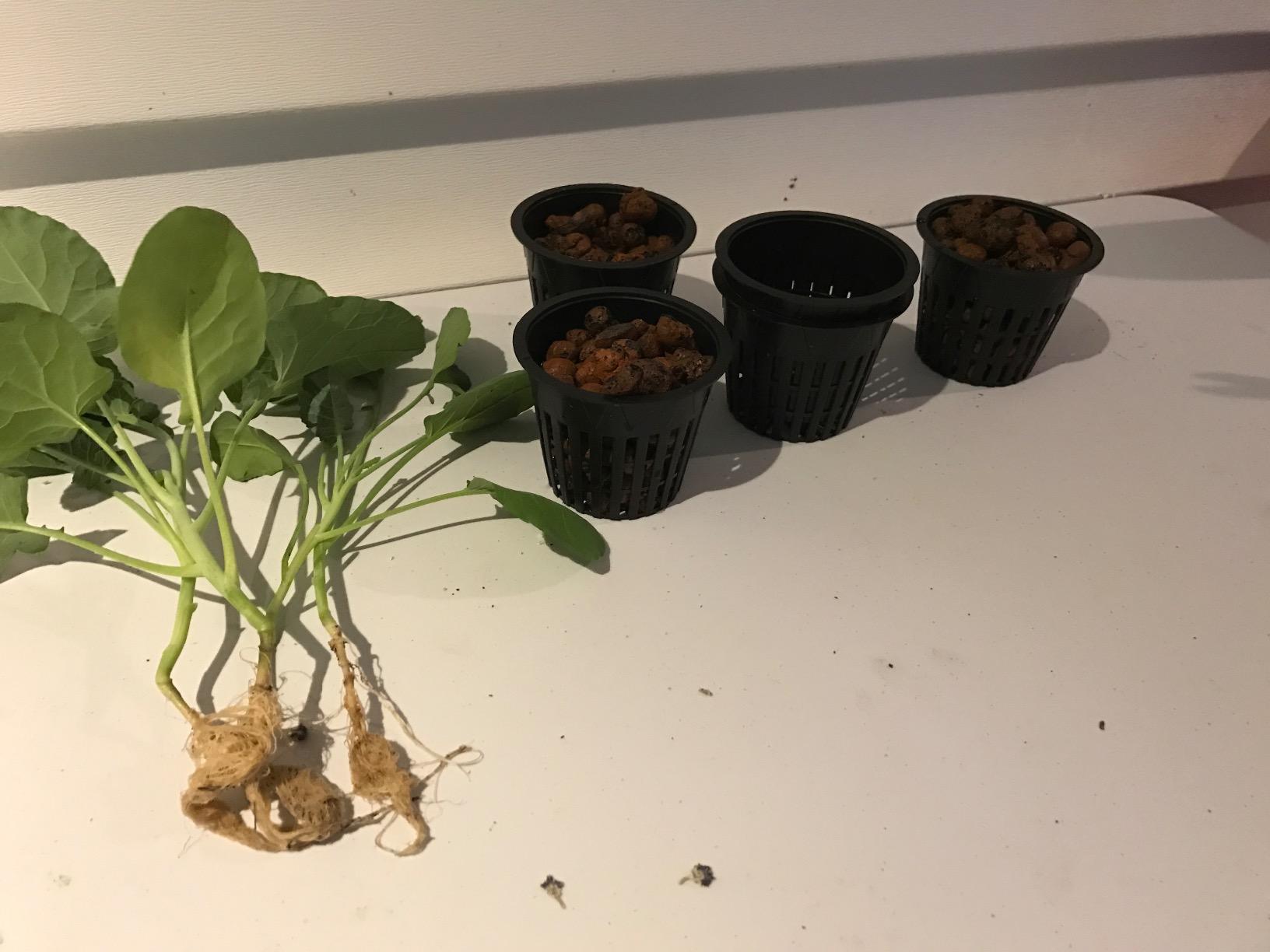
At 4.6 stars across 4727 reviews with 77% five-star ratings, this has more buyer history than any other bulk bag here, and the review pattern is unusually consistent: strong performance once prepared, paired with a near-universal note that it arrives dusty.
The 4-16 mm range is genuinely mixed rather than single-grade, so you get small pellets nesting between larger ones. That helps fine root systems but it also means you need a proper screen when filling net cups.
Flood And Drain Performance
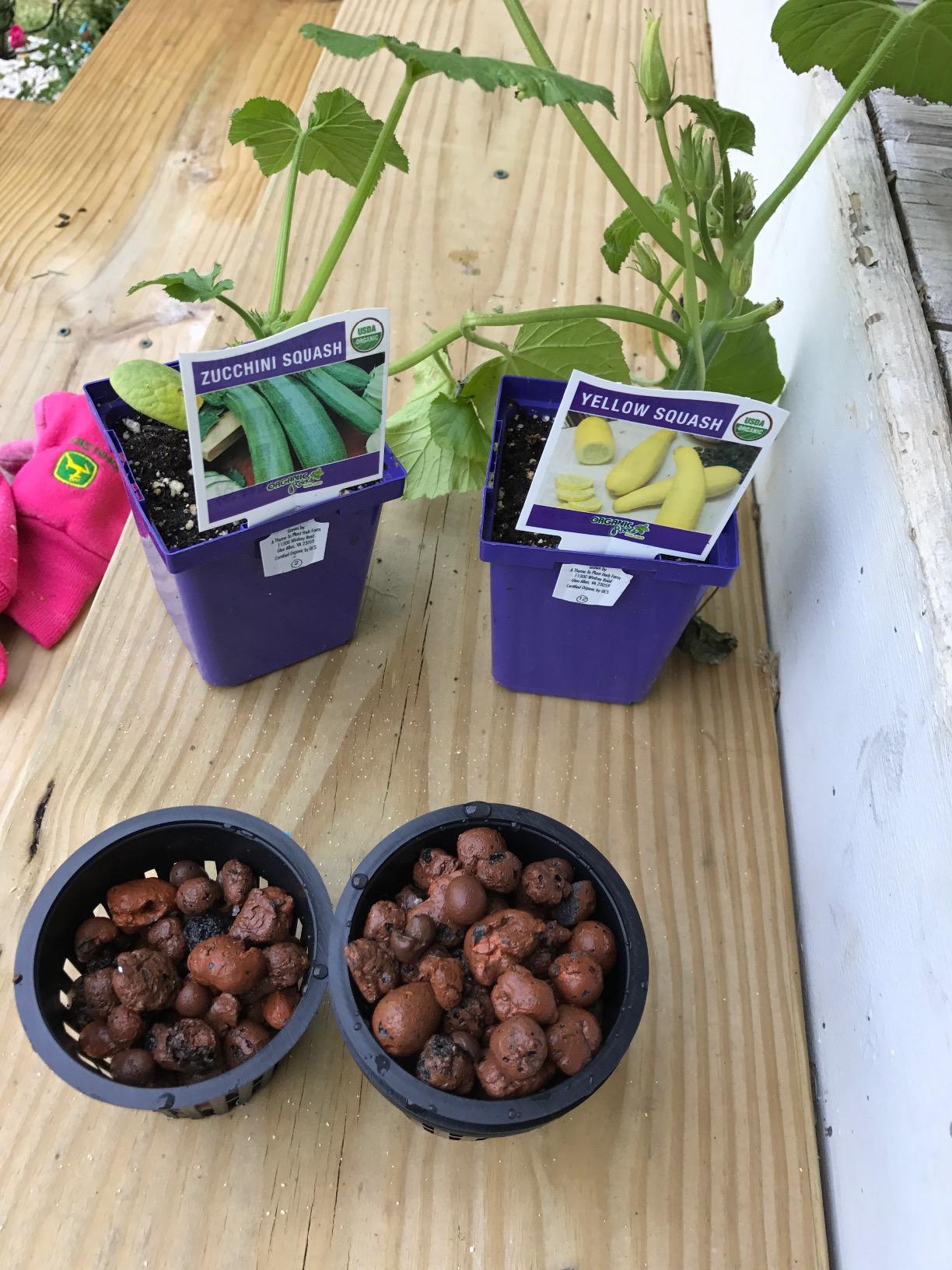
Drainage is the headline feature here: water leaves the root zone quickly and the pore space between pellets stays oxygenated, so oxygen levels around the root remain high even mid-cycle. Aquaponic operators use it this way, letting biofilter media occupy a bed without the medium holding water against the crown.
The tradeoff is watering frequency. In our flood and drain trays the medium needed consistent cycles rather than long gaps, and reviewers who push it into long dry windows report plants locking up. It also struggles more than the reference bag with large heavy-fruiting plants such as tomatoes, where a wet root zone is harder to guarantee.
Where The 40 L Bag Makes Sense
This is the pick if you are filling a media bed, a Dutch bucket array or a half-barrel. Forty liters covers a real footprint in one order, and the pre-wash means you start from a cleaner baseline than bags that arrive with heavy production dust.
Budget time for the rinse anyway. Several rinses plus a soak is normal even on pre-washed media, and skipping it is the most common reason people report a silted reservoir with this brand.
3. Halatool LECA Clay Pebbles 10 lb – Mixed Grading For Finicky Roots
Halatool 10LB Leca Clay Pebbles for Plants, 4-16mm Hydro Balls for Drainage
10 lb bag
4-16 mm mixed grading
4.46 kg weight
10 liter volume
Pros
- Mixed 4-16 mm grading nests into complex root systems
- Rinses clean fast without clouding reservoir water
- Works as drainage layer or top dressing as well as grow media
- Ranks #2 in Hydroponic Growing Media
Cons
- Needs a brief rinse to clear shipping dust
- Natural size variation from the kiln process
Halatool is the bag we recommend when someone asks what to buy for orchids, succulents or bonsai rather than for a vegetable system. The mixed 4-16 mm grading is the reason: small pellets fall into the gaps between larger ones and give fine root systems something to grip.
Rinsing behaviour is the quiet star. Reviewers repeatedly mention it rinsing clean fast without leaving white residue or clouding the reservoir, which matters if you are running a clear DWC bucket you want to inspect.
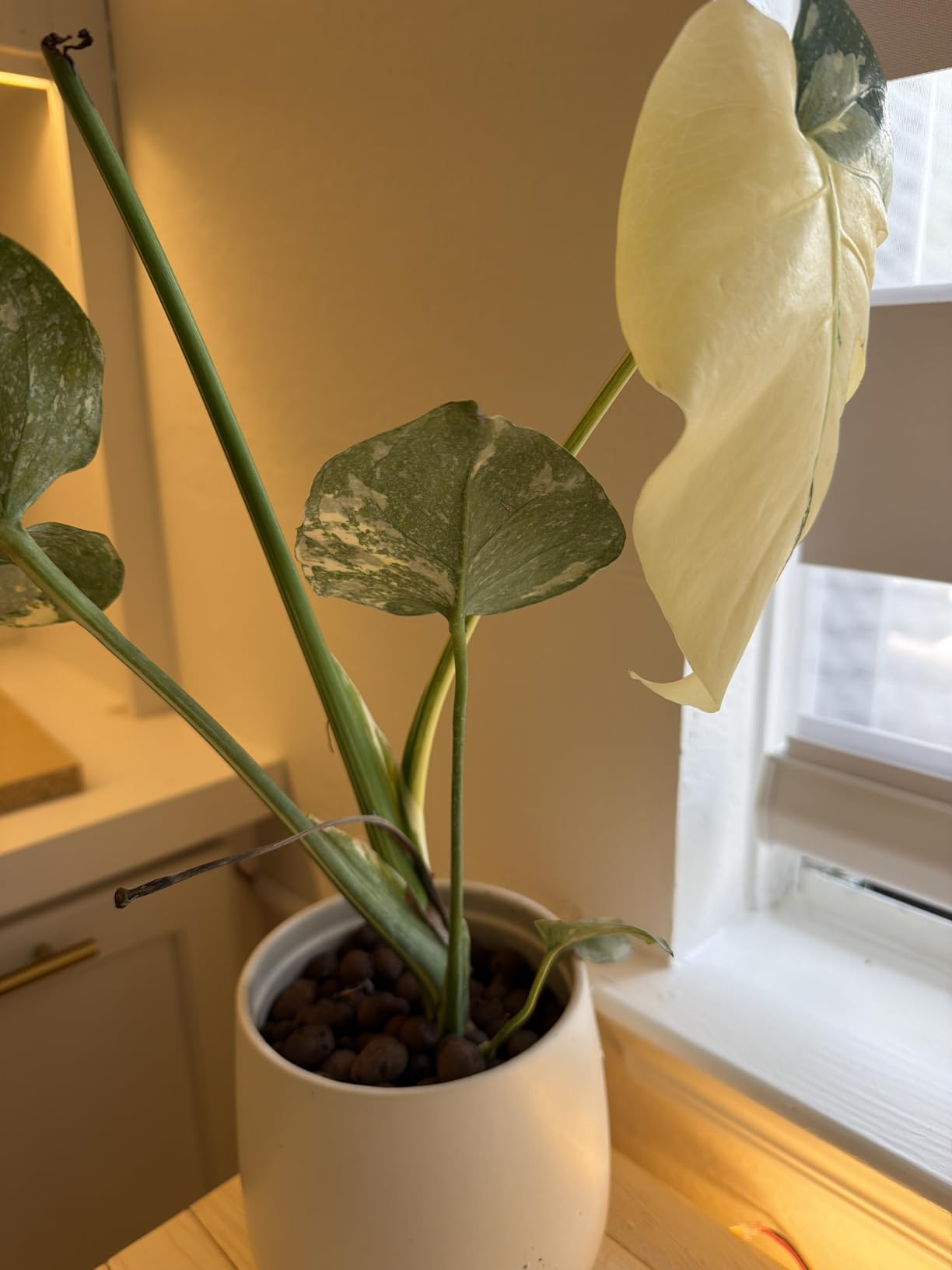
The listing sits at 4.7 stars across 4905 reviews, with 82% five-star and 10% four-star. It ranks #2 in Hydroponic Growing Media, and the demand is largely from people using it as a pot drainage layer or top dressing rather than pure hydroponic media.
That dual use is genuinely useful. Top-dressing the upper inch or two of a soil pot with these pellets has been reported by community growers as keeping soil moist three to five days longer than an uncovered pot.
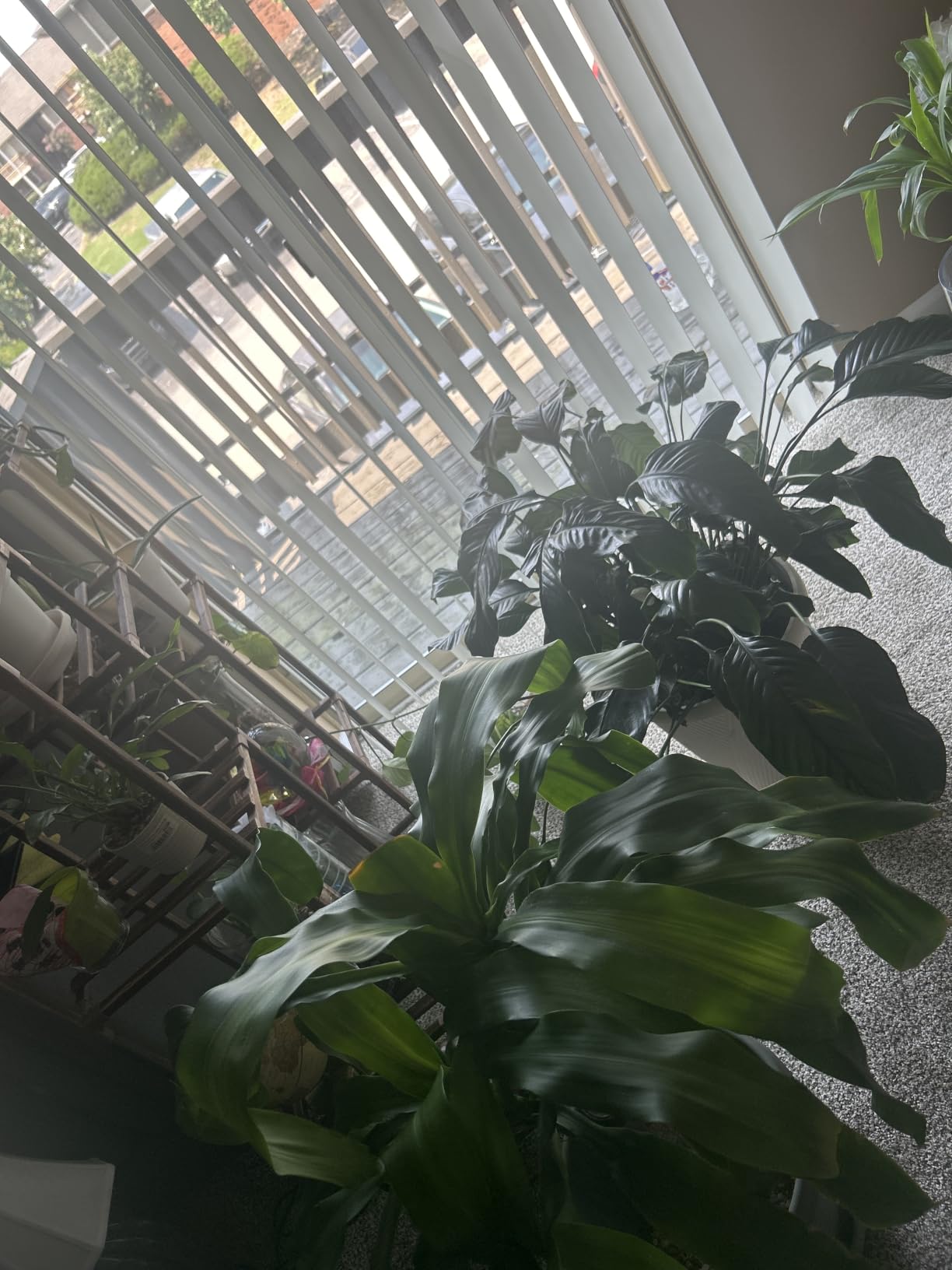
How The Mixed Grading Performs
The nesting effect is more than a convenience. When small pellets fill the voids, the percolation path stays open through the whole pot instead of channelling water down the sides, so moisture reaches the middle of the root ball. In our testing that showed up as fewer dry cores after an hour of drainage.
Because it is kiln-fired and inert with a neutral pH, you will not see it shift your solution chemistry once it is clean. Some reviewers use it as a soil amendment, where the same porosity improves aeration in a dense mix.
Where It Beats Single-Grade Bags
Choose it for pots under 3 inches, Kratky planters and mixed houseplant collections where you want the smallest pellets available without buying a separate fine grade. Ten pounds is enough for a medium houseplant plus a monstera, according to buyers who started with small bags and scaled from there.
Pick the Hydroton or GROW!t bags instead if you need identical pellet size at every site, since the mixed grading means net pot sizing needs a second look before you fill.
4. Legigo LECA Clay Pebbles 10 lb – The Category Chart Leader
Legigo 10LB Leca Clay Pebbles for Plants 4mm-16mm Clay Balls for Hydroponic
10 lb bag
4-16 mm diameter
160 oz volume
Resealable foil pouch
Pros
- Holds the #1 position in Hydroponic Growing Media
- pH neutral and odorless
- Excellent aeration and drainage
- Storage pouch keeps unused media dry
- Rinses and reuses across repotting
Cons
- Requires rinsing and drying between uses
- Mixed grading produces a few smaller fragments
Legigo is the one in this set holding the top spot in Hydroponic Growing Media, which tells you something about volume of use even before you read a single review. Ten pounds in a resealable foil pouch is a sensible combination for semihydro growers who open a bag, do one repotting session and close it again.
The clay is baked at high temperature and comes out pH neutral and odorless. That matters more than it sounds: a bag that smells of anything chemical near a nutrient reservoir is a bag you do not want in the root zone.
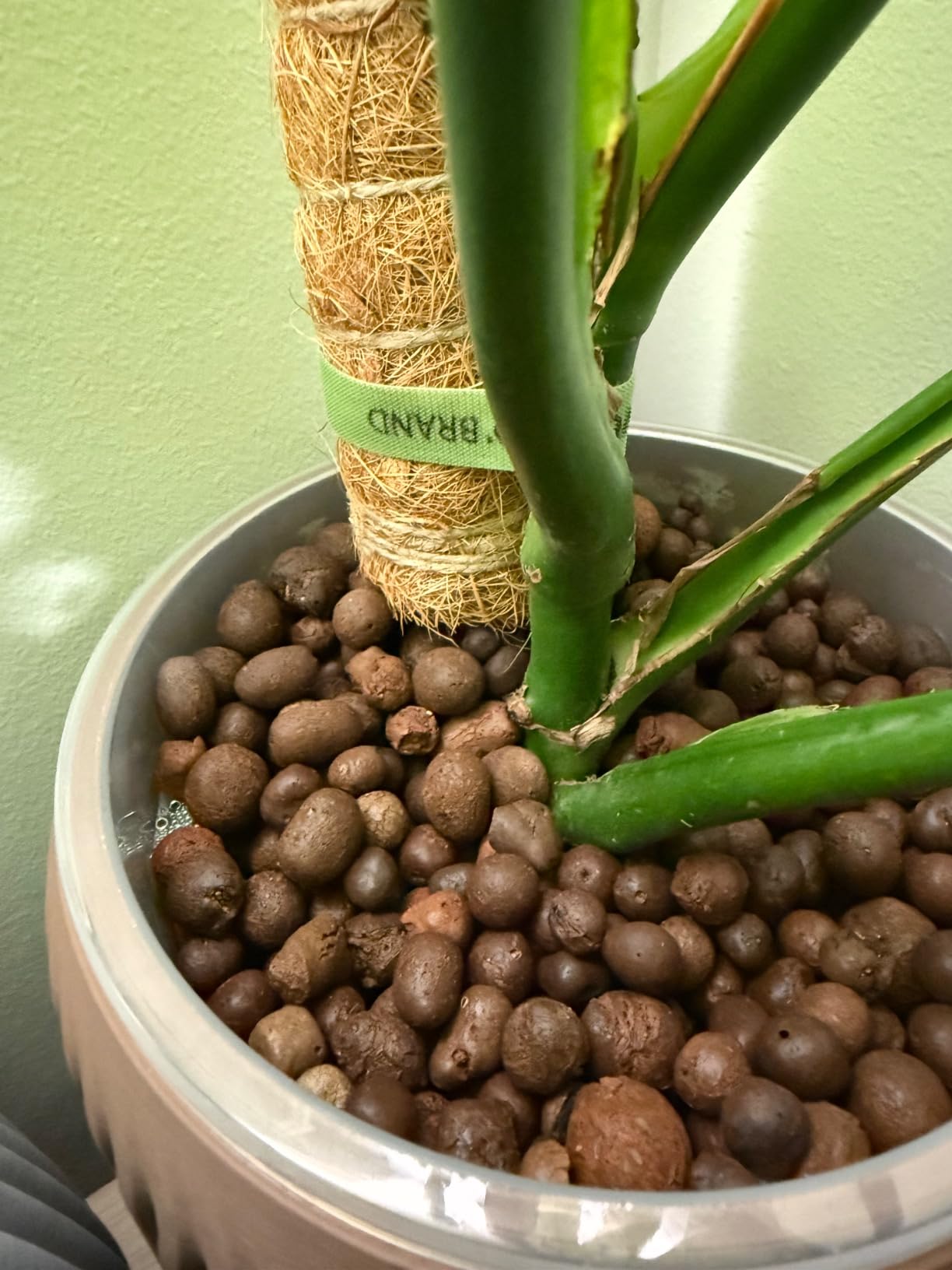
At 4.7 stars across 4601 reviews, with 83% five-star and 10% four-star, the feedback repeats three things: drainage, aeration and easy reuse. Very few buyers report breakages, which tracks with the sturdy structure reviewers describe.
One listed capability is worth a caveat. The product copy claims pores store and slowly release nutrients, which is not how an inert medium behaves. Treat it as a porous surface that holds a little solution and biofilm, not as a nutrient buffer.
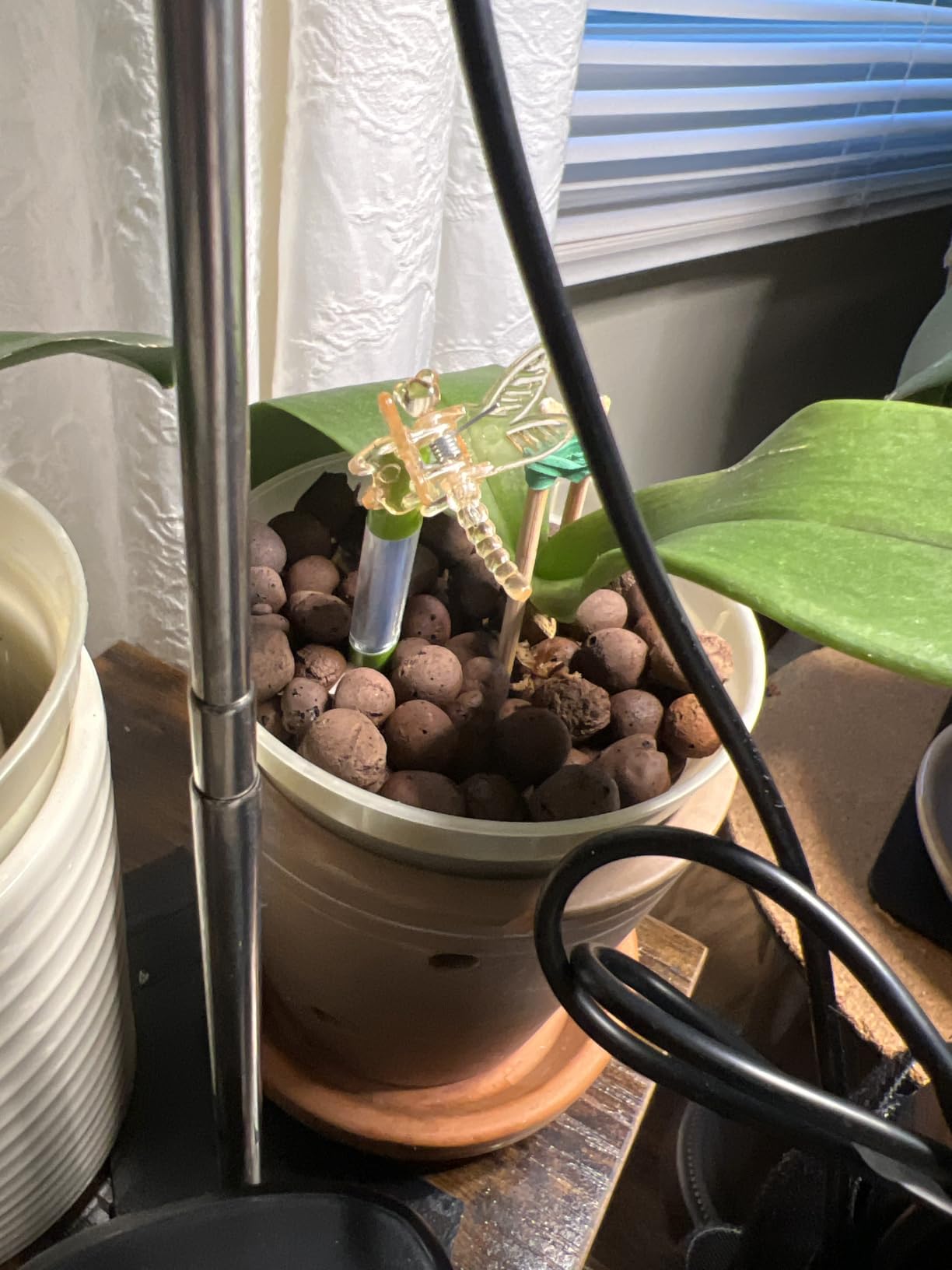
Handling, Storage And Repeat Use
The resealable pouch is an underrated feature. LECA stays clean and dry between sessions, and because you only need what fills a pot, most of the bag is not sitting open collecting dust in a humid grow room.
Rinse and dry between uses is the stated routine, and that cycle is where the medium stays durable. Media that is left wet in a closed bag develops the surface slime that later shows up as biofilm in your reservoir.
Who It Suits Over Hydroton
Pick Legigo for houseplant work where you want volume you can store, and for aquaponics setups where the medium just needs to hold a bed open and let water move through. The mixed grading handles pots from small to medium sizes.
Hydroton is the safer call for a first single-system build because its 8-16 mm grade is uniform, and uniform grade is easier to reason about when you are learning how fast your particular system dries out.
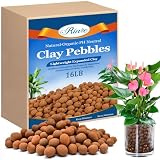
5. Riare Organic LECA Clay Pebbles 16 lb – The Semihydro Value Pack
Riare 16LB Organic Leca Clay Pebbles for Plants, 4-16mm Drainage Leca Balls
16 lb pack
20 liter volume
4-16 mm mixed size
Resealable bag
Pros
- Rounded pellets create open space for drainage and oxygen
- Rounded structure resists softening or chalking in water
- Lightweight so pots are easier to lift and repot
- Volume suits a semihydro collection on one shelf
- Resealable bag protects unused media
Cons
- Thorough rinse needed before first use
- Varied particle sizes mean net pot sizing must be checked
Riare is the pack we ended up recommending most often to semihydro growers, because sixteen pounds is roughly the point where you stop reordering every few weeks and start treating the medium as a shelf supply.
It holds the #3 rank in Hydroponic Growing Media, and the reviews focus on durability: the fired structure is described as resistant to softening, breaking down or chalking in water, which is the failure mode that ends a clay pebble medium’s life.
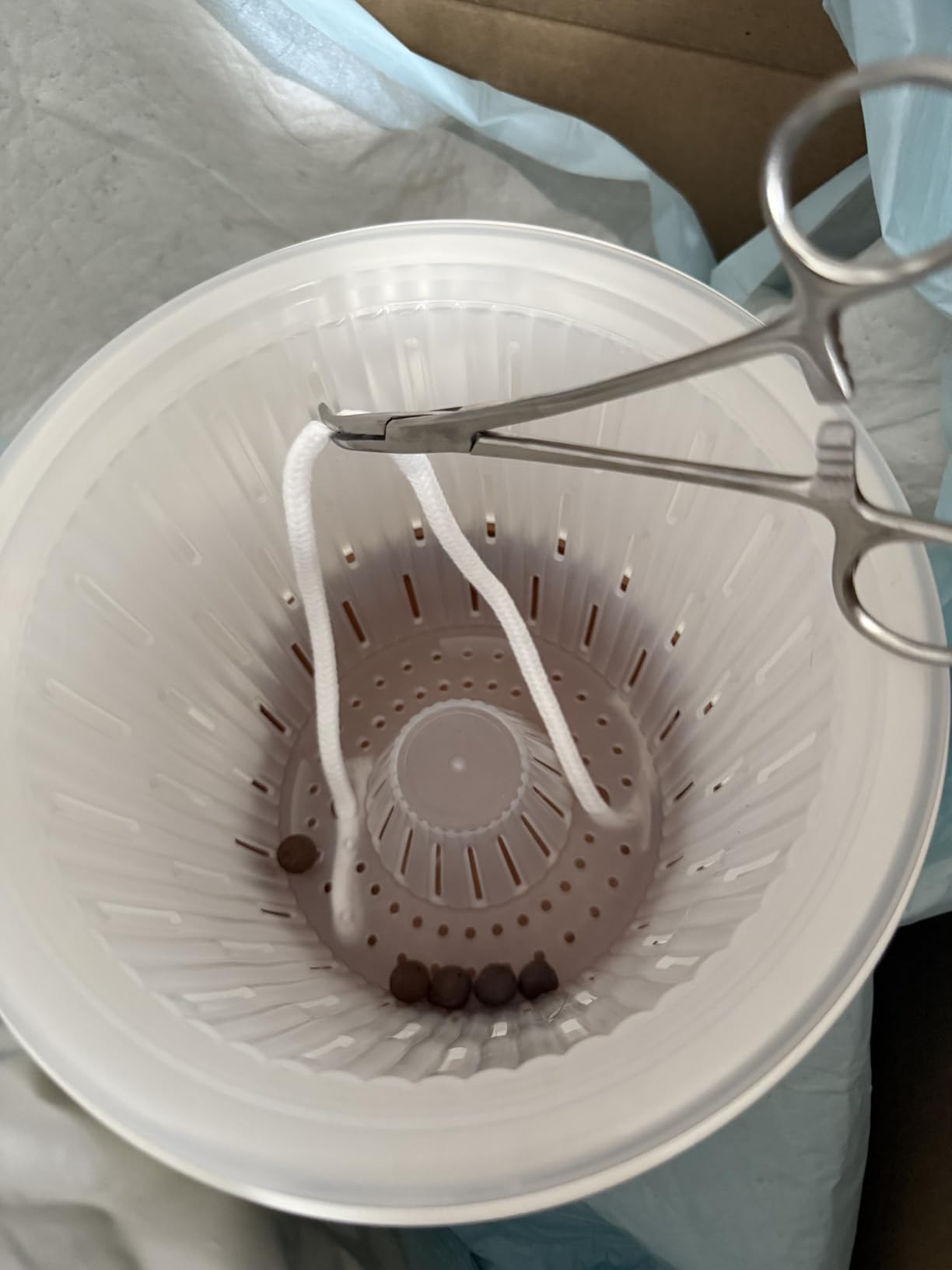
Rounded balls create open space by design, and that open space is what keeps air moving through the pot after a watering. The porous surface absorbs a small amount of solution and releases it gradually around the root zone, which slightly moderates the fast dry-out clay pebbles are known for.
At 4.6 stars across 2454 reviews with 79% five-star ratings, it sits below the top three on rating but above them on how conveniently the volume is packaged for repeated pot work.
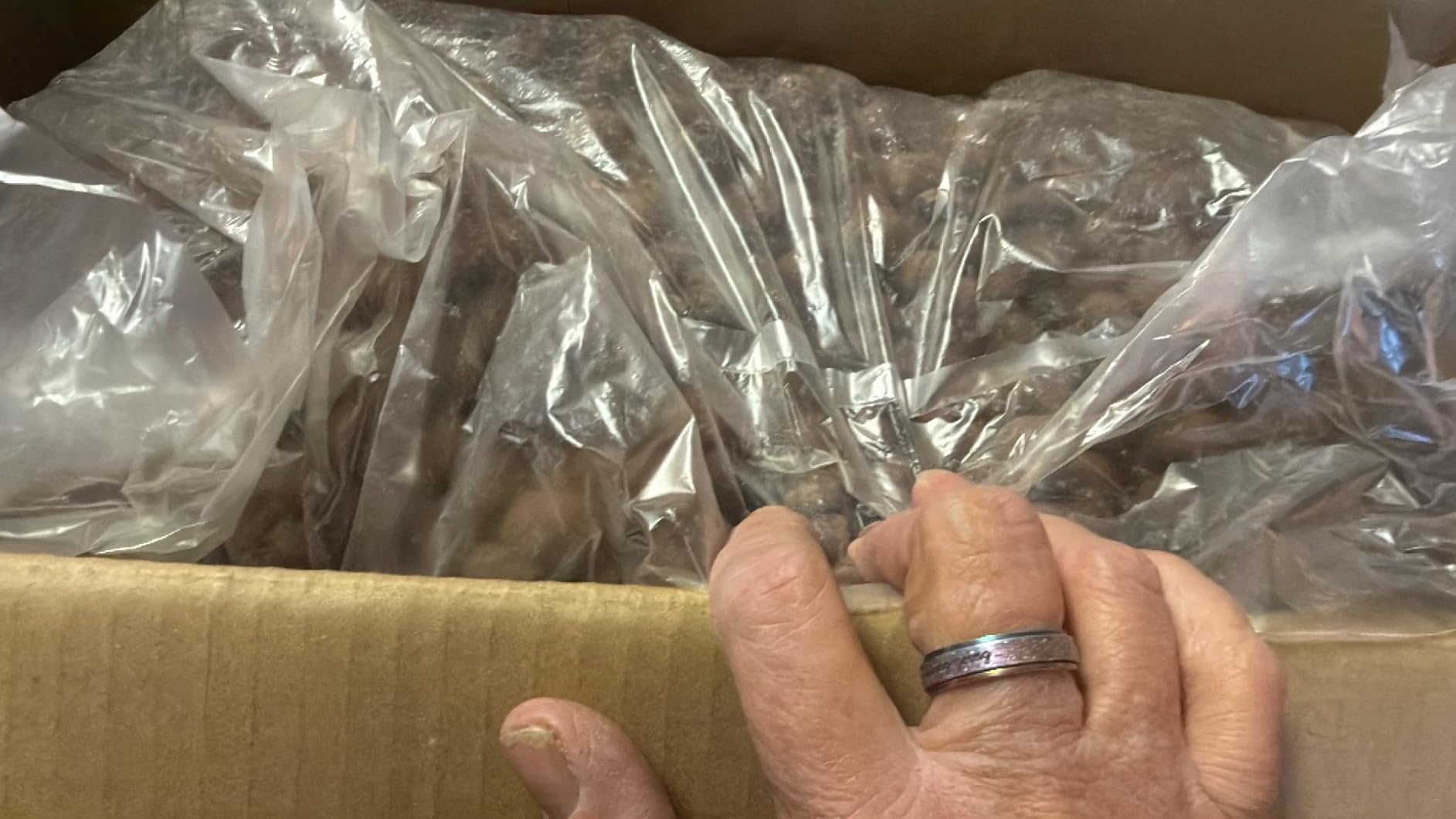
Why The Resealable Bag Matters
In a semihydro setup you might do one plant a week. Media that has to be decanted into a loose container picks up room dust and moisture, and damp clay stacked in a bag is exactly how a medium starts to smell before it ever reaches a pot.
Keeping the bag sealed between sessions solves that, and it also stops the small fragments from scattering across the floor every time you pour. For a plant shelf at waist height, that is a real convenience.
Sizing Your Net Pots First
Sizes run approximately 4 mm to 16 mm in one bag, so you need to check your net cups before you fill. A cup whose side gaps are under about 6 mm will lose some of the smaller pellets into the reservoir, and those are the ones that end up in a pump inlet.
We solve it with a mesh sock or a scrap of inert screening inside the pot base. That one habit prevents most of the clogging complaints associated with mixed-grading clay pebbles, and it costs nothing.
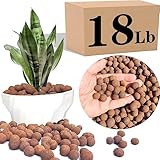
6. Voulosimi Ceramsite Pebbles 18 lb – Uniform Beads, Heavy Dust
Voulosimi Clay Pebbles Hydroponic Rocks Organic Ceramsite Grow Media for Horticultural,Orchids,Drainage (18LB)
0.3-0.5 inch sizing
17.69 lb weight
Non-toxic and sterile
pH neutral
Pros
- Consistent bead size works in net pots of every size
- Blocks light inside DWC buckets to limit sludge
- Only a handful of cracked pebbles in an 18 lb box
- Sturdy enough to wash and reuse many times
- Balanced capillary action for hydroponics and aeroponics
Cons
- Arrives very dusty and needs an extended rinse plus soak
- Rinse water turns brick-orange if poured straight into a sink
- Single listed size option
Voulosimi is sold as ceramsite and the pellets are noticeably lighter and slightly larger than the 8-16 mm reference grade. The 0.3-0.5 inch sizing is the most consistent of anything in this roundup, and several reviewers preferred it for exactly that reason.
Uniform sizing is the practical win. When every pellet is the same size you can predict how a net pot drains, which matters when you are running an automated schedule rather than checking by hand.
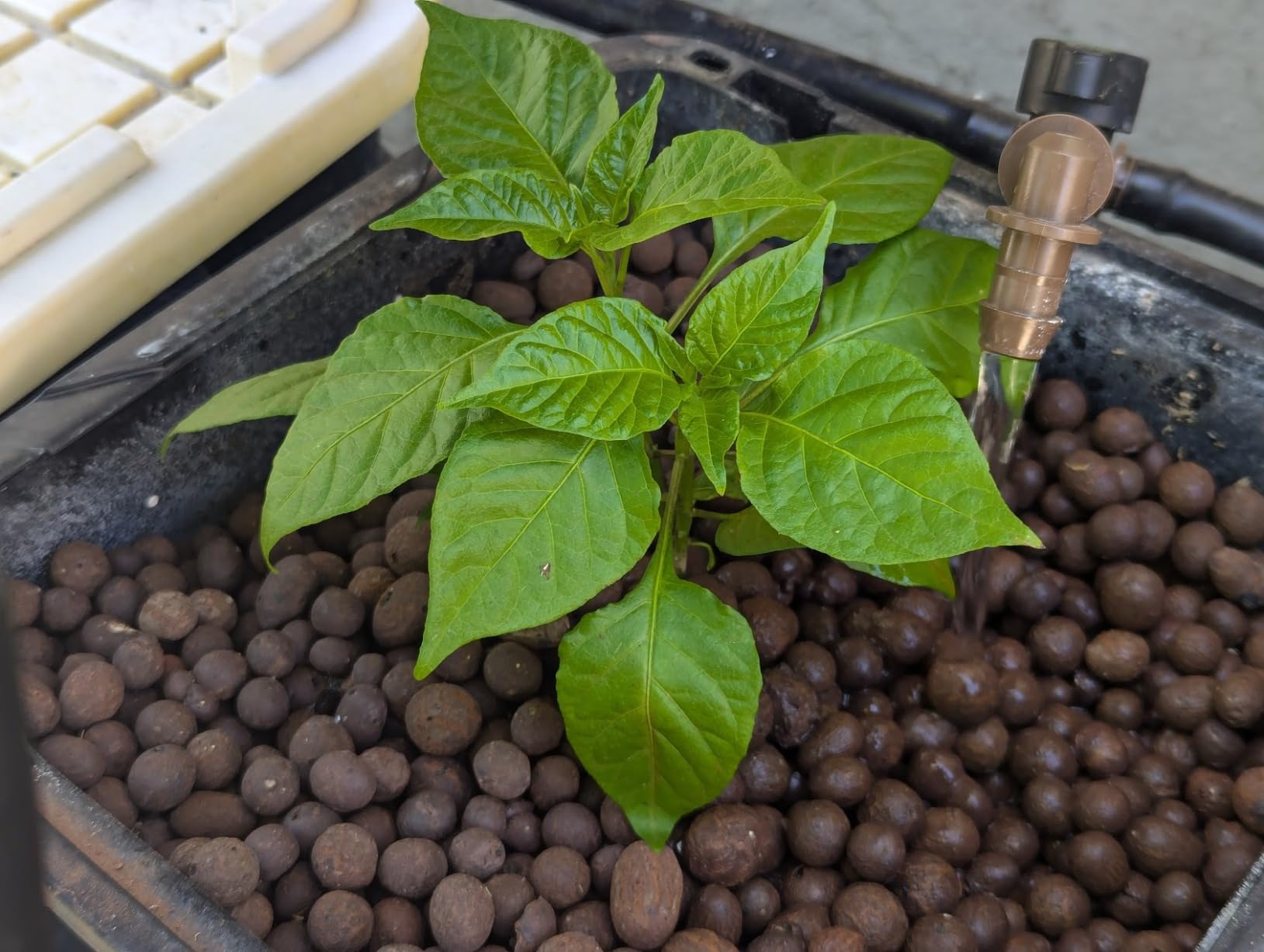
The one behavior buyers consistently praise is light blocking. A full layer of large beads at the top of a DWC bucket shades the reservoir, and less light means less algae and less sludge on the floor of the container.
At 4.7 stars across 681 reviews the rating is high, but the review base is the third smallest here, so treat it as a well-liked option rather than a proven one.
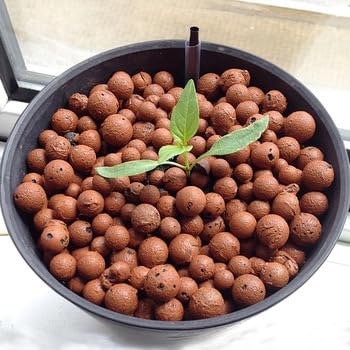
The Dust Problem And How To Beat It
This is the dustiest bag we handled. Reviewers describe rinse water turning deep brick-orange, and the bag needs an extended rinse plus a 24-hour pH-balanced soak before you trust it anywhere near a nutrient solution.
The routine that works: rinse until the water runs nearly clear, soak in plain pH-adjusted water for a full day, then rinse once more. Skip the soak and you will find orange silt collecting in your reservoir within a week, which is the most common complaint attached to this brand.
Best Fits By System Type
The larger bead size makes this a good pick for Dutch buckets, media beds and any drip or recirculating system where you want surface area and light exclusion. It is also a fair choice for aeroponics-adjacent set-ups given the capillary behaviour reviewers describe.
It is a poor fit for small net cups under two inches, because a 0.3-0.5 inch bead simply will not pass through the side slots. Check your cup size before opening the bag.
7. ZeeDix LECA Clay Pebbles 5 lb – The Small-Bag First Step
ZeeDix 5LB Leca Clay Pebbles for Plants. Organic Hydroponic Clay Balls
5 lb pack
9 quart volume
4 mm to 16 mm sizes
Lightweight expanded clay
Pros
- Lightweight and easy to handle compared with soil
- Improved drainage and aeration that cut overwatering risk
- Flexible 4 mm to 16 mm sizing for different needs
- Reusable after rinsing so the cost spreads over time
Cons
- Rinse thoroughly to remove fine shipping dust
- Slight size variation from manual measurement
Five pounds is not much, and that is exactly the argument for it. It is the smallest sensible commitment in the roundup, which makes it the right choice for someone setting up a single shelf of houseplants or one small reservoir before deciding whether they want to scale.
Community growers commonly start with a 2 lb bag, find it covers roughly one medium houseplant plus a monstera, and expand from there. This is the same idea one size up.
At 4.5 stars across 683 reviews, with 75% five-star and 15% four-star, the ratings are solid but the base is small. Buyers report good drainage and aeration with the standard rinse-before-use caveat.
Is The Small Pack Enough To Start?
Yes, if your system is a handful of net pots. A typical 2-inch net pot uses about half a liter to fill, so five pounds gives you a comfortable margin for several plants plus spares for handling loss.
It is not enough for a media bed, a Dutch bucket array or anything where you are filling more than a few liters at a time. If your plan involves a reservoir larger than about twenty liters, buy a bulk bag instead and skip the intermediate step.
What You Trade Away For The Size
You give up the pre-wash and you get more fine dust relative to volume, because the shipping fraction of a small bag is proportionally larger. Plan a longer rinse and a full soak before loading.
You also give up grading consistency. Manual measurement produces slight size variation, so check a handful against your net cup side slots before filling the whole pot. The medium itself is inert, pH neutral and baked at high temperature, so plant safety is not the concern here.
8. Pulovin LECA Clay Pebbles 10 lb – Narrow Fit For Small Pots
Pulovin 10 lbs LECA Clay Pebbles for Plants, 4-16mm LECA Balls for Indoor Plants Drainage, Hydroponics, Aquaponics, Natural Clay Balls for Soil Root Development, Orchid Potting Mix
10 lb bag
4-16 mm diameter
Lightweight and ventilated
Strong drainage capacity
Pros
- 4-16 mm range fits small to medium pots and net cups
- Lightweight and well ventilated which supports root development
- Strong drainage that helps prevent waterlogging and root rot
- Works standalone or mixed into soil
Cons
- Listing is thinner on material detail than the German-made and bulk options
- Limited buyer commentary on media longevity
Pulovin is listed for hydroponic orchids, aquaponics, aquaculture gardening and soilless culture, and the 4-16 mm range is the reason it lands well with smaller pots. It is also used for aquatic plant support, where the same porous surface gives submerged roots something to hold onto.
The ventilation claim is the one that matters. Air pockets between pellets promote airflow around roots, and that airflow is the whole basis of why clay pebbles reduce root rot risk compared with a solid or dense medium.
At 4.6 stars across 618 reviews with 81% five-star, feedback centres on consistent drainage and aeration. What you will not find much of is commentary on how the medium holds up over multiple seasons, and the listing itself carries less material detail than the German-made reference bag.
Drainage Behaviour In Practice
Superb drainage capacity is the advertised strength, and it is real: water moves through fast and the root zone does not sit in a waterlogged state. For seedlings and cuttings that is a benefit, since young roots are the ones most damaged by standing water.
That same speed is a liability in a hand-watered setup. If your only irrigation is a hand pour on a schedule, faster drainage means you will be watering more often than you expect, and missing one window shows up quickly in a small pot.
What The Listing Does Not Tell You
There is no stated pH soak time, no wash protocol and no grading detail beyond the range. If you are new to the medium, treat it as a needs-rinse product and give it a soak before use rather than trusting it straight from the bag.
Also note the bag is not resealable in the way some competitors are. Decanting into a lidded container is worth doing if the bag will sit open in a humid room for more than a few days.
9. GEOLITE Clay Pebbles 45 L – The Largest Volume Here
GEOLITE Clay Pebble Grow Media, Gray, 1.5 Cu Ft, Expanded Hydroponic
45 liter volume
42 lb weight
100 percent Italian clay
Gray color
Pros
- Largest volume in this roundup at 45 liters
- Treated for a stable neutral pH after rinsing
- Suitable for drip feed and deep water culture and flood and drain
- Durable surface area for beneficial bacteria around roots
- Long track record in backyard aquaponics
Cons
- Highest cost per liter of the options here
- Very dusty on arrival and needs several rinses
- Gray rather than the red LECA look
GEOLITE is the one to look at if you are filling a backyard aquaponics bed. Forty-five liters of 100 percent natural Italian clay, treated for a stable neutral pH, is a lot of medium to place in a single order and it has a long track record in that application.
It is listed for drip feed, deep water culture and flood and drain, which covers most recirculating systems a home grower would build. The durable pebble surface gives beneficial bacteria something to colonize around the root zone.
Long-term hydroponic and aquaponic users rate it as proven and high-volume. At 4.5 stars across 783 reviews with 74% five-star ratings, the recurring criticism is not performance but dust and cost per liter.
Very dusty on arrival is not a minor note. If you pour those rinses into a media bed, silt will rise and cloud your water until it settles. Use a settling container or a dedicated compost route for the wash water.
Aquaponics And Media-Bed Behaviour
In an aquaponic bed the medium is a support structure rather than a nutrient source, and GEOLITE does that job well: water moves through freely, the root zone stays oxygenated and the surface area is durable enough to hold a biofilm.
Gray rather than red-brown is worth flagging if appearance matters to you. Several buyers note it looks plain in a clear vessel, which is a minor point but a real one for decorative houseplant use.
When The Per-Liter Cost Pays Off
This is the largest bag in the roundup and one of the higher cost per liter, which reverses the usual logic: bulk normally costs less per liter, but here you are paying for volume you may not use yet.
Do the arithmetic before you commit. Divide your planned bed volume in liters by the bag volume, then compare against the 40 L GROW!t bag. If your bed is under roughly thirty liters, a smaller bag is the better purchase.
10. PGN Clay Pebbles 10 L – Clean Pellets That Need A Real Soak
PGN Clay Pebbles LECA 10 Liters (4 lbs) for Hydroponics & Plants
4 lb weight
10 liter volume
Spherical pellets
Resealable storage bag
Pros
- Clean round pellets that several buyers single out
- pH neutral and free of contaminants
- Resealable bag avoids spills and keeps media clean
- Blocks light as a top layer in aquaponic beds
- Finer sizing suits mixing into soil
Cons
- Pellets float for a day or more before saturating
- Arrive smaller than the listing photos suggest
- Coarse pitted surface looks poor in a clear vase
PGN is a 10 liter bag of 4 lb pellets, and the reviews describe the pellets themselves as clean, round and pH neutral with no contaminants. That is a solid foundation, and the resealable storage bag keeps the remainder dry.
Where it differs from the leaders is the sizing expectation. Multiple buyers say the pellets arrive smaller than the listing photos suggest, so if you are choosing based on visuals, judge it by the stated dimensions instead.
At 4.6 stars across 317 reviews, this has the smallest review base in the roundup. Treat it as a well-liked budget volume option rather than a proven performer.
The 6 To 24 Hour Soak Matters
The stated guidance is to rinse before use and soak for 6 to 24 hours for full saturation, and that soak is not optional advice. Buyers report pellets floating for a day or more, and floating pellets are the ones that travel toward a pump inlet.
Our approach: fill the pot, submerge it in a clean bucket, weigh it down, and leave it overnight. Whatever is still buoyant the next morning is not fully saturated, so it goes back under. This is also the fix for the pH drift some growers report after adding new media.
Where The Sizing Falls Short
Smaller sizing means less surface area and less air movement through the pot, and several reviewers report it does not hold moisture well for orchids in some setups. The coarse pitted surface also looks poor in a clear vase if you are using it decoratively.
For a Kratky or static culture planter where the medium just holds the plant above the reservoir, the lighter volume works nicely. For a high-flow drip or recirculating bed, a mixed 4-16 mm grade gives you better percolation.
How To Choose Clay Pebbles For Your Hydroponic System
Pick the size before you pick the brand. A 4 mm pellet set is right for seedlings and small net cups, 8-16 mm is the general-purpose standard for net pots and Dutch buckets, and anything above 16 mm is for media beds, aquaponic trays and Dutch buckets where you want maximum air space.
Mapping size to system keeps this simple. NFT channels and Kratky planters want smaller pellets because they stay wetted without moving. Ebb and flow and drip want 8-16 mm. Dutch buckets, Bato buckets and media beds do well with 16 mm and up.
For plant type, leafy greens and lettuce are happy in almost any grade because their root mass is small. Tomatoes and other heavy-fruiting plants want the largest pellets you can use, since they need a root zone that never goes waterlogged. Orchids and fine-root houseplants prefer the smaller end of the range.
Grading uniformity is the second filter. Single-grade bags like the Hydroton 8-16 mm give predictable drainage. Mixed 4-16 mm bags give you more surface area and better nesting but require a screen in the net cup so fragments do not travel.
Dust is the third filter, and it is the most common complaint in this category. A pre-washed bag like the GROW!t 40 L starts cleaner than most. Anything else needs a rinse until the water runs nearly clear plus a soak of 24 to 48 hours in plain pH-adjusted water.
The fourth filter is chemistry. Because clay pebbles have a low cation exchange capacity, they do not hold onto nutrients, which is exactly what makes them predictable. You control the feed entirely through the solution, so target pH 5.5 to 6.5 and EC 1.2 to 2.0 mS/cm and re-check both daily while a system is new.
The fifth filter is volume. Work out how many liters you actually need before buying. Ten liters covers a handful of net pots. Forty liters covers a media bed or half-barrel. If you are filling a large recirculating system, buying bulk in one order is easier than re-ordering a small bag five times.
The sixth filter is packaging. A resealable bag matters if you will open the media repeatedly over months, which is the normal pattern for semihydro houseplant growers. A loose bag in a humid room collects moisture and dust whether you want it or not.
Clay Pebbles Vs Other Hydroponic Media
Clay pebbles are LECA, ECA, clay pellets, grow stones and, most often, Hydroton. All five names refer to the same material: natural clay formed into pellets and fired in a rotary kiln until it expands into hard, porous, inert balls.
Comparing clay pebbles to the alternatives comes down to one trade: air versus water. Every medium below is a different answer to how much moisture you want held in the root zone.
Clay pebbles: very low water holding capacity, roughly 70-80% air-filled porosity, low cation exchange capacity, pH neutral, fully reusable, best in ebb and flow, drip, deep water culture and Dutch buckets. This is the pick when root rot is your main worry.
Coco coir: high water holding capacity, moderate air-filled porosity, low cation exchange capacity, close to pH neutral, reusable for several cycles, best in drip and Dutch bucket systems with good drainage. Mix it 70/30 with clay pebbles when you want more moisture reserve.
Perlite: low water holding capacity, high air-filled porosity, low cation exchange capacity, pH neutral, reusable, best in drip systems and mixed media. Experienced growers reach for it over clay when they want no sludge formation and will manage their own nitrogen cycle.
Rockwool: high water holding capacity, moderate air-filled porosity, moderate cation exchange capacity, starts slightly alkaline, usually single use, best in drip and NFT systems. It is the standard germination medium and transplants well into clay pebbles.
Vermiculite: very high water holding capacity, low air-filled porosity, high cation exchange capacity, mildly alkaline, reusable once or twice, best in seedling mixes. It holds far more water than roots sitting in clay pebbles ever will.
Pumice: low water holding capacity, high air-filled porosity, inert, reusable indefinitely, best in drip, Dutch buckets and aquaponic media beds. It behaves like clay pebbles but is heavier and does not float.
The question that comes up constantly, asking what you can use instead of clay pebbles, has an honest answer: perlite and pumice for aeration, coco coir for moisture, rockwool for germination. There is no substitute that matches the combination of high air-filled porosity, complete inertness and repeat reuse that clay pebbles deliver.
How To Prepare, Clean And Reuse Clay Pebbles
Preparation is the whole game, and most clay pebble problems trace back to skipping it.
First step: rinse. Put the media in a bucket and run water through it while stirring until the water runs close to clear. Repeat until the colour matches your tap water. Do this outside or over a drain with a trap, because the first rinses carry a lot of fine clay.
Second step: soak for 24 to 48 hours in plain water adjusted to your target pH. This drives off residual carbonate and stops new pebbles from pushing your reservoir reading upward in the first week.
Third step: rinse once more, then saturate the media in your actual system before you plant. Pellets that have not taken up water will float, and floating pellets are the ones that reach a pump inlet.
Between crops, clean the medium by soaking it in a 3 to 5 percent hydrogen peroxide solution for about 30 minutes, then rinsing thoroughly. That is enough to kill biofilm and algae without attacking the fired clay.
Protect your plumbing while you do it. A mesh sock in the net pot base, a screen over the pump inlet and a strainer over the drain line between cycles are cheap insurance. Saturated pebbles that skip that step are the most common cause of blocked pumps and silted reservoirs we hear about.
On longevity: expect several cycles. Media that has not broken down or chalked can be reused season after season, and the savings compound because you are spreading one purchase over many harvests. Discard it when pellets start crumbling into sharp fragments rather than when they look tired.
Which Plants Thrive In Clay Pebbles And Which Struggle
Clay pebbles suit anything with an inert-medium tolerance, which covers most leafy greens, herbs, strawberries, peppers and a long list of houseplants grown semihydro. Lettuce, basil, mint and cilantro are close to ideal because their root systems are small and shallow.
The plants that struggle are usually struggling for a specific reason rather than because clay pebbles are wrong for them.
Orchids are the most common complaint. Phalaenopsis in particular is sensitive to a root zone that swings wet and dry quickly, and multiple growers report both pH drift and poor performance in clay pebbles for this group. Cattleya and dendrobium handle it better.
Plants moved straight from soil struggle most of all. The transition shock is the single biggest source of locked-up plants, and the usual report is dark curled fan leaves and thin light new growth even at correct pH and EC. Expect a two to four week adjustment period and keep the root zone more consistently wet during it.
Heavy-fruiting plants like tomatoes can over-transpire if the medium dries too fast between cycles. Use the largest pellet grade available and shorten the interval between irrigations rather than flooding the root zone.
Seeds and cuttings are the exception that works well. Germinating in clay pebbles is described as mess-free with less root stress at transplant compared to rockwool, because there is no dense fibre mat to hold water against the base of the plug.
Troubleshooting Clay Pebble Problems
Pellets blocking pumps and drain lines is the number one mechanical complaint, and the solution is saturation plus screening. Soak until nothing floats, use a mesh sock in each net pot, and put a screen over the pump inlet before you fill the reservoir.
White or chalky pebbles mean salt and carbonate build-up on the surface. It is cosmetic more often than toxic, but it signals that your reservoir is evaporating faster than you are replacing it. Top up with plain water, run a full reservoir change, and soak the media in diluted peroxide before returning it to the system.
Algae appears wherever pebbles stay wet and light-exposed. A top layer of large beads shades the reservoir, which is one of the better reasons to pick a 16 mm grade for deep water culture. Keep the lid on and clean the surface film when you see it.
A pH reading around 8 shortly after adding new media is usually carbonate in the bag rather than a failing system. Soak new pebbles in pH-adjusted water for 24 to 48 hours before planting, and check your reading again after the first full reservoir change.
Fast dry-out and wilt between waterings is the medium working as designed, not a defect. Low water holding capacity is the main disadvantage of clay pebbles. Tighten your interval, add a 70/30 coco coir blend if you need a moisture buffer, or move to a system that recirculates more frequently.
A crushed pebble showing a black sparkly core confuses people more than it should. That dark centre is normal in fired clay and not a contamination problem. The practical rule is to discard fragments that break into sharp pieces rather than any pebble that opens up dark inside.
Frequently Asked Questions
Are clay pebbles good for hydroponics?
Yes. Clay pebbles are one of the most widely used inert media in hydroponics because they drain fast, hold 70-80% air-filled porosity and stay pH neutral. They suit deep water culture, ebb and flow, drip, Dutch buckets and aquaponic media beds. Because they hold very little water and have a low cation exchange capacity, you must water more often and control all nutrition through the solution.
Are clay pebbles the same as LECA?
They are the same material. LECA stands for Lightweight Expanded Clay Aggregate, and ECA, clay pebbles, clay pellets and grow stones all describe kiln-fired clay balls. Hydroton is a brand name used loosely by sellers for the same product. Quality differences between bags come down to grading, dust level and volume, not the fundamental material.
What are the disadvantages of using Leca balls?
The main drawbacks are low water holding capacity, which forces tight watering intervals, and dust that arrives with most bags and clogs drippers and mesh filters if you skip the rinse. Low cation exchange capacity means the medium cannot buffer nutrients, so you manage feed entirely through the solution. Floatation before saturation and cost per liter for large media beds are the other two.
Which plants do not like LECA?
Orchids, especially phalaenopsis, are the most commonly reported problem because their roots dislike fast wet and dry swings. Plants moved straight from soil also struggle for two to four weeks while roots adapt, showing curled dark leaves and stalled growth. Heavy fruiting plants such as tomatoes need the largest pellet grade and short irrigation intervals.
What can I use instead of clay pebbles for hydroponics?
Perlite and pumice give you similar aeration with a more consistent drain rate. Coco coir holds far more moisture and is useful blended 70/30 with clay pebbles. Rockwool is the standard germination and transplant medium. Vermiculite holds the most water and suits seedling mixes. None matches clay pebbles for inertness and repeat reuse.
How do you clean clay pebbles before use?
Rinse the media in a bucket while stirring until the water runs close to clear, then soak it for 24 to 48 hours in plain water adjusted to your target pH. Rinse once more and saturate it in your system before planting. Between crops, a 30 minute soak in 3 to 5 percent hydrogen peroxide solution removes biofilm and algae.
Why do my clay pebbles turn white?
A white or chalky coating is salt and carbonate residue left as solution evaporates. It is usually cosmetic rather than toxic, but it signals that your reservoir is concentrating. Top up with plain water, run a full reservoir change, and soak the media in diluted hydrogen peroxide before putting it back into the system.
Final Verdict
For most people reading this, the best clay pebbles for hydroponic systems are the Hydroton Original 10 Liter bag. It has the deepest review history in the category at 8221 ratings averaging 4.7, a predictable 8-16 mm grade, and a semi-porous structure that stops it floating once wet.
Buy the GROW!t 40 L pack instead when you are filling a media bed, a Dutch bucket array or a half-barrel, and accept the extra rinse it needs. Buy Halatool 10 lb when fine root systems matter more than uniform size, and Legigo or Riare when you want volume you can store between repotting sessions.
Whichever bag you choose, the preparation does more for your results than the brand does. Rinse until clear, soak for a day or two at your target pH, saturate fully before planting, and screen anything that could reach a pump. Get that right and any of these ten will work for you in 2026.